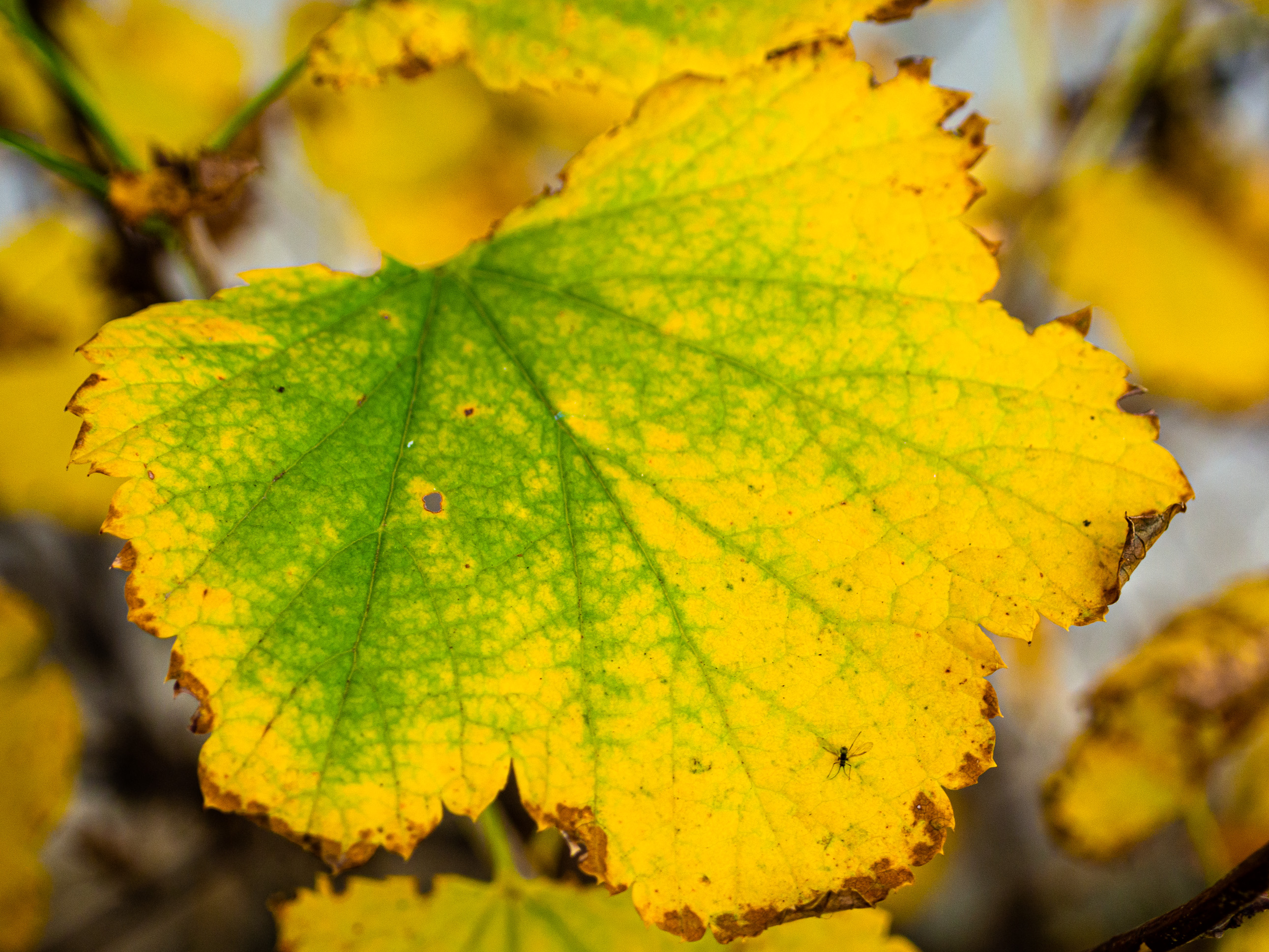
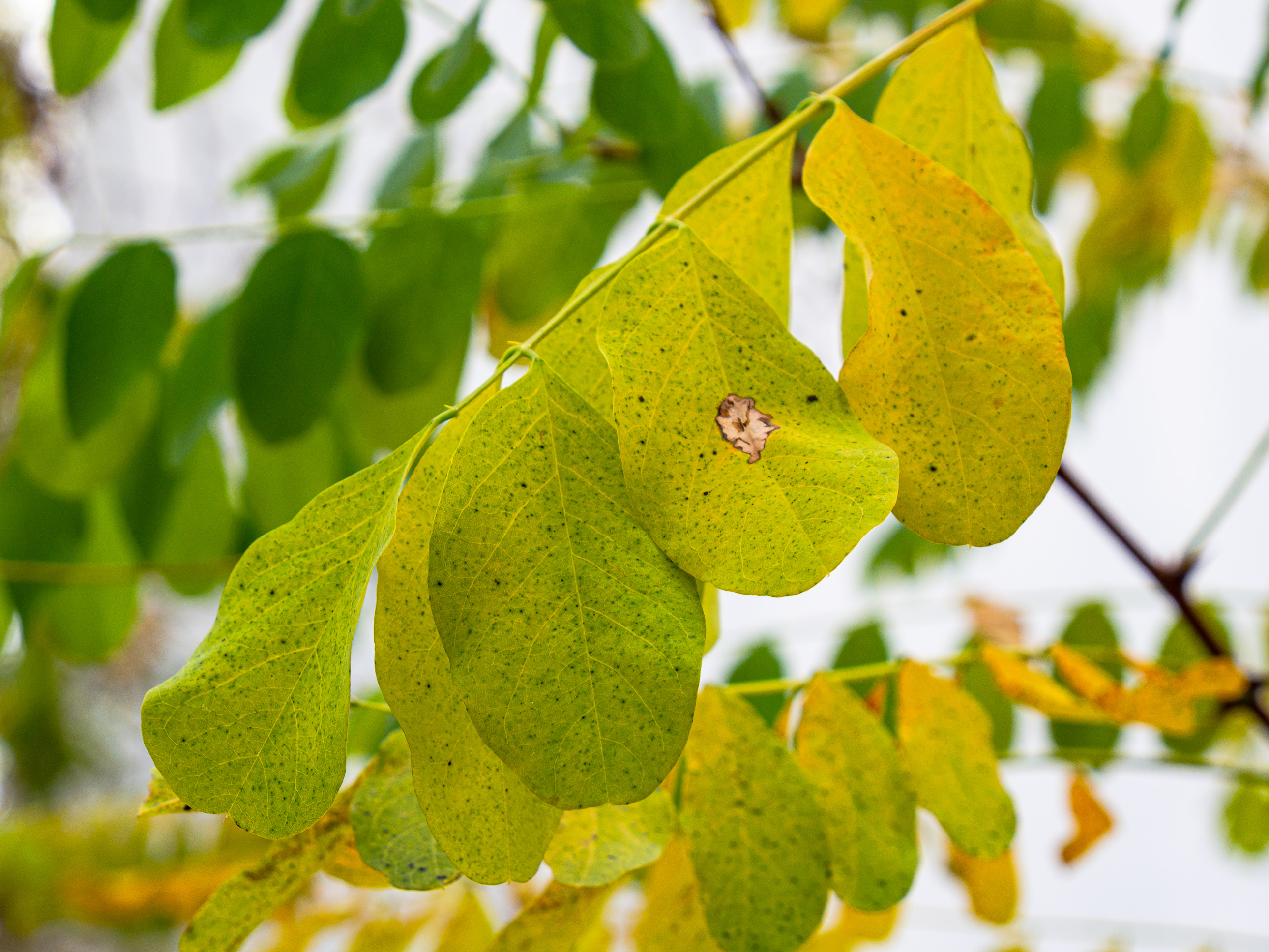
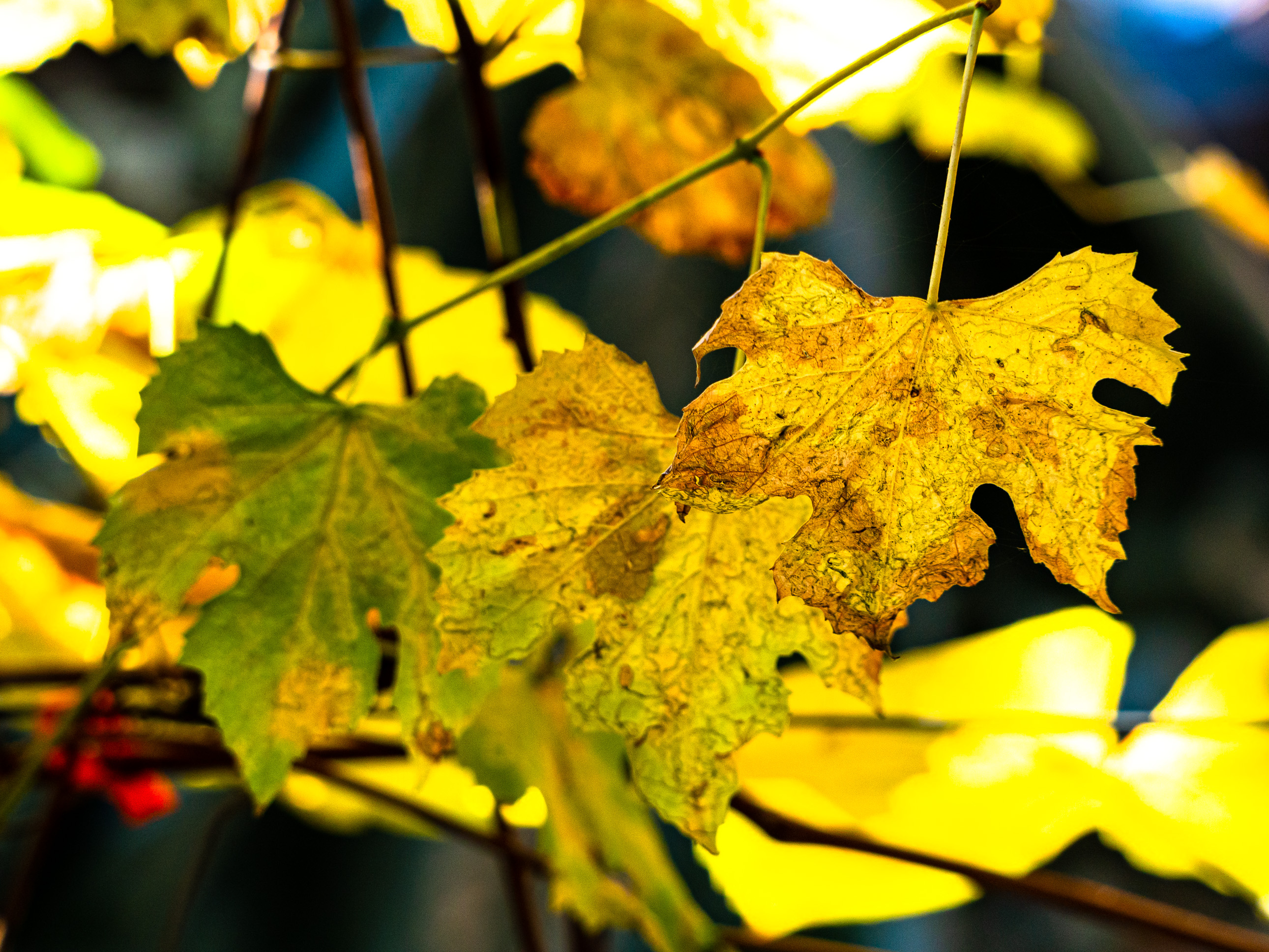
The theme is autumn colors. Enjoy!







Yesterday’s presidential elections in Romania have prompted me to write about something that’s been on my mind for some time: voting rights in a so-called “democratic” country.
I’m concerned about the quality of the electorate and their capability to make objective decisions for the good of the country, not just for their own good. I’ve seen the average comprehension and literacy levels of adults drop across the board, on both sides of the pond. It’s a scary prospect, to be faced with a general electorate that can understand less and less of what you, as a legitimate candidate, are trying to communicate. If this keeps up, our future presidential candidates will need to yell, “Me, give food! Me, give shelter!”, wait for the grunts of approval to subside, then add “Press red button for me! No press red button, no food!”
Pandering to the lowest common denominator leads to short-sighted political decisions, to skeezy populism, to electoral promises/lies, and to a wanton disregard for the kind of leadership that is needed in a world increasingly screwed up by people — the kind of world where governments need to start making long-term, tough, redressive decisions and abide by them through regime changes.
We can look at the origins of democracy (Greece, Rome) in order to see how they handled voting rights, and the main takeaway in those cultures was to not let anyone vote who didn’t have “skin in the game”. By that the Greeks meant well-to-do men who’d also served in the military and the Romans meant men who came from good families (aristocratic) and were well-educated. Women weren’t allowed to vote, and neither were immigrants.
Here’s my proposal:
I have nothing against retired people; they’ve put in a lifetime of work and they deserve their pensions, but they always vote for the people who will promise them $10-20 more in their monthly pension checks, regardless of what horrible things those people have done and will do to the country. And it’s a lot harder for them to vote objectively. A lot of them vote subjectively, particularly through the lens of nostalgia. This has to stop if a country is to move forward.
I have nothing against someone who’s temporarily unemployed and is looking for a job, but we have a huge problem in Romania with people who game the unemployment system and collect checks while they’re working here and there on the gray and black markets. They’re sucking up aid from the government any way they can, including by making babies for the sole purpose of getting more money per month from the government, while they contribute nothing. And their political allegiance is to any party and/or group of politicians that will bribe them off ahead of the elections and will promise to keep their aid coming. These people are uneducated, morally bankrupt shirkers whose only cares are whether they have enough cheap crap to stuff into their mouths and working television sets. They produce nothing except body odor, and they contribute nothing except body waste. They are the biggest threat to a country’s fiscal stability, particularly in the face of a decreasing work force, because they start barking and getting violent as soon as you tear them away from the teats on which they’ve been suckling. No politician wants to touch them, but they’re a problem that has to be addressed.
Thankfully, anyone excluded from voting under the rules I’ve proposed above can quickly remedy the situation by getting a job or starting a small business and contributing to the society in which they’re living. Then they’ll have earned the privilege to vote.
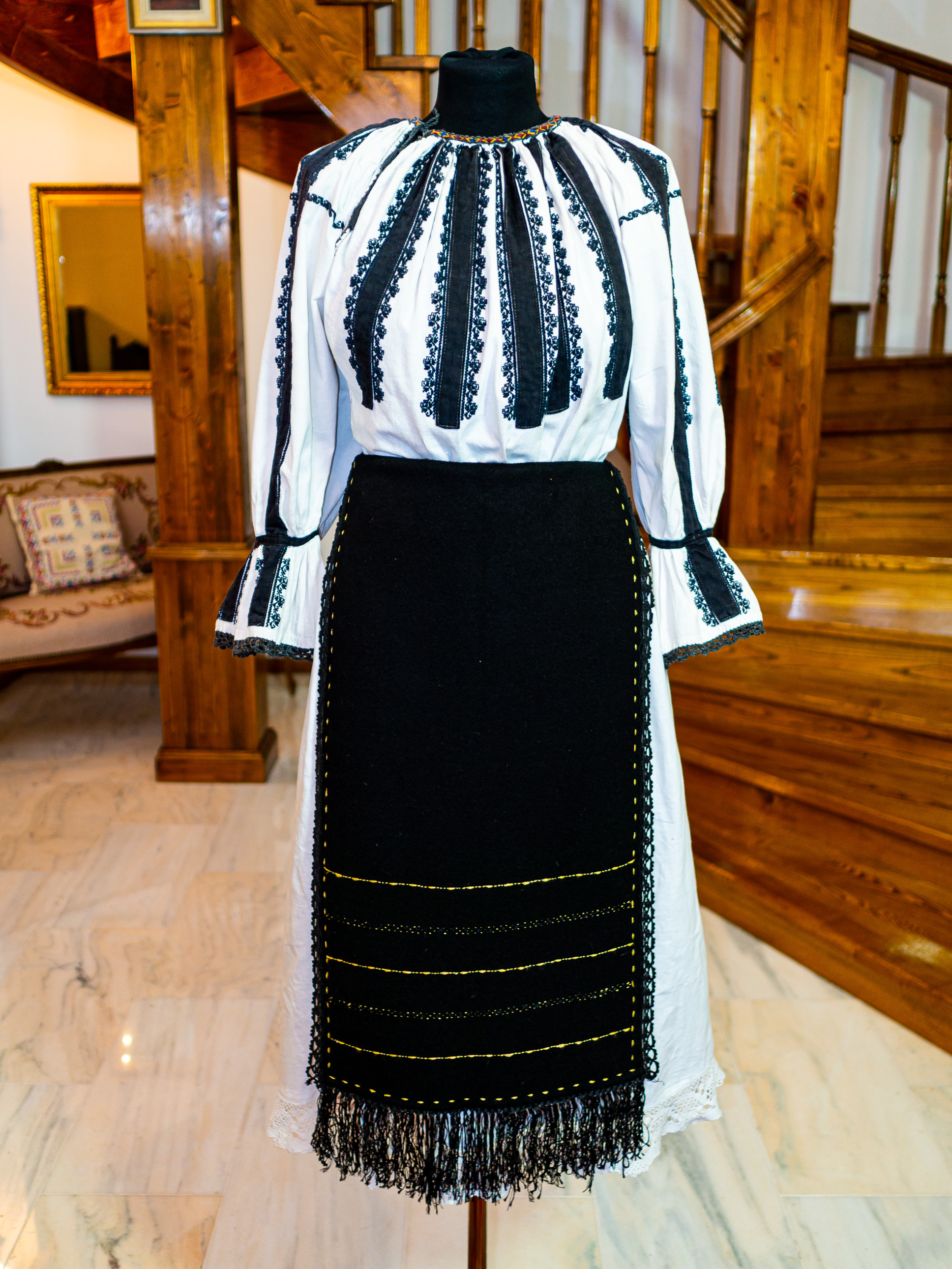
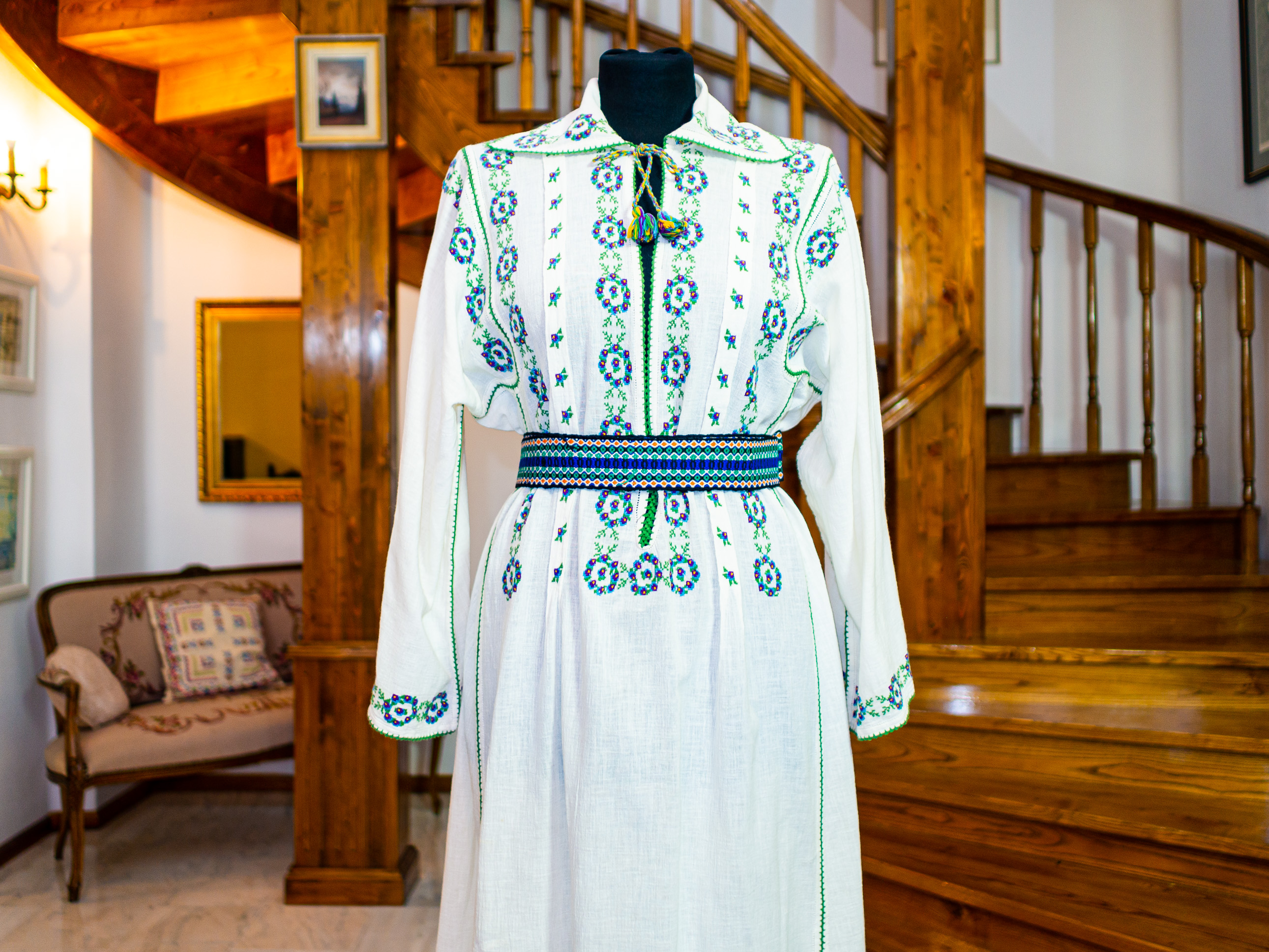
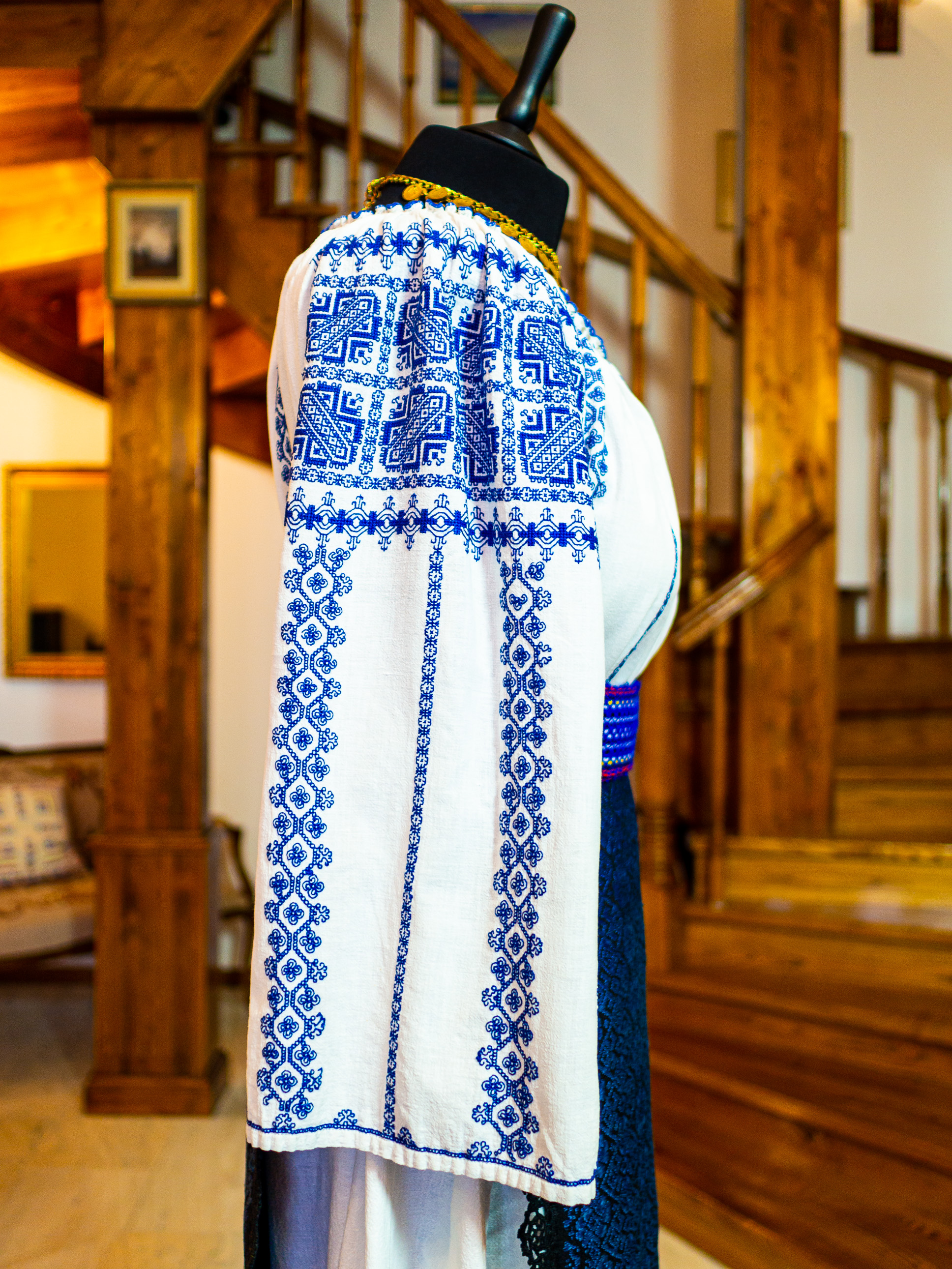
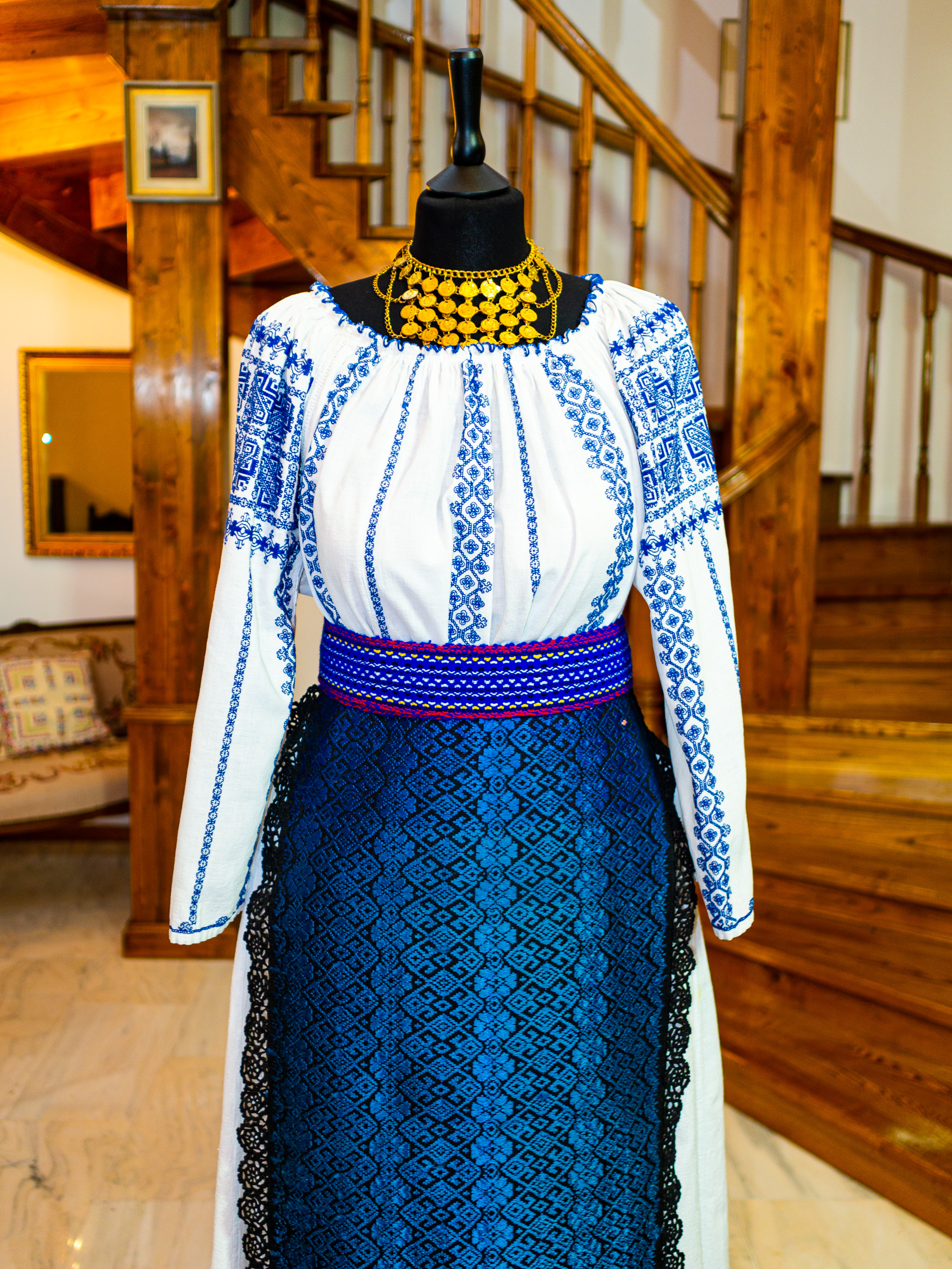
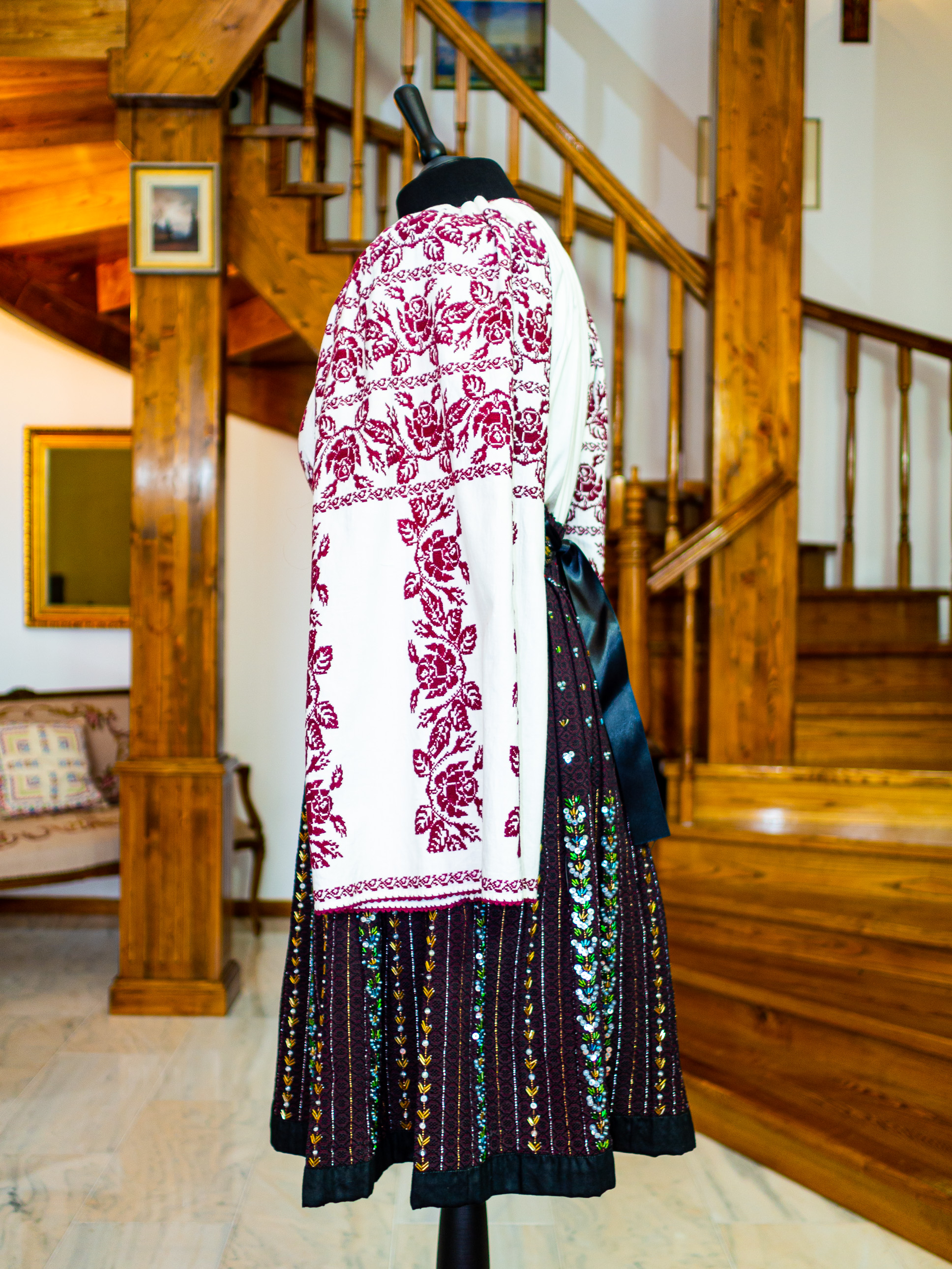
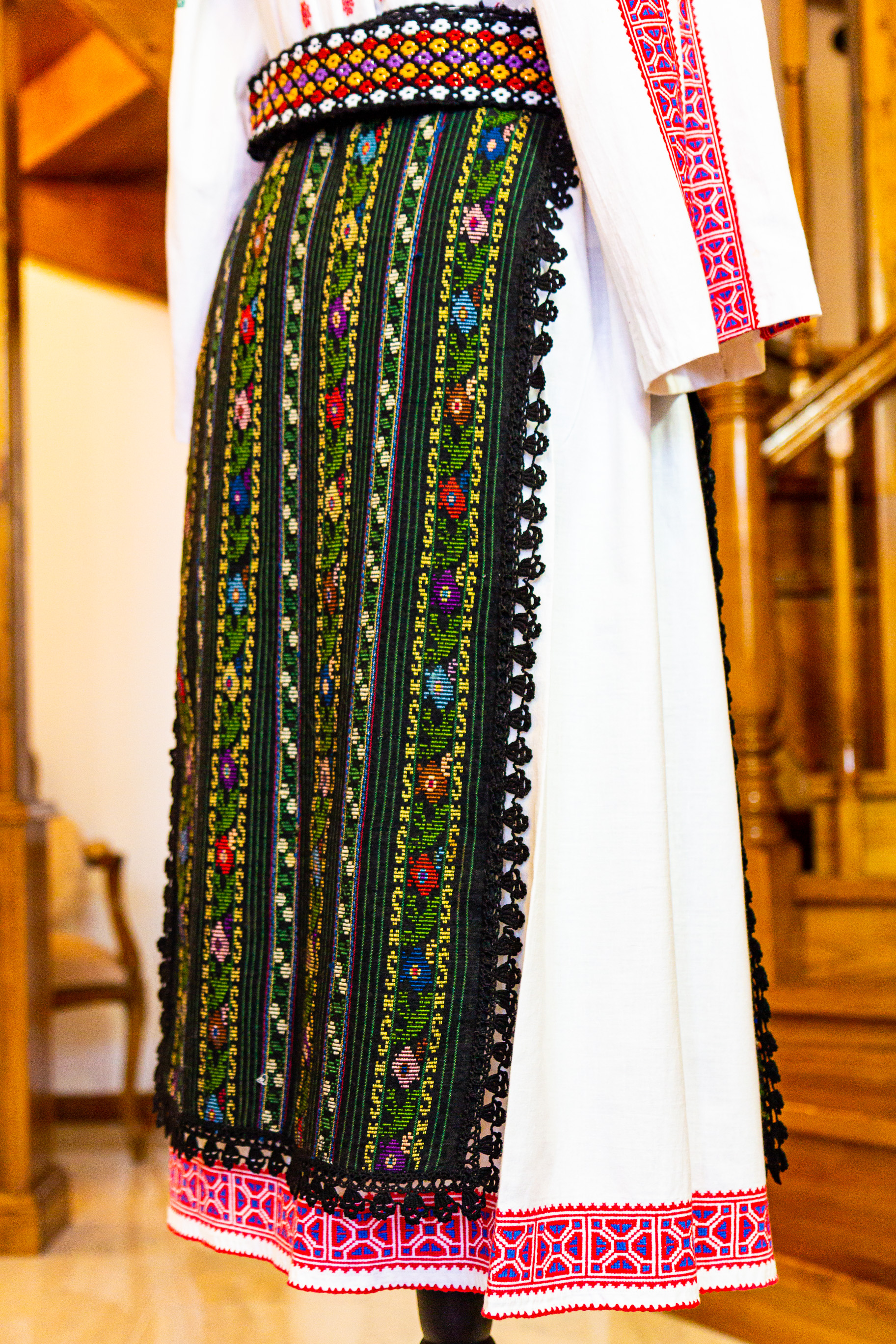
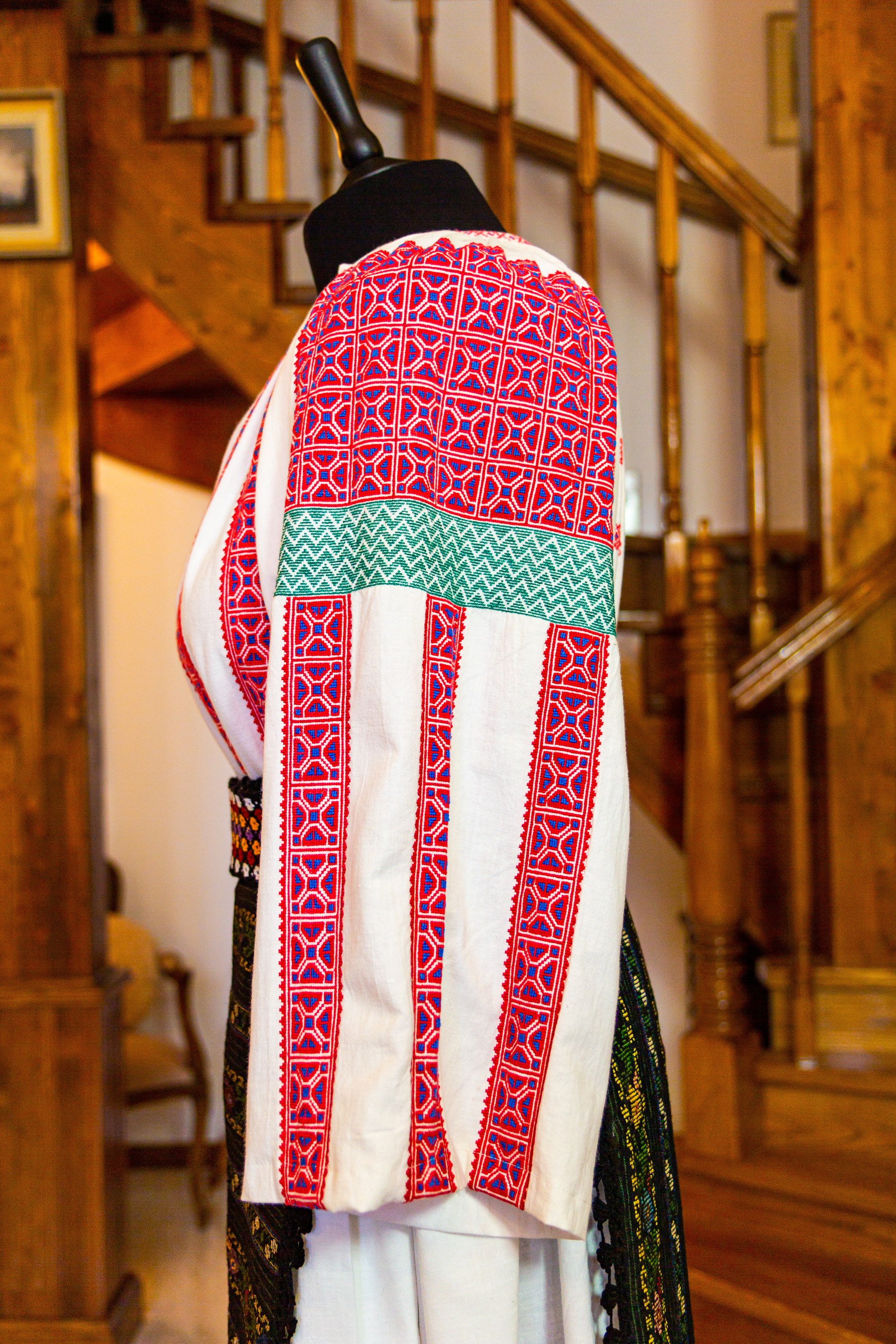
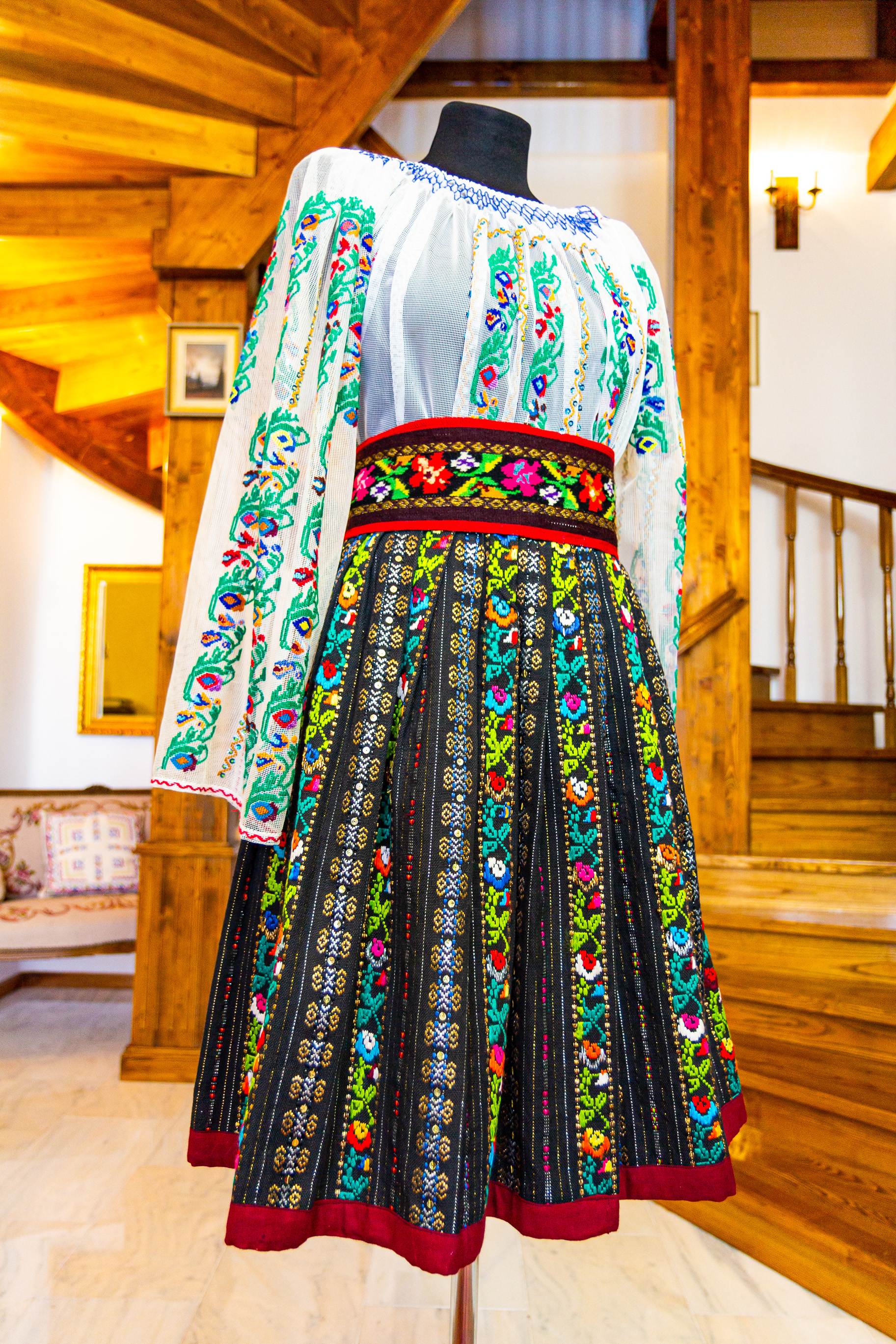
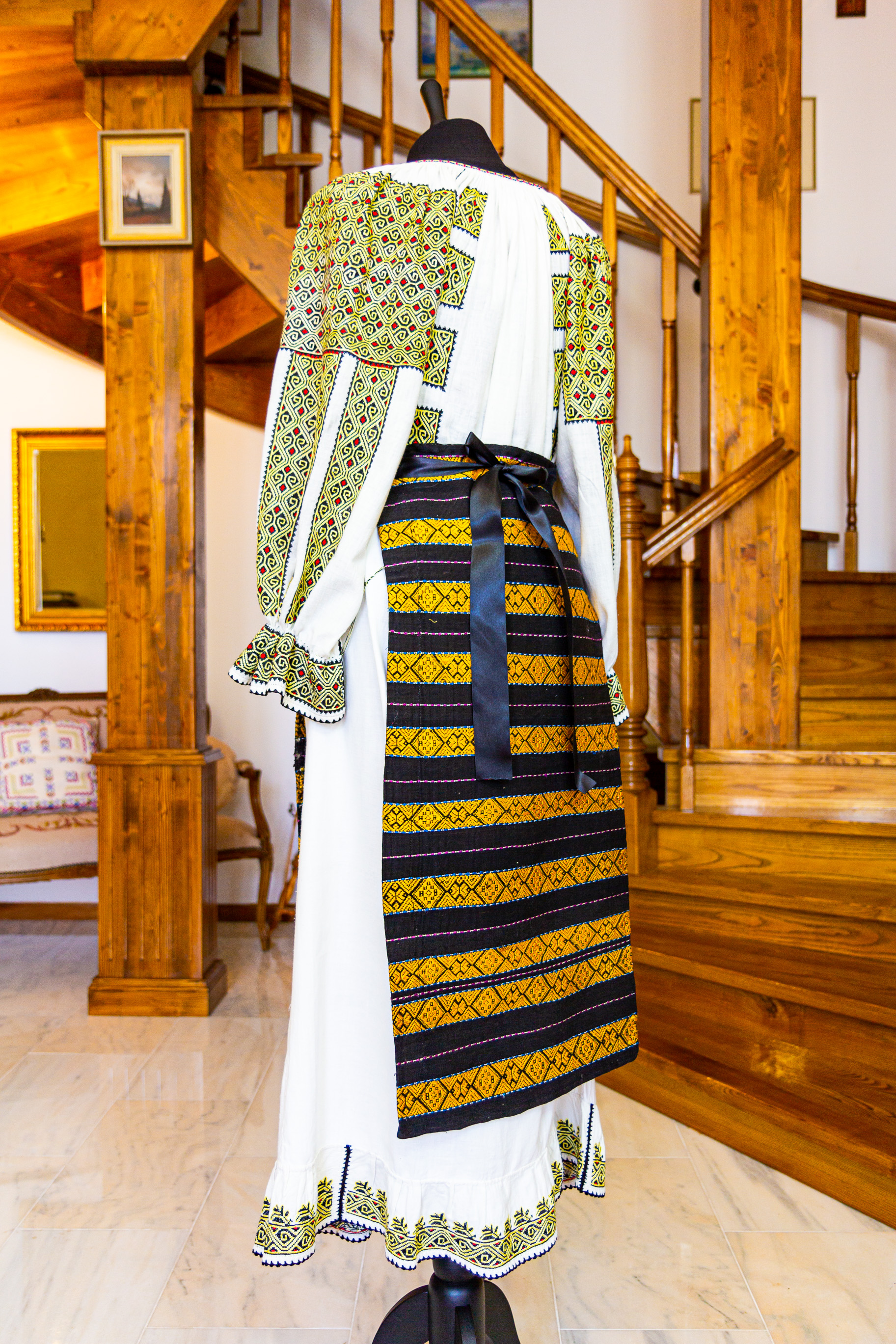
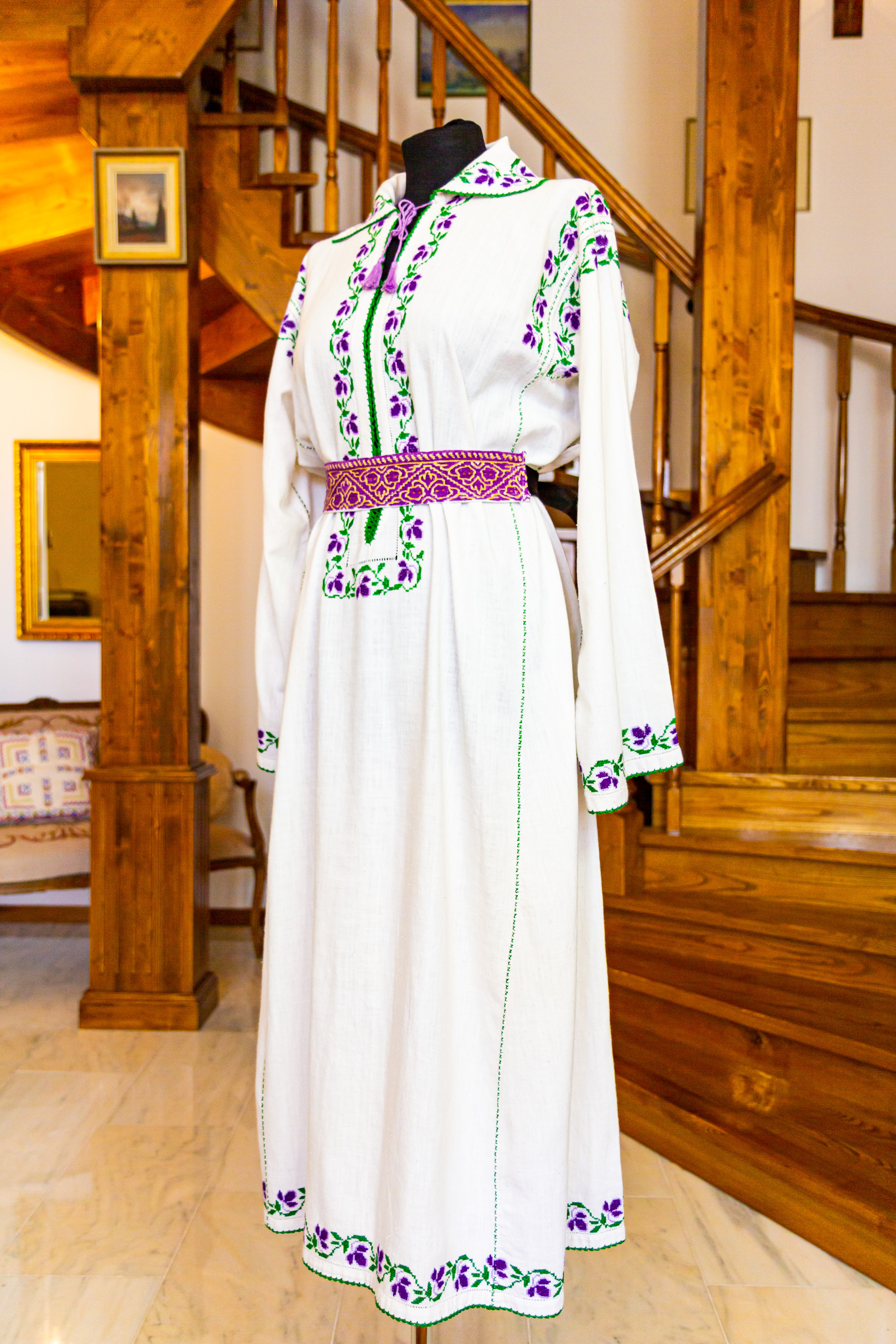
I’m not sure I’ve communicated well enough in the past that my wife collects traditional, handmade Romanian costumes. These aren’t new; they’re historic and they range in age from 50-100 years or more. She buys them in “as is” condition, she makes repairs where needed, she washes them with special detergents and she places them in her collection. They come out looking quite amazing. Sometimes she chooses to sell some of them, but then she ends up buying more. And we’ve taken to photographing them from multiple angles, to document them. We may even put a book together to showcase her collection. At any rate, I’m quite taken with the beauty of these costumes and their intricate, hand-sewn designs. I hope you will appreciate them too. Here is a set of ten photographs taken recently.
As the rate of population growth in developed or developing countries decreases, governments interested in managing their financial risk for social programs quite often offer one short-sighted solution: financial stimuli for making more children. The idea is to increase the future tax base and cover the costs of running a country’s social programs. It’s what just happened in Romania earlier this year, as the monthly allocation for each child was increased. This is the wrong approach.
Contrary to unfortunately popular beliefs and populist politicians, a nation’s decreasing population is a good thing. It’s an educated, informed, working population’s natural response to overpopulation, to the state of the world and the world’s resources, and its preference for quality over quantity. They prefer to have less children, often just one, and to ensure that that child gets the best education and upbringing that each family’s money can buy. Gone are the days when a family would have several children, knowing that a few would be lost during childhood and also knowing the ones who’d reach teenhood and adulthood would be good help on the homestead. Also gone are the days when a country’s population growth was seen as a nationally strategic decision and encouraged against reason and odds.
Still, financial stimuly for child-rearing are a popular topic with voters. What are a country’s leaders to do as they try to shift their country’s focus from quantity to quality, on all levels of life? Here’s a thought: do what the educated parents do. Lavish proper financial stimuli on a family’s first child. I would increase the amount of aid offered by the government by quite a bit, but only for the first child. After that first child, the aid would stop. Each family should be completely on its own if they want to have additional children.
This could be taken one step further in order to fully address a country’s population growth: governments could institute a higher income tax on those families who choose to have more than one child. Whatever name gets attached to it, in those countries where population growth must be curbed, there should be a tax — perhaps even a tax that grows exponentially — for each additional child.
In a world that is well past the mark of overpopulation, each family that chooses to have additional children should ensure they have the proper resources to take care of them instead of being a burden on society. The making of children purely for the purpose of obtaining financial aid from the government (which is a thing in Romania among certain people) would no longer be a problem. The problem of uncontrolled population growth would be fully addressed.