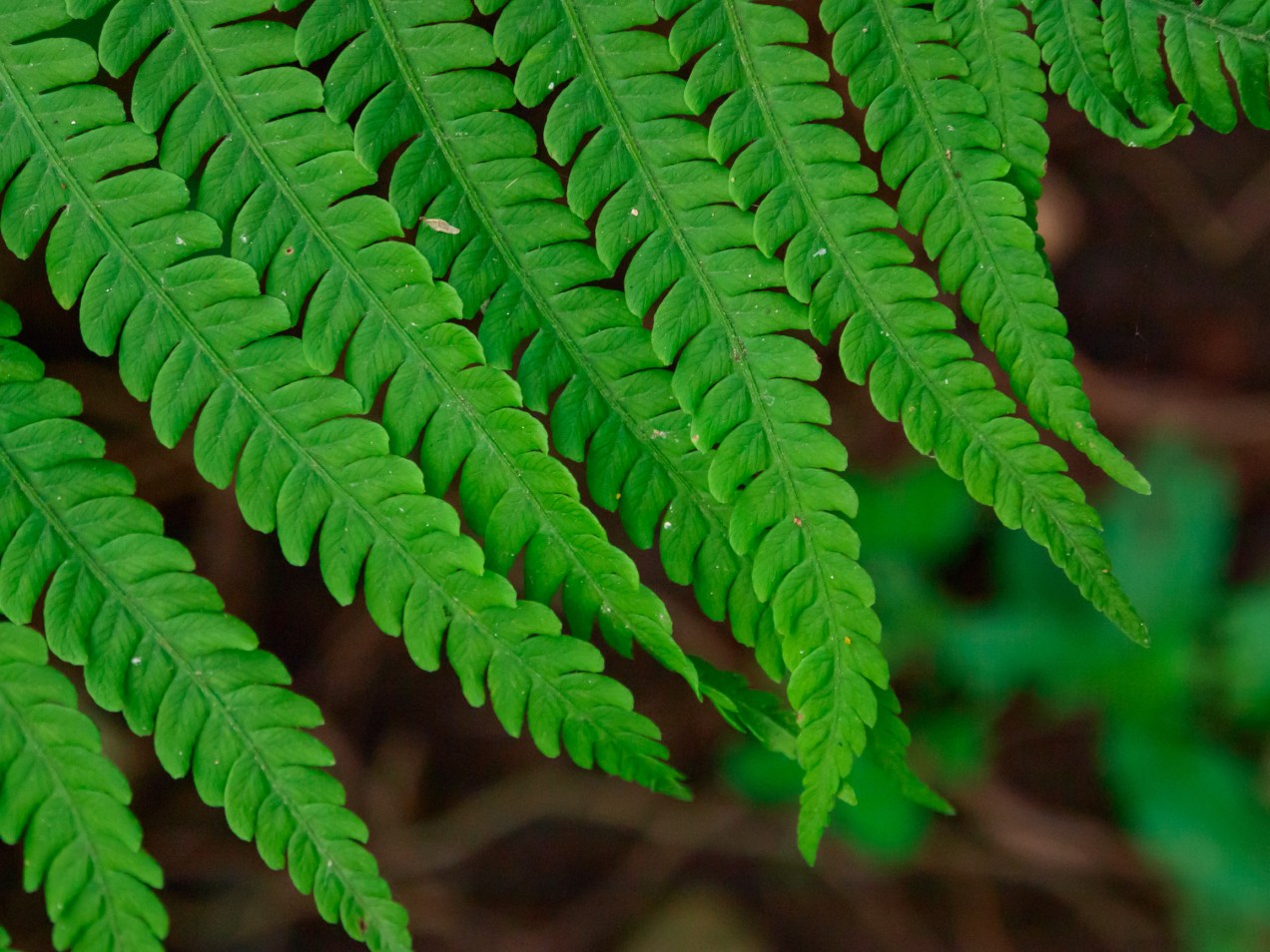
It was still spring (26th of May) and a soothing spring rain had just fallen over our town. Raindrops were hanging on flower petals, leaves and blades of grass. The air had been freshened up and any breeze flowing through the garden made you shudder, now that the air and the earth had cooled off. You just wanted to curl up with a nice cup of coffee — which is just what I did after I took these photos. Enjoy the gallery!

Places

A rainy day in the garden

Gallery
Events

On the evening of the summer solstice

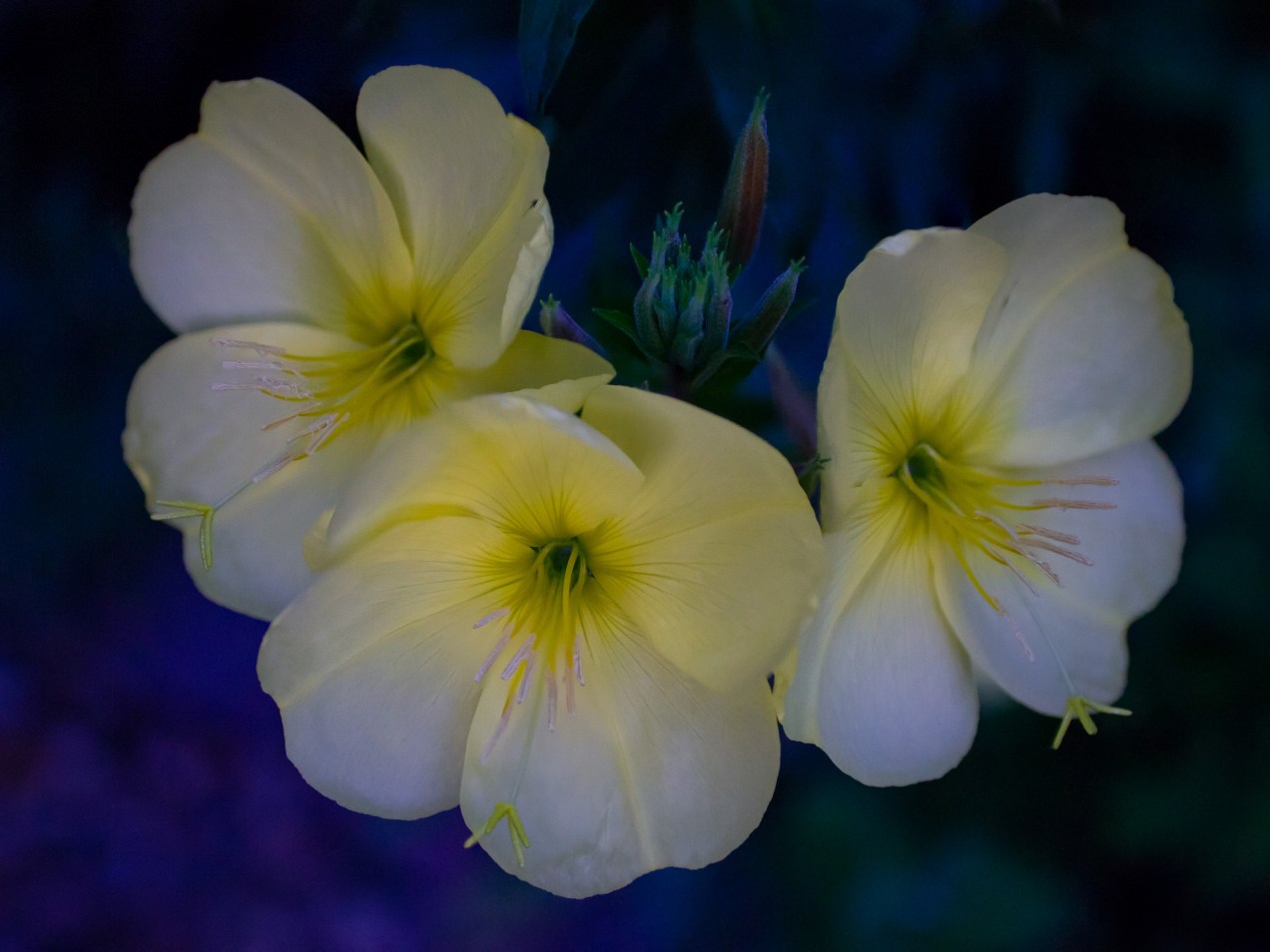
It was the summer solstice a couple of days ago. On that longest day of the year, I thought it might be interesting to take photographs in our garden, just as the day drew to a close. I was especially interested in capturing the evening primroses, because we have so many of them this year, and because I was curious to see whether they’d open up sooner or just as dark fell, as is their custom.

Well, they didn’t open up sooner, I still had to wait until it was almost dark, but I found out something new; having never watched them open up before, I had a wonderful surprise in store for me. As it turns out, the blossoms open at a pace that can be observed live, without the aid of time lapse photography. It’s not as fast as a mimosa pudica’s reaction, but it’s fast enough for a person to stand (or sit) there and watch it open. Nature is wonderful!

I hope you enjoy this set of photographs. I took them with my PEN E-P3, whose IBIS mechanism was recently repaired by Olympus Czechia and is now working so well, it’s tempting to use it as my main camera. I plan to use it a lot more than before, that’s for sure. By the way, my setup included the M.Zuiko 25mm f1.8 lens and the lovely and inexpensive MCON-P02 Macro Adapter. It works with several more lenses from Olympus and it’s small and lightweight, so it even fits in your pocket.

Standard
Places

Late spring in our garden

Summer doesn’t officially start until the solstice on June 21, so even though it feels very much like summer outside, we can still call it spring. Here is a gallery of photographs taken recently in our garden (on the 9th) with my PEN E-P2 and the 12-50mm lens, which does double duty as a macro when you need it. I’m so glad I bought this camera. It came out in 2010 and even now, in 2018, I can’t call it outdated when I can take photographs like these with it. Look at the colors, at the details, at the clarity and the bokeh. It’s so good 😍. I know I shouldn’t praise my own photos and I’m not, I just really like this camera. I love all my PEN cameras, they’re awesome little beasts.

Standard
Reviews

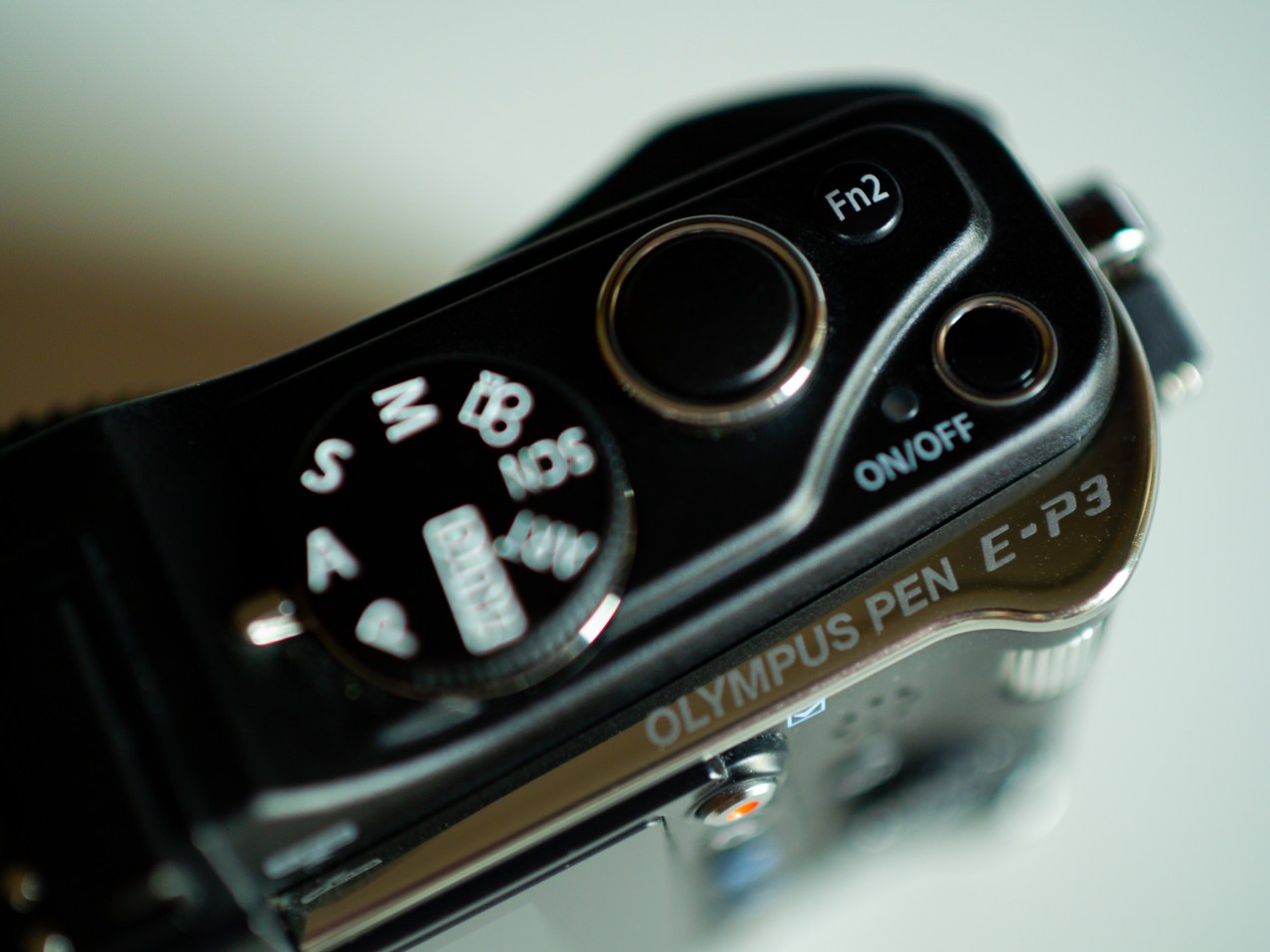
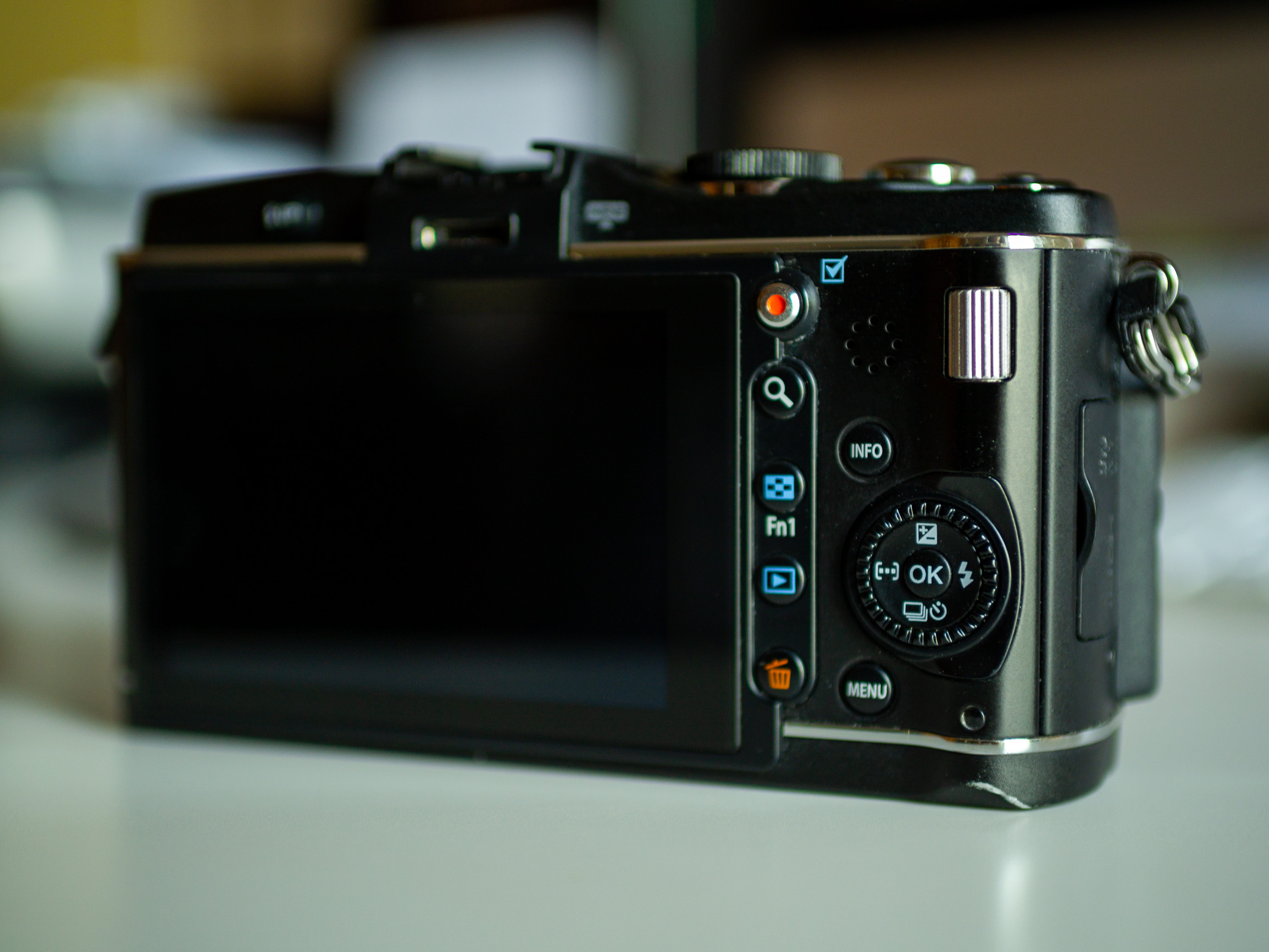
My Olympus PEN E-P3

I purchased this PEN E-P3 just a few days ago, to add it to my collection of Olympus PEN cameras. As I mentioned in my previous post, I now have all the PEN models except the PEN-F.
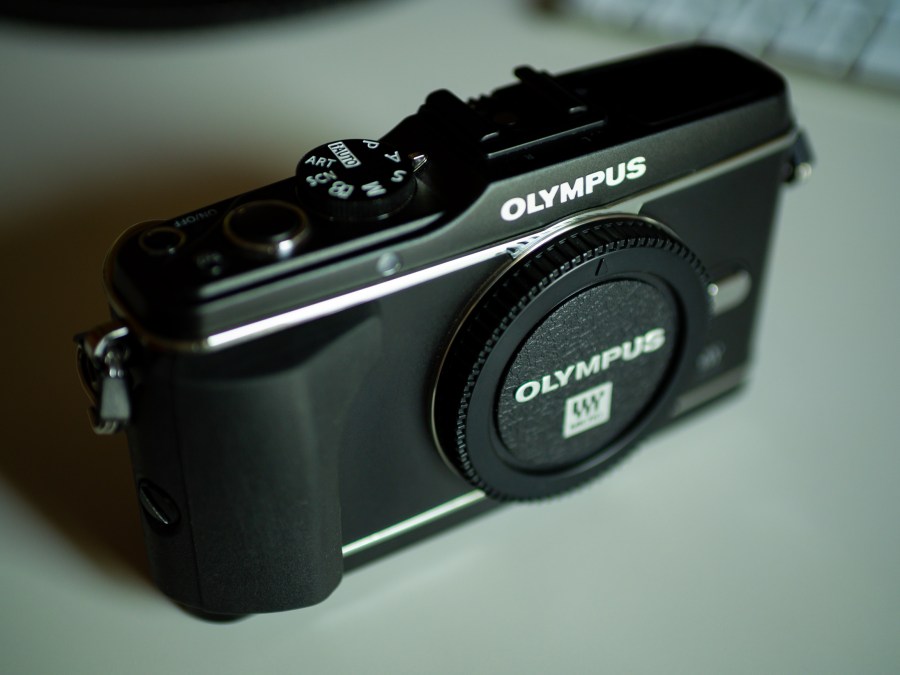
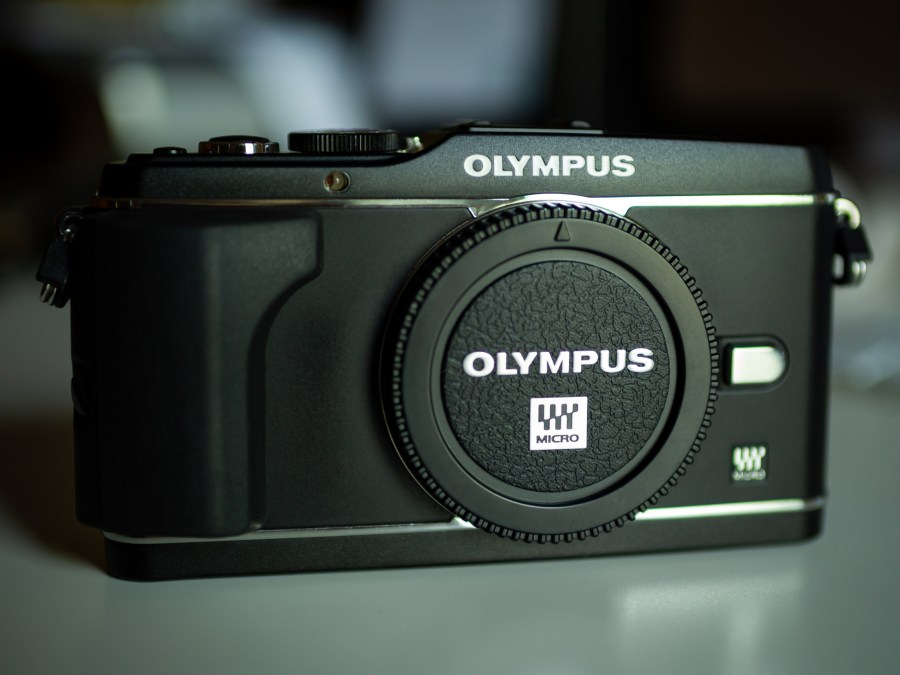
I love PEN cameras because they are the smallest full-featured cameras out there. Yes, there are smaller cameras, but they have smaller sensors. And there are small cameras with bigger sensors, but they’re not as small as these cameras, and you have to deal with big, heavy lenses. The PEN cameras are just perfect. The sensor is big enough to allow for great resolution without squeezing pixels too close together and small enough to allow for small, lightweight lenses.

PENs are almost as full-featured as the bigger OM-D cameras (which I also love and which have their own charm, purpose and amazing capabilities), but the PENs are small and light and easy to carry, so they’re perfect for traveling light or for an all-day photo shoot in the studio, when you have to move around and hold the camera at all sorts of angles in order to get that perfect photo. That was and is the Olympus MFT promise: small, lightweight gear and superb image quality. This is why my PEN E-P5 has become my main camera, by the way. I love using it in my studio and I use it everywhere else as well. This is also why I wanted to collect all of the PEN models. I wanted to see their evolution firsthand, from the standard-setting E-P1 to the E-P5 and the PEN-F.

I bought my E-P3 second-hand and there were some scratches to the underside of the camera. I also discovered after the purchase that the IBIS wasn’t working. I talked with the seller about it and it wasn’t malice. The fellow was a beginner and didn’t even know how to adjust the IBIS, much less that it wasn’t working. I guess at some point, the mechanism either broke or got stuck, so I packed it up yesterday and sent it in to one of the Olympus Service Centers in Eastern Europe to have it fixed. I look forward to getting it back in full working order and using from time to time, as I also use my other PEN cameras. They’re not just collectibles to me. They’re also working cameras and it’s important to me that each and every one of them is fully operational.

Before I sent this camera in for service, I mounted the 25mm f1.8 lens on it, plus my newly-arrived MCON-P02 Macro Converter (which I definitely recommend) and went into our garden to take photographs. I wanted to see how the E-P3 had improved upon the E-P2 in image quality. And it definitely has! The color gradation is better and so are the details. It has the same resolution as the E-P2 (12.2 megapixels) but the images are better and there’s less noise.

I do wish I had adopted the PEN system earlier, back in 2010 when I reviewed the E-P2. I think I’d have been pretty happy working with PEN cameras all these years and maybe also getting an OM-D camera. While I can’t change the past, I am working with Olympus gear now and I am very happy with it.

Enjoy the photographs!

Standard
Reviews

My Olympus PEN E-P1

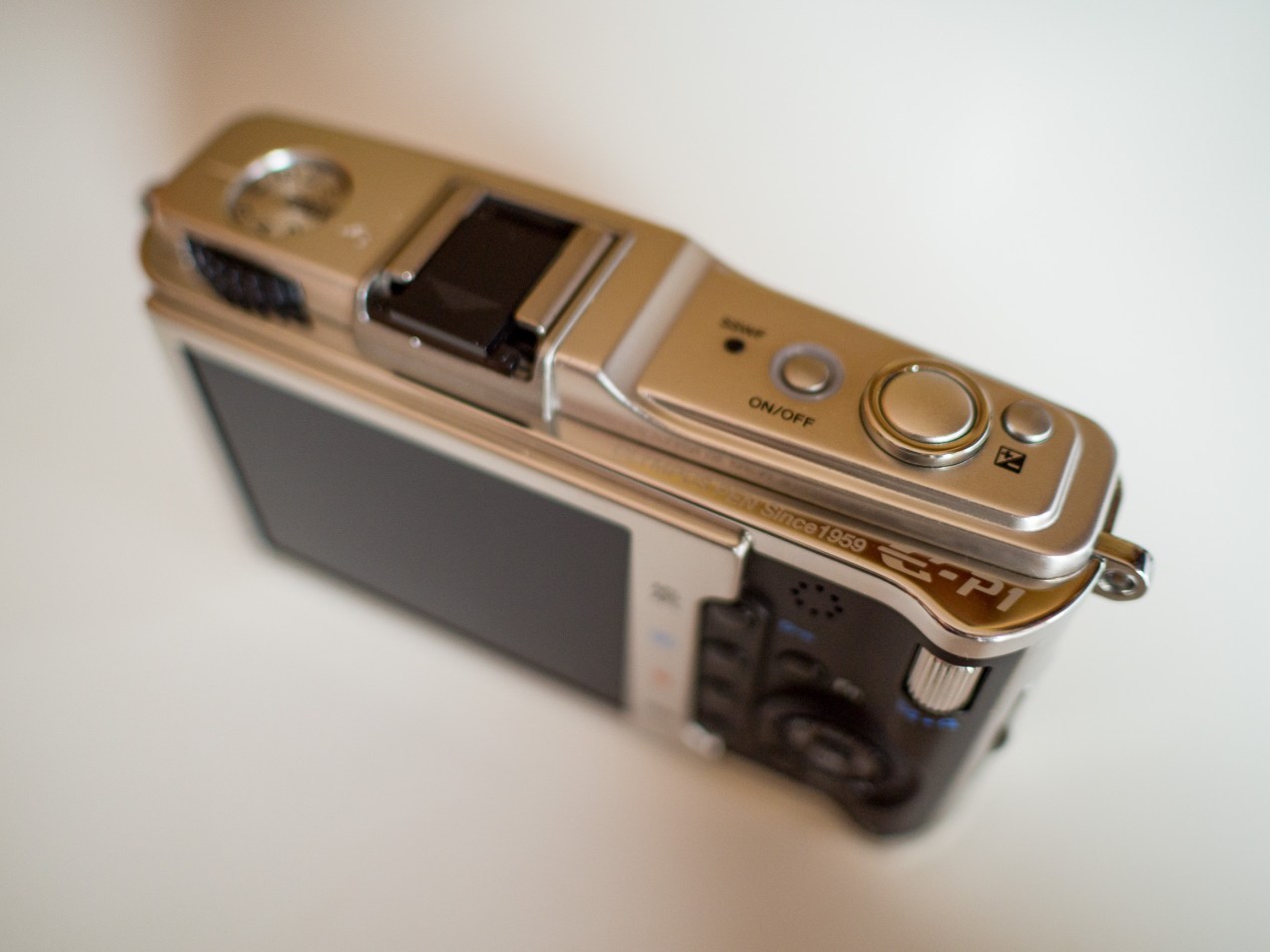
Several days ago, I purchased a PEN E-P1. I’ve been thinking about a number of years of collecting all the digital PEN cameras that Olympus has made. I’m not referring to the PL (Pen Lite) or PM (Pen Mini) camera lines, which were launched alongside the regular PEN cameras in an effort to provide lower-cost alternatives for consumers with lower budgets. I’ve wanted to own all of the regular, full-featured PEN cameras, of which there are five models: E-P1, E-P2, E-P3, E-P5 and PEN-F. So when did my love of PEN cameras start? It was when I reviewed the PEN E-P2 back in 2010. I loved that camera and I wanted to have it right there and then, but I was heavily invested in Canon gear at the time. Fast forward to 2018. When I bought the E-P1, I already had the E-P2 and the E-P5 (I also have the first PL model, the E-PL1). Since then, I’ve also purchased the E-P3, so now the only camera left to get for my collection is the PEN-F.

The E-P1 is an important camera. Launched on June 16, 2009, it was the first digital PEN. Fifty years before it came the original PEN, in 1959. Both cameras were revolutionary in their design and their compact size. What Olympus managed to do with the digital PEN was amazing: they managed to give us the features and quality that only came with larger, heavier cameras, in a tiny and light camera body that could be carried in a pocket or a purse. In its time, the E-P1 was the lightest, smallest and most capable camera on the market. It may not have been the best at everything, but it offered image quality that was higher than or comparable to much larger and more expensive cameras with larger sensors. Even today, almost nine years later, when the E-P1 is coupled with a great lens, such as the M.Zuiko 25mm f1.8, it can produce truly beautiful photographs that match quite well the quality of images made with cameras that have full-frame sensors. You’ll see this in the gallery below, which contains photos I’ve taken in our garden with the E-P1 and the 25mm f1.8.

I am fortunate and happy that I was able to build my PEN collection, and that I get to work every day with such great cameras. The PEN E-P5 is my primary camera now, both in the studio and outdoors. I love it. Enjoy the photographs!

Standard