
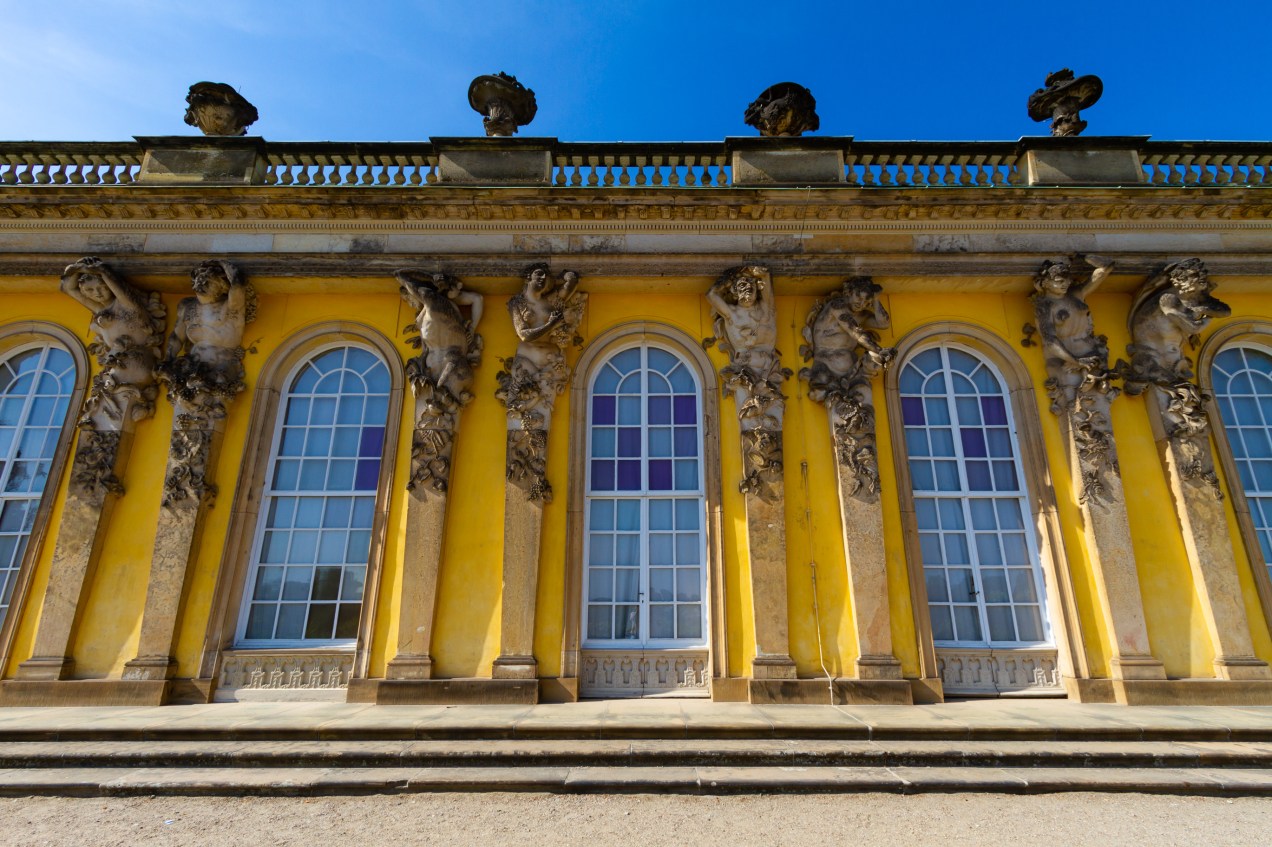
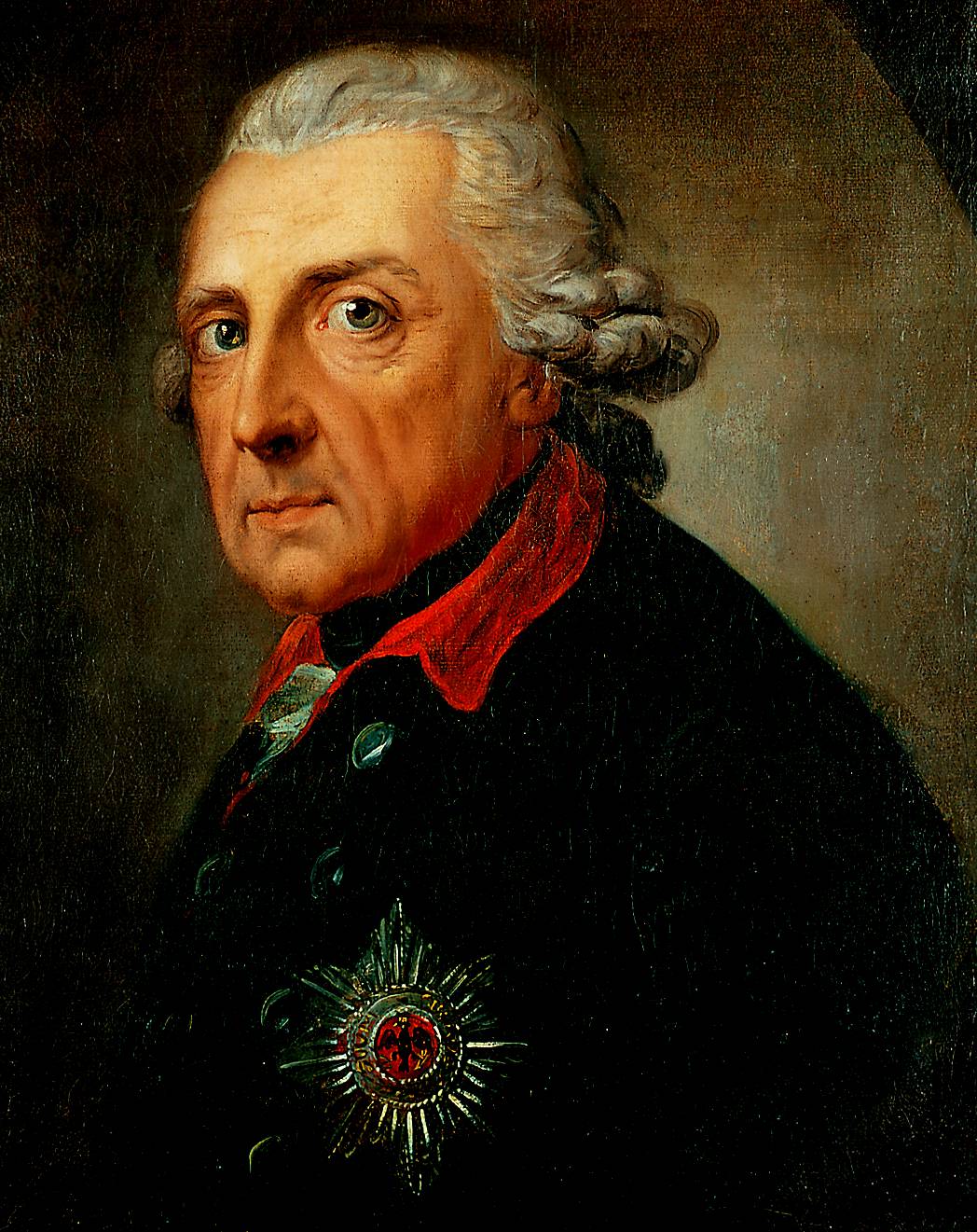
After sightseeing in Berlin, we visited Potsdam (which in our days is technically within the territory of Berlin but was once a separate place), where we spent time over the course of a couple of days at Sanssouci Palace (Schloss Sanssouci). The Palace was once the summer home of Frederick the Great, the former King of Prussia. The town of Potsdam was a favourite place of residence for the German imperial family until the fall of the Hohenzollern dynasty in 1918.
An interesting aside: the House of Hohenzollern is also notable for being the official monarchy of Romania from 1881 to 1947 and unofficially from 1991 onward, with the current heir being Princess Margareta, Custodian of the Crown of Romania.
Sanssouci was built in order to fulfill King Frederick’s need for a private residence where he could relax away from the pomp and ceremony of the Berlin court. It was designed and partially built by Georg Wenzeslaus von Knobelsdorff between 1745 and 1747. Because of a disagreement about the site of the palace in the park, Knobelsdorff was fired in 1746. Jan Bouman, a Dutch architect, finished the project. The palace’s name emphasises this; it is a French phrase (sans souci), which translates as “without concerns” or “carefree”, symbolising that the palace was a place for relaxation rather than a seat of power.
Sanssouci is little more than a large, single-story villa—more like the Château de Marly than Versailles. Containing just ten principal rooms, it was built on the brow of a terraced hill at the centre of the park. The influence of King Frederick’s personal taste in the design and decoration of the palace was so great that its style is characterised as “Frederician Rococo“, and his feelings for the palace were so strong that he conceived it as “a place that would die with him”.
During the 19th century, the palace became a residence of Frederick William IV. He employed the architect Ludwig Persius to restore and enlarge the palace, while Ferdinand von Arnim was charged with improving the grounds and thus the view from the palace.
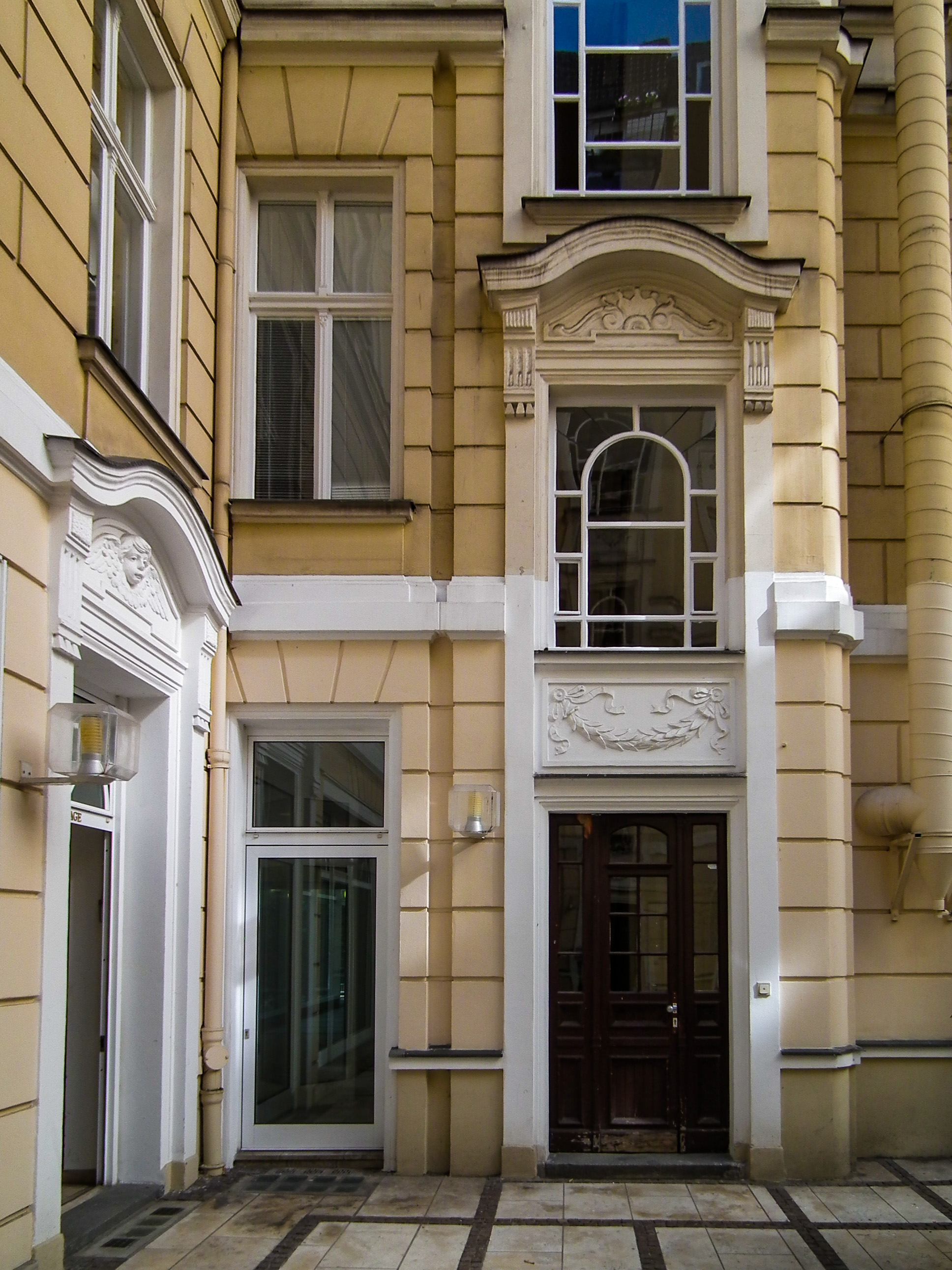
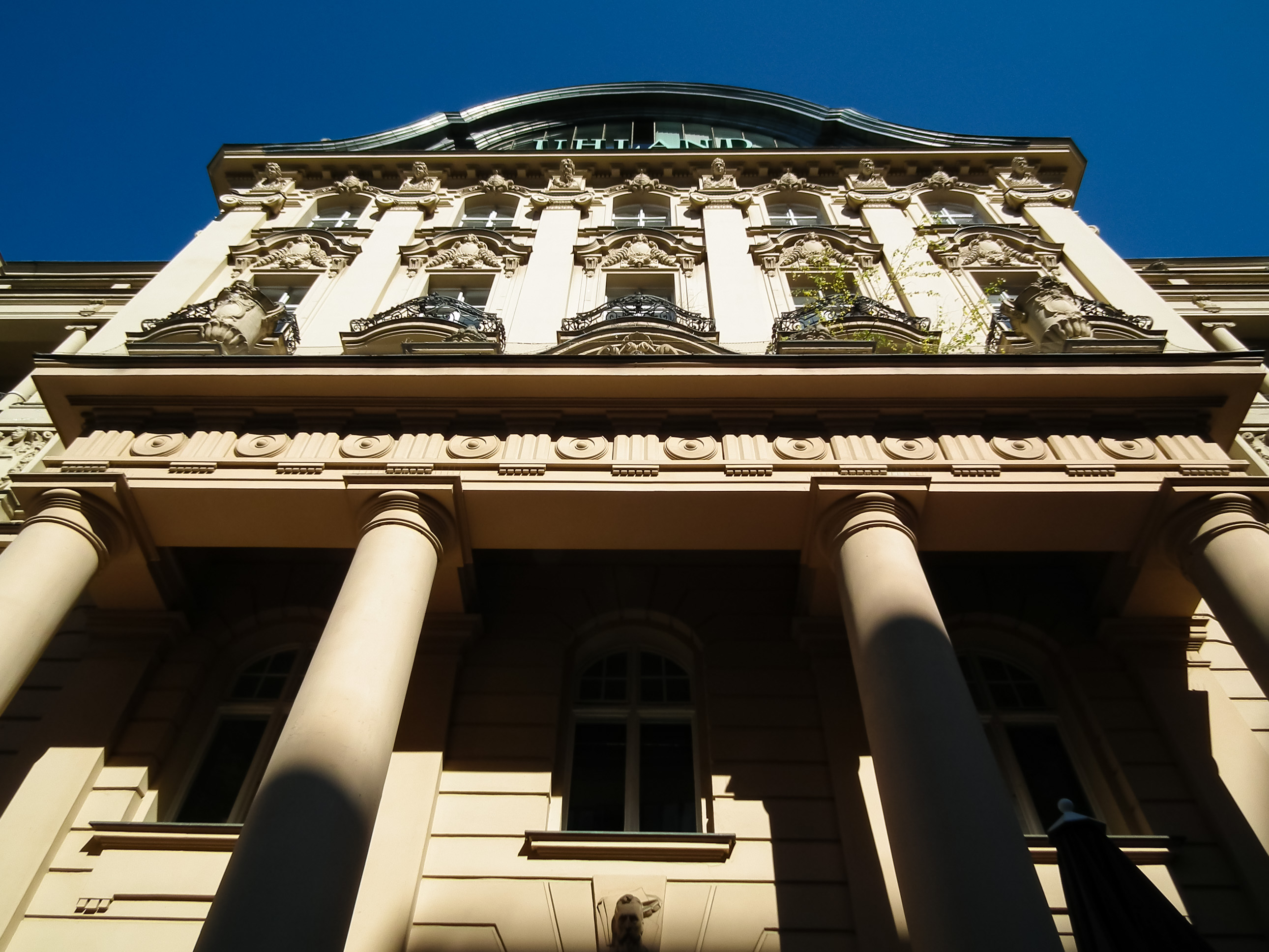
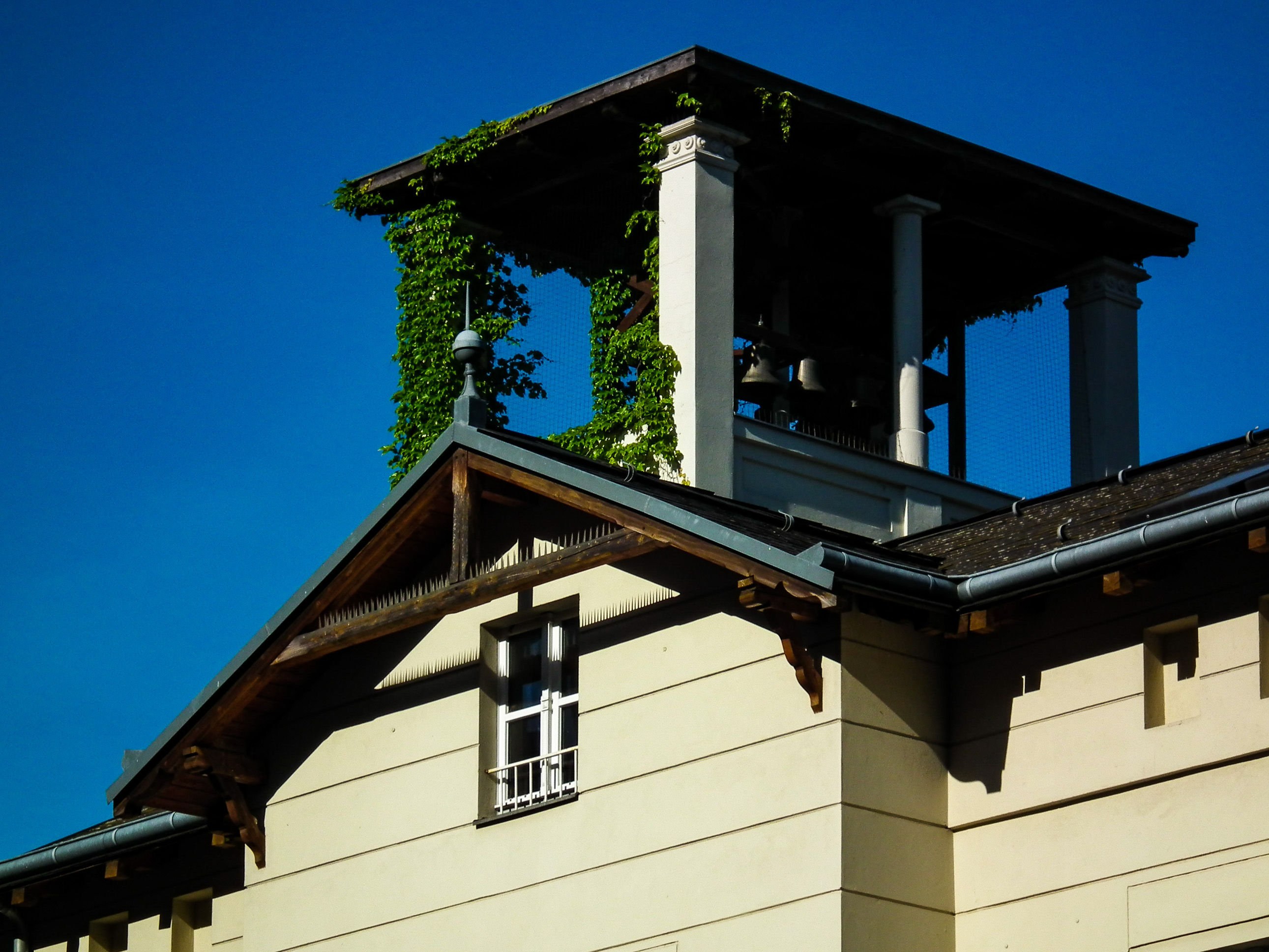
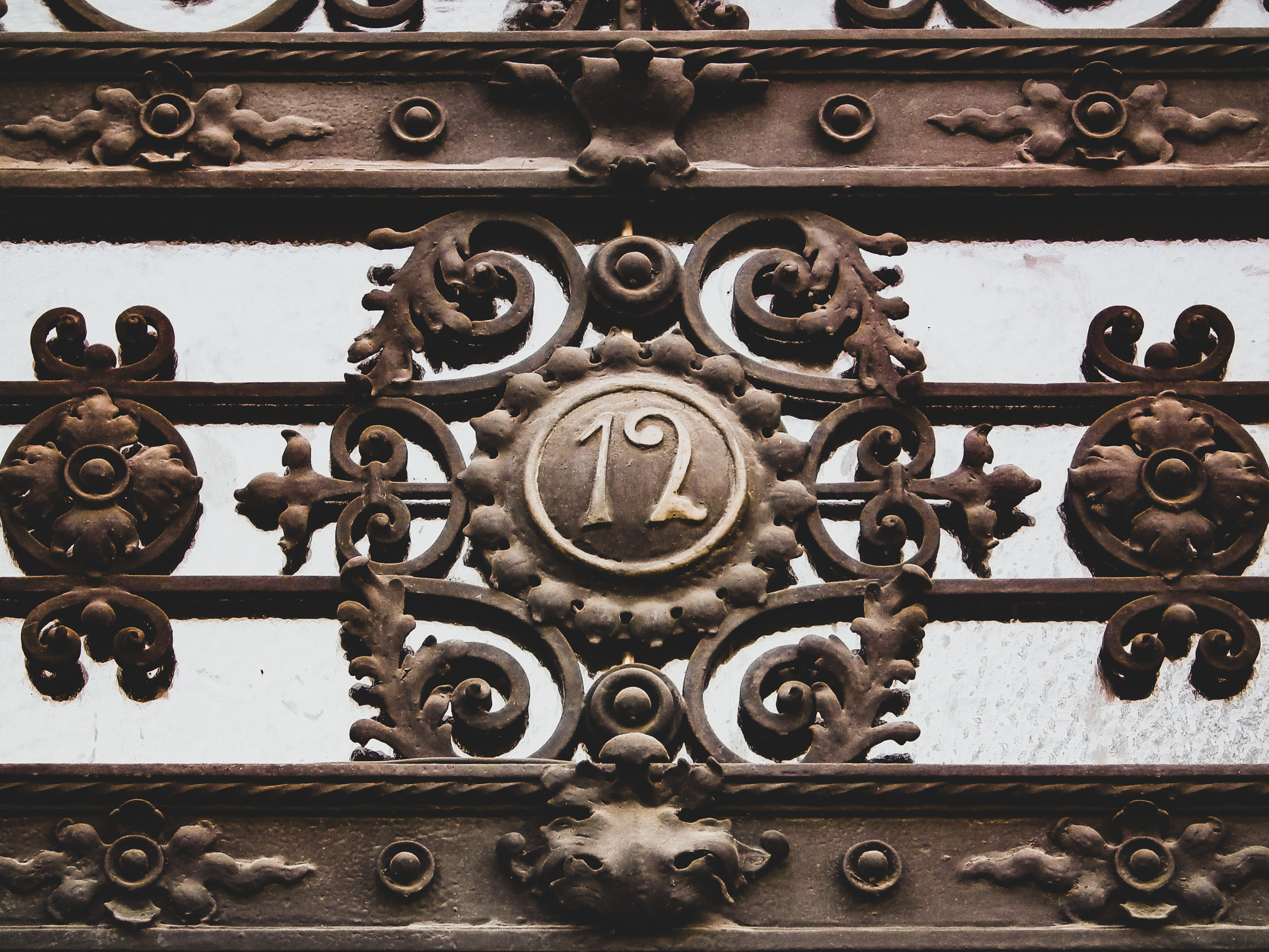
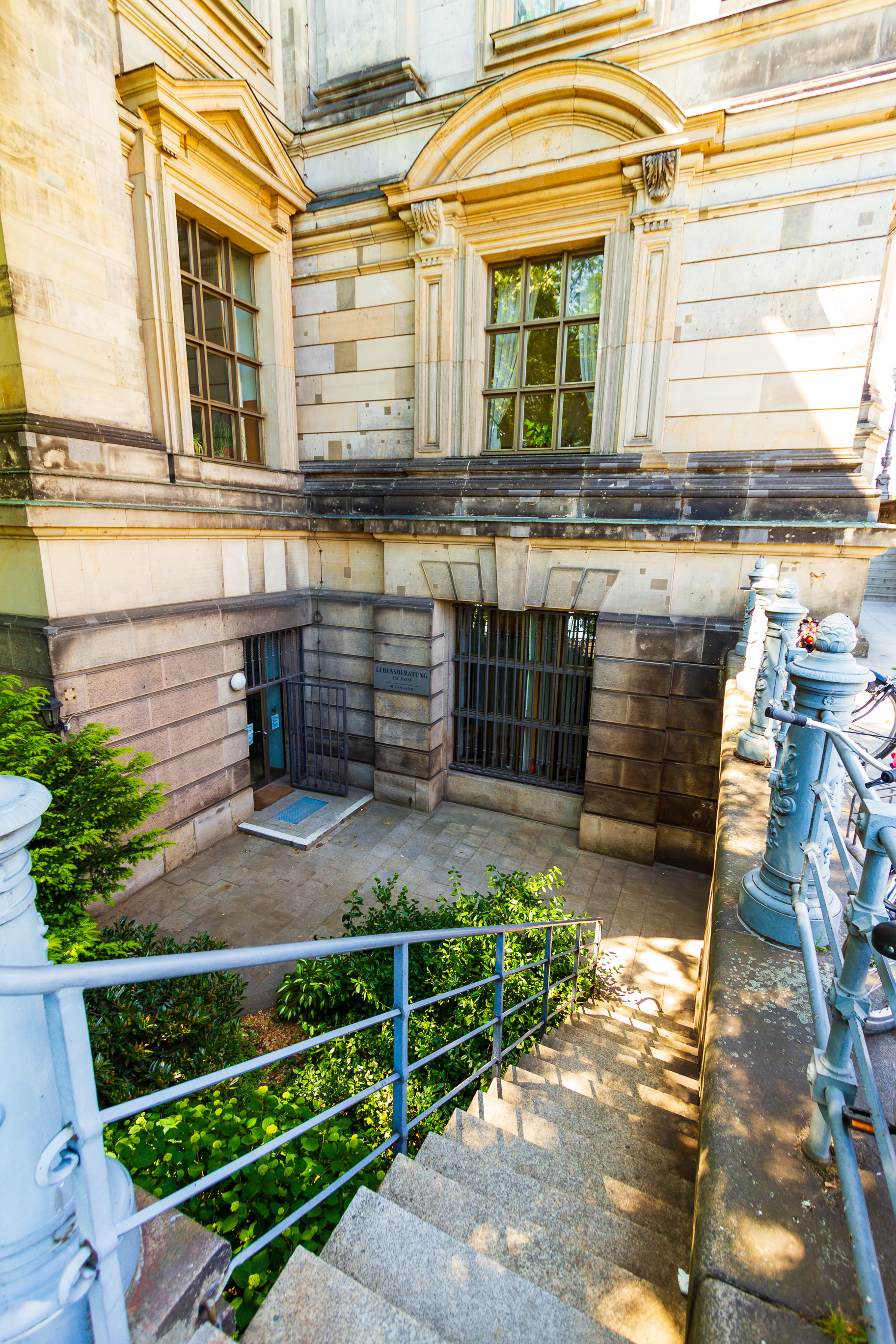
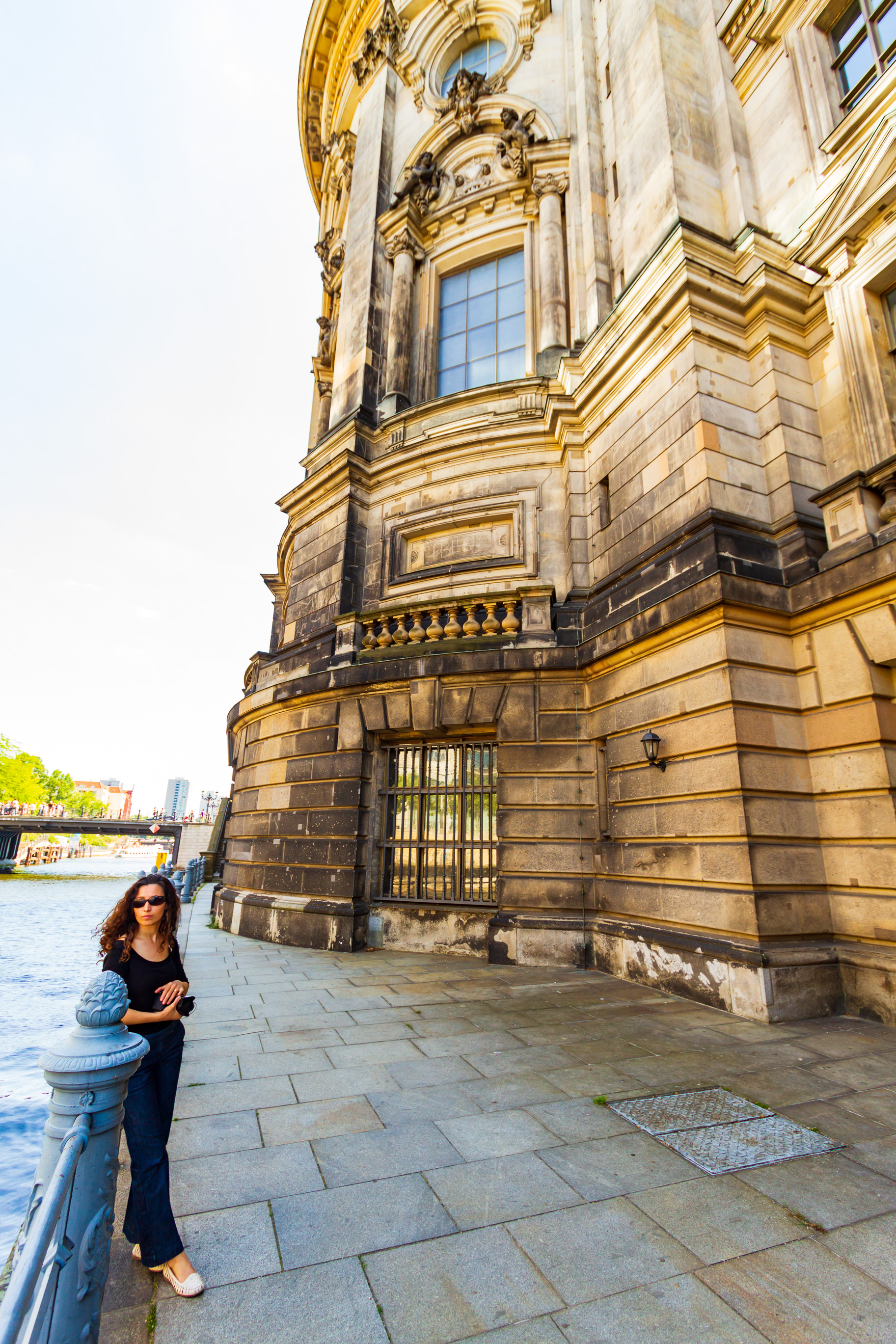
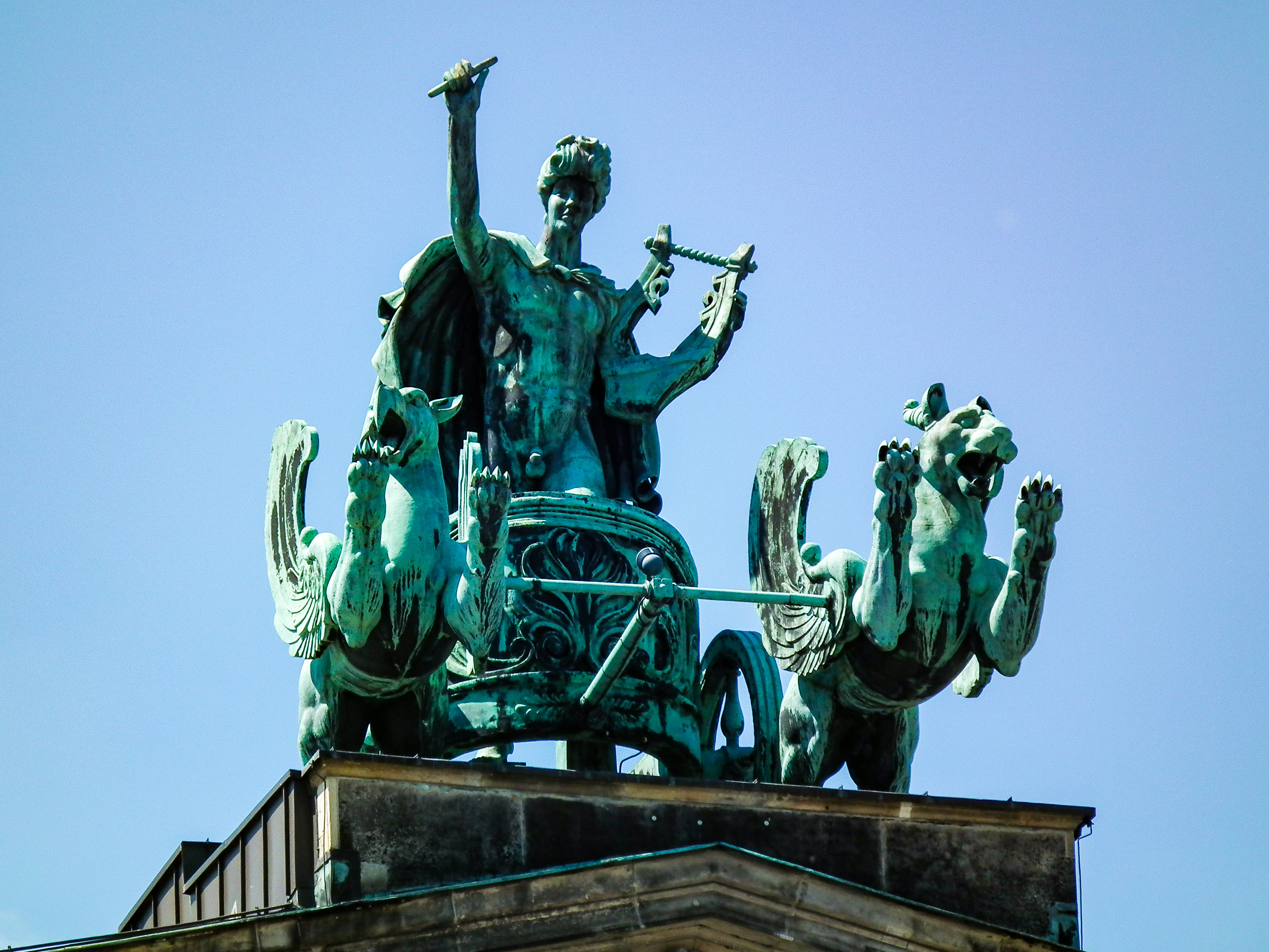
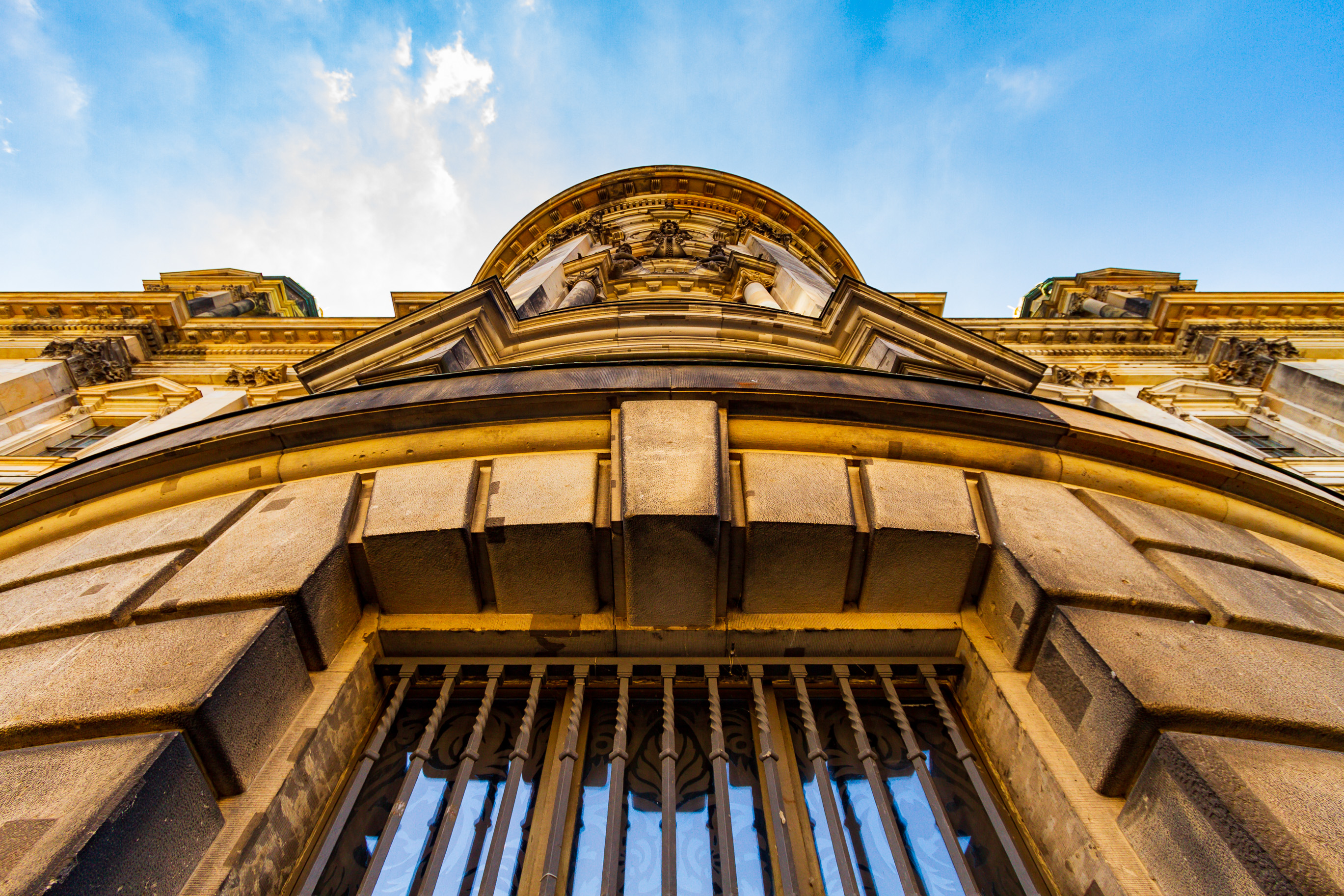
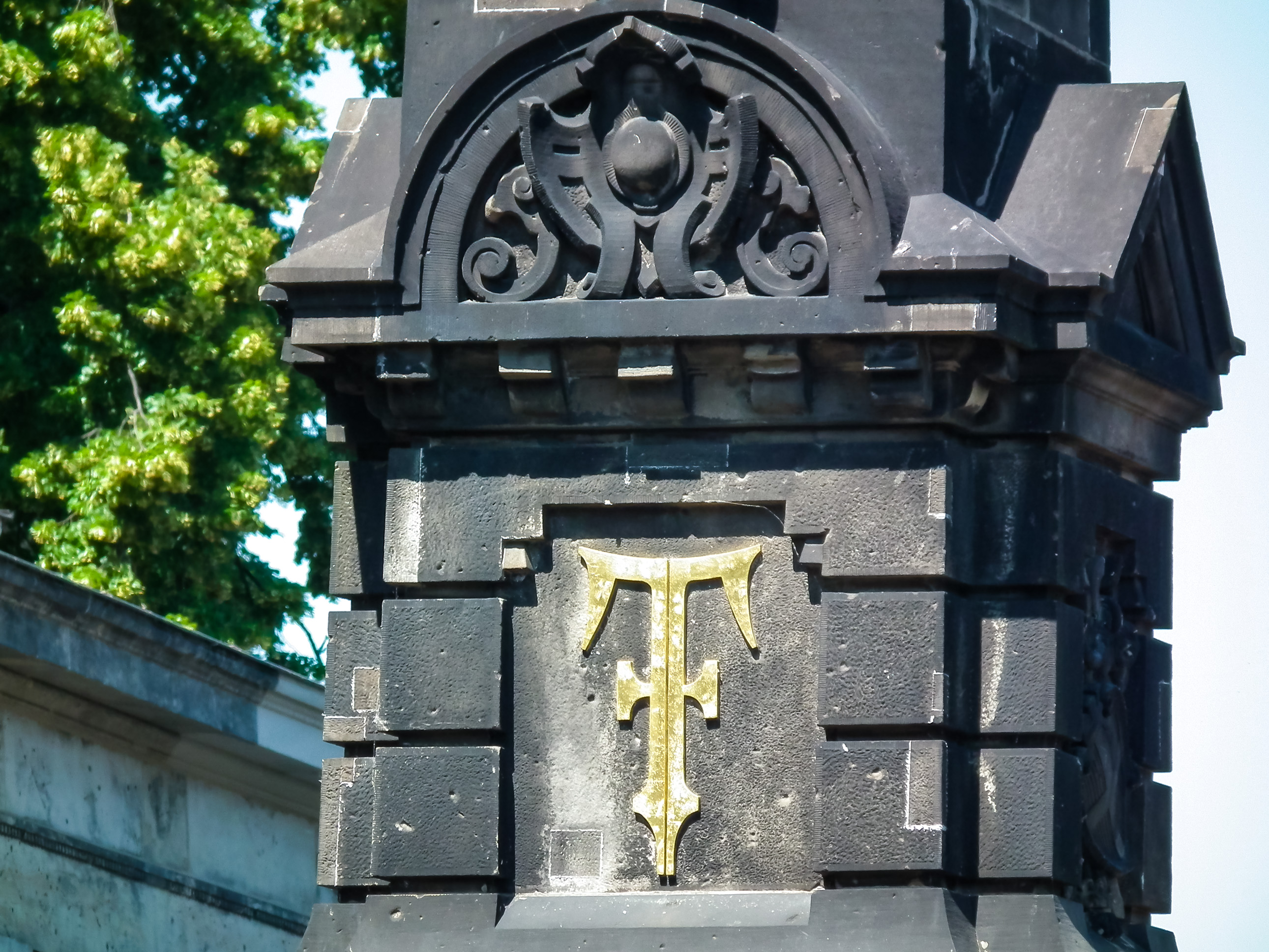
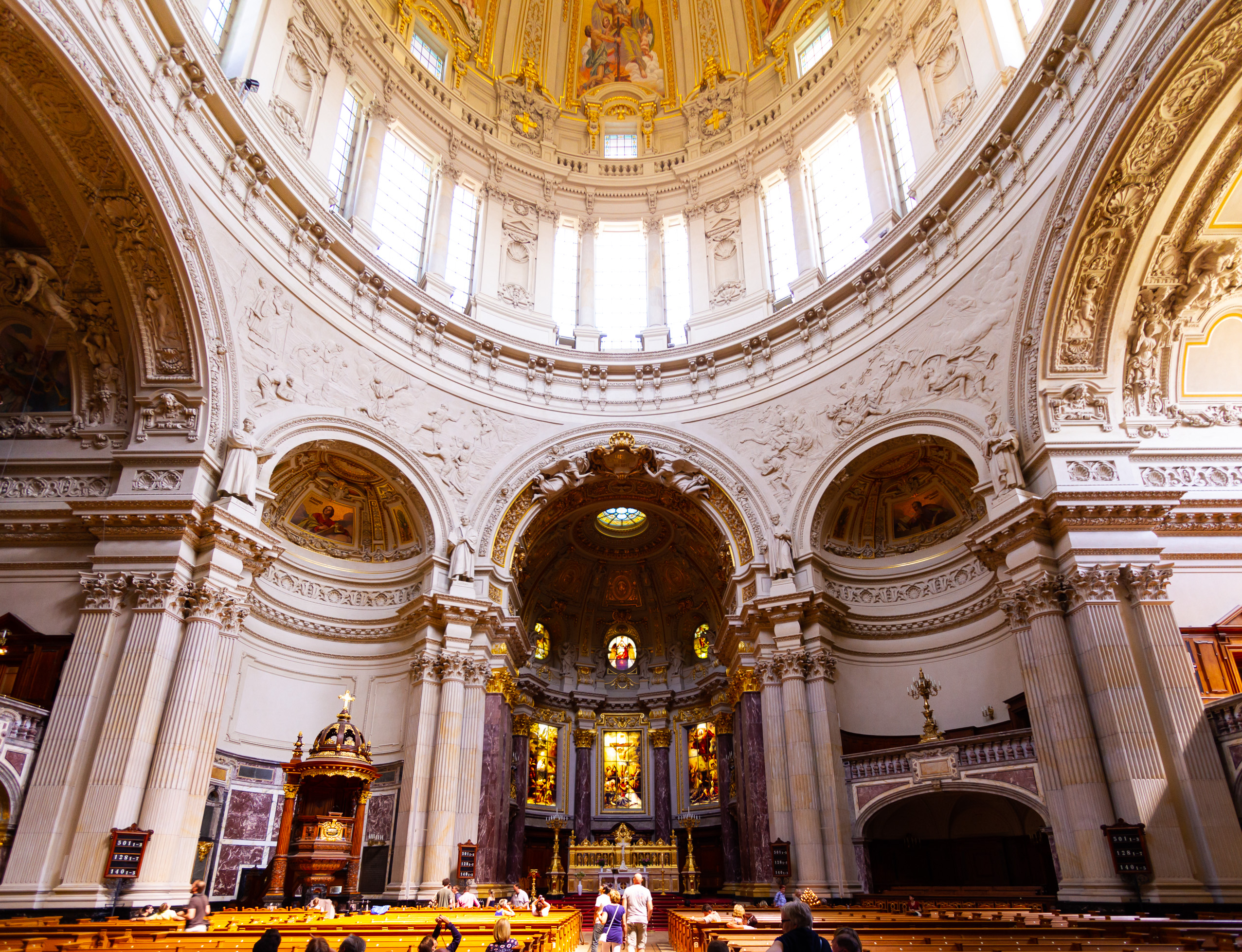
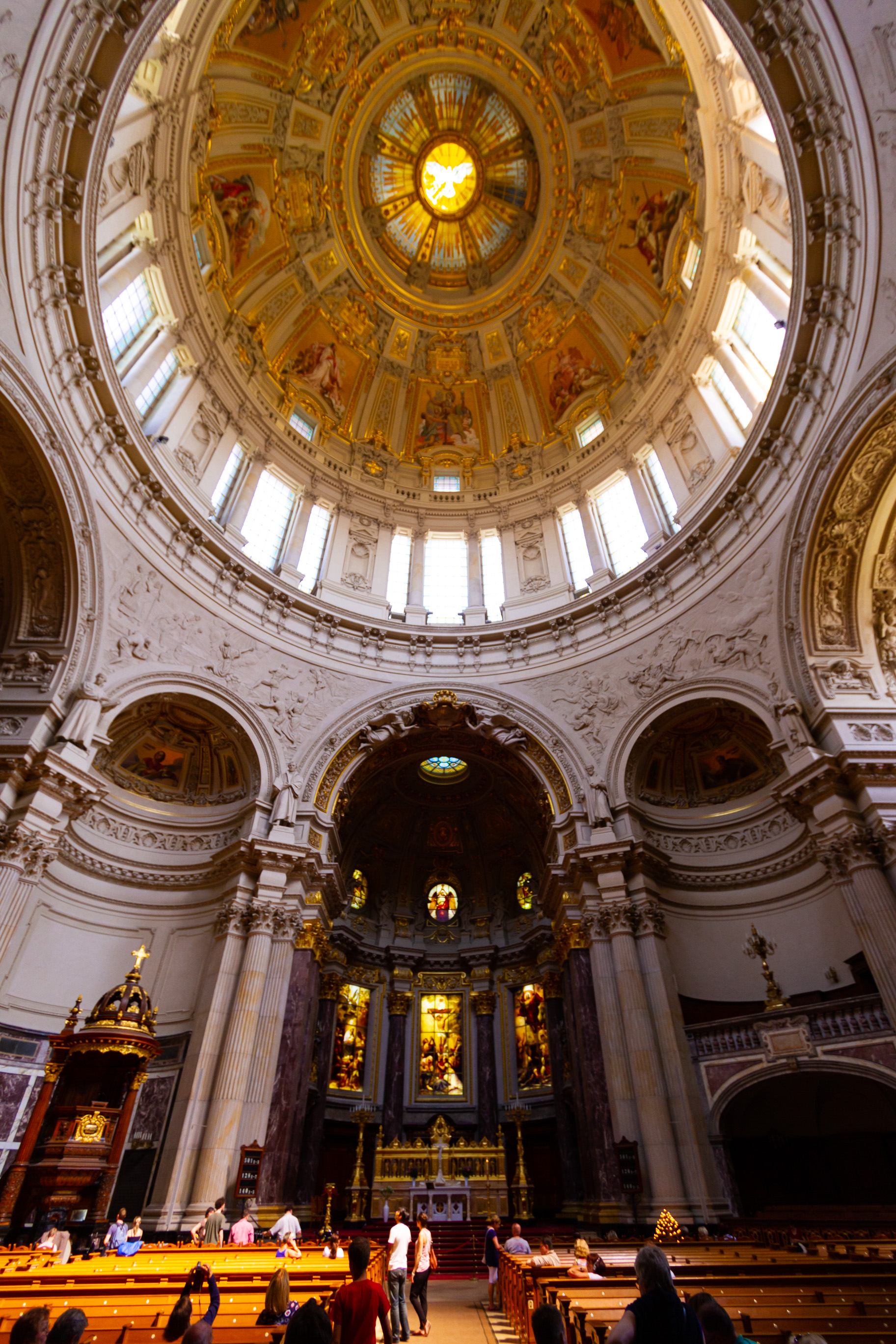
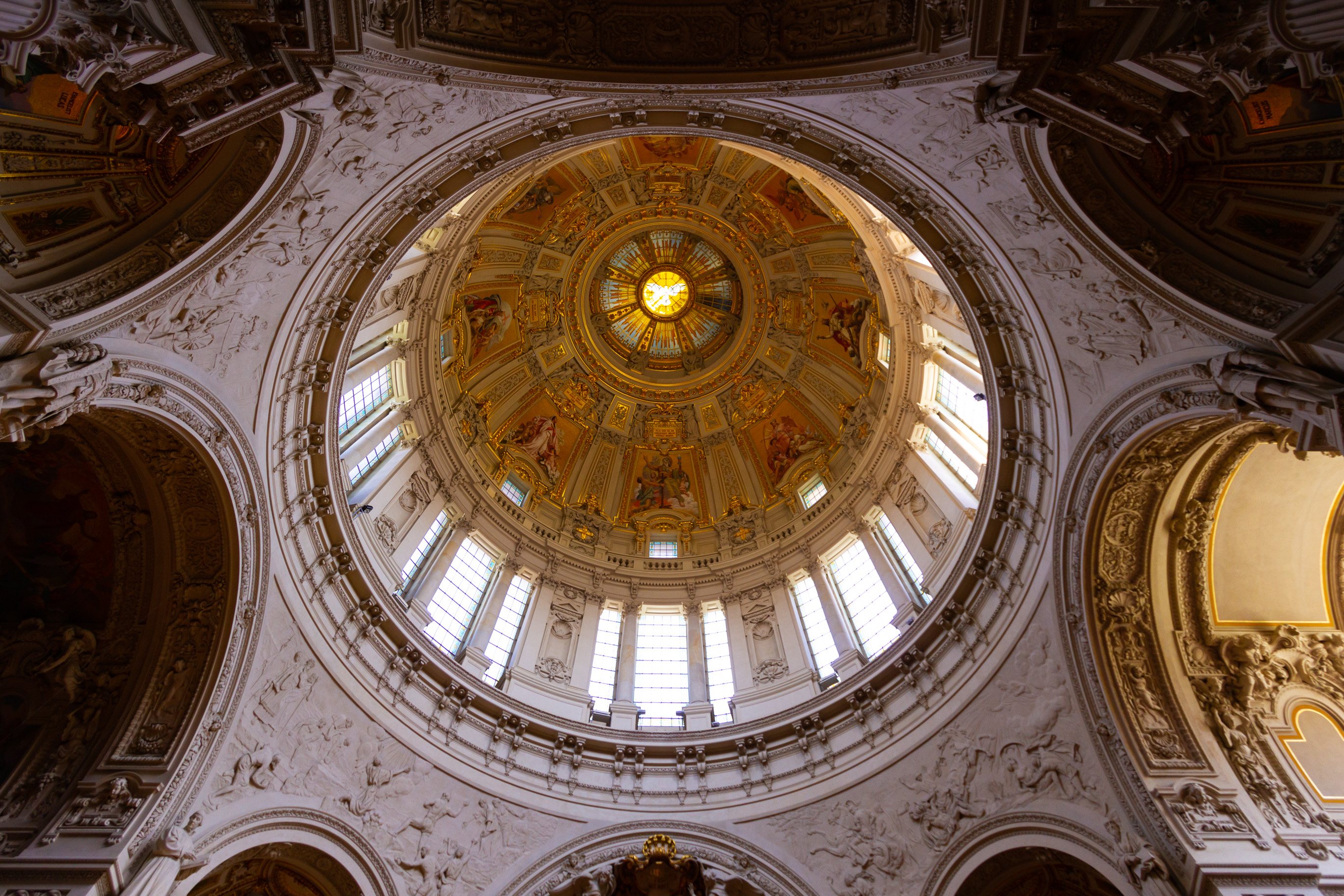
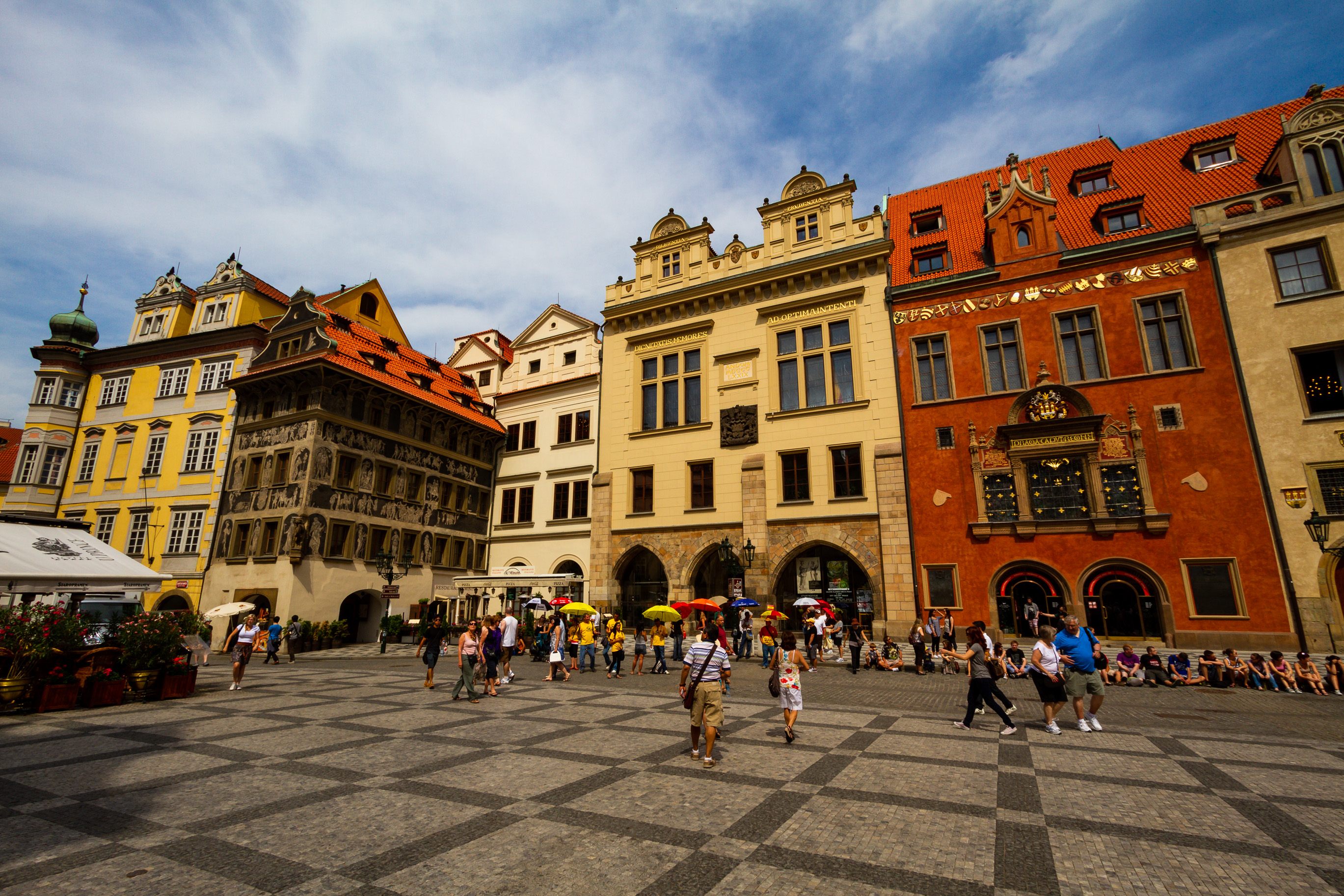
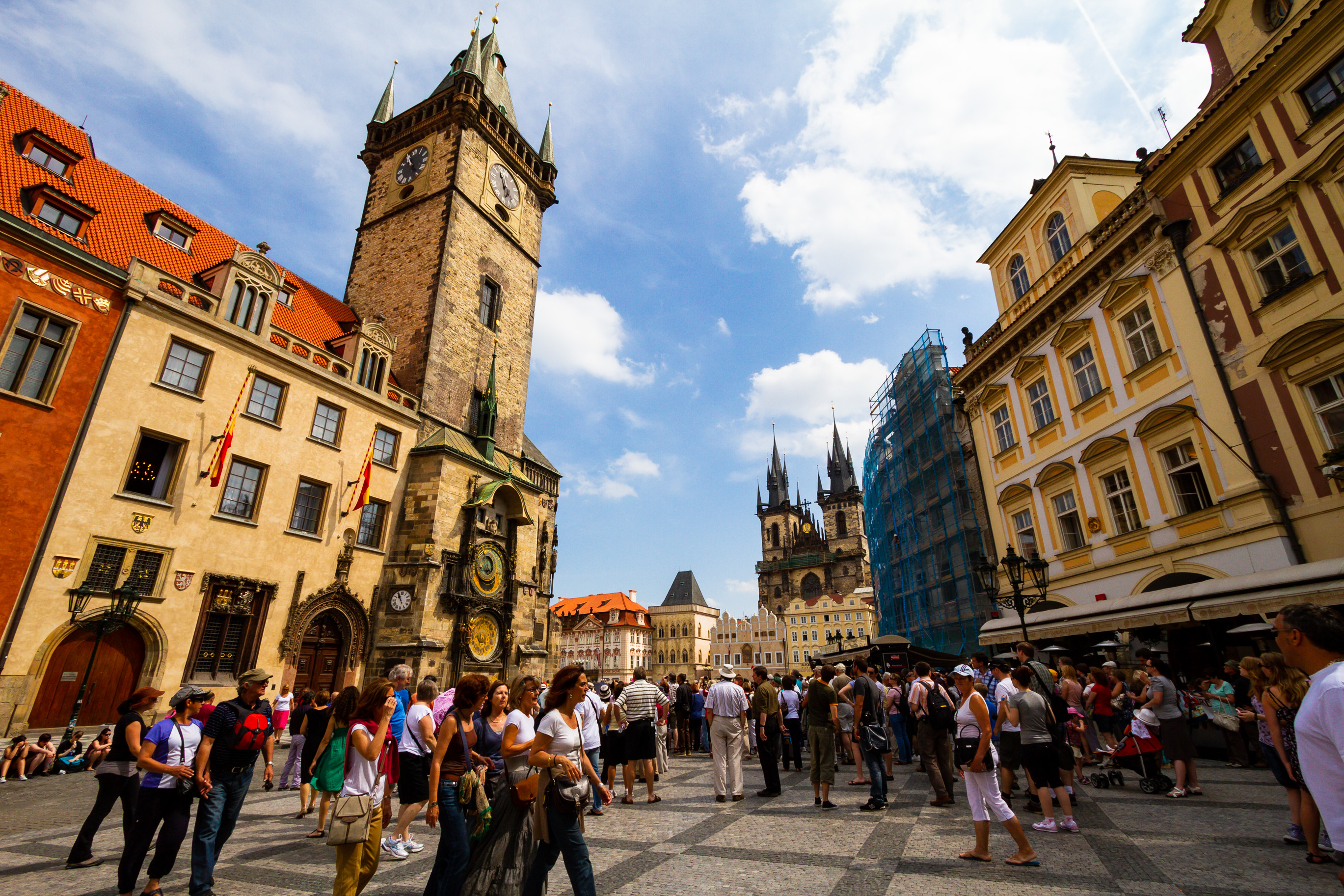
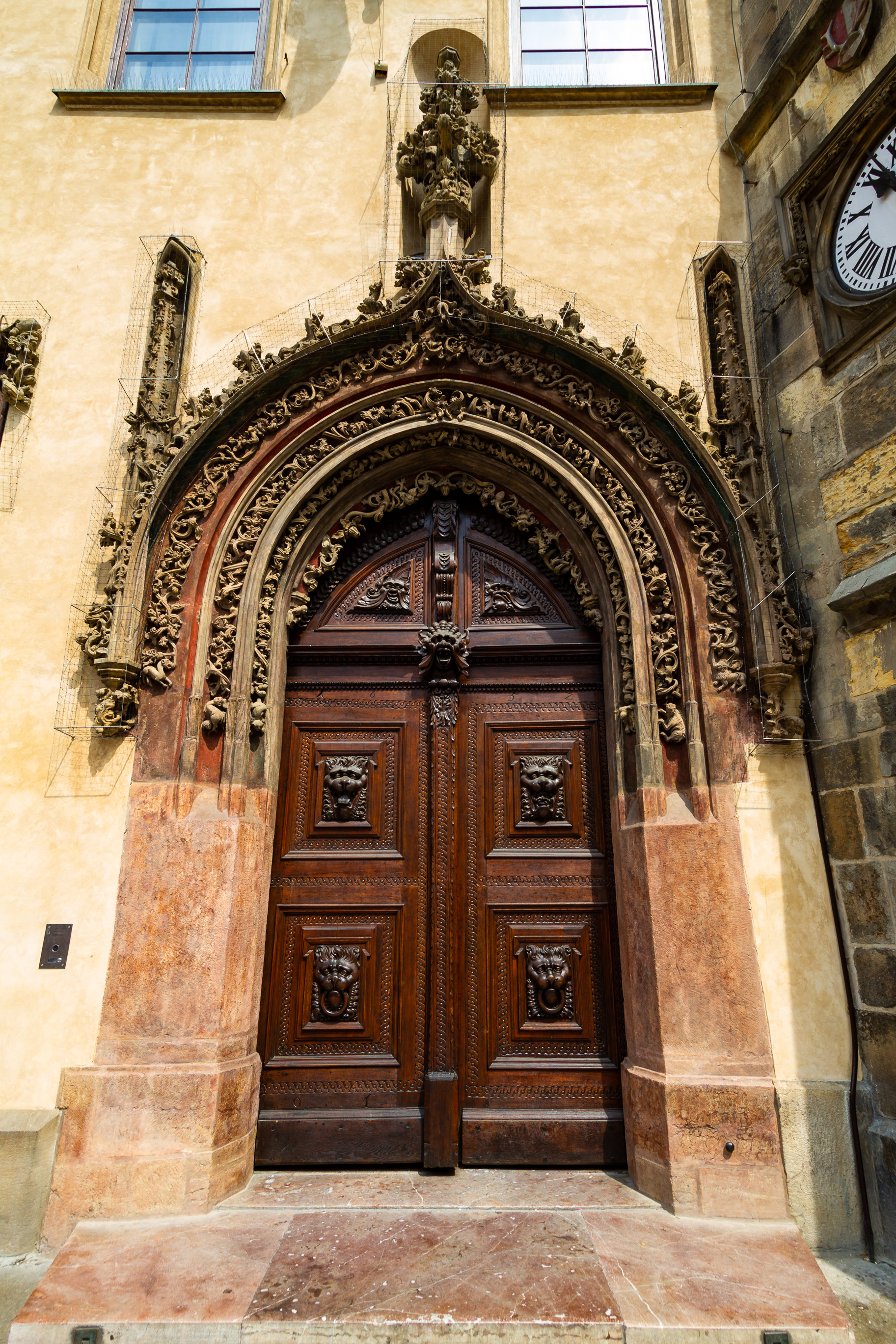
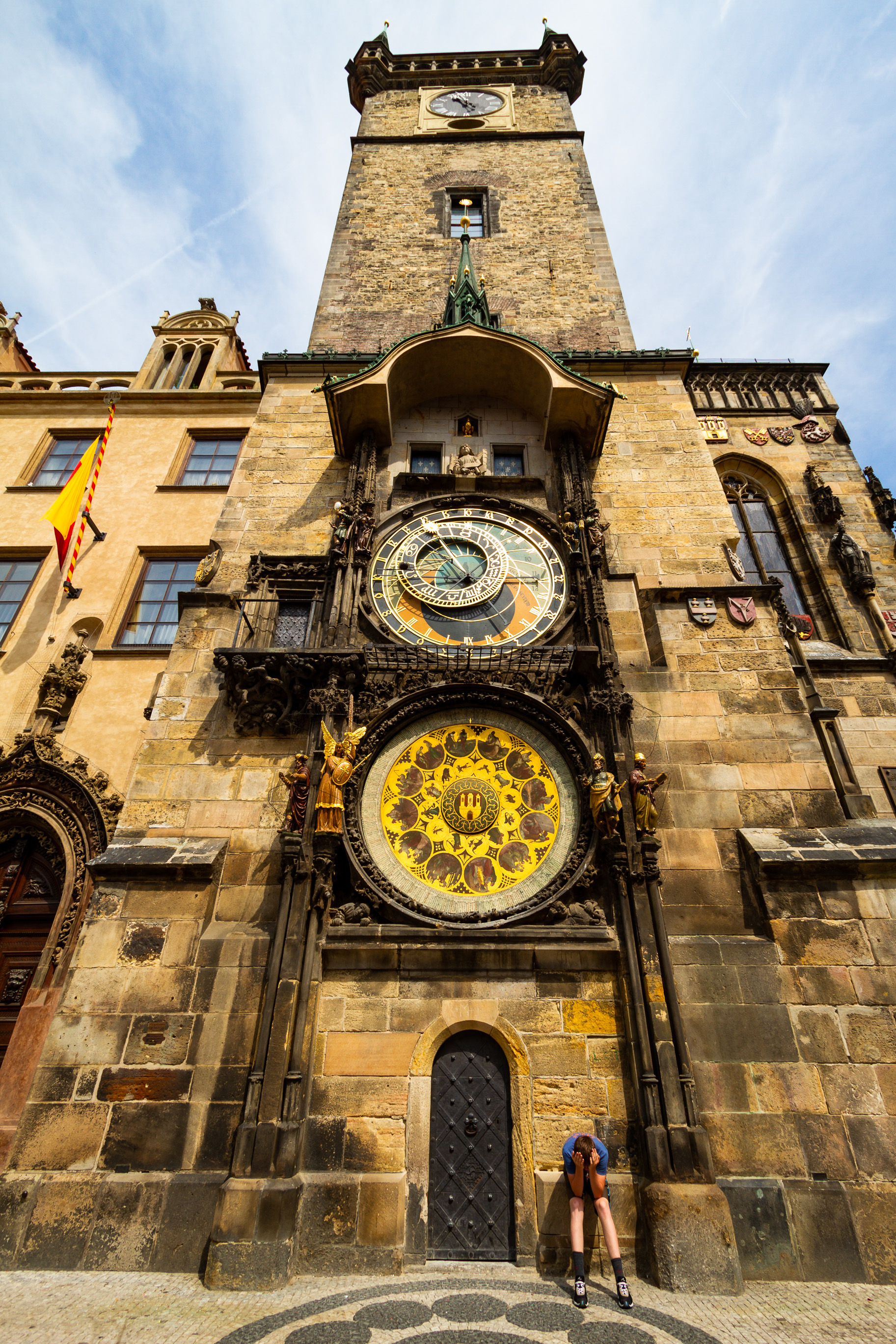
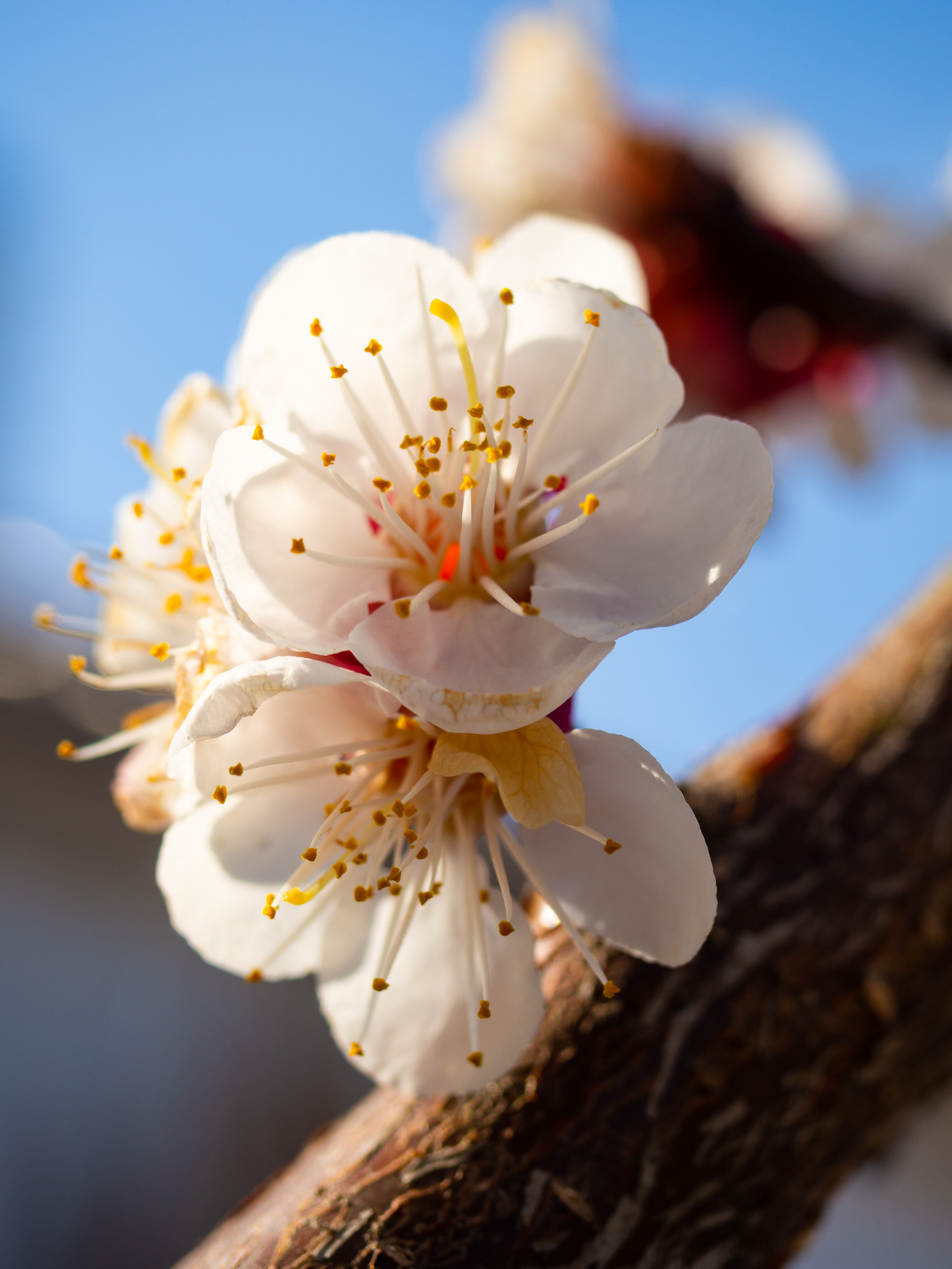
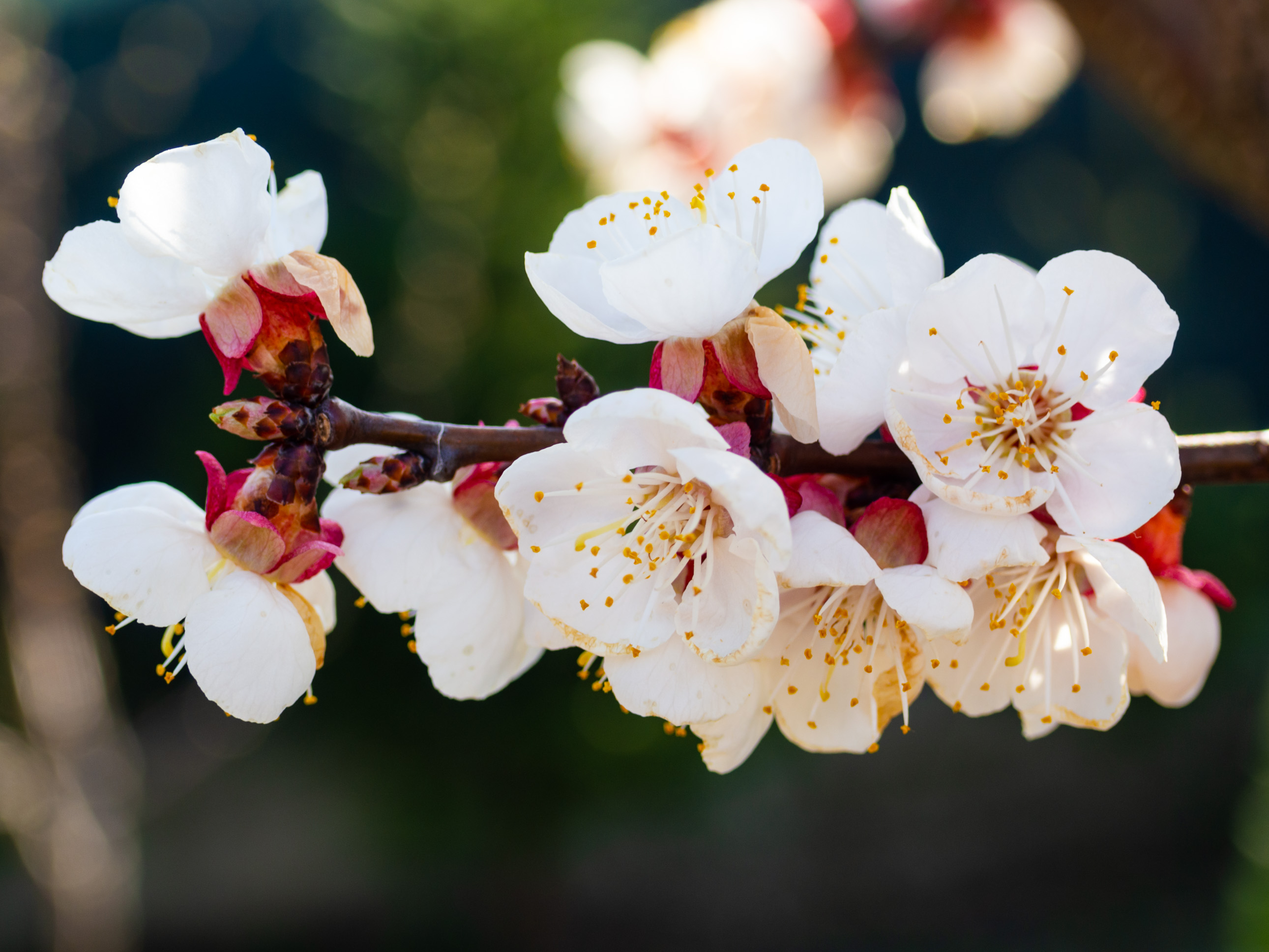
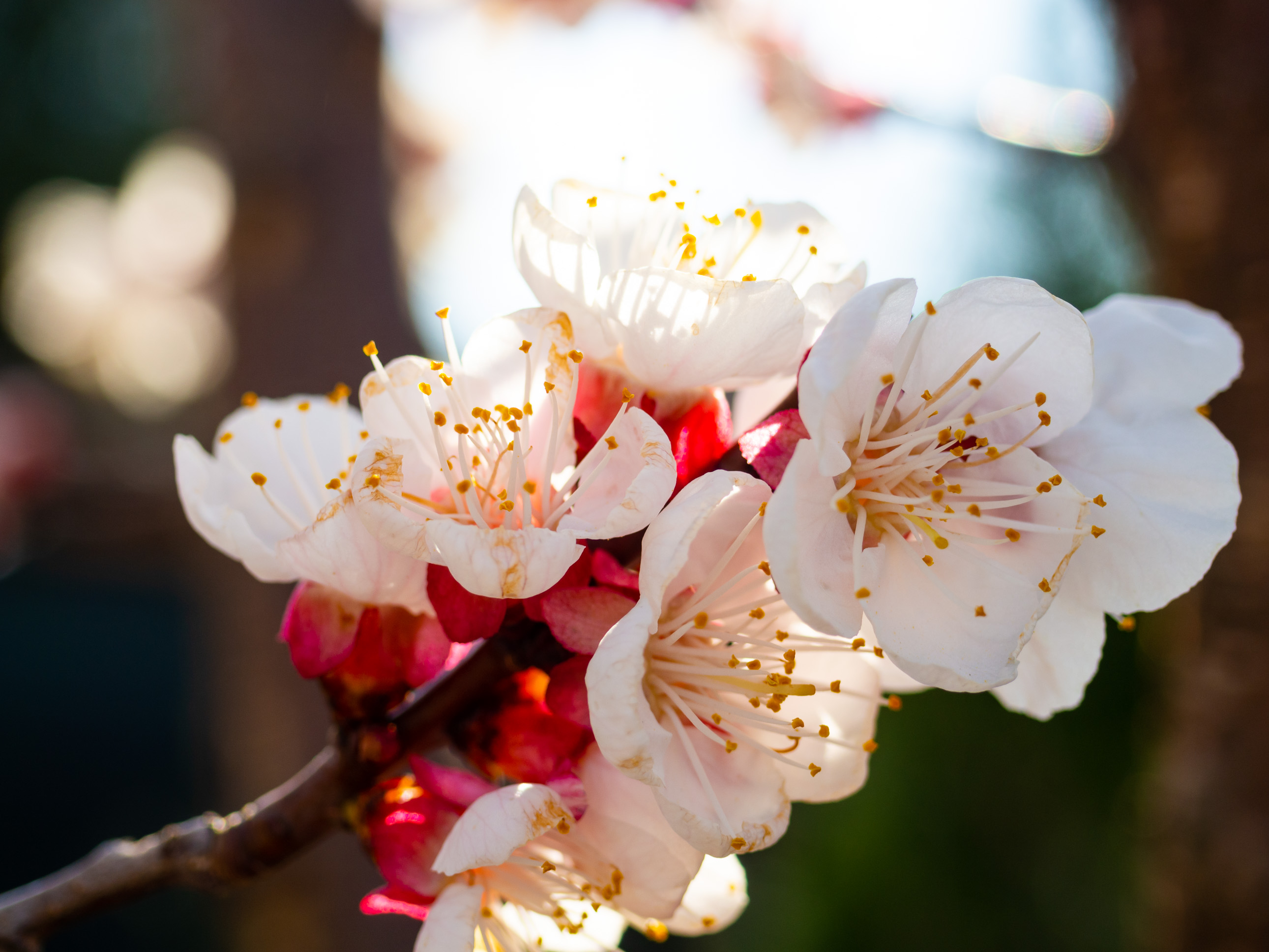
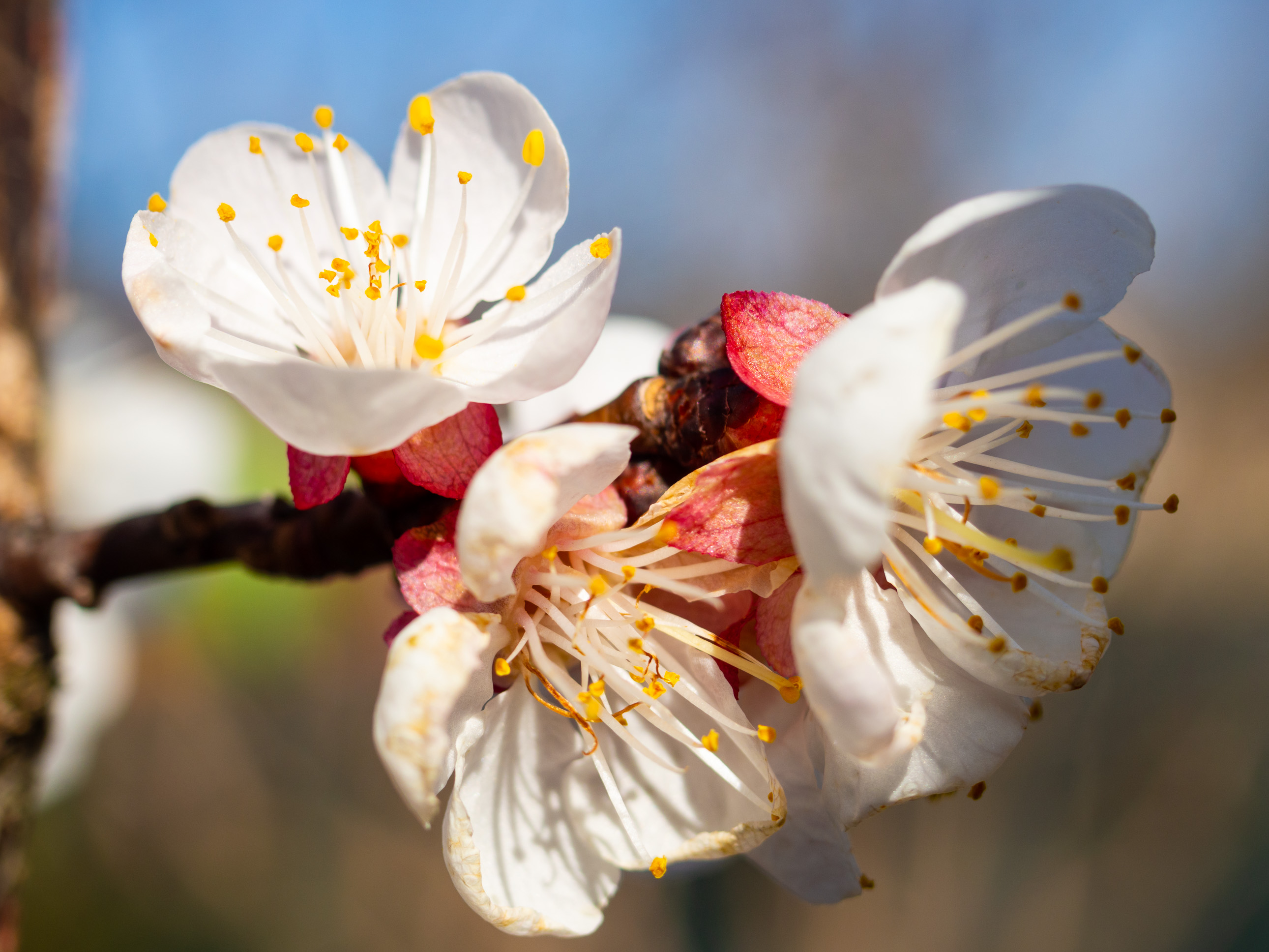
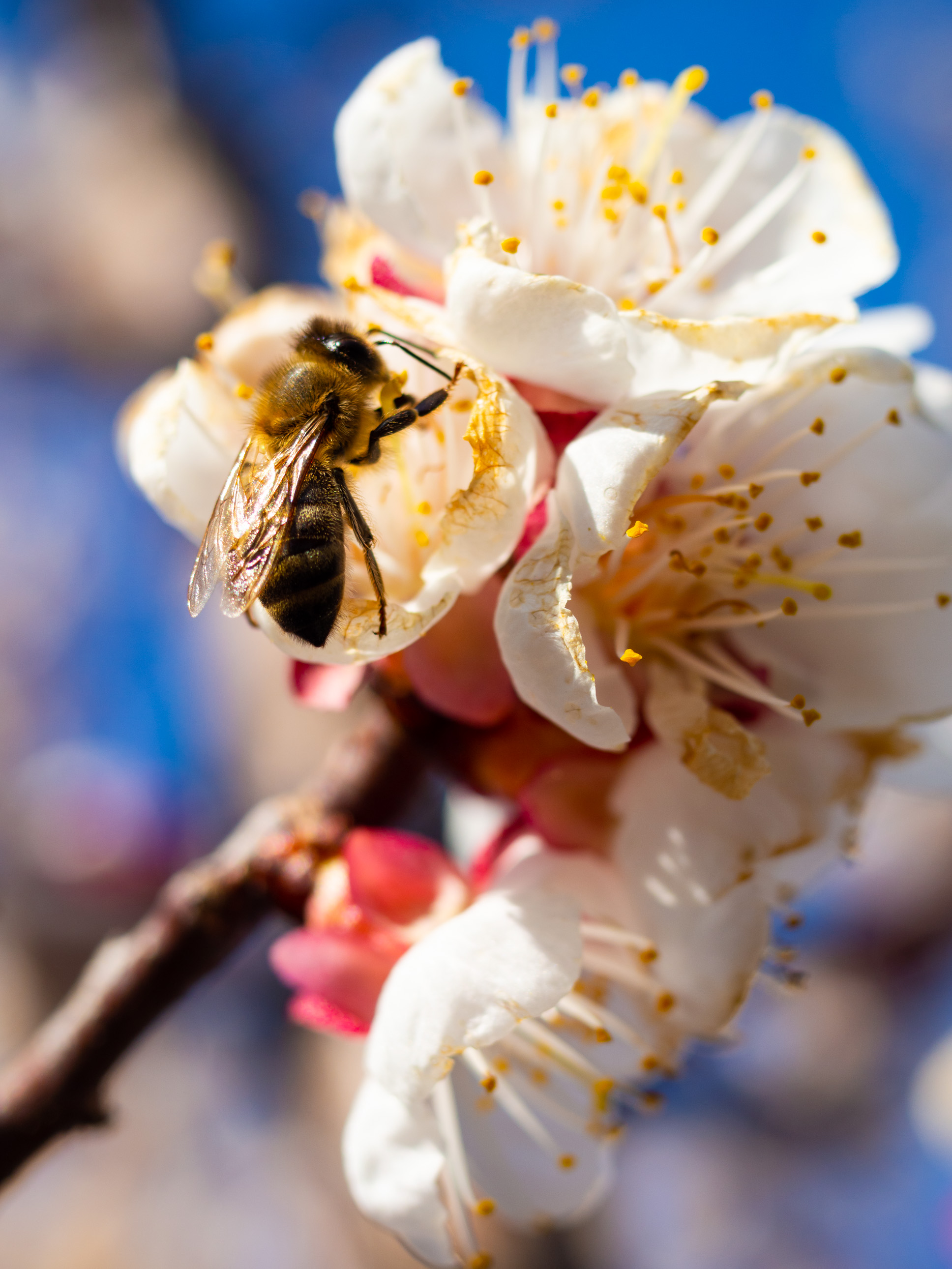
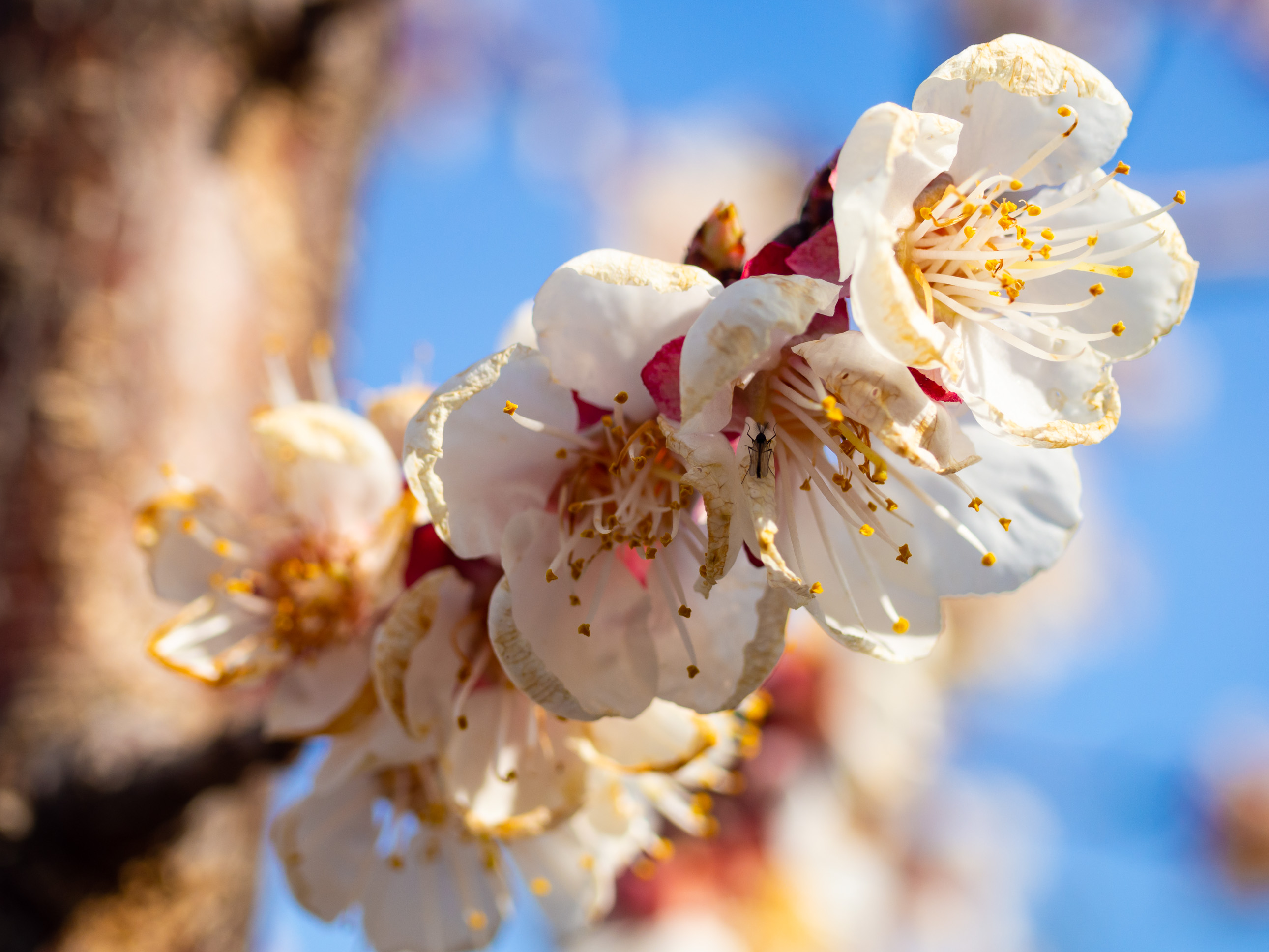
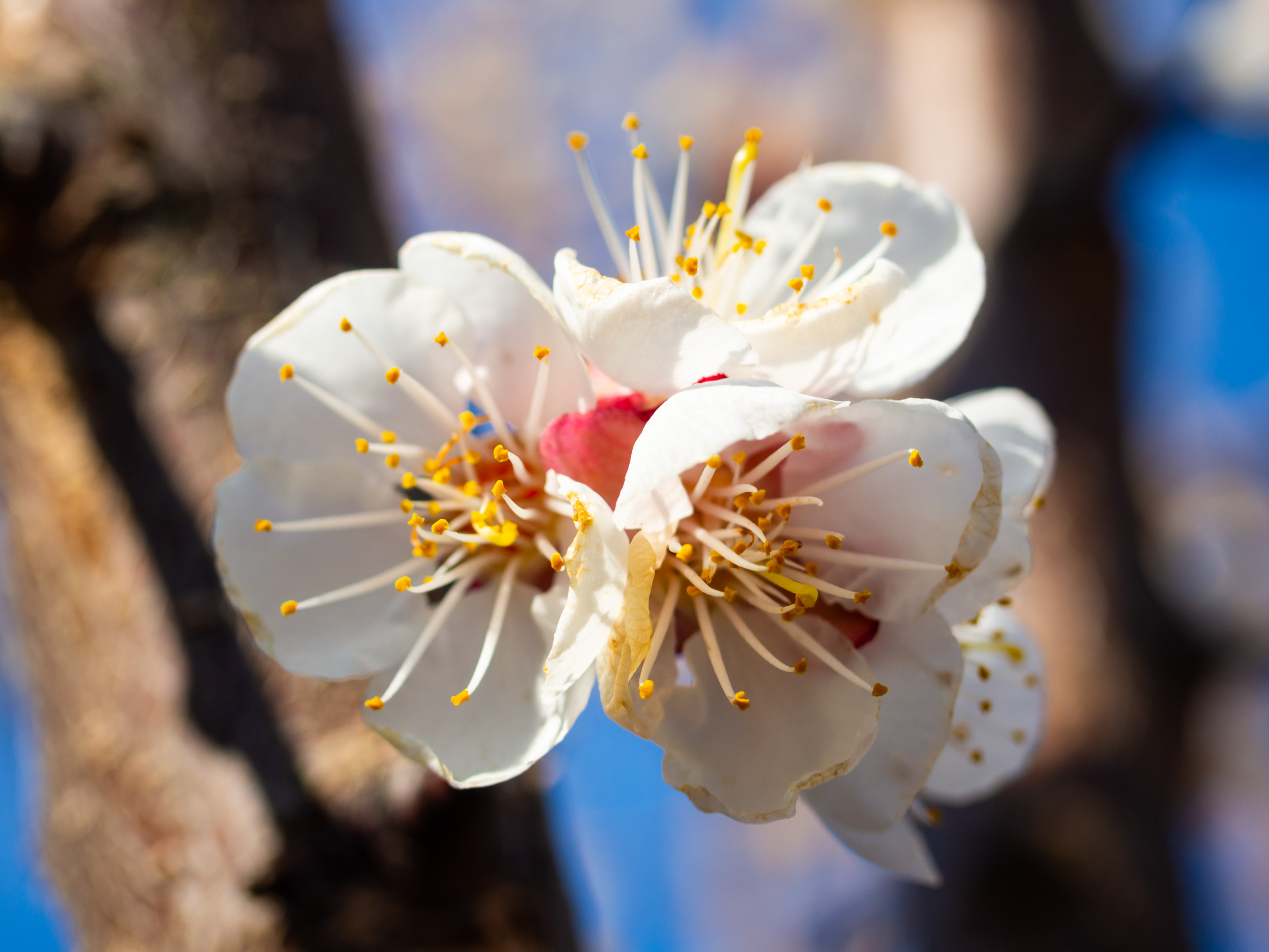
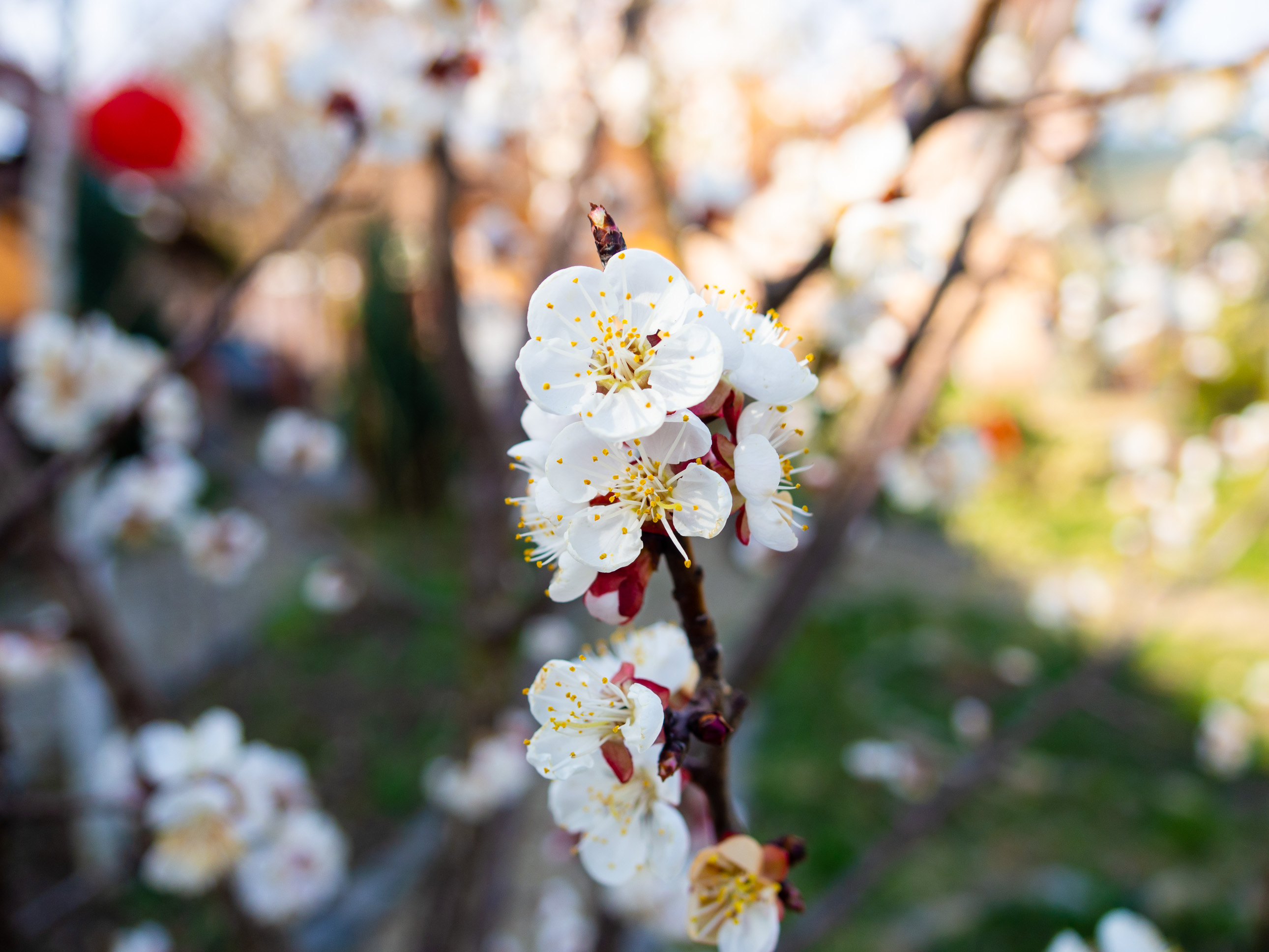
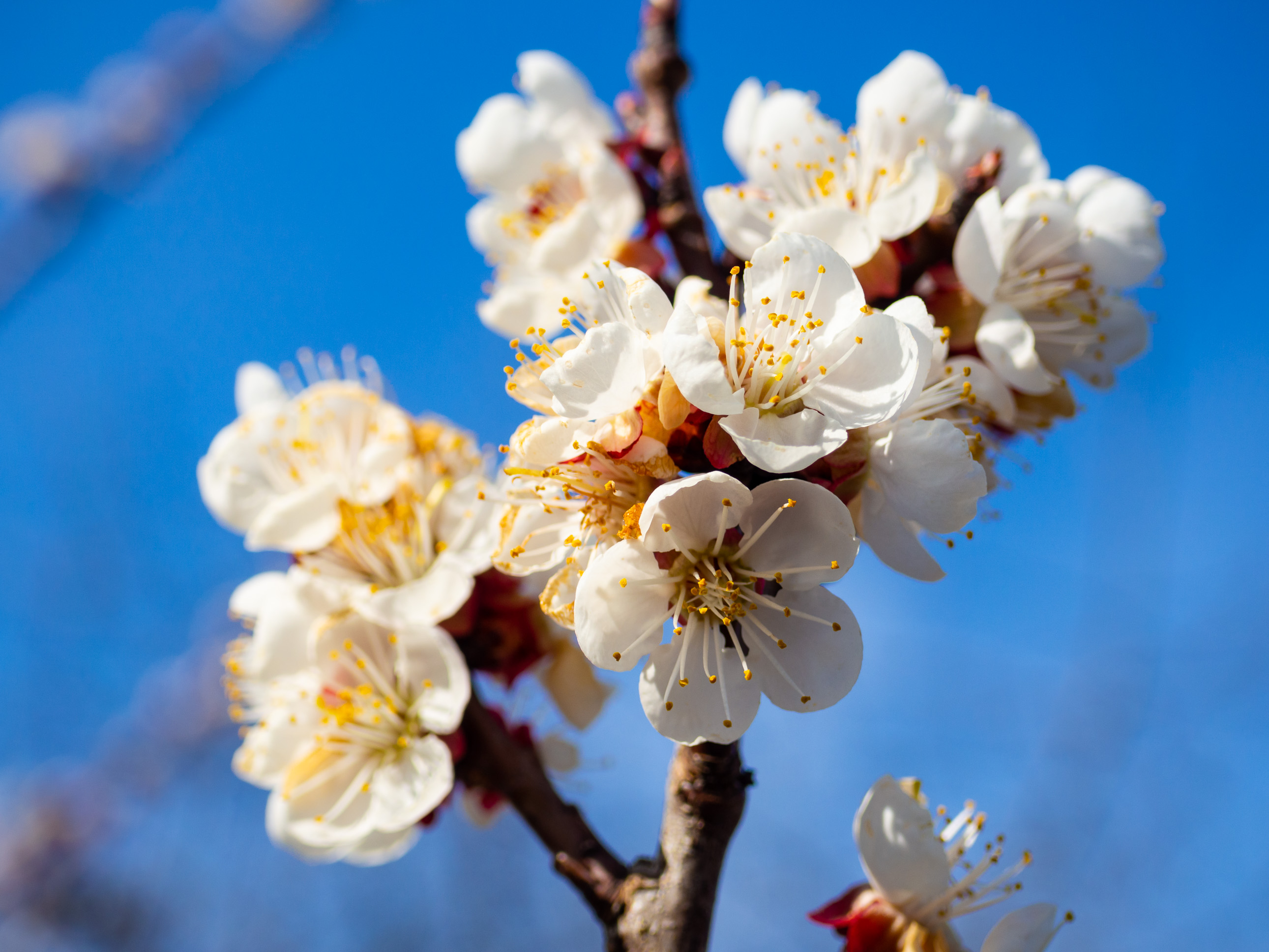
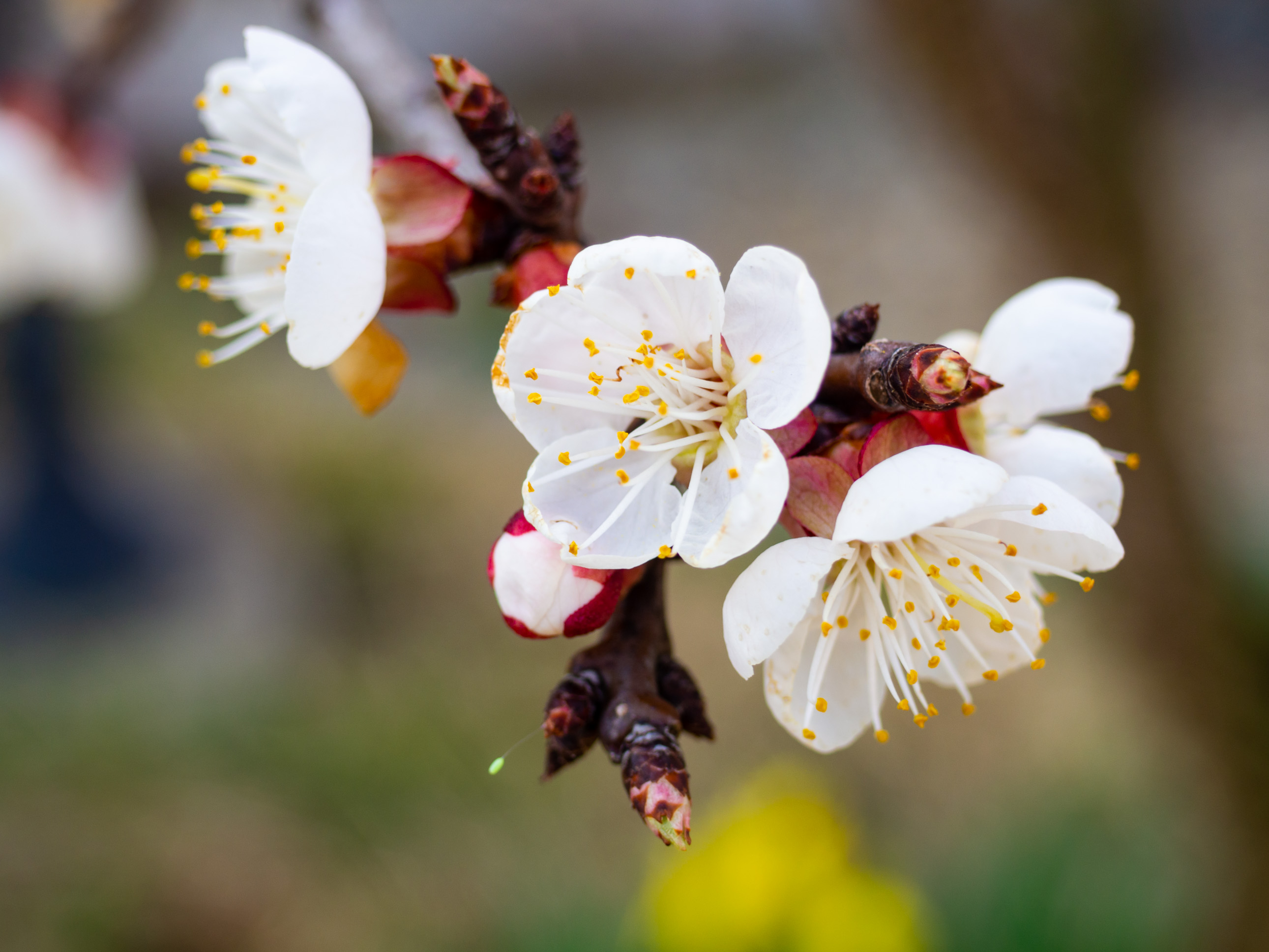
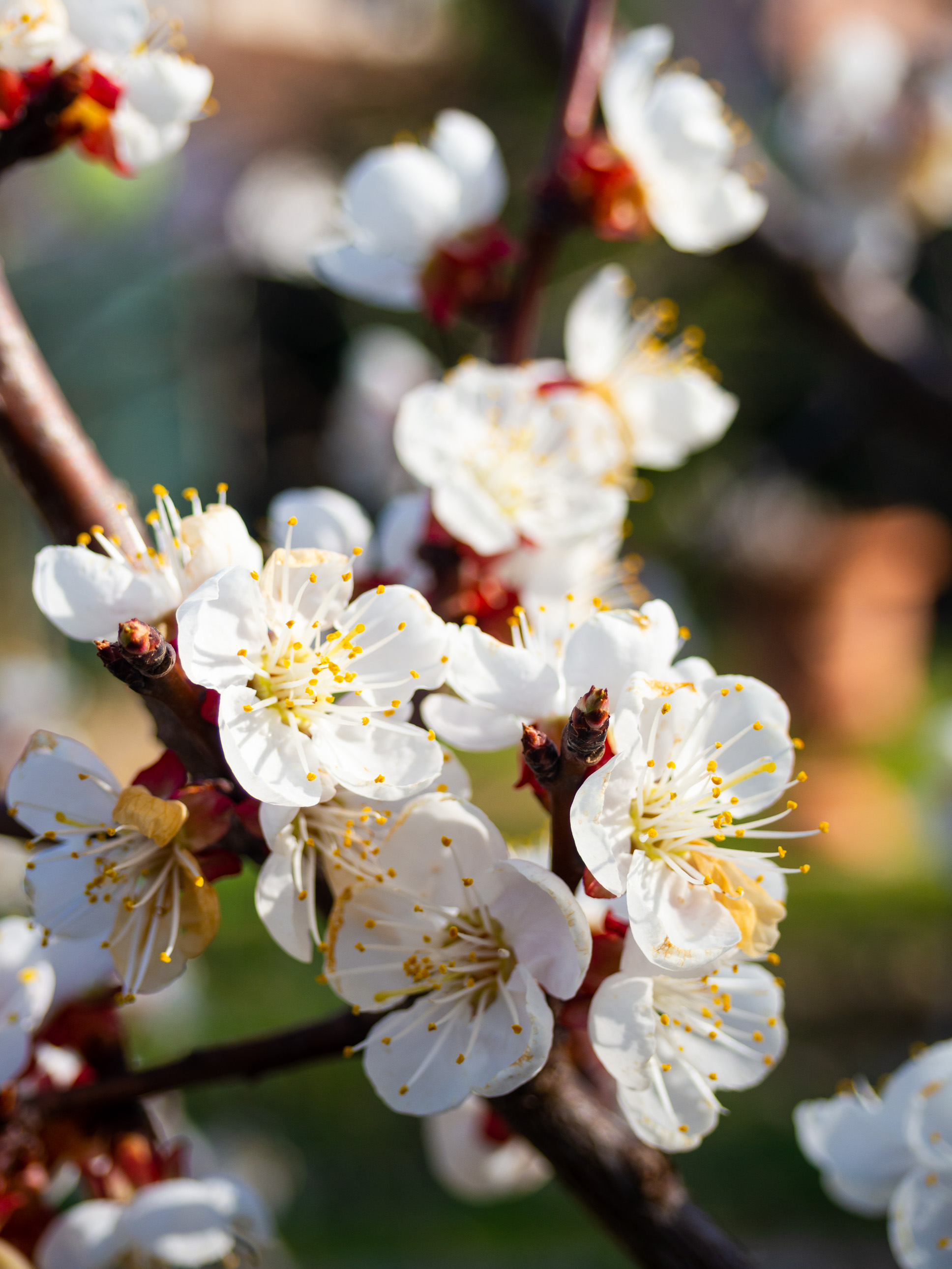
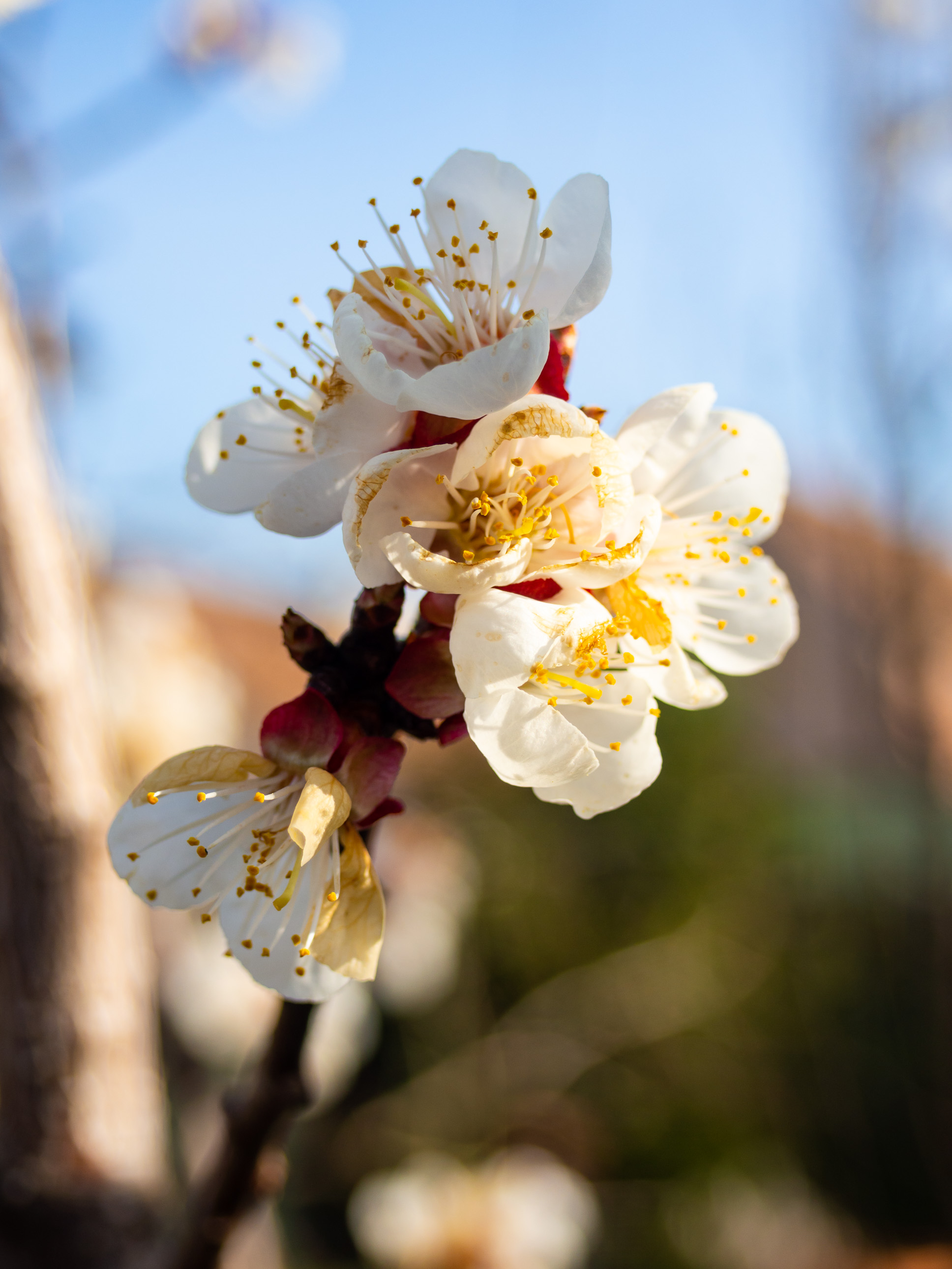
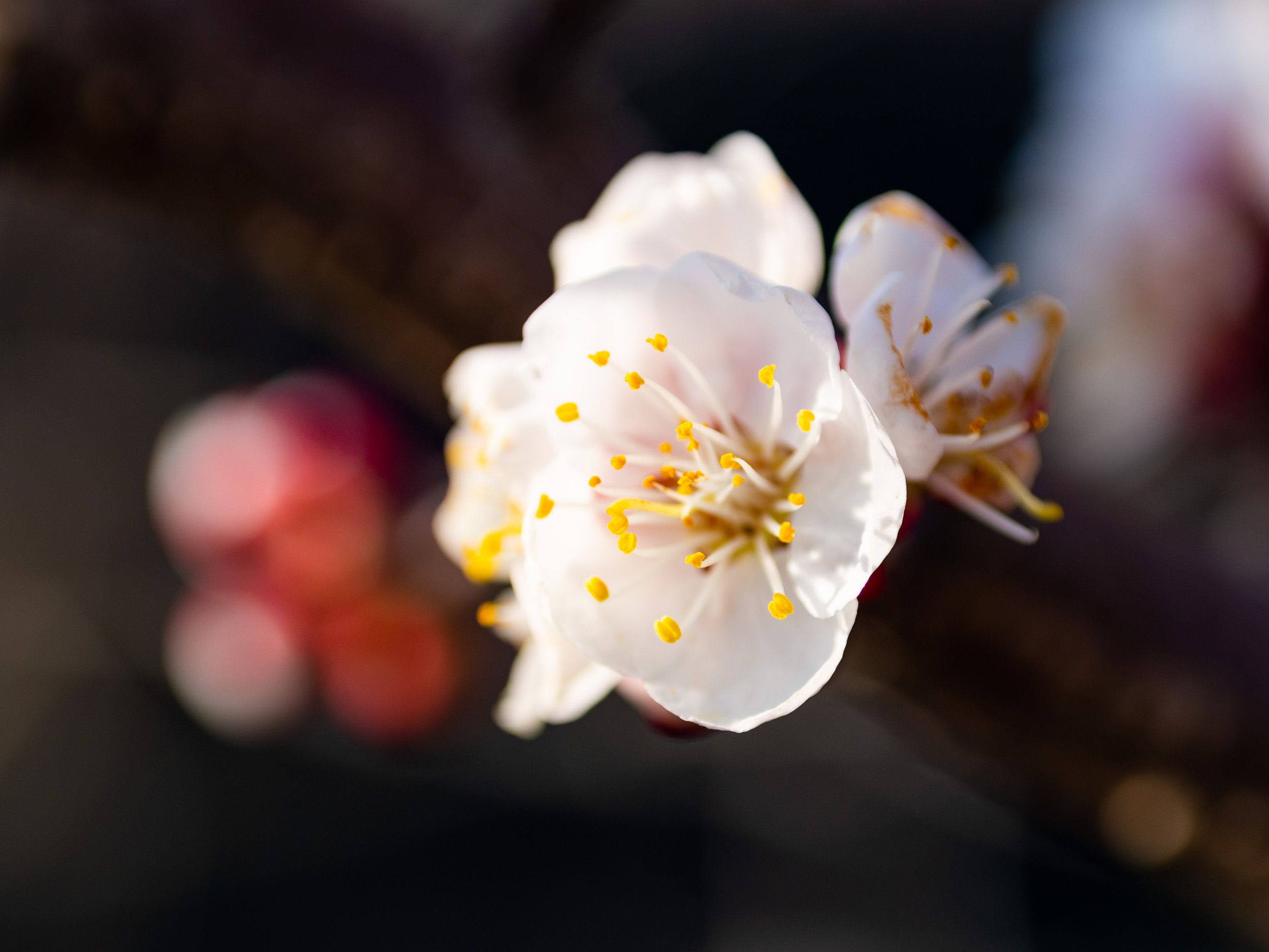
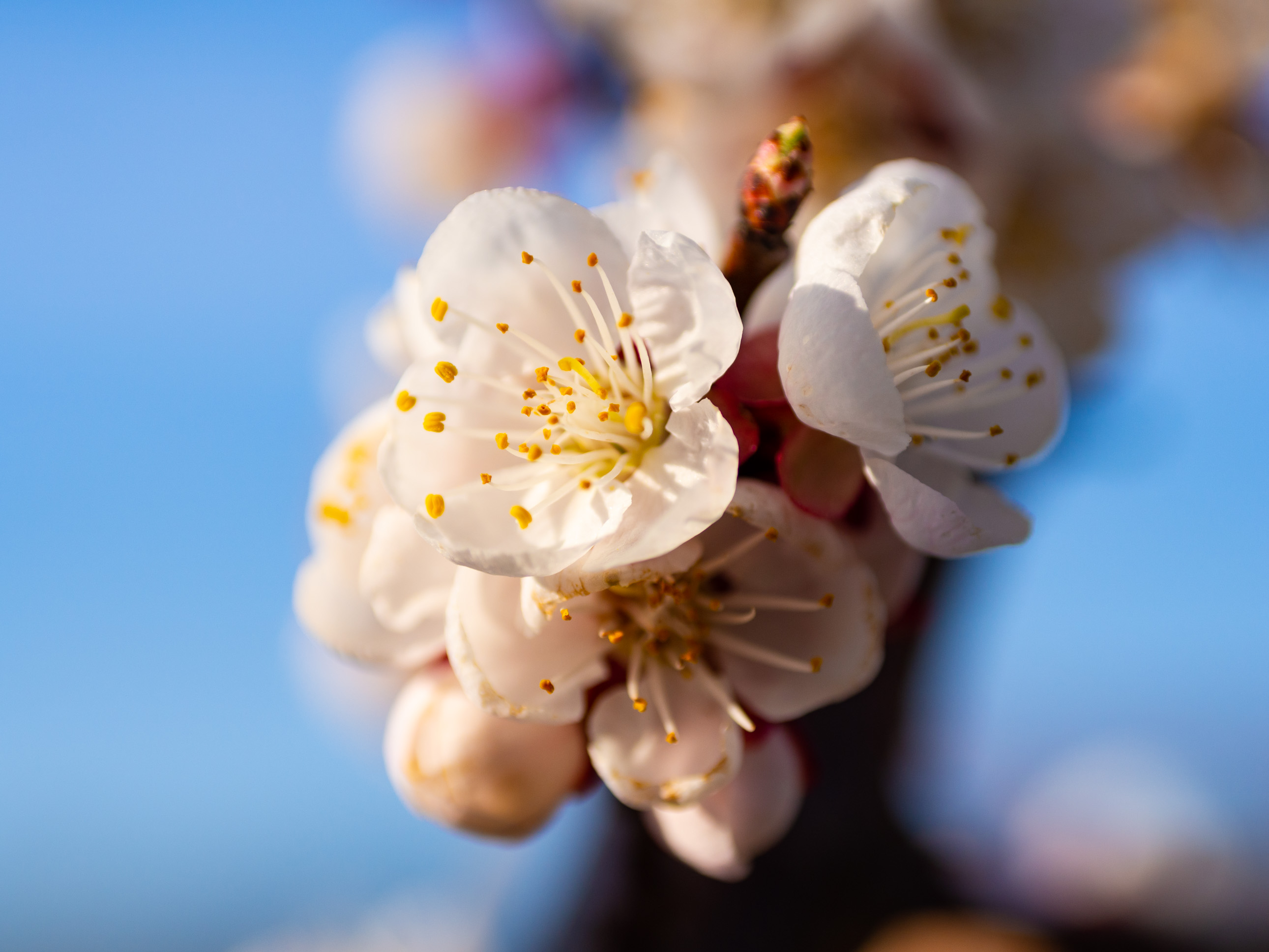
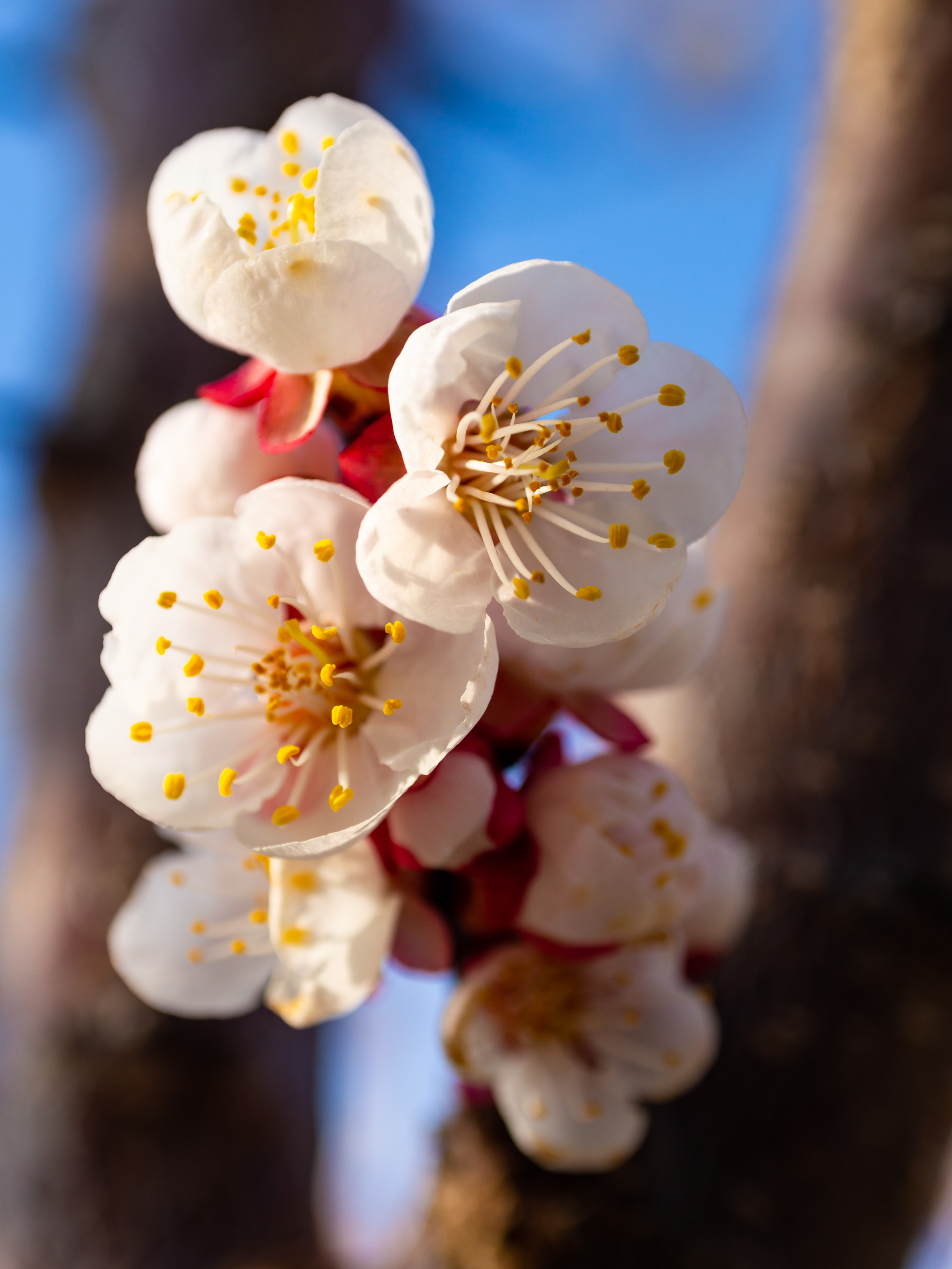
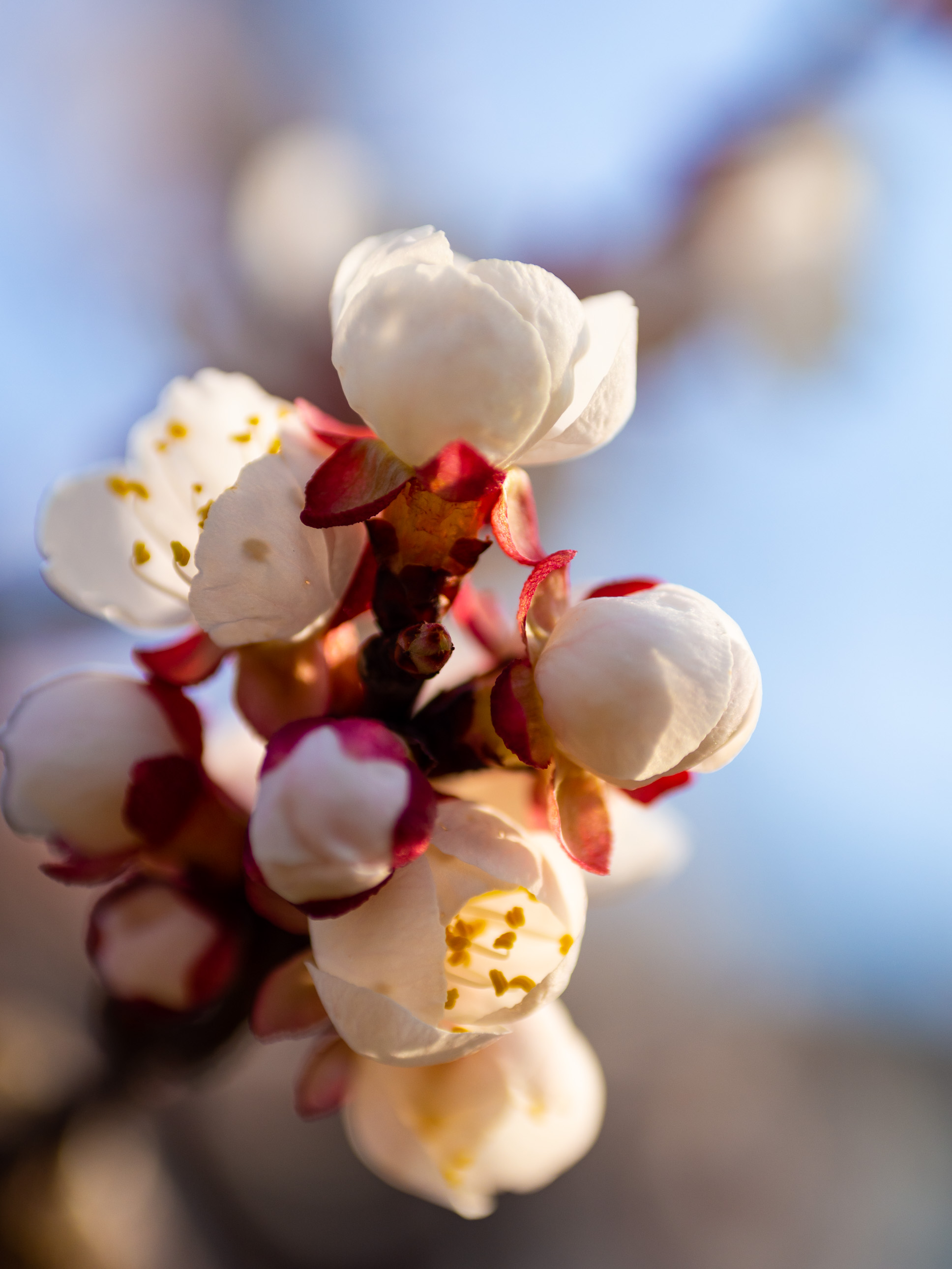
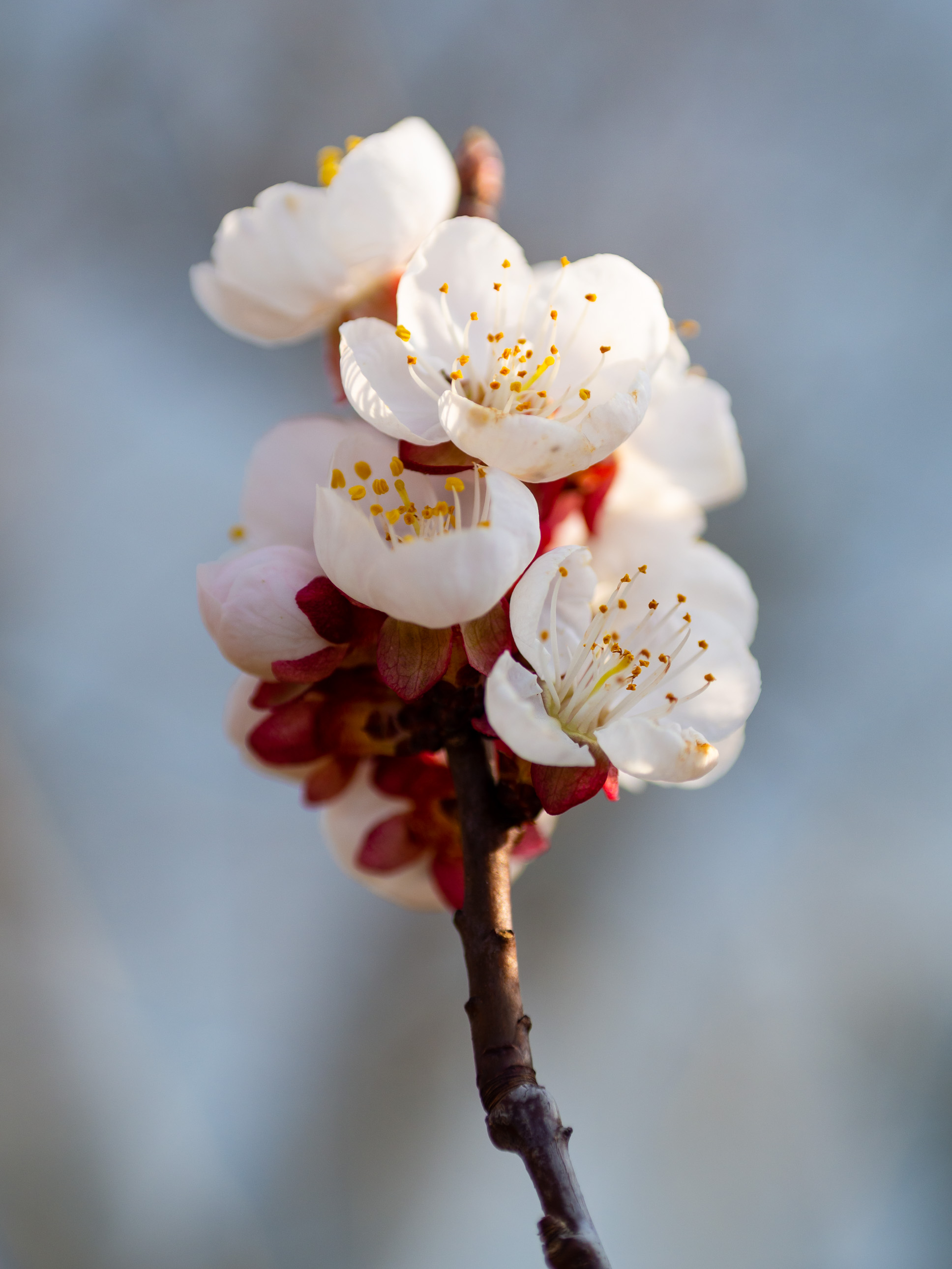
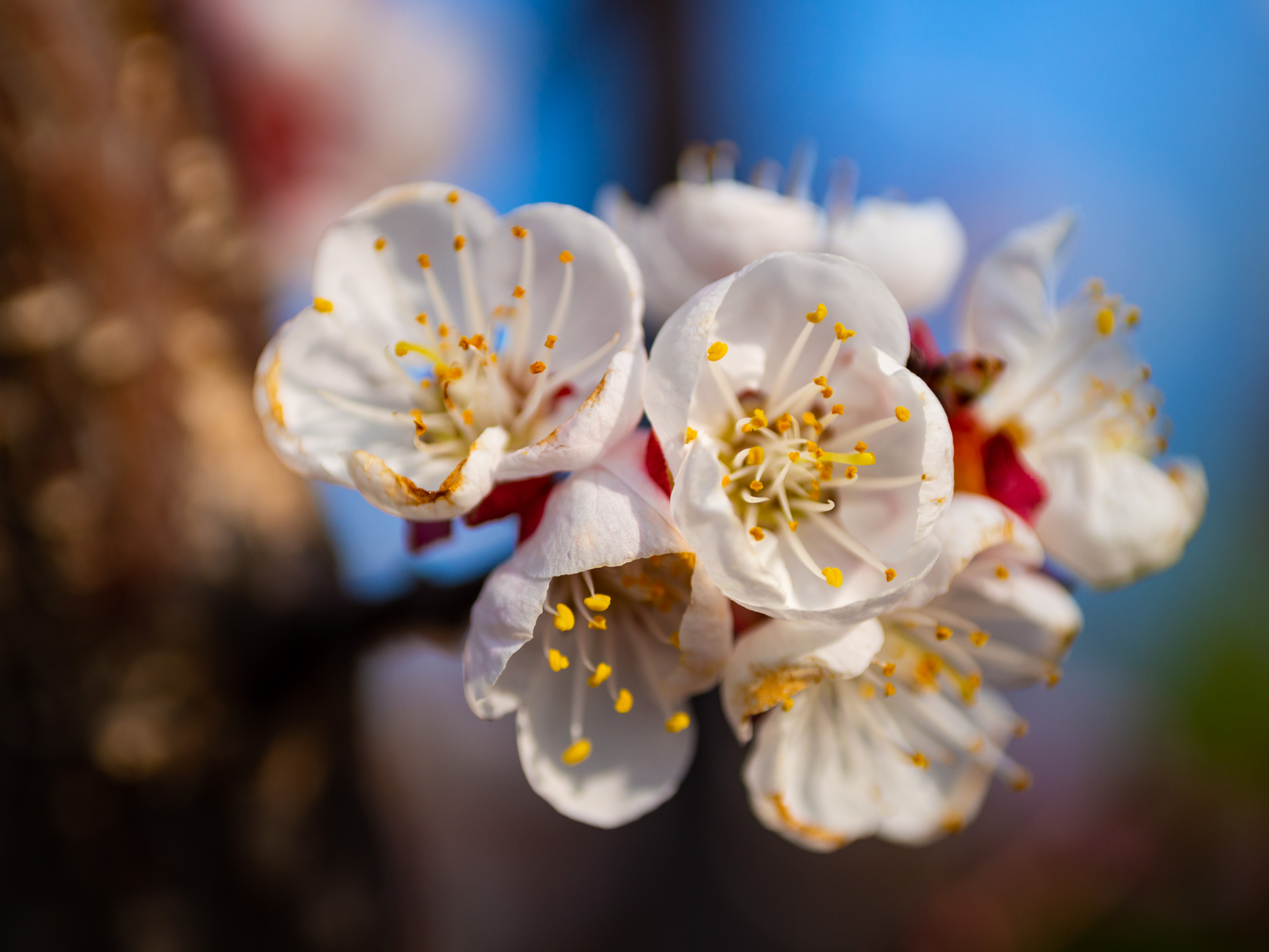
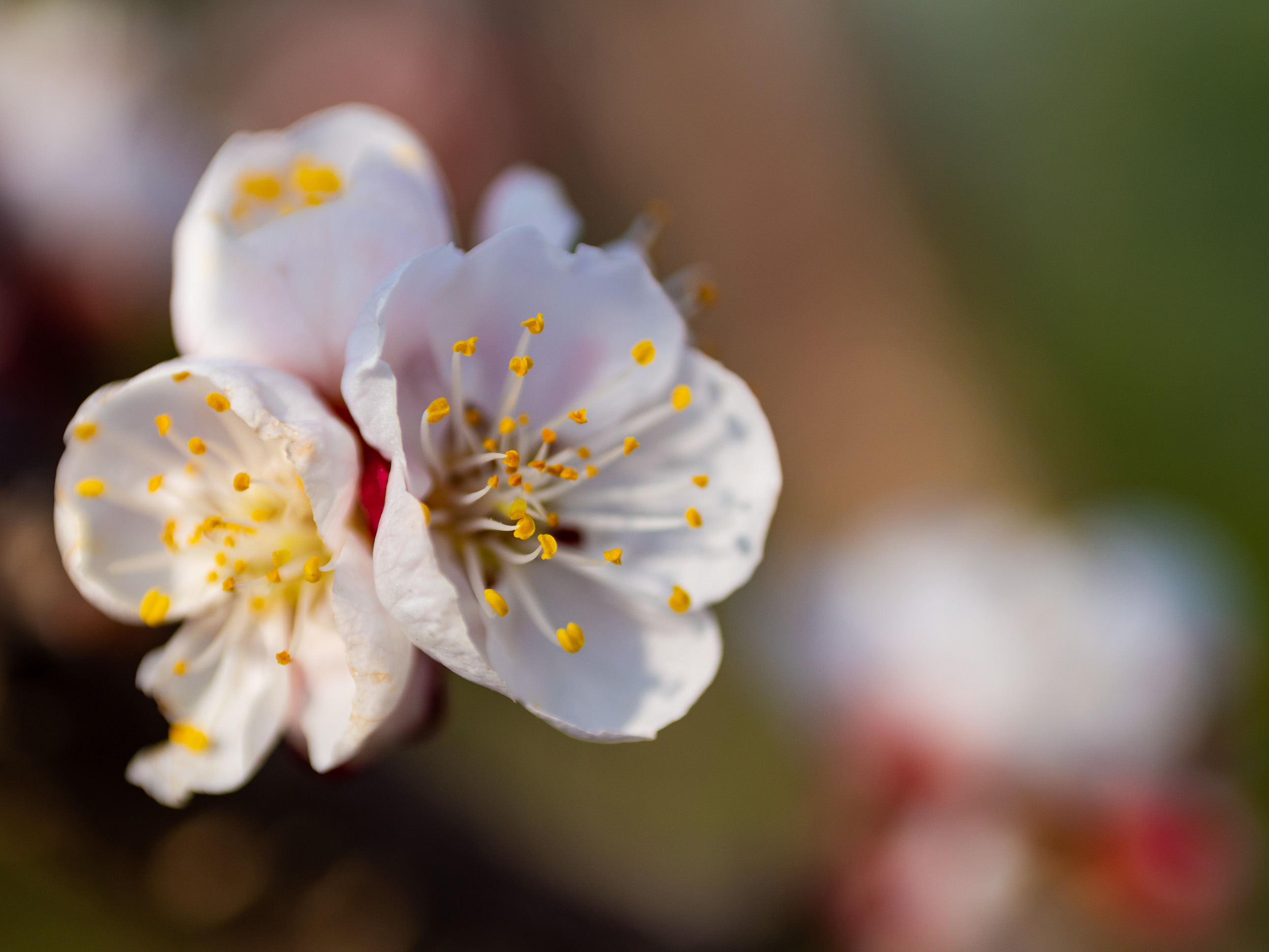
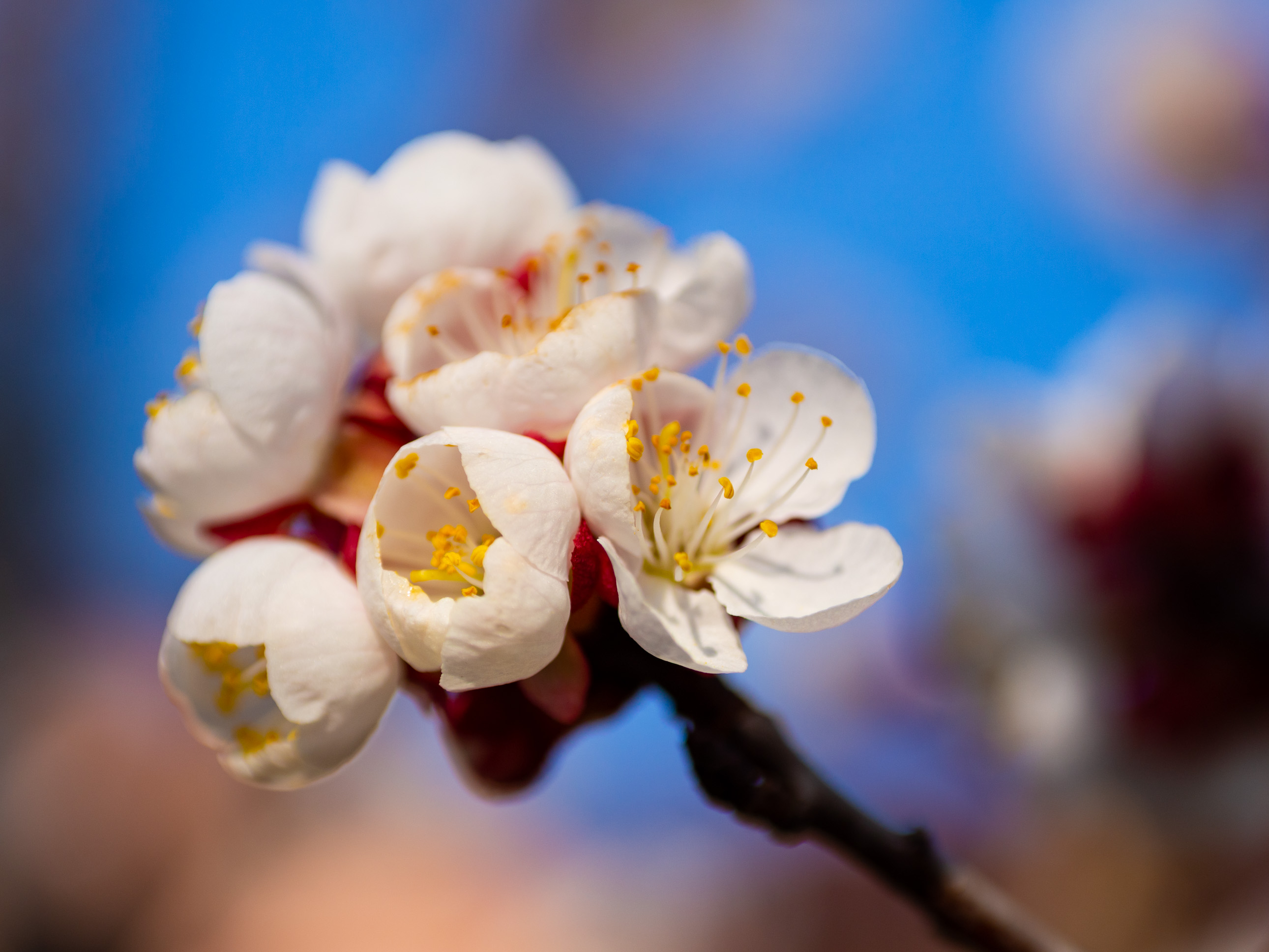
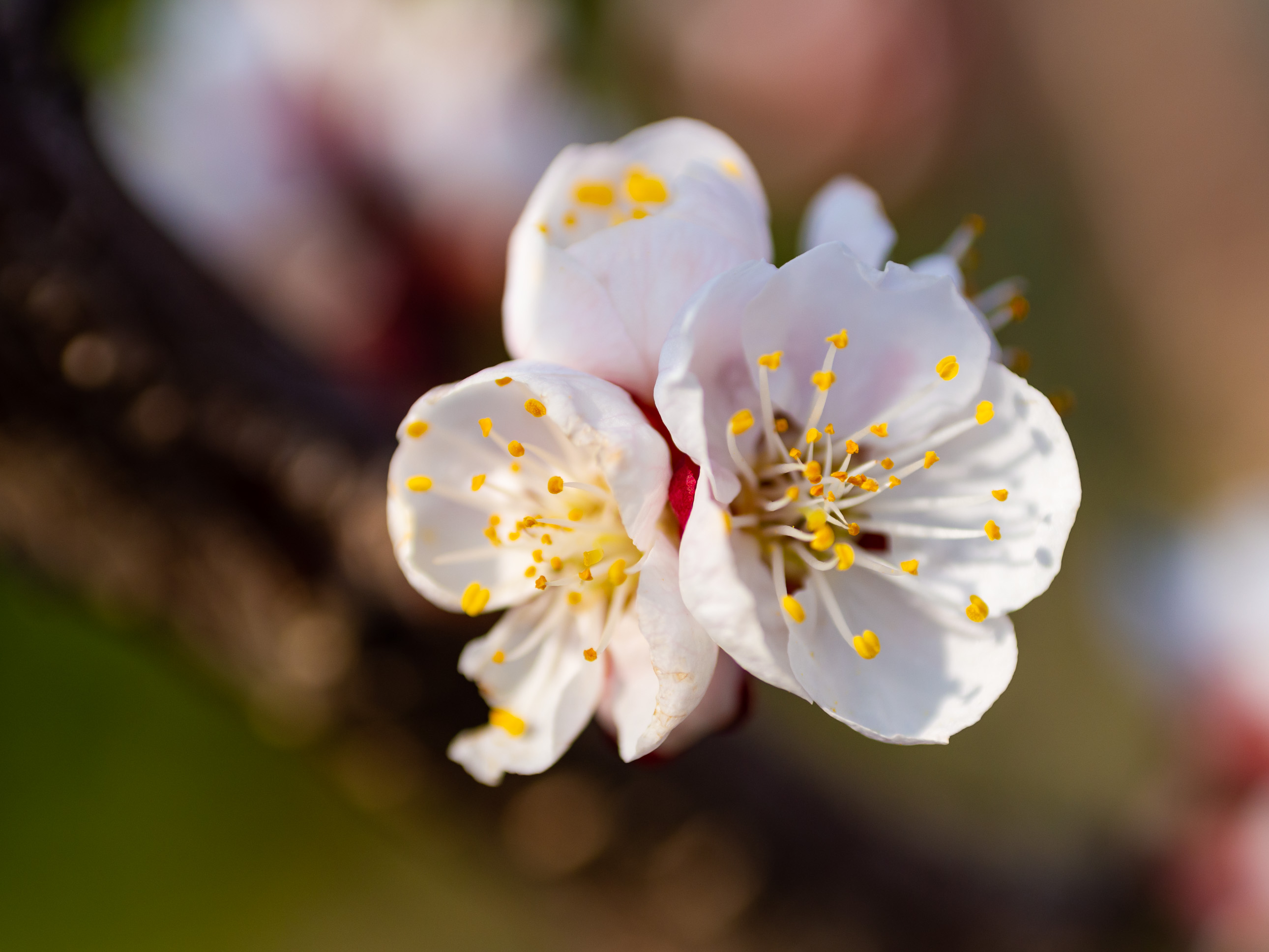
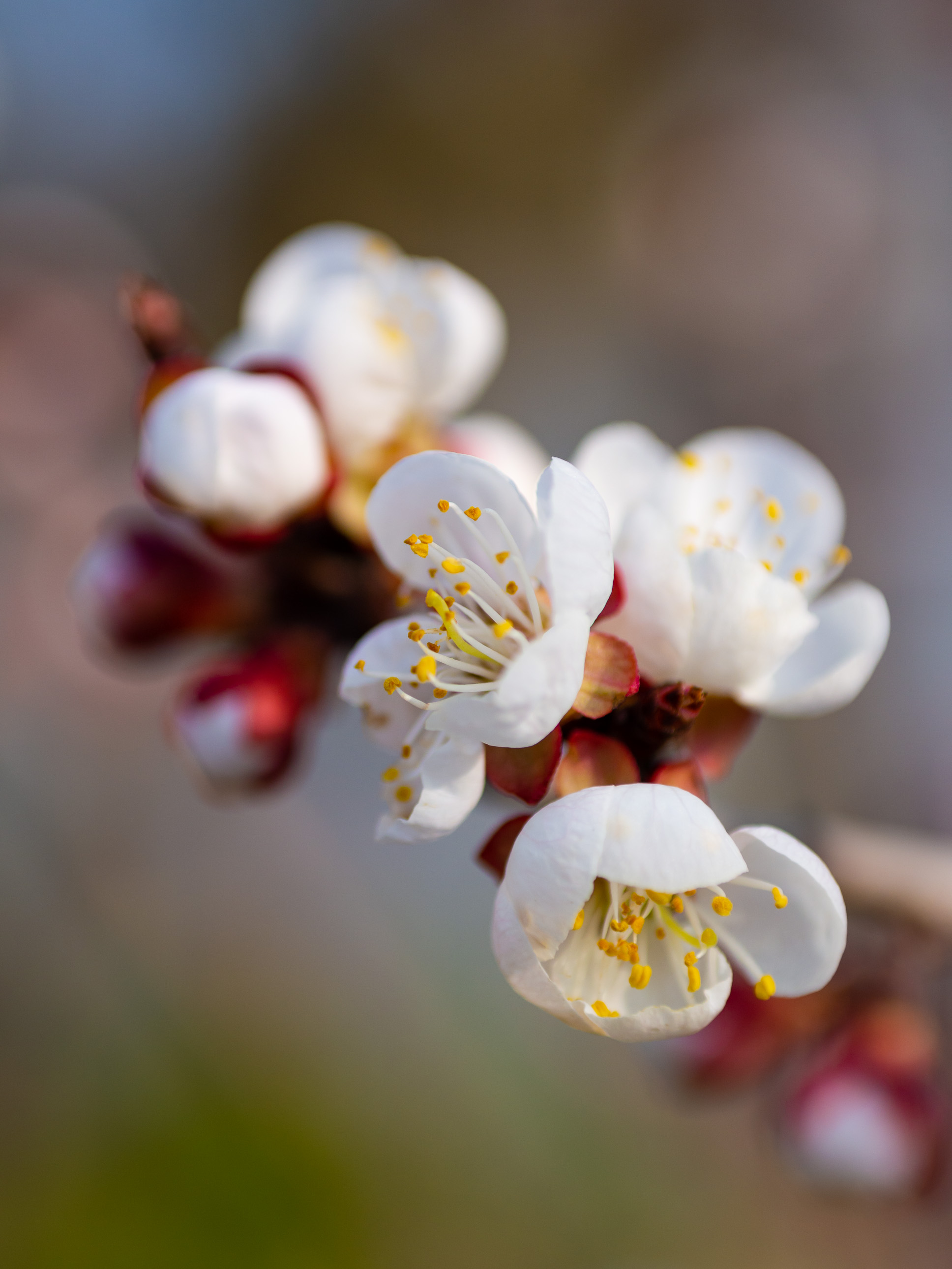
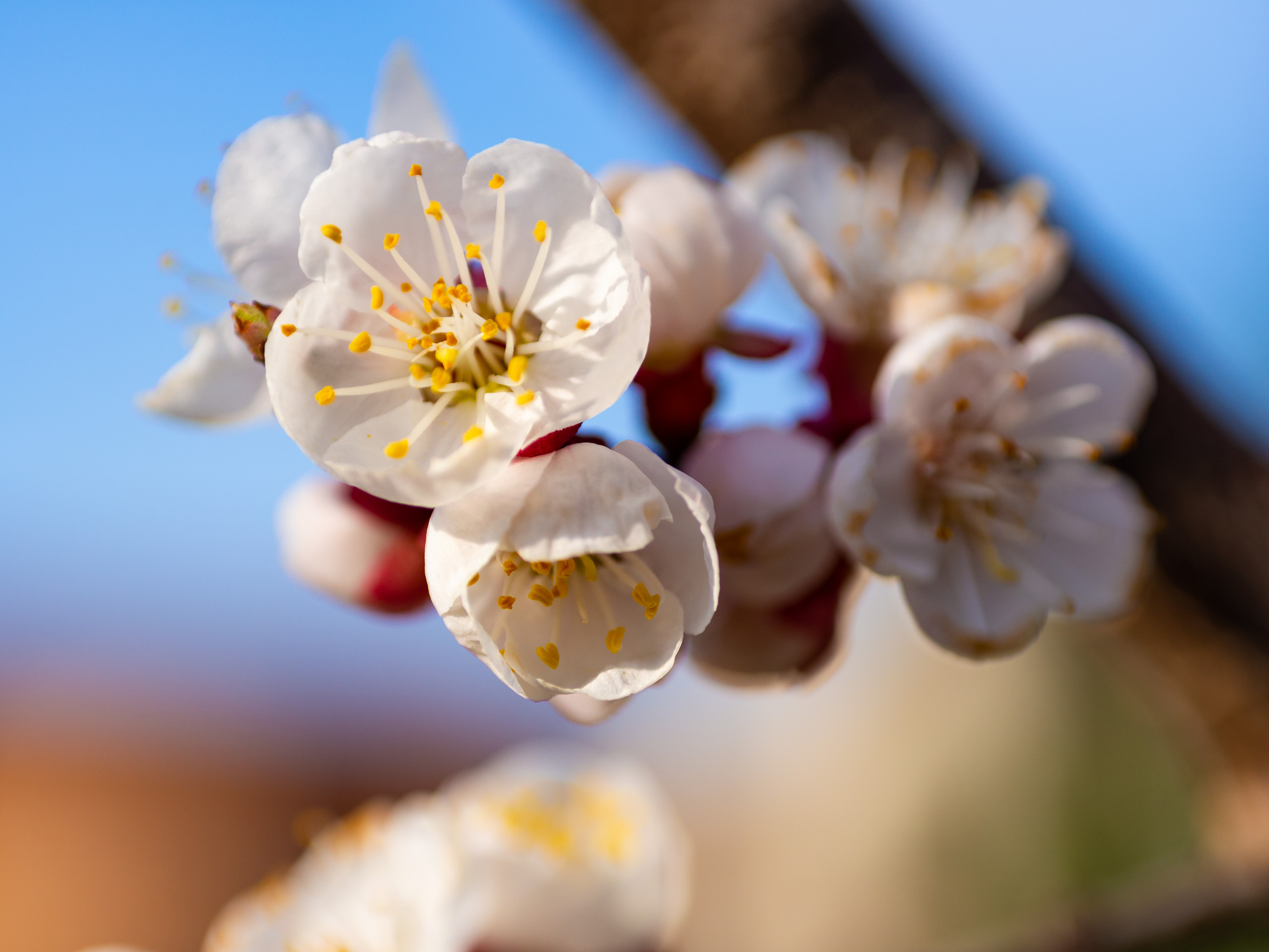
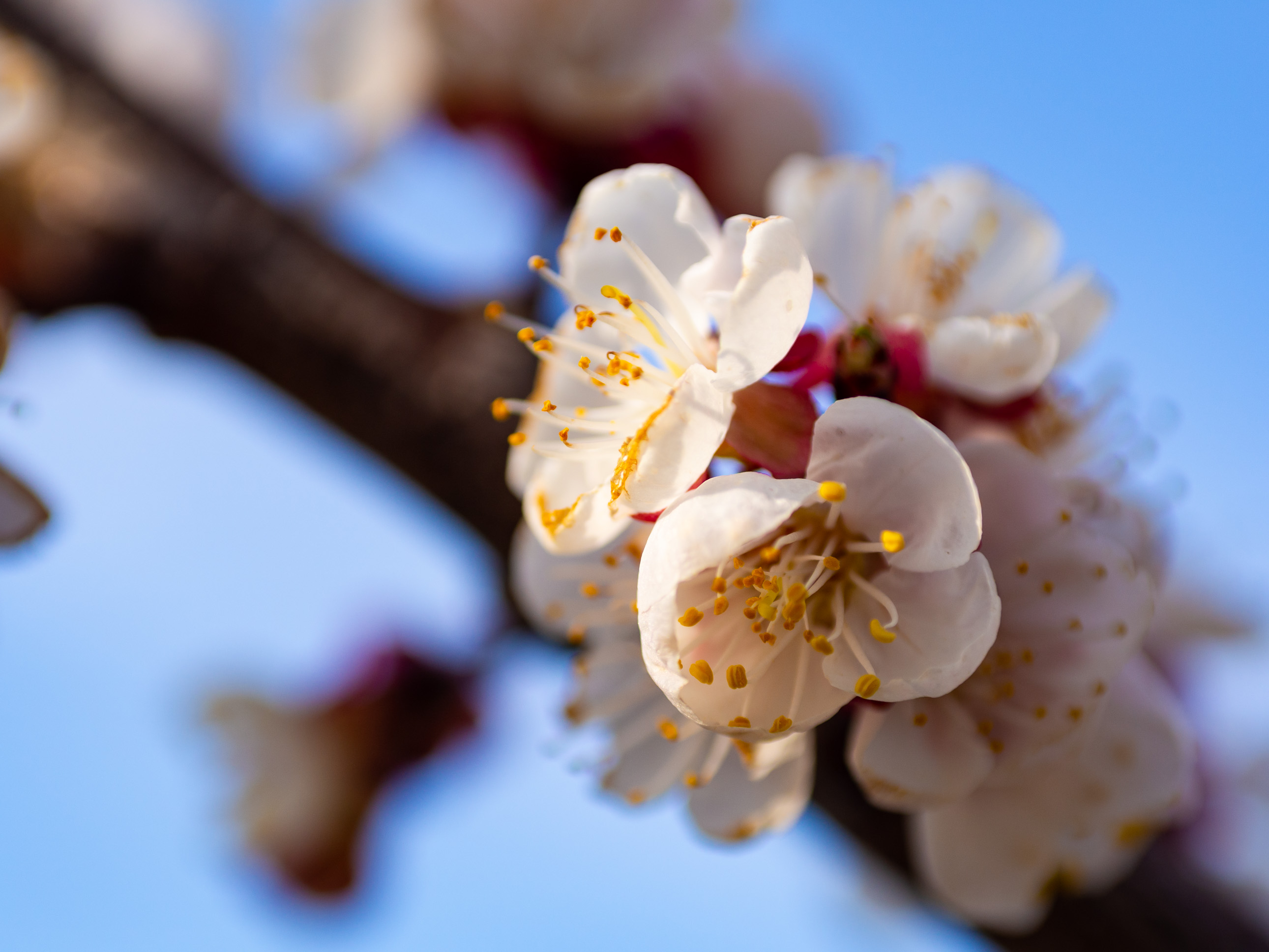
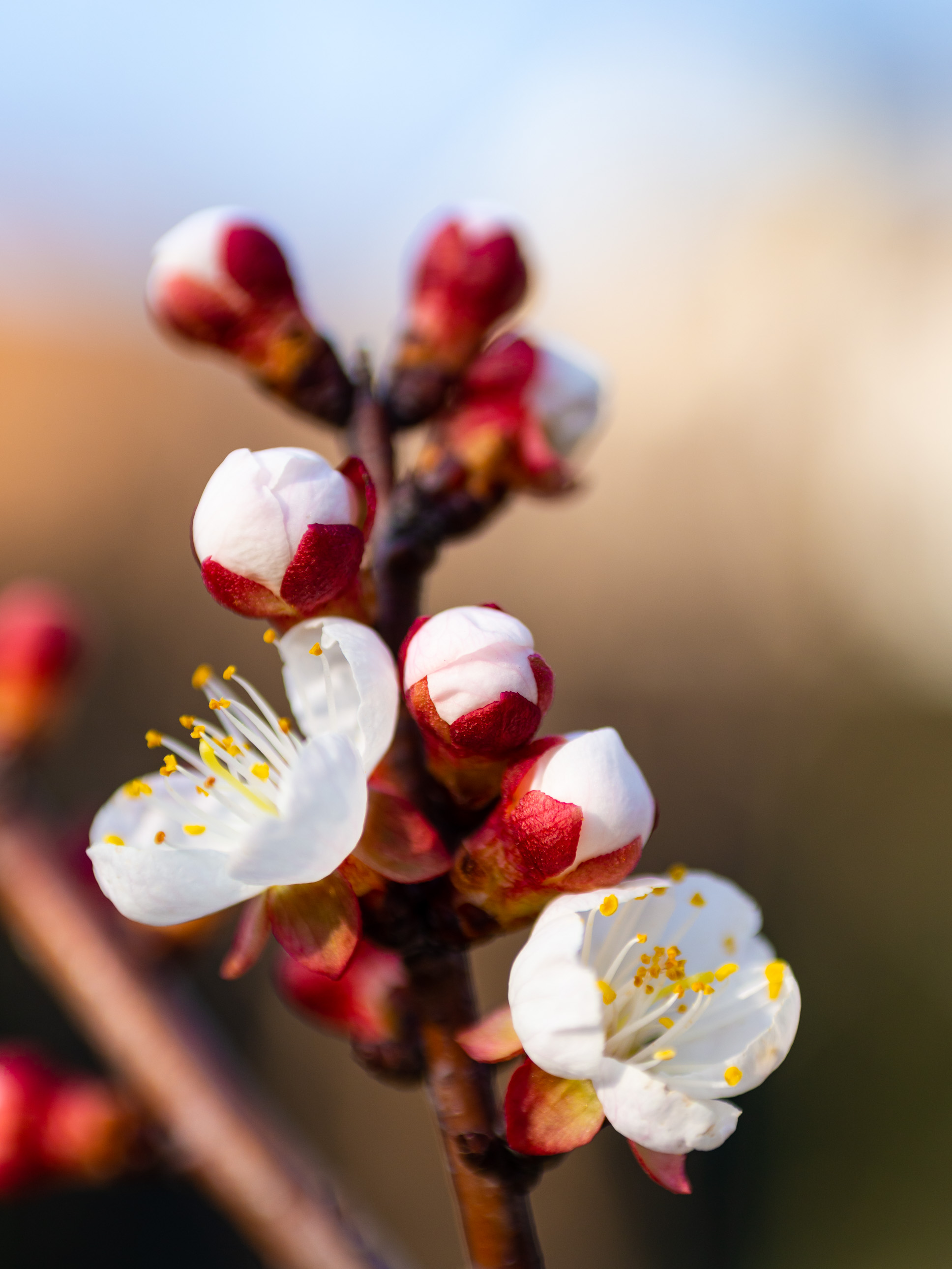
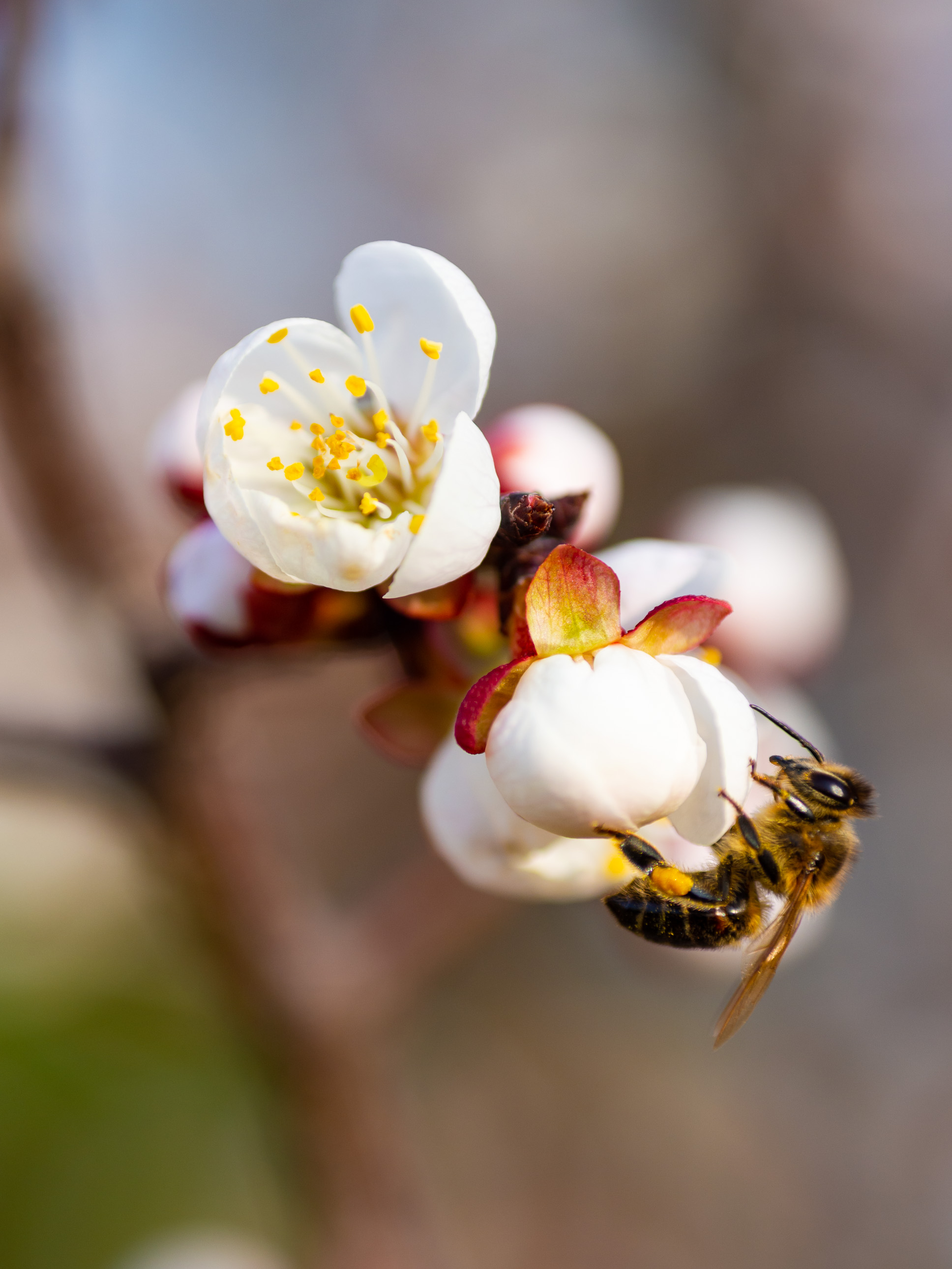
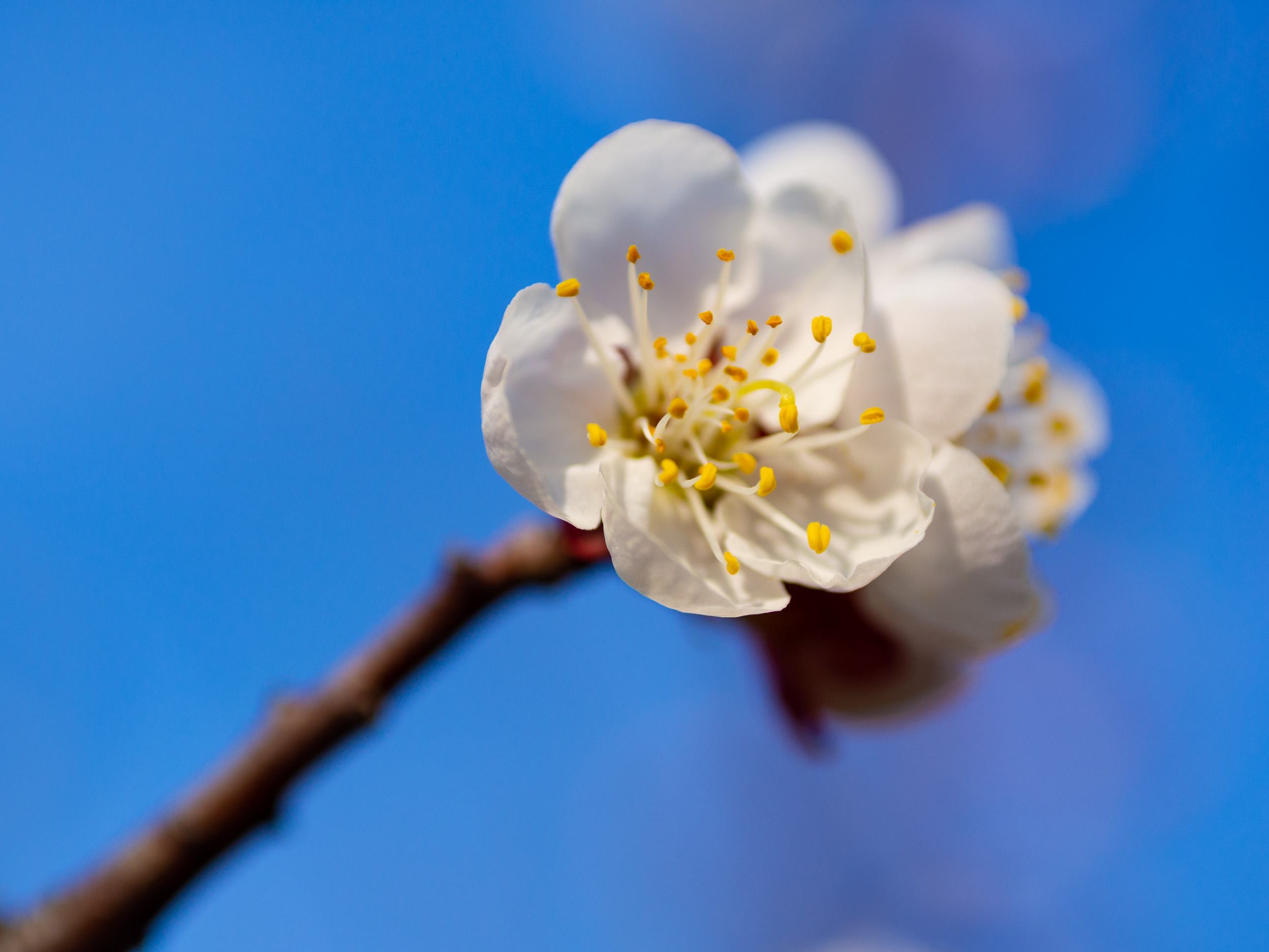
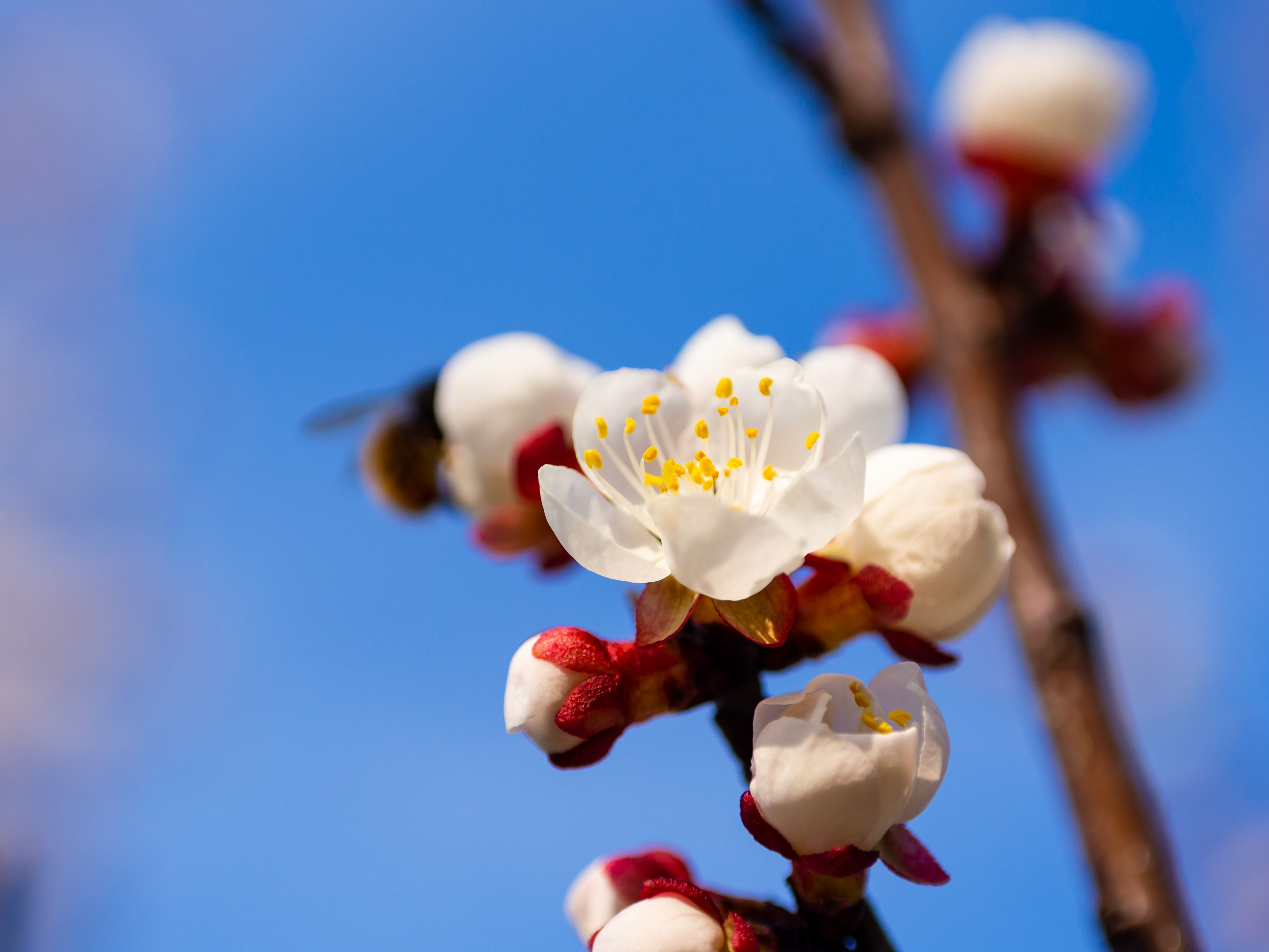
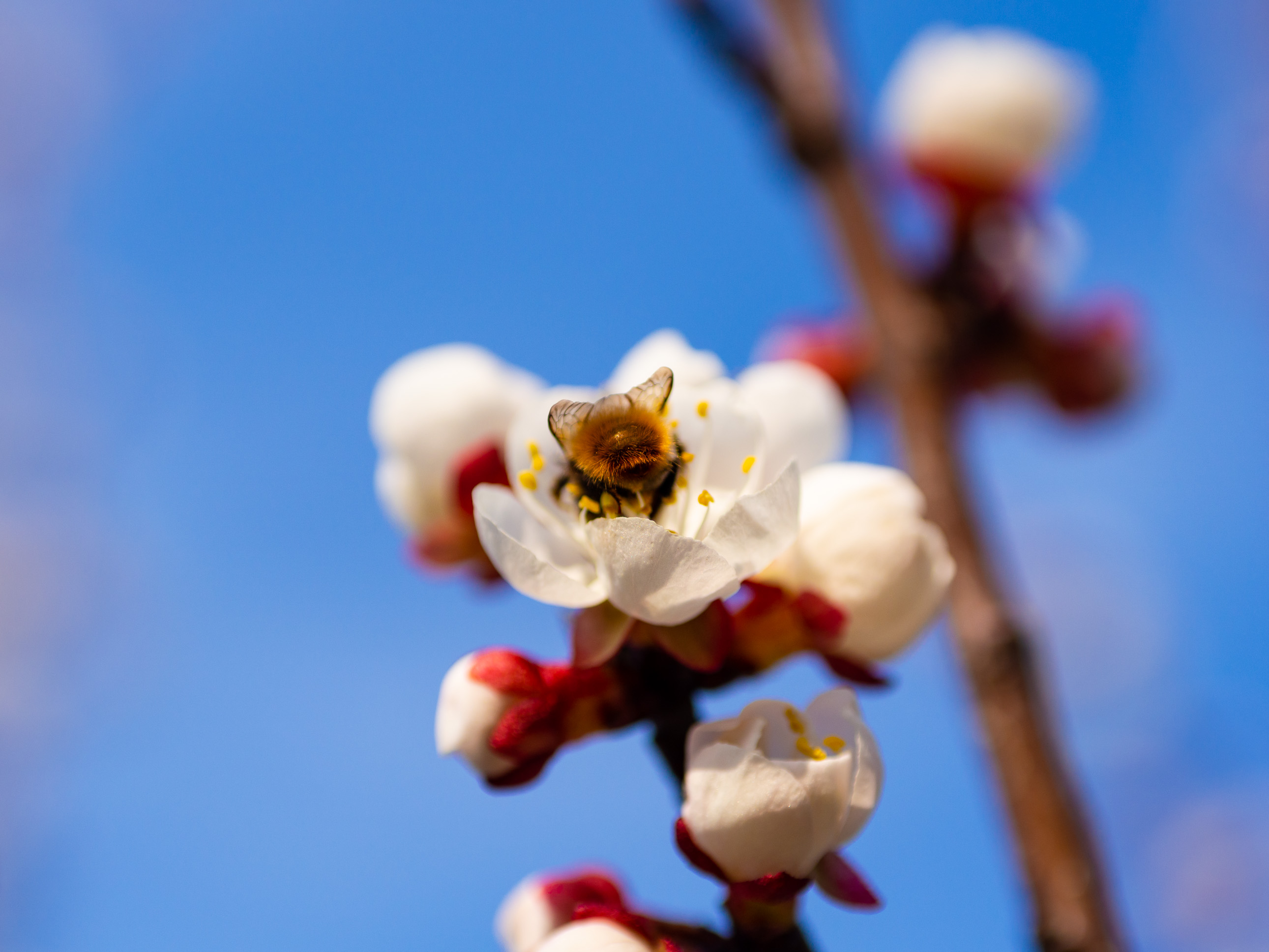
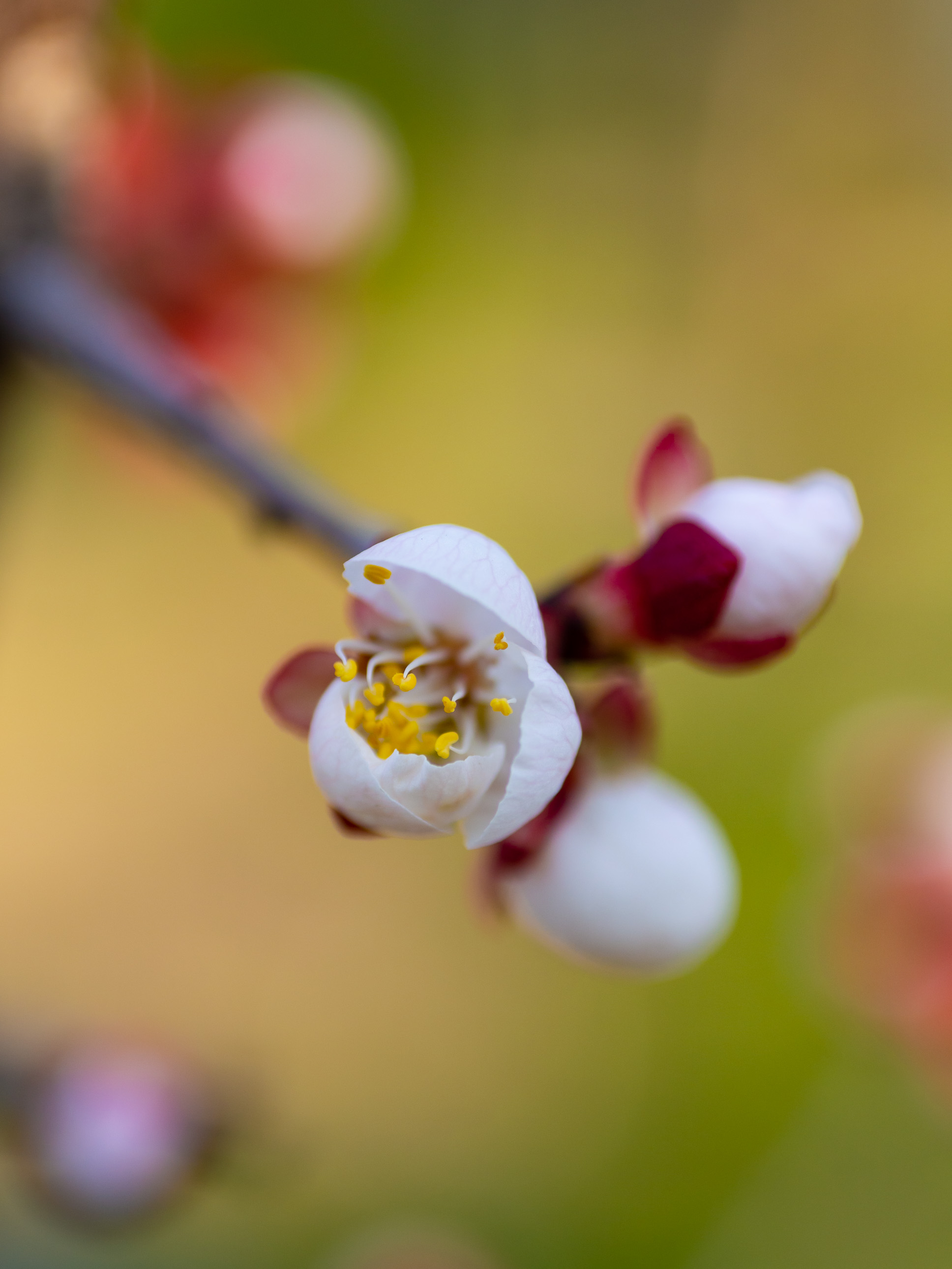
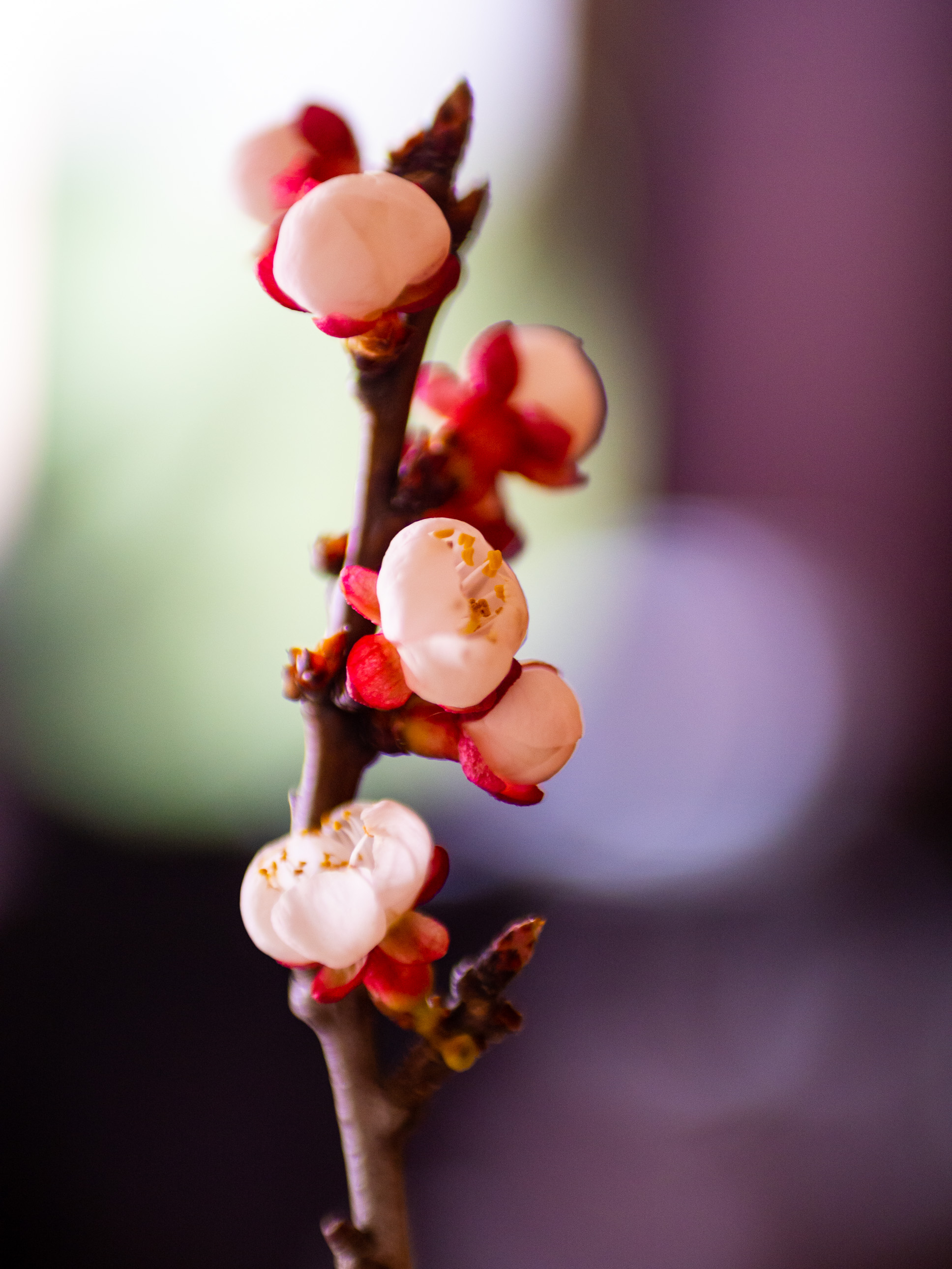
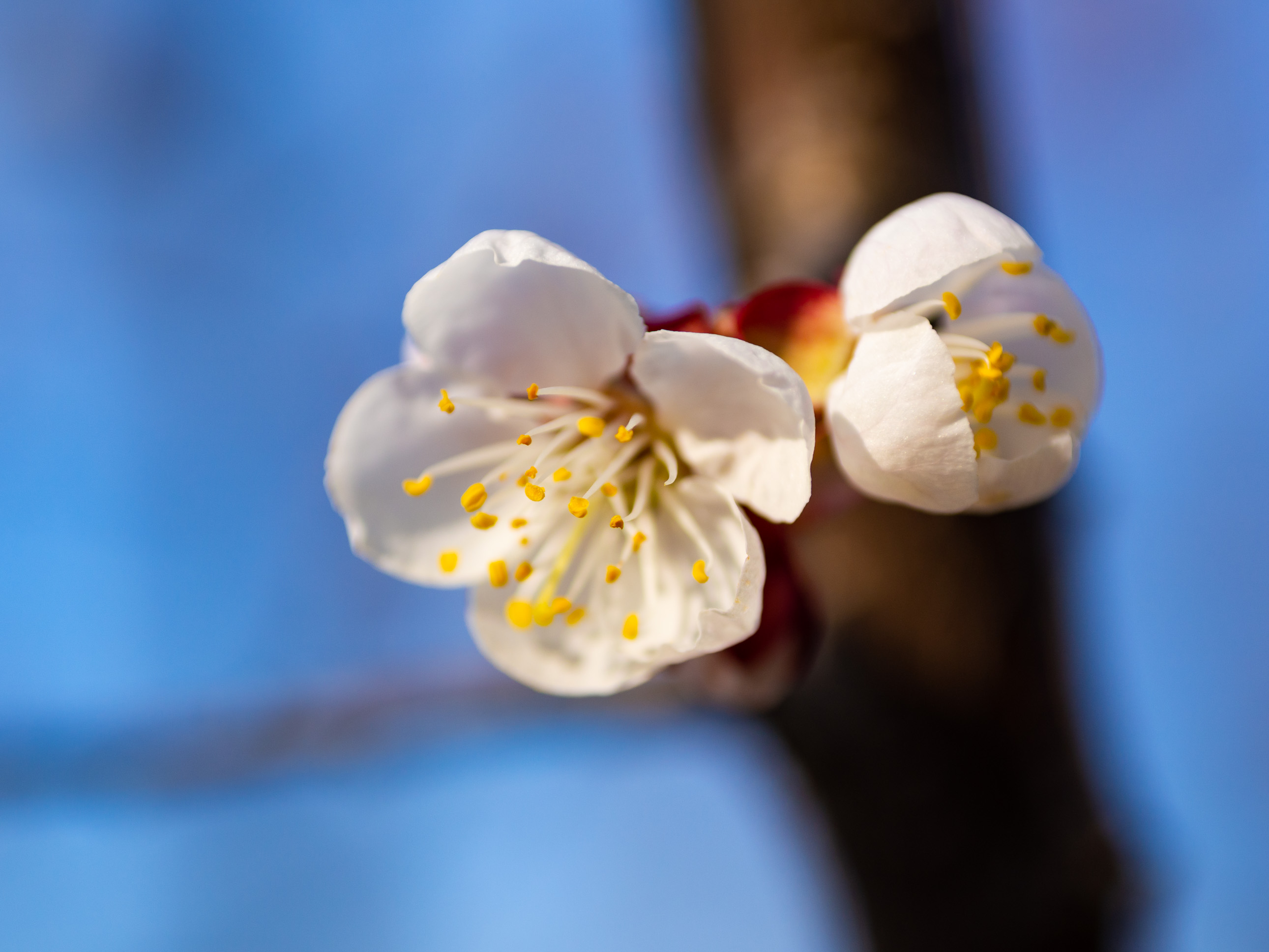
Here is a gallery of 56 photographs I took there. Enjoy!
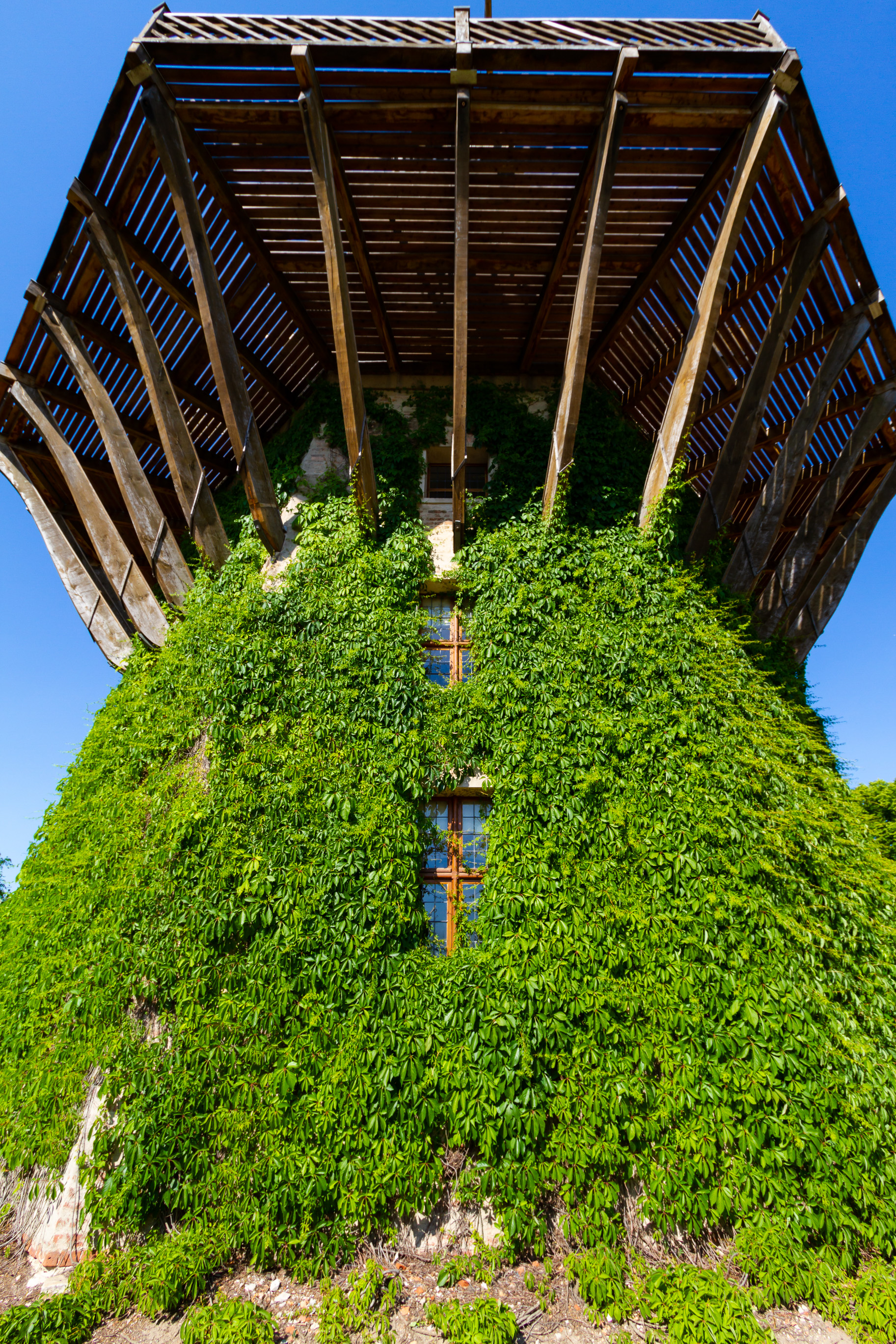
At Sanssouci Palace, Potsdam, Brandenburg, Deutschland 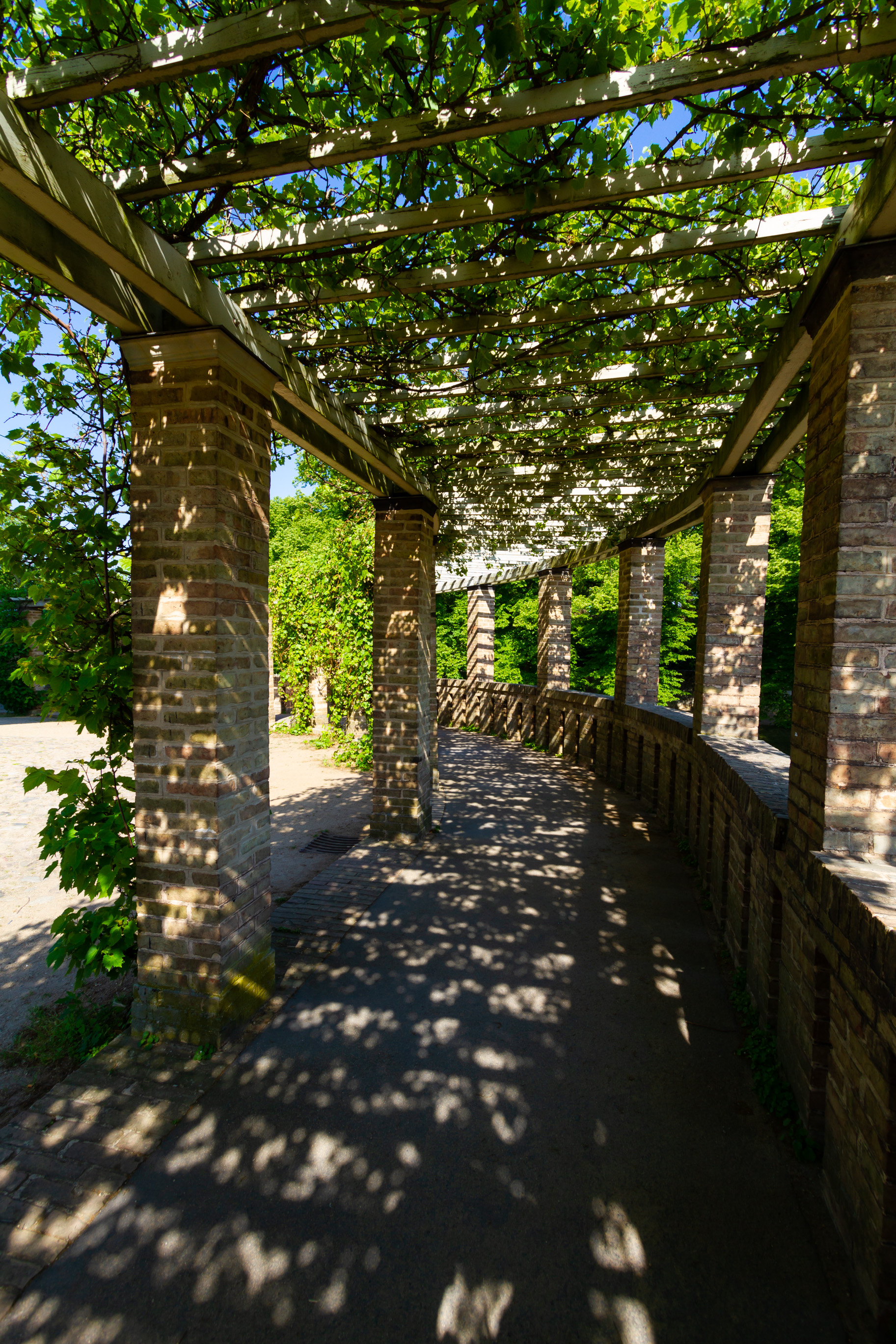
At Sanssouci Palace, Potsdam, Brandenburg, Deutschland 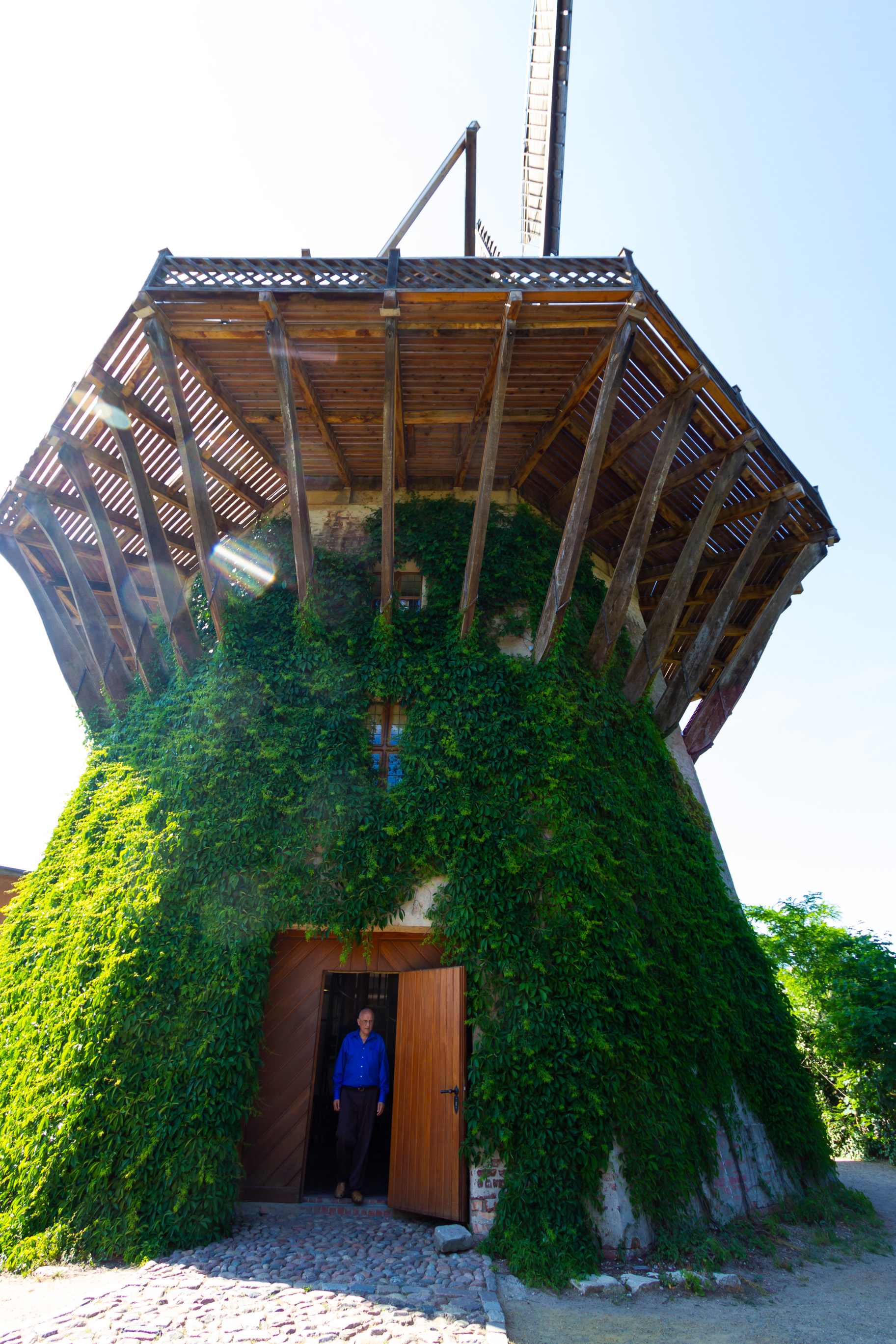
At Sanssouci Palace, Potsdam, Brandenburg, Deutschland 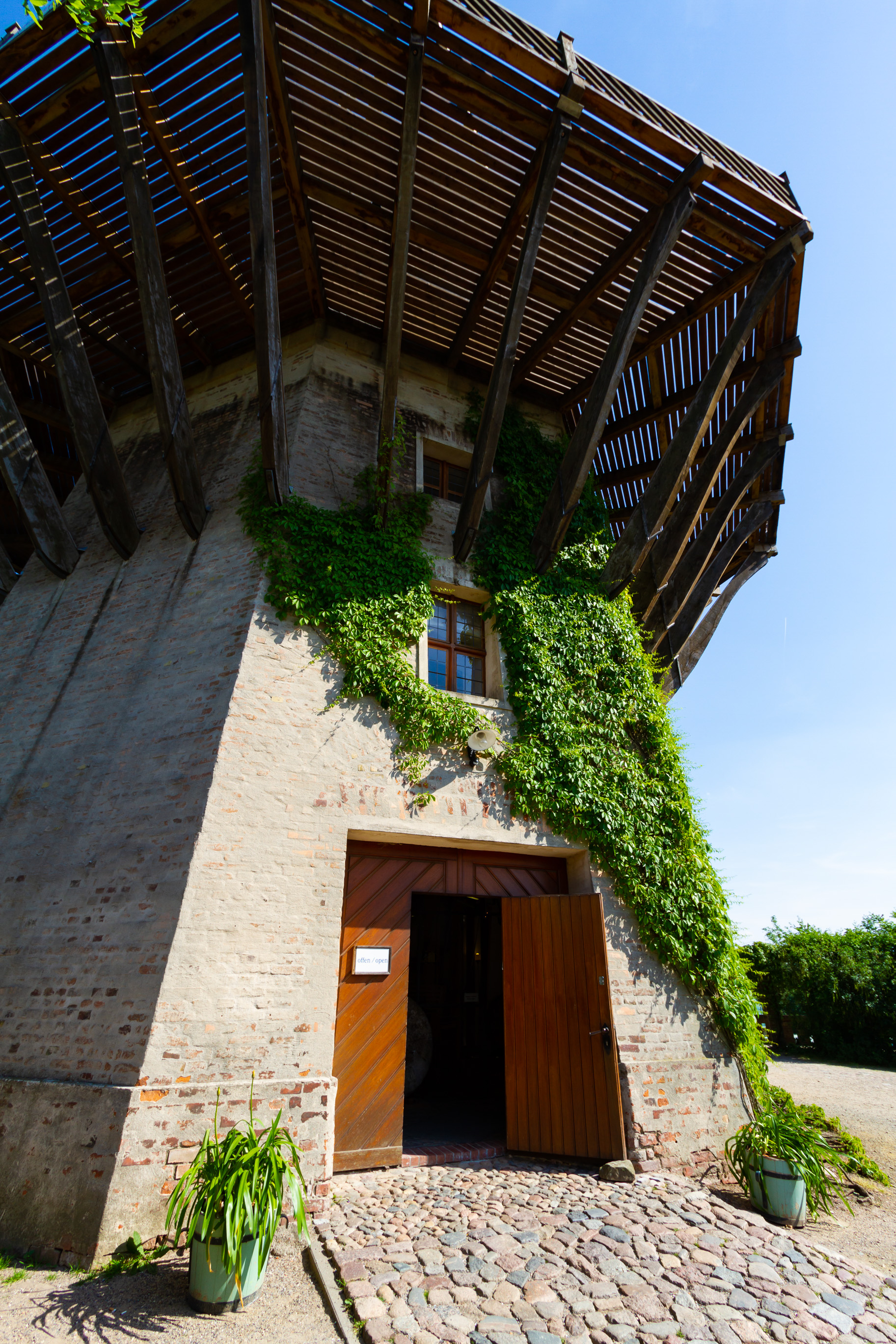
At Sanssouci Palace, Potsdam, Brandenburg, Deutschland 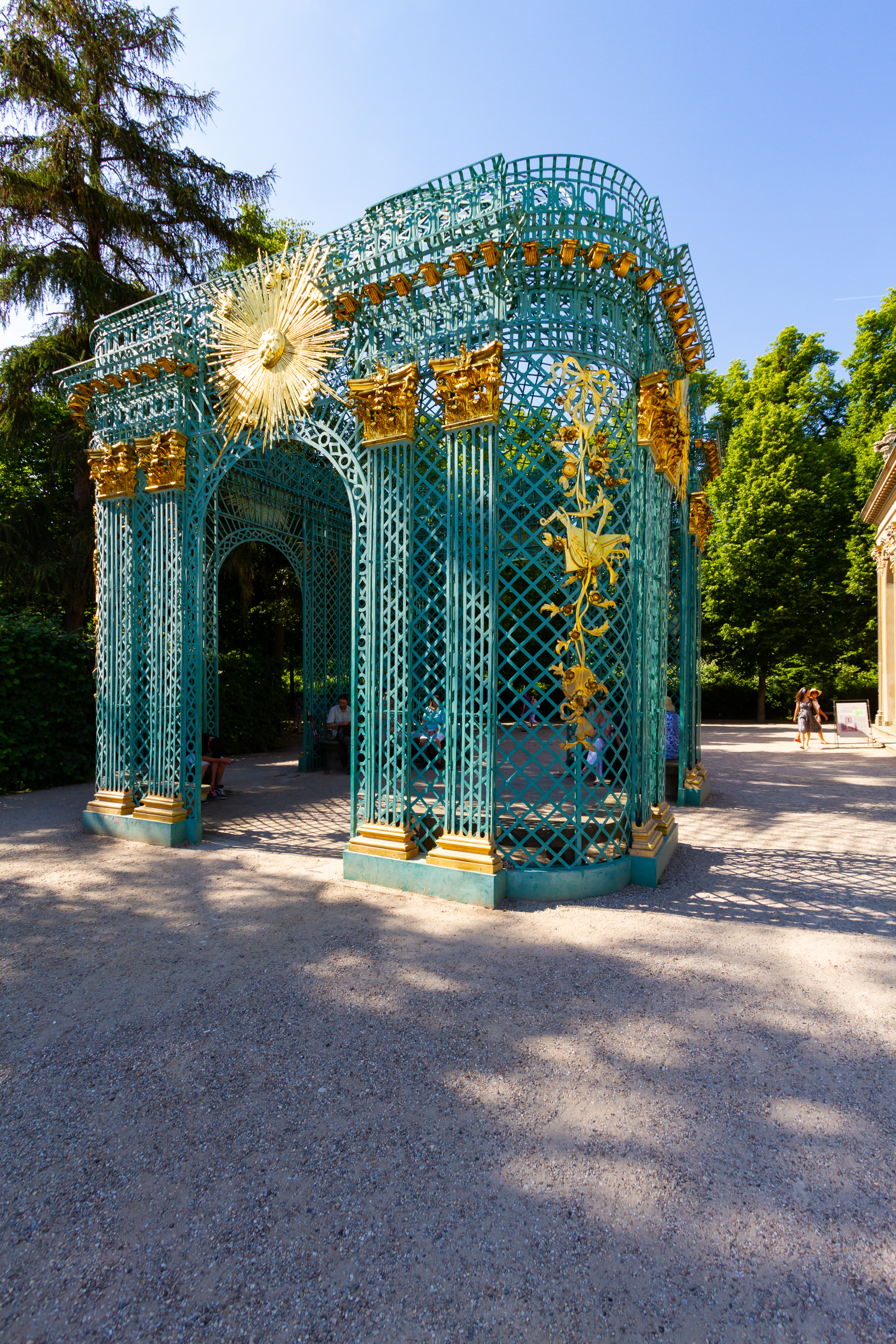
At Sanssouci Palace, Potsdam, Brandenburg, Deutschland 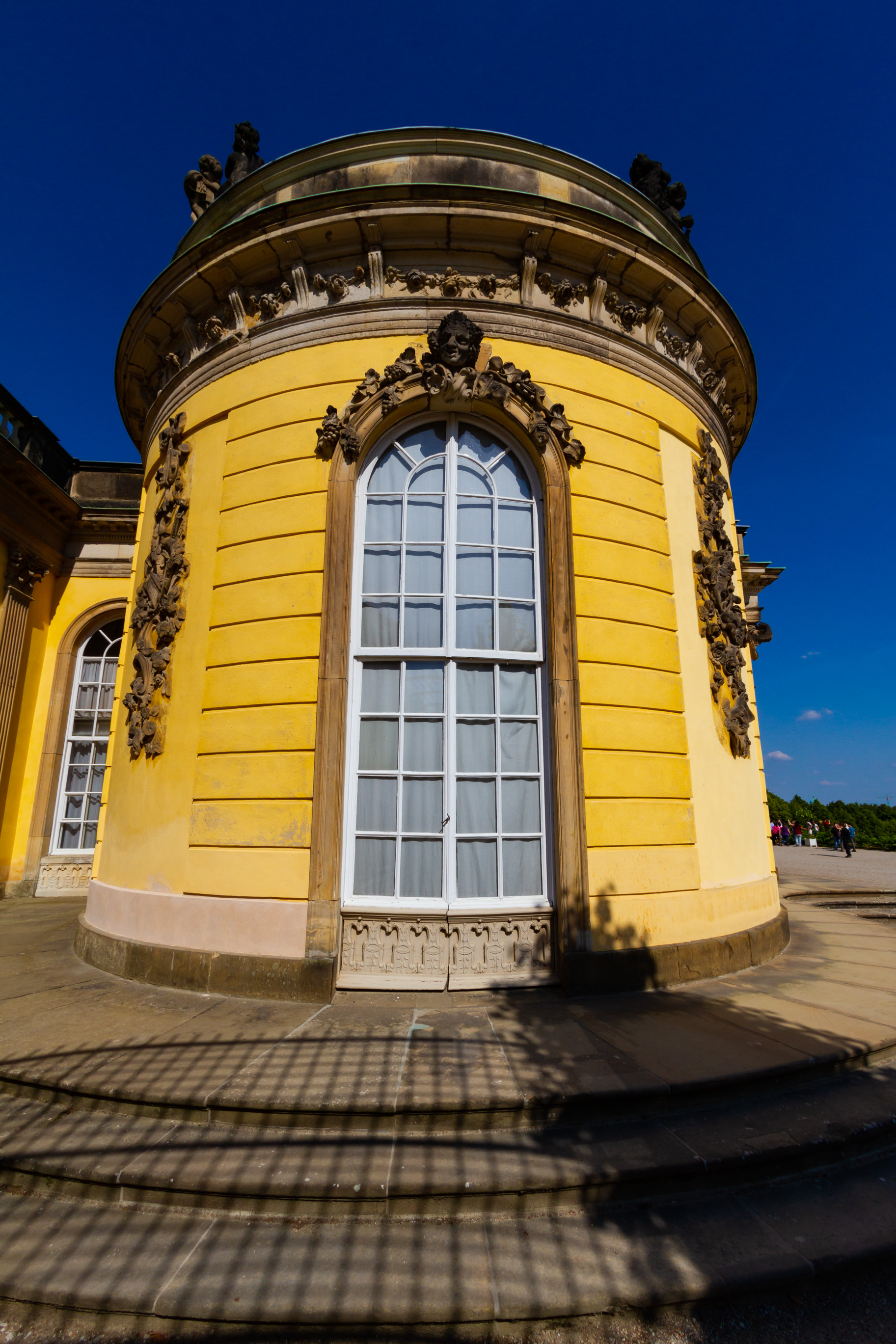
At Sanssouci Palace, Potsdam, Brandenburg, Deutschland 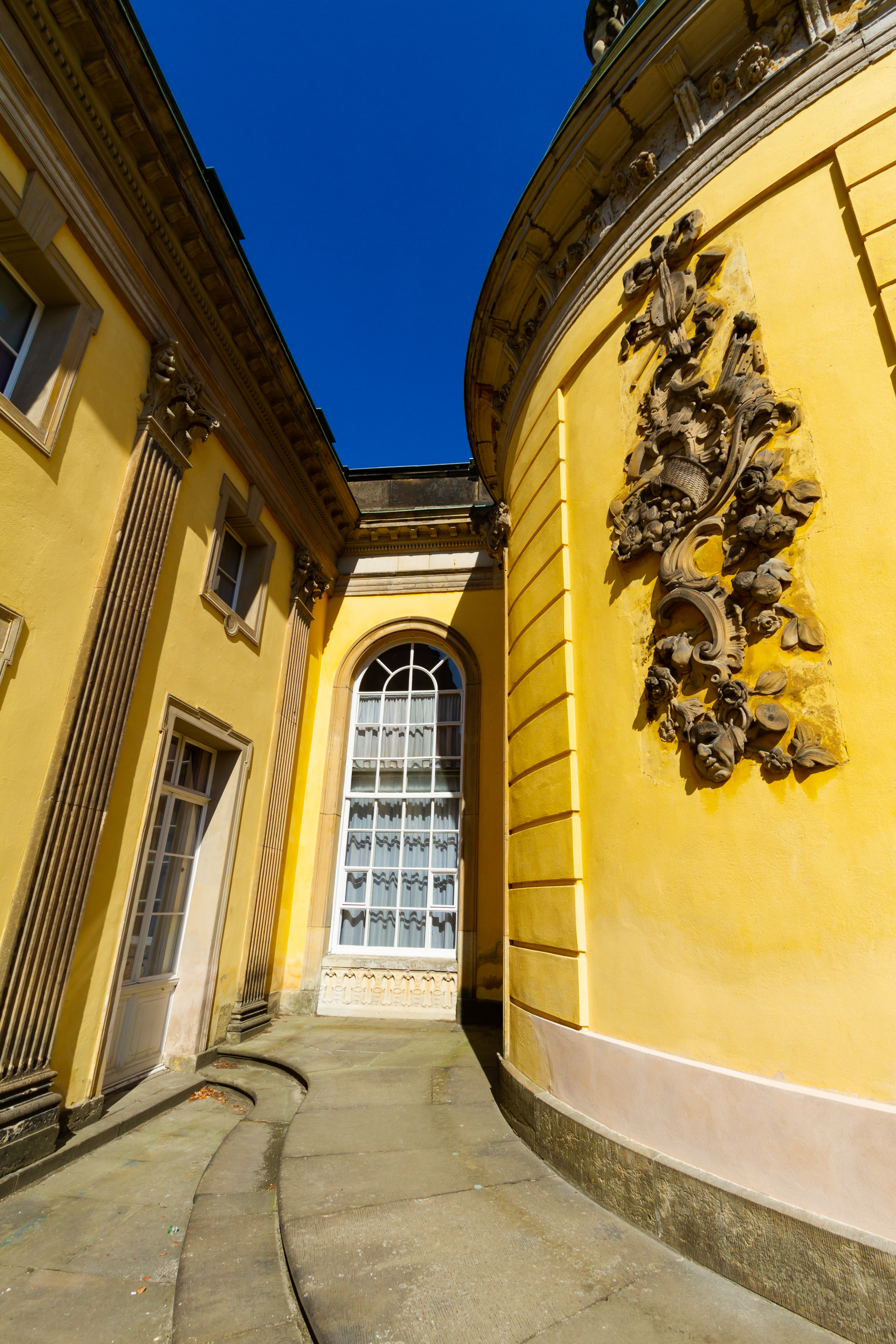
At Sanssouci Palace, Potsdam, Brandenburg, Deutschland 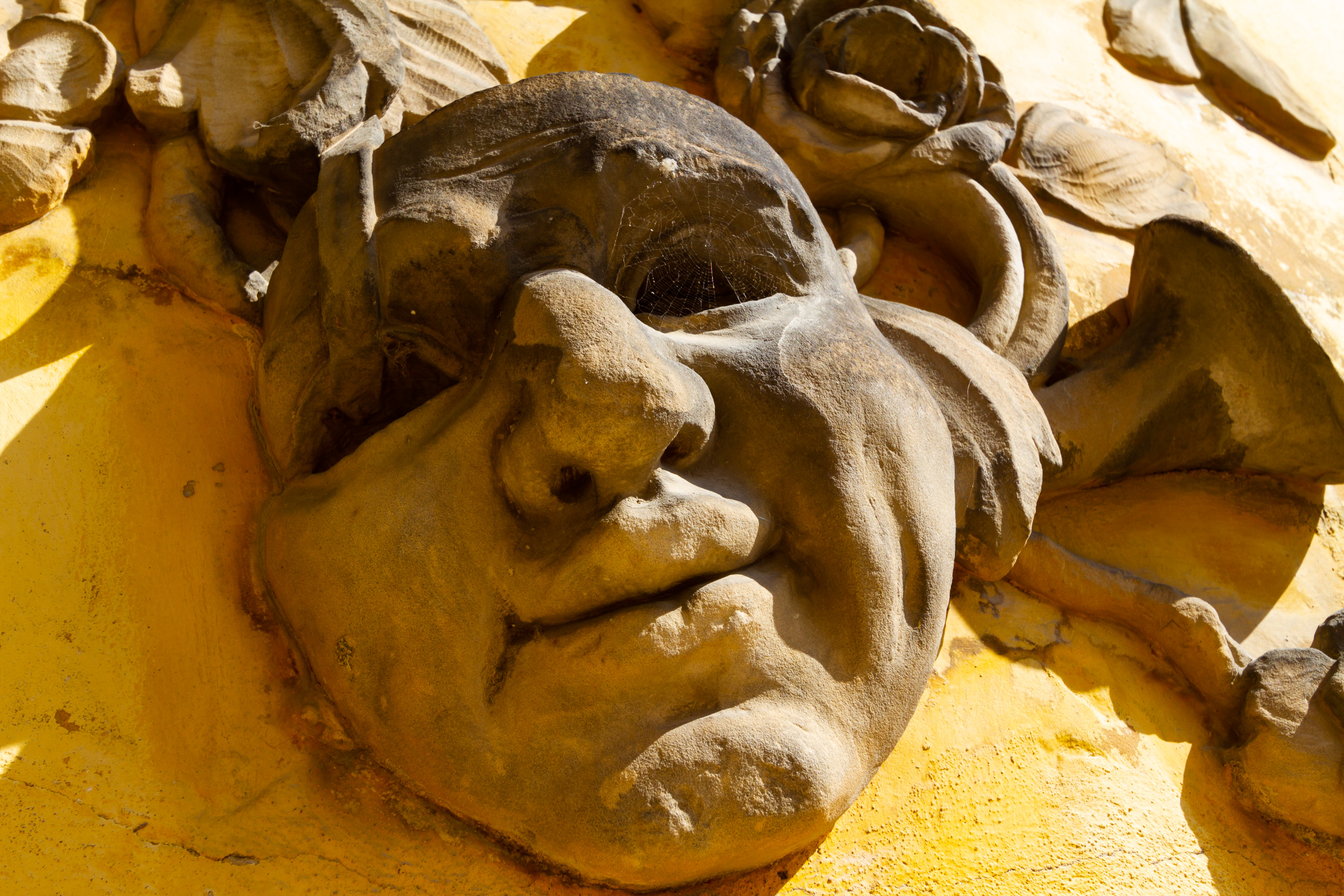
At Sanssouci Palace, Potsdam, Brandenburg, Deutschland 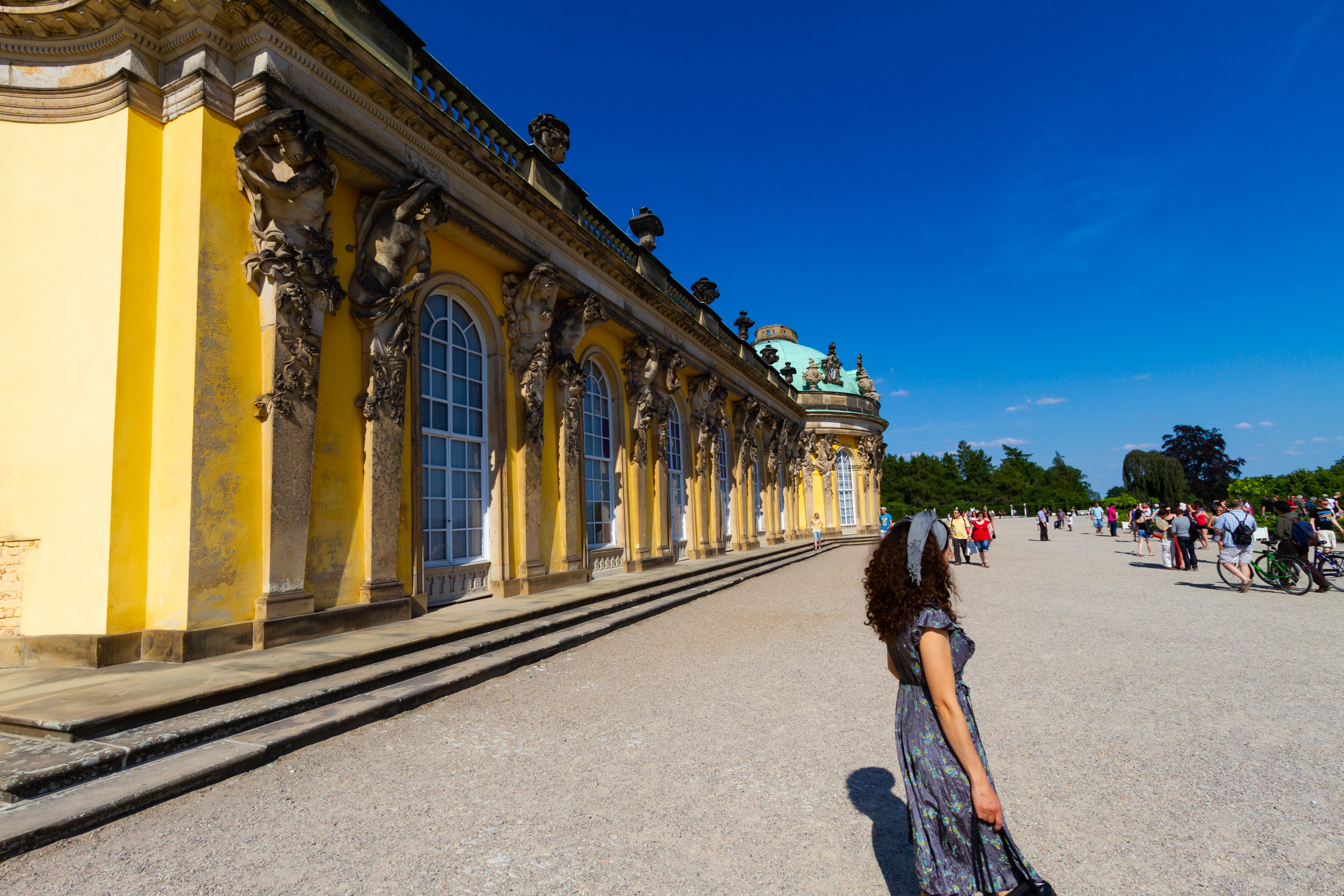
At Sanssouci Palace, Potsdam, Brandenburg, Deutschland 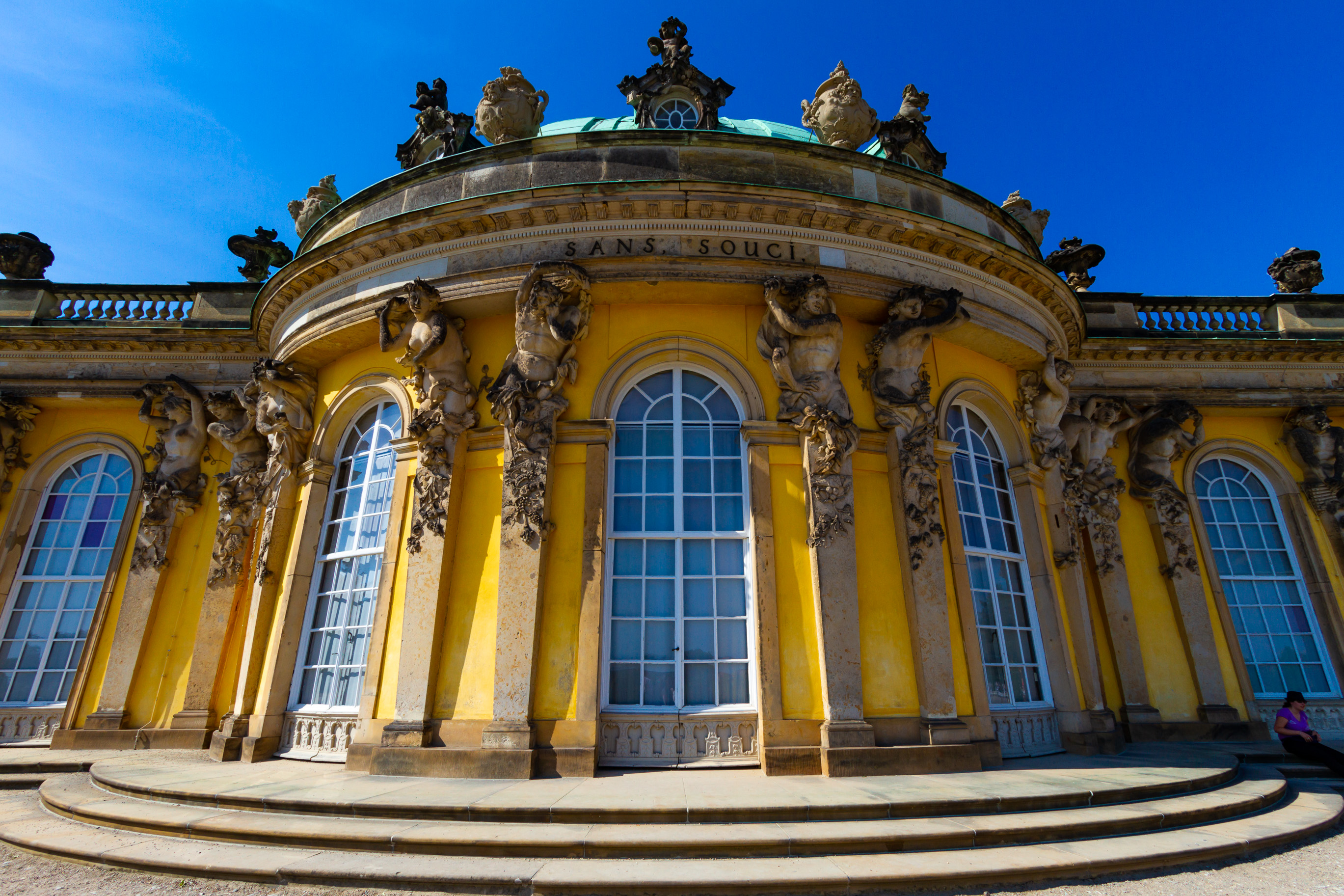
At Sanssouci Palace, Potsdam, Brandenburg, Deutschland 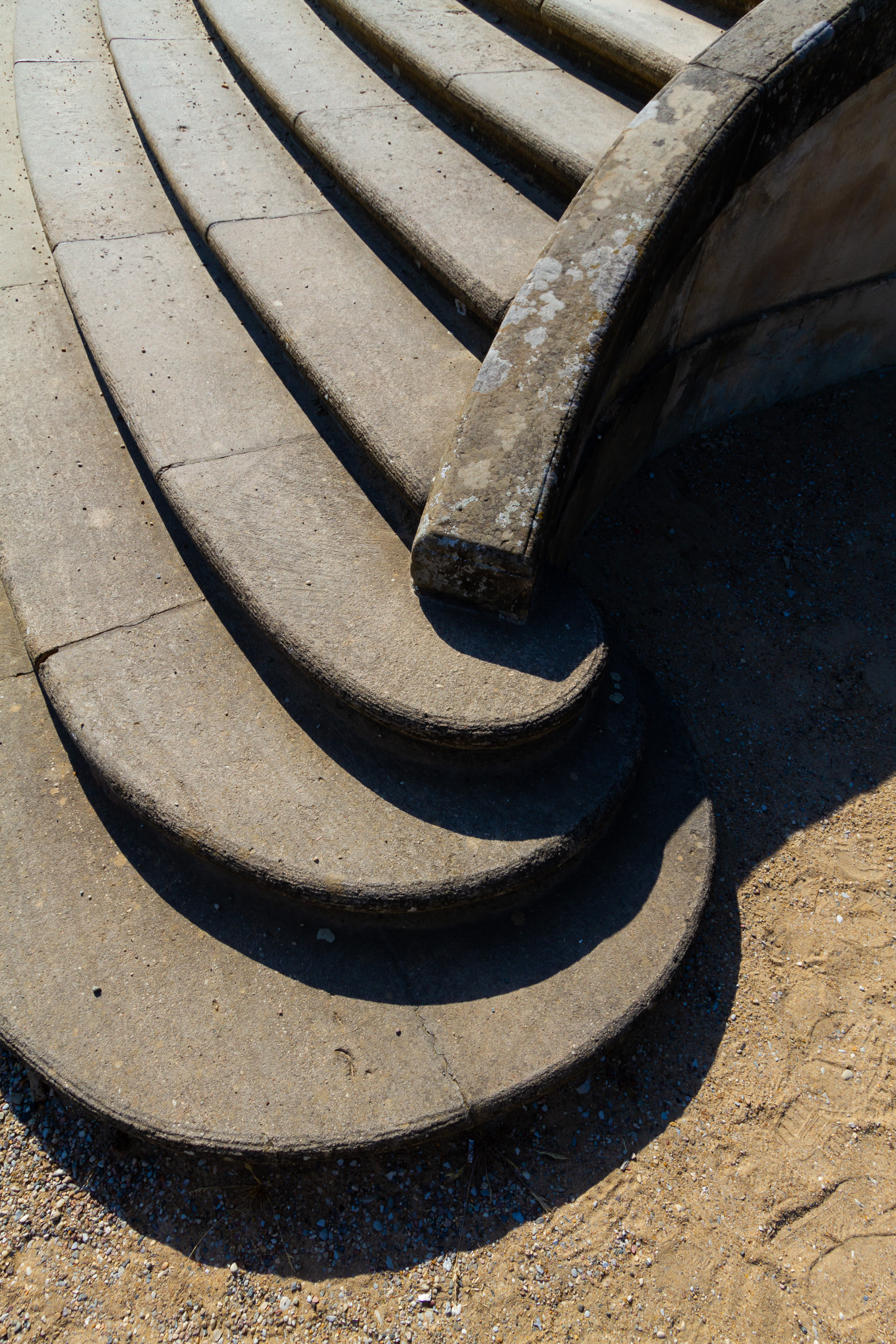
At Sanssouci Palace, Potsdam, Brandenburg, Deutschland 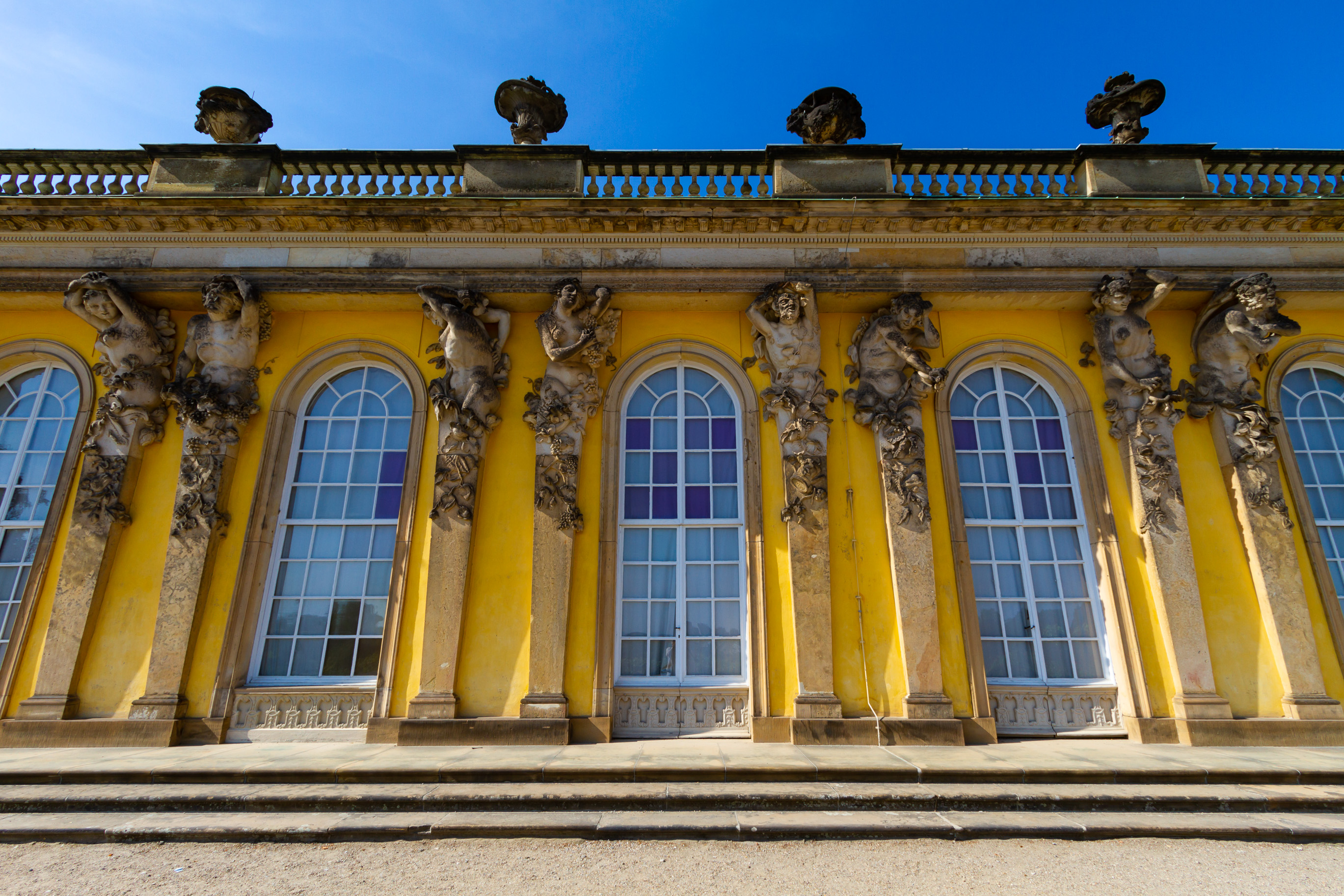
At Sanssouci Palace, Potsdam, Brandenburg, Deutschland 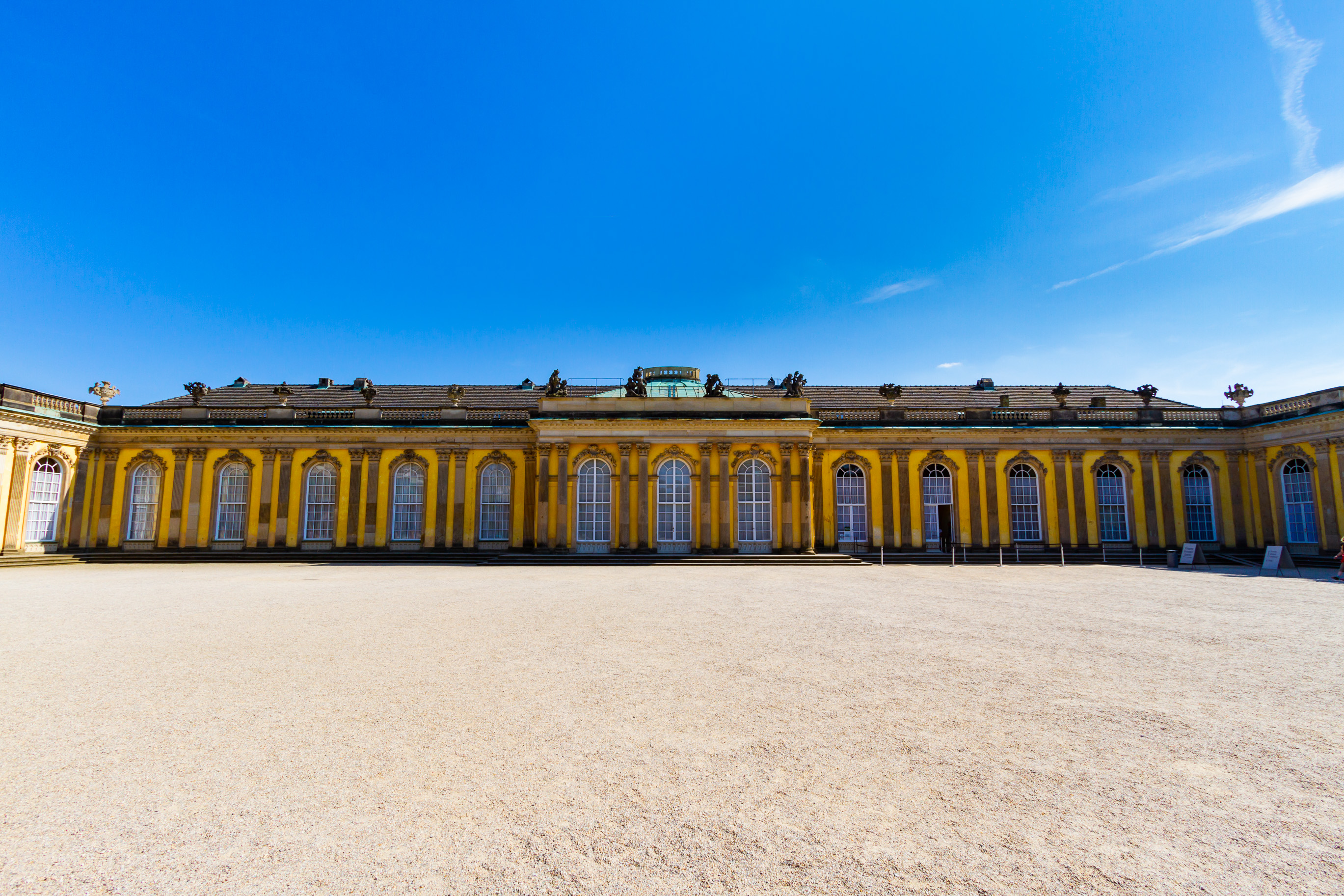
At Sanssouci Palace, Potsdam, Brandenburg, Deutschland 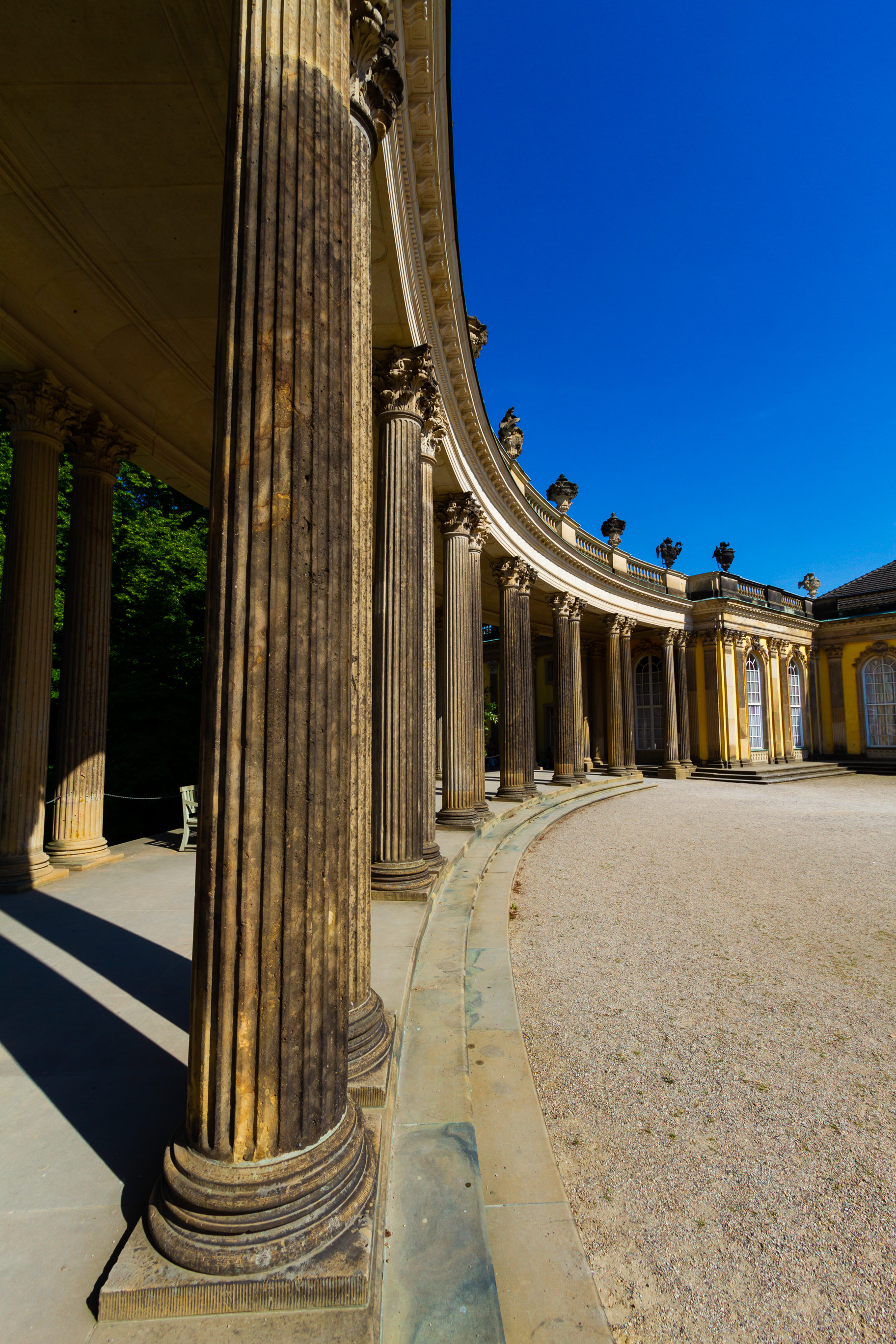
At Sanssouci Palace, Potsdam, Brandenburg, Deutschland 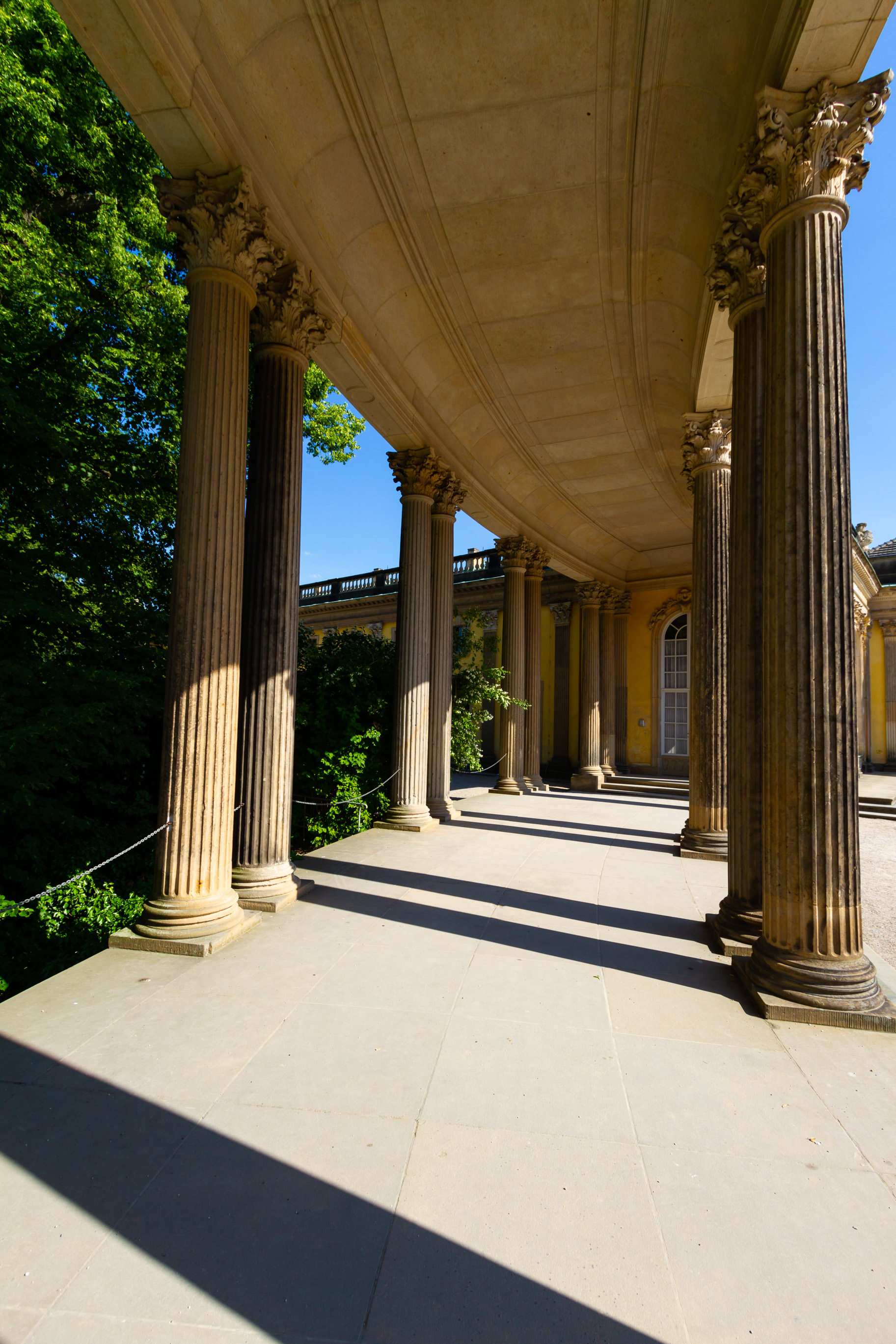
At Sanssouci Palace, Potsdam, Brandenburg, Deutschland 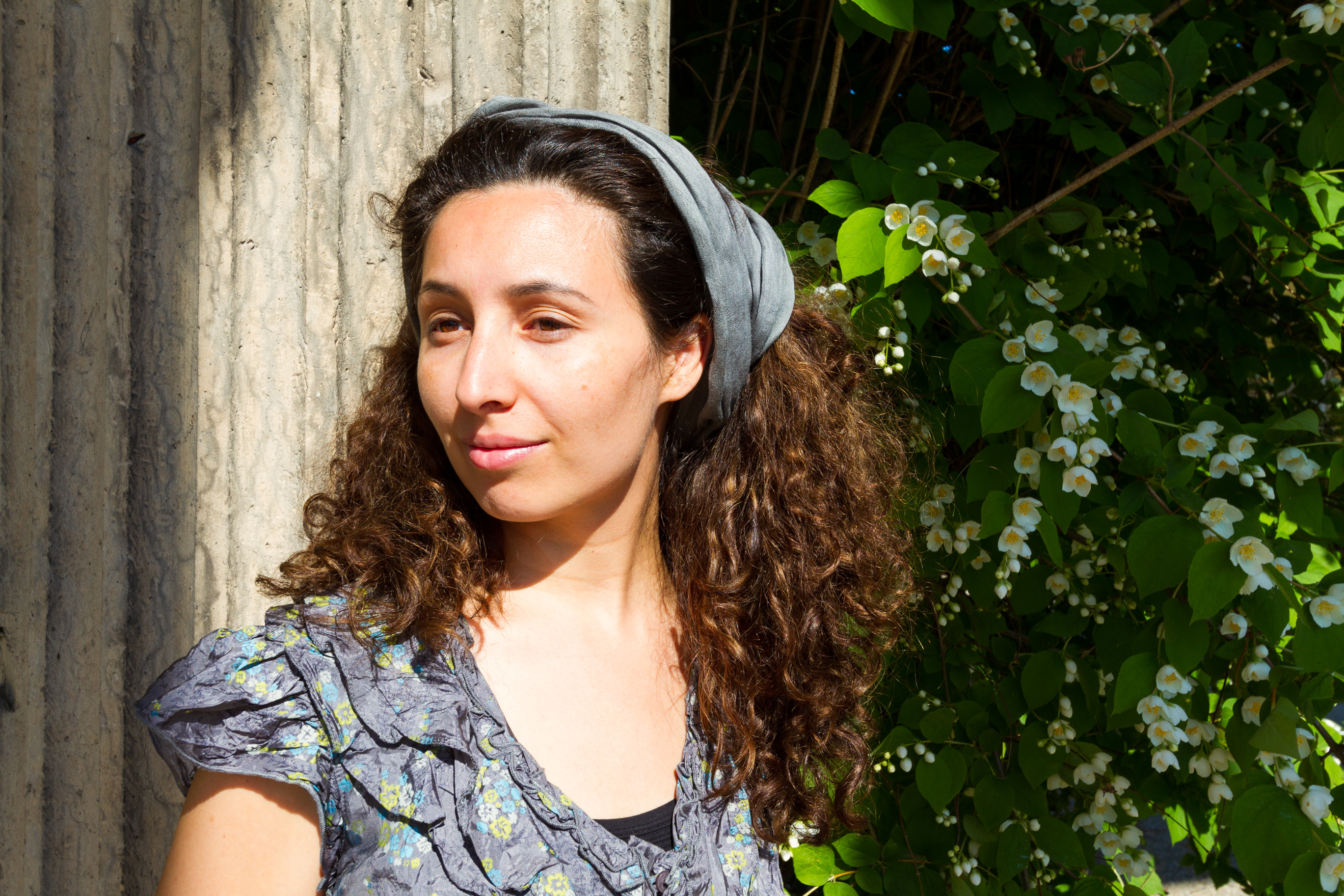
At Sanssouci Palace, Potsdam, Brandenburg, Deutschland 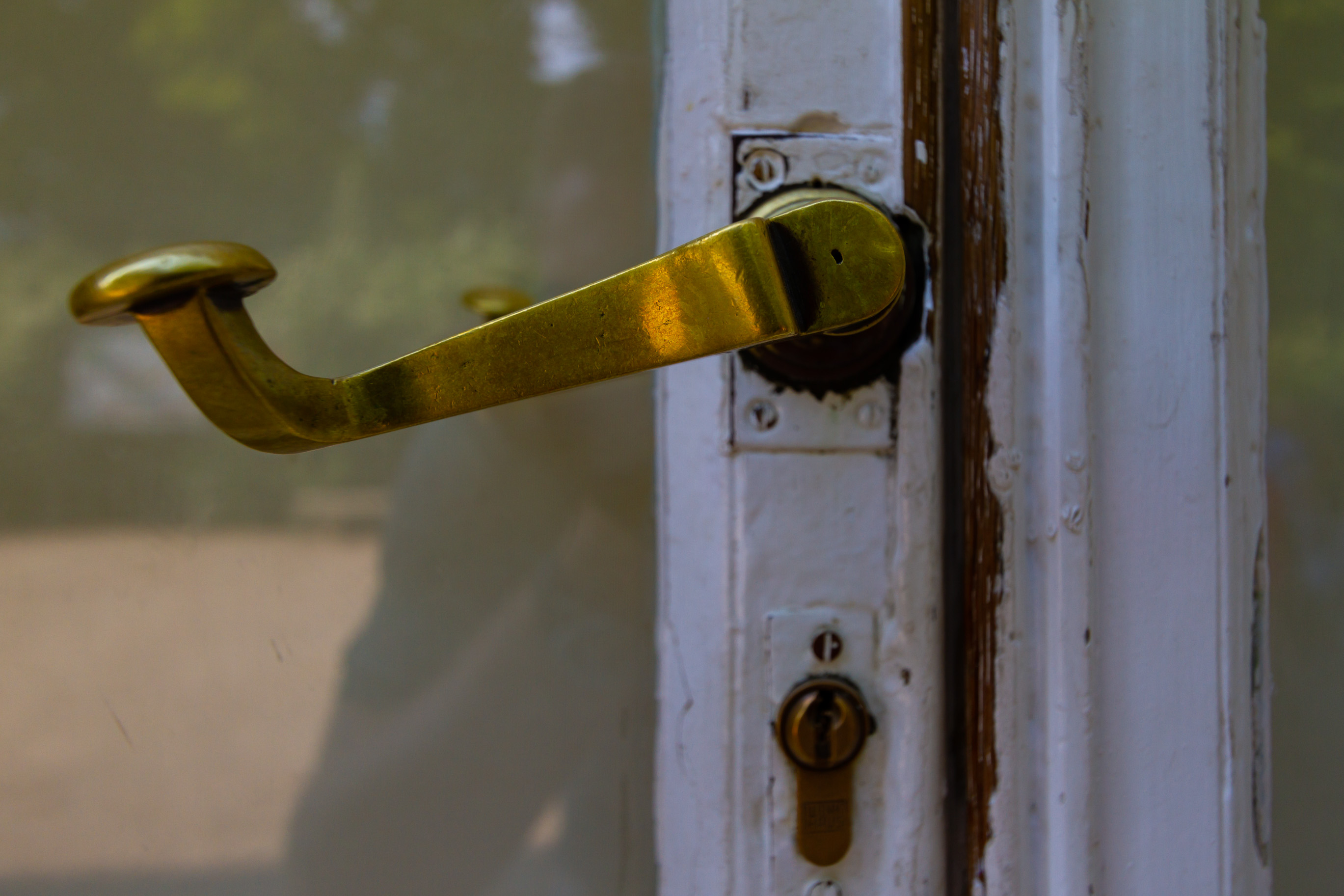
At Sanssouci Palace, Potsdam, Brandenburg, Deutschland 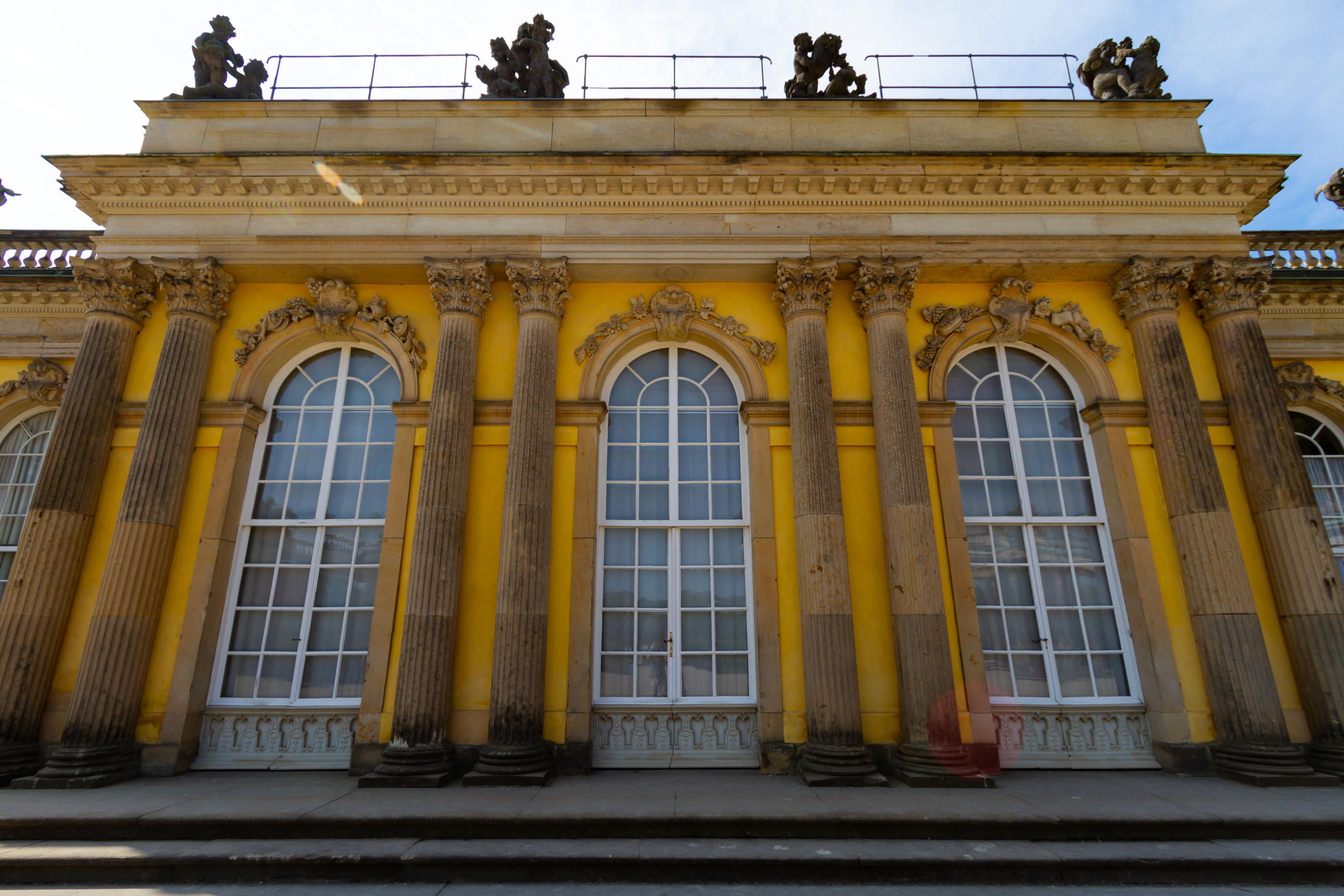
At Sanssouci Palace, Potsdam, Brandenburg, Deutschland 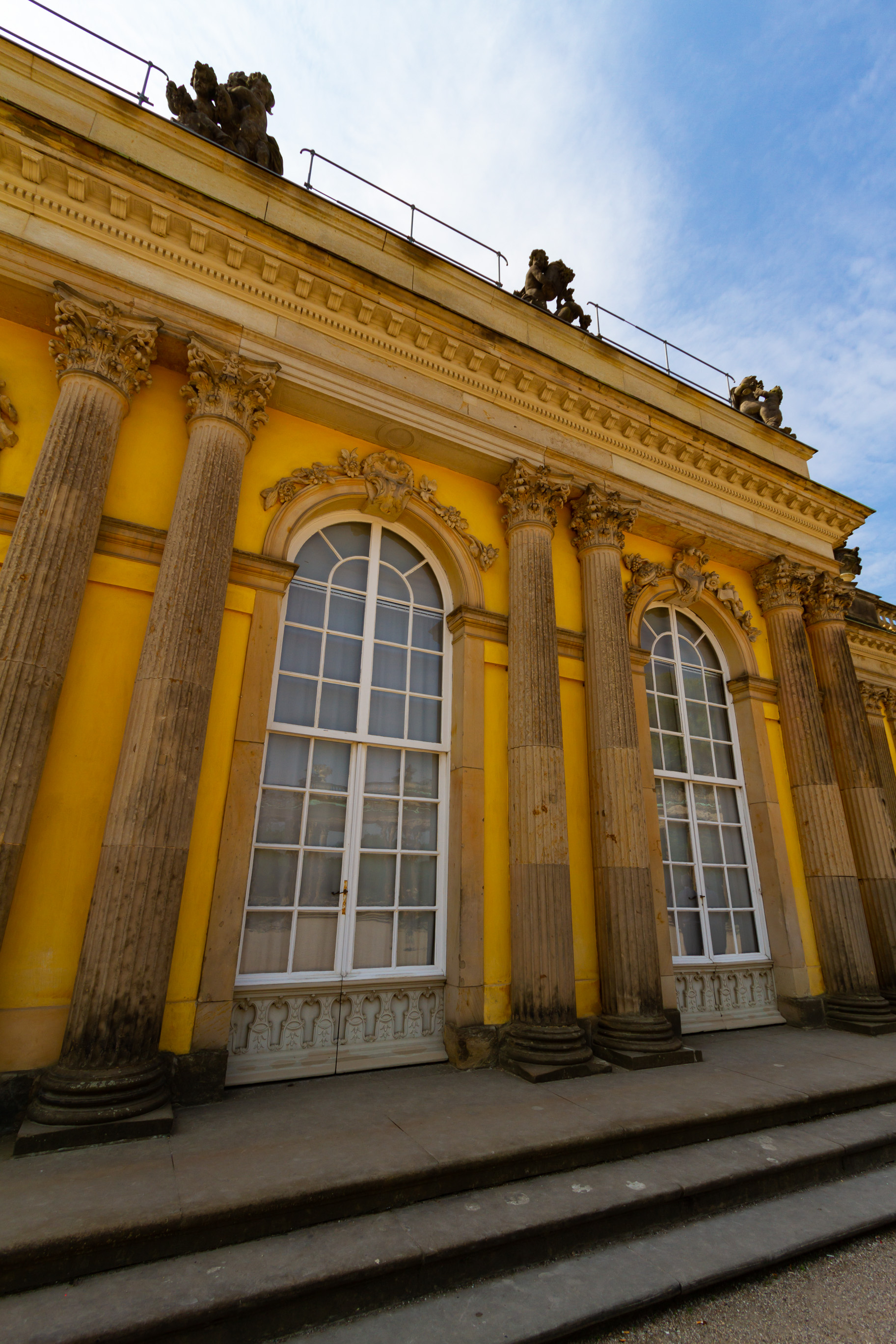
At Sanssouci Palace, Potsdam, Brandenburg, Deutschland 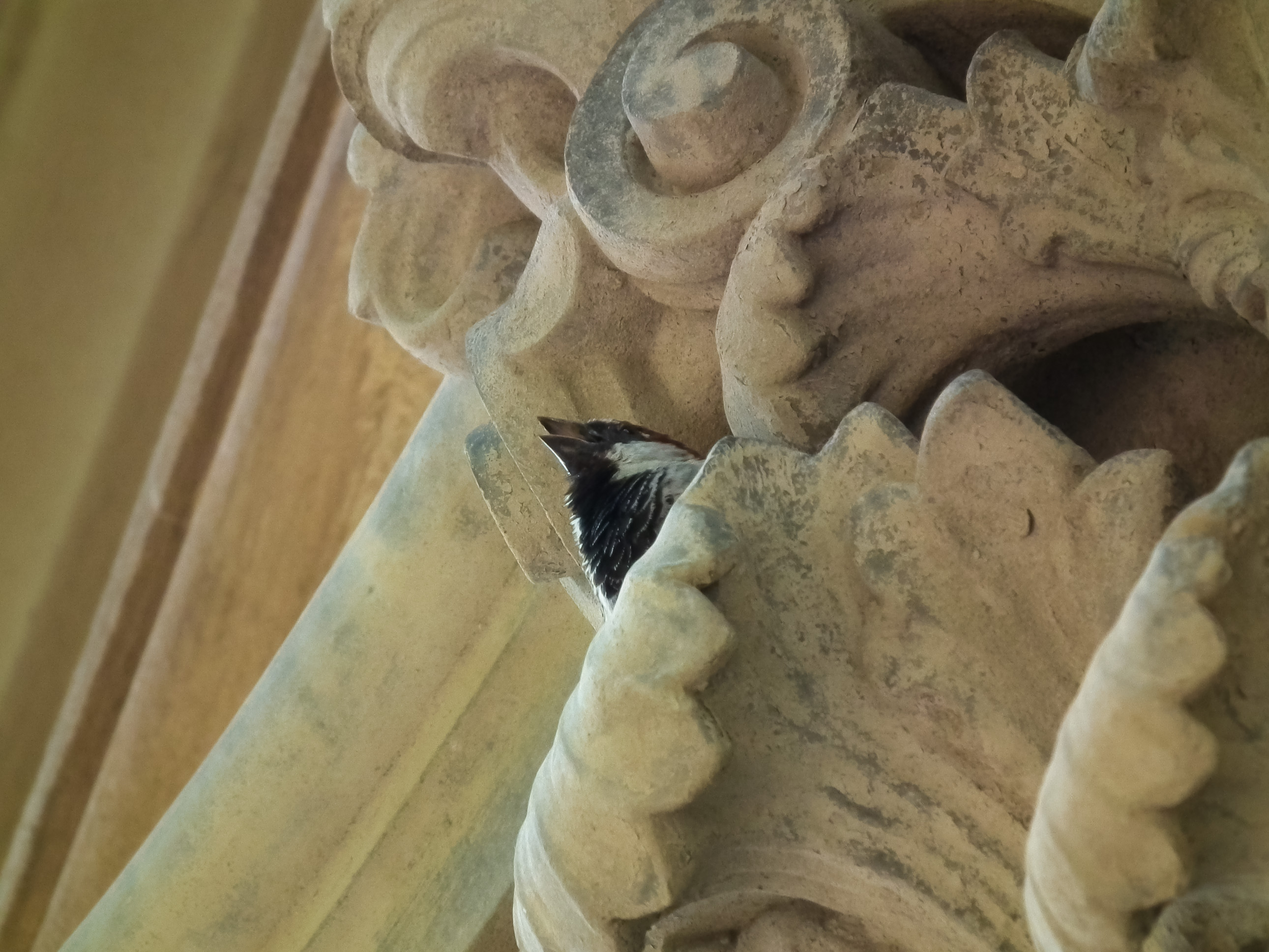
At Sanssouci Palace, Potsdam, Brandenburg, Deutschland 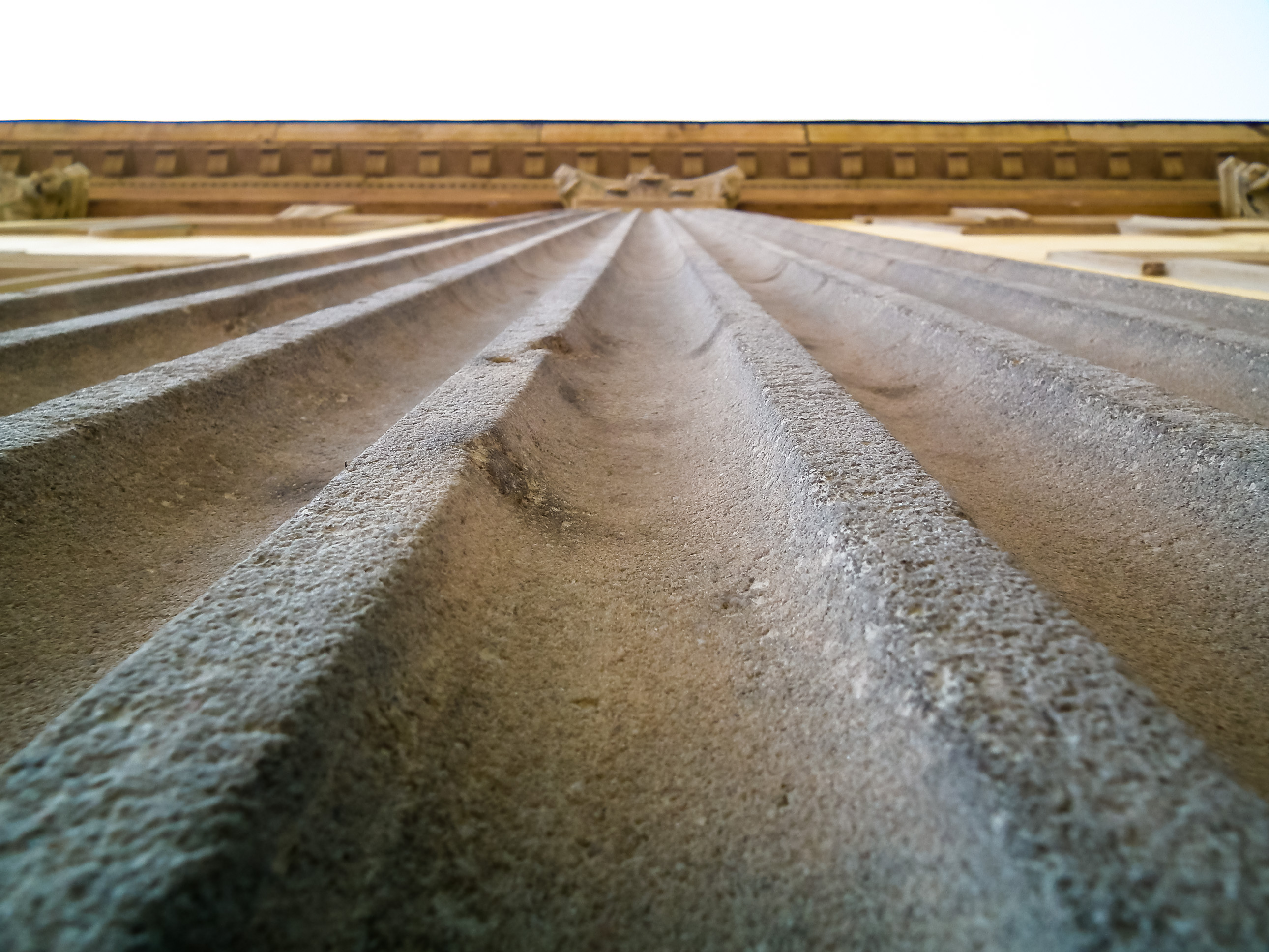
At Sanssouci Palace, Potsdam, Brandenburg, Deutschland 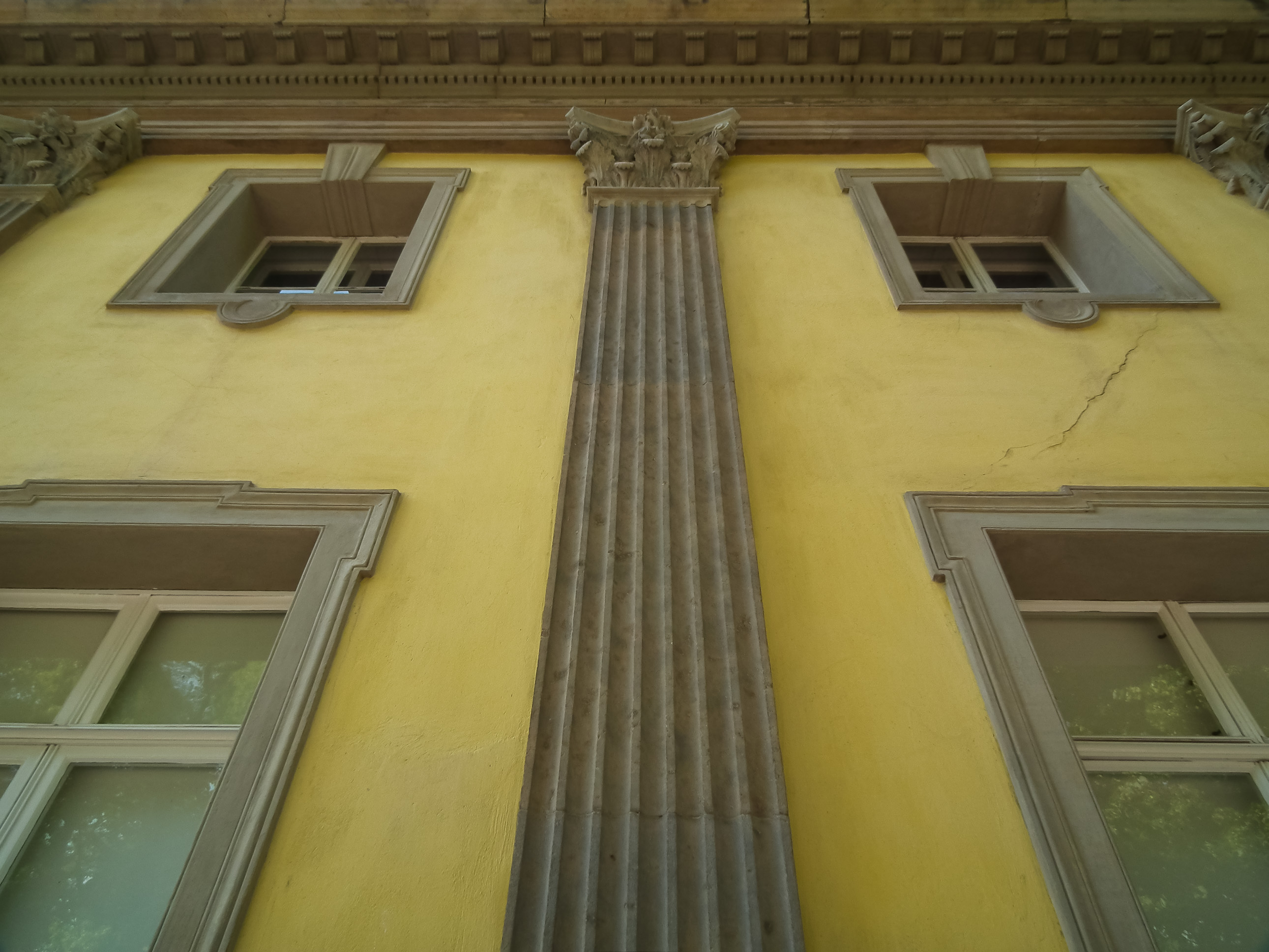
At Sanssouci Palace, Potsdam, Brandenburg, Deutschland 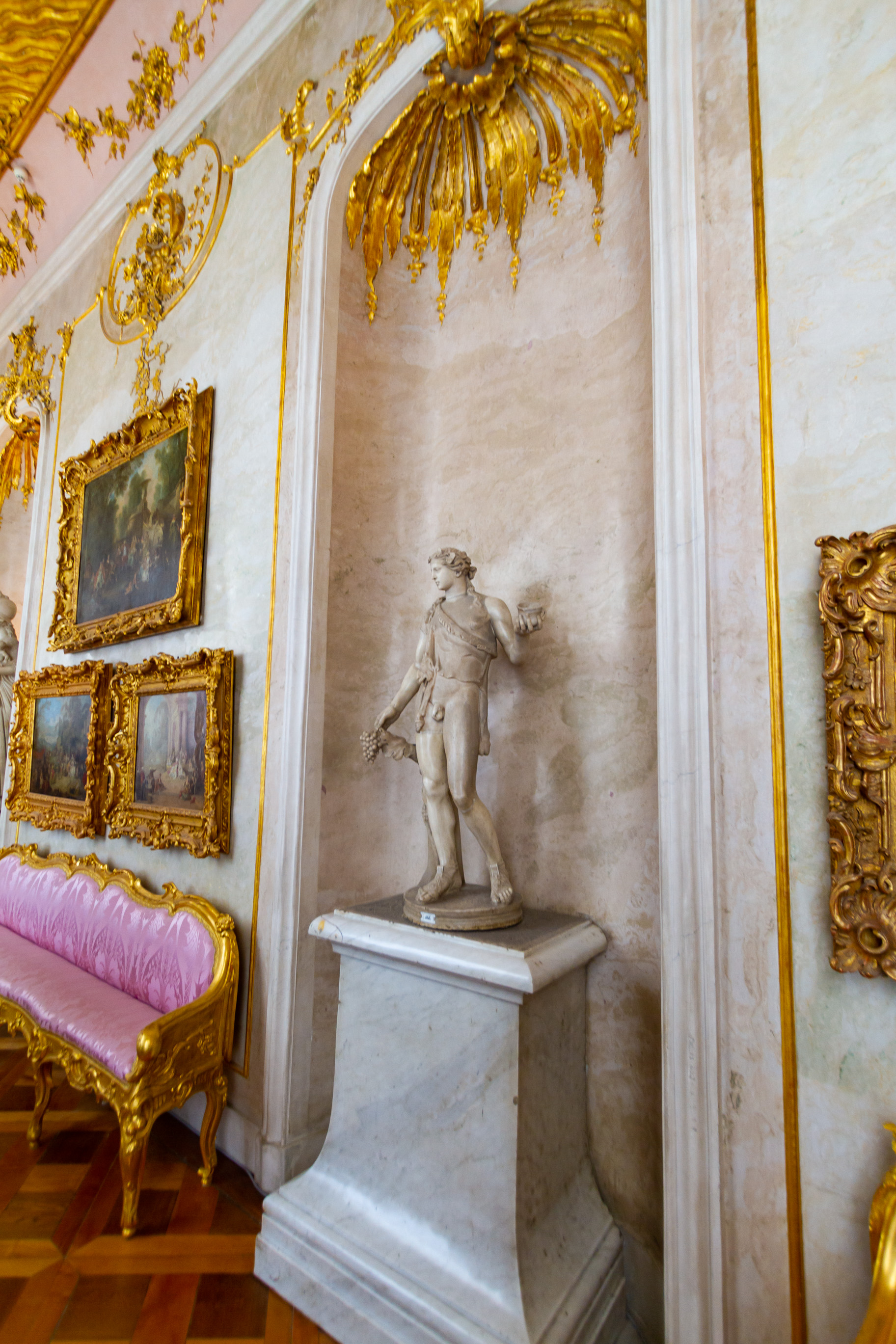
At Sanssouci Palace, Potsdam, Brandenburg, Deutschland 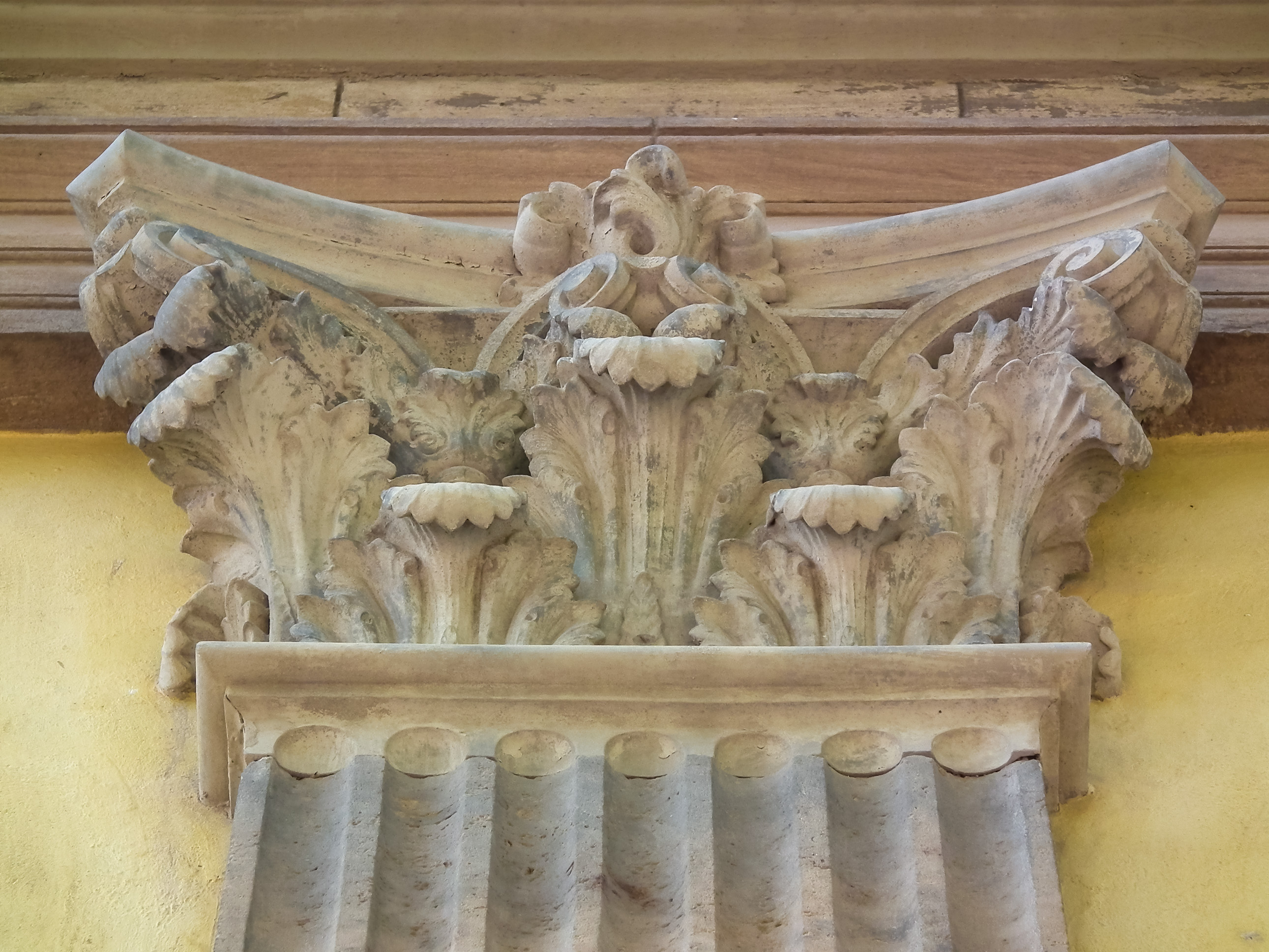
At Sanssouci Palace, Potsdam, Brandenburg, Deutschland 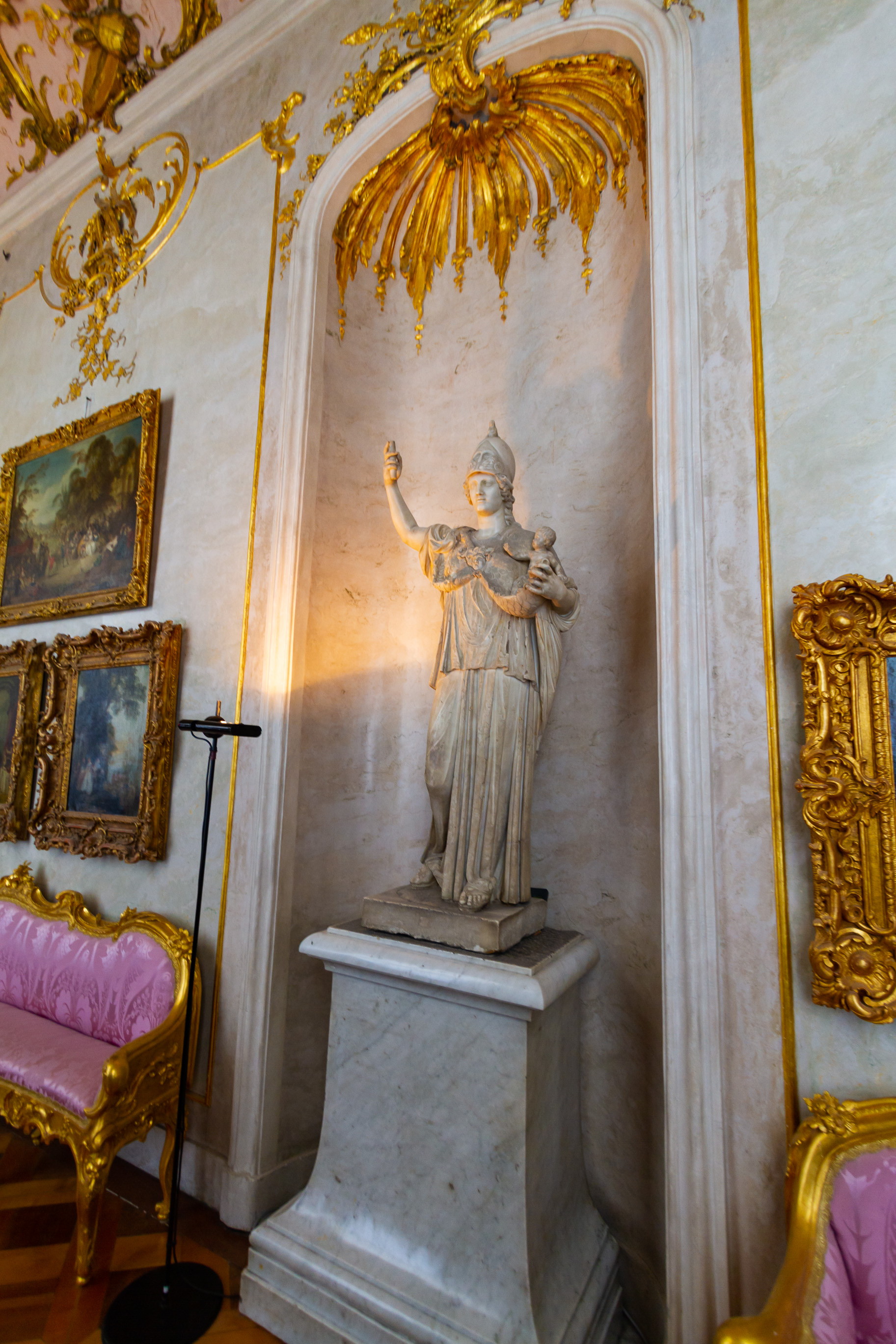
At Sanssouci Palace, Potsdam, Brandenburg, Deutschland 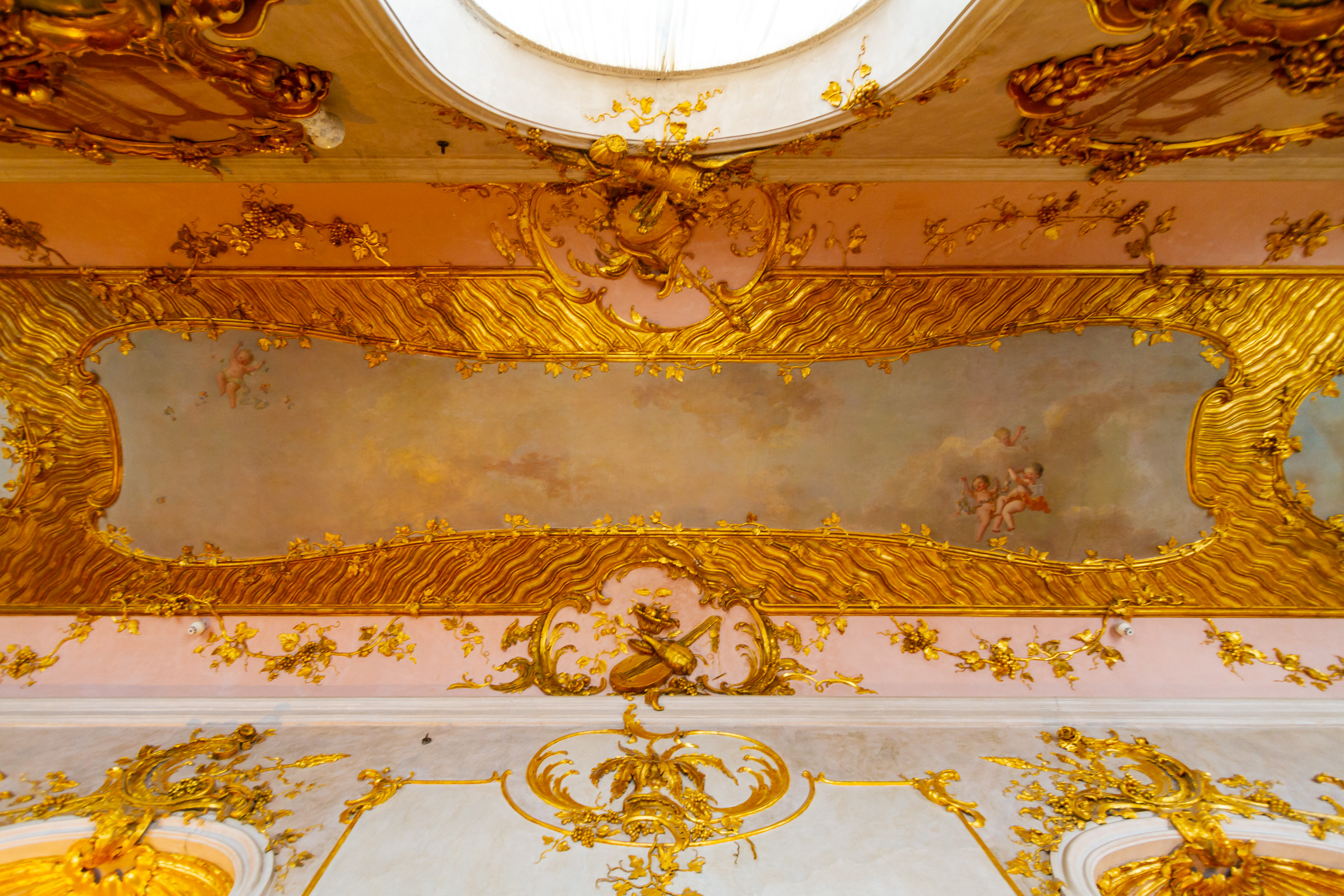
At Sanssouci Palace, Potsdam, Brandenburg, Deutschland 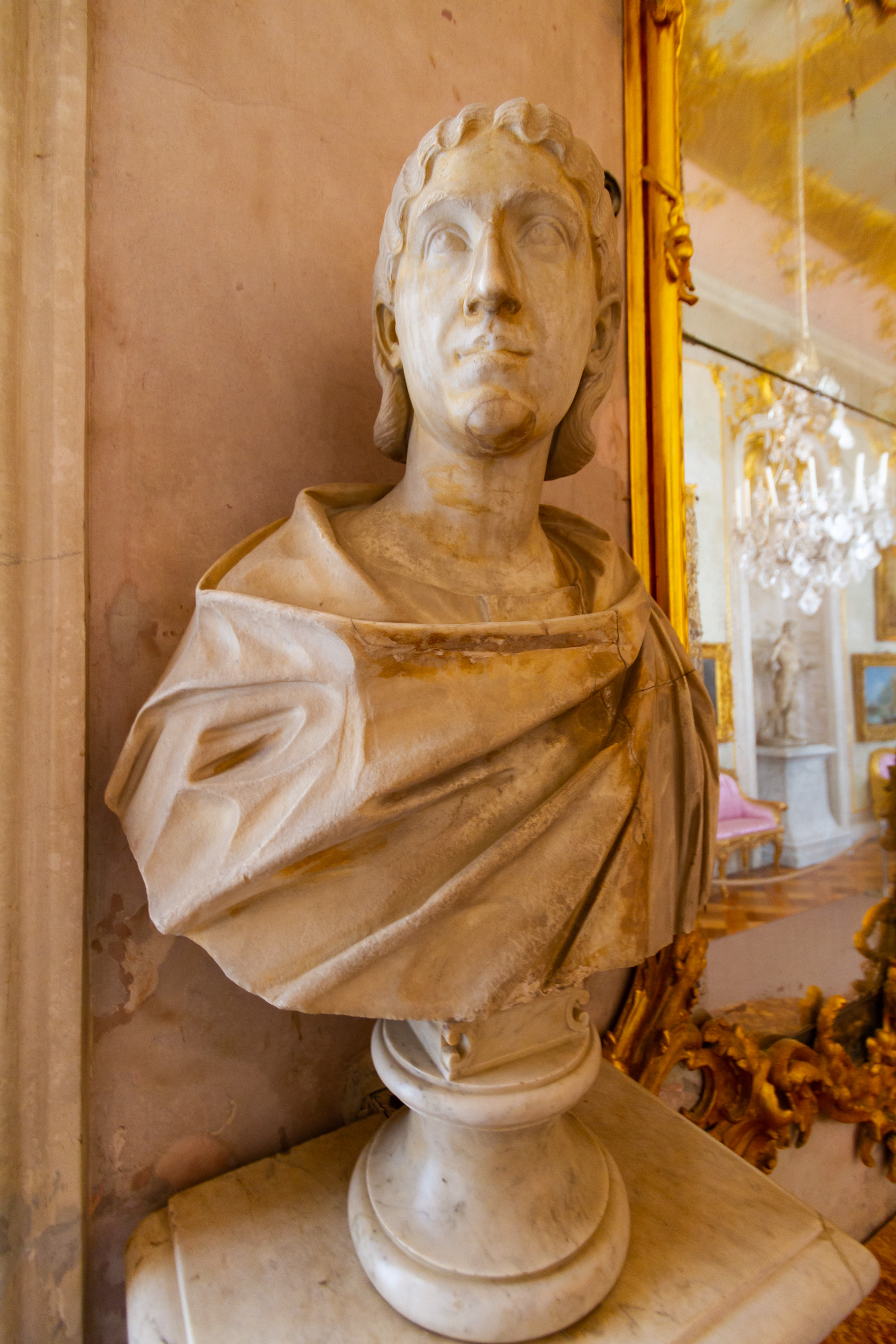
At Sanssouci Palace, Potsdam, Brandenburg, Deutschland 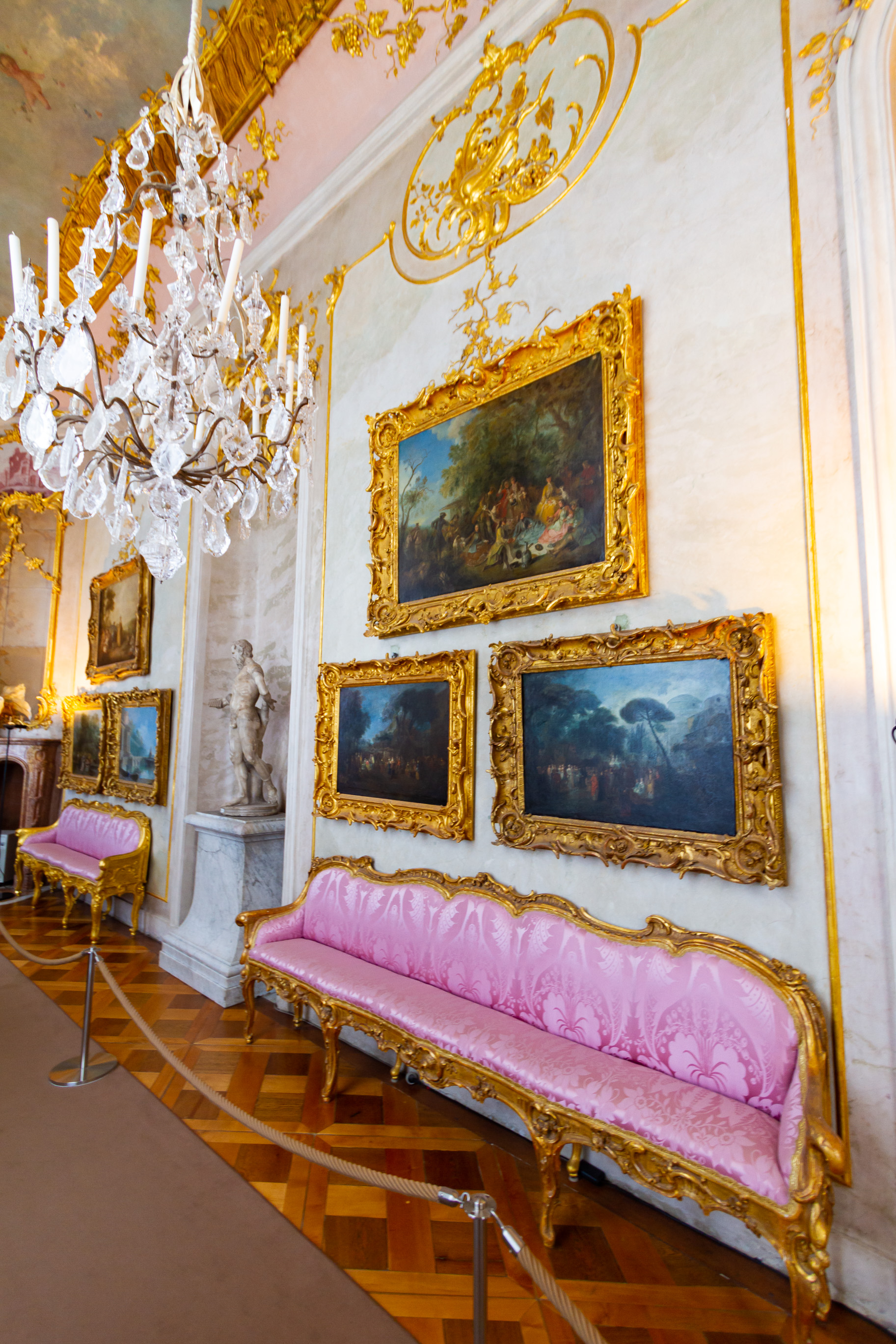
At Sanssouci Palace, Potsdam, Brandenburg, Deutschland 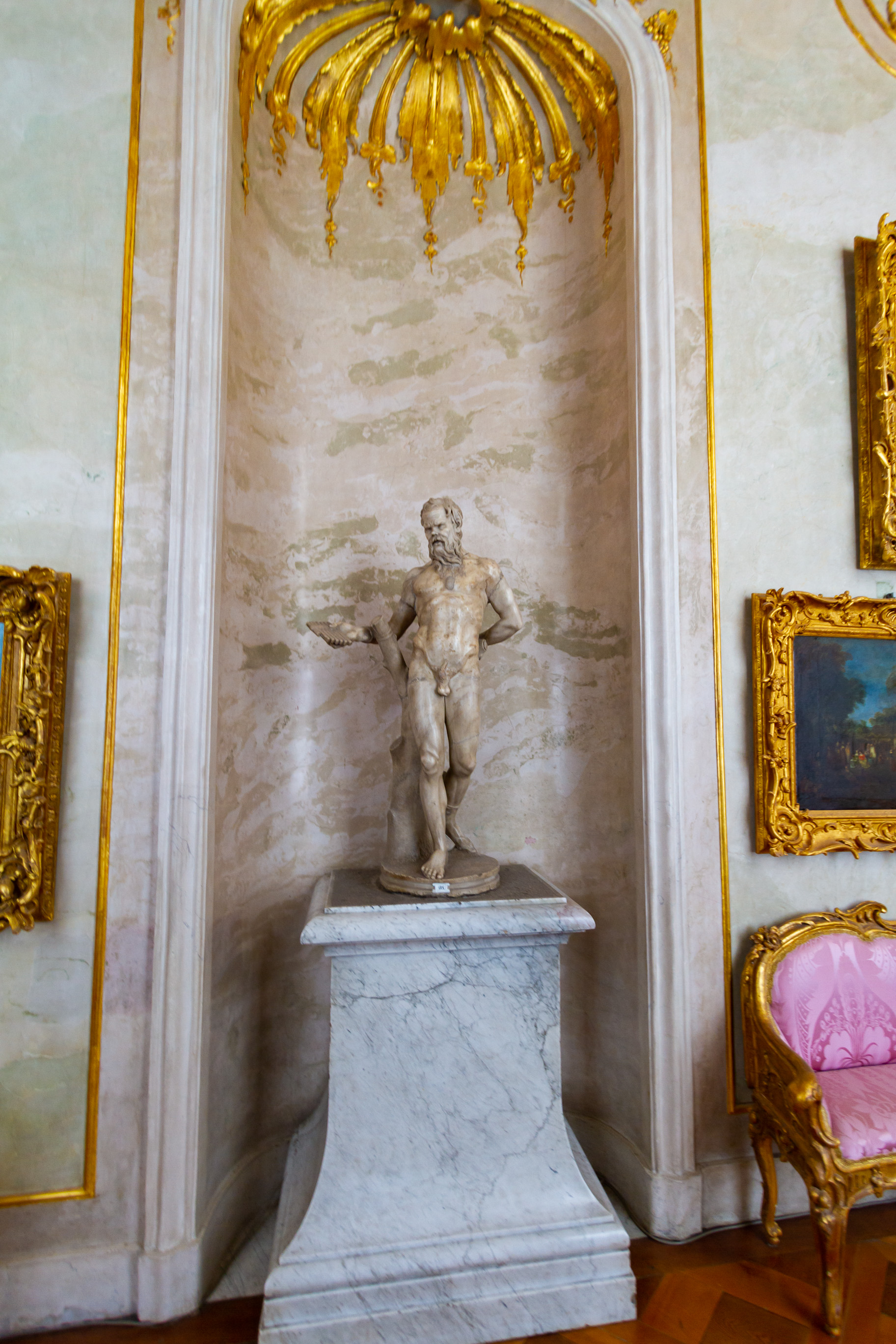
At Sanssouci Palace, Potsdam, Brandenburg, Deutschland 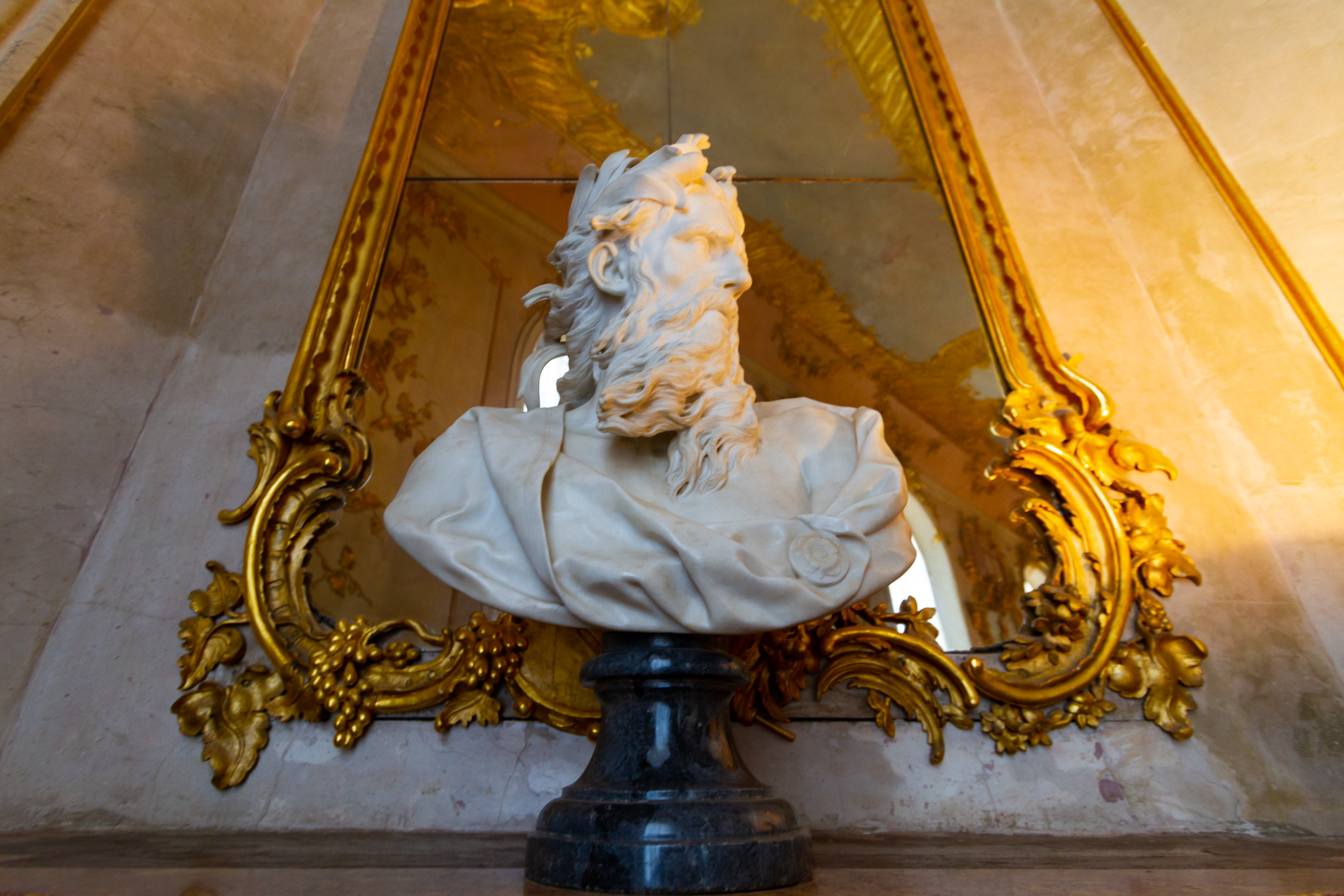
At Sanssouci Palace, Potsdam, Brandenburg, Deutschland 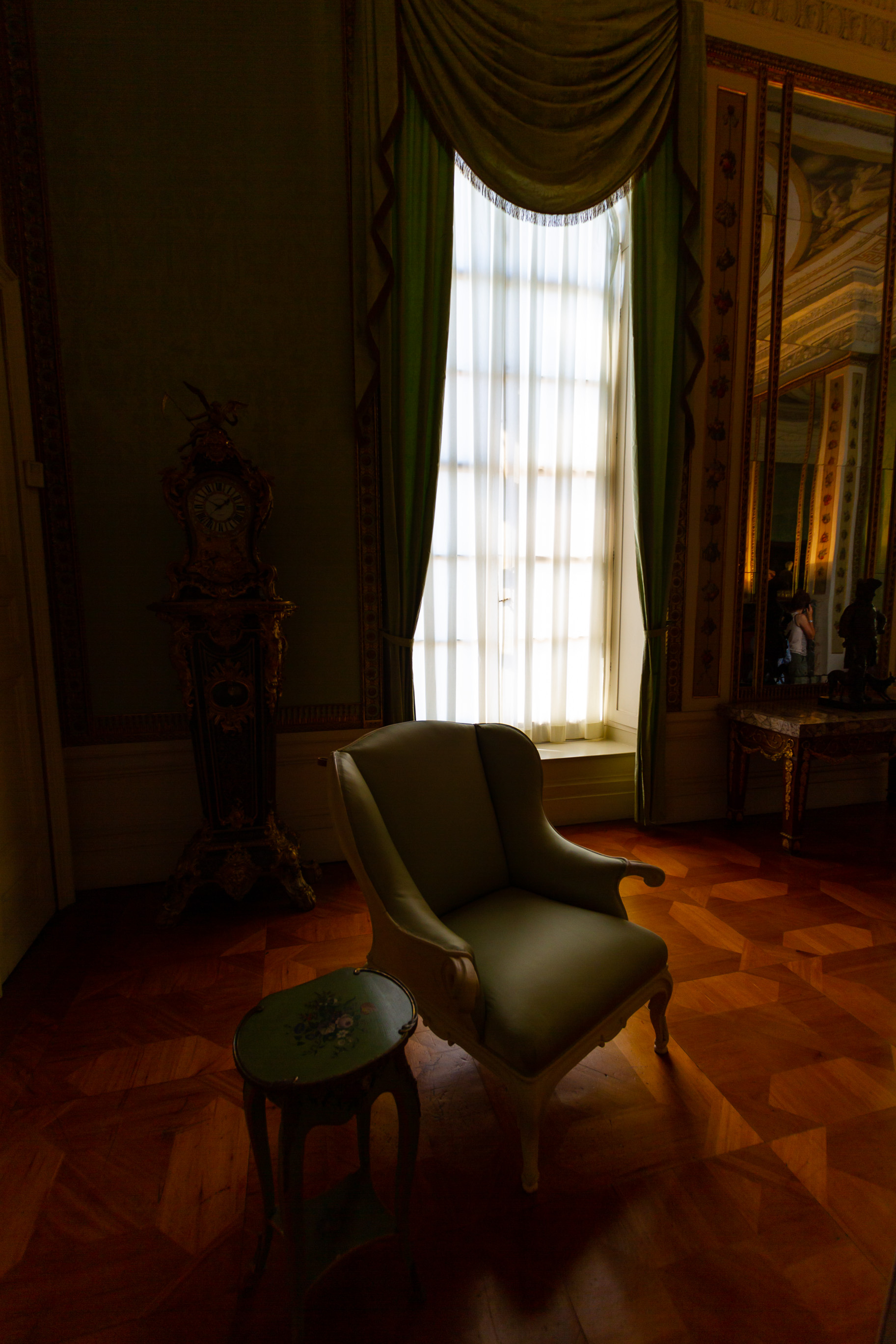
At Sanssouci Palace, Potsdam, Brandenburg, Deutschland 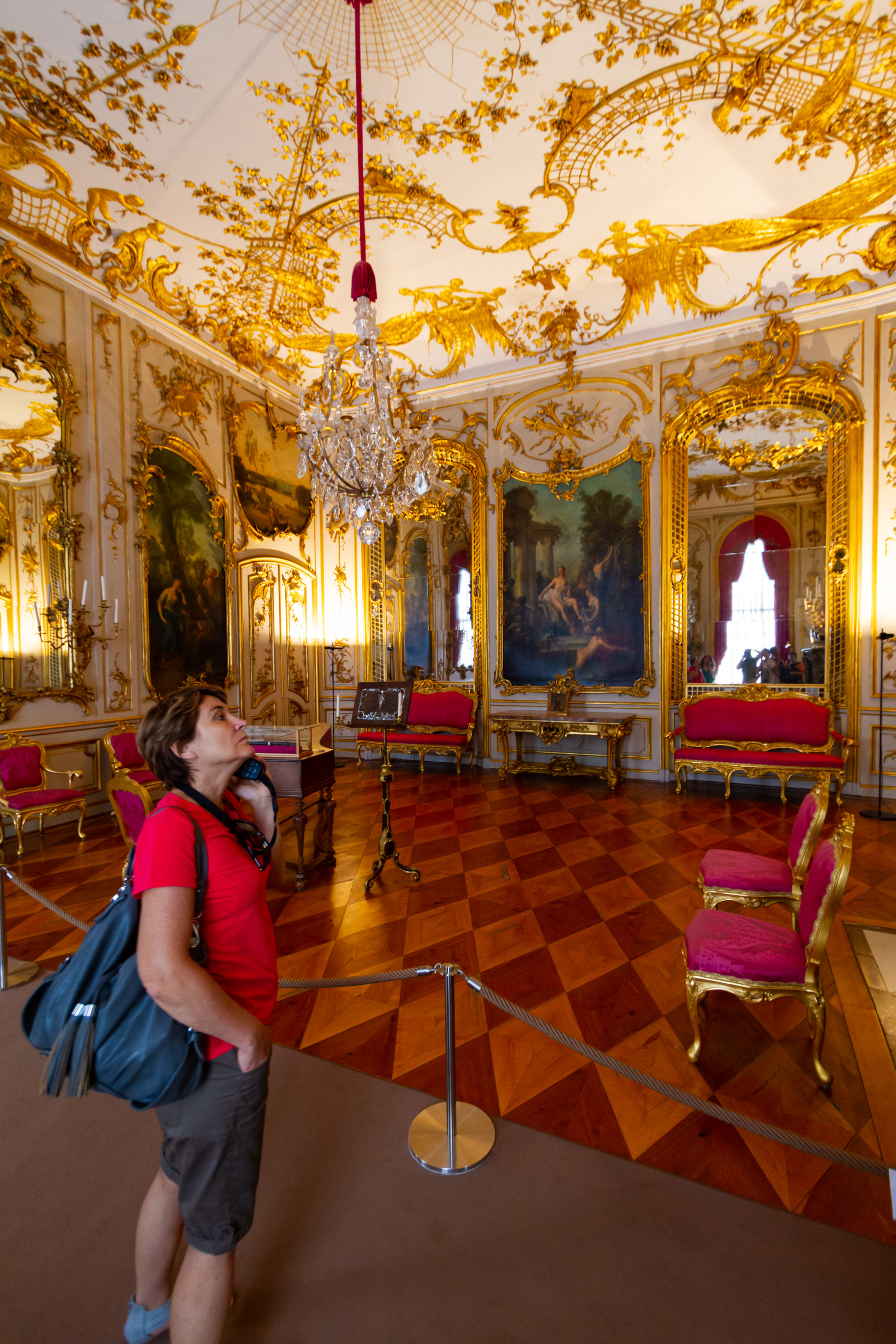
At Sanssouci Palace, Potsdam, Brandenburg, Deutschland 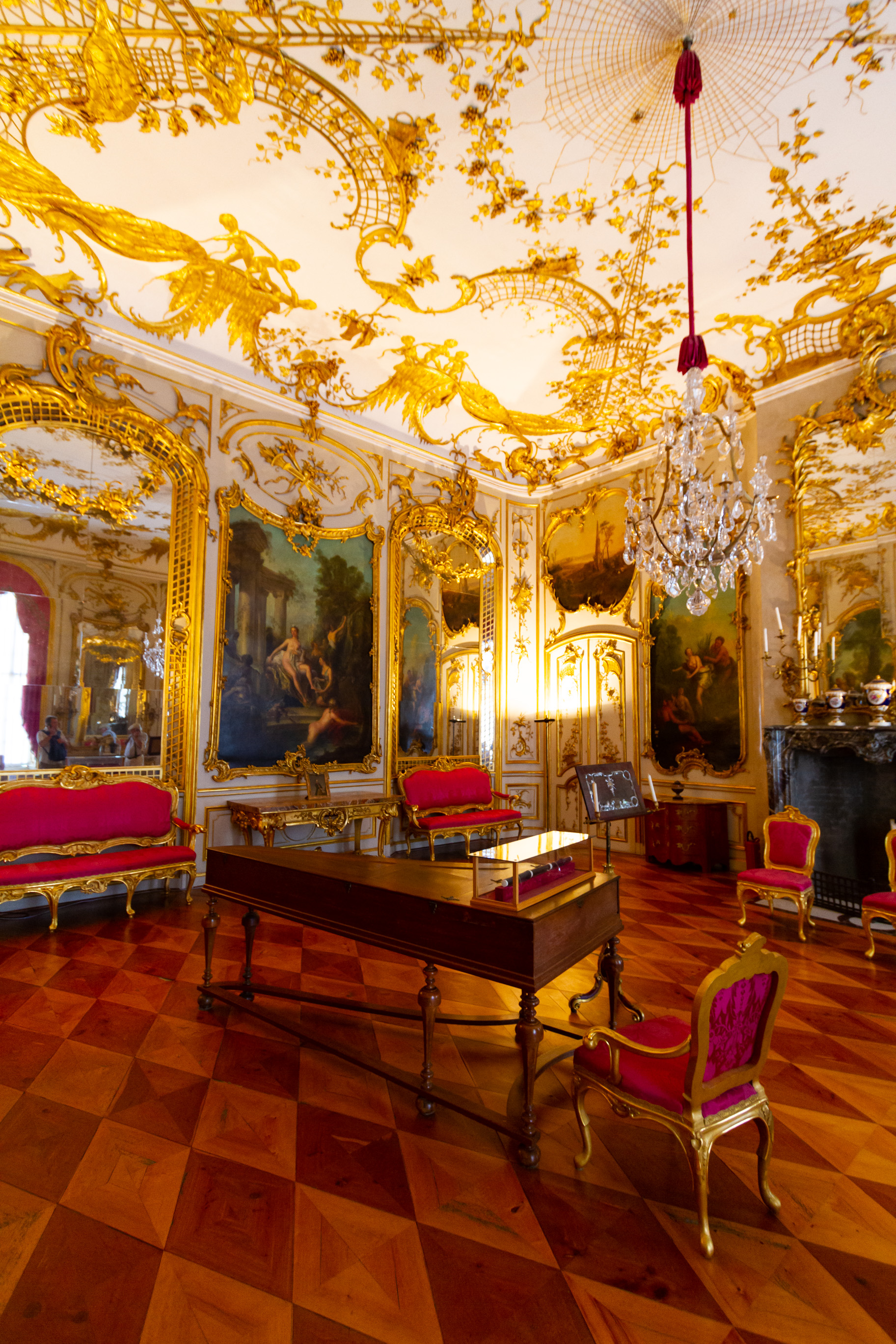
At Sanssouci Palace, Potsdam, Brandenburg, Deutschland 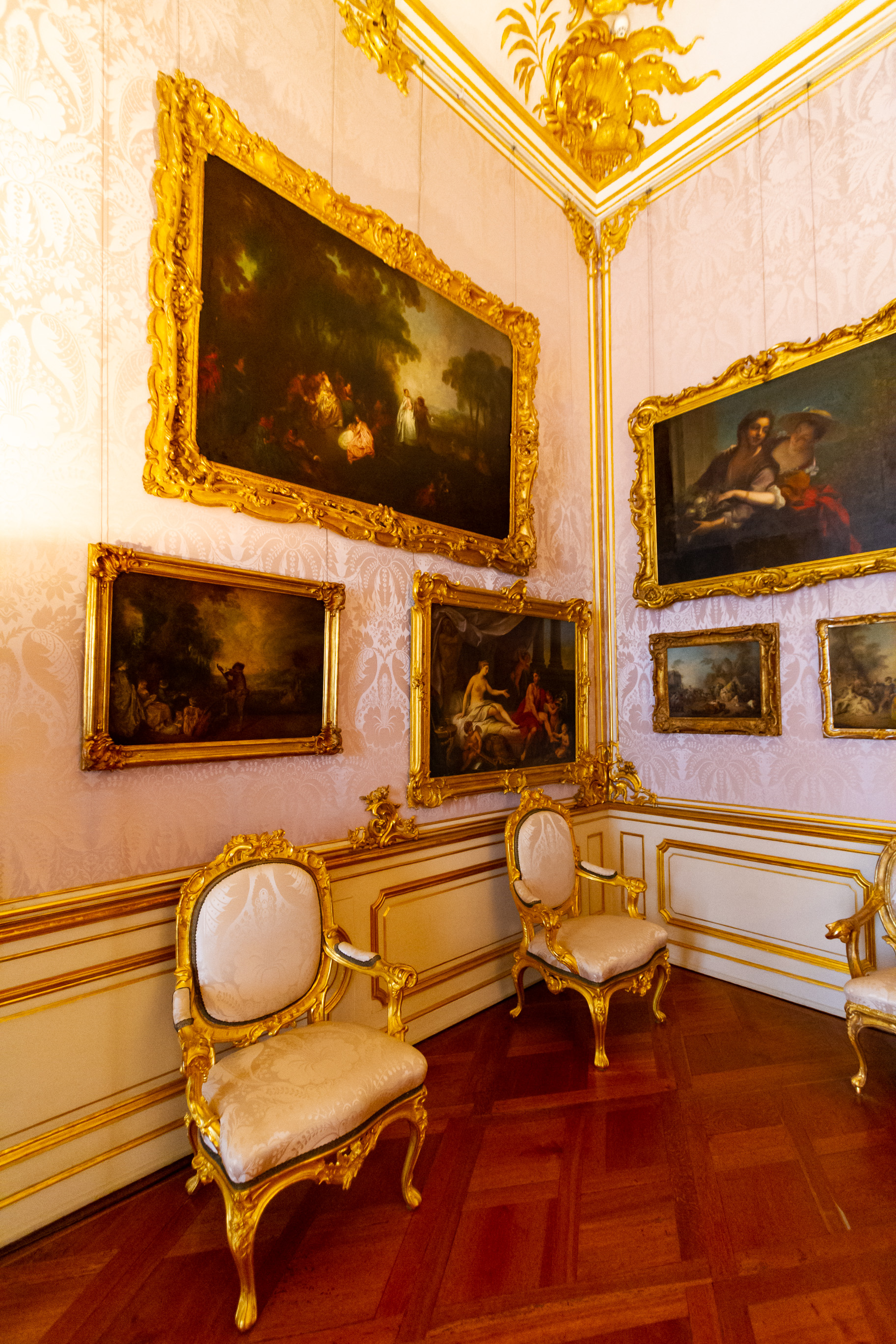
At Sanssouci Palace, Potsdam, Brandenburg, Deutschland 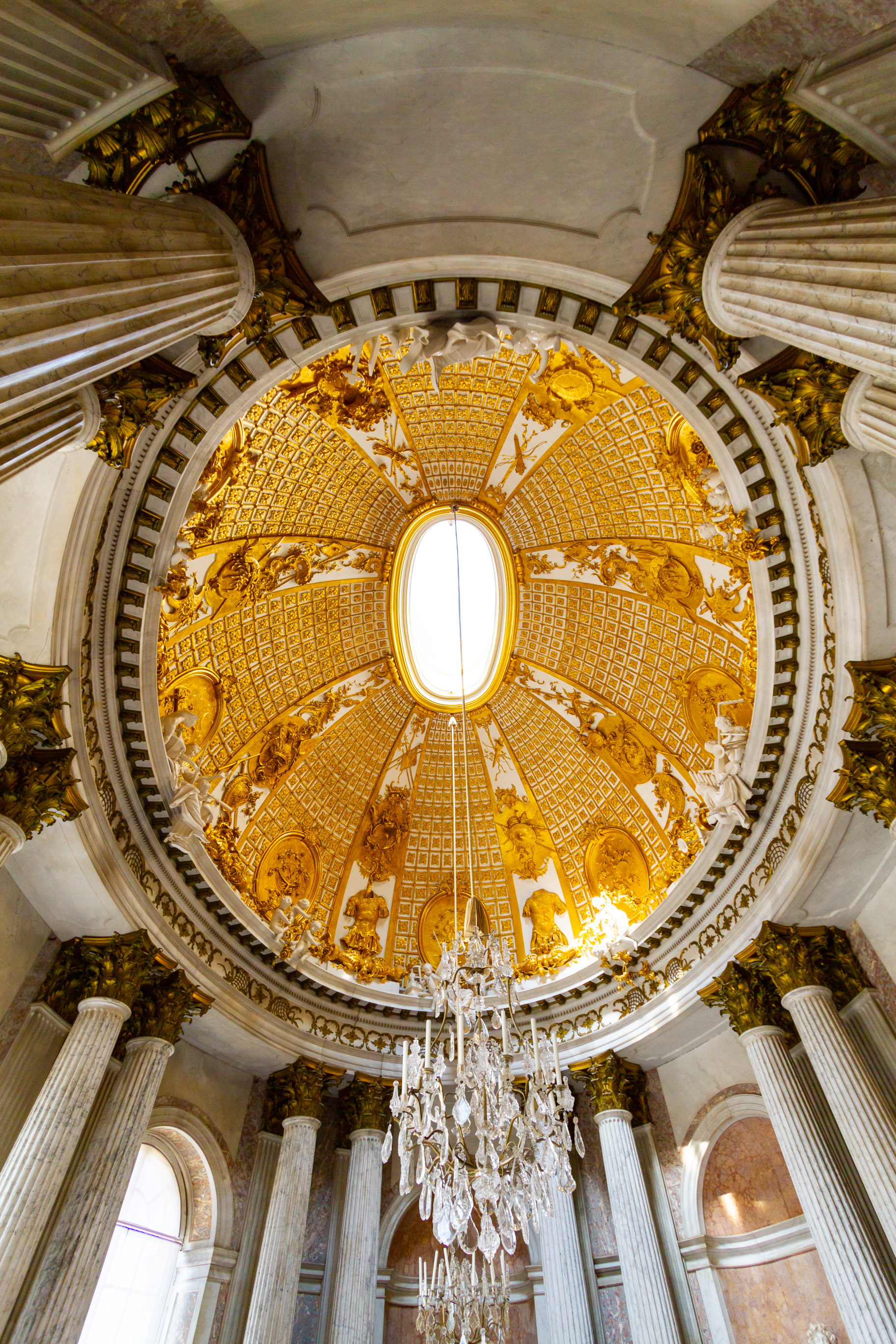
At Sanssouci Palace, Potsdam, Brandenburg, Deutschland 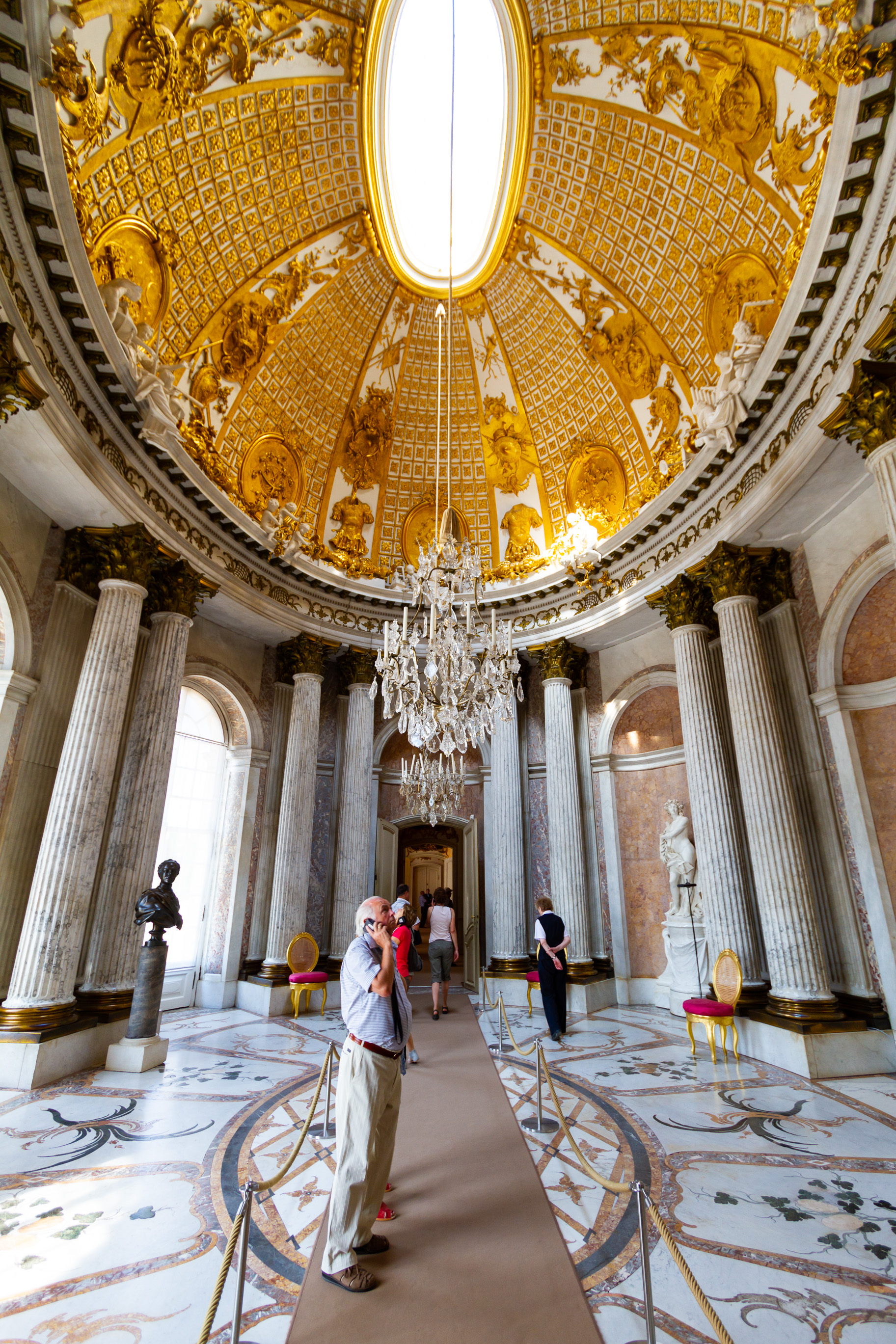
At Sanssouci Palace, Potsdam, Brandenburg, Deutschland 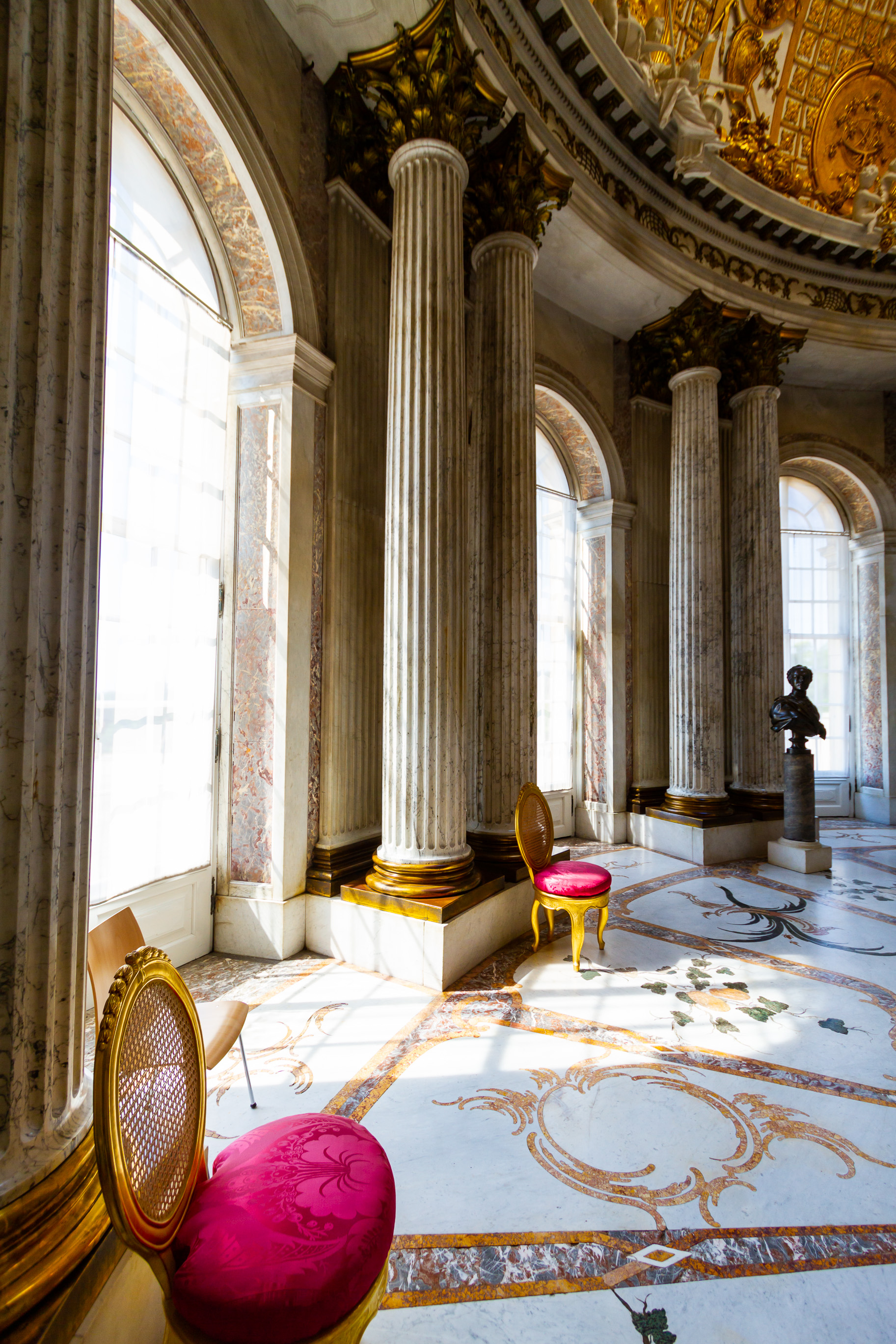
At Sanssouci Palace, Potsdam, Brandenburg, Deutschland 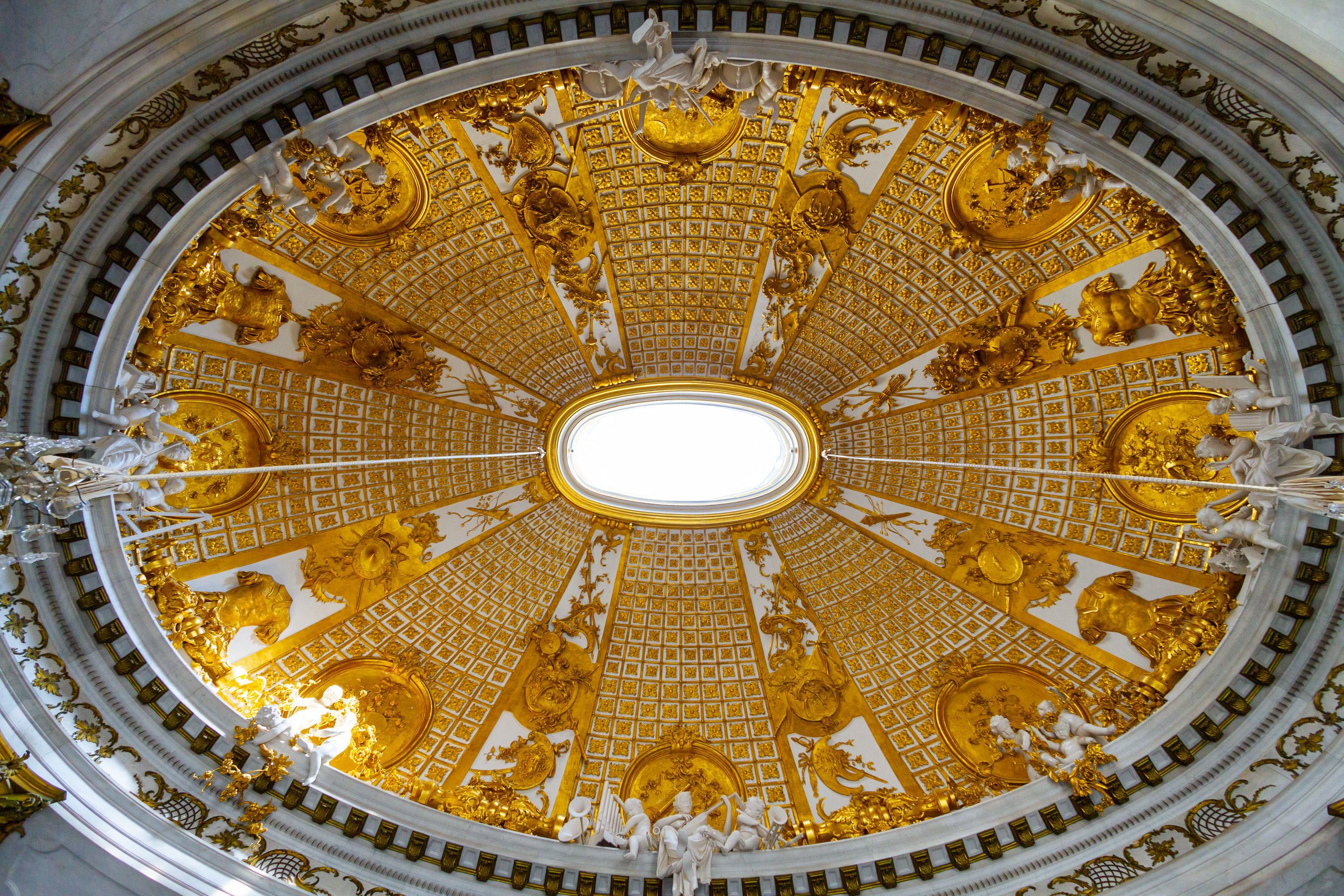
At Sanssouci Palace, Potsdam, Brandenburg, Deutschland 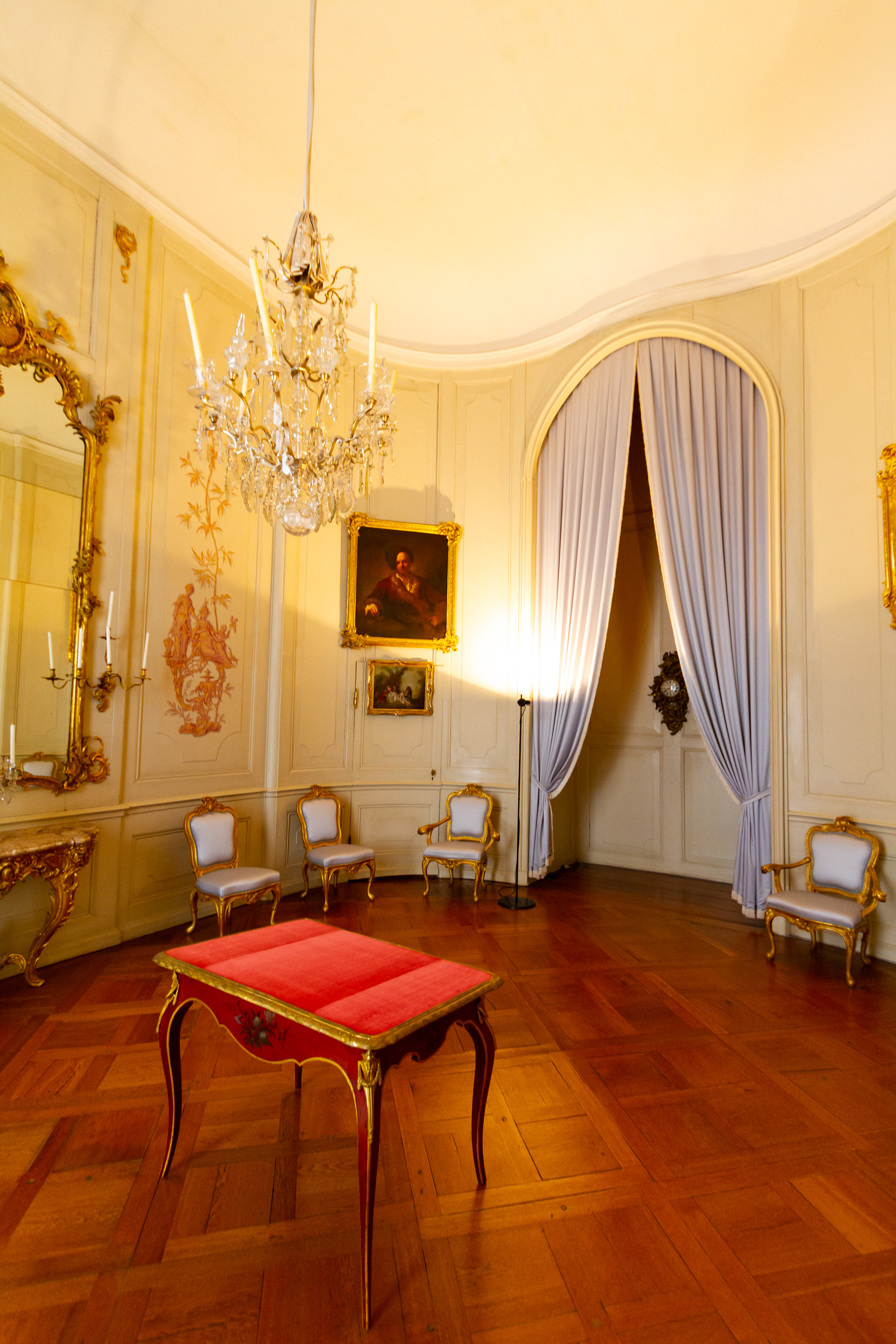
At Sanssouci Palace, Potsdam, Brandenburg, Deutschland 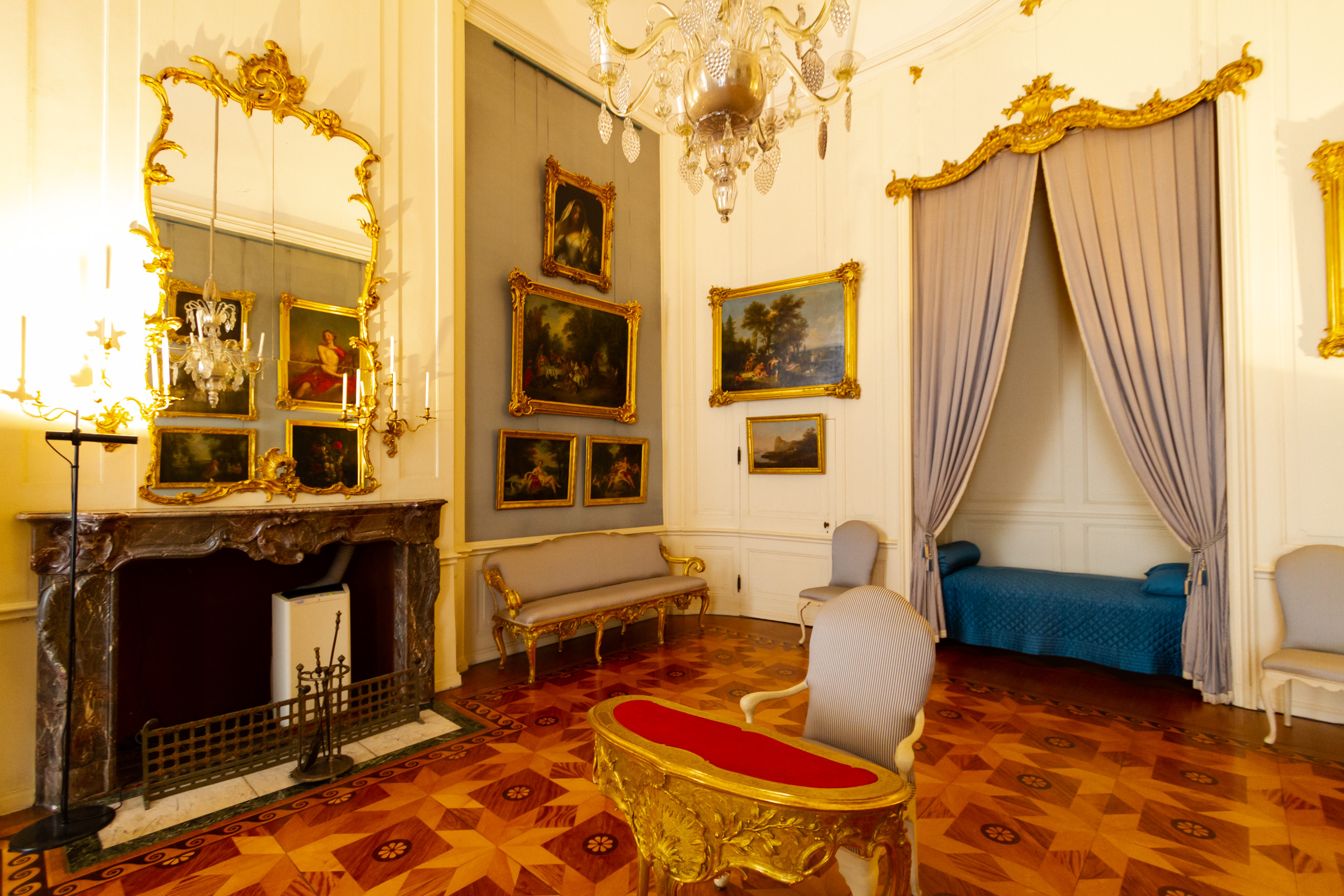
At Sanssouci Palace, Potsdam, Brandenburg, Deutschland 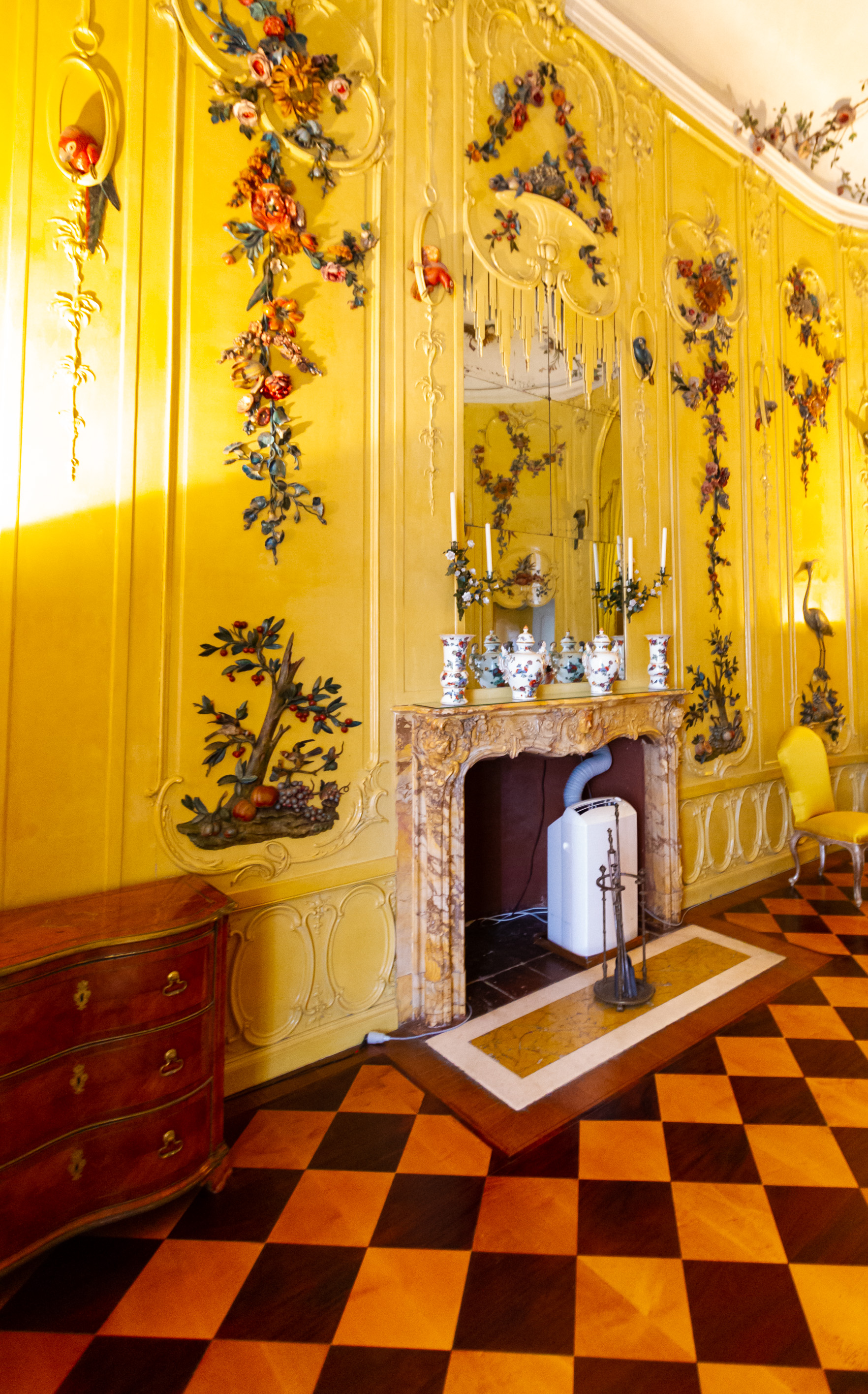
At Sanssouci Palace, Potsdam, Brandenburg, Deutschland 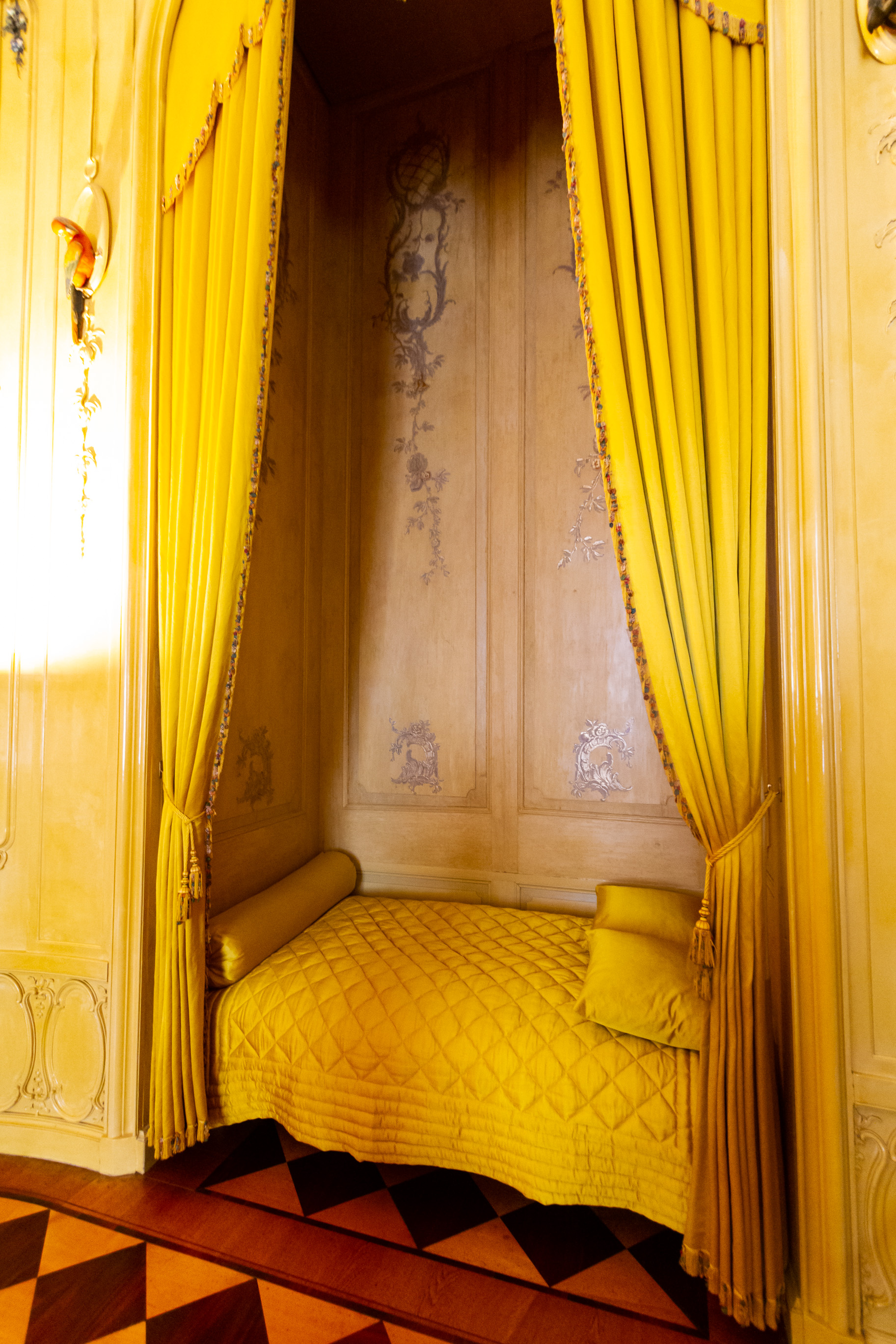
At Sanssouci Palace, Potsdam, Brandenburg, Deutschland 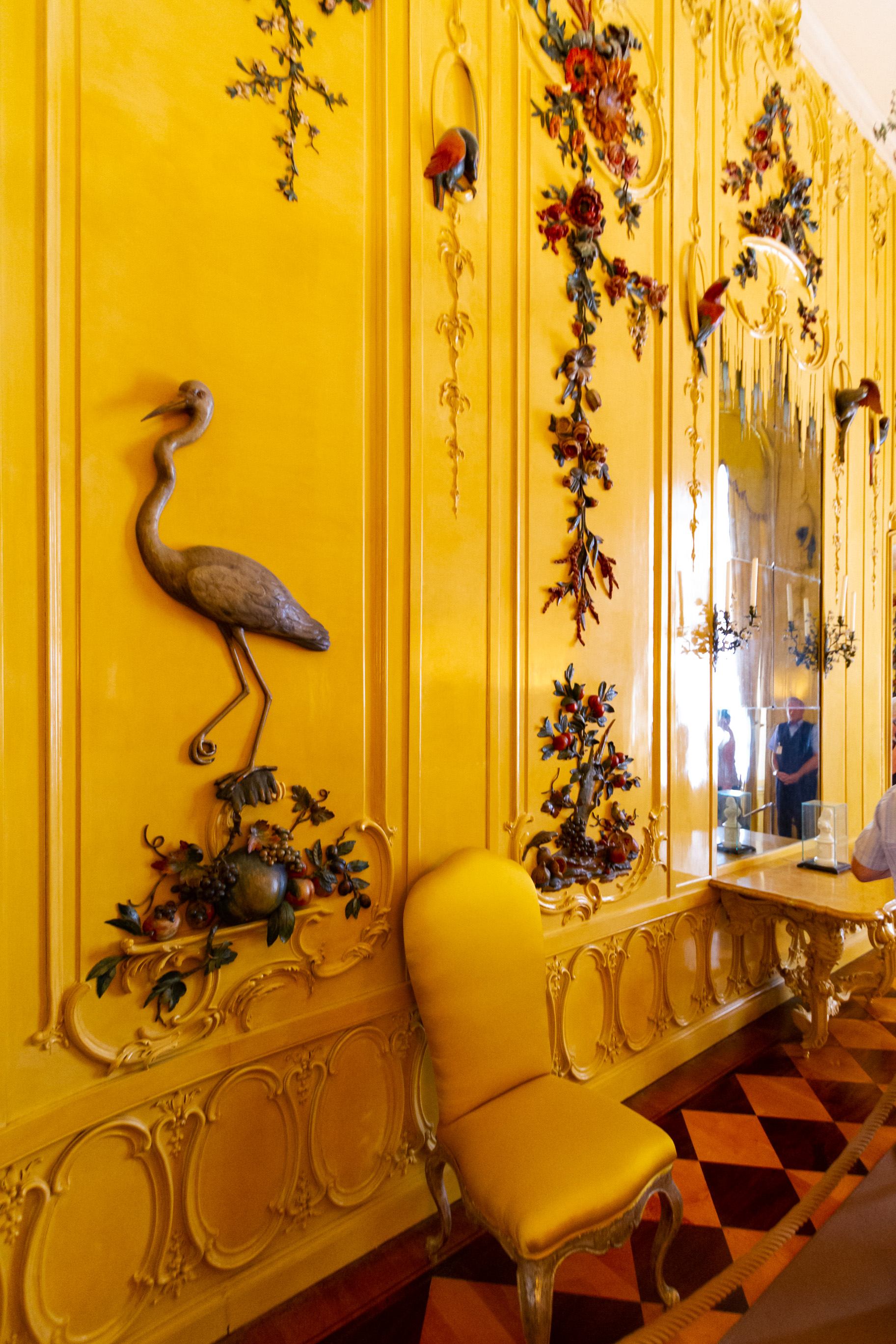
At Sanssouci Palace, Potsdam, Brandenburg, Deutschland 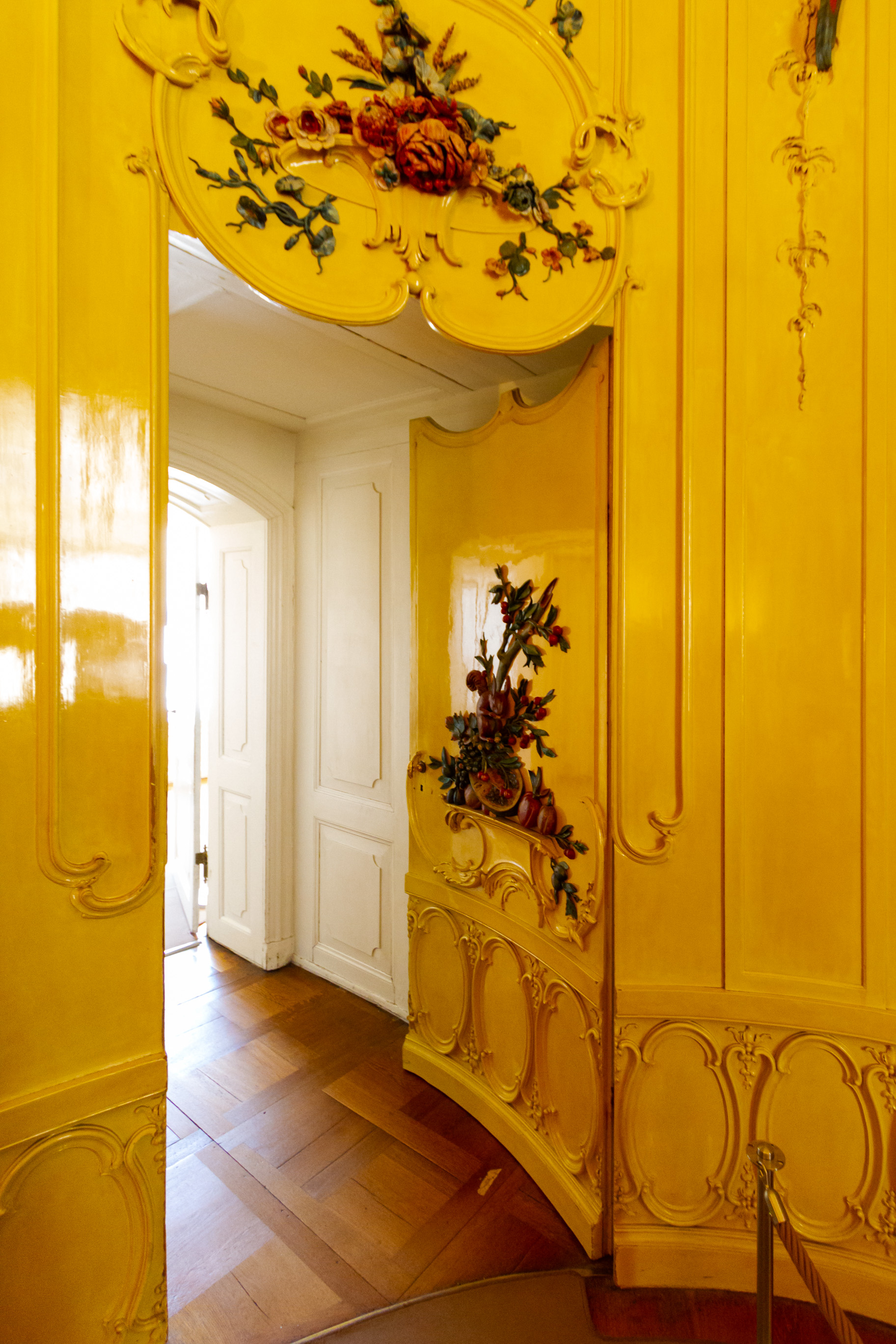
At Sanssouci Palace, Potsdam, Brandenburg, Deutschland 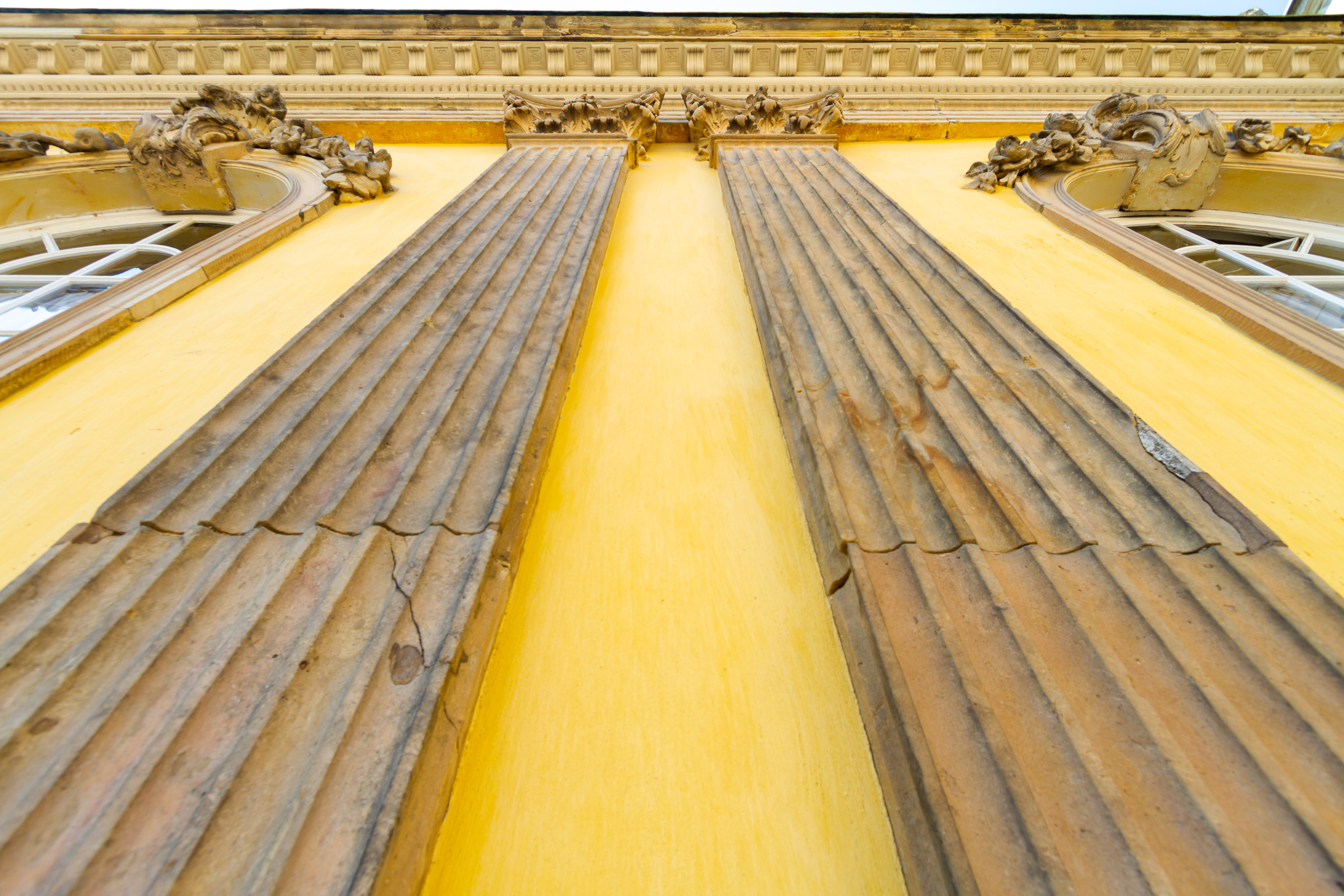
At Sanssouci Palace, Potsdam, Brandenburg, Deutschland 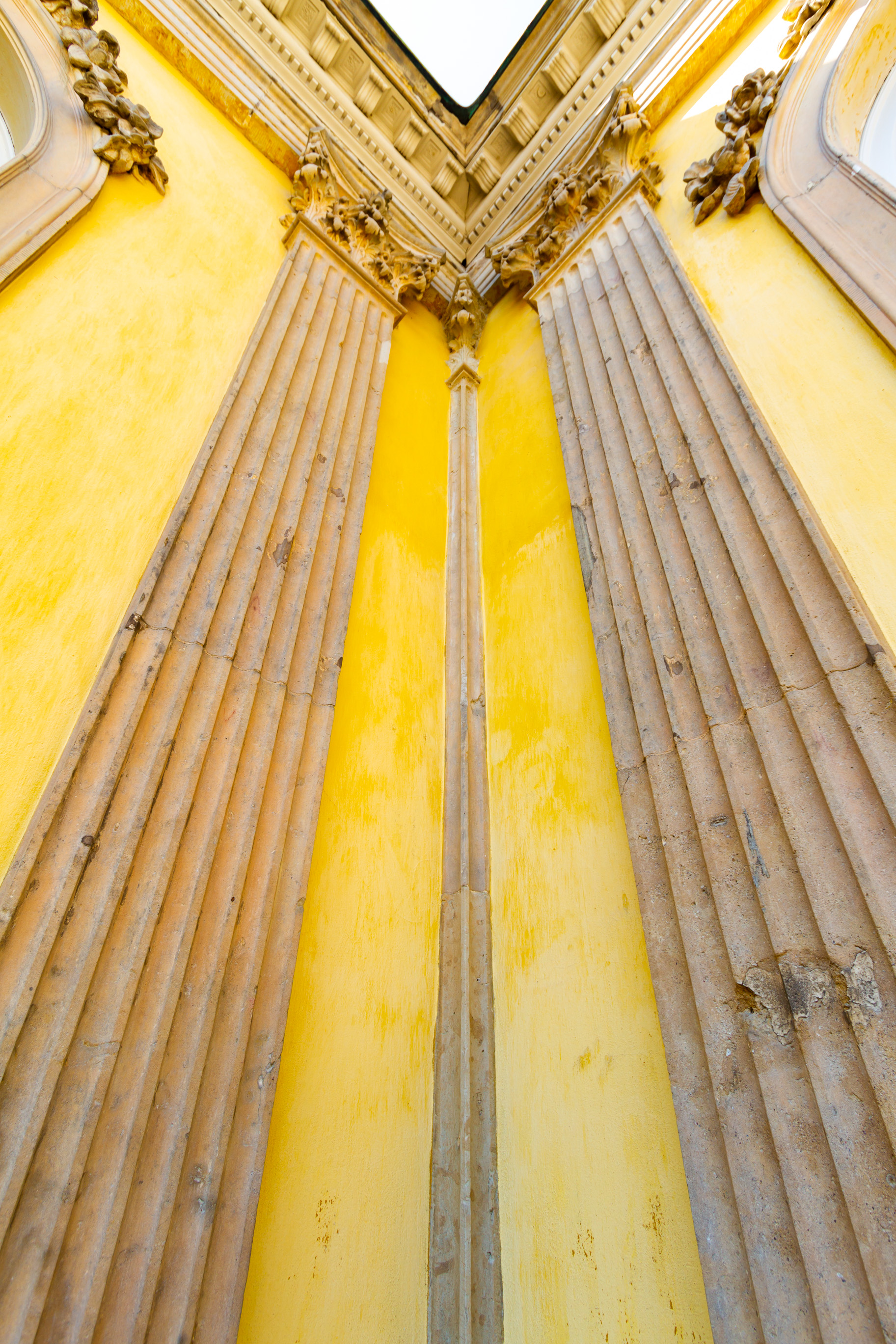
At Sanssouci Palace, Potsdam, Brandenburg, Deutschland 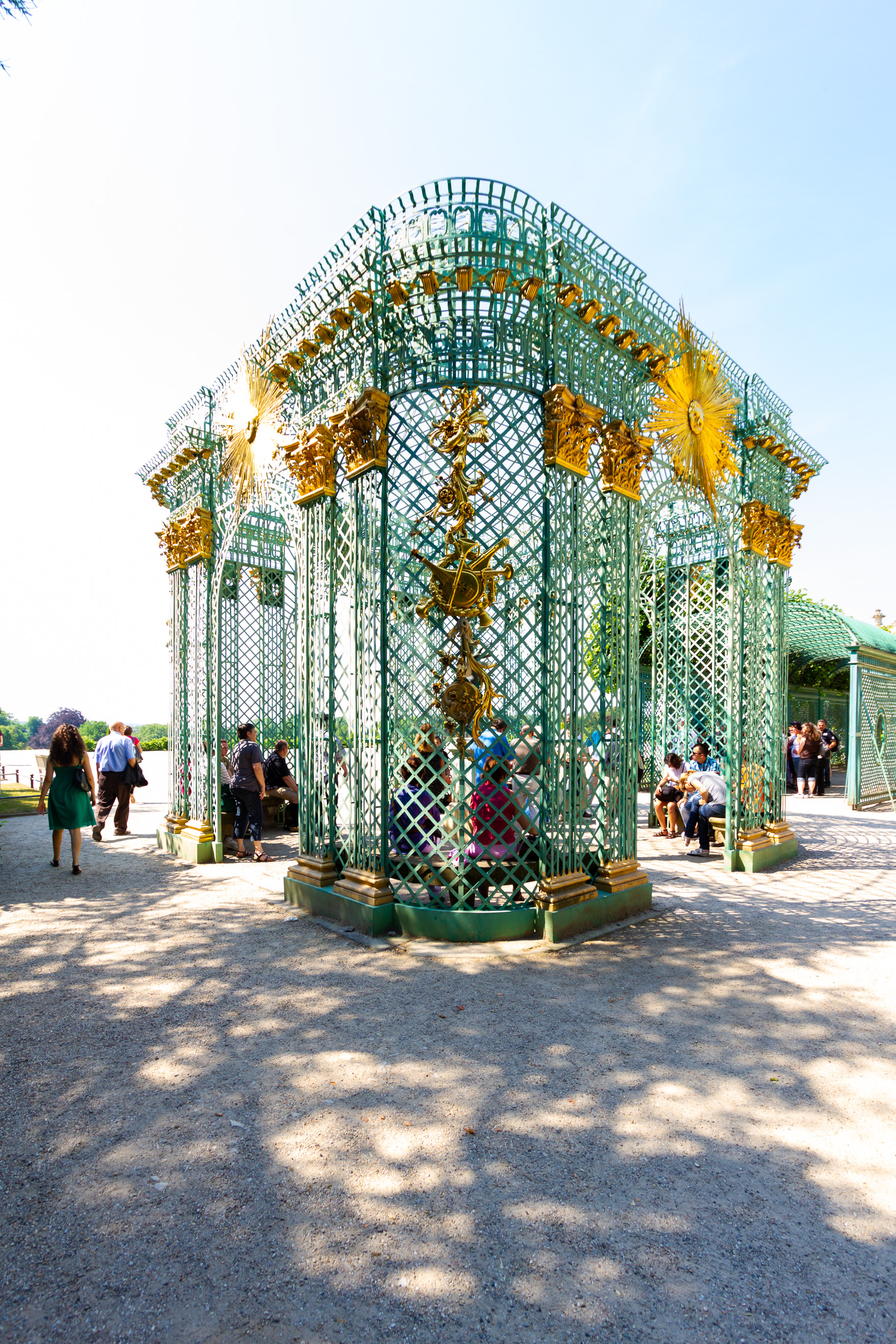
At Sanssouci Palace, Potsdam, Brandenburg, Deutschland 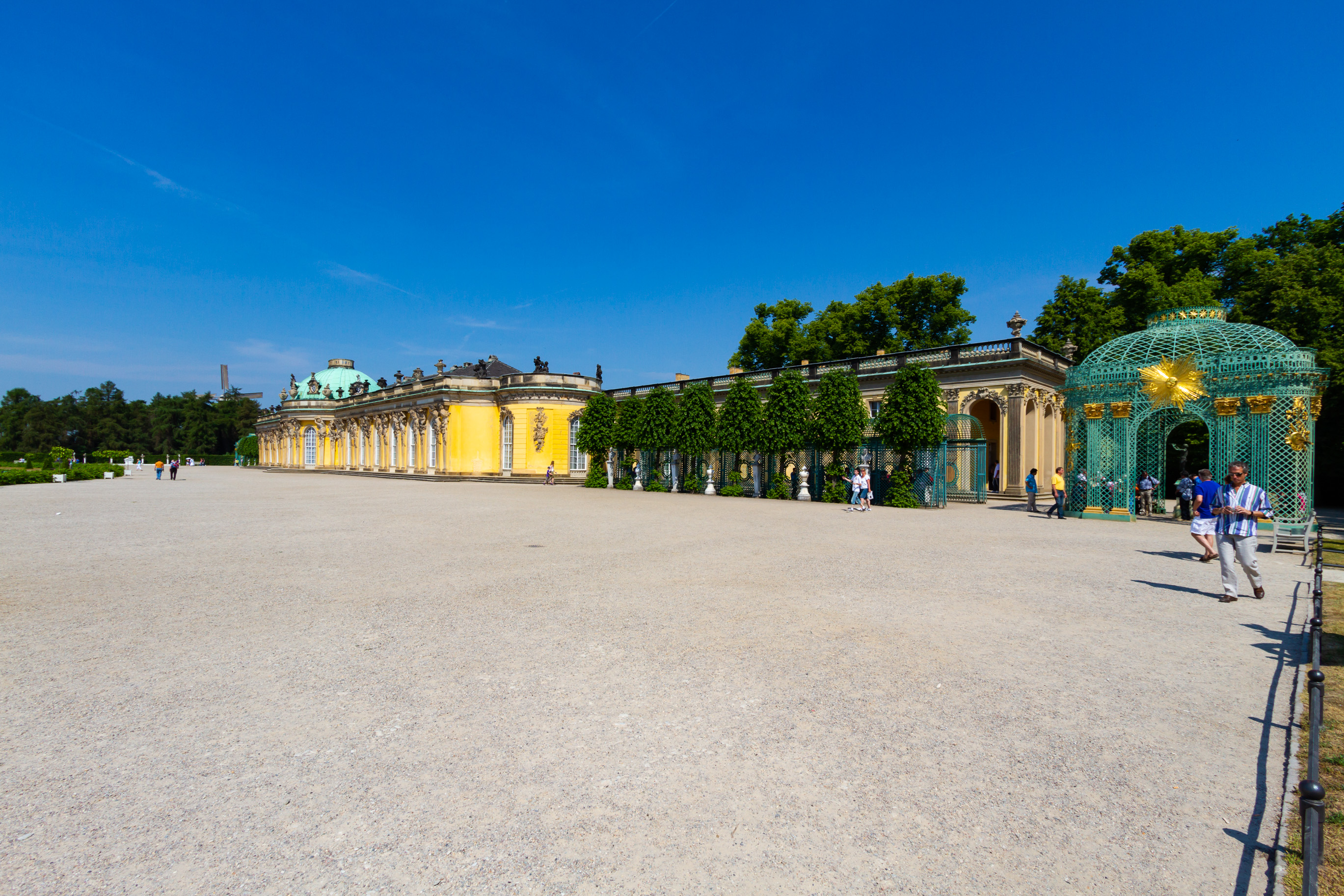
At Sanssouci Palace, Potsdam, Brandenburg, Deutschland 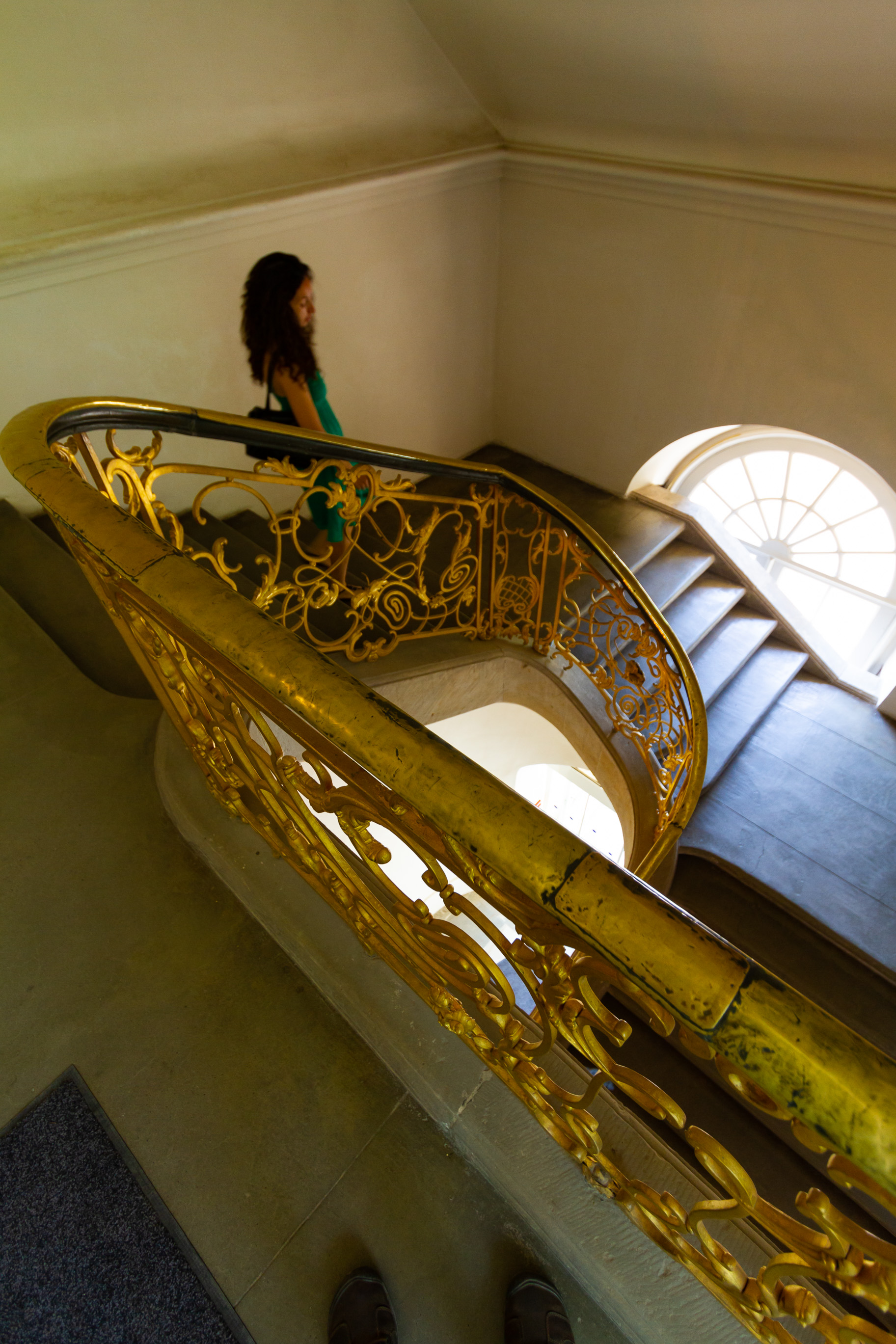
At Sanssouci Palace, Potsdam, Brandenburg, Deutschland 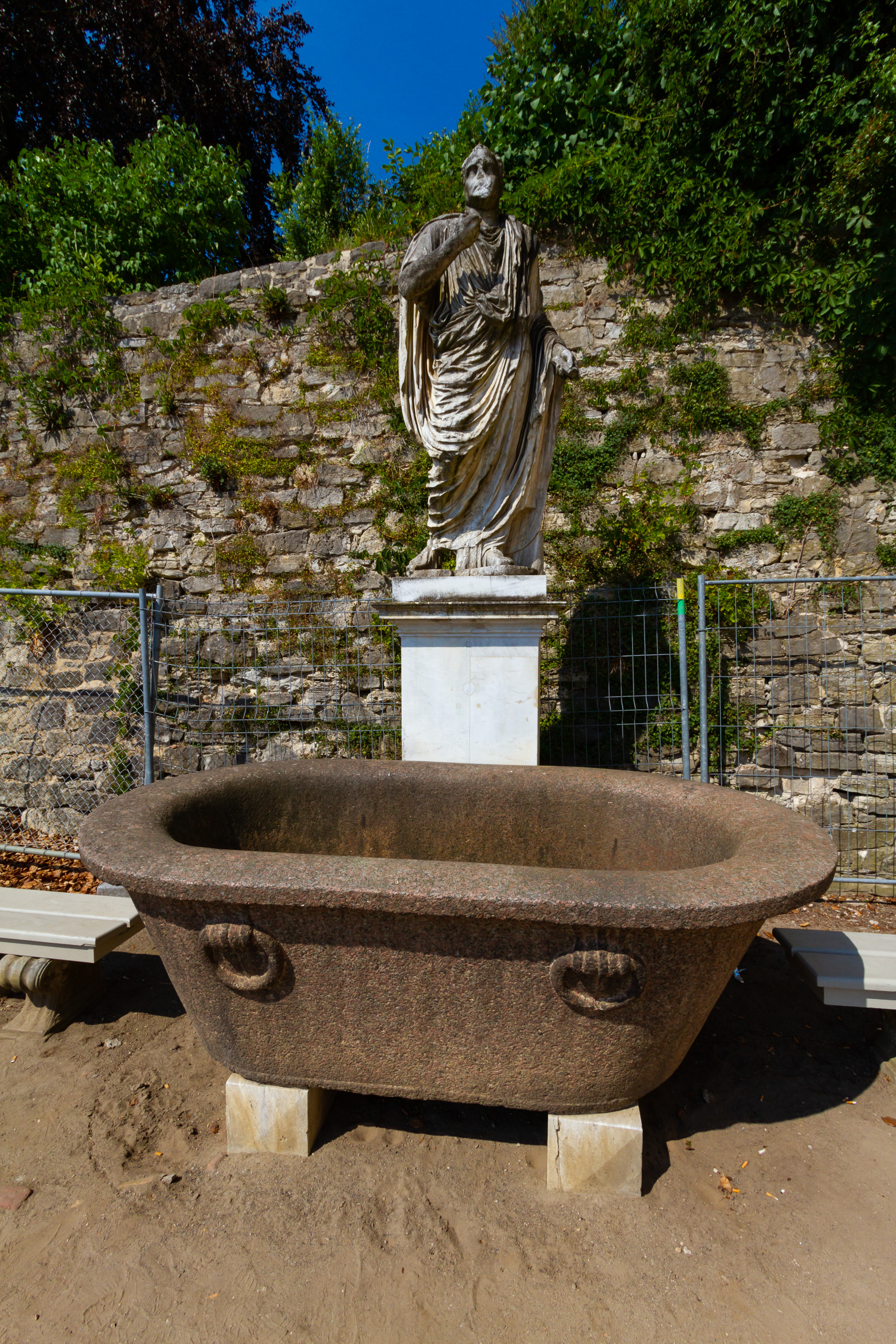
At Sanssouci Palace, Potsdam, Brandenburg, Deutschland 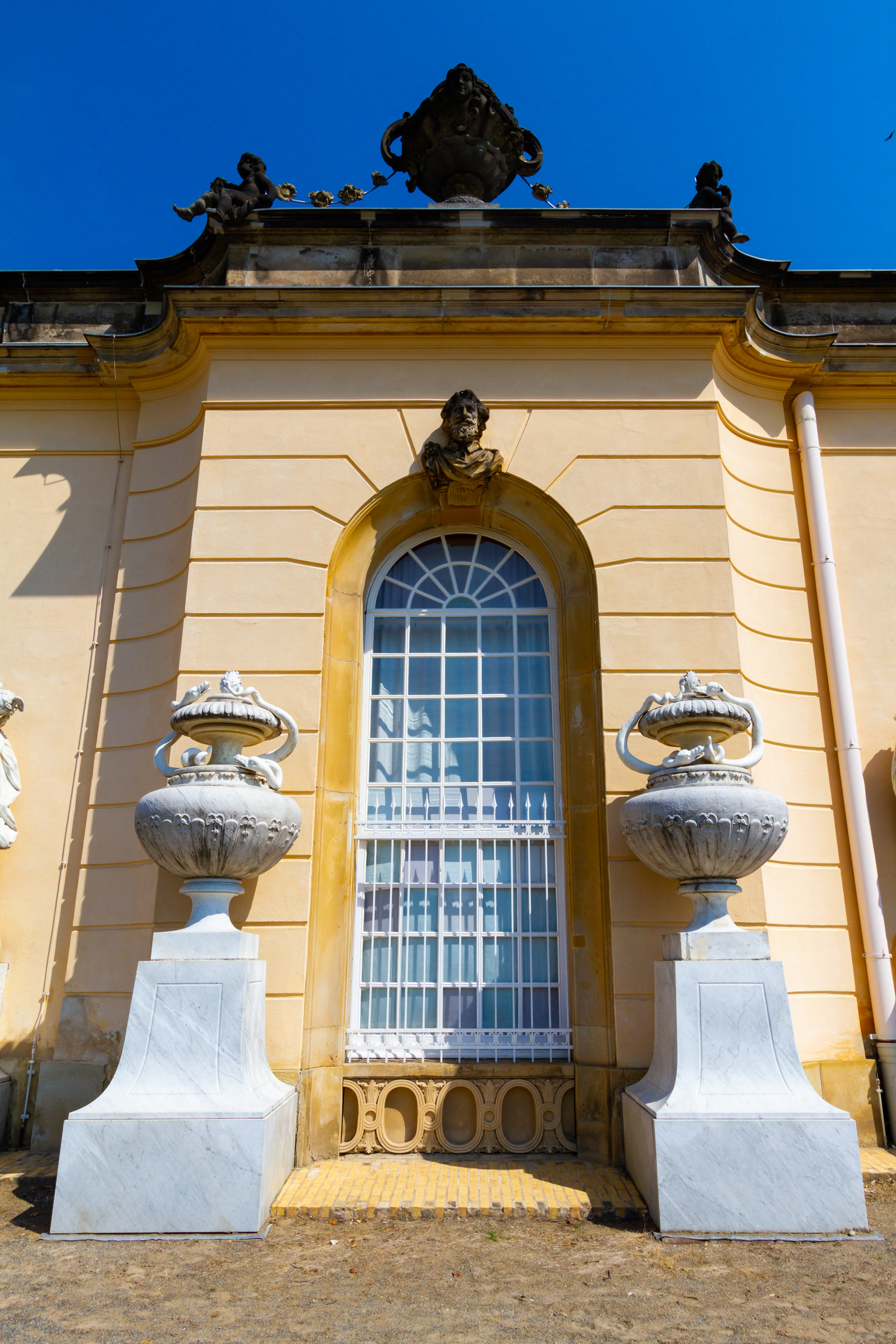
At Sanssouci Palace, Potsdam, Brandenburg, Deutschland 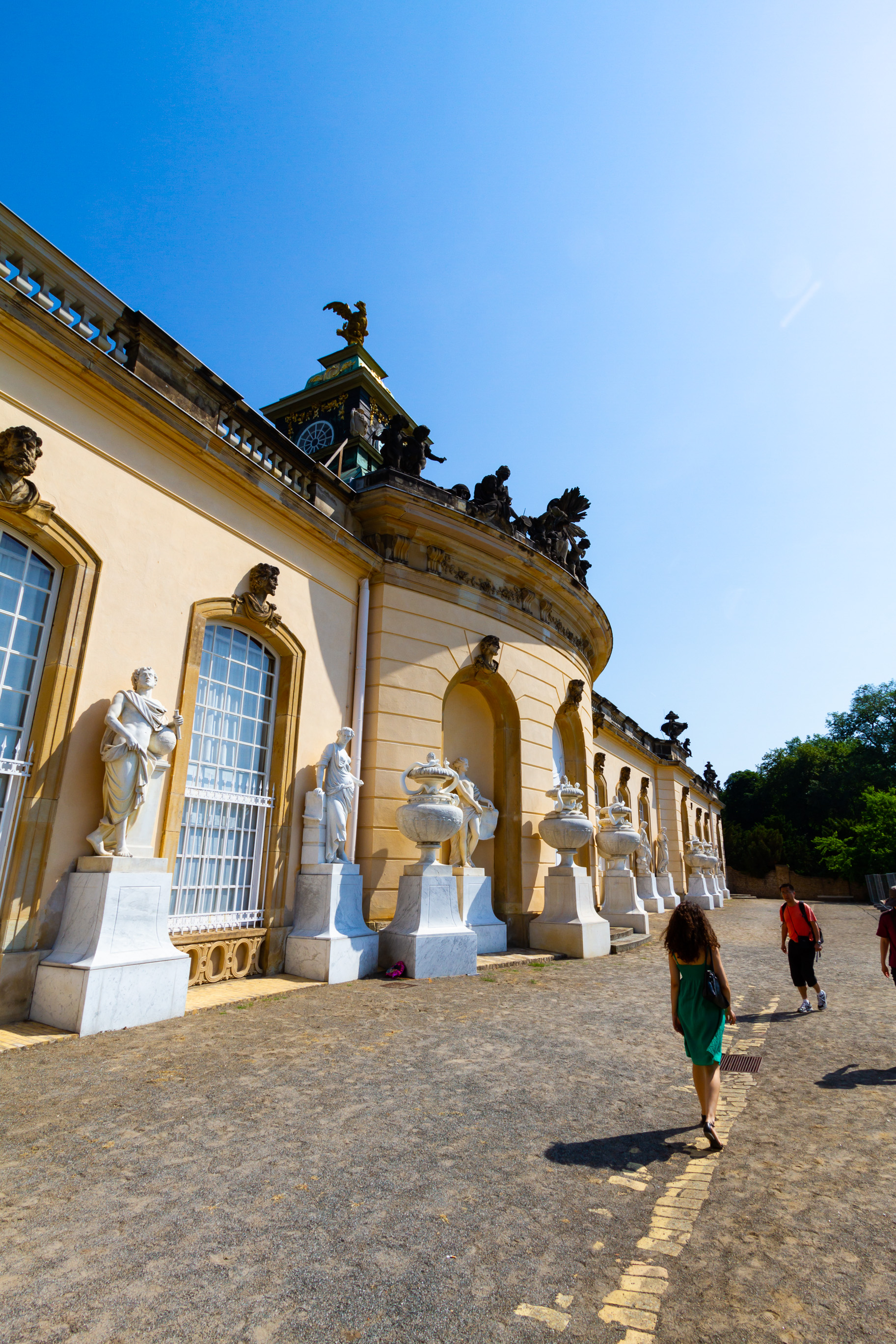
At Sanssouci Palace, Potsdam, Brandenburg, Deutschland 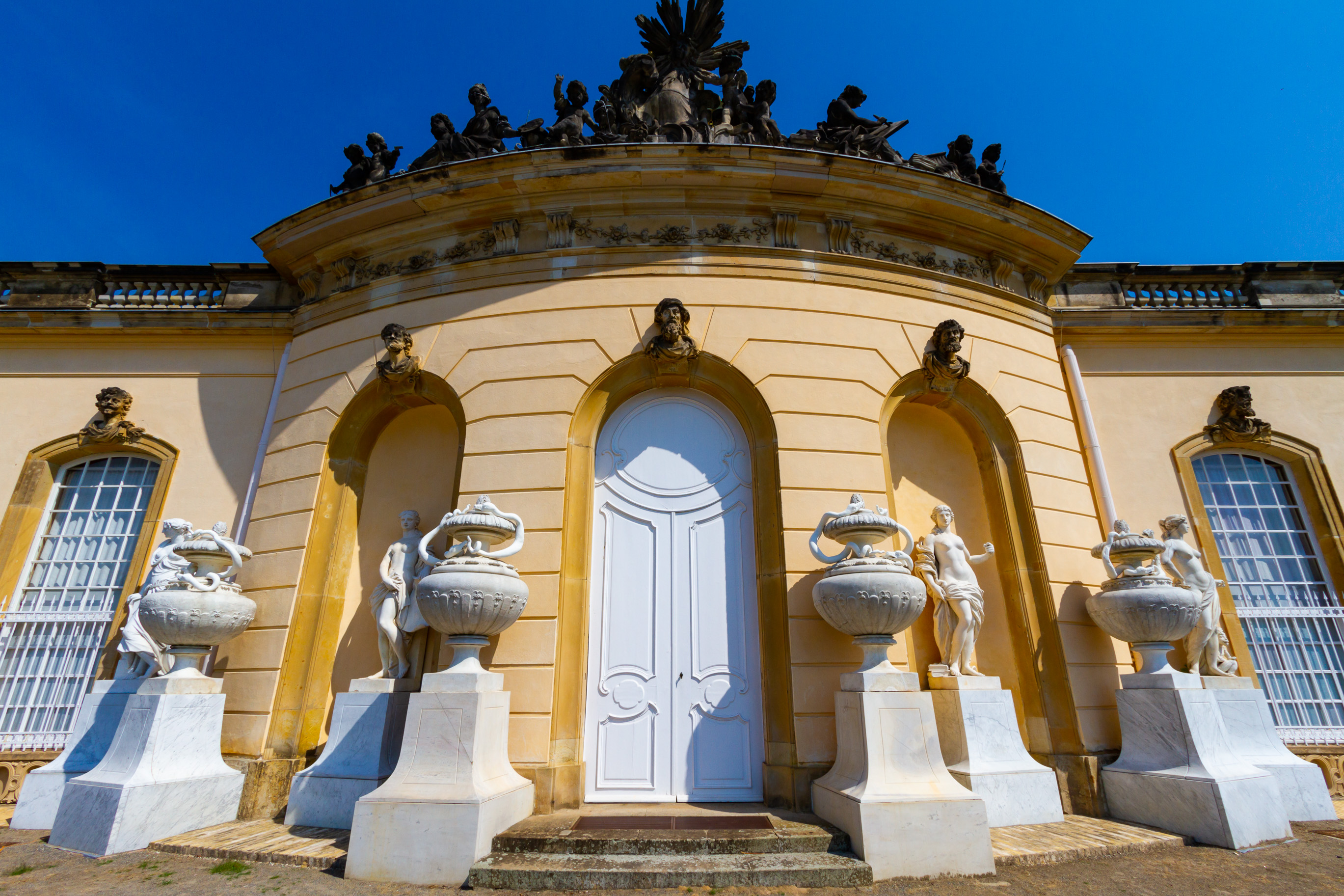
At Sanssouci Palace, Potsdam, Brandenburg, Deutschland 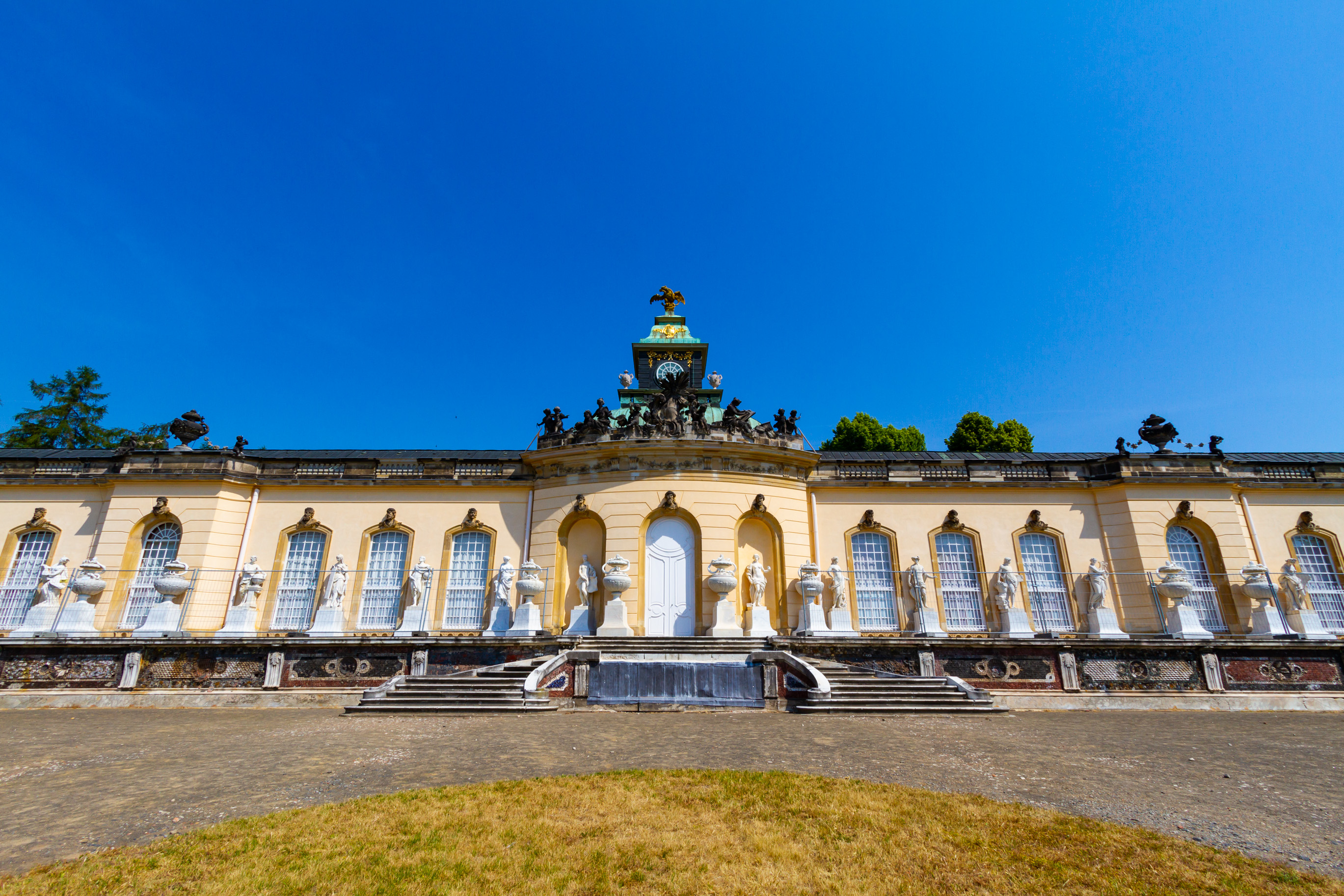
At Sanssouci Palace, Potsdam, Brandenburg, Deutschland 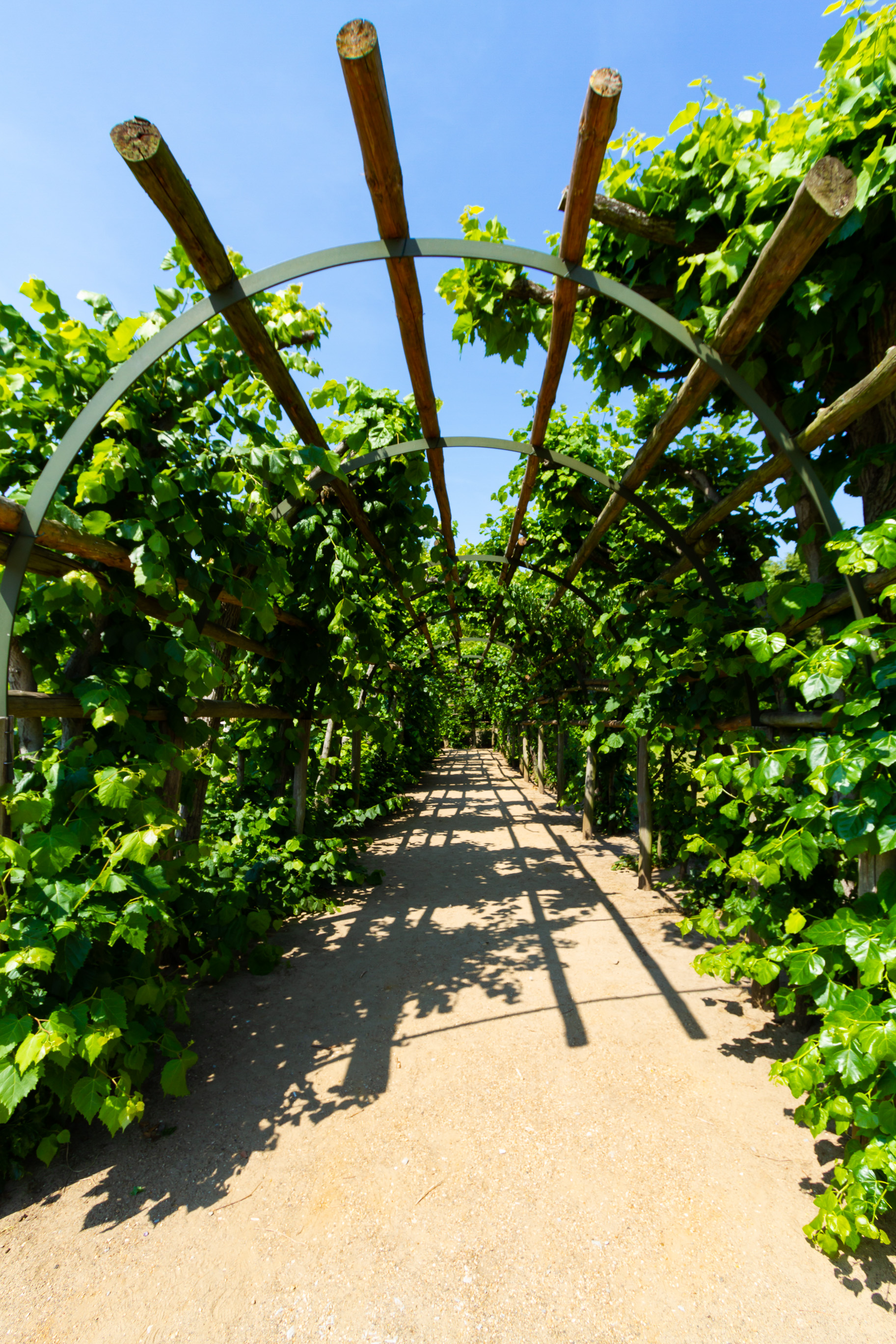
At Sanssouci Palace, Potsdam, Brandenburg, Deutschland 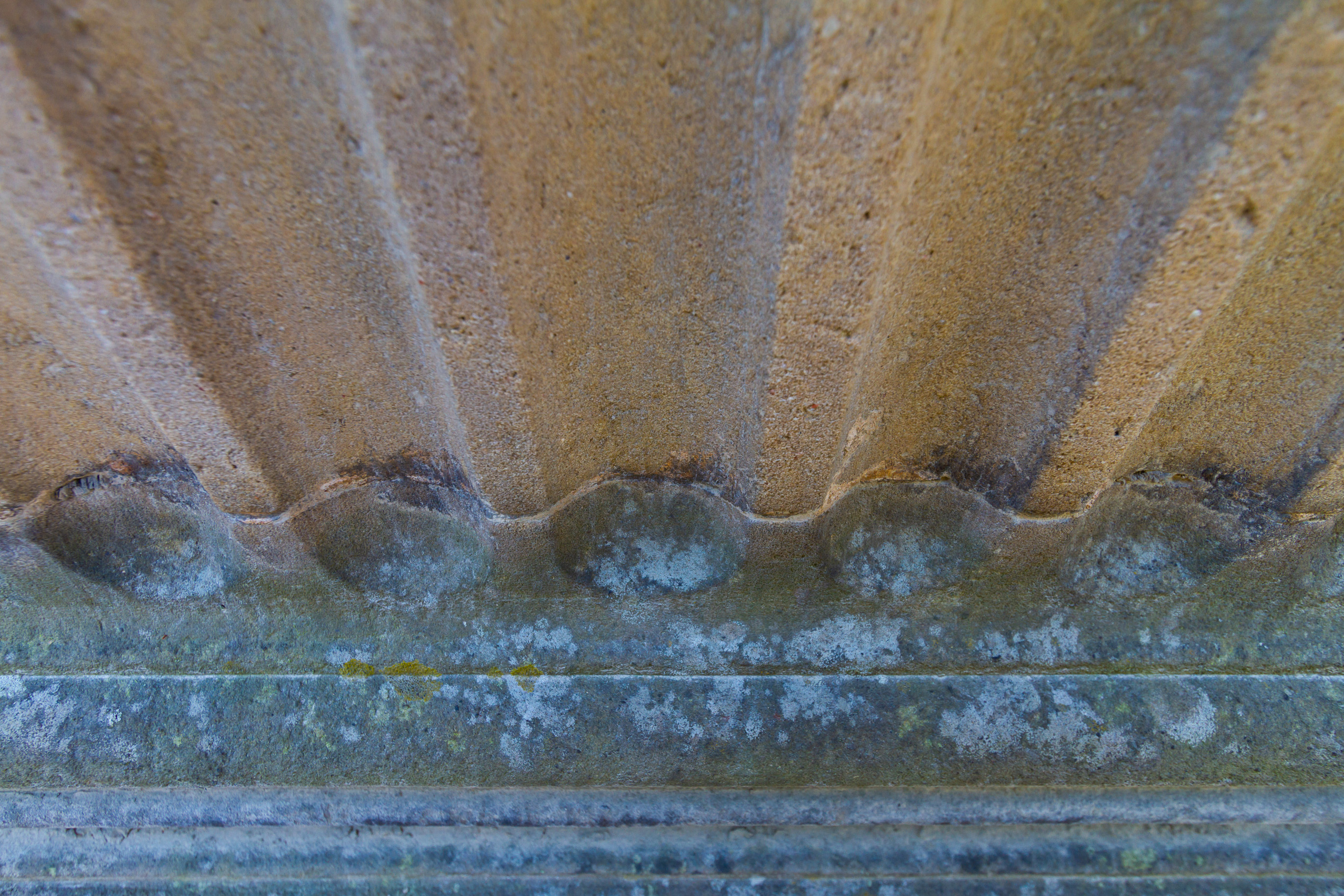
At Sanssouci Palace, Potsdam, Brandenburg, Deutschland
























 Raoul Pop