Places

Morikami Museum and Japanese Gardens

This slideshow requires JavaScript.

The Morikami Museum in Delray Beach, Florida, celebrates the hard work and dedication of Japanese immigrants who came to the region in the early 1900s in order to farm the land, and encourages the study of Japanese culture and customs.
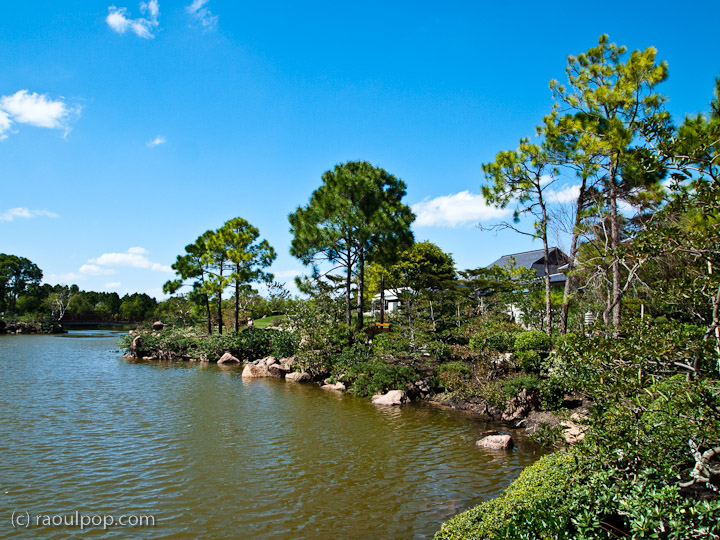
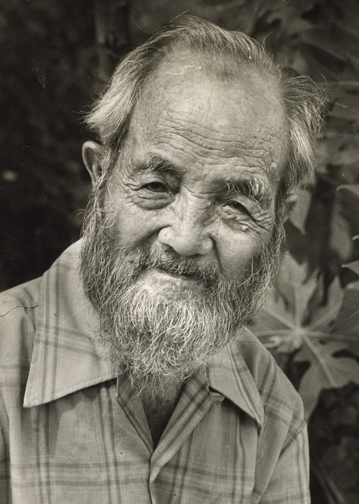
The museum opened its doors in 1977, after the land where it exists was bequeathed to Palm Beach County by the only remaining Japanese farmer in the area, Mr. George Morikami. It was given under the condition that it be turned into a park, in remembrance of the original Japanese colony, named Yamato.
We visited the museum on a sunny spring day in March and witnessed a formal Japanese tea ceremony, which I filmed and wrote about earlier.

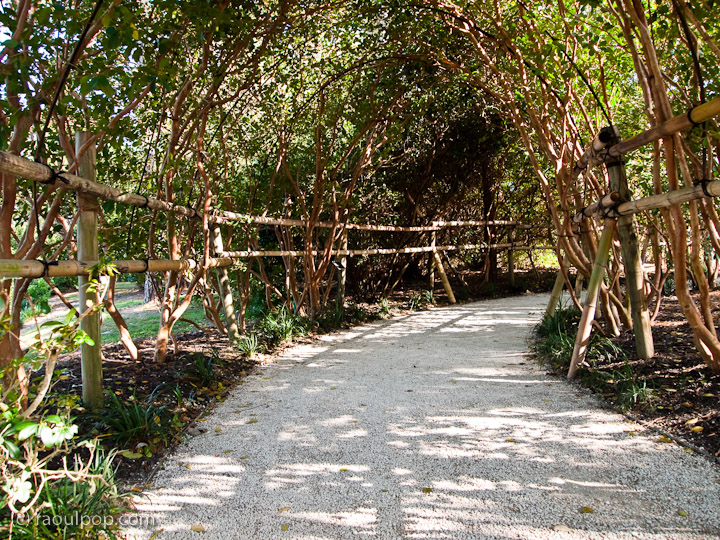
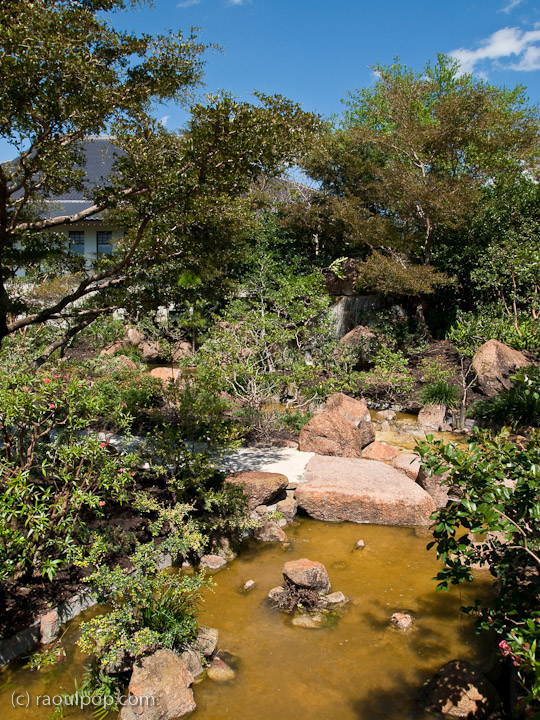
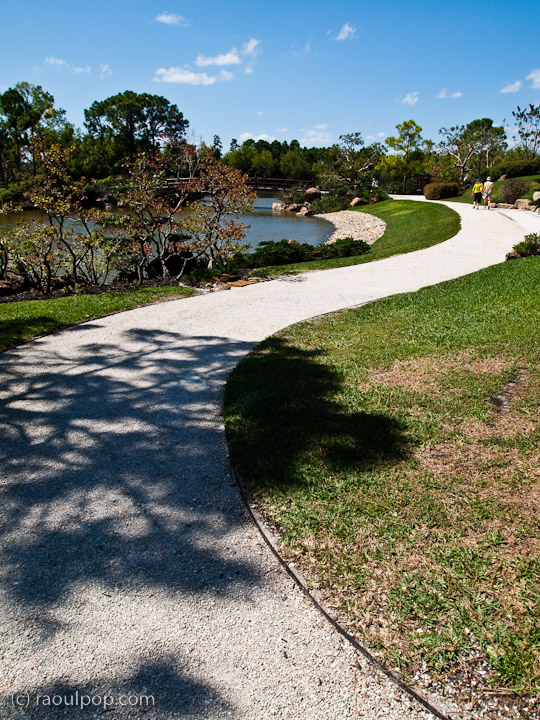
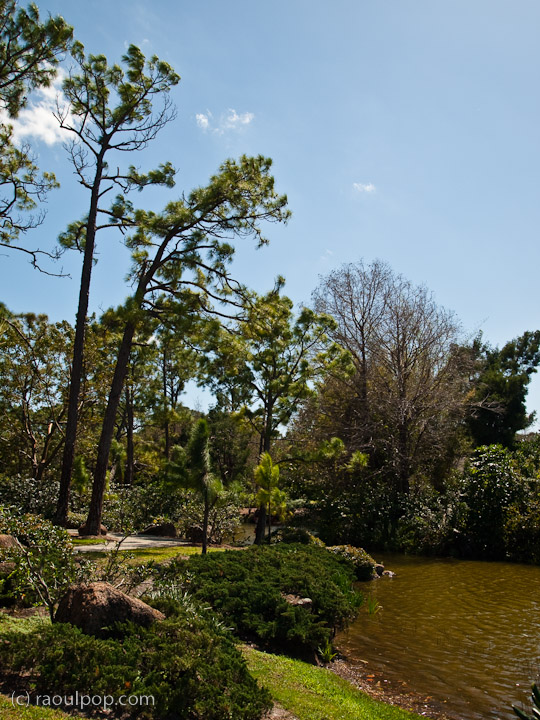
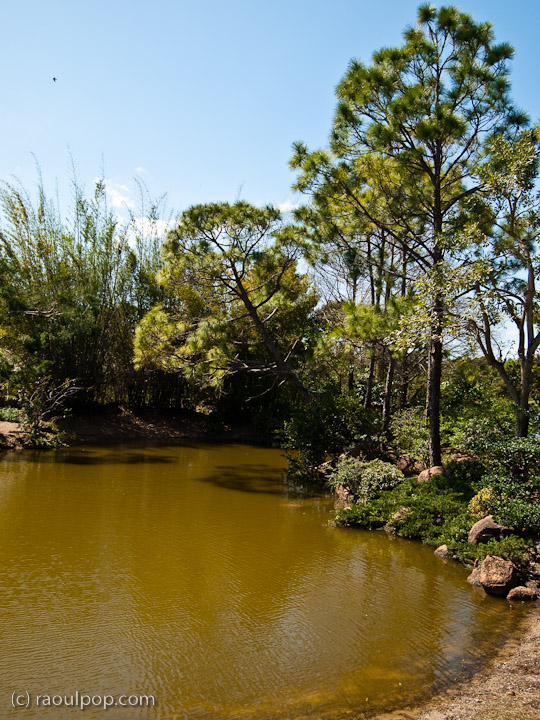
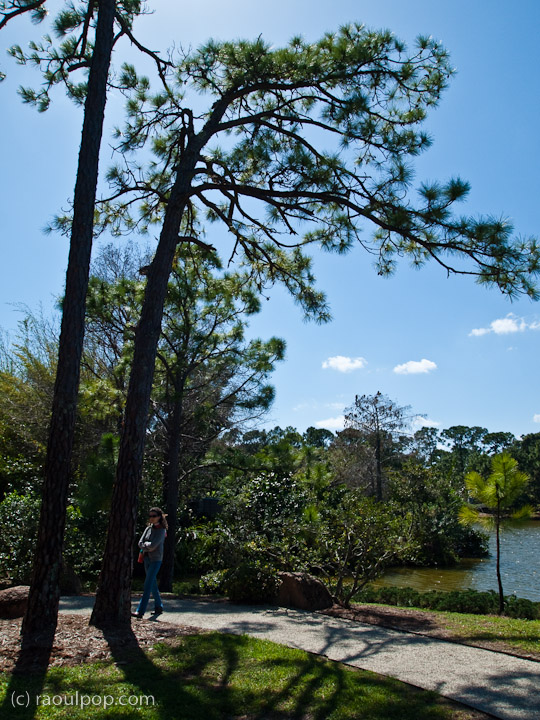
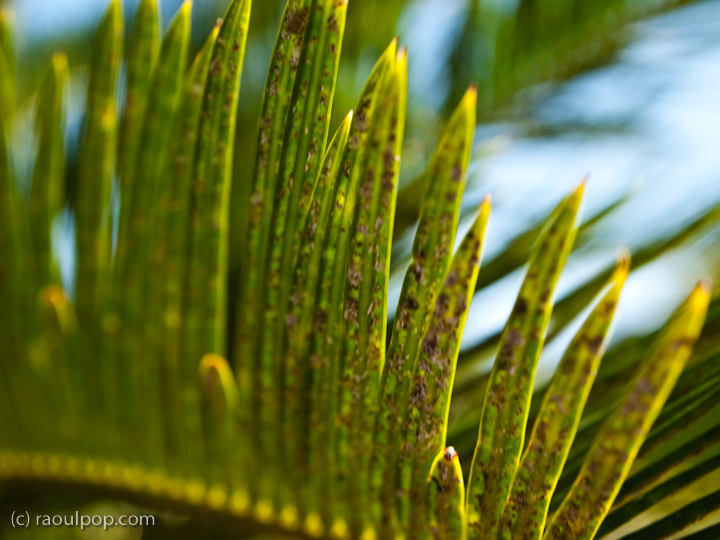
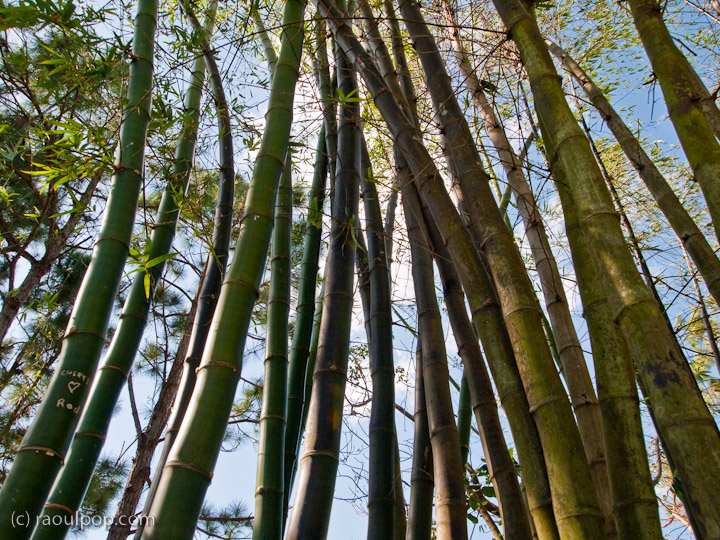
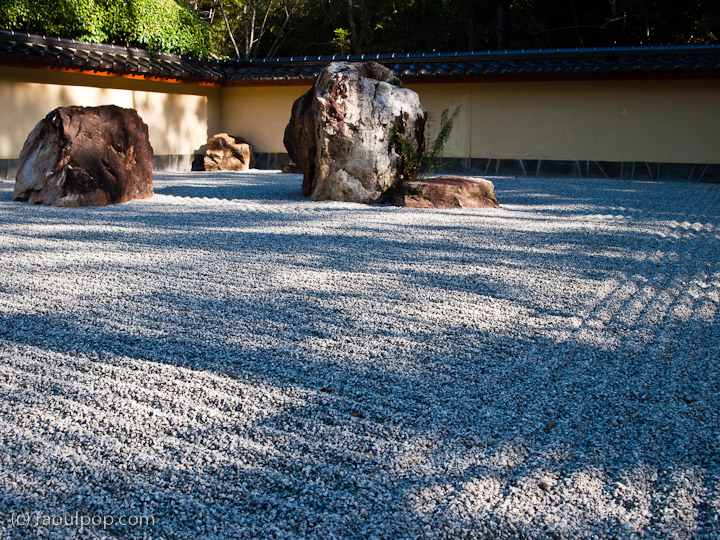
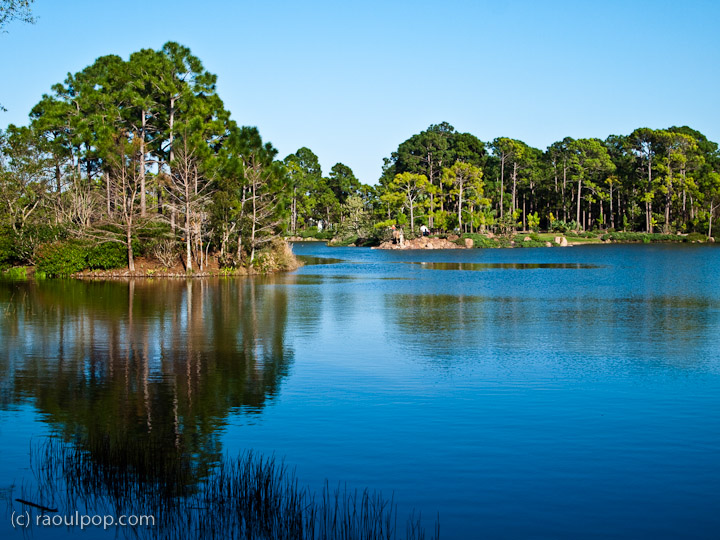
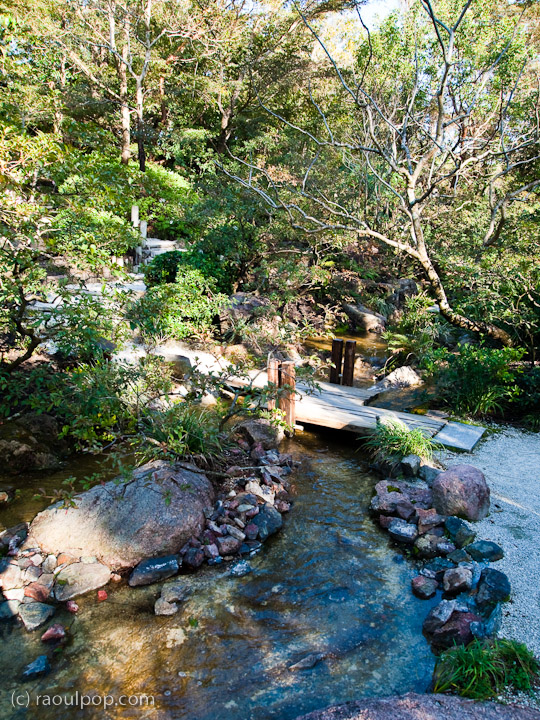
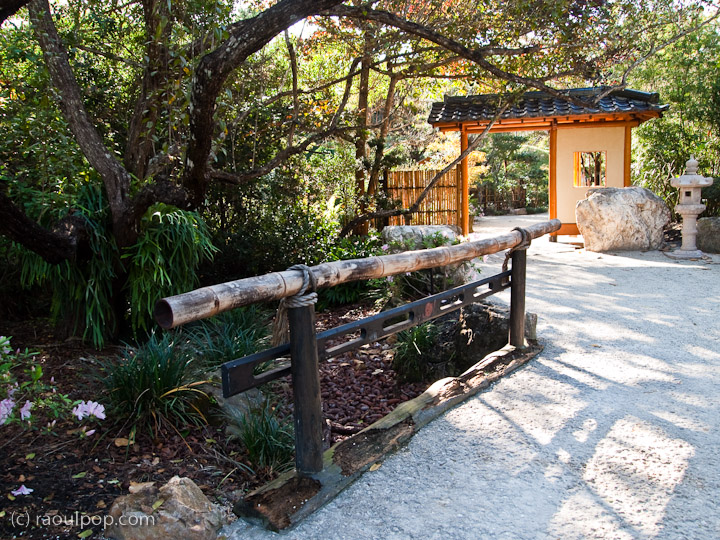
Then we walked on the park grounds, among the many themed Japanese gardens, each of which represented different historic design philosophies in Japanese culture. I filmed the park as well, and you can see that video below.

The park is lovely. The carefully manicured landscapes exert a calming influence on the visitor. Time somehow passes more slowly there. It’s a pity the park only opens at 10 am and closes at 5 pm. It must be beautiful to walk on the park grounds in the early morning hours, with fog lifting off its lakes and ponds and the songs of birds filling the cool morning air, echoing all around.
The Yamato Colony was an attempt to create a community of Japanese farmers in what is now Boca Raton. With encouragement from Florida authorities, young Japanese men were recruited to farm in the colony. Because of difficulties such as disease, discrimination from white farmers in the area and crop blights, the colony never grew very large, and gradually declined until it was finally dispersed during World War II.

The company who originally owned the land was the Model Land Company, created by Henry Flagler to hold title to the land granted to his Florida East Coast Railway by the State of Florida. The company encouraged the settlement of its land, particularly by recent immigants, to gain money from the sale of the land and to increase business for the railroad. In 1903, Jo Sakai, a Japanese man who had just graduated from New York University, purchased 1,000 acres (4 km²) from the company and recruited young men from his hometown of Miyazu, Japan, to settle there.

The settlers grew pineapples, which were shipped on Flagler’s railway line. Pineapple blight destroyed the crop in 1908. Afterward, the colony could no longer compete with cheaper pineapples from Cuba, so many of the settlers returned to Japan or moved elsewhere in the United States. The remnants of the colony were dispossessed after the entry of the United States into World War II, when their land was taken to create an Army Air Corps training base (now the site of Florida Atlantic University and the Boca Raton Airport).

The only member of the Yamato Colony to stay in the area was George Morikami, who continued to farm until the 1970s, when he donated his farmland to Palm Beach County to preserve it as a park, and to honor the memory of the Yamato Colony. The road on which the Museum was built is now appropriately called Yamato Road, and Delray Beach has also become a Sister City with Miyazu, in honor of George Morikami and the Yamato Colony.

Source for background info: Wikipedia, Morikami Museum.
All of the photos and videos presented here were taken with the Olympus PEN E-P2 Mirrorless Camera. This article uses the brand new slideshow feature from WordPress.

Standard
Places

The dancing Fountains of Bellagio at night

Most people will likely tell you the Fountains of the Bellagio Hotel and Casino are easily the coolest thing in Las Vegas. I agree. They are spectacular. I have never seen excess put to better use — and let me tell you, a huge lake that shoots water hundreds of feet in the air, in the middle of the Nevada desert, where any water demands a high premium, is excessive. These fountains left me breathless, awestruck, every time I saw them, and we made sure to catch several shows while we were there.

This is one of those shows, filmed by me at night, from the Northeast corner of the lake, at the intersection of Las Vegas Blvd and Flamingo Rd. The fountains danced to a famous tune crooned by Frank Sinatra, called “Luck Be A Lady”. Enjoy!

Watch video on YouTube | blip.tv

Wow. That is one word that really says it all when it comes to this.

Standard
Places

On the beach at The Breakers

A couple of weeks ago, we spent a beautiful afternoon at The Breakers hotel and resort in Palm Beach, Florida. This is a 720p HD video I filmed on the beach, with the Olympus PEN E-P2, a camera I am currently testing for an upcoming review.

It was windy, a bit chilly, the surf was good, and the afternoon sun added a beautiful golden hue to everything, particularly to the rocks placed on the beach. The texture of the sand at The Breakers is finer and darker than on other beaches in Florida. This complemented the blue waves quite nicely, as you’ll see below.

Watch video at YouTube | blip.tv

Standard
Events, Places

Monarch butterflies, mating

We were in the yard a few days ago, when we saw two lovely monarch butterflies engaged in a courtship ritual, on the grass. I recorded a video which you can see below.

Watch video on YouTube | blip.tv

According to science, what I filmed is the ground phase of their mating, and is preceded by an aerial phase, where the male will pursue and nudge the female, until she lands on the ground. He then lands on top of her and flits his wings wildly while he aligns himself alongside her body. Once he does that, he grabs her, and flies with her to a perching spot, where they sit end to end for about 30 minutes, while a spermatophore from the male transfers to the female.

The mating of the monarch butterflies occurs just prior to their re-migration back north. The eggs are not laid by the female until she reaches a suitable location there with plenty of food sources, such as milkweed.

As I write this, I remember that I’ve witnessed another stage of the monarch butterflies’ life when camping in the Shenandoah National Park, in Virginia, in September of 2006. It was there that I saw the caterpillars building their pupa, or chrysalis, and took photos of that.

Standard
Events, Places

Tea ceremony at the Morikami Museum

We attended a formal tea ceremony, a sado, at the Morikami Museum’s Seishi-an Tea House, in Delray Beach (Florida, USA). A Japanese tea ceremony involves the ceremonial preparation and presentation of matcha (powdered green tea) to an honored guest, and is governed by four words: harmony (wa), reverence (kei), purity (sei), and tranquility (jaku). This particular sado, or chanoyu, that we attended, lasted about 30 minutes. I had to edit the video down to just under 10 minutes so I could put it on YouTube.

This video was recorded in HD (720p) with the Olympus PEN E-P2 and the Micro Four Thirds 14-42mm compact lens, which I am currently testing for an upcoming review.

Watch it on blip.tv | YouTube

More info on Morikami Museum and their tea ceremony is available at morikami.org, and detailed information about the Japanese tea ceremony is available at wikipedia.org.

http://blip.tv/file/3343324

Standard