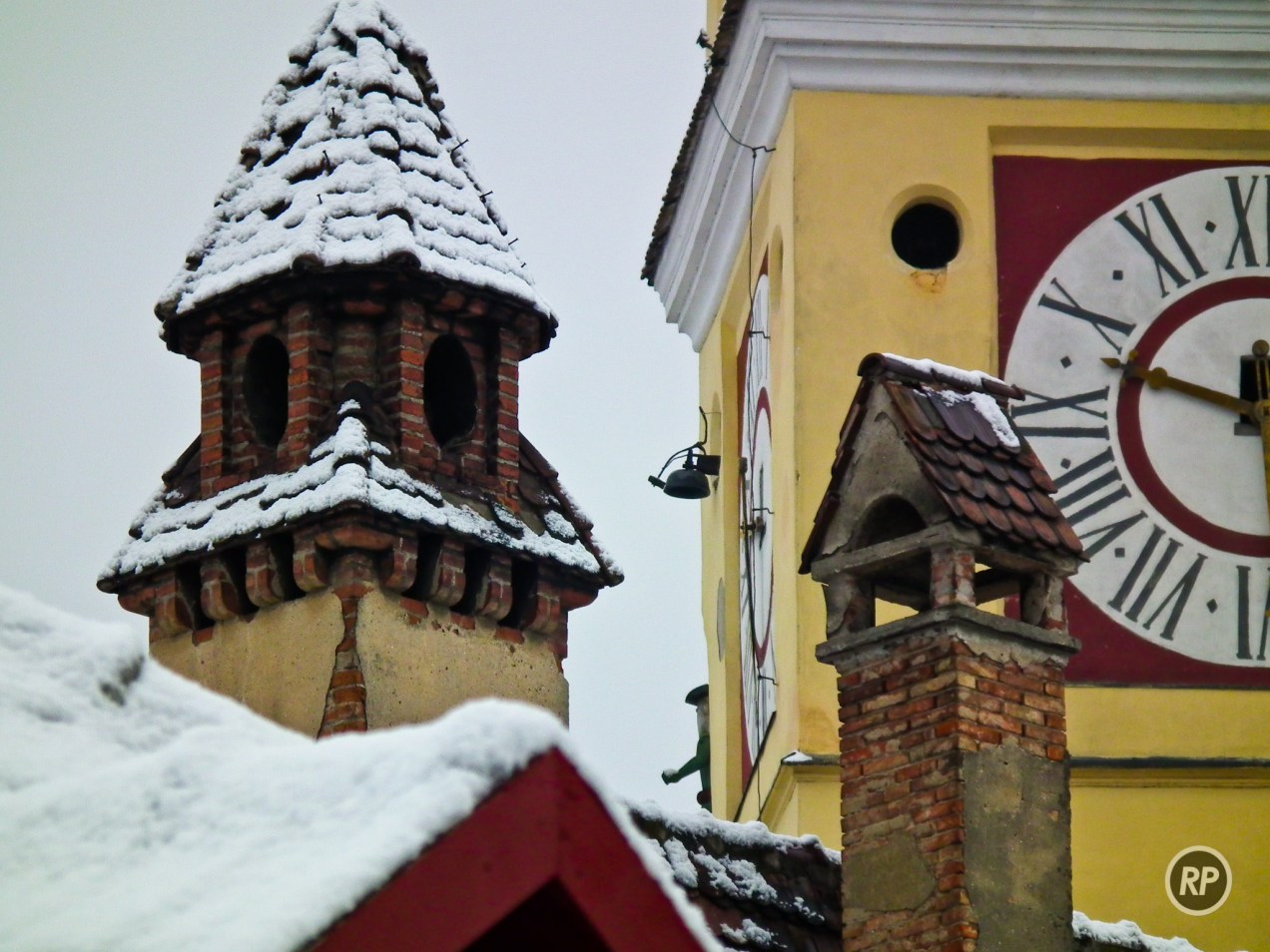
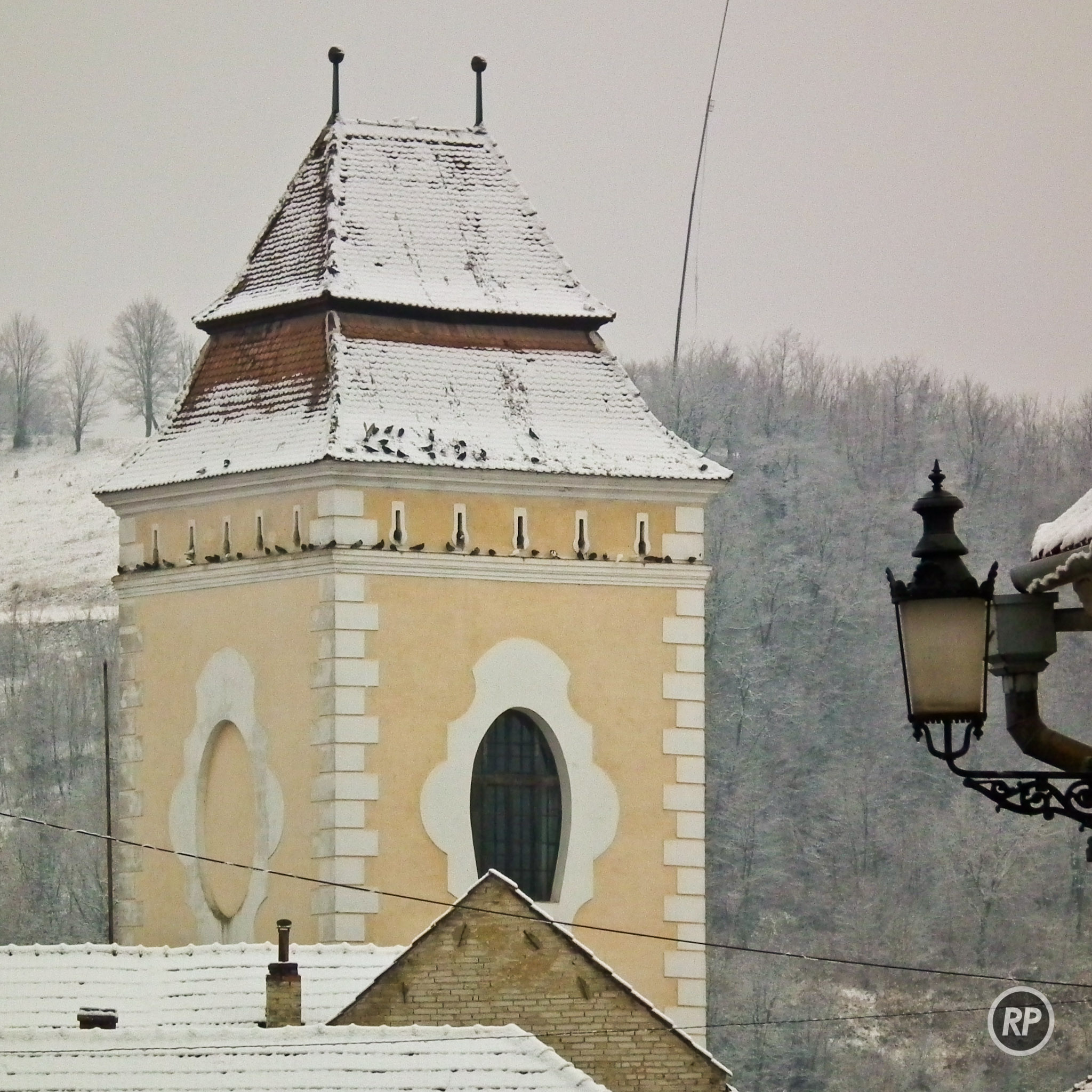
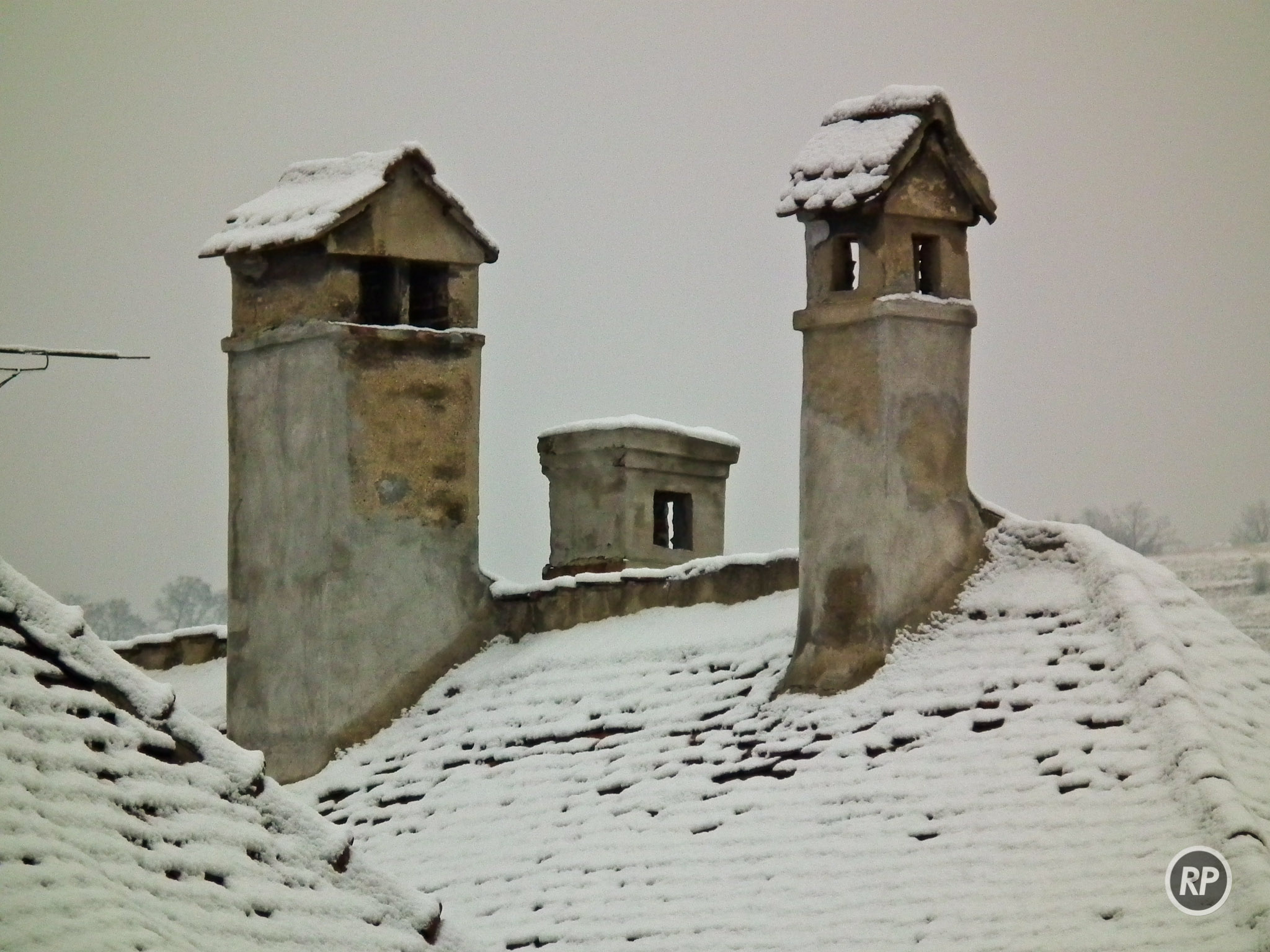
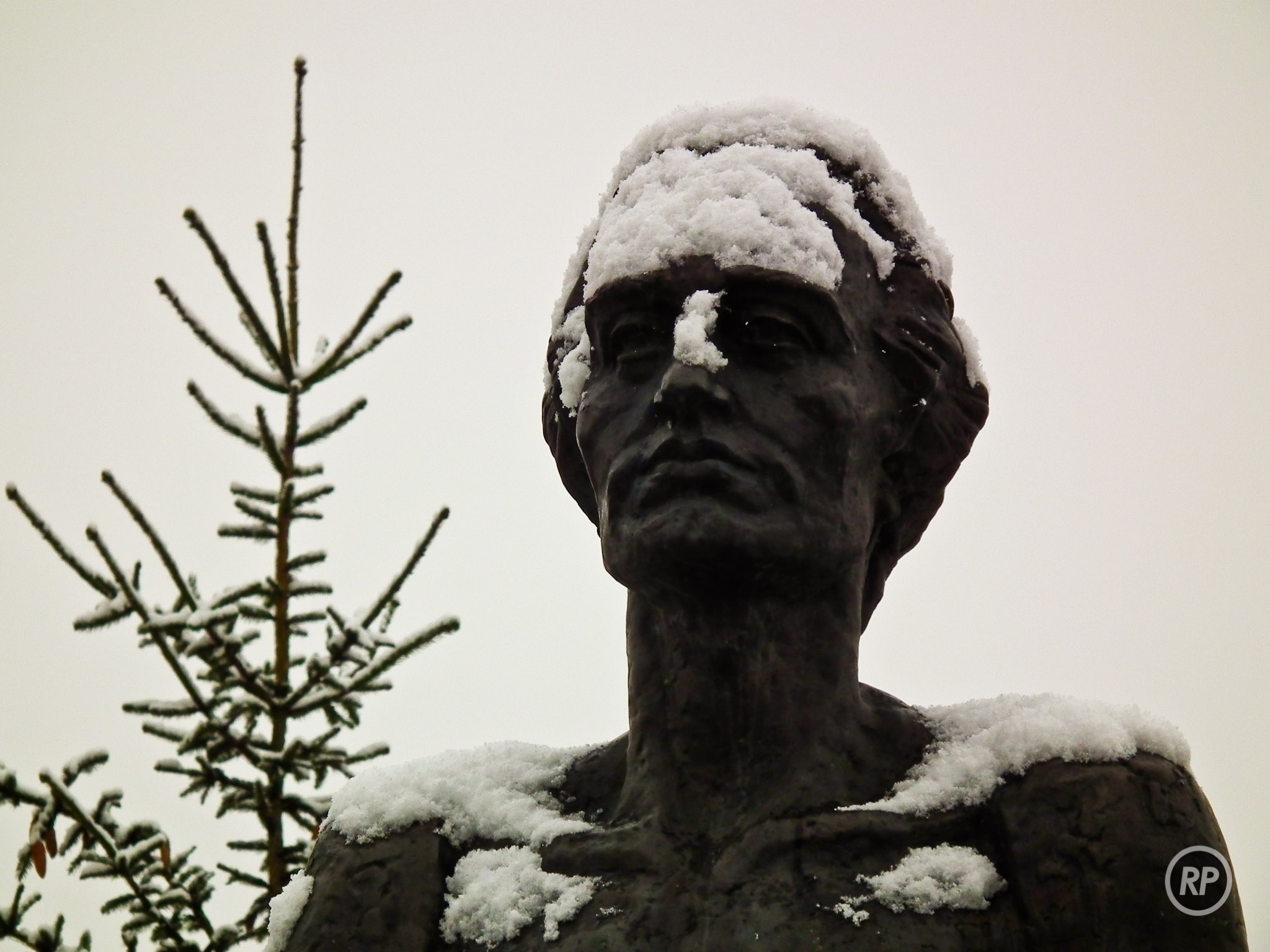
We woke up this morning with a puffy white blanket of snow covering the town. It was the first snowfall of the 2010-11 winter, and while it didn’t cover the ground, it did manage to stay on trees and rooftops, providing a welcome change in the scenery. (It’s been ugly weather most of this week, with cold, rainy days and mud everywhere.)
Tag Archives: cities
Inside the fortifications of St. Margaret’s Church in Medias
Built in 1488, St. Margaret’s Church in Medias, Romania, is the town’s most recognizable landmark, thanks to its leaning clock tower, which can be seen from miles away. Its tower dates from 1460, and left its originally vertical position due to some soil shifting. The photos shown below are from the church’s interior courtyard, inside its fortified walls.
A primary school is housed in its courtyard. I attended that school as a child, and have fond memories of playing in the courtyard, underneath a chestnut tree which is still there today.
Three other landmarks are inside the courtyard:
- The birthplace of S. L. Roth, one of the town’s most famous citizens
- Turnul Funarilor (the Rope-Makers’ Tower)
- A chapel with beautiful frescoes (located outside the church, inside one of the defense towers) — I plan to photograph it in the future, but you can see it from the outside in one of the photos below.
This is the main passageway that leads into the interior courtyard.
This is Turnul Funarilor (Rope-Makers’ Tower) and S. L. Roth’s place of birth (next to the tower). Continue reading
Selected photos from Iasi, Romania
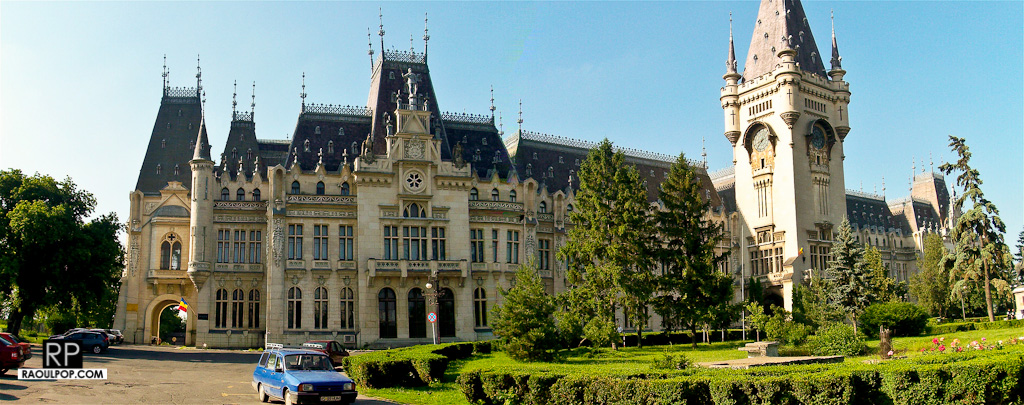
What you see below are photos from the city of Iasi, Romania, the second largest city in Romania after Bucharest, according to a recent census. It’s a city with a lot of history and a lot of historic buildings. It was the capital of the province of Moldova for hundreds of years, and also the capital of Romania for a short while. It’s home to the oldest university in the country, named after Alexandru Ioan Cuza, who founded it in 1860.
We visited the city in June of 2006, after an all-night train ride in horrendous conditions, and we only had about half a day to see it. Naturally, we went to see the Palace of Culture (which was closed for renovations unfortunately), so we rambled around for a while then decided to go see Ion Creanga’s house (he’s one of Romania’s most beloved writers).
Let me just say that I took these photos with a digital camera, not a DSLR, so the picture quality suffers. Given that I was just starting to learn proper composition back then, some aren’t framed properly. But enough apologies. Here are the photos.
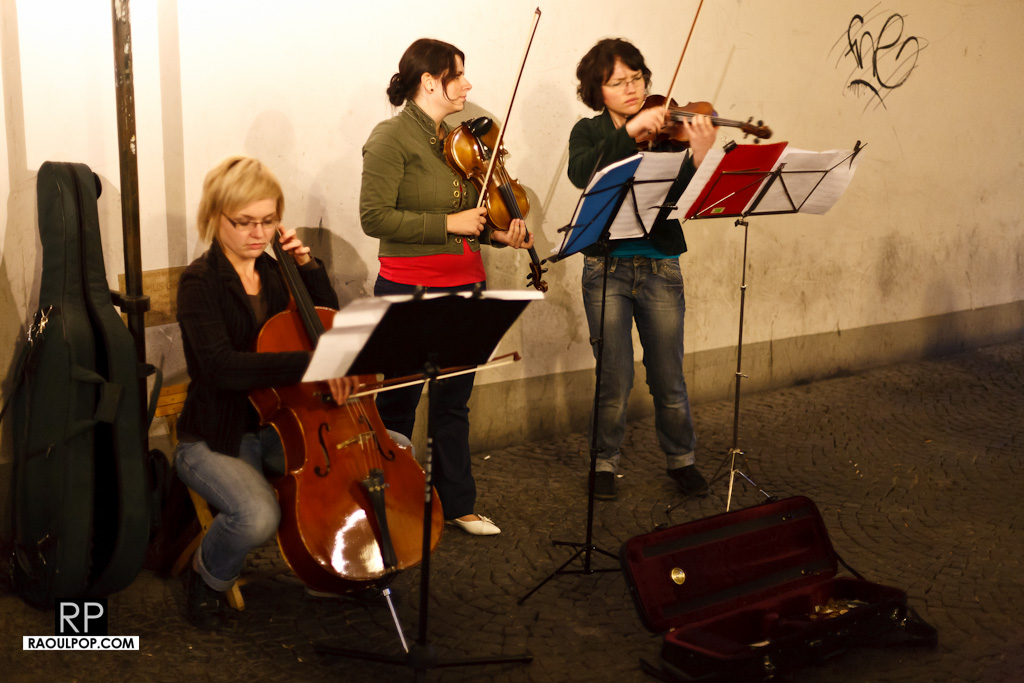
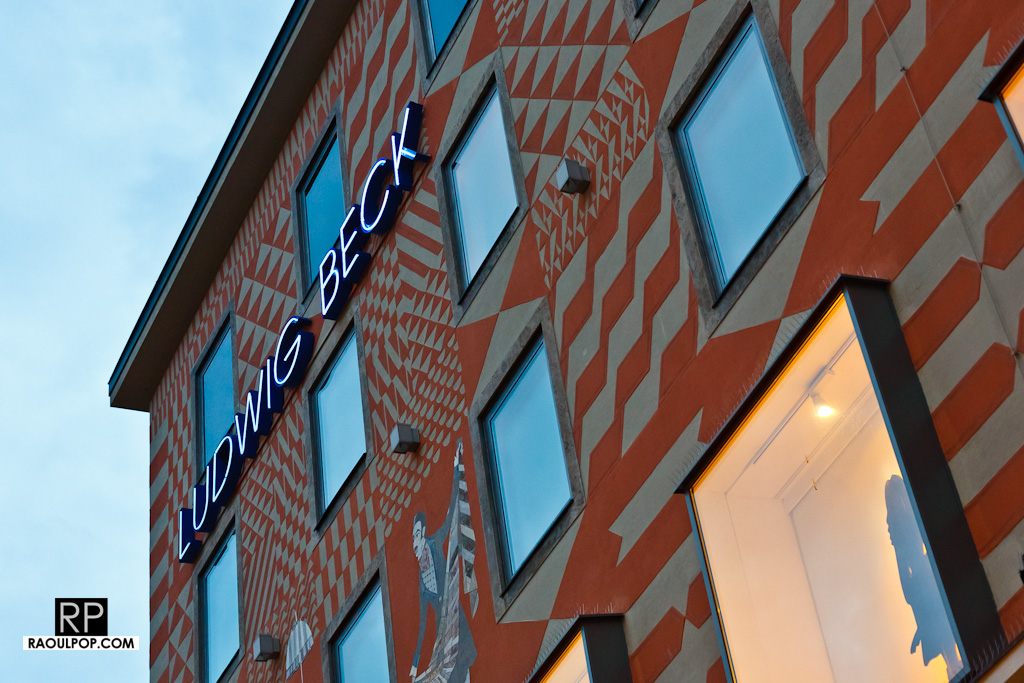
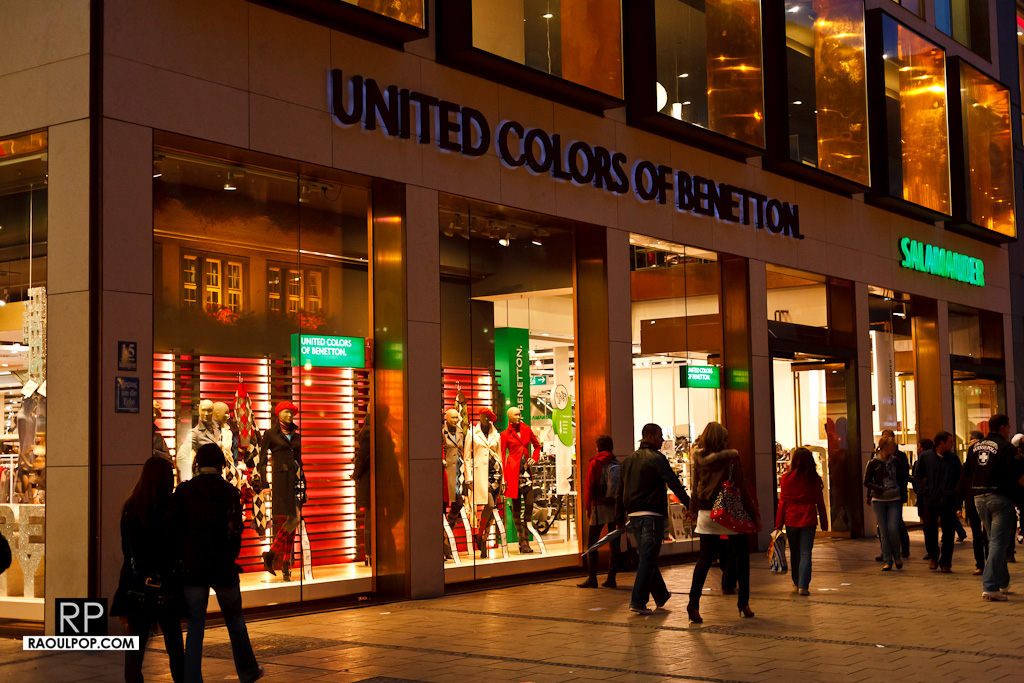
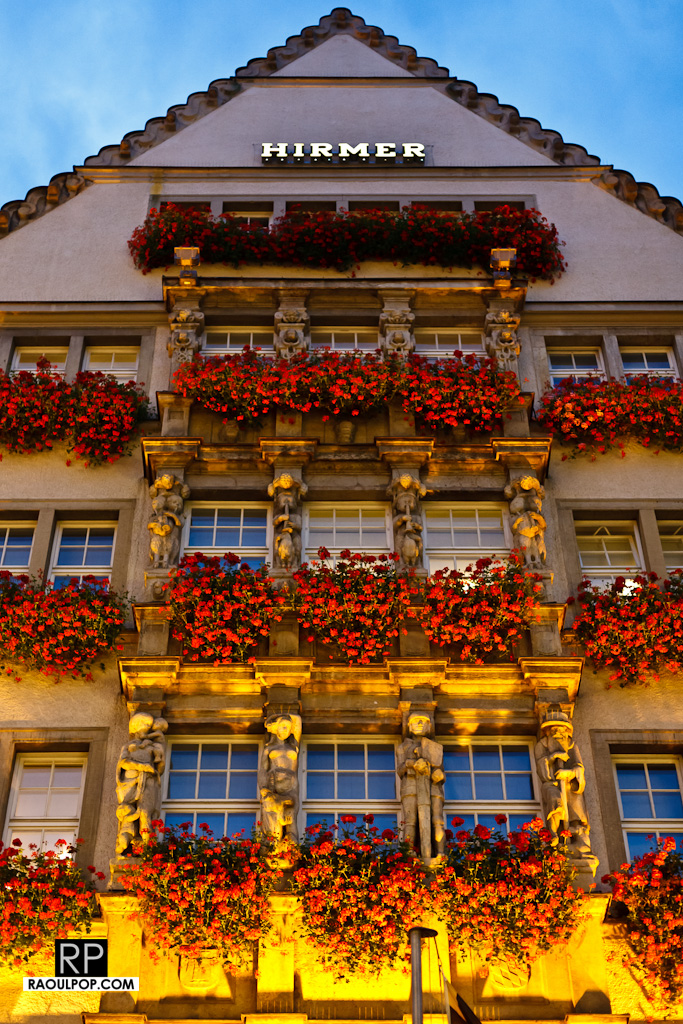
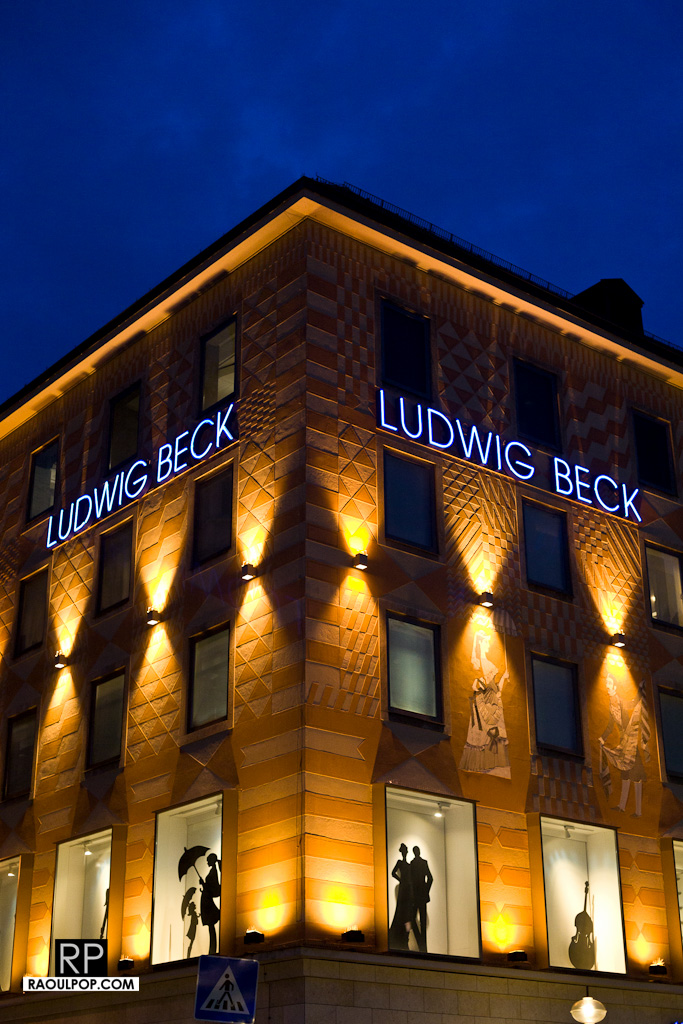
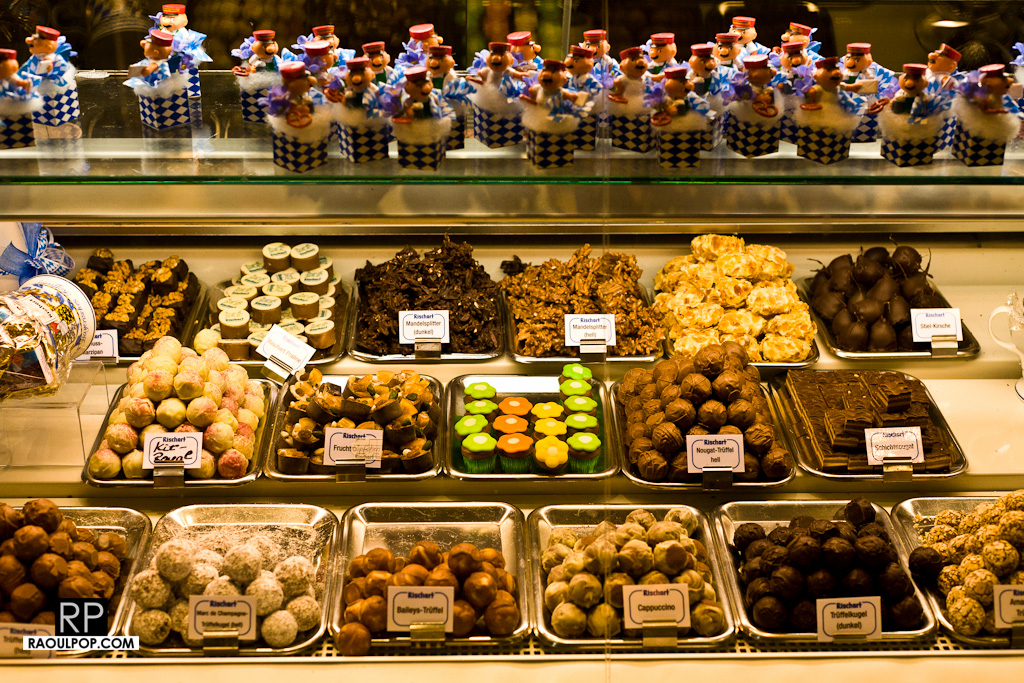
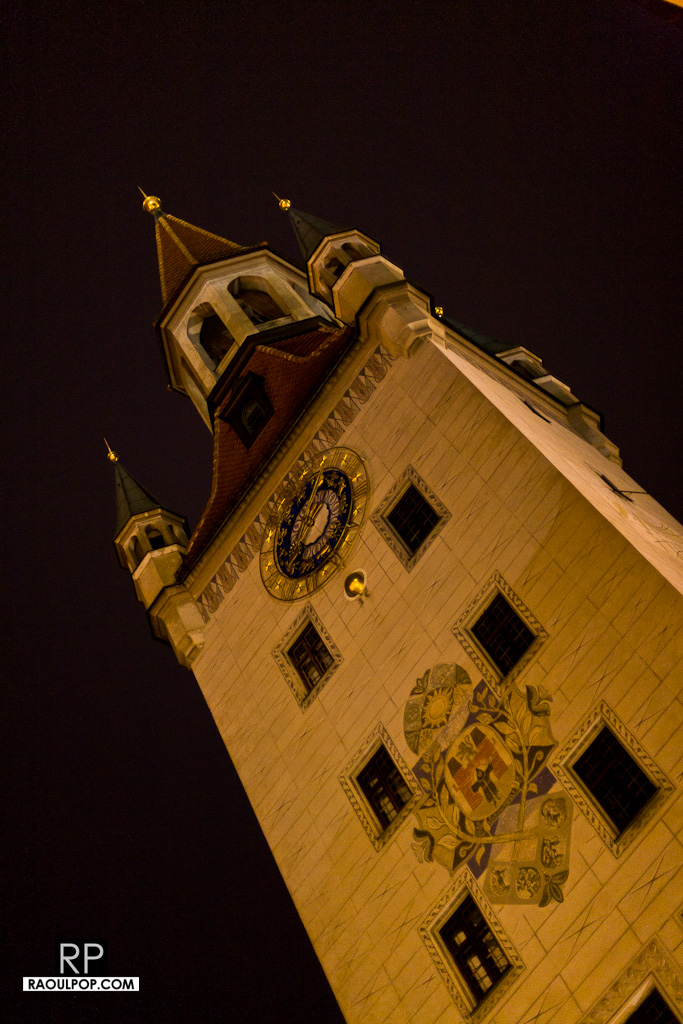
An evening in Munich
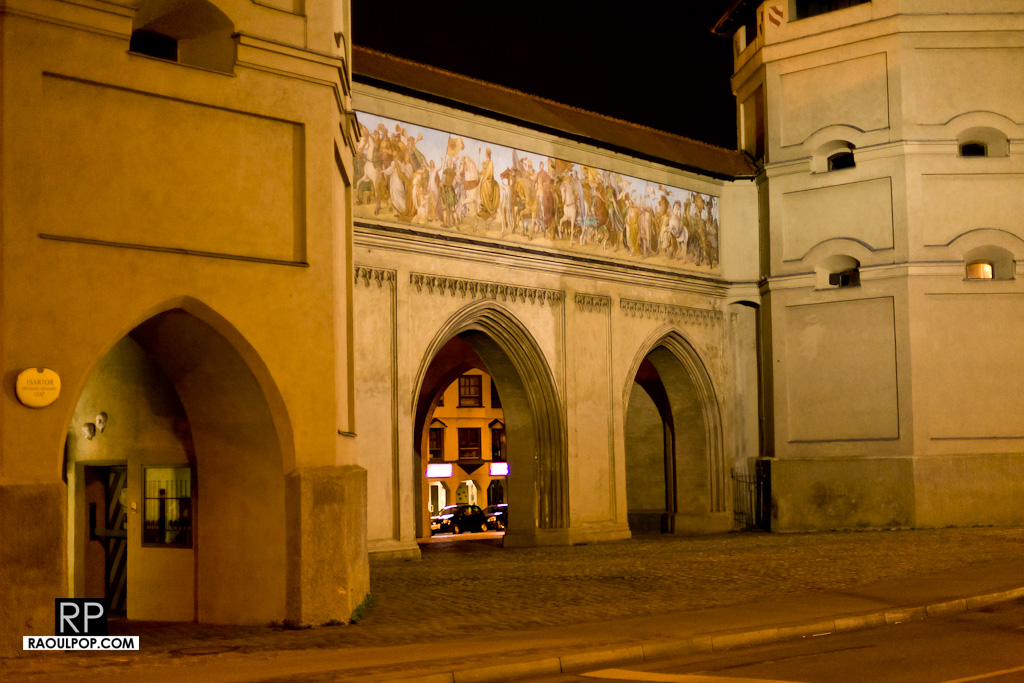
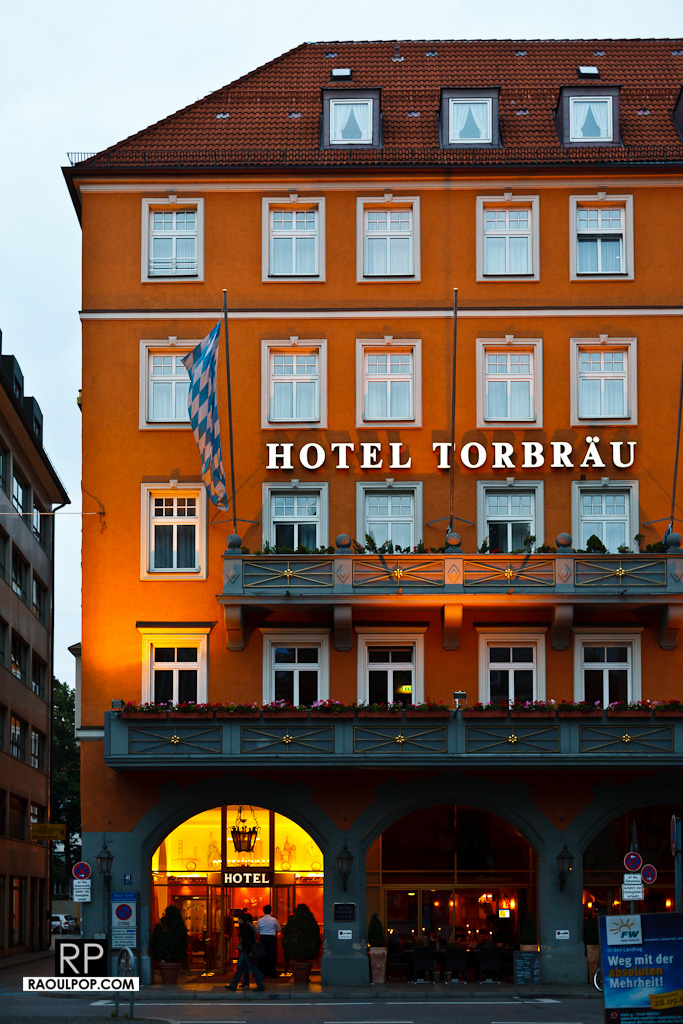
We were on our way back to Matrei from Innsbruck, we were tired, and we had a few more hours to drive. What to do? Stop in Munich for coffee, naturally! It was only a short detour of a little over 100 km from our route, so why not?
Coffee turned into a nice little evening walk through historic downtown. We arrived in Matrei really late and extra tired, but it was worth it.
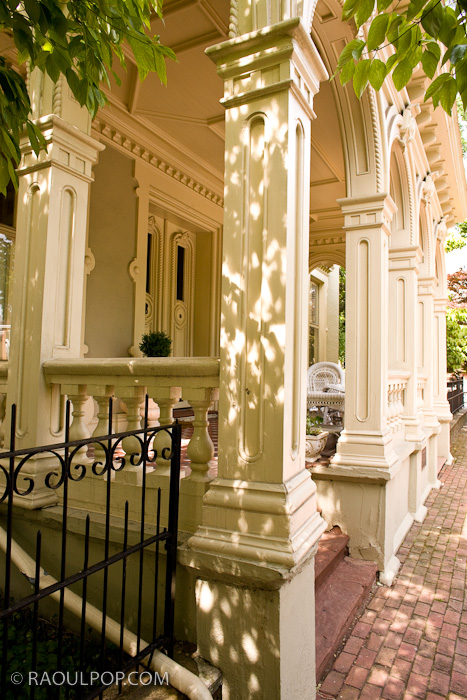
Alexandria, Virginia
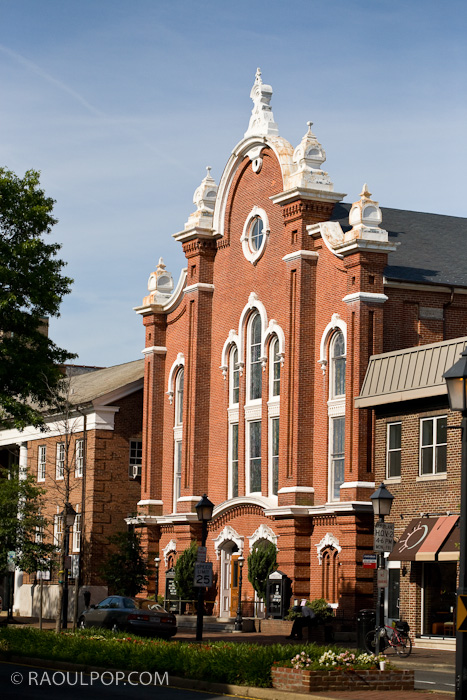
The city of Alexandria (Virginia, USA) began its life in 1749, as a port for Scottish and English merchants. Alexandria is located in Northern Virginia, across the Potomac River from southern Washington D.C. The city encompasses 15.75 square miles at an average elevation of 30 feet above sea level.
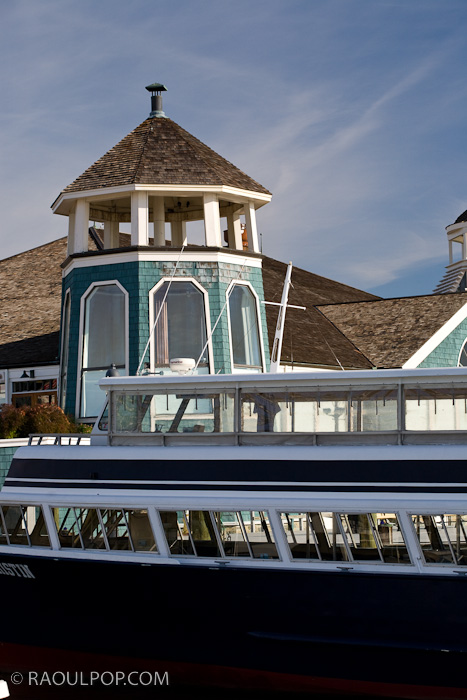
It was named in honor of John Alexander, the Scott who purchased the land in 1669, for 6,000 pounds of tobacco and cask, from Robert Howson, an English ship merchant. Howson had received it as a land grant from Sir William Berkeley, the Governor of Virginia, for bringing over 120 settlers from England.
The town was incorporated in 1779, and by that time it had become a bustling port, filled with brigs, schooners and ships who came there to trade in flour, hemp and tobacco. In 1789, the town was ceded to the Federal Government, to become part of the new District of Columbia. It was retroceded to Virginia in 1847. In 1852, it gained city status and a new charter.
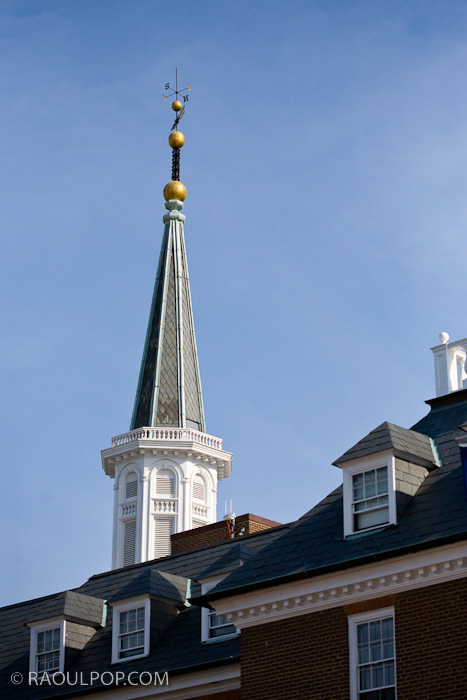
By the time of the American Revolution, it was one of the principal colonial trading centers and ports. George Washington, America’s first president, maintained a town house in Alexandria, and was on its Board of Trustees. During the Civil War, it was occupied by the Union Army and was a major logistical supply centers for the federal army.