Places

The Roman-Catholic church in Dumbraveni

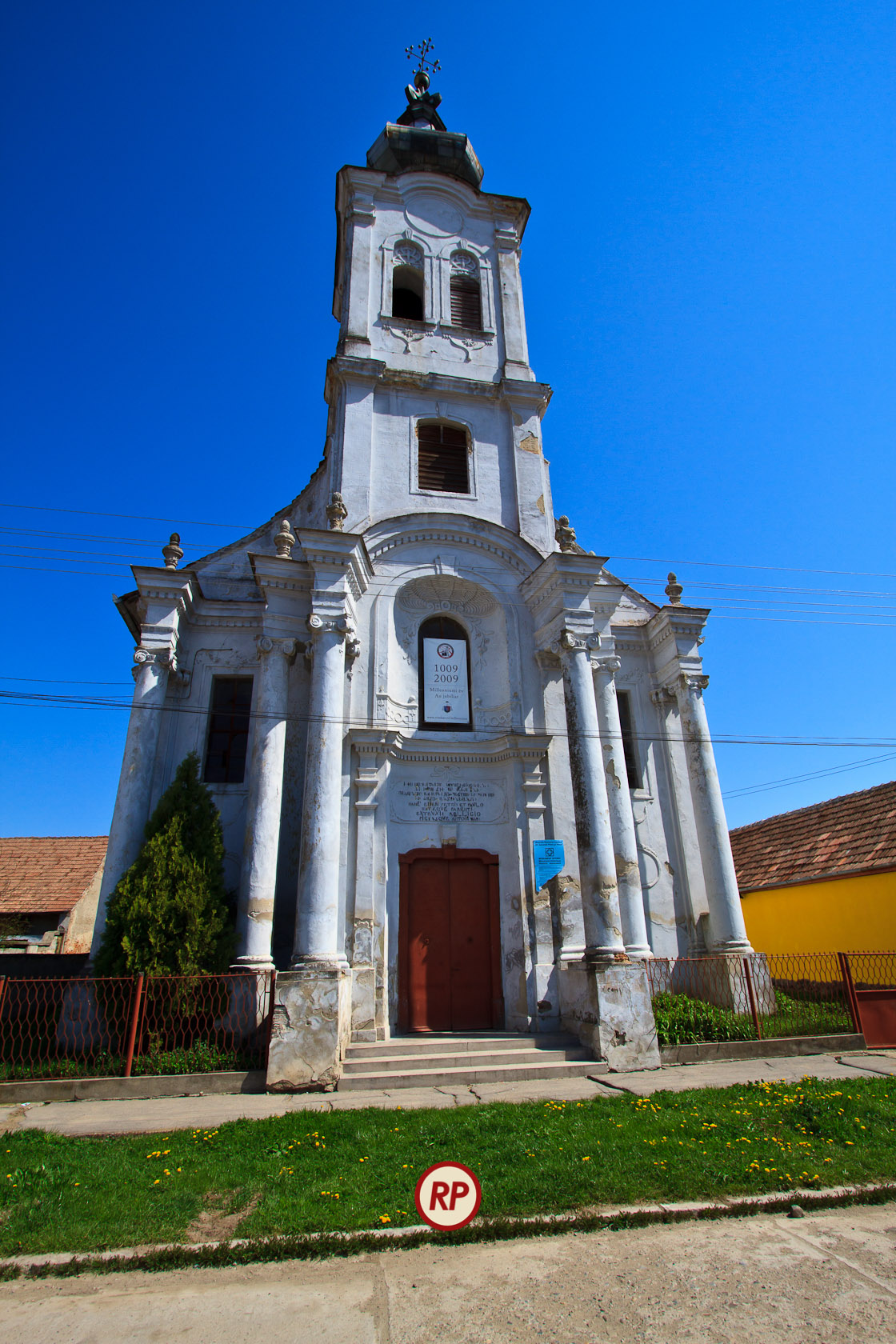
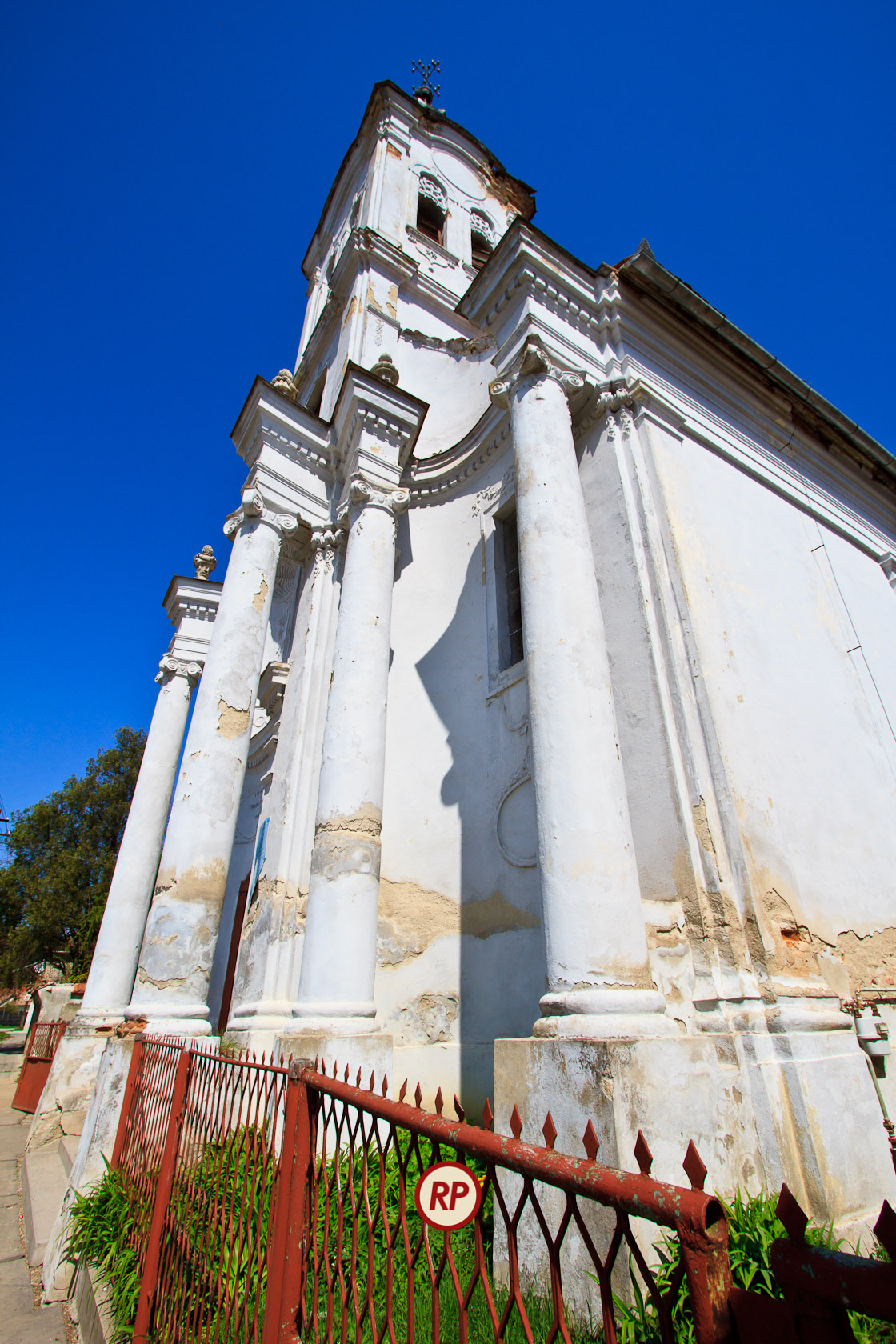
On a side street in Dumbraveni, Romania, in a neighborhood full of gypsies, you’ll find the city’s old Roman-Catholic church. It’s over 1,000 years old, and it’s not being properly maintained, as is the case with many of Romania’s historic buildings. Looking at the building itself, it’s hard to believe it’s stood there for a millenium, but there it is. Sure, there are architectural details which date the building, but it’s not imposing, certainly nothing of the scale of the Armenian-Catholic church just a few blocks away from it.

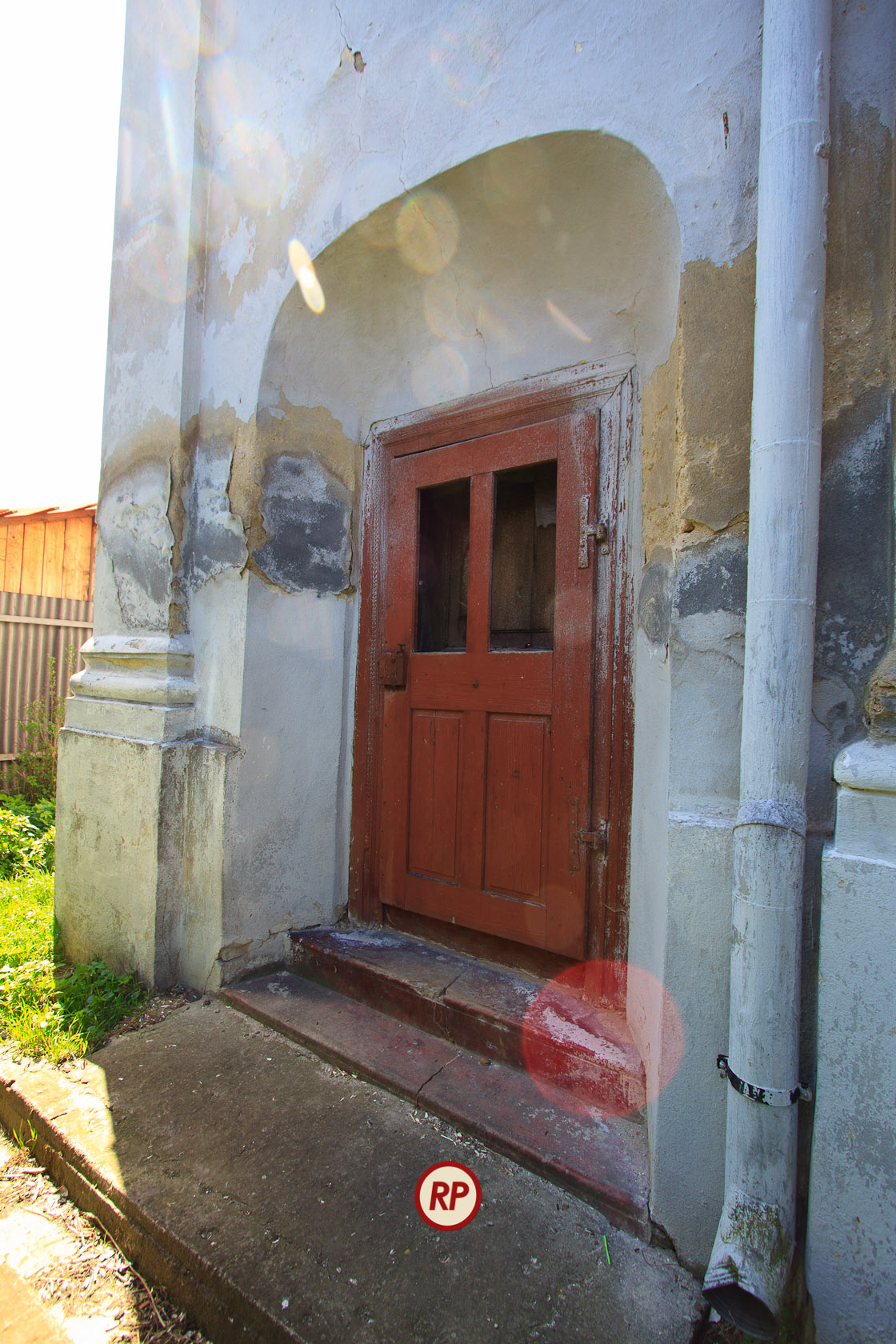
When we got there, it was locked up. The front door — now made of iron — was bolted. The sign marking it as an historic monument was torn. The back doors were nailed shut, and so were the windows. One of the doors was even walled in.

I walked around the building, trying to avoid human feces that marked the grass courtyard, and noticed that even though the cellar doors were nailed shut, I could pry one of them ajar and squeeze through.
My sense of adventure got the better of me, and I went ahead. I grabbed a little LED flashlight from the car, and headed inside. It was clear the vaults underneath the church had been looted and vandalized, numerous times. There were countless footsteps in the sand, and trash left there by hooligans. Important architectural details, like the columns you see in one of the photos, were either shattered and on the floor, or downright missing.

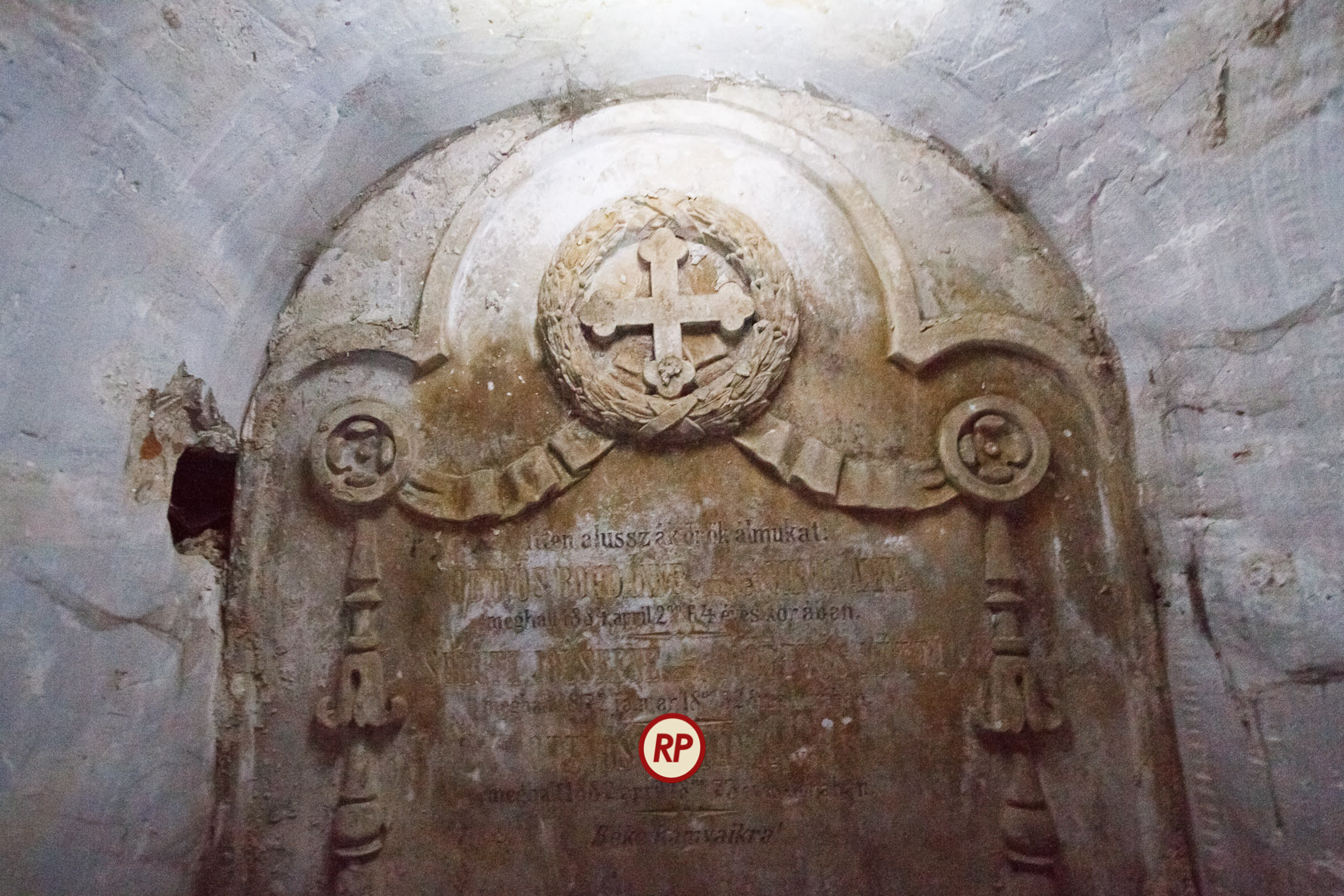
The grave you see below, one of several built into the supporting walls of the vaults, has been desecrated, along with others. If you look carefully, you’ll see human bones among the rubble.

There was an iron door with intricate relief work, which leads to an inner sanctum. It was bolted shut, and I could see a serious amount of time has passed since it was opened.

There is a lower level to the vaults, partially uncovered here. I’m not sure if the walls below are stable enough for someone to go inside. I would have doubts about venturing there.

The intricate design of the mold on the vault walls is a possible indication that they were painted once.

There you have it. I’m not sure of this church’s fate. No caretaker was in sight when I was there, nor were there visible signs that the church was being cared for.
Standard
Places

The fortified church in Curciu

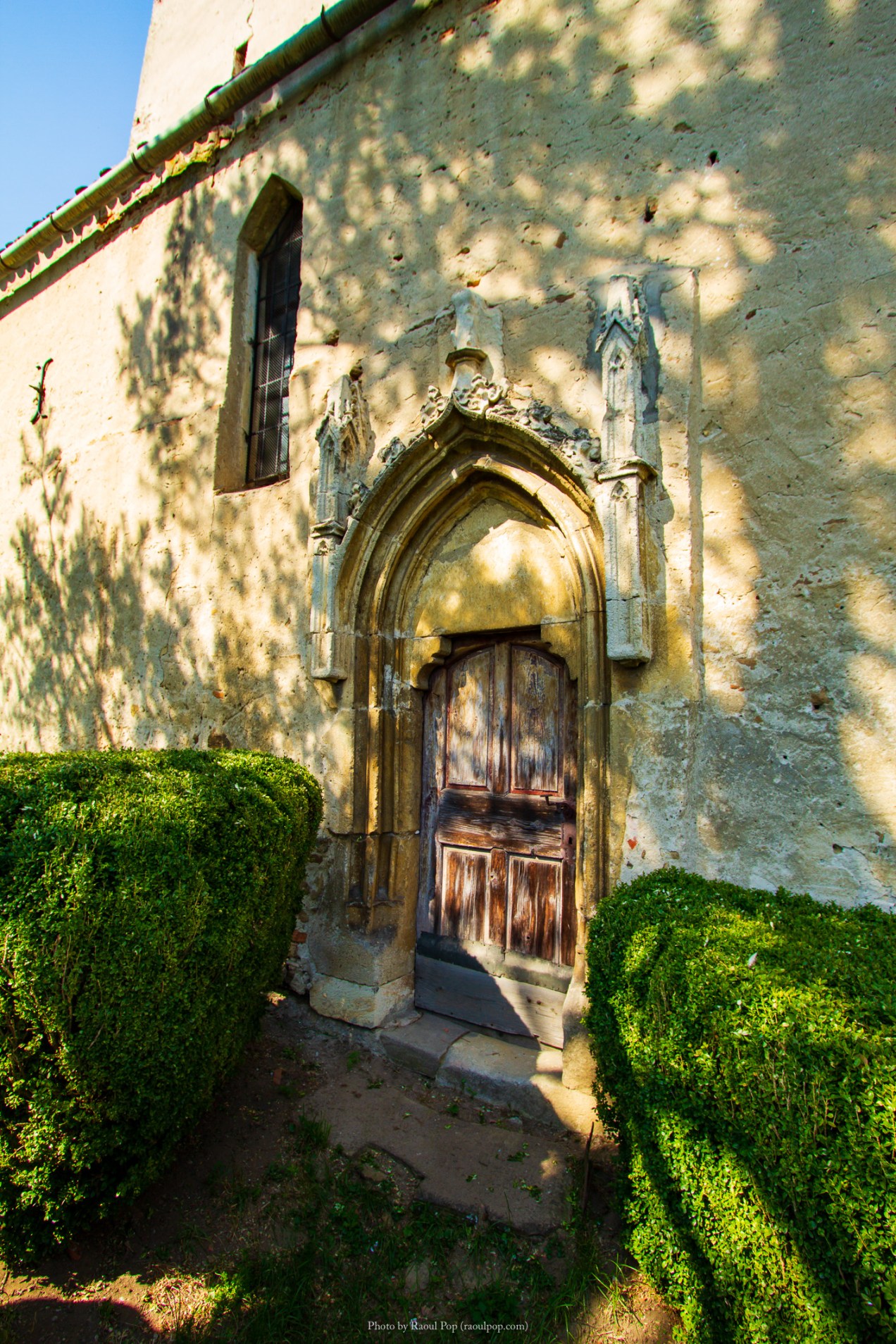
Having already visited about twenty-five fortified churches in Southern Transilvania, I can say that one of the most underrated fortified churches in this region is the one in Curci. It’s sad that it’s so, because it is quite beautiful, both on the outside and on the inside. Its outside is truly picturesque and its inside, though white-washed, as is the case with most reformed churches, still shows remnants of its more colorful gothic past, with green men on its walls and ceilings and murals hidden beneath multiple coats of lime paint.

When we visited in the spring of 2011, its caretaker told me no one had visited it for over 5 months. How can anyone miss a church like this one? It is a truly beautiful place.

Curciu, also known as Criș in Romanian, Kiertš or Kirtsch in German and Küküllőkőrös, Szászkőrös, and Kőrös in Hungarian (that’s right, three separate names), is an old Dacian settlement that was once called “La Fântâni”, itself built over yet older settlements from the bronze and iron age (source). It is first mentioned in written documents in 1332, and we also find it in court documents in 1337 alongside the name of a Saxon, Petro de Keuruz, who was called to testify as a witness about a legal matter. Curciu is also the place where my grandfather on my mother’s side was born.

The construction of the Saxon church was completed in the first half of the 14th century and took about 50 years. A lot of river rocks were used in its walls, as you’ll see in the photographs. The structure underwent modifications in 1425-1430, when the choir loft was added and again sometime in the 1450s. The church’s organ was built in 1844 by Wilhelm Maetz and it is still intact and undamaged to this day.

It isn’t a big church, but there are so many interesting architectural details that clearly point out a master at work. When you look at it as a whole (its chosen location, its perspective from all points of view, the way the architect chose to express the various functions of the building and the spaces used), it is a thing of wonder. It made me want to explore every little nook and cranny, and come back to it in the future.

If you’d like to visit this church, the village of Curciu is about 12 km away from Medias. You’ll need to take a paved country road toward the village of Darlos, pass through it, and follow the sign toward Curci.u Once there, you’ll need to ask around for the way to the caretaker’s house, who will then give you a personal tour of the domain.

Enjoy the photographs!


Standard
Thoughts

Set deja vu: The Addams Family and Mister Ed

I noticed something funny this morning, as I was watching “Feud in the Addams Family”, the second episode of the show’s third and final season (according to Netflix), or the eleventh episode of the show’s second season (according to IMDB). The set in one of the scenes looked awfully familiar — too familiar for my memory. As it turns out, the set was the living room from Mister Ed, another of my favorite classic TV shows, which at the time was in its fifth (or sixth) season, depending on which source you consult.

The original air date for this episode of “The Addams Family” was the 26th of November, 1965. It’s likely that when this show was filmed, they were also filming the 10th episode of the sixth season of “Mister Ed”, called “Ed the Bridegroom”.

Do you see it?

The Addams Family, Season 3, Episode 2: Feud in the Addams Family
Mister Ed, Episode 055: Wilbur, the Good Samaritan

I suppose it should come as no surprise. The same company produced both shows: Filmways, Inc. Its logo is included at the end of each episode of both shows, as seen below.

They needed a set for an incidental scene, and “borrowed” it from “Mister Ed”.

Standard
A Guide To A Good Life

All the classics, in glorious 1080p

Now that we have the technology to scan movies shot on film into high-definition digital formats (720p and 1080p), and we’ve already done it for some movies like CasablancaNorth by NorthwestThe Italian Job, It’s a Wonderful Life or Home Alone, wouldn’t it be great if we’d re-scan and re-master more of the older movies, some of which are about to disintegrate in Hollywood vaults?

I’ve made a shortlist of films I’d like to see in HD below, culled from my movie collection. These, along with many other movies, ought to be scanned to 1080p HD. They’re wonderful movies, each in their own way, and they shouldn’t rot in some vault, degrading to the point where they’re no longer usable. They should be seen in all the glory and detail in which they were shot.

As a matter of fact, even 1080p HD is a poor substitute for the quality which properly exposed film affords. A 35mm film cell can be scanned at a resolution of up to 20 megapixels, which means the potential resolution of any movie shot on film greatly exceeds what we know as HD (high definition) these days. I’m sure the technology will catch up at some point, but it still has some way to go.

Meanwhile, ponder this: in terms of visual quality, the boon of television during the past 60 years or so has been a veritable dark age. Most everyone other than big budget productions switched to using cameras which recorded to tape, at resolutions of 400-600 vertical lines — the equivalent of 480p. Compare that with 720p or 1080p HD, or for a real shocker, the potential 3000-3500p of a fully equivalent digital reproduction of film quality. It’s sad, really. We’ve cheated ourselves out of visual quality for the sake of convenience, and only now are we starting to regain some of the lost ground.

A couple of other things I’d like to see when it comes to the movies I’ve listed below, or rather, in general when it comes to digital reproduction of analog films: I’d love to see them made into digital, downloadable files instead of optical discs, and I’d love to see some consistently lower pricing. I don’t know how many people will pay $40-50 for a 1080p movie, but I bet a lot more people will pay $15-20 for it. And I don’t know about you, but I’m not really interested in indulgent extras, or extensive behind the scenes productions that crowd out the actual movie.

Without further delay, here’s my list of movies I’d like to see in glorious 1080p HD:

  • A Christmas Carol (1938)
  • A King in New York
  • Airport
  • Along Came Jones
  • Arsenic and Old Lace
  • Big Brown Eyes
  • Big Business Girl
  • Breakfast at Tiffany’s
  • Bringing Up Baby
  • Cafe Metropole
  • Captain Blood
  • City Lights
  • Daddy Long Legs
  • Dawn Patrol
  • Destination Tokyo
  • Dinner At Eight
  • Don Juan (1926)
  • Easter Parade
  • Father Goose
  • Follow the Fleet
  • George Washington Slept Here
  • Gold Diggers and its sequels
  • Goodbye, Mr. Chips
  • Grand Hotel
  • Grass is Greener
  • Gunga Din
  • Hans Christian Andersen
  • Heidi (1937)
  • House on Haunted Hill
  • How to Steal a Million
  • I Was A Male War Bride
  • In Name Only
  • It Had To Be You
  • It Happened One Night
  • Key Largo
  • Kiss and Make Up (1934)
  • Kiss Me Kate
  • Kiss Them For Me
  • Libeled Lady
  • Love Affair
  • Love Crazy
  • Lover Come Back
  • Luxury Liner
  • Man Hunt
  • Manhattan Melodrama
  • Mary of Scotland
  • Meet Me In St. Louis
  • Midnight
  • Miracle on 34th Street (1947)
  • Monsieur Verdoux
  • Monte Carlo
  • Mr. Blandings Builds His Dream House
  • Mr. Deeds Goes To Town
  • Mr. Lucky
  • Mrs. Miniver
  • My Dream Is Yours
  • My Fair Lady
  • My Favorite Wife
  • My Man Godfrey
  • Night Must Fall
  • Ninotchka
  • Northern Pursuit
  • Notorious
  • Now, Voyager
  • On Borrowed Time
  • On The Avenue
  • On The Riviera
  • One Upon A Honeymoon
  • One Way Passage
  • Operation Petticoat
  • People Will Talk
  • Prince of Foxes
  • Private Number
  • Queen Christina
  • Quo Vadis
  • Rachel and the Stranger
  • Rafter Romance
  • Random Harvest
  • Reckless
  • Rendezvous
  • Rhapsody in Blue
  • Rich, Young and Pretty
  • Roman Holiday
  • Sabrina
  • Safety Last (1923)
  • Scrooge
  • Secret Garden
  • Seven Brides for Seven Brothers
  • Spartacus (1960)
  • Springtime in the Rockies (1942)
  • Stage Door
  • Step Lively Jeeves
  • Swing Time (1936)
  • Tell It To The Judge
  • Thank You Jeeves
  • Thank Your Lucky Stars
  • That Forsyte Woman
  • That Touch of Mink
  • The Adventures of Robin Hood (1938)
  • The Amazing Adventure (1936)
  • The Ambassador’s Daughter
  • The Awful Truth (1937)
  • The Bachelor and the Bobby Soxer
  • The Baroness and the Butler
  • The Bishop’s Wife
  • The Court Jester
  • The Doctor Takes a Wife
  • The Farmer’s Daughter
  • The Glass Bottom Boat
  • The Good Fairy
  • The Great Dictator
  • The Great Ziegfeld (1936)
  • The Heavenly Body
  • The Man Who Came To Dinner
  • The Man Who Shot Liberty Valance
  • The Mark of Zorro (1920)
  • The Millionaire (1931)
  • The Mysterious
  • The Philadelphia Story
  • The Prince and the Pauper
  • The Princess Bride
  • The Shop Around the Corner
  • The Thin Man and all its sequels
  • The Woman in the Window
  • Theodora Goes Wild (1936)
  • Three Coins in the Fountain
  • Three Daring Daughters
  • Three Little Words
  • Three Loves Has Nancy
  • To Catch a Thief
  • Too Many Husbands
  • Topaze
  • Topper
  • Two Weeks With Love
  • Walk, Don’t Run
  • Wedding Present (1936)
  • Weekend at the Waldorf
  • When Ladies Meet
  • White Christmas
  • Wife vs. Secretary
  • You Can’t Take It With You
Standard
Places

A look at the history of Medias through paintings

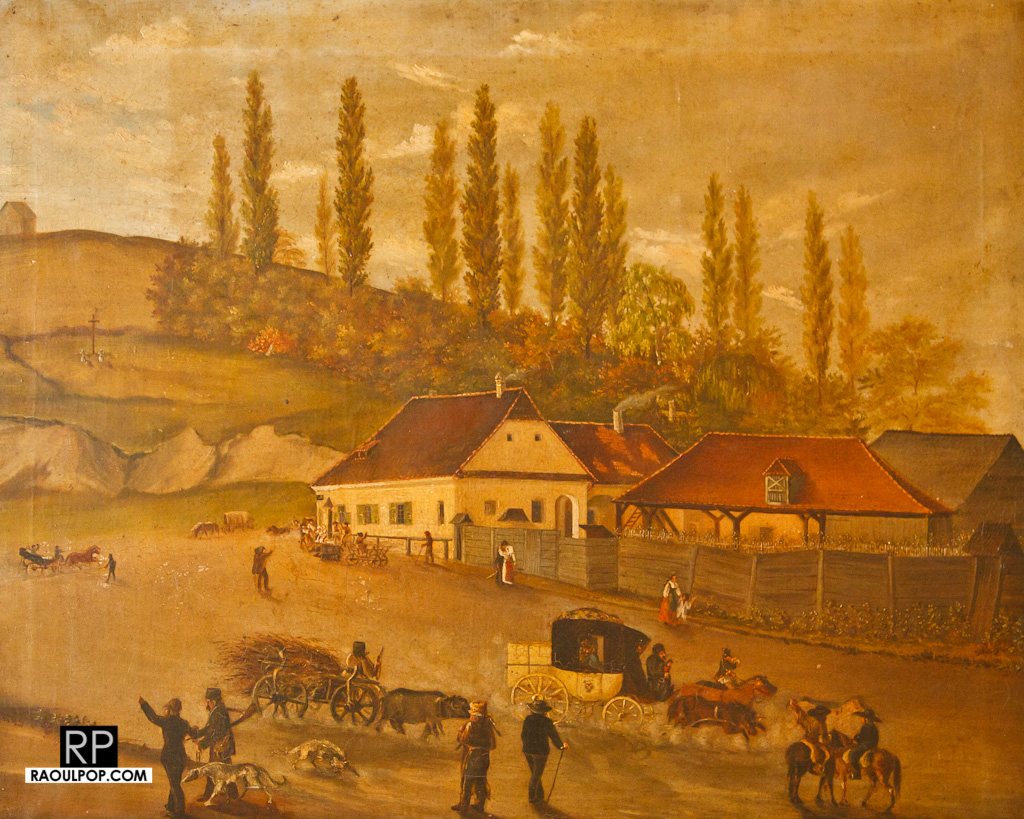
One of the exhibits at the Municipal Museum in Medias is a collection of historic paintings depicting the city as it was in the 18th, 19th and early 20th centuries. Not all of them are on display due to a lack of exhibit space, but the ones that can be seen are worth your while.

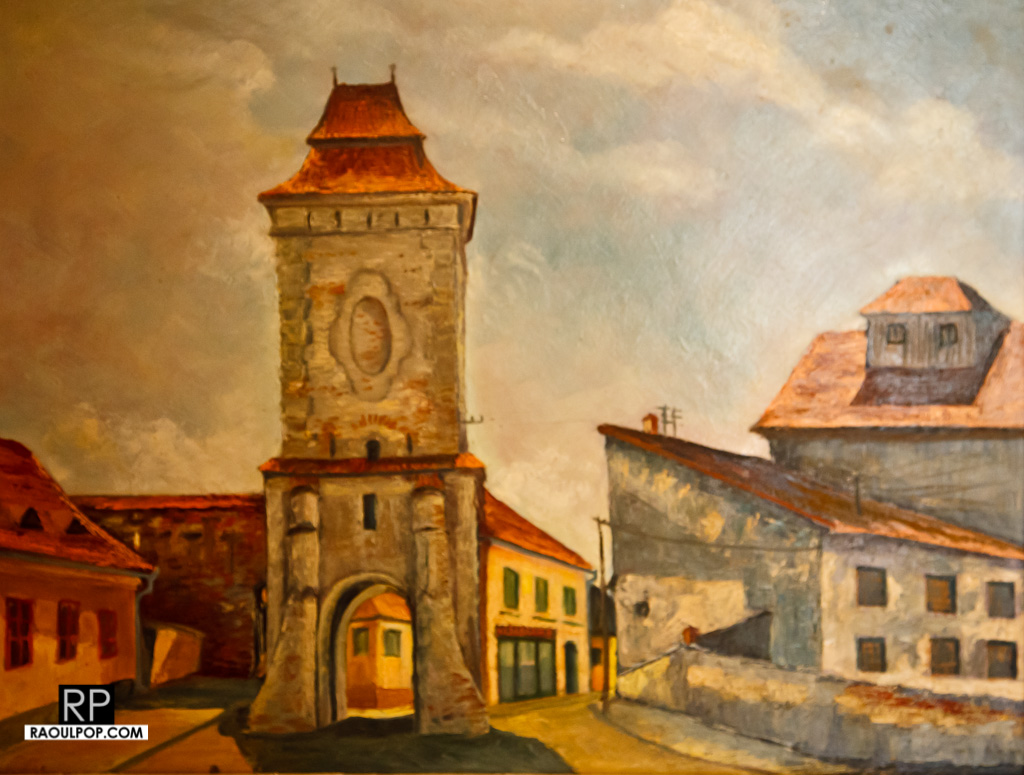
You’ll see the Steingasse tower below, built and maintained by the stoneworkers’ guild. Nowadays, there’s a cobbler’s shop to the left of the tower, which has been there for decades. And behind the tower, you’ll see shop windows for a grocery store that’s also been there for decades. Sadly, the store looks terrible today, but when I was young, I used to go there often to buy things for my grandmother’s kitchen.

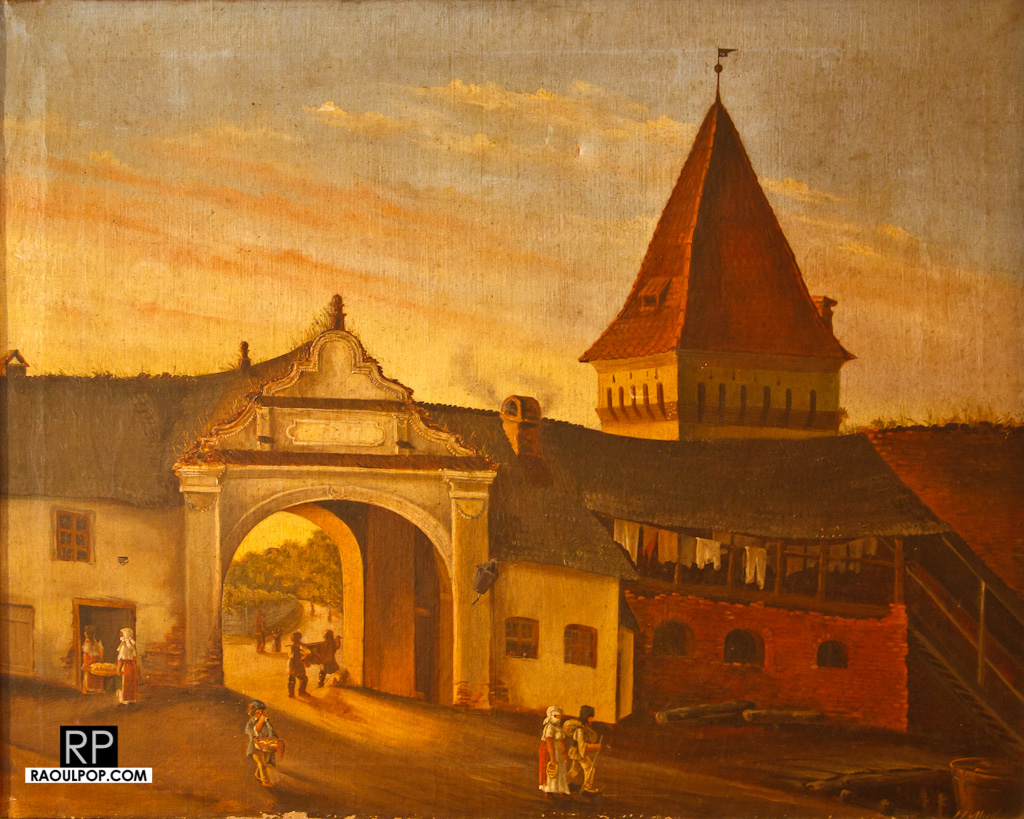
The gate you see in this painting no longer stands today. The tower you see behind the gate still stands though. You can see weeds growing on the roof of the gate, even in the early 19th century, which means it wasn’t well maintained even then. And if you look through it, you’ll see a fairytale countryside road that led away to neighboring villages through a forest. That’s no longer there today. Now there’s a big, ugly hospital building there, and beyond it, the city’s expanded for kilometers.

The scene you see below no longer exists today. Railroad tracks cross over the sites of those homes, and the hill behind them is now dotted with thousands of graves, as it’s become the official cemetery of the city.

The tower you see here, Forkesch, still stands today, but the historical fortified wall which once connected it with the tower in the second painting seen above, has been rebuilt. That tower can’t be seen below, but it’s somewhere down in the valley. The wall also can’t be seen, because it had been torn down by the mid-19th century when this painting was made. The road is still in the same place, but instead of houses, a large church stands across the road from the tower, and the city’s hospital is just below, in the valley.

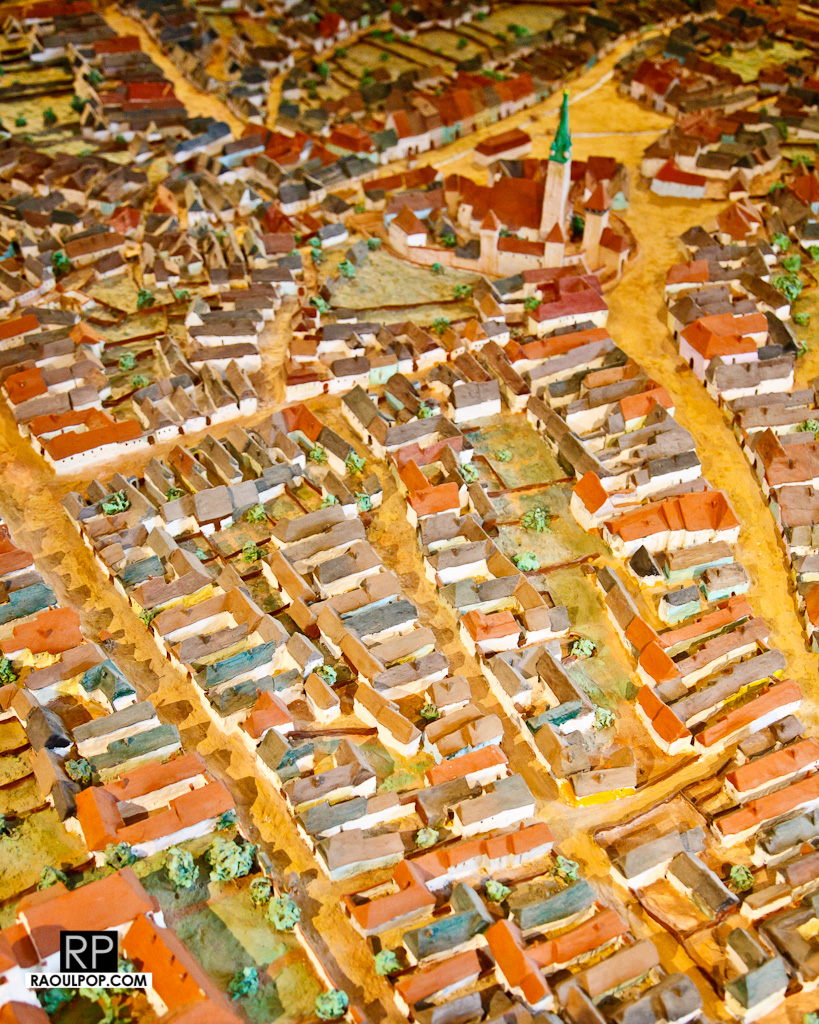
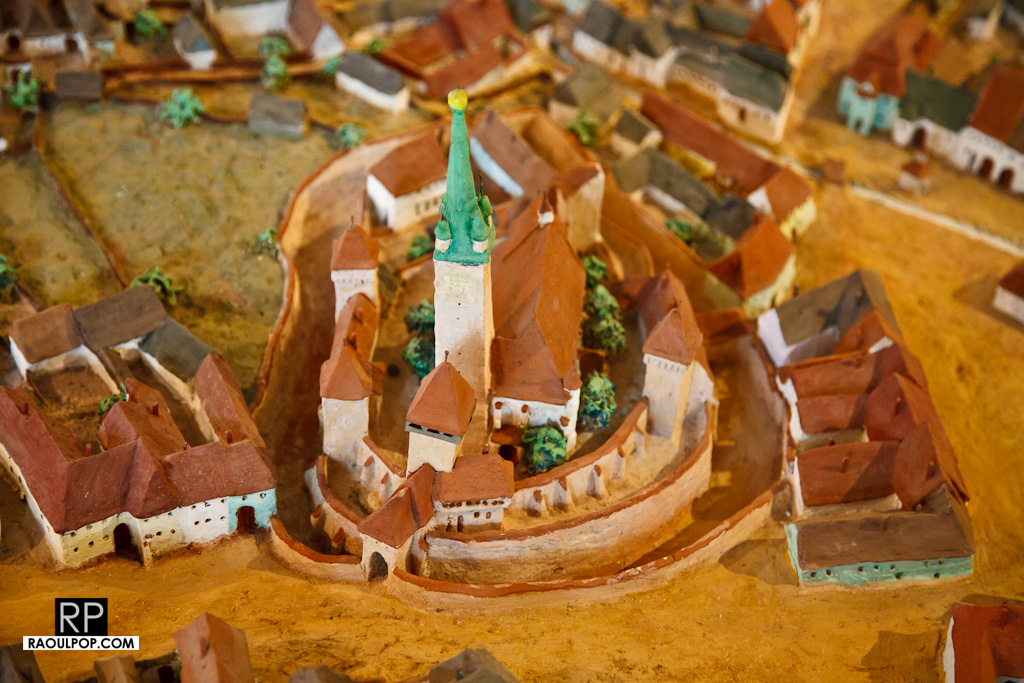
Now this isn’t a painting, I know that, but it is very interesting nonetheless. It’s a model of the city as it was sometime in the 16th or 17th century, and it can also be found at the museum.

As you can see, St. Margaret’s Church was originally surrounded by three rows of walls and a large moat, with covered bridges functioning as entrances into the inner walls. It’s a pity it no longer looks like that nowadays, because it would be a truly romantic place if it did.

I invite you to go see the model in person, as it’s a great deal larger than what you see here. The details are wonderful. You can see how each house looked (approximately), its location, and the layout of each street. And if you’re a mason, and you know about the city’s new tourism campaign, then you’ll appreciate a closer study of the city’s layout, which, according to some, replicates the search for light found in masonic rituals.

Standard