Some of the most important technology programs that keep Washington accountable are in danger of being eliminated. Data.gov, USASpending.gov, the IT Dashboard and other federal data transparency and government accountability programs are facing a massive budget cut, despite only being a tiny fraction of the national budget.
Help save the data and make sure that Congress doesn’t leave the American people in the dark.
The Sunlight Foundation launched a useful tool this summer called Poligraft. It’s an online search engine that lets you input the link of a web article about politics, and gives you the background information on the issue and the politicians involved, including any questionable donations that may have taken place.
Here’s what the Sunlight Foundation has to say about it: “Poligraft uncovers the hidden web of political giving in news stories on the Internet — the patterns of political contributions that aren’t always obvious.”
“Using Poligraft is simple: just type or paste the URL or text of a news article, blog post or press release into it, and Poligraft will automatically scan that text for individual donors, corporations, lobbyists and politicians. Within seconds, you’ll see how they’ve been doing business with each other. Once Poligraft highlights the names of donors, corporations, lobbyists, or politicians, you can click on those names to learn more. You can even add a Poligraft bookmarklet to your browser toolbar and run any webpage through it.”
This is really cool. You’ll now be able to see right away when some politician is posturing for something that they’ve gotten a hefty donation from that cause. There’ll be no hiding anymore.
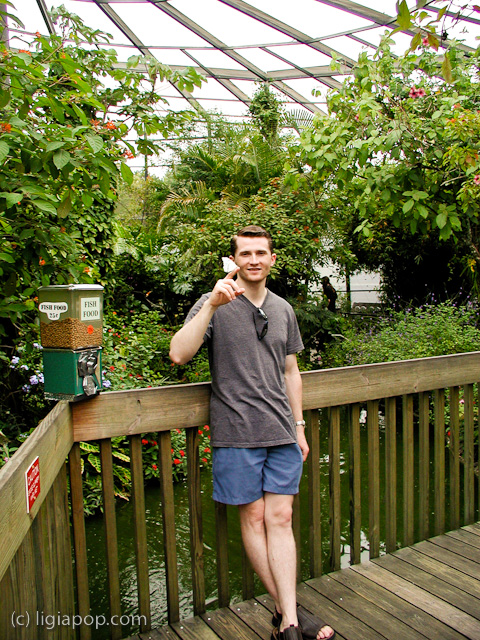
Butterfly World, located in Tradewinds Park, Coconut Creek, Florida, opened in 1988 and is the largest butterfly park in the world. It contains over 3,000 live butterflies. The butterflies are bred and live in what is essentially a botanical garden, filled with all sorts of beautiful flowers they can feast upon.
Visiting Butterfly World is a wonderful experience. You can just sit around and watch the butterflies do their thing, and you might even get one or two that will land on your hand and stay there for a bit.
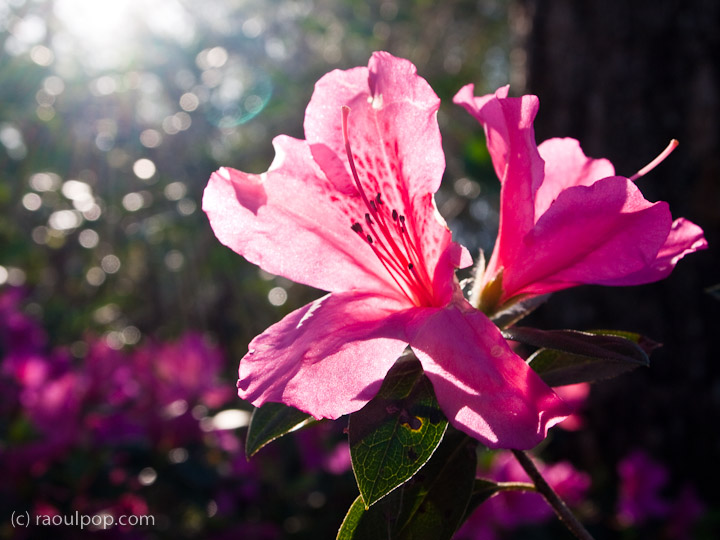
As you walk around, you’ll get to see beautiful flowers like these.
The Morikami Museum in Delray Beach, Florida, celebrates the hard work and dedication of Japanese immigrants who came to the region in the early 1900s in order to farm the land, and encourages the study of Japanese culture and customs.
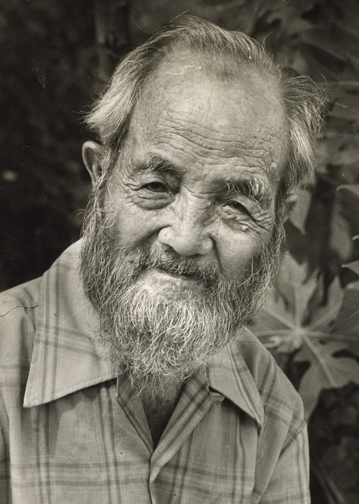
The museum opened its doors in 1977, after the land where it exists was bequeathed to Palm Beach County by the only remaining Japanese farmer in the area, Mr. George Morikami. It was given under the condition that it be turned into a park, in remembrance of the original Japanese colony, named Yamato.
We visited the museum on a sunny spring day in March and witnessed a formal Japanese tea ceremony, which I filmed and wrote about earlier.
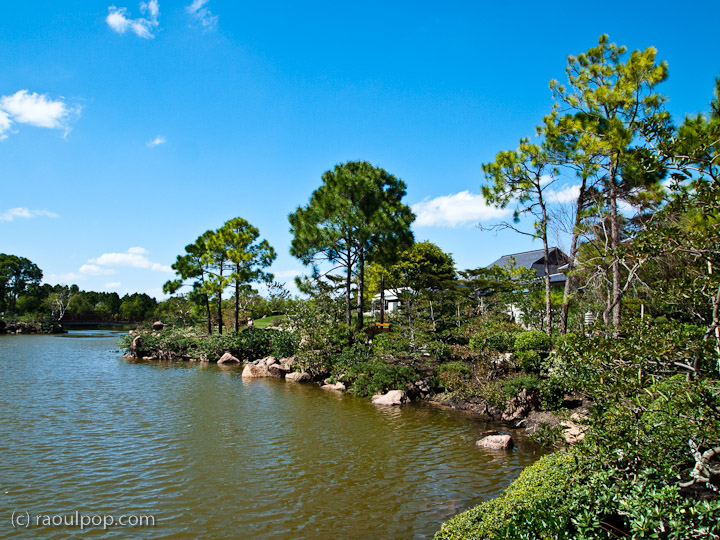
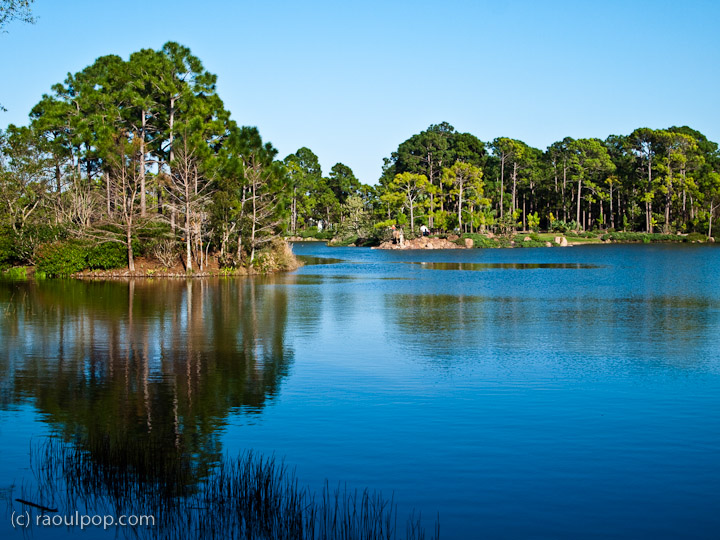
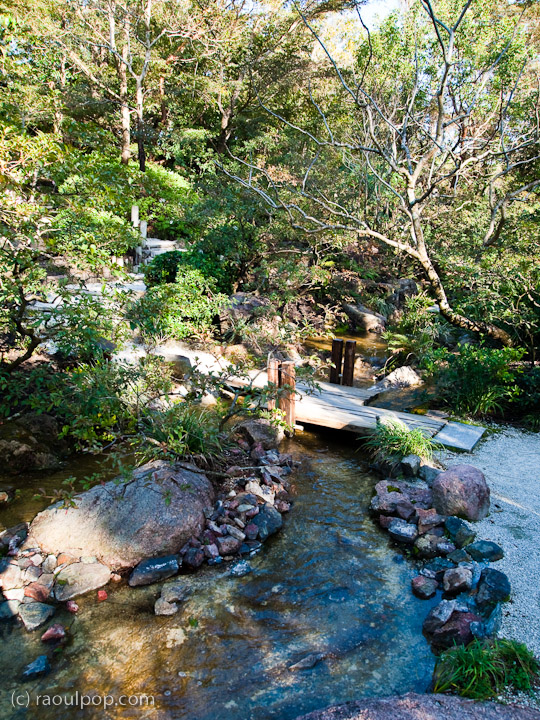
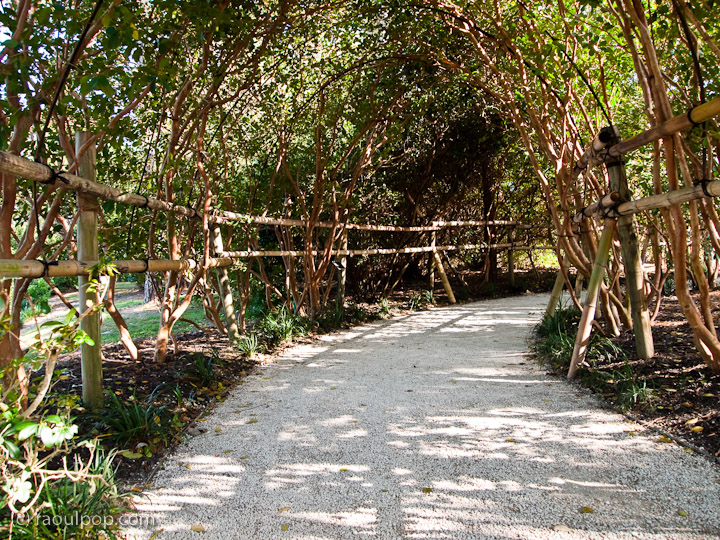
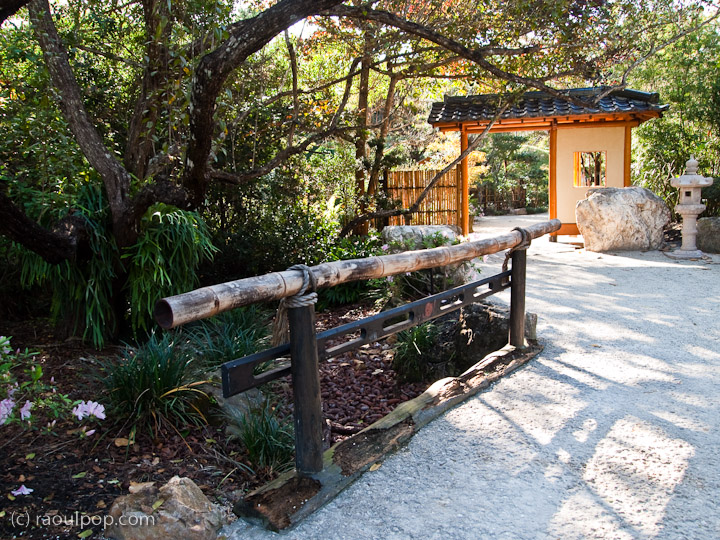
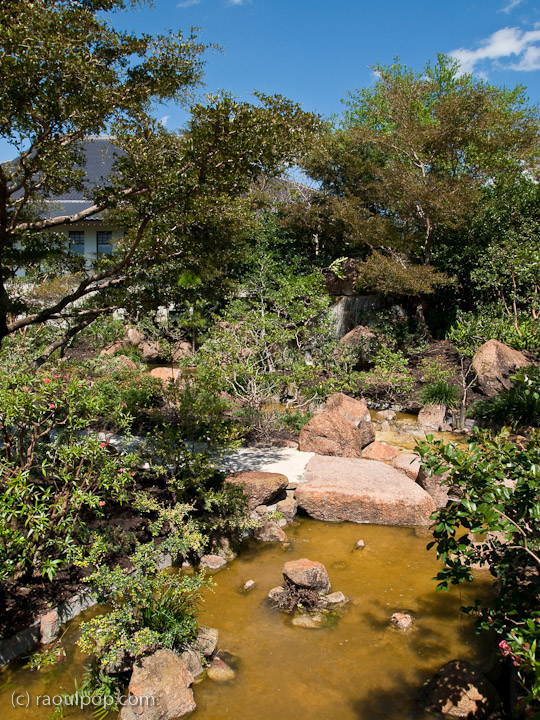
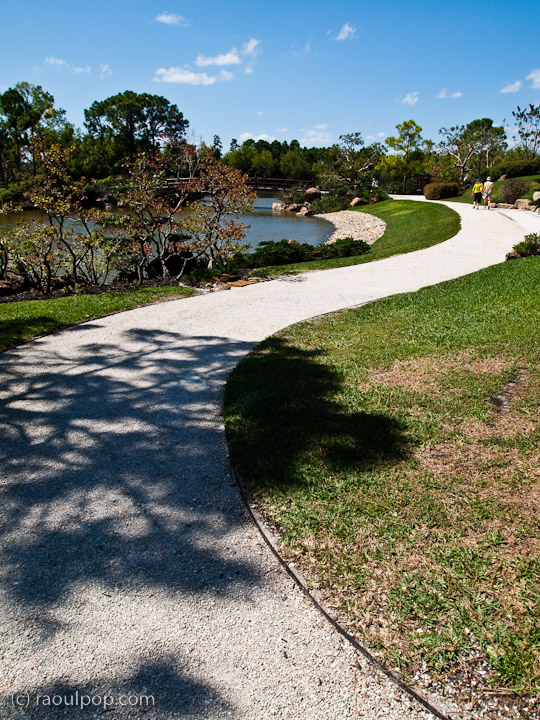
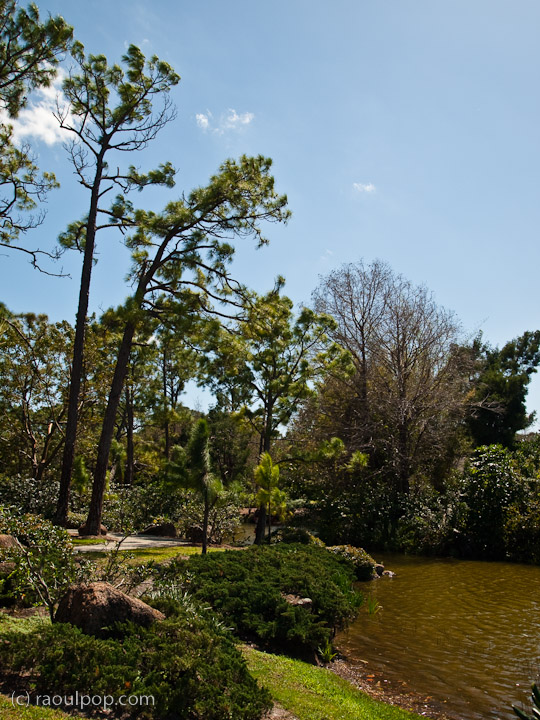
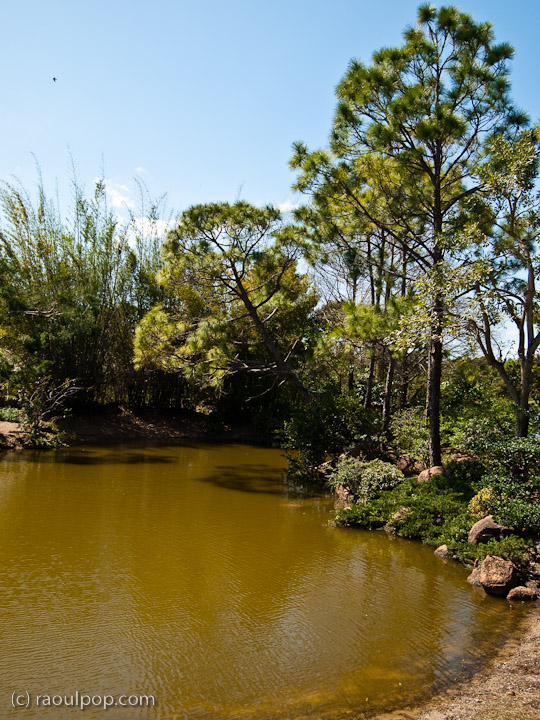
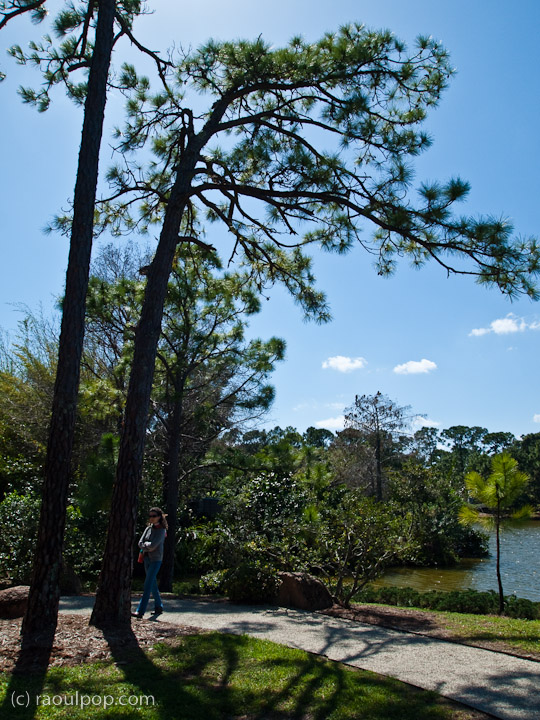
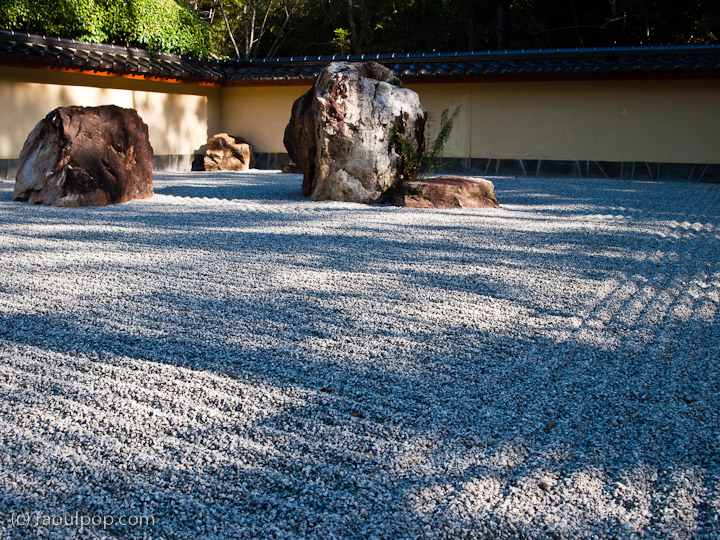
Then we walked on the park grounds, among the many themed Japanese gardens, each of which represented different historic design philosophies in Japanese culture. I filmed the park as well, and you can see that video below.
The park is lovely. The carefully manicured landscapes exert a calming influence on the visitor. Time somehow passes more slowly there. It’s a pity the park only opens at 10 am and closes at 5 pm. It must be beautiful to walk on the park grounds in the early morning hours, with fog lifting off its lakes and ponds and the songs of birds filling the cool morning air, echoing all around.
The Yamato Colony was an attempt to create a community of Japanese farmers in what is now Boca Raton. With encouragement from Florida authorities, young Japanese men were recruited to farm in the colony. Because of difficulties such as disease, discrimination from white farmers in the area and crop blights, the colony never grew very large, and gradually declined until it was finally dispersed during World War II.
The company who originally owned the land was the Model Land Company, created by Henry Flagler to hold title to the land granted to his Florida East Coast Railway by the State of Florida. The company encouraged the settlement of its land, particularly by recent immigants, to gain money from the sale of the land and to increase business for the railroad. In 1903, Jo Sakai, a Japanese man who had just graduated from New York University, purchased 1,000 acres (4 km²) from the company and recruited young men from his hometown of Miyazu, Japan, to settle there.
The settlers grew pineapples, which were shipped on Flagler’s railway line. Pineapple blight destroyed the crop in 1908. Afterward, the colony could no longer compete with cheaper pineapples from Cuba, so many of the settlers returned to Japan or moved elsewhere in the United States. The remnants of the colony were dispossessed after the entry of the United States into World War II, when their land was taken to create an Army Air Corps training base (now the site of Florida Atlantic University and the Boca Raton Airport).
The only member of the Yamato Colony to stay in the area was George Morikami, who continued to farm until the 1970s, when he donated his farmland to Palm Beach County to preserve it as a park, and to honor the memory of the Yamato Colony. The road on which the Museum was built is now appropriately called Yamato Road, and Delray Beach has also become a Sister City with Miyazu, in honor of George Morikami and the Yamato Colony.
Remember this article of mine, where I shared my thoughts on why broadband speeds are so far behind just about every other country in the USA? Well, the difference has just gotten even greater.
A little under two months ago, I helped my parents in the US upgrade their broadband from AT&T’s unreliable and slow ADSL to Comcast’s digital cable. This means they went from speeds of 2-3 Mbps down and 512 Kbps up (with AT&T) to 15-16 Mbps down and 3-4 Mbps up with Comcast. That was a huge improvement, but it’s still nothing compared to what is available in Romania at the moment.
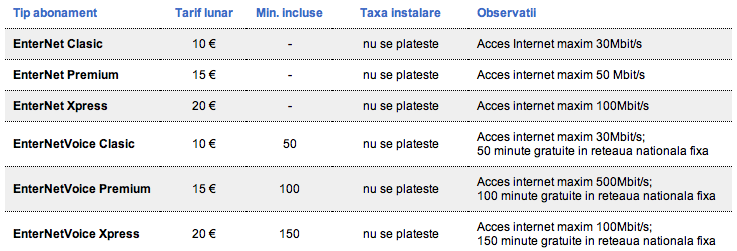
Here, Birotec (my ISP) has increased their broadband speeds ten-fold this month. That means I just went from 3 Mbps to 30 Mbps. We went by their store today to pay our bill, and while talking with the customer service rep, I found out about the upgrade. She said it quite matter of factly, as if it was no big deal. It’s a huge deal to me! With Birotec, I can get speeds up to 100 Mbps if I want to. And the broadband speed is almost symmetric upstream and downstream, because it’s built on a fiber optic backbone. I went to speedtest.net and tested my speed today. I’m getting even greater download speeds than advertised, which is amazing. I get speeds up to 54 Mbps downstream!
Do you want to know the best part? It still costs me only €10/month for all this blazing speed, and I get a free telephone plan thrown in as well, with my own number. In the US, it costs my parents over $50/month for internet access with Comcast, and if they wanted a phone plan, the price would go up by another $30-40.
Romtelecom, Romania’s largest telephone and internet provider, has also increased their broadband speeds. They’ve begun using a new DSL technology called VDSL, and they’re offering broadband plans at speeds up to 30 Mbps downstream and 6 Mbps upstream. Incidentally, their largest plan (30 Mbps) also costs about €10/month, but you’ve got to keep in mind it’s still DSL and the uplink speeds are slower. Plus, phone service will cost you extra.
I’d love to know which companies can offer the same speeds in the US, and at similar prices. Short of Verizon’s fiber optic network, which is only deployed in limited metro areas, and still costs more, what else is there?
And that begs me to repeat my original question: why are broadband speeds so slow in the US?








 Raoul Pop