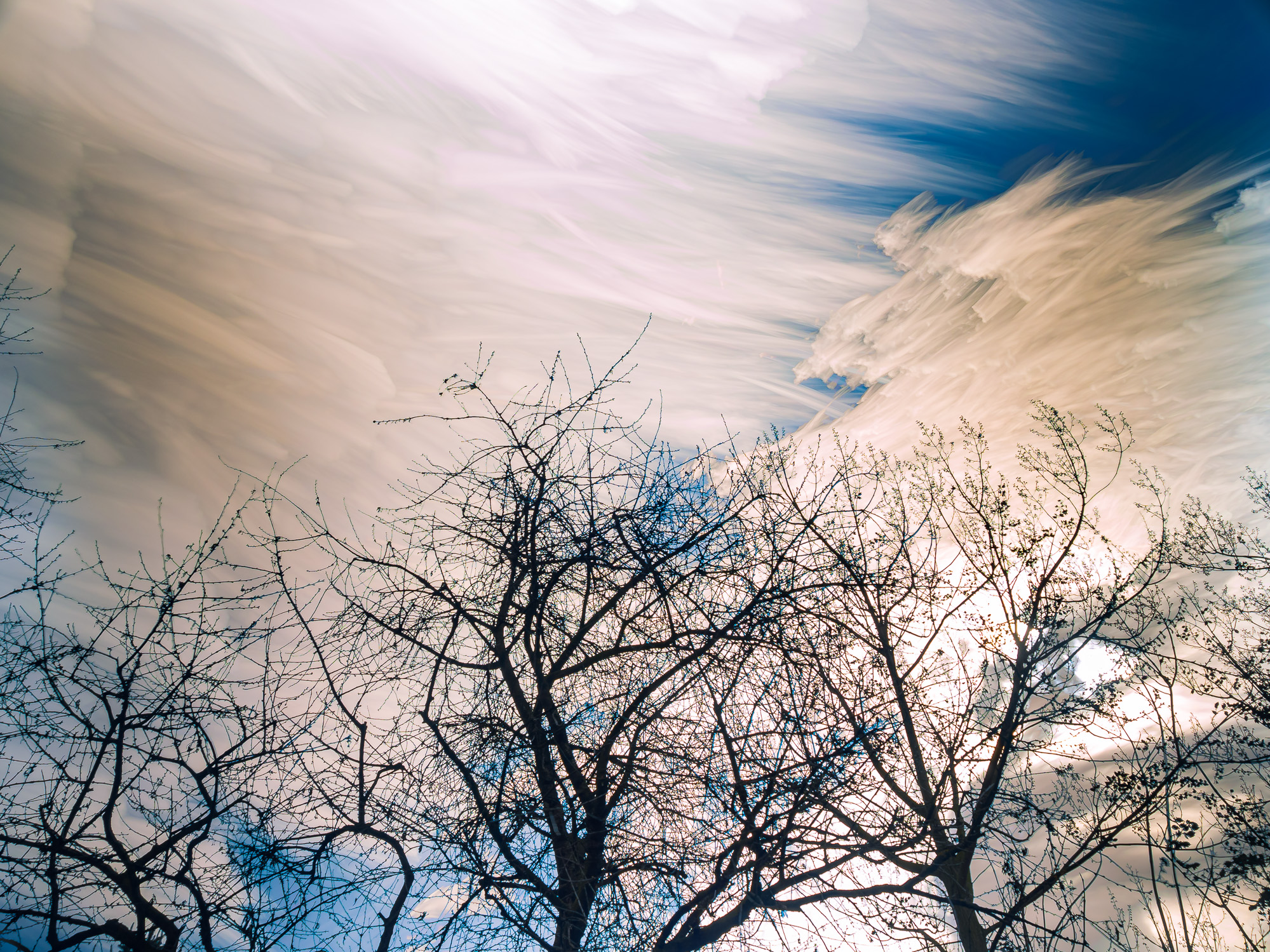
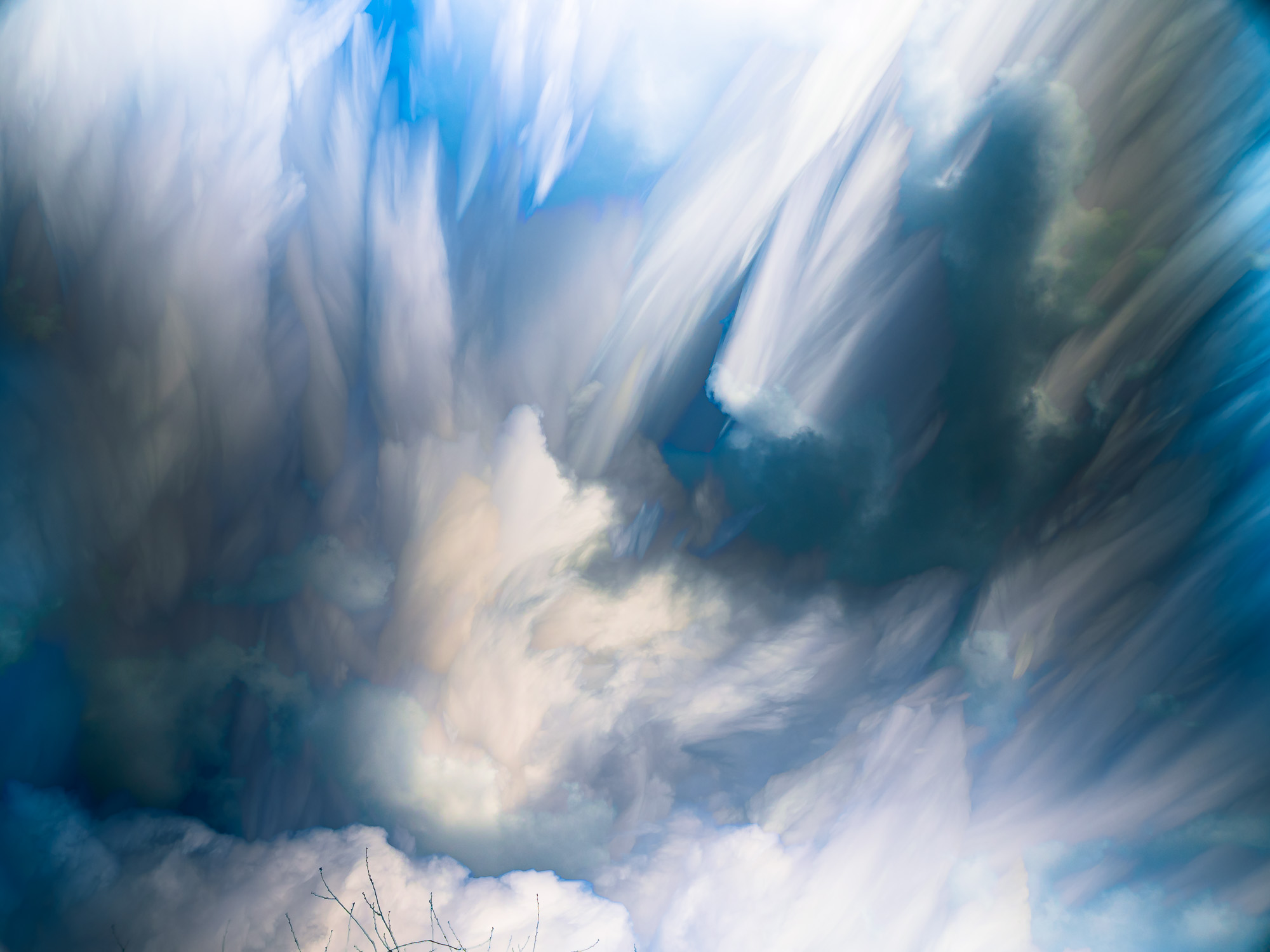
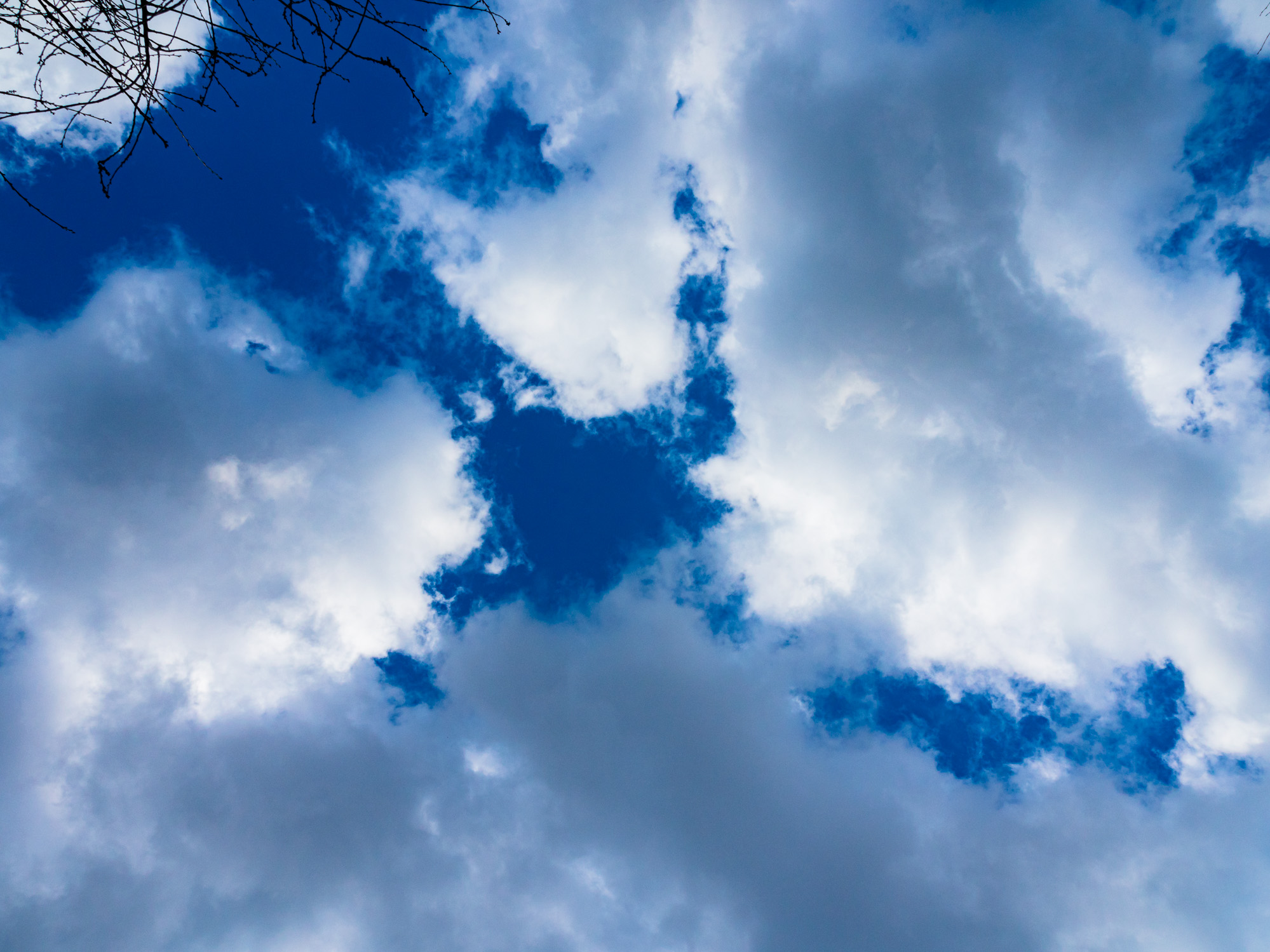
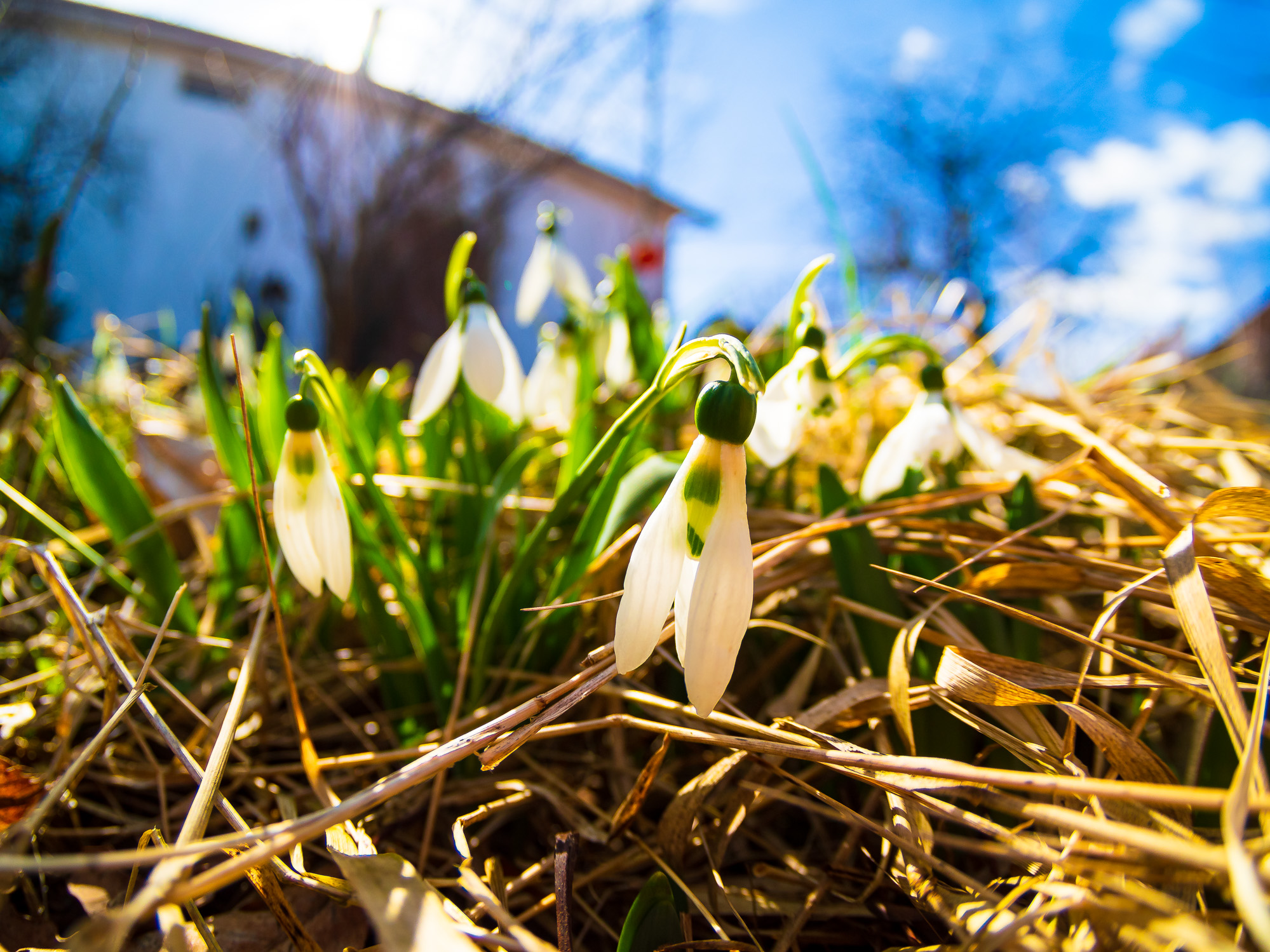
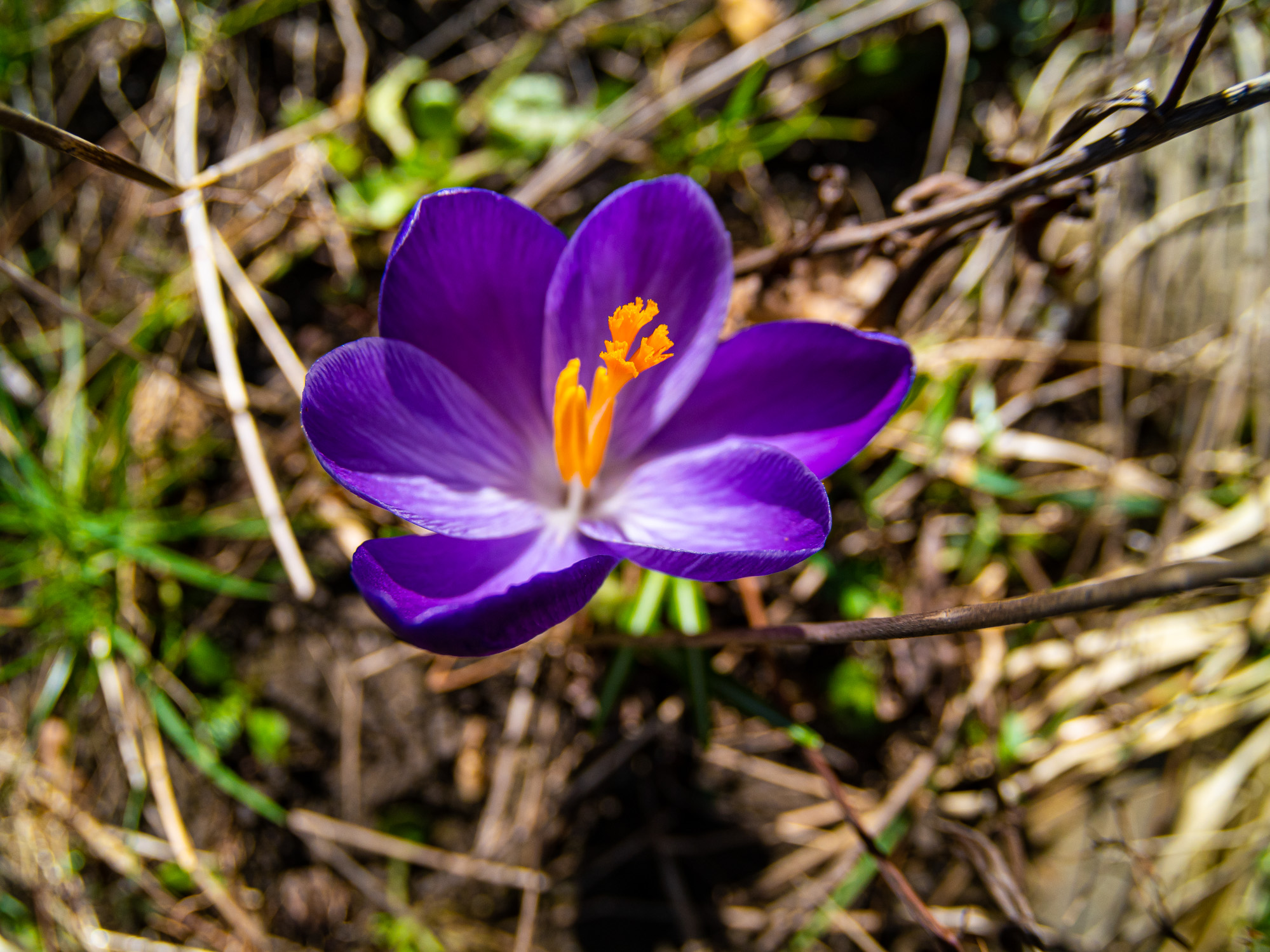
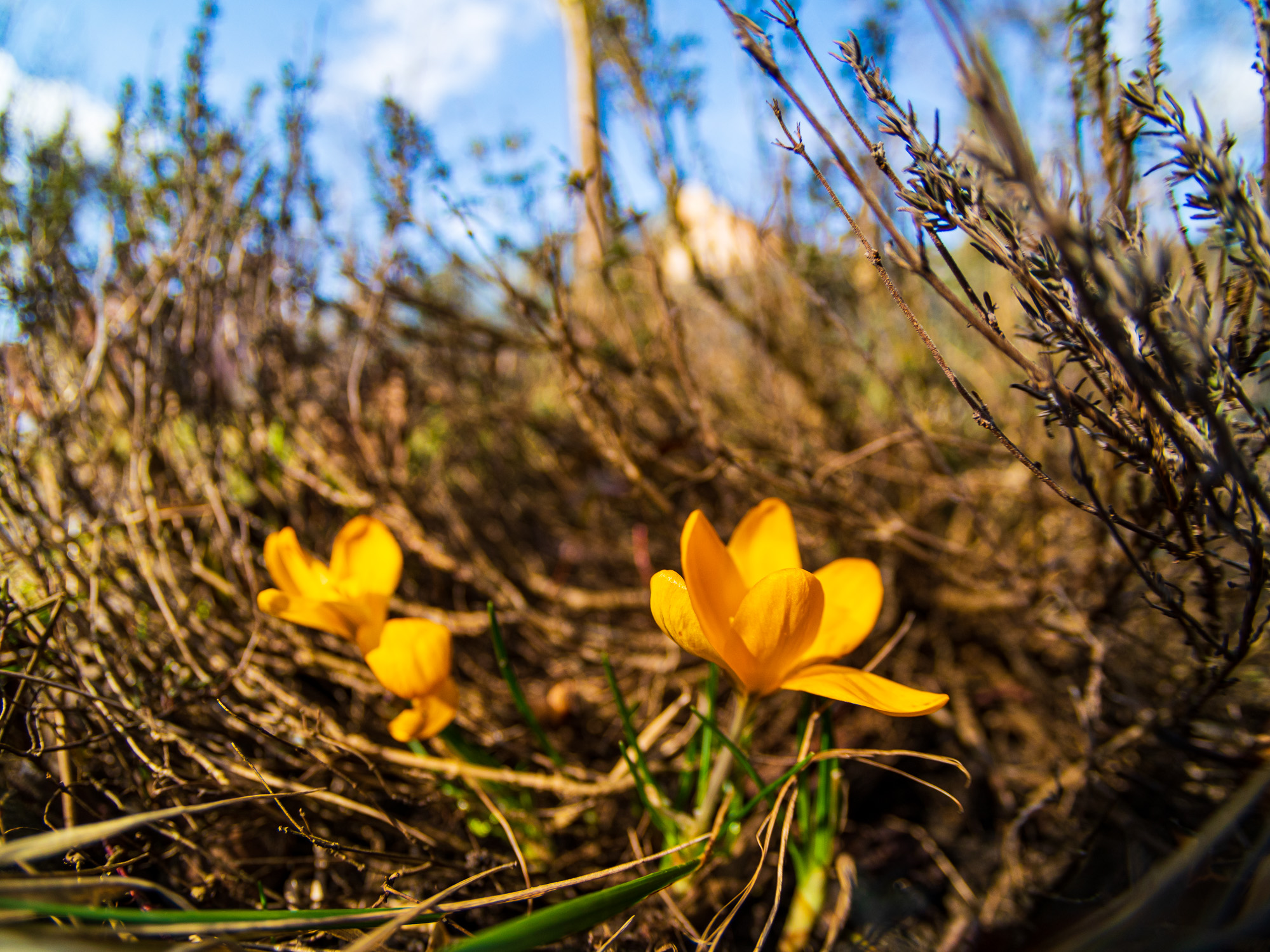
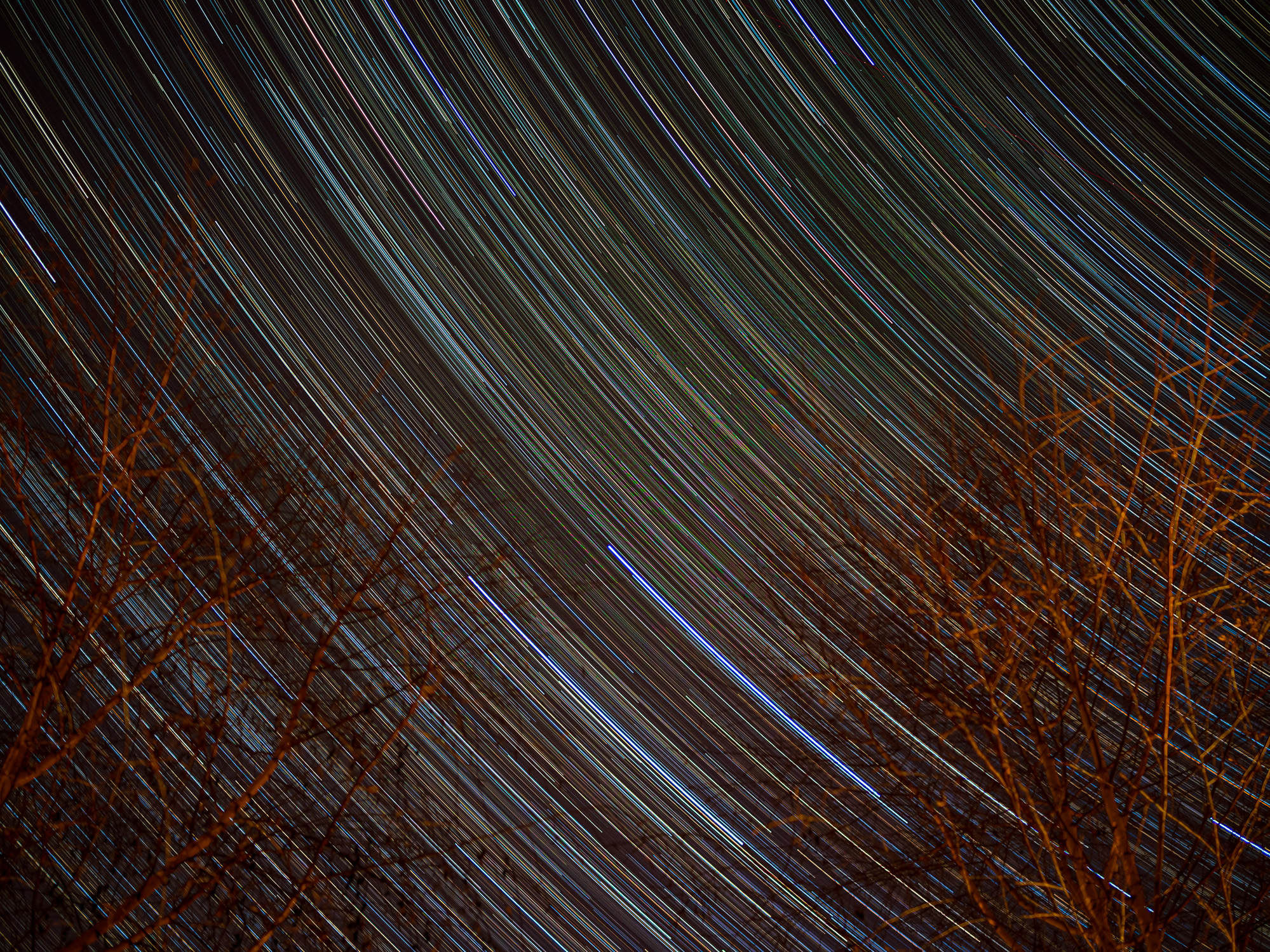
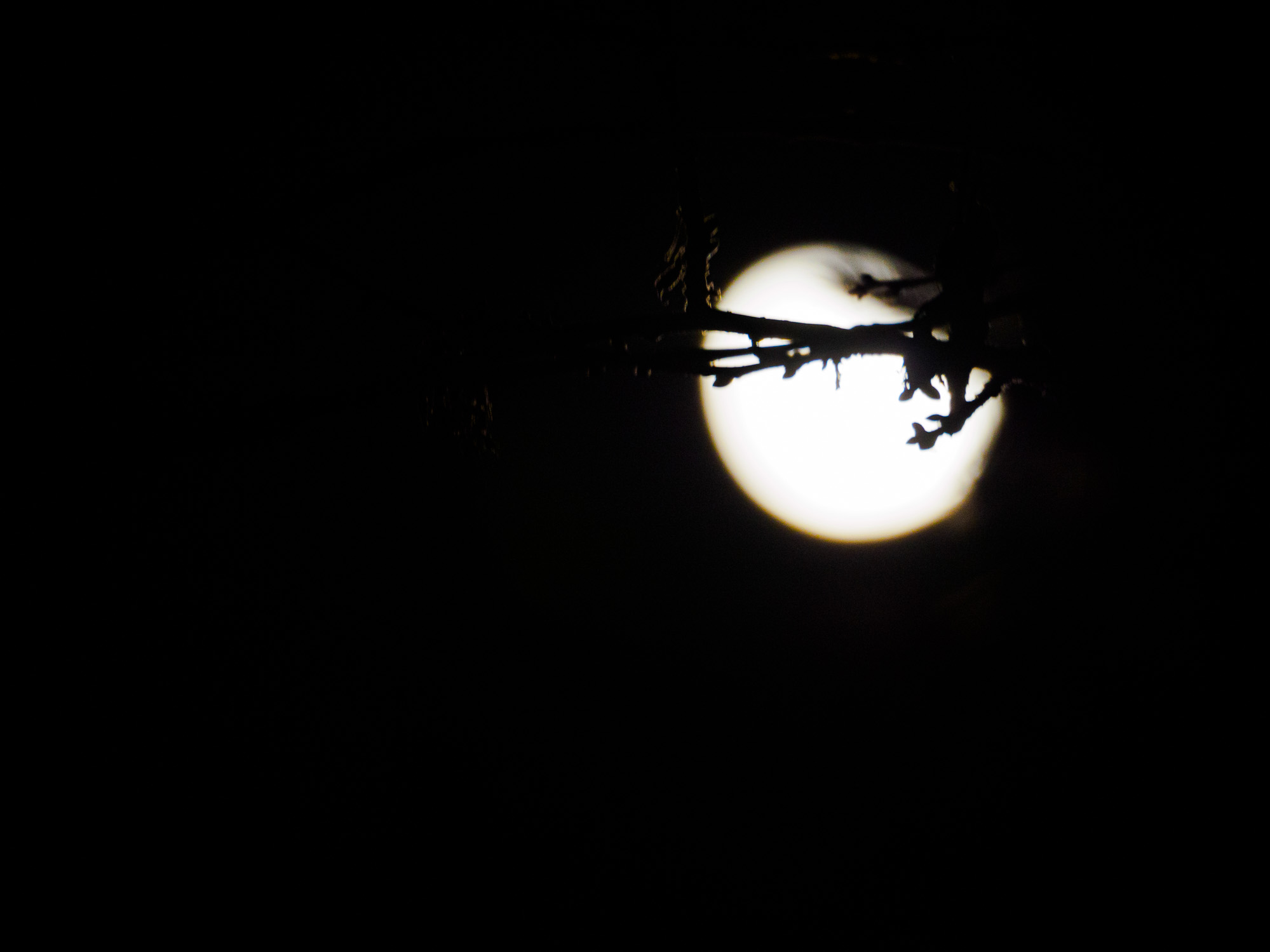
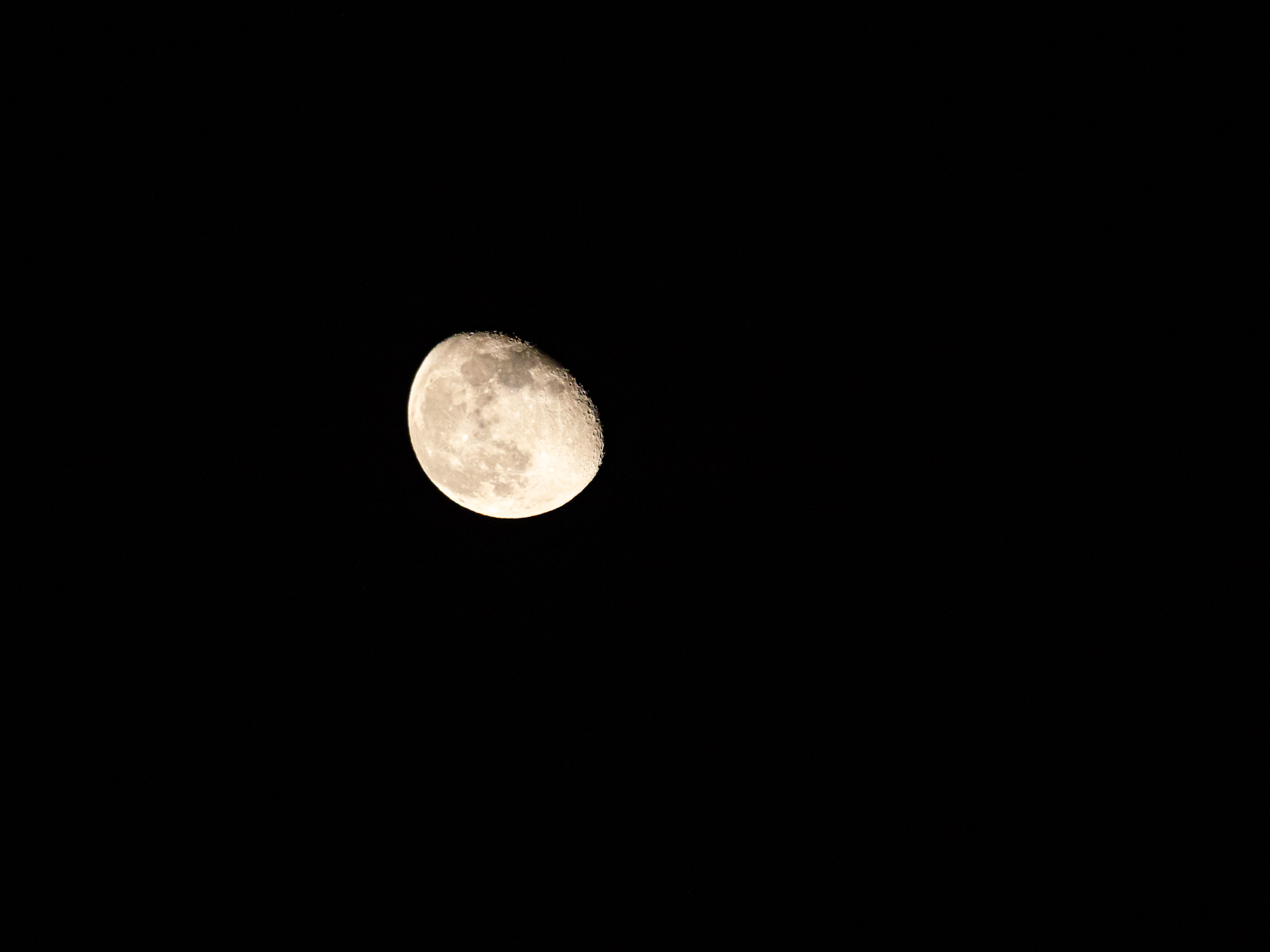
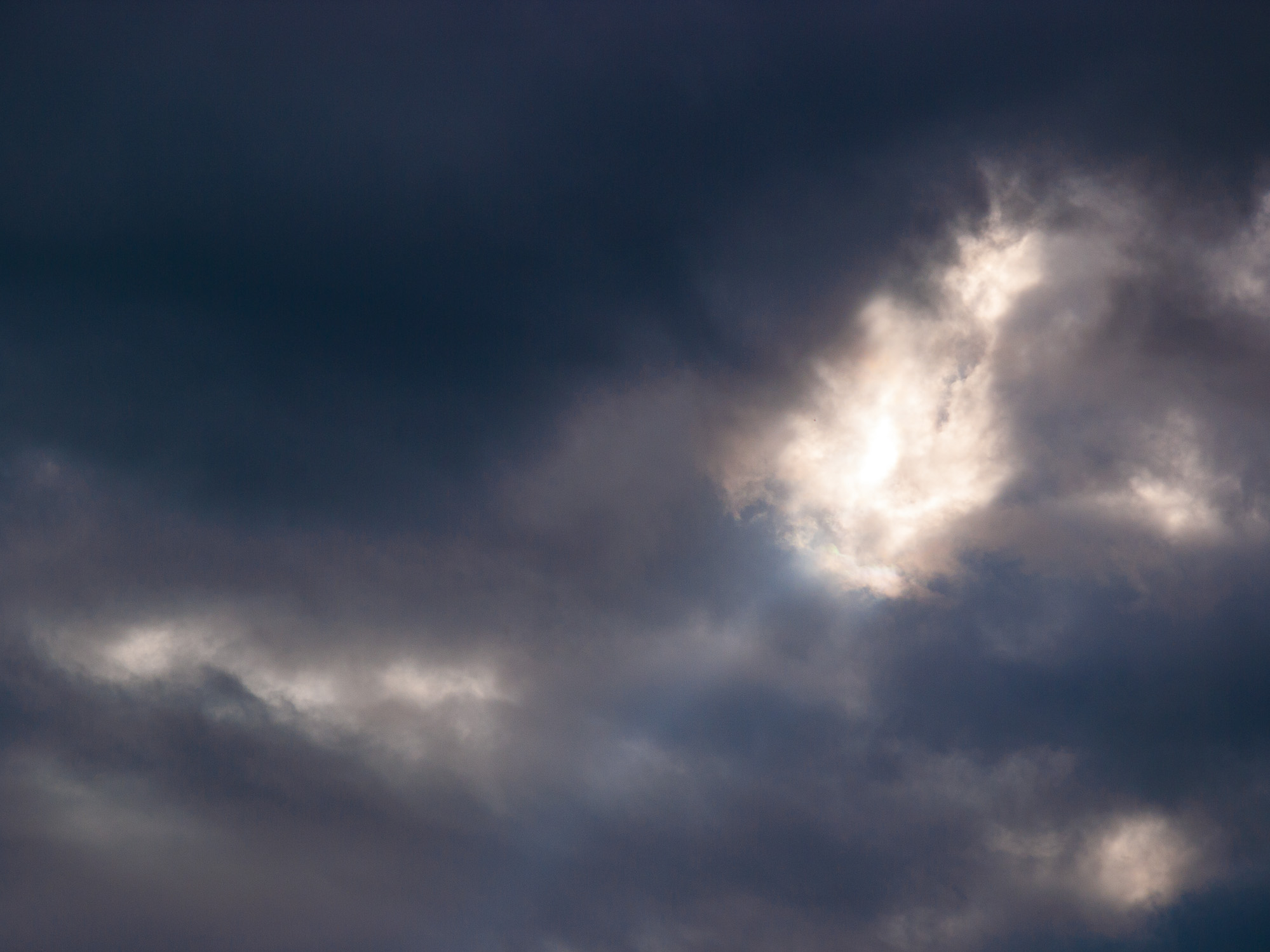
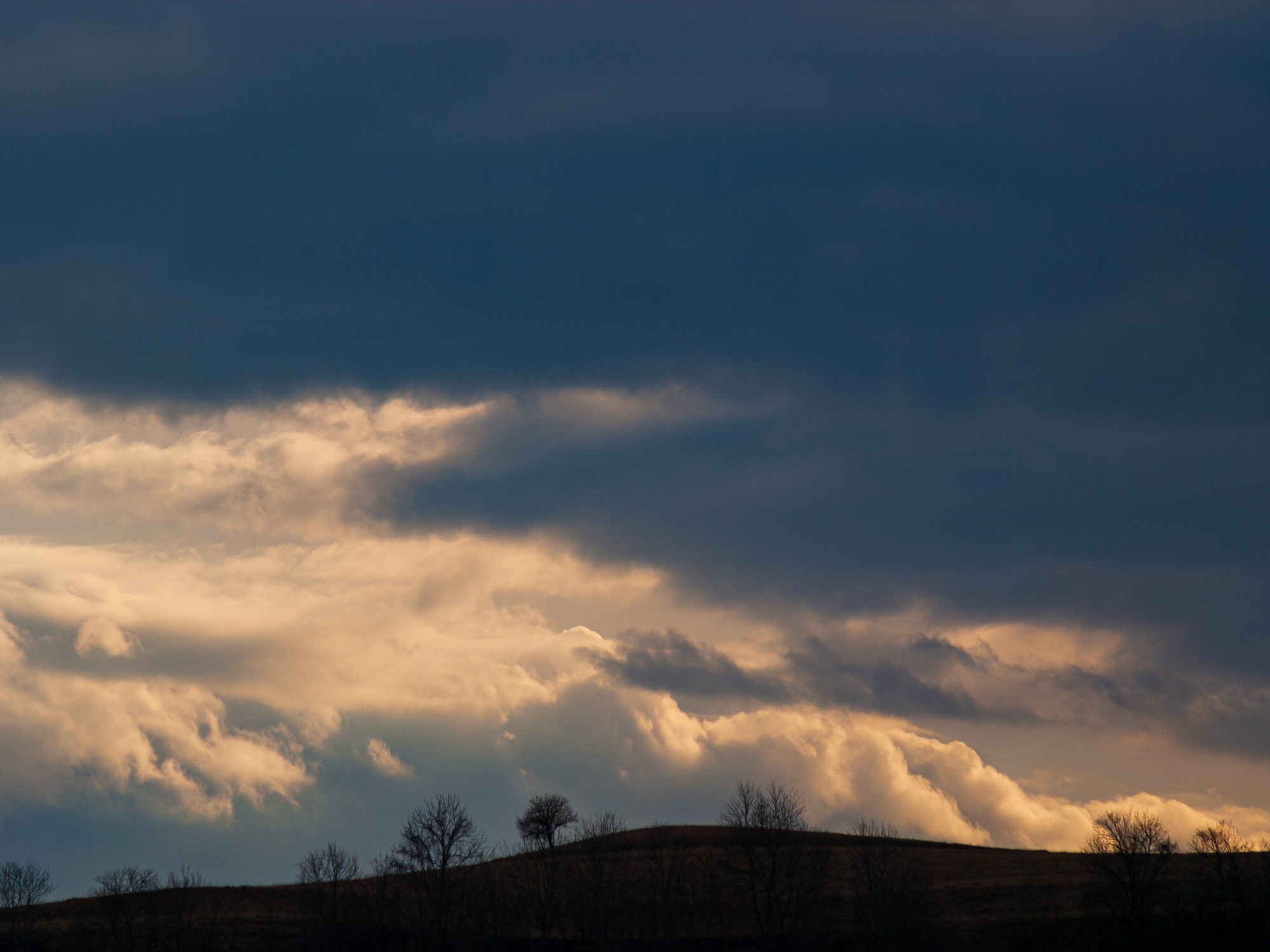
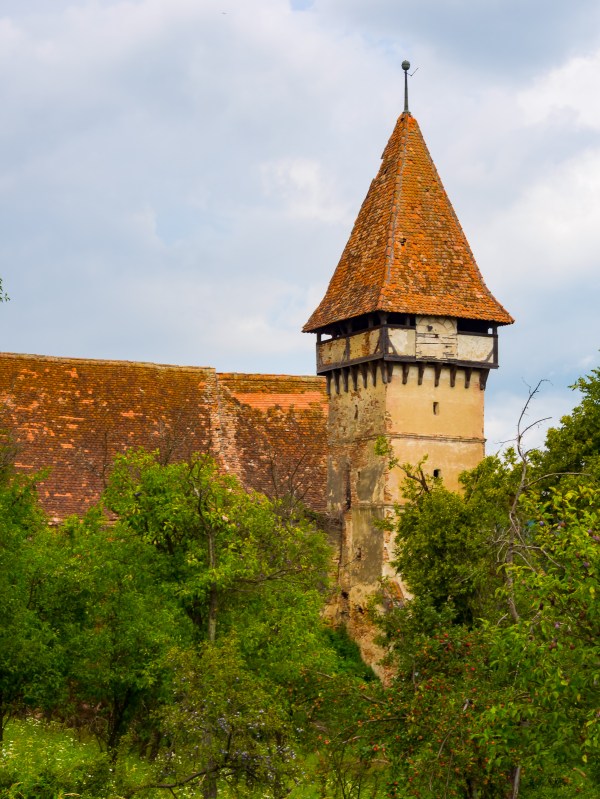
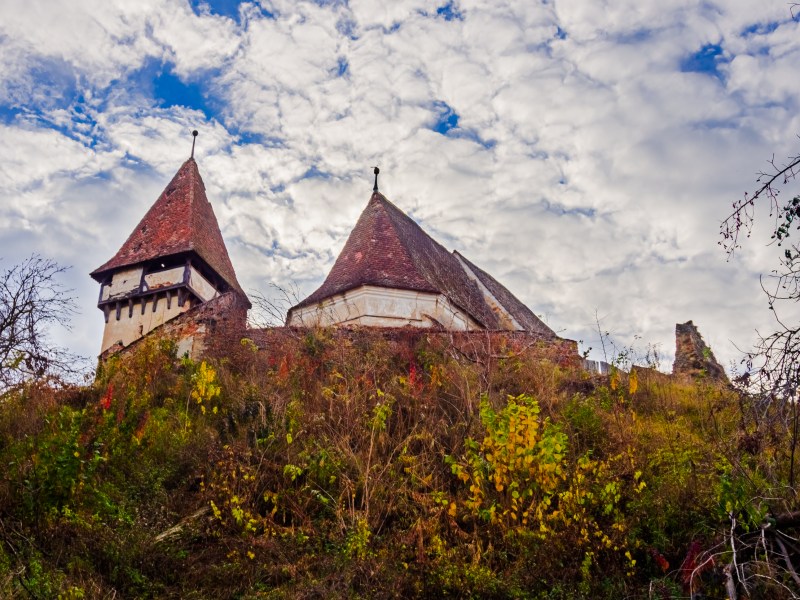
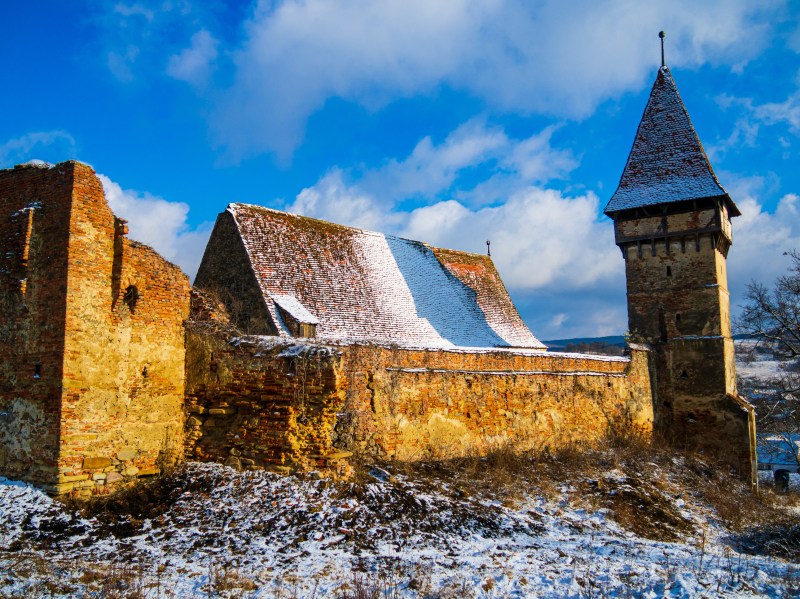
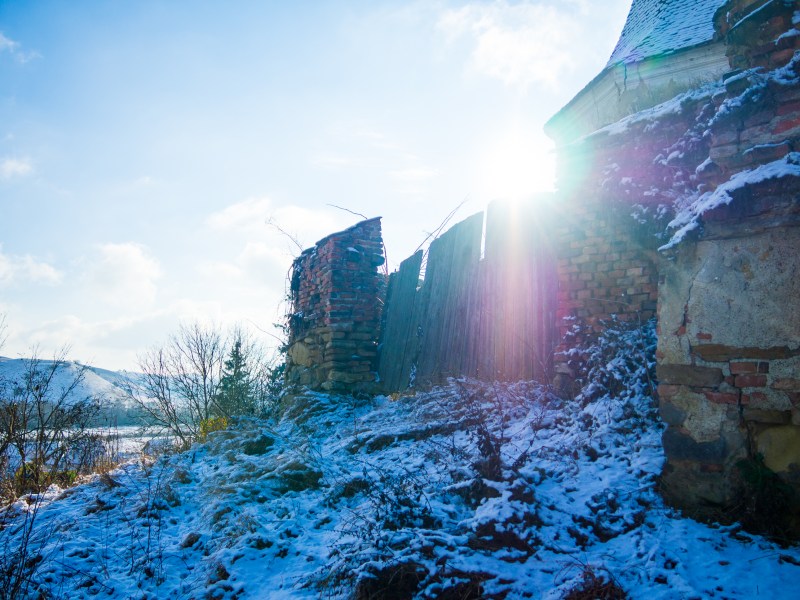
I had read that daytime live composite shots were possible on the PEN-F, in addition to the nighttime shots (which let you capture star trails), so I tried it out today. Because the minimum shutter speed for each frame is 0.5 seconds and the smallest aperture is f8, I needed to use an ND filter to compensate for the abundant daylight, but thankfully the one I had did the trick. Since there are no stars out in the daytime, what you can capture are cloud movements, and what you get are some pretty amazing photos, the sort of which I wasn’t able to capture before. You’ll be able to appreciate the difference once you look at a normal photo of the sky and clouds (see below). The same sky captured with Live Composite looks amazing! I’ve also included photos of a couple of our cats, a few spring flowers and the waning moon. Enjoy!

Places

Today’s images

Gallery

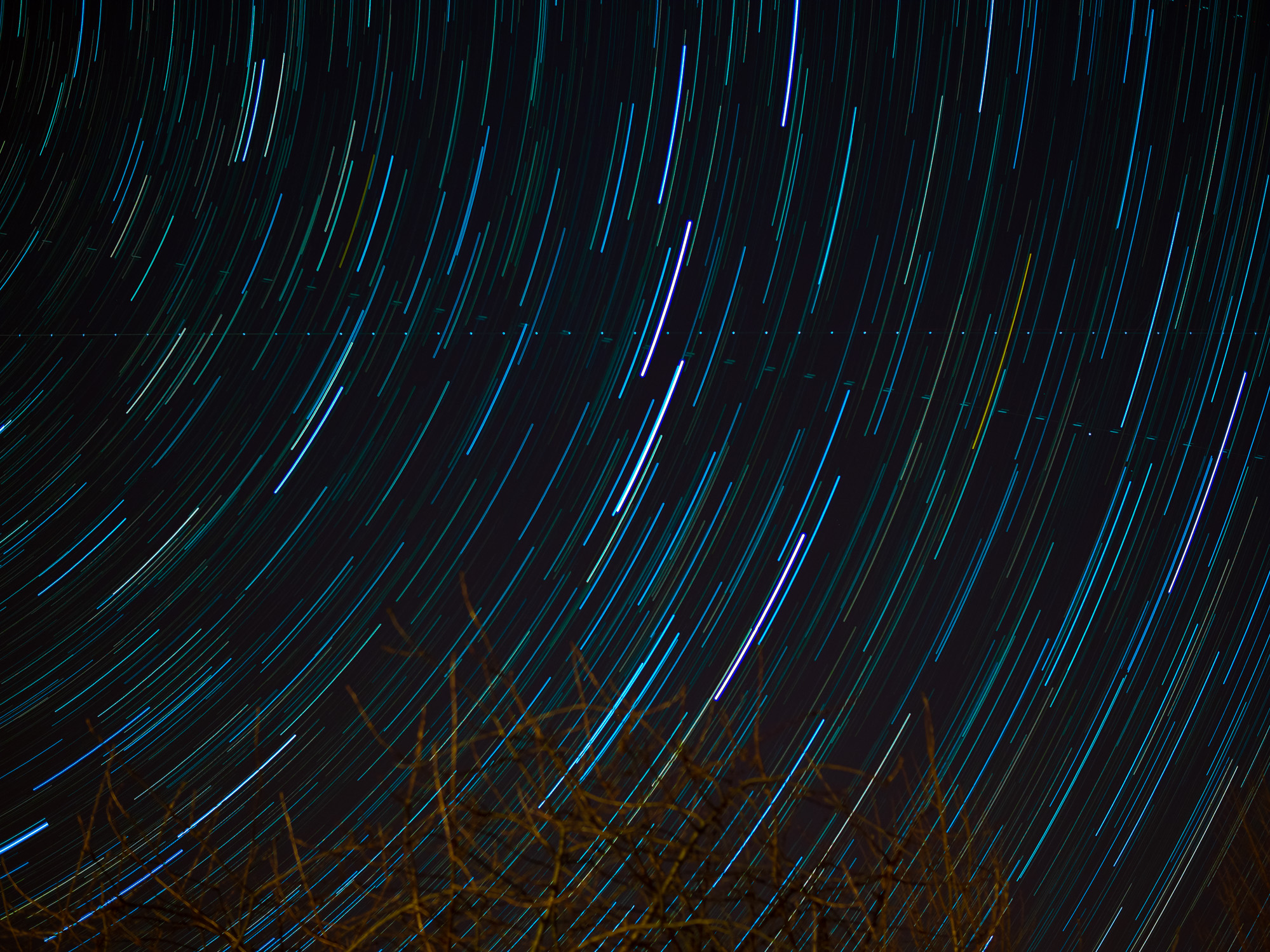
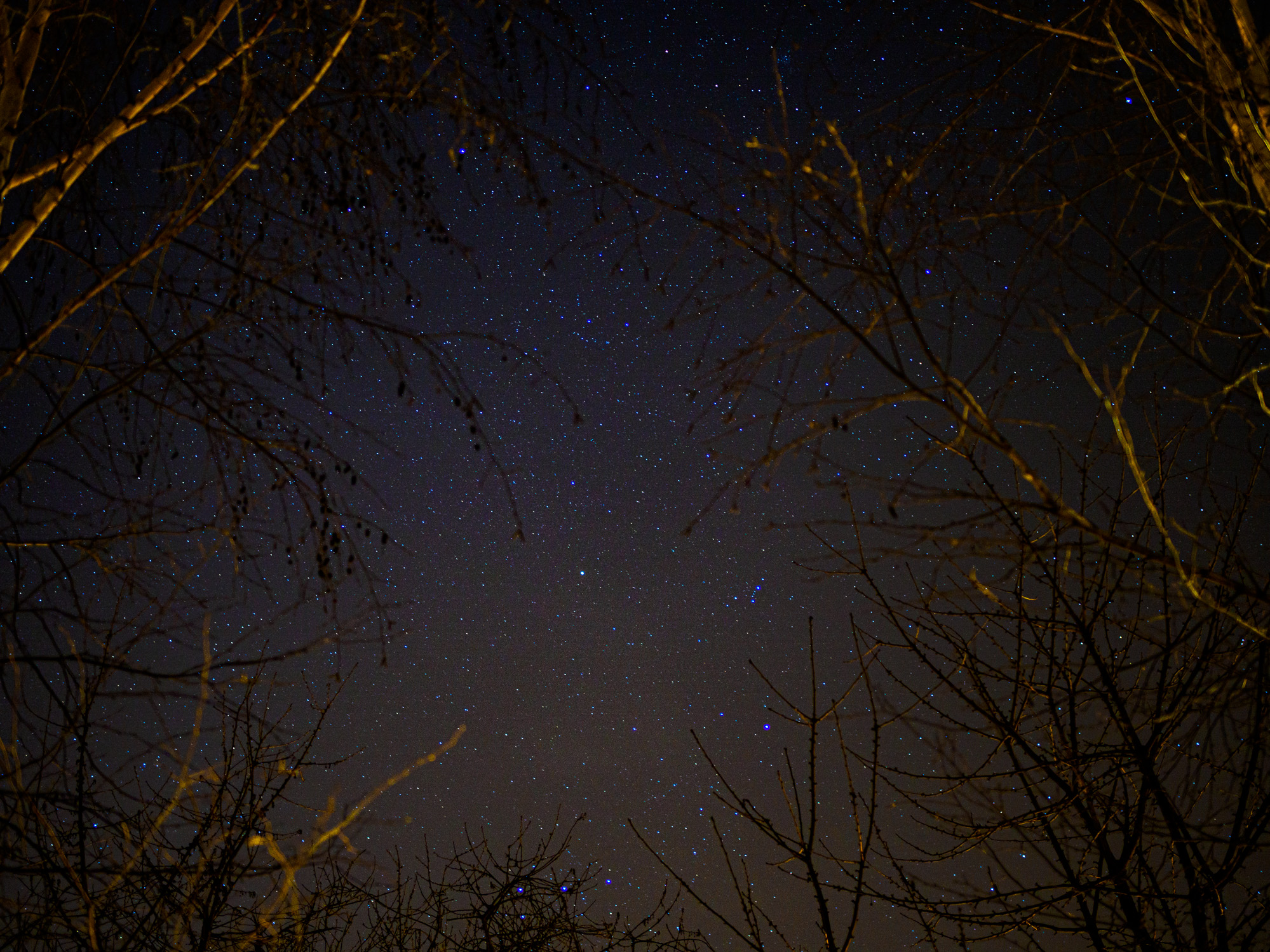
The theme for these photographs is day and night — more precisely, the night that followed that day, which was a beautiful spring day by the way, as you’ll see here. That night I tried capturing star trails for the first time. My PEN-F has a feature called Live Composite, which takes a series of short exposures and stacks them together in the camera, combining only the areas that contain changes in light and displaying the progress as it goes. This means that once you get it going, you can let it capture the star trails by itself, checking in every once in a while to see its progress on the display, which will also show you the histogram. This information updates with each new image, allowing you to get exactly the amount of exposure and star trails you like. It’s a very cool feature, which Olympus launched on their top cameras four years ago. Since I just bought my PEN-F, I only got to use it now, and it’s so cool!
Places

Today’s images

Gallery

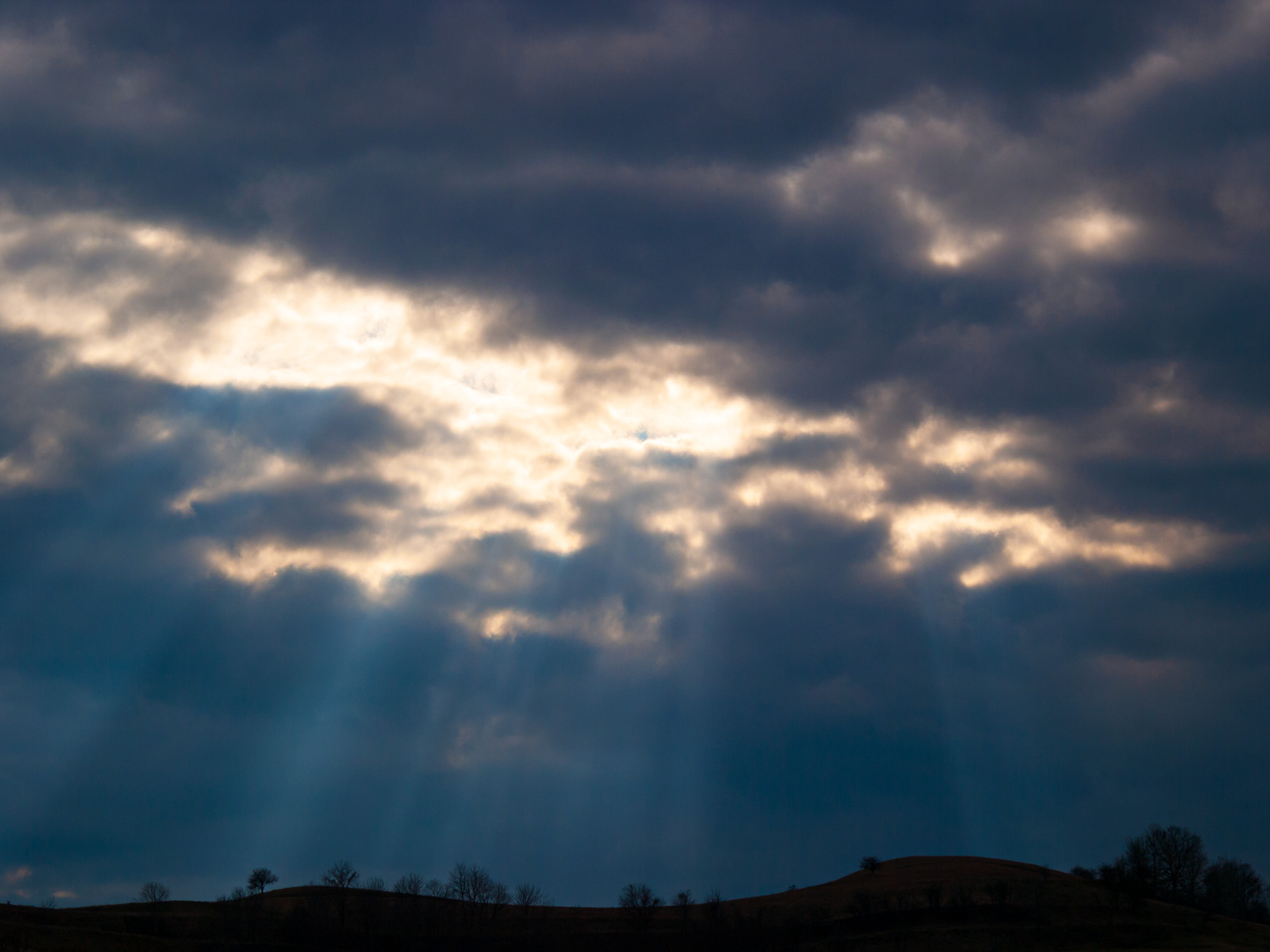
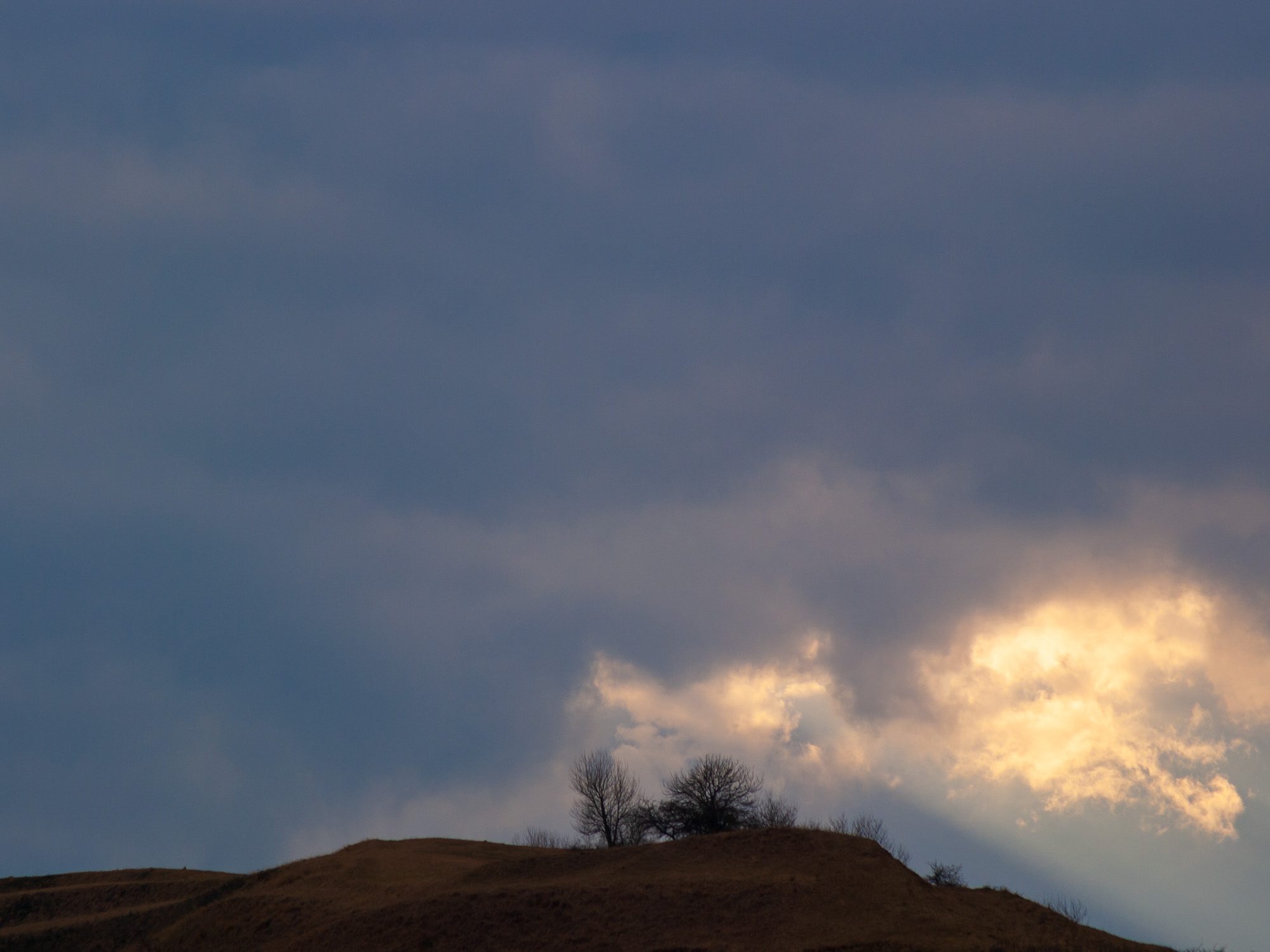
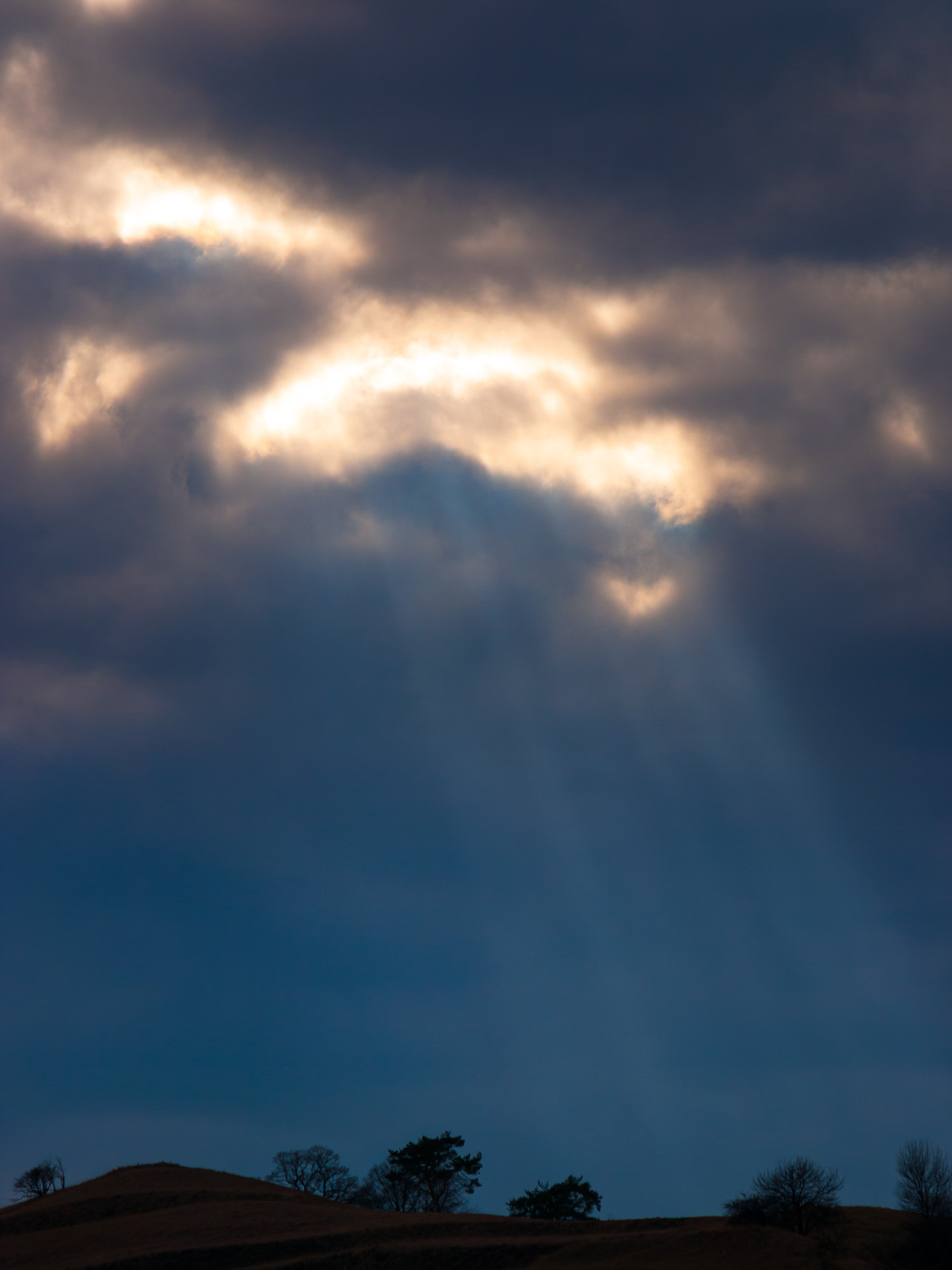
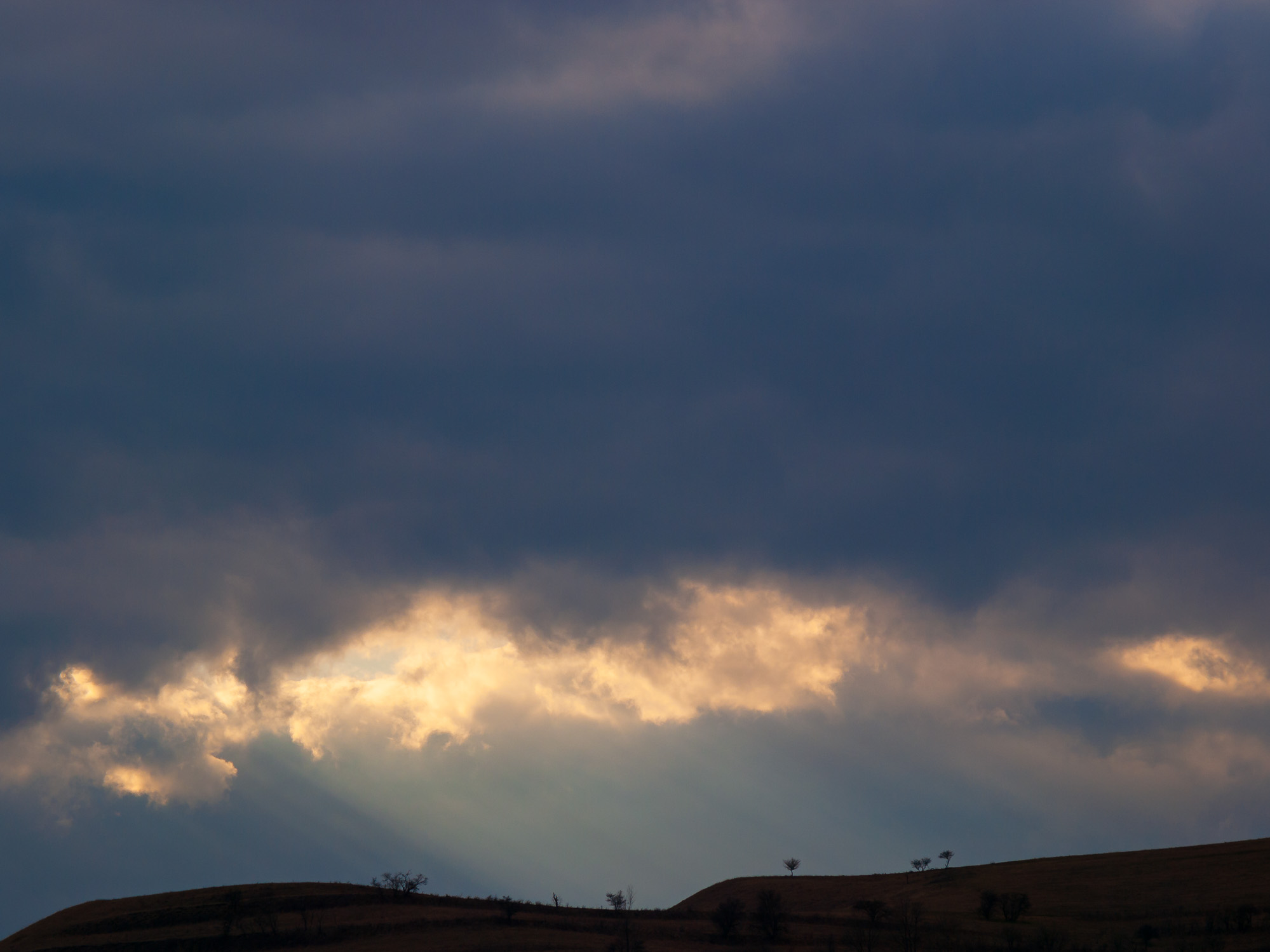
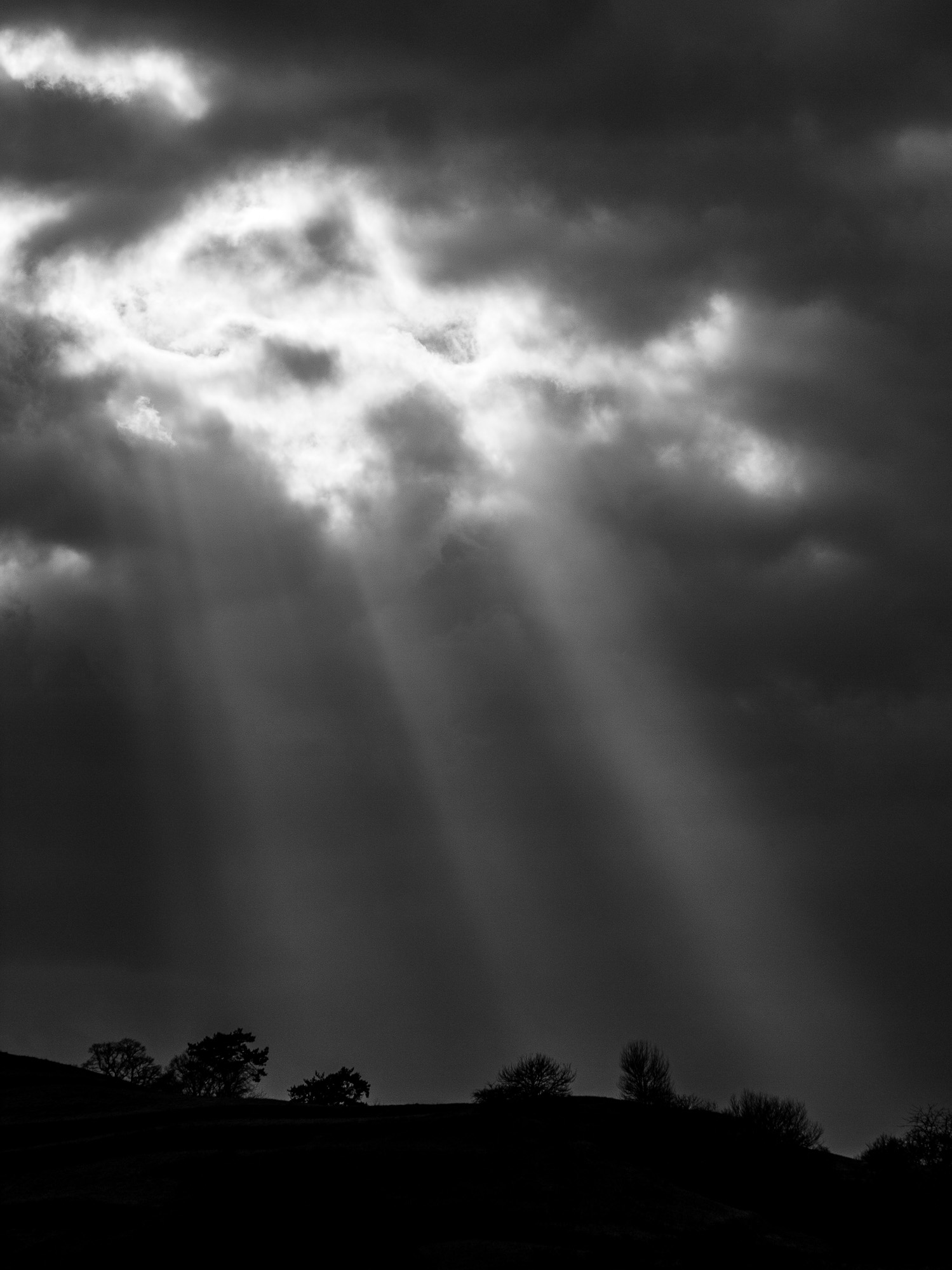
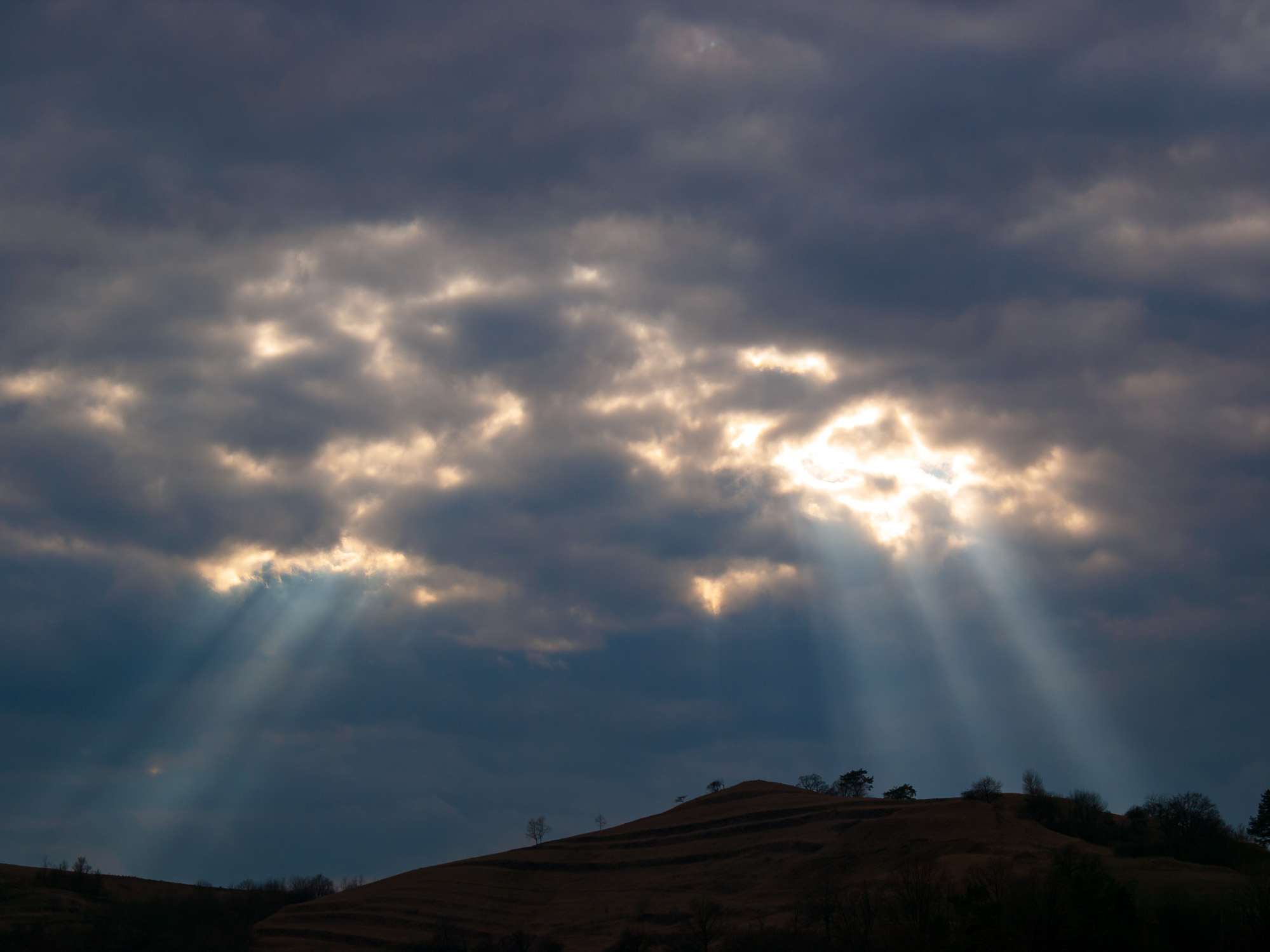
We were driving back from Meschen a couple of days ago when I saw these beautiful cloud formations where the light was breaking through the thick cover and creating these beautiful effects that resemble light pouring through cathedral windows. I suspect the reverse is true, which is to say that cathedral architects were inspired by this natural phenomenon when they designed buildings where the light comes in like this at certain times of the day. Enjoy the photos!

Places

Today’s images

Gallery

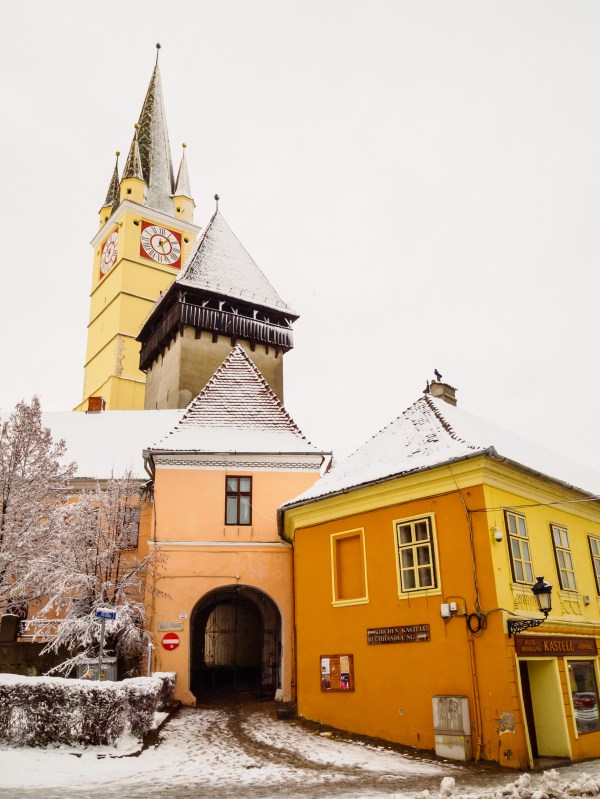
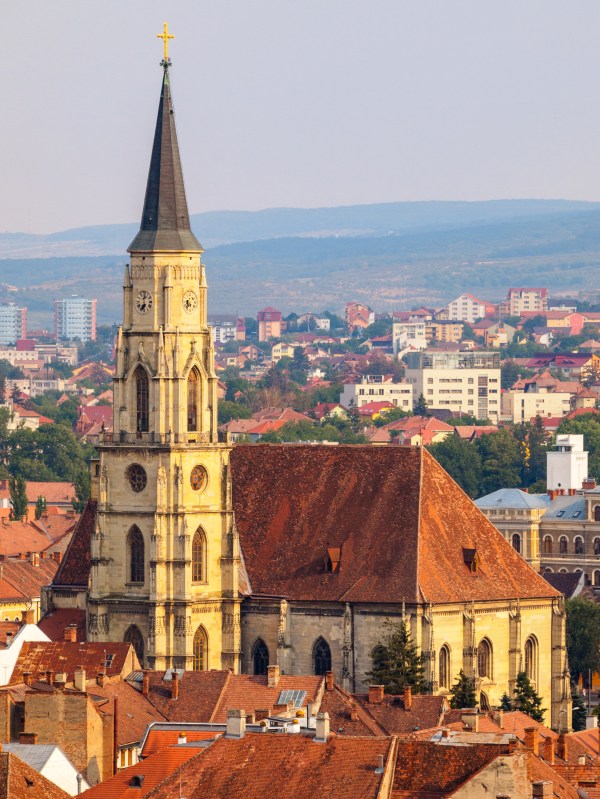
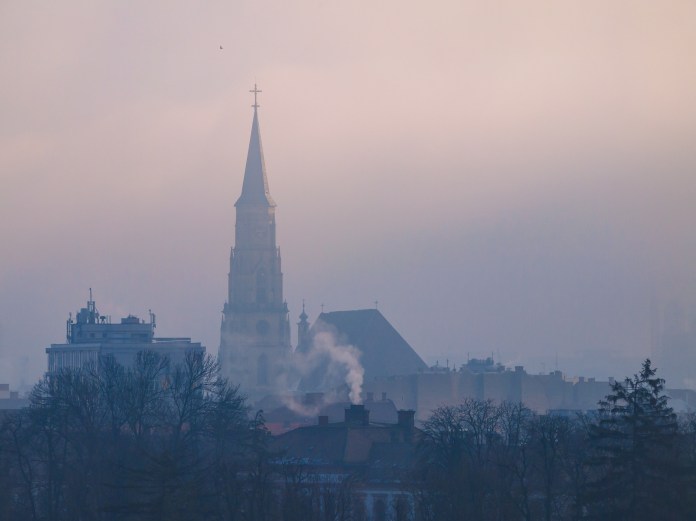
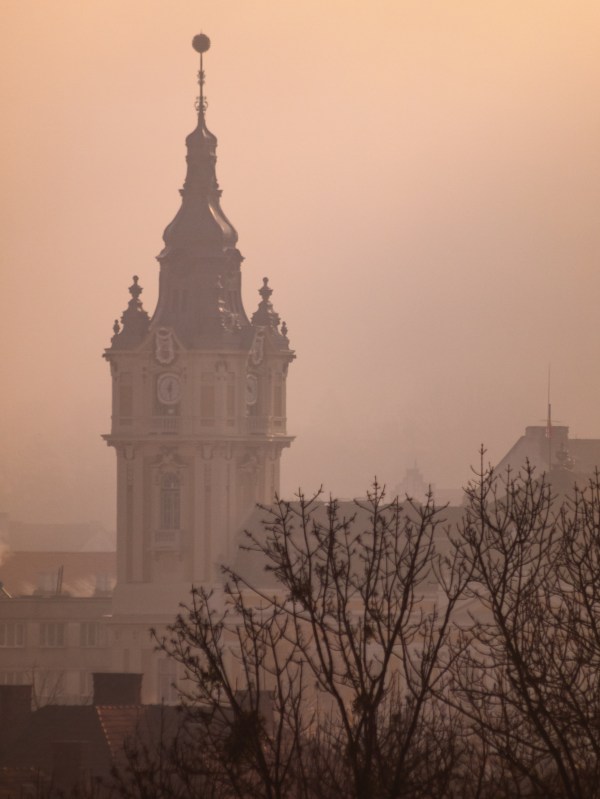
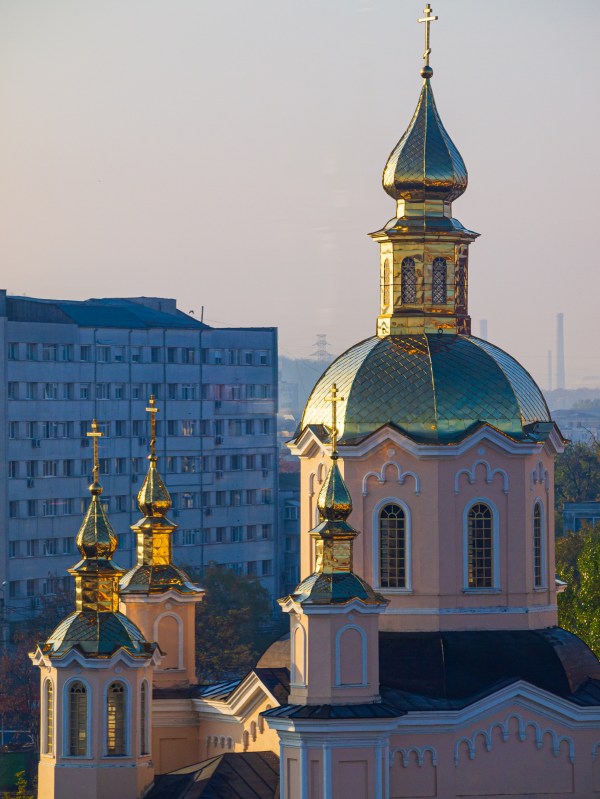
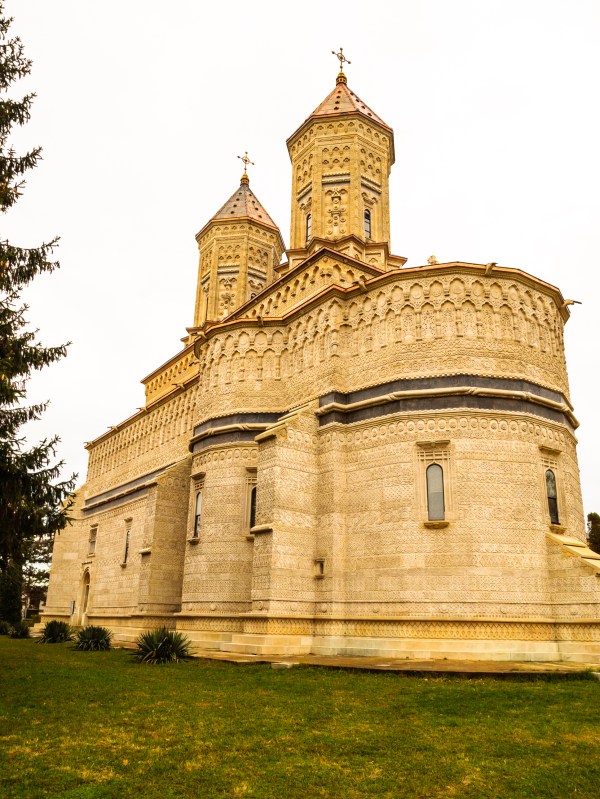
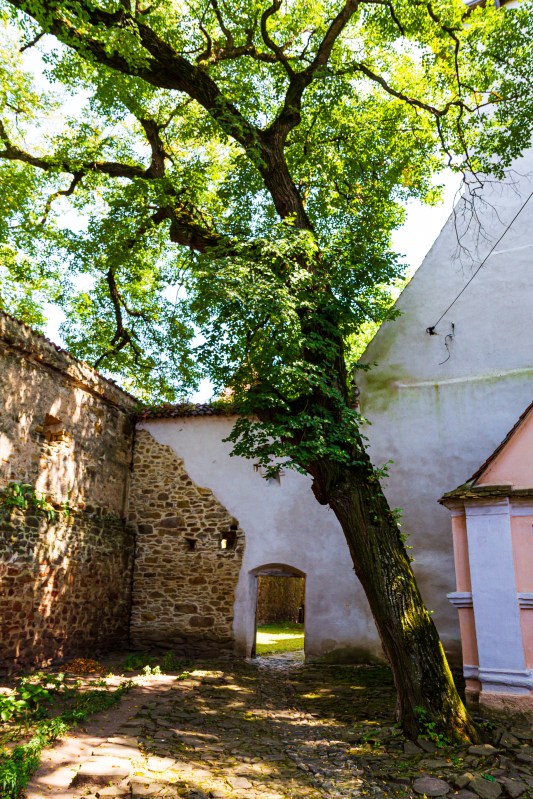
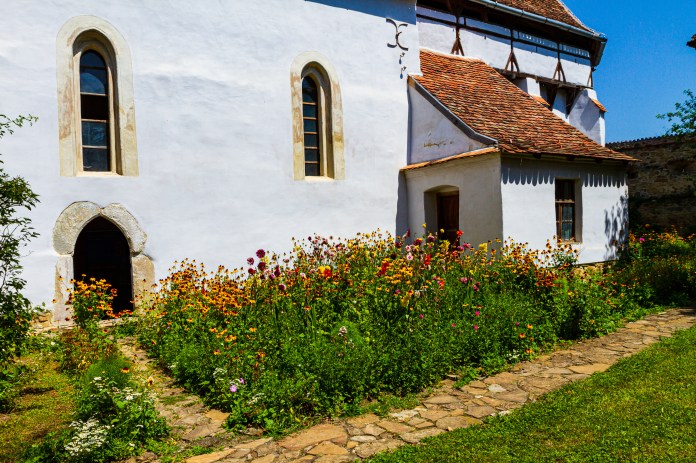
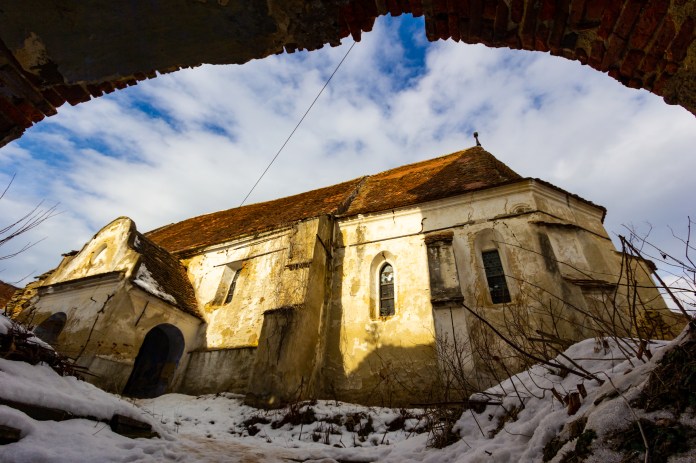
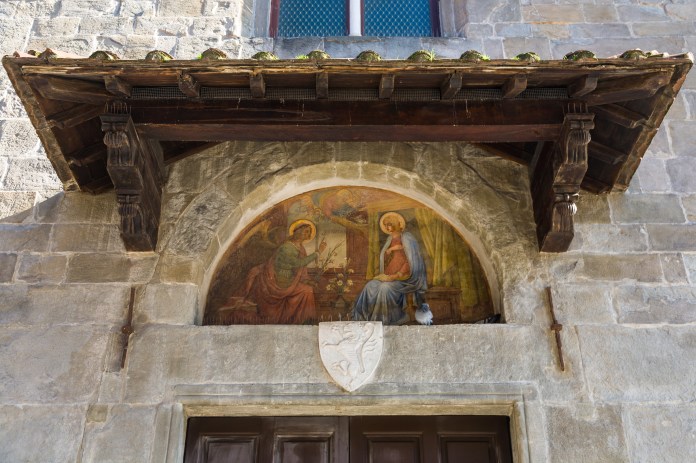
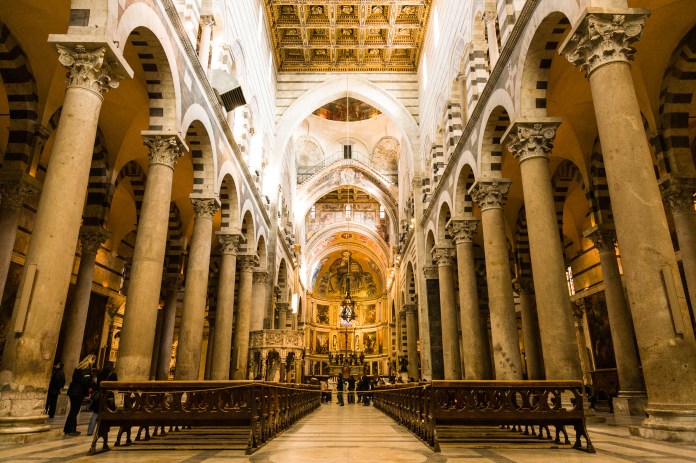
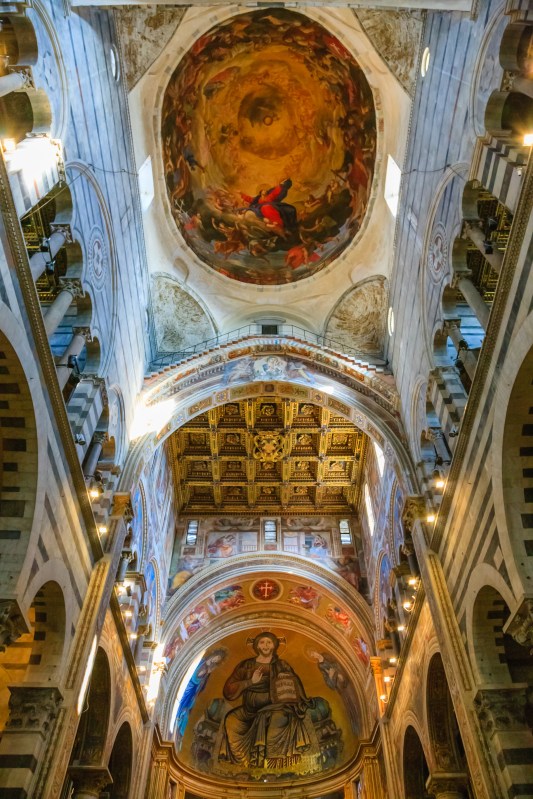
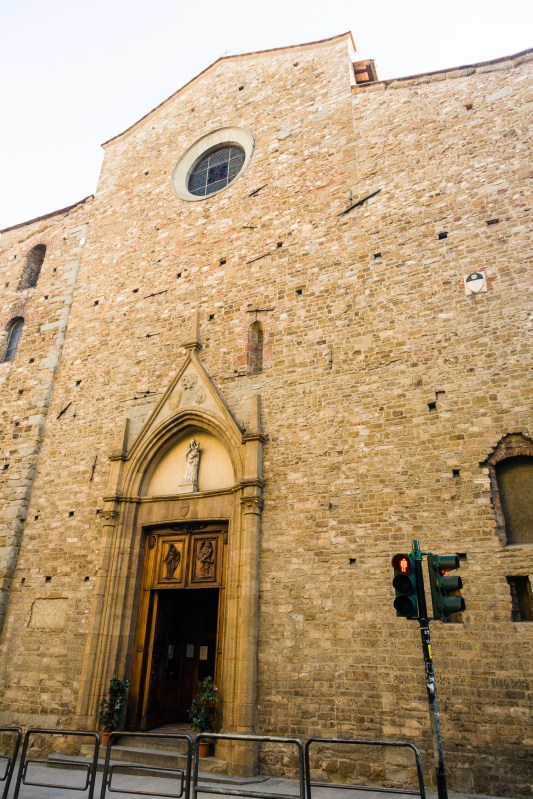
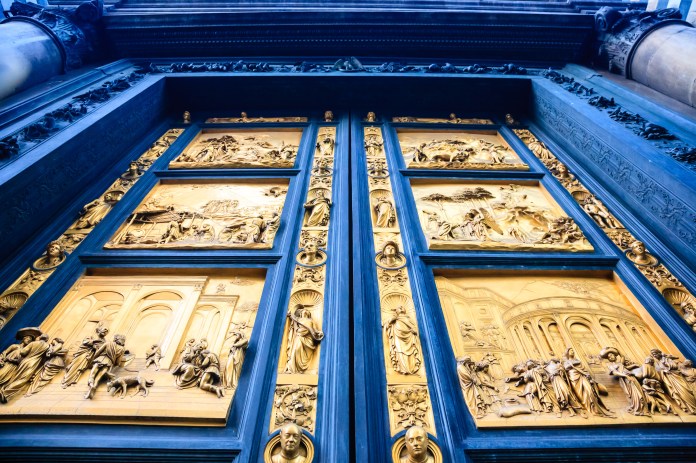
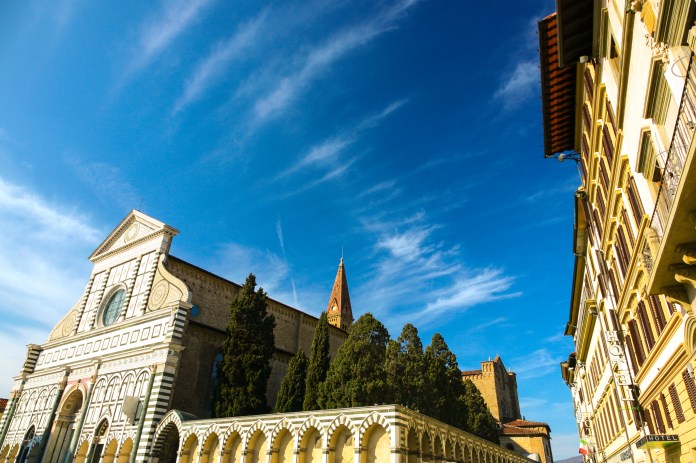
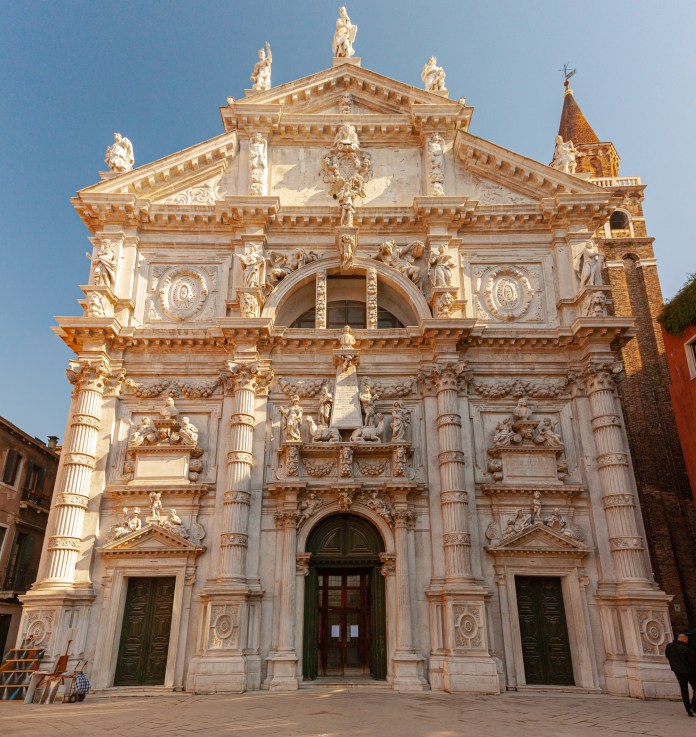
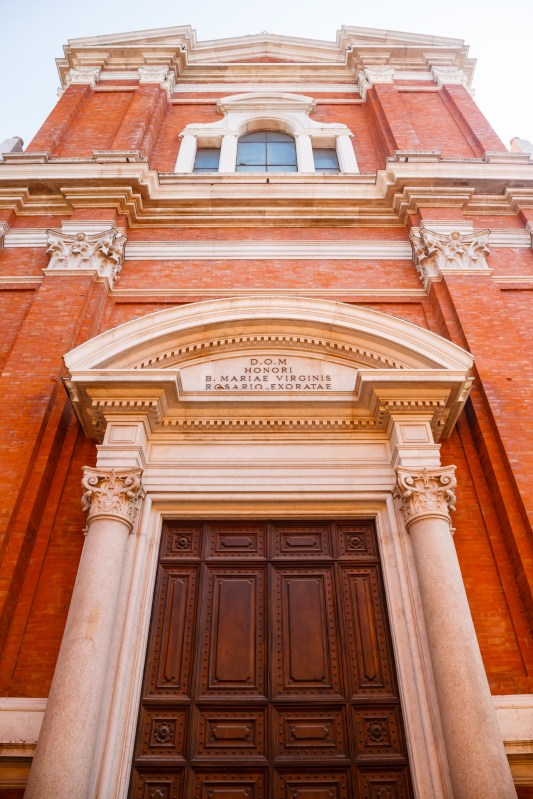
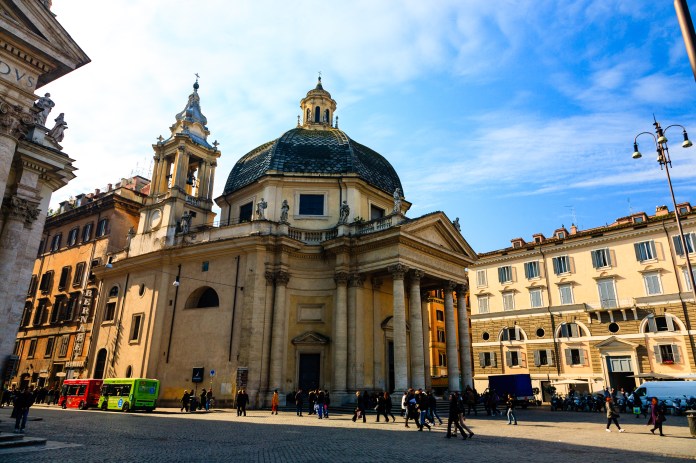
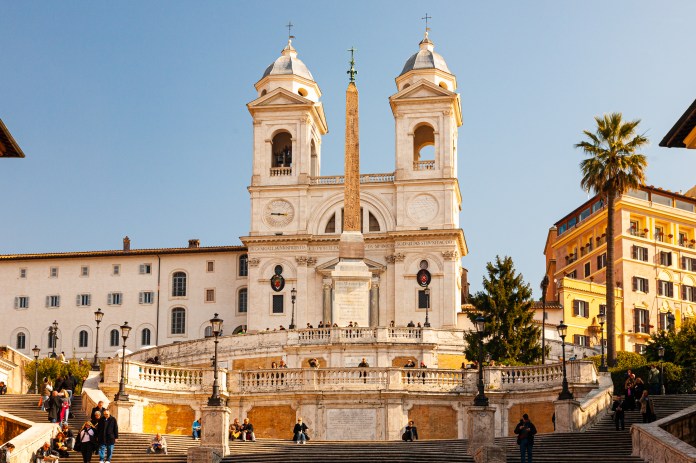
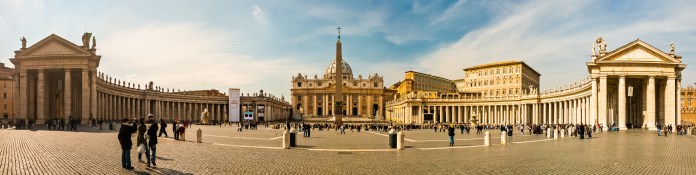
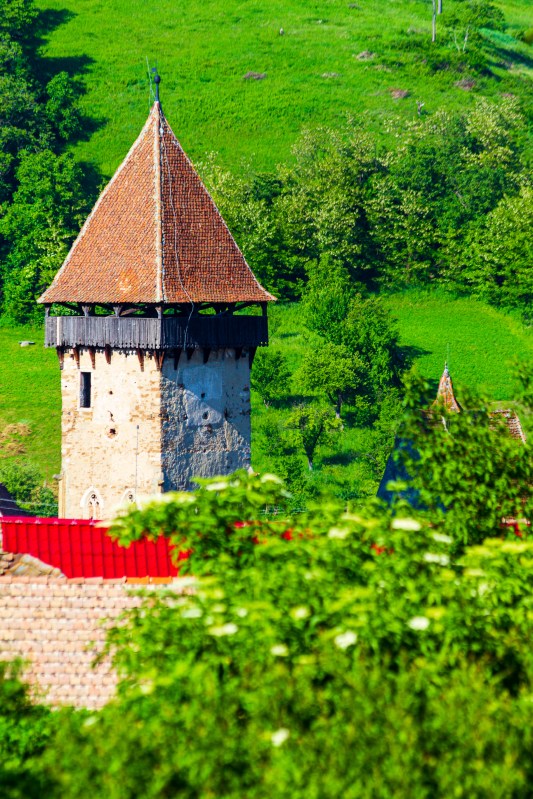
Church architecture has always been separate from private or urban architecture, and the various shapes and proportions present in this type of architecture are meant to signify the presence of the divine. In that sense, it is quite interesting to look at various churches and see what they have in common and what is different when it comes to their architectural details and proportions.

Churches

Gallery

Castles and Palaces

Gallery