A Guide To A Good Life

Shoes and Foot Health

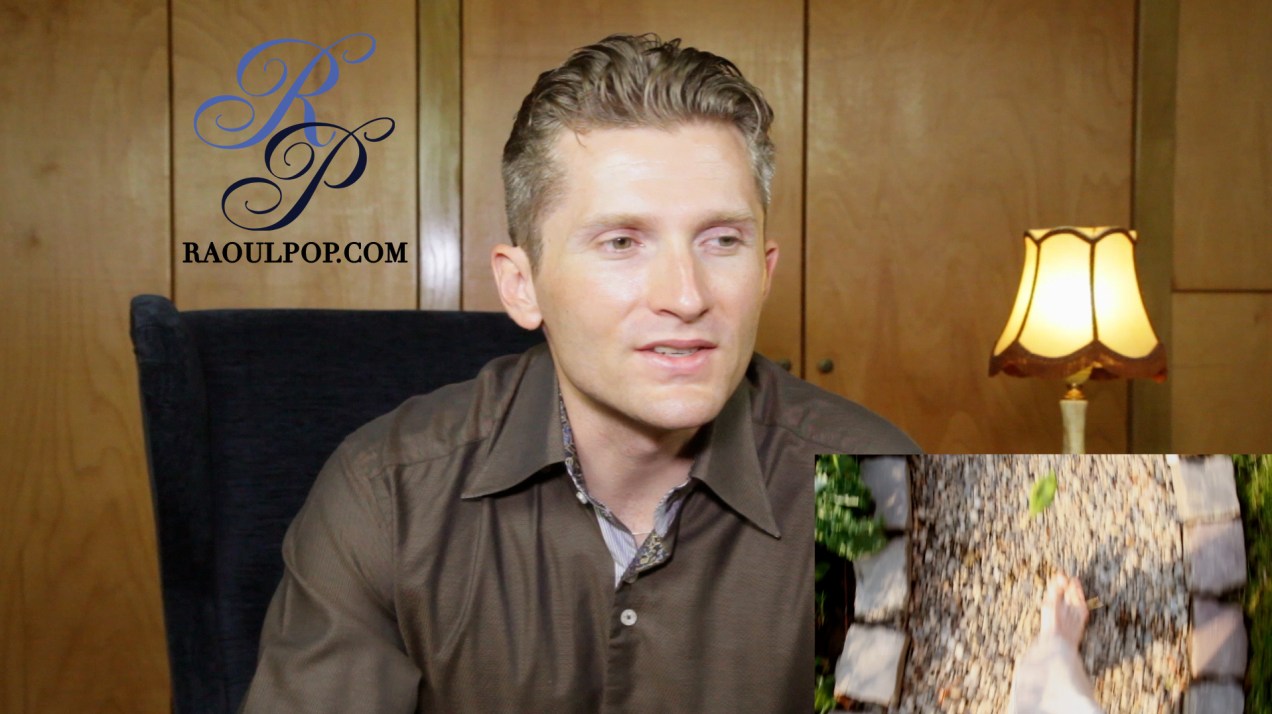
In this video, I wanted to share my thoughts on the importance of two things:

  1. The proper fit of a shoe, and here I mean its length, width and arch support, and
  2. The habit of walking barefoot one day a week.

When it comes to the fit of a shoe, it’s even more important to watch its width, not just its length. A shoe of the right width for your foot provides proper ankle support as you twist your feet. You may not find it an important criteria for your shoes until you twist your ankles or worse, break them, which happens quite a lot with ill-fitting mountain boots and ski boots.

Adequate arch support is obtained by trying on lots of pairs of shoes and knowing what to look for, or with the aid of inserts, which I do not like, or best of all, by getting measured with a proper mold for bespoke shoes. This involves stepping into a box filled with a special pressure-sensitive foam that conforms to the exact shape of your foot and stays that way, allowing the shoemaker to make a shoe just for you.

I believe it’s important to walk barefoot one day a week, for the following reasons:

  • It provides you with a pleasurable sensory experience to step over varying textured surfaces, relaxing your mind and your body. Try walking barefoot on cobblestone, pebbles from the riverbed, sand, grass, marble or hardwood flooring and you’ll see what I mean.
  • It allows your feet to breathe and stretch out. As much fun as it is to wear great shoes, our feet need to “breathe”, to be free of the confines of a shoe, every once in a while. Your nails will look better after having seen the sun and your bones will re-align, helping you regain your proper gait.
  • Walking over textured surfaces will stimulate pressure points on the soles of your feet, points described by the practice of reflexology. Stimulating these points will allow your body to function better, more freely, with less stress.
  • Having your feet in contact with the ground will initiate a process called earthing, which will release negative electrical tensions in your body, letting you breathe easier and sleep better. It’s the same concept as the grounding wire in your electrical outlet.

Enjoy the video!
Standard
A Guide To A Good Life

Should you use shoe trees?

Question: I’m learning how to properly take care of shoes, and while browsing the web late this evening, I thought about shoe horns/trees. Now in the past I’ve found them, really just a sales gimmick, hardly worth my money. What do you think?

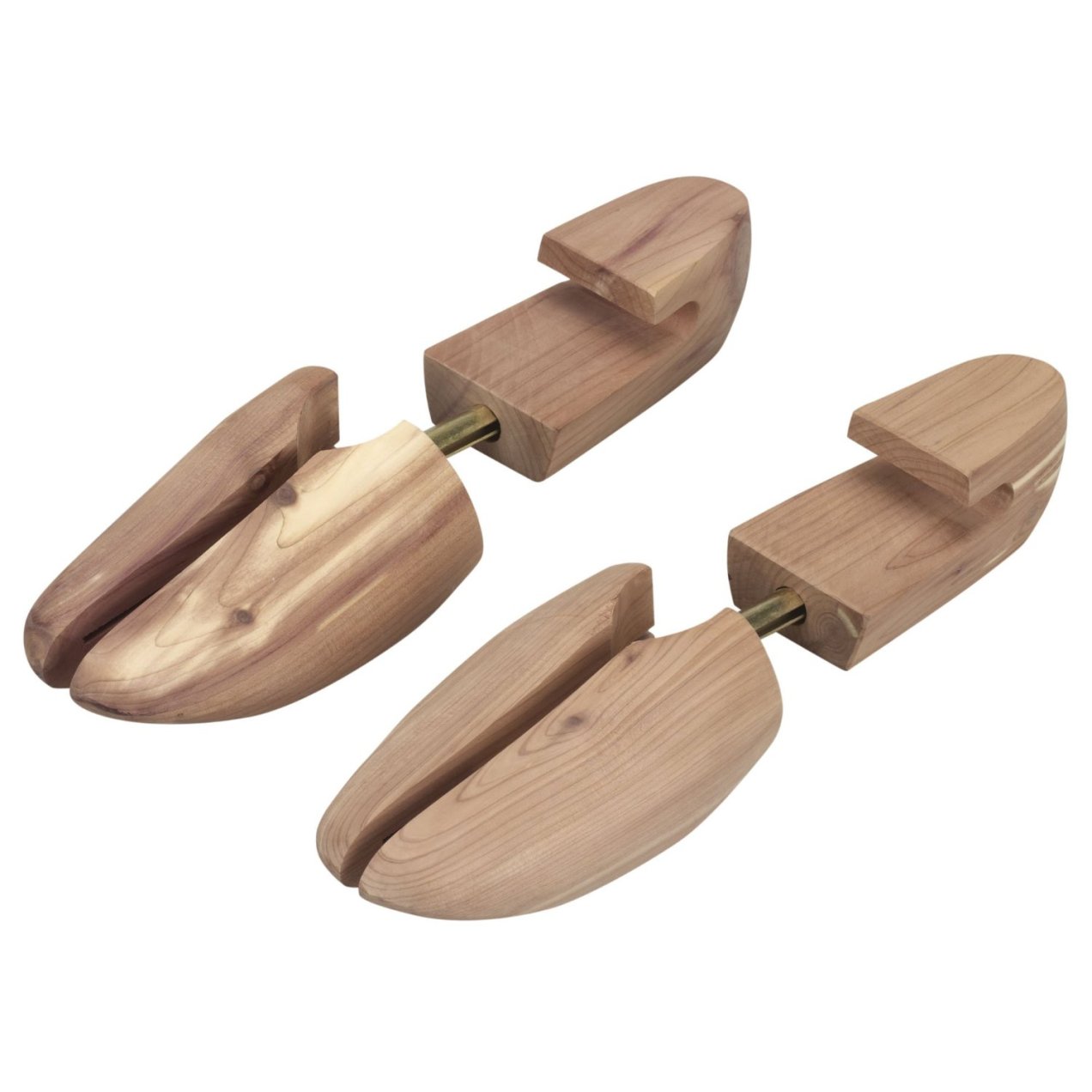
Shoe trees are worth getting, especially if you have quality leather shoes that you’d like to use for years and years. The general idea is to use them after you’ve worn the shoes and the leather has creased at the toe joints.

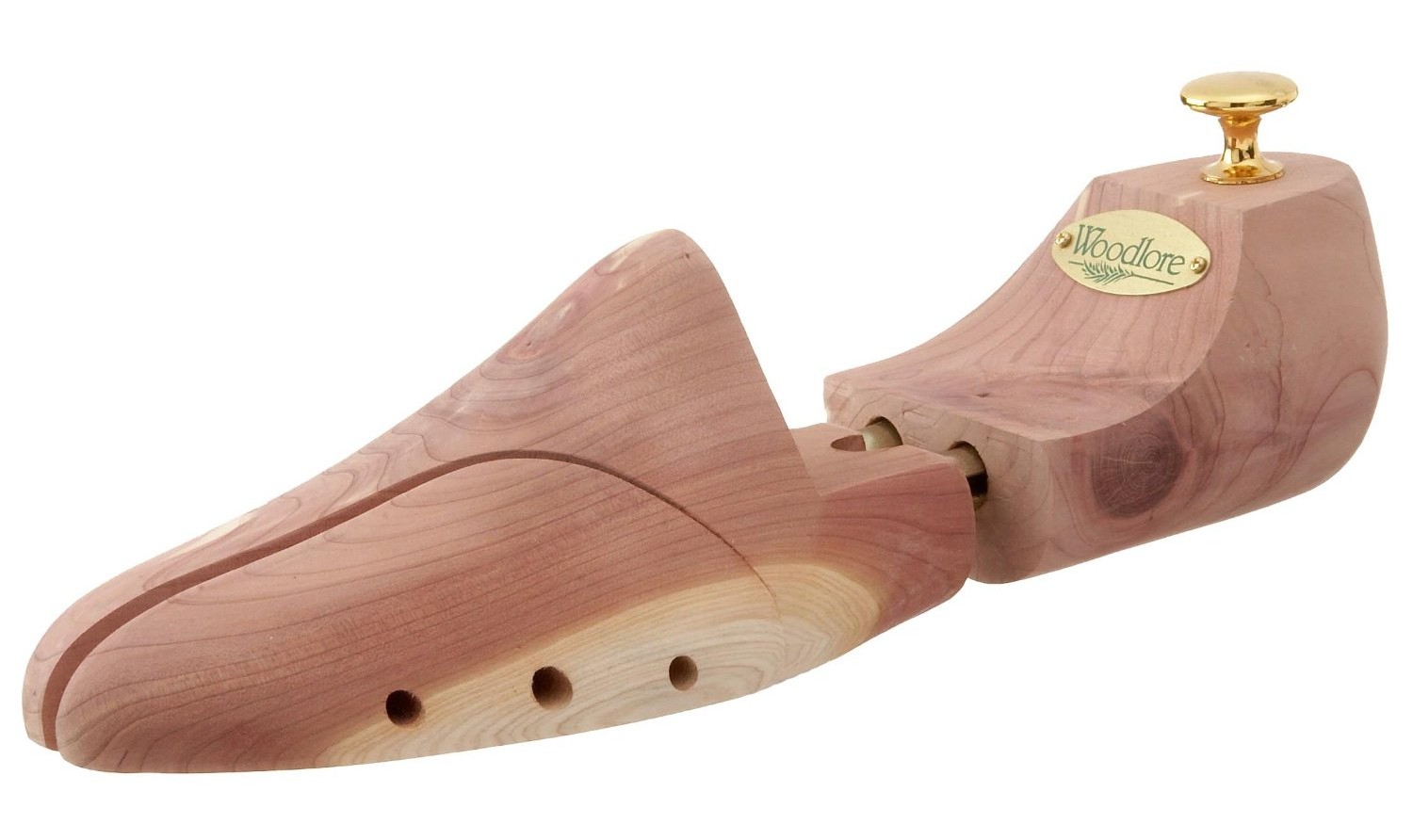
The important thing is for them to be made exactly for the size of your shoe. Look for ones made of cedar, they’ll absorb odors and sweat salts and make your shoes smell and feel better. You can leave these in whenever you’re not wearing your shoes. Woodlore makes some good ones and Allen Edmonds also makes them.

Woodlore Shoe Tree

Allen Edmonds Shoe Tree

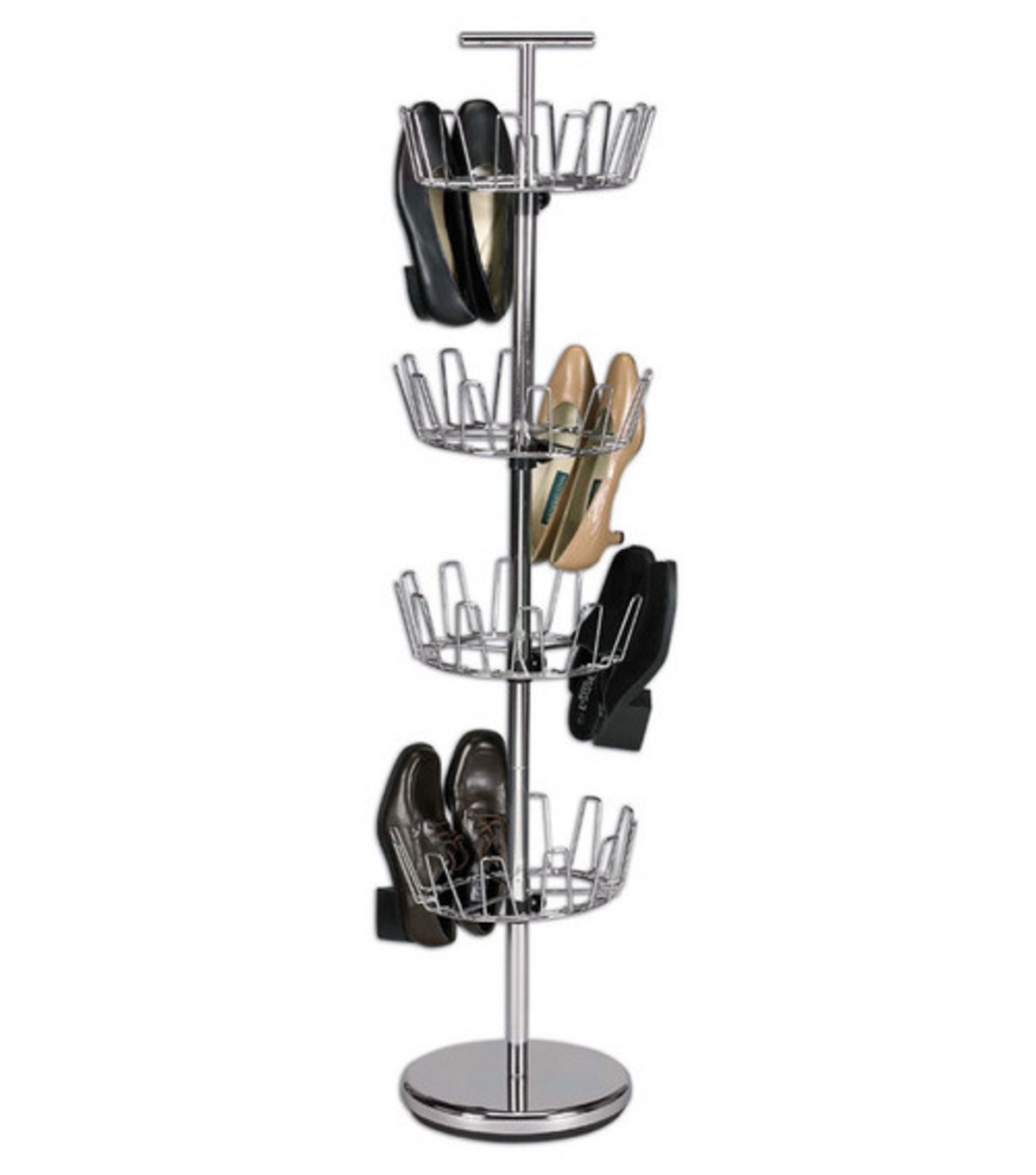
If you’ve worn your shoes for a full day (12-16 hours) and you can see that the leather is damp, or if it’s been raining out, what you should do first is to air them out by hanging them onto an open shoe tree like the one pictured below for ½ a day or a full day, and only then should you insert a shoe tree in them.

Open Shoe Tree

This is because the leather needs to dry out, it shouldn’t be damp or wet. A shoe tree will fill the inside of the shoe and may promote mold, depending on the material out of which it is made. Once the leather has aired out properly, the tree will be able to do its job, which is to restore the shoe’s shape and allow the leather to remain that way as it dries out thoroughly.

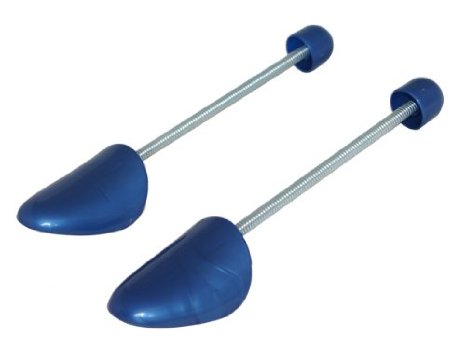
Don’t get ones made for all sizes, particularly the inexpensive ones made with springs (like the pair pictured below). If you must get those, you can use them but you shouldn’t leave them in more than 2-3 days, because they’ll stretch the leather too much and the shoe will start to lose its shape. When I use these, I leave them in for a day or two at most, then I pull them out and allow the shoes to stay by themselves in the closet.

Travel Shoe Tree

In case you’re a new visitor to my website, I’ve also put together a detailed video where I show you how to take care of several types of shoes. It’s called “All Season Shoe Care” and I invite you to view it.

I hope this has helped you!

Standard
A Guide To A Good Life

Classic Solo Handmade Shoes

Late last year, I ordered a pair of handmade shoes from Stefan Burdea, a shoemaker from Bucharest, Romania. I’d like to show them to you now. They’re the Classic Solo model, a beautiful and understated pair of shoes made from a single piece of leather.

Some of you may already know that it’s fairly difficult to make these shoes, as it requires much greater skill from the shoemaker to get it right from a single piece of leather than it is to make them from multiple pieces, which can be fitted much more easily around the boot tree.

I’d like to show these shoes to you now via a video I made (part of my Elegant Gentleman series). I’m happy with them, especially since they meet a very important criteria for me: they’re comfortable to wear for long periods of time. That’s the most important criteria for me when choosing shoes. They have to fit me very well. All other aspects: design, finish, materials, are secondary. Sure, I first pick up a pair of shoes based on how they look, but if they don’t fit me well, I’ll put them right back down on the shelf and move on.

I don’t know if you’ve ever had a pair of handmade shoes made for you, but you should if you get the chance. They’re much more comfortable than machine-made shoes. And because they’re handmade, there’s usually more attention to detail and a higher level of workmanship, as you’ll see from the photos. It’s rewarding to wear shoes that you know were made just for you. Try it sometime!

Standard
A Guide To A Good Life, How To

Hair care advice for men

Do you want to know how to get great hair and keep it that way? Tired of bad hair days, of dandruff, of itchy scalp, of putting up with what you think is the “norm” for your hair? Have a look at this video I made, where I’ll give you detailed advice on the matter and I promise you that you’ll gain valuable insight that will pay off down the road.

Here’s what I talk about in the video:

  1. Genetics
  2. Diet
  3. Haircuts
  4. Hair care products

I truly hope this helps you! Enjoy!

Standard
A Guide To A Good Life

Bespoke vs. Store-bought Suits

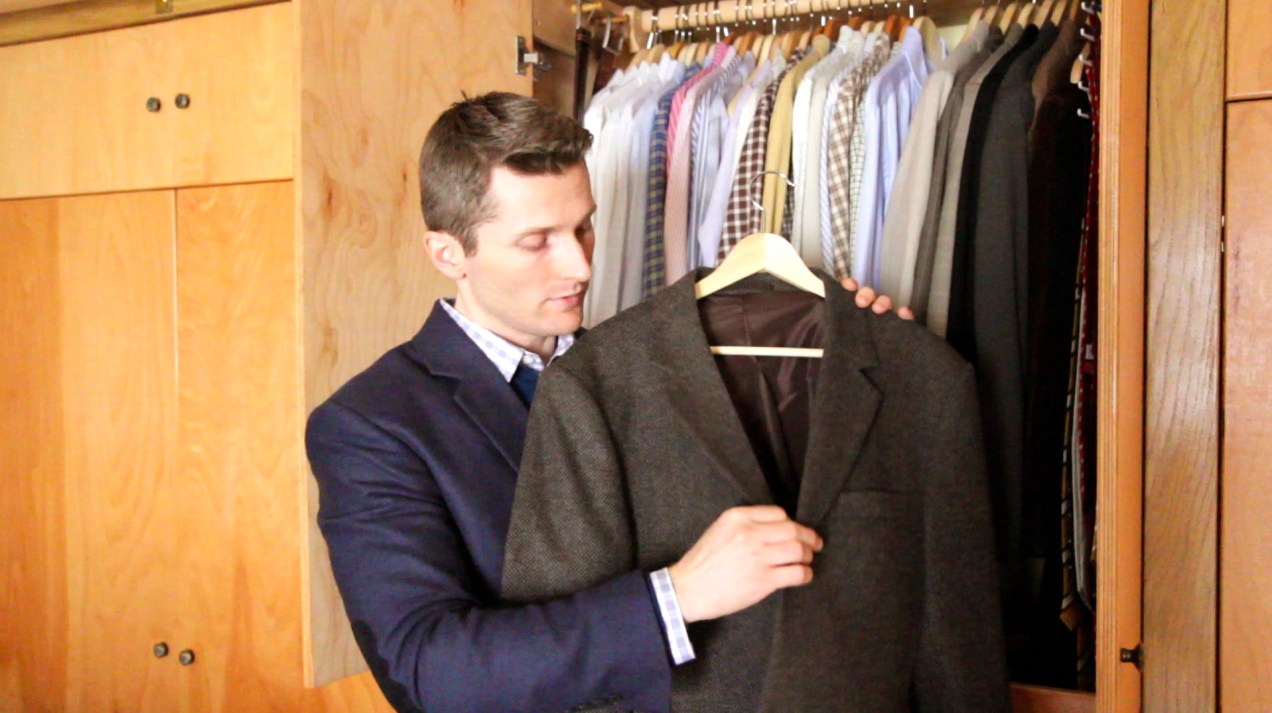
In this video, which is part of The Elegant Gentleman series, I talk about the following topics:

  1. The importance of a proper fit (also known as a cut) for your clothes, which only a good tailor can do. It matters because it not only makes you look good, but it allows for fluctuations in body weight and/or mass. A great suit will hide these changes in your body to a certain point, beyond which it will either start to show them or you’ll start feeling uncomfortable in the clothes, signaling that alterations or a new suit are in order. A poorly cut suit will generally not accommodate fluctuations in body weight, showing them right away, in unflattering ways. This ties into my second point, which is…
  2. The differences between bespoke (custom-made) suits and store-bought suits, one of those differences being a proper fit (discussed above). Bespoke suits fit better, naturally, since they’re made for your body from the start. Store-bought suits will feel like they’re off-the-rack 95% of the time and in my case, 100% of the time. Because my body is of an athletic build, whenever I go to the store to try on a suit, either the coat or the pants won’t fit me and in either case, any alterations that would have to be made are so significant that the suit would no longer look good.
  3. The importance of finding good materials cannot be overstated, since they are the stuff from which suits are made. They cannot be an afterthought. I suggest you go to fabric warehouses in your area (it may take some effort to find them) and pick out materials that you like. Educate yourself on the fibers used in the materials, then on the texture, the colors, the patterns and then you’ll be properly equipped to shop for fabrics. (Or you can find an honest and knowledgeable salesman who’s willing to explain that to you.)
  4. The price of a good suit isn’t set in stone and will vary widely, first based on where you live (larger, more famous cities bring up the price) and second based on what your tailor decides to charge. For example, where I live, in a small town in Southern Transilvania, I can get a good bespoke three-piece suit for about $175 – 250, and that includes the price of the fabrics, buttons and zippers, too. I hear that prices back in the US are somewhere in the area of $750 – 1,500 and there again they’ll vary based on the city and tailor shop.
  5. The one important characteristic that will make a suit much more expensive and rightfully so is whether it is sewn or glued together. You probably cringe when you hear “glued together” but it isn’t as bad as all that. This is also referred to as canvassed vs. fused. Suits have been glued together for decades. Basically, the outer and middle layers of the suit are pressed together with a hot iron and a special coating on the middle layer makes it stick to the outer layer. The lining is usually canvassed (or floating) on all suits. This allows the tailor to shape the suit much easier once it’s been cut, rather than sew it all together to give it its shape, which is laborious, requiring much more skill and time and therefore rendering the suit more expensive. There are actually three levels of quality: there is a fully floating canvassed jacket, a half canvassed jacket (where only the lapels and upper construction around the chest is fused) and a fully fused jacket. My suits are half canvassed, simply because my tailor doesn’t know and isn’t interested in working on fully floating canvassed jackets.

I hope this proves helpful to you! Enjoy!

Standard