

This early 1950s J.W. Benson watch has a 16-jewel Smiths movement and a sub-second dial with Roman numerals. When I bought it, it was in pretty terrible shape, but with the help of my watchmaker, it now looks and works great.

A Wyler Chronograph
This is a Wyler P.W. 1896 Swiss Geneve Automatic Etanche Chronograph 18K gold-plated with date, Ref. 04.93.1631. I bought it in the spring of 2017. When I got it, the mechanism was in bad shape, with the rotor rattling around in the watch case. After being serviced by an expert watchmaker, it works like a charm!
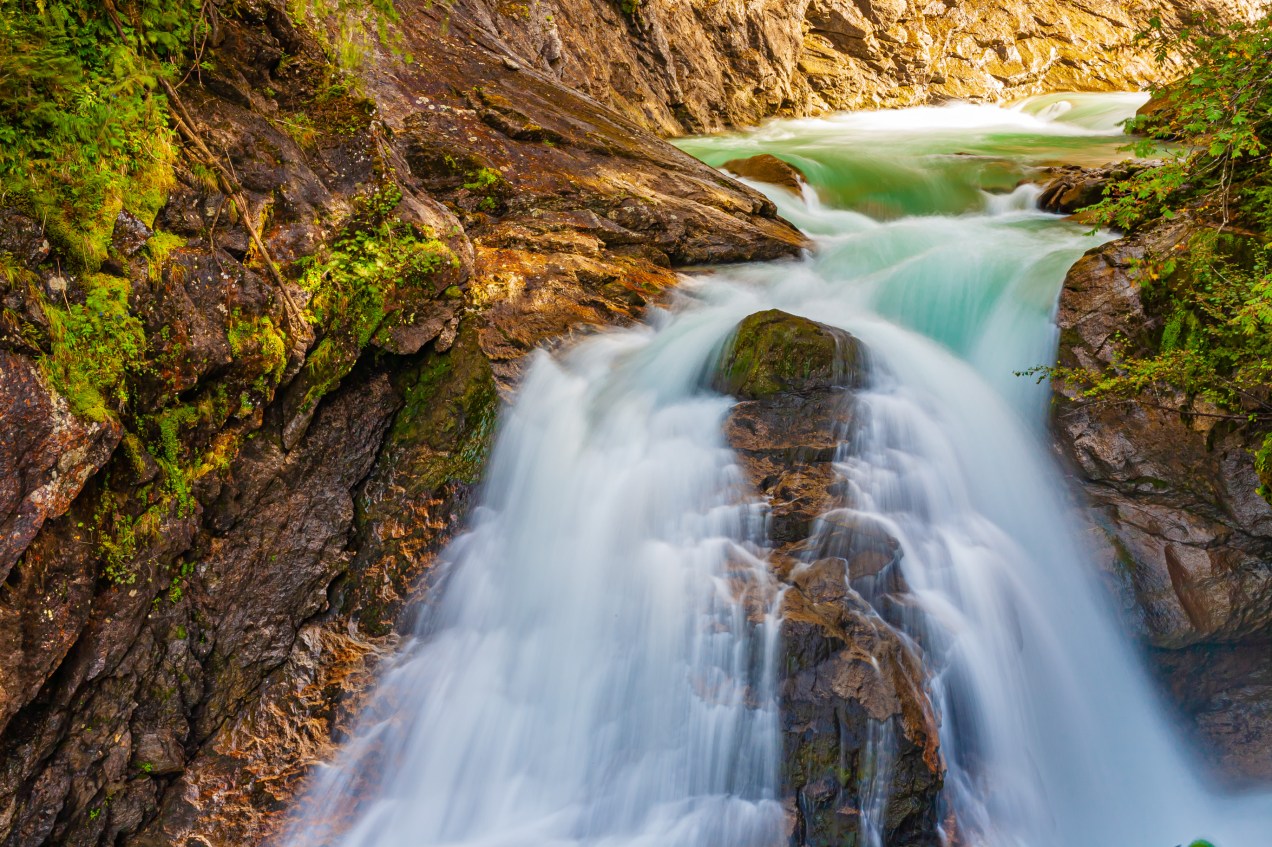
Krimml Waterfalls
In Austria’s Hohe Tauern National Park you’ll also find Krimml Waterfalls (Krimmler Wasserfälle). This series of tiered waterfalls is Austria’s highest at 380 meters. The waterfall begins at the top of the Krimmler Ache valley and plunges downward in three stages. The upper stage has a drop of 140 metres, the middle of 100 metres, and the lowest a drop of 140 metres. The highest point of the waterfall is 1,470 metres above sea level. The Krimmler Ache is a glacial stream whose flow varies greatly with season. Its volumetric flow in June and July is 20,000 m³/h (about 5.28 million gallons per hour), while in February it is only 500 m³/h (about 0.13 million gallons per hour). The greatest measured flow was on 25 August 1987, when it was 600,000 m³/h, or almost 160 million gallons per hour. That must have been a real sight!
We visited the waterfall in mid-September 2008, when the flow was still generous, but I’m sure the falls are even more spectacular in the months of June and July. Of course, that’s when you’ll have to put up with the summer heat and the most amount of tourists, so just know what you’re getting into. About 400,000 people visit the falls annually, and that means it can get crowded at times.
I took a lot of photos. I loved the different shapes formed by the water as it fell down those tall drops, shapes that could only be seen with high shutter speeds. I also had an ND filter and tripod with me, and that meant I could take long exposures of the waterfall and the river, where the shapes are completely different and everything turns out silky smooth. So you’ll see both kinds of photos, sometimes of the same scene, side-by-side: a high speed photograph and a long exposure, to show the difference.
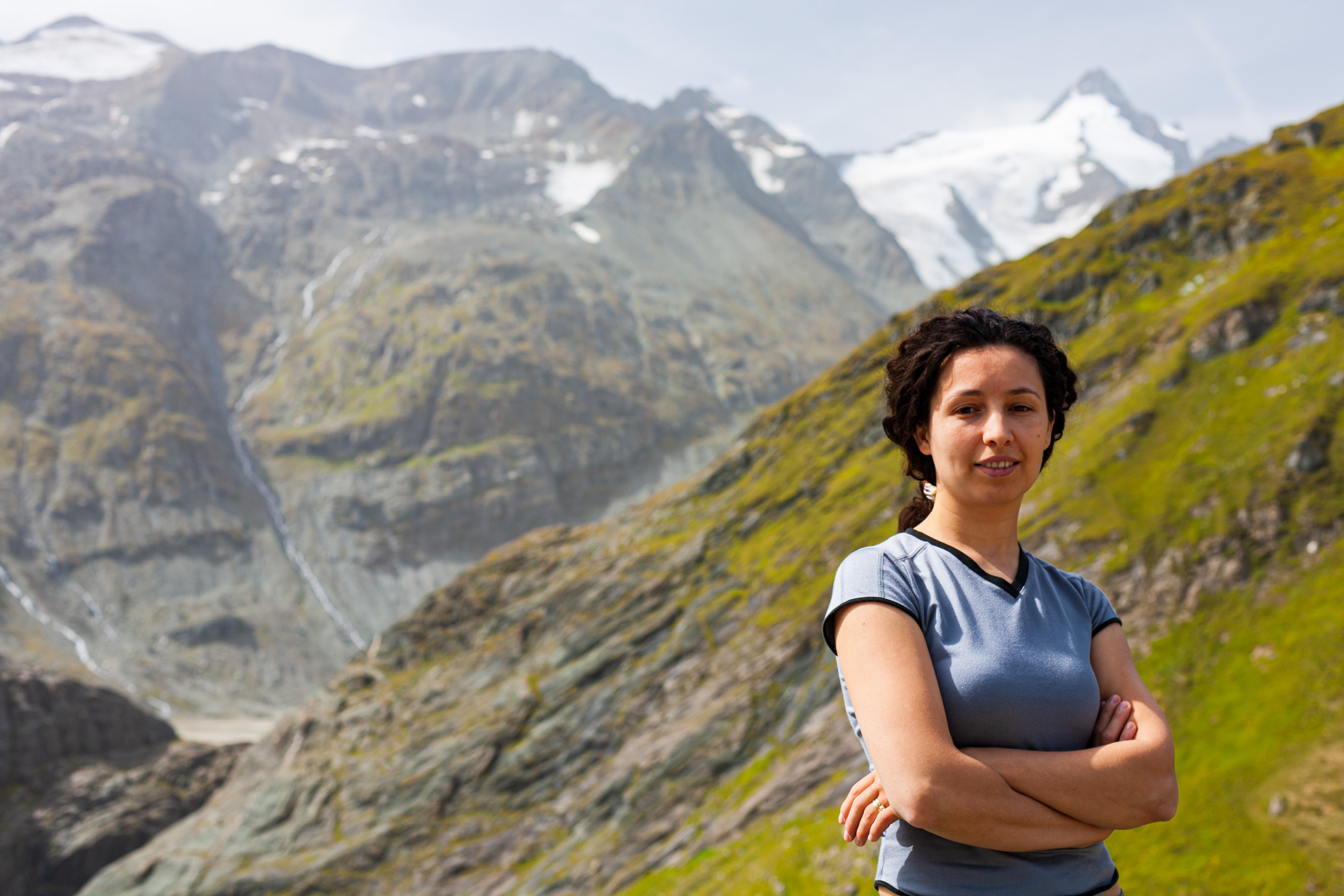
There is a gravel-paved walkway that winds its way to the top of the waterfall. It takes a little over an hour to get there, depending on how busy it is that day. The forest is beautiful on the way up, with lots of evergreens and shrubs. The misty spray of the waterfall creates ideal growth condition for hundreds of mosses, lichens and ferns, which you’ll see in the photos. That fine mist hangs in the air and you’ll get to see it in most of the photos I’ve taken there; it looks like camera noise, but they’re actually tiny little drops floating in the air and reflecting sunlight, making it seem as if the photos are noisy. Let me give you an example: this is Ligia, standing in front the waterfalls. All the little dots you see in front of her face and in the air around her are tiny drops of mist.

There are 54 photographs in this gallery. All of them are taken during a 2008 trip to Austria, when we stayed in Matrei i.o. and visited Grossglockner. Enjoy!
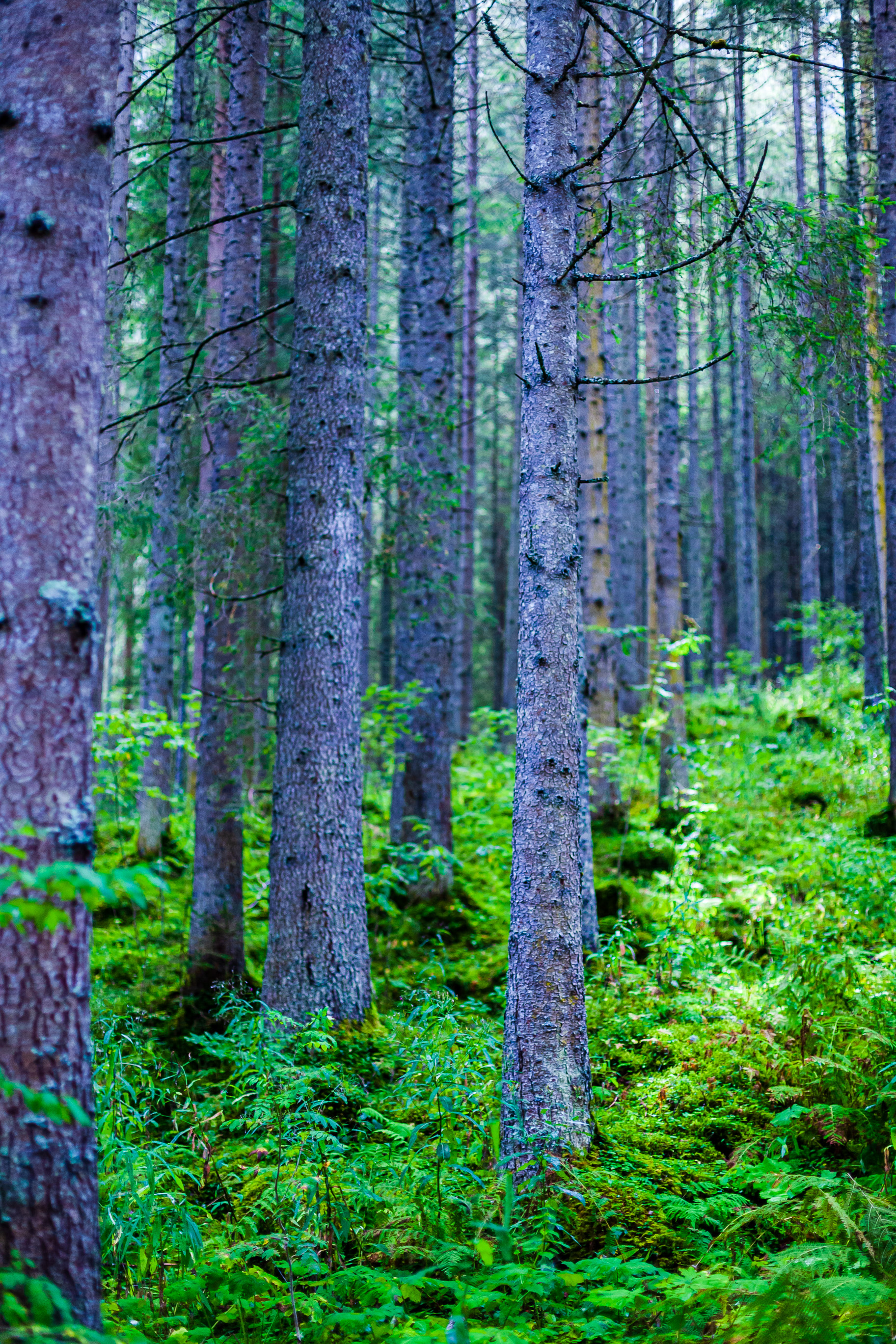
Krimmler Wasserfalle, Krimml, Hohe Tauern, Austria 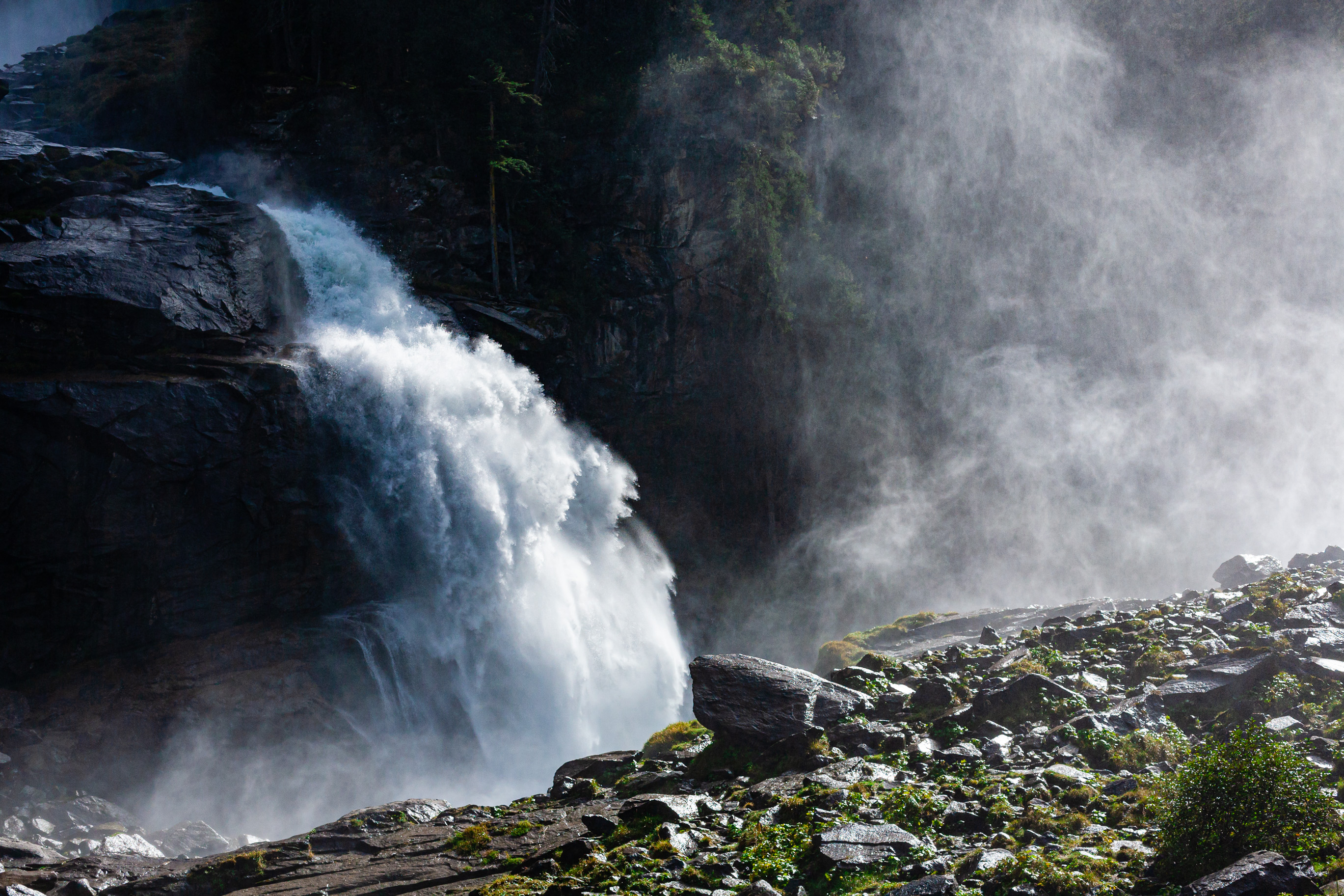
Krimmler Wasserfalle, Krimml, Hohe Tauern, Austria 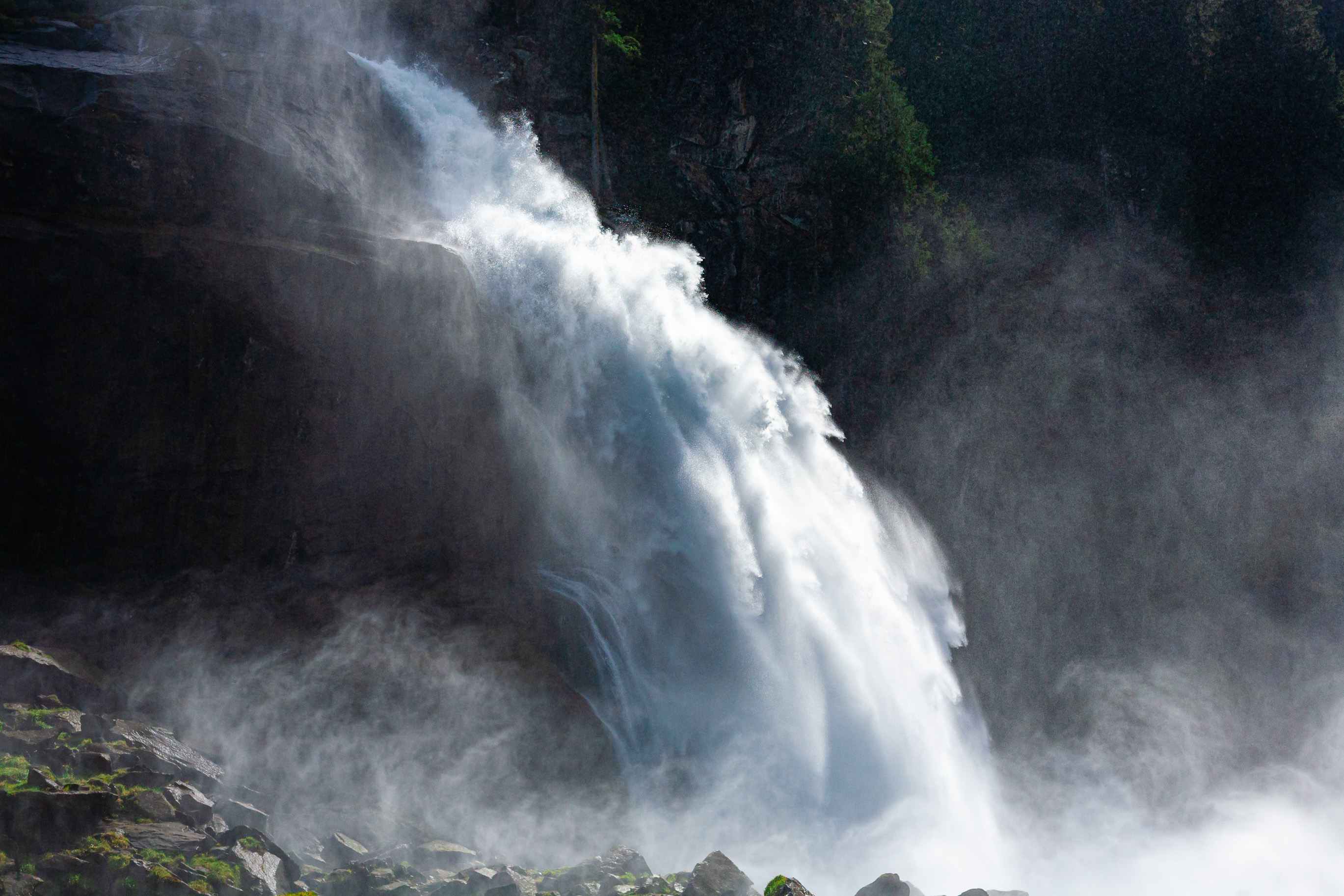
Krimmler Wasserfalle, Krimml, Hohe Tauern, Austria 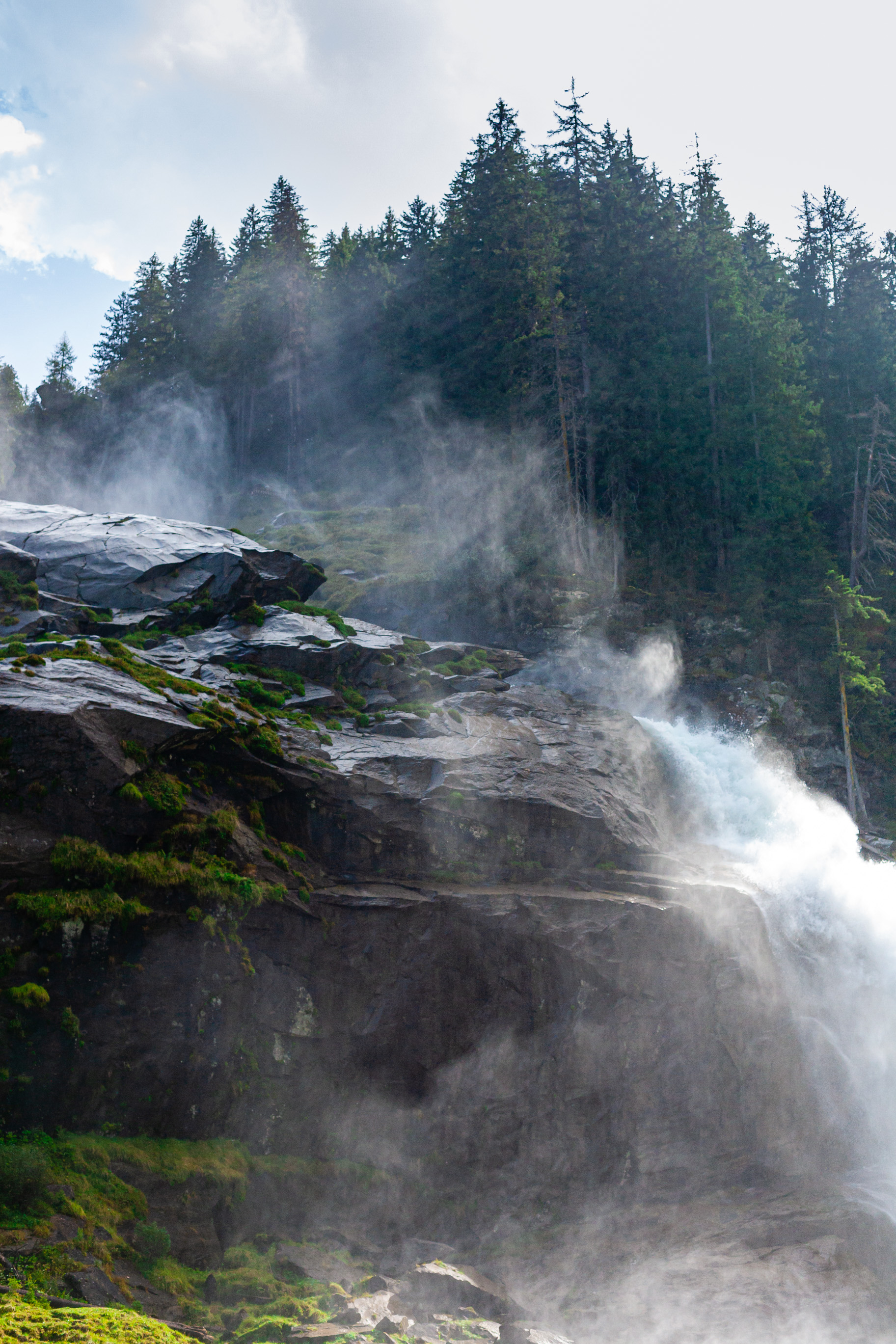
Krimmler Wasserfalle, Krimml, Hohe Tauern, Austria 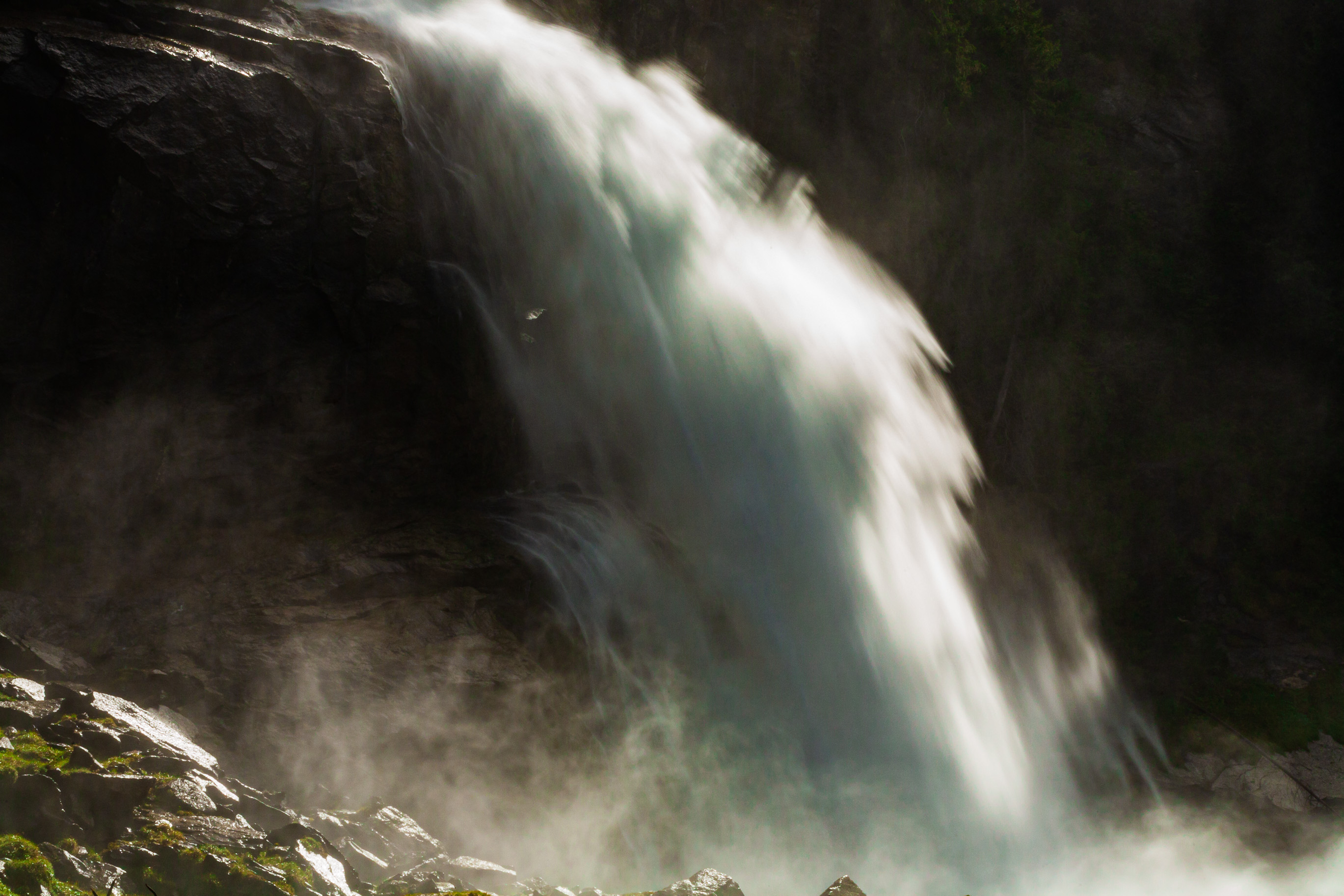
Krimmler Wasserfalle, Krimml, Hohe Tauern, Austria 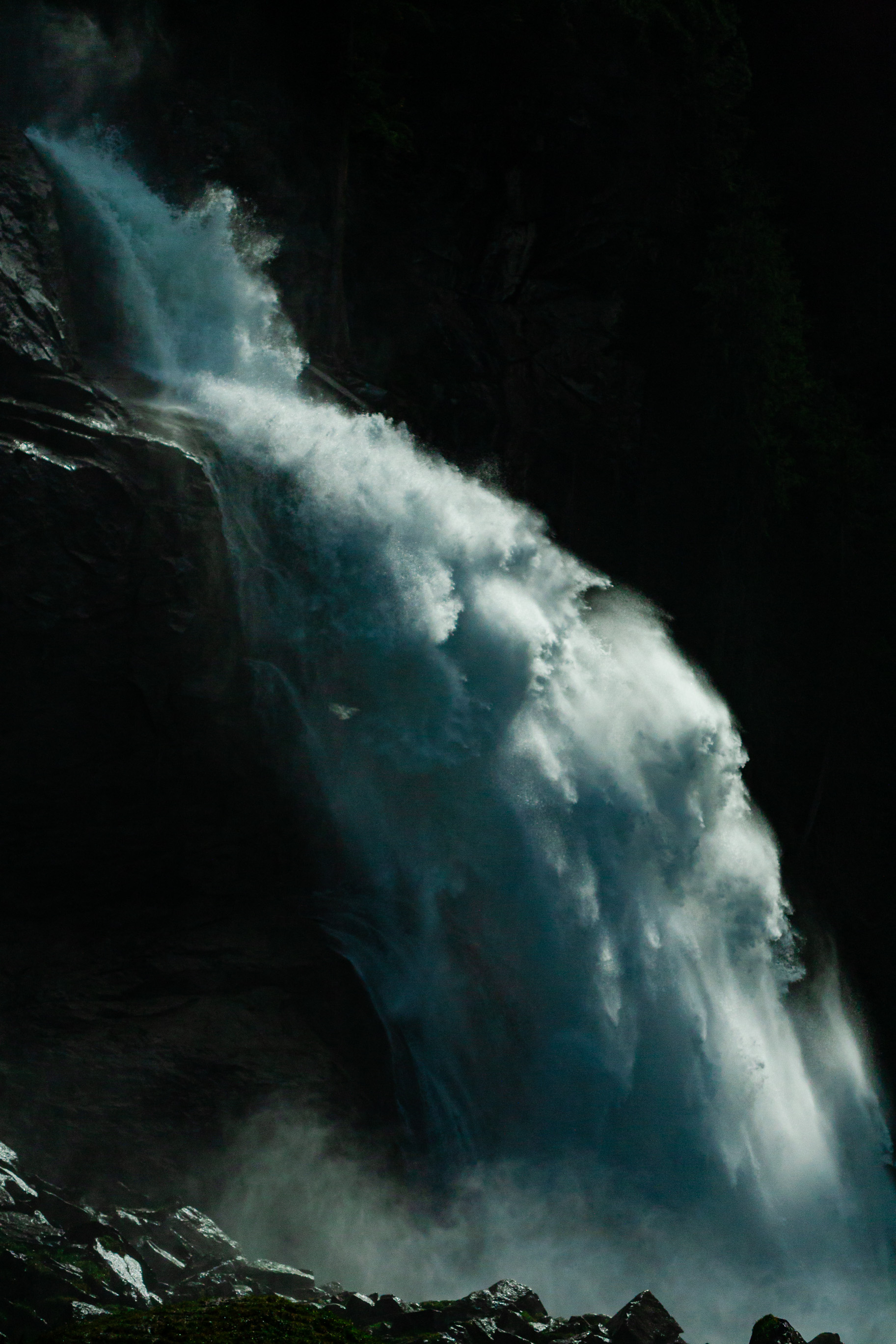
Krimmler Wasserfalle, Krimml, Hohe Tauern, Austria 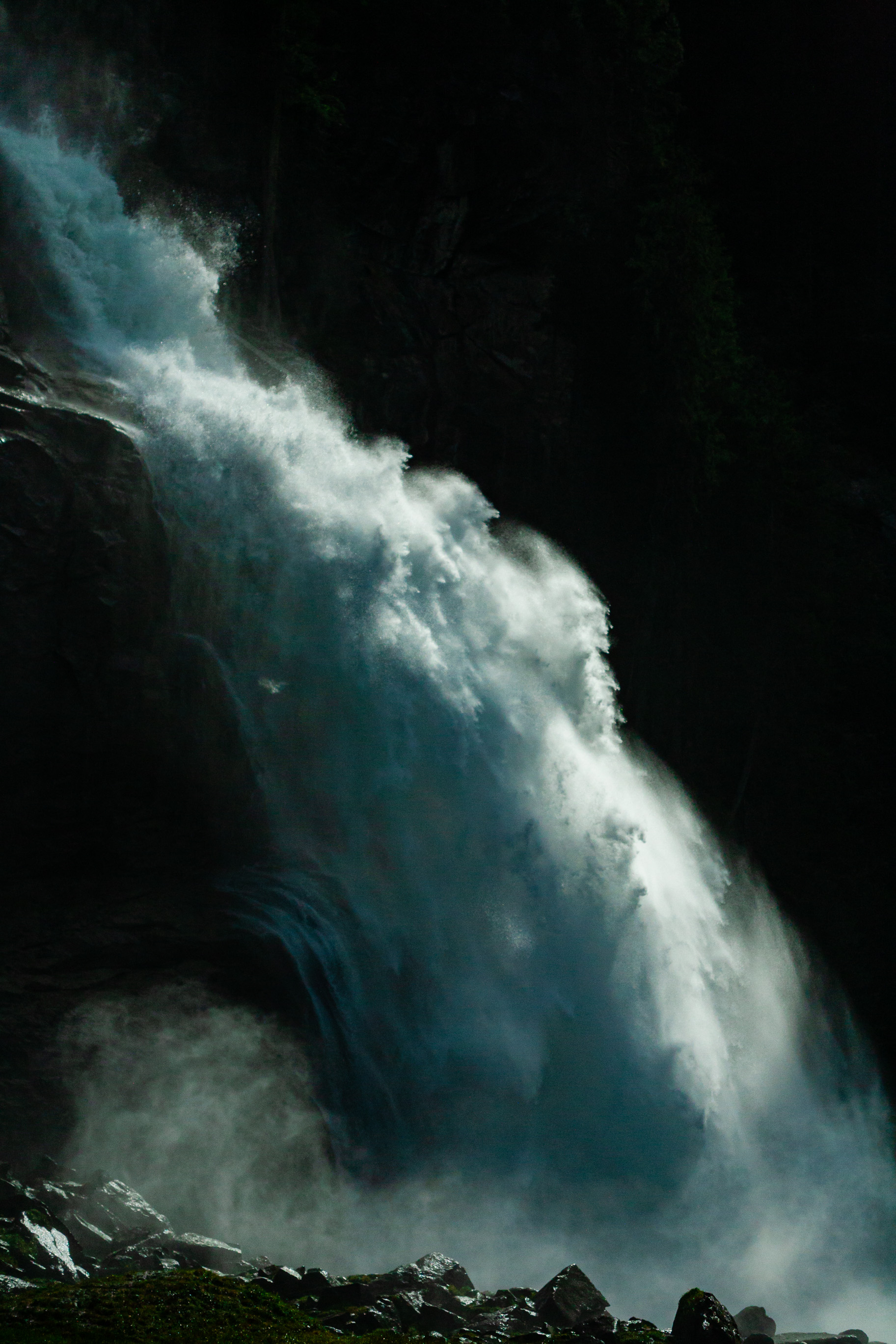
Krimmler Wasserfalle, Krimml, Hohe Tauern, Austria 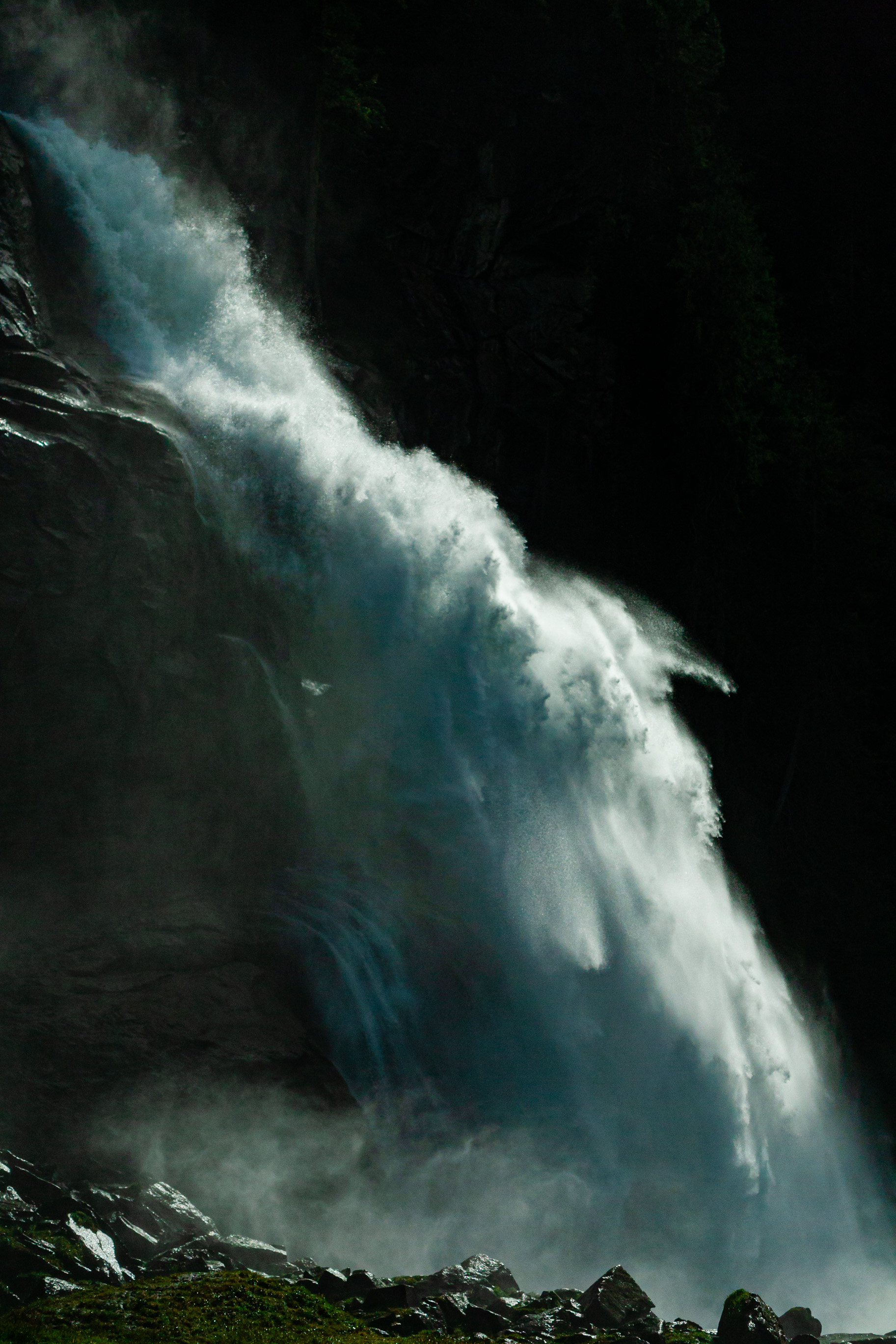
Krimmler Wasserfalle, Krimml, Hohe Tauern, Austria 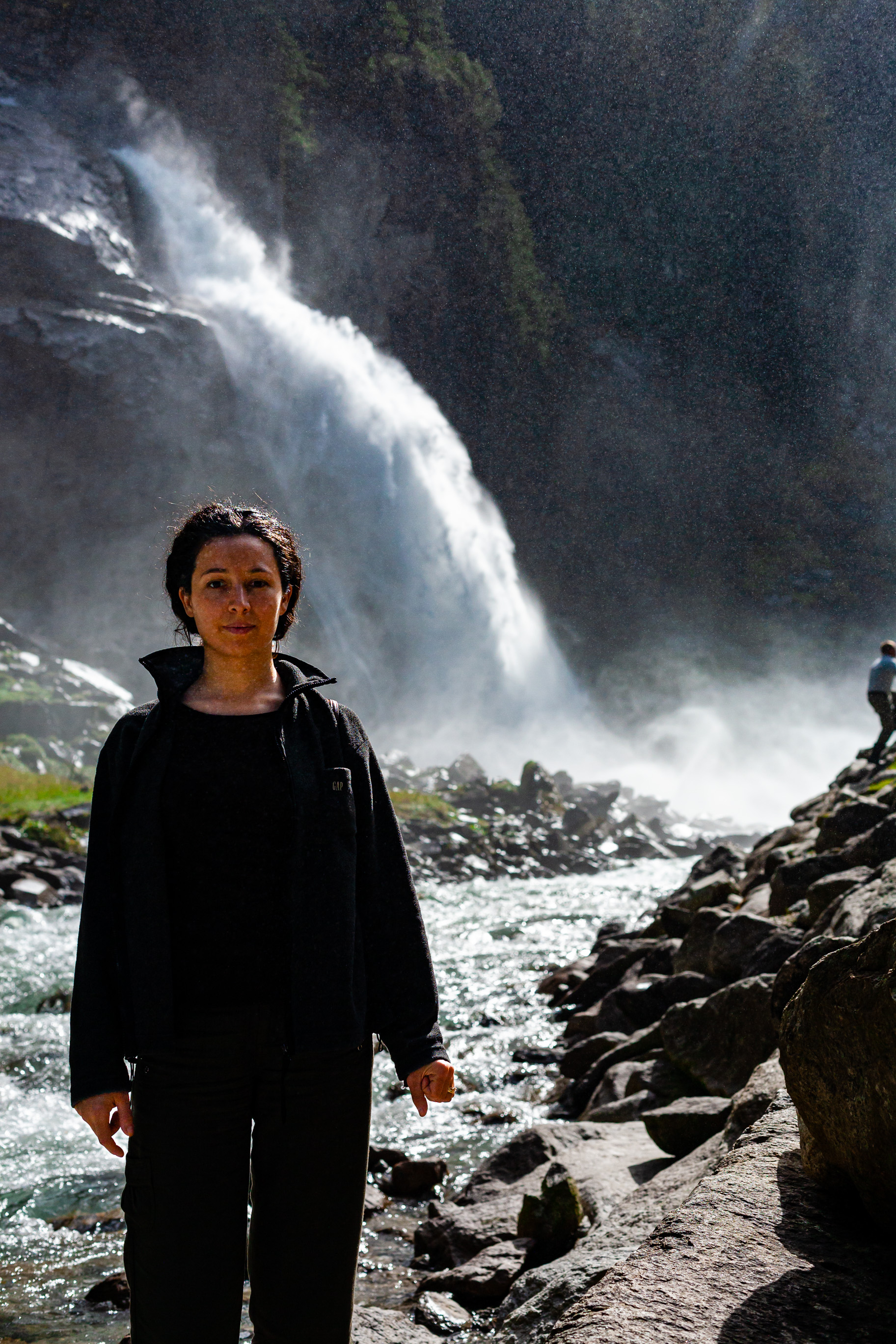
Krimmler Wasserfalle, Krimml, Hohe Tauern, Austria 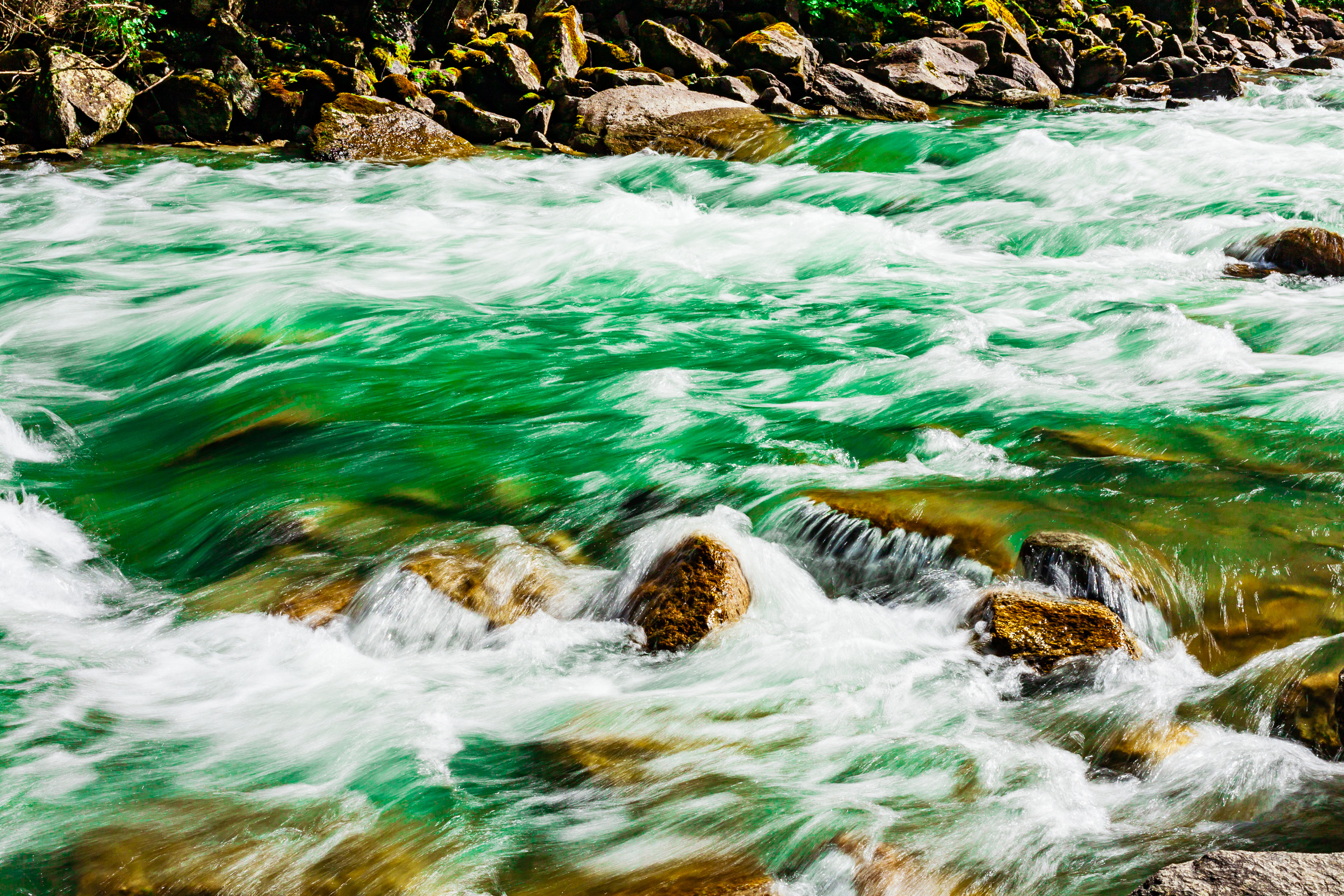
Krimmler Wasserfalle, Krimml, Hohe Tauern, Austria 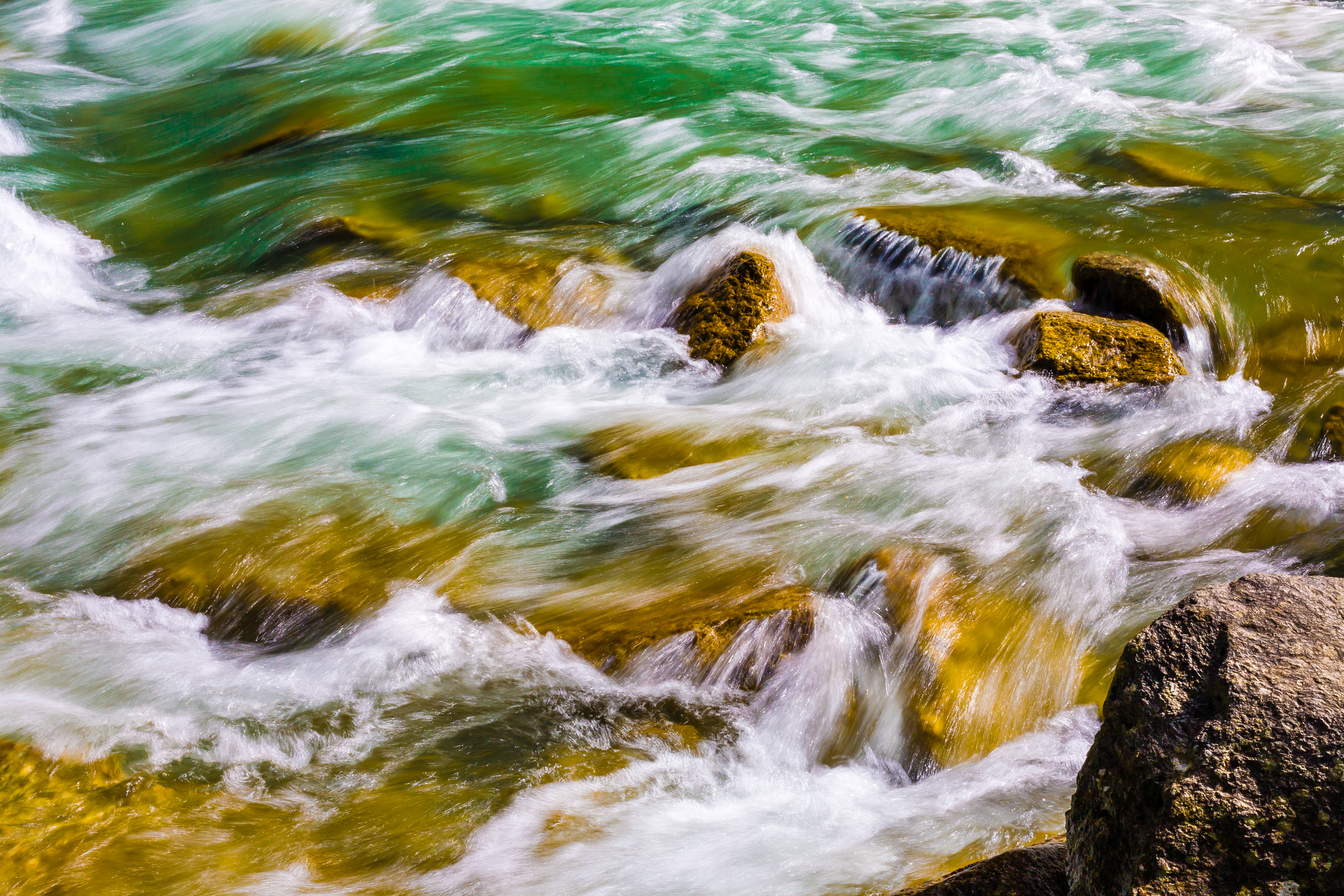
Krimmler Wasserfalle, Krimml, Hohe Tauern, Austria 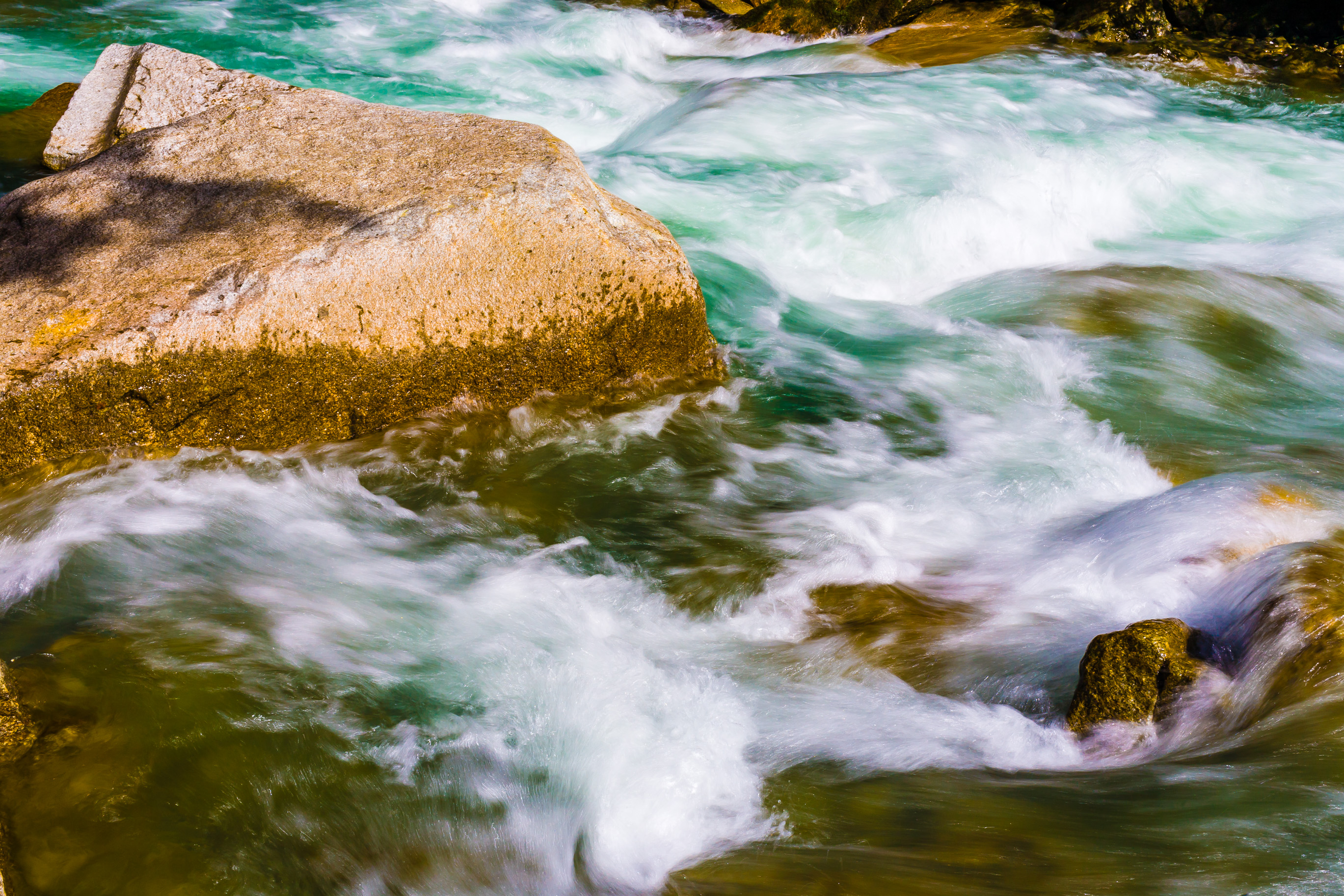
Krimmler Wasserfalle, Krimml, Hohe Tauern, Austria 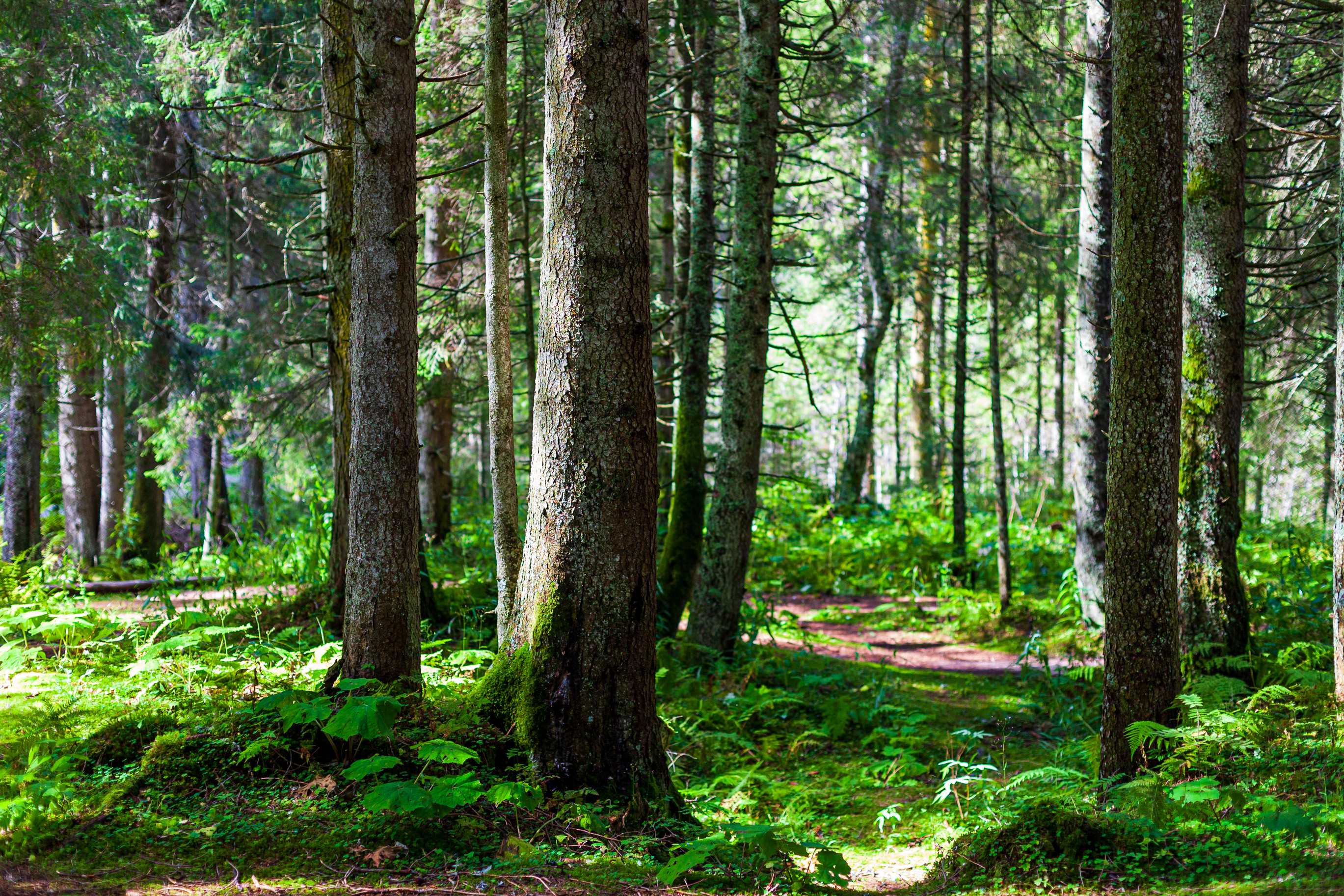
Krimmler Wasserfalle, Krimml, Hohe Tauern, Austria 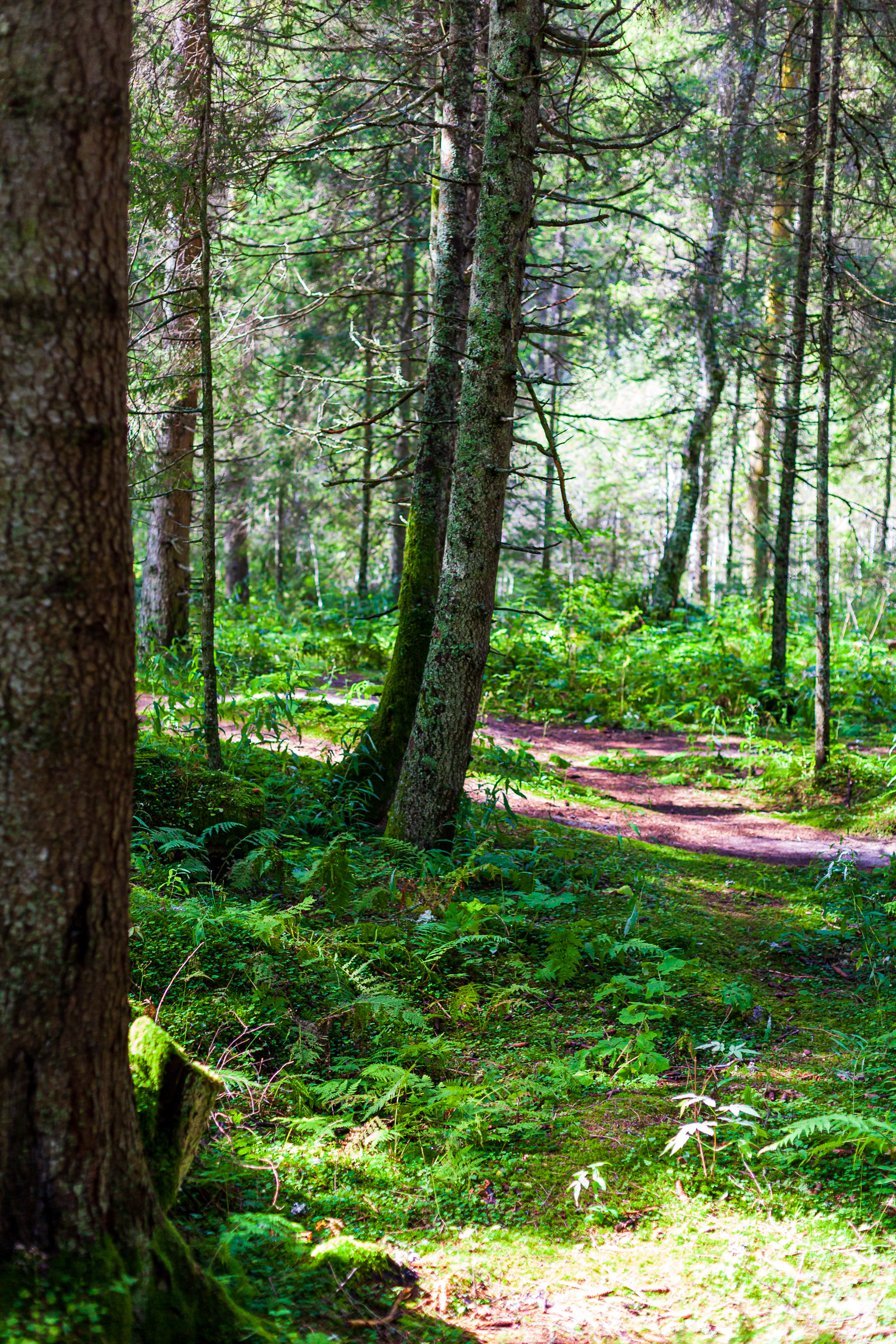
Krimmler Wasserfalle, Krimml, Hohe Tauern, Austria 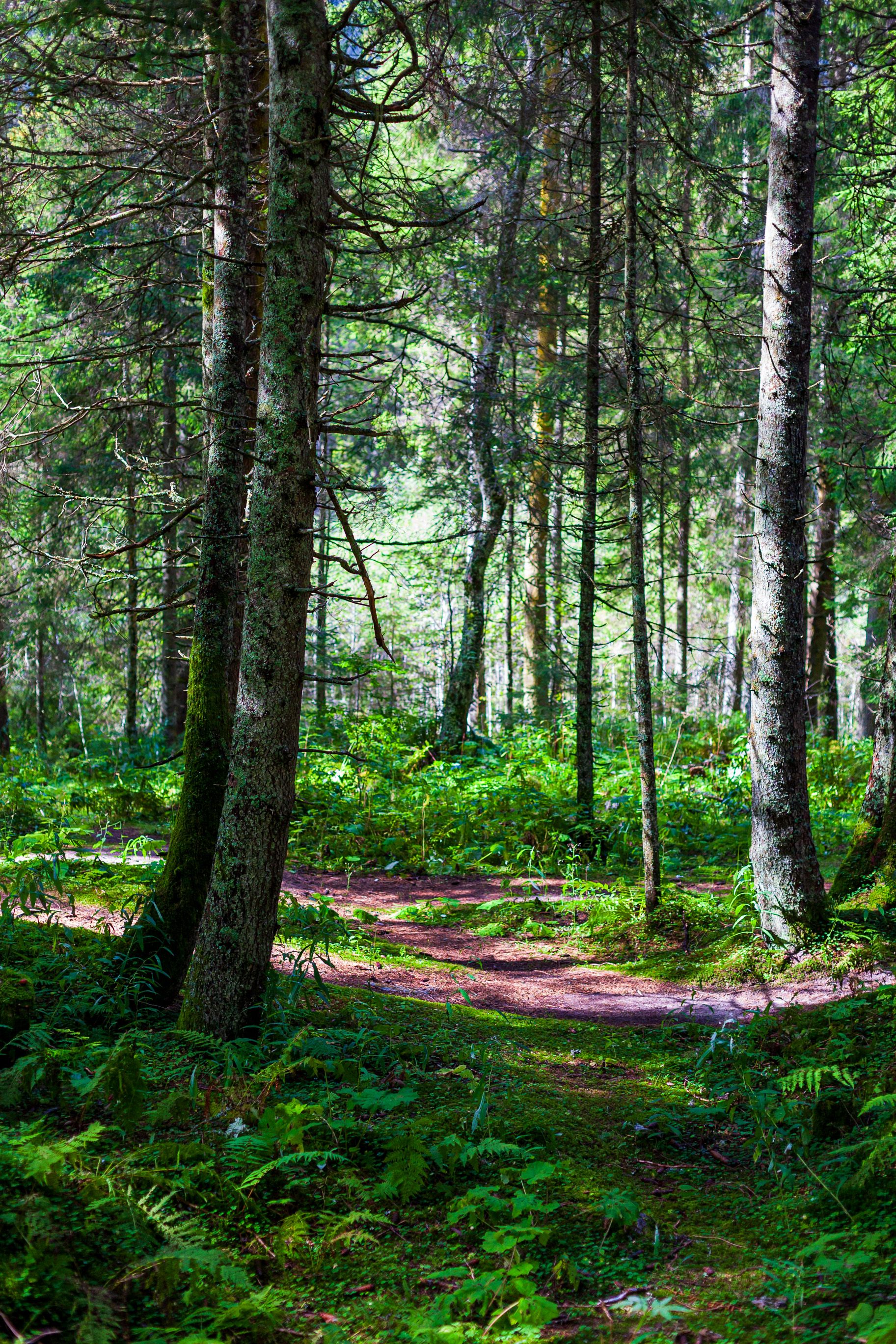
Krimmler Wasserfalle, Krimml, Hohe Tauern, Austria 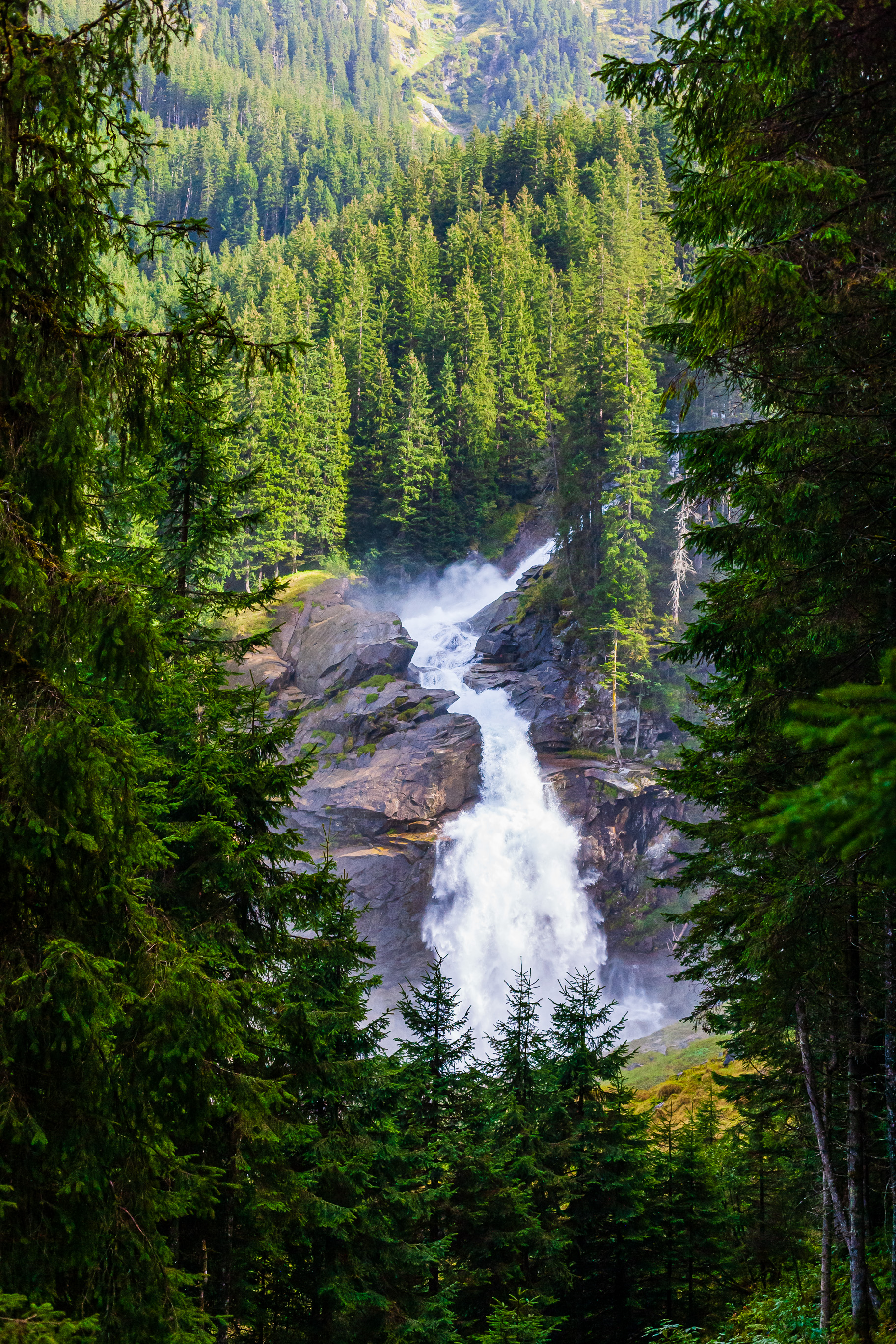
Krimmler Wasserfalle, Krimml, Hohe Tauern, Austria 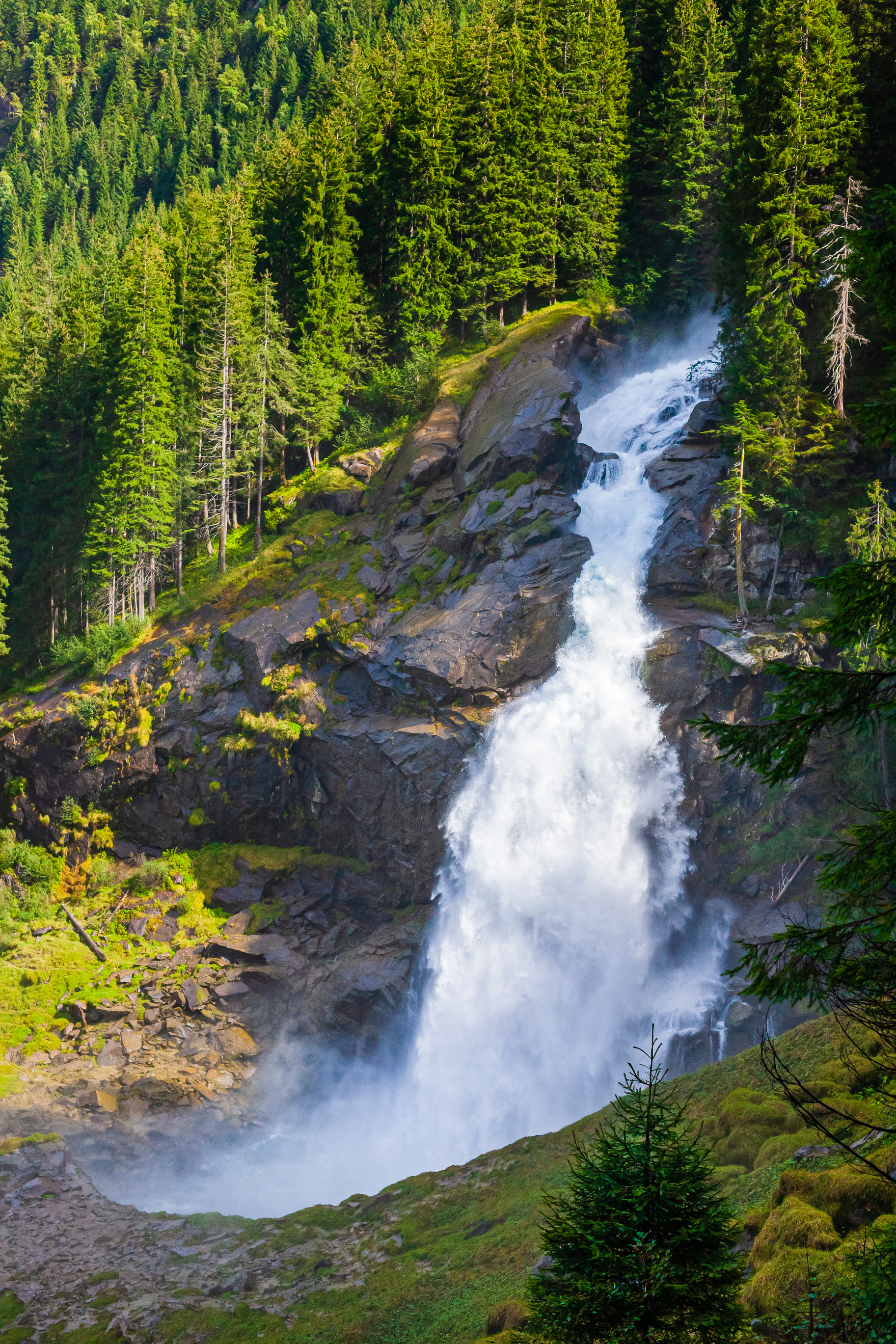
Krimmler Wasserfalle, Krimml, Hohe Tauern, Austria 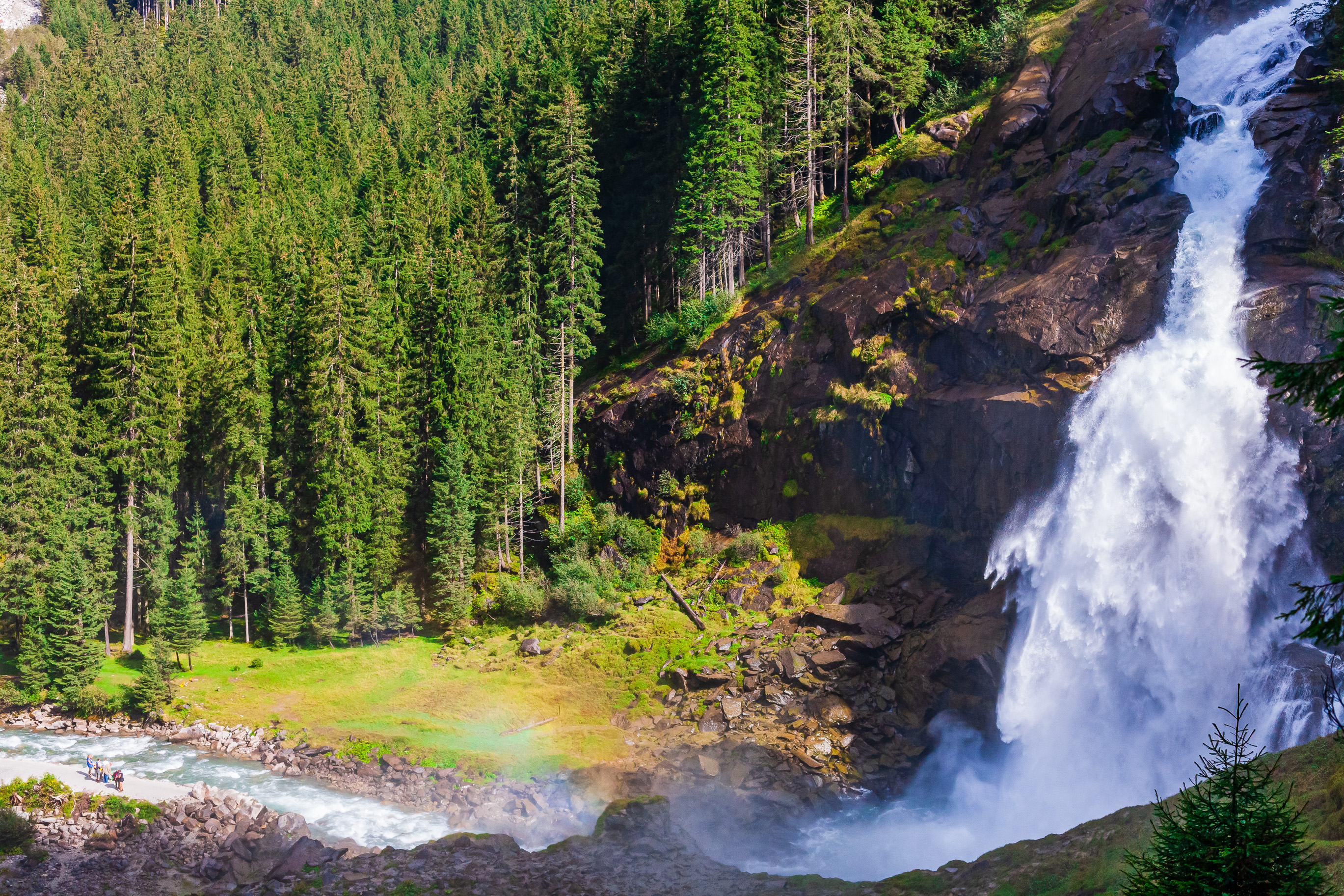
Krimmler Wasserfalle, Krimml, Hohe Tauern, Austria 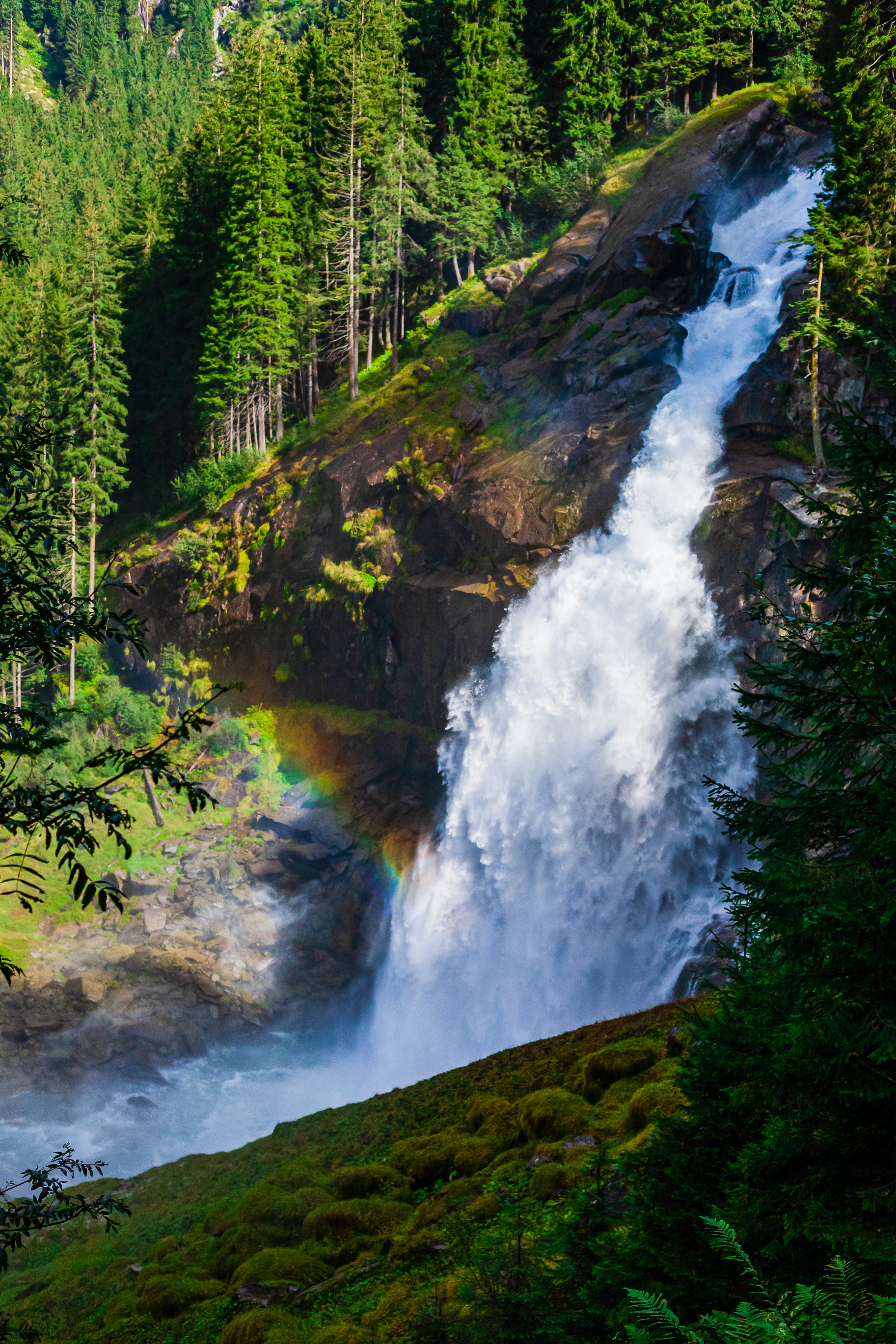
Krimmler Wasserfalle, Krimml, Hohe Tauern, Austria 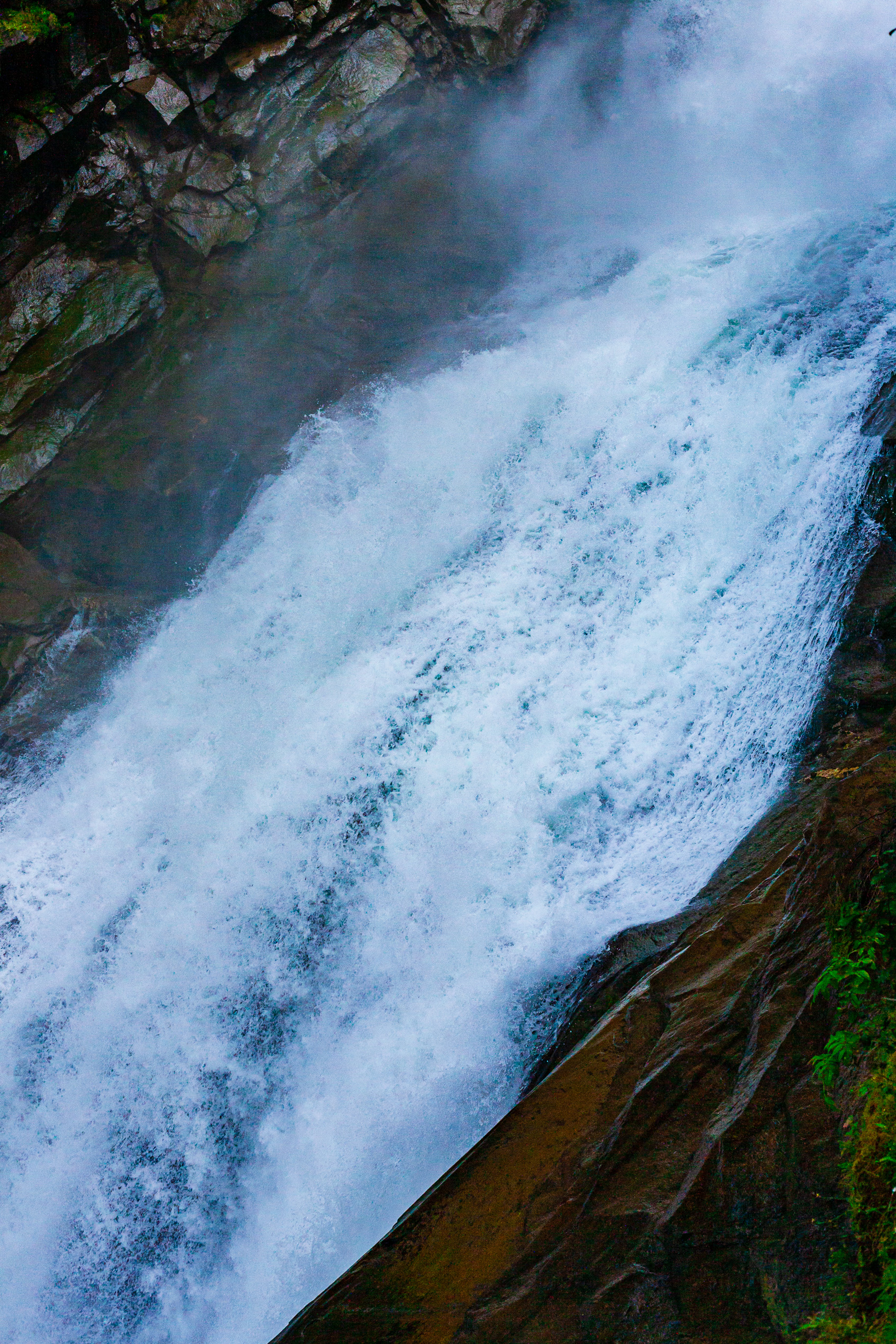
Krimmler Wasserfalle, Krimml, Hohe Tauern, Austria 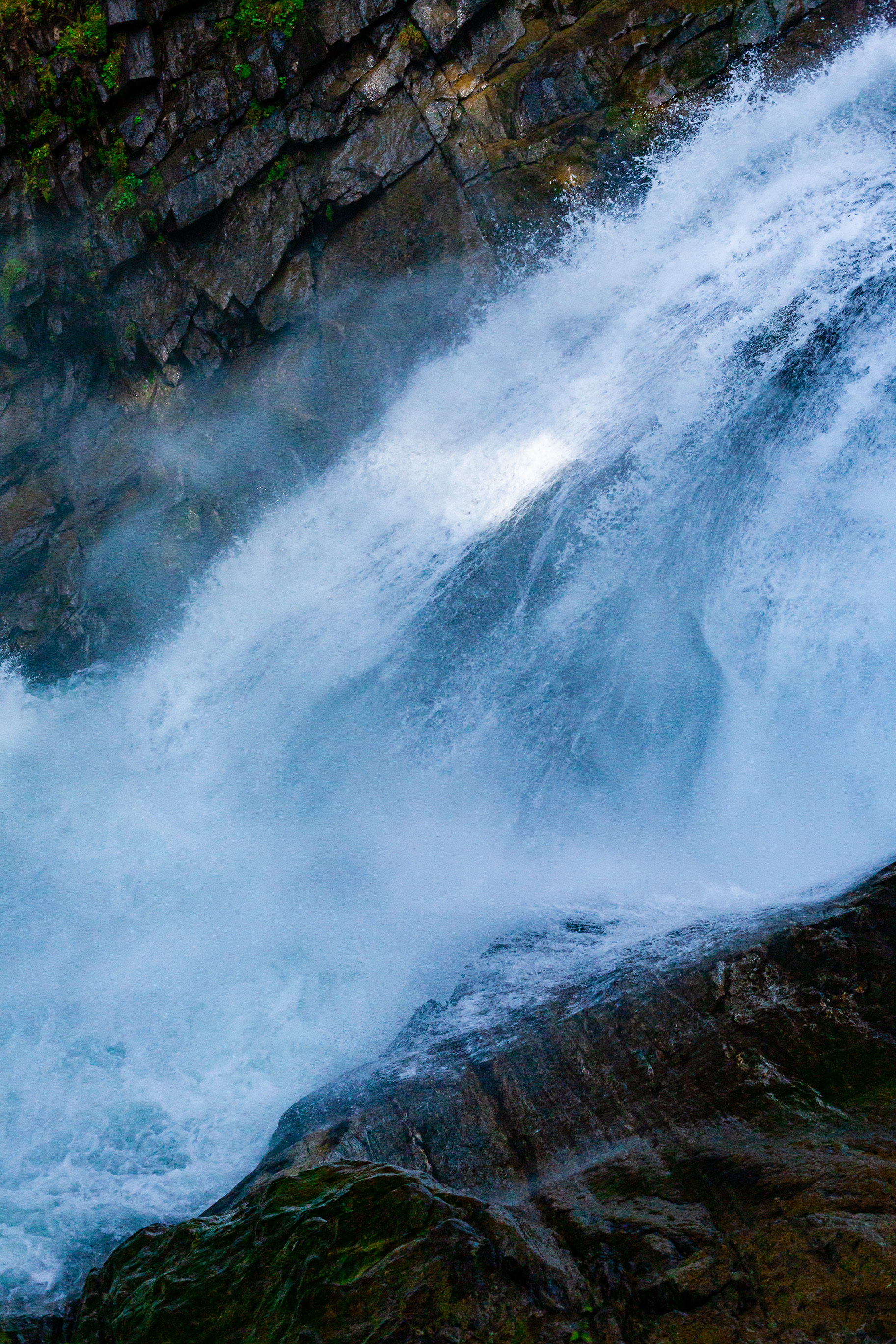
Krimmler Wasserfalle, Krimml, Hohe Tauern, Austria 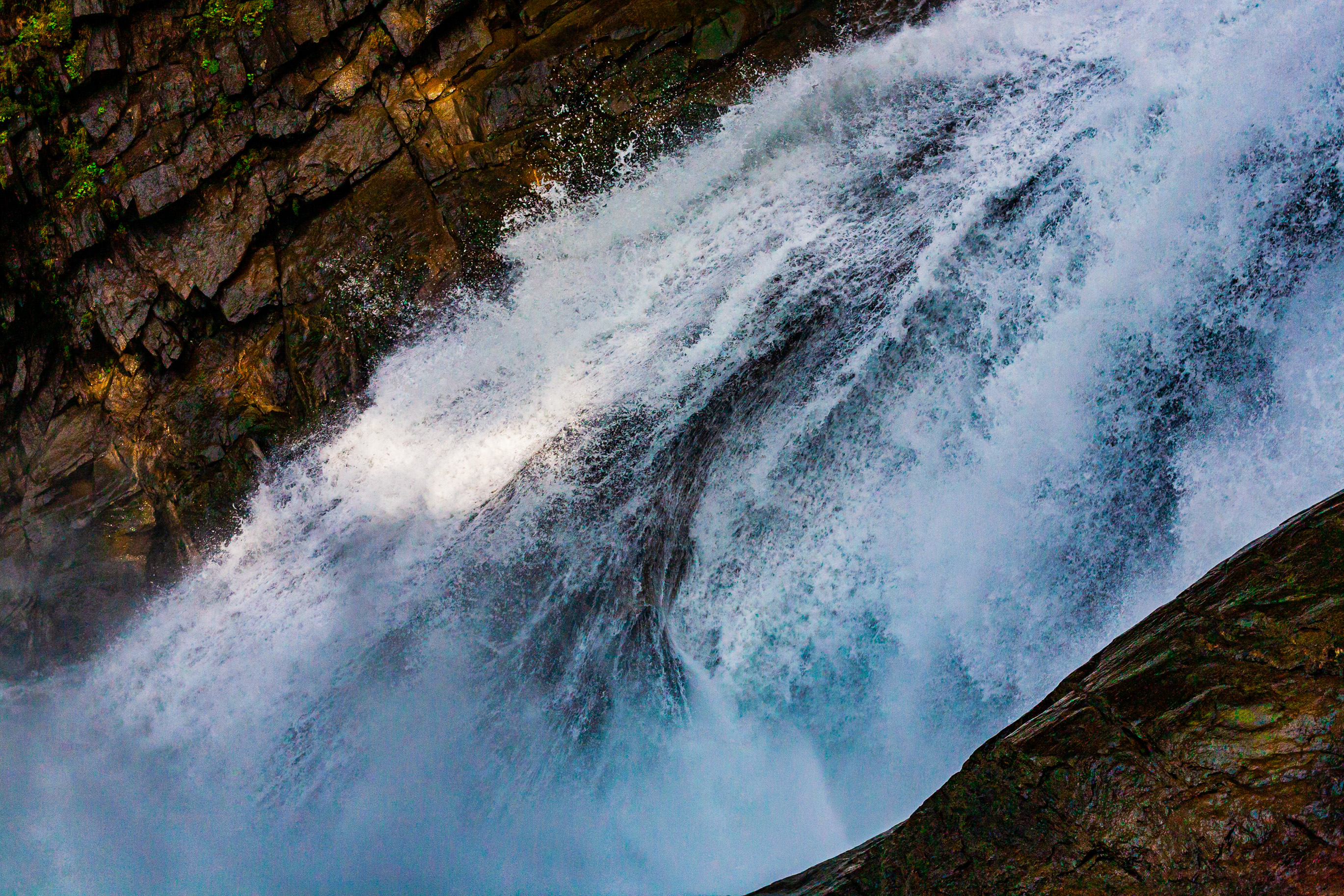
Krimmler Wasserfalle, Krimml, Hohe Tauern, Austria 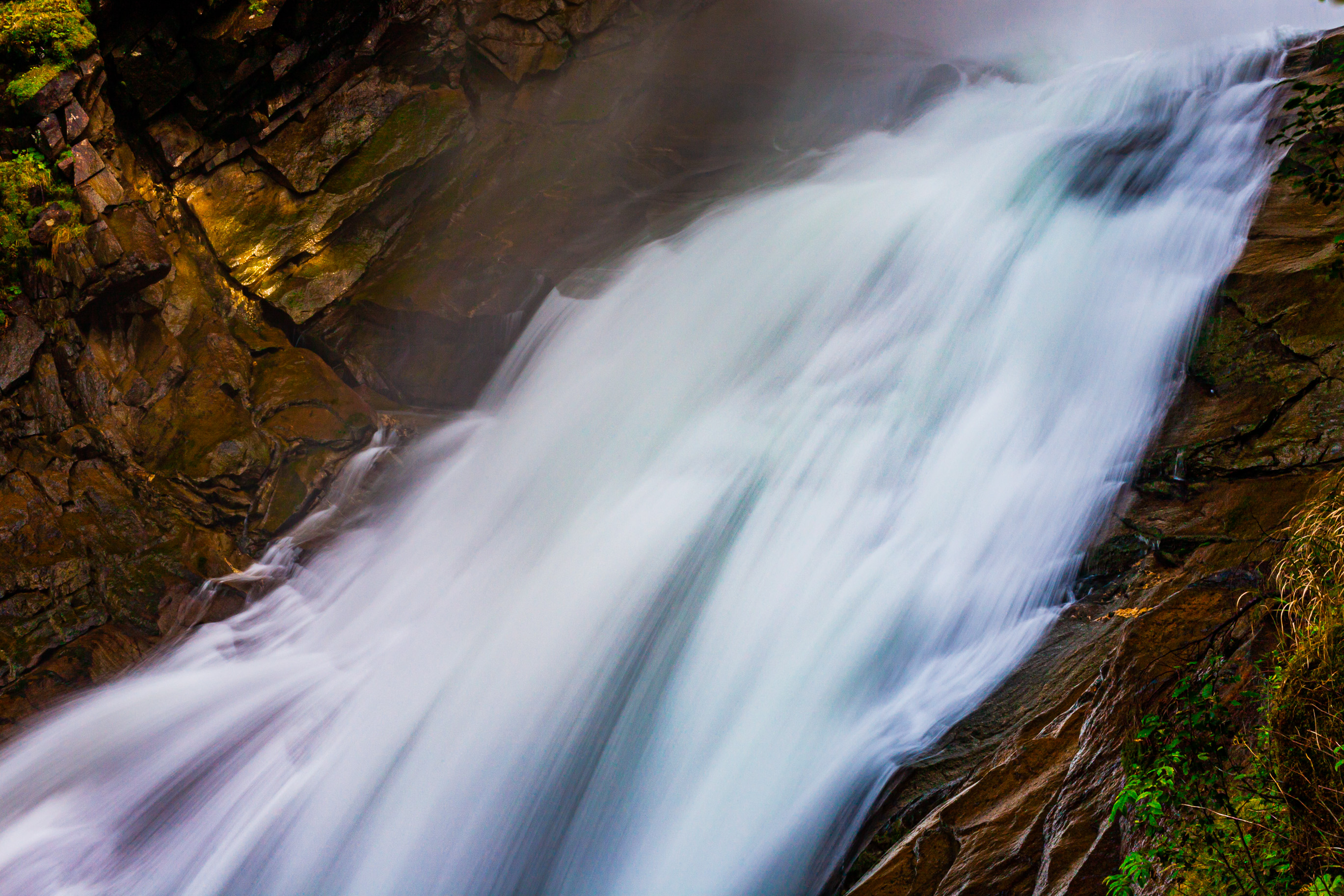
Krimmler Wasserfalle, Krimml, Hohe Tauern, Austria 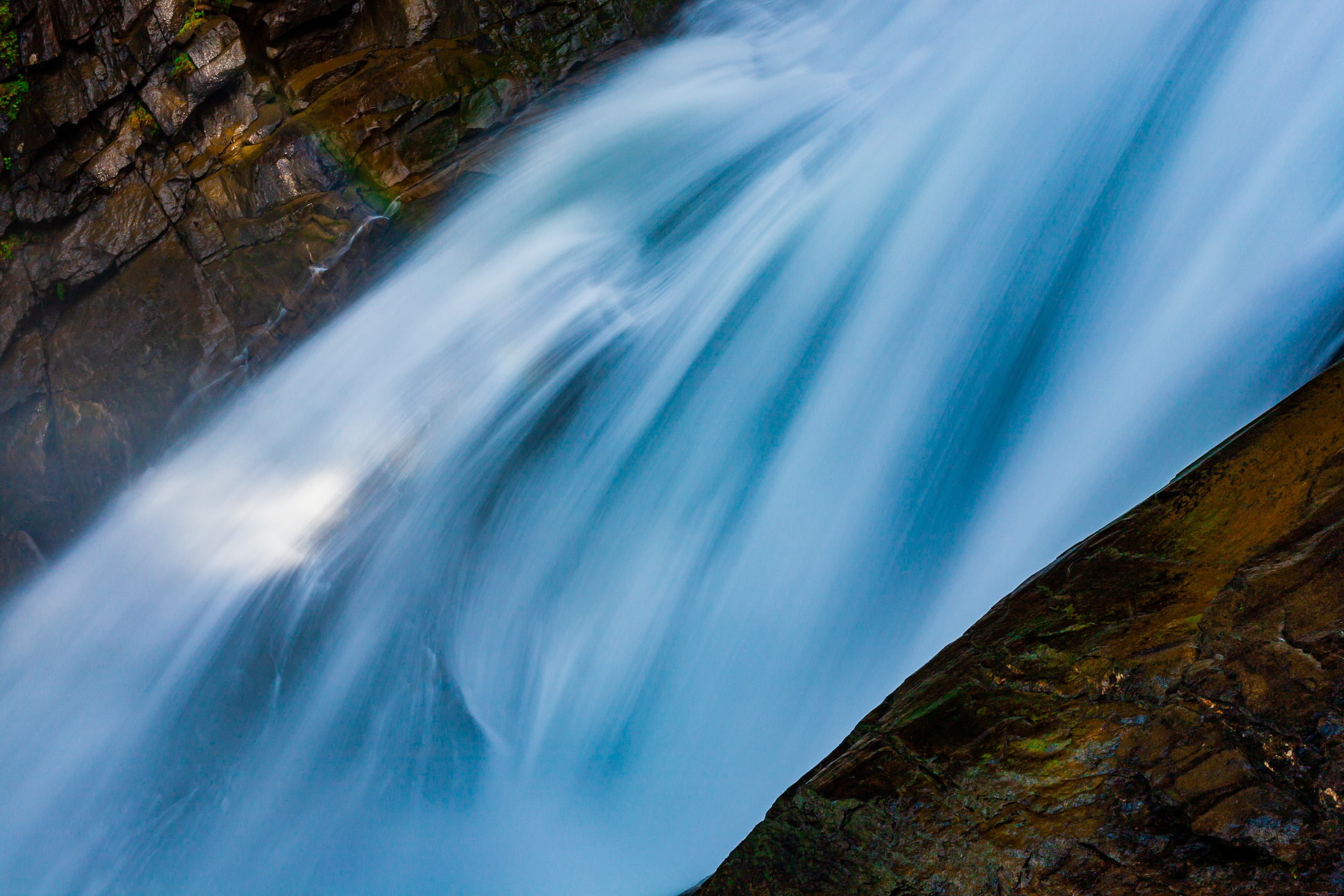
Krimmler Wasserfalle, Krimml, Hohe Tauern, Austria 
Krimmler Wasserfalle, Krimml, Hohe Tauern, Austria 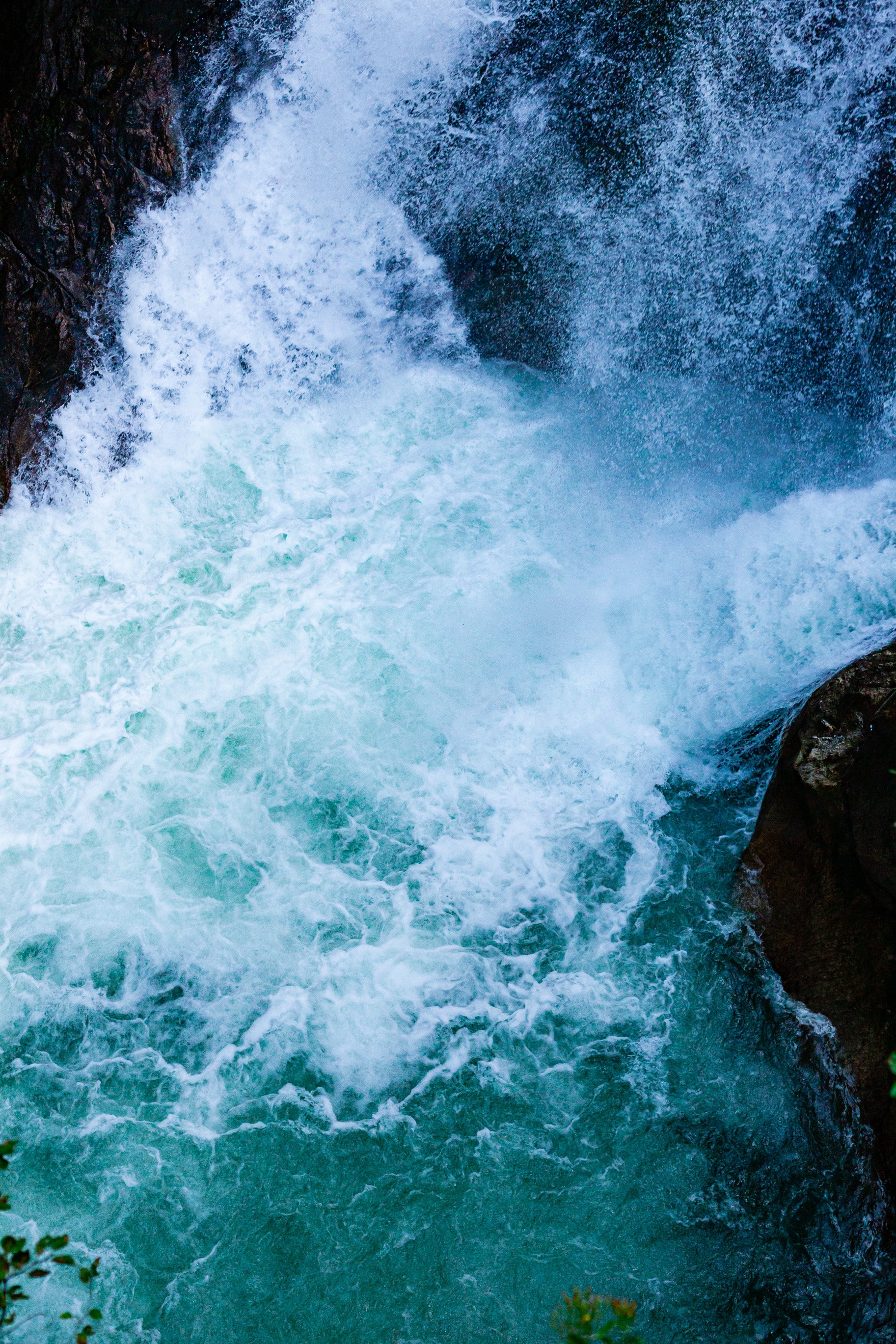
Krimmler Wasserfalle, Krimml, Hohe Tauern, Austria 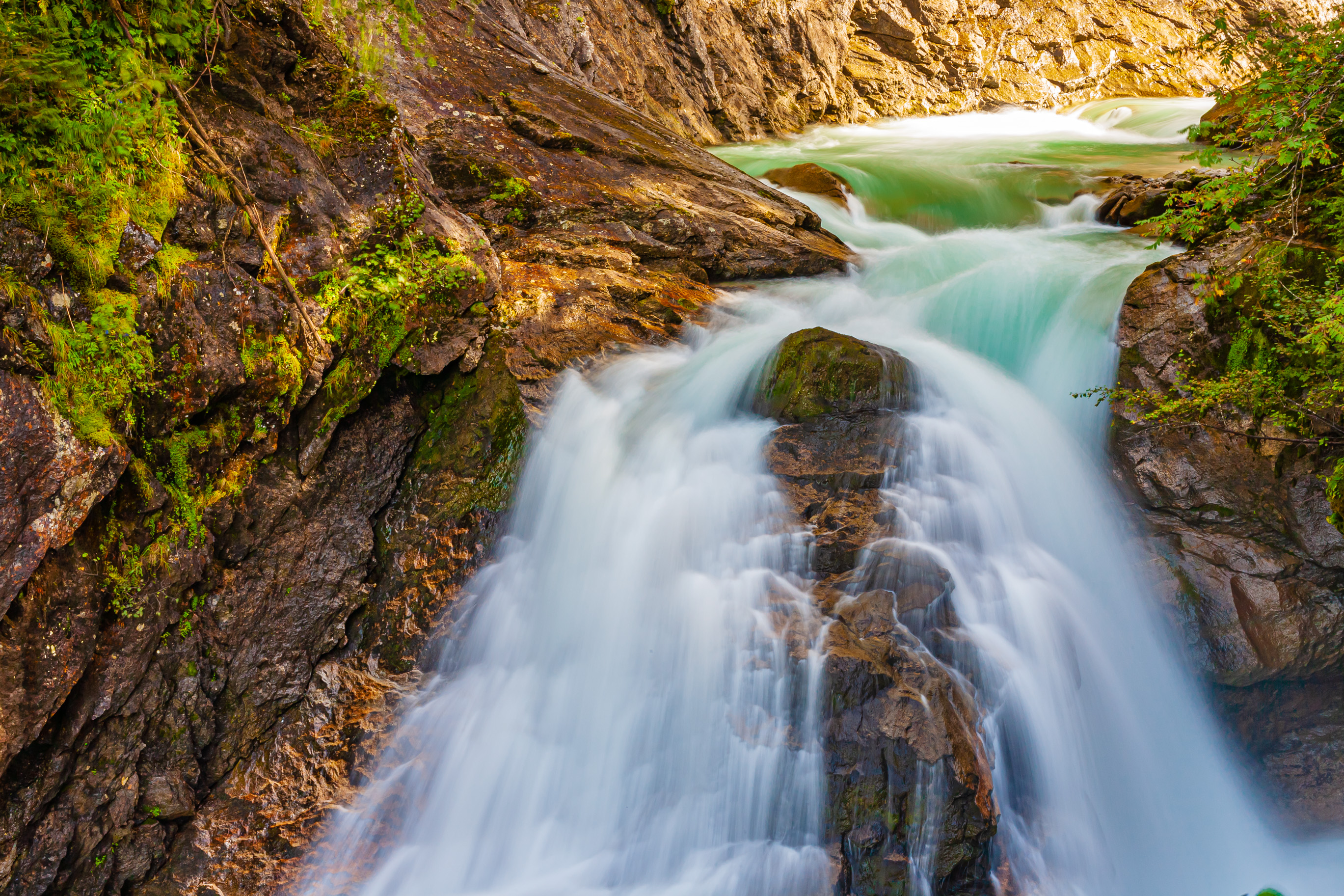
Krimmler Wasserfalle, Krimml, Hohe Tauern, Austria 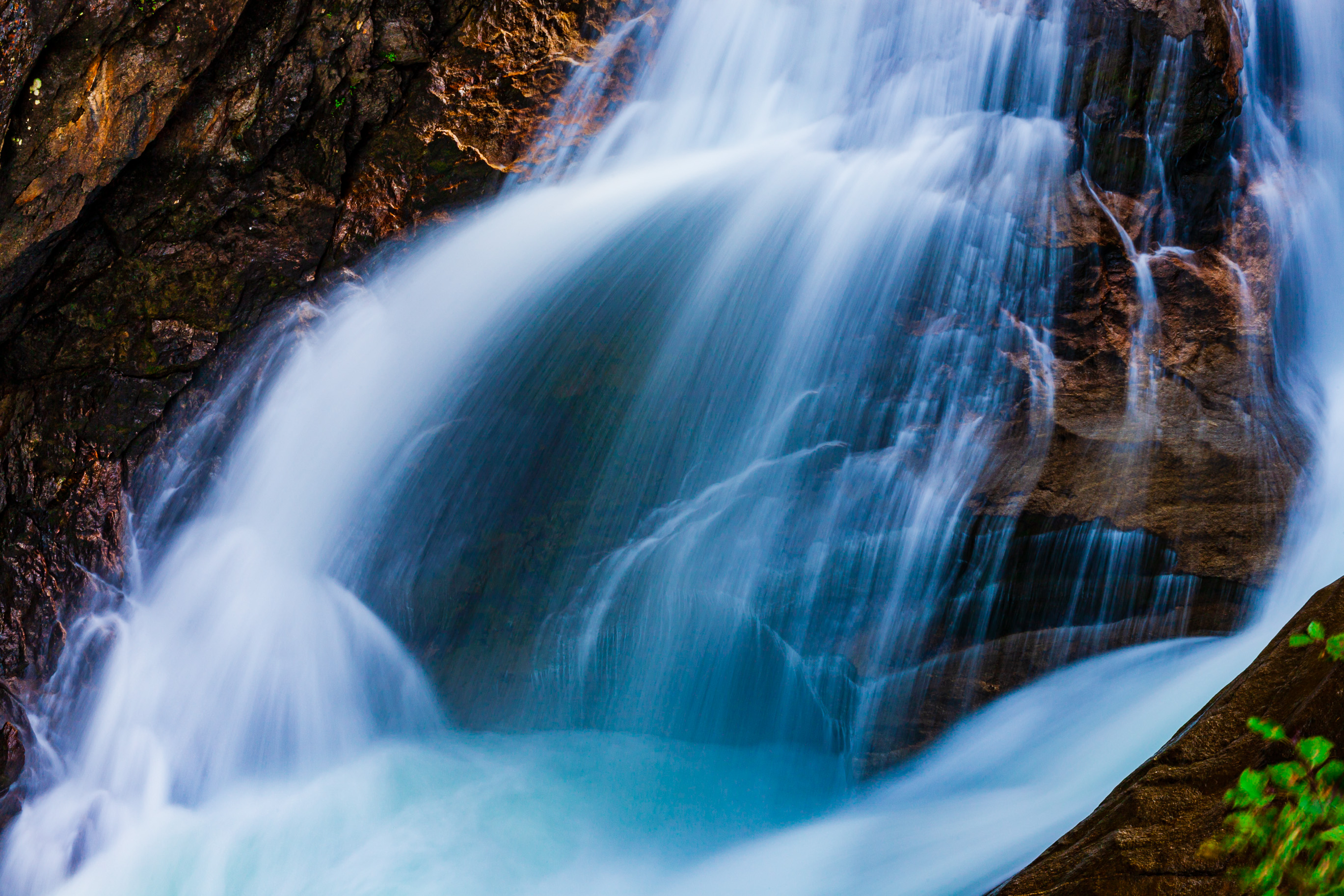
Krimmler Wasserfalle, Krimml, Hohe Tauern, Austria 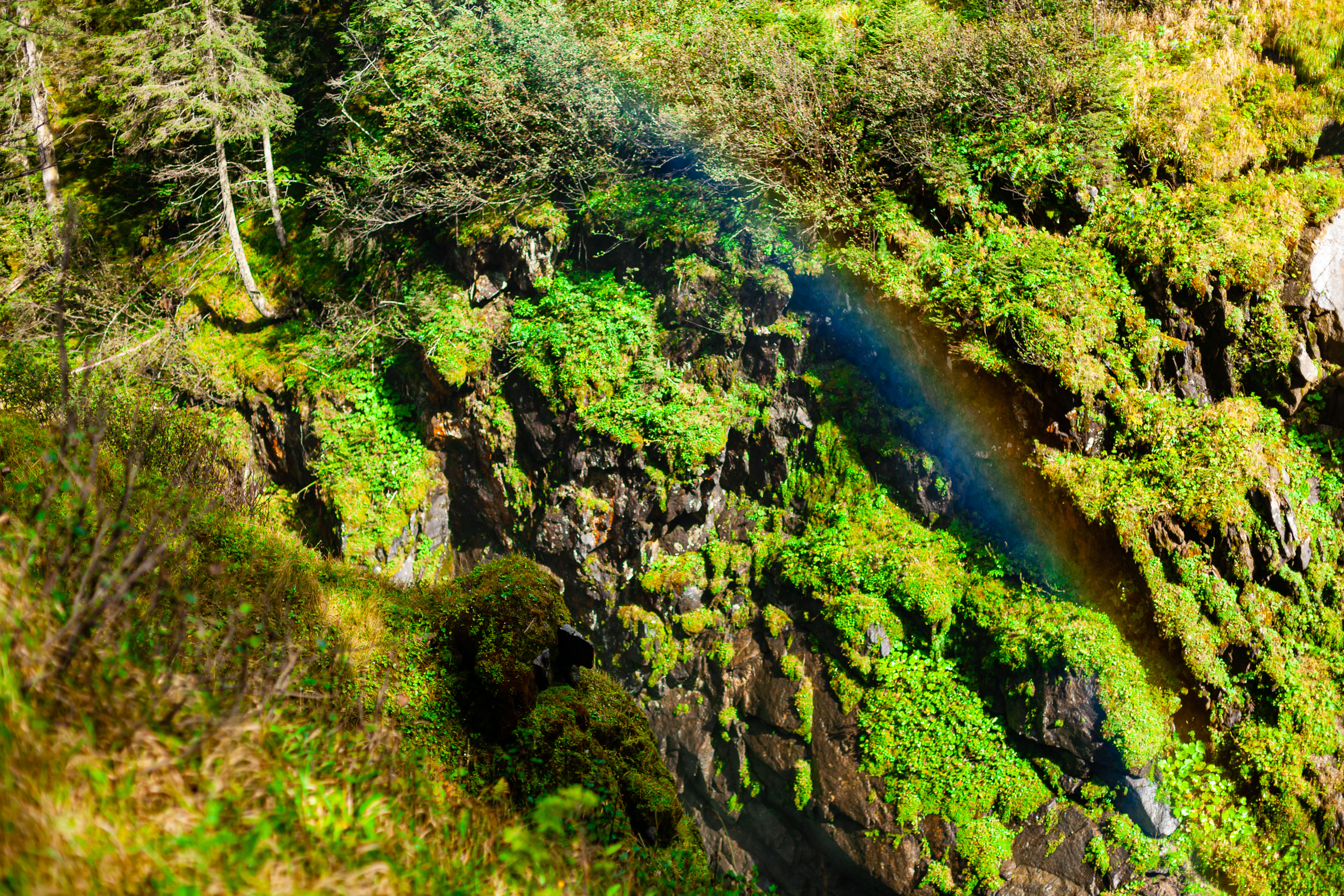
Krimmler Wasserfalle, Krimml, Hohe Tauern, Austria 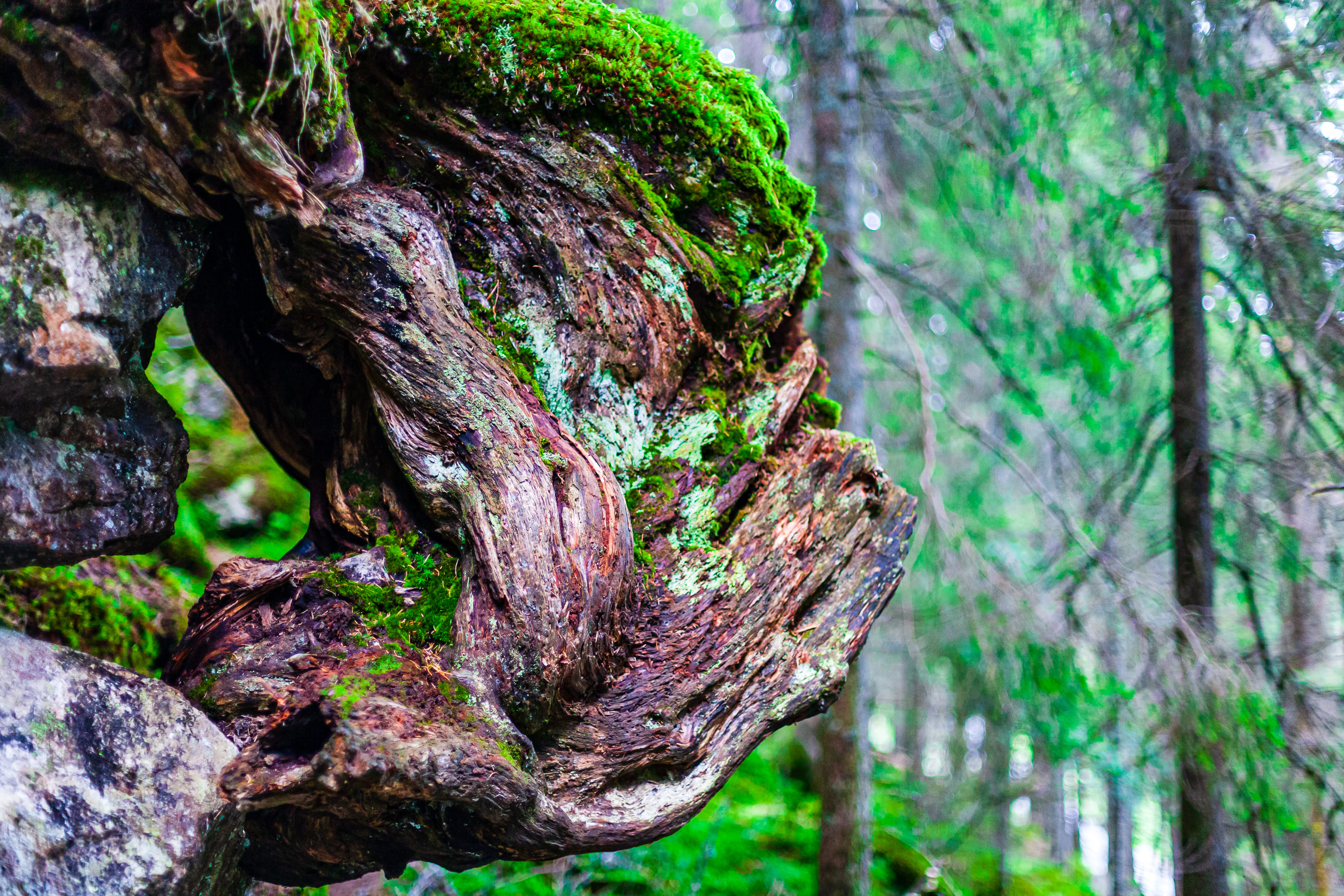
Krimmler Wasserfalle, Krimml, Hohe Tauern, Austria 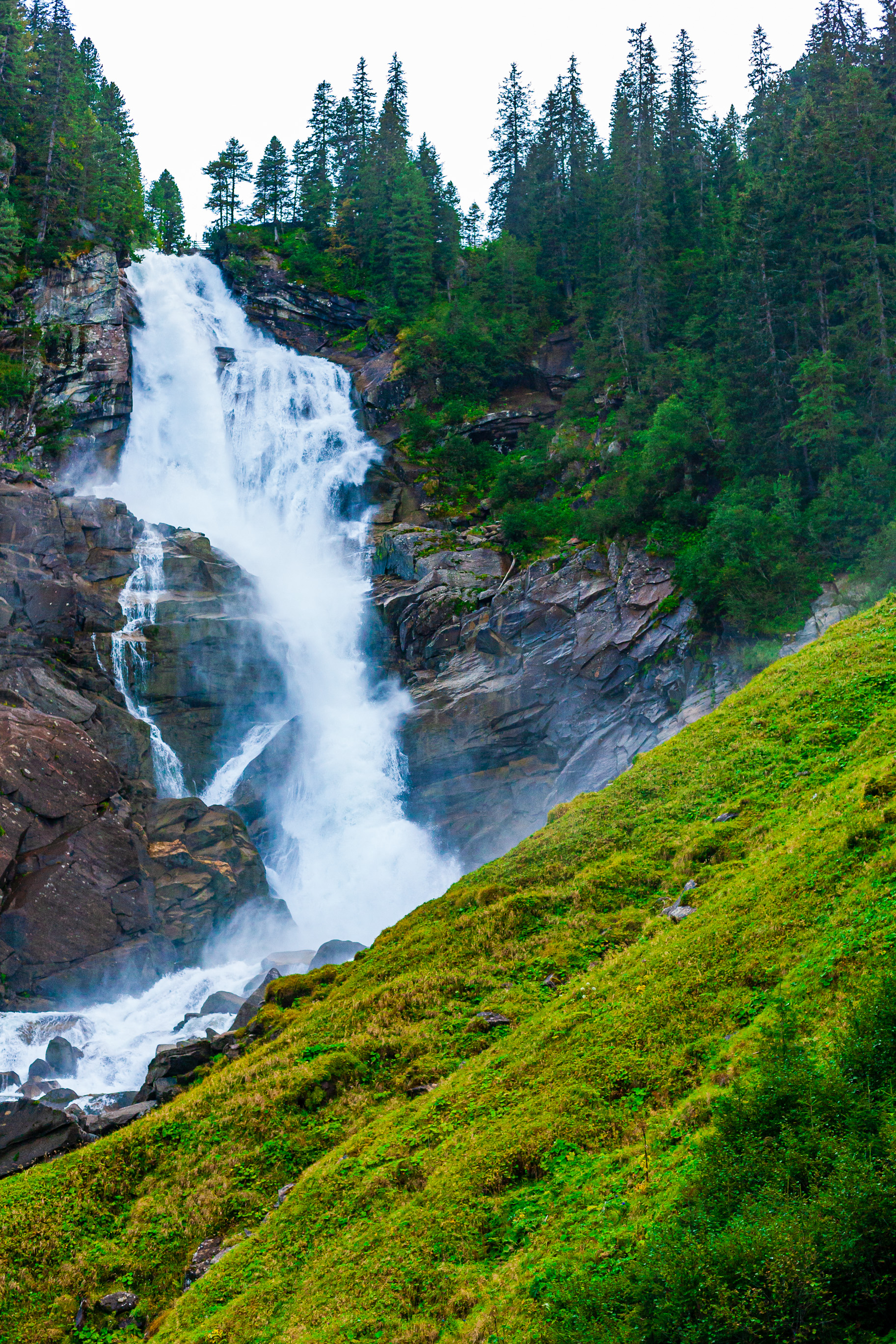
Krimmler Wasserfalle, Krimml, Hohe Tauern, Austria 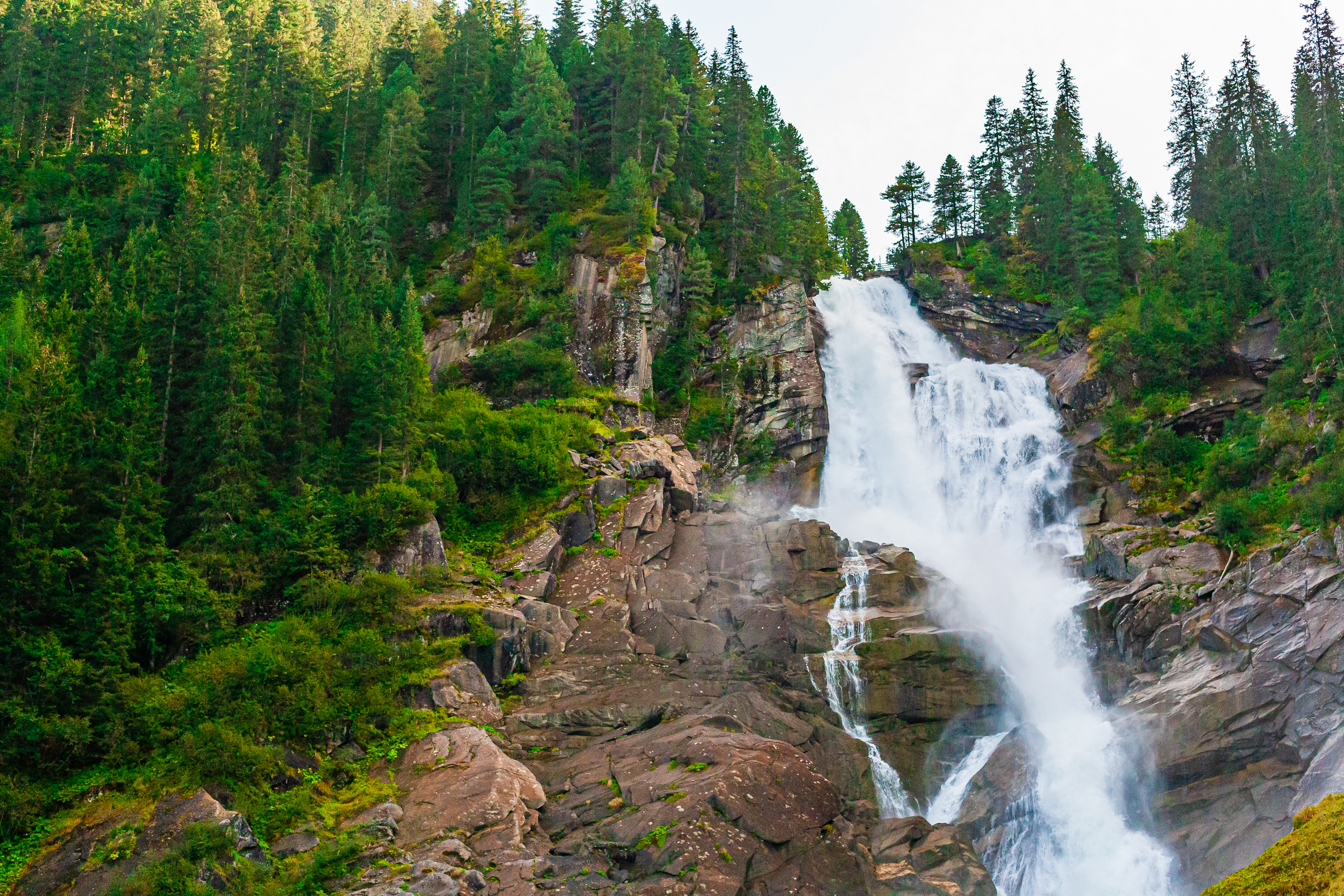
Krimmler Wasserfalle, Krimml, Hohe Tauern, Austria 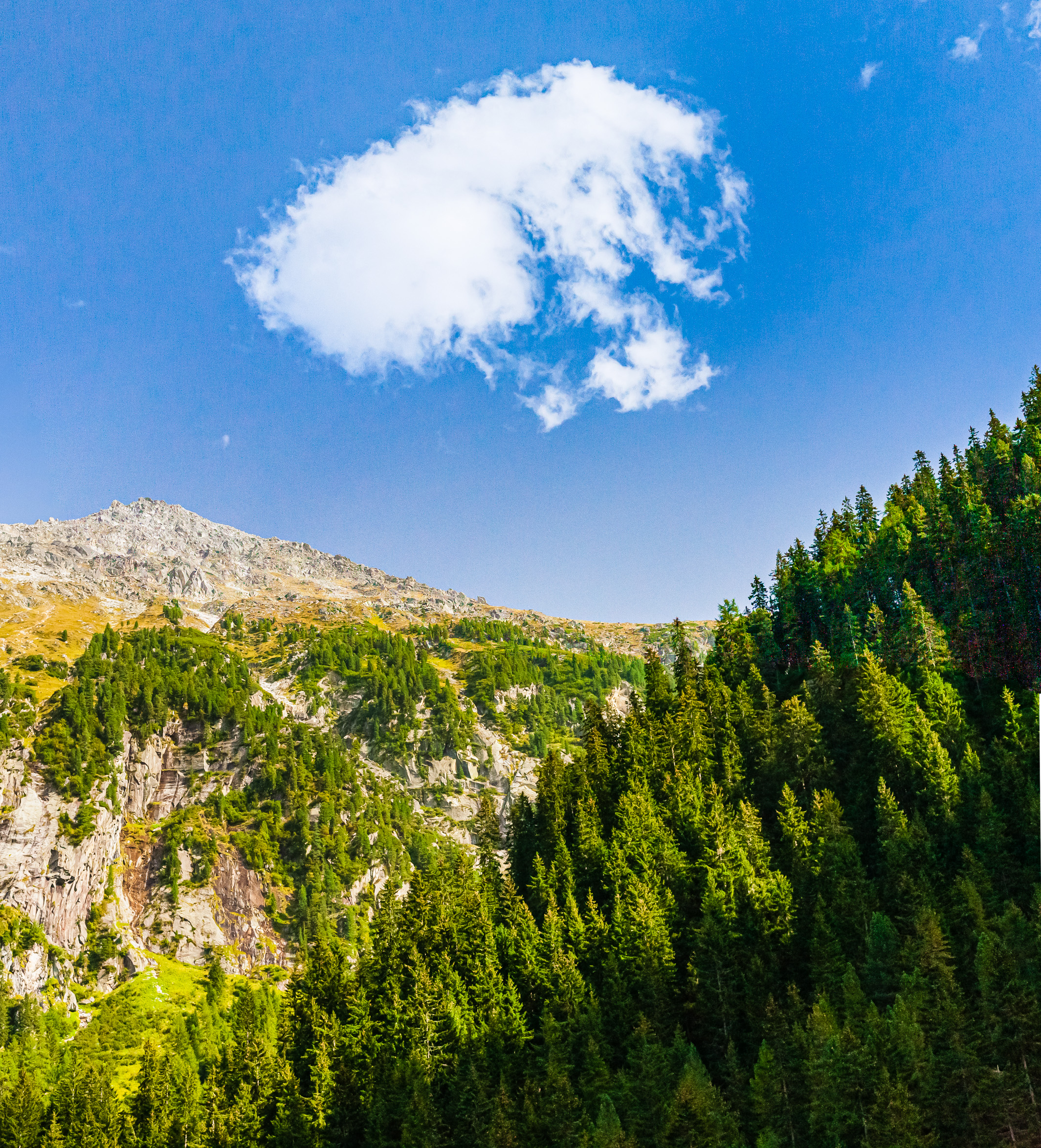
Krimmler Wasserfalle, Krimml, Hohe Tauern, Austria 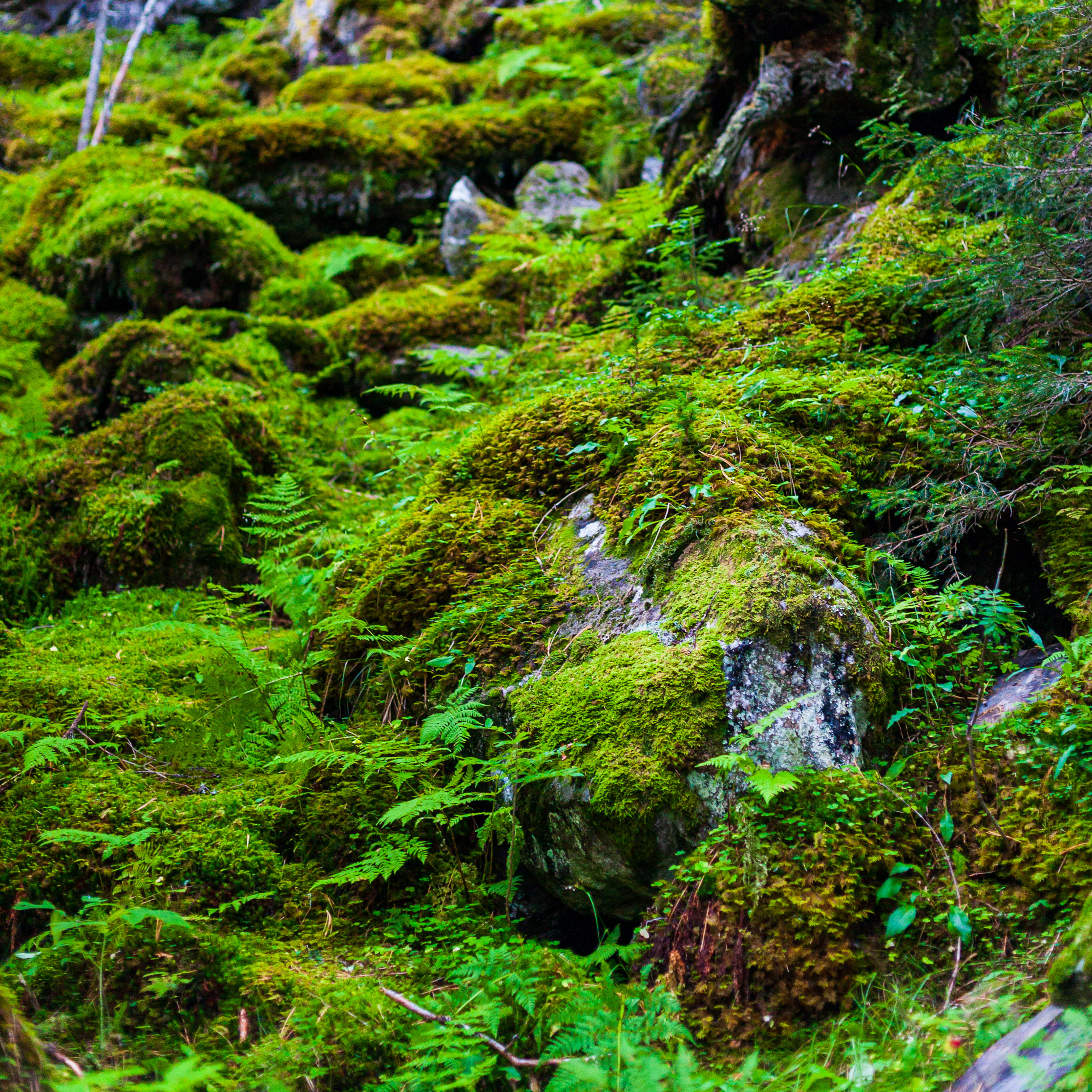
Krimmler Wasserfalle, Krimml, Hohe Tauern, Austria 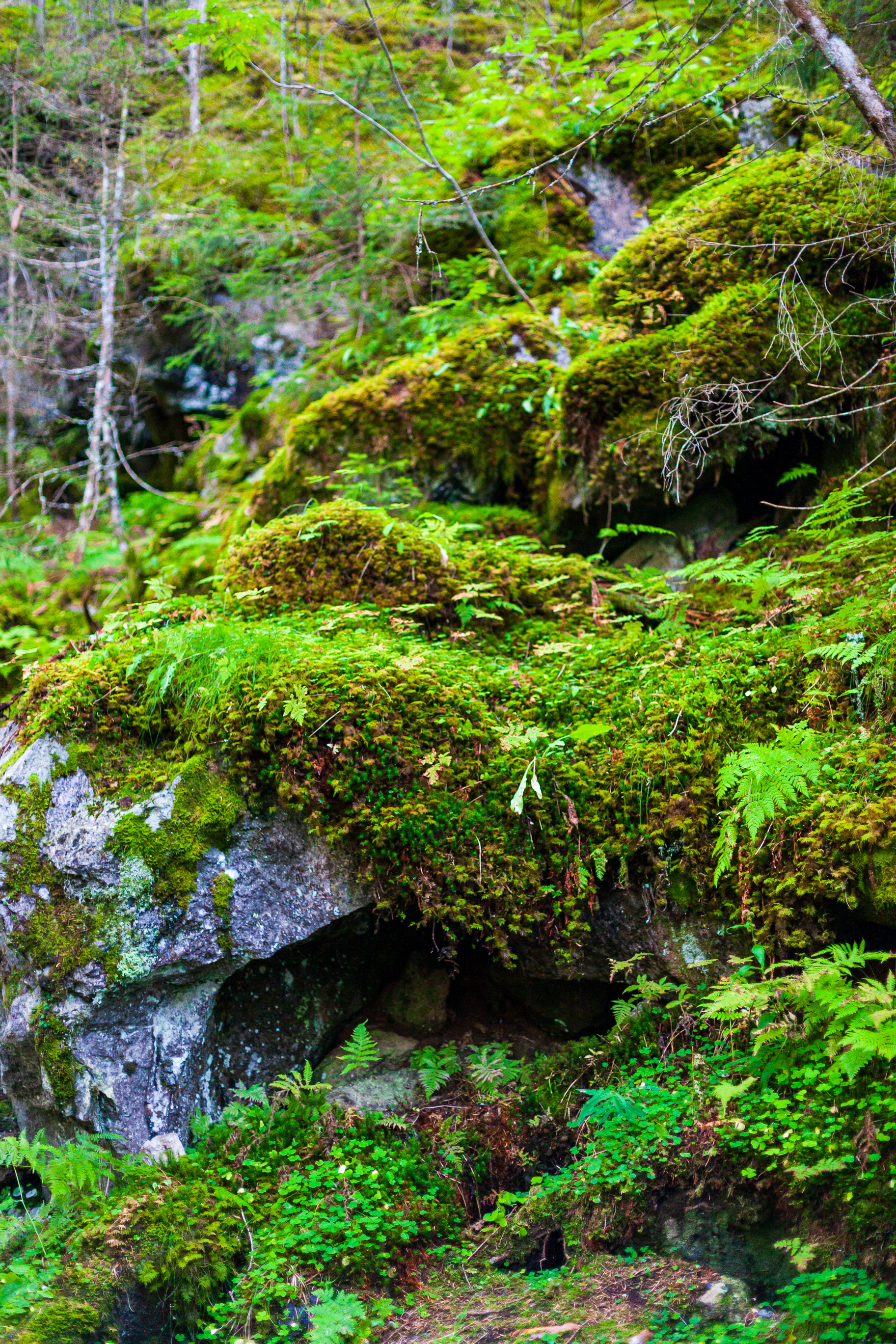
Krimmler Wasserfalle, Krimml, Hohe Tauern, Austria 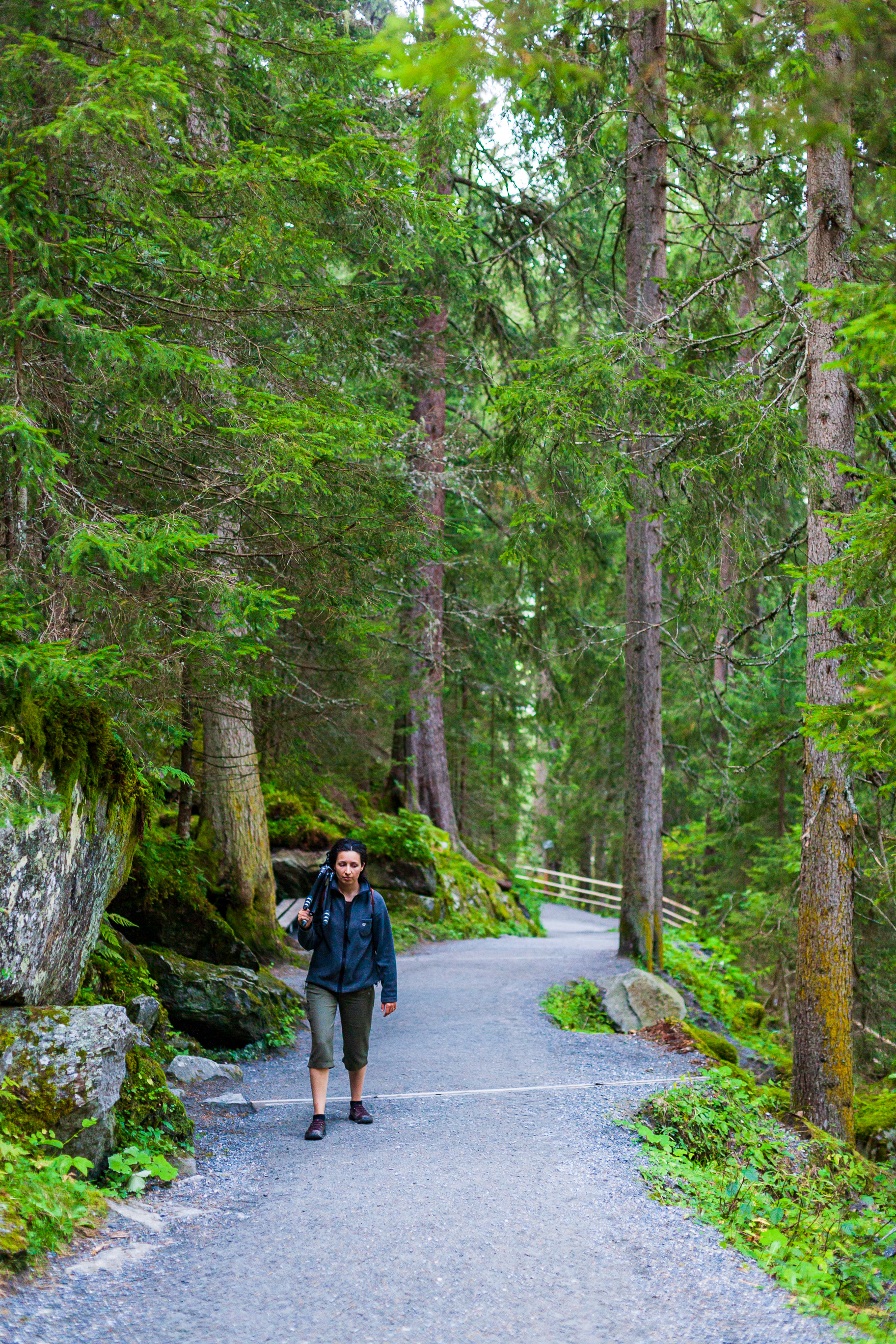
Krimmler Wasserfalle, Krimml, Hohe Tauern, Austria 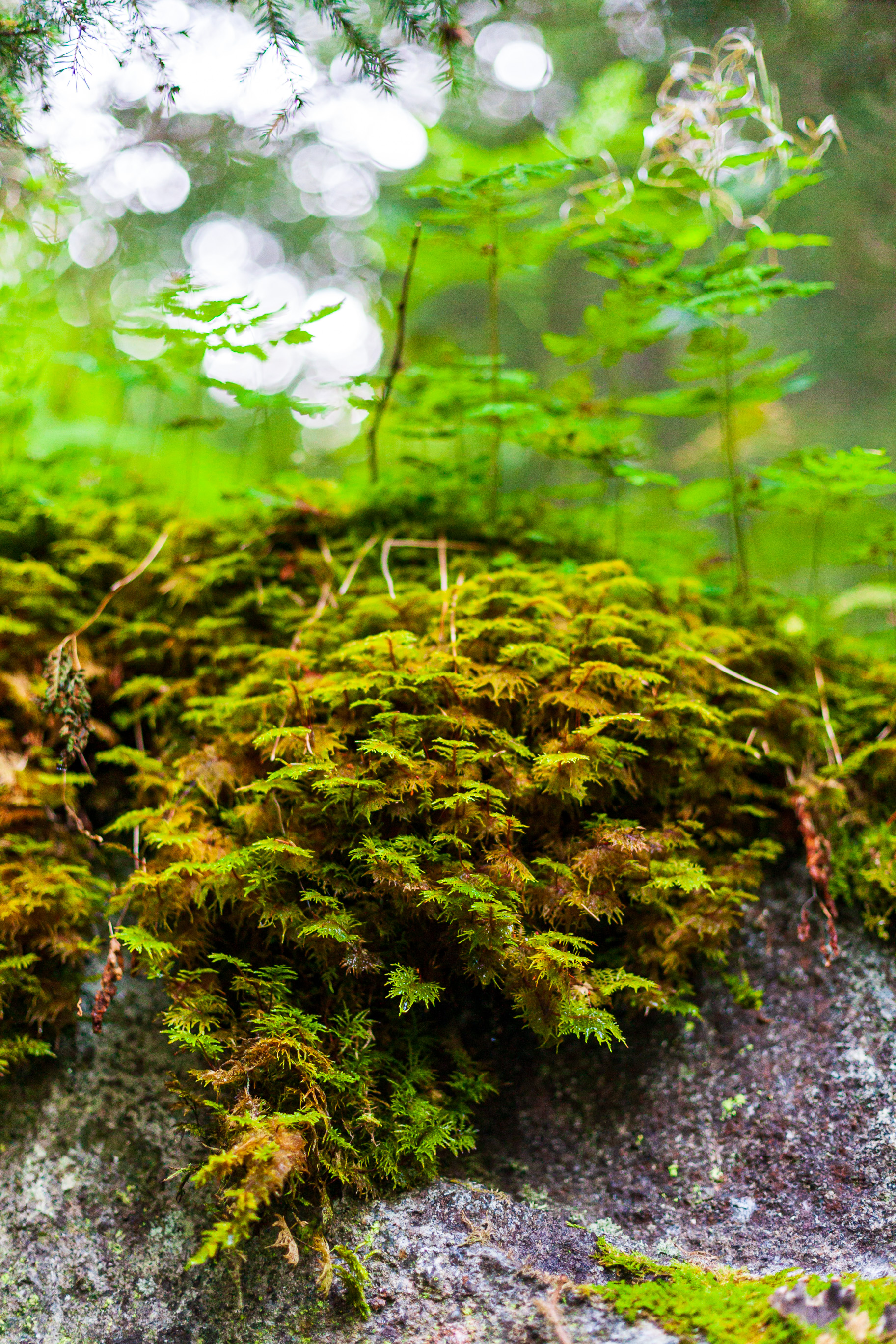
Krimmler Wasserfalle, Krimml, Hohe Tauern, Austria 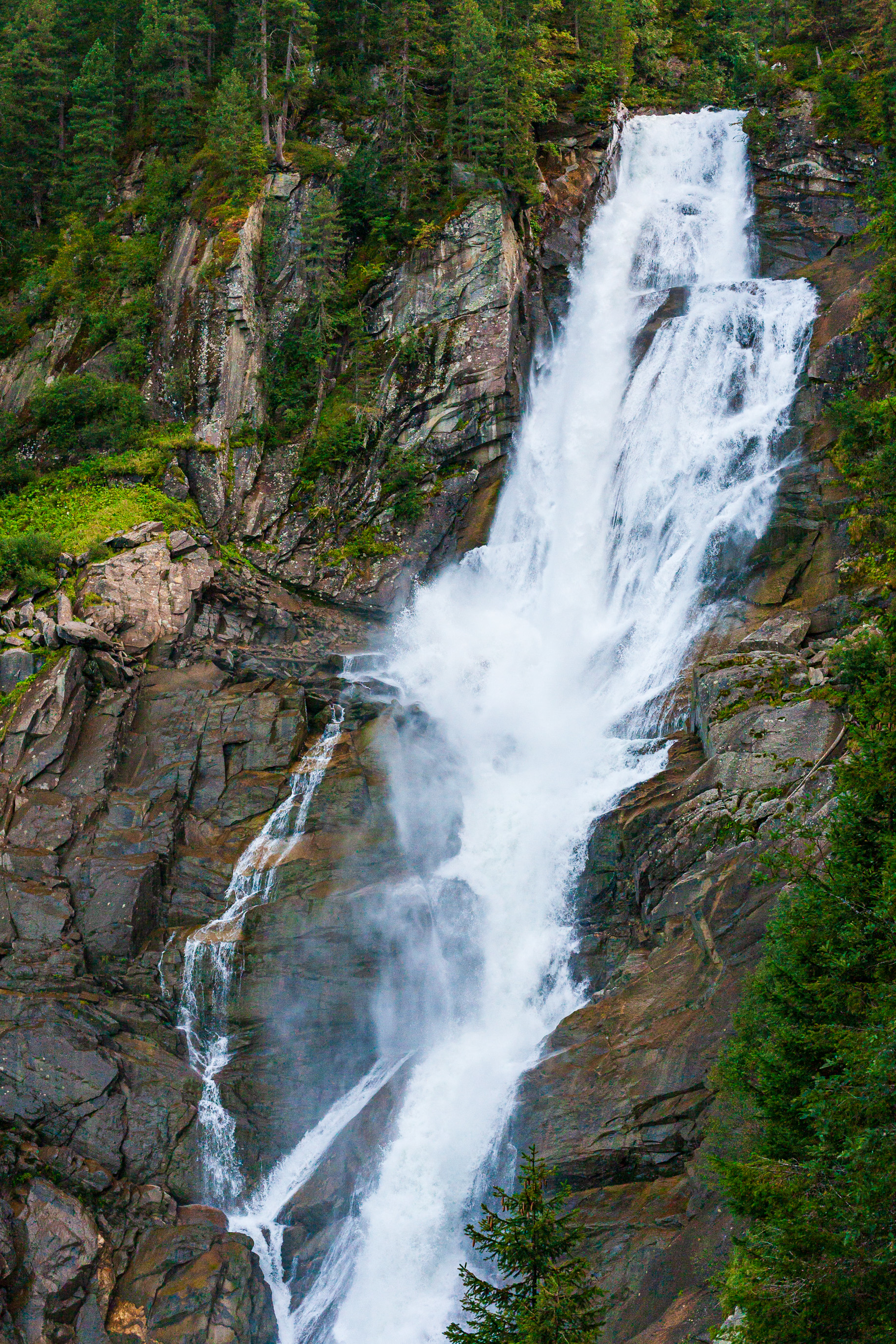
Krimmler Wasserfalle, Krimml, Hohe Tauern, Austria 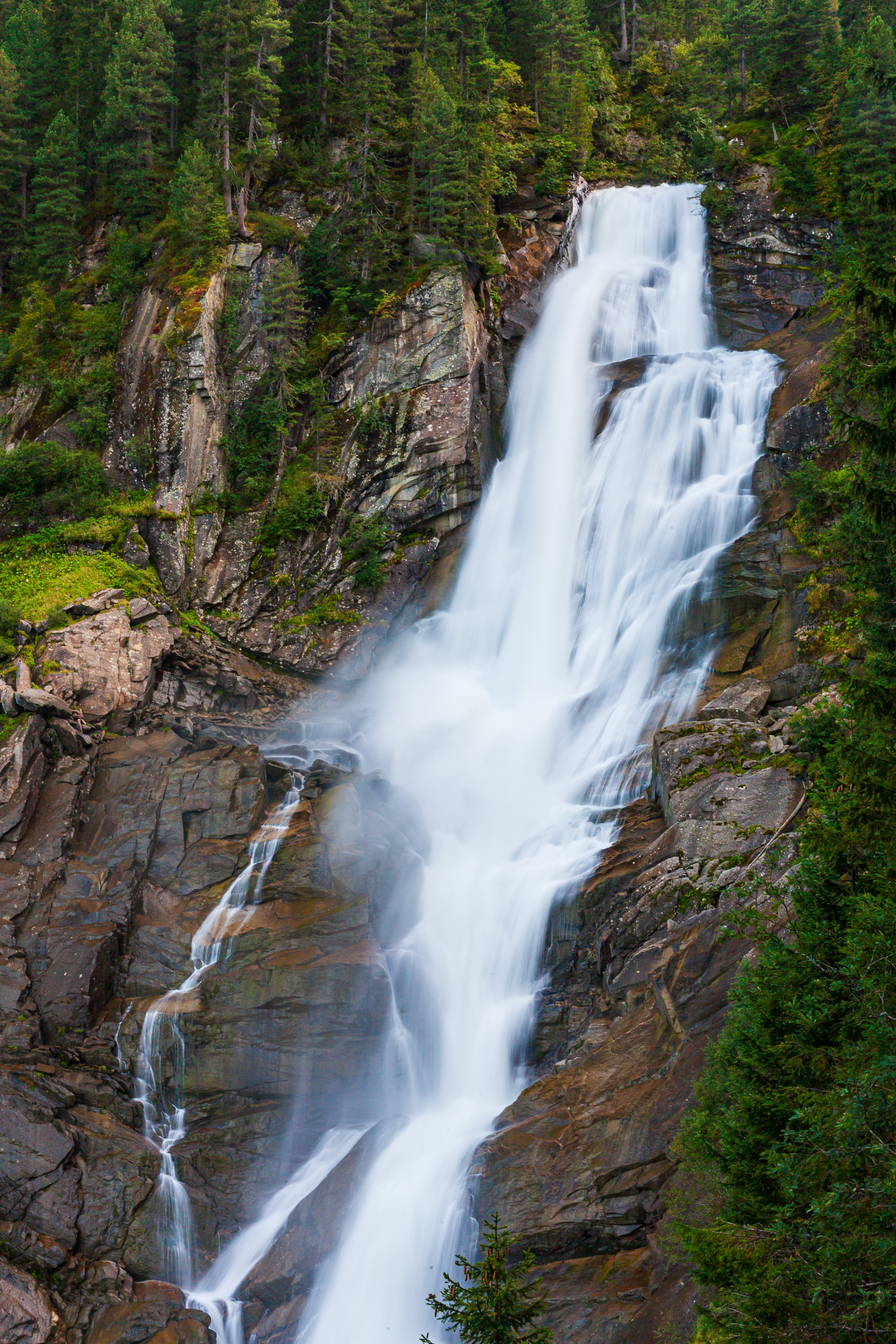
Krimmler Wasserfalle, Krimml, Hohe Tauern, Austria 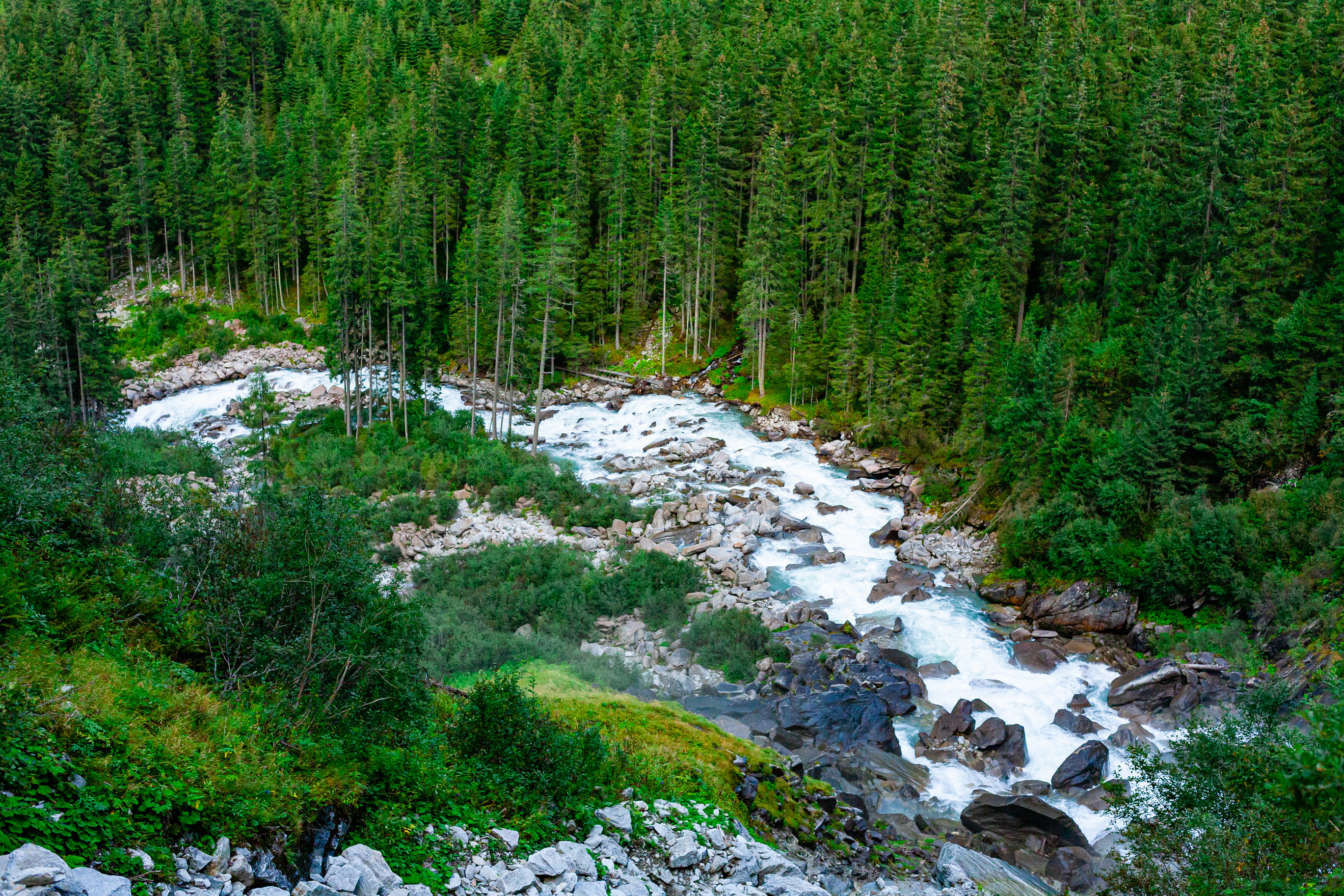
Krimmler Wasserfalle, Krimml, Hohe Tauern, Austria 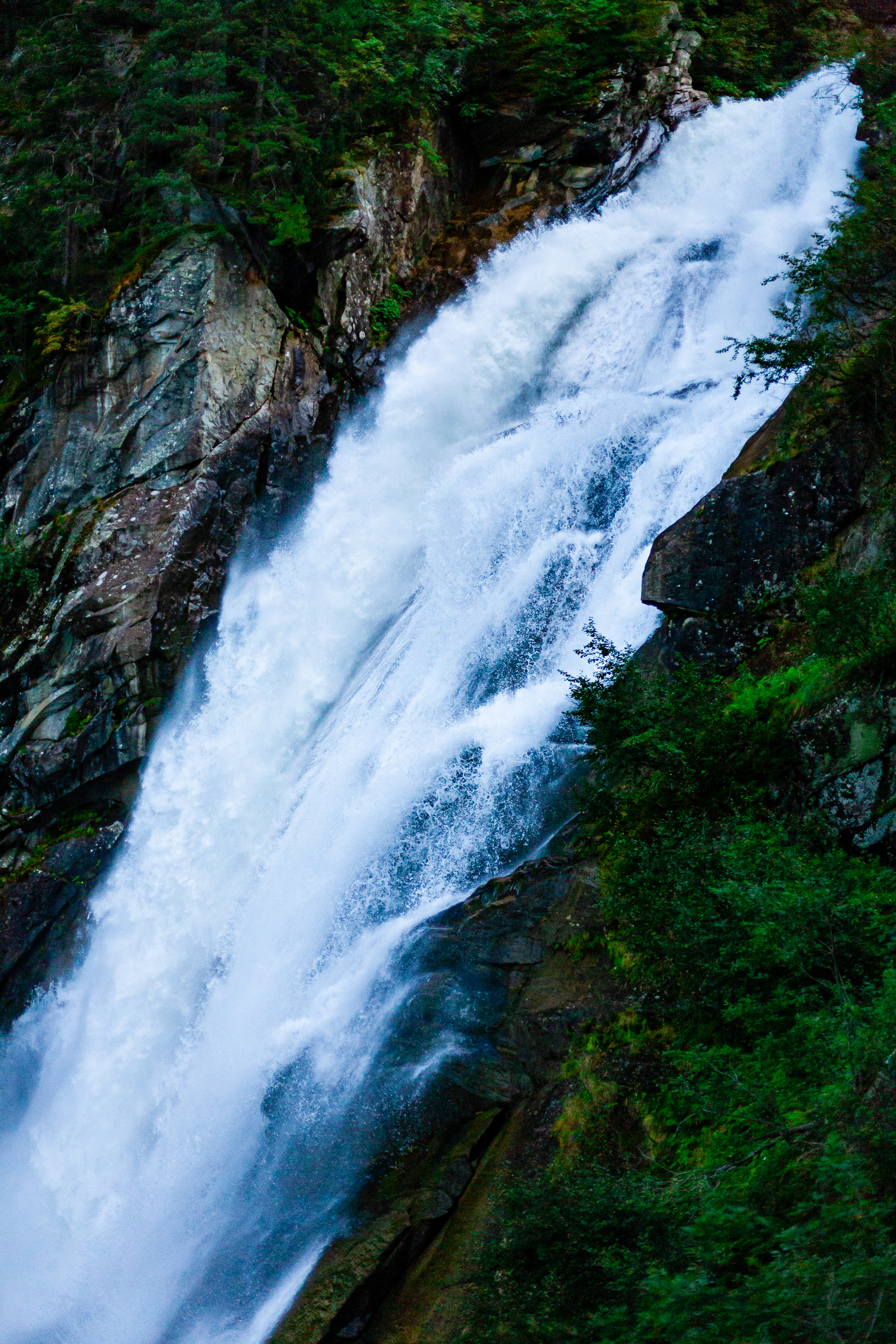
Krimmler Wasserfalle, Krimml, Hohe Tauern, Austria 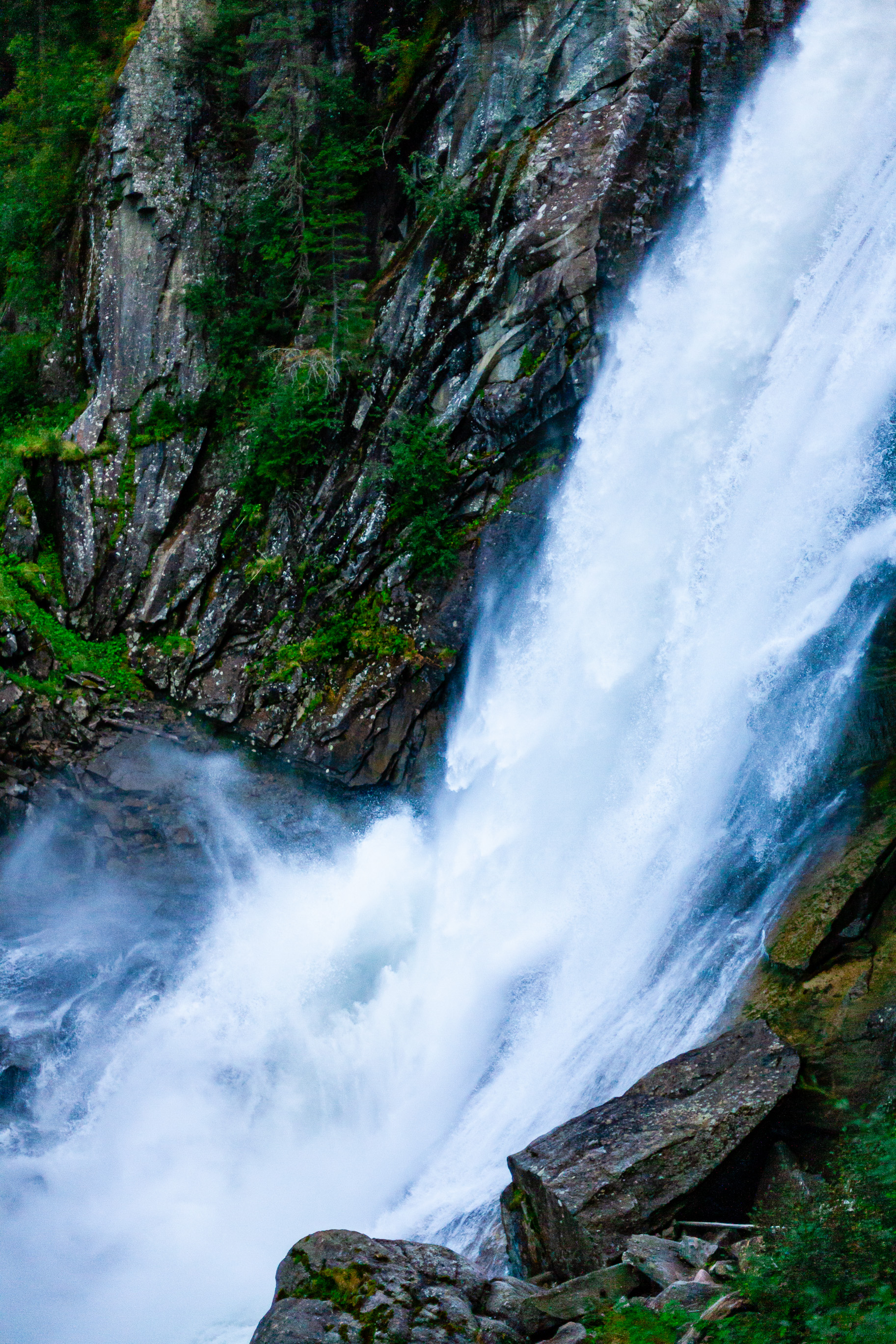
Krimmler Wasserfalle, Krimml, Hohe Tauern, Austria 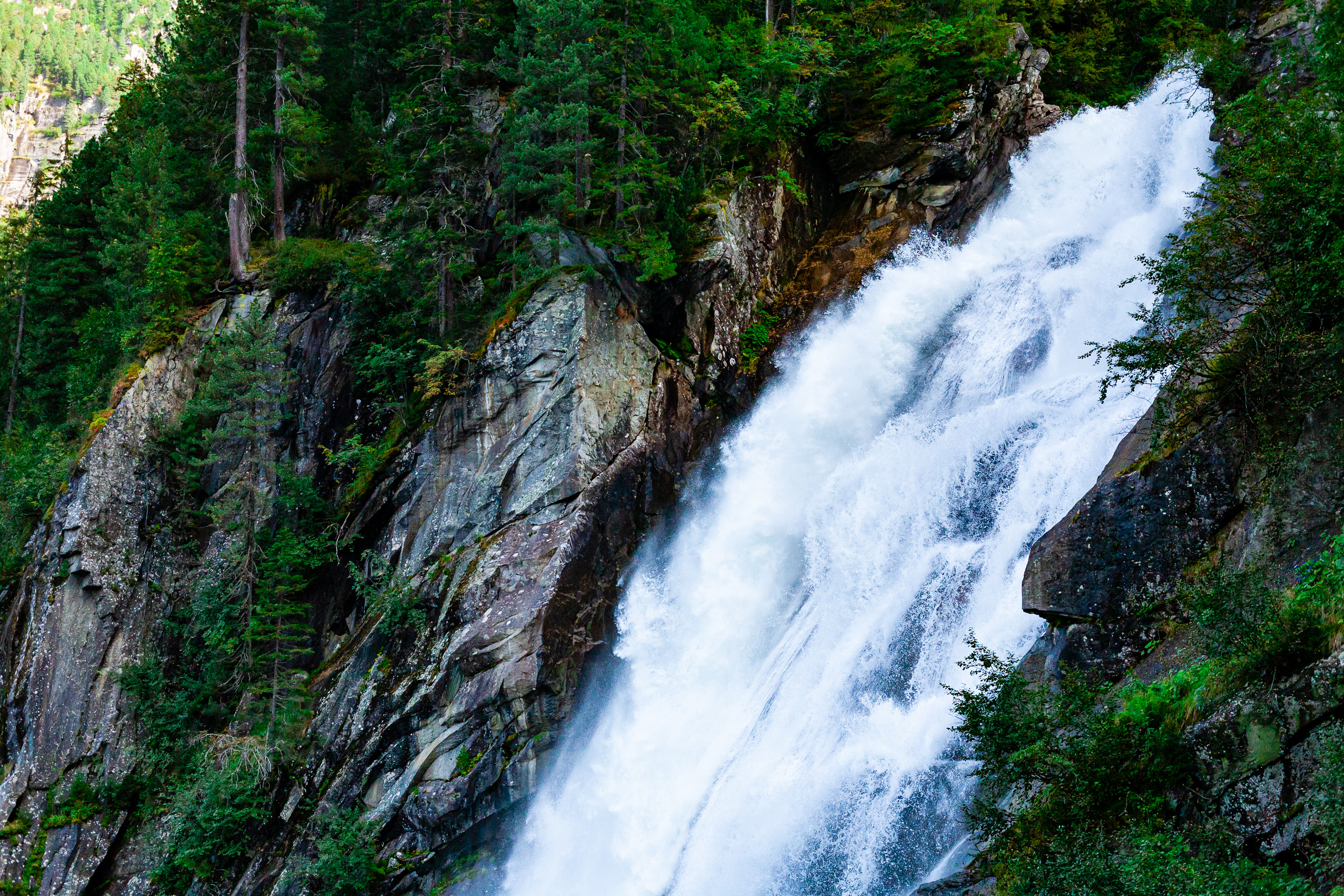
Krimmler Wasserfalle, Krimml, Hohe Tauern, Austria 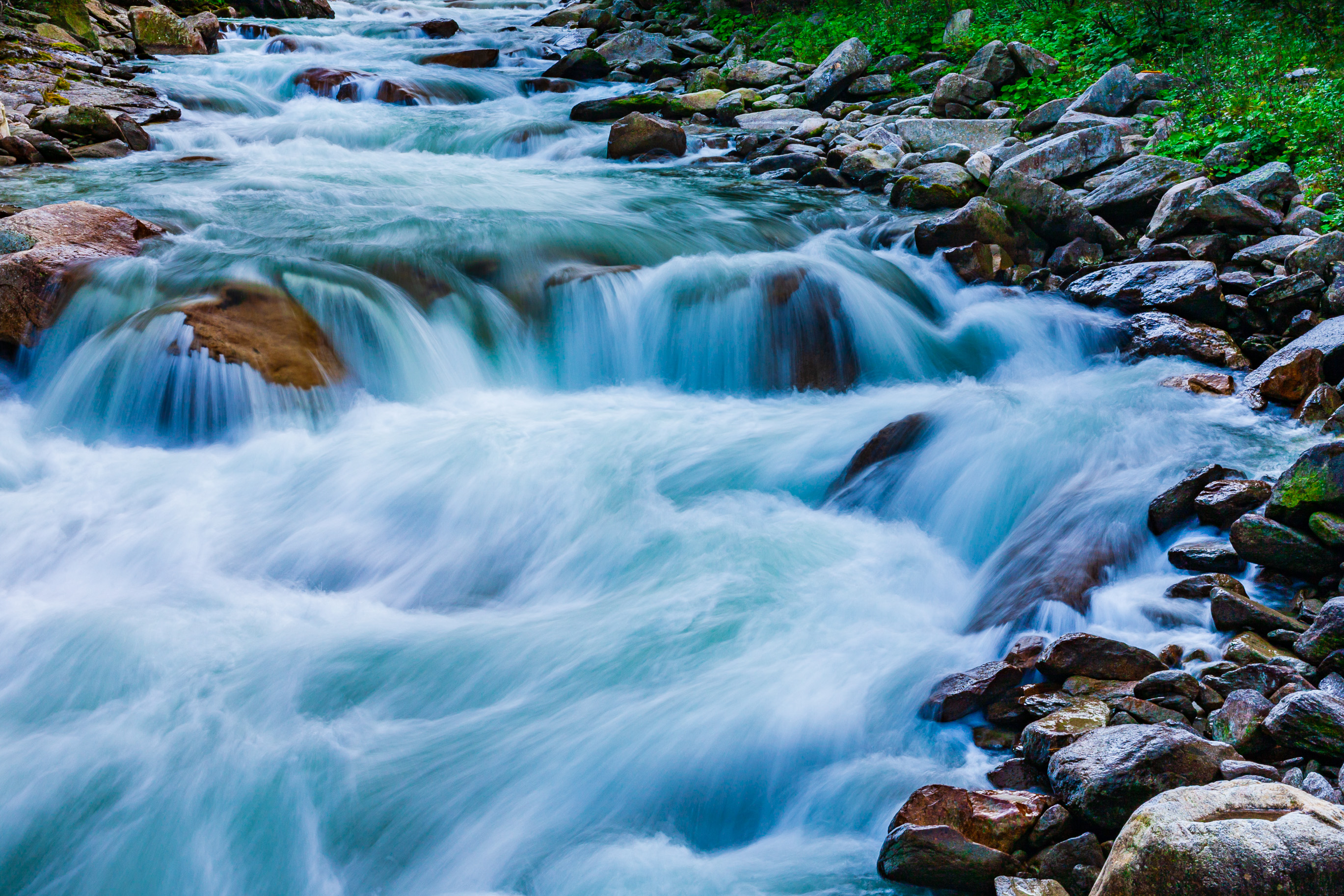
Krimmler Wasserfalle, Krimml, Hohe Tauern, Austria 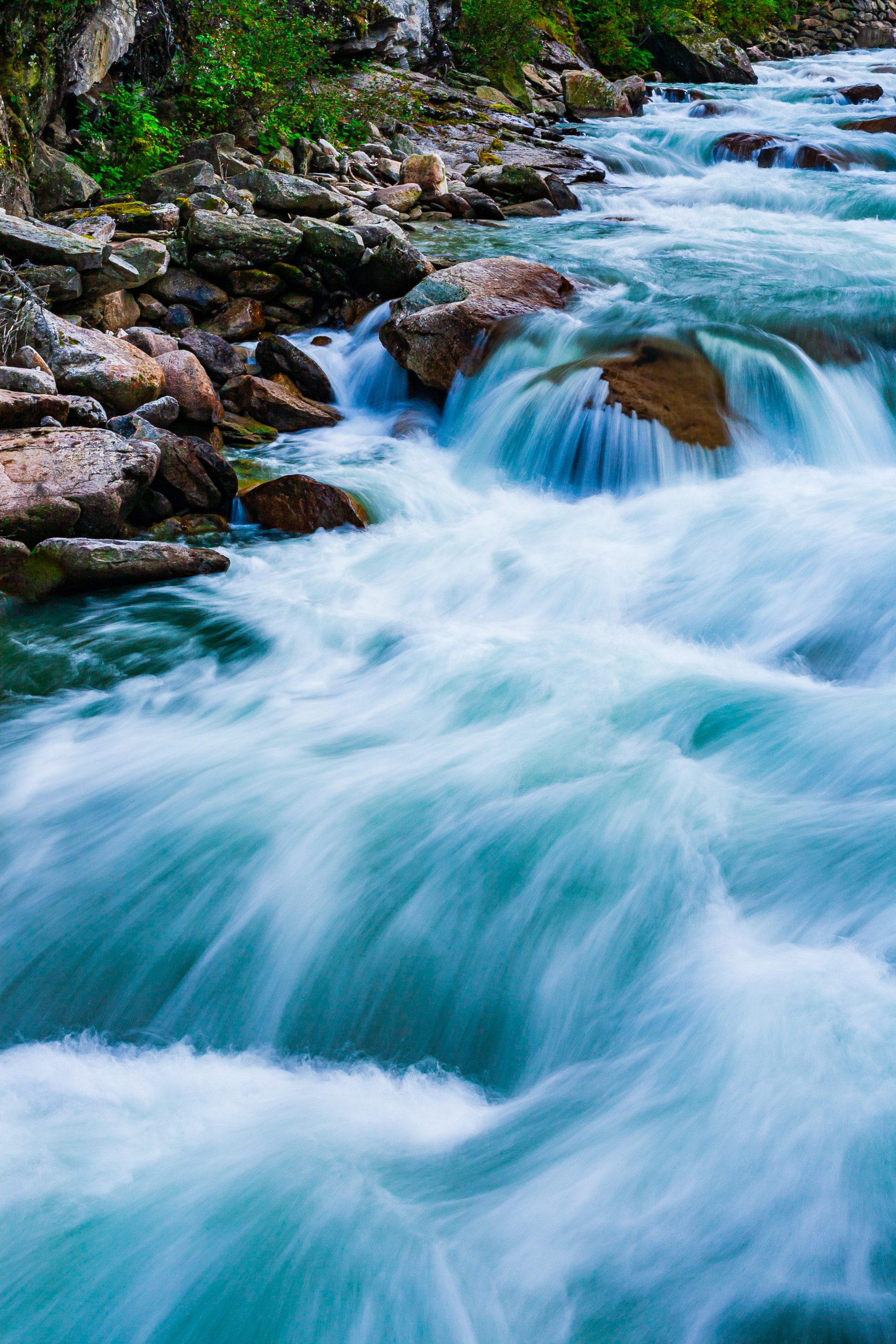
Krimmler Wasserfalle, Krimml, Hohe Tauern, Austria 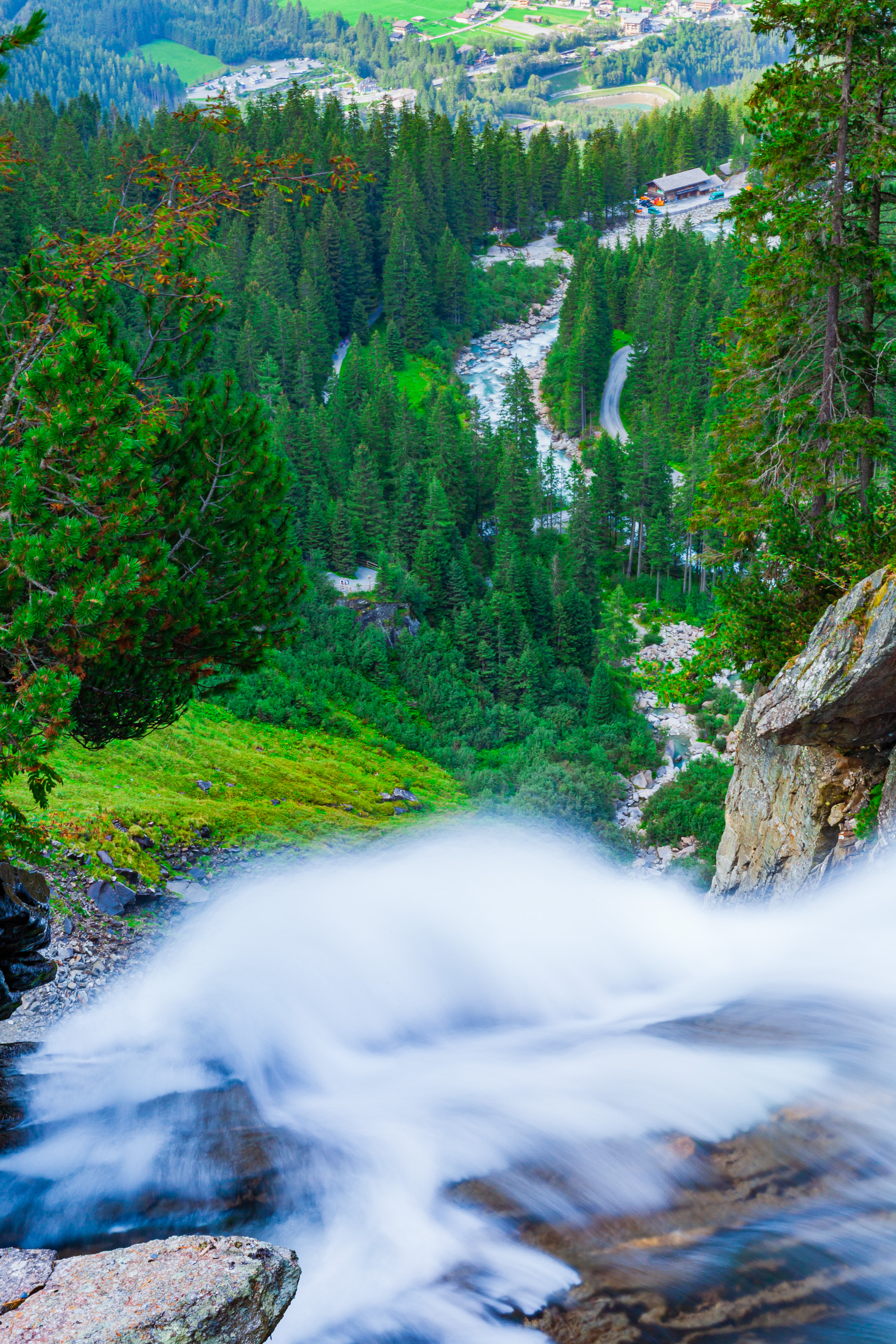
Krimmler Wasserfalle, Krimml, Hohe Tauern, Austria 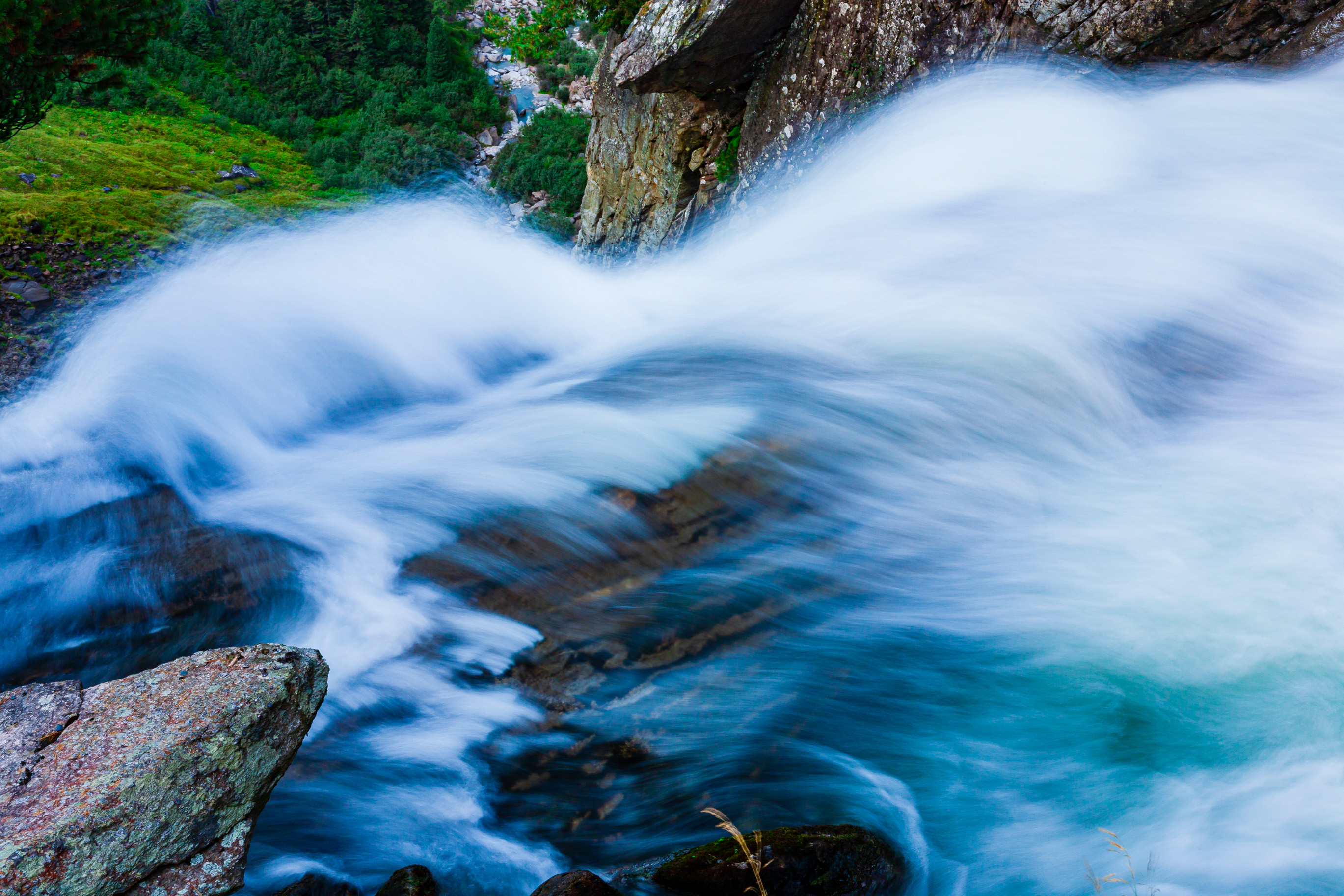
Krimmler Wasserfalle, Krimml, Hohe Tauern, Austria 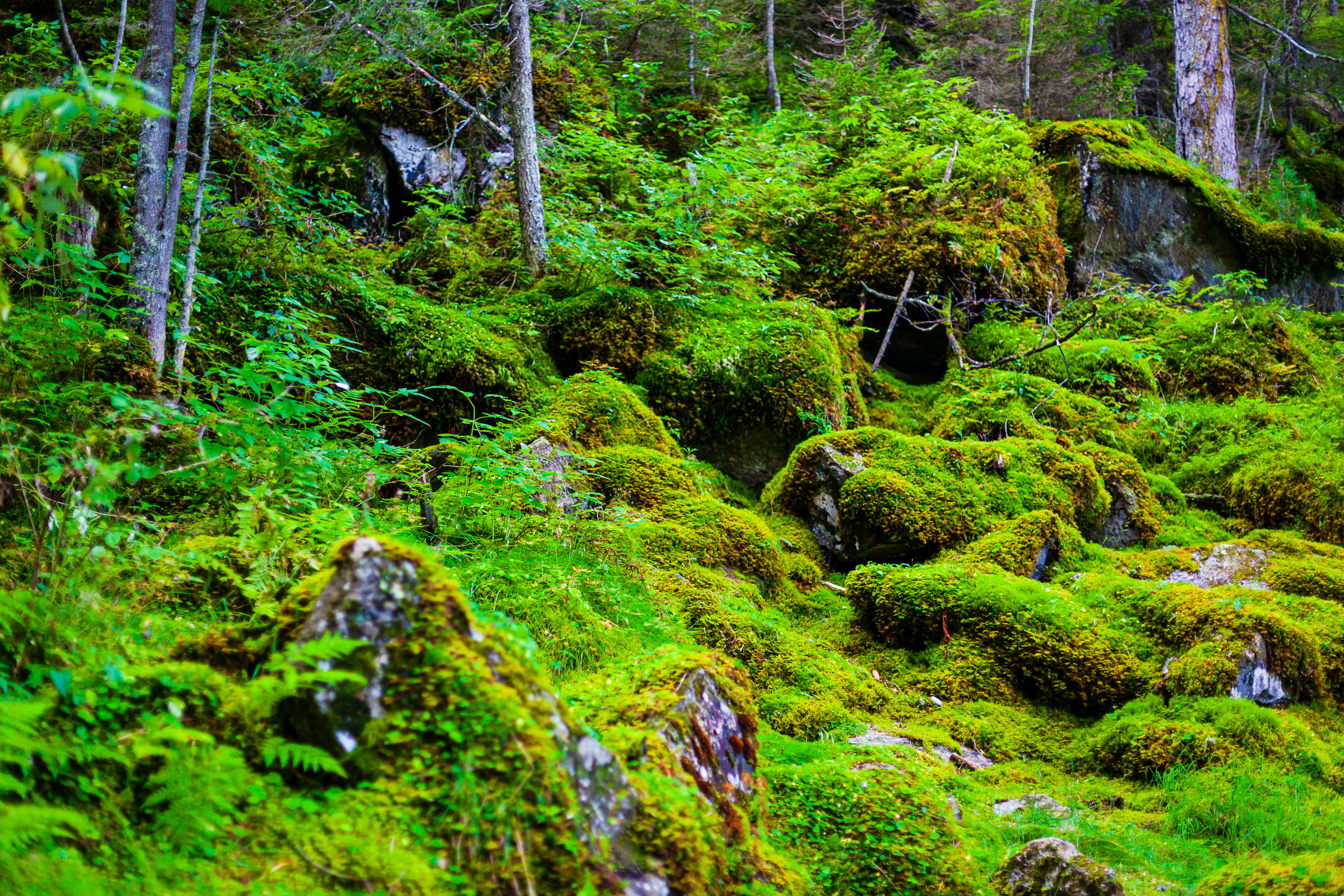
Krimmler Wasserfalle, Krimml, Hohe Tauern, Austria 
Krimmler Wasserfalle, Krimml, Hohe Tauern, Austria 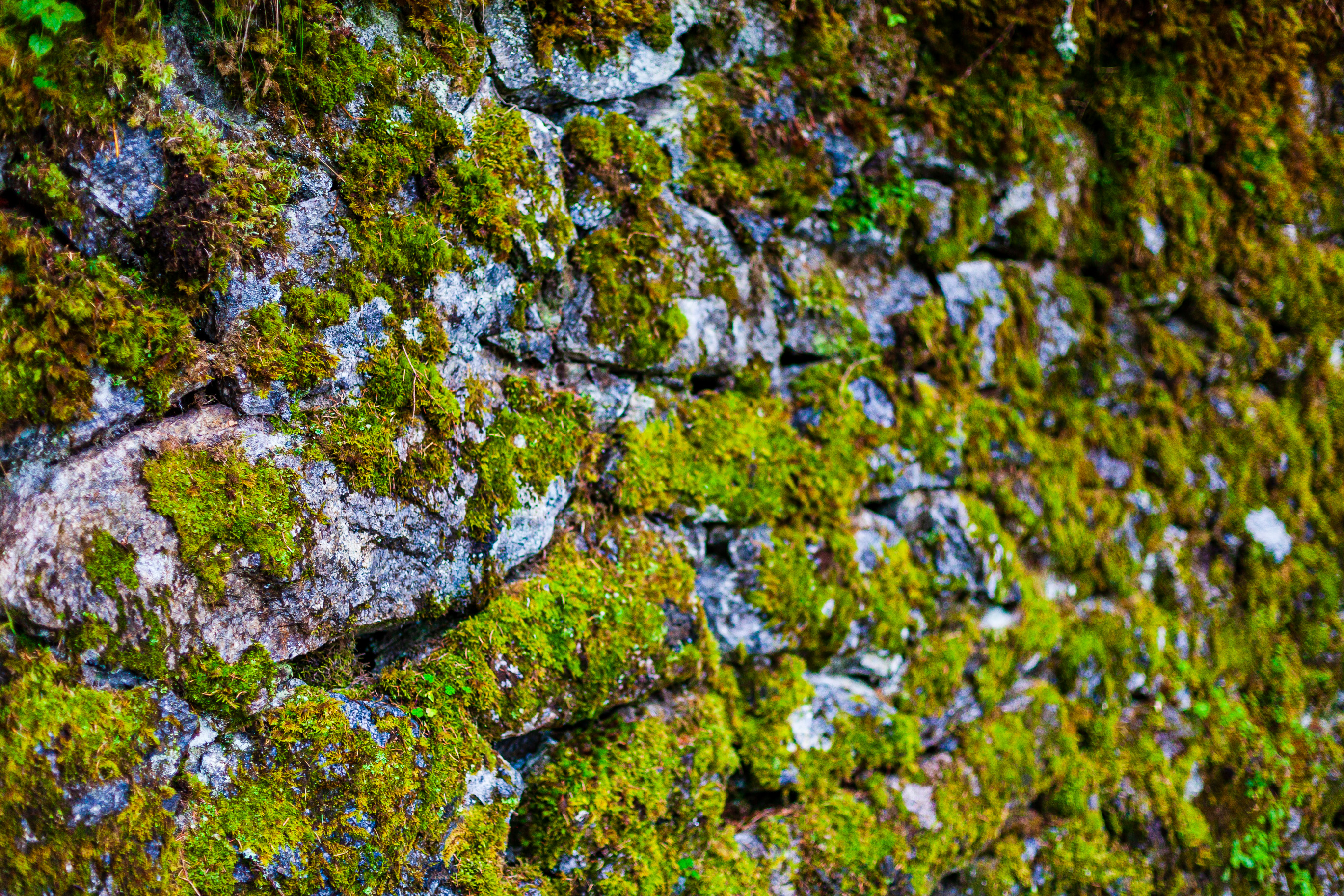
Krimmler Wasserfalle, Krimml, Hohe Tauern, Austria 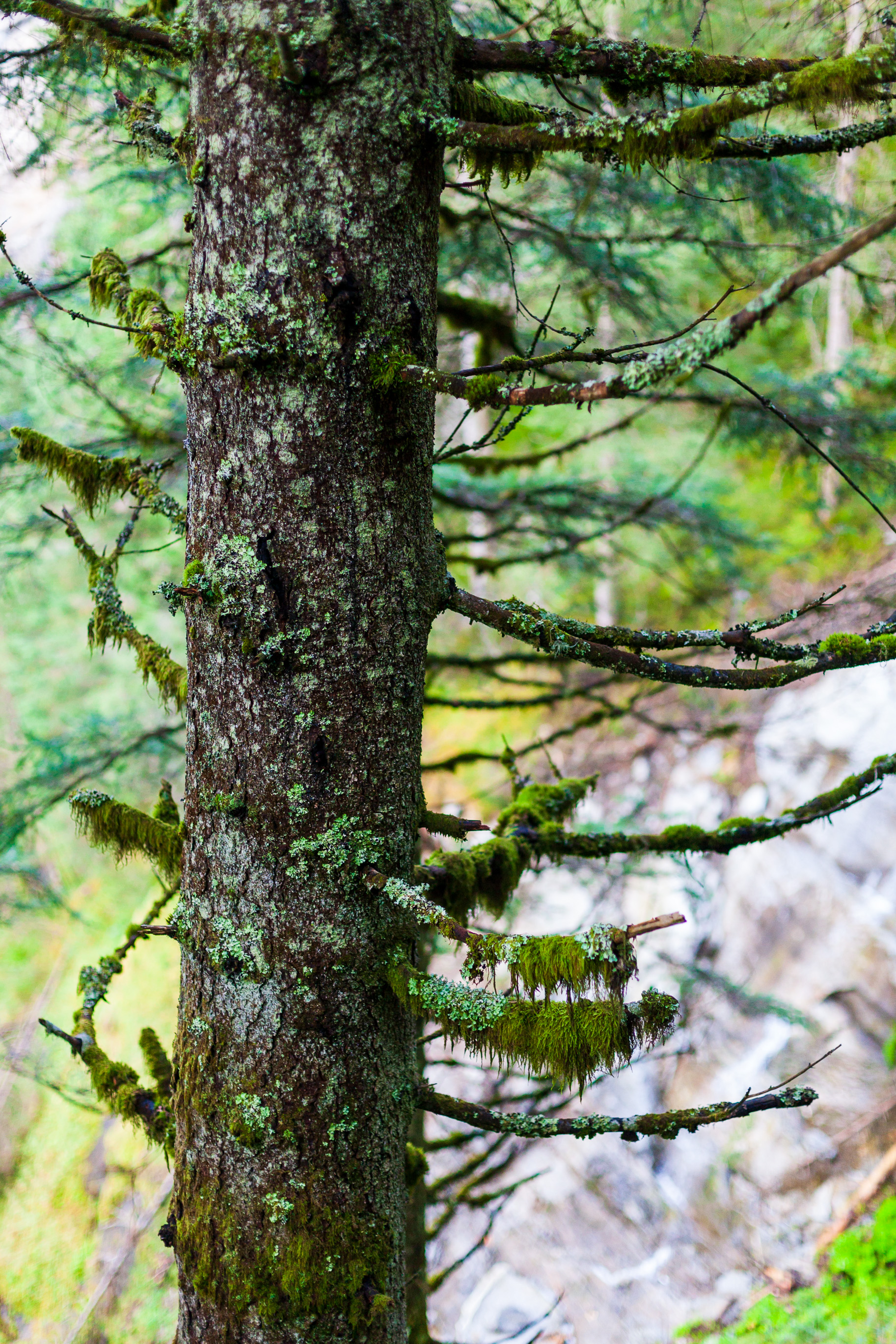
Krimmler Wasserfalle, Krimml, Hohe Tauern, Austria 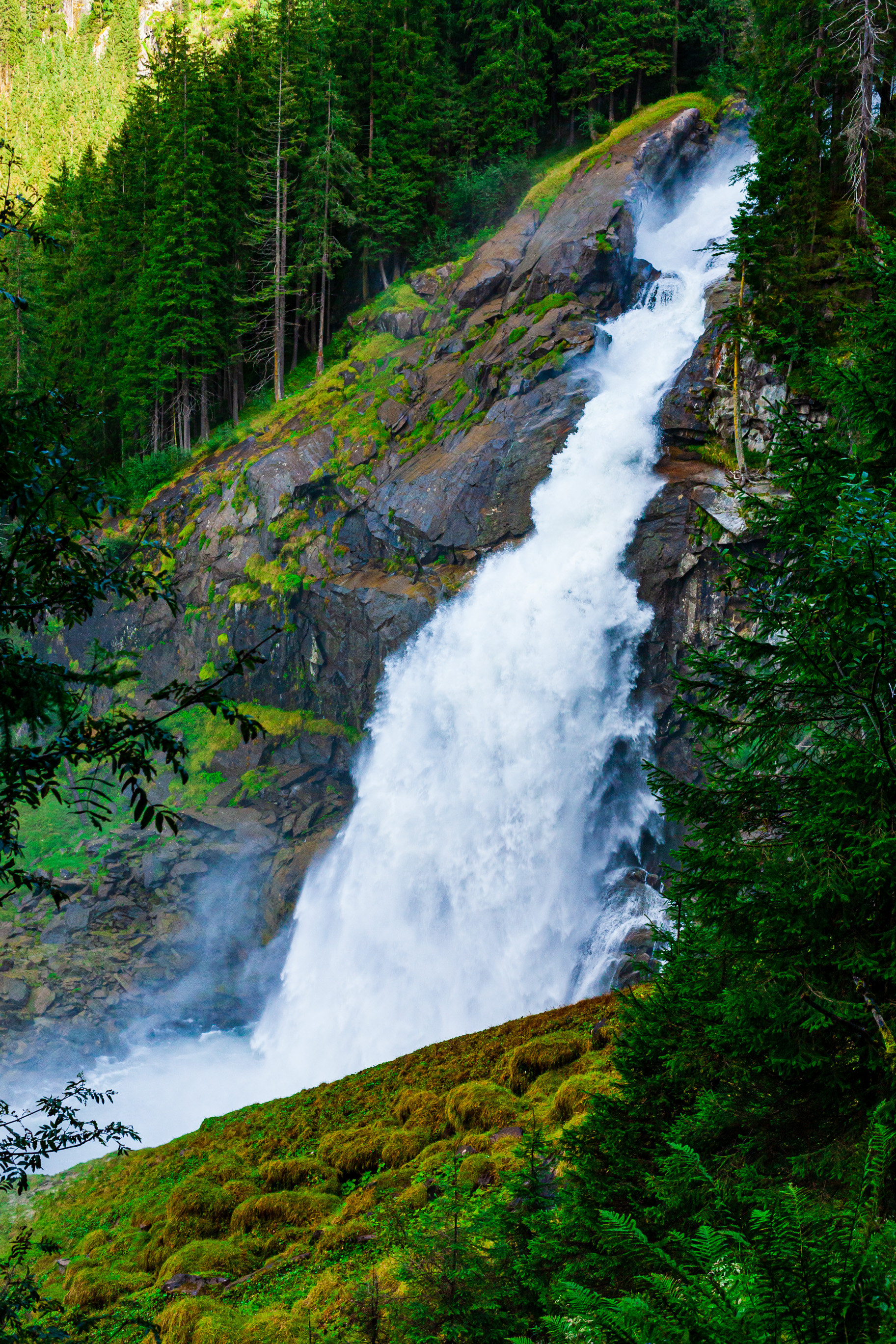
Krimmler Wasserfalle, Krimml, Hohe Tauern, Austria 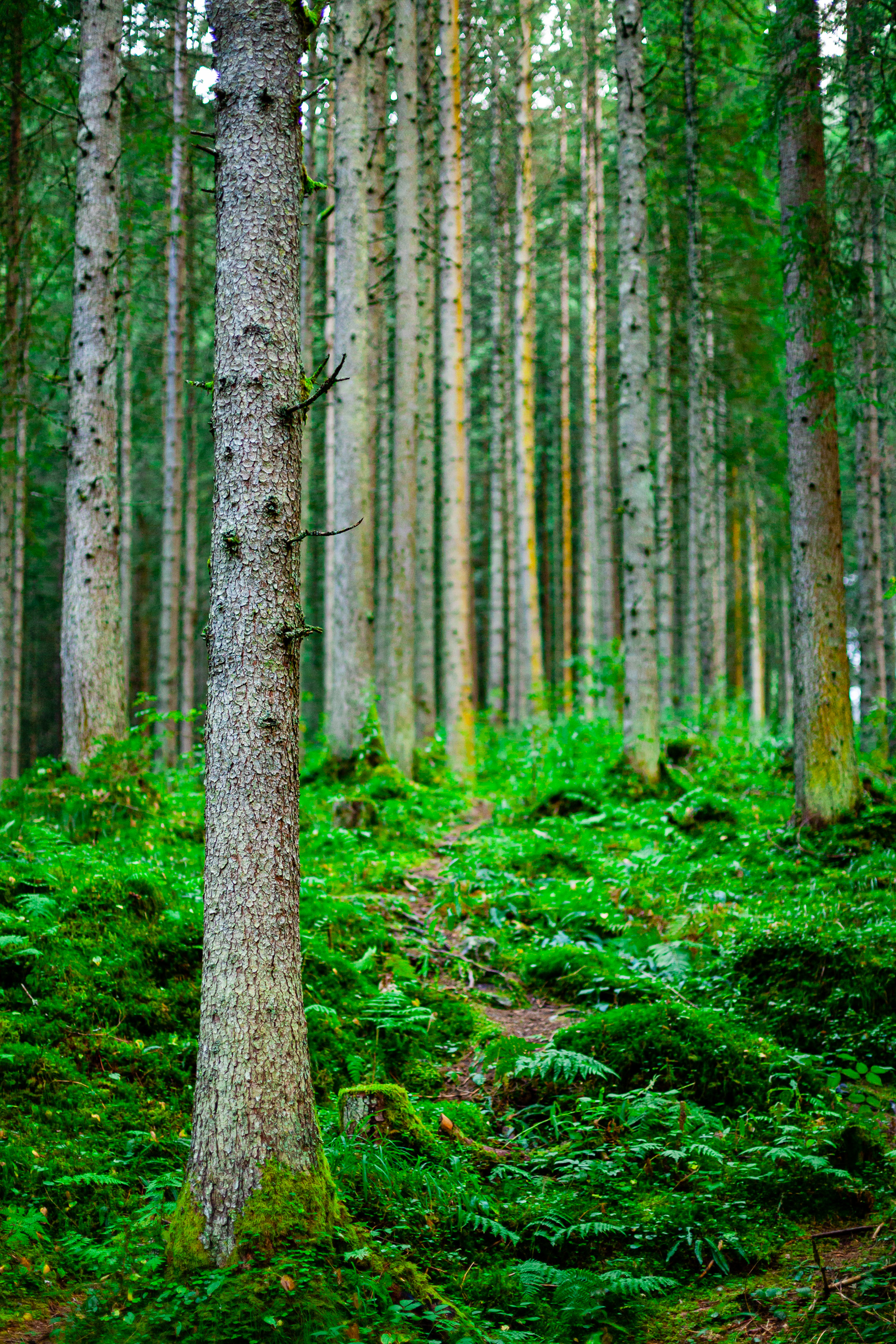
Krimmler Wasserfalle, Krimml, Hohe Tauern, Austria 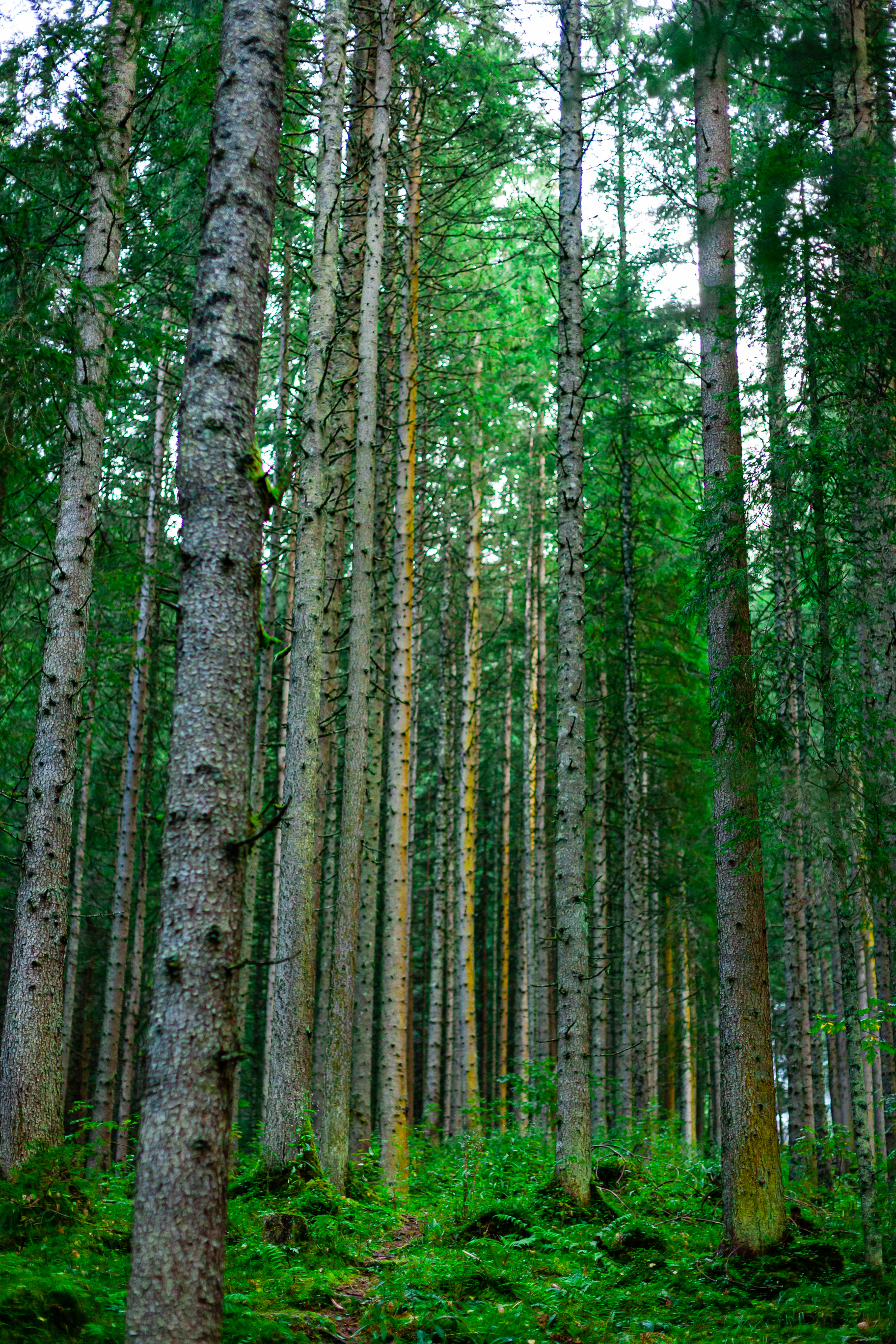
Krimmler Wasserfalle, Krimml, Hohe Tauern, Austria
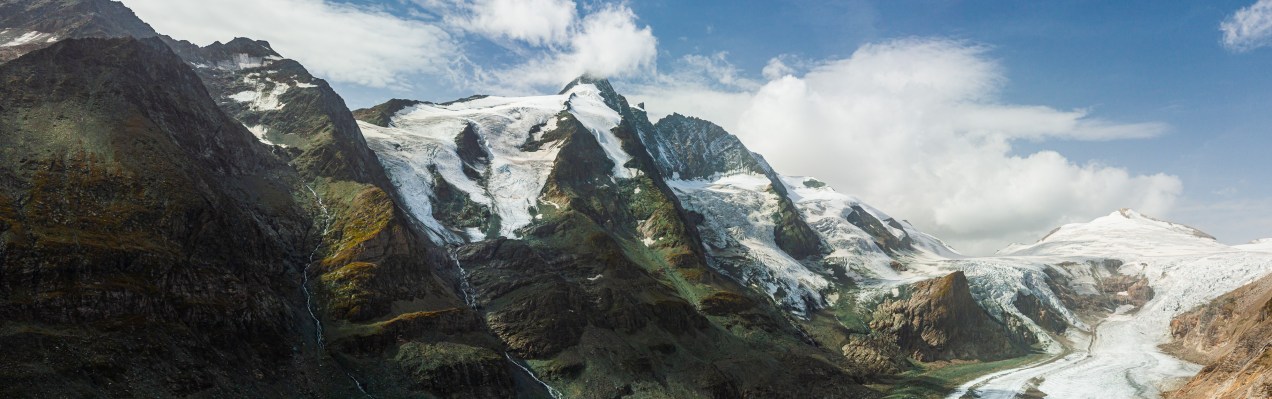
Grossglockner and beyond
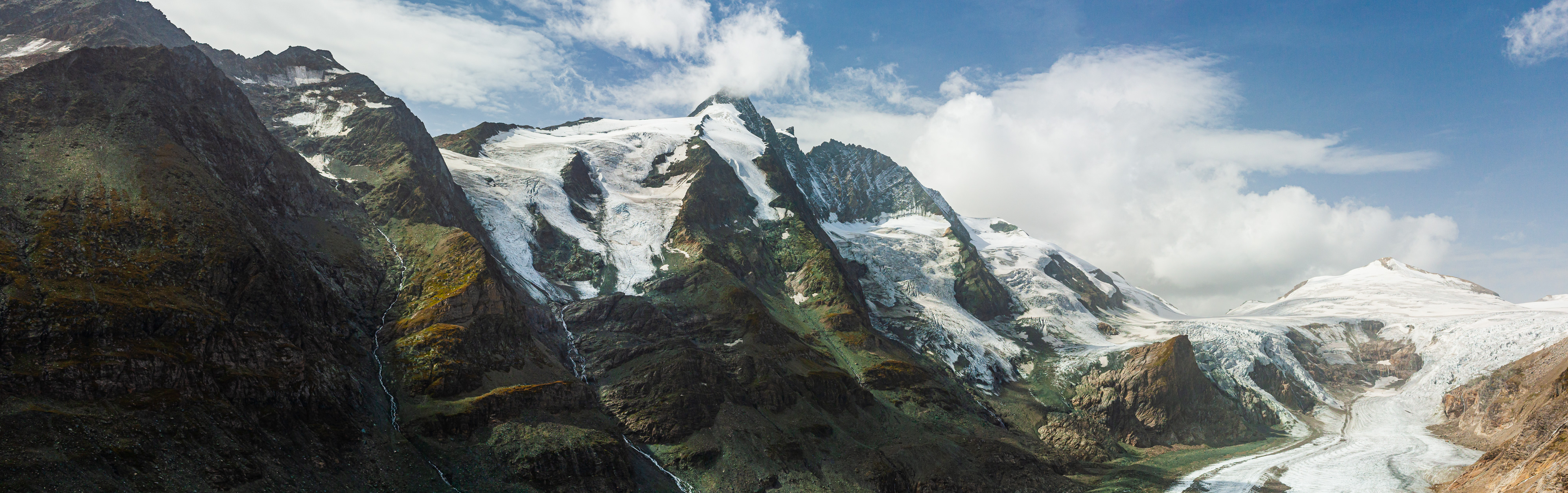
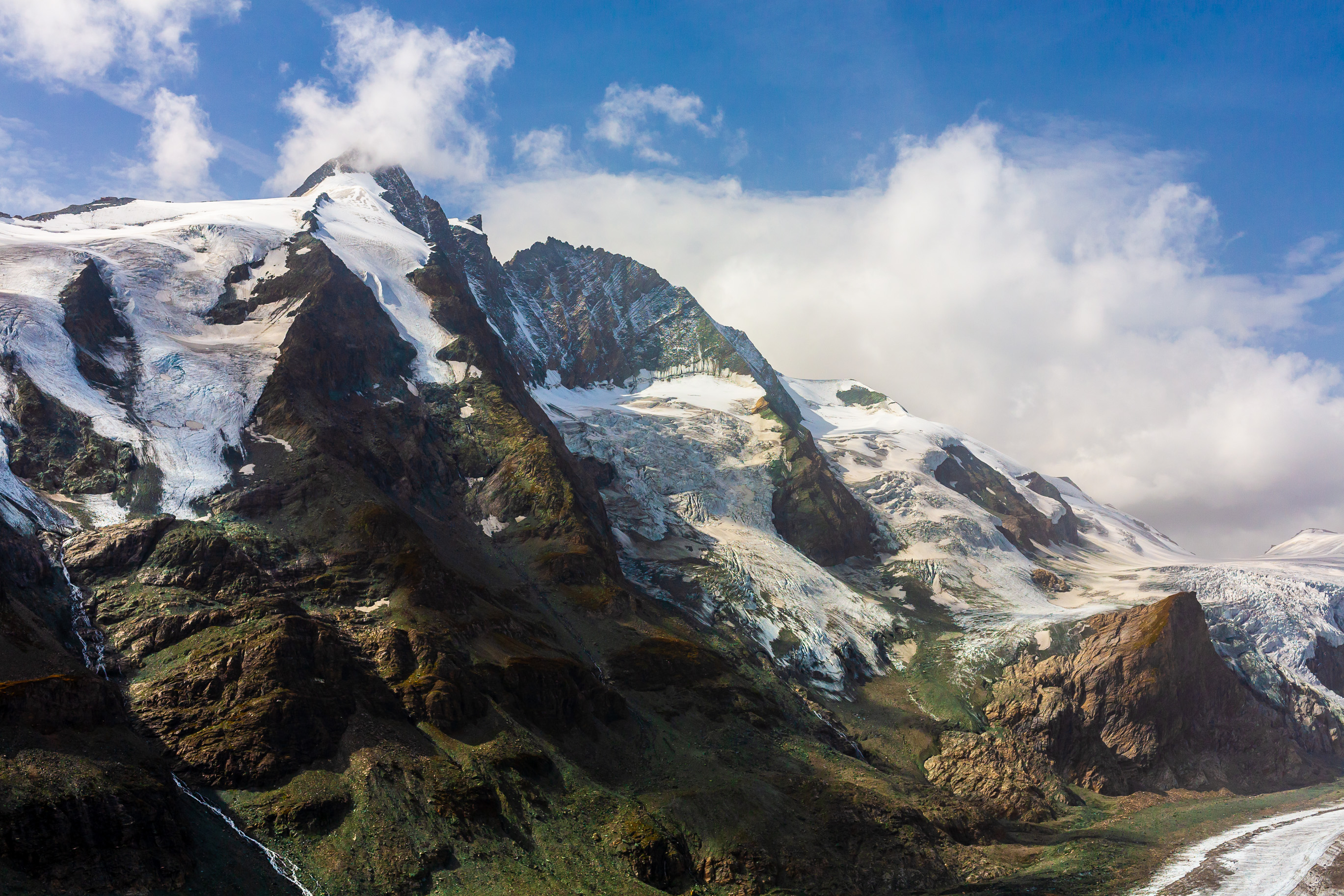
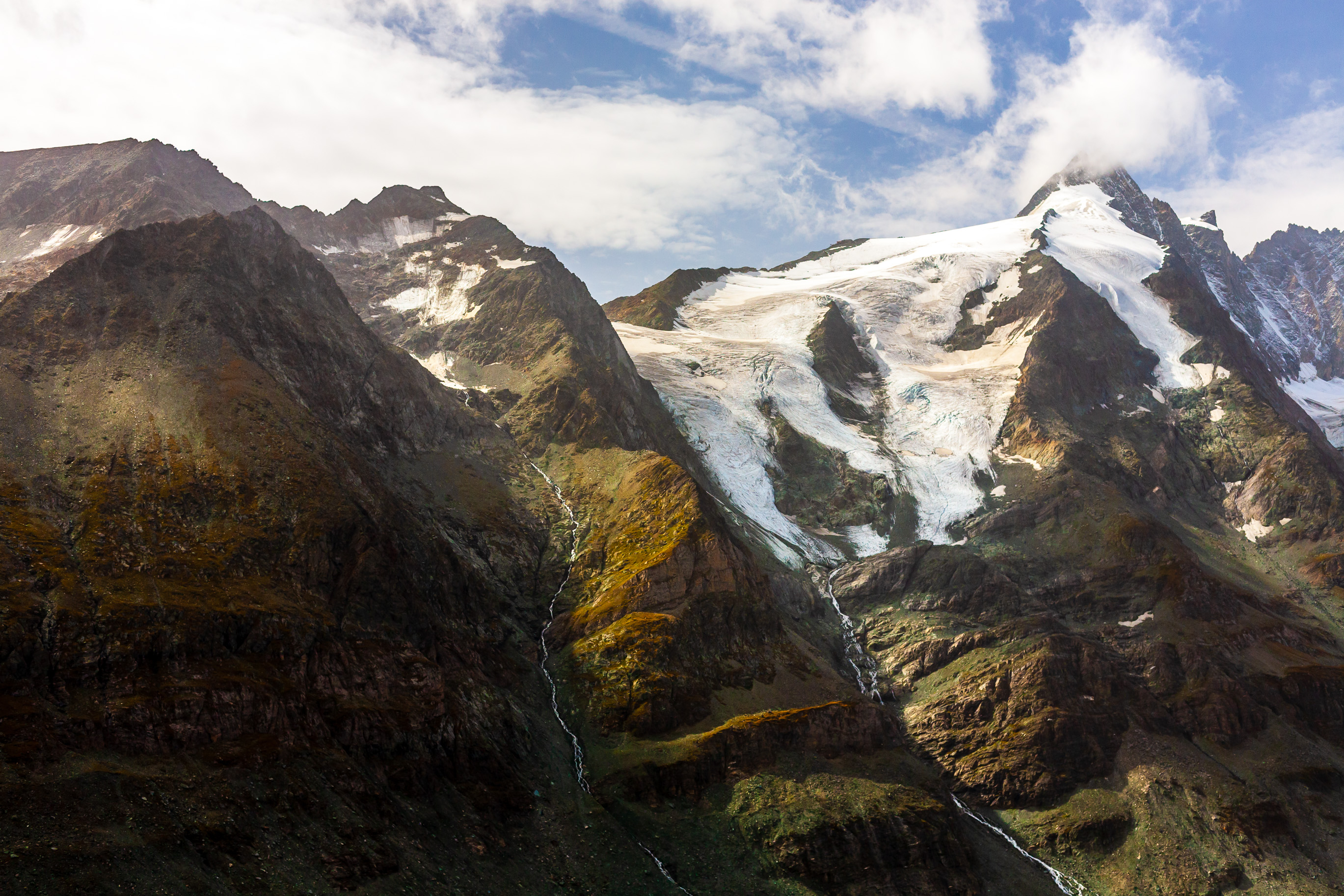
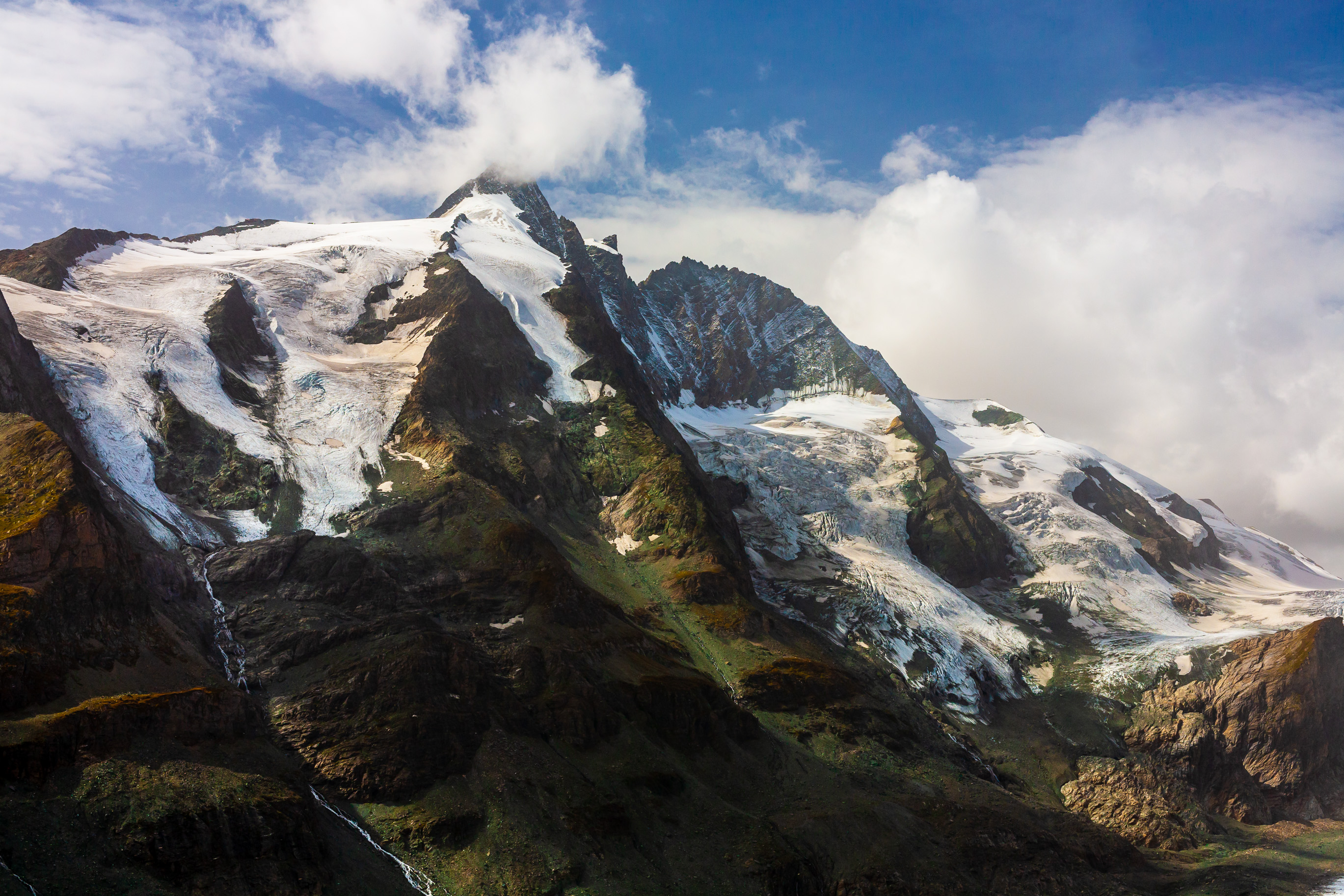
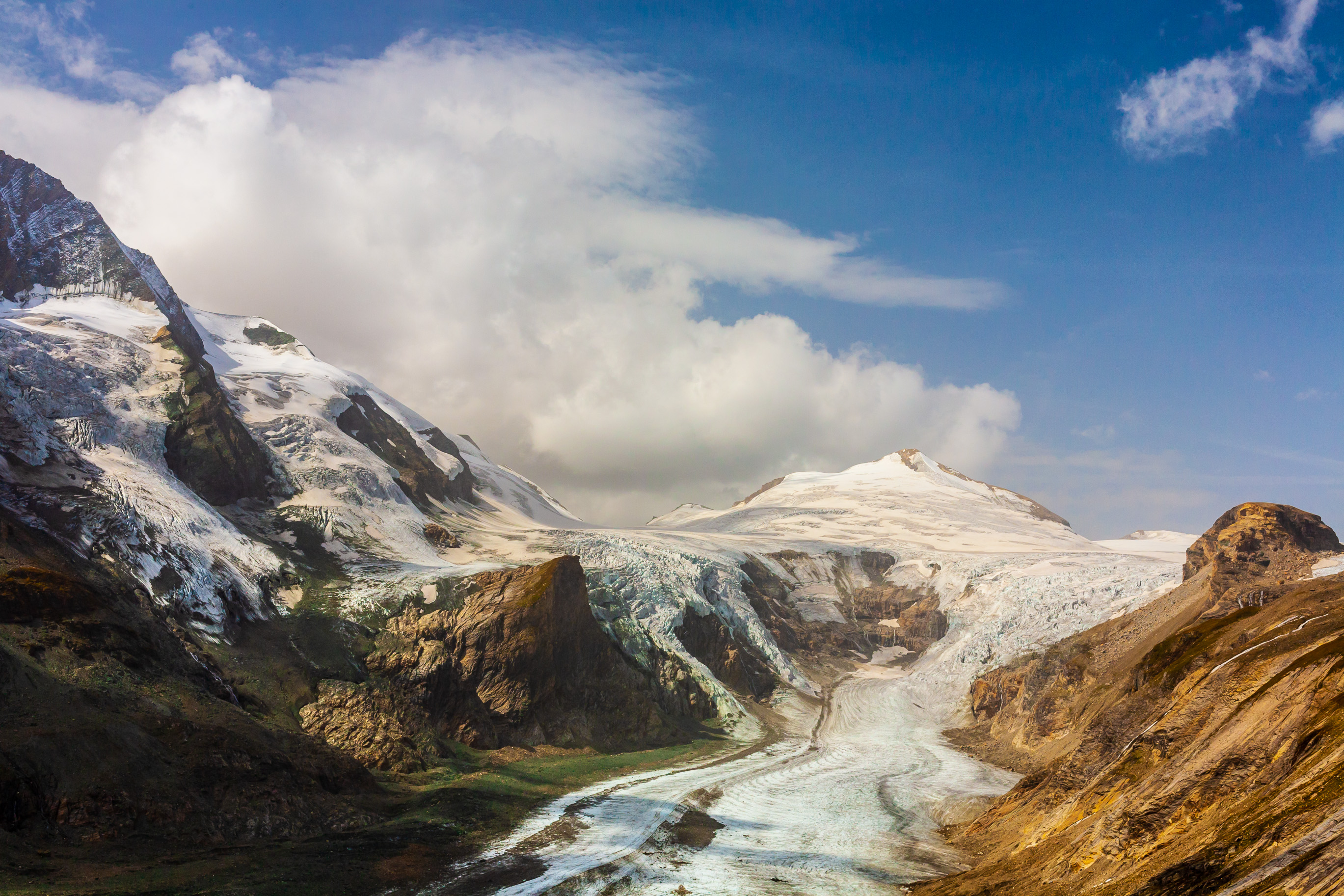
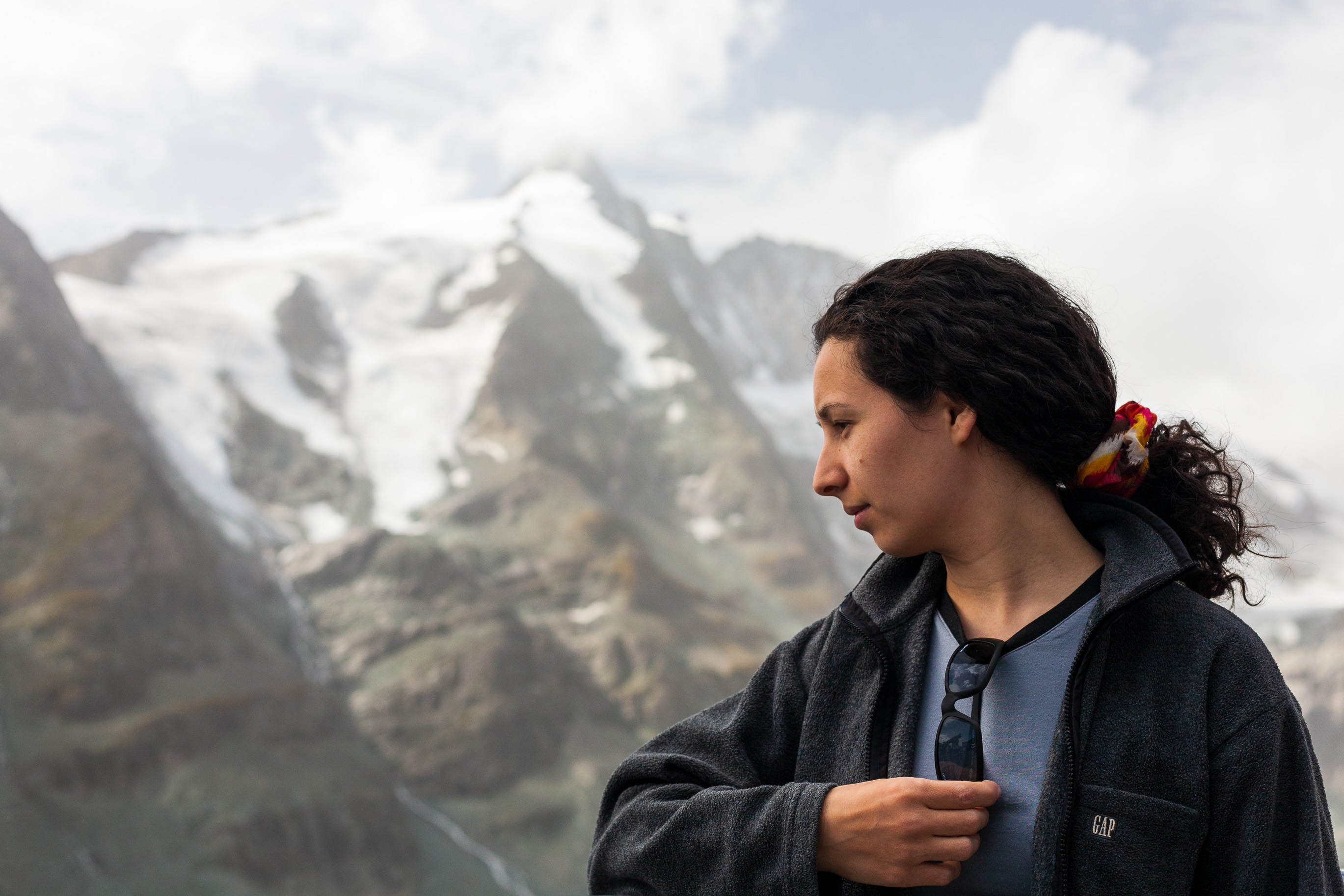
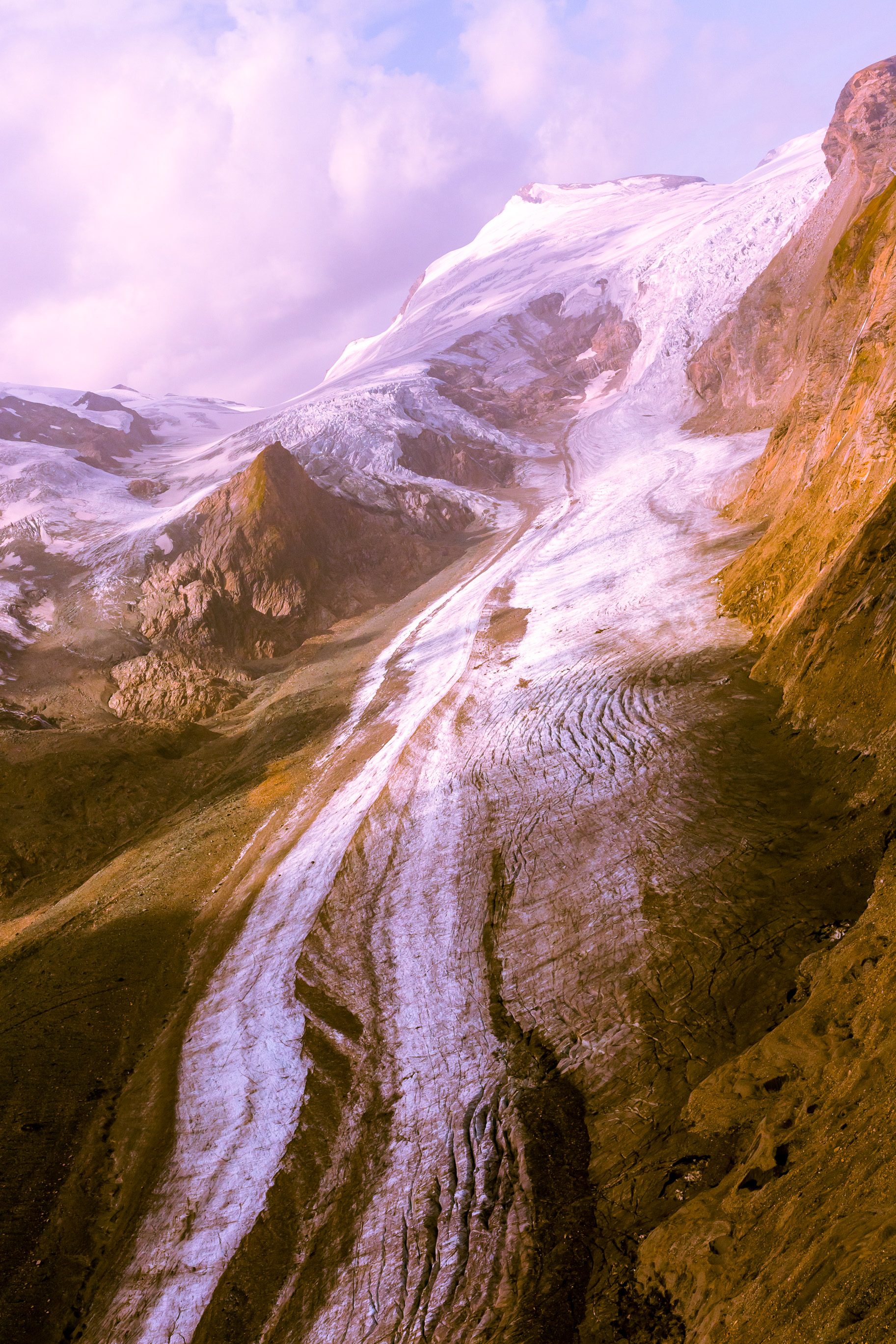
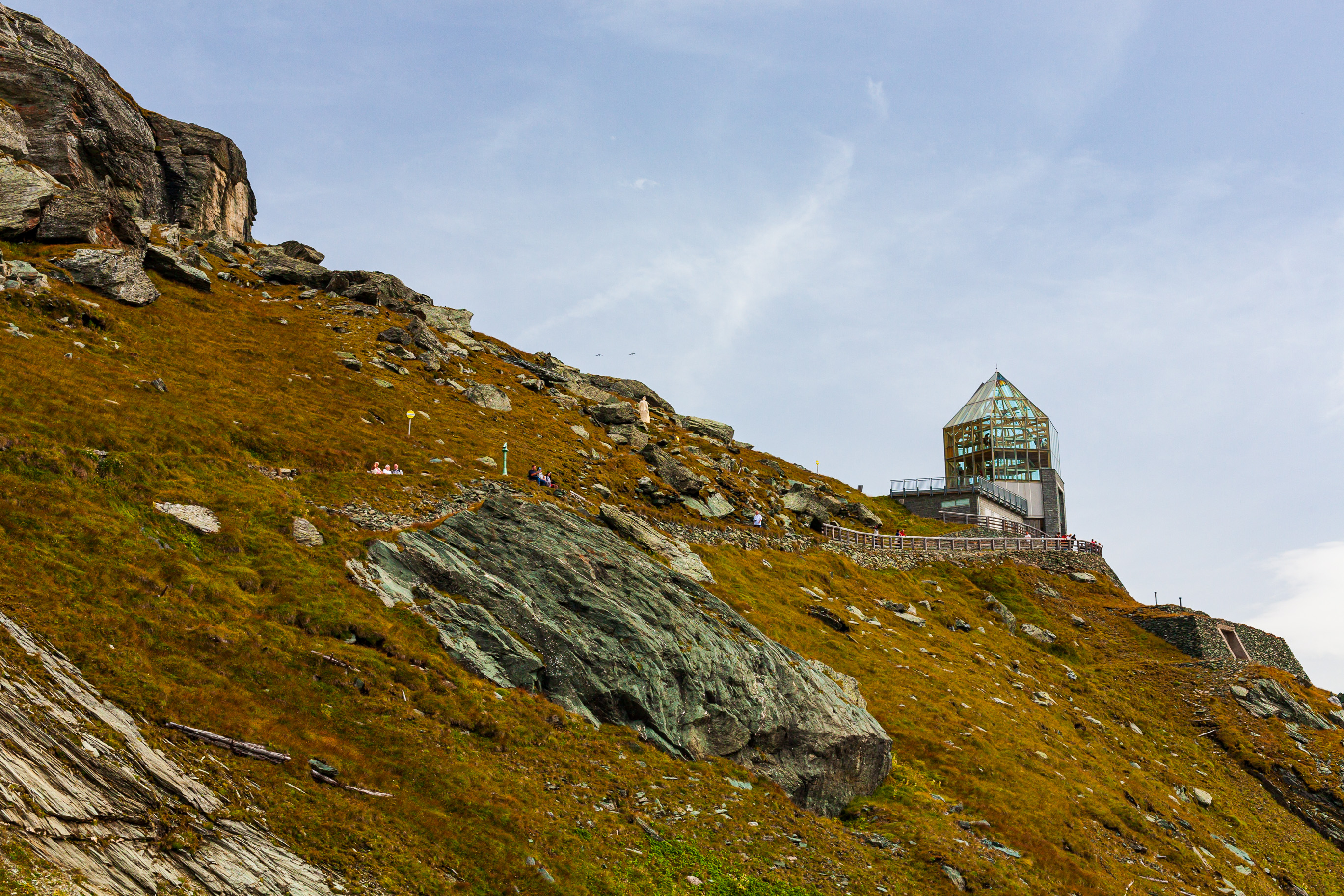
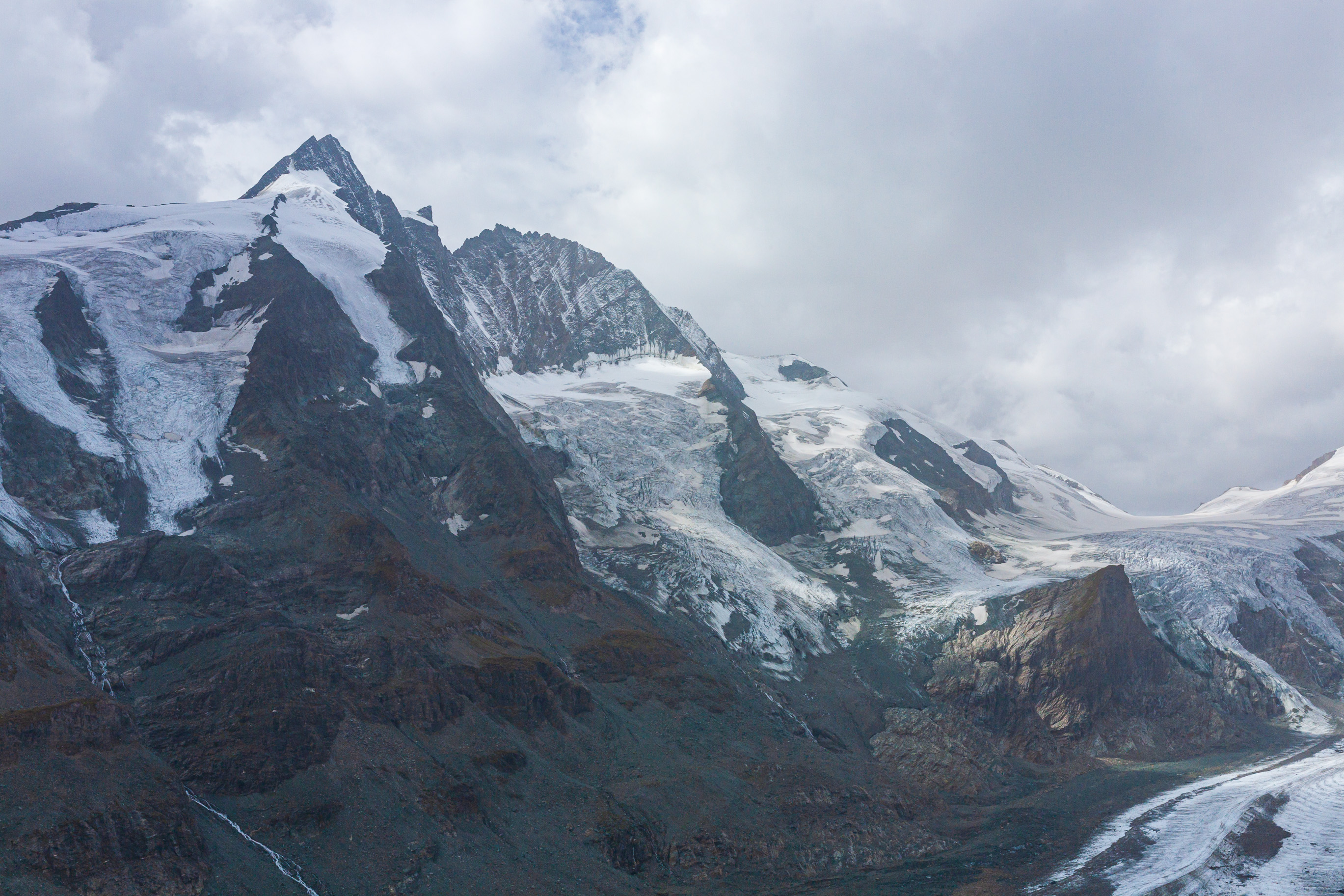
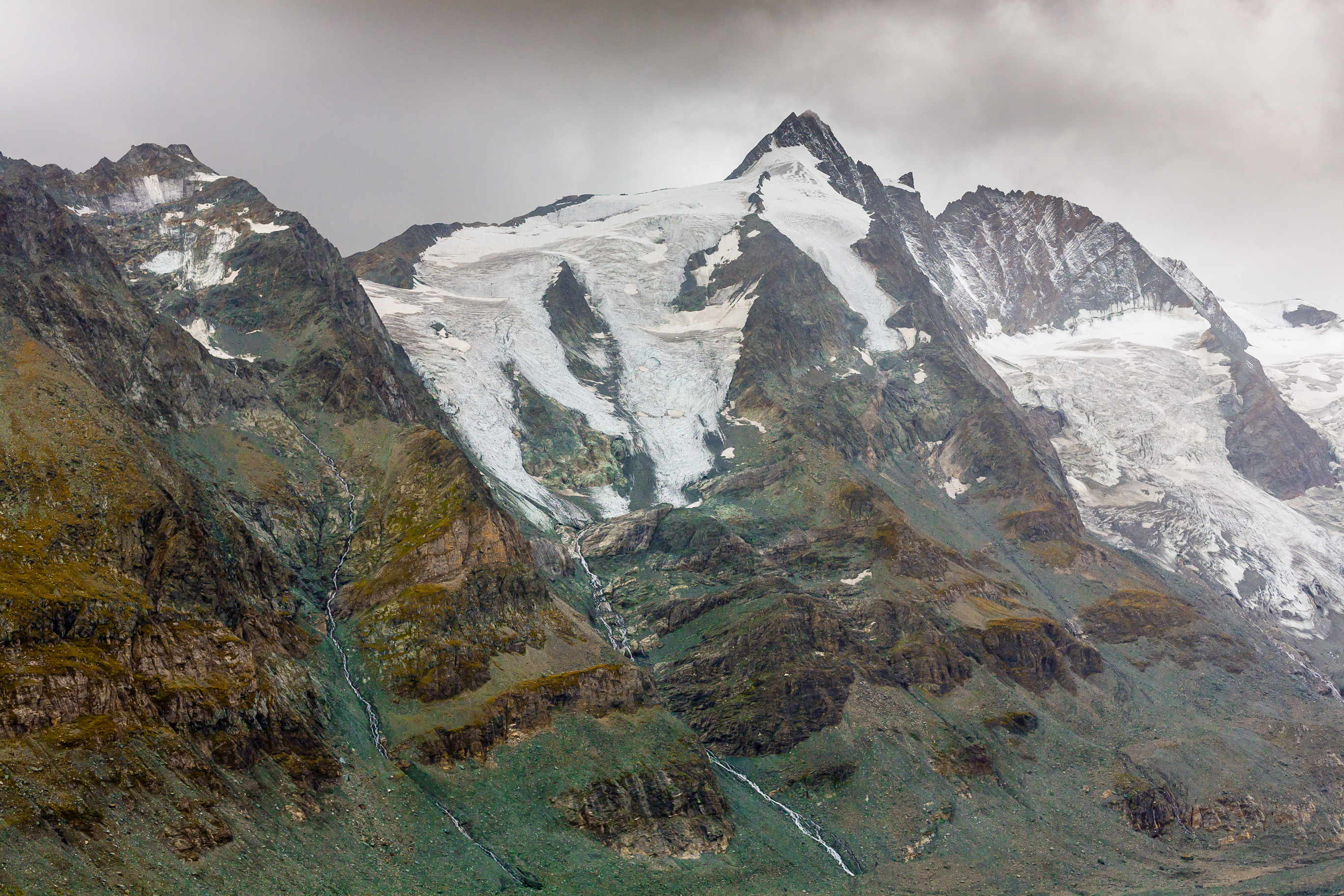
During our stay in Matrei, we visited Grossglockner, which is the highest mountain in Austria and one of the highest in the Alps. It has an elevation of 3798 meters above sea level and is reached via the appropriately named Grossglockner High Alpine Road (Großglockner-Hochalpenstraße).
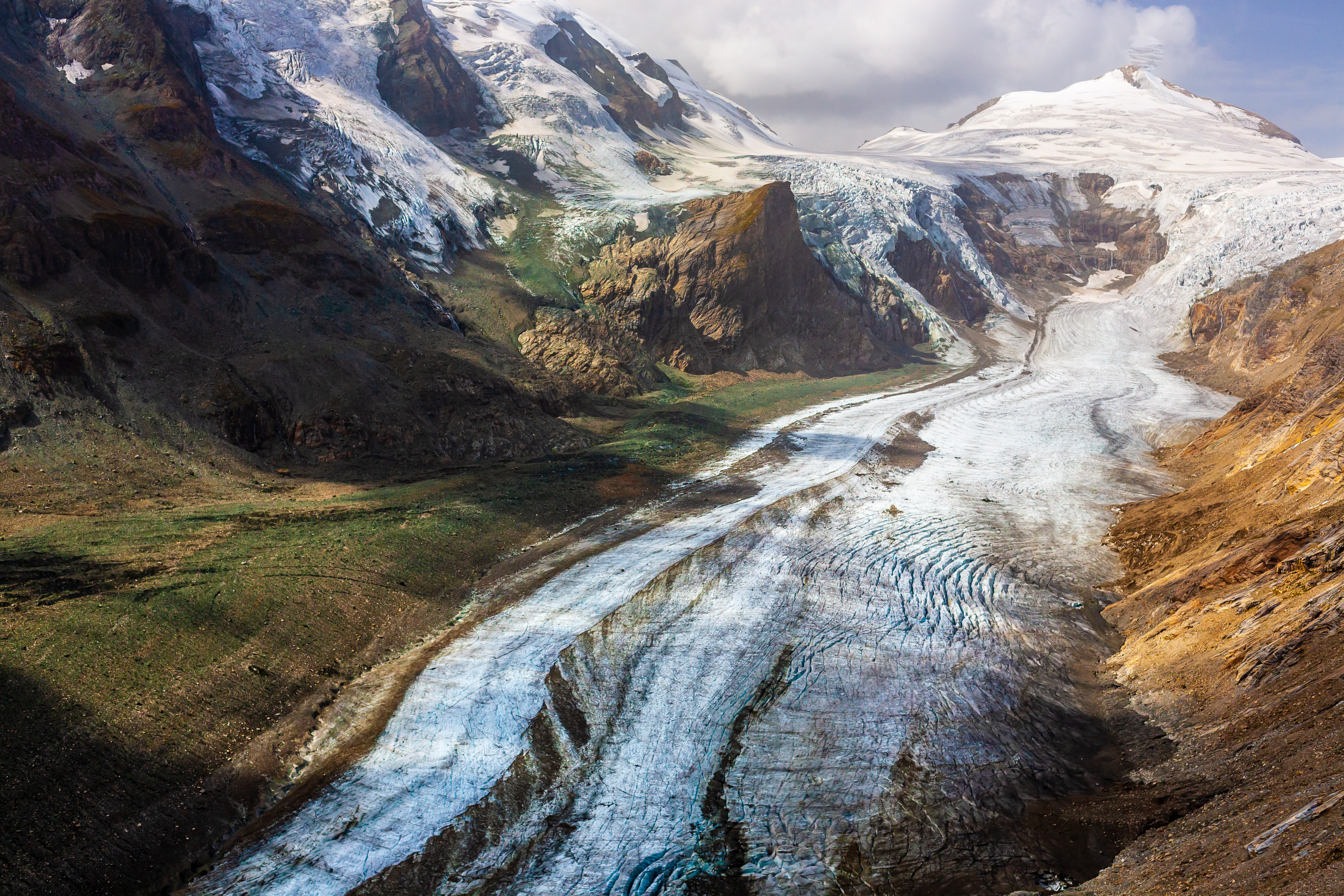
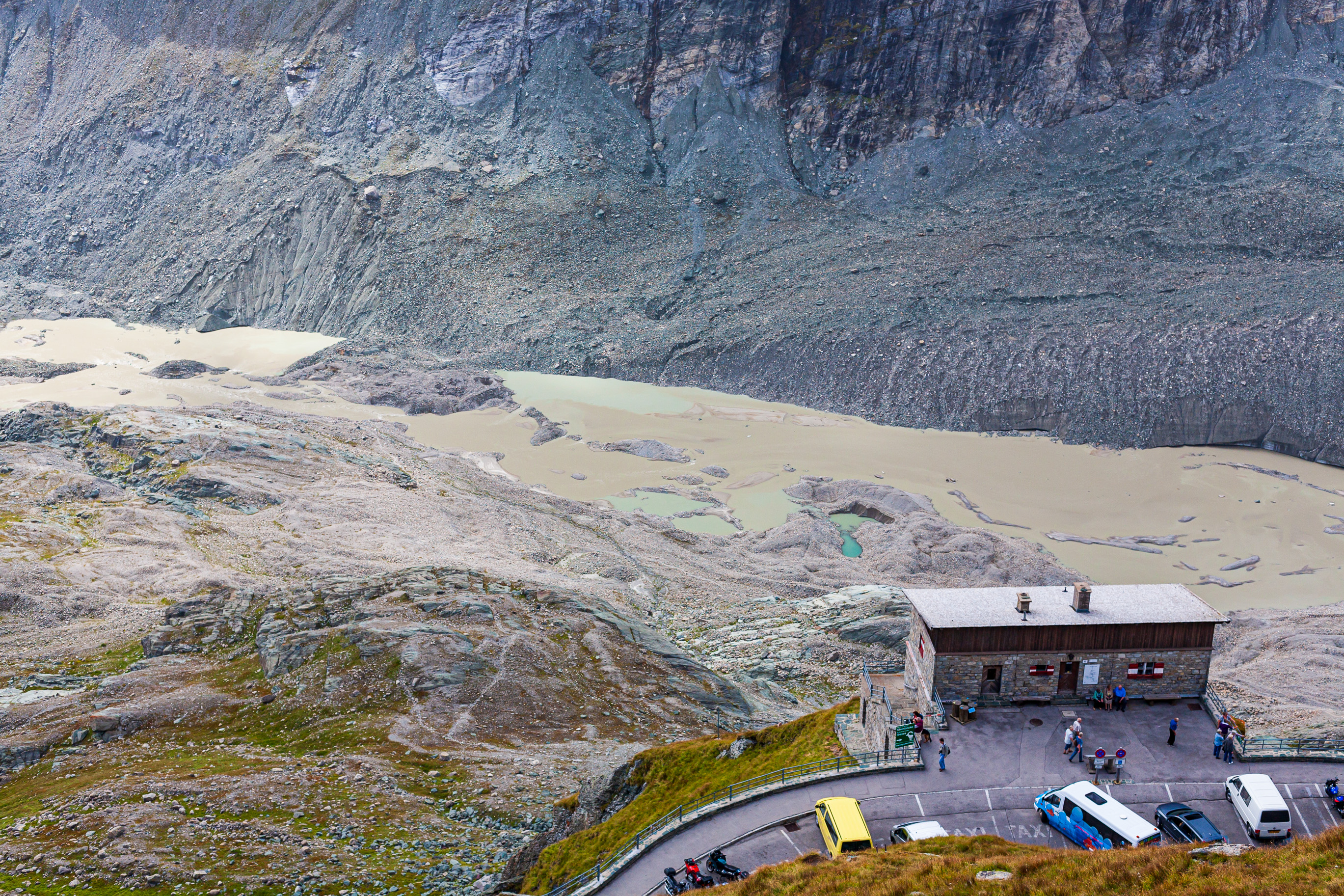
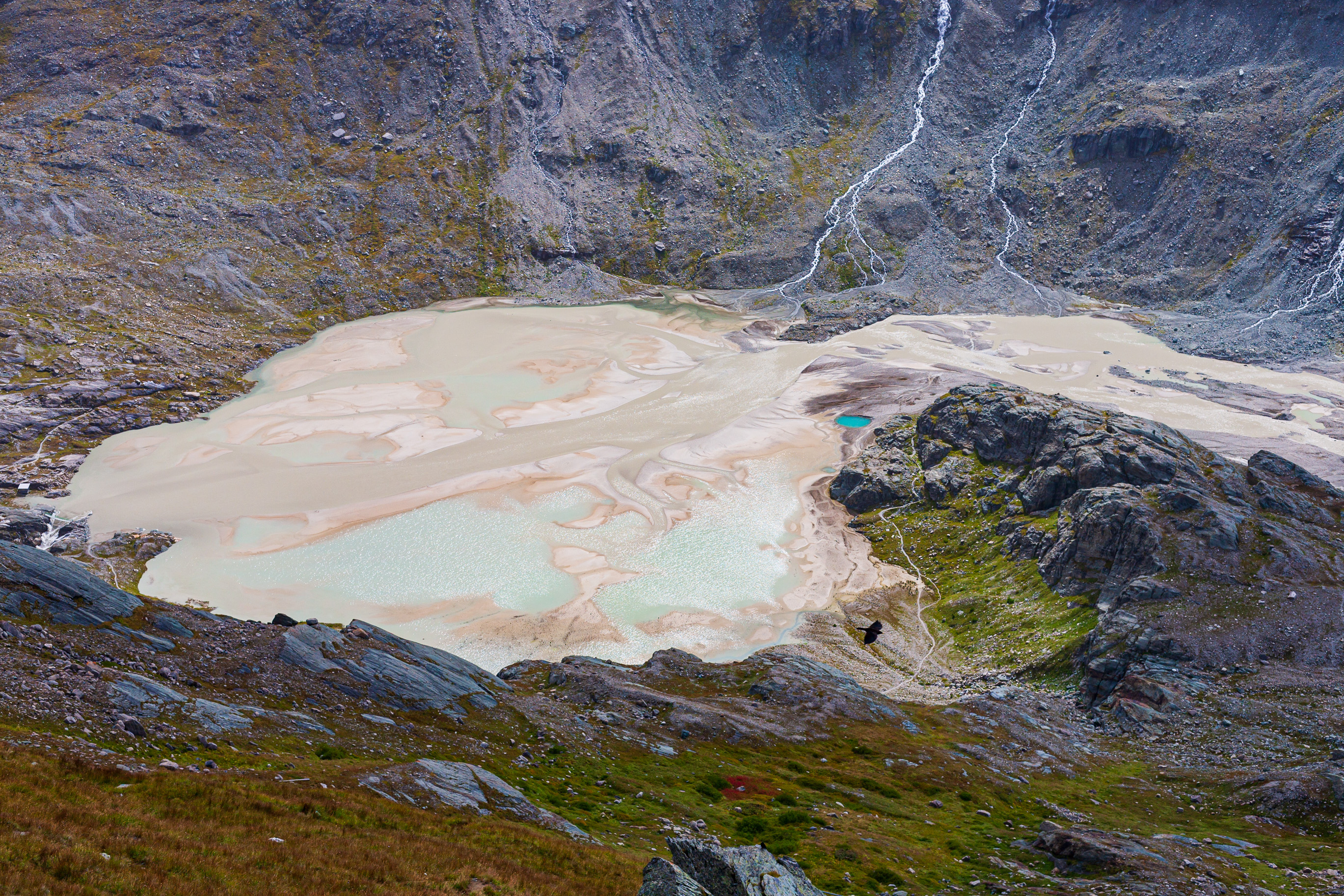
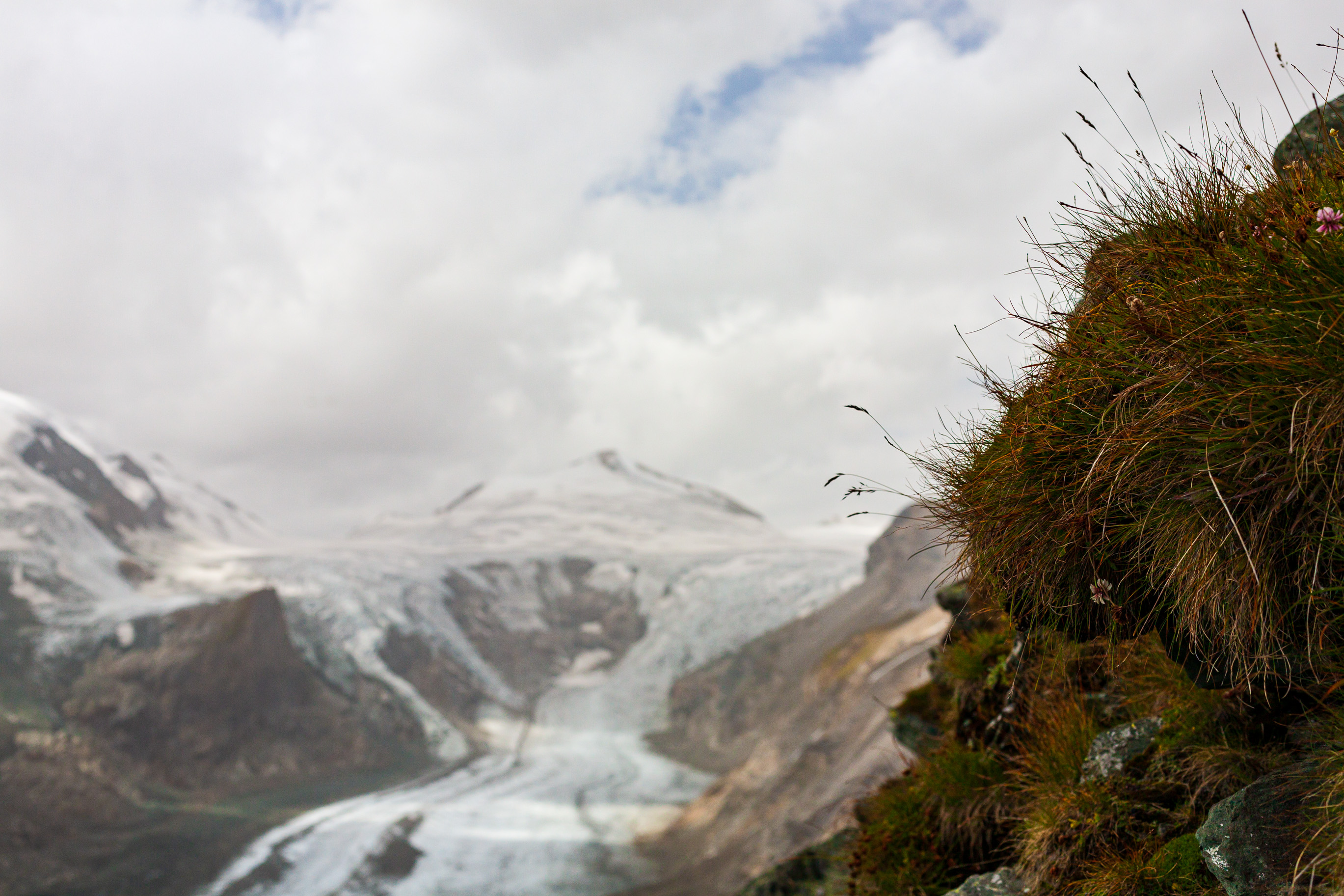
Technically, there are two peaks on the same mountain: the Grossglockner (the one holding the records) and its little brother, the Kleinglockner. The Pasterze, Austria’s most extended glacier, lies on the Grossglockner’s eastern slope.
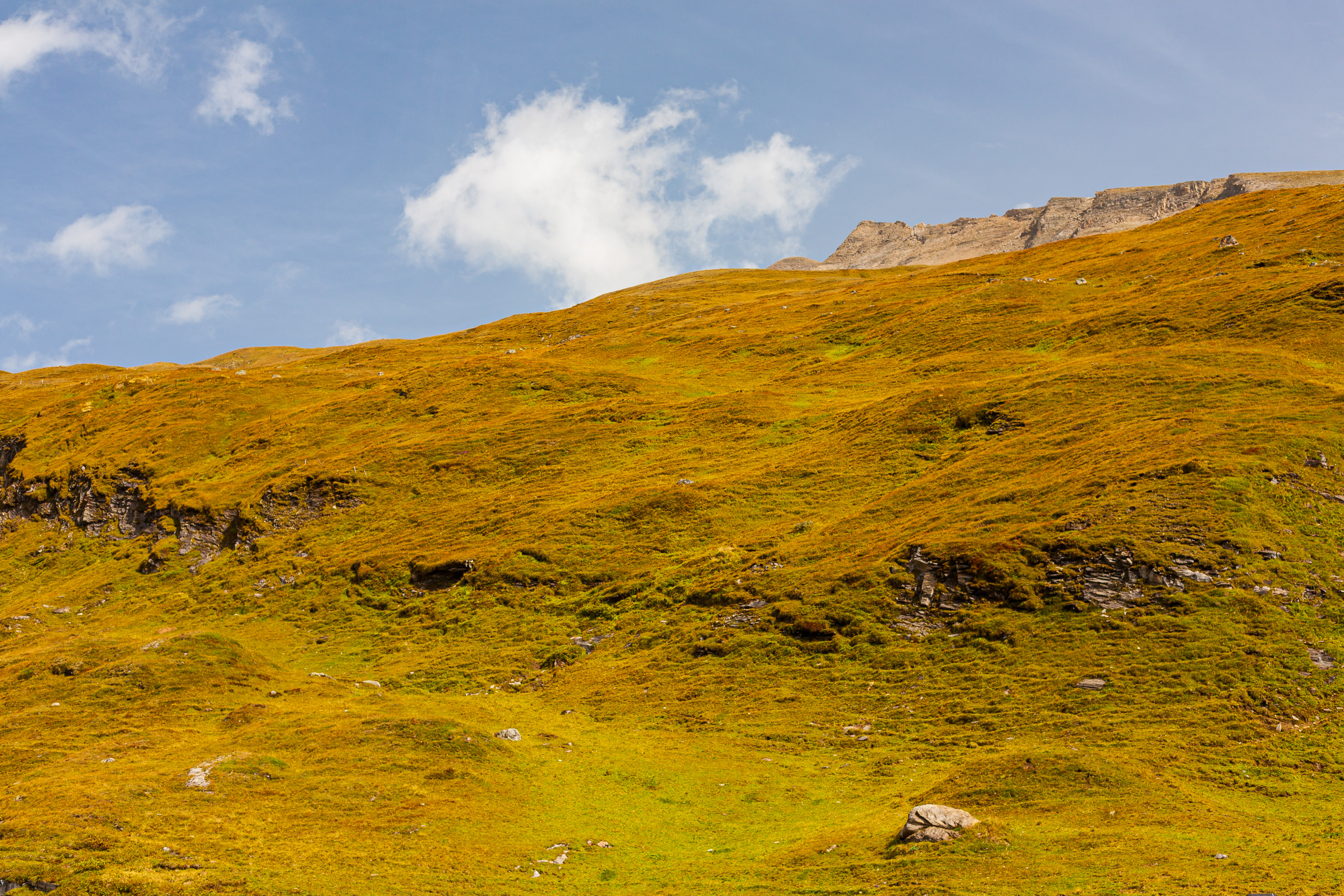
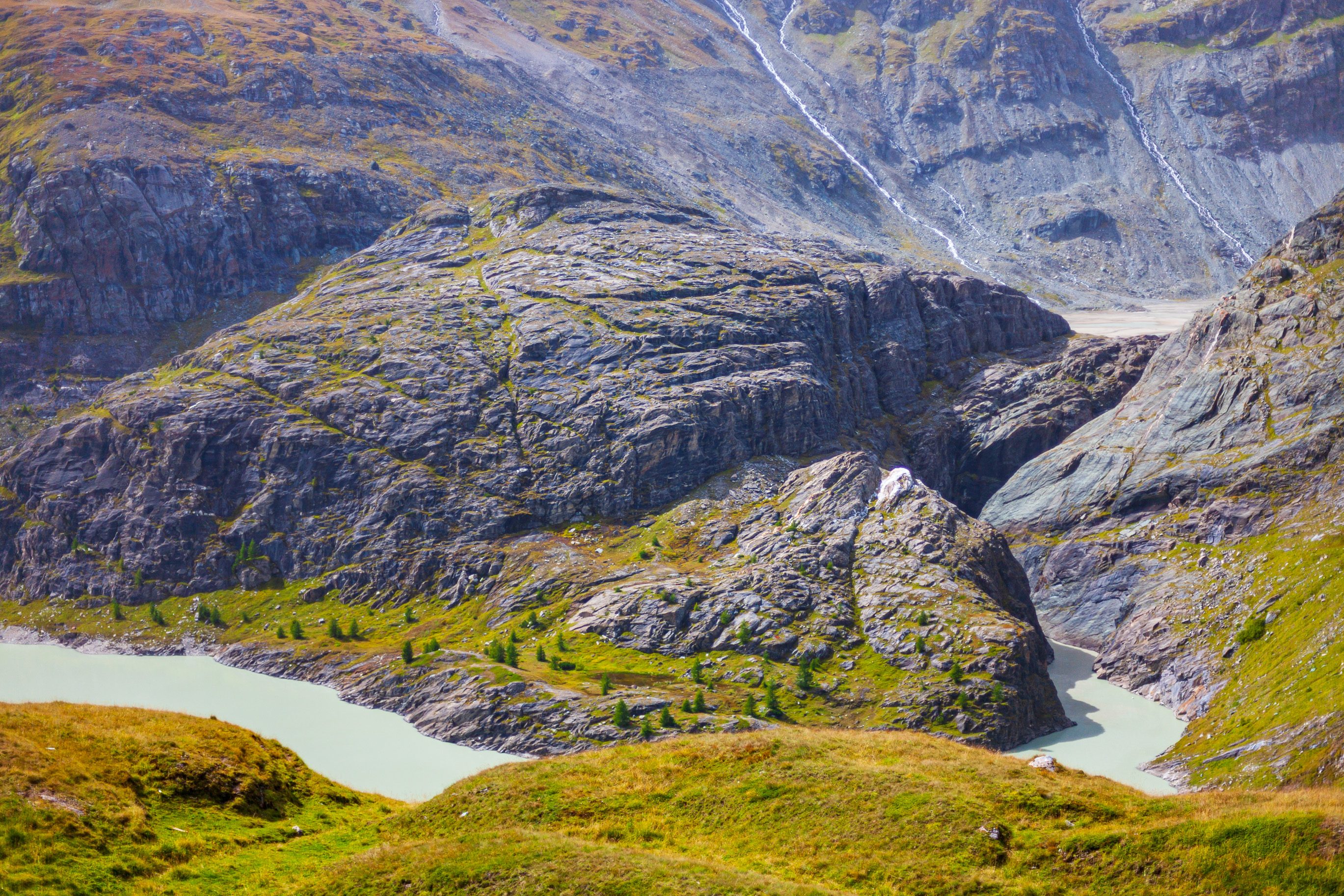
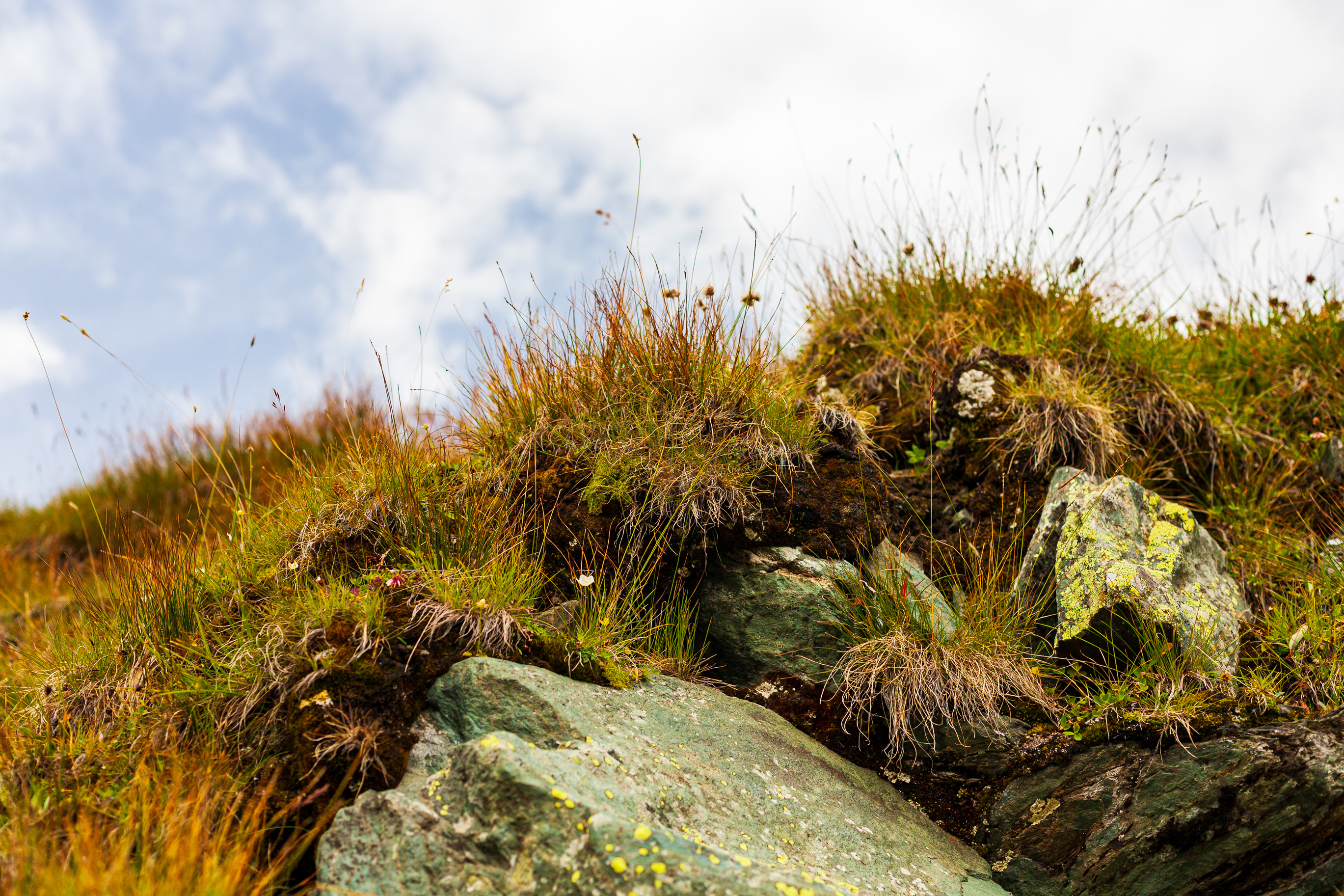
You’ll be able to see photos from our ascent into the mountains from Döllach, of the big mountain and the long glacier themselves, and of our descent toward Ferleiten in the gallery I’ve uploaded here for your viewing pleasure. Enjoy!
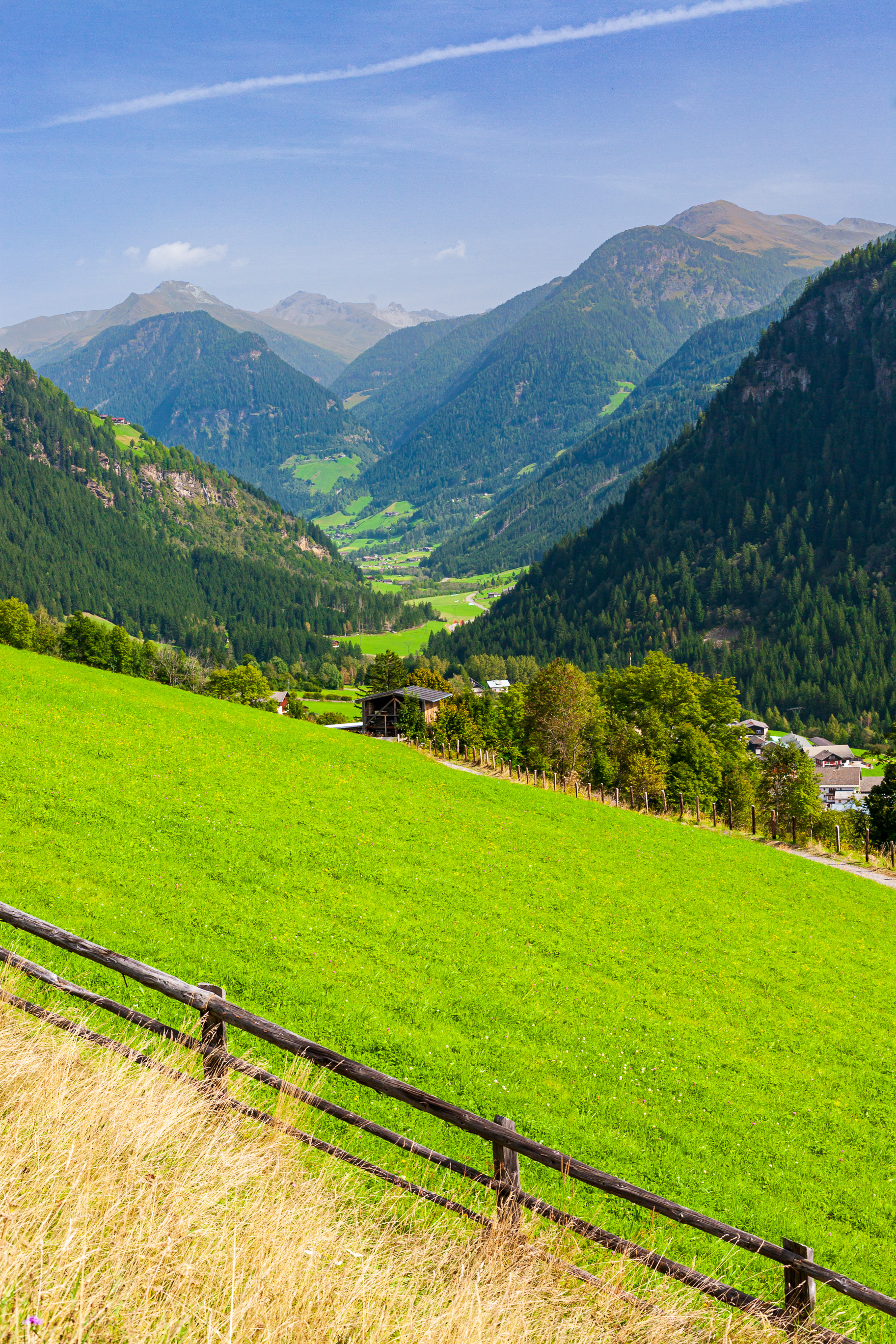
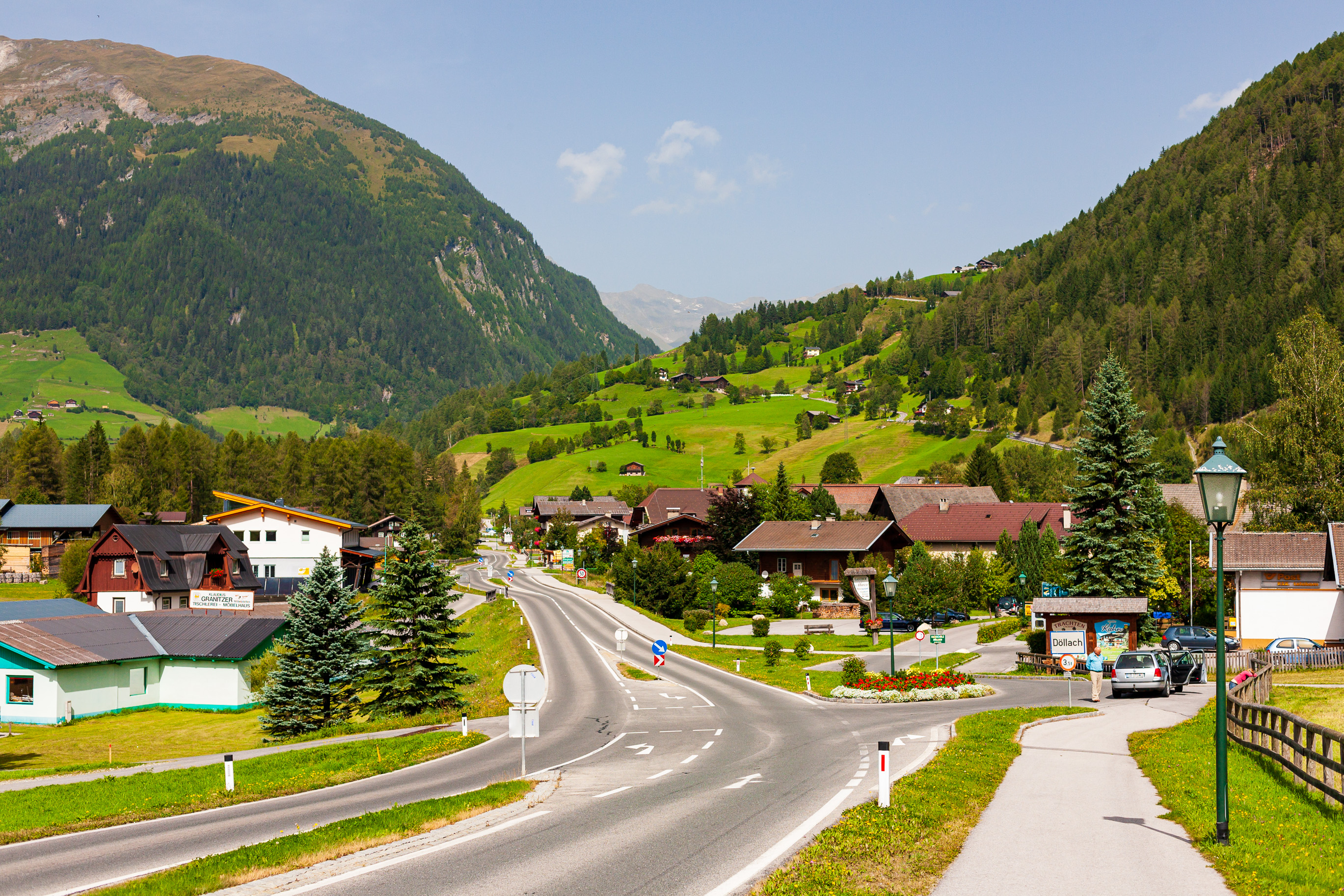
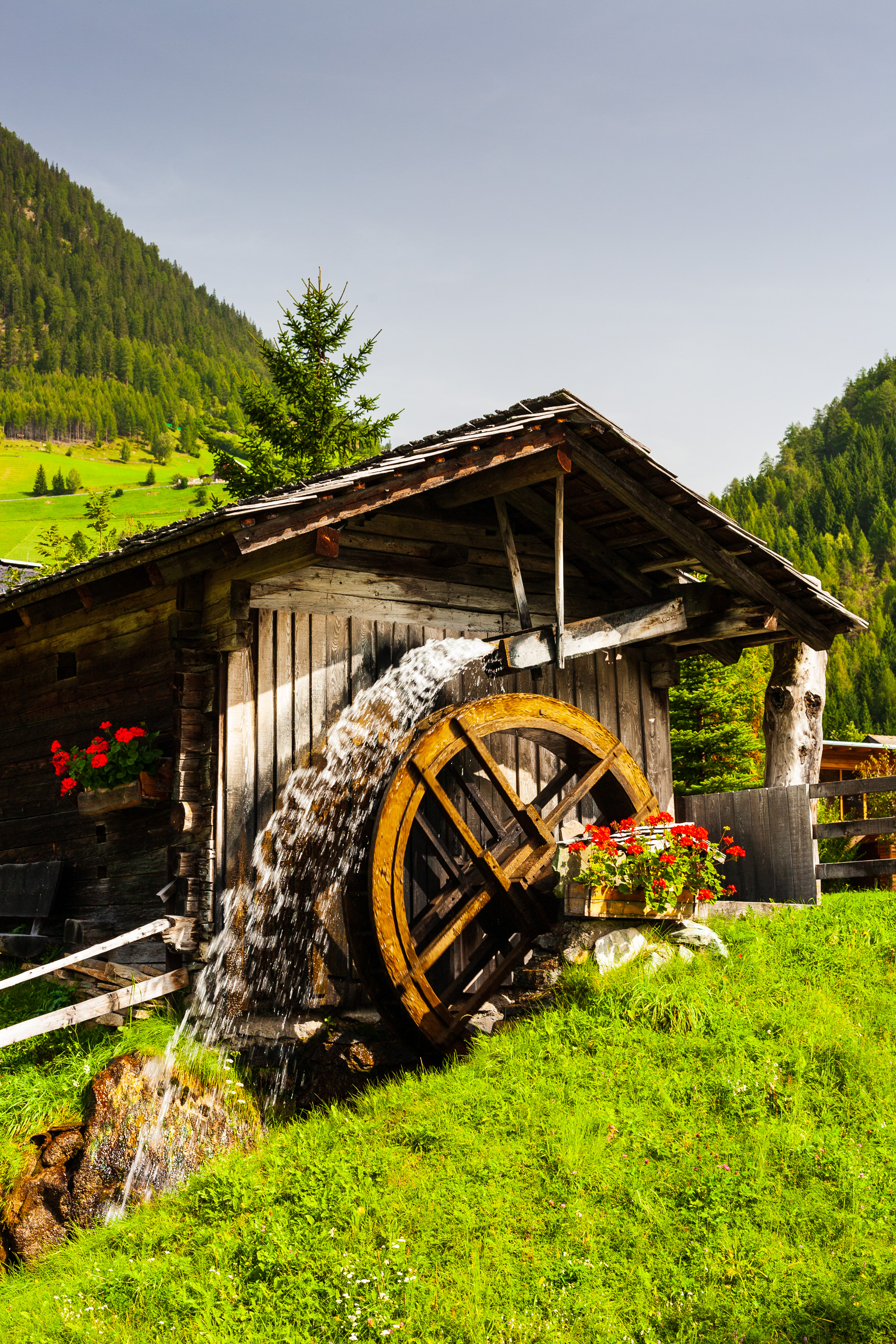
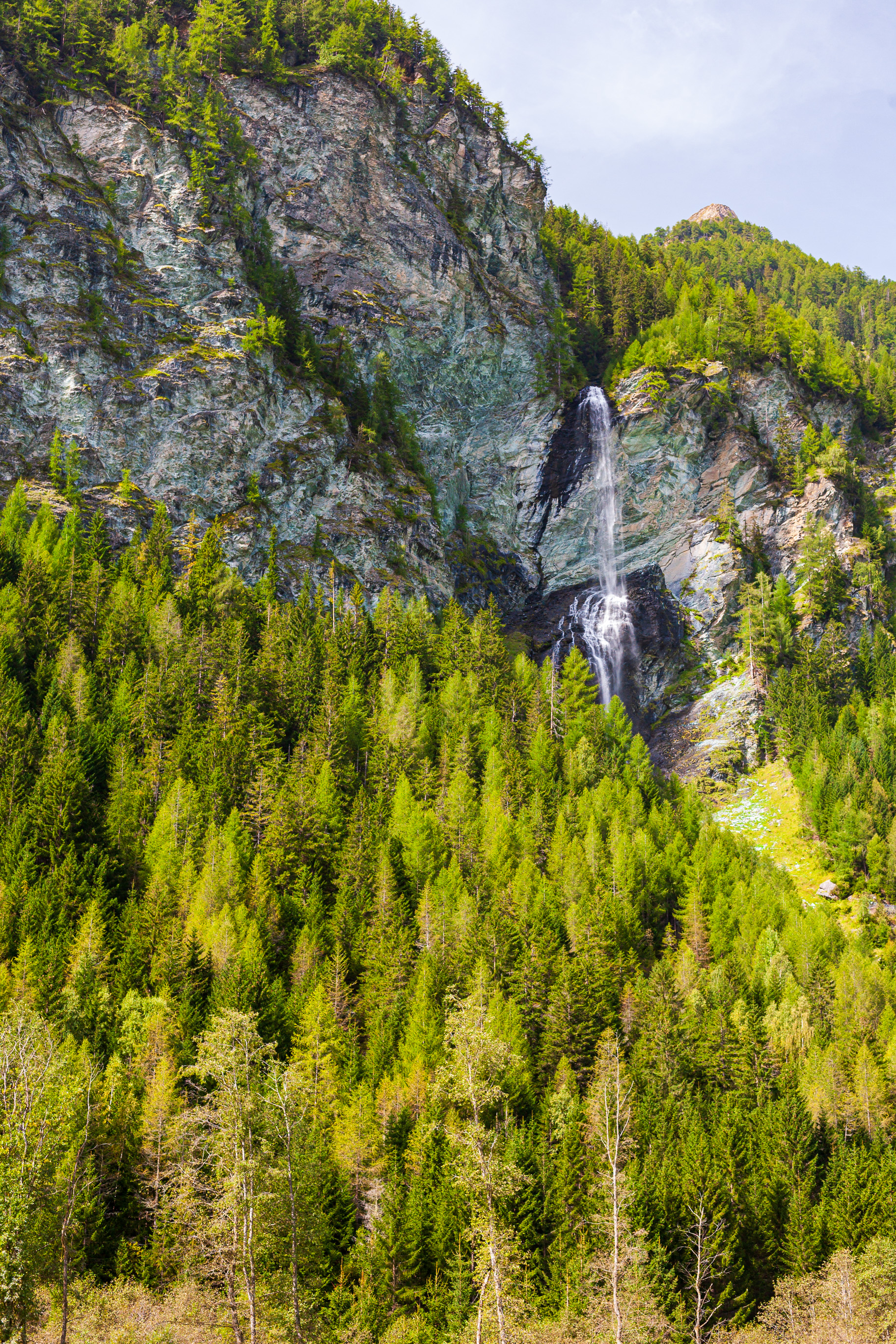
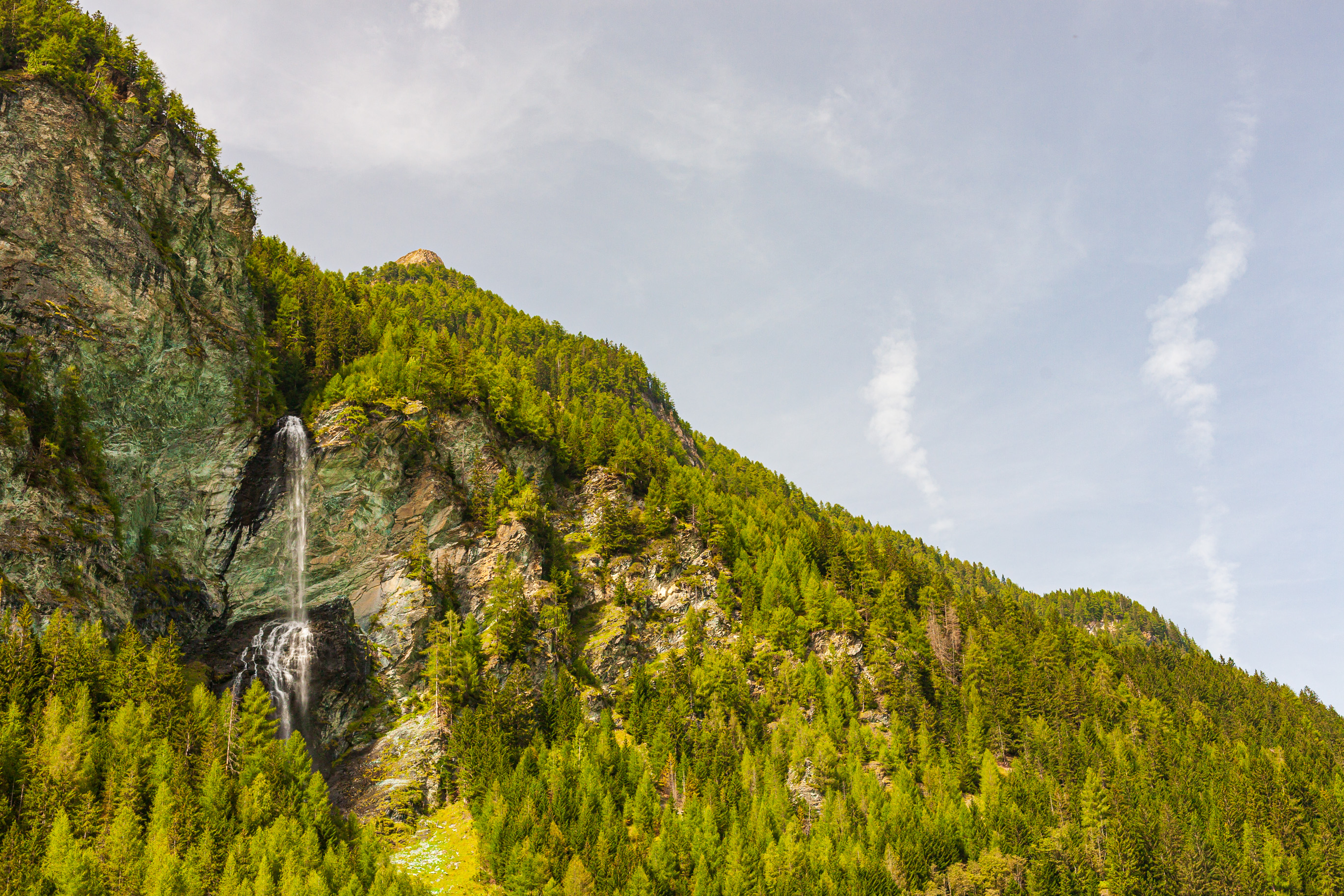
Dolach, Osterreich, Austria. 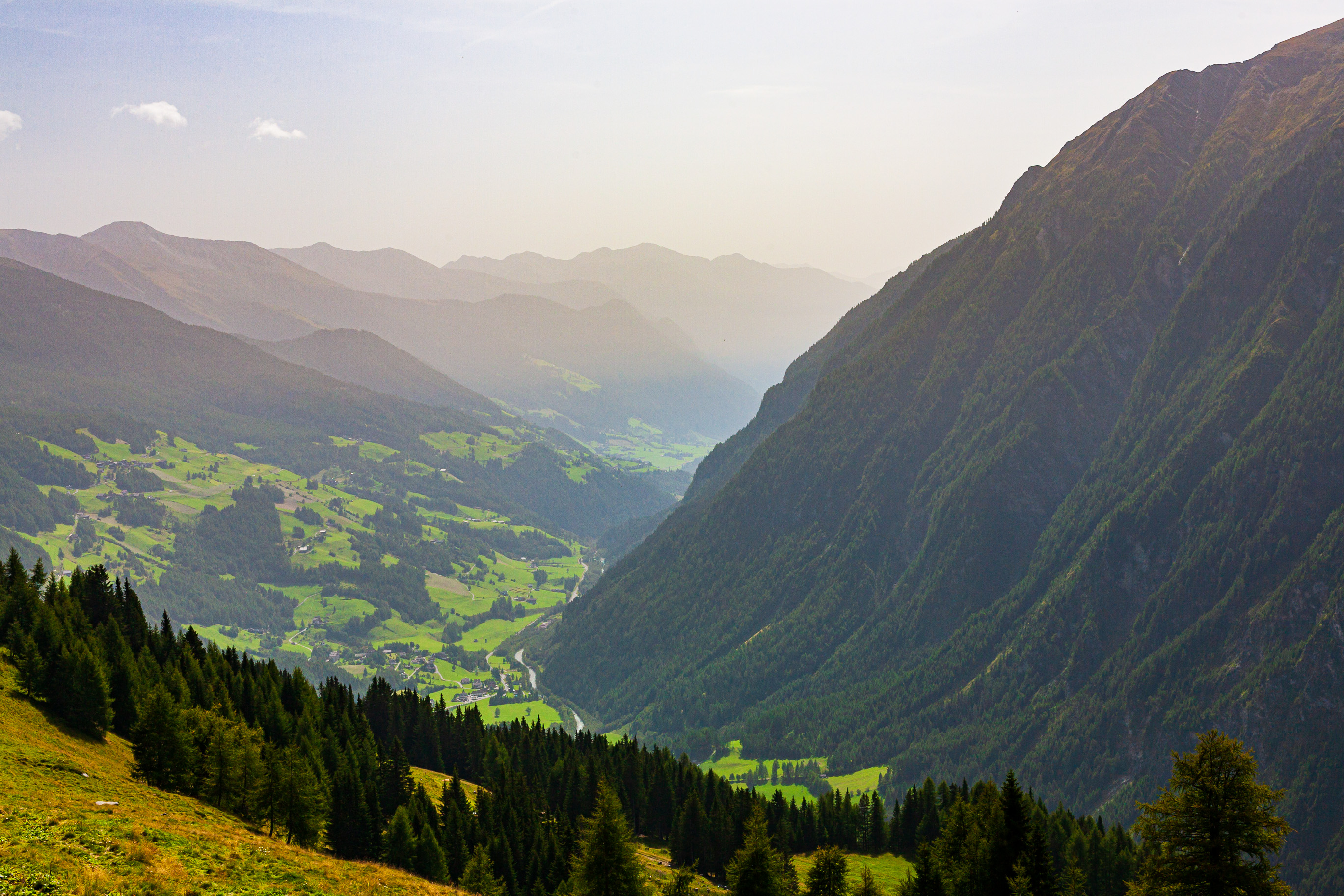
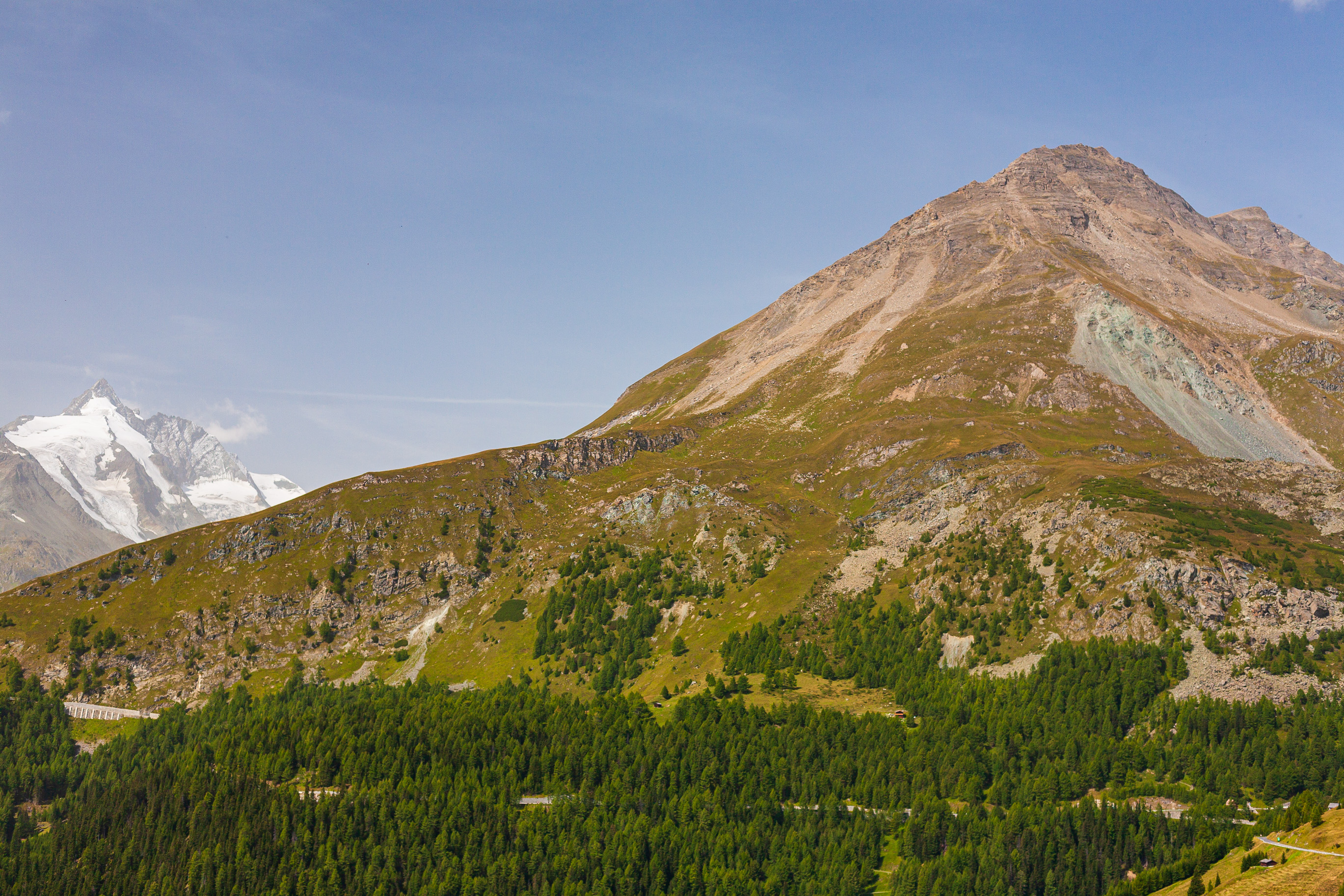
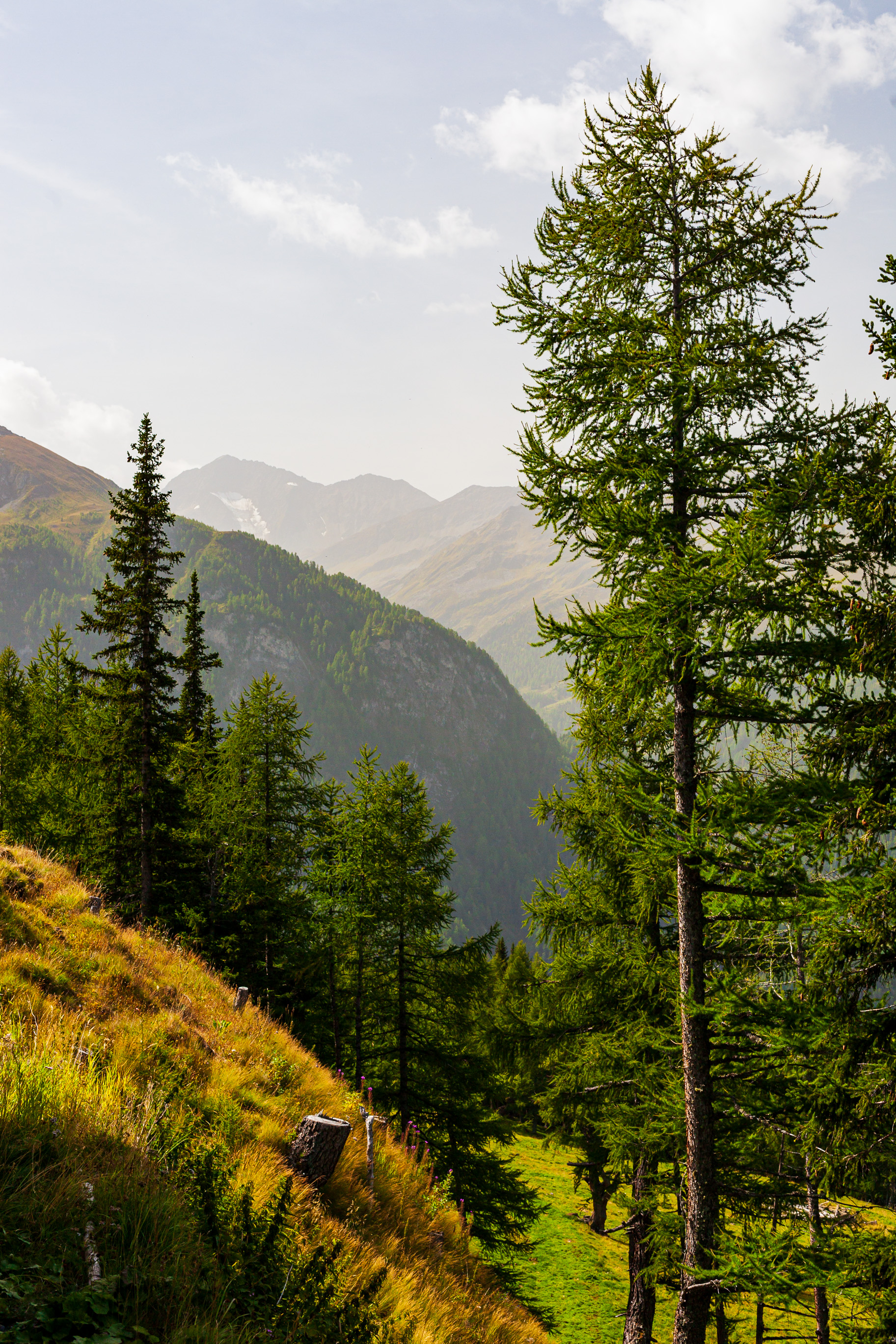
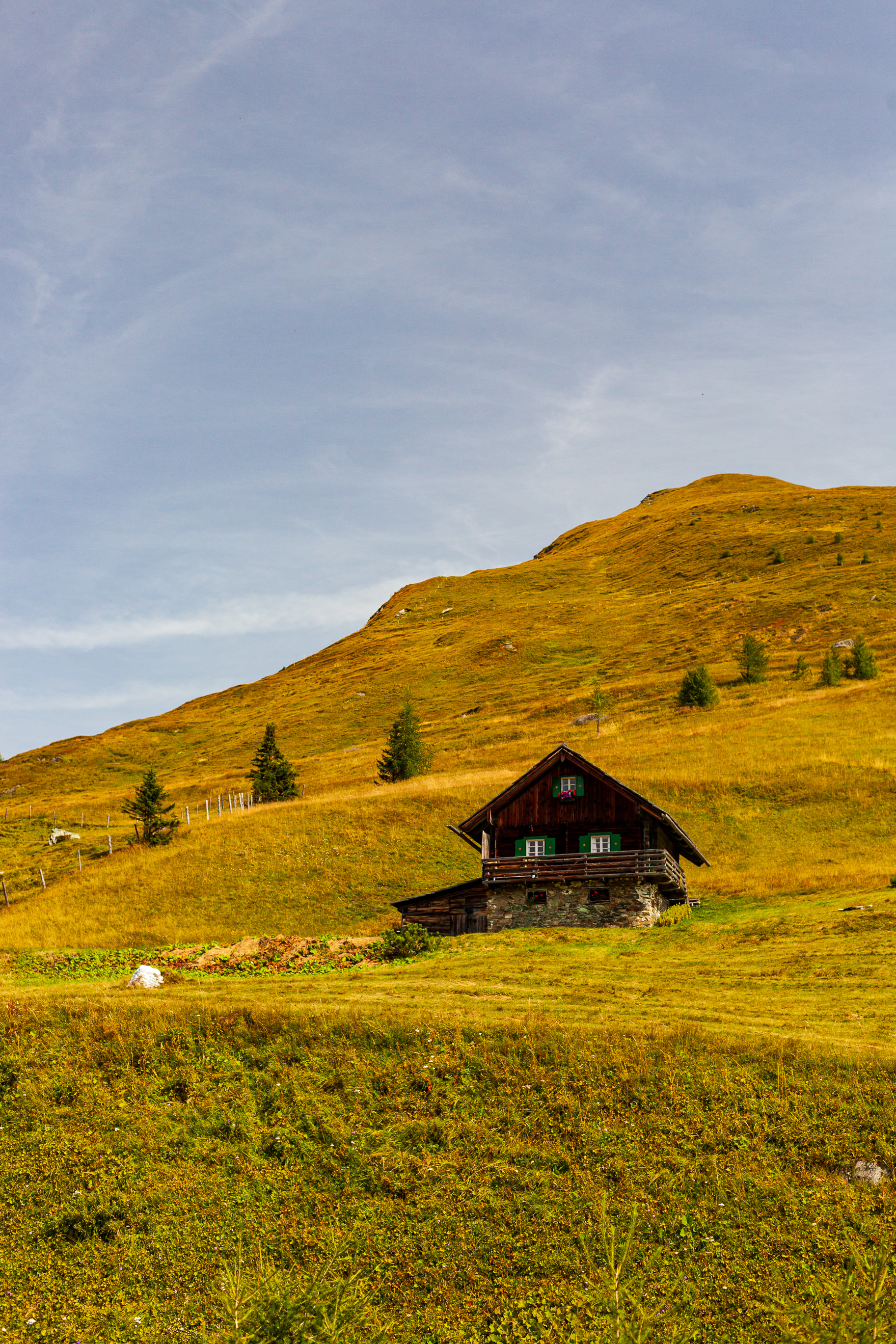
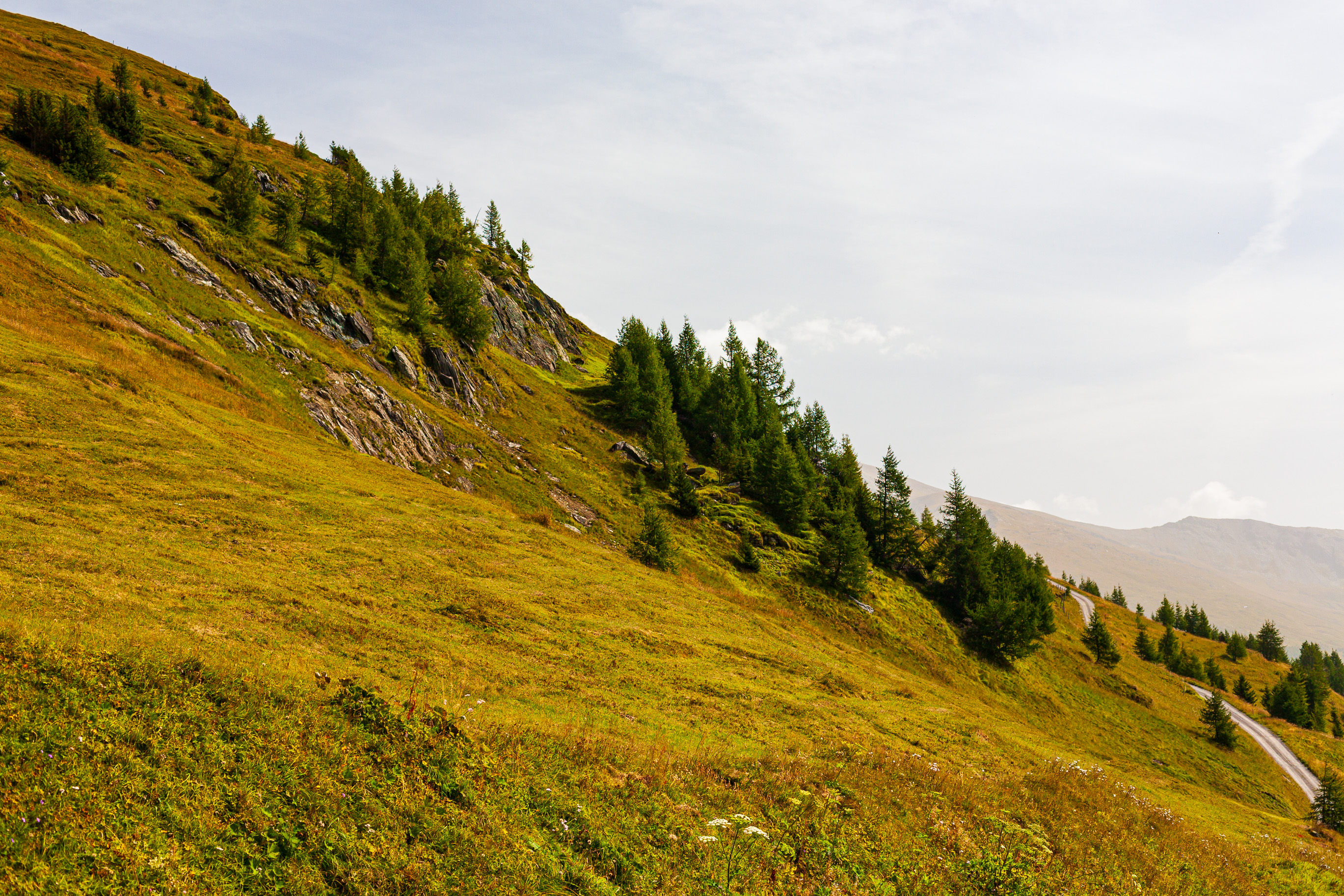
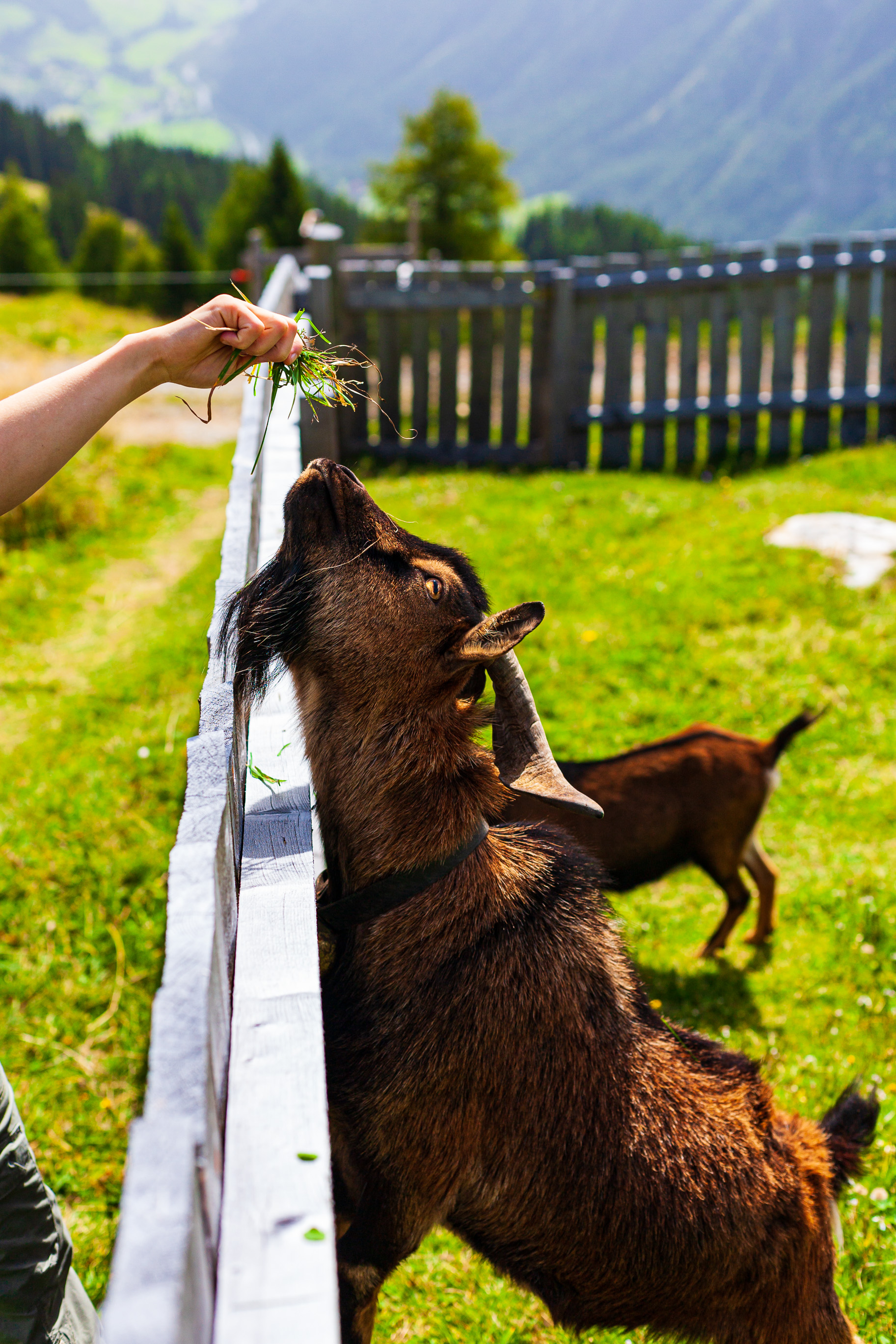
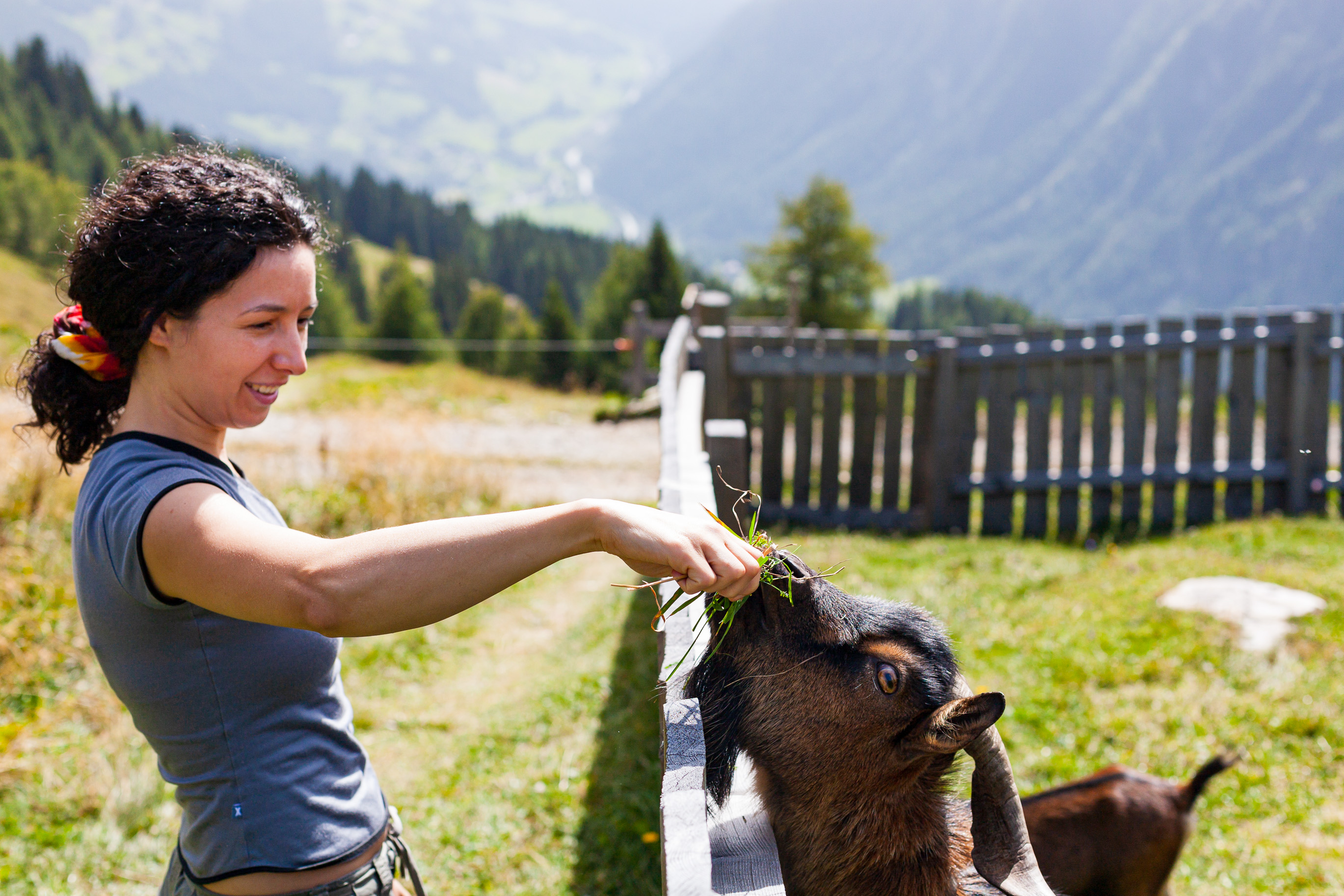
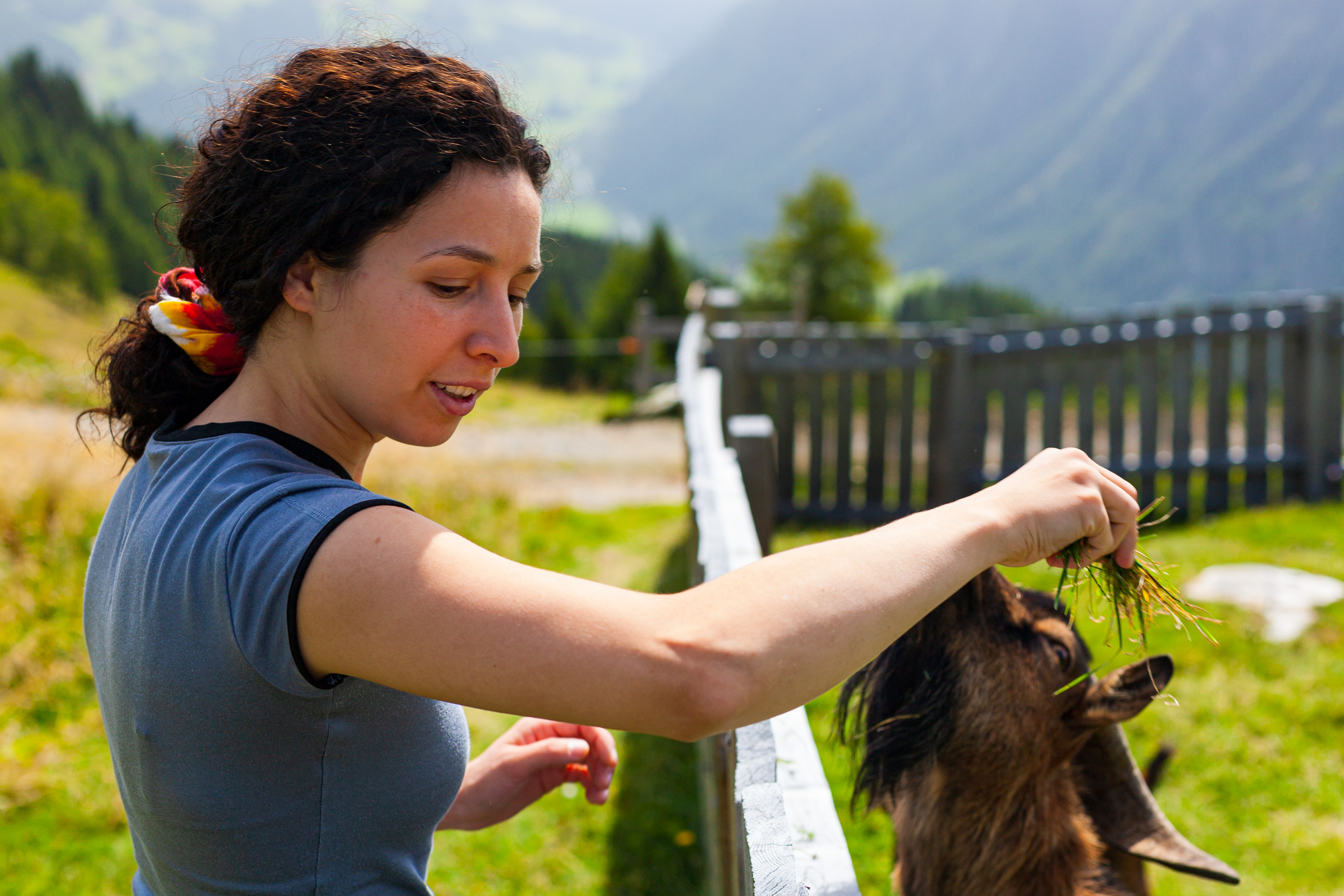
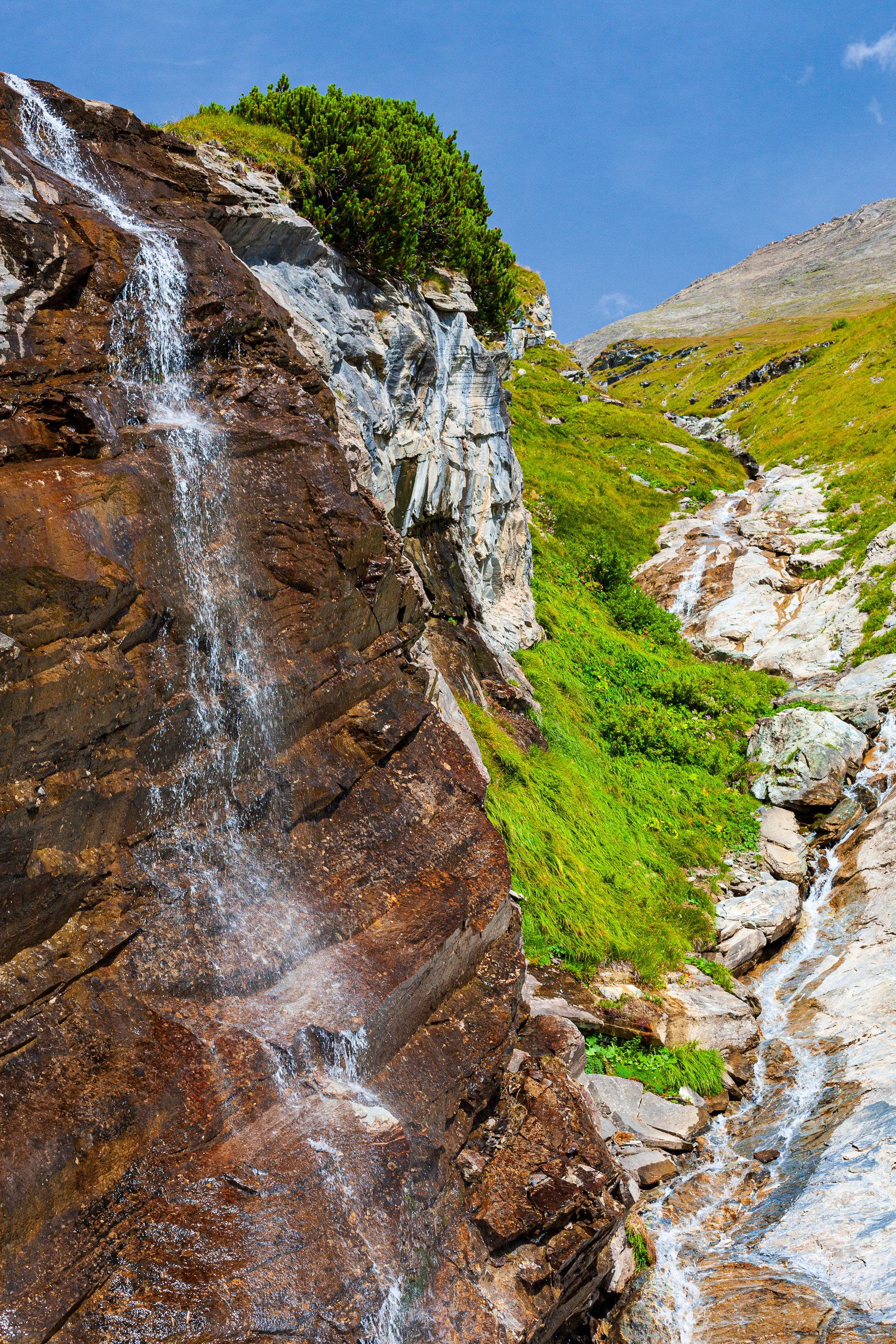
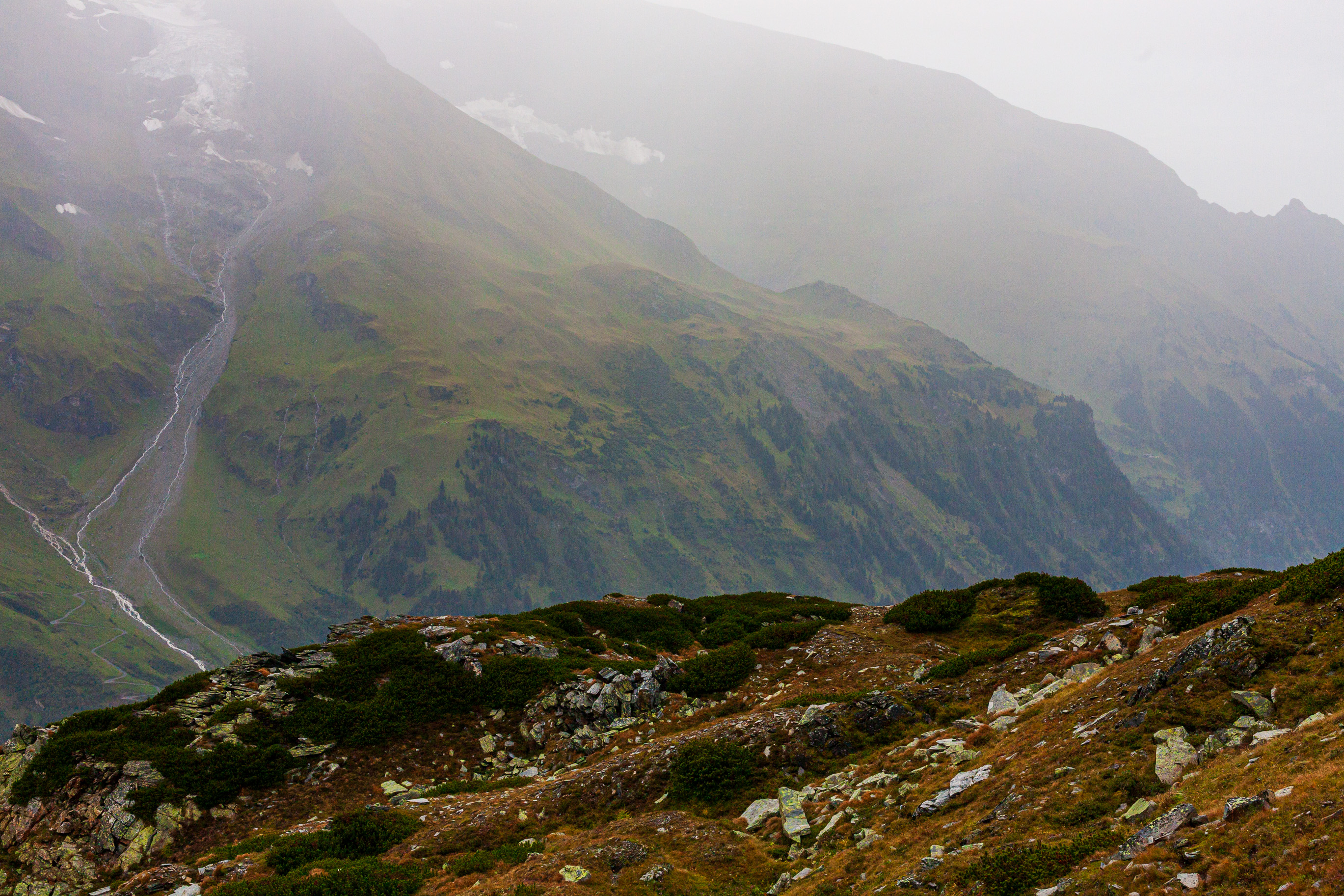
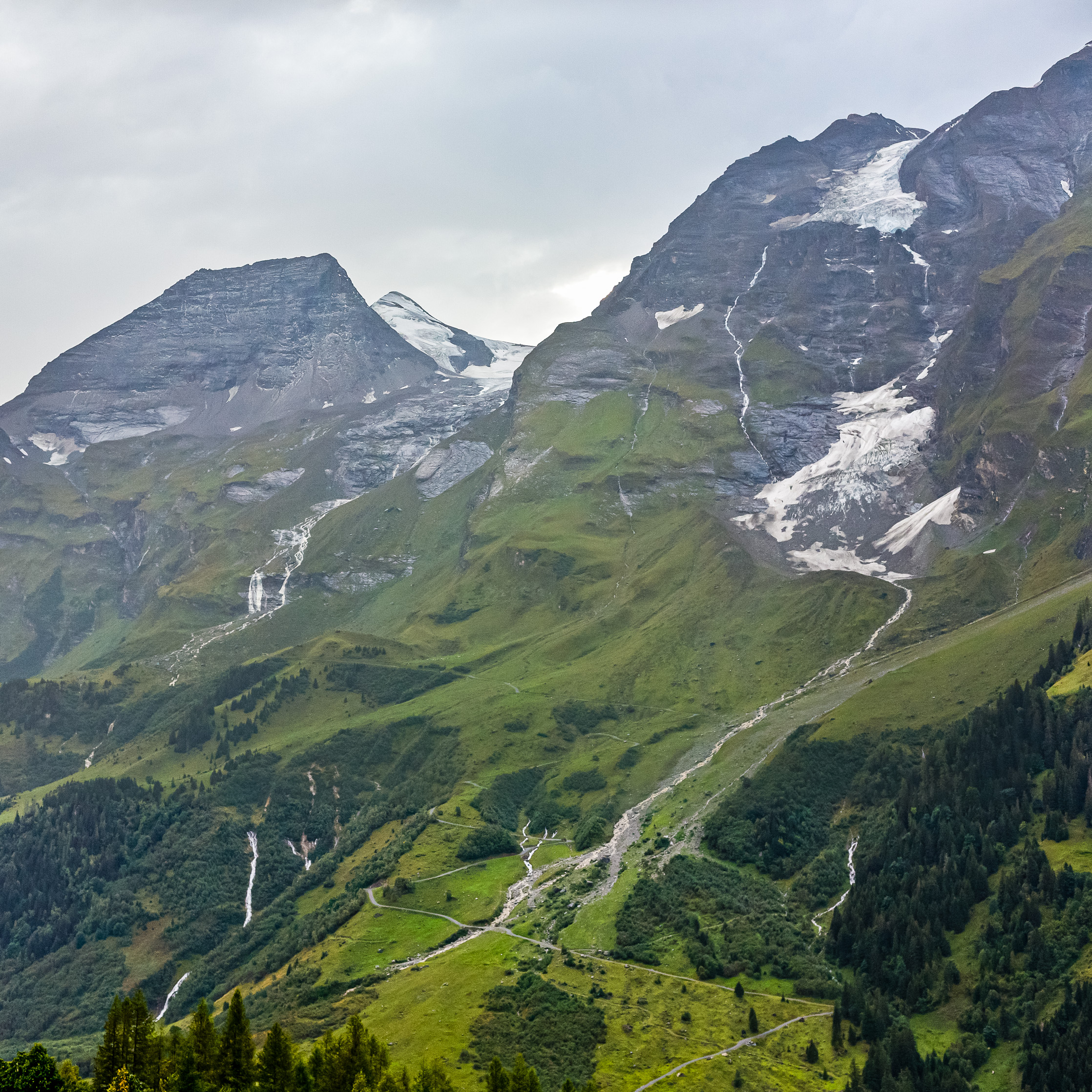
Energiedusche Wasserfall near Kasereck, Austria. 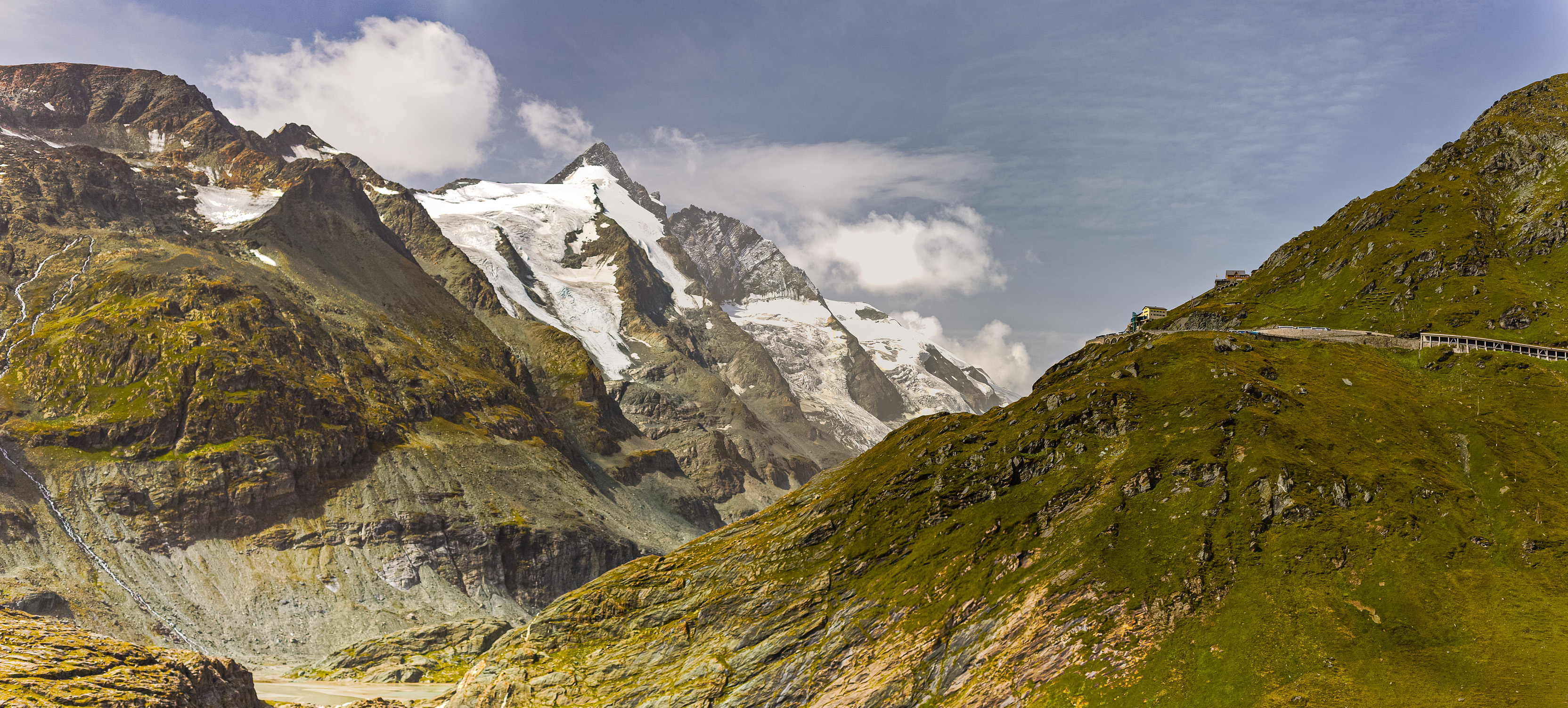
Matrei in Osttirol
Here is a large set of photographs from a visit to a little town in Austria called Matrei in Tyrol (Matrei im Osttirol). We visited it back in 2008 and stayed there for a few days, taking daytrips to various cities and places around the Hohe Tauern mountain range of the Central Eastern Alps.
The photos are of the town itself, of the surrounding countryside (including the Klaunz, Glanz, Hinterburg and Strummerhof settlements), and of a hike up and down Inner-Klaunzer Berg, the mountain that rises right next to Matrei. (You can see photos taken at the top of that mountain in this post.) There are also a few photographs of the exterior of Castle Weißenstein, which we would have liked to visit but was not open to the public.
We stayed at Hotel Goldried, which has spartan interiors but good views of the town and a funicular that you can operate yourself. It’s right next to the ski slopes, in case you should visit in winter. And on some evenings, you’ll get to see and hear people singing Austrian folk songs, which was a surreal experience for us. We were coming down from the top of the mountain, tired and sweaty, and as as we approached the town, we could hear songs echoing in the valley below. Not crappy modern music blaring from a loudspeaker, but songs sung by people and laughter, lots of it. Night had fallen around us, and in the dark, the hotel’s open door shone like a beacon, music spilling out of it. Exhausted, we stumbled in and saw a full restaurant swinging back and forth on their chairs, singing a folk song in unison. Those Austrians! 🙂
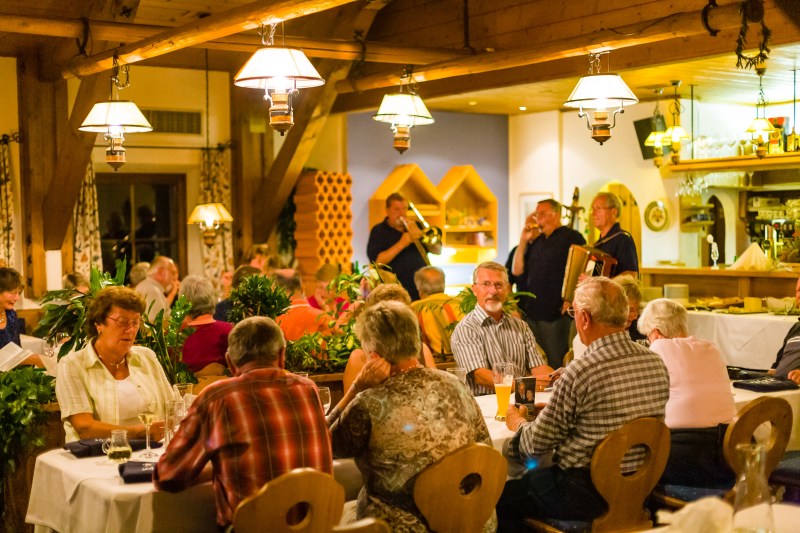
We came back late in the evening from a hike in the mountains and sure enough there was singing going on at our hotel. I think it went on every night. They sang and laughed together. 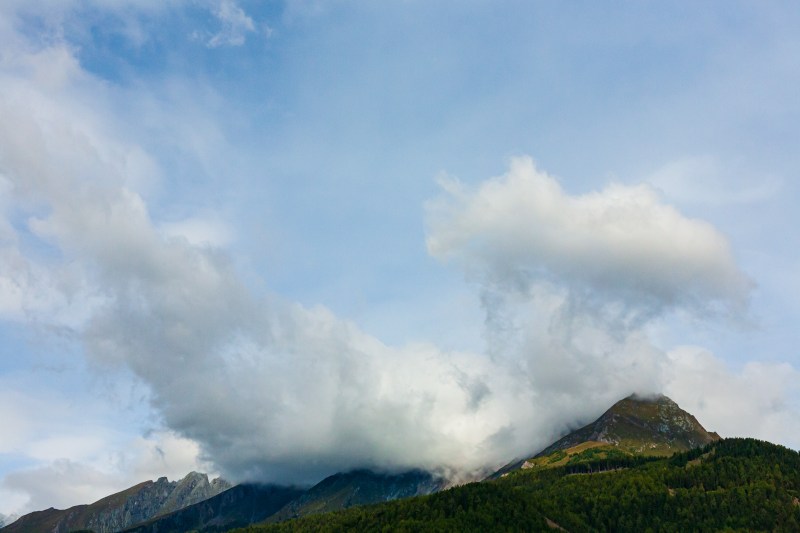
A view of a neighboring mountain, Matrei in Osttirol, Austria 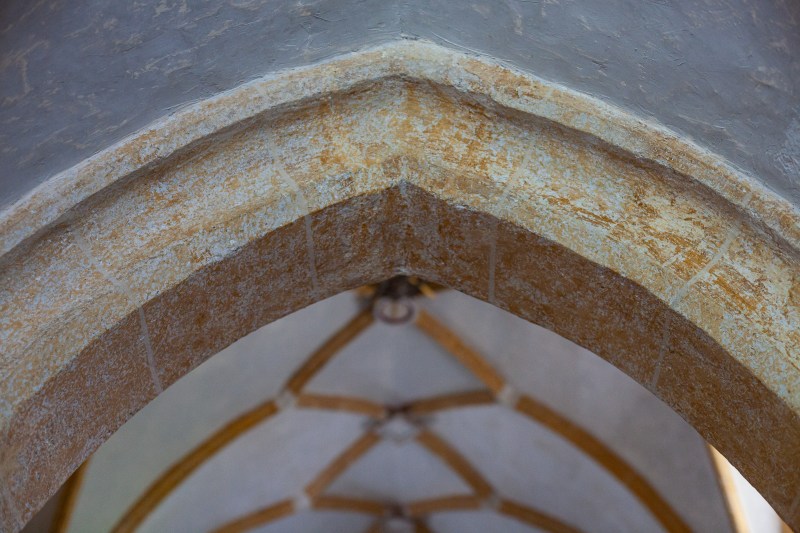
At a little country church near Matrei in Osttirol, Austria 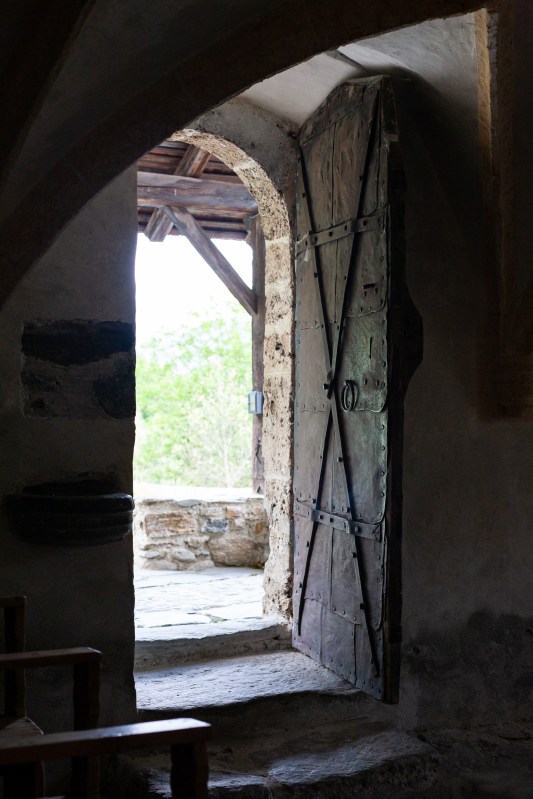
At a little country church near Matrei in Osttirol, Austria 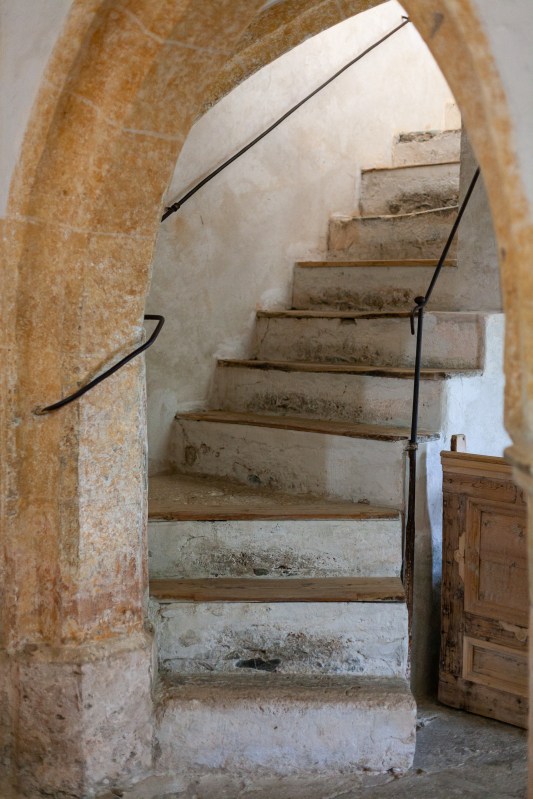
At a little country church near Matrei in Osttirol, Austria 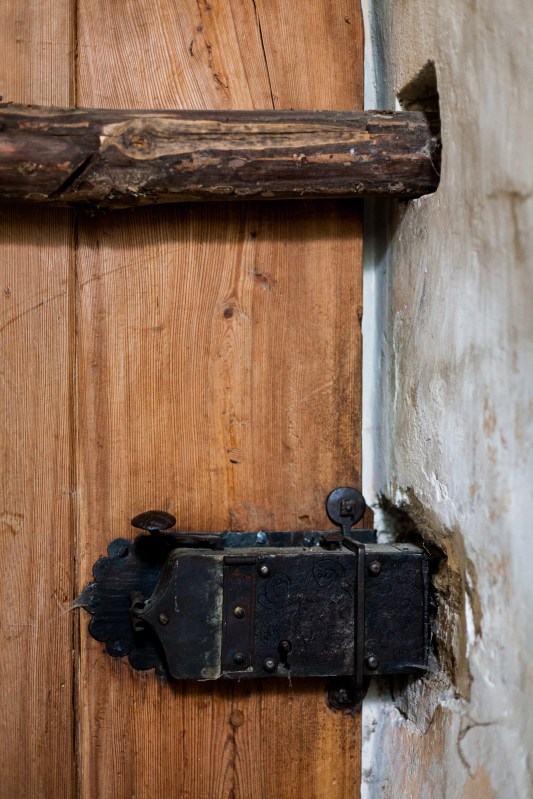
At a little country church near Matrei in Osttirol, Austria 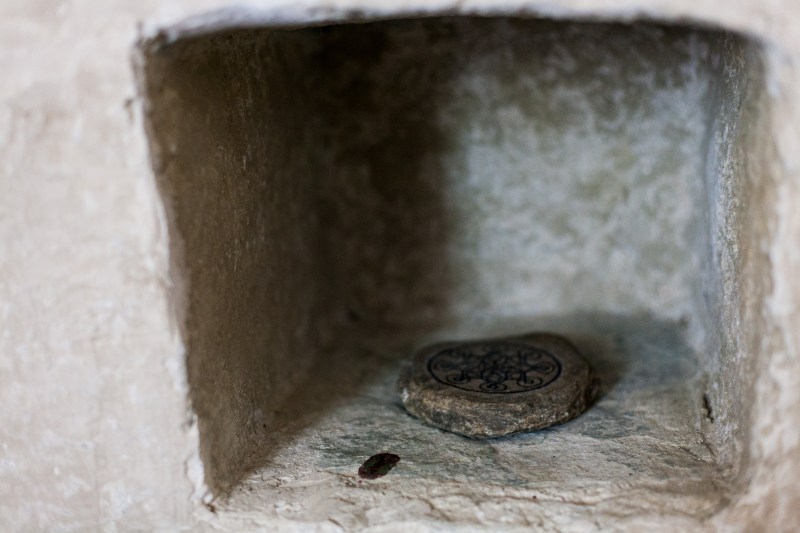
At a little country church near Matrei in Osttirol, Austria 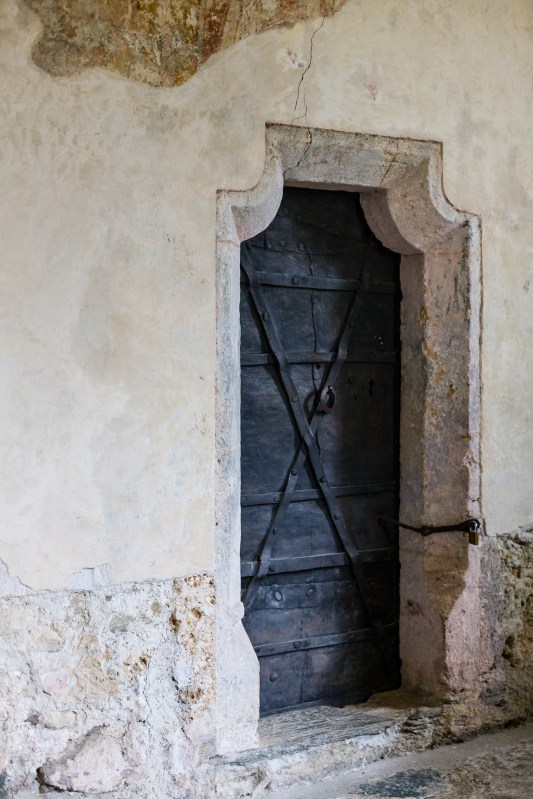
At a little country church near Matrei in Osttirol, Austria 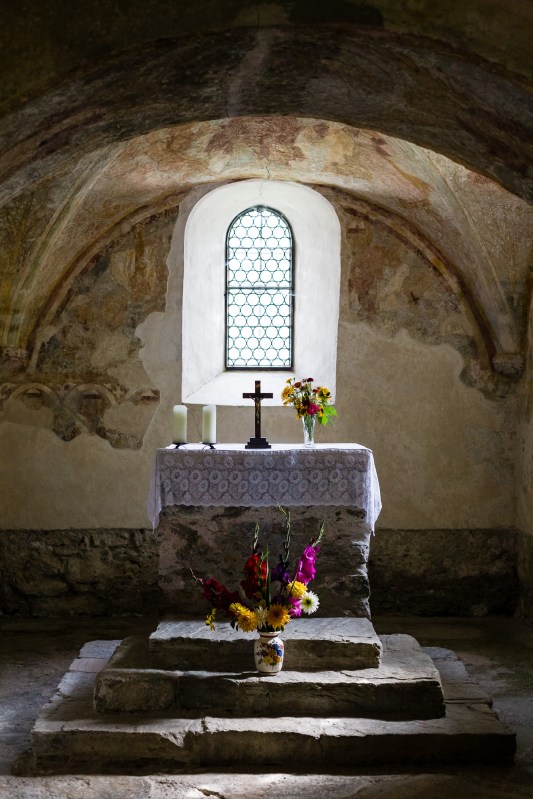
At a little country church near Matrei in Osttirol, Austria 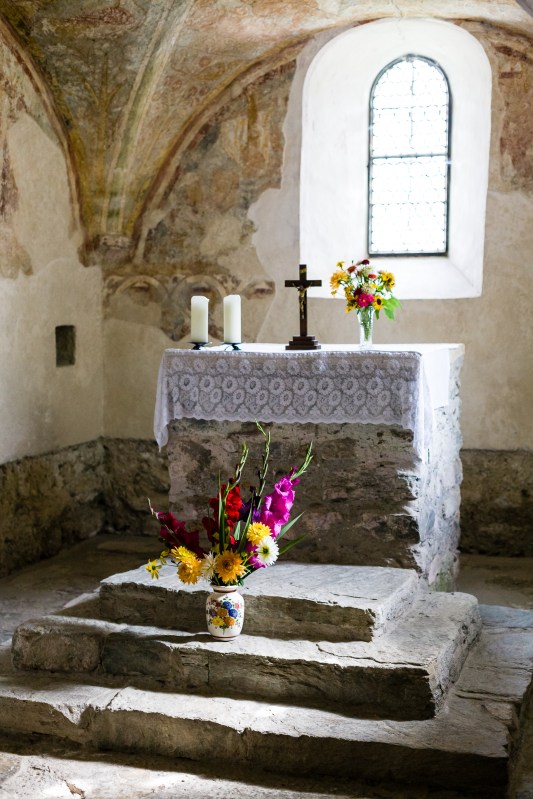
At a little country church near Matrei in Osttirol, Austria 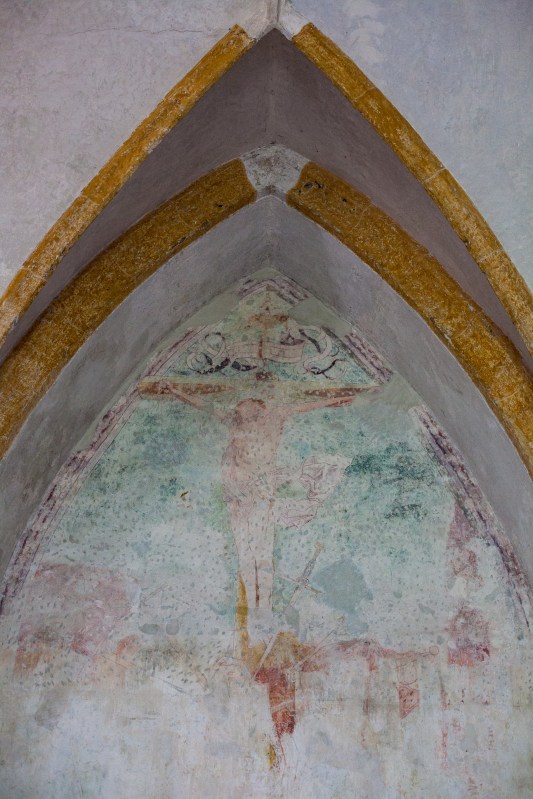
At a little country church near Matrei in Osttirol, Austria 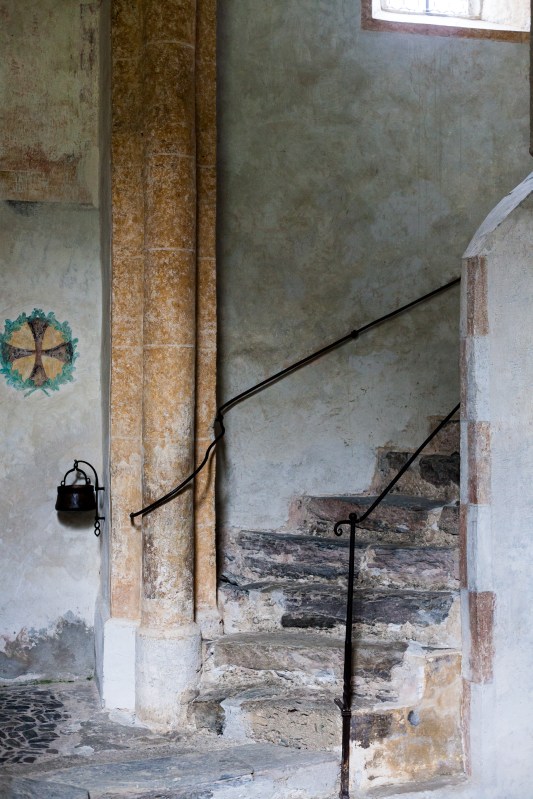
At a little country church near Matrei in Osttirol, Austria 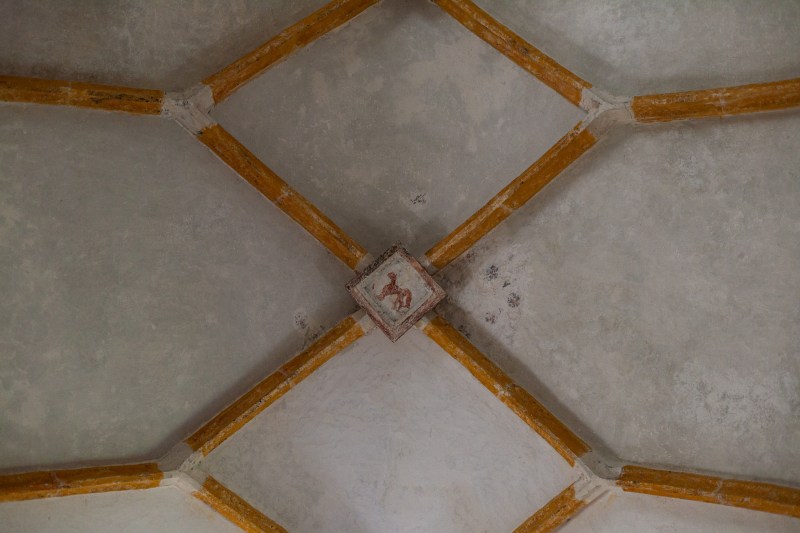
At a little country church near Matrei in Osttirol, Austria 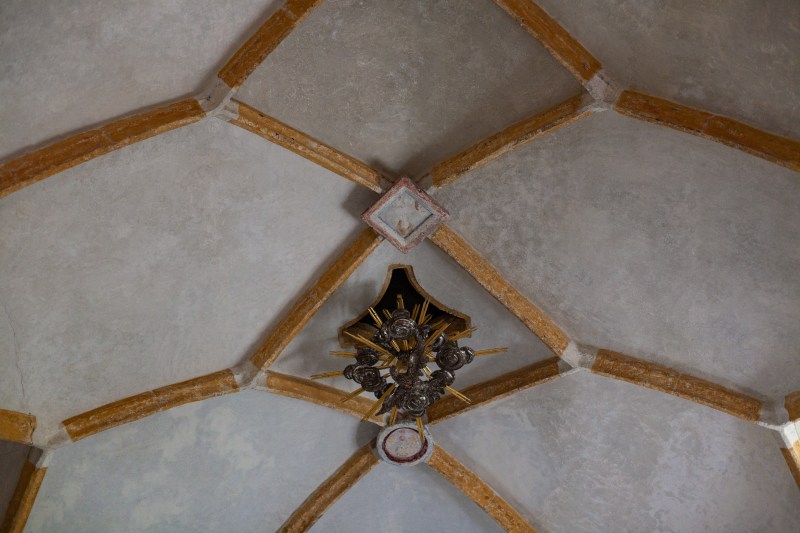
At a little country church near Matrei in Osttirol, Austria 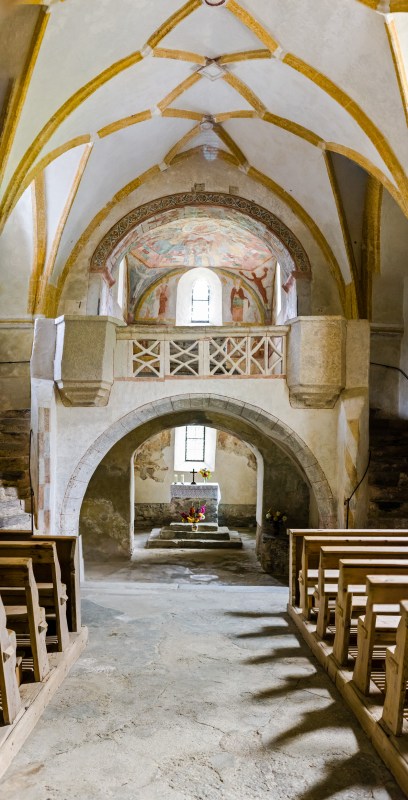
At a little country church near Matrei in Osttirol, Austria 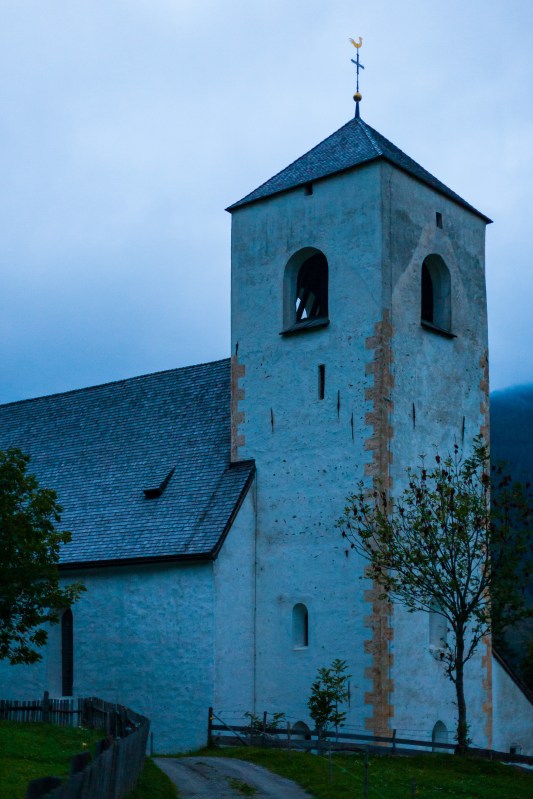
At a little country church near Matrei in Osttirol, Austria 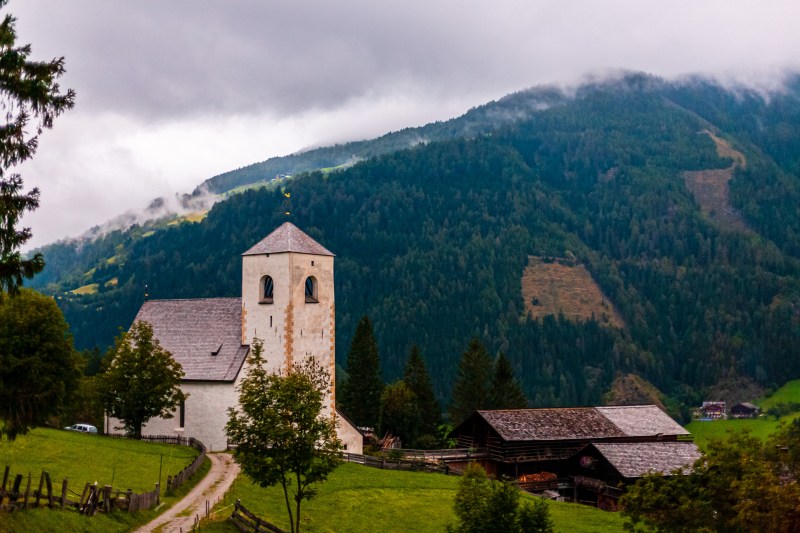
At a little country church near Matrei in Osttirol, Austria 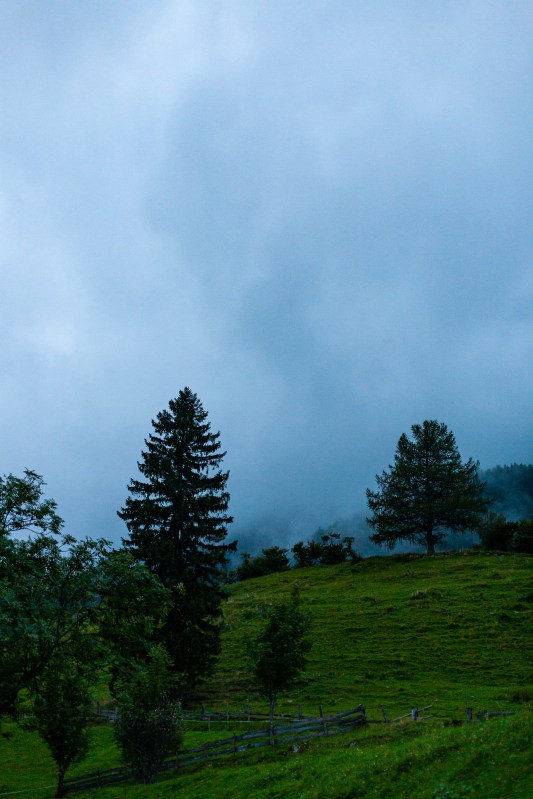
Near Matrei in Osttirol, Austria 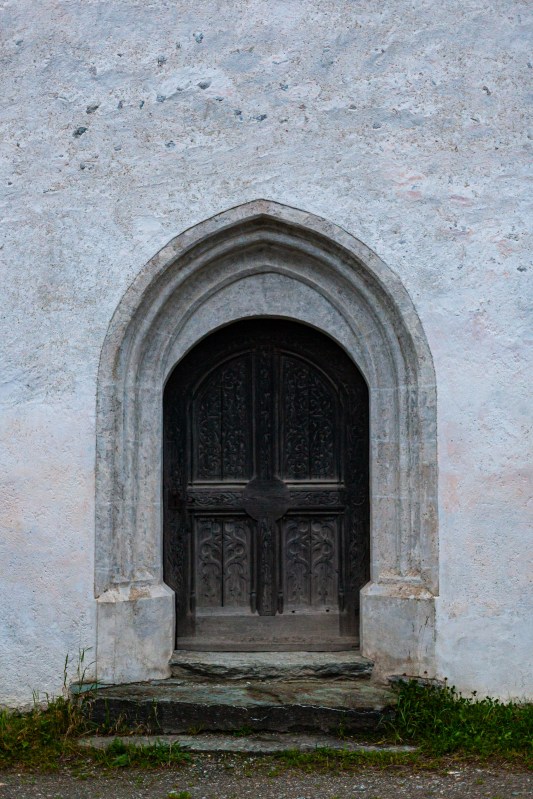
At a little country church near Matrei in Osttirol, Austria 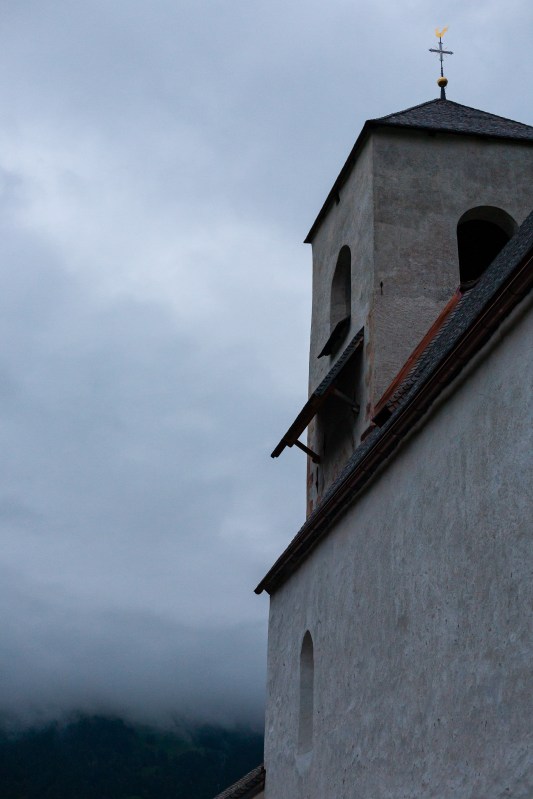
At a little country church near Matrei in Osttirol, Austria 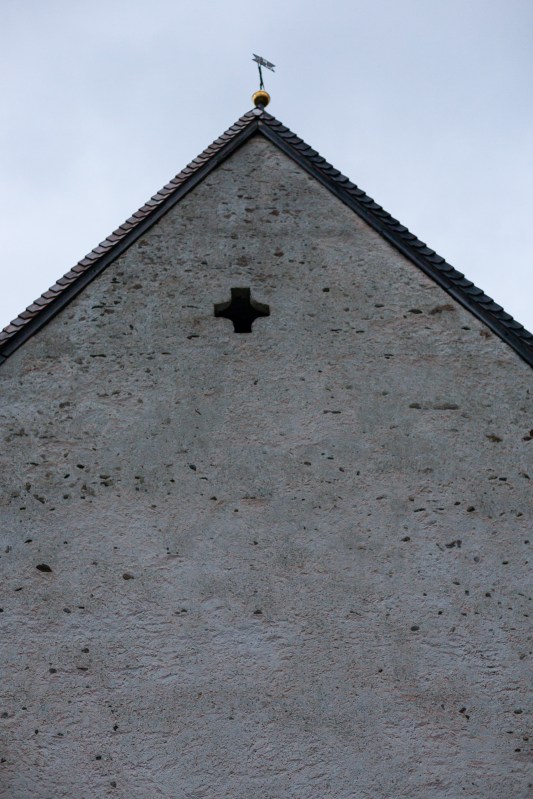
At a little country church near Matrei in Osttirol, Austria 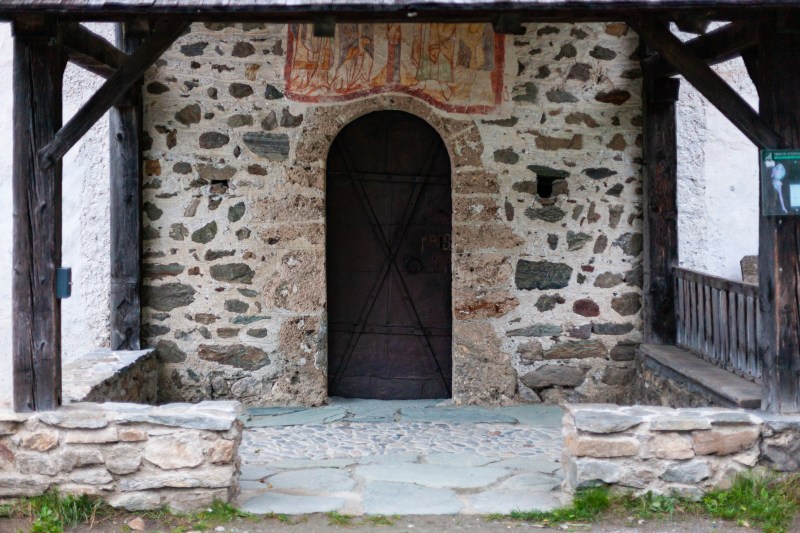
At a little country church near Matrei in Osttirol, Austria 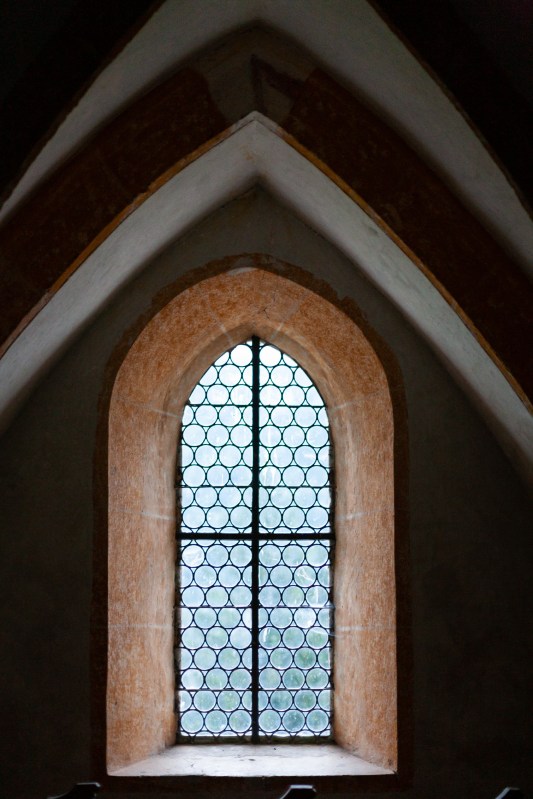
At a little country church near Matrei in Osttirol, Austria 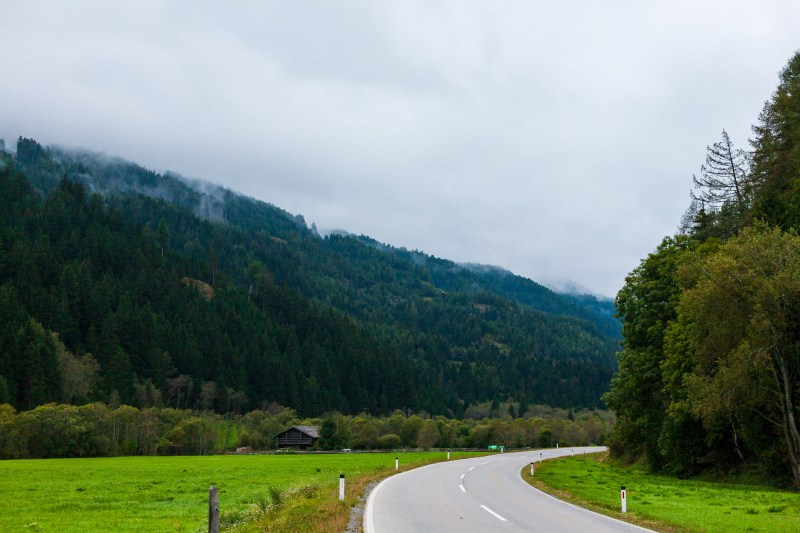
Near Matrei in Osttirol, Austria 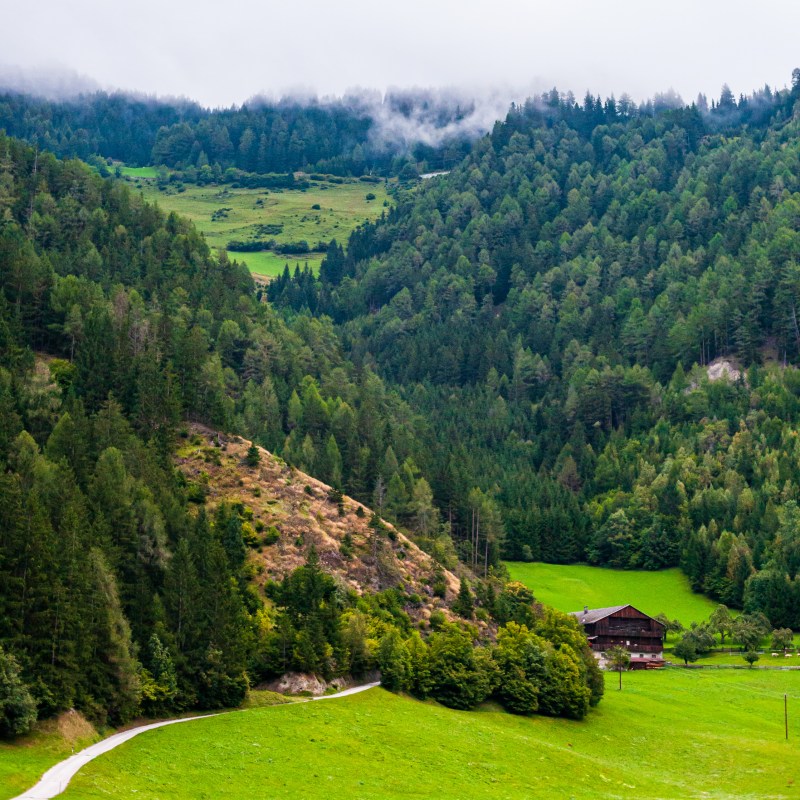
Near Matrei in Osttirol, Austria 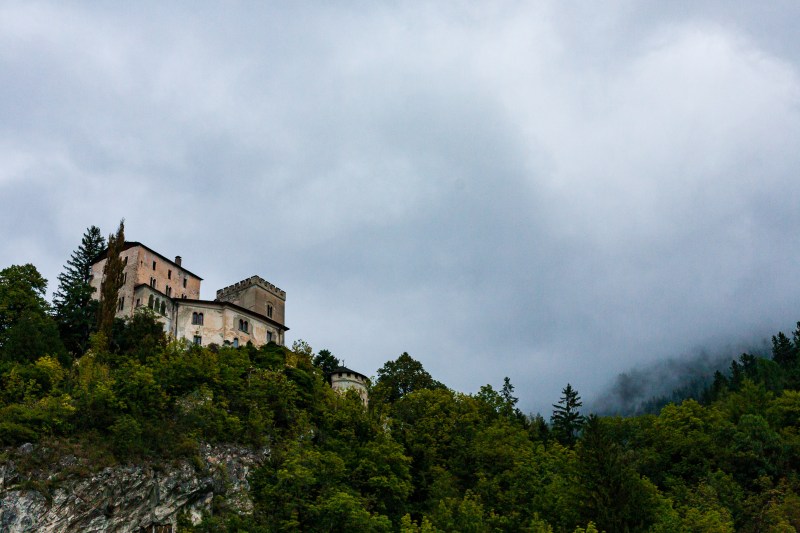
Matrei in Osttirol, Austria 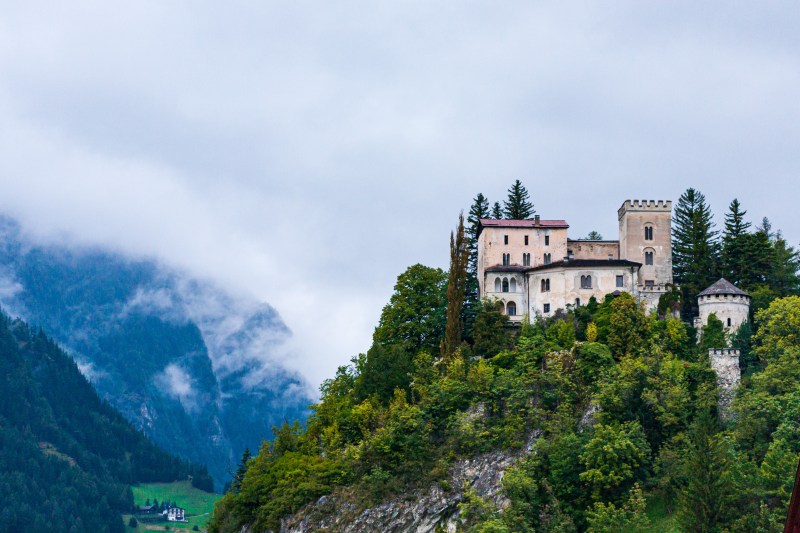
Matrei in Osttirol, Austria 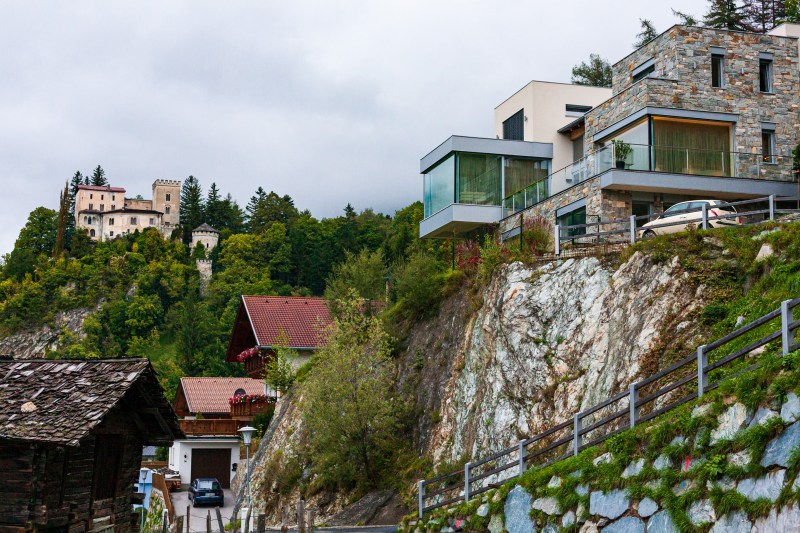
Matrei in Osttirol, Austria 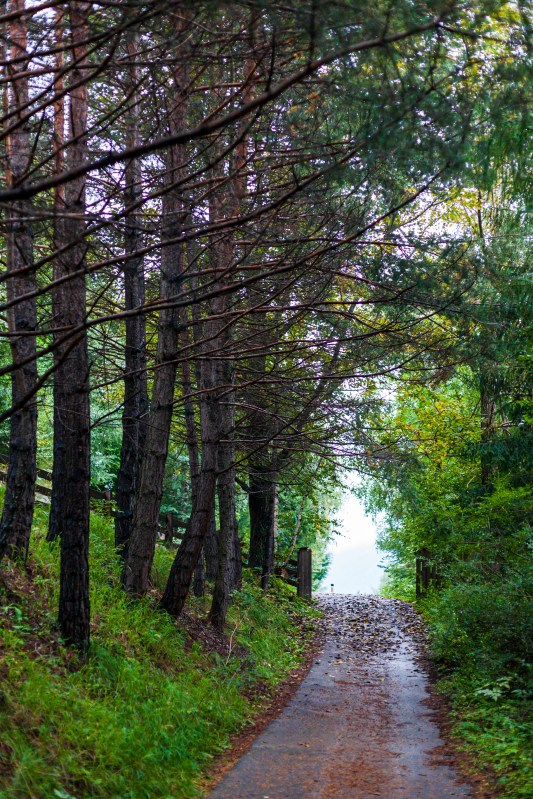
Matrei in Osttirol, Austria 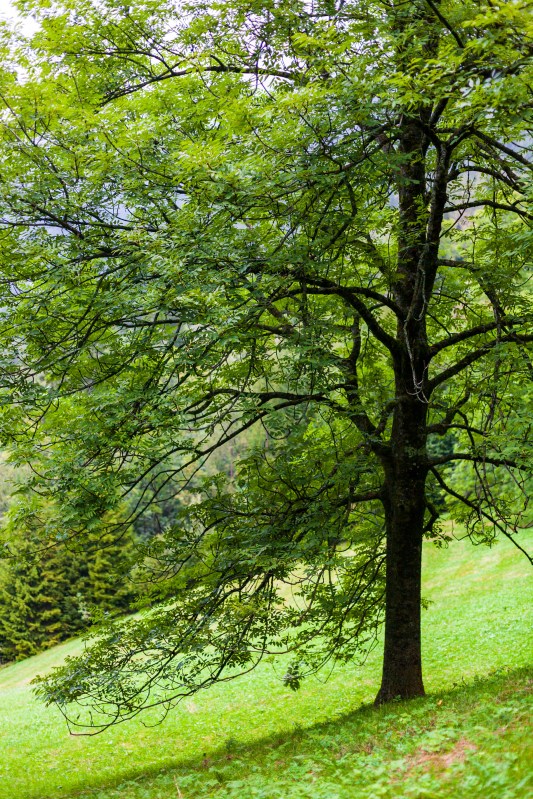
Near Matrei in Osttirol, Austria 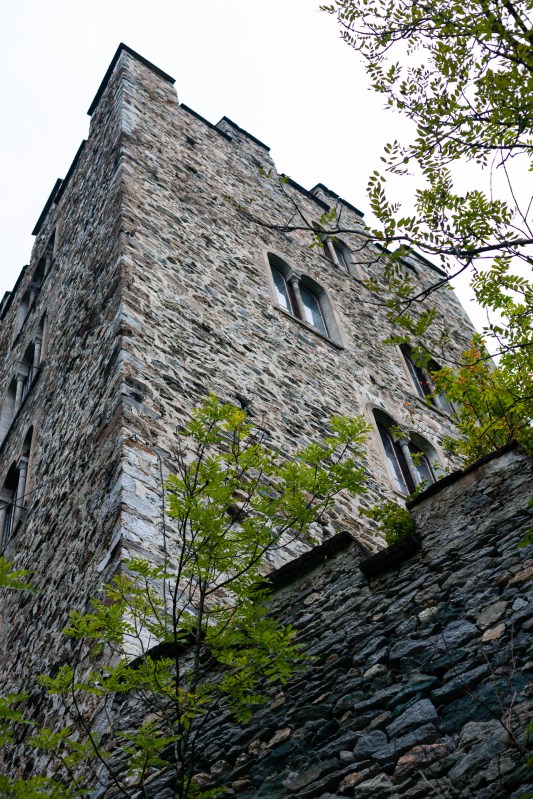
Matrei in Osttirol, Austria 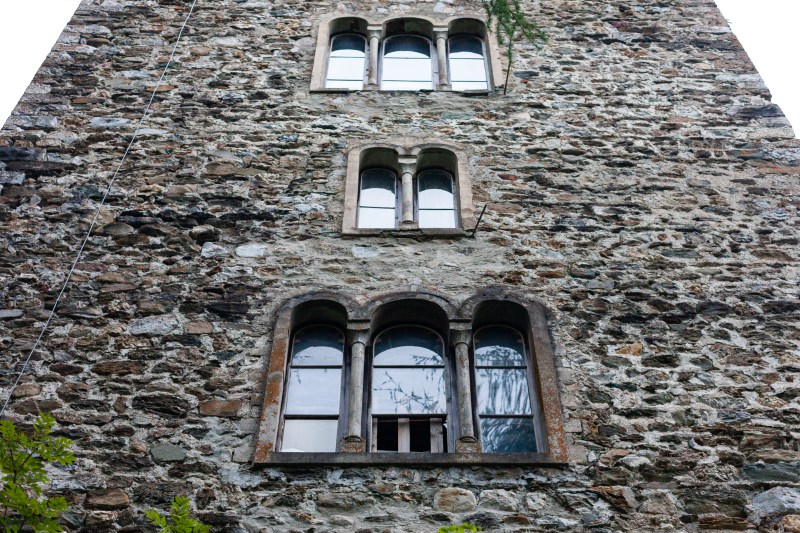
Matrei in Osttirol, Austria 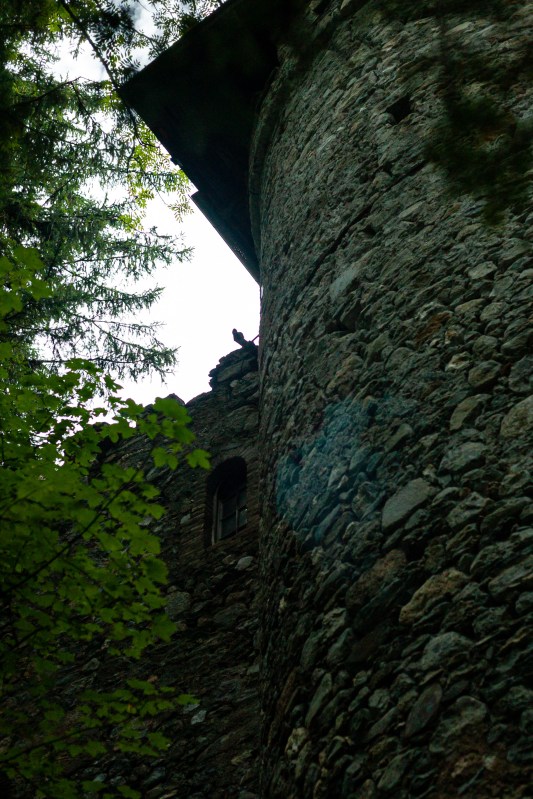
Matrei in Osttirol, Austria 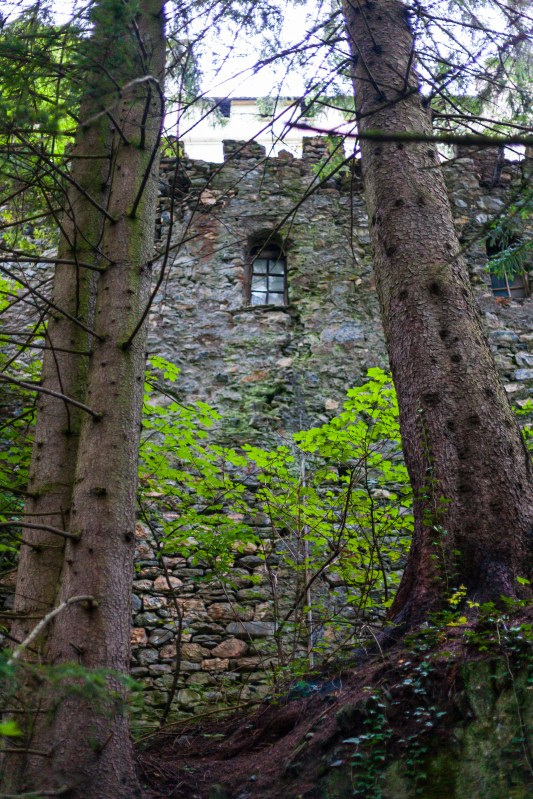
Matrei in Osttirol, Austria 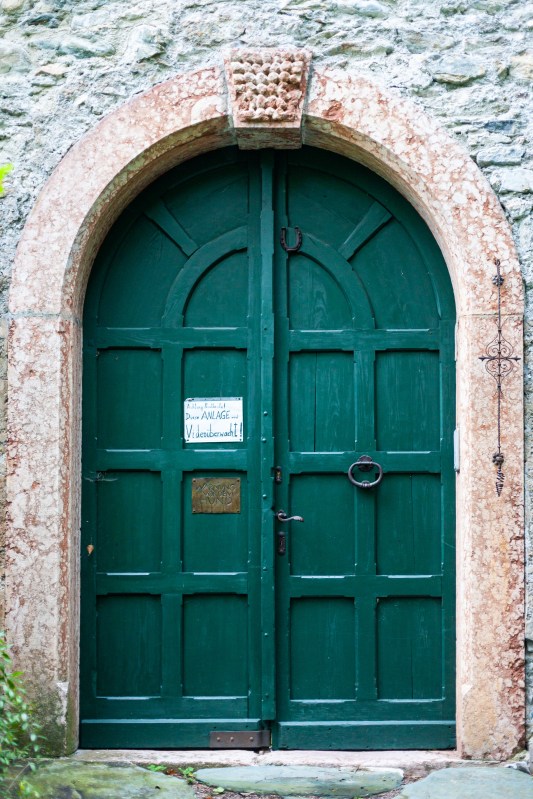
Matrei in Osttirol, Austria 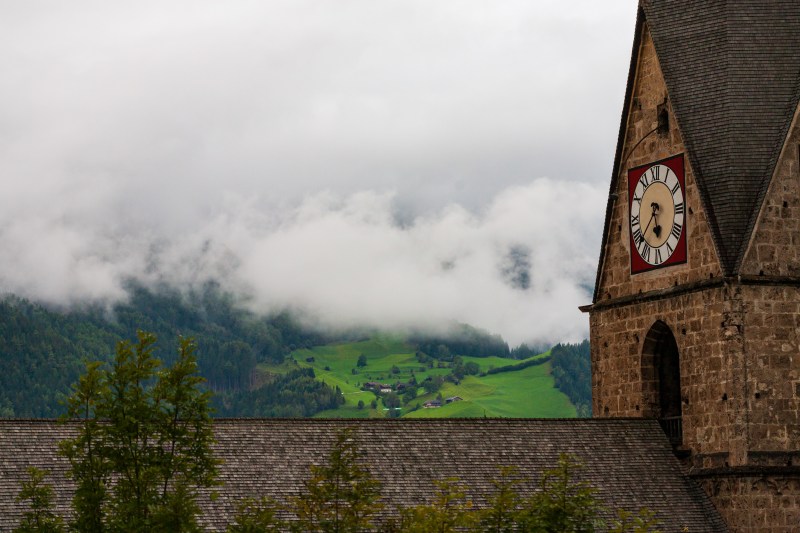
Matrei in Osttirol, Austria 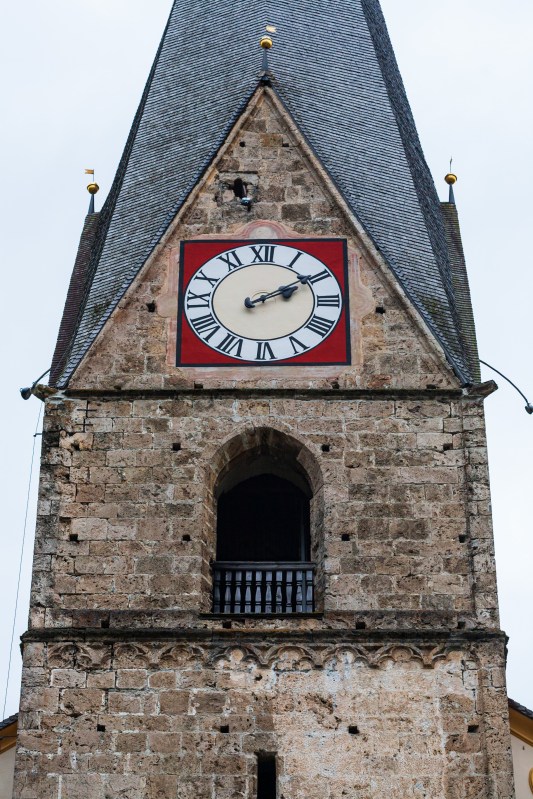
Matrei in Osttirol, Austria 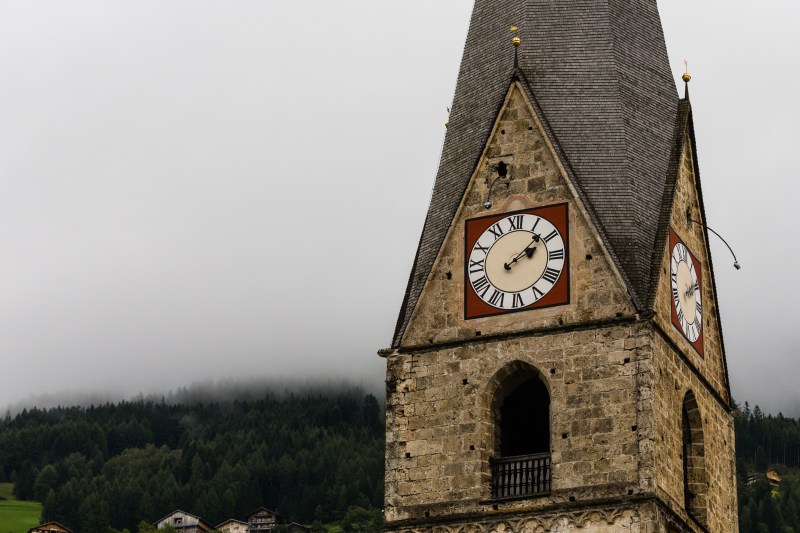
Matrei in Osttirol, Austria 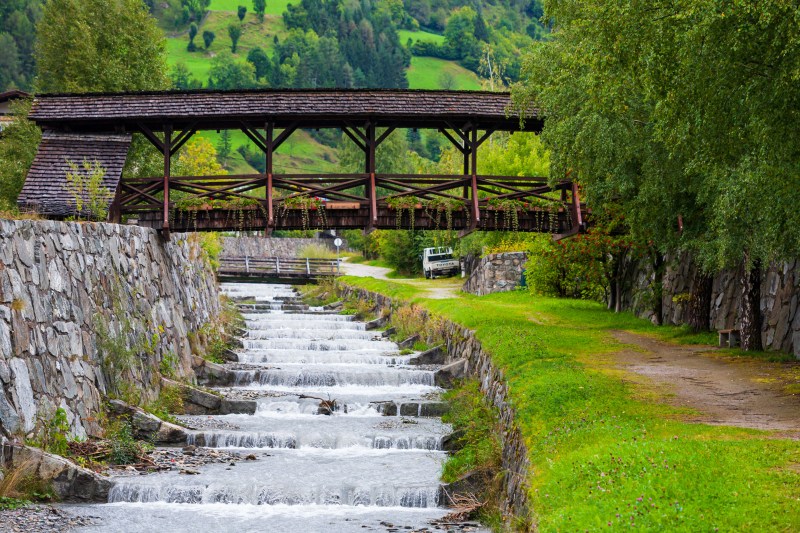
Matrei in Osttirol, Austria 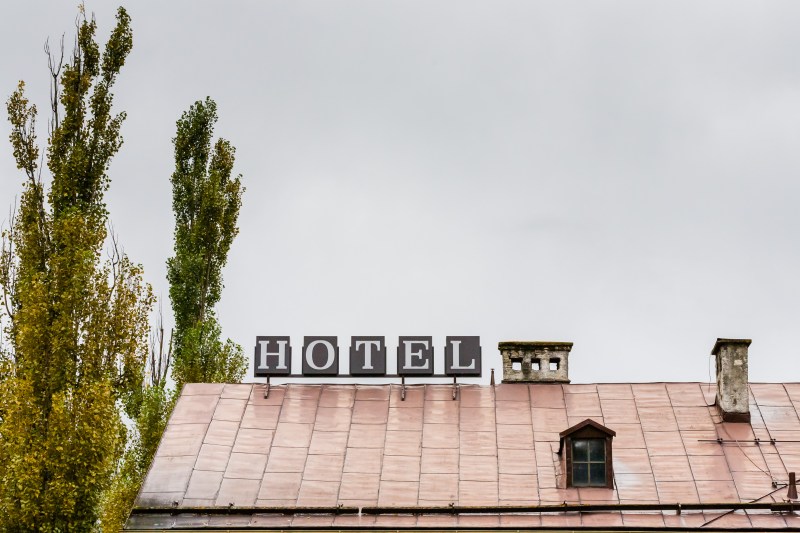
Matrei in Osttirol, Austria 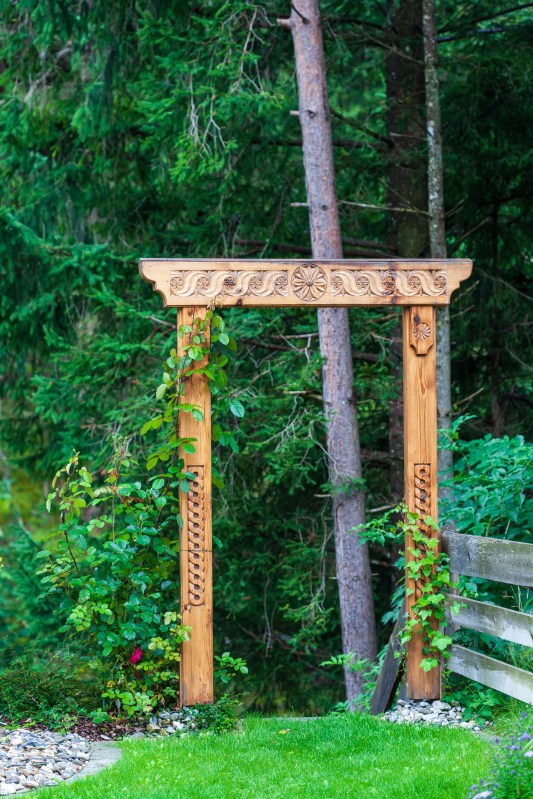
Near Matrei in Osttirol, Austria 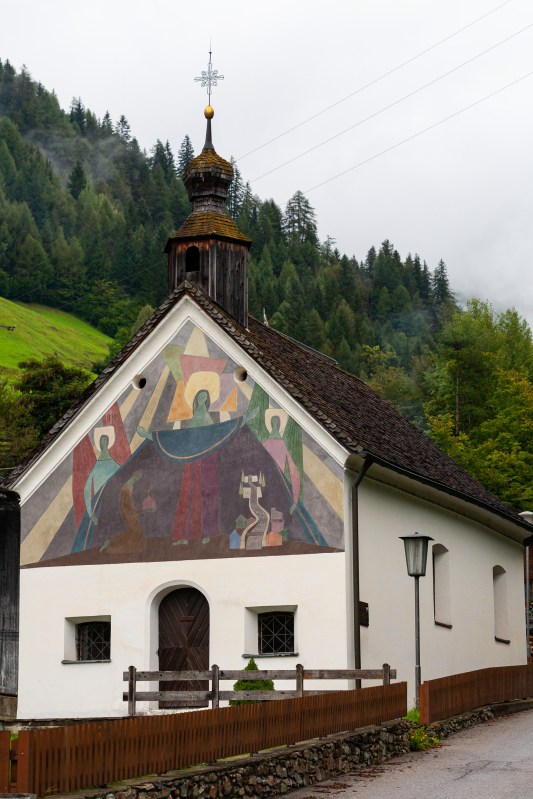
Near Matrei in Osttirol, Austria 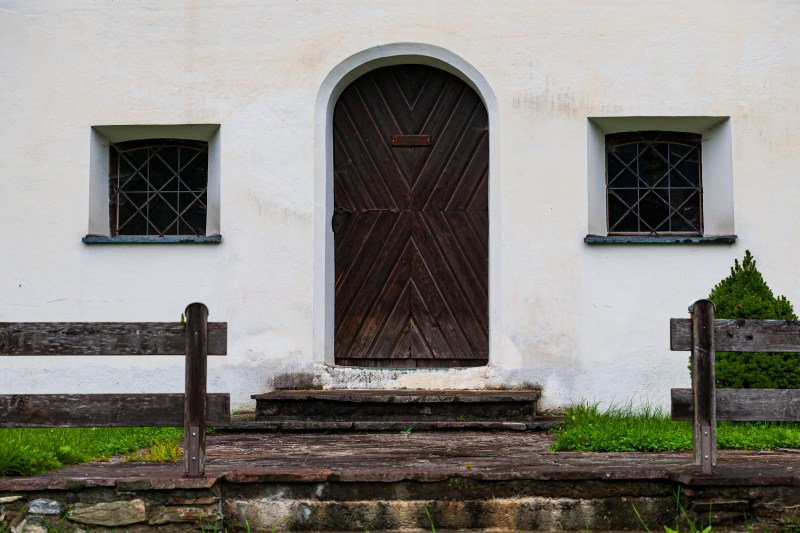
Near Matrei in Osttirol, Austria 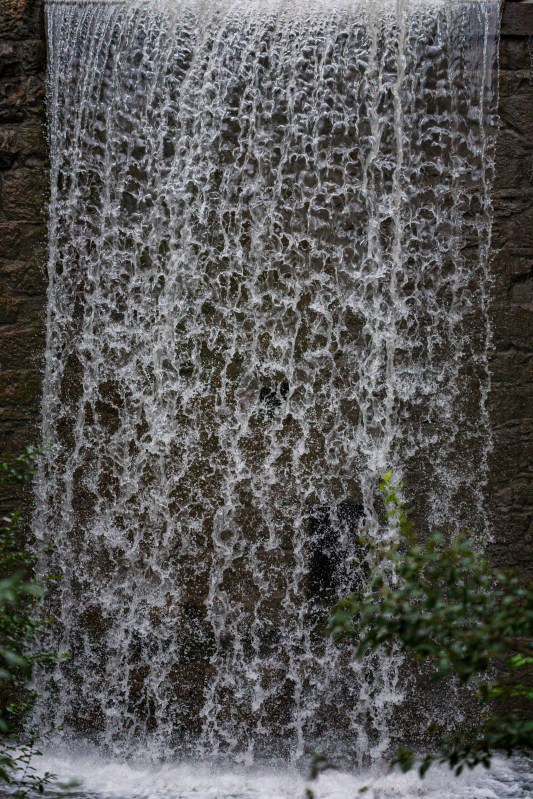
Matrei in Osttirol, Austria 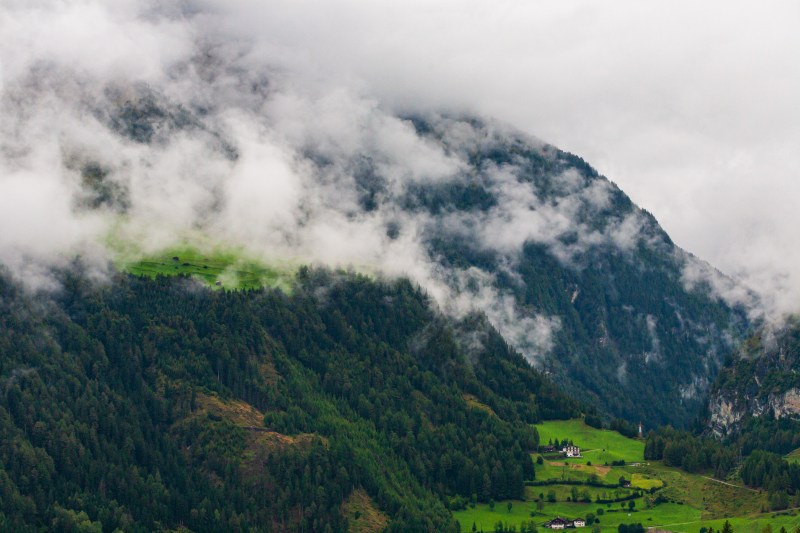
Matrei in Osttirol, Austria 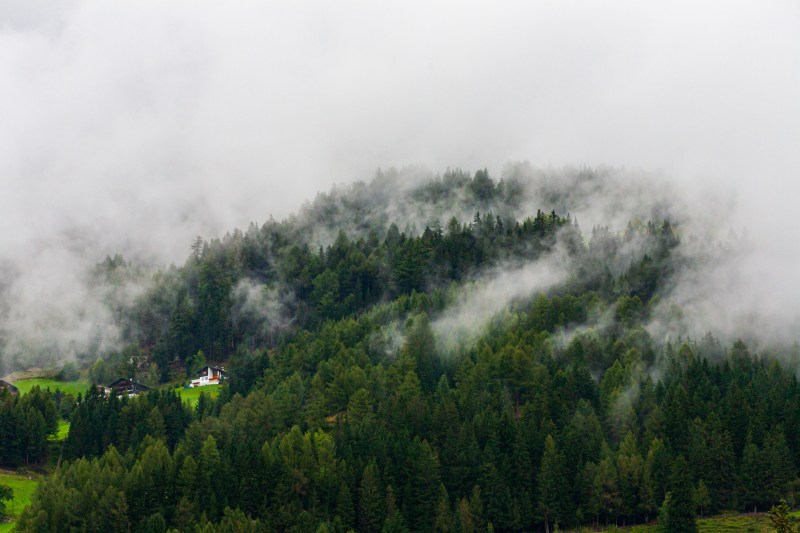
Matrei in Osttirol, Austria 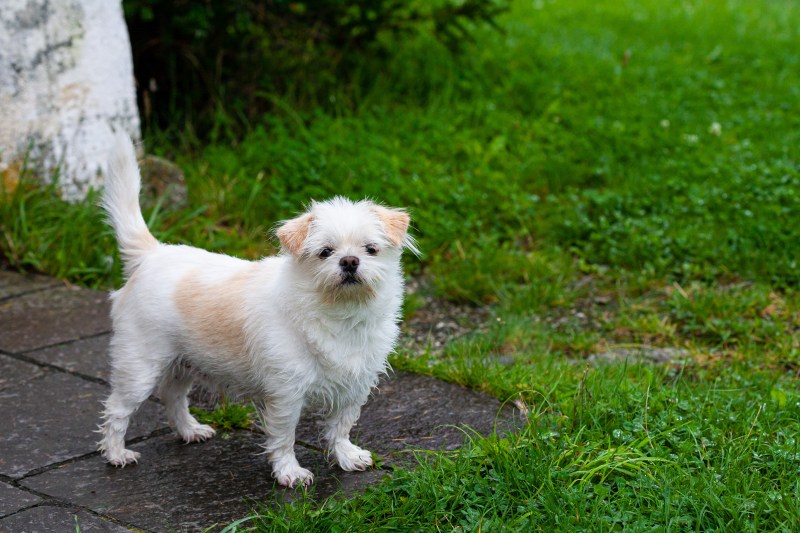
Near Matrei in Osttirol, Austria 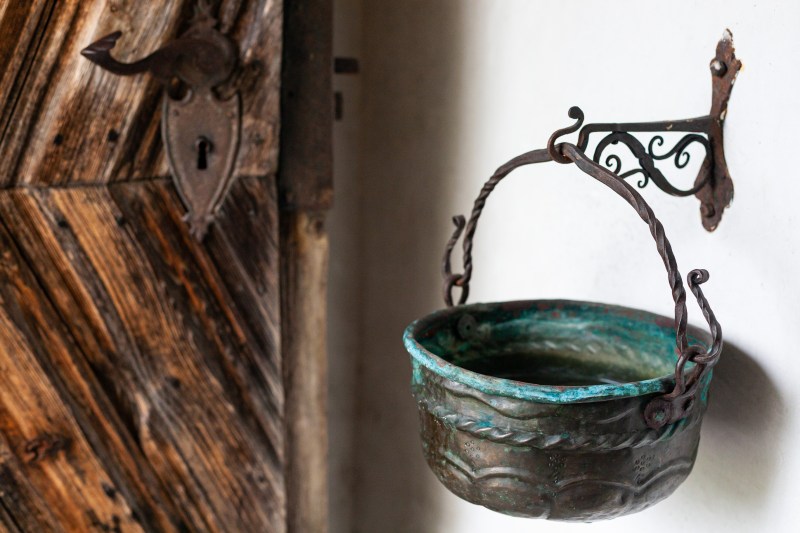
Near Matrei in Osttirol, Austria 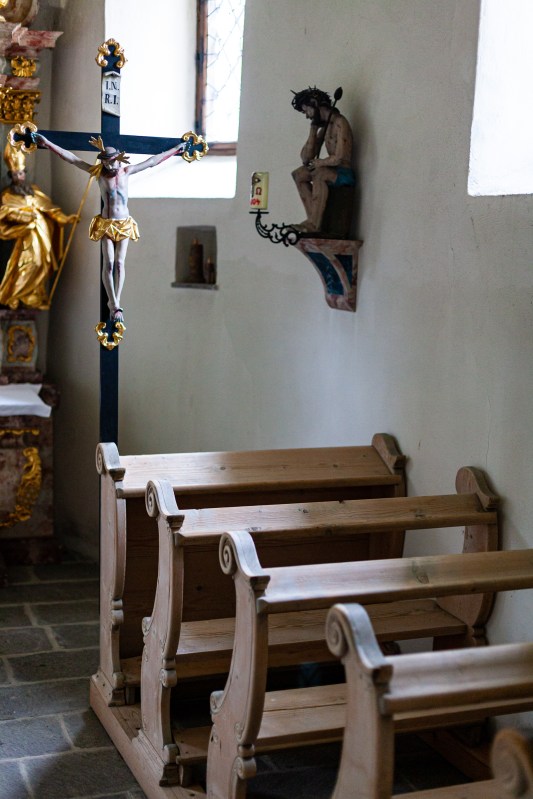
Near Matrei in Osttirol, Austria 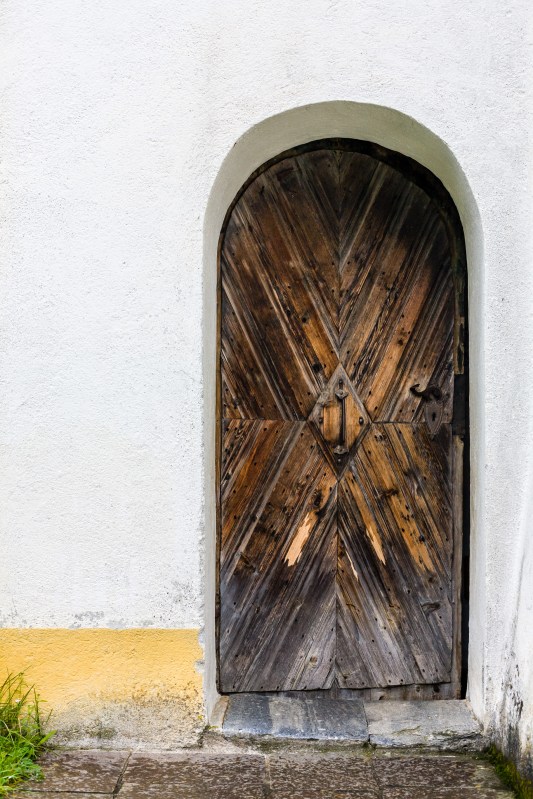
Near Matrei in Osttirol, Austria 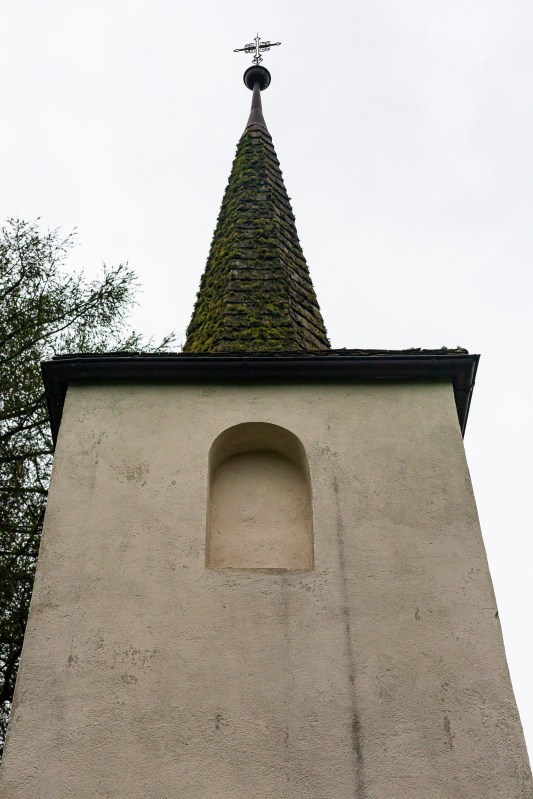
Near Matrei in Osttirol, Austria 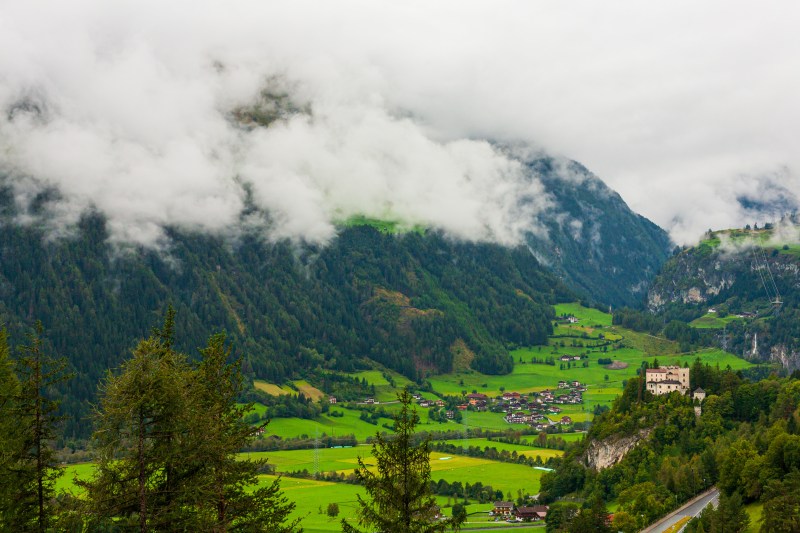
Matrei in Osttirol, Austria 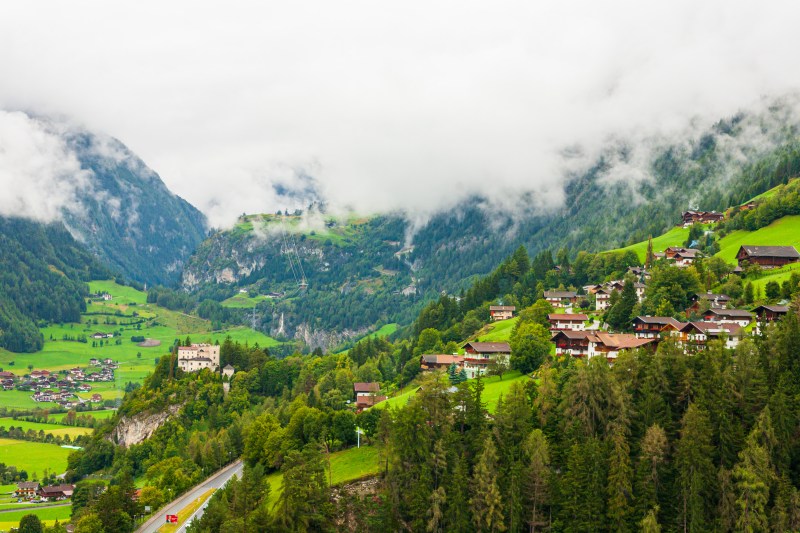
Matrei in Osttirol, Austria 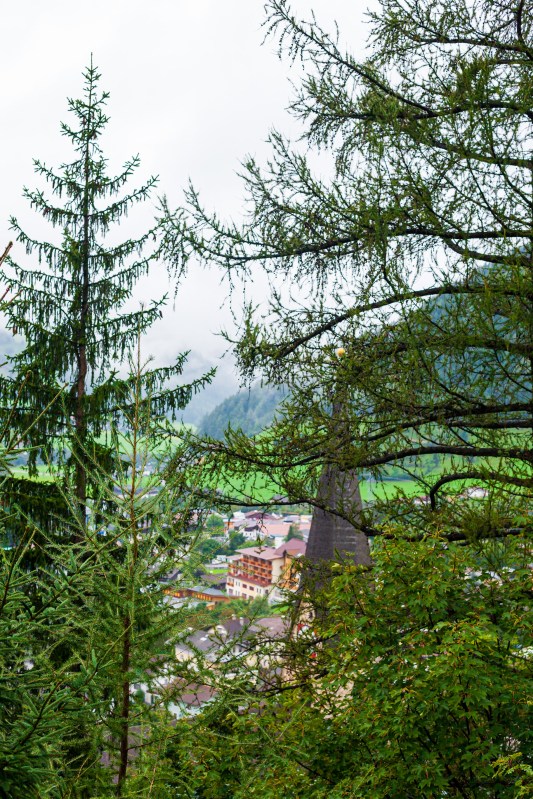
Matrei in Osttirol, Austria 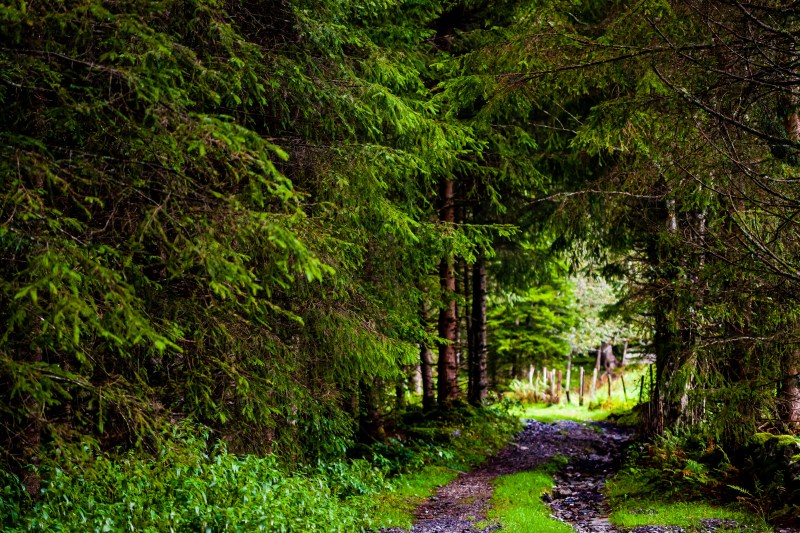
Near Matrei in Osttirol, Austria 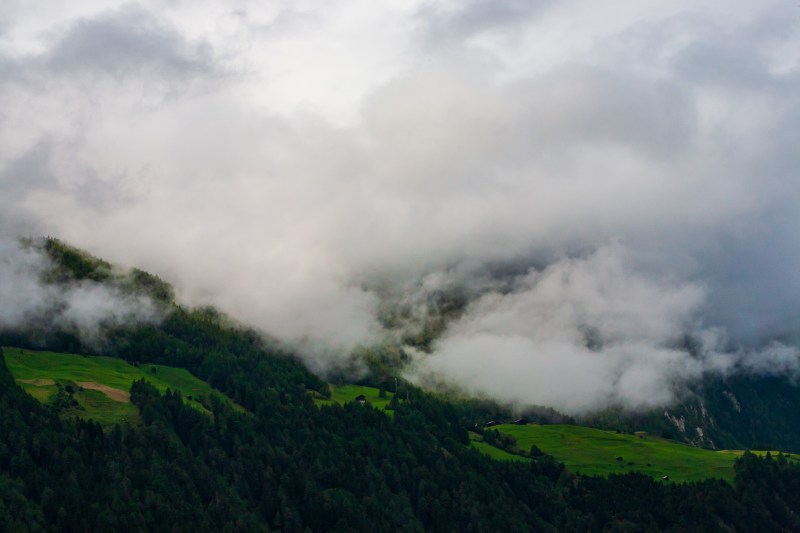
Matrei in Osttirol, Austria 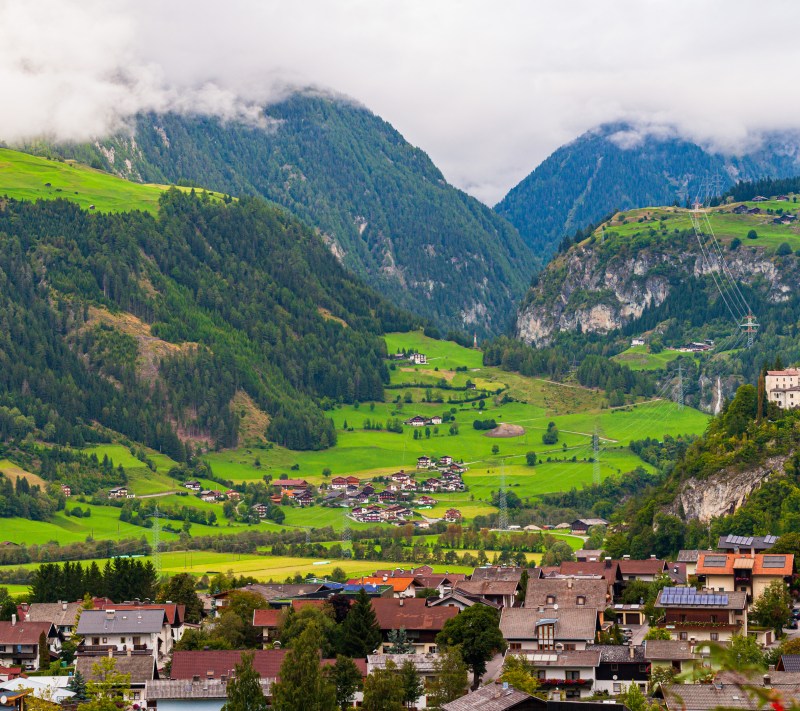
A view of Matrei from the Hotel Goldried 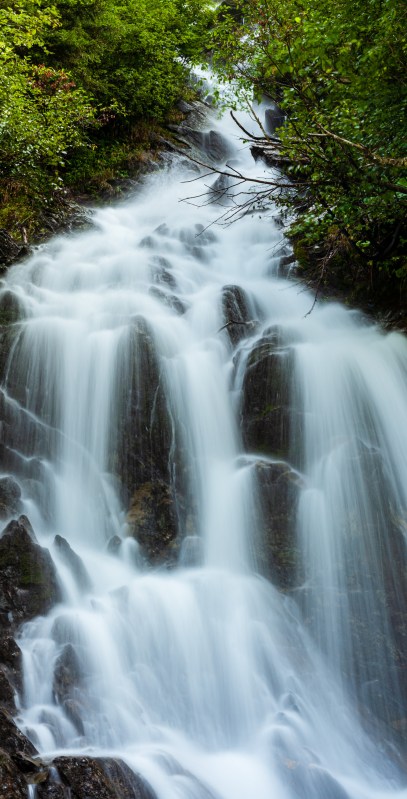
In a forest near Matrei in Osttirol, Austria 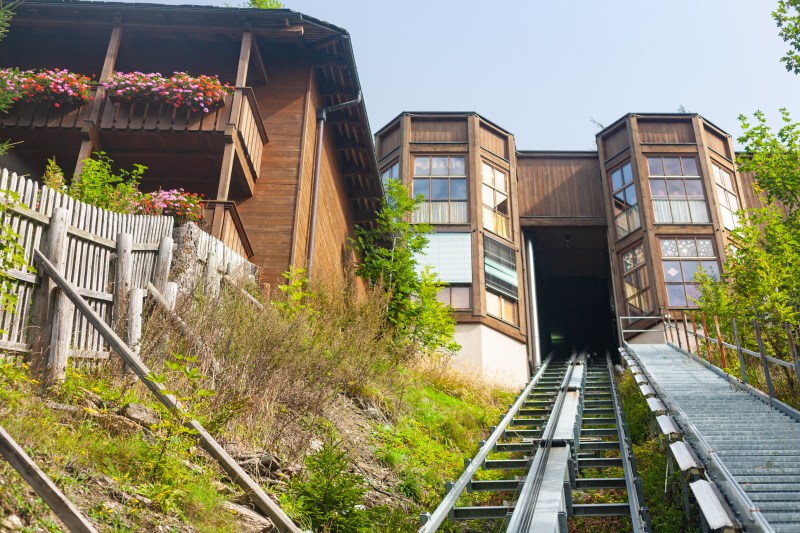
Hotel Goldried, Matrei in Osttirol, Austria 
Matrei in Osttirol, Austria 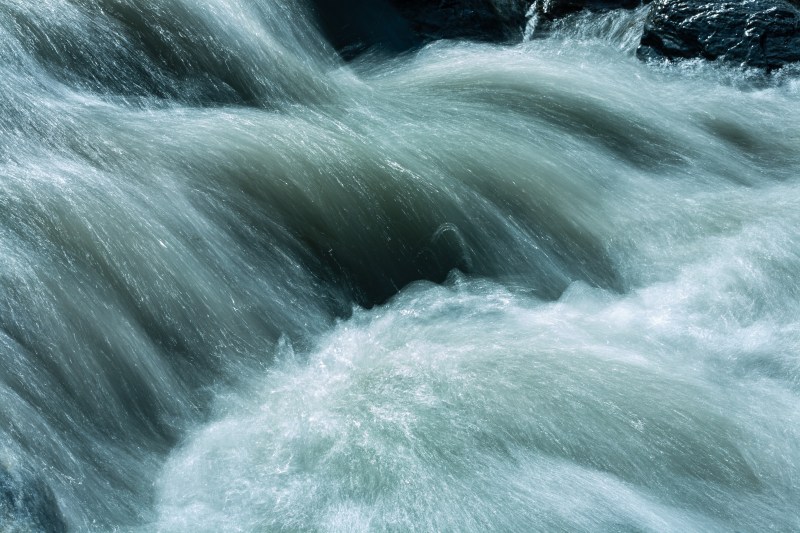
Matrei in Osttirol, Austria 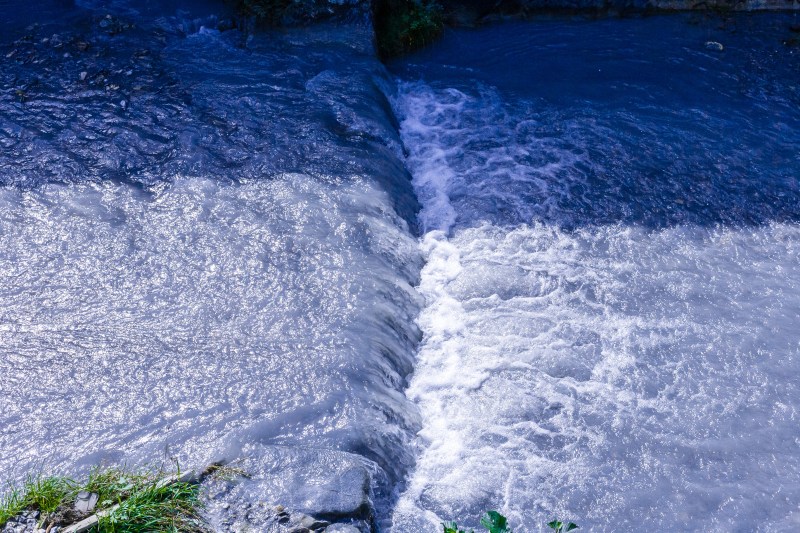
Matrei in Osttirol, Austria 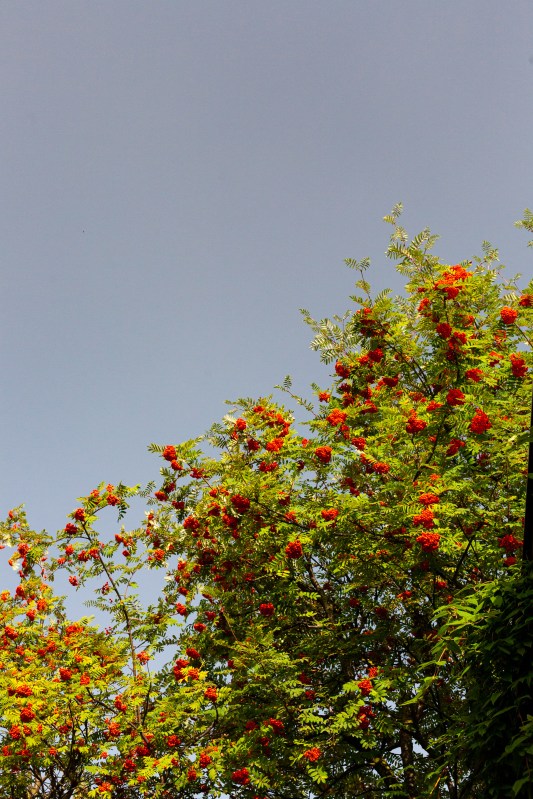
Matrei in Osttirol, Austria 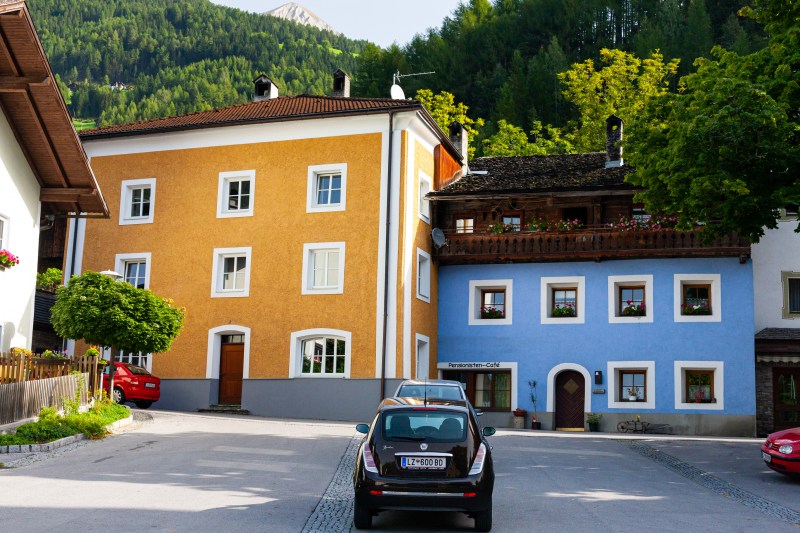
Matrei in Osttirol, Austria 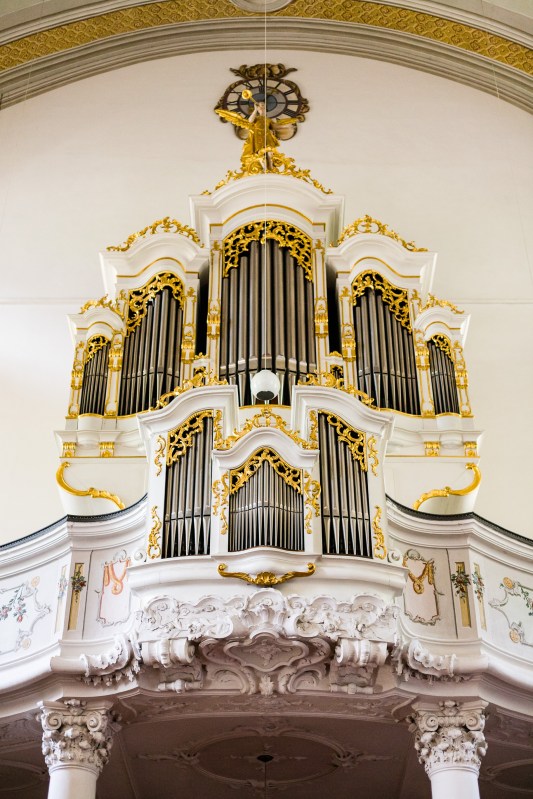
The organ of the Matrei cathedral, in Osttirol, Austria. 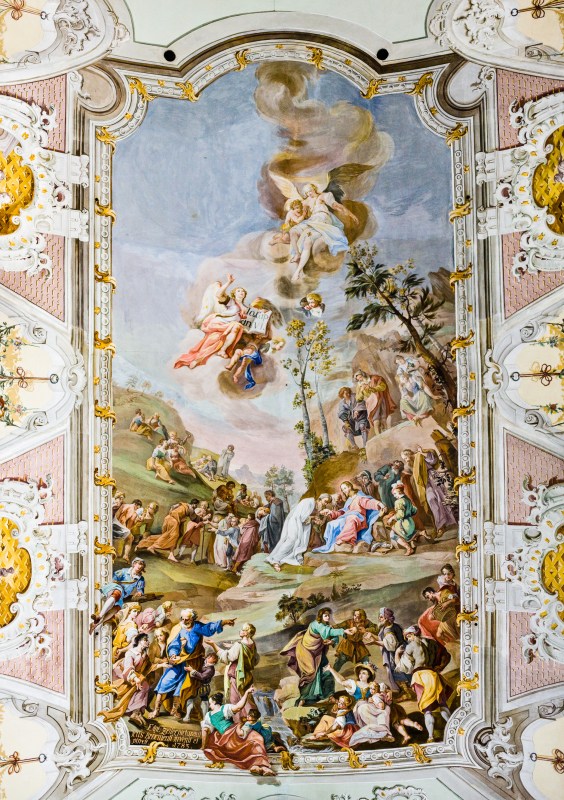
A panoramic photo (made of three individual 12 megapixel photos) showing the main ceiling mural of the Matrei cathedral, in Osttirol, Austria. The scene depicted is that of the feeding of the multitudes, where Jesus Christ multiplies a few loaves of bread and some fish to feed over 5,000 people. The resolution of this panorama is 4209×5974 pixels. 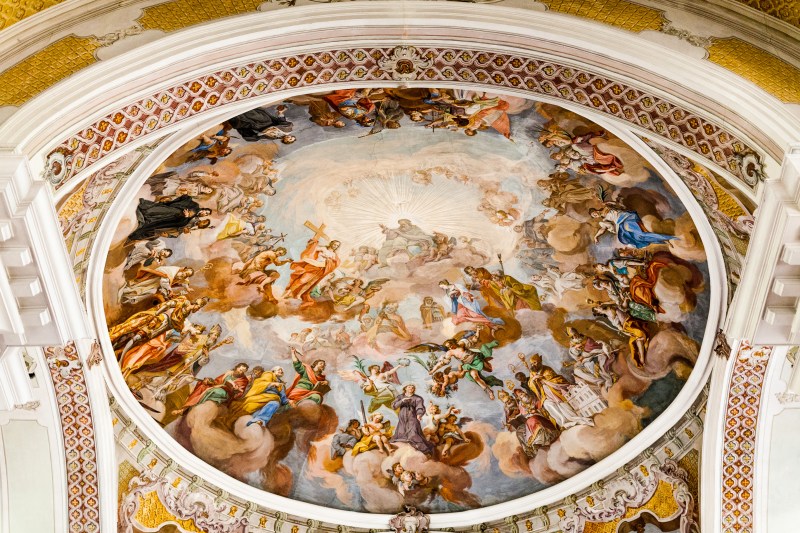
A mural which depicts the ascension of a saint is depicted on the ceiling of the Matrei cathedral in Osttirol, Austria. 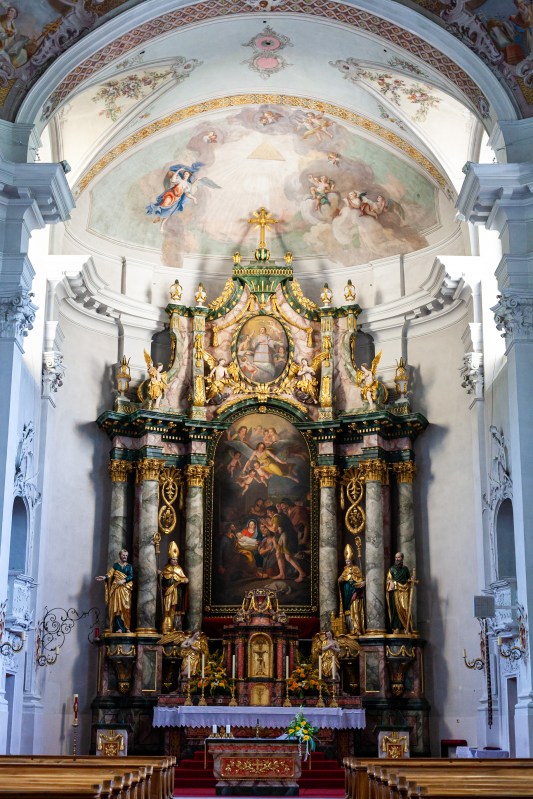
The nativity scene is painted on the altar of the Matrei cathedral, in Osttirol, Austria. 
Matrei in Osttirol, Austria 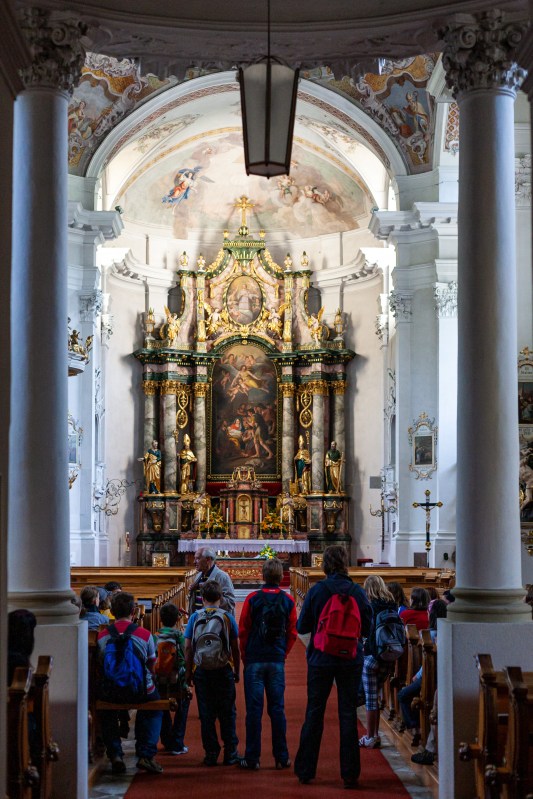
Matrei in Osttirol, Austria 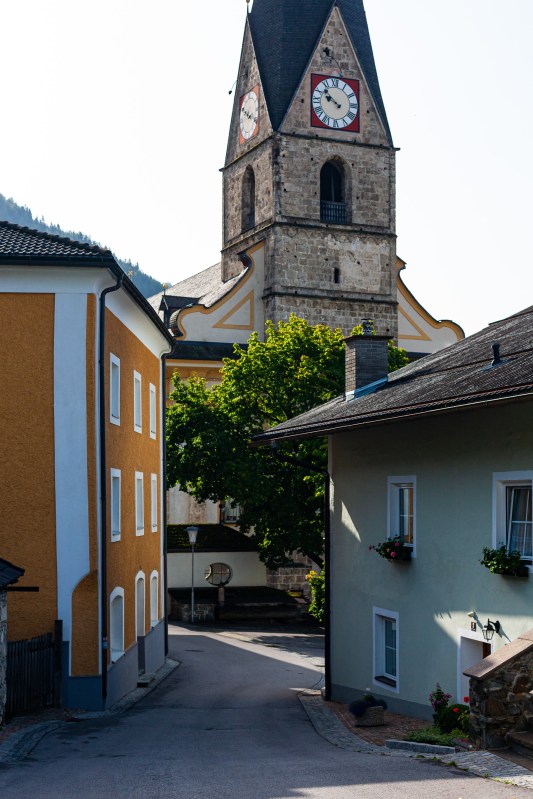
Matrei in Osttirol, Austria 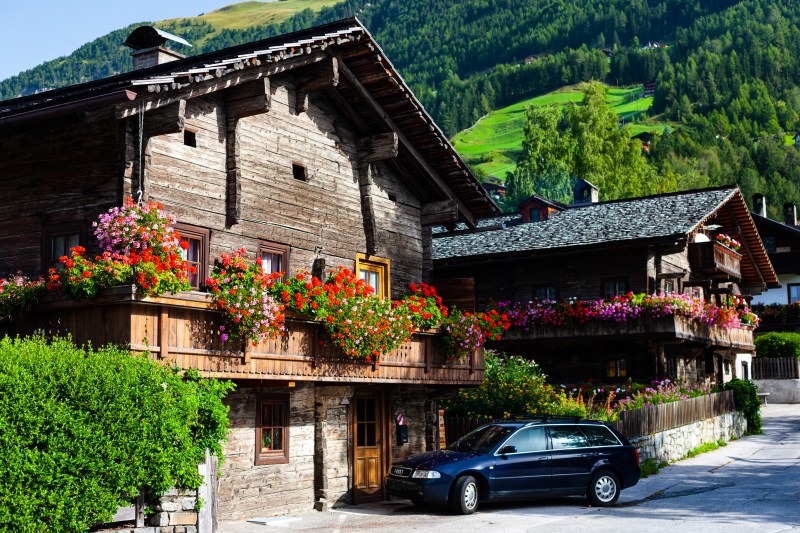
Matrei in Osttirol, Austria 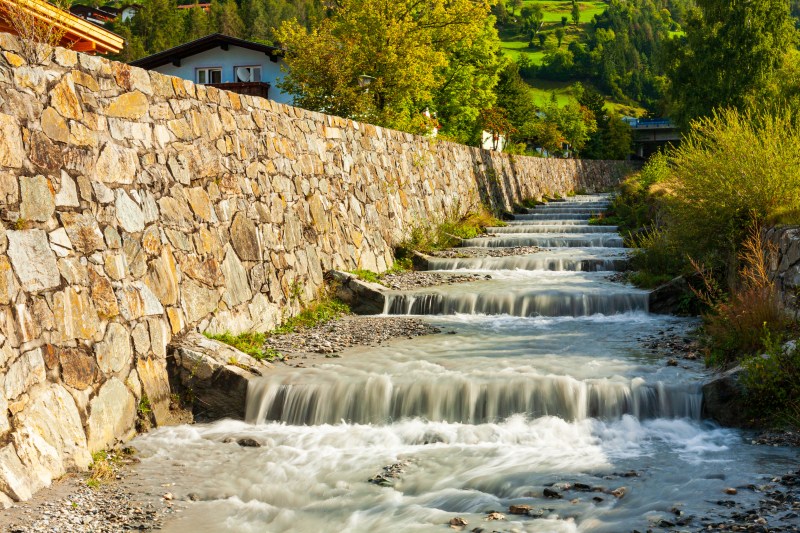
Another view (this one being a longer exposure) of what used to be a troublesome river for Matrei. 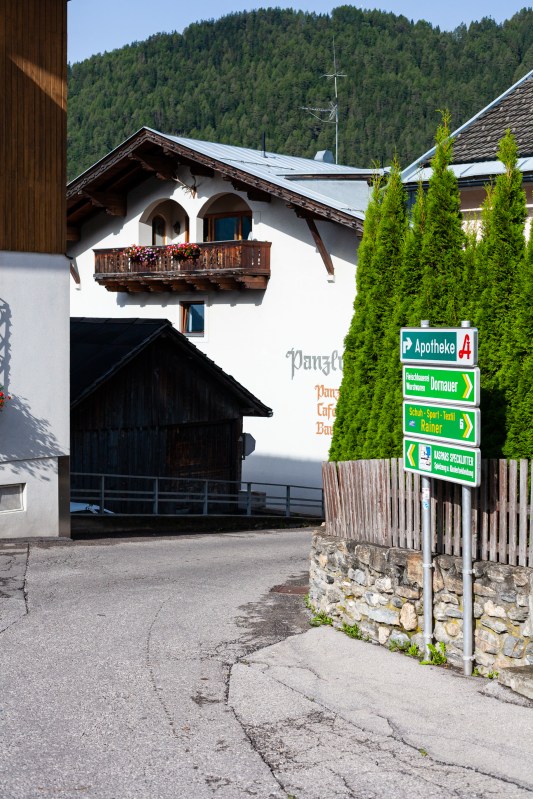
Matrei in Osttirol, Austria 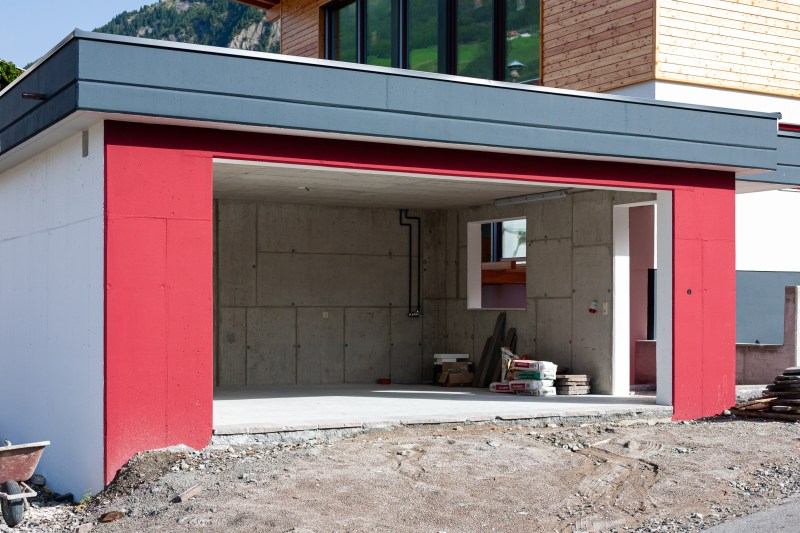
Matrei in Osttirol, Austria 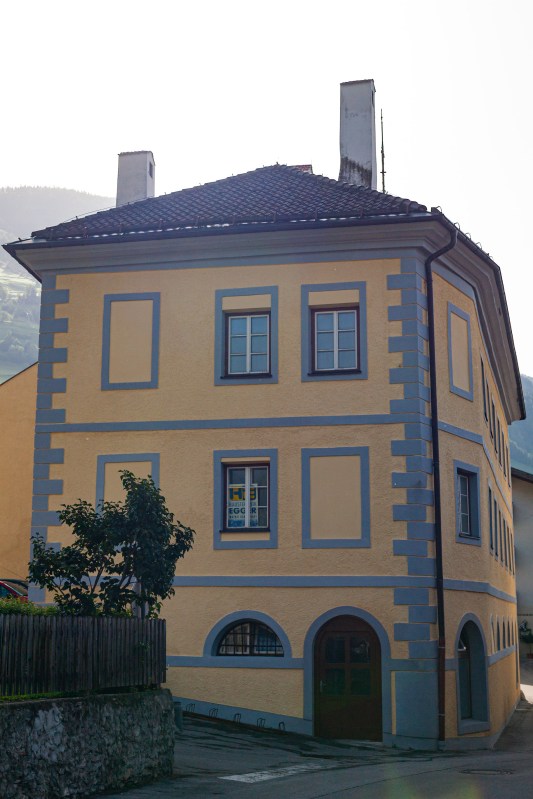
Matrei in Osttirol, Austria 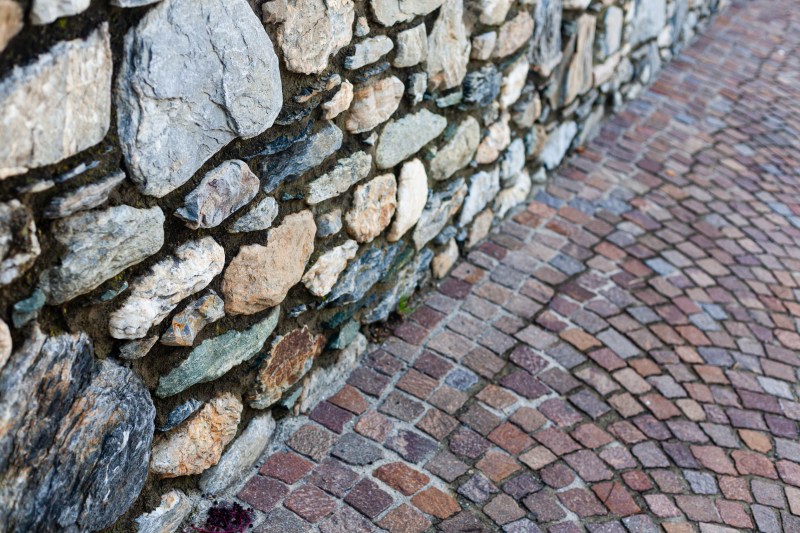
Matrei in Osttirol, Austria 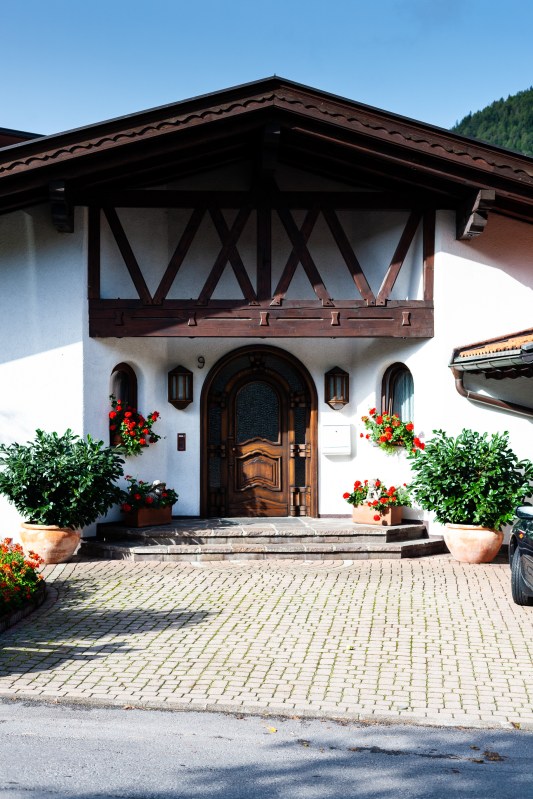
Matrei in Osttirol, Austria 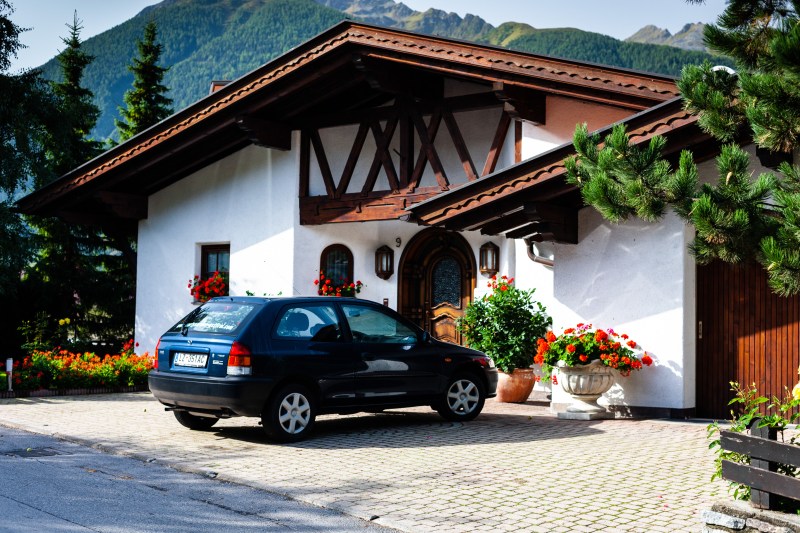
Matrei in Osttirol, Austria 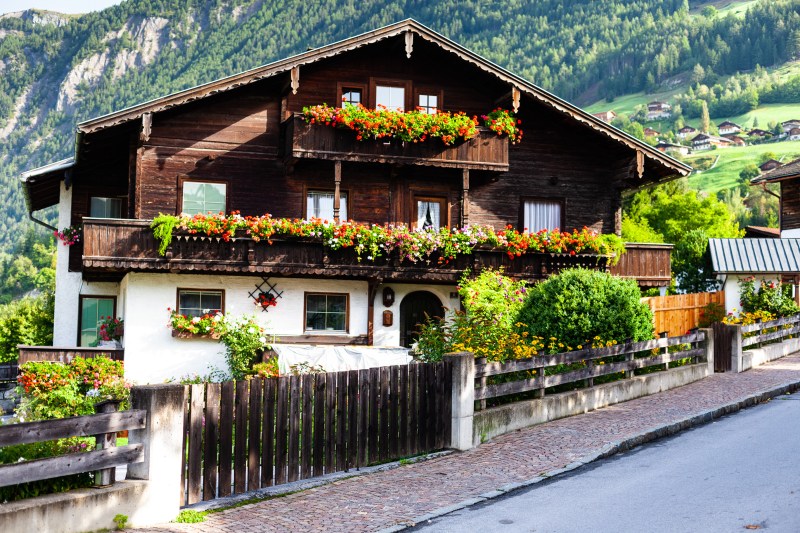
Matrei in Osttirol, Austria 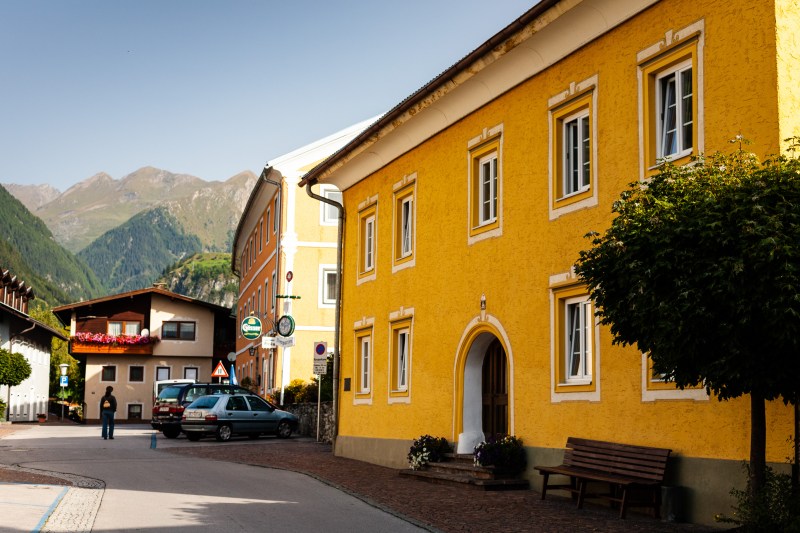
Matrei in Osttirol, Austria 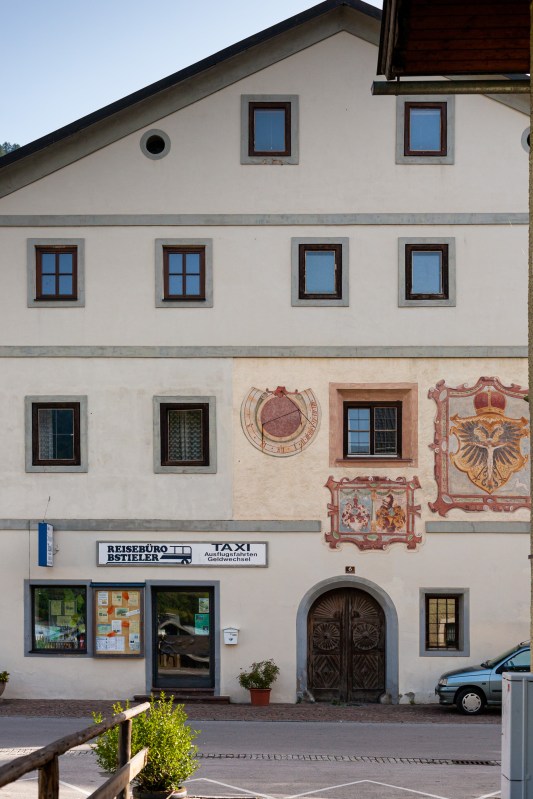
Matrei in Osttirol, Austria 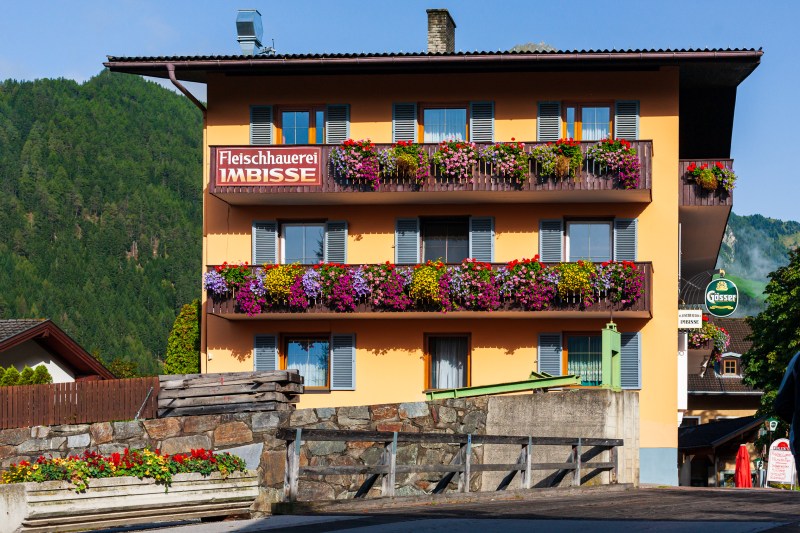
Matrei in Osttirol, Austria 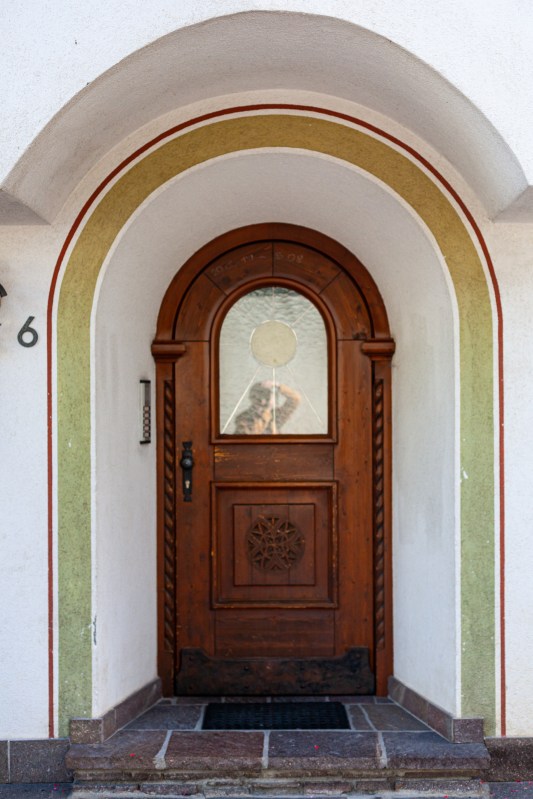
Matrei in Osttirol, Austria 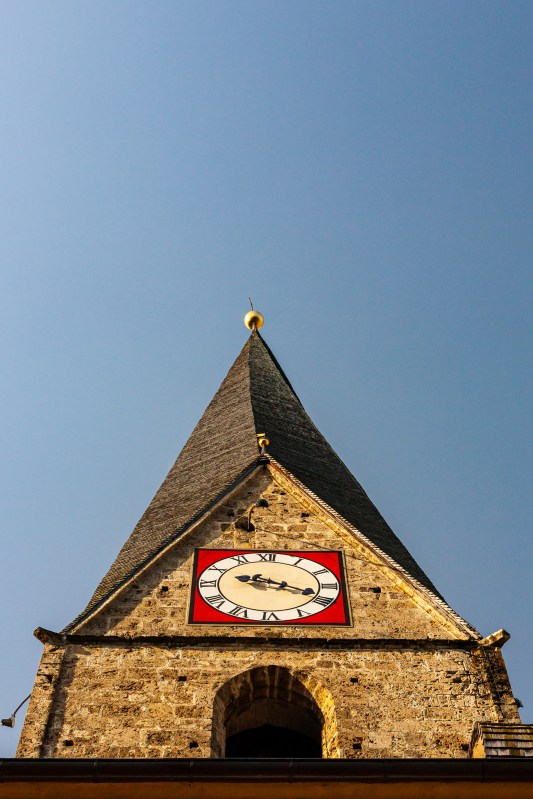
Matrei in Osttirol, Austria 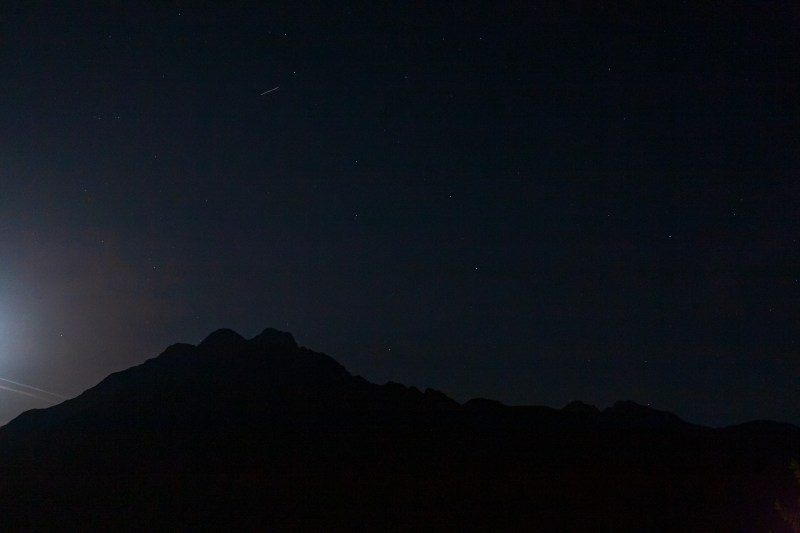
Matrei in Osttirol, Austria 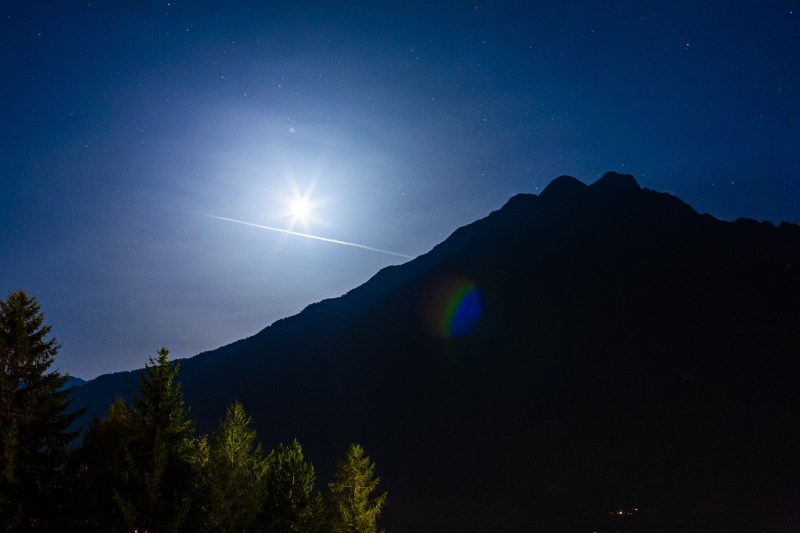
Matrei in Osttirol, Austria 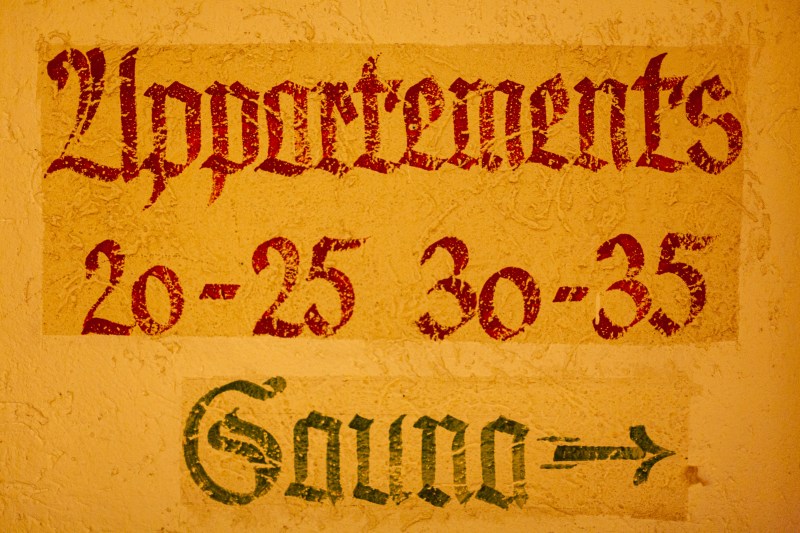
Matrei in Osttirol, Austria 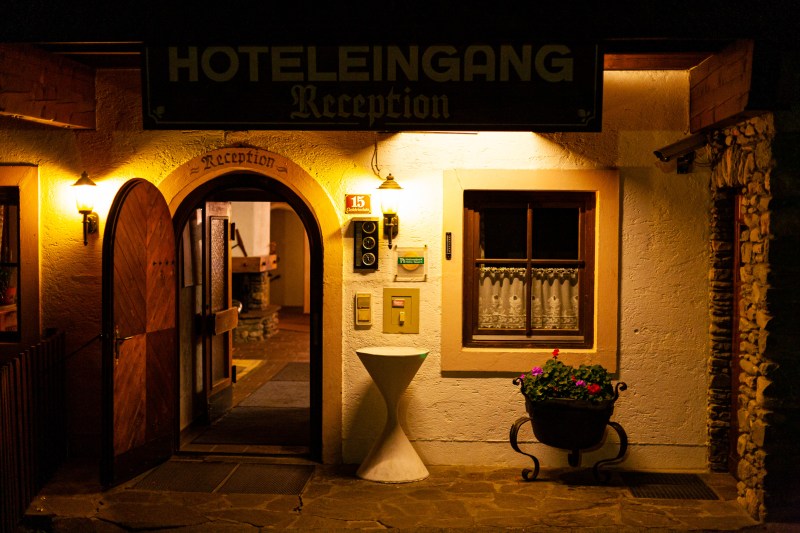
Matrei in Osttirol, Austria 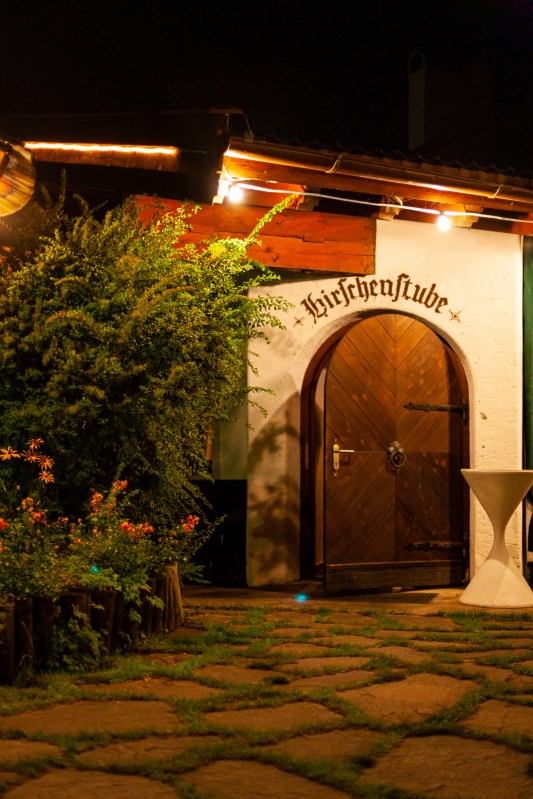
Matrei in Osttirol, Austria 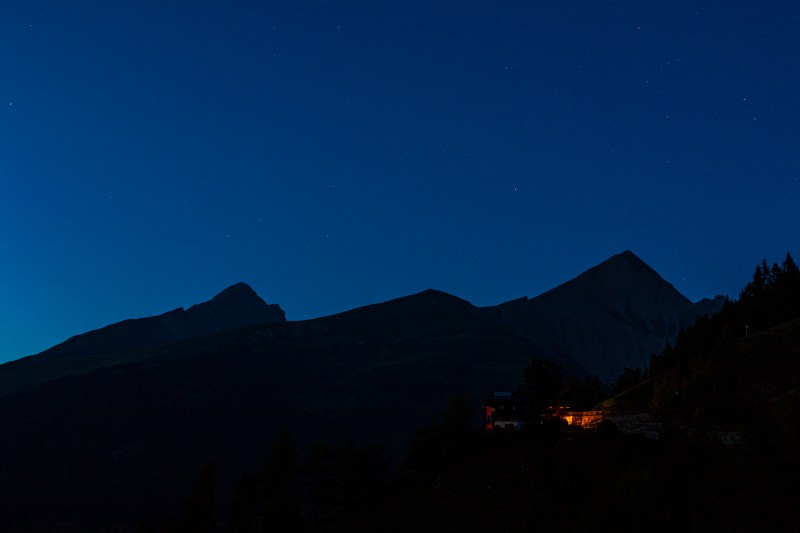
Matrei in Osttirol, Austria 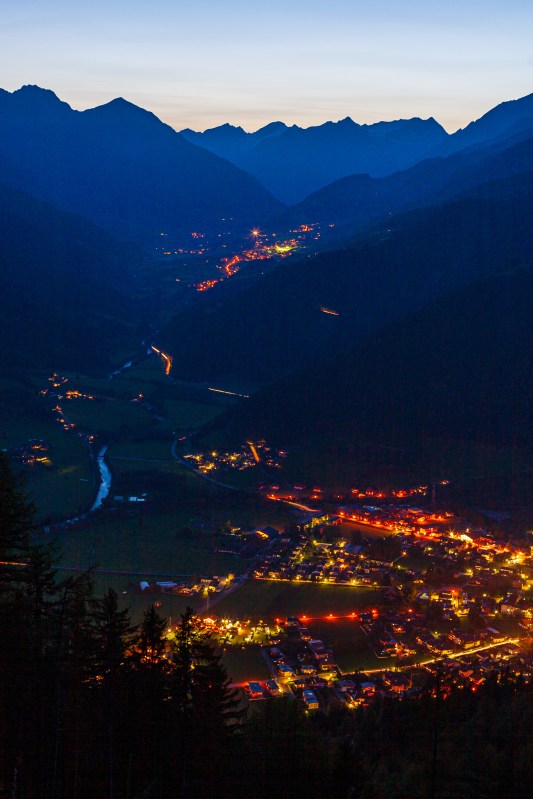
A view of Matrei from Goldried Mountain, specifically from the Goldriedbergbahnen, a winding road that lets one ascend and descend the mountain. Part of it is paved, and most of it is unpaved. 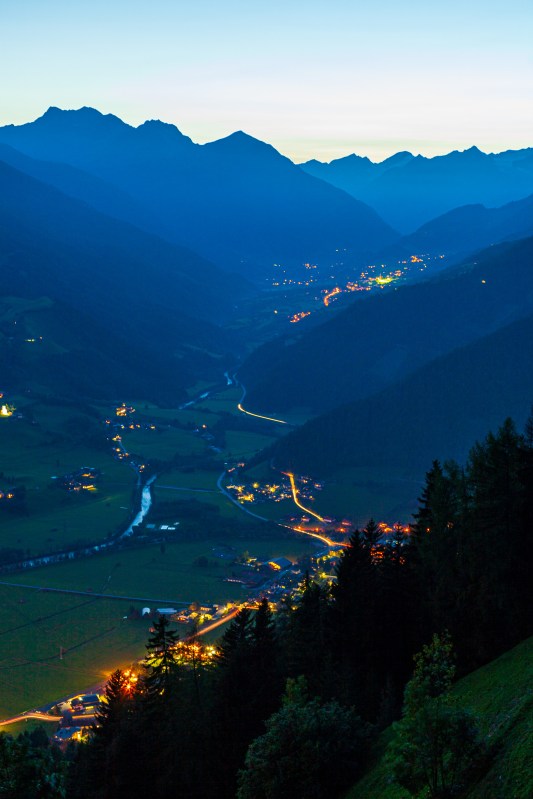
A view of Matrei from Goldried Mountain, specifically from the Goldriedbergbahnen, a winding road that lets one ascend and descend the mountain. Part of it is paved, and most of it is unpaved. 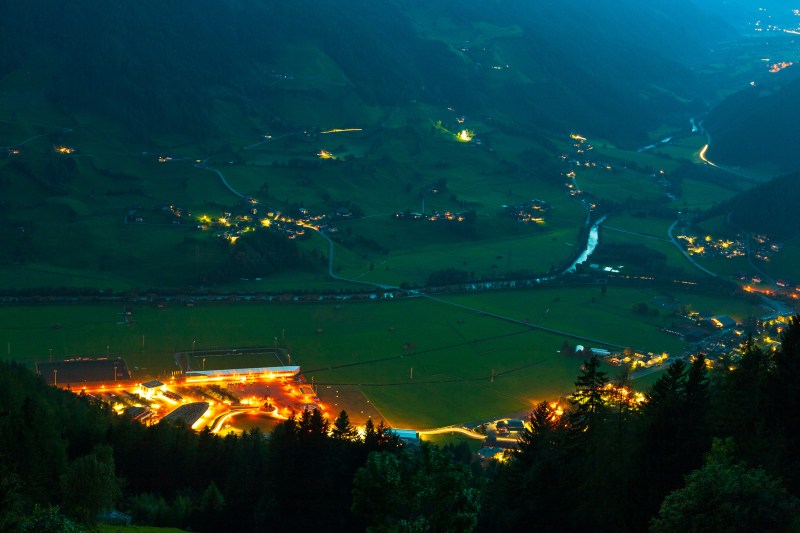
A view of Matrei from Goldried Mountain, specifically from the Goldriedbergbahnen, a winding road that lets one ascend and descend the mountain. Part of it is paved, and most of it is unpaved. 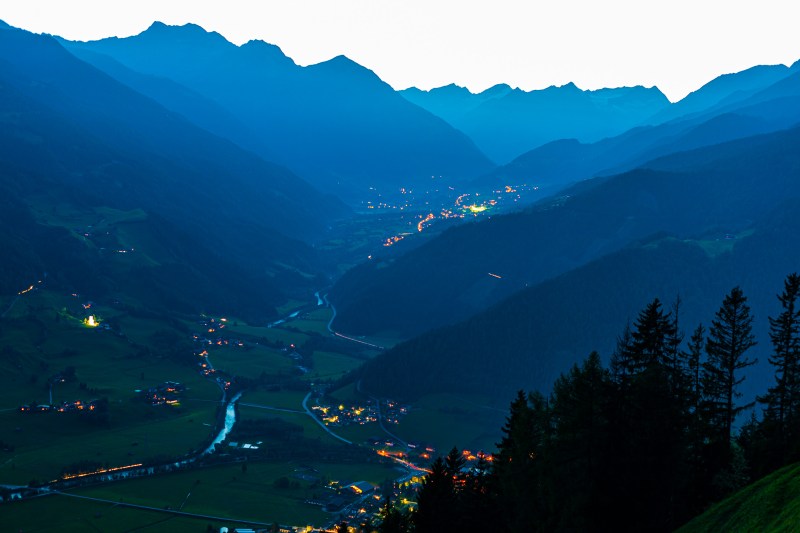
A view of Matrei from Goldried Mountain, specifically from the Goldriedbergbahnen, a winding road that lets one ascend and descend the mountain. Part of it is paved, and most of it is unpaved. 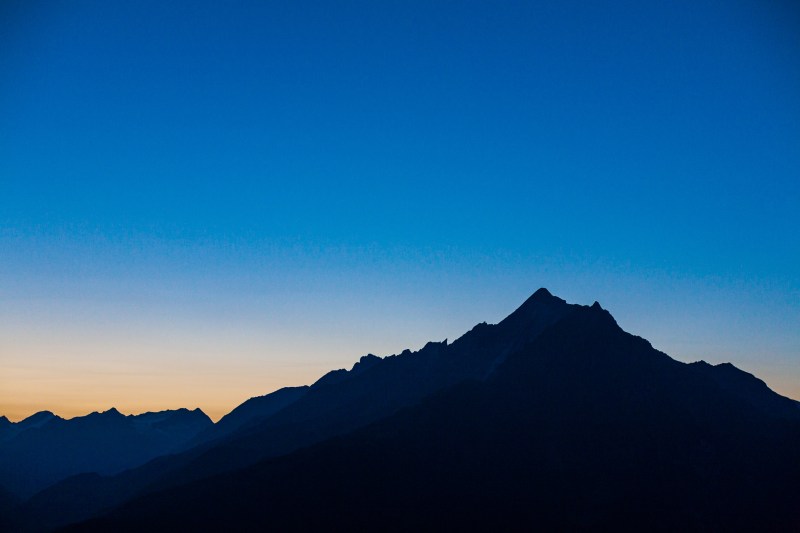
Matrei in Osttirol, Austria 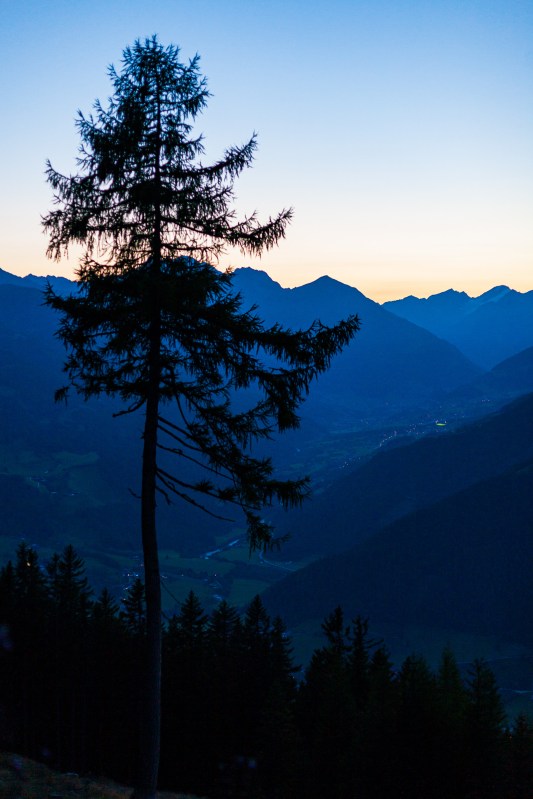
Matrei in Osttirol, Austria 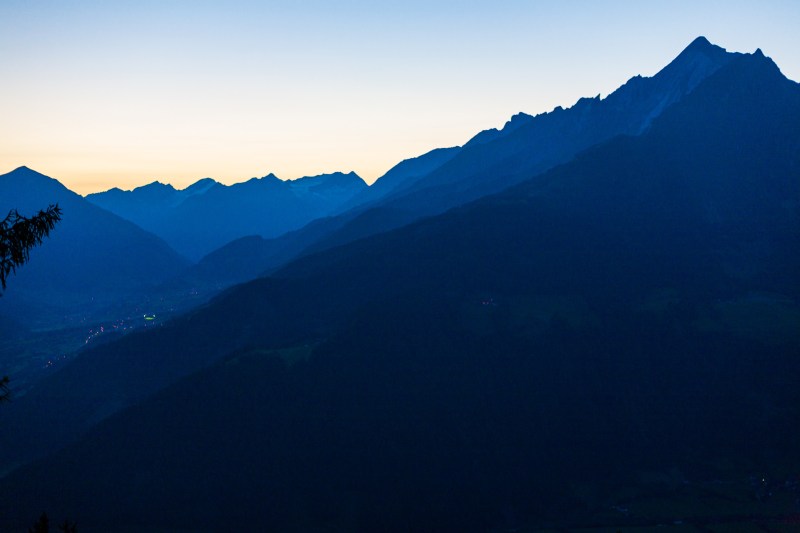
Matrei in Osttirol, Austria 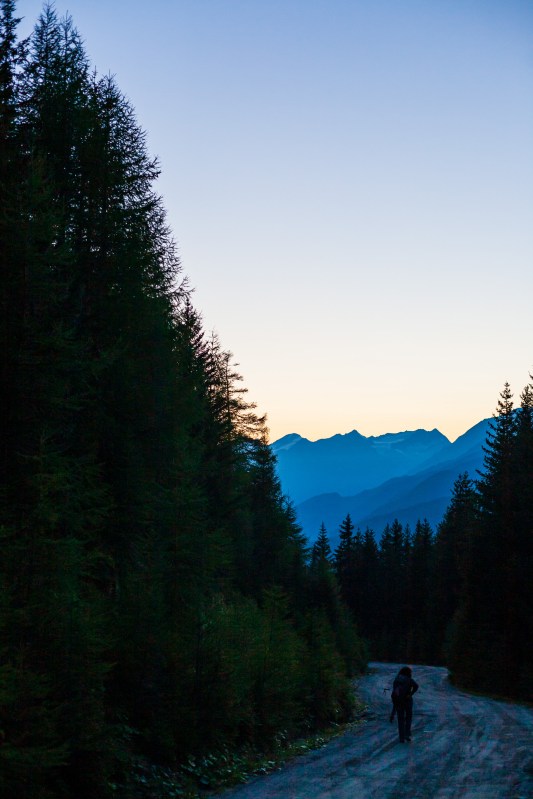
Matrei in Osttirol, Austria 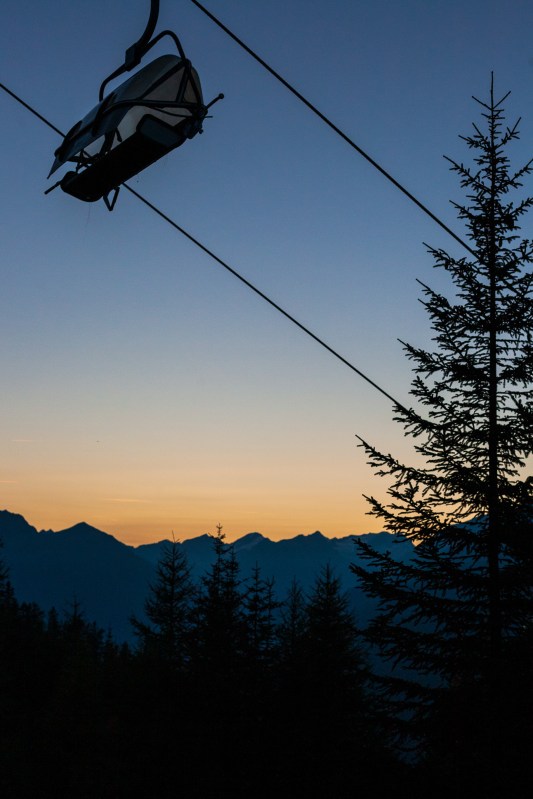
A view of a lonely cable car on Goldried Mountain, in Osttirol, Austria. Goldried Bergbahnen road, near Matrei, i.o. 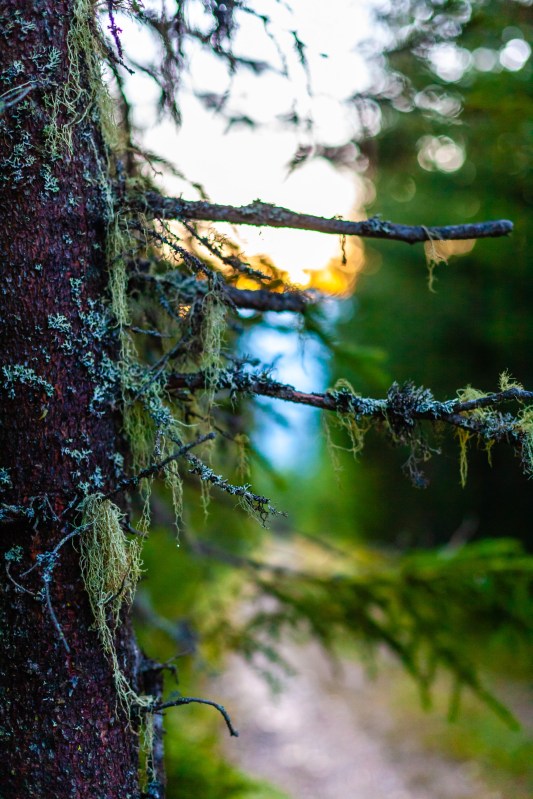
Near Matrei in Osttirol, Austria 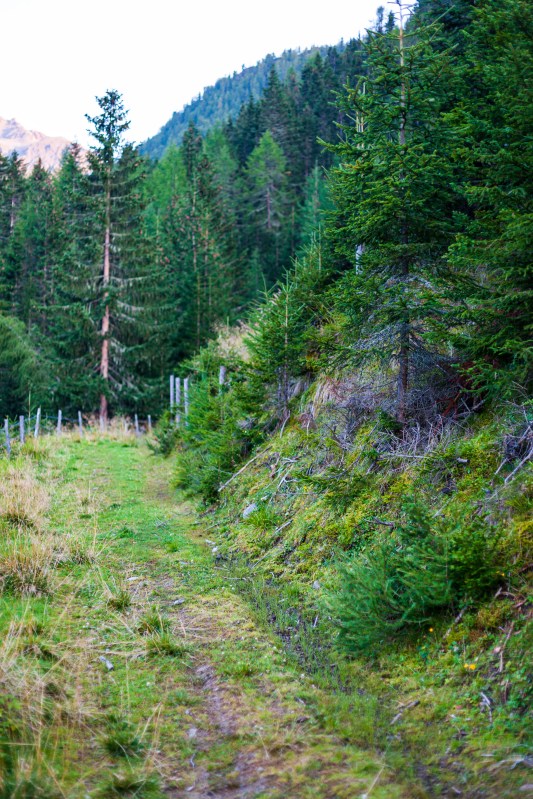
Matrei in Osttirol, Austria 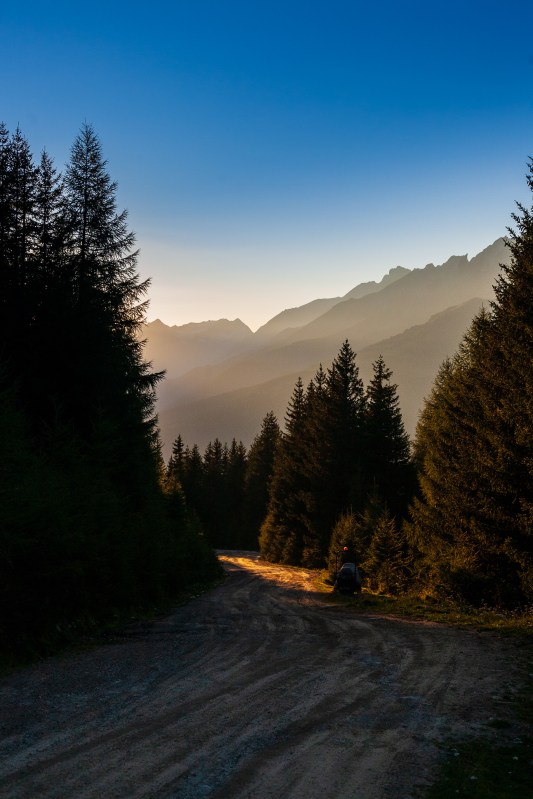
Matrei in Osttirol, Austria 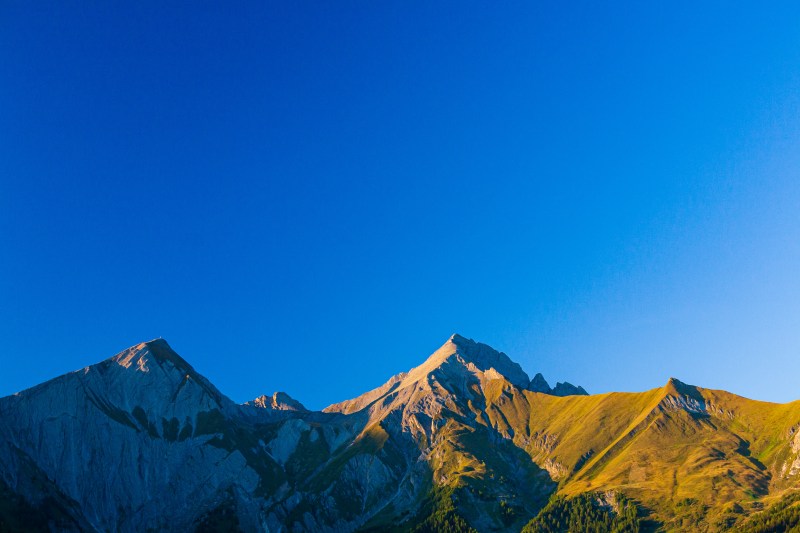
Matrei in Osttirol, Austria 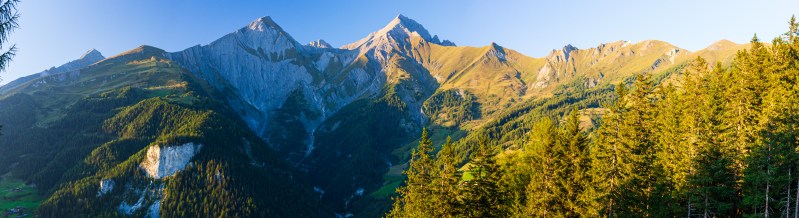
Matrei in Osttirol, Austria 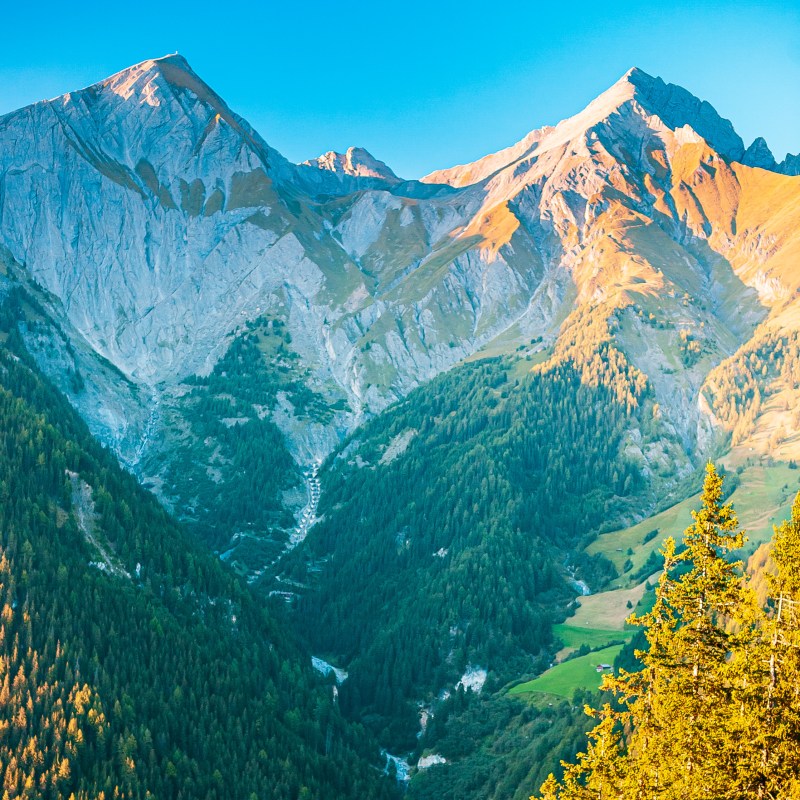
Matrei in Osttirol, Austria 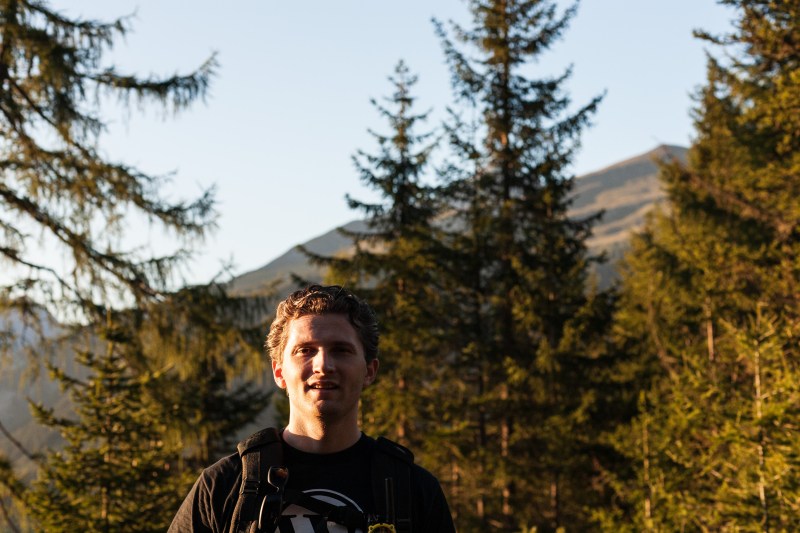
Matrei in Osttirol, Austria 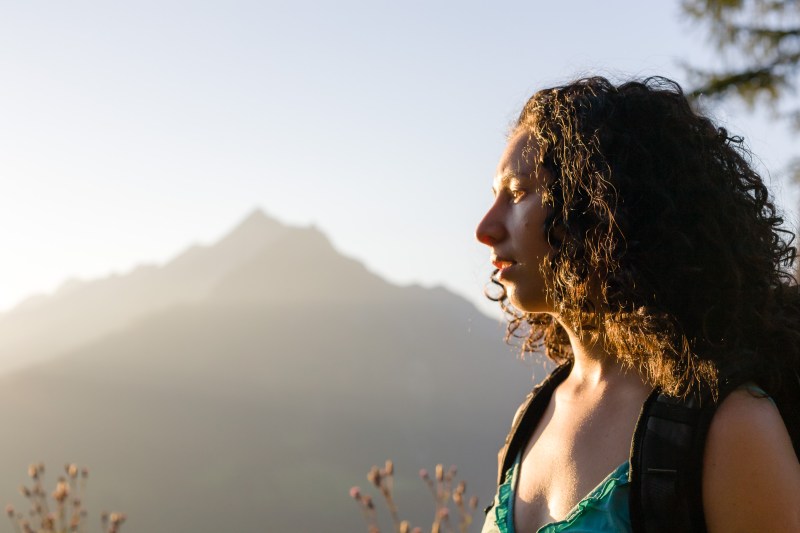
Matrei in Osttirol, Austria 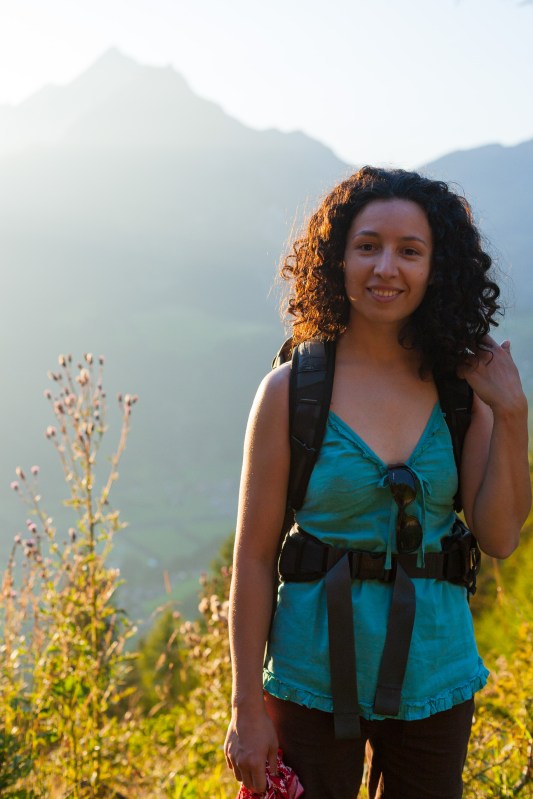
Matrei in Osttirol, Austria 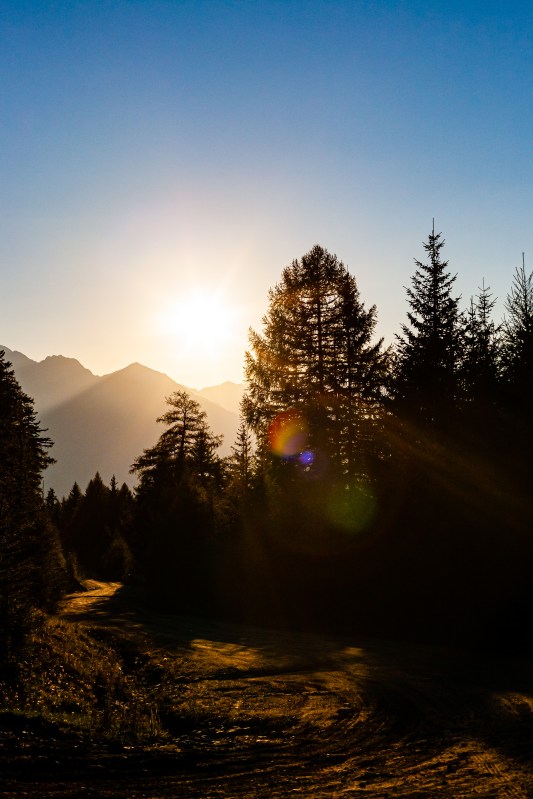
Matrei in Osttirol, Austria 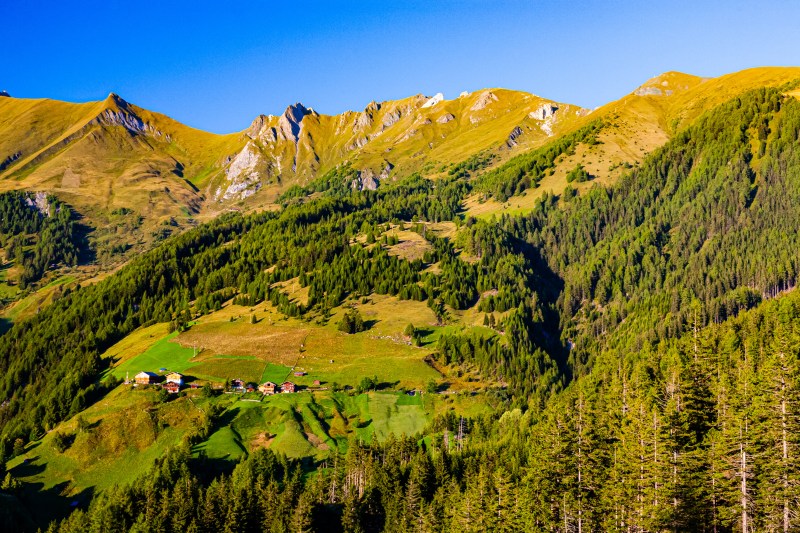
Matrei in Osttirol, Austria 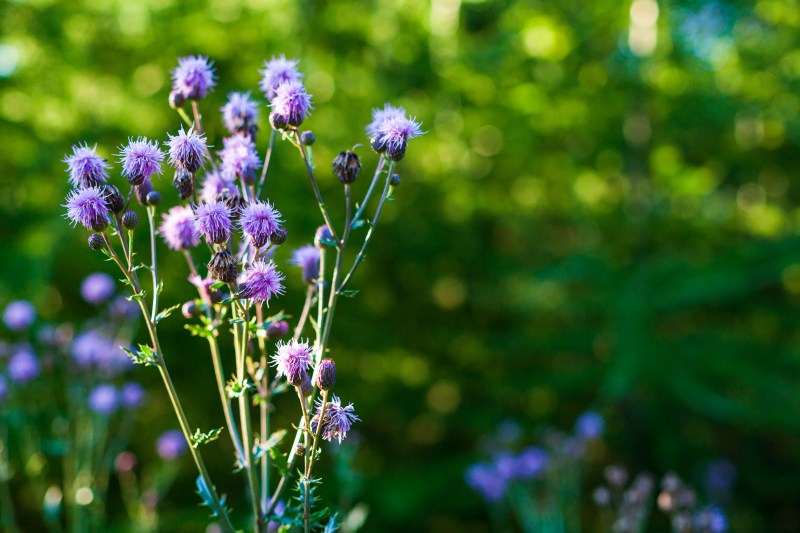
Near Matrei in Osttirol, Austria 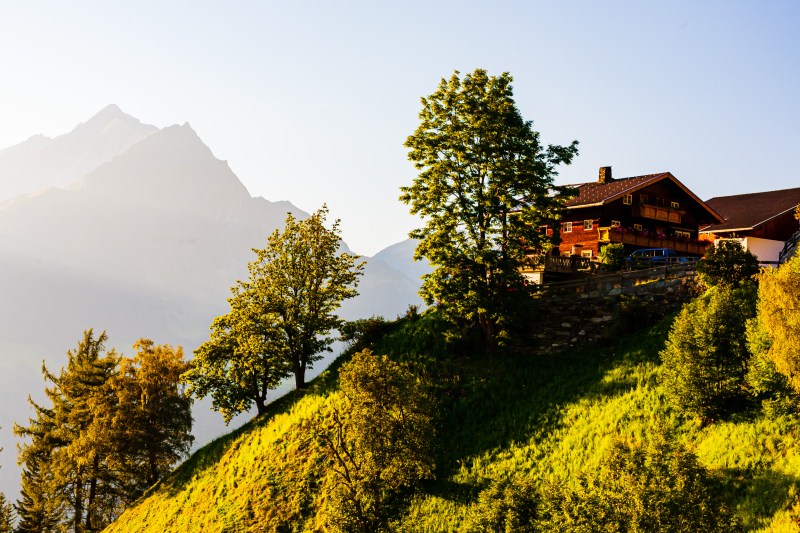
Matrei in Osttirol, Austria 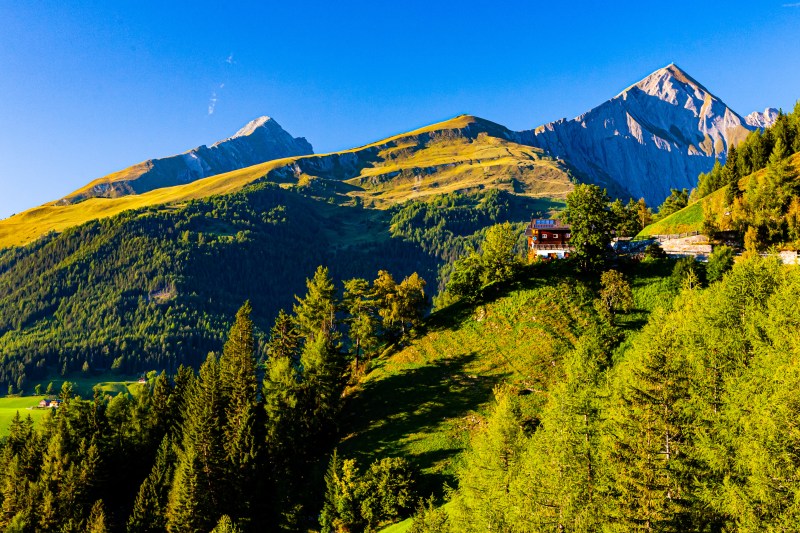
Near Matrei in Osttirol, Austria 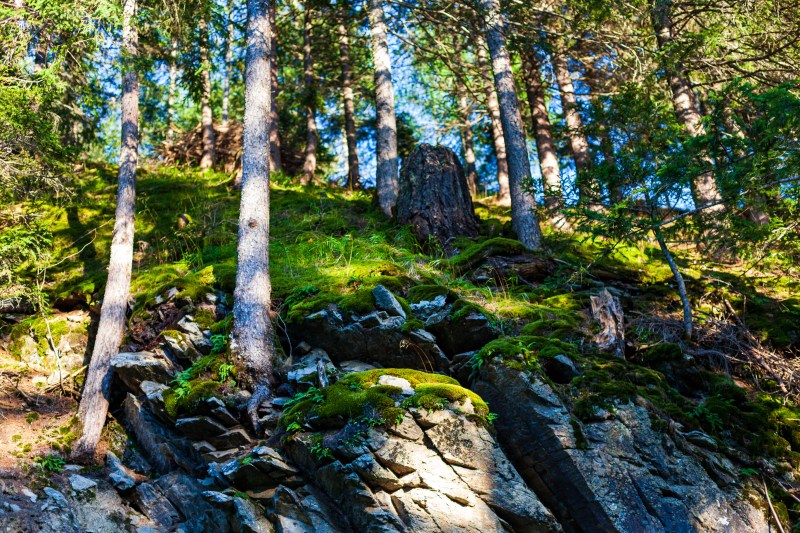
Near Matrei in Osttirol, Austria 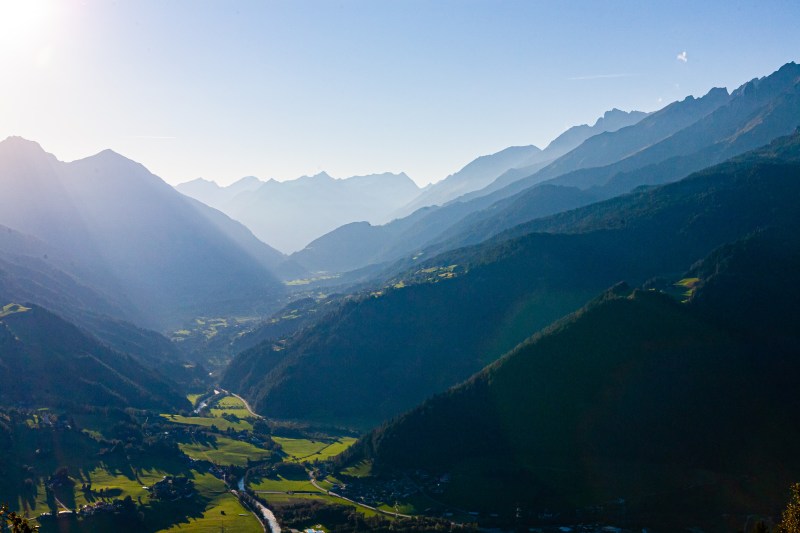
Matrei in Osttirol, Austria 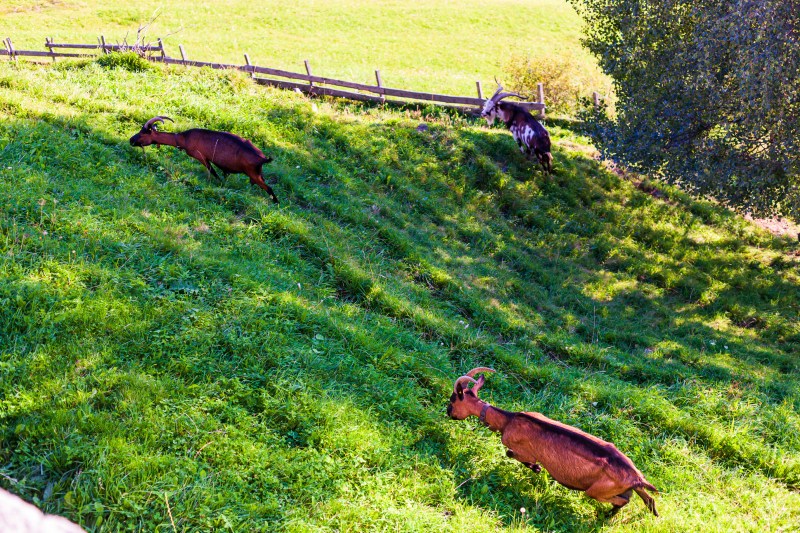
Near Matrei in Osttirol, Austria 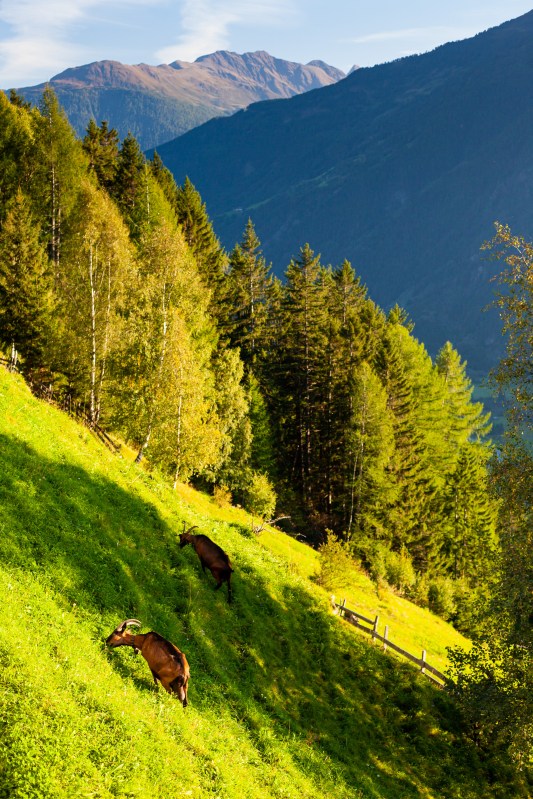
Near Matrei in Osttirol, Austria 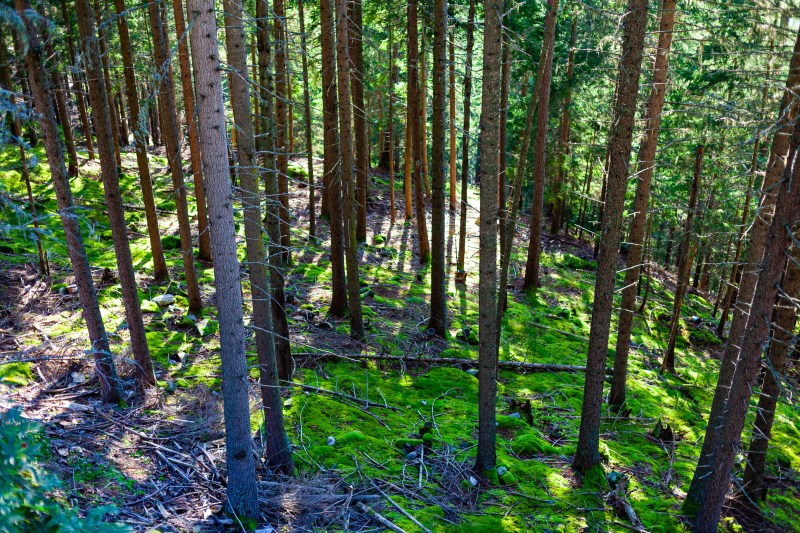
Near Matrei in Osttirol, Austria 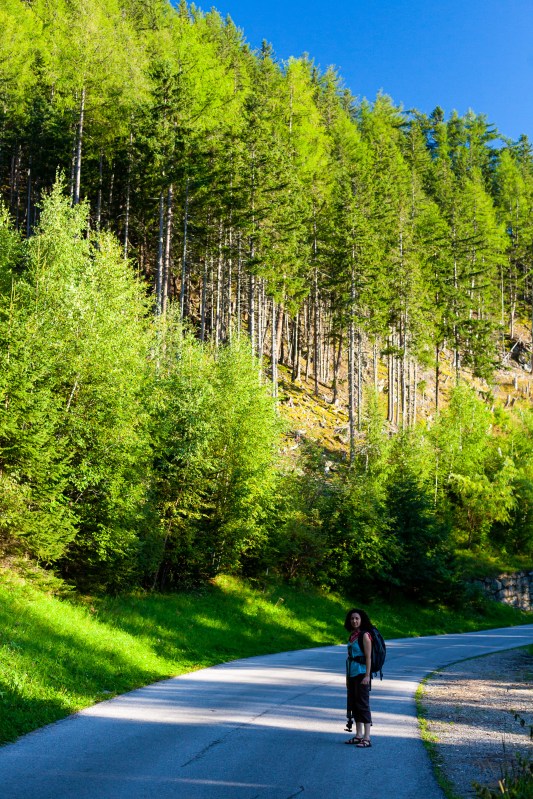
Matrei in Osttirol, Austria 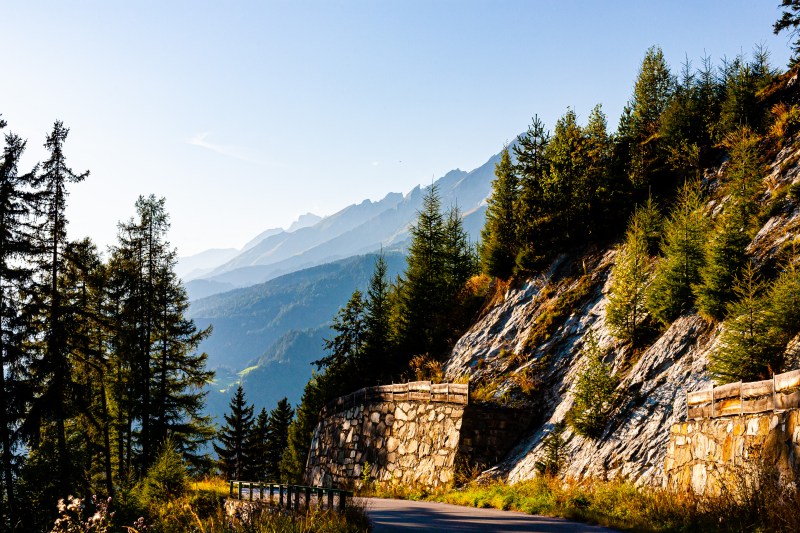
Near Matrei in Osttirol, Austria 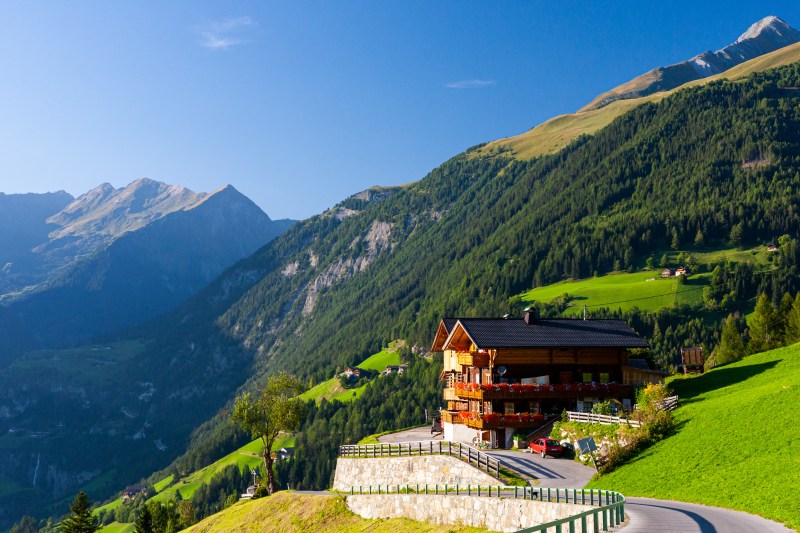
Near Matrei in Osttirol, Austria 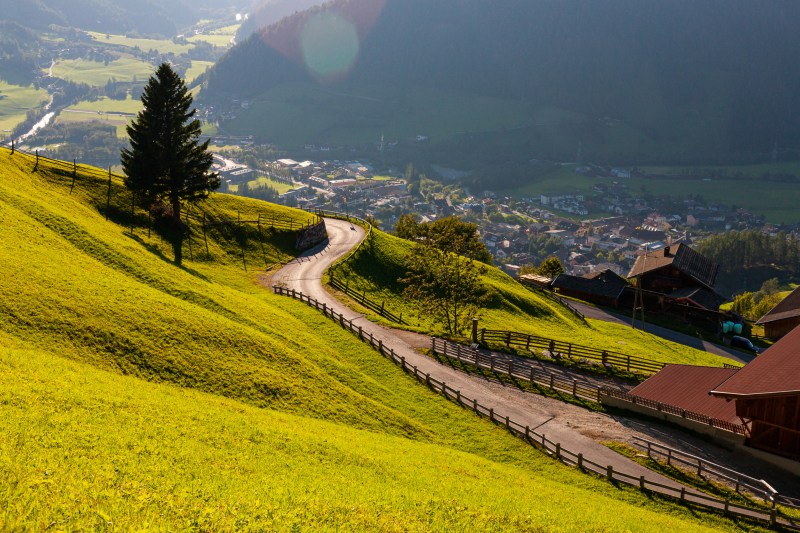
Near Matrei in Osttirol, Austria 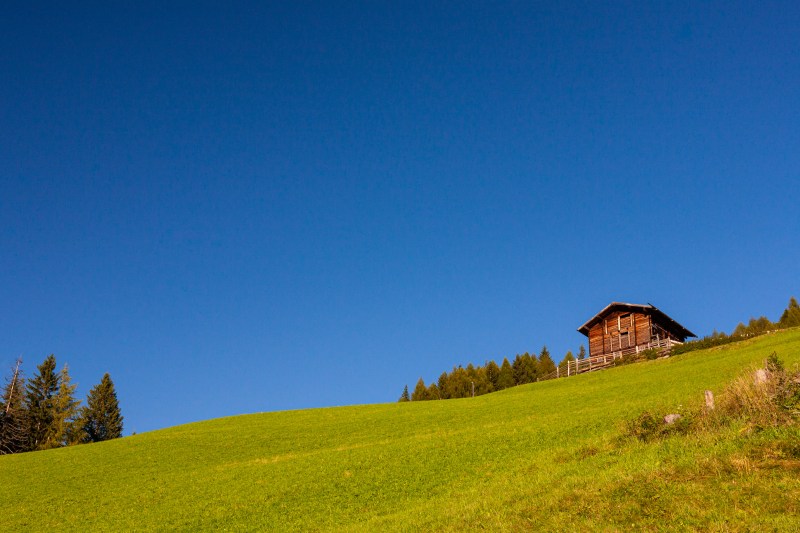
Near Matrei in Osttirol, Austria 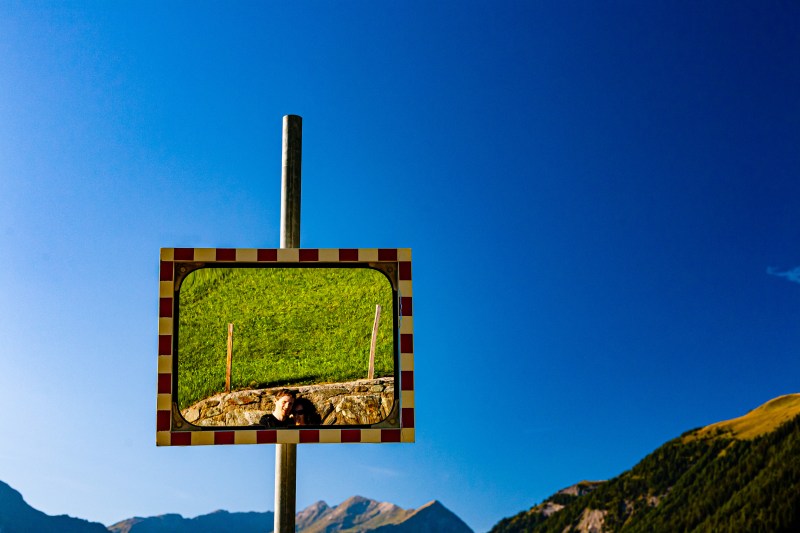
Matrei in Osttirol, Austria 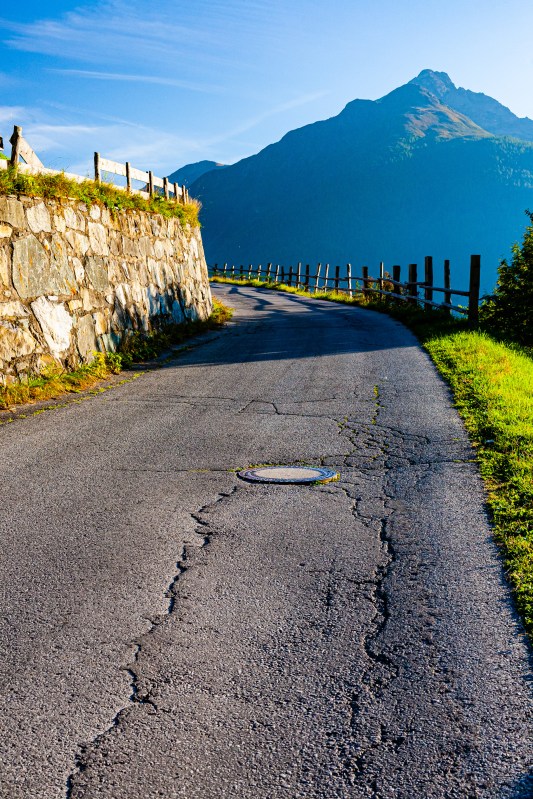
Near Matrei in Osttirol, Austria 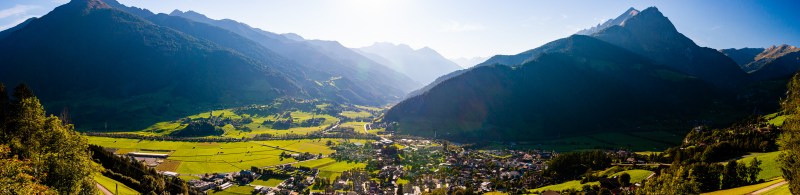
Matrei in Osttirol, Austria 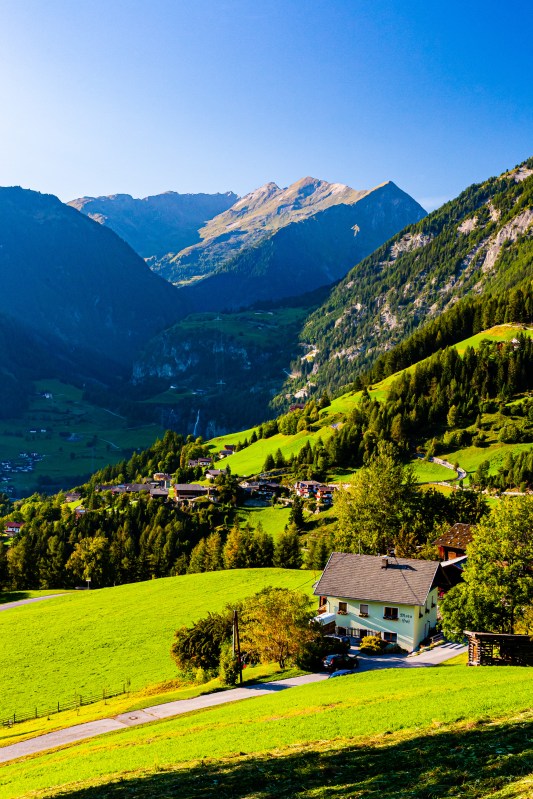
Matrei in Osttirol, Austria 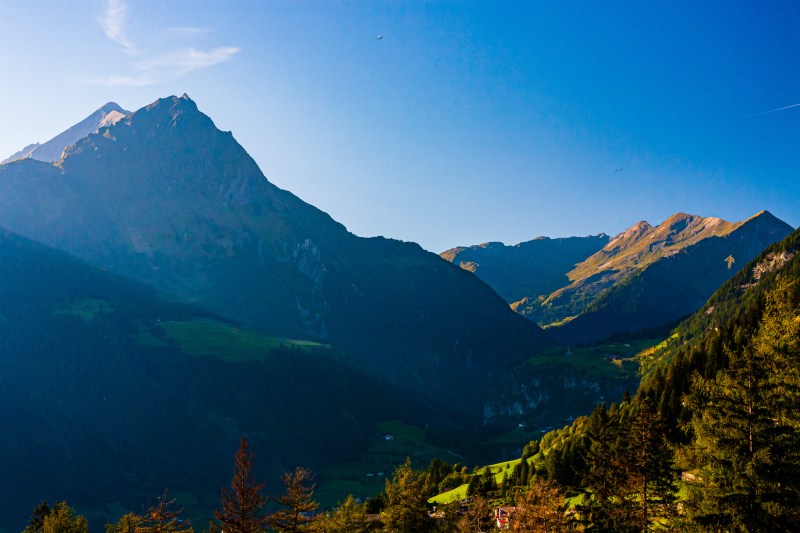
Matrei in Osttirol, Austria 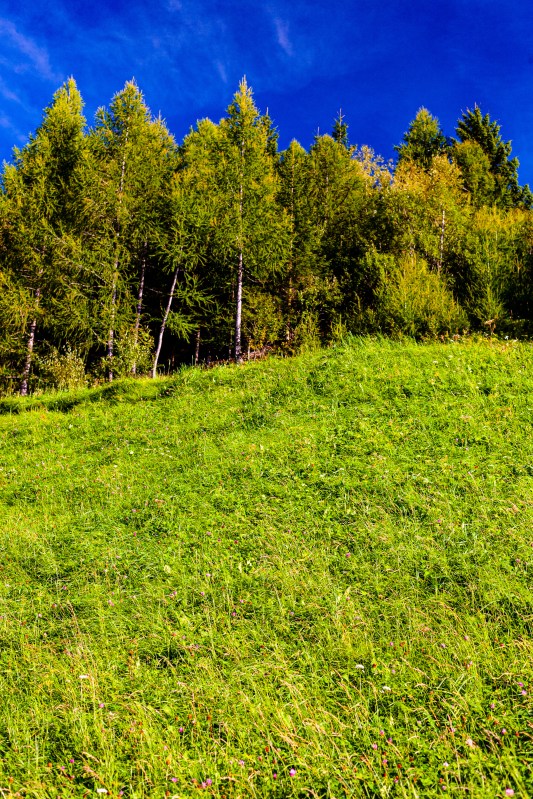
Near Matrei in Osttirol, Austria 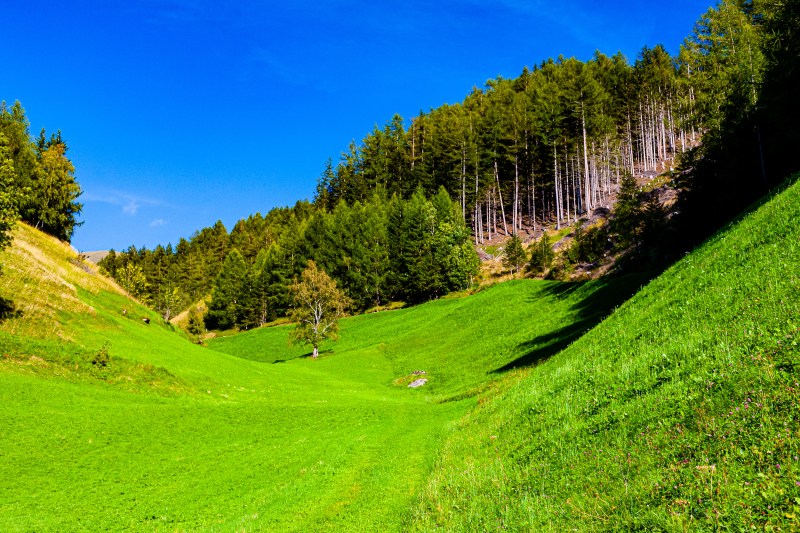
Matrei in Osttirol, Austria 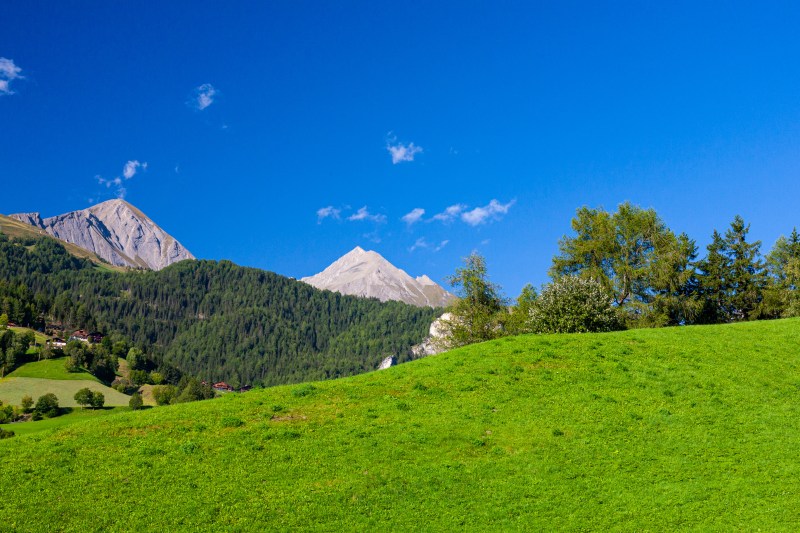
Matrei in Osttirol, Austria 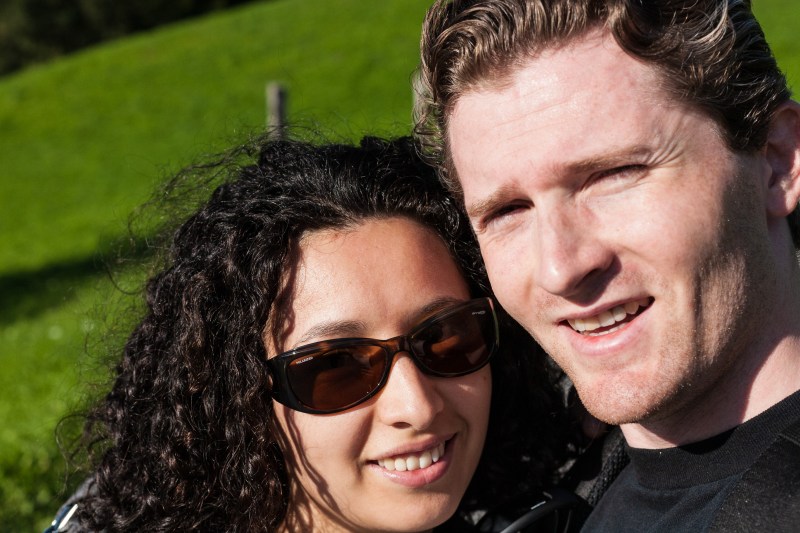
Matrei in Osttirol, Austria 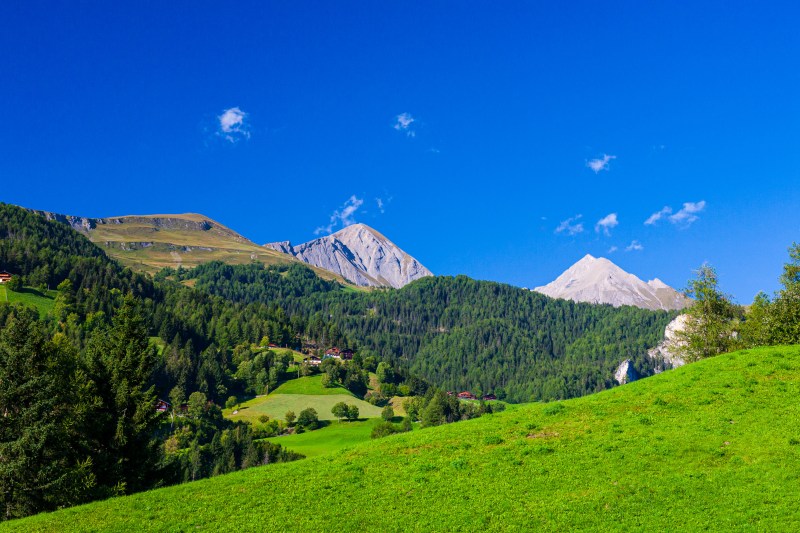
Matrei in Osttirol, Austria 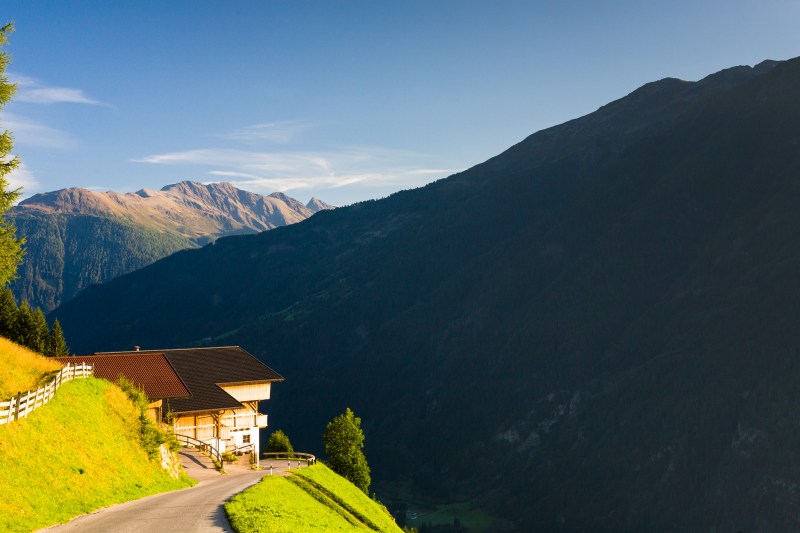
Matrei in Osttirol, Austria 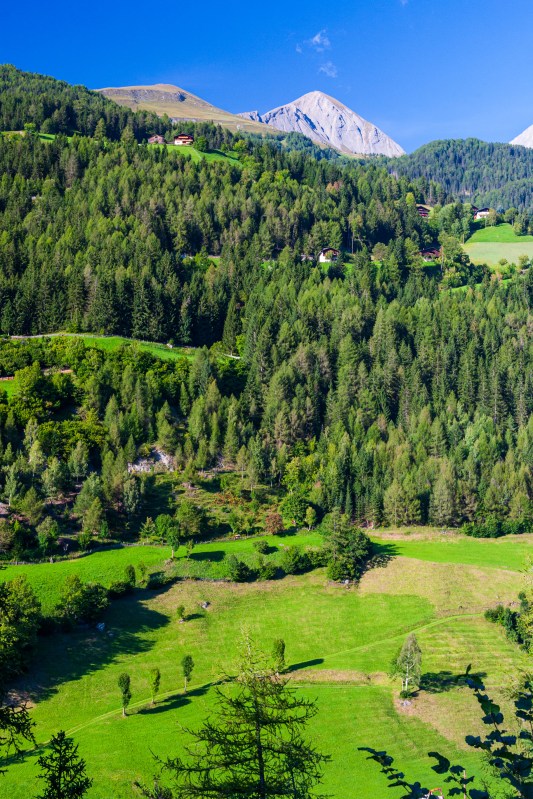
Near Matrei in Osttirol, Austria 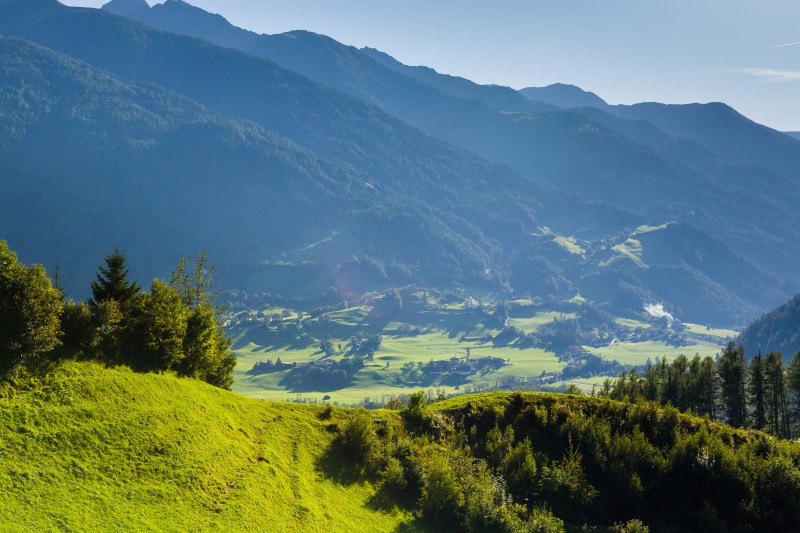
A view of the farms in and around the valley of Matrei, in Osttirol, Austria, taken from Goldried Mountain. Goldried Bergbahnen road, near Matrei, i.o. 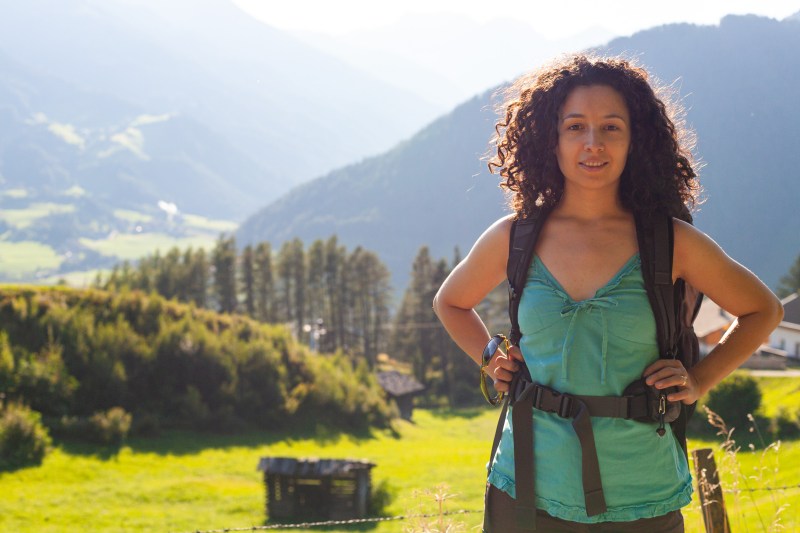
Matrei in Osttirol, Austria 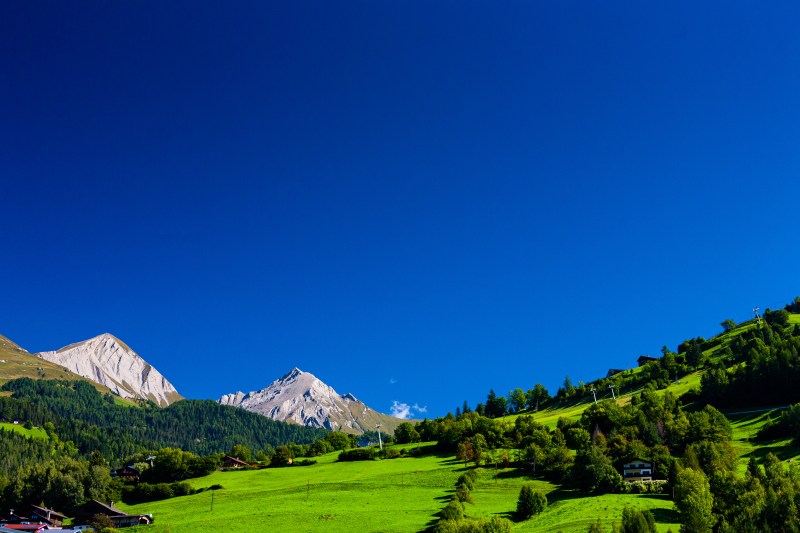
Matrei in Osttirol, Austria 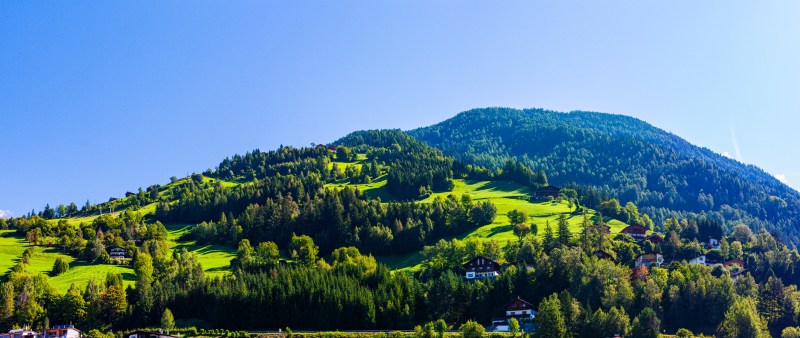
Matrei in Osttirol, Austria 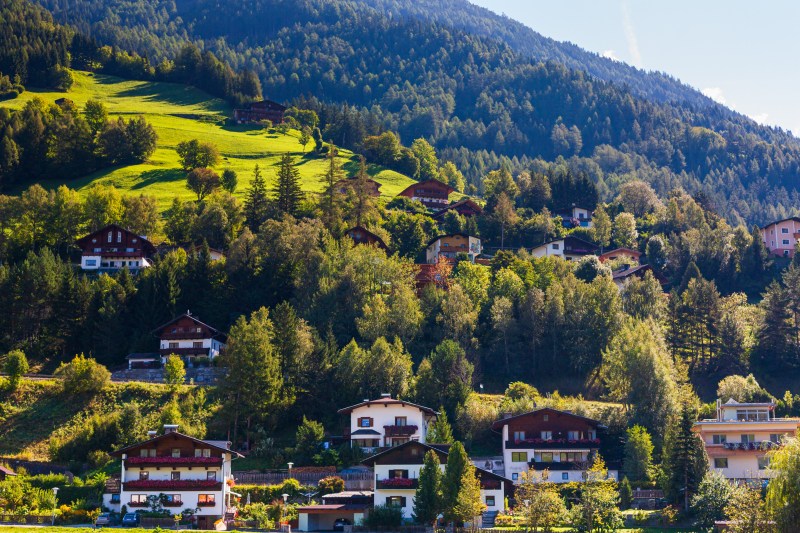
Matrei in Osttirol, Austria 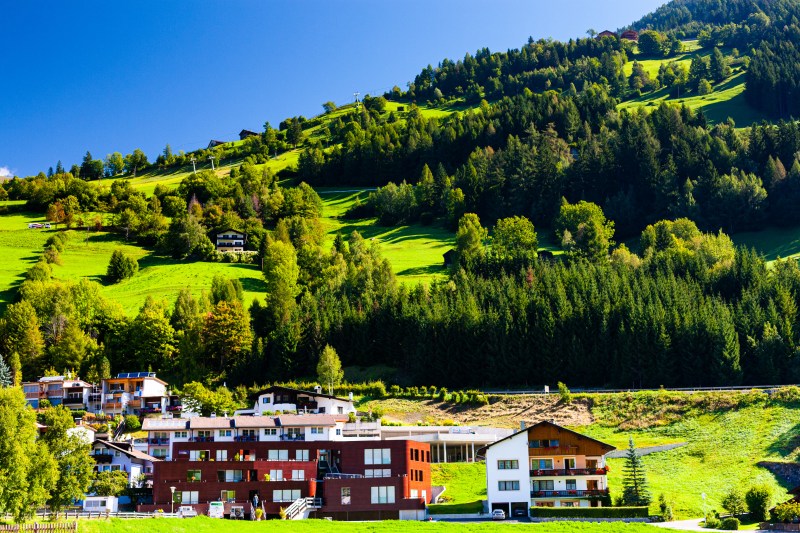
Matrei in Osttirol, Austria 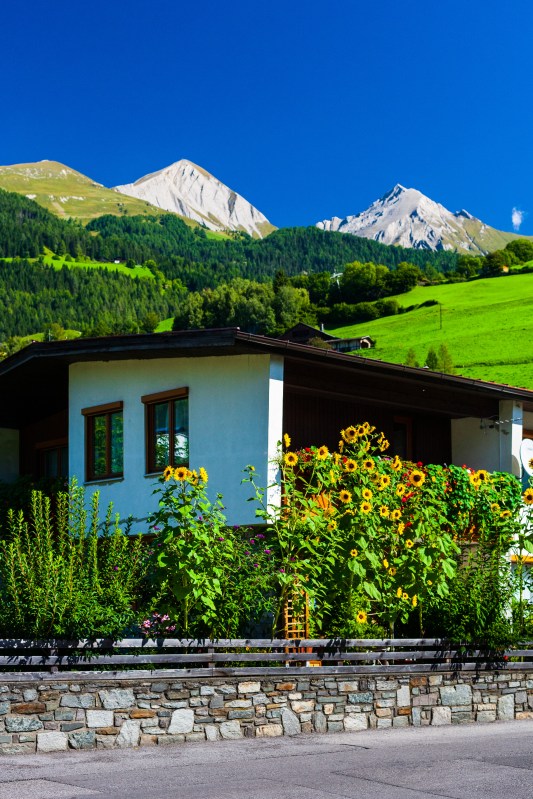
Matrei in Osttirol, Austria 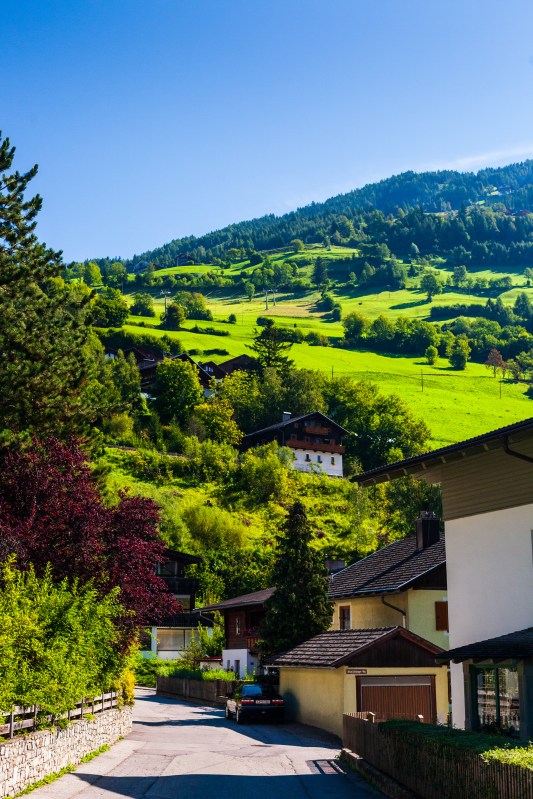
Matrei in Osttirol, Austria 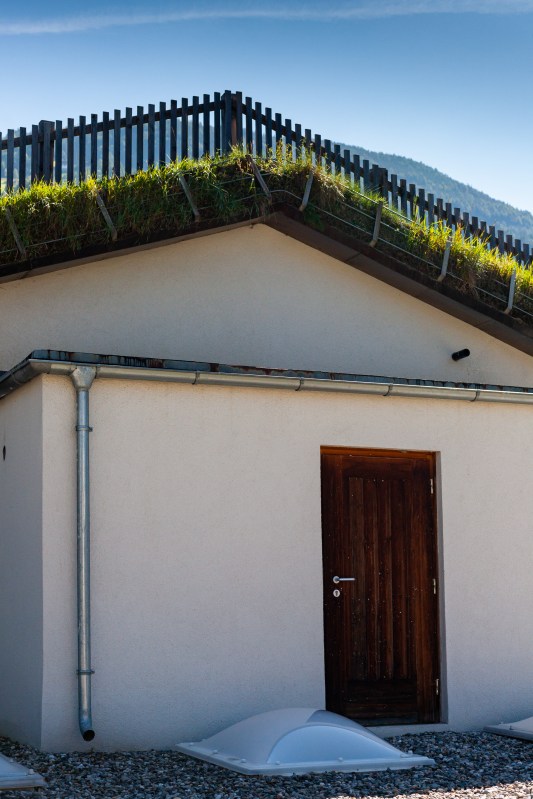
Matrei in Osttirol, Austria 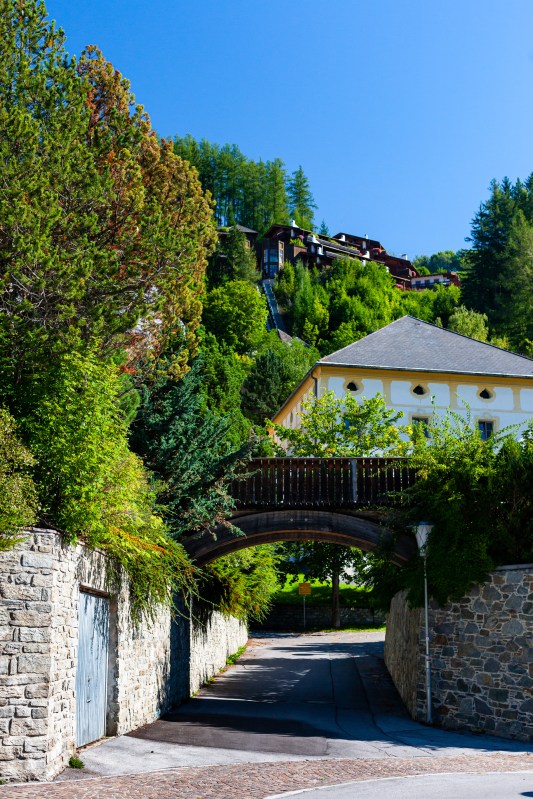
Matrei in Osttirol, Austria 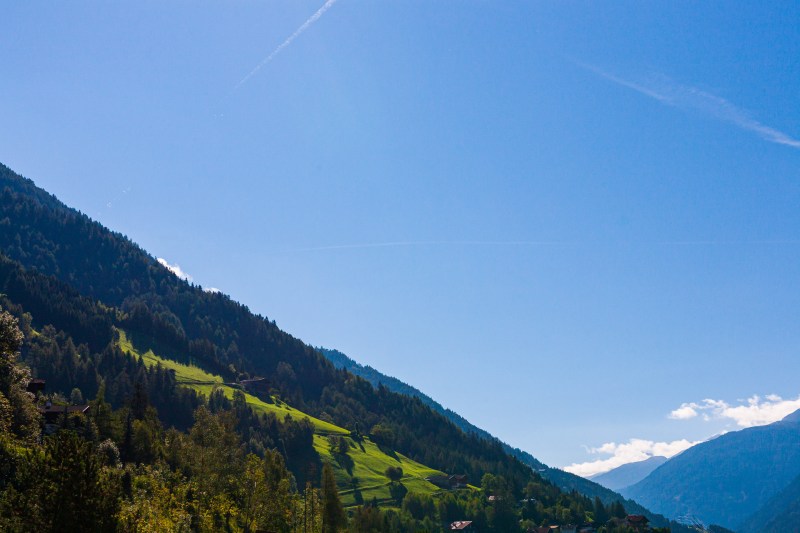
Matrei in Osttirol, Austria 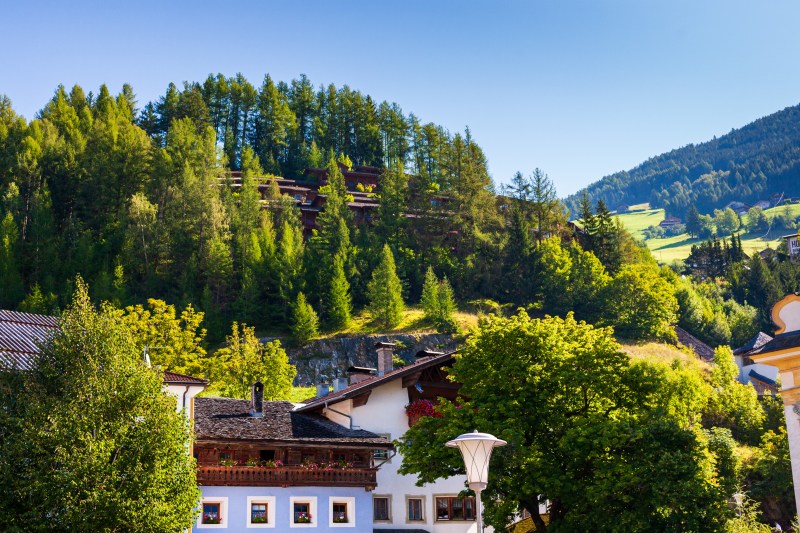
Matrei in Osttirol, Austria 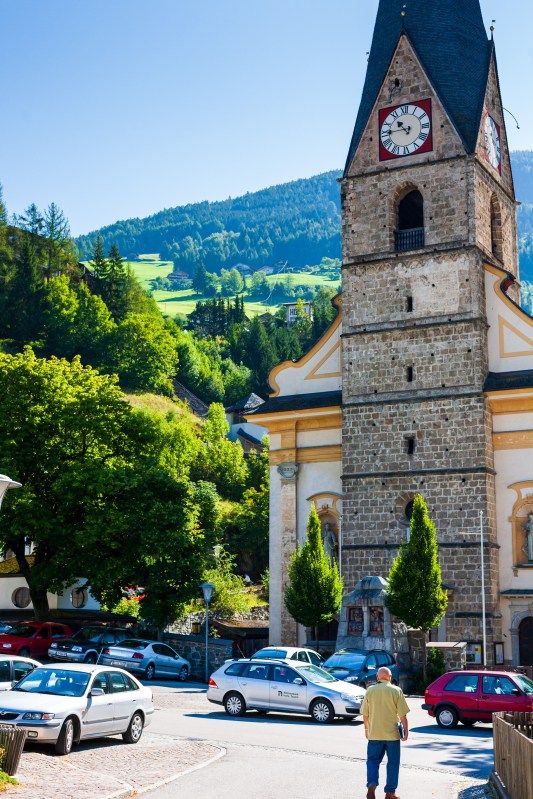
Matrei in Osttirol, Austria 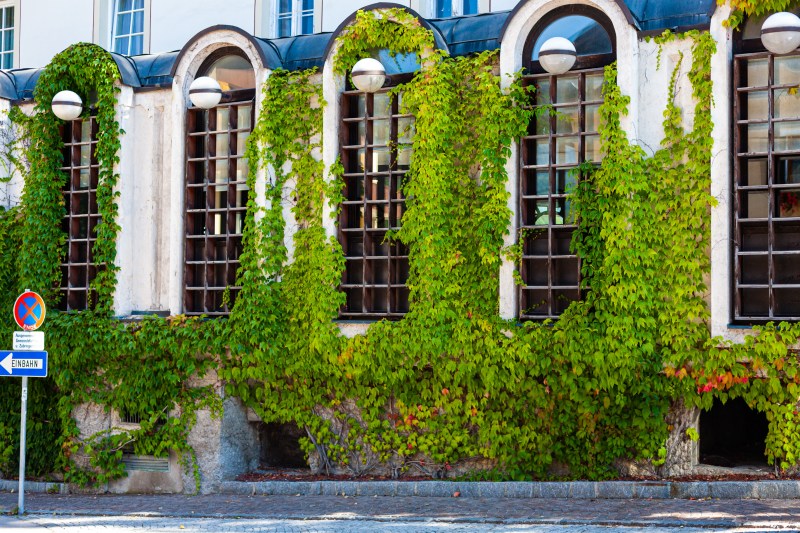
Matrei in Osttirol, Austria 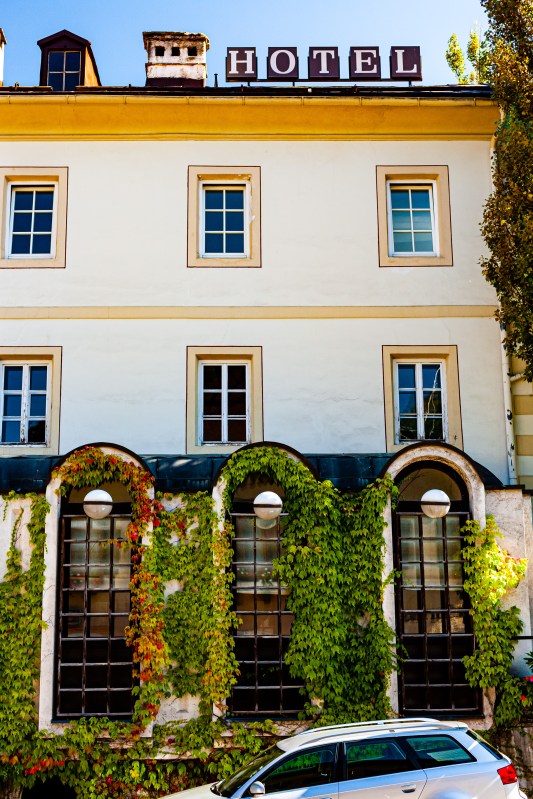
Matrei in Osttirol, Austria 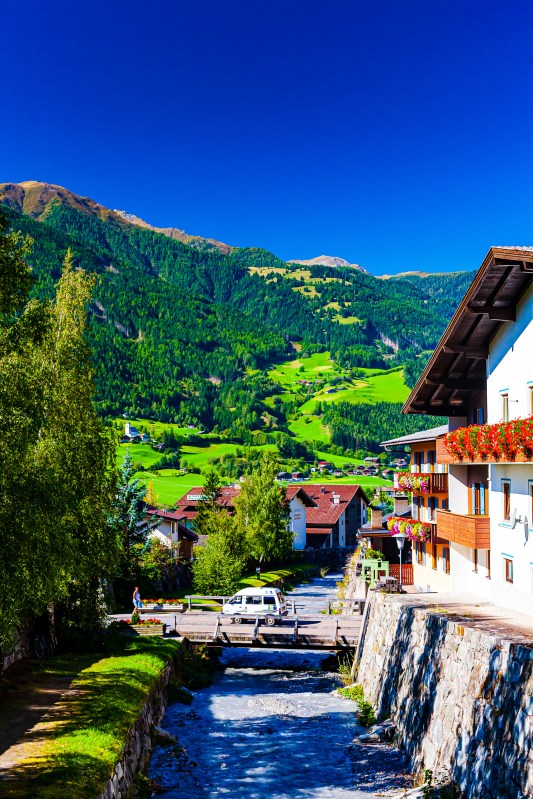
Matrei in Osttirol, Austria 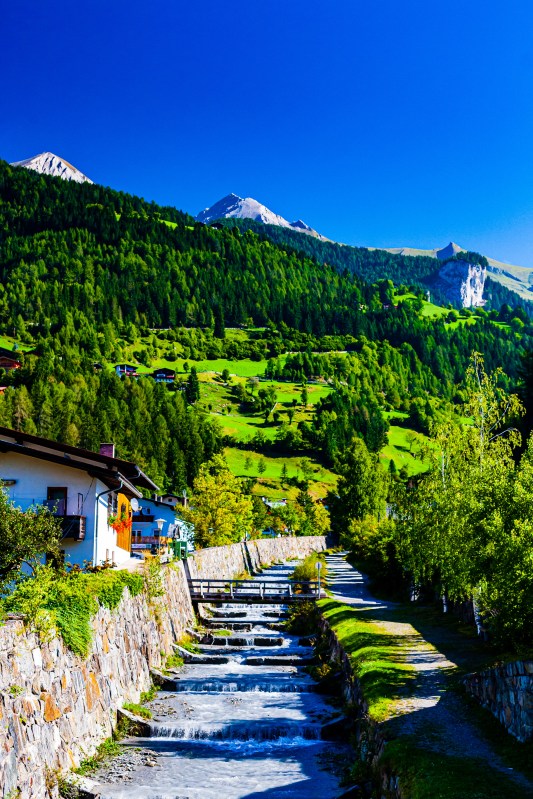
Matrei in Osttirol, Austria 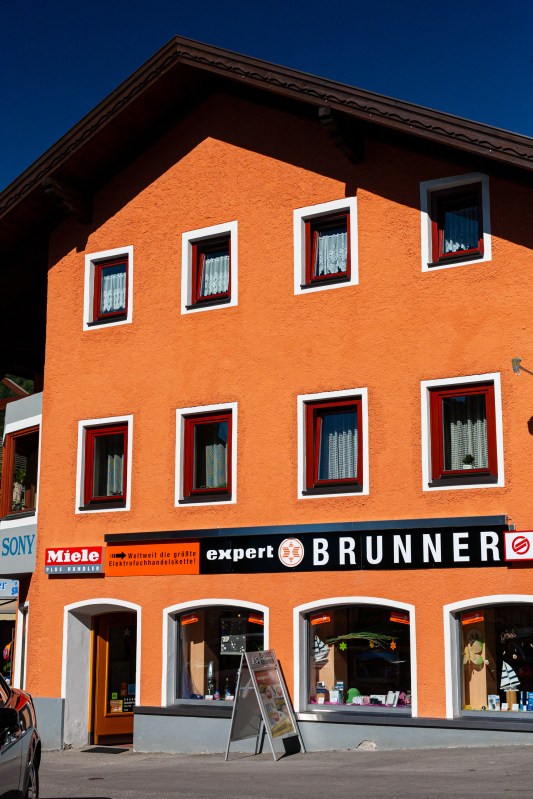
Matrei in Osttirol, Austria 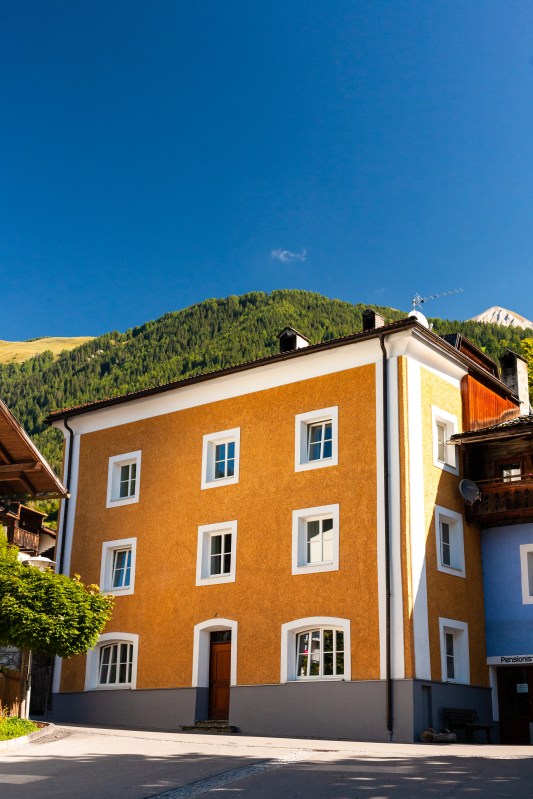
Matrei in Osttirol, Austria 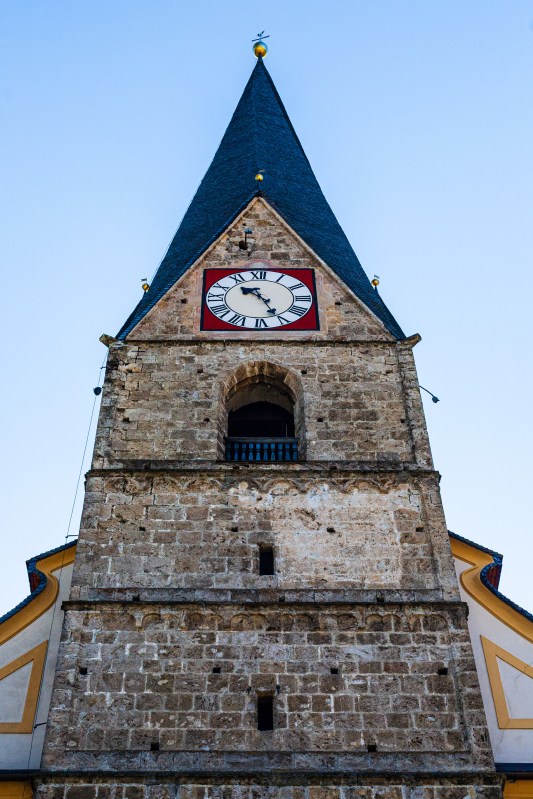
Matrei in Osttirol, Austria 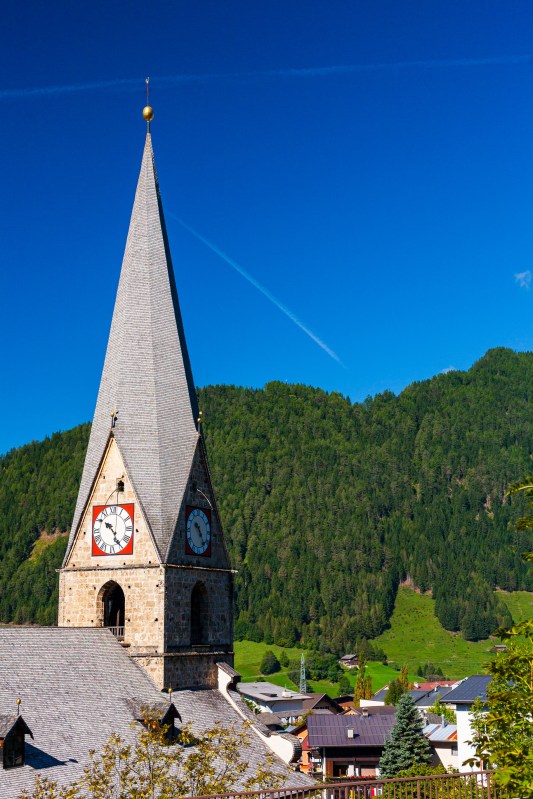
Matrei in Osttirol, Austria 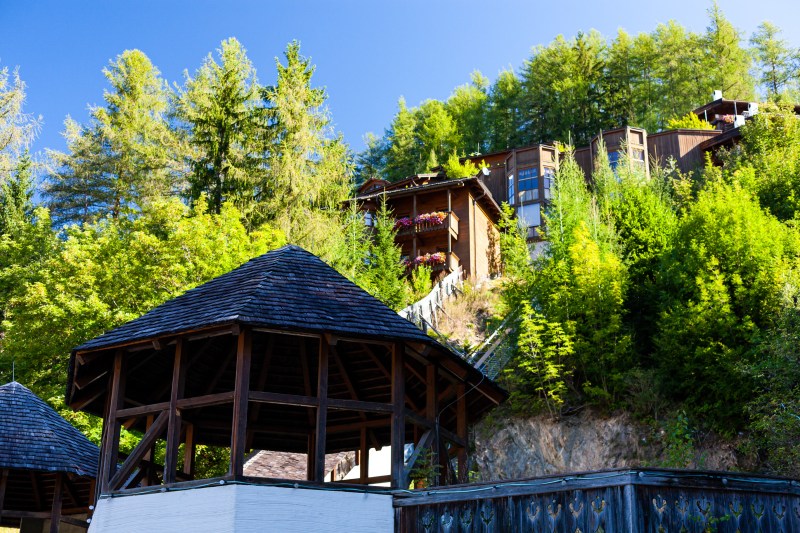
Hotel Goldried, Matrei in Osttirol, Austria 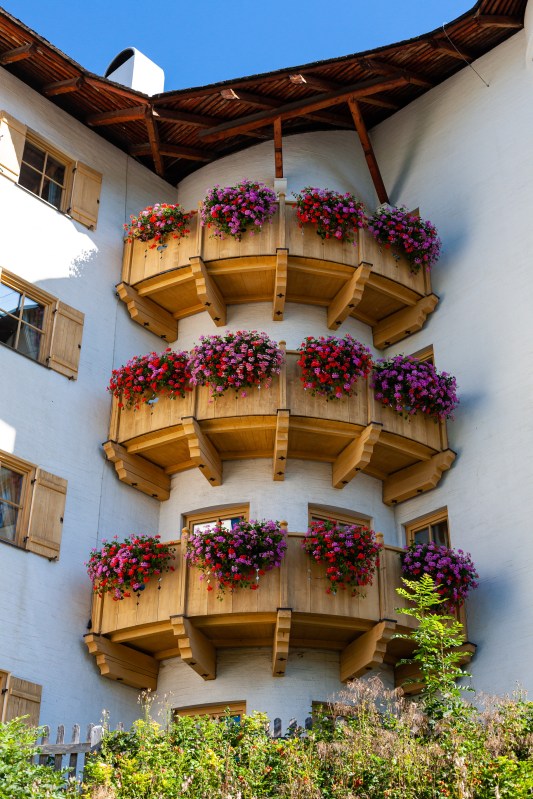
Matrei in Osttirol, Austria 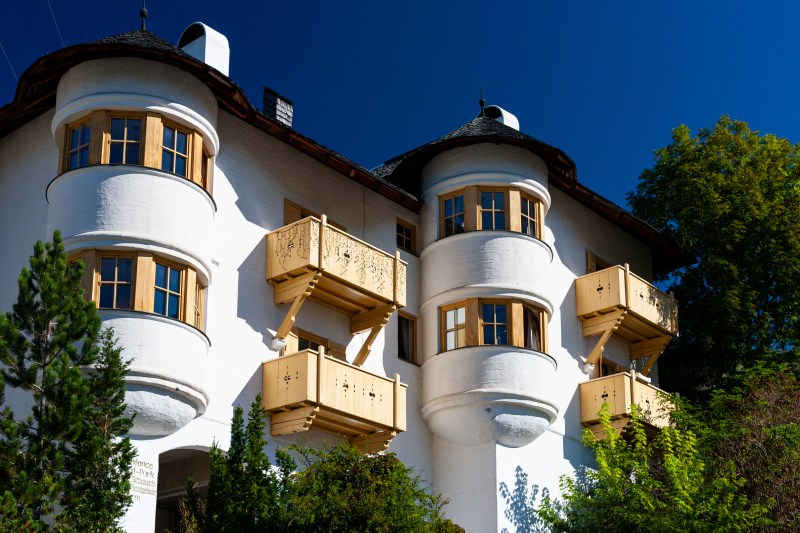
Matrei in Osttirol, Austria 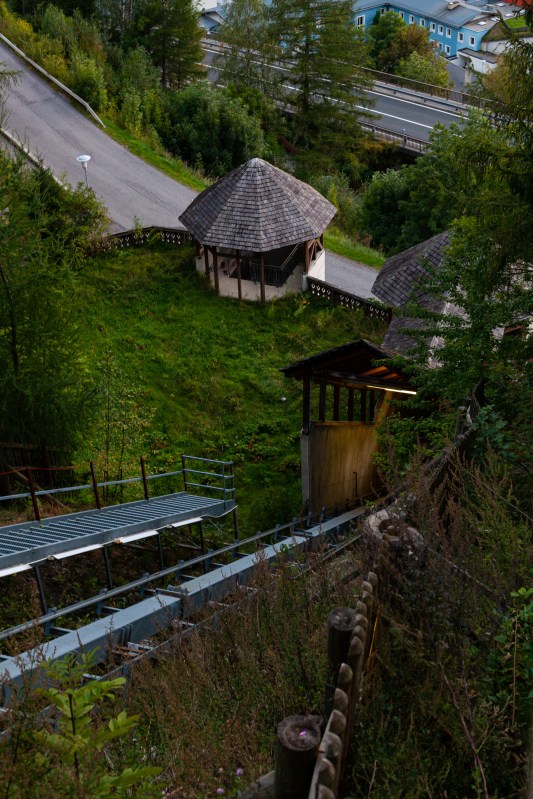
Hotel Goldried, Matrei in Osttirol, Austria 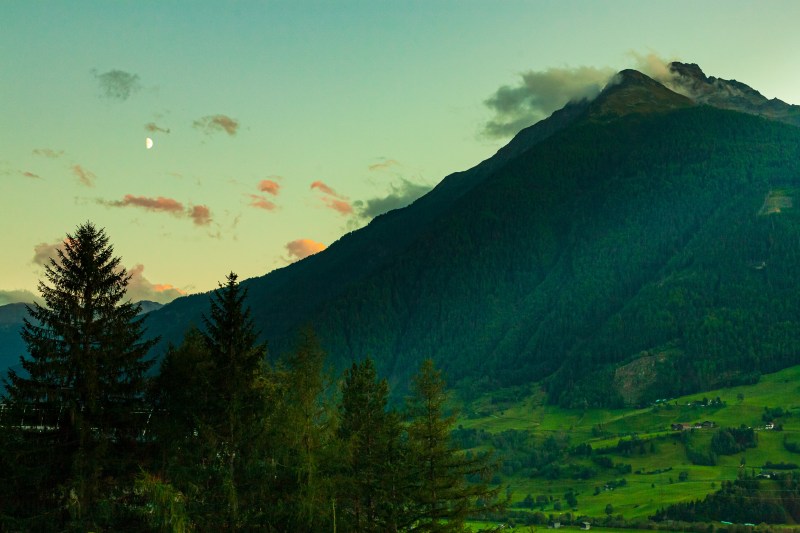
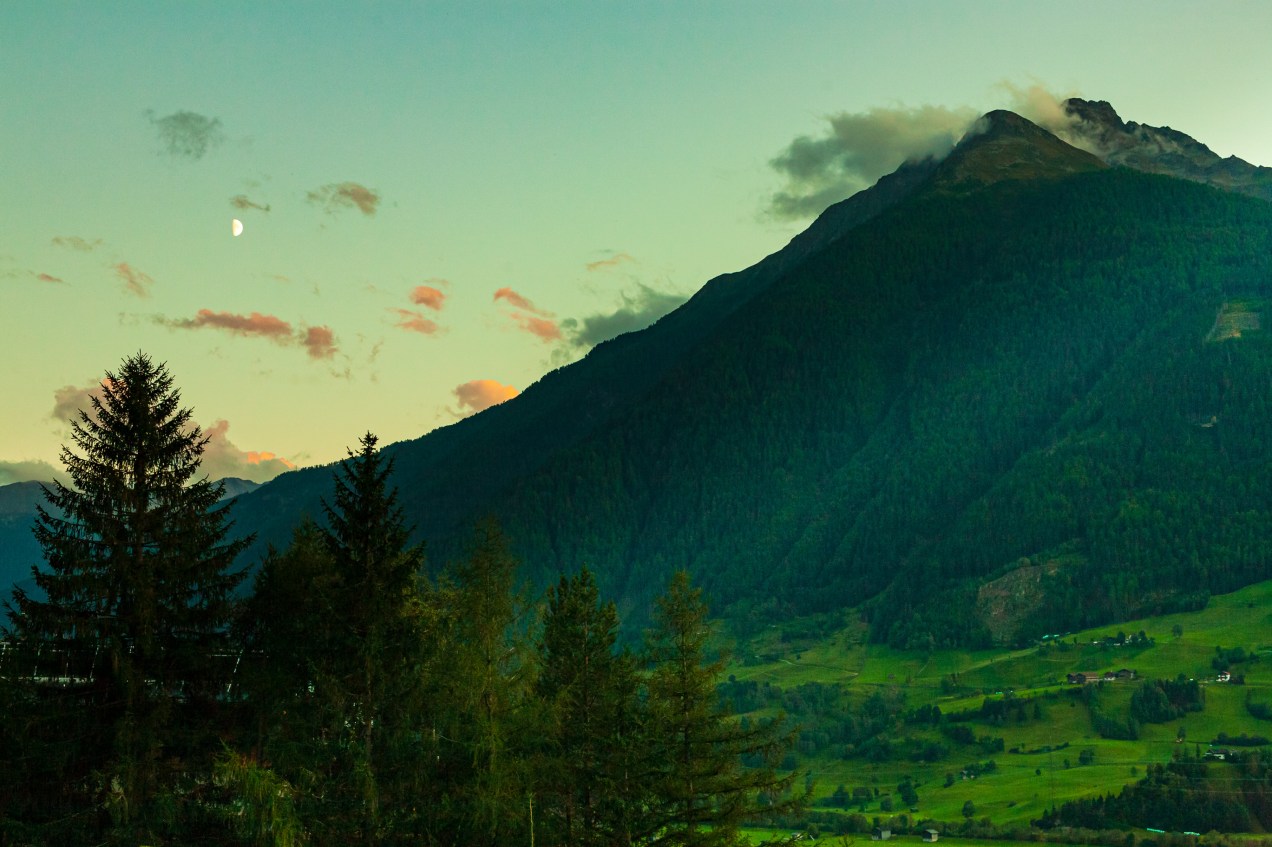
The moon rises in the sky as the night air stars to fill the valley. The last rays of sun can be glimpsed over the mountain peak, casting an orange glow on the clouds. 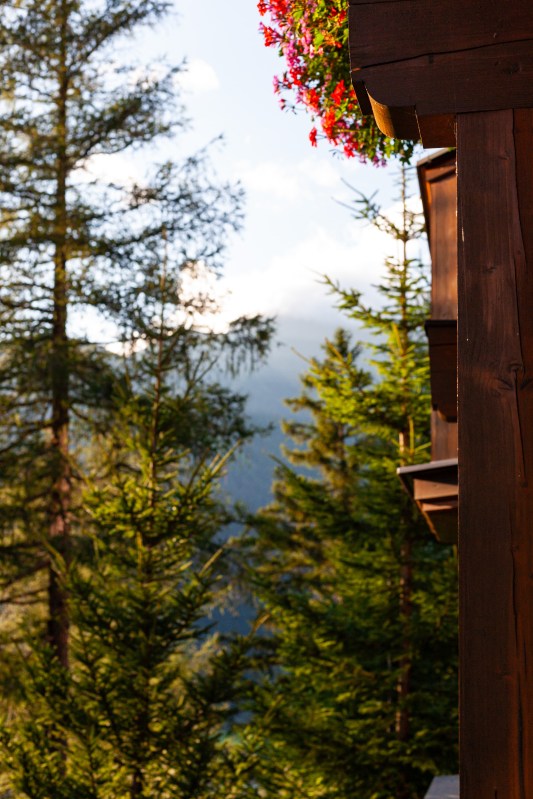
Matrei in Osttirol, Austria 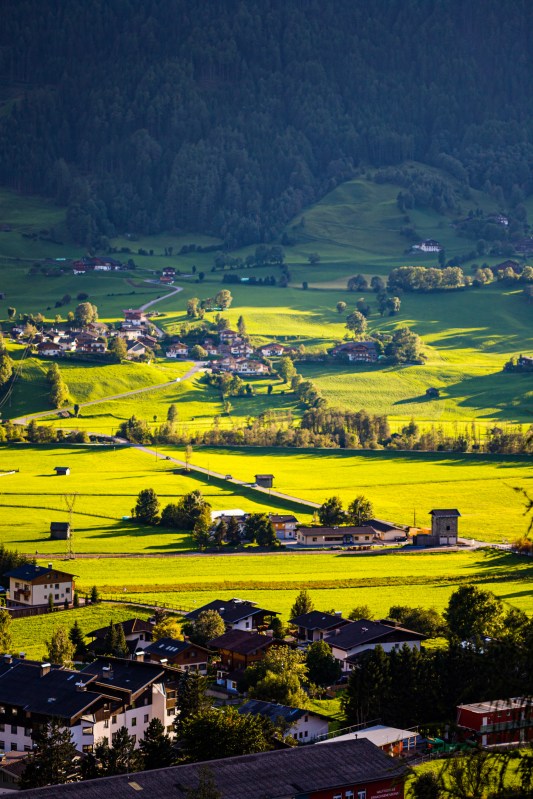
A view of the village of Matrei i.o. from the Hotel Goldried. 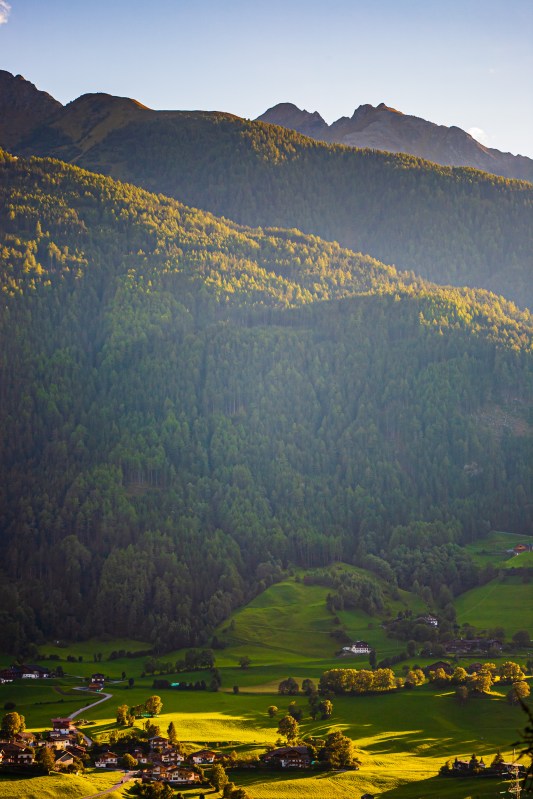
The evening sunlight casts long shadows in the valley of Matrei i.o. and its surrounding villages. Goldried Bergbahnen road, near Matrei, i.o. 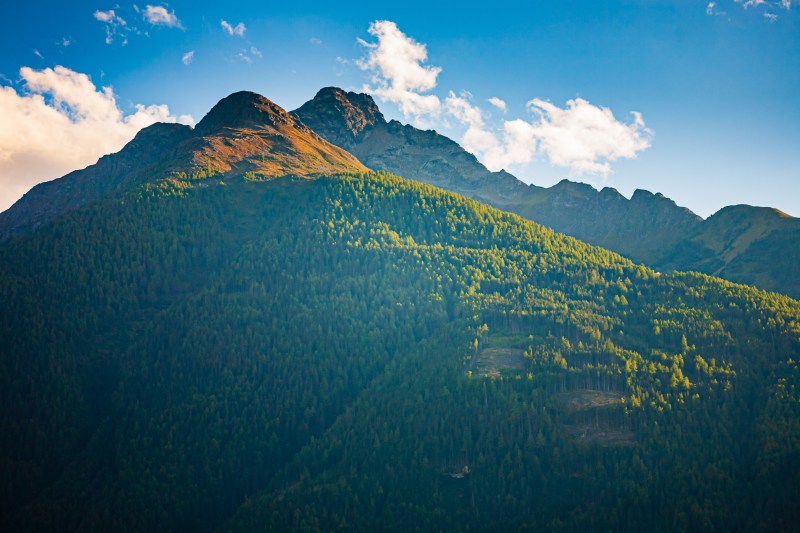
Matrei in Osttirol, Austria

