
I love macro photographs and I’m glad to see that you do as well, judging by the wild success of my last published set of photographs on this subject. So why don’t I give you more of what you want? 🙂











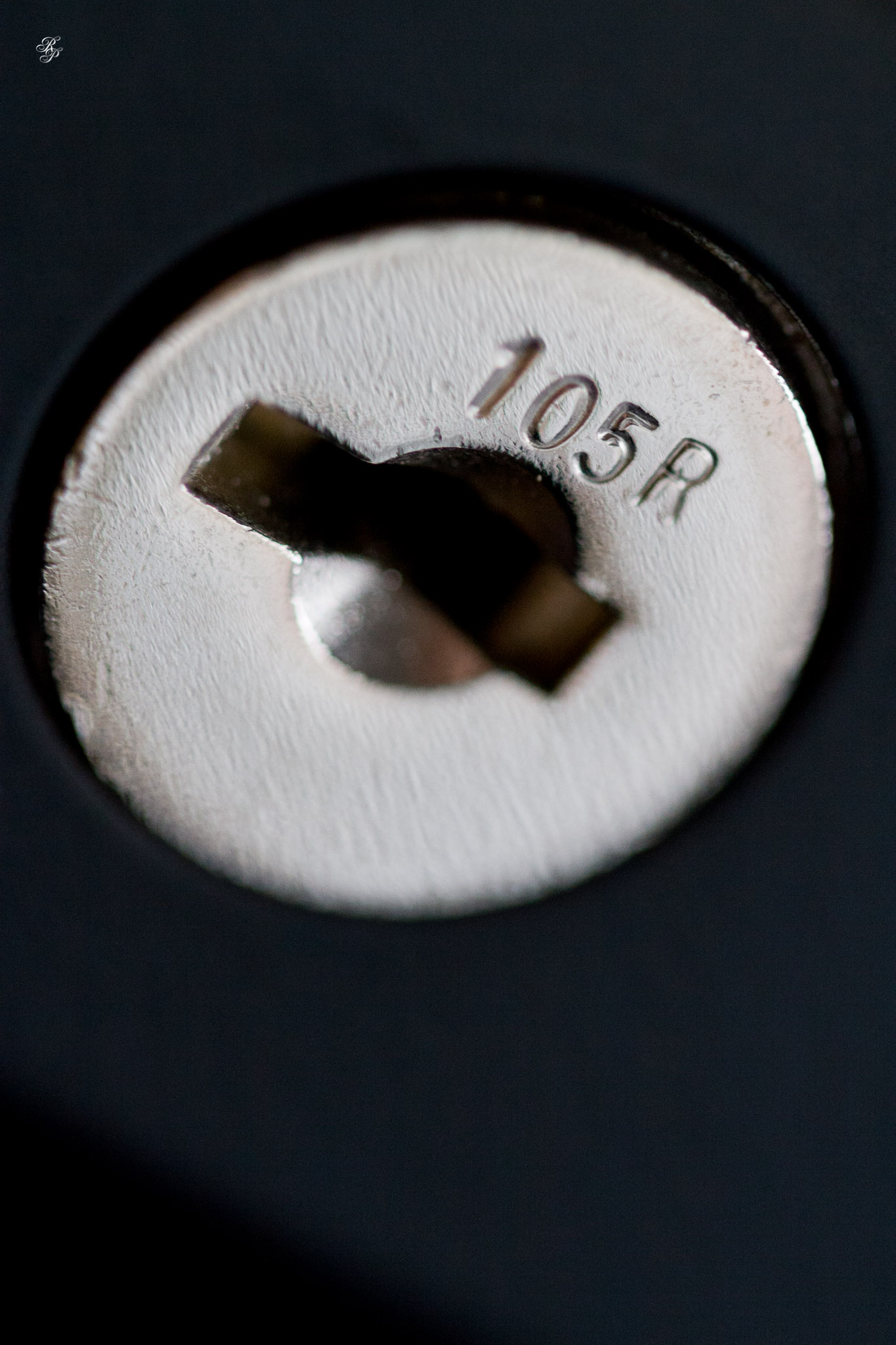





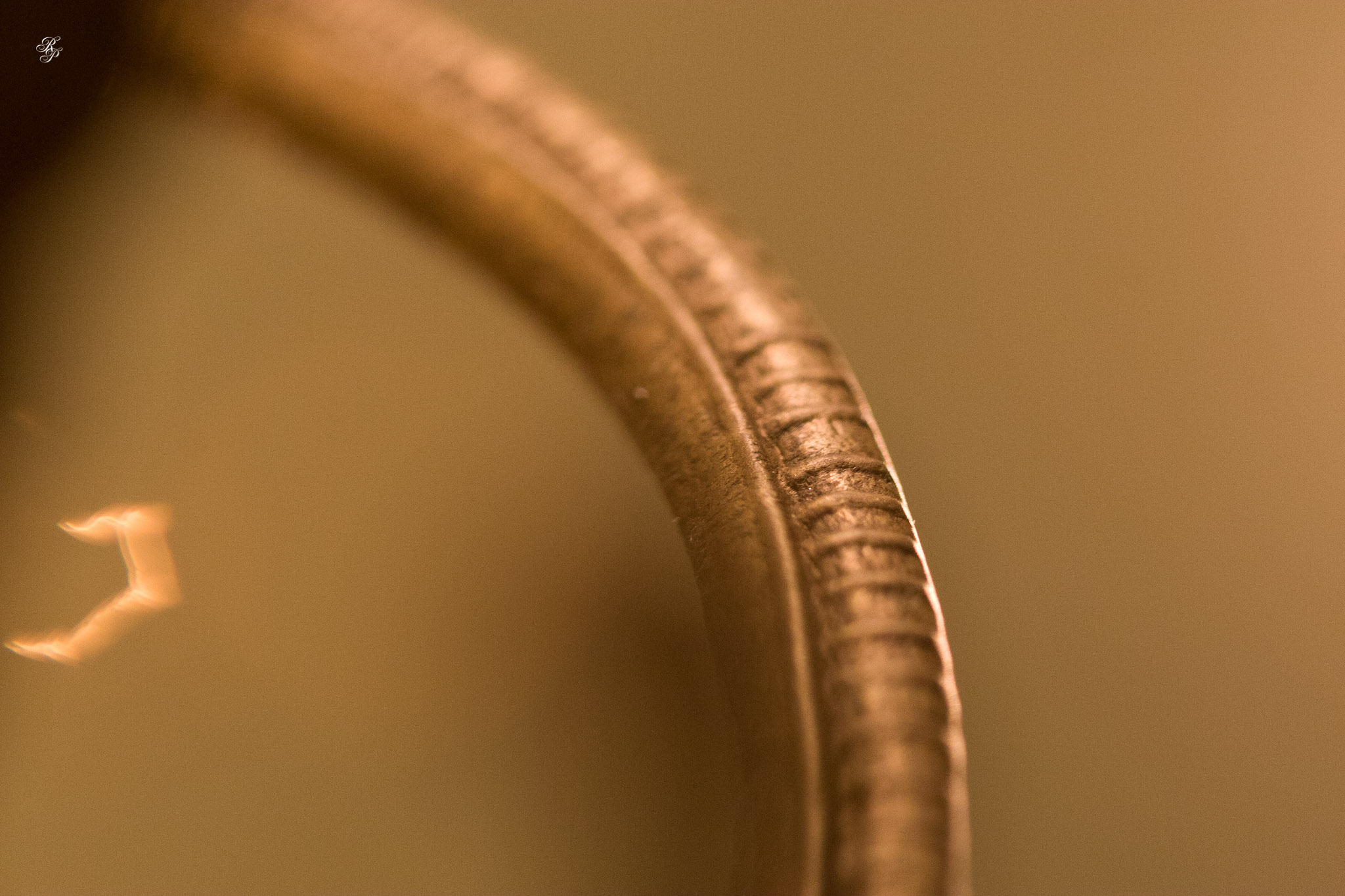



I love macro photographs and I’m glad to see that you do as well, judging by the wild success of my last published set of photographs on this subject. So why don’t I give you more of what you want? 🙂
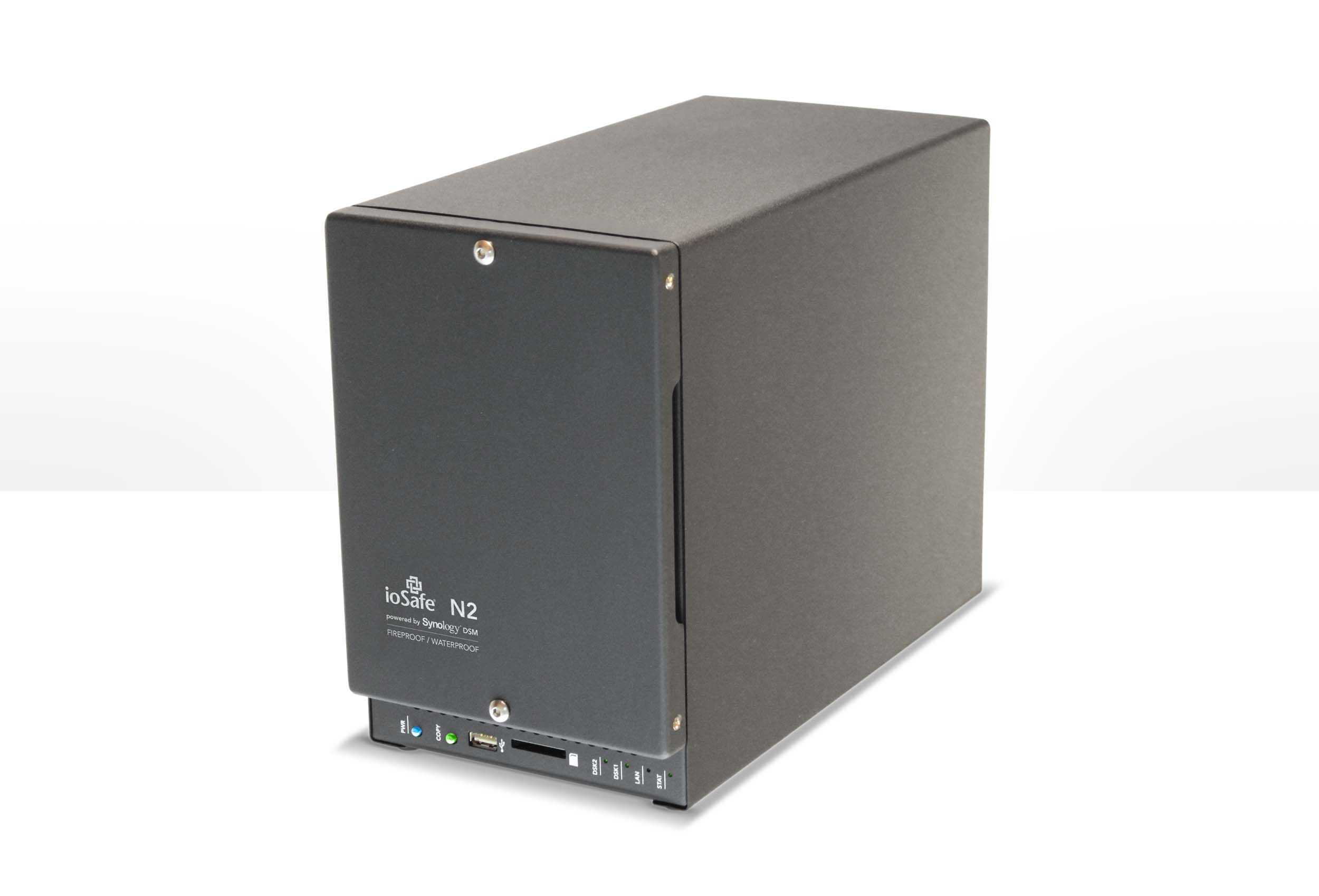
ioSafe, the company famous for its line of rugged external drives that can withstand disasters such as floods, fires and even crushing weight, has come up with a new product: the N2 NAS (Network Attached Storage) device.

The N2 device comes at the right time. The market for NAS devices is maturing and demand is growing. Western Digital has even come out with a line of hard drives, the WD Red, specifically targeted to NAS enclosures. To my knowledge there is no such other NAS device out there, so ioSafe’s got the lead on this.
The N2 appliance is powered by Synology® DiskStation Manager (DSM) and is aimed at the SOHO, SMB and Remote Office Branch Office (ROBO) markets.
The high performance 2-bay N2 provides up to 8TB of storage capacity and is equipped with a 2GHz Marvel CPU and 512MB of memory. The N2 uses redundant hard drives as well as ioSafe’s patented DataCast, HydroSafe and FloSafe technologies to protect data from loss in fire up to 1550°F and submersion in fresh or salt water up to a 10 foot depth for 3 days.
Features:
Hardware:
Support and Data Recovery Service (DRS):
Operating Environment:
Physical:
The N2 appliance is being brought to market with funding obtained through IndieGogo. I know it’s hard to believe it when you look at their products, but ioSafe only has about 20 employees. Sometimes they have to be creative in the ways they fund their R&D.
The ioSafe N2 will begin shipping in January 2013 and will be available in capacities up to 8TB. Introductory pricing for the ioSafe N2 diskless version is available for $499 on Indiegogo ($100 off the retail price of $599.99) if you want to get your own hard drives.
I’ve also written about ioSafe Solo, the ioSafe Rugged Portable and the ioSafe SSD devices.
We recently visited Lake Vidraru, located in Romania’s Carpathian Mountains, alongside the famed Transfagarasan Road. We hiked, drove off-road, went boating, visited nearby landmarks, so look for more photos in future posts, but in this post, I want to show you two time-lapse videos that I made using photographs taken during the trip. These are my first time-lapse videos, so it is a special occasion for me. I hope you enjoy them!
The first is a record of our boating trip on Lake Vidraru. It’s made up of 628 individual photographs, which I obtained by setting up my camera and tripod up on the bow of the boat, securing it to the mast with a rope and setting my remote to take photos every 10 seconds. It was a bit tricky to get the photos because the boat’s engine made the tripod vibrate quite a lot, plus I didn’t have a straight horizon line, because of the boat’s yawing. It required a bit of post-processing work but I think it came out alright.
The soundtrack is “Sonata No. 5 in E minor – IV Allegro” by Vivaldi, interpreted by Keith Lewis on the cello and Carol Holt on the harpsichord. It is public domain, available from MusOpen.
The second video came out much better, mainly because I had a steady surface on which my tripod could sit (that’s really key in time-lapse photography). It shows landscapes of Lake Vidraru, recorded over the course of three days from the vantage point of the Valea cu Pesti Hotel, which overlooks it. It’s made up of 1,920 individual photographs, taken at 5, 10, 20 and 30 second intervals.
The soundtrack is “Piano Concerto No. 3, Op 37, 1st Mvt” by Beethoven, interpreted by the Davis High School Symphony Orchestra. It is also public domain, available from MusOpen.
As we near the autumn of 2012, our thoughts turn inward. We think of colder times ahead and we just want to curl up with a book and a nice cup of tea — or look at memories from bygone years, like photos from the autumn of 2005, taken seven years ago. Most of them were taken in Grosvenor Park, a nice, quiet community in Maryland where we were living at the time. You’ll see Ligia in a few of the photos, sitting quietly at the edge of a pond where ducks were getting ready for their annual migration.








Nowadays, when we rarely pop open the hoods of our cars on our own, and the only things we usually worry about are putting in the gas and taking them to the dealer or the mechanic for their scheduled maintenance, we can hardly fathom what goes on inside those modern engines.
This wonderful video, made in 1937 by Chevrolet, shows how a typical engine was lubricated and is guaranteed to amaze you. I bet you had no idea that an engine we think of as primitive, given its almost 100 years of age, is so complex.
At the same time, the video will give you a new appreciation for what goes on inside your car’s engine. I bet it’s even more complex now.
Are you inclined to take your car for granted now? It is a marvel of modern engineering, isn’t it?
If you’d like to see more videos like these, subscribe to the US Auto Industry channel on YouTube.

