A Guide To A Good Life

Shaving: art versus design versus profit

Where’s the art?

When I think of shaving razors currently on the market, I think of cartoon fights where everyone pulls out a bigger gun. Razor companies are constantly trying to outdo each other with more blades. If it’s not the blades, then it’s a “microcomb”, or a vibrating handle… which brings all sorts of other imagery to mind, the kind that has nothing to do with shaving, unless you’re into weird fetishes.

It’s the same kind of approach that software companies use these days. Their code gets so bloated, because they never take the time to clean it up, that all they can hope for is that hardware manufacturers can throw more RAM and MHz at the problem so they don’t have to optimize their code. Apple took a different approach with the Snow Leopard operating system: they took almost a year to clean it up, throwing out the junk. That’s why I admire Apple.

Made better through improved design? Not really.

On the other hand, companies like Gillette and their competitors lost sight of the art of shaving and figured everyone was a nitwit who couldn’t learn to shave properly and couldn’t take care of their razor, so they overdesigned their razors for the lowest common denominator. In the process, the razor became a plastic toy, not a tool, a crappy little thing you throw away instead of something you respect and maintain, because it keeps you looking civilized.

Designed for profit? Thank you sir, may I have another?

Because it became a throw-away toy, their profit margins increased. Because the razors no longer lasted a lifetime, they could sell more of them. You just look down the line of razor models from the Gillette over the years, and you’ll see they get more and more plasticky, with less metal parts. If they have metal in them, it’s not in the head (certainly not where the cartridges attach to the handle); that part needs to be plastic so it breaks after a while.
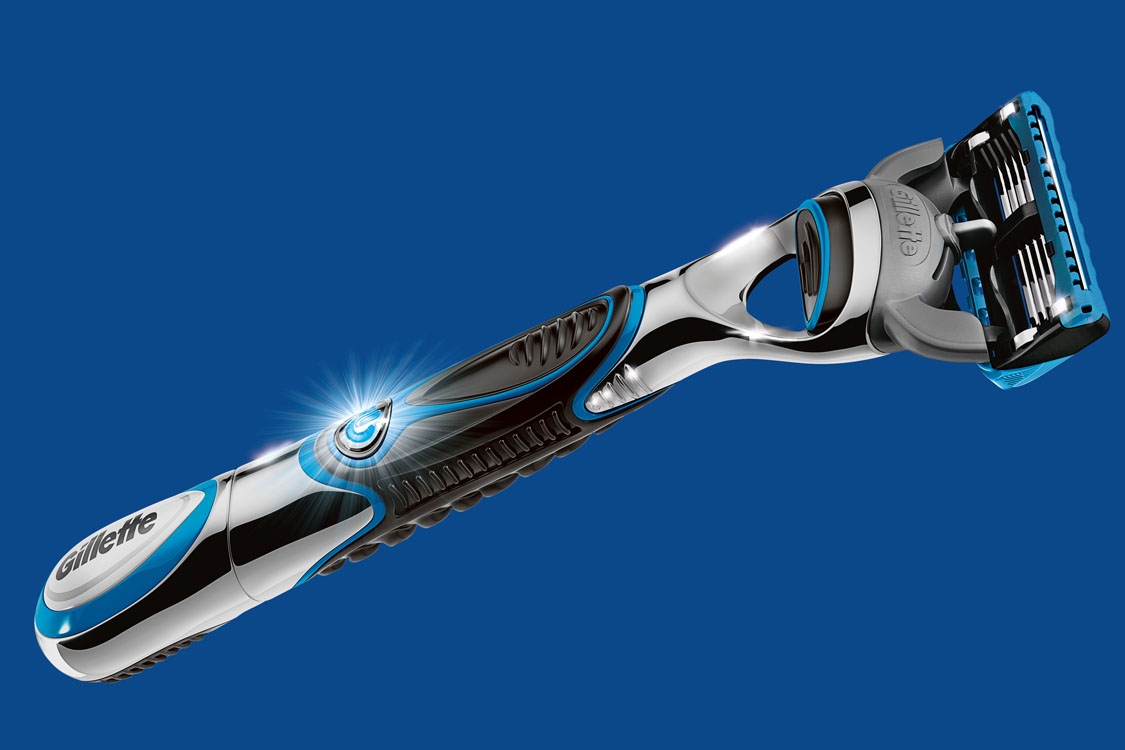
Don't let its flashy looks fool you. It just can't compare to a good safety razor.

The cartridges have started to cost more as well. A pack of eight cartridges for the Gillette Fusion ProGlide razor (the latest flashy gimmick from Gillette) runs about $30 at Amazon. That’s $3.75 per cartridge, and from my experience, they last about 3-4 shaves. By contrast, a pack of 60 assorted safety razor blades costs $18. That’s 30 cents per blade, and they last about 6-7 shaves. (By the way, I’d recommend that pack for those learning to shave with a safety razor, because it’ll let you try different brands to see which blades work best for your face.)
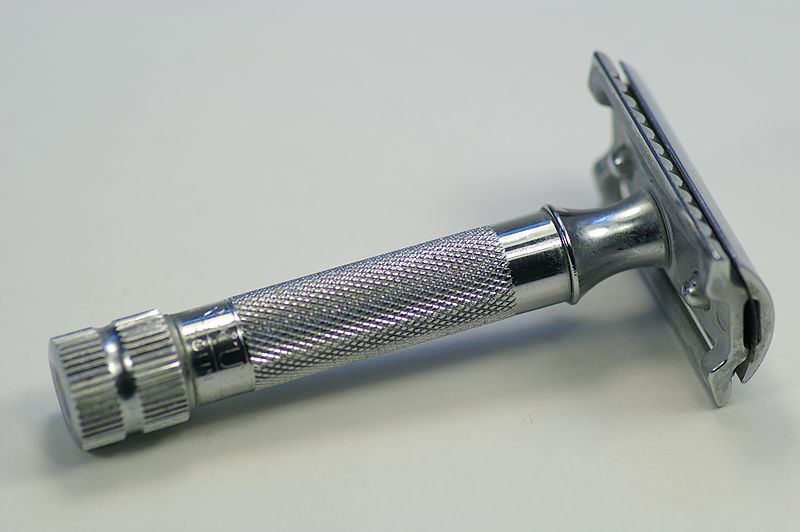
The real deal.

Wait, it gets worse

They also polluted the environment with all that disposable plastic crap. Now you throw away the razor, not just the blades. And the blades aren’t just steel, which is perfectly recyclable, but they’re plastic and metal, which is annoyingly difficult to recycle, because you need to separate the two materials from each other, and it’s just not worth the trouble.

It’s such a shame. I used to admire Gillette about 10 years ago, before I got disappointed with all the stuff they’re doing these days. I still shave with a classic Gillette Safety Razor, pictured below. I still keep my grandfather’s Gillette Heavy Duty Safety Razor, and plan to use that when my own breaks down. Things used to be simple and beautiful. Where did they go wrong?
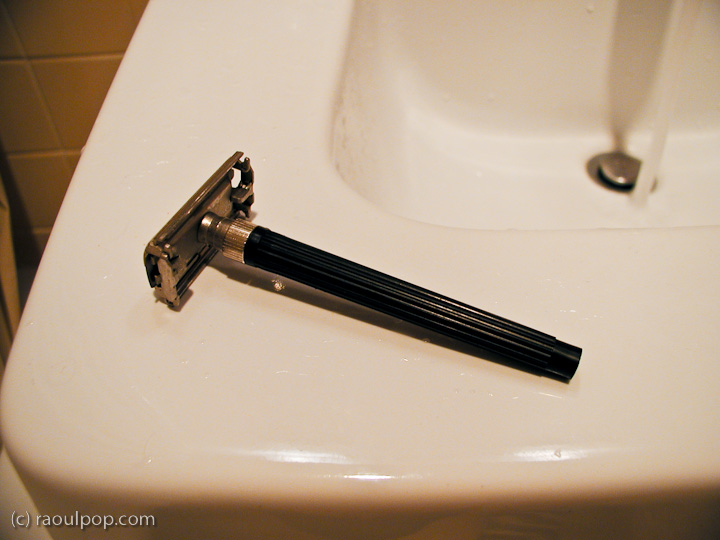
The classic Gillette safety razor.

If you’d like to learn how to shave properly, check out my wet shaving guide. And there’s also a video, embedded below.

Image of ProGlide Razor courtesy of Gillette. Image of Merkur Heavy Duty Safety Razor courtesy of Wikipedia.

Standard
Reviews

Once again, Apple design is best

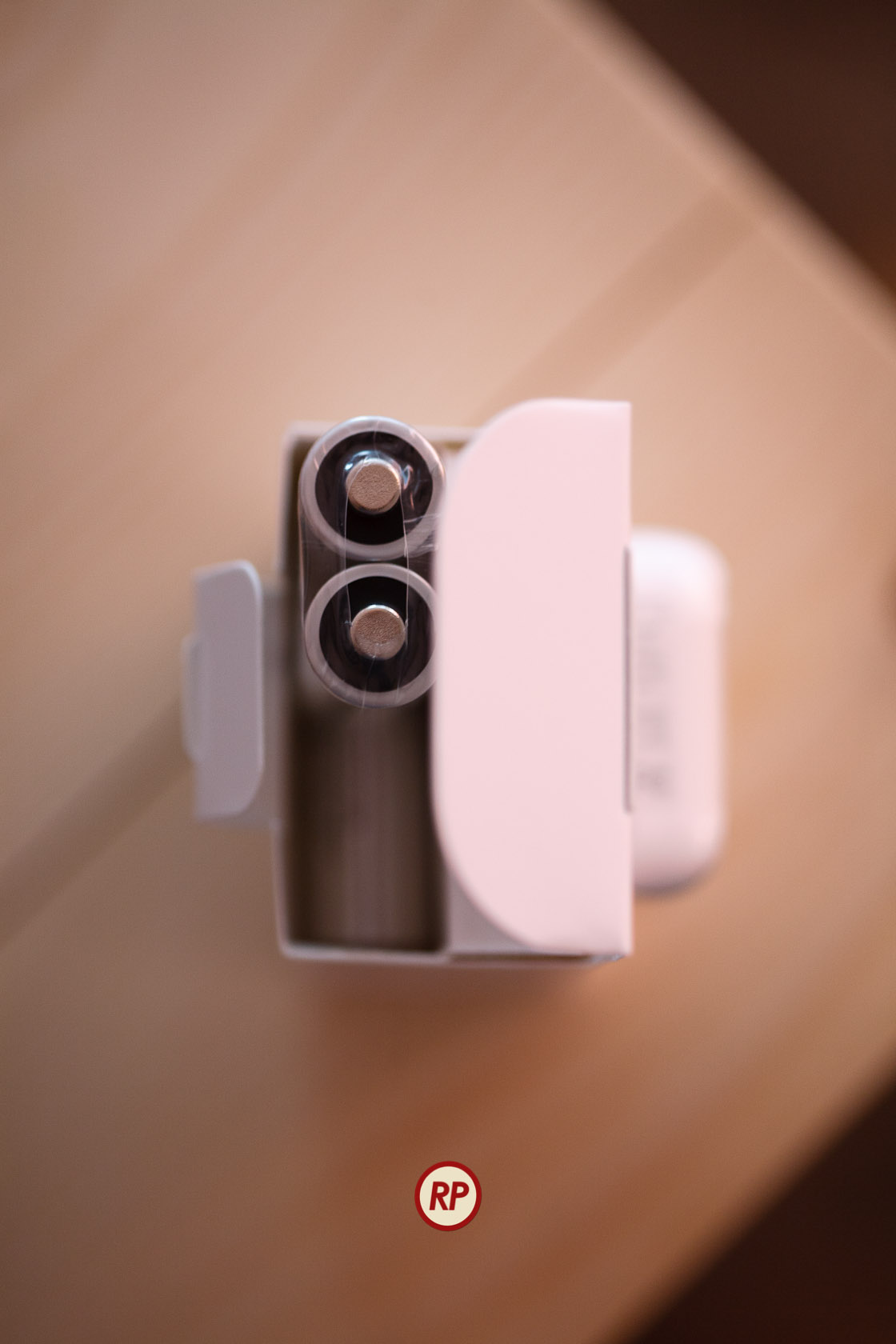
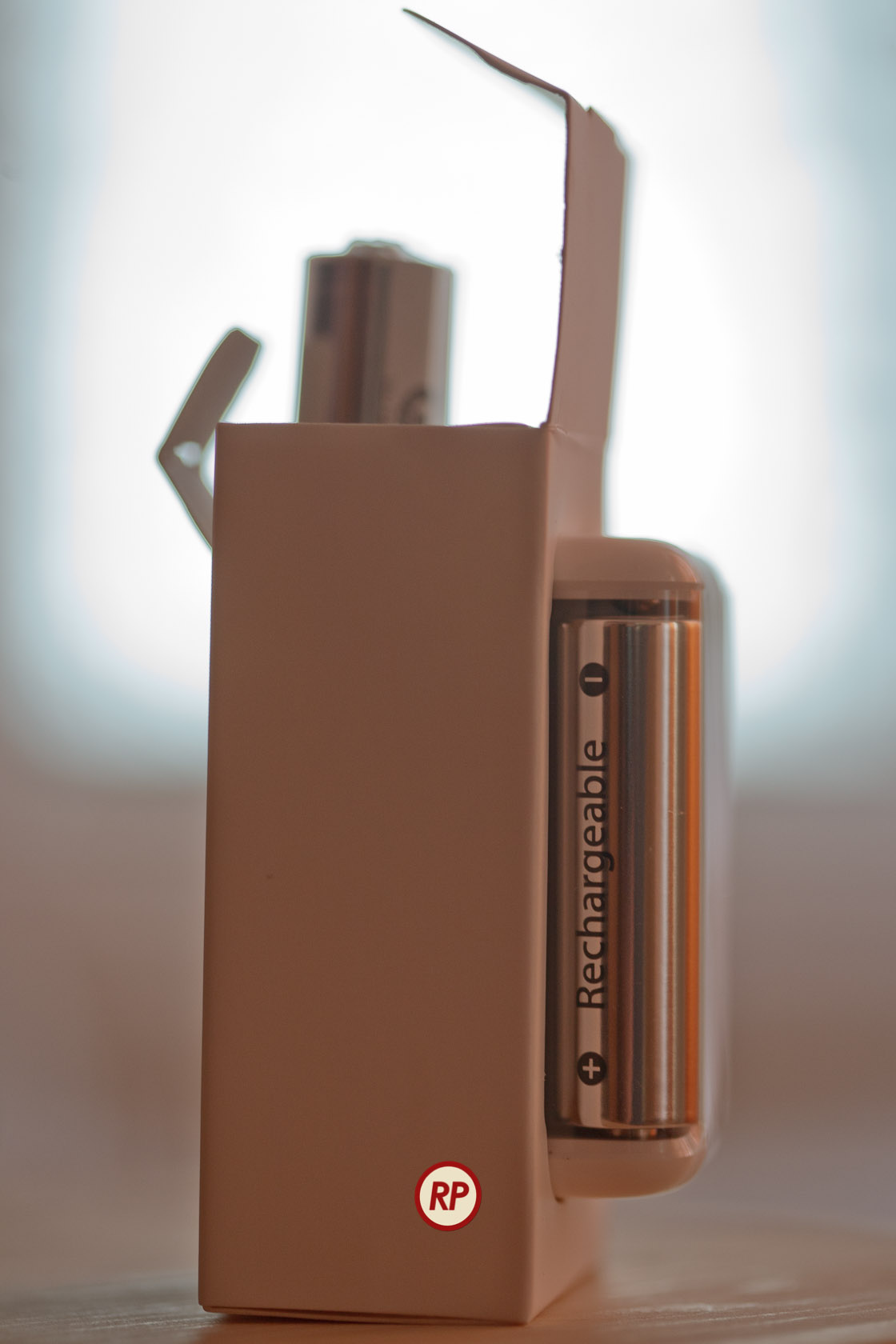
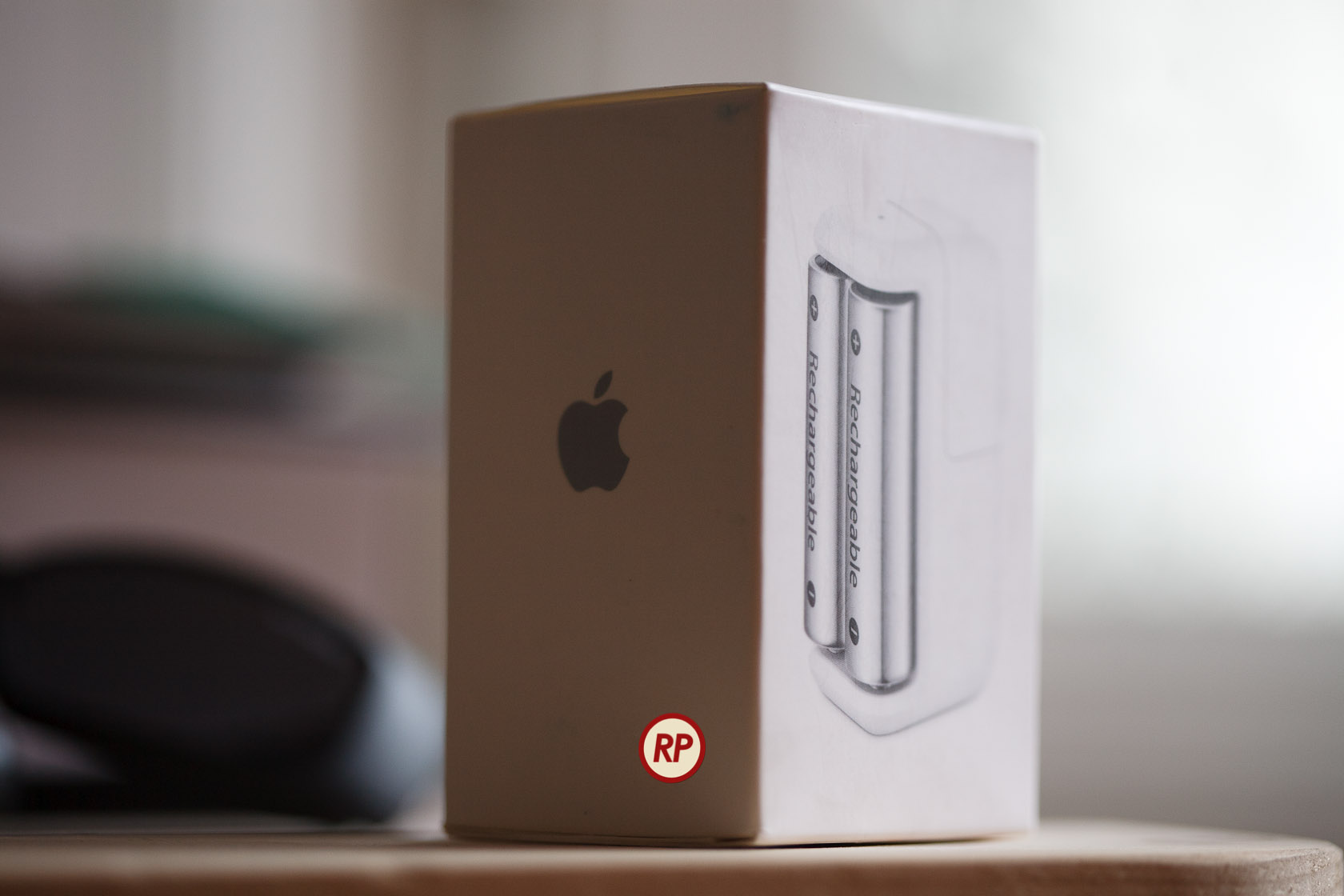
I recently bought an Apple Battery Charger. It’s a diminutive device that charges two batteries at a time, within a few hours, and it comes neatly packaged in a paper box that can be easily opened. It does NOT come in that filthy plastic packaging that cuts you when you try to open it and takes up extra space. It comes in a rectangular package that can be stacked perfectly in boxes, taking up less space during shipping, storage and on retail shelves.

Now why can’t other companies do this? Why can’t they have smart design, instead of wasteful, stressful design? Have you taken a look at your battery charger lately? I have four other battery chargers from three different companies, and none of them are as well designed and thought out as the Apple battery charger.

It is clear to me that a lot of thought went into the design of the charger and of its packaging, much more thought than has ever gone into the design of another battery charger on the market. Somehow, Apple was able to fit the charger and six batteries into that little box.

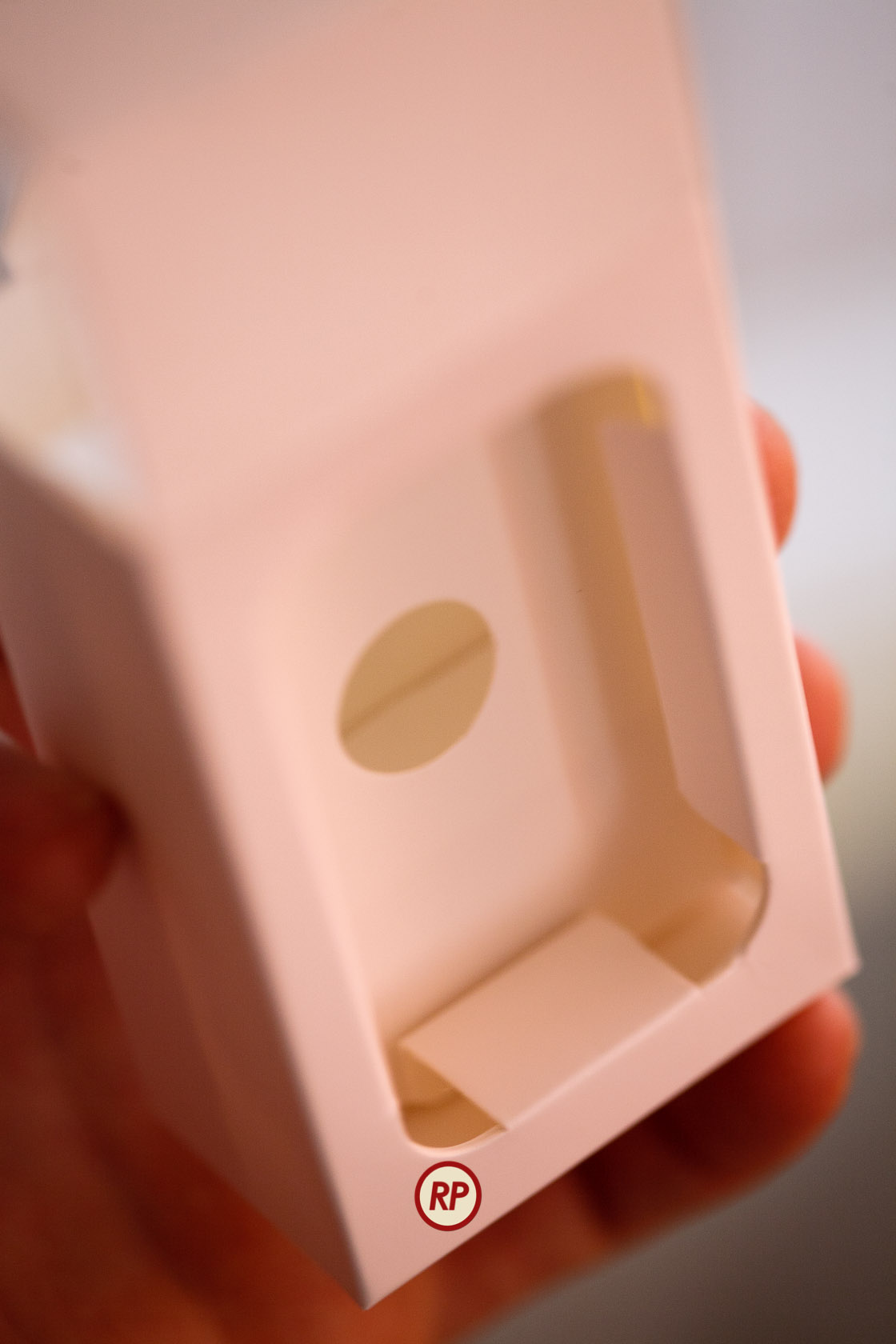
Not only that, but there’s even a bit of empty space left inside, which was thoughtfully filled with a fold of the paper package, to ensure a snug fit for the batteries. Look through the round opening in the middle wall to see the top of the paper fold.

Did I mention the Apple Battery Charger works on both 120V and 220V current? How many other battery chargers do this? I brought a few chargers with me from the States, and they’re useless to me in Romania without a converter. Similarly, I bought a charger here, and it’d be useless to me back in the States, because it only runs on 220V current.

Once again I have to ask — why can’t other companies do this? I can’t help but admit out loud that almost anything else on the market appears crude when compared to Apple. It’s fascinating how much of an anomaly Apple is when you look at it this way.

Standard
Thoughts

Java finally acknowledges upgrade issues

Not sure how many of you have been aware of this, but Java upgrades over the past several years have been problematic for Windows users. When a new version of Java came out, the installer would prompt you to upgrade, but would never prompt you to remove the old version, or do it for you. In my work, I’d see computers with as many as 10-12 different versions of Java on them. The user, unaware of the messiness built into the Java upgrade, would leave the old versions on their machine, and they’d keep piling up. You could see them in the Add/Remove Control Panel, but how many people know how to look there, and how many know that it’s okay to remove old versions of Java?

So I was heartened to see that Java is finally acknowledging the problem with old Java versions sitting on Windows machines, and is now prompting users to remove them after installing the new version. See the screenshot below.

Ideally, their upgrade engine ought to remove them for the user, but at least this is a step in the right direction. And to think that Java is being used everywhere these days (even where you don’t want it), and it took all this time for them to straighten out the upgrade issues. It’s a bit shameful if you ask me.

Standard
Reviews

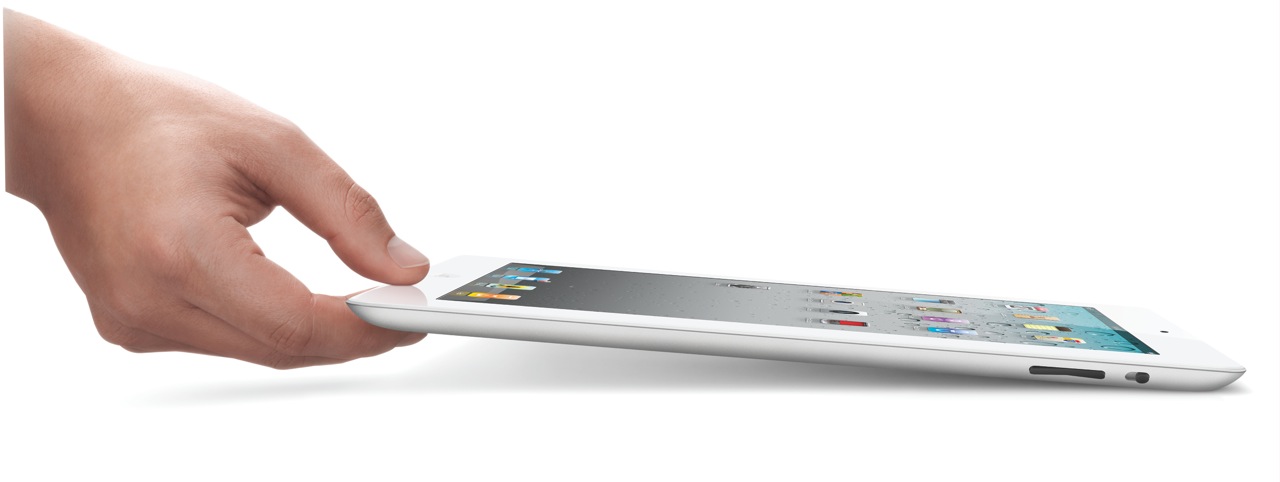
Hardware preview: Apple iPad 2

Apple iPad 2

The new iPad 2 will become available on March 11th (see a neat video from Apple introducing it). In my post about the original iPad, I said the following:

“In spite of the failures of their predecessors, I think Apple will pull this off. I think the iPad will be very successful.”

I’m glad to see that I was right. Not that I had anything to do with the success of the device. The credit goes entirely to Apple, and to the people who bought it and used it so well.

I got to watch the March 2 keynote today (a few days later). Much to my surprise, Steve Jobs was on stage to present it. I was very glad to see him able to stand up and hold a meeting, given all the tabloid rumors about him — though I have to say he was skinny as a board. Thank goodness he’s still around. I hope he gets better, and continues to be around for a few more decades.

Here’s a quick summary of the salient features of the iPad 2:

  • 33% thinner than the original iPad (0.34″), and lighter (1.33 lbs)
  • Comes in both black and white finishes
  • Dual-core A5 chip, up to 2x faster
  • Graphics are up to 9x faster
  • Same great 10-hour battery life
  • Same 1024×768 display
  • 2 cameras (front and back) for video or photos, in HD
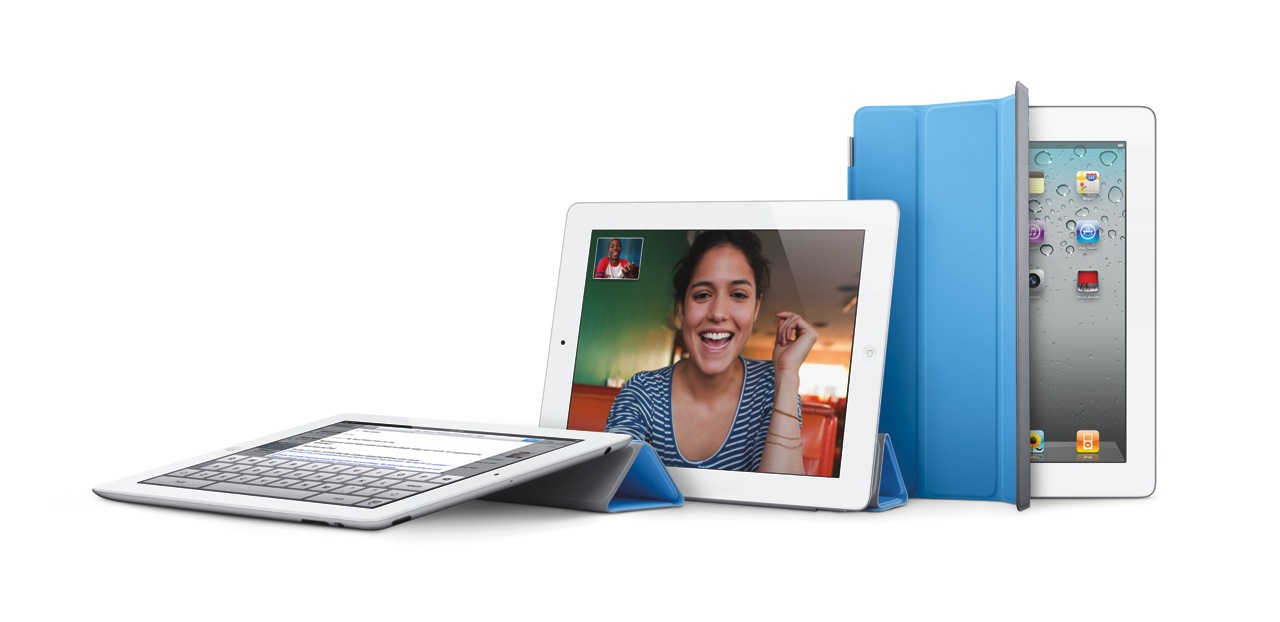
  • Magnetic smart cover designed specifically for it
  • Instant on
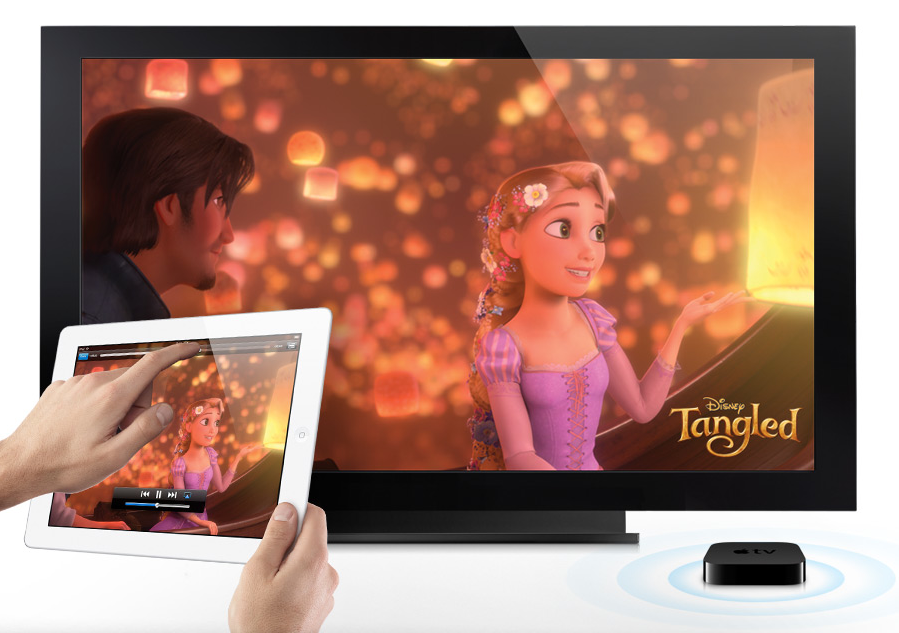
  • AirPlay to your TV via Apple TV
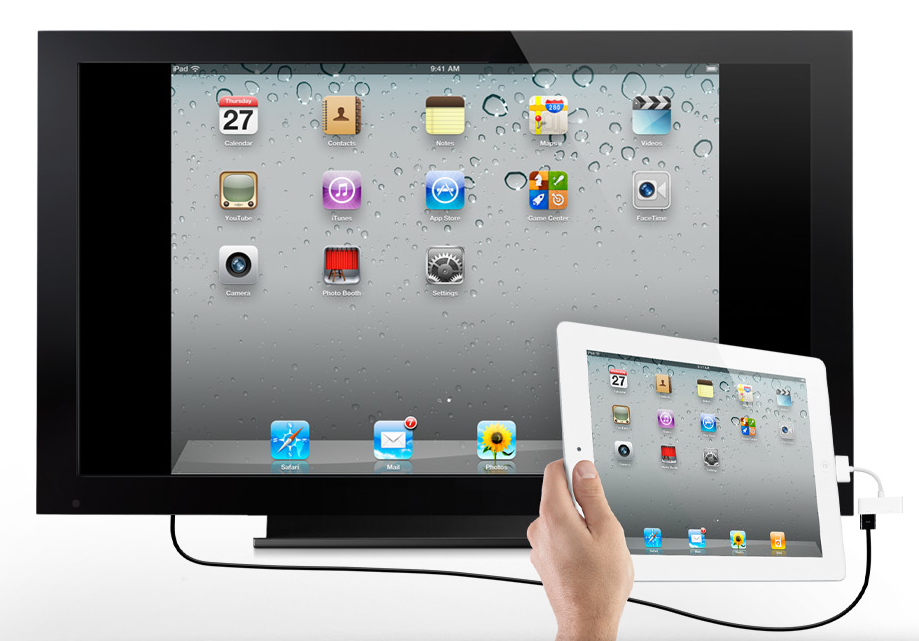
  • Video mirroring (up to 1080p) via $39 cable
  • AirPrint

My only disappointment with the iPad 2 is that it doesn’t have a Retina Display. Word on the grapevine is that they’re still difficult to make in that size. Who knows… It would have been nice if this iPad had it. Still, I believe iPad 3 will have a Retina Display.

iPad 2 Measurements

iPad 2 A5 Chip

I am however very glad to see that the iPad 2 does have a video camera — and not just one, but two. In my review of the original iPad, I said this:

“It’s very likely the next gen iPad will have a video camera, and it will have iChat as well.”

Glad to see I was right on that count as well. It was, after all, a logical step.

Facetime on iPad 2

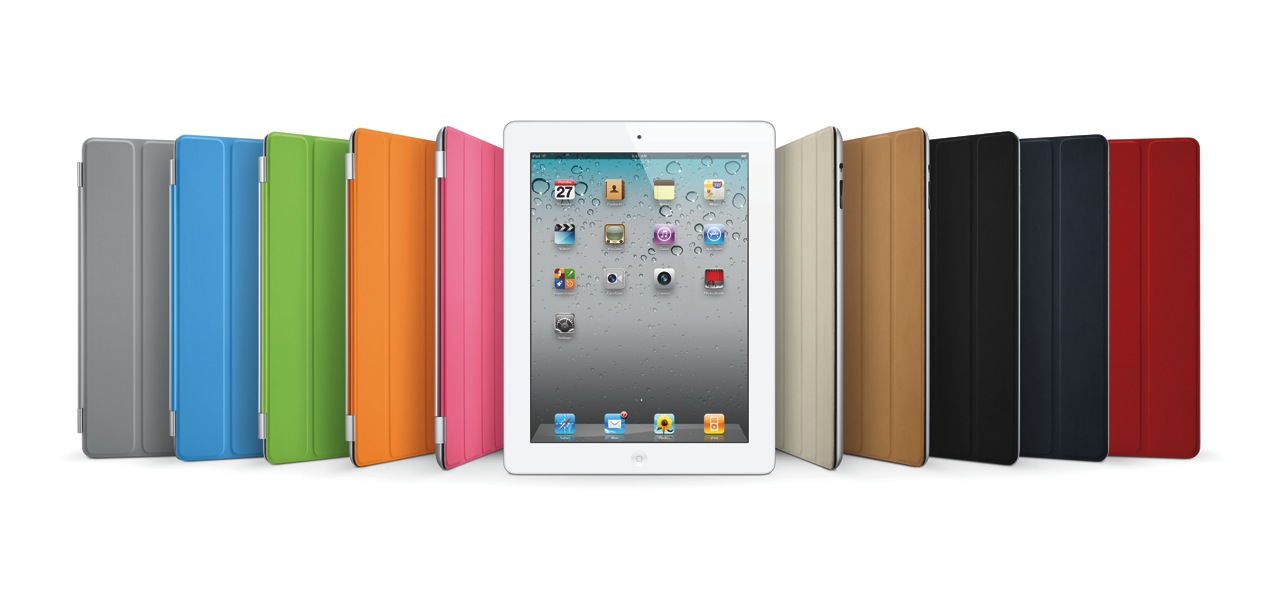
iPad 2 Smart Cover Line-up

Smart Cover for iPad 2

There are some new accessories for the iPad 2, which will be offered in addition to the ones designed for the original iPad.

  • The Smart Cover, naturally, which comes in 10 colors, 5 of them polyurethane and 5 leather, as seen above (see the Smart Cover in action in this video)
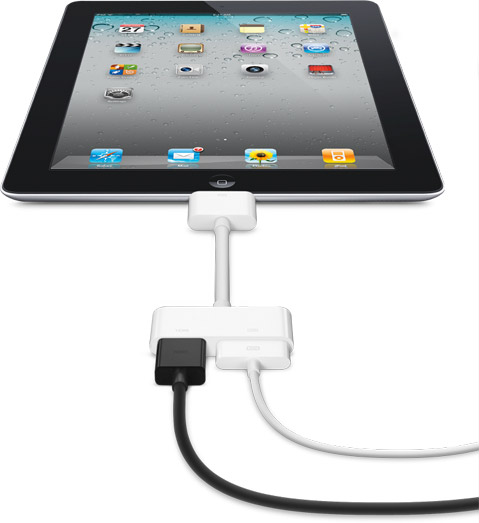
  • The Digital AV Adapter provides an HDMI-out port with video and audio routed to it, in addition to a 30-pin connector which lets you charge the iPad while playing content to an HDTV
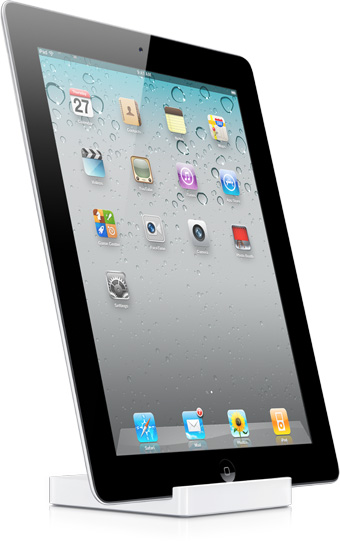
  • The iPad 2 Dock is designed for the thinner iPad 2, and also works with Digital AV Adapter

iPad 2 Dock

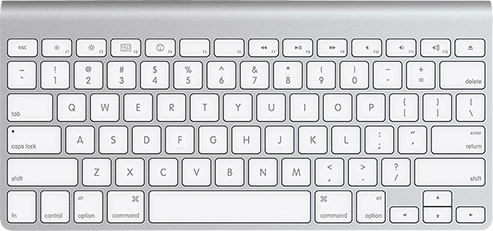
Of course, given that the iPad has Bluetooth, you can stick it in a dock and use the Apple Wireless Keyboard to type on it.

Apple Wireless Keyboard

The Smart Cover is so nicely designed.

iPad 2 Smart Cover (1)

iPad 2 Smart Cover (2)

iPad 2 Smart Cover (3)

The Digital AV Adapter will make it so easy to display content from the iPad on an HDTV.

iPad 2 Digital AV Adapter

iPad 2 Video Mirroring

iPad 2 Airplay

The iPad 2 will come in 16GB, 32GB and 64GB models, as well as WiFi-only or WiFi+3G (GSM or CDMA) models. My guess is that iPad 3 will have a combined 4G GSM/CDMA chip, eliminating the need to offer separate 3G models. The pricing grid for the various models (there are 18 possible models, given that there are two color finishes and two 3G providers), goes as follows:

  • WiFi-only: $499/16GB, $599/32GB, $699/64GB (black or white finish)
  • WiFi + 3G: $629/16GB, $729/32GB, $829/64GB (black or white finish, AT&T/Verizon)

Images used courtesy of Apple Computer, Inc.

Standard
Lists

Three cool jacket designs

Here are three innovative jacket designs.

Jacket with inflatable hood by Rahel Ritchie

Not yet in production, but I think it’s very cool. It’s got a built-in pillow so you can sleep while traveling.

jacket-with-inflatable-hood-1

jacket-with-inflatable-hood-2

jacket-with-inflatable-hood-3

[via LikeCool and Rahel Ritchie]

RuckJack

“Rucksack? Jacket? You decide.” Another neat convertible jacket design, this one turns into a rucksack, and it’s not expensive. Price is between £46-56.

ruckjack

[via LikeCool]

Vessel 3-in-1 jacket by Justin Gargasz

This innovative jacket is not only a backpack but also a tent!

vessel-3-in-1-jacket-1

vessel-3-in-1-jacket-2

vessel-3-in-1-jacket-3

[via The Design Blog]

Standard