Places

Sighisoara: off the beaten path

This Labor Day, we drove into Sighisoara and we decided to see it differently from the way most of its visitors see it. The typical route is to park at the bottom of the hill, walk up the stairs, see the clocktower, tour the piazza, buy some trinkets and go back down…

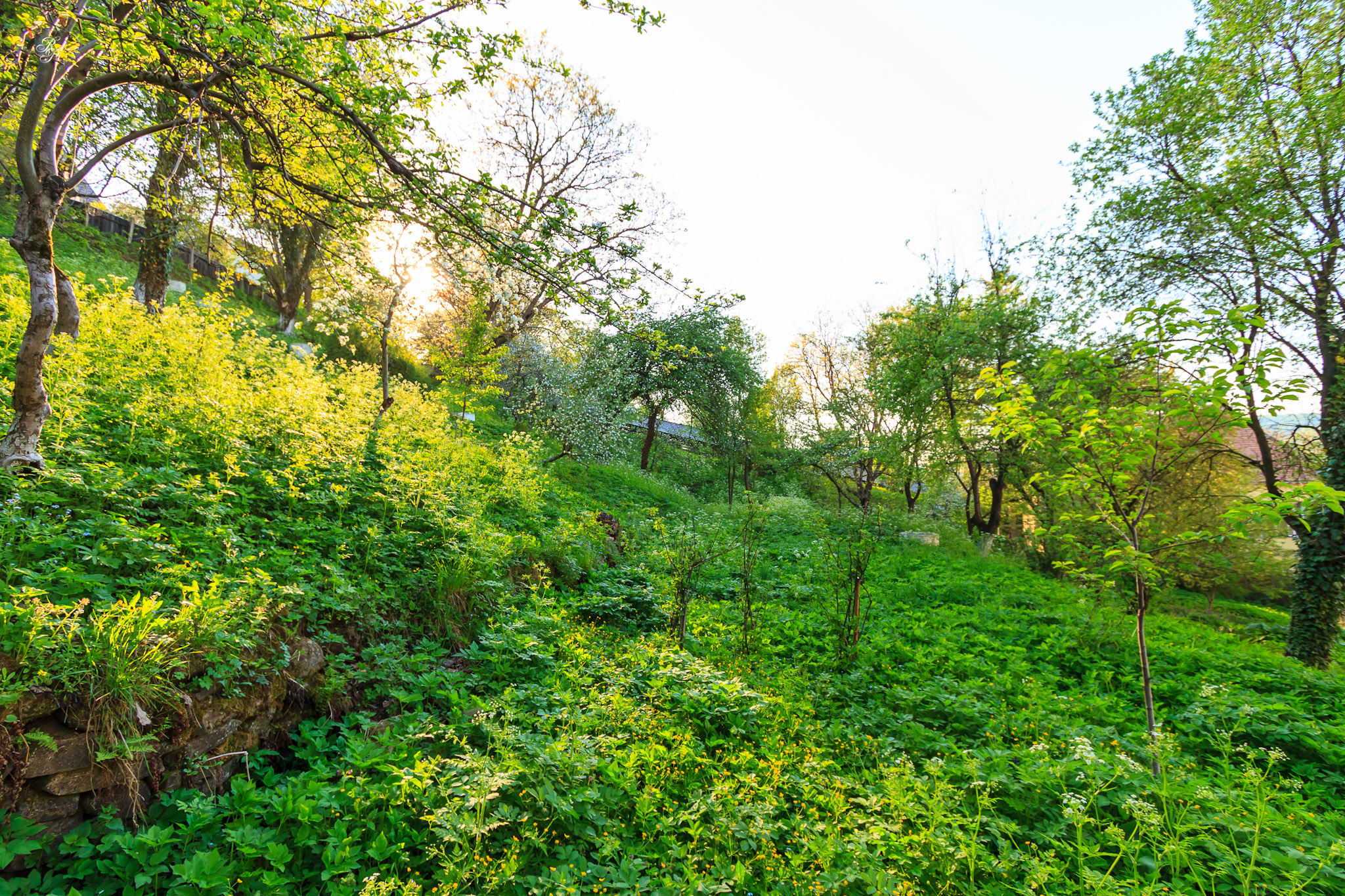
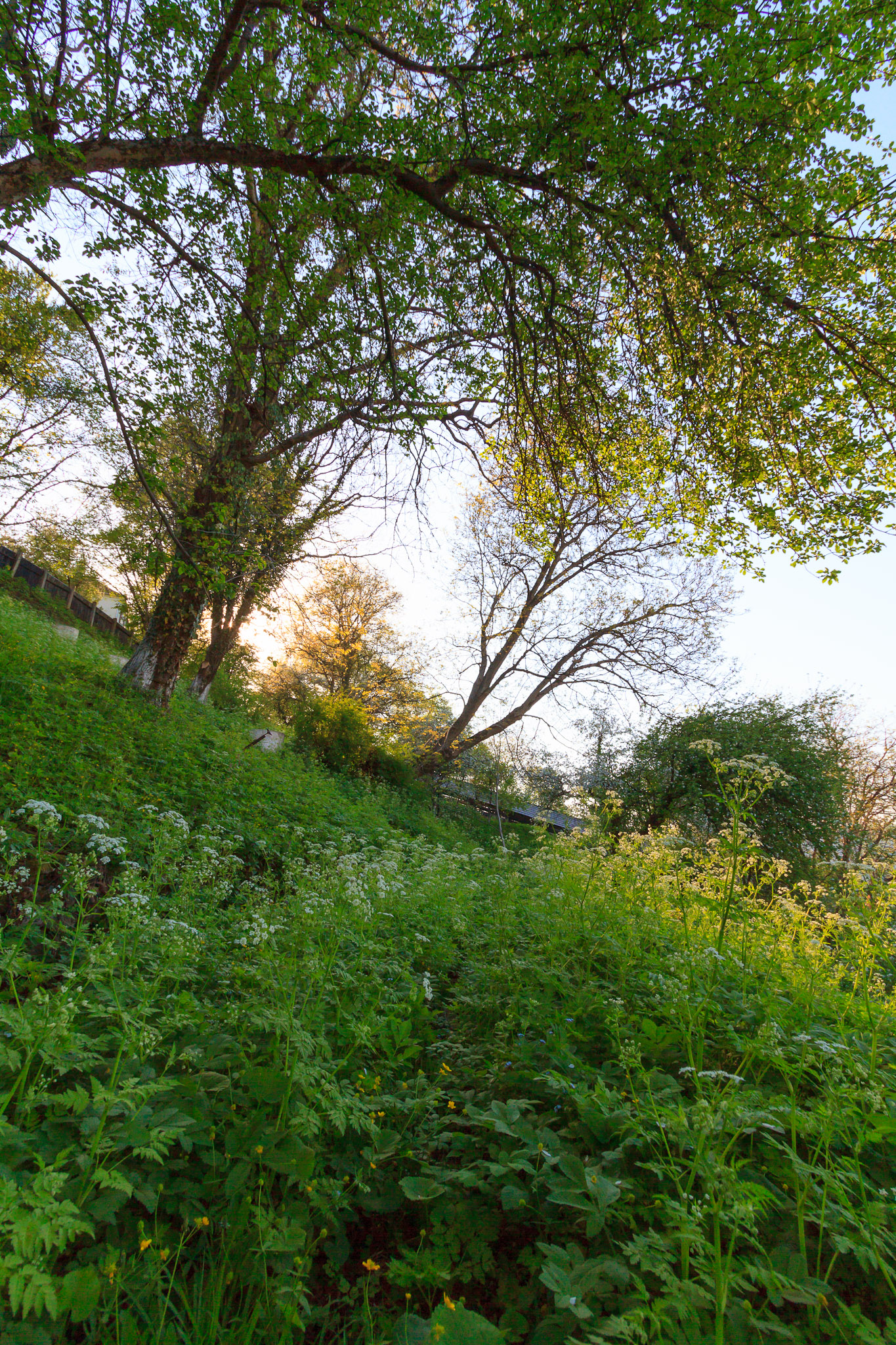
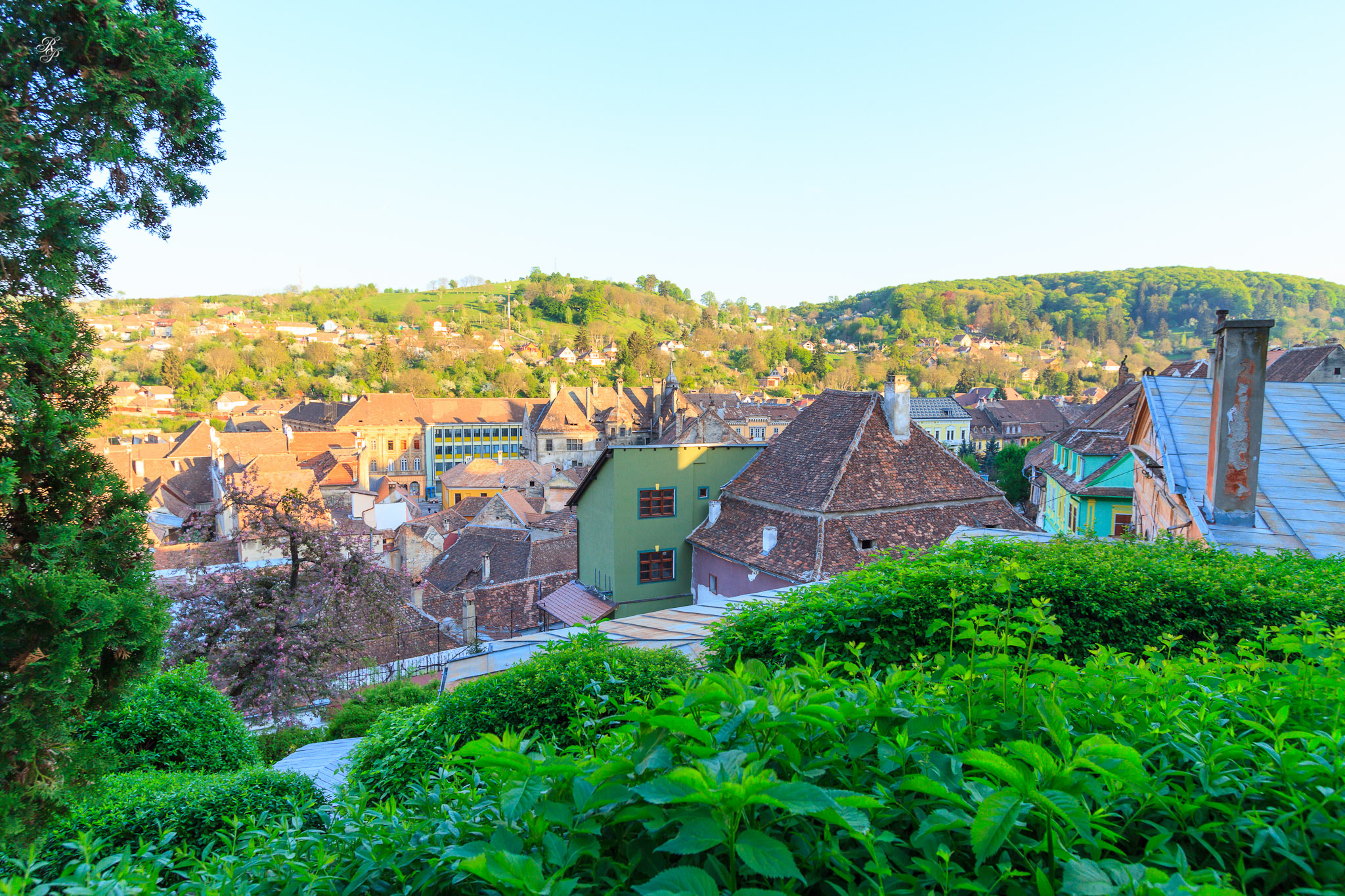
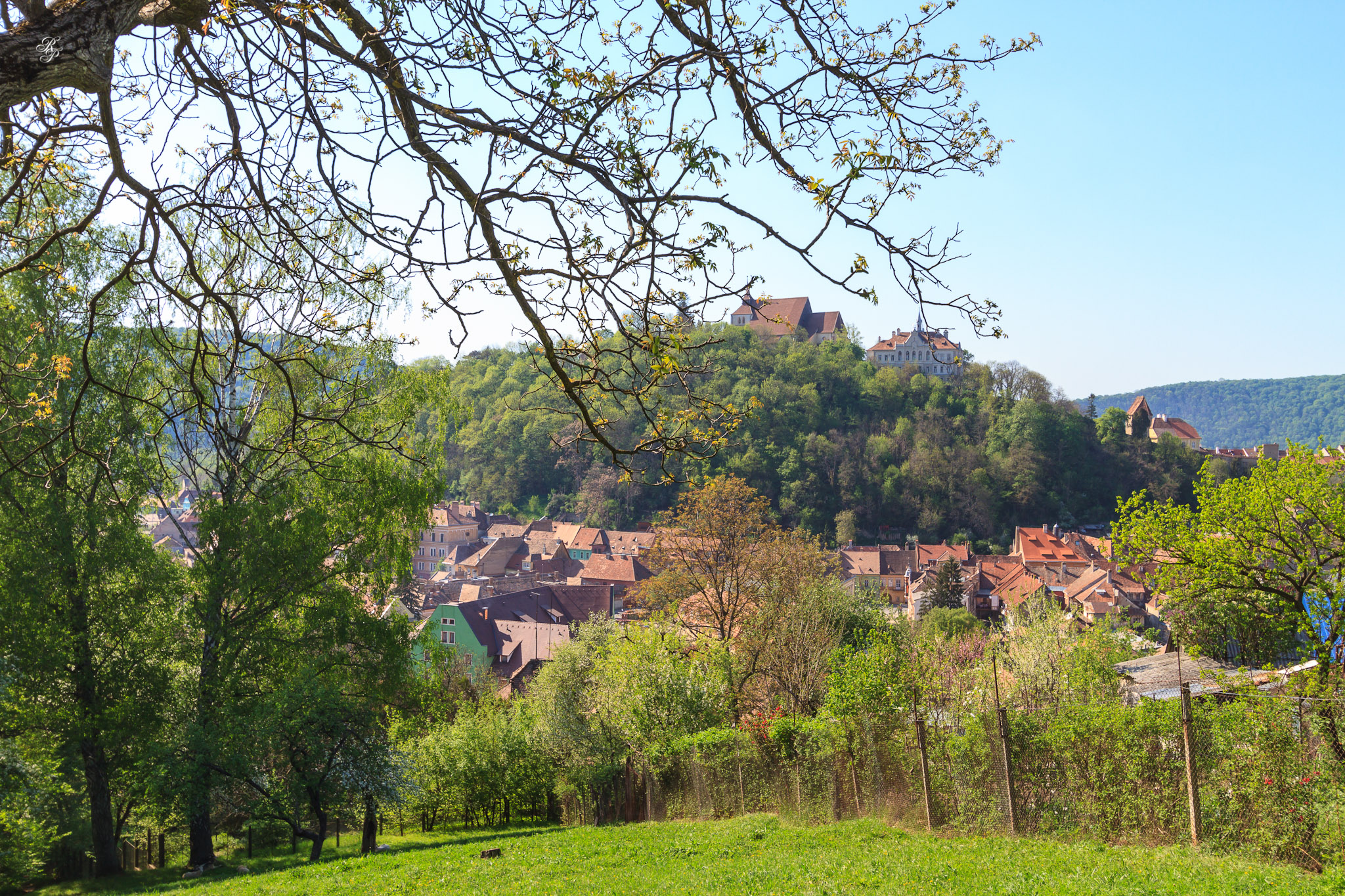
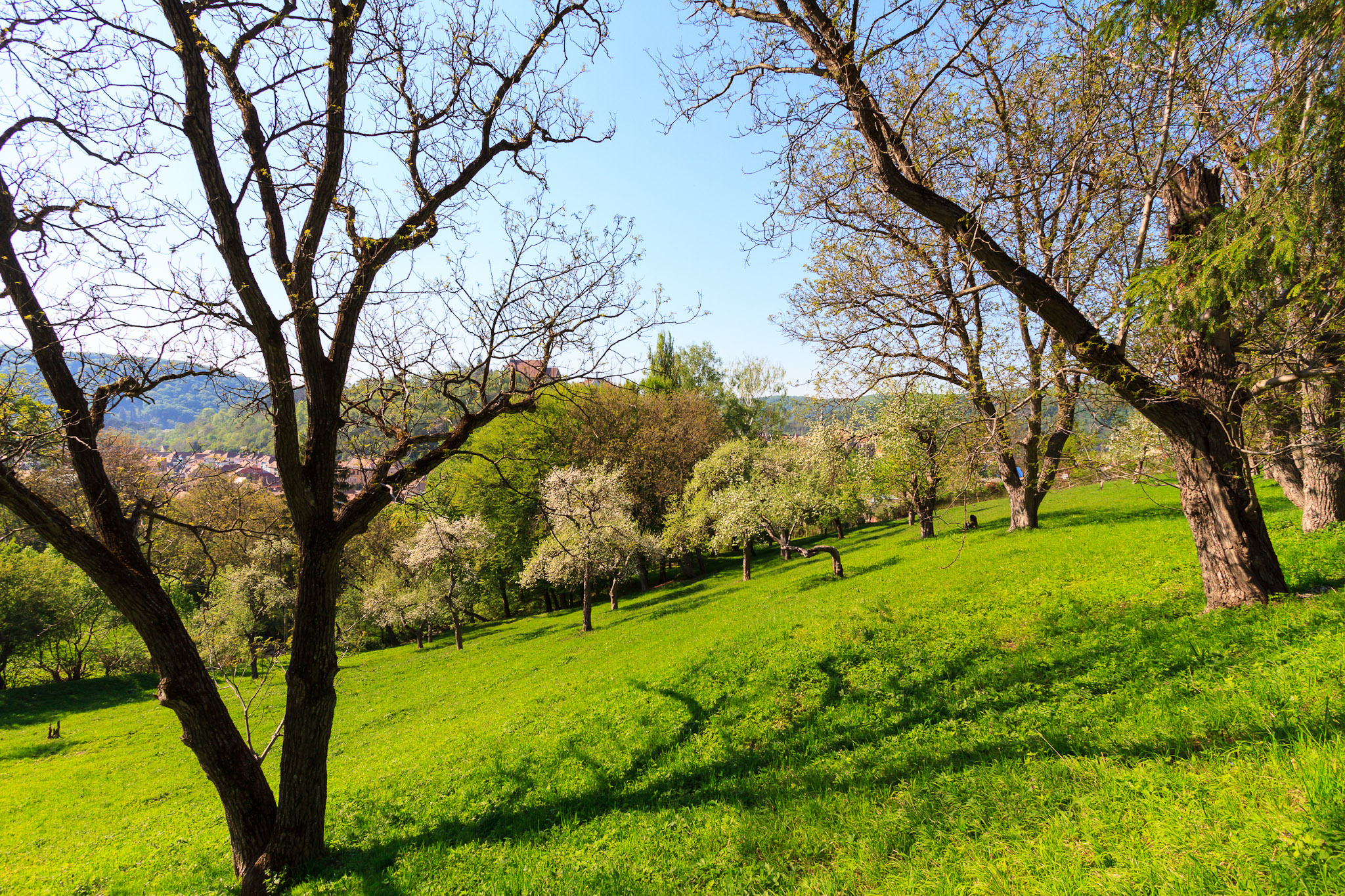
We drove into the outskirts, climbed up one of the adjacent hills, found a clearing, and got some interesting views of the city that way.
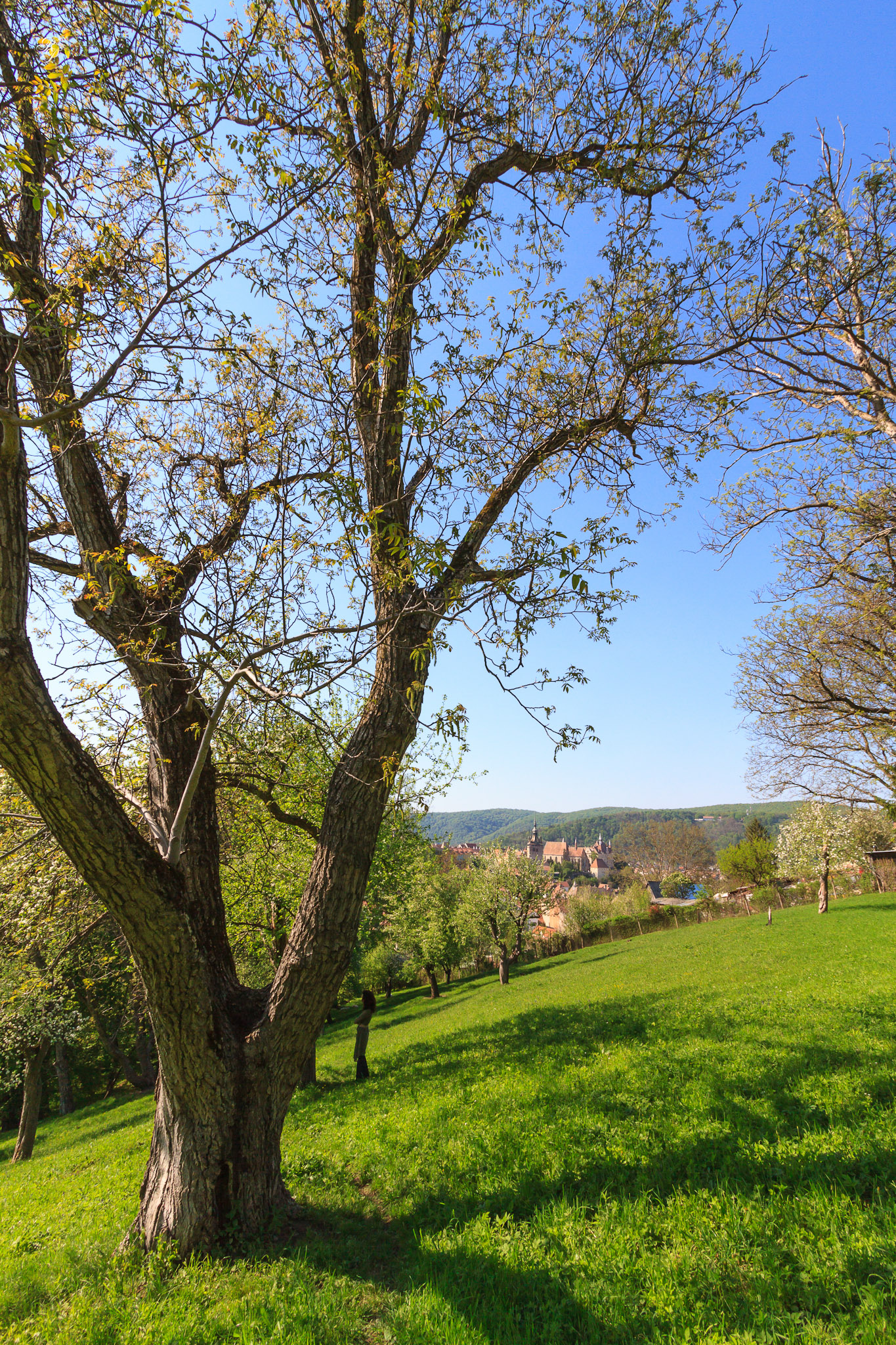
Afterward, we went up into the fortress to see if we could see some spots we hadn’t yet seen, and after walking up a well-known side street, were rewarded with the open gates of the rectory. We went right inside the courtyard and had a marvelous walk up into the gardens adjacent to the fortified walls.
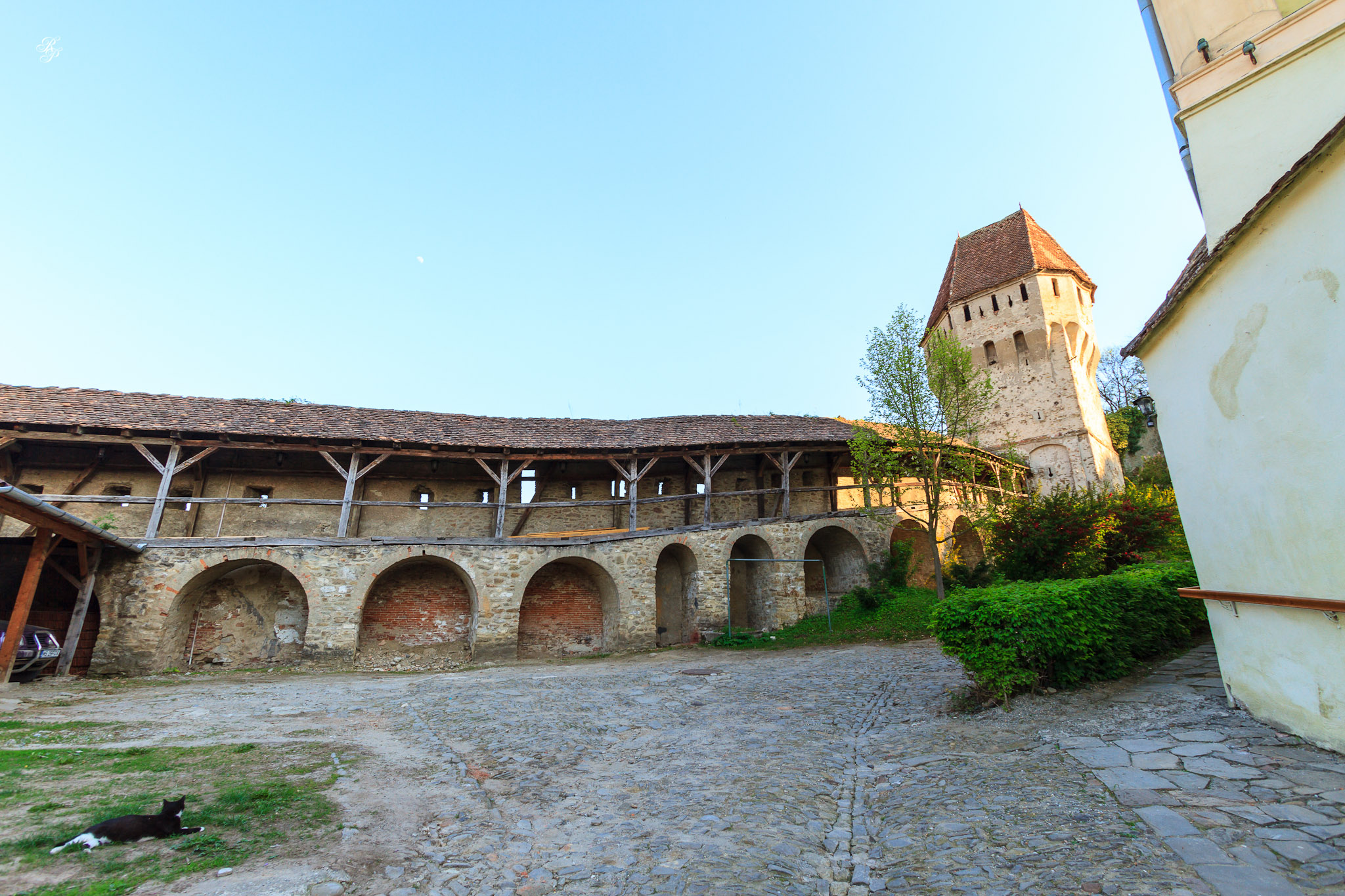
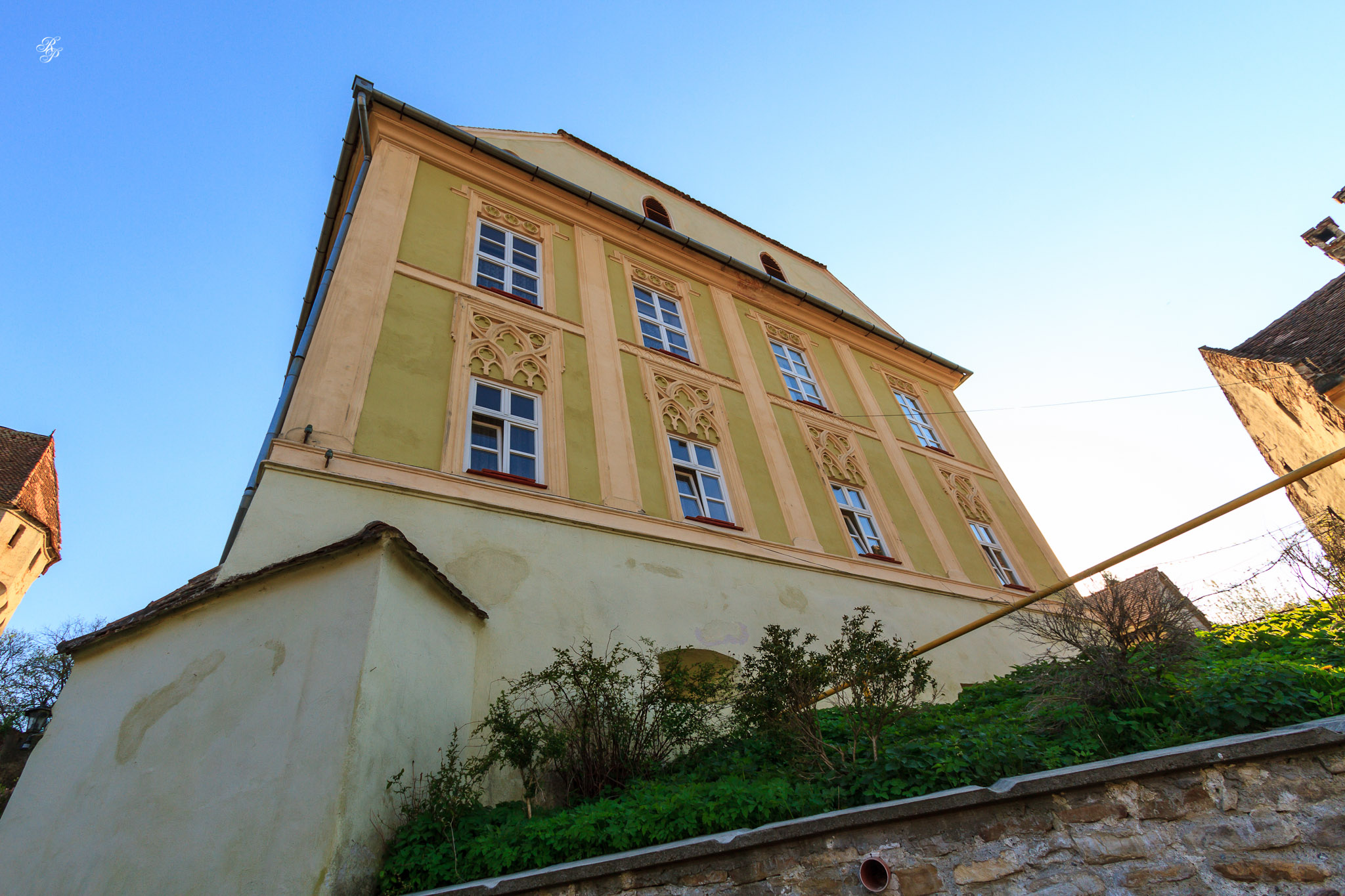
We were greeted by a very pregnant and friendly kitty in the courtyard, who acted as our host for the duration of our visit.
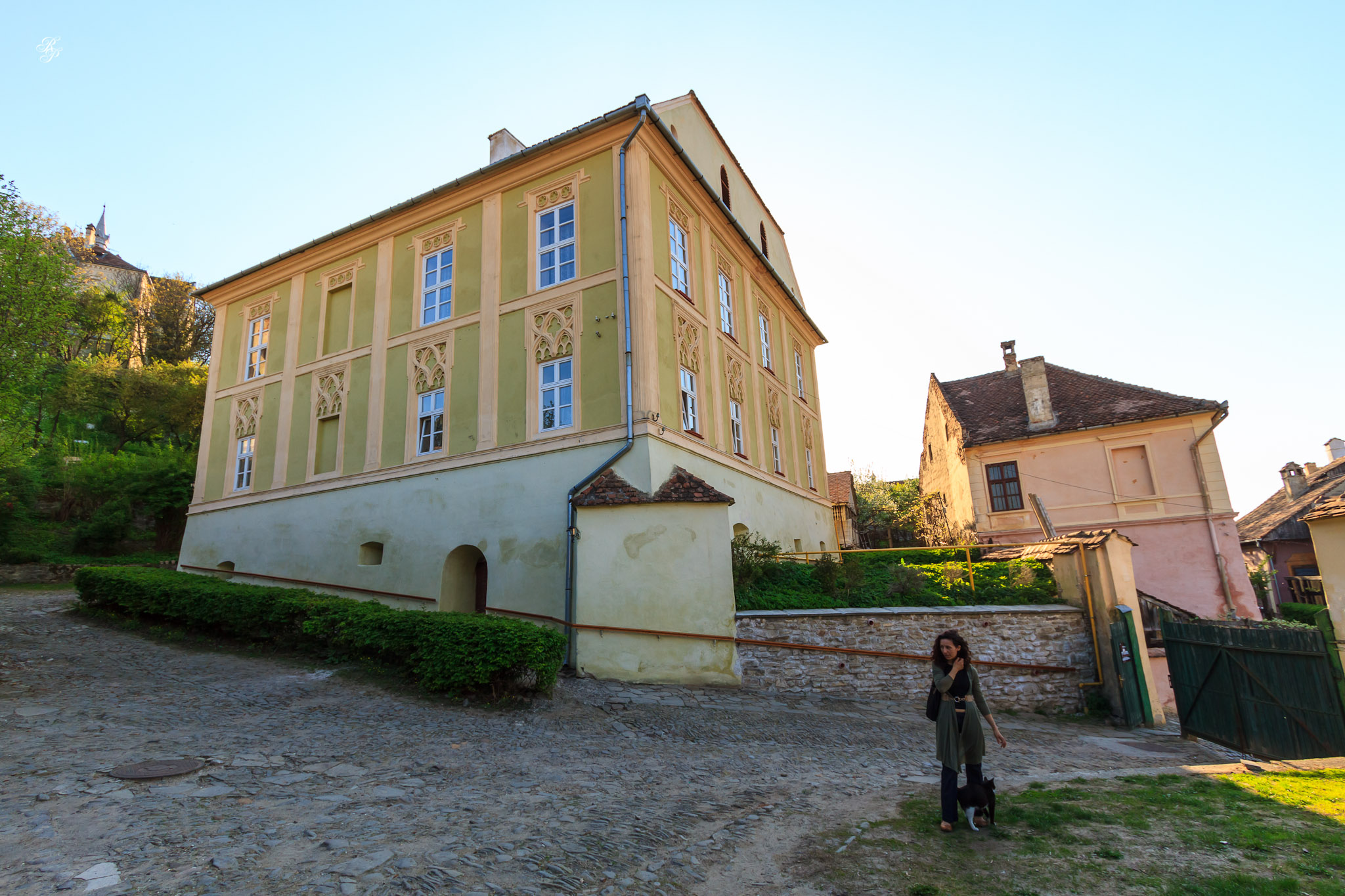
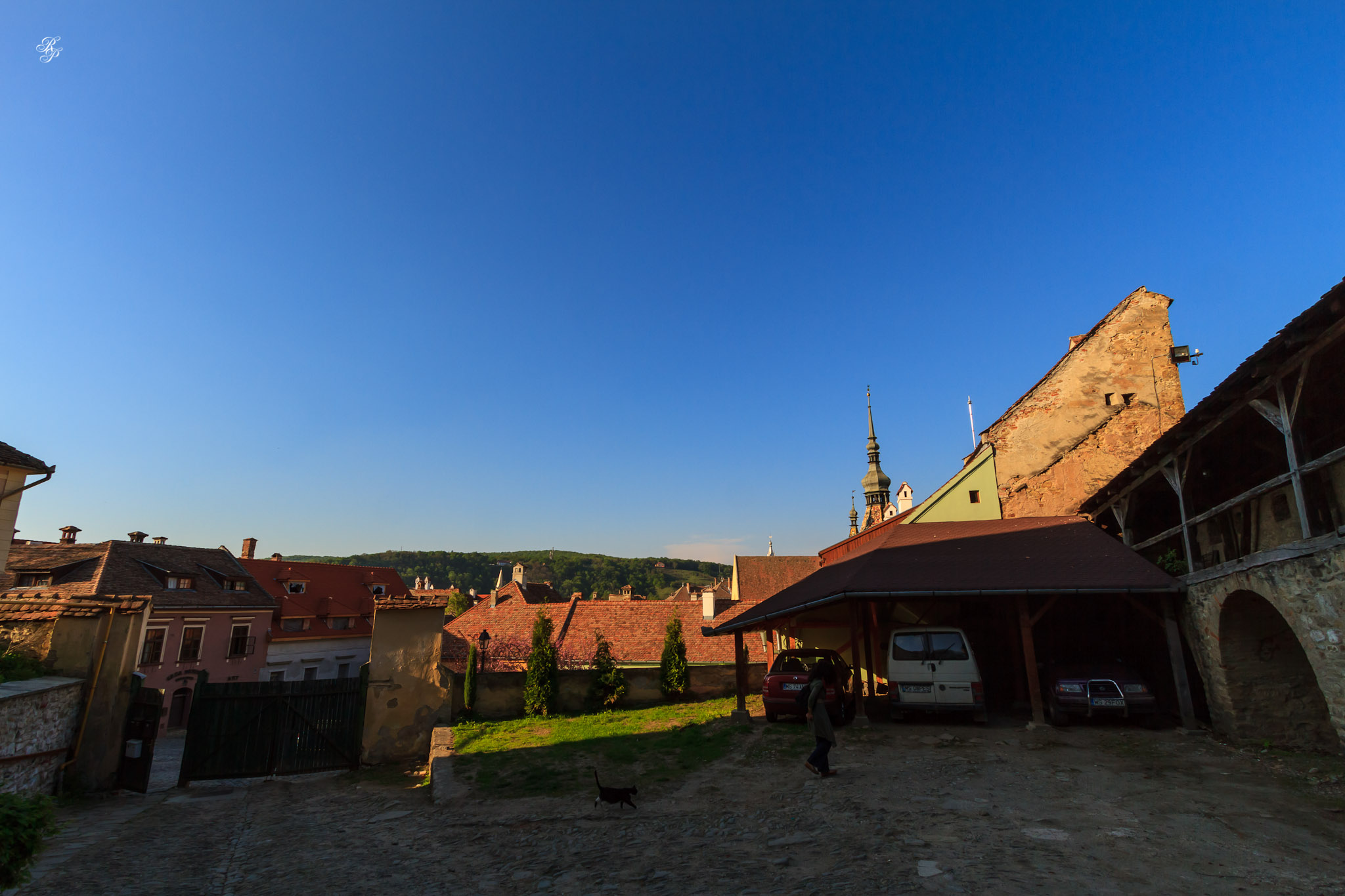
The human hosts saw fit to ruin the architecture with polycarbonate sheeting as cover and communist-era poured concrete as a rude balustrade for the balcony. The satellite dish is apparently a modern pre-requisite.

Back to our walk in the beautiful garden.
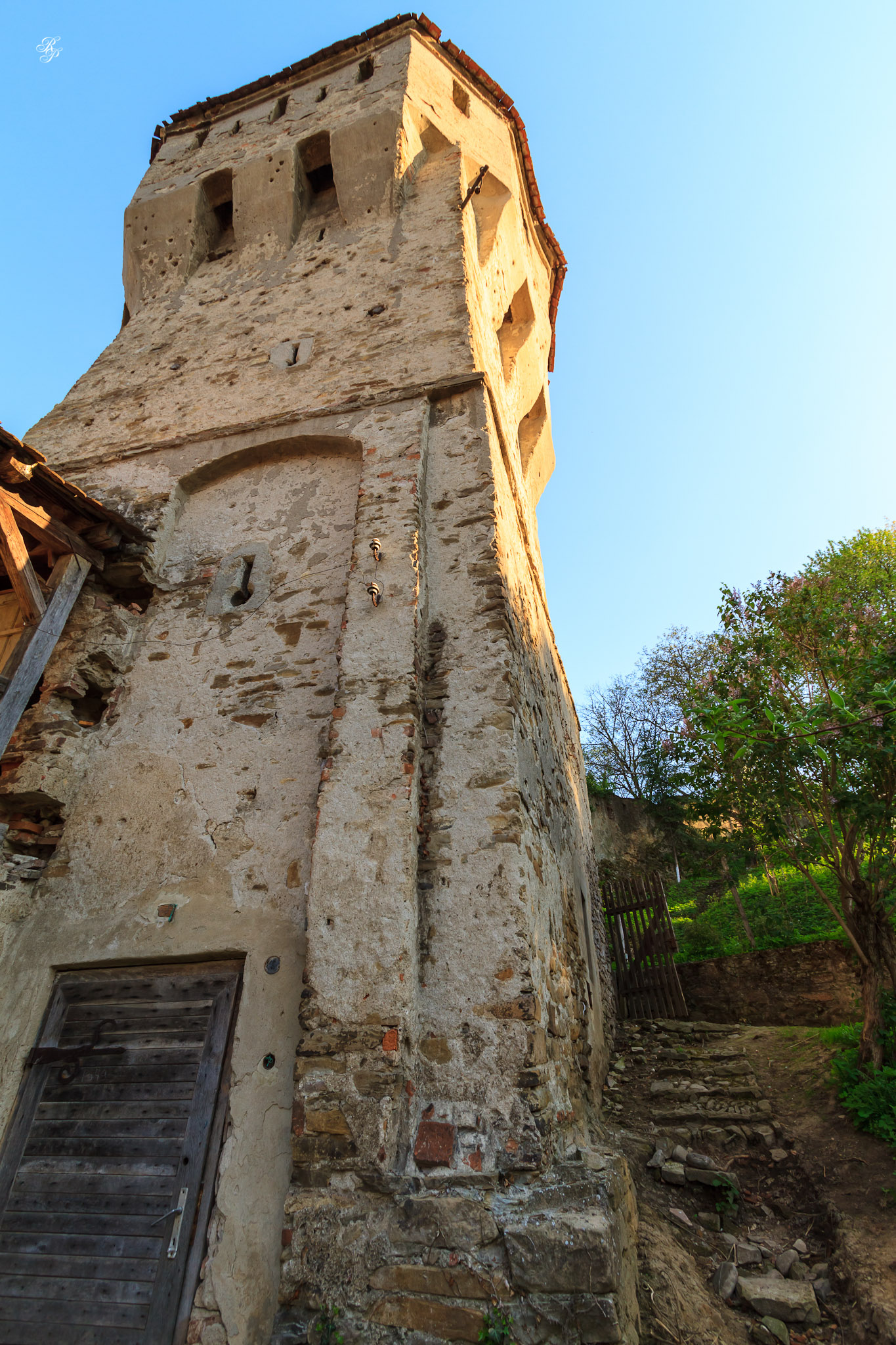
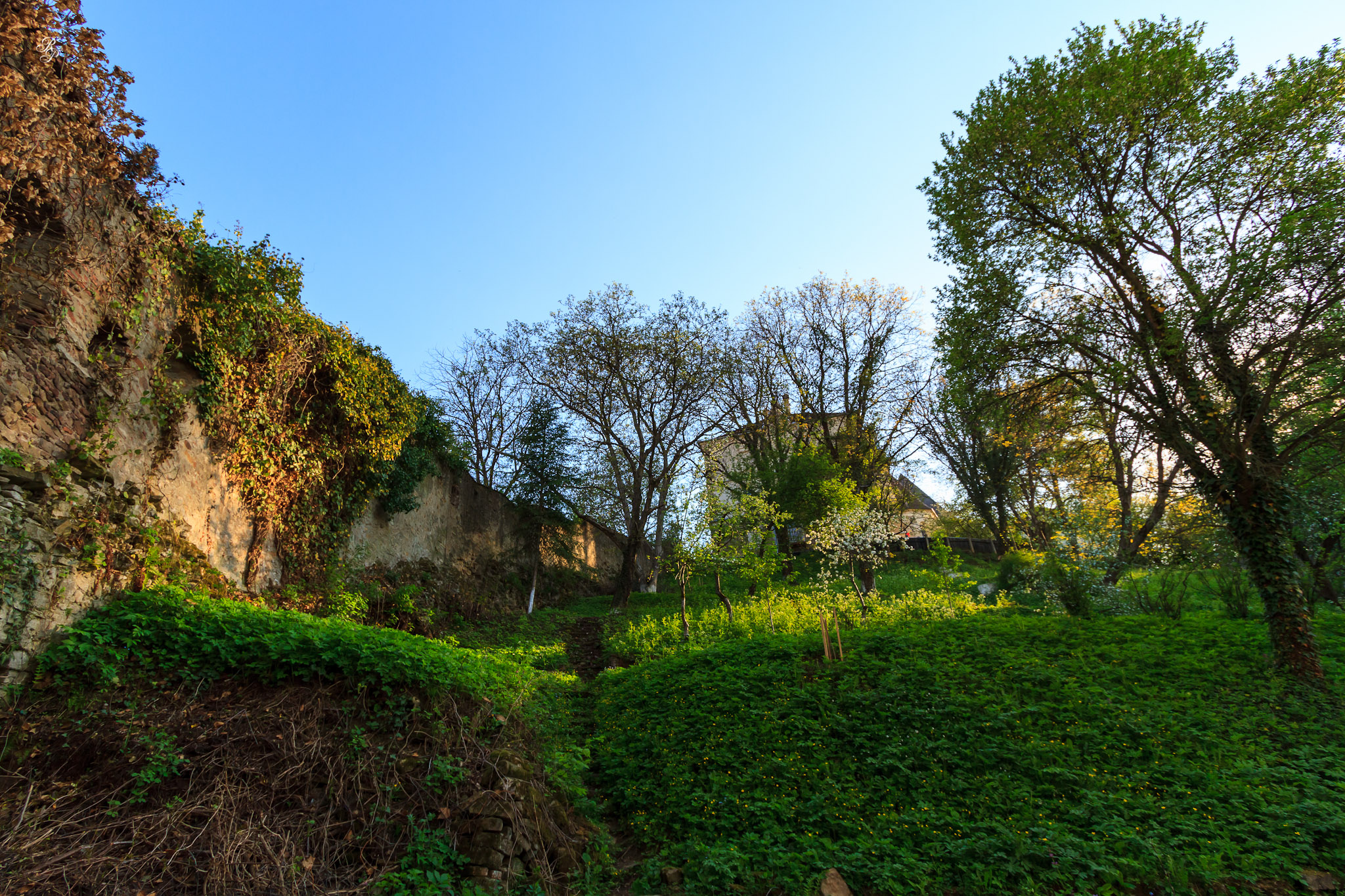
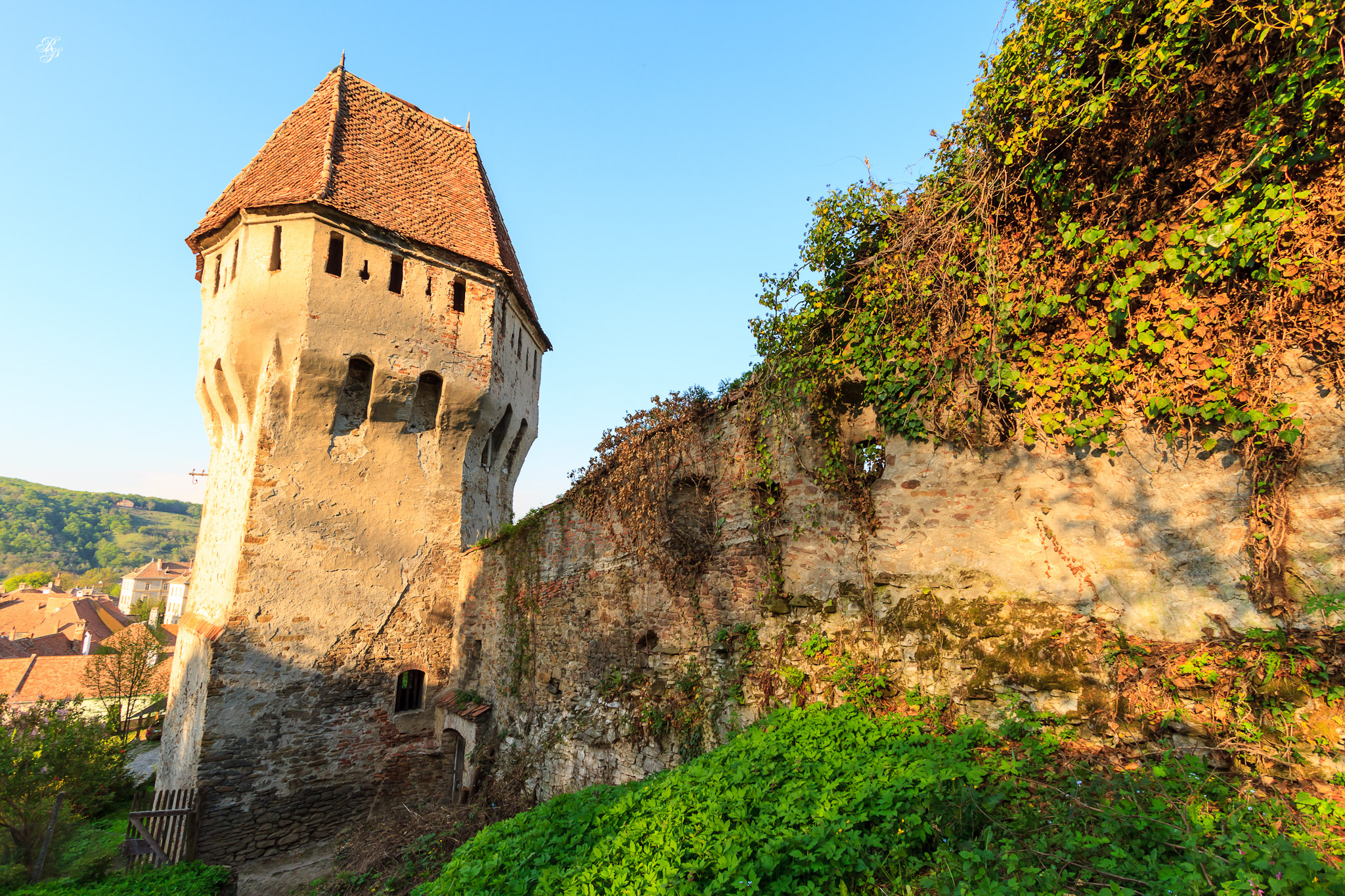
In this view of the fortified tower, you can see the city and the river in the background.

Our feline host got a belly rub, which made her very happy indeed.
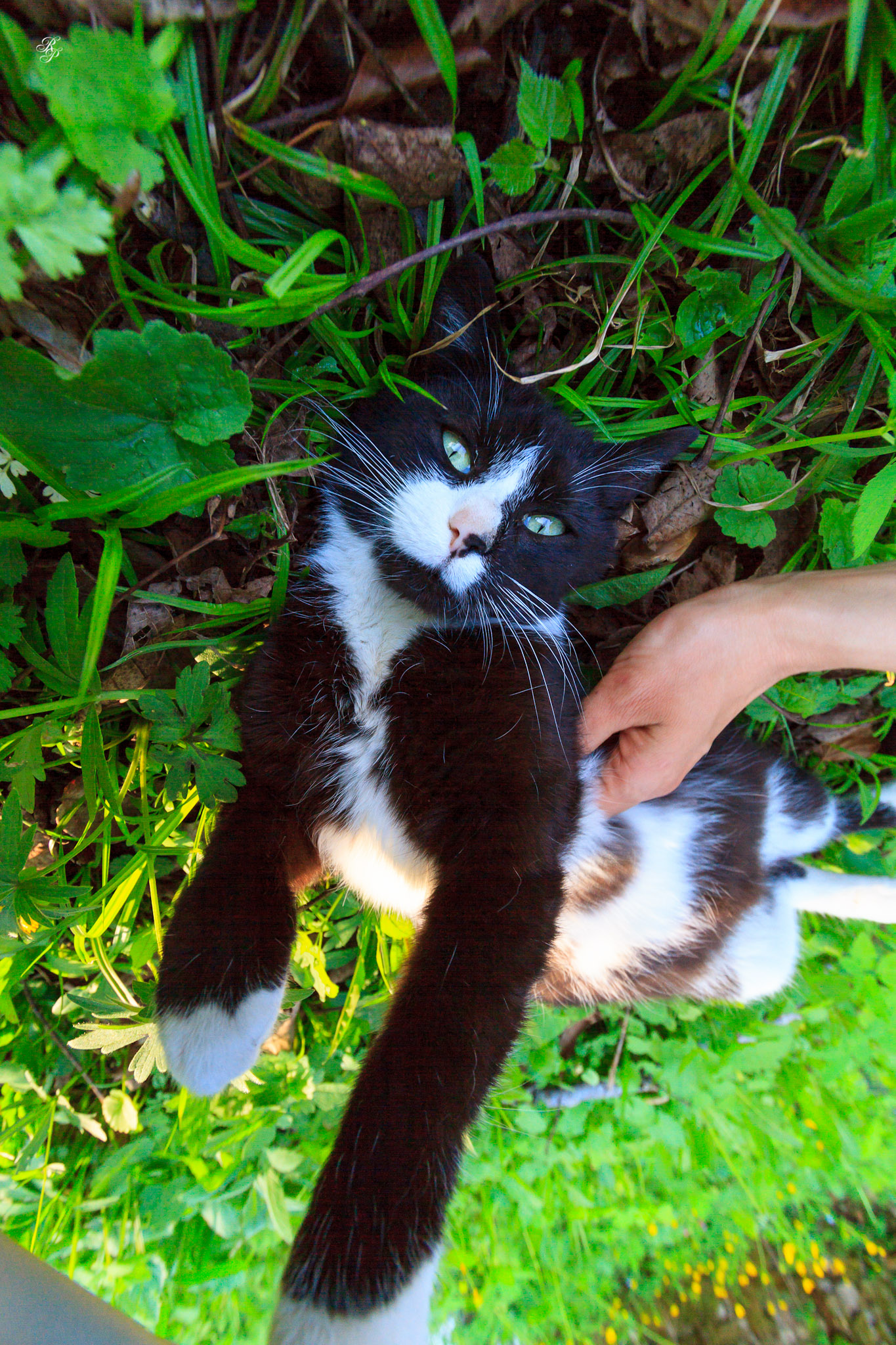
She then accompanied us to the gate.

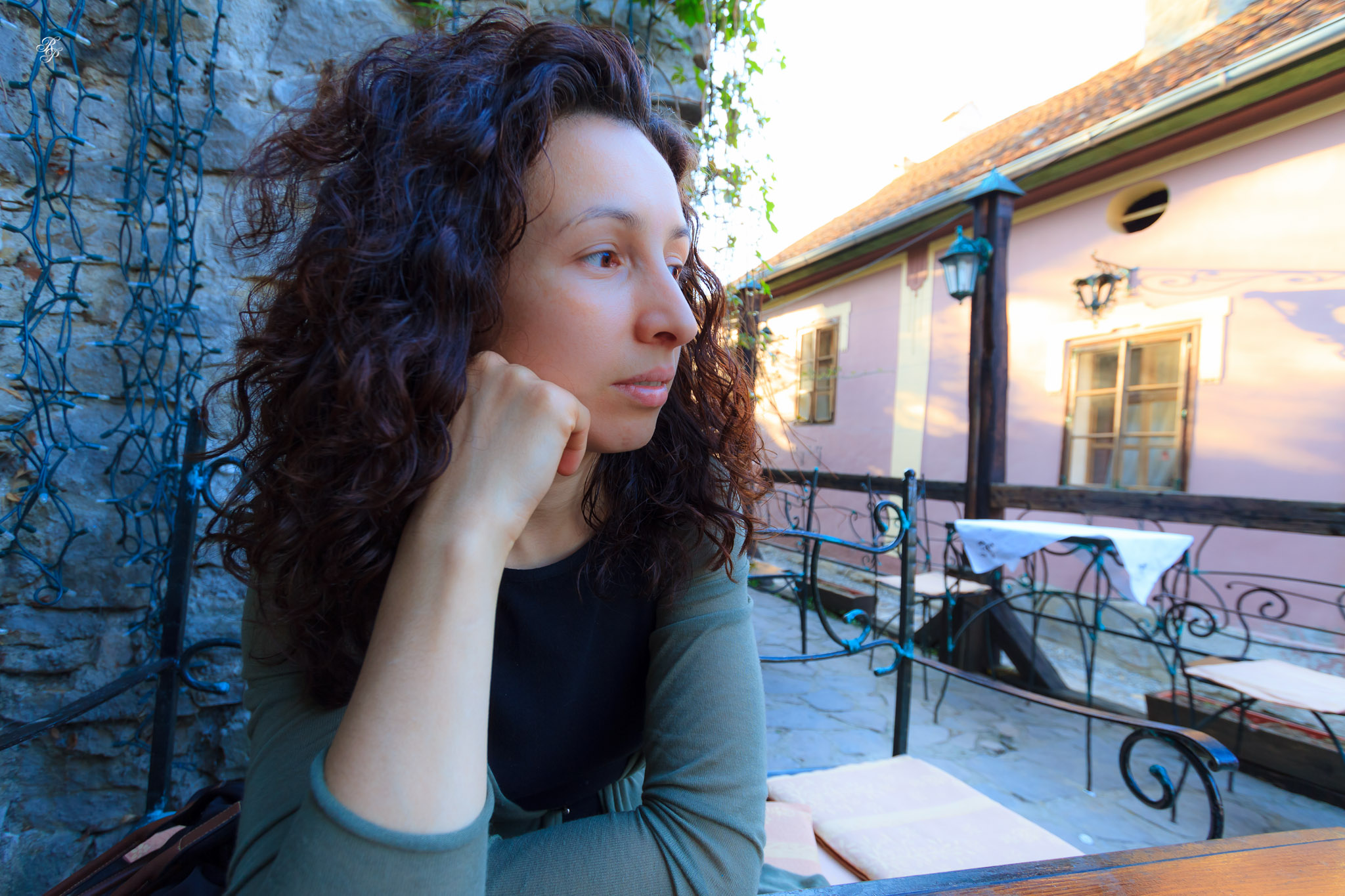
We stopped at one of the local establishments for some lemonade.
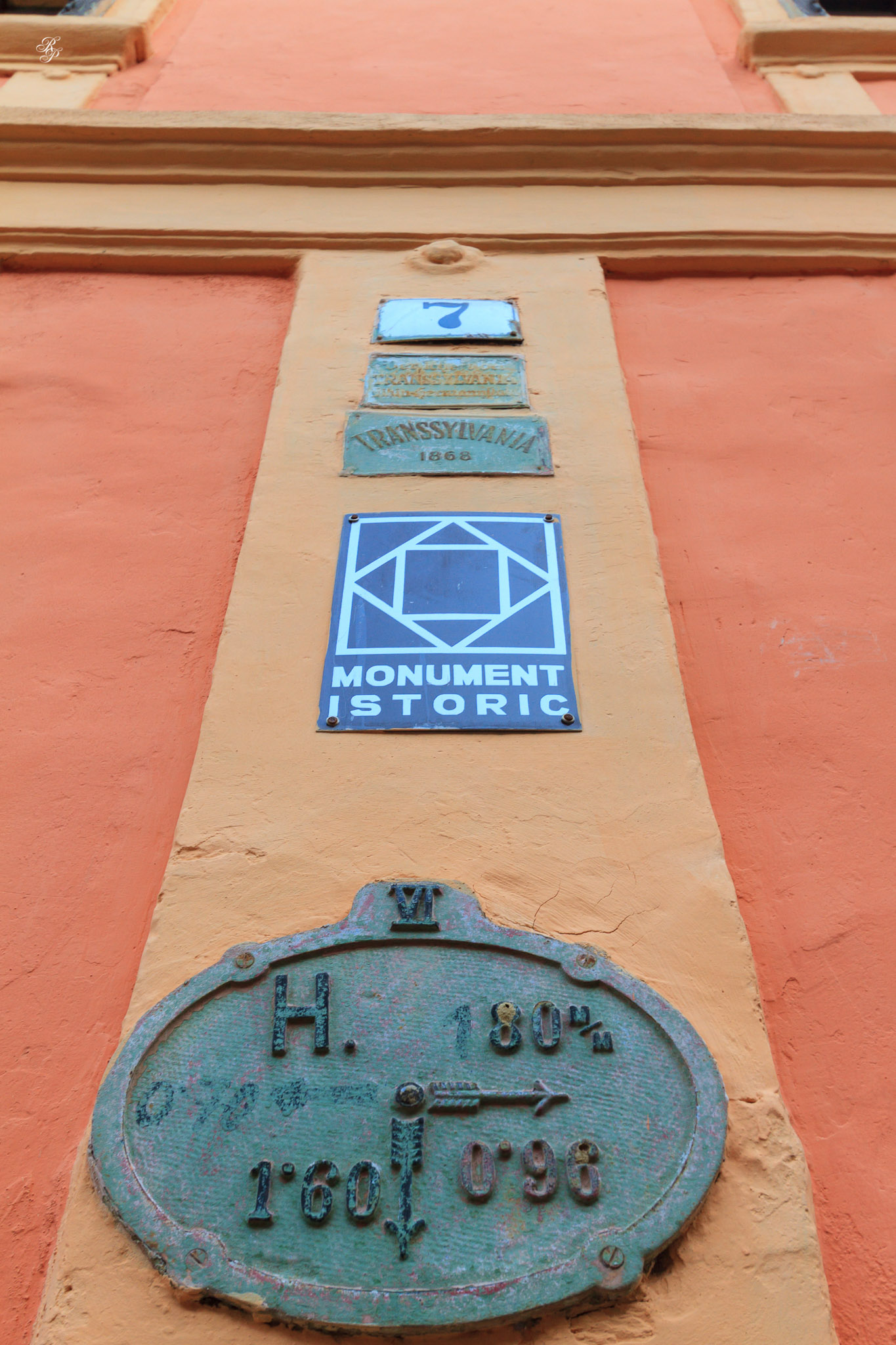
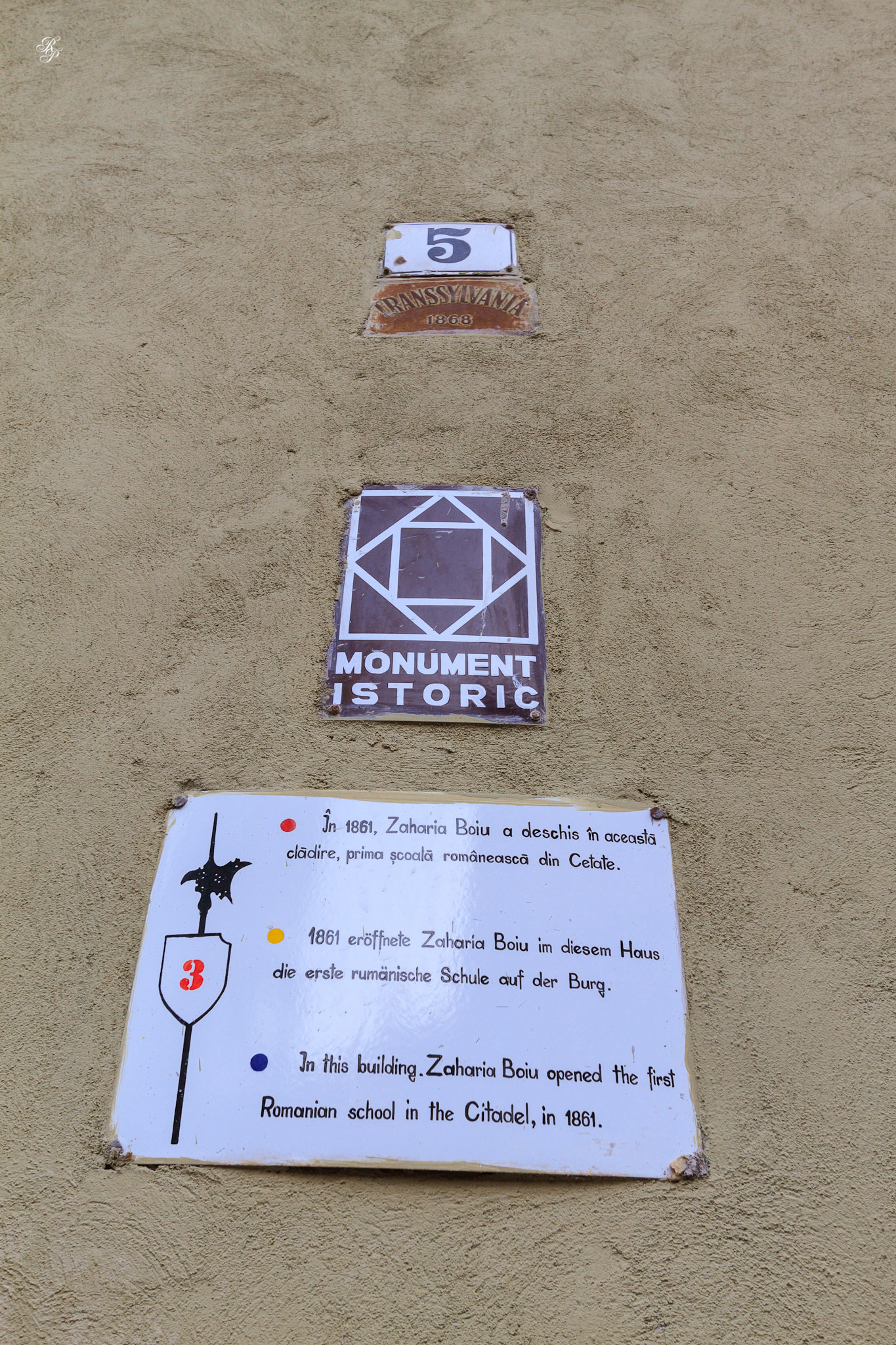
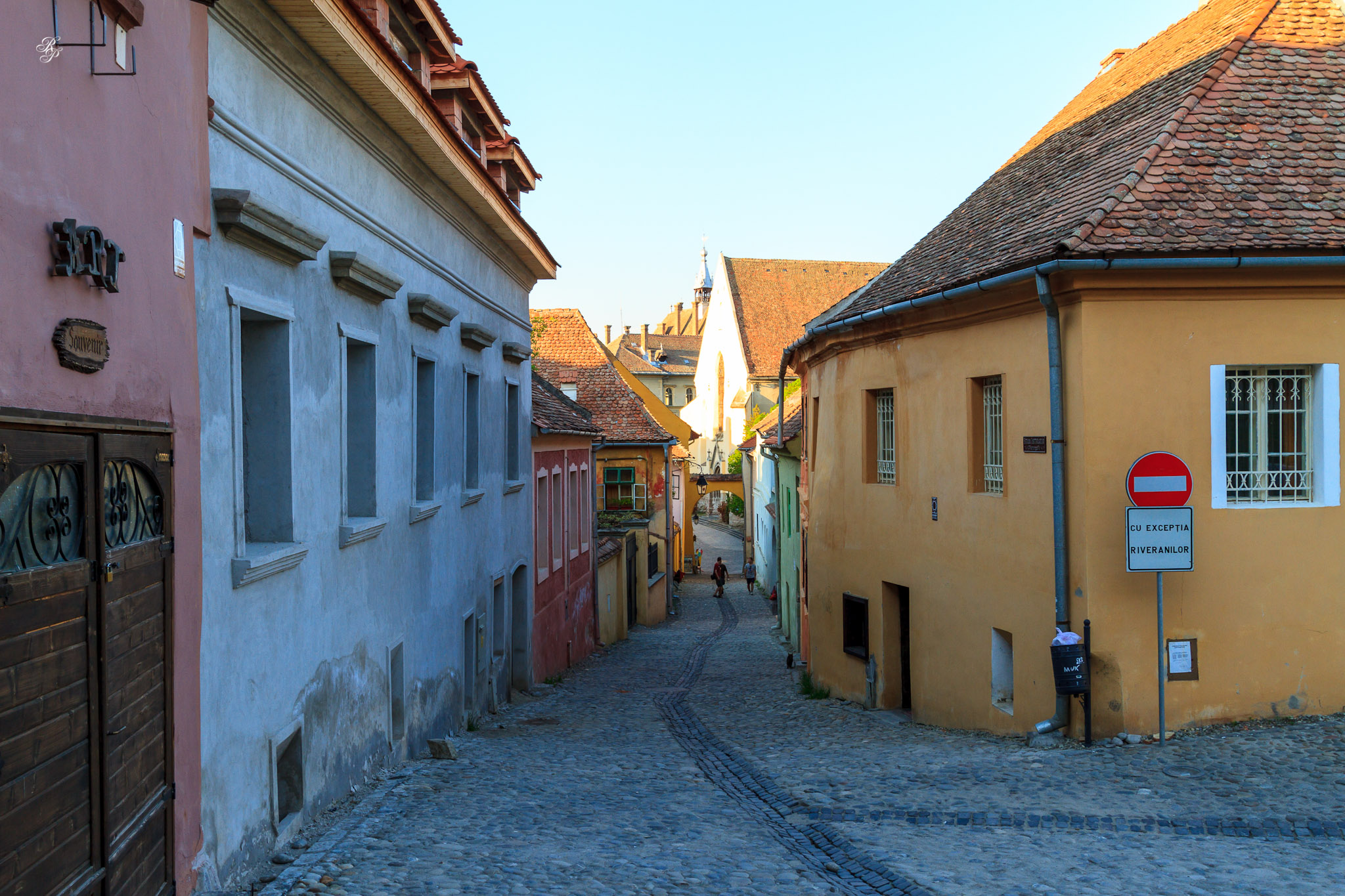
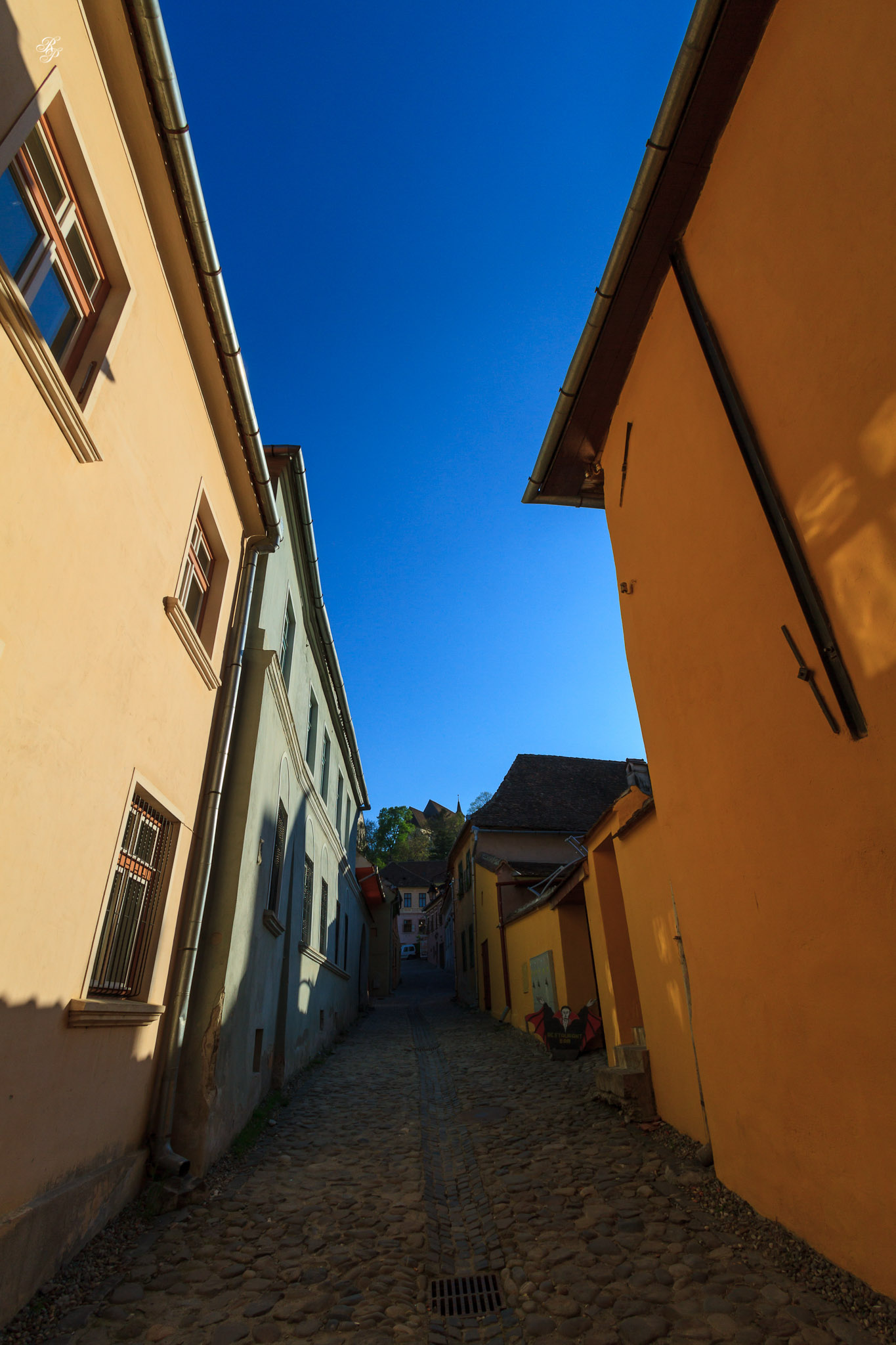
Here are some more photographs from the streets of the Old Town.
Standard
Places

The fortified church in Biertan

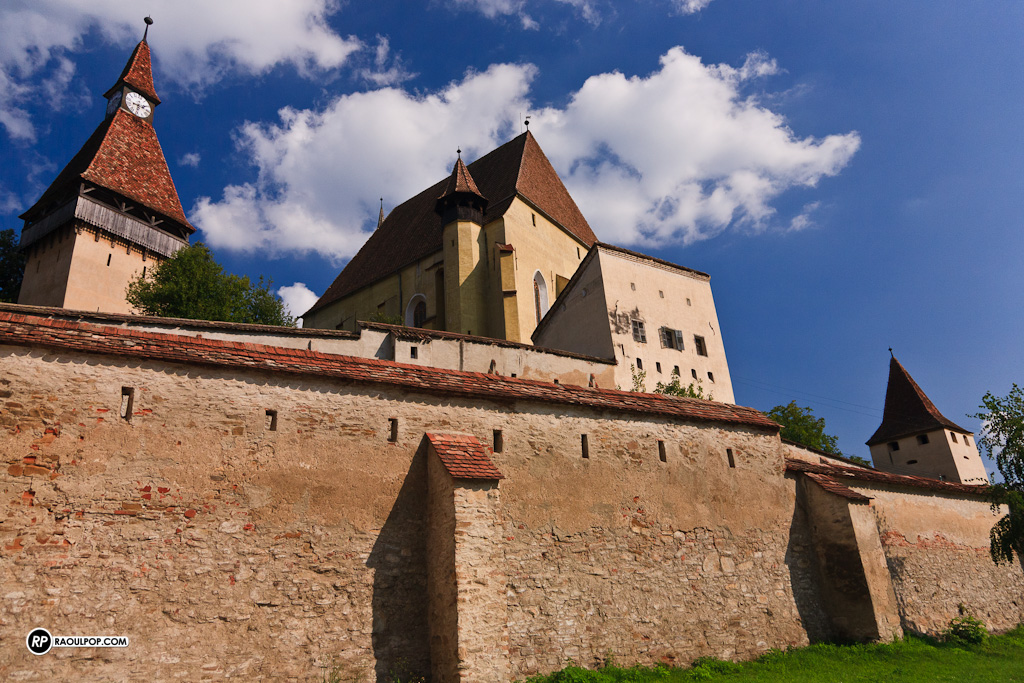
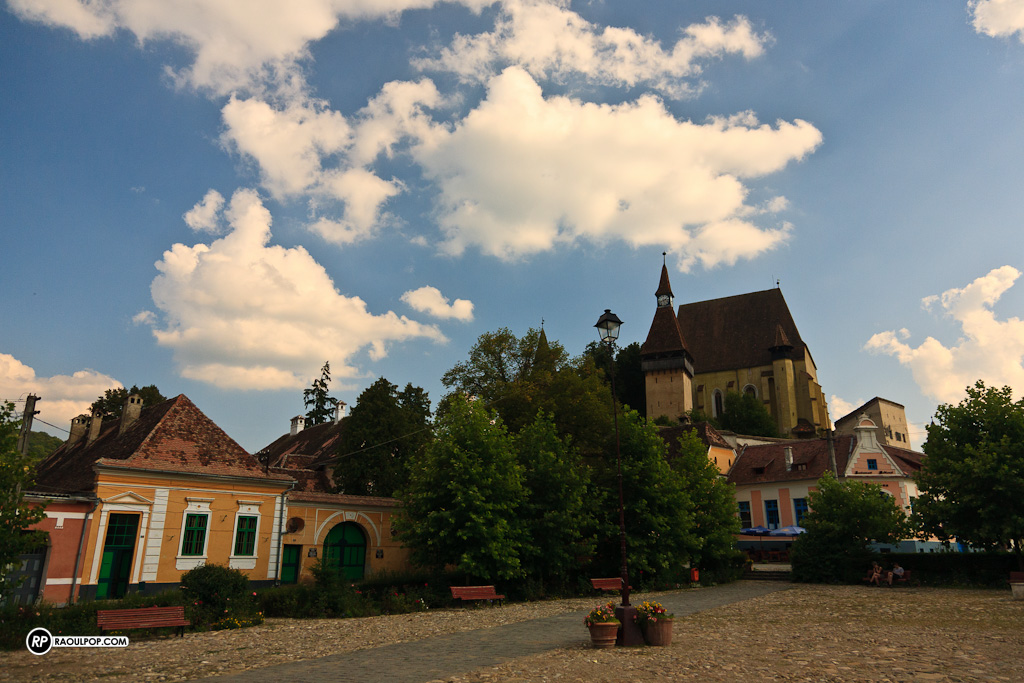
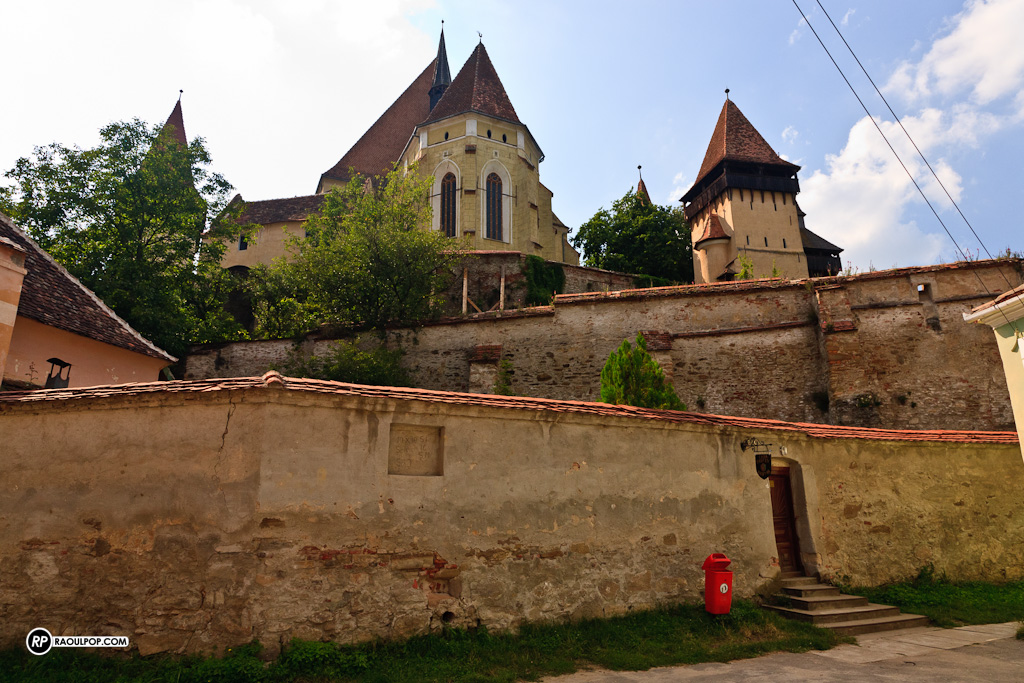
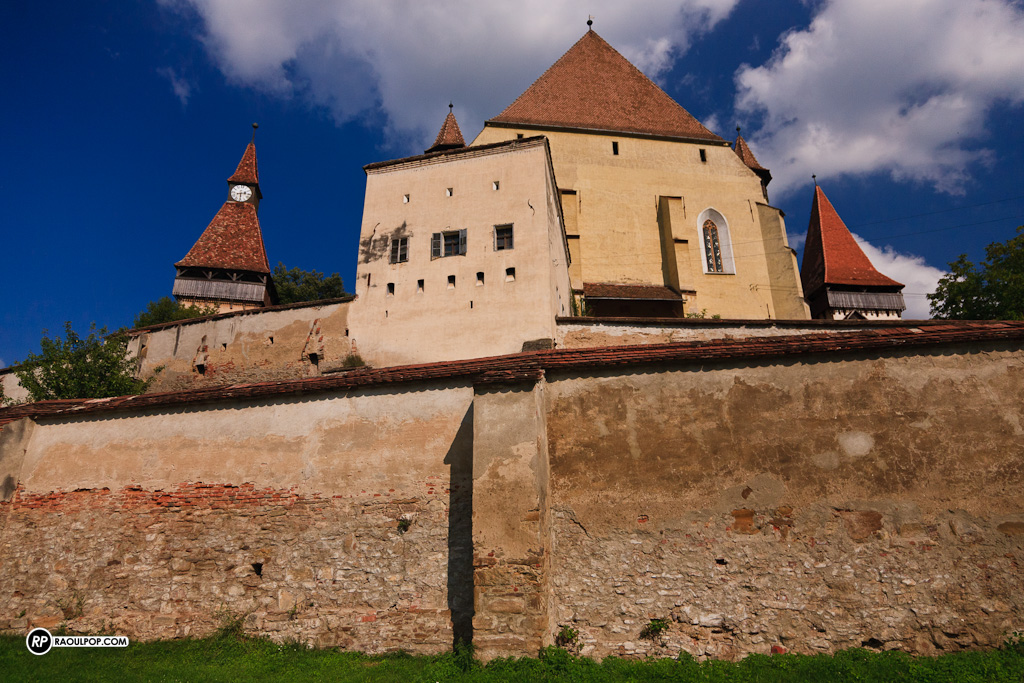
The village of Biertan has one of the most renowned fortified churches in Transilvania, Romania. Built between 1493 and 1522, over the site of a previous church, it is contained within two concentric fortified walls, with seven towers and two bastions.
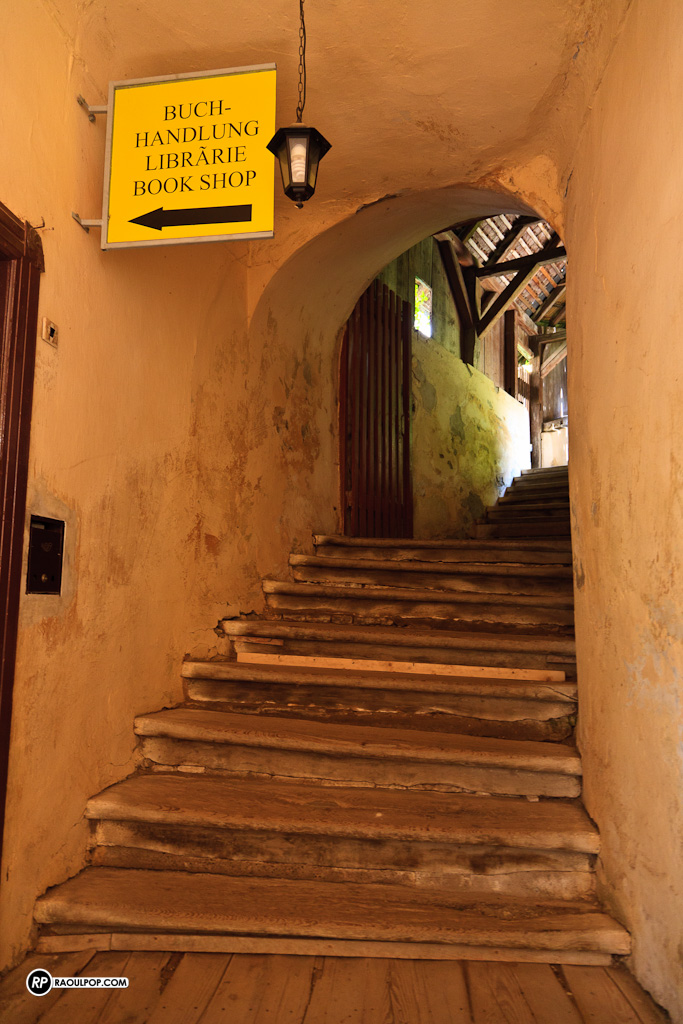
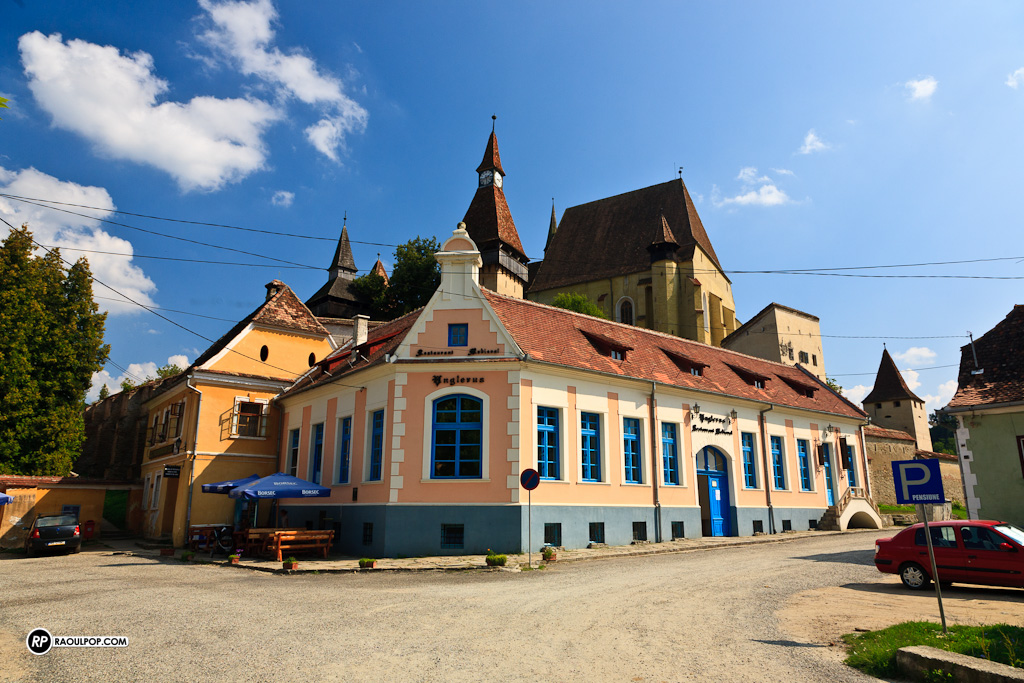
The village itself has maintained its medieval character: the two roads that lead into it are the same they’ve always been; most of the houses, particularly in the village center, still have the same architecture, and you’ll be hardpressed to find but a few modern buildings there.

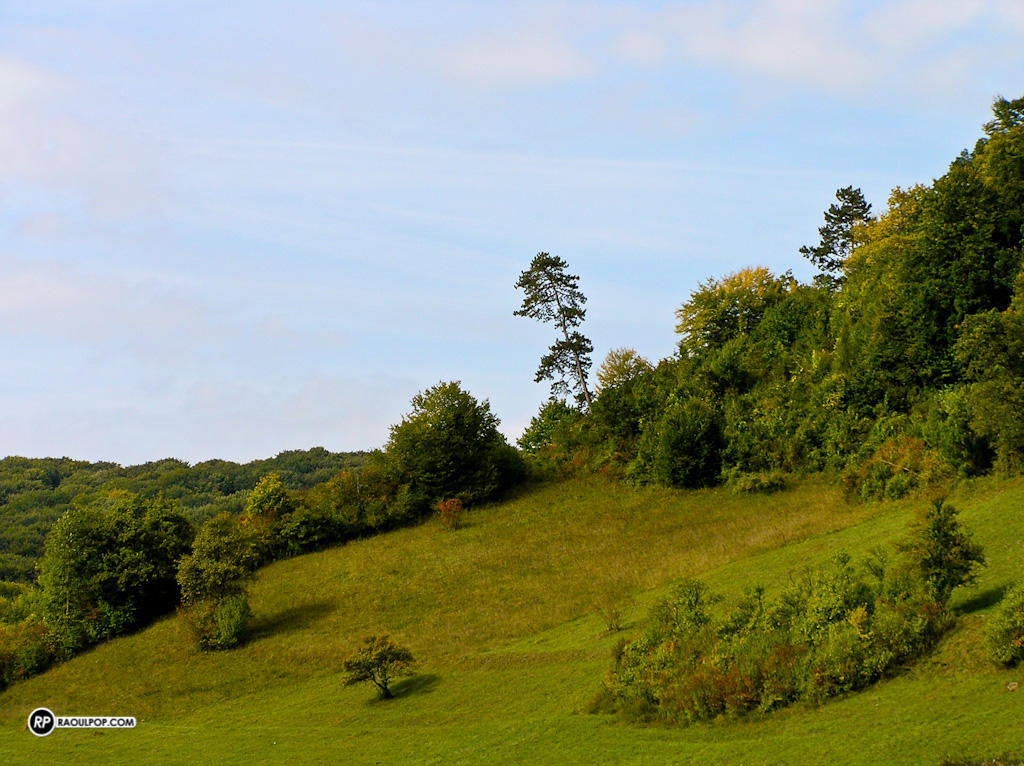
You get to it by driving through gentle rolling hills and crop fields. Forgotten by time (and by modern real estate development), it’s as if you’re going back through time.

The fortified church stands in the geographical center of the village, right next to the spacious, riverstone-paved village square.

It’s a good idea to take a walk around the outer fortified wall before going in, to get a sense of the place and its layout.

The current entrance into the fortified walls is through an arched passageway with a long row of steps up the hill, which leads inside the inner courtyard.

Continue reading

Standard
Places

The Franciscan Church in Medias

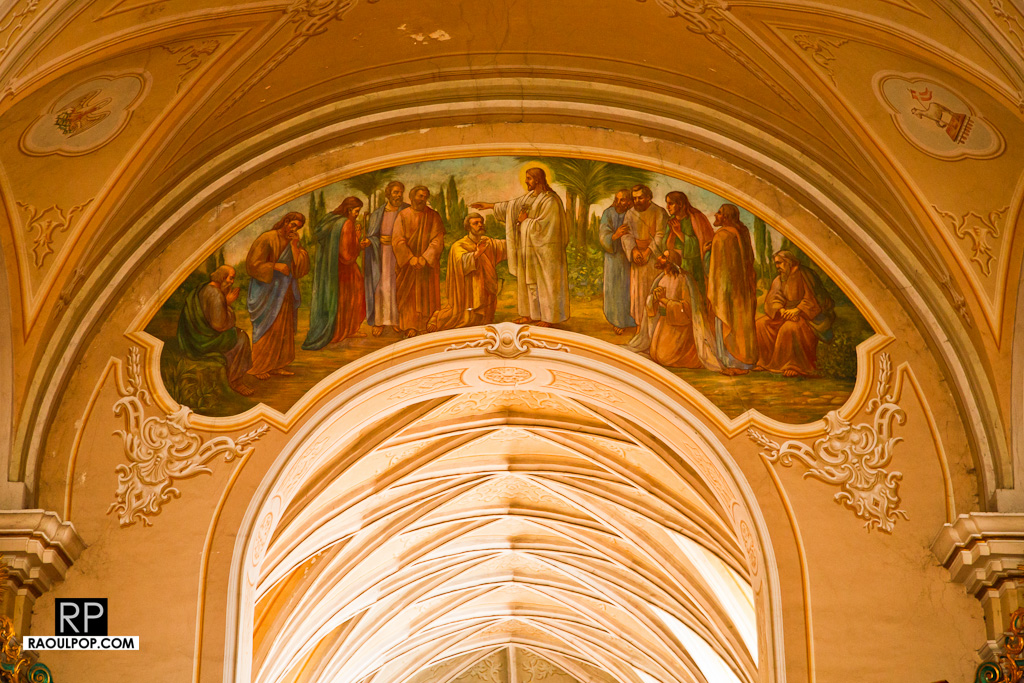
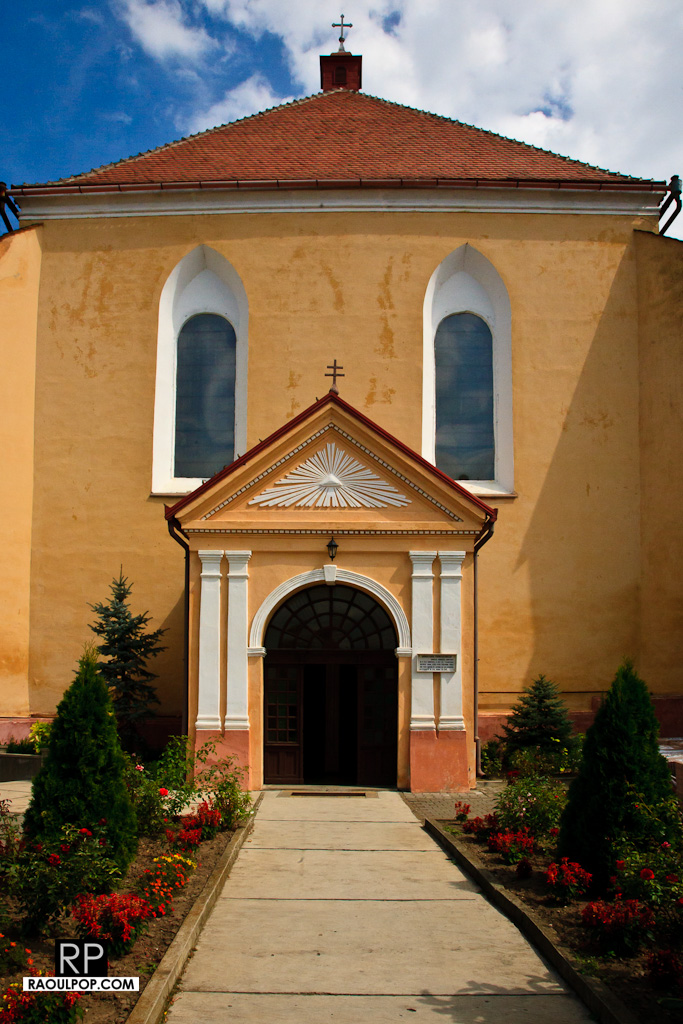
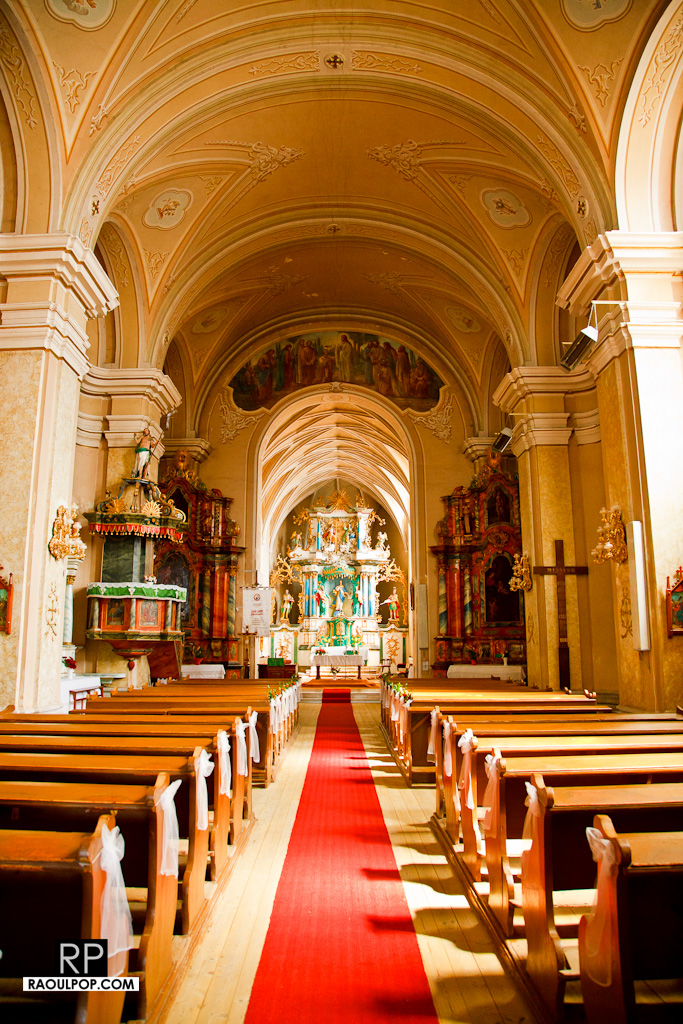
According to monastic records, construction of the Franciscan compound in Medias, Romania, began in 1444. The compound includes a monastery, the church (which you can see in the photos shown here) and various annexes. In 1556, after the formerly-Catholic townspeople joined the Reformation, the monks were run out of town, and the buildings were used for various lowly purposes, such as stables, etc.

On a side note, I’m not a Catholic, but it seems to me that using a church as a stable just shouldn’t be done, no matter what its denomination may be.

In 1721, the buildings and the site were returned to the Franciscan order, and monks were invited back into the city, although by now the buildings were run-down and in desperate need of serious renovations. The church, originally of Gothic architecture, gained Baroque stylings on the inside, and the other buildings were re-built as needed.

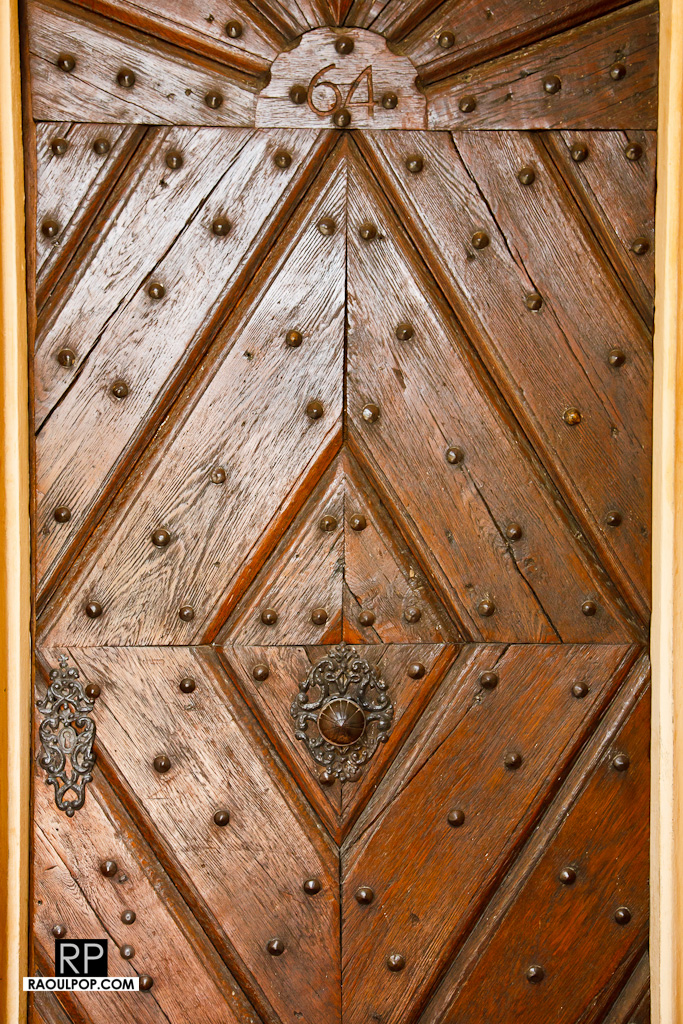
The church doors were built in 1764, according to the numbers carved unto them.

Nowadays, part of the monastery’s compound is being used by the Medias Municipal Museum, and in the last few years, a Hungarian school has been built on the monastery’s land. The school is scheduled to go into use this fall. There’s more information on the monastery’s history (in Romanian).

Standard