

Even though I can’t handle being in the cold for a long time, I love winter. I love the smell of it in the air. I love the scrunch of the snow under my shoes. The world’s a (mostly) dirty place and I love how clean the snow makes everything look. I love the grey skies. I love how the pure white of the snow makes other colors more vibrant. I love going out into the cold to take photos, then coming back in to a hot cup of coffee or tea while they download to my computer. And I have gotten to love sharing these seasonal galleries of photos with you. I know I didn’t post photos of the last summer and autumn, but I have them and will get to them soon.
Tag Archives: photos
Photos taken by Raoul Pop
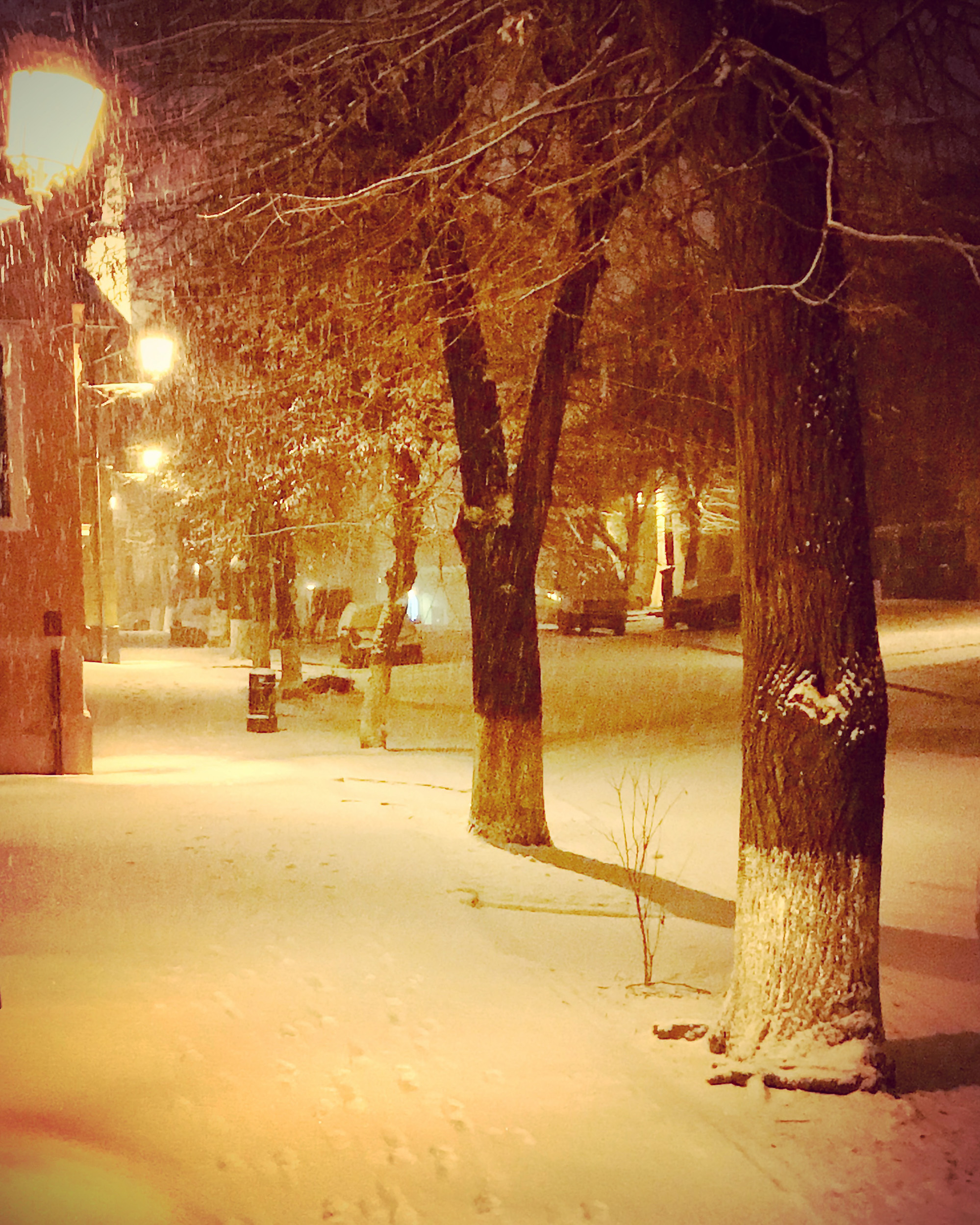
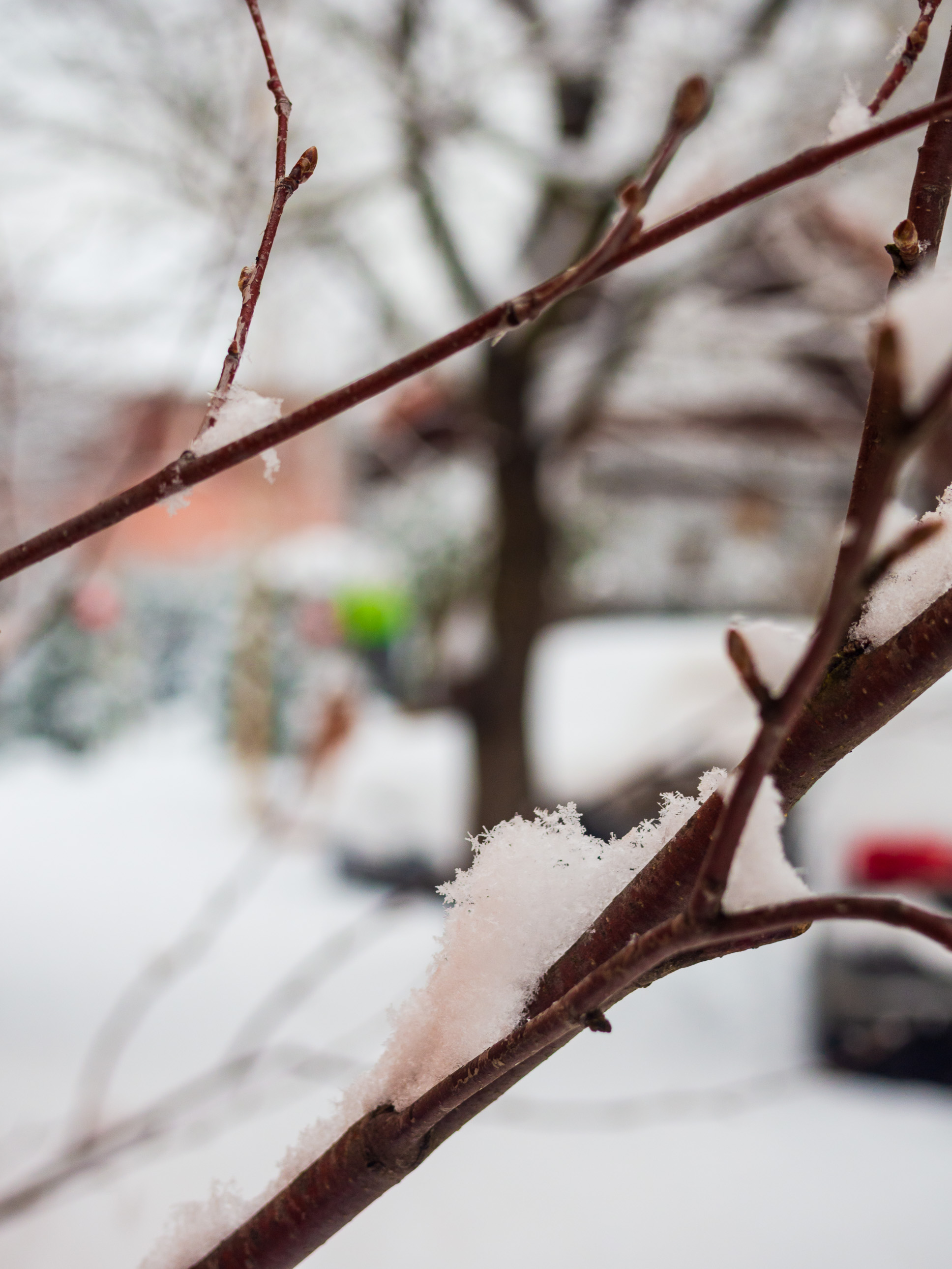
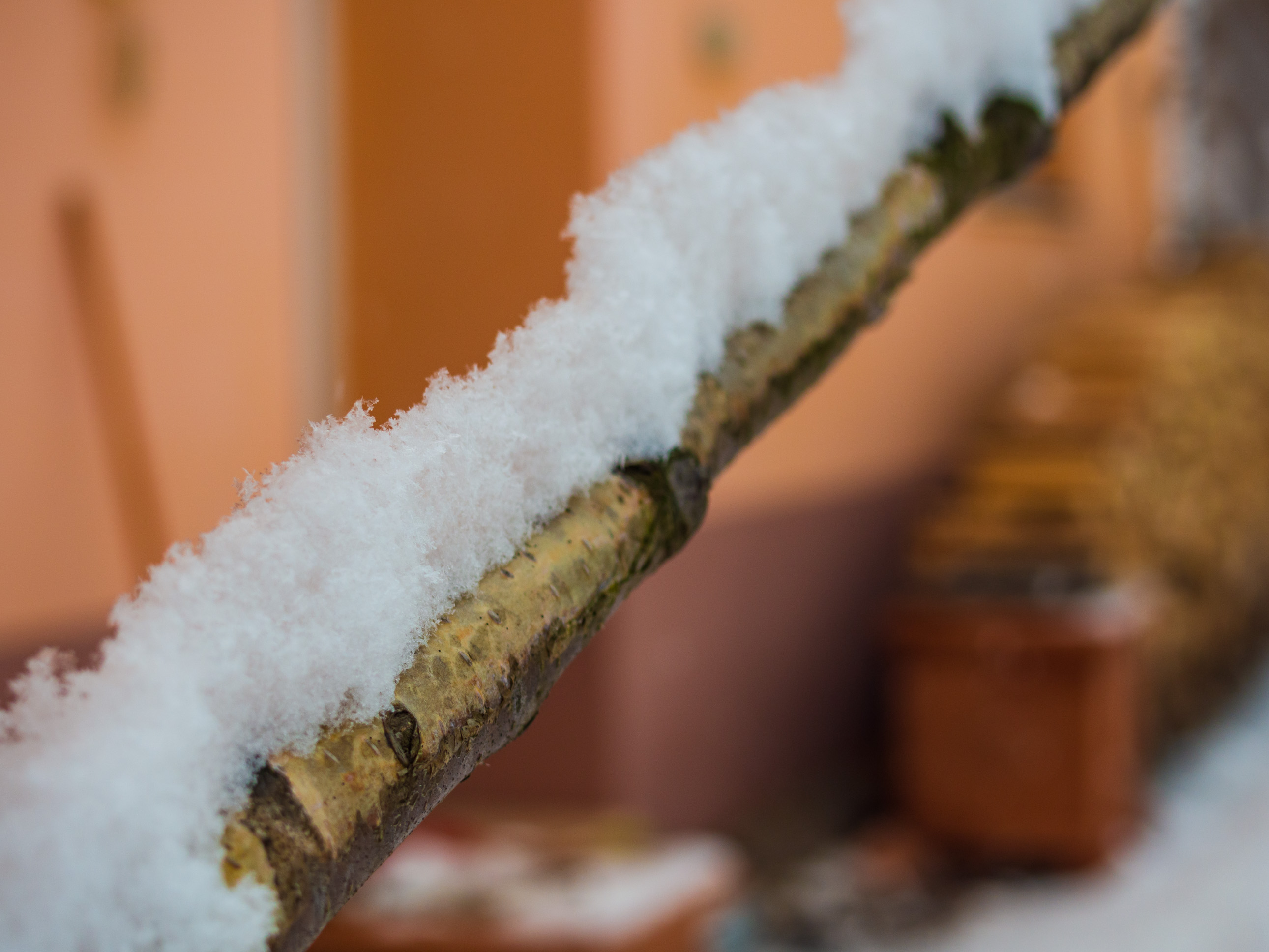
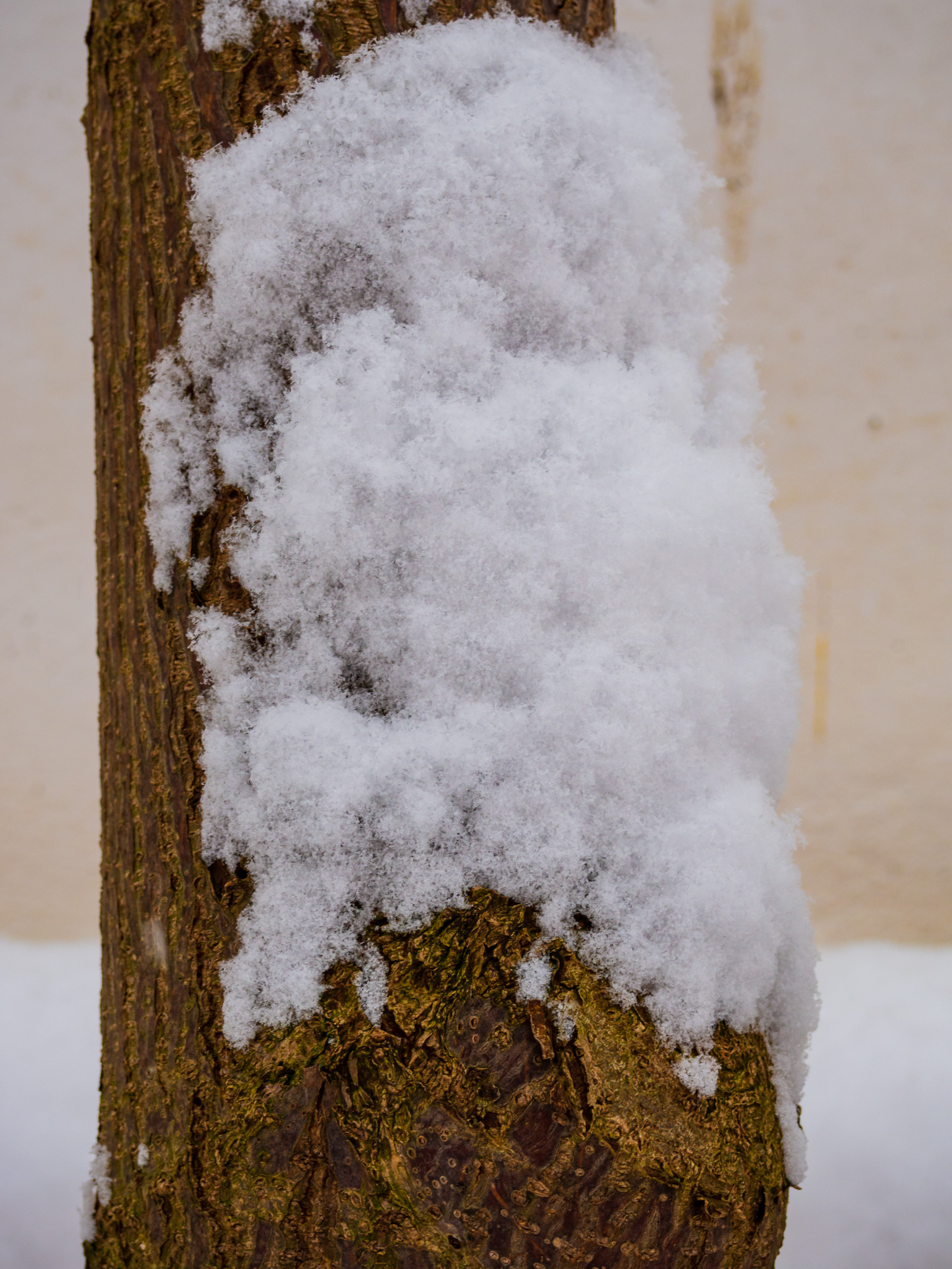
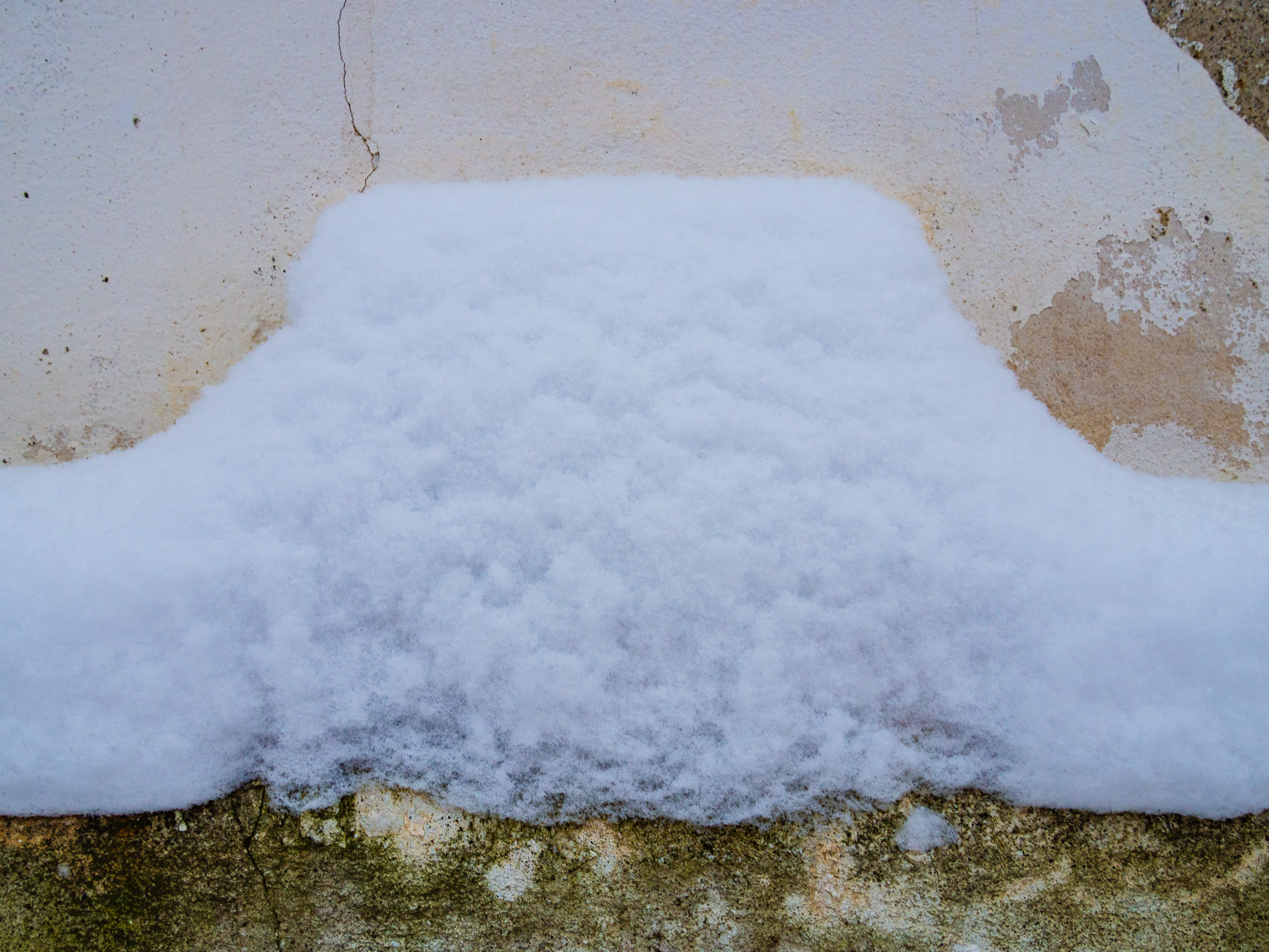
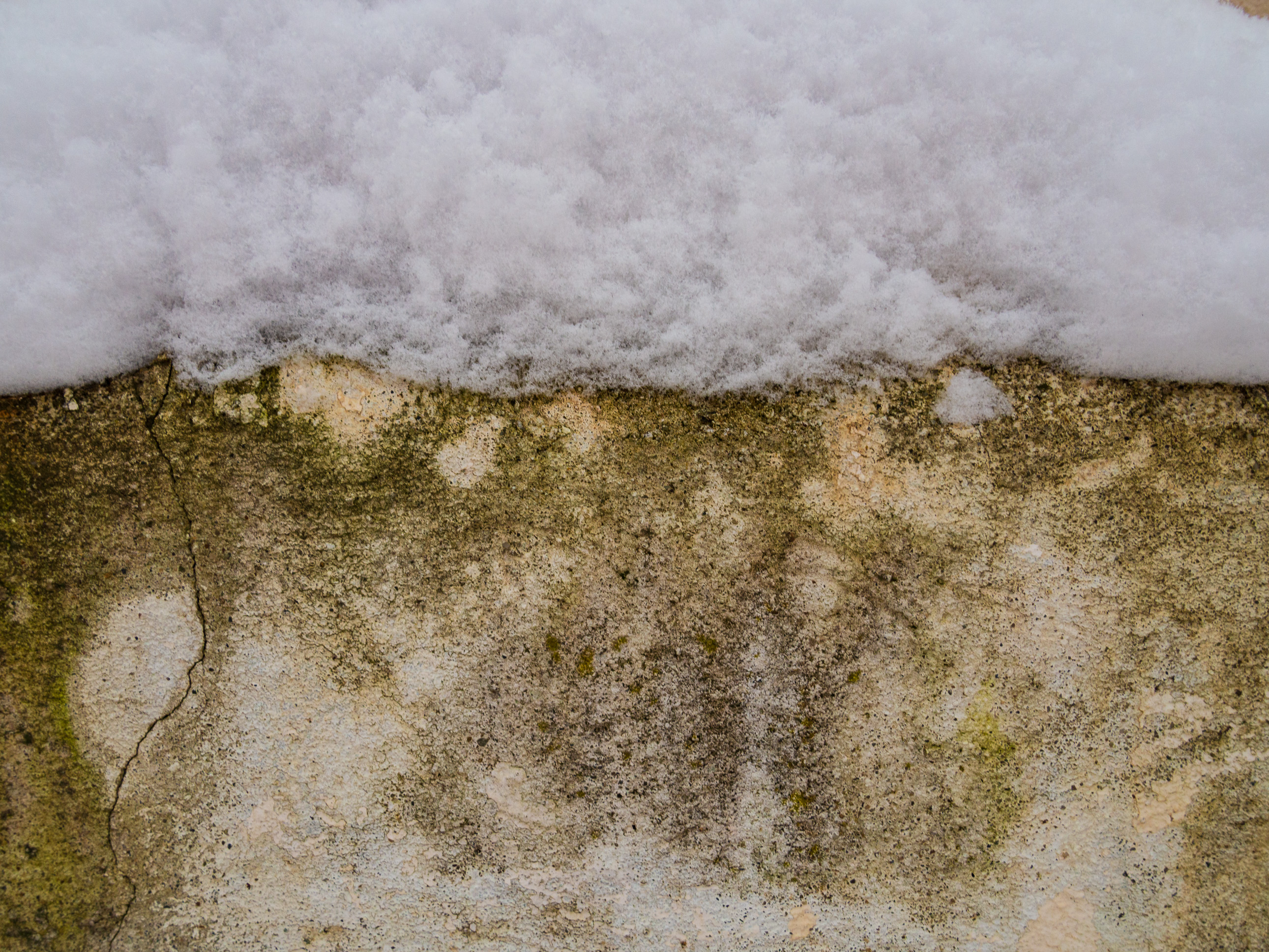
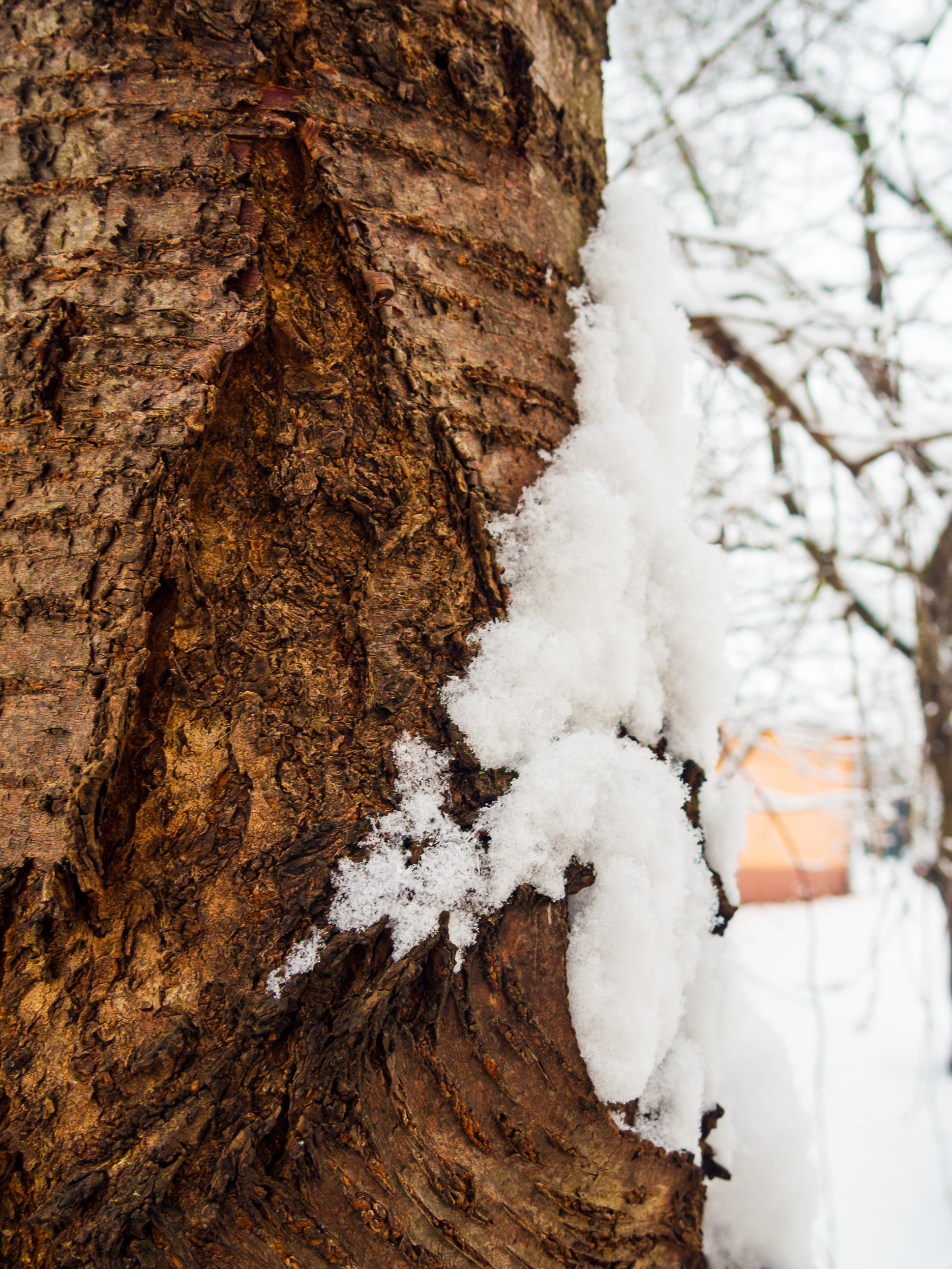
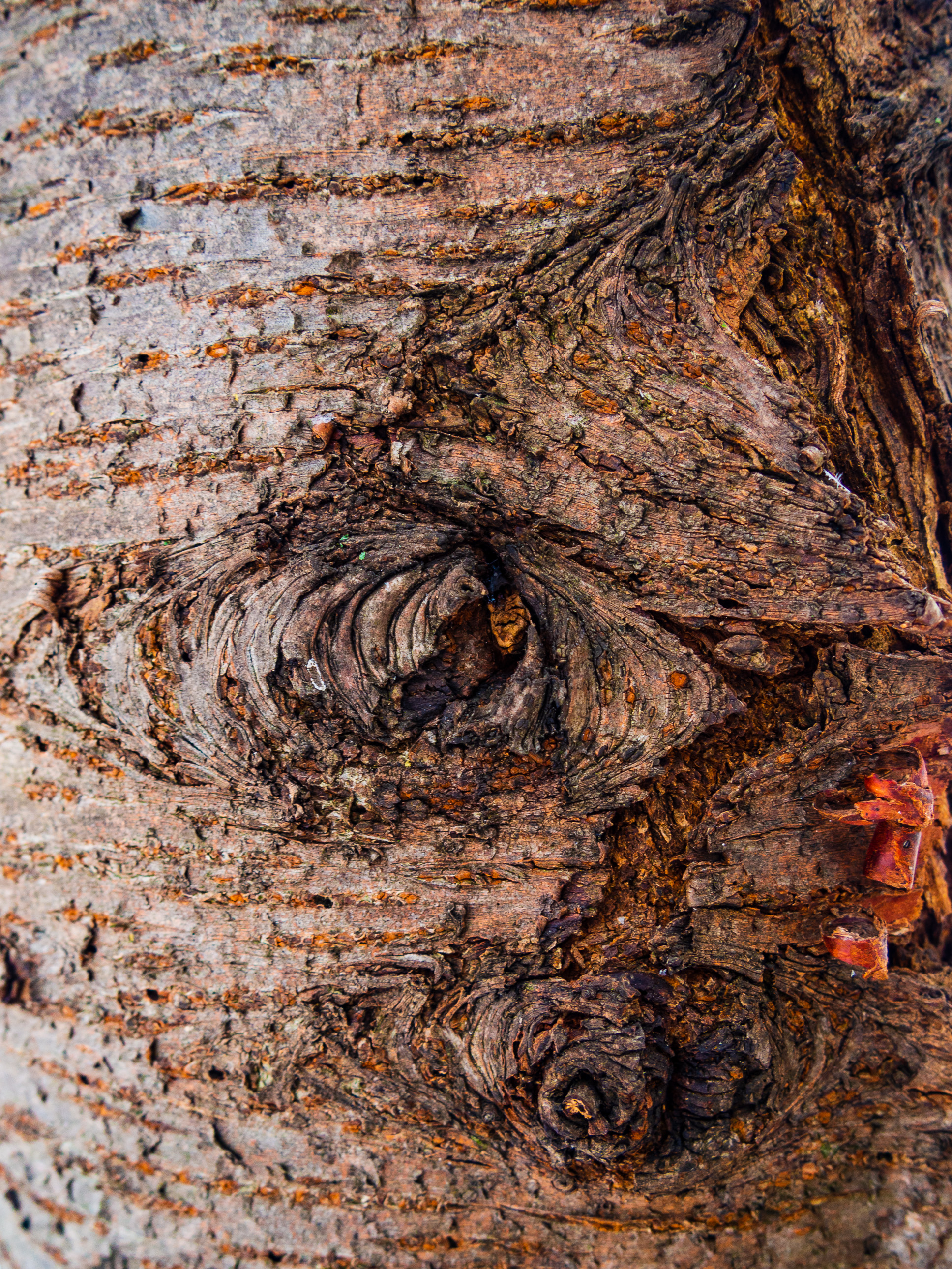
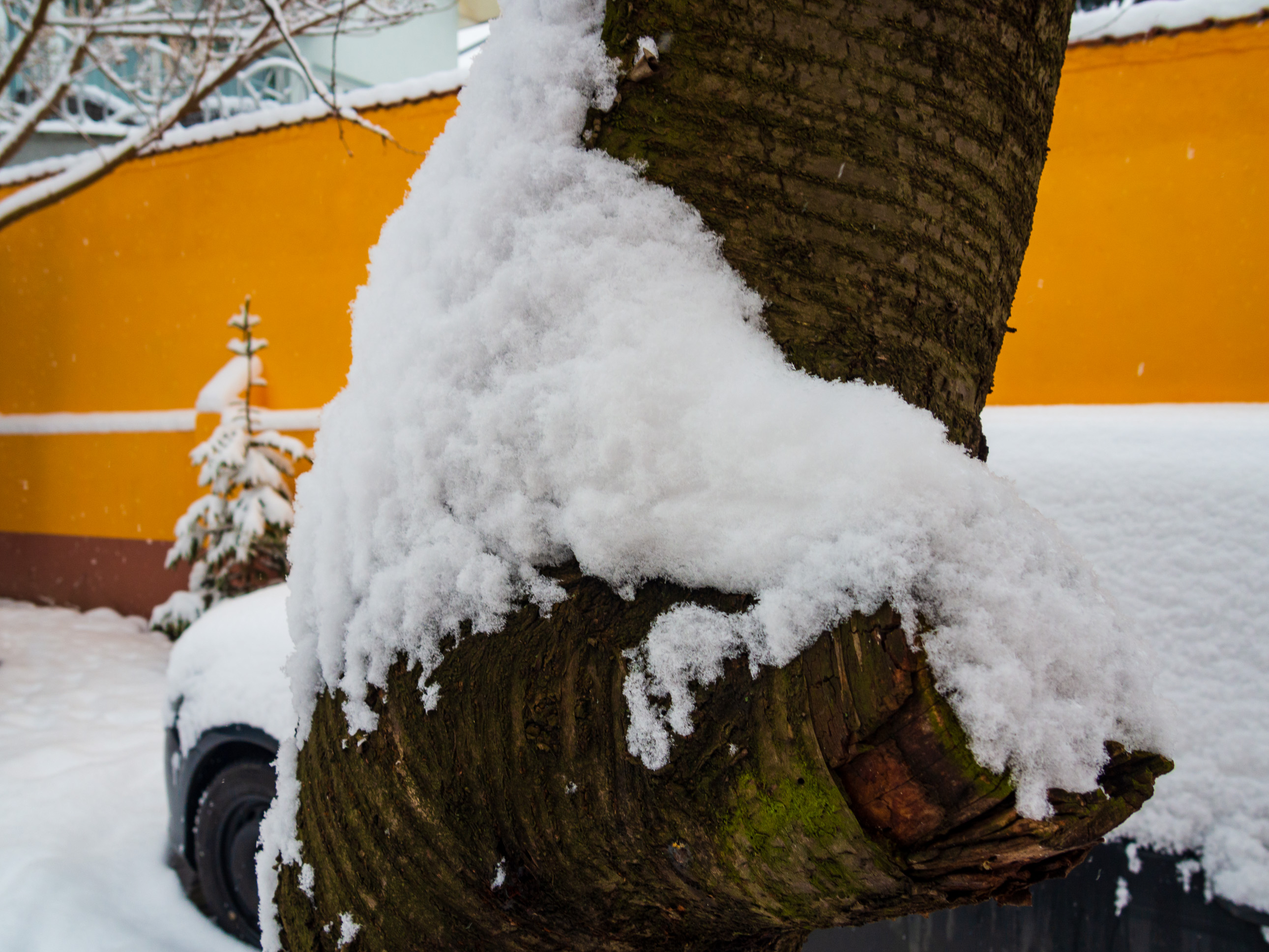
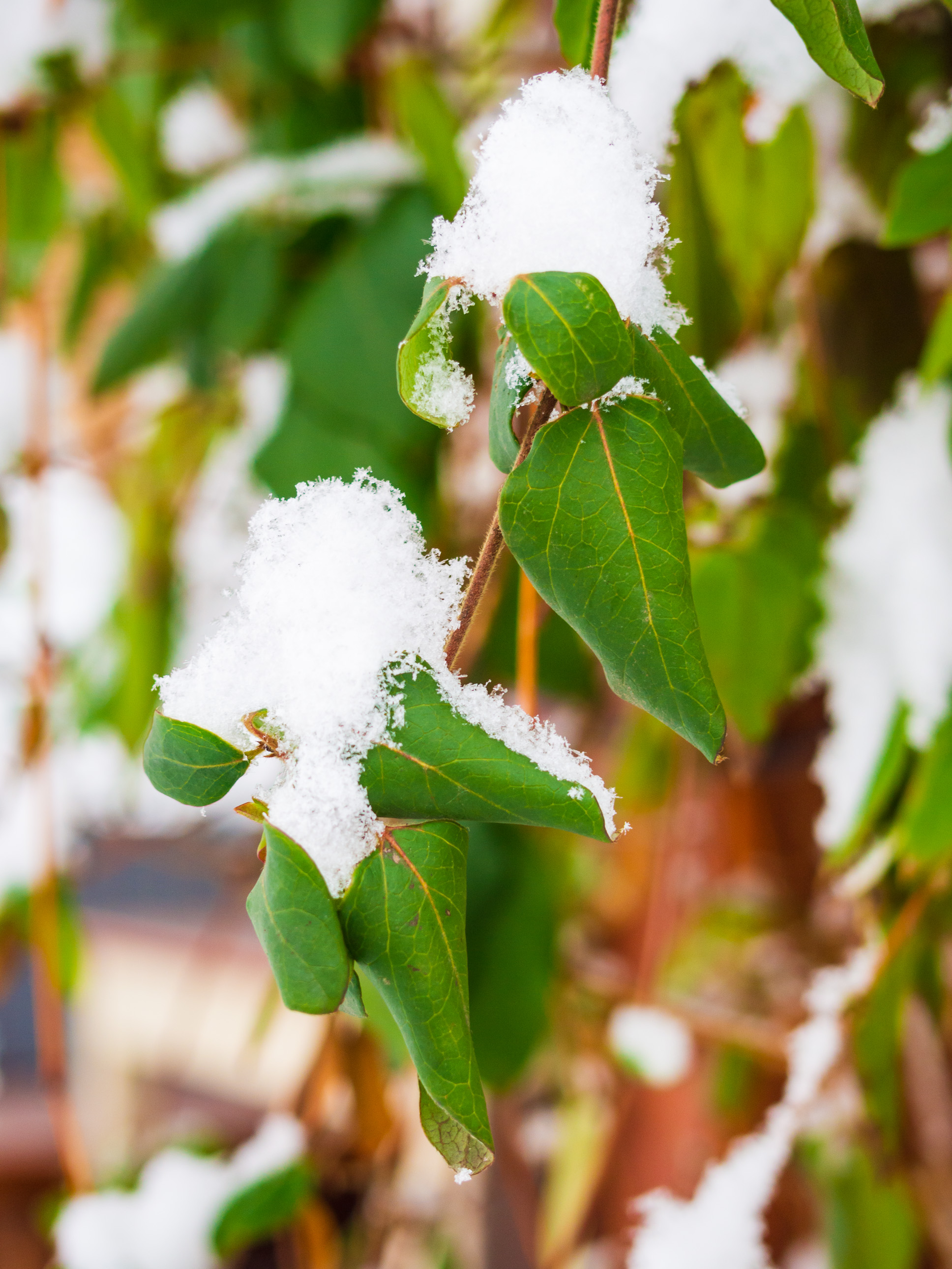
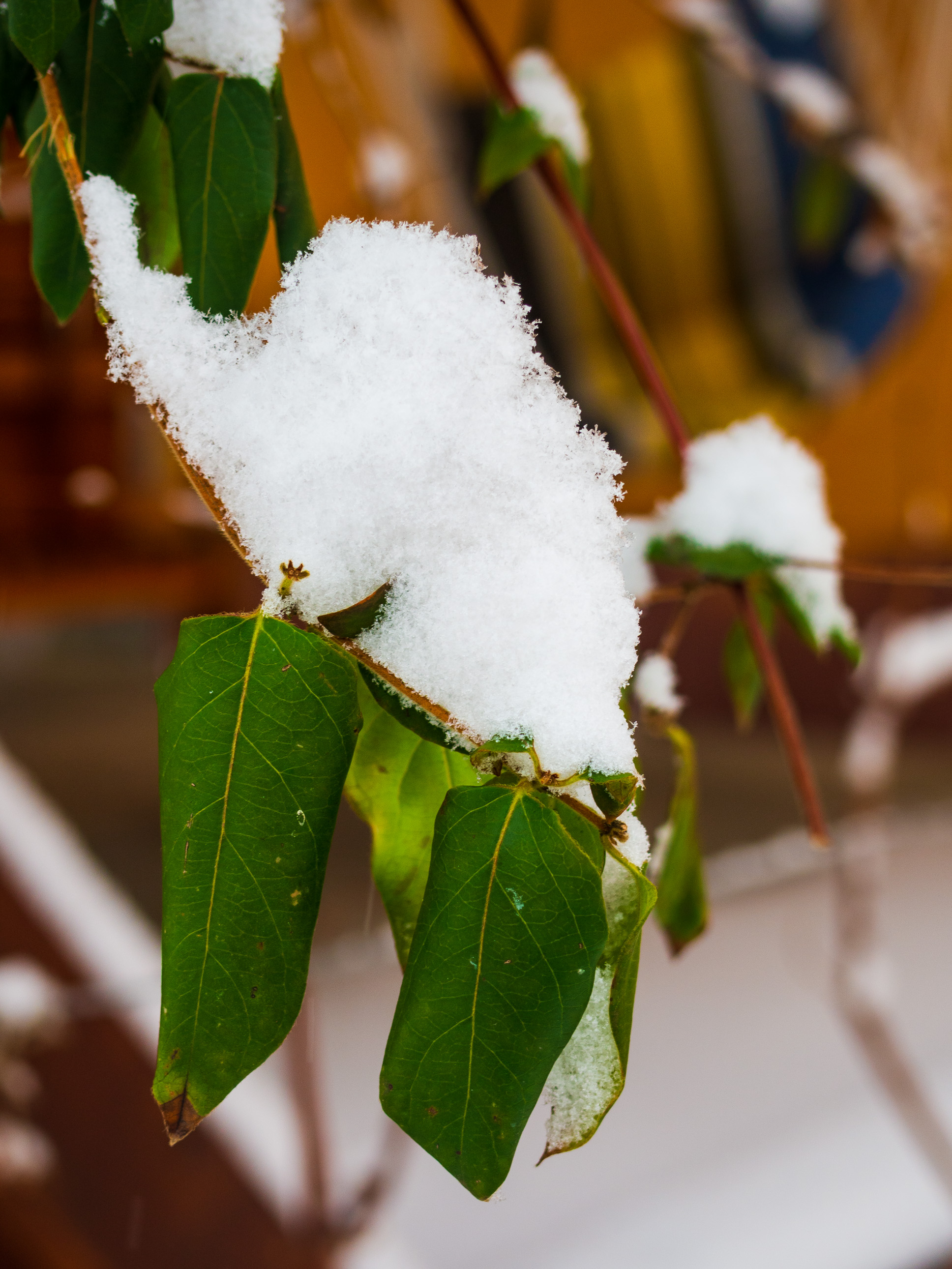
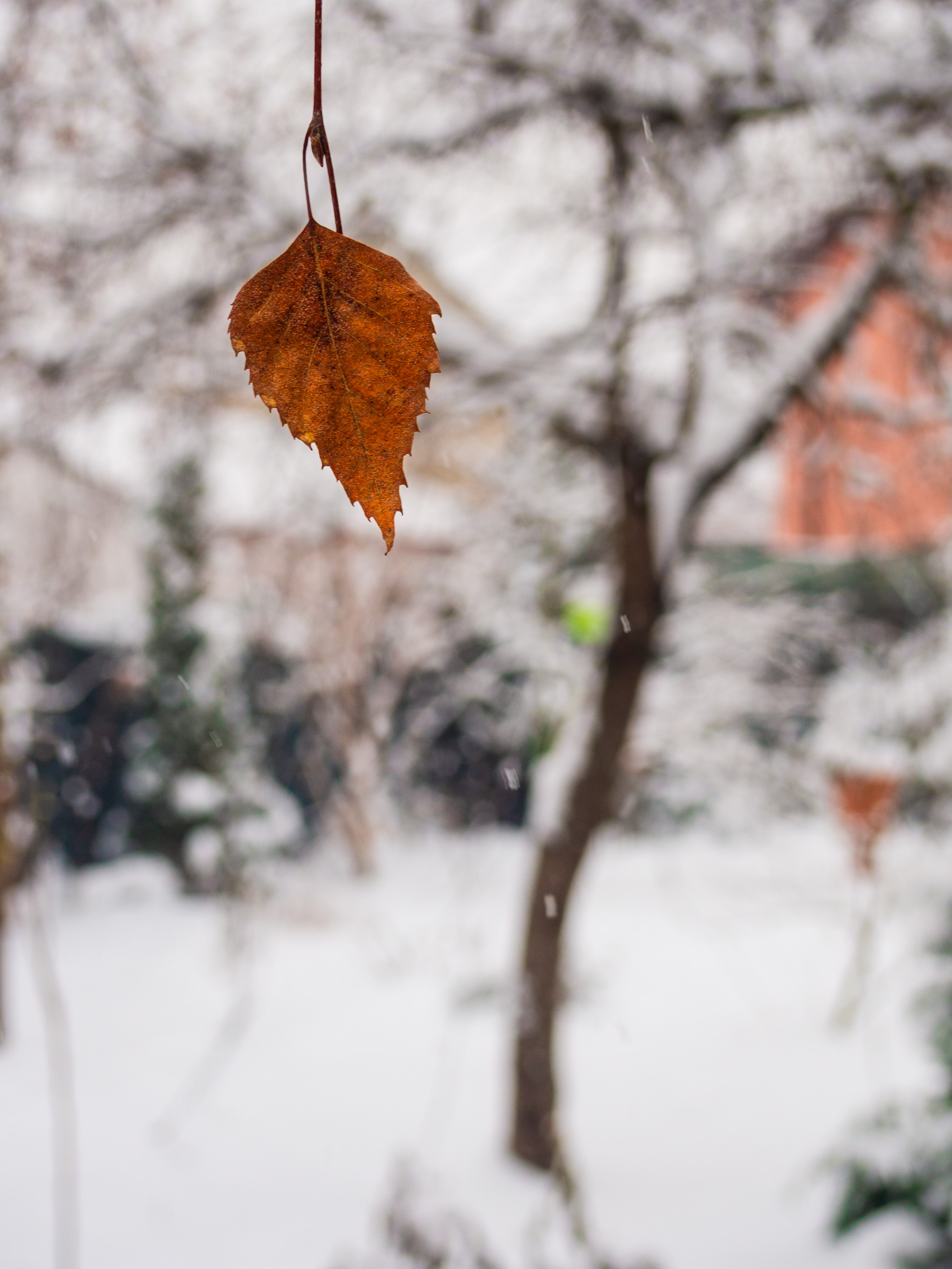
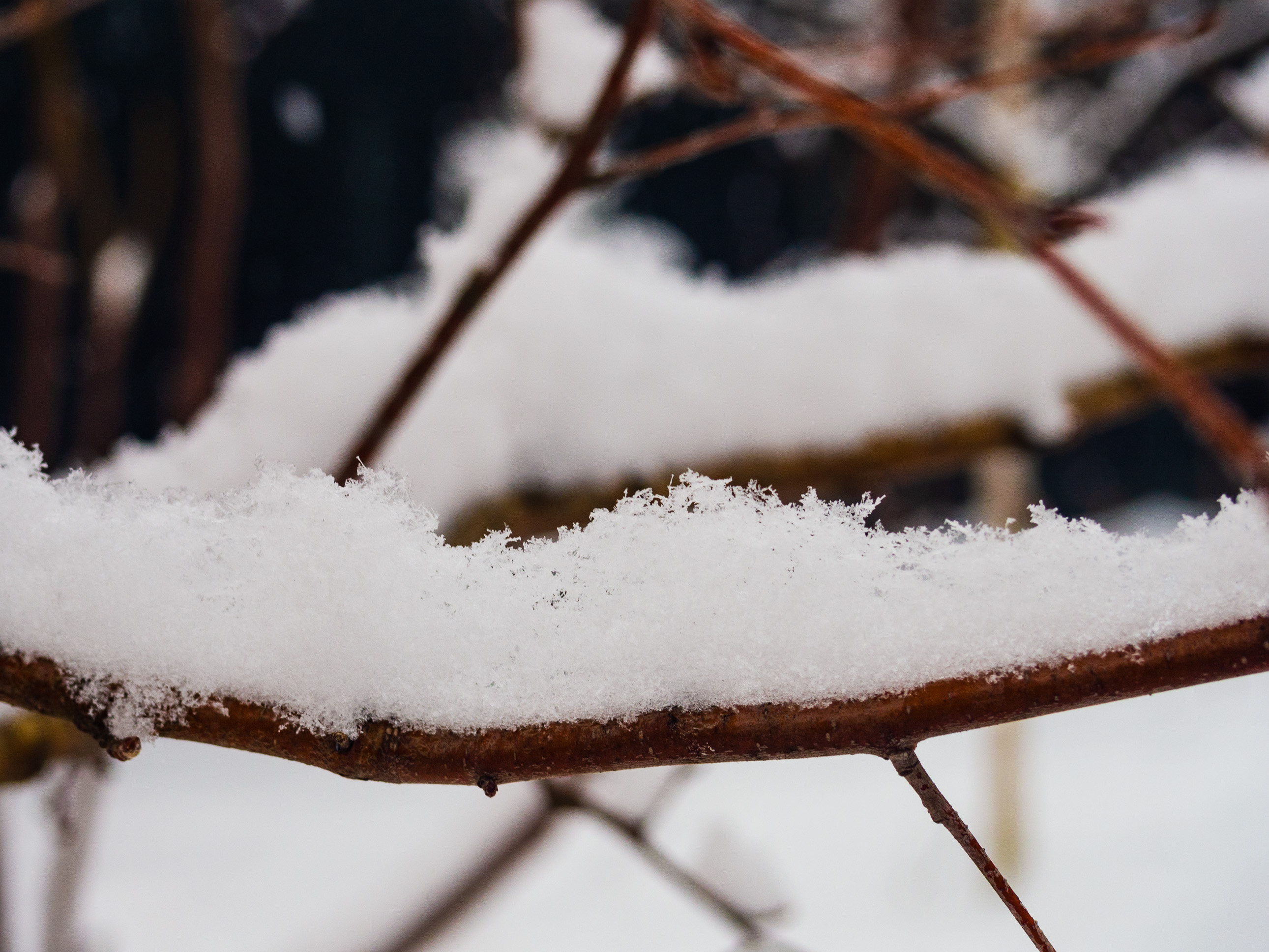
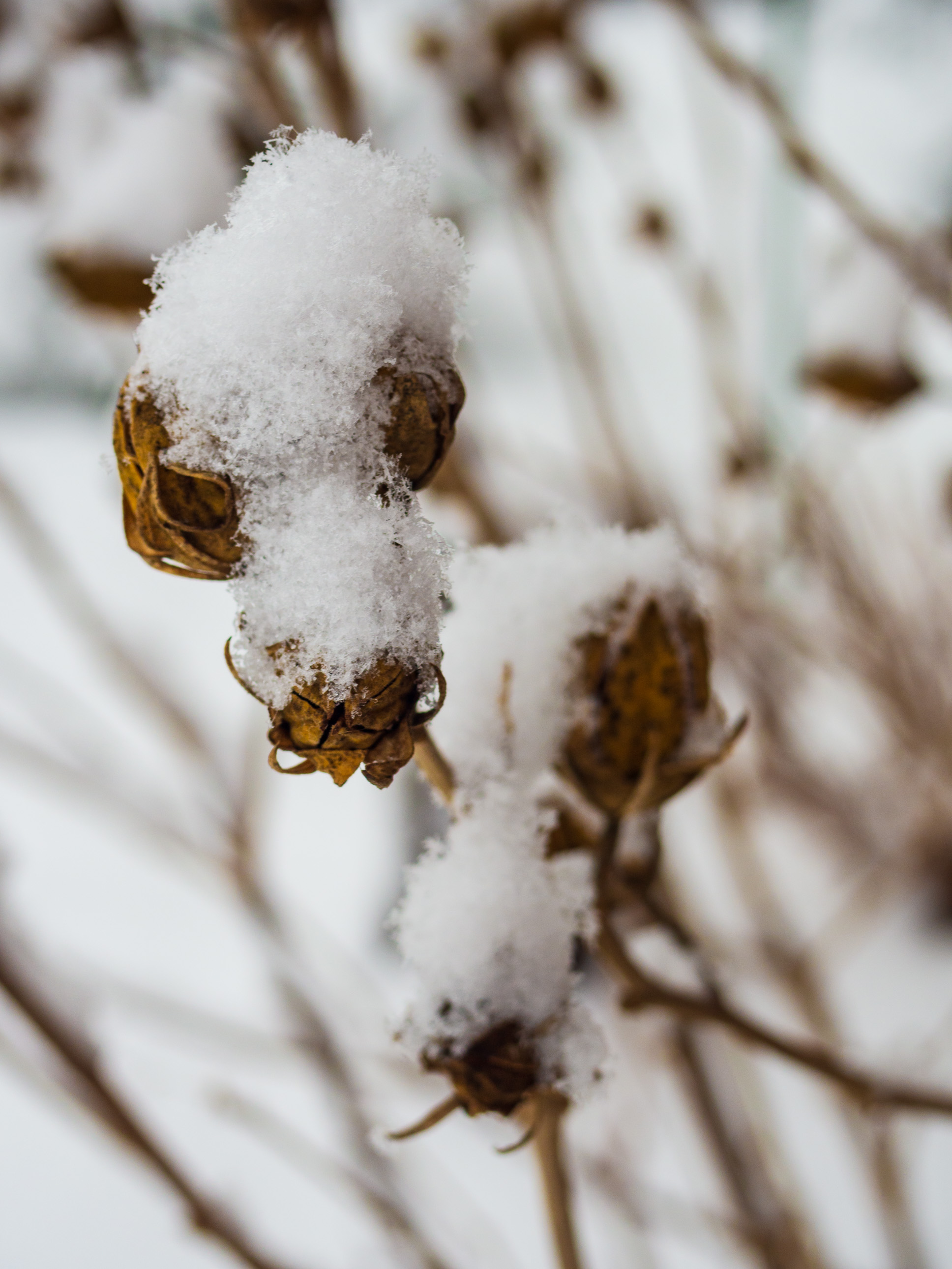
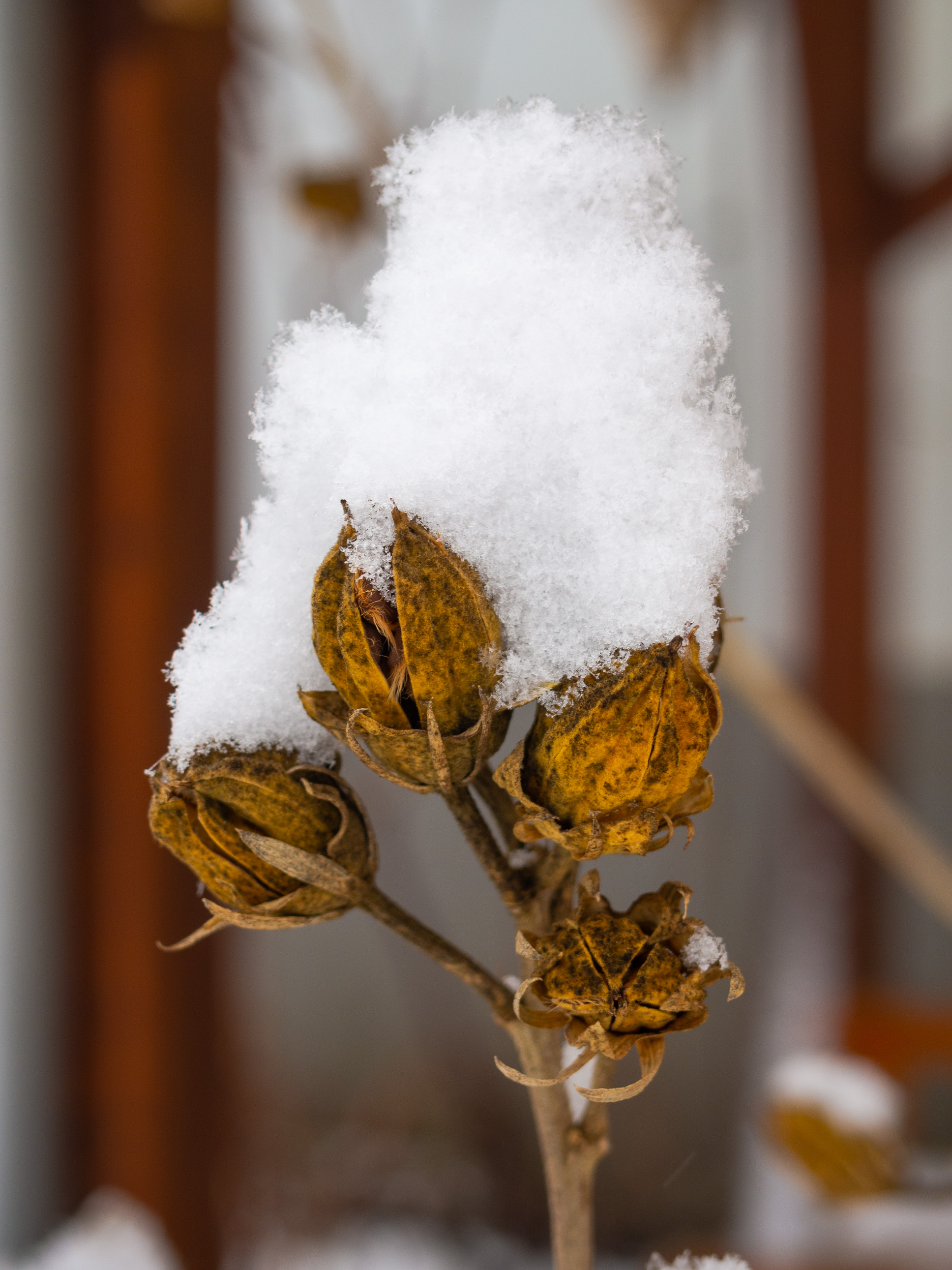
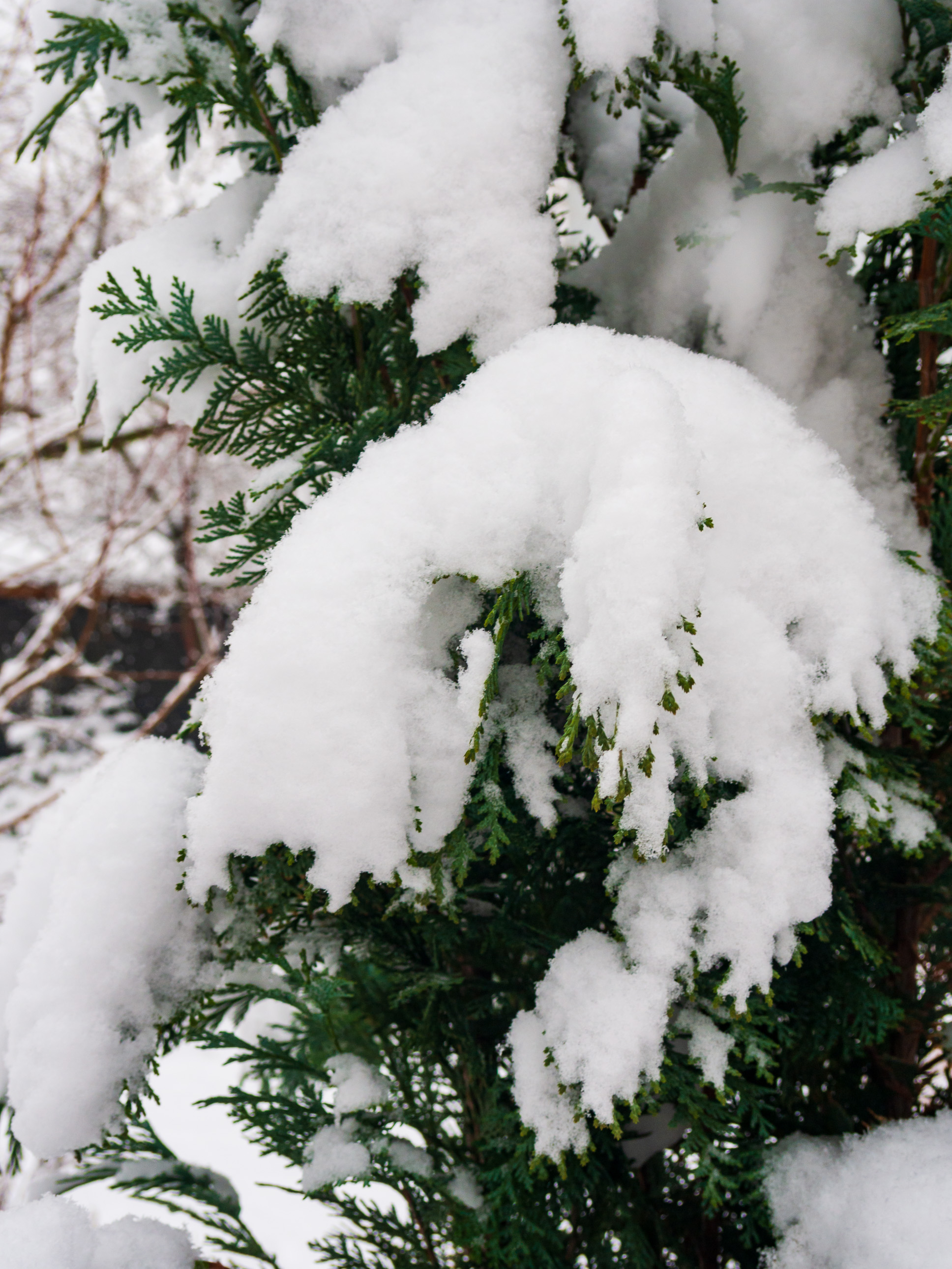
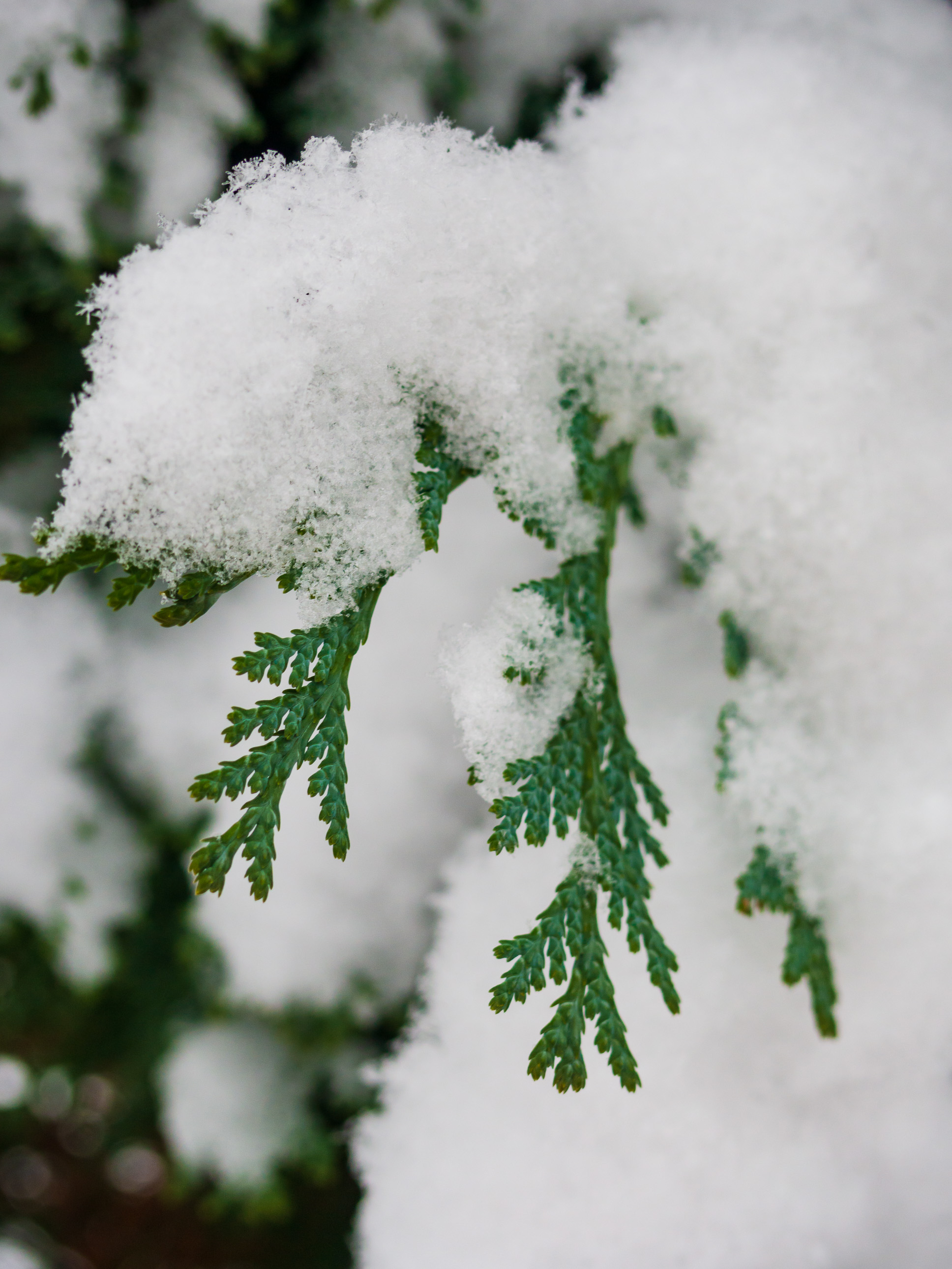
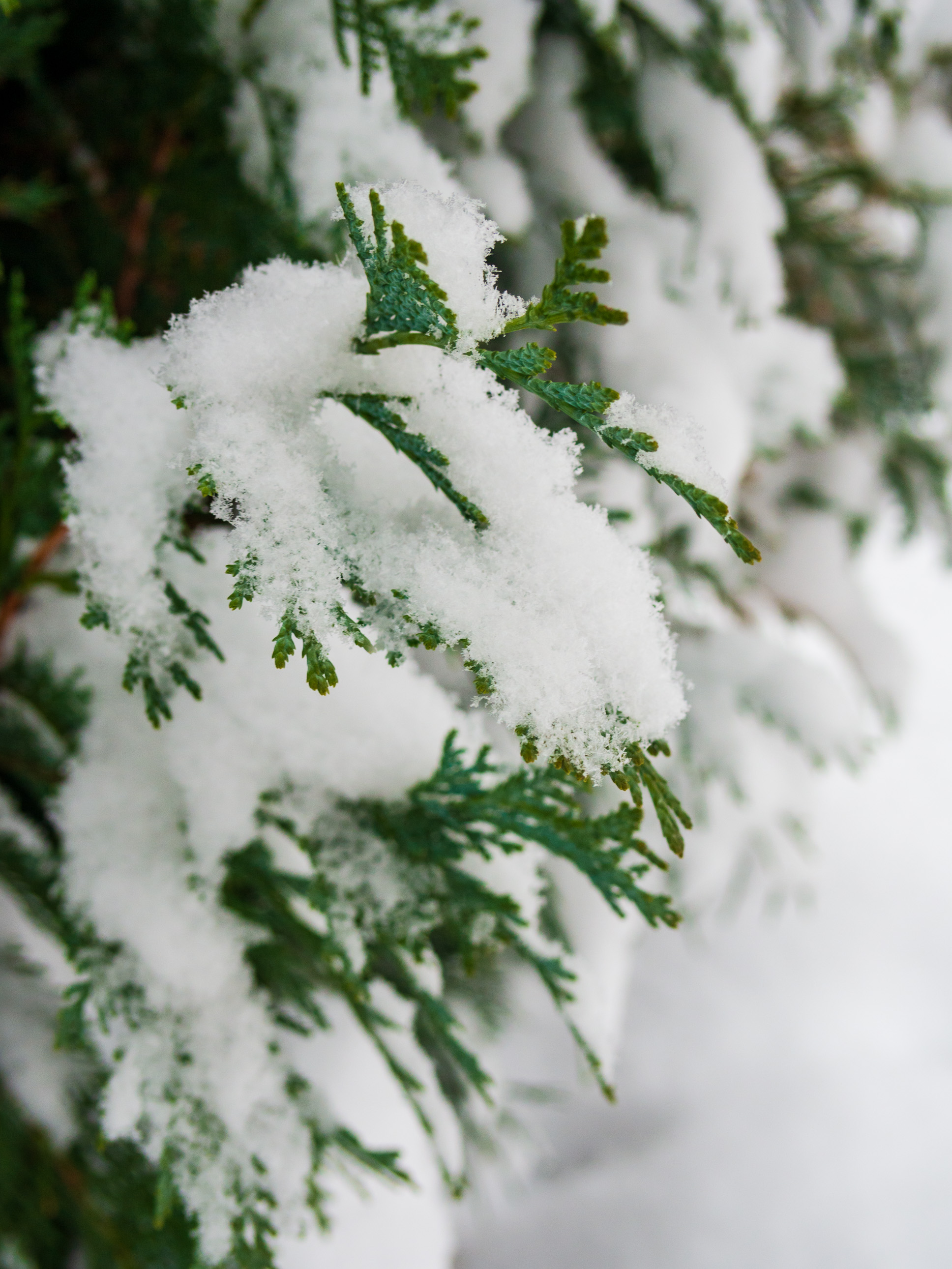
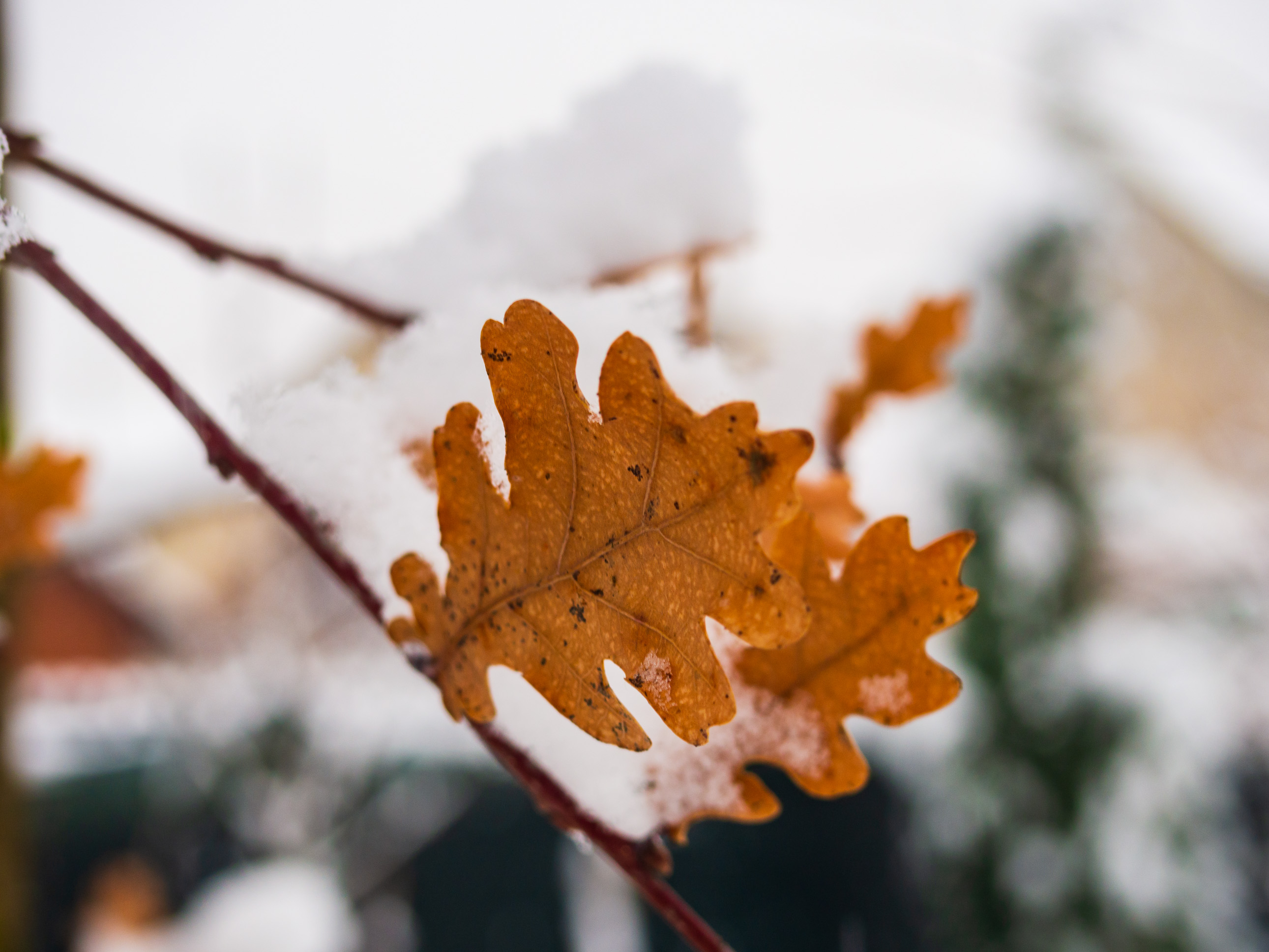
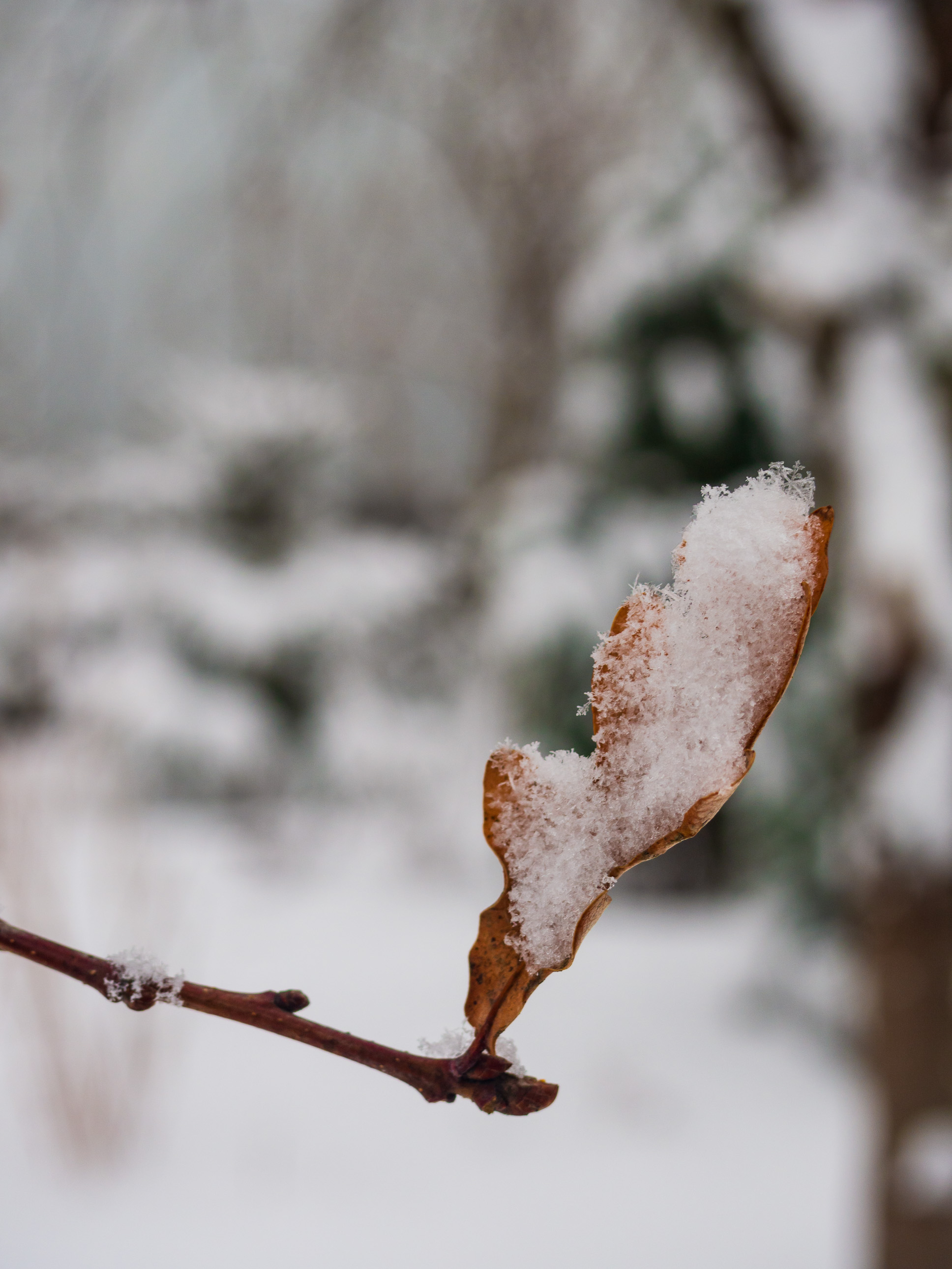
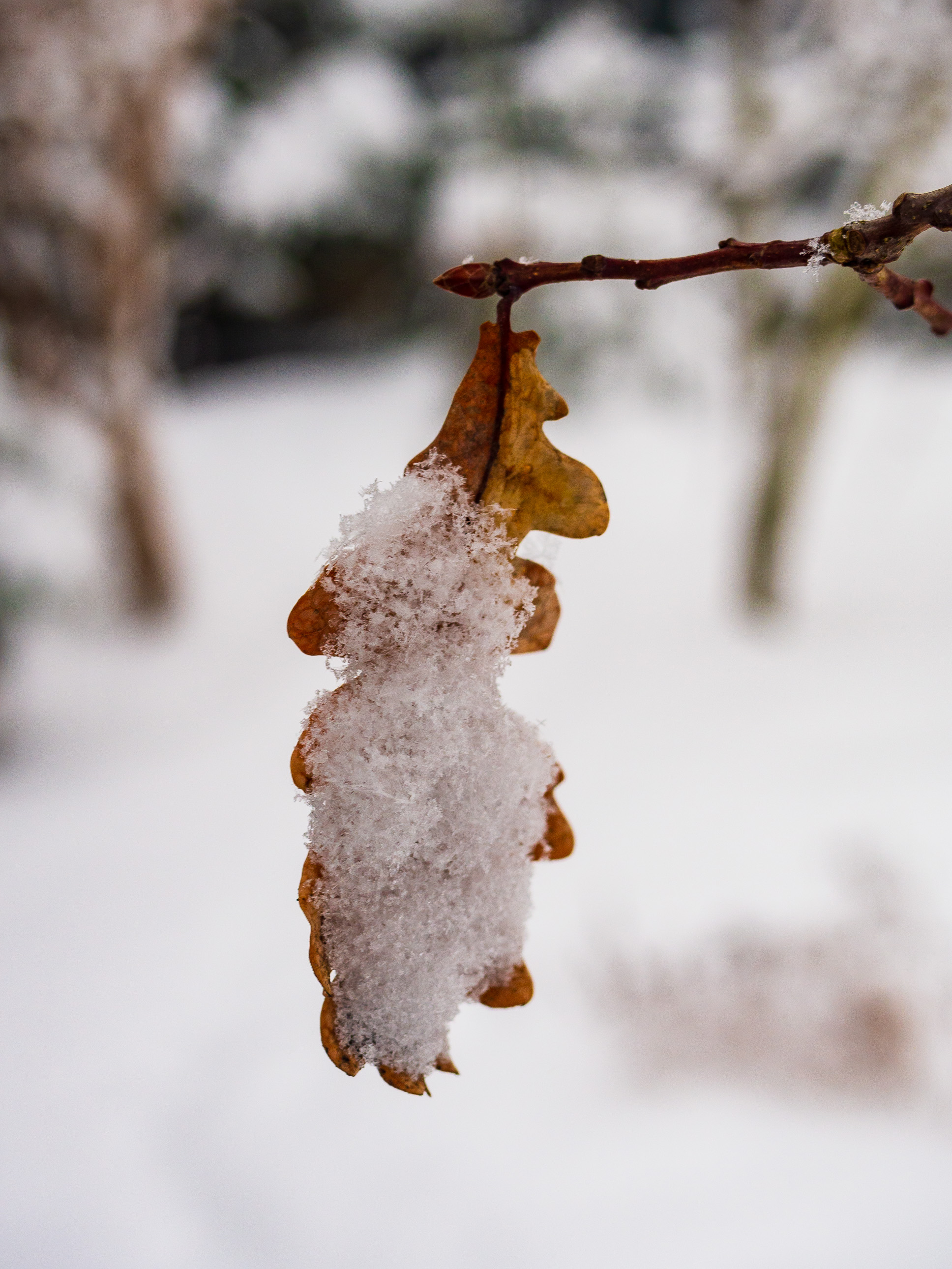
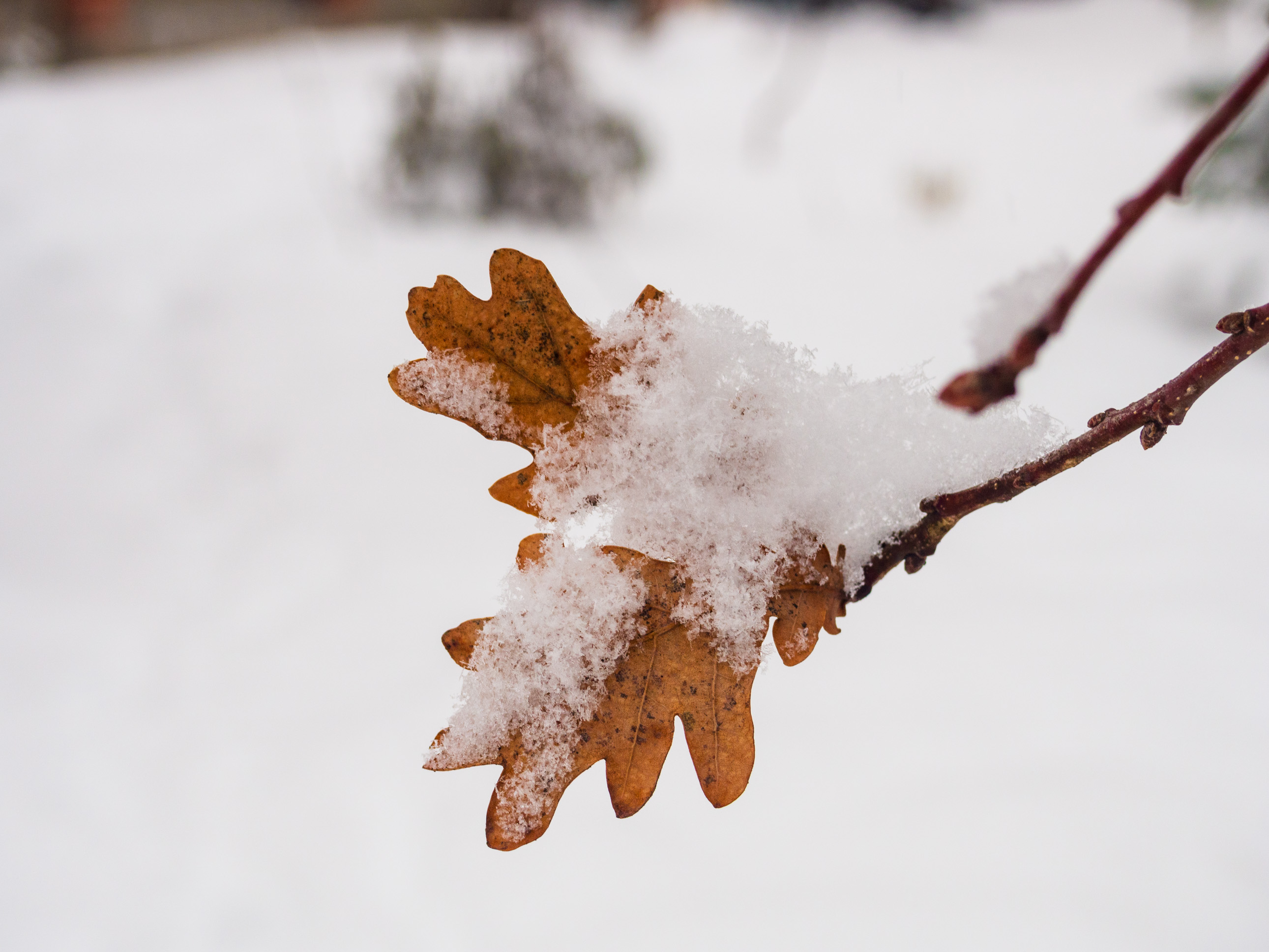
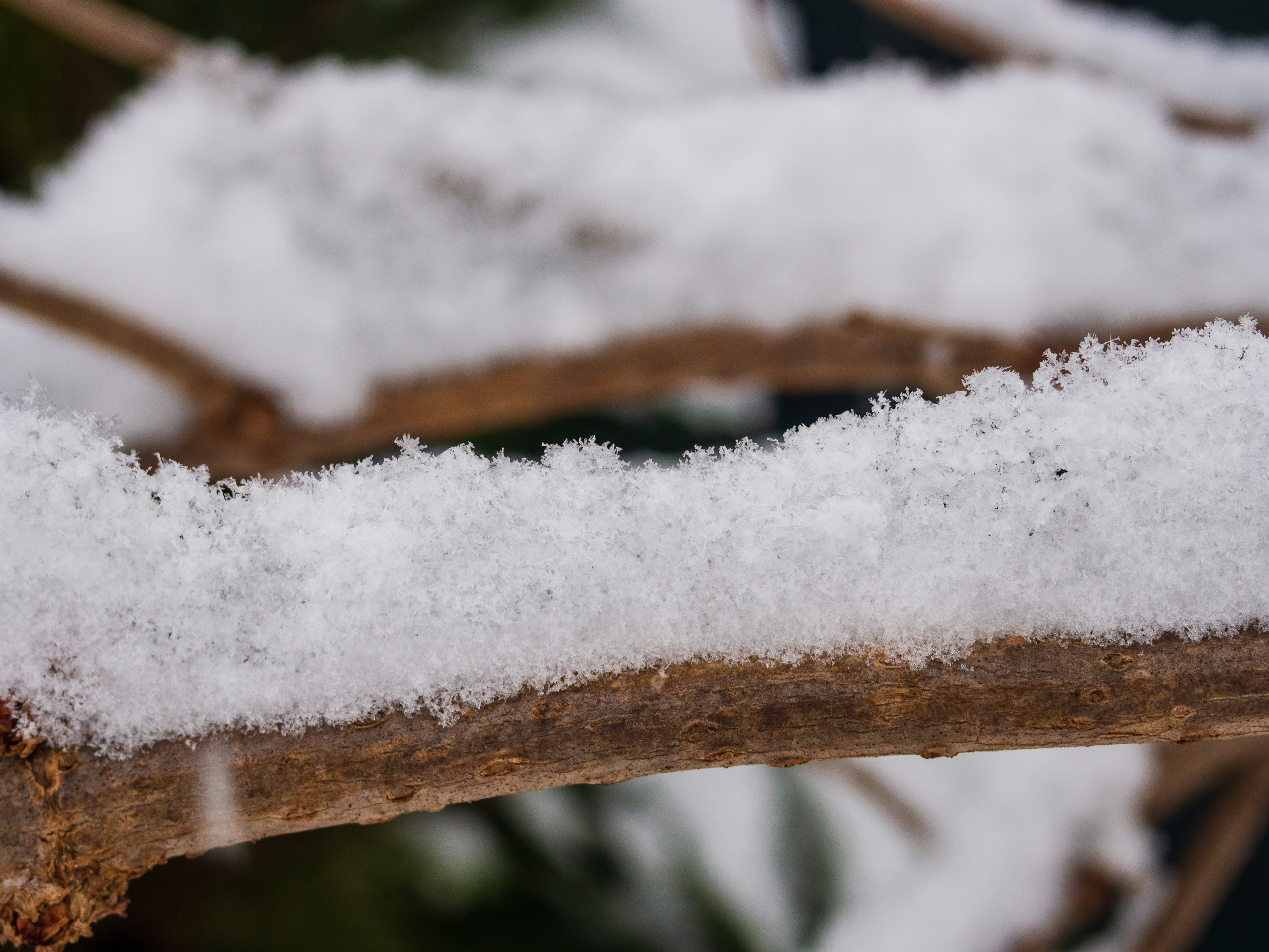
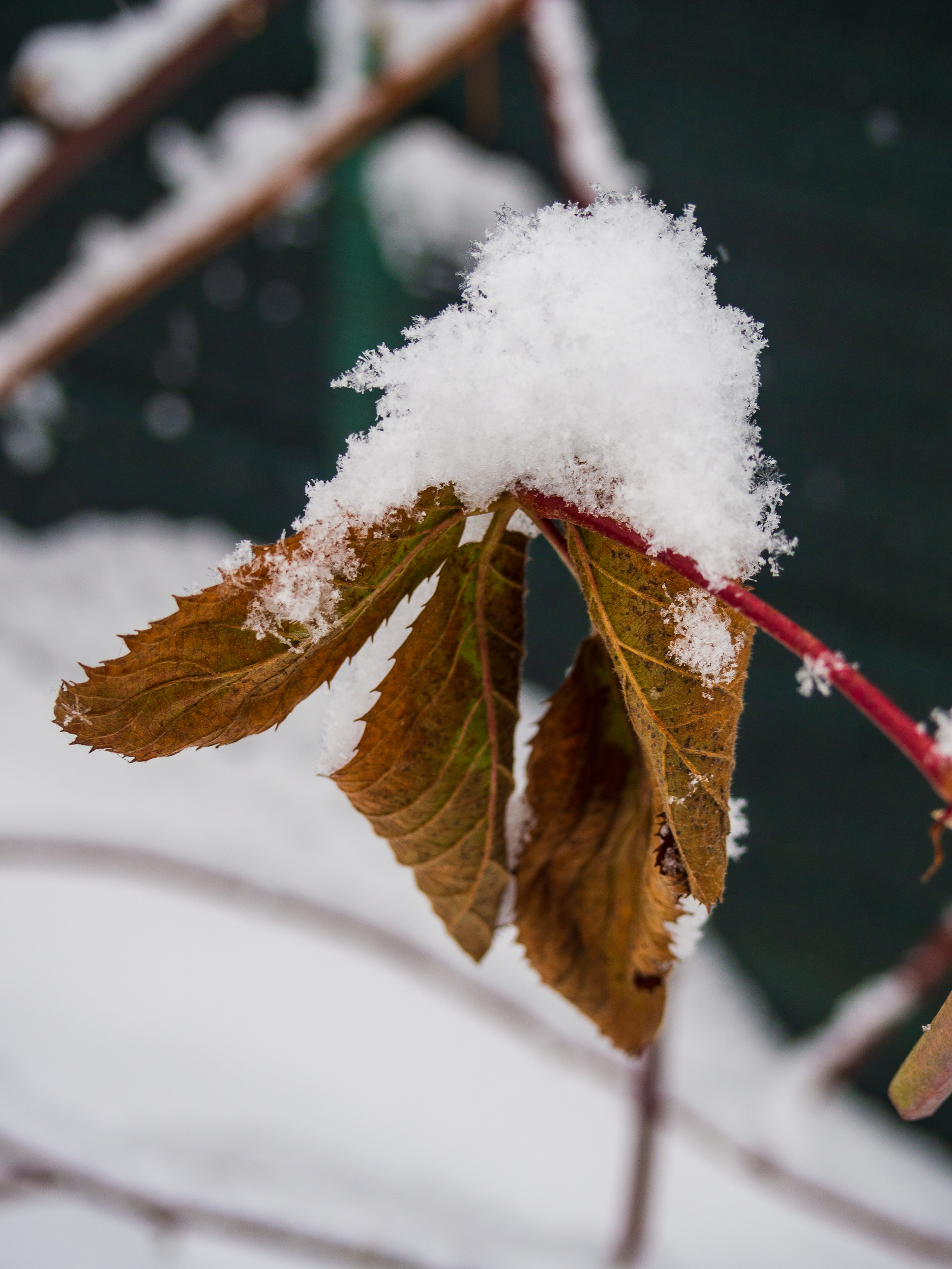
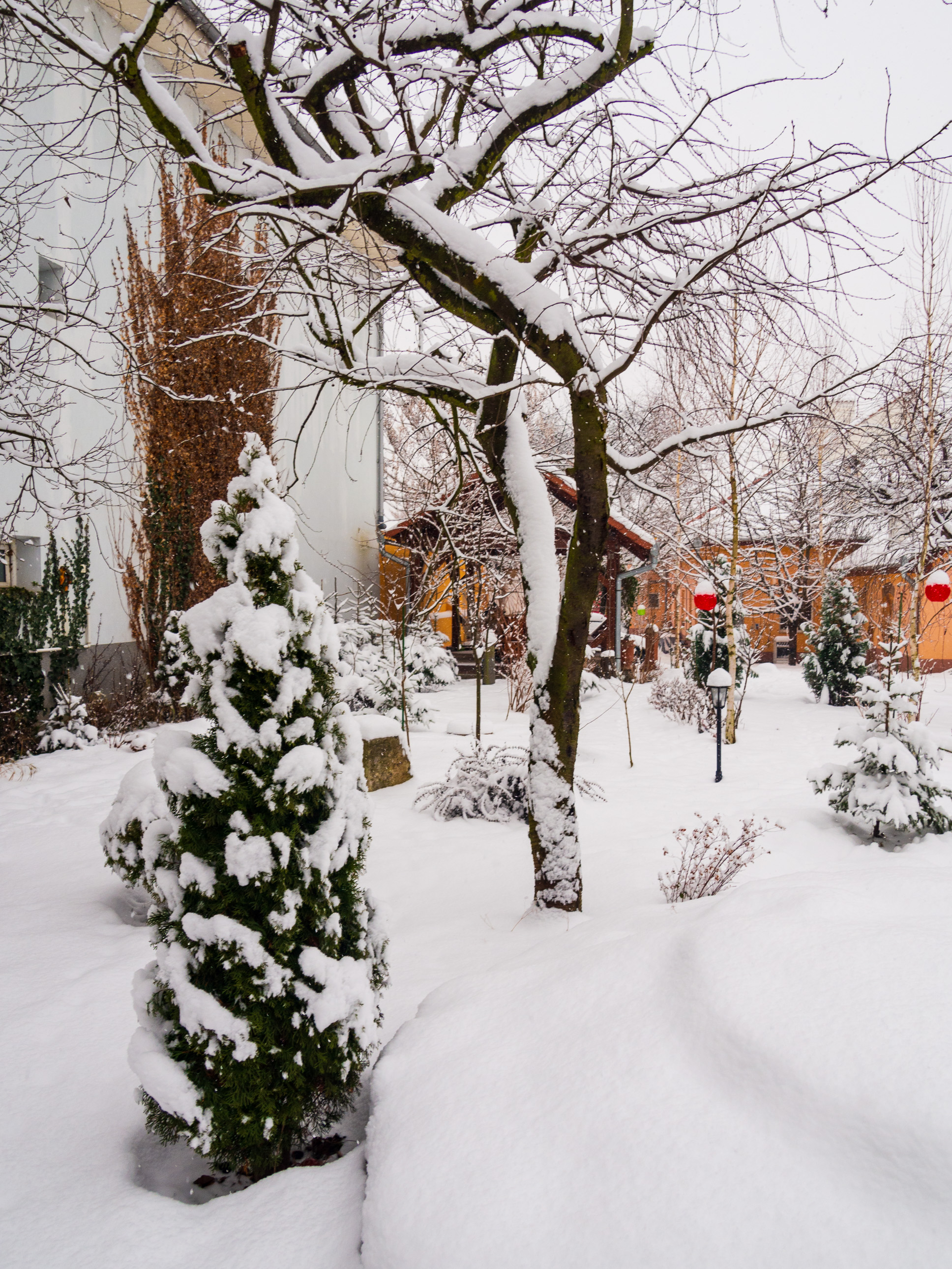
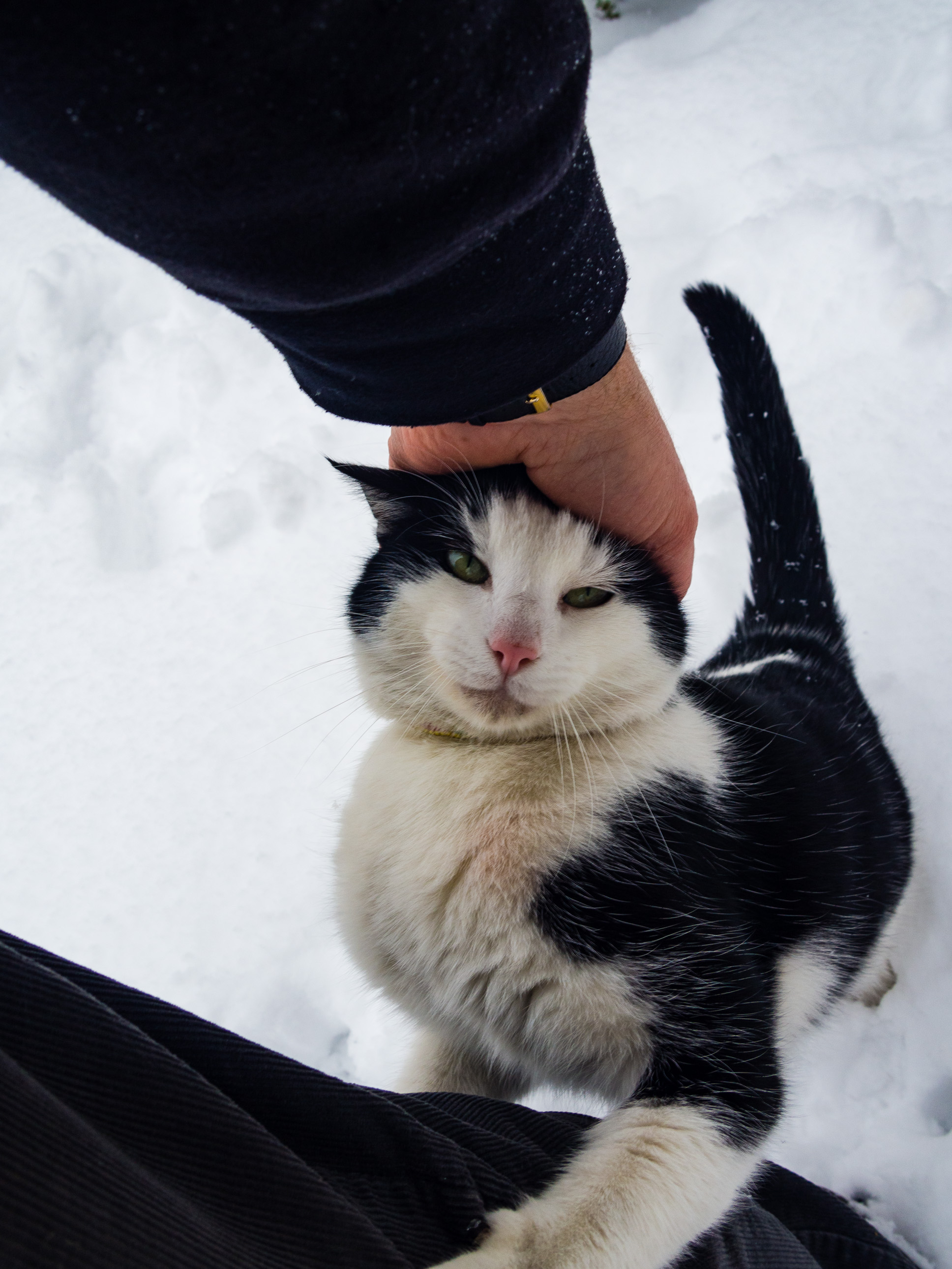
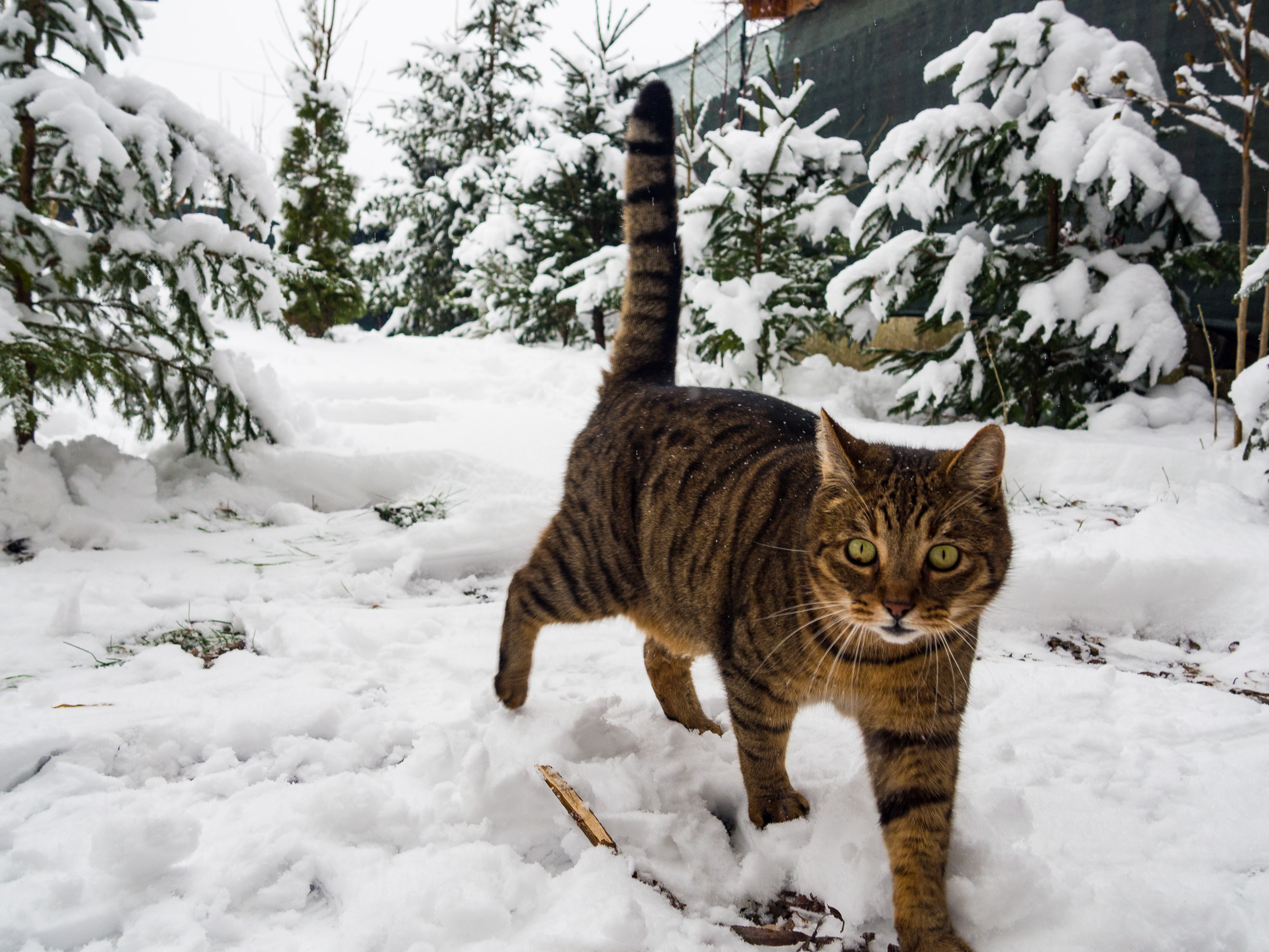
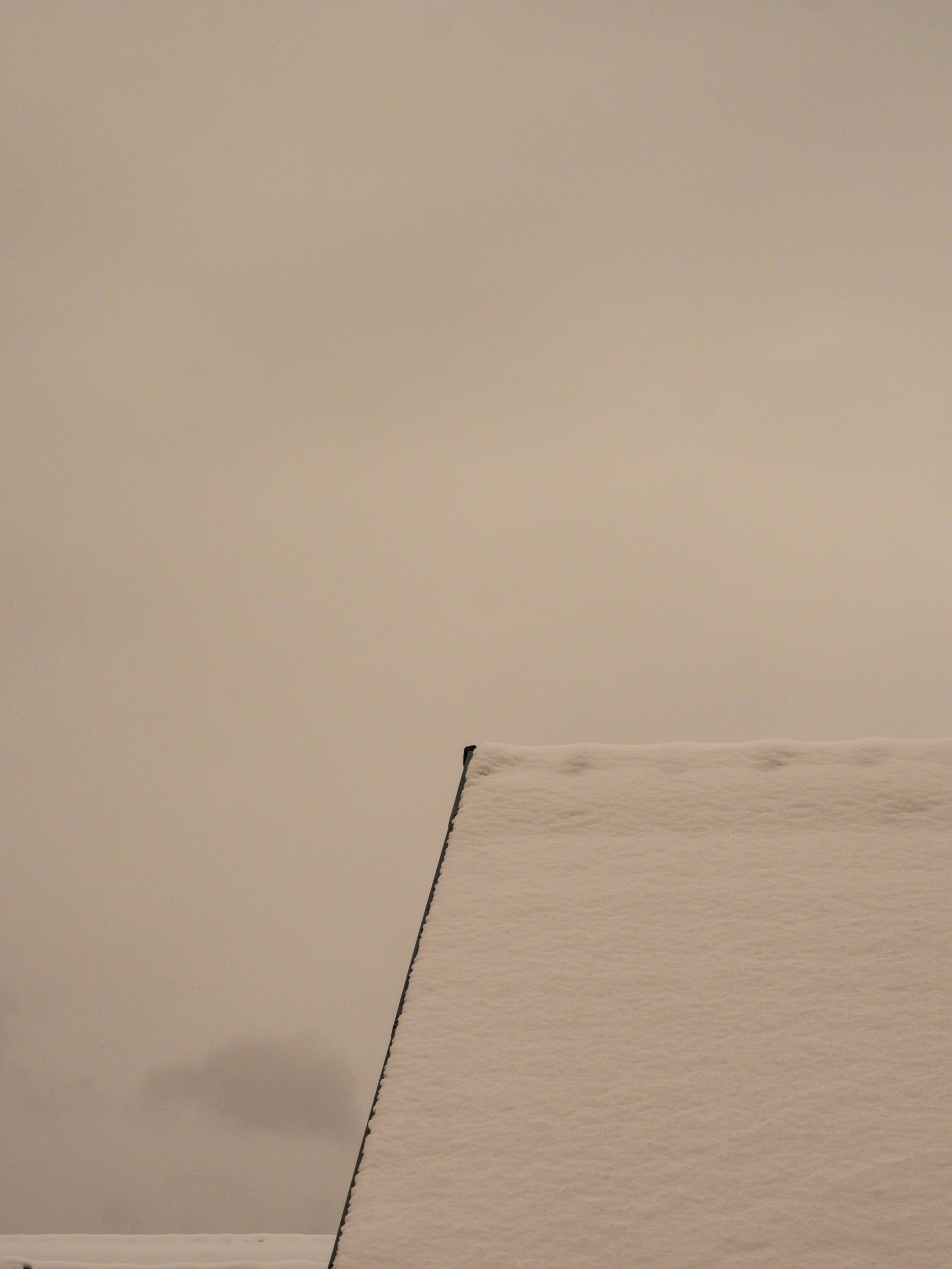
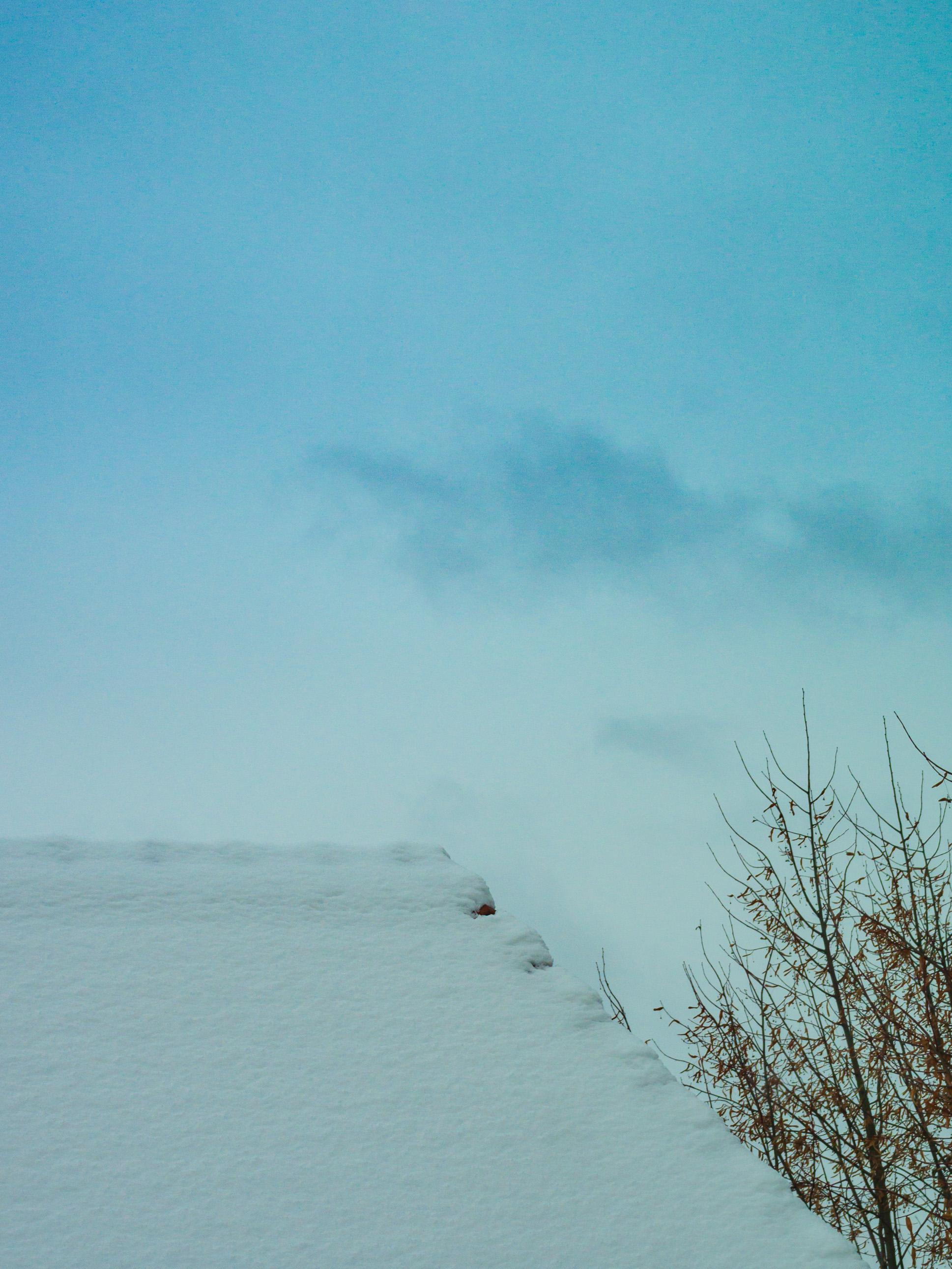
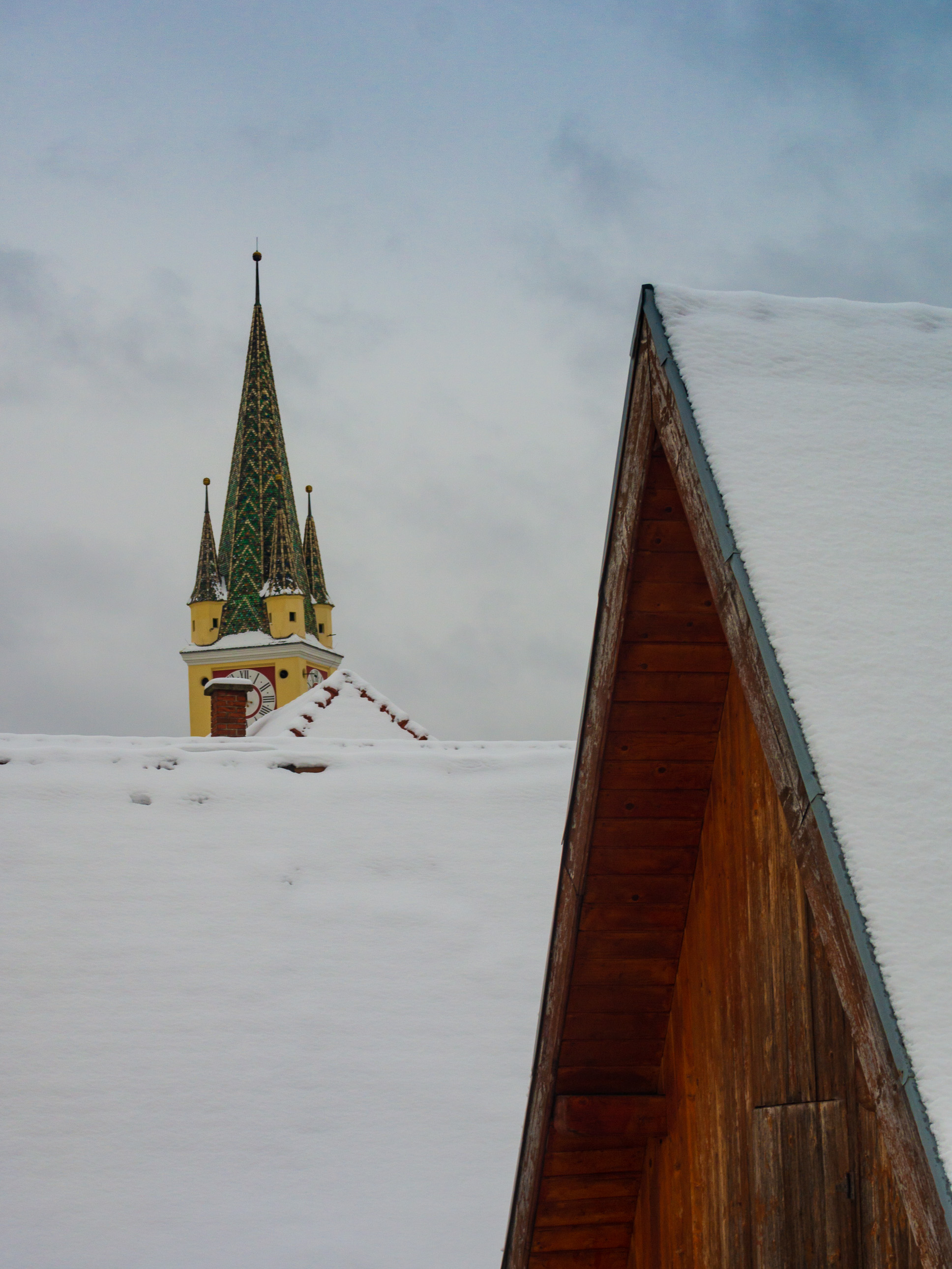
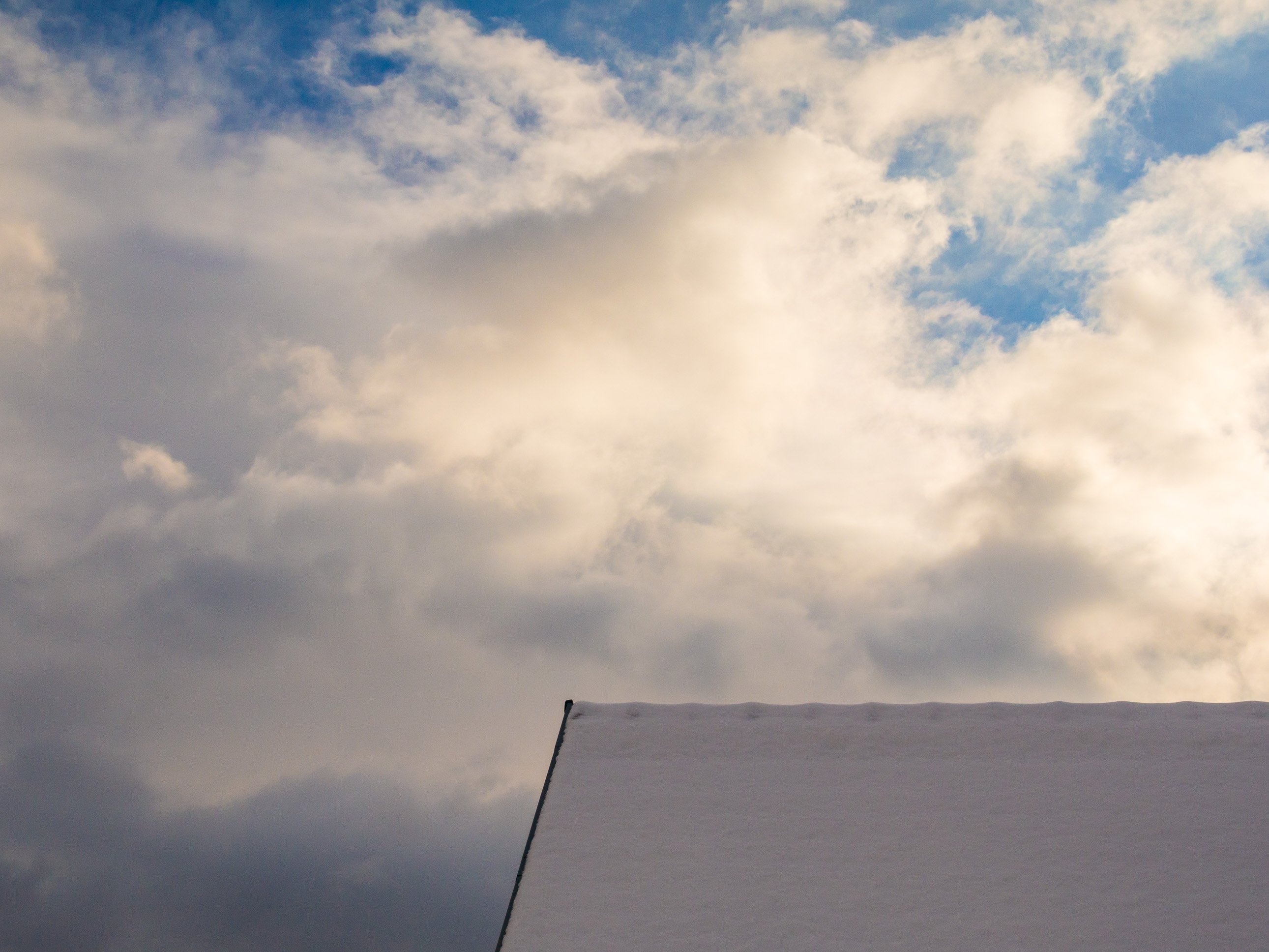
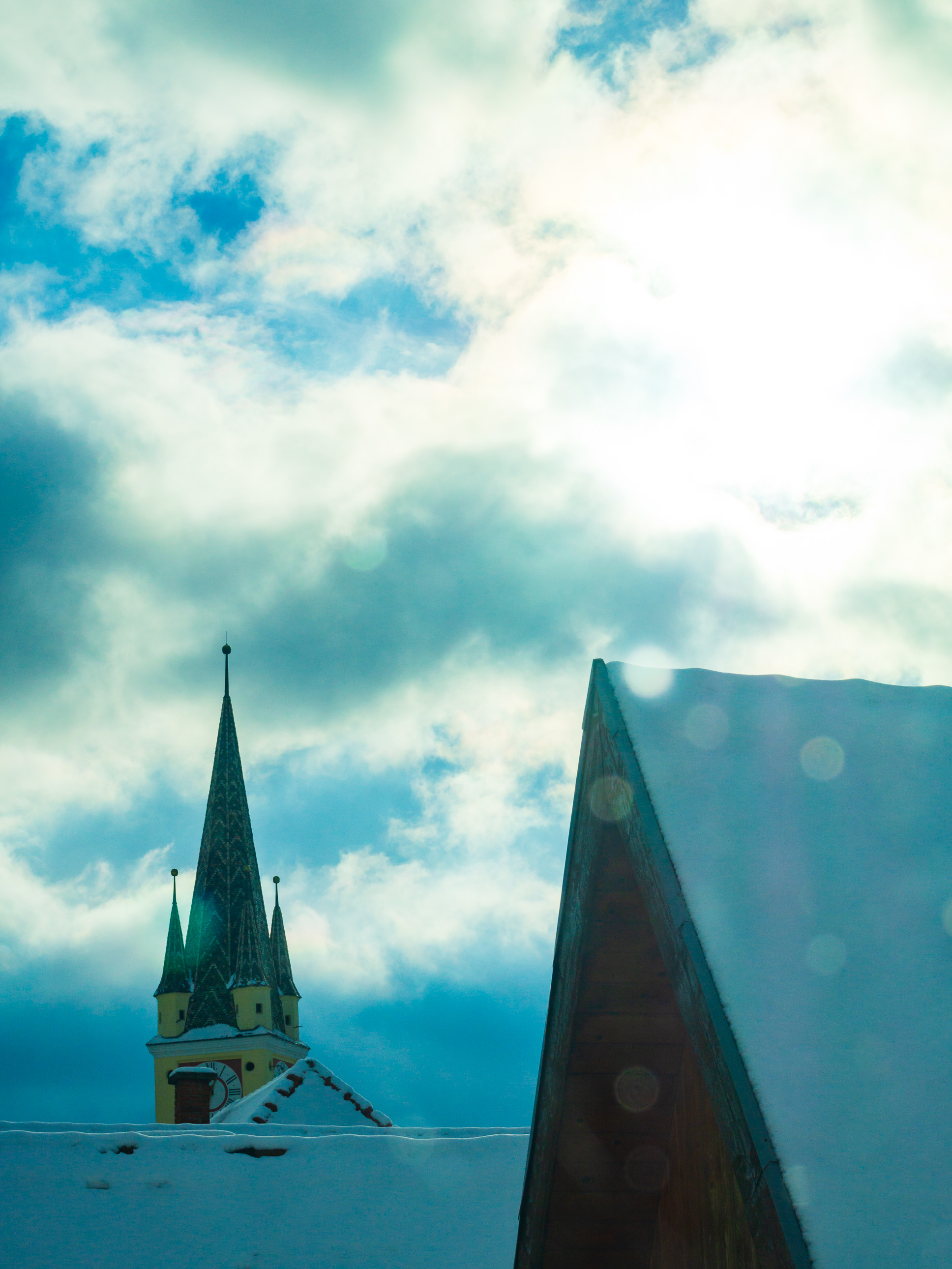
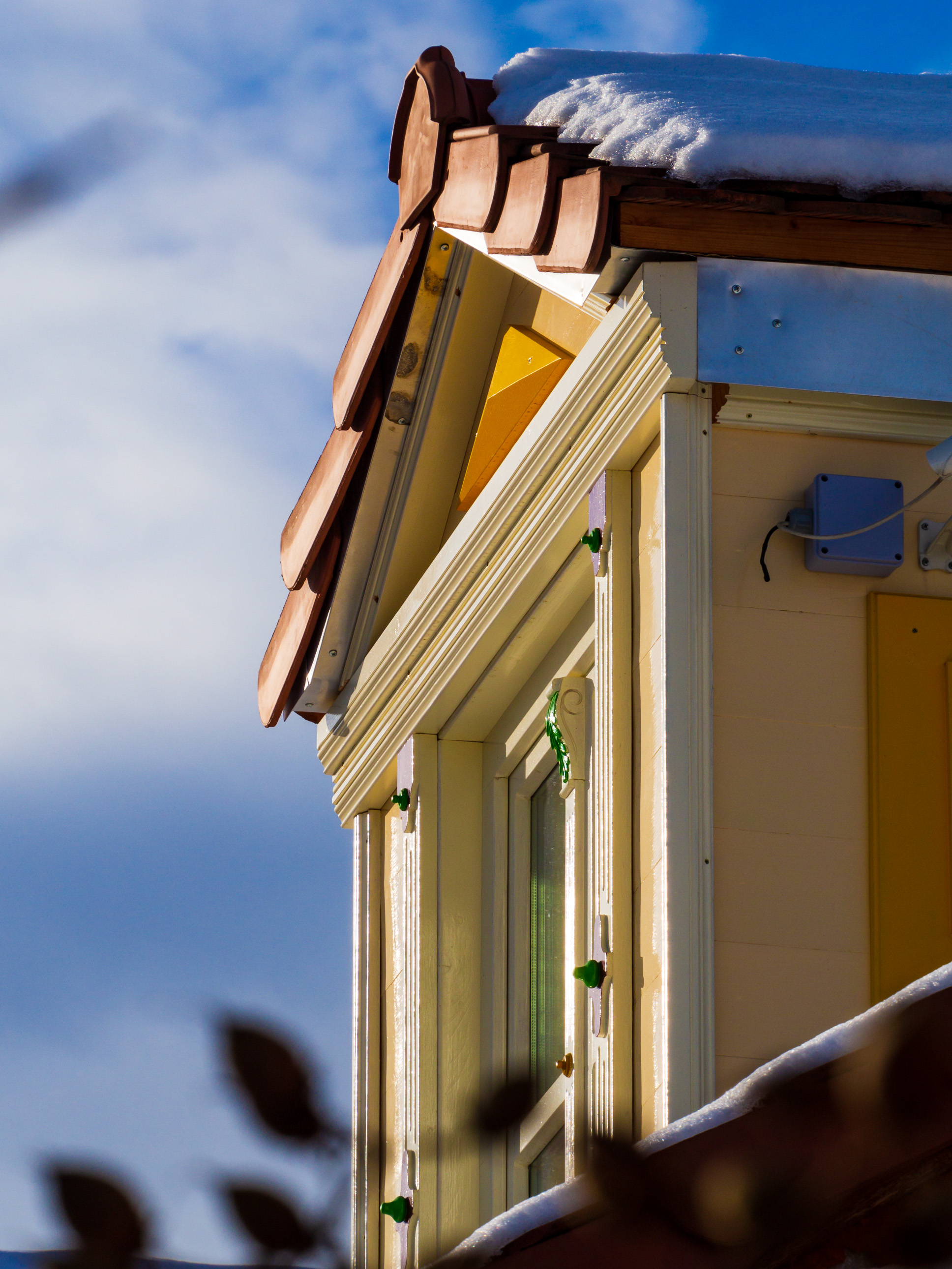
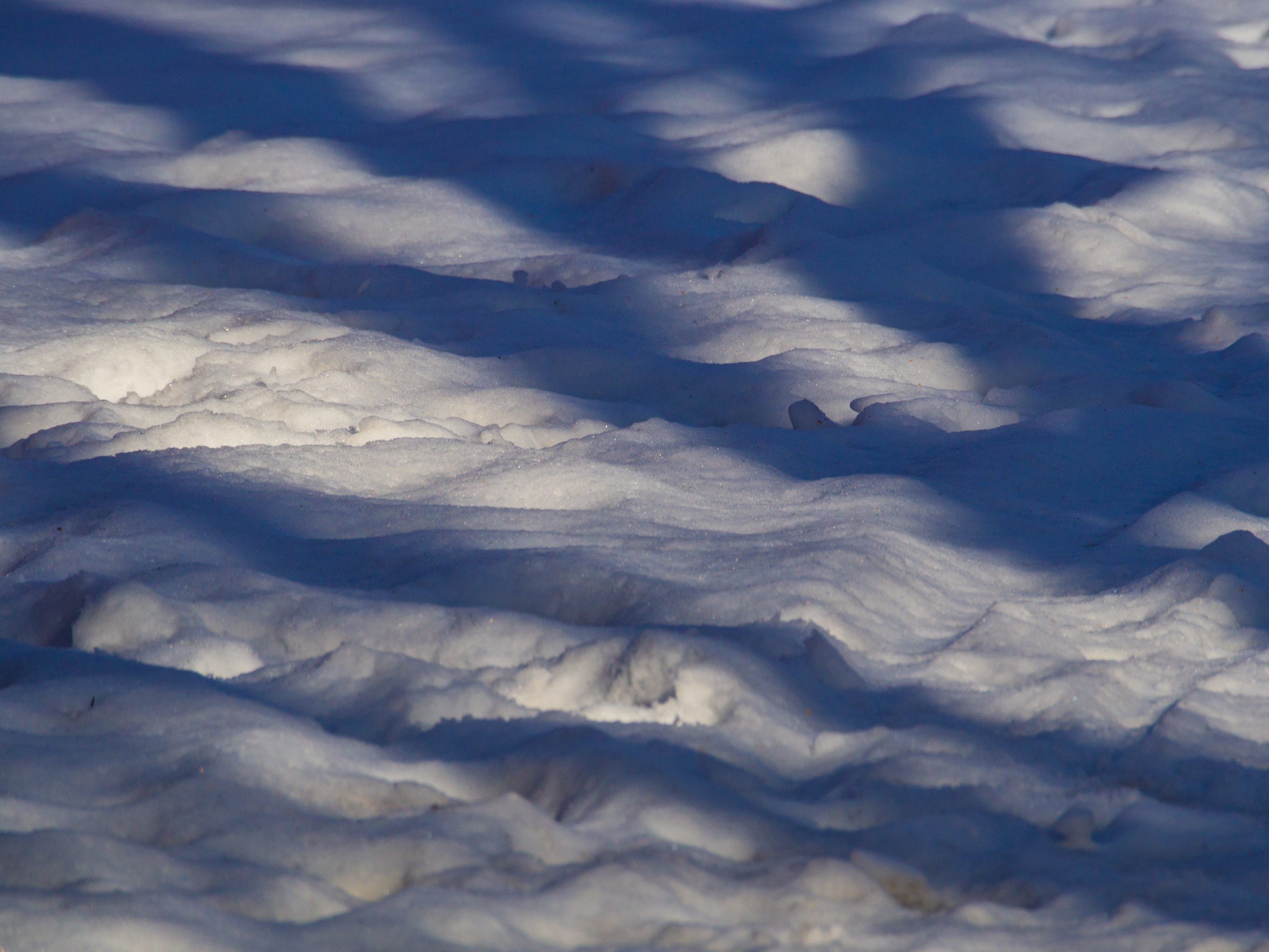
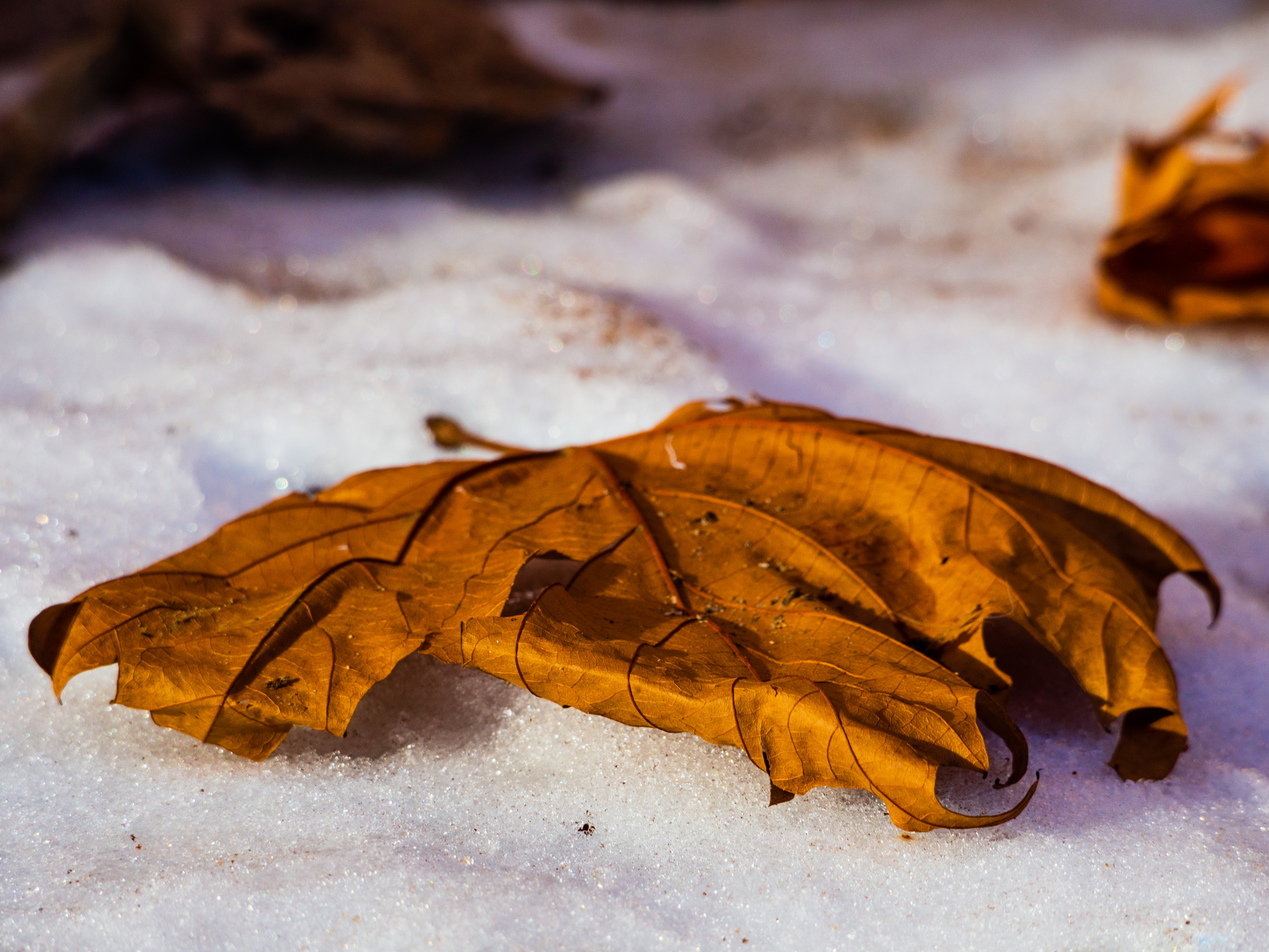
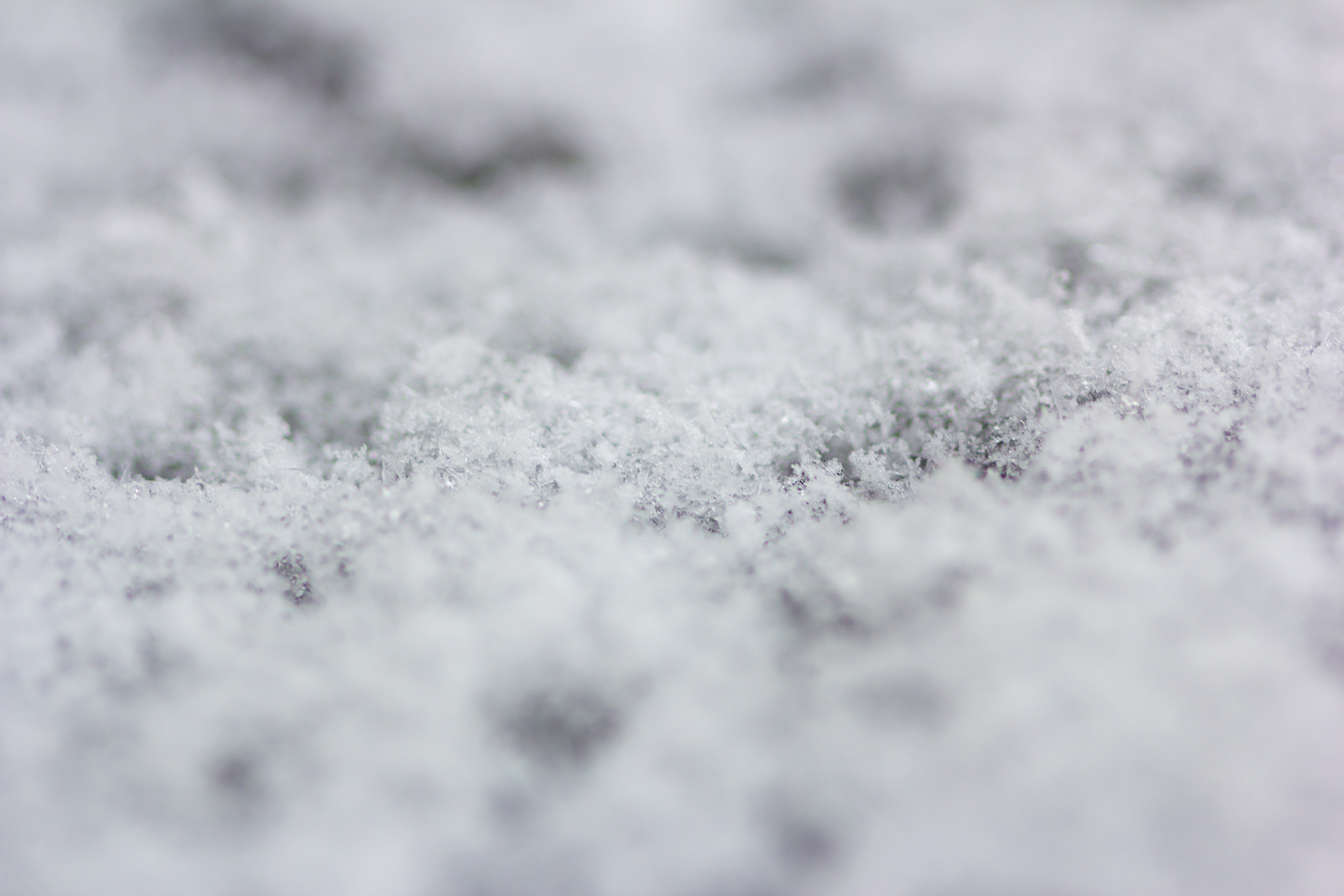
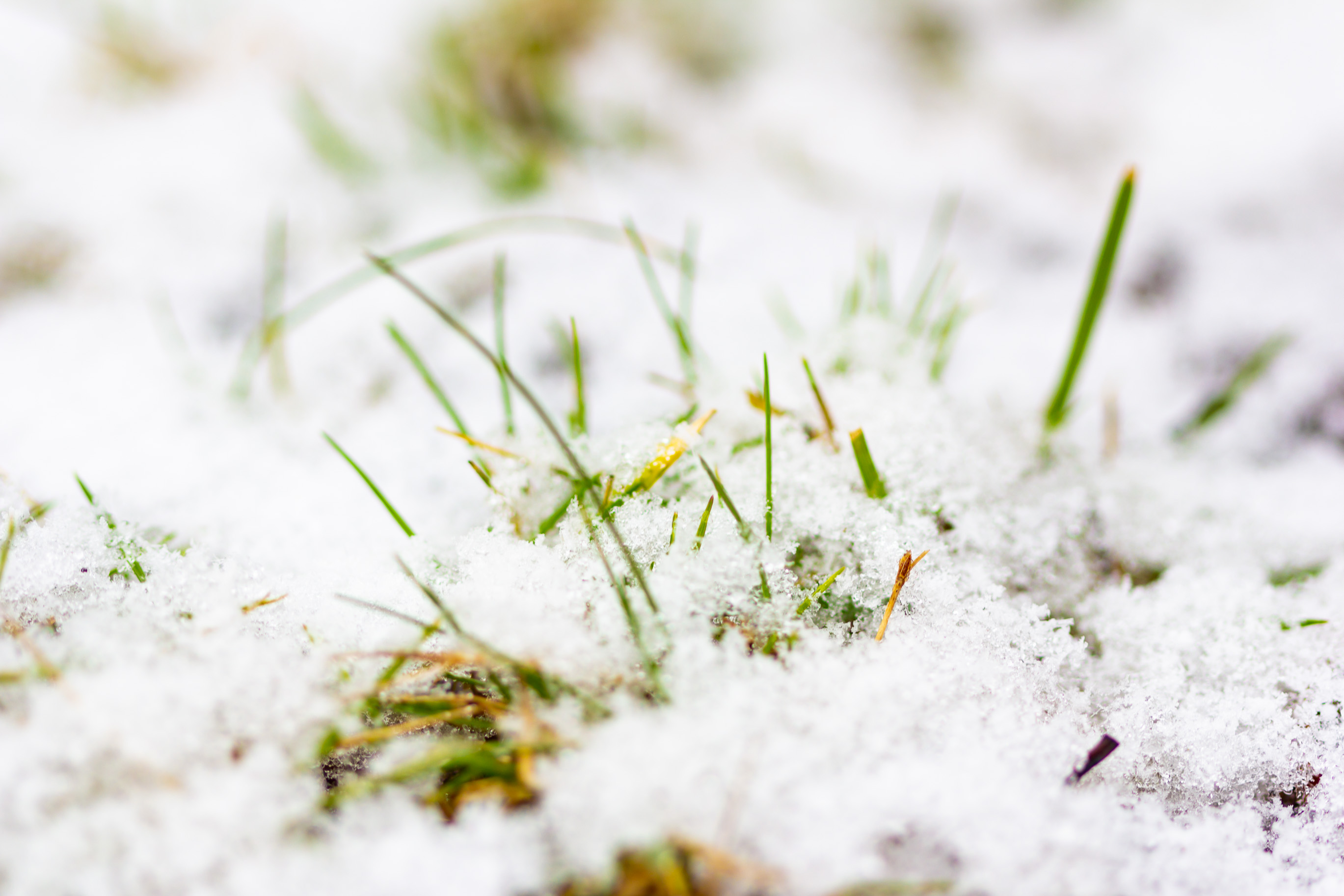
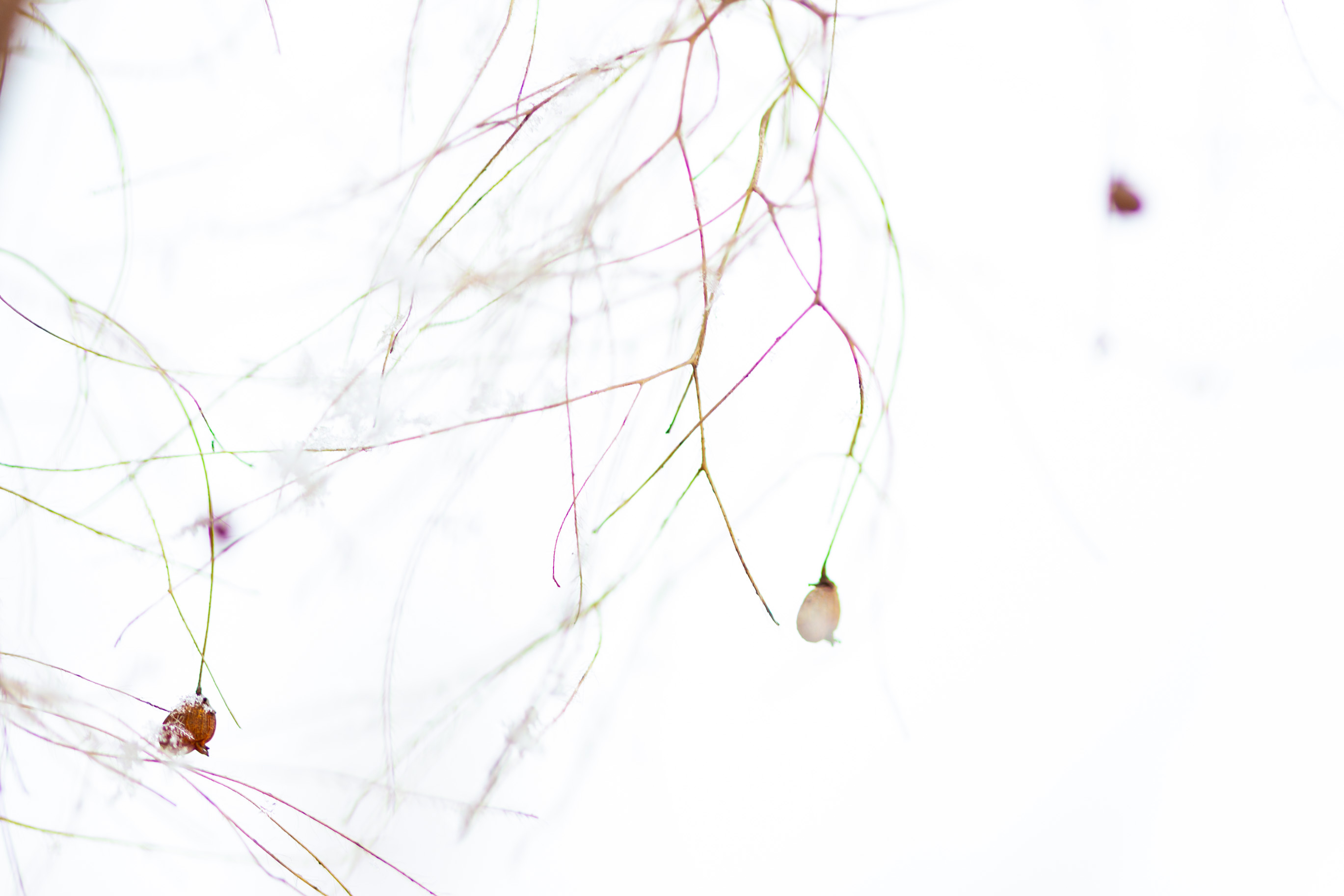
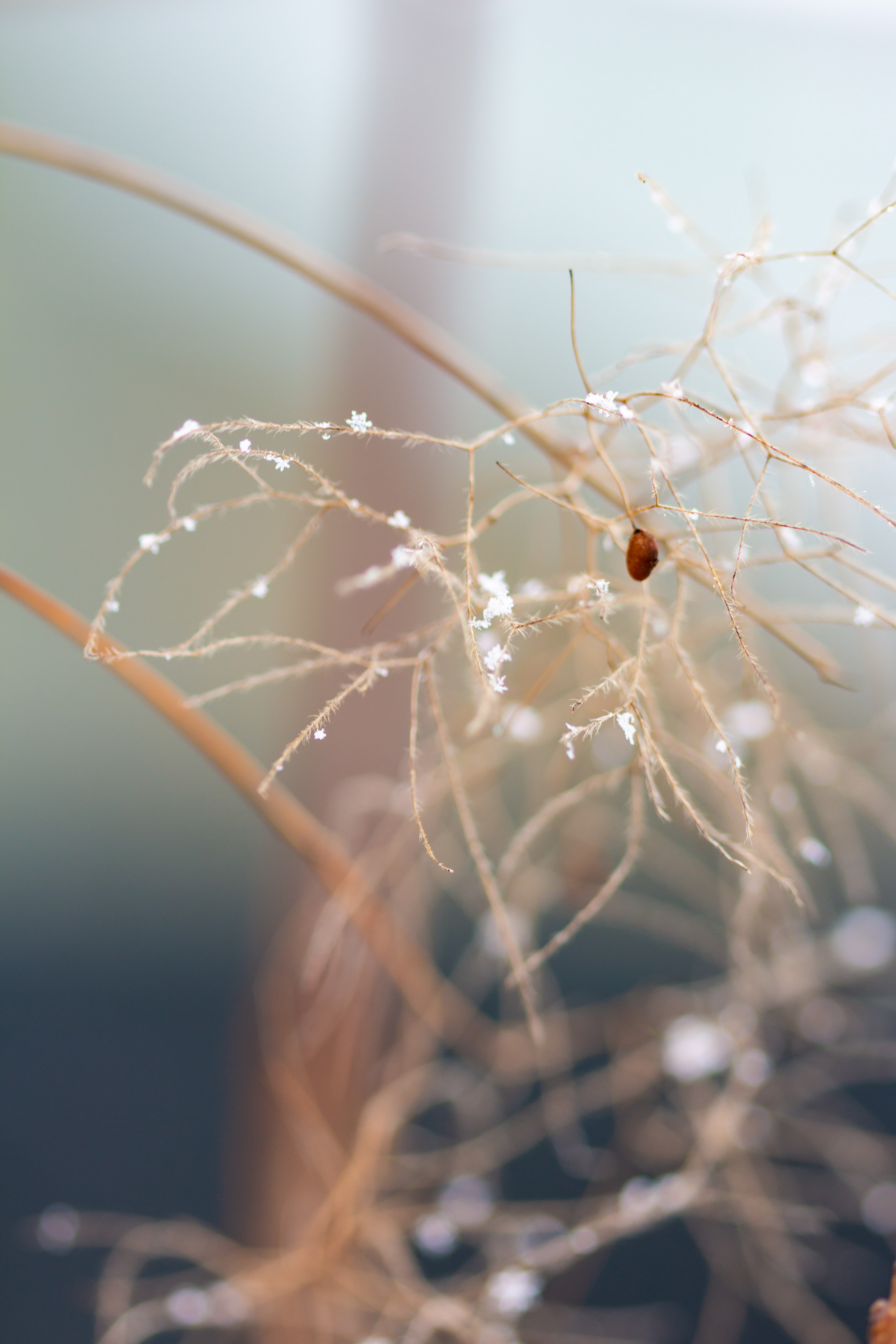
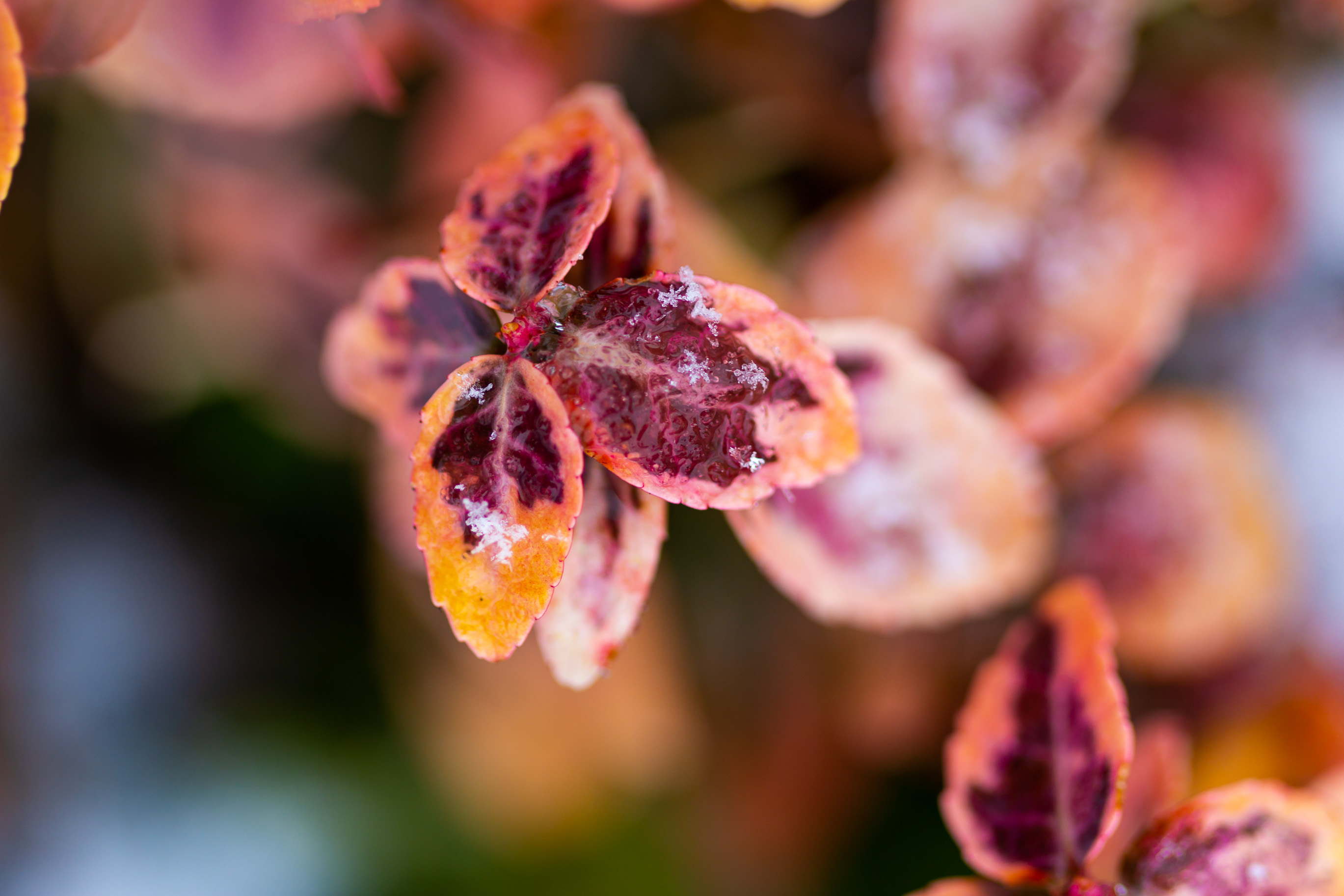
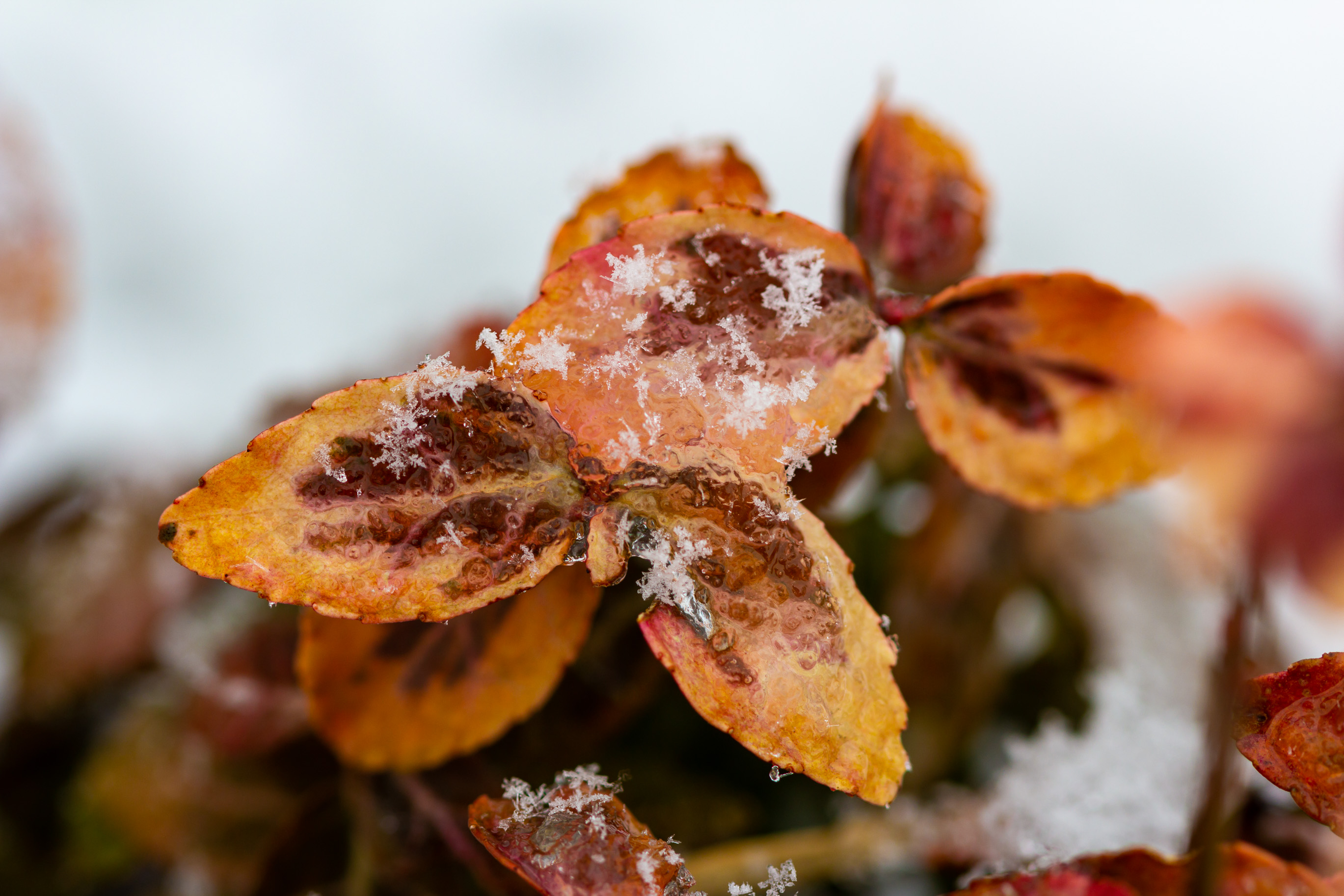
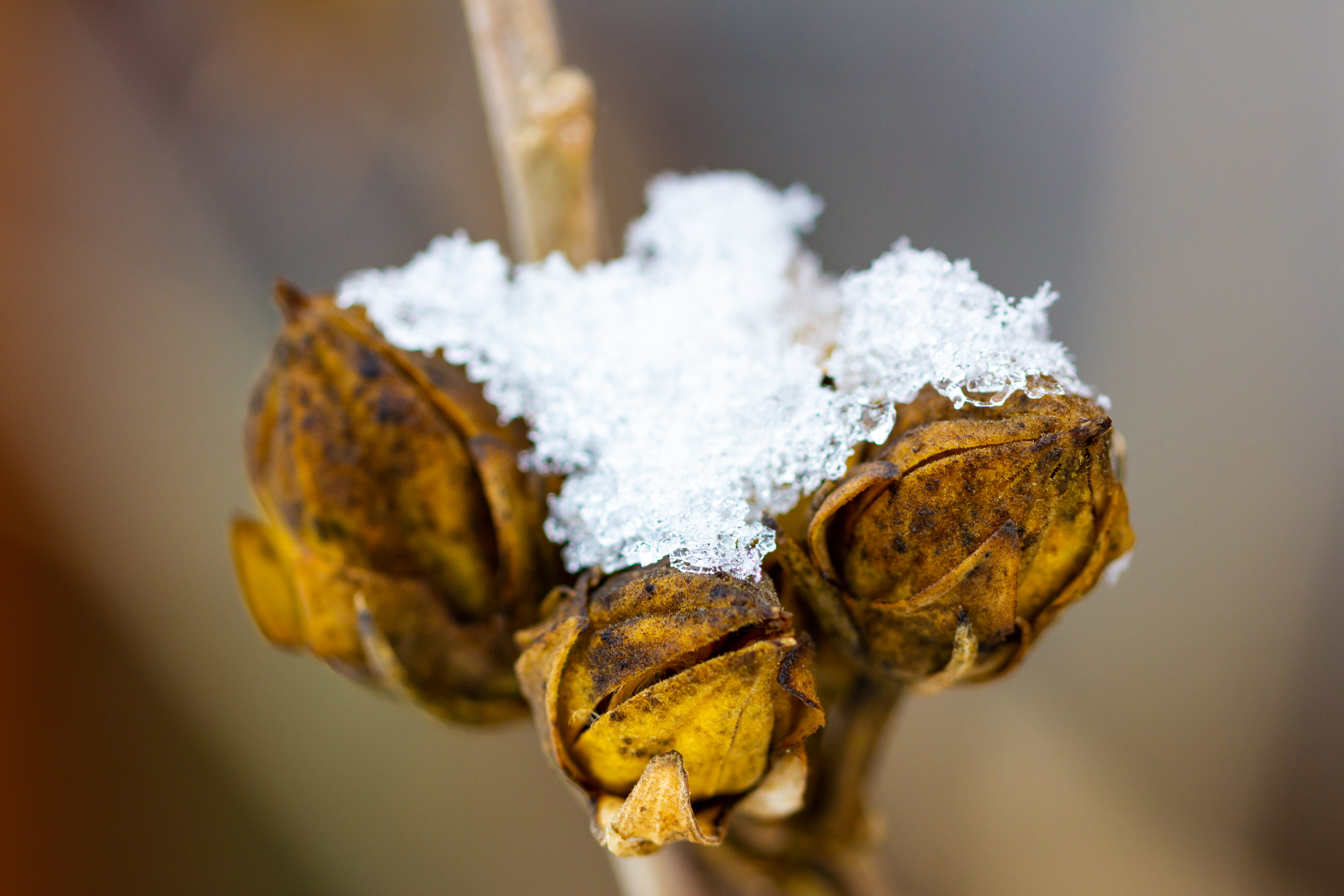
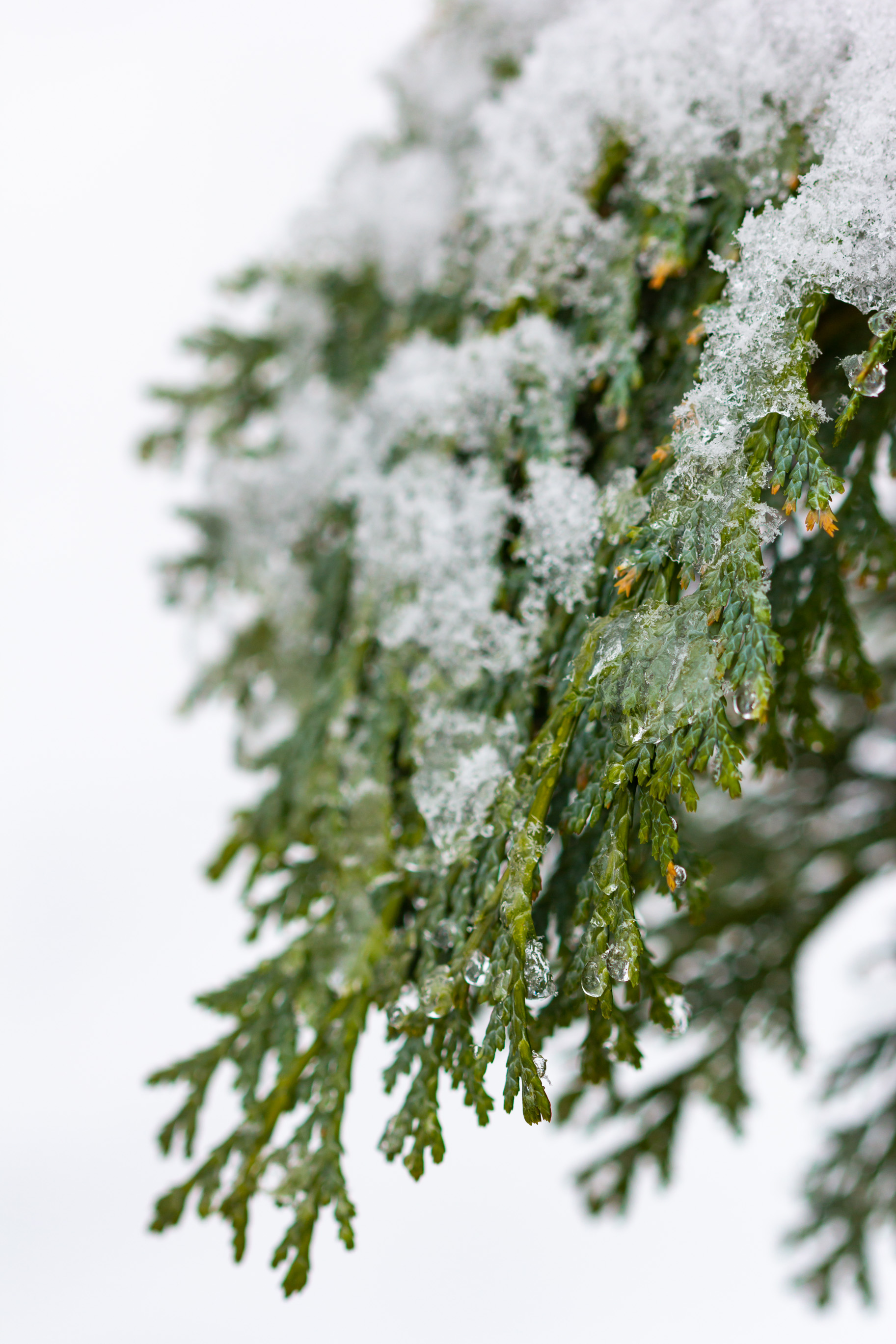
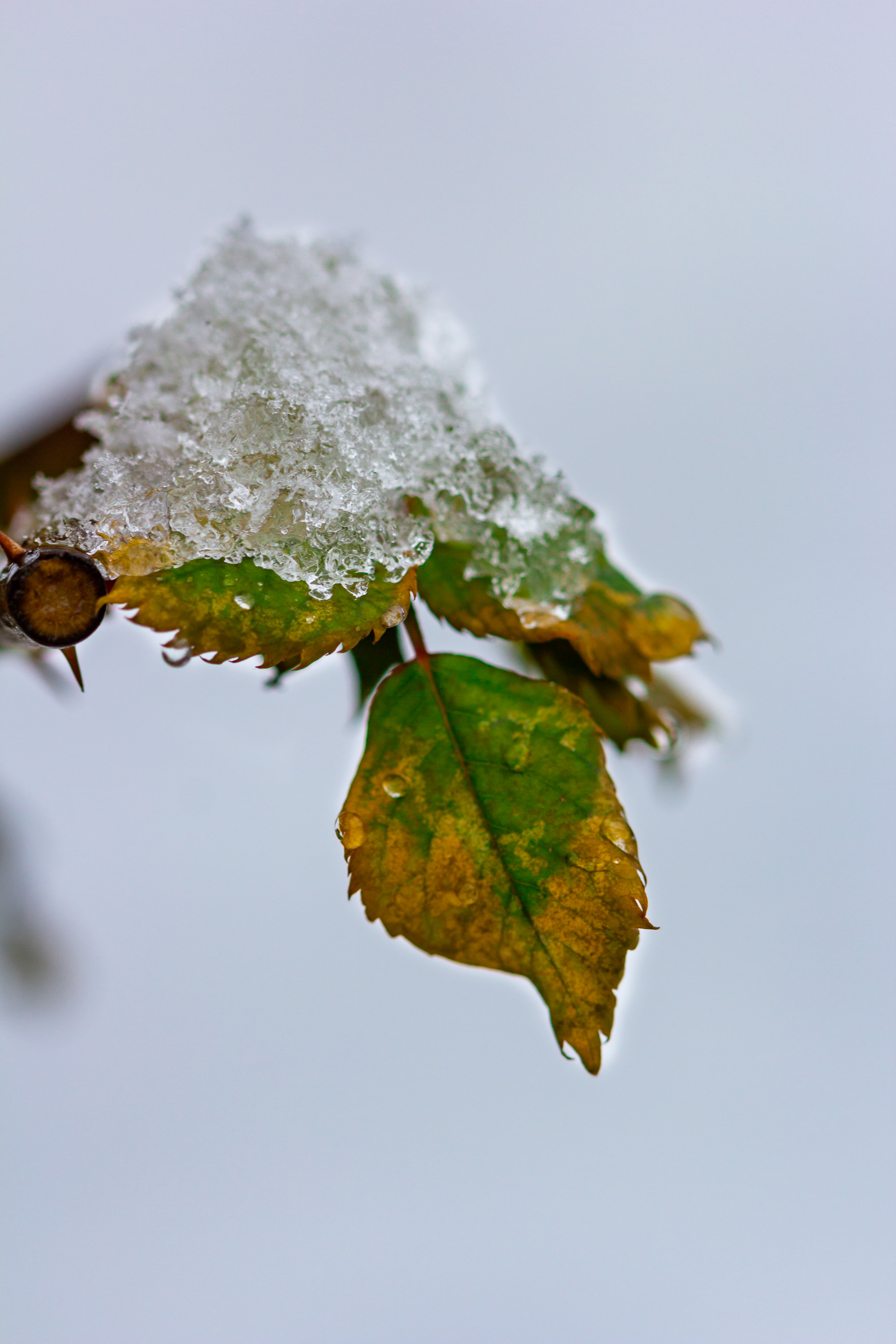
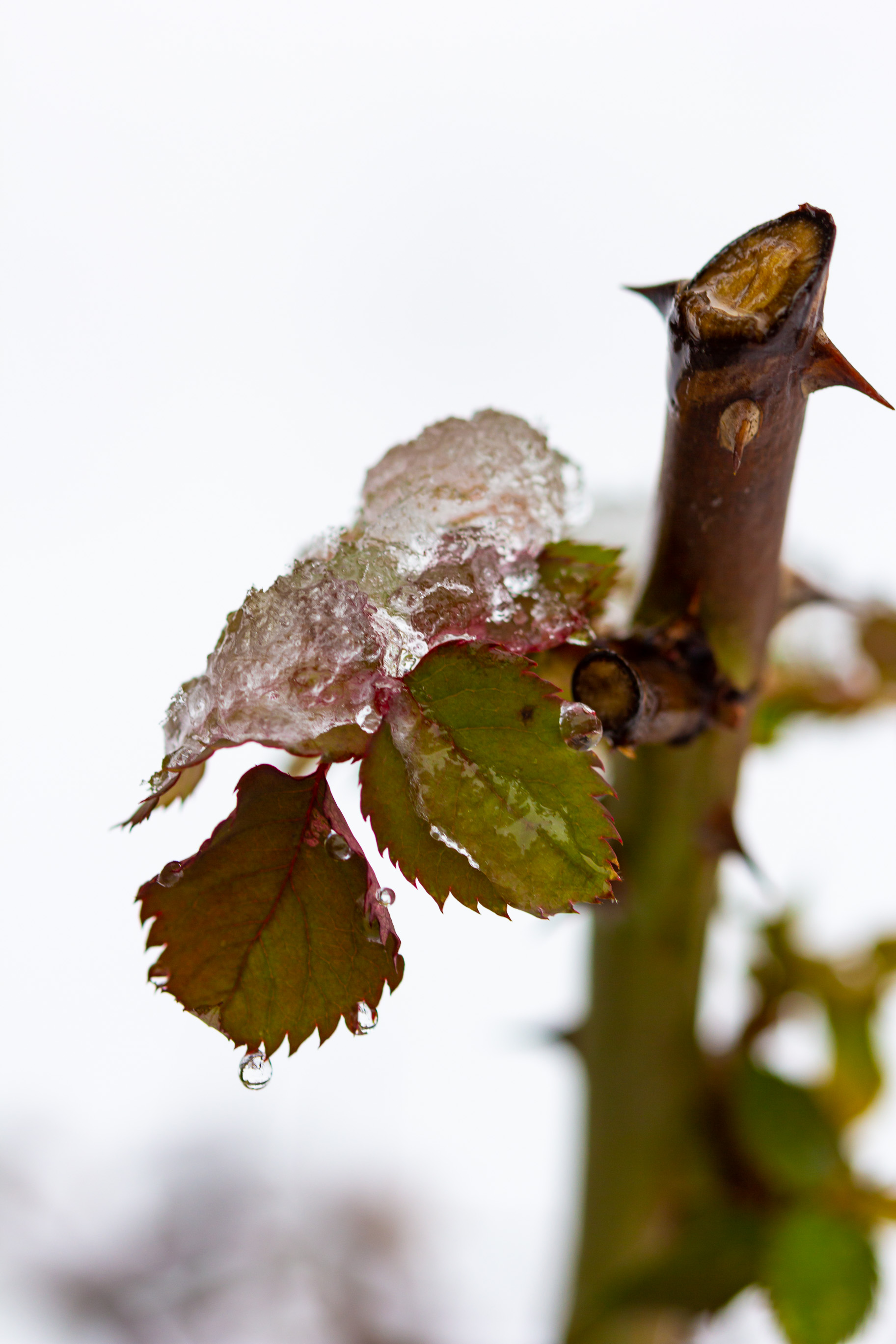
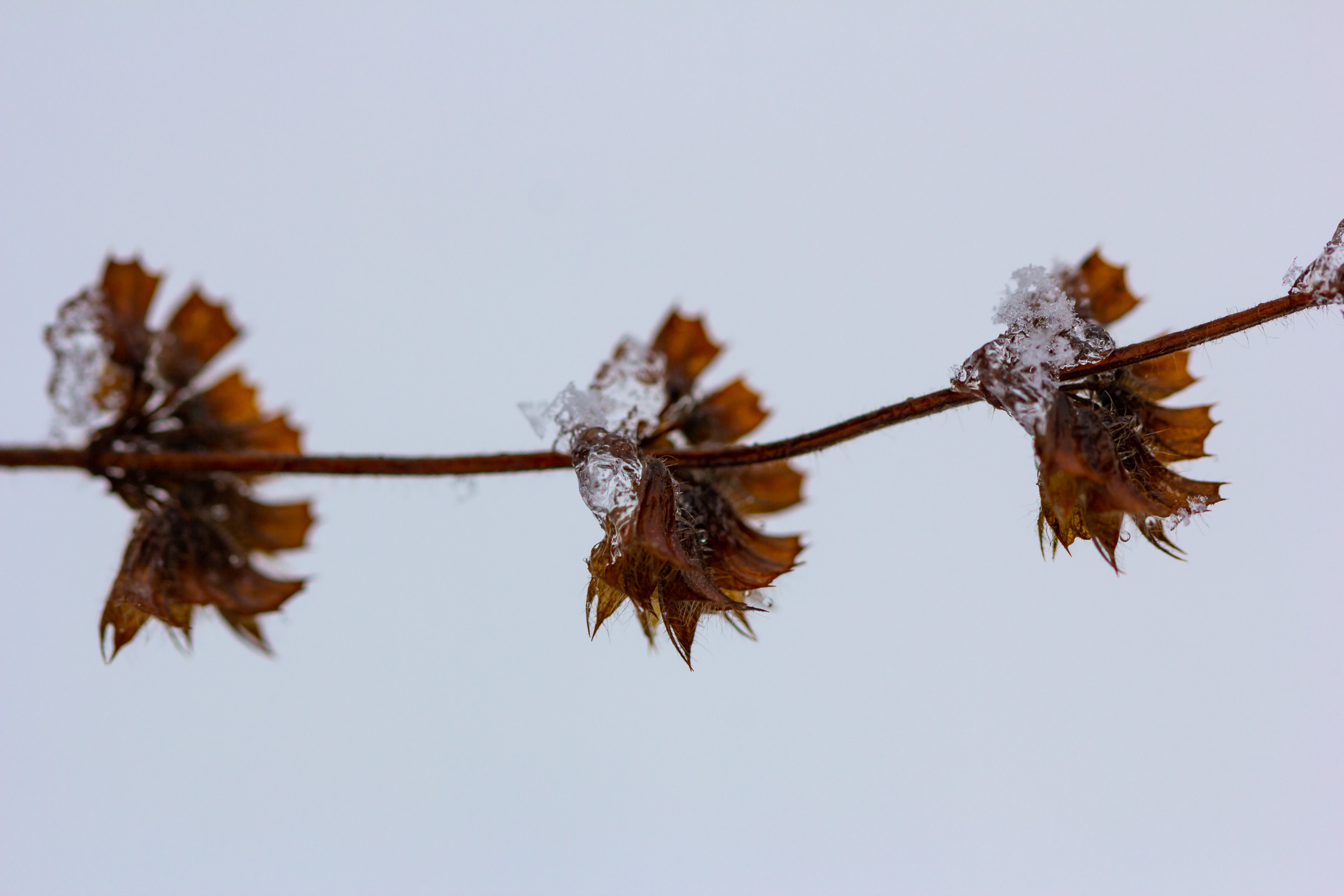
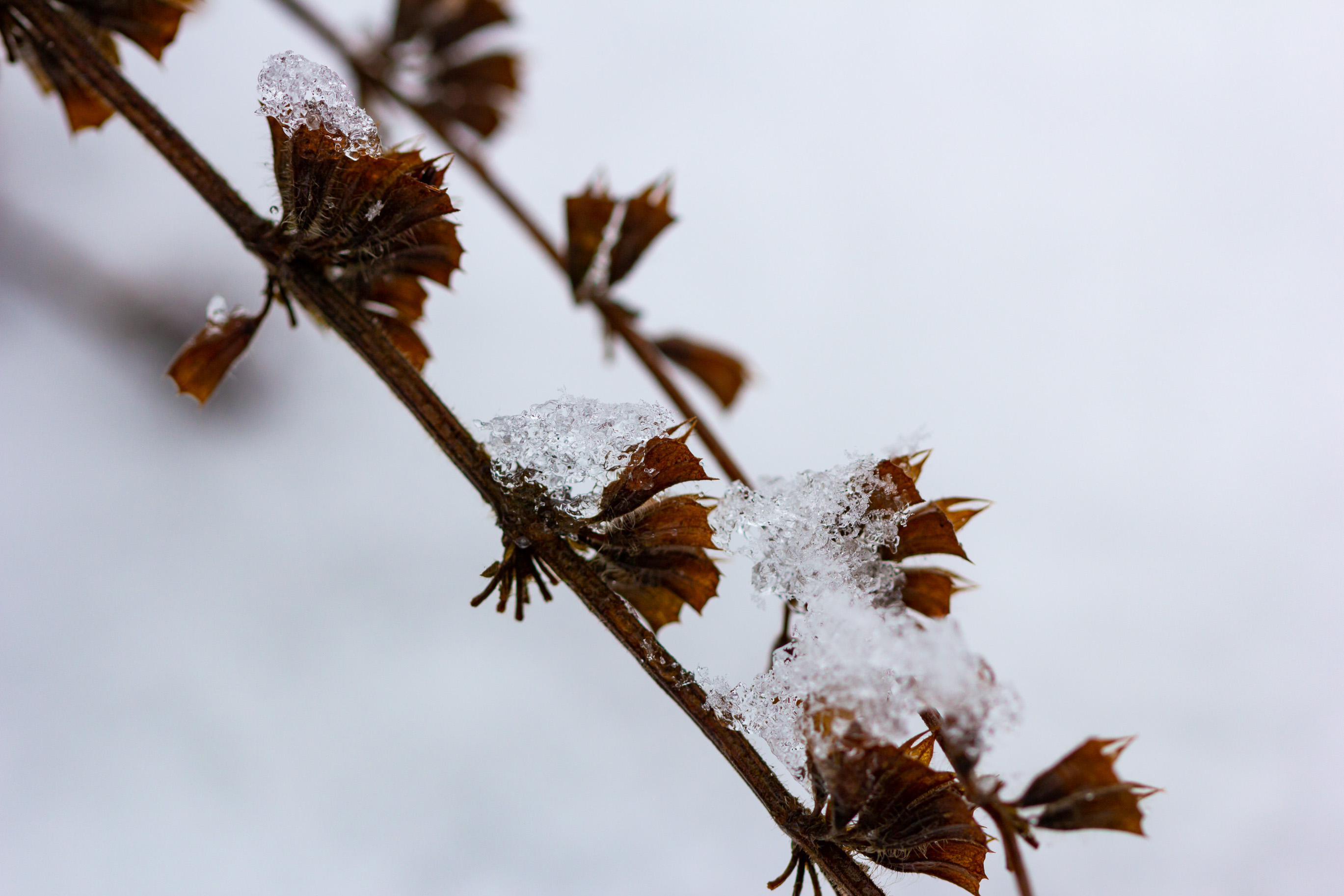
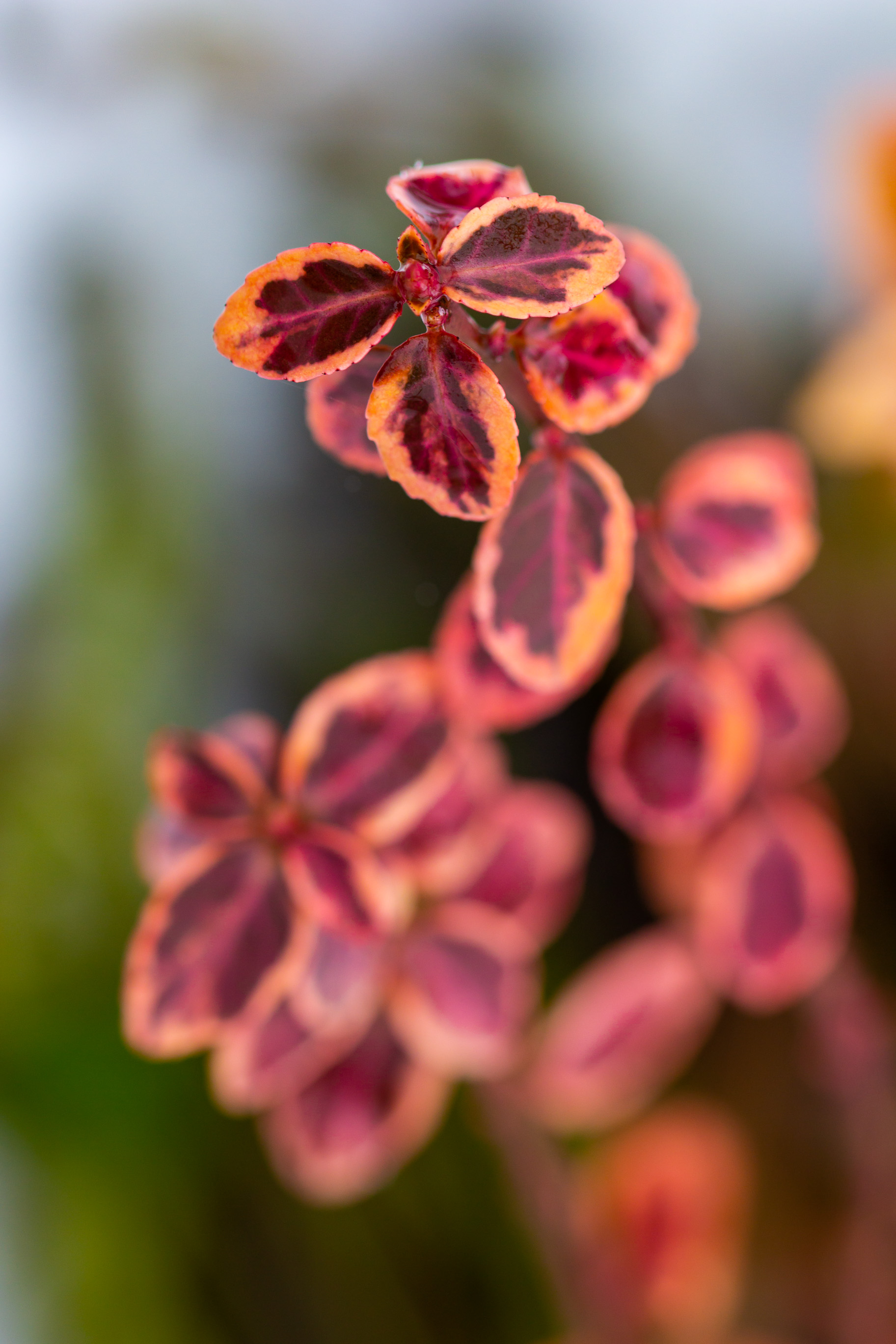
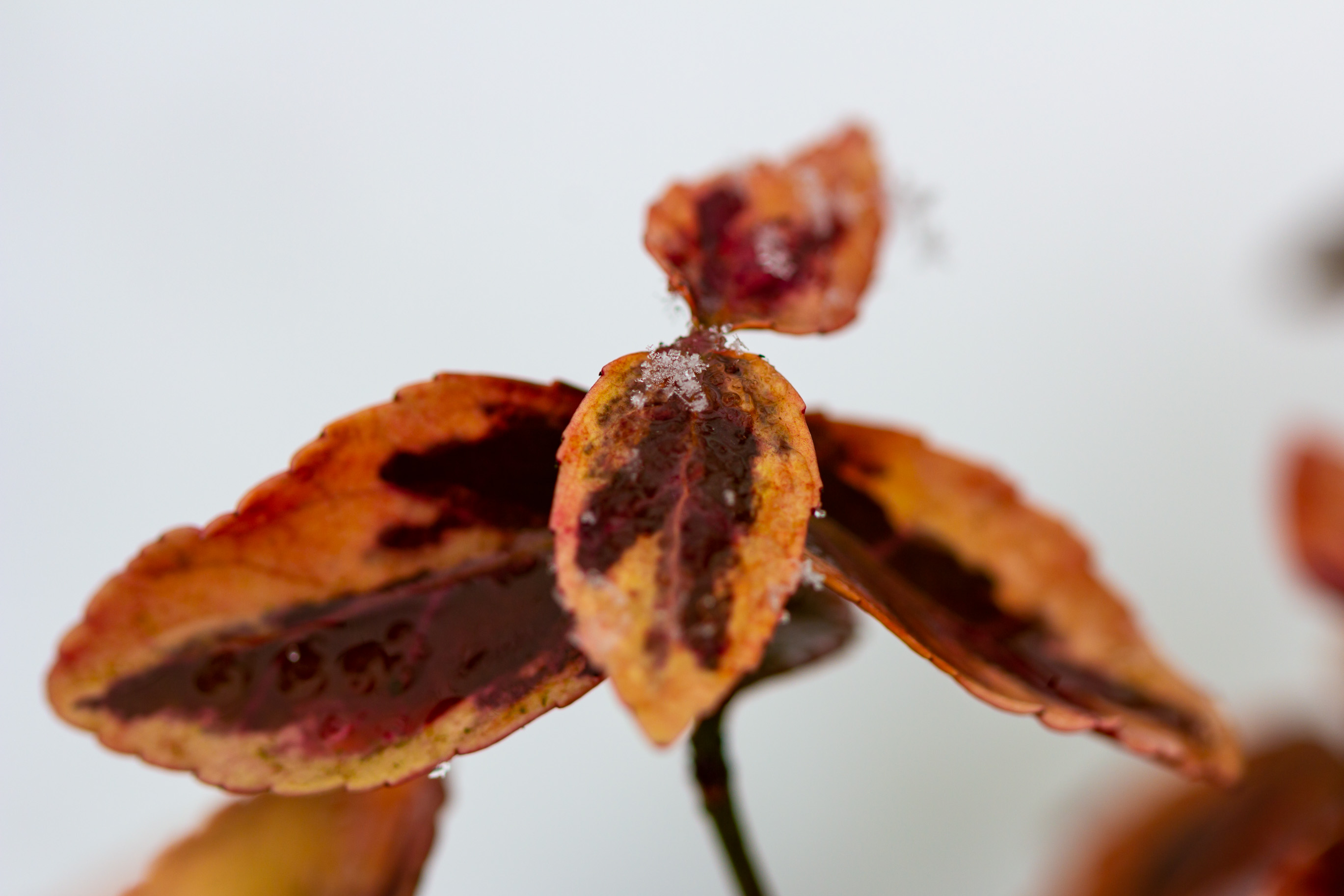
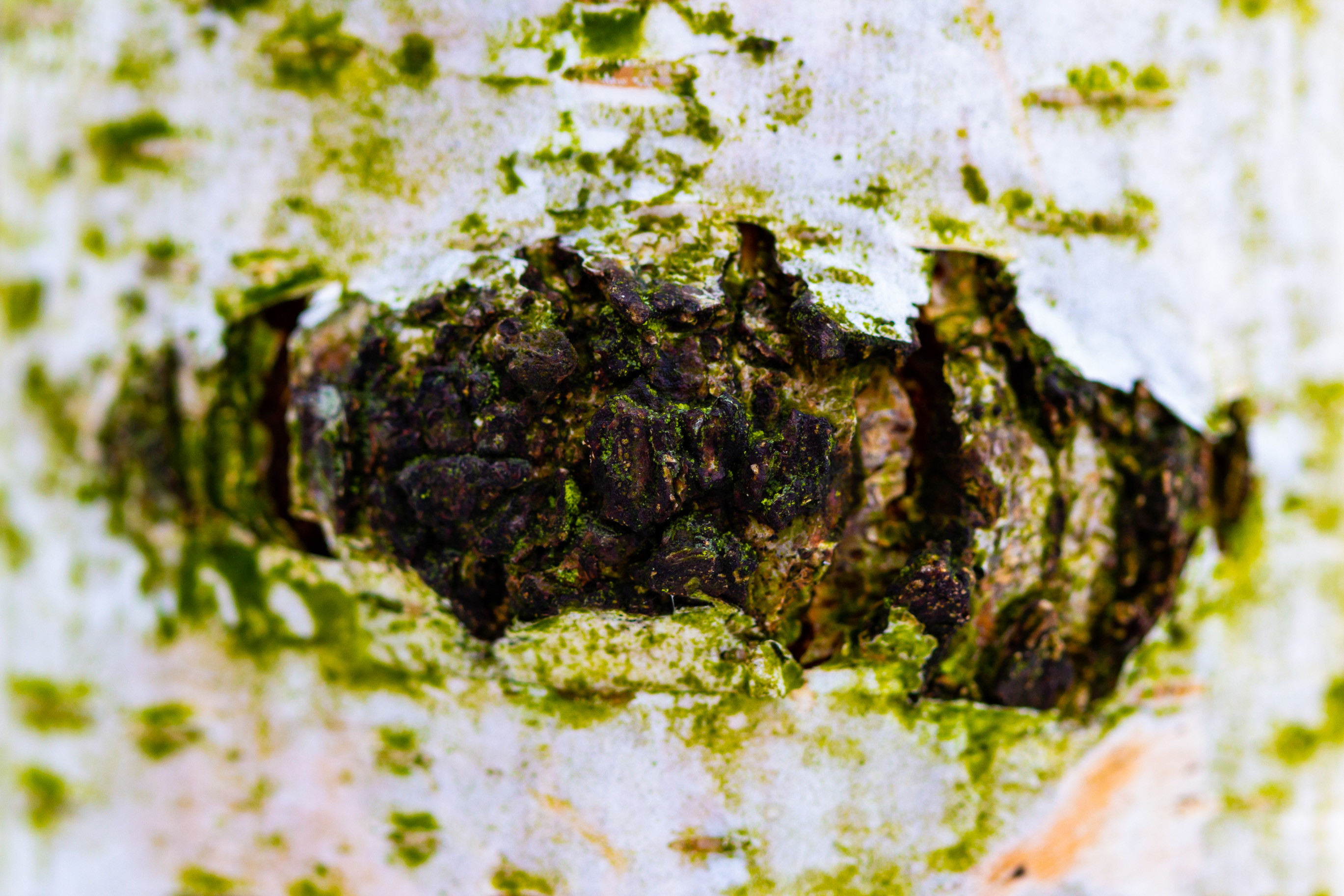
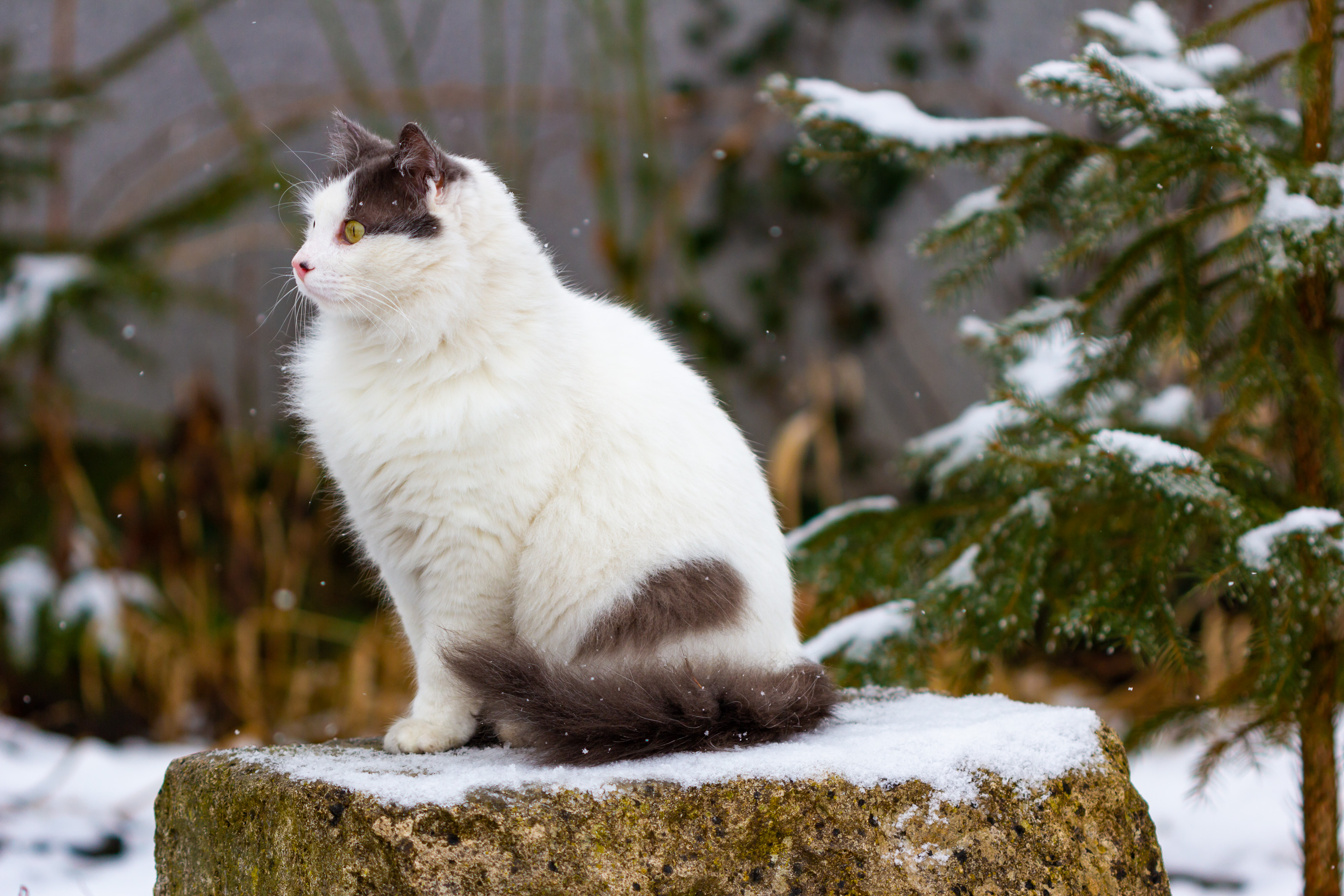
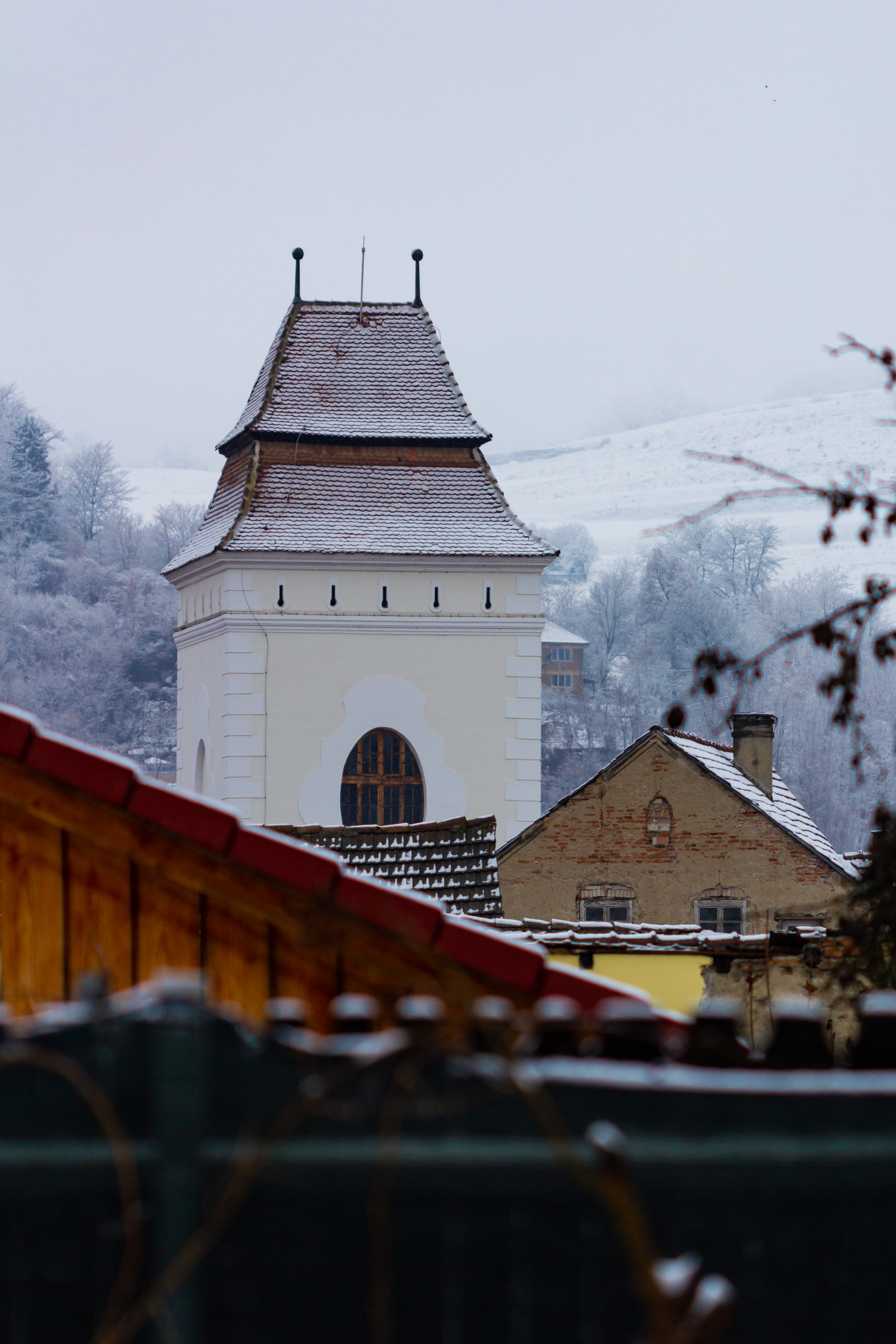
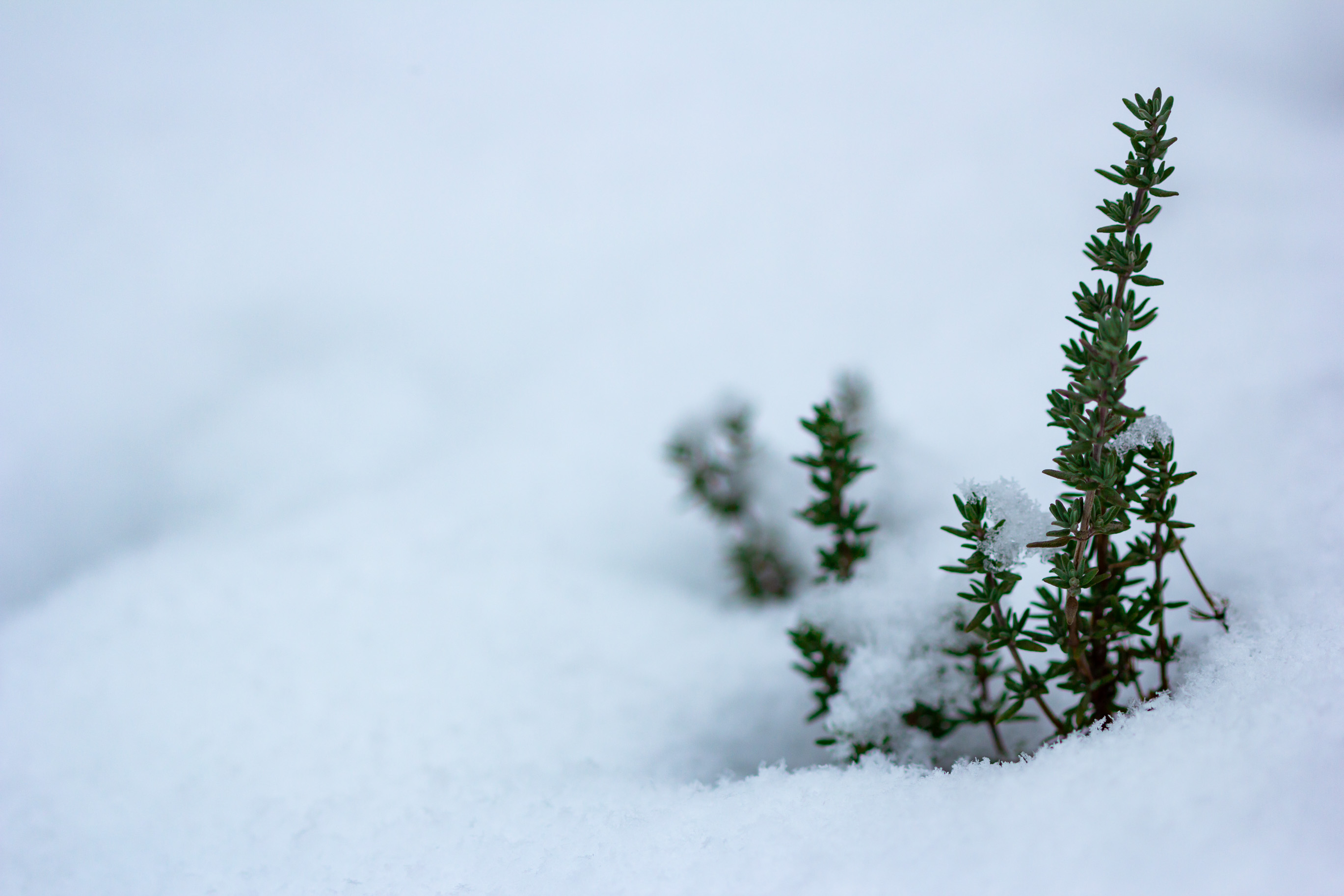
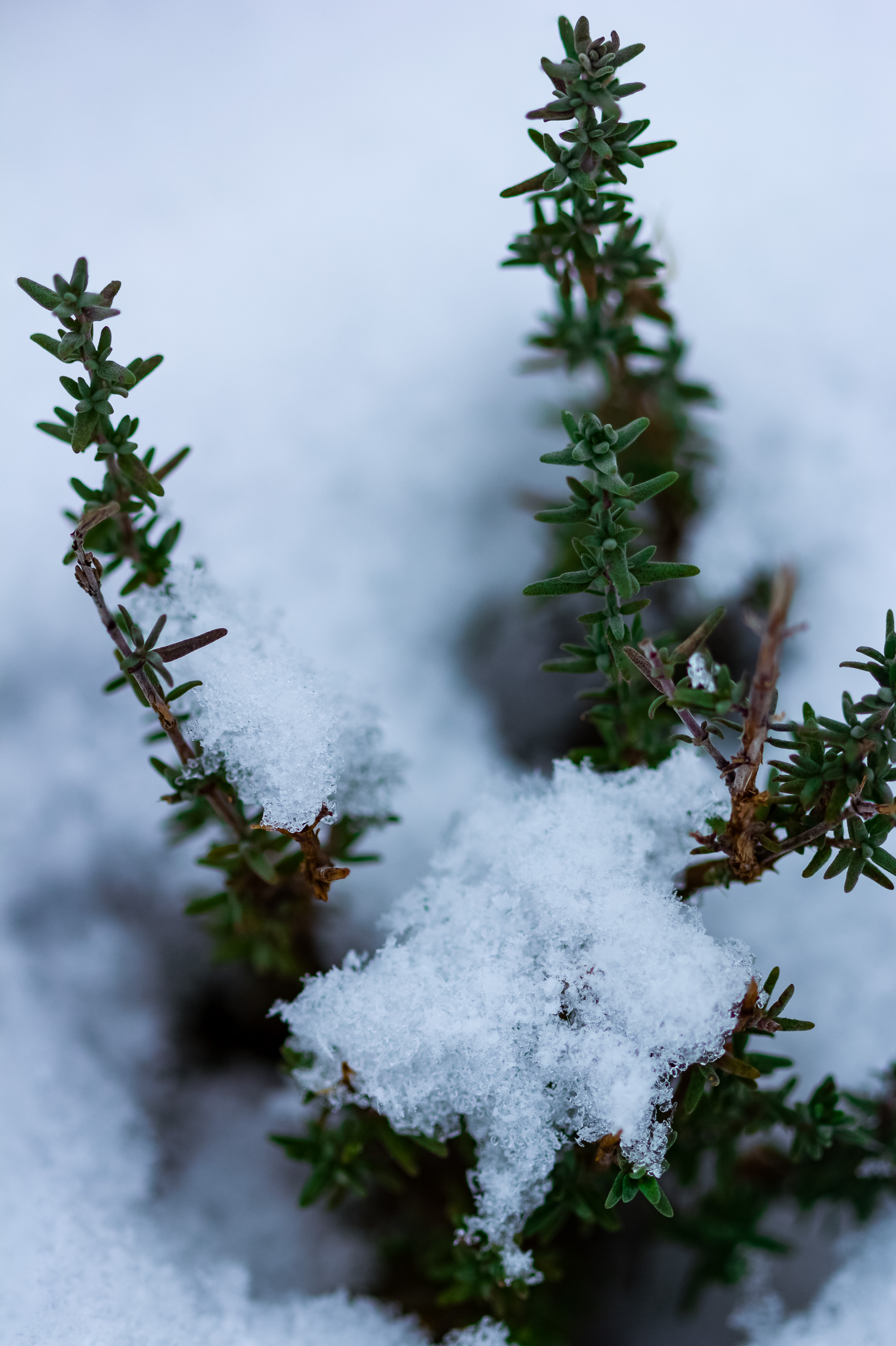
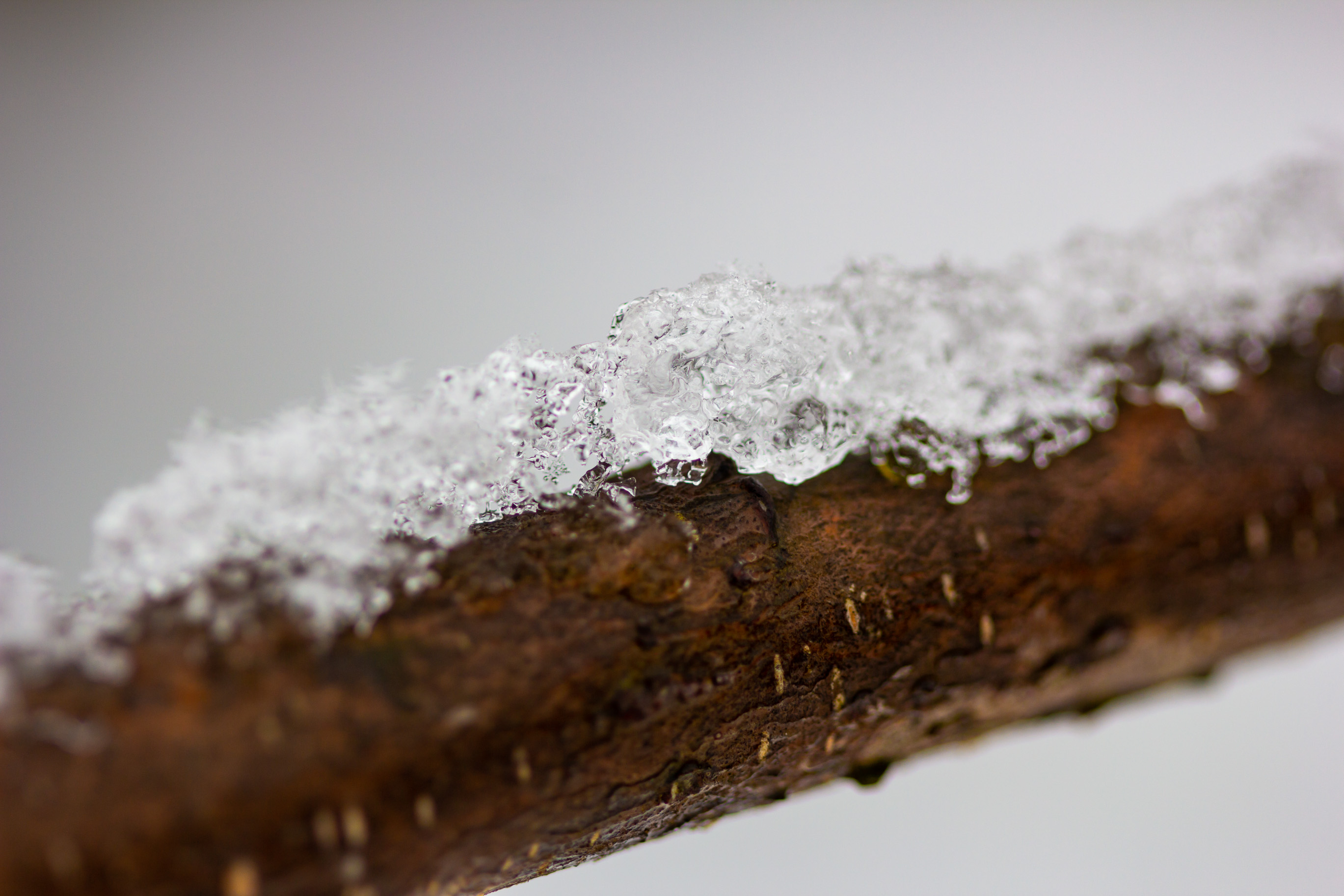
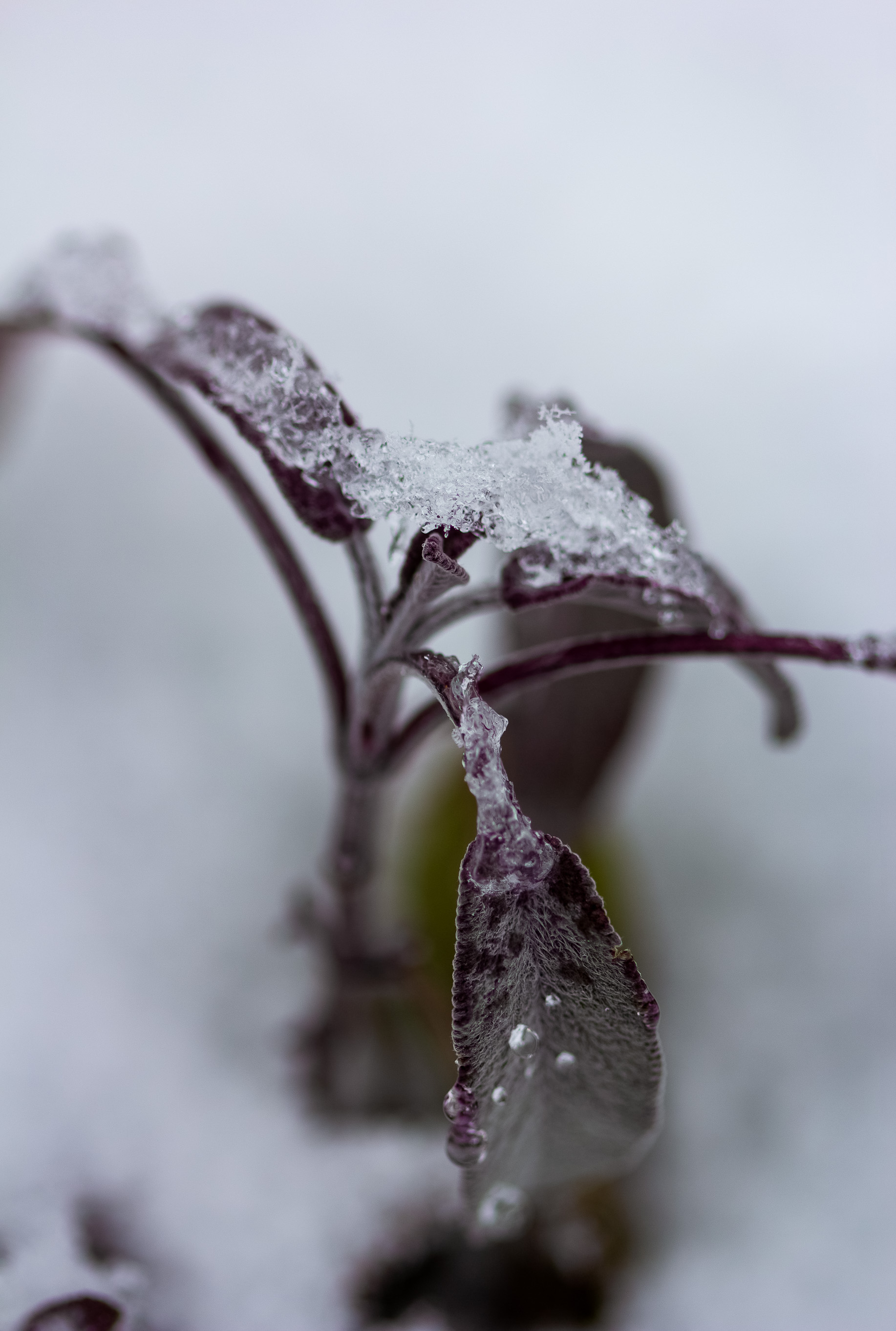
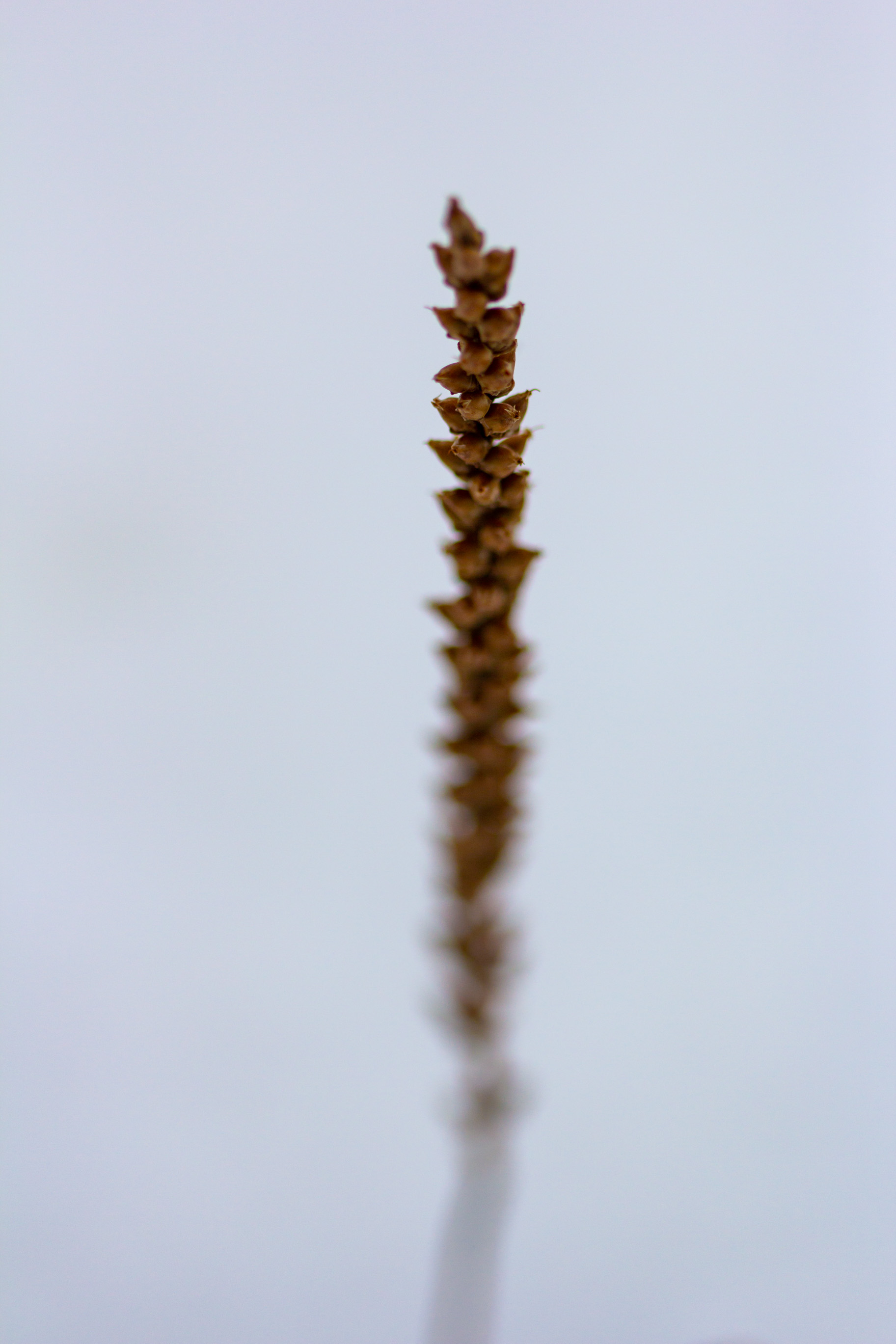
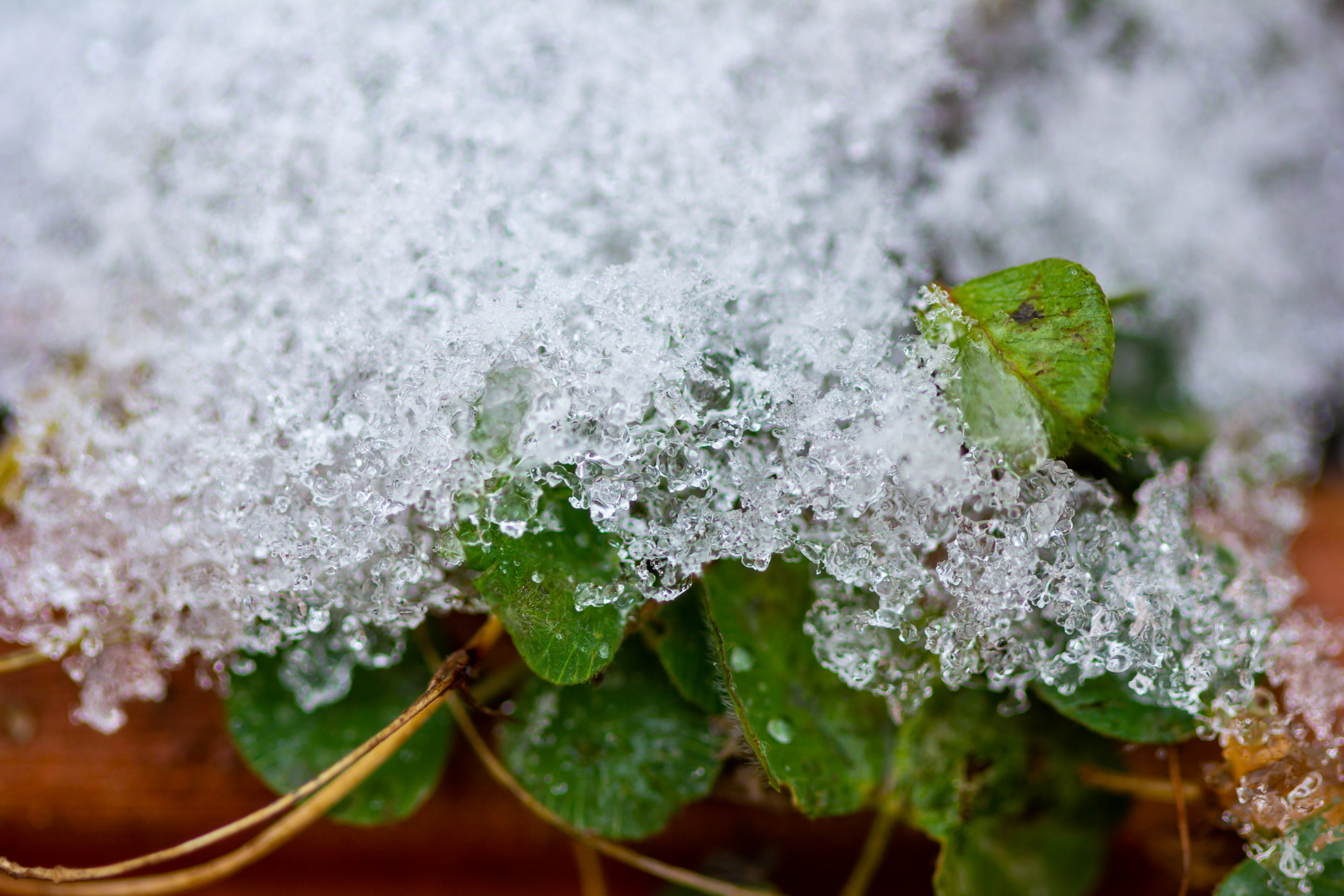
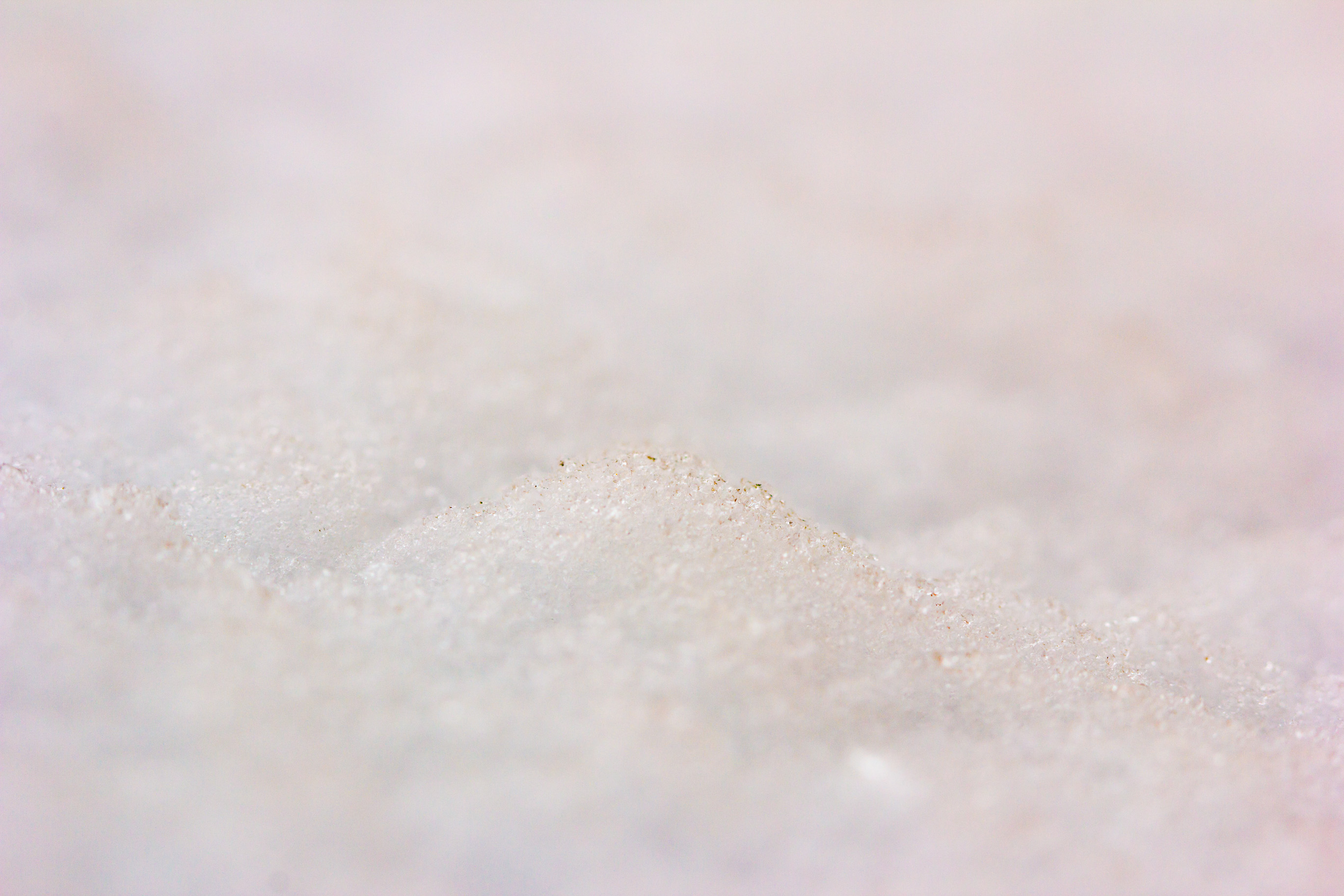
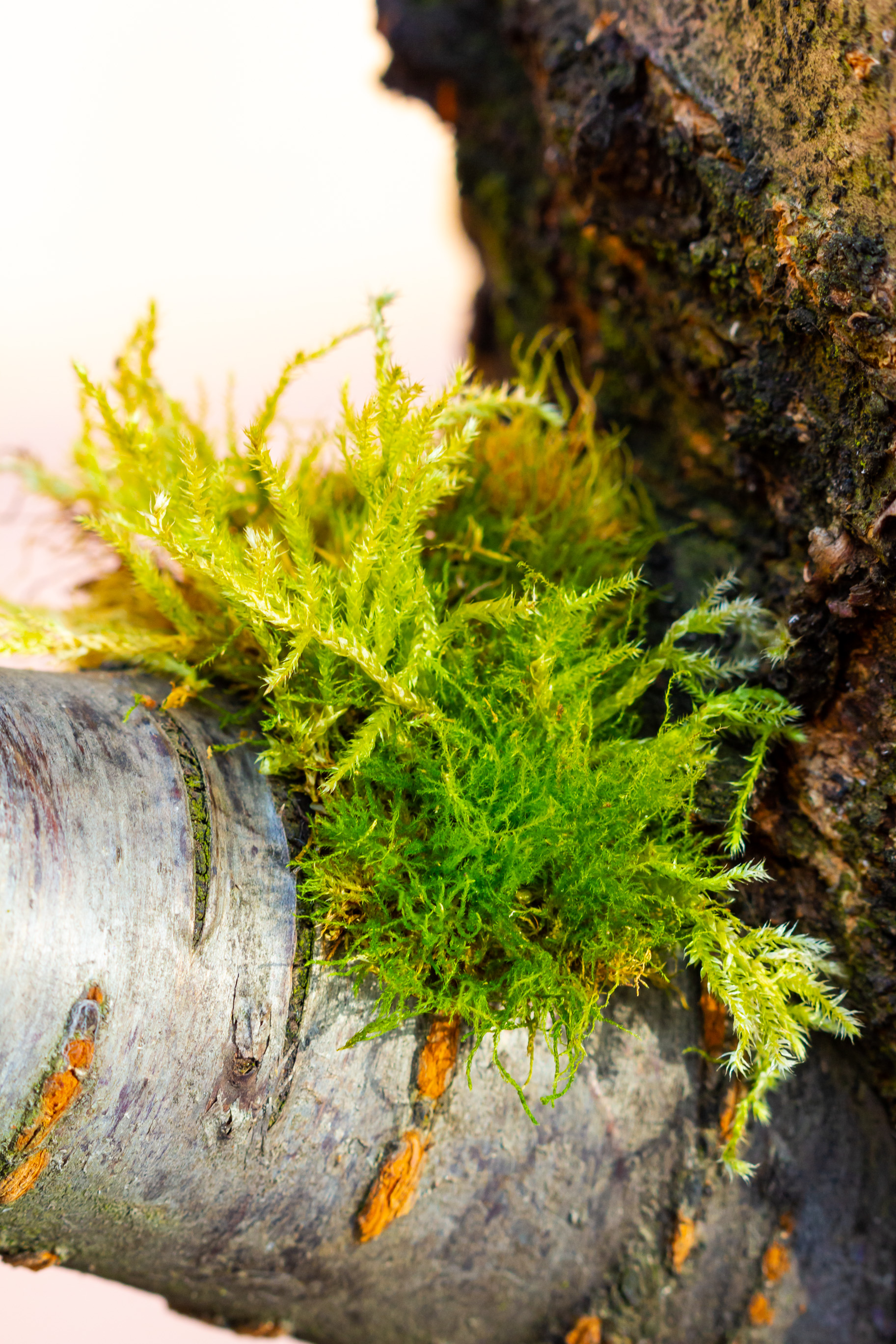
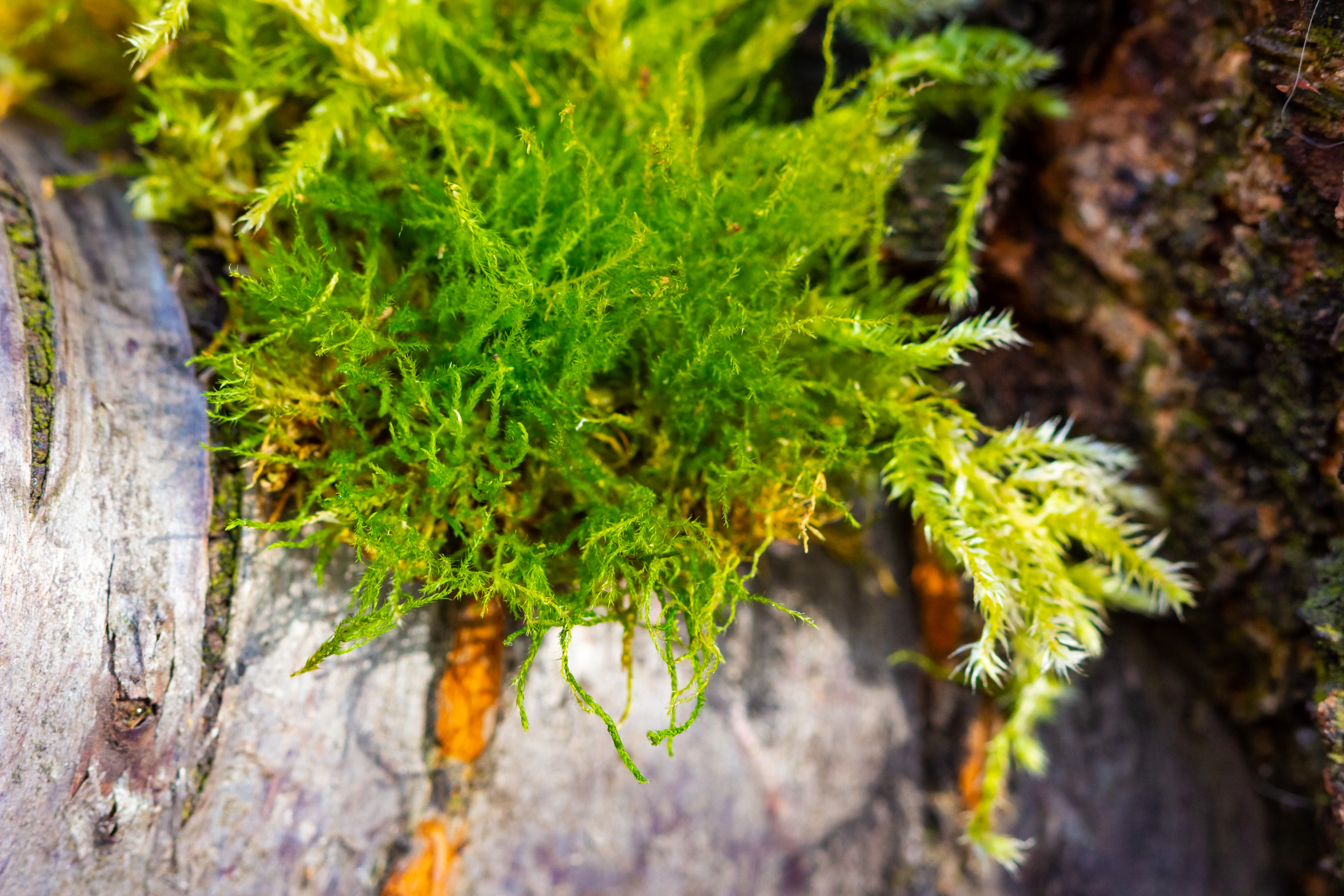
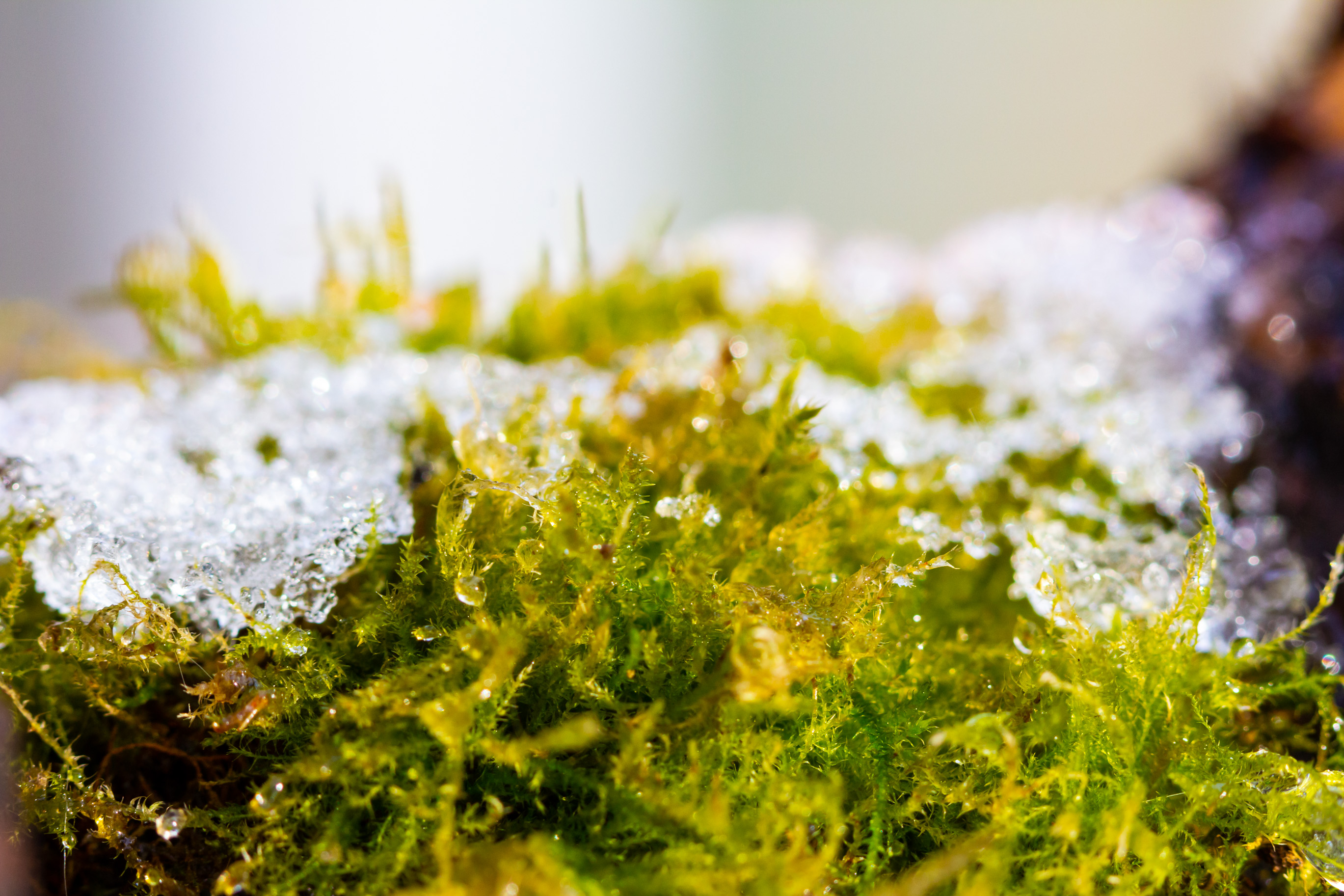
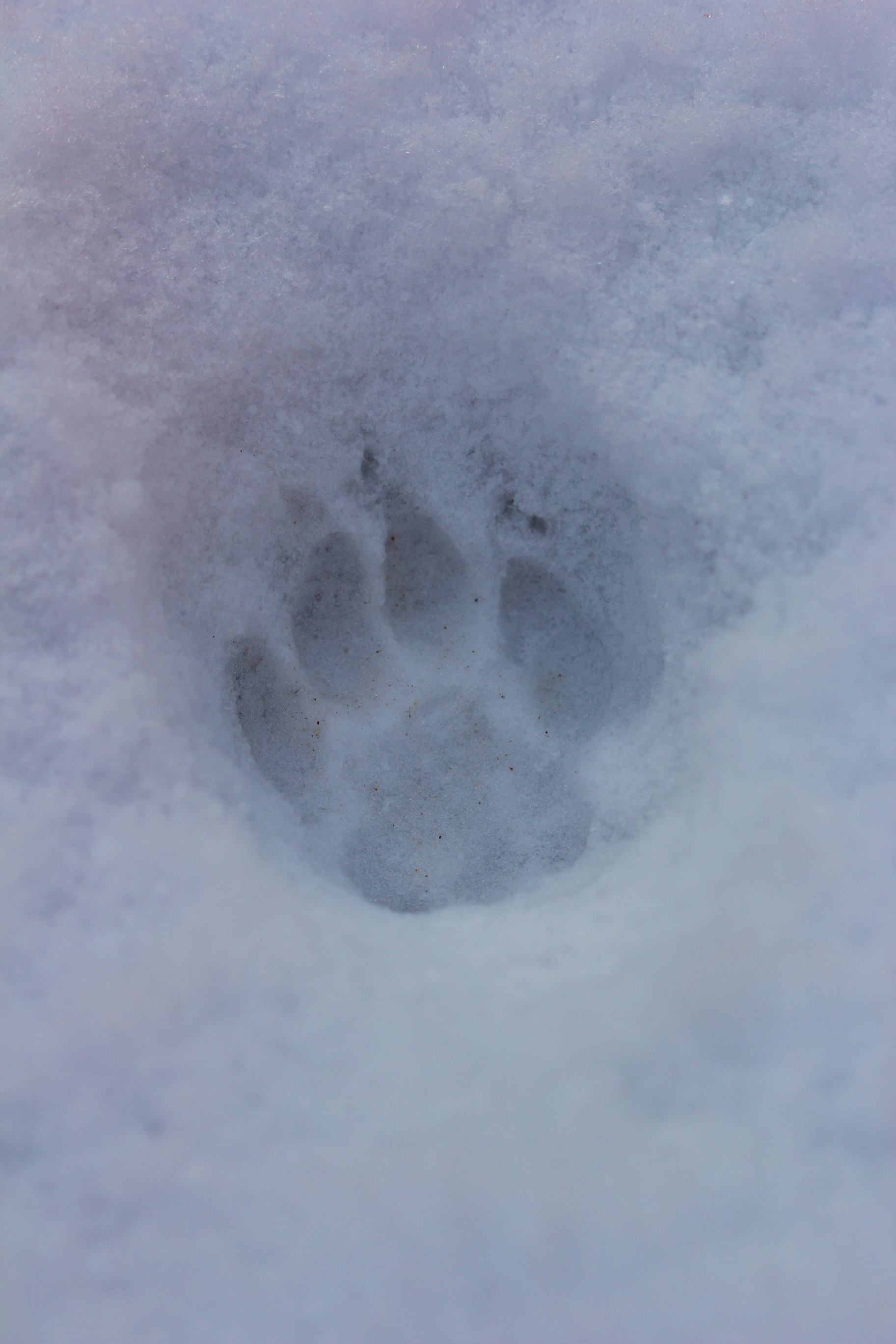
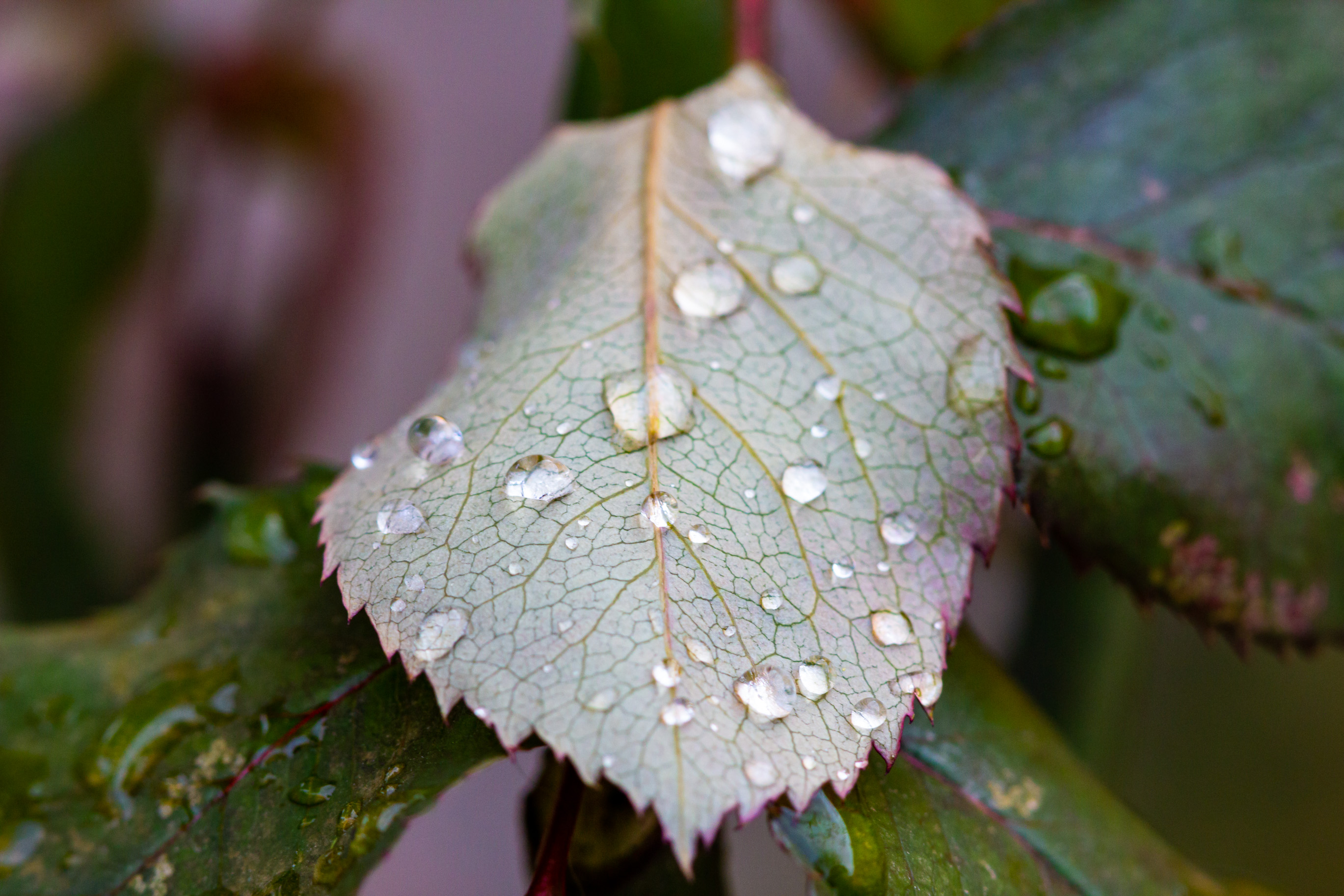
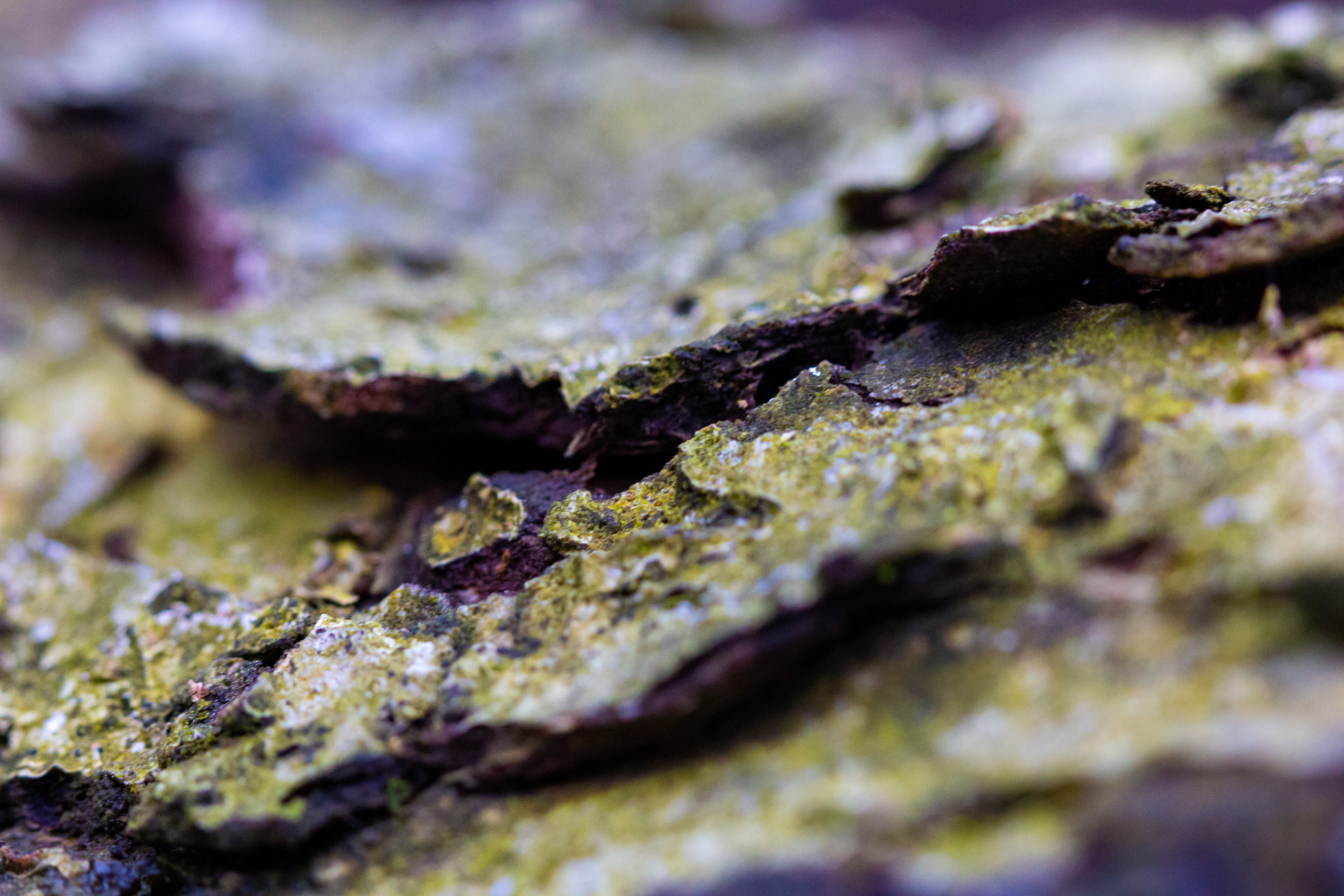
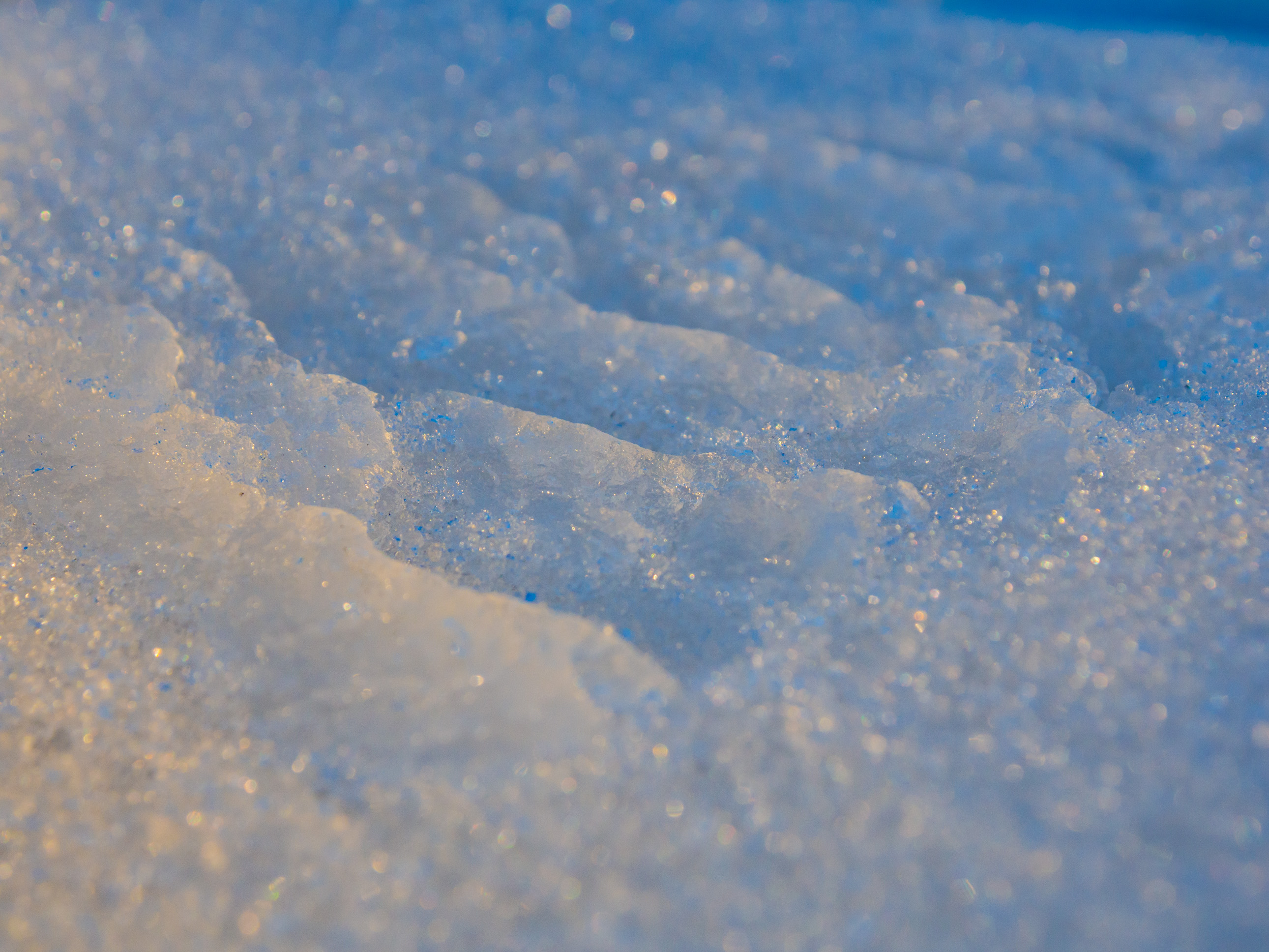
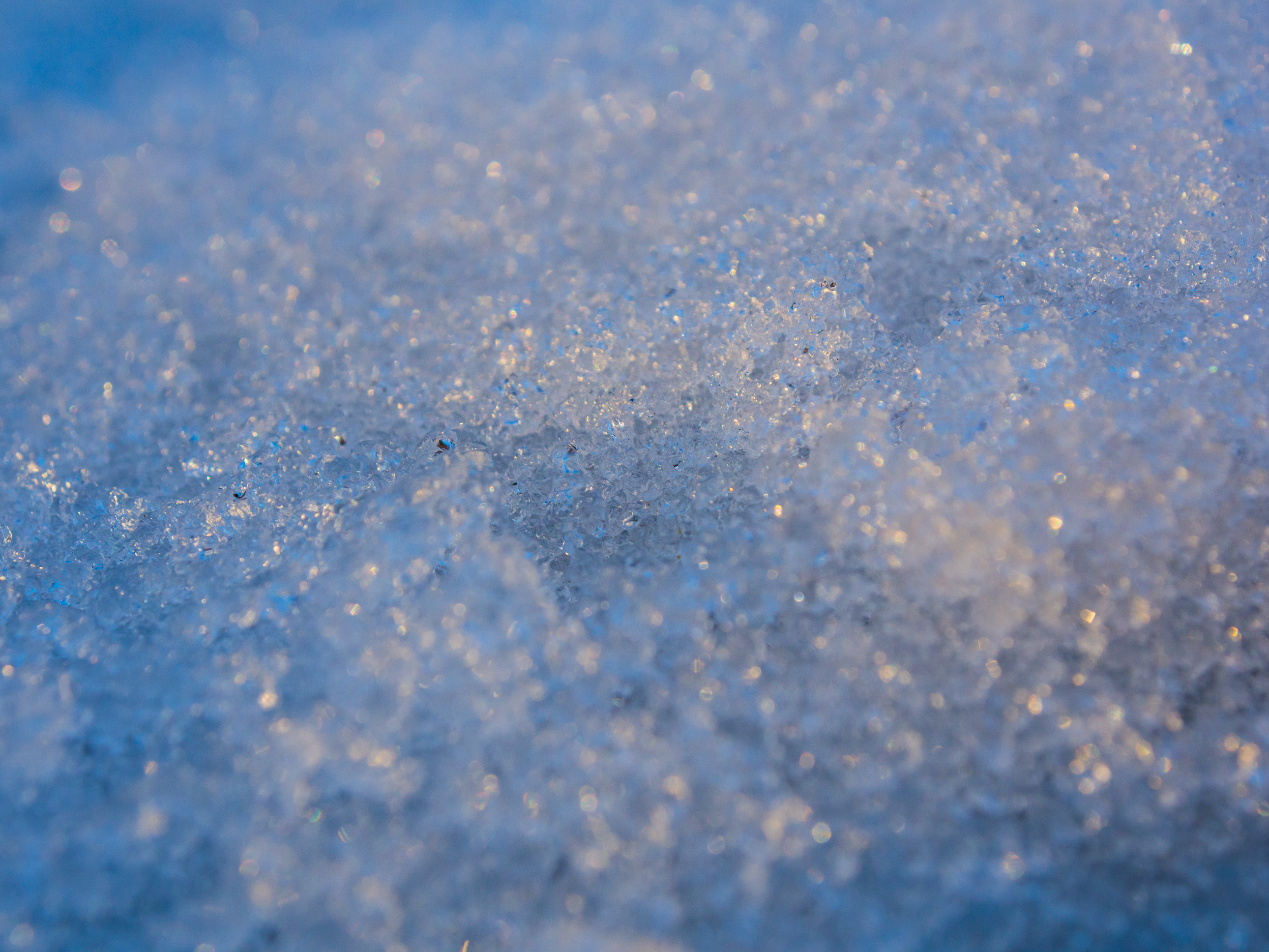
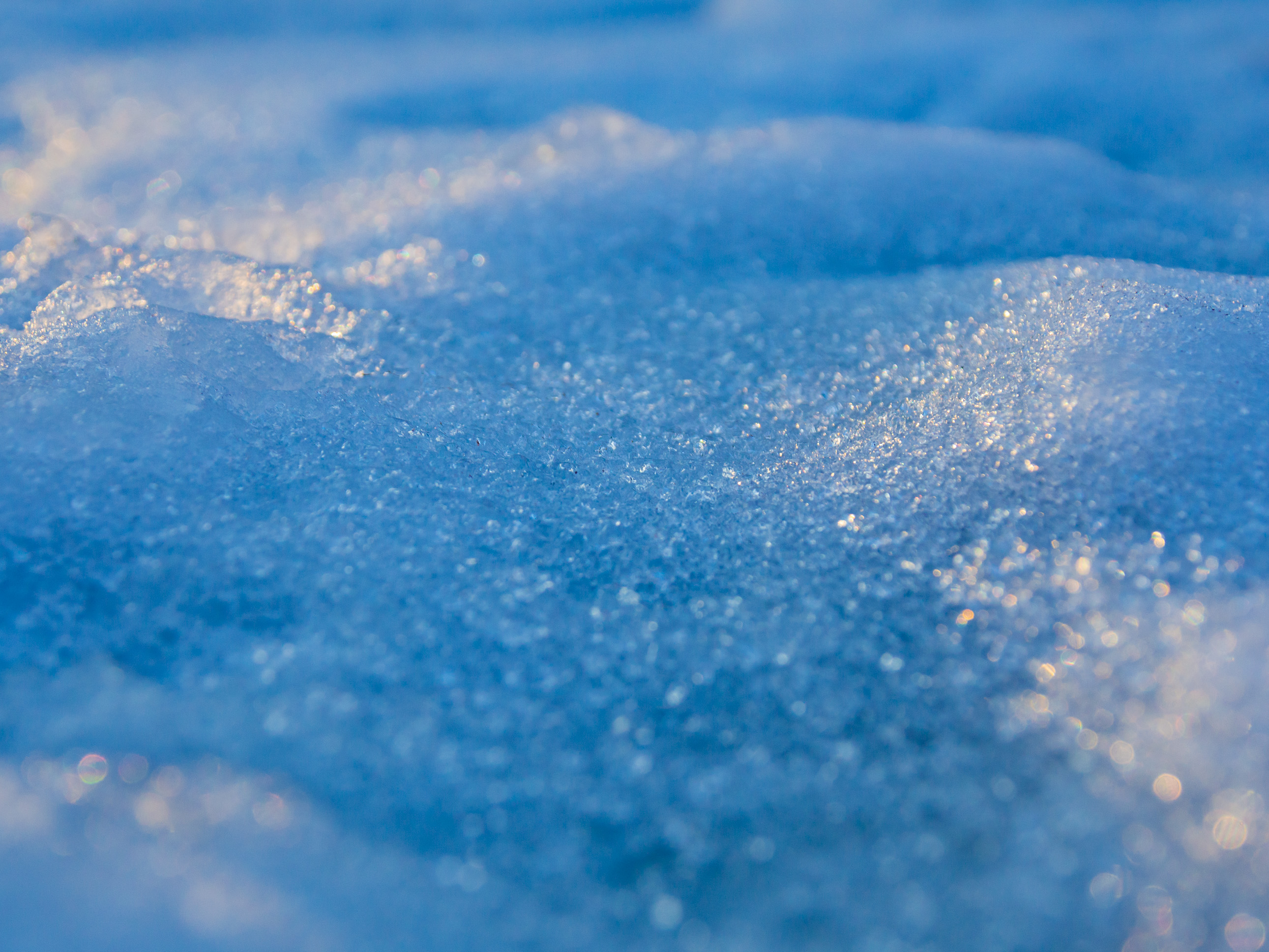


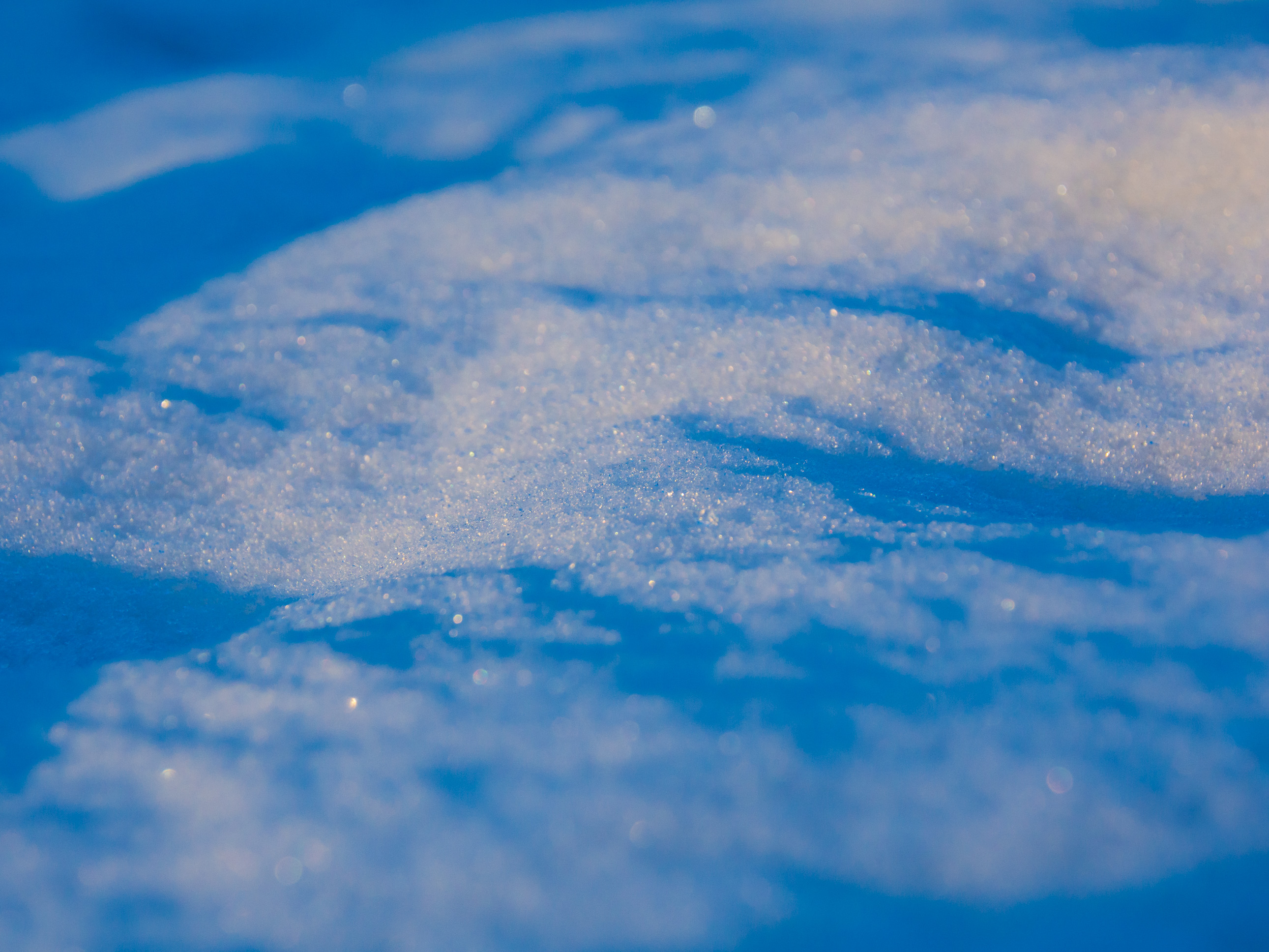


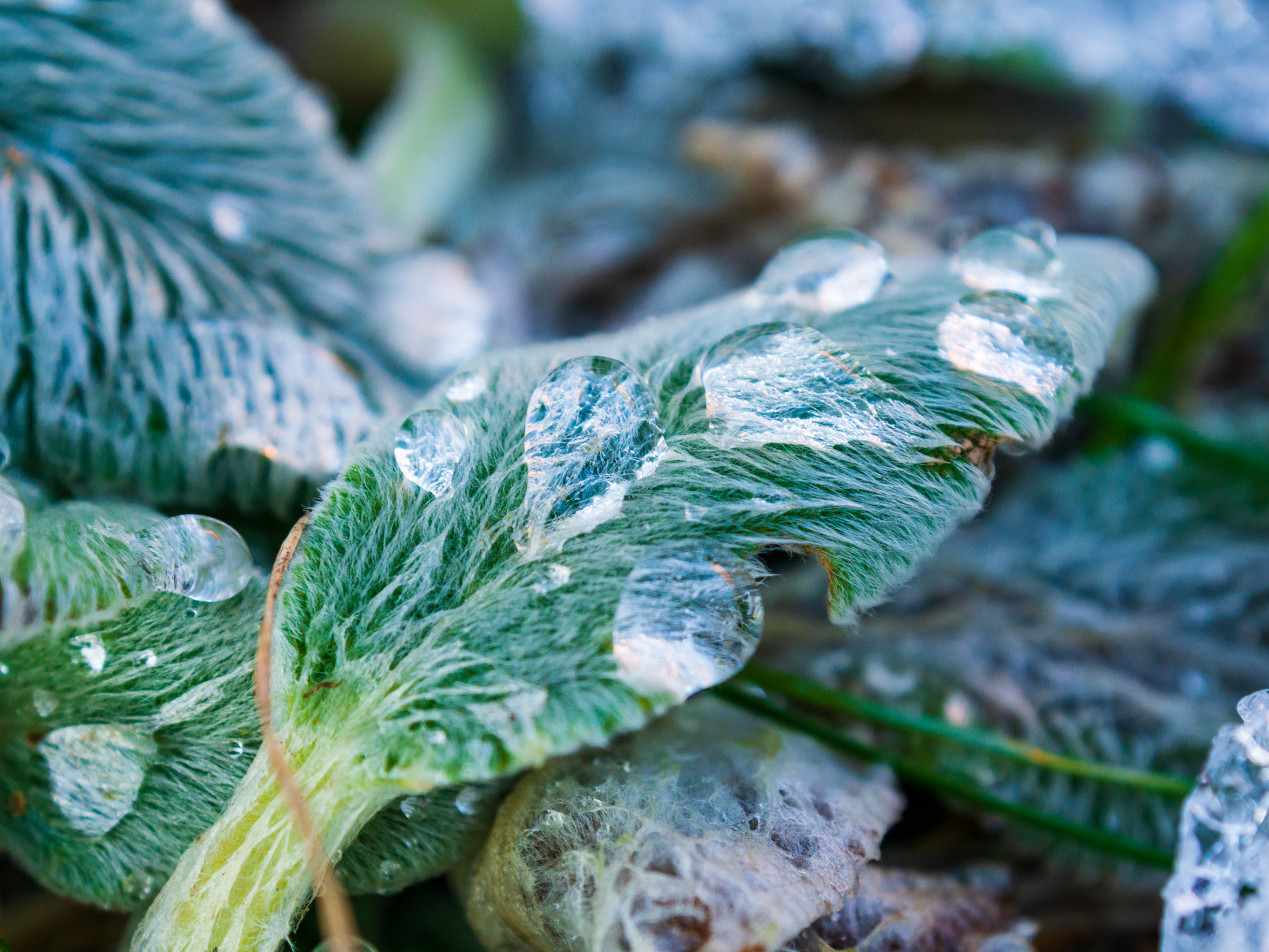
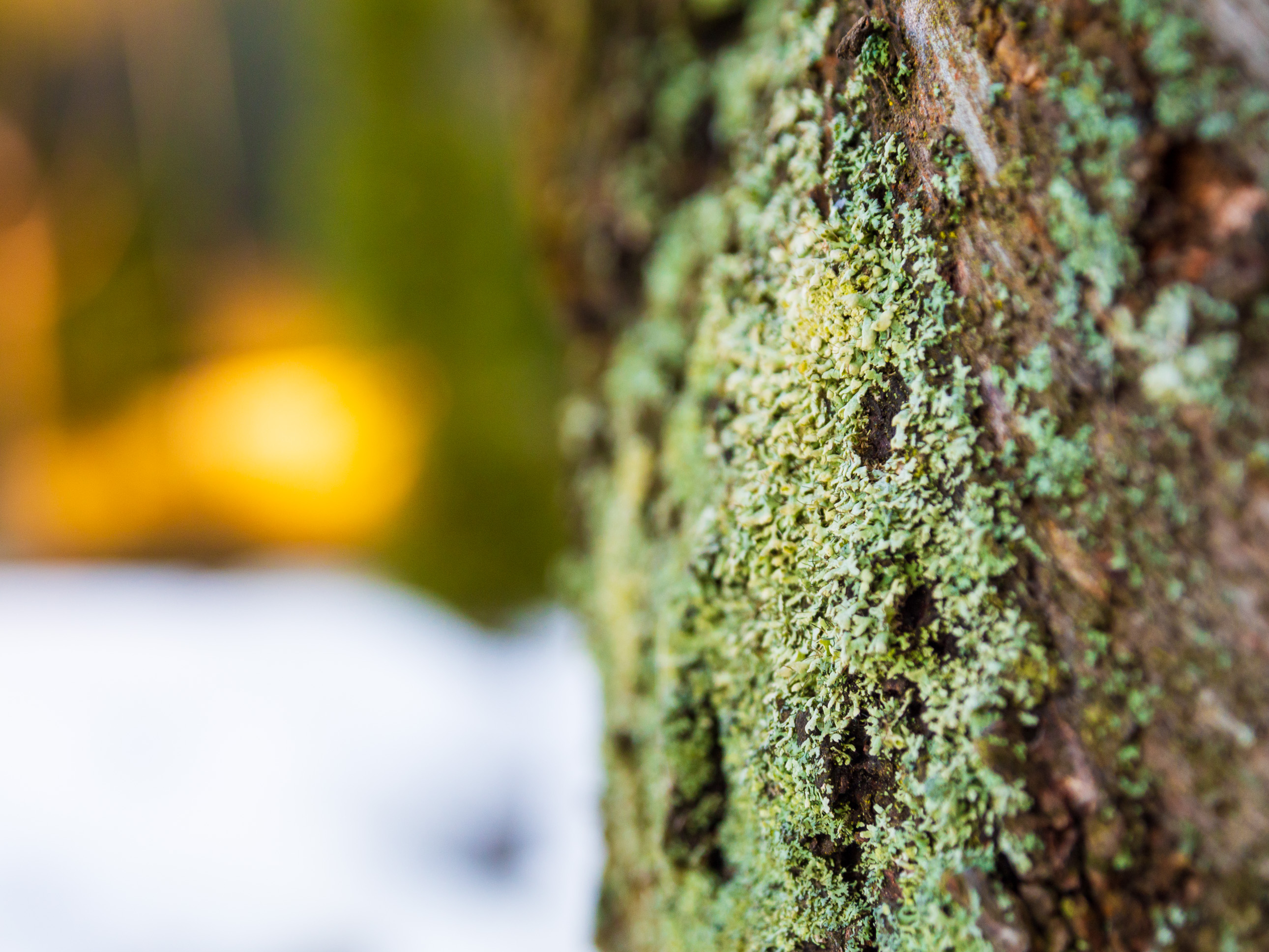
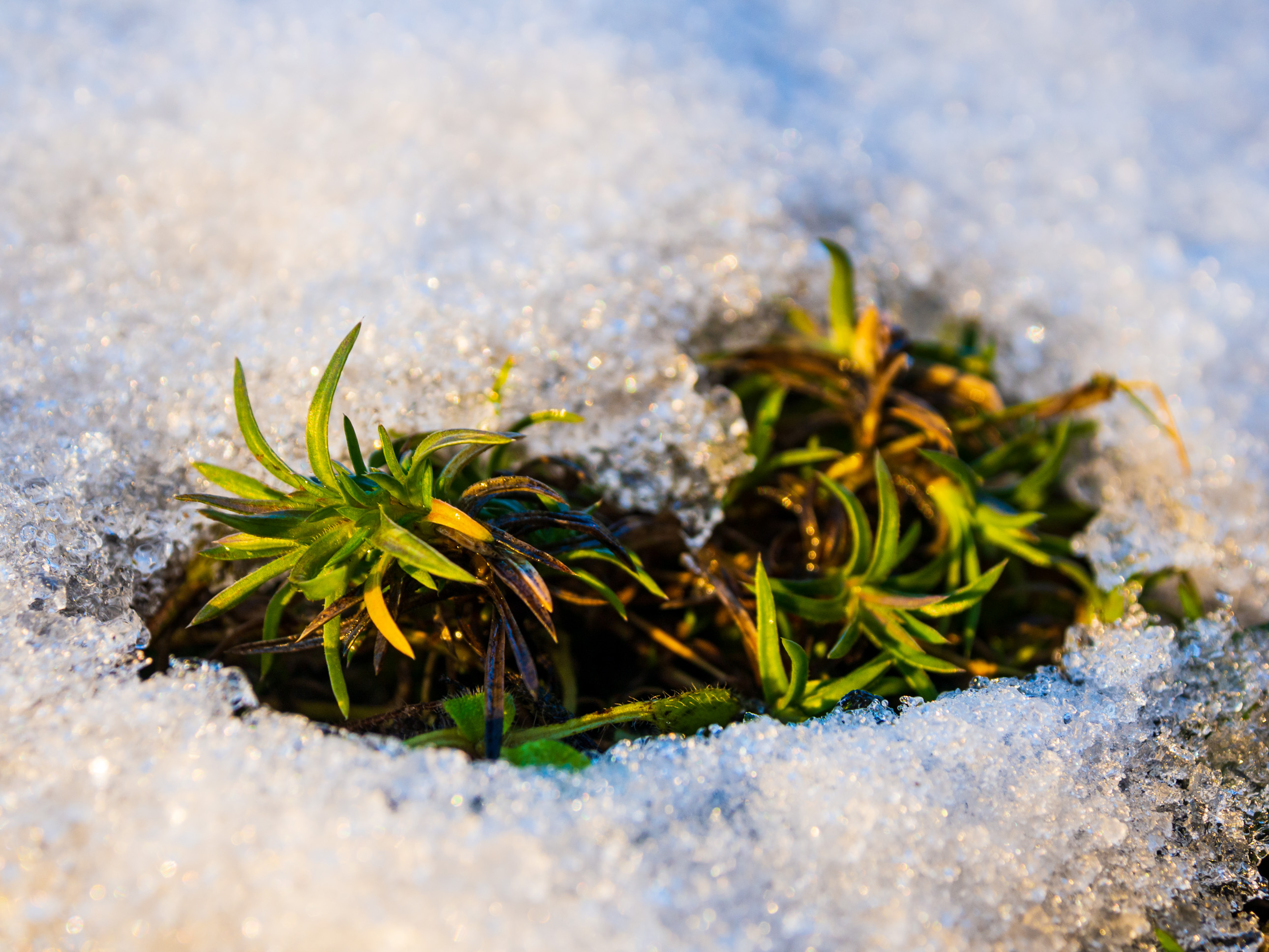
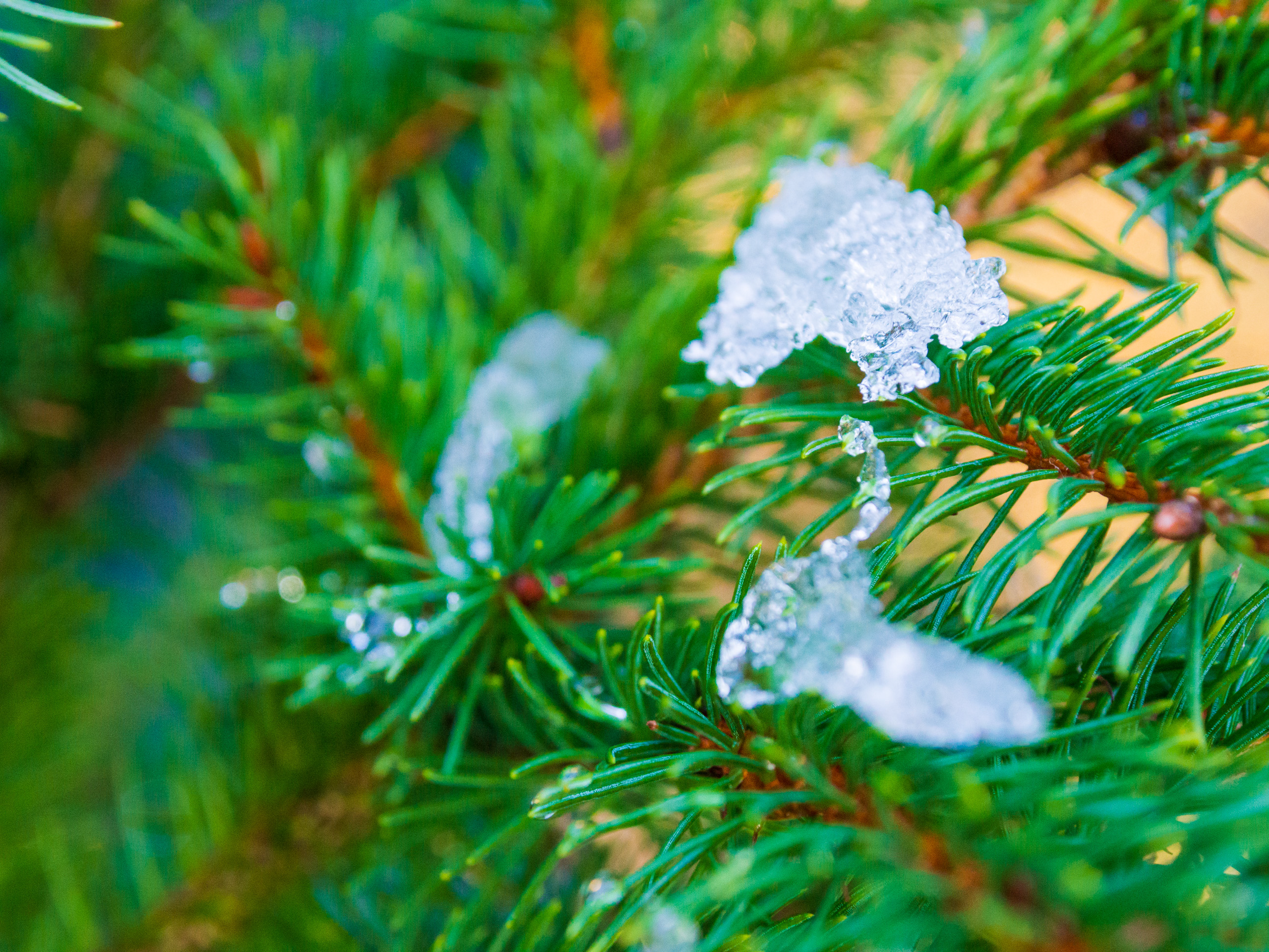
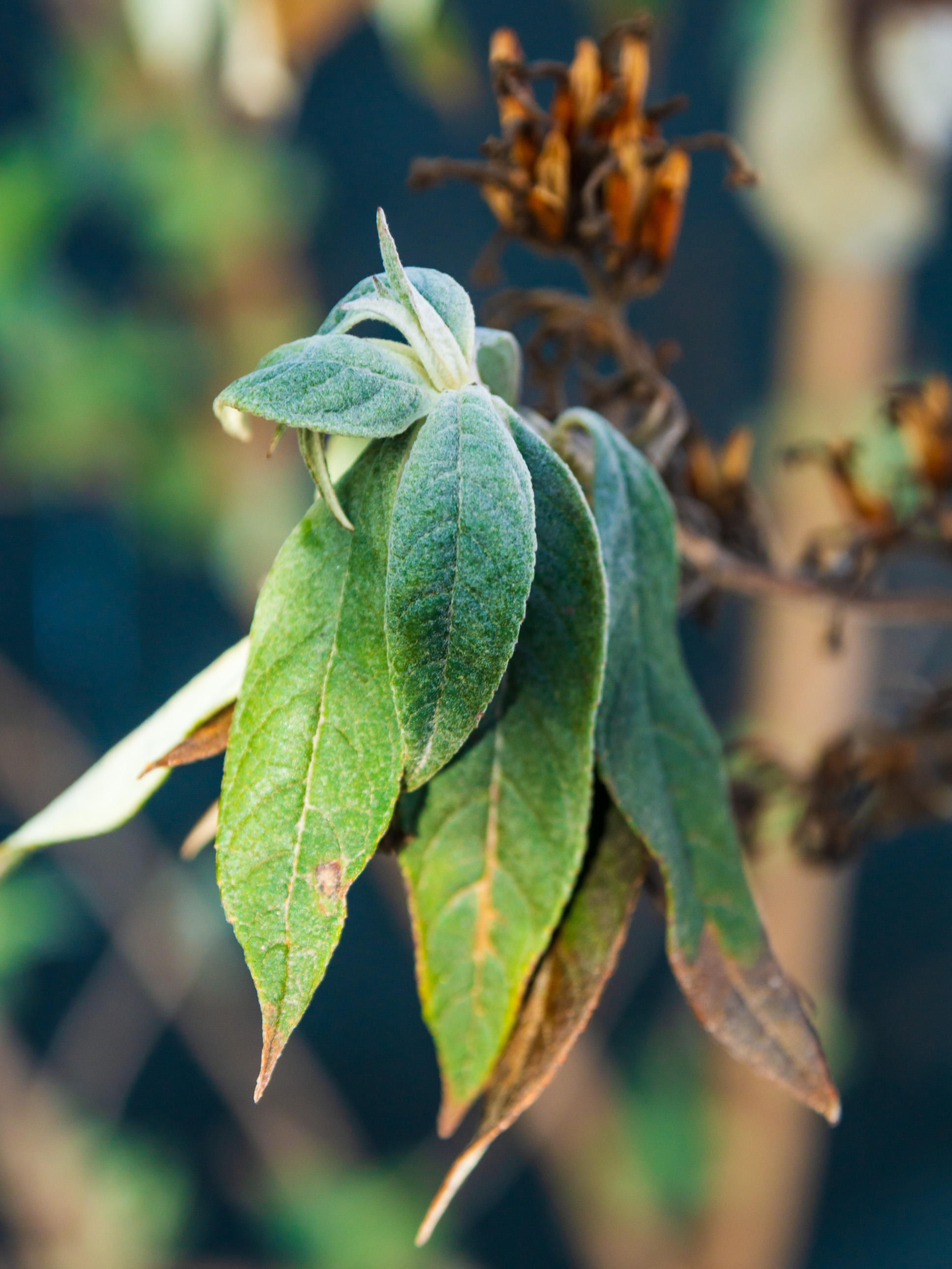



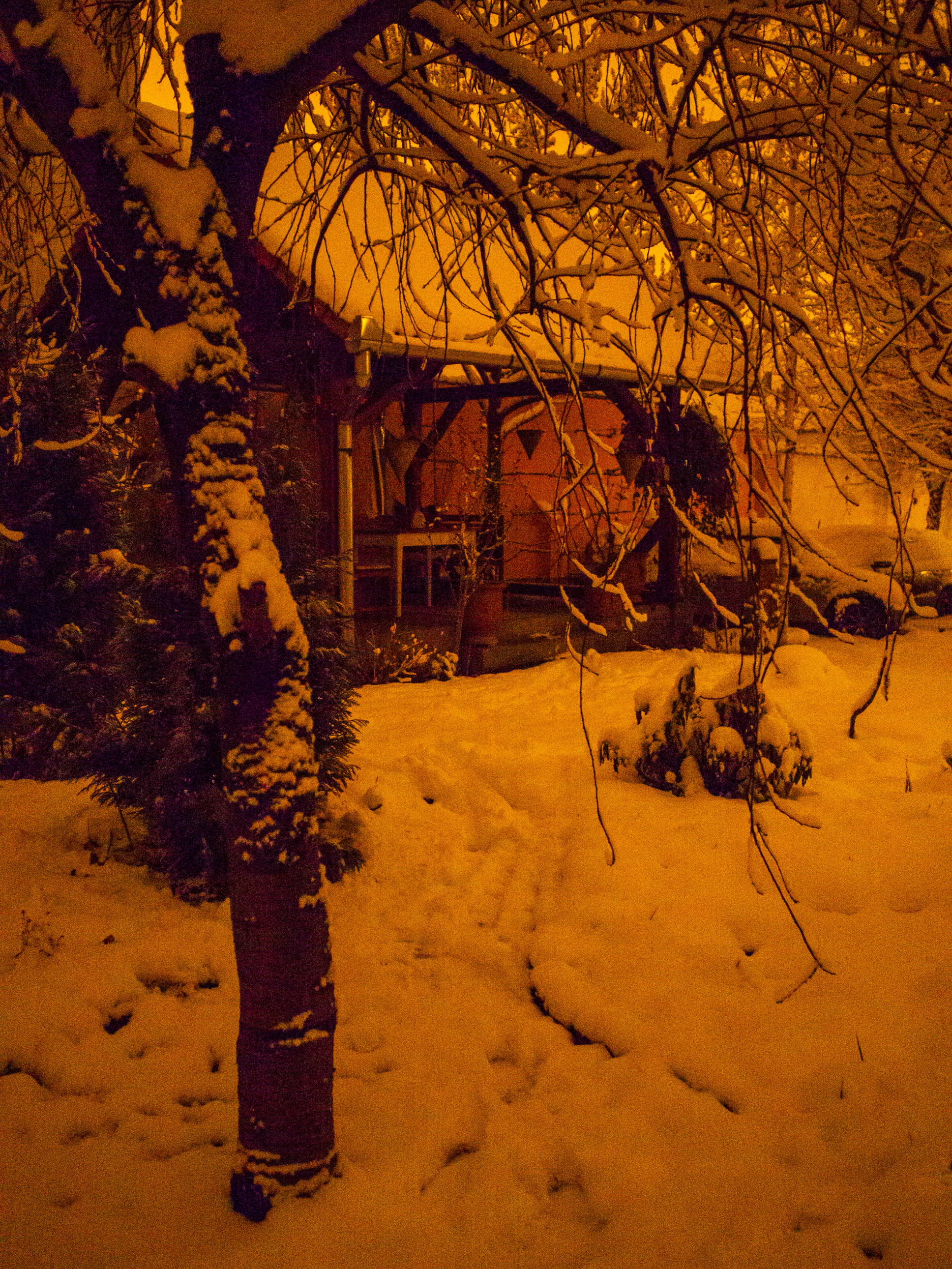
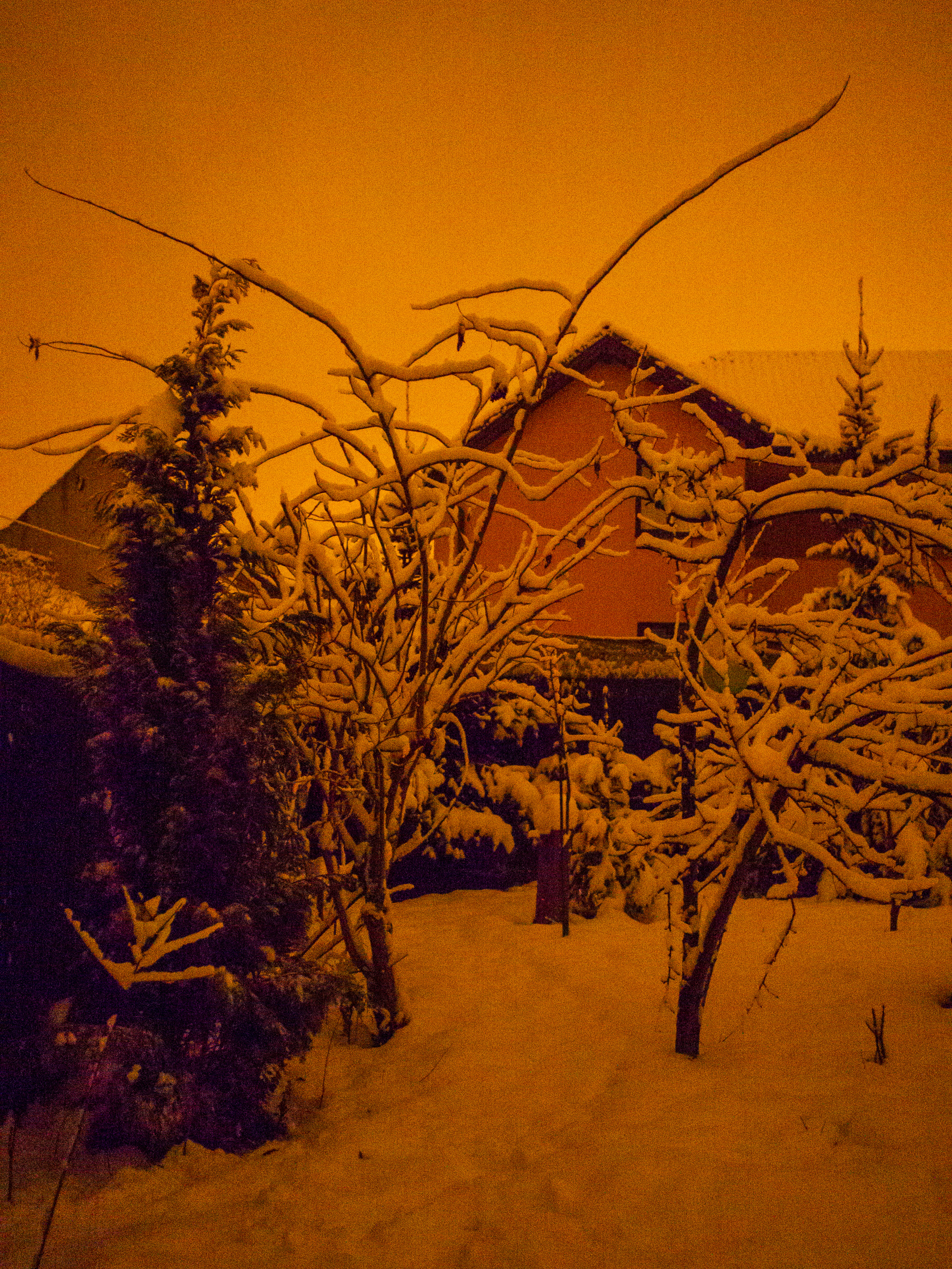
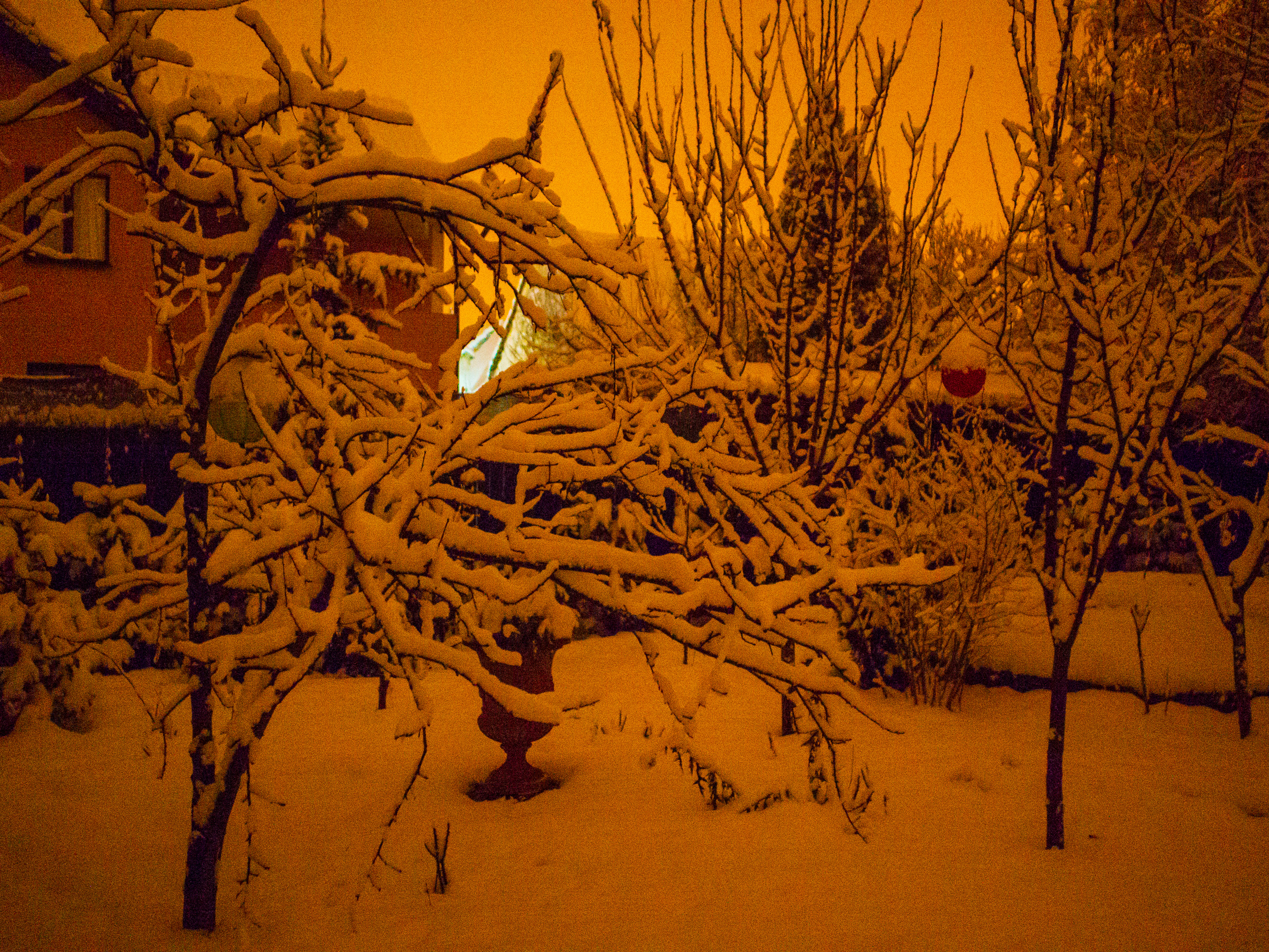
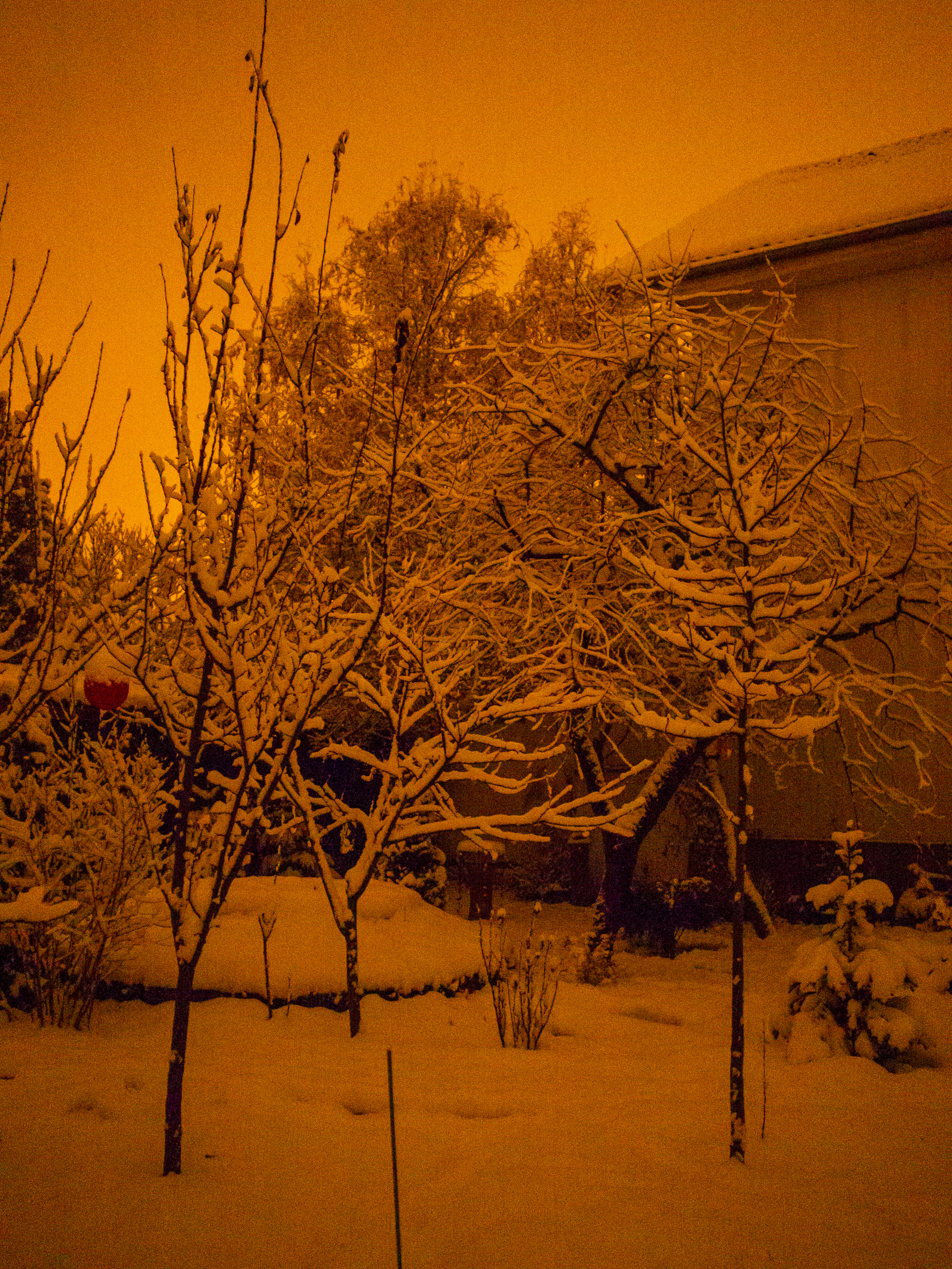
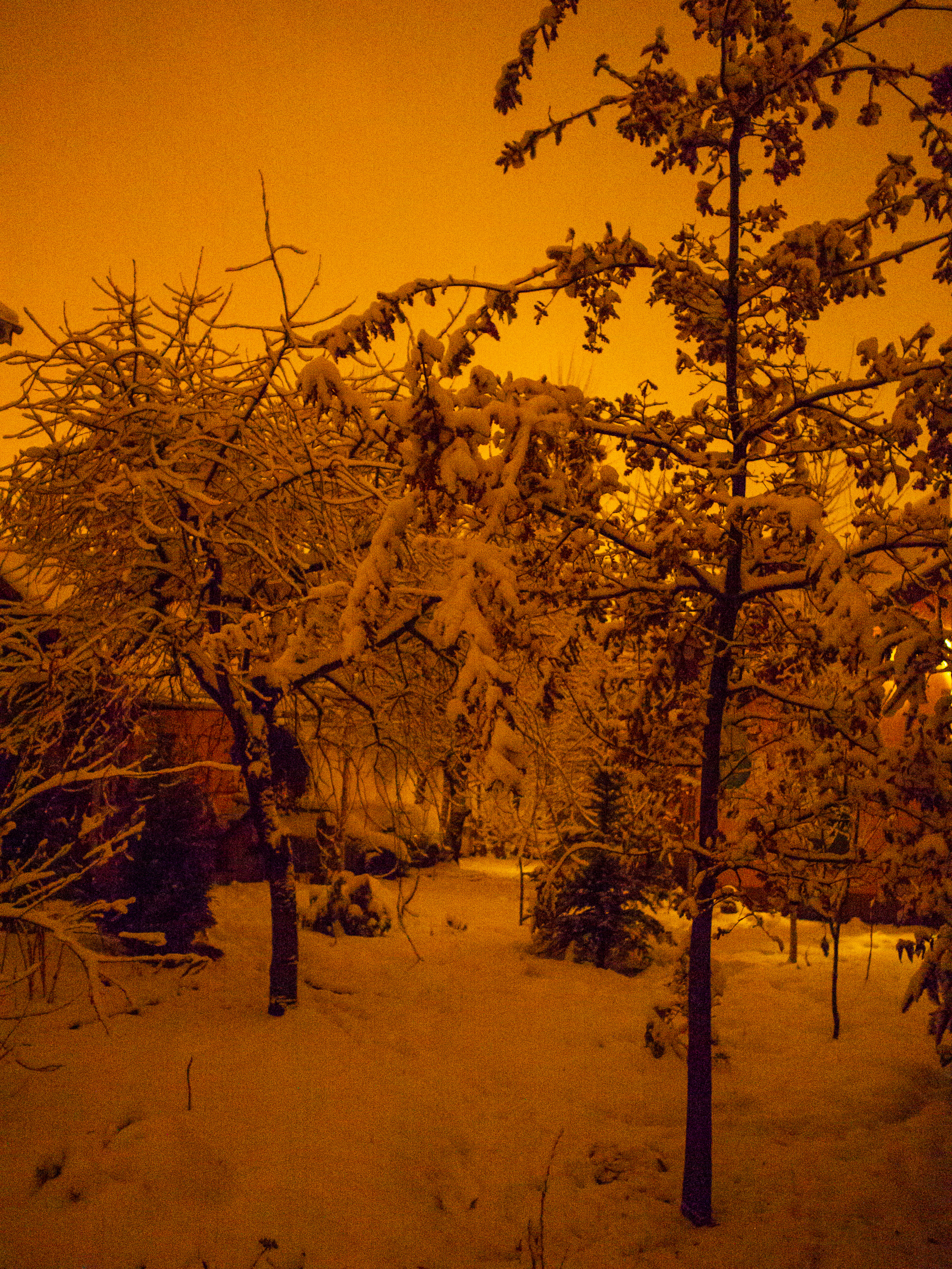
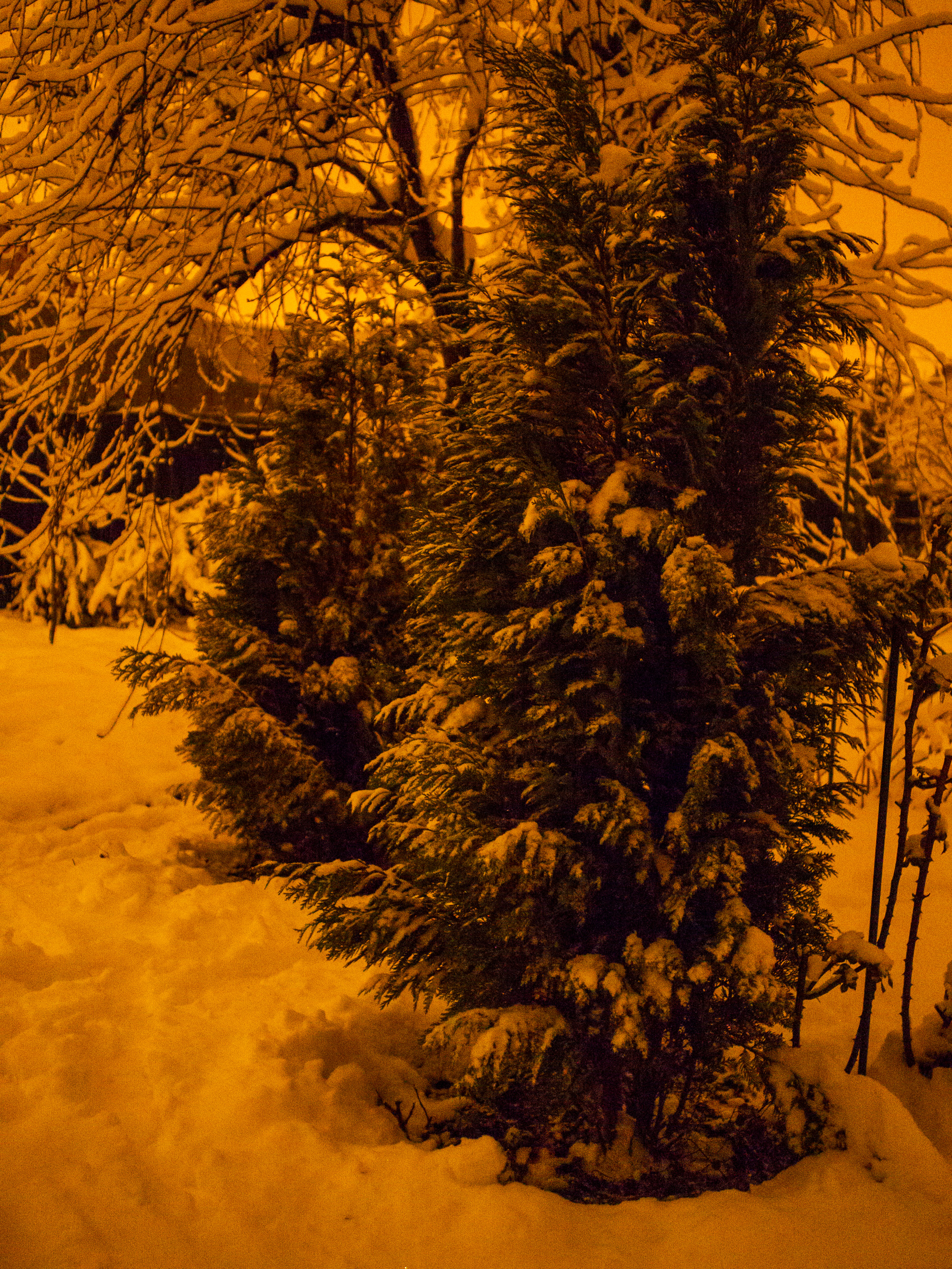
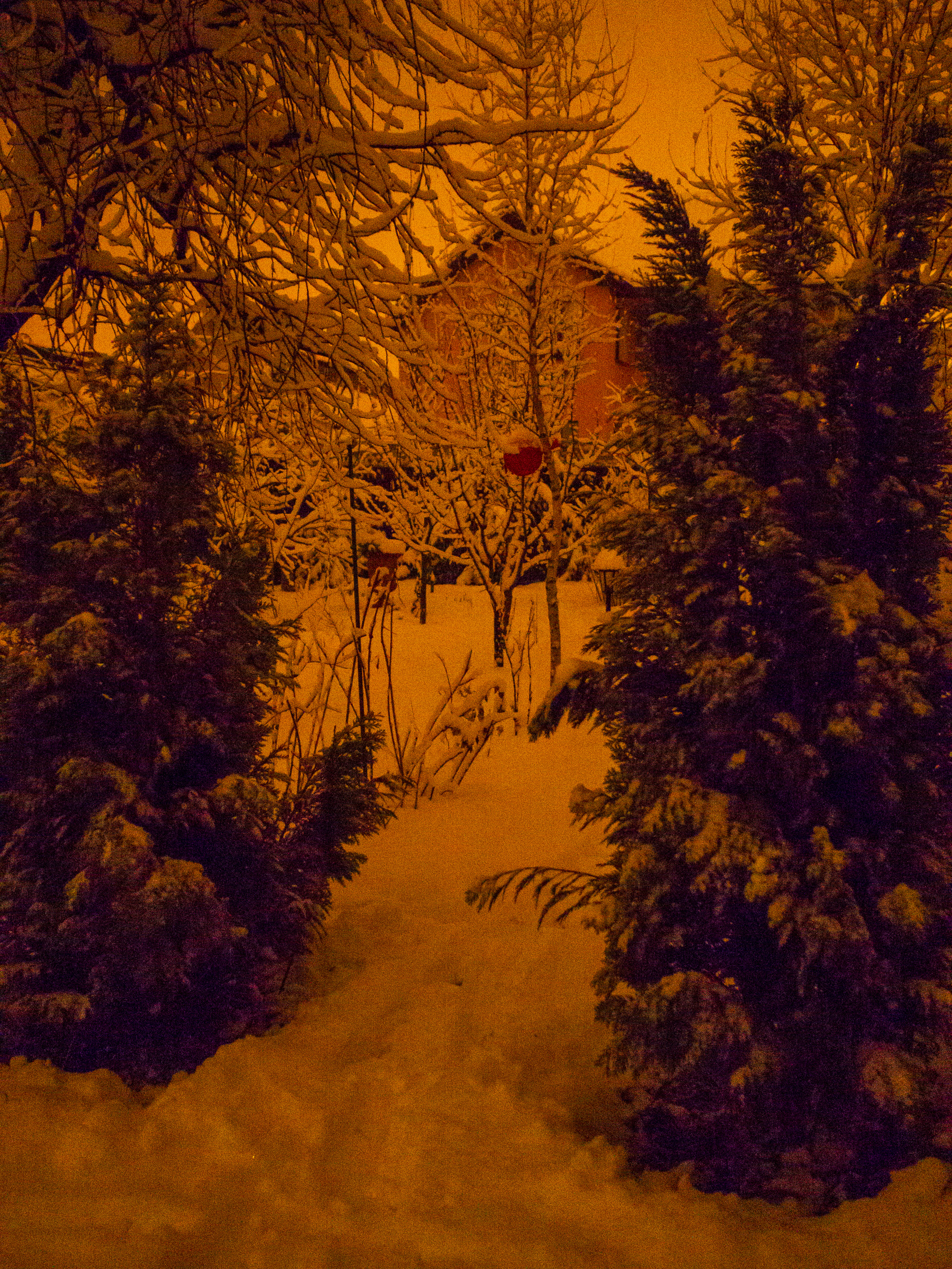
We had a beautiful night snowfall recently and even though it was after midnight, Ligia and I went out to walk through the garden. You may know these nights well if you live in a temperate climate. They tend to stick in your memory. Everything is quiet, eerily quiet. Even the sound of your own voice is muffled by the falling snow. If you’re in a town, the ambient light from houses and streetlights reflects off the blanket of white snow and shines right up to the clouds, which are near to the ground, weighed down by the water droplets that will become snow as they fall to the ground. So the whole sky typically shines a tint of yellow from the town lights, and it also reflects that light down onto the snow, lighting everything up even though there’s no moon in sight.
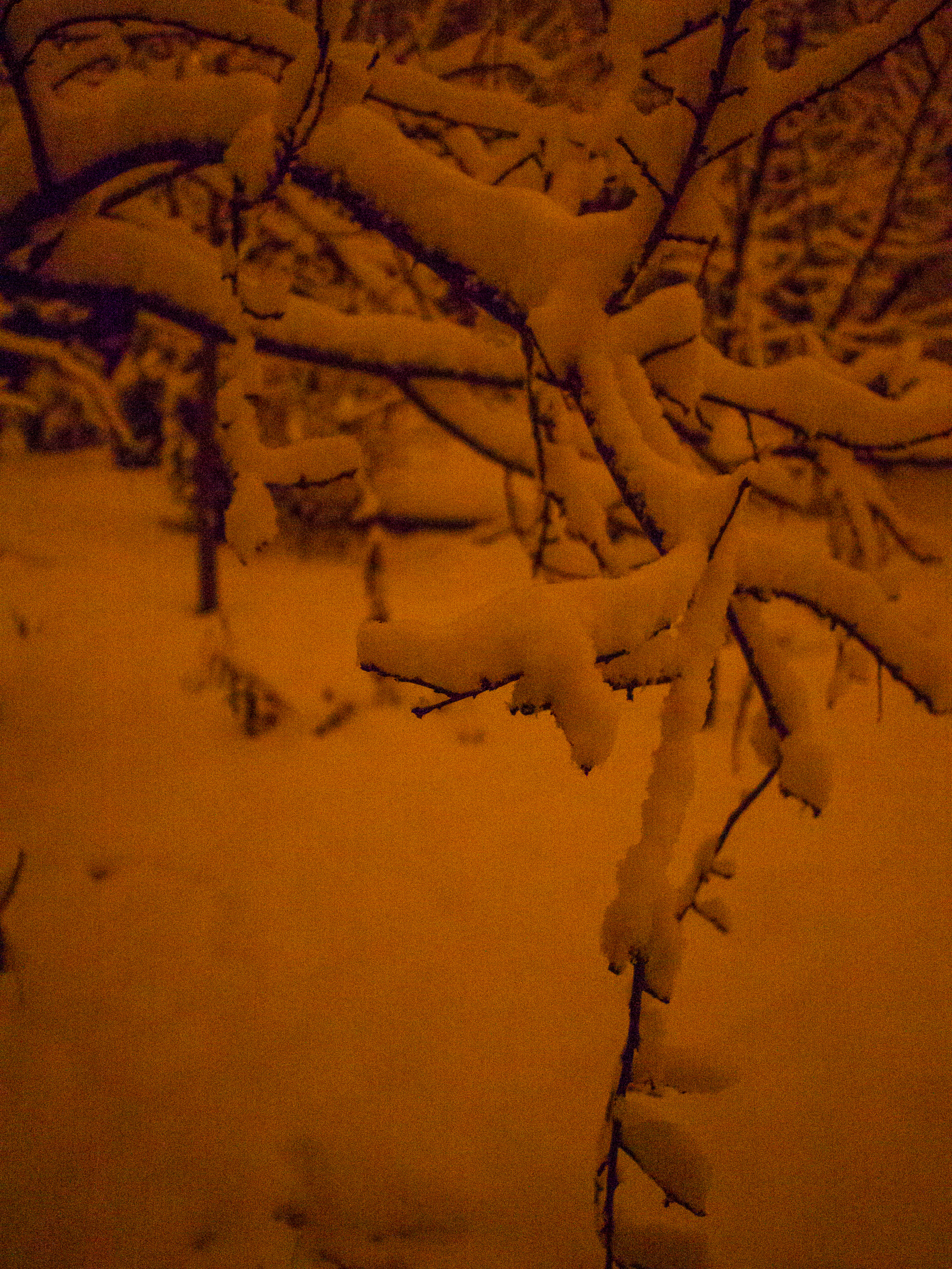
It was that kind of a night when we stepped out. Thick, well-defined snowflakes were slowly making their way down, stopping on branches, building up into impossible mounds on the thinnest of twigs. In the absence of a breeze, everything was frozen as if in awe, admiring the falling snow in concert. We walked through our garden, wading through the powdery white blanket, stopping to breathe the cold, refreshing winter air and to give thanks for the beauty before us.
I hope the photos reflect the atmosphere of that night. They were taken handheld with a 35mm lens at its widest aperture (f1.8) and at at a fairly high ISO (as high as 10000). That means not everything is going to be in focus and there is going to be plenty of grain. But that’s how I typically shoot: handheld, even in low light. I’m more interested in capturing the mood, the moment, than in having everything tack sharp or in setting up a tripod shot.
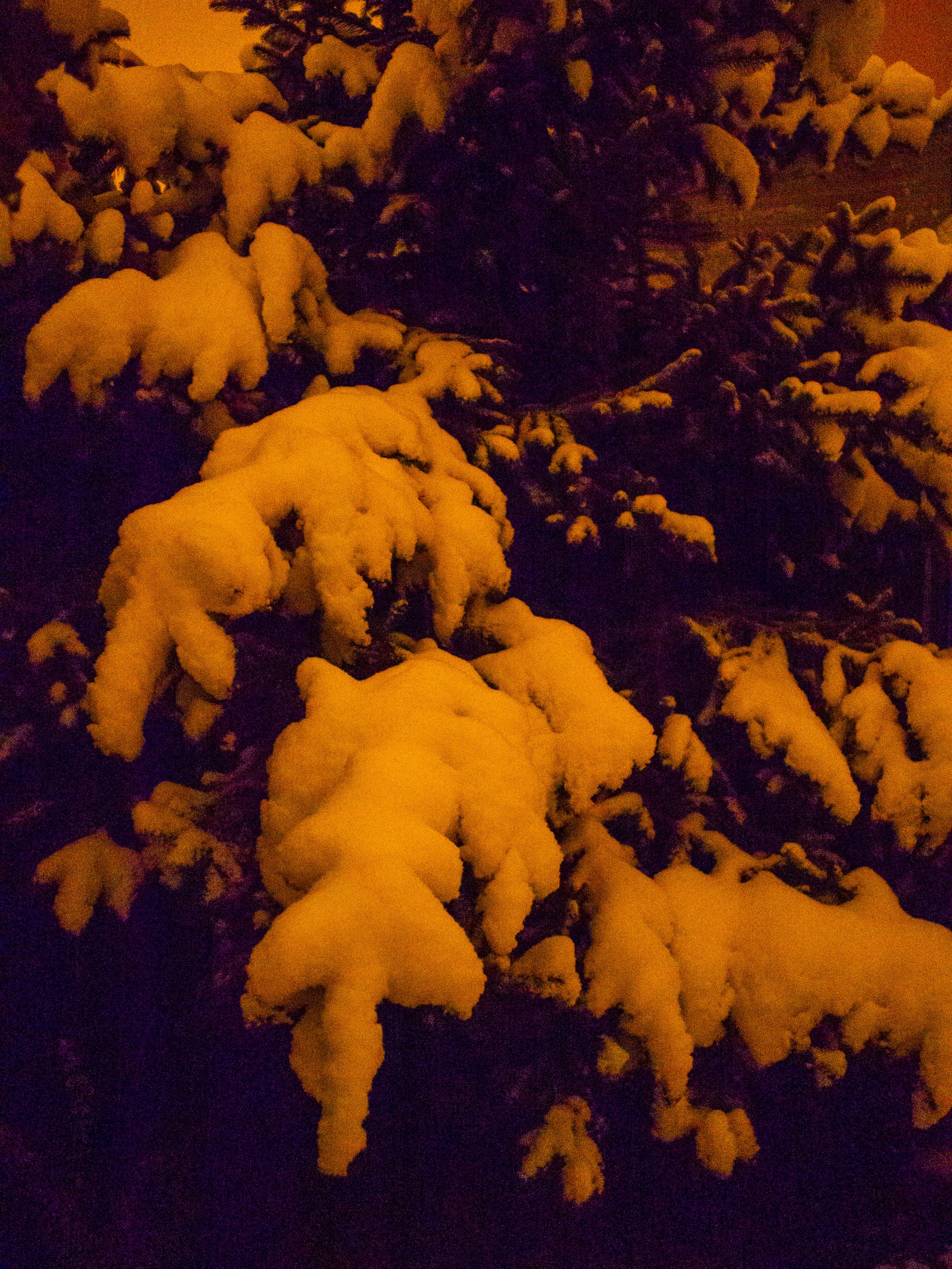
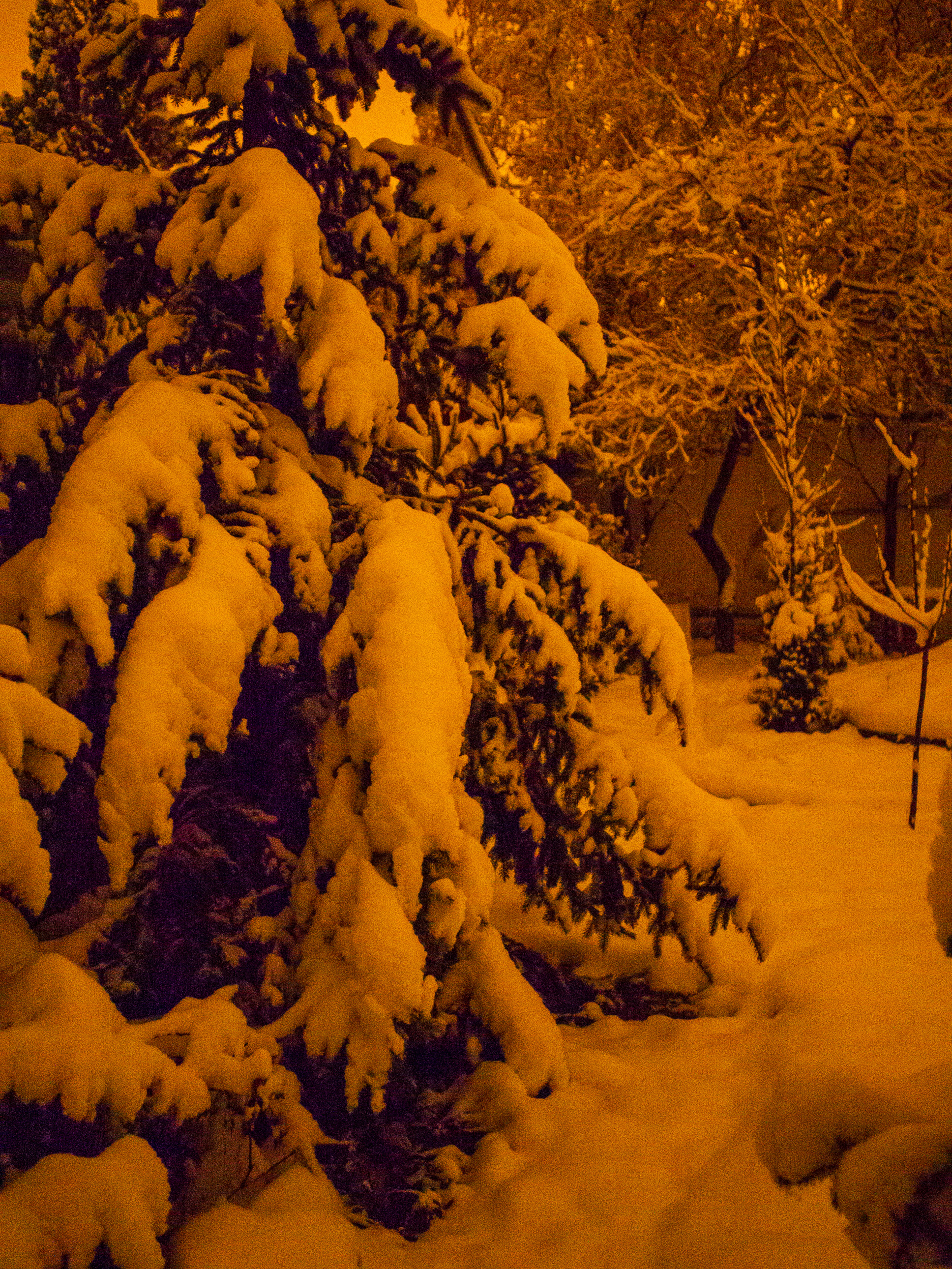
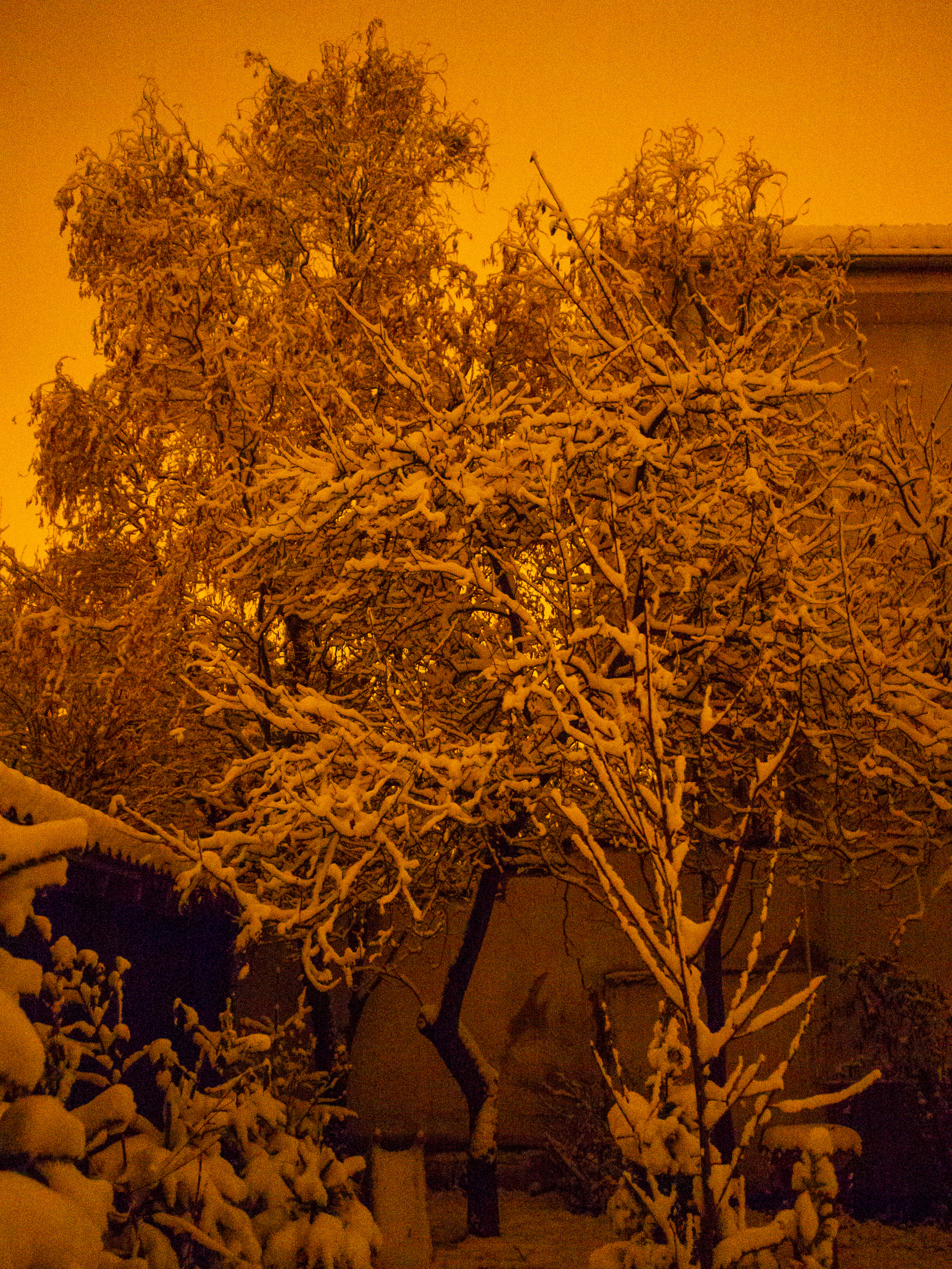
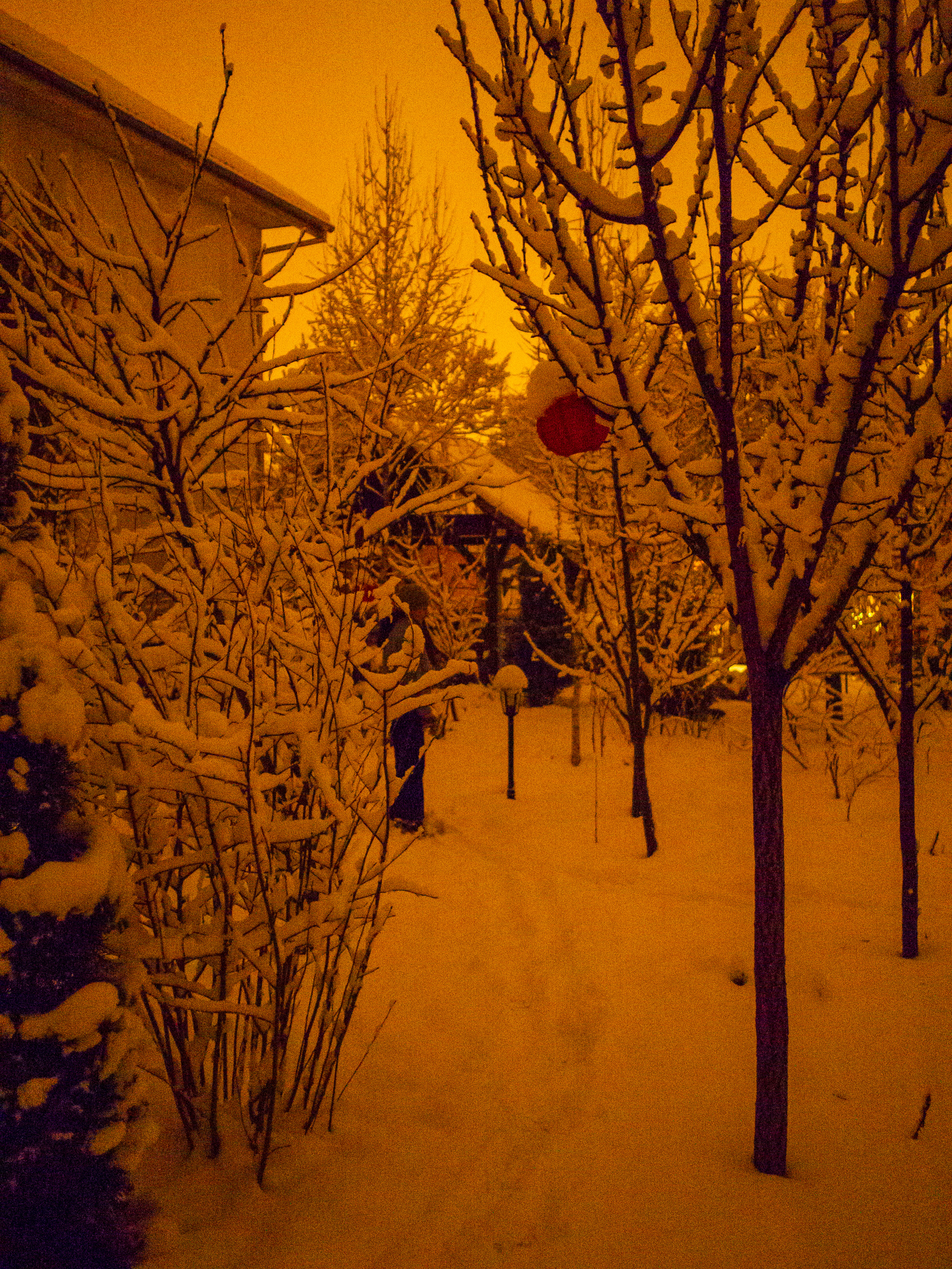
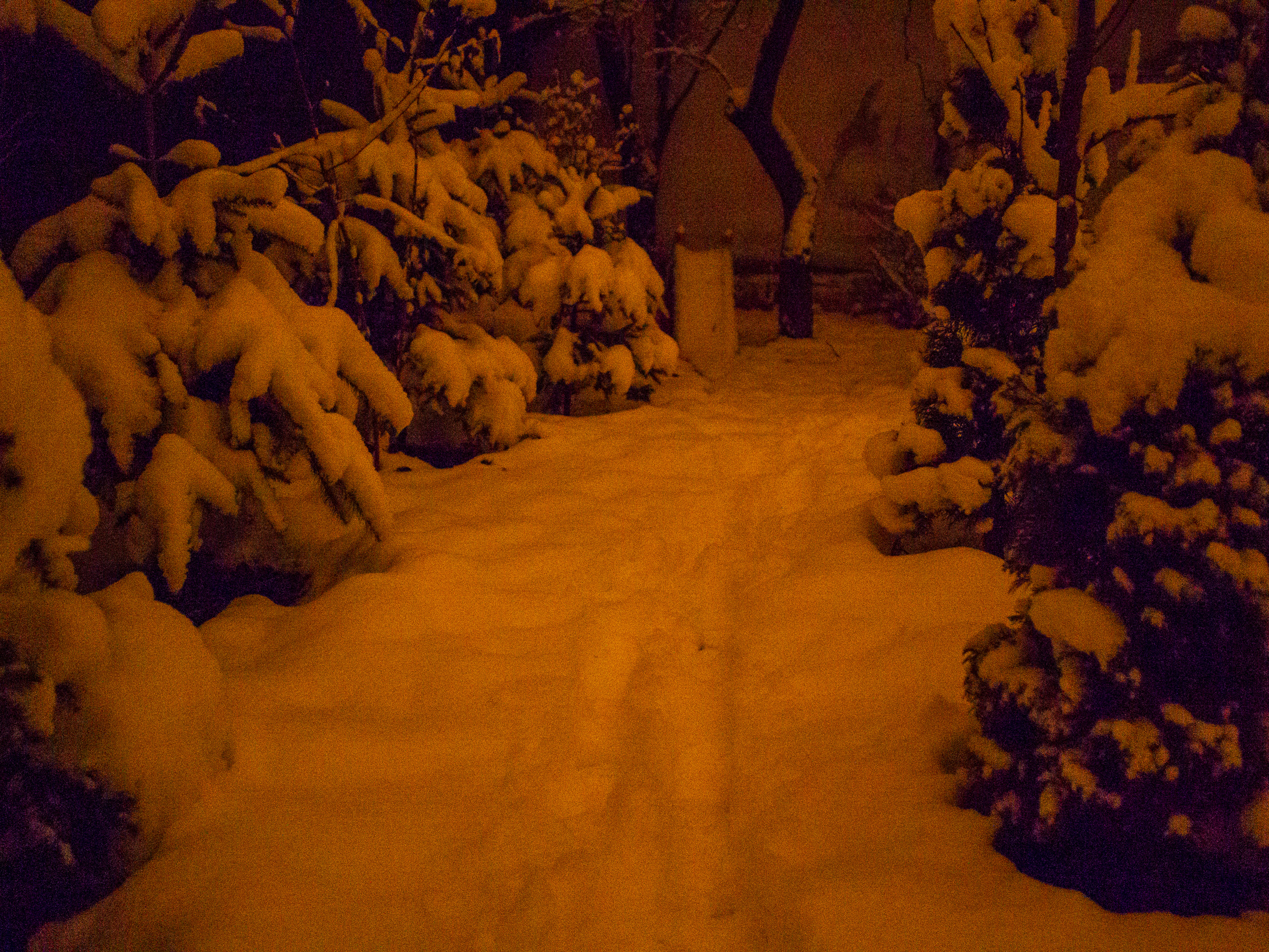
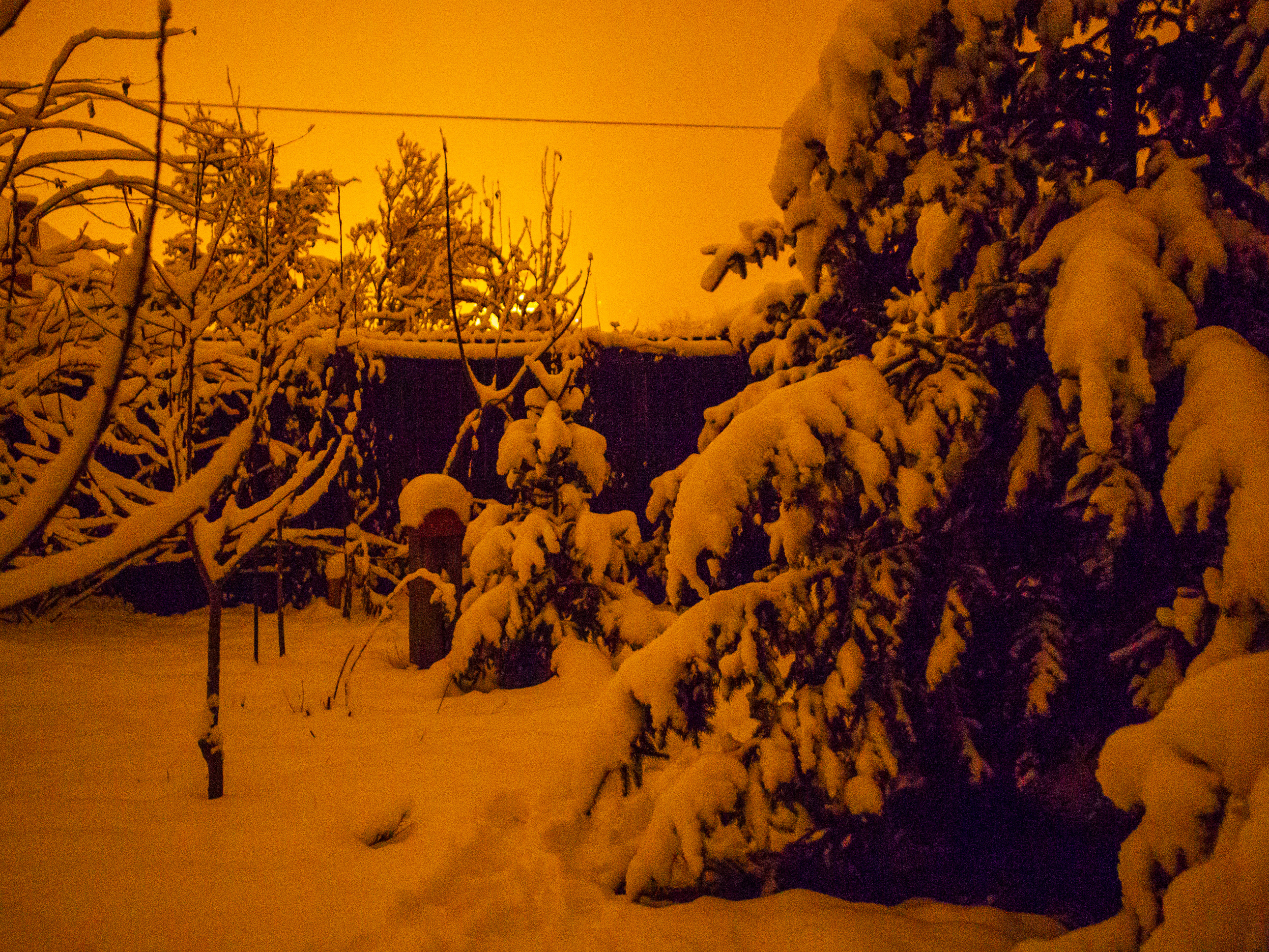
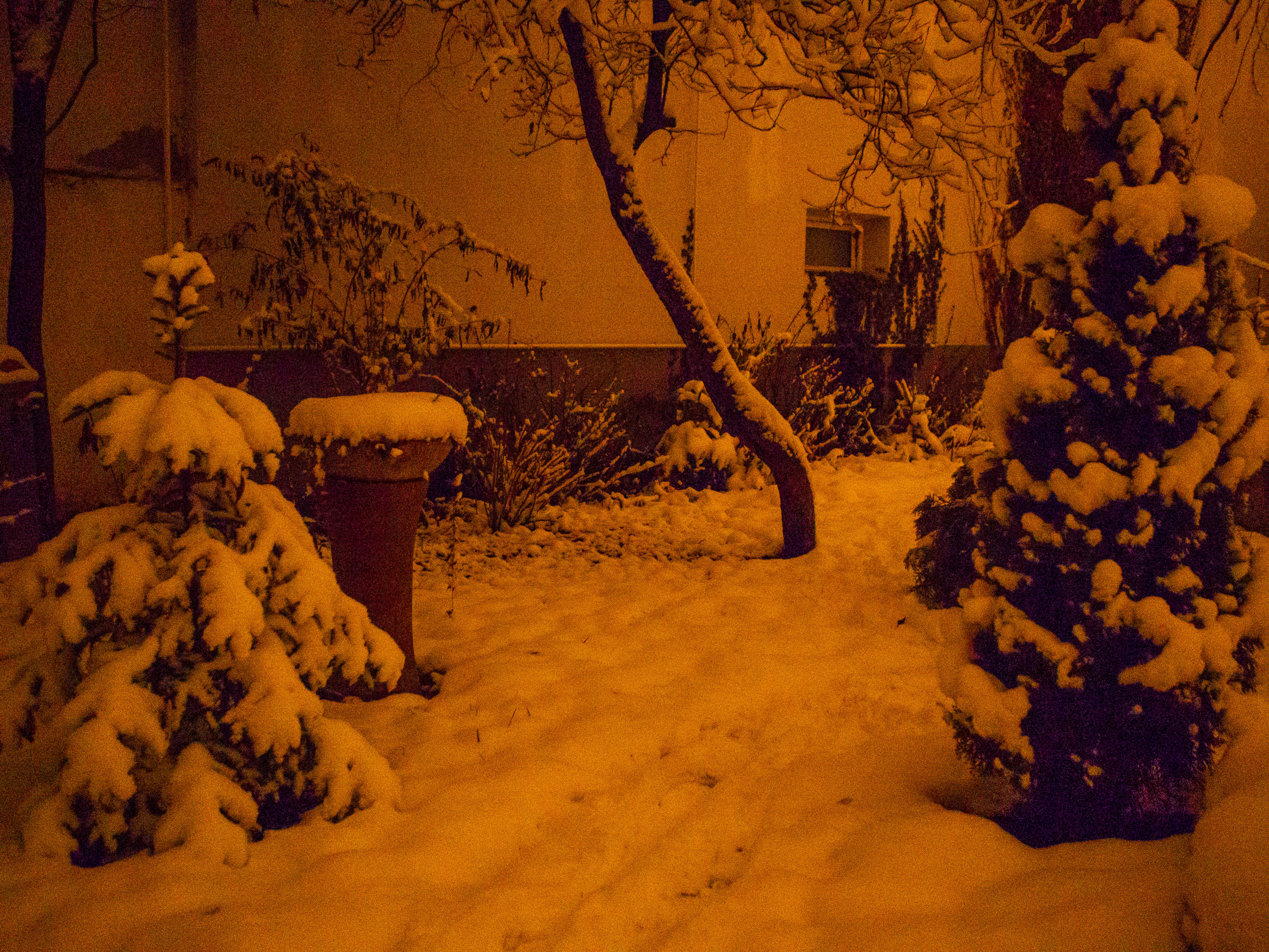
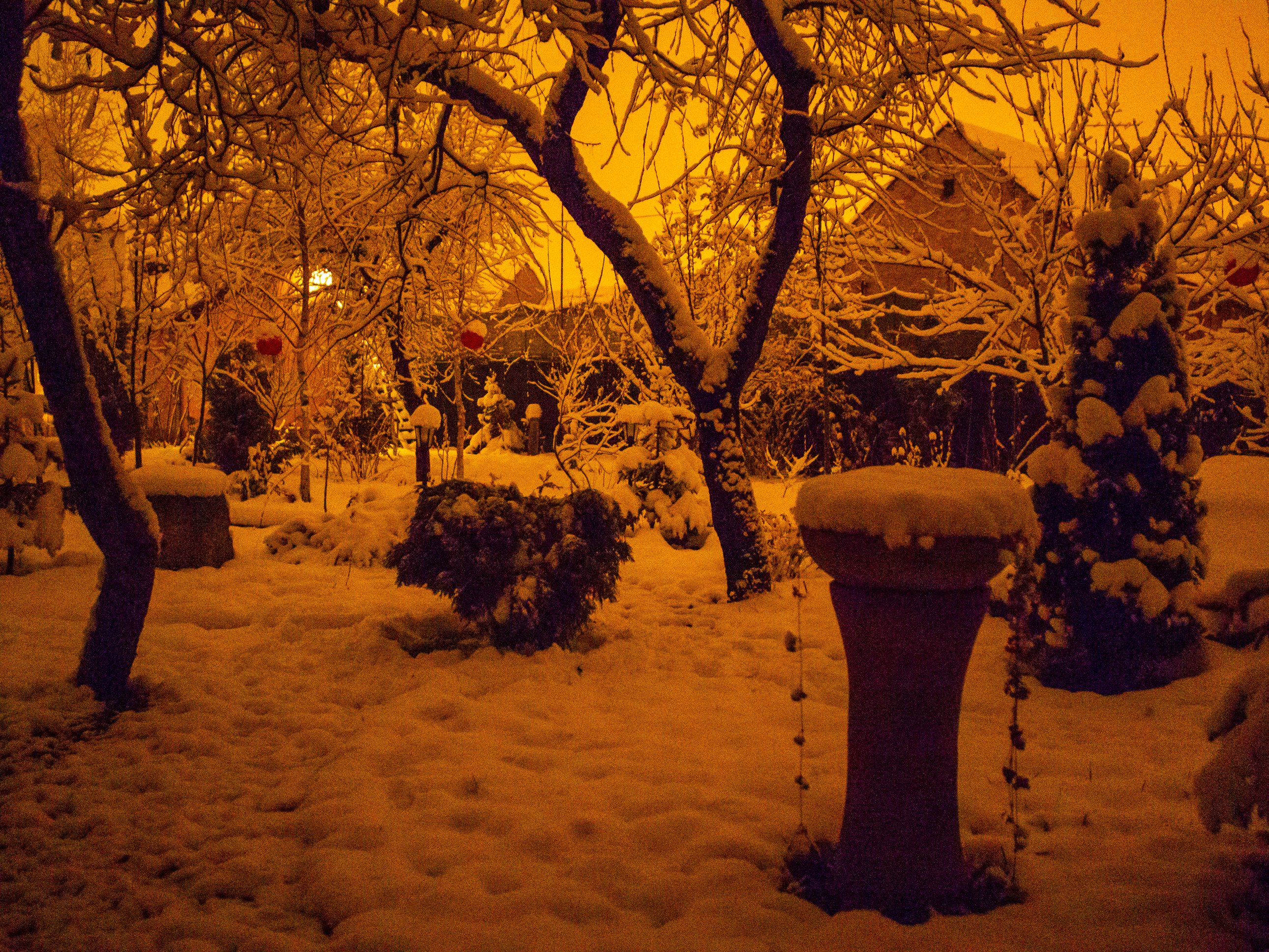
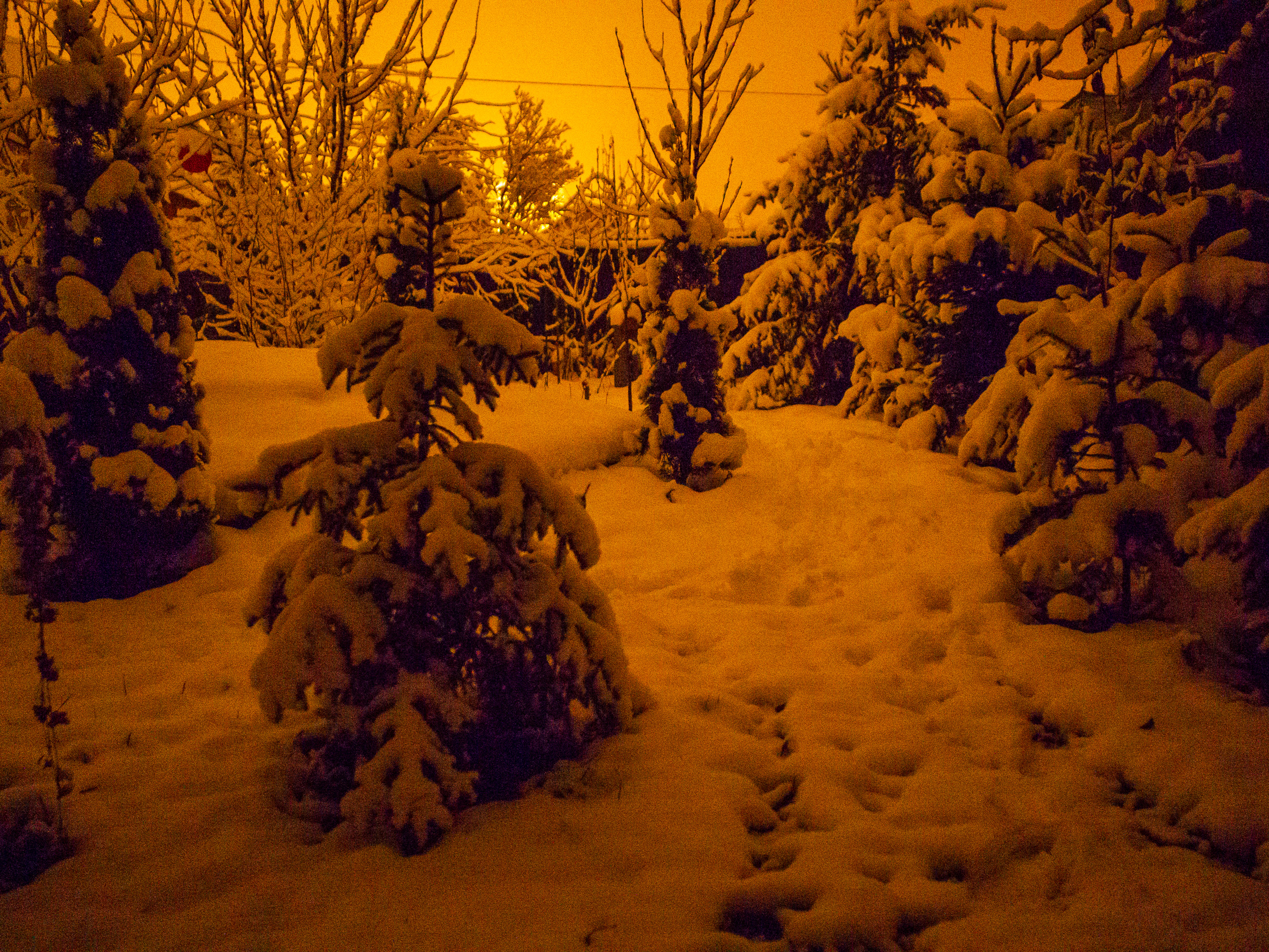
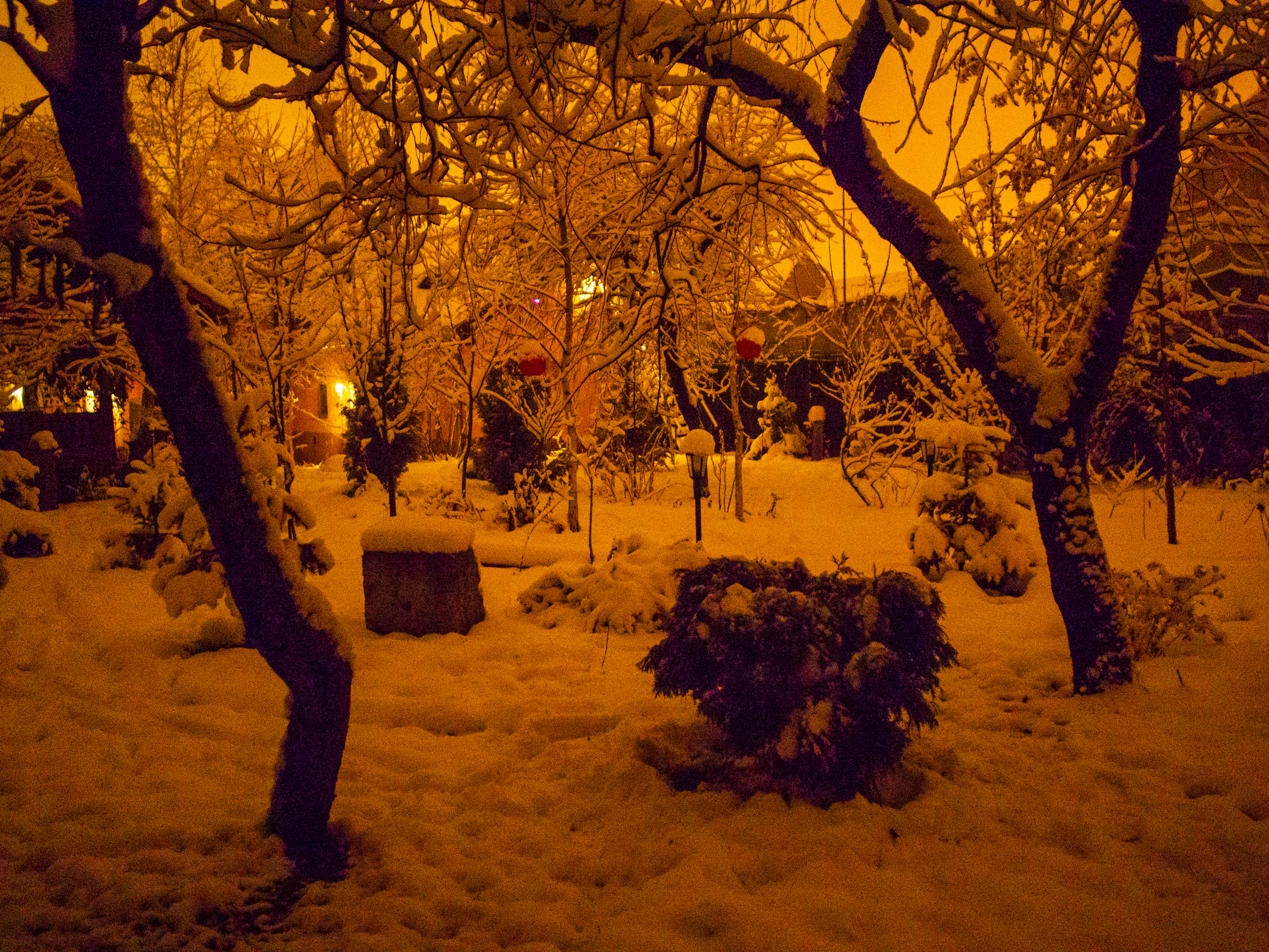
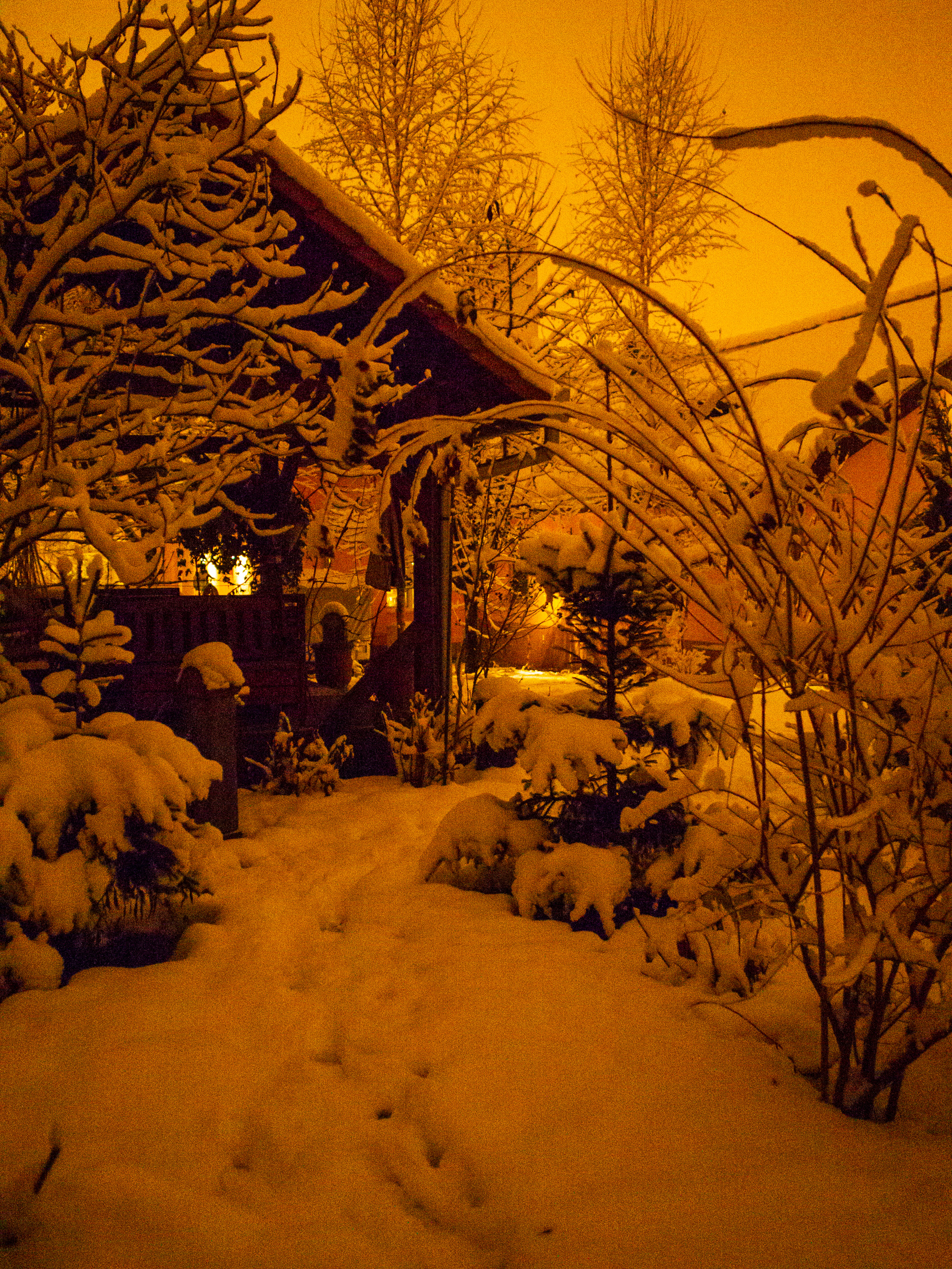
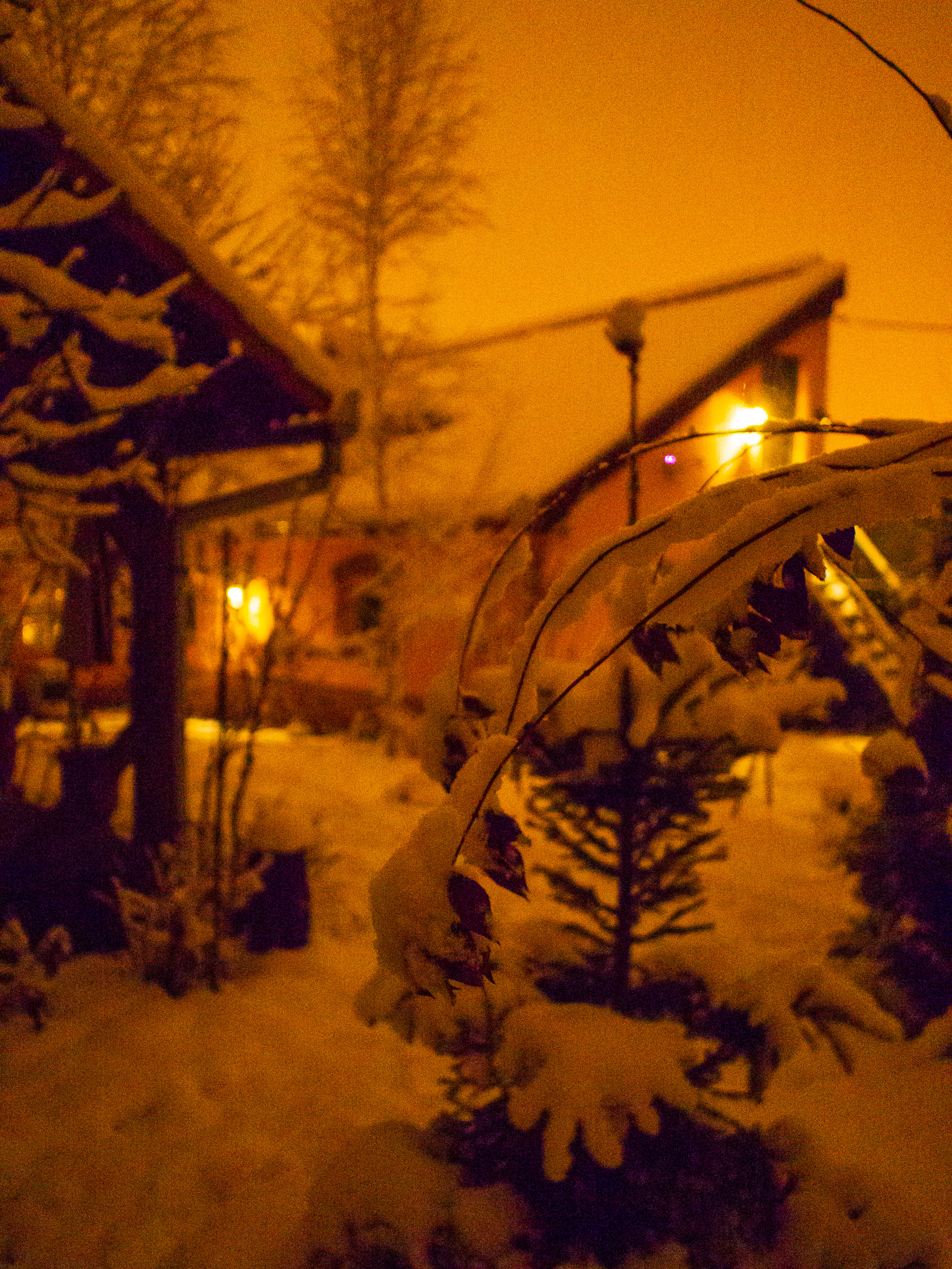
A winter night
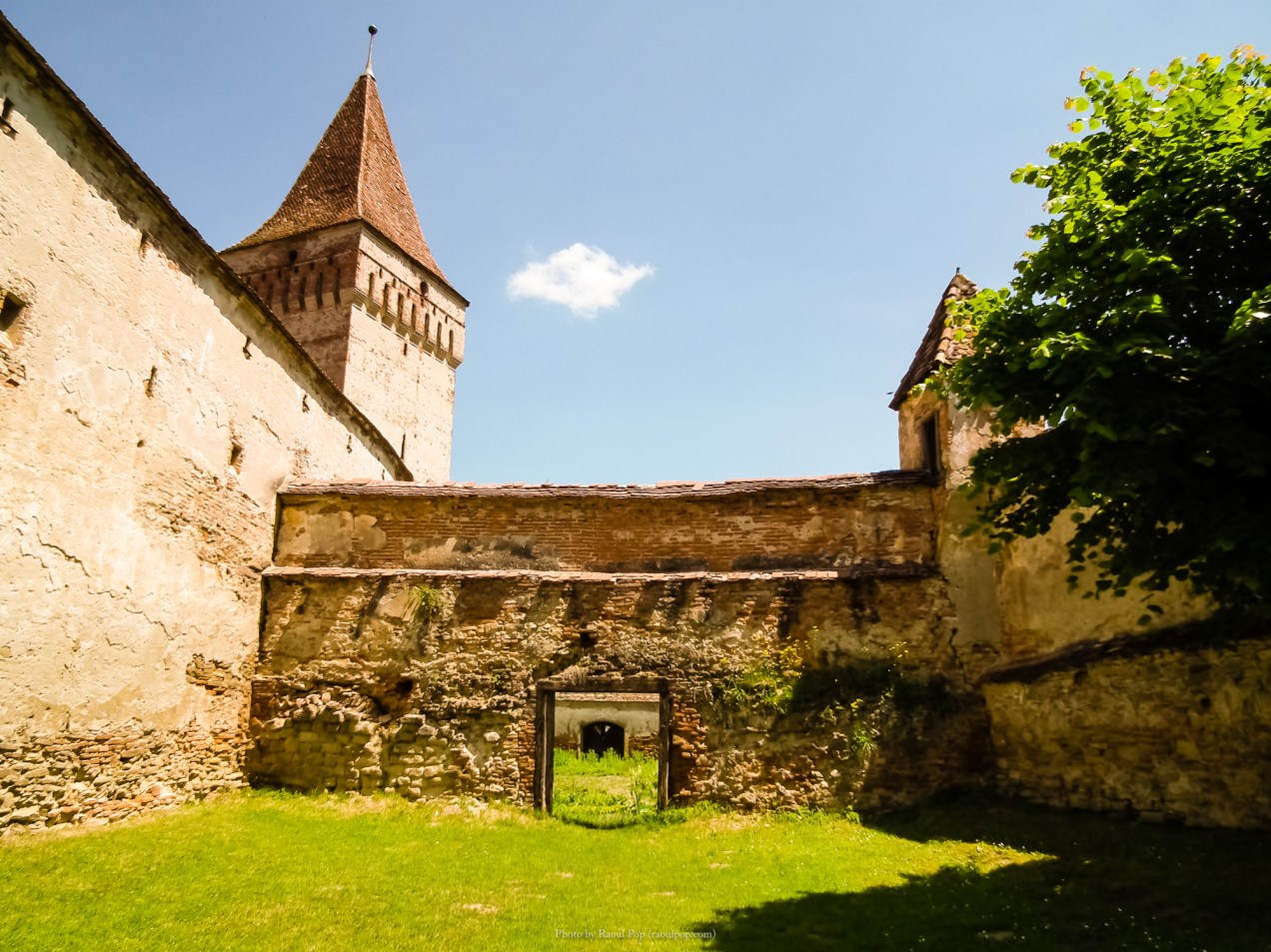
The fortified church in Mosna
The village of Moșna, known as Meschen in German and Muzsna in Hungarian, is first mentioned in written documents in 1283, and there is evidence that a settlement existed there since the 1st century AD (source). Moşna was also the home of Stephan Ludwig Roth (1796-1849), a famous Saxon priest, pedagogue and human rights campaigner (source).
The Saxon settlers in the area first built a Romanesque basilica in the 13th century, which was then modified and expanded in the late 15th and early 16th centuries in the Gothic style. The man responsible for the project was Andreas Lapicidas of Sibiu (Hermannstadt), a master stone mason, known as Endreas Steinmetz in Sachsen. His initials can be seen inside the church, carved on a lintel.
The Moșna fortified church is one of the biggest in Transilvania and it is a remarkable work of Gothic architecture. The church itself is structured around three naves with ribbed vaults for ceilings. The naves are separated through four pairs of columns, the ones in the west side having been made of bricks and decorated differently so as to preserve the eastern group of columns intact, since the latter was erected using stone from the pillars of the former Romanesque basilica. Inside, the most noteworthy architectural elements are the door to the sacristy, the stone pulpit and the monumental tabernacle which measures 11.05 m in height.
The fortifications include five towers and a 9m defense wall that surrounds the church and allows for ample space inside the fortress. The bell tower has seven levels and three bells, the oldest of which dates from 1515. The gate tower in the south-eastern corner has five levels. The northern side of the fortification is guarded by a tower with four levels. A shorter, three-level tower stands to the south and it hosts a museum dedicated mostly to the trades and customs of the Saxon community but which also includes exhibits discovered during various archaeological explorations, such as coins and fragments of weaponry.
When we visited in 2011, we arrived right around noon, which as some of you may know, is the worst time of the day for photos. I also had with me a camera that was more remarkable for its zoom (30x) than the dynamic range of its sensor and the quality of its photos. I plan to visit again soon and take some photographs that will do the place justice. It’s undergone significant repairs and restoration work since 2011, so it looks different now. We’ve actually revisited it just a couple of months ago, but it was for a photoshoot for Ligia’s ongoing project, Straie Alese, so I didn’t focus on capturing the architecture.
Enjoy the photos!

At the fortified Saxon church in Mosna, Transilvania, Romania

At the fortified Saxon church in Mosna, Transilvania, Romania

At the fortified Saxon church in Mosna, Transilvania, Romania

At the fortified Saxon church in Mosna, Transilvania, Romania

At the fortified Saxon church in Mosna, Transilvania, Romania

At the fortified Saxon church in Mosna, Transilvania, Romania

At the fortified Saxon church in Mosna, Transilvania, Romania

At the fortified Saxon church in Mosna, Transilvania, Romania

At the fortified Saxon church in Mosna, Transilvania, Romania

At the fortified Saxon church in Mosna, Transilvania, Romania

At the fortified Saxon church in Mosna, Transilvania, Romania

At the fortified Saxon church in Mosna, Transilvania, Romania

At the fortified Saxon church in Mosna, Transilvania, Romania

At the fortified Saxon church in Mosna, Transilvania, Romania

At the fortified Saxon church in Mosna, Transilvania, Romania

At the fortified Saxon church in Mosna, Transilvania, Romania

At the fortified Saxon church in Mosna, Transilvania, Romania

At the fortified Saxon church in Mosna, Transilvania, Romania

At the fortified Saxon church in Mosna, Transilvania, Romania

At the fortified Saxon church in Mosna, Transilvania, Romania

At the fortified Saxon church in Mosna, Transilvania, Romania

At the fortified Saxon church in Mosna, Transilvania, Romania

At the fortified Saxon church in Mosna, Transilvania, Romania

At the fortified Saxon church in Mosna, Transilvania, Romania

At the fortified Saxon church in Mosna, Transilvania, Romania

At the fortified Saxon church in Mosna, Transilvania, Romania
Sighisoara from a distance
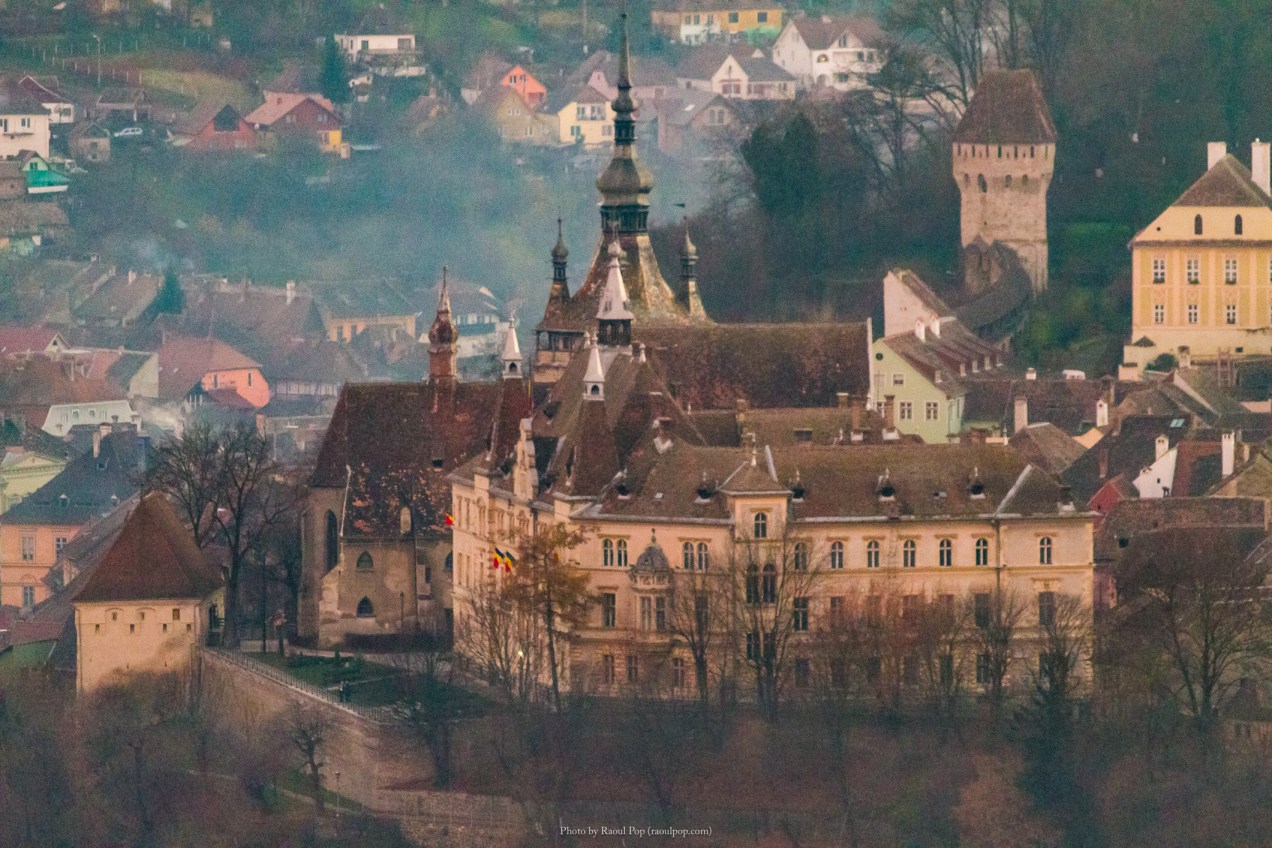
The same day I took these photos, we decided to drive into the hills surrounding the town and see if we could find a scenic spot from whence to photograph it. We found a couple of spots. There are a couple of pensions perched up there, with great views of the valley and the town. While the pensions/restaurants themselves are underwhelming (one was closed, another only served water and bad coffee), the views are worth the drive.
By the time I set up my equipment, it was dusk and twilight was fast approaching. You’ll have to excuse the liberal use of noise reduction in the photographs, but I was shooting with the long end of a 70-300mm lens at f5.6, fast shutter speeds and high ISO. What made the photos more interesting was the creeping fog, which was enveloping the town from all sides. I can see the appeal of such scenery in stories about vampires, but I assure you, there are none there.
When night fell over the valley, we drove back down and I took a few shots of an historic church and of the Târnava Mare river which passes through the town. One last thing: the mountains which you see in some of the photographs are the Southern Carpathians, more specifically the Făgăraș Mountains.
Enjoy the photographs!

Sighisoara, Romania


Sighisoara, Romania

On a bridge in downtown Sighisoara, Romania, after sunset, as the dark begins to set in. The river is Tarnava Mare.

Sighisoara, Transilvania, Romania

Fog sets in at twilight over the city of Sighisoara, Romania.


Sighisoara, Transilvania, Romania

Sighisoara, Transilvania, Romania

Near Sighisoara, Romania

Sighisoara, Transilvania, Romania

Sighisoara, Transilvania, Romania


A lovely little reformed church in Sighisoara, Romania, at twilight.

A view inside the fortified walls of Sighisoara, Romania, after sunset. What you see is the church, and one of the larger historic buildings.

Near Sighisoara, Romania

Sighisoara, Transilvania, Romania

A view of some of the historic homes in the city of Sighisoara, inside the fortified walls, during twilight, as the fog began to set in.


Sunset near Sighisoara, as seen through the branches of a tree.

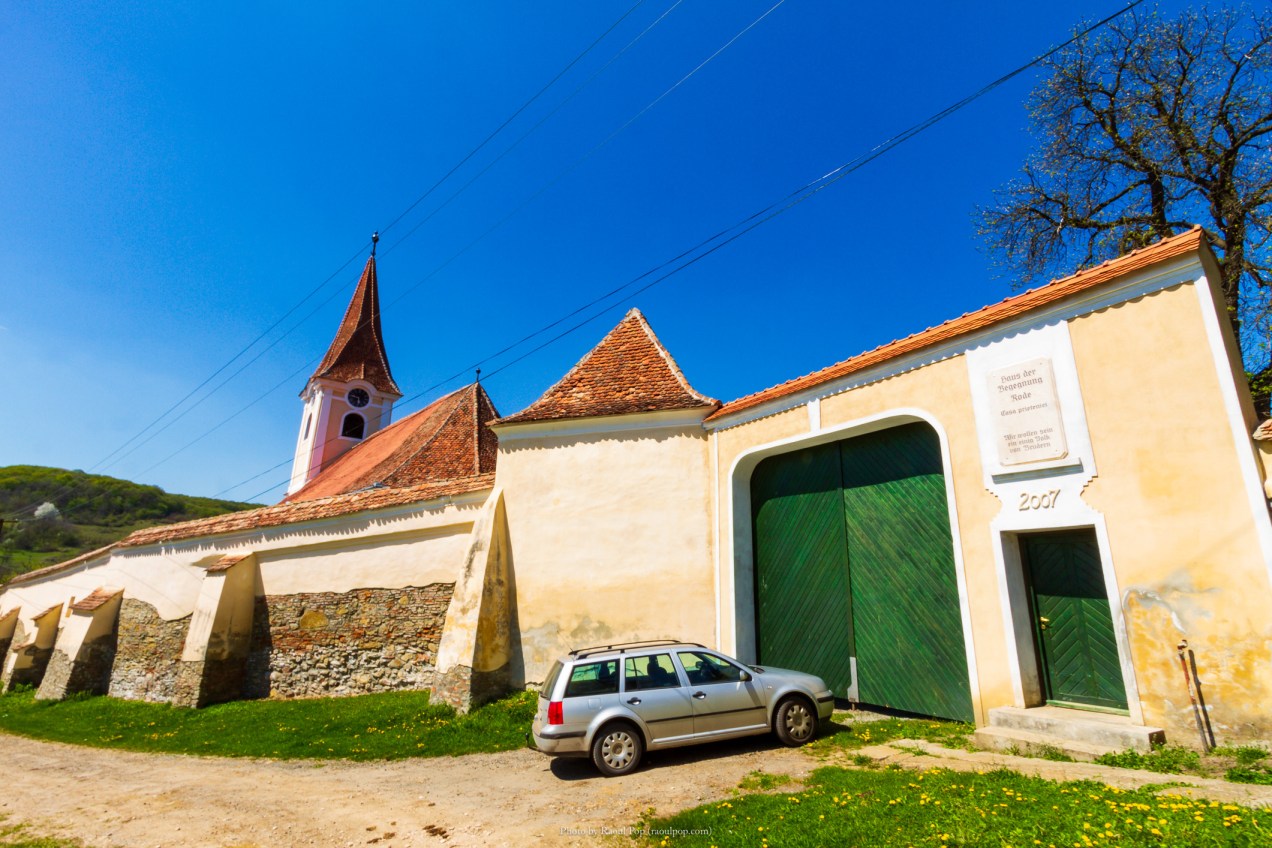
The fortified church in Zagar
There is a fortified church in the village of Zagăr, which is located in the county of Mureș, Transilvania. I was not able to find out any information about it online; I don’t know why it’s not documented. The only thing I was able to find was a mention of the vineyards in the region, which are known for their white wines (source). The village is known as Rode in German and Zágor in Hungarian. It was first mentioned in written documents in 1412 (source). The same source states that the church was rebuilt in the year 1640 but does not give a reason why.
We also weren’t able to visit the buildings themselves (the church and the parochial house) when we visited in 2011, because the place was locked up and no one was around. On the upside, it’s a well-maintained place, restored in 2007, judging by the inscription on the back gate. Perhaps at some time in the future we’ll revisit it.
Enjoy the photographs!

The fortified church in Zagar, Transilvania, Romania

The fortified church in Zagar, Transilvania, Romania

The fortified church in Zagar, Transilvania, Romania

The fortified church in Zagar, Transilvania, Romania

The fortified church in Zagar, Transilvania, Romania

The fortified church in Zagar, Transilvania, Romania

The fortified church in Zagar, Transilvania, Romania

The fortified church in Zagar, Transilvania, Romania
 Raoul Pop