Places

Selected photos from Vadu, Romania

The beaches at Vadu and Corbu, two adjoining villages on the shores of the Black Sea in Romania, are some of the last wild (more or less untouched) beaches on the Romanian seaboard.
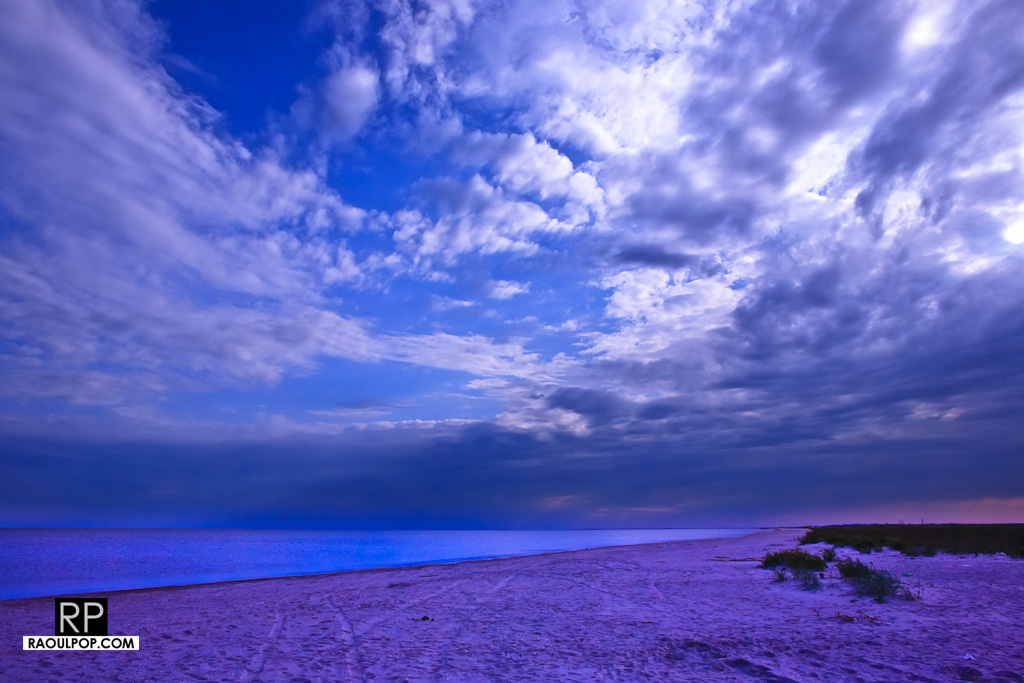
Vadu has recently been made part of a large natural reservation called Rezervatia Biosferei Delta Dunarii. Nothing has changed as a result of that, except some hefty fees now get levied on every visitor to the beach (20 RON/person/day and 100 RON/car/vacation).
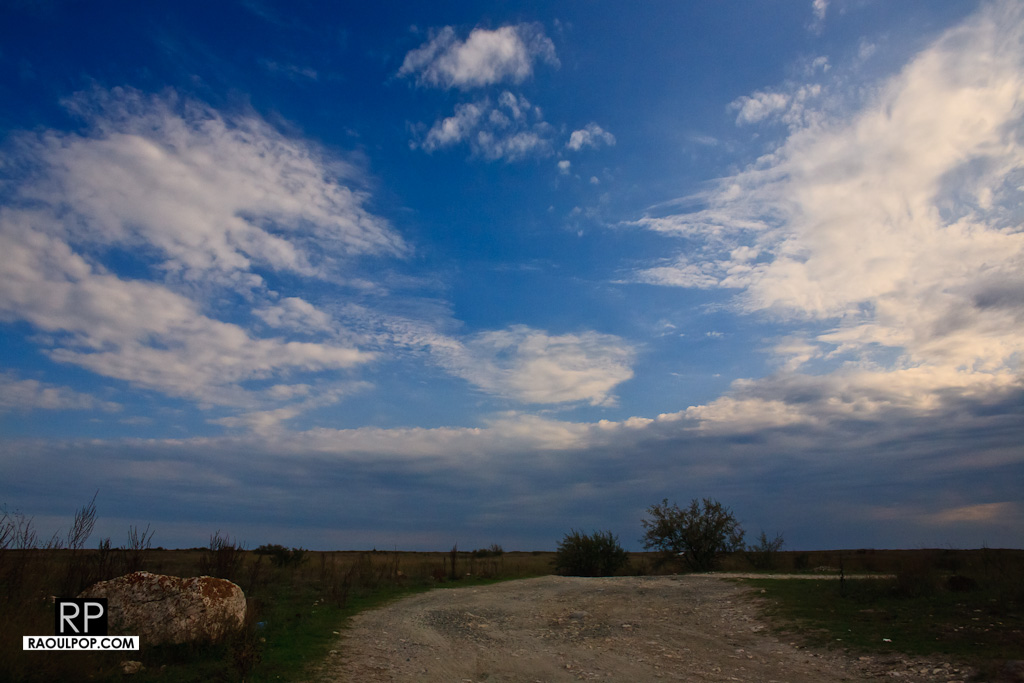
I don’t know where that money goes, and what good, if any, it’s being used for. Perhaps it goes to pad someone’s pockets, as is often the case in Romania. What I do know is the fees are expensive, and the garbage left by some tourists still doesn’t get picked up by the park staff, as you’ll see in pretty much any of the photos shown here if you look carefully. It seems the paramount concern of the park staff is to make sure every person that enters the beach area pays their fee.
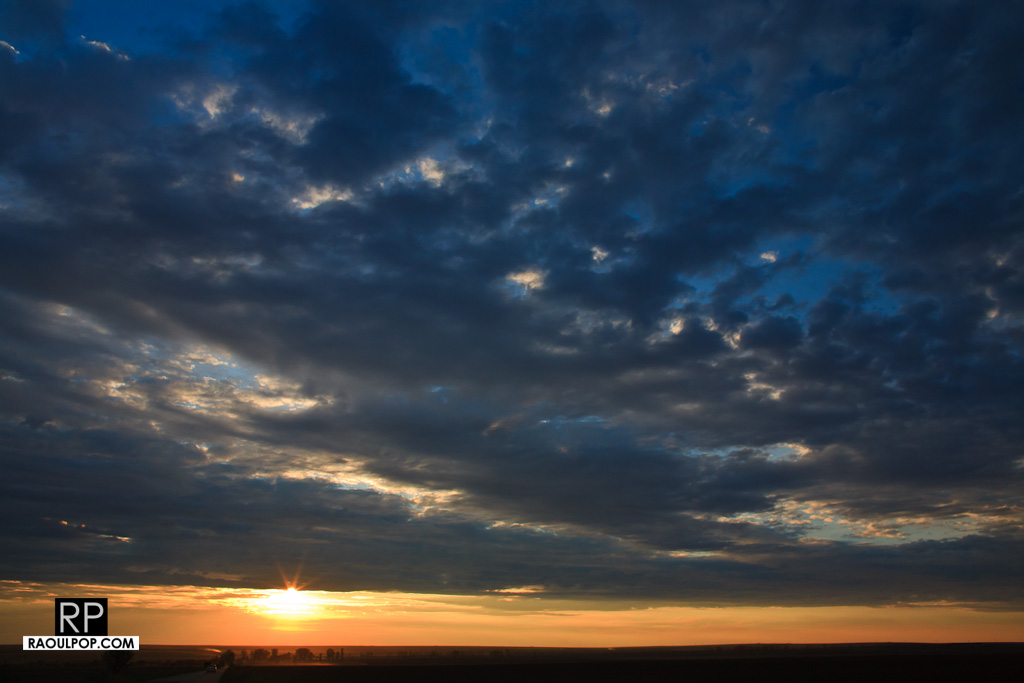
The landscape is very flat near Vadu. As far as the eye can see, the fields are wide, flat as a pancake, and the horizon is but a thin line, far, far away. Dobrogea, the province where Vadu is located, is a flat place, it’s true, but it does have gentle rolling hills, gorges and the oldest mountains in Romania (they may look like hills, but they’re mountains). (See my Dobrogea gallery for more photos from the province.)
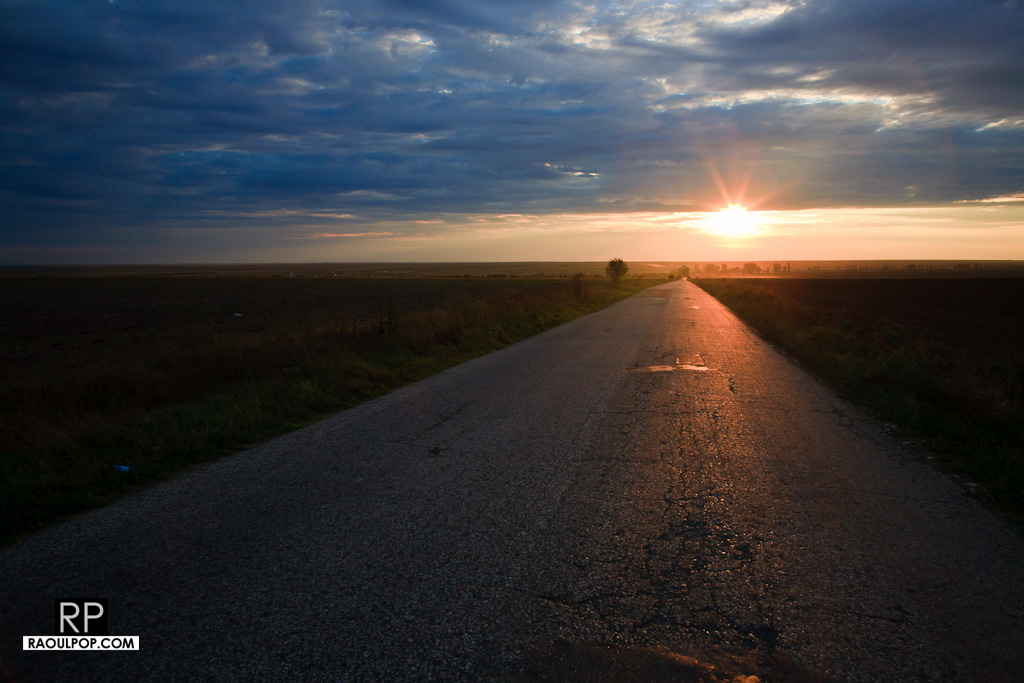
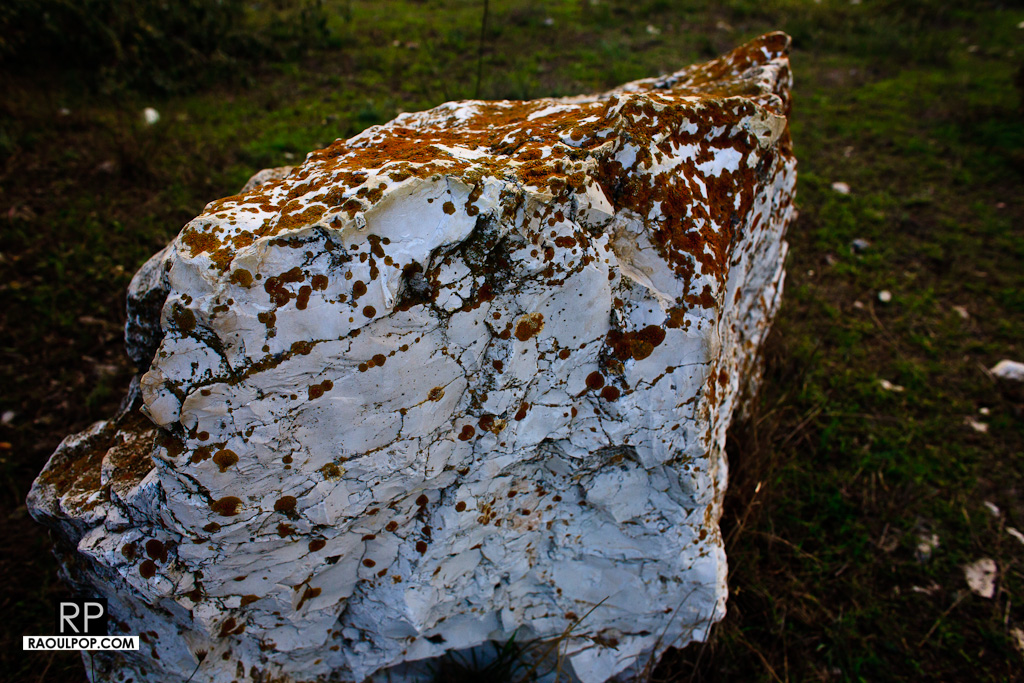
When we visited Vadu, we didn’t have time to stay and spend a day there, but we did take some time to walk on the beach, and through the barren fields near the beach.
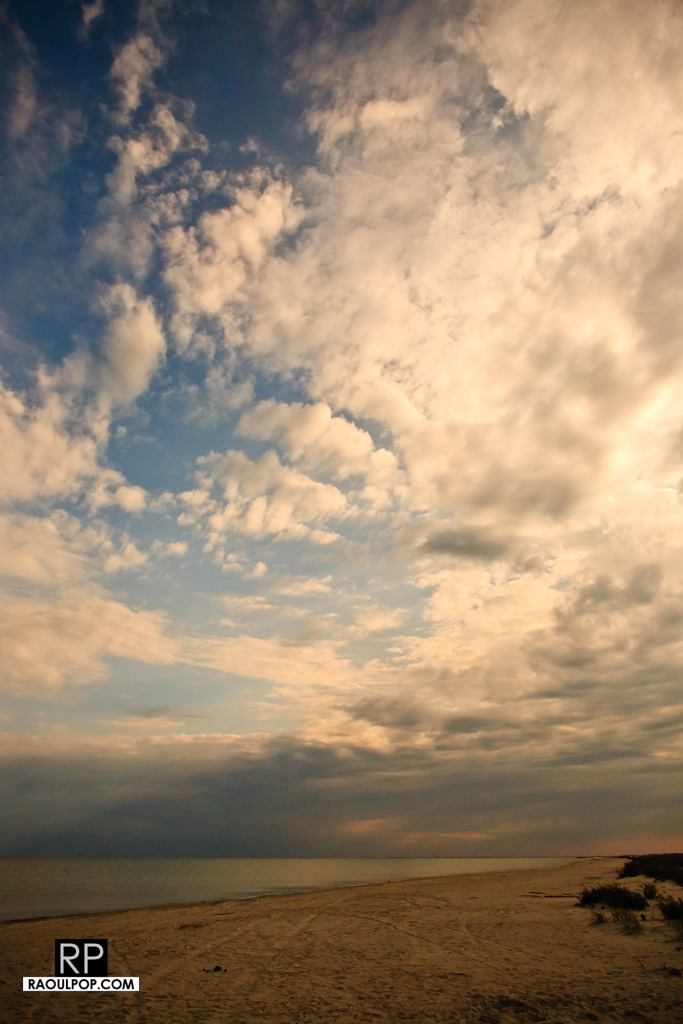
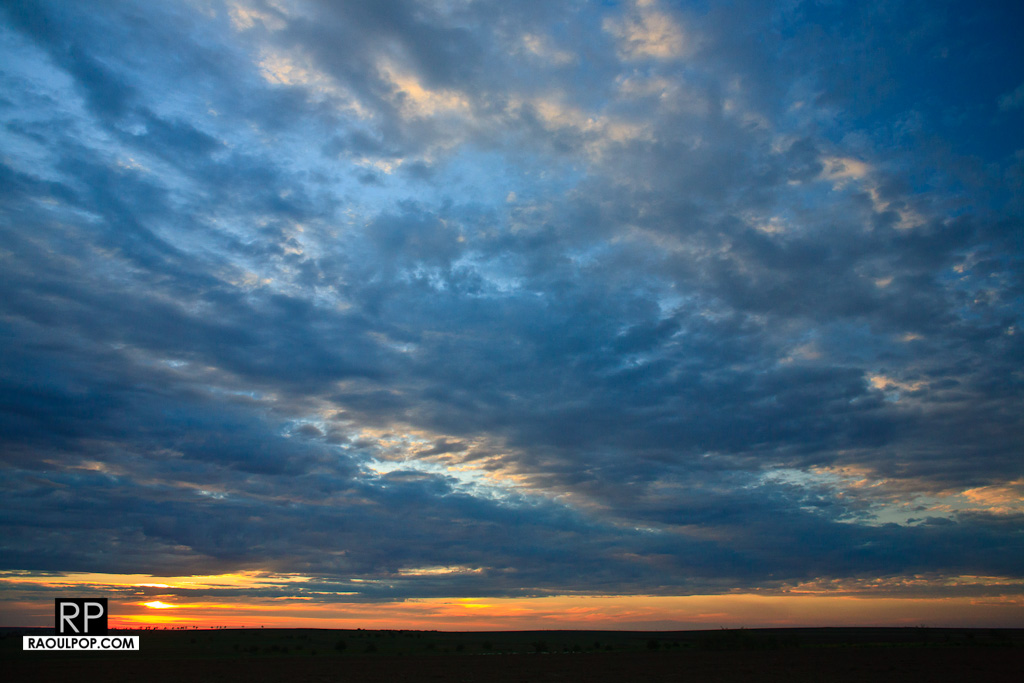
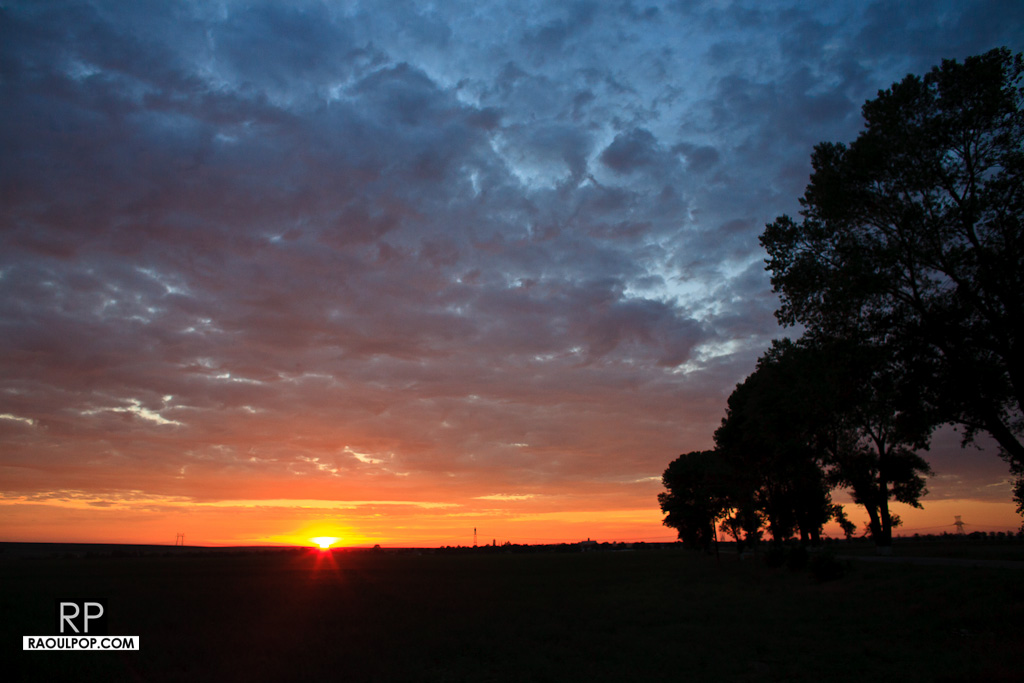
The sunset was beautiful that day.
Standard
How To

How to make a compost tumbler

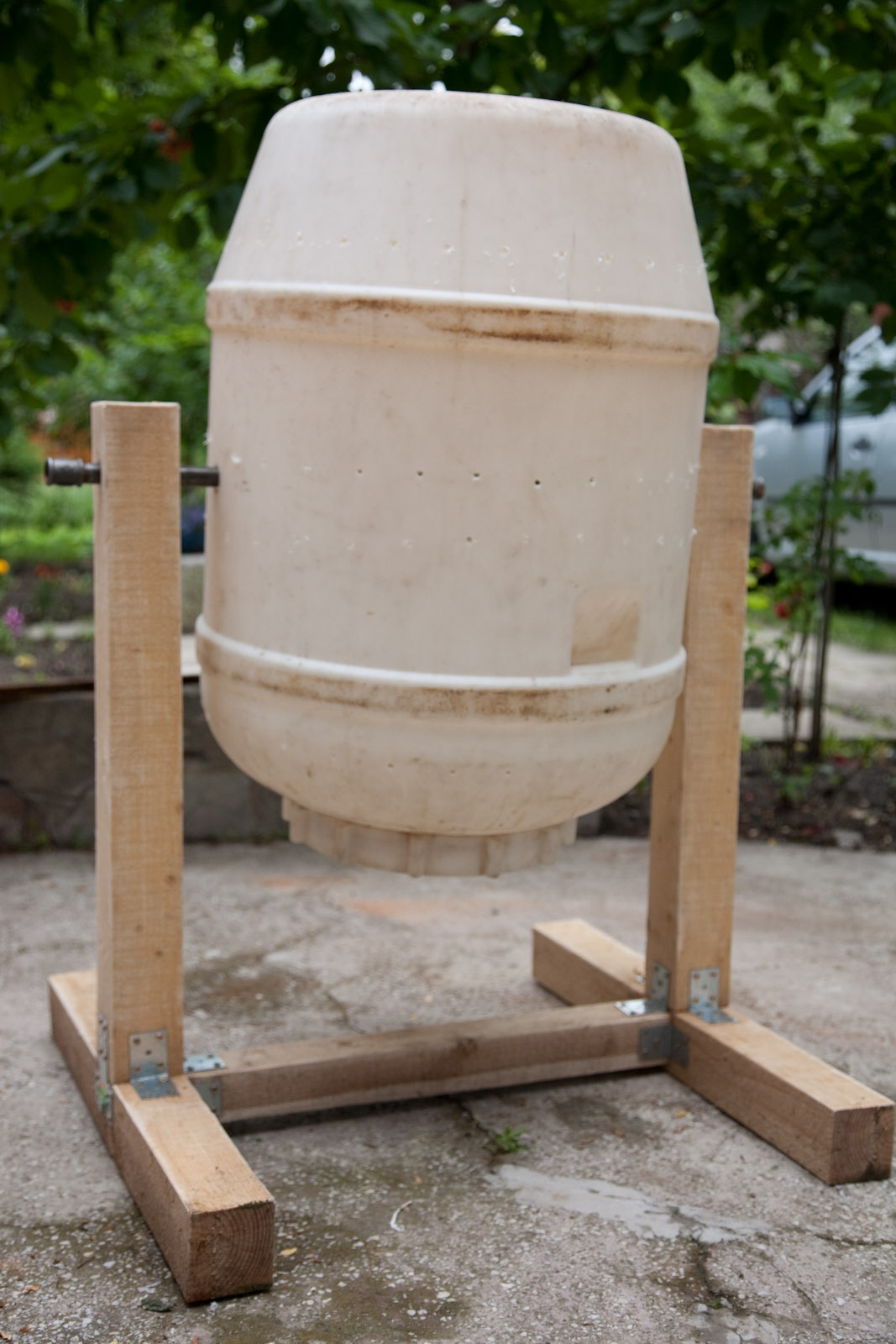
Last year, I made a composter using this plan from Boys’ Life Magazine. I modified the wooden frame somewhat, in order to use more wood screws and brackets — not bolts, nuts and washers — because that’s what I had to work with.

Before I recommended the design to others, I wanted to see how well it would hold up over a winter, and after proper use. It’s a year later, and I can tell you it’s held up just fine, so feel free to build your own if interested.

There are a few things to know that might help as you put your composter together:

  • Make the legs as wide as possible. There is a lot of torque generated by the tumbler as you rotate it to mix the compost. If the legs are too short, your composter is liable to tumble over.
  • Don’t drill the holes for the center axis (the pipe) at the middle of the barrel. Do it more toward the bottom of the barrel. This is because you can’t load the barrel completely with compost — it’ll become impossible to turn it, and the weight may also tear its sides, as you’re using them for support. You’ll likely load it a quarter-full or half-way full, and this means its center of gravity will be lower than the middle of the barrel. If the axis of rotation is at its middle, but the center of gravity is lower, you’ll be struggling to rotate it as you bring its bottom up. So make the axis lower, and it should make it easier for you to tumble it.
  • The pipe running through the barrel may be a nice and simple way to get the barrel to rotate, but it makes it difficult to unload the compost with a shovel. It doesn’t all come out by simply turning it upside down, so be prepared to reach in there with a scoop or something smaller than a shovel and dig out the compost. It’s not going to be pretty, I’ll tell you that right now.
  • Be prepared to drill more aeration holes into the side of the barrel than you think are necessary. Drill as many holes as you think are needed at first, but if your compost starts to smell bad even though you’re tumbling it, that means it’s not getting enough air, so drill more holes.

I think that’s it. Happy composting!

In case the original article from Boys’ Life Magazine ever goes offline, you can also download it in PDF format here: Make a compost tumbler — Boys’ Life magazine.

Standard
Places

A look at the history of Medias through paintings

One of the exhibits at the Municipal Museum in Medias is a collection of historic paintings depicting the city as it was in the 18th, 19th and early 20th centuries. Not all of them are on display due to a lack of exhibit space, but the ones that can be seen are worth your while.

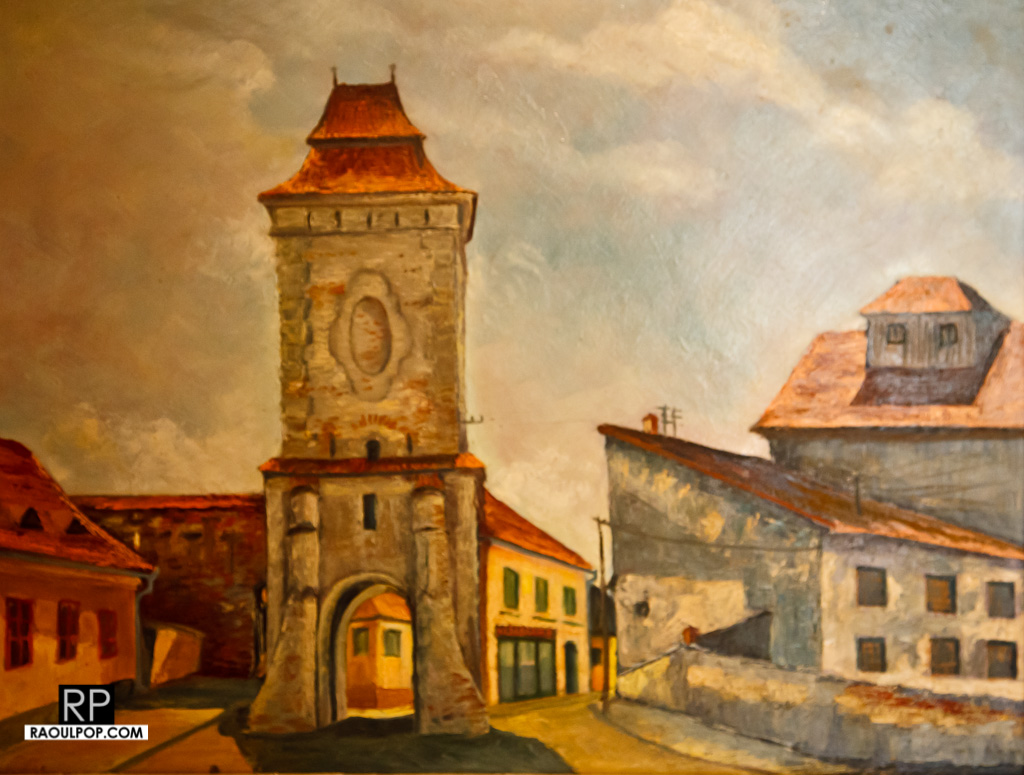
You’ll see the Steingasse tower below, built and maintained by the stoneworkers’ guild. Nowadays, there’s a cobbler’s shop to the left of the tower, which has been there for decades. And behind the tower, you’ll see shop windows for a grocery store that’s also been there for decades. Sadly, the store looks terrible today, but when I was young, I used to go there often to buy things for my grandmother’s kitchen.

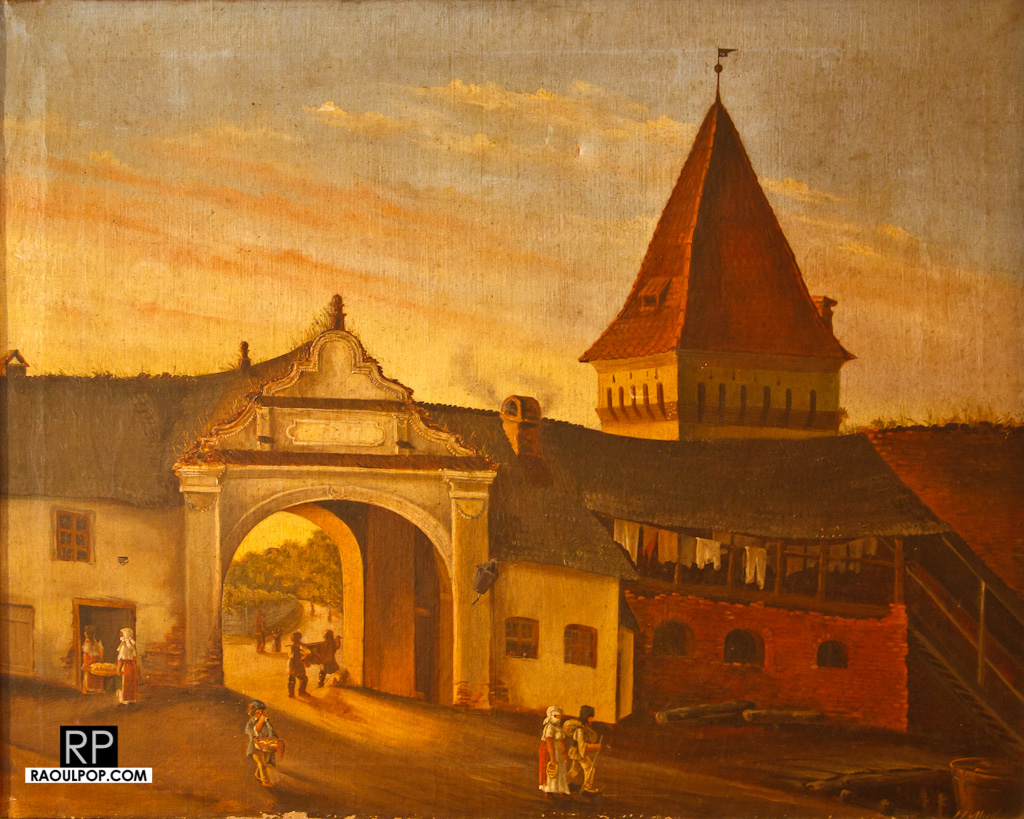
The gate you see in this painting no longer stands today. The tower you see behind the gate still stands though. You can see weeds growing on the roof of the gate, even in the early 19th century, which means it wasn’t well maintained even then. And if you look through it, you’ll see a fairytale countryside road that led away to neighboring villages through a forest. That’s no longer there today. Now there’s a big, ugly hospital building there, and beyond it, the city’s expanded for kilometers.

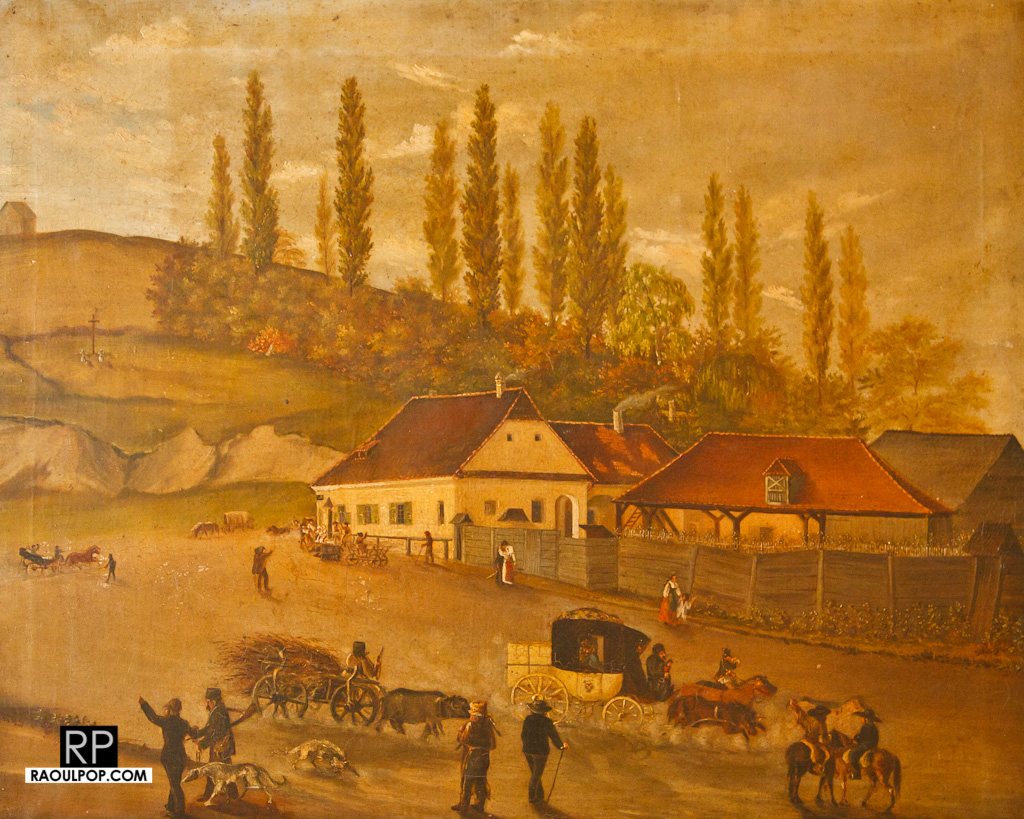
The scene you see below no longer exists today. Railroad tracks cross over the sites of those homes, and the hill behind them is now dotted with thousands of graves, as it’s become the official cemetery of the city.

The tower you see here, Forkesch, still stands today, but the historical fortified wall which once connected it with the tower in the second painting seen above, has been rebuilt. That tower can’t be seen below, but it’s somewhere down in the valley. The wall also can’t be seen, because it had been torn down by the mid-19th century when this painting was made. The road is still in the same place, but instead of houses, a large church stands across the road from the tower, and the city’s hospital is just below, in the valley.

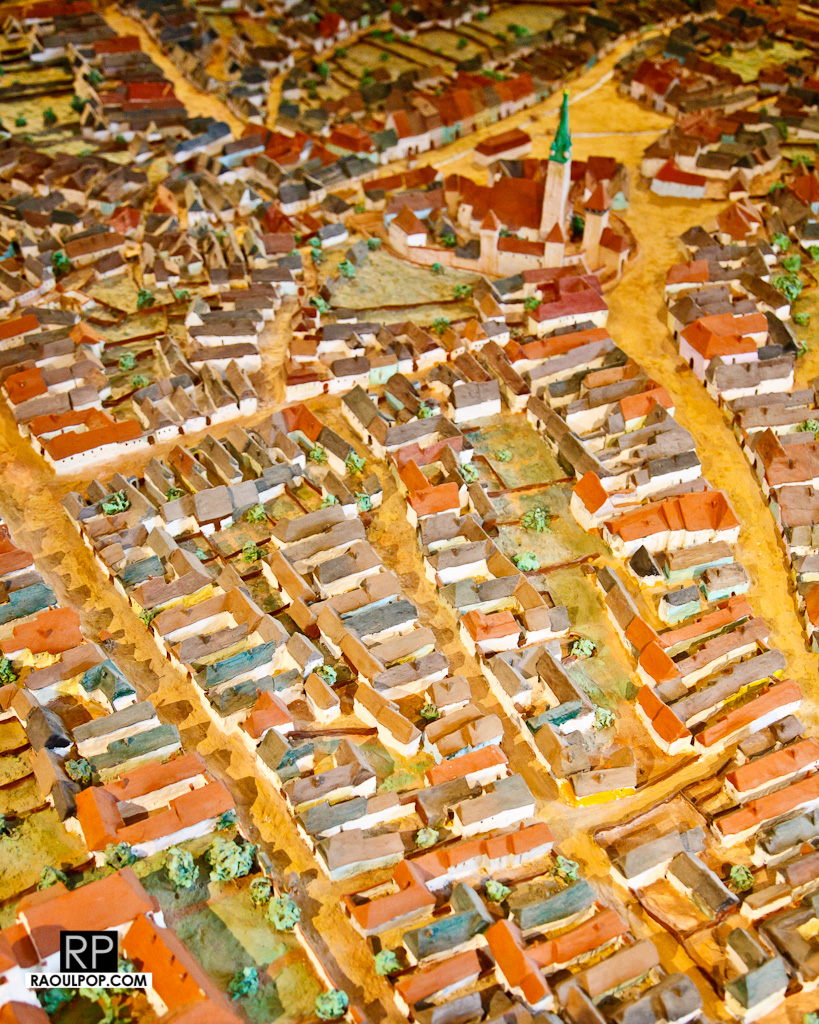
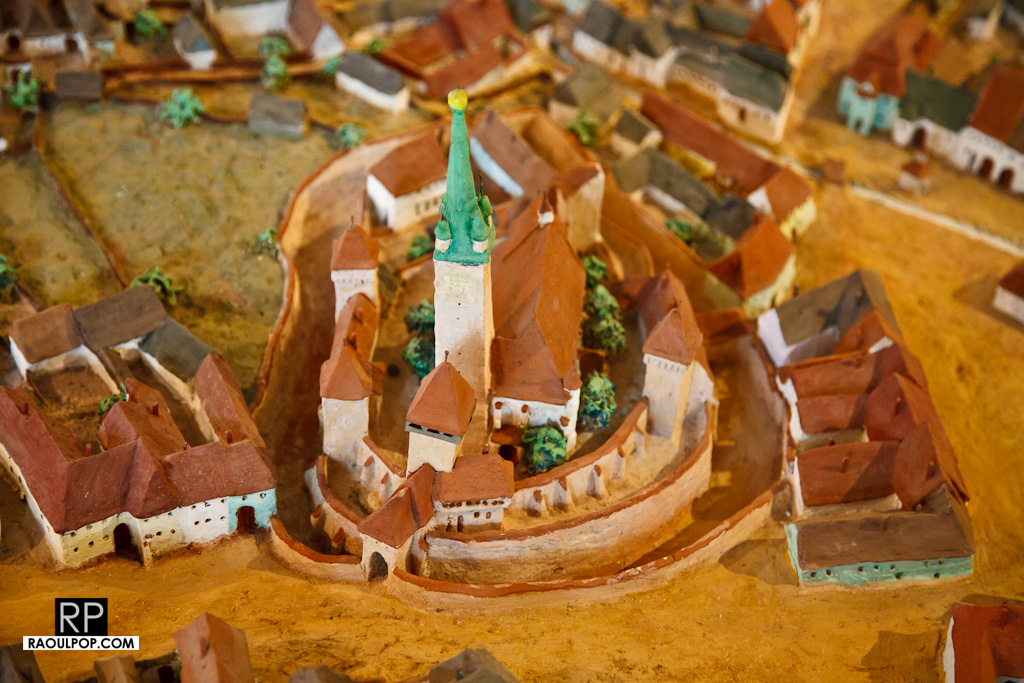
Now this isn’t a painting, I know that, but it is very interesting nonetheless. It’s a model of the city as it was sometime in the 16th or 17th century, and it can also be found at the museum.

As you can see, St. Margaret’s Church was originally surrounded by three rows of walls and a large moat, with covered bridges functioning as entrances into the inner walls. It’s a pity it no longer looks like that nowadays, because it would be a truly romantic place if it did.

I invite you to go see the model in person, as it’s a great deal larger than what you see here. The details are wonderful. You can see how each house looked (approximately), its location, and the layout of each street. And if you’re a mason, and you know about the city’s new tourism campaign, then you’ll appreciate a closer study of the city’s layout, which, according to some, replicates the search for light found in masonic rituals.

Standard
Events

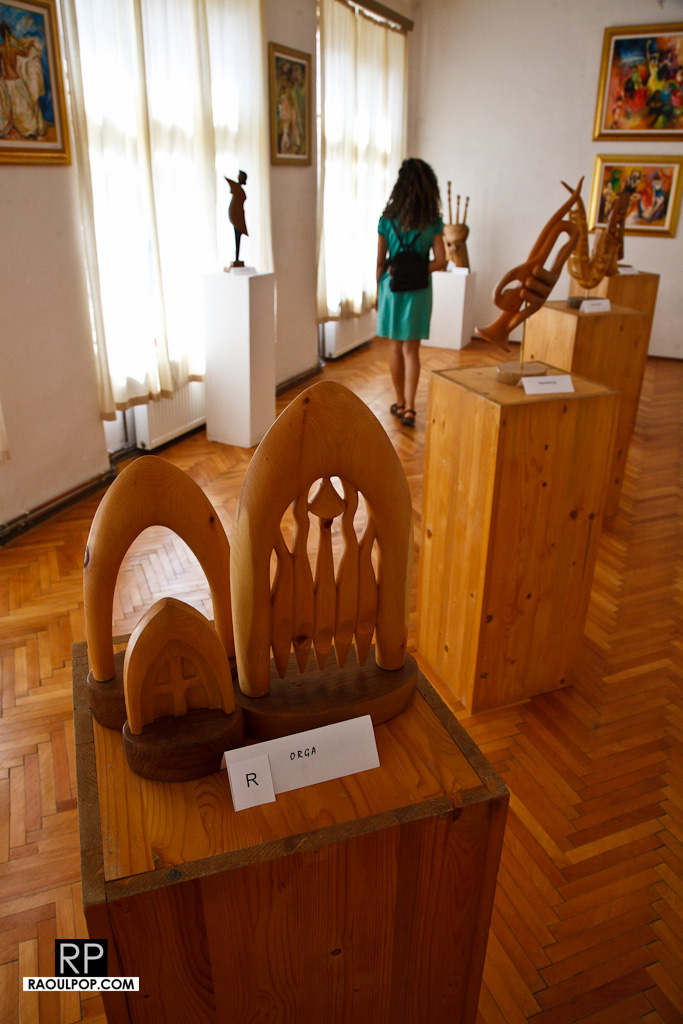
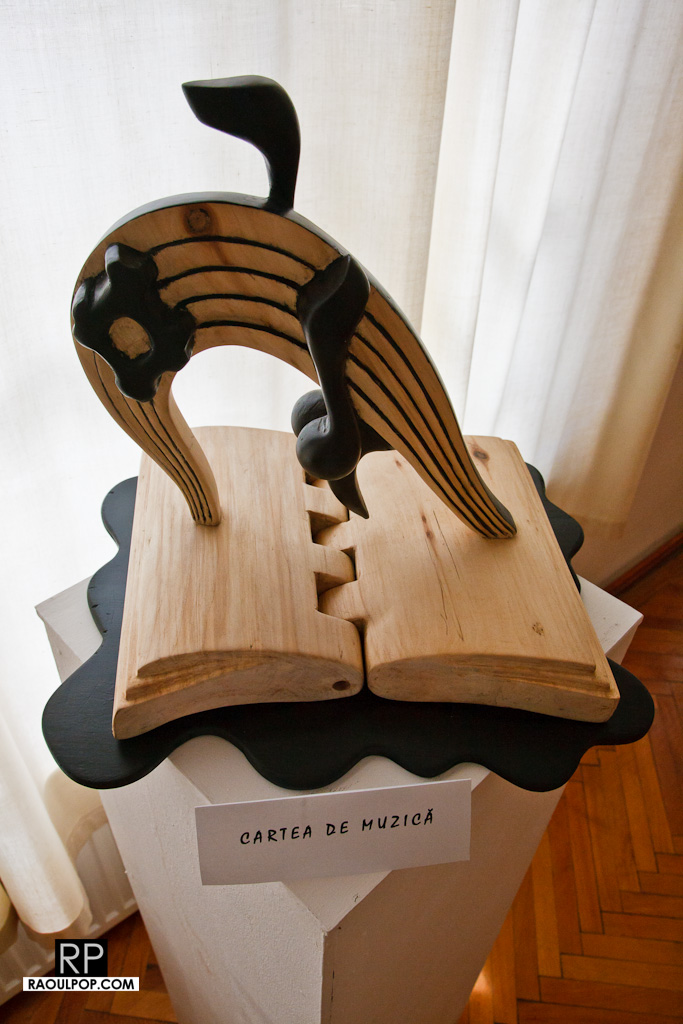
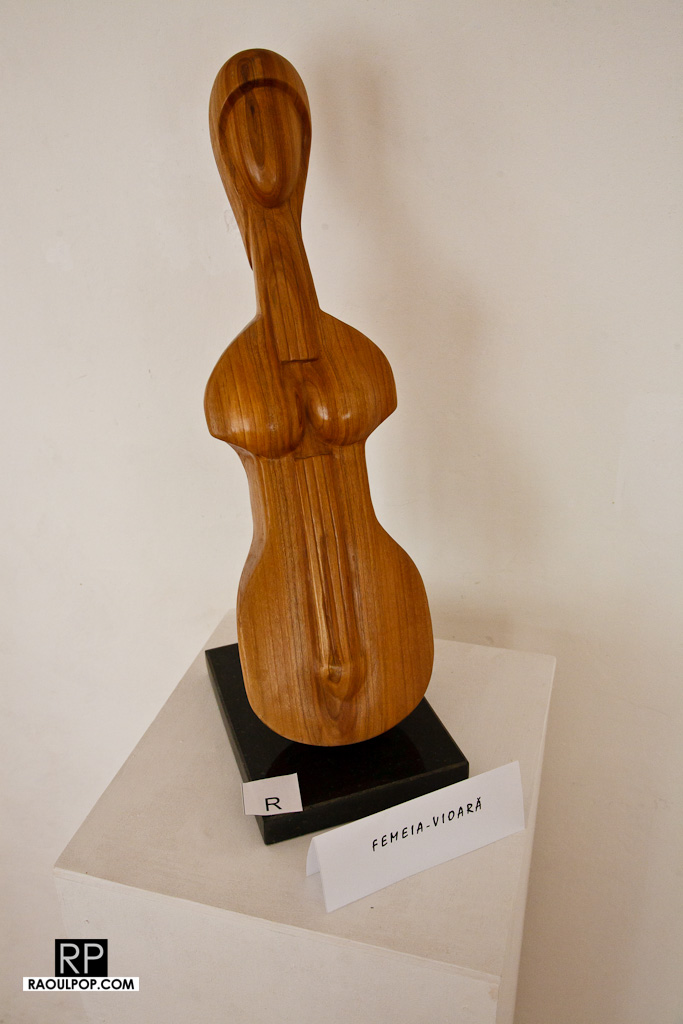
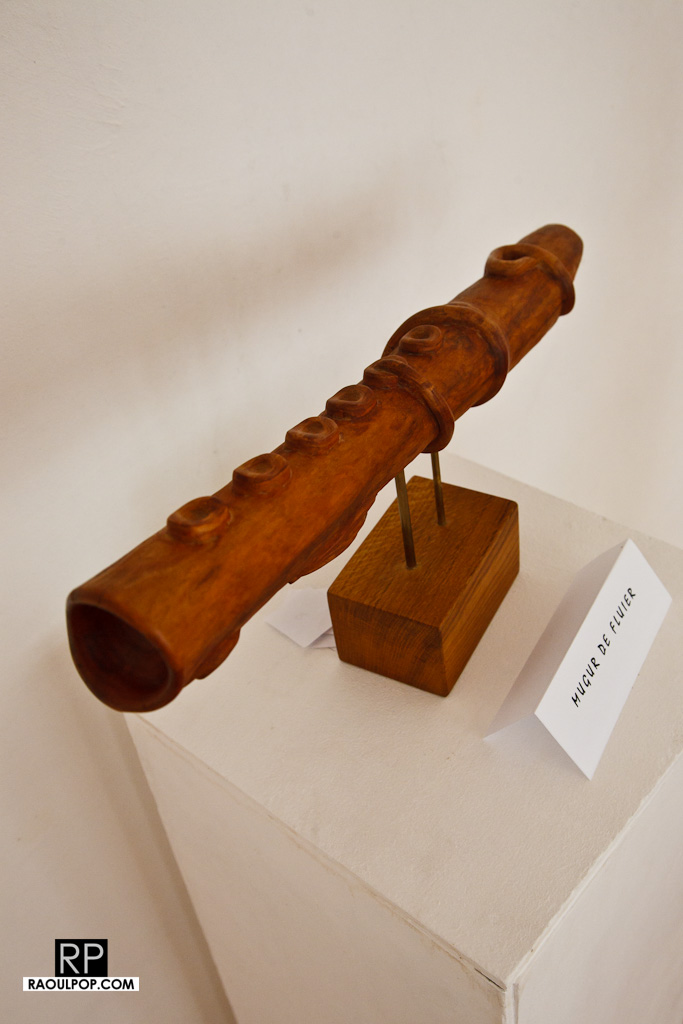
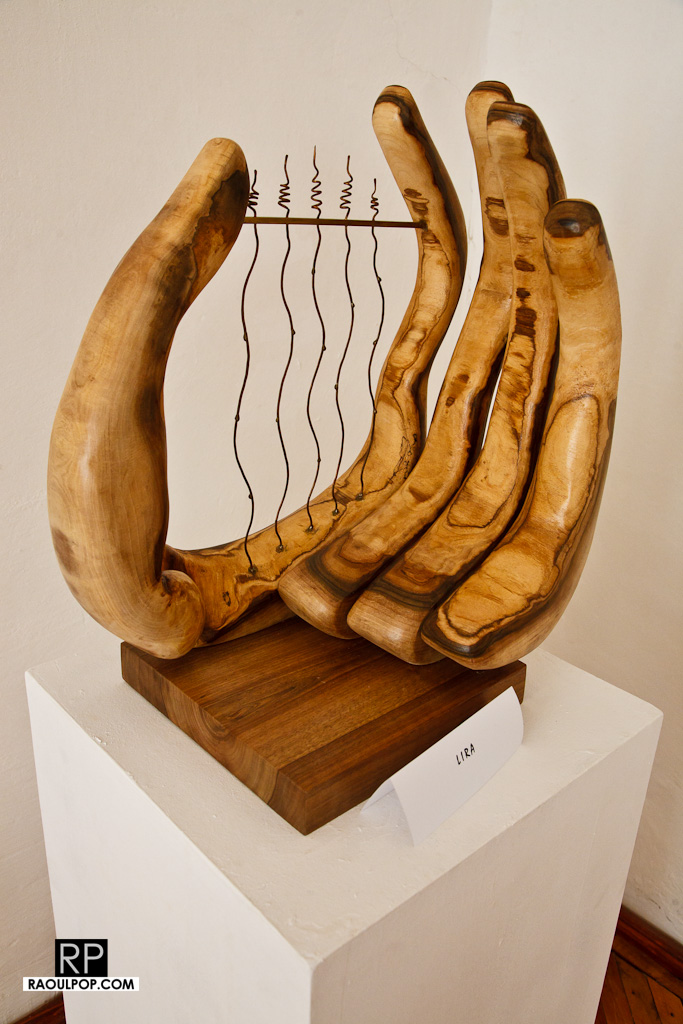
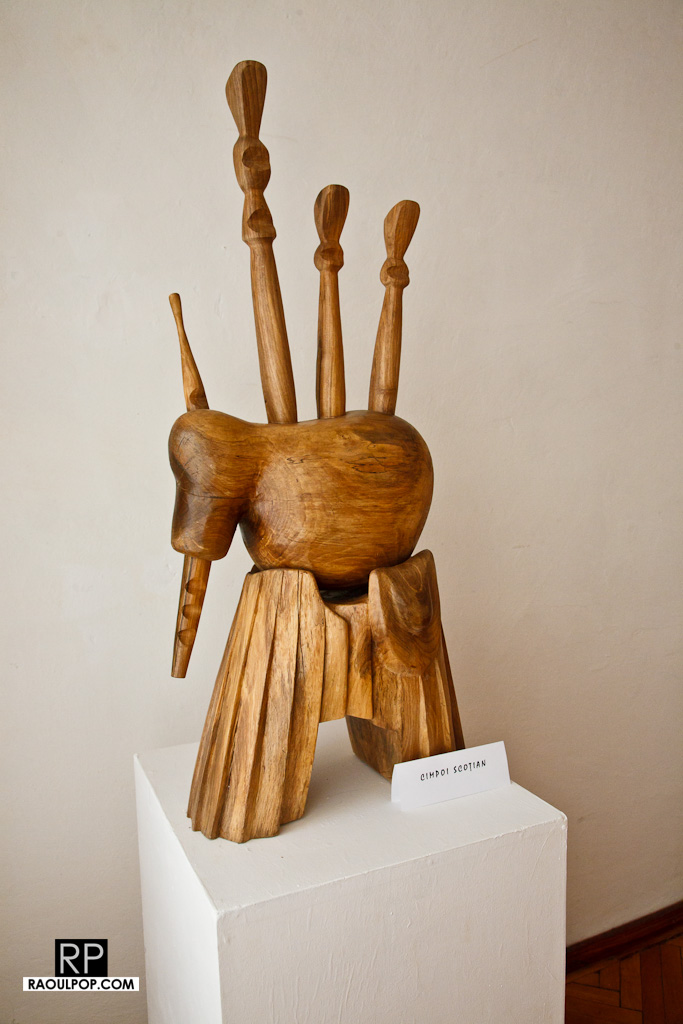
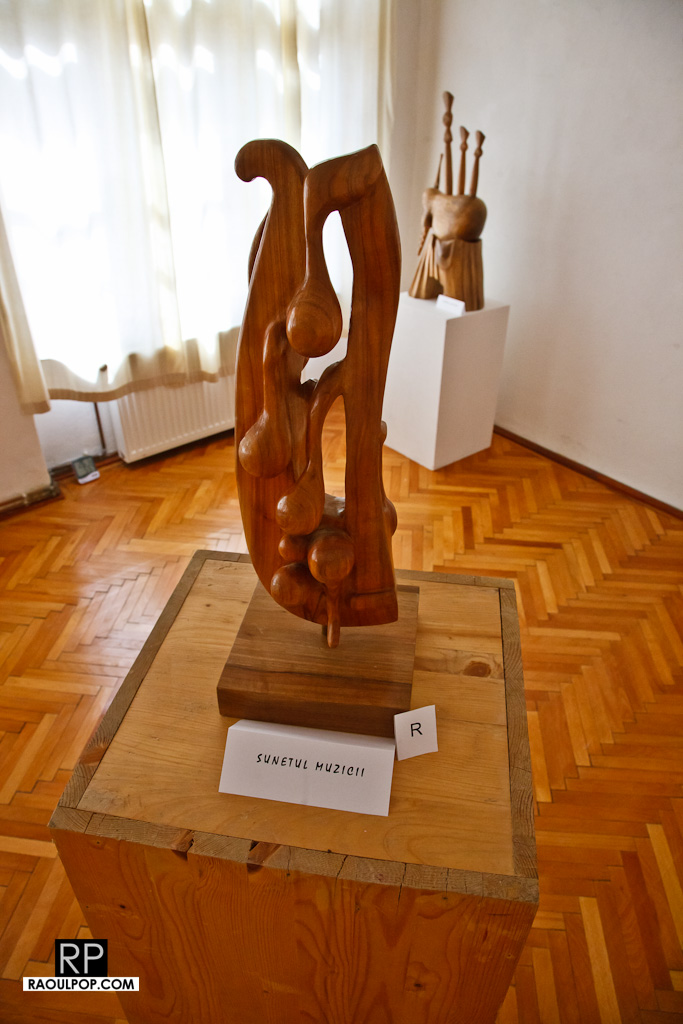
Sculptures by Radu Lupu: an exhibit at the Municipal Museum in Medias

This is a temporary exhibit at the museum, with sculptures created by local artist Radu Lupu along musical themes. All are interesting, and some are for sale. You can contact the artist via the museum.

We liked the one entitled “Lira”.

Standard
Places

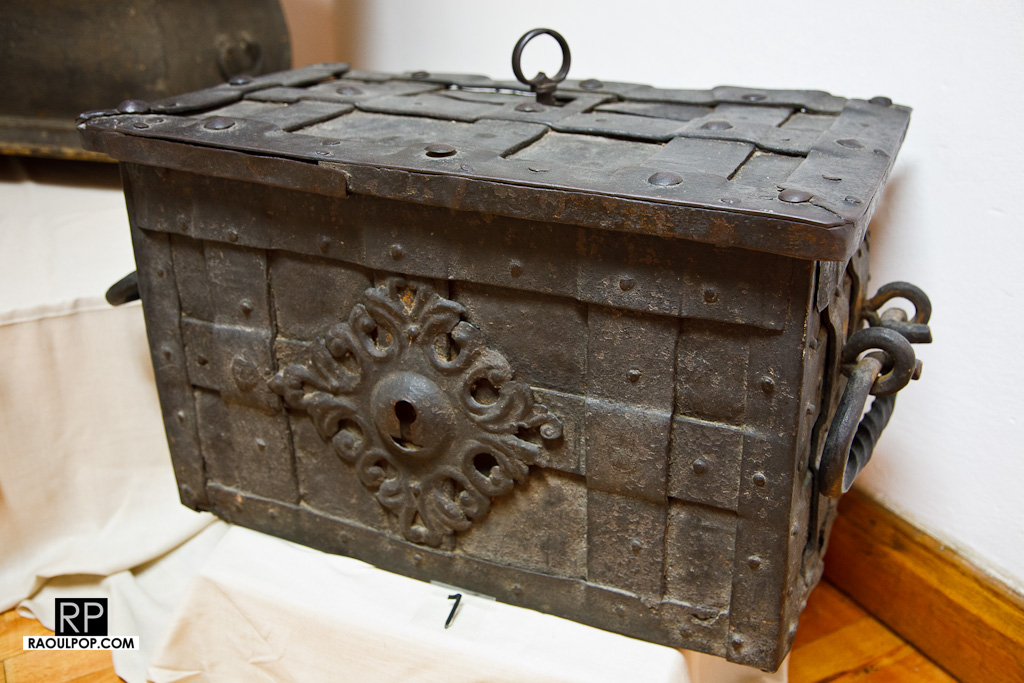
The Guild Chest: an exhibit at the Municipal Museum in Medias

This year, the Municipal Museum in Medias, Romania, is exhibiting guild chests from the various guilds that existed in the city during its long history (the city was founded in 1267 AD).

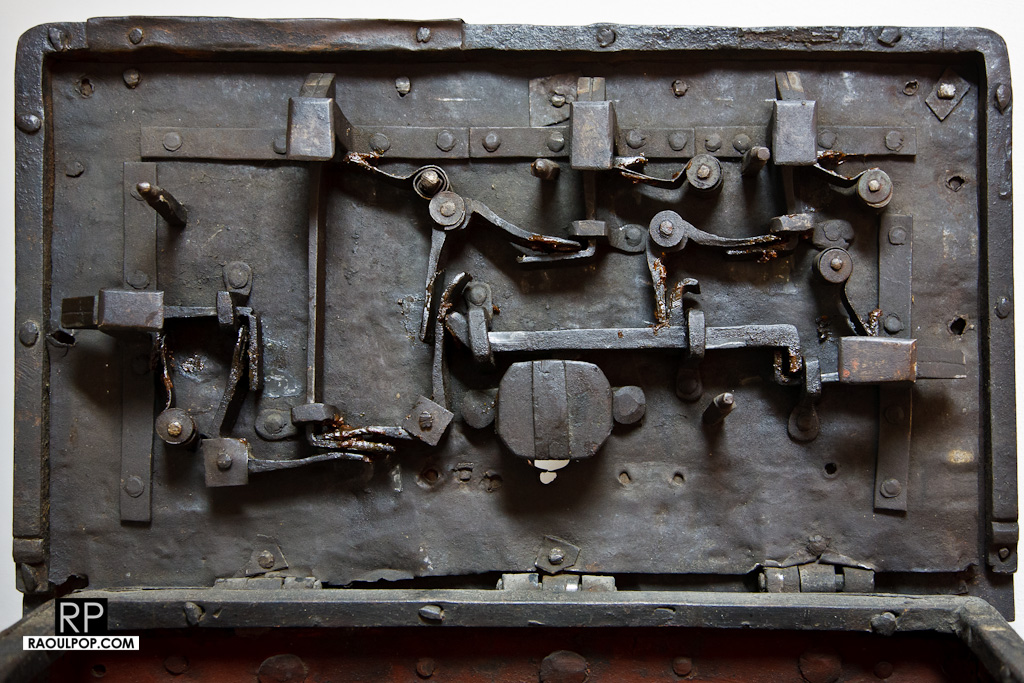
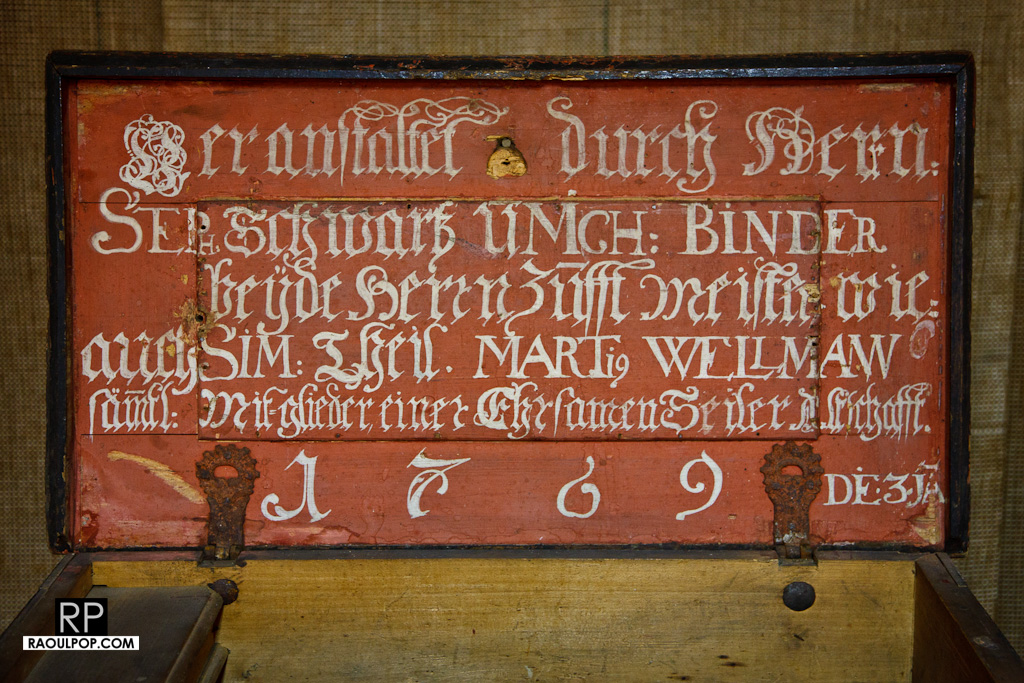
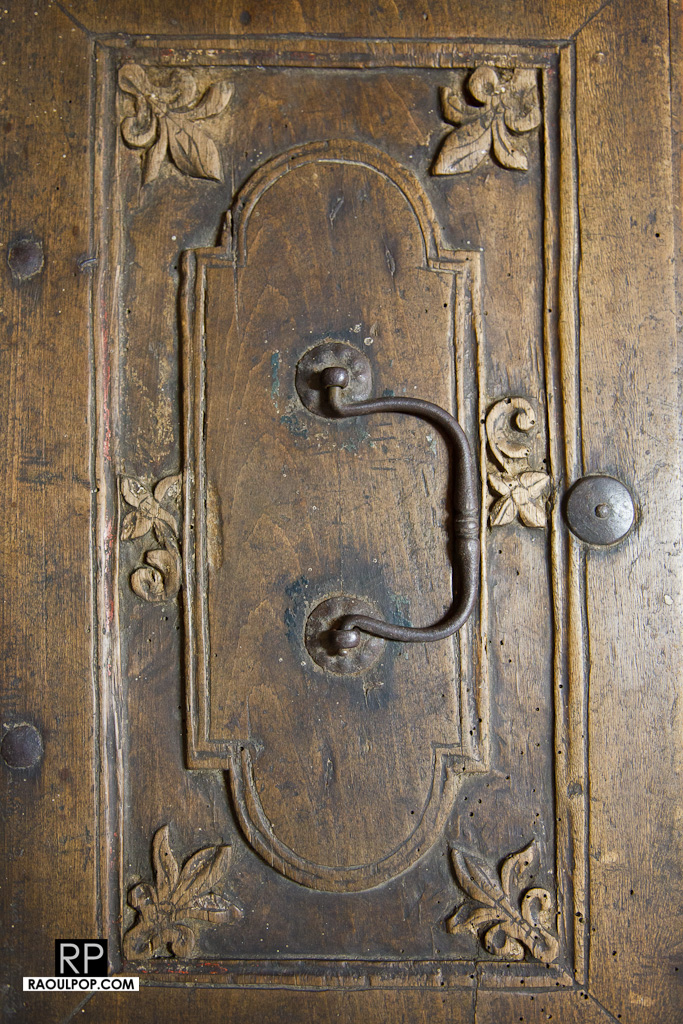
Each guild had its chest, a decorative wooden or metal box, locked with a key, which held certain objects, such as tools or scrolls or documents of value to each guild. The chest figured prominently in guild meetings and rituals. It was sometimes re-decorated or re-built when a new guild master took the helm.

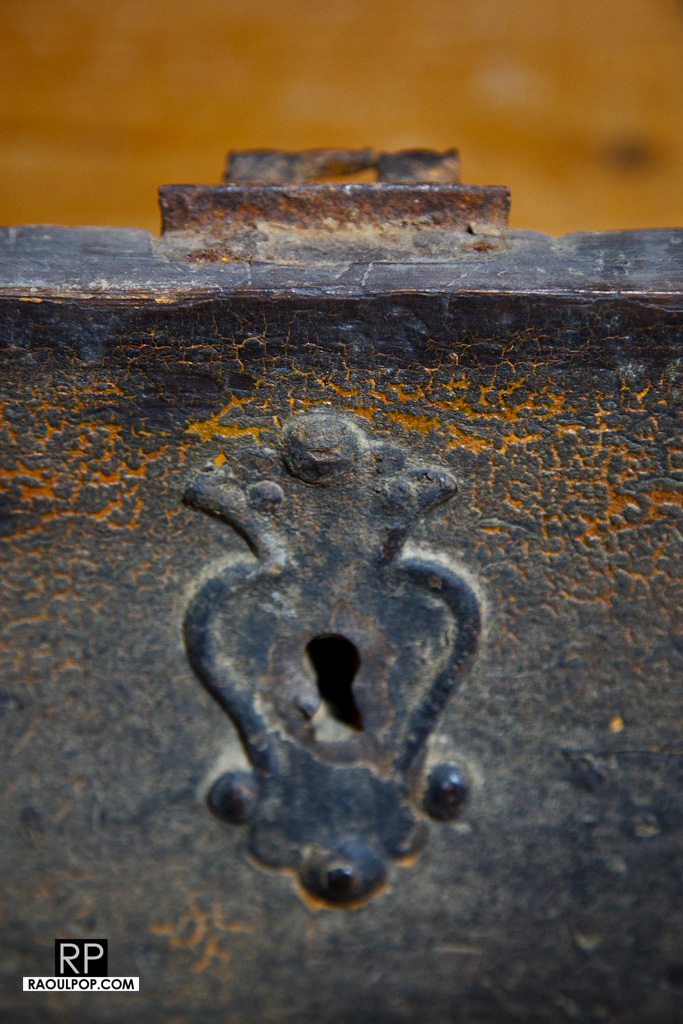
For example, the blacksmiths’ guild chest was highly ornate, and featured an intricate 5-point lock system, opened with a single key.

The tanners’ guild chest features their guild colors and insignia, the year when it was made/re-decorated, and the name of the (then) guildmaster.

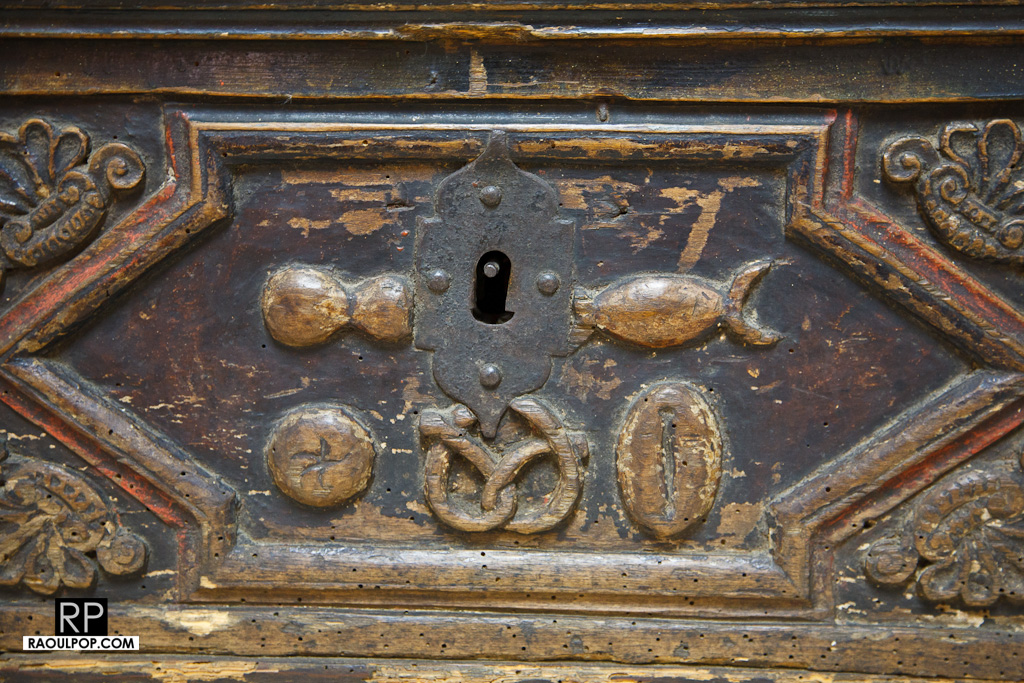
Then there’s the bakers’ guild chest, where a few of their traditional products are engraved onto the side.

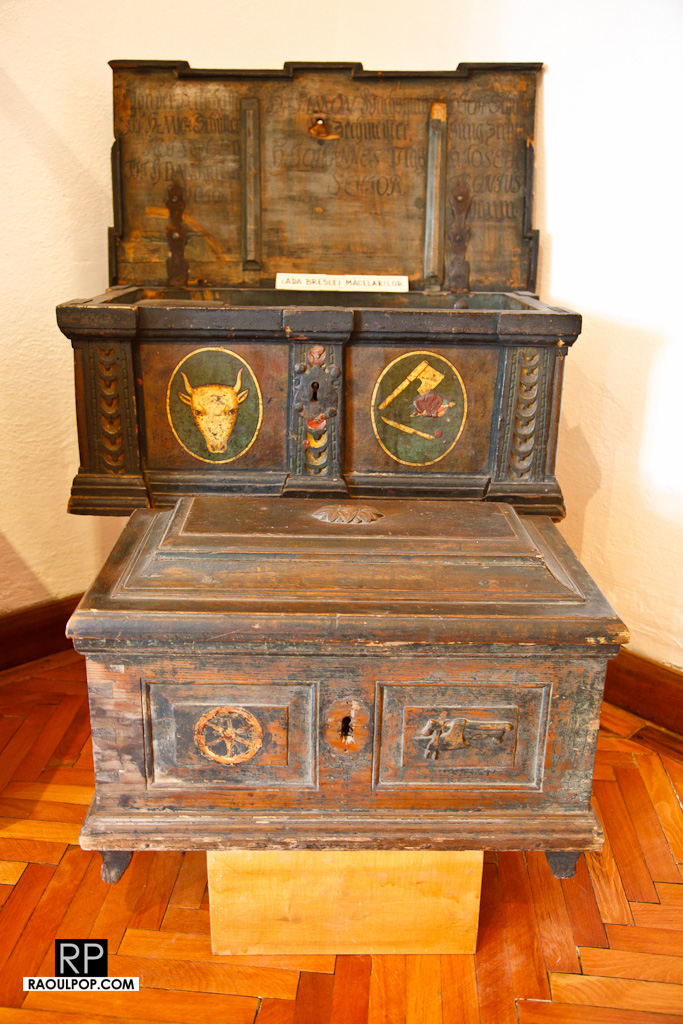
The two chests below look to be from the butchers’ guild and the wheelmakers’ guild.

Nova TV, the local TV station in Medias, has put together a nice video montage of the exhibit, which you can see below or on their blog.

If you happen to visit Medias, don’t forget to drop by the museum as well. It’s surprisingly large, and it has many rooms with many exhibits. You can spend hours and hours there if you like. Incidentally, it’s housed on the premises of the Franciscan Monastery I wrote about earlier.

Standard