Thoughts

Cows and roads in Romania

A typical sight you might encounter as you drive through the Romanian countryside is cows returning home from pasture in the evening, or, if you’re an early morning traveler, going to pasture.

It’s interesting the first few times, particularly if you’ve never seen that sort of thing before. It’s “touristy”, cute, etc. But it gets old really fast, for multiple reasons:

  • Herds on the roads worked back when the pace of travel was as fast as a horse and buggy could take you. Nowadays cars go somewhat faster than that. Having to slam on your brakes and go in 1st gear or stand still for up to 30 minutes isn’t something the weary traveler looks forward to doing when trying to get home or find some lodging.
  • You won’t find it cute after an angry ox sticks his horns into your hood or tries to mount your car, frustrated because he couldn’t mount his favorite cow that day…
  • Your neck veins will possibly burst as you experience the indolence of the cow herders, who will drag themselves along at a snail’s pace, blissfully unaware of the cars that are waiting for them to move the animals off the road. Most won’t give a cow’s behind about you even if you ask them nicely or yell at them.
  • You’ll not think it such a quaint sight after you run through a few steaming cow pies and have to hose them off your car later.
  • If you have to brake suddenly, then begin to slide dangerously on the mud laid on the road by the cows, you’ll begin to appreciate the usefulness of clean asphalt, unsullied by manure or thick mud.

In this day and age, I’m surprised village mayors still allow the cows to use the main roads, instead of directing the animal traffic to use the side roads and the back roads. Sure, the cows have gotten used to using the same route every day, but they can be re-trained. It seems to me the will just isn’t there, and that’s a shame.
Standard
Places

Beware of chimney sweeps in Romania

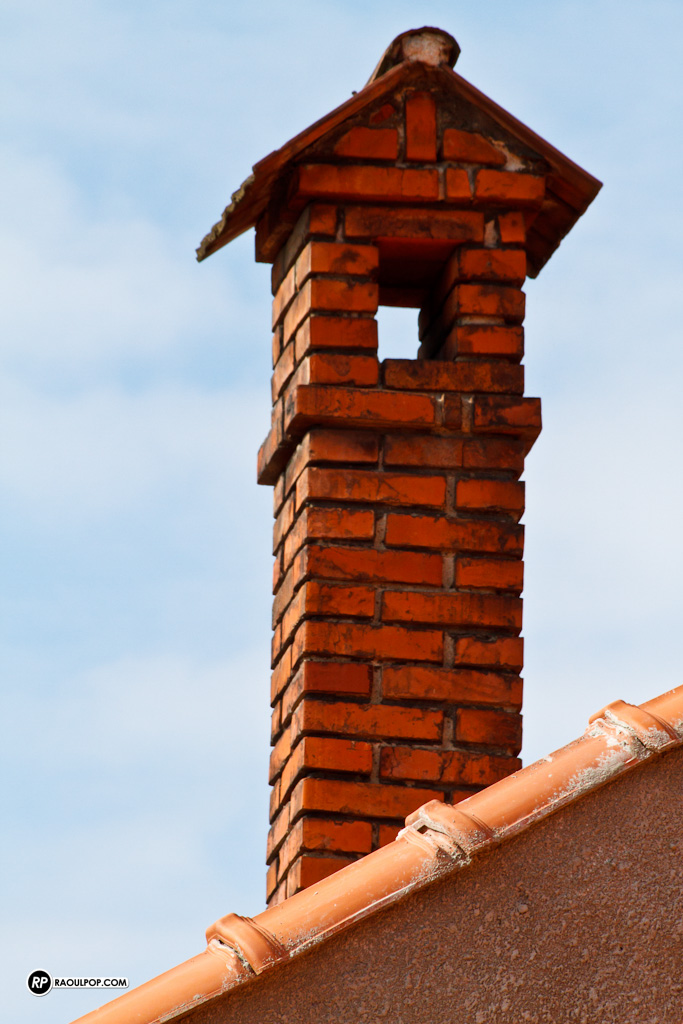
As cold weather begins to set in Romania, itinerant chimney sweeps begin to make their rounds. They’ll come to the gate and offer to clean your chimneys, or they’ll use lines like “We’re here from our head office, we’ve been sent down to check and clean your chimneys,” which of course is a bold-faced lie. Chimney sweeps mostly work alone, they have no companies, and no headquarters. It’s been that way for centuries. Sometimes, as an added bonus, they’ll reek of cheap wine. And almost always, they’ll be of Roma (gipsy) origin.

The keyword when using their services is CAUTION. If you don’t exercise caution, you do so at risk to your wallet and some of your smaller and perhaps valuable belongings. I’m not stereotyping here, I’m summarizing popular wisdom. I’ve met honest, hard-working gipsies, but they are few and far between.

If you ask them what it costs to clean a chimney, they’ll give you a quick look-over (if they haven’t already), and since they’ve already checked your house from the outside, they’ll quote a price that’s in line with your neighborhood, your house and your clothes.

If you say okay and bring them into your attic to start cleaning, you’ve got to be very careful, because they’ll often double their prices. They’ll say, and I speak from personal experience here, that your chimney is too tall, and they’ll need to charge double. At this point you have two choices: pay the extra money, or begin to escort them to your gate so you can kick them off your property. You should ALWAYS choose the second option.

What’ll happen next is they’ll back down and try to haggle a new price, somewhere between the one they quoted at the gate and the one they quoted in the attic. NEVER back down. Stick to the quoted price or kick them out. They’ll usually give up and agree to the original price.

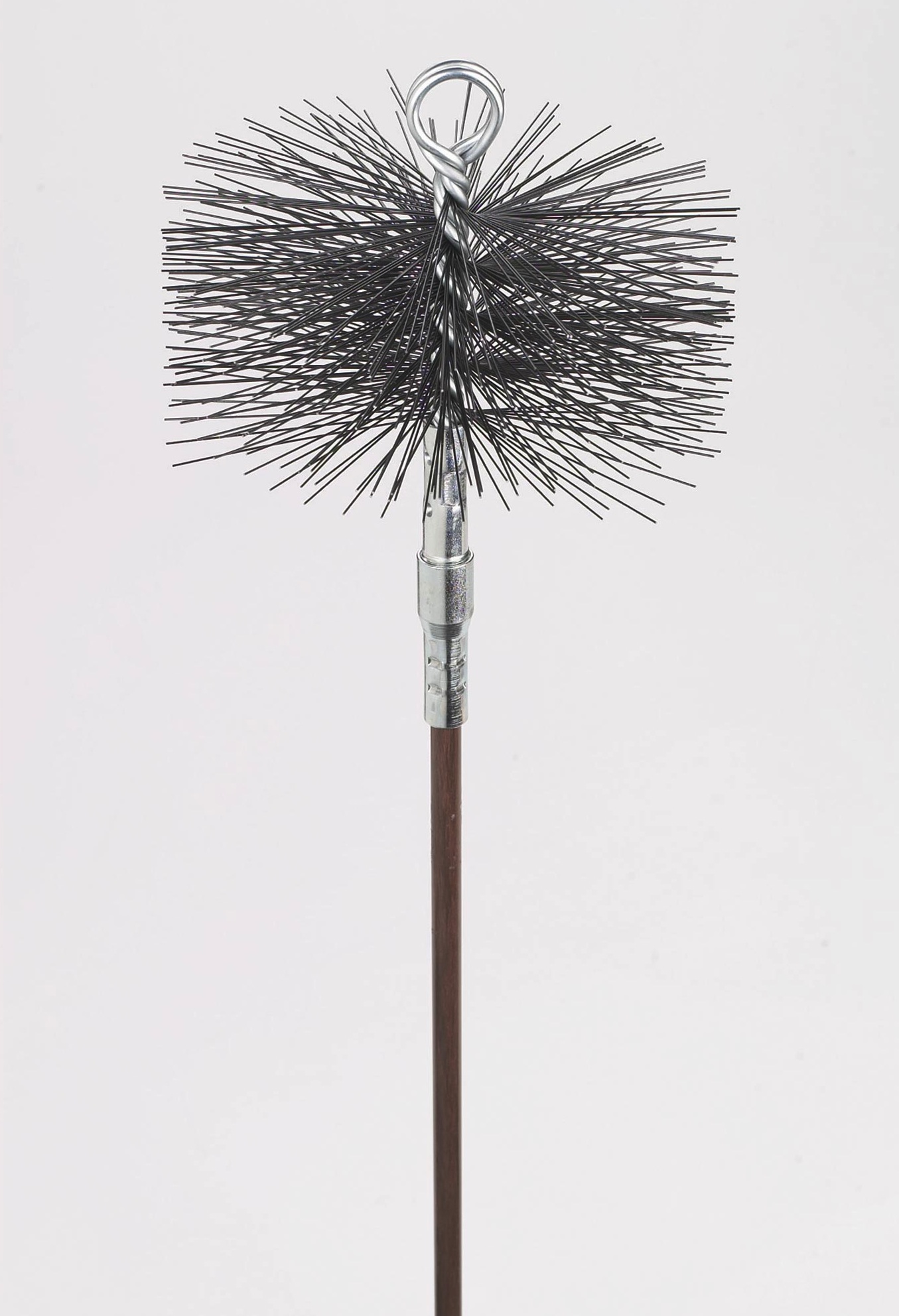
Make sure they come equipped with all the equipment they need. They should have an adequate chimney brush, not a make-do one, and they should have a mirror, to look up the chimney and ensure that it’s clean. If they don’t have a mirror and ask you for one, make sure to check around when you get back to make sure nothing’s gone. Also make sure to monitor their every move while they’re in your attic/house. Something may just disappear when you’re not looking.

Photo courtesy of Northern Tool & Equipment

Finally, when they’re done, make sure they give you a stamped and signed receipt which states your full name and address, and also a certificate which states that your chimneys have been checked and are working properly — you may need the latter in your dealings with Romgaz and its subsidiaries, the only (can you say unfair monopoly…) natural gas company in Romania.

If you happen to live in a nice neighborhood and have taken care of your house, then beware of the initial quoted price, it may be higher than what their services are worth. Try to halve it, then negotiate up to 65-75% of their asking price if need be, or try to get it down to 50%. For example, one price I heard lately (fall of 2010) was 30 RON per chimney. I think that’s adequate, but it could be negotiated down to 20 RON if your budget is limited, or if you’ve got lots of chimneys (5-6 of them, for example). Use your judgment and exercise caution.

Standard
Places

The fortified church in Biertan

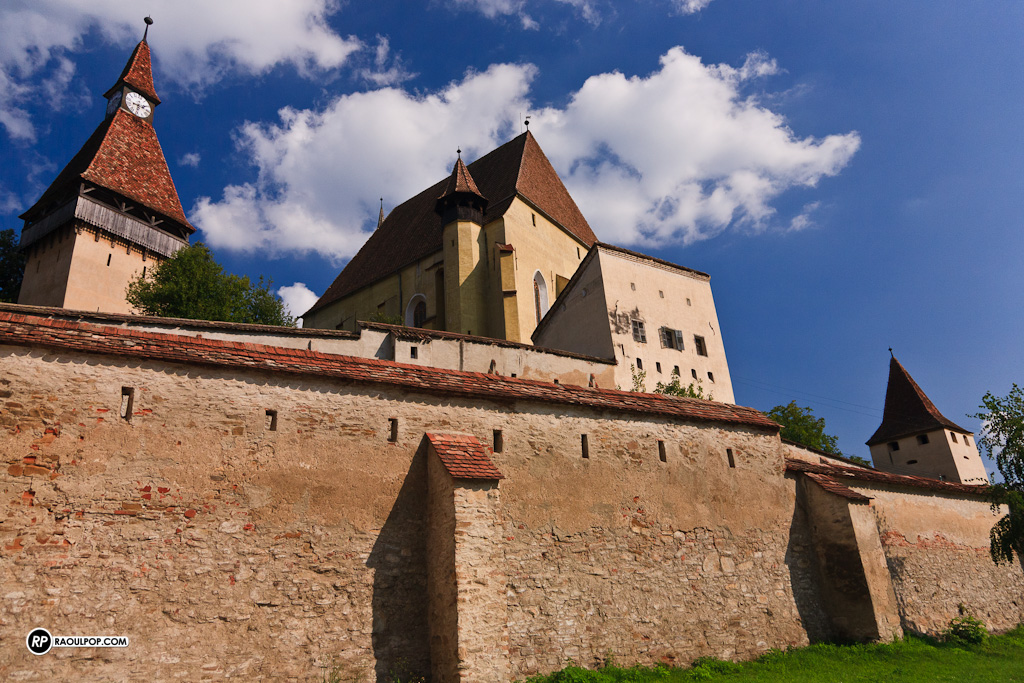
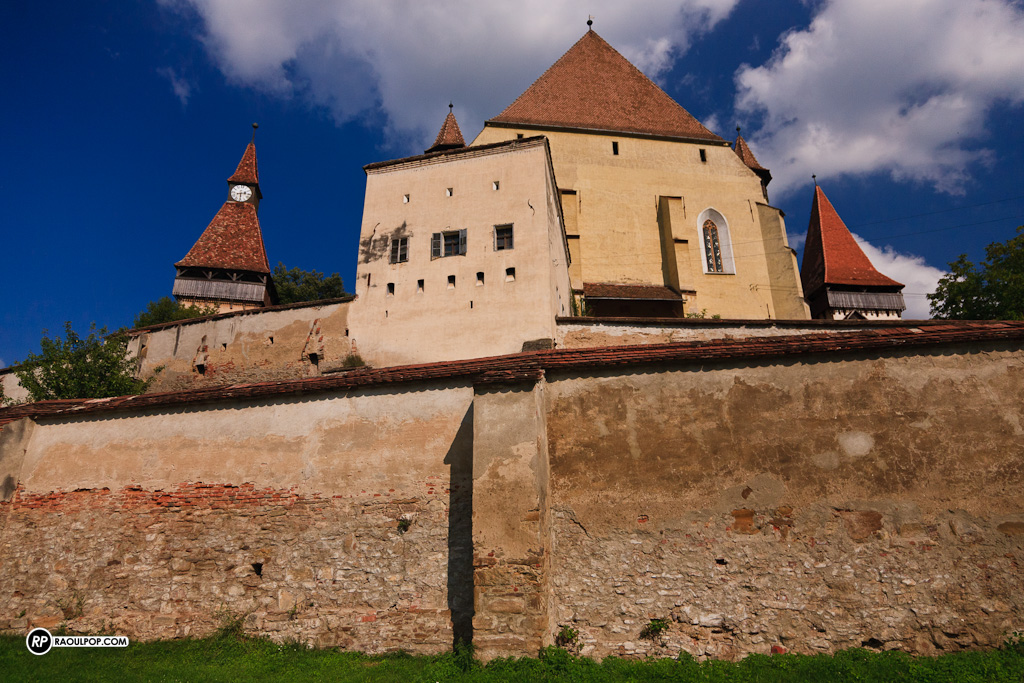
The village of Biertan has one of the most renowned fortified churches in Transilvania, Romania. Built between 1493 and 1522, over the site of a previous church, it is contained within two concentric fortified walls, with seven towers and two bastions.

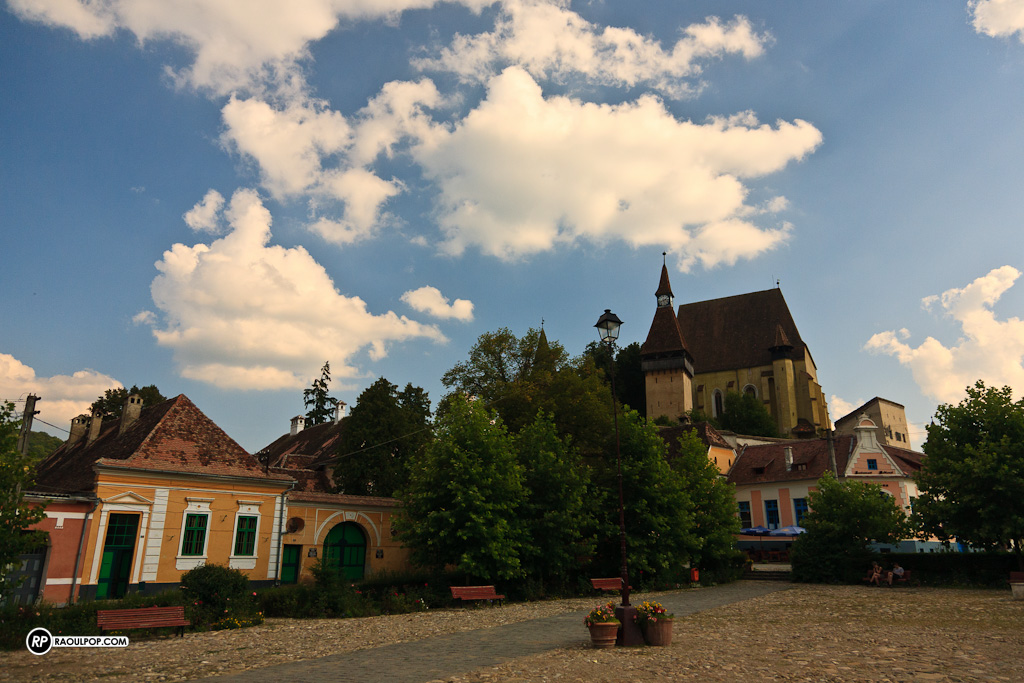
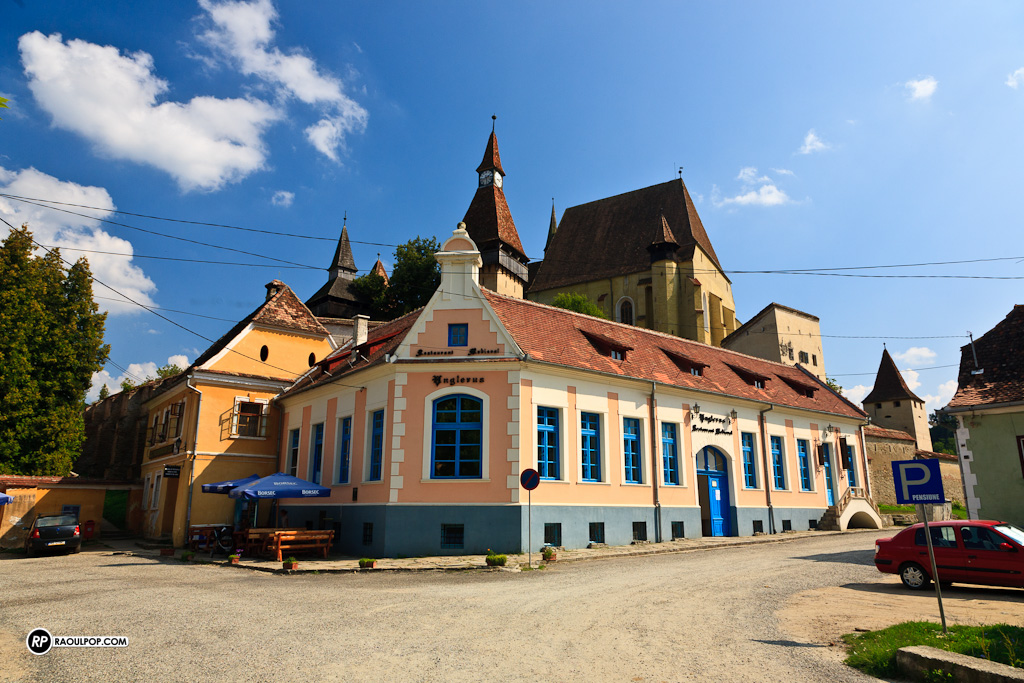
The village itself has maintained its medieval character: the two roads that lead into it are the same they’ve always been; most of the houses, particularly in the village center, still have the same architecture, and you’ll be hardpressed to find but a few modern buildings there.

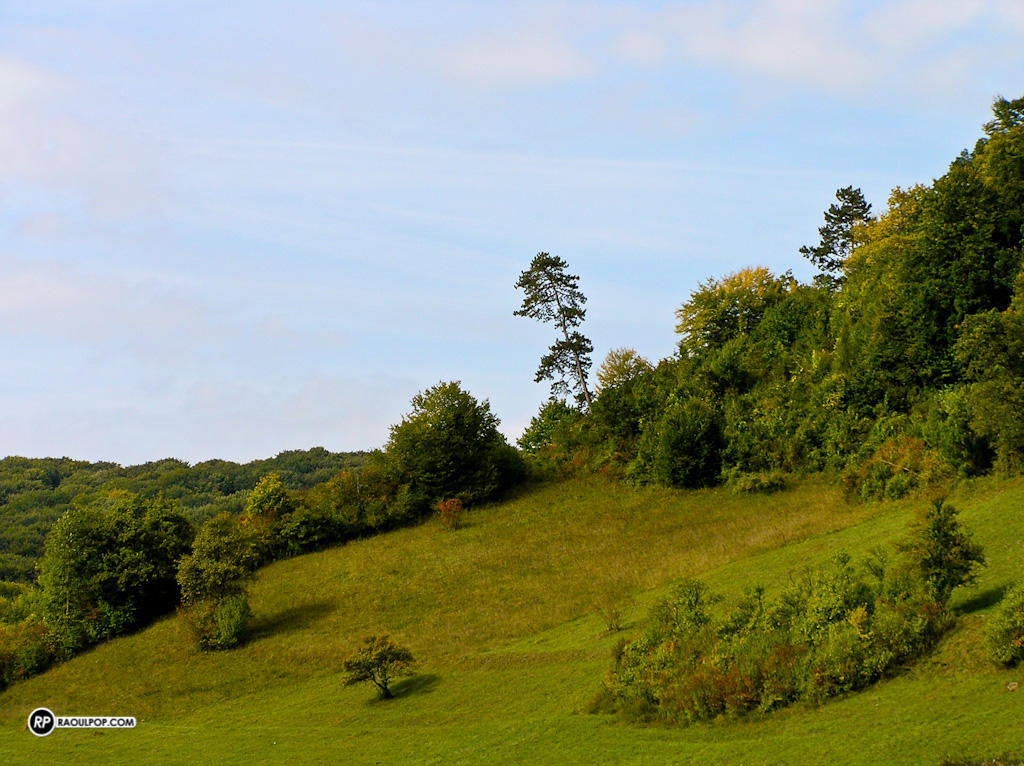
You get to it by driving through gentle rolling hills and crop fields. Forgotten by time (and by modern real estate development), it’s as if you’re going back through time.

The fortified church stands in the geographical center of the village, right next to the spacious, riverstone-paved village square.

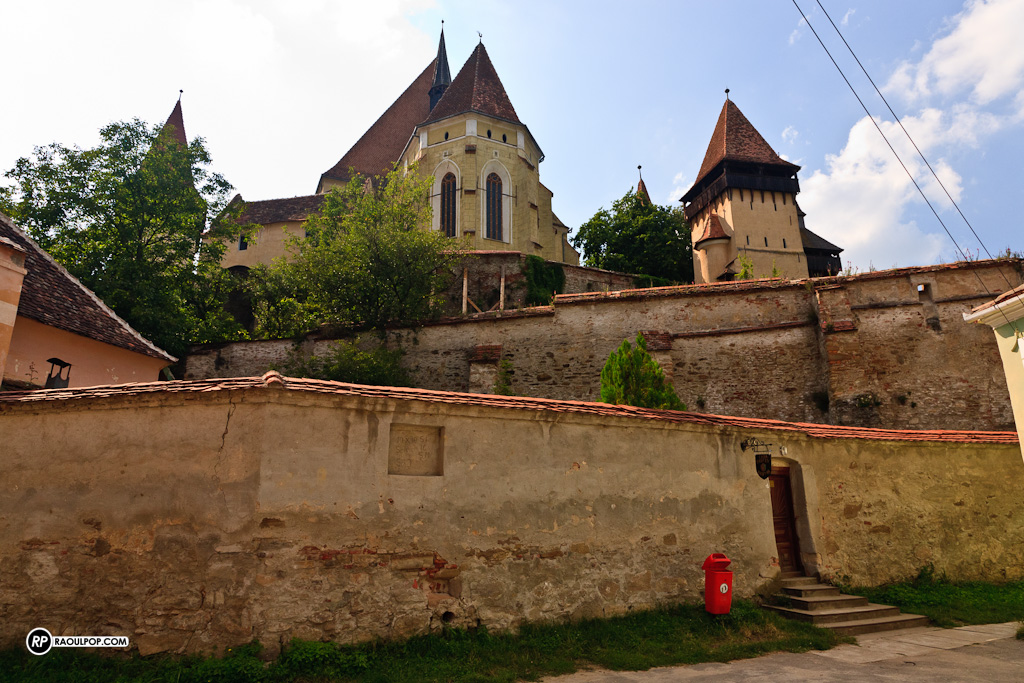
It’s a good idea to take a walk around the outer fortified wall before going in, to get a sense of the place and its layout.

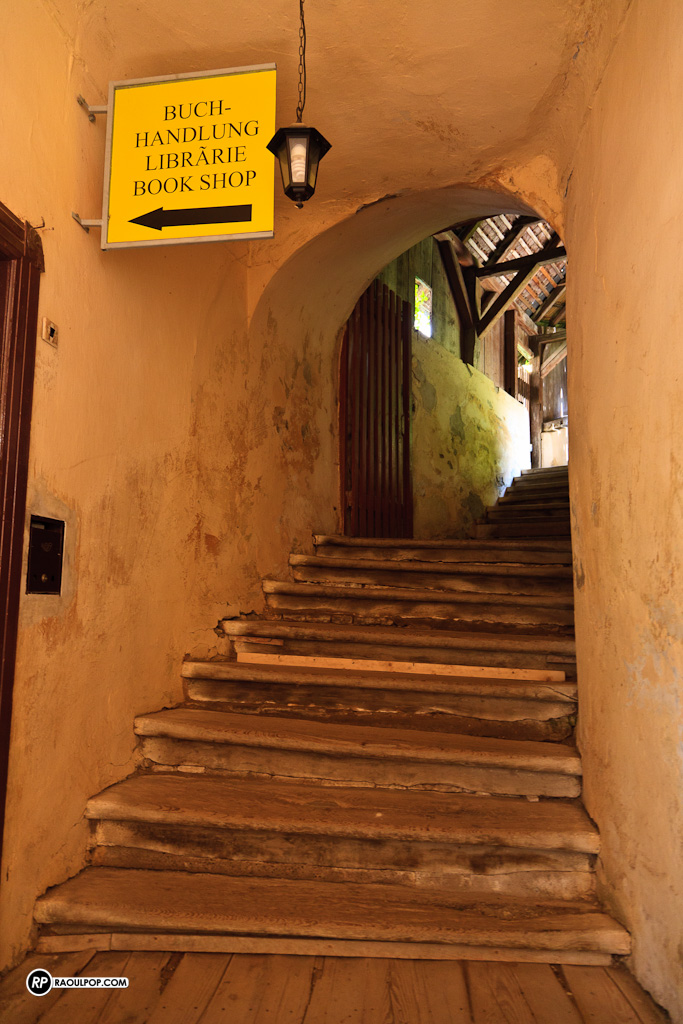
The current entrance into the fortified walls is through an arched passageway with a long row of steps up the hill, which leads inside the inner courtyard.

Continue reading

Standard
Places

Selected photos from Vadu, Romania

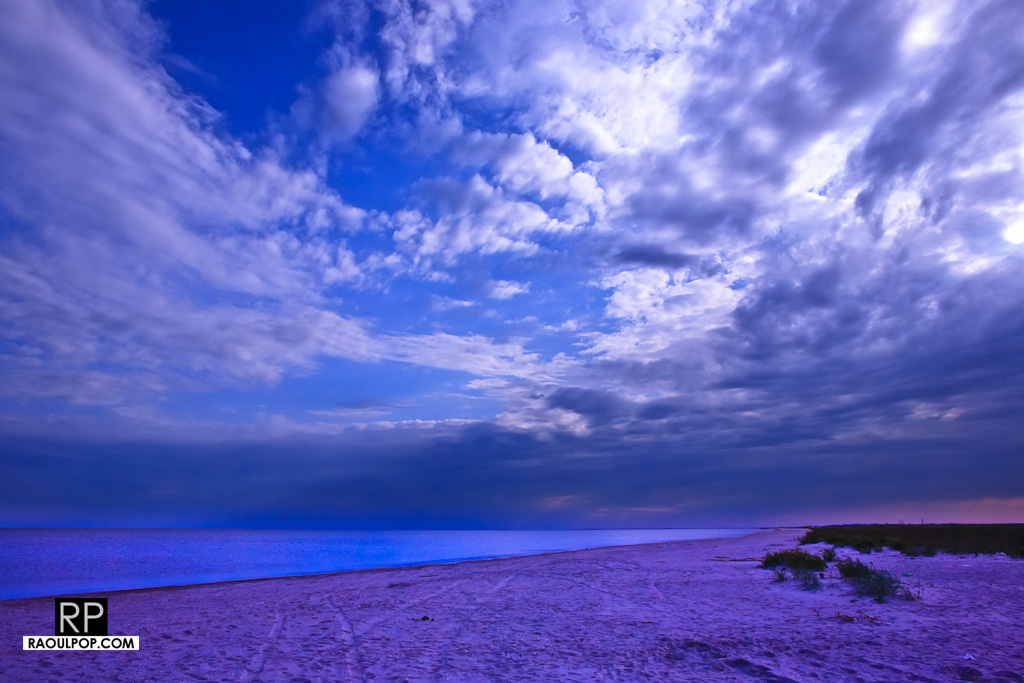
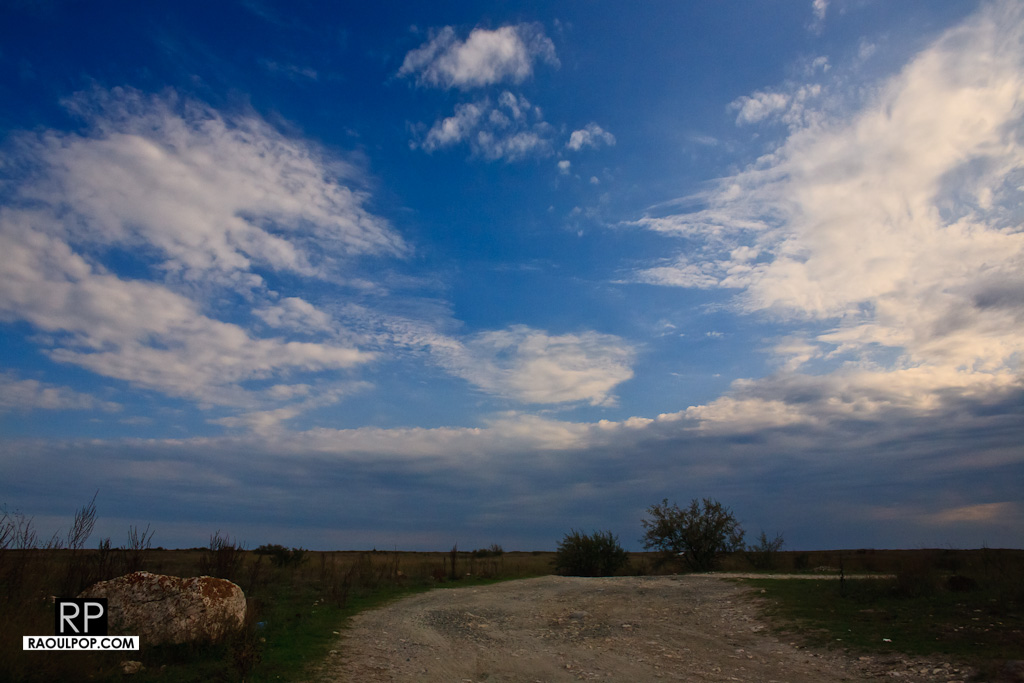
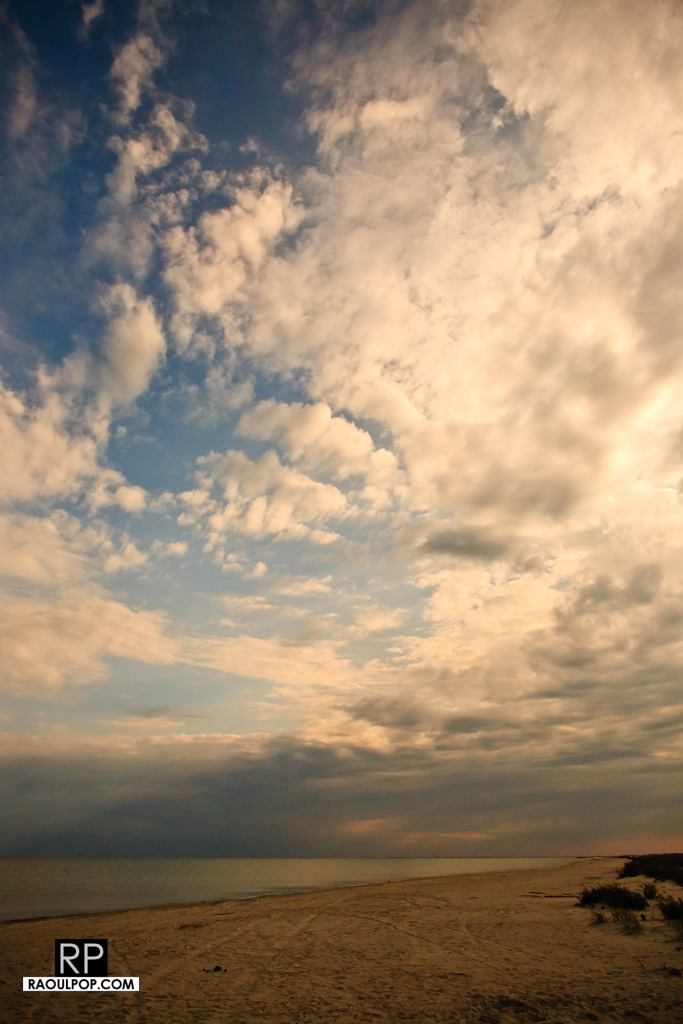
The beaches at Vadu and Corbu, two adjoining villages on the shores of the Black Sea in Romania, are some of the last wild (more or less untouched) beaches on the Romanian seaboard.

Vadu has recently been made part of a large natural reservation called Rezervatia Biosferei Delta Dunarii. Nothing has changed as a result of that, except some hefty fees now get levied on every visitor to the beach (20 RON/person/day and 100 RON/car/vacation).

I don’t know where that money goes, and what good, if any, it’s being used for. Perhaps it goes to pad someone’s pockets, as is often the case in Romania. What I do know is the fees are expensive, and the garbage left by some tourists still doesn’t get picked up by the park staff, as you’ll see in pretty much any of the photos shown here if you look carefully. It seems the paramount concern of the park staff is to make sure every person that enters the beach area pays their fee.

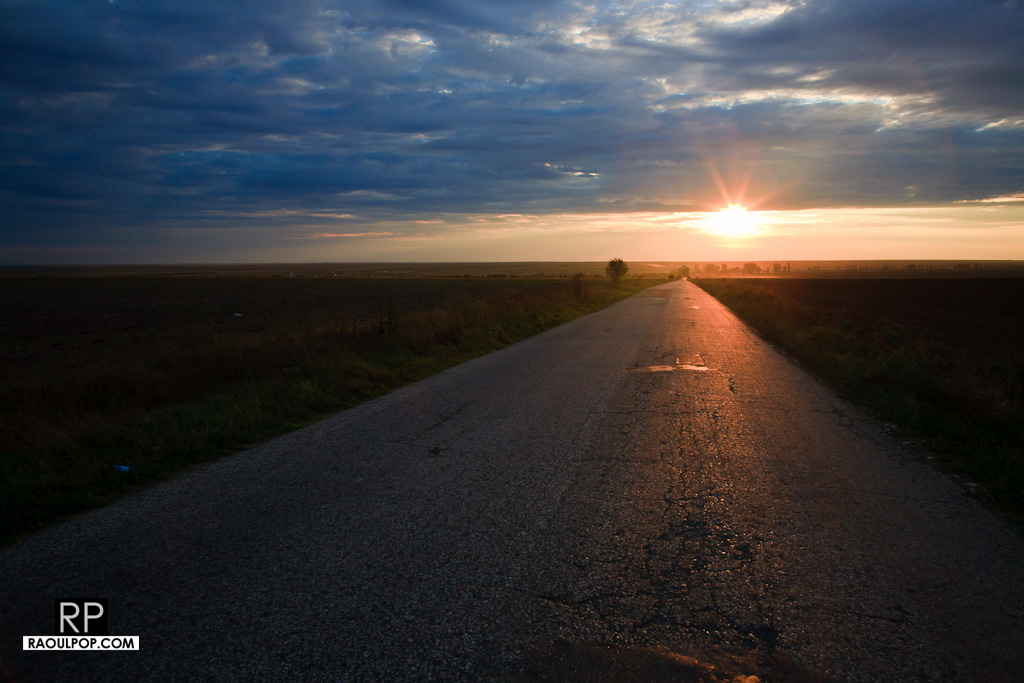
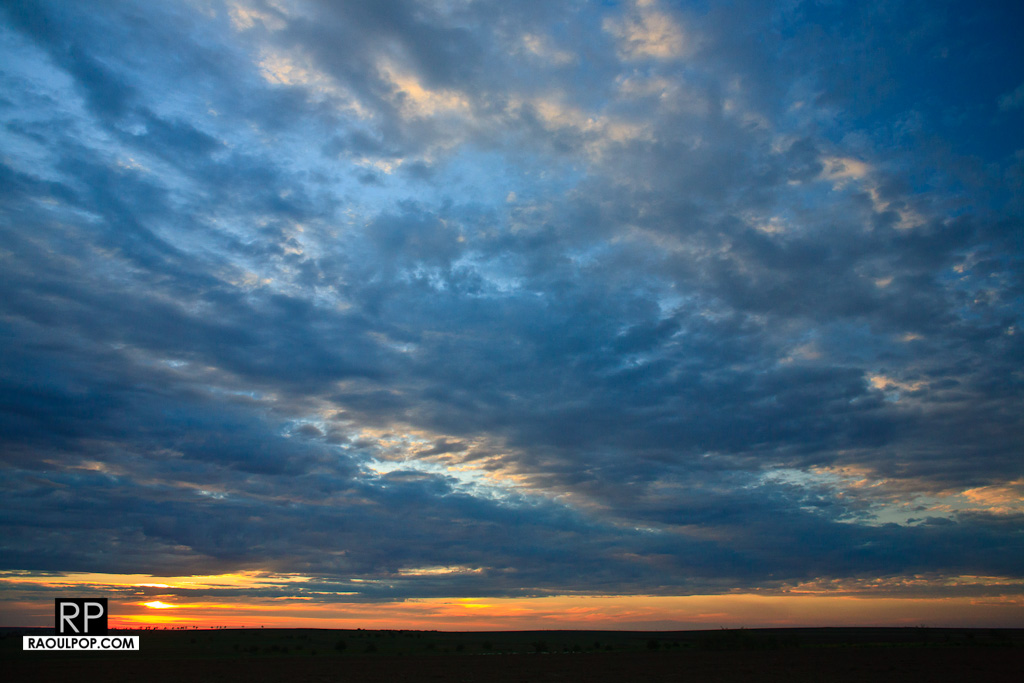
The landscape is very flat near Vadu. As far as the eye can see, the fields are wide, flat as a pancake, and the horizon is but a thin line, far, far away. Dobrogea, the province where Vadu is located, is a flat place, it’s true, but it does have gentle rolling hills, gorges and the oldest mountains in Romania (they may look like hills, but they’re mountains). (See my Dobrogea gallery for more photos from the province.)

When we visited Vadu, we didn’t have time to stay and spend a day there, but we did take some time to walk on the beach, and through the barren fields near the beach.

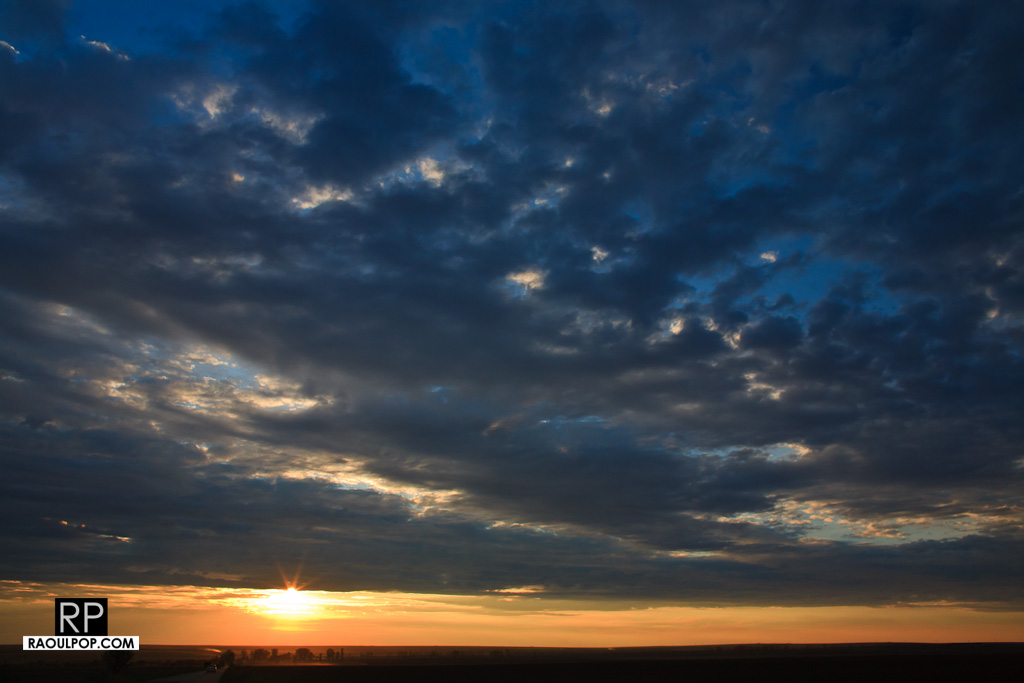
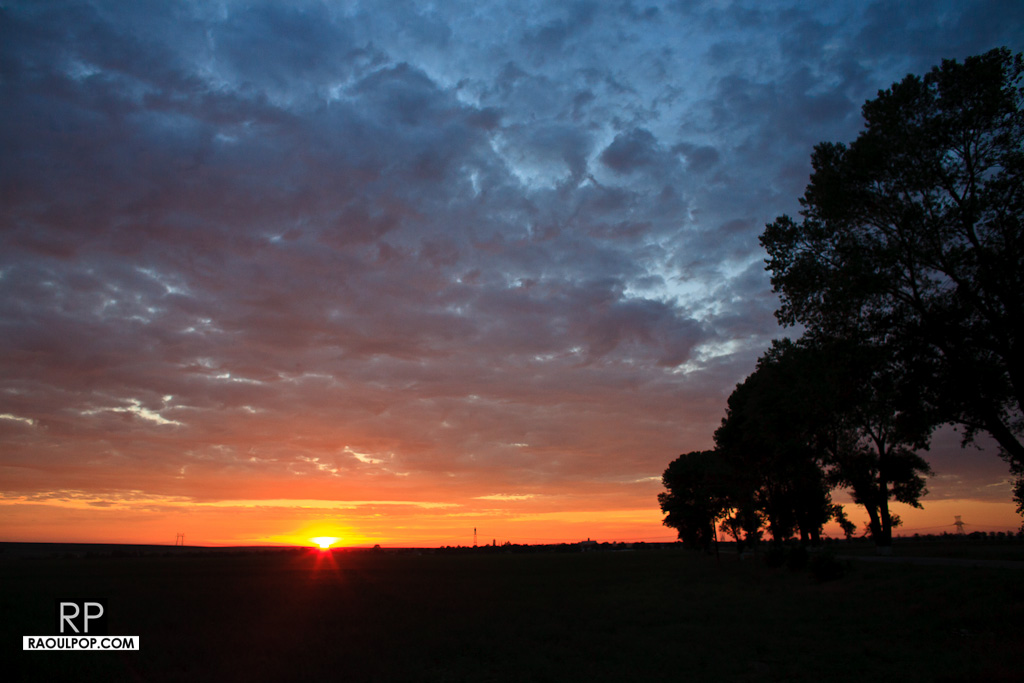
The sunset was beautiful that day.

Standard
Places

The Franciscan Church in Medias

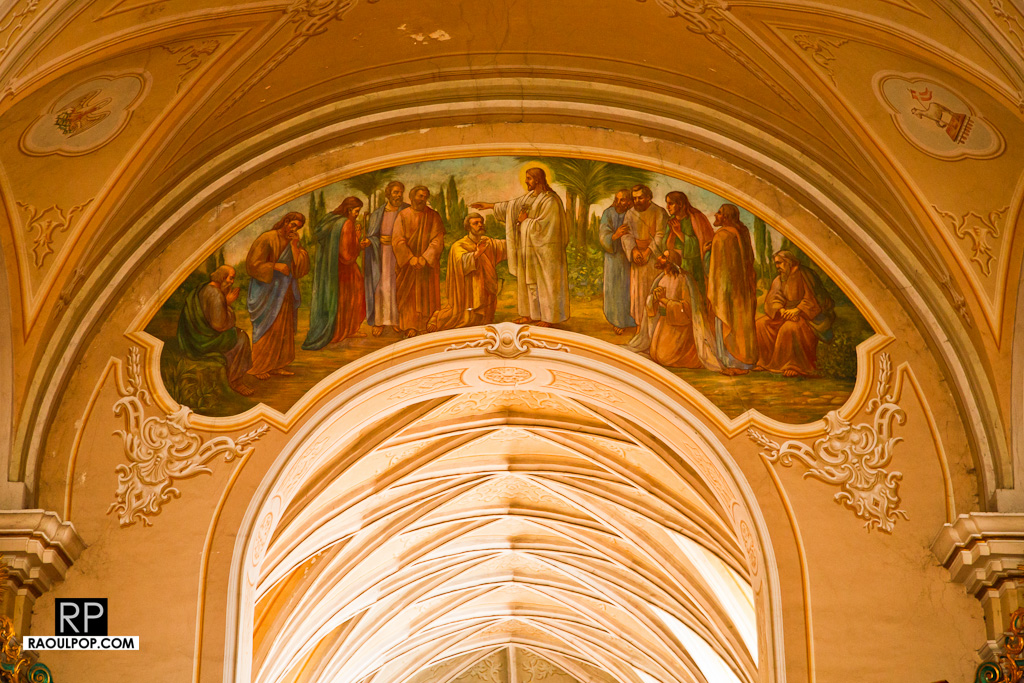
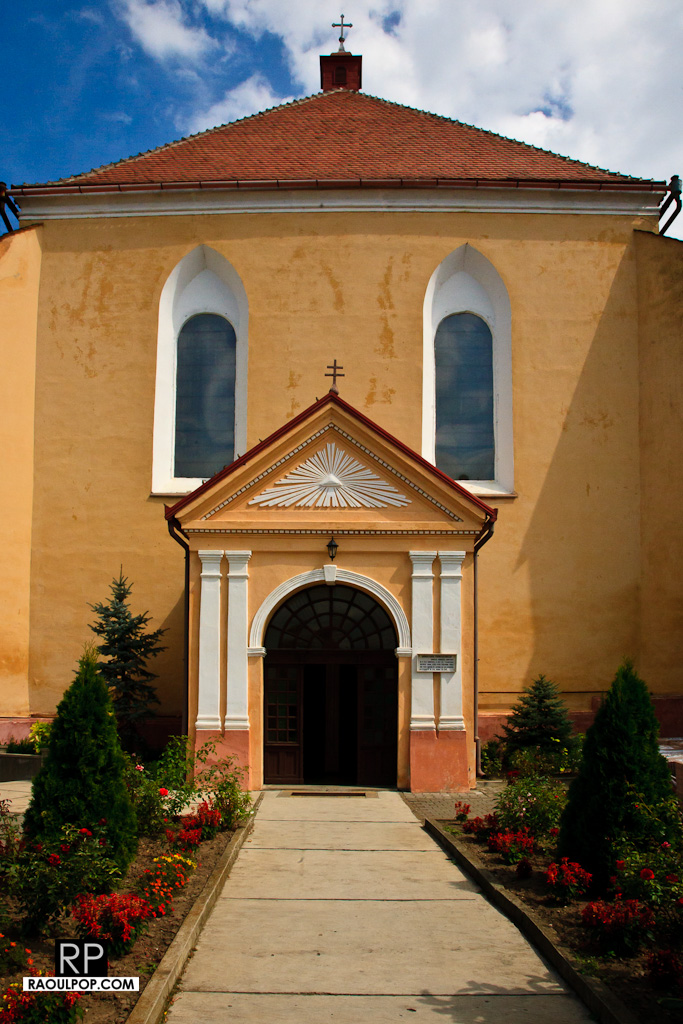
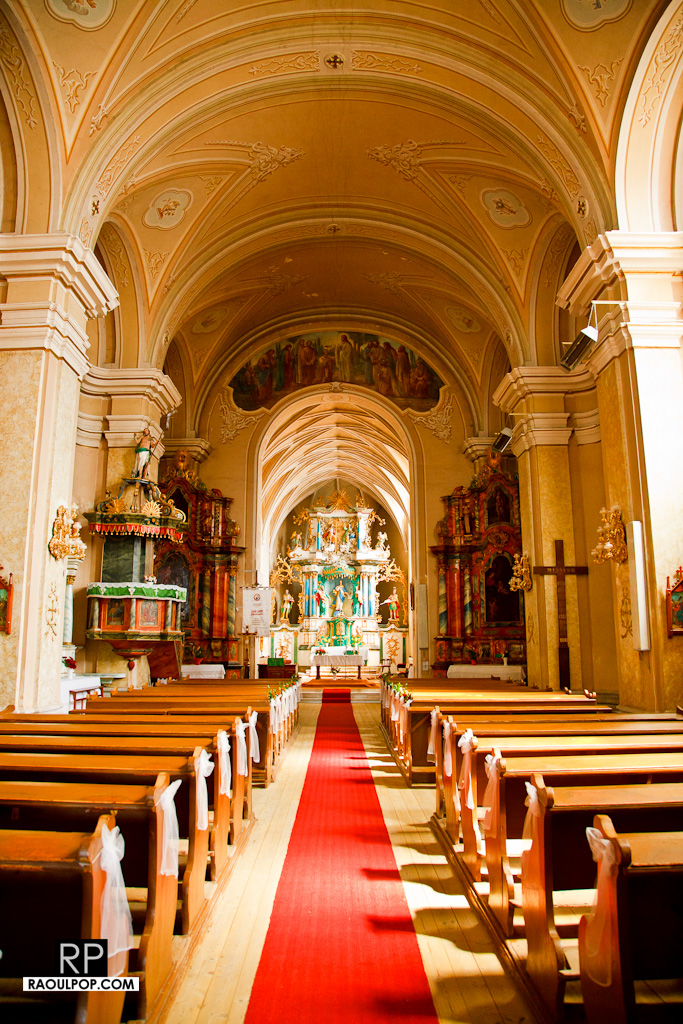
According to monastic records, construction of the Franciscan compound in Medias, Romania, began in 1444. The compound includes a monastery, the church (which you can see in the photos shown here) and various annexes. In 1556, after the formerly-Catholic townspeople joined the Reformation, the monks were run out of town, and the buildings were used for various lowly purposes, such as stables, etc.

On a side note, I’m not a Catholic, but it seems to me that using a church as a stable just shouldn’t be done, no matter what its denomination may be.

In 1721, the buildings and the site were returned to the Franciscan order, and monks were invited back into the city, although by now the buildings were run-down and in desperate need of serious renovations. The church, originally of Gothic architecture, gained Baroque stylings on the inside, and the other buildings were re-built as needed.

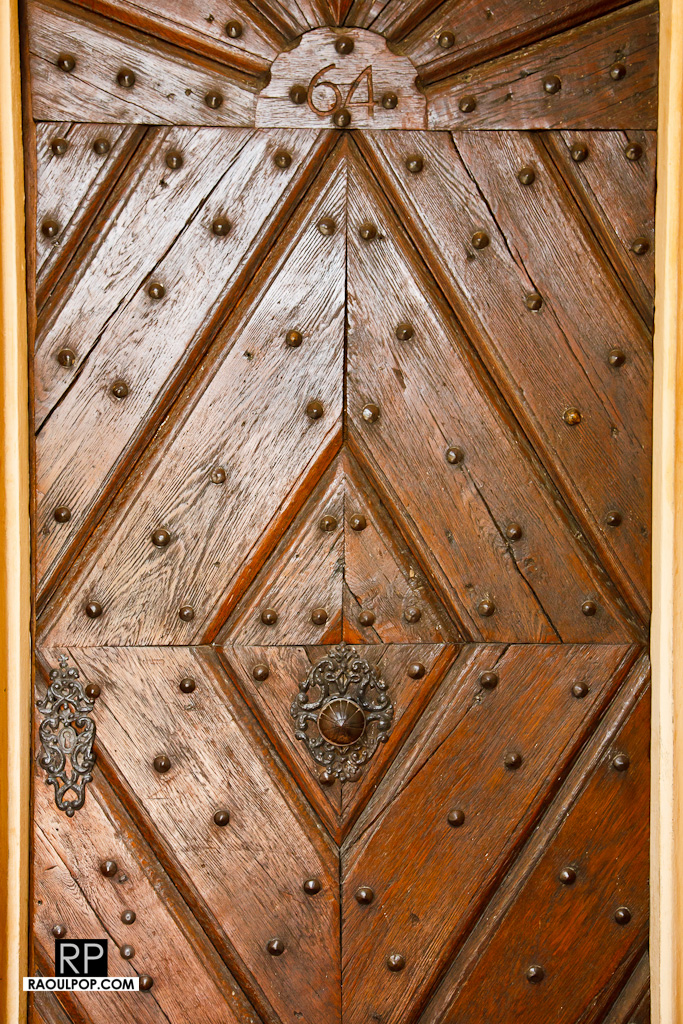
The church doors were built in 1764, according to the numbers carved unto them.

Nowadays, part of the monastery’s compound is being used by the Medias Municipal Museum, and in the last few years, a Hungarian school has been built on the monastery’s land. The school is scheduled to go into use this fall. There’s more information on the monastery’s history (in Romanian).

Standard