Places

A walk through town before daybreak

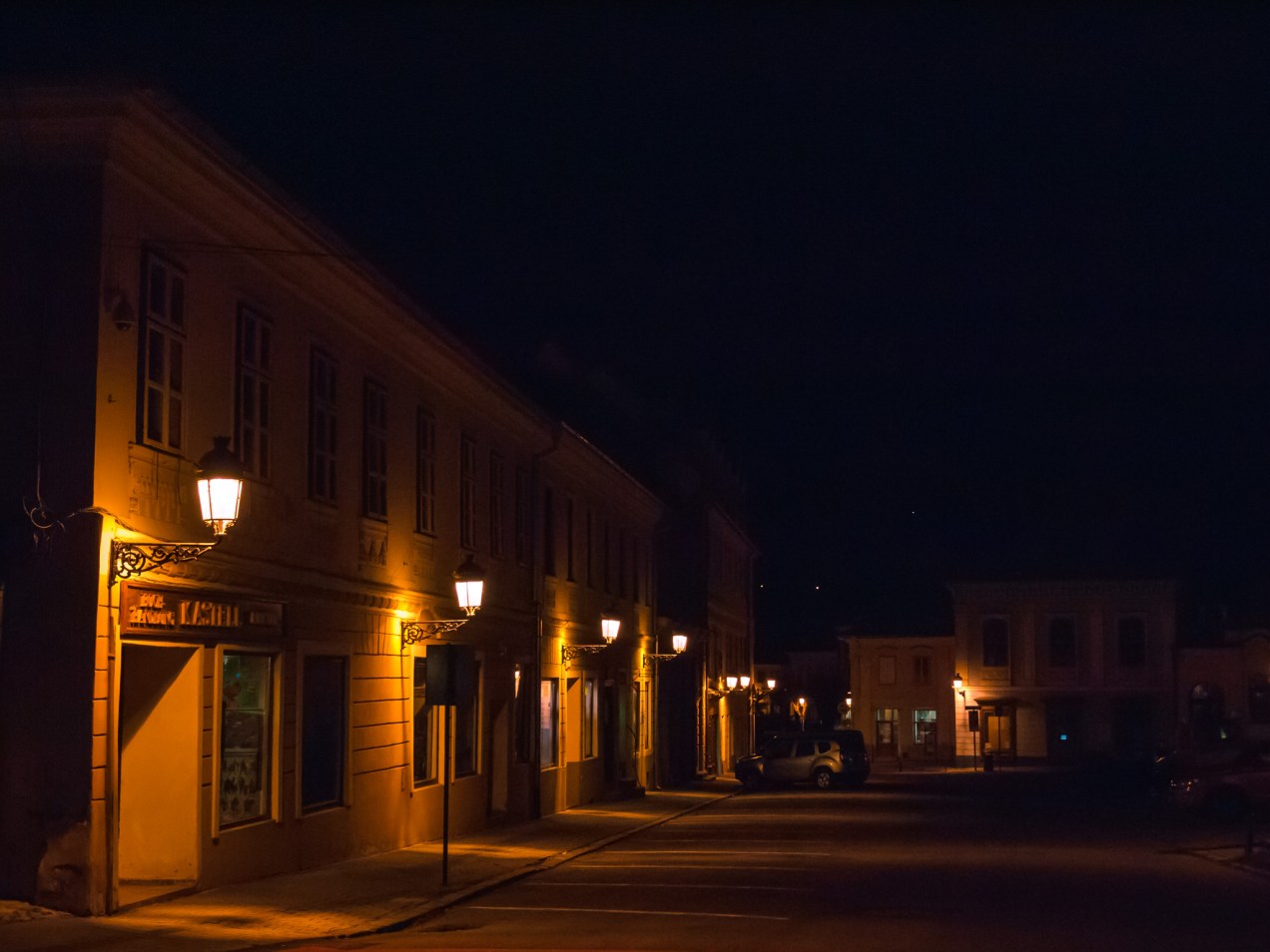
To celebrate the acquisition of a new camera (well, the acquisition is new, the camera isn’t), I took a pre-dawn walk through town. It was cold and somewhat rainy. Water got on my lens a couple of times and I’d forgotten to bring a lens cloth, so you’ll see some weird light artifacts on some of the photos. That’s from the partially wiped lens… I was hoping dawn would come soon and I’d get some nice photos of the “blue hour”. As it turned out, my battery ran out of juice and I got pretty cold before that happened. But it was really nice to walk through town with few to no people around me. I am after all an introvert, so the more time I spend alone, the better I feel.

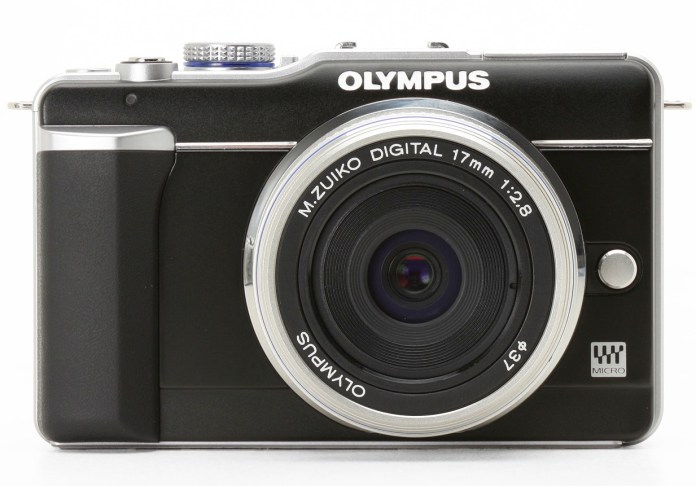
I am quite pleased with my acquisition. It’s a camera I used and reviewed in the past (eight years ago, actually): the Olympus PEN E-P2. I loved that little camera and I should have bought it back then. After quietly pining for it all this time, I found it online a few days ago at an unbeatable price, second-hand, in great condition: about 100 euros for the body, plus another 100 euros for the viewfinder (yes, I got the VF-2!) and about 200 euros for a wonderful little lens for it, the M.Zuiko Digital ED 12-50mm f/3.5-6.3 EZ (it’s a 2x crop factor so a 24-100mm 35mm equivalent).

Now I have the E-P2 and the E-PL1, which I bought several years ago with the two kit lenses offered at the time, the 14-42mm and the 40-150mm. Yay!

I took the photos without a tripod, relying on the camera’s optical image stabilization technology, which shifts the sensor on a 3-way axis in order to keep the shot steady. I shot at 1/10, 1/15 and 1/20, keeping the ISO at 1600 and the aperture wide open. Given that the lens goes from f/3.5 to f/6.3 when it’s at its longest focal length, that means some of the photos are darker. I squeezed every bit of light out of them in post processing, but having shot both RAW and JPG simultaneously, I can tell you the camera’s built-in noise reduction and image processing is so good (for its time), I could have just shot directly in JPG and uploaded them SOOC (straight out of the camera). Enjoy the photos!

Standard
Places

Another frosty morning

We were greeted by more frost this morning, so of course I hopped outside to take photos. This winter… it’s been such a non-winter that any cold weather gets me chipper. I took photos until I couldn’t feel my fingers and I loved every minute of it. I love that crisp, fresh, winter morning air! I love it so much I stayed out a bit too long and since I wasn’t really dressed for it, I felt a bit woozy after I came in, as if a fever was about to set in 🤒. I’m alright now. Enjoy the photos!

By the way, these were taken with my Olympus E-PL1.

Olympus PEN E-PL1 Mirrorless Camera

Olympus PEN E-PL1 Mirrorless Camera

Standard
Places

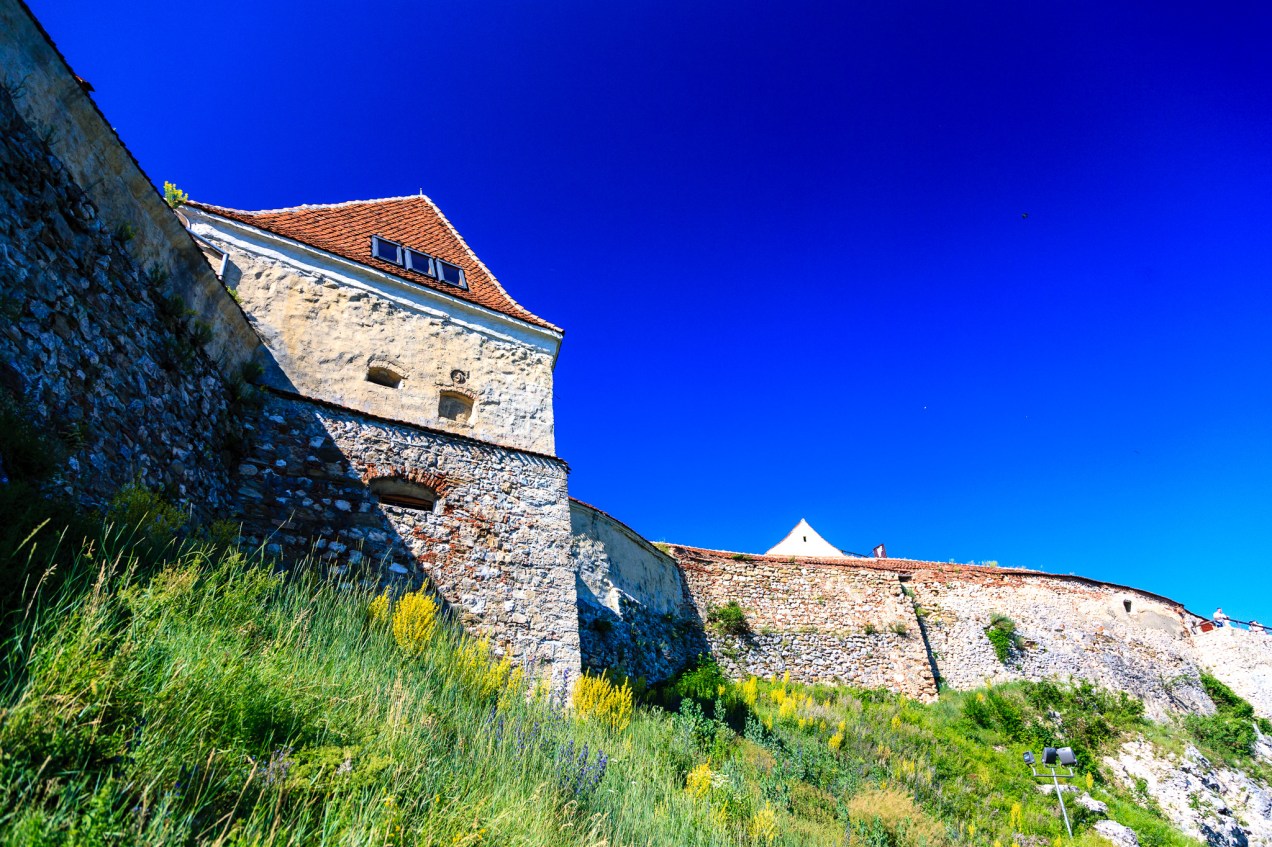
The fortress at Rasnov

There is a fortress near Brasov, built above a village-turned-town. It’s called Rasnov and it’s been there since early medieval times.

Râșnov citadel and village on the Josephine Map of Transylvania

Râșnov citadel and village on the Josephine Map of Transylvania

The citadel was built as part of a defence system for the Transylvanian villages exposed to outside invasions. A decisive aspect for building the citadel on the actual location was the route of the invading armies which were coming from the Bran pass and were passing through Râșnov on their way to Burzenland (Țara Bârsei). The only chance of survival for the inhabitants of the area, including the ones from the villages of Cristian and Ghimbav, was refuge inside the citadel. Compelled to stay there for decades, the people of Râșnov and the nearby villages turned the fortification into a dwelling.

Sources such as Wikipedia state that archaeological research revealed the existence of fortification traces on the citadel hill since prehistoric and Dacian times, but I have to say this is the case for virtually every town in Transilvania. At one spot or another in the city, archeologists will find traces of fortifications or houses that date way back to Dacian times or even earlier. Romania is an old country.

The medieval citadel we see today is considered to have been built between 1211-1225, during the rule of the Teutonic Knights in Burzenland. Although there is no written evidence for this, it makes sense historically.

In 1335, during a Tatar incursion that ravaged Burzenland, Râșnov and Brașov were the only citadels that remained unconquered. This is also the first documented attestation of the fortifications at Rasnov. In 1421, an Ottoman army laid siege to the citadel. In 1600, Michael the Brave along with his troops and his wife, Lady Stanca, retreated here after the defeat at the Battle of Mirăslău.

The citadel was conquered only once in 1612, during the rule of Prince Gabriel Báthory. The reason was the lack of water. While there was no well within the citadel walls, there was a path to a secret spring outside its walls, but this was discovered by the enemy troops. Without water, the siege quickly ended. An interior well was then dug inside the walls, directly in the rock bed, between 1623 and 1642. It is 146 metres (479 ft) deep.

In 1718 the citadel was partially destroyed by a fire and in 1802 it was damaged by an earthquake. In 1821 refugees from Wallachia (during the revolution led by Tudor Vladimirescu) retreated to the citadel. Between 1848-1849, because the region was constantly ravaged by Hungarian revolutionaries and Austrian imperial troops, the villagers retreated to the citadel. This was the last mission of the citadel as a place of refuge and defence. After those events ended, it was left to ruin, to be restored during the early 21st century.

We visited it in the summer of 2009. I hope you enjoy this gallery of photos I took there.

Standard
Places

More photos from Dobrogea

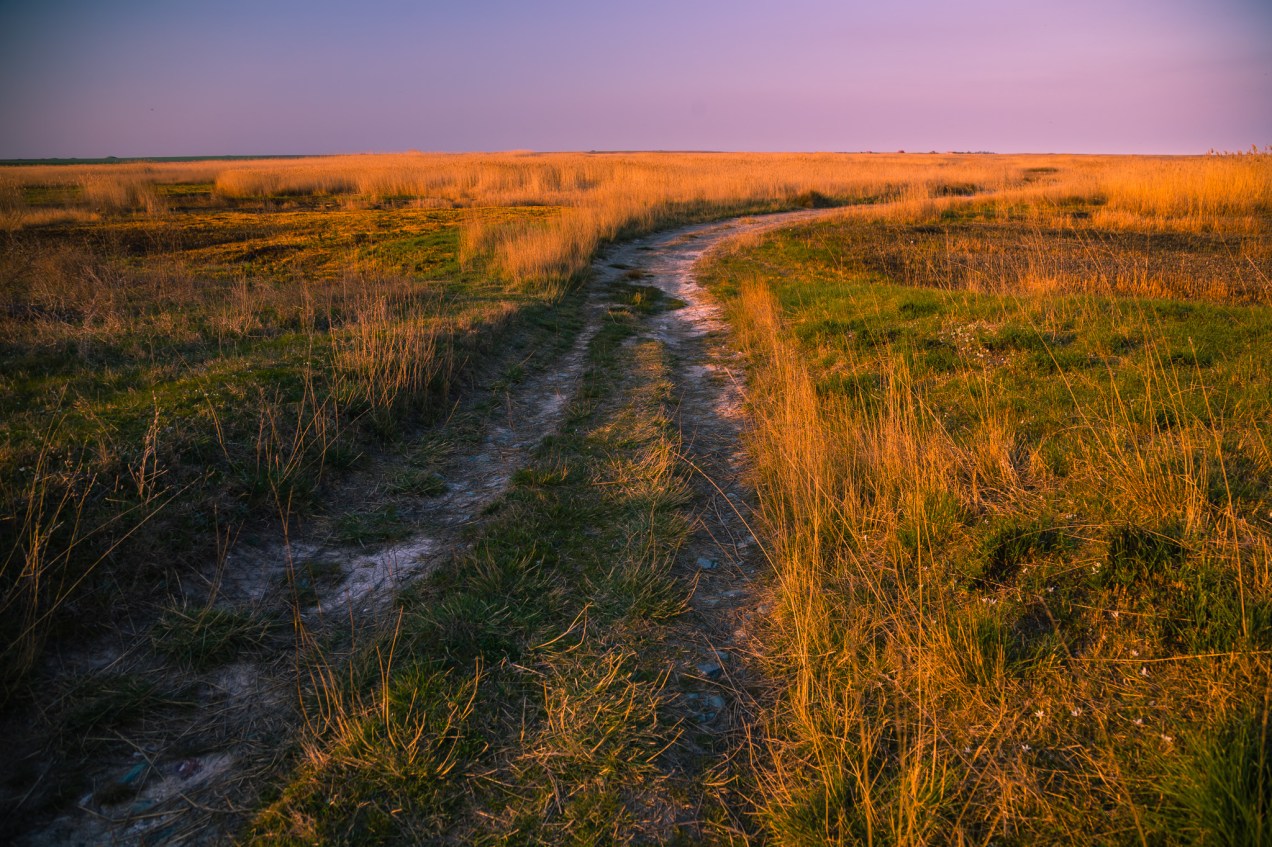
Quite a few years ago, I published this gallery of photographs I’d taken in the province of Dobrogea in Romania. I’ve been going through my catalog lately, re-discovering the places I’ve visited and photos I haven’t yet edited, so I thought I’d put together another gallery of photographs for you.

You may know that Dobrogea is thought of as flat place, wide and mostly arrid — great for agriculture — and it certainly is that, but there are some spots in it that can look quite different. Did you know that Dobrogea has mountains and they’re the oldest in Romania (quite possibly some of the oldest in Eastern Europe as well)? They’re so old and worn down by time that they look like hills. You’ll get to see them here, including the biggest one of them, Altantepe.

Enjoy the photos!

Standard
Places

A jaunt into the Danube Delta

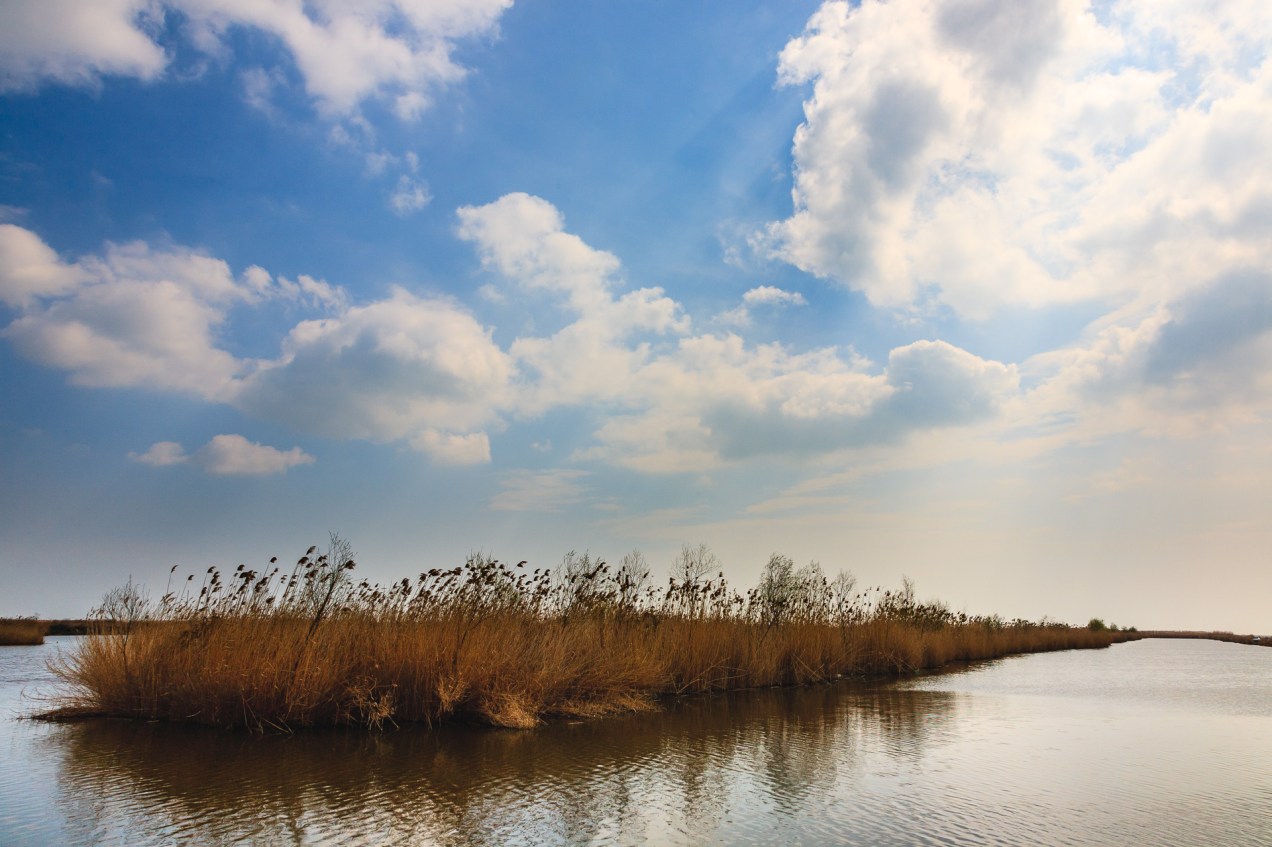
Years ago, we took a quick day-trip into the Danube Delta which involved some boating (hence, rowing). It was a fun little trip to the edge of the Delta. It was early spring, so the full beauty of the place wasn’t readily apparent, but that also meant that there were no mosquitoes, which was a huge plus for me. Enjoy the photos!

Standard