Places

The Franciscan Church in Medias

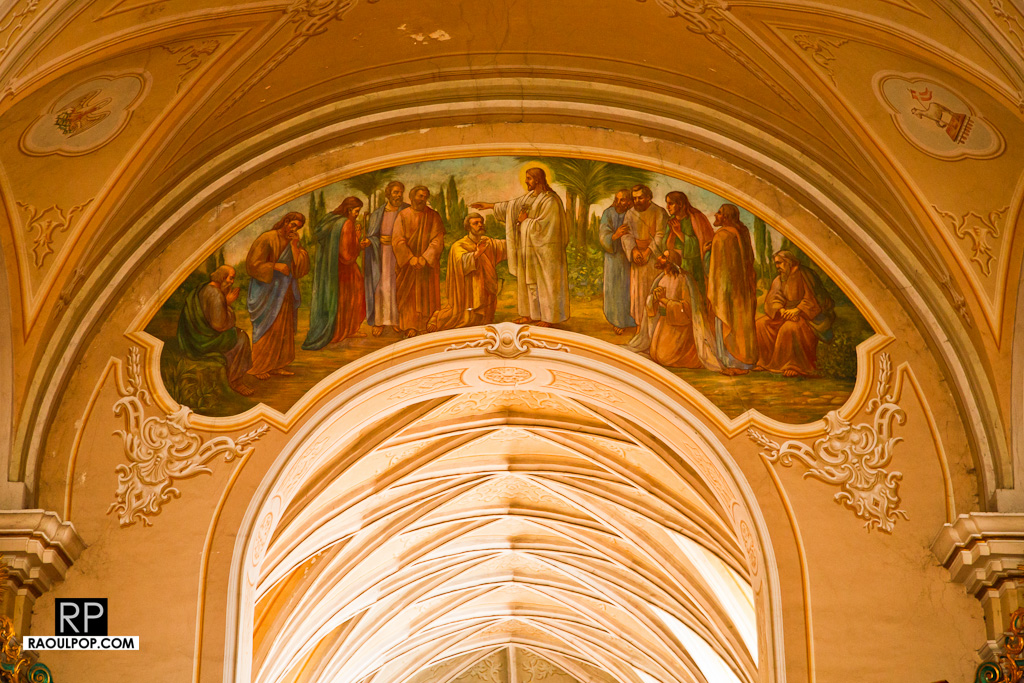
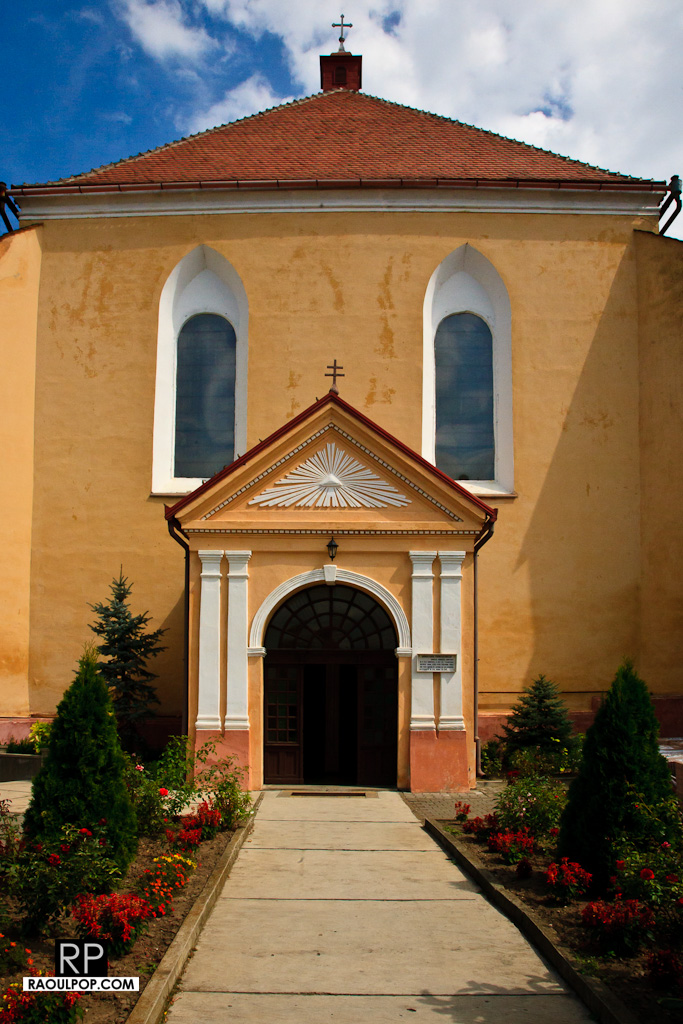
According to monastic records, construction of the Franciscan compound in Medias, Romania, began in 1444. The compound includes a monastery, the church (which you can see in the photos shown here) and various annexes. In 1556, after the formerly-Catholic townspeople joined the Reformation, the monks were run out of town, and the buildings were used for various lowly purposes, such as stables, etc.

On a side note, I’m not a Catholic, but it seems to me that using a church as a stable just shouldn’t be done, no matter what its denomination may be.
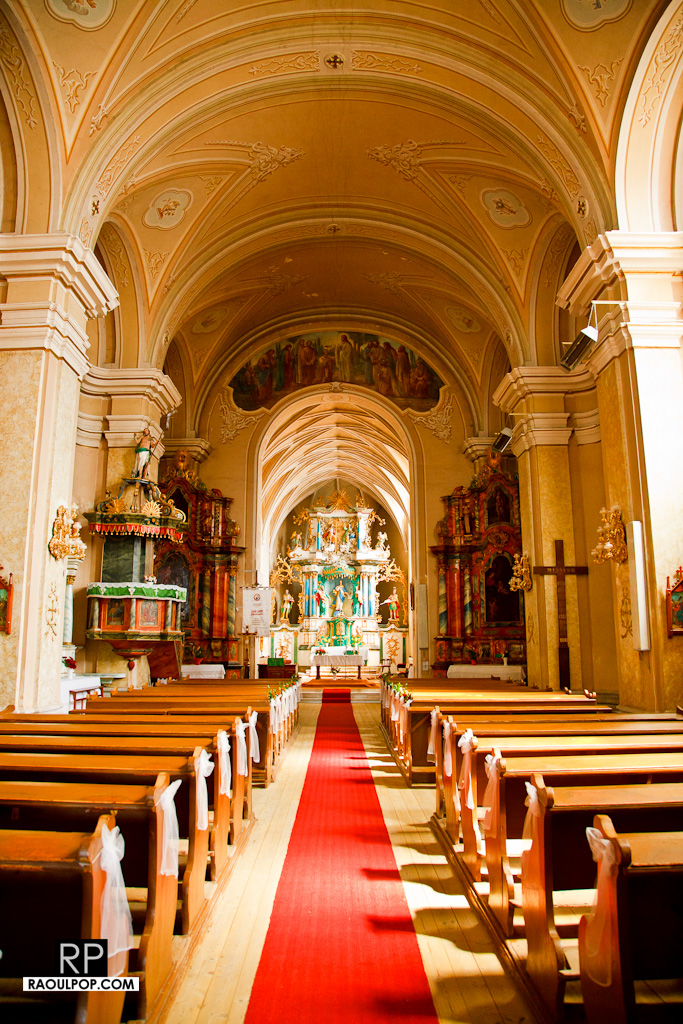
In 1721, the buildings and the site were returned to the Franciscan order, and monks were invited back into the city, although by now the buildings were run-down and in desperate need of serious renovations. The church, originally of Gothic architecture, gained Baroque stylings on the inside, and the other buildings were re-built as needed.
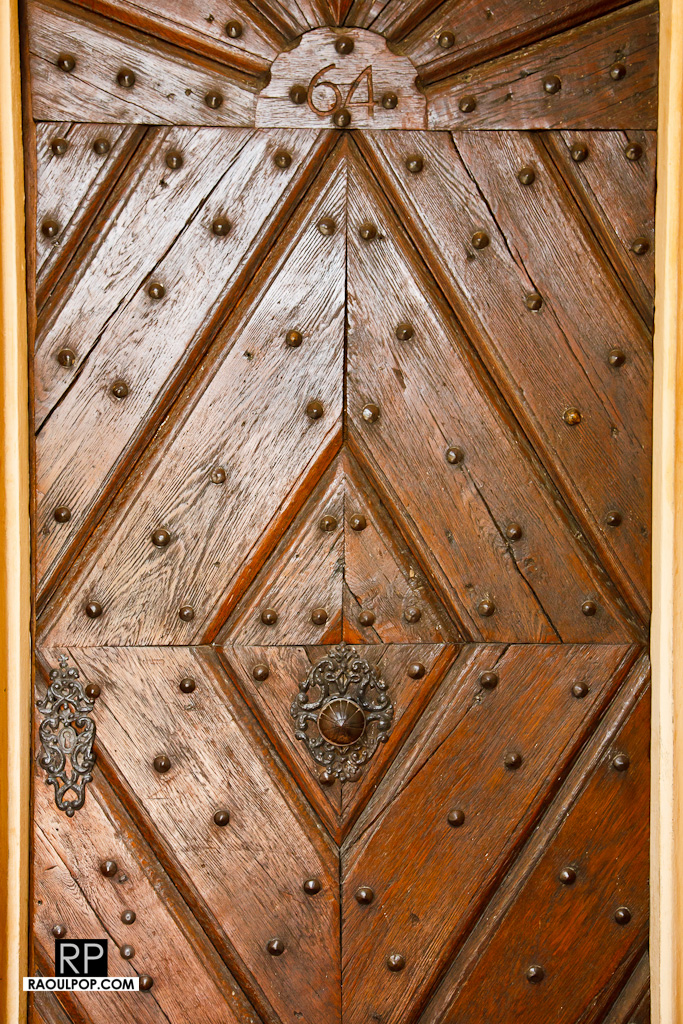
The church doors were built in 1764, according to the numbers carved unto them.

Nowadays, part of the monastery’s compound is being used by the Medias Municipal Museum, and in the last few years, a Hungarian school has been built on the monastery’s land. The school is scheduled to go into use this fall. There’s more information on the monastery’s history (in Romanian).
Standard
Places

Selected photos from Iasi, Romania

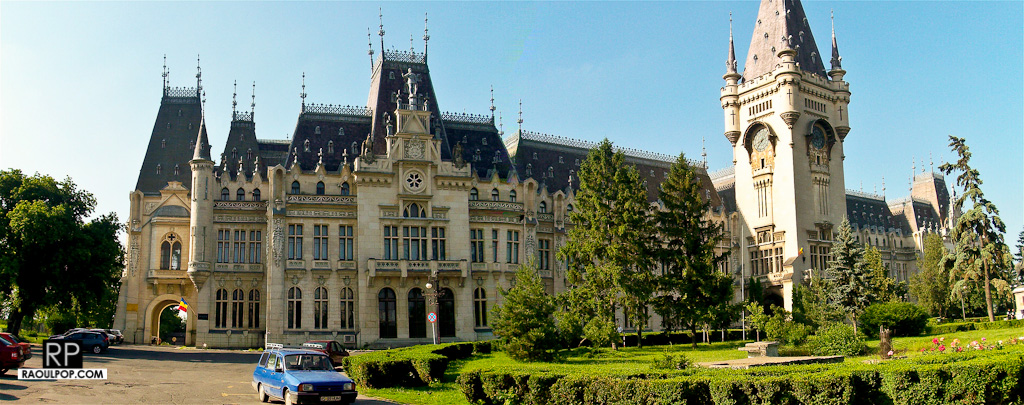
What you see below are photos from the city of Iasi, Romania, the second largest city in Romania after Bucharest, according to a recent census. It’s a city with a lot of history and a lot of historic buildings. It was the capital of the province of Moldova for hundreds of years, and also the capital of Romania for a short while. It’s home to the oldest university in the country, named after Alexandru Ioan Cuza, who founded it in 1860.

We visited the city in June of 2006, after an all-night train ride in horrendous conditions, and we only had about half a day to see it. Naturally, we went to see the Palace of Culture (which was closed for renovations unfortunately), so we rambled around for a while then decided to go see Ion Creanga’s house (he’s one of Romania’s most beloved writers).

Let me just say that I took these photos with a digital camera, not a DSLR, so the picture quality suffers. Given that I was just starting to learn proper composition back then, some aren’t framed properly. But enough apologies. Here are the photos.
Continue reading

Standard
Places

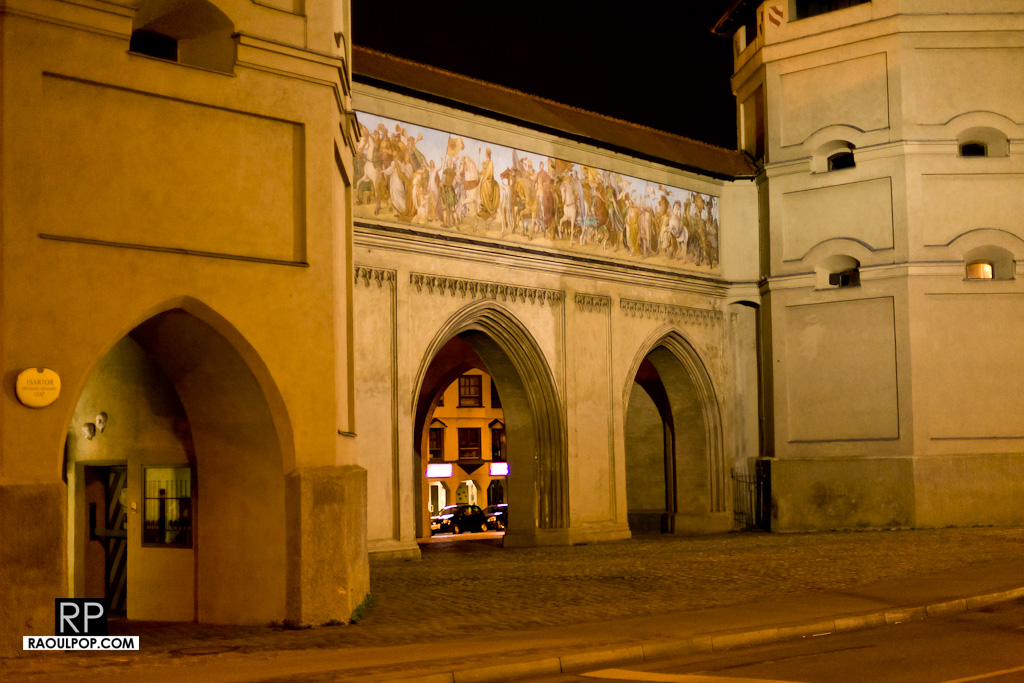
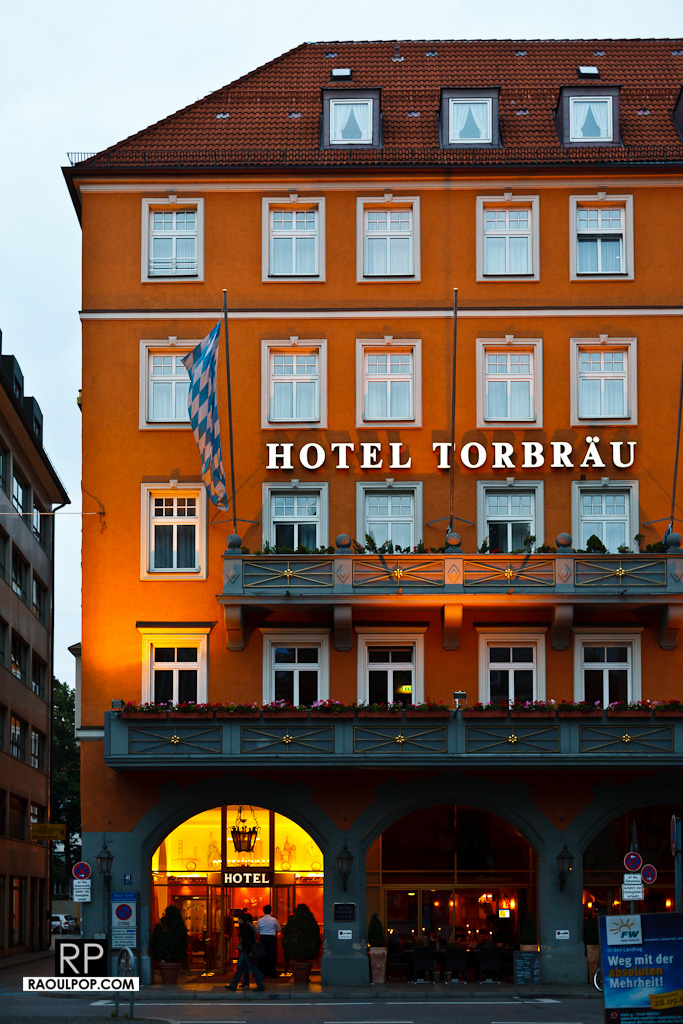
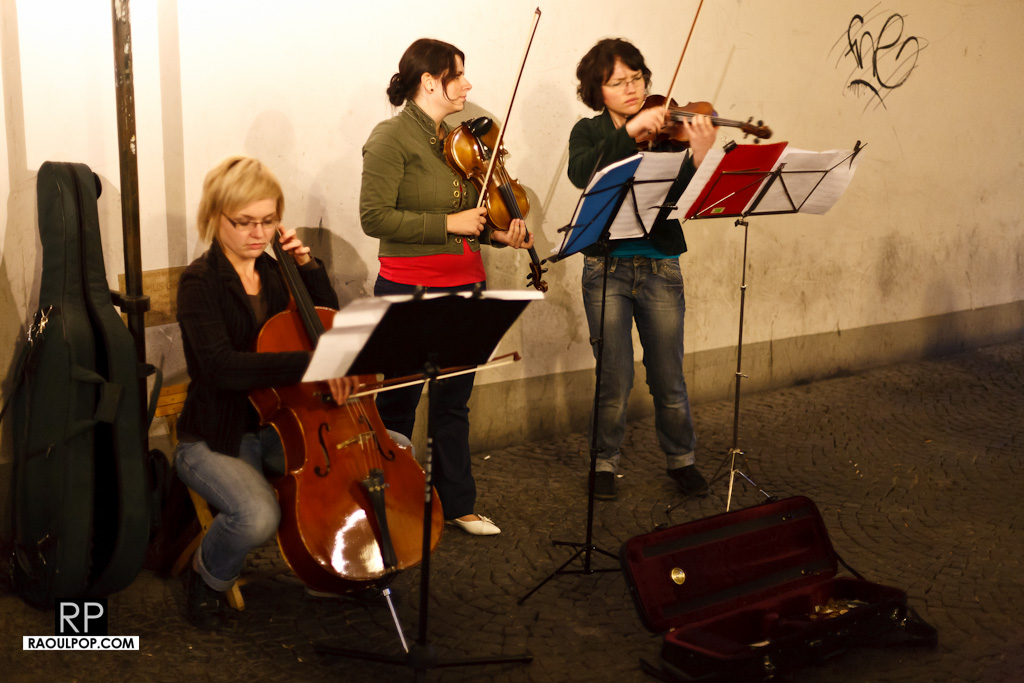
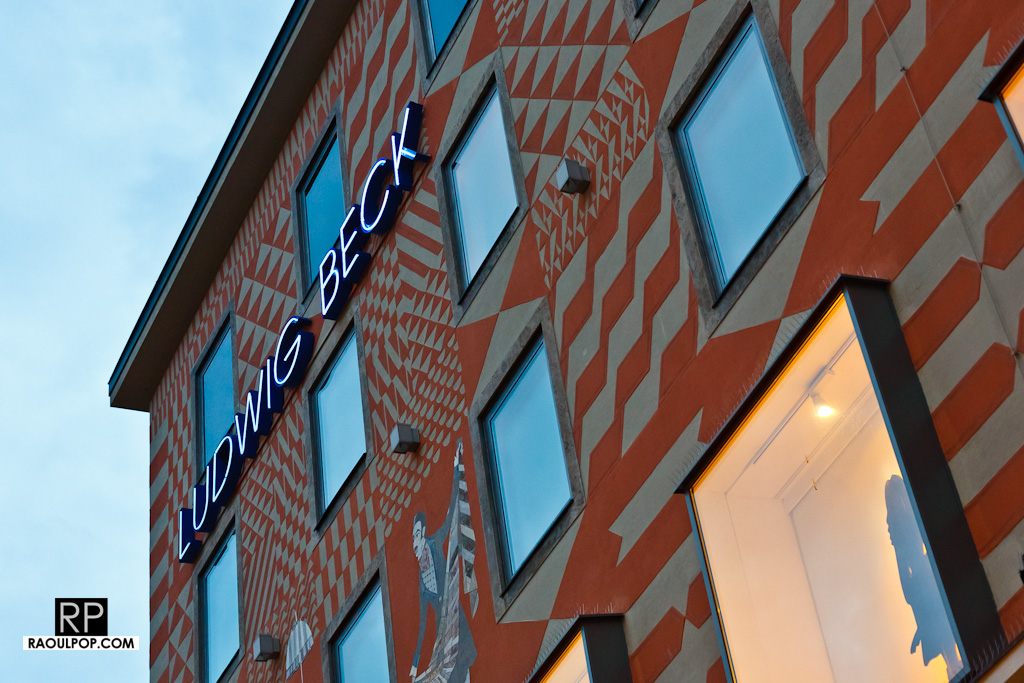
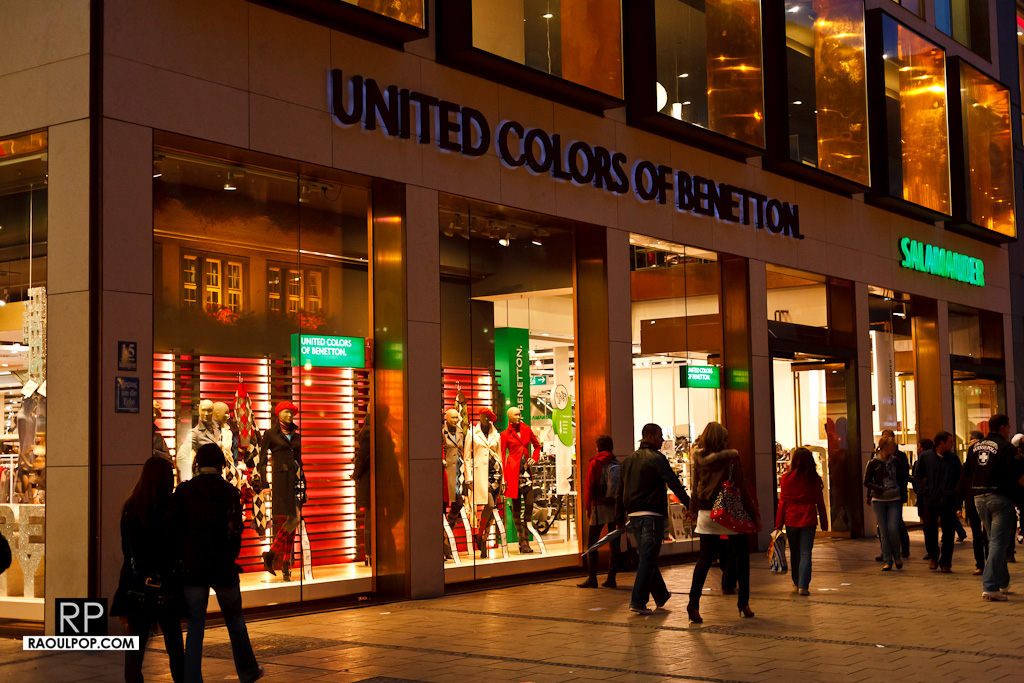
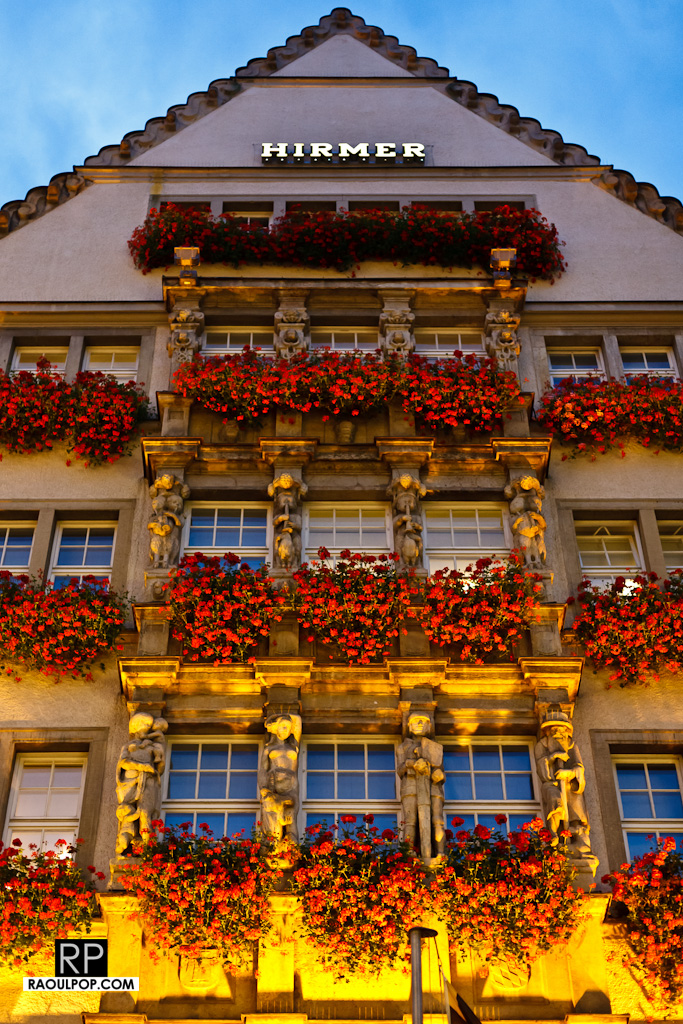
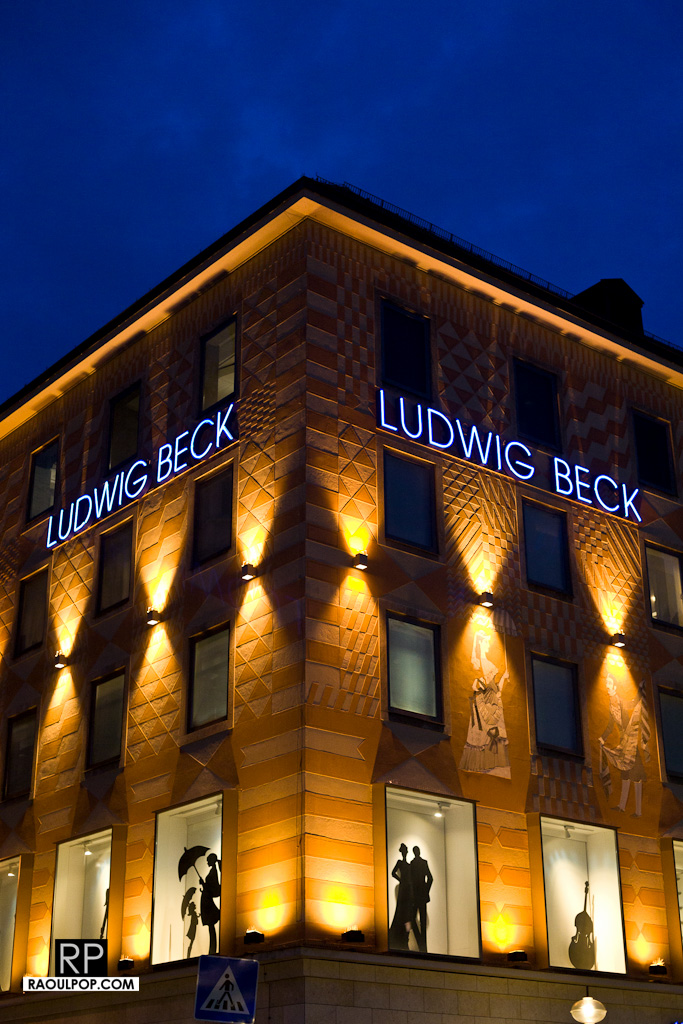
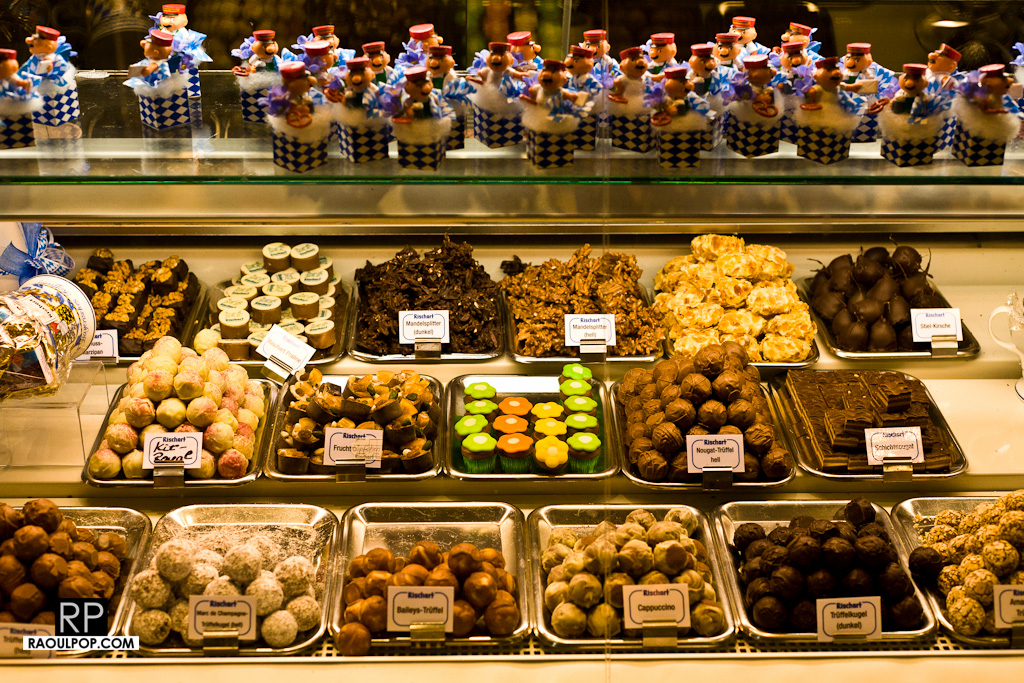
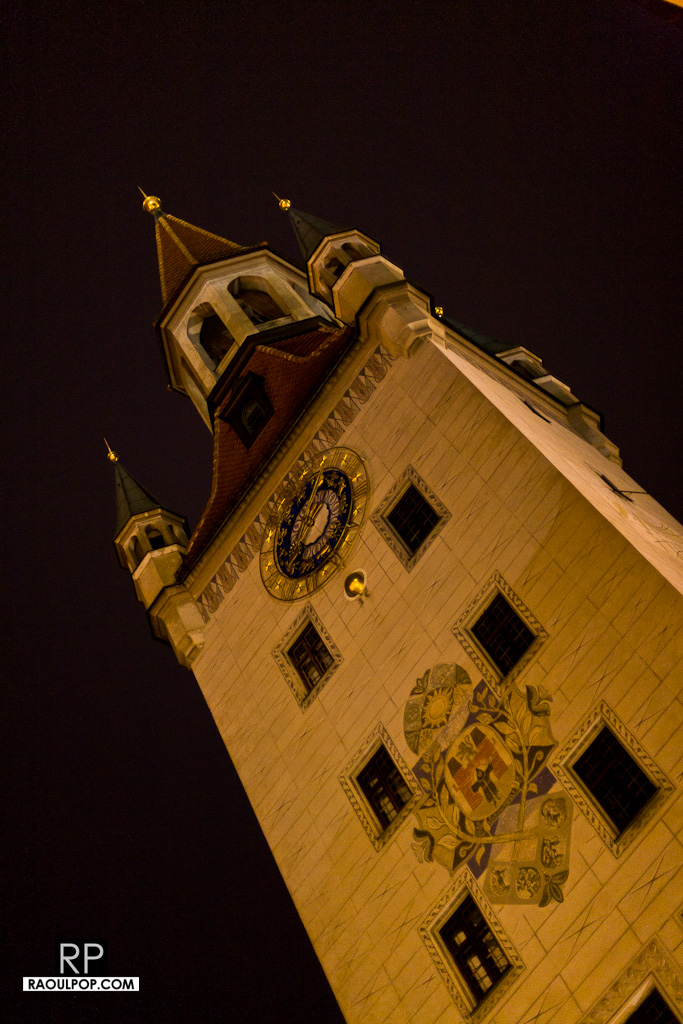
An evening in Munich

We were on our way back to Matrei from Innsbruck, we were tired, and we had a few more hours to drive. What to do? Stop in Munich for coffee, naturally! It was only a short detour of a little over 100 km from our route, so why not?

Coffee turned into a nice little evening walk through historic downtown. We arrived in Matrei really late and extra tired, but it was worth it.

Standard
Places

Crossing the Danube at night

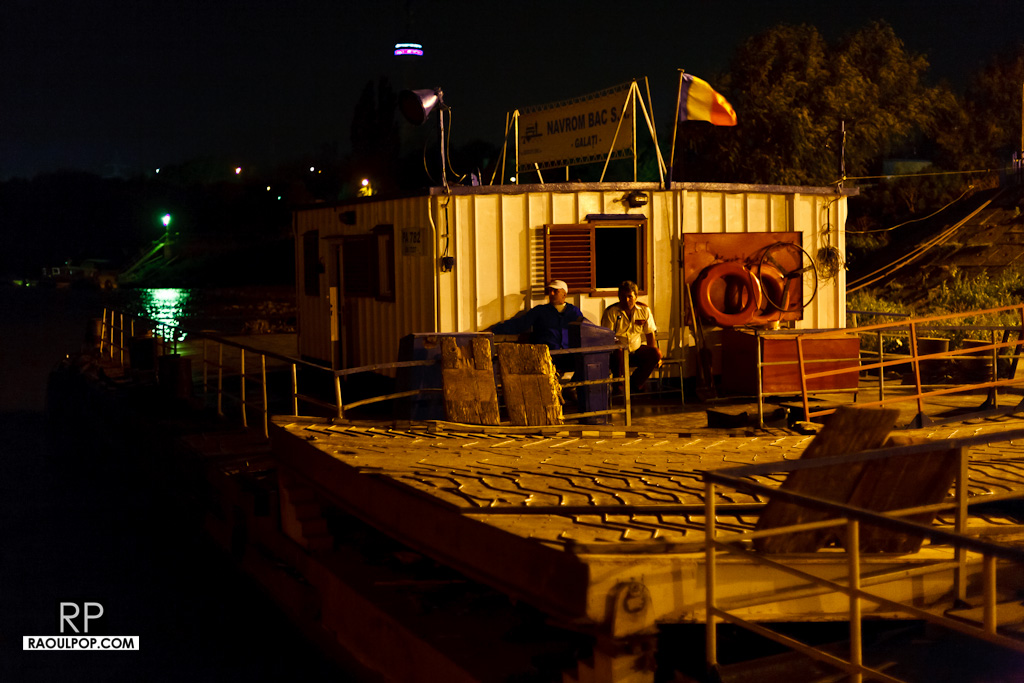
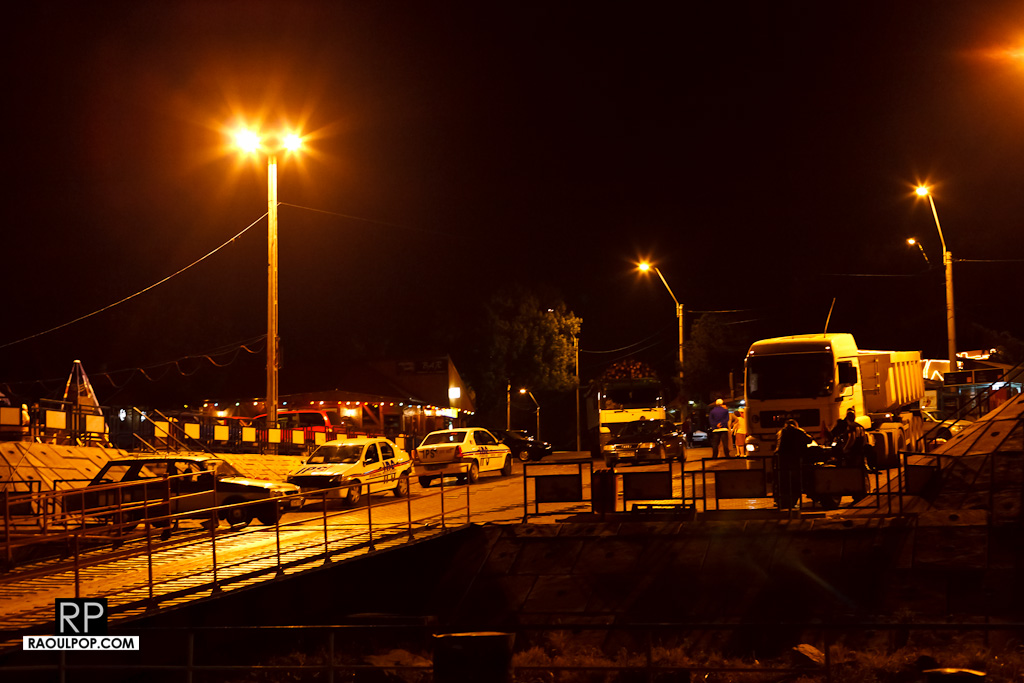
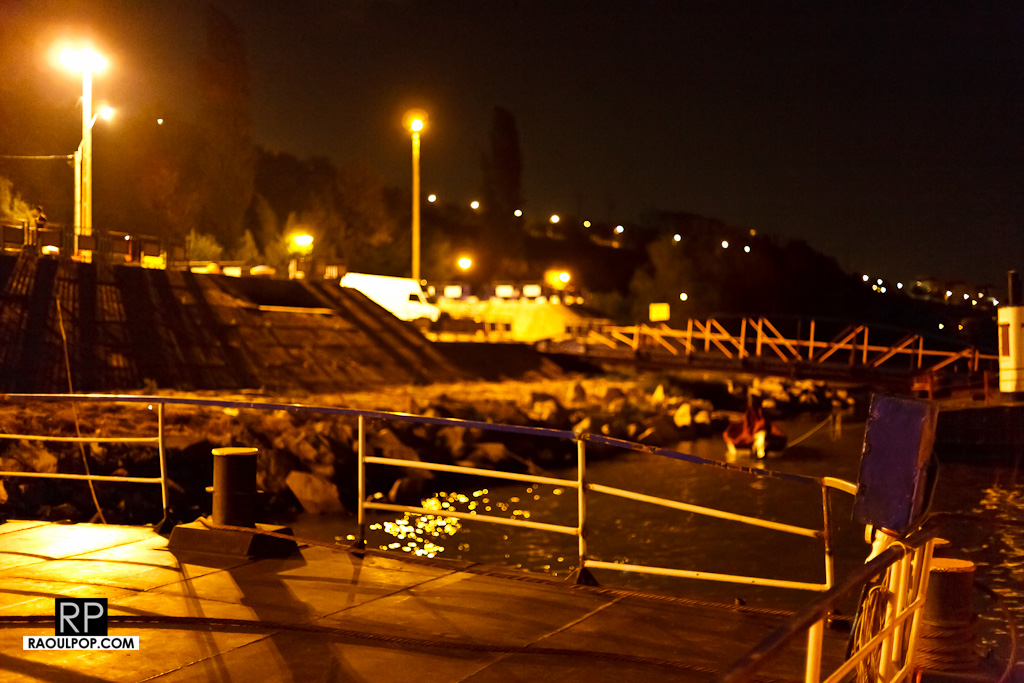
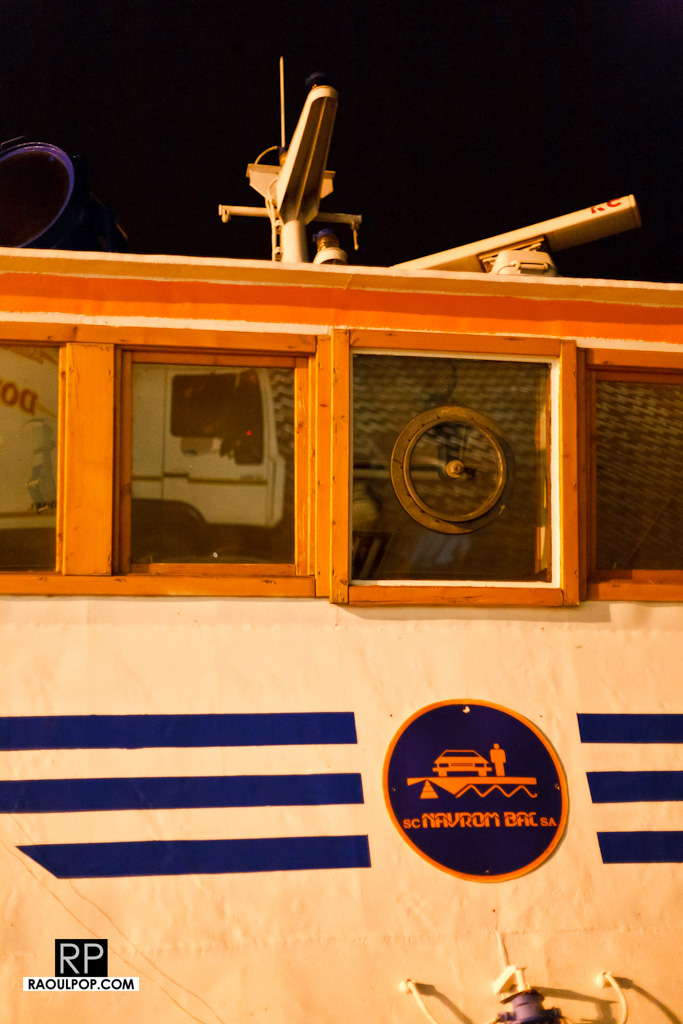
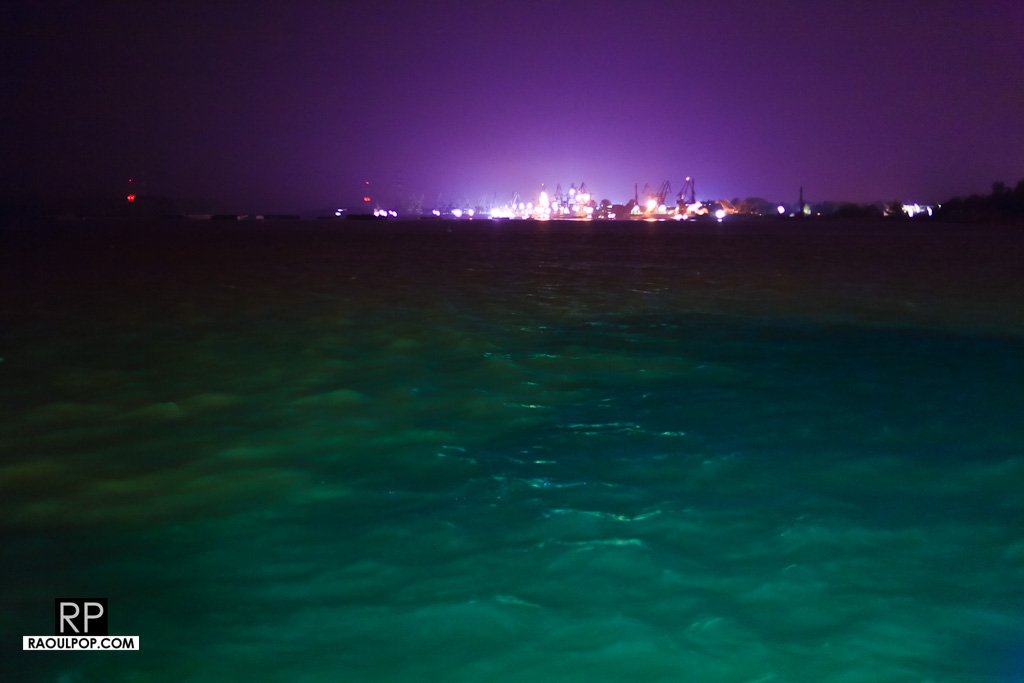
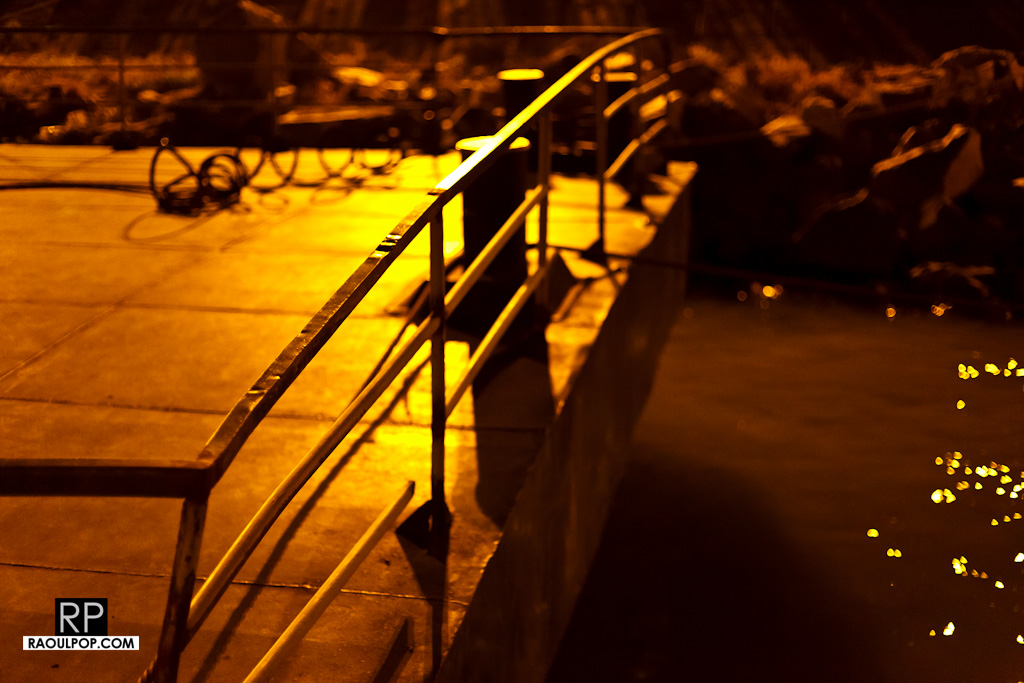
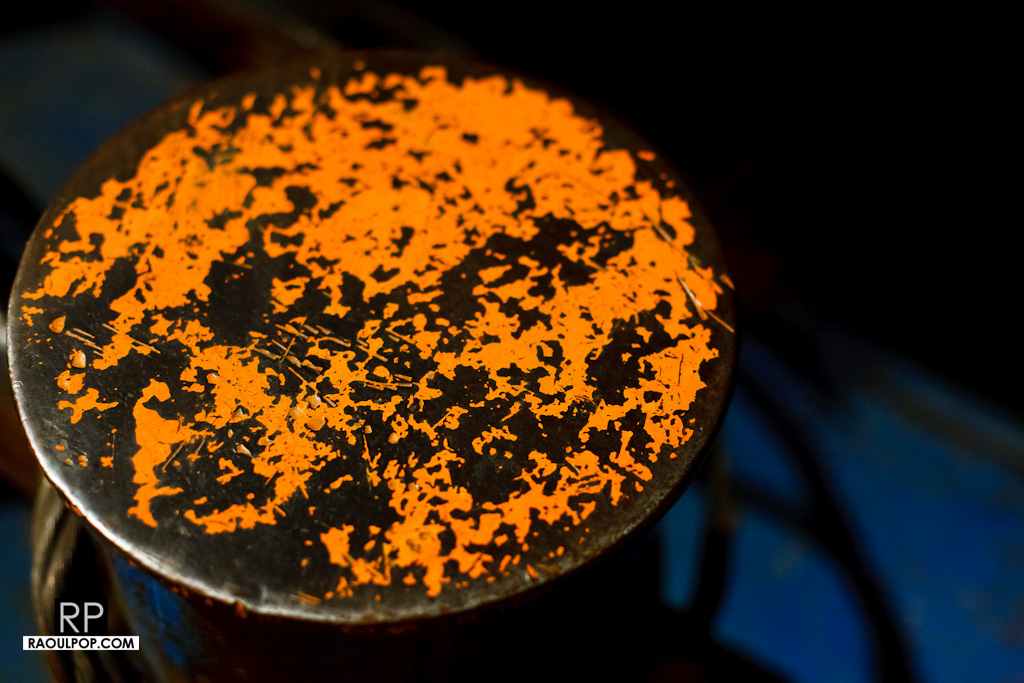
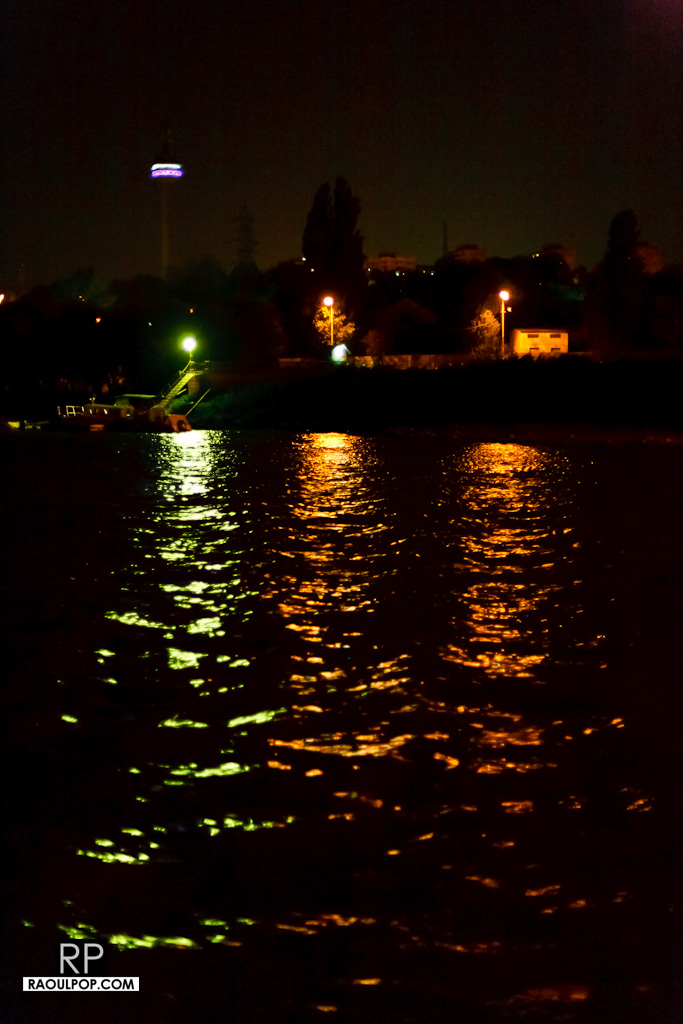
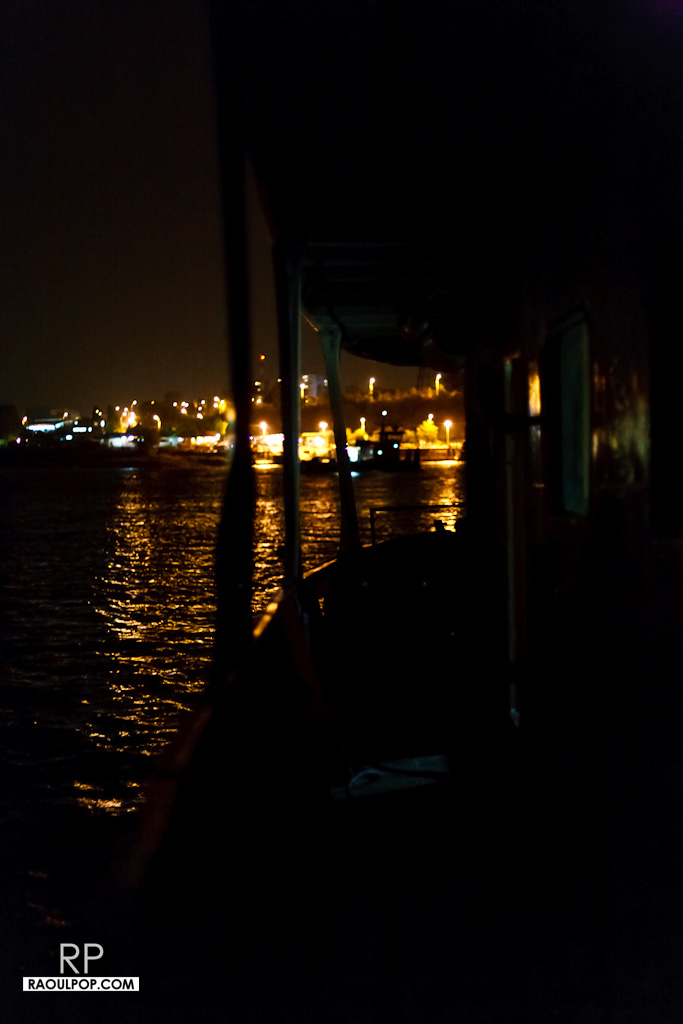
Selected photos taken at the Galati ferryboat crossing over the Danube River, in Romania. The atmosphere, the lights, the machinery, it all makes it look and feel like an otherworldly experience — a sensation which is all the more pressing if you’ve just been driving all day and you are exhausted.

While it’s interesting to ride on ferryboats every once in a while, it’s not fun to arrive at the crossing point and to find out they’ve closed for the night, or to pay ever-increasing fees so you can cross. This is not a comment on the Galati ferryboat crossing in particular, but a general observation on the nature of the ferryboat business. If you want reliable travel, you need a bridge, period. You may not be able to stop and take in the sights and sounds of the river, but you’ll get home on time.

Standard
Places

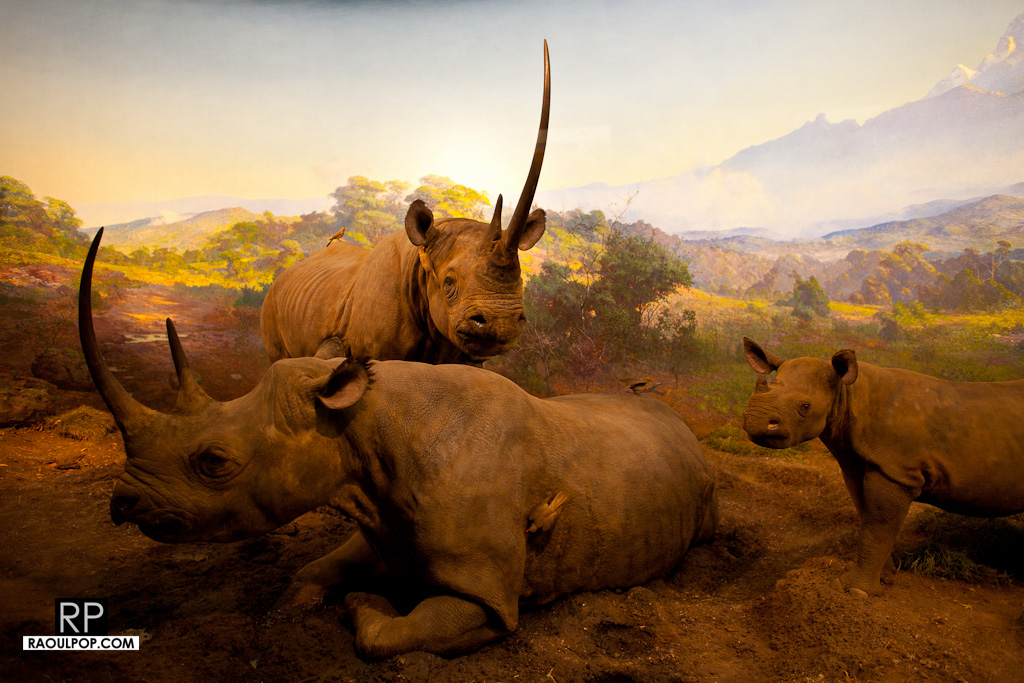
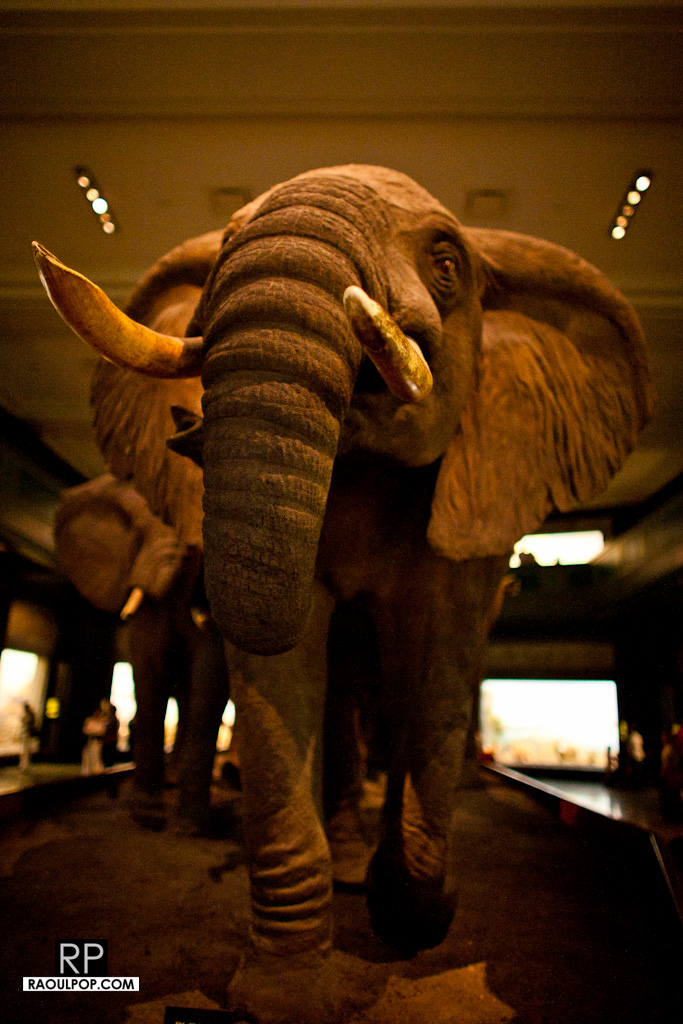
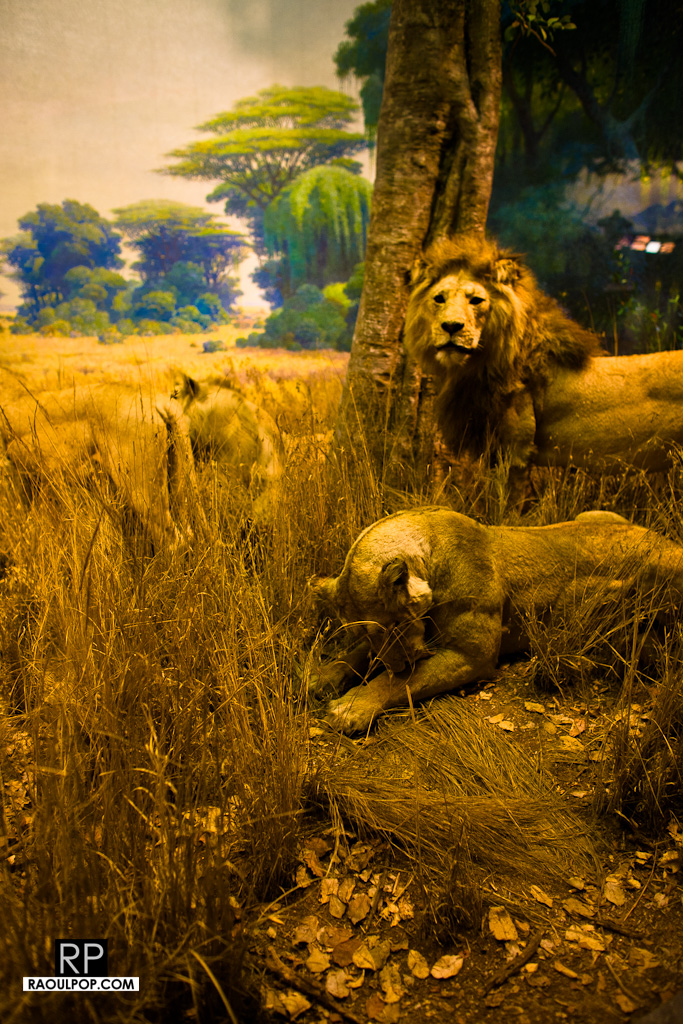
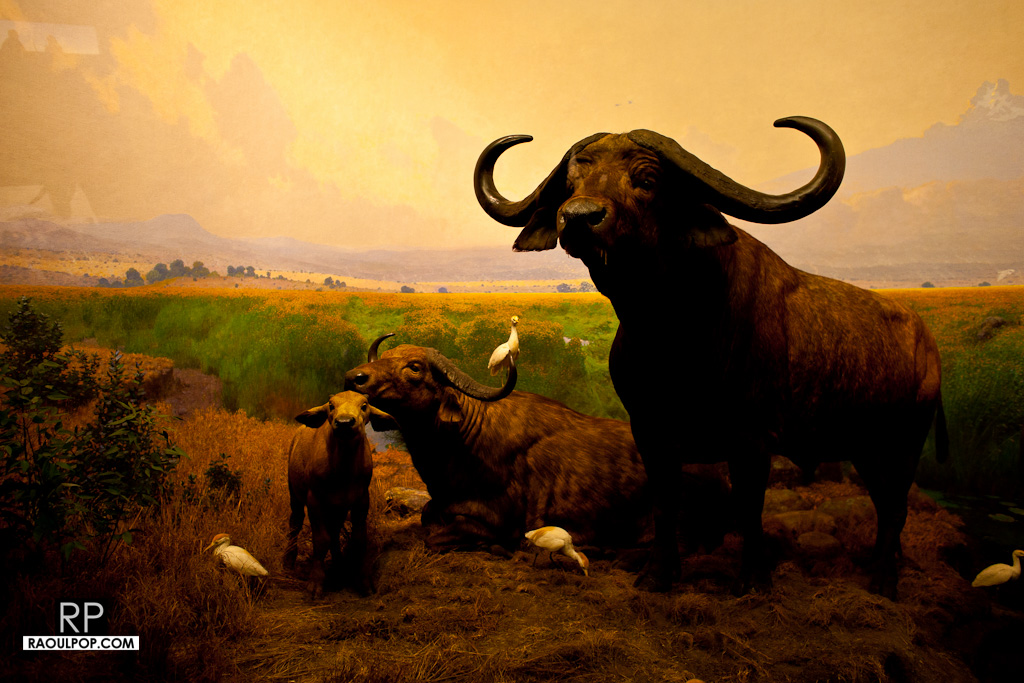
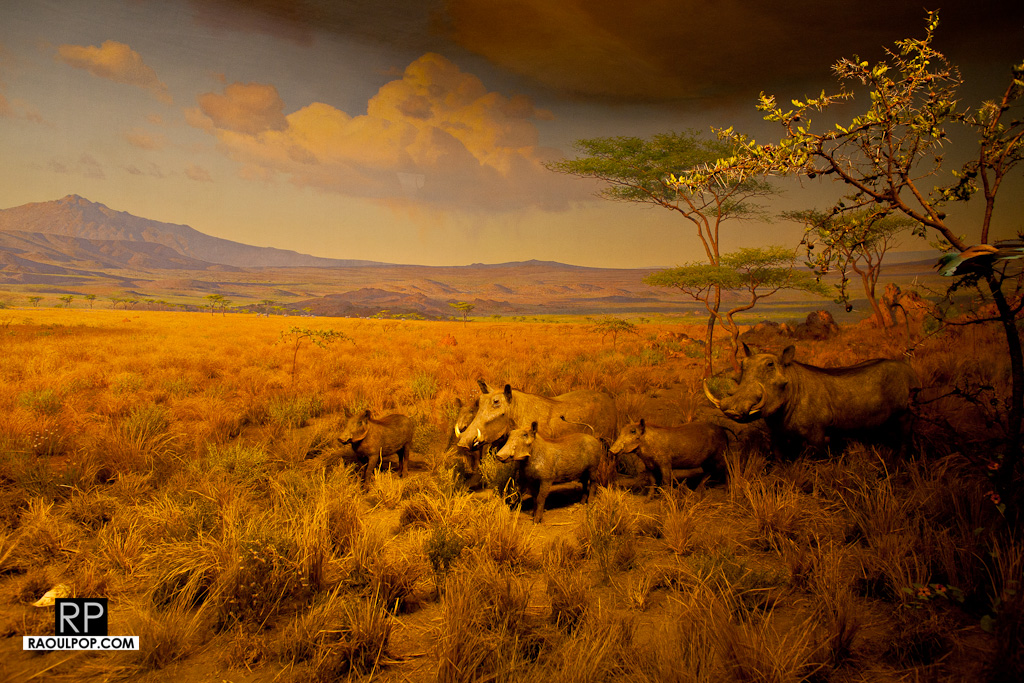
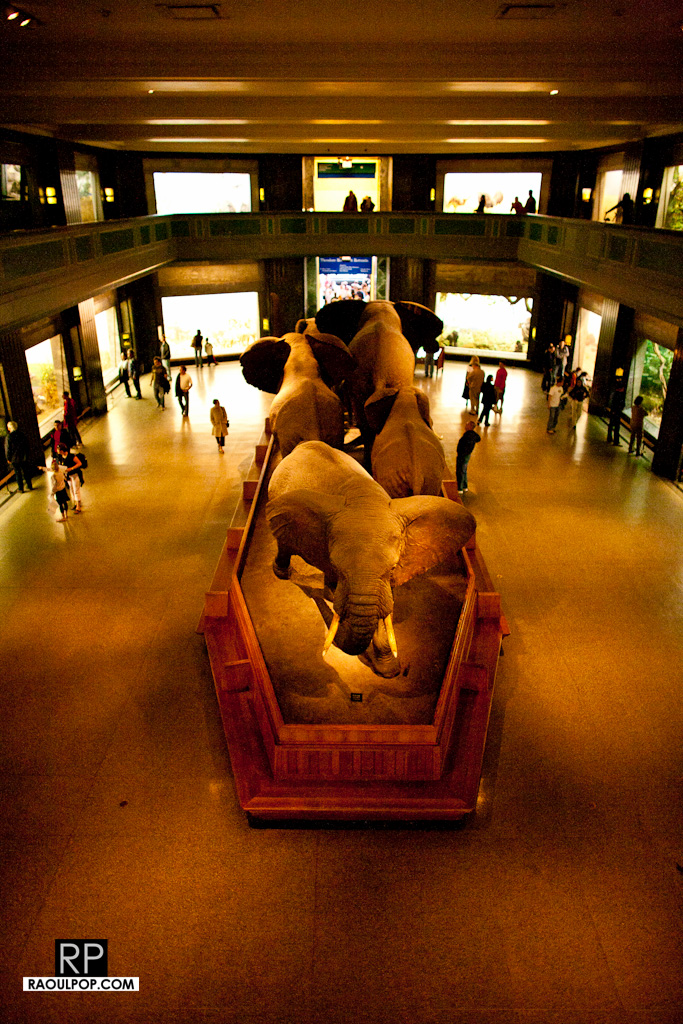
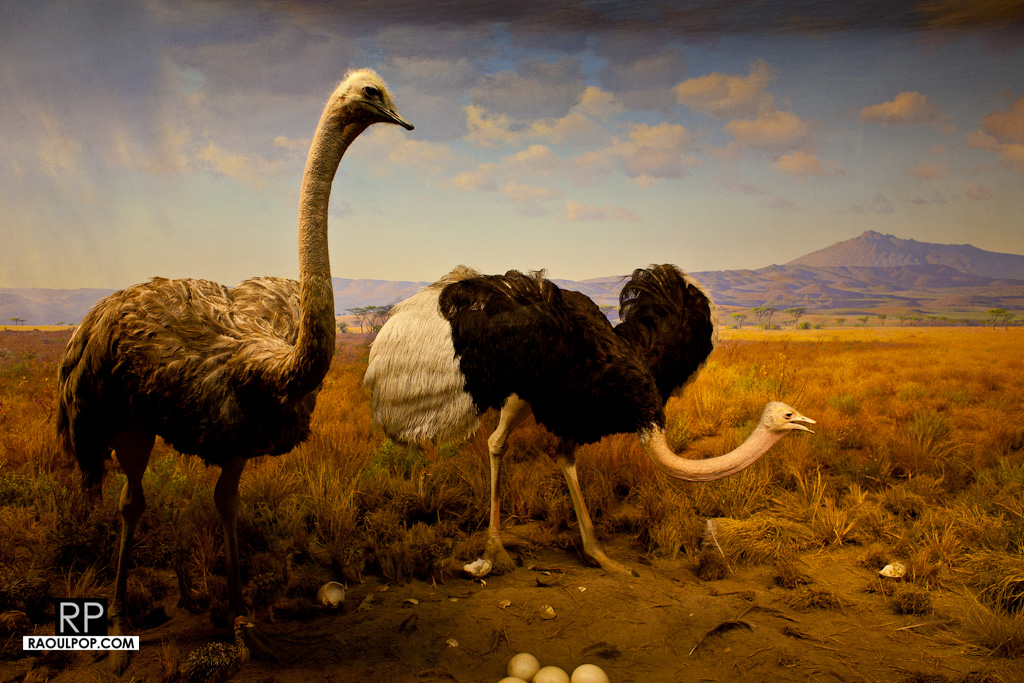
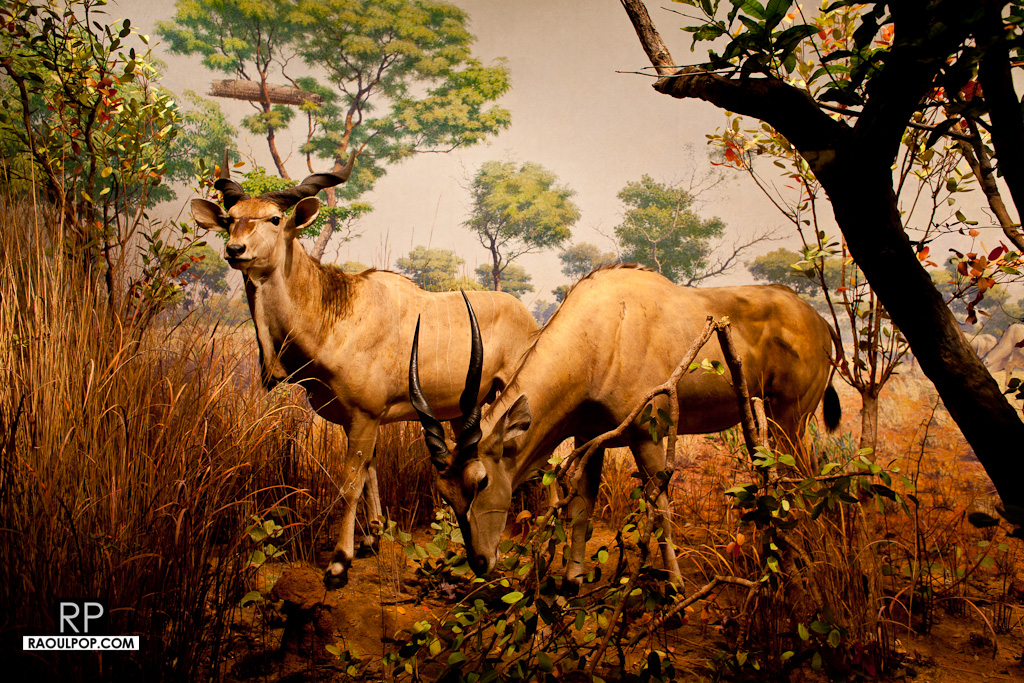
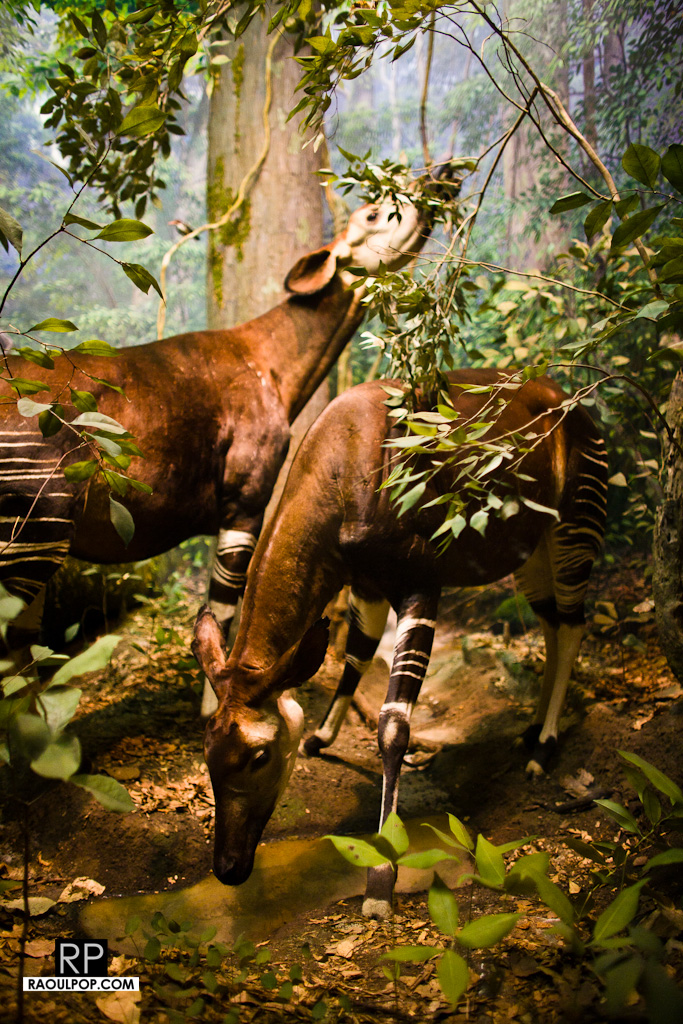
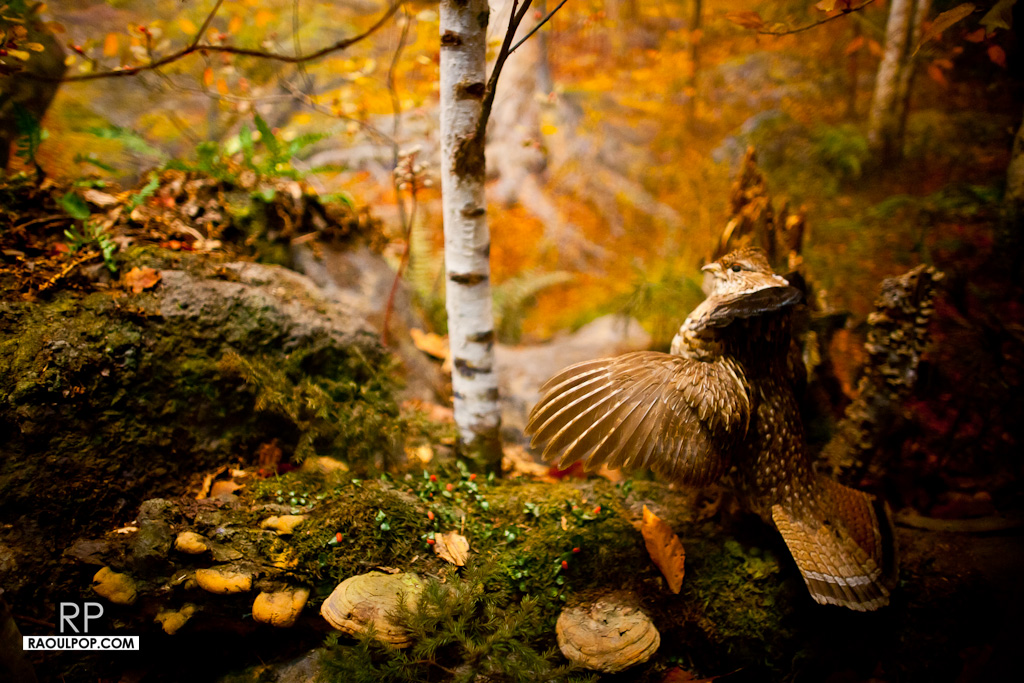
Taxidermy at the American Museum of Natural History, NYC

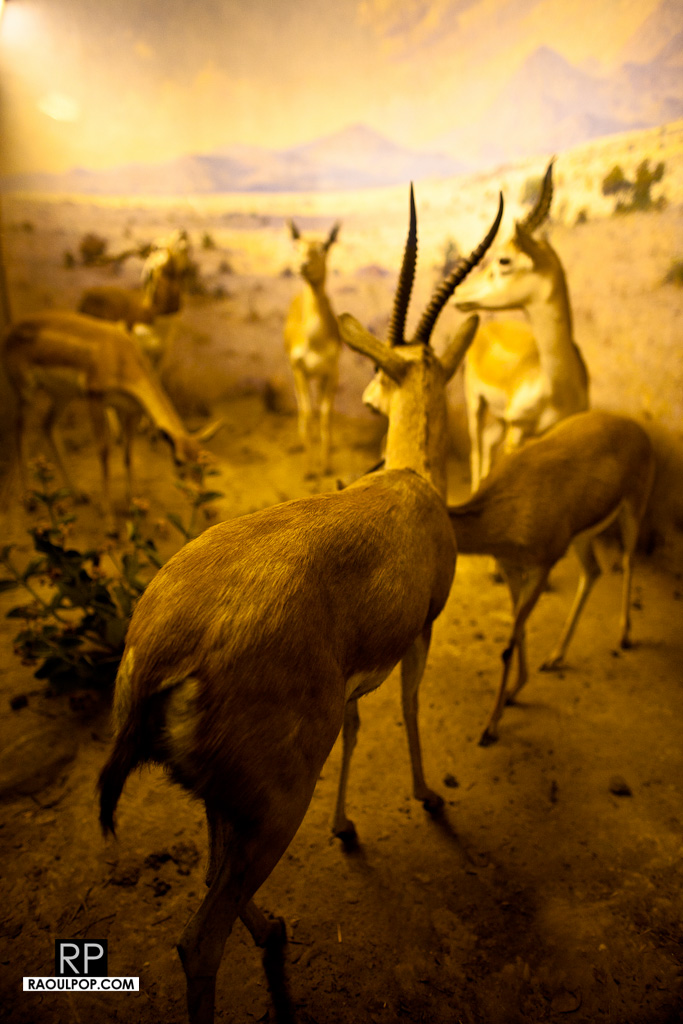
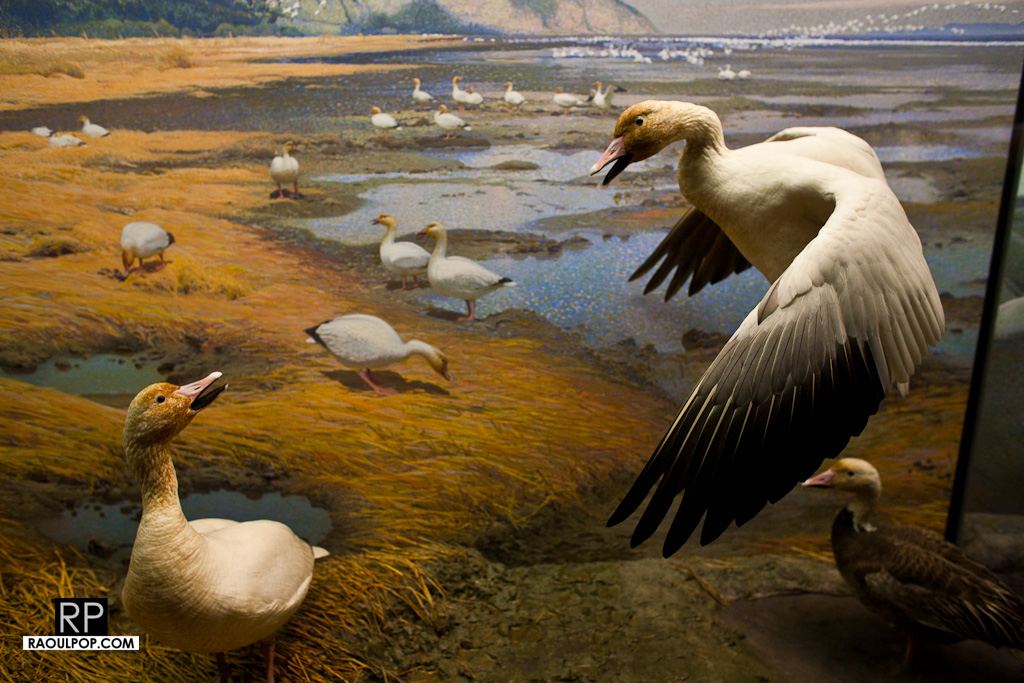
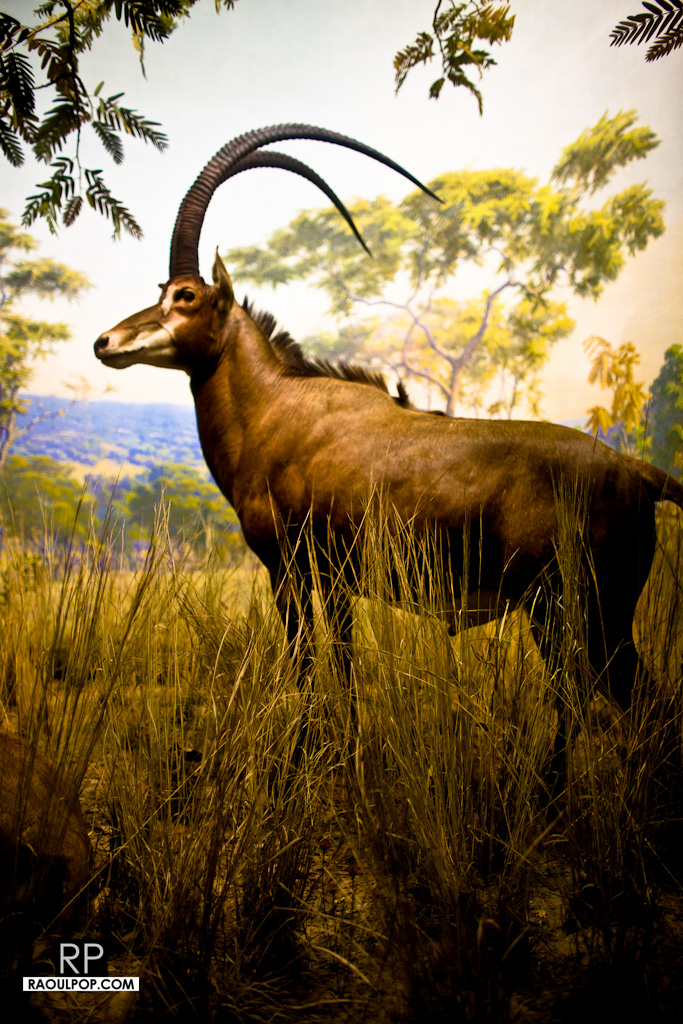
One of the most impressive exhibits at the American Museum of Natural History in NYC are the stuffed animals. The technical term is taxidermy, and if done right, it’s art. The pity is that it’s going extinct.

Of all the taxidermists listed on the AMNH website, only two are potentially living, and none of them work there anymore.

The last full-time taxidermist at the Smithsonian retired this year, which is a nice way of saying he was let go because there wasn’t work for him anymore. Did I mention his father and his grandfather were also taxidermists and also worked for the Smithsonian?

Perhaps most telling is that all of the taxidermists in the US can be listed on a single web page at Taxidermy Net. Now this is just a guess, but I bet most of them stick to fish and birds — you know, the kind of schmaltz you stick over the fireplace after you catch “the big one” — and they aren’t up to par with museum standards.

I suppose in the future, we’ll be dazzled with 3D computer renditions of animals when we go to museums. We’ll be able to pet them (or rather the air or the screen where they’re rendered), and they’ll react, but it’ll be a sad substitute. There’s nothing like seeing an animal in the flesh (in the skin, anyway). It stops you dead in your tracks to see the eyes, the texture of the skin or fur, the paws, the claws, the sheer brutality and mass of a beast that could tear you apart if it were alive. No computer will ever be able to replicate that.

Take your kids to see real taxidermy while it’s still around. It may not be around for their kids.

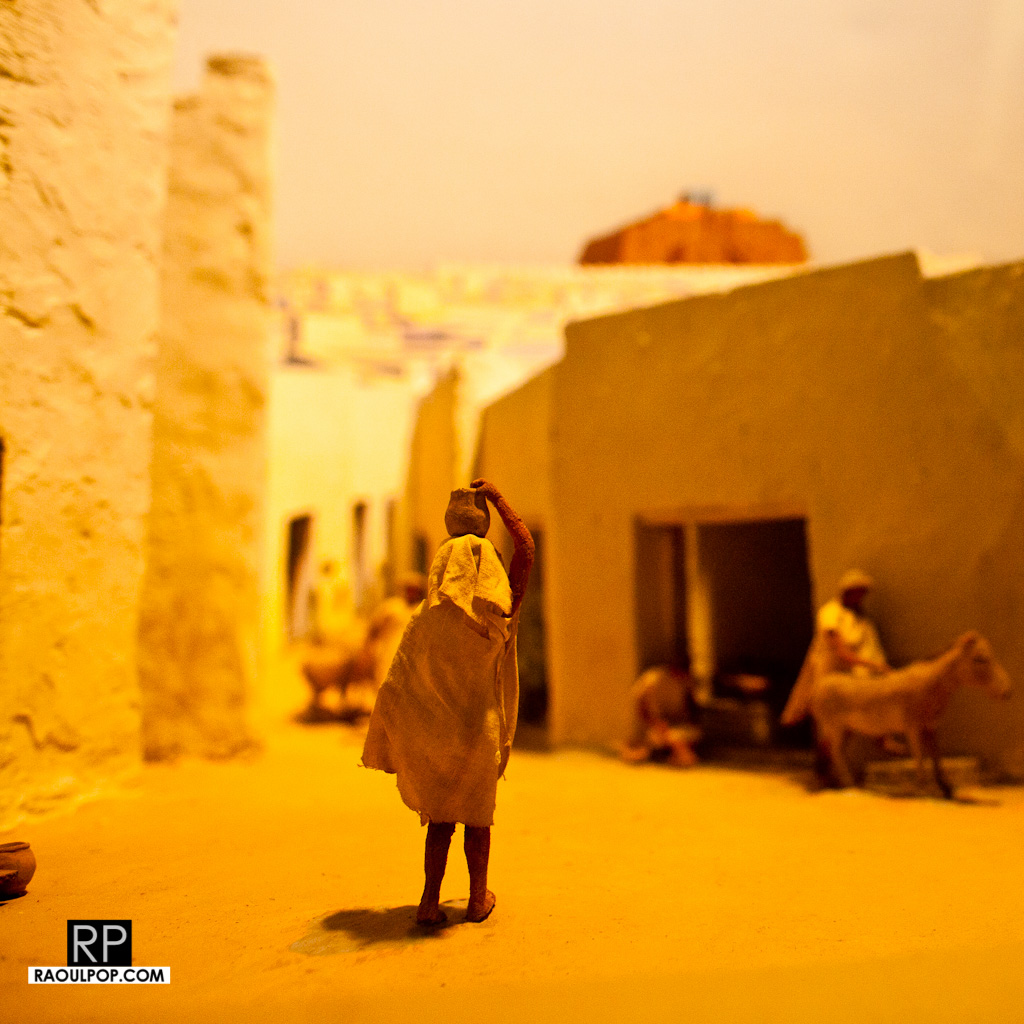
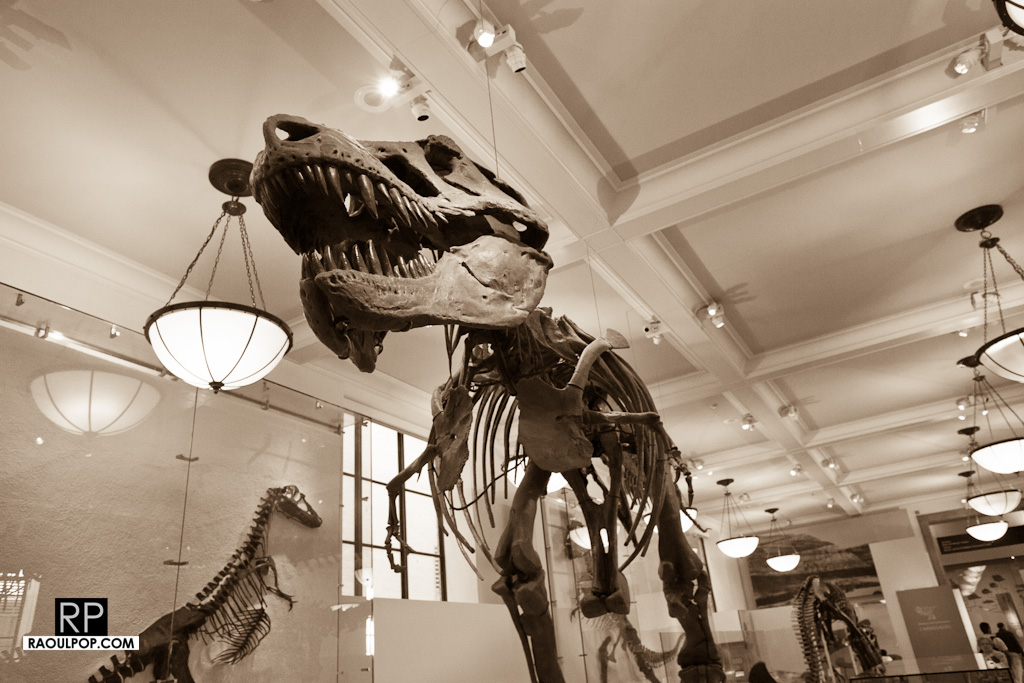
These last few photos aren’t examples of taxidermy, but they’re neat things to see at the AMNH.

Standard