Places

Selected photos from Kenilworth Park and Aquatic Gardens

The National Park Service now runs the Kenilworth Park and Aquatic Gardens, located along the banks of the Anacostia River. The park was built by the Shaw and Fowler families, who knew the value of preserving wetlands long before the government caught onto it. In it, they preserved waterlilies and lotus flowers, and kept pristine the original tidal marsh — now the only remaining tidal marsh in Washington, DC.
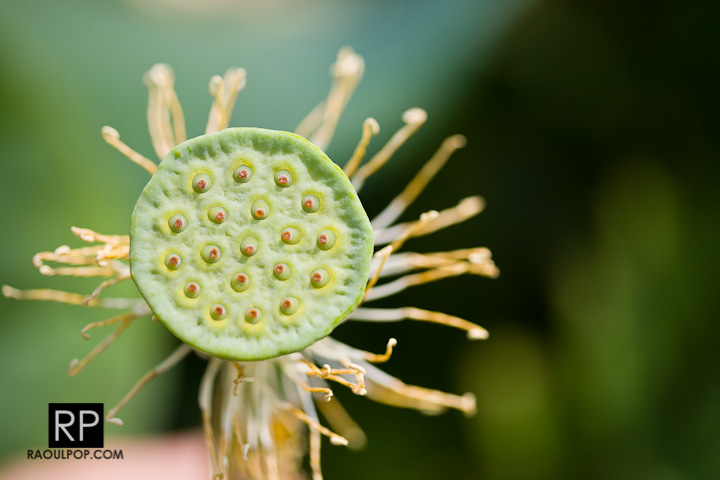
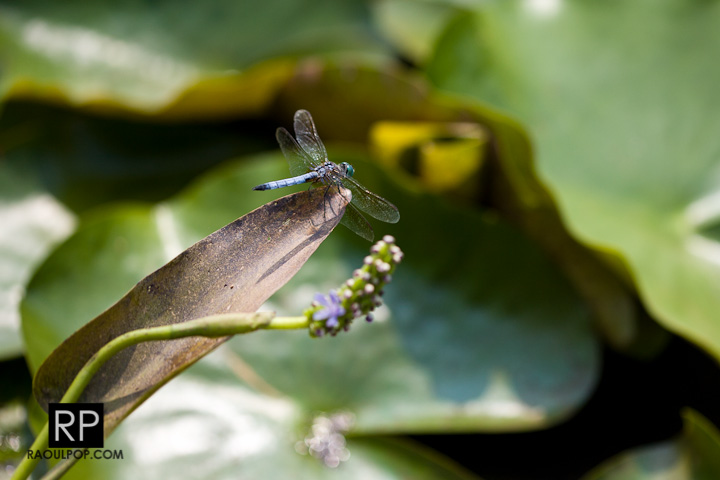
The park is home to a wide variety of flora and fauna once native to the area, but since destroyed by deforestation and development. It houses hundreds of species of birds, animals, flowers and plants.

In the 1900s, the wetlands in the area had been destroyed, because they were thought to be worthless, and by the 1990s, the Anacostia River had silted in, making it quite clear that the wetlands at least played a role in preventing that. So the local government worked with various agencies to dredge the river and rebuild the wetlands, some of which abut the Kenilworth Gardens.

Walter Shaw, a Civil War veteran, purchased the original plot of land in the 1880s, started planting waterlilies, then added more species over the years. In 1912, he opened it to the public. In 1921, when he died, his daughter, Helen Shaw Fowler, took over the park. By this time, the Anacostia River had begun to silt in, so the Army Corps of Engineers was called in to dredge it, and this endangered the park. Mrs. Fowler fought to keep it open, until Congress approved the purchase of the gardens for $15,000 in 1938 in order to preserve it.

Over time, more adjacent lands were added to the park. Now its total area is over 700 acres. One such stage took place in 1992-1993, when 32 acres of mudflats were restored to tidal marshes and added to the park’s domain.


Standard
Thoughts

15 things about the tongue

A few tidbits:

  • The blue whale has the largest tongue in the animal kingdom. It’s the size of an elephant and weighs 5,400 lbs.
  • The five known tastes detected by the tongue are: bitter, sour, salty, sweet and umami.
  • Tongue cleaning with a tongue scraper is proven to help prevent heart attacks, pneumonia, premature births, diabetes, osteoporosis and infertility in men.

15 Things about the Tongue

Standard
Reviews

Final tally of Energizer’s Advanced Lithium battery life

It’s been well over a year since I put the Energizer Advanced Lithium batteries in my Canon 580EX II speedlite. In February 2009, I was contacted by an ad agency working for Energizer, and invited to test out the batteries. I’ve been using them in my speedlite ever since, and they finally gave out about a week and a half ago, on June 10, 2010.

According to Lightroom, I have 1,209 photos in my library that were taken with the speedlite since February 4, 2009. That’s how long four of these Advanced Lithium batteries lasted in my speedlite! I think that’s quite impressive, both in terms of battery life (how many shots I could take) and shelf life (how long they lasted inside the speedlite).

Another thing to keep in mind is that I delete about 10-20% of my photos as I winnow. That means, theoretically, that I got about 1,330-1,451 photos with these batteries.

It’s also worth mentioning that I got 1,872 photos from my Canon 5D when I used these batteries in its vertical grip (six of them fit in there).

Given my sort of use for the speedlite, where it sits in my bag and only gets used from time to time, I think these batteries are the perfect choice for it. Those who work in the studio quite a lot, or use their speedlites out at events may find that rechargeable batteries, which have a much shorter shelf life but can be recharged hundreds or thousands of times, work best for them.

If you’d like to give the Advanced Lithium batteries a try, they’re available from Amazon.

Standard
Thoughts

That lovely sense of wonder

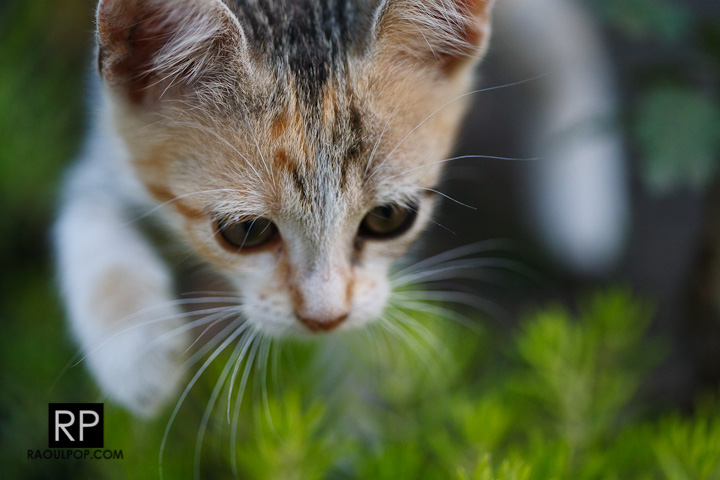
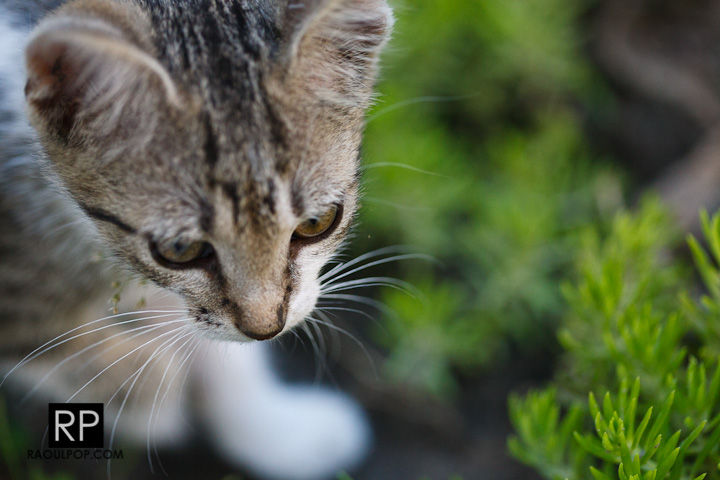
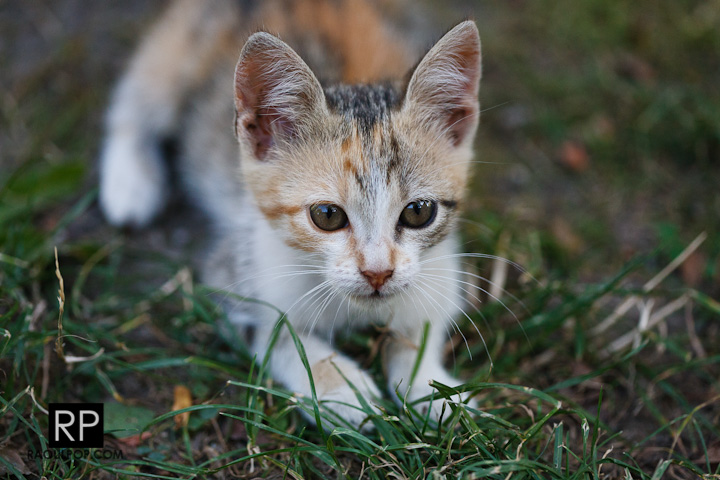
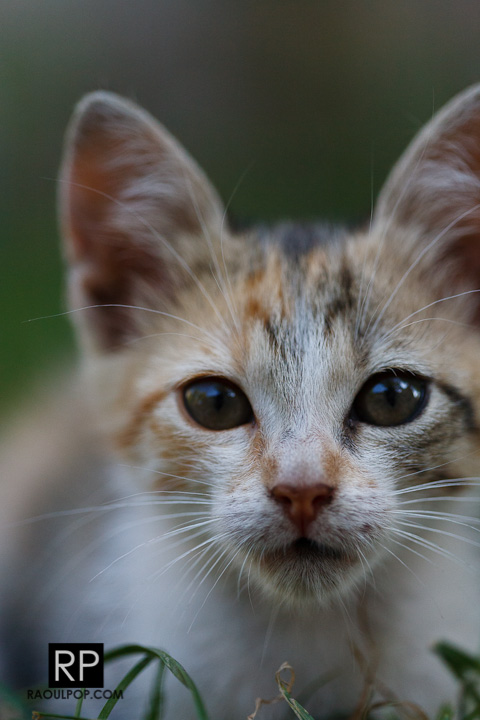
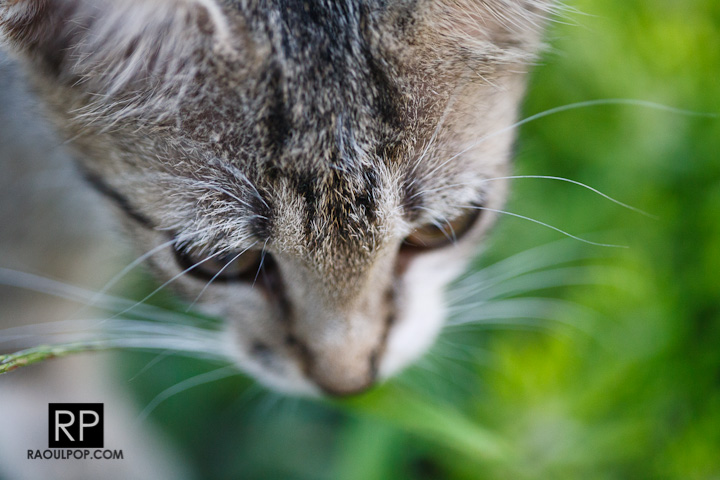
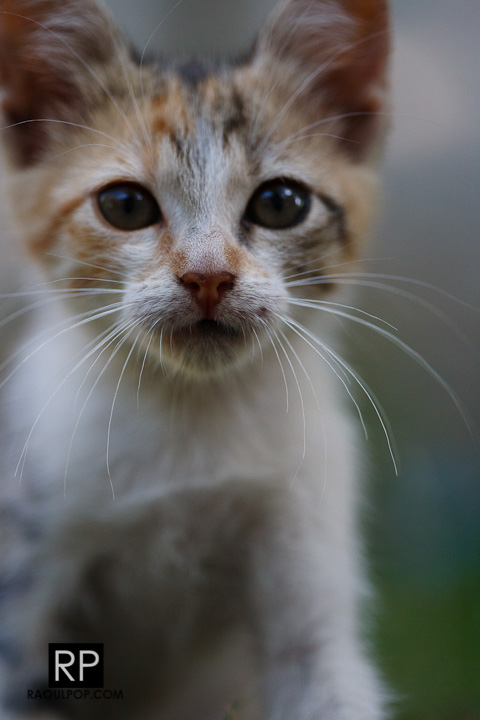
A kitten’s curiosity is such an endearing quality. They manage to look so adorable while exploring their surroundings, with their tiny, slender bodies, big heads and large ears. They’re so focused on what they’re doing, so concentrated on observing an insect, or why a leaf rustles when they paw it, that you can’t help loving them.

Standard
Thoughts

A neat talk by Peter Tyack at TED, entitled “The Intriguing Sound of Marine Mammals“, in which he explains the effect of human noise on the sounds made by marine mammals, and what’s being done to correct the situation. A few tidbits:

  • Better propeller designs decrease propeller noise by up to 90%
  • Insulating the engine chamber from the hull reduces engine noise by up to 99%
  • Slowing down the ships by 50% decreases overall noise and reduces fuel consumption by 30%

There’s also a cool cartoon at the end of the talk, called “Good Vibrations”, made by Jeremy Clapin.

Marine mammals, underwater sounds and shipping noise

Aside