A few weekends ago, we took an afternoon drive through the Southern part of Mures County (in Romania). We wanted to drive on side roads and get a better sense of the countryside. We mapped out the itinerary ahead of time. Here it is:
- Târnaveni
- Seuca
- Ganesti
- Mica
- Idrifaia
- Suplac
- Odrihei
- Croisânmartin
- Balauseri
- Fântânele
- Viforoasa
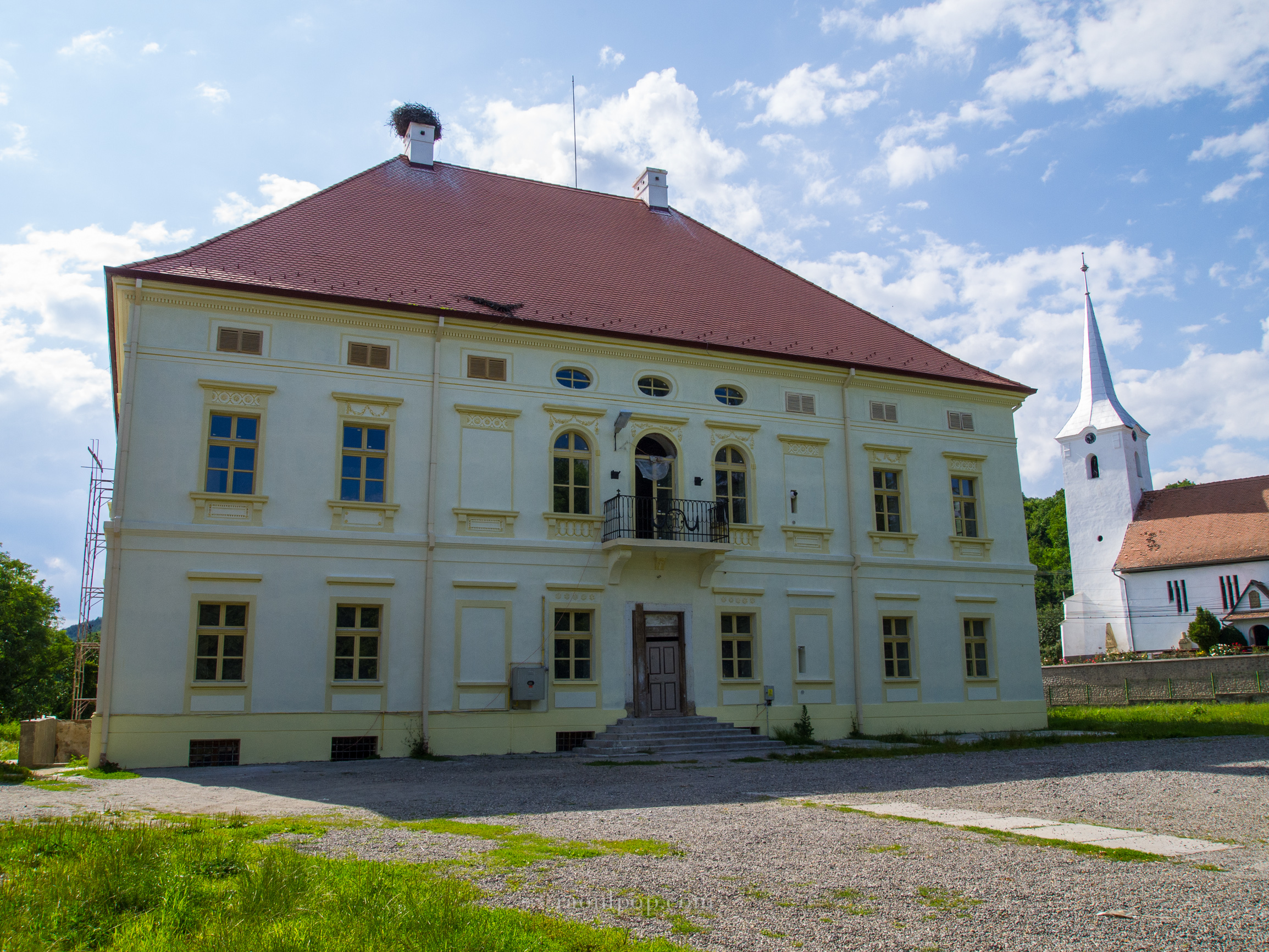
- Sângeorgiu de Padure (Castle Rhédey)
- Lacul Bezid
- Fântânele
- Bordosiu
- Vetca
- Jacodu
- Soard
- Vânatori
- Albesti
- Sighisoara
Road quality is an issue of concern in Romania. A lot of them need repair, a lot are under construction and a few are in pretty good shape. The state of a road doesn’t always correspond to its importance — in other words, an important road isn’t always in good shape, though it should be. We were surprised to find that a country road in the middle of nowhere was in really good shape while one of the main county roads was in bad shape; more on that later.
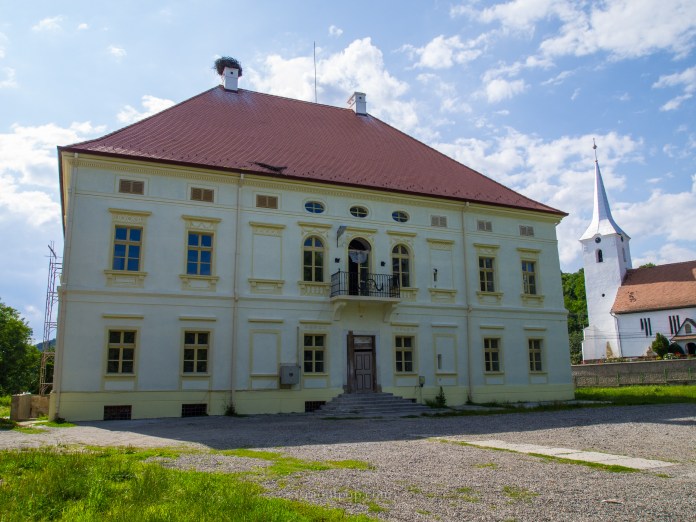
One of the places we wanted to visit was Castle Rhédey in Sângeorgiu de Padure. When we got there, it was closed due to renovations, so we drove on.
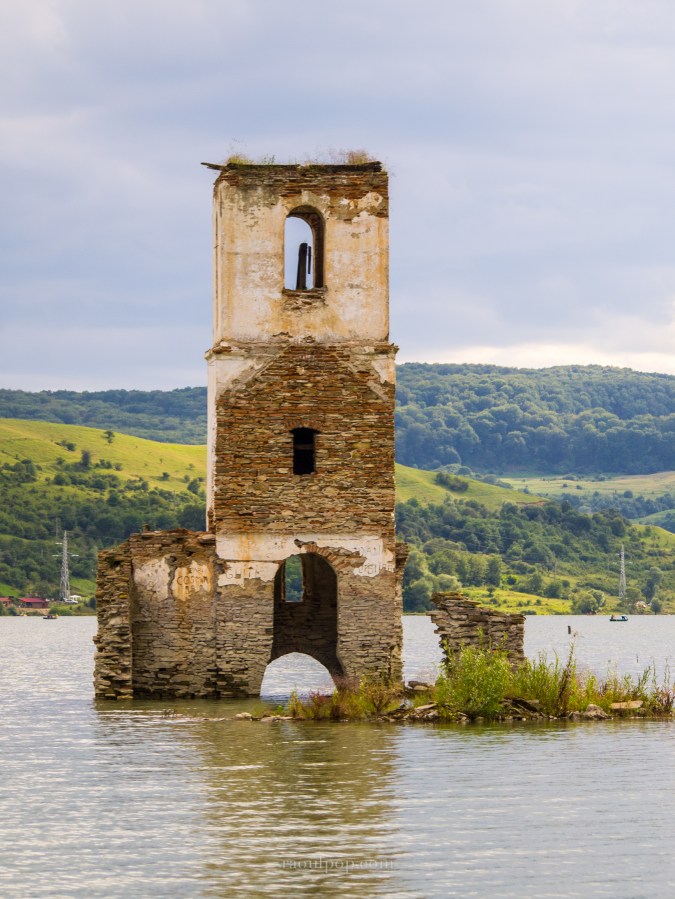
The next place we wanted to see was Lake Bezid. It’s a man-made lake, created by flooding an entire valley and a village in order to have a large water source for the surrounding region.


There were day campers on the shore of the lake and lots of people were enjoying the nice weather. We stopped a couple of times and walked around. Sophie was curious as always.

The ruins of some of the buildings from the old village of Bezid, now buried under the lake, can still be seen.

We drove around the lake, hoping to find a side road back to the main road, but there wasn’t one, so we had to turn back; keep that in mind if you visit it.
The map shows a country road that links Fantanele to Sighisoara. It goes through the village of Vetca, going through Jacodu, Soard, Vanatori and Albesti. If you should decide to take that same road, know you’ll get to a point (past Soard) where only the most able offroad vehicle will be able to continue, so plan on turning back and using the main road from Balauseri to get to Sighisoara.
We didn’t regret trying that side route at all though. The village of Vetca is made up of three smaller villages (Salasuri, Jacodu and Vetca) and it’s such a beautiful place that it’s worth visiting even though it’s out of the way.
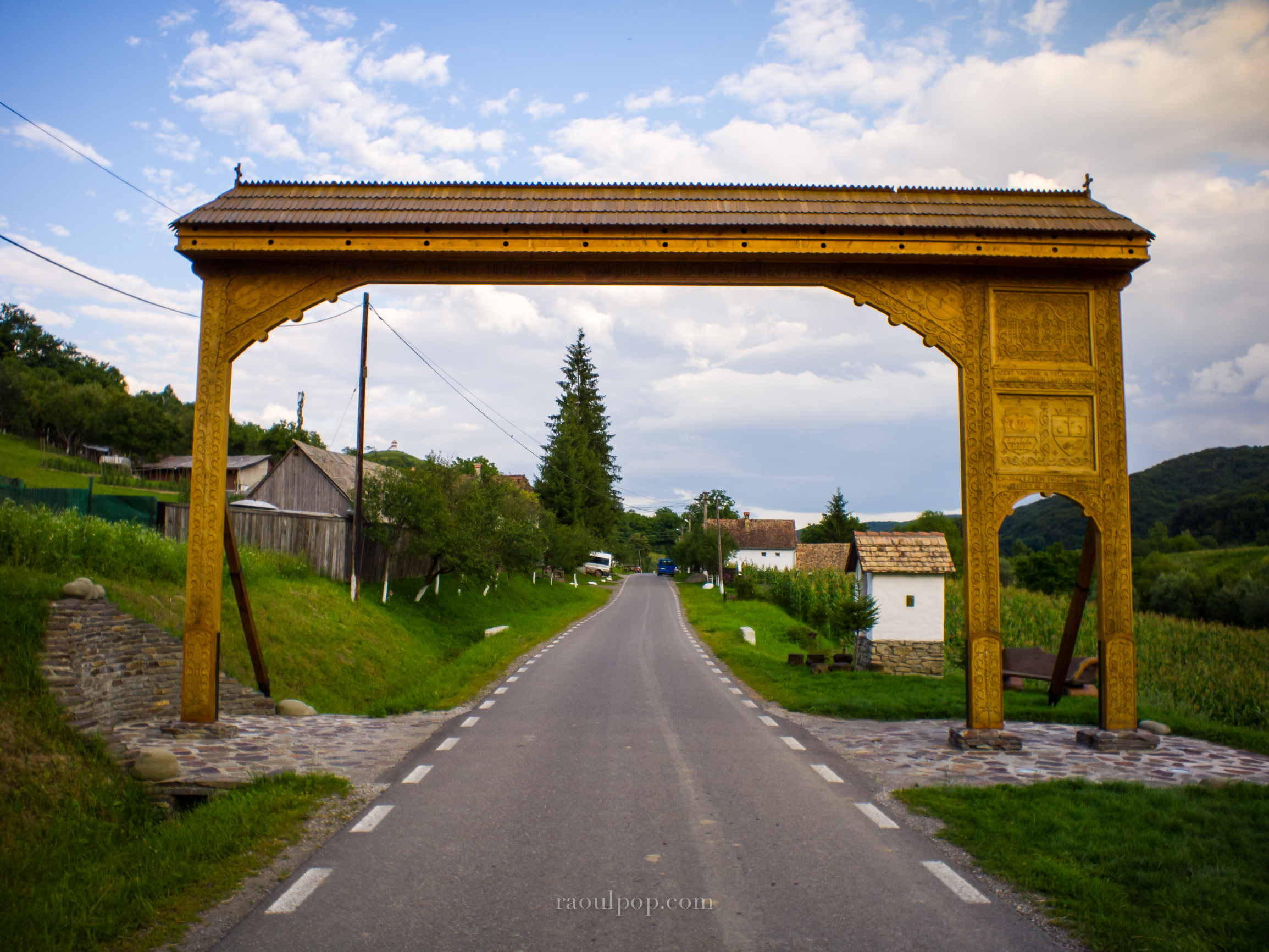
As soon as you enter the lands that belong to the village, you’ll notice the difference. Most notable is the quality of the road, which is in fantastic condition compared to other country roads we’ve driven on. Then you also notice there’s no garbage on the side of the road, that the fields are tended to nicely and most importantly, that the villages themselves are clean, well landscaped and the houses are well maintained. Some of the houses are downright picturesque, right out of a story book. See the photos below.


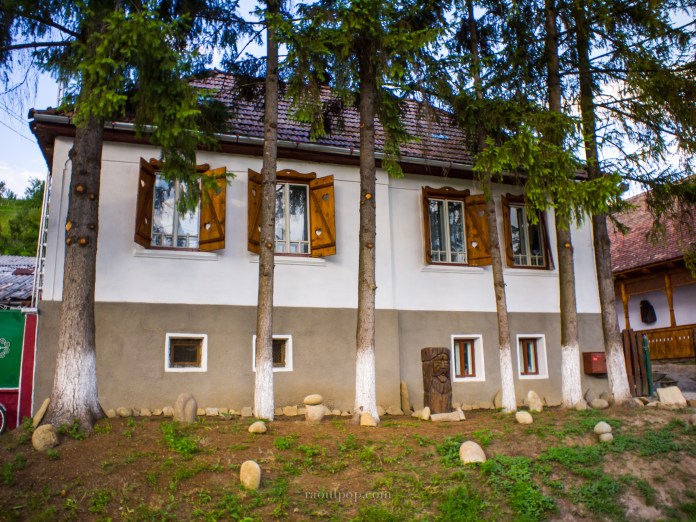

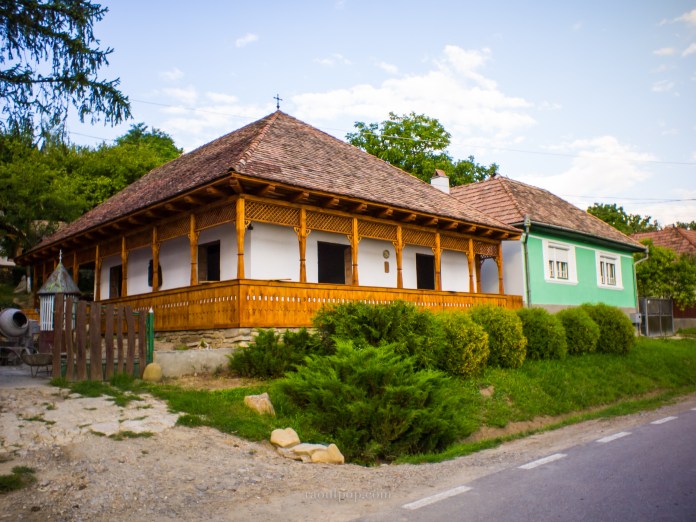

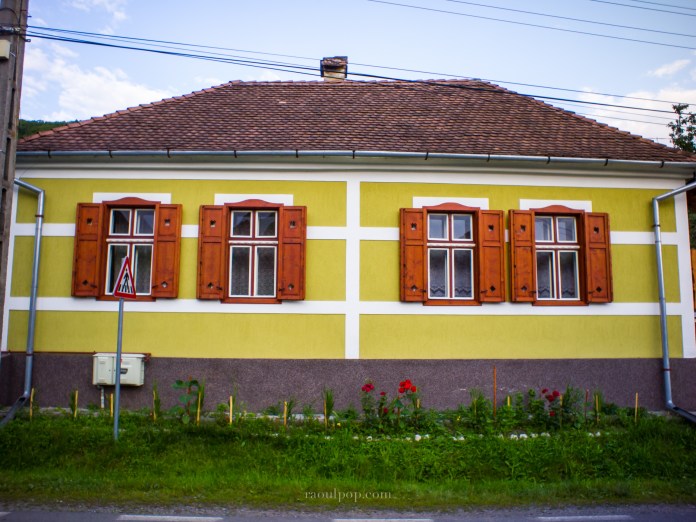
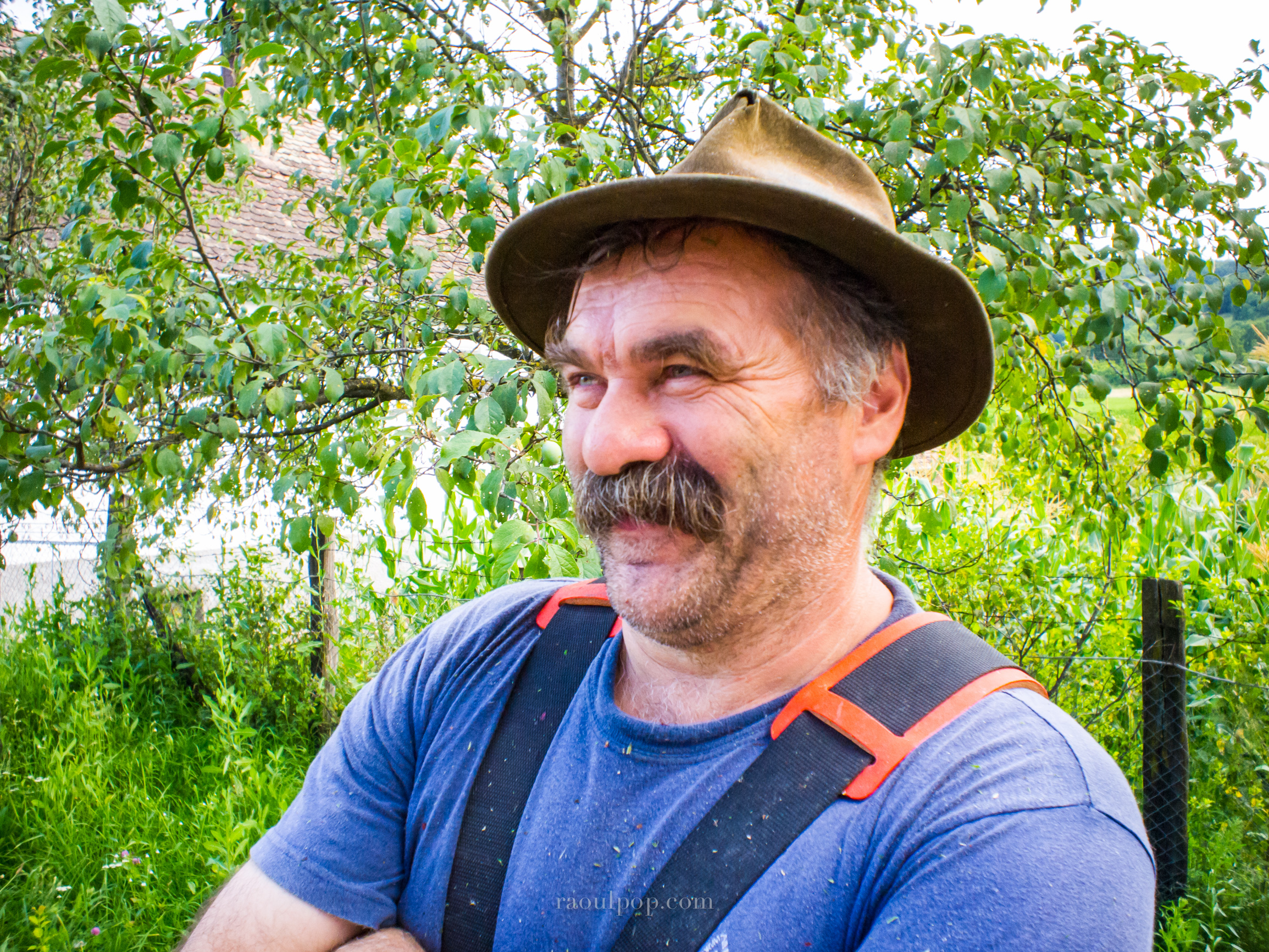
As we drove through and marveled at what we saw, we met someone by the side of the road, cutting the grass. We stopped to ask him what he knew about the beautiful houses. It turned out to be the mayor of the village of Vetca, Mr. Fekete Pál. We got to talking and found out he’s the man responsible for the quality of the road, the cleanliness in the village, and the little storybook houses you see in the photos enclosed here.
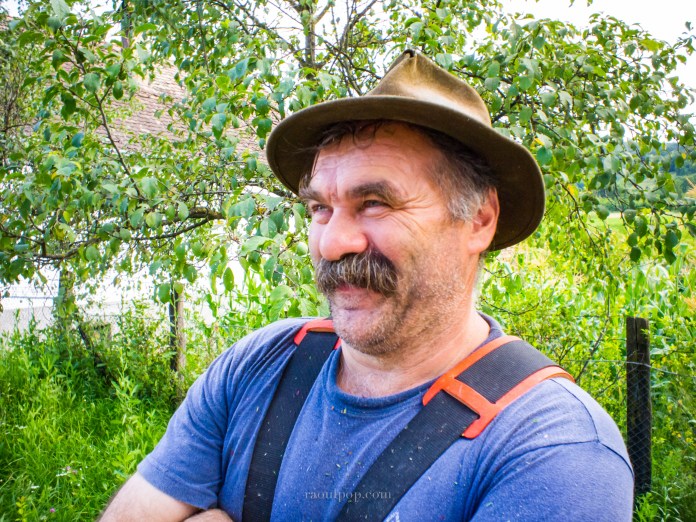
There are a total of 800 families in the three villages under his leadership, and they’re in the middle of nowhere, not in a major city. The revenues are what they are. Yet here is a man that managed to get a decent road built through his villages, to encourage the people to keep their houses and streets clean and also to renovate all of the beautiful houses I’ve shown here. So when I hear some mayor in a town or larger city complain about not having the funds needed to do his or her job, I’ll think of Mr. Fekete from now on. If he could do it, then it can be done. What these other mayors are lacking is the willpower and the inclination, not the funds or the help.
Mr. Fekete is clearly a man who isn’t afraid to get his hands dirty doing the actual work. Not only is he a builder, he’s also a sculptor in wood. The sculptures you see in front of the houses, the gates (including the big wooden gate at the entrance into the village) and all of the other woodwork was done by him.
When I left, I told him he’s achieved amazing things and he should be proud of them. I was glad to shake his hand and wish him the best.
If that country road had continued on from Soard to Vanatori, Albesti and through to Sighisoara, we wouldn’t have turned back, I wouldn’t have taken these photos and we wouldn’t have met Mr. Pál. Isn’t it interesting how things work themselves out? What you initially think is a setback turns out to be an interesting adventure!
Hope you enjoyed the photos!














 Raoul Pop