A Guide To A Good Life

Fat clothes for fat people

This post is a bit of a rant, but it’s something that’s bothered me for some time. Now that I’m married, I’ve found that Ligia has the same problem as me. We have a really hard time finding clothes that can fit us. It seems that clothing manufacturers out there have geared all of their clothes production toward fat people. I would even go so far as to say that we (and by we I mean thinner people) are being discriminated against. (I’m grinning as I write that…)

Every time we go to a department store, we can’t find clothes our size. For example, my pant size is 30″ waist x 32″ inseam. There is no such pant size in most places. I kid you not, try finding it. My shirt size is 16-16 1/2″ neck with 34-35″ sleeves. At that size, the shirt’s waist is gigantic. Somehow, they must think only extremely fat people wear those sizes. Have a look below to see how one of those shirts fits me. It’s absolutely ridiculous.
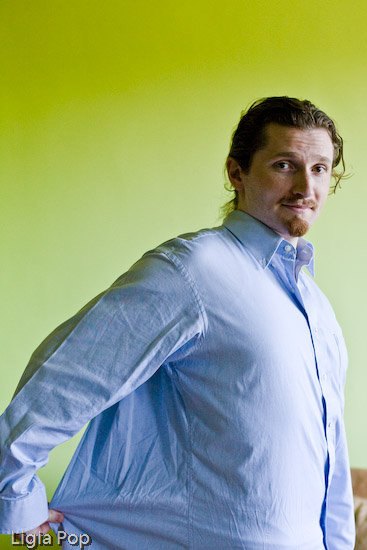
A shirt made for fat people

Ligia took these photos. As you can see, any way you look at it, there’s a ton of extra material around the waist, and on the sleeves. That material doesn’t belong there. I’m trying my best to manage a goofy expression, and yeah, I look pretty goofy…
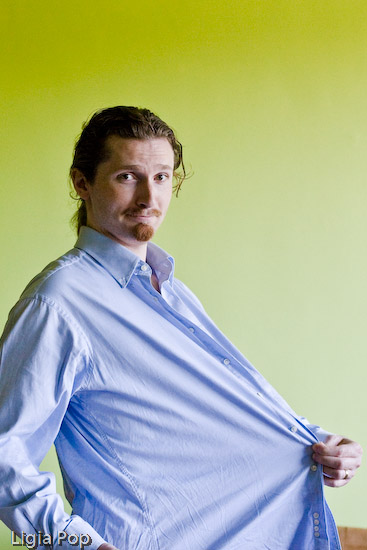
A shirt made for fat people

I always have to find all sorts of creative ways of tucking my shirts in my pants, and I’m fed up with it. If I want well-fitting shirts and pants, I have to pay more. I shouldn’t have to pay 40-70% more for a piece of clothing simply because clothing manufacturers think everyone’s fat. Not everyone is fat!

Ligia has it even worse. She wears XS or size 2 clothing, but most of the time, those sizes are much too large for her in adult clothes. She has to go hunting around in the children’s department to find clothes that fit her. She’s a full-grown woman, past 25 years of age. She shouldn’t have to do that just so she can dress herself. We’ve honestly tried all sorts of stores. We’ve been to more expensive stores, including specialty petite stores, and still we have a hard time finding clothes in her size at reasonable prices.

I realize the trend these days is to get fat and fatter. We Americans have it too good. We’ve all got our particular excuses, but that doesn’t excuse our nation’s collectively huge waistline, and the lack of clothes in anything but large sizes.

Some people, like us, choose to remain thin, and it seems we’ve been forgotten by mainstream clothing manufacturers. We’re a persona non grata, an unpleasant reminder of what a waistline could look like. We have to shop in children’s departments to find clothes in our sizes and to get decent prices. Is it so hard to make clothes that fit us? It wasn’t so long ago when things were different. Clothing manufacturers, remember, it takes less material to dress us…

Standard
Thoughts

Saying goodbye to fall

Autumn is always a bitter-sweet season for me. I still remember it as the time school starts. When I was a child, I dreaded September, because I knew school was coming. Those feelings lingered through college, and they tinge my thoughts even now. Autumn also meant harvest with all its bounty: apples, grapes, corn, potatoes, and so on. How I’d love to help my grandfather pick them from his garden! Maybe I was just happy to get away from homework, but I loved it. His delicious Concord grapes, crisp from the vine, were just the ticket for me on a cold autumn day. My grandmother would beg me in vain to wash them as I wolfed them down in sheer delight. Ah, youth, it’s wasted on children…

Then there are the colors of autumn. Is there a season more colorful than it? Winter isn’t it. Spring may be colorful, but only so in concentrated spots, like gardens with flowers or flowering trees. It’s mostly brown and green and blue. Summer is constantly and mostly green and blue. Winter is just dull. It alternates between the brown of mud and the white of snow, bespeckled here and there with an occasional cardinal bird and some evergreens, to speak nothing of the mostly dreary sky. Now autumn, that’s the ticket for color! Where else will you find different colors everywhere, even in lowly trees you wouldn’t otherwise notice?

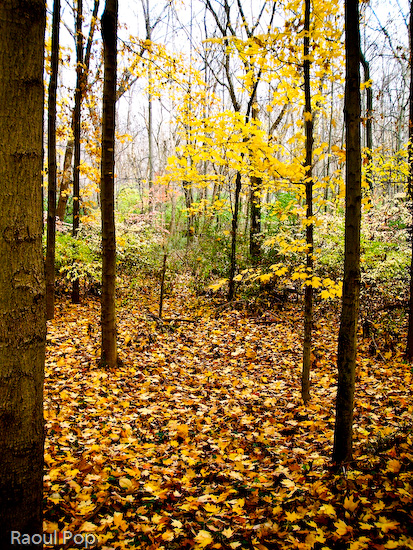
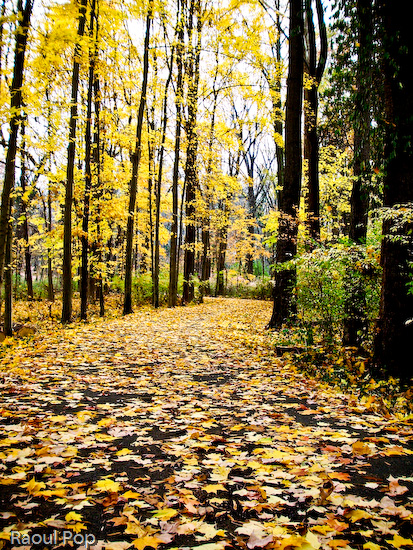
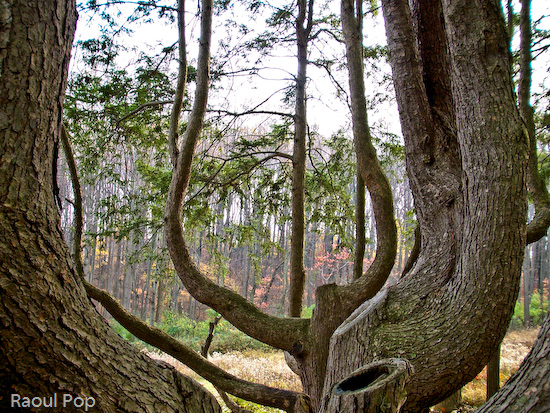
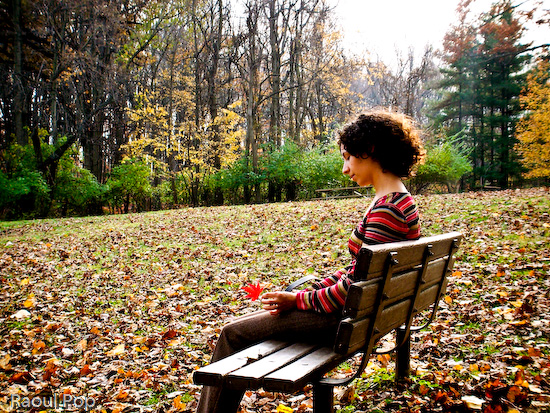
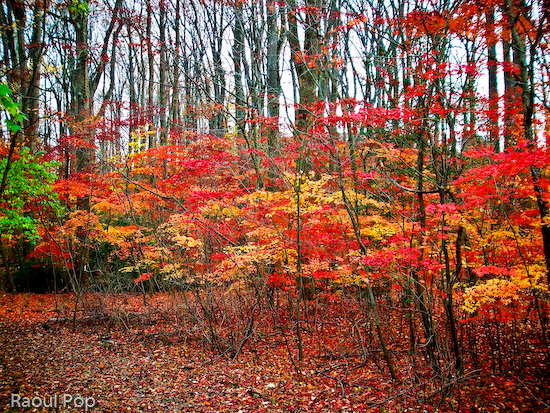
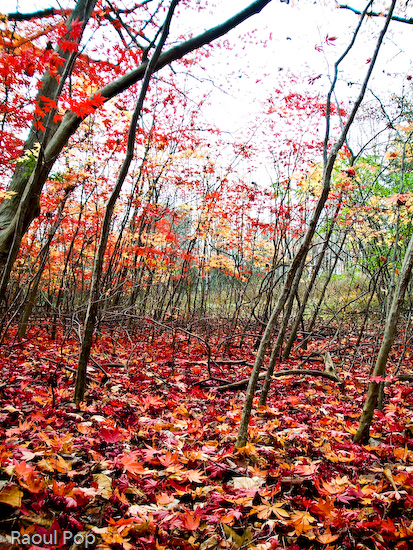
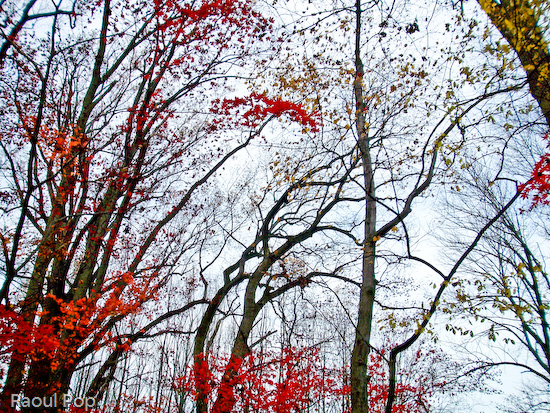
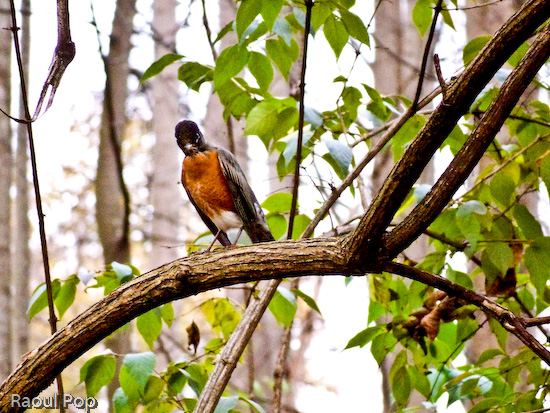
I’ve been taking photos of fall colors for a few years now. I probably got some of my best shots this year, and I wanted to share a few with you. Join me in saying goodbye to autumn. In memoriam…

Melancholy goodbye

Still have that glow within me

Golden years

An offering of sorts

Multi-colored

Parallel lives

Illuminated path

Walking among the fallen

Framing the view

Lost in thought

As only fall could do it

Vibrant

Tilted

Boughs

Not too thrilled

Swirls

Standard
Events

Happy 300 millionth, USA!

We turned 300 million today (people, that is) here in the grand old (or young, depending on your point of view) US of A. Yay!

Lots of us to go around, all of us immigrants (although some would think otherwise). We love big, open spaces, big cars, big houses, big meals and given our experiences when we go shopping, big clothes as well. (Is is so hard to make pants in a 30 waist?) We have it so well in this country, that we forget how badly others have it. As a matter of fact, we’re so busy doing so well (or trying to, anyway) that often we lose sight of what’s important (our loved ones, family, friends) in the pursuit of the American dream.

The opportunities in this country are amazing — like nothing else in the world — and that’s what’s caused us to get to 300 million. People are drawn to this country from all corners of the world, and after they get here, they multiply like rabbits — you know people, 2.2 children is the American way…

We’ve got some of the most polarized politics in the world. Everything is made into a political issue, and if possible, drawn to the national level, where Democrats fight against the Republicans over some minuscule thing while the important things, like our national debt, education, crimes of all sorts, infrastructure improvements, energy consumption, conservation of our environment, pollution prevention and serious medical research don’t get the attention they deserve.

The world wouldn’t be the same without the United States. Some say we meddle, and some say we help. I say we’ve lately been mostly meddling and sticking our noses in someone else’s pots — we’ve gotten into serious debt for it, too, not to mention we’ve made more enemies. Ah, but it wouldn’t be the US of A if they didn’t try to police the world, wouldn’t it? I guess you take the good with the bad if you live in this country, and you try to speak out against the bad.

So there you have it. A country like no other, and we’re 300 million strong! God bless America!

Standard
How To

How to find cartoons for children

Stephen Metcalf from Slate wrote a good piece entitled “Beyond Bugs Bunny: The Quest to Find the Perfect Children’s Cartoon“. It reminded me to write about my own thoughts on the issue.

Unfortunately, Stephen’s piece falls short of the truth. While I agree with him on one aspect, that “one is faced with an uninviting… choice: insipidity or carnage” when trying to pick from among the choices, I disagree with his characterization of what constitutes inspidity or carnage in cartoons.

Most Walt Disney cartoons aren’t insipid, in particular the classic ones. I have great respect for the art, and the way in which Disney chose to portray certain things. Look, he was trying to make commercial movies. There was a path to be followed if commercial success was to be the result, and he knew what needed to be done. I don’t think the overwhelming majority of people would consider his movies a compromise, or an example of insipidity.

You want to talk about insipid? What about Ed, Edd and Eddy? What about Codename: Kids Next Door? What about Pokemon? What about Beavis and Butthead? What about Ren & Stimpy? The list is endless. Cartoons like these are a veritable waste of time. They’re not funny, their plots are mediocre, their art is ugly, and one gets up from watching them feeling like they just lost a few hundred brain cells.

I’ve also heard talk of Looney Tunes and Tom & Jerry being violent, and I disagree with that line of thought. There’s a huge difference between the violence portrayed in those cartoons and the violence one finds in the cartoons of today, in particular some of the action cartoons, or the anime, which can be extremely violent, to the point of brutal cruelty.

The violence to be found in LT or T&J cartoons was rubbery. Nothing really ever happened to the characters. They emerged unscathed. It was all done for fun and with great comedic timing, and even as a kid, you would know it – I did, at any rate. You also can’t call them children’s cartoons. They were created at a time when cartoons would get shown before movies in theatres. Adults were expected to watch and enjoy them. Some of them won Oscars. The brand of humor to be found in them is a mix of pratfalls and other physical jokes, which appealed to everyone, and jokes that only grown-ups would get. Unfortunately, all of that has been lost on the cartoonists of today, who seem to produce only violence and insipidity.

You want to talk about risquĂ©? What about the Max Fleischer cartoons, which Stephen touts, in particular the Betty Boop ones? Would you call those children’s cartoons? Not by far! They treat themes such as adultery (albeit with subtlety) and theft. Betty has many gentlemen callers, most of them old and rich, and some are married. In some of the cartoons, she’s only in her negligĂ©. There’s a scene in “Poor Cinderella” that would make the fellows whistle even nowadays. What about Felix the Cat? In “Felix in Hollywood”, he peeps into the dressing room of a star, then whistles and exclaims, “Oh, Boy!”. In “Neptune’s Nonsense”, Neptune has a mermaid do a belly dance for him. In “Sultan Pepper”, the same character that fools around with Betty Boop in one of her cartoons now tries to sleep with the entire harem of a visiting sultan. This is clearly not kid stuff. Sure, some of Fleischer’s cartoons are safer, but you’d have to pick and choose.

One has to do the same nowadays. Stephen seems to have stumbled upon a good find with Charlie and Lola. I would also recommend Little Bear, which is an absolutely charming show that doesn’t get aired often these days, unfortunately.

The truth is, cartoons made specifically for children, and in particular cartoons made for infants and young children, to the age of 4-5, are a relatively new thing. Even Disney didn’t make his cartoons just for children. He said that himself. So there’s no point in criticizing the man or the other existing art because it doesn’t work for something it wasn’t originally intended for.

There’s a good reason college kids can’t stand Barney, but little kids love him. His TV show is specifically intended for very young audiences. It’s the same with The Wiggles. I go bonkers watching them, but my friends’ little daughter (who’s also 3 years old) loves them. So you see, one should look at what’s on the market today, and make an intelligent decision based on facts and personal preference.

Standard
Thoughts

Romania's orphanages still a bad place for children

The IHT carries an opinions piece from the NYT today on Romania’s orphanages. The gist is that conditions are still deplorable. The problem is that once Communism ended, the big, mega-orphanages were closed down, and the children were distributed to smaller orphanages, who have to battle with pauper’s budgets, which means limited staff and even more limited conditions, all with a growing orphan population.

Meanwhile, Romania’s government is busy putting together task forces and committees. Having grown up in Romania, I am not surprised at the pathetic government response. They can’t be trusted to do much right. There are certain things they’re good for: wasting time talking things to death in Parlament, rampant corruption, and extravagant salaries. Beyond that, it’s anyone’s guess as to whether stuff they put out is good or bad. Sure, certain factors play into it, like the alignment of the rings around Saturn, weather on a particular day, traffic conditions – you know, stuff that matters – but it’s still a crapshoot.

Seems to me the solution is fairly simple: increase community services for disabled children, increase funding for orphanages, and focus on placing children with foster families, not keeping them in orphanages indefinitely.

Of course, I have to smirk when I say that, and believe me, I do it painfully, because the reality is pretty grim – but how many families will really want disabled children? Don’t think I’m cruel when I say it. But in a country where salaries trail woefully behind market prices, and healthy people can barely afford to live, who can take on the added responsibility and cost of caring for a disabled child? Realize that in Romania, most apartment buildings don’t have elevators, and most people live in apartment buildings. How will one get a child in a wheelchair up the stairs? How will one foot the doctors’ bills, the special education, and all of the other things that go along with such a child? Who will want them? My answer will only sadden you. I just don’t know.

Standard