The village of Moșna, known as Meschen in German and Muzsna in Hungarian, is first mentioned in written documents in 1283, and there is evidence that a settlement existed there since the 1st century AD (source). Moşna was also the home of Stephan Ludwig Roth (1796-1849), a famous Saxon priest, pedagogue and human rights campaigner (source).
The Saxon settlers in the area first built a Romanesque basilica in the 13th century, which was then modified and expanded in the late 15th and early 16th centuries in the Gothic style. The man responsible for the project was Andreas Lapicidas of Sibiu (Hermannstadt), a master stone mason, known as Endreas Steinmetz in Sachsen. His initials can be seen inside the church, carved on a lintel.
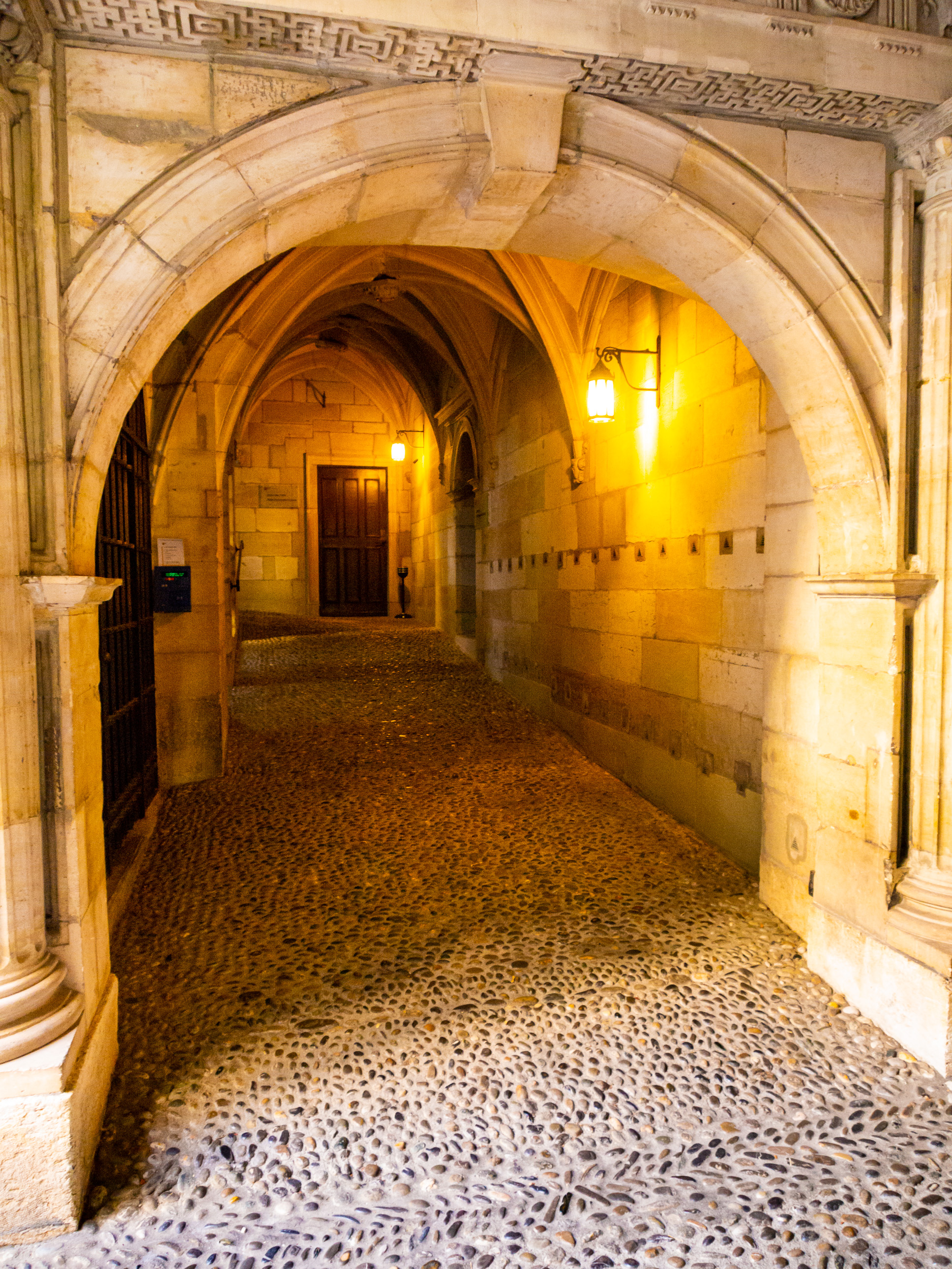
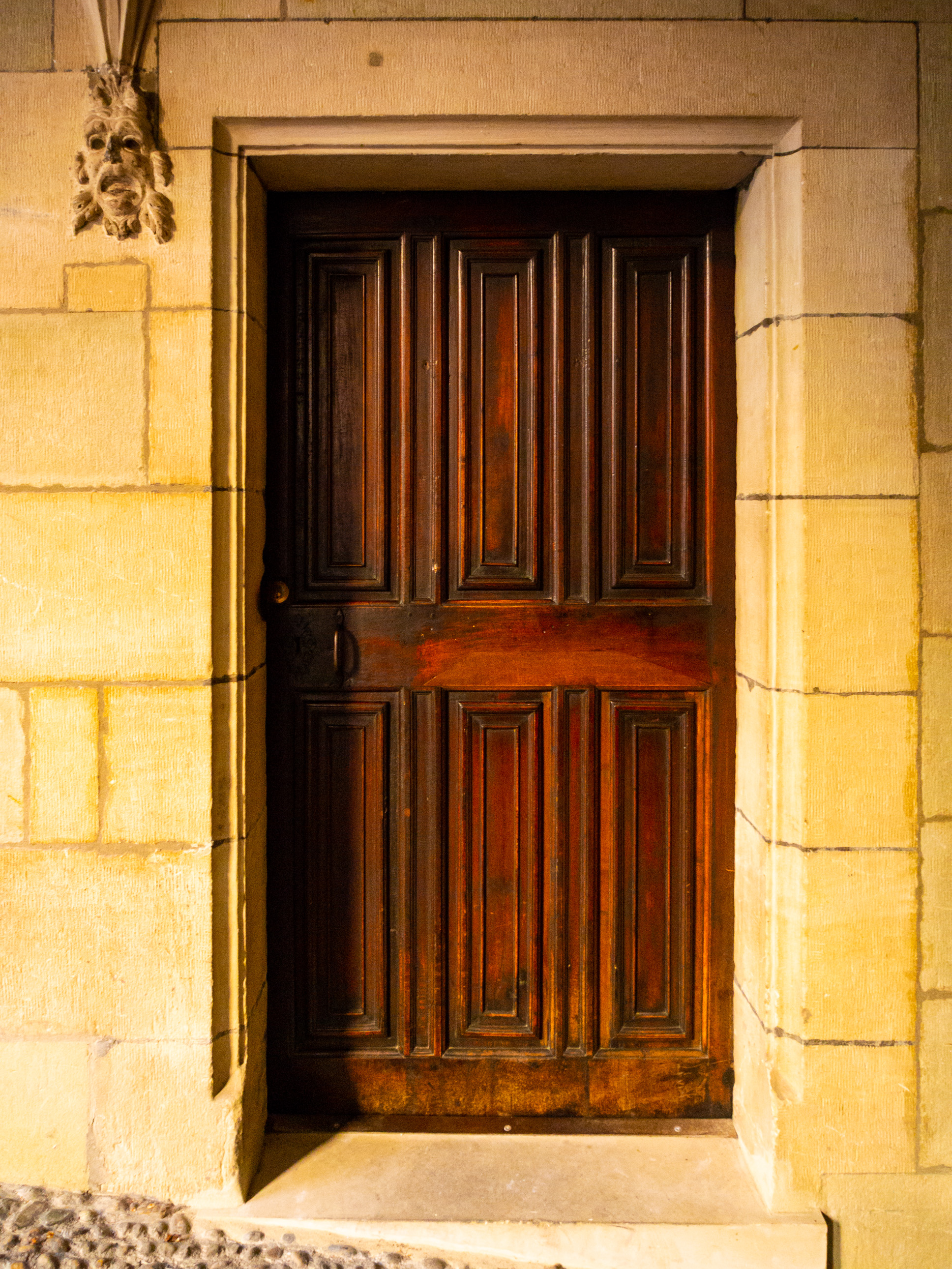
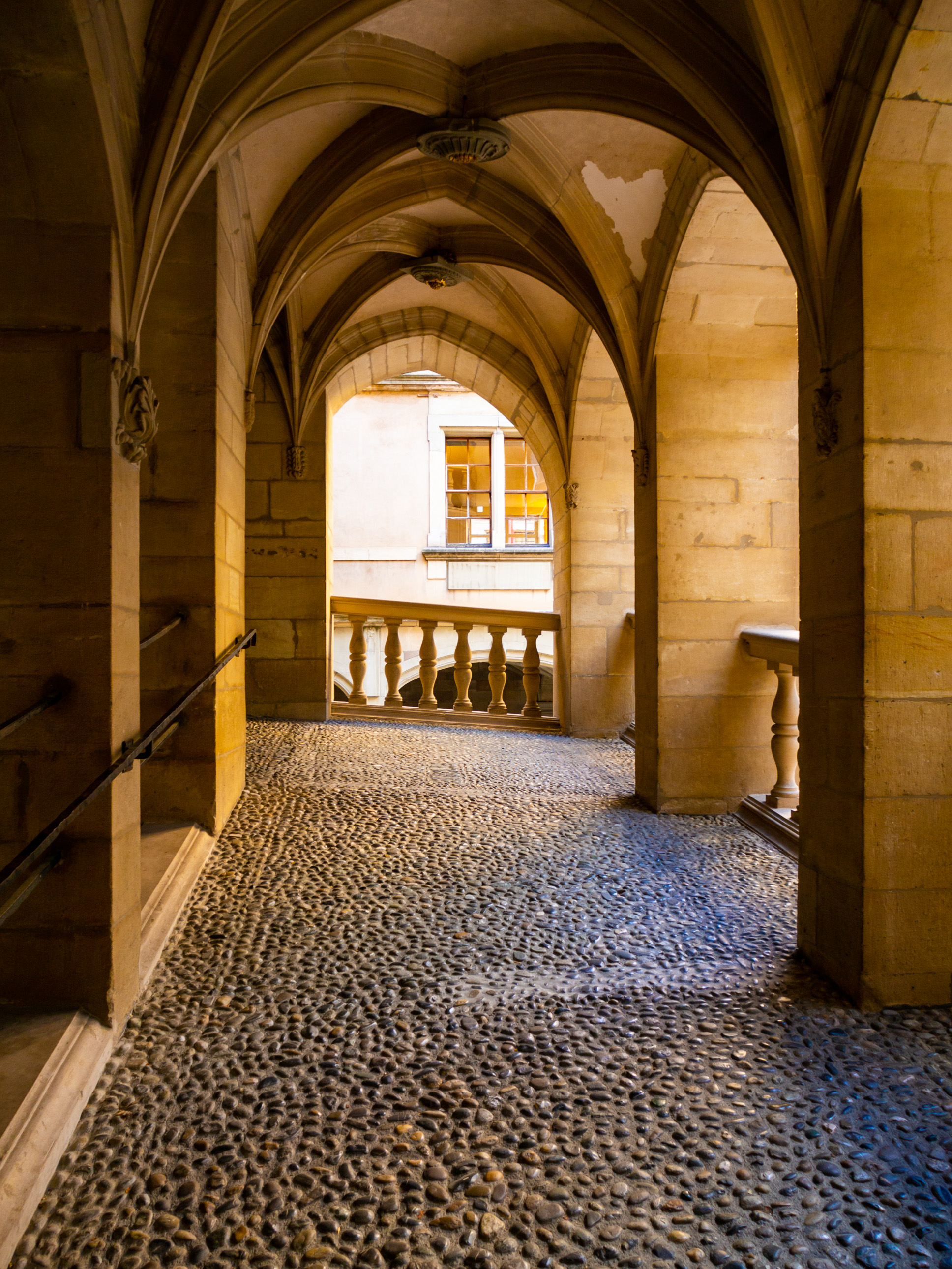
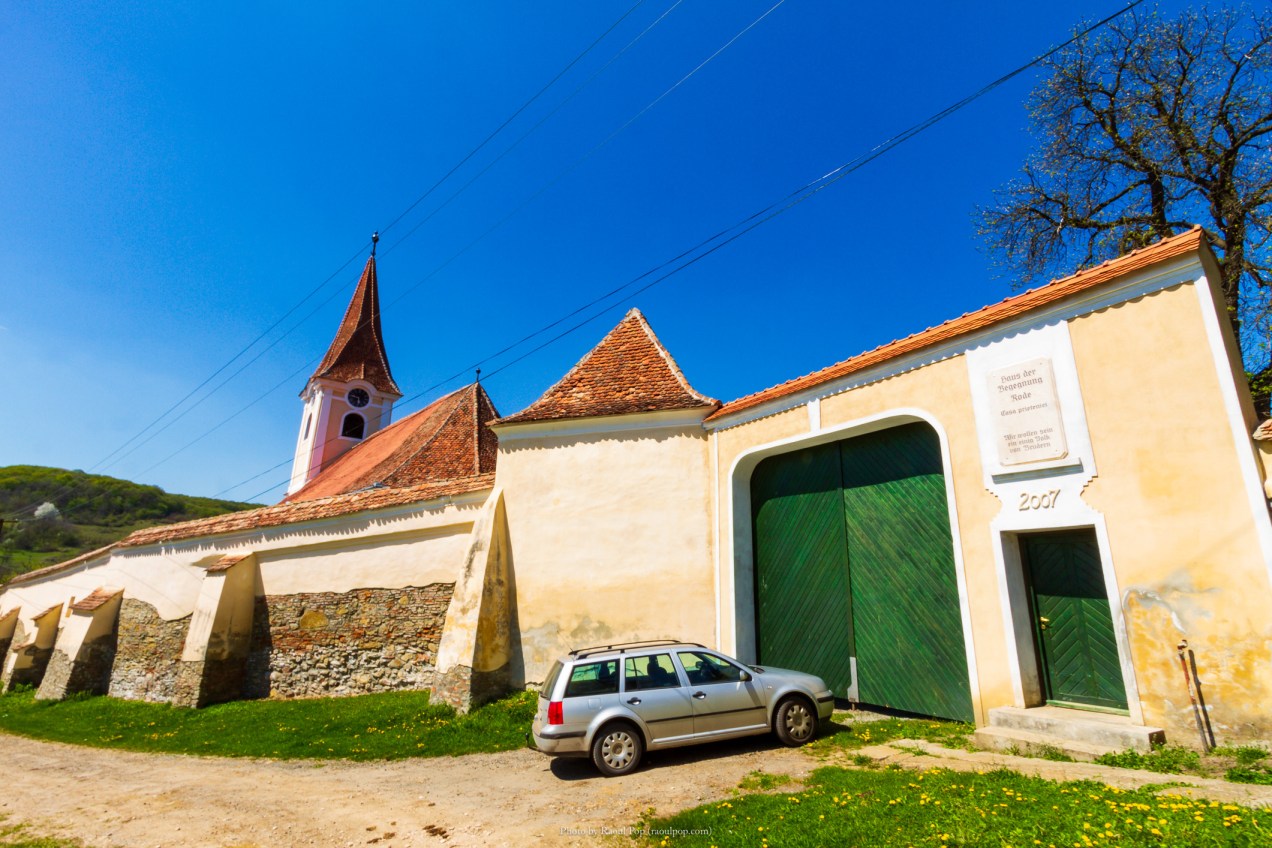
The Moșna fortified church is one of the biggest in Transilvania and it is a remarkable work of Gothic architecture. The church itself is structured around three naves with ribbed vaults for ceilings. The naves are separated through four pairs of columns, the ones in the west side having been made of bricks and decorated differently so as to preserve the eastern group of columns intact, since the latter was erected using stone from the pillars of the former Romanesque basilica. Inside, the most noteworthy architectural elements are the door to the sacristy, the stone pulpit and the monumental tabernacle which measures 11.05 m in height.
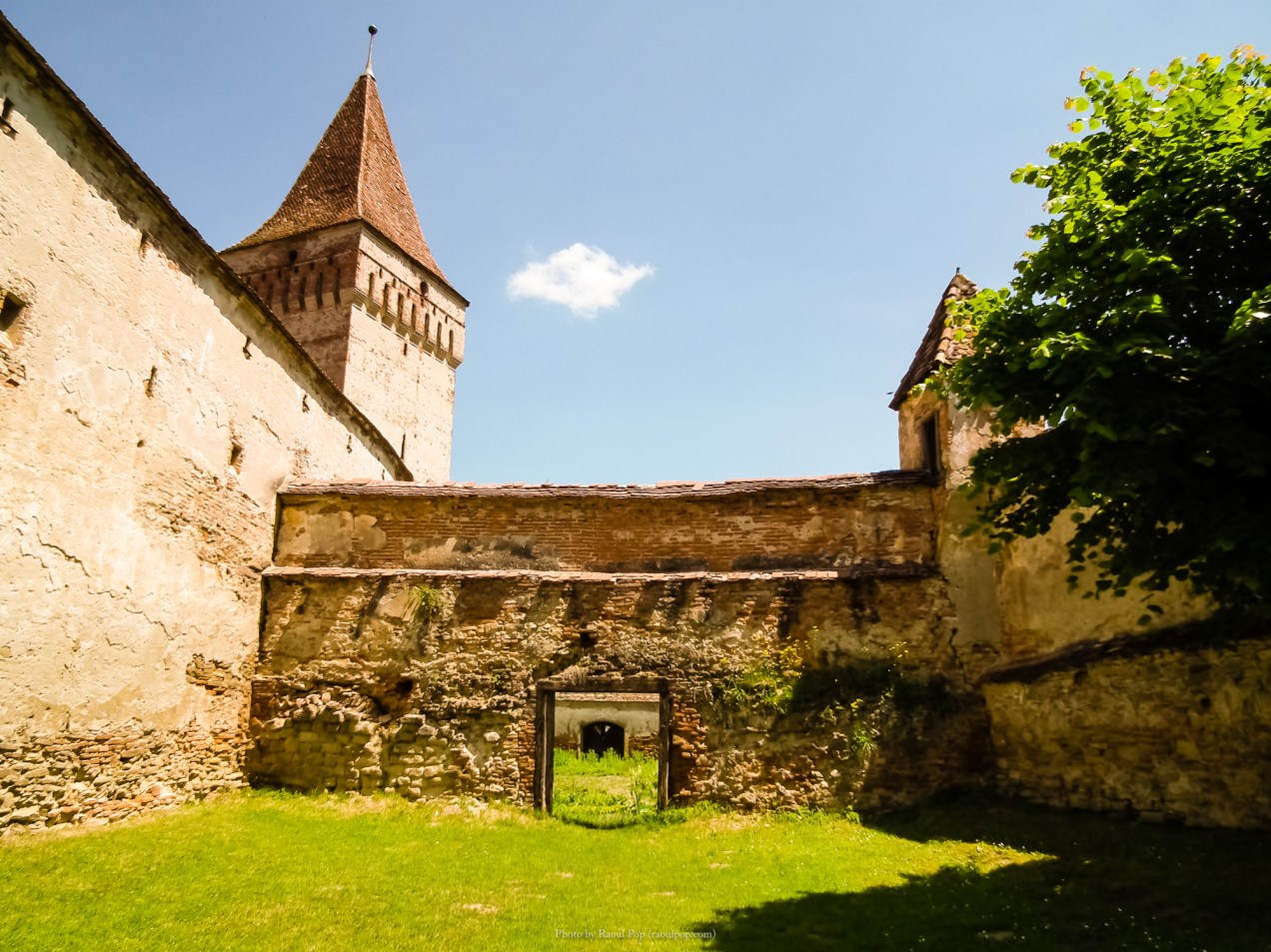
The fortifications include five towers and a 9m defense wall that surrounds the church and allows for ample space inside the fortress. The bell tower has seven levels and three bells, the oldest of which dates from 1515. The gate tower in the south-eastern corner has five levels. The northern side of the fortification is guarded by a tower with four levels. A shorter, three-level tower stands to the south and it hosts a museum dedicated mostly to the trades and customs of the Saxon community but which also includes exhibits discovered during various archaeological explorations, such as coins and fragments of weaponry.
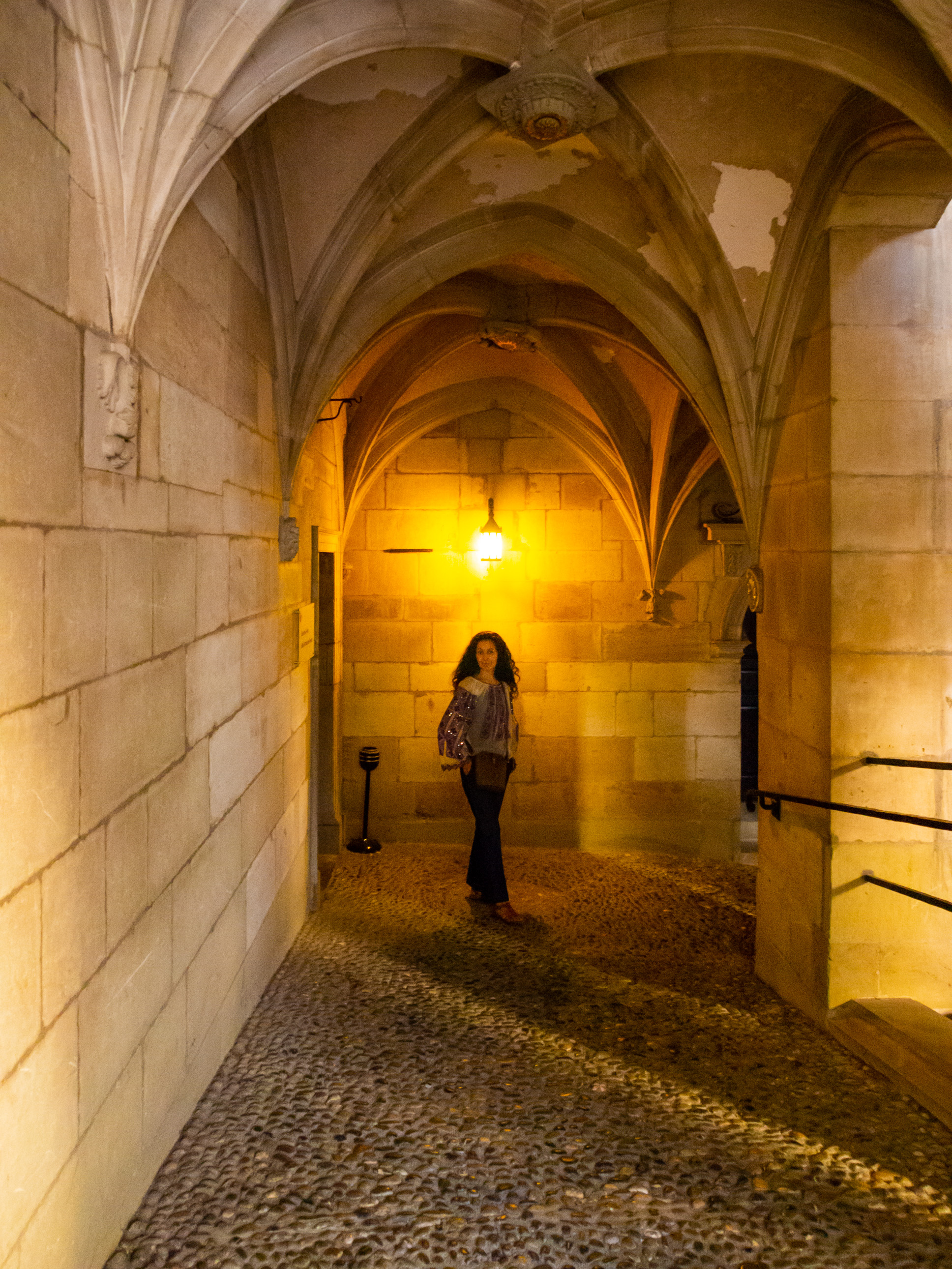
When we visited in 2011, we arrived right around noon, which as some of you may know, is the worst time of the day for photos. I also had with me a camera that was more remarkable for its zoom (30x) than the dynamic range of its sensor and the quality of its photos. I plan to visit again soon and take some photographs that will do the place justice. It’s undergone significant repairs and restoration work since 2011, so it looks different now. We’ve actually revisited it just a couple of months ago, but it was for a photoshoot for Ligia’s ongoing project, Straie Alese, so I didn’t focus on capturing the architecture.
Enjoy the photos!

At the fortified Saxon church in Mosna, Transilvania, Romania

At the fortified Saxon church in Mosna, Transilvania, Romania

At the fortified Saxon church in Mosna, Transilvania, Romania

At the fortified Saxon church in Mosna, Transilvania, Romania

At the fortified Saxon church in Mosna, Transilvania, Romania

At the fortified Saxon church in Mosna, Transilvania, Romania

At the fortified Saxon church in Mosna, Transilvania, Romania

At the fortified Saxon church in Mosna, Transilvania, Romania

At the fortified Saxon church in Mosna, Transilvania, Romania

At the fortified Saxon church in Mosna, Transilvania, Romania

At the fortified Saxon church in Mosna, Transilvania, Romania

At the fortified Saxon church in Mosna, Transilvania, Romania

At the fortified Saxon church in Mosna, Transilvania, Romania

At the fortified Saxon church in Mosna, Transilvania, Romania

At the fortified Saxon church in Mosna, Transilvania, Romania

At the fortified Saxon church in Mosna, Transilvania, Romania

At the fortified Saxon church in Mosna, Transilvania, Romania

At the fortified Saxon church in Mosna, Transilvania, Romania

At the fortified Saxon church in Mosna, Transilvania, Romania

At the fortified Saxon church in Mosna, Transilvania, Romania

At the fortified Saxon church in Mosna, Transilvania, Romania

At the fortified Saxon church in Mosna, Transilvania, Romania

At the fortified Saxon church in Mosna, Transilvania, Romania

At the fortified Saxon church in Mosna, Transilvania, Romania

At the fortified Saxon church in Mosna, Transilvania, Romania

At the fortified Saxon church in Mosna, Transilvania, Romania



















 Raoul Pop