Places

The Suceava Castle

The Castle of Suceava (Cetatea de Scaun a Sucevei) was the ruling place of a Romanian historical figure who has become the stuff of legend, namely Ștefan cel Mare, also known as Stephen III of Moldavia. He was “voivode” (ruler) of Moldavia from 1457 until his death in 1504. I’ll let you read more about him here.

Stefan cel Mare

Stefan cel Mare

The castle was built and extended in multiple stages. The initial medieval keep was completed in the 14th century and was called Fort Mușatin. The exterior wall around the keep was built during the reign of Stefan cel Mare, between 1476-1478. The moat was dug at the end of the 15 century. The counterattack wall around the moat was built in the second half of the 15th century. The castle’s architecture allows for the walls at the main points of cannon attack to be as thick as 3.5 meters. It’s an impressive structure and once inside its walls, there’s a certain air of history that will take hold of you, provided you’re not surrounded by crowds of tourists.

Enjoy the photos!

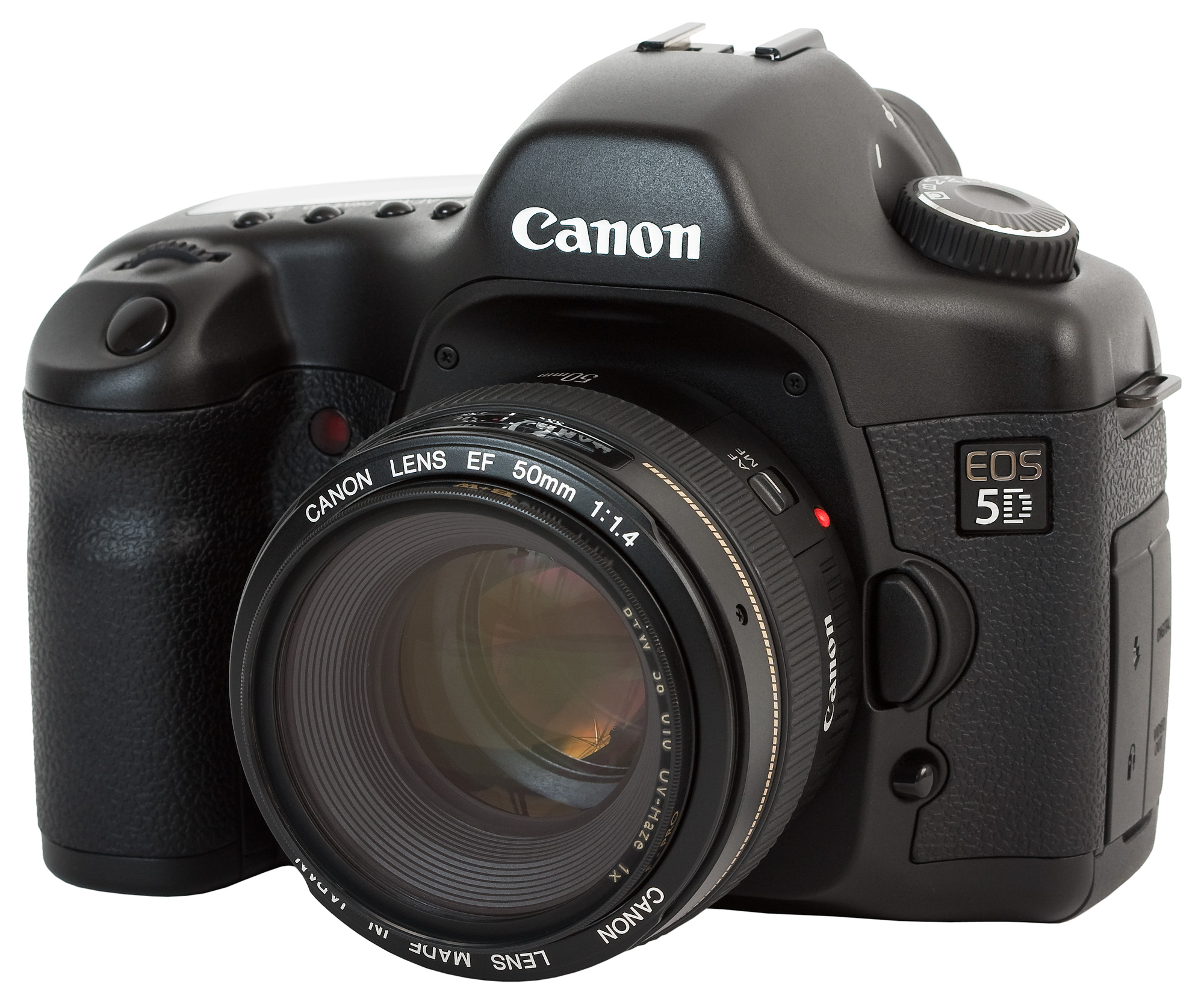
I shot these photos with my Canon EOS 5D and the EF 24-105mm f/4L lens.

Canon EOS 5D (front)

Canon EOS 5D

Canon EF 24-105mm f4L IS USM Lens

Canon EF 24-105mm f4L IS USM Lens


Standard
Places

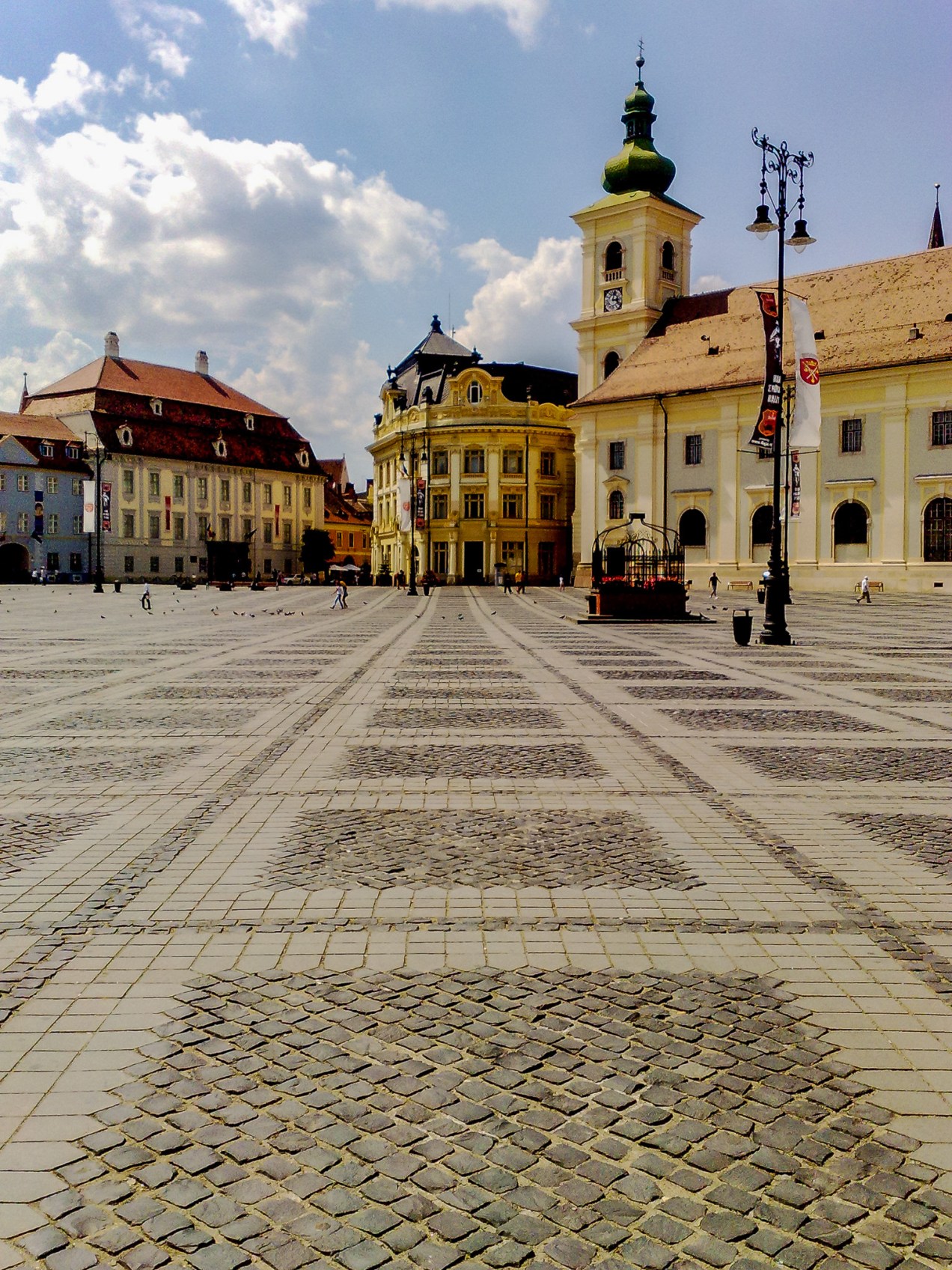
A walk through Sibiu’s historical center

These are a few photographs (only 13 this time 😁) taken during a walk through Sibiu’s historical center nine years ago (yes, 2009). If you’re wondering why I keep publishing photos from that year, it’s because I’m finally taking care of my editing backlog. Wait, Raoul, are you saying you’re nine years behind on editing your photos? Ahem… most of my photos, yes. When you take lots of photos, that’s what happens 🤷‍♂️.

Anyway, these photos were taken with my cellphone at the time, the now-venerable Nokia N95 which had a 5 megapixel camera. It was pretty good by the standards of its time and is woefully behind the times now, not necessarily in megapixels but in dynamic range and image quality. Still, it did okay in daylight.

Enjoy the photos!

And here is the grandfather of many of today’s cellphone cameras:

Nokia N95-1

Standard
Places

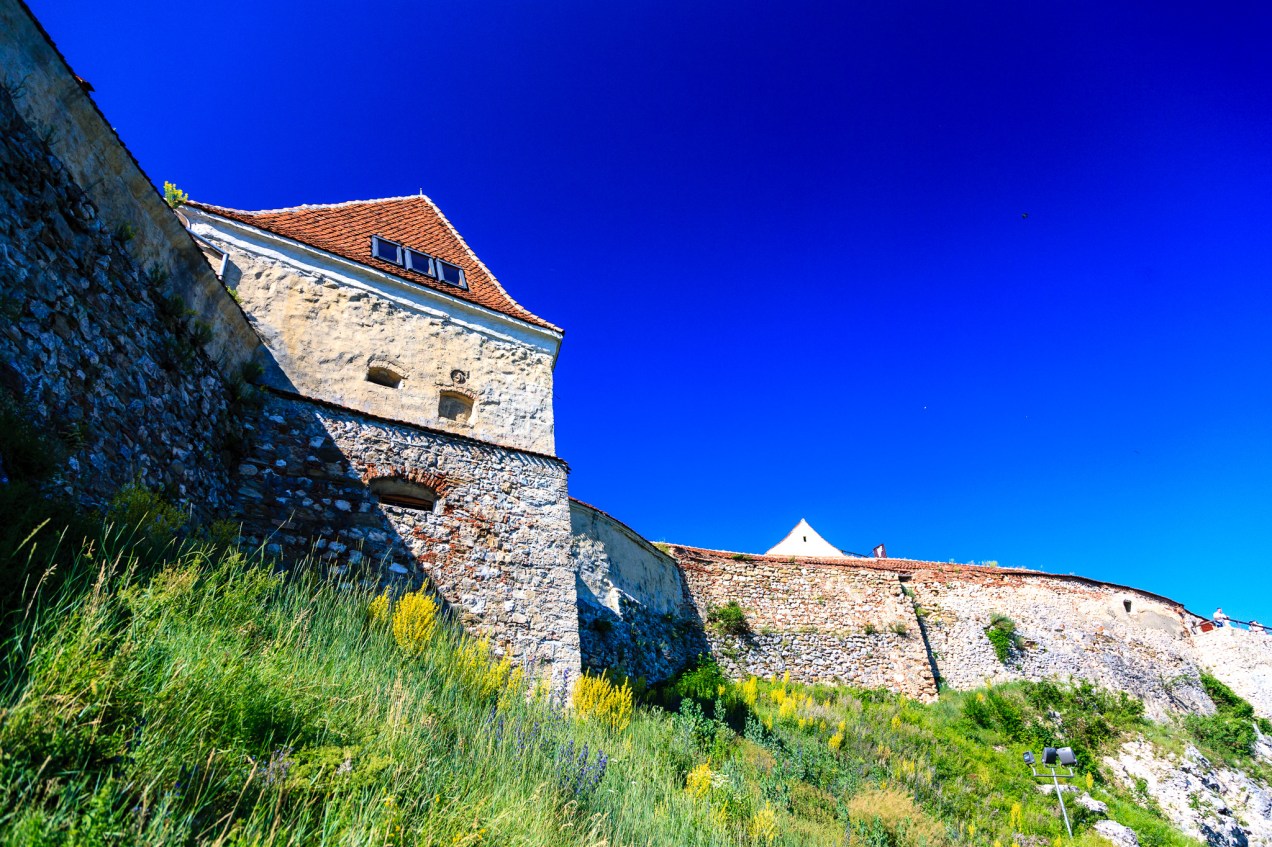
The fortress at Rasnov

There is a fortress near Brasov, built above a village-turned-town. It’s called Rasnov and it’s been there since early medieval times.

Râșnov citadel and village on the Josephine Map of Transylvania

Râșnov citadel and village on the Josephine Map of Transylvania

The citadel was built as part of a defence system for the Transylvanian villages exposed to outside invasions. A decisive aspect for building the citadel on the actual location was the route of the invading armies which were coming from the Bran pass and were passing through Râșnov on their way to Burzenland (Țara Bârsei). The only chance of survival for the inhabitants of the area, including the ones from the villages of Cristian and Ghimbav, was refuge inside the citadel. Compelled to stay there for decades, the people of Râșnov and the nearby villages turned the fortification into a dwelling.

Sources such as Wikipedia state that archaeological research revealed the existence of fortification traces on the citadel hill since prehistoric and Dacian times, but I have to say this is the case for virtually every town in Transilvania. At one spot or another in the city, archeologists will find traces of fortifications or houses that date way back to Dacian times or even earlier. Romania is an old country.

The medieval citadel we see today is considered to have been built between 1211-1225, during the rule of the Teutonic Knights in Burzenland. Although there is no written evidence for this, it makes sense historically.

In 1335, during a Tatar incursion that ravaged Burzenland, Râșnov and Brașov were the only citadels that remained unconquered. This is also the first documented attestation of the fortifications at Rasnov. In 1421, an Ottoman army laid siege to the citadel. In 1600, Michael the Brave along with his troops and his wife, Lady Stanca, retreated here after the defeat at the Battle of Mirăslău.

The citadel was conquered only once in 1612, during the rule of Prince Gabriel Báthory. The reason was the lack of water. While there was no well within the citadel walls, there was a path to a secret spring outside its walls, but this was discovered by the enemy troops. Without water, the siege quickly ended. An interior well was then dug inside the walls, directly in the rock bed, between 1623 and 1642. It is 146 metres (479 ft) deep.

In 1718 the citadel was partially destroyed by a fire and in 1802 it was damaged by an earthquake. In 1821 refugees from Wallachia (during the revolution led by Tudor Vladimirescu) retreated to the citadel. Between 1848-1849, because the region was constantly ravaged by Hungarian revolutionaries and Austrian imperial troops, the villagers retreated to the citadel. This was the last mission of the citadel as a place of refuge and defence. After those events ended, it was left to ruin, to be restored during the early 21st century.

We visited it in the summer of 2009. I hope you enjoy this gallery of photos I took there.

Standard
Events, Places, Video Log

Proud To Be Romanian at Cetatea Făgărașului

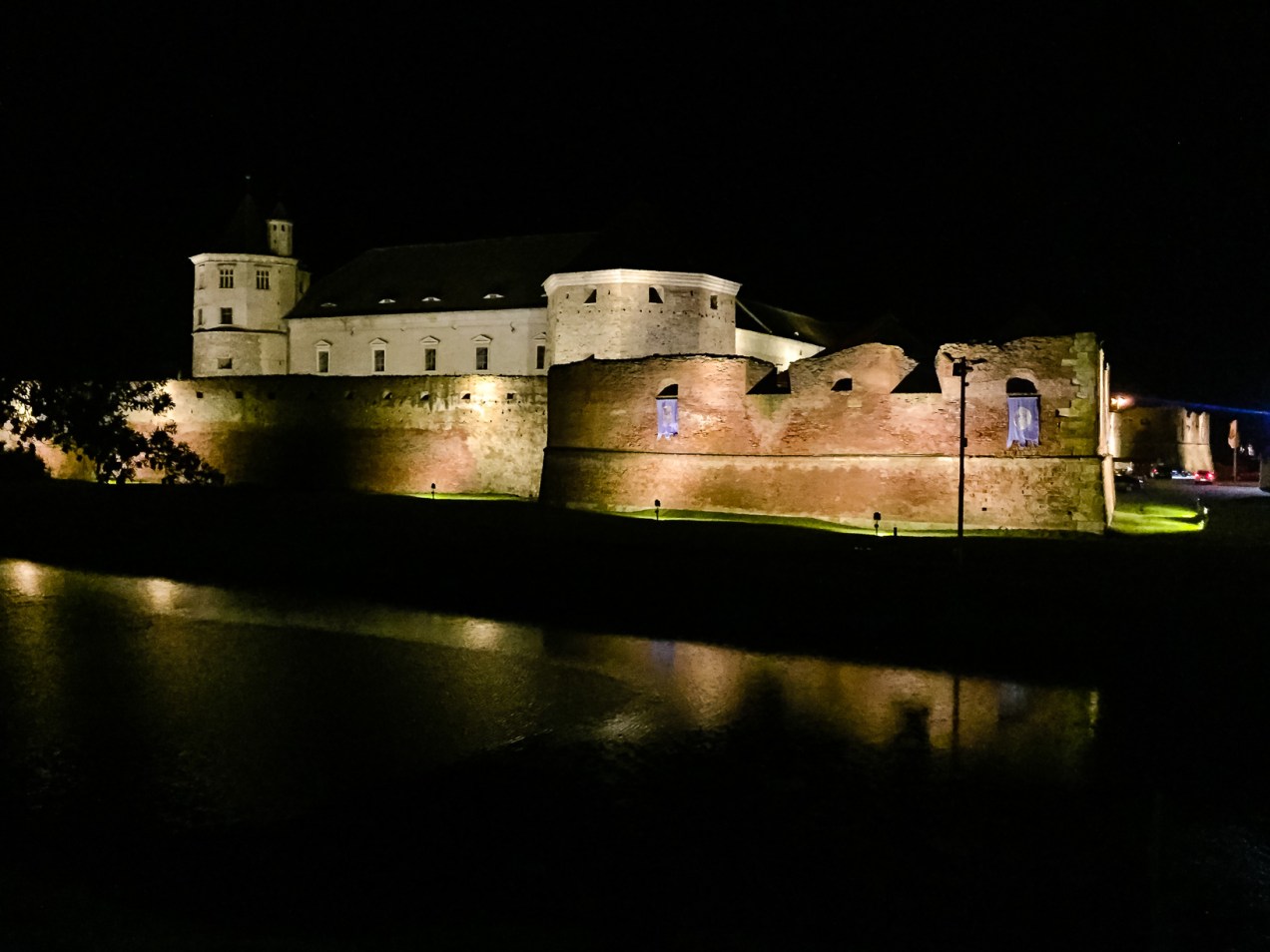
Ligia and I were in attendance at a wonderful event last night, organized by the good folks from Proud To Be Romanian at Cetatea Făgărașului, a medieval fortress whose construction began in 1310 and continued through various repairs and improvements well into the 1630s.

It goes without saying that I love medieval fortresses and castles. I feel right at home whenever I visit one. I loved the architecture here, the various tunnels and cellars that run under its walls, the beautiful, grandiose rooms and hallways but most of all and perhaps a little odd, the window encasements which were made of carved stone. They were so beautifully and delicately made and were perfect for the style of the castle.

We got there a little before the entertainment started. Being there ahead of time gave us the opportunity to explore the castle and take some photos, which you’ll get to see here. The evening’s festivities involved wine and champagne tastings, hors d’oeuvres, some networking, a ceremony celebrating those who are doing good things in Romania (Ligia was among those who were feted) and a concert in the castle’s inner courtyard.

I also shot some 360° video with my Giroptic camera (it’s embedded below and may not display properly in certain browsers like Safari on a Mac). I have to apologize for its quality. While the novelty of this kind of video kind of makes up for the camera’s technical inability to record proper HD video, it’s not enough to recommend it. And when you hear the bad sound recorded with its microphones, you’re even more put off. Again, sorry… If any of you know how to improve the quality of the video captured with this camera, please let me know.

But enough whining! The event was great, the champagne and the wine were great and the castle was amazing! We loved it! One of the people we got to meet was Mrs. Simona-Mirela Miculescu, Representative of the UN Secretary General and Head of the UN Office at United Nations (you’ll see her in one of the photos with Ligia) and you should have seen my face when she said she knew me and liked my show, Romania Through Their Eyes… 😳
Thank you Adriana and Rob for putting this wonderful shindig together!

Standard

The Bethlen-Cris Castle is located in its namesake village, Cris, which is in Southern Transilvania, Romania. The medieval castle has been declared an historic monument. It dates back to the 14th century, having been modified and enlarged until the 18th century. Some say it is the prettiest Renaisance castle in Transilvania.

It has a square plan, having been built as a fortified residence for the Bethlen family. It has towers at all four corners and high walls on all sides. Well, it had high walls on all sides in the past. During Romania’s comunist  times, the castle fell into ruins and some of its living quarters were even used as stables, which was a standard communist practice applied to all aristocratic castles in the country.

When we visited it, in 2010, the castle was undergoing a renovation and restoration process. The caretaker told us there was talk of converting one of its wings into a pension/hotel. At any rate, we’re glad the castle is being restored and will be used again.

Here is a gallery of selected photos I took there.

Places

The Bethlen-Cris Castle

Gallery