Places

A mockingbird calls for mates

During the summer of 2008, we had a fairly constant companion in a small tree right outside our building. It was a male mockingbird, who spent most of the month of June calling out for mates. He was loud, insistent, and didn’t scare easily. He sat in that tree day in, day out, exposing himself to danger from passing hawks and other predatory birds, braving all of that in order to propagate his genes.

I recorded his calls one sweltering afternoon, and only now got around to editing the video, 2½ years later.

Enjoy!

Standard
Places

Leaves in the wind

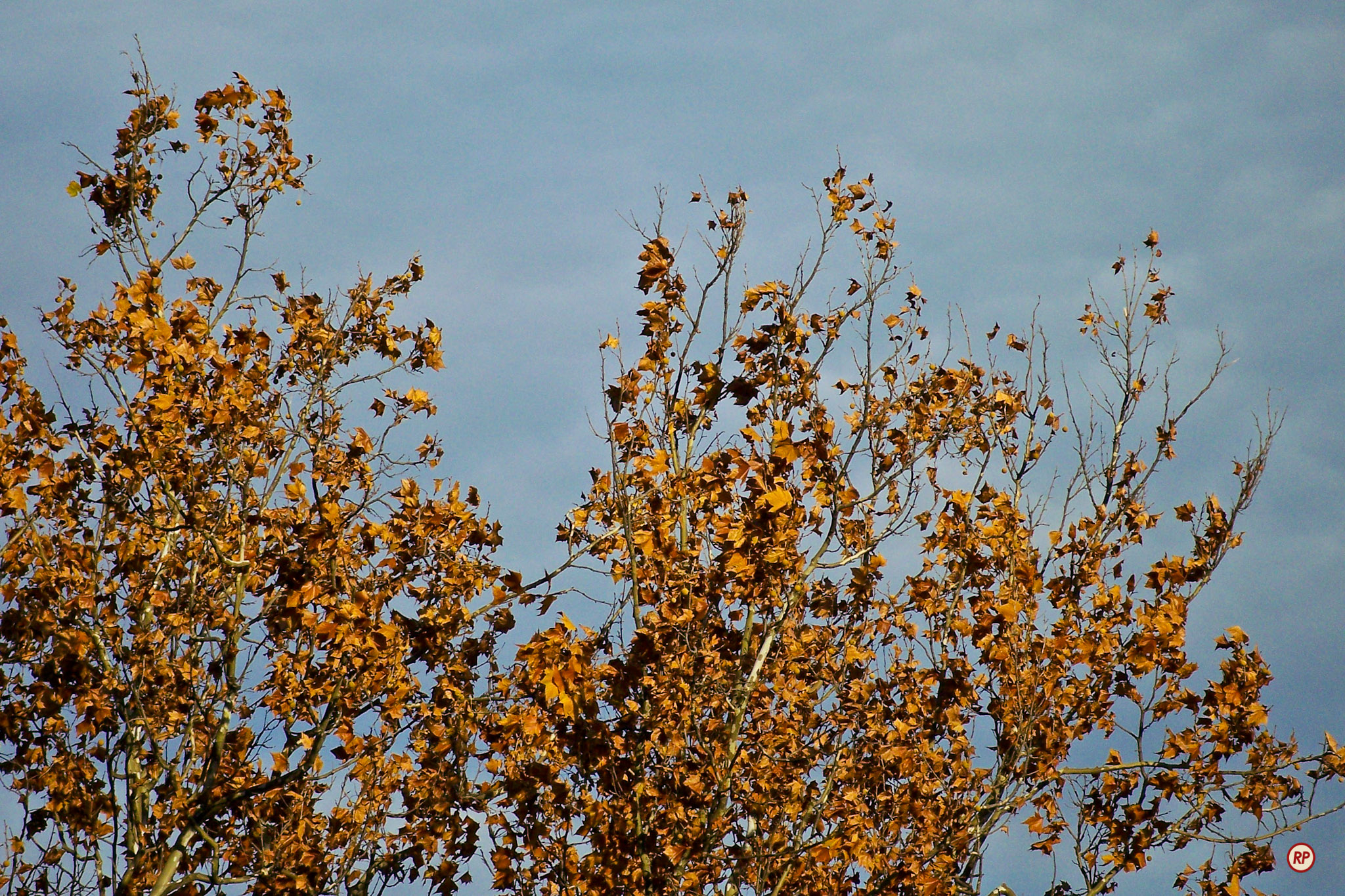
Is there something more representative of autumn than fallen leaves, being blown about by bracing, sprightly breezes? How about branches under the sway of powerful winds, beckoning chilly autumn rainstorms? I captured these scenes on video in the autumn of 2007, in Grosvenor Park, MD, but only now got around to editing and publishing it.

I’m only sorry that I didn’t have a better video camera at the time, but such is life sometimes. Now I do, and next autumn, I’ll be ready.

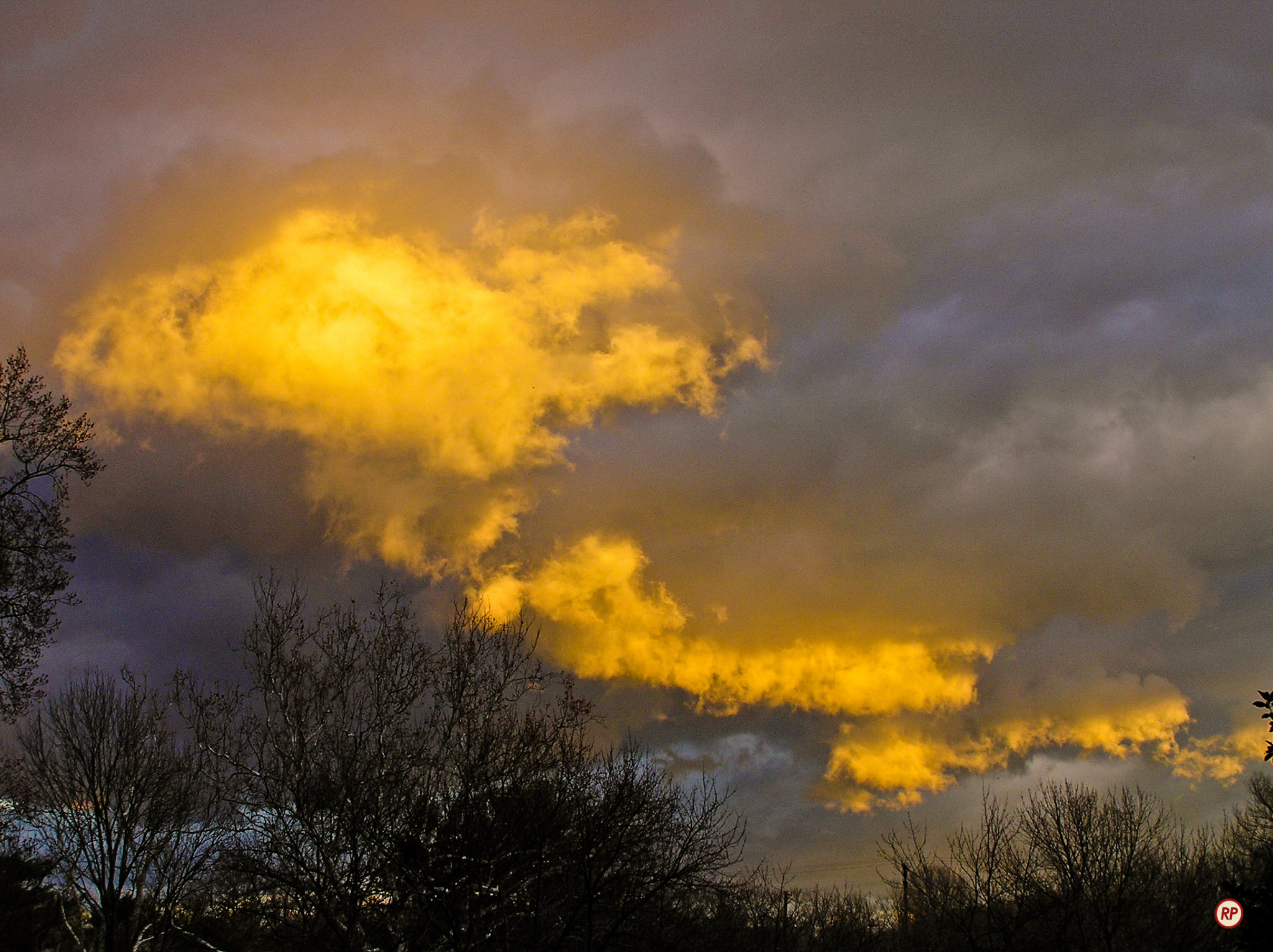
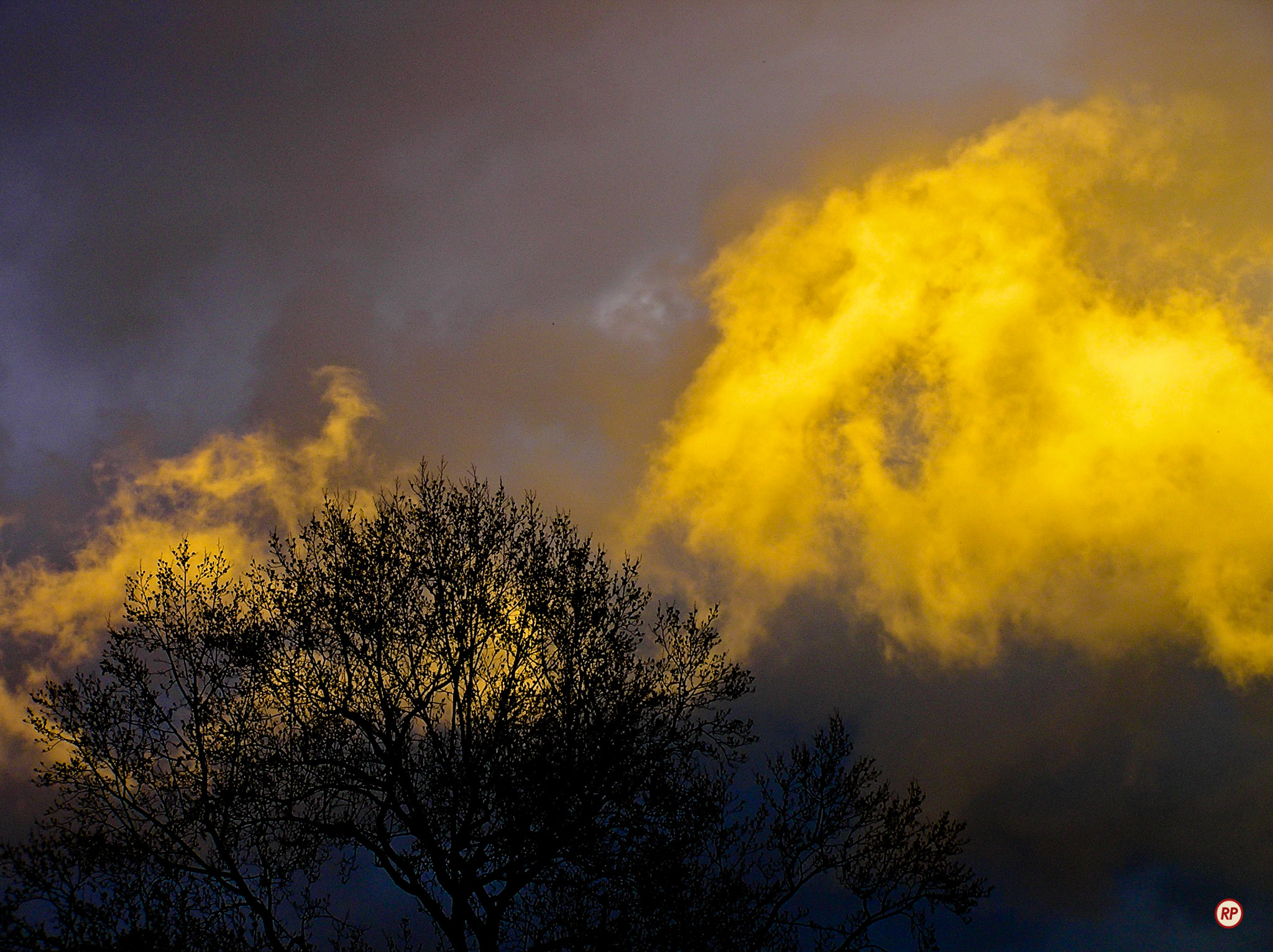
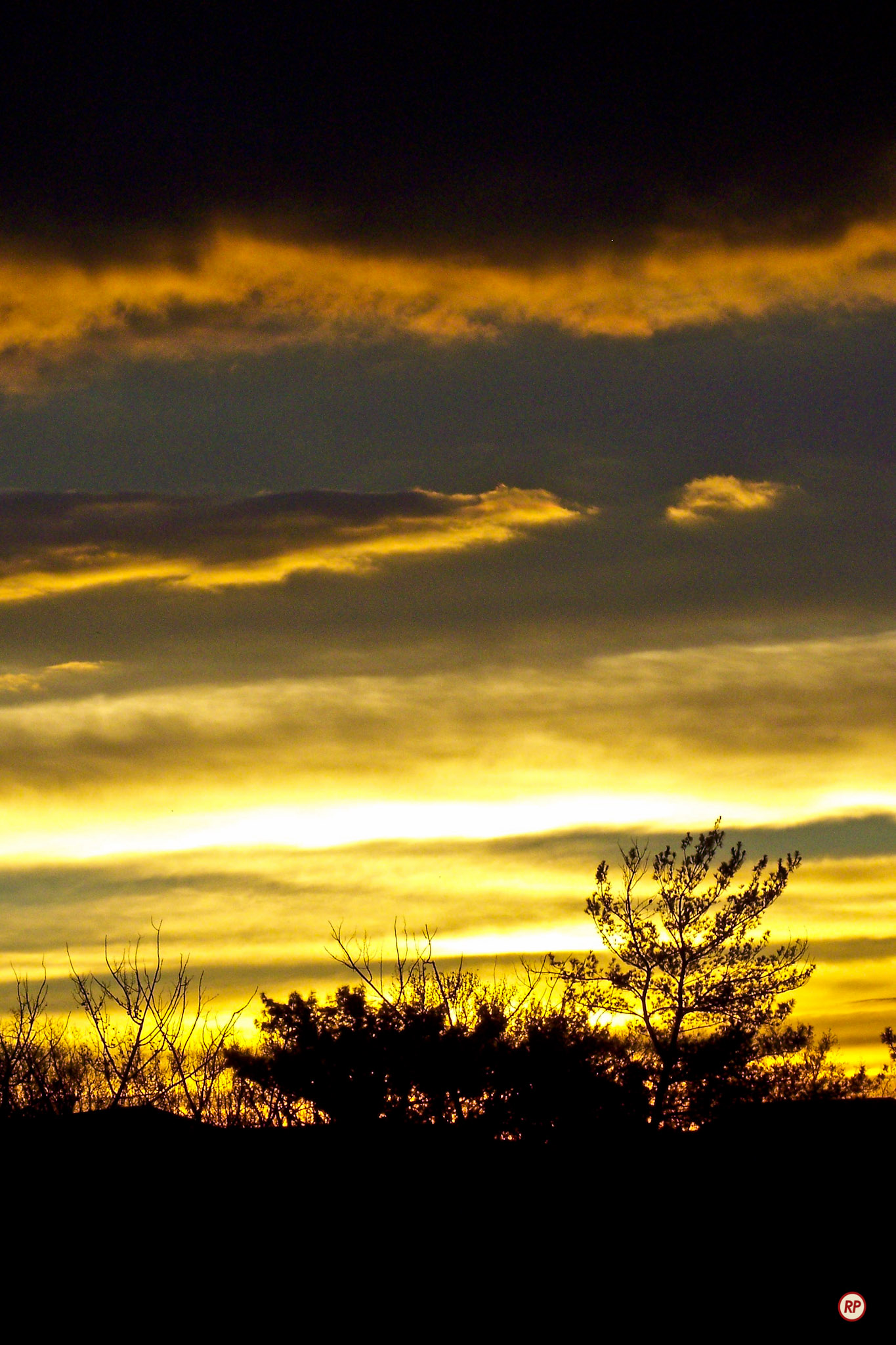
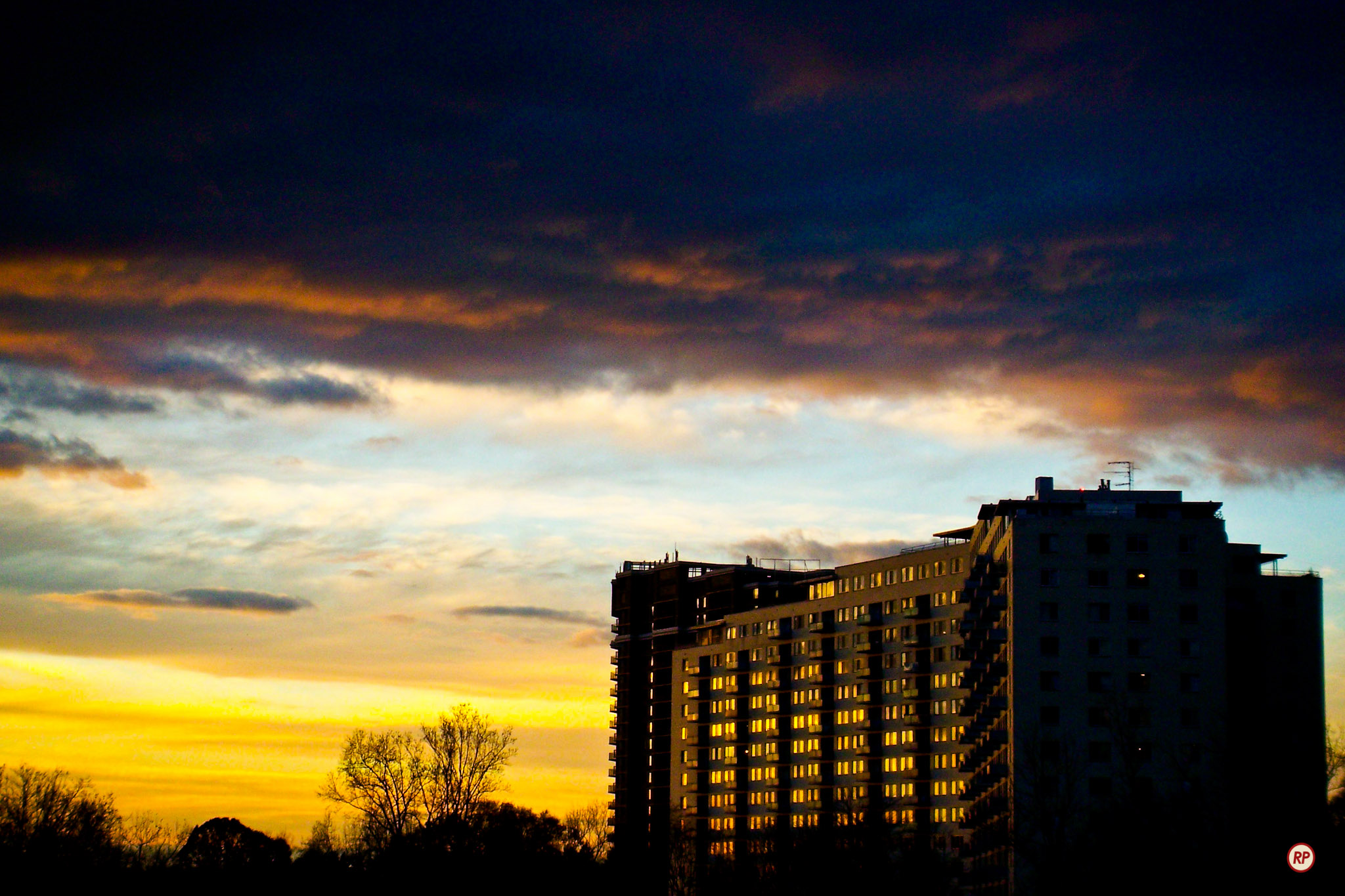
You might have noticed some wonderfully dramatic storm clouds in the video. Here are a few photos I took around the same time, with a couple taken that same evening, showing those same clouds.

Standard
Places

Autumn in the hills outside Medias

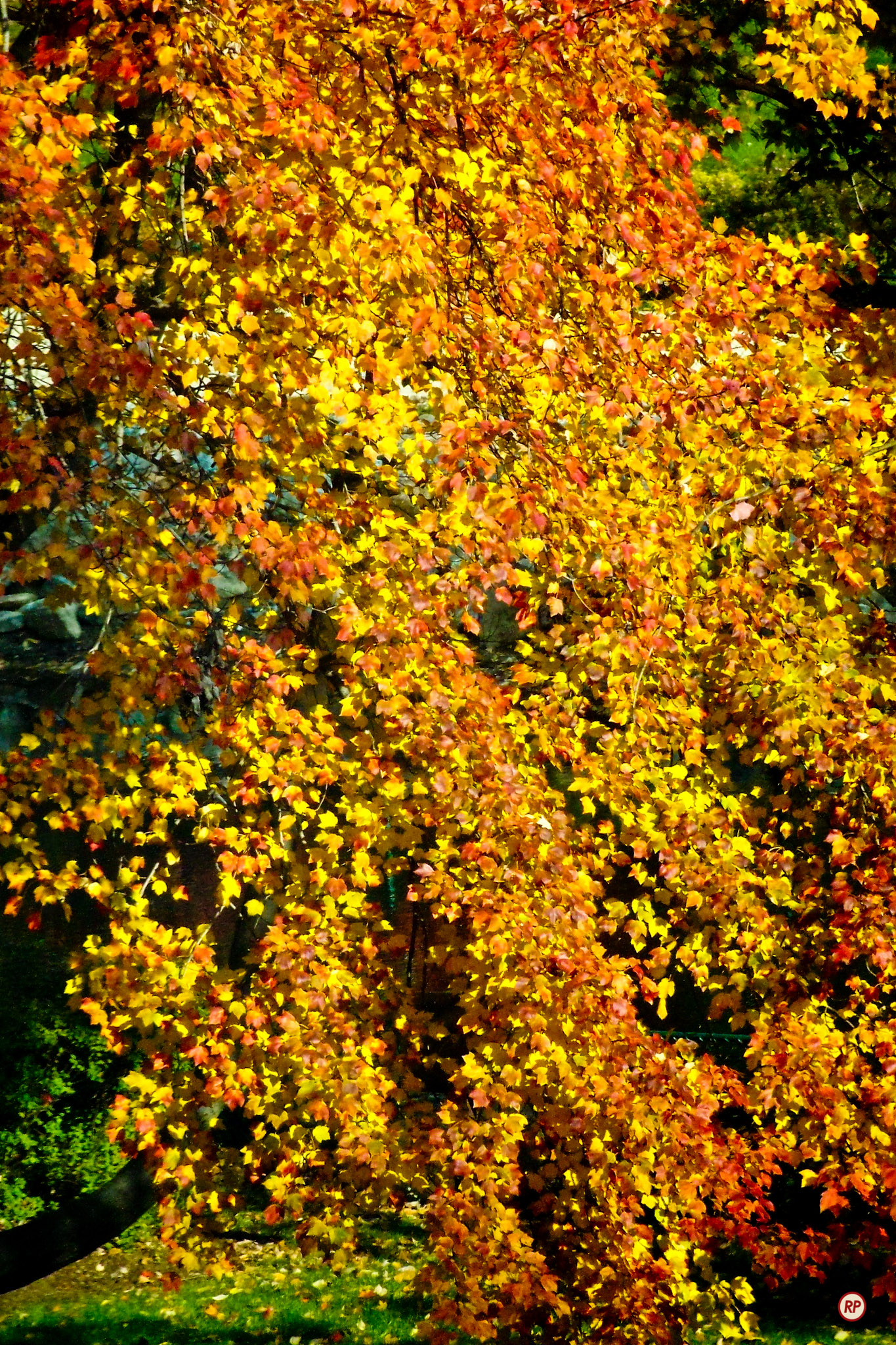
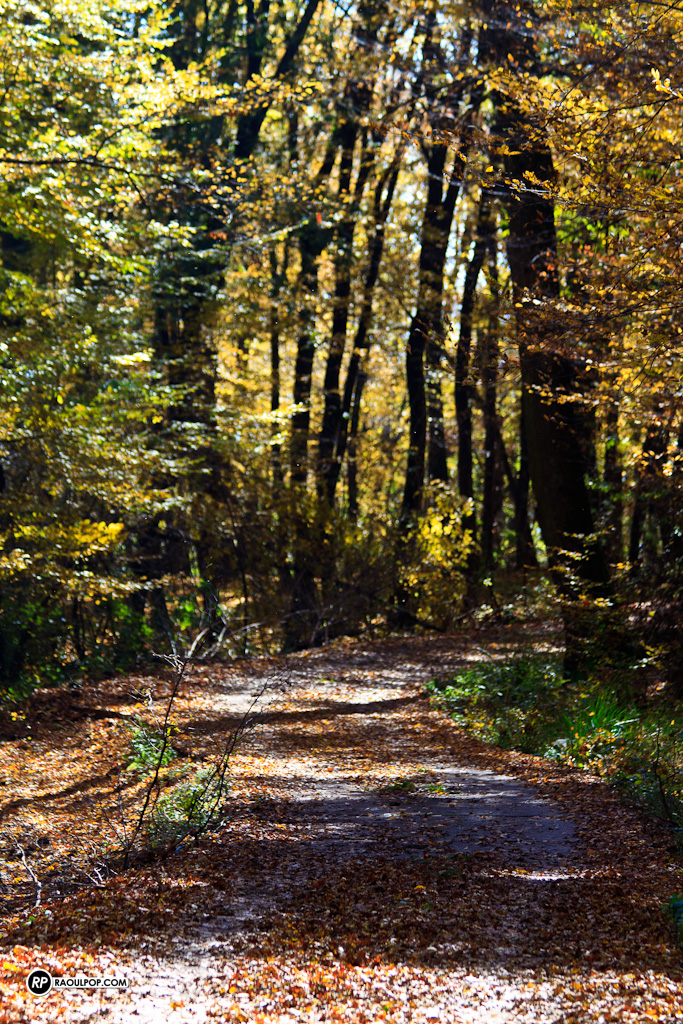
We took a walk today on one of the hills outside Medias, possibly one of the tallest near the city, covered by a beautiful mixed beech forest. A thin layer of frost and a bitter cold lay over the city in the early hours of the morning, but thankfully, by lunchtime, with the friendly help of the sun, things warmed up enough to make it pleasant to venture outside.

Standard
Events

C&O Canal photo on cover of poetry book

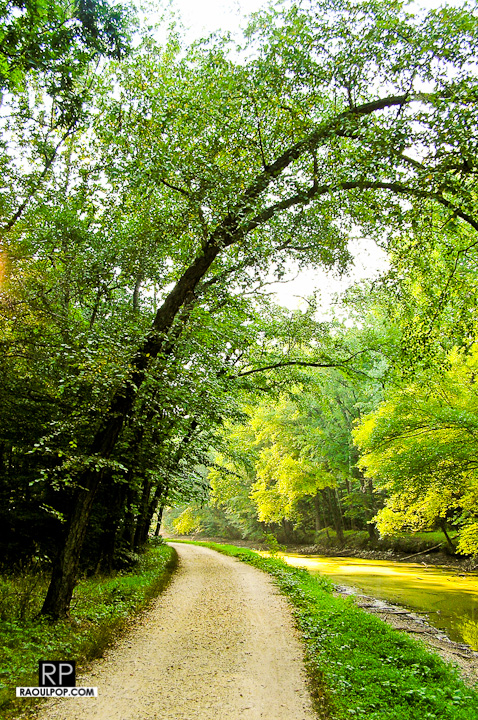
One of my photos from the C&O Canal has made it onto the cover of a poetry book to be published this year, written by Jean Wilbur. The book is called Walk the Towpath, and it can be pre-ordered from Finishing Line Press.

Here is the photo.

Here’s what it looks like on the cover of the book.

From Ms. Wilbur’s bio:

“Jean Gleason Stromberg, who writes under her maiden name, Jean Wilbur, has been writing most of her life, primarily in the service of others. She grew up in Northern California where she learned to love the outdoors, was educated at Wellesley College and Harvard Law, and practiced corporate law for many years. She is increasingly focused on writing, especially poetry, for herself. She walks on the C&O canal towpath in all seasons. She lives with her husband, Kurt Stromberg, in Washington DC and on a houseboat in Sausalito, California. Her sons have settled in Northern California.”

Standard
Places

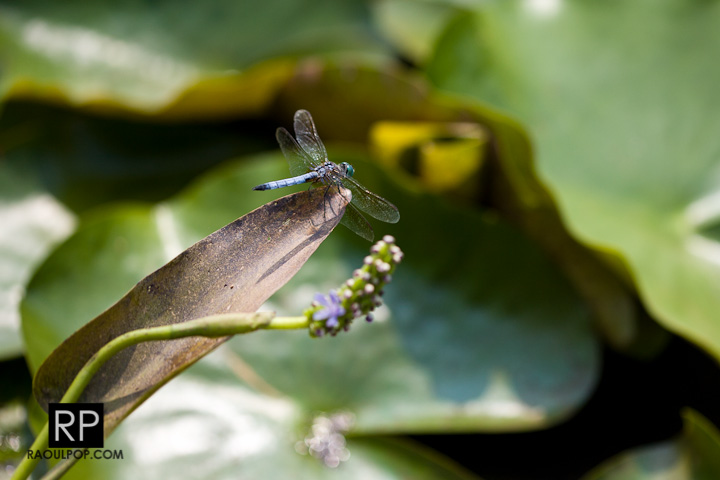
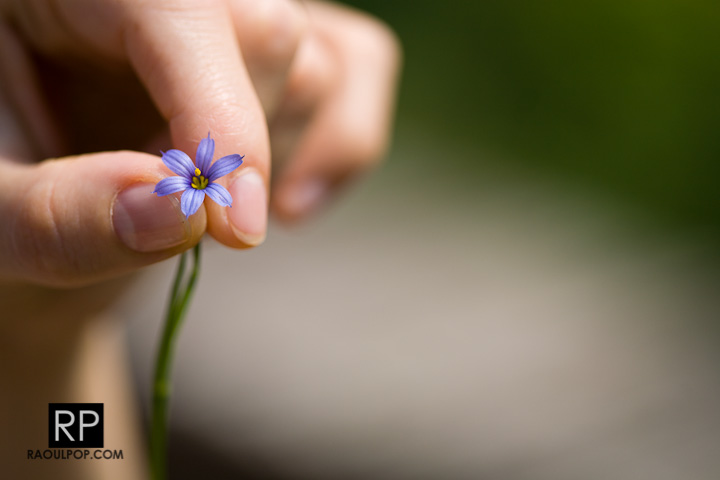
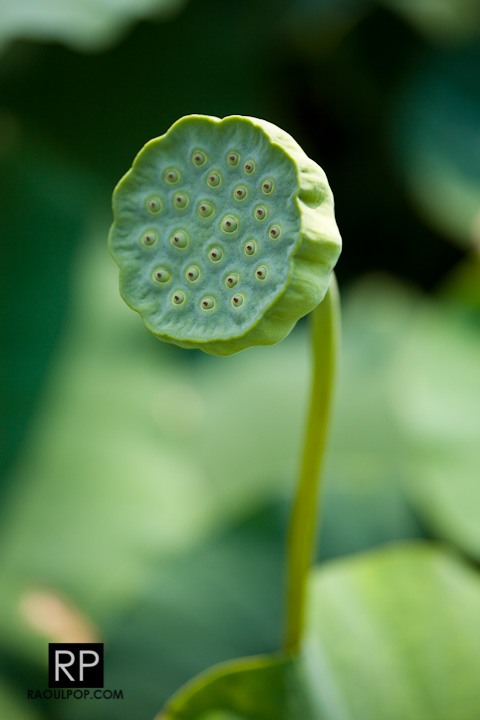
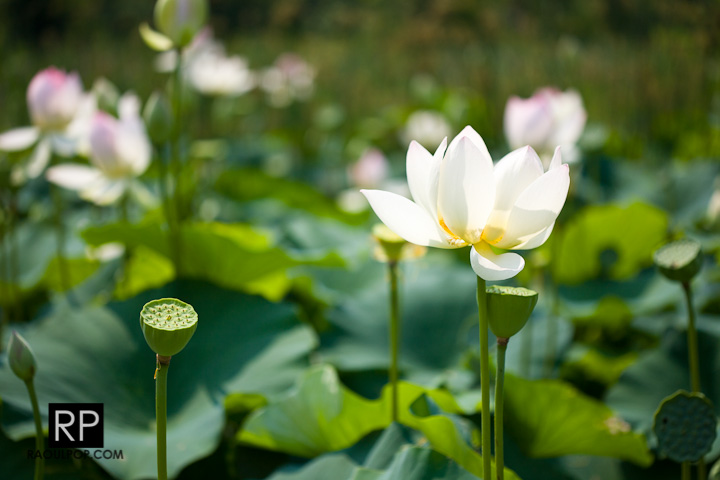
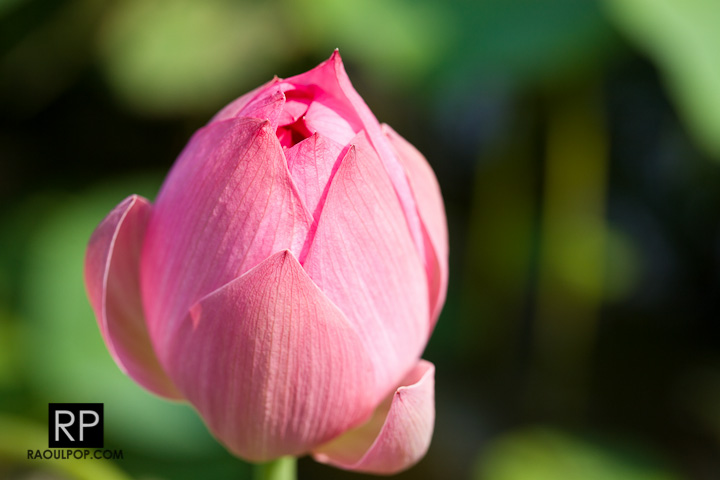
Selected photos from Kenilworth Park and Aquatic Gardens

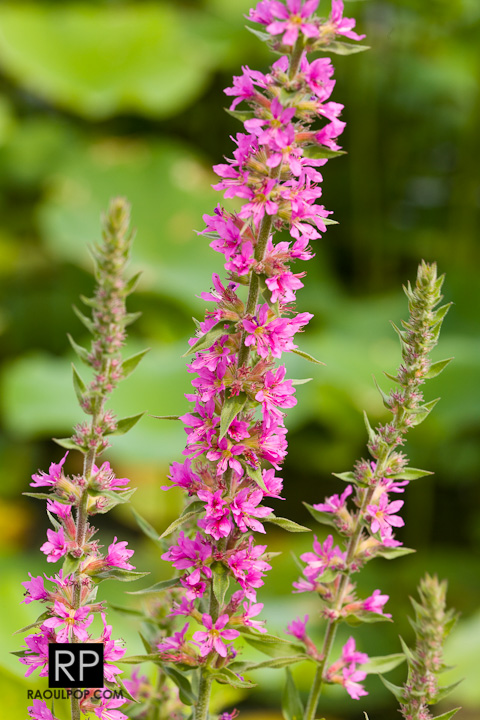
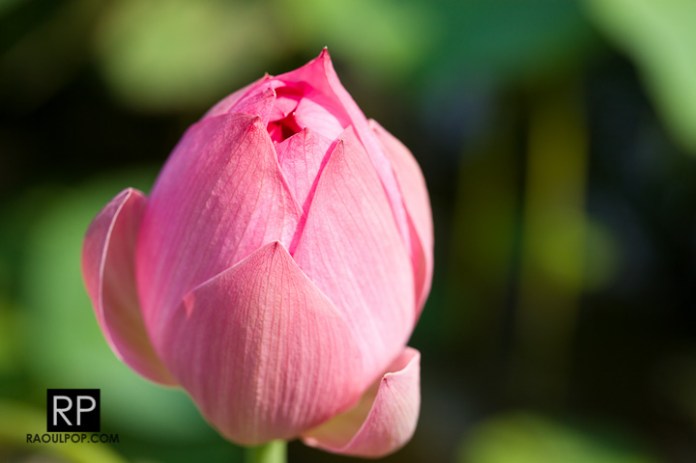
The National Park Service now runs the Kenilworth Park and Aquatic Gardens, located along the banks of the Anacostia River. The park was built by the Shaw and Fowler families, who knew the value of preserving wetlands long before the government caught onto it. In it, they preserved waterlilies and lotus flowers, and kept pristine the original tidal marsh — now the only remaining tidal marsh in Washington, DC.

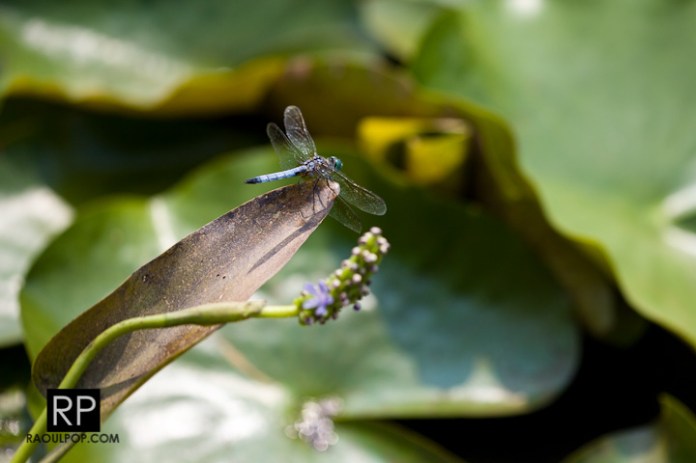
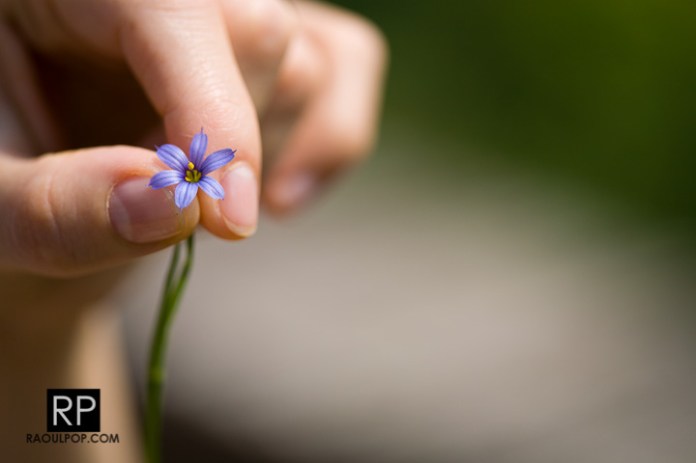
The park is home to a wide variety of flora and fauna once native to the area, but since destroyed by deforestation and development. It houses hundreds of species of birds, animals, flowers and plants.
In the 1900s, the wetlands in the area had been destroyed, because they were thought to be worthless, and by the 1990s, the Anacostia River had silted in, making it quite clear that the wetlands at least played a role in preventing that. So the local government worked with various agencies to dredge the river and rebuild the wetlands, some of which abut the Kenilworth Gardens.

Walter Shaw, a Civil War veteran, purchased the original plot of land in the 1880s, started planting waterlilies, then added more species over the years. In 1912, he opened it to the public. In 1921, when he died, his daughter, Helen Shaw Fowler, took over the park. By this time, the Anacostia River had begun to silt in, so the Army Corps of Engineers was called in to dredge it, and this endangered the park. Mrs. Fowler fought to keep it open, until Congress approved the purchase of the gardens for $15,000 in 1938 in order to preserve it.

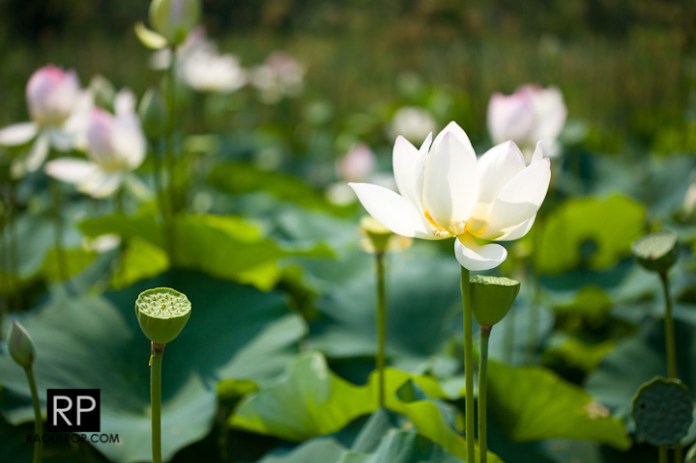
Over time, more adjacent lands were added to the park. Now its total area is over 700 acres. One such stage took place in 1992-1993, when 32 acres of mudflats were restored to tidal marshes and added to the park’s domain.
Standard