Places

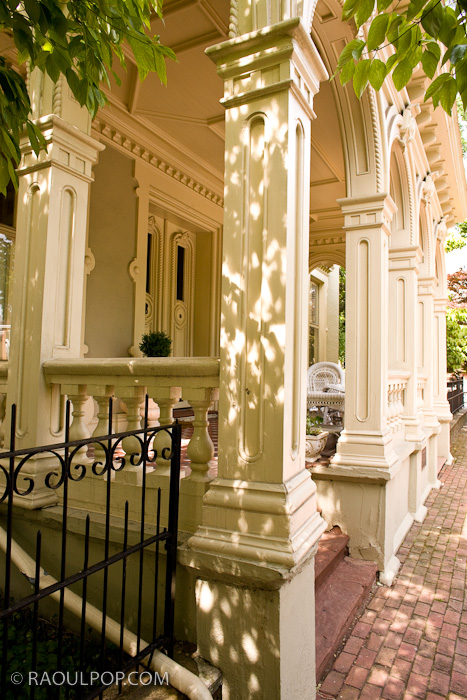
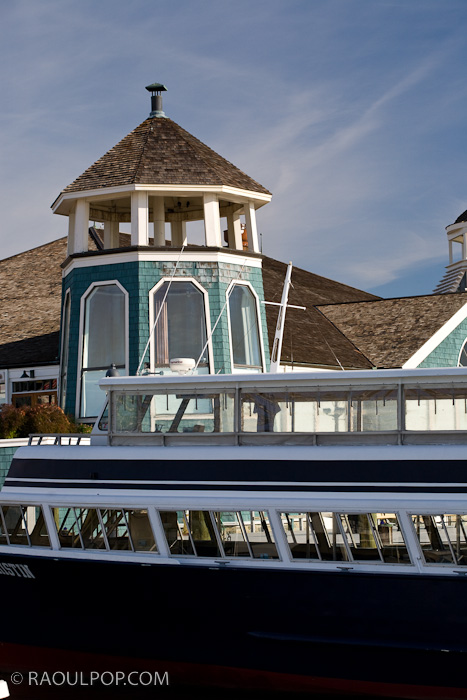
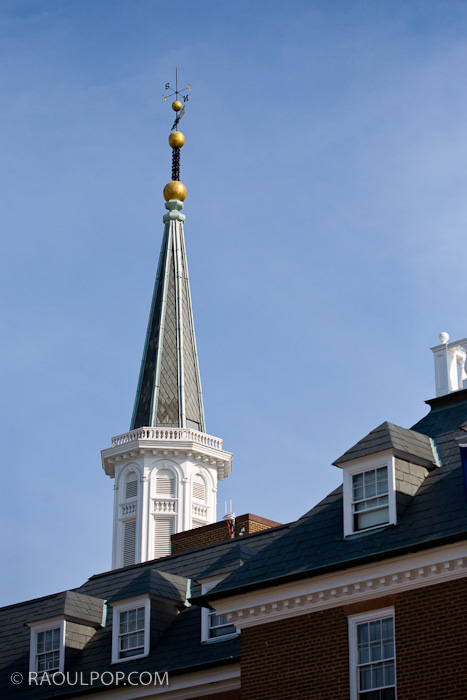
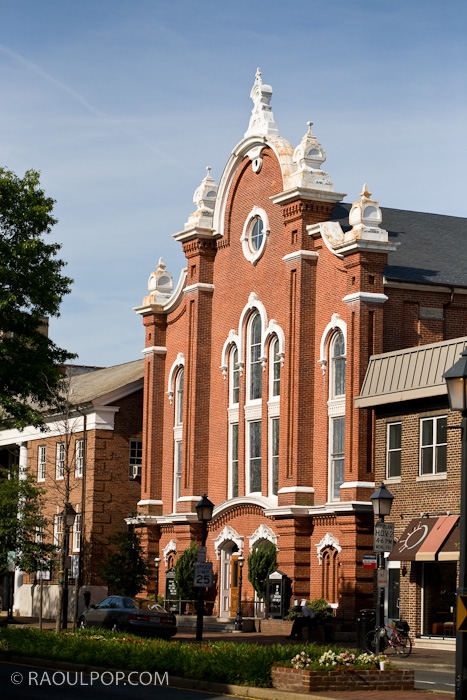
Alexandria, Virginia

The city of Alexandria (Virginia, USA) began its life in 1749, as a port for Scottish and English merchants. Alexandria is located in Northern Virginia, across the Potomac River from southern Washington D.C. The city encompasses 15.75 square miles at an average elevation of 30 feet above sea level.

It was named in honor of John Alexander, the Scott who purchased the land in 1669, for 6,000 pounds of tobacco and cask, from Robert Howson, an English ship merchant. Howson had received it as a land grant from Sir William Berkeley, the Governor of Virginia, for bringing over 120 settlers from England.

The town was incorporated in 1779, and by that time it had become a bustling port, filled with brigs, schooners and ships who came there to trade in flour, hemp and tobacco. In 1789, the town was ceded to the Federal Government, to become part of the new District of Columbia. It was retroceded to Virginia in 1847. In 1852, it gained city status and a new charter.

By the time of the American Revolution, it was one of the principal colonial trading centers and ports. George Washington, America’s first president, maintained a town house in Alexandria, and was on its Board of Trustees. During the Civil War, it was occupied by the Union Army and was a major logistical supply centers for the federal army.

Continue reading

Standard
Places

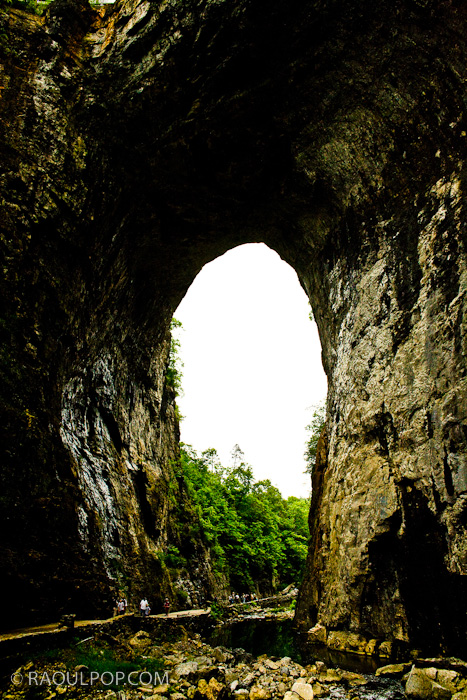
Natural Bridge: 20 stories high

Formed who knows when, by the collapse of a cavern, Natural Bridge, located in Virginia, is a monument that has been admired by people for over two centuries.

Legend has it that George Washington surveyed it in his youth, for Lord Fairfax. What we do know for sure is that Thomas Jefferson bought it, built a log cabin nearby, and upon his death, left it to his heirs, who later sold it.

The property (157 acres) changed hands over the course of time, gaining more and more public attention, until in 1988, it was declared a National Historic Landmark by the US Department of the Interior.

Although it has remained in private hands till today, it has been open to the public since the early 1800s, and it has been developed in such a way that visiting tourists may find plenty to do while they’re there. Continue reading

Standard
Places

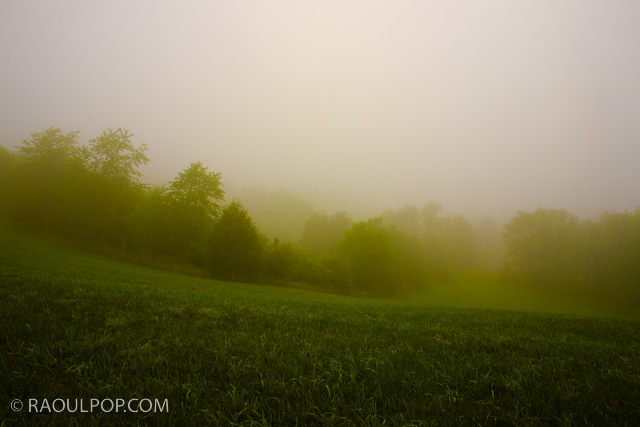
Morning fog, Virginia countryside

In my book, there are only a handful of things that rank as high as taking a walk in nature, in the midst of soft, lightly glowing morning fog. This was one of those beautiful mornings I won’t soon forget.

Photos taken in the Virginia countryside, near the very interesting rock formation called Natural Bridge.

Standard
Places

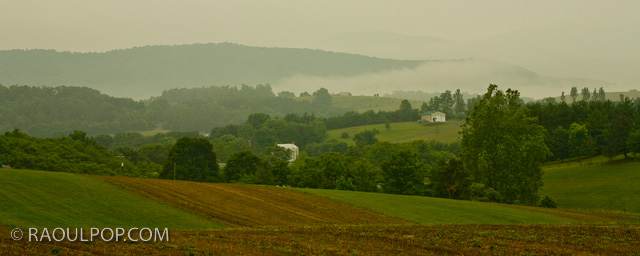
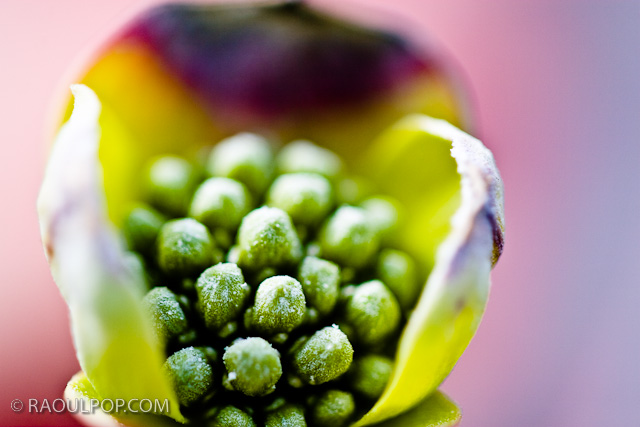
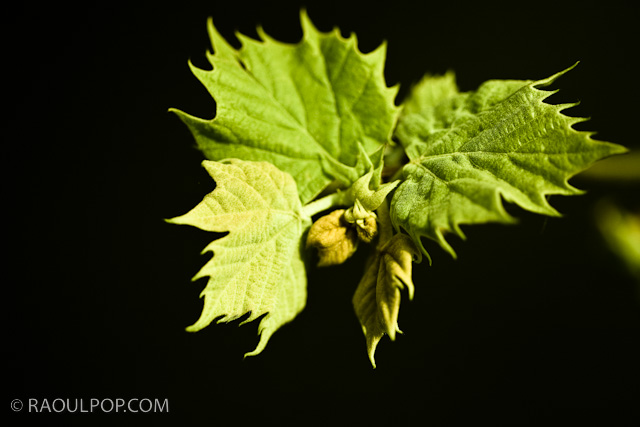
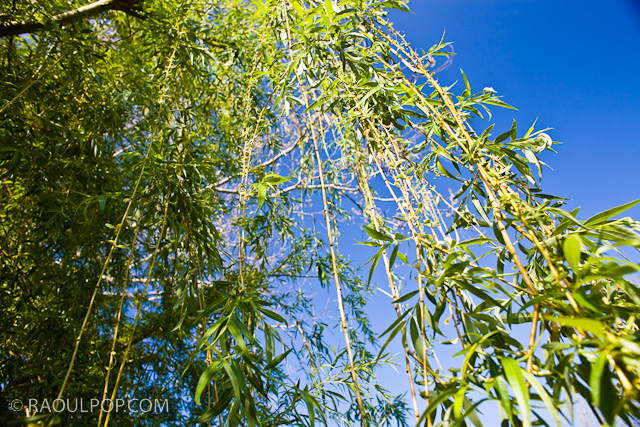
Photos of spring in the Mid-Atlantic states of North America

The spring season in a temperate climate is a wonderful time, isn’t it? If one is affected by such things, and I am, the colors, the new life, the fresh air, the sunshine, and the chirping of the birds can make you ecstatic with joy. Just as winter can be a time for quiet thought and reading by the fireplace, and that sort of thing is much-needed after a full year of work, spring is when you can get out of the house once more to explore nature as it comes back to life.

I thought I’d put together a little collection of some of my best spring photographs, taken in states such as Maryland, Virginia and DC. There are 50 photos in this post, all of which you can see individually below, or in the embedded slideshow.

Continue reading

Standard
Places

George Washington's Mount Vernon Home

We visited Mount Vernon, George Washington’s own estate near Washington, DC, this past summer. If you don’t live in the DC area, you don’t necessarily get to appreciate one of the grand gestures done to honor George Washington’s memory, namely that of building a parkway (named after him) that starts right at the gates of his estate and becomes a major thoroughfare that winds its way parallel to the Potomac River, through Alexandria, past the Ronald Reagan National Airport, through DC, and upwards, past the CIA Headquarters, right to I-495. Getting to his home becomes a pleasurable drive on a scenic parkway for the DC area driver, particularly those who are traveling South from DC and Maryland.

The location for Washington’s farm, and particularly his mansion, couldn’t have been chosen better. Even today, the view is spectacular, and one can only imagine what the surrounding area looked like during his time, unspoiled by modern “advances” and urban planning. An aquatint from Francis Jukes, done in 1800, gives us an idea, though I have a hunch he embellished things a bit.
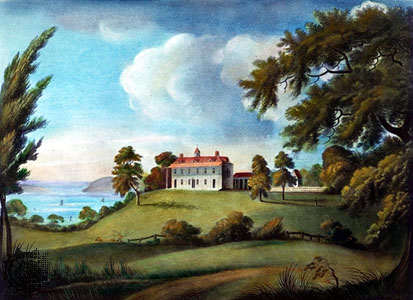
Ligia and I visited Mount Vernon on two occasions, and took plenty of photographs each time. I picked the best ones from both sets and published them at my online photo catalog. There are 70 photos in the Mount Vernon set there, and all of them are available in HD (1920×1200 pixels, 16:10 aspect ratio). I selected a representative sample of those photographs for you to see right here. The gallery is shown below.

I hope you enjoyed the photos, and that you will find time to go visit Mount Vernon if you’re ever in the DC area. I for one am heartened to see that we are still paying respect to one of our nation’s founders and our first president, even in these very unpatriotic times, when we are getting involved in wars that our founders would have nothing to do with, and when fear-mongering has taken the place of freedom, and liberty, and justice for all.

One bit of advice: if you’re planning to visit the estate multiple times, get the yearly pass. It pays for itself in just two trips. We’re glad we got it. Our third visit, if we should go again, will be free.

More information about Mount Vernon can be found directly on the estate website, or at Wikipedia. Google Books also lists two books on Mount Vernon. The first is called “George Washington’s Mount Vernon – At Home in Revolutionary America“, and is written by the Dalzell brothers, and the second is called “Mount Vernon: Washington’s Home and the Nation’s Shrine“, by Paul Wilstach and Henry Saylor. The great thing about the two books is that they can be read online in their entirety.

Standard