Places

Some of the best pizza in Venice, Italy

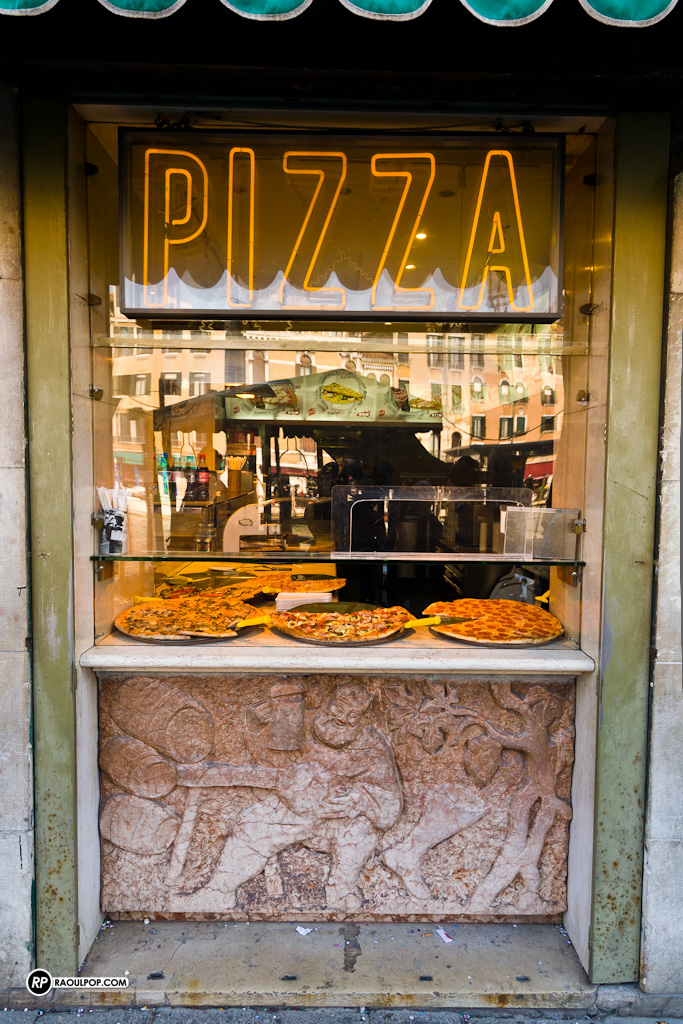
I mentioned this place back in April, in my two-part article about Venice, but I wanted to tell you about it in more detail. It’s called Al Ponte di Rialto Self Service. It’s an unassuming name for an unassuming edifice, but don’t let its looks fool you. It’s some of the best pizza in Venice, Italy, and for us, some of the best pizza we’ve had in Italy. The prices are modest, which means you can eat yourself full without breaking your budget, then head out for a day of sightseeing.

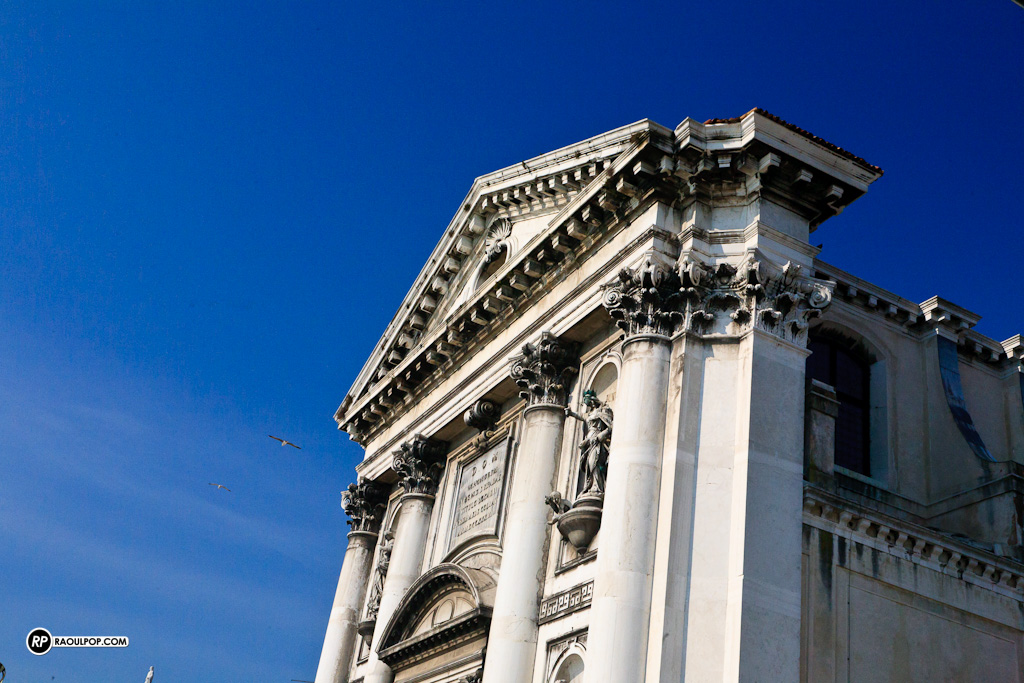
On a related note, want to know what to avoid in Venice? Avoid pricy restaurants, particularly the one next to this cathedral, with a view over the laguna to one of the neighboring islands.

I’d tell you its name, but I forgot to write it down, and it’s also possible I’m blocking it. My wife and I got a mild case of food poisoning after eating a pizza there. Sure, we felt like kings sitting on a table overlooking the laguna, on a sunny and breezy late-winter day, but our stomachs told us otherwise afterward. And when you’re unfortunate enough to get food poisoning as you’re crossing the laguna on a boat, it can get mighty rough.

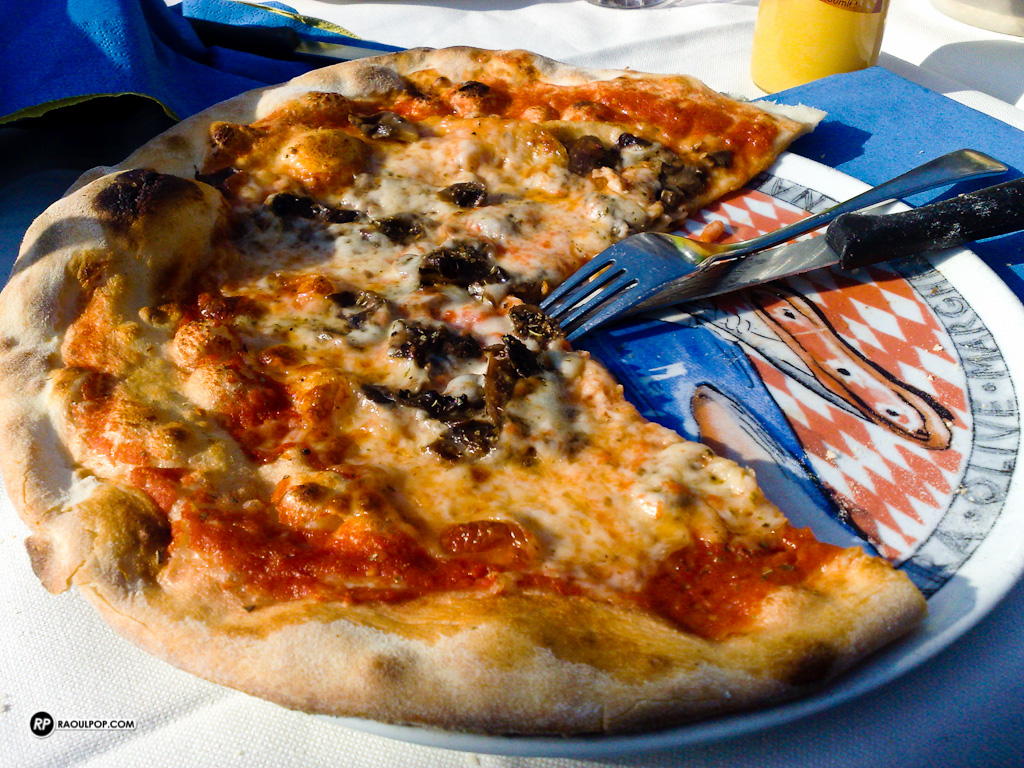
This was the pizza that made us sick.

So, keep this in mind while in Venice: avoid pricy restaurants with incredible views, and go for the unassuming places with clean kitchens and delicious food, like the Al Ponte di Rialto Self Service.

Standard
Places

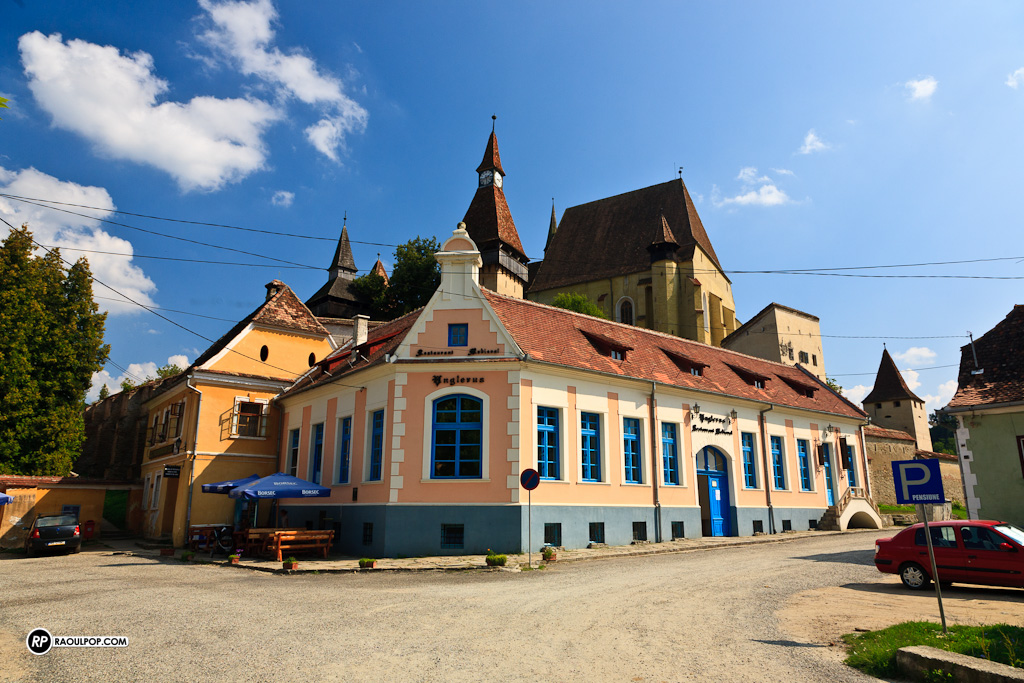
The fortified church in Biertan

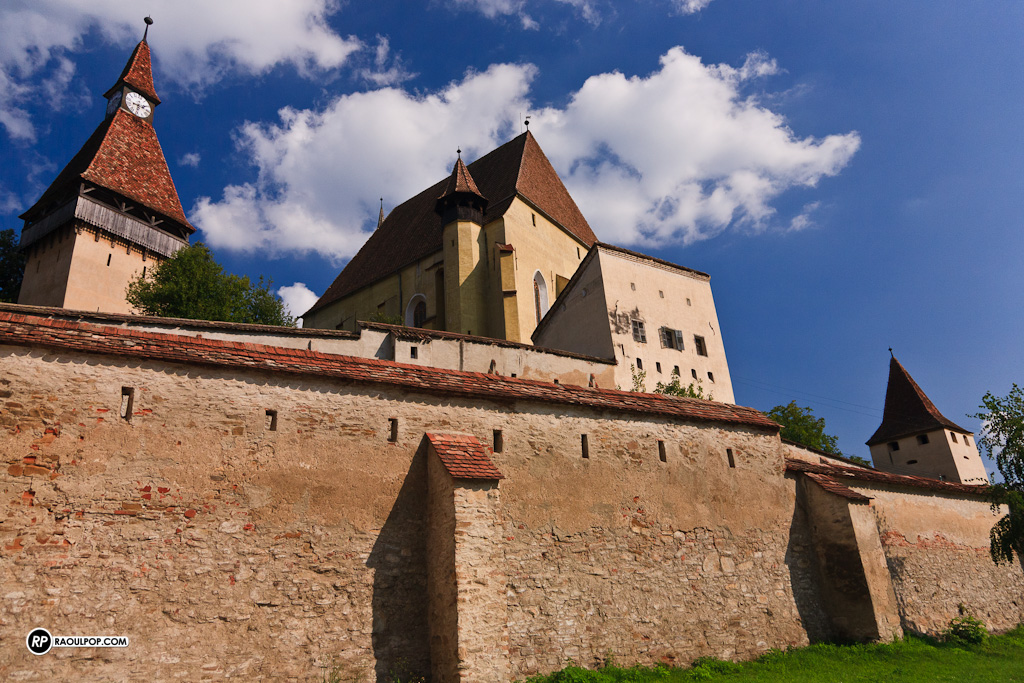
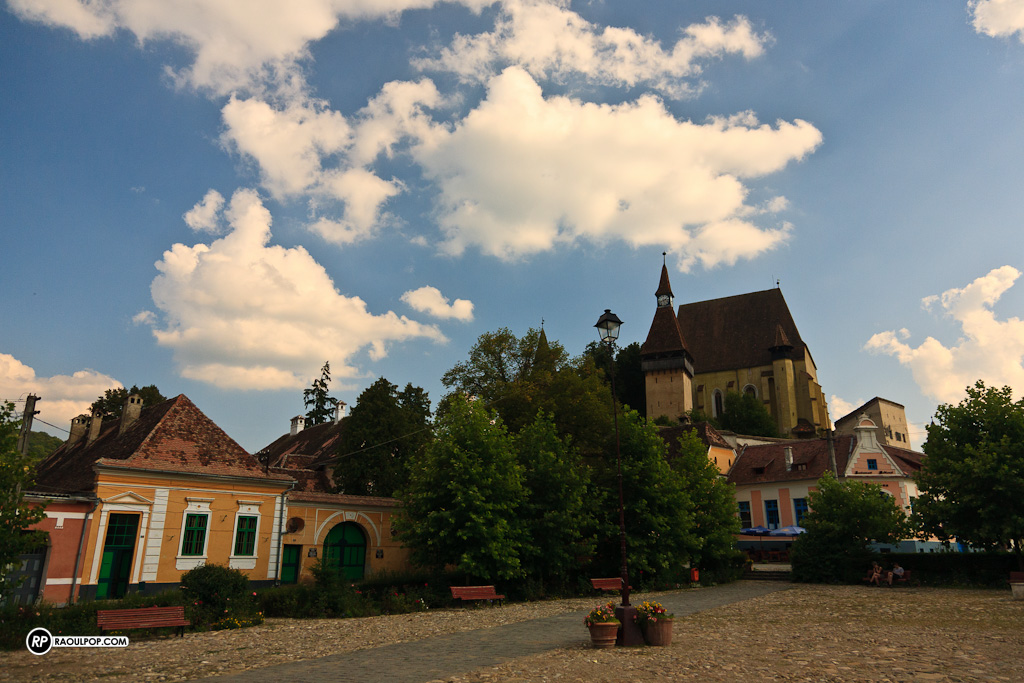
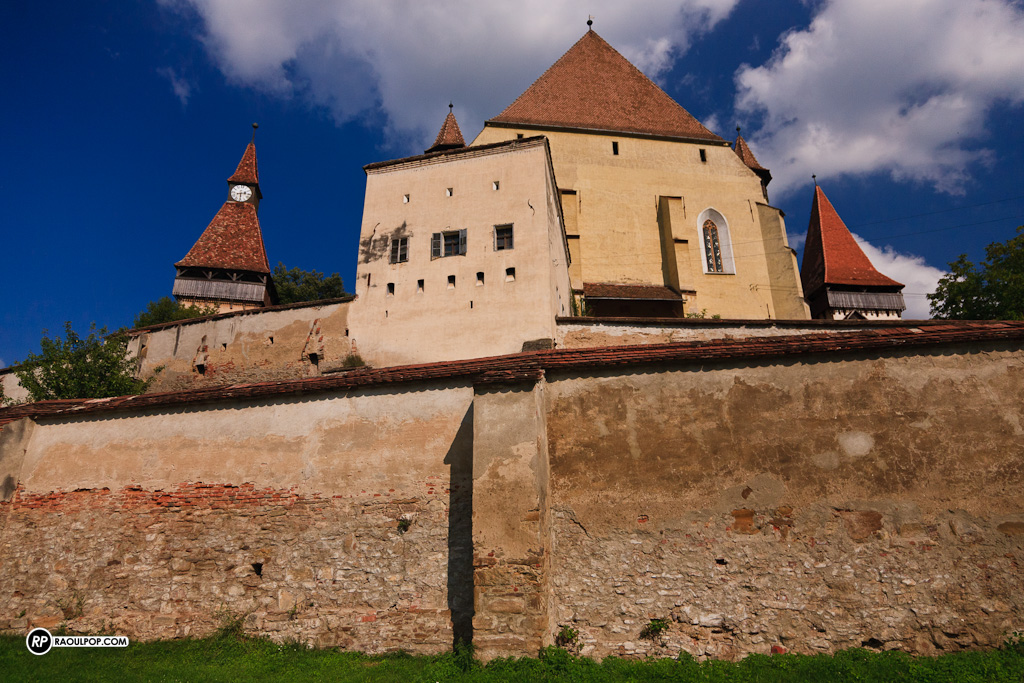
The village of Biertan has one of the most renowned fortified churches in Transilvania, Romania. Built between 1493 and 1522, over the site of a previous church, it is contained within two concentric fortified walls, with seven towers and two bastions.

The village itself has maintained its medieval character: the two roads that lead into it are the same they’ve always been; most of the houses, particularly in the village center, still have the same architecture, and you’ll be hardpressed to find but a few modern buildings there.

You get to it by driving through gentle rolling hills and crop fields. Forgotten by time (and by modern real estate development), it’s as if you’re going back through time.

The fortified church stands in the geographical center of the village, right next to the spacious, riverstone-paved village square.

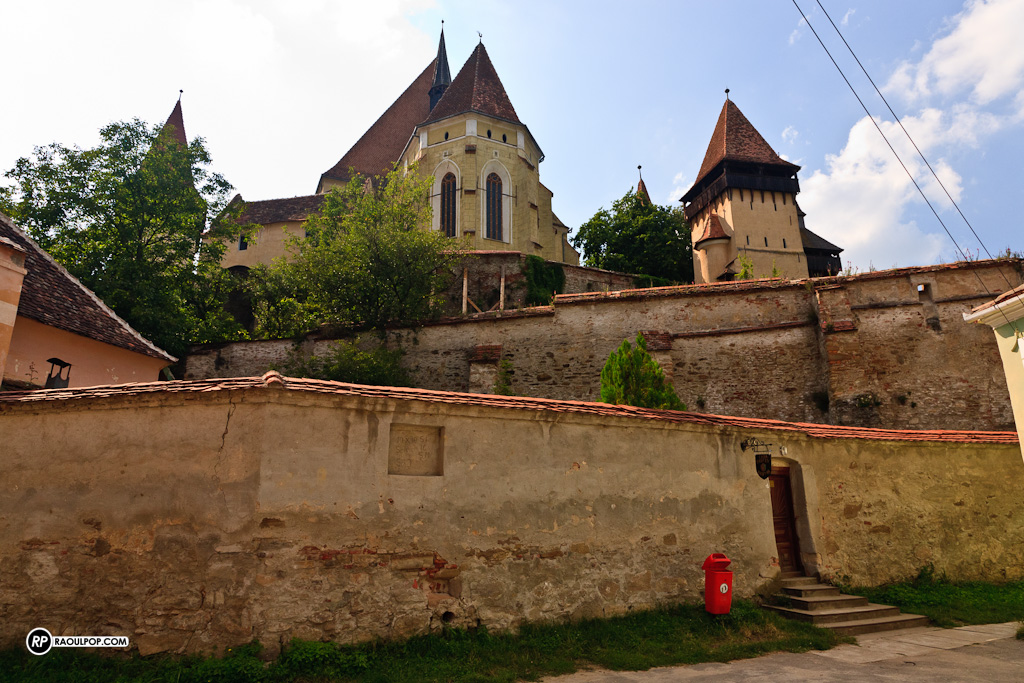
It’s a good idea to take a walk around the outer fortified wall before going in, to get a sense of the place and its layout.

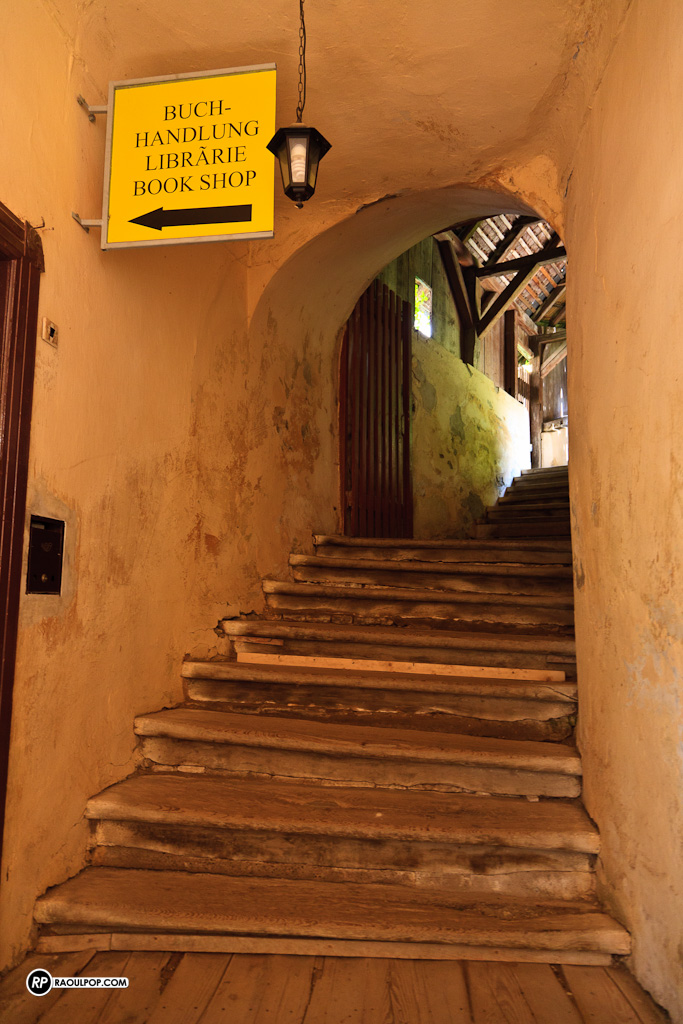
The current entrance into the fortified walls is through an arched passageway with a long row of steps up the hill, which leads inside the inner courtyard.

Continue reading

Standard
Places

Selected photos from Vadu, Romania

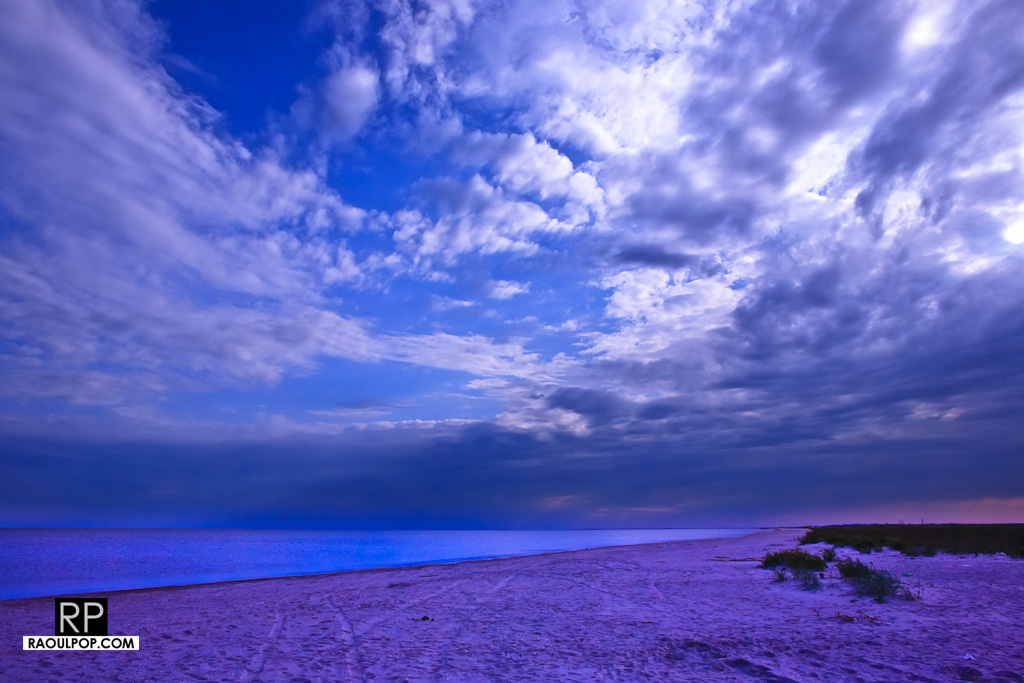
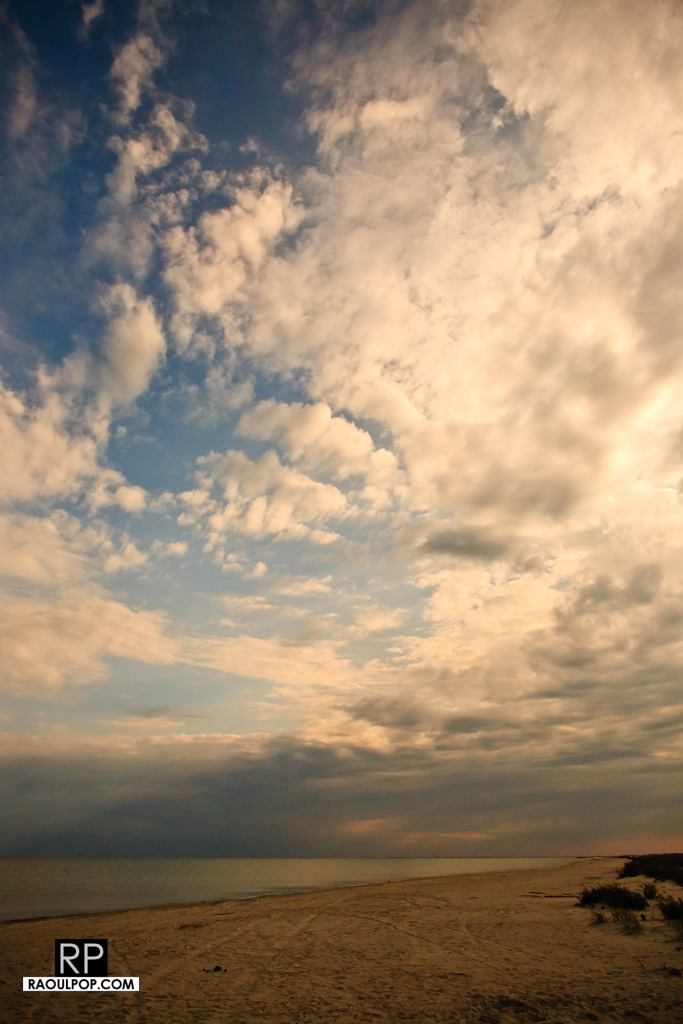
The beaches at Vadu and Corbu, two adjoining villages on the shores of the Black Sea in Romania, are some of the last wild (more or less untouched) beaches on the Romanian seaboard.

Vadu has recently been made part of a large natural reservation called Rezervatia Biosferei Delta Dunarii. Nothing has changed as a result of that, except some hefty fees now get levied on every visitor to the beach (20 RON/person/day and 100 RON/car/vacation).

I don’t know where that money goes, and what good, if any, it’s being used for. Perhaps it goes to pad someone’s pockets, as is often the case in Romania. What I do know is the fees are expensive, and the garbage left by some tourists still doesn’t get picked up by the park staff, as you’ll see in pretty much any of the photos shown here if you look carefully. It seems the paramount concern of the park staff is to make sure every person that enters the beach area pays their fee.

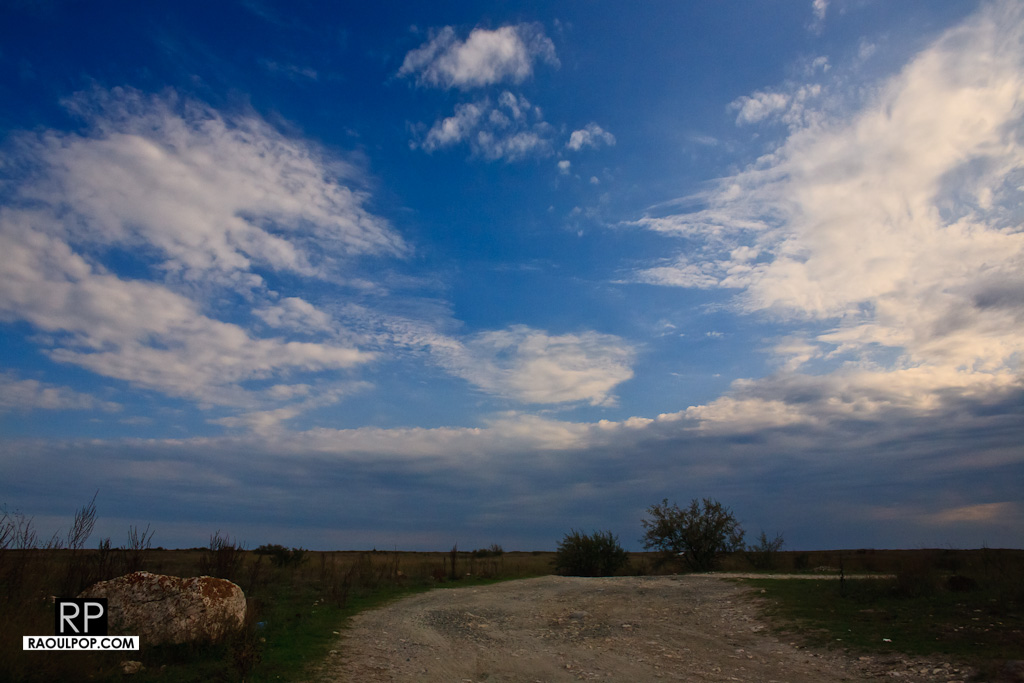
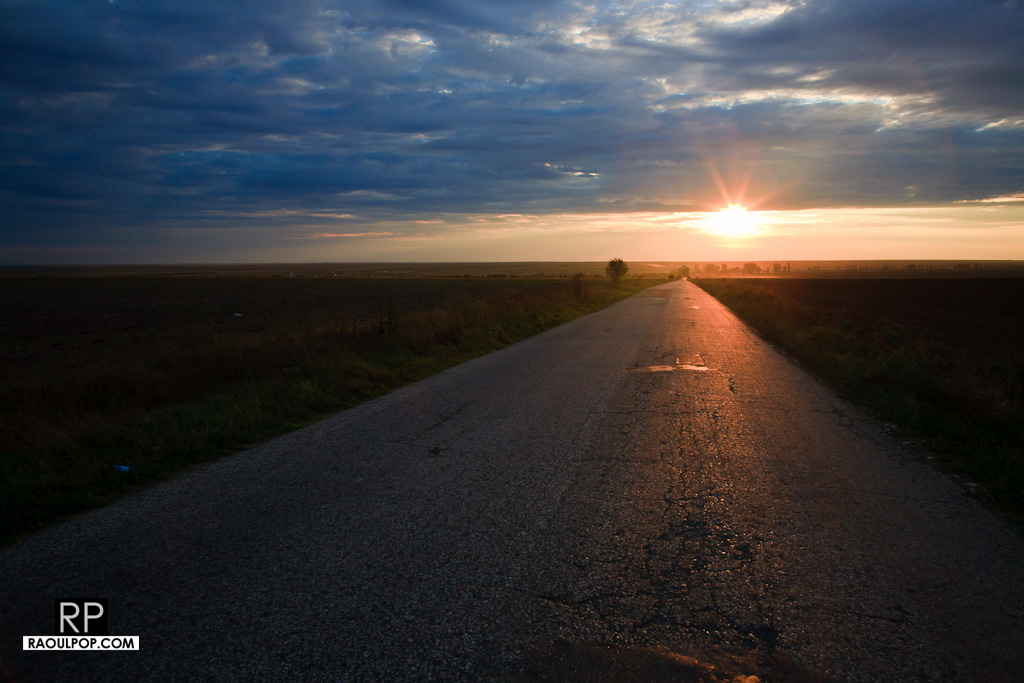
The landscape is very flat near Vadu. As far as the eye can see, the fields are wide, flat as a pancake, and the horizon is but a thin line, far, far away. Dobrogea, the province where Vadu is located, is a flat place, it’s true, but it does have gentle rolling hills, gorges and the oldest mountains in Romania (they may look like hills, but they’re mountains). (See my Dobrogea gallery for more photos from the province.)

When we visited Vadu, we didn’t have time to stay and spend a day there, but we did take some time to walk on the beach, and through the barren fields near the beach.

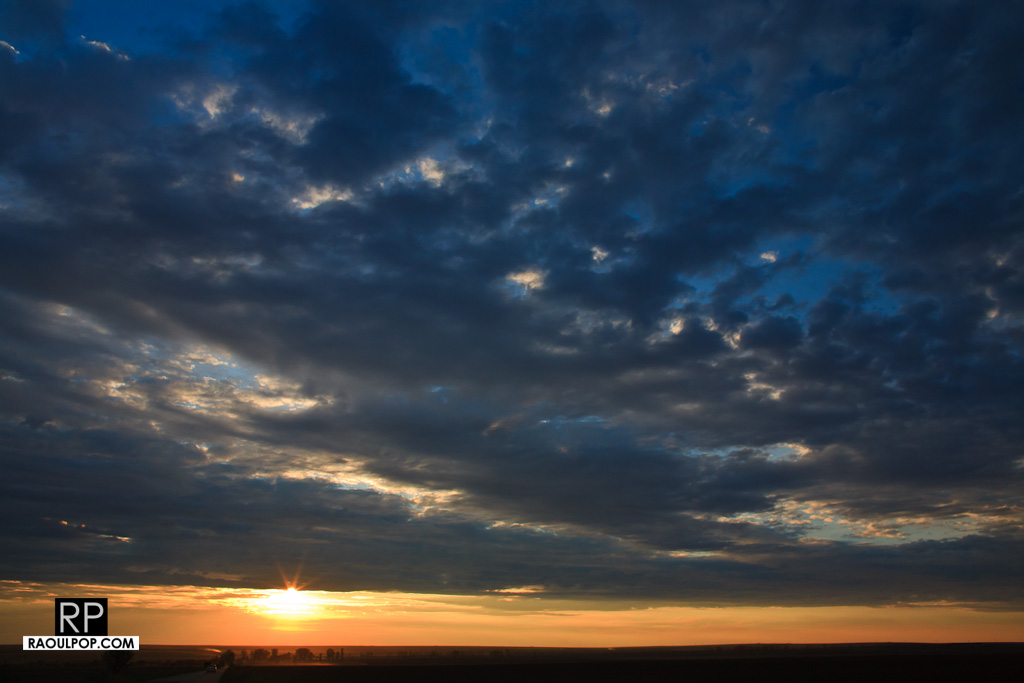
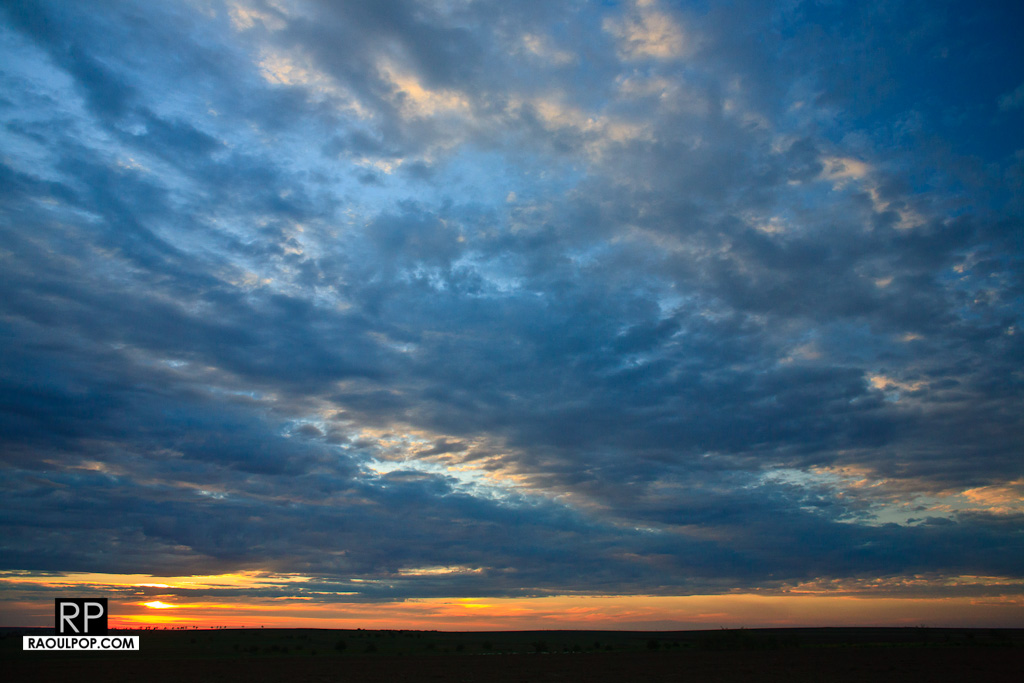
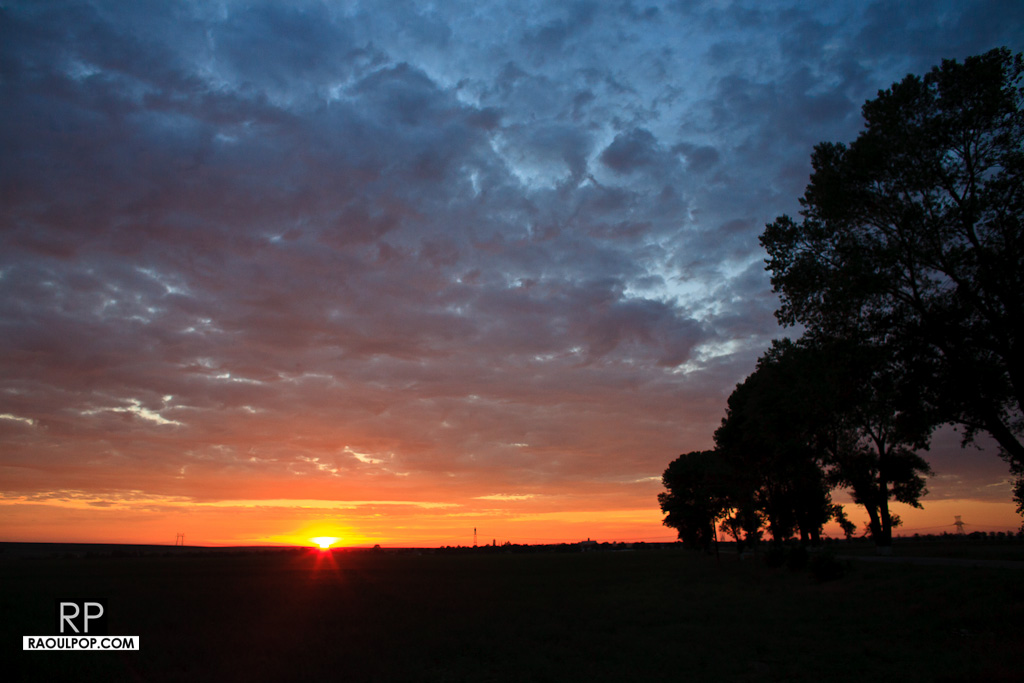
The sunset was beautiful that day.

Standard
Places

A look at the history of Medias through paintings

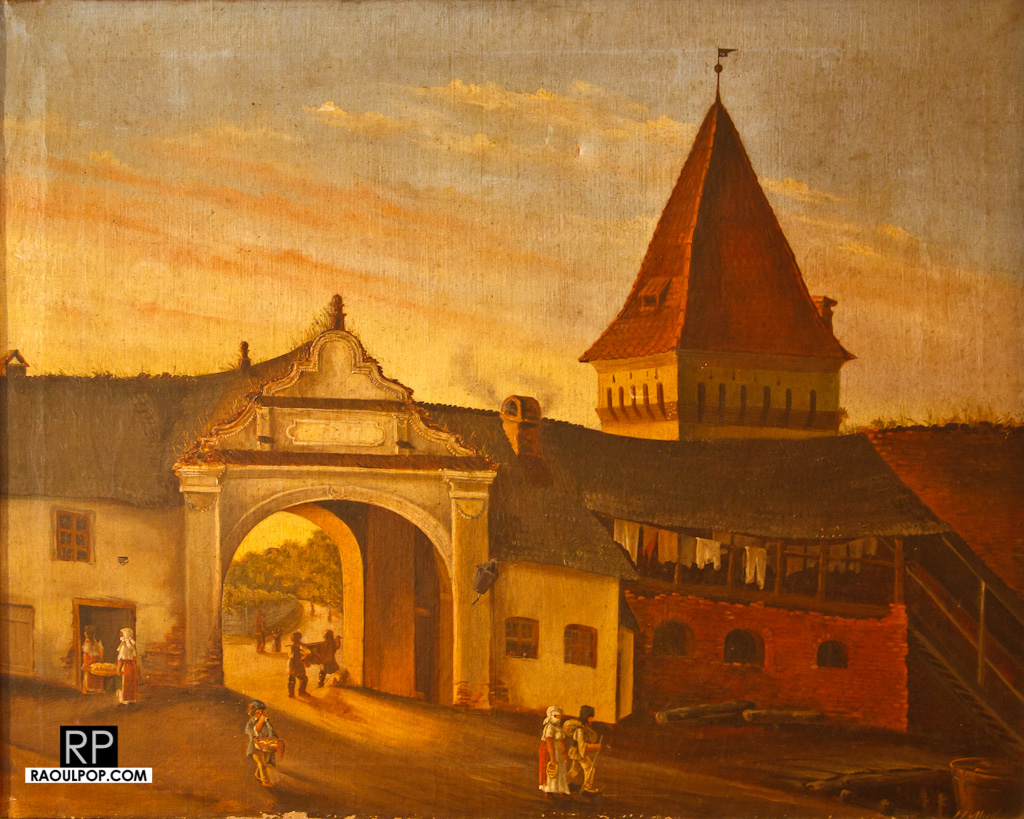
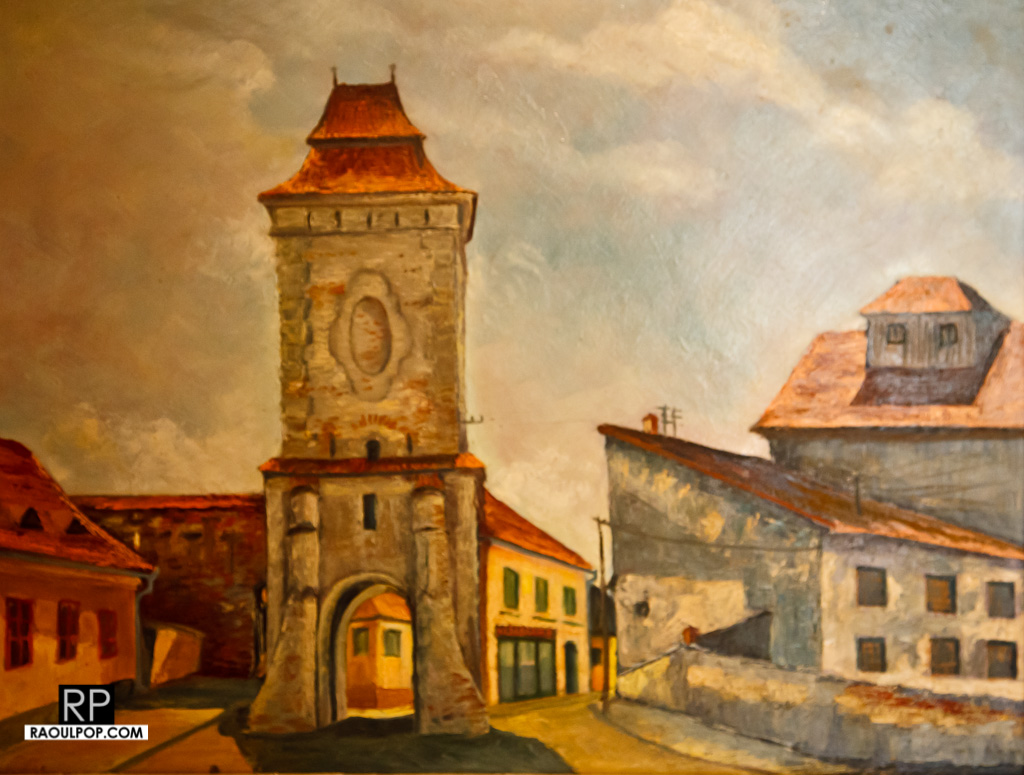
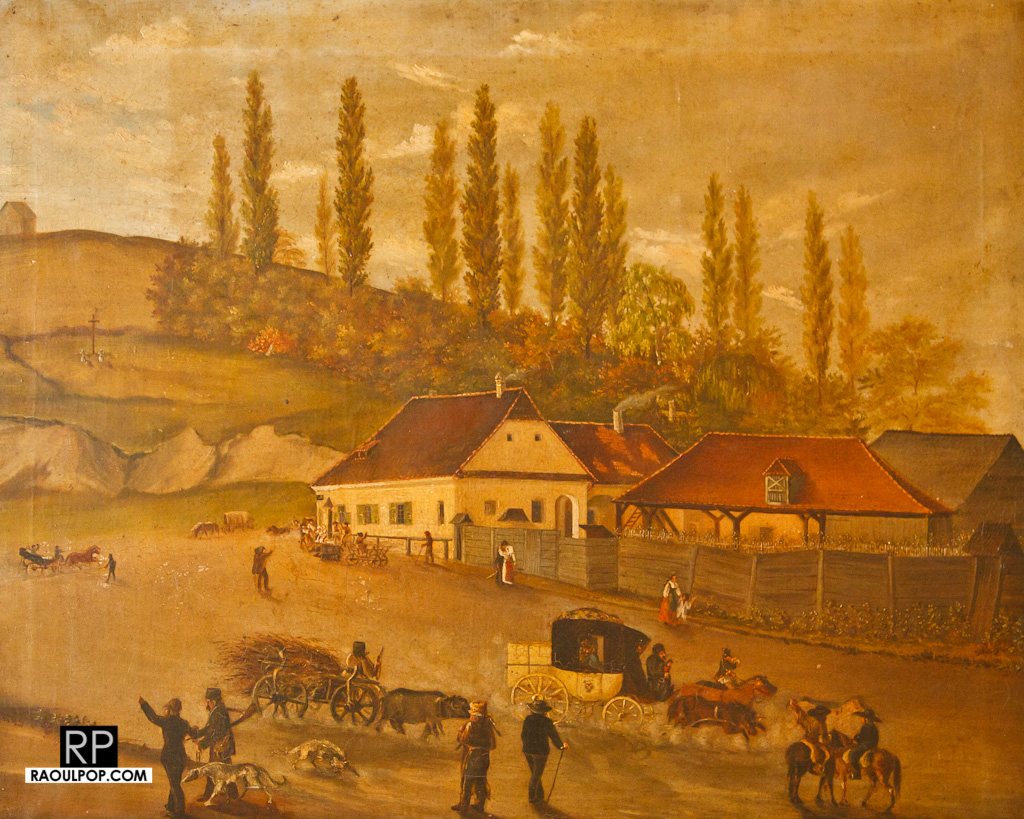
One of the exhibits at the Municipal Museum in Medias is a collection of historic paintings depicting the city as it was in the 18th, 19th and early 20th centuries. Not all of them are on display due to a lack of exhibit space, but the ones that can be seen are worth your while.

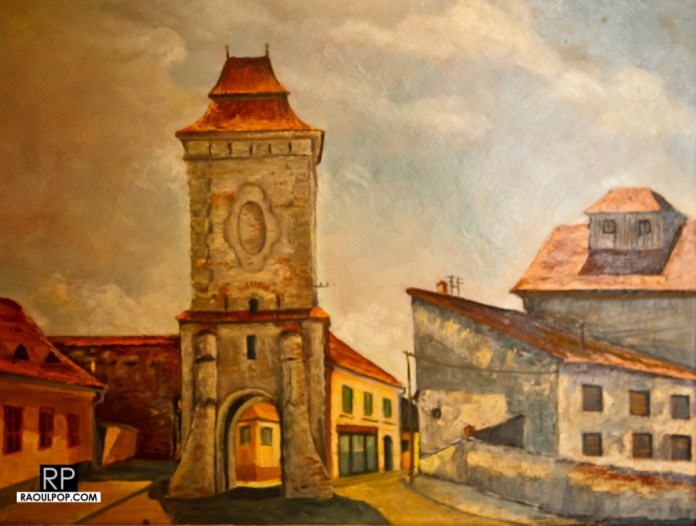
You’ll see the Steingasse tower below, built and maintained by the stoneworkers’ guild. Nowadays, there’s a cobbler’s shop to the left of the tower, which has been there for decades. And behind the tower, you’ll see shop windows for a grocery store that’s also been there for decades. Sadly, the store looks terrible today, but when I was young, I used to go there often to buy things for my grandmother’s kitchen.
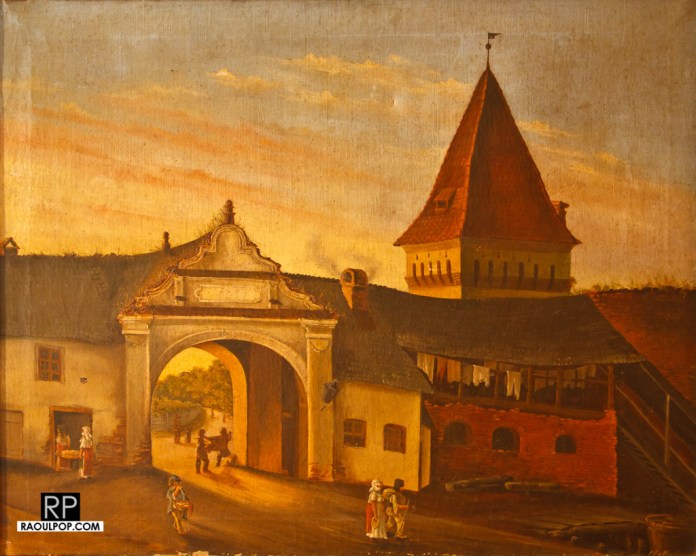
The gate you see in this painting no longer stands today. The tower you see behind the gate still stands though. You can see weeds growing on the roof of the gate, even in the early 19th century, which means it wasn’t well maintained even then. And if you look through it, you’ll see a fairytale countryside road that led away to neighboring villages through a forest. That’s no longer there today. Now there’s a big, ugly hospital building there, and beyond it, the city’s expanded for kilometers.
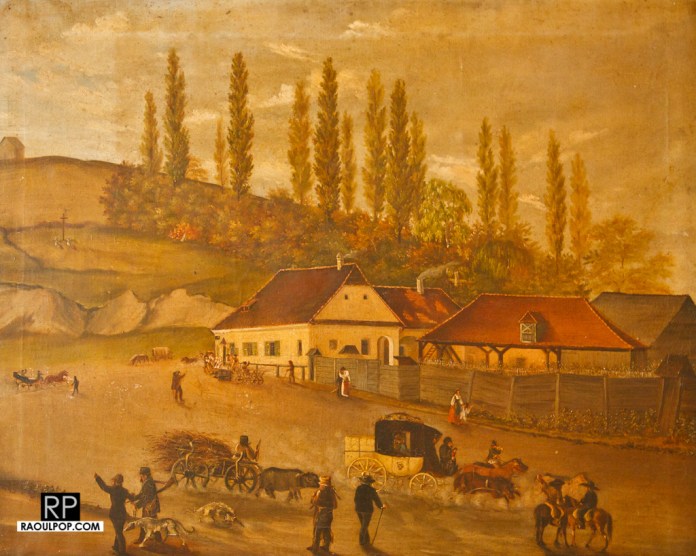
The scene you see below no longer exists today. Railroad tracks cross over the sites of those homes, and the hill behind them is now dotted with thousands of graves, as it’s become the official cemetery of the city.
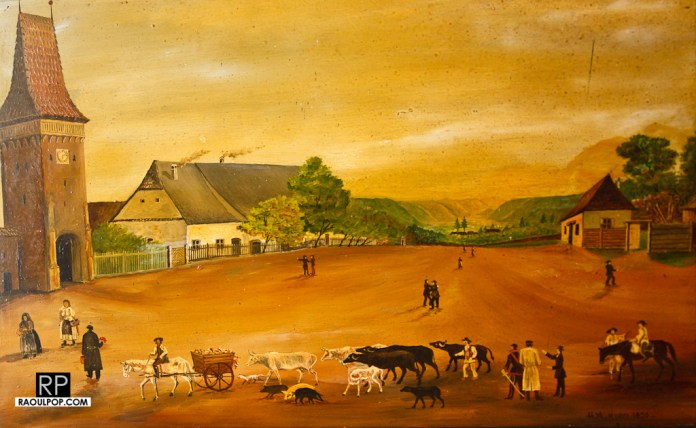
The tower you see here, Forkesch, still stands today, but the historical fortified wall which once connected it with the tower in the second painting seen above, has been rebuilt. That tower can’t be seen below, but it’s somewhere down in the valley. The wall also can’t be seen, because it had been torn down by the mid-19th century when this painting was made. The road is still in the same place, but instead of houses, a large church stands across the road from the tower, and the city’s hospital is just below, in the valley.
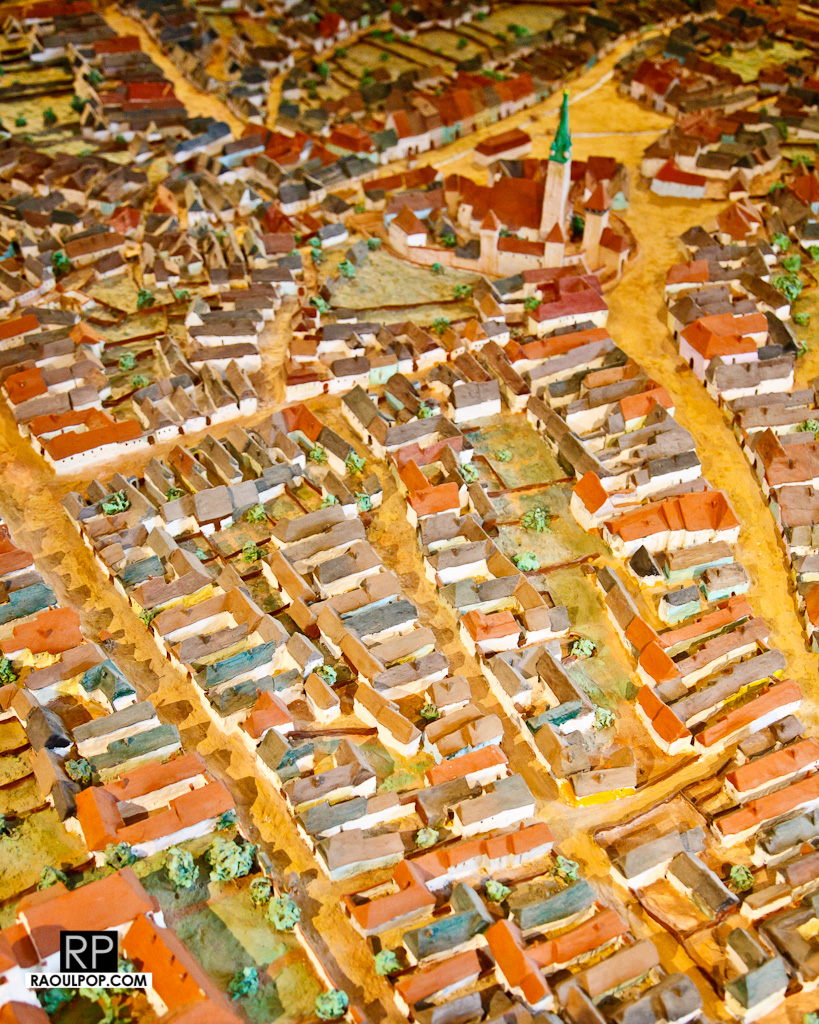
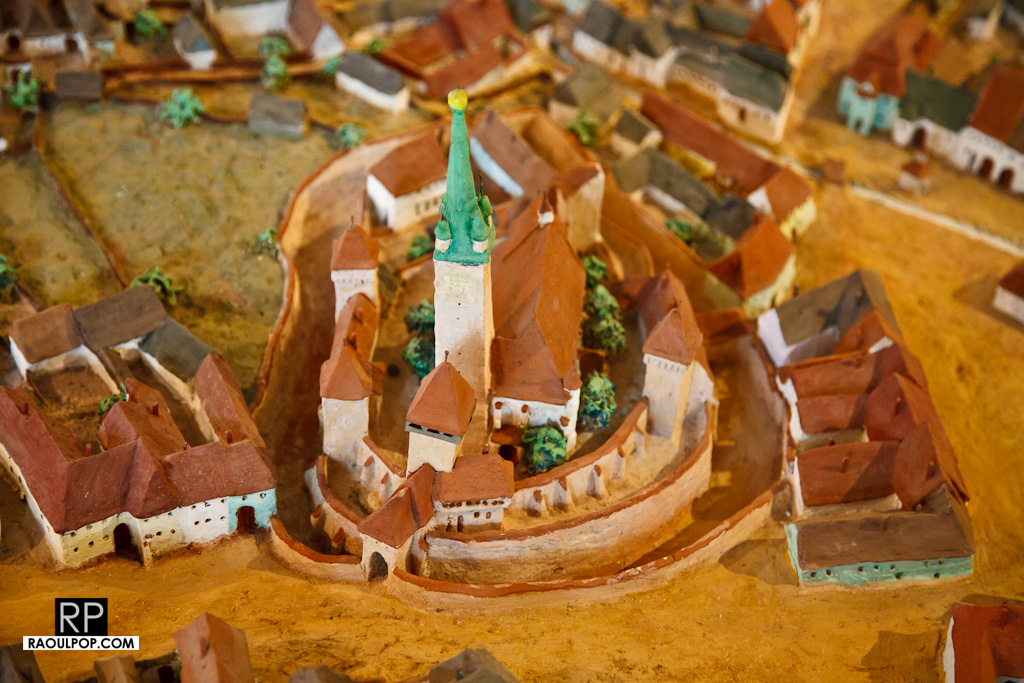
Now this isn’t a painting, I know that, but it is very interesting nonetheless. It’s a model of the city as it was sometime in the 16th or 17th century, and it can also be found at the museum.
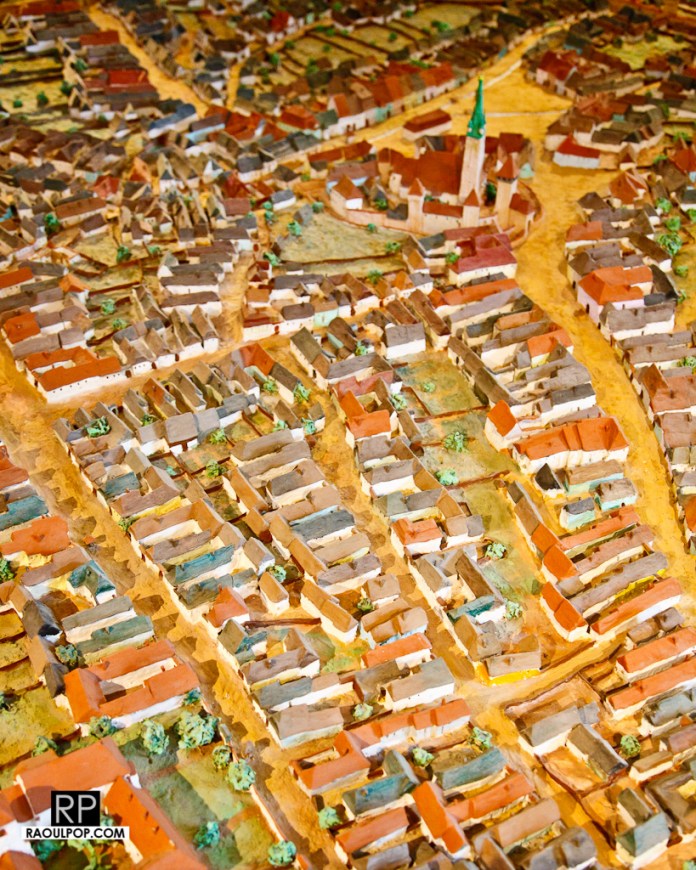
As you can see, St. Margaret’s Church was originally surrounded by three rows of walls and a large moat, with covered bridges functioning as entrances into the inner walls. It’s a pity it no longer looks like that nowadays, because it would be a truly romantic place if it did.
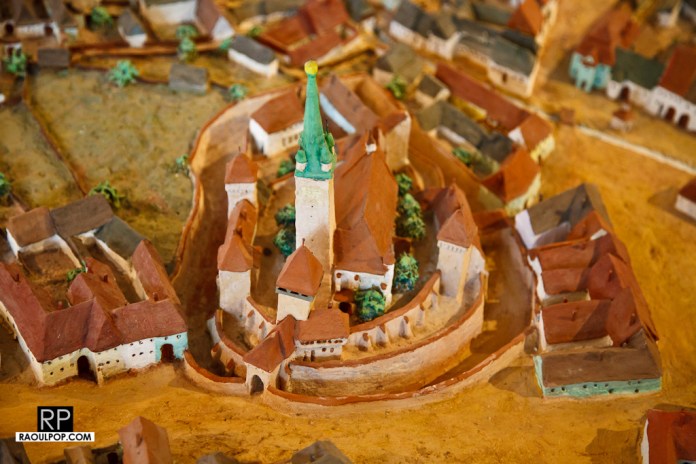
I invite you to go see the model in person, as it’s a great deal larger than what you see here. The details are wonderful. You can see how each house looked (approximately), its location, and the layout of each street. And if you’re a mason, and you know about the city’s new tourism campaign, then you’ll appreciate a closer study of the city’s layout, which, according to some, replicates the search for light found in masonic rituals.

Standard
Places

The Guild Chest: an exhibit at the Municipal Museum in Medias

This year, the Municipal Museum in Medias, Romania, is exhibiting guild chests from the various guilds that existed in the city during its long history (the city was founded in 1267 AD).

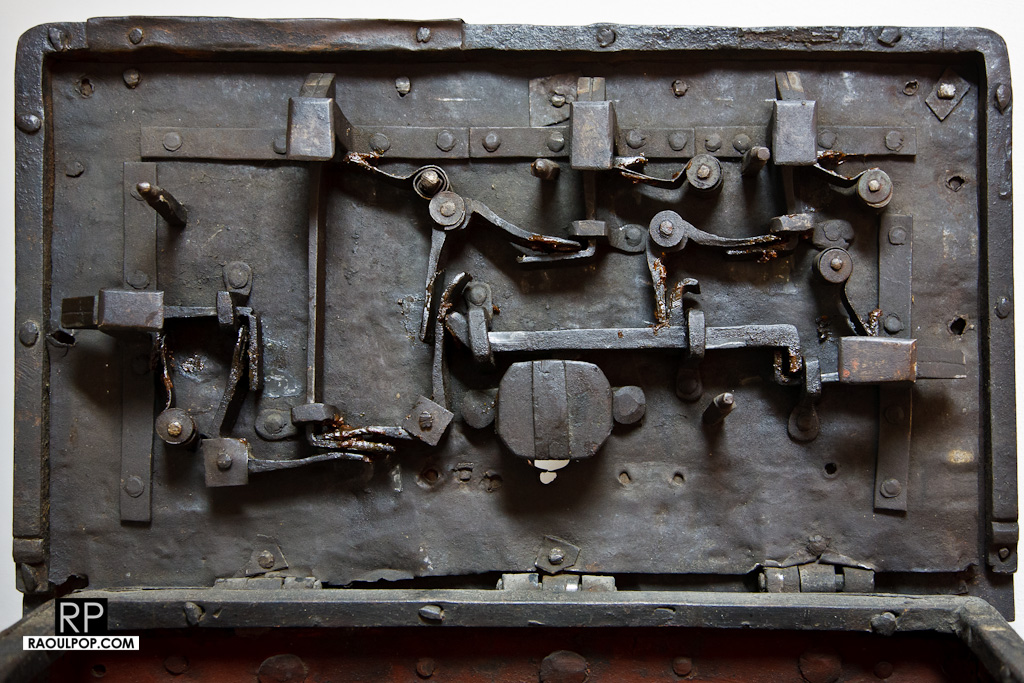
Each guild had its chest, a decorative wooden or metal box, locked with a key, which held certain objects, such as tools or scrolls or documents of value to each guild. The chest figured prominently in guild meetings and rituals. It was sometimes re-decorated or re-built when a new guild master took the helm.
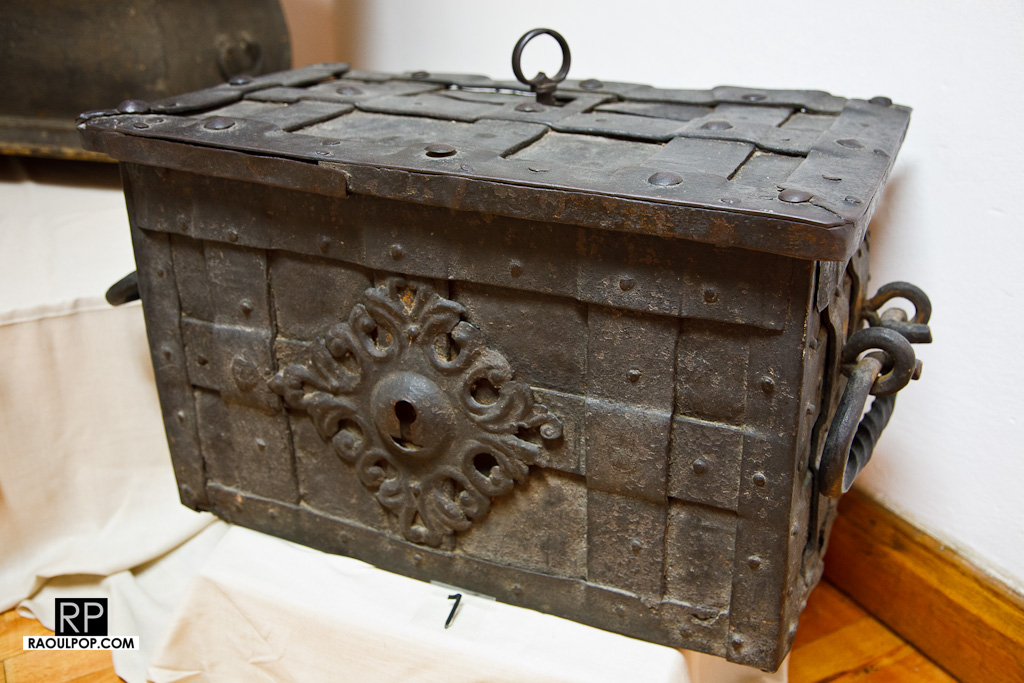
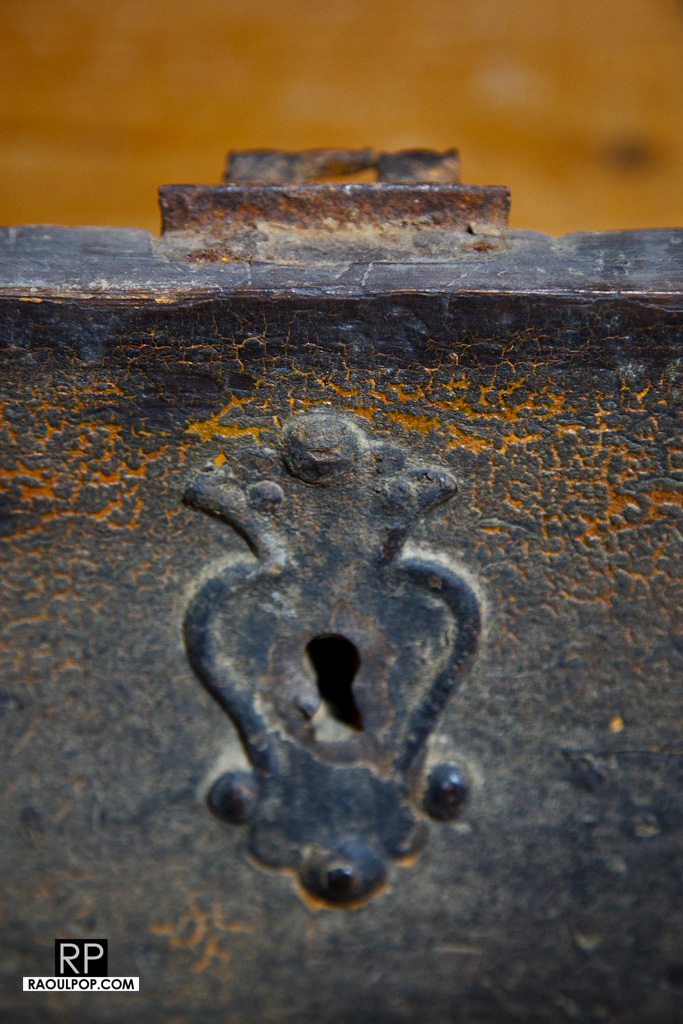
For example, the blacksmiths’ guild chest was highly ornate, and featured an intricate 5-point lock system, opened with a single key.

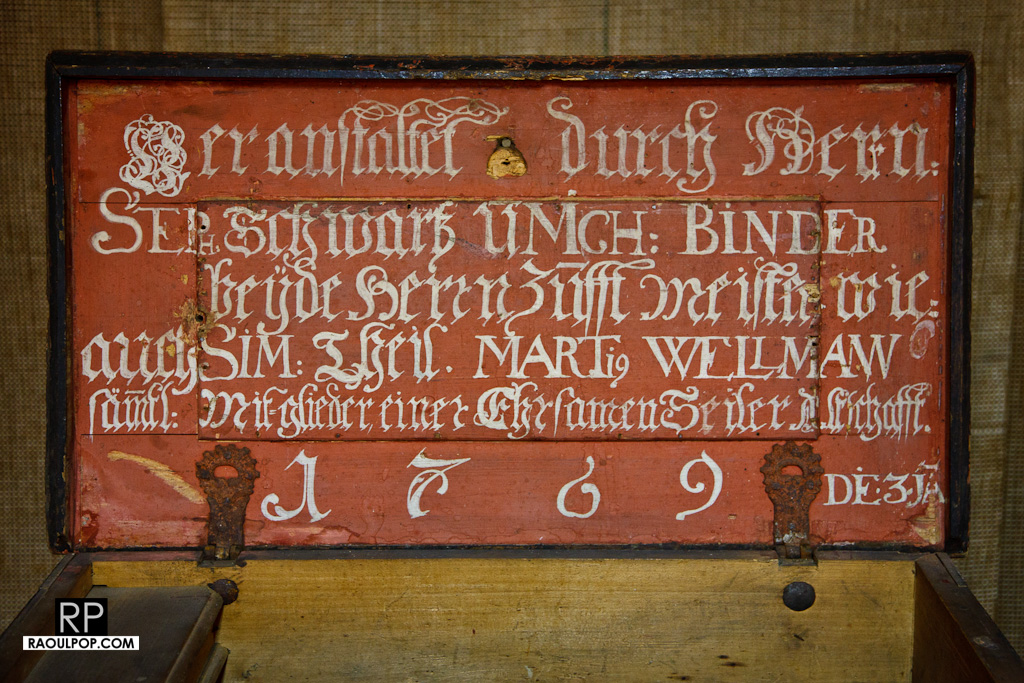
The tanners’ guild chest features their guild colors and insignia, the year when it was made/re-decorated, and the name of the (then) guildmaster.

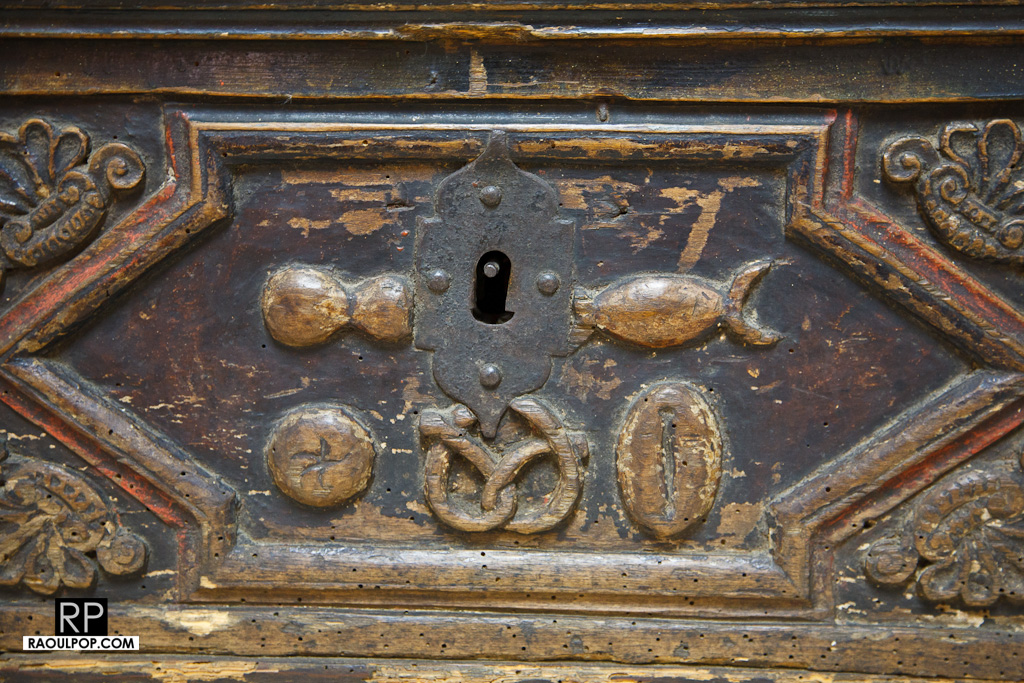
Then there’s the bakers’ guild chest, where a few of their traditional products are engraved onto the side.

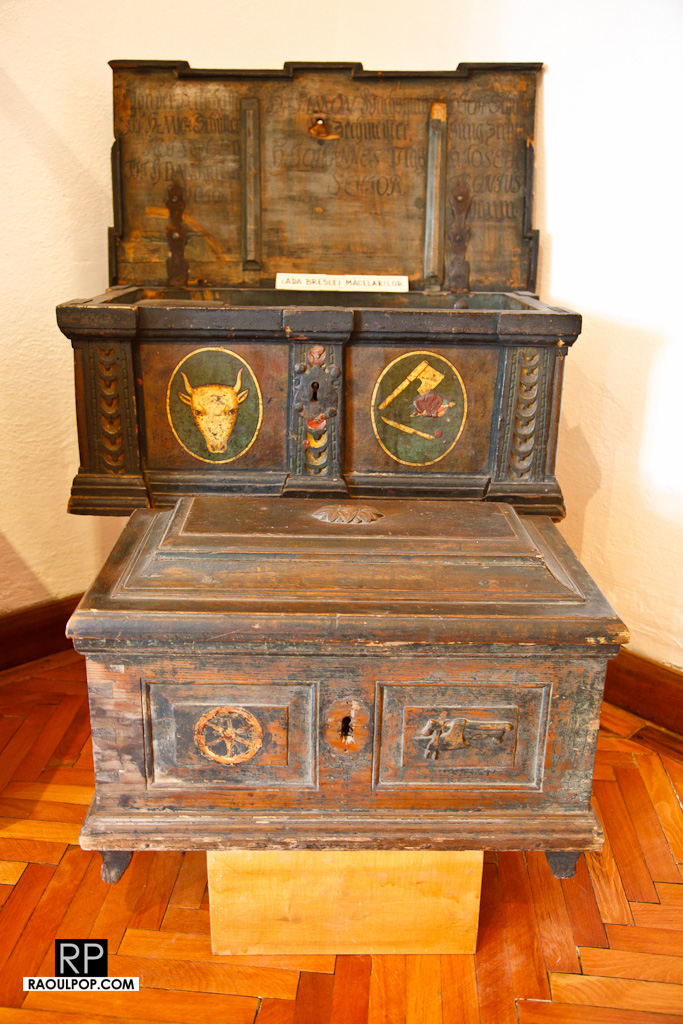
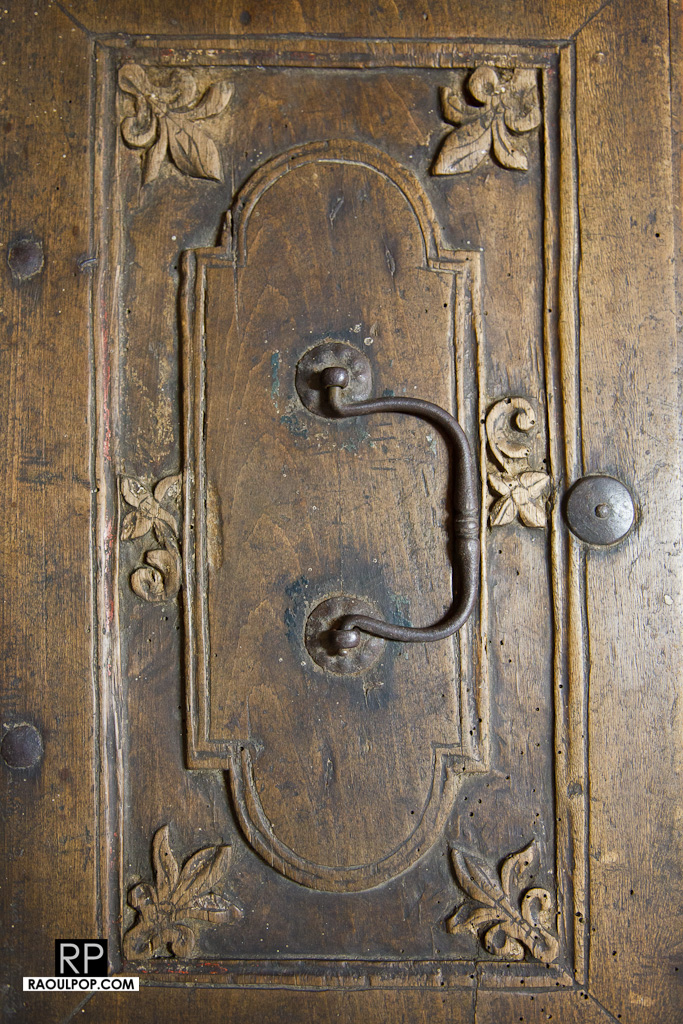
The two chests below look to be from the butchers’ guild and the wheelmakers’ guild.

Nova TV, the local TV station in Medias, has put together a nice video montage of the exhibit, which you can see below or on their blog.

If you happen to visit Medias, don’t forget to drop by the museum as well. It’s surprisingly large, and it has many rooms with many exhibits. You can spend hours and hours there if you like. Incidentally, it’s housed on the premises of the Franciscan Monastery I wrote about earlier.
Standard