Places

The Seven Foot Knoll Lighthouse

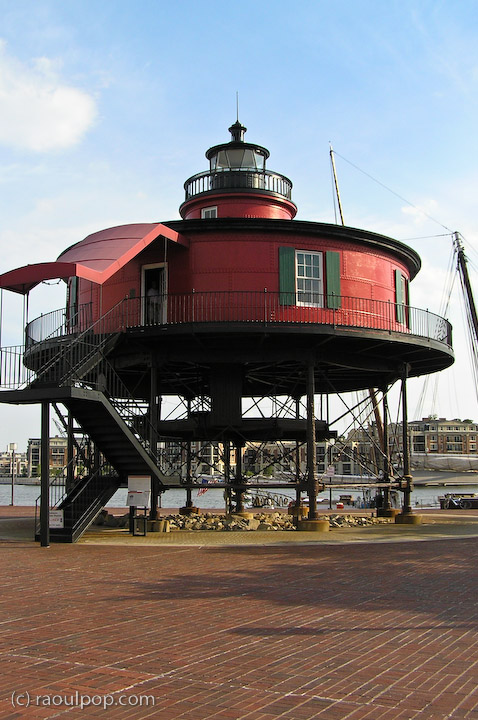
The Seven Foot Knoll Lighthouse is the oldest surviving screw-pile lighthouse on the Chesapeake Bay. It was built in 1856 (before the Civil War), and installed at the mouth of the Patapsco River, where it marked the shoal known as Seven Foot Knoll for 133 years. We visited it during our recent trip to Baltimore.
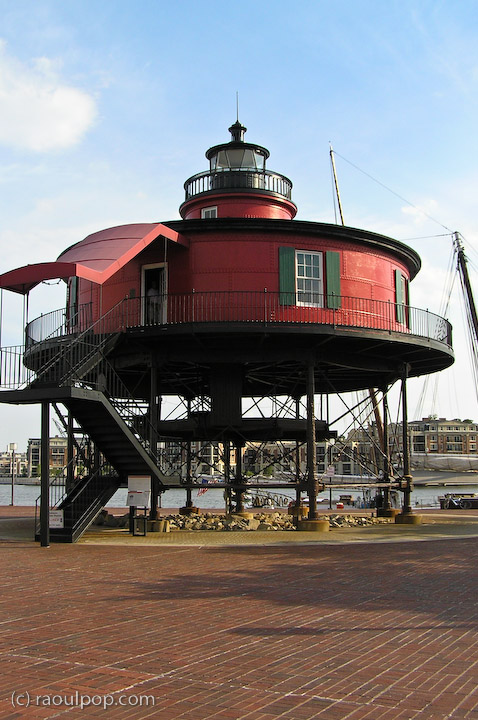
The lighthouse used an innovative design called the screw-pile, which looks like a large-scale, big-head drill bit. The screw-pile is also described as a “system of cast-iron pilings with corkscrew-like bases”. It eliminated the need for underwater masonry foundations, which were (and still are) hard to build on muddy bottoms. The screw-piles could be screwed into the sea-bottom, and a construction developed on top of them.

The Seven Foot Knoll Lighthouse was the second screw-pile lighthouse on Chesapeake Bay, and was used from 1856 until 1987, although keepers lived in it only until 1949, when it was automated. By the second half of the 1960s, the lighthouse started to show serious signs of aging, and it was thankfully moved to the Inner Harbor in 1988.
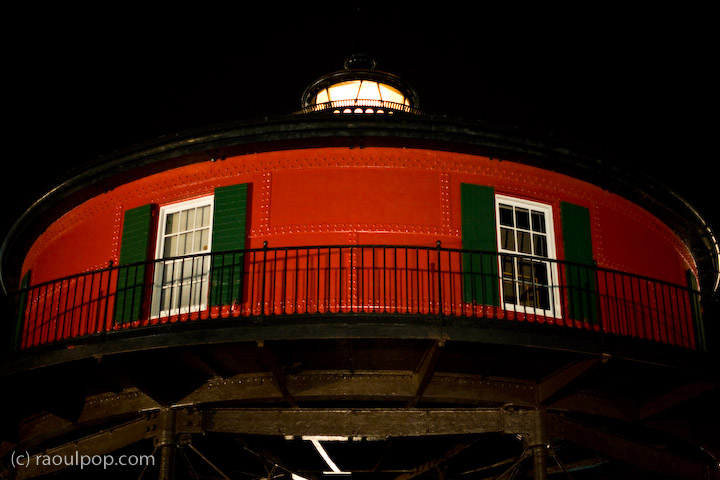
From 1856 until 1919, keepers lived in the lighthouse along with their families, but life was very hard in the lighthouse, particularly in the winter, when ice sheets threatened to topple it. Over the years, various pilings and rock barriers were put up to protect the lighthouse from the ice and from ships in distress who might bump into it, but it was the ice that posed the biggest problem, which was never quite solved. Every single winter, families lived in immediate peril there, and even had to be evacuated a few times as the lighthouse bent precariously in the face of advancing ice sheets. From 1919 until 1948, the Coast Guard recognized the hazardous nature of the lighthouse work, and allowed keepers to work in pairs, with each receiving 8 days of shore leave per month.

There’s a courageous event recorded on August 21, 1933, when Keeper Thomas J. Steinhise risked his life to rescue the crew of a sinking tugboat named Point Breeze. There was a terrible storm that night, with fifteen-foot seas and 90-mph winds, and yet Thomas Steinhise fired up his small motor boat and navigated in the direction of distress whistles to save the lives of five crewmen. He was awarded the Silver Lifesaving Medal for his heroic deed.

After the lighthouse was moved to the Inner Harbor in 1988, the Coast Guard donated it to Baltimore City, and in 1990, a lighthouse restoration project, completed with grants and the aid of volunteers, was completed. In 1997, the lighthouse became part of the Baltimore Maritime Museum.

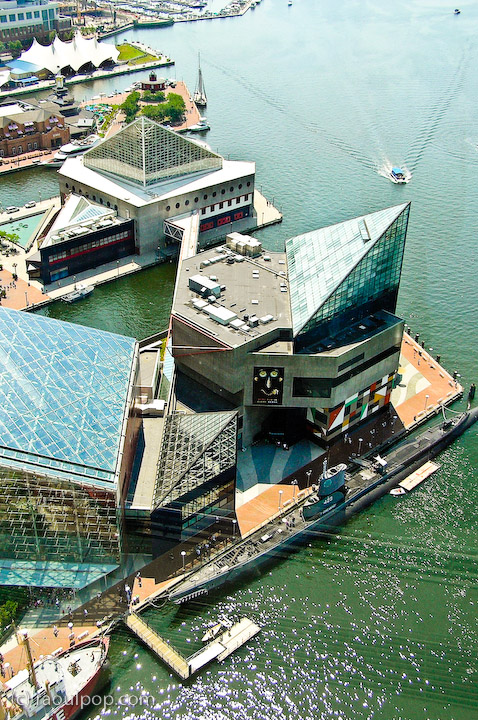
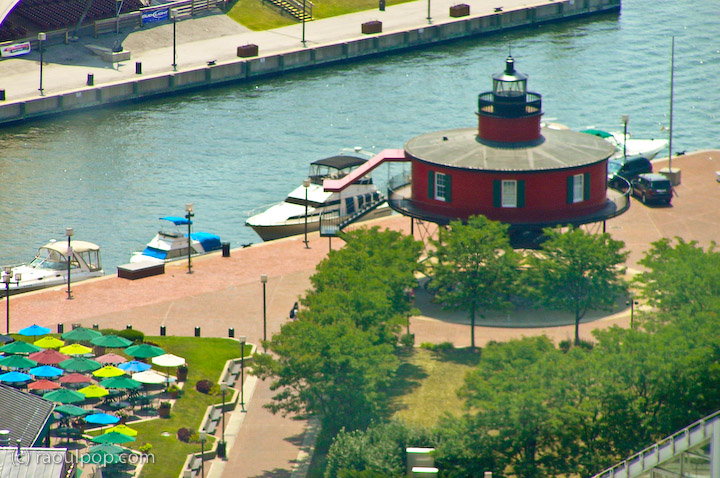
The lighthouse’s current location is more clearly seen in these two photos taken from the top of the World Trade Center in Baltimore. I’m sorry for the poor quality of the photos, but I had to shoot through the thick (and dirty) glass of the visitor center at the top.
Standard
Places

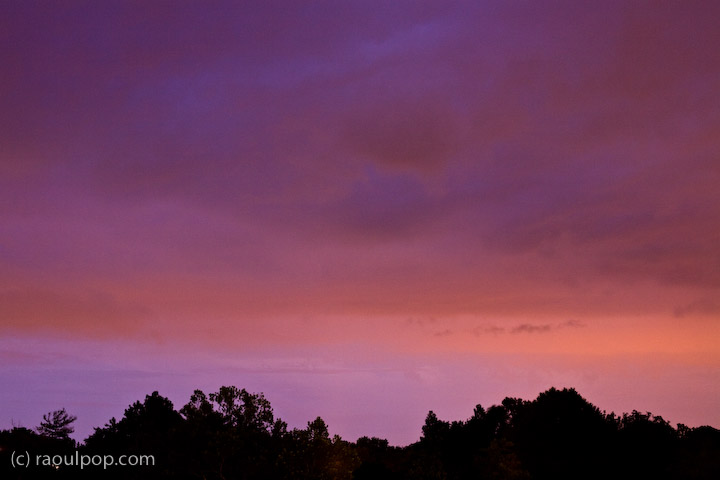
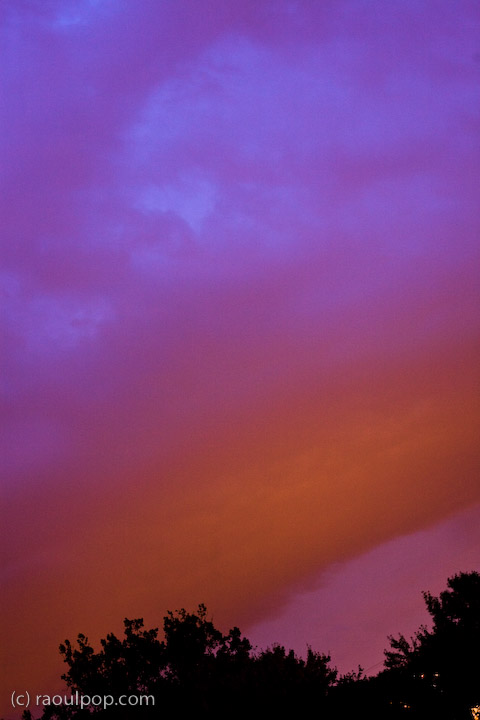
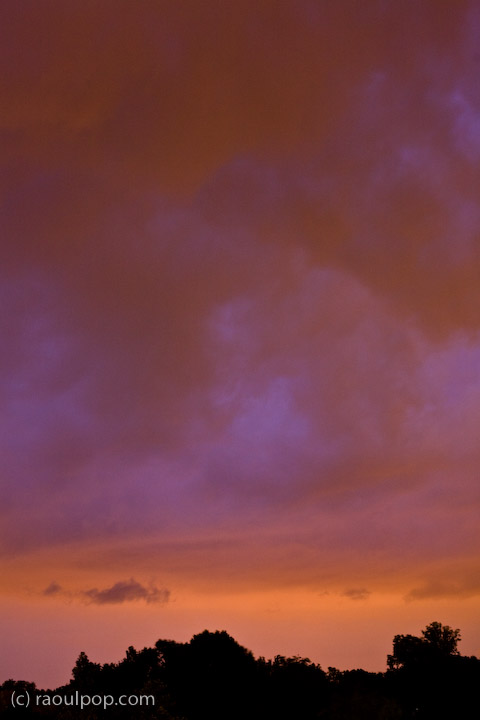
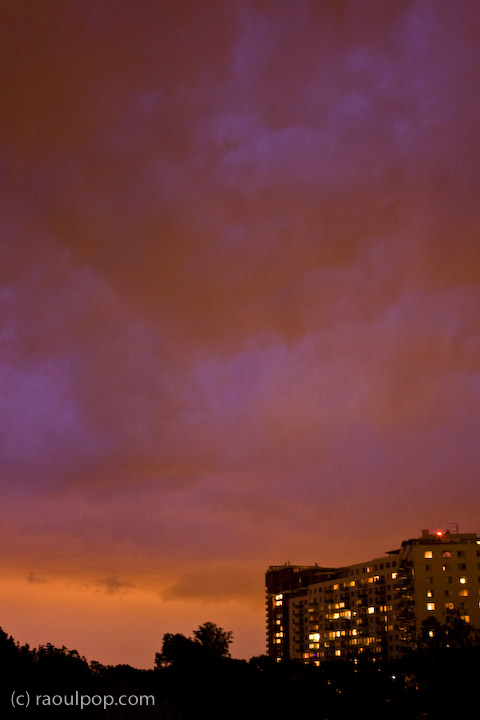
The evening sky tonight was amazing

It’s raining softly now. About 20 minutes ago, the sky looked like this. Simply amazing. I live in North Bethesda, MD. If you live in the area, maybe you saw it too.

Standard
Places

Photos from Baltimore's Inner Harbor

My wife and I recently joined up with my parents for a weekend stay in Baltimore. I took a lot of photos of the beautiful inner harbor. Here are 56 of them. Yes, that’s fifty-six. I think that’s the most photos I’ve ever posted in a single post. I’ll single out several of them below, but most will be posted as thumbnails, so click through to see them at full size.

This was another one of those situations where a versatile zoom lens was much better than a prime lens. There was no other way to compose photos but to zoom into the foreground. I obviously can’t walk on water, so a prime lens, with its fixed focal length, was no good to me.

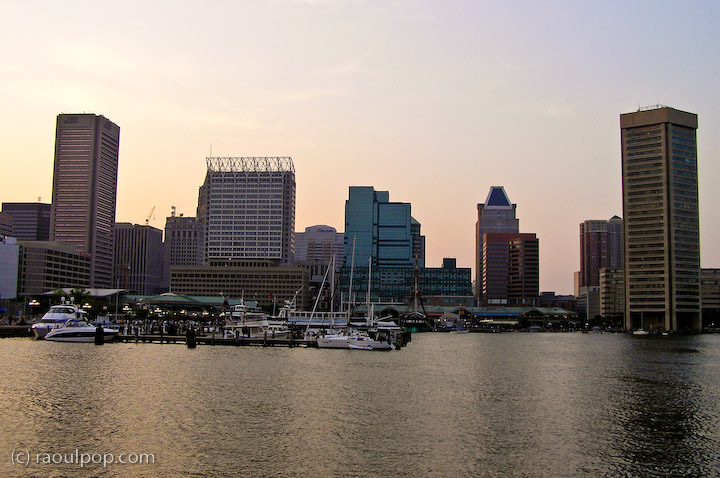
From afar, the Inner Harbor looks like this:

To the right, you have the Baltimore World Trade Center tower, and to the left you have one of the marinas. The downtown skyline is clearly visible in the background.

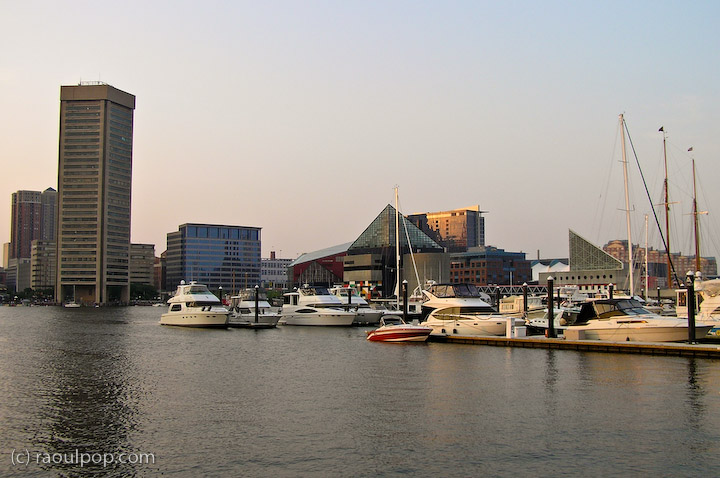
If you stand in the same spot and look to the right, past the WTC tower, you see this:

That’s the Baltimore Aquarium in the center, and another of the marinas in the foreground. The Power Plant building is behind the Aquarium from this location.

Now, if you look even further to the right, you’ll see this:

That big, tall building is the Marriott Waterfront Hotel. That’s where we stayed. It’s a beautiful hotel, but it’s hard to get to it if you’re not familiar with the area. There are no street-level signs to direct you to it, so you’ll drive right by it and past the harbor if you’re heading toward it on Fleet Street. Unless you stick your head out the window and look up to see a little logo on top of the building, you won’t even know it’s there. Strange, you wouldn’t think you’d miss such a tall building, but we missed it and literally drove right by it the first time.

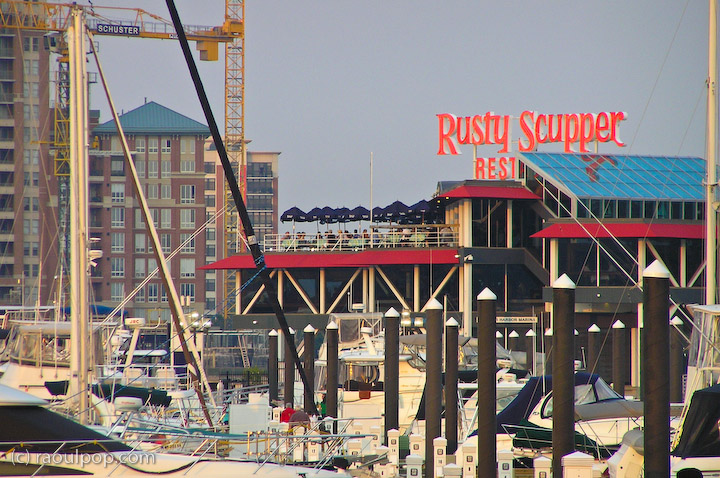
If you look even further to the right from the same spot, you see the Rusty Scupper restaurant.

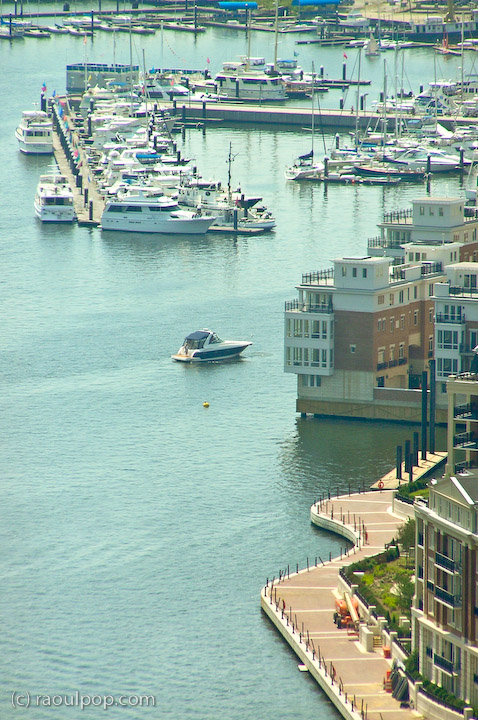
Further down the quay, you’ll find newly constructed housing that’s literally built right on the water. Each unit has its own boat dock.

We spent most of our time on the other side of the harbor, so let’s head over there, shall we?

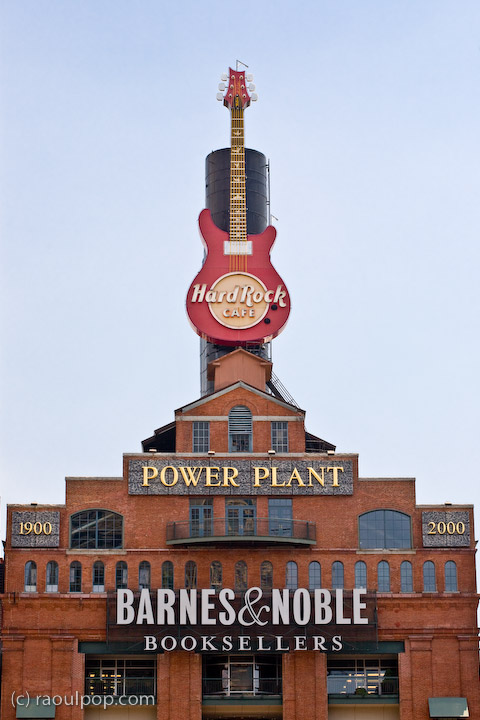
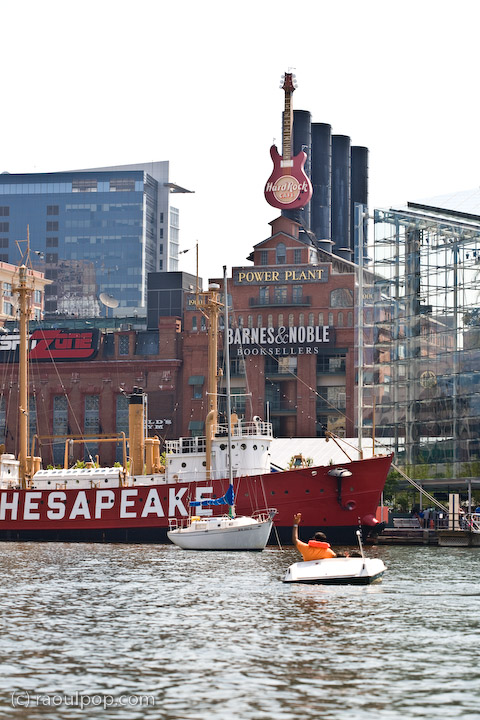
By far the most noticeable landmark in the Inner Harbor is the Power Plant building, which houses the Hard Rock Cafe, ESPN Zone, Barnes & Noble Booksellers and a few more locales.

Here’s the Baltimore Aquarium:

Many boats were anchored and available for tours in the harbor. In the photo above, you see the Chesapeake and the Torsk submarine. In the photos below, you’ll see the Constellation and Taney, the last surviving boat from Pearl Harbor.

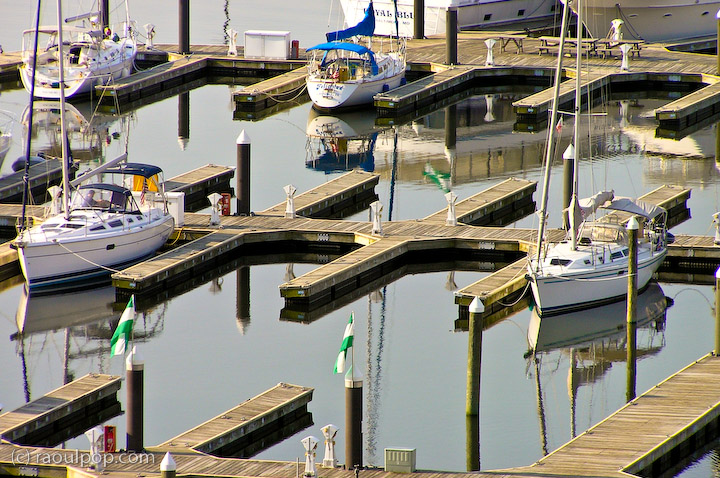
Paddle boats and electrical boats (little fiberglass dinghys) were available for rental, so we got one and puttered around the inner harbor (in the vicinity of the WTC).

This is what the little electrical boats looked like:

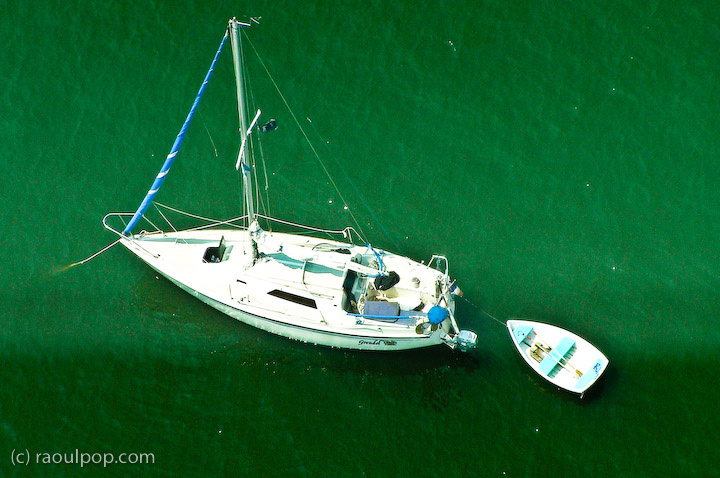
We went around this small yacht a few times. It was anchored right in the middle of the inner harbor. I think the folks inside it were still asleep, although it was mid-morning.

That photo was taken from the top of the Baltimore World Trade Center Building. They say it’s the tallest five-sided building in the world. I didn’t think it was all that impressive. Perhaps I’m just sour because the top floor wasn’t open to the public, so I had to take photographs through their thick, unwashed and tinted windows. Not exactly exciting, and if you see a strange tint in some of the photos, that’s why. I’m sorry about it.

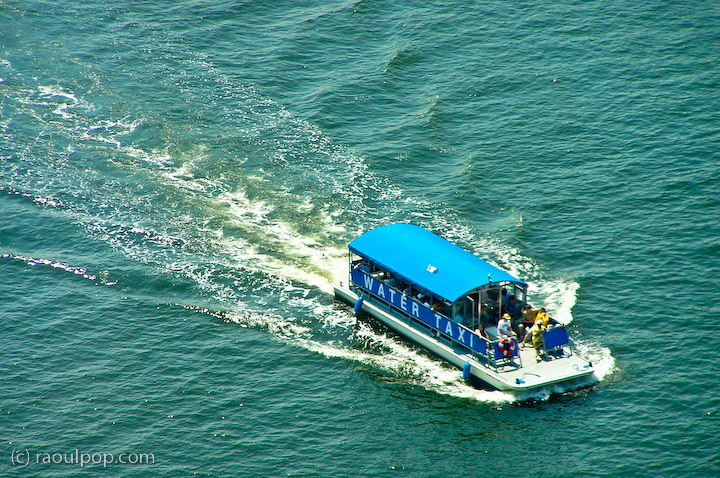
The beautiful thing about the Inner Harbor is that’s it’s so easy to get around. You can walk along the quay, or you can hop into a water taxi. An all-day ticket costs $9, which is a good deal.

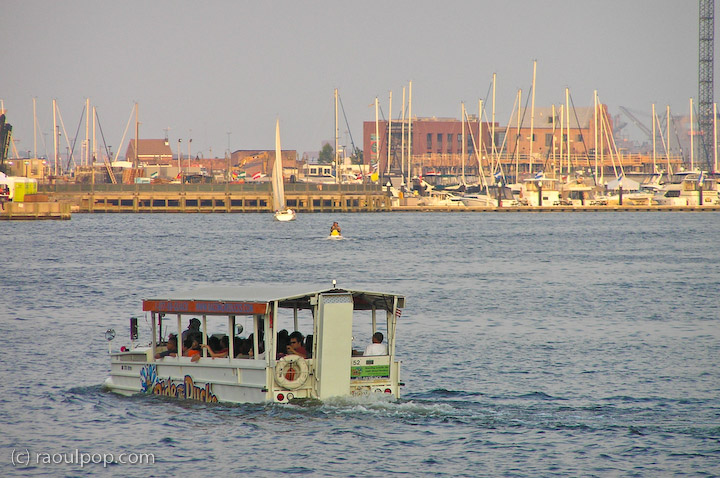
One of the funnier things I saw (and a great idea, too!) were the Baltimore Ducks. They were buses you could take to get tours of downtown and the harbor. They would simply drive right into the water. We’ve just got to use them the next time we visit Baltimore.

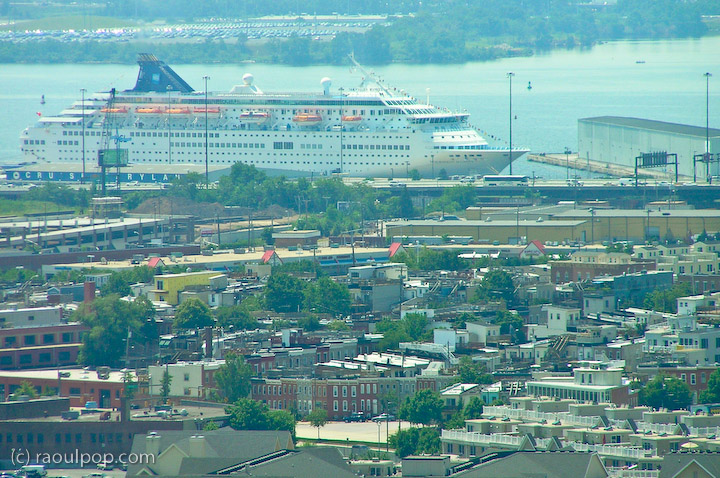
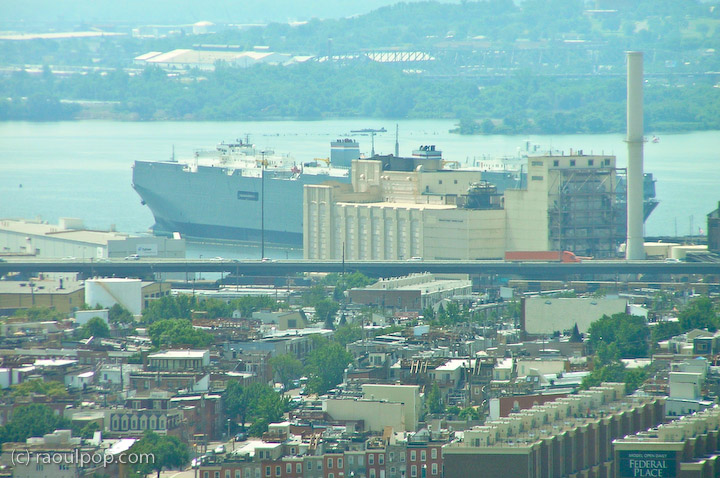
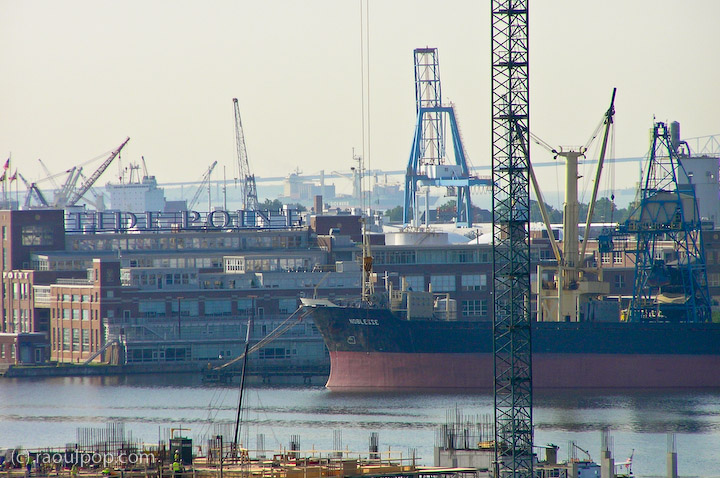
From the top of the WTC, you can see the working side of the Baltimore port as well. There was a large cruise ship anchored far off, and a few freighters were either getting loaded or unloaded as well.

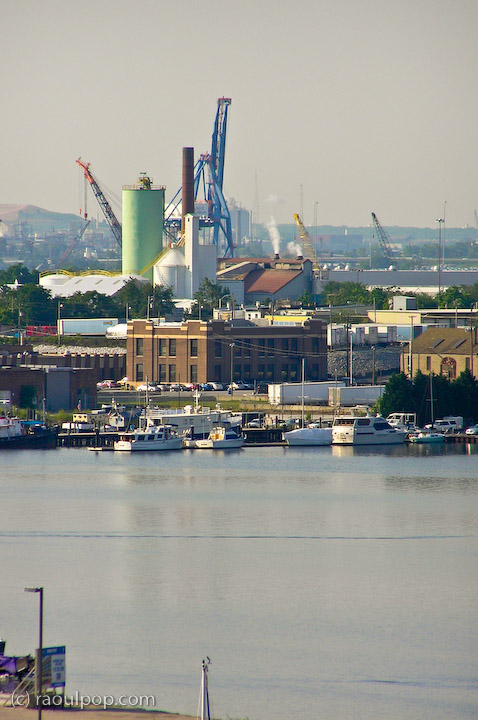
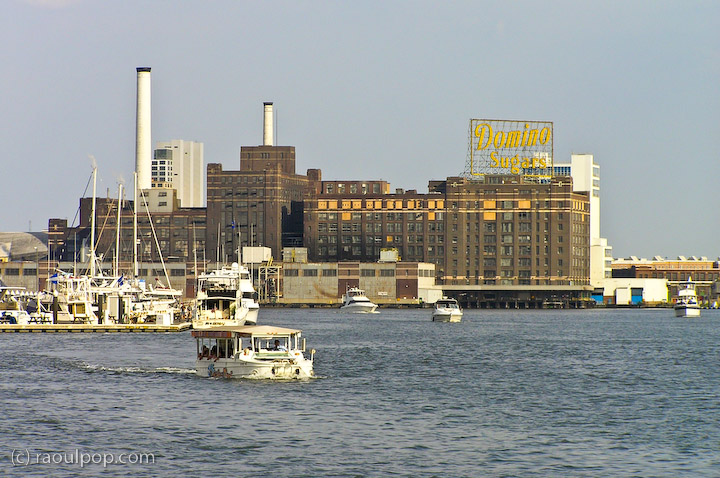
Our hotel had great views of the larger harbor. We could see the Domino Sugars factory, the Seven Foot Knoll Lighthouse, and the outlying, more quiet, marina across from Domino Sugars.

All of these photos and more are available for viewing (and licensing, if interested) in the Baltimore gallery of my photo catalog.

Standard
Places

Photos from Antietam Battlefield

Last weekend, on a fiercely hot Sunday, my wife and I visited the Antietam Battlefield, located near Sharpsburg, MD. It’s quite easy to get to it from DC. You take 270-N to 70-W, then keep going on 70-W until you see the signs for Antietam. Once off the highway, you’ve got another 8 miles or so till you get there. You can’t miss it. There’s a big National Park Service sign by the side of the road. All in all, it’s about a 1 hour and 30 minute drive, give or take 15 minutes, and the history lesson is priceless.

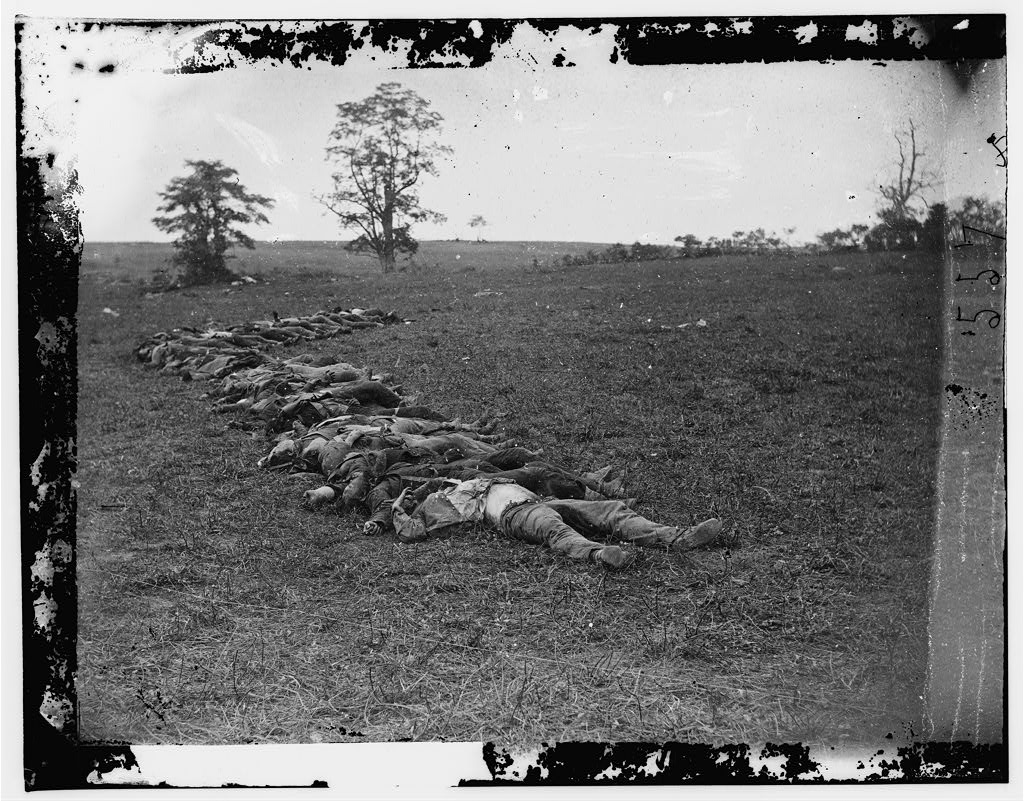
Antietam is “the bloodiest one day battle in American History”, according to the official NPS website. In 12 hours of “savage combat”, over 23,000 soldiers were killed, wounded or missing. Six generals were killed during this battle. The human price of this battle was driven home by a photographer: Alexander Gardner. His haunting photographs of the dead at Antietam were said to have brought them “to our doorsteps” by the New York Times. And it’s true. It’s one thing to sing of battles won and of bravery on the battlefield, and it’s quite another to stare at the dead in front of you and see the horrible price of that thing you call victory.

What always strikes me when I look at war is how senseless it all is. Even when I’m far removed from it, by a century and more, I can’t help shivers from running down my spine when I think the ground I stand on is the same ground where countless men lost their lives.

Why? How many more people need to die horribly until humanity as a whole realizes war is bad? Forget humanity as a whole, how about the United States alone? When will we get it? Ever? At the first sign of trouble somewhere (preferably in the Middle East), we’re more than happy to send our soldiers in there to die for some trumped up cause, and to spend trillions of dollars and bankrupt our economy as well. At least the Civil War had a good reason. The country needed to be kept together, and slavery abolished. Still, in spite of those good reasons, far too many people died during that dark time in American history: around 360,000 lost their lives, and countless more were injured or maimed for life.

I’m going to show you how Antietam looks today. But I want you to have a look at the way it was back then, too, especially through Gardner’s eyes. Never mind the fact that the dead bodies may have been arranged in a photo or two. Death is still death, and it’s still just as grim and nasty regardless of the pose.

First, the Library of Congress has a LOT of scanned negatives from the Civil War — an amazing resource. Here is their collection of Civil War photographs. That’s where I got the few photos shown below (taken by Alexander Gardner). Most of the photos are in the public domain, which means they can be used freely, although it would be nice to give the LoC credit for their work in scanning, archiving and curating the photographs. It’s also worth looking at the October 1862 issue of Harper’s Weekly, which features illustrations and reports by eyewitnesses to the battle.

This is Abraham Lincoln at Antietam, after the battle ended.

Abraham Lincoln with two generals at Antietam

Assorted photos of dead soldiers, in the aftermath of the battle.

Gardner’s notable photographs from the battlefield are listed in an album on the NPS website. Have a look at them, and even download them, should you want to have your own archive.

What does it look like today?

Dunker Church is the spot where truce was called at the end of the battle. If you’re interested, there’s a nice historical summary available.

The church is visible in this photo taken by Gardner as well.

The approximate spot where those soldiers died is now the site for a war monument. I hope you won’t find me irreverent, but I find war monuments woefully inadequate at paying back the men that gave their lives in battle. They’re pretty much useless at teaching people lessons against war as well, since they usually depict some victory symbol, or men charging, or some other idiotic thing like that.

What is that supposed to mean?! Tens of thousands of men died here, and we have an eagle on a column? Whoopee…

You know the expression “war on the doorstep”? Well, the people who had farms at Antietam got to know it full well during that battle.

Just remember, the next time a politician makes the case for war, this is really what he or she means. Those are going to be your sons and daughters.

Historical photographs courtesy of the Library of Congress. Photographer: Alexander Gardner. The recent photographs are naturally, my own.

Standard
Places

Cannon House Office Building

A composite photo (made up of 17 individual 12-megapixel photos) of the left wing of the Cannon House Office Building in Washington, DC. Its total resolution is approximately 64 megapixels. All sorts of interesting little details can be seen at full res.

For example, there’s a “Do Not Remove” sticker on one of the windows, probably left there from the time when the windows were replaced, way back when. And in spite of the fact that there’s electrified wire strung over all edges of the building, to discourage birds from building nests, one enterprising sparrow found a spot where it could build one.

I posted this photo at a width of 1000 pixels, to show more detail. Click through to view it at that size. You can find the full res original in my Washington DC gallery, inside my photo catalog.

Standard