Thoughts

It’s autumn in the Southern hemisphere

It’s so easy to forget for us “Northerners” that seasons are the other way around in the Southern hemisphere. While we enjoy the beauty of spring and are expecting summer, the “Southerners” have autumn and are expecting winter.

Standard
Places

Sighisoara: off the beaten path

This Labor Day, we drove into Sighisoara and we decided to see it differently from the way most of its visitors see it. The typical route is to park at the bottom of the hill, walk up the stairs, see the clocktower, tour the piazza, buy some trinkets and go back down…

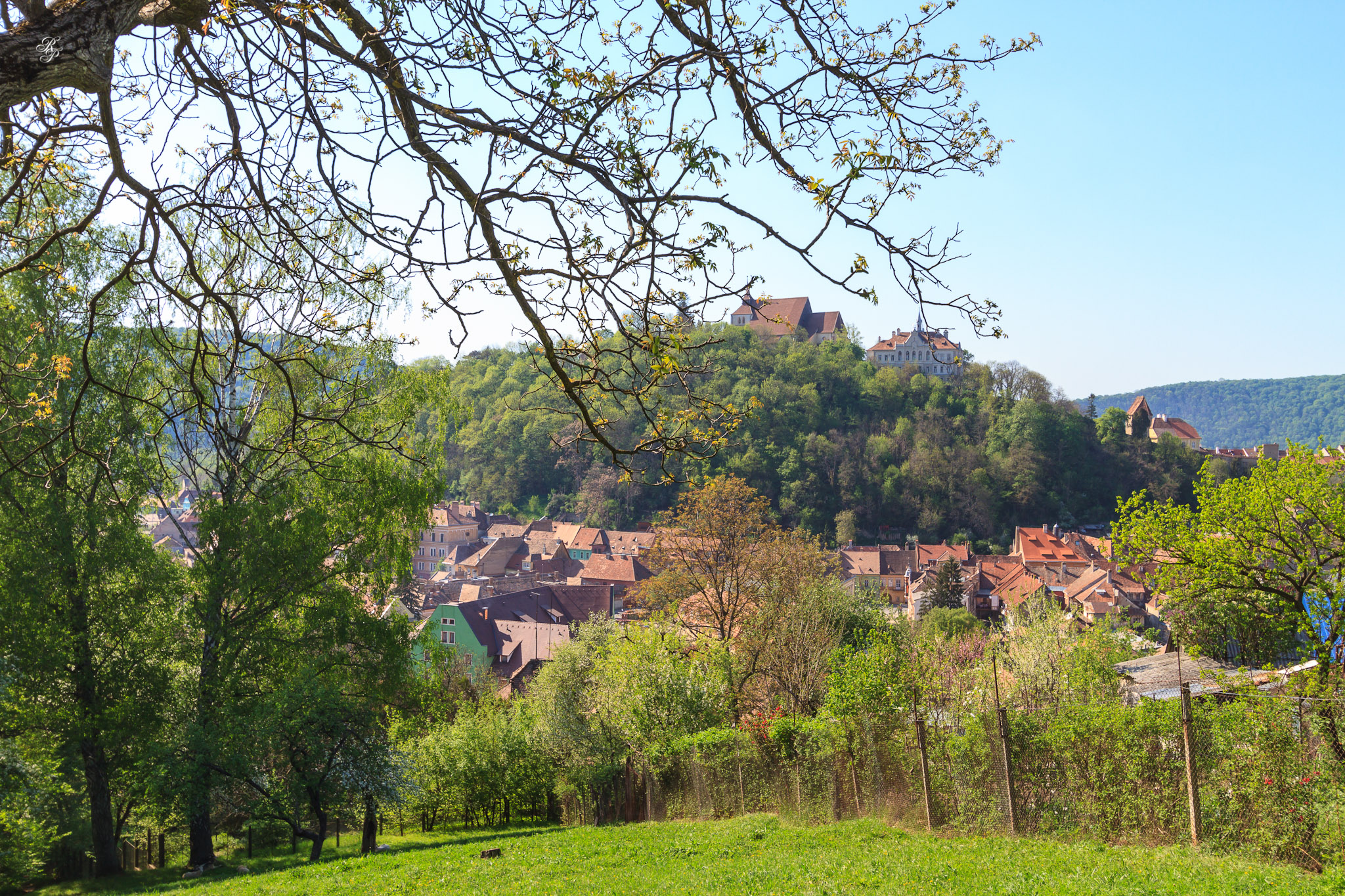
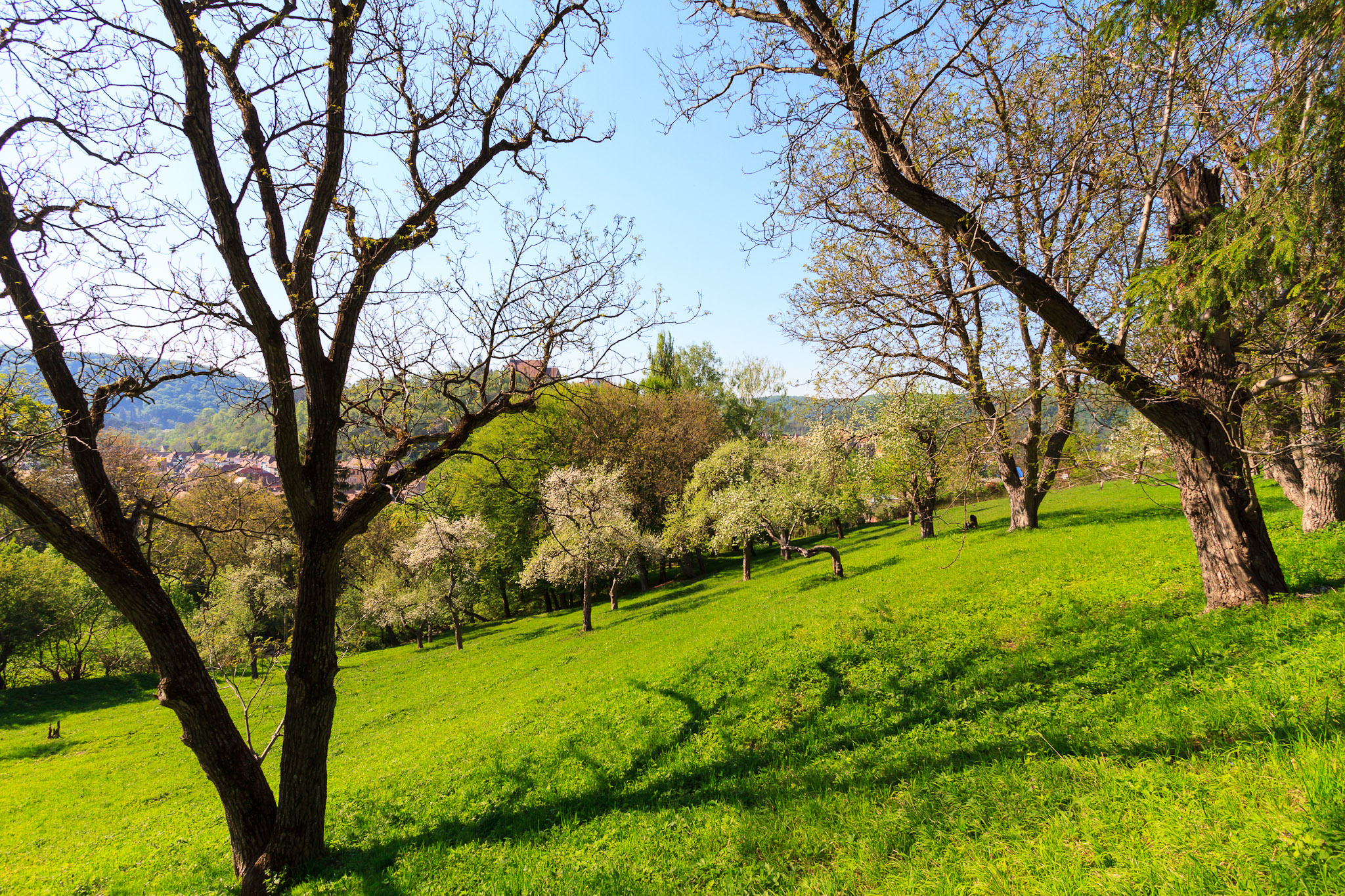
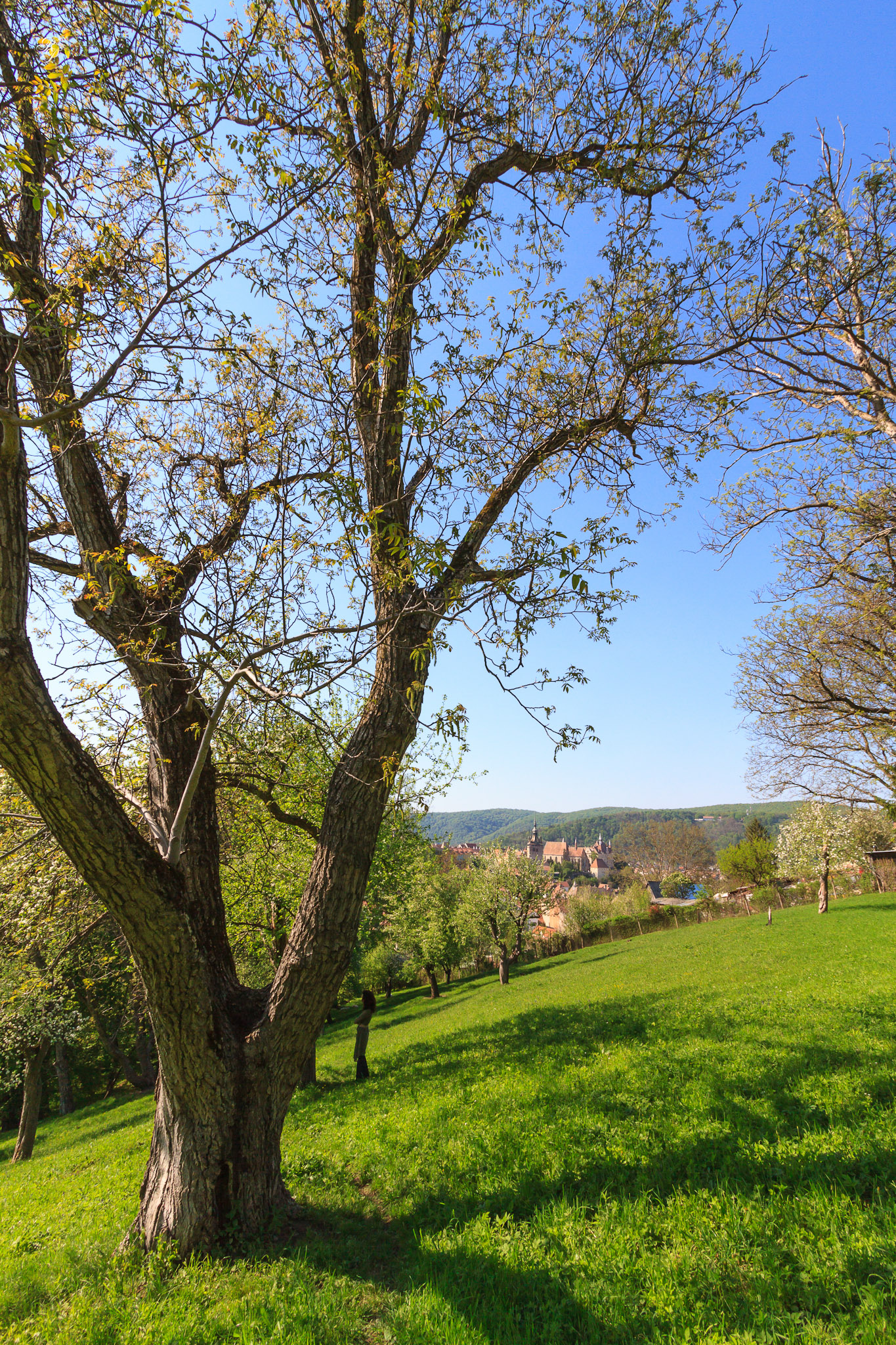
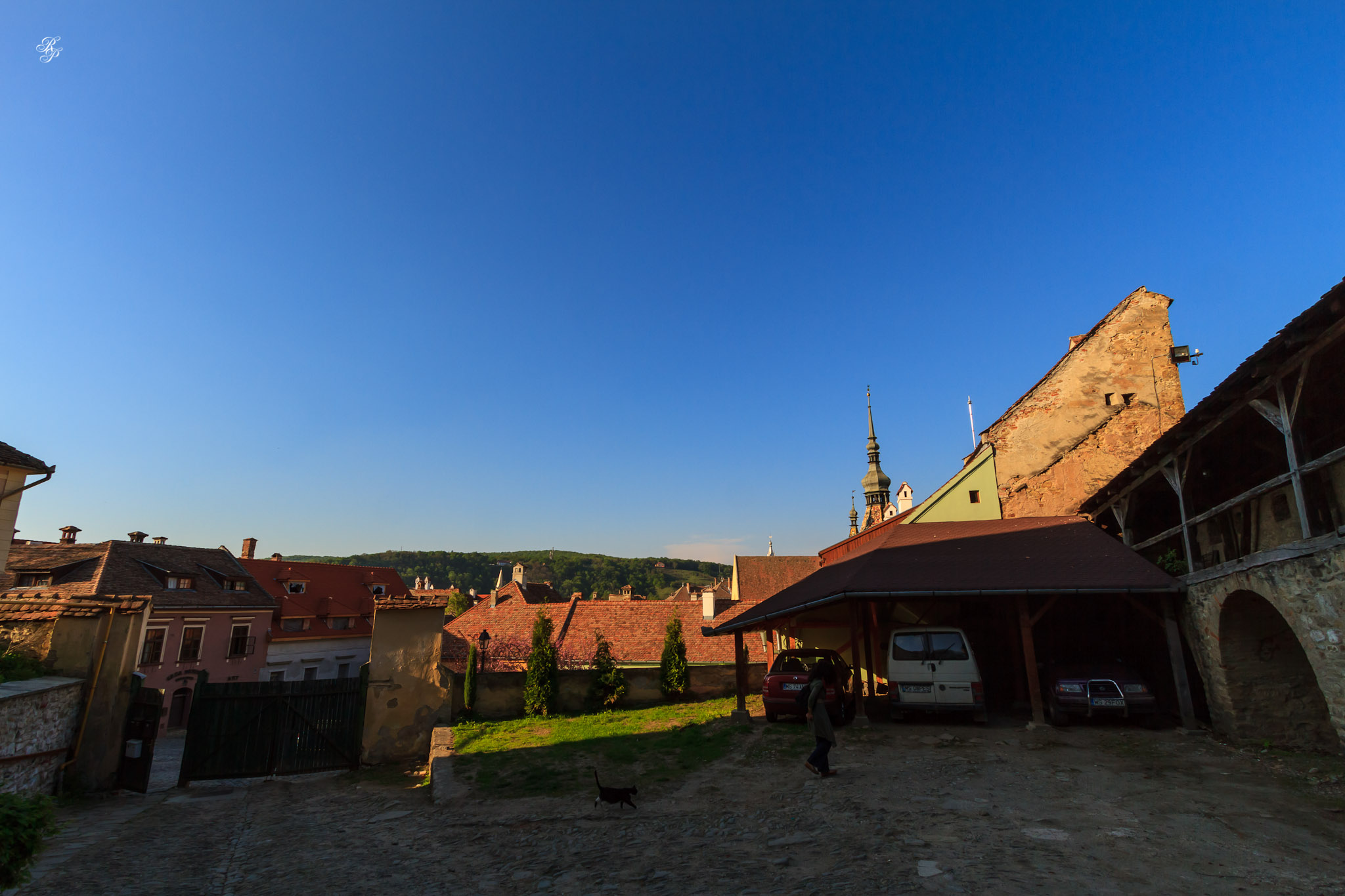
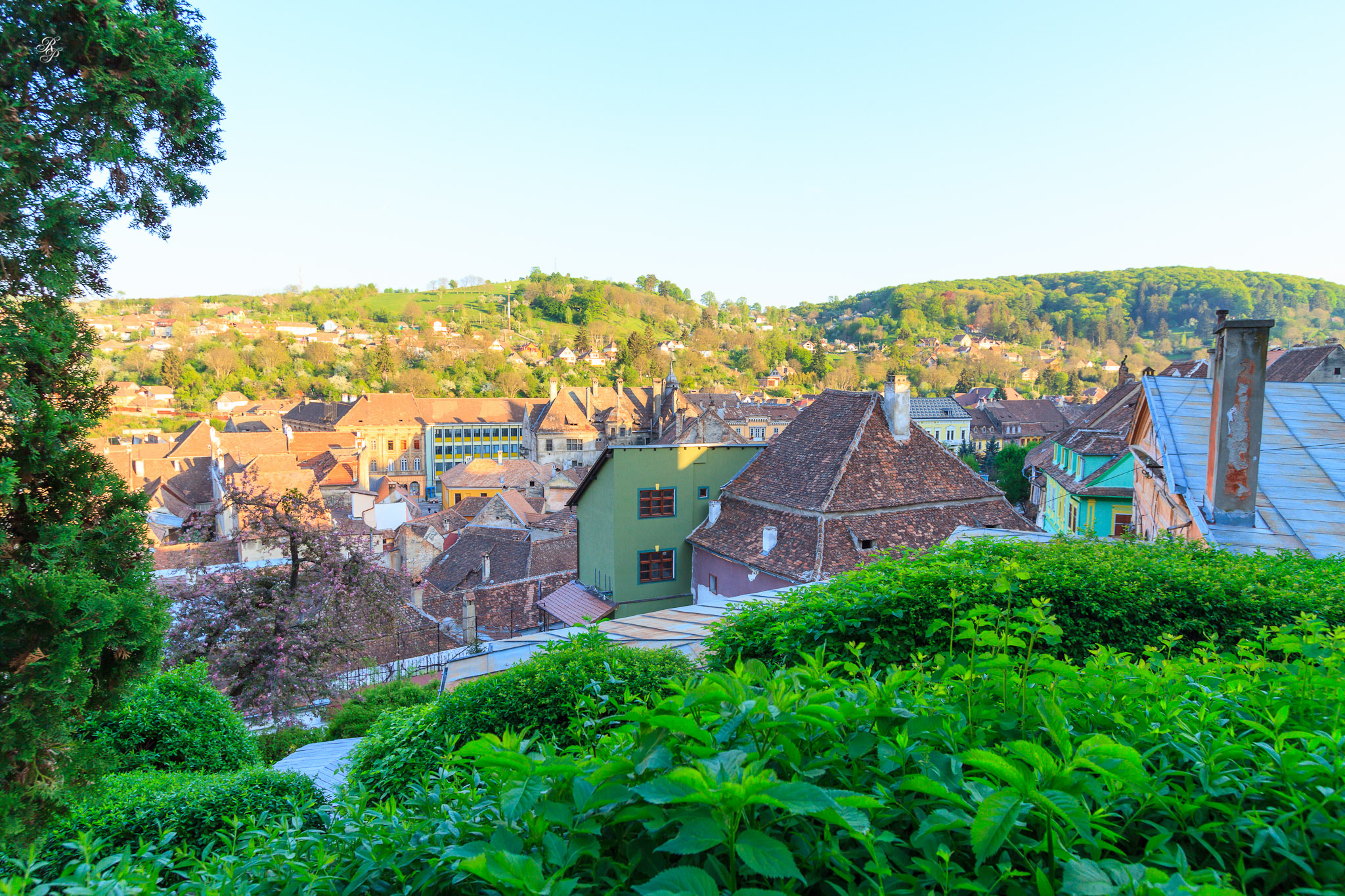
We drove into the outskirts, climbed up one of the adjacent hills, found a clearing, and got some interesting views of the city that way.

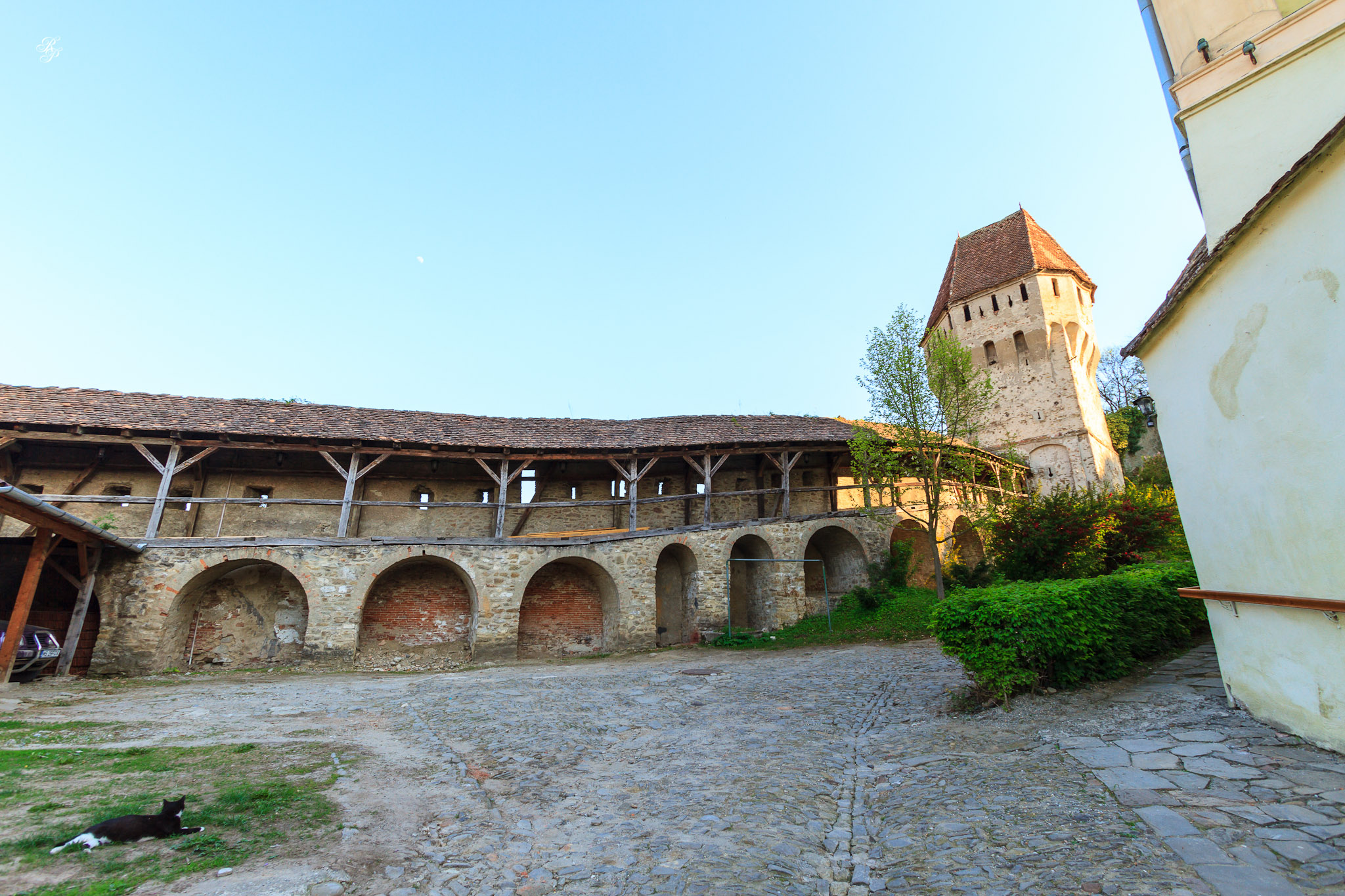
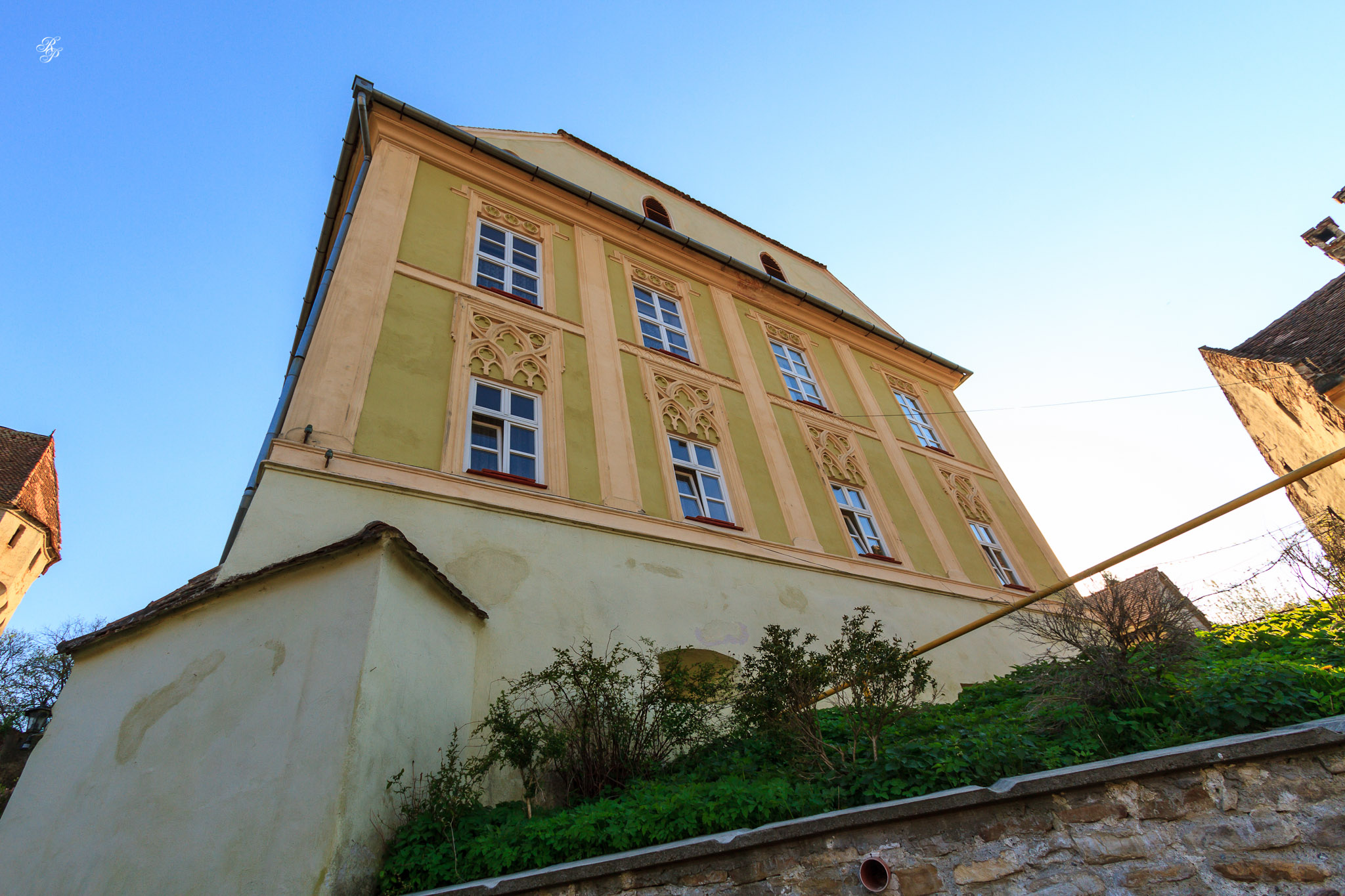
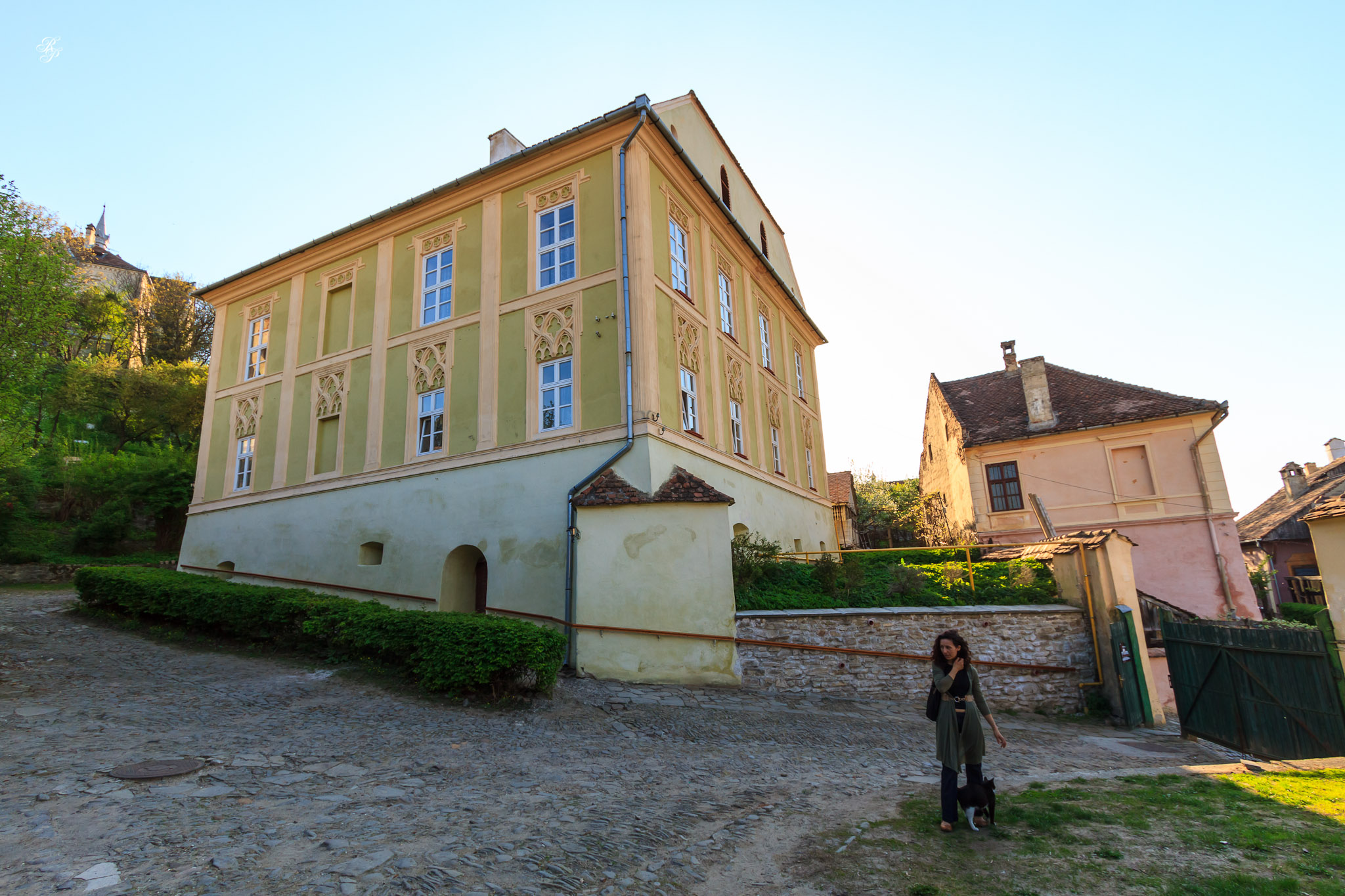
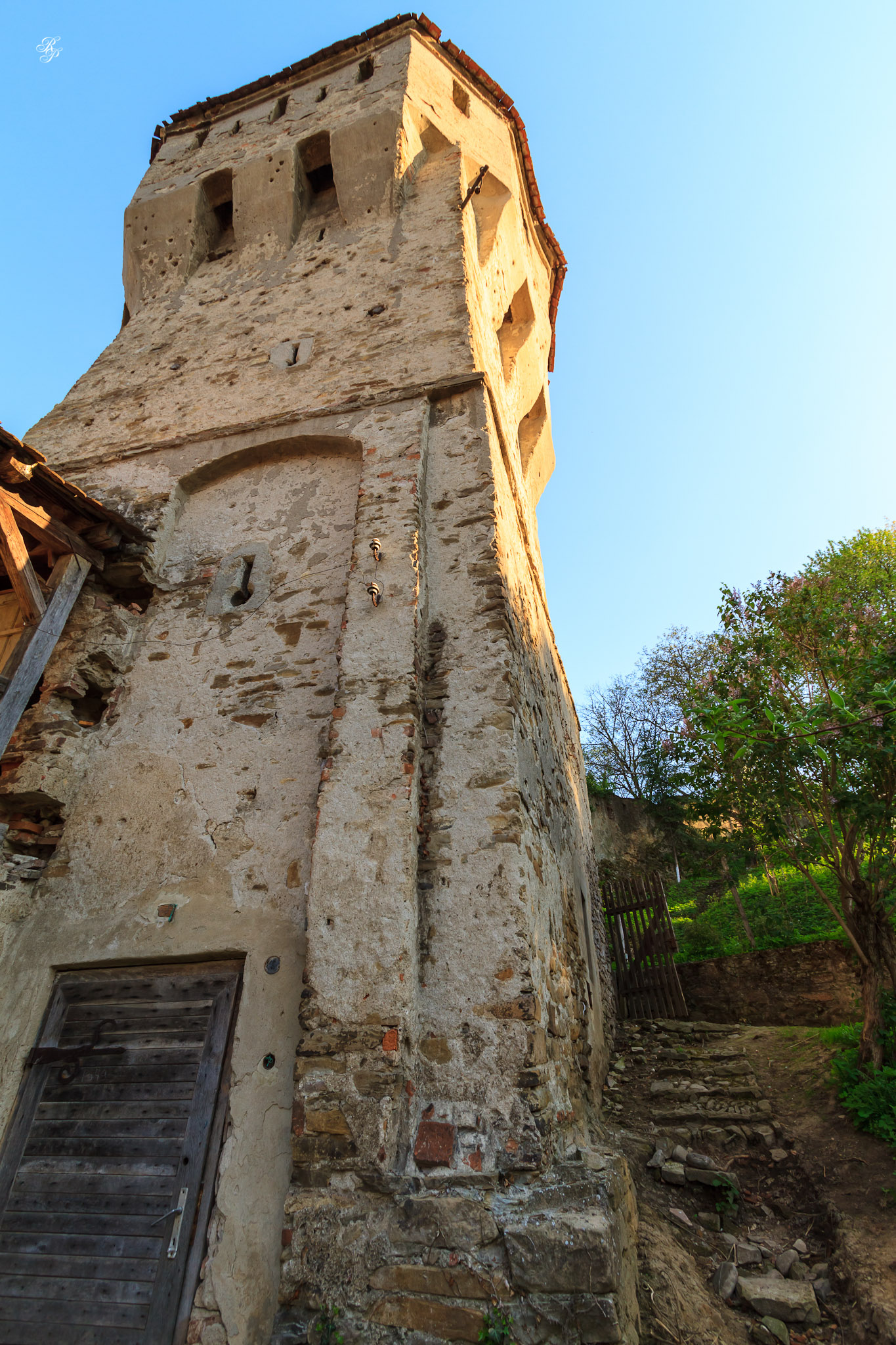
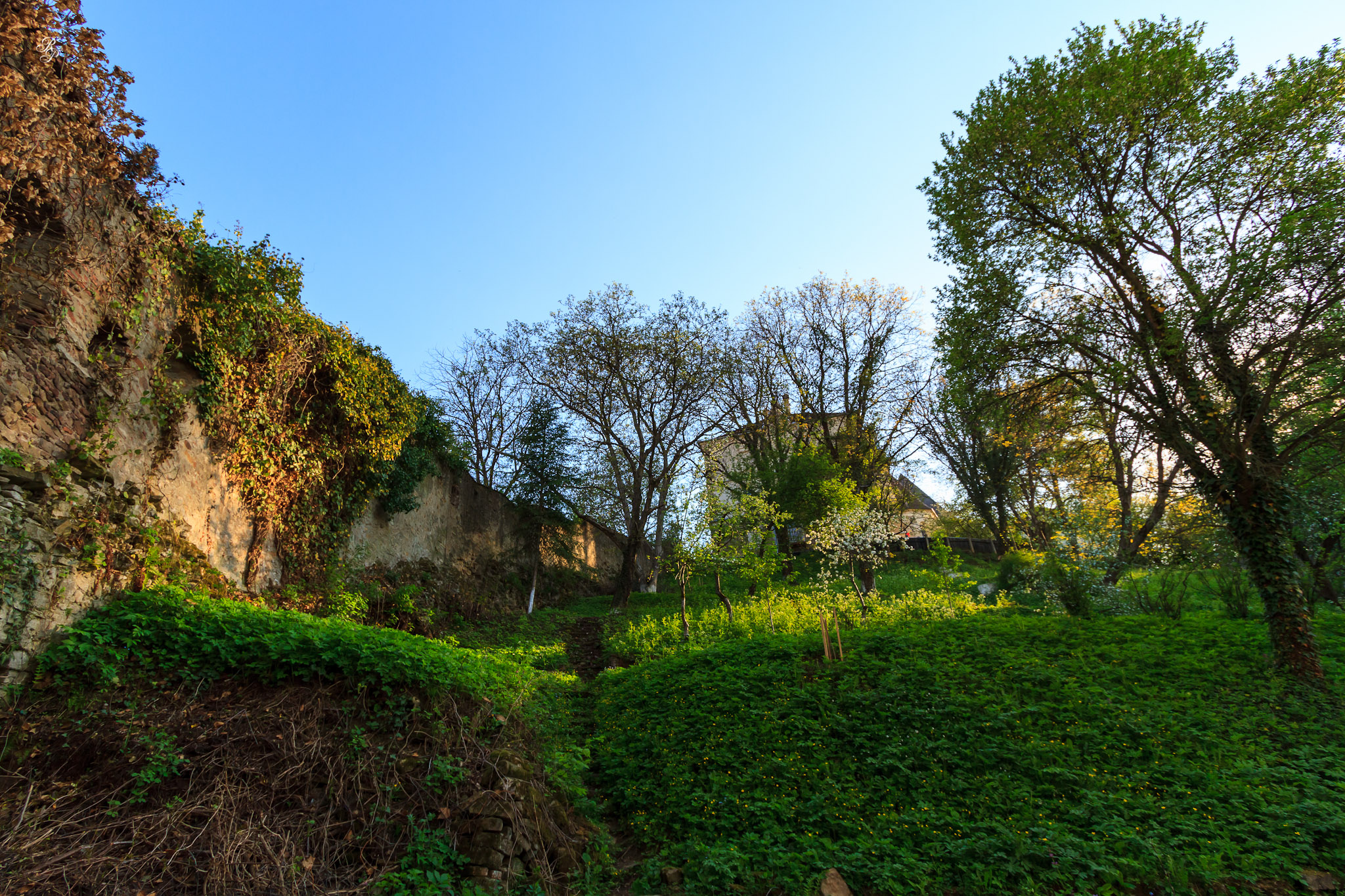
Afterward, we went up into the fortress to see if we could see some spots we hadn’t yet seen, and after walking up a well-known side street, were rewarded with the open gates of the rectory. We went right inside the courtyard and had a marvelous walk up into the gardens adjacent to the fortified walls.

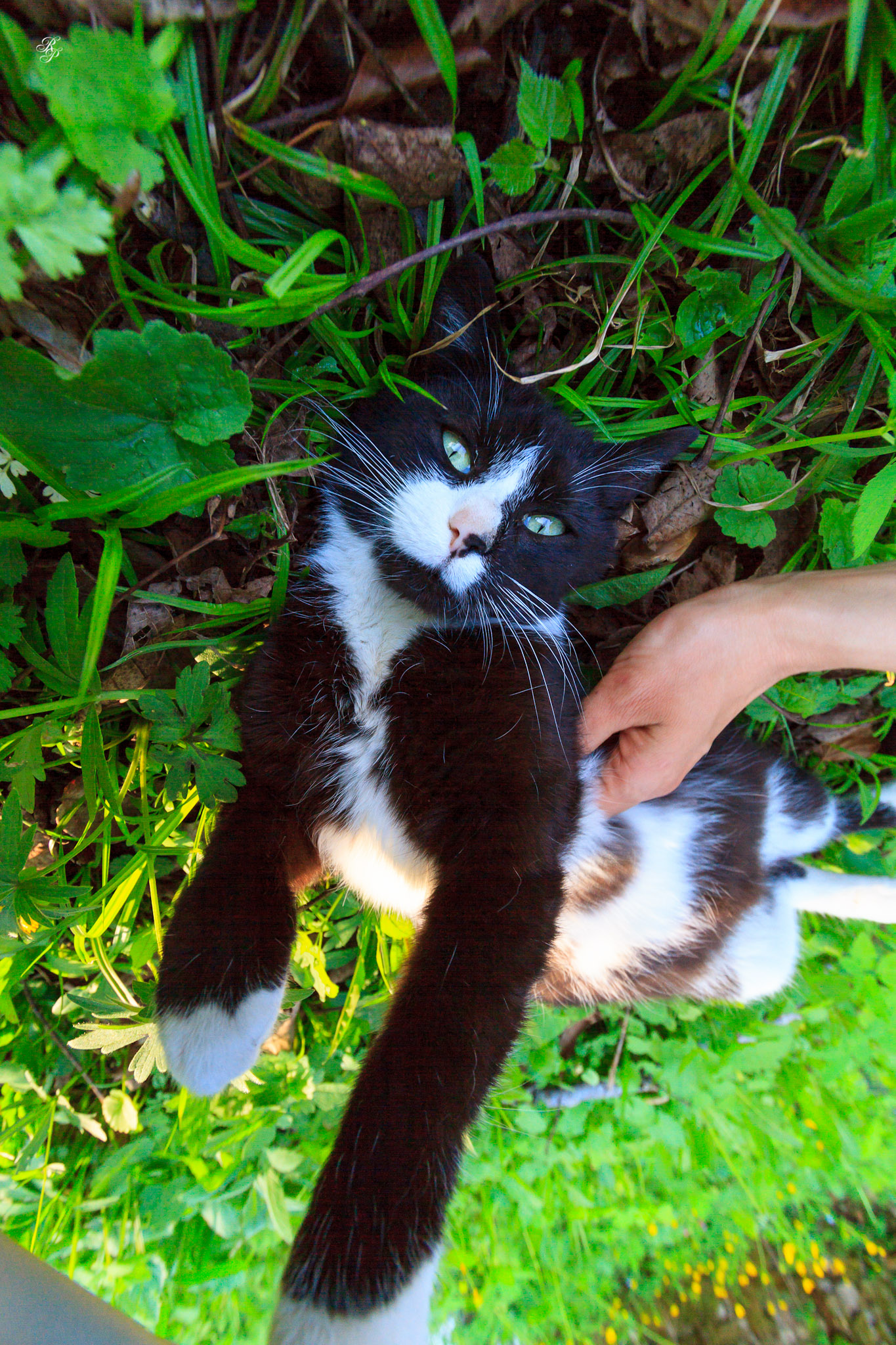
We were greeted by a very pregnant and friendly kitty in the courtyard, who acted as our host for the duration of our visit.

The human hosts saw fit to ruin the architecture with polycarbonate sheeting as cover and communist-era poured concrete as a rude balustrade for the balcony. The satellite dish is apparently a modern pre-requisite.

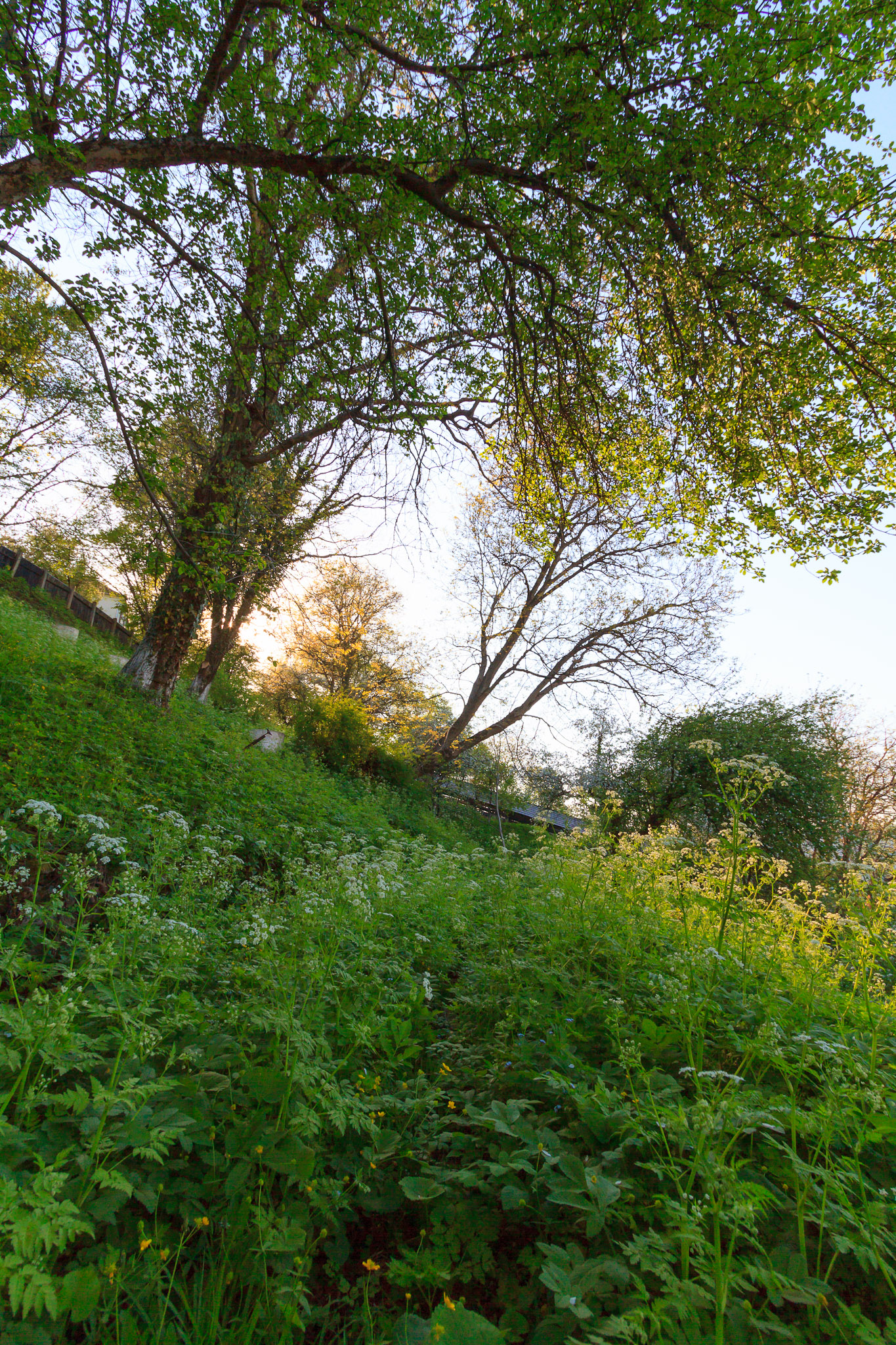
Back to our walk in the beautiful garden.

In this view of the fortified tower, you can see the city and the river in the background.

Our feline host got a belly rub, which made her very happy indeed.

She then accompanied us to the gate.

We stopped at one of the local establishments for some lemonade.

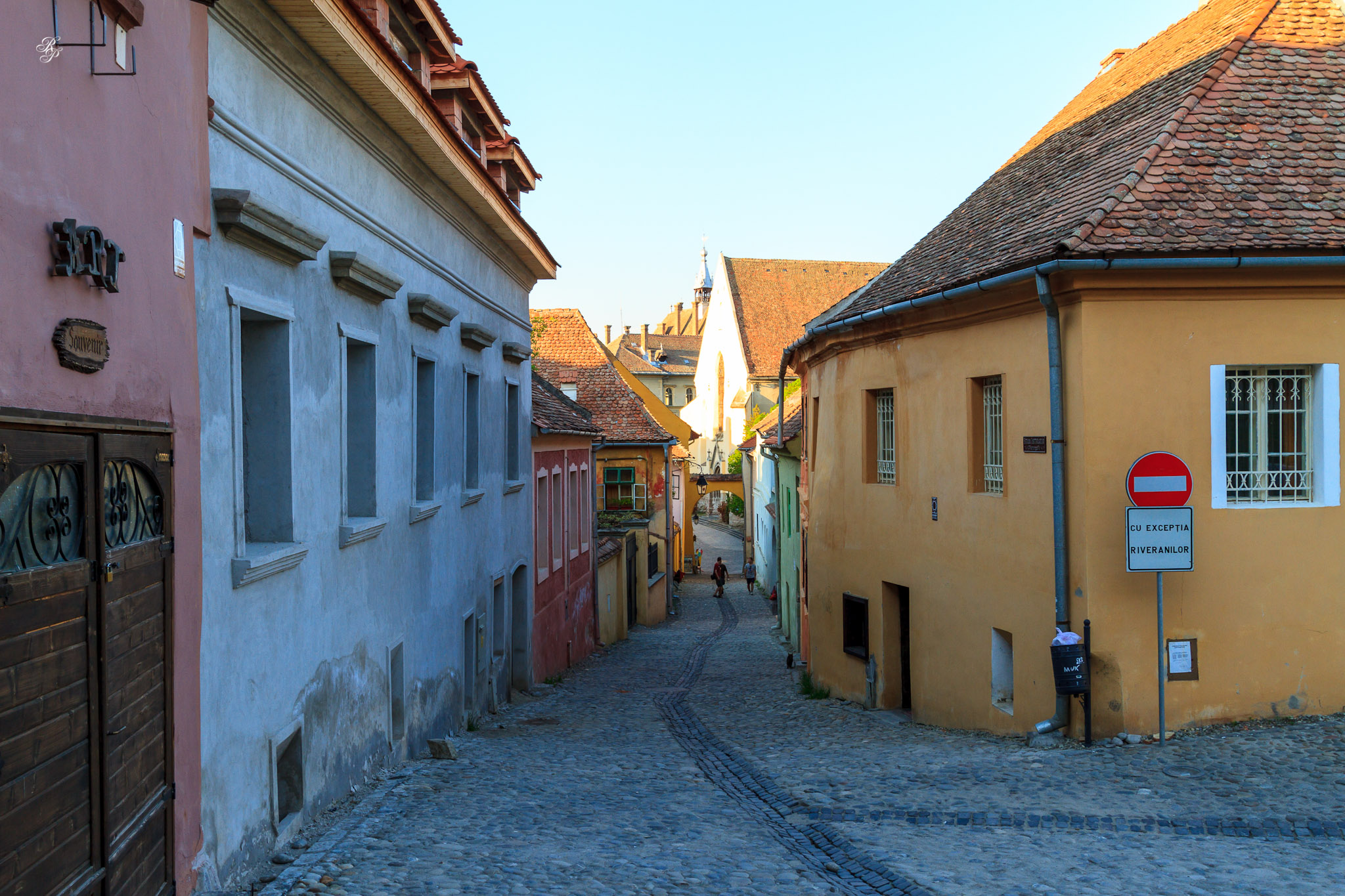
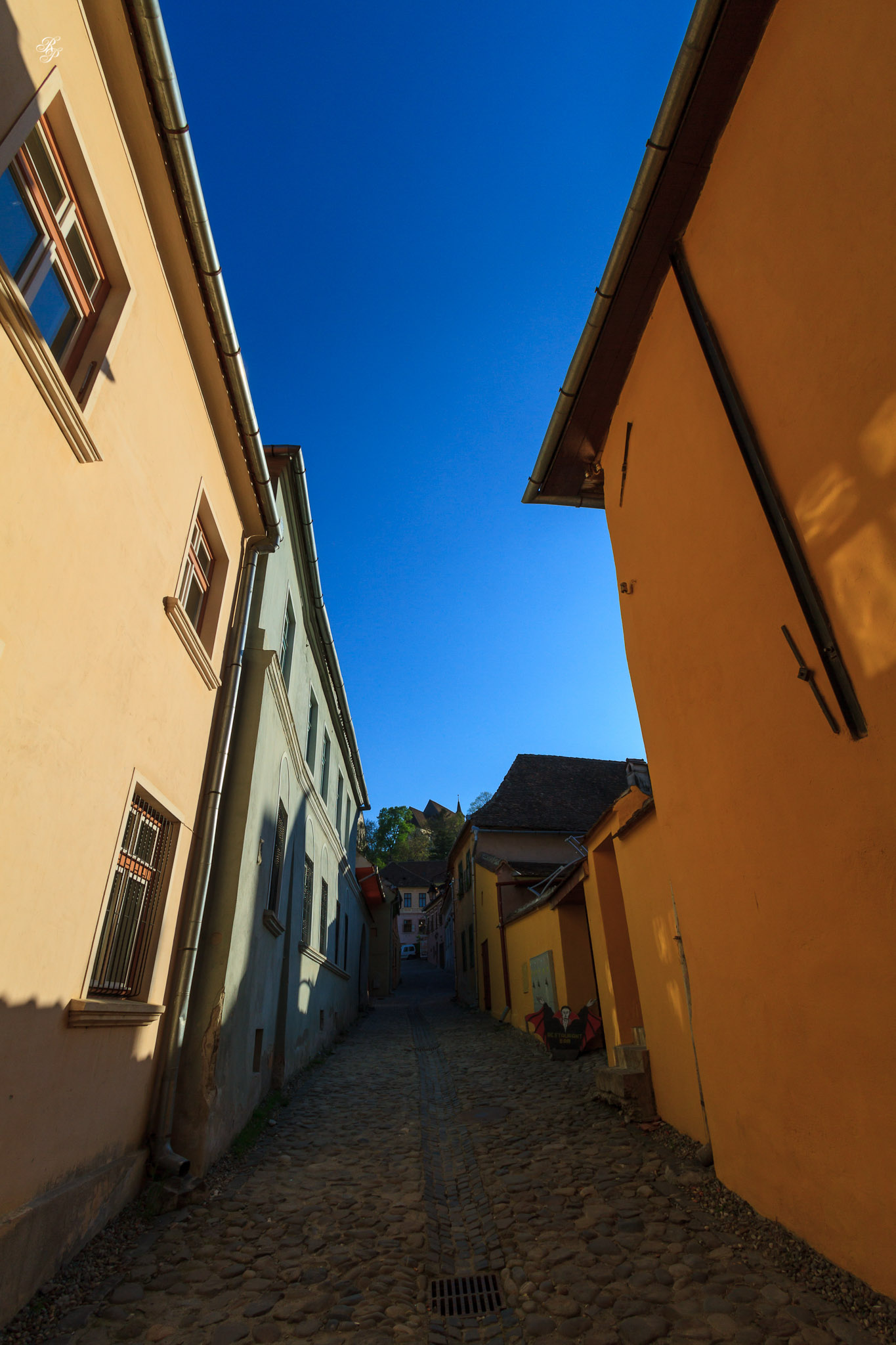
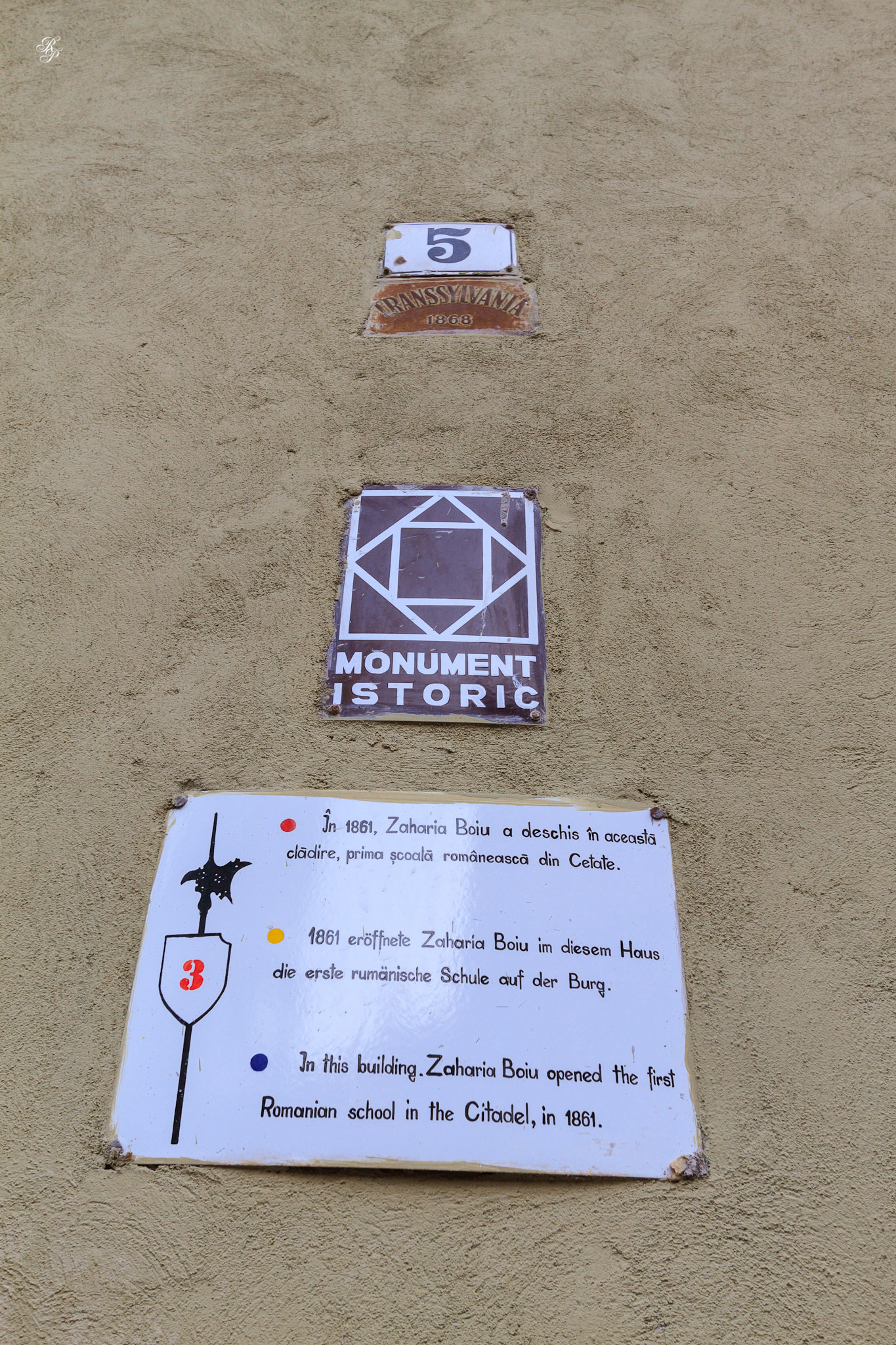
Here are some more photographs from the streets of the Old Town.

Standard
Thoughts

How can a normal YouTube video garner so many copyright claims?

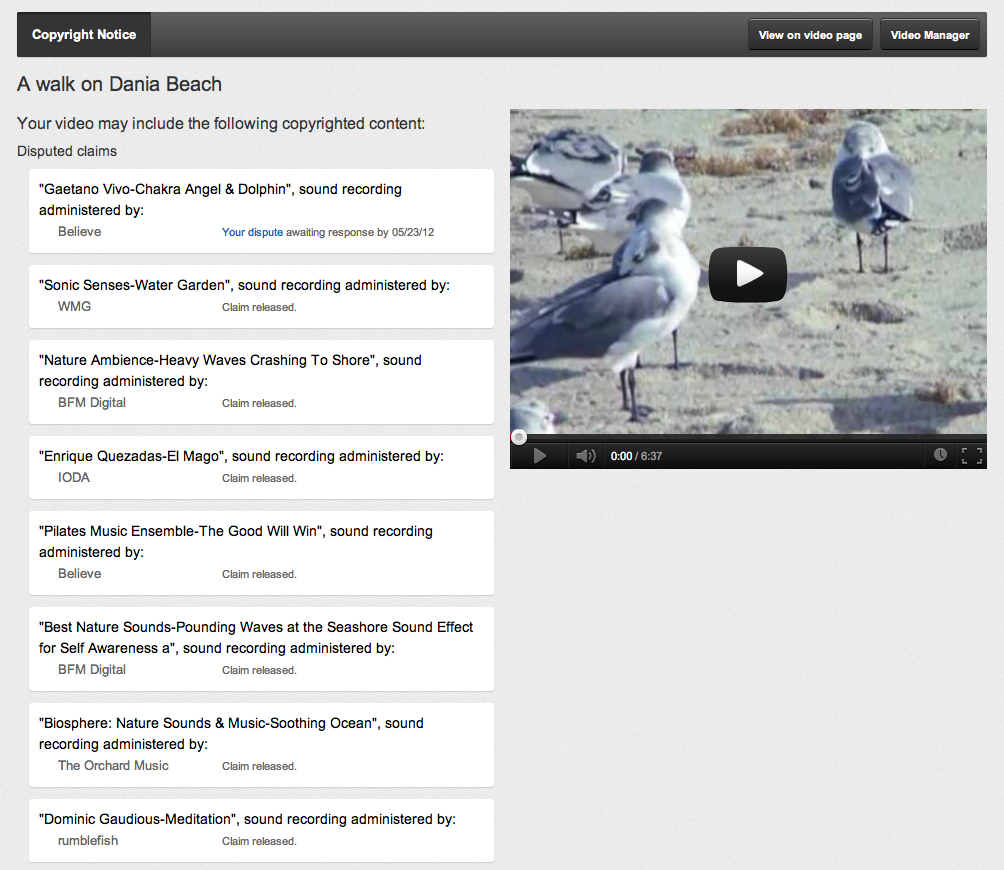
Have a look at a screenshot from my YouTube account, listing the various copyright claims made on a single video of mine.

That’s eight copyright claims, one of which still remains to be released if the music publisher in question, Believe, will do the right thing.

How can a simple video like this, where I went to the beach and filmed various simple scenes, cause YouTube’s copyright ID engine to flag it so many times?

I’m not upset (anymore). I used to get upset. (You can read those posts here and here.) For one thing, it’s not worth getting upset about. For another, YouTube has already taken steps to remedy the process, for which I thank them. Their copyright claim process, which I wrote about almost two years ago, is much improved these days, which makes it easier to file a dispute and to explain my position.

But it is mind-boggling that a simple, average video like this could trigger so many copyright flags. As I explained in past posts, all I did here was to minimally supplement the natural sound of the surf, which got muffled by wind noise in some portions of the video, with an iLife track called “Ocean Surf”. The track is royalty-free, approved by Apple for commercial and/or personal use, and the terms are clearly spelled out in the iLife Service Level Agreement.

I think there are two lessons to be learned here:

  1. YouTube’s copyright ID engine is still trigger-happy. It should be tweaked, and I suggest that this particular video of mine be used as a case study by YouTube engineers. If someone from YouTube/Google is interested, I’m willing to do a Screen Sharing session with them and show them exactly how I edited the video and where the “Ocean Surf” sound loop was used.
  2. Perhaps all these music publishers ought to stop copyrighting beach sounds? Let’s face it, nature sounds, especially ones that are as easy to record as beach sounds, are as public domain as sounds can get. Now if it’s the sound of the rare Brazilian polka-dotted bazooka bird, or some other rara avis, then I can understand the need to copyright it, but going to the beach, turning on the recorder, then calling it a copyrighted sound, is an exaggeration. Are you listening, publishers?
Standard
Thoughts

A new faucet design

I had an idea recently about a new faucet design. (If you’ve been reading my website for some time, then you may remember I post my ideas here — when I remember to write them down and don’t forget them.)

When you look at a shower, right after it’s been used, you’ll see the splash line is somewhere at chest or shoulder level. Very little water goes above that line, unless you’ve been monkeying around in there.

If you’ve also seen the pipes being put in for a shower, and the faucets also being put in, you’ll know that first the pipes have to be laid in the wall, then the tiles placed over them, making sure to leave two holes with the appropriate hot and cold water connections for the faucets. And these holes happen to be right at waist level, where it’s easy for most people to reach the faucets — and where most water also happens to splash.

What you’re essentially doing is piercing the water barrier (the tile or marble wall) with two big holes right where you throw the most water. If you’re concerned about water seepage into your wall, or if your walls already have water issues, then this isn’t the smartest thing to do. Plus, there’s a lot of mildew that accumulates around those two holes, and no matter how much silicone you put there, you still get mildew and overtime, you still have water seepage into the wall.

Behold my new faucet design, which does away with this problem. I scribbled it down on a piece of paper when I got the idea.

The point here is that the two faucet holes are brought up above head level, above even the shower head, where water is seldom splashed, if ever. The faucet design consists of its two attachment points at the pipes, with hot and cold water lines coming down, exposed, to waist level, where the faucets are located, then continuing upward to the spigot, where they unite (or they could unite down, in-between the faucets, then come up to the shower head as one pipe). The shower head can be included as part of the package, or you can attach your own shower head to the faucet assembly.

So, there are three points of attachment for this faucet assembly to the wall. Two at the faucet lines and one at the shower head. There are no screws that connect the faucets to the wall at waist level. There the faucet assembly has two contact points with the wall, dressed in rubber, which can be left as is or secured to the wall with a bit of silicone.

What are the implications of this design? Well, it will clearly be bigger than normal faucet designs. It’s also not going to be for everyone. It’s going to be for those discerning consumers who want to reduce the seepage of water between their shower cabinets and the wall, who want to protect the beauty of their shower walls, and who are interested in a new design.

It also means that the builders will have to be clearly instructed where to place the new faucet holes. This faucet will need to purchased ahead of time and its exact location determined before the bathroom walls are laid with tile or marble or precious stones. It also means existing bathrooms cannot be fitted with this new faucet unless significant modifications are undertaken to the shower cabinet.

Like I said, this new design isn’t for everyone. It’s for certain discerning consumers.

Standard
How To

Why I fixed my wheelbarrow instead of chucking it to the scrap heap

This video explains why I chose to fix my wheelbarrow instead of throwing it away. (It has to do with conserving resources and reducing waste.)

Its inner chamber couldn’t be patched after too many punctures, and when I went to Home Depot and Lowe’s, I discovered I couldn’t buy a new inner chamber, because they’re no longer stocked. I’d have had to buy an entire new wheel and tire assembly, for almost the same price as a new wheelbarrow. What I did instead was to buy a new tubeless tire, which is made of solid rubber and never needs replacing, thus saving my wheelbarrow from the scrap heap and eliminating the need for new wheels in the future.

Standard