A Guide To A Good Life

Shaving: art versus design versus profit

Where’s the art?

When I think of shaving razors currently on the market, I think of cartoon fights where everyone pulls out a bigger gun. Razor companies are constantly trying to outdo each other with more blades. If it’s not the blades, then it’s a “microcomb”, or a vibrating handle… which brings all sorts of other imagery to mind, the kind that has nothing to do with shaving, unless you’re into weird fetishes.

It’s the same kind of approach that software companies use these days. Their code gets so bloated, because they never take the time to clean it up, that all they can hope for is that hardware manufacturers can throw more RAM and MHz at the problem so they don’t have to optimize their code. Apple took a different approach with the Snow Leopard operating system: they took almost a year to clean it up, throwing out the junk. That’s why I admire Apple.

Made better through improved design? Not really.

On the other hand, companies like Gillette and their competitors lost sight of the art of shaving and figured everyone was a nitwit who couldn’t learn to shave properly and couldn’t take care of their razor, so they overdesigned their razors for the lowest common denominator. In the process, the razor became a plastic toy, not a tool, a crappy little thing you throw away instead of something you respect and maintain, because it keeps you looking civilized.

Designed for profit? Thank you sir, may I have another?

Because it became a throw-away toy, their profit margins increased. Because the razors no longer lasted a lifetime, they could sell more of them. You just look down the line of razor models from the Gillette over the years, and you’ll see they get more and more plasticky, with less metal parts. If they have metal in them, it’s not in the head (certainly not where the cartridges attach to the handle); that part needs to be plastic so it breaks after a while.

Don't let its flashy looks fool you. It just can't compare to a good safety razor.

The cartridges have started to cost more as well. A pack of eight cartridges for the Gillette Fusion ProGlide razor (the latest flashy gimmick from Gillette) runs about $30 at Amazon. That’s $3.75 per cartridge, and from my experience, they last about 3-4 shaves. By contrast, a pack of 60 assorted safety razor blades costs $18. That’s 30 cents per blade, and they last about 6-7 shaves. (By the way, I’d recommend that pack for those learning to shave with a safety razor, because it’ll let you try different brands to see which blades work best for your face.)
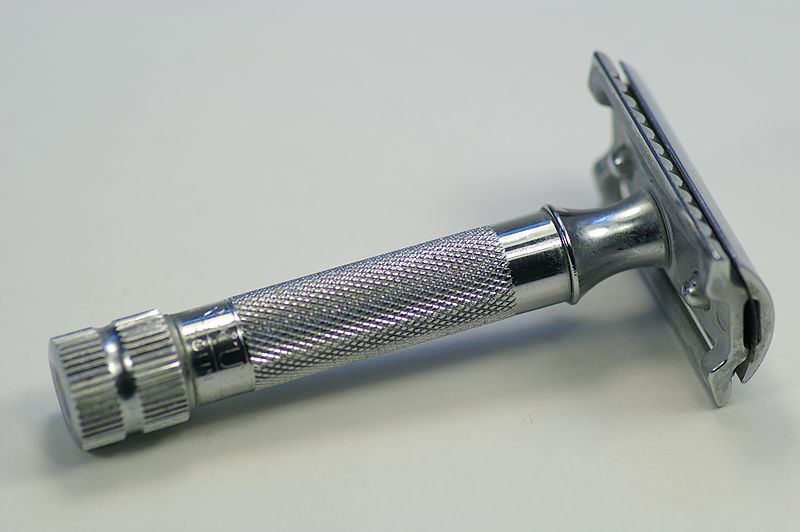
The real deal.

Wait, it gets worse

They also polluted the environment with all that disposable plastic crap. Now you throw away the razor, not just the blades. And the blades aren’t just steel, which is perfectly recyclable, but they’re plastic and metal, which is annoyingly difficult to recycle, because you need to separate the two materials from each other, and it’s just not worth the trouble.

It’s such a shame. I used to admire Gillette about 10 years ago, before I got disappointed with all the stuff they’re doing these days. I still shave with a classic Gillette Safety Razor, pictured below. I still keep my grandfather’s Gillette Heavy Duty Safety Razor, and plan to use that when my own breaks down. Things used to be simple and beautiful. Where did they go wrong?
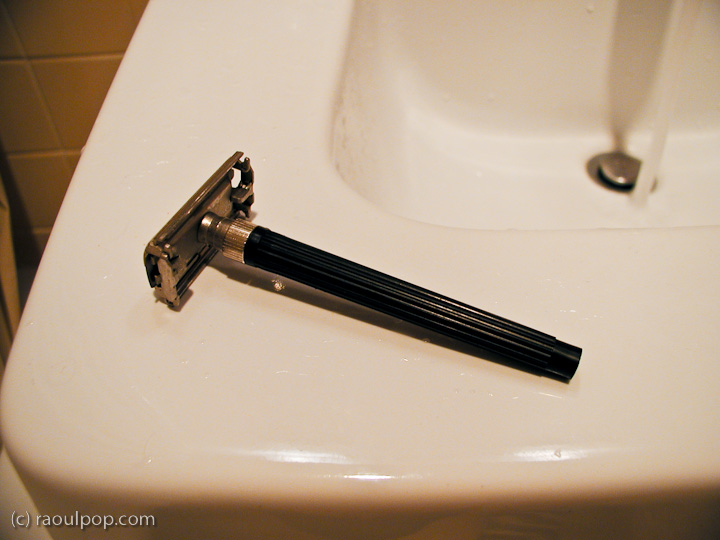
The classic Gillette safety razor.

If you’d like to learn how to shave properly, check out my wet shaving guide. And there’s also a video, embedded below.

Image of ProGlide Razor courtesy of Gillette. Image of Merkur Heavy Duty Safety Razor courtesy of Wikipedia.
Standard
How To

Quilling – The Art of Paper Filigree – Episode 2

In this episode, you will learn how to put together various design elements in order to create a veritable paper filigree (quilling) greeting card. It uses techniques taught in the first episode, plus it introduces some new ones. You’ll really like the result!

English subtitles available directly on YouTube. Click on the video itself to be taken to its page on YouTube, where you’ll be able to turn on/off the subtitles using the CC button.

Episode QARH-002-RO-HD
Released 2/25/11

Standard
How To

Do you want to learn quilling?

In addition to Ligia’s Kitchen, we’ve just launched a new show today called Quilling – Arta de a Rula Hartia (The Art of Paper Filigree), with my wife as the host and me as the producer (and everything else inbetween).

The show is in Romanian, but we’ve got English subtitles for all you wonderful English speakers out there. And of course we’re filming in HD, so you can see all the little intricacies of the art, as my wife demonstrates them for you.

This won’t be a weekly show — we’re thinking something along the lines of monthly or sometimes twice a month — but we’ll do our best to make it a more or less regular show.

Stay tuned, I plan to launch a show of my own as soon as I can dig myself out from under all this work I’ve made for myself…

Enjoy!

Standard
Places

A look at the history of Medias through paintings

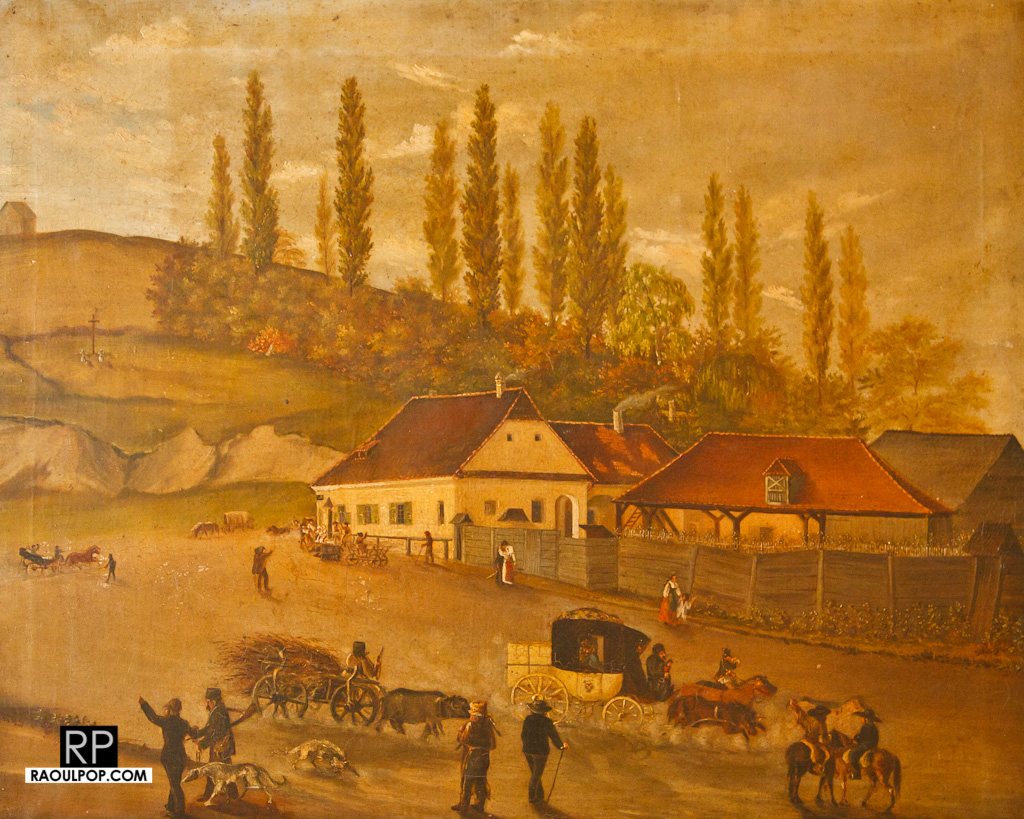
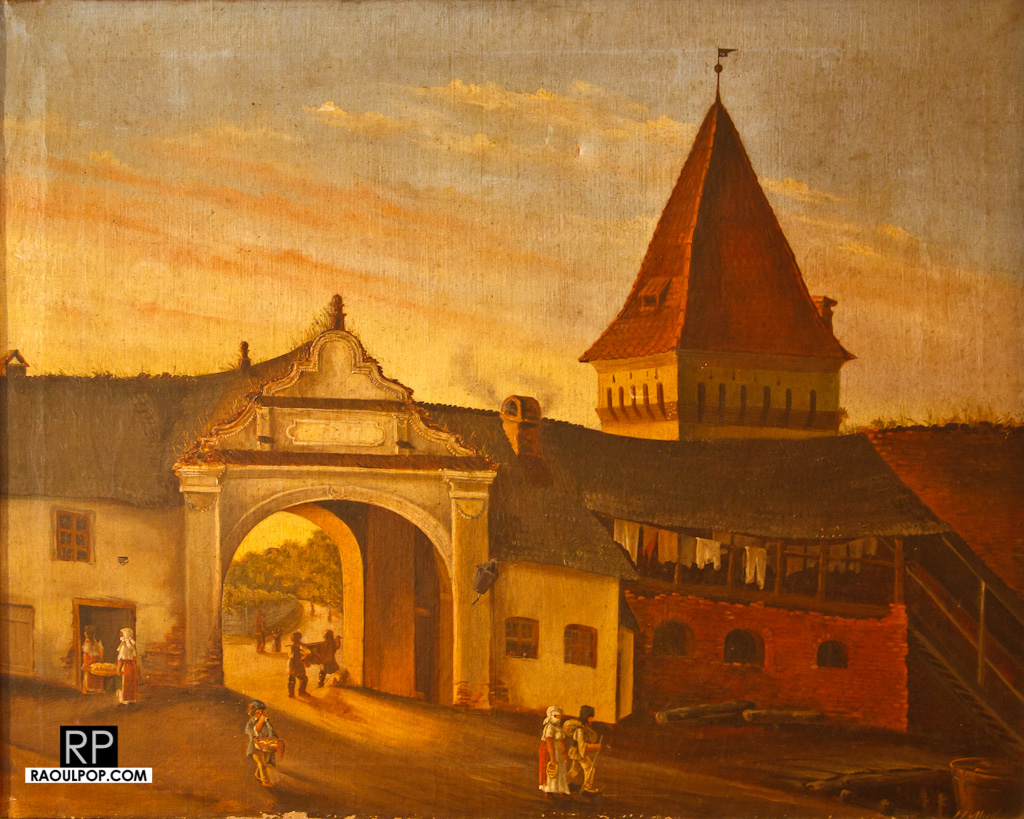
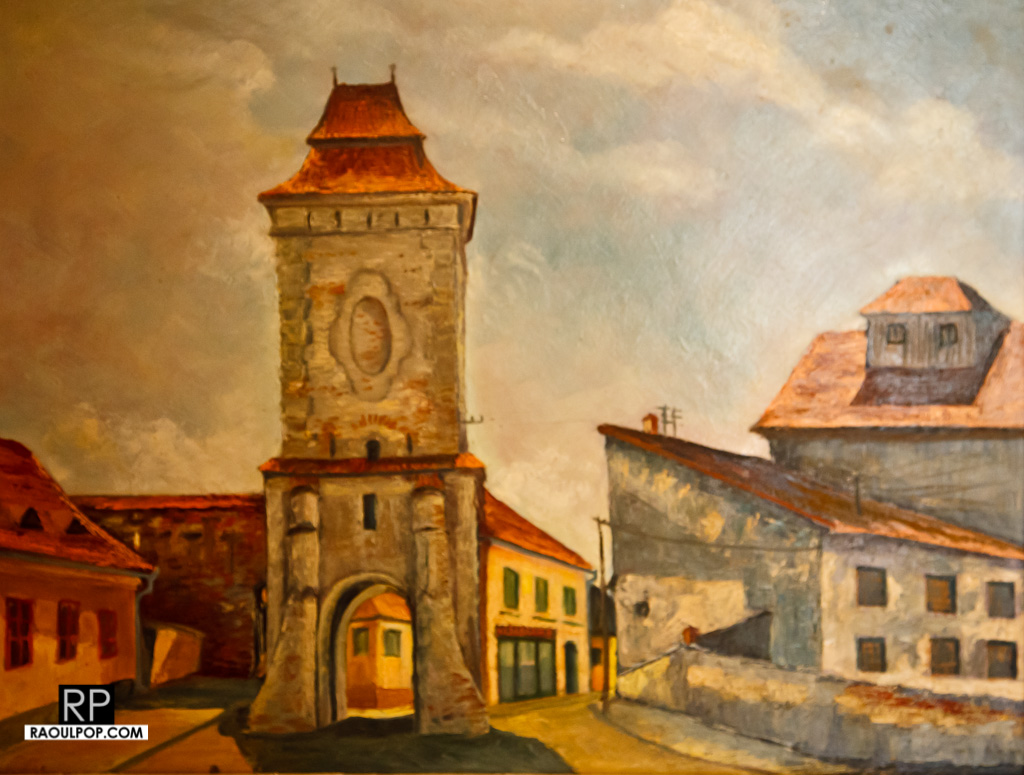
One of the exhibits at the Municipal Museum in Medias is a collection of historic paintings depicting the city as it was in the 18th, 19th and early 20th centuries. Not all of them are on display due to a lack of exhibit space, but the ones that can be seen are worth your while.

You’ll see the Steingasse tower below, built and maintained by the stoneworkers’ guild. Nowadays, there’s a cobbler’s shop to the left of the tower, which has been there for decades. And behind the tower, you’ll see shop windows for a grocery store that’s also been there for decades. Sadly, the store looks terrible today, but when I was young, I used to go there often to buy things for my grandmother’s kitchen.

The gate you see in this painting no longer stands today. The tower you see behind the gate still stands though. You can see weeds growing on the roof of the gate, even in the early 19th century, which means it wasn’t well maintained even then. And if you look through it, you’ll see a fairytale countryside road that led away to neighboring villages through a forest. That’s no longer there today. Now there’s a big, ugly hospital building there, and beyond it, the city’s expanded for kilometers.

The scene you see below no longer exists today. Railroad tracks cross over the sites of those homes, and the hill behind them is now dotted with thousands of graves, as it’s become the official cemetery of the city.

The tower you see here, Forkesch, still stands today, but the historical fortified wall which once connected it with the tower in the second painting seen above, has been rebuilt. That tower can’t be seen below, but it’s somewhere down in the valley. The wall also can’t be seen, because it had been torn down by the mid-19th century when this painting was made. The road is still in the same place, but instead of houses, a large church stands across the road from the tower, and the city’s hospital is just below, in the valley.

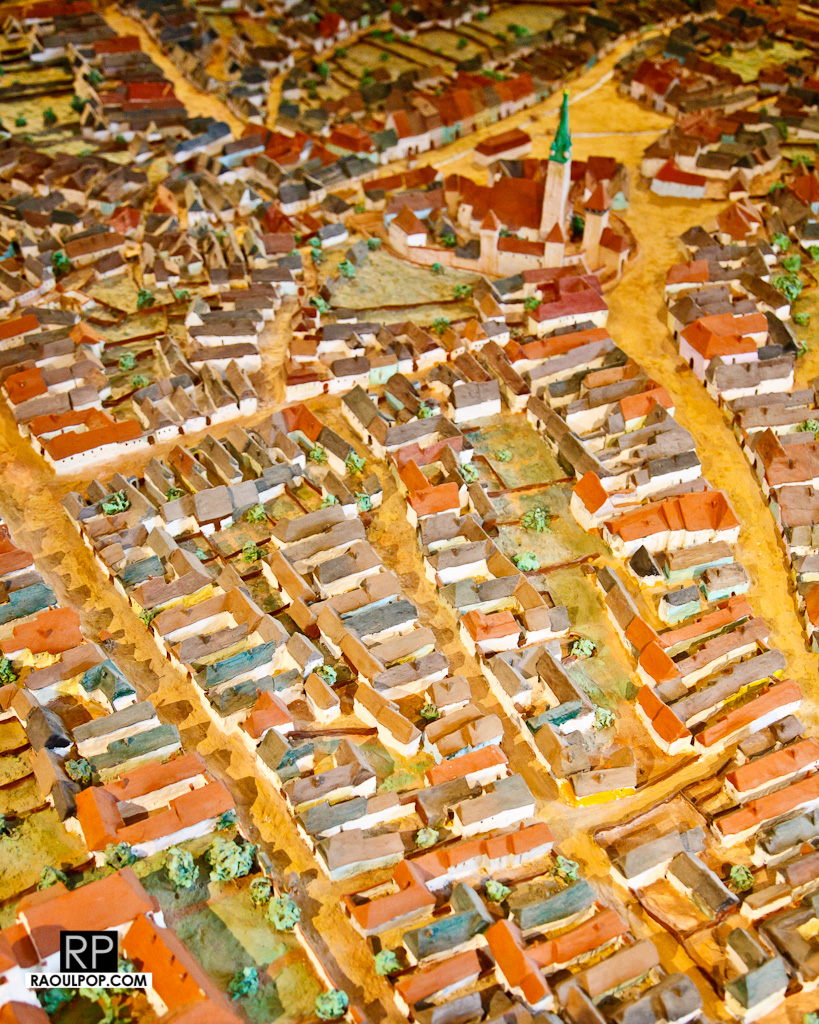
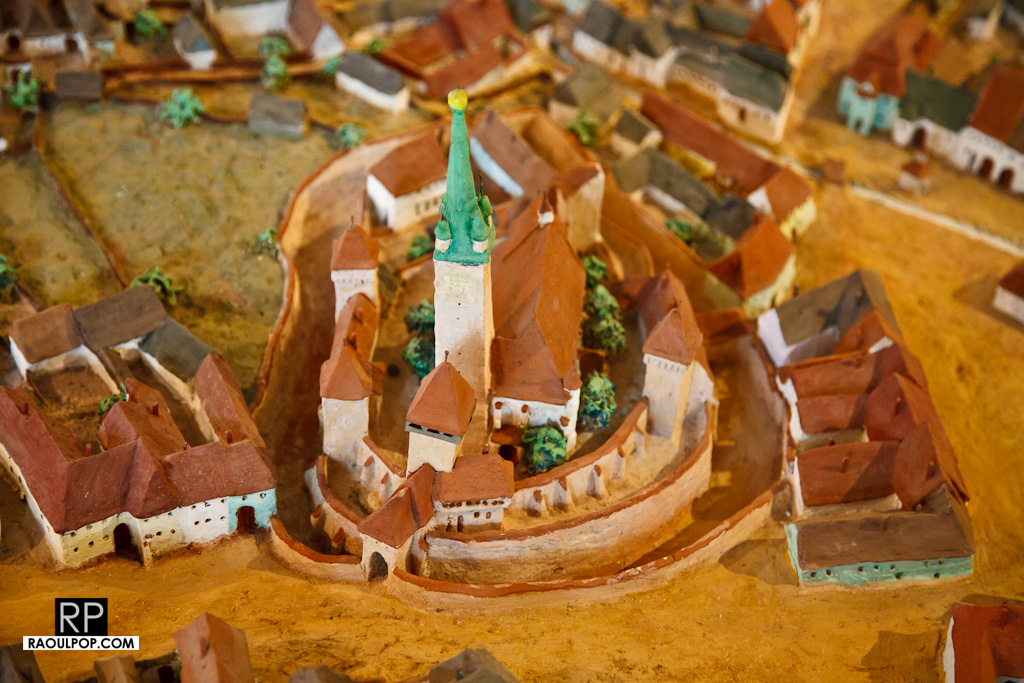
Now this isn’t a painting, I know that, but it is very interesting nonetheless. It’s a model of the city as it was sometime in the 16th or 17th century, and it can also be found at the museum.

As you can see, St. Margaret’s Church was originally surrounded by three rows of walls and a large moat, with covered bridges functioning as entrances into the inner walls. It’s a pity it no longer looks like that nowadays, because it would be a truly romantic place if it did.

I invite you to go see the model in person, as it’s a great deal larger than what you see here. The details are wonderful. You can see how each house looked (approximately), its location, and the layout of each street. And if you’re a mason, and you know about the city’s new tourism campaign, then you’ll appreciate a closer study of the city’s layout, which, according to some, replicates the search for light found in masonic rituals.

Standard
Events

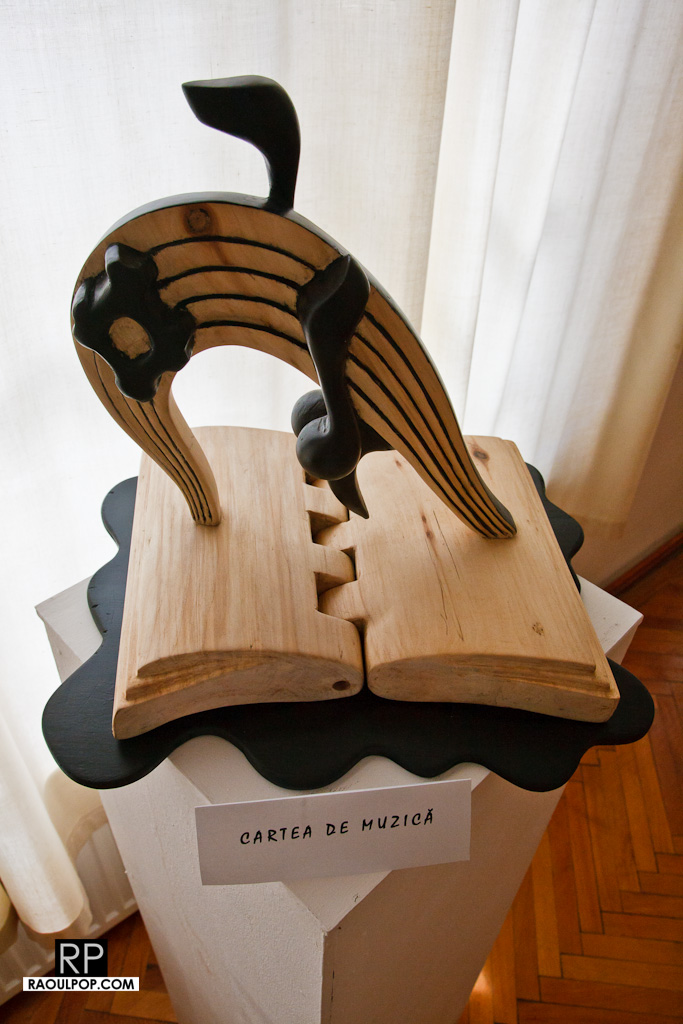
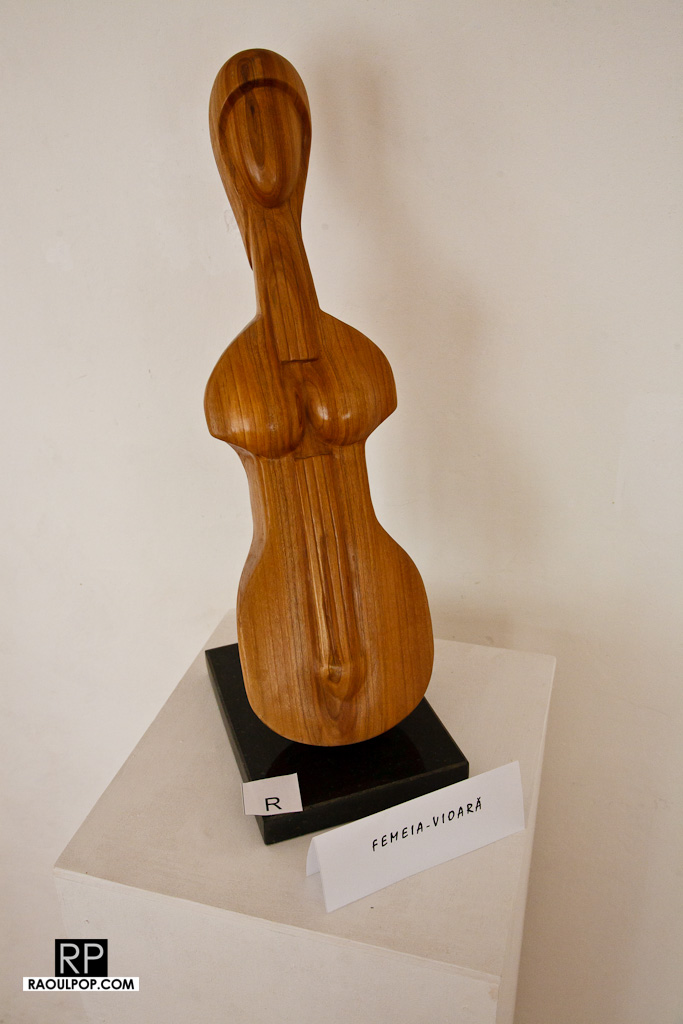
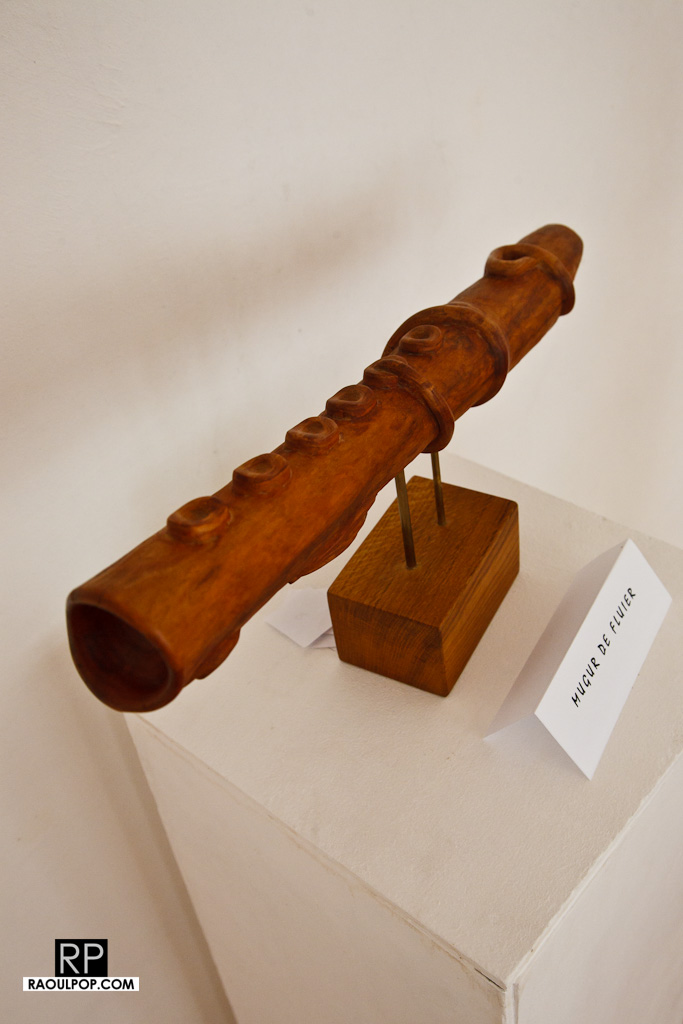
Sculptures by Radu Lupu: an exhibit at the Municipal Museum in Medias

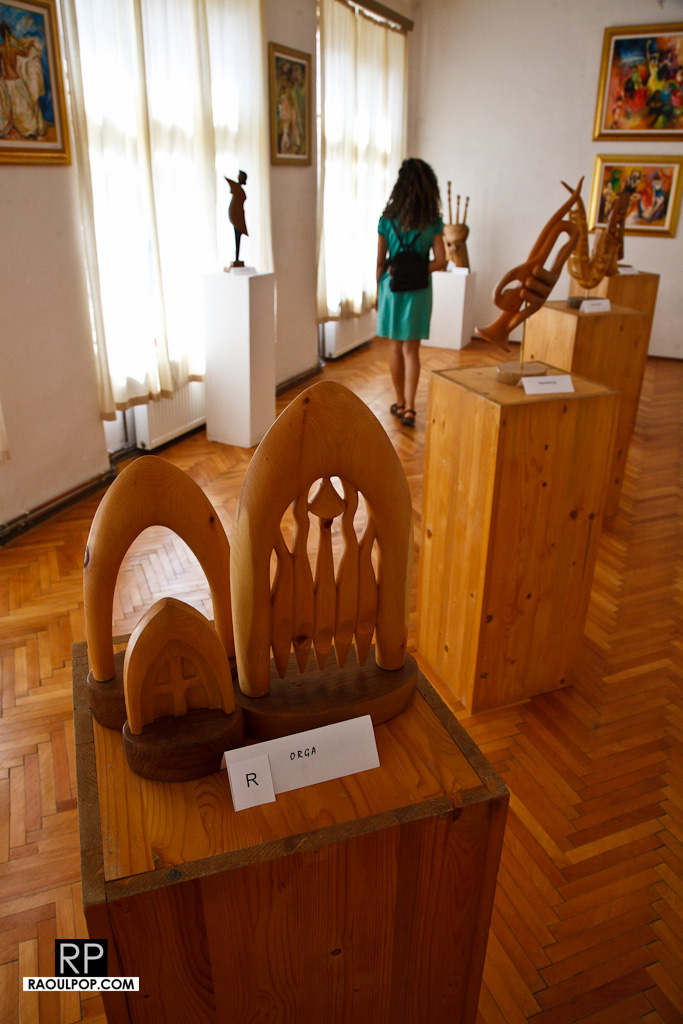
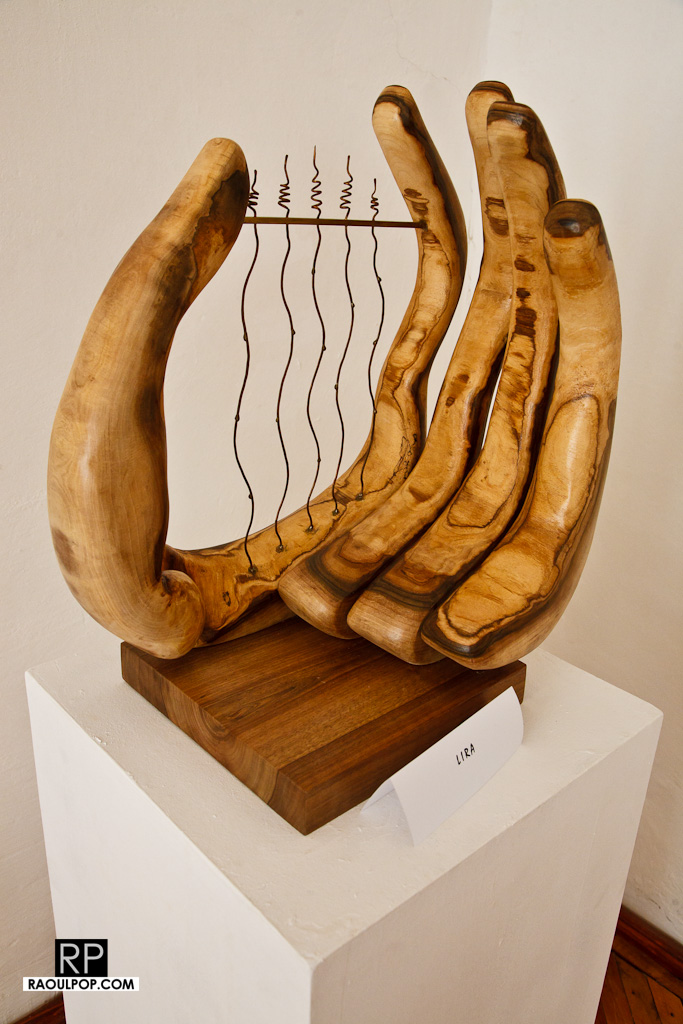
This is a temporary exhibit at the museum, with sculptures created by local artist Radu Lupu along musical themes. All are interesting, and some are for sale. You can contact the artist via the museum.

We liked the one entitled “Lira”.

Standard