Thoughts

My favorite vantage point for photography

I was invited by the folks at Light, who are working on some pretty interesting camera technology, to write about my favorite vantage point. I explained to them, as I’m explaining to you now, that I don’t have one. I get bored with shooting the same locations and I’m always on the lookout for new things to shoot.

Then I realized that over the past few years, I’ve been working in the exact same location, putting in lots of time and effort, being happy with the challenges offered by that very same spot and enjoying the beautiful results. But you didn’t know about those photos, because I haven’t published them on my website, and it didn’t occur to me earlier that it was a vantage point. I’m talking about my studio work for my wife’s printed books, in other words, about my food photography.

My favorite vantage point over the past few years has been the whitebox (the official name for it is a seamless tabletop background sweep cyclorama). Here’s what it looks like:
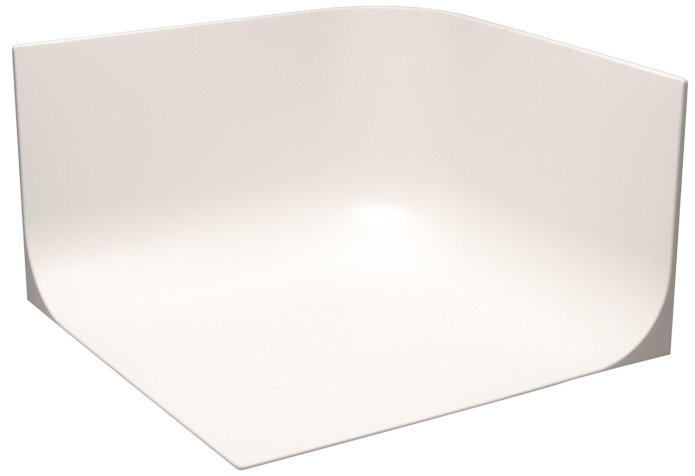
whitebox.jpg

That’s where I’ve been spending my time. Lots of my time. Here’s one example of my work:

RPOP-2015-05-1335.jpg

This is one of my wife’s raw desserts. It’s a raw vegan whipped cream, mint and strawberry cake. You can find the recipe for it in her Raw Desserts book.

And here’s another photo from the same book. I apologize if it leaves you drooling. It’s a raw vegan brownie with a raw chocolate glaze.

RPOP-2015-05-0139.jpg

Here’s how I work. I don’t have a set position for the camera or for the speedlites. I work handheld and I vary my camera position, angle and lens until I find what I think is a good frame for the photo. Then I’ll shoot a few photos to see how the lights fall on the subject and whether I need to vary their positions as well, in order to bring out the colors and sculpt the dimensionality of the photo with lights and shadows.

I use three independent speedlites triggered by the on-camera flash, which I sometimes choose to also fire or to only have it act as a remote for the other speedlites. For this photograph, I worked with my Canon gear: one of my three Canon cameras, an EOS 60D and three Canon speedlites. I love my EF-S 17-55mm f/2.8 IS USM lens and I tend to use that a lot for my studio work. I also use ambient light from within the room itself (I turn on wall and ceiling lights) and I use a mix of warm and cold lights. I know most people say you should use the same temperature lights, but I prefer to mix them in order to get a warmer ambient light. The speedlites overwhelm the subject with their cold light, but there’s a hint of warmer light all around the photo, which I like, and this comes out when I edit the photo as well. I suppose I started doing this when I began to shoot video. People leave a lot of work for post-production, but I do like it when I capture the mood light of the video live, as I shoot it, so I fiddle less with it in post.

I’d like to say I’m the set designer as well, but for my food photography, I leave that to my wife. She’s the award-winning raw chef with seven published books and I’m the photographer. Sometimes we’re inspired and we love the results, and sometimes we’re not happy with what we get. So we re-do the photo shoot at another time. There have also been instances where we’ve re-shot certain recipes for later editions of her books, because we weren’t happy with the photographs and as our skills improved, we knew we could do better.

I wish I could be more helpful than this but for me, every studio photo is a new challenge and I vary my angles and lighting in order to get what I think are the best photos of my subjects. My wife and I then cull through them and pick the ones that’ll go into her books. I then edit each one carefully, add it to the collection designated for that book in my Lightroom catalog and carry on doing this until we’re ready to turn things over to the publishing house.

Standard
Thoughts

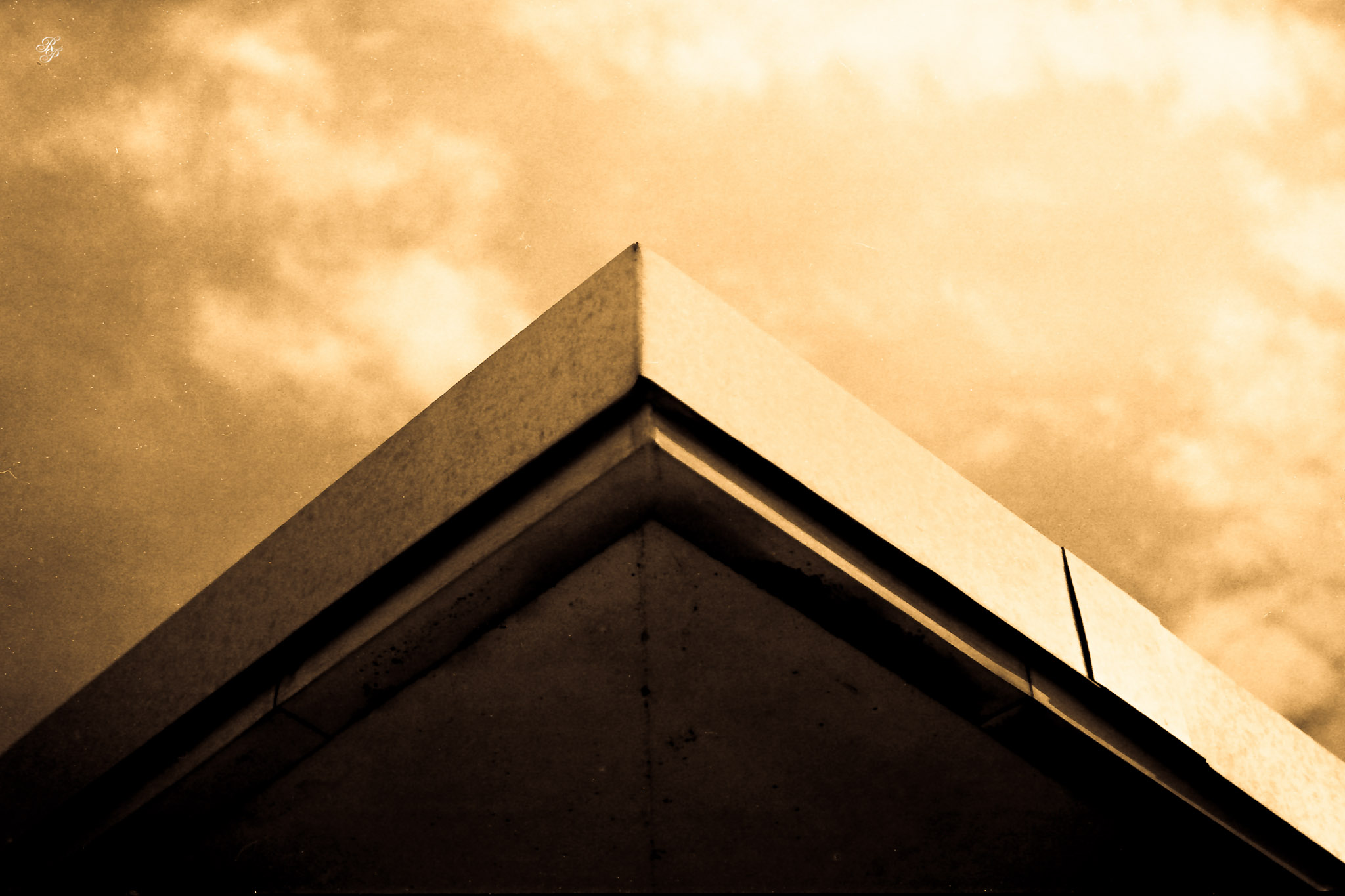
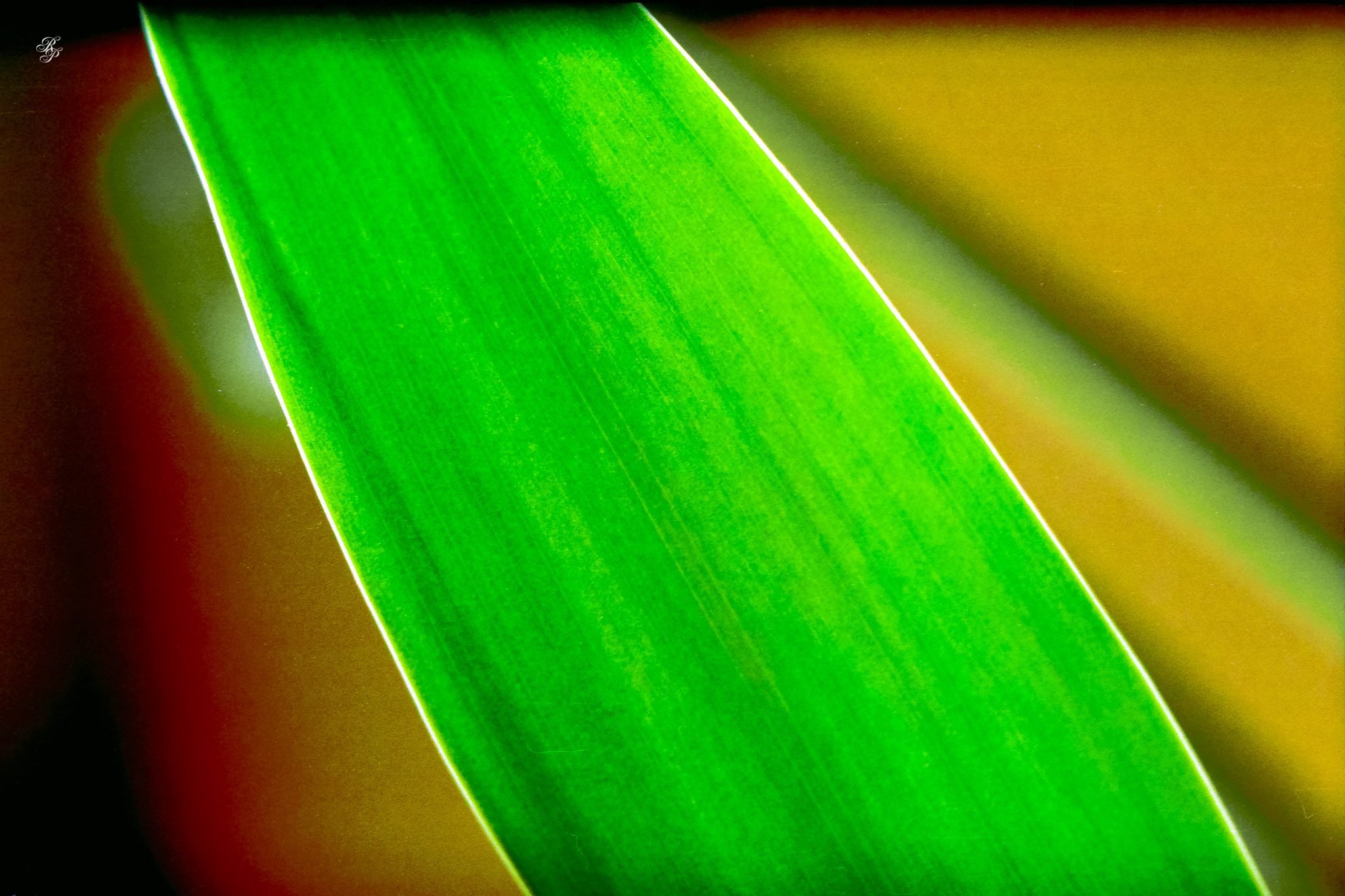
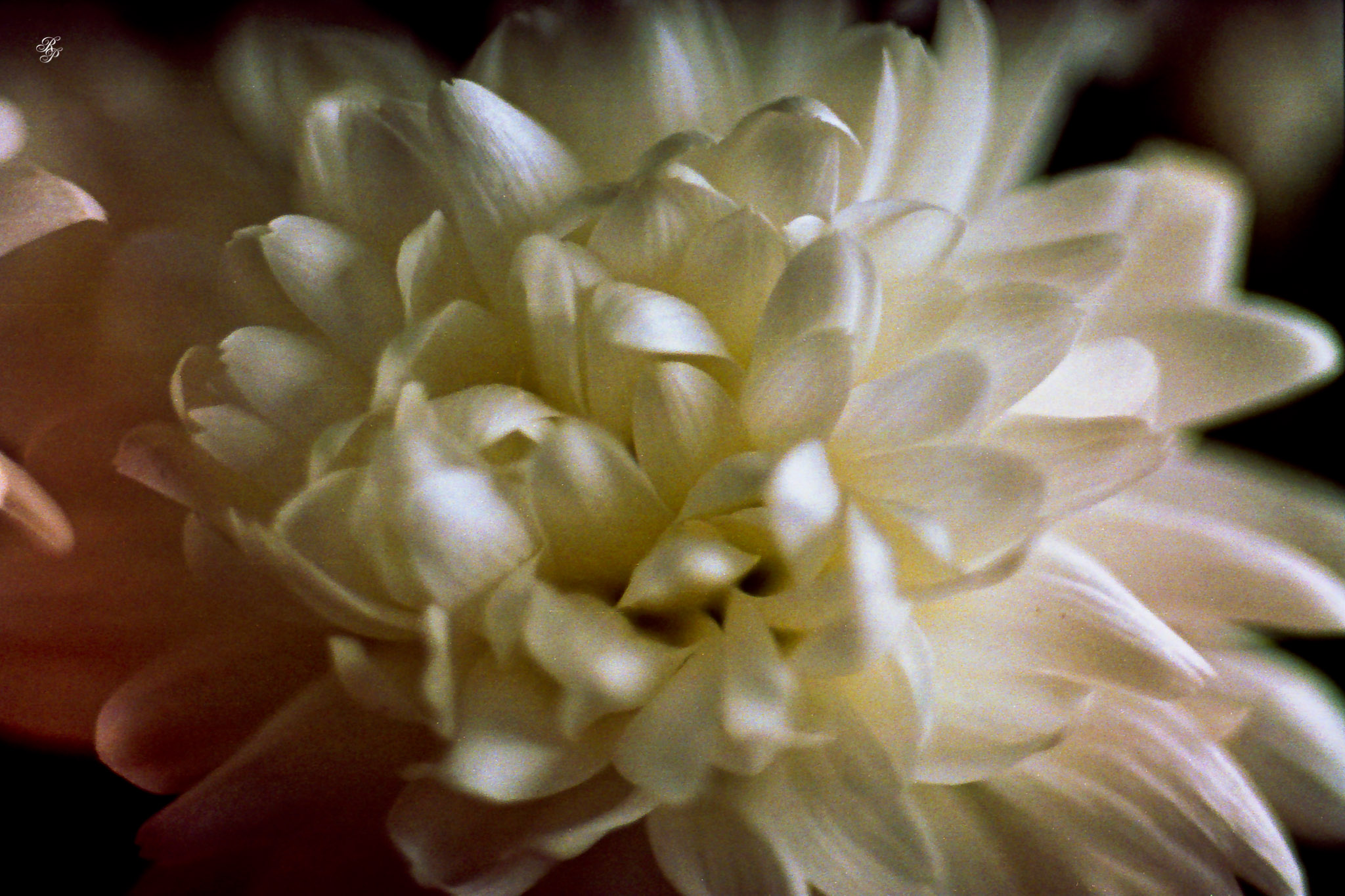
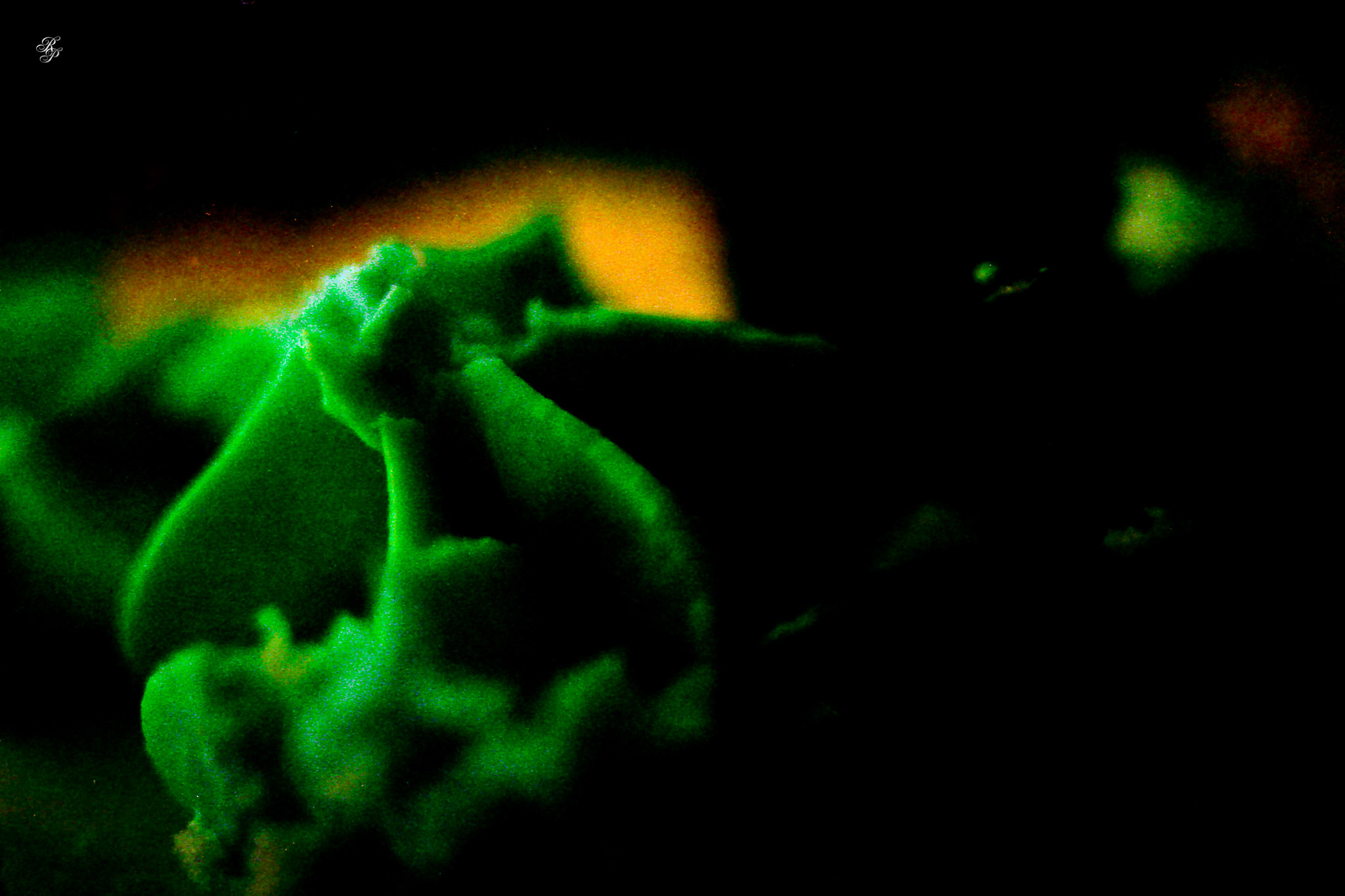
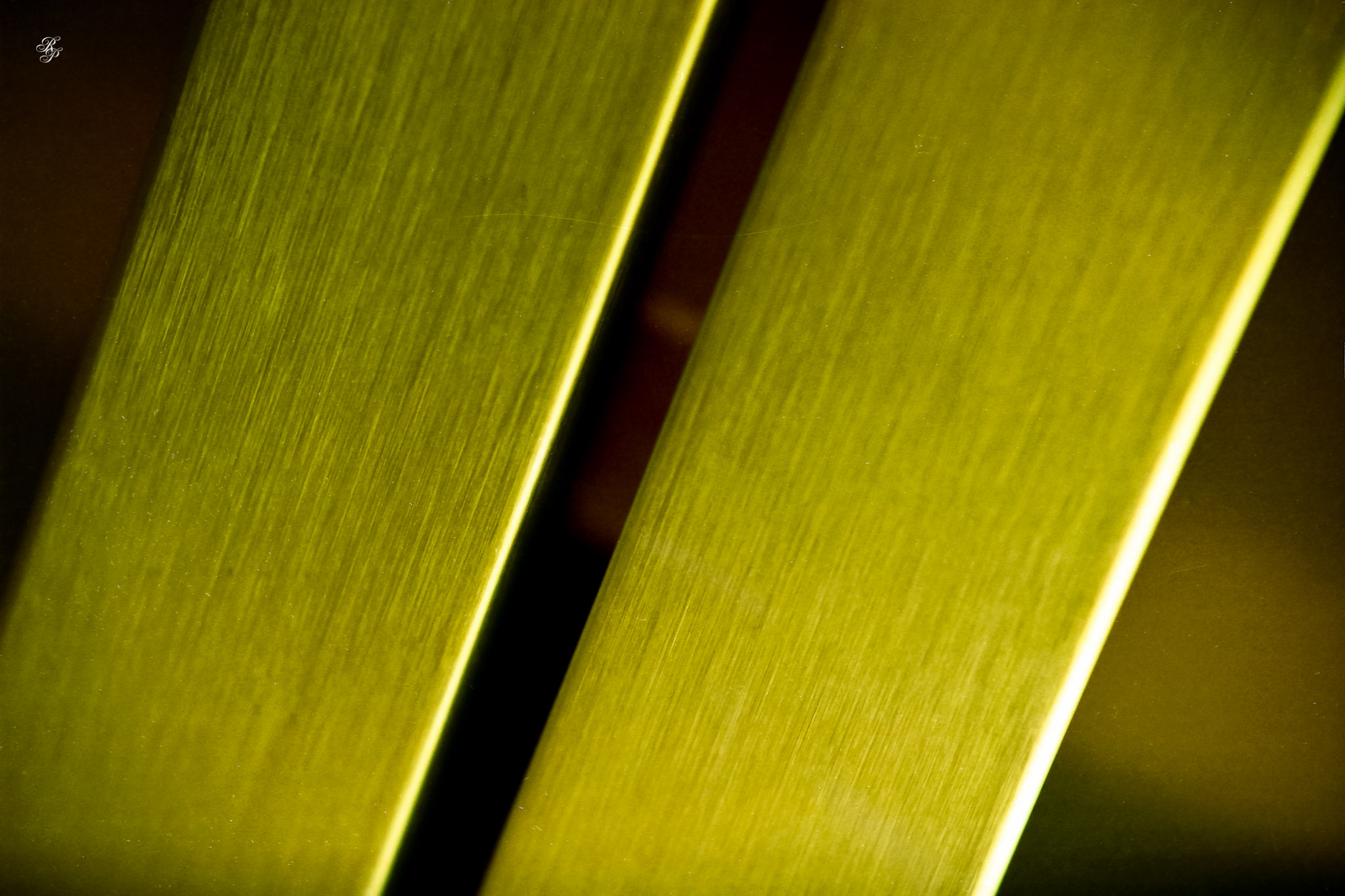
Details on film

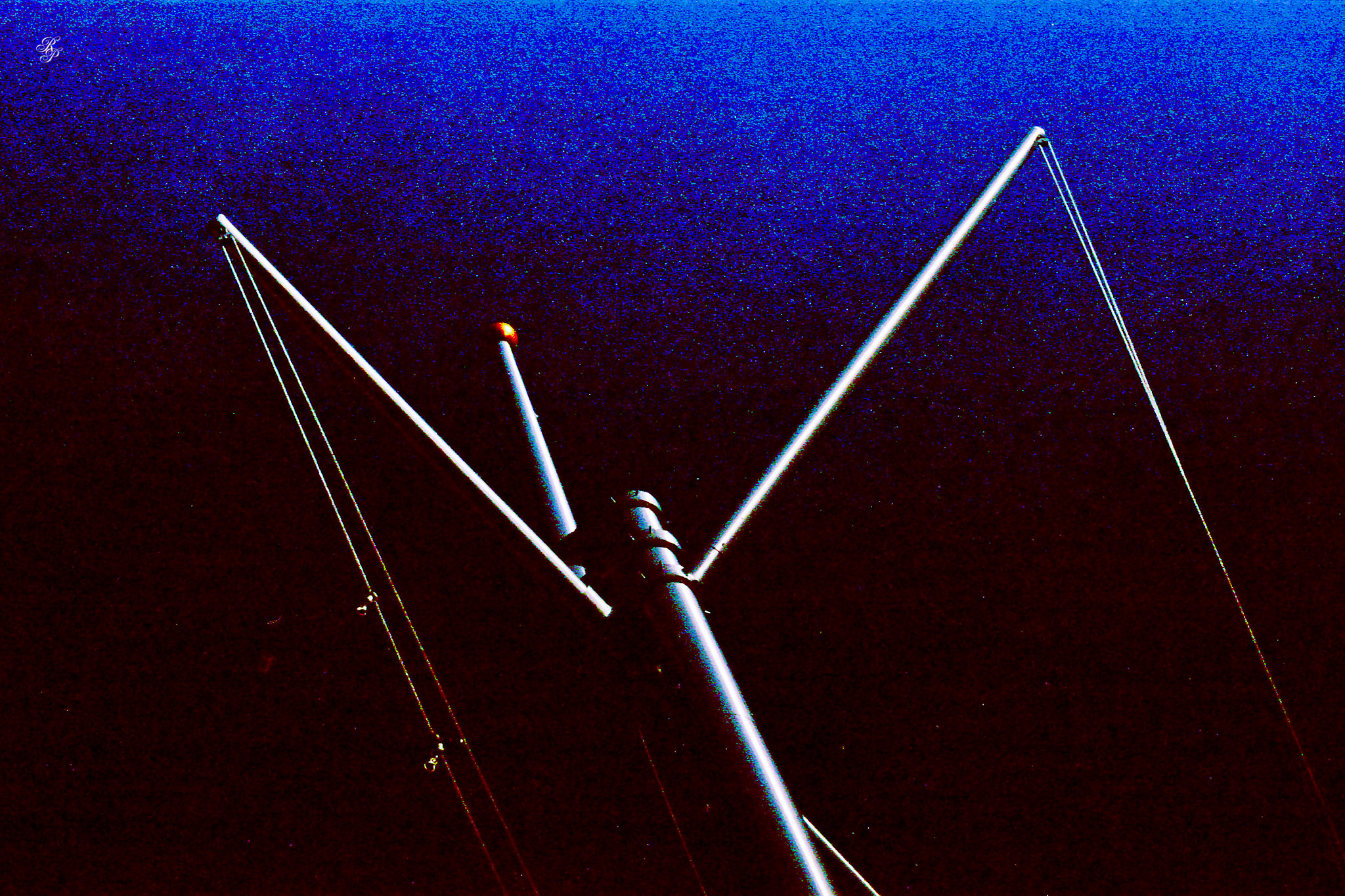
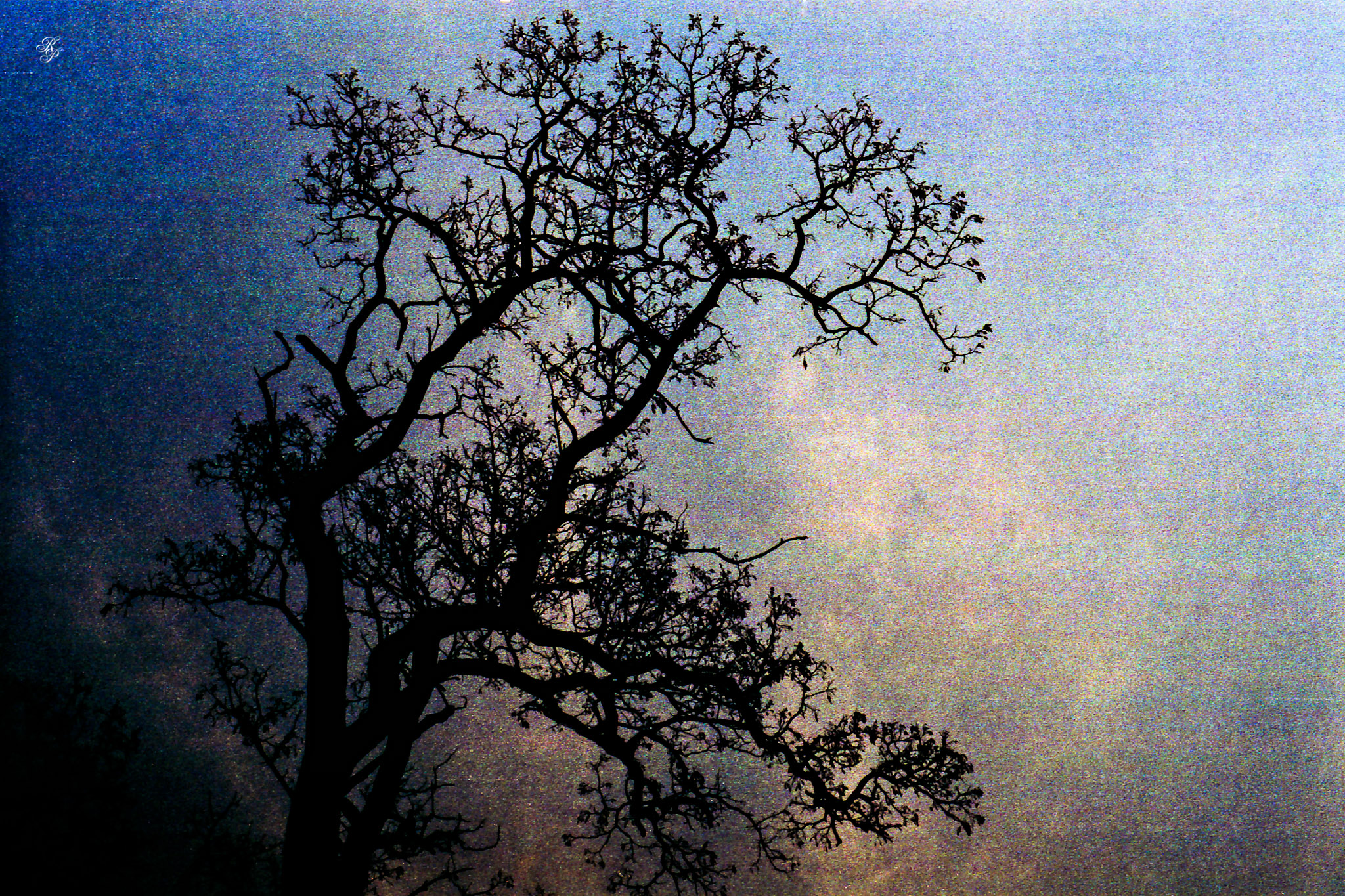
Here are several details captured on 35mm film. I love how film is readily nostalgic whereas digital photographs have to be edited heavily in order to make them so. I think what that says about digital sensors is that there’s plenty of work still to be done to them. Because to me, unless I feel a photo, it’s just a snapshot.

Standard
Places

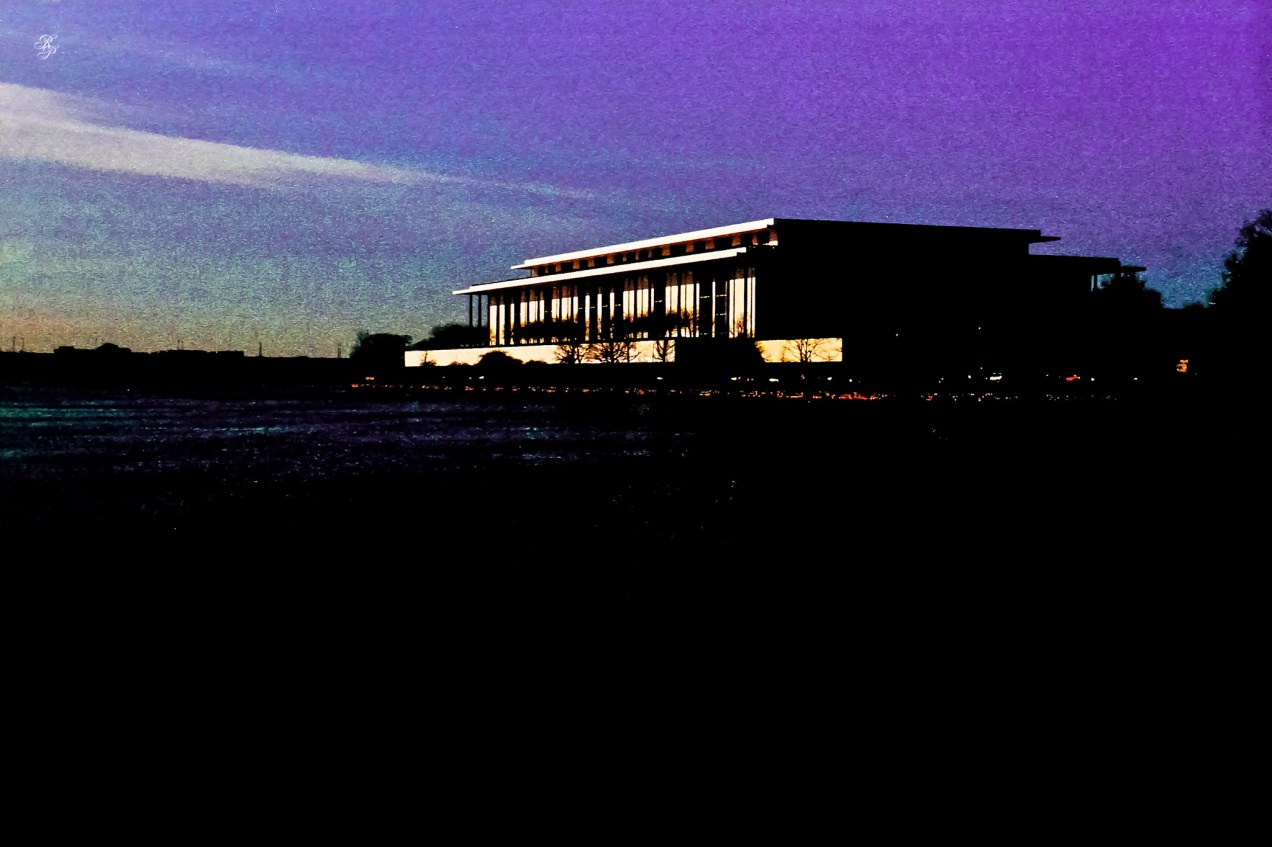
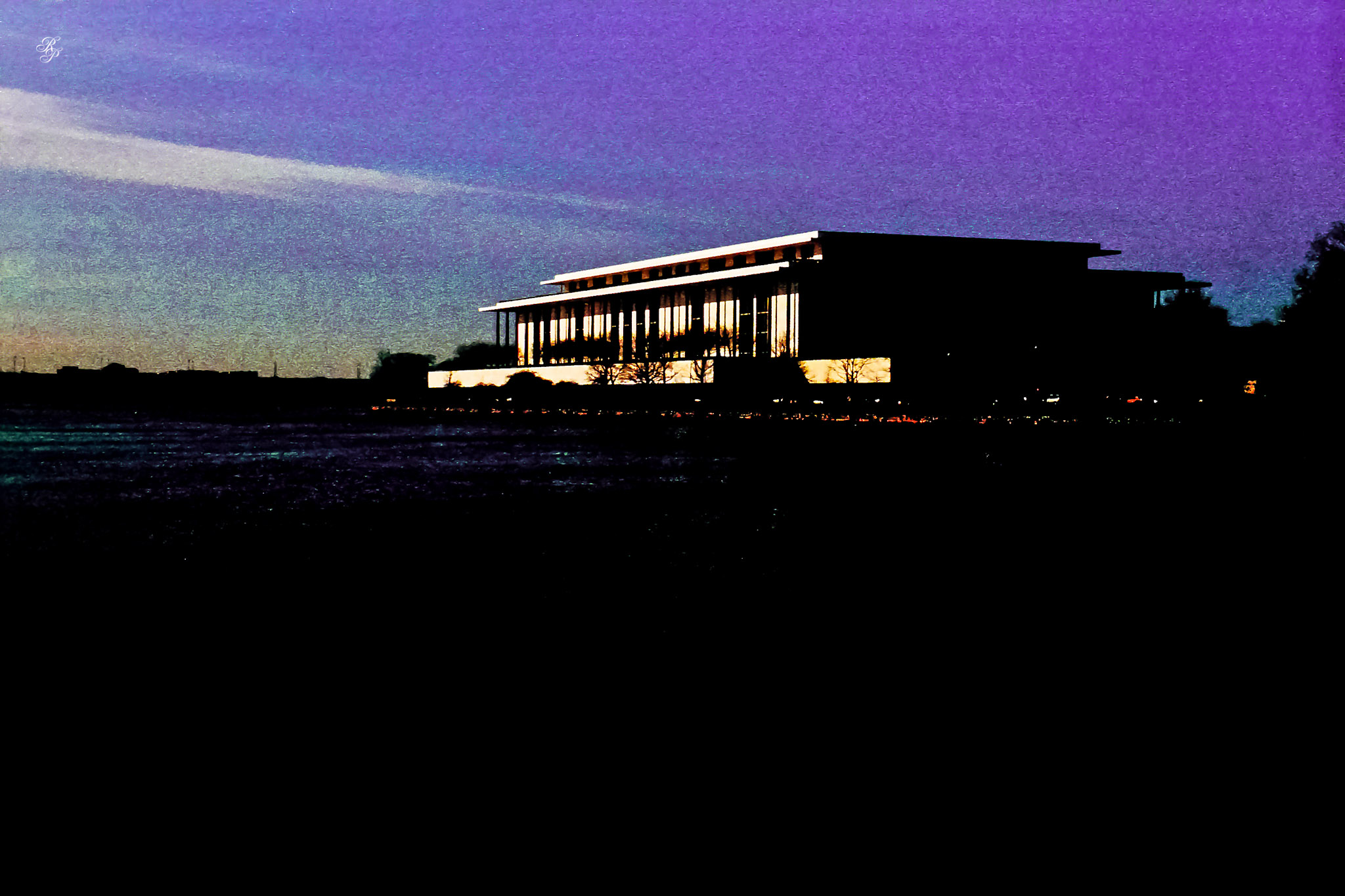
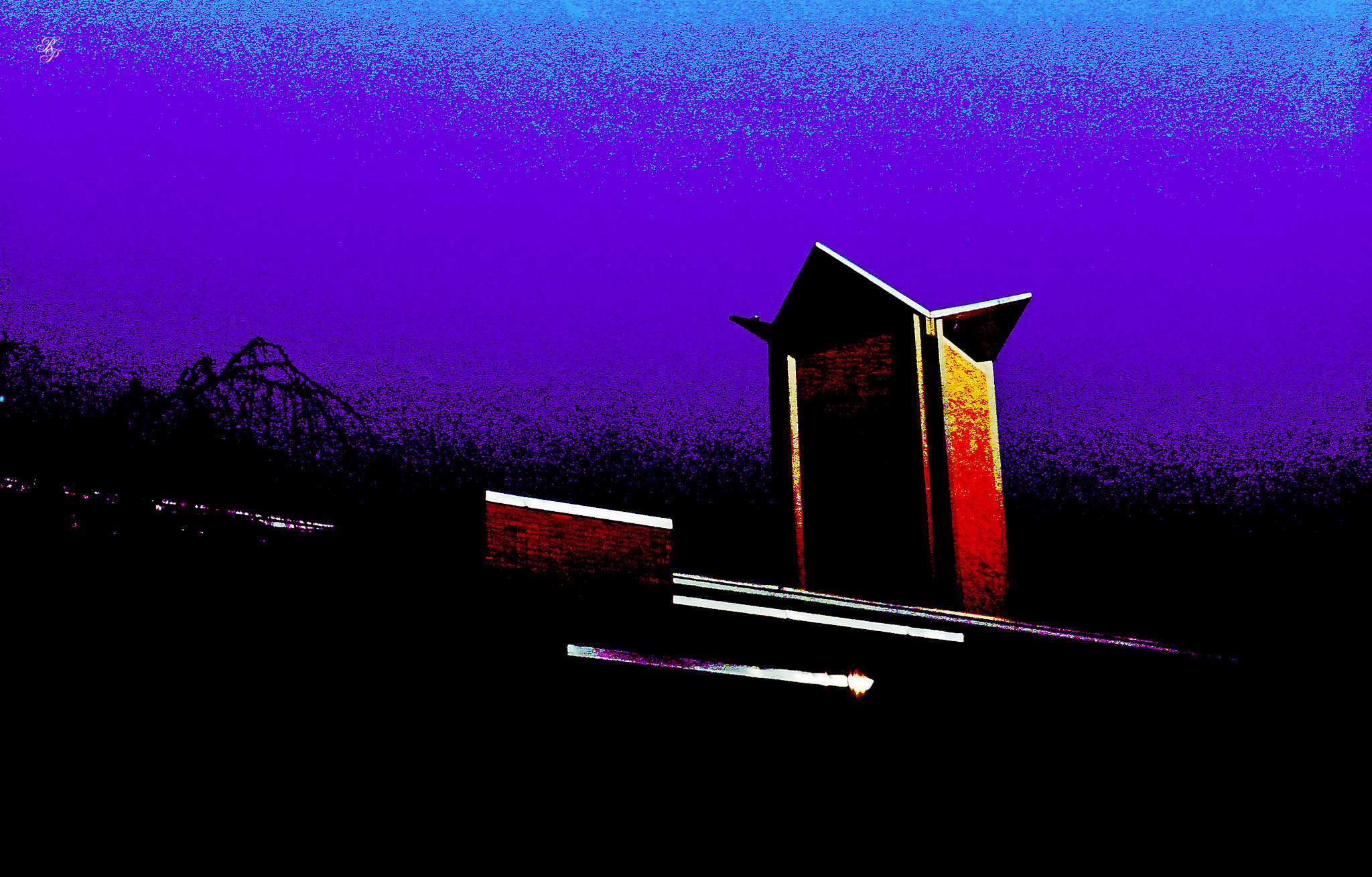
Vignettes from DC

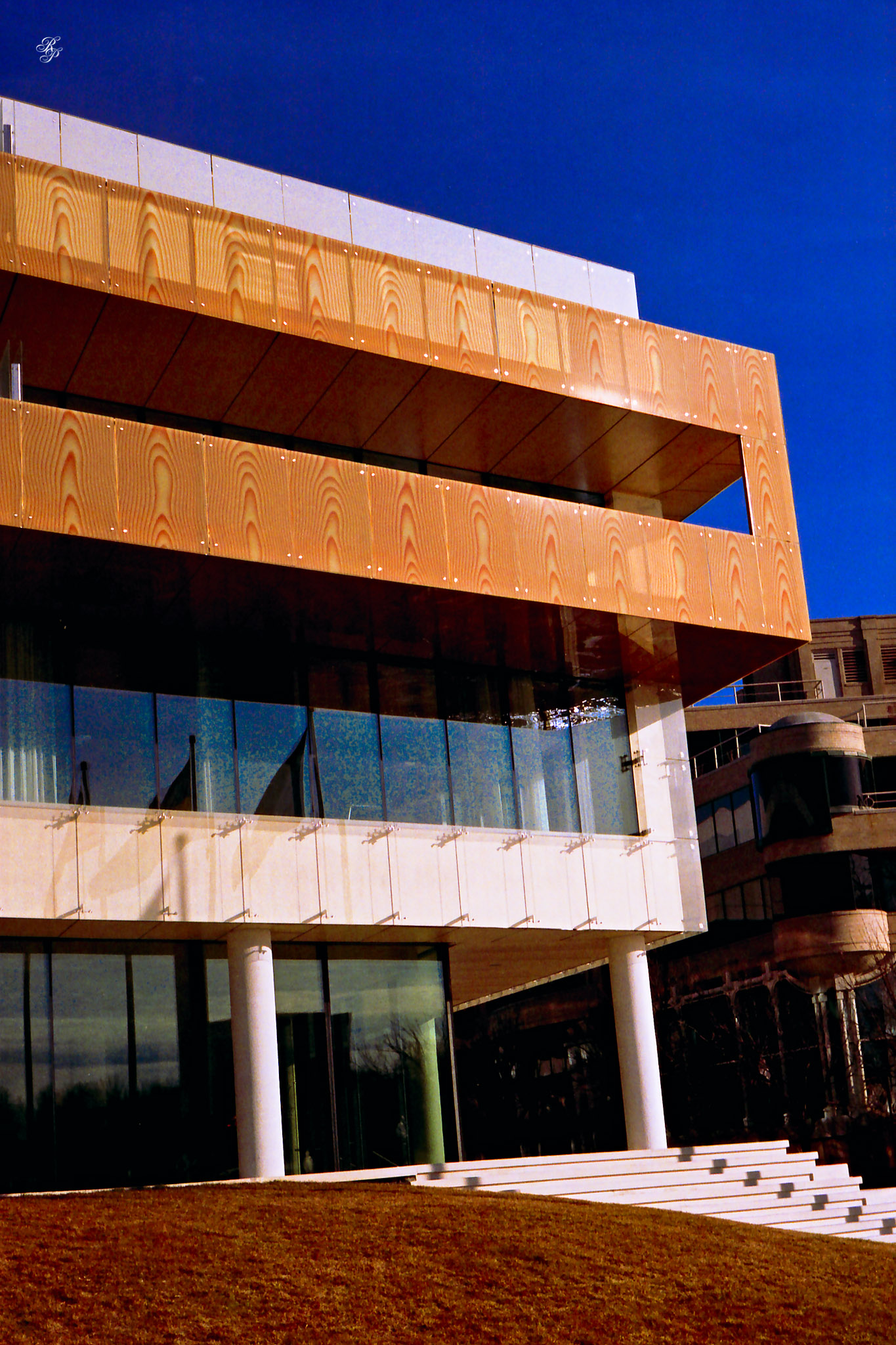
Try to guess where these photos were taken; some of the images might be readily recognizable to you if you’re from the DC area. If you’re wondering about the processing, they were captured on 35mm film with an Exakta EXA Ia camera, scanned in from the negatives and edited in Lightroom and Photoshop.

Standard
Reviews

Camera preview: Canon EOS M

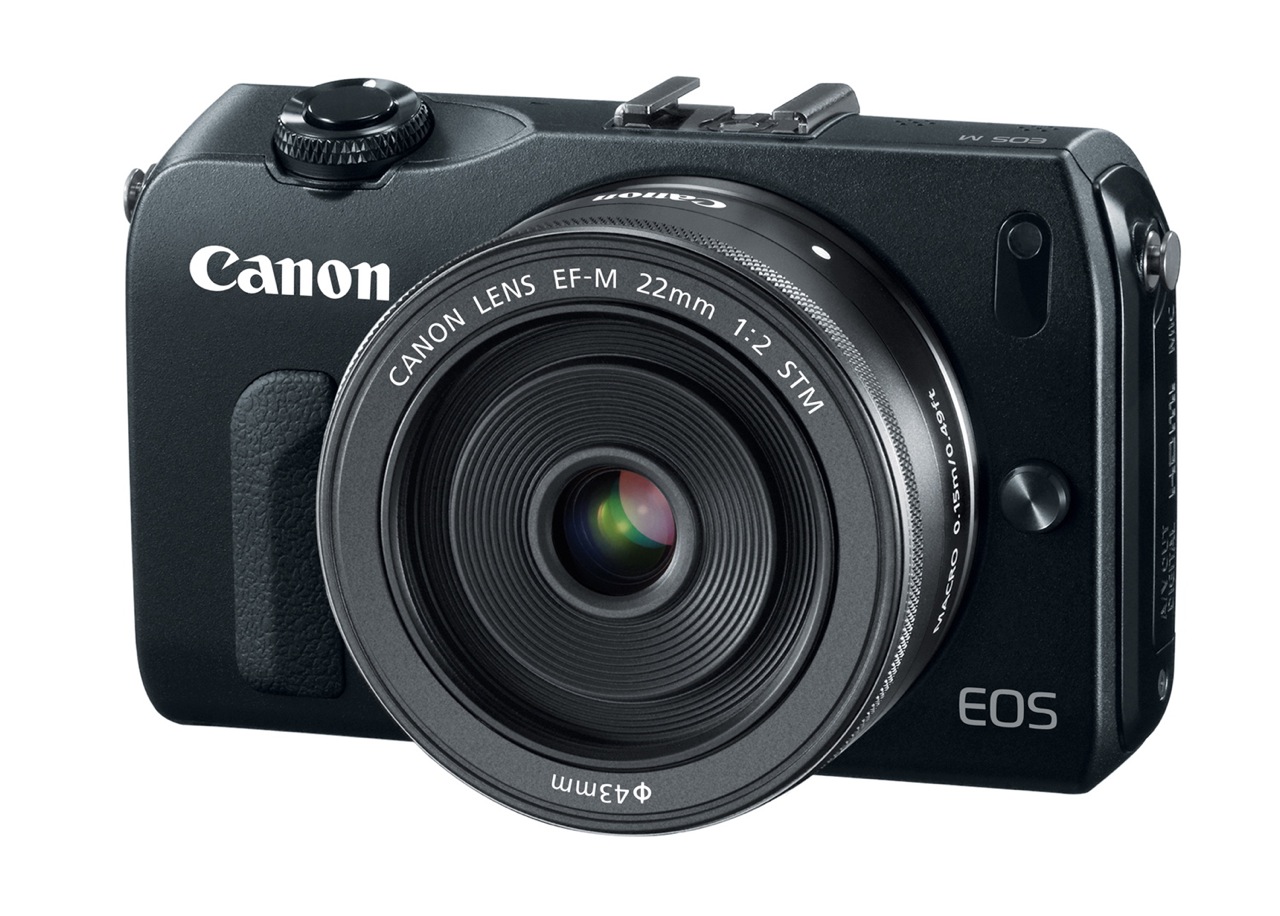
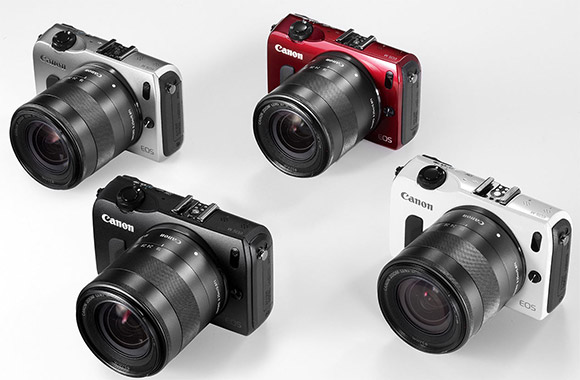
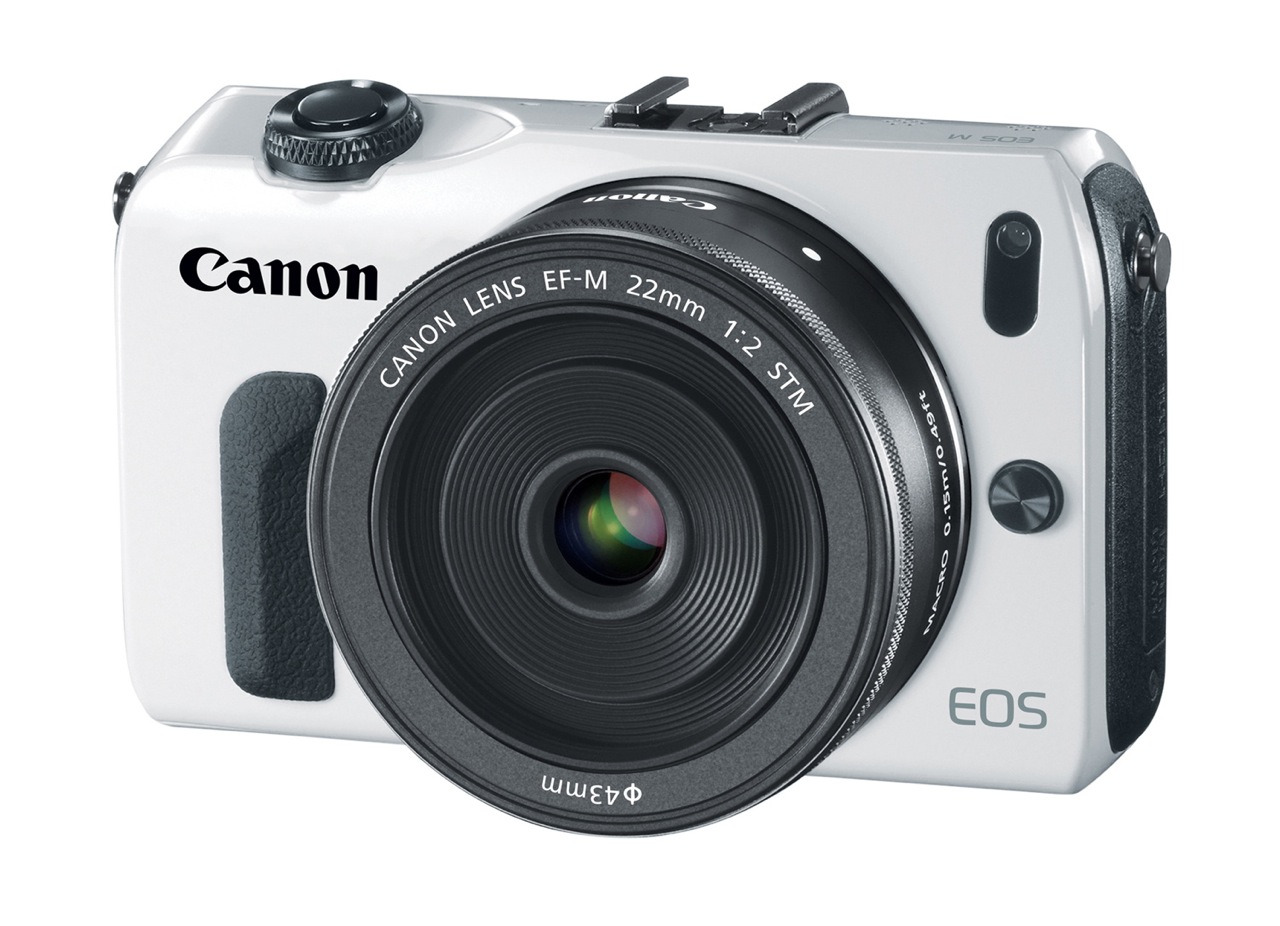
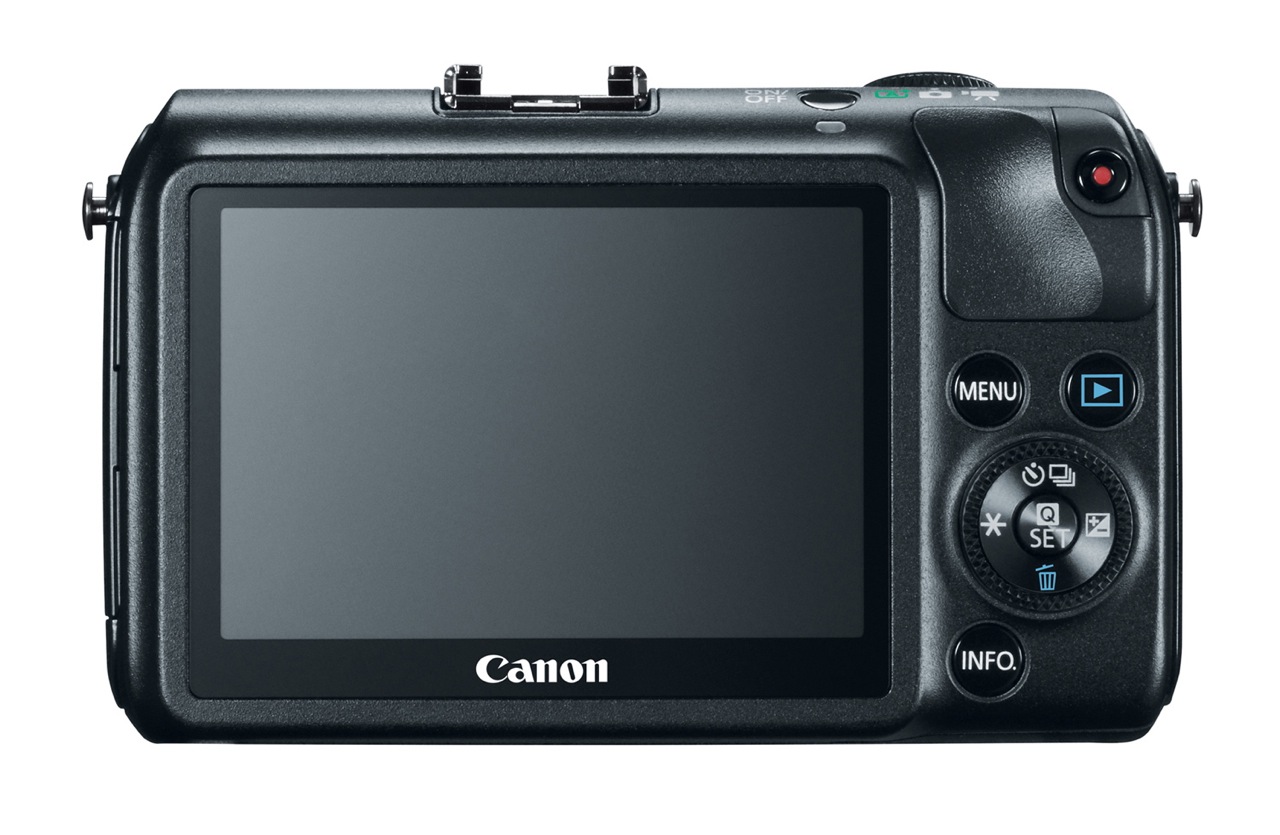
As I announced back in June of 2010, Canon has been at work on a mirrorless camera and they’ve finally launched it. It’s called the EOS M. It uses a new EF-M lens mount and its specs are pretty much what we expect mirrorless DSLRs to have these days. It ships in four colors: black (see above), white (see below), red and dark silver. Suggested MSRP is $799.

I’m going to be blunt, because the late arrival of this camera is frustrating. The only innovative feature I can see on it is its Hybrid CMOS AF System, which is located right on the sensor. Other than that, this is another mirrorless DSLR in an already mature market, albeit a highly anticipated model from a large manufacturer.

Canon took their time to take the plunge. My guess is they wanted the other manufacturers to “work out the bugs” in terms of the feature set and pricing, then they matched what the market wanted to see. They didn’t stick their neck out there to try something new. They let others do the hard work while they kept fiddling with the EOS Rebel line and tested the waters (partially) with the PowerShot G1 X and its large sensor.

Design-wise, the EOS M is pleasing. It’s thin, it’s got a nice profile, it’s not cluttered and it’s simple to use.
Back to the features:

  • Full HD movie mode with Movie Servo AF: this means accurate and noiseless focus tracking of subjects when using the EF-M lenses with the new STM (Stepping Motor) technology.
  • 18 megapixels: this was predictable given that all of Canon’s lower-priced DSLRs are also at the same resolution.
  • DIGIC 5 image processor
  • ISO 100-6400 in movie mode and 100-12800 in photo mode; they’re both expandable to 12800 and 25600, respectively.
  • Hybrid CMOS AF: innovative, but let’s wait and see how it performs in real world conditions; Canon DSLRs have had plenty of focus issues lately, this being just one example.
  • Compatible with full line of EF and EF-S lenses via adapter which preserves all AF and IS functions.
  • 1,040,000 dot, 3-inch LCD with touch AF
  • Scene Intelligent Auto, Creative Filters, Multi Shot Noise Reduction
  • Stereo microphone, manual audio adjustment, wind noise filter
  • Total recording time per scene goes up to 22 minutes

Watch out for the following:

  • A notable MIA among the accessories is a viewfinder, like on the Olympus OM-D EM-5 or their PEN line of mirrorless DSLRs, like the E-P3. That means using the EOS M in glaring sunlight is going to be somewhat frustrating.
  • Stills frame rate is 4.3 fps.
  • Video frame rate at 1080p goes up to 30 fps. I want to see a Canon camera go up to 1080p/60 fps.
  • Computer connectivity is still USB 2.0. This is one area where Canon could have pulled ahead of the pack and gone with USB 3.0.
  • Battery life is average for a mirrorless (about 230 shots or 1.5 hours of video). Given my experience with Canon HDSLRs, I’d say real world battery life when shooting video is more like 30-45 minutes.

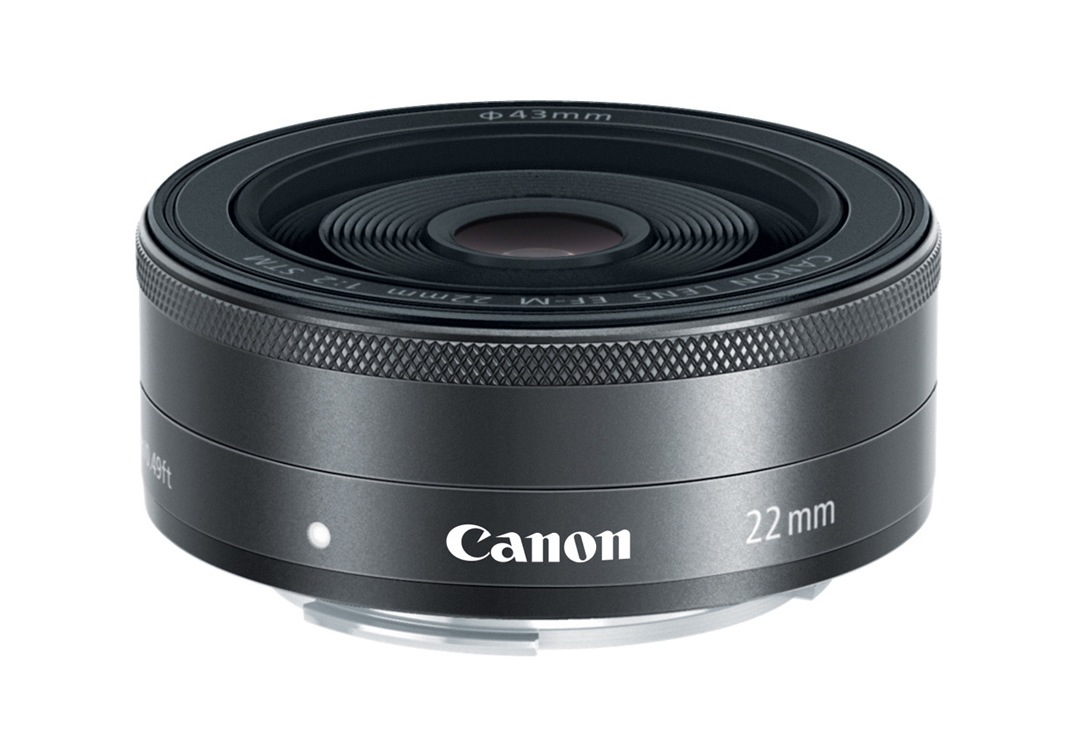
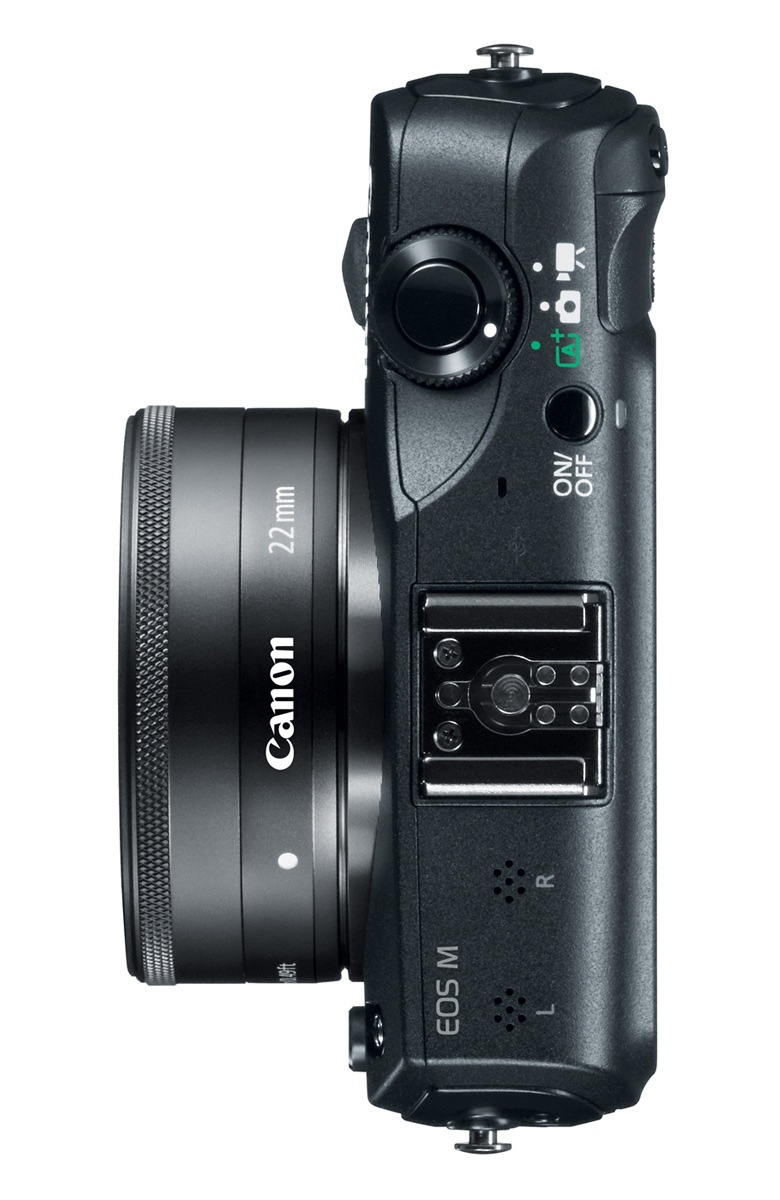
Let’s have a look at the accessories. The camera ships with an EF-M 22m pancake lens.

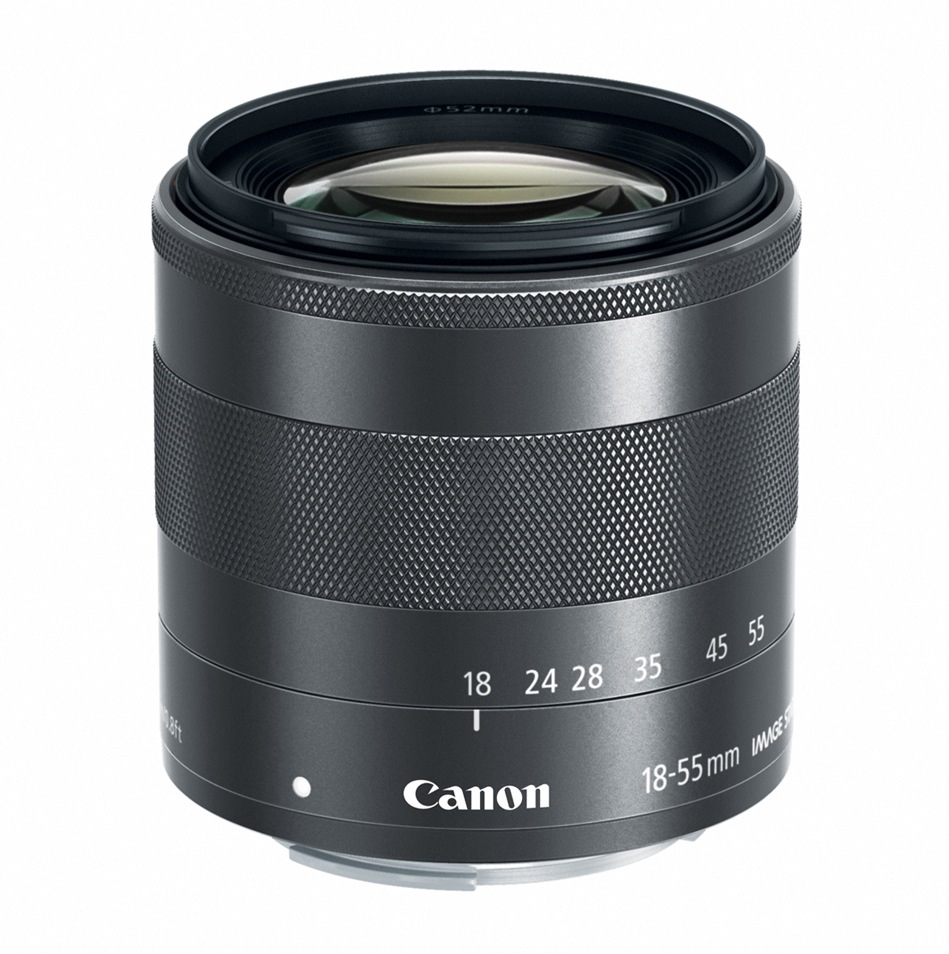
You can also get an EF-M 18-55mm lens for it.

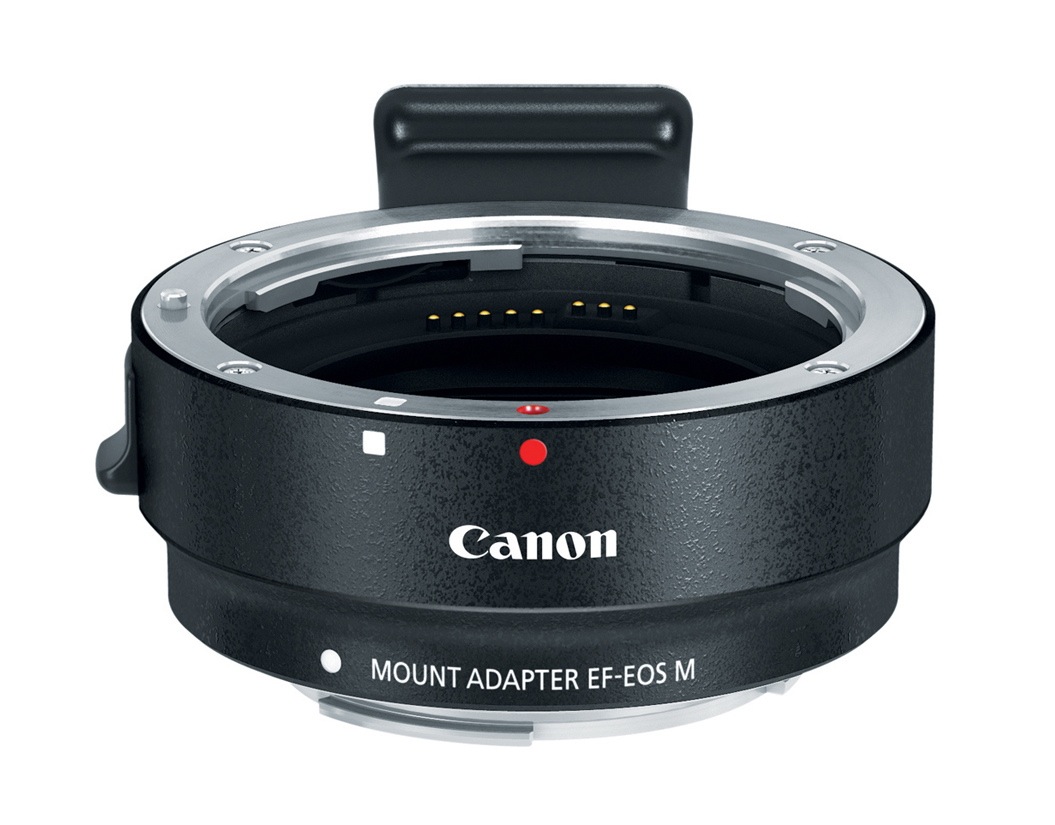
Here’s the mount adapter I mentioned earlier.

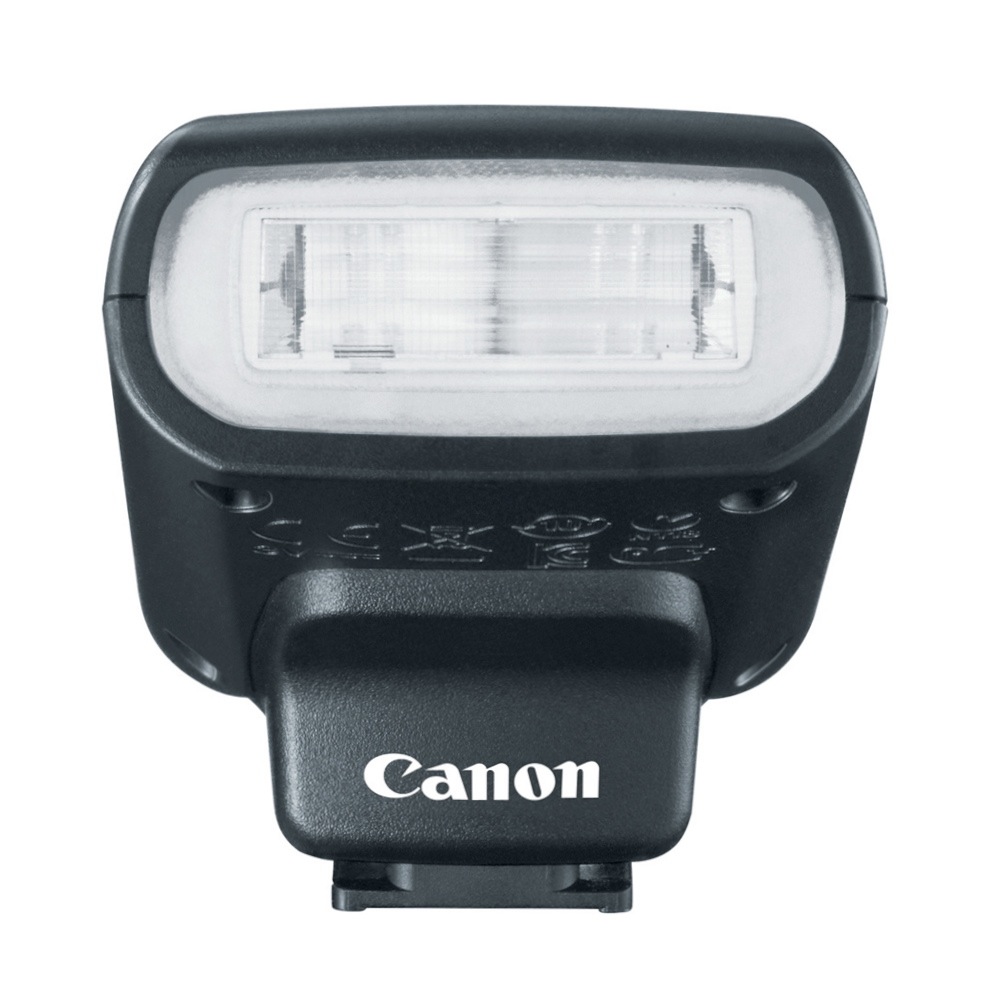
And here’s a diminutive speedlite designed for it, the 90EX.

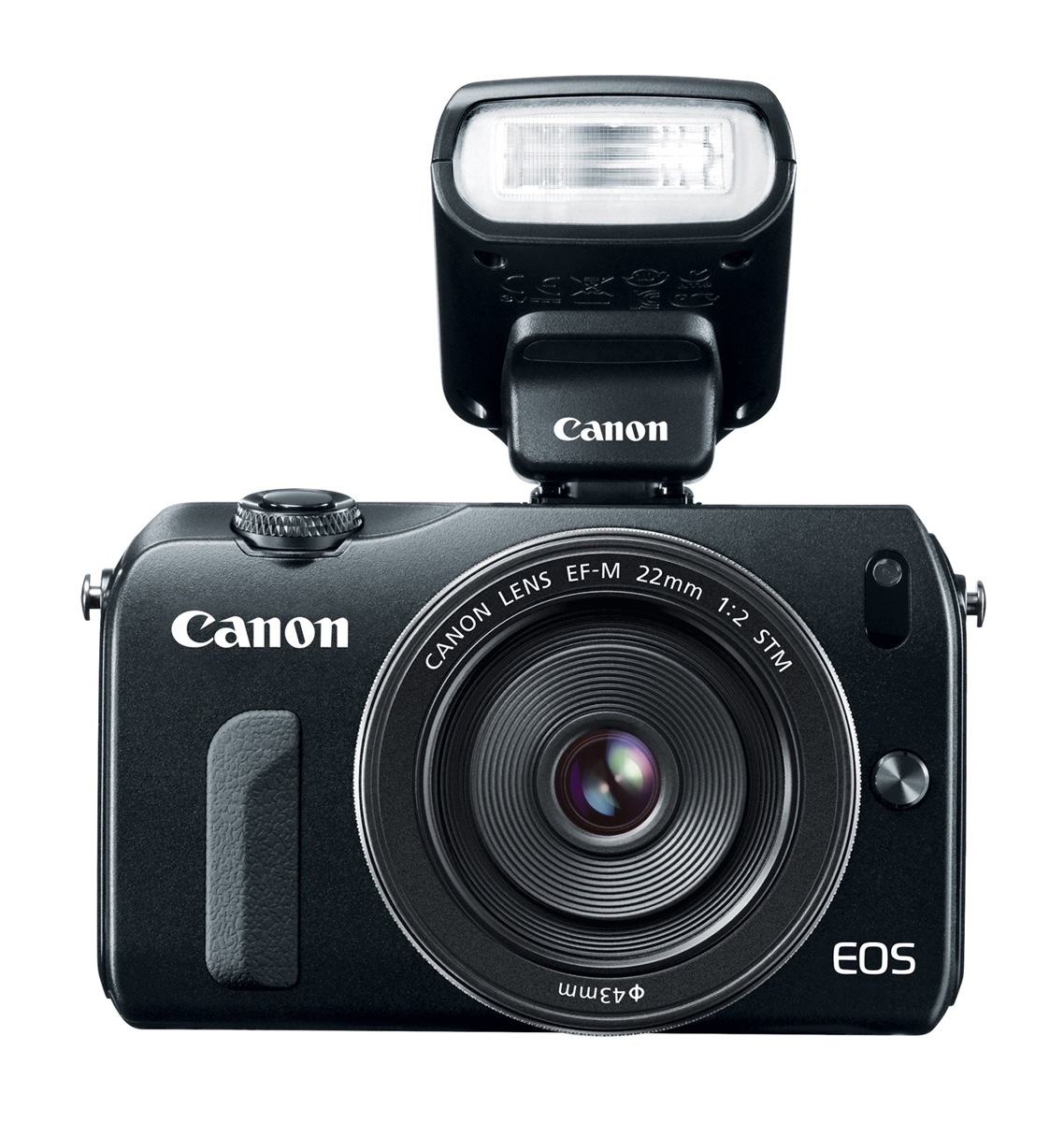
Here’s how the camera looks with the speedlite mounted in the hotshoe.

So, should you get this camera? If you’re already heavily invested in Canon gear and want a small, easy-to-carry camera, the decision is simple. If you aren’t, then there are many models on the market with various differences in design, feature sets and price that may make them more appealing to you than this particular camera. The decision is yours after you look at all of them, and I do encourage you to look at all of them.

If you do end up getting the camera or some of its accessories, I’d appreciate it if you’d use one of the links below:

Images of EOS M courtesy of Canon. 

Standard
Reviews

My thoughts on Sigma DSLRs

I made a video follow-up to my past articles on Sigma DSLRs (see this and this), where I talk about where Sigma is today and why I think they’re lagging behind the market by 2-3 years.

Sigma’s R&D has not developed new DSLRs fast enough to keep up with market demands and the wonderful capabilities of the Foveon sensor are not put to proper use.
The Foveon sensor is remarkable in that it captures RGB color at each pixel due to its three plates (vs. a single plate in regular sensors). It is supposed to give much more accurate color reproduction than regular sensors.
Unfortunately, because Sigma has not worked fast enough to create DSLRs that can truly compete with those made by more popular camera makers such as Canon and Nikon at all leves (including, but not limited to low light performance and HD video), its DSLR arm now finds itself in a terrible slump.

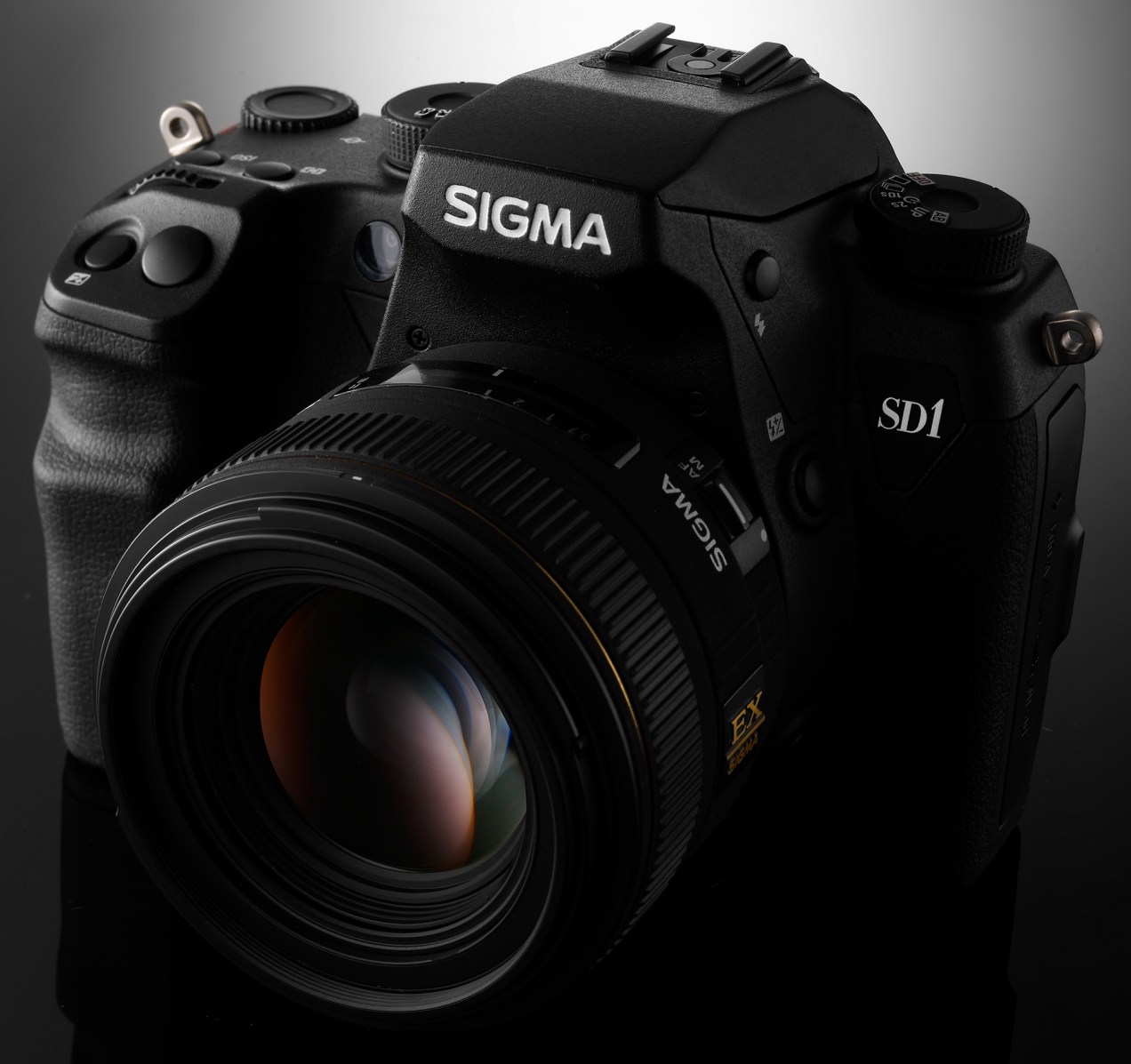
Their latest offerings, the SD15 and the SD1 have not sold well, and I hope they do something soon in order to catch up with consumer expectations.

Standard