Reviews

Camera preview: Canon EOS M

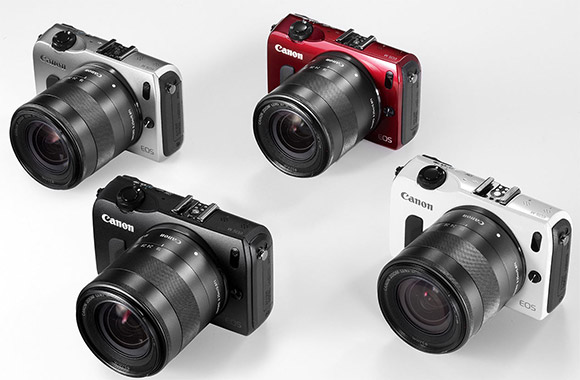
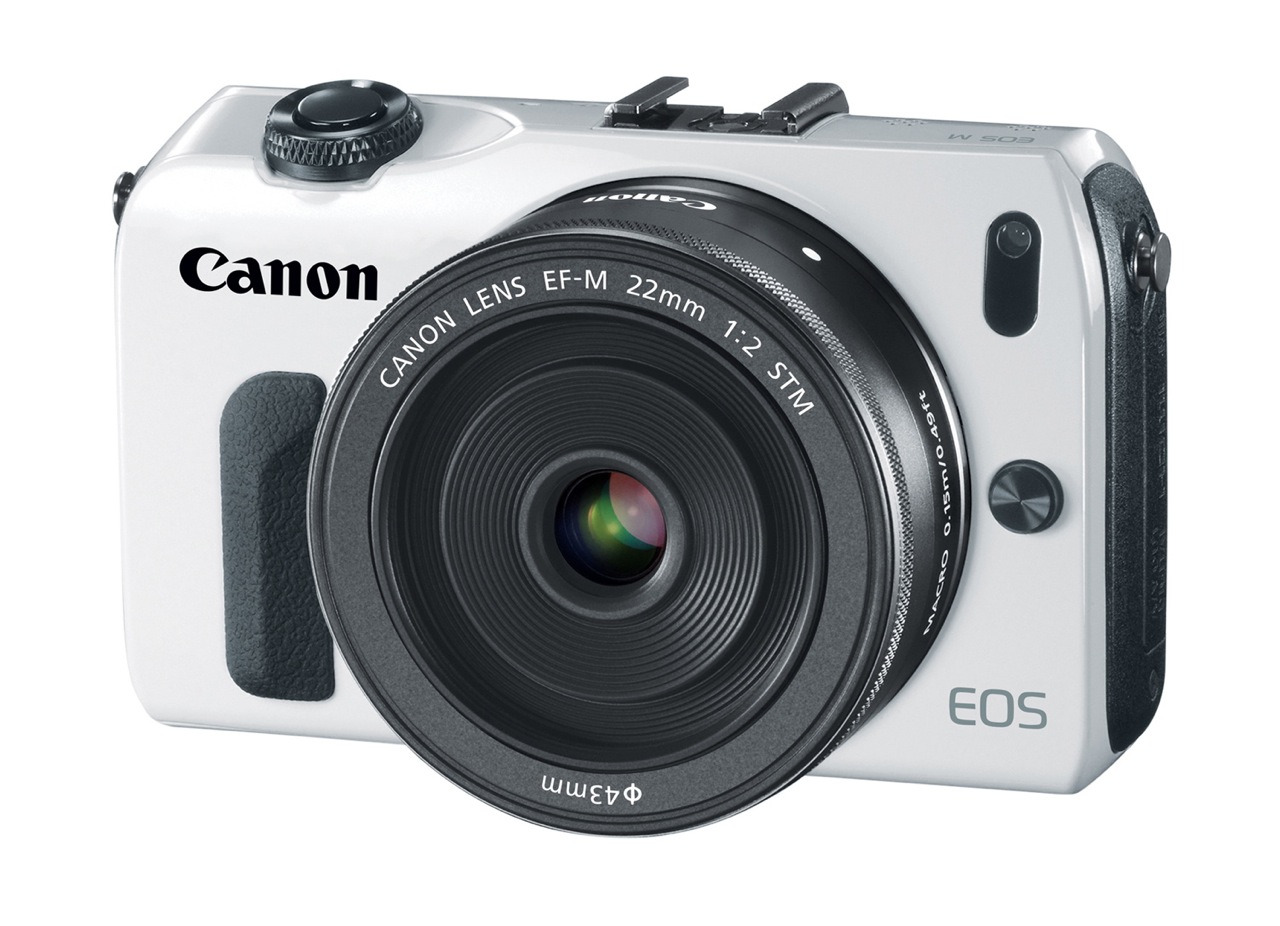
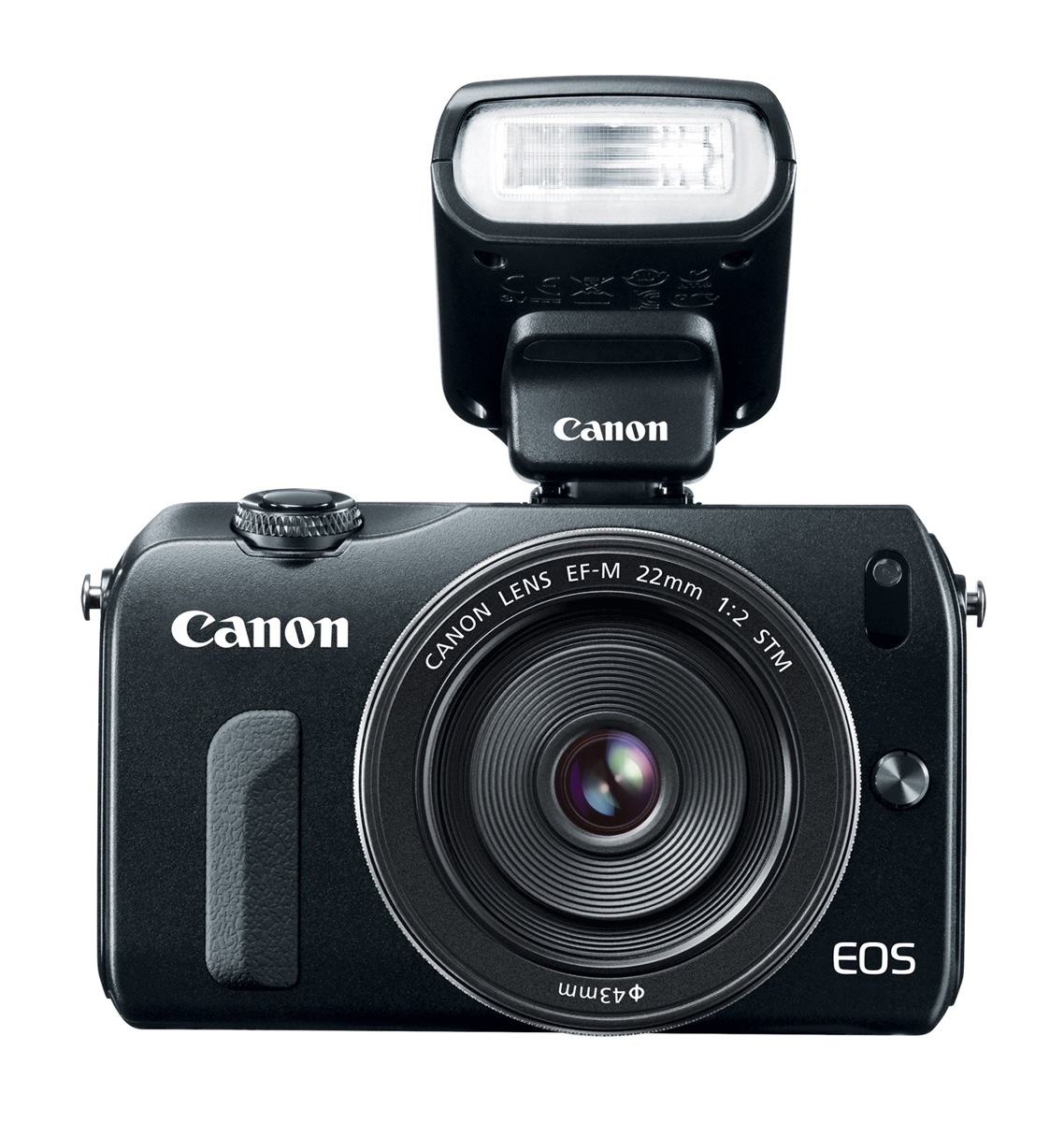
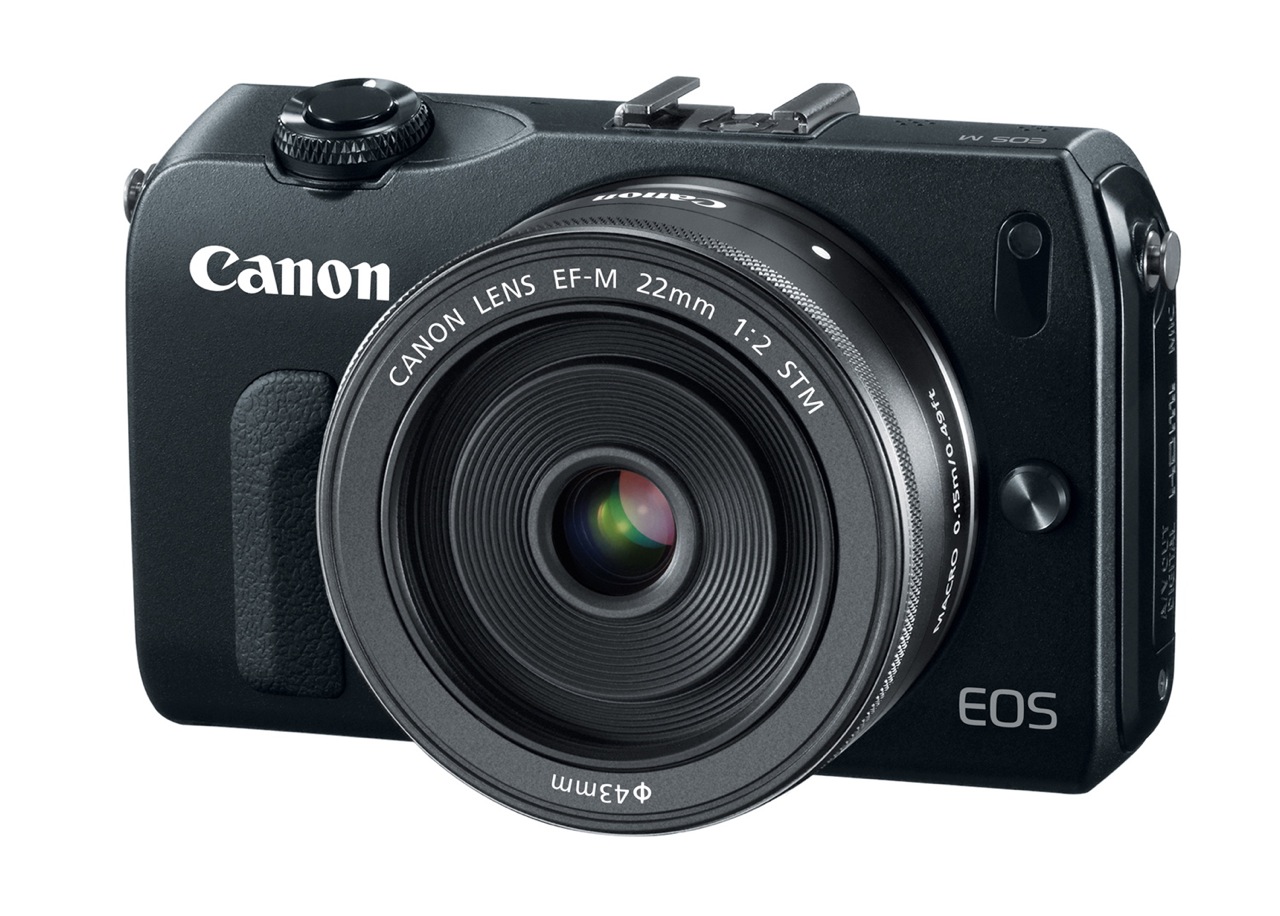
As I announced back in June of 2010, Canon has been at work on a mirrorless camera and they’ve finally launched it. It’s called the EOS M. It uses a new EF-M lens mount and its specs are pretty much what we expect mirrorless DSLRs to have these days. It ships in four colors: black (see above), white (see below), red and dark silver. Suggested MSRP is $799.

I’m going to be blunt, because the late arrival of this camera is frustrating. The only innovative feature I can see on it is its Hybrid CMOS AF System, which is located right on the sensor. Other than that, this is another mirrorless DSLR in an already mature market, albeit a highly anticipated model from a large manufacturer.

Canon took their time to take the plunge. My guess is they wanted the other manufacturers to “work out the bugs” in terms of the feature set and pricing, then they matched what the market wanted to see. They didn’t stick their neck out there to try something new. They let others do the hard work while they kept fiddling with the EOS Rebel line and tested the waters (partially) with the PowerShot G1 X and its large sensor.

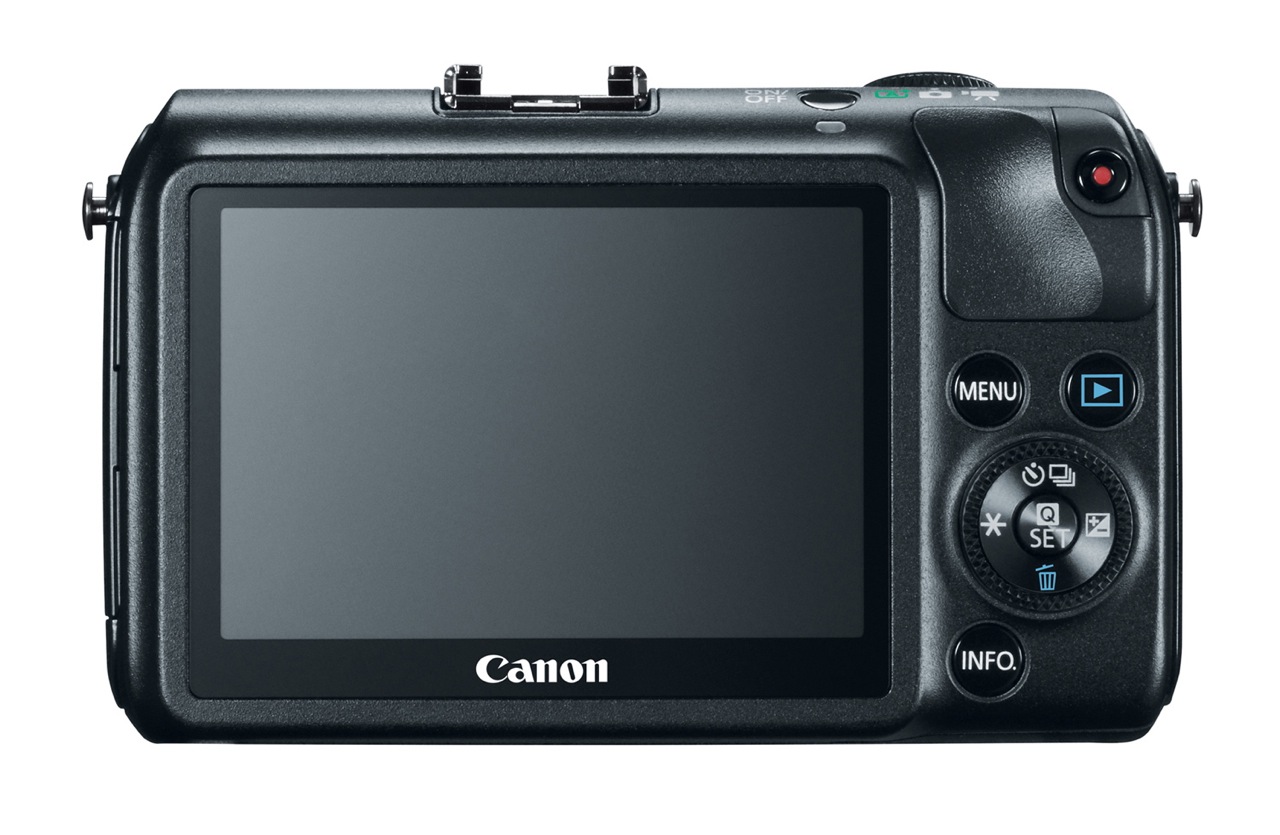
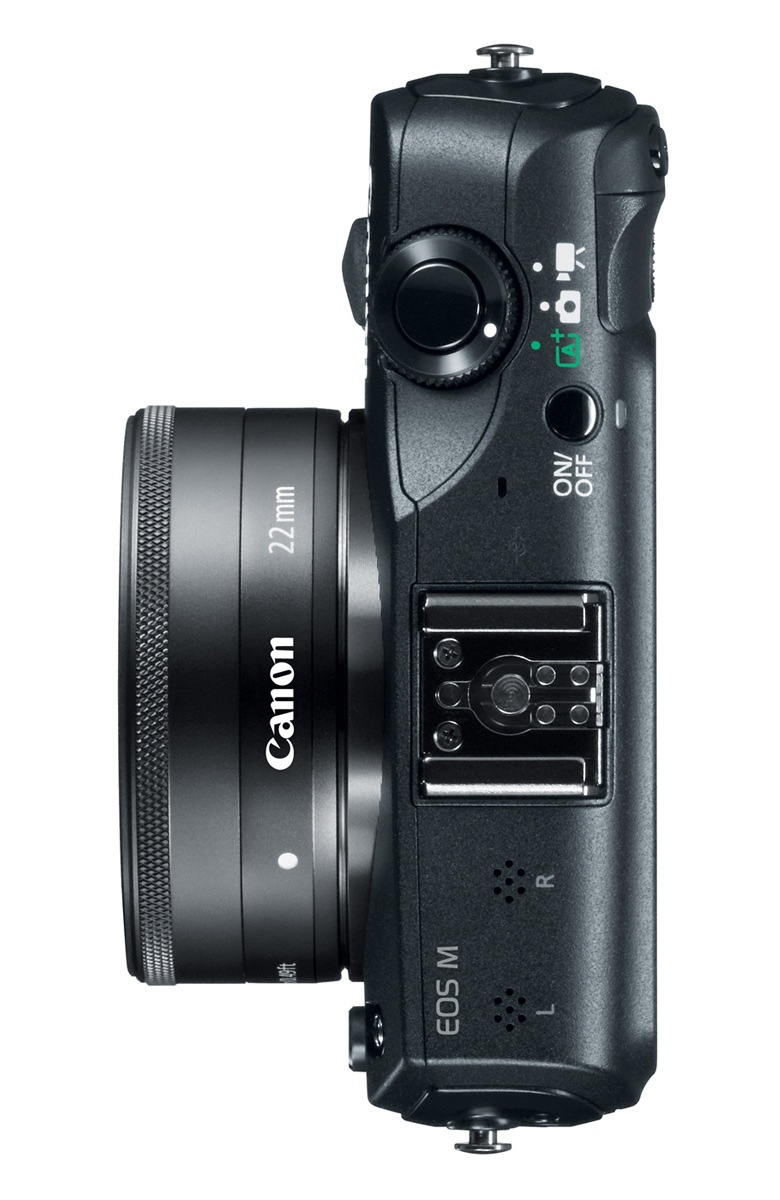
Design-wise, the EOS M is pleasing. It’s thin, it’s got a nice profile, it’s not cluttered and it’s simple to use.

Back to the features:

  • Full HD movie mode with Movie Servo AF: this means accurate and noiseless focus tracking of subjects when using the EF-M lenses with the new STM (Stepping Motor) technology.
  • 18 megapixels: this was predictable given that all of Canon’s lower-priced DSLRs are also at the same resolution.
  • DIGIC 5 image processor
  • ISO 100-6400 in movie mode and 100-12800 in photo mode; they’re both expandable to 12800 and 25600, respectively.
  • Hybrid CMOS AF: innovative, but let’s wait and see how it performs in real world conditions; Canon DSLRs have had plenty of focus issues lately, this being just one example.
  • Compatible with full line of EF and EF-S lenses via adapter which preserves all AF and IS functions.
  • 1,040,000 dot, 3-inch LCD with touch AF
  • Scene Intelligent Auto, Creative Filters, Multi Shot Noise Reduction
  • Stereo microphone, manual audio adjustment, wind noise filter
  • Total recording time per scene goes up to 22 minutes

Watch out for the following:

  • A notable MIA among the accessories is a viewfinder, like on the Olympus OM-D EM-5 or their PEN line of mirrorless DSLRs, like the E-P3. That means using the EOS M in glaring sunlight is going to be somewhat frustrating.
  • Stills frame rate is 4.3 fps.
  • Video frame rate at 1080p goes up to 30 fps. I want to see a Canon camera go up to 1080p/60 fps.
  • Computer connectivity is still USB 2.0. This is one area where Canon could have pulled ahead of the pack and gone with USB 3.0.
  • Battery life is average for a mirrorless (about 230 shots or 1.5 hours of video). Given my experience with Canon HDSLRs, I’d say real world battery life when shooting video is more like 30-45 minutes.

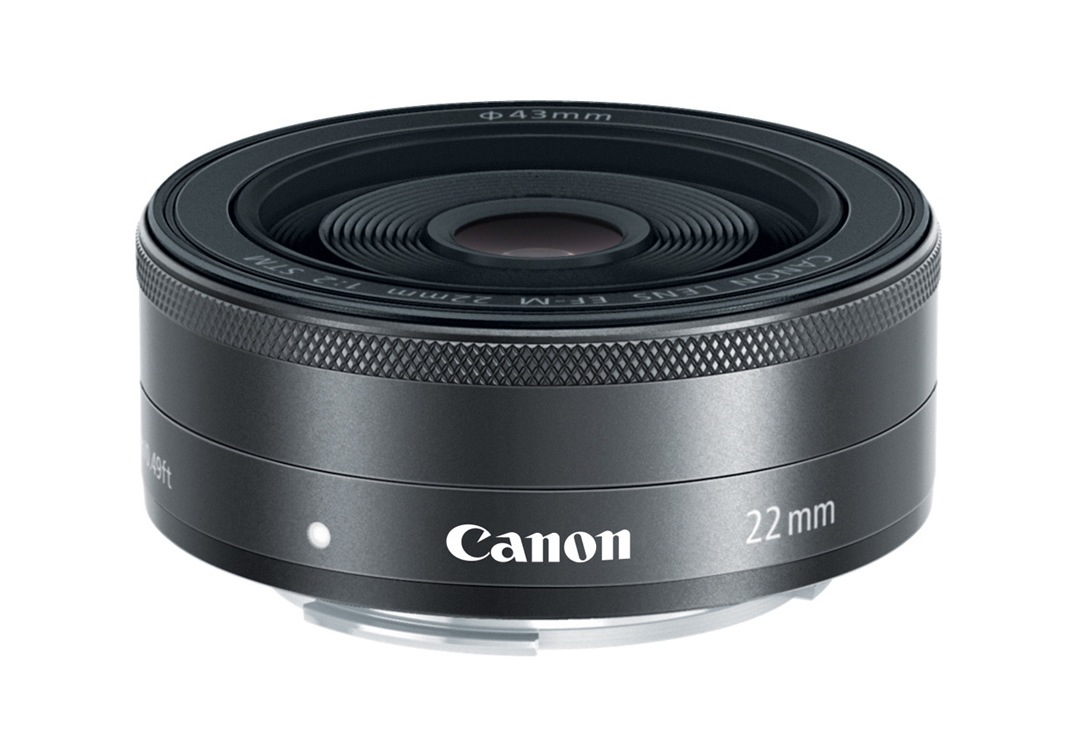
Let’s have a look at the accessories. The camera ships with an EF-M 22m pancake lens.

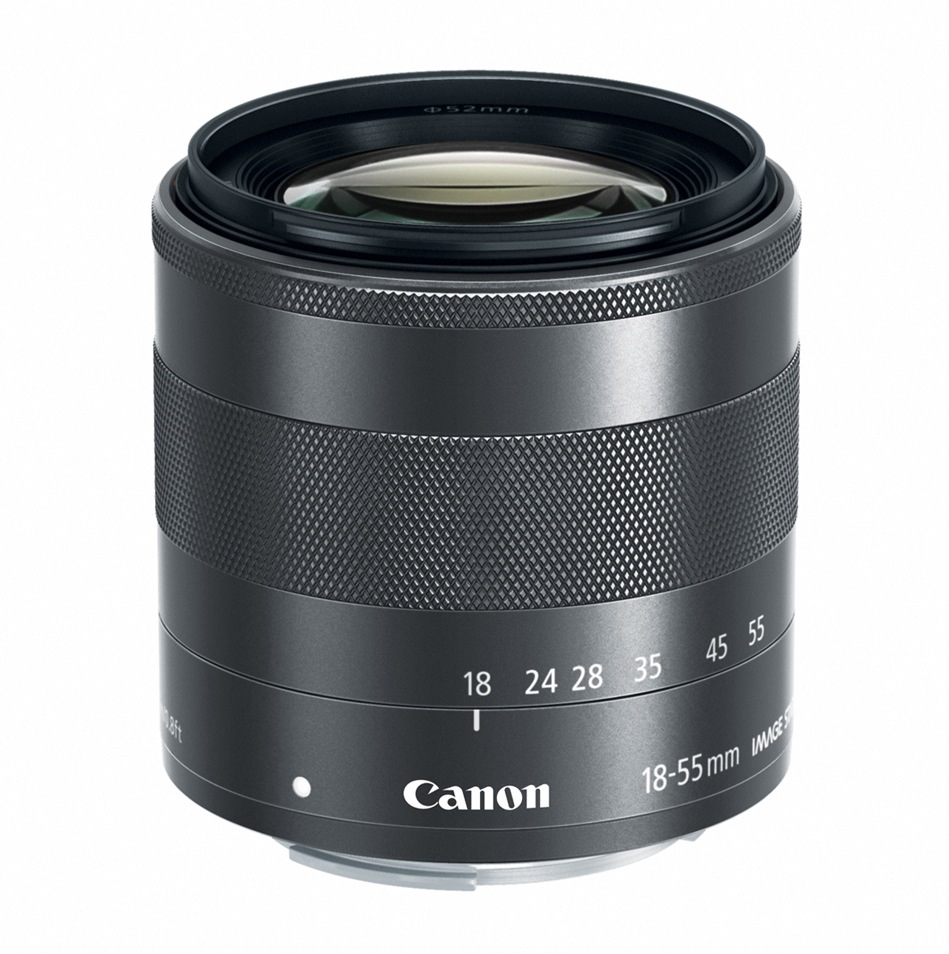
You can also get an EF-M 18-55mm lens for it.

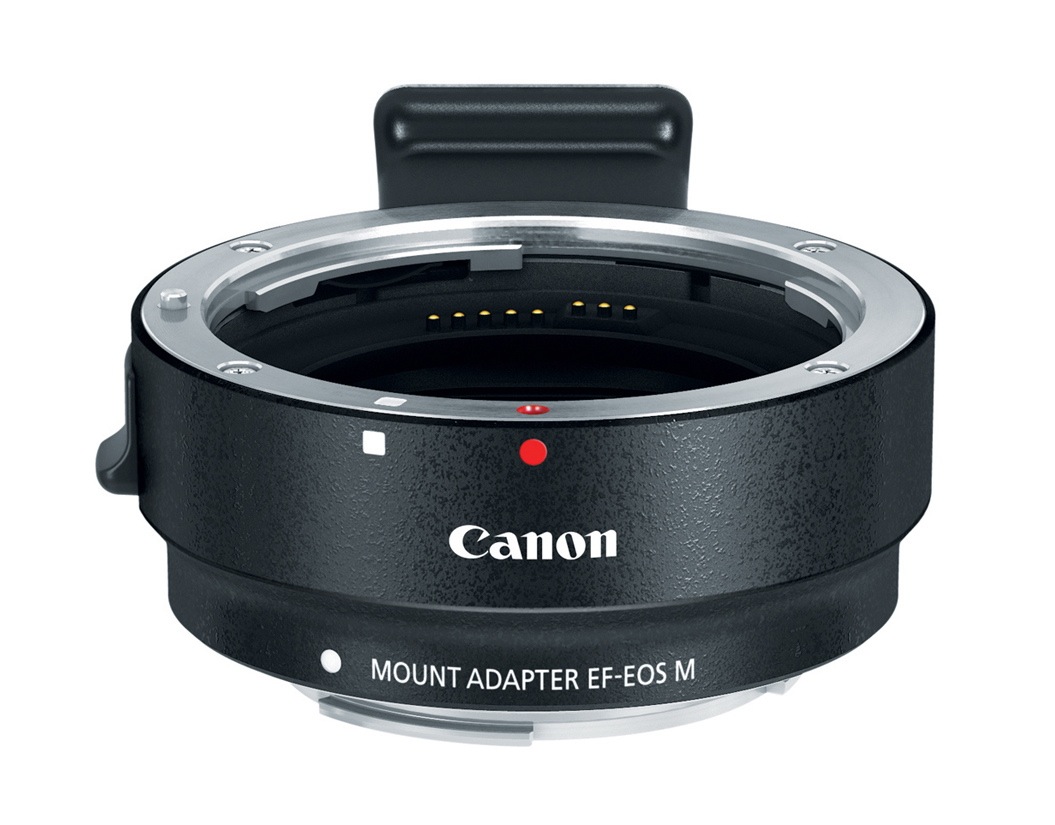
Here’s the mount adapter I mentioned earlier.

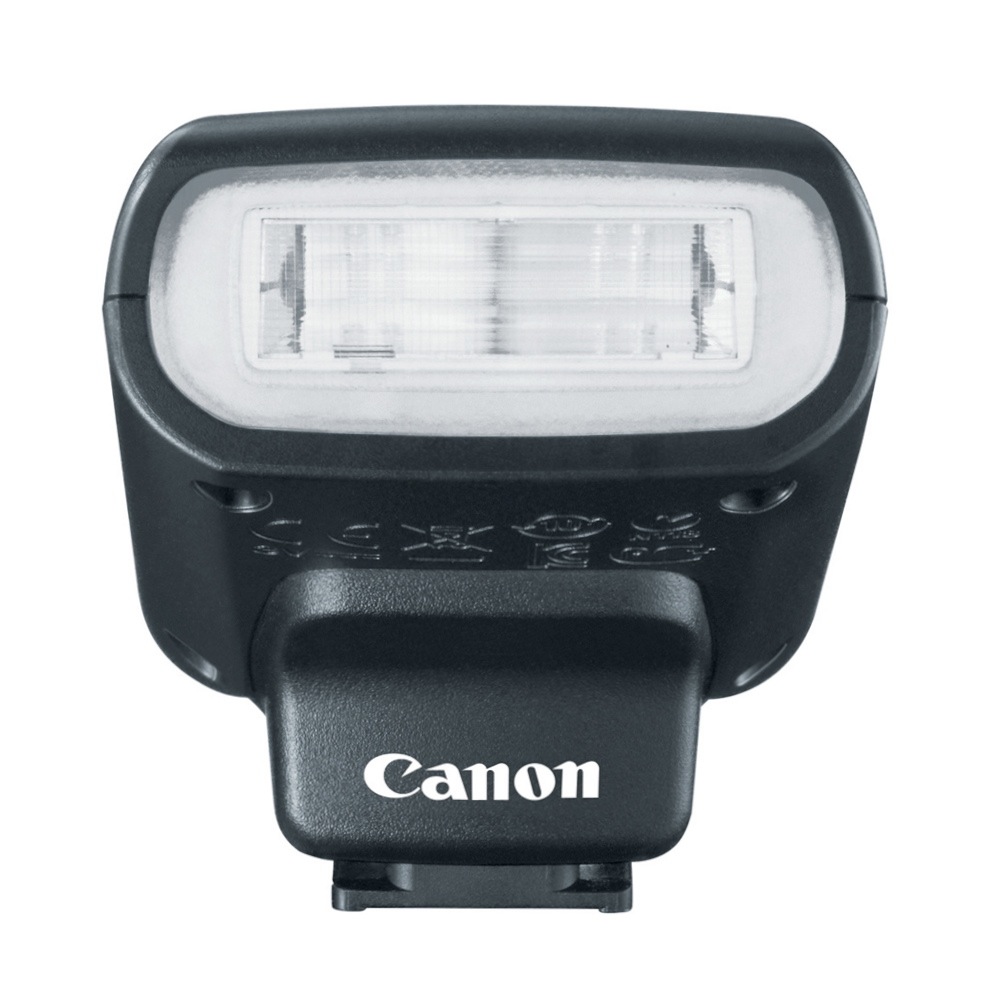
And here’s a diminutive speedlite designed for it, the 90EX.

Here’s how the camera looks with the speedlite mounted in the hotshoe.

So, should you get this camera? If you’re already heavily invested in Canon gear and want a small, easy-to-carry camera, the decision is simple. If you aren’t, then there are many models on the market with various differences in design, feature sets and price that may make them more appealing to you than this particular camera. The decision is yours after you look at all of them, and I do encourage you to look at all of them.

If you do end up getting the camera or some of its accessories, I’d appreciate it if you’d use one of the links below:

Images of EOS M courtesy of Canon. 

Standard
Reviews

My thoughts on Sigma DSLRs

I made a video follow-up to my past articles on Sigma DSLRs (see this and this), where I talk about where Sigma is today and why I think they’re lagging behind the market by 2-3 years.

Sigma’s R&D has not developed new DSLRs fast enough to keep up with market demands and the wonderful capabilities of the Foveon sensor are not put to proper use.

The Foveon sensor is remarkable in that it captures RGB color at each pixel due to its three plates (vs. a single plate in regular sensors). It is supposed to give much more accurate color reproduction than regular sensors.

Unfortunately, because Sigma has not worked fast enough to create DSLRs that can truly compete with those made by more popular camera makers such as Canon and Nikon at all leves (including, but not limited to low light performance and HD video), its DSLR arm now finds itself in a terrible slump.

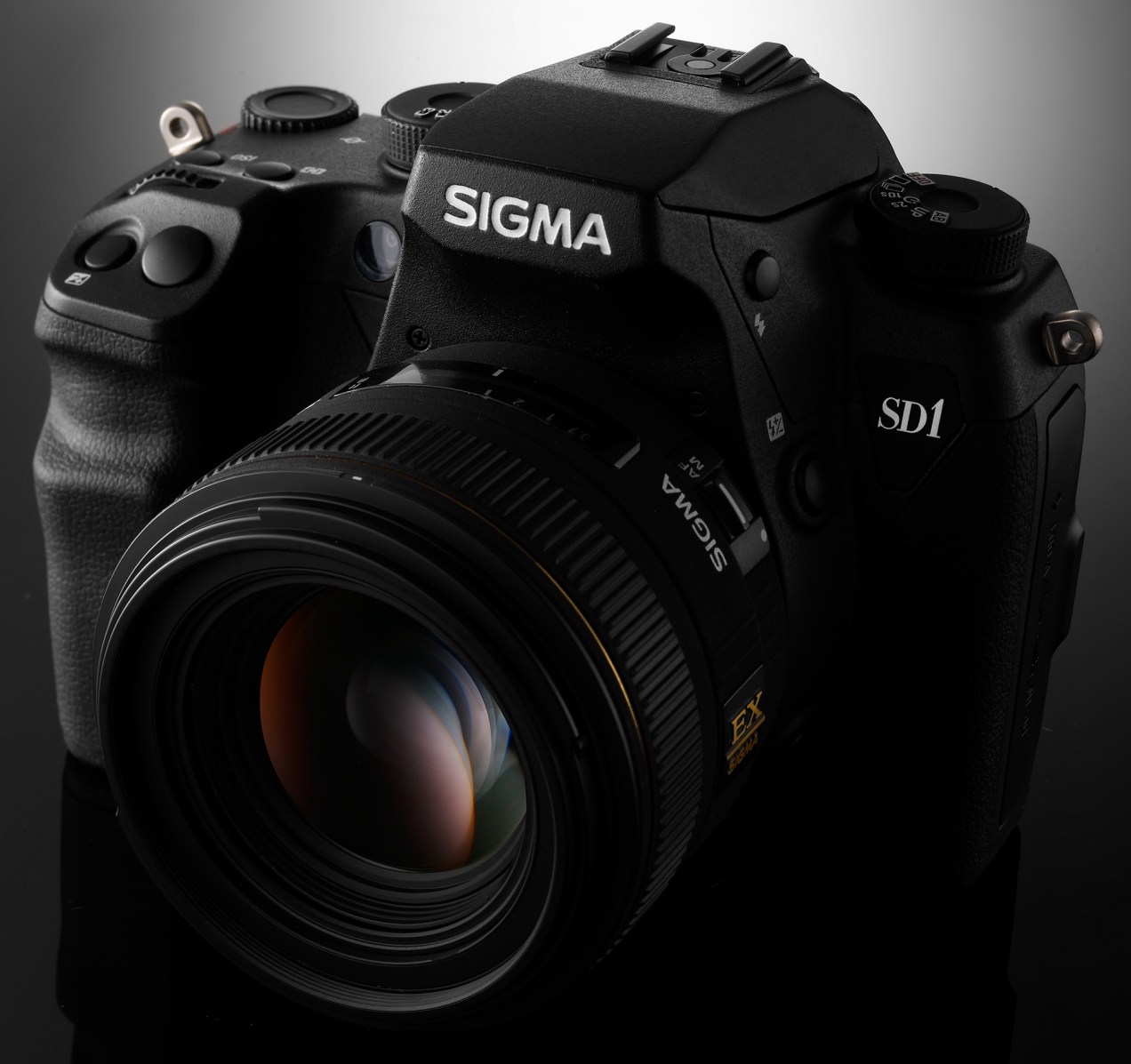
Their latest offerings, the SD15 and the SD1 have not sold well, and I hope they do something soon in order to catch up with consumer expectations.

Standard
Thoughts

It’s time to demand reliability from DSLR manufacturers

Update: After sending the camera in for service to a Canon authorized repair facility, it turns out I took somewhere between 75,000 – 100,000 shots with my 5D when the shutter mechanism failed. Still, most of what I wrote below is appropriate commentary on the whole situation. 

When DSLRs (and now HDSLRs) cost thousands of dollars, and the manufacturer makes a promise that the shutter in said DSLR is rated for 100,000 shots or 150,000 shots, I think it should no longer be a promise, but a guarantee, and the manufacturer ought to be responsible for the repair to a DSLR whose shutter failed before its rated number of shots.

Look at cars. Some cars cost little more than a top of the line DSLR, but cars have serious warranties. These days, some cars have 10-year warranties on everything. Historically speaking, even if most cars haven’t had good warranties on everything, they’ve had good warranties on the power train — on the basic stuff that makes them go.

On a DSLR, the shutter is part of the camera’s “powertrain”. Without it, the camera can’t take photographs, and a full-frame DSLR that can’t take photographs is a very expensive paperweight.

It’s high time we demanded that DSLR manufacturers come up with warranties for the more expensive DSLRs, where they’ll guarantee that the shutter and the motherboard (pretty much every part that takes photos and writes those photos to a card) will work for a certain amount of time.

If we don’t, we’ll likely run into the situation I’m in right now, where my Canon EOS 5D’s shutter started to fail at under 50,000 shots. Initially, photos taken at 1/6000 sec or higher (1/8000 sec) would come out black or almost black. Now, months later and at around 52,500 shots, even photos taken at 1/1000 sec are severely underexposed.

Have a look at three photos taken with the 5D. The first two were taken at 1/8000 sec shutter speed a couple of months ago, and the third was taken at 1/1000 sec shutter speed a few days ago.

It’s not right that the shutter has started to fail at half its projected life span of 100,000 shots. And what’s even more improper is Canon USA Support’s reply to me. They told me the shutter’s rated life is not a warranty, not even a promise, but an expectancy (an anticipation if you will).

What that means is they can advertise long shutter lives all they want, but they’re not accountable for actual, real-world results from its customers. It’s irresponsible, and it shouldn’t be allowed. When we pay thousands of dollars for a fancy DSLR, we as customers pay that money with certain expectations in mind. Those expectations entail (among others) a need for durability and reliability.

I propose that a set of benchmarks be set for the entire photography industry, where shutter life is one of the differentiating criteria. Processor and camera motherboard life should be another. Manufacturers would then have to offer warranties on these benchmark criteria. I propose 4 or 5-year warranties on the circuits, and on shutter life, the warranty should go as far as its stated life span. If it’s 100,000 shots, then by Noah, it should be 100,000 shots, end of story.

Standard
Fujifilm FinePix S5 Pro
Reviews

What happened to Sigma and FujiFilm DSLRs?

A few years ago, there were two companies which had some interesting opportunities ahead of them: Sigma with its revolutionary Foveon sensor and lens-making know-how, and FujiFilm with its remarkable Super CCD SR sensor and long-term experience with professional lens-making.

They didn’t stay on course. Sigma’s continued development of the sensor has been much too slow to keep up with the market, and FujiFilm seems to have dropped out of the DSLR game altogether.

Back in January of 2007, I wrote about the Sigma SD14, a camera I thought was revolutionary because of its capability of capturing every color (Red, Green or Blue) at every pixel, due to its layered Foveon sensor. This was something no other camera on the market had.

The megapixel game isn’t everything and I was willing to believe so in the case of the SD14. Its advertised resolution was 14 megapixels, but its true resolution was about 5 megapixels. That’s because each layer of its Foveon sensor (there are three layers, one for each color) only captured 5 megapixels. When you looked up the photos resolution in the EXIF data, it came out to 5 megapixels. When you zoomed in at 1:1, the photo still only covered a 5 megapixel area. People pointed out that you could safely increase the resolution of processed images to 12 or 14 megapixels and they would still have the quality you need but in my book, 5 megapixels is still 5 megapixels even if you can multiply it by 3 and get 14 megapixels.

Regardless of my disappointment with the camera’s real resolution, I still thought Sigma had a gorgeous sensor on their hands. The ability to capture color accurately at every pixel is something other sensor manufacturers only dream about. Their sensors don’t do that. Instead, they spread Red, Green and Blue pixels around the entire sensor area using a mathematical algorithm called Bayer interpolation, then they do some very serious calculations to de-mosaic the resulting image, make out the right colors, and give you as accurate a color reproduction as they can give you. The Foveon sensor didn’t have to do all that complicated stuff. Supposedly, it already knew which color belonged at each pixel, because it captured said color from the get-go. Wasn’t that an amazing capability?

Look what’s happened in the 3½ years since I wrote about the SD14… Sigma launched the SD15 only a few months ago, and guess what its resolution is? It’s the same 14 megapixels if you play their multiplication game or 5 megapixels if you go by the book. Sure, they upped the ISO sensitivity to 1600 from 800 (3200 in extended mode), which is okay, but the AF is slow and the max shutter speed is still only 1/4000 sec when other cameras in the same category offer 1/8000 sec. And there’s no video, HD or otherwise.

In case you aren’t already thinking it, let me sum it up for you: Sigma’s product offerings have fallen behind the times by at least a couple of years, if not more. Some might say they came out with the DP1 and the DP2, and those cameras are interesting in their niches of the market, but they still offer subpar performance in low light and they still don’t record video (unless you count tiny 320×240 video as real video).

I’d like to ask the folks at Sigma this question: What have you been doing these last few years? You had an amazing sensor in your hands, but you didn’t develop it while others took their Bayer pattern sensors to incredible heights of performance. Your Foveon sensor ought to develop 14 or 16 real megapixels now, on each of its three layers. It should go to 6400 ISO or 12800 ISO natively. Then it’d be competitive in today’s marketplace. Instead, it’s the same sensor I saw more than three years ago, installed in a new camera body.

 

In early 2007, FujiFilm also launched a new DSLR. That camera was pretty amazing in its own right, like the SD14, except the FujiFilm FinePix S5 Pro actually met the demands of the marketplace of its time.

It had a wonderful resolution of 12.34 megapixels, an 11-point, 7-area AF system, a 14-bit A/D converter (most DSLRs at the time were still at 12-bit), ISO sensitivity that went all the way up to 3200 ISO natively, and 1/8000 sec max shutter speed.
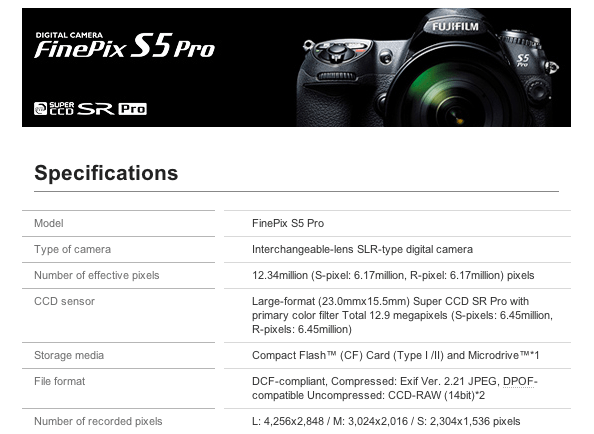
Most of all, it had a revolutionary sensor developed in-house by FujiFilm. Here’s what they said about it in the S5 Pro press release:

“Fujifilm’s Super CCD SR II will be updated to the new Super CCD SR Pro. Using a unique layout of twelve million paired photodiodes (6.17 million larger ‘S’ photodiodes for main image information, combined with 6.17 million smaller ‘R’ photodiodes for bright area information), the S5 Pro will deliver improvements in noise, dynamic range, colour and tonality. Further improving the capability of the sensor, a new, improved low-pass filter will ensure that moiré and noise are kept to an absolute minimum. Fujifilm believes improvements in these key areas will be of more true value to professional photographers – the challenge is quality of information, not quantity of information.”

In layman’s terms, it had both large and small photodiodes, clustered together in a beautiful geometric pattern, to capture as much image information as a single-layer sensor could capture, and a powerful engine to analyze that information and turn it into beautiful photographs.

People who used the S5 Pro loved its image quality. And even now (in 2010) when you look on Flickr you see that people are using it and the quality of the images they post very good.

So what has happened since 2007? It looks like FujiFilm dropped out of the DSLR market altogether. The S5 Pro is listed as discontinued on their website and there’s no other model to take its place. None. Instead, FujiFilm is focusing on regular digicams, and seems to be leaning toward cameras that exploit the higher end of the focal range (15-30x zooms).That’s a losing battle as far as I’m concerned. High zooms suffer by default of aberration and other artifacts as one gets above 15x. And in order to get the proper magnification in a smaller camera body, the sensor needs to be made really small — so small that you run into significant noise issues and photo quality suffers even at low ISO and at close range.

What FujiFilm did makes no sense to me. They have incredible know-how in the production of professional, high quality lenses. Their Fujinon lenses are used in satellites, in high end telescopes and in broadcast-quality TV cameras and camcorders. They have the know-how to design really nice camera bodies. I used the FinePix S9100 and I loved its body design. And you only need to look at their current digicam models (S200EXR or HS10), at they way the controls are positioned and the grips are designed, to realize that Fuji knows a lot about camera body design.

When it came to digicam design, they also had what was a big plus over other camera manufacturers. Most of their zoom cameras had manual zoom and focus, and the ability to use regular AA batteries. A manual zoom is just nicer than a servo zoom. It’s more responsive, more controllable, doesn’t eat into the battery life, and it’s more reliable over time. And isn’t it nice when you’re in the field and your camera runs out of juice, that you can just pop in a couple of AA batteries and keep on going? That’s such a practical design aspect, but people tend to forget it when they focus purely on battery life.

Now you look at their line-up, and only two cameras still offer manual zoom: the S200EXR which B&H Photo says was discontinued by the manufacturer even though it’s still listed as an active camera on the FujiFilm website, and the HS10. The rest all offer electronic zooms, which I don’t like.

Keep in mind all the good things I told you about FujiFilm’s know-how, and let’s look at the S5 Pro again. The sensor and the engine was clearly Fuji’s. But the body design was similar to Nikon’s body design. The camera was made to work with Nikon’s lenses. It’s as if FujiFilm didn’t want to own the very camera it made, the camera which contained its revolutionary sensor. This makes no sense to me. They knew how to make fantastic lenses, but didn’t make them for their own flagship DSLR. They knew how to make fantastic camera bodies, but didn’t make one for their own flagship DSLR. Does that make sense to you?

I wrote to FujiFilm PR in January and March of 2007, asking for a review unit. They were willing to send me one, but they didn’t have any lenses to loan me. I needed to supply my own Nikon lenses for the camera, and since all my equipment was Canon, that was no good. I gave up on reviewing the camera. And I bet you I wasn’t the only reviewer who would have liked to write about the S5 Pro but was turned off by the lens issue.

I’m really sorry to see that today, FujiFilm isn’t even developing their revolutionary sensor any more. Sure, they’re using a variant of it in some of their point-and-shoots, but that’s like saying your lawnmower has a Lamborghini engine inside. You can’t get the performance of a true Lamborghini engine from a tiny, cramped 2-cycle engine made to cut grass, and in much the same way, one can’t expect to get the true performance of the large sensor found in the S5 Pro from a tiny 1/1.6-inch sensor.
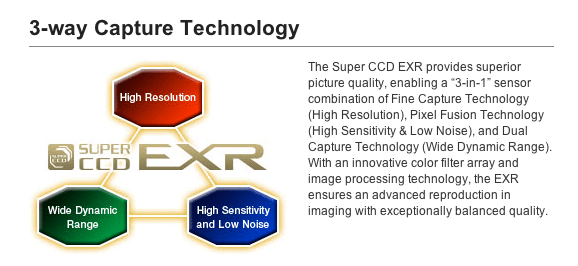
Don’t tell me CCD sensors are inferior to CMOS. They each have their pluses and minuses. CMOS sensors were thought to be inferior to CCD just a few years ago, but there was a real R&D push to make them better, and look at them today — they’re incredibly good. Don’t tell me you can’t get great video from CCD sensors. Professional camcorders use either CMOS or CCD sensors to record full HD video, depending on the model and brand, so I know that’s possible.

I know that with continued R&D effort, both the Super CCD SR Pro sensor and the Foveon X3 sensor could have been improved greatly, making them competitive and even dominant by today’s standards.

I feel bad for FujiFilm and for Sigma. Perhaps FujiFilm feels the market is already too competitive and has enough business from its other sectors. And it could be that Sigma is focused on its lenses and is satisfied with only a niche of the DSLR market. I don’t know, but I would like to find out more. If anyone has any additional information, please chime in.

Standard
Thoughts

Is Canon at work on a mirrorless “DSLR”?

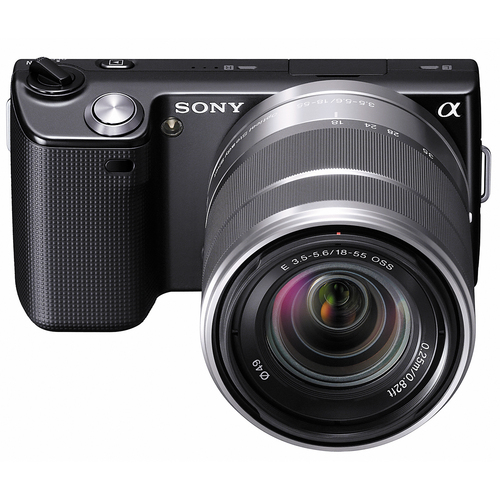
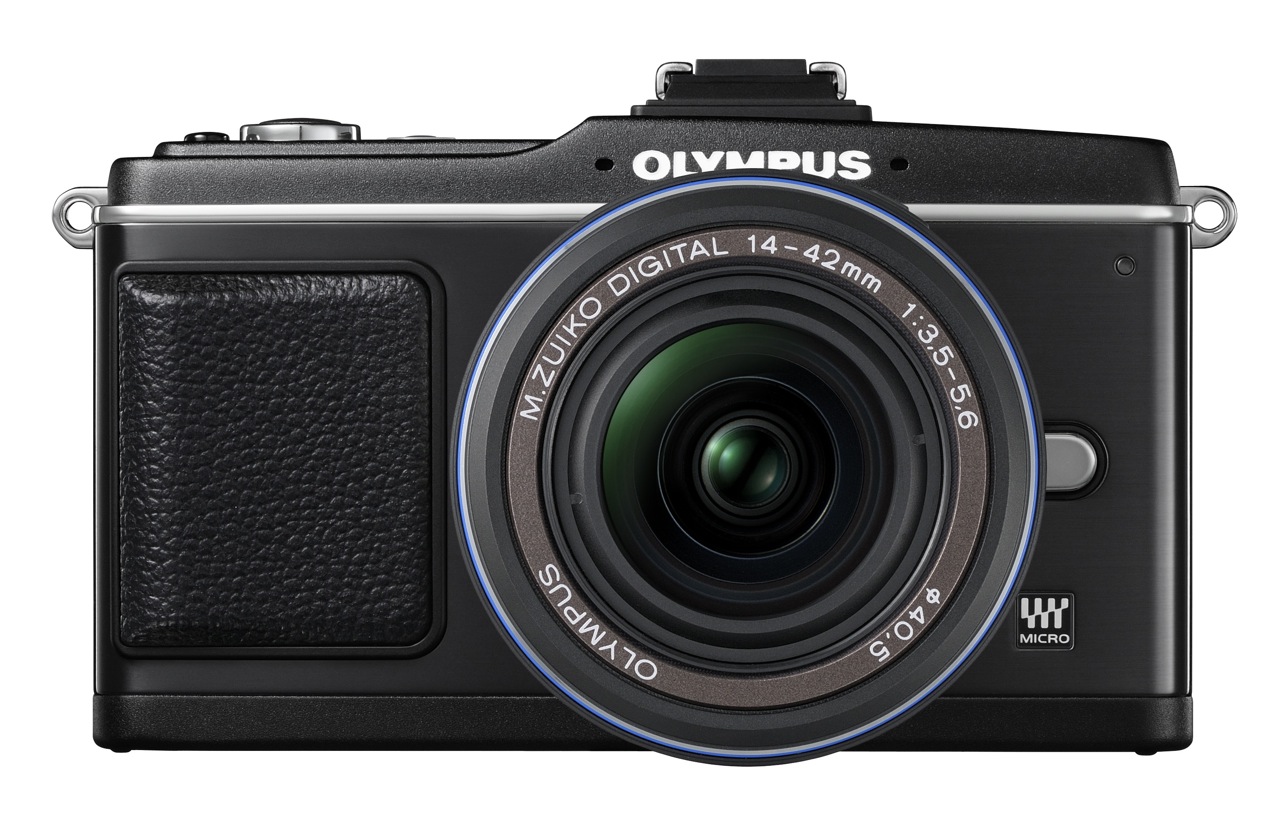
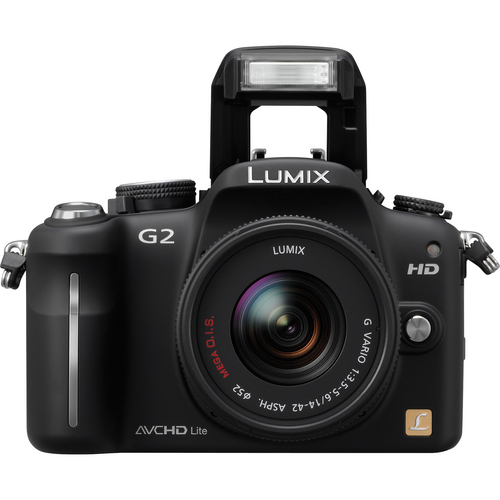
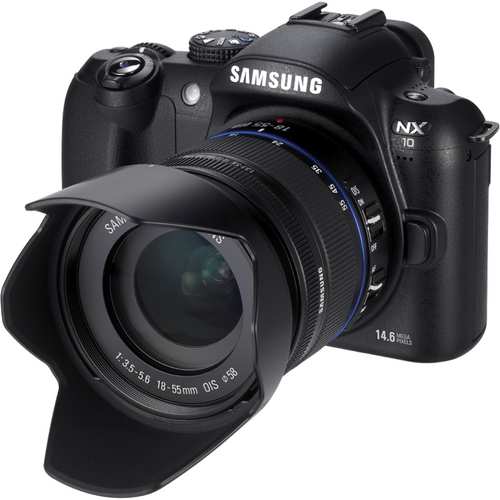
Given the popularity of, and interest in mirrorless “DSLRs” like the Sony NEX-5 or NEX-3, Olympus E-P2 or E-PL1, Panasonic GF1 or G2, and the Samsung NX-10, I believe Canon is at work on their version of the “micro-DSLR”, and has been for at least a few months. (Why do I use quotes when I call them DSLRs? See this.)

Another hint of the upcoming launch is the restlessness in the Rebel line of cameras. Perhaps I’m wrong, but I’ve never seen so many new models launched in such a short span of time. It’s probable that Canon wanted to see what features consumers really want in an entry-level DSLR now that video and small size are the new must-haves, what cameras their competitors come up with, then take their time designing an entirely new body for the camera. Keep in mind they’re very entrenched in the classic SLR design, as their EOS line shows. A mirrorless DSLR without a viewfinder, or with a significantly different viewfinder, and a much smaller body, can be a serious challenge for any company.

Here’s what I think (and hope) will be in the new Canon EOS “Elph” (I made the name up, I don’t know what it’ll be called):

A 14 or 16-megapixel APS-C sensor — they’re going to choose less noise at high ISO, and that will mean less resolution, but that’s okay by me. I’m not too happy with the noise levels in the 7D. They might even downgrade the resolution to 12 megapixels, who knows…

High ISO capabilities — up to 12,800 natively, and possibly even up to 102,400 via ISO expansion. They’ll need to do this, because the Sony NEX line has raised the bar.

Fast frame rate — 5 fps, possibly even 7 fps. Again, this is because the NEX cameras have raised the bar. They can go up to 7 fps in burst mode. The mirrorless cameras can do about 3 fps.

14-bit image bit depth — pretty much all DSLRs are either there or going there.

Full HD Video Recording, with AF — it’s going to have to be full 1080p video, because Sony has raised the bar for all cameras in this category. I do hope though that Canon will make it 1080p, not 1080i, at selectable frame rates. AF is going to be tricky but will need to be implemented. Canon will have a choice of using the current USM AF built into its lenses, which can be slow, or build a new line of lenses, like Sony did for its NEX line, with fast, quiet AF that can’t be picked up by the microphone. I do hope we won’t have to invest in new lenses.

New lenses? This is possible, in which case they’ll be smaller and lighter, but my guess is Canon will either modify the mount or put out an adapter that will allow us to fully use existing EF or EF-S lenses.

Same 19-point AF system as in the 7D — I honestly hope it’s not the same old 9-point AF system used in the Rebel line and in my 1st gen 5D and the 5D Mark II, because it seems to be troublesome in cameras with higher resolutions.

In-camera panorama stitching — Canon, please put this in! I was blown away by Sony’s Sweep Panorama feature.

In-camera HDR — yes, HDR is overrated and I can’t stand most HDR photographs, but when used judiciously and for the right scenes, HDR can help you can get a properly exposed photograph without blown areas.

Optical viewfinder — I know I just said a mirrorless DSLR won’t have an optical viewfinder, but think how cool it would be if Canon could somehow fit a great pentaprism inside a mirrorless body!

Better dust reductionsome people seem to be having trouble with the dust reduction system in the 5D Mark II. Perhaps this warrants a closer look from Canon. I’m sure there are ways to improve things, especially in a camera that will have no mirror, and where the sensor will be exposed to the open air during every lens change.

SDHC, not CF cards — I would have loved to see Canon adopt SDHC cards for the 7D. SDHC cards are smaller and less expensive than CF cards, so why keep using CF cards?

Tiltable LCD — the Sony NEX line has them, the Canon G11 has it, so why shouldn’t this new camera have it as well?

External microphone input — this is a must, as the in-camera microphone is never enough for quality video sound.

Those are my thoughts. What do you think? Don’t ask me how it’ll look though. I don’t know, and I’d like to be pleasantly surprised when I see it. I’d like it to be flatter and smaller than a Rebel, but with a good grip, and a good selection of physical controls. It doesn’t have to be too light, but it should be light enough and sturdy enough so that it’s easily carried anywhere.

Standard