The Vizcaya Museum and Gardens, previously known as Villa Vizcaya, is the former villa and estate of businessman James Deering, of the Deering McCormick-International Harvester fortune. It’s located on Biscayne Bay, in the present day Coconut Grove neighborhood of Miami, Florida. Deering used Vizcaya as his winter residence from 1916 until his death in 1925.
The estate property originally consisted of 180 acres of shoreline mangrove swamps and dense inland native tropical forests. The villa was built primarily between 1914 and 1922, at a cost of $15,000,000, while the construction of the extensive elaborate Italian Renaissance gardens and the village continued into 1923.
The estate’s name refers to the northern Spanish province Vizcaya (In English Biscay), in the Basque region along the east Atlantic’s Bay of Biscay, as ‘Vizcaya’ is on the west Atlantic’s Biscayne Bay. Records indicate Deering wished the name also to commemorate an early Spaniard named Vizcaya who he thought explored the area, although later he was corrected that the explorer’s name was Sebastián Vizcaíno. Deering used the Caravel, a type of ship style used during the ‘Age of Exploration’, as the symbol and emblem of Vizcaya. A representation of the mythical explorer “Bel Vizcaya” welcomes visitors at the entrance to the property.
Vizcaya is noteworthy for adapting historical European aesthetic traditions to South Florida’s subtropical ecoregion. For example; it combined imported French and Italian garden layouts and elements implemented in Cuban limestone stonework with Floridian coral architectural trim and planted with sub-tropic compatible and native plants that thrived in the habitat and climate. Palms and Philodendrons had not been represented in the emulated gardens of Tuscany or Île-de-France.
James Deering died in September 1925 on board the steamship “SS City of Paris” en route back to the United States. After his death Vizcaya was inherited by his two nieces, Marion Chauncey Deering McCormick and Ely Deering McCormick Danielson, and that’s where the tale turns even sadder, at least for me. I do wish heirs could hold on to these grand estates after they inherit them. Surely they also got some money as inheritance. Couldn’t they have become proper stewards of the place? History answers that question with a no. Over the decades, after hurricanes and increasing maintenance costs, they began selling the estate’s surrounding land parcels and outer gardens. In 1945 they sold significant portions of the Vizcaya property to the Catholic Diocese of St. Augustine, Florida, to build Miami’s Mercy Hospital. 50 acres (200,000 m2) comprising the main house, the formal gardens, and the village were retained.
In 1952 Miami-Dade County acquired the villa and formal Italian gardens, needing significant restoration, for $1 million. Deering’s heirs donated the villa’s furnishings and antiquities to the County-Museum. Vizcaya began operation in 1953 as the Dade County Art Museum. The village and remaining property were acquired by the County during the mid-1950s. In 1994 the Vizcaya estate was designated as a National Historic Landmark. In 1998, in conjunction with Vizcaya’s reaccreditation process by the American Alliance of Museums, the Vizcaya Museum and Gardens Trust was formed to be the museum’s governing body.
Visitors can now see the villa, estate and surrounding gardens at 3251 S Miami Ave, Miami, FL 33129, USA. You can get tickets and consult visiting hours at the official website.
I have prepared a gallery of 103 photographs we took there, and I hope you enjoy seeing them!

Vizcaya, Miami, Florida, USA

Vizcaya, Miami, Florida, USA

Vizcaya, Miami, Florida, USA

Vizcaya, Miami, Florida, USA

A ship carved into a stone emblem. Vizcaya, Miami, Florida, USA

Vizcaya, Miami, Florida, USA.

Vizcaya, Miami, Florida, USA

Vizcaya Village, Miami, Florida, USA

Vizcaya, Miami, Florida, USA

Vizcaya, Miami, Florida, USA

An elegant bedroom, lamp glowing softly on the nighstand. Vizcaya, Miami, Florida, USA

Vizcaya, Miami, Florida, USA

Vizcaya, Miami, Florida, USA

Vizcaya, Miami, Florida, USA.
© Raoul Pop. All rights reserved.
Available for licensing and purchase.
Website –
Raoul Pop
Photo Catalog –
Raoul Pop Photography 
Vizcaya, Miami, Florida, USA

Vizcaya, Miami, Florida, USA

Vizcaya, Miami, Florida, USA

Vizcaya, Miami, Florida, USA

Vizcaya, Miami, Florida, USA

Vizcaya, Miami, Florida, USA

Vizcaya, Miami, Florida, USA

Vizcaya, Miami, Florida, USA

Vizcaya, Miami, Florida, USA

Vizcaya, Miami, Florida, USA

Vizcaya Village, Miami, Florida, USA

Vizcaya, Miami, Florida, USA

Vizcaya, Miami, Florida, USA

Vizcaya, Miami, Florida, USA

Vizcaya, Miami, Florida, USA

Vizcaya, Miami, Florida, USA.

Vizcaya, Miami, Florida, USA.
© Raoul Pop. All rights reserved.
Available for licensing and purchase.
Website –
Raoul Pop
Photo Catalog –
Raoul Pop Photography 
Detail from a leaf. Vizcaya, Miami, Florida, USA

Vizcaya, Miami, Florida, USA

Vizcaya, Miami, Florida, USA.
© Raoul Pop. All rights reserved.
Available for licensing and purchase.
Website –
Raoul Pop
Photo Catalog –
Raoul Pop Photography 
Vizcaya, Miami, Florida, USA

Vizcaya, Miami, Florida, USA

Vizcaya, Miami, Florida, USA

Vizcaya, Miami, Florida, USA

Vizcaya Village, Miami, Florida, USA

Vizcaya, Miami, Florida, USA

Vizcaya, Miami, Florida, USA

Vizcaya, Miami, Florida, USA

Vizcaya, Miami, Florida, USA

Vizcaya, Miami, Florida, USA

Vizcaya Village, Miami, Florida, USA.
© Raoul Pop. All rights reserved.
Available for licensing and purchase.
Website –
Raoul Pop
Photo Catalog –
Raoul Pop Photography 
Vizcaya, Miami, Florida, USA.
© Raoul Pop. All rights reserved.
Available for licensing and purchase.
Website –
Raoul Pop
Photo Catalog –
Raoul Pop Photography 
Vizcaya Village, Miami, Florida, USA

Vizcaya, Miami, Florida, USA

Vizcaya, Miami, Florida, USA

Vizcaya, Miami, Florida, USA

Vizcaya, Miami, Florida, USA

Vizcaya, Miami, Florida, USA

Vizcaya, Miami, Florida, USA

Vizcaya, Miami, Florida, USA

Vizcaya, Miami, Florida, USA

Vizcaya, Miami, Florida, USA

Stone island with statues, Vizcaya, Miami, Florida, USA.

Vizcaya Village, Miami, Florida, USA

Vizcaya, Miami, Florida, USA

Vizcaya, Miami, Florida, USA

Vizcaya, Miami, Florida, USA

Vizcaya, Miami, Florida, USA

Vizcaya Village, Miami, Florida, USA

Vizcaya, Miami, Florida, USA.
© Raoul Pop. All rights reserved.
Available for licensing and purchase.
Website –
Raoul Pop
Photo Catalog –
Raoul Pop Photography 
Vizcaya, Miami, Florida, USA. Nothing says historic glamour like plexiglass screwed on top of the other windows and a rusty ballustrade. I know the place belongs to the NPS now but come on, spruce it up, keep it original!

Vizcaya, Miami, Florida, USA

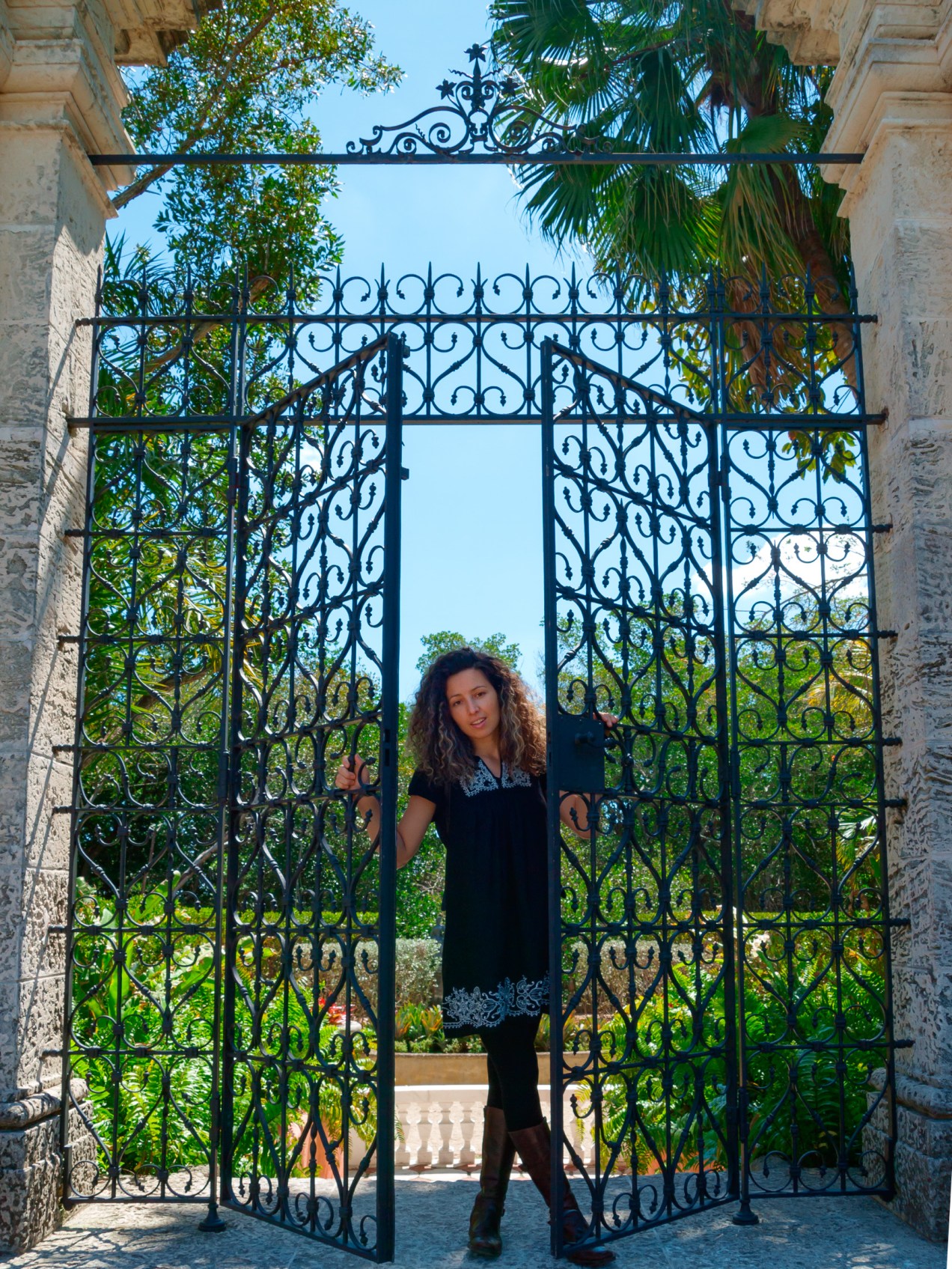
Ligia at Vizcaya, Miami, Florida, USA.

Vizcaya, Miami, Florida, USA

Vizcaya, Miami, Florida, USA

Vizcaya, Miami, Florida, USA

Tiny little orange-red flowers, Vizcaya, Miami, Florida, USA.

Vizcaya, Miami, Florida, USA

Vizcaya Village, Miami, Florida, USA

Gulf water underneath mangrove trees, Vizcaya, Miami, Florida, USA.

Vizcaya, Miami, Florida, USA

Vizcaya, Miami, Florida, USA

Vizcaya, Miami, Florida, USA

Ligia at Vizcaya, Miami, Florida, USA.

Vizcaya, Miami, Florida, USA

Vizcaya, Miami, Florida, USA

Vizcaya, Miami, Florida, USA

Vizcaya, Miami, Florida, USA

Vizcaya, Miami, Florida, USA

Vizcaya, Miami, Florida, USA

Vizcaya, Miami, Florida, USA.
© Raoul Pop. All rights reserved.
Available for licensing and purchase.
Website –
Raoul Pop
Photo Catalog –
Raoul Pop Photography 
Vizcaya, Miami, Florida, USA

Vizcaya, Miami, Florida, USA

Vizcaya, Miami, Florida, USA.
© Raoul Pop. All rights reserved.
Available for licensing and purchase.
Website –
Raoul Pop
Photo Catalog –
Raoul Pop Photography 
Vizcaya Village, Miami, Florida, USA

Vizcaya, Miami, Florida, USA.
© Raoul Pop. All rights reserved.
Available for licensing and purchase.
Website –
Raoul Pop
Photo Catalog –
Raoul Pop Photography 
Vizcaya, Miami, Florida, USA

Vizcaya, Miami, Florida, USA

Vizcaya, Miami, Florida, USA

Vizcaya, Miami, Florida, USA

Vizcaya, Miami, Florida, USA

Ligia at Vizcaya, Miami, Florida, USA.

Vizcaya, Miami, Florida, USA

Vizcaya, Miami, Florida, USA

Vizcaya, Miami, Florida, USA

Vizcaya, Miami, Florida, USA

Vizcaya, Miami, Florida, USA

Vizcaya, Miami, Florida, USA.
© Raoul Pop. All rights reserved.
Available for licensing and purchase.
Website –
Raoul Pop
Photo Catalog –
Raoul Pop Photography 
Vizcaya, Miami, Florida, USA.
© Raoul Pop. All rights reserved.
Available for licensing and purchase.
Website –
Raoul Pop
Photo Catalog –
Raoul Pop Photography










 Raoul Pop