
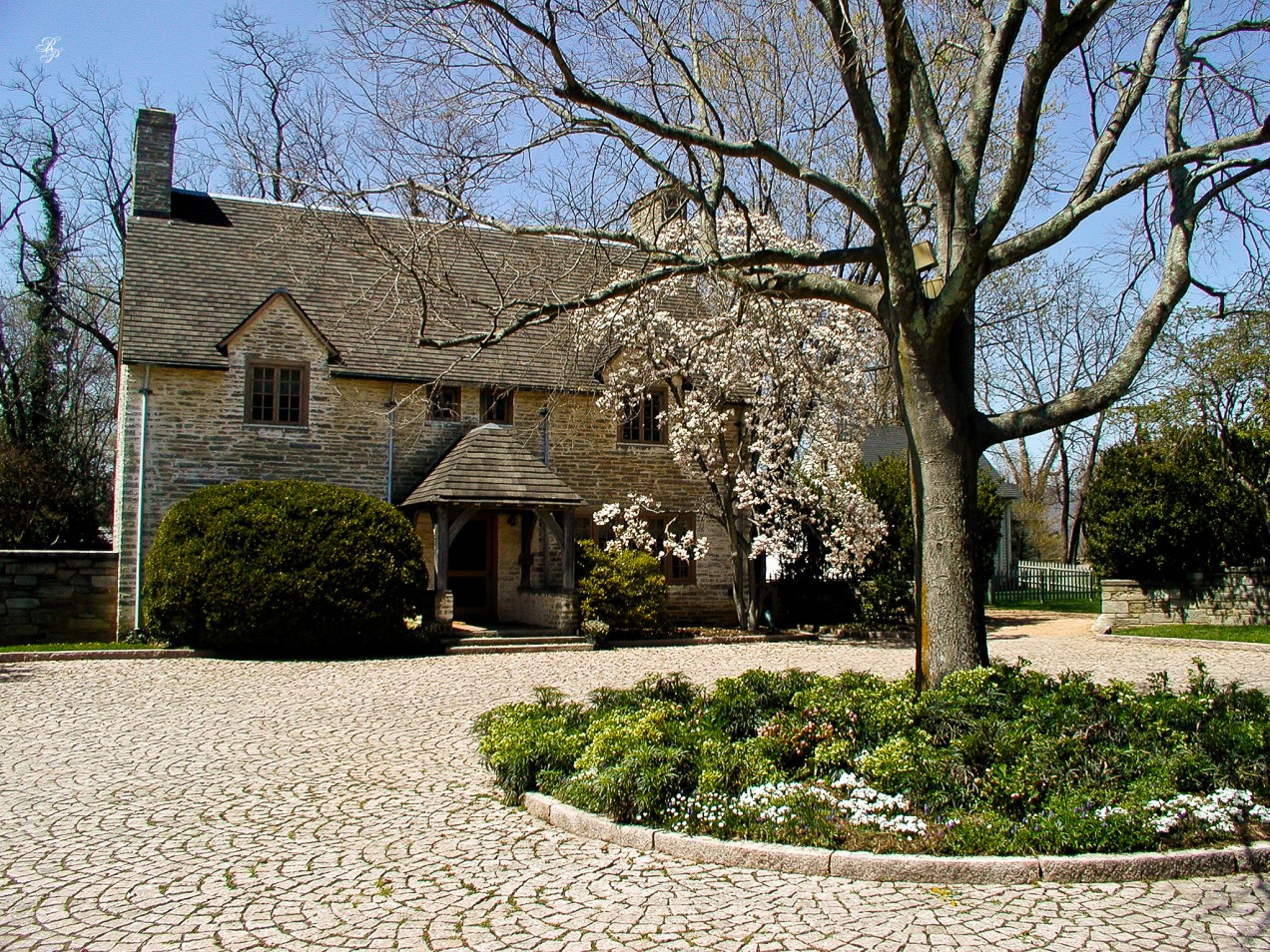
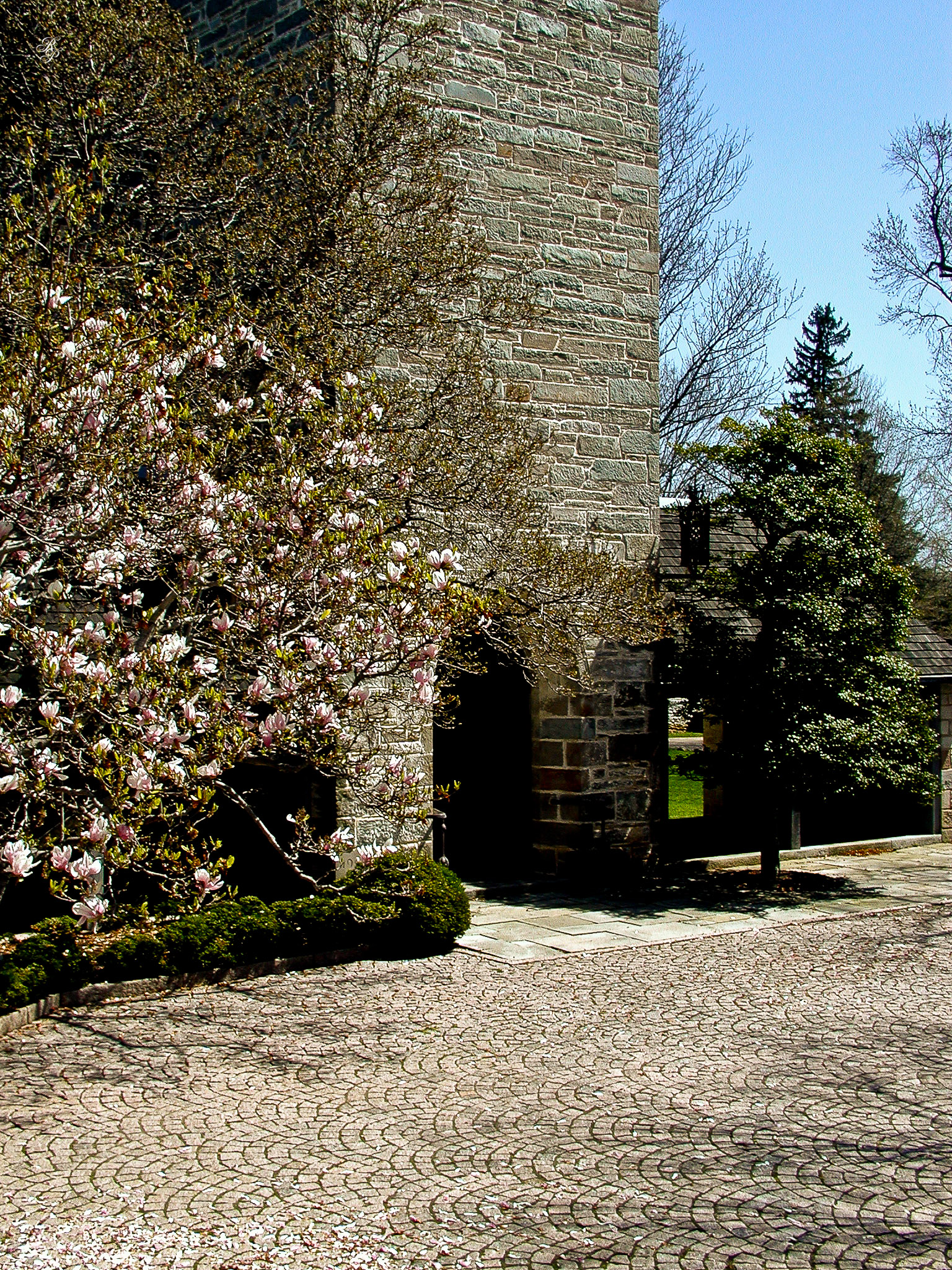
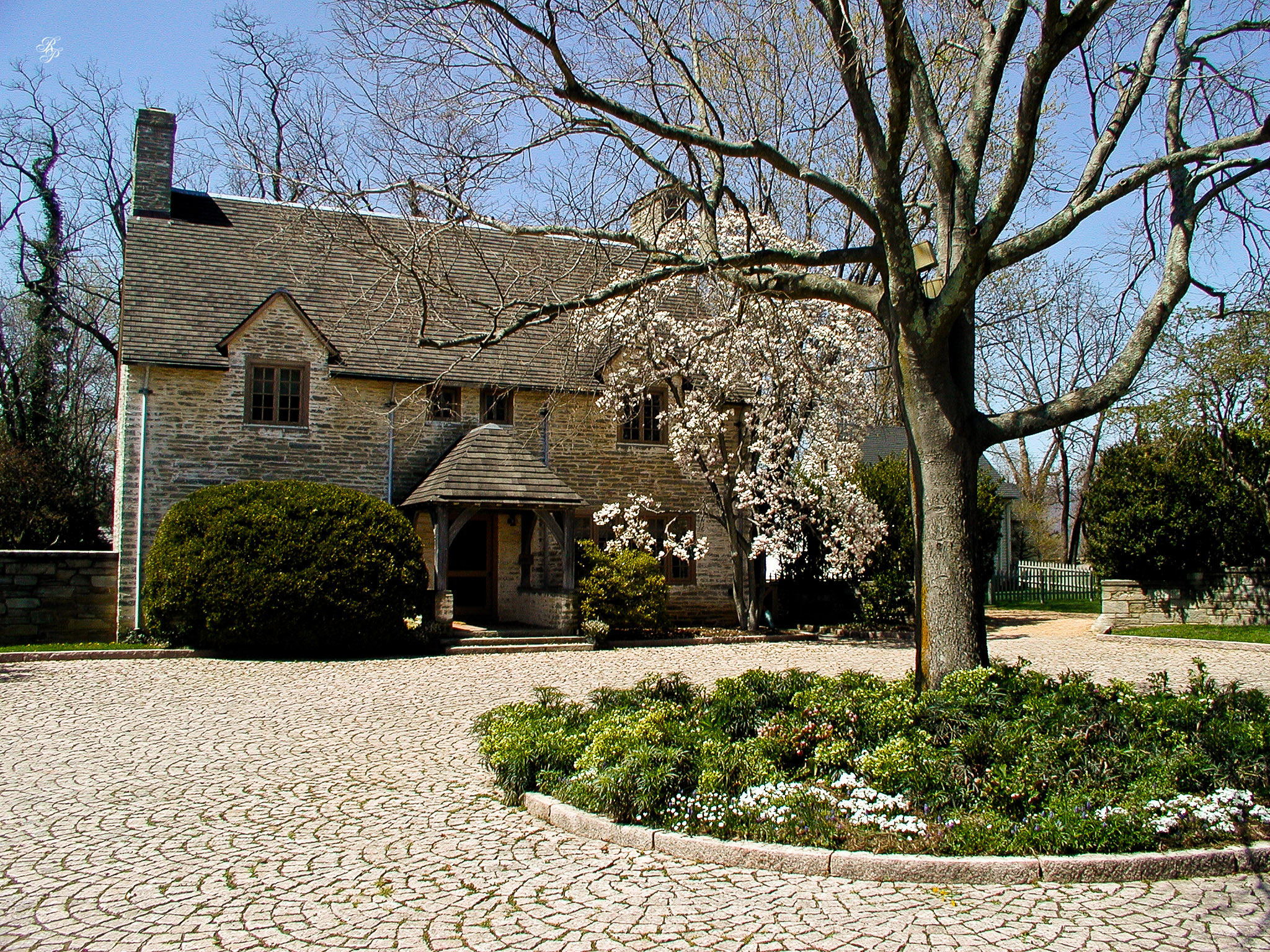
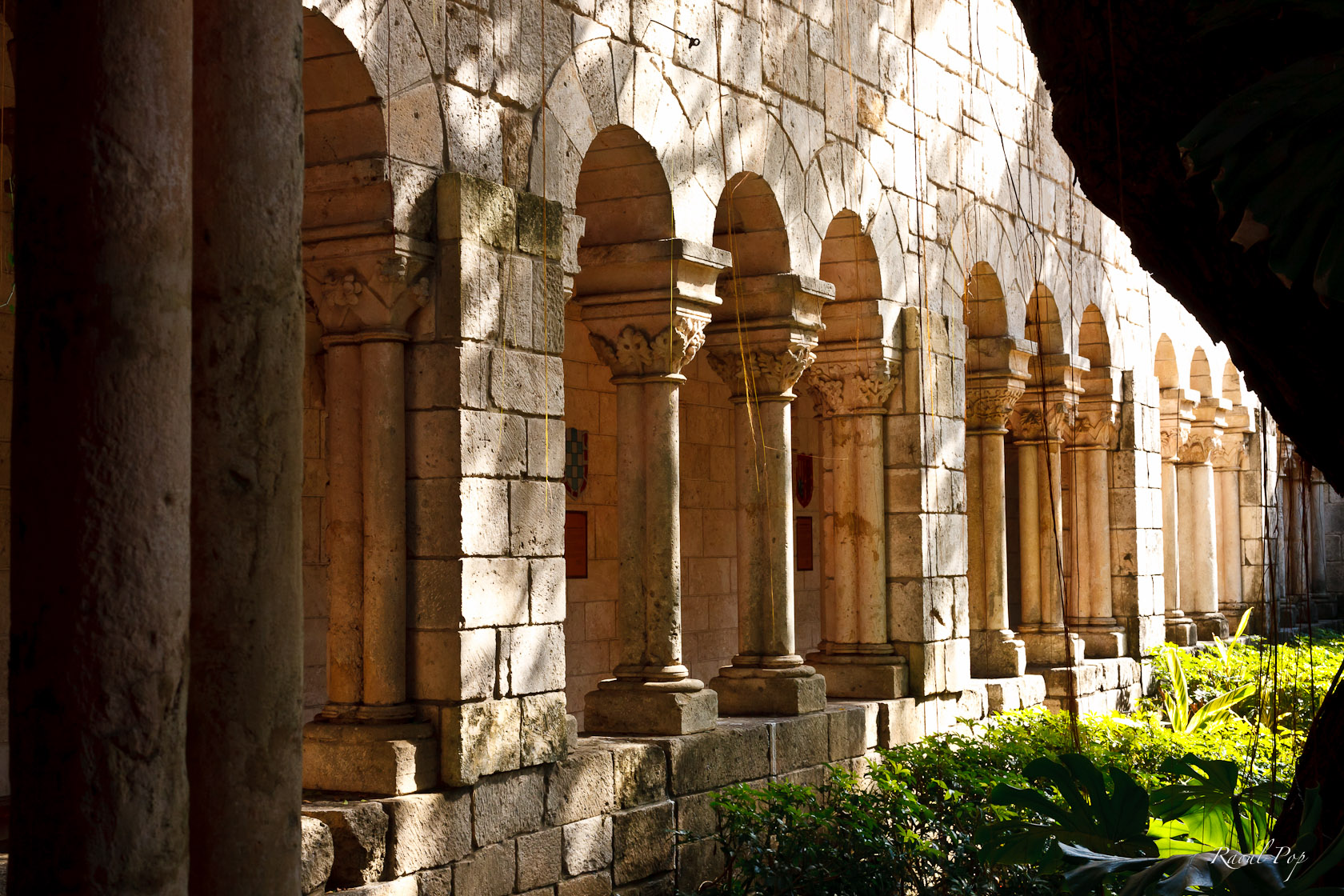
The Monastery of St. Bernard de Clairvaux (also known as The Spanish Monastery or The Cloisters of The Ancient Spanish Monastery) was built in Sacramenia, in the Province of Segovia, Spain, during the period from 1133 to 1144. It is now found at 16711 West Dixie Highway, in North Miami Beach, FL.
This slideshow requires JavaScript.
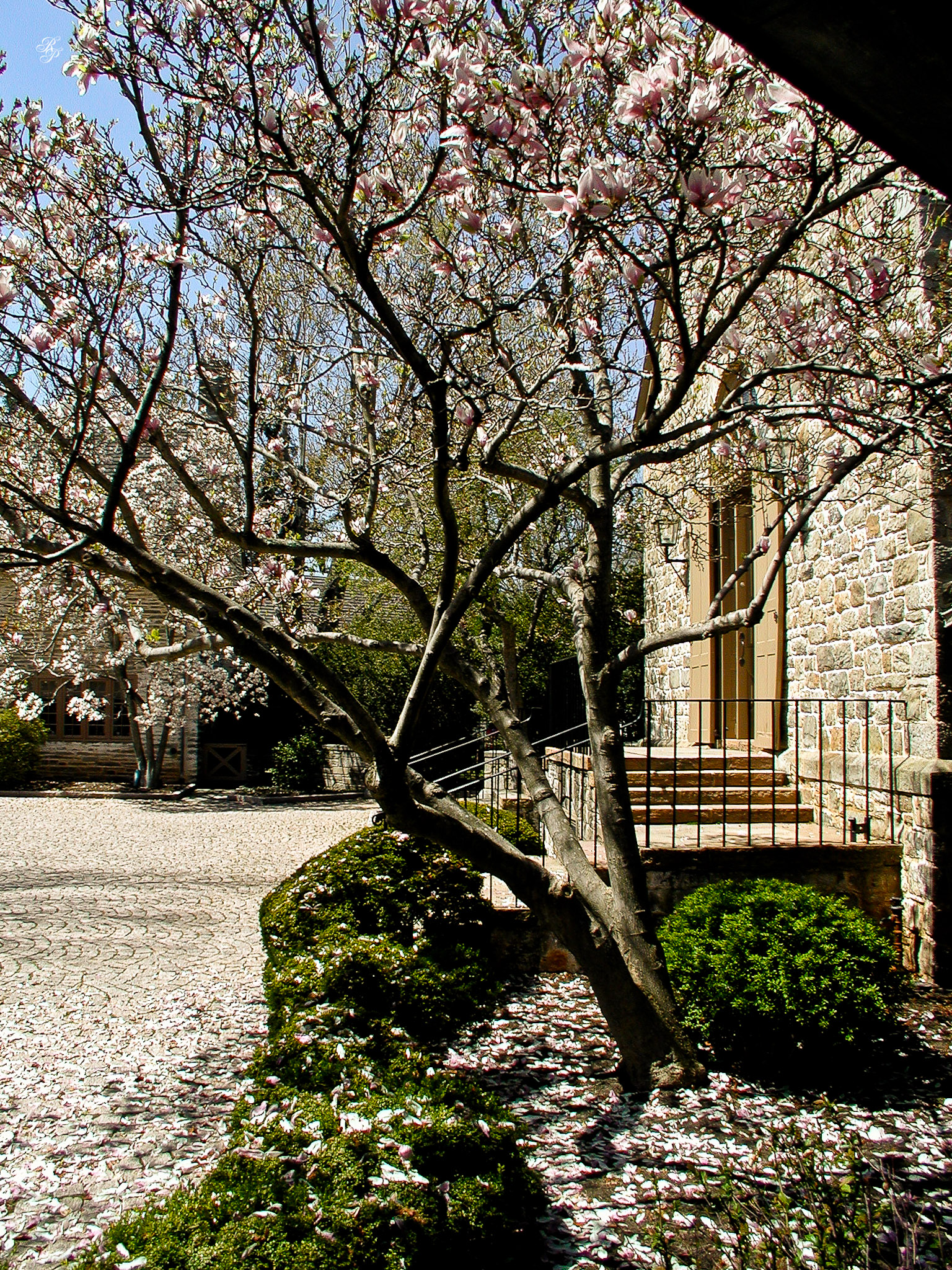
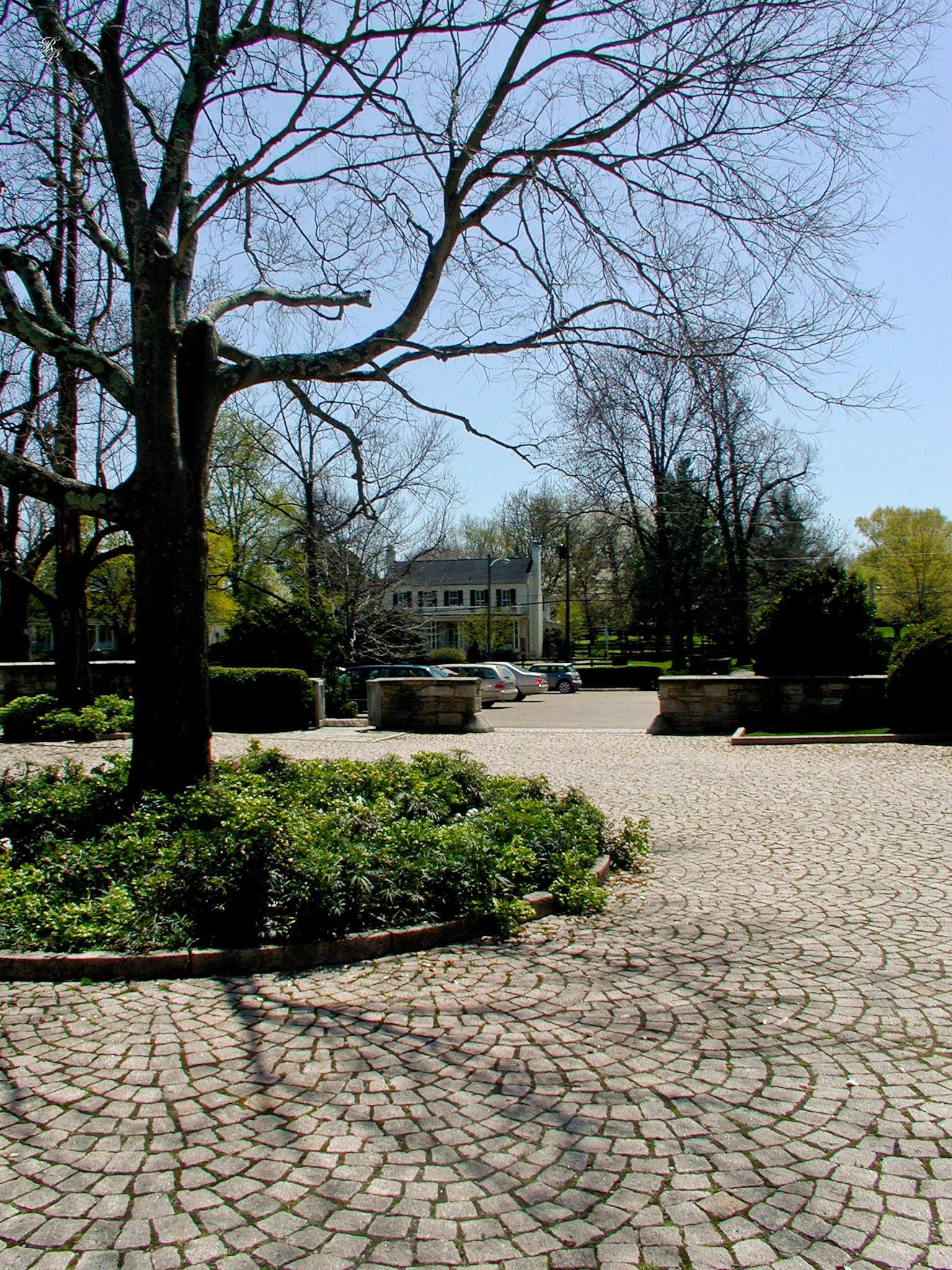
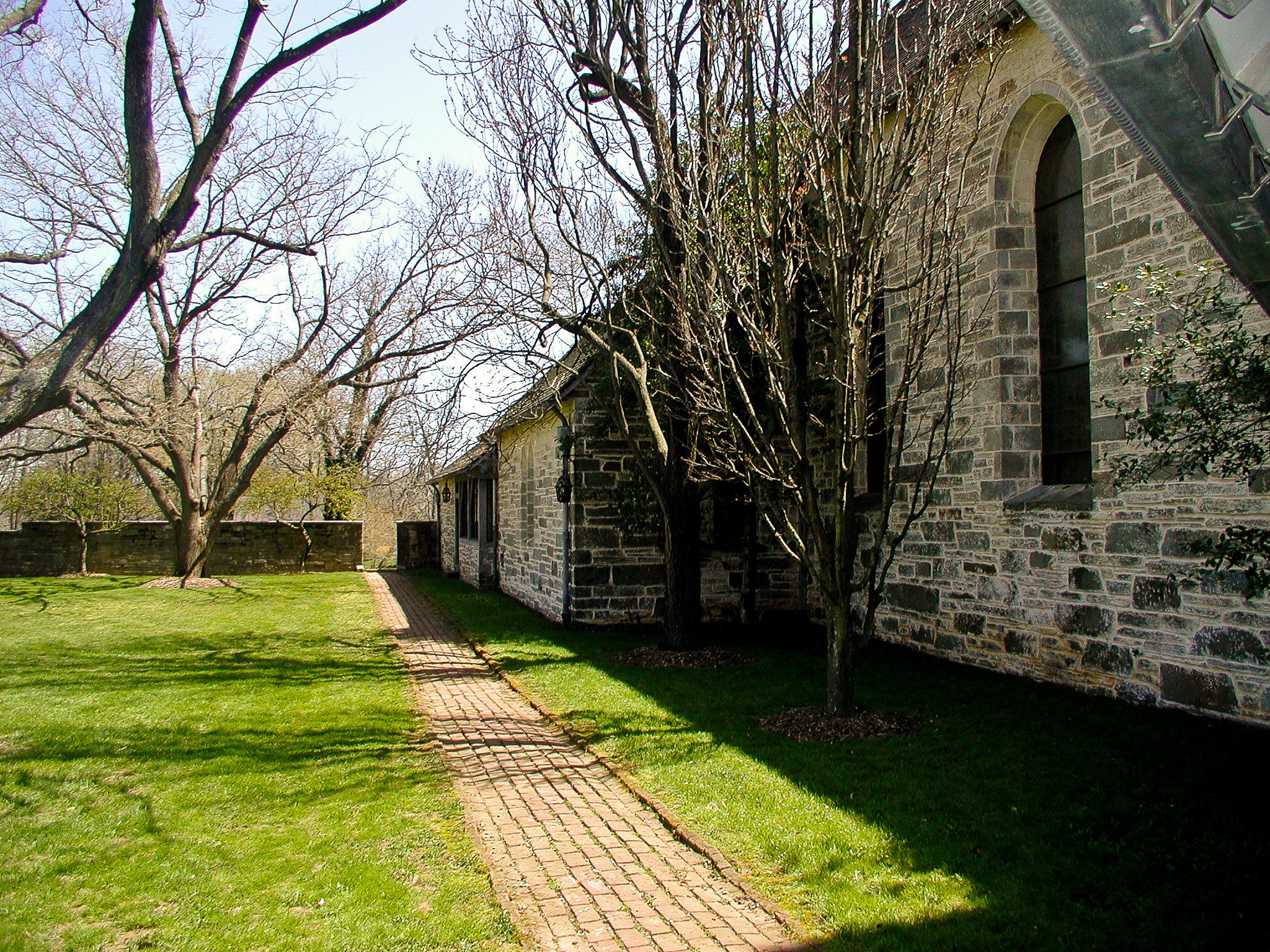
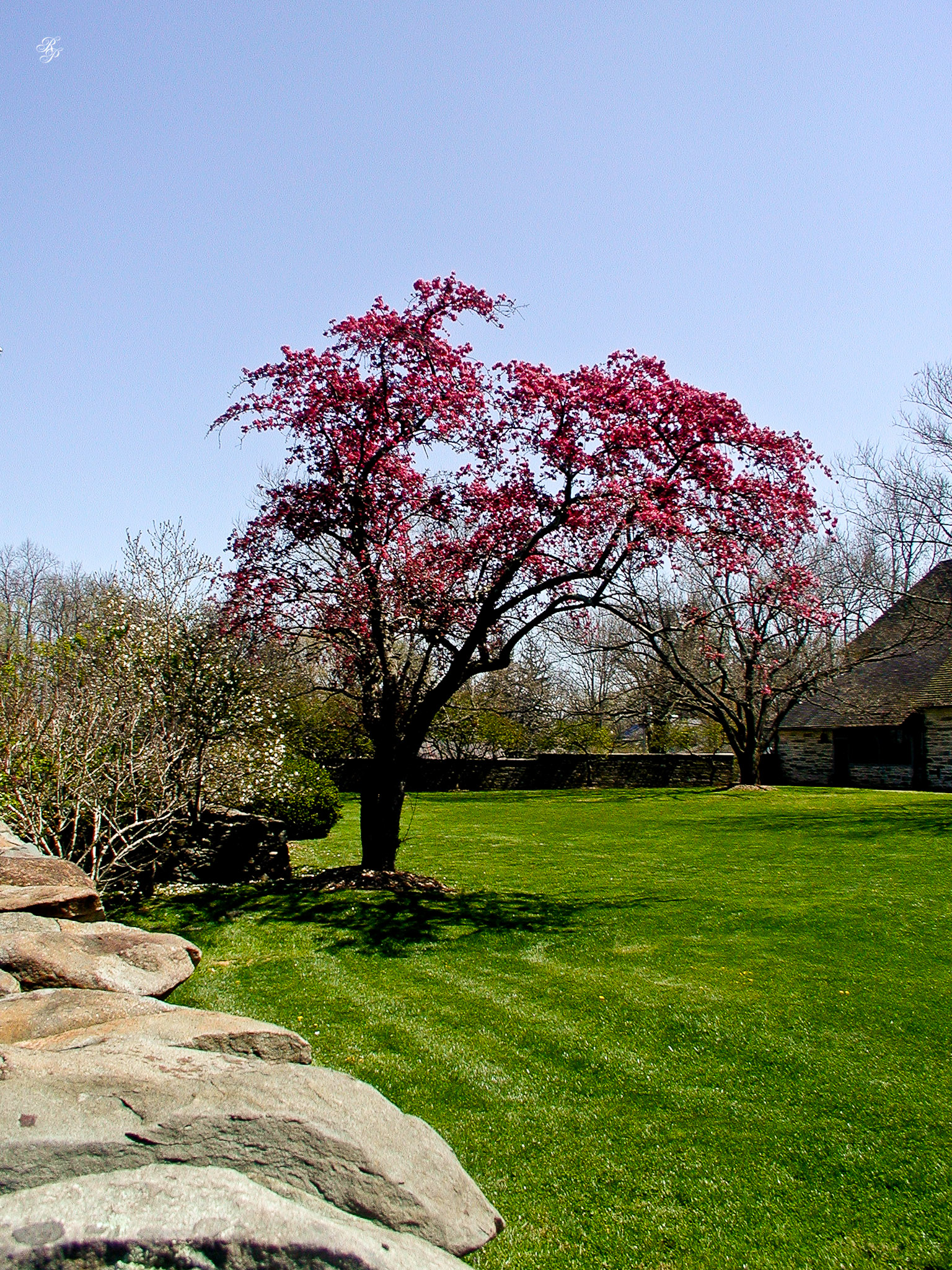
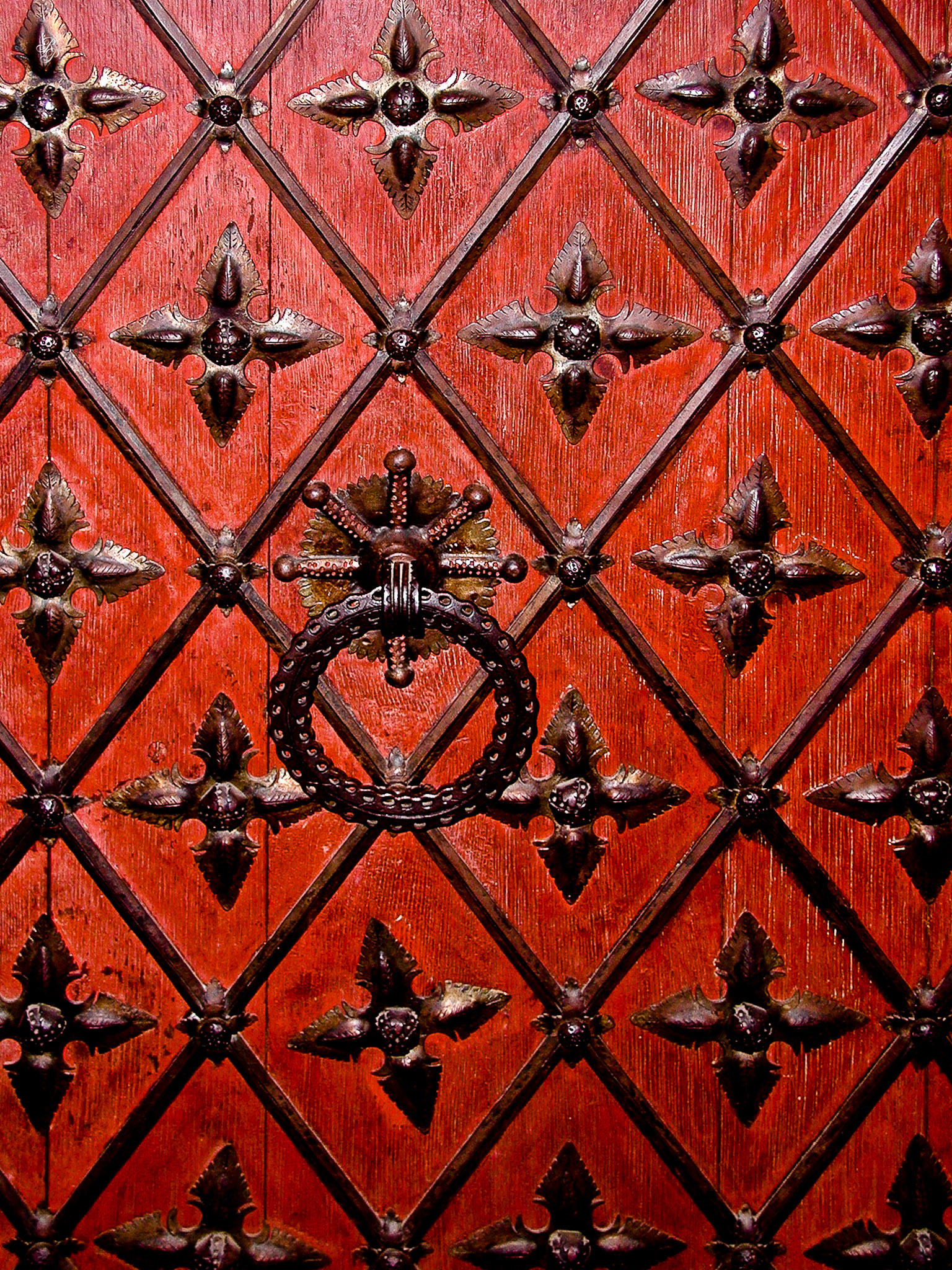
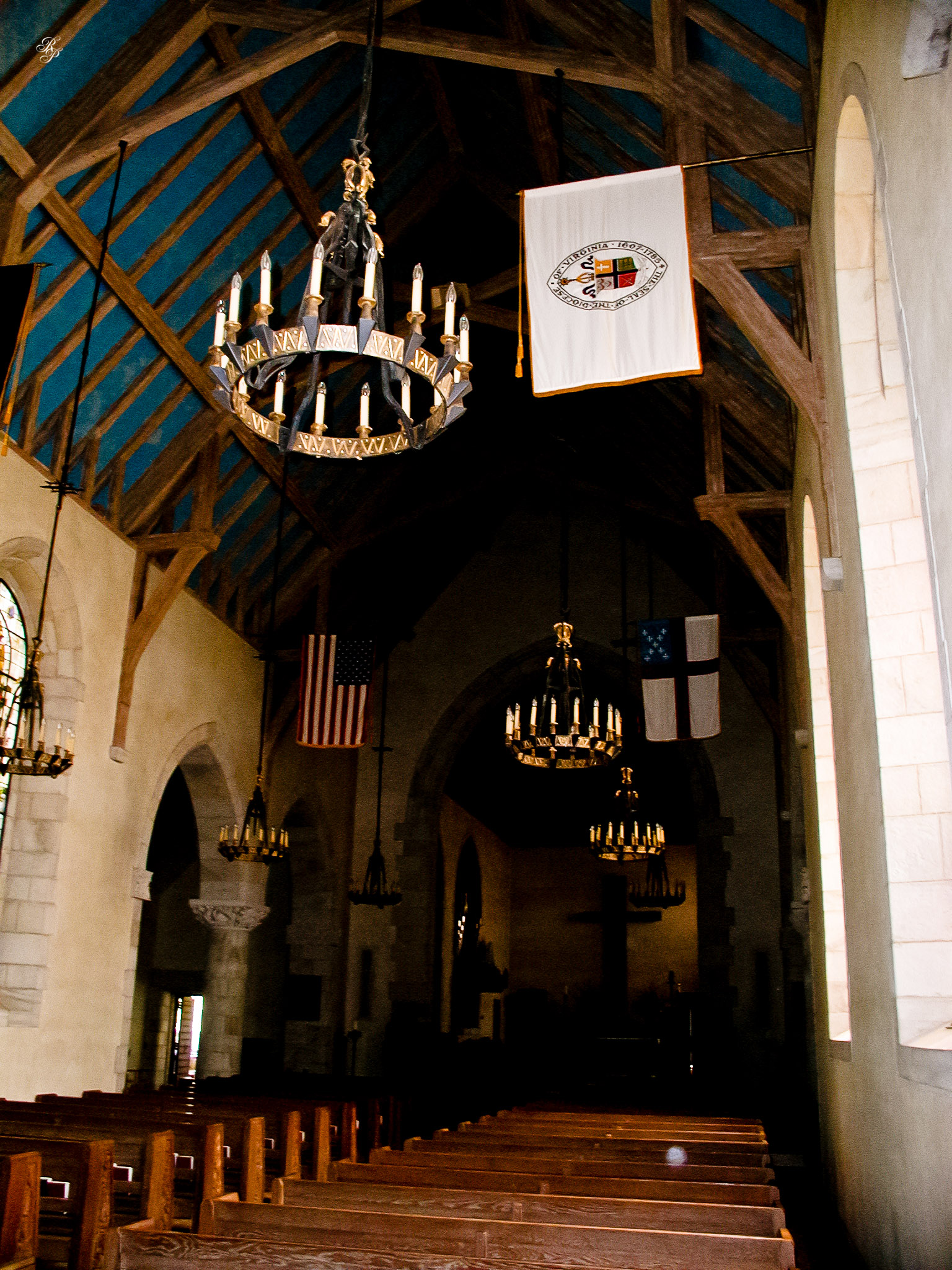
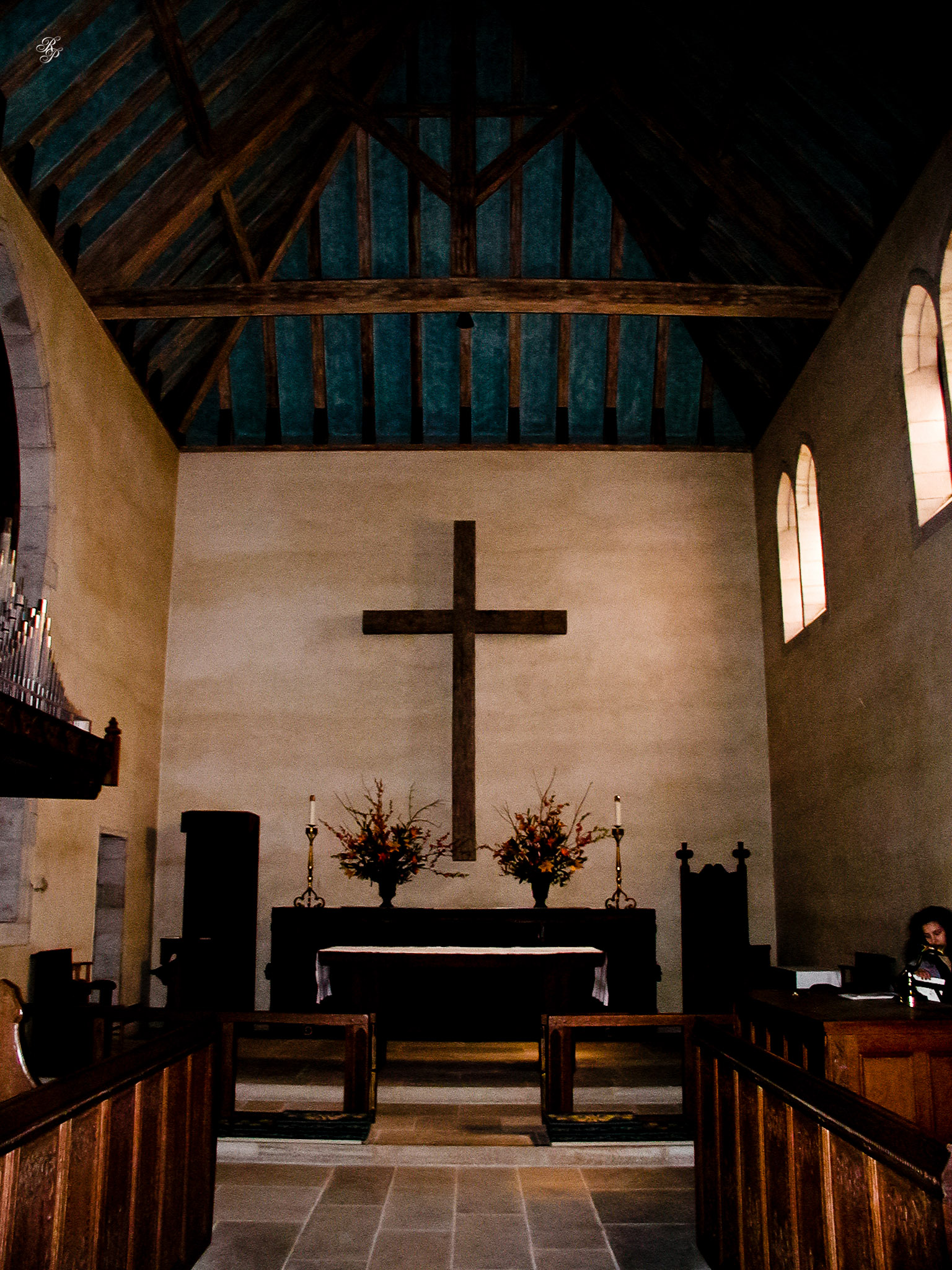
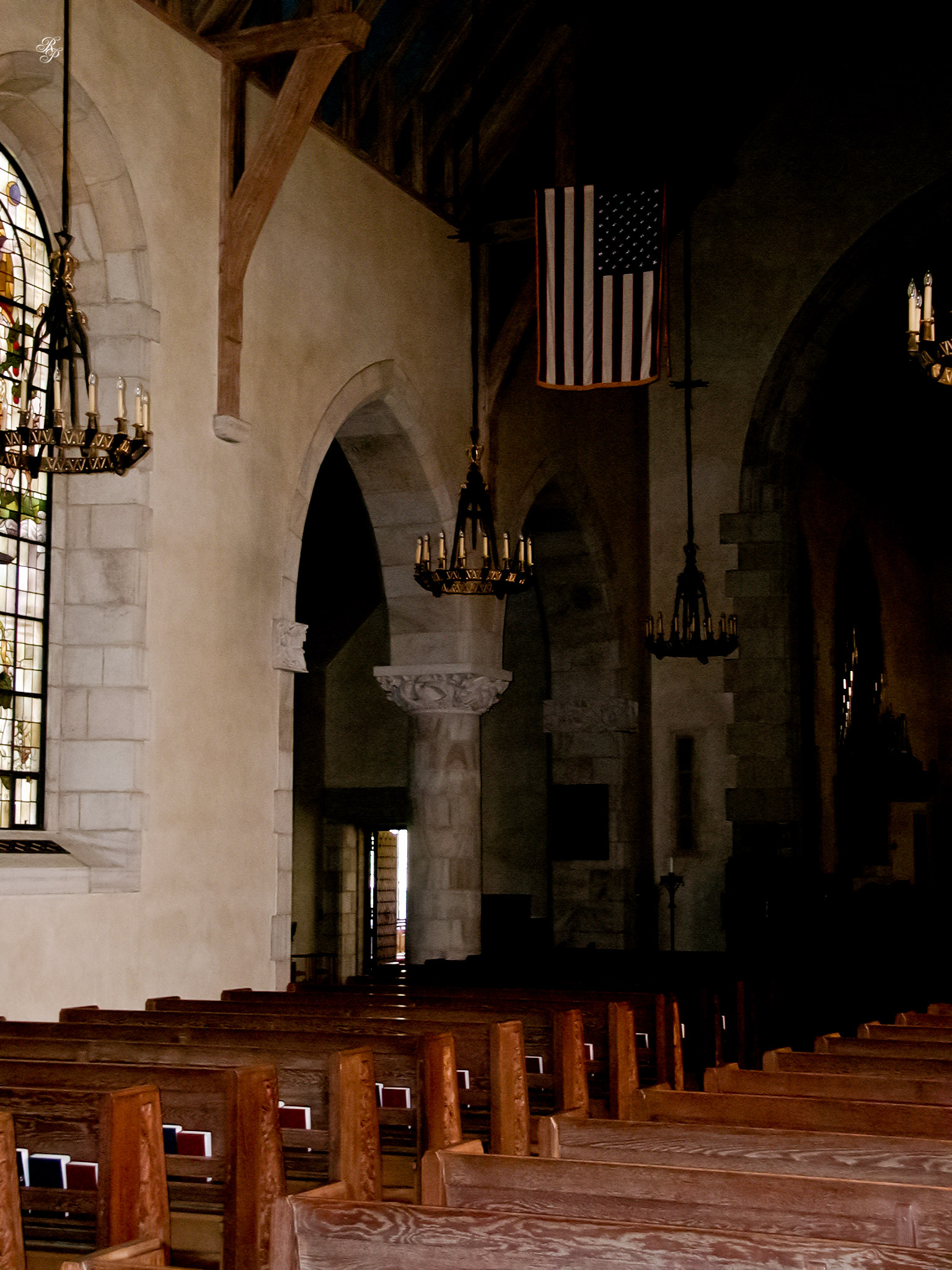
If you’re in South Florida, please make time to visit this monastery. It’s like stepping back in time. It’s easy to miss it as you drive by. It’s hidden by large trees, it’s in the middle of a large garden, and if you don’t know where to look, you won’t see it.
Upon the canonization of the famous Cistercian Monk, Bernard of Clairvaux, a leading influence in the Church during that period, the Monastery was renamed in is honor. Cistercian monks occupied the monastery for nearly 700 years. From then on, the history of this monastery got very interesting and very complicated.
In the mid-1830s, the Cloisters were seized, sold, and converted into a granary and stable due to a social revolution in that area. In 1925 William Randolph Hearst purchased the Cloisters and the Monastery’s out-buildings. The structures were dismantled stone by stone, bound with protective hay, packed in some 11,000 wooden crates, numbered for identification and shipped to the United States.
About that time, hoof and mouth disease had broken out in Segovia, and the U.S. Department of Agriculture, fearing possible contagion, quarantined the shipment upon its arrival, broke open the crates and burned the hay, a possible carrier of the disease. Unfortunately, the workmen failed to replace the stones in the same numbered boxes before moving them to a warehouse. Soon after the shipment arrived, Hearst’s financial problems forced most of his collection to be sold at auction.
The stones remained in a warehouse in Brooklyn, New York, for 26 years. One year after Hearst’s death in 1952, they were purchased by Messrs. W. Edgemon and R. Moss for use as a tourist attraction. It took 19 months and almost $1.5 million dollars to put the Monastery back together. Some of the unmatched stones still remain in the back lot; others were used in the construction of the present Church’s Parish Hall.
St. Bernard’s Church, as we know it today, started out not on these grounds but at a savings and loan building on N.E. 167th Street as “The Mission of St. John the Divine,” and services were held at that location for approximately one year under the leadership of Rev. Harold L. Batchelor (1963-64). The Mission of St. John the Divine became the Church of St. Bernard de Clairvaux, named in honor of the great Saint who had been a leading influence among the Cistercians 847 years ago, and whose feast day is commemorated on August 20.
In 1964, Bishop Henry Louttit purchased the property for the Diocese of South Florida, later to become the Diocese of Central, Southeast and Southwest Florida. Shortly thereafter, when the three dioceses ran into financial difficulties, the Monastery was put up for sale and the parishioners of St. Bernard feared a second move. During the Bishopric of the Rt. Rev. James Duncan, Col. Robert Pentland, Jr., a multimillionaire banker, philanthropist and benefactor of many Episcopal churches, purchased the Cloisters and presented them to the parish of St. Bernard de Clairvaux, thus ensuring the monastery’s survival and its permanent location.
The text of this post has been re-published (with small modifications) from the original found on the monastery’s official website. The story is so interesting I couldn’t cut it any shorter, so I hope the folks from the monastery don’t mind it. The photos are entirely original. I took them, edited them and published them.








 Raoul Pop