I’ve been saving a few documentary clips from YouTube, and wanted to share them with you. The first, included below, is a glimpse into the world of prescription drug marketing, and it’s a trailer for a movie called “Side Effects”.
Have you heard of Lake Peigneur? It disappeared into an underground salt mine (along with part of a town nearby) in 1980, when an above-ground drilling operation went horribly wrong.
There’s a revolution going around, and it’s called the Internet. Have you heard of it?
This one’s been making the rounds on blogs and sites lately. It’s called “Did you know?”, created by Karl Fisch to help explain what’s going on with the Internet to his local school board.
If you’ve never been taught to Duck and Cover, c’mon, you gotta learn! Just do what Bert the Turtle does. He’s smart!
This one will gross you out (Ligia told me never to show her videos like this… 🙂 ). It’s called “We are not alone”.
What is this Web 2.0 stuff? Michael Wesch put together a great video that explains it in under 5 minutes. You’ve probably only seen the Beta versions of this video if you’ve seen it before. This is the final version. Yup, he did the unthinkable and took it out of Beta. No Gamma, he went straight to final release! 🙂
I like quirky, odd music videos, alongside the well-made, polished commercial stuff. My latest favorites from YouTube are enclosed below.
The Kooks have some pretty good music. Here they cover Gnarls Barkley’s “Crazy”:
This Japanese group put together a stop-motion animation video set to something that could be called music:
Luray Caverns, in Virginia, has a man-made wonder: the Great Stalacpipe Organ. It’s made of little hammers that strike stalactites of various dimensions, producing musical sounds. I heard it in person, and it sounds pretty eerie in that big, dark cave.
Don’t know if these fellows are real policemen, but the song and video are pretty funny. Perhaps it’s because I can’t understand a single word:
Have you ever heard Bolero played on a single instrument? No? Then have a peek at this:
A talented flute player by the name of Greg Patillo put together some unique interpretations of popular theme songs:
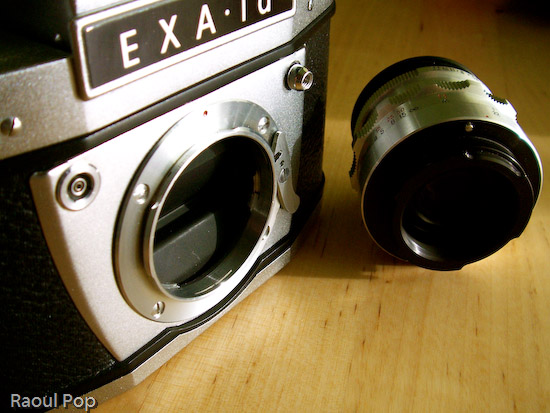
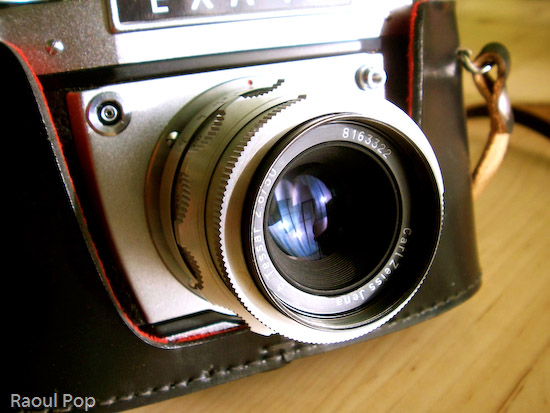
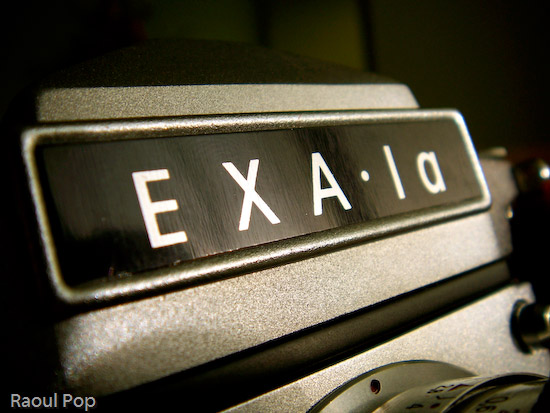
I got a fantastic present for Christmas from close friends of ours: an Ihagee Exakta EXA Ia analog camera.
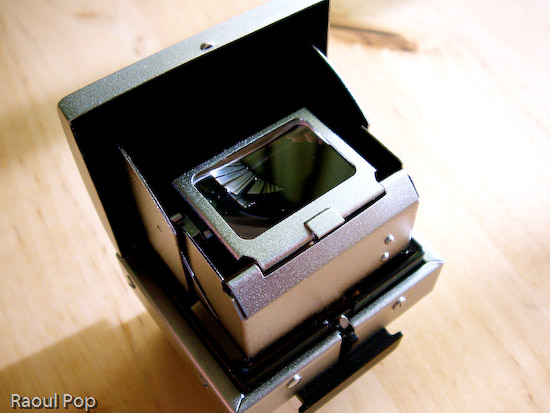
It apparently sat unused in a shop in Mexico since its factory production days back in the late 60s, still in the original box, waiting for someone to purchase it. It came with a whole kit which included a plastic/leather camera case, camera, lens, lens extension kit (for macro shots), two prisms/viewfinders (one normal, one 90-degree), a mechanical timer, a light meter and a ton of lens filters.
You can watch a video review below or here, or scroll past it to see the photos and read my review.
The camera kit also included the original instruction manual (in Spanish). Since I don’t speak Spanish, I had to figure out the camera on my own. Here are the specs as best I can figure them out:
Exakta EXA Ia body, fully manual, 1964-1968 production (approximated the year based on the serial number)
Analog flash sync for bulbs or electronic speedlights
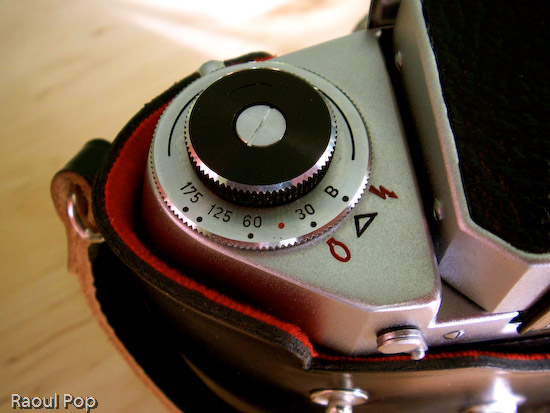
Shutter speeds from 1/175 to 1/30 s and Bulb mode
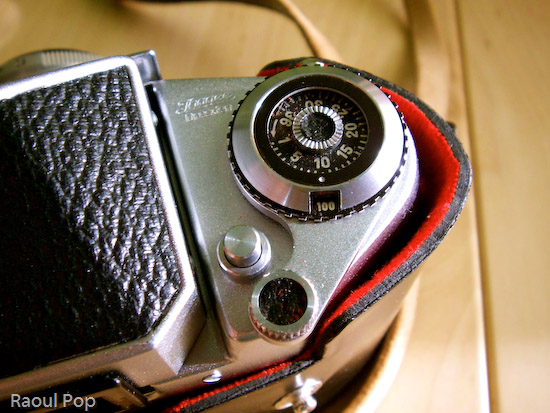
DIN sensitivity from 12-30 and ASA from 50-800, including b&w negatives; the list goes as follows: 12, 15, 18, 21, 24, 27, 30 (DIN) and 50, 100, 200, 400, 800 (ASA/ISO), plus C and NC.
Exposure counter can accommodate films of up to 36 exposures
Shutter release features threads for attachment of mechanical timer (included)
Shutter lock
Rewind release button and pop-up rewind knob
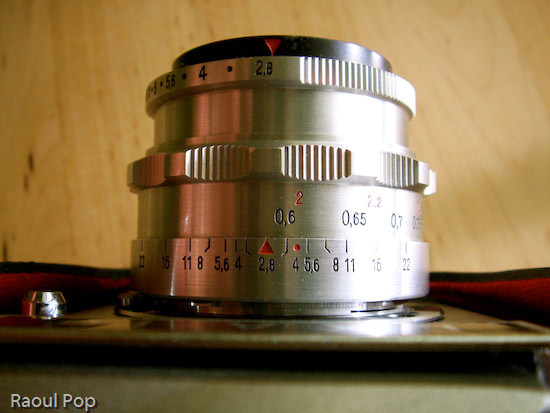
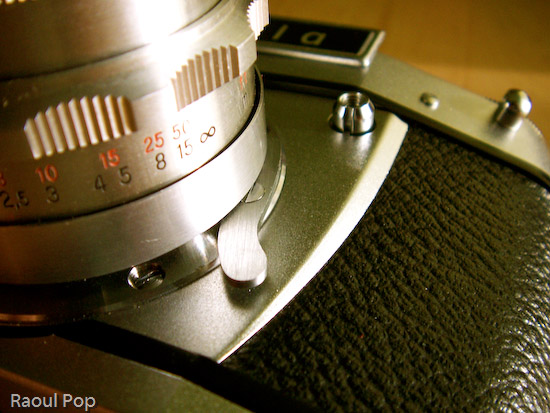
Carl Zeiss Jena lens, f2.8/22 50mm, focusing distance 0.6m to infinity
Lens extension barrel for macro shots; barrel disassembles into multiple sections to allow for varying focusing distances and macro apertures
If there’s one expression I could use to describe this camera, it’s ease of use. Once I figured out the controls, it turned out to be a joy to play with them. The focus control is so well made, that at close distances, it turns slower, allowing for some real precise focusing. The aperture adjustment clicks, letting me know when I’ve reached a proper setting. The film advancement lever’s travel is short and also clicks reassuringly. The exposure countdown dial clicks as well. I guess I like controls that click, but it’s the sort of feedback that encourages good use. It also gives the impression of something that’s very well-made.
It’s quite easy to take the lens off, and I love the fact that the extension barrel breaks down into multiple sections. It lets me vary the focusing length and also changes the perceived aperture of the lens, allowing me to get closer or further away from the object.
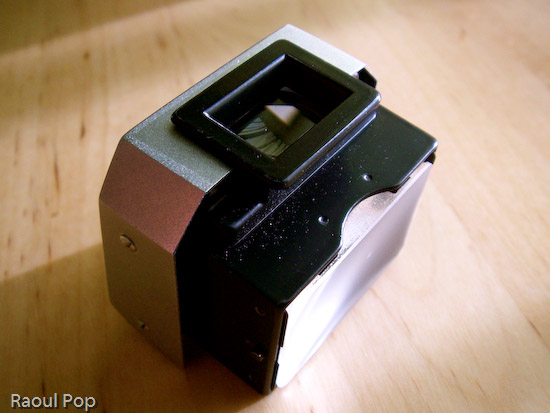
The interchangeable viewfinders are so much fun! I can just slide them out and use a different one, allowing me to customize the way I look at my photographic subjects. Both viewfinders allow me to see right through the lens (TTL), so I get a direct preview of the lighting conditions. When I adjust the aperture, the aperture ring closes or opens, and I can see right through the viewfinder how much light comes through the lens. Of course, as I found out with my first roll of film, you’d better know exactly what shutter speed you’re using, or else the photos aren’t going to come out as you saw them through the lens!
Judging from the instruction manual, this camera could be had with some pretty cool accessories when it came out: a lens hood to reduce glare, a tele lens, and a Stereflex Jena viewfinder and lens, that took 3D shots. It could also use a vertical grip and electronic flash, powered by a strap-held, external Braun battery. Pretty nifty! Just goes to show that a great gift doesn’t have to be new!
I need to point out (for those of you that have only used digital cameras) that working with a manual analog camera (especially one as old as this) is a _______ experience. It’s up to you to fill in that blank. Depending on your skill level and willingness to learn new things, it may be an amazing experience, or a completely frustrating one. If you’re only used to point and shoot, there is no such thing on a manual camera. Instead, you have what you see below.
You have to manually adjust the camera settings like aperture and shutter speed based on ambient light. You can guesstimate and live with the results, or use a light meter like this one. If you enjoy using burst mode (where you can shoot 3 or more photos in rapid sequence), you can forget it about it. You have to manually advance the film by cranking on a lever after each photo. Autofocus? Forget about it! Auto-flash? No such thing. You’ll need to manually adjust the power of the flash/strobe based on GN (Guide Number) calculations.
This may sound discouraging to novices, but believe me, it’s a fantastic learning experience. If you master the use of a manual analog camera, you’ll approach photography with a brand new perspective. The quality of your photos will improve tremendously, and you’ll get real joy out of using your camera, be it analog or digital. Plus, there are other fringe benefits, such as not needing to use batteries (manual cameras don’t need them) and of course, my favorite, the opportunity to pool with a really, really cool gadget. Once you hold one of these cameras in your hand and get to appreciate the fine engineering and craftmanship that went into making it, you’ll know you’ve got something pretty unique, something you don’t see these days, when cameras are made by robots. There’s something captivating about using metal levers and gears and getting real tactile feedback from your camera. I get a really nice feeling when I press the shutter and a mechanical part actually moves inside. It’s not a circuit, it’s not a sensor — it’s a real piece of metal. Now that’s nice!
Updated 12/25/12: I no longer have the camera, please stop asking for the user manual. Thanks!
I seldom keep more than 50-60% of the photos I take. There’s no reason to waste my disk space with digital trash. It’s funny, the more photos I shoot, the less of them I keep. Lately, only about 10-20% of my photos manage to survive deletion. It’s an inversely proportional relationship.
When I decided to share my photos online, I whittled down my collection of over 18,000 photos (already winnowed) to about 7,000 that I wanted to upload. Over the past few weeks, I’ve been winnowing even those photos. I was a little too enthusiastic at first, and uploaded some photos that should have stayed on my computer or gone straight to the trash bin because they missed my initial winnowing. It’s been a painful process, and it’s very bruising to the ego, but it’s got to be done. It’s really hard to delete a photo when it’s had 10, 20, 30, even 50 or 60 views, but if it’s inferior, there’s no reason to let it stay.
I’ve reached a point now where I’m sharing thousands of photos (over 3,500 are public, with a total number of over 5,800), so there’s no reason not to winnow. If someone’s going to take the time to go through my photos, I don’t want them to see chaff, I want them to see substance. I know I’m sick of chaff. With time, my eye has gotten better at spotting good photos. And it’s also gotten more sensitive and easily disgusted with crappy snapshots that don’t deserve to waste disk space. I see so many of those when I hunt for good photos, that I can’t stand to see any in my own collection.
If you’ve been looking at my photos, and wondering how it’s possible that the total number of photos stays constant and even goes down while I upload new photos every day, now you have your answer. If you’re an experienced photographer, and you’ve seen some photos in my collection that you think are terrible, let me know. I’ll have a look and gladly delete any inferior photograph.
This post is part of a series on Walt Disney World. Click on each link to access Part 1, Part 2 and Part 3.
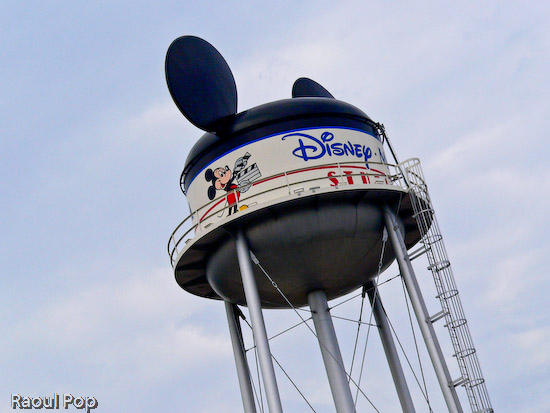
There’s a ride called the Backlot Tour at Disney MGM Studios. At first sight, it seems like nothing fancy: just a tour bus that takes you around various places. But if you assume that and never go on it, you miss out on a whole lot of fun.
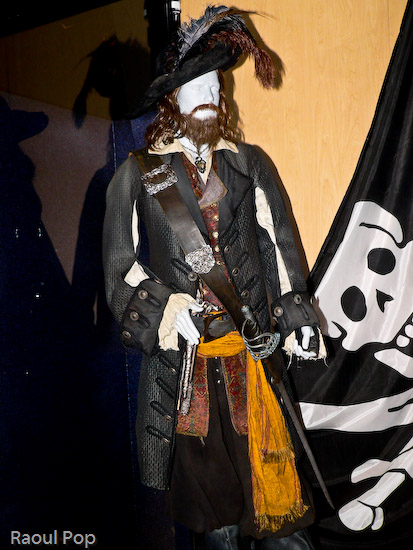
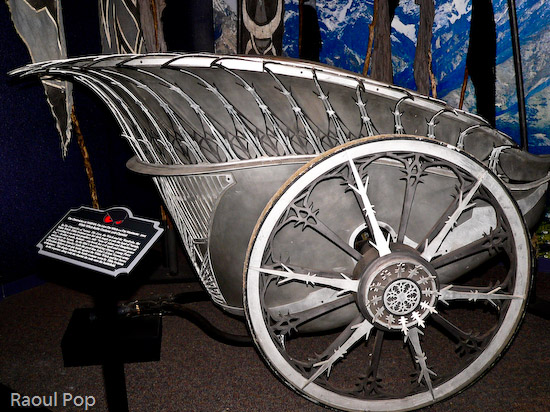
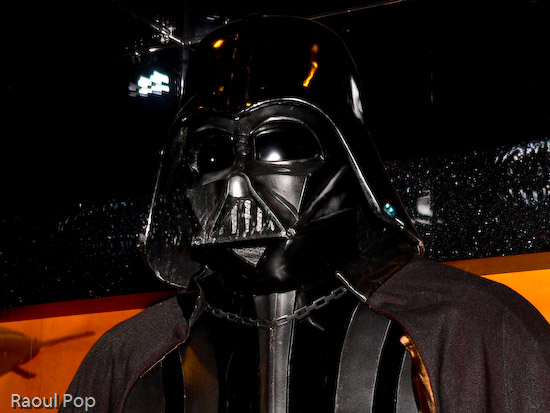
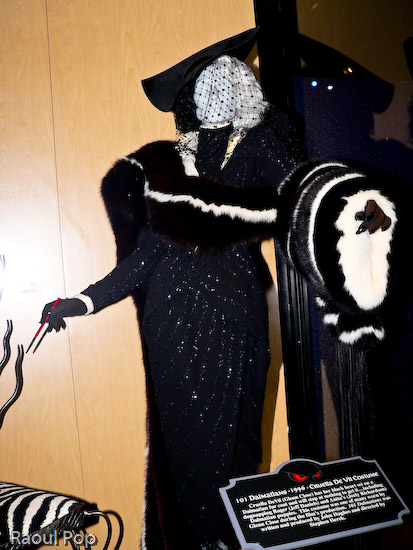
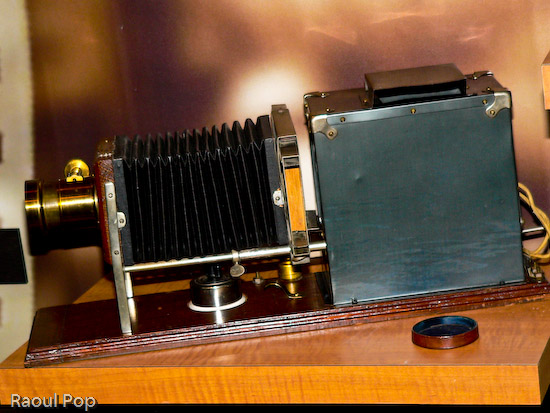
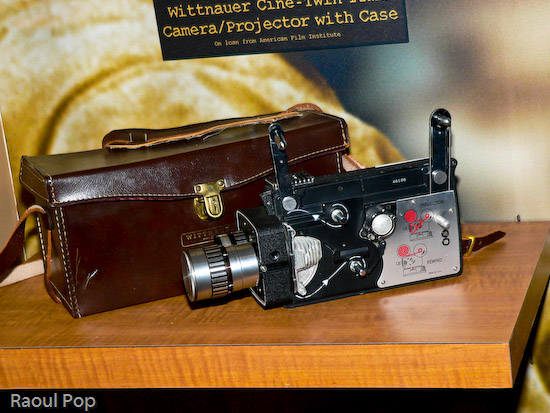
The Backlot Tour is actually made up of three segments: a pre-ride special effects show (with audience participation), the actual tour in the buses, and a very nice post-tour walk through the on-site AFI (American Film Institute) Museum, which is packed full of actual movie props and costumes.
The special effects show involves mock action sequences from Pearl Harbor, and the audience is shown how stunts like the ones in the movie were created. You also get a sense of the scale of those special effects, and of the incredible effort and planning that went into creating each action scene, even if it lasted only a few seconds.
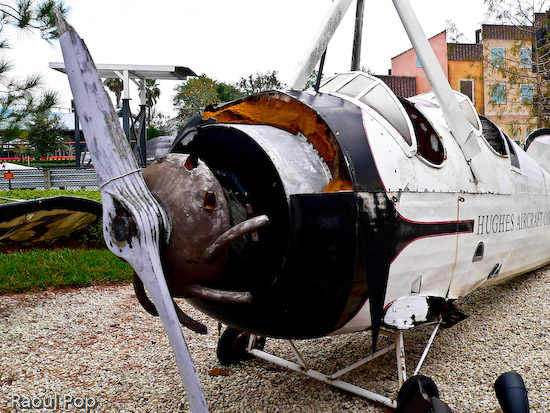
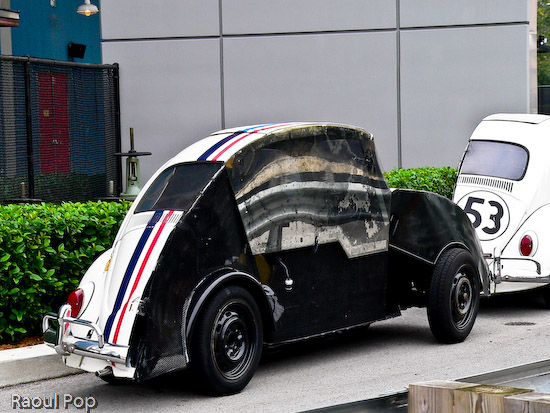
The backlot tour gives the visitors behind-the-scenes glimpses at the work that goes on at the studio, which is supposedly in use for various movies from time to time. As the tour guide speaks, the bus snakes its way among various cars and objects used in past and recent movies.
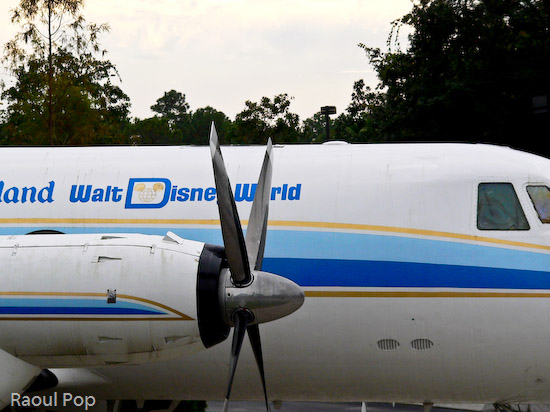
There are rare gems, like Walt Disney’s personal plane. He used it to fly over the Florida Everglades when he surveyed the land he would later purchase for Disney World. Toward the end of the tour, you’ll be taken through the costume department. There’s a tunnel built right through the building where the staff works on costumes, and large windows line it. You’ll be able to look right in and see them at work on the various costumes worn by WDW cast members.
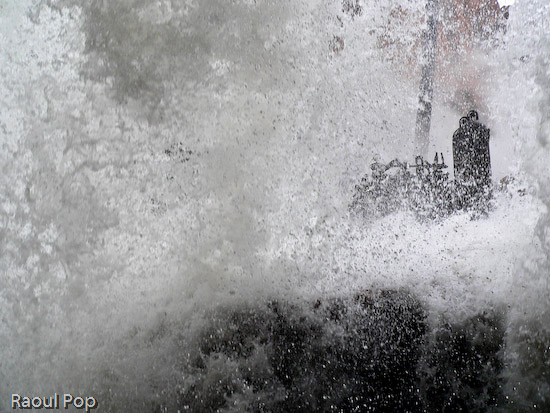
You’ll get an unexpected shock as you experience a fire and water stunt at a specially-designed canyon. Tens of thousands of gallons of water will rush past you. It’s quite a sight to see!
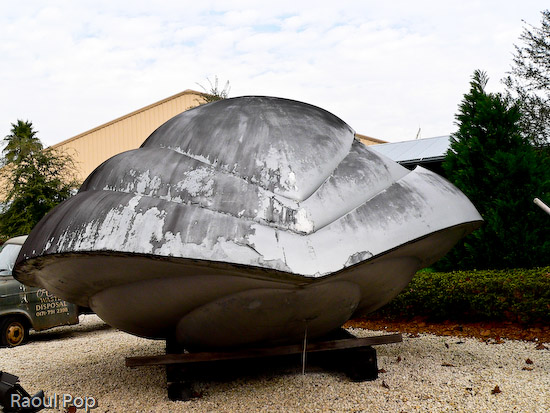
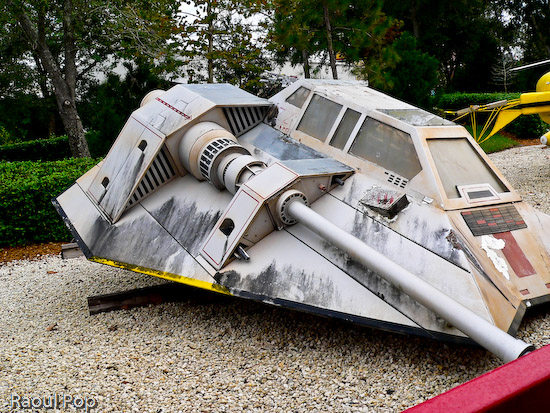
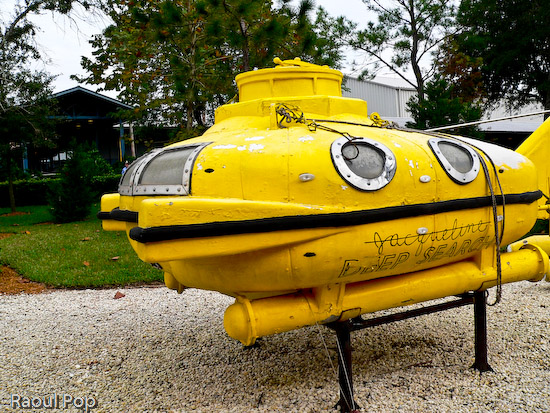
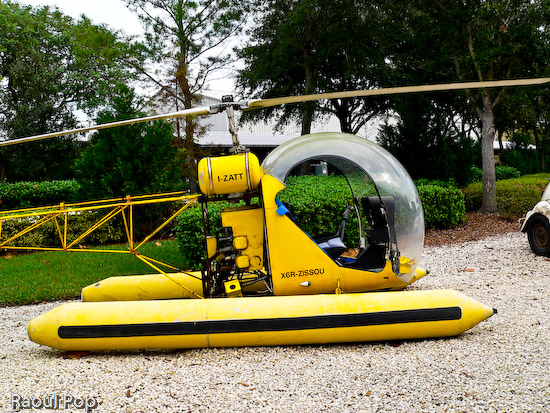
But what I thought was really interesting was the AFI Museum, available at the end of the tour. There was no time limit, and we could look at the various movie props and costumes as long as we wanted. It was a treat!












 Raoul Pop