Places

An afternoon on the Transfagarasan Road

This weekend, we spent an afternoon on the Transfăgărășan Road, in the Făgăraș Mountains of Romania. (Trans-faragarasan → “Trans” = across and “Fagarasan” = the specific mountains which it crosses.) I enjoyed driving its challenging curves (Ligia not so much) and later we both enjoyed walking and meditating in the mountains. I also took photos (naturally) and I hope you’ll enjoy them.

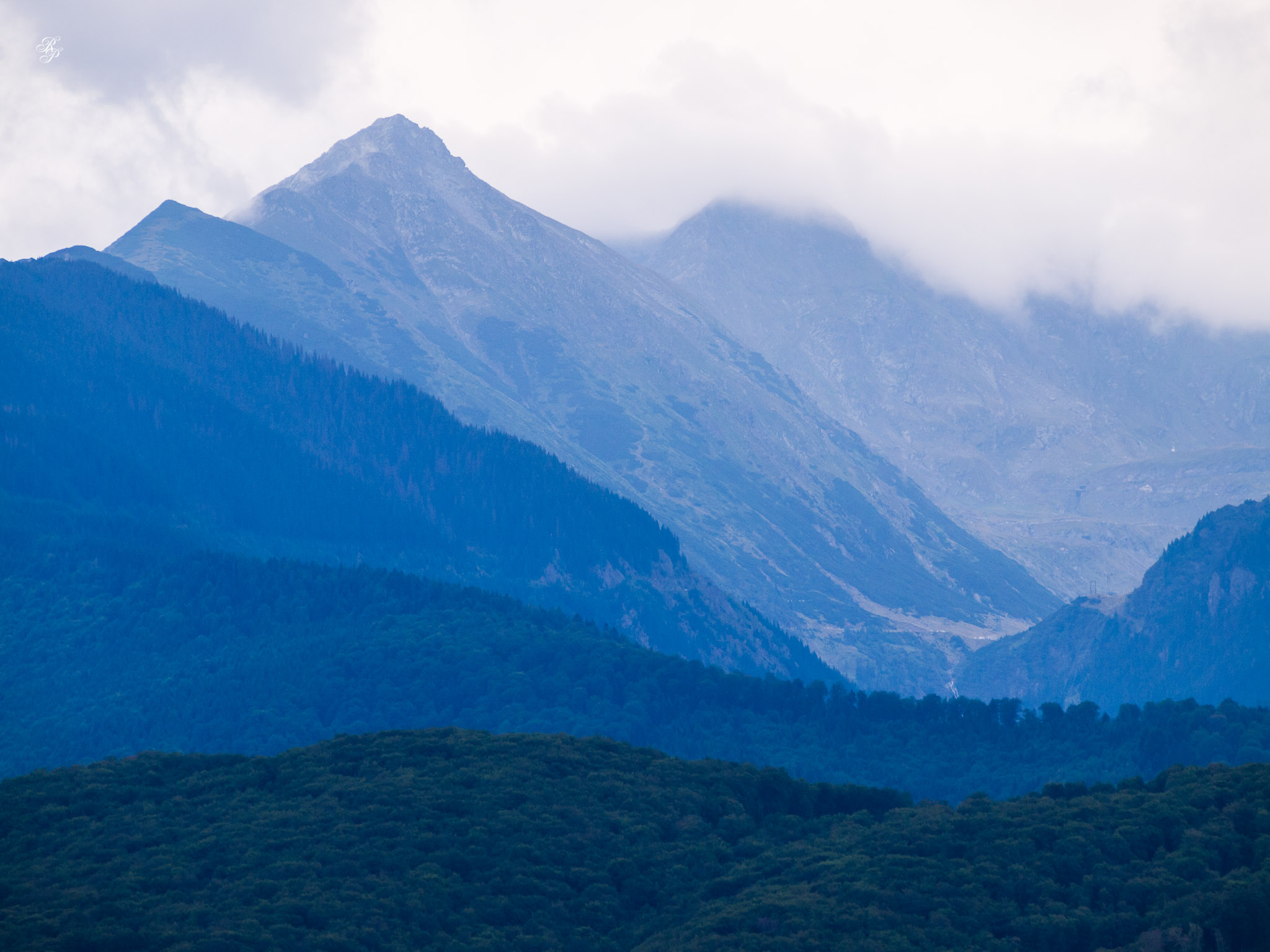
This is how the mountains look as you approach them from E68, after you pass through a village called Cartisoara.

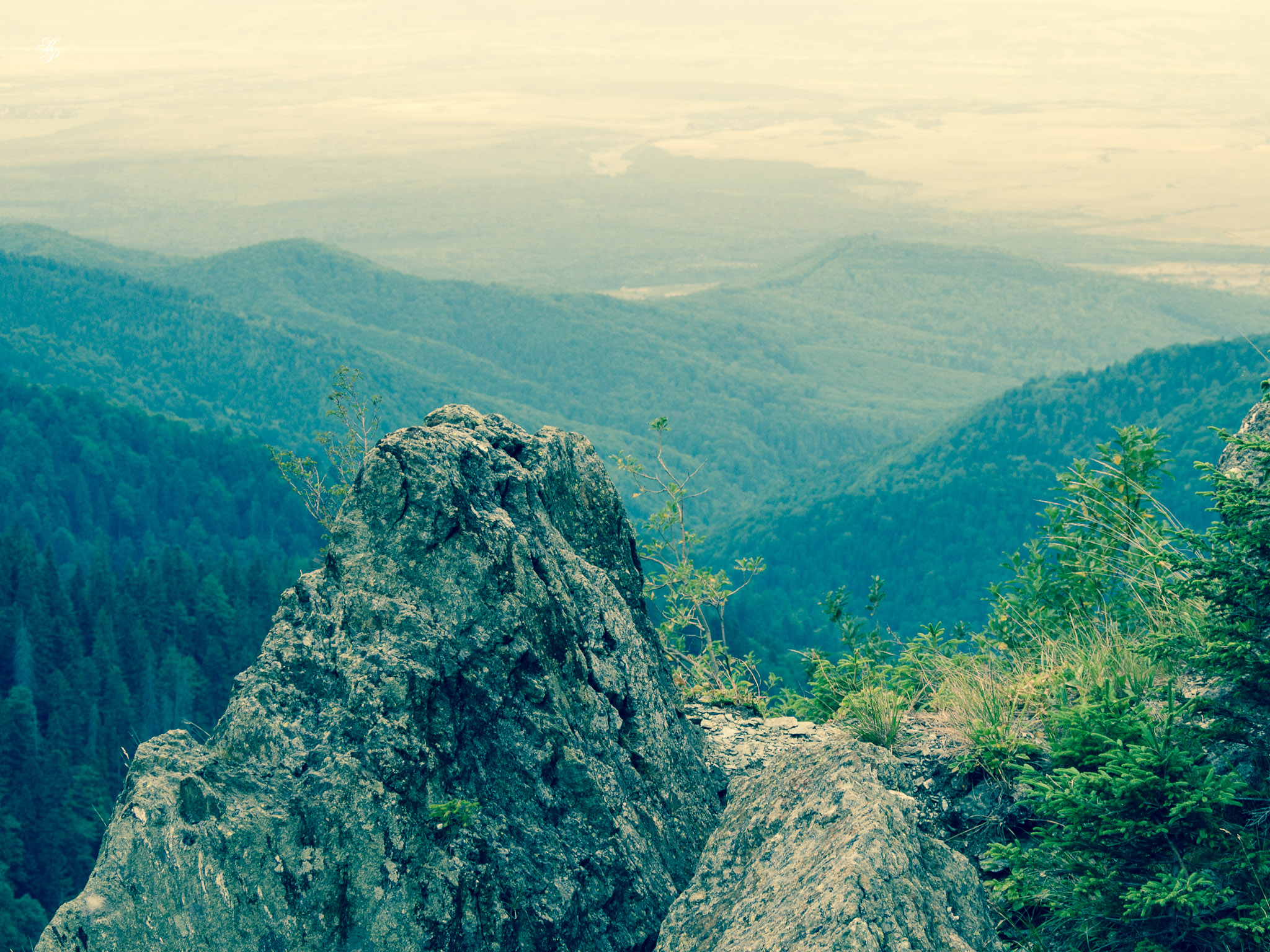
As we started to climb, these are the sorts of views we started to get. Hold on, the best stuff is yet to come.

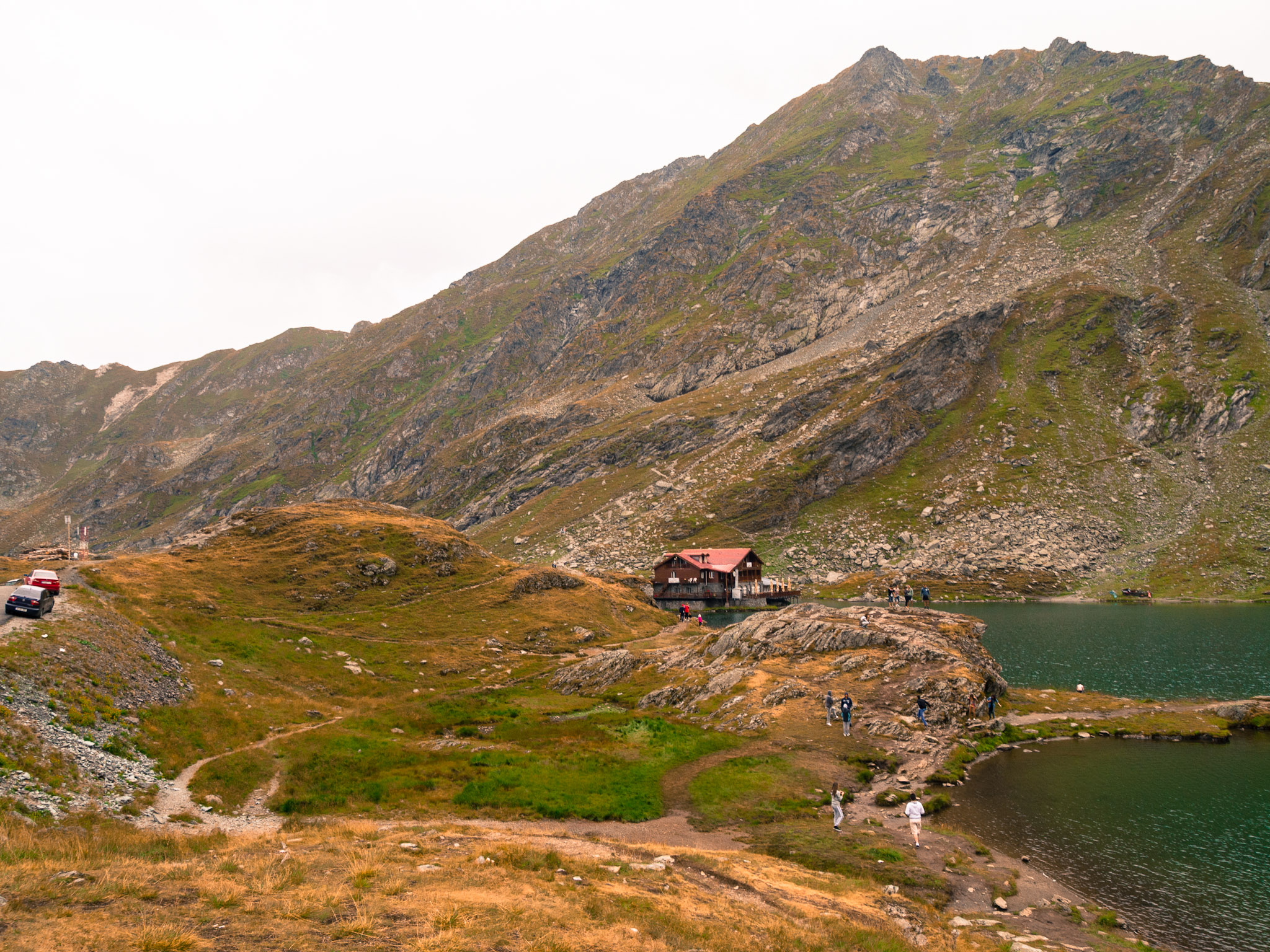
At the top, it was fairly crowded. I tried to avoid the crowds as I took my photos. Some people were hiking, others were stuffing their faces. Not sure what it is about the top of a mountain that makes people so hungry. It’s not as if they climbed it — they drove it. There were loads of cars in the parking lot.

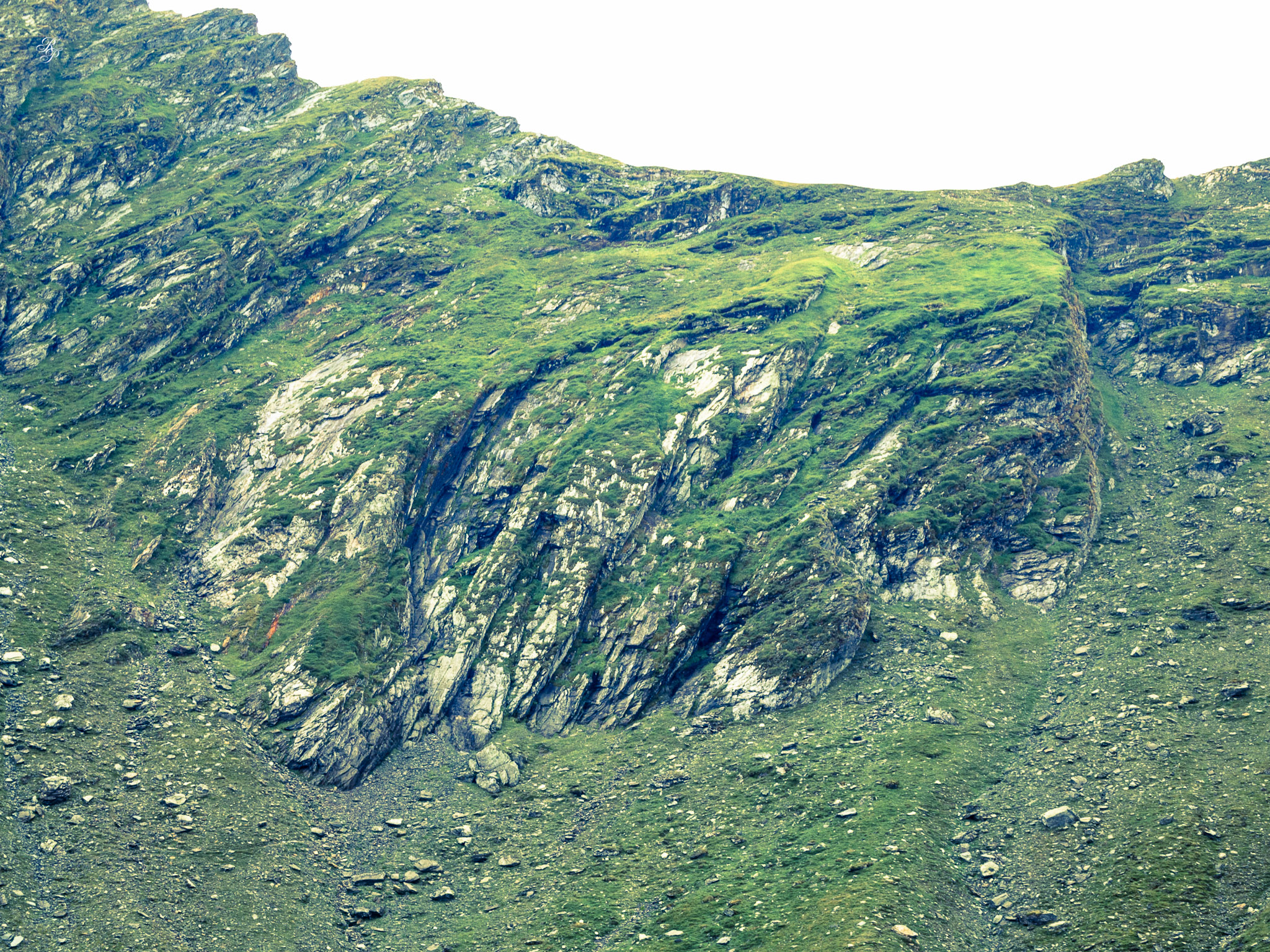
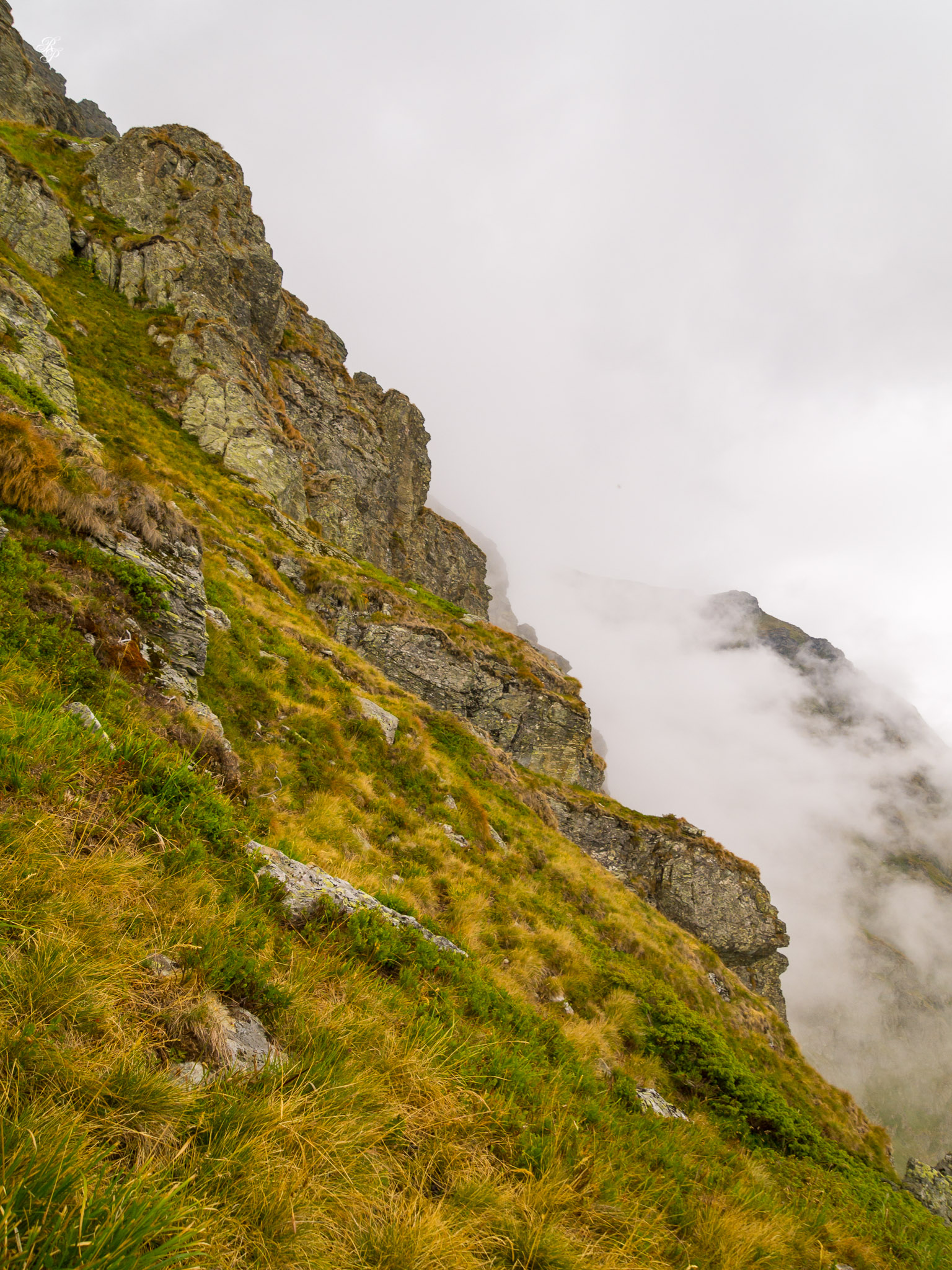
This is what the slopes to the top peaks looked like. Although it’s summer, we were fairly high up (above 2,000 meters in altitude) so the weather was foggy and fairly cold (10-15 degrees Celsius).

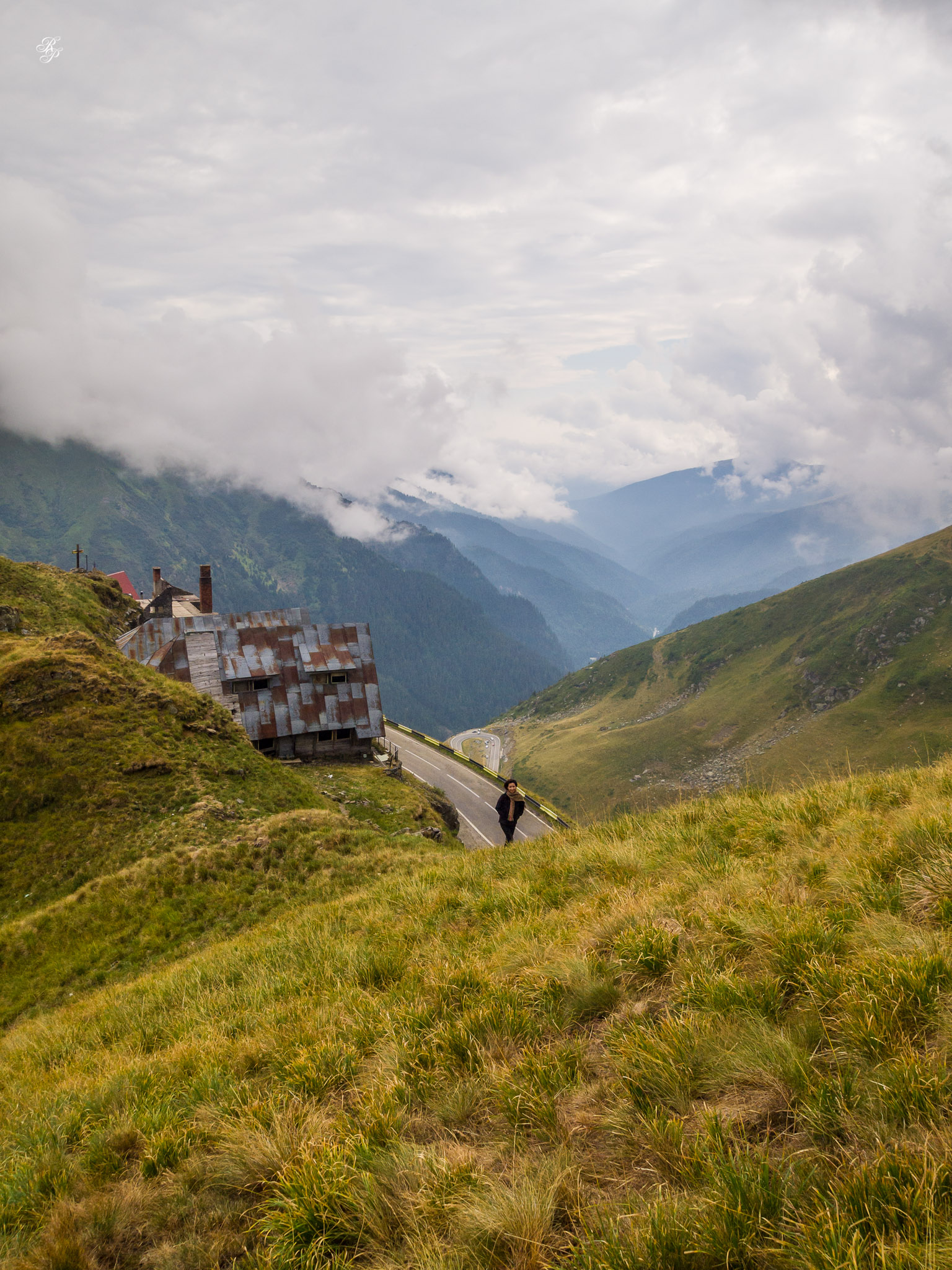
Since it was too crowded and noisy at the top, and the smell of cooking pervaded the air, Ligia and I decided to drive on past the main peaks and we stopped further down the road, where it was nice and quiet. That’s Ligia hiking toward me.

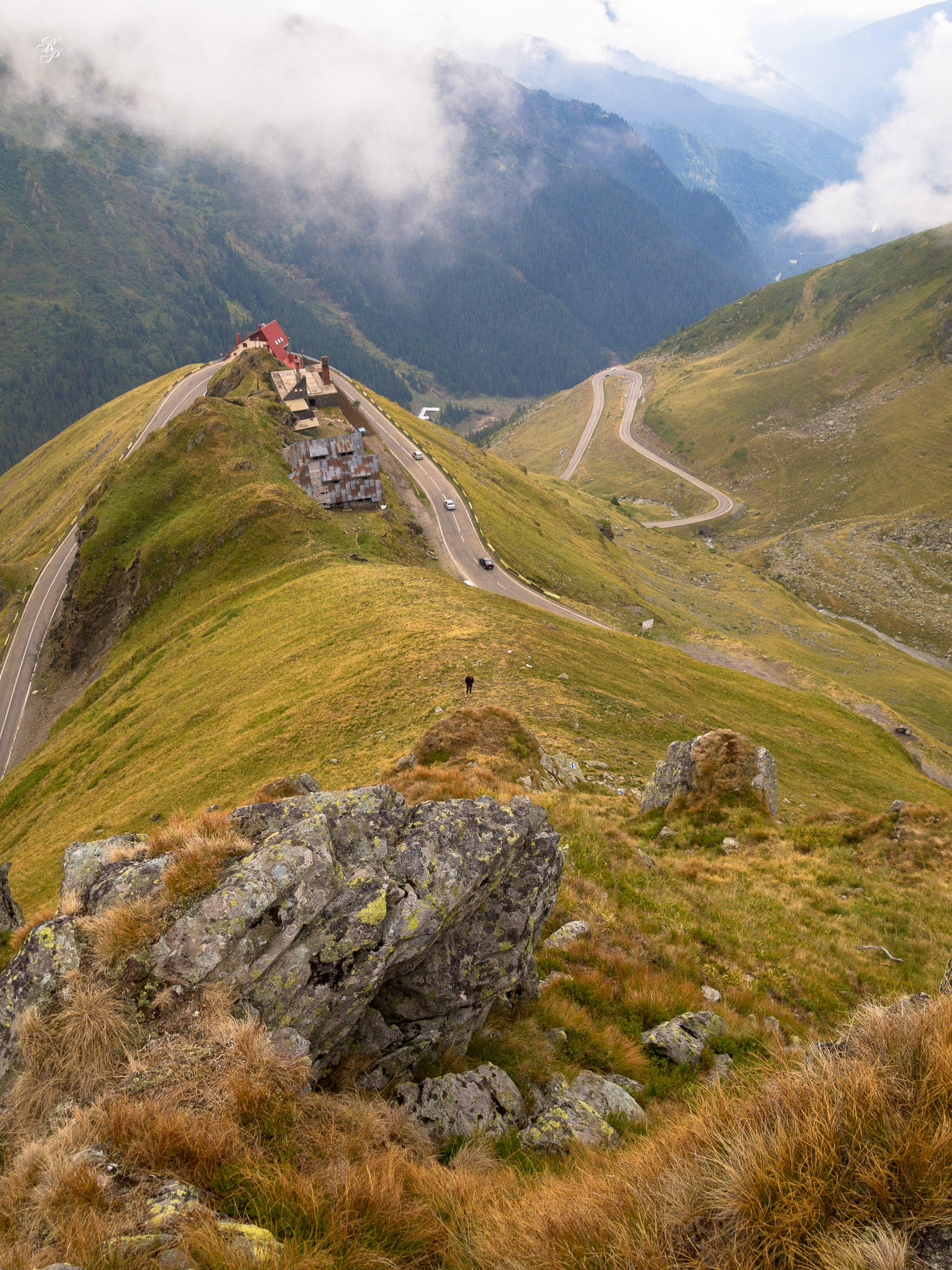
The views only got better as we went higher up. The black dot in the center of the photo is Ligia.

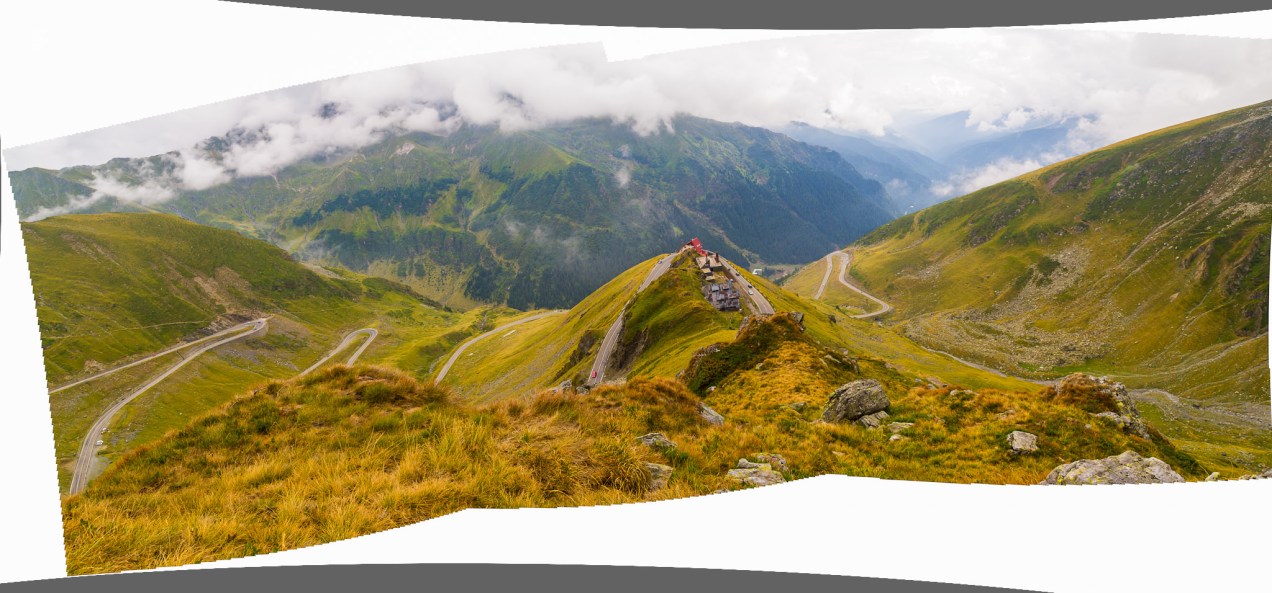
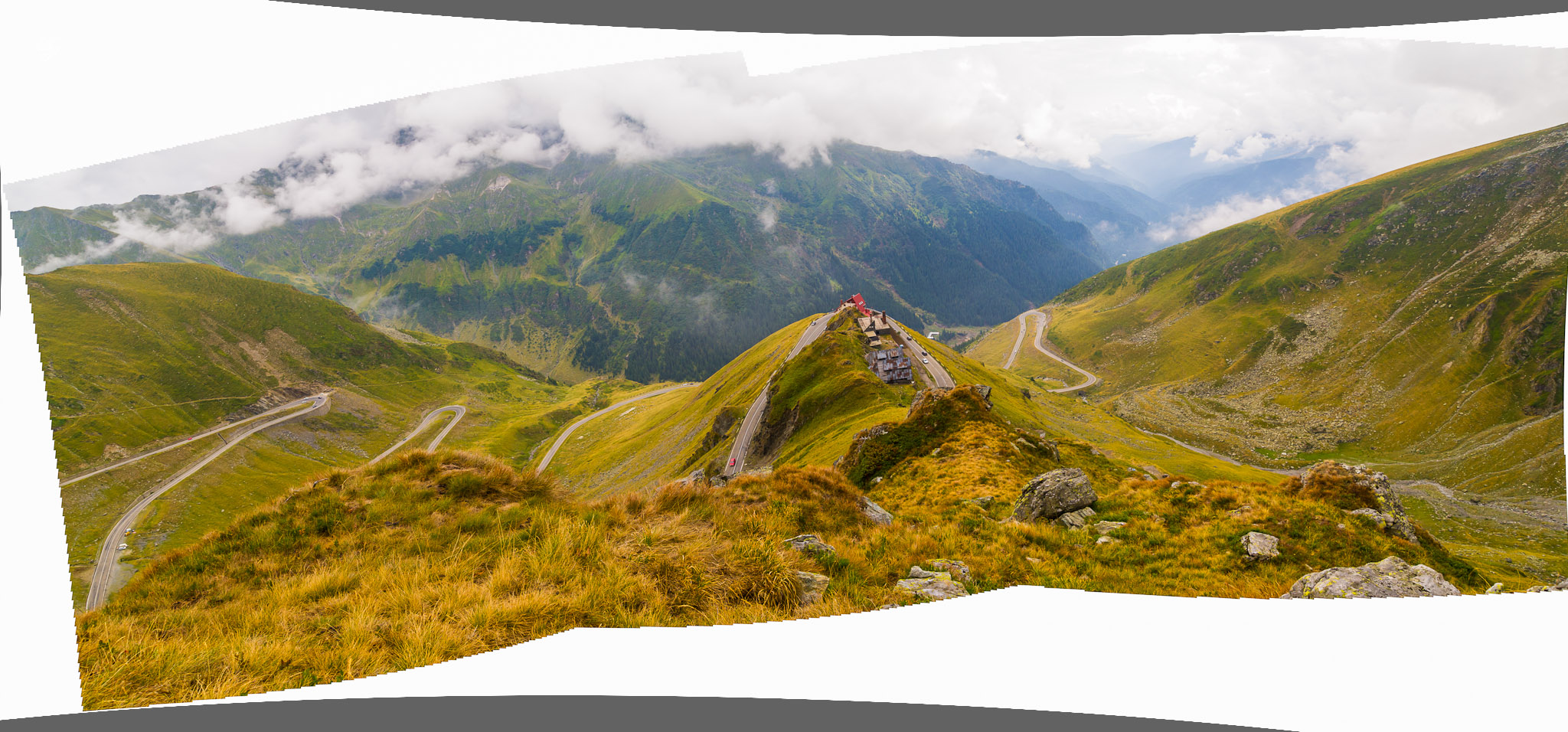
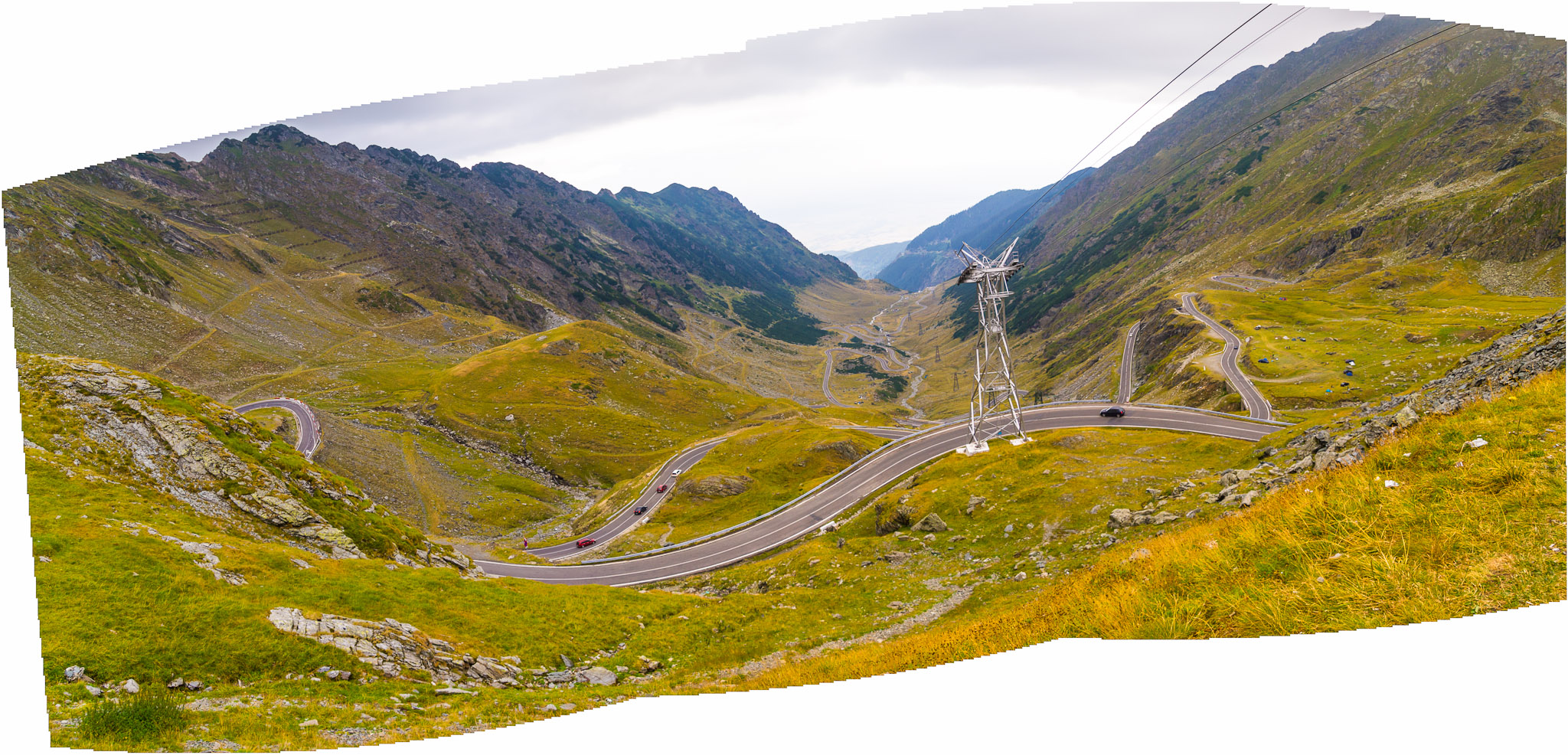
I’ll let this three-photo panorama show you what I mean. I left the white space unmasked on purpose, to show you everything the camera captured.

Here’s a close-up of the left side of that pano, showing the twists and turns of this picturesque mountain road.

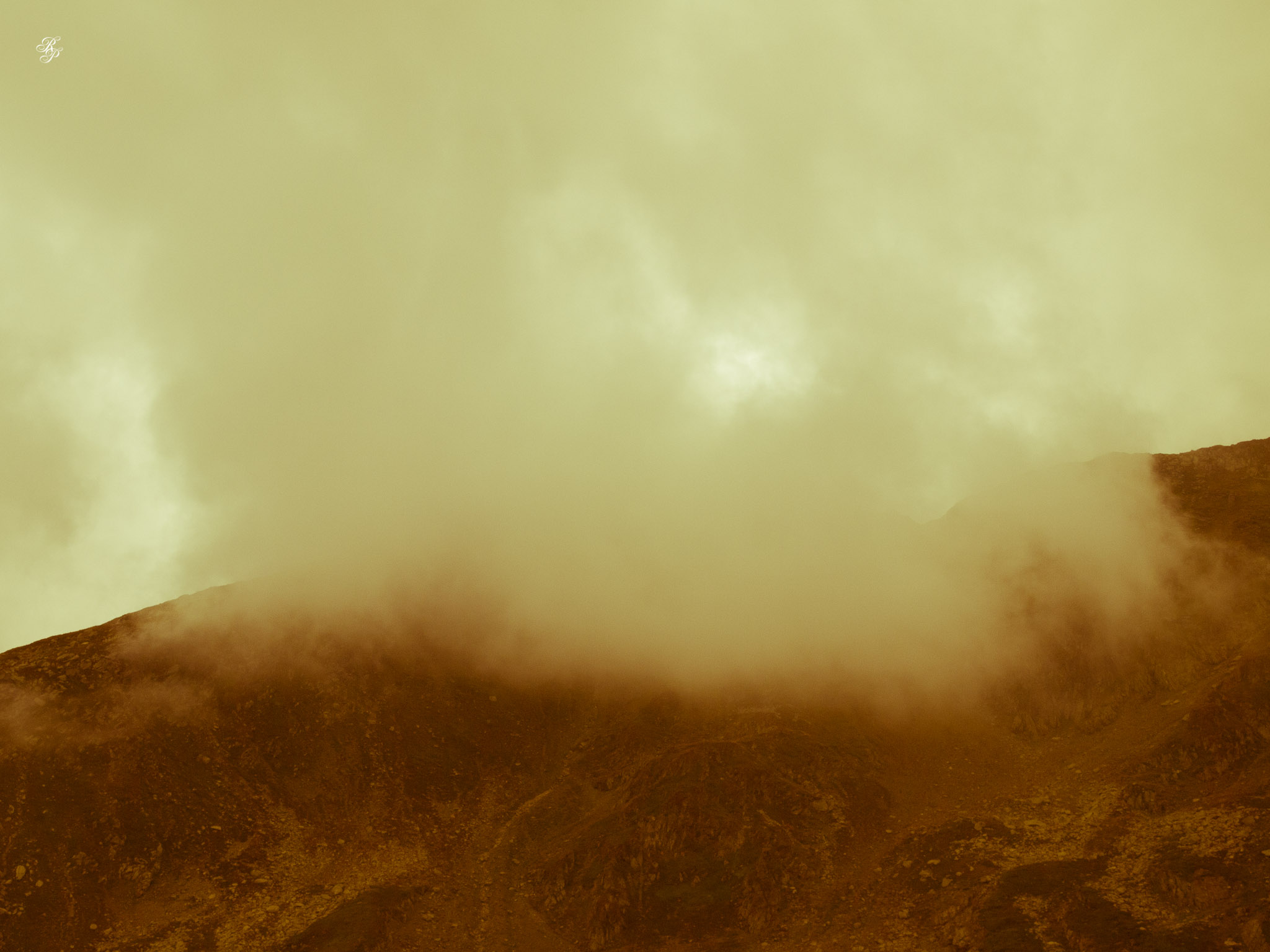
We stopped to meditate and enjoy the tremendous beauty before us where the rock face turned sharply upward and climbing by foot became dangerous (we had no climbing gear with us). As we sat there, fog from the valley rose up alongside the cliff, joining with the clouds.

We climbed down refreshed and clear-headed, and as evening drew near, we wound our way down toward Sibiu and home, but not before taking another panorama of the Transfagarasan.

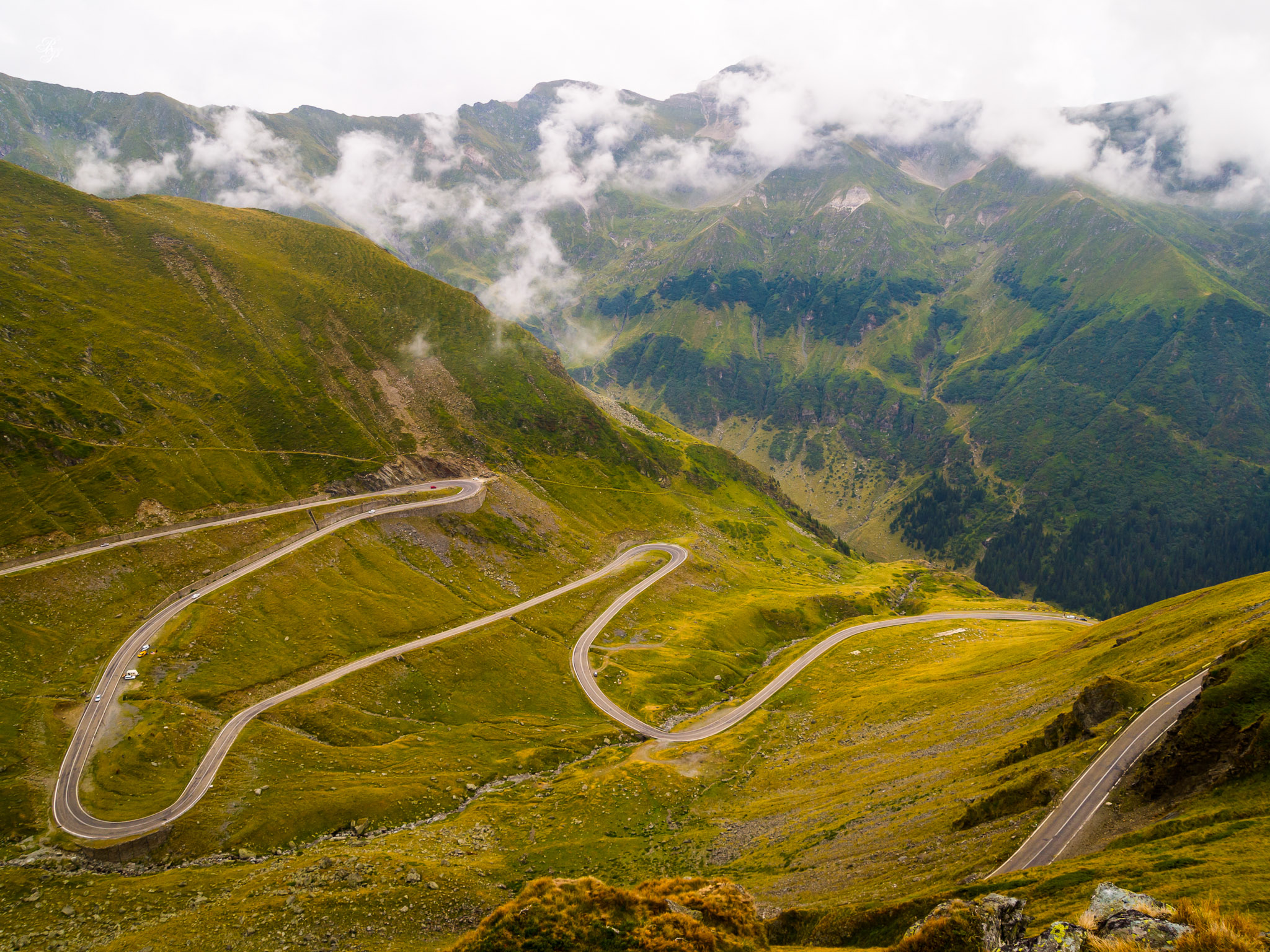
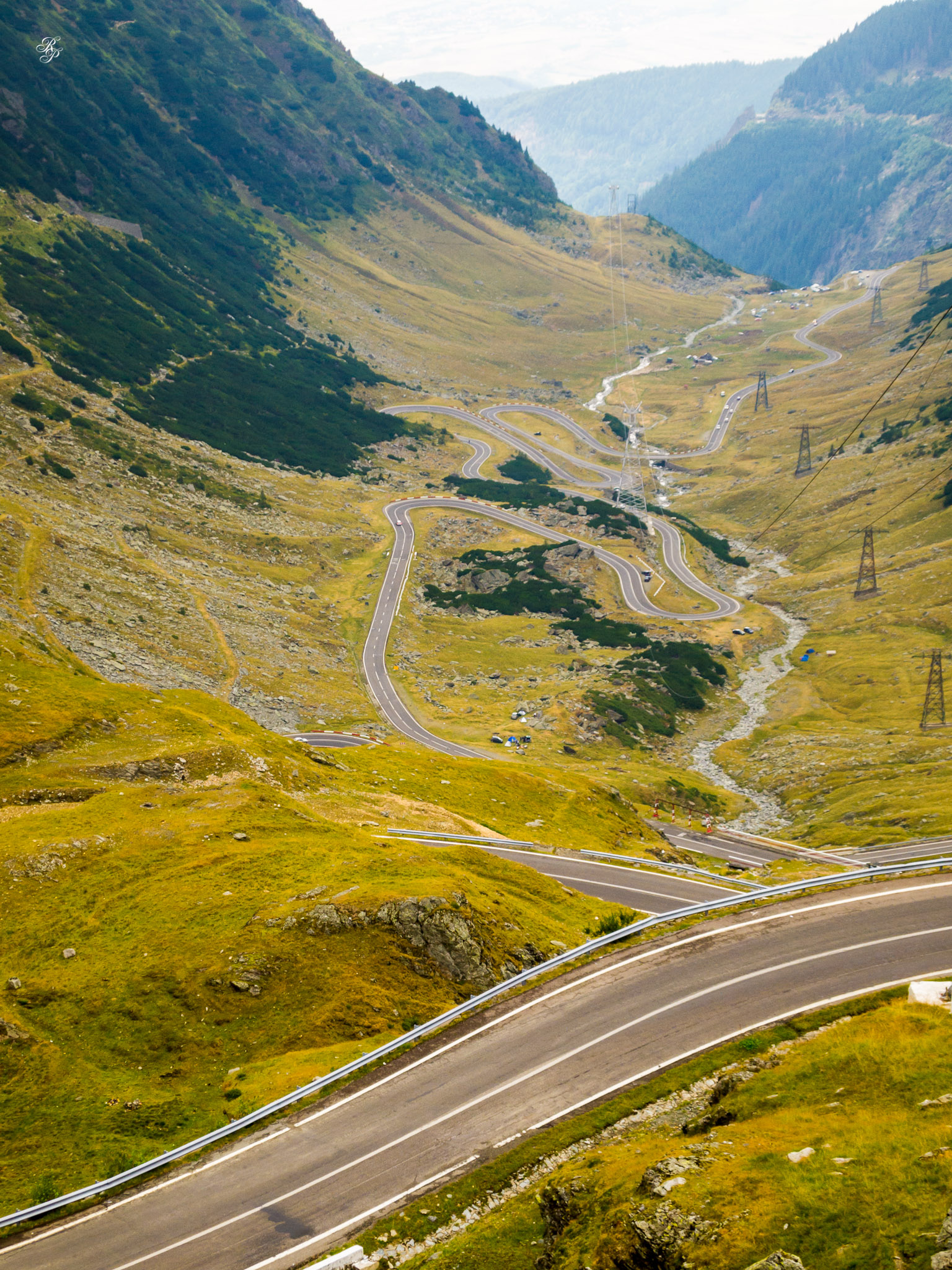
Here’s another photograph that shows the spread of the road in the valley below.

As usual, if you’ll go through gallery below, you’ll find photos that I haven’t shown here. Enjoy!

Standard
Places

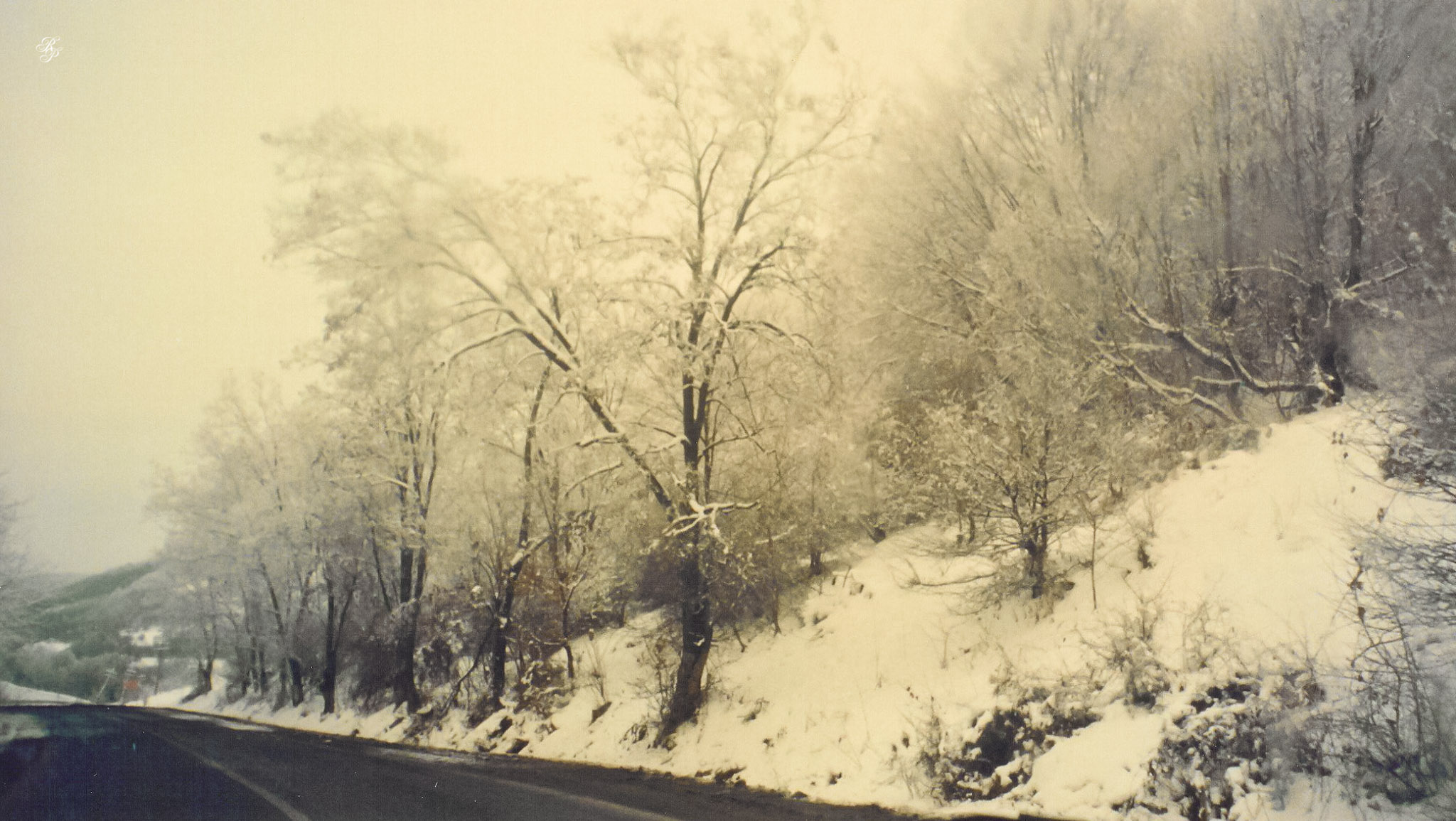
The winter of 1998 in Romania

It’s snowing outside as I write this. It’s been a wacky winter season so far. One day it feels like spring, the next it’s winter, the next is autumn and it’s raining and then it all freezes and winter moves back in.

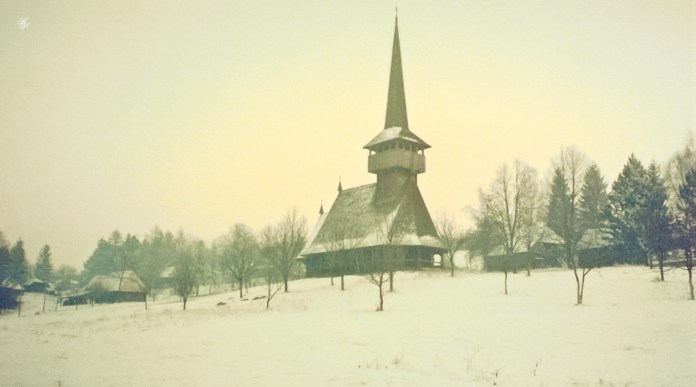
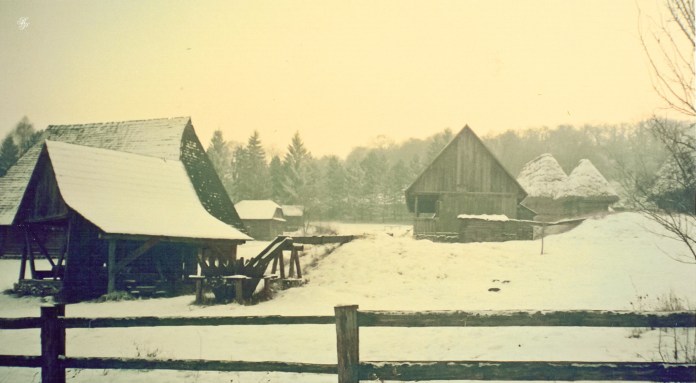
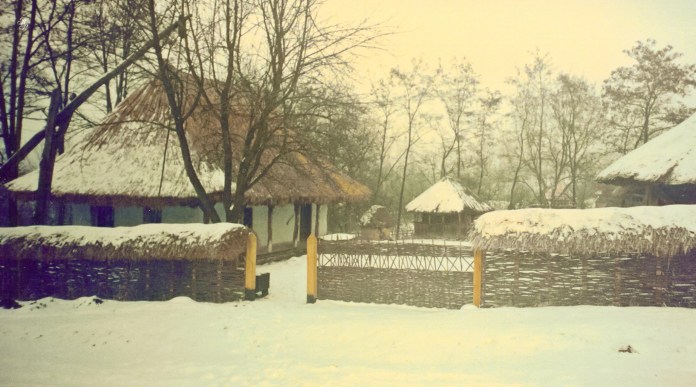
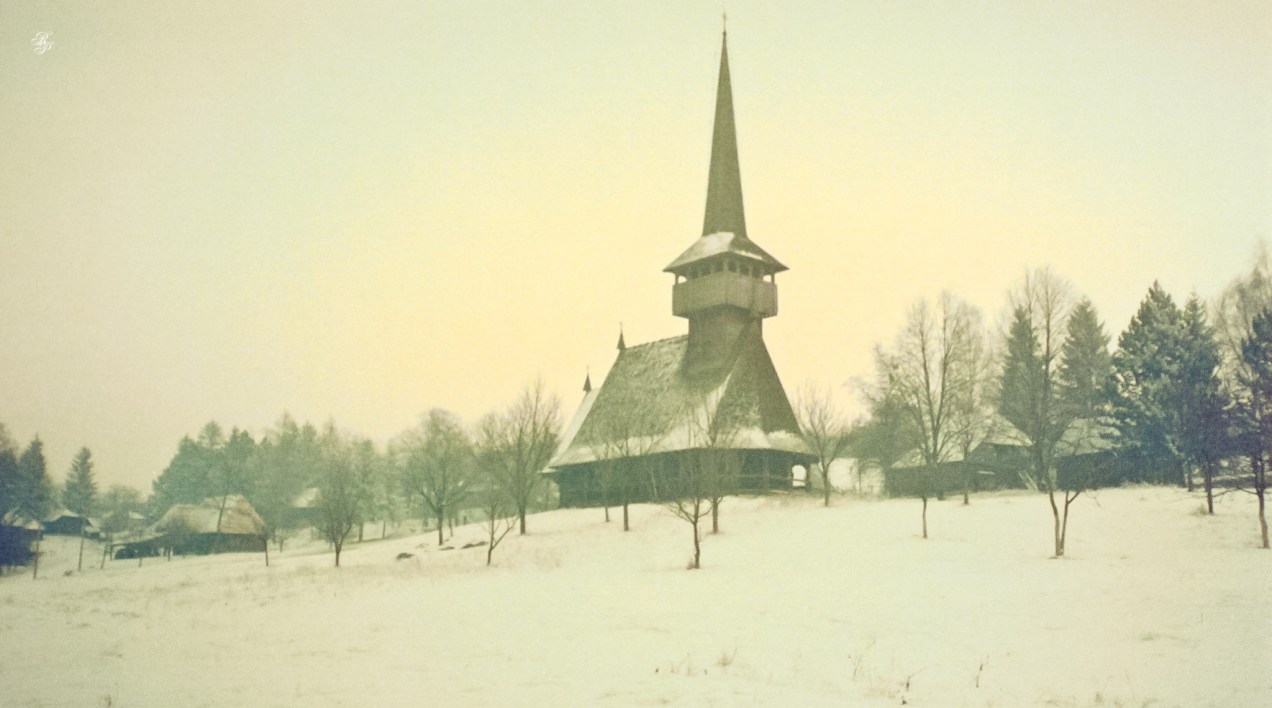
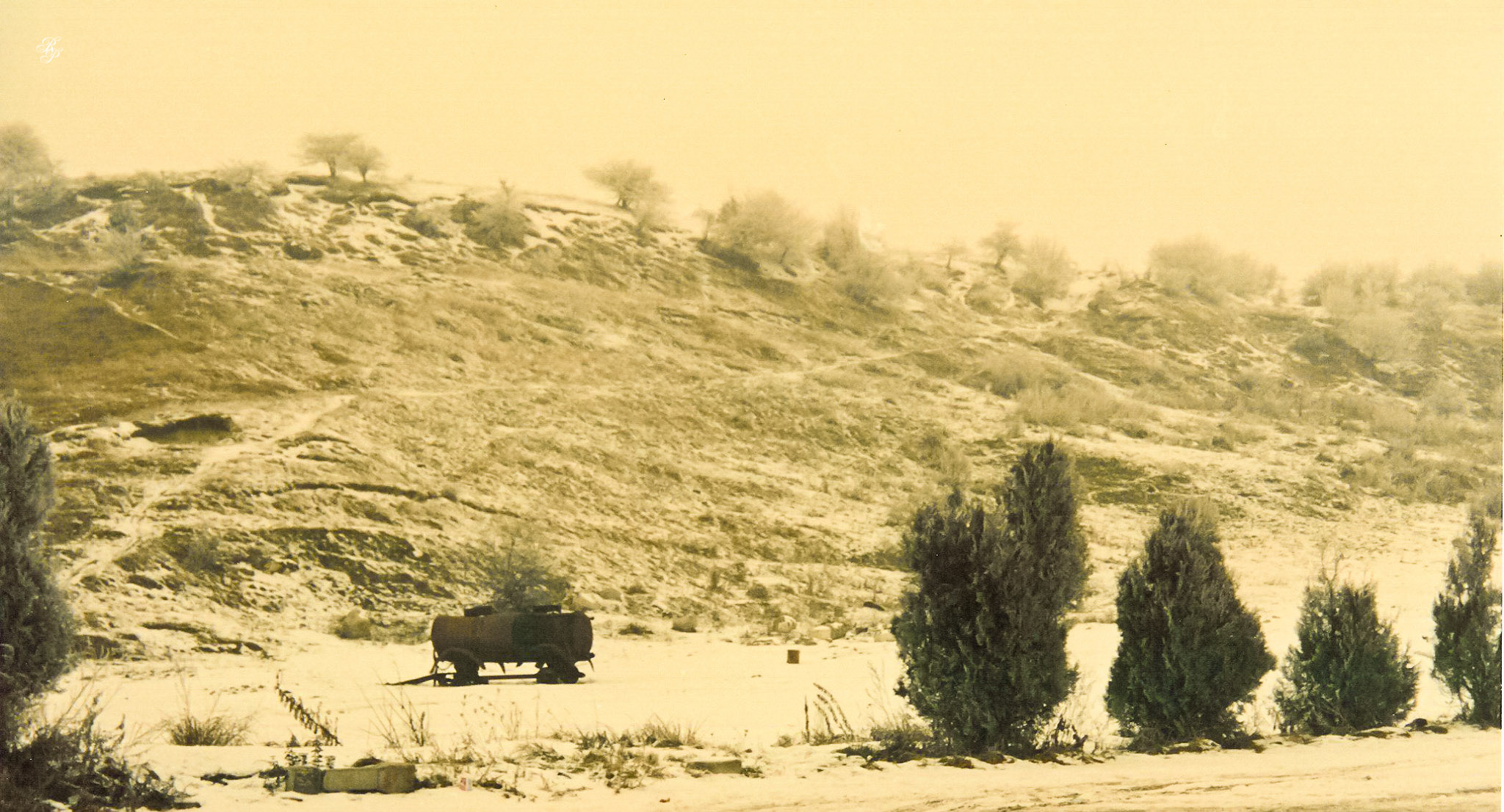
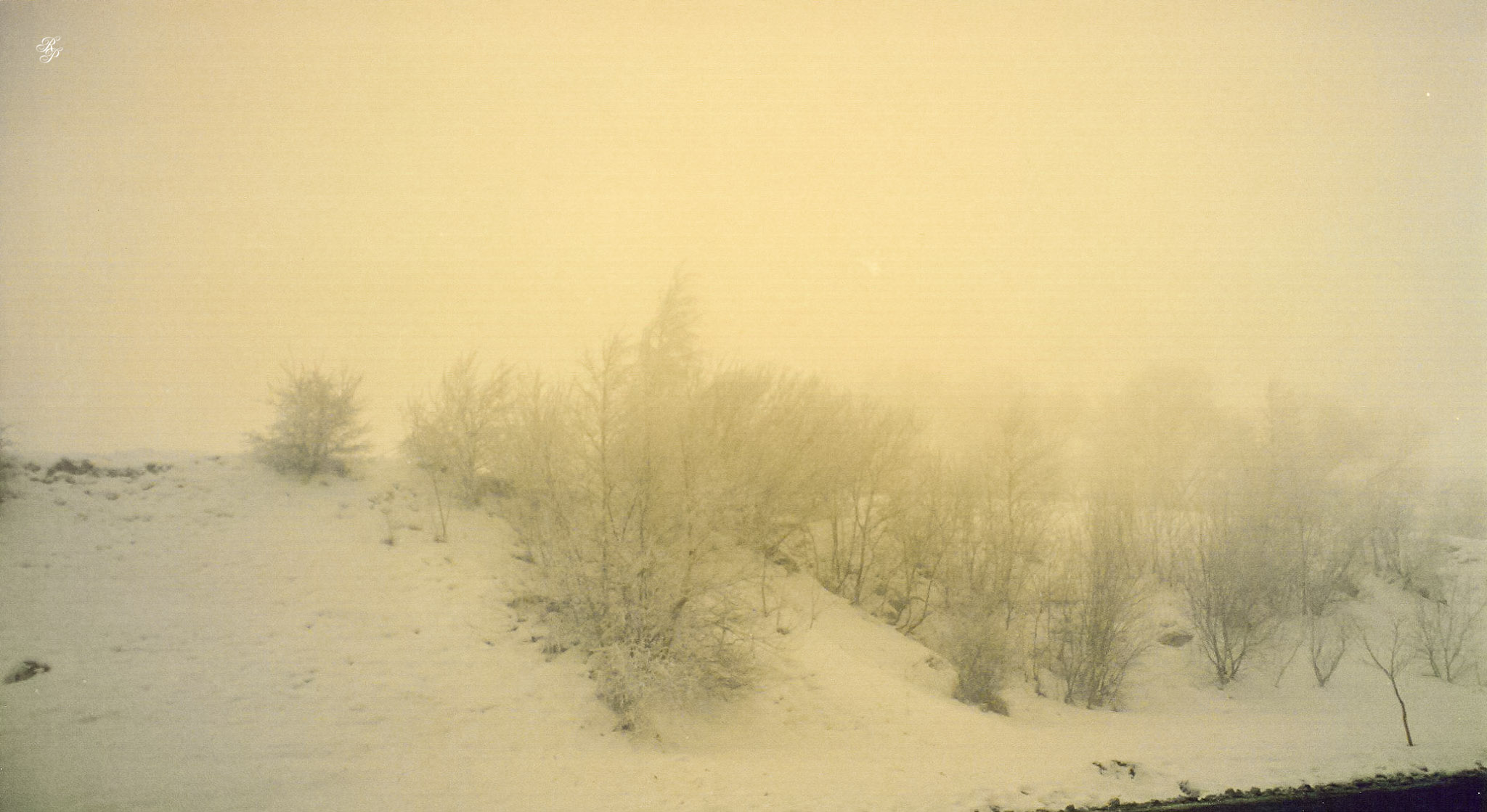
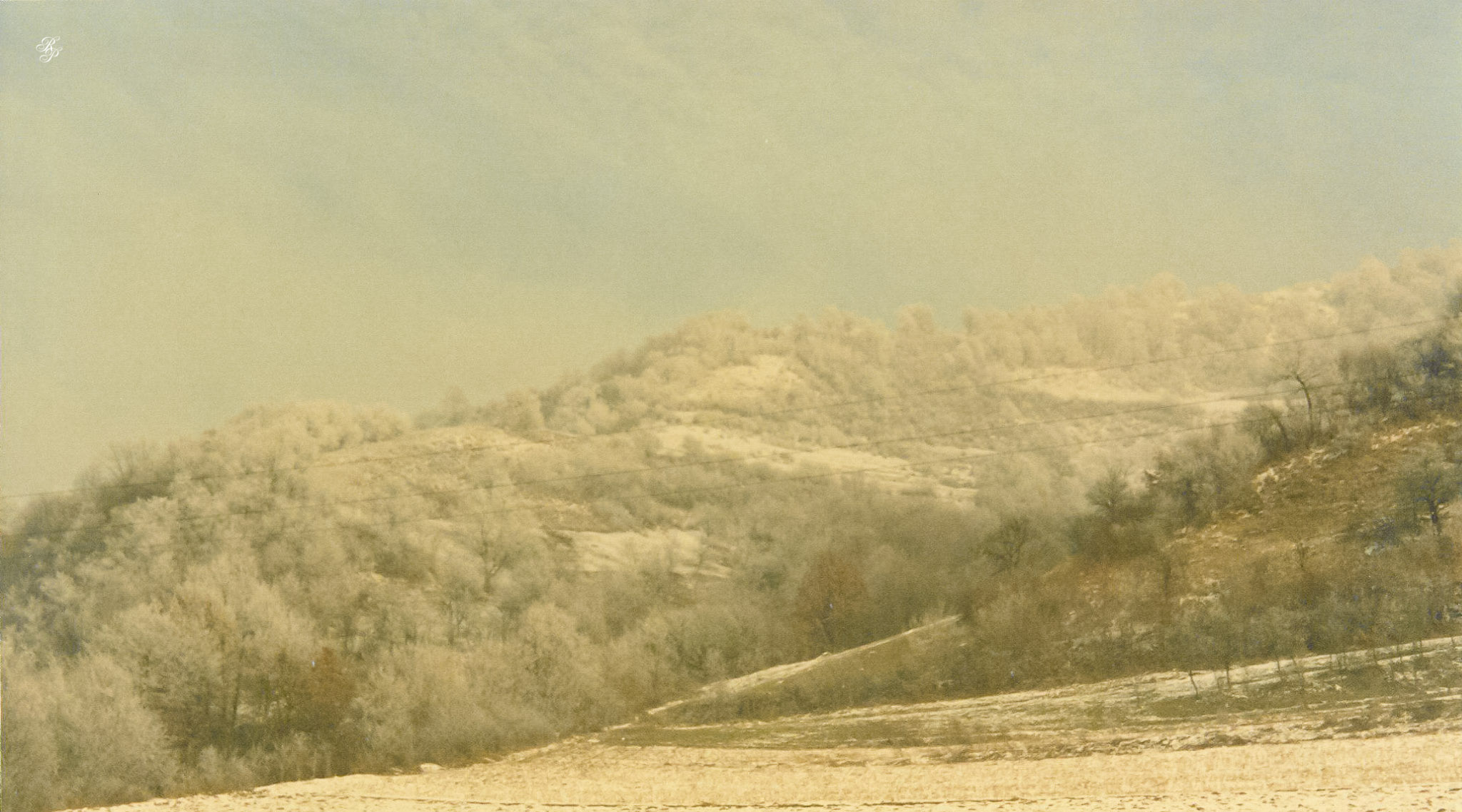
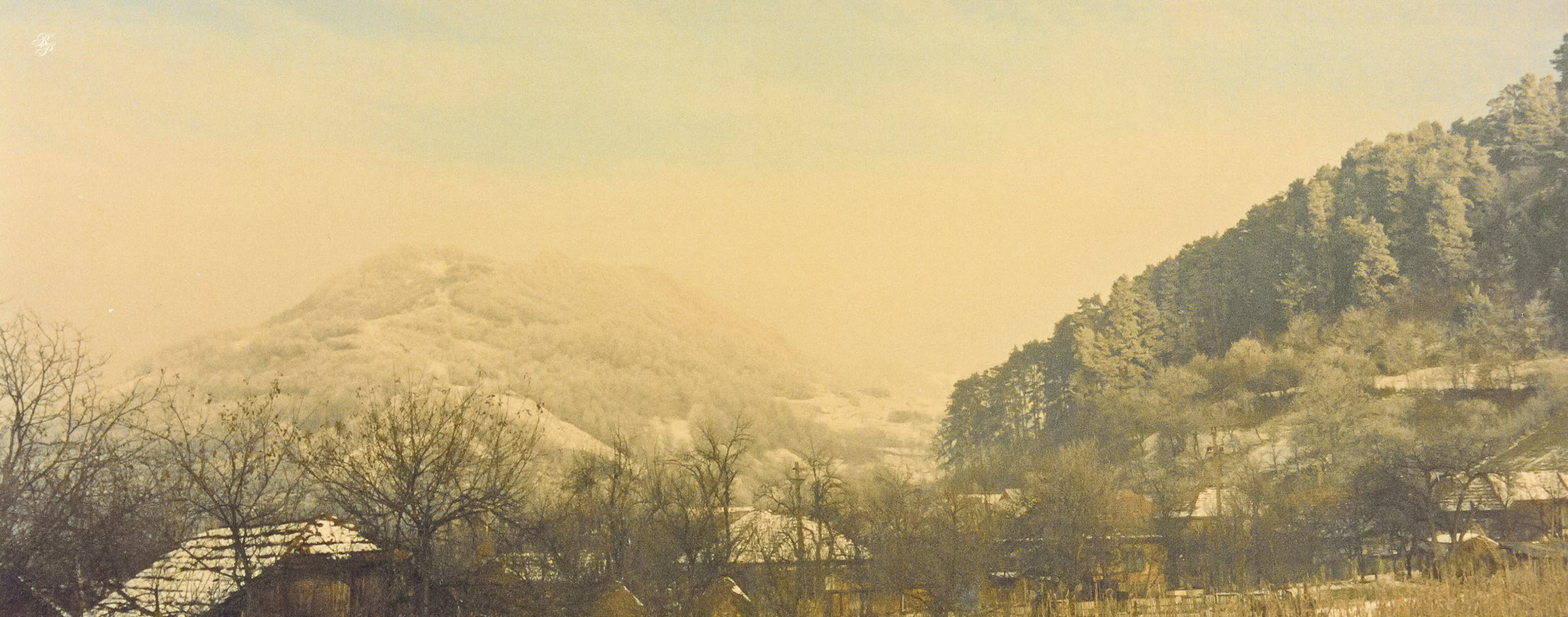
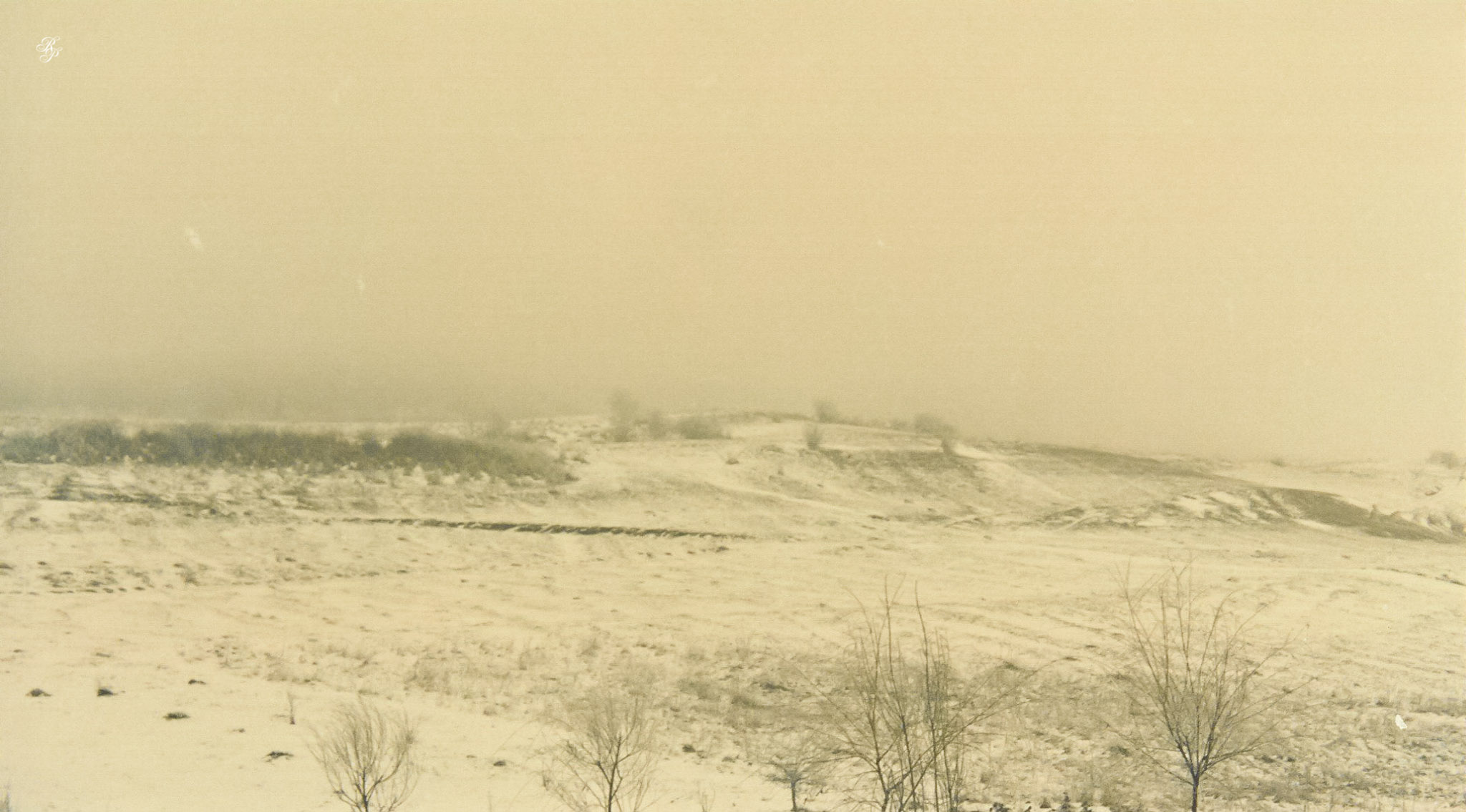
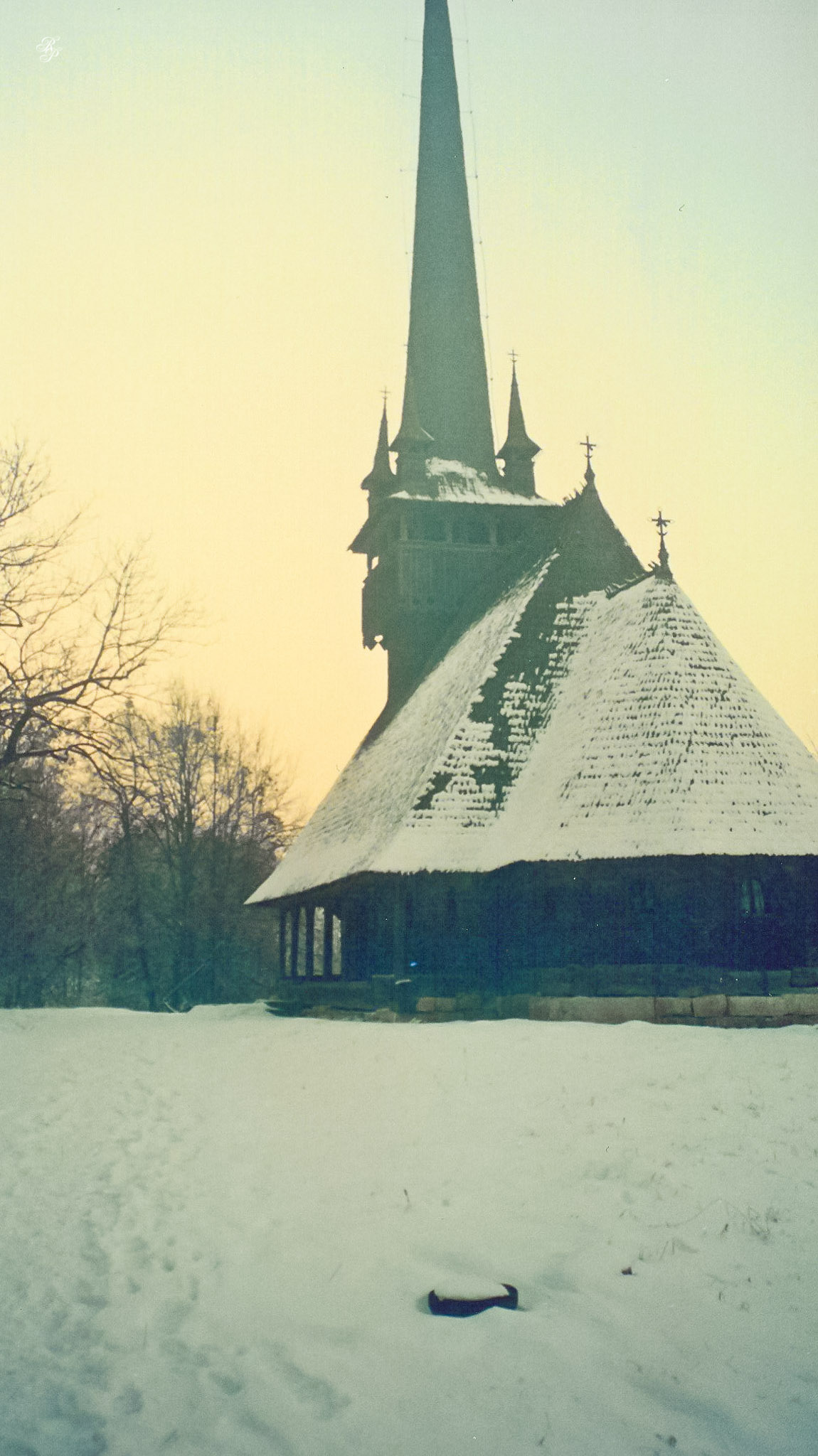
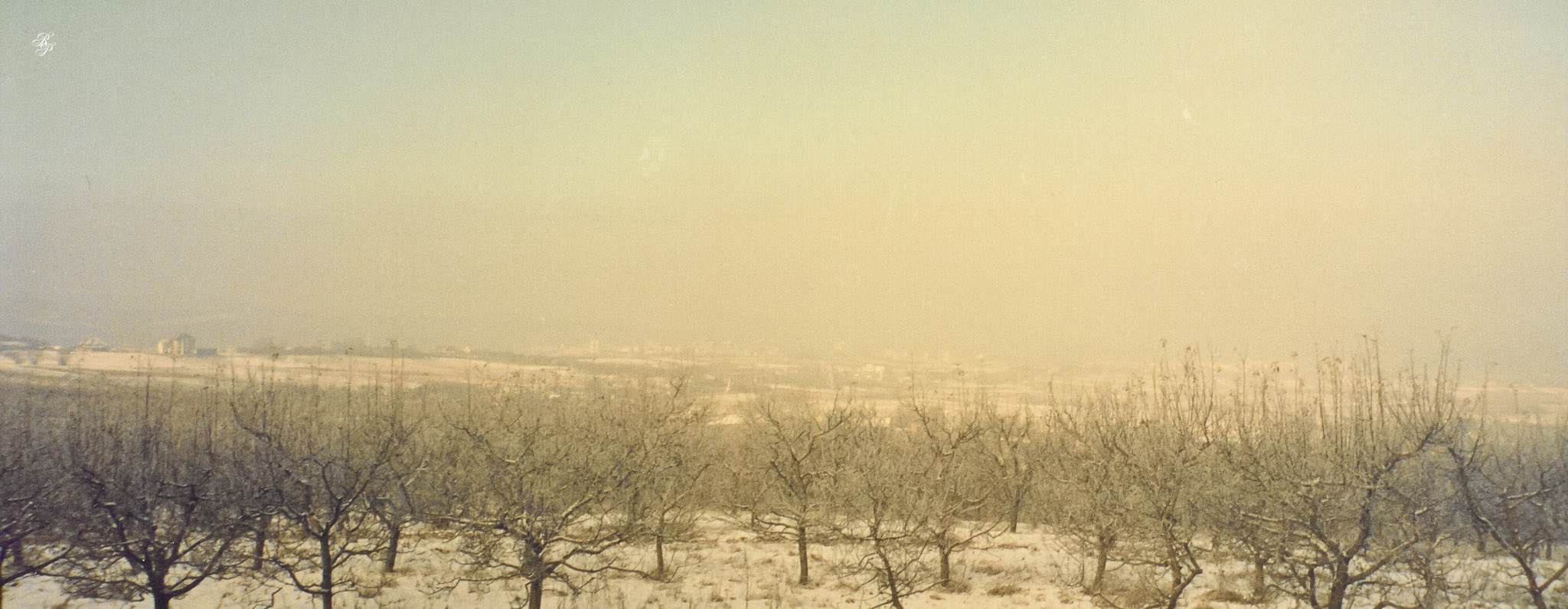
I’ve been going through some old photos, taken back in 1998, when I made a trip to Romania in December, to spend the winter holidays with my grandparents. I’d graduated from college that May and I hadn’t visited Romania in eight years. It had changed a lot since 1991. It’s still changing, with each year.

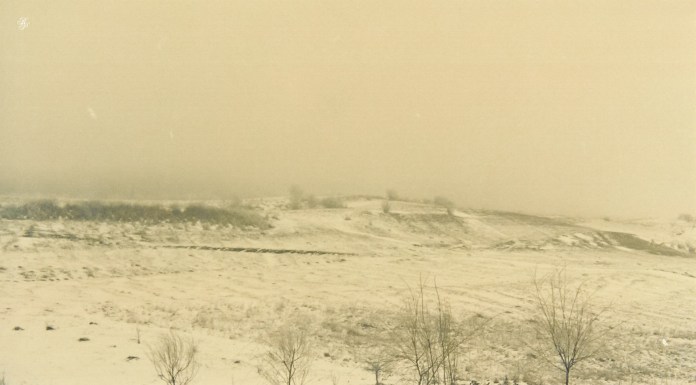
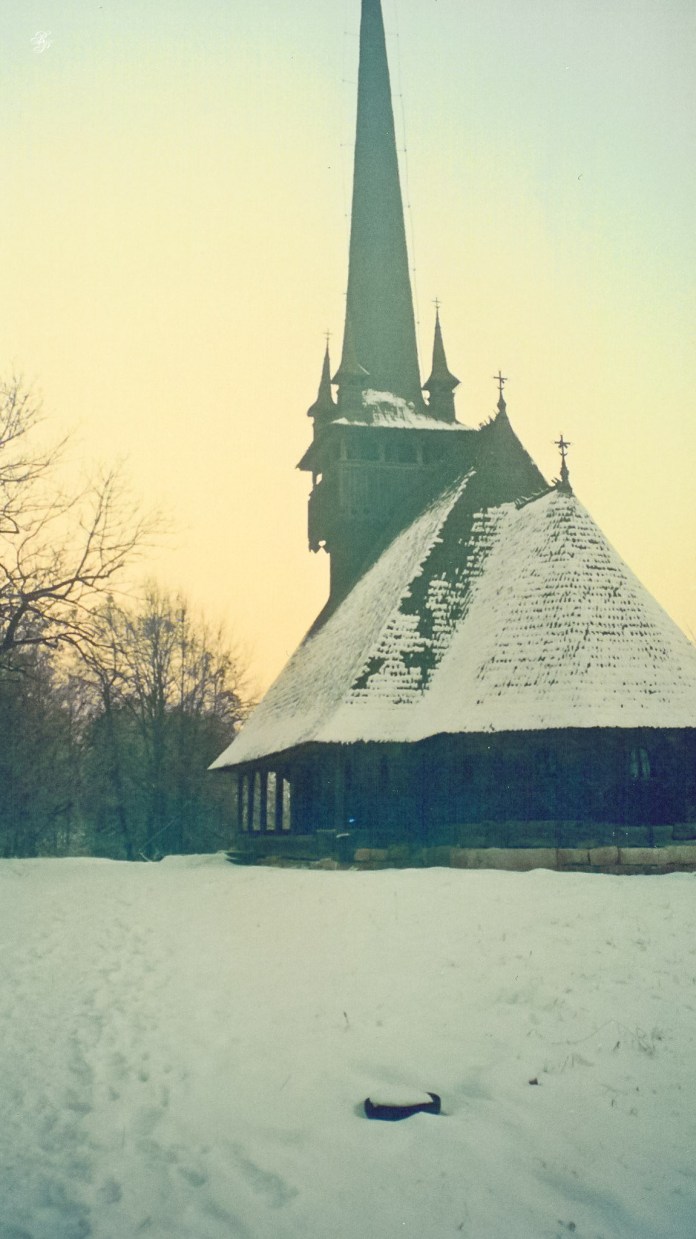
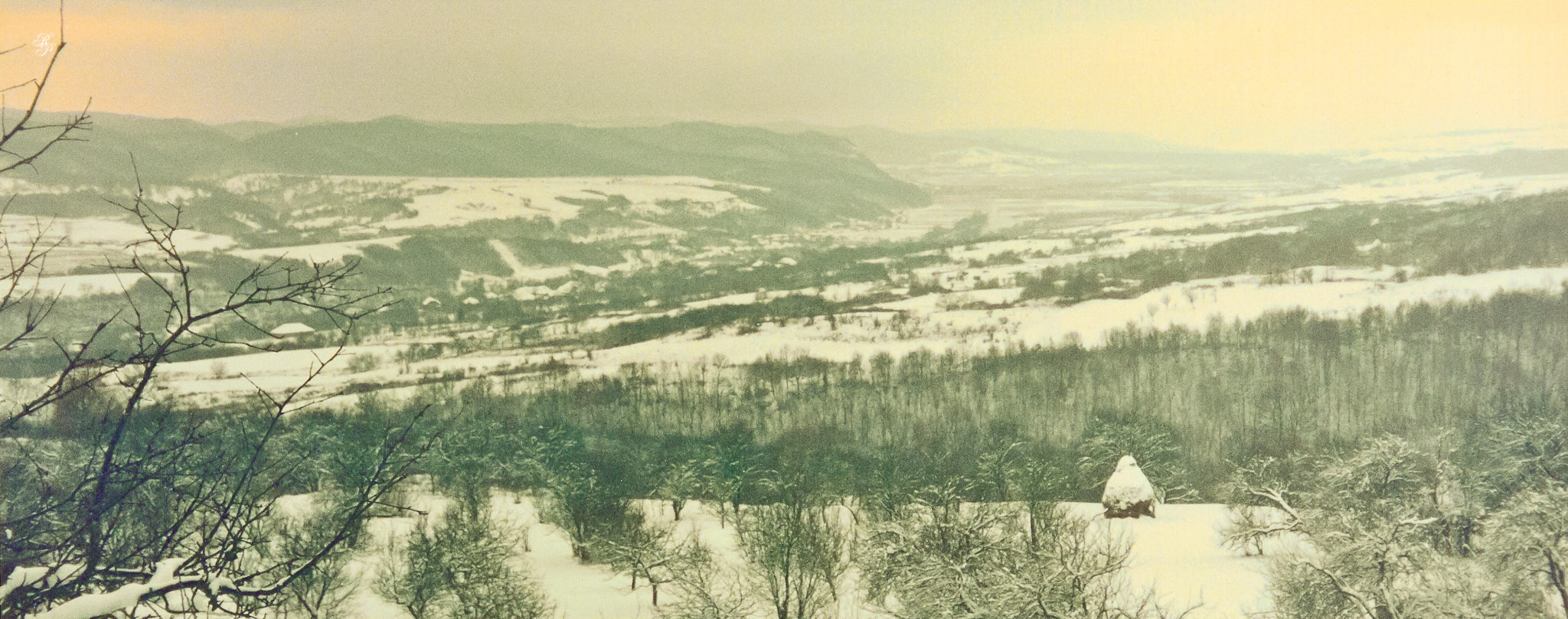
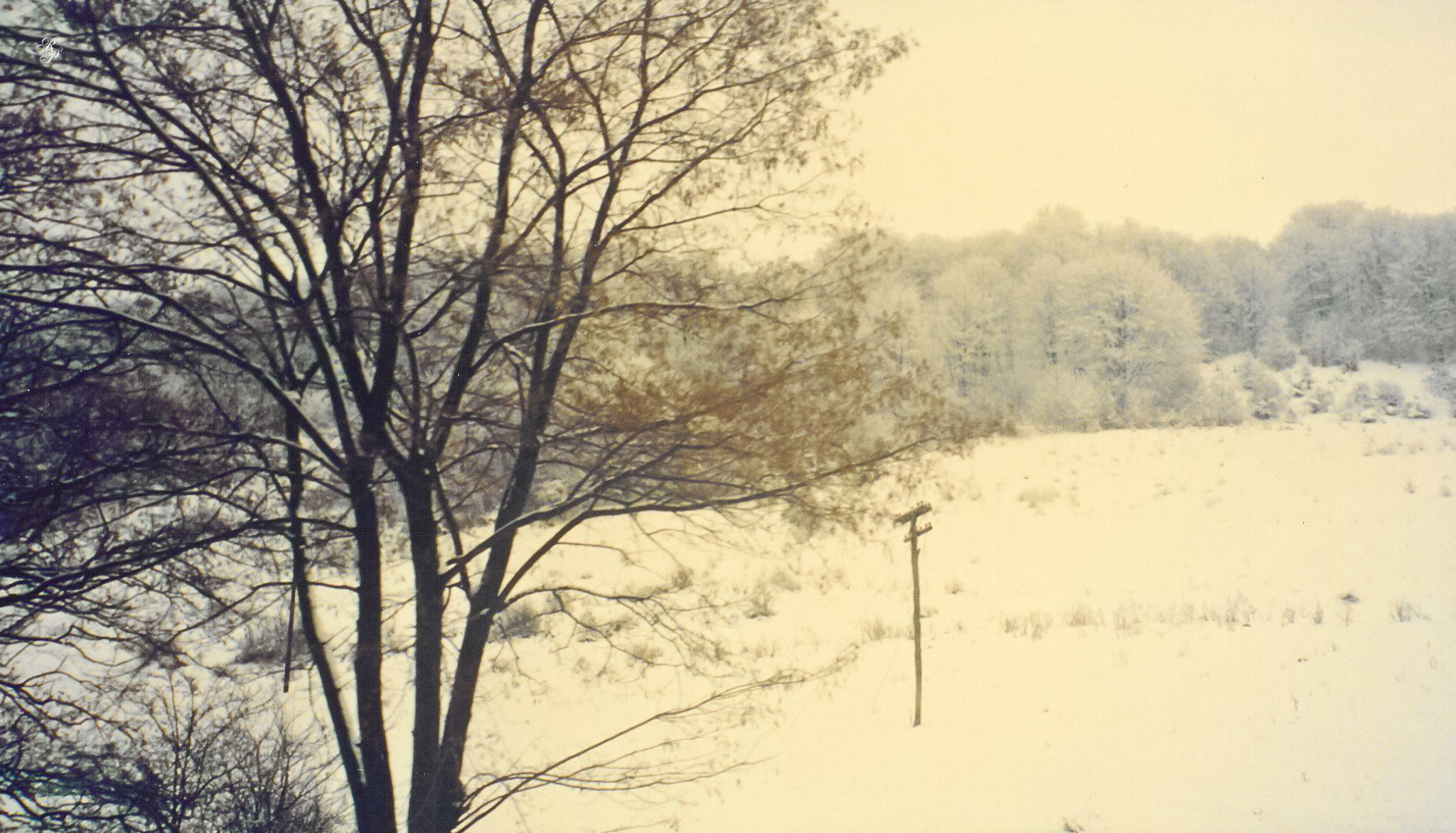
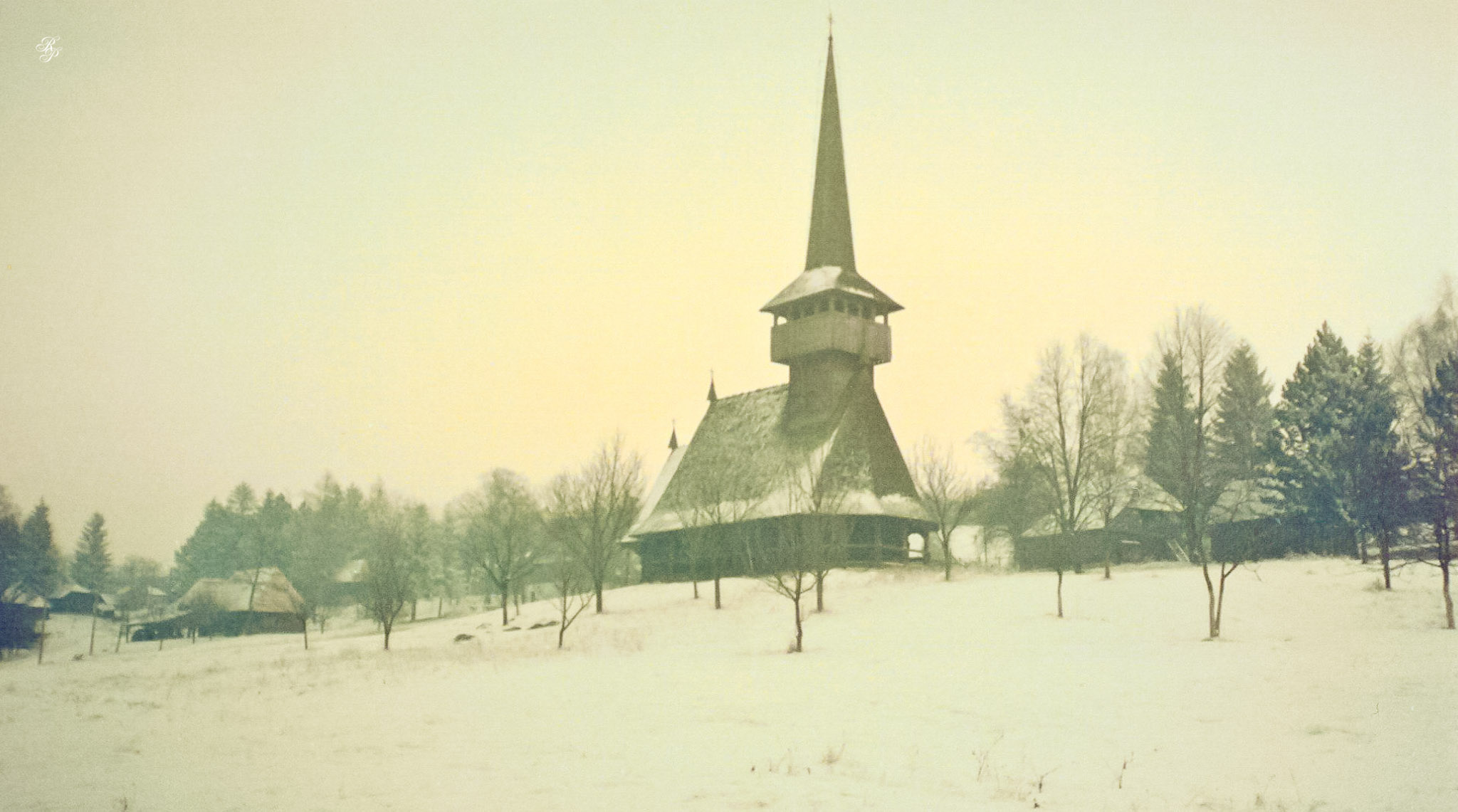
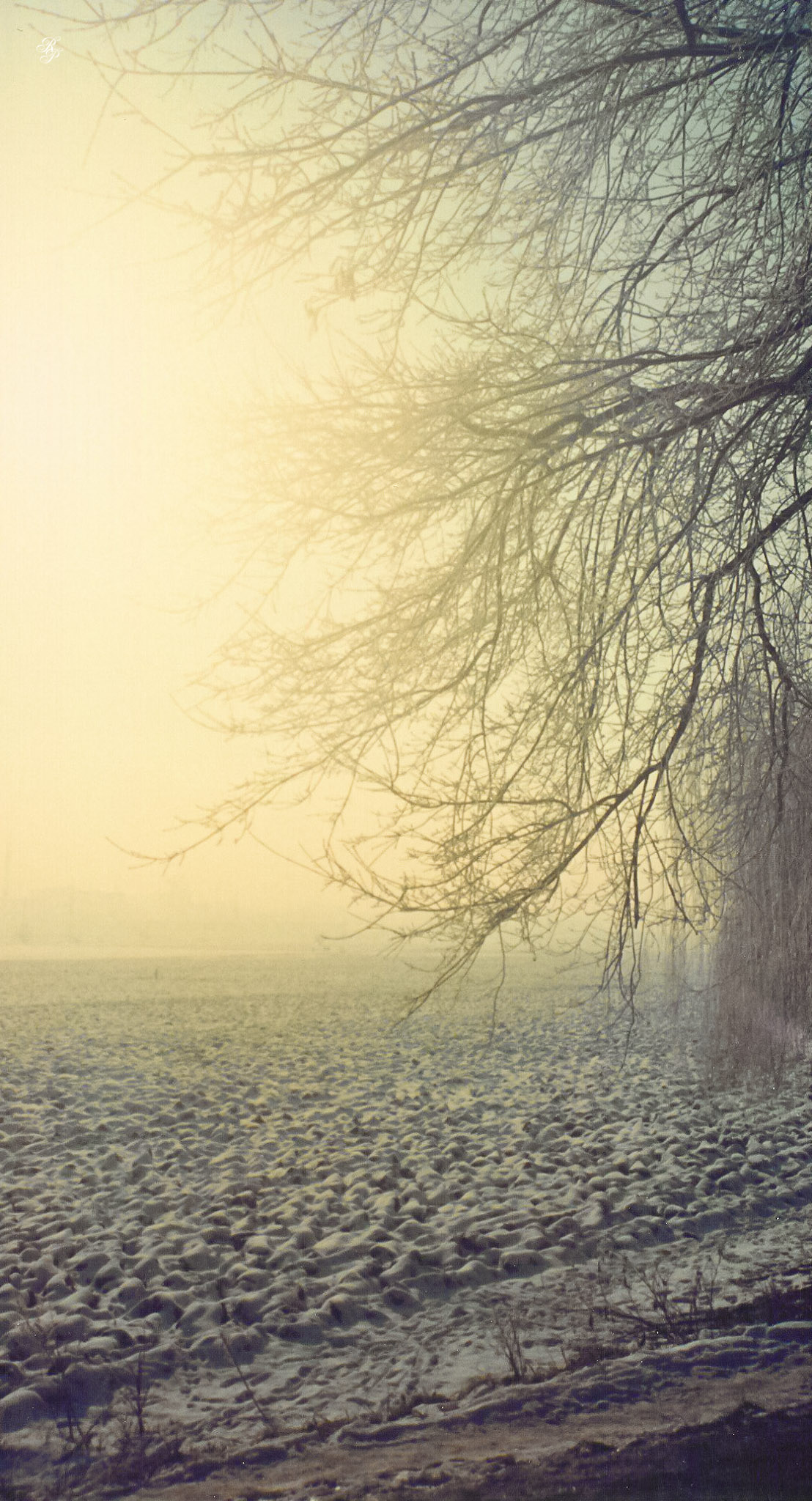
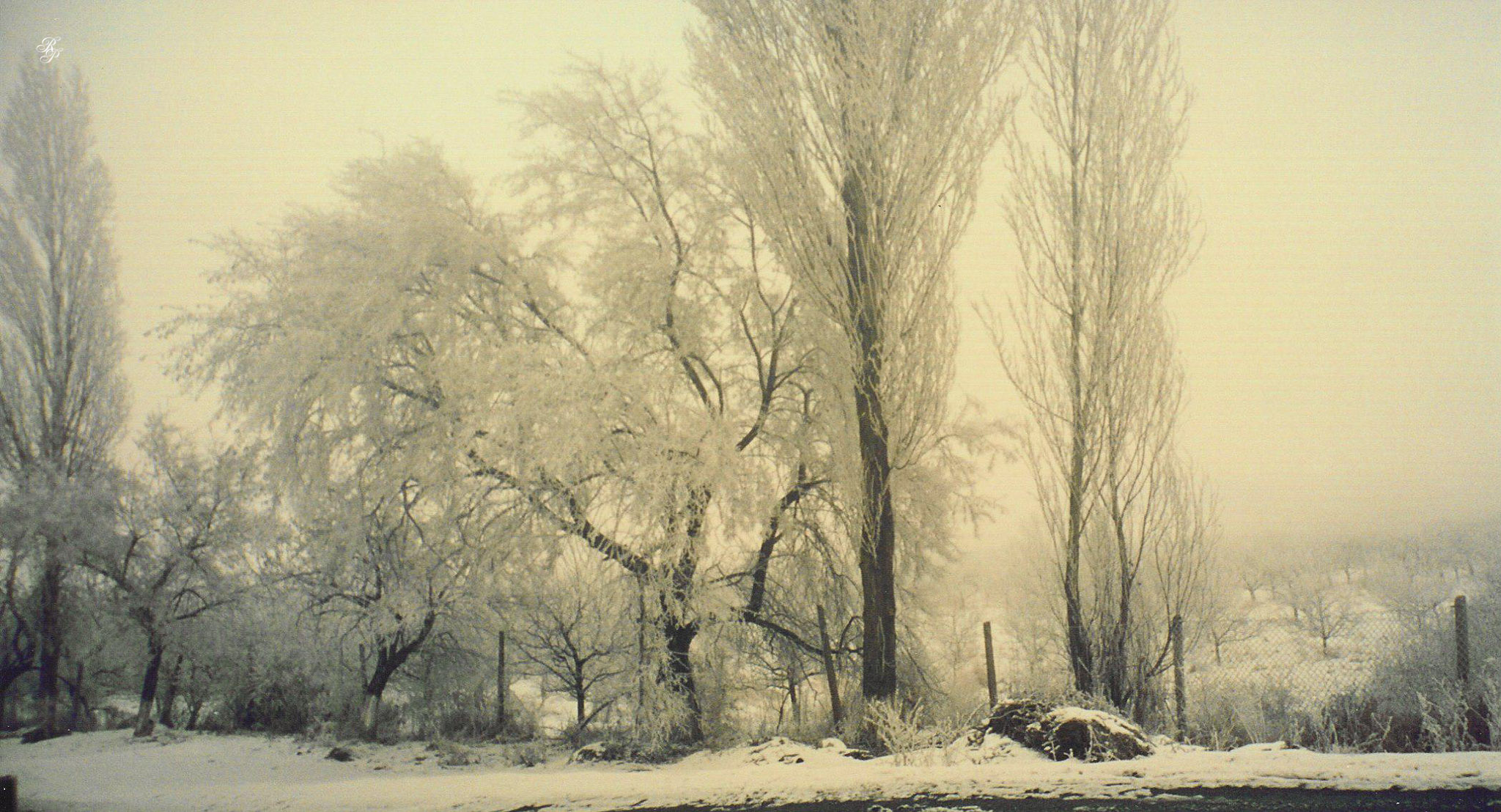
The photos were taken with an APS film camera, the first generation Canon Elph, which I still have. If you remember APS film cameras, you’ll know they had an on-camera switch that would modify the FOV (Field of View), letting you take landscapes (like the photograph you see below) or regular photographs (like the second photograph you see below) or portraits — which was a setting I seldom used. When you developed the photos, the store would automatically crop your photos based on the setting you chose. The landscape-format photos would be printed on wider paper. It was a nice system, for its time.
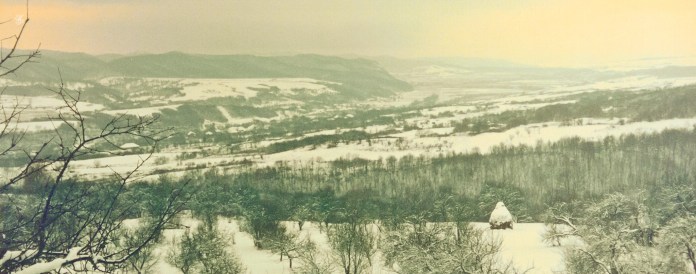
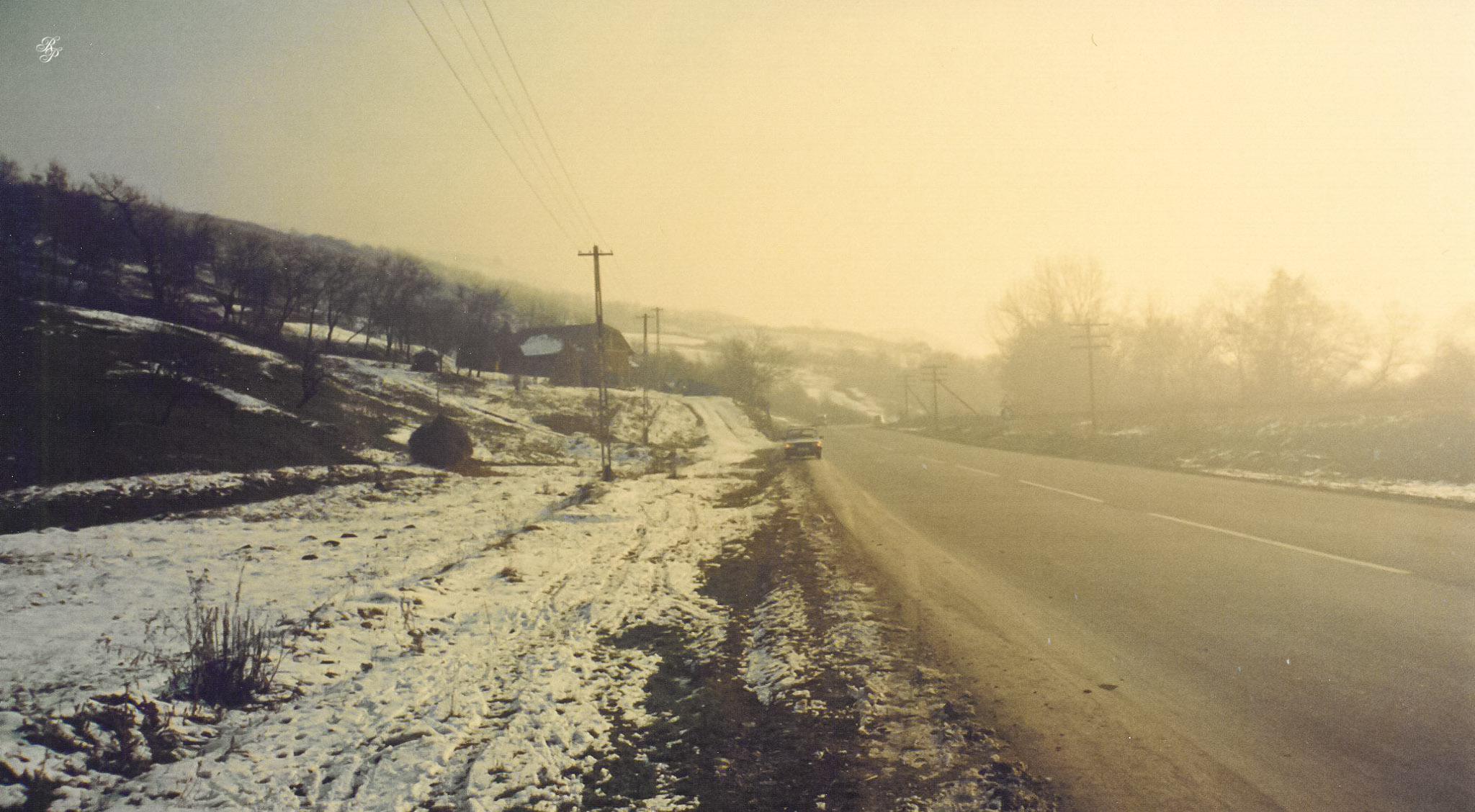
That winter was a real winter: cold, lots of snow, ice on the roads, winds that chilled you to the bone — fun stuff! I drove my grandparents’ Dacia 1310 to see the country, and it was an adventure to get it started every morning. Sometimes you had to pour boiling water over the engine. Sometimes you had to push it. Sometimes you had to get a mechanic to open up the carburetor and clean it, because the fuel quality was so bad that it would constantly get dirty.

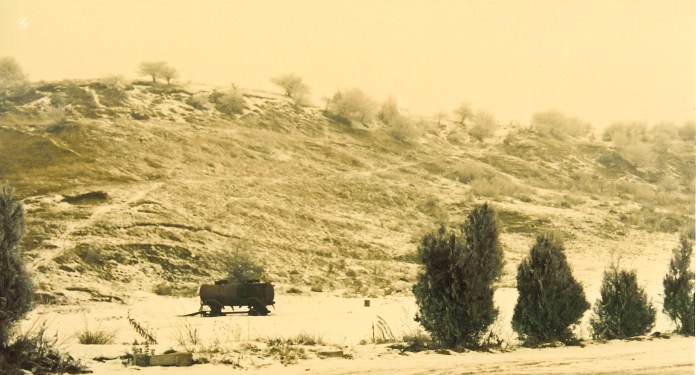
There’s the Dacia, parked on the side of the road in this photograph.
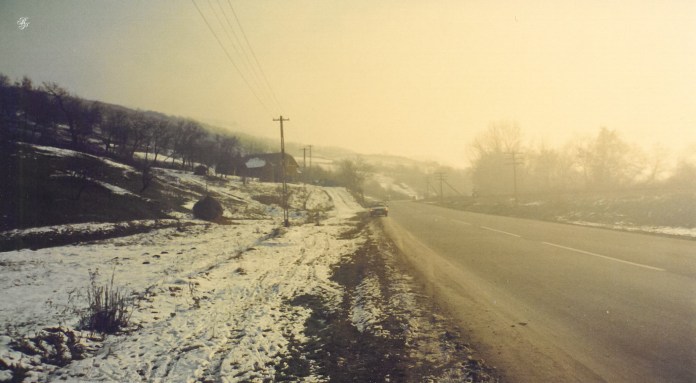
I remember almost getting stuck in a field in the middle of nowhere that year. I took a country road after topping up the tank, because I wanted to help a couple of people get home to their village. Unbeknownst to me, the gas station had added water to their gasoline. A few kilometers into an open field, with no settlements in sight, the engine started to choke. It was freezing cold outside, so cold that my nostrils would clog up with icicles when I breathed. We started to panic. At the time, cellphones hadn’t yet reached Romania. There was no one we could call.

We pushed on, hoping we’d make it. Unfortunately, the engine couldn’t handle the crappy fuel. The prospect of walking 5 or so kilometers through deep snow, in the freezing cold, was beginning to weigh heavily on our minds. I kept revving up the engine, keeping the rpms high, hoping I could keep the engine turning. If I let my foot off the accelerator even for a bit, the needle would immediately drop and the engine wanted to stop completely. Then it stopped. I got it going again. It stopped once more. I got it going again. It stopped once more, and it didn’t want to turn any more. There we were, peace and quiet all around, our breaths fogging up the car windows, unsure what came next.

Then one of the folks got a bright idea. They’d bought a bottle of rubbing alcohol. Why not put it in the tank, maybe it would mix with the water and help it burn? We poured a bit in, and after 5 minutes of alternately trying to start the car via ignition or pushing, the engine started puttering away. We reached the village shortly after that, and my first stop was at the village store, where I bought three bottles of rubbing alcohol. That winter holiday, whenever I drove anywhere in Romania, the car was stocked with rubbing alcohol, and it saved me time and time again. There was no point relying on the quality of the fuel, because all gas stations would “multiply” their fuel reserves with water. Some added more, some added less, but you could count on it being in the gasoline, wherever you bought it.

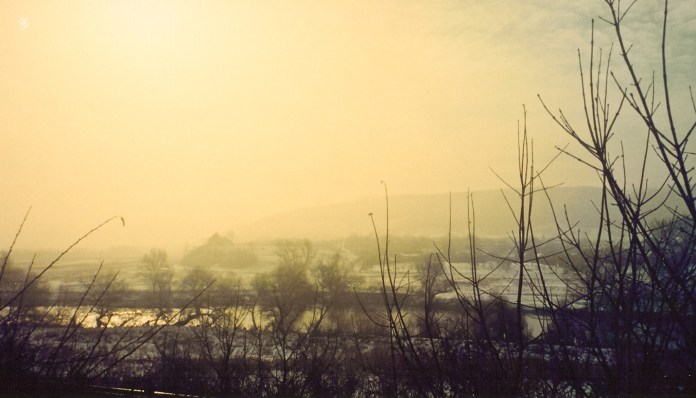
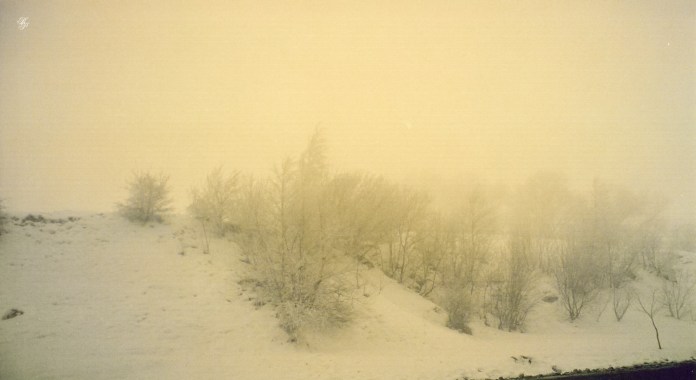
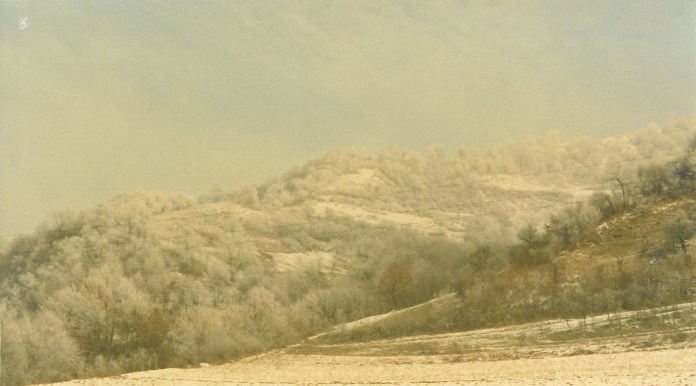
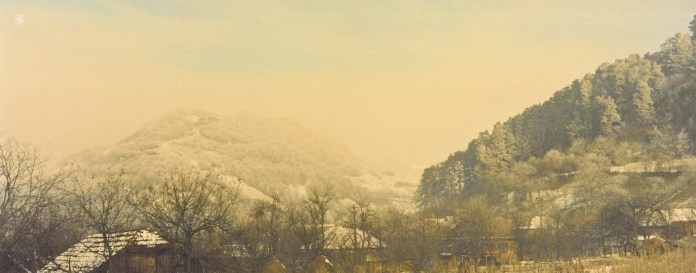
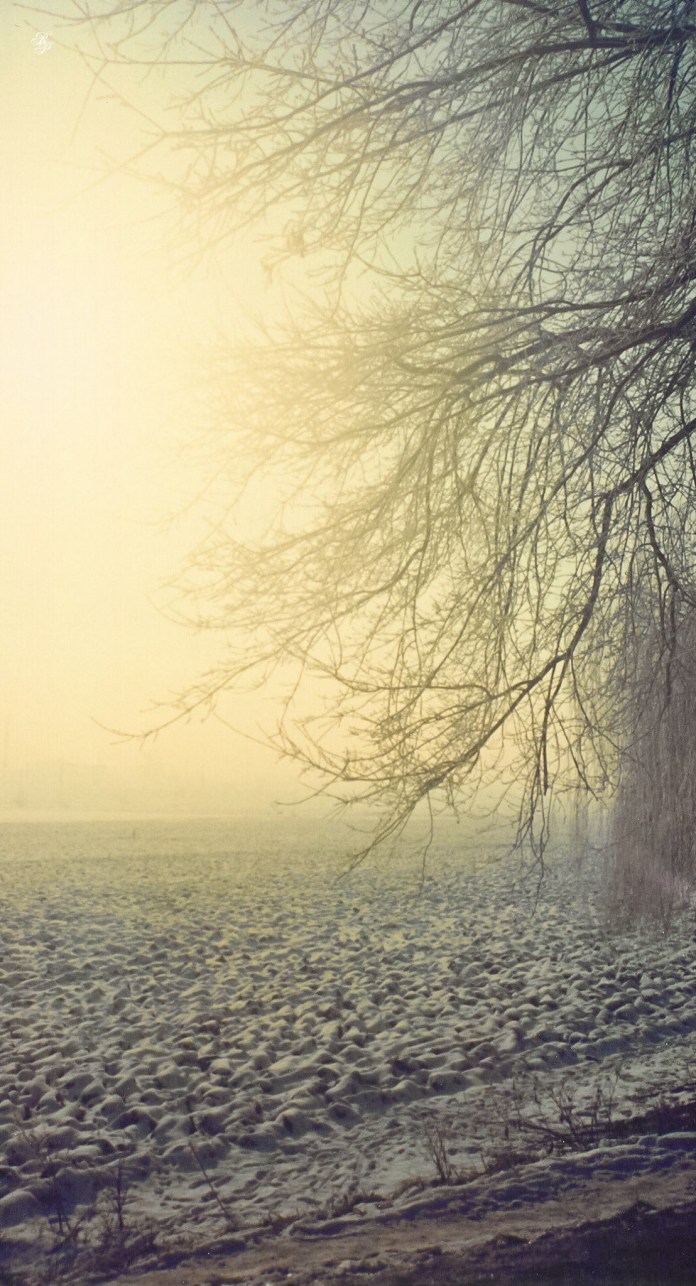
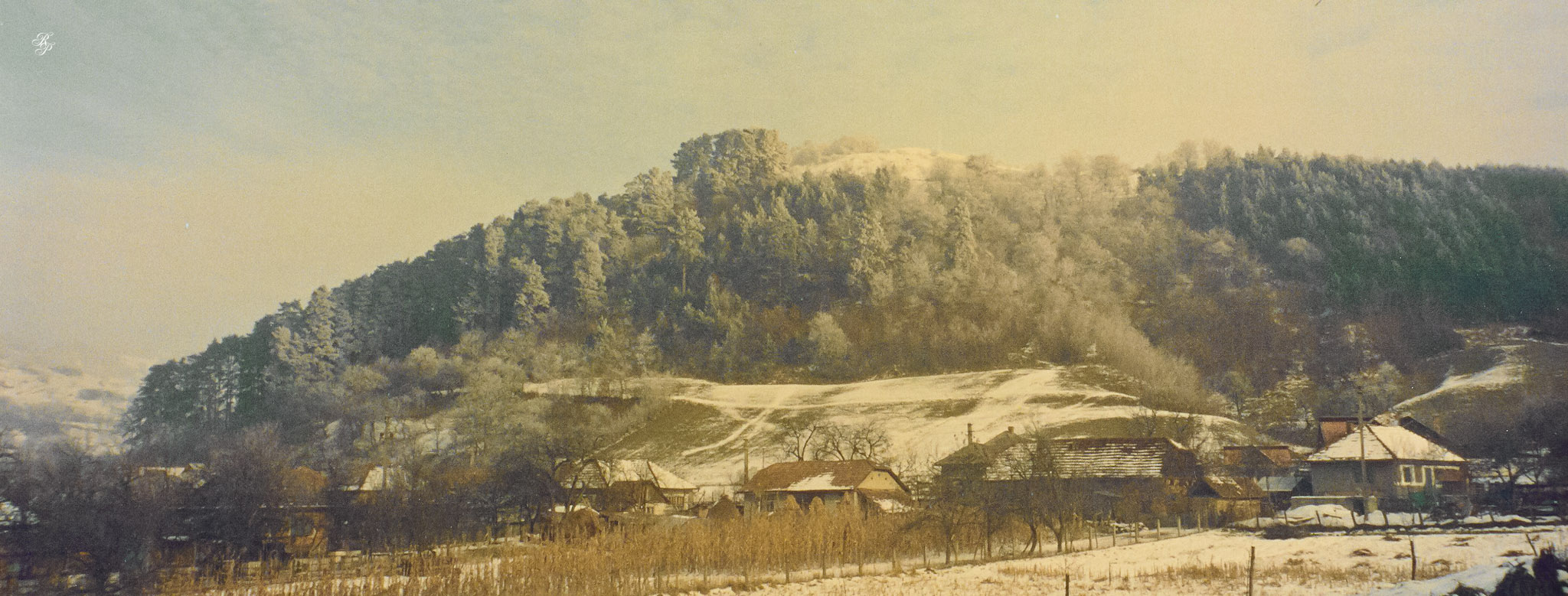
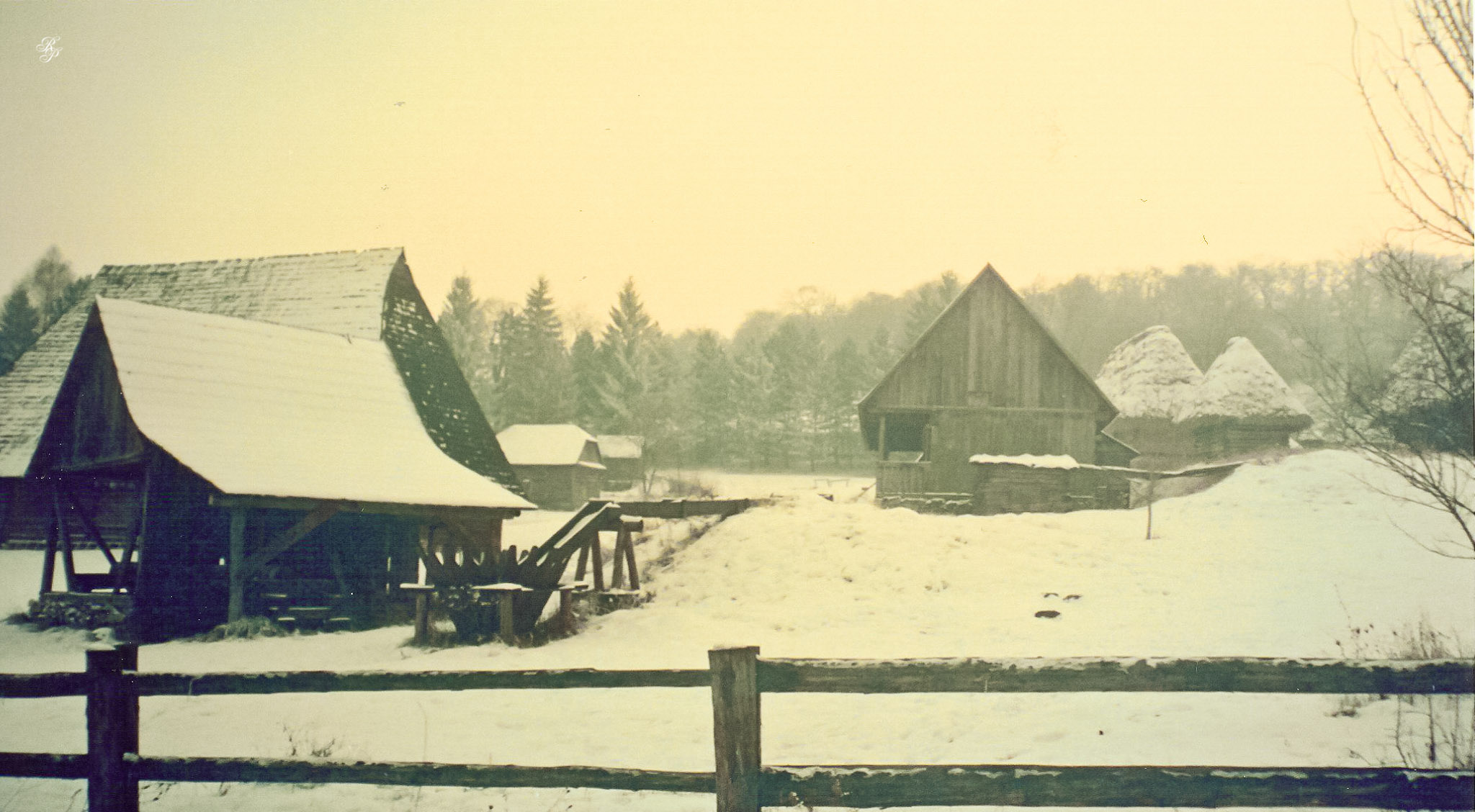
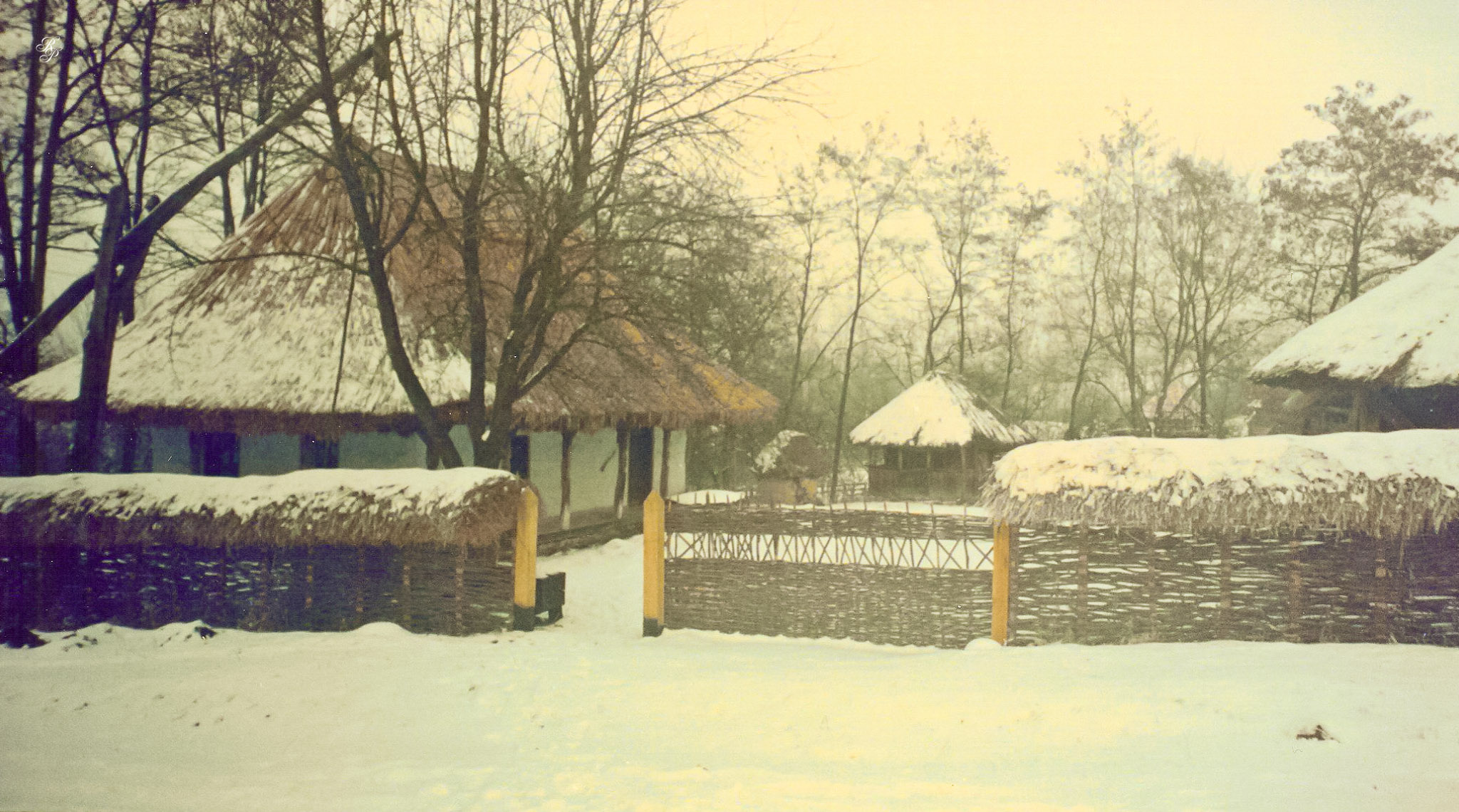
Let’s get back to the photographs. They have a yellow color cast. It’s not a film effect. It’s simply a matter of the photo paper yellowing with time. I scanned the printed photos instead of scanning the film negatives, so the “vintage” effect is physical, not digital. I hope to scan the negatives at some point, so I can archive and edit these memories properly.
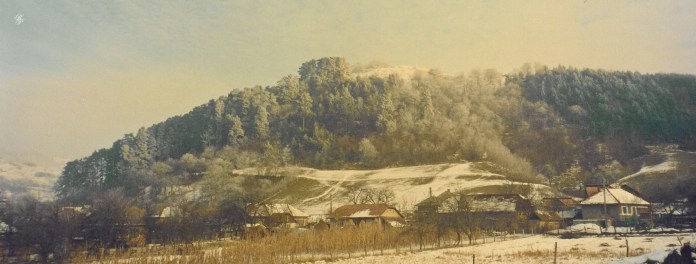
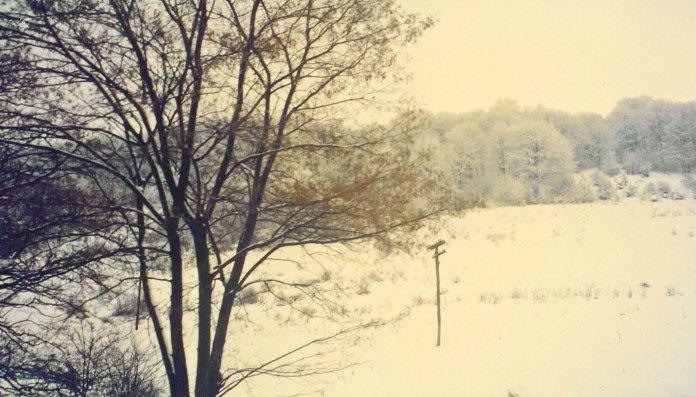
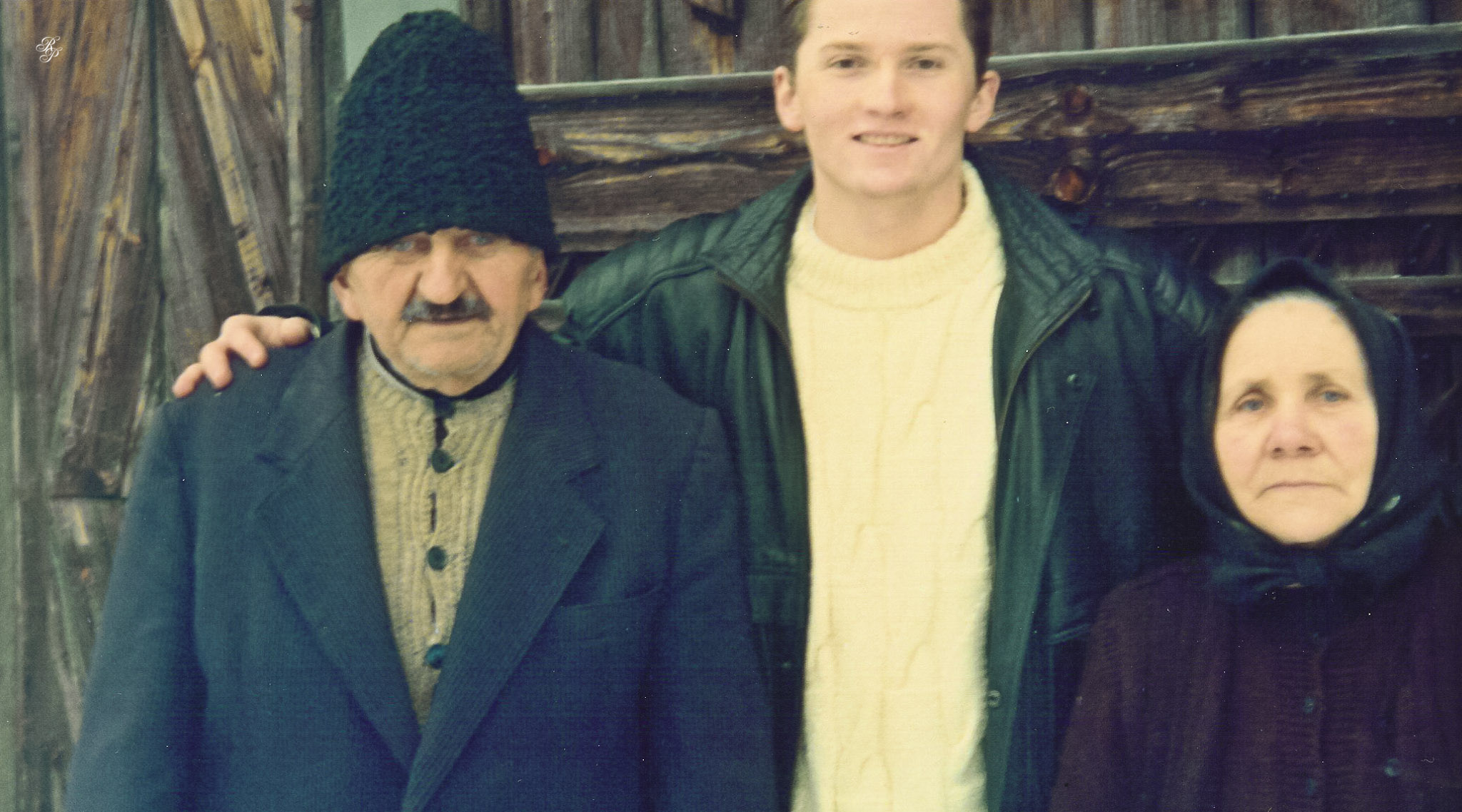
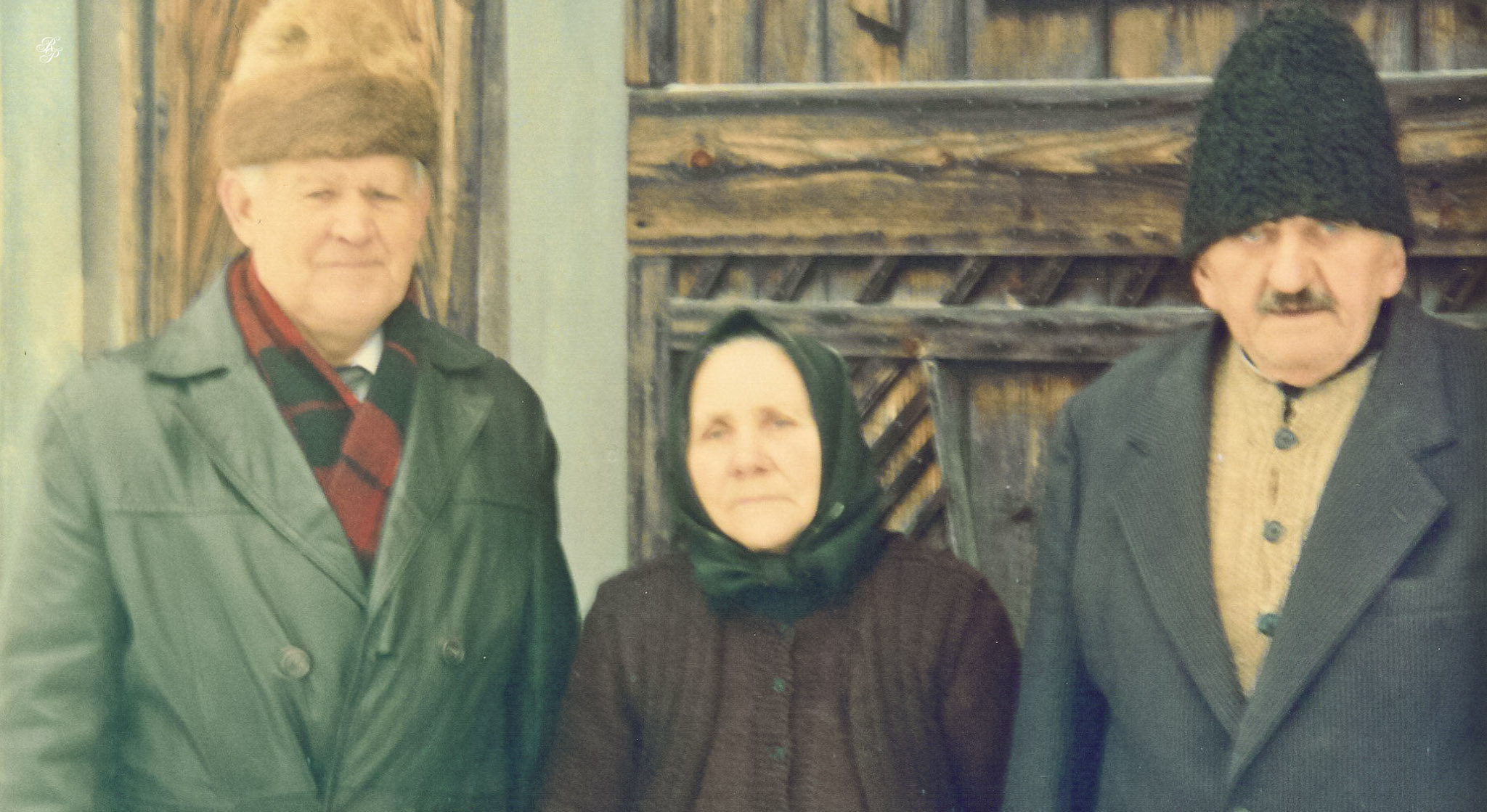
That winter, I visited my paternal grandparents in Maramures (my father’s parents). I visited them with my maternal grandfather (my mother’s father). He took this photograph of the three of us.

Here’s my maternal grandfather and my paternal grandparents (or “tataia” as I liked to call him).

Both my grandfathers are gone now. My maternal grandmother is also gone. Only my father’s mother is still alive. Some day, I too will be but a memory, a face in old photographs. Memento mori.

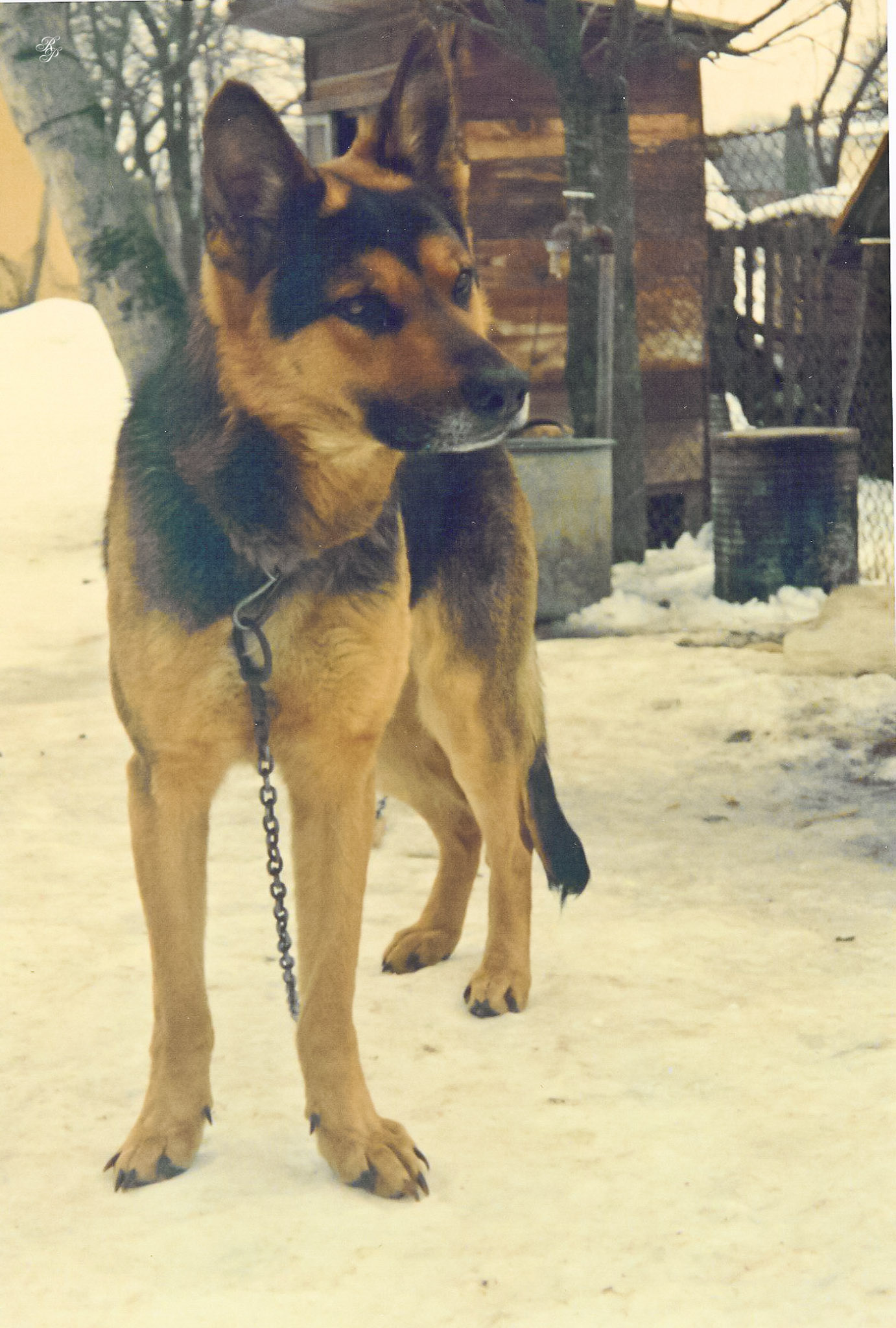
My grandparents had a wonderful dog named Rex, a very smart German Shepherd. You can see how intelligent he is right away when you see him in old photographs like this one. It’s amazing how some dogs shine brighter than others, right away.

Rex is gone as well, and we have yet to find a dog as smart as he was. Our new dog, a Romanian sheep dog (“Ciobanesc Mioritic”) is still a baby, but she’s showing signs of being fairly smart. We’ll see how she develops with time.

So there you have it, dear reader: a glimpse into my past, into a beautiful, almost magical winter, a time I remember with joy to this day, because it was spent with family, with people I loved and who loved me back.

I’m always more aware of the importance of loving relationships during winter. When you’re out there in the cold, traveling, the prospect of being welcomed into a warm home where you know you’ll find love makes that time magical. It makes every second worthwhile, it imbues the very cold air you breath with the hope that there’s something even better right around the corner, that life is worth living.

It’s one of the reasons why I love winter. I love to curl up on the couch with a fire in the stove, a book in my hand, a cup of tea in the other, and look out the window, taking comfort the fact that while it’s cold outside, I’m warm and my life is made wonderful by that simple realization.

Standard
Places

The Paltinis mountains in autumn

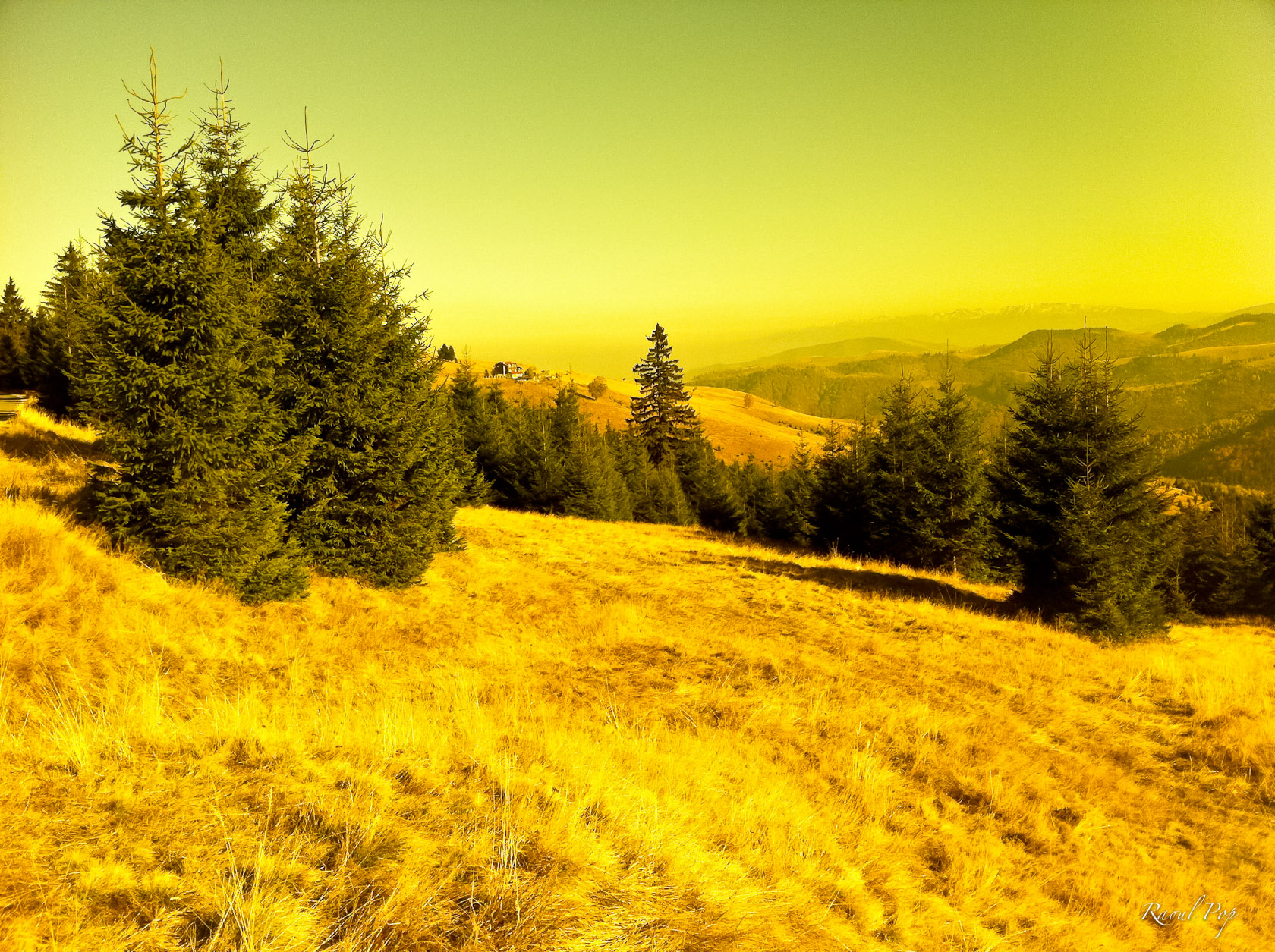
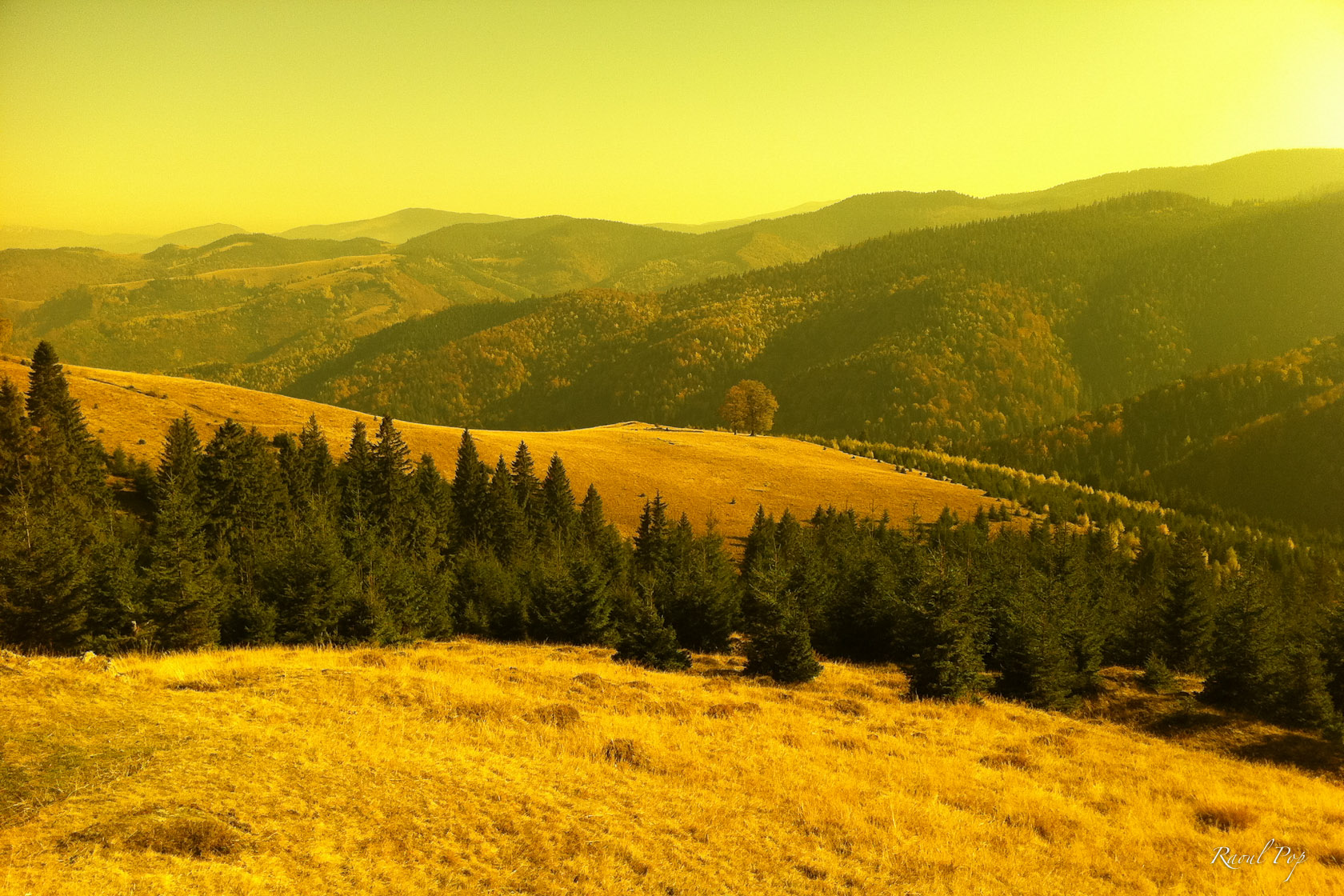
We visited the mountain resort of Paltinis today. It’s about 25-30 km from Sibiu (Hermannstadt), Romania, and the road to it is in pretty good shape. The views are wonderful, so if you’re in the area, drive on over.

Funny thing about Paltinis… It’s the place where I almost wasn’t… My mom was skiing on their bunny slope when she was pregnant with me, and she had a bad fall which could have resulted in a spontaneous abortion. Thank goodness it didn’t, or I wouldn’t be around today.

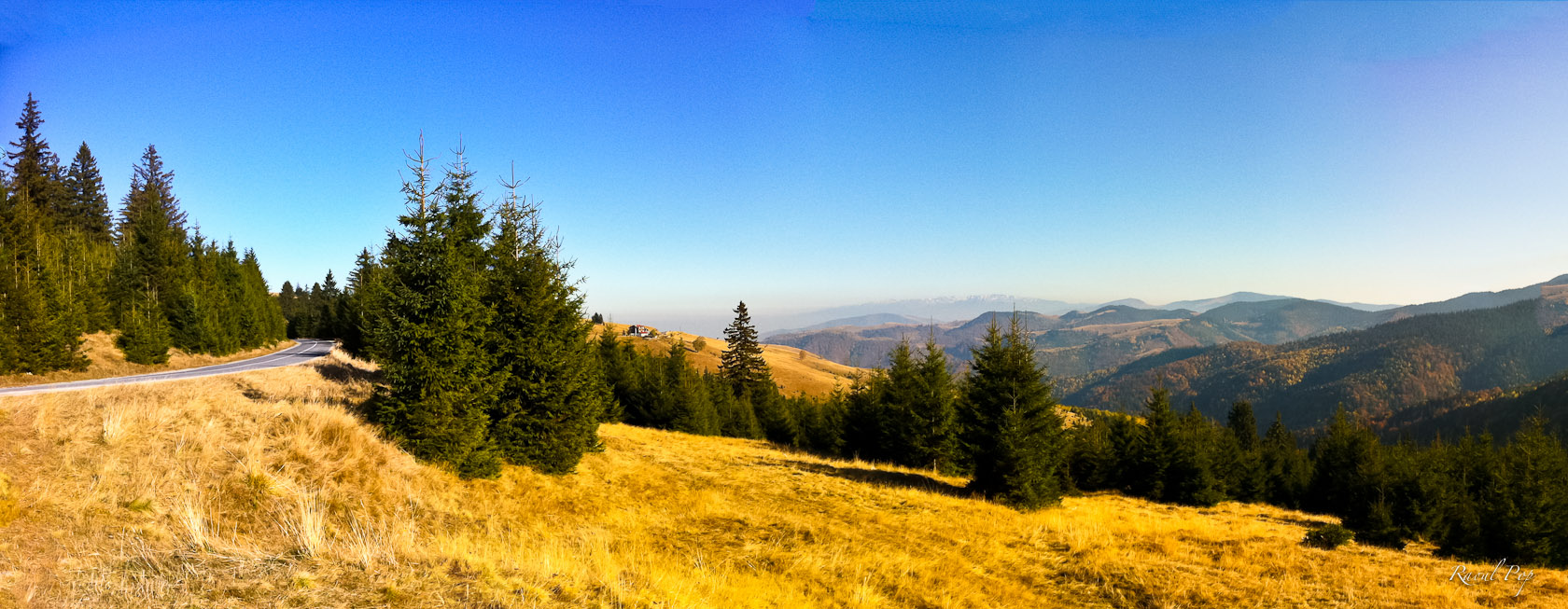
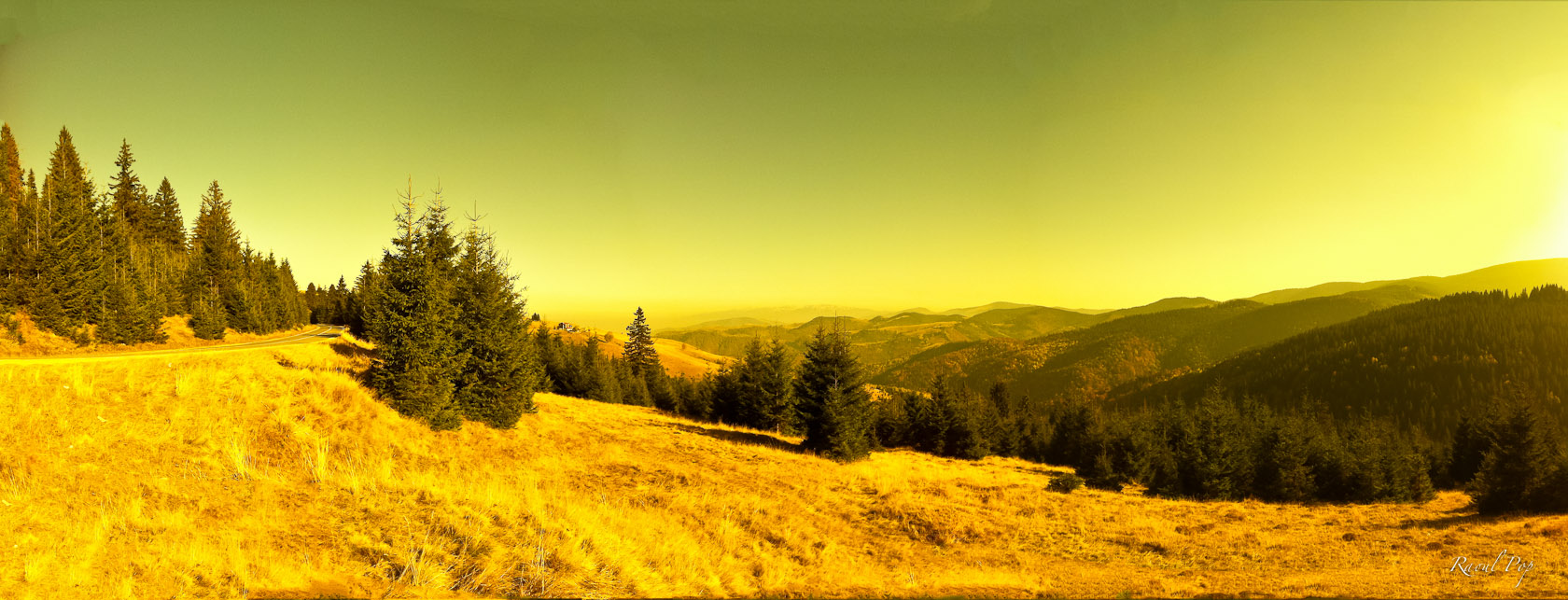
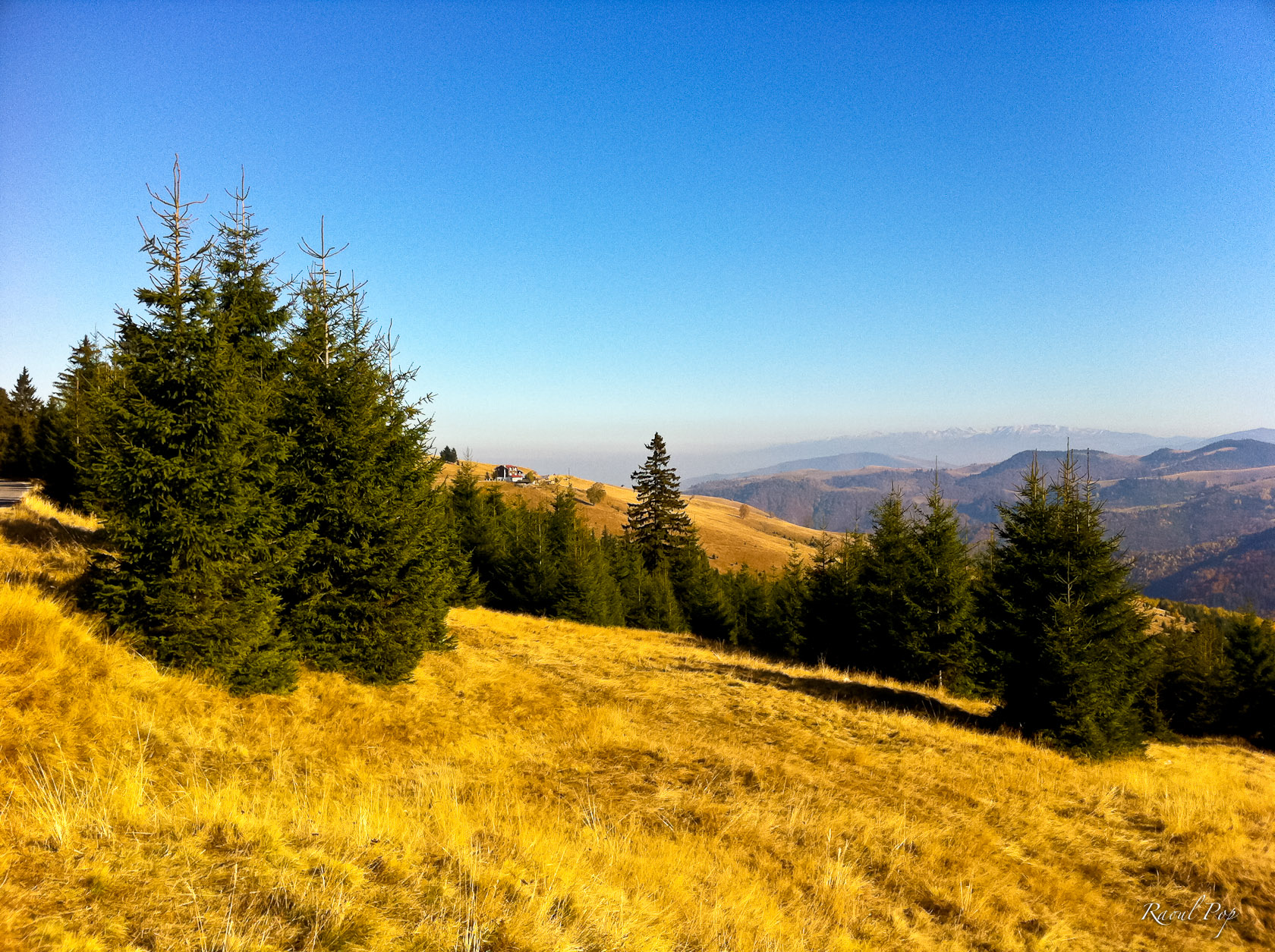
Here are a few photos I took there, which I shot with an iPhone. I used a “pre-filter” for some of the photos — my driving sunglasses! It’s a neat little trick you can do if the lens of your camera is small enough to be masked completely by the lens of your sunglasses, and it works particularly well if they’re polarized. You simply hold the camera right next to your glasses and shoot through the lens. You can compare the resulting effect below. Another thing I should mention is the panoramic-sized photos were stitched together in Photoshop, they’re not single exposures cropped to look like panoramic shots. Click through to view them large.

Standard
Places

A drive along the Somes river

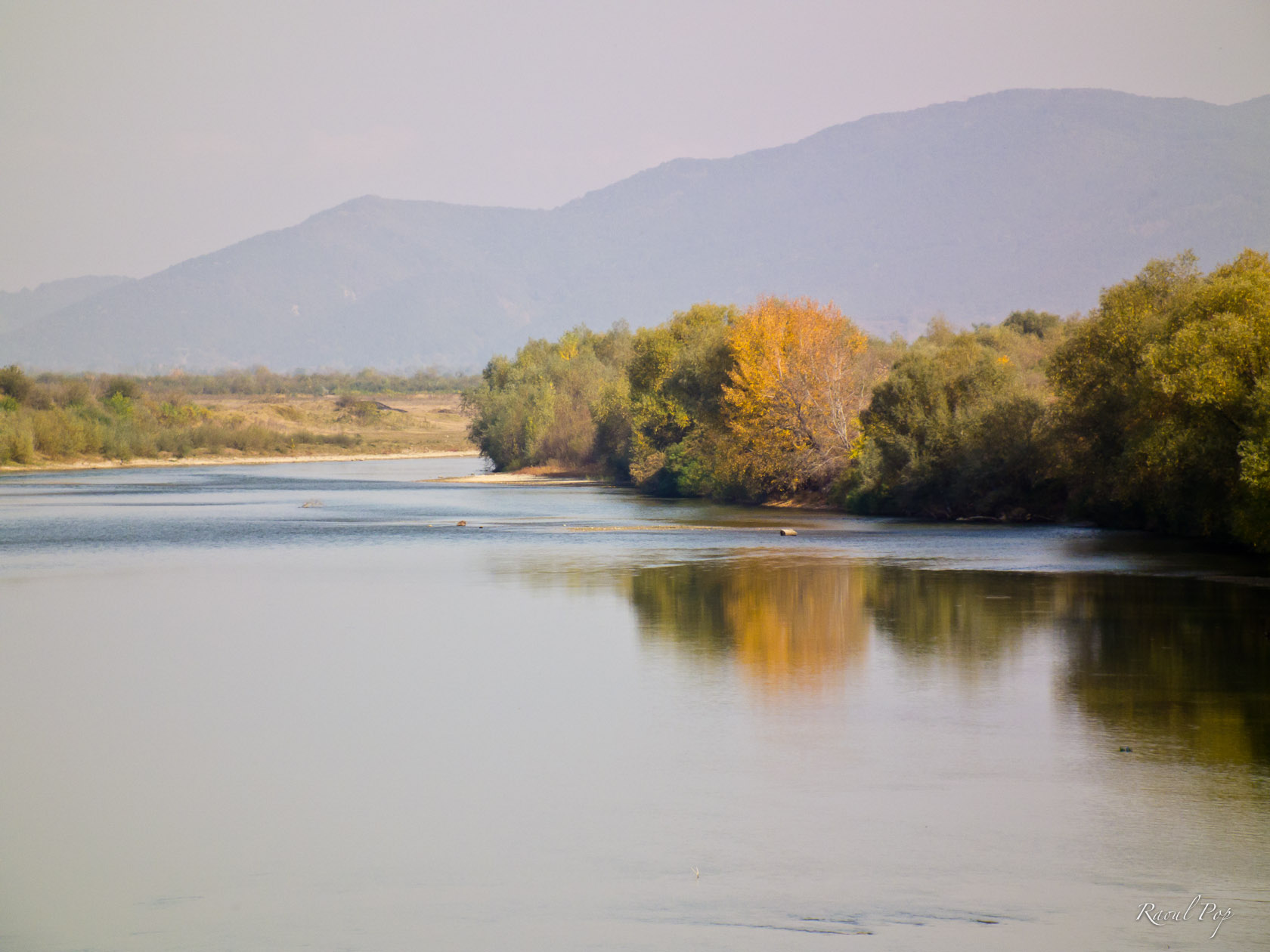
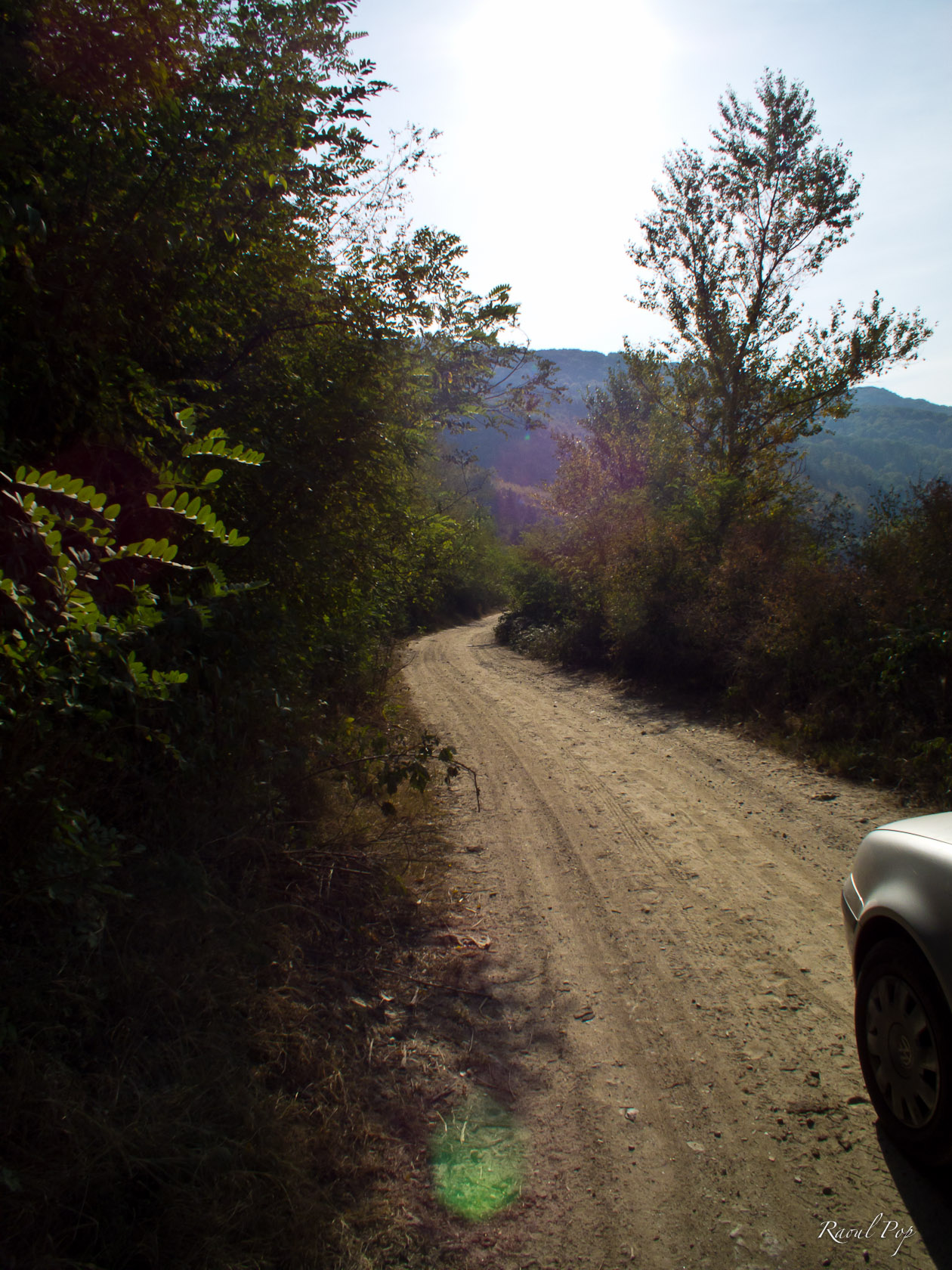
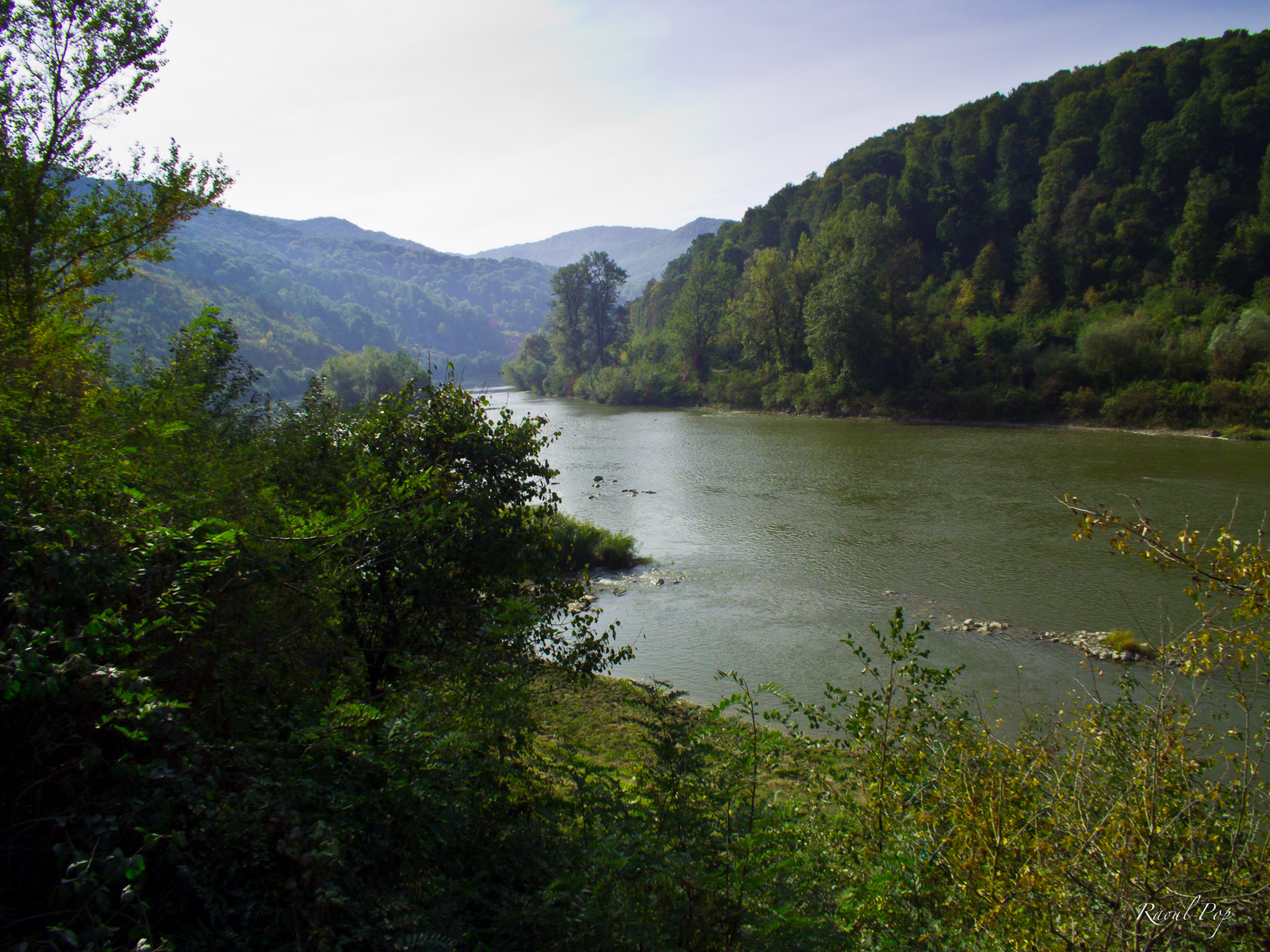
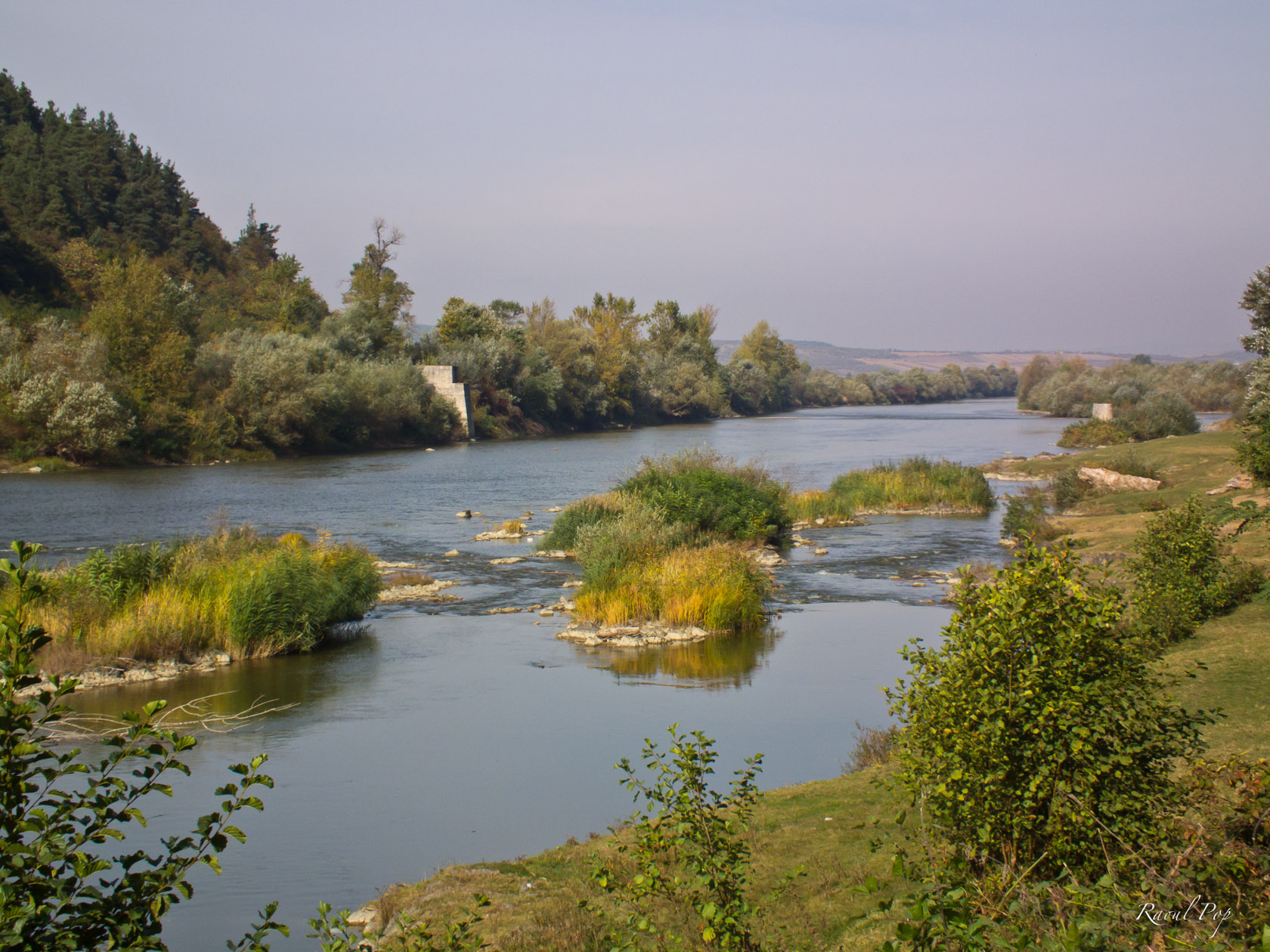
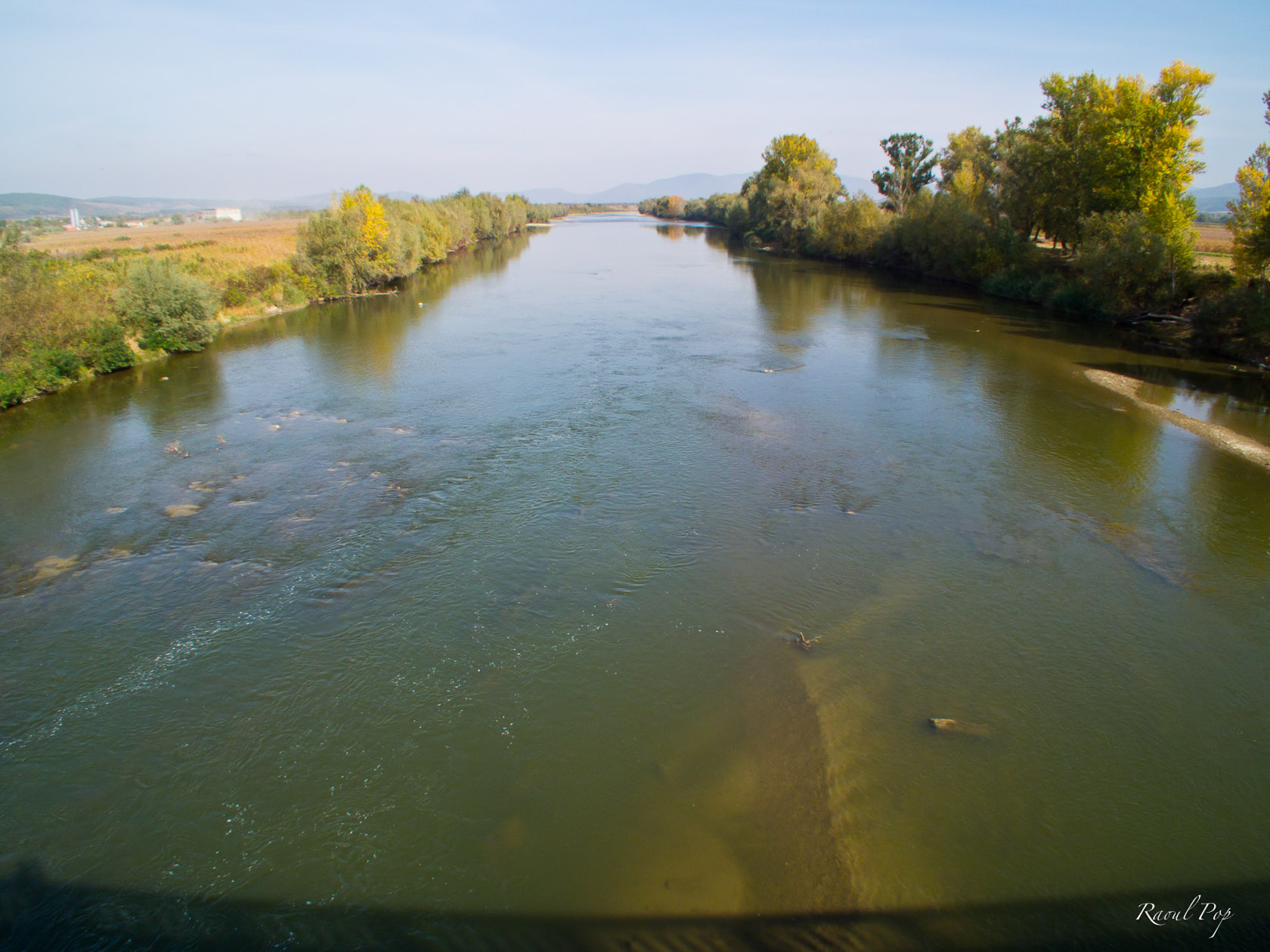
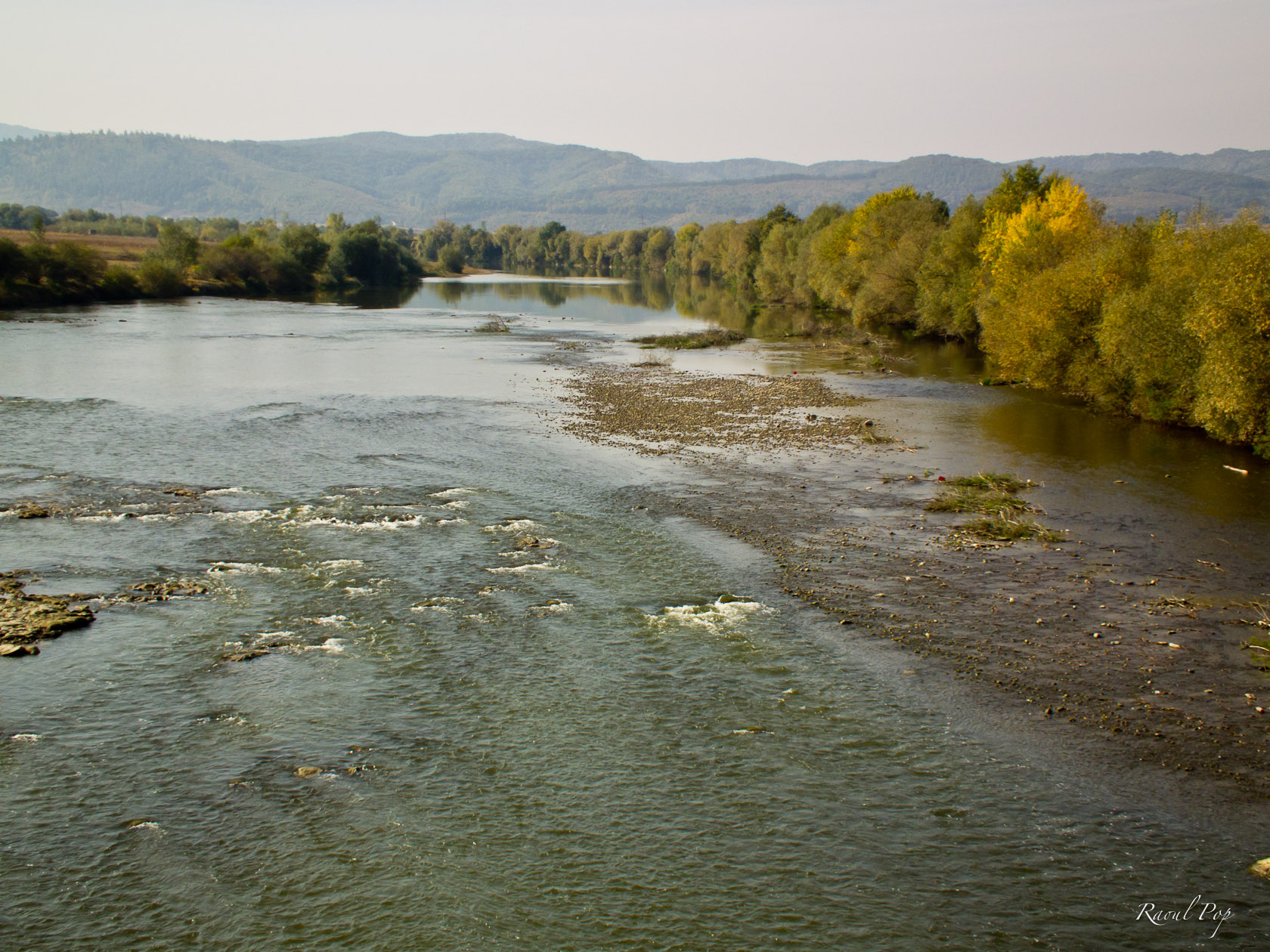
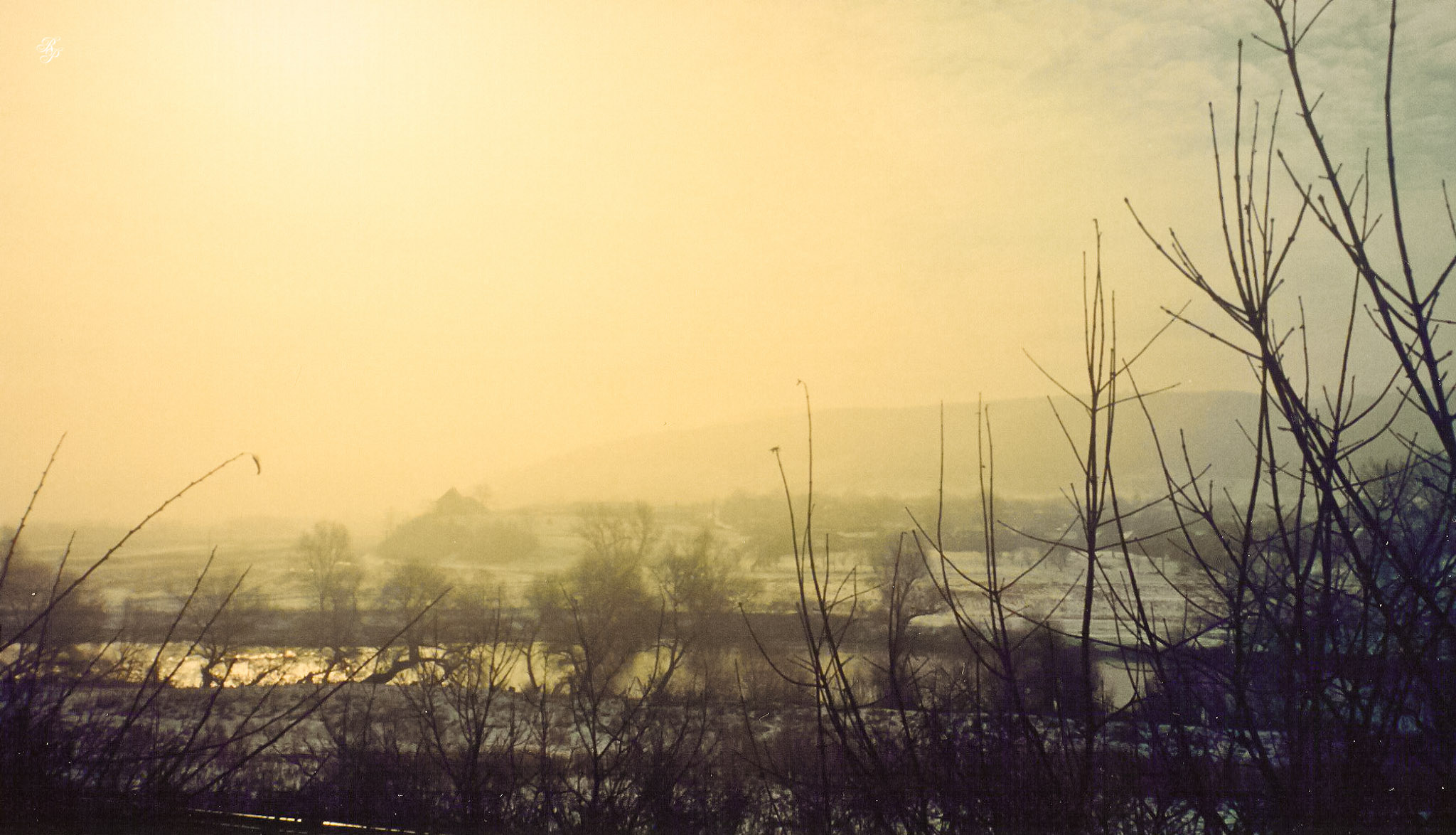
We recently had the chance to explore a portion of the Maramures countryside that’s seldom seen by “civilized” eyes. While trying to find a new route, we stumbled onto a dirt road alongside the Somes River, which connects the village of Remeti pe Somes with Cheud, another village that sits on the Somes river. The dirt road starts here and ends here, but that’s not the part that’s important. What is important is what you’ll see as you travel on it.

We felt as if we’d stepped back in time. It was as if the road and the countryside were untouched by civilization altogether. We could hear the traffic in the distance, on the other side of the Somes, where the paved road was, yet where we were, it seemed as if progress had decided to take a nap.

Nature was quiet and majestic. The road twisted and turned with the river, winding its way through meadow and forest, over hill and over dale, over little brooks and springs that found their way into the Somes, adding to its already impressive size. We passed a gypsy dwelling with a few huts and small houses, hidden at the edge of a forest, miles and miles away from paved roads and civilization. Their kids, unwashed, dressed in rags and looking like medieval imps, pounced on our car, begging for change (their training begins early on in life).
Later on, we passed a pasture, replete with an idyllic herd of cows grazing peacefully on the abundant grass. And as we drove on, passing under large, thick trees, it occurred to us that this was an old road, a road that had likely been in use for hundreds, if not thousands of years, a companion to the river, now forgotten and abandoned in favor of the paved roads that cut through the landscape instead of working with it.

Ligia and I have seen our fair share of unpaved roads and beautiful scenery in Romania, but on this particular dirt road, on that particular segment of it, we felt more than at other times, that we’d stepped back in time a little, that we’d experienced a bit of what it was like to travel during the time of the dirt roads, at the speed of a horse’s trot. It felt odd to rejoin civilization afterward, our car fitting into the modern landscape yet covered in a thick layer of primeval dust — a reminder of our trip through time.

Standard
Places

Morning fog, Virginia countryside

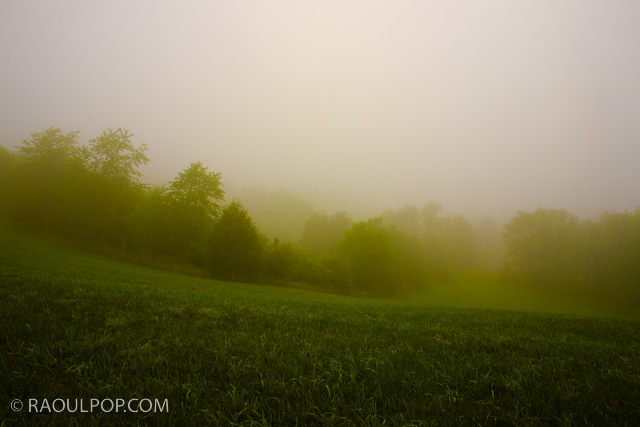
In my book, there are only a handful of things that rank as high as taking a walk in nature, in the midst of soft, lightly glowing morning fog. This was one of those beautiful mornings I won’t soon forget.

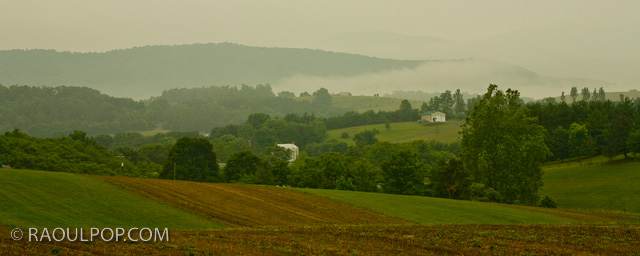
Photos taken in the Virginia countryside, near the very interesting rock formation called Natural Bridge.

Standard