Places

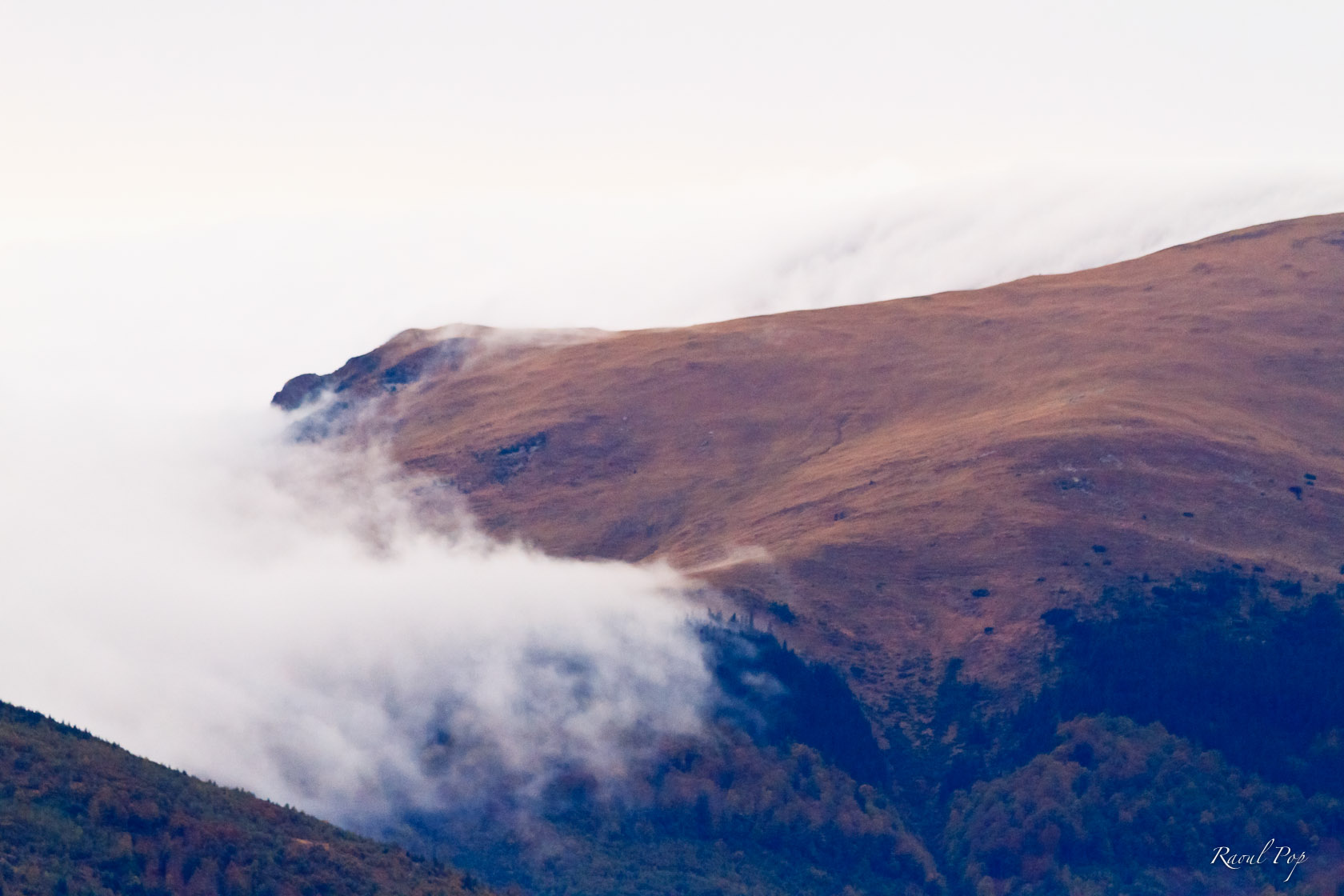
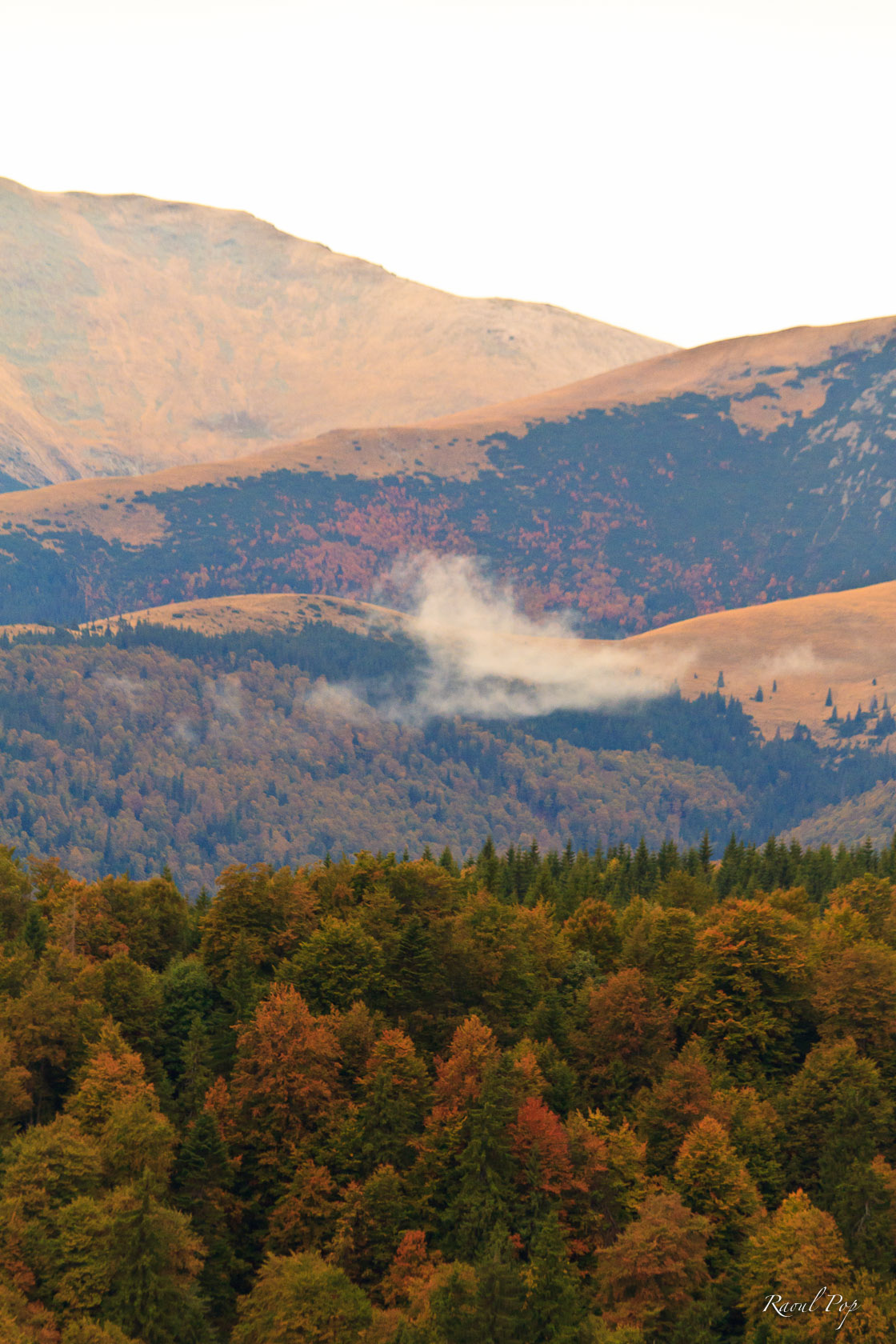
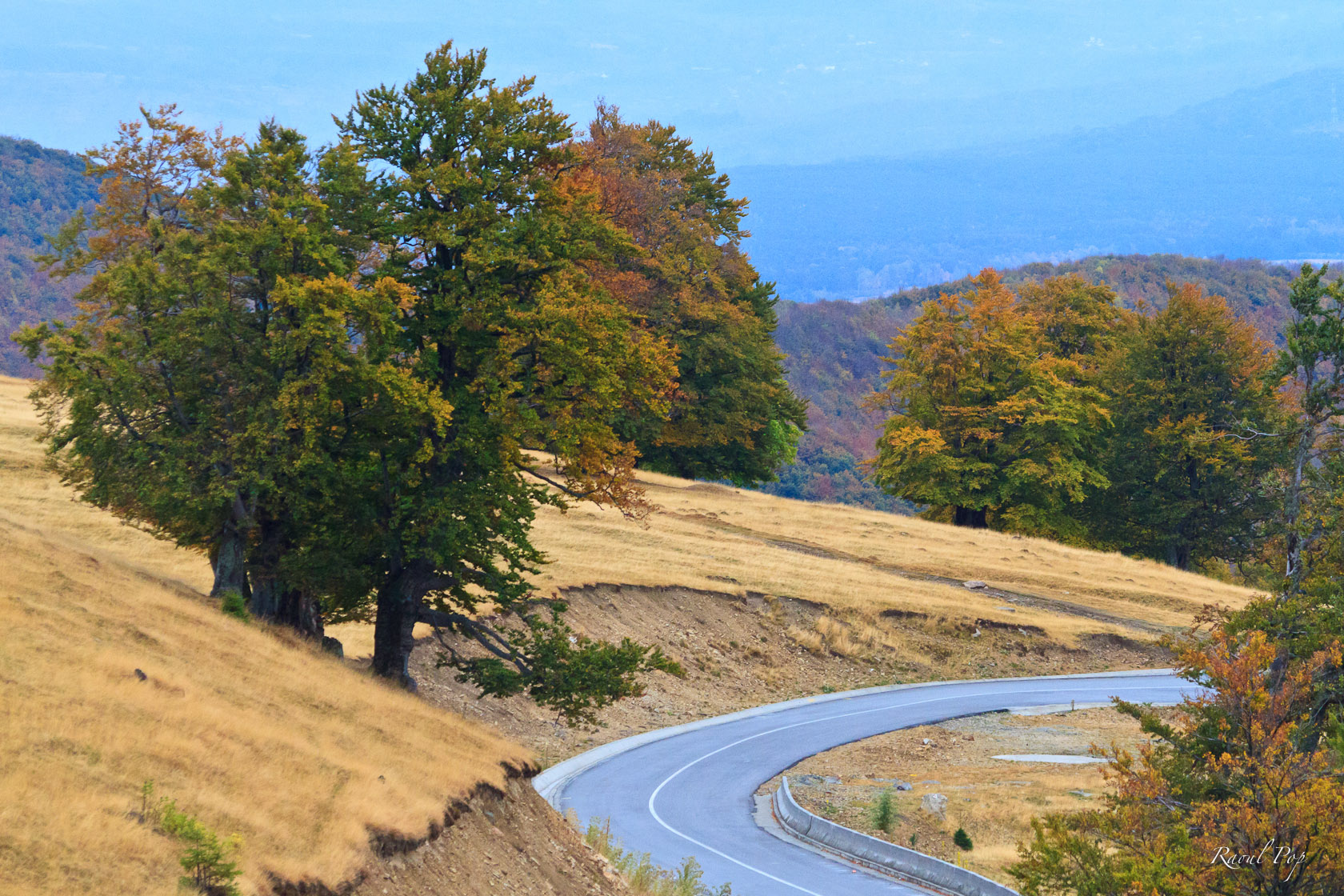
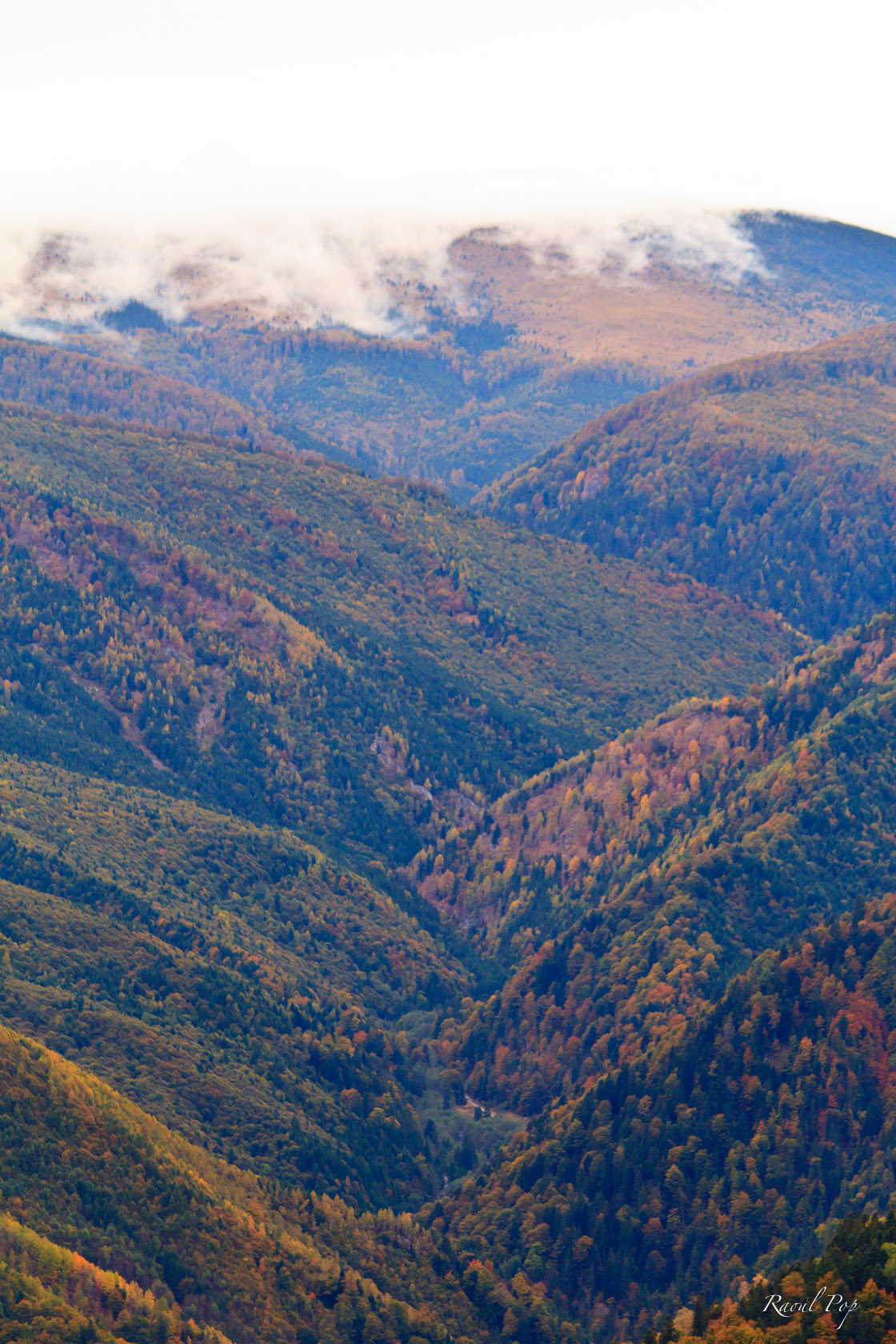
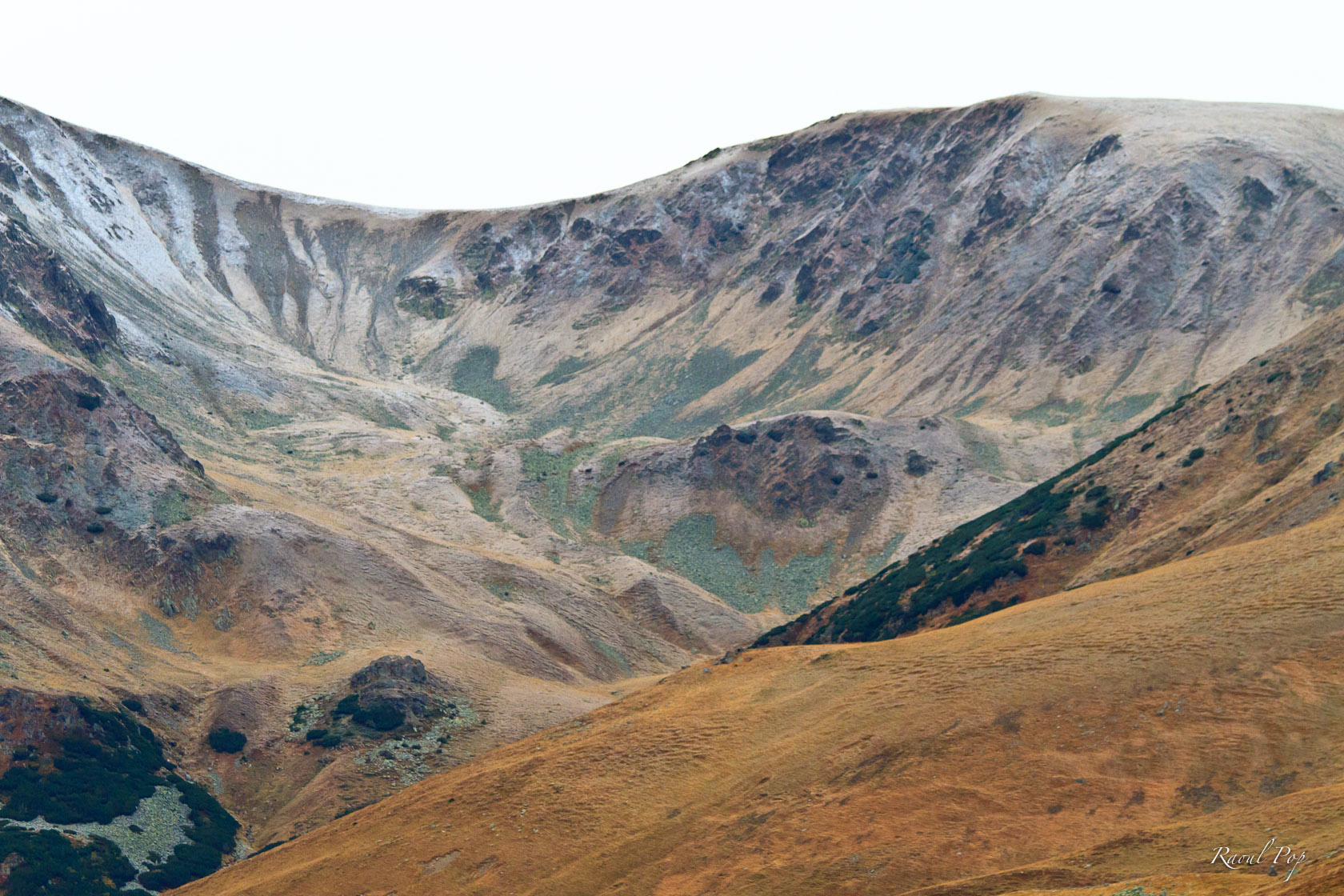
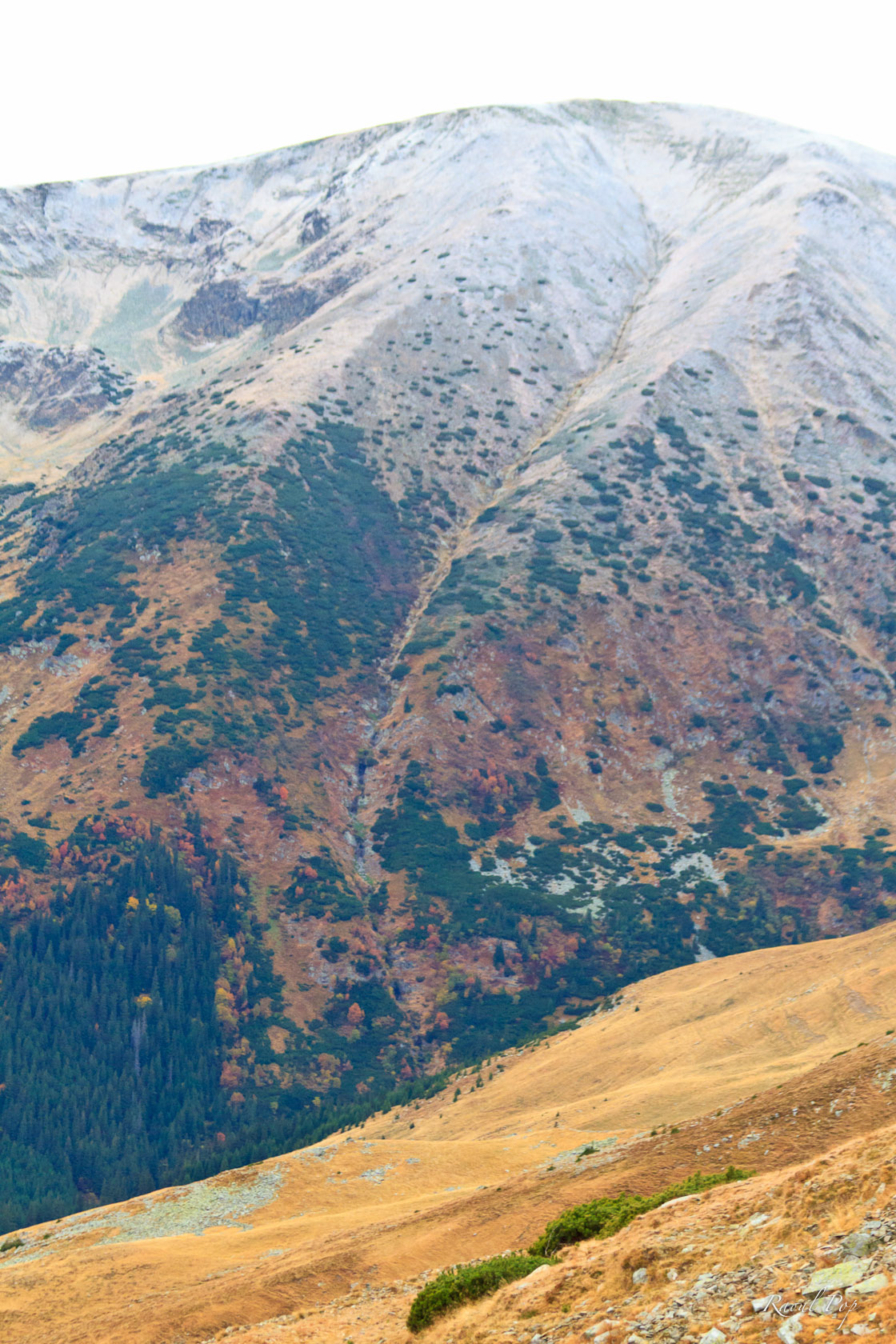
The Paltinis mountains in autumn

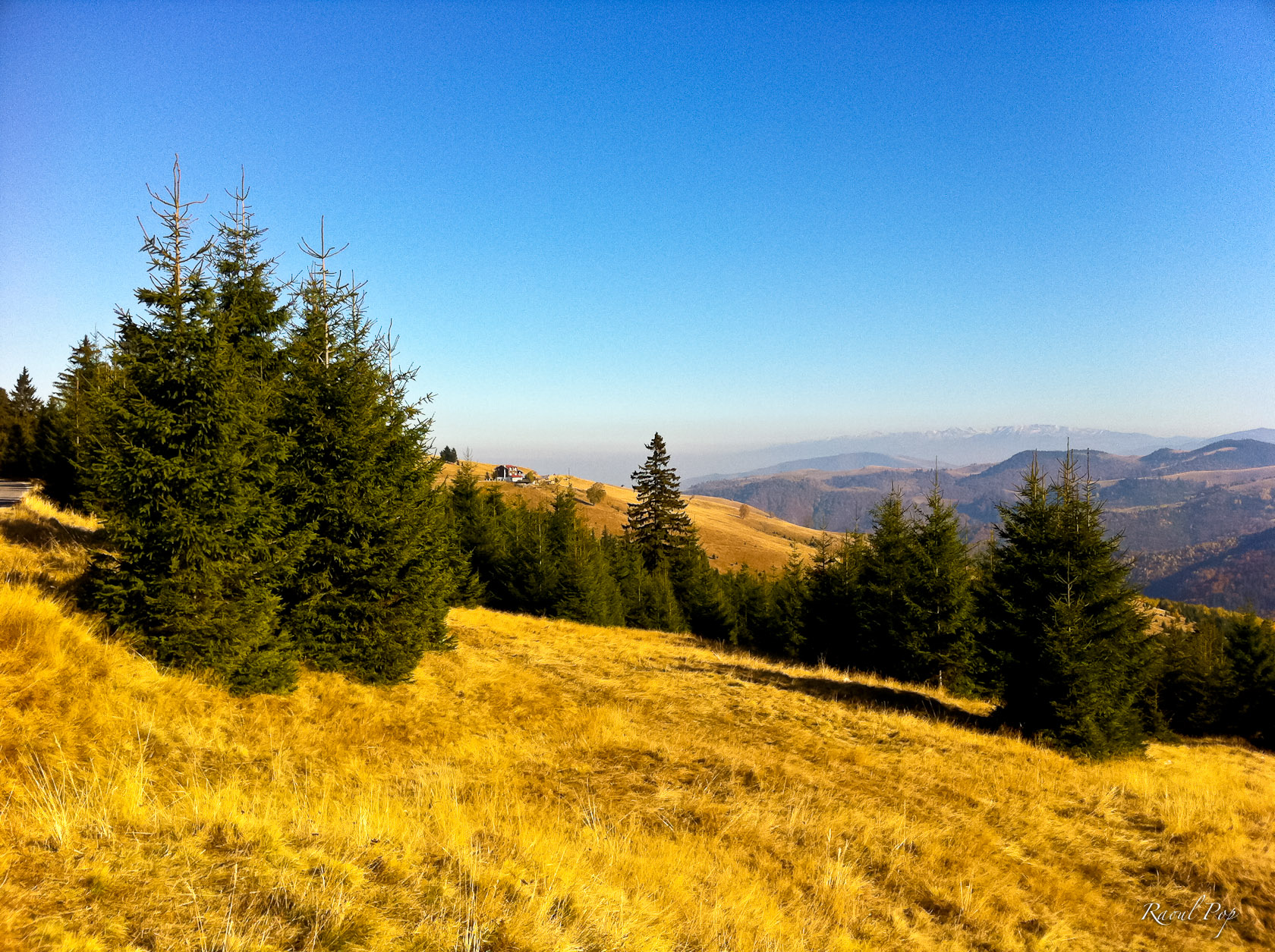
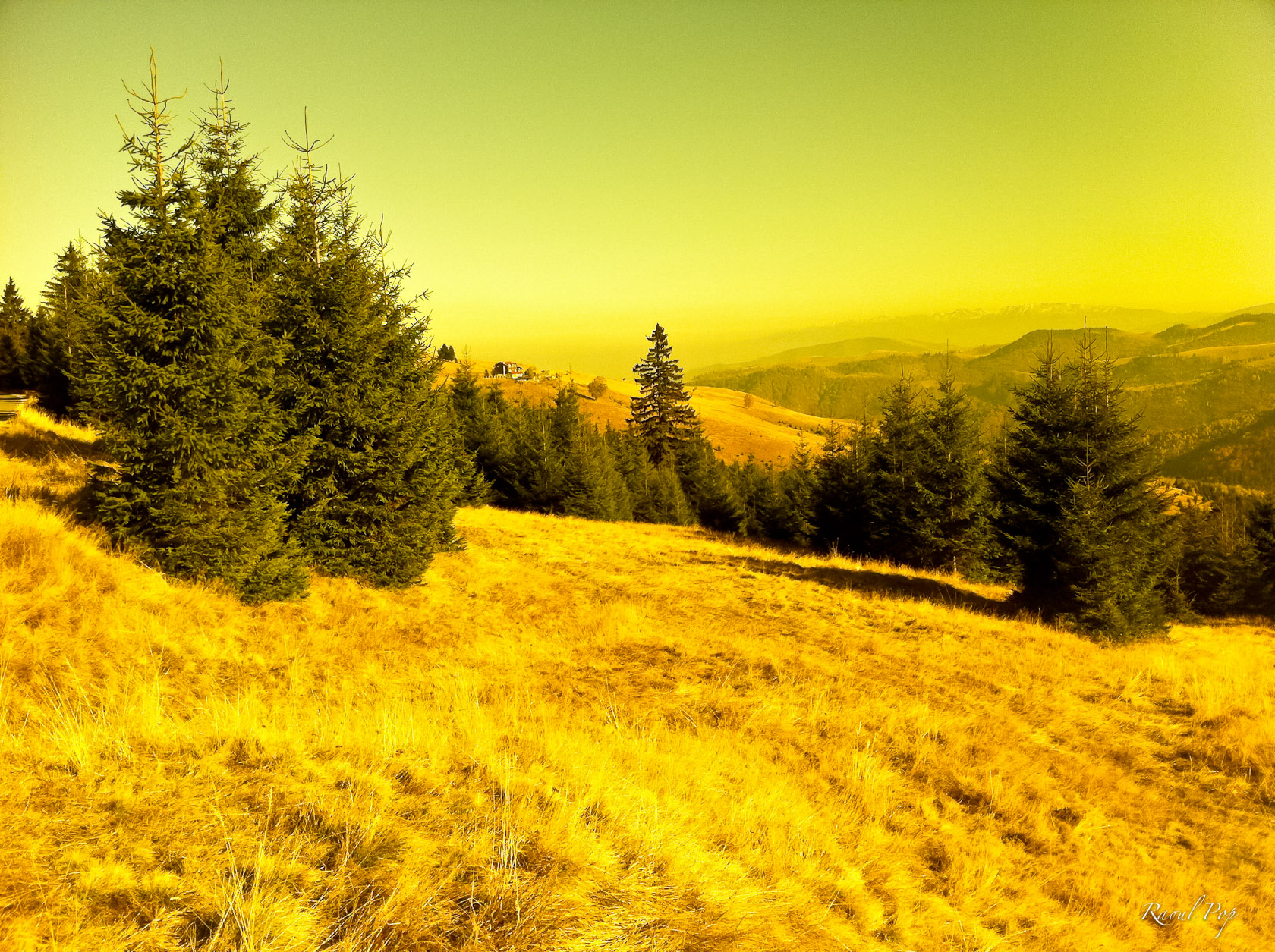
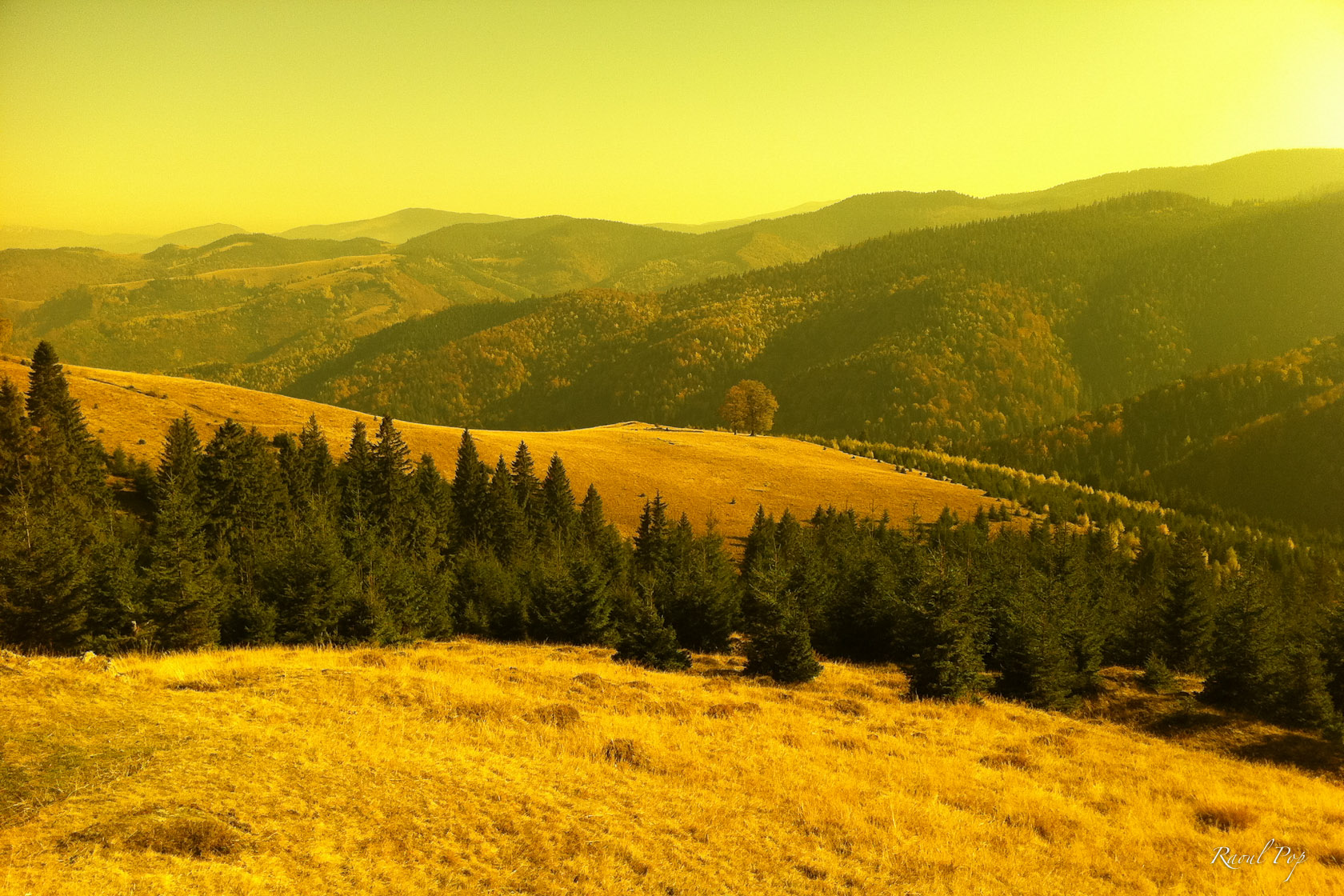
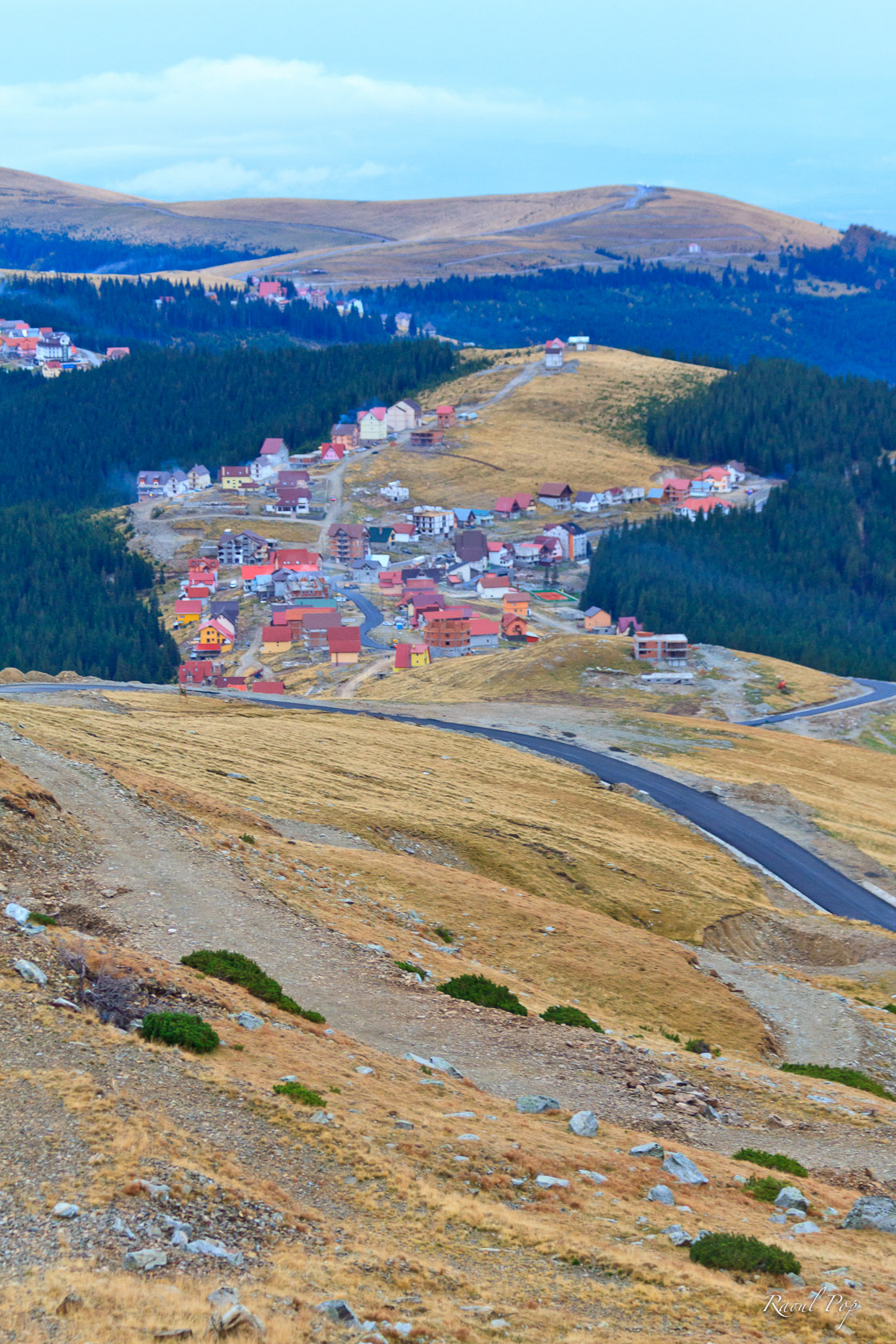
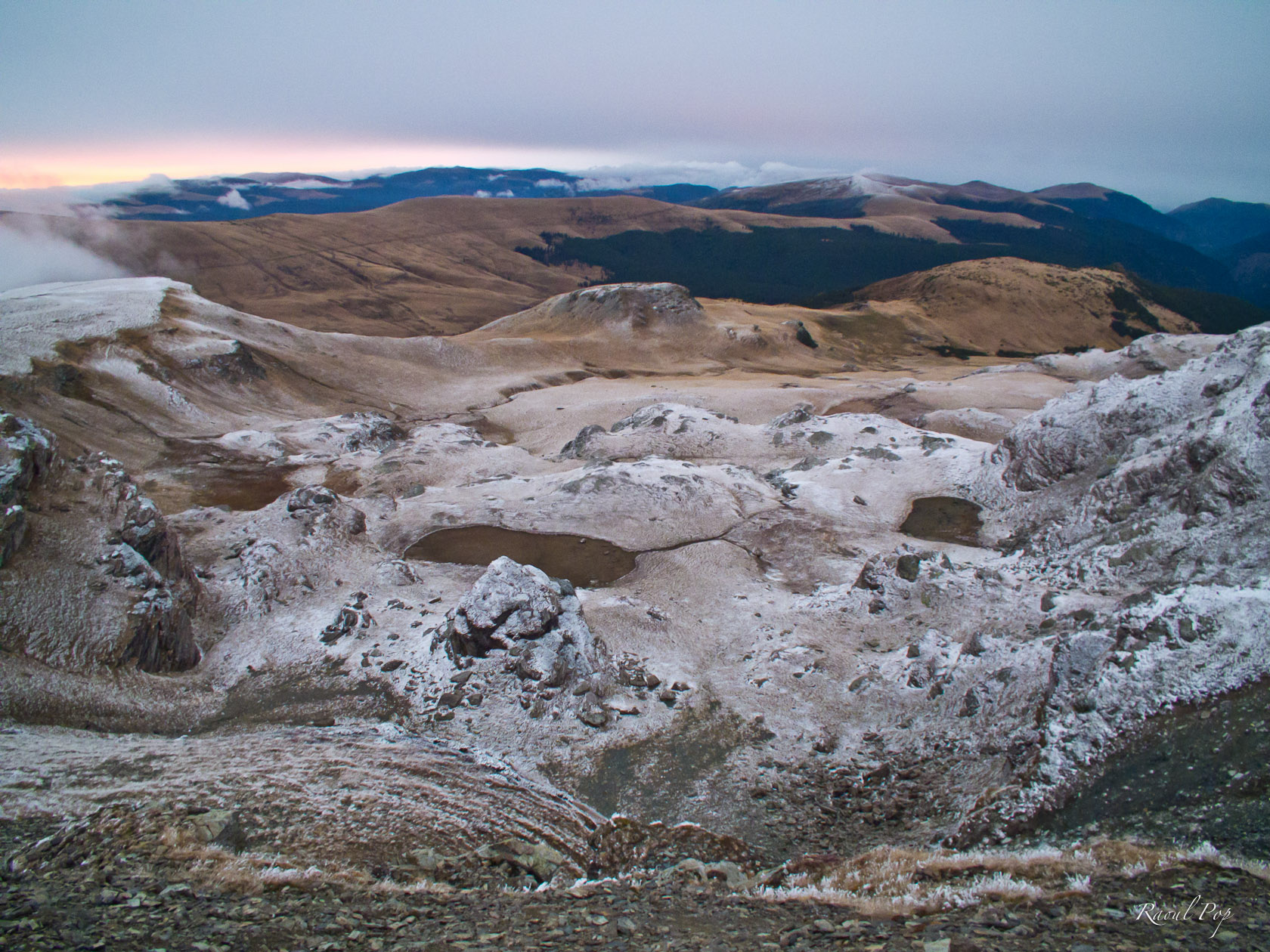
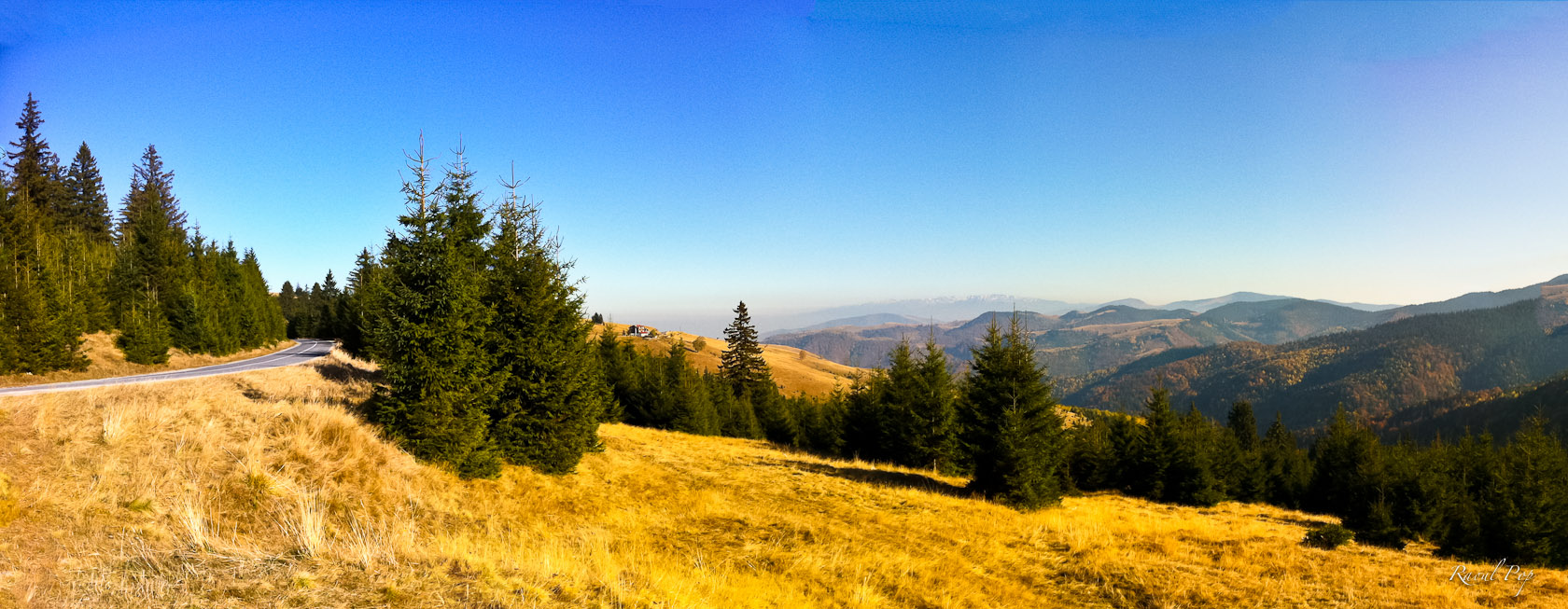
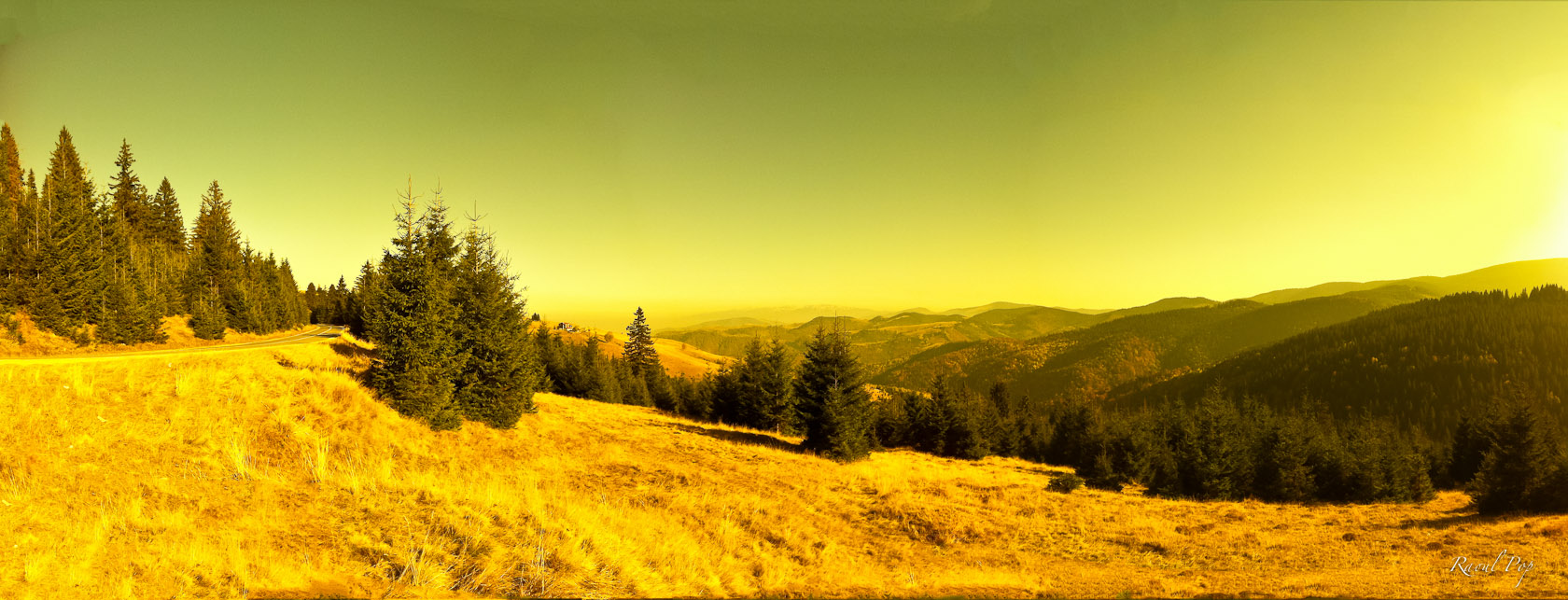
We visited the mountain resort of Paltinis today. It’s about 25-30 km from Sibiu (Hermannstadt), Romania, and the road to it is in pretty good shape. The views are wonderful, so if you’re in the area, drive on over.

Funny thing about Paltinis… It’s the place where I almost wasn’t… My mom was skiing on their bunny slope when she was pregnant with me, and she had a bad fall which could have resulted in a spontaneous abortion. Thank goodness it didn’t, or I wouldn’t be around today.

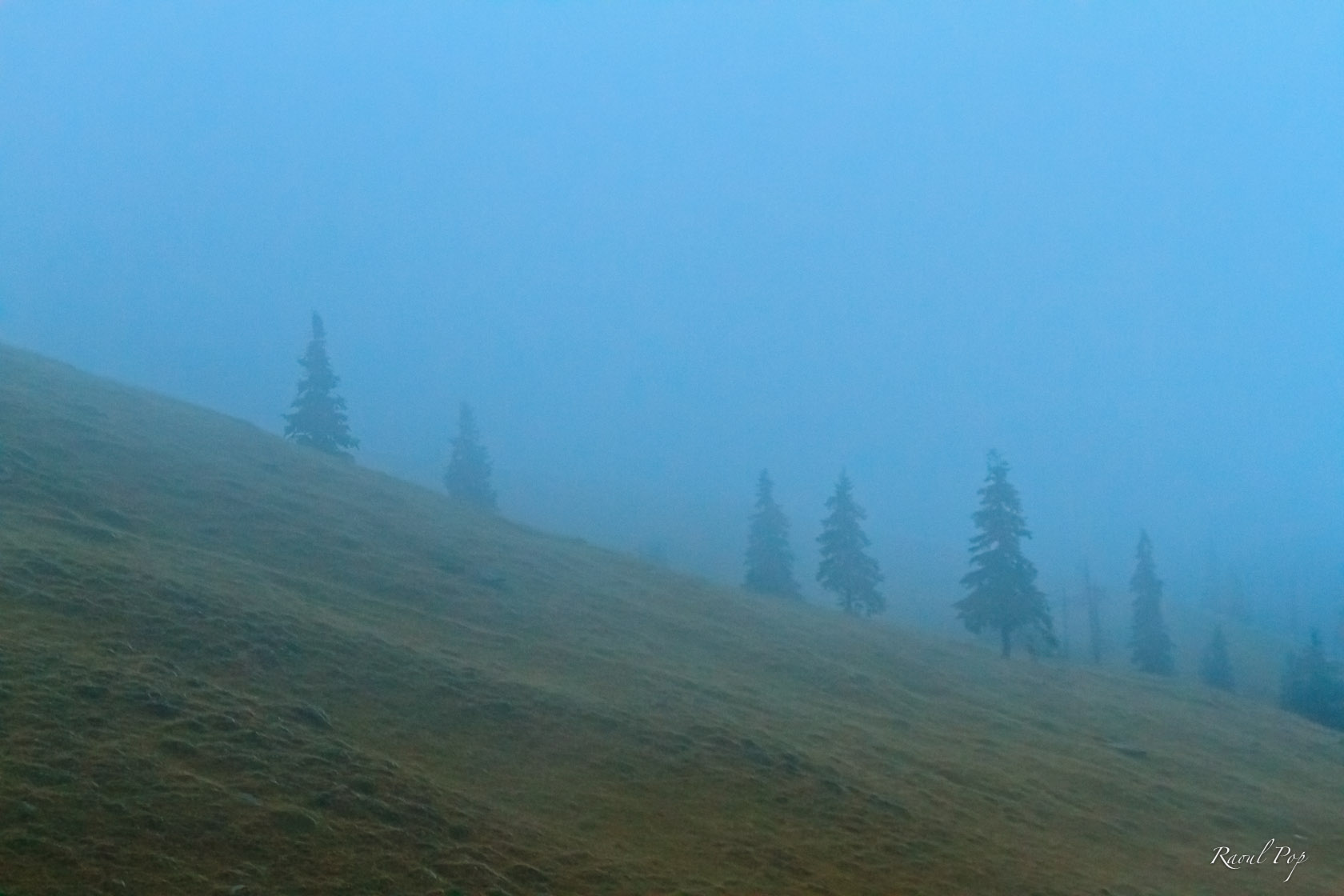
Here are a few photos I took there, which I shot with an iPhone. I used a “pre-filter” for some of the photos — my driving sunglasses! It’s a neat little trick you can do if the lens of your camera is small enough to be masked completely by the lens of your sunglasses, and it works particularly well if they’re polarized. You simply hold the camera right next to your glasses and shoot through the lens. You can compare the resulting effect below. Another thing I should mention is the panoramic-sized photos were stitched together in Photoshop, they’re not single exposures cropped to look like panoramic shots. Click through to view them large.
Standard
Places

A drive along the Somes river

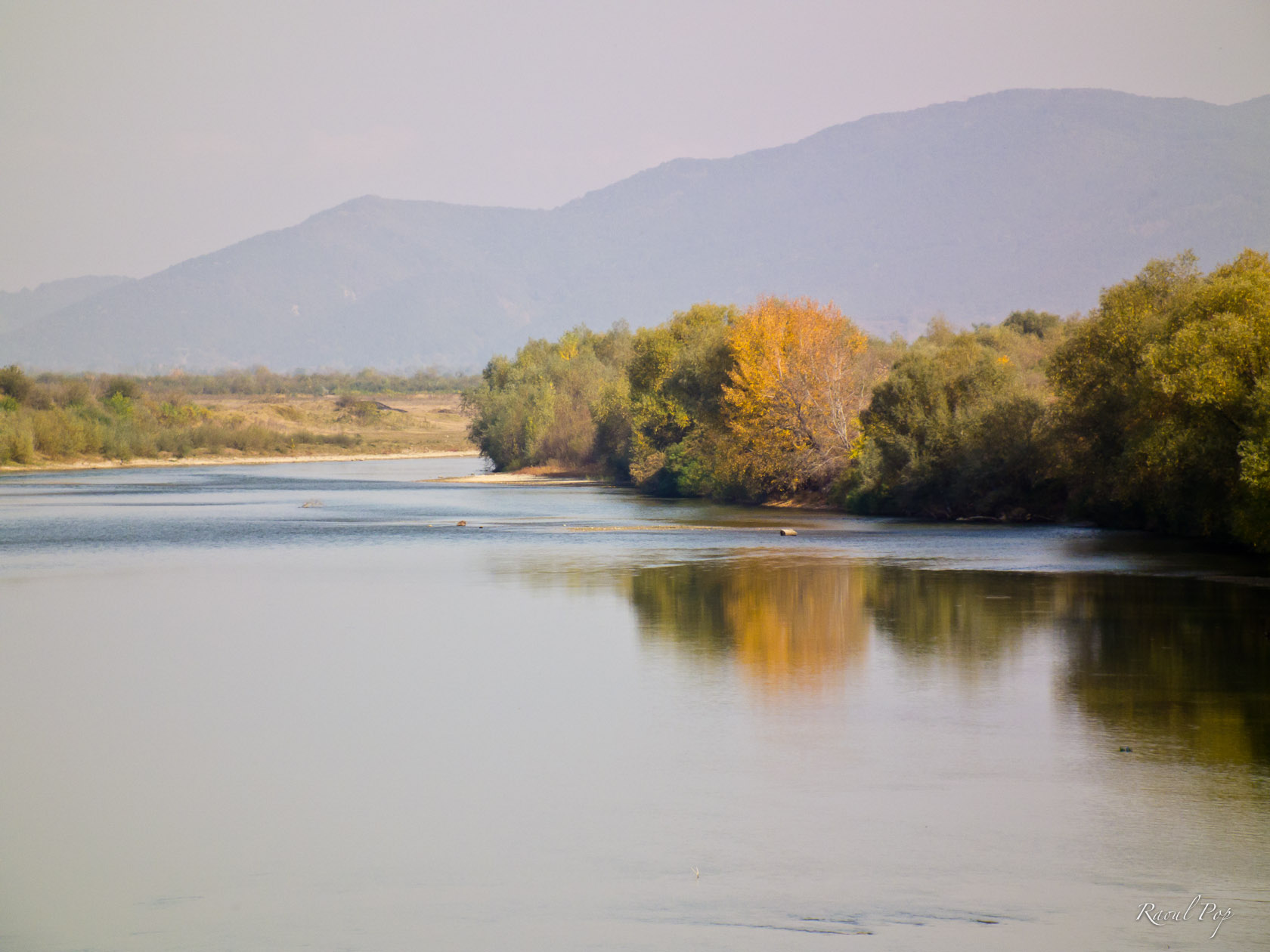
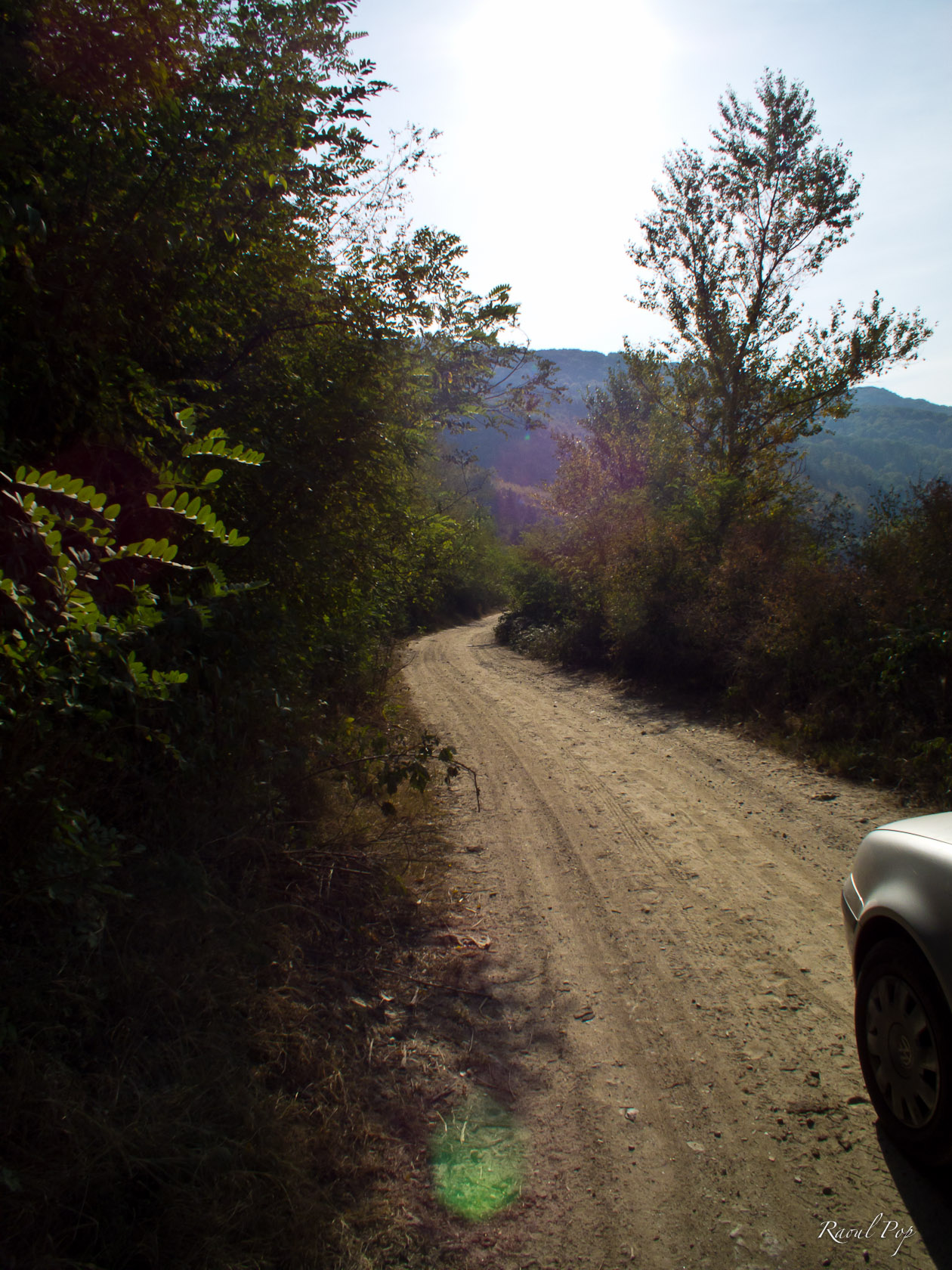
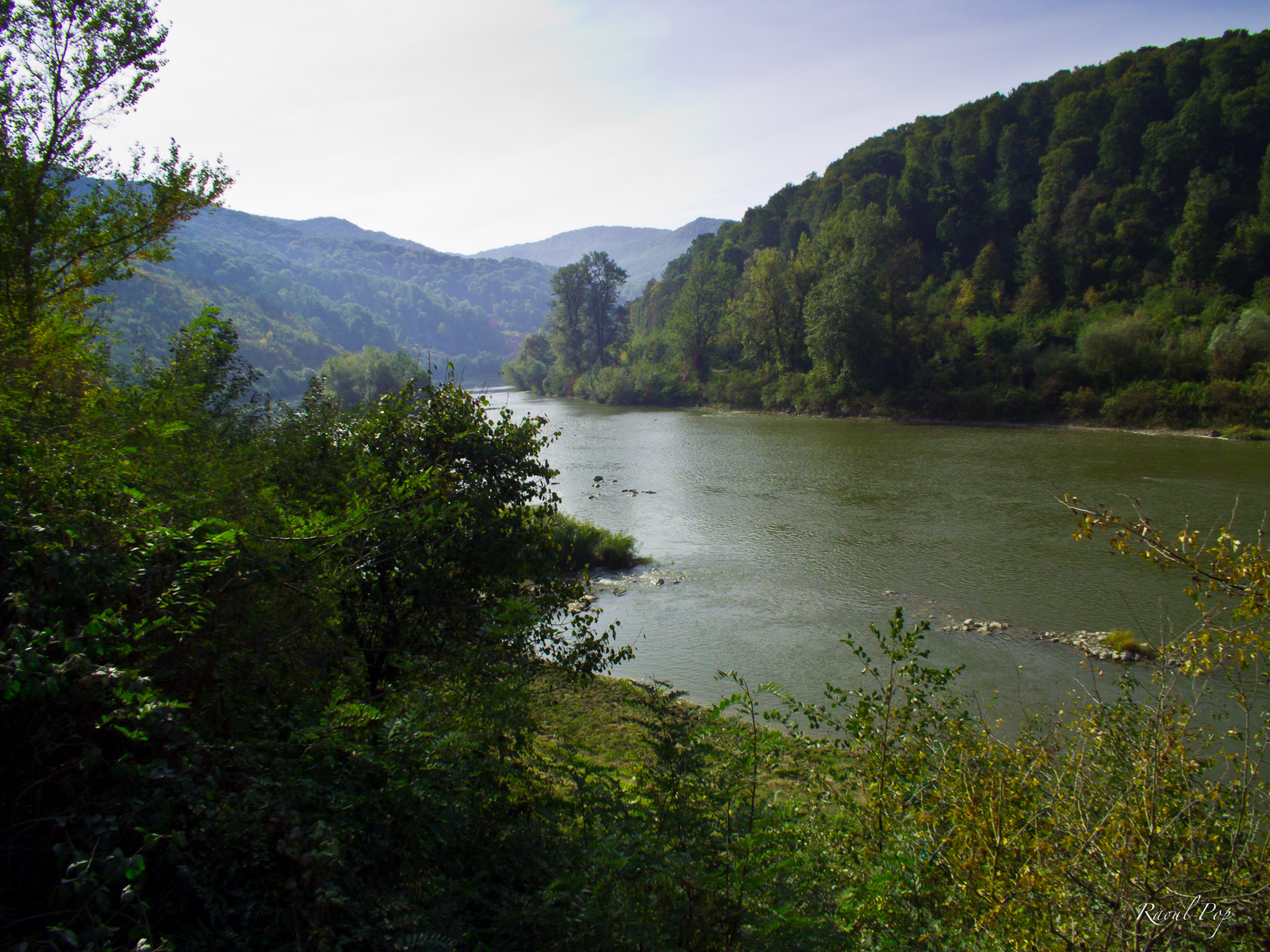
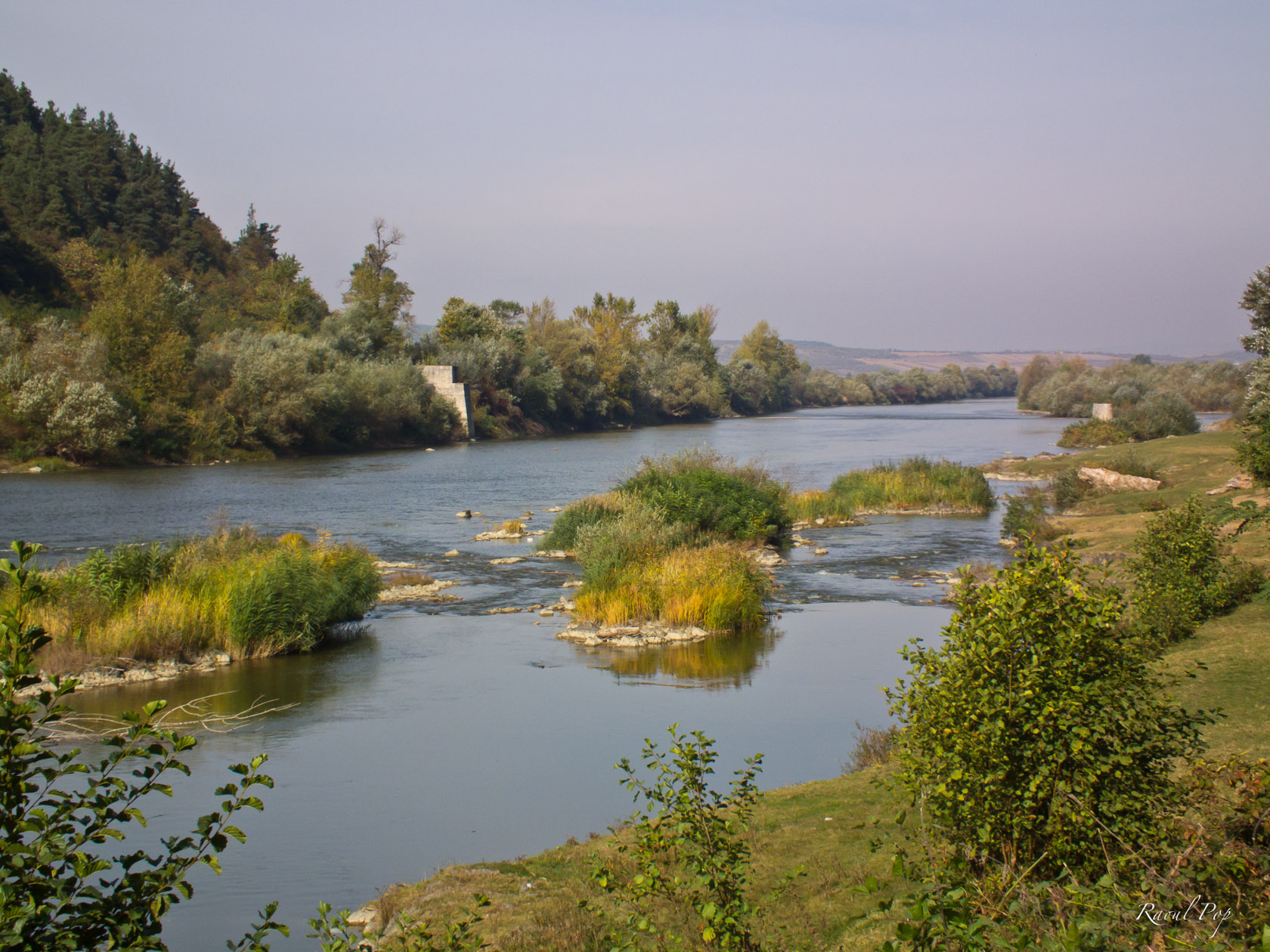
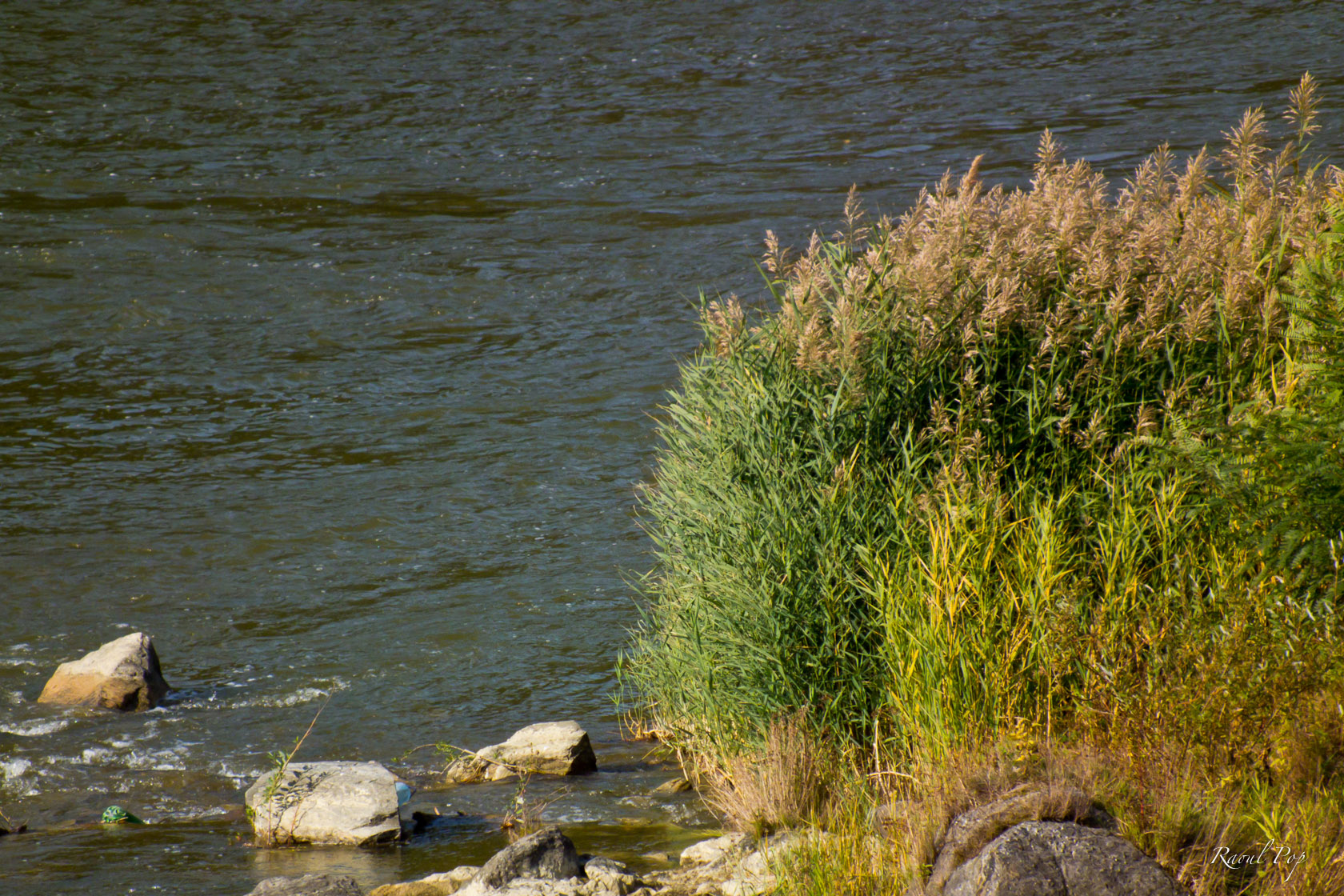
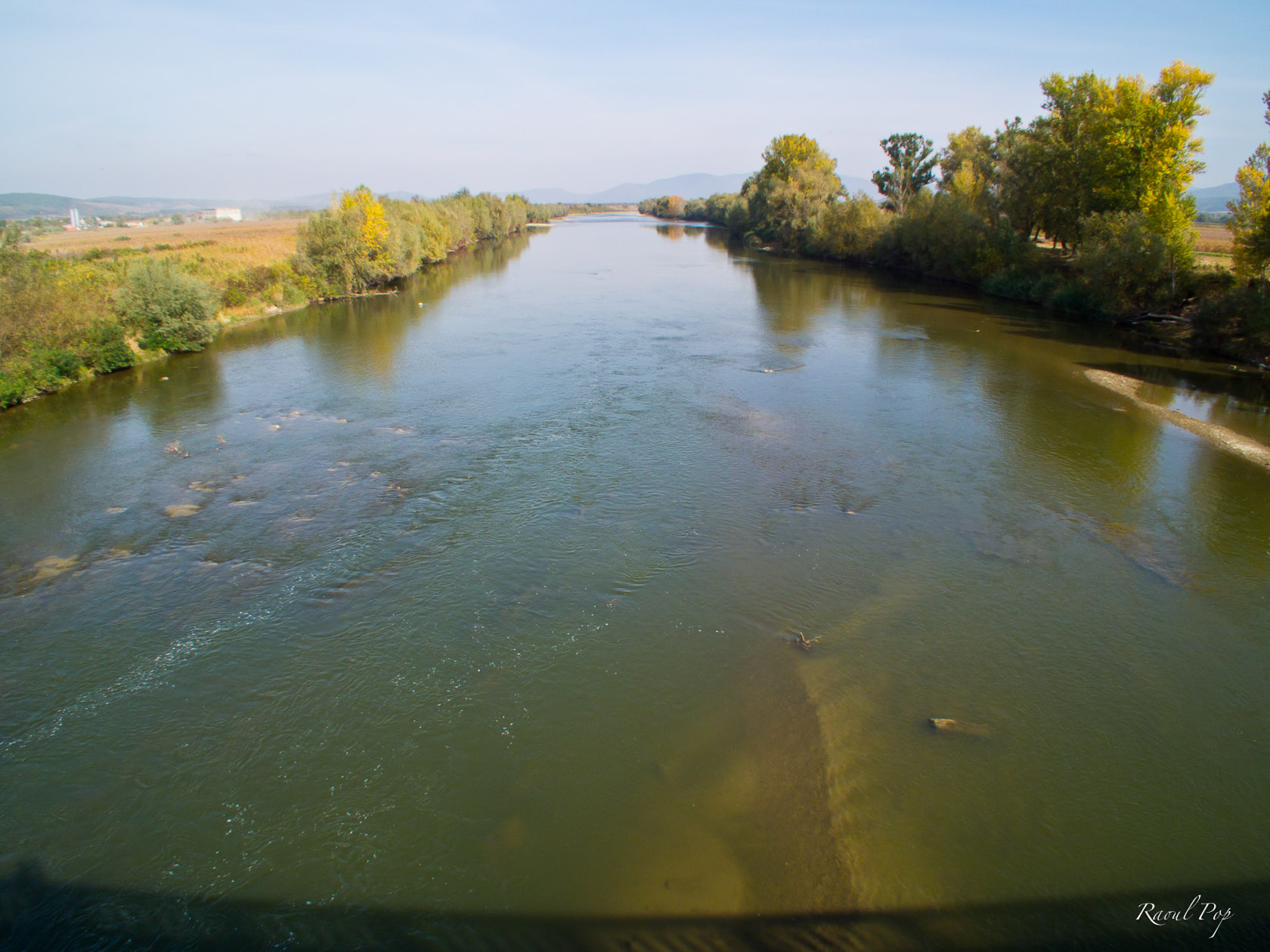
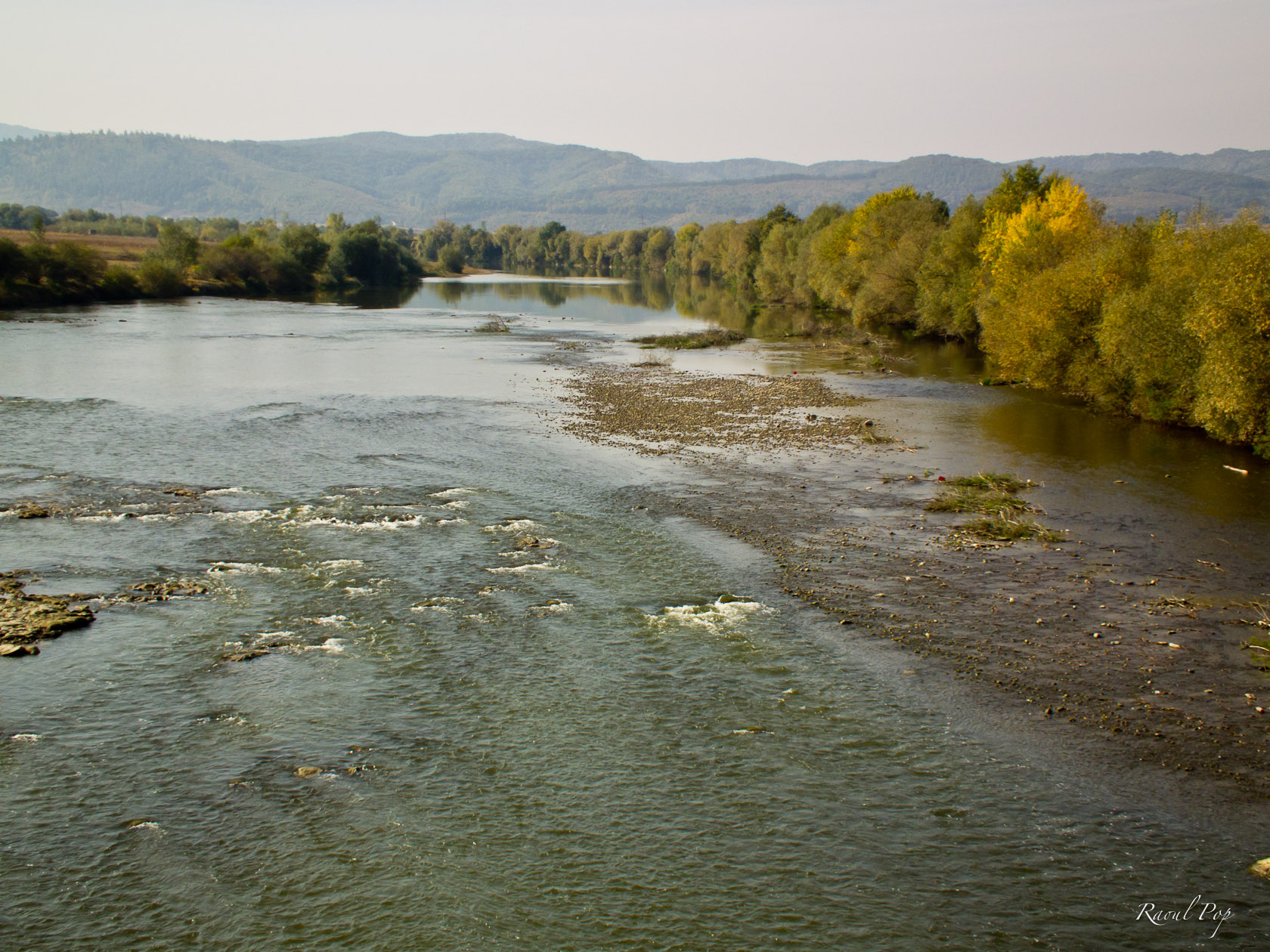
We recently had the chance to explore a portion of the Maramures countryside that’s seldom seen by “civilized” eyes. While trying to find a new route, we stumbled onto a dirt road alongside the Somes River, which connects the village of Remeti pe Somes with Cheud, another village that sits on the Somes river. The dirt road starts here and ends here, but that’s not the part that’s important. What is important is what you’ll see as you travel on it.

We felt as if we’d stepped back in time. It was as if the road and the countryside were untouched by civilization altogether. We could hear the traffic in the distance, on the other side of the Somes, where the paved road was, yet where we were, it seemed as if progress had decided to take a nap.

Nature was quiet and majestic. The road twisted and turned with the river, winding its way through meadow and forest, over hill and over dale, over little brooks and springs that found their way into the Somes, adding to its already impressive size. We passed a gypsy dwelling with a few huts and small houses, hidden at the edge of a forest, miles and miles away from paved roads and civilization. Their kids, unwashed, dressed in rags and looking like medieval imps, pounced on our car, begging for change (their training begins early on in life).

Later on, we passed a pasture, replete with an idyllic herd of cows grazing peacefully on the abundant grass. And as we drove on, passing under large, thick trees, it occurred to us that this was an old road, a road that had likely been in use for hundreds, if not thousands of years, a companion to the river, now forgotten and abandoned in favor of the paved roads that cut through the landscape instead of working with it.

Ligia and I have seen our fair share of unpaved roads and beautiful scenery in Romania, but on this particular dirt road, on that particular segment of it, we felt more than at other times, that we’d stepped back in time a little, that we’d experienced a bit of what it was like to travel during the time of the dirt roads, at the speed of a horse’s trot. It felt odd to rejoin civilization afterward, our car fitting into the modern landscape yet covered in a thick layer of primeval dust — a reminder of our trip through time.

Standard
Places

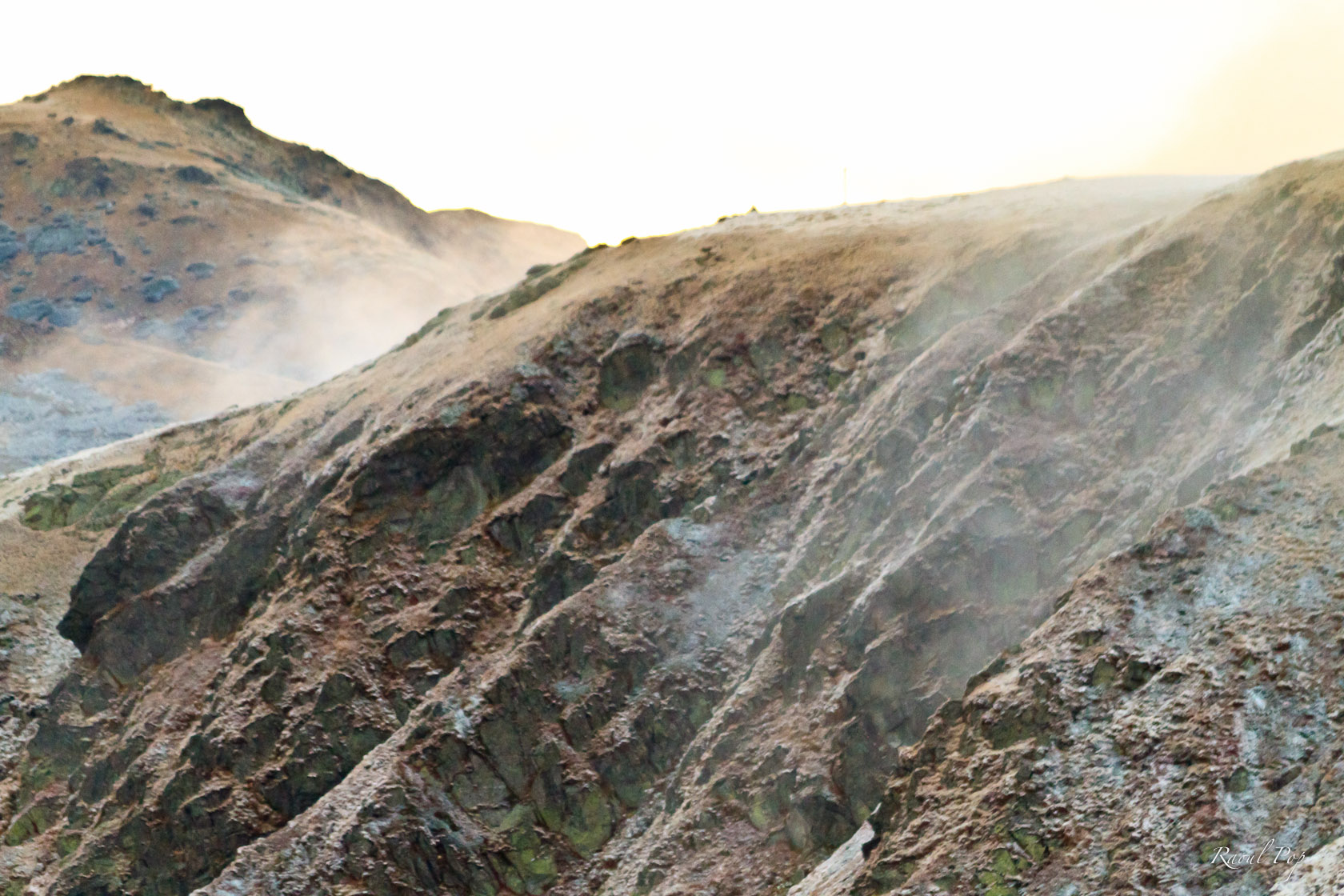
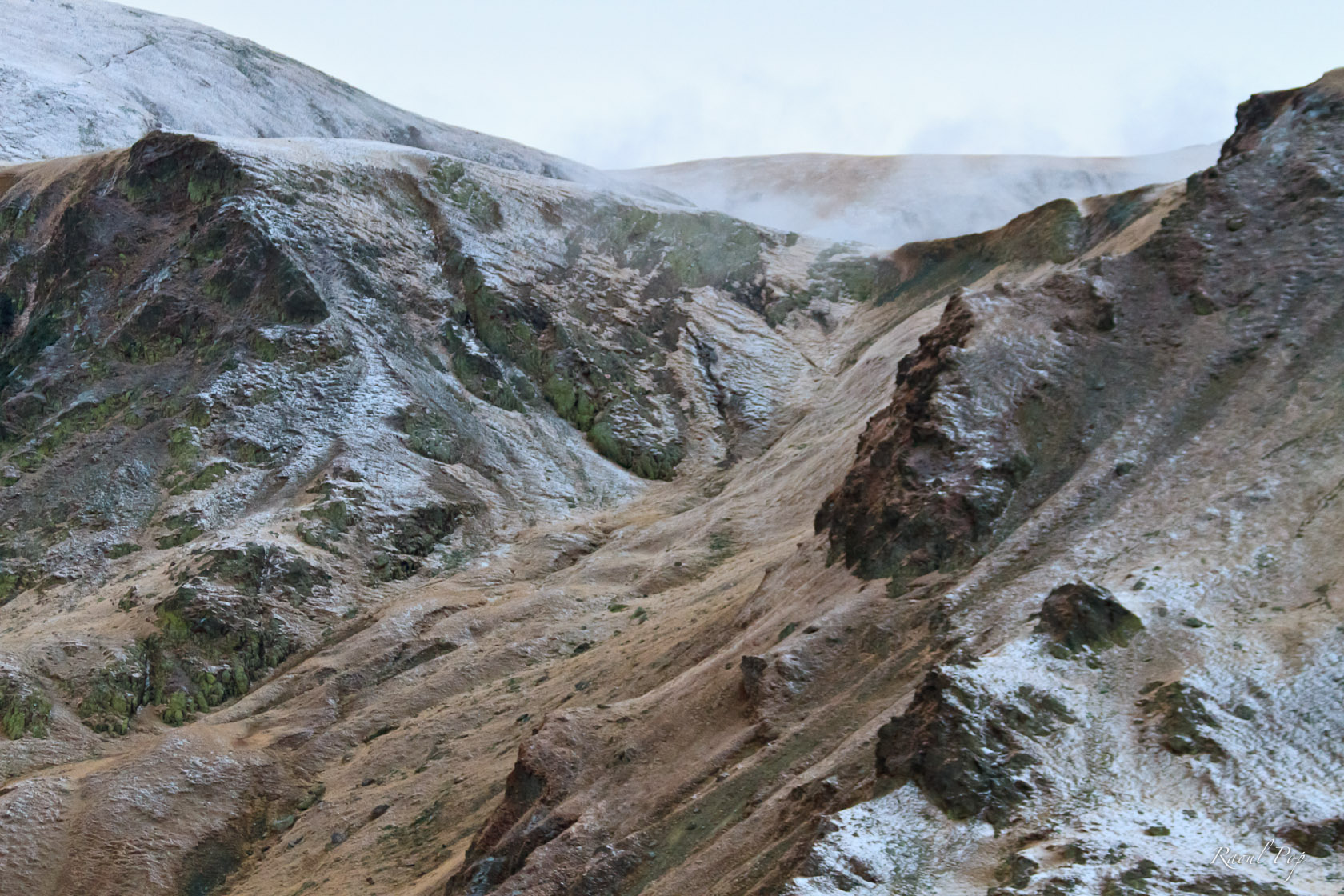
First snow on the Transalpina Road

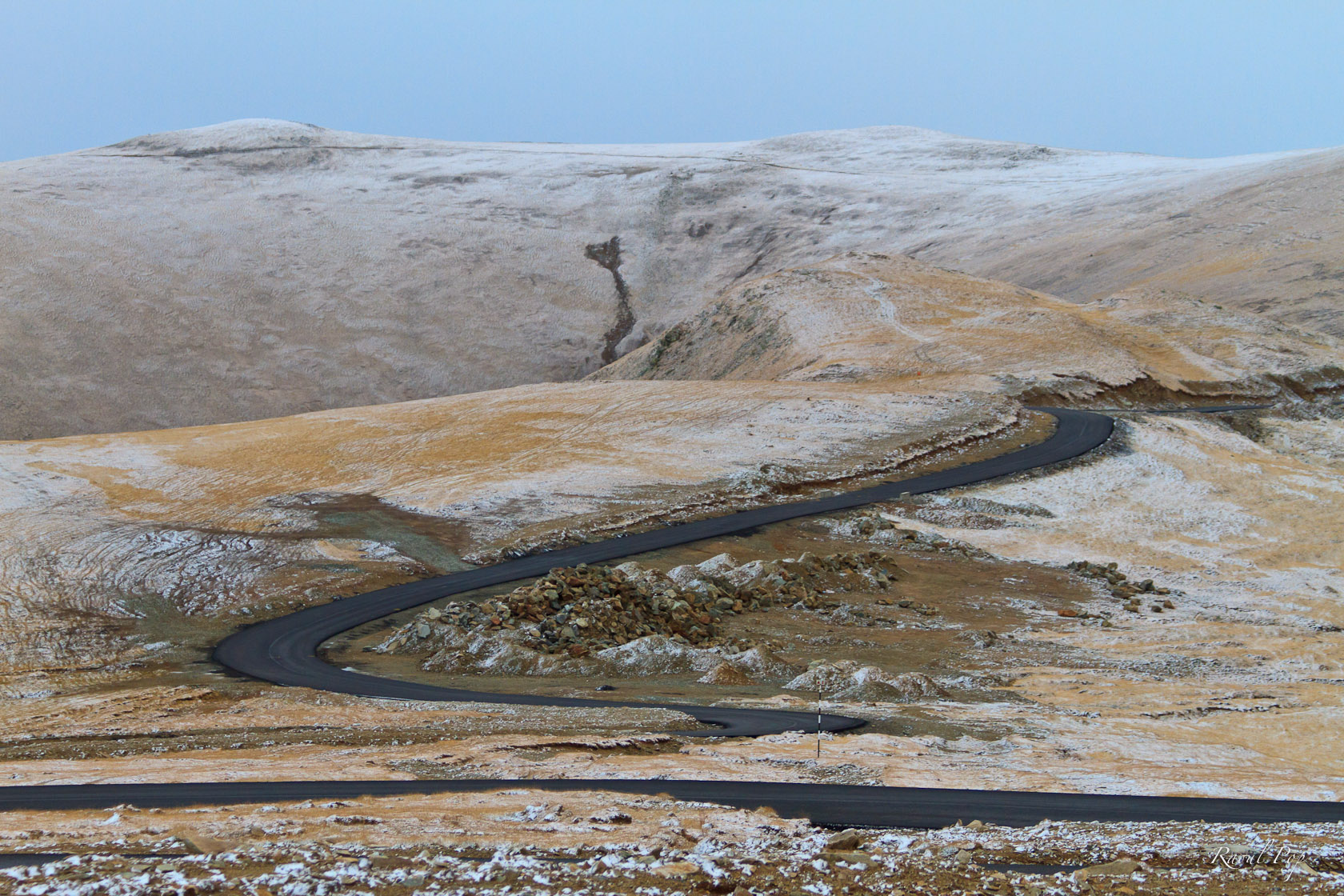
Transalpina is the highest road in Romania. It’s also quite possibly its most picturesque; it certainly offers the most beautiful sights I’ve seen in Romania so far. It connects Transilvania to Oltenia, and the official length of the entire road is 148 km from Novaci to Sebes, although only a stretch of 30-40 km travels atop the Parang Mountains (part of the Carpathians), reaching an altitude of 2145 meters at its highest point.

The road was built by the Romans, as they traveled north toward Sarmisegetusa and then used by them as they carted off thousands of tons of gold and silver from Dacia’s rich mines. (You might want to read through this post for the background info.)

According to this website, the road was paved with rocks by King Carol I in the 1930s, maintained by the Nazis during WWII, then forgotten. Work to repave its entire length began in 2009 and it still goes on, though large portions of the road, including its most beautiful sections, are now ready to be used.

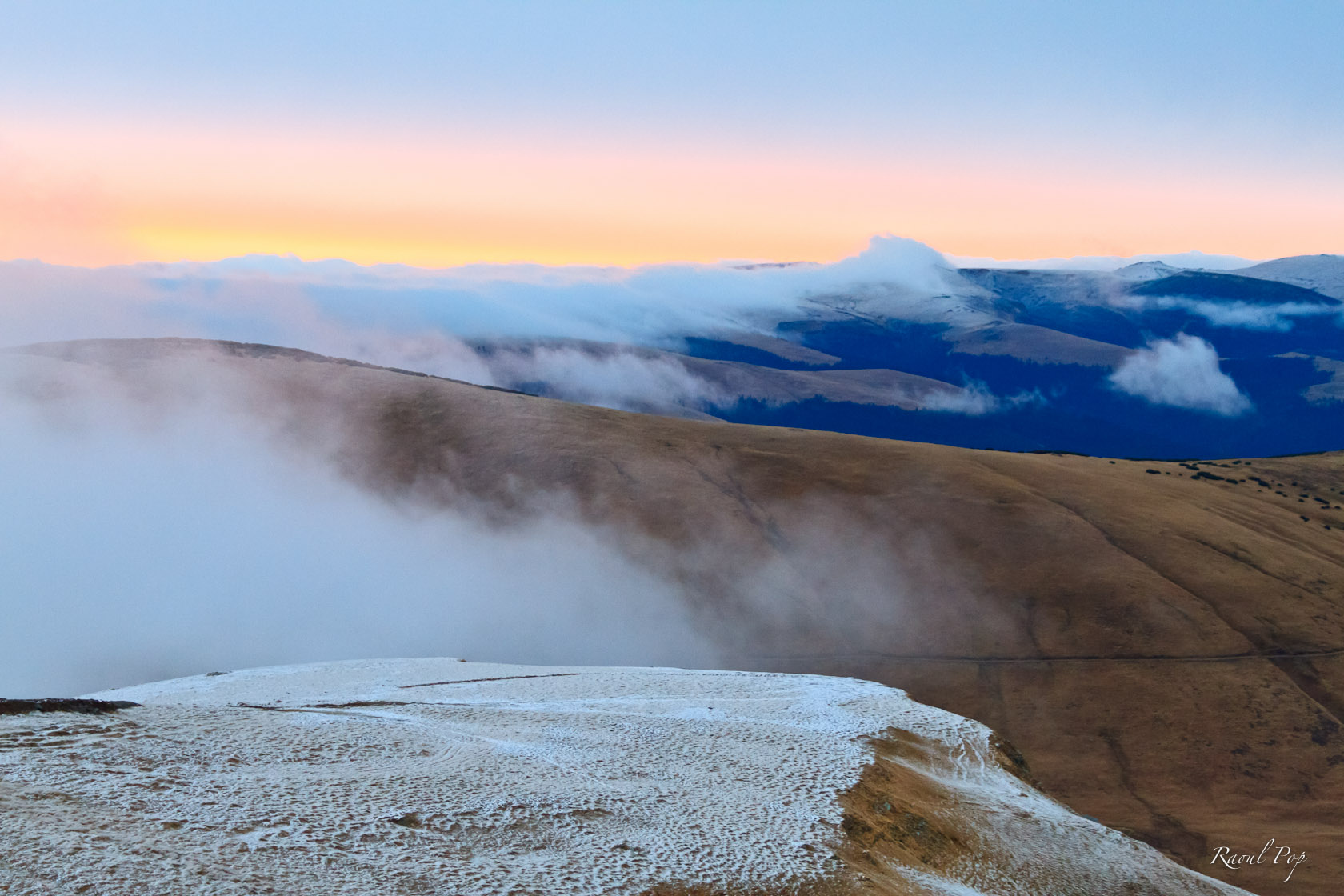
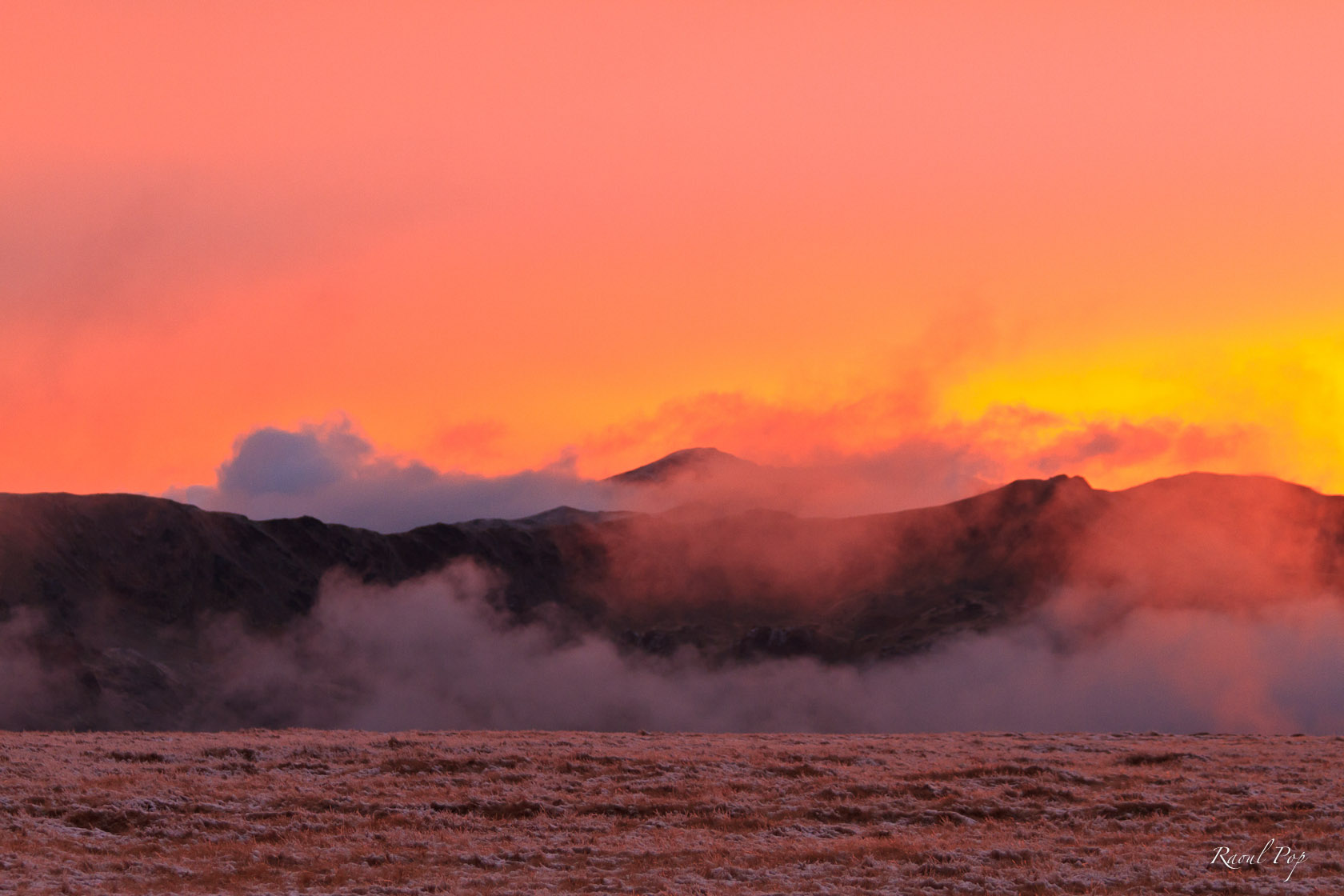
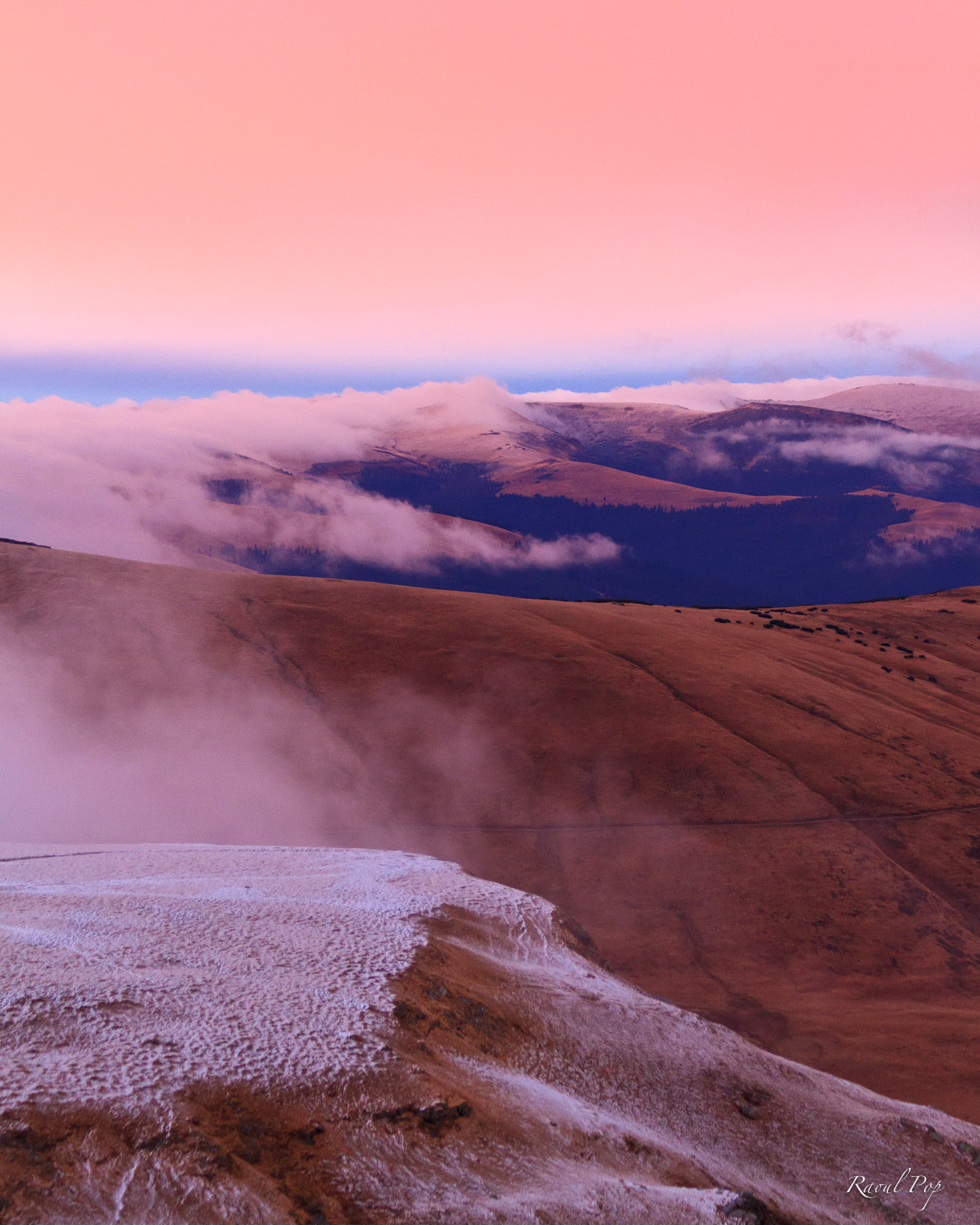
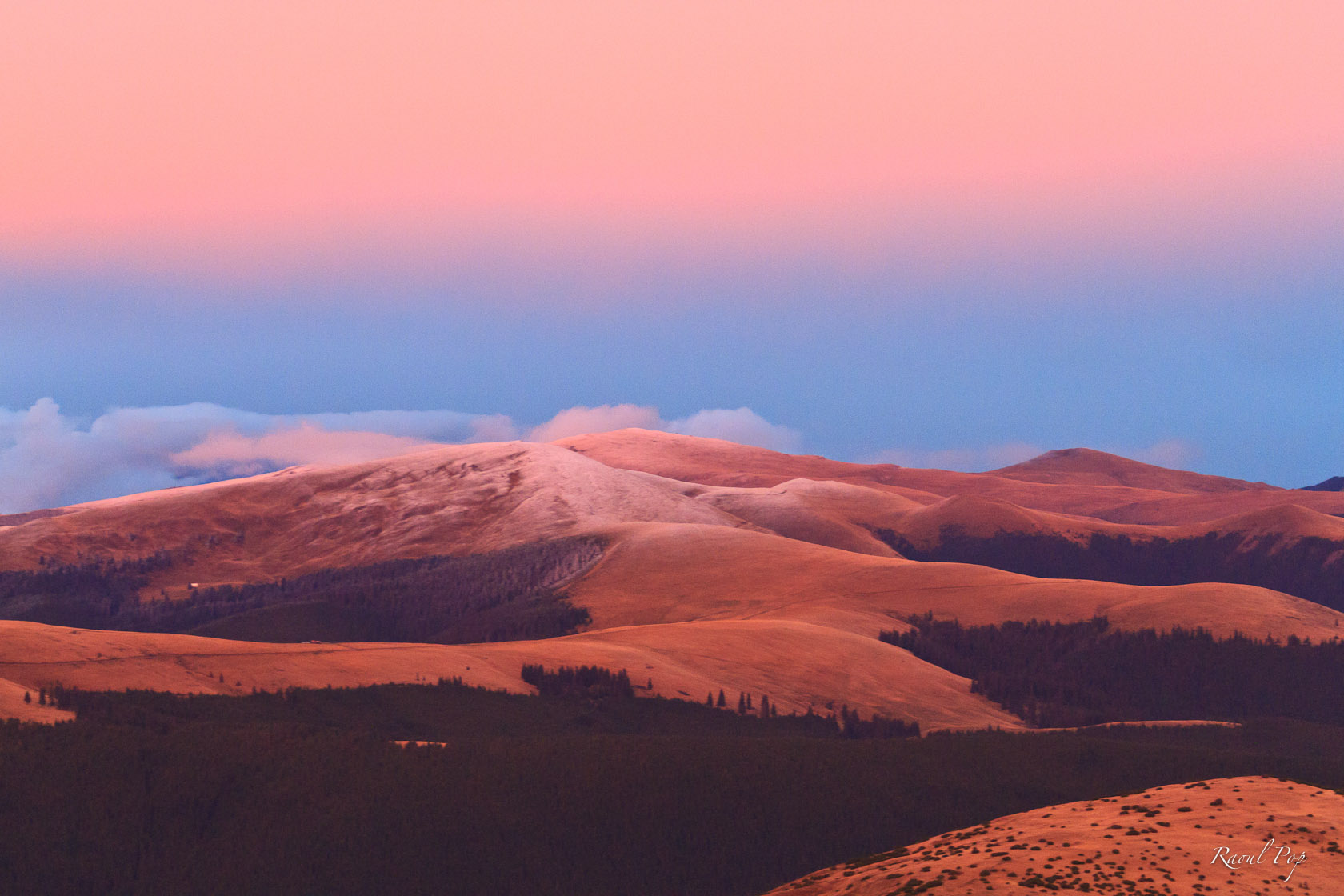
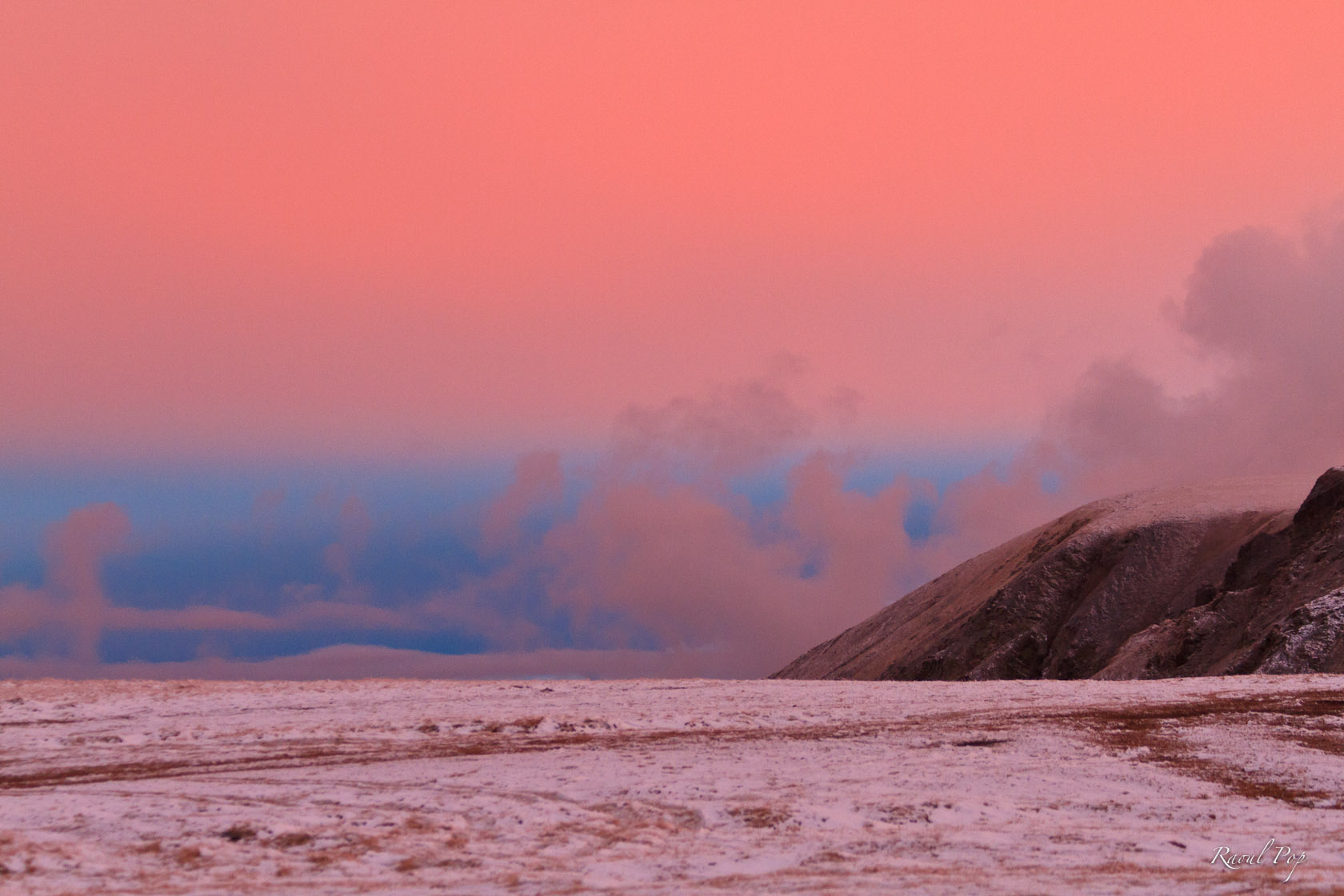
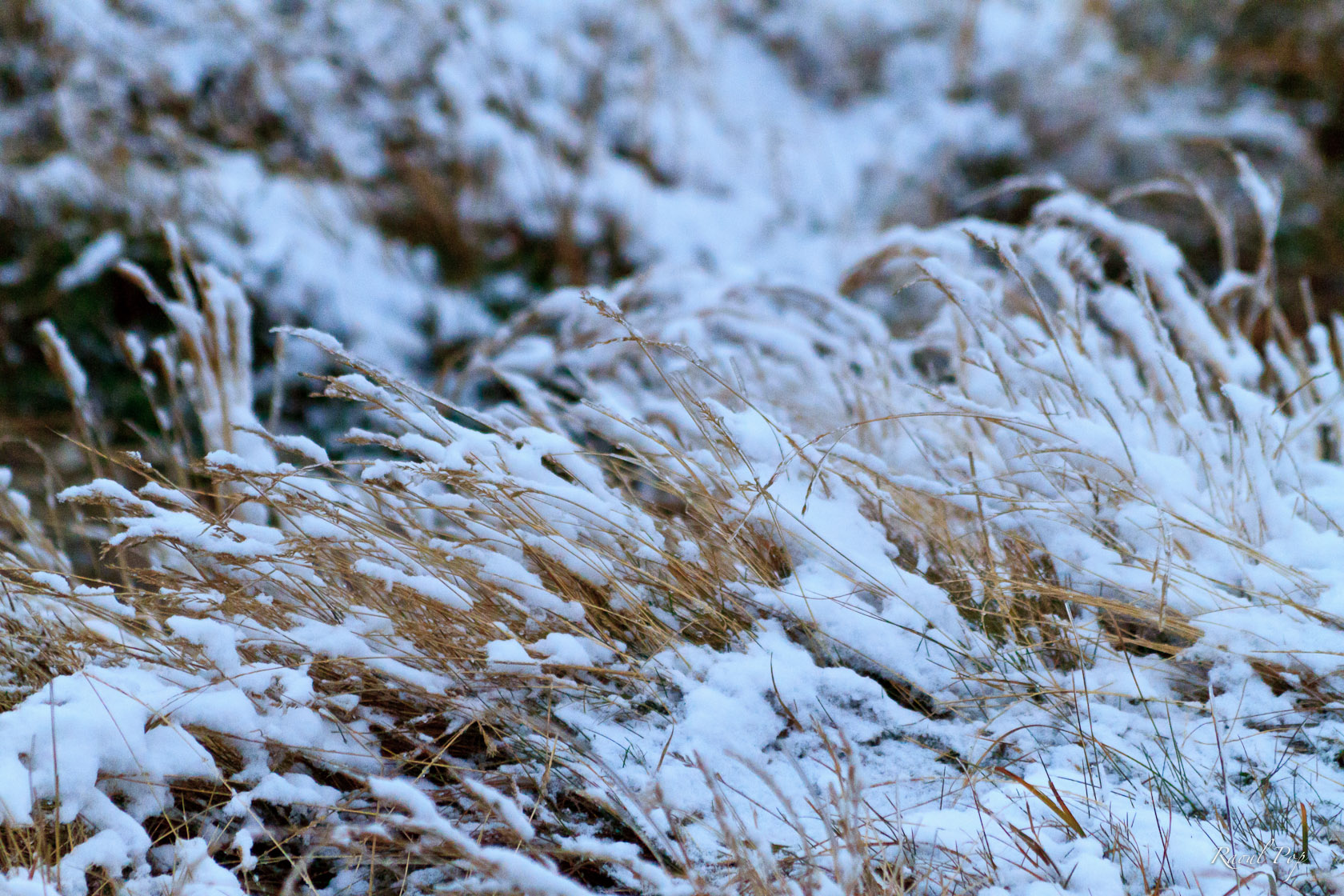
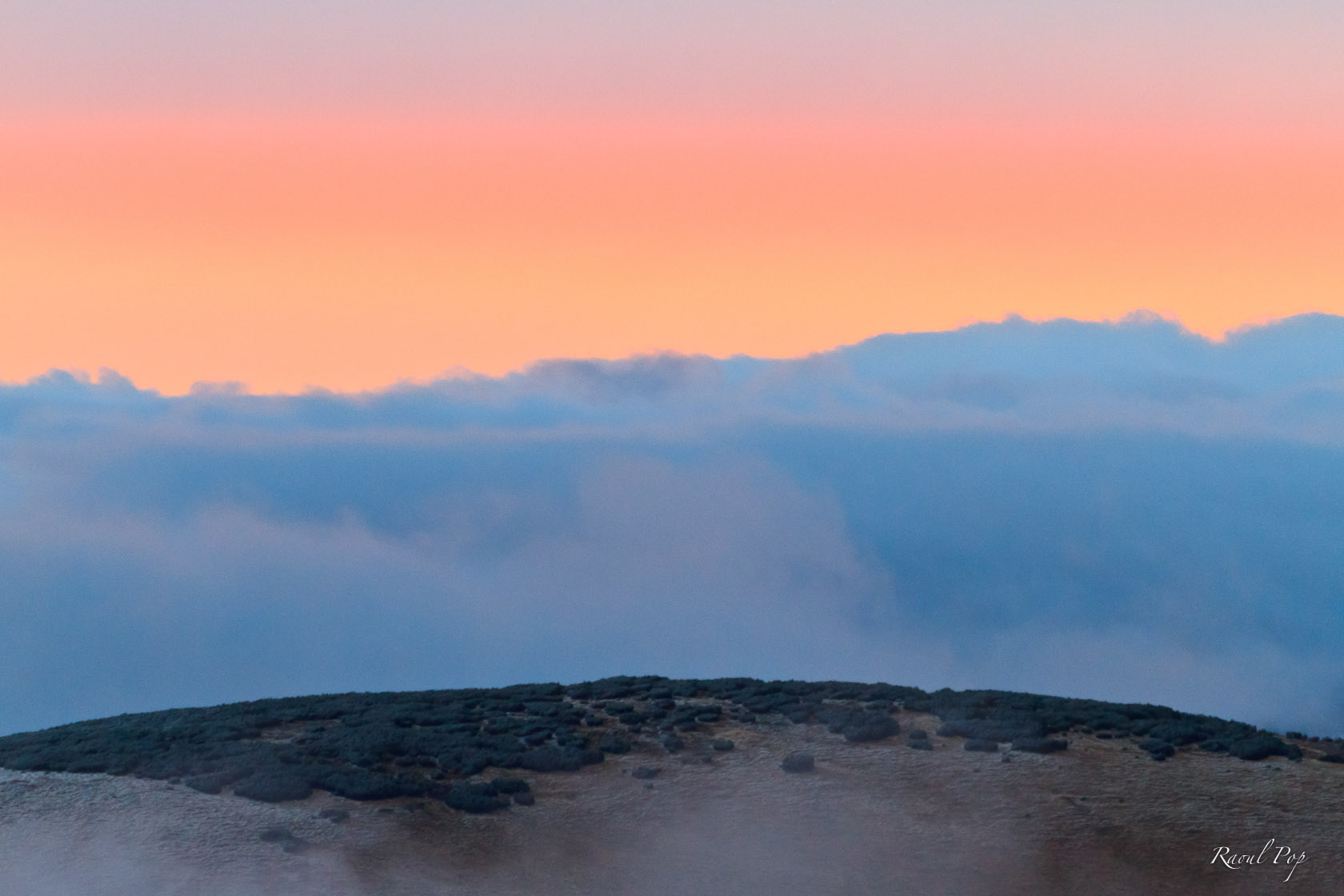
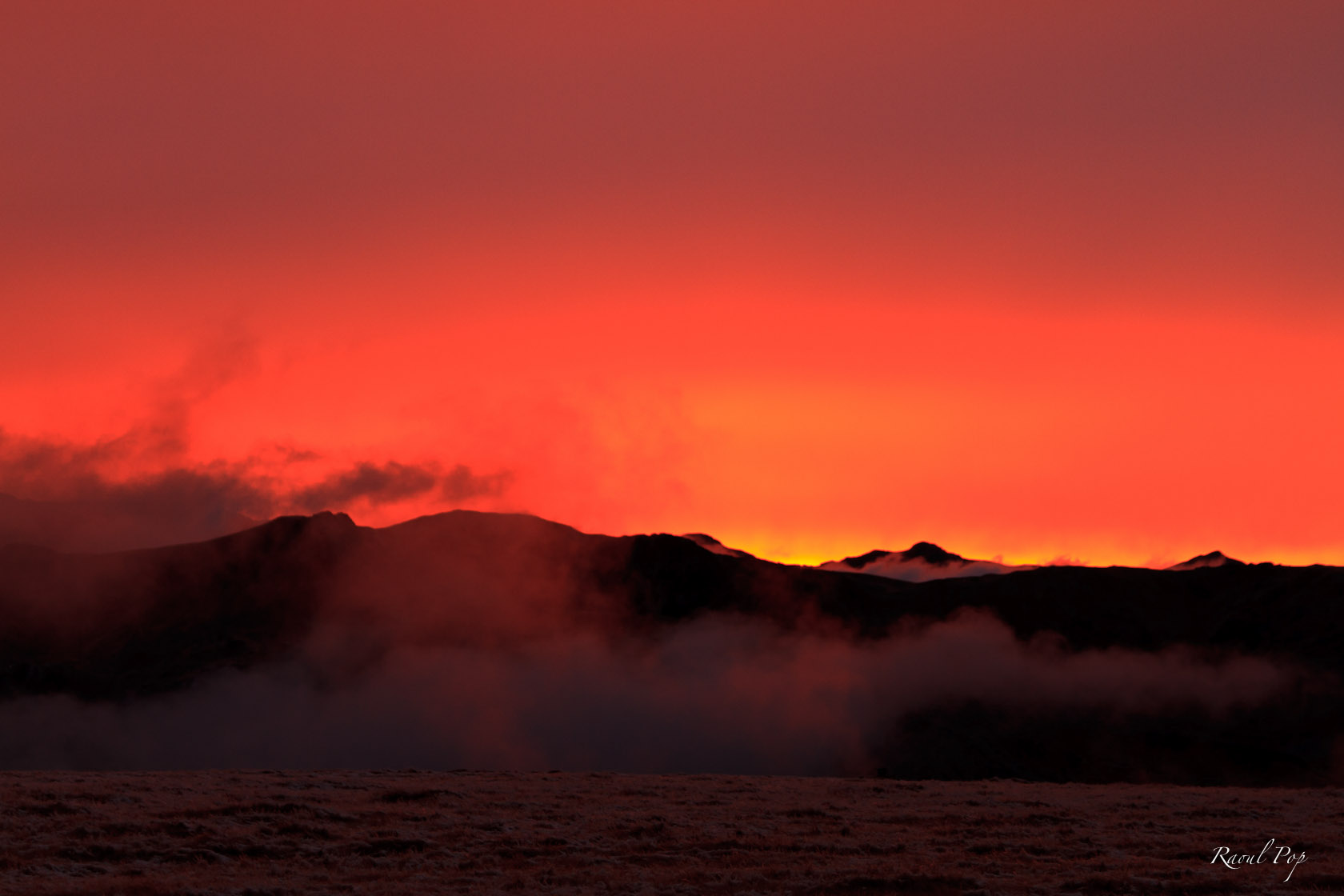
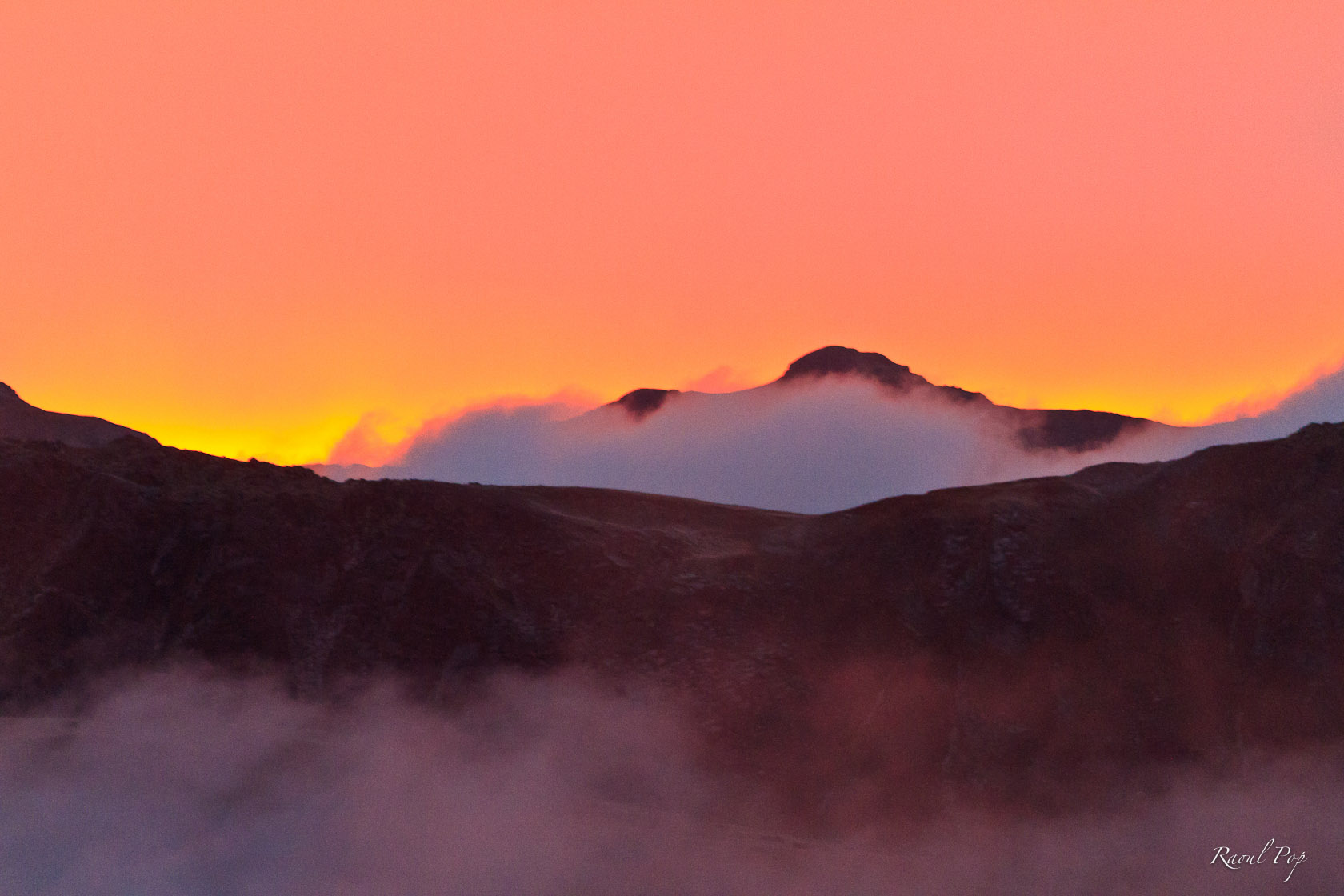
We visited Transalpina twice this year, most recently during this past weekend, and we were awestruck by the beauty of the vistas you can see as you travel along its length. We had the good fortune to drive through right after first snow had fallen on the peaks, draping them in a light blanket of pure white snow. Moreover, we were blessed with a gorgeous sunset that colored everything in sight in a golden orange hue. It was heavenly.

We’d have loved to spend more time atop the mountains but night was falling quickly, the temperature was dropping, and we had hundreds of “miles to go” before we could sleep, to paraphrase Robert Frost.

We drove on, descending into the valley below and into thick fog, then wound our way through the mountains toward Sibiu, passing through such interesting places as Jina and Poiana Sibiului.

I’ll leave you with a few more photos from the trip.

Standard
Thoughts

Meet Costache

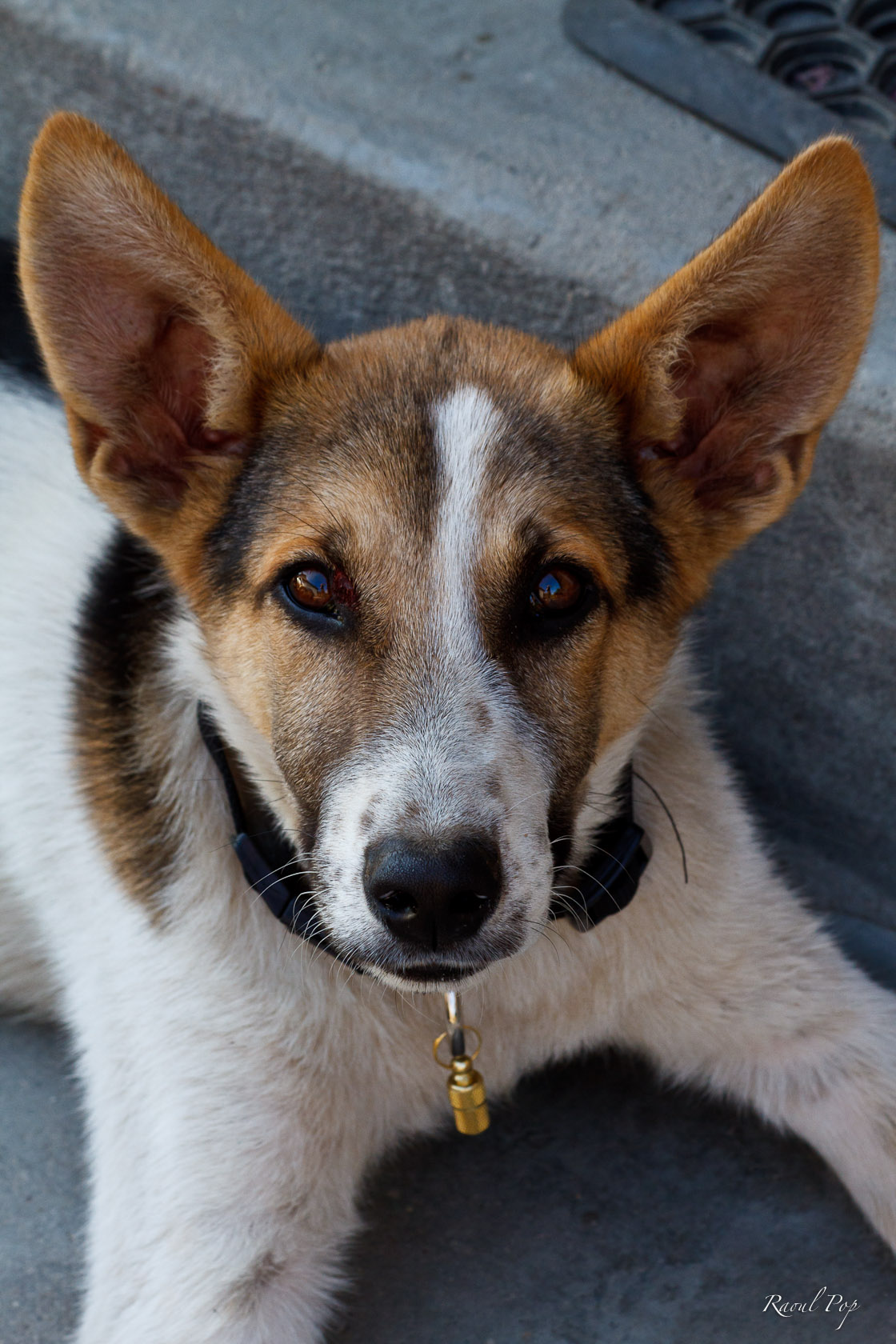
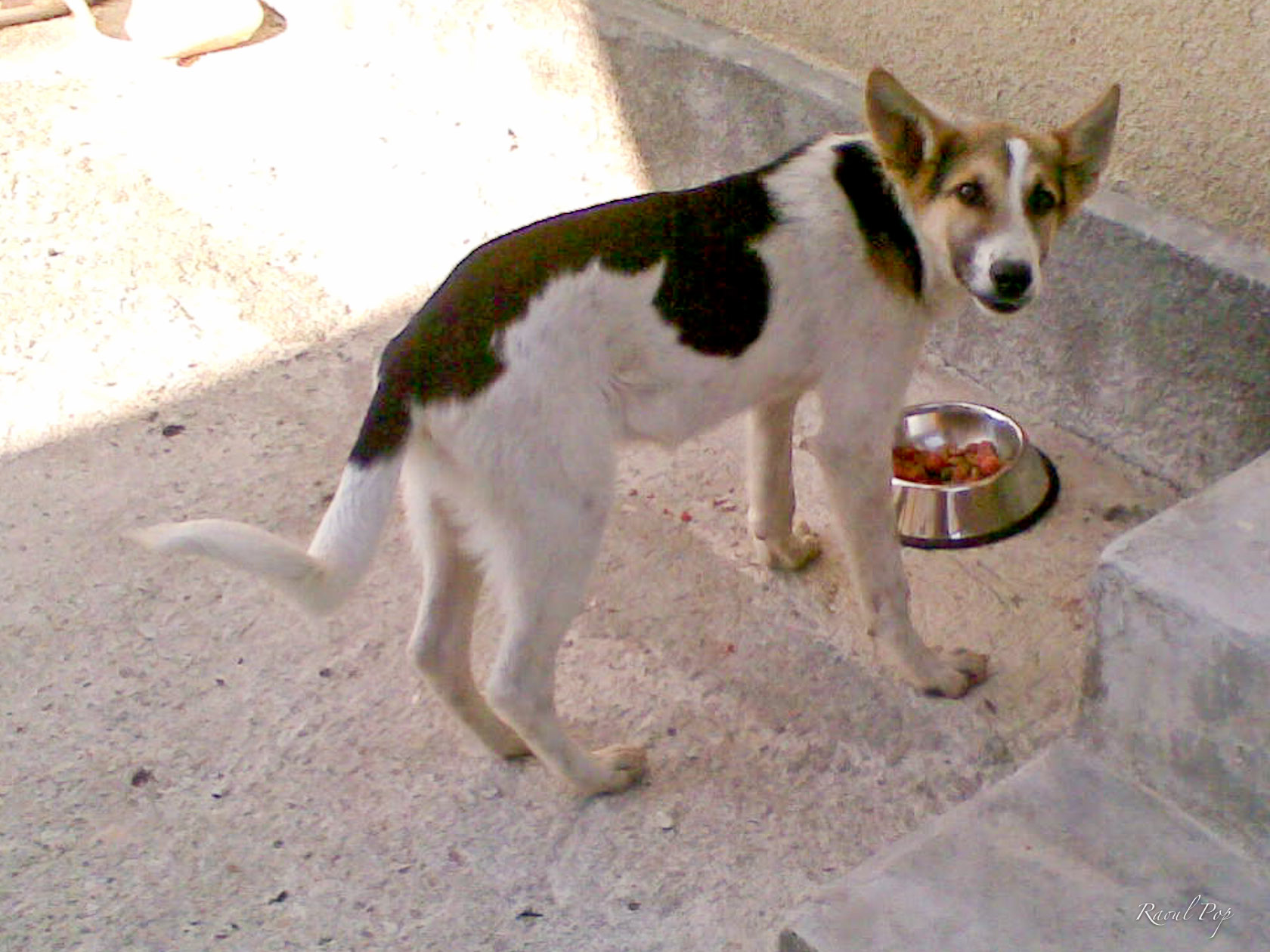
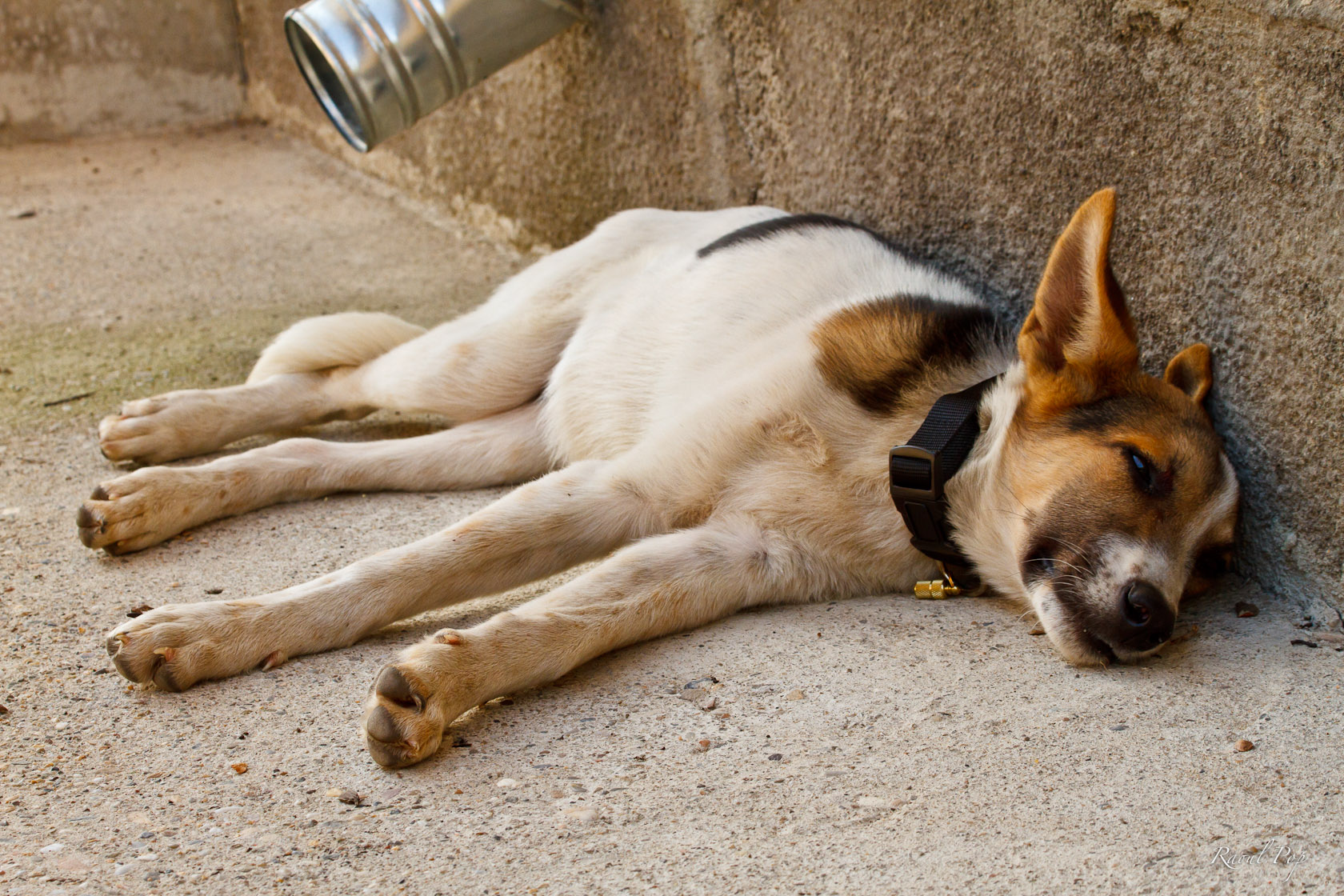
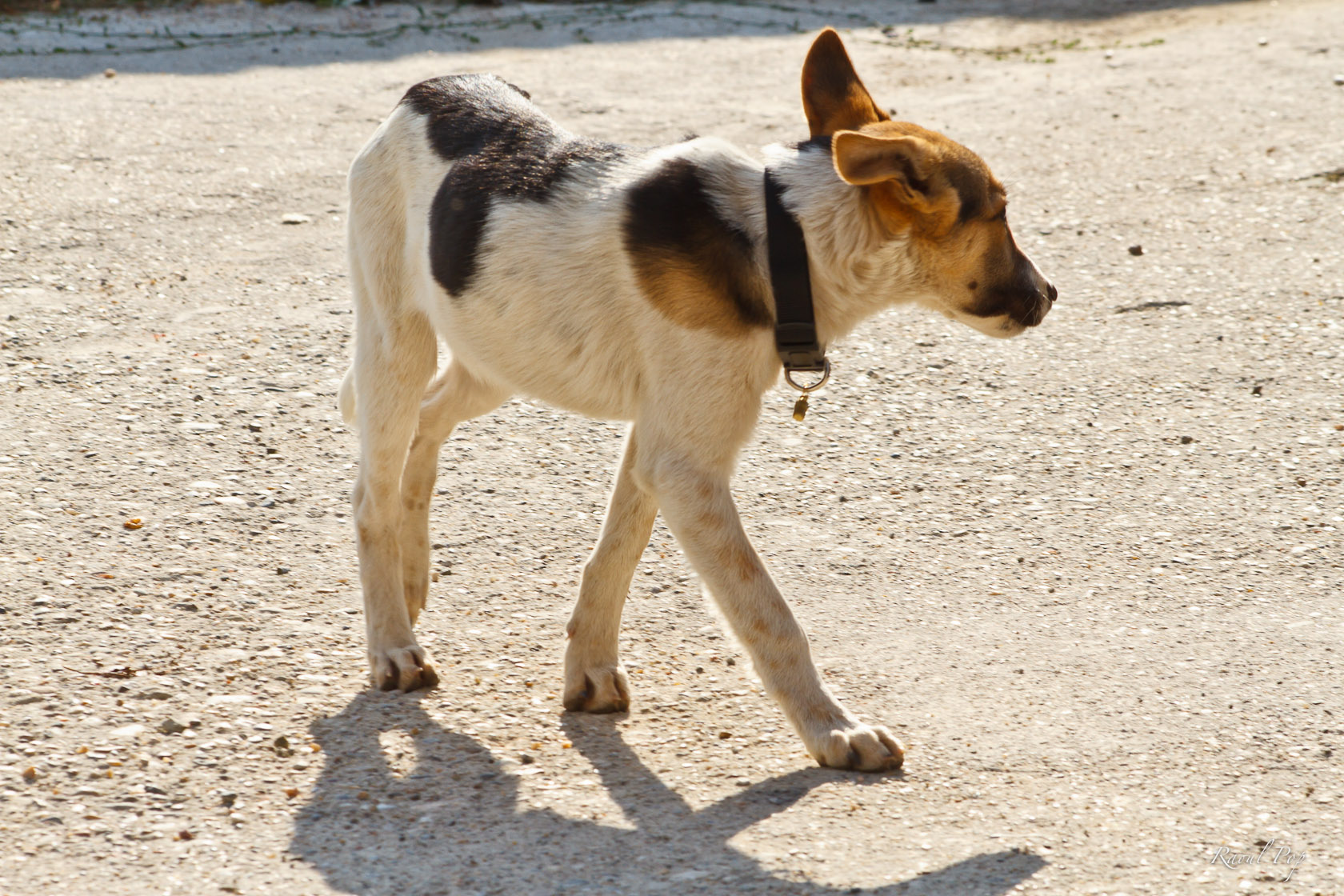
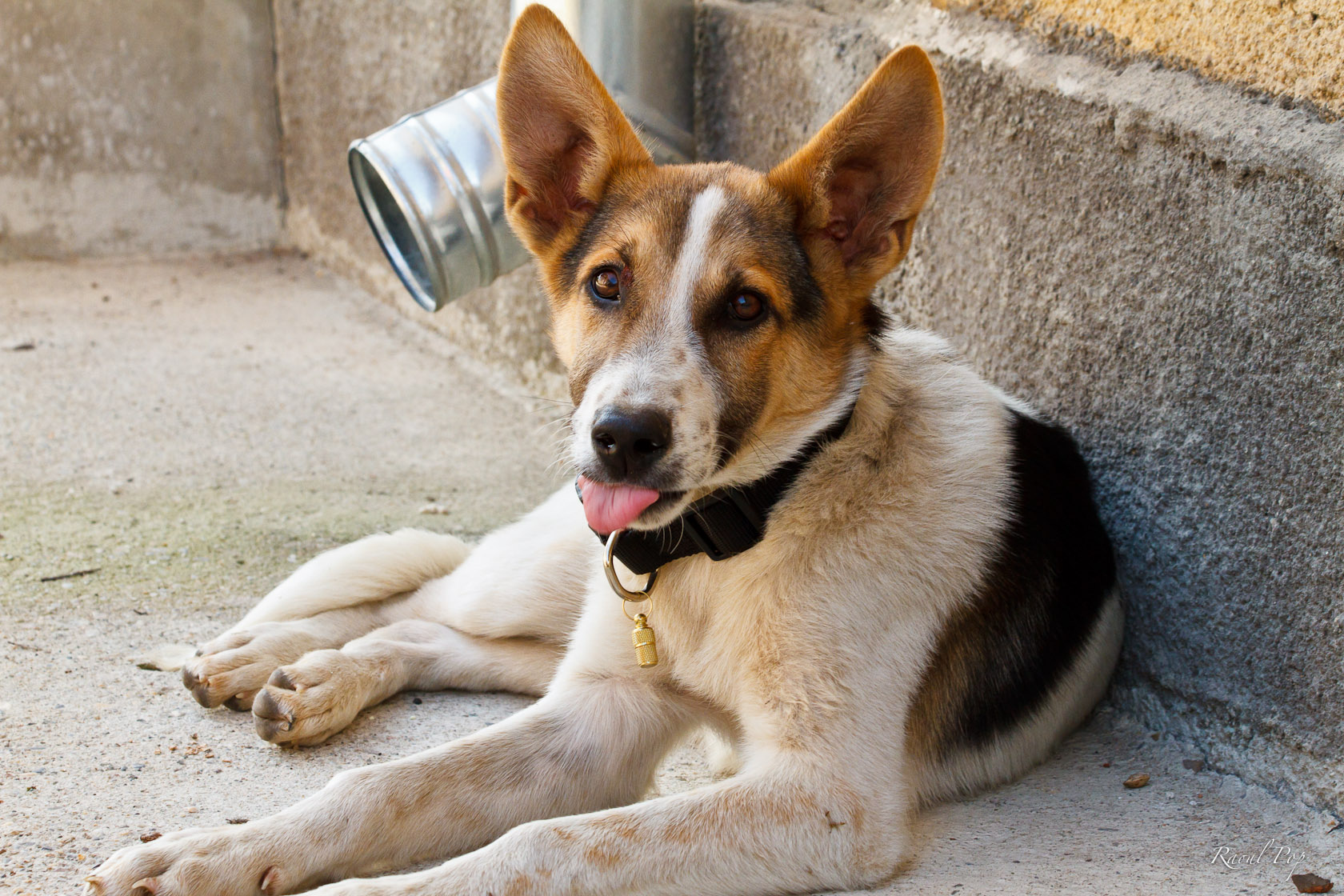
This bright-eyed pup showed up on my grandmother’s doorstep in Maramures this past Sunday morning. Although happy to get my attention, he was clearly suffering: he looked as if he hadn’t had a decent meal in weeks, as his ribs were showing through the fur, and he was full of fleas. He had the outline of a collar around his neck, so from the looks of things, he’d escaped from a situation where he was abused. (The photos you see here were taken a couple of days after he’d been in our care, so they don’t show his initial state. The collar you see in these photos is a new one we bought him.)

I fed him and he practically vacuumed up anything I gave him. I started to pet him, and he had no idea how to voice happiness. He would begin screeching and yowling as if he was in pain, yet his face clearly showed he was happy. This was a dog that had been ignored, beaten and malnourished. That’s when I decided we’d keep him. He was happy to stay. After his meal, he fell asleep next to the house, in the sun.

Throughout that day and the next, he ate enormous amounts of food and he began to look better. At night, he slept on our doorstep. Although he could leave whenever he wanted, he stayed. (We don’t like to tie up our dogs.) The third evening, he disappeared, and he showed up the next morning a little bloody. Then, later that day, he disappeared again for a few hours. That’s when we decided to make inquiries. It was clear to us that he belonged to somebody and he still had ties to that place, in spite of the abuse and lack of food.

It didn’t take long to find the house of his former master; everyone knows each other in my grandmother’s village. Let’s just say that it wasn’t the kind of arrangement one would want, so I made the owner an offer: I told him we love the dog and we’d like to adopt him, and I’ll either pay for the dog or I’ll find him another. Happily, he chose the money. I paid him (there were witnesses), and took Costache to his proper home.
Costache is a funny name in Romanian, but everyone that knows him says it suits him perfectly. He’s very friendly and quite adorable with those floppy ears and bright eyes of his. He’s now almost flea-free and on his way to being fully de-wormed, and he has what the ASPCA likes to call a “forever home”. He’s still not tied up and never will be. He can leave whenever he wants, but we hope he’ll like his new home so much that he’ll stay. We’re bringing a companion for him, an adopted female dog named Tesa, and they’ll both have a nice, warm doghouse to sleep in this winter.
Standard
Places

Downtown Baia Mare, still stuck in the 80s

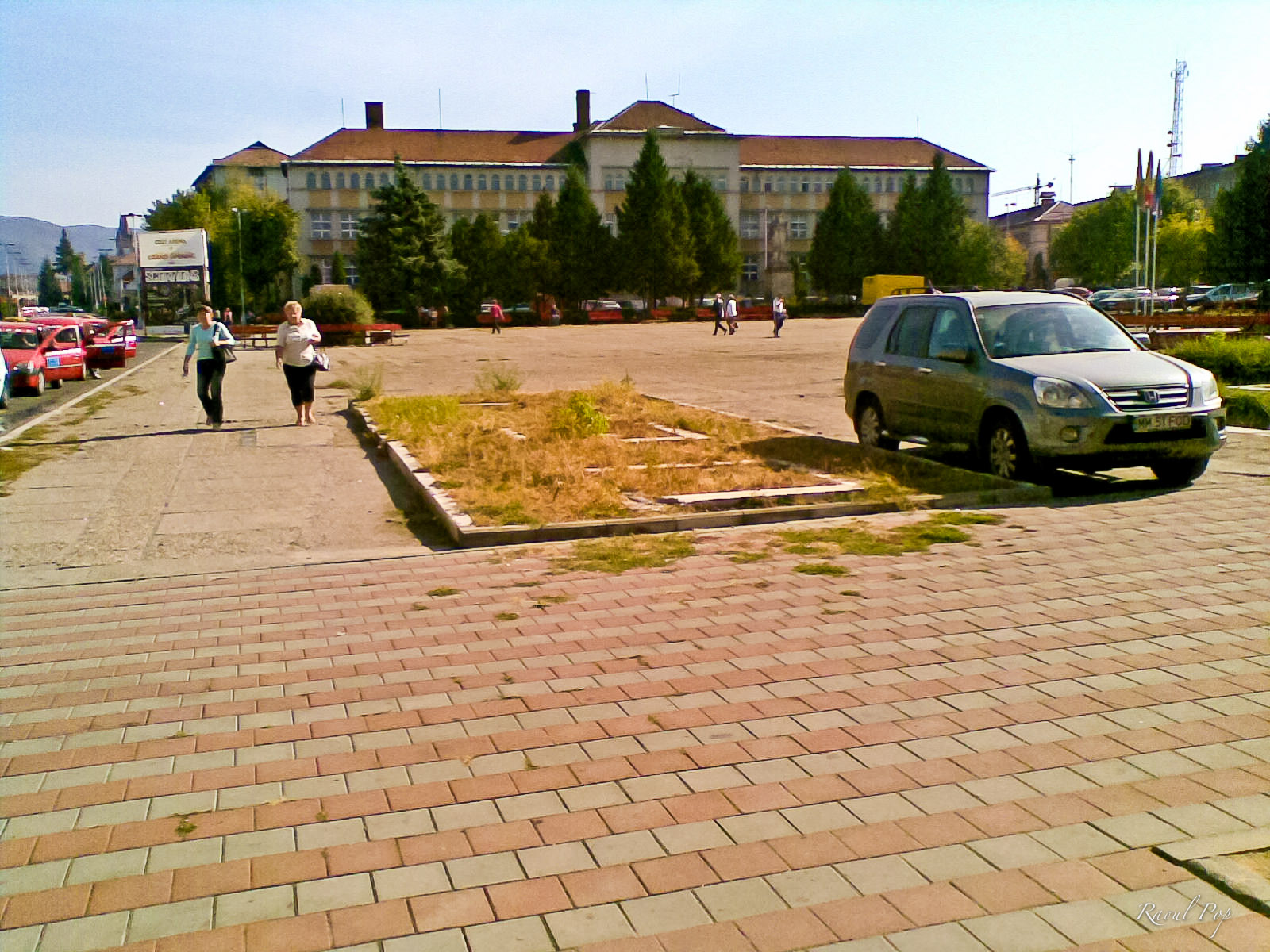
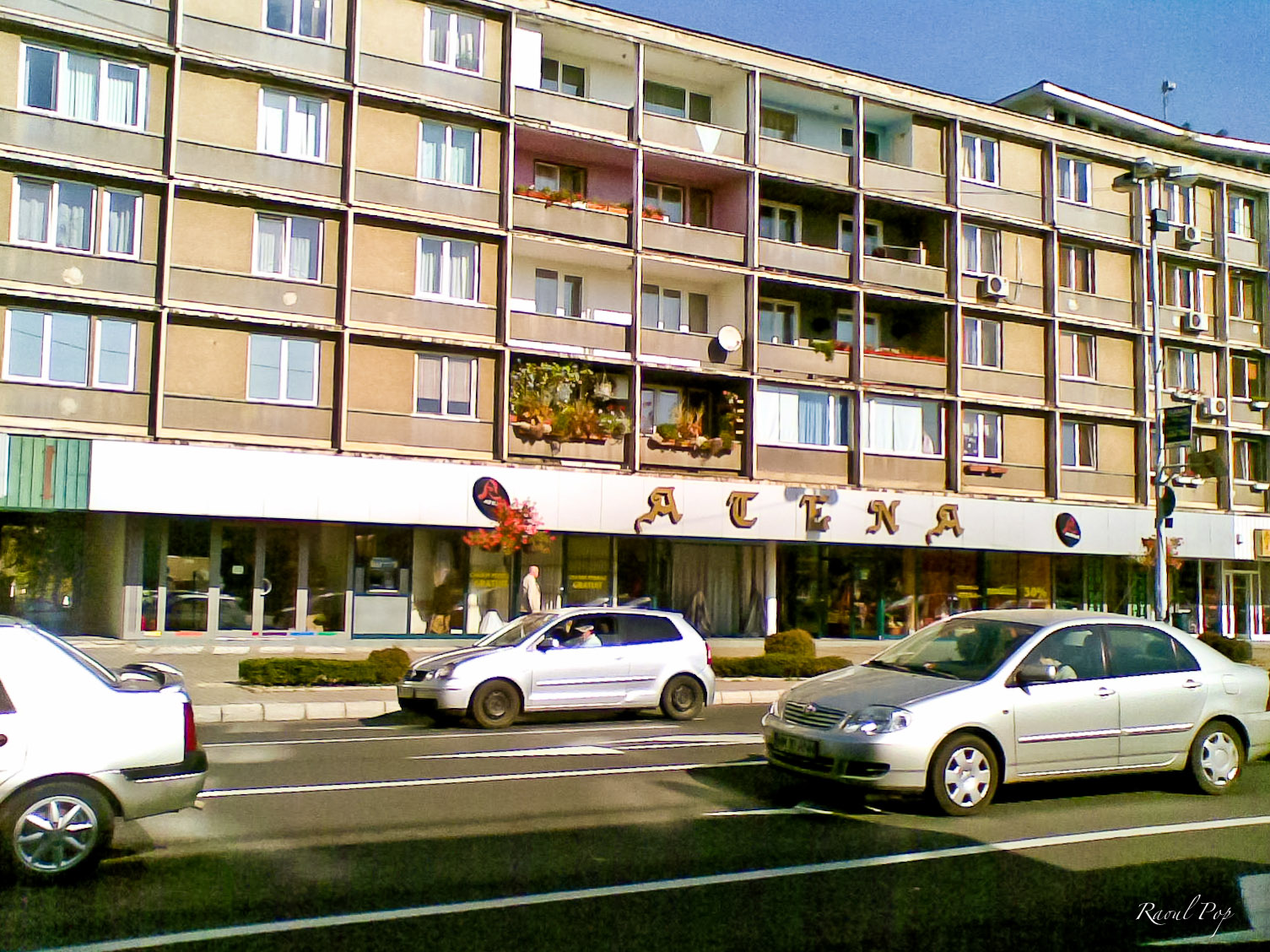
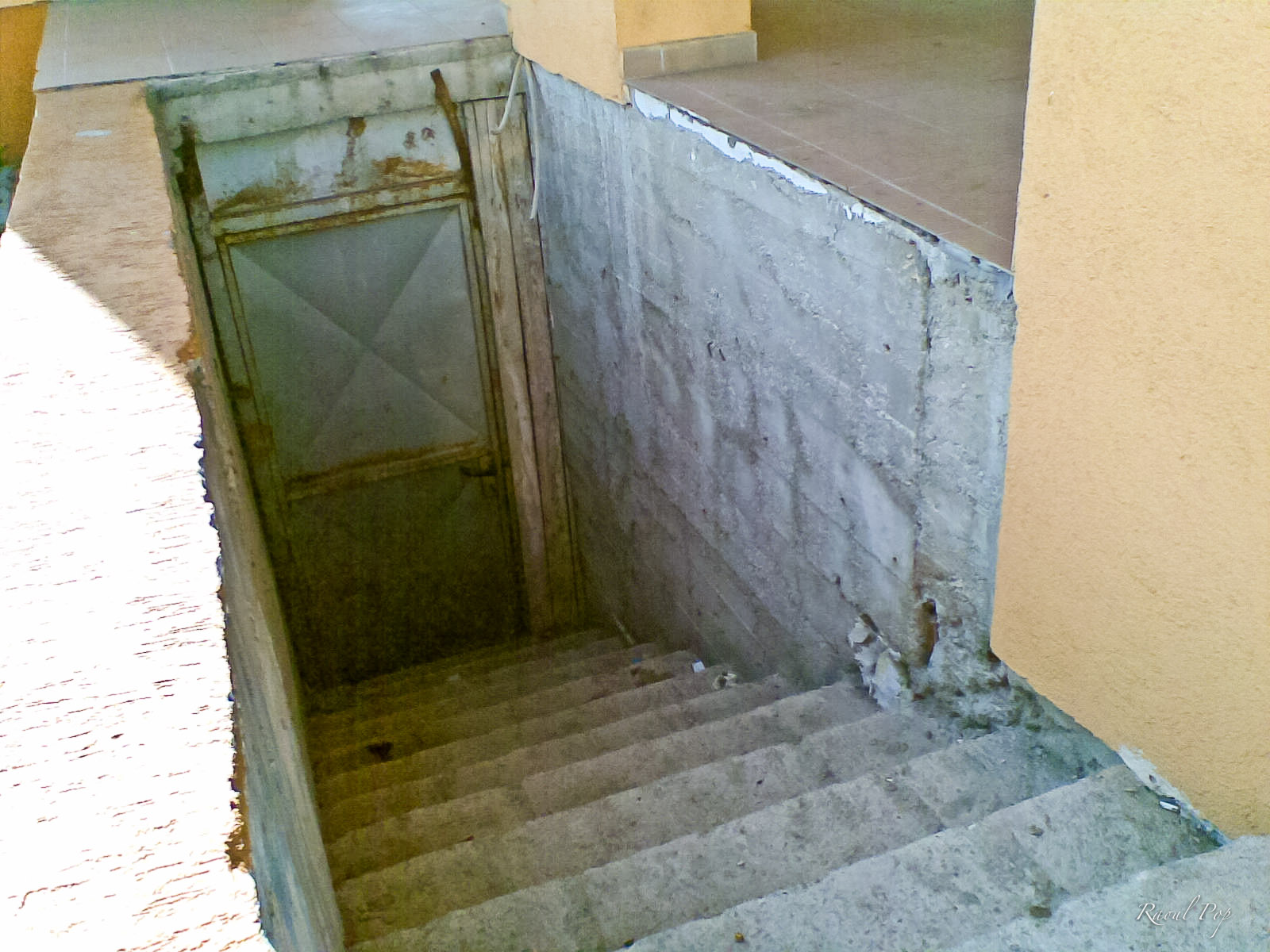
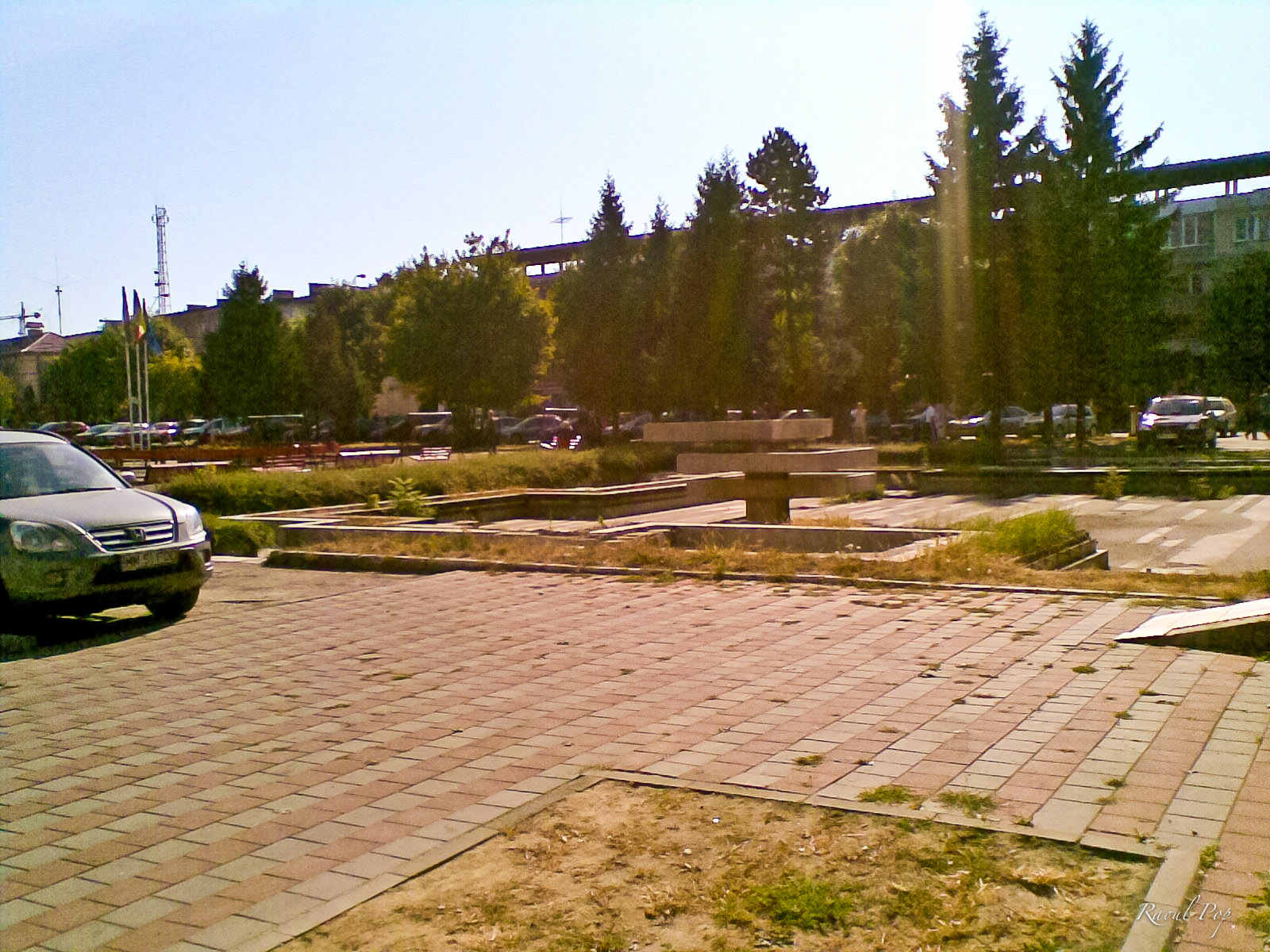
We walked through downtown Baia Mare recently, where I took these photos. As I wrote before, I have a few gripes with the lack of urban planning and renovation going on in that area.

Look at the photos, try to imagine the foreign-made cars aren’t there, and you’ll have to admit to yourself that the sights you’re seeing are from a city still stuck under a communist regime. I felt like I was back under Ceausescu in the 80s when I walked there.

Standard