Places

The Turda Salt Mine

The Turda Salt Mine (Salina Turda) has been in use since antiquity. The Romans most likely got their salt from there after they conquered Dacia. Although the deposits are plentiful, salt mining was stopped there in 1932. When I say they’re plentiful, I mean the salt deposits run underground from Turda to Dej and go as deep as 2,600 meters. They’re barely scratching the surface in the Turda and Dej Salt Mines.

When I talk to our friends from abroad about Romania, I talk about how rich it is in natural wealth. Salt is just part of that incredible wealth. The Romans and then the Austro-Hungarian empire were so keen to get their hands on Transilvania because of its gold and silver deposits as well and nowadays, a foreign gold concern is trying to scrape whatever gold is left, through whatever means necessary, including environmental disaster, from Rosia Montana. But let’s get back to the salt.

You enter the mine through a tunnel that stretches about 300 meters.
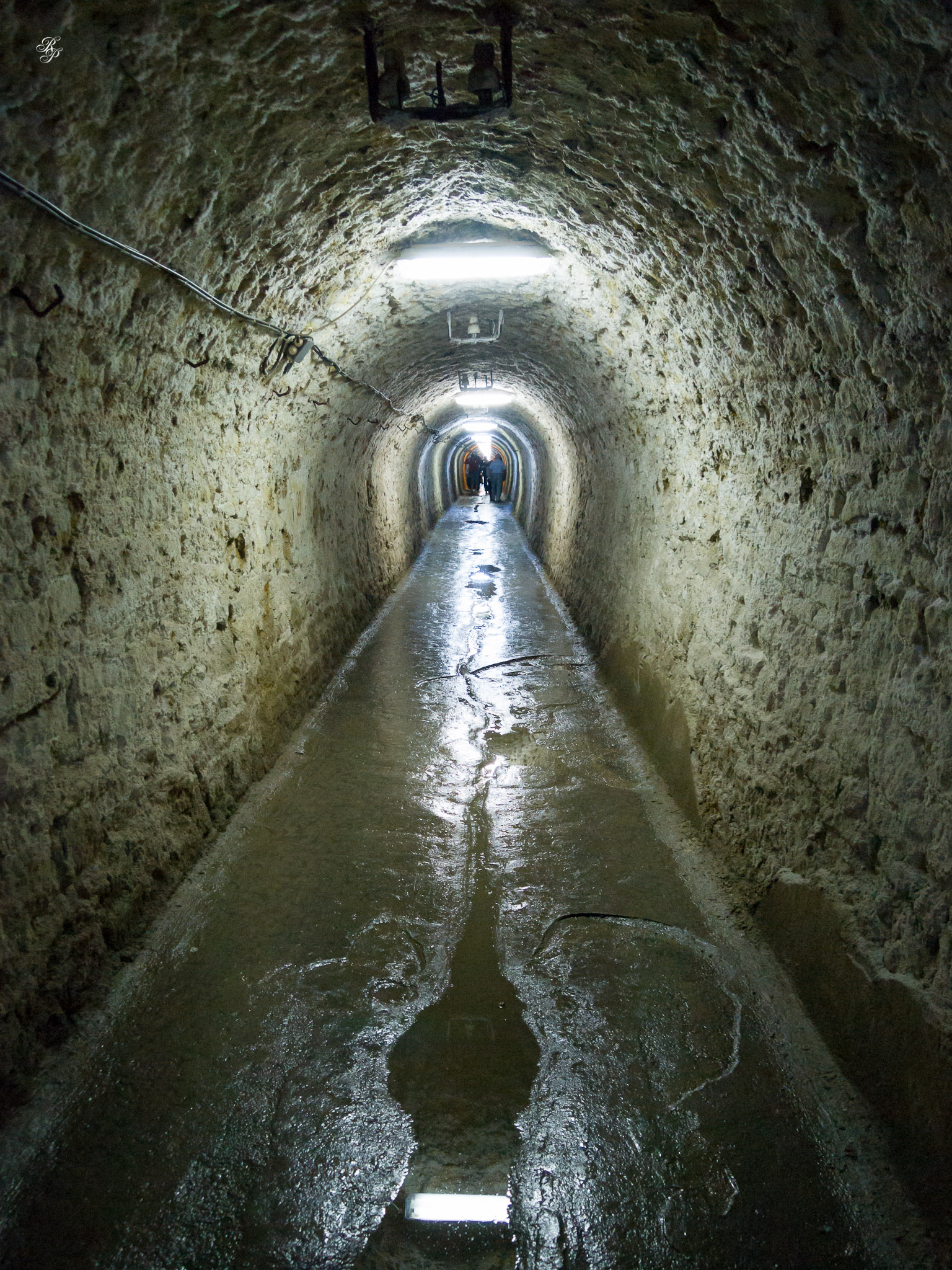
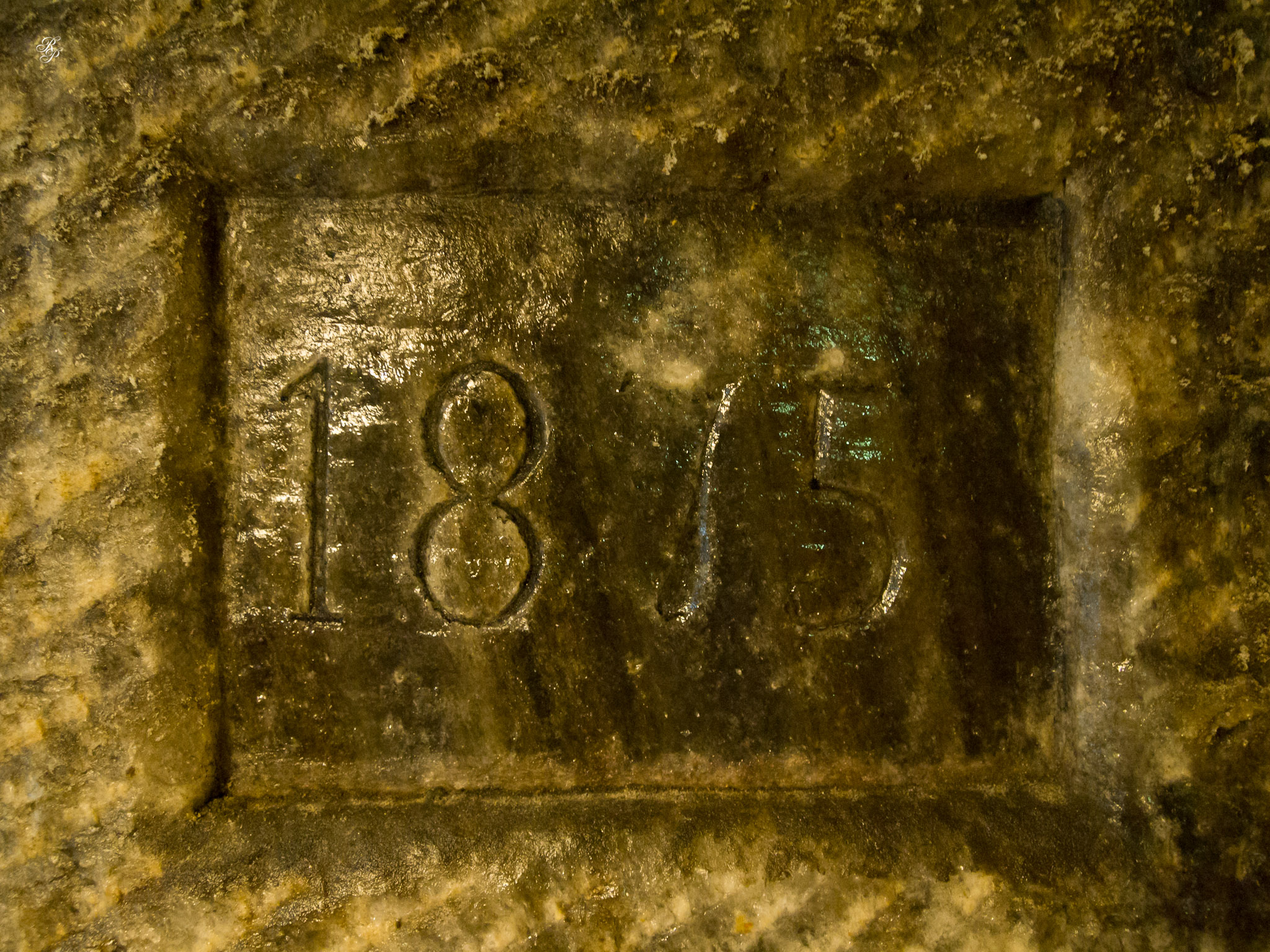
On the walls, the meters are marked with inscriptions.
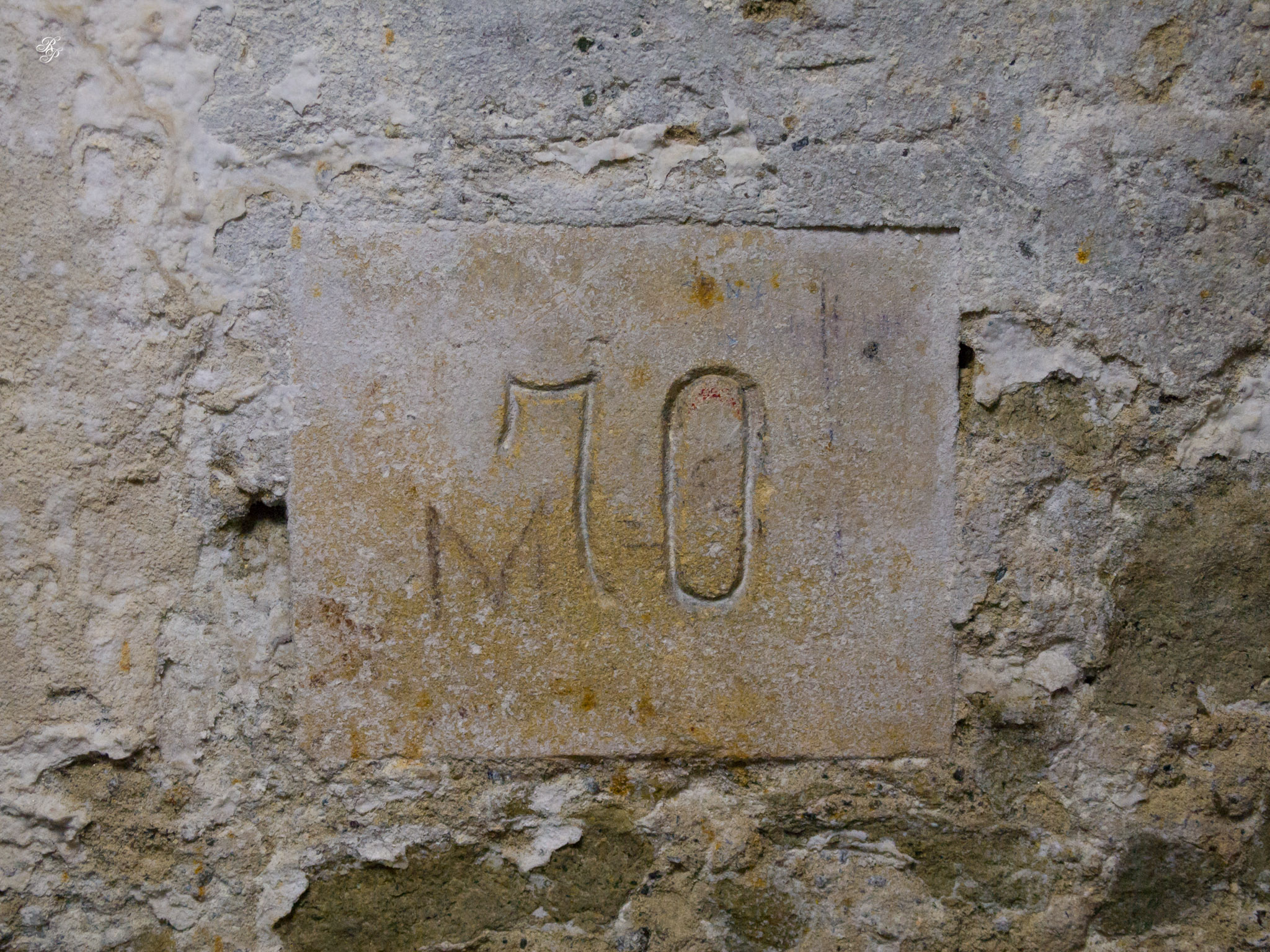
After walking through the tunnel for what seems like a looooong time, you finally reach the inside of the salt mine, where everything is solid salt (the floor, the walls and the ceiling).
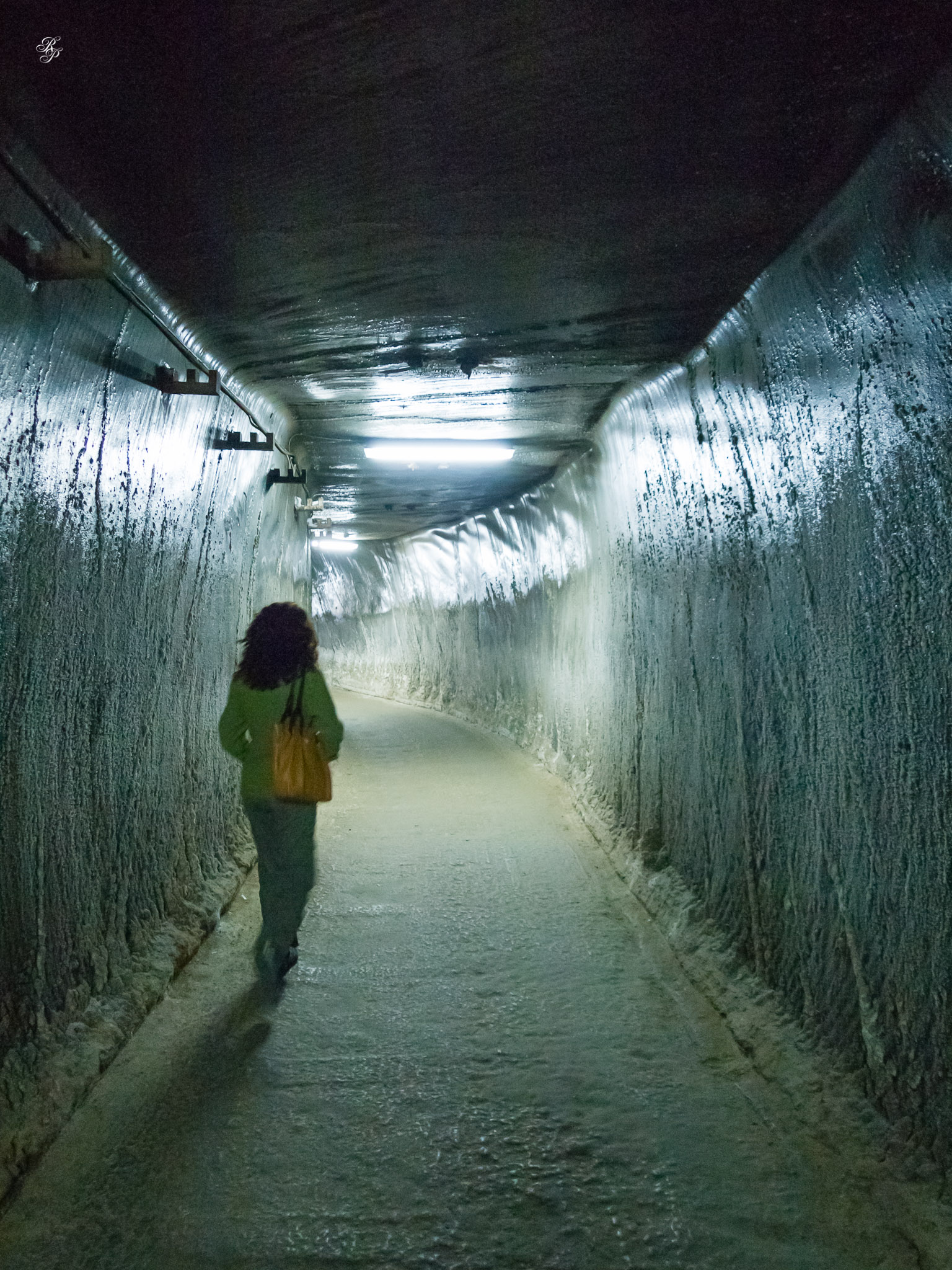
The main tunnel soon breaks off into different directions.
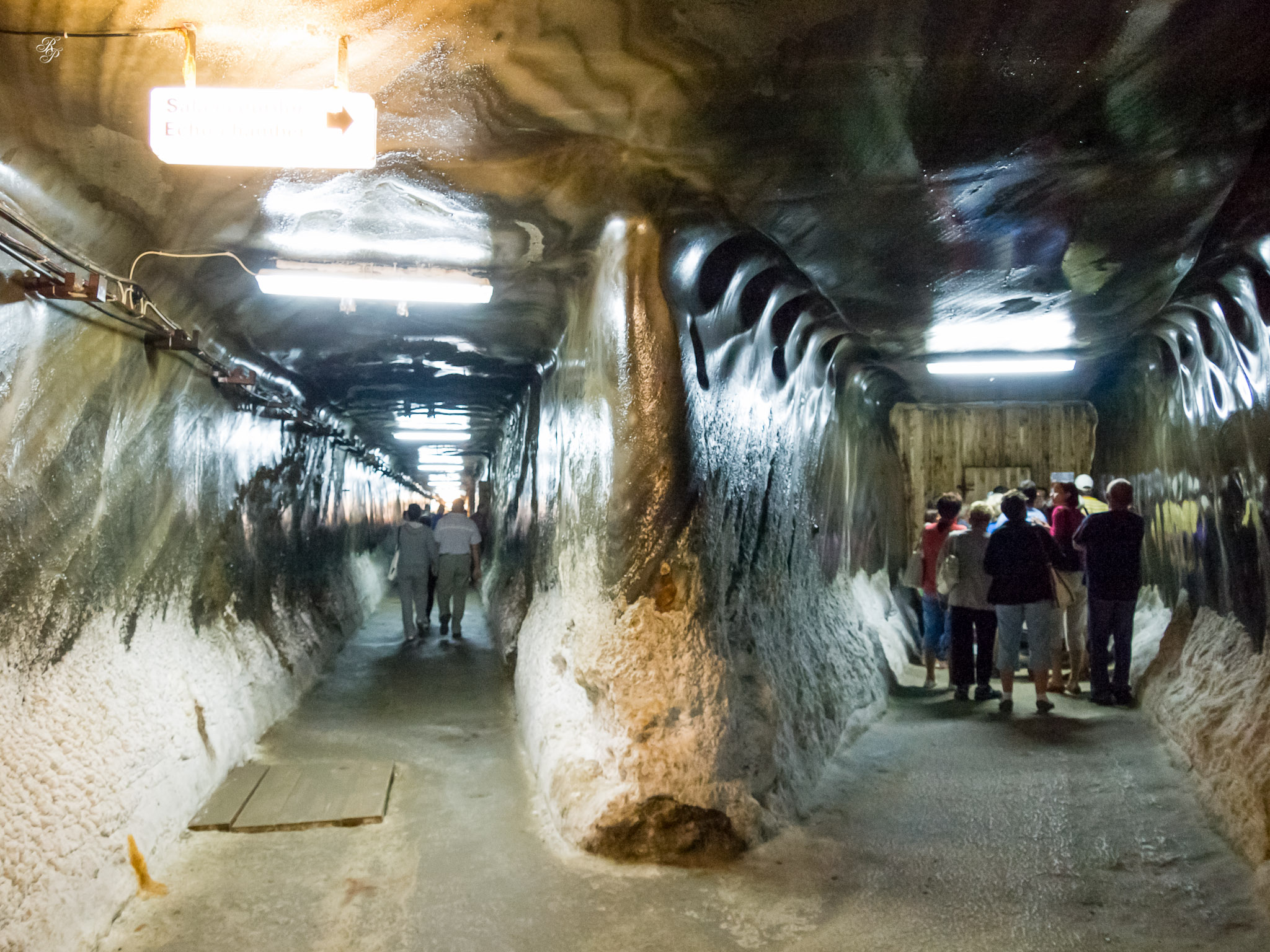
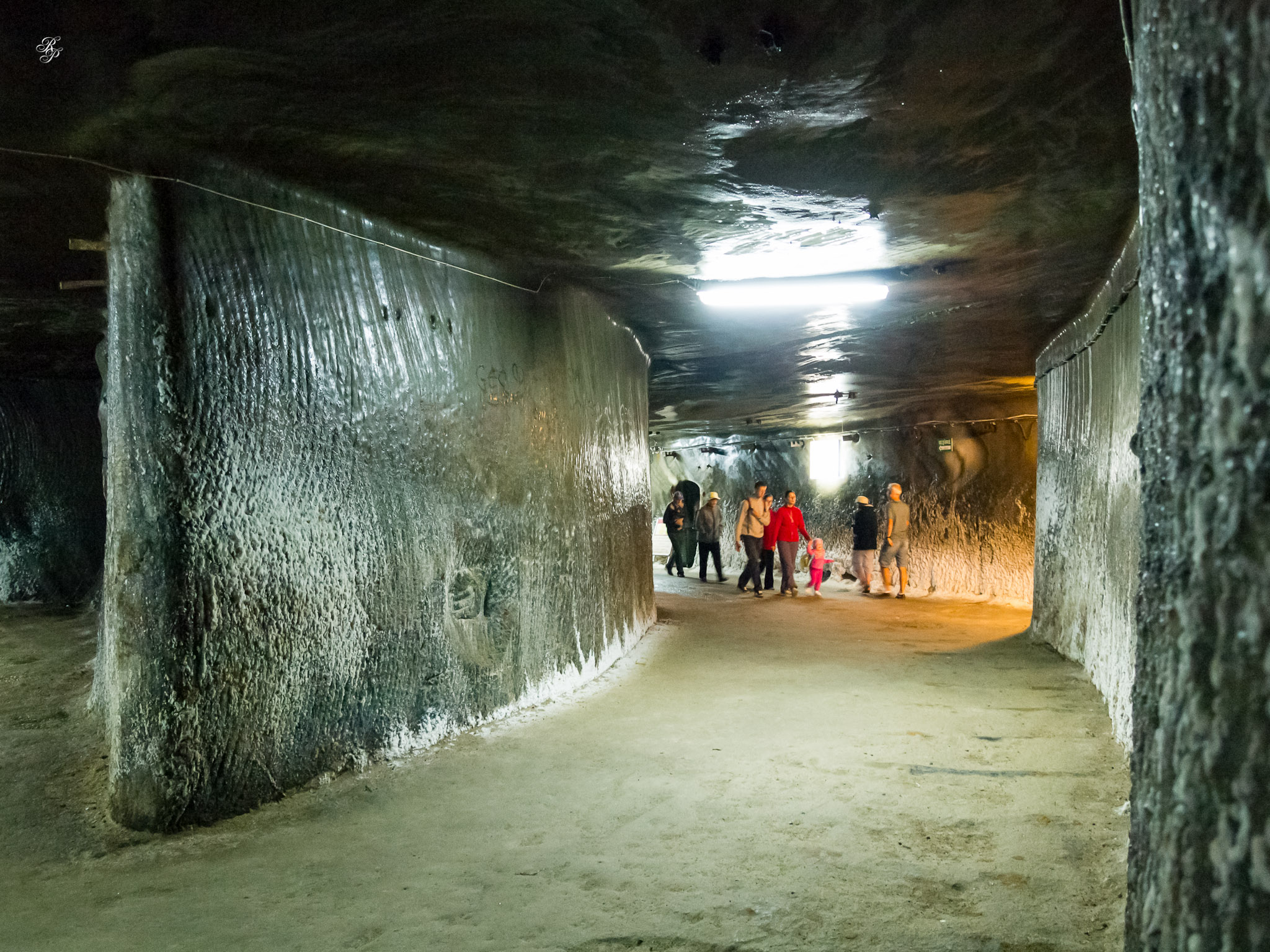
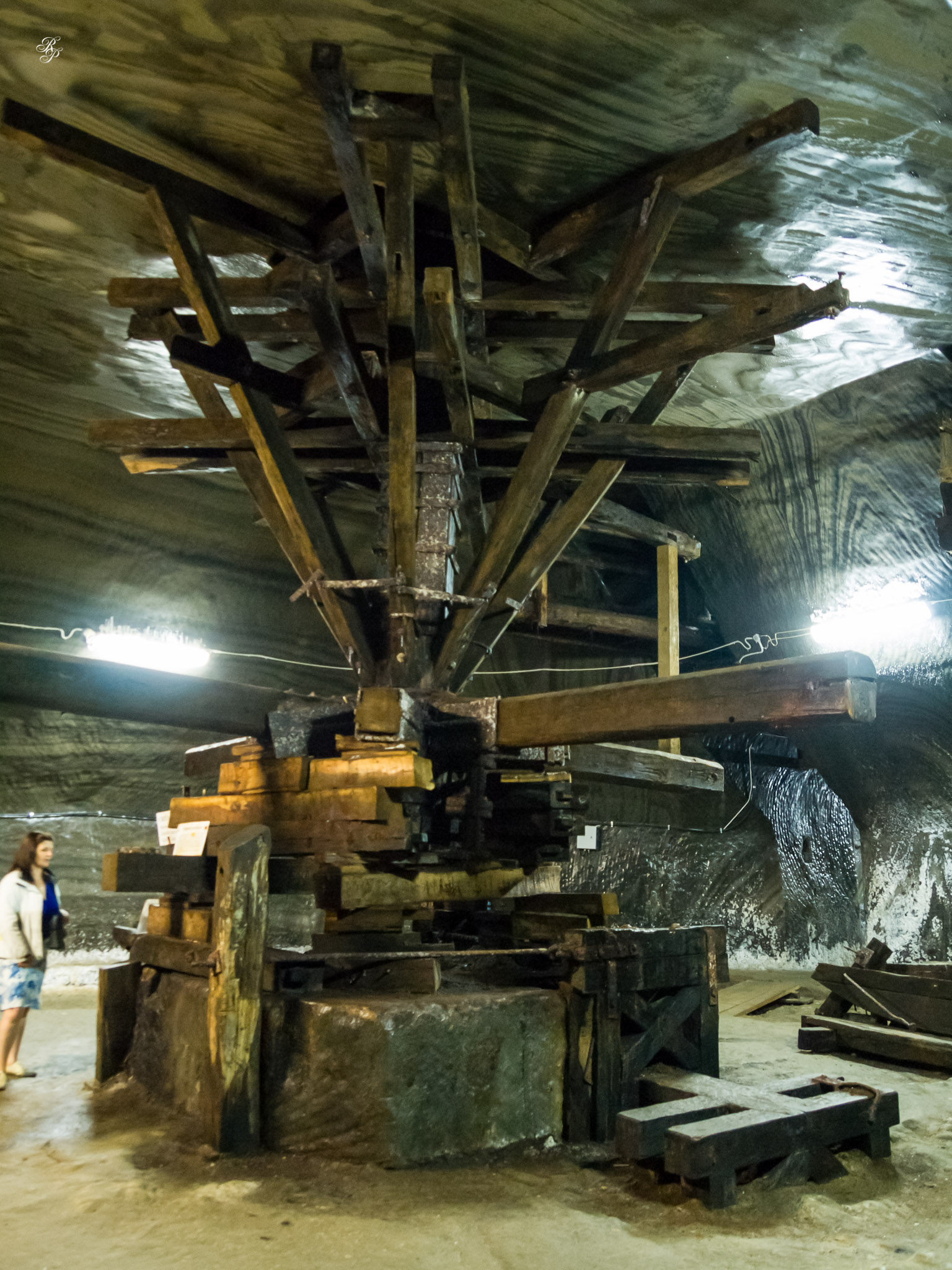
In one of the halls, the machine used to mine the salt, called a salt scraper, is on display. Initially, it was powered by men, then by horses. It would scrape horizontally and vertically.
Salt would then be loaded onto iron carts and pushed outside.
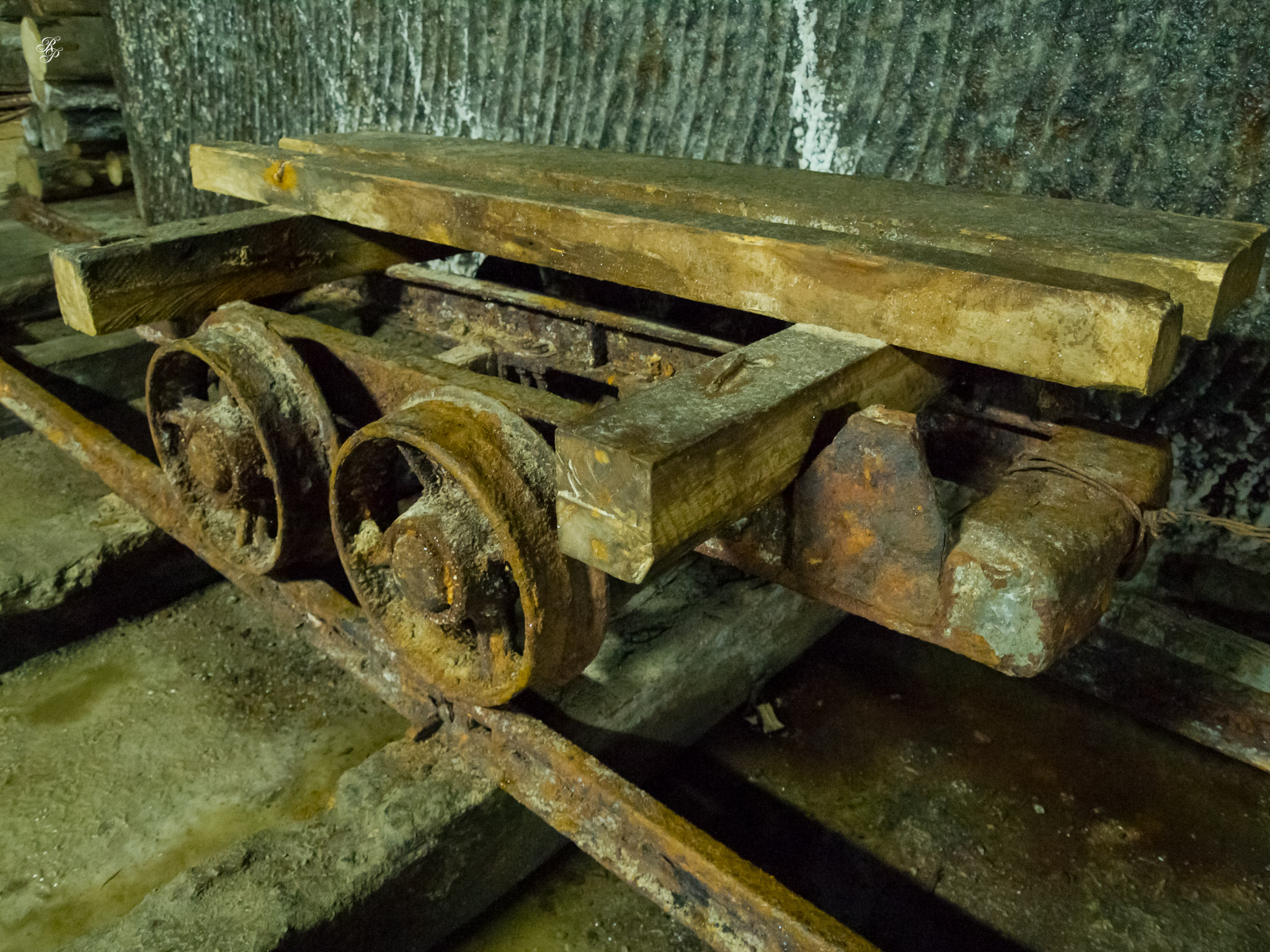
One thing you notice right away is how corroded all the metal is. Inside a salt mine, it’s to be expected. For some reason, fir wood holds up in that terribly salty environment very well, so it’s used everywhere for structural support and functional purposes.
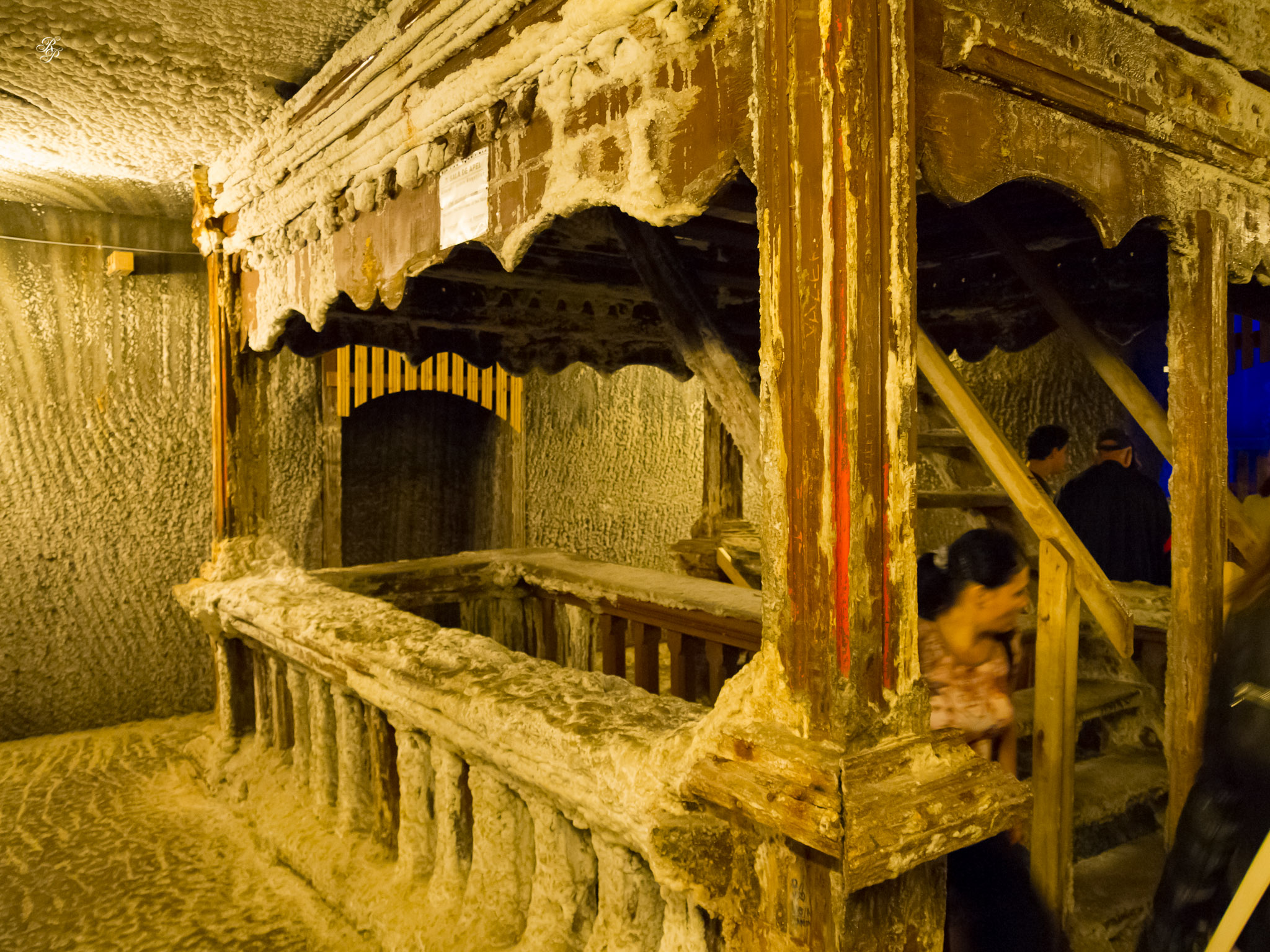
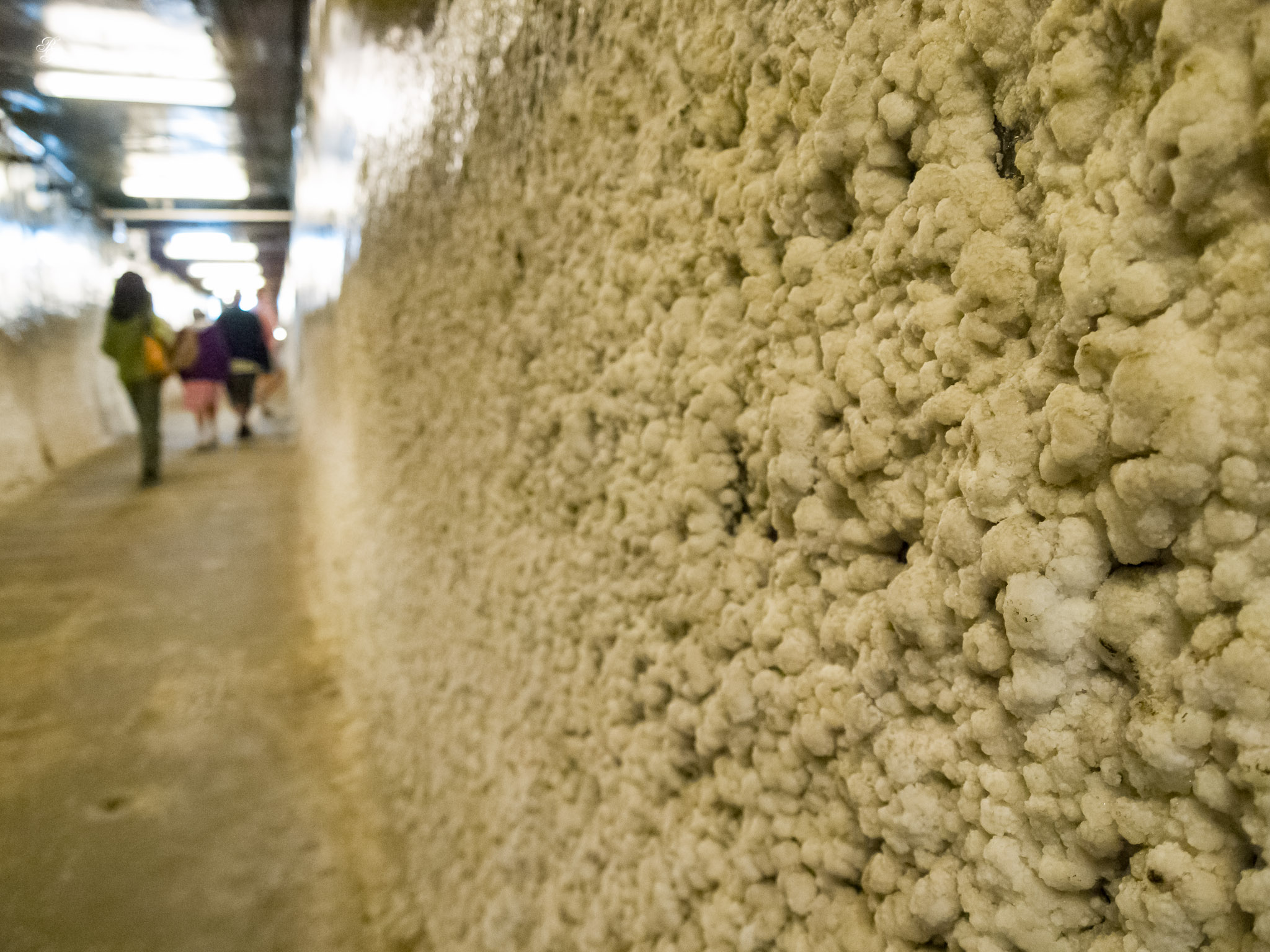
The texture of the walls ranges from pure, translucent crystal to what we know as salt, little white crystals that can be scraped off with our fingernails.
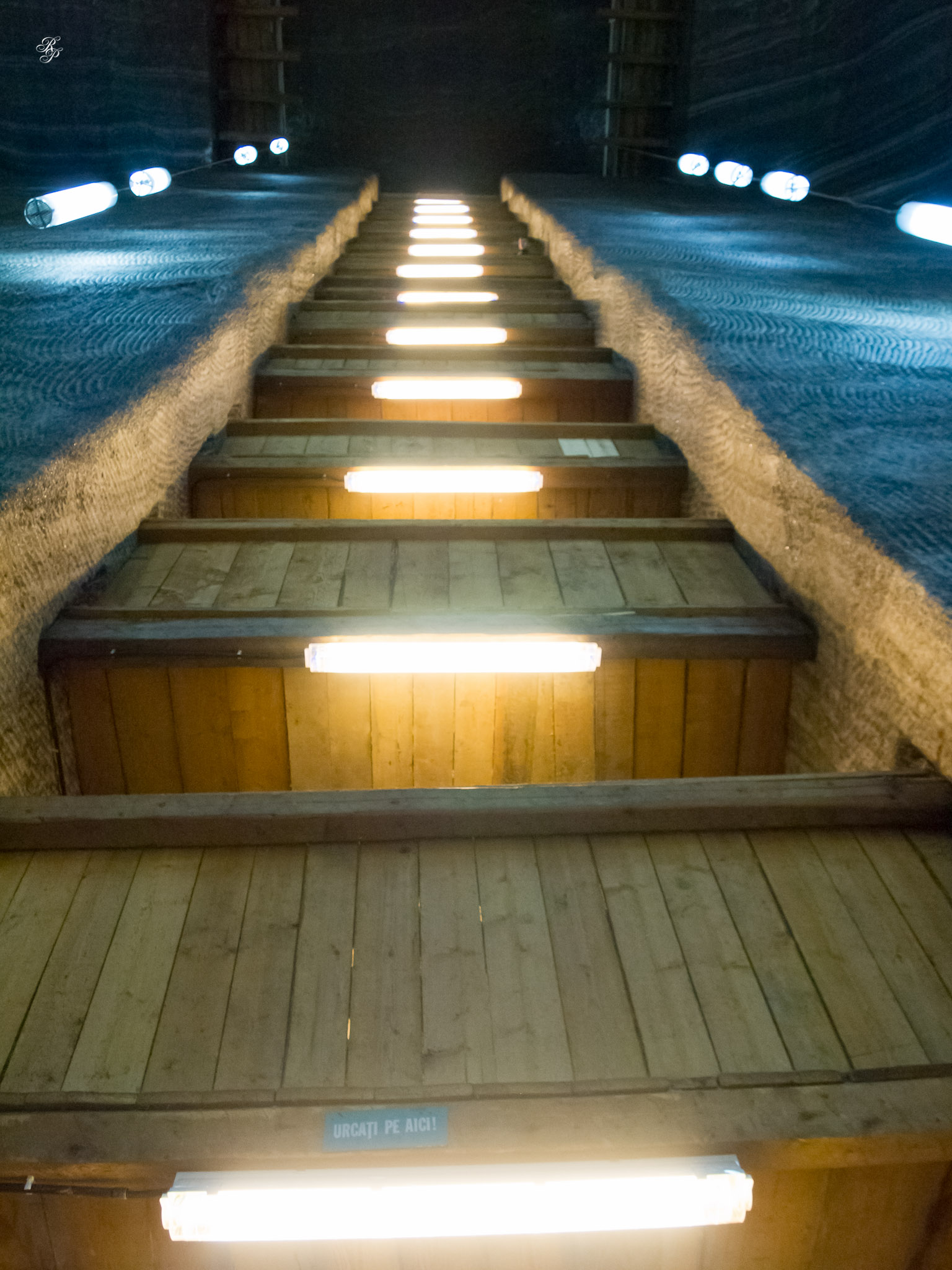
After you ascend on the staircase shown above, you enter a lower hall where one of the walls does not exist. You walk to the edge and lo and behold, you find yourself centimeters away from a vertigo-inducing precipice. It’s a vertical drop at least 150 meters down and before you have a chance to recover from that shock, you see this otherworldly appearance.
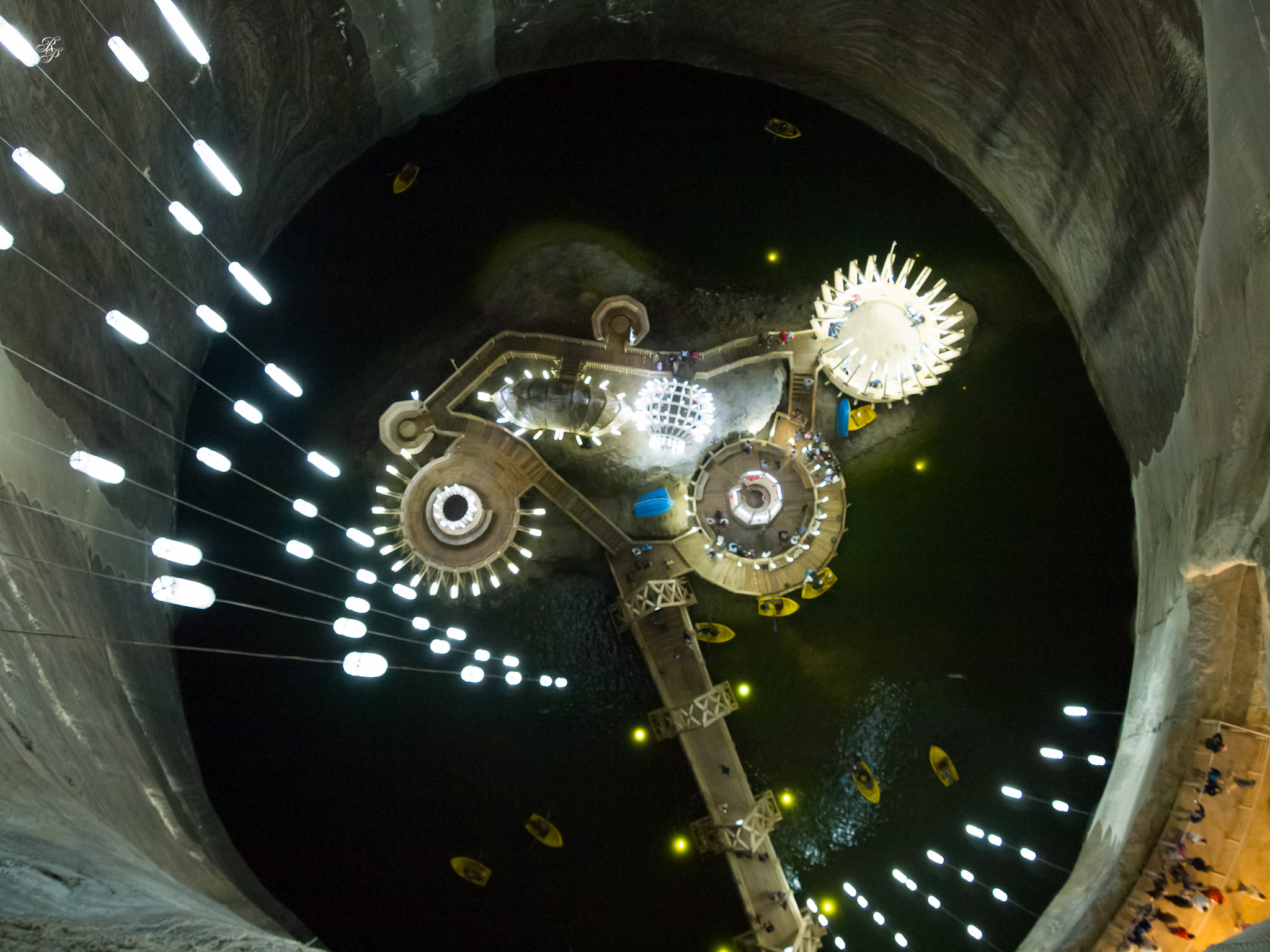
At first it seems like a spaceship parked there. Then you realize it’s an underground lake with a manmade island and wooden structures, artistically lit.
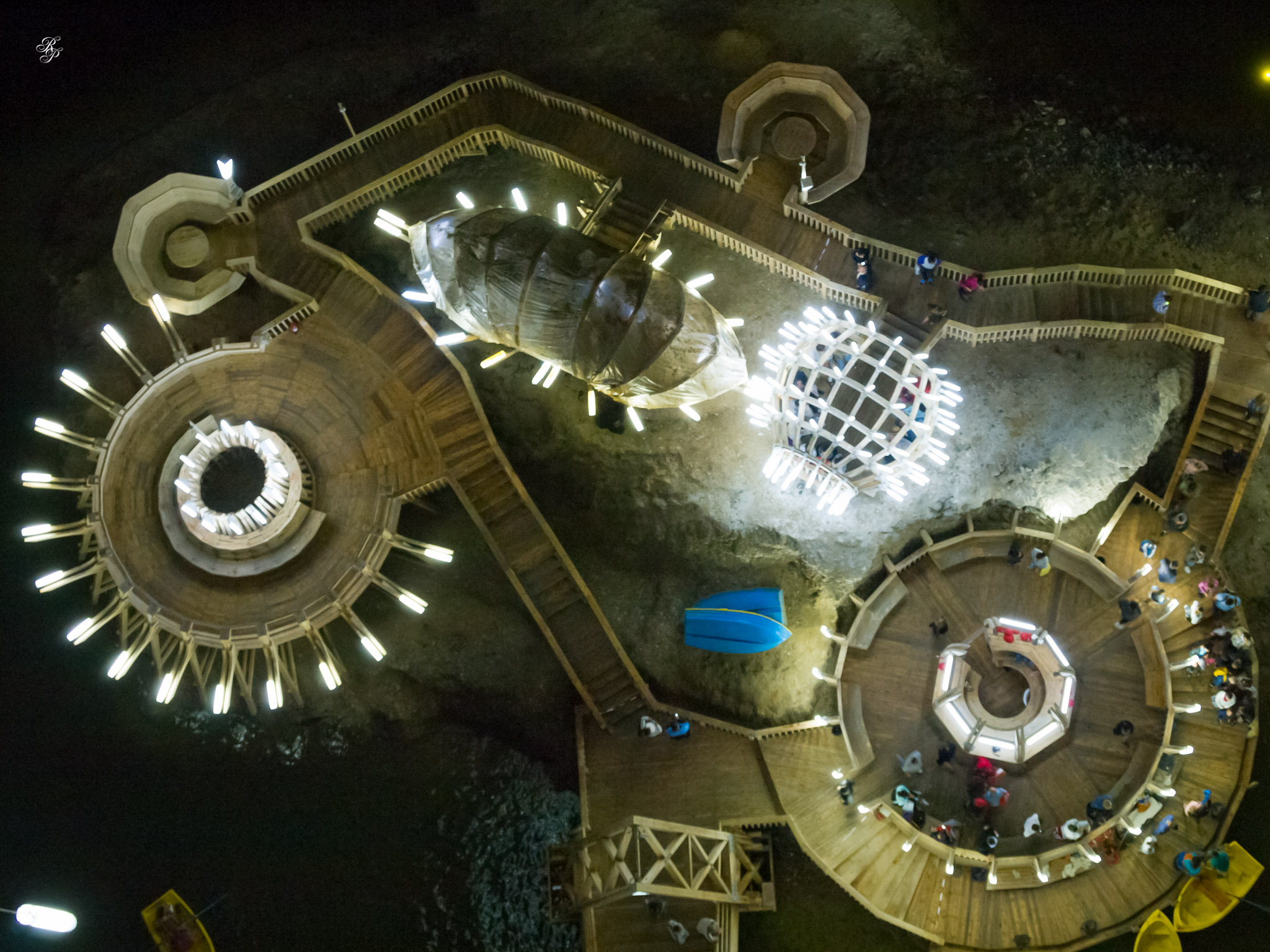
So you look around to see how you can get down there and you see this.
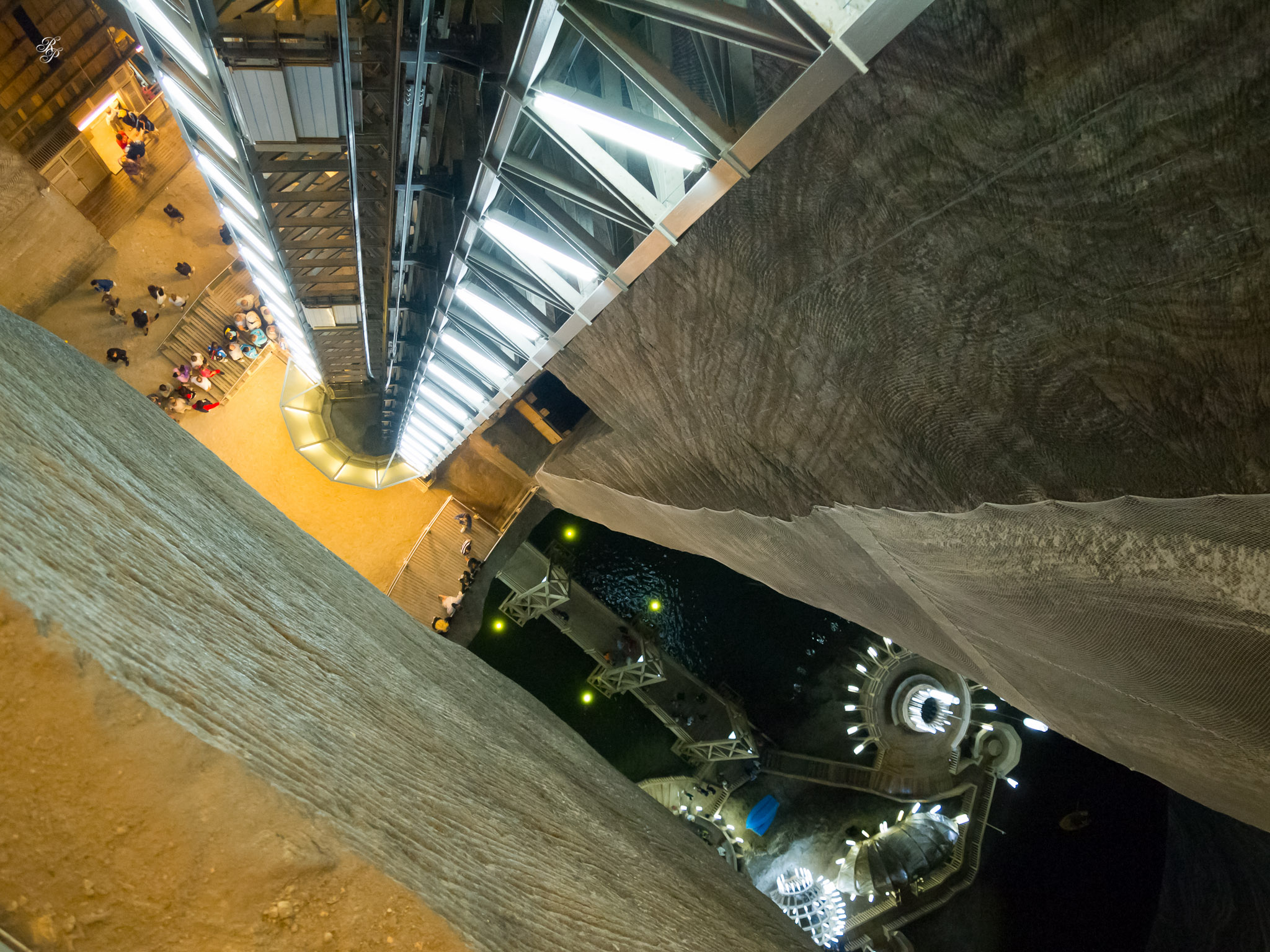
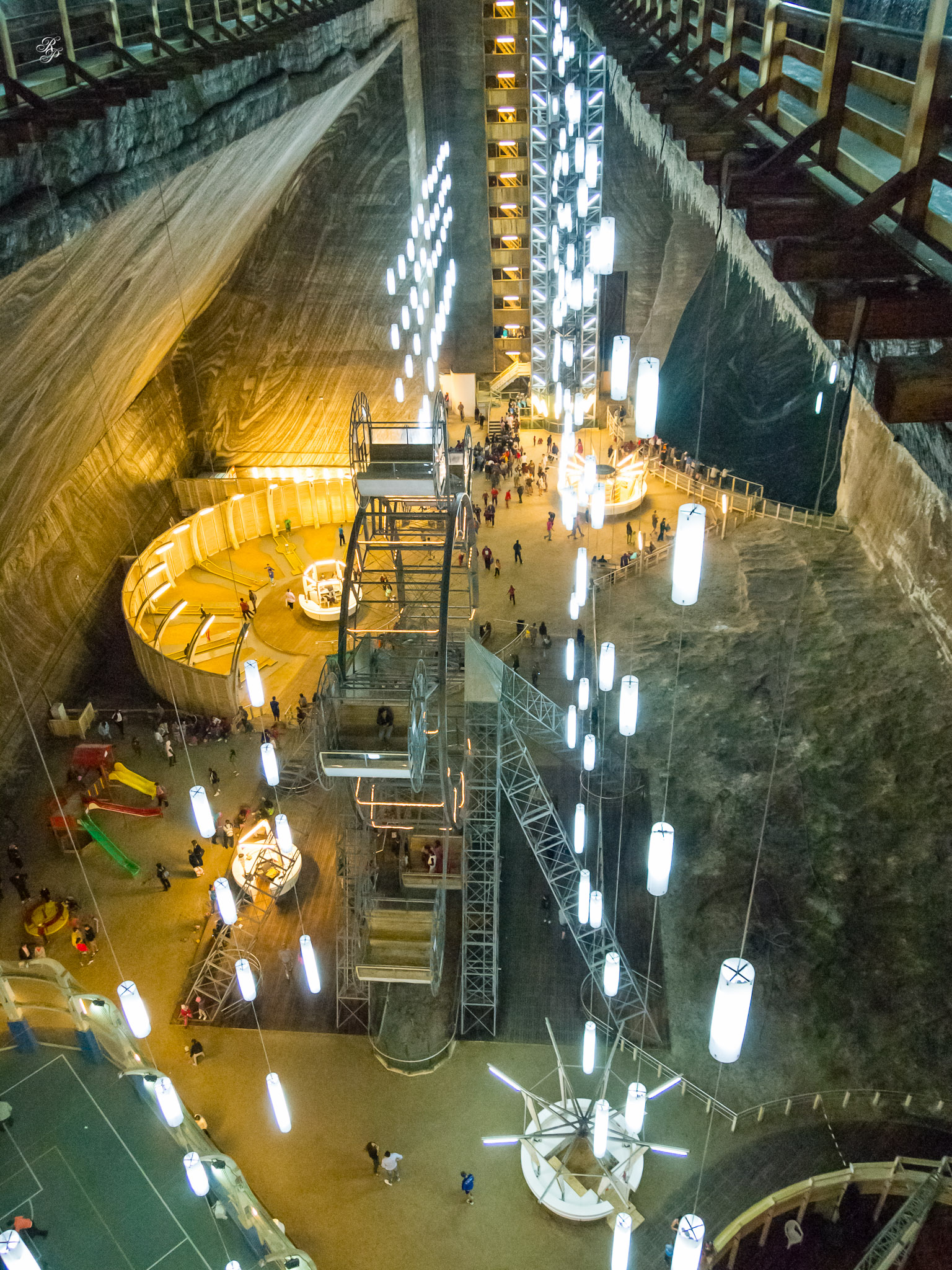
The solid salt walls are carved straight down, as a ravine, and they open up into a huge underground hall filled with all sorts of playgrounds.
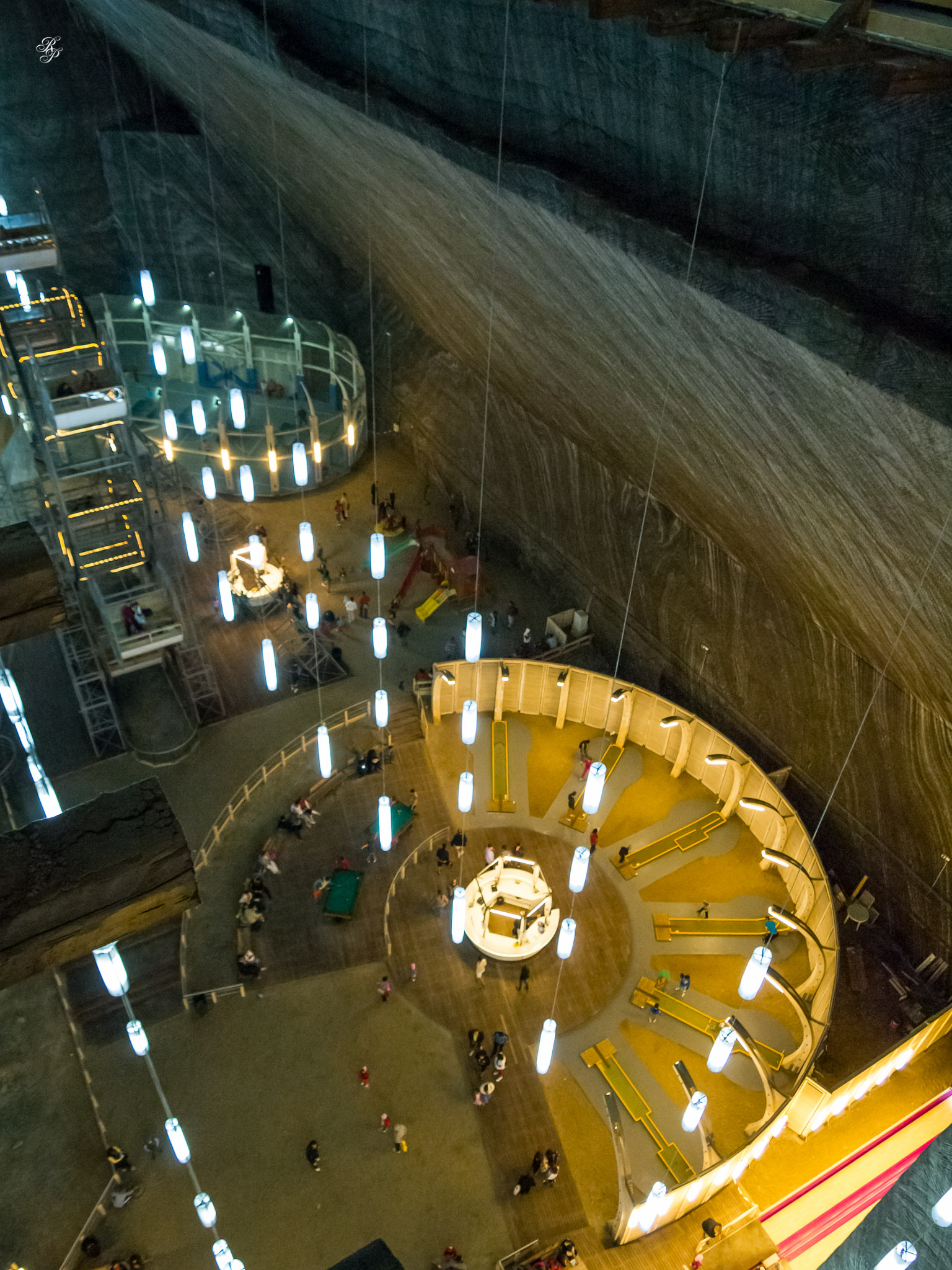
There are elevators to ferry you up and down but the lines are long, so we took the stairs. On the walls, the years in which those levels were reached are marked with inscriptions.
The view up from the bottom of the staircase.
Inside, this is how things look.
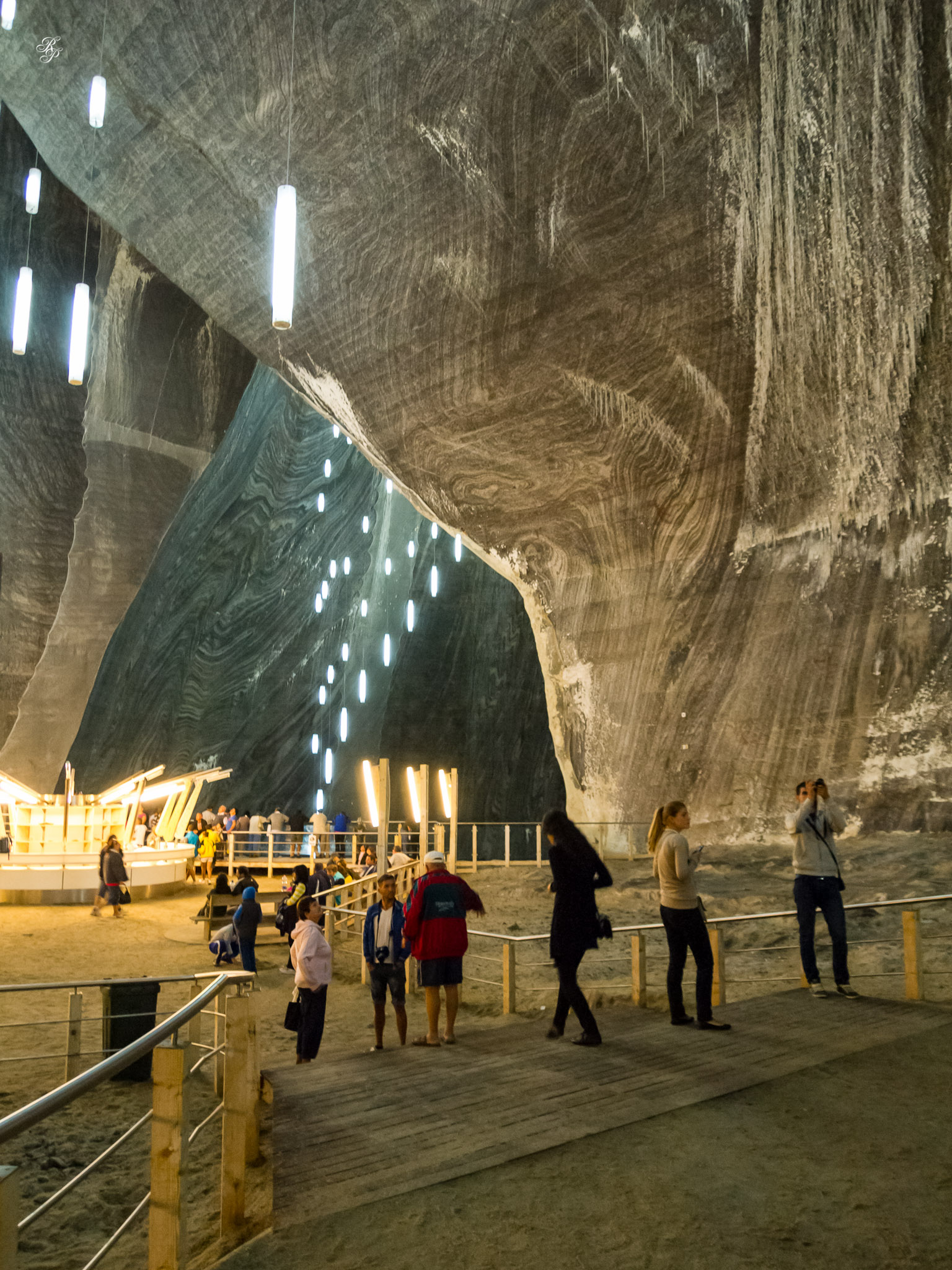
Just when you think you can walk over to that ET island, you realize you have to descend several more levels.

This is how things look like from down there.
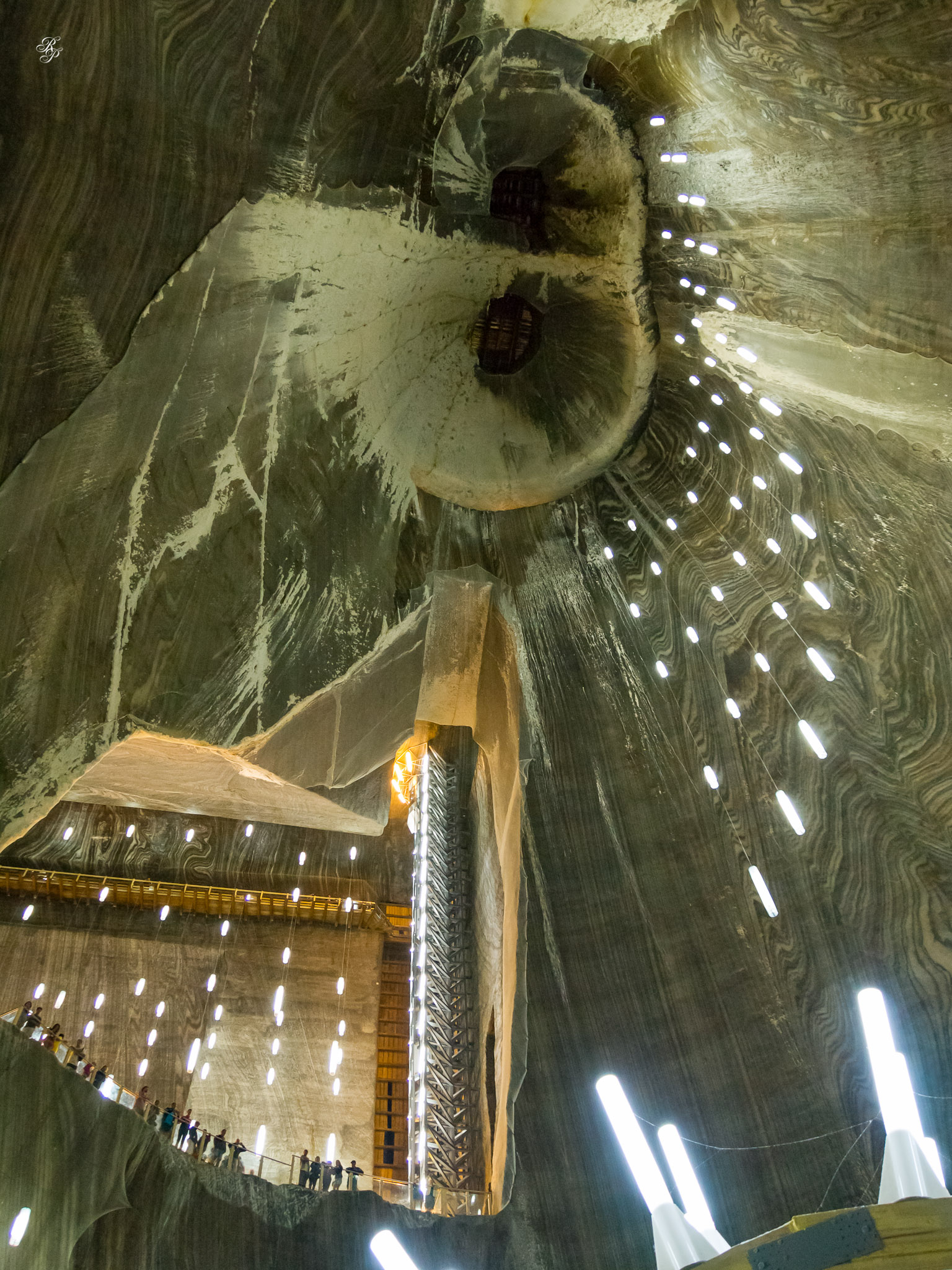
Great artistry can be seen in the woodwork here.
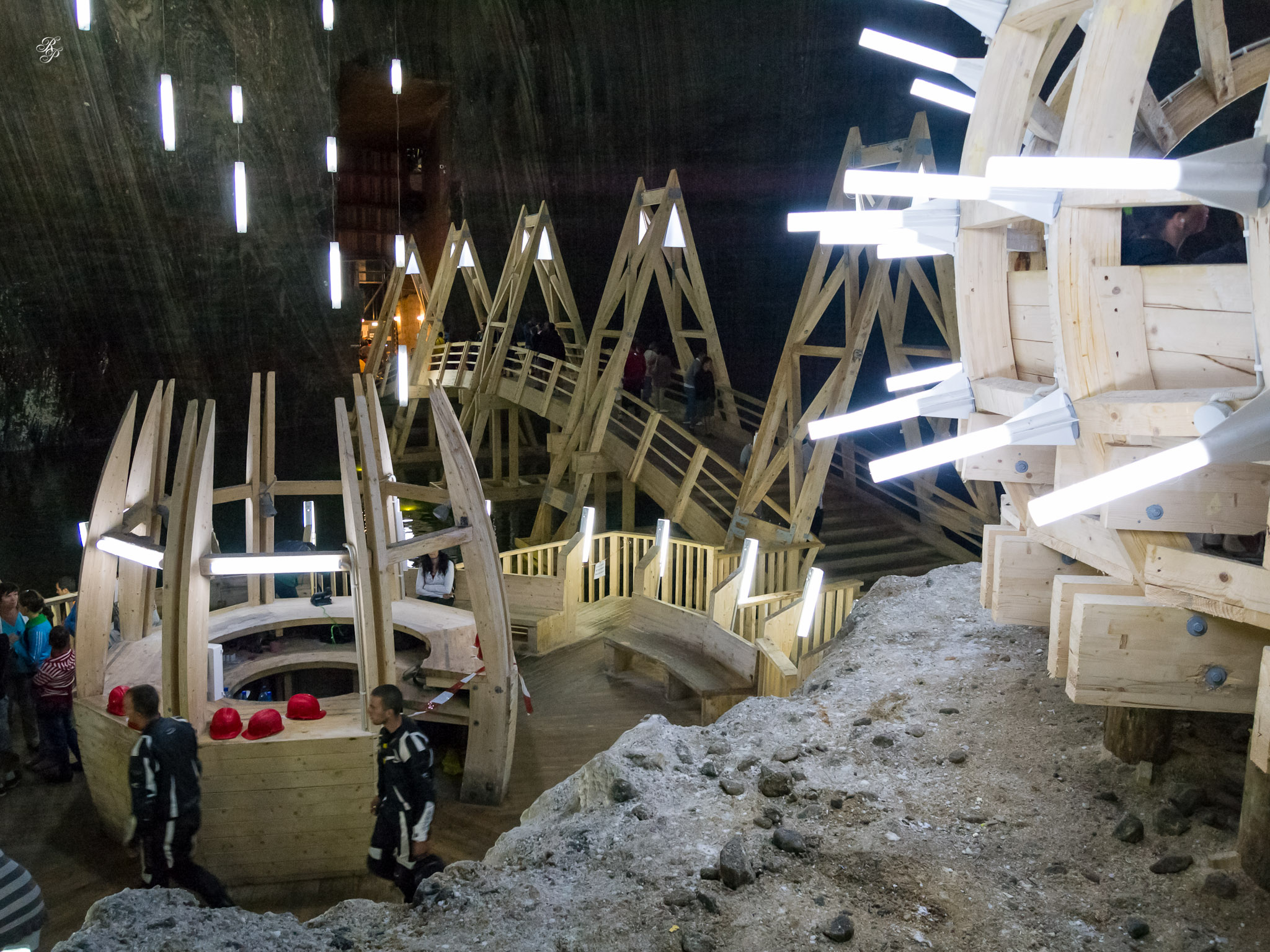
Just so you get a sense of the scale of that place.
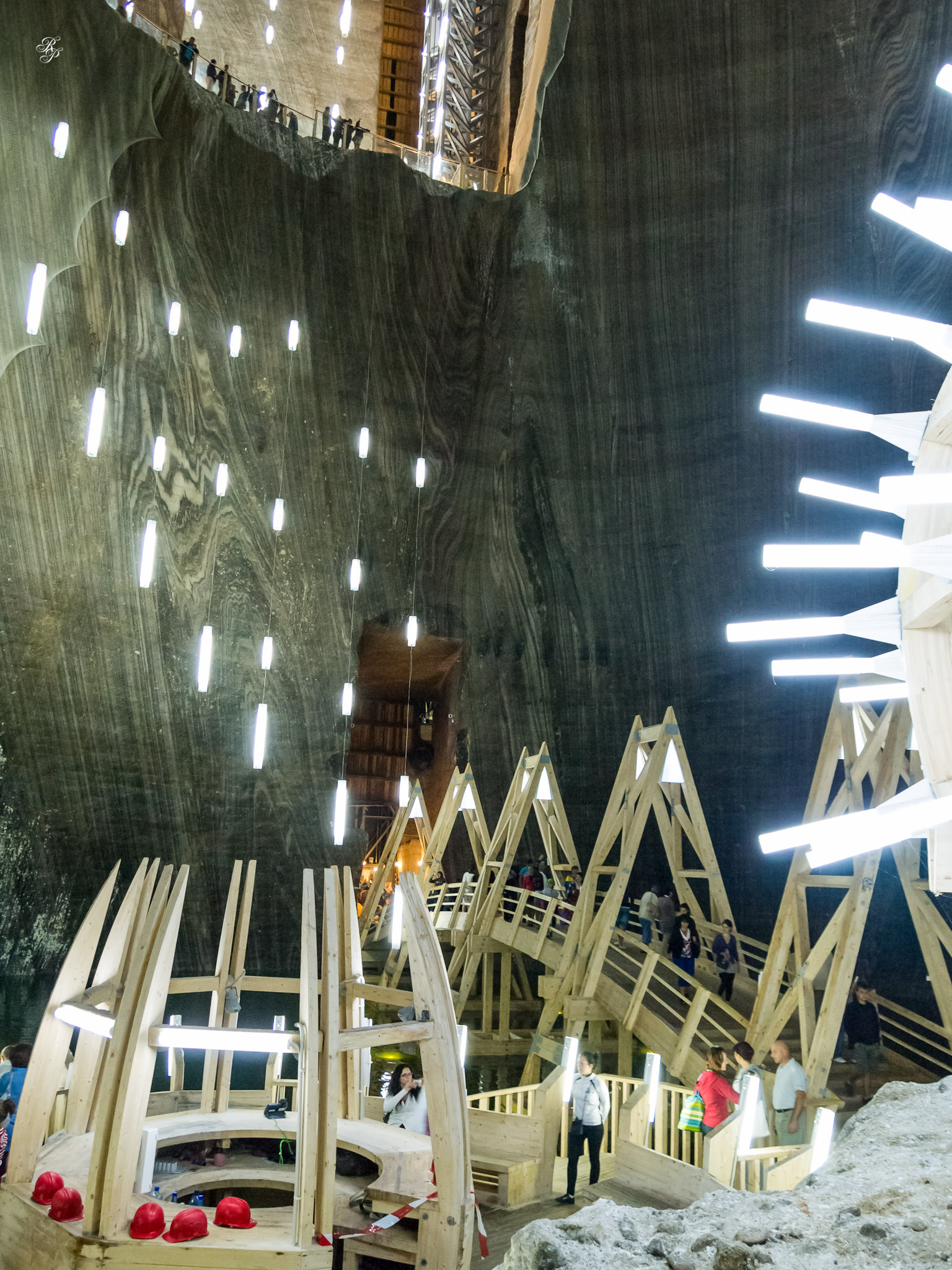
The solid crystal salt walls have an amazing texture and just imagine, those salt deposits run over 2.5 km deep in that region.
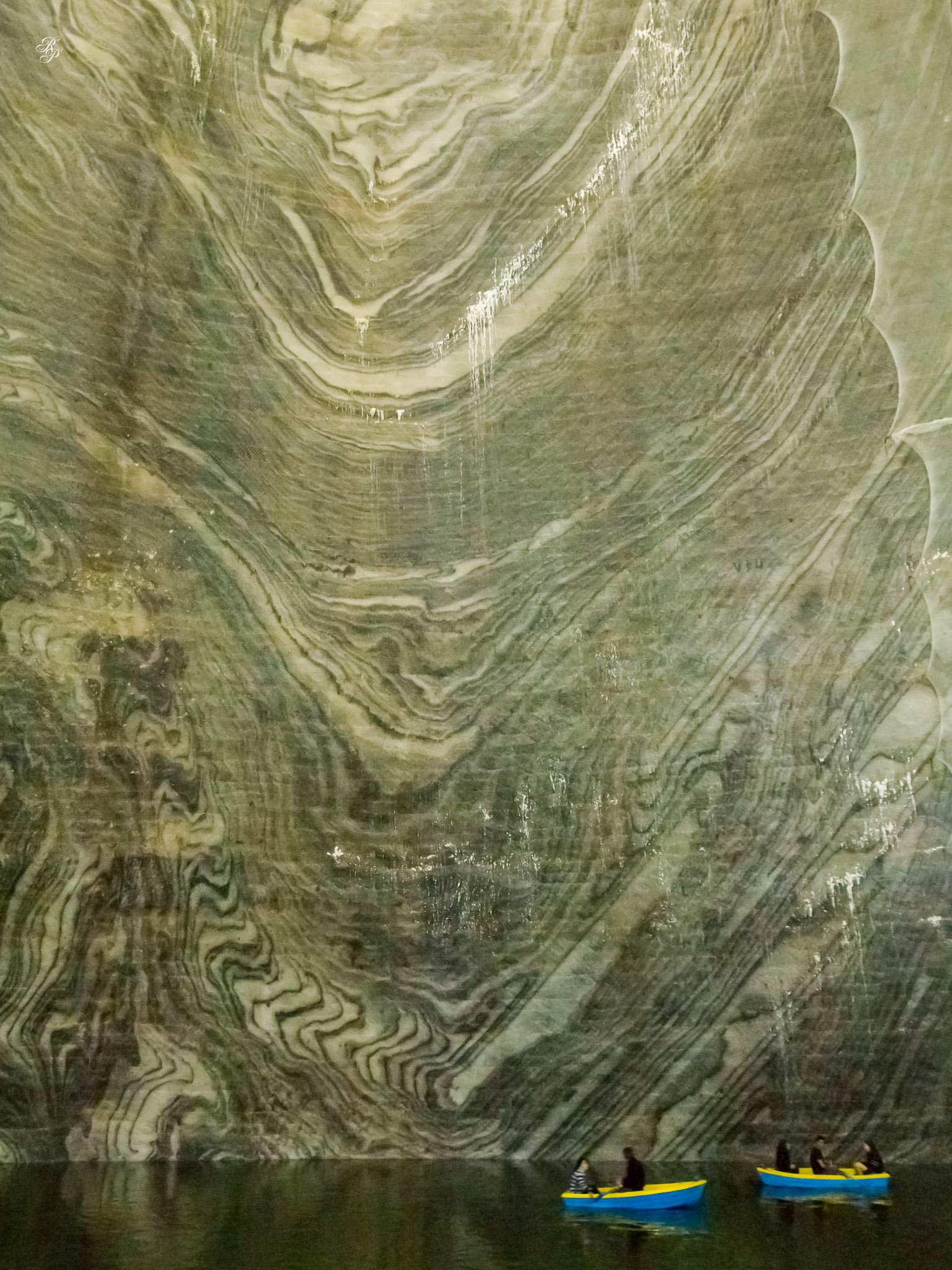
The salty water shimmers under the plentiful lights.

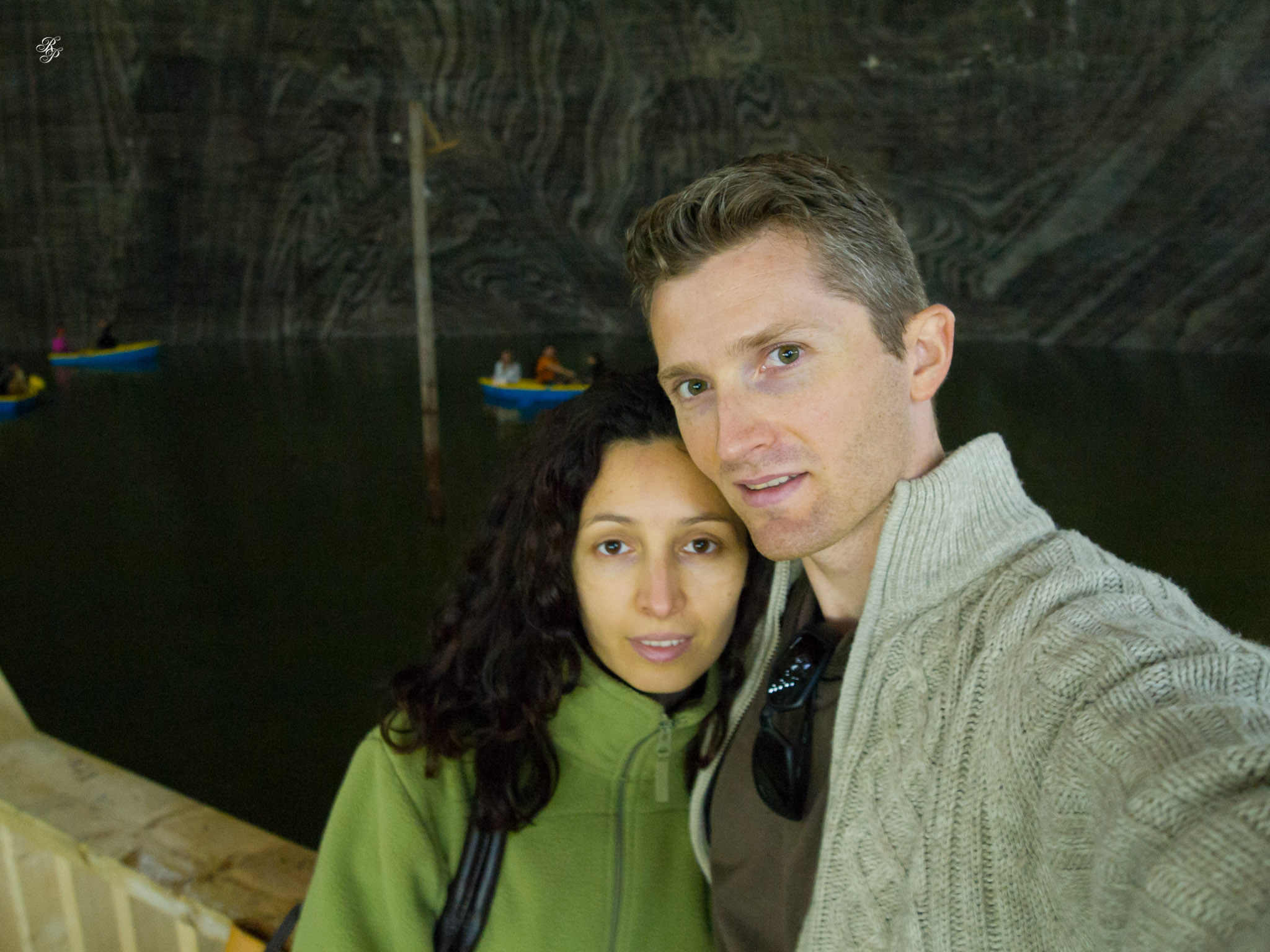
This is us, on the bridge.
The fir planks had gained an interesting patina from the rubbing of people’s shoes and the salt deposits.
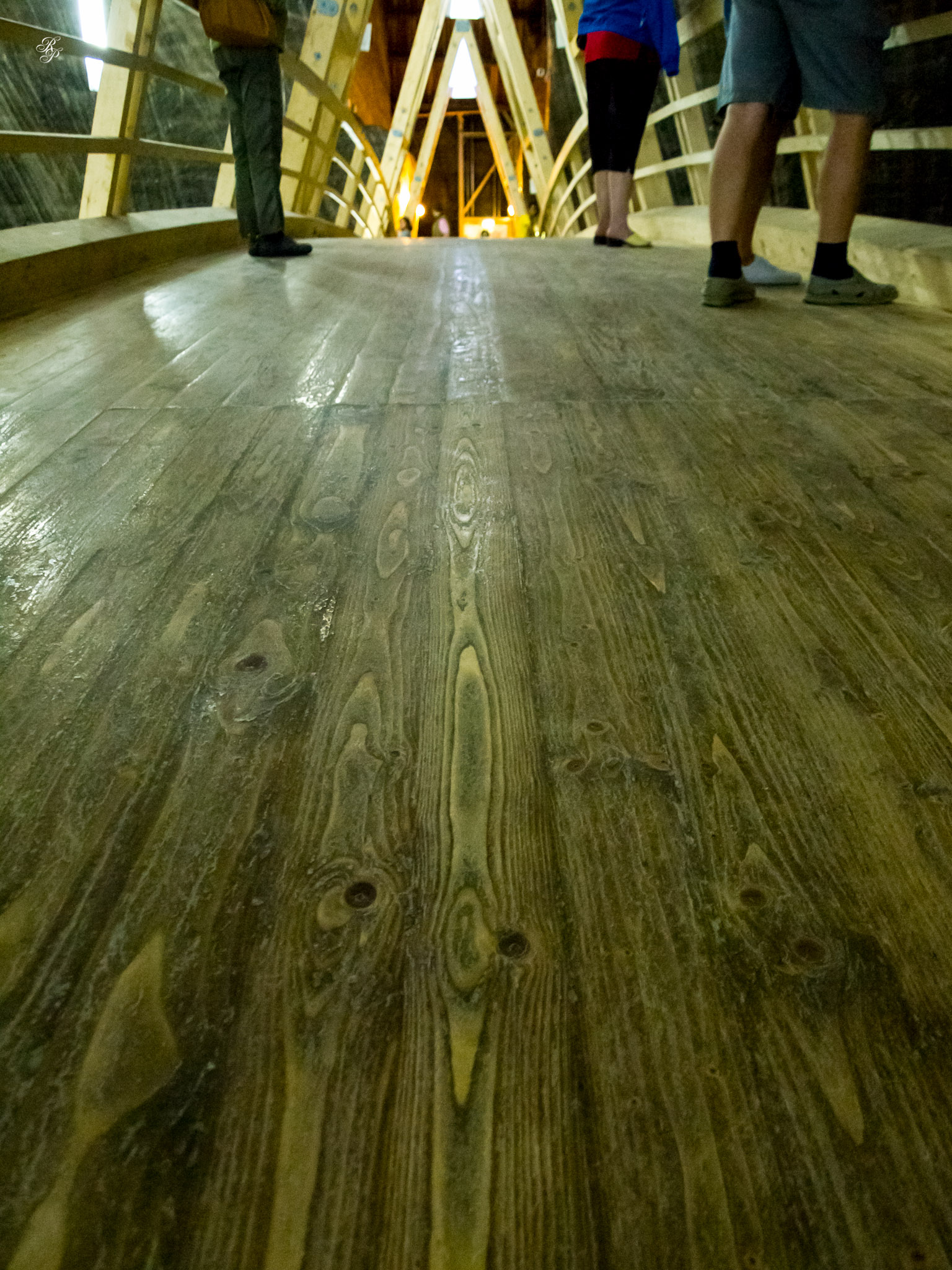
On the walls, delicate salt stalactites had begun to form, as a result of the water condensation generated by all the visiting crowds.

As amazing as the Turda Salt Mine looks today, with its huge vertical drops downward on solid salt walls, just imagine how it would look if they’d mine the whole 2,600 meters and you’d actually look down that entire drop. It would be deeply frightening and amazing and otherworldly and spectacular, even more so than it already is.
Standard
Places

An afternoon on the Transfagarasan Road

This weekend, we spent an afternoon on the Transfăgărășan Road, in the Făgăraș Mountains of Romania. (Trans-faragarasan → “Trans” = across and “Fagarasan” = the specific mountains which it crosses.) I enjoyed driving its challenging curves (Ligia not so much) and later we both enjoyed walking and meditating in the mountains. I also took photos (naturally) and I hope you’ll enjoy them.
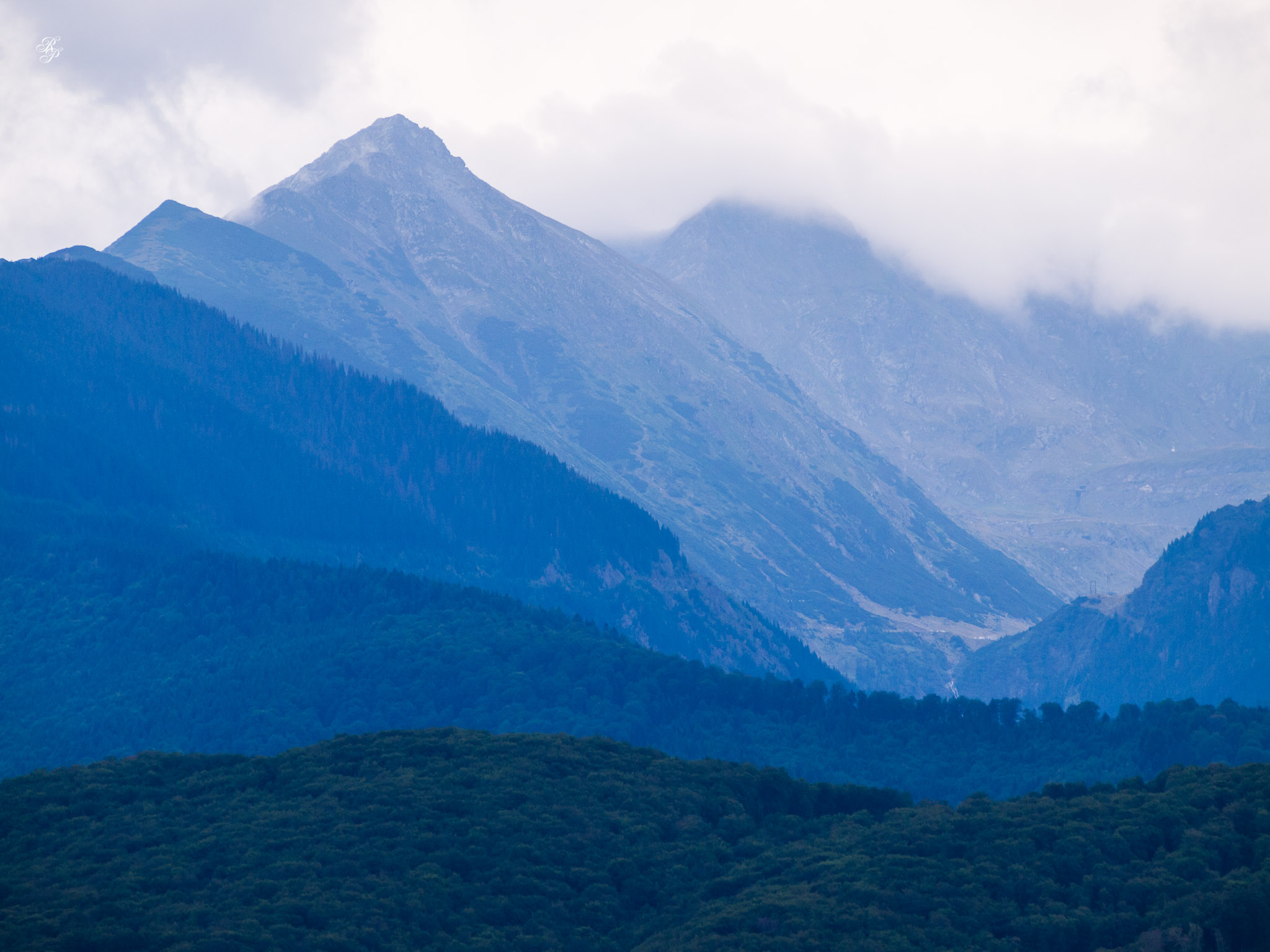
This is how the mountains look as you approach them from E68, after you pass through a village called Cartisoara.

As we started to climb, these are the sorts of views we started to get. Hold on, the best stuff is yet to come.

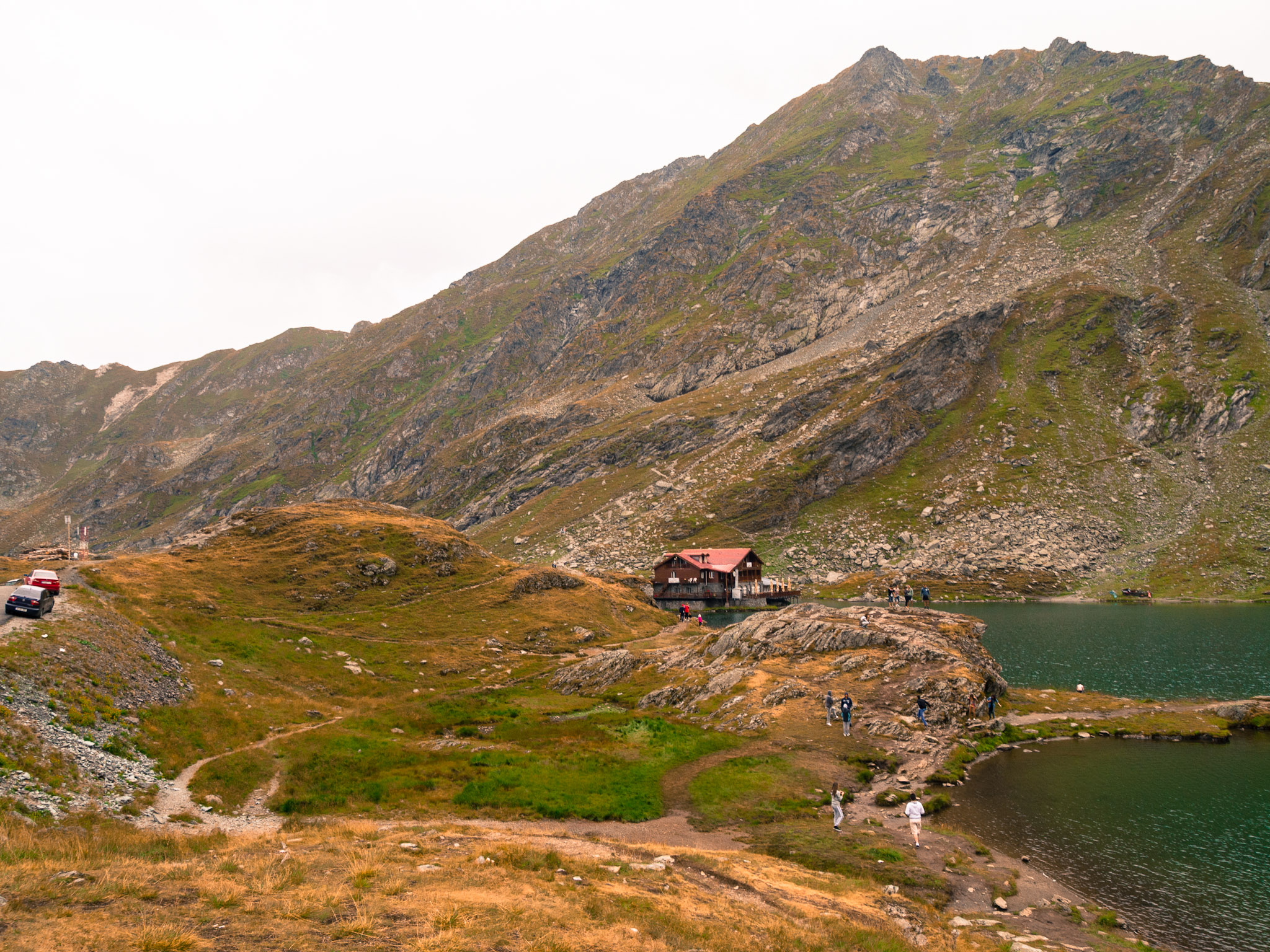
At the top, it was fairly crowded. I tried to avoid the crowds as I took my photos. Some people were hiking, others were stuffing their faces. Not sure what it is about the top of a mountain that makes people so hungry. It’s not as if they climbed it — they drove it. There were loads of cars in the parking lot.

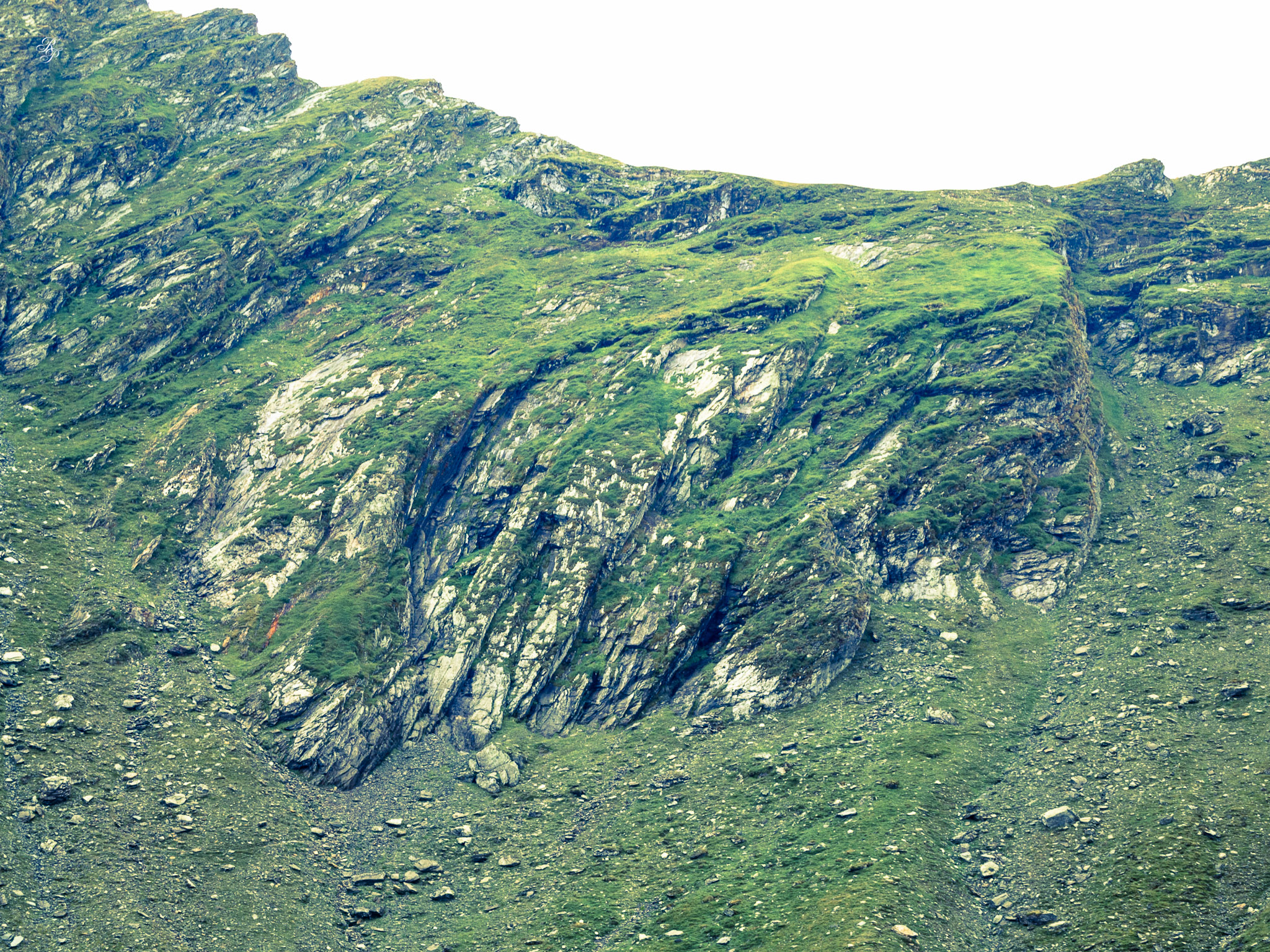
This is what the slopes to the top peaks looked like. Although it’s summer, we were fairly high up (above 2,000 meters in altitude) so the weather was foggy and fairly cold (10-15 degrees Celsius).

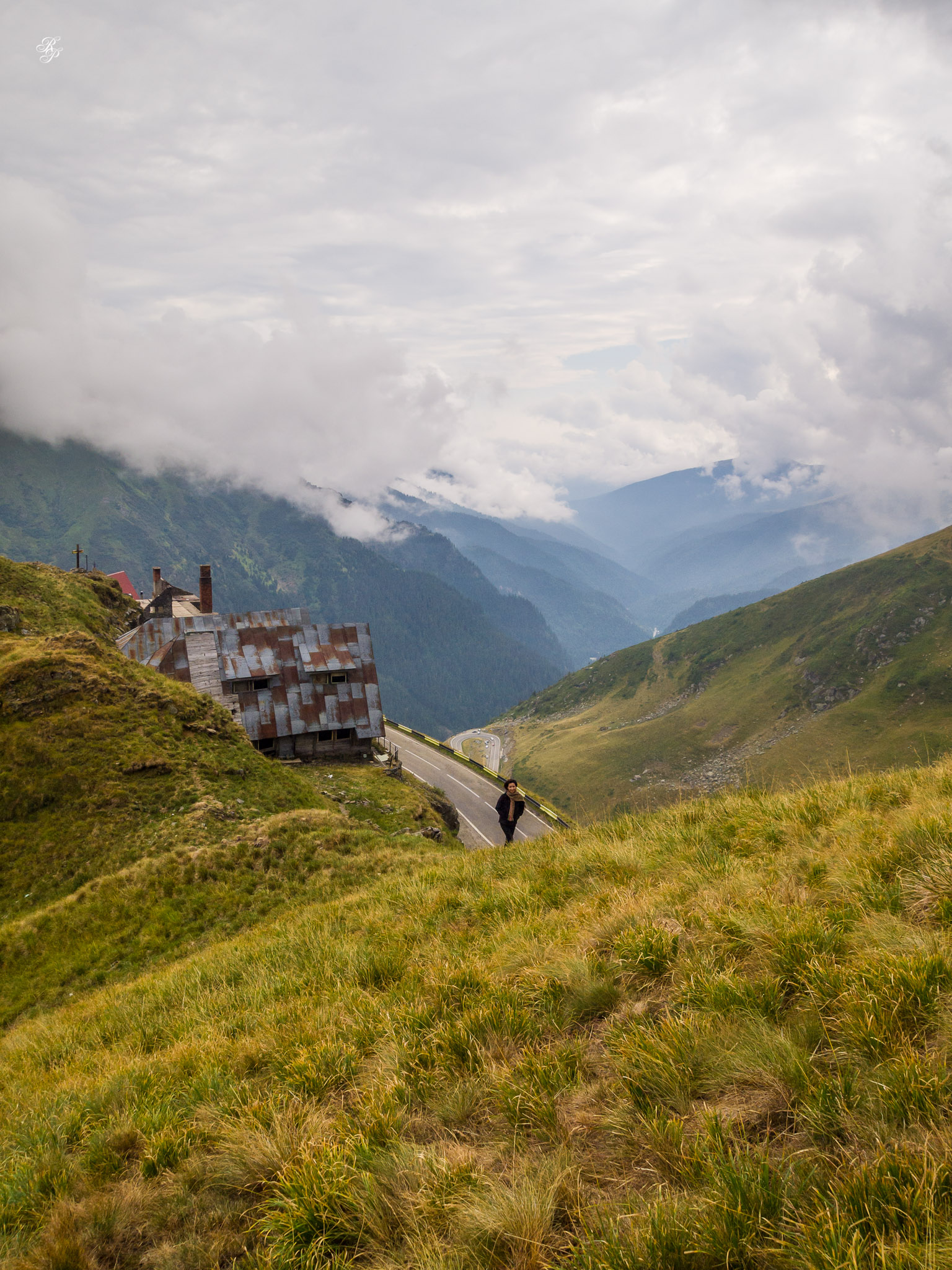
Since it was too crowded and noisy at the top, and the smell of cooking pervaded the air, Ligia and I decided to drive on past the main peaks and we stopped further down the road, where it was nice and quiet. That’s Ligia hiking toward me.

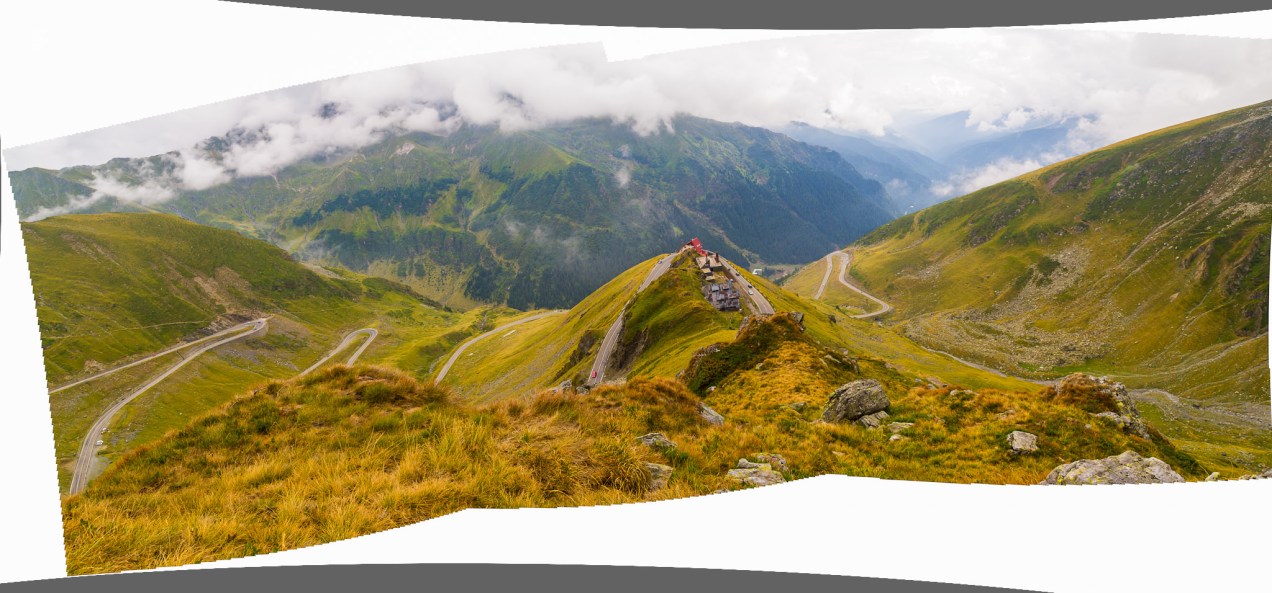
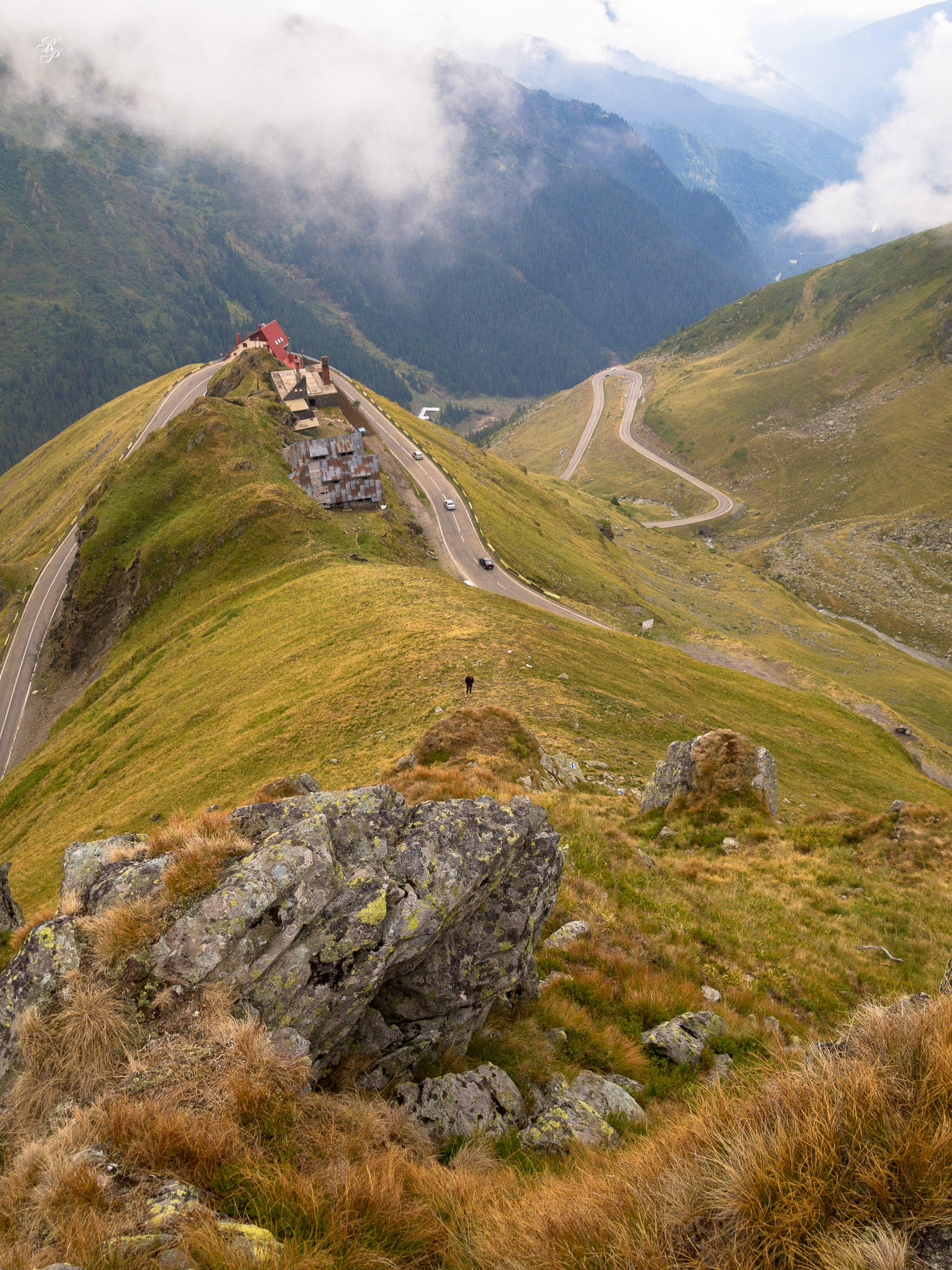
The views only got better as we went higher up. The black dot in the center of the photo is Ligia.

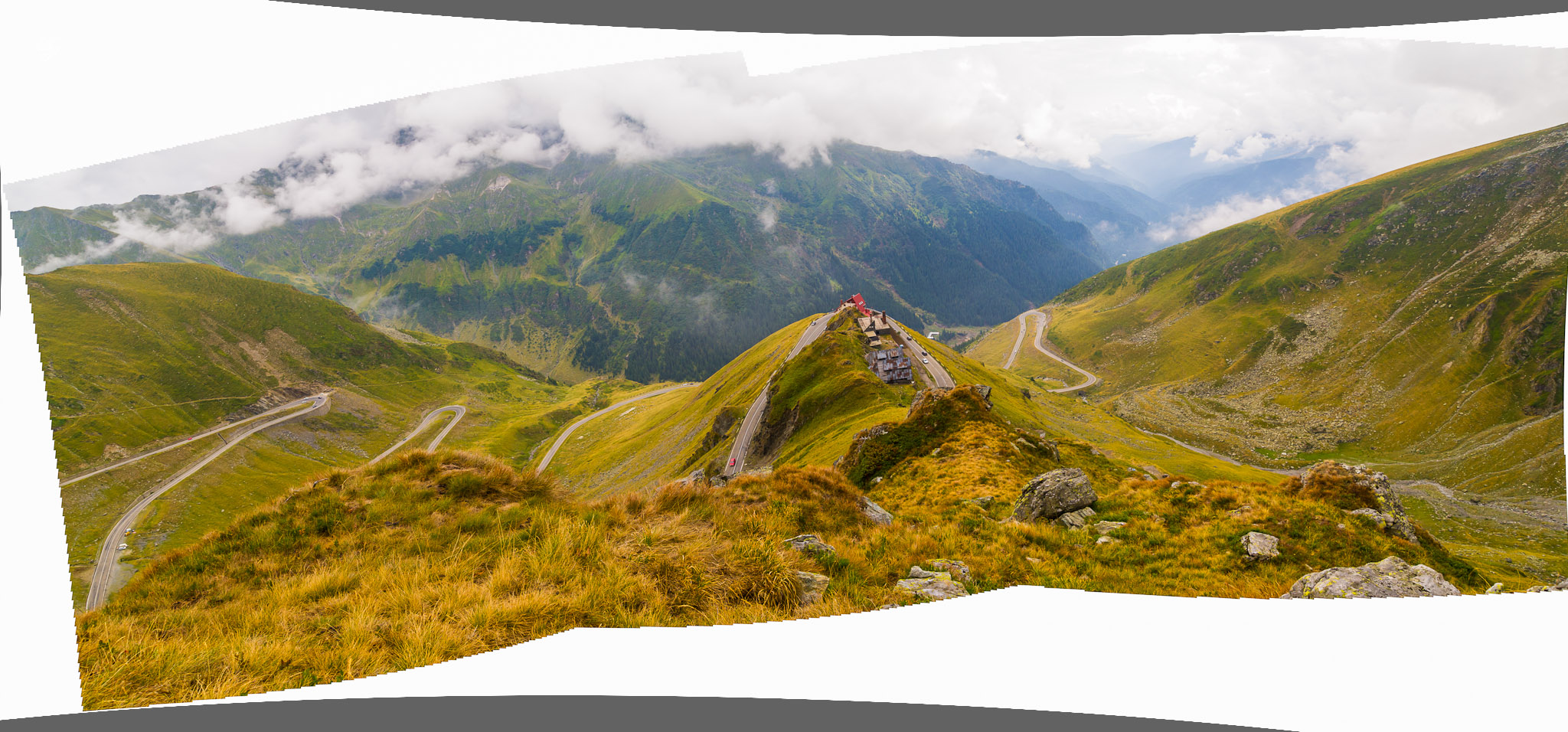
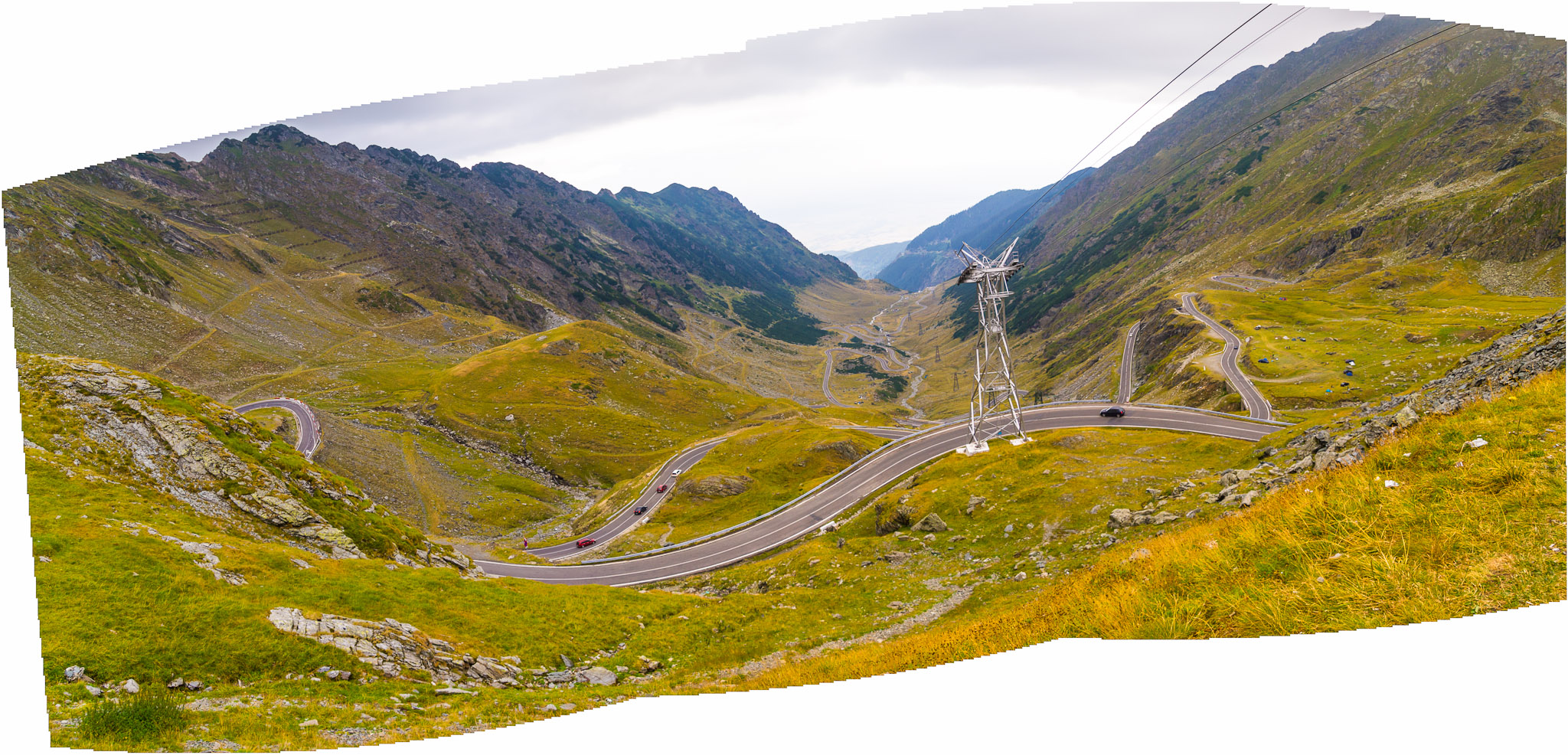
I’ll let this three-photo panorama show you what I mean. I left the white space unmasked on purpose, to show you everything the camera captured.

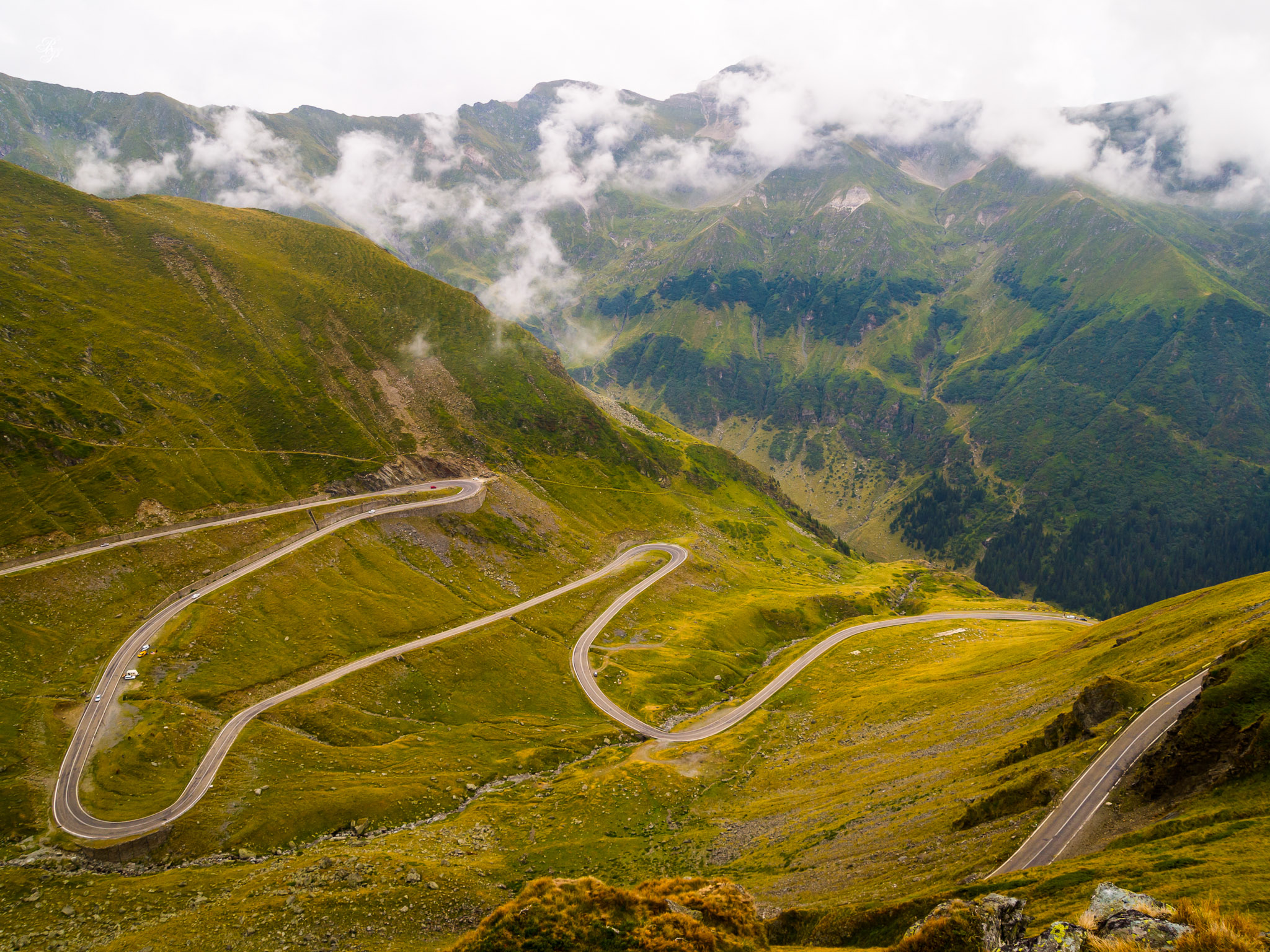
Here’s a close-up of the left side of that pano, showing the twists and turns of this picturesque mountain road.

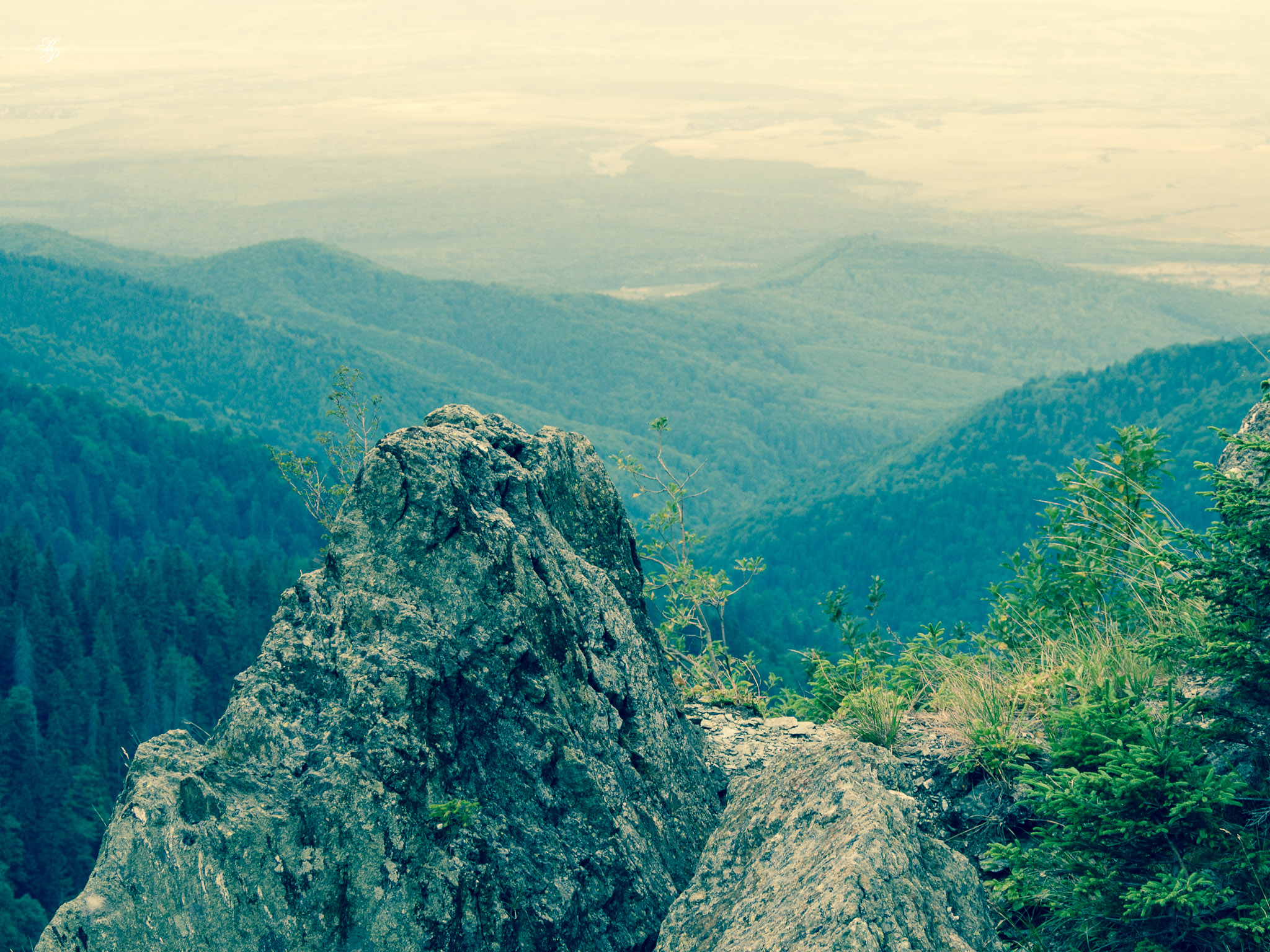
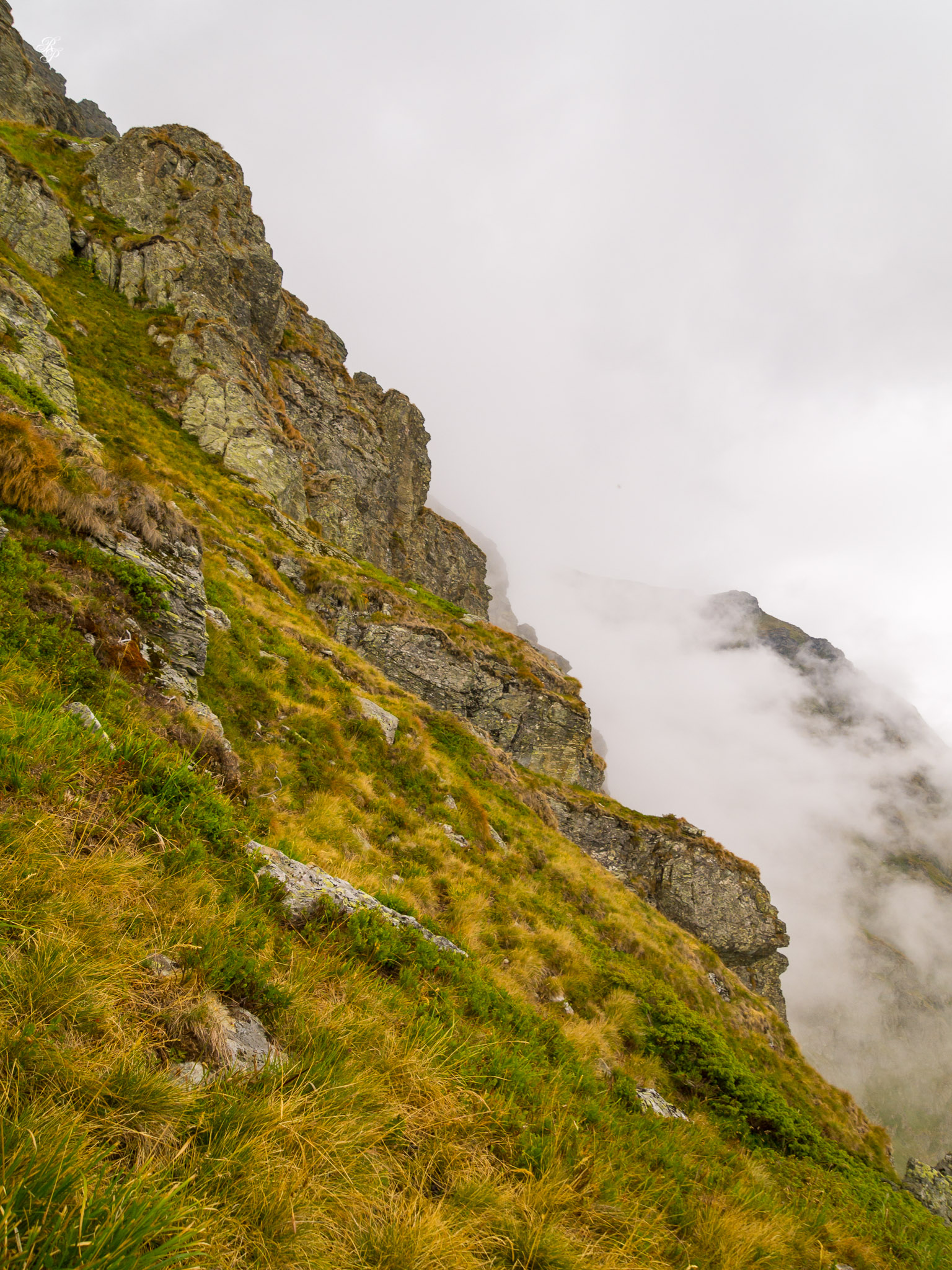
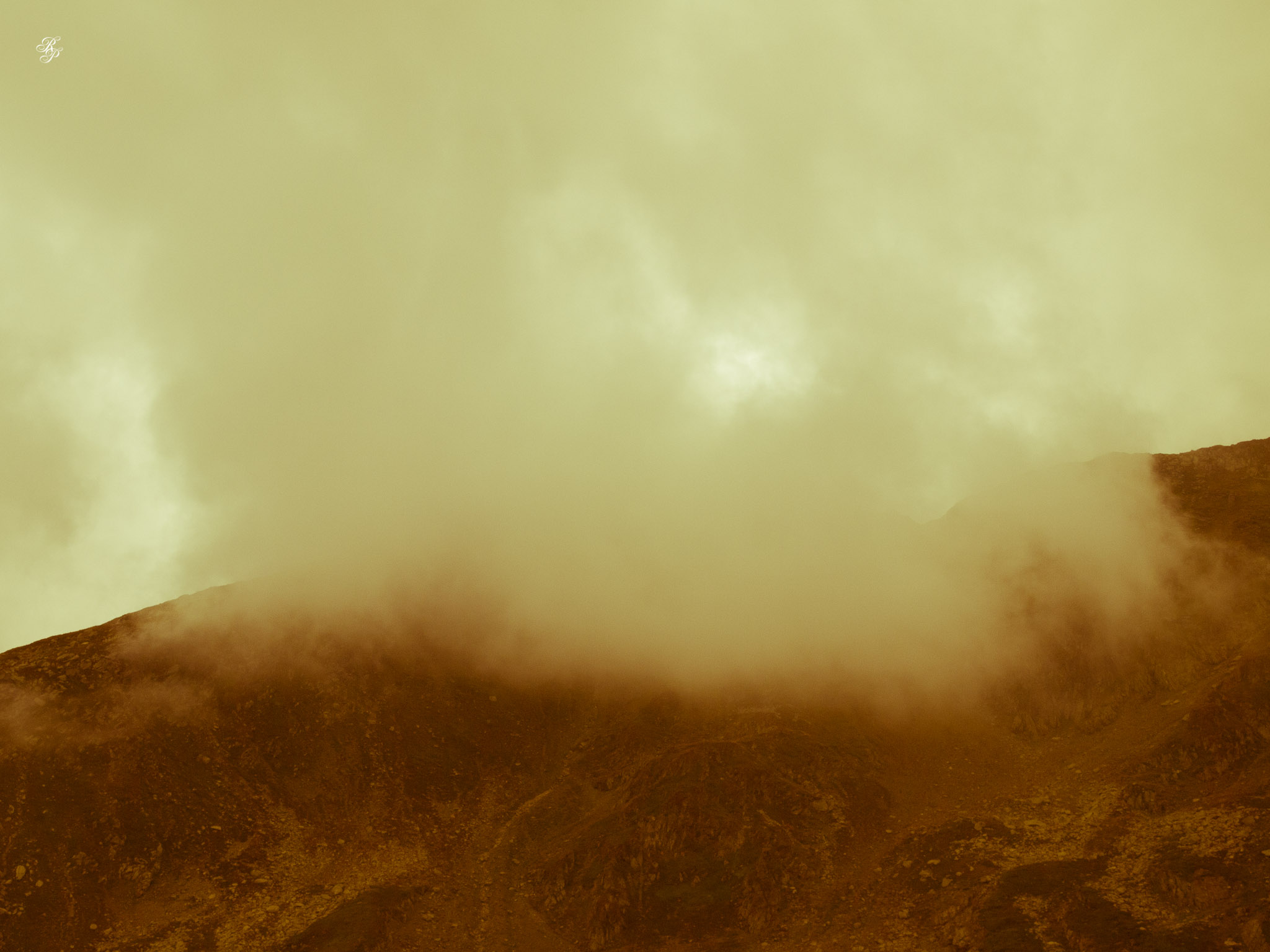
We stopped to meditate and enjoy the tremendous beauty before us where the rock face turned sharply upward and climbing by foot became dangerous (we had no climbing gear with us). As we sat there, fog from the valley rose up alongside the cliff, joining with the clouds.

We climbed down refreshed and clear-headed, and as evening drew near, we wound our way down toward Sibiu and home, but not before taking another panorama of the Transfagarasan.

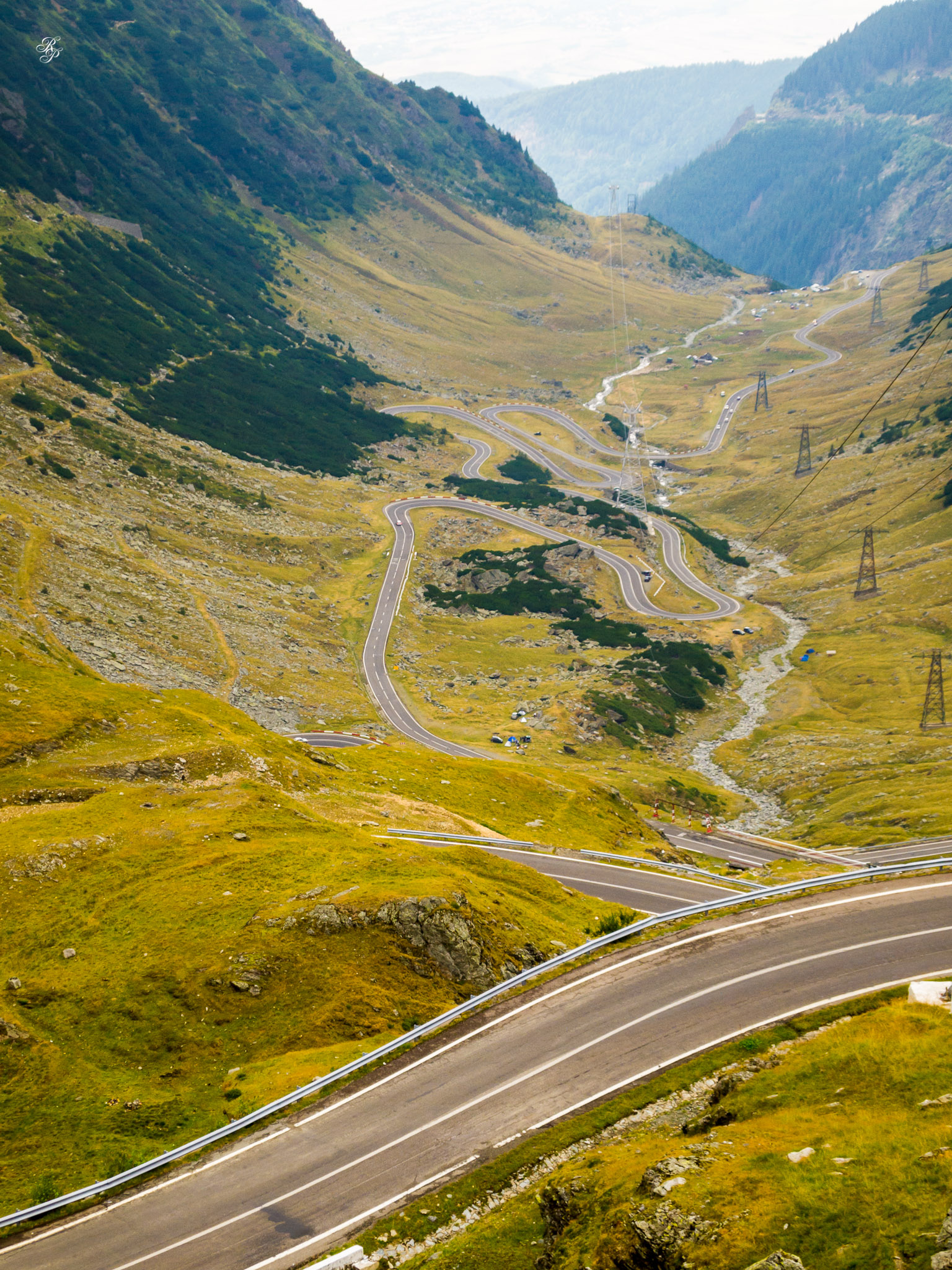
Here’s another photograph that shows the spread of the road in the valley below.

As usual, if you’ll go through gallery below, you’ll find photos that I haven’t shown here. Enjoy!

Standard
Thoughts

In the MINI

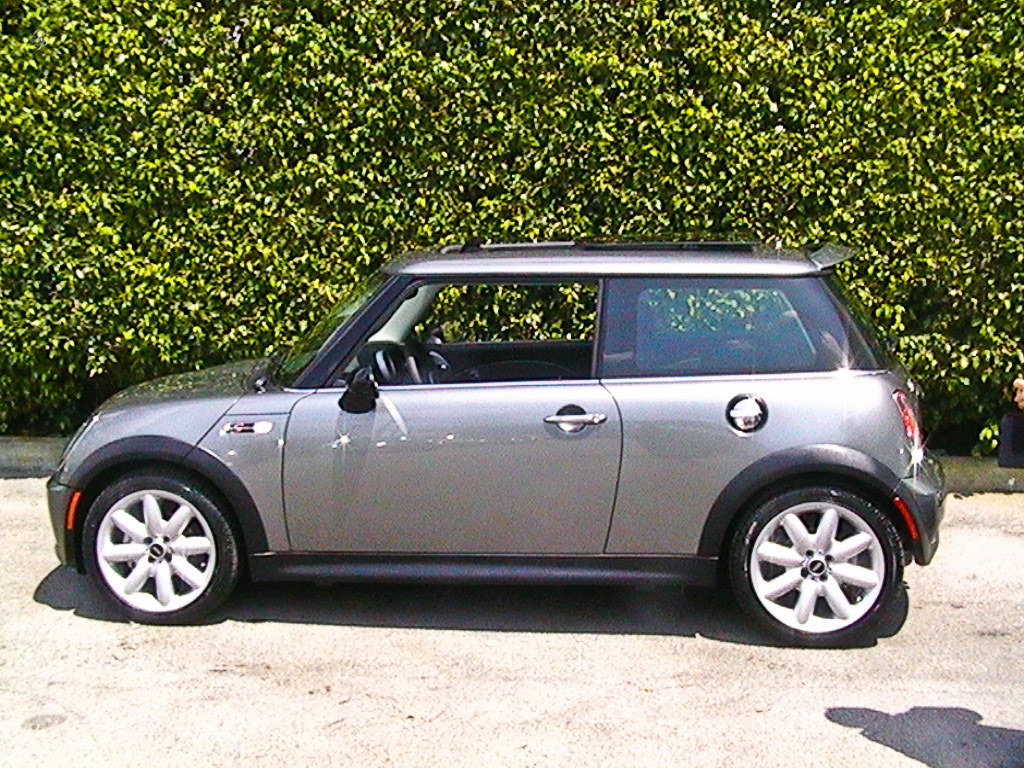
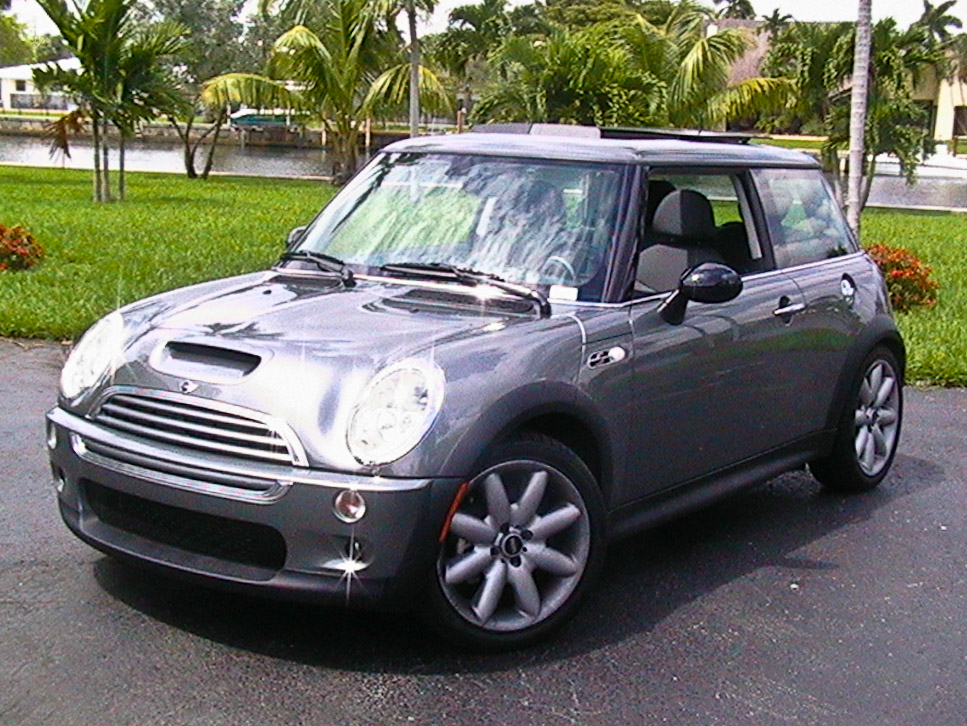
One stable element in our life through the past decade has been our 2003 MINI Cooper S. I placed the order for it in the closing months of 2002 and got it in March of 2003, exactly as I wanted it.

Although our life has undergone major changes in those years, and even though the MINI’s had more than its fair share of problems, we kept it. We even brought it over to Romania with us, and it sits in our courtyard right now, just waiting to be driven to some fun place, ready to eat up Transilvania’s twisty roads.

Our car’s seen a lot of ground during its almost 10-year existence. We plan to keep it around so it sees a lot more of this incredible blue world of ours. Even now, as we open its doors and get in, somehow the new car smell hasn’t gone away. The design (both exterior and interior) is still appealing to us. The engine still pulls like a fine horse and it still tears up the curves. And the fact that it’s been with us this long, through thick and thin, through incredible changes, has provided us with no small amount of comfort and it helped ease the transitions that took place in our lives. It’s a keeper.

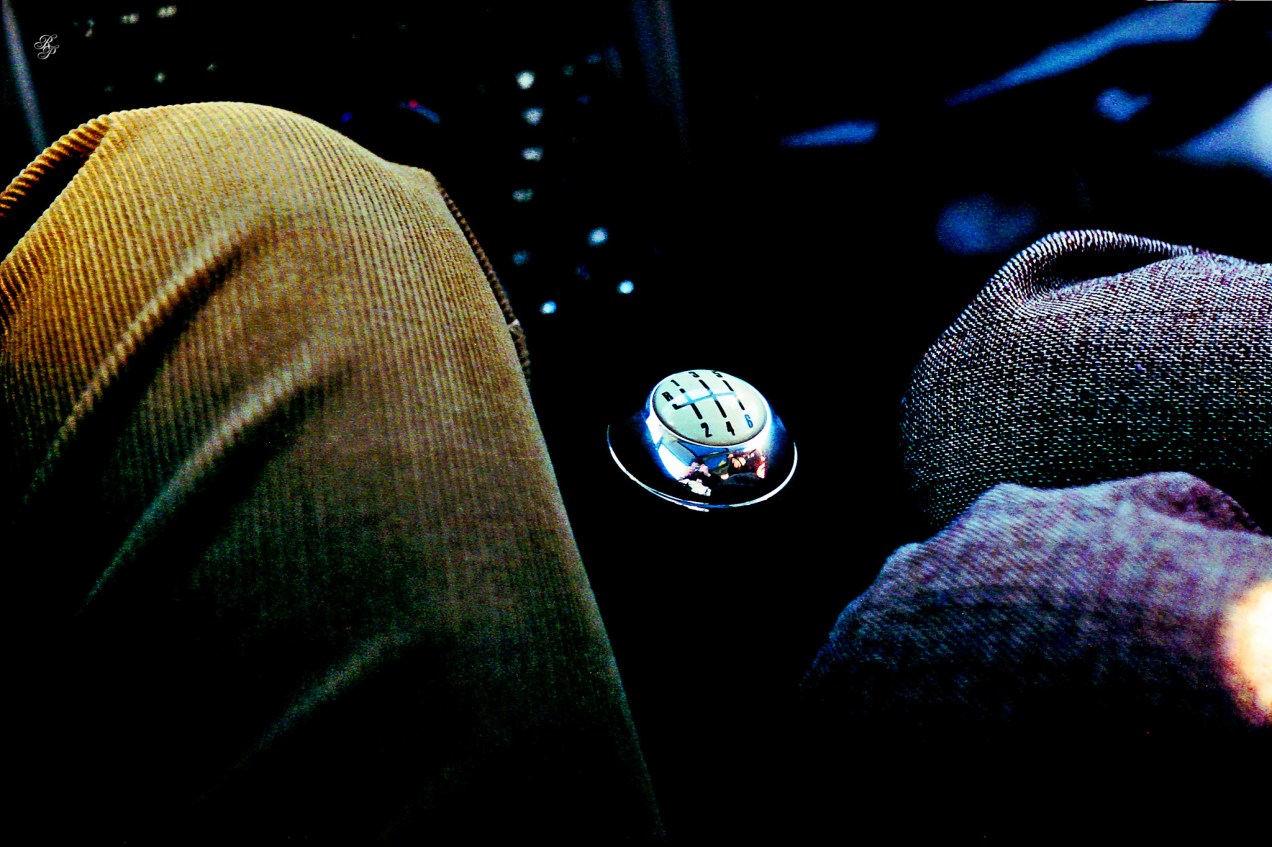
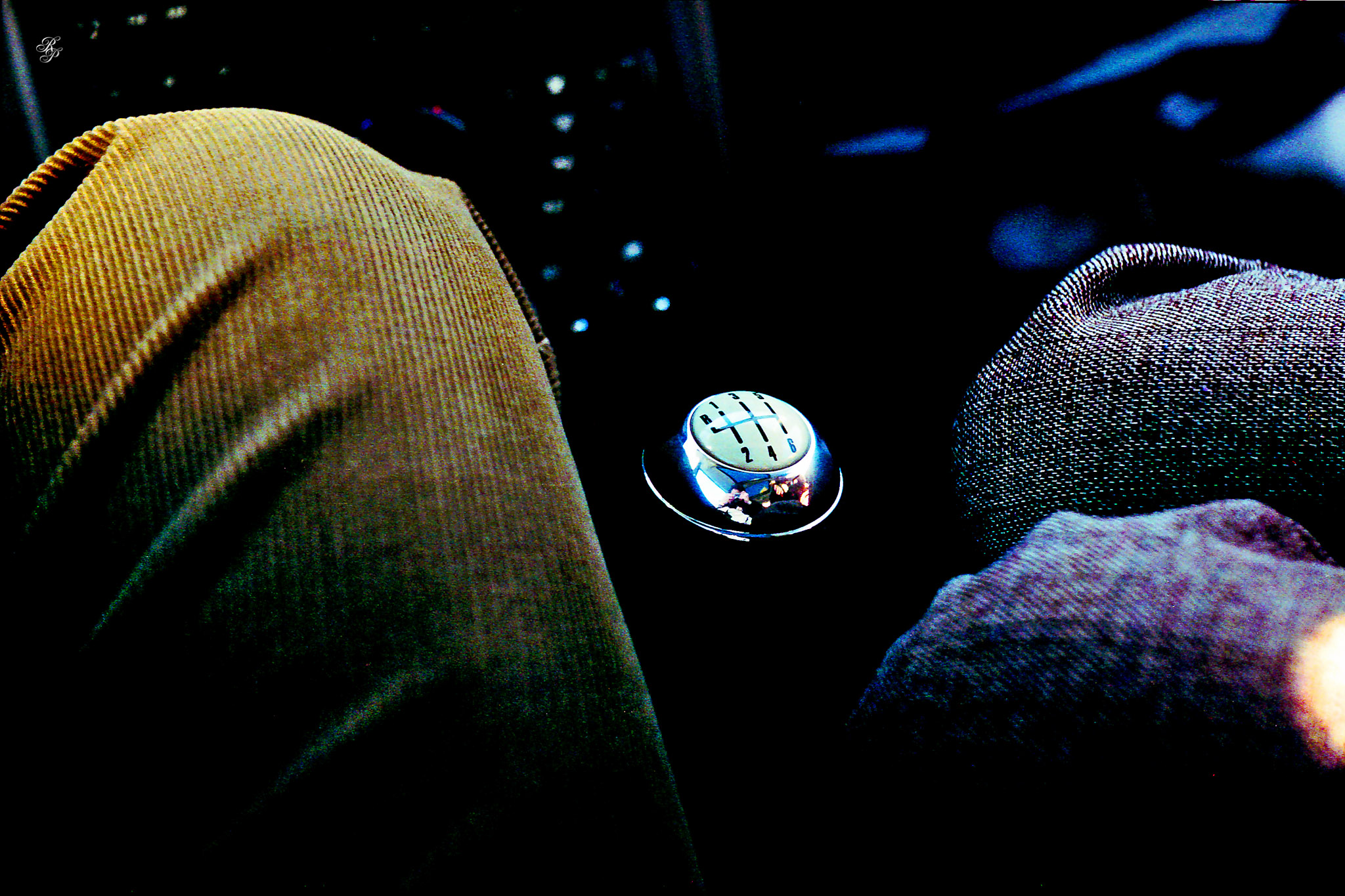
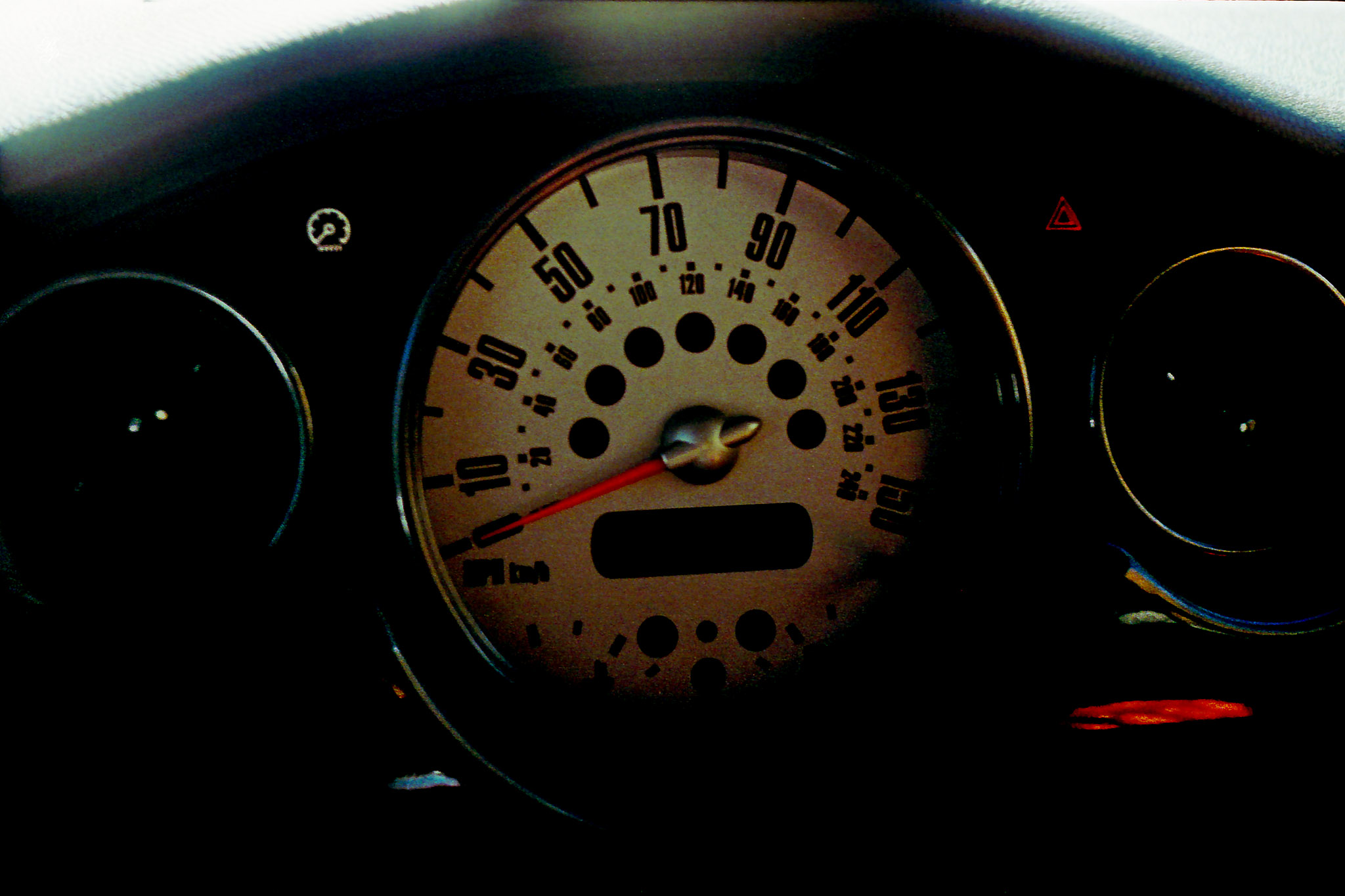
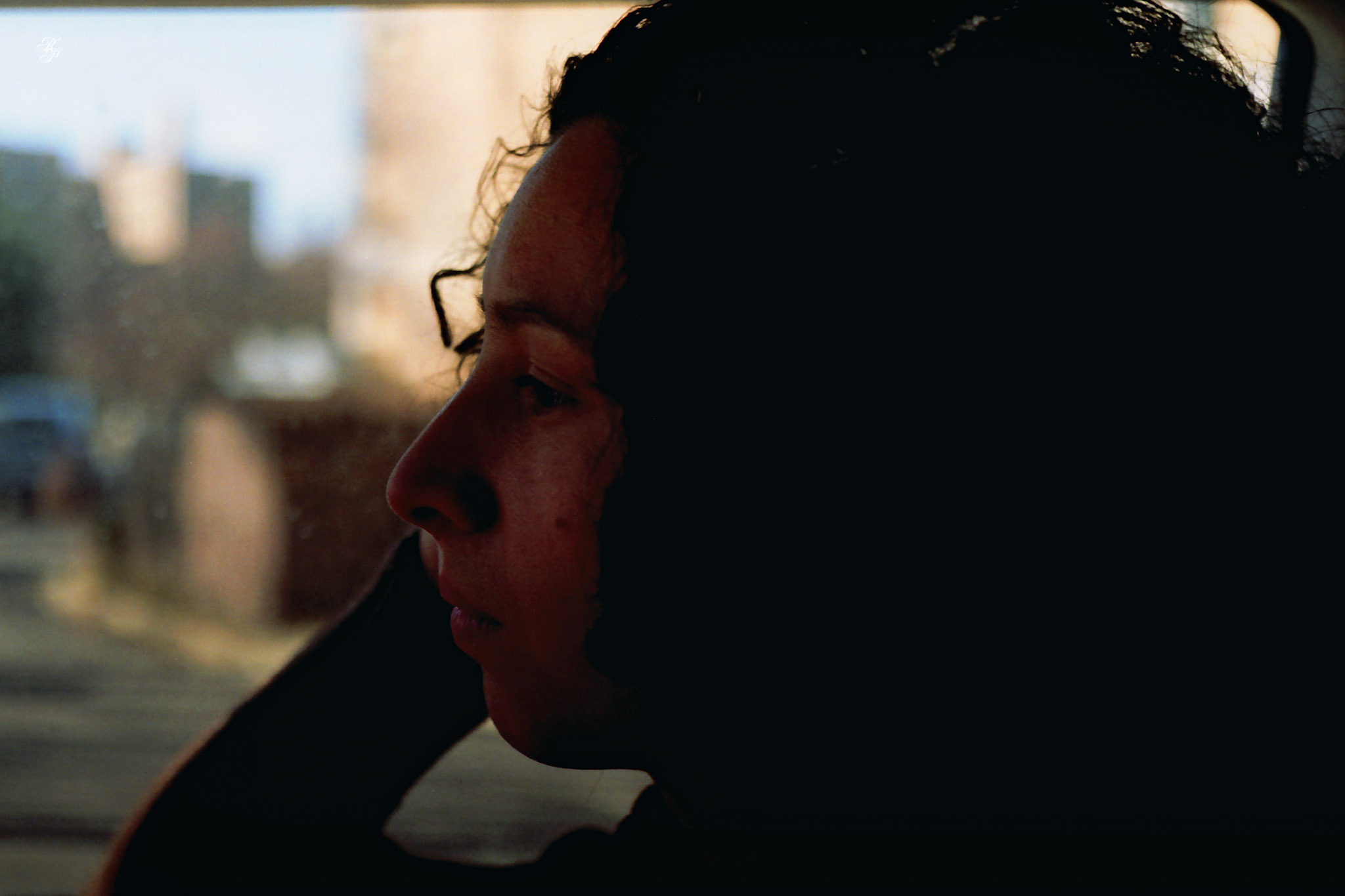
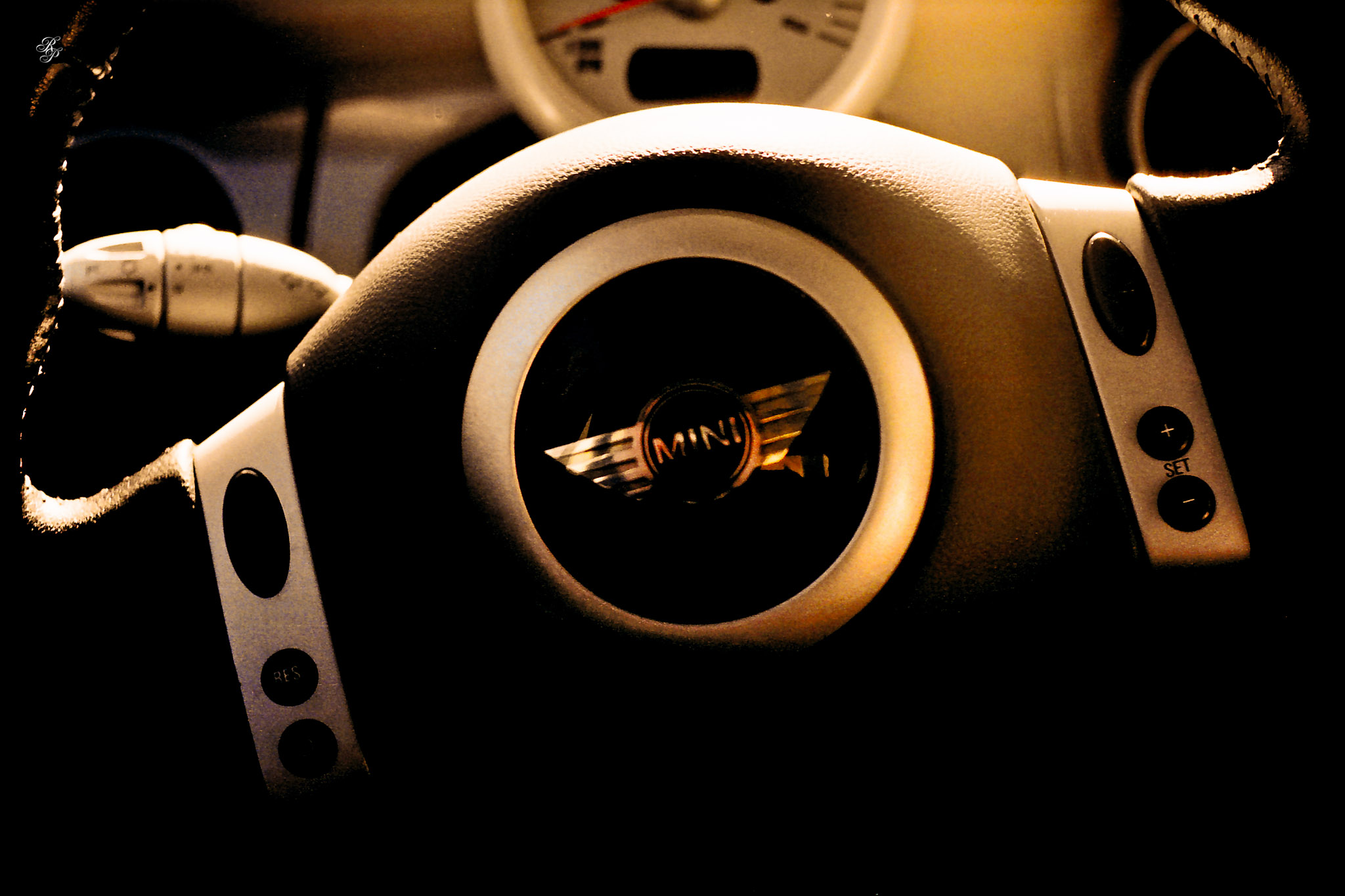
I took these next few photos in the MINI, as we were driving around DC one winter day, a few years ago, with a 35mm film camera, an Exakta EXA Ia.

Standard
Places

Summer flowers

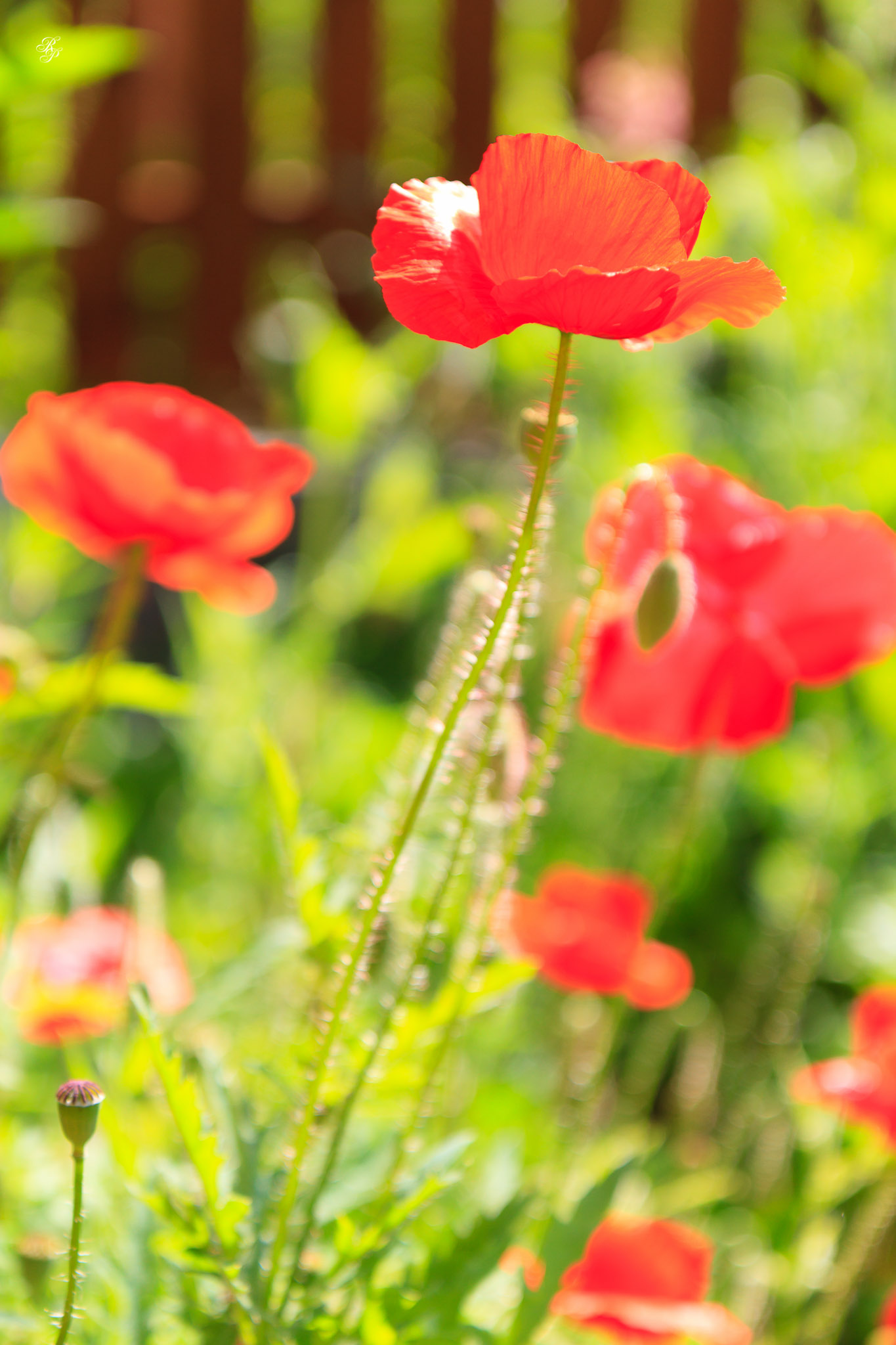
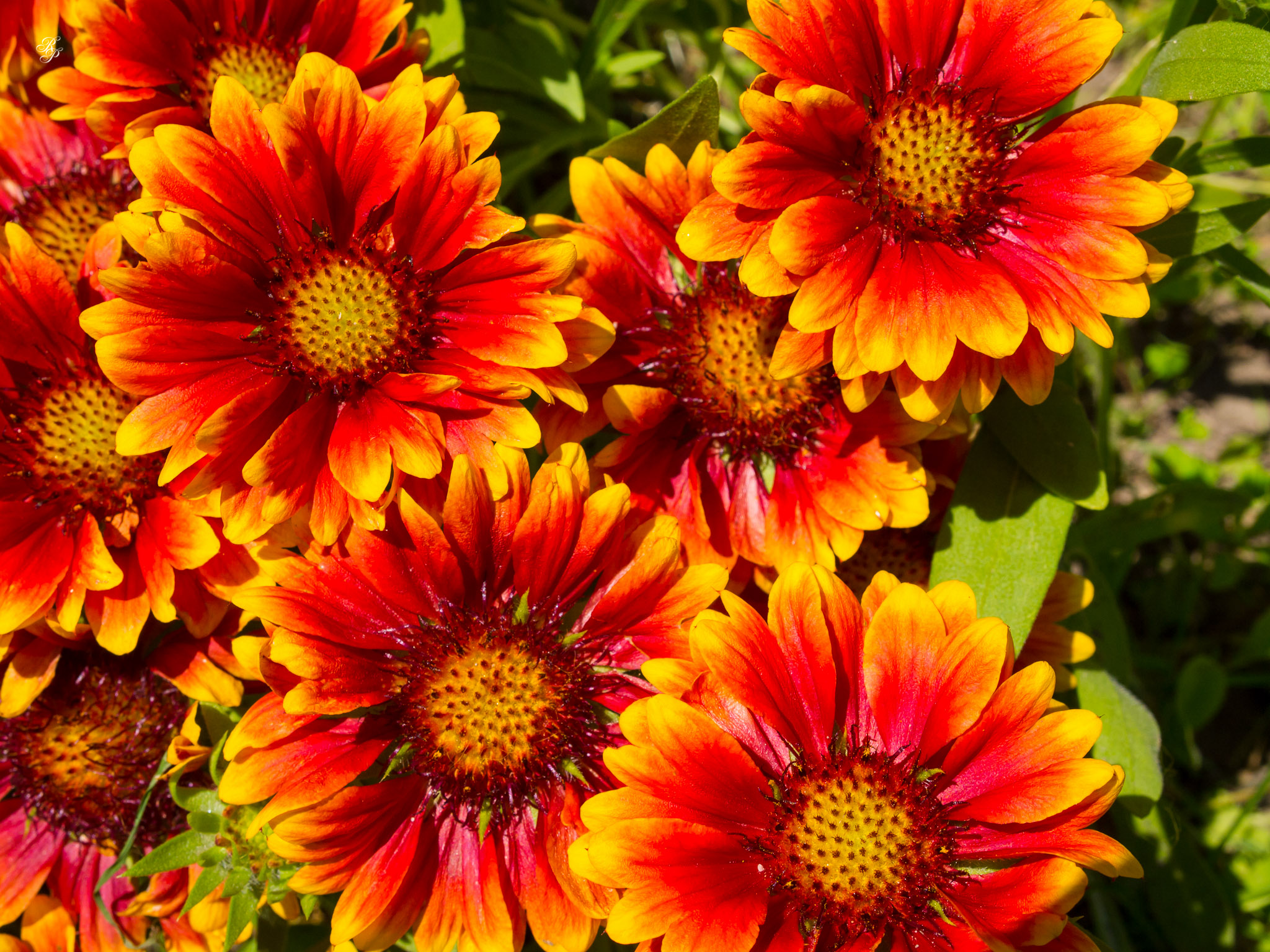
I wanted to show you the beauty of our summer flowers, particularly that of our red poppies. And if you recall my cherry blossom photos posted this spring, you’ll find a certain photo of ripening cherries posted below quite appetizing.

Standard
Places

Lacul Oasa and Transalpina

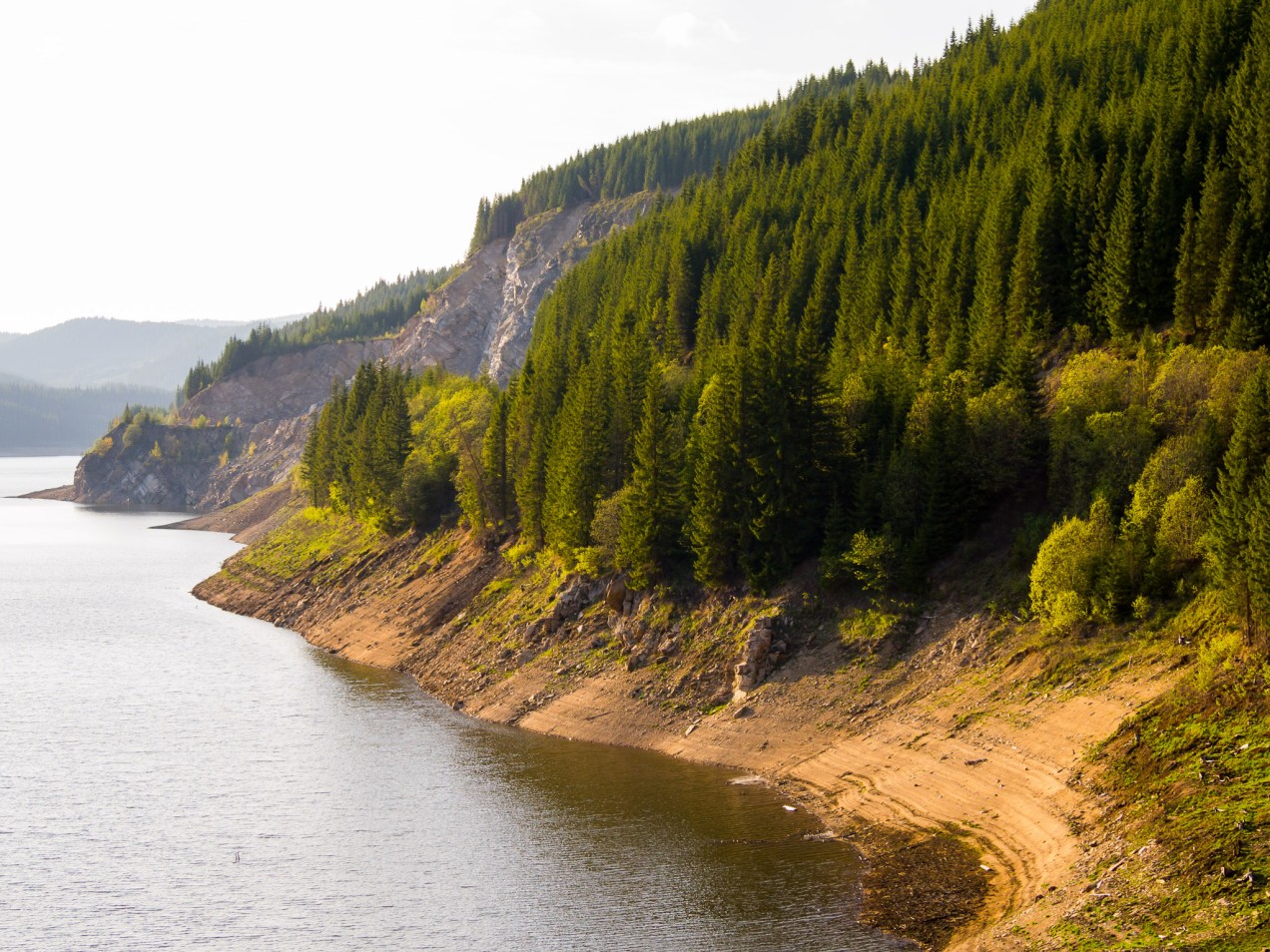
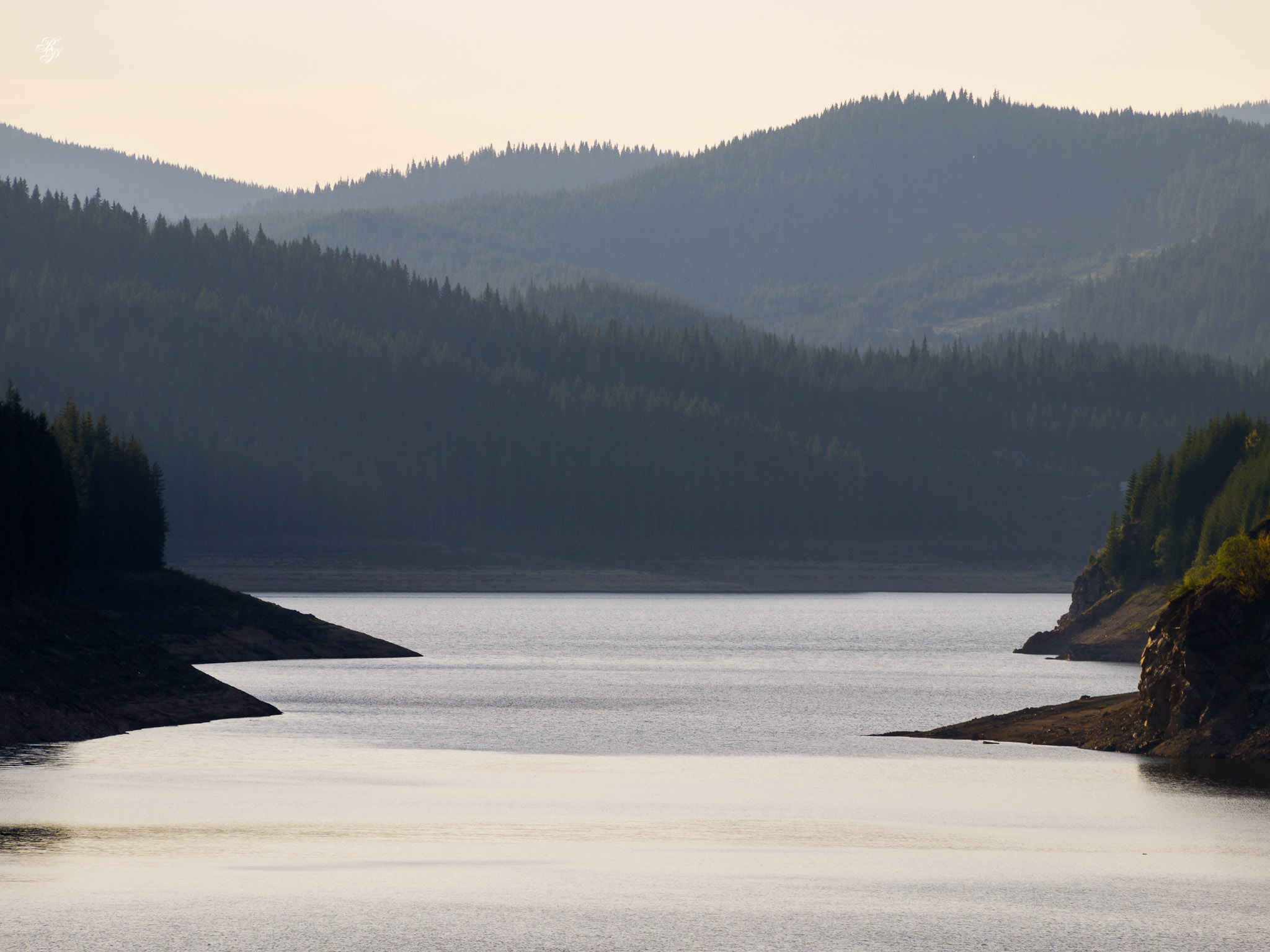
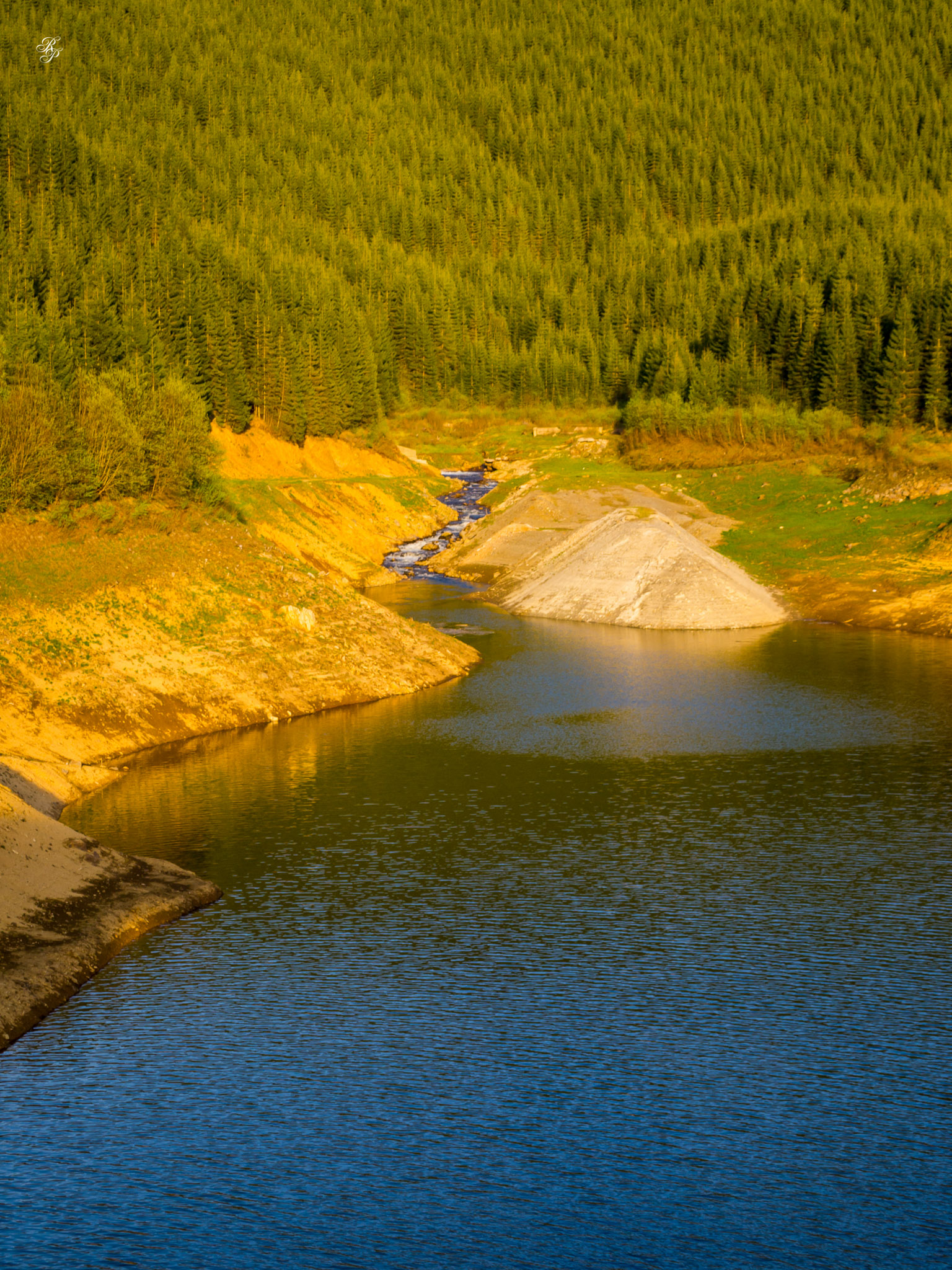
The second leg of our trip through the Southern Carpathian Mountains, whose first leg took us through Obarsia Lotrului and Lacul Vidra, now took us by Lacul Oasa and the Northern portion of the Transalpina, a high-altitude road which offers unsurpassed vistas and which I documented through photos in late fall of last year.

This picturesque, unpaved portion of the Transalpina Road is also quite dangerous. The rocky cliffs you see hanging above it are eager to hurl rocks at passersby. It’s a situation made worse by man’s presence there. They blasted through the rock to make the road (a necessary evil) but they also set up a temporary concrete factory there and chewed through yet more rock to make the stuff. Until vegetation grows back on that slope to hold together the rocks, or measures are taken to reduce the rock falls, it’s a dangerous section of the road. Rocks were falling right by us as we drove through.

Be sure to view the full gallery posted below for more photos.

Standard