There is a fortified church in the small village of Moardăș in Transilvania, also known as “Mardisch” in German and “Mardos” in Hungarian. A strange-sounding name in Romanian, Moardăș it seems has cuman origins and comes from the precursors of the Hungarians of today. The older name seems to have been Ardesch (as the Saxons pronounced it), first mentioned in written documents in 1373 along with a priest named Michael of Ardesch. The village later became known as Mardesch, with the other variations being Muardesch and Muerdesch in the Saxon dialect.

Just to show you how small it was, a census taken in 1516 counted 40 households, three widows, a shepherd, a miller and a schoolteacher. By 1532, when Johannes Honterus visited the region to draw a map of Transilvania, the count shrunk to 32 households. In spite of the village’s small size, it had a schoolhouse even in the early 1400s, a fact known because one of its bright young people, a Michael Eckhard of Ardisch, enrolled at the University of Vienna in 1434 to become a lawyer.
We jump to 1850 or so, when the village school gets rebuilt (1848) and a new census reveals the place has gotten bigger. It now has 545 inhabitants. In 1930, 628 inhabitants live in the village. That number shrinks in 1945, when the Communist regime ships quite a few of the Saxons in the village to the Soviet Union, into forced labor camps. Another census taken in 1946 reveals that 44 Saxons had been sent to the USSR, 45 emigrated to Germany and 262 were still in the village. After the Romanian “revolution” (read coup d’etat) of 1989, almost all of the Saxons emigrated to Germany.
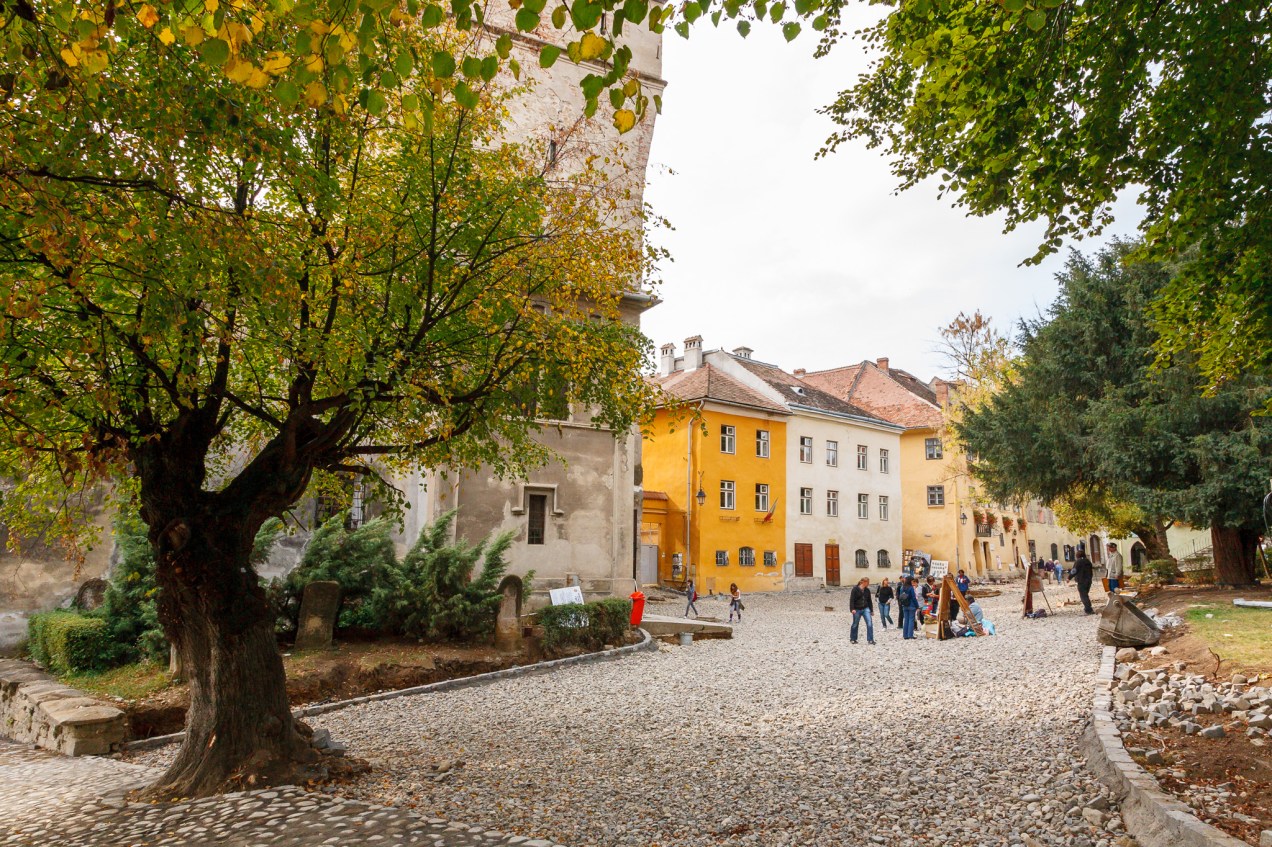
I took the photographs you’ll see in this gallery in 2009, 20 years after the Saxons had left the village, leaving only a few of their elderly around. You’ll see them in these photographs below. We stopped to talk with them a bit.

In the village of Moardas, Transilvania, Romania

In the village of Moardas, Transilvania, Romania

In the village of Moardas, Transilvania, Romania

In the village of Moardas, Transilvania, Romania

In the village of Moardas, Transilvania, Romania

In the village of Moardas, Transilvania, Romania

In the village of Moardas, Transilvania, Romania

In the village of Moardas, Transilvania, Romania

In the village of Moardas, Transilvania, Romania

In the village of Moardas, Transilvania, Romania

In the village of Moardas, Transilvania, Romania

In the village of Moardas, Transilvania, Romania

In the village of Moardas, Transilvania, Romania
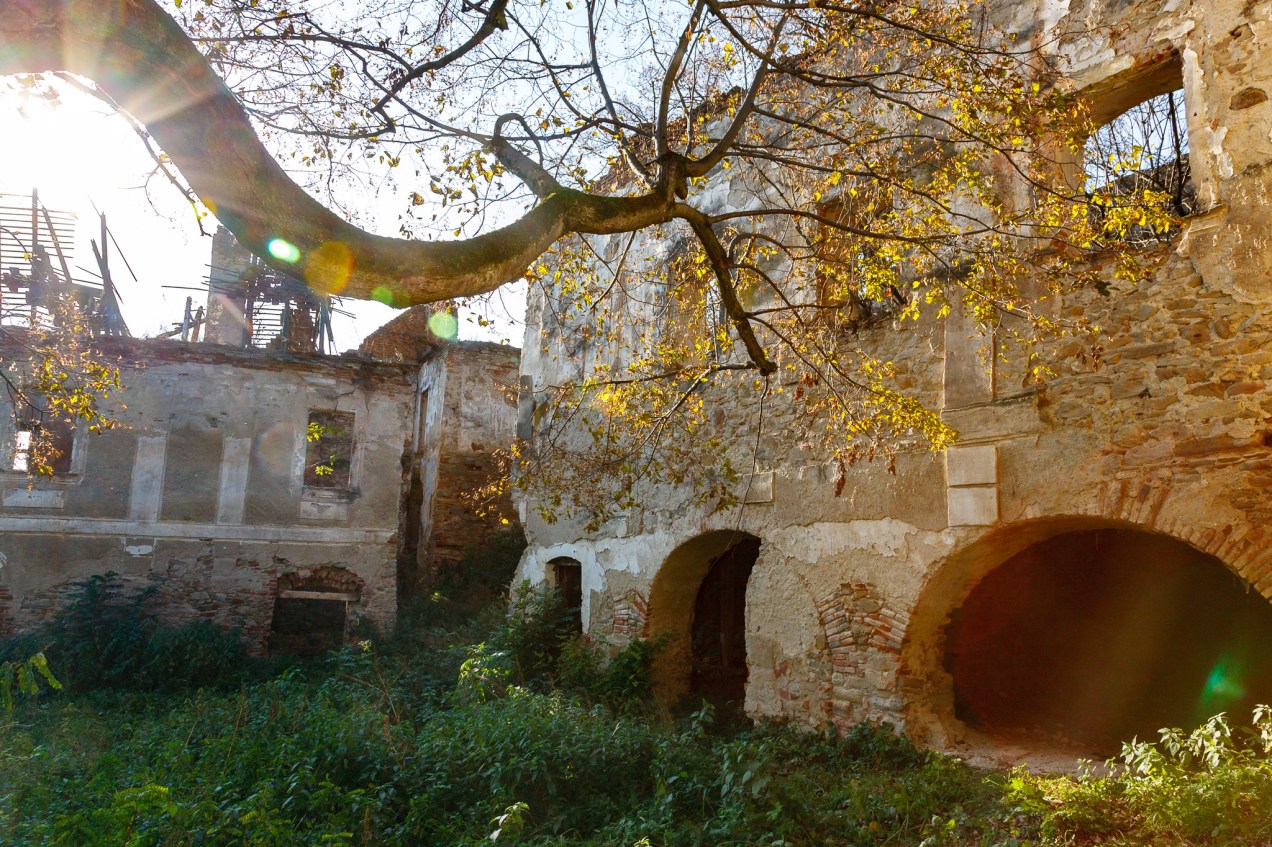
Gypsies had moved into the empty Saxon houses and had systematically destroyed them: sold whatever they could (furniture, goods, etc.), burned the rest for firewood and when one house would fall down, they’d move onto the next one and suck it dry until it fell. By the way, in the States there’s a term for this: it’s called house-squatting and it’s illegal. It’s also illegal in Romania. It’s easier to evict illegal squatters in Romania than it is in the States. All that needs to happen is for the families of the Saxons who own the homes to reclaim the property. Even if it’s been decades, the heirs can successfully reclaim a house. It takes a few months to work that through the legal system but then the problem’s solved for good. I say these things because my heart aches when I see solid, beautiful Saxon homes, built by hard-working, honest farming folk, defaced and brought to the point of ruin by irresponsible social scum. I could show you stuff that’s much worse, in this village and in many others in Southern Transilvania, but I don’t want to go near those places because I’ll get too angry when I see the horrible damage.

In the village of Moardas, Transilvania, Romania

In the village of Moardas, Transilvania, Romania

In the village of Moardas, Transilvania, Romania

In the village of Moardas, Transilvania, Romania
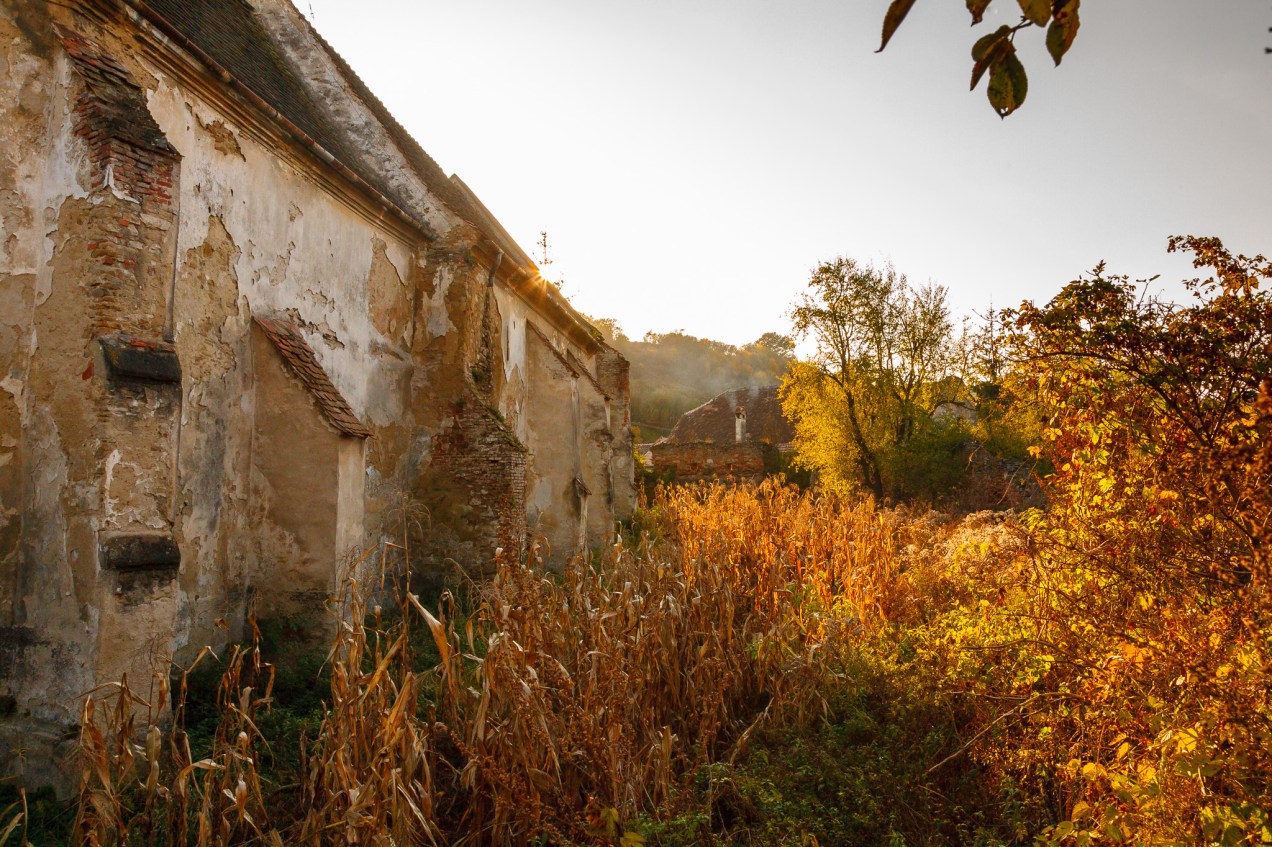
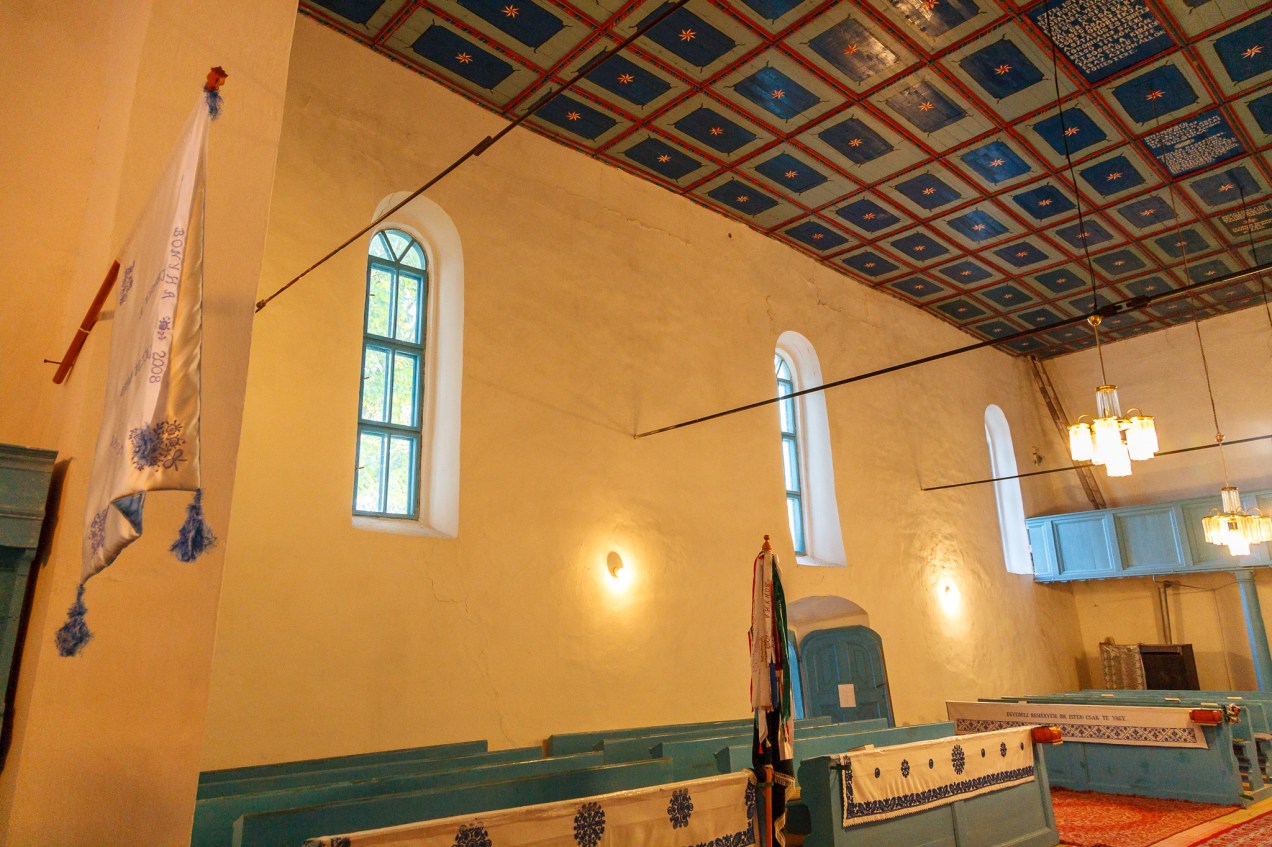
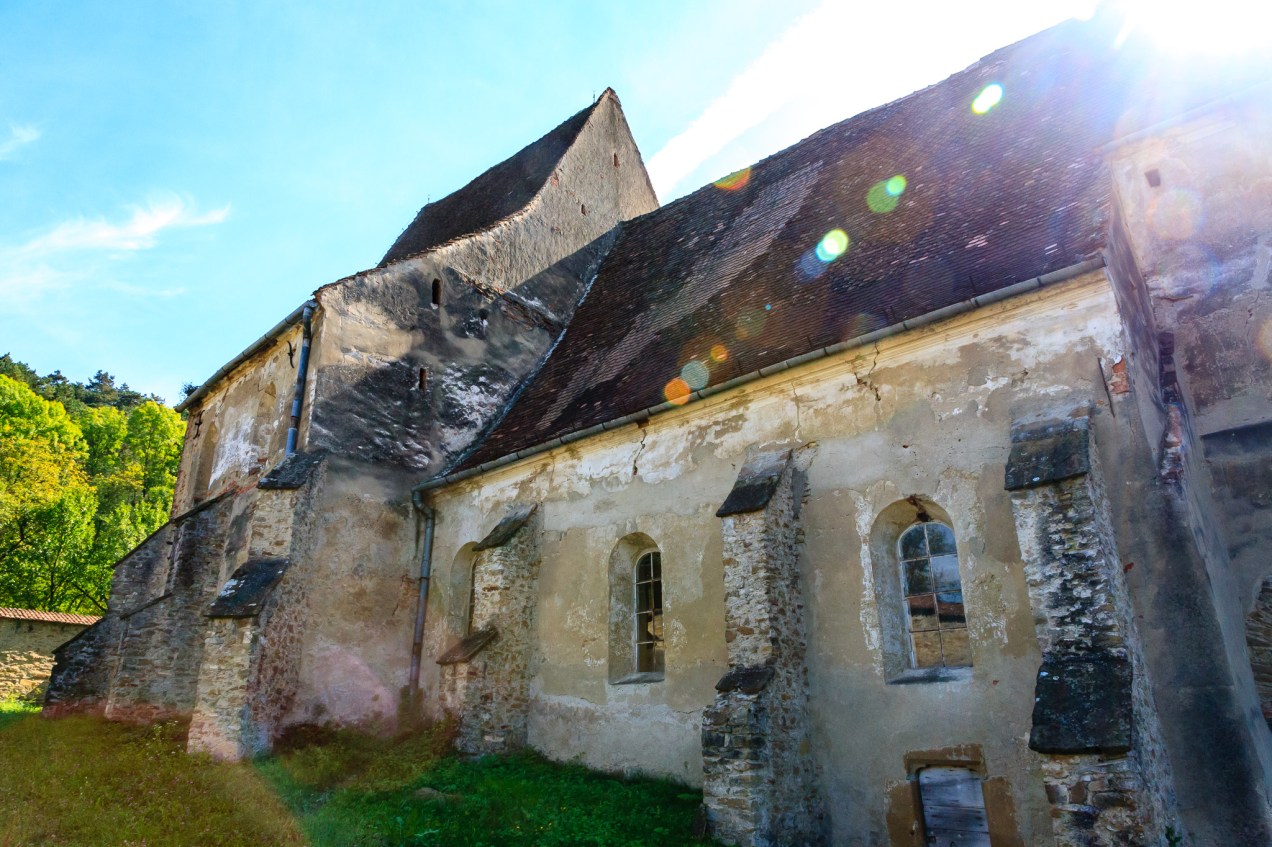
Enough crap! Let’s get to the good stuff! Here are images of the fortified church. When we visited, the surrounding fortified wall had mostly fallen down but the church itself was in surprisingly good shape, and so was the parish house next door. That’s because they had the good luck to be renovated in 1913 and again in 1959. By 2009, the altar had been robbed of its valuable center painting and the various religious symbols and objects. The organ had been sold off. The church walls were still standing though. The floor could do with repairs and there were some leaks coming through the roof.
Good news though! Only a year later, in 2010, a work of restoration was spearheaded by a local Saxon, Fritz Roth. Specialists from Germany (Hans Seger and Hans Gröbmayr from München) came to help, a workforce of 30 volunteers was brought in and funds were obtained in part from the US Ambassadors’ Fund for Cultural Preservation. Mark Gitenstein was the US Ambassador to Romania at the time. The restored church was re-consecrated in October of 2011. My photos don’t tell this last part of the story, because they were taken in 2009. Perhaps I’ll get a chance to revisit the place and see how it looks now.

At the fortified church in Moardas, Transilvania, Romania

At the fortified church in Moardas, Transilvania, Romania

At the fortified church in Moardas, Transilvania, Romania

At the fortified church in Moardas, Transilvania, Romania

At the fortified church in Moardas, Transilvania, Romania

At the fortified church in Moardas, Transilvania, Romania

At the fortified church in Moardas, Transilvania, Romania

At the fortified church in Moardas, Transilvania, Romania

At the fortified church in Moardas, Transilvania, Romania

At the fortified church in Moardas, Transilvania, Romania

At the fortified church in Moardas, Transilvania, Romania

At the fortified church in Moardas, Transilvania, Romania

At the fortified church in Moardas, Transilvania, Romania

At the fortified church in Moardas, Transilvania, Romania

At the fortified church in Moardas, Transilvania, Romania

At the fortified church in Moardas, Transilvania, Romania

At the fortified church in Moardas, Transilvania, Romania

At the fortified church in Moardas, Transilvania, Romania

At the fortified church in Moardas, Transilvania, Romania

At the fortified church in Moardas, Transilvania, Romania

At the fortified church in Moardas, Transilvania, Romania

At the fortified church in Moardas, Transilvania, Romania

At the fortified church in Moardas, Transilvania, Romania

At the fortified church in Moardas, Transilvania, Romania

At the fortified church in Moardas, Transilvania, Romania

At the fortified church in Moardas, Transilvania, Romania

At the fortified church in Moardas, Transilvania, Romania

At the fortified church in Moardas, Transilvania, Romania

At the fortified church in Moardas, Transilvania, Romania

At the fortified church in Moardas, Transilvania, Romania

At the fortified church in Moardas, Transilvania, Romania

At the fortified church in Moardas, Transilvania, Romania

At the fortified church in Moardas, Transilvania, Romania

At the fortified church in Moardas, Transilvania, Romania

At the fortified church in Moardas, Transilvania, Romania

At the fortified church in Moardas, Transilvania, Romania

At the fortified church in Moardas, Transilvania, Romania

At the fortified church in Moardas, Transilvania, Romania

At the fortified church in Moardas, Transilvania, Romania

At the fortified church in Moardas, Transilvania, Romania

At the fortified church in Moardas, Transilvania, Romania

At the fortified church in Moardas, Transilvania, Romania

At the fortified church in Moardas, Transilvania, Romania

At the fortified church in Moardas, Transilvania, Romania

At the fortified church in Moardas, Transilvania, Romania

At the fortified church in Moardas, Transilvania, Romania

At the fortified church in Moardas, Transilvania, Romania

At the fortified church in Moardas, Transilvania, Romania

At the fortified church in Moardas, Transilvania, Romania

At the fortified church in Moardas, Transilvania, Romania

At the fortified church in Moardas, Transilvania, Romania

At the fortified church in Moardas, Transilvania, Romania

At the fortified church in Moardas, Transilvania, Romania

At the fortified church in Moardas, Transilvania, Romania

At the fortified church in Moardas, Transilvania, Romania

At the fortified church in Moardas, Transilvania, Romania

At the fortified church in Moardas, Transilvania, Romania

At the fortified church in Moardas, Transilvania, Romania

At the fortified church in Moardas, Transilvania, Romania

At the fortified church in Moardas, Transilvania, Romania

At the fortified church in Moardas, Transilvania, Romania

At the fortified church in Moardas, Transilvania, Romania

At the fortified church in Moardas, Transilvania, Romania

At the fortified church in Moardas, Transilvania, Romania

At the fortified church in Moardas, Transilvania, Romania

At the fortified church in Moardas, Transilvania, Romania

At the fortified church in Moardas, Transilvania, Romania

At the fortified church in Moardas, Transilvania, Romania

At the fortified church in Moardas, Transilvania, Romania

At the fortified church in Moardas, Transilvania, Romania

At the fortified church in Moardas, Transilvania, Romania

At the fortified church in Moardas, Transilvania, Romania

At the fortified church in Moardas, Transilvania, Romania

At the fortified church in Moardas, Transilvania, Romania









 Raoul Pop