Places

Week 1 of the 2008 Community Challenge

I mentioned Trevor Carpenter’s 2008 Challenge in a previous post. The aim is to document your community through photos, something I’ve been doing all along, but it’s fun to participate anyway. Here are my two photos for this week — I couldn’t really keep to one…

They’re both taken from our terrace in the morning hours. The first is taken at daybreak, just as the sun was about to surface over the horizon.

Here comes the sun

This second photo is taken an hour and a half or so after sunrise, but on a cloudy morning. As you can see, conditions were quite unusual, and the cloud cover created a sort of backlit canvas filled with soft colors.

A canvas lightly lit

One last thing: Trevor’s December Challenge, which encouraged people to shoot one portrait per day through the entire month, has come to an end, and he’s got a nice recap with portrait highlights. Check it out!

Good work, Trevor! It’s wonderful to see more people participating in these sorts of projects, and being encouraged to better their photography.

Standard
Lists

Condensed knowledge for 2008-01-07

Standard
Lists

Condensed knowledge for 2008-01-06

Standard
A Guide To A Good Life, Places

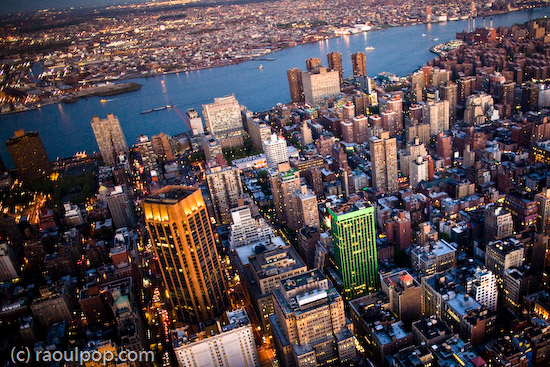
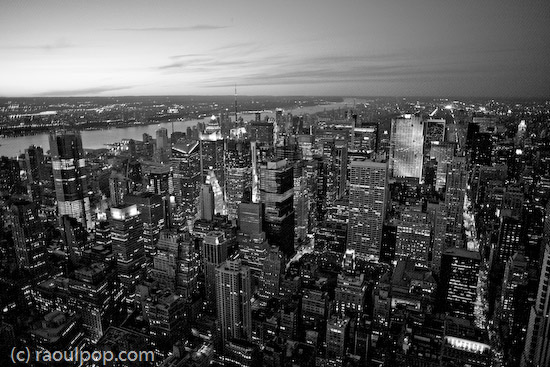
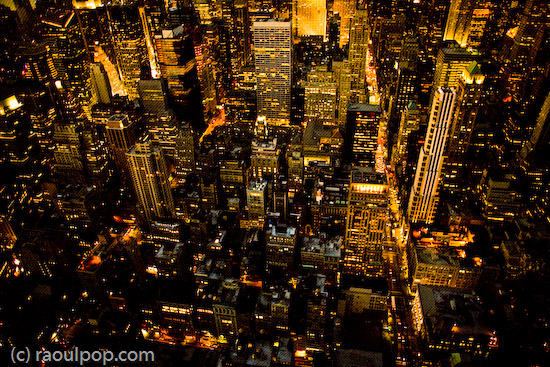
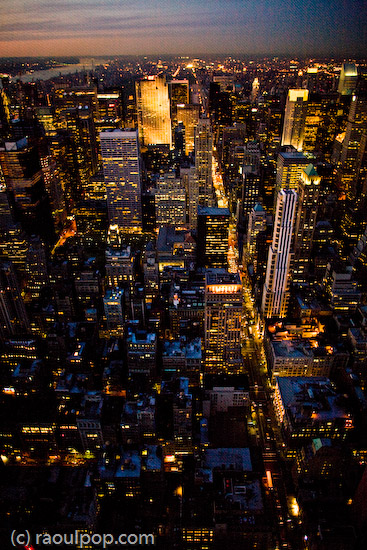
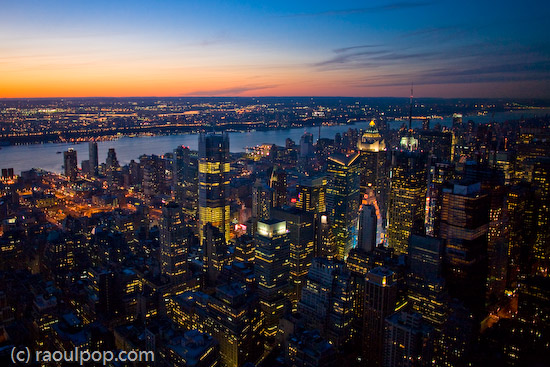
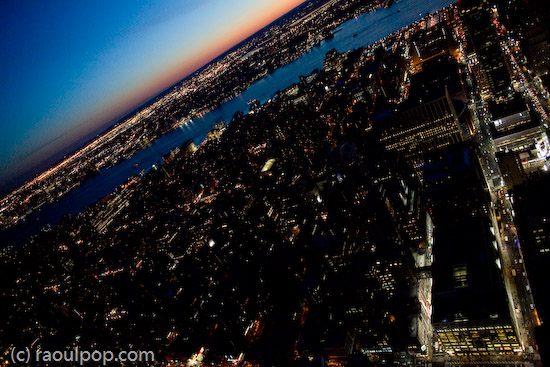
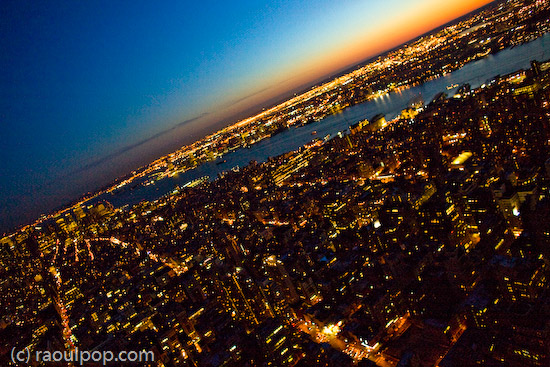
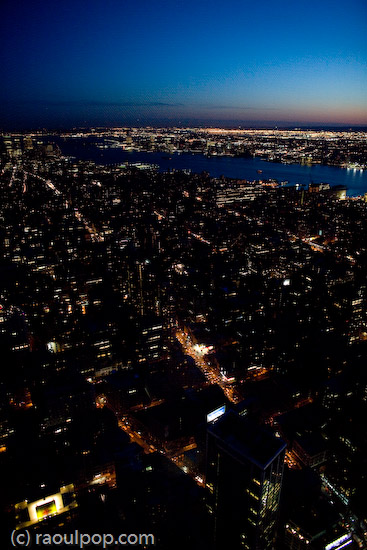
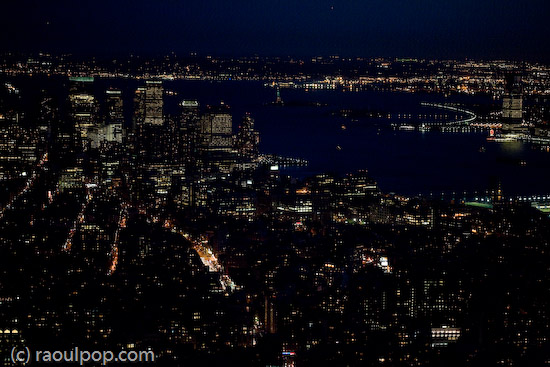
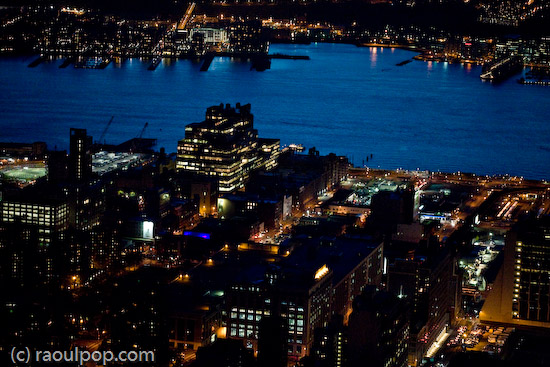
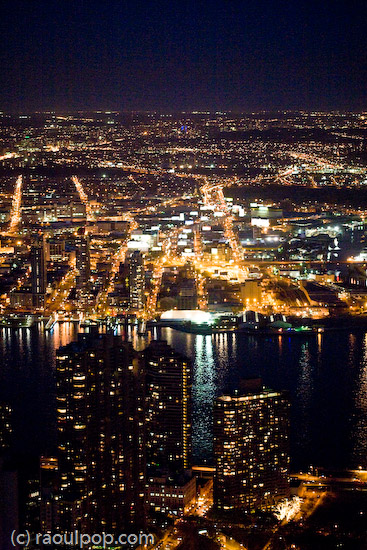
Manhattan, from the top of the Empire State Building

These are photos of the Manhattan skyline, as seen from the top of the Empire State Building. We got there just as the sun ducked behind the horizon, so we caught the beautiful transition from dusk to twilight to night.

These were taken last May — that will tell you how behind I am with my post-processing. You’ll find more info about that trip in this post. I keep trying to squeeze every bit of free time out of my schedule to work on my photos, and somehow it’s never enough. But enough complaining, here are the photos.

My world is tilting

We were so high up that the curvature of the Earth became evident, especially at wide focal lengths. You’ll see me play that up in a few of the photos.

New York, New York

Classic Manhattan skyline

I’m just amazed at all the life below. There’s so much squeezed into so little space.

A slice of the old town

Cut across the horizon

I love how the Hudson cuts a wide swath across the horizon.

Light up the nights

Parallels

The slanted perspective makes the curvature of the horizon more evident (at least I think so, anyway).

Overflow

I hear the Earth is round

Lines across a furrowed brow

Blue nights in NY

Moonshine

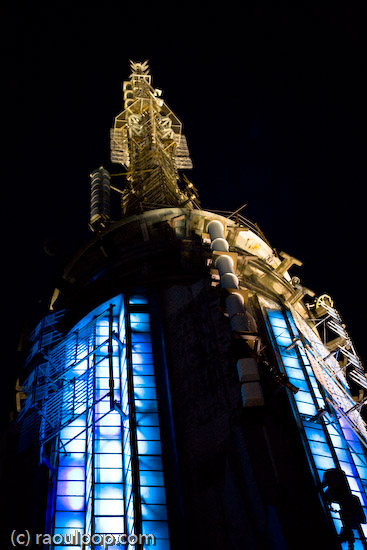
This is the top of the Empire State Building. It looks sort of like a spaceship, doesn’t it?

From here to the moon

Flatiron night

Night reflections on the Hudson River

Far as the eye can see

It was truly crowded at the top. We had to wait in line just to look at the view. People were snapping photos left and right, and shoving cameras between each others’ heads just to get a glimpse of the city. It was crazy, it was packed, and there were more people coming up every minute. I wonder if it’s ever quiet up there.

When we got back down, we were spent, literally. Then we had to make our way back to the hotel…

Standard
Thoughts

But what happens if you die?

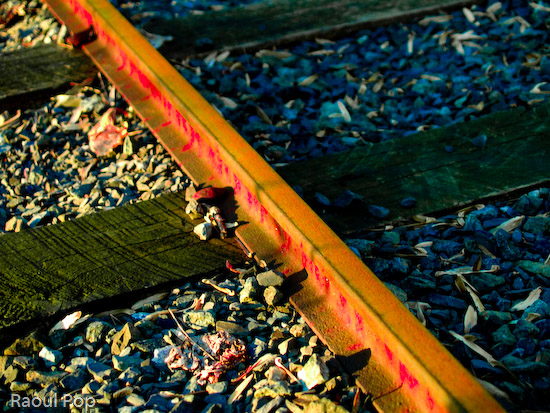
Blood on the tracks

This is a bit of a rant, but a recent comment on one of my articles reminded of an argument I sometimes hear as a consultant. It goes something like this: “But what happens if you die?” I cringe when I hear it — not because I can’t defend it — because I find it silly.

Actually, it’s not really an argument or a question at all. It’s a symptom. It tells me that the person making it is feeling very insecure about the deal.

Here’s what I told a recent potential client when I was asked that question:

I understand the “drop dead” factor, and it’s something that my long-term clients and I talked about. The thing is, unless I drop dead while the project is in development, you’re fairly safe. Once the project is completed, another knowledgeable designer/developer can come in and pick up where I’ve left off. Even while the project is being developed, if I can’t continue for whatever reason, the work isn’t lost. It isn’t as if I write my code in some language that no one understands. A good coder should be able to understand what I’ve done and build on it.

And that’s the truth. I can’t see how that argument could possibly stand on its own feet. If you’re a good developer, are in communication with the client, you back up your work, and you have certain deliverables and a timeline tied to a project, how can the project just disappear if you should kick the bucket? Makes no sense to me. Even if I should die, my computer will still be there. My wife or my friends will be there. My source code should be there. Besides, if it’s a website, chances are I’m working on a server somewhere as well, not just in my home, so the files can be retrieved even if my computer were to crash or be locked down.

Isn’t it individuals that have driven innovation throughout the ages? It’s people doing the work and driving toward goals, people that could croak at any point, I suppose, not machines. If the same “what if” argument to them, where would we be today? If a company looking to hire someone stops to think, what if he or she dies tomorrow, where will they be? If you find a good product or a good man, do you wait a few years to see whether or not that product will disappear or that person will croak? You have to take some risk if you want to see results, and sometimes the opportunities are there only for short amounts of time.


Standard