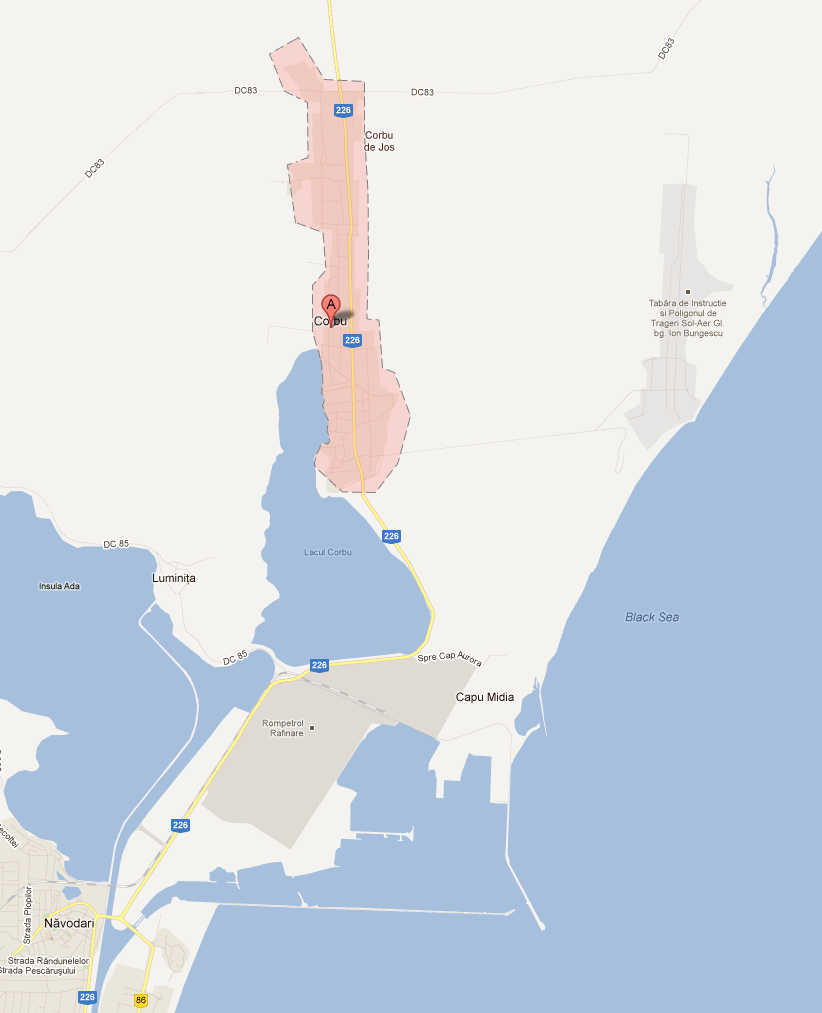
Corbu is a seaside village in Romania, with a nice, quiet beach where people go to camp and relax, away from the noise and bustle of the country’s popular seaside resorts.
I suppose in Corbu’s case the term “seaside” is somewhat exaggerated. The village is some kilometers away from the sea, so you have to do a bit of driving (or walking) through the open field to get to it, but the trip is worth it.
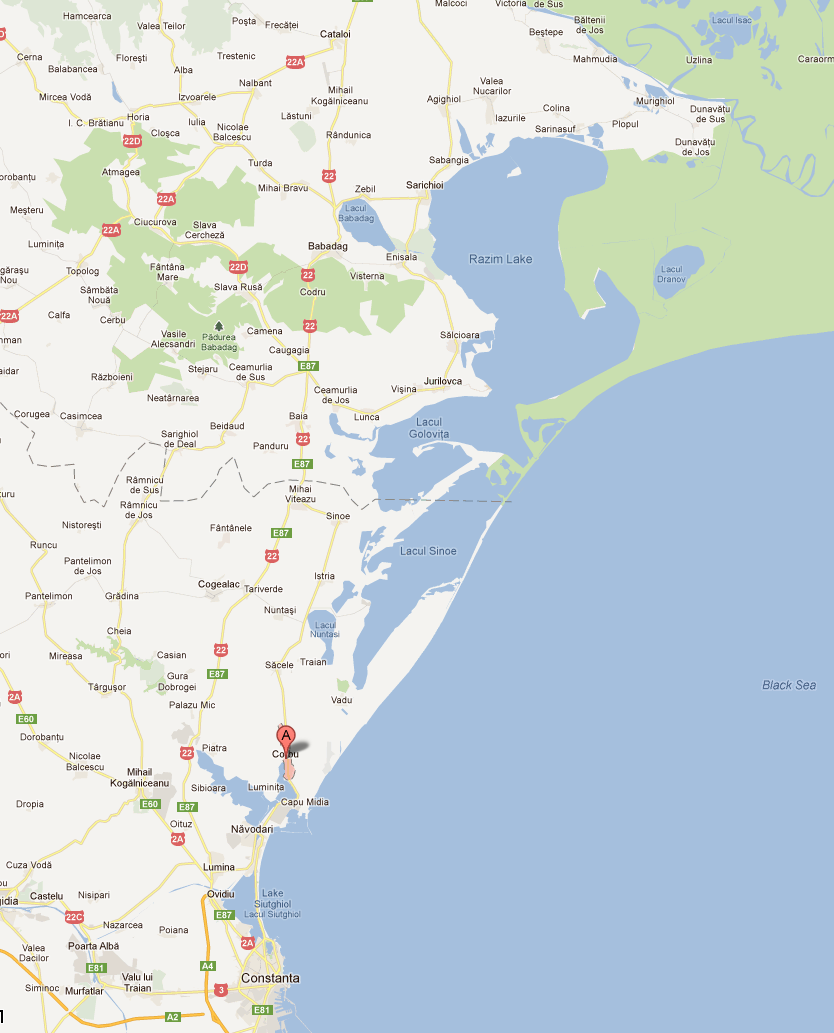
Corbu is actually on the shores of Lake Corbu, which is part of a network of inland lakes created by silt deposits from the Danube Delta.
The best example of this phenomenon is probably Lake Sinoe, on whose shores you’ll find the ruins of Histria, a once bustling seaside port (inhabited first by Greeks, then by Romans). Histria fell into decay as its access to the sea closed up because of silt deposits.
At any rate, Corbu Beach is a nice place to visit when you want a little bit of peace and quiet. Just know there are no bathrooms and no bars/cafes/restaurants on the beach, so you’ll have to manage on your own.
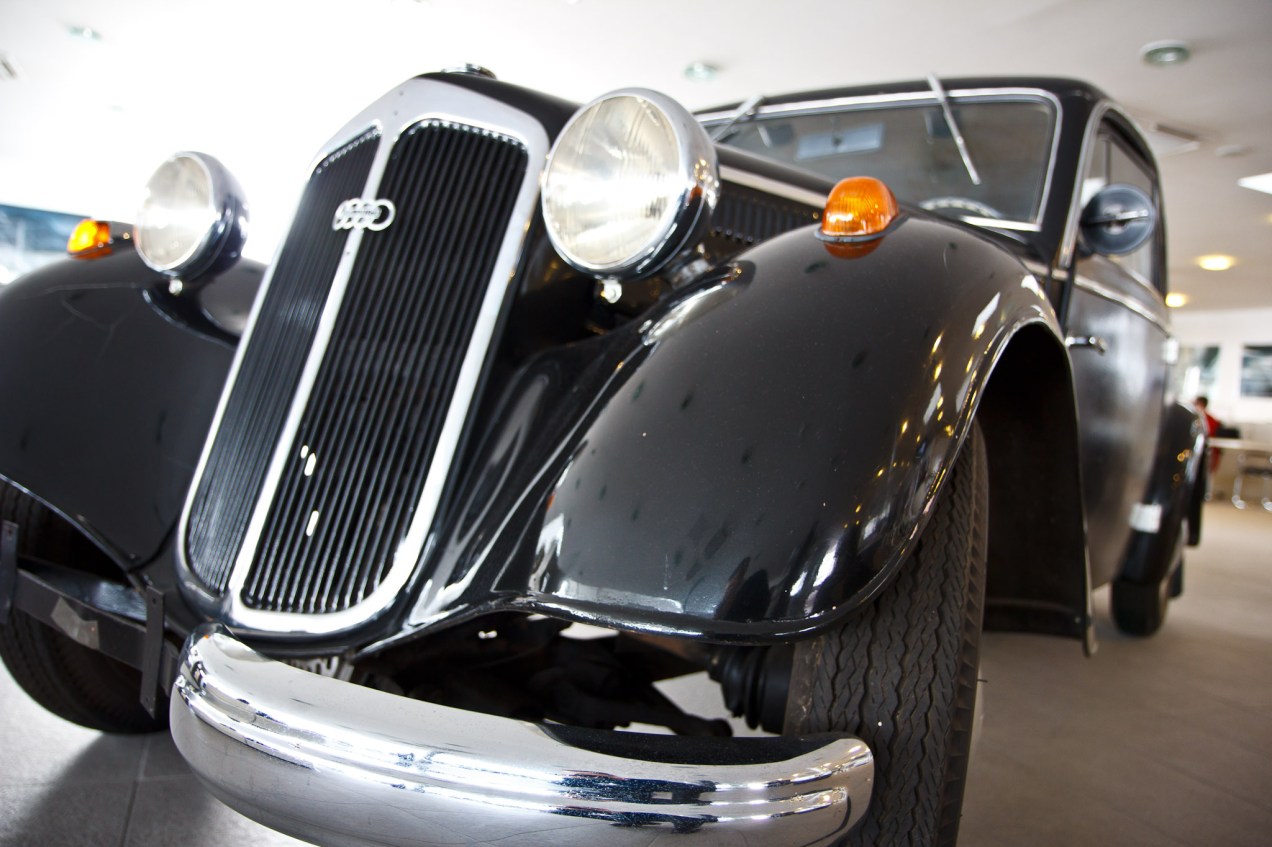
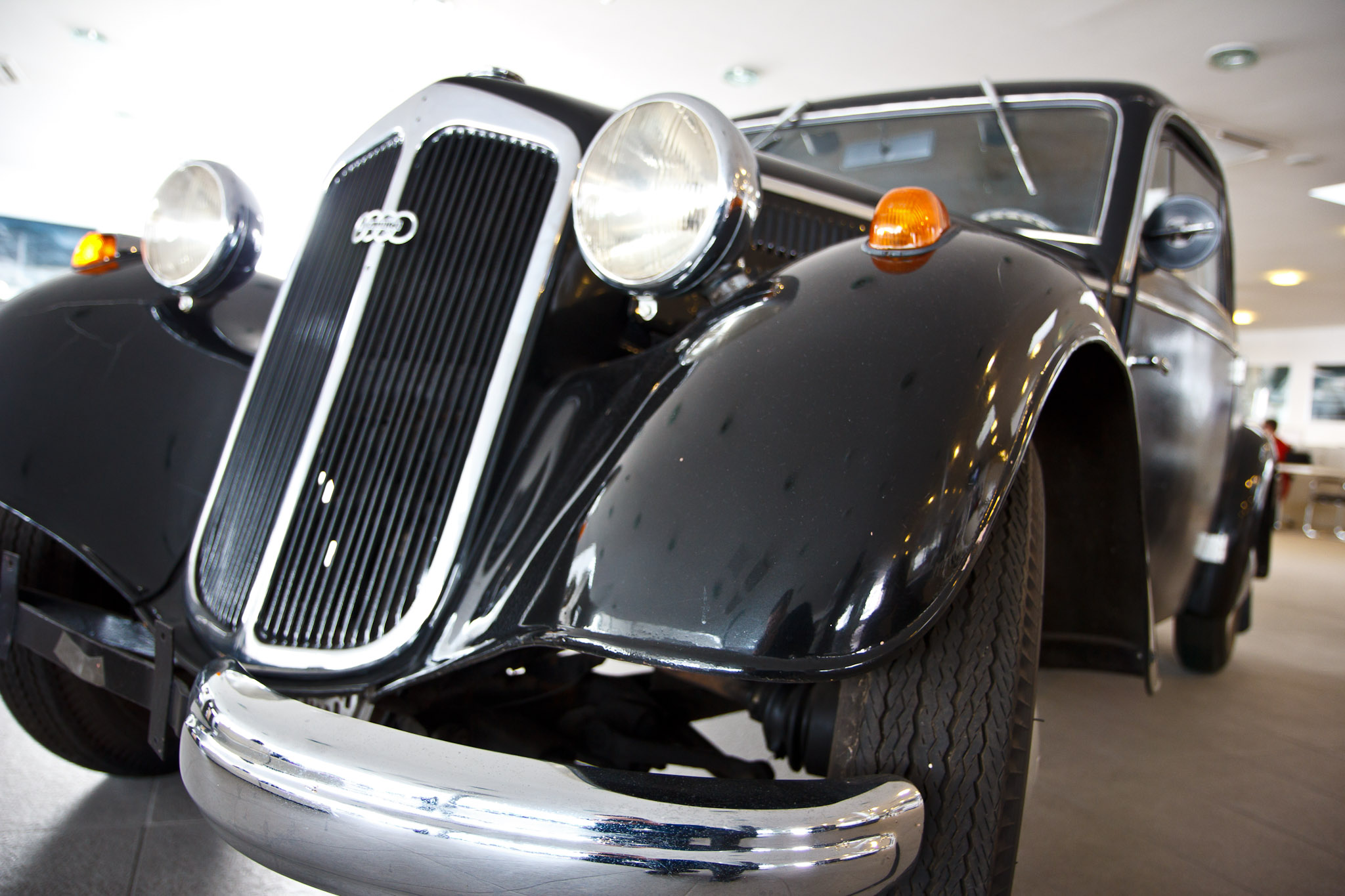
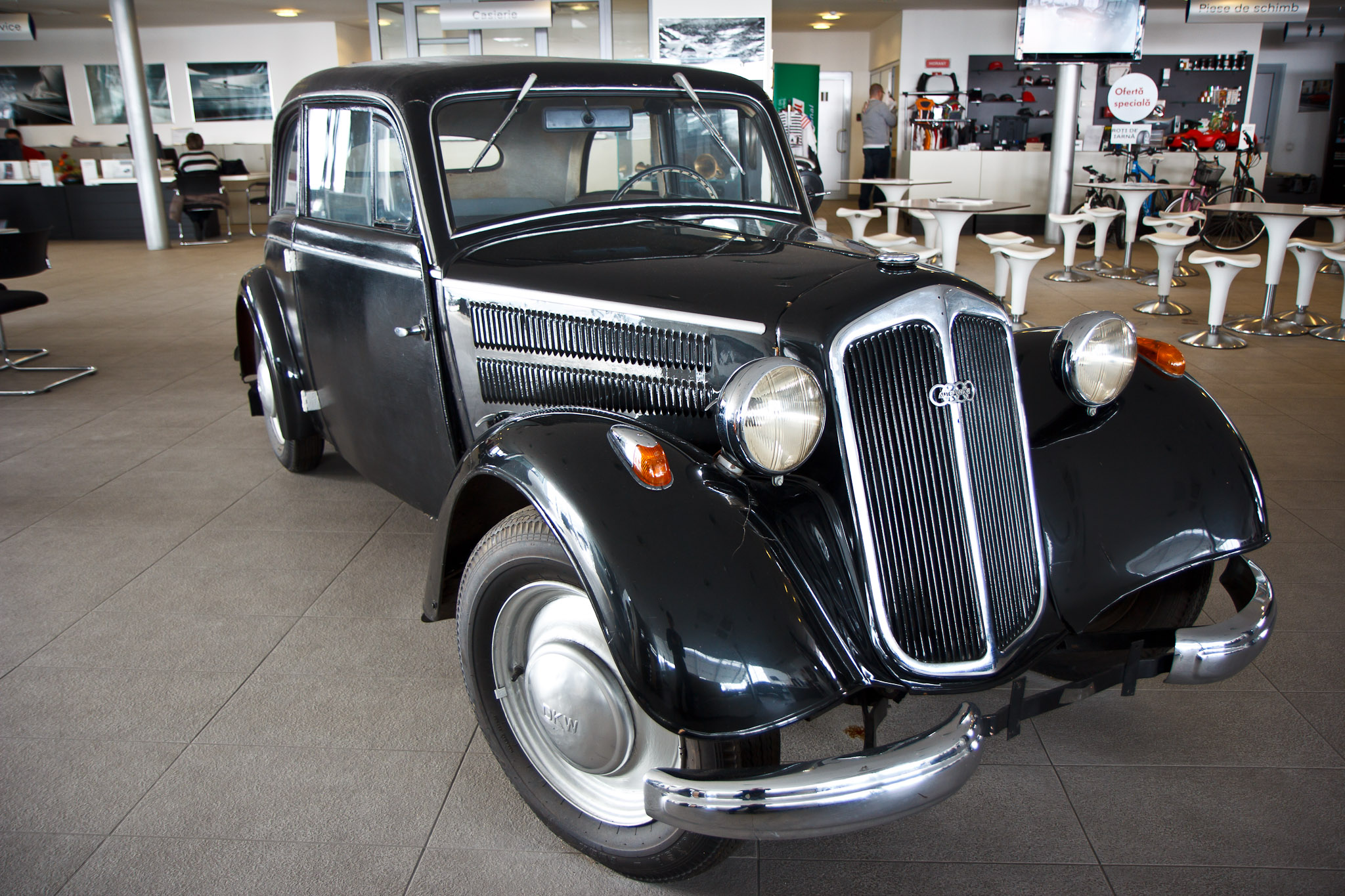
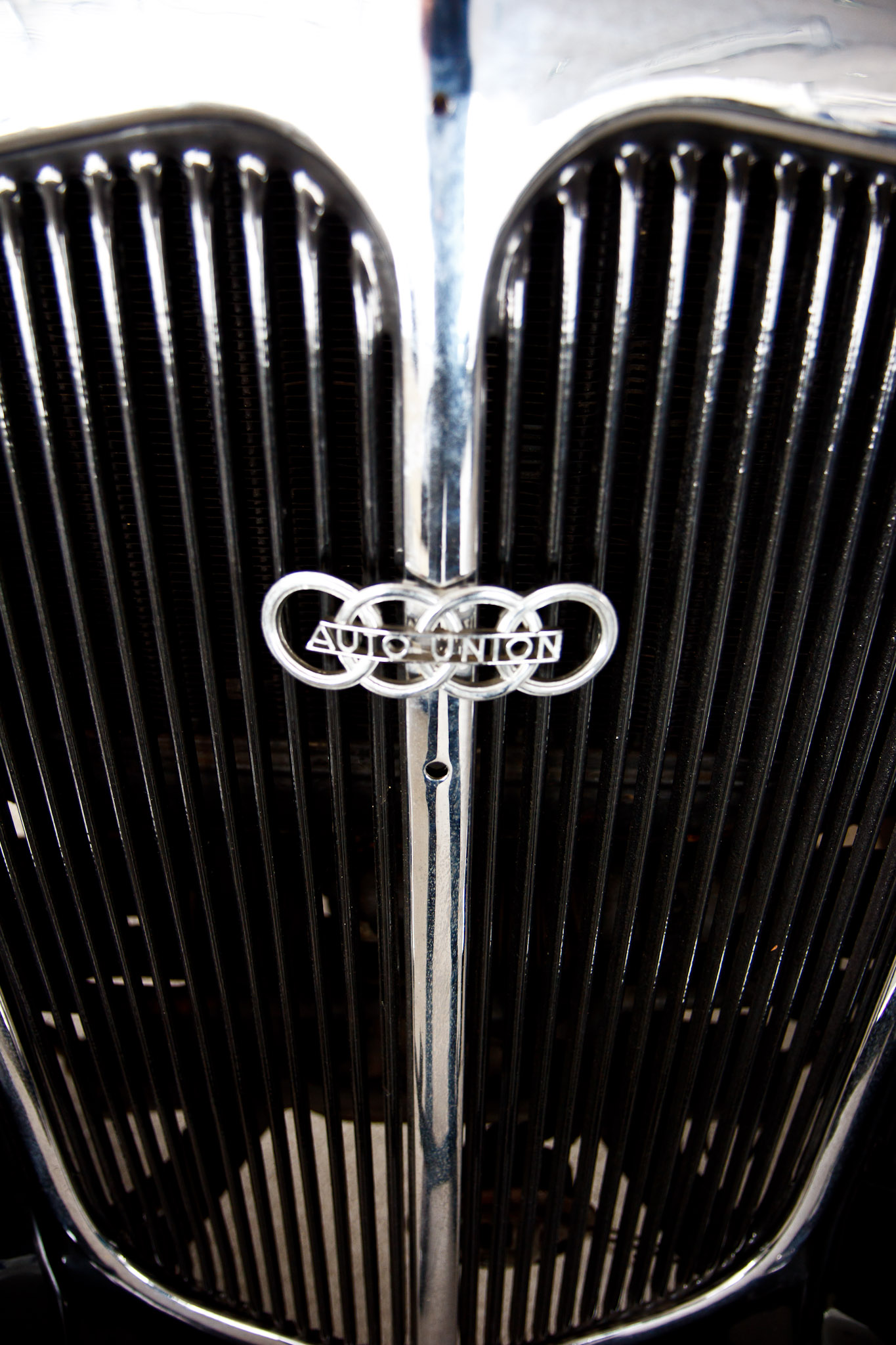
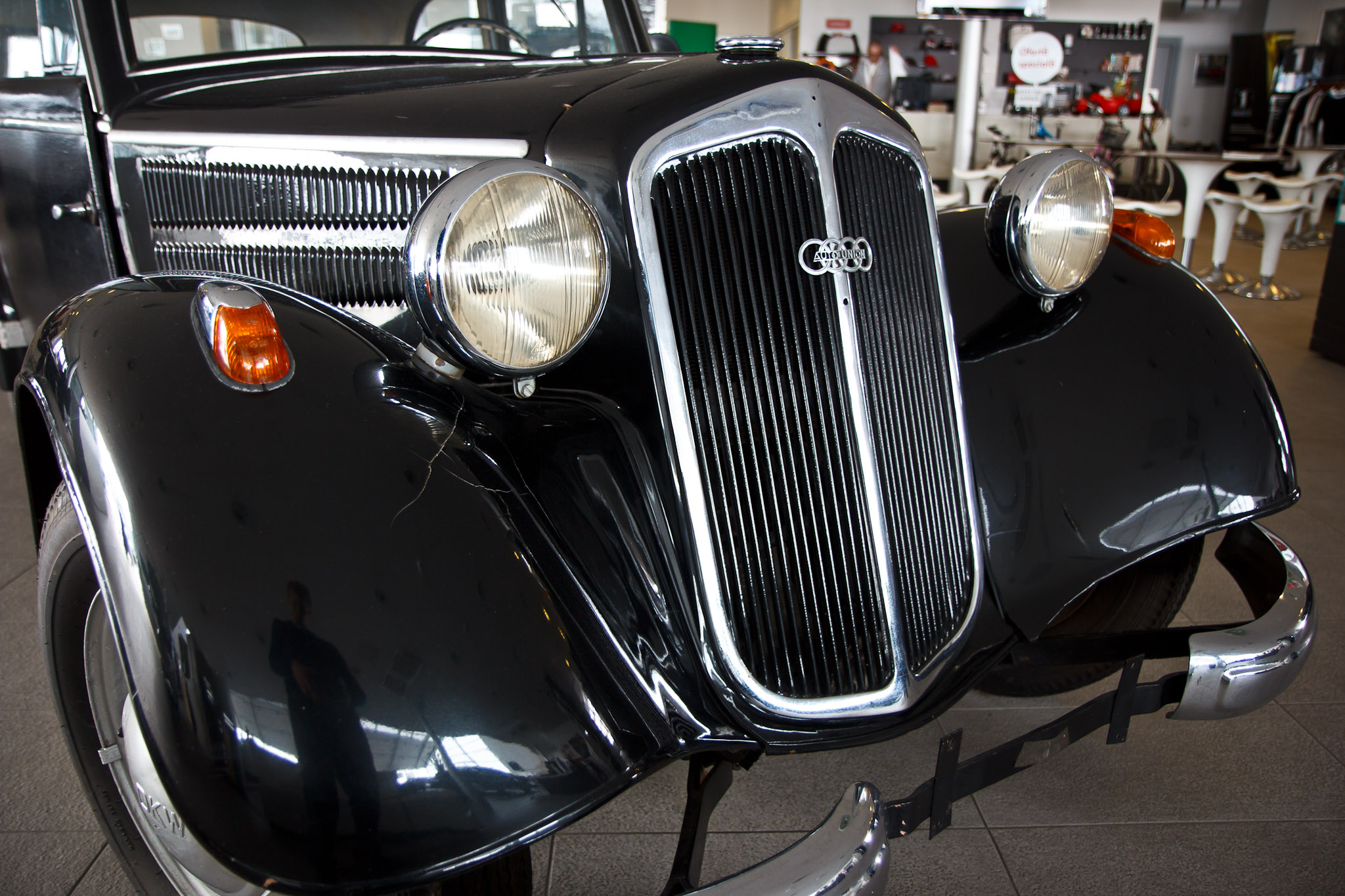
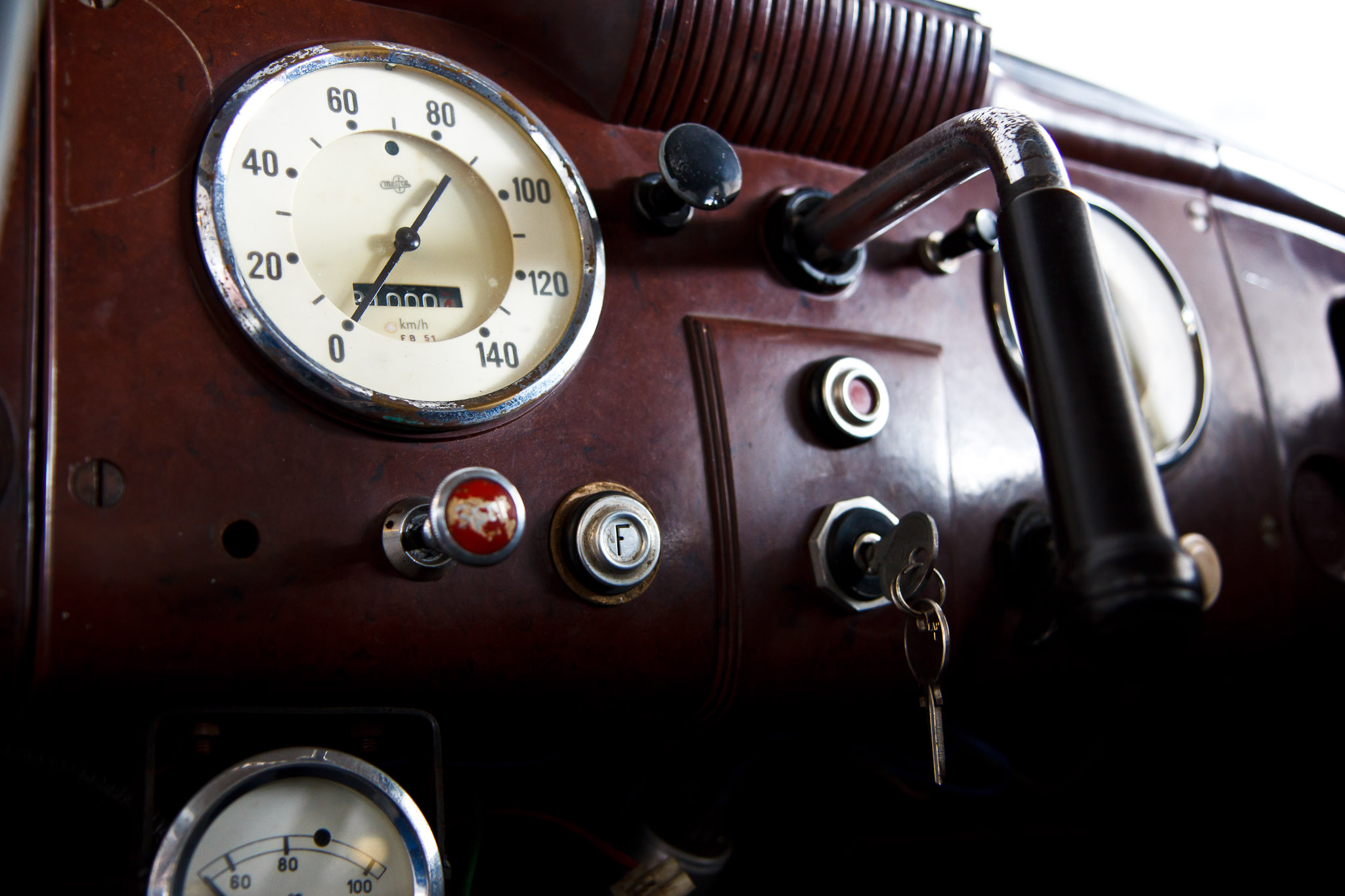
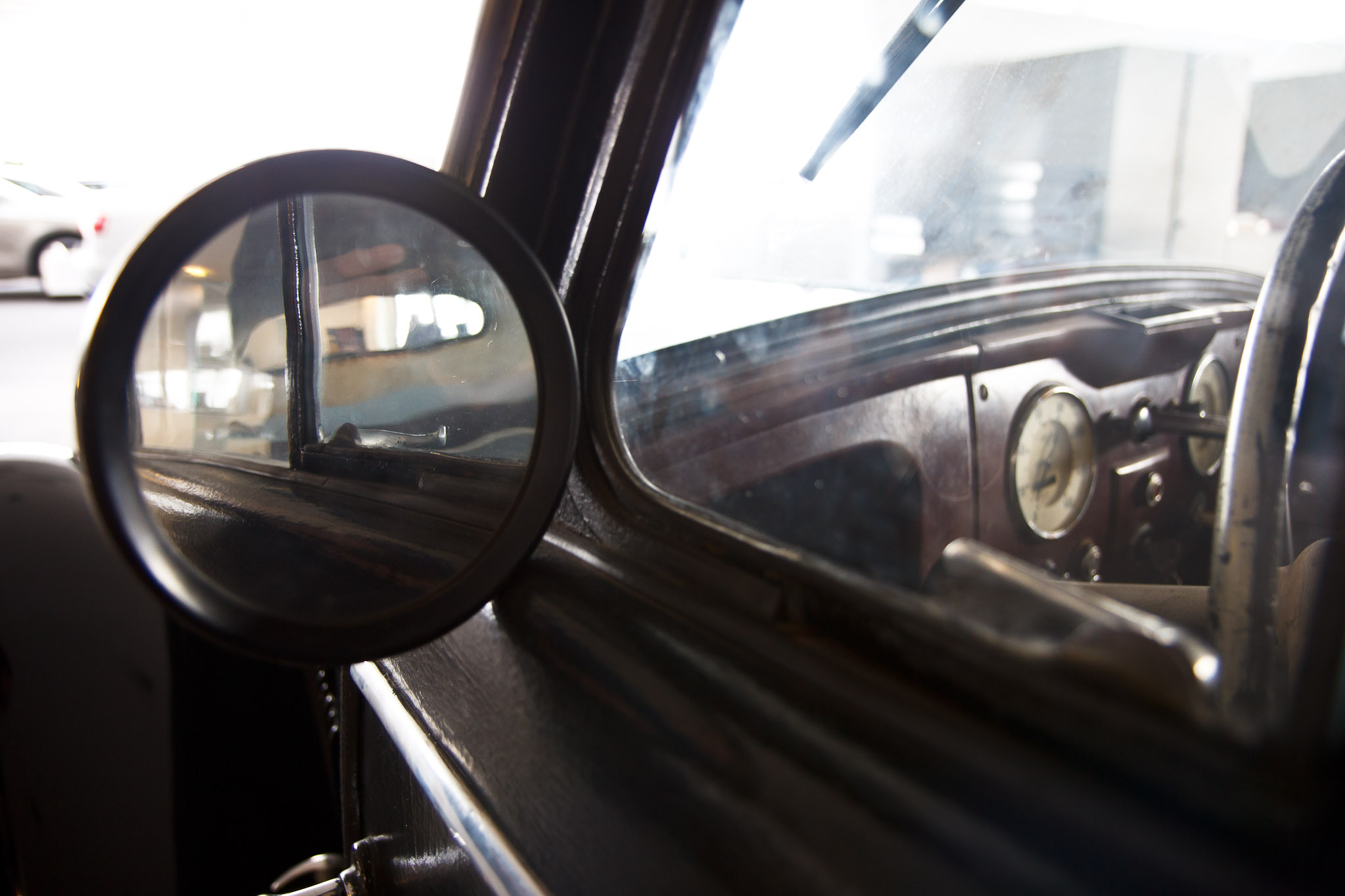
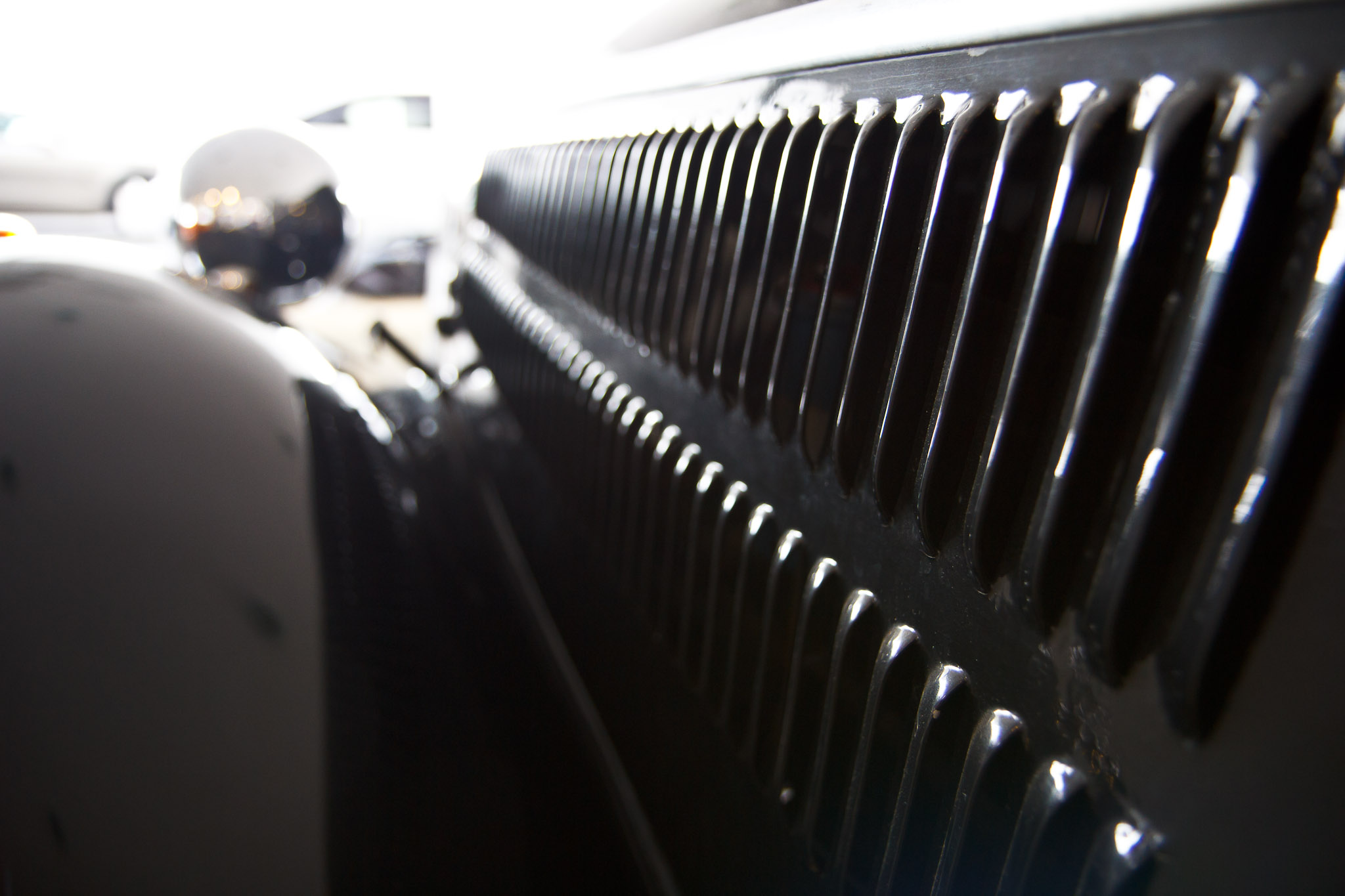
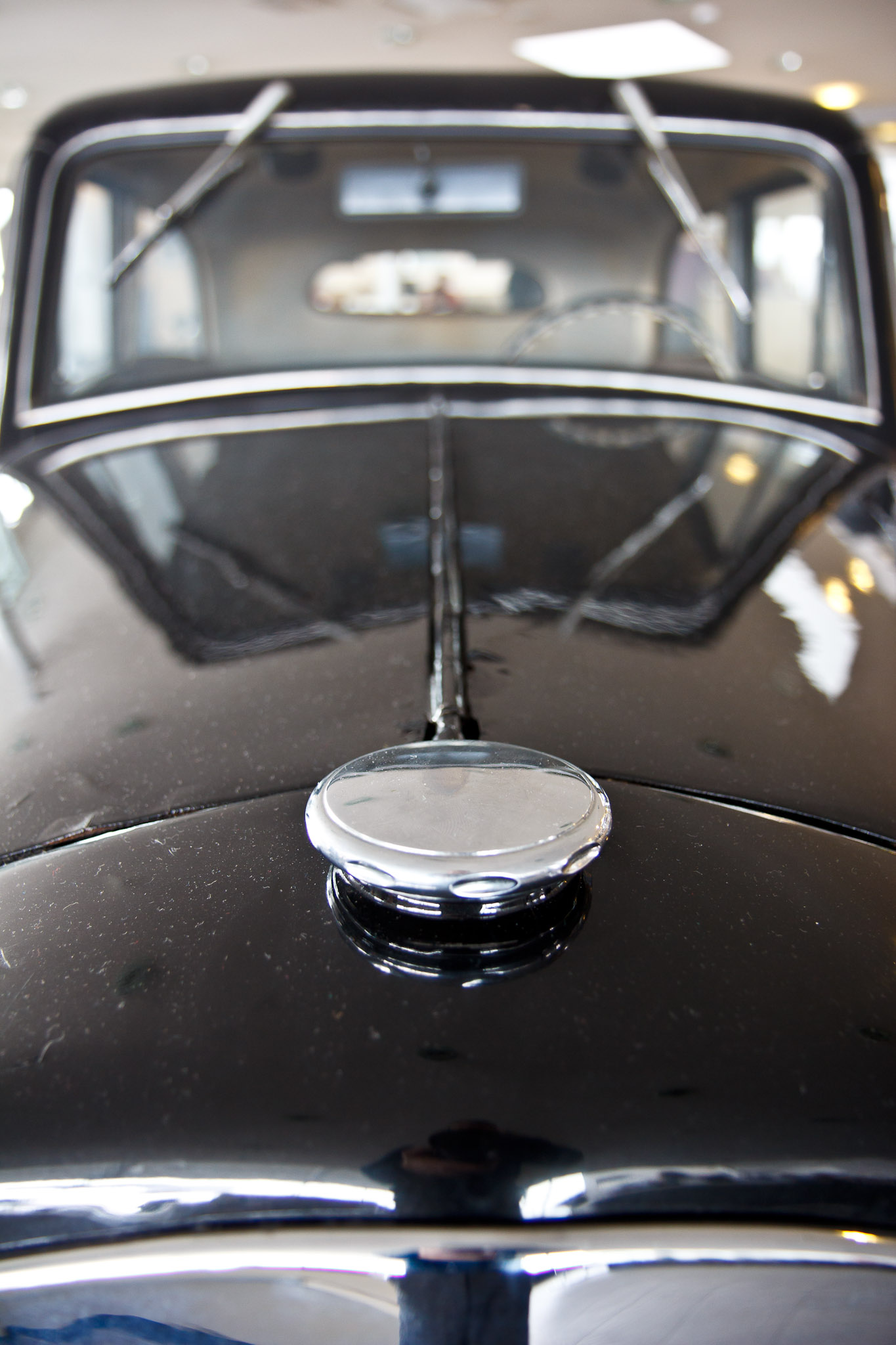
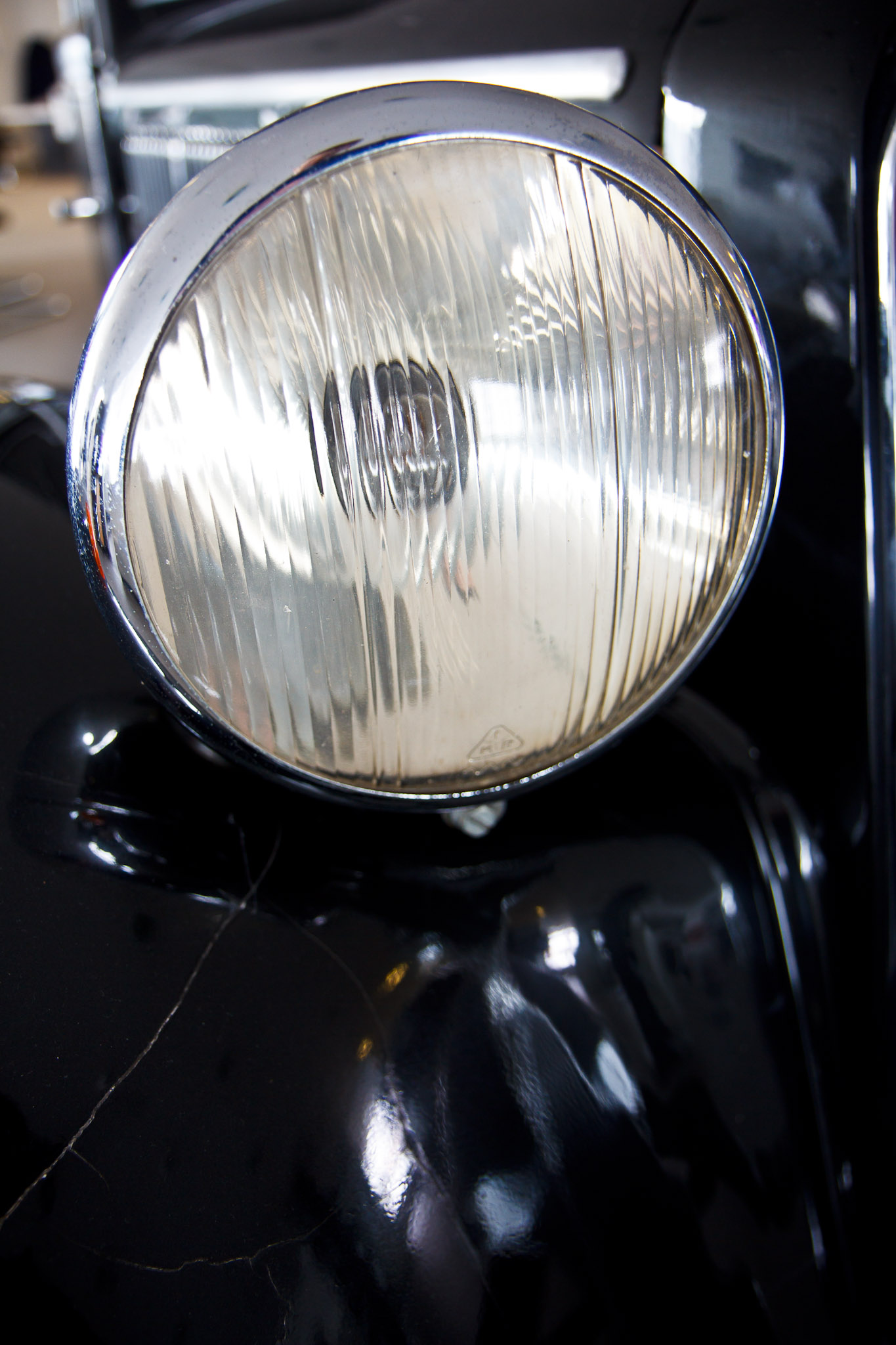
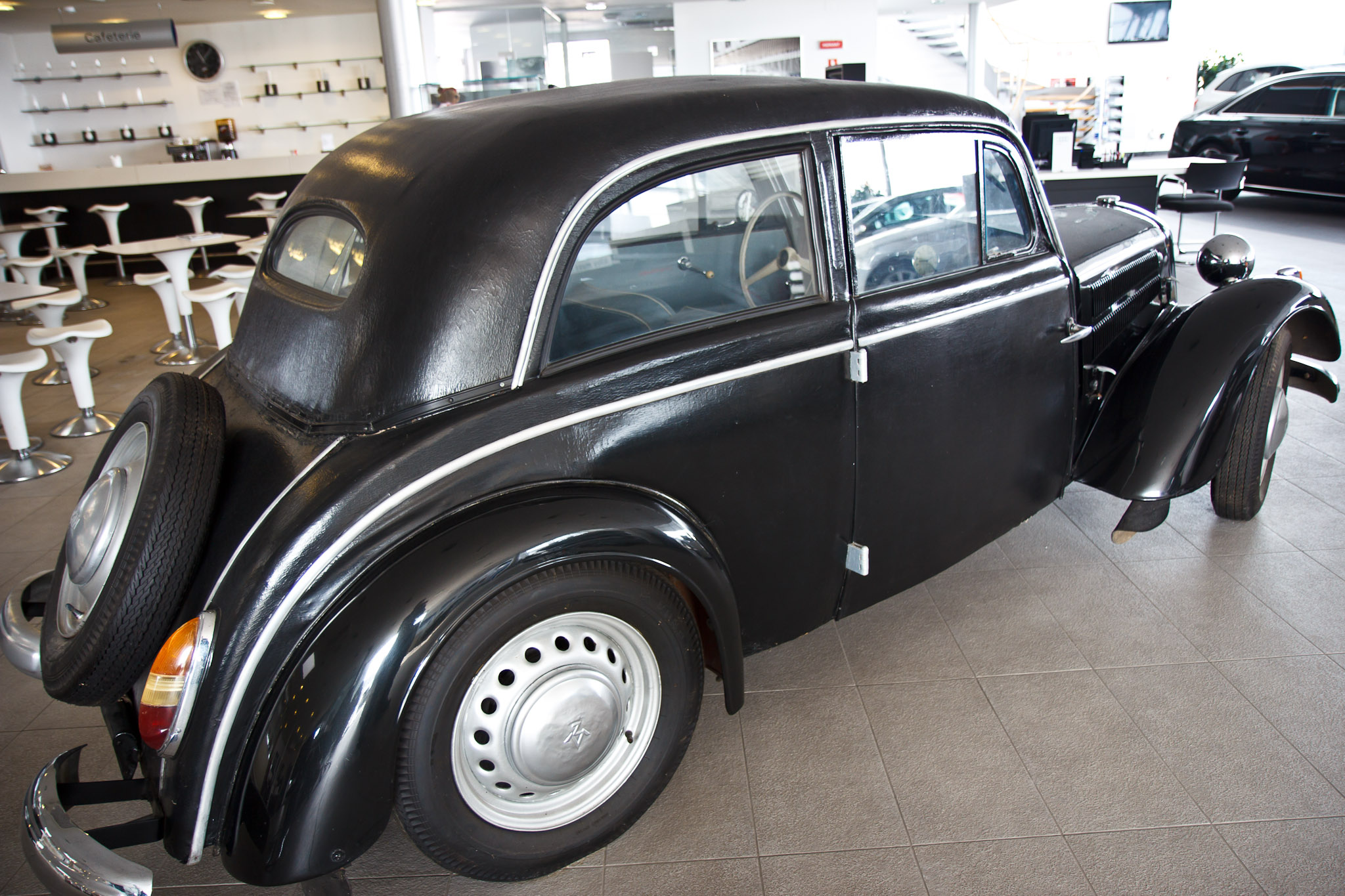
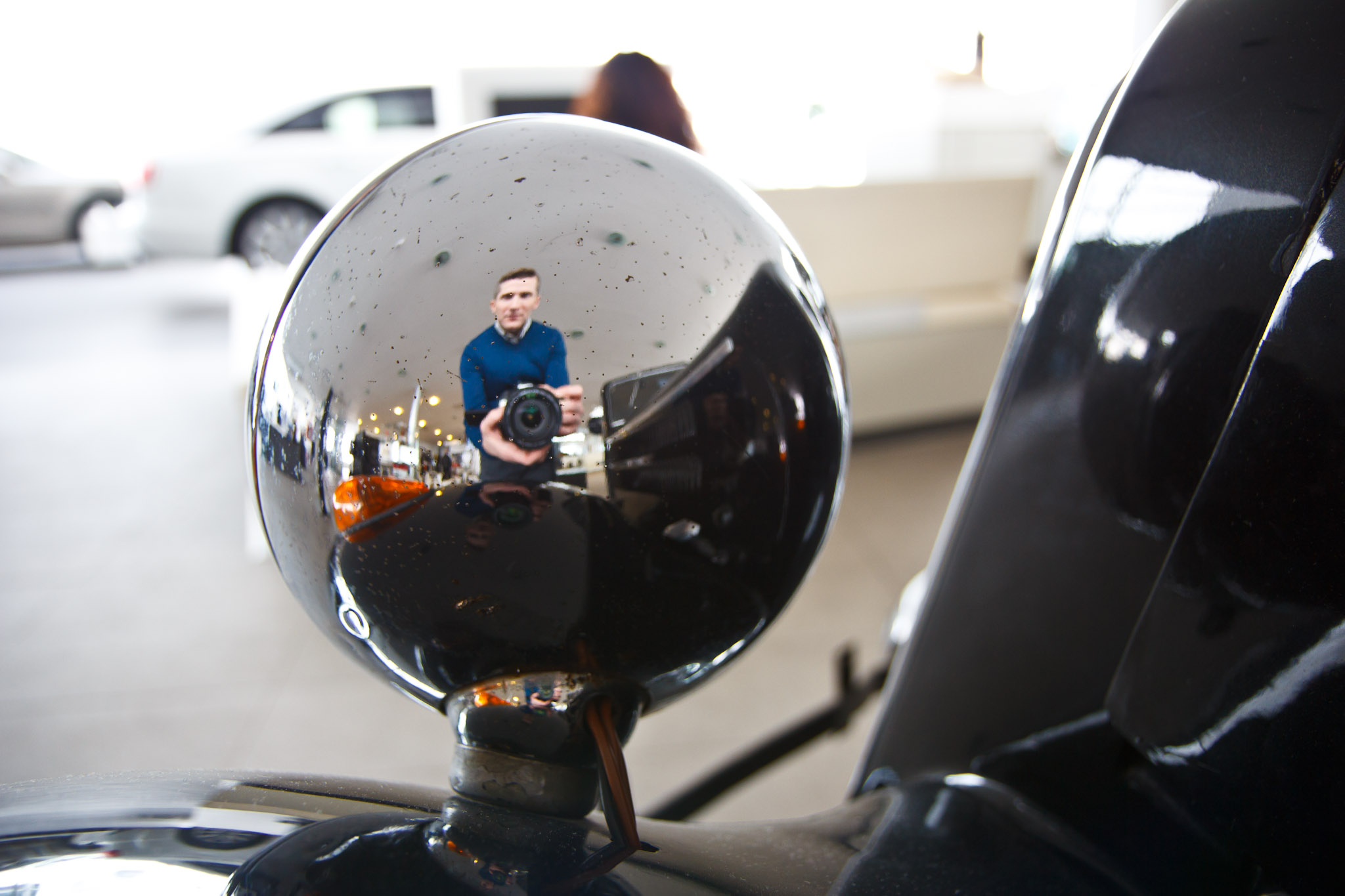
We were at Tess Auto in Ghimbav (near Brasov) for service to our car recently, and we saw this beautiful antique Audi on display in the showroom. The car was so old the logo still said “Auto Union” across the four circles.
They sure don’t make cars with these designs any more. About the only company still around who makes such beautiful cars is Morgan.
I realize these designs aren’t aerodynamically efficient and they aren’t meant for high speeds. It’s also possible that the drag coefficient may be higher, meaning fuel efficiency could be better. But cars like these had something modern cars can never have: life — an organic feeling to the design which gave them life and draws our eyes to this day.
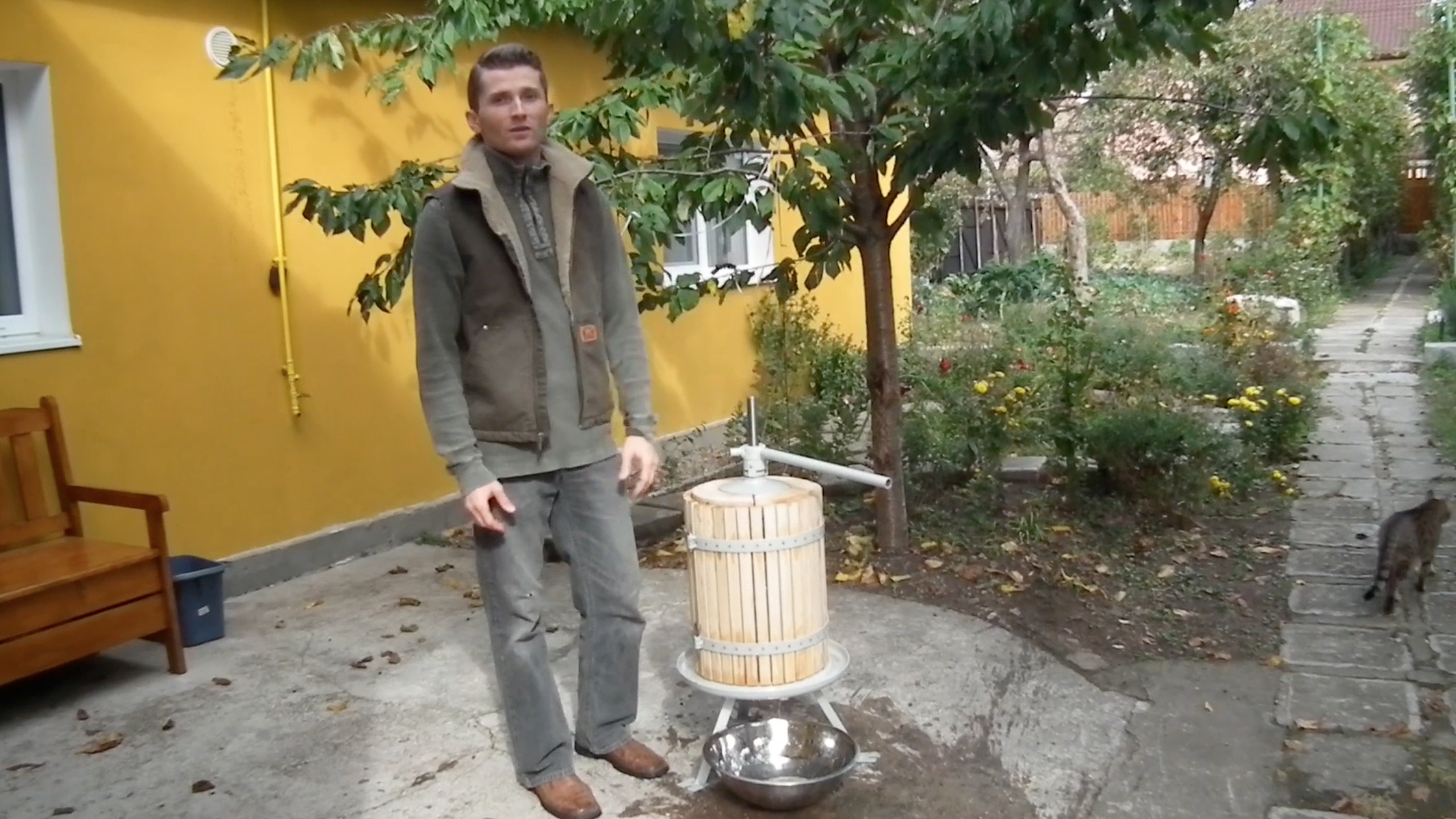
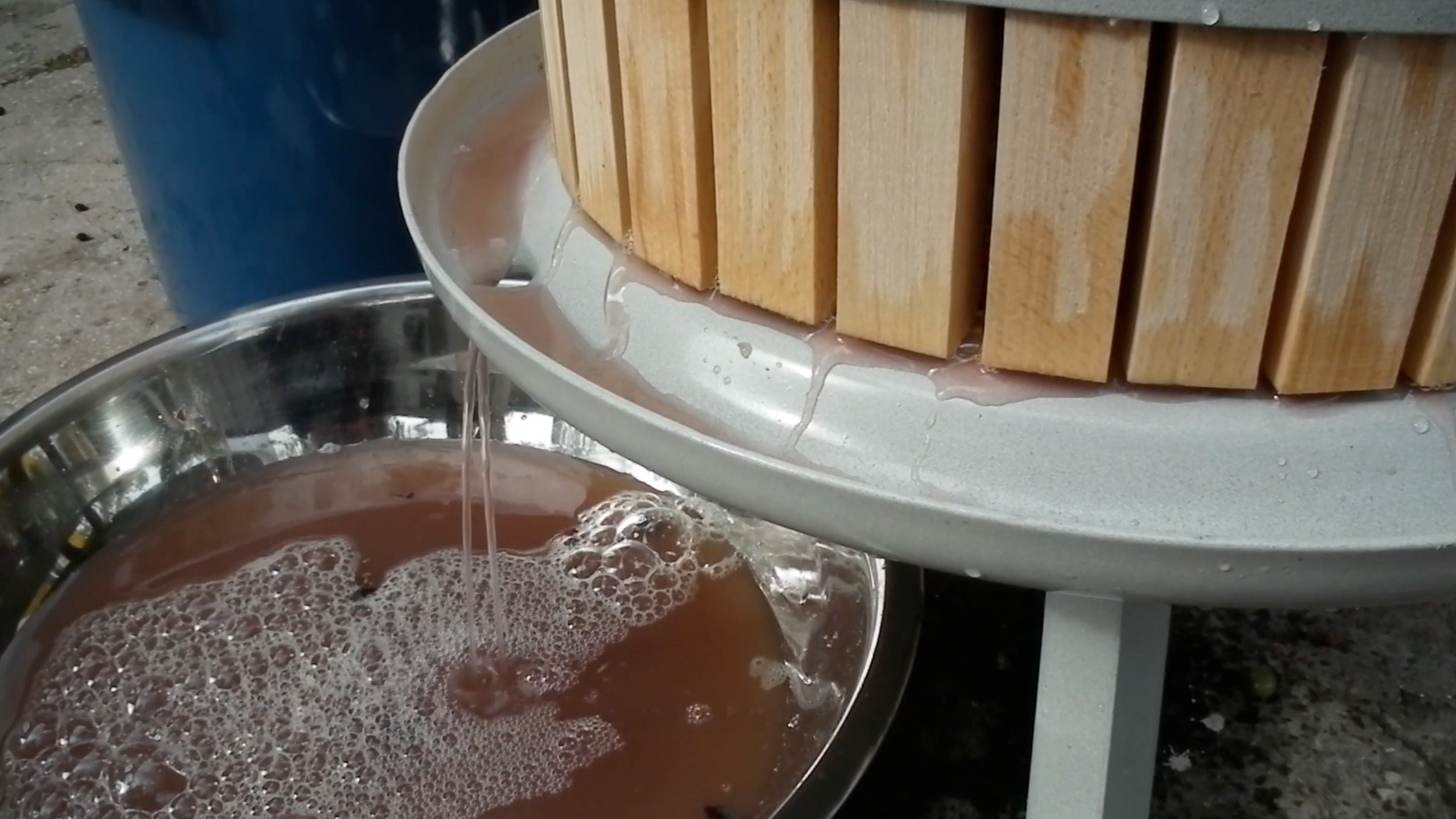
This autumn, we made grape juice from our grape harvest, using a traditional wine press. This video shows you the process and explains how the grape juice can be stopped from fermenting using either the traditional method, which involves heating it up, or the horseradish method, which will allow you to keep it raw, unaltered by heat.
You’ll also see appearances from our cats and our white rabbit.
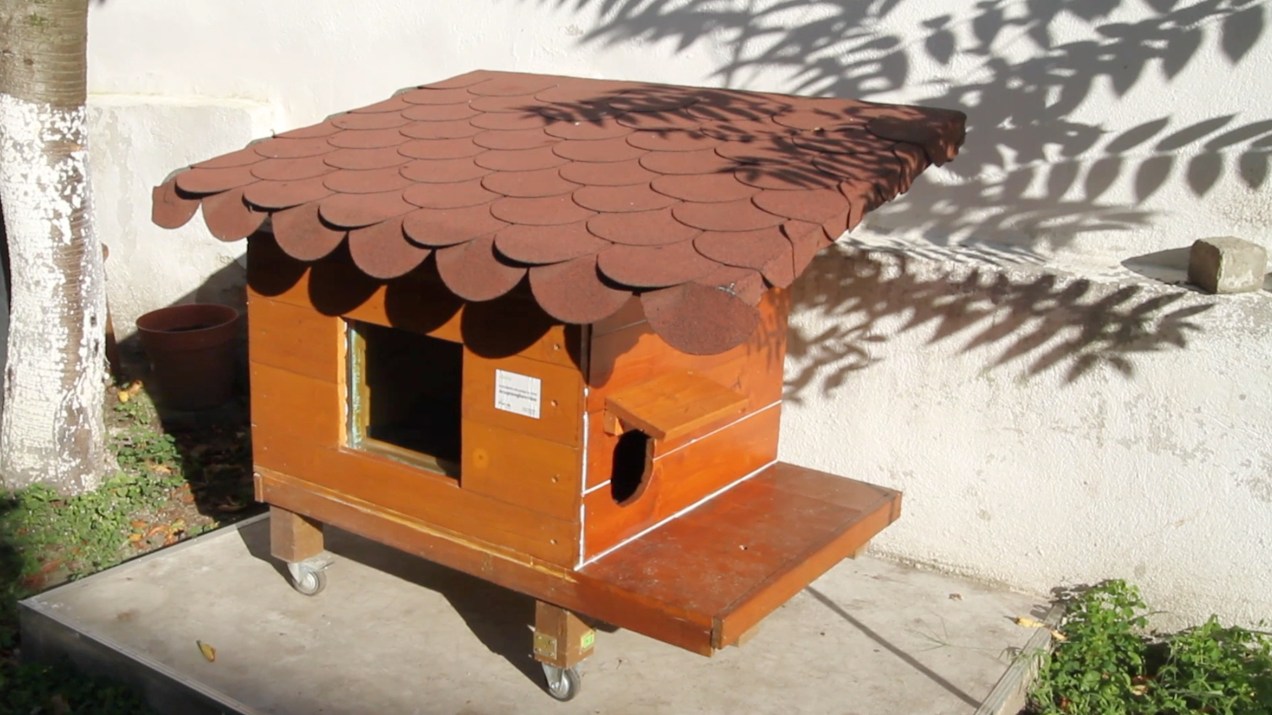
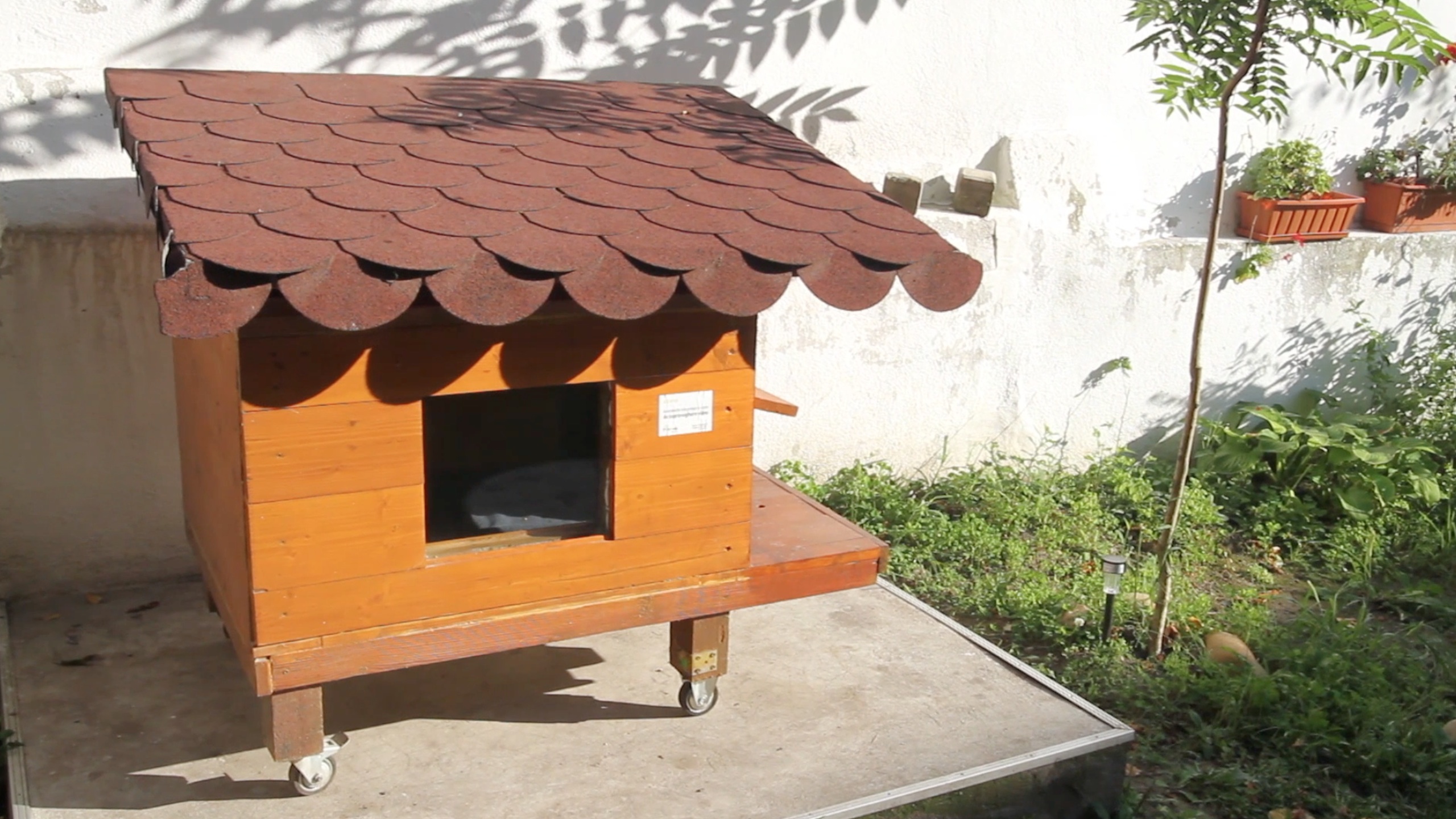
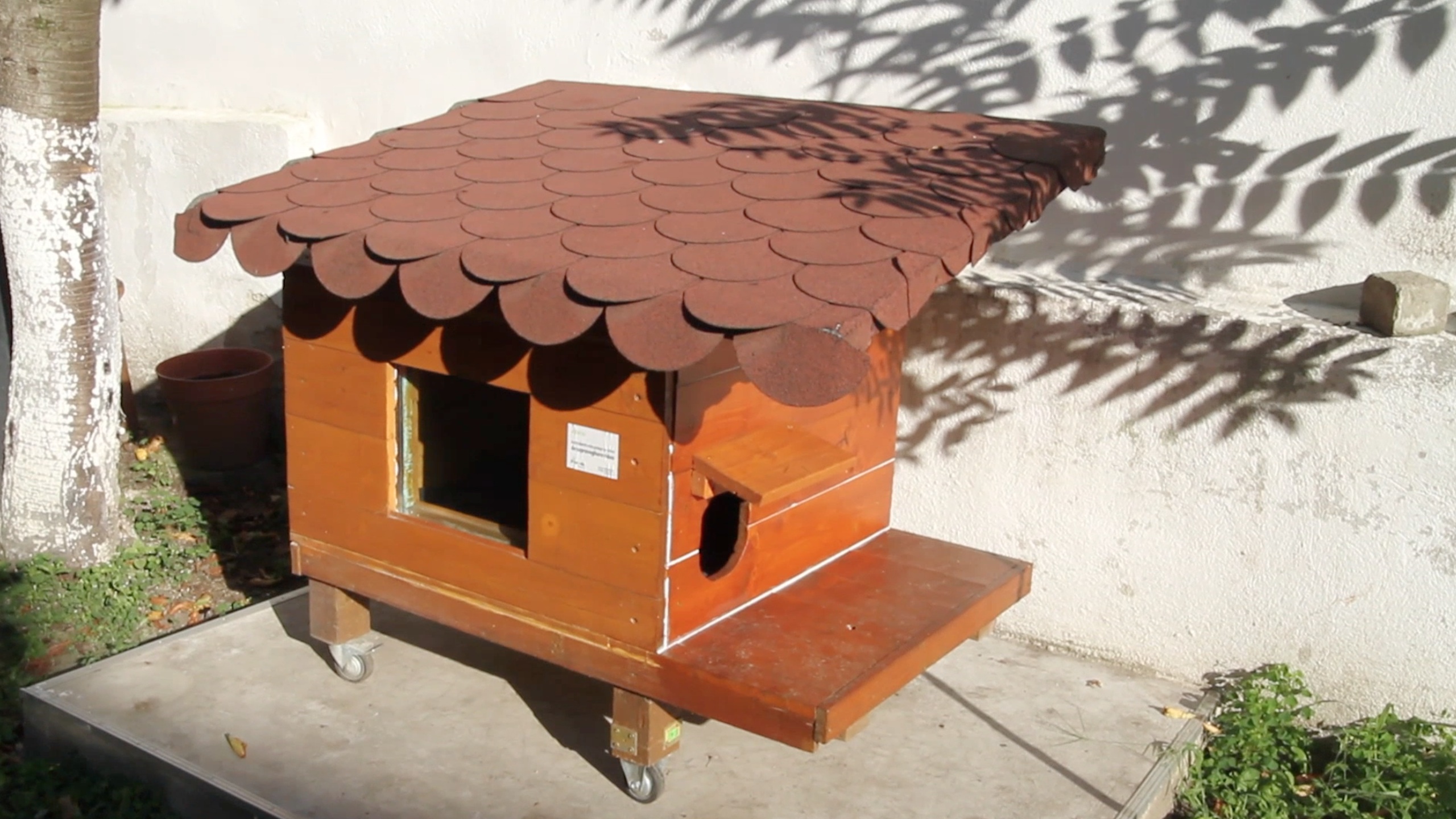
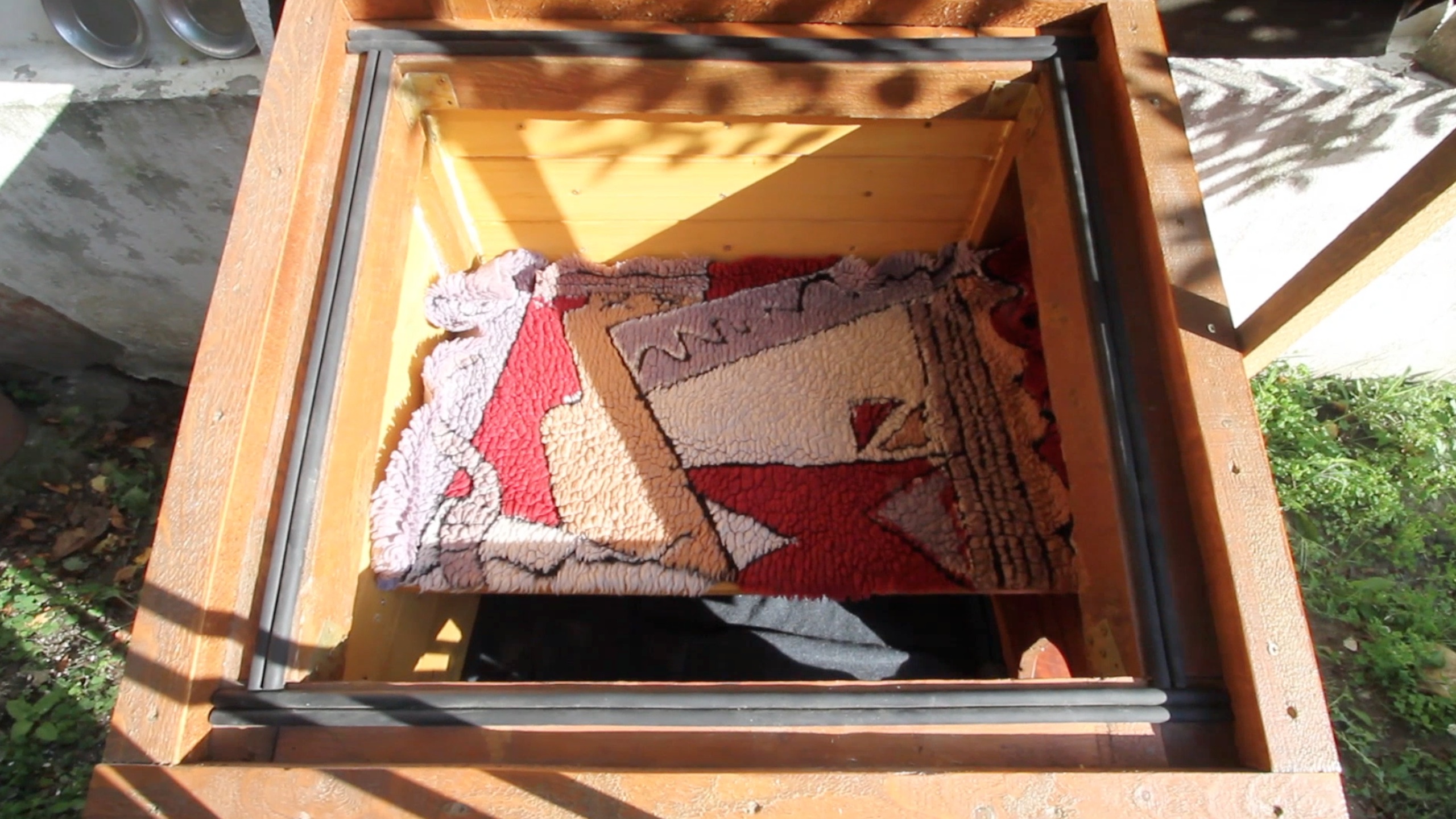
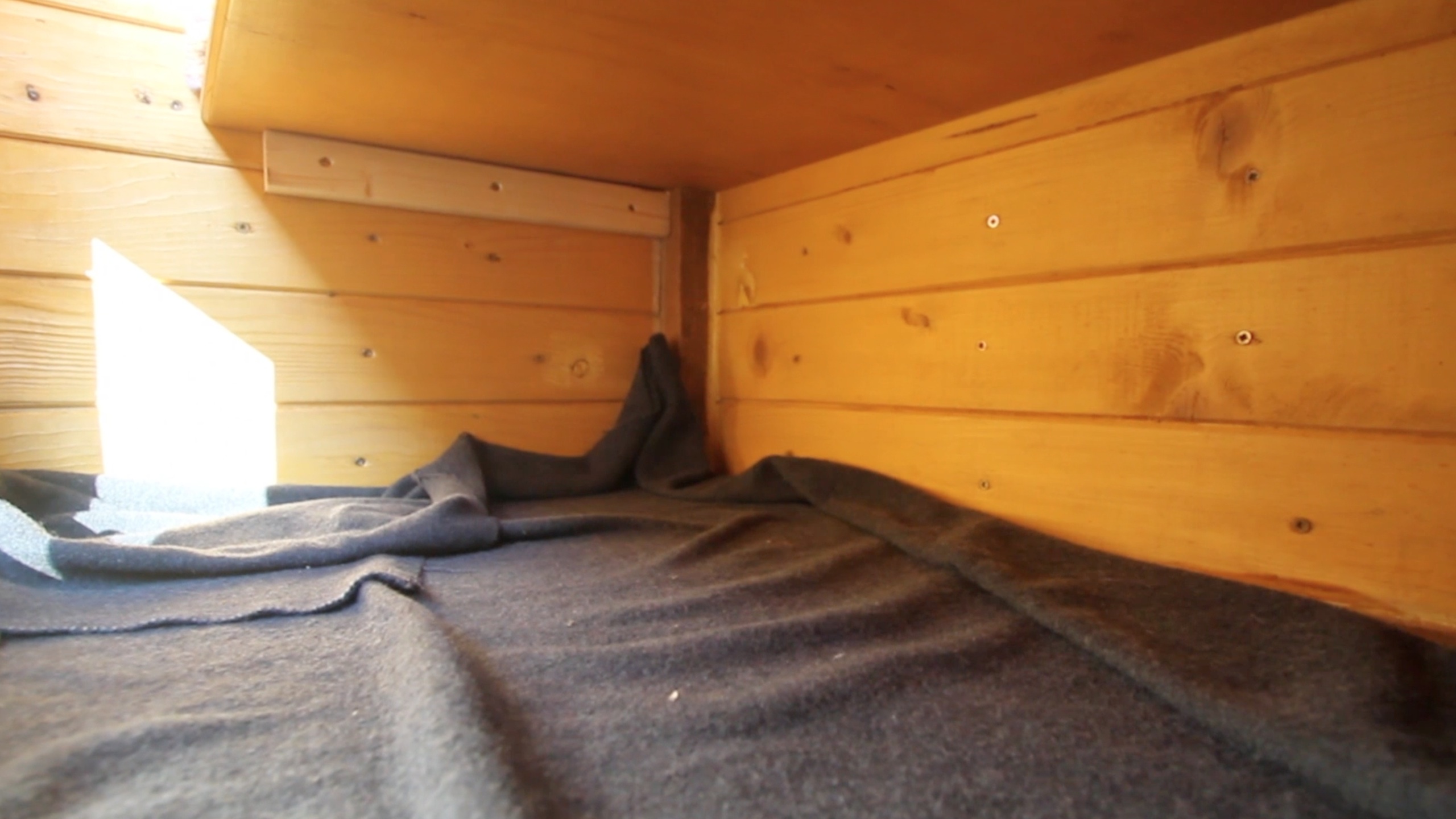
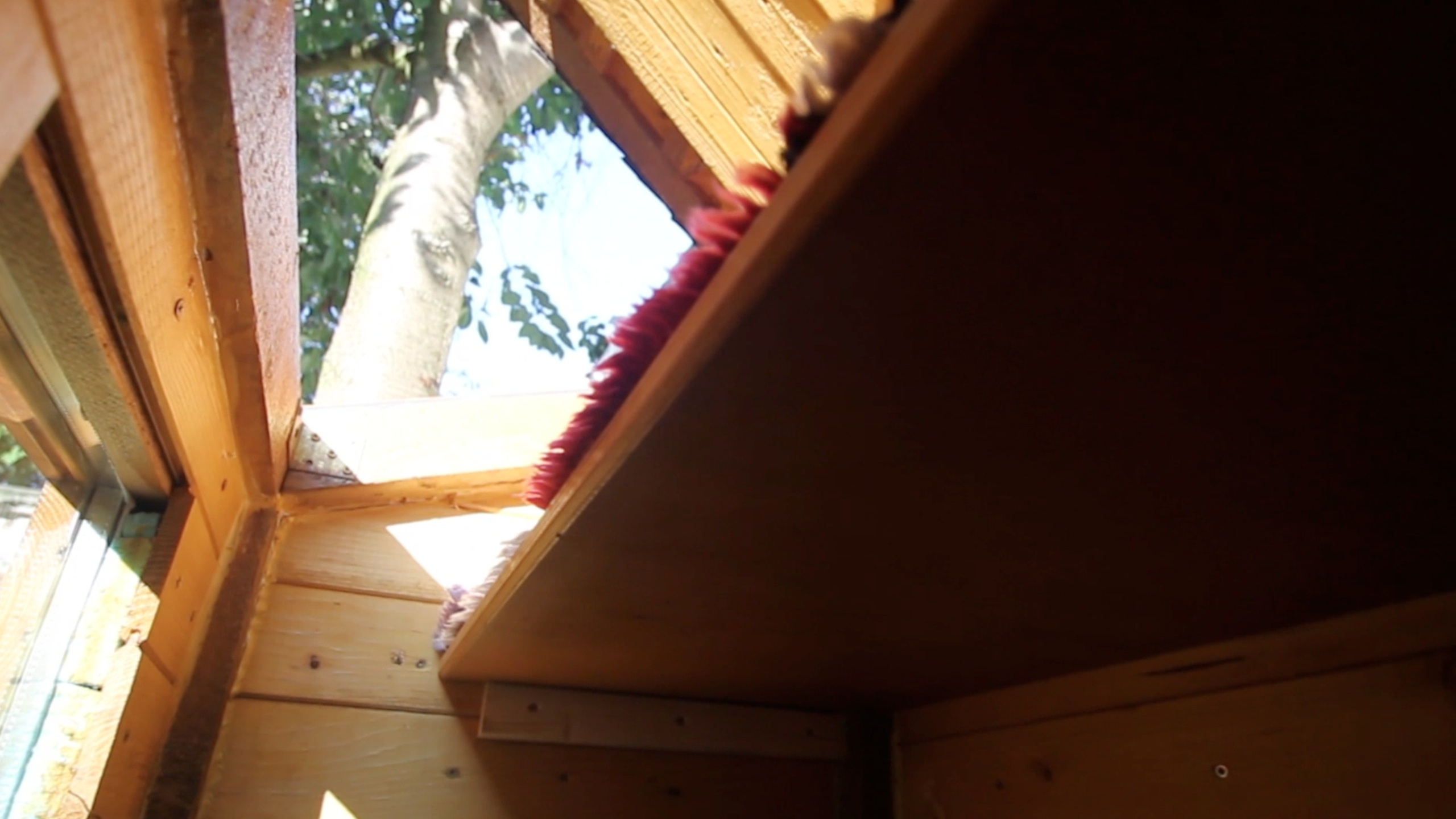
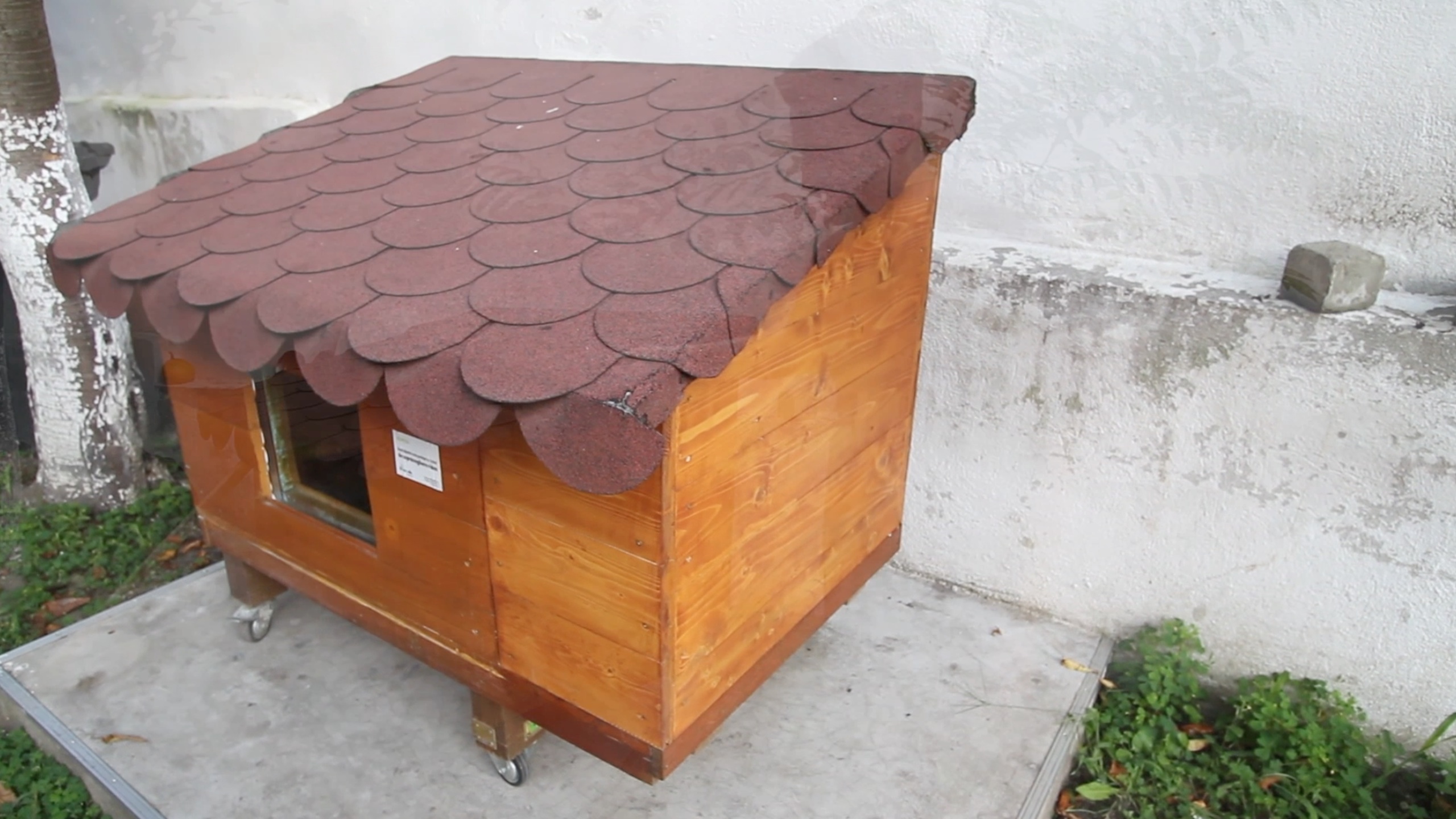
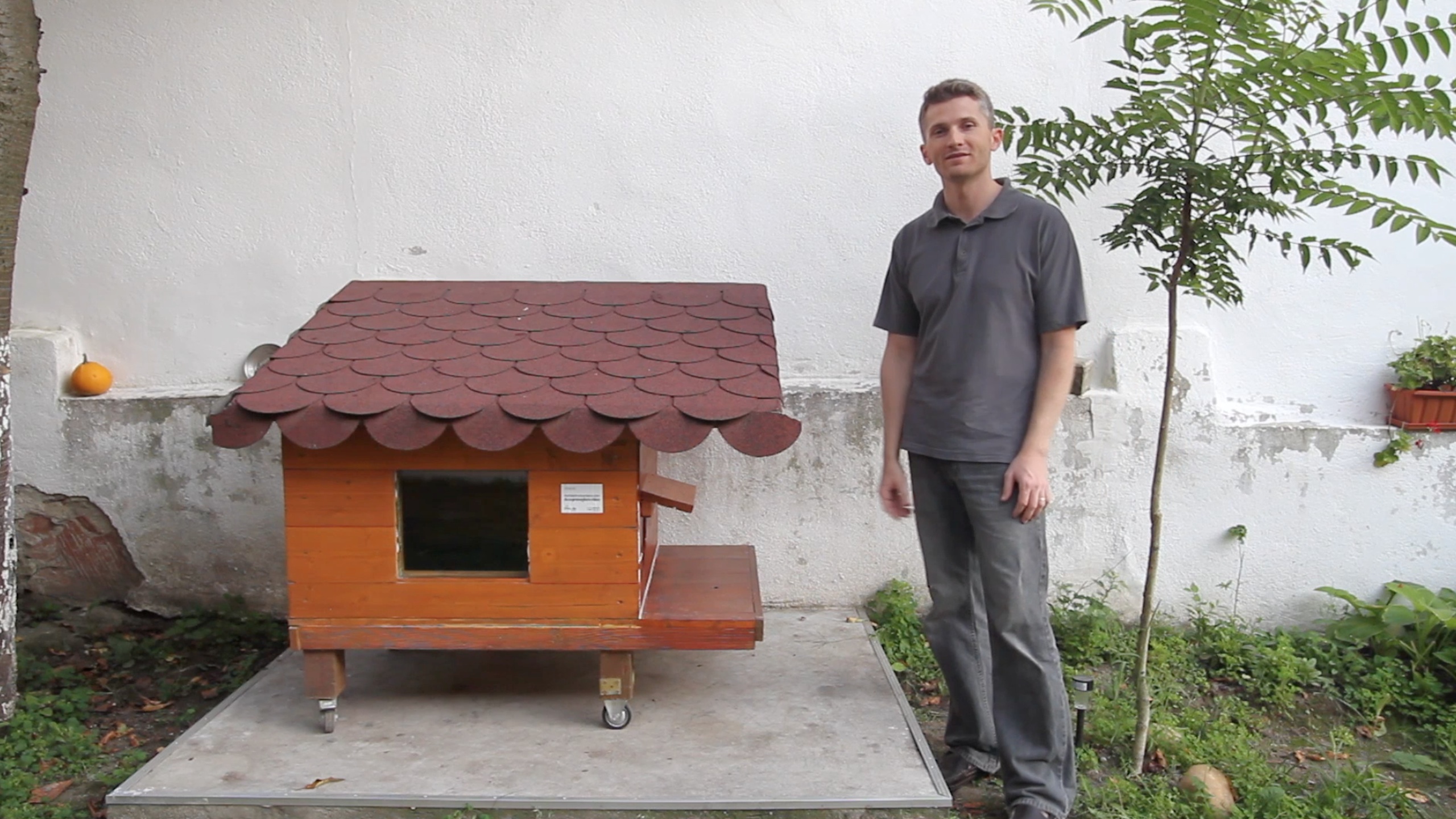
More than two years after publishing parts 1-8, here’s the final installment in this series, which recaps the features of the cat house I’ve designed and built and describes some improvements that I’ve made to my original design, after testing it through two winters.
We now have four cats (Sasha, Zuzu, Tira and Bubu), as opposed to the original two kittens (Mitzi and Trixie) which you saw in the other videos. Mitzi and Trixie now live with my grandmother in Maramures.
So, what improvements have I made?
Installed shingles on the roof
Built an upper level so the cats can really stretch out while they’re inside
Re-did the wall through which the cats enter the house
Drilled some aeration holes in the walls
Removed a pet door which I’d installed at the entrance, for the same reason I drilled the aeration holes, which is to introduce enough air flow in the house and eliminate the moisture that used to gather on the inside walls
Built an add-on lobby which creates an ante-room on the porch and becomes useful during cold weather
Hope you enjoy this final video and it inspires you to build a nice cat house or dog house for your pets!






 Raoul Pop