
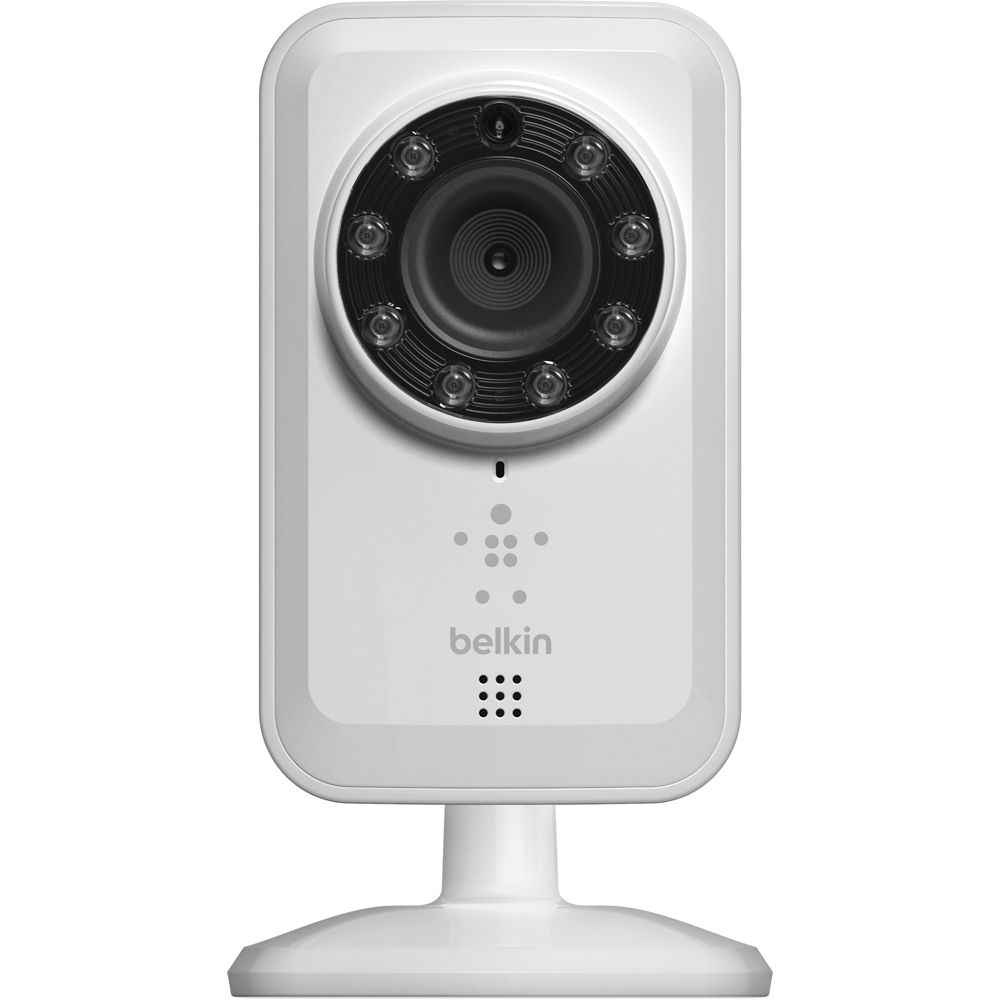
There’s an interesting article linked below that talks about the internet of things and the potential for net negative power consumption after more and more devices go online. I’m not going to get into a discussion about the significant potential for hacking these devices and the need to constantly update their firmware, because that’s a great big subject. What I want to talk about is online cameras and power consumption. The quote that got me started is this:
Hölzle acknowledges that his prediction comes with a caveat: the proliferation of online cameras—which send so much data across the network—may cause a steep rise in power consumption across the world’s data centers. “Video is the one exception,” he said on Tuesday.
via Google Says the Internet of Things’ Smarts Will Save Energy | WIRED.
Of course online cameras eat up a lot of power across data centers, even though they shouldn’t. It’s because every one of the camera makers opts for the easy setup that involves the cloud and the possibility of extra revenues in the form of monthly fees instead of offering the possibility of a straightforward home setup, where the cameras are made accessible through the owner’s firewall.
When that happens, when you can access your home cameras directly through your firewall from your laptop, tablet or phone, you cut out the cloud and the extra power consumption. It’s a little more difficult to do but it’s the right thing to do if you want to reduce power usage, particularly when a lot of firewall/router makers (such as Dlink) also make network video cameras. Surely they can streamline the process of setting them up through their own firewalls and making them available to the owners. Dynamic DNS is the one part of the equation that’s still a bit difficult but I’m of the opinion that each firewall/router maker should run their own DDNS service, just like they already run their own time servers. (DDNS is important because your IP address changes often with some ISPs, making it fairly impossible to get at your firewall simply by bookmarking your external IP address.)
There is another aspect of this that’s worth mentioning. Cloud-based setup and administration of network video cameras becomes a worthwhile proposition when these companies offer subscription-based archival of the video footage. If the cost is reasonable, where you can archive say, eight video cameras for $20-30/month and then be able to search that footage for motion, vloss and audio markers, then it’s worth getting. When a knowledgeable thief breaks into your house, if he sees you’ve got video cameras, he’ll often rip out the DVR and take it with them (if they can find it). When the video is stored in the cloud, they can’t rip anything out, you’ll still have the proof, and that’s a very good thing.


 Raoul Pop