The BBC put together a Fry & Laurie reunion show in which I got to see them together after many years. I was glad to learn more about their start in showbiz and about how they met, which was the biggest surprise of all. I had no idea Emma Thompson went to school with them, introduced them and did comedy with them. No idea at all.
The TED channel published two interesting videos recently which present two points of view about the Earth, in terms of its resources and economy. The first is from Paul Gilding, entitled “The Earth is full“, and the second is from Peter Diamandis, entitled “Abundance is our future“.
I invite you to watch both points of view, which are at first in seeming opposition but after some consideration, are both saying pretty much the same thing, namely this:
Our current economic models, based on carbon forms of energy, will soon reach their lifespan, and we have some choices to make ahead as we transition to other economic models and other ways of generating our energy and making our stuff.
We can have a smooth transition or we can have a rocky one, with elements of anarchy and possible energy and water wars.
What’s clear on both sides is that we need to something about it and we need to start doing it now.
The wonderful thing is there are solutions to our energy and pollution problems emerging now and if they’re implemented correctly, we will not only avert any potential crises but we will come out ahead of the curve.
All of us have probably heard at one point or another that it’s good for us to walk barefoot once in a while, either on grass or on the beach. It’s the sort of information that we file away and don’t remember to do all that often, until we find out why it’s important.
In these three videos posted here, Dr. Stephen Sinatra explains why walking barefoot (or grounding, as he calls it) is important for our health.
Enjoy and apply his advice! It’s backed by the wisdom of our forefathers and by current scientific research, and it’s also really easy to do.
I made a short video last year, which I wasn’t sure I should post publicly, because it contains disturbing imagery. However, I finally convinced myself I should, simply because I want you, dear reader, to be able to make informed decisions when you go shopping for food.
The video you’re about to see shows the guts of farm-grown chickens. These are from an independent farm where they grow in crates, as they do in most farms these days. They’re not free range, and they’re certainly not organic. The name of the farm doesn’t matter. What matters is that these chickens weren’t treated as badly as those in true factory farms, and yet their insides tell a dark story about the way we, as humans, treat our food.
Their internal organs are pretty much destroyed, at around 6-7 months of age. They’re large, heavy, hard, tumor-laden, distended, they’re retaining huge amounts of water — they look as if they’ve been eating the most unhealthy crap there is — and they have. All of that chicken feed they get as food makes them look like this, coupled with the lack of movement, the drugs, the stress of living in crates, in the stench of thousands of others like them, unable to roam, forage for food, smell the clean, fresh air of unpolluted nature.
These chickens (and others in much worse condition) are what you find when you go to the supermarket. Sure, you don’t find their guts for sale. You find their meat, which looks decent enough, especially after it’s been pumped full of water, nitrates, MSG and colorants. But their guts find their way into pet food. They’re what you feed your pets.
Please, think about all this the next time you’re buying chicken (or other meat) at the supermarket. I’m not trying to convince you to stop eating meat — that’s your decision to make — I’m just trying to help you make better decisions when it comes to food.
Look for free-range chickens, for organic chickens, buy from local farms where you can see them roaming the land, scratching the earth for worms, not from factory farms.
Or you could try not eating meat. We don’t. We’re raw foodists. But as I said before, I’m not trying to force our lifestyle on you. You are free to choose what you do. Just be aware of the consequences.
It goes without saying that Thomas Hawk loves photography. It also goes without saying that he writes about photography. In spite of all those givens, I still got a pleasant surprise when I saw that he took time out of his truly hectic schedule and went to the trouble of identifying 1,500 great photographers who are active on Google+. He posted the full lists on his blog and also on Google+.
What surprised me wasn’t that I was on the list (although that was nice). The real surprise was the effort involved in manually identifying 1,500 people. It takes a lot of time and effort to do that! It shows genuine interest in others and a desire to see them succeed and be recognized!
I’ve known TH since 2006. We’ve met and talked during his trip to Miami in 2010. The man is consistently nice, online and offline, obsessed with his art, works punishingly long hours, is constantly working to improve his craft and trying new things, is always pushing the envelope when it comes to photo sharing technology and is concerned with the welfare of other photographers.
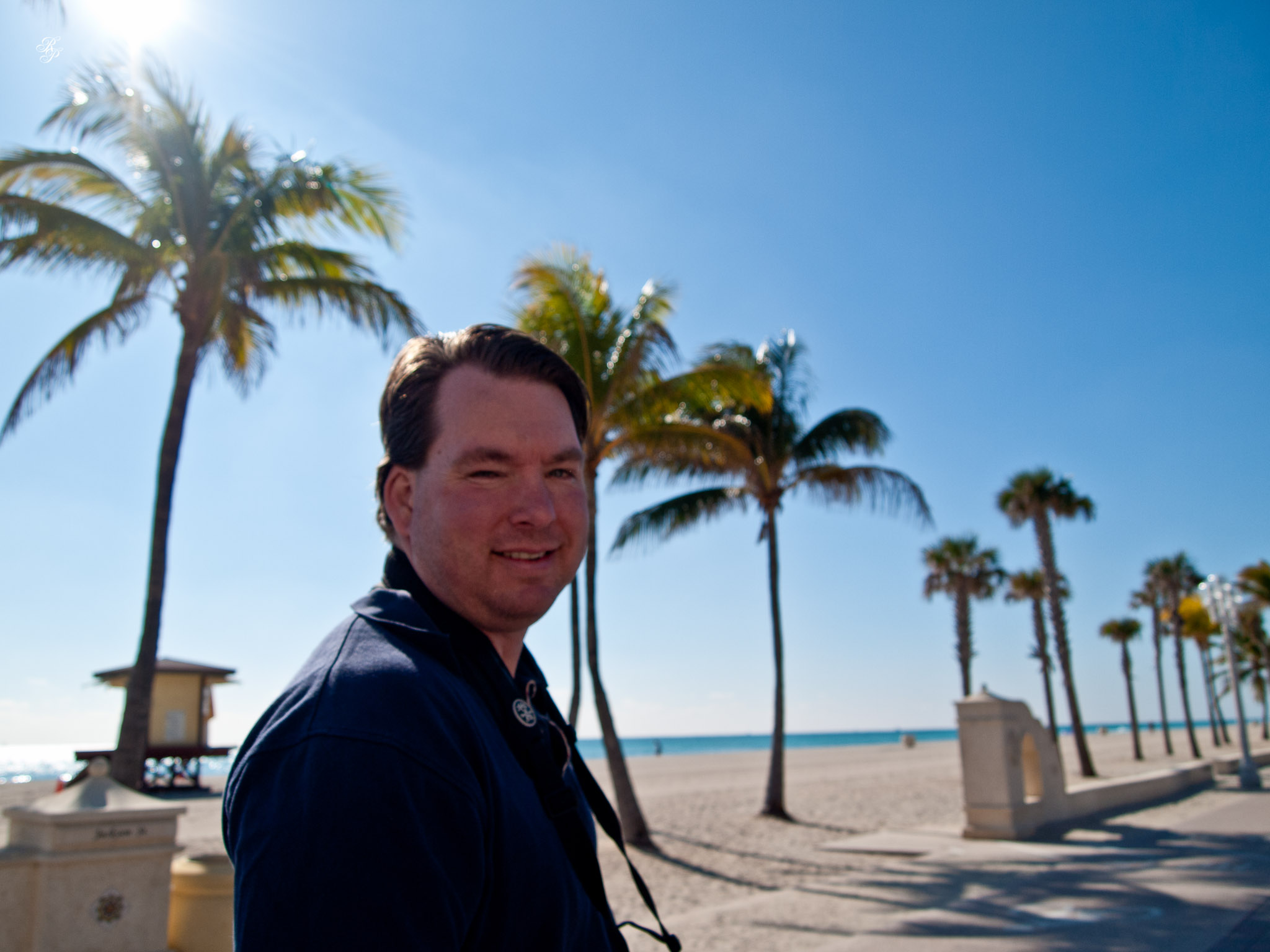
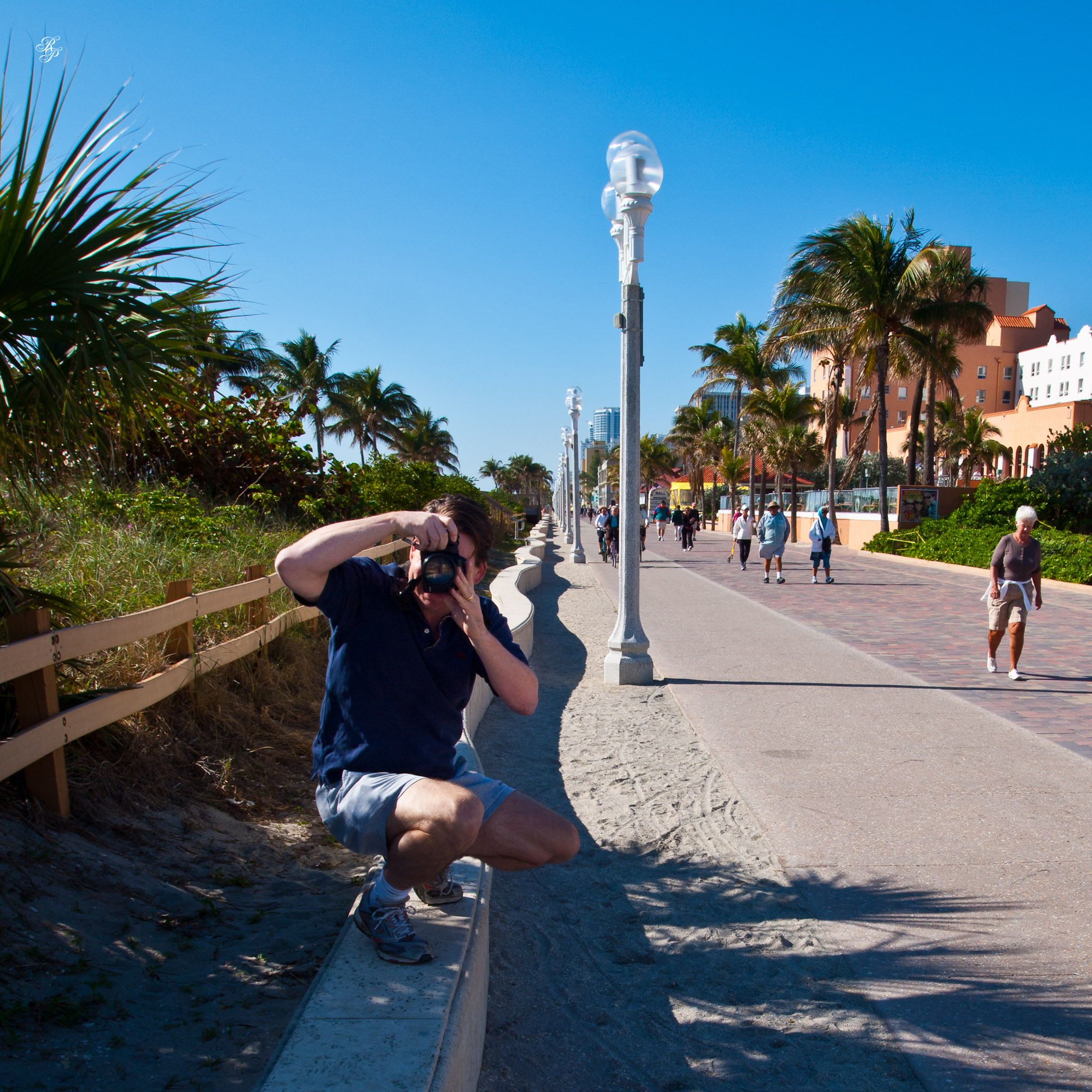
While I’m fairly sure that I came across as a bit odd to him in person, because I’m much more comfortable interacting with people online, we had a nice conversation and a nice little photowalk on Hollywood Beach. Here are a couple of photos I took of him back then.

 Raoul Pop