Thoughts

Cows and roads in Romania

A typical sight you might encounter as you drive through the Romanian countryside is cows returning home from pasture in the evening, or, if you’re an early morning traveler, going to pasture.

It’s interesting the first few times, particularly if you’ve never seen that sort of thing before. It’s “touristy”, cute, etc. But it gets old really fast, for multiple reasons:

  • Herds on the roads worked back when the pace of travel was as fast as a horse and buggy could take you. Nowadays cars go somewhat faster than that. Having to slam on your brakes and go in 1st gear or stand still for up to 30 minutes isn’t something the weary traveler looks forward to doing when trying to get home or find some lodging.
  • You won’t find it cute after an angry ox sticks his horns into your hood or tries to mount your car, frustrated because he couldn’t mount his favorite cow that day…
  • Your neck veins will possibly burst as you experience the indolence of the cow herders, who will drag themselves along at a snail’s pace, blissfully unaware of the cars that are waiting for them to move the animals off the road. Most won’t give a cow’s behind about you even if you ask them nicely or yell at them.
  • You’ll not think it such a quaint sight after you run through a few steaming cow pies and have to hose them off your car later.
  • If you have to brake suddenly, then begin to slide dangerously on the mud laid on the road by the cows, you’ll begin to appreciate the usefulness of clean asphalt, unsullied by manure or thick mud.

In this day and age, I’m surprised village mayors still allow the cows to use the main roads, instead of directing the animal traffic to use the side roads and the back roads. Sure, the cows have gotten used to using the same route every day, but they can be re-trained. It seems to me the will just isn’t there, and that’s a shame.
Standard
Thoughts

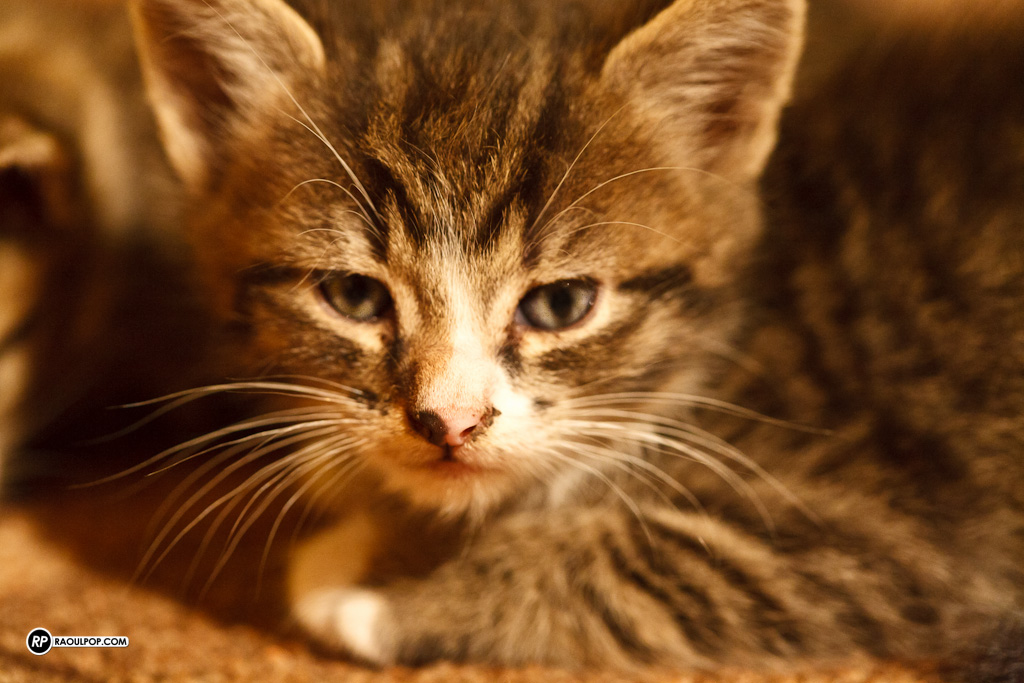
Meet Mushu

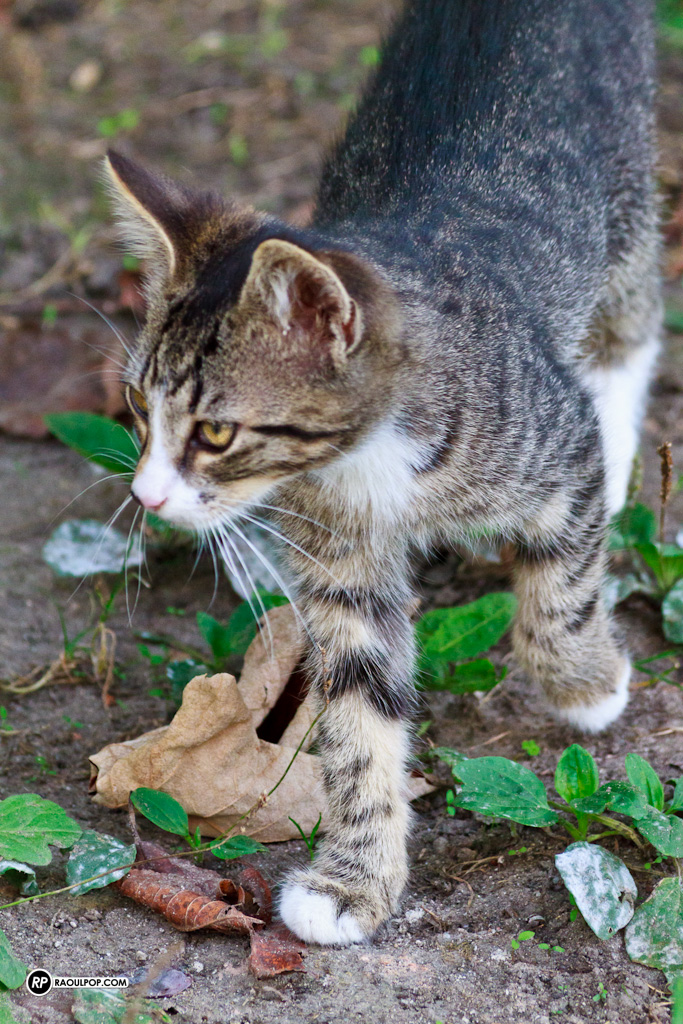
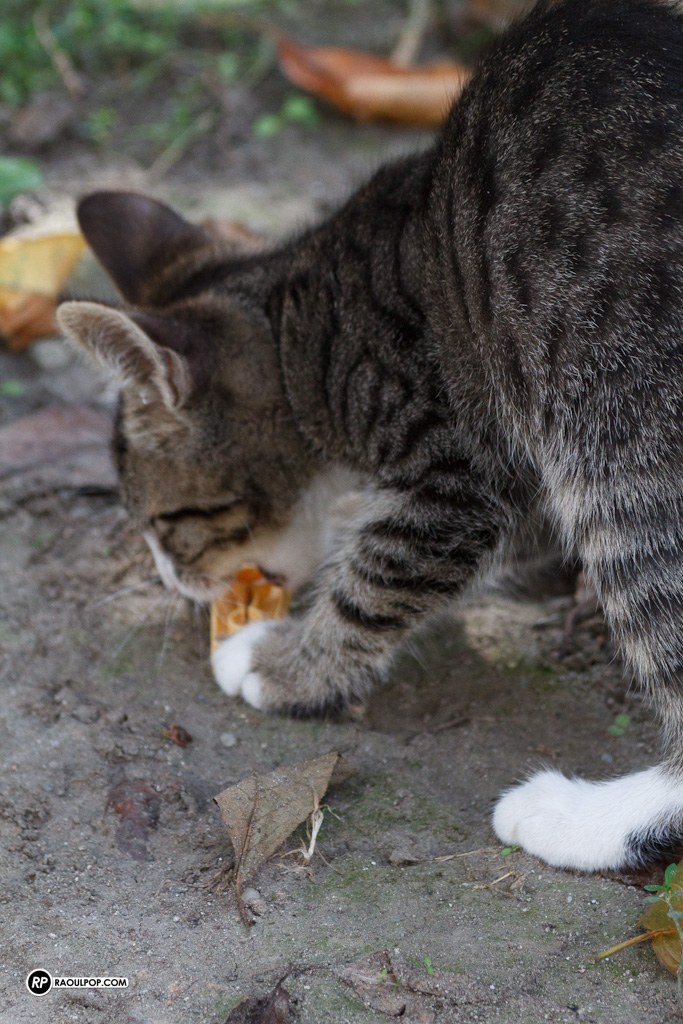
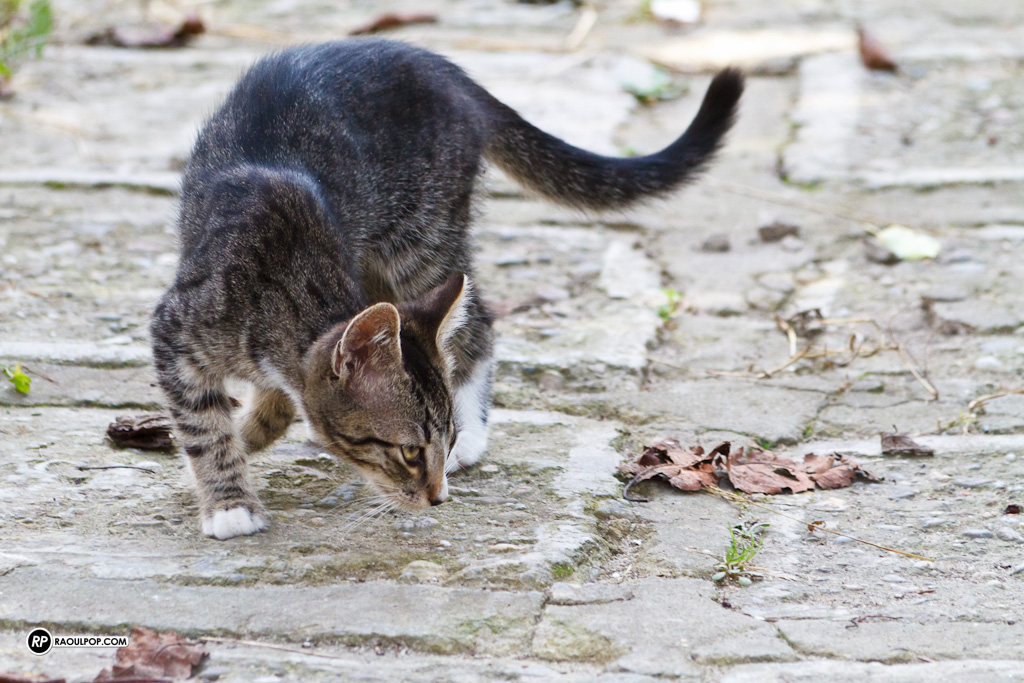
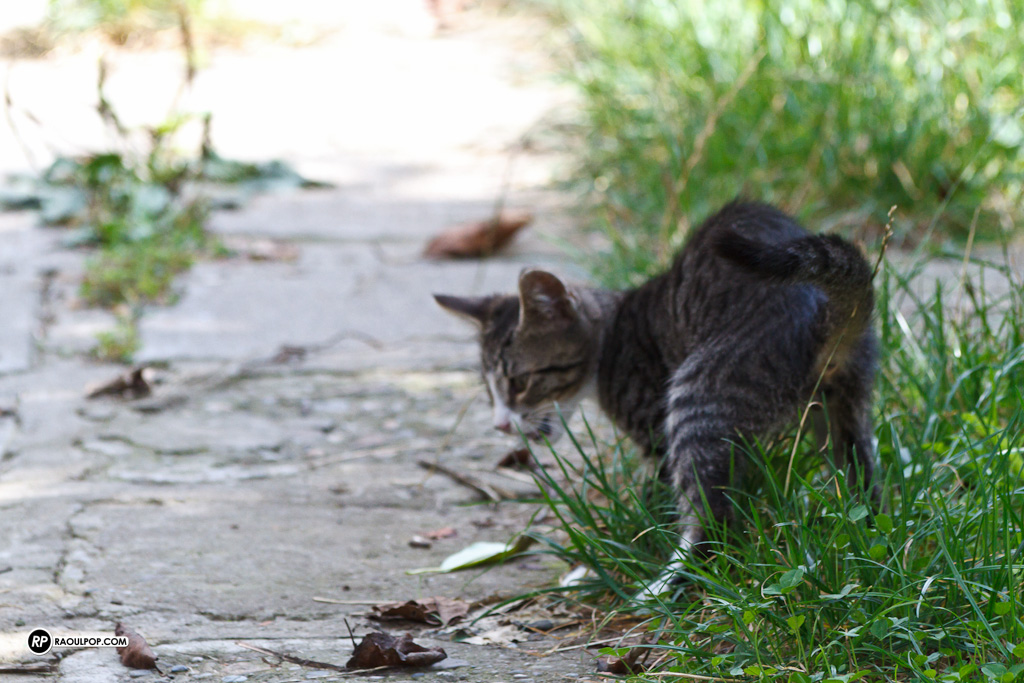
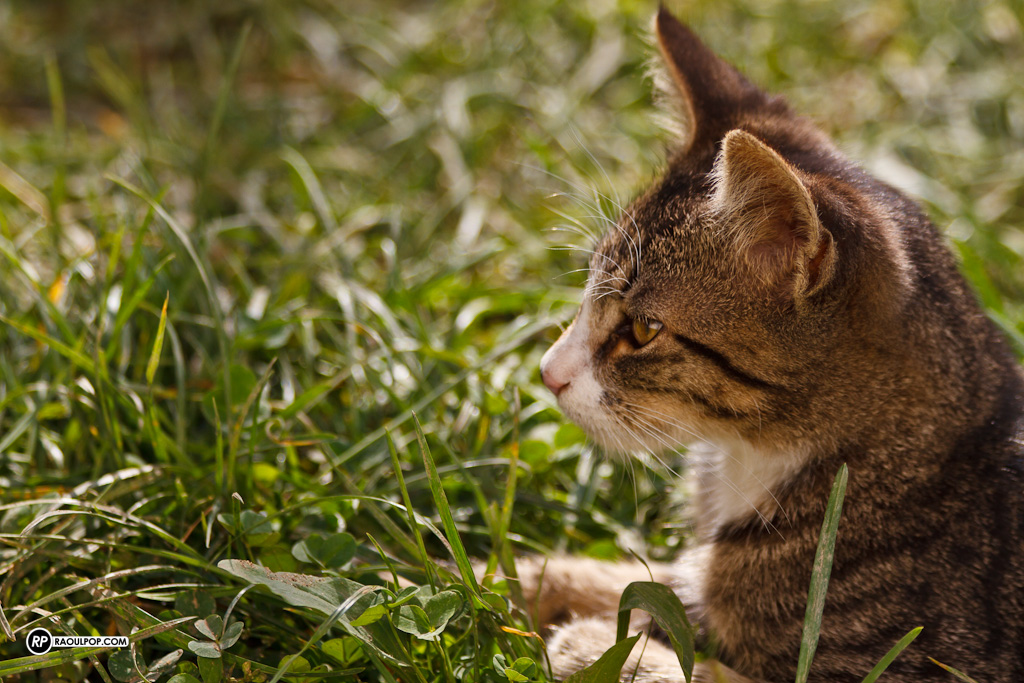
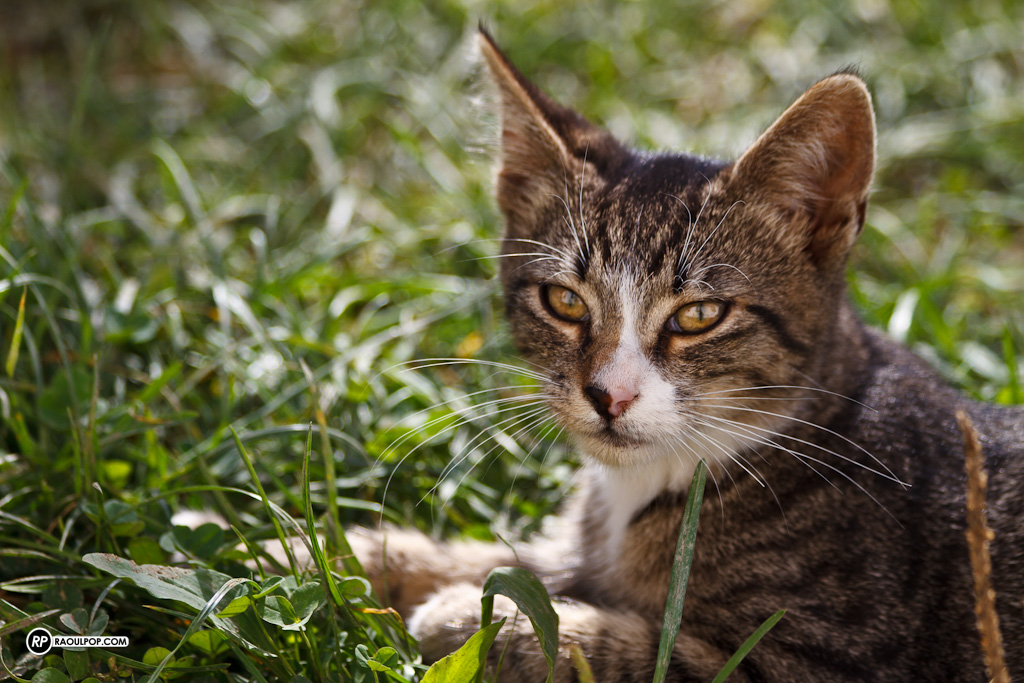
Mushu is a tomcat born in late May to another of our cats, Mitzi. She gave birth to three kittens: two tomcats and a kitty. We found a good home in the countryside for two of them, but we kept Mushu. We liked his half-pink, half-black nose and his loving nature. He’s been shy from the get-go though. It took a while for him to stop running away from us, and he’s finally learned to stay calm when we move around him. (Let’s just say his mom also had a “cautious” nature, and it took a bit of time for her to trust us — she was half-feral when we adopted her.)

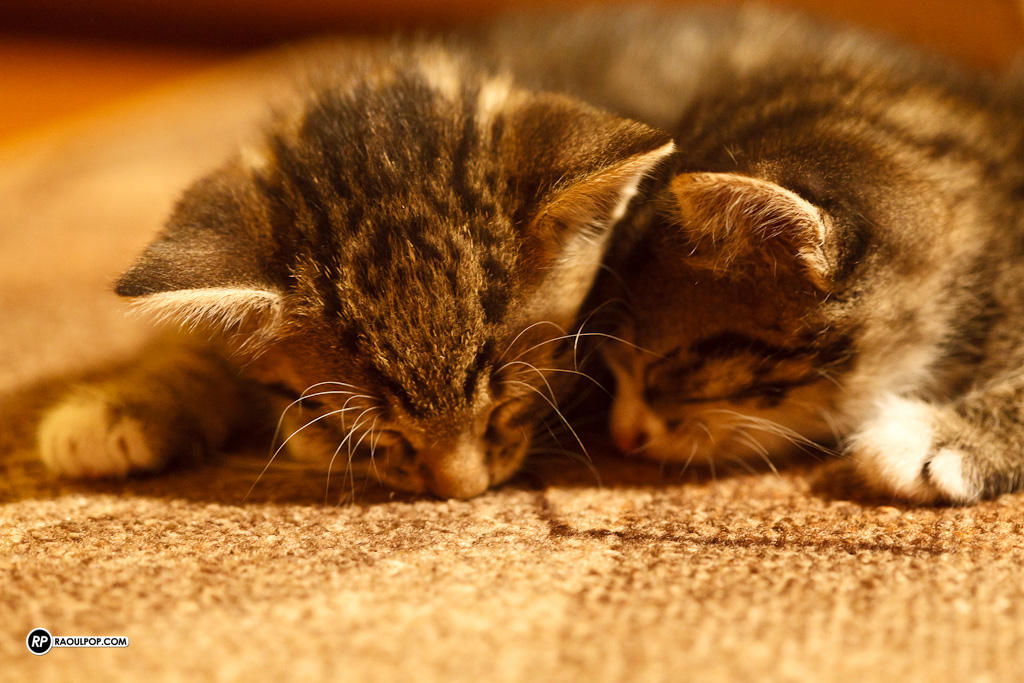
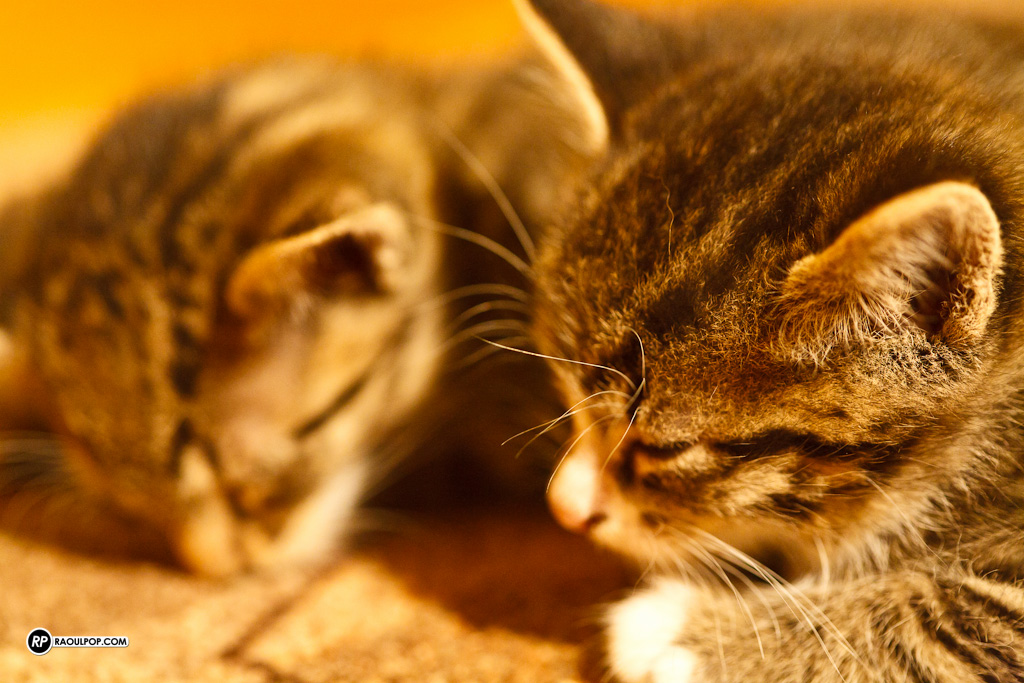
Here he is, as a kitten, playing and sleeping with his brother.

Mushu’s the one on the right.

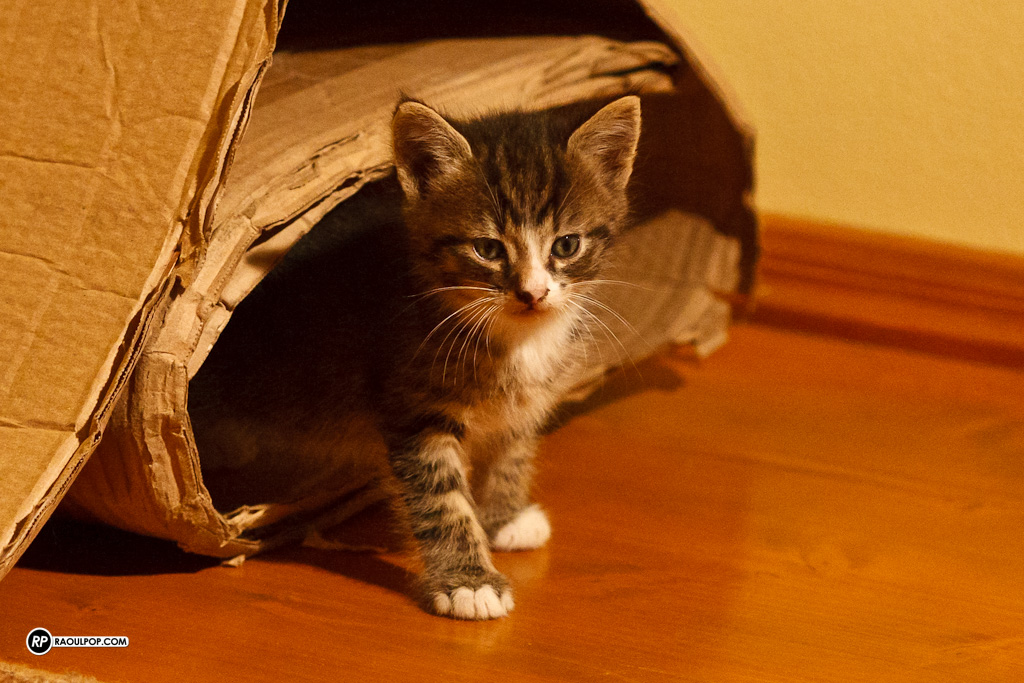
He loved playing in the corrugated cardboard roll, along with his brother and sister, and his cousins (Trixie’s litter).

Here he is in the yard, at 4-5 months of age.

He loves to play, naturally.

After a lot of play comes a lot of rest, right? 🙂

Standard
Thoughts

My wishlist for Flickr

I joined Flickr in December 2004, and stuck with it since then because I like it. In spite of the various censorship issues that have plagued it over time, it’s still one of the best (if not the best) places to share photos. (Videos are another matter…)

Here’s a short list of what could make it even better:

  • Ability to view ALL of the photos that my contacts have uploaded. This is already available in the Flickr app for iPod touch and iPhone, but it still hasn’t been implemented on the Flickr website. It should be a simple option that would allow me to choose between seeing All or Five or One new photo(s) from my contacts. If I choose All, then when I go to my Contacts page, I see everything they’ve uploaded. It would be really useful.
  • Ability to set a licensing price for our photos. Flickr should get a bit of that money, and since they’re in with Getty these days, I suppose Getty ought to get something too, but certainly not what they’re getting now with the “Request to License” option, which is obscene when you consider they’re doing no work whatsoever on behalf of the user to market those photos.
  • Ability to set a custom domain to our Flickr photostreams, if we so choose. WordPress and Blogger already let people do this, so it’s clearly something that’s feasible to do for millions of users — the path has already been paved.
  • Smart sets, that update automatically based on criteria we set. This would eliminate the need to use third-party tools and websites, which are nice, but let’s face it, things would be even nicer if we could do it directly on Flickr.
  • Grey and black backgrounds for our photostreams, in addition to the standard white color.

You can find me here on Flickr.

Standard
Thoughts

It’s time to demand reliability from DSLR manufacturers

Update: After sending the camera in for service to a Canon authorized repair facility, it turns out I took somewhere between 75,000 – 100,000 shots with my 5D when the shutter mechanism failed. Still, most of what I wrote below is appropriate commentary on the whole situation. 

When DSLRs (and now HDSLRs) cost thousands of dollars, and the manufacturer makes a promise that the shutter in said DSLR is rated for 100,000 shots or 150,000 shots, I think it should no longer be a promise, but a guarantee, and the manufacturer ought to be responsible for the repair to a DSLR whose shutter failed before its rated number of shots.

Look at cars. Some cars cost little more than a top of the line DSLR, but cars have serious warranties. These days, some cars have 10-year warranties on everything. Historically speaking, even if most cars haven’t had good warranties on everything, they’ve had good warranties on the power train — on the basic stuff that makes them go.

On a DSLR, the shutter is part of the camera’s “powertrain”. Without it, the camera can’t take photographs, and a full-frame DSLR that can’t take photographs is a very expensive paperweight.

It’s high time we demanded that DSLR manufacturers come up with warranties for the more expensive DSLRs, where they’ll guarantee that the shutter and the motherboard (pretty much every part that takes photos and writes those photos to a card) will work for a certain amount of time.

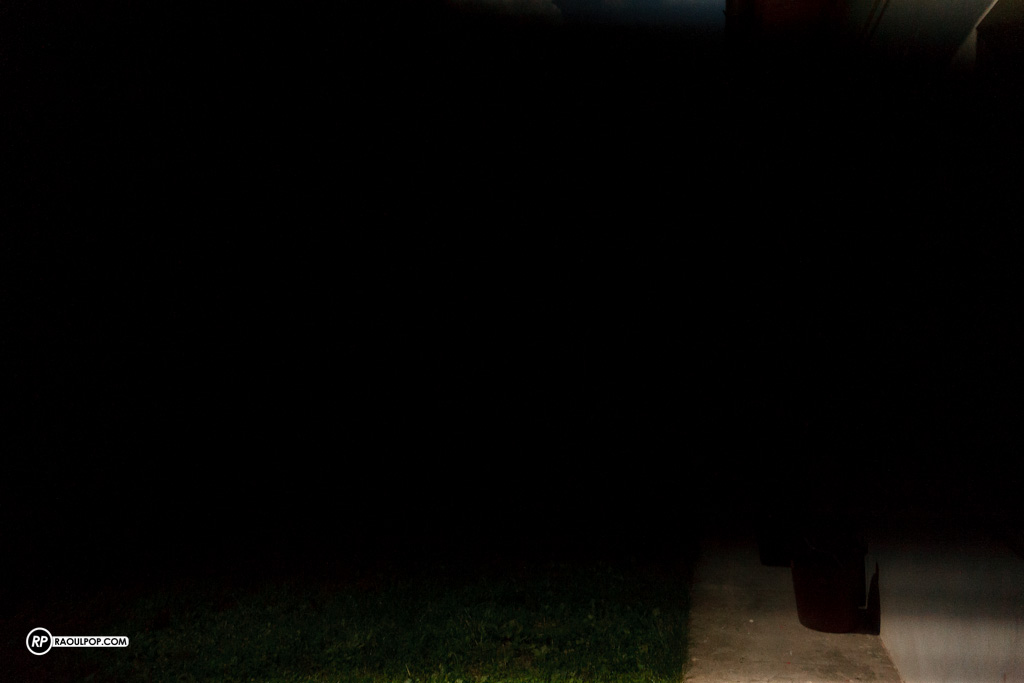
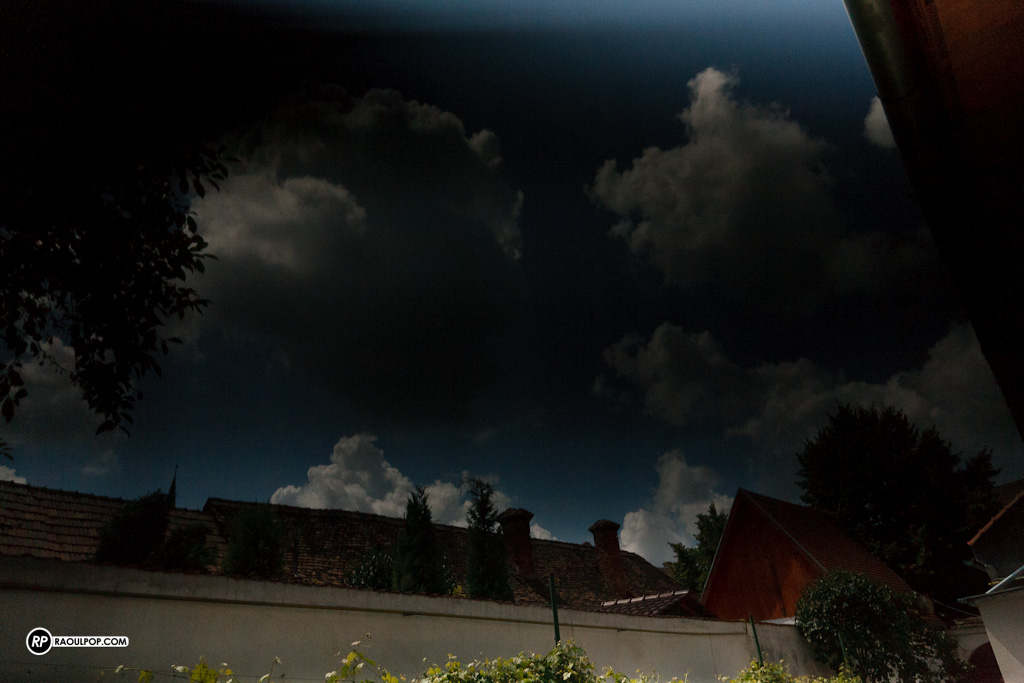
If we don’t, we’ll likely run into the situation I’m in right now, where my Canon EOS 5D’s shutter started to fail at under 50,000 shots. Initially, photos taken at 1/6000 sec or higher (1/8000 sec) would come out black or almost black. Now, months later and at around 52,500 shots, even photos taken at 1/1000 sec are severely underexposed.

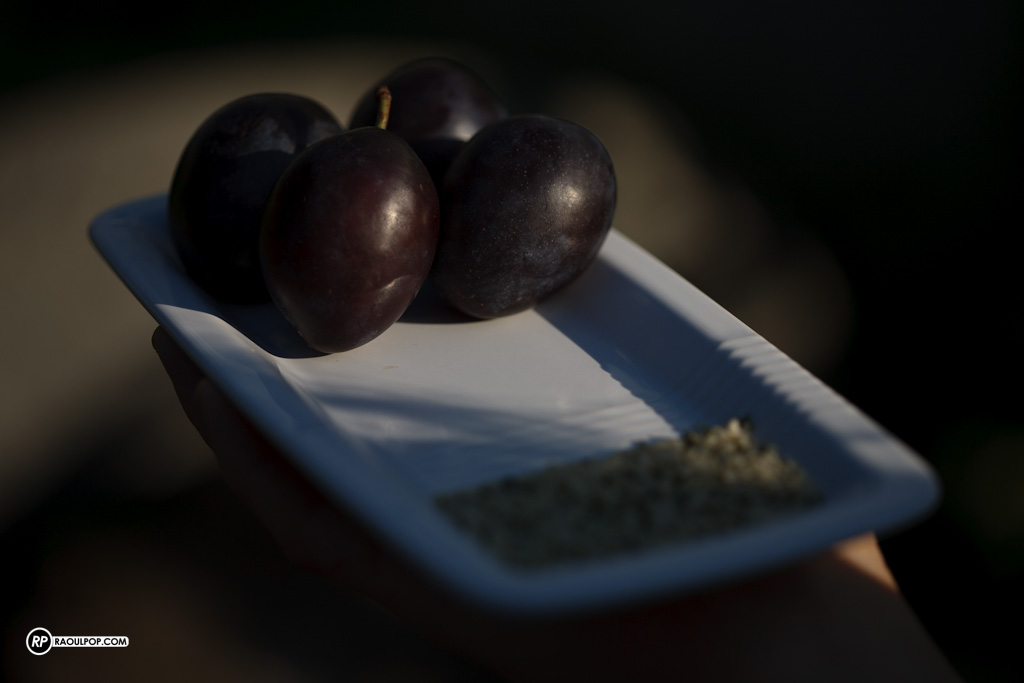
Have a look at three photos taken with the 5D. The first two were taken at 1/8000 sec shutter speed a couple of months ago, and the third was taken at 1/1000 sec shutter speed a few days ago.

It’s not right that the shutter has started to fail at half its projected life span of 100,000 shots. And what’s even more improper is Canon USA Support’s reply to me. They told me the shutter’s rated life is not a warranty, not even a promise, but an expectancy (an anticipation if you will).

What that means is they can advertise long shutter lives all they want, but they’re not accountable for actual, real-world results from its customers. It’s irresponsible, and it shouldn’t be allowed. When we pay thousands of dollars for a fancy DSLR, we as customers pay that money with certain expectations in mind. Those expectations entail (among others) a need for durability and reliability.

I propose that a set of benchmarks be set for the entire photography industry, where shutter life is one of the differentiating criteria. Processor and camera motherboard life should be another. Manufacturers would then have to offer warranties on these benchmark criteria. I propose 4 or 5-year warranties on the circuits, and on shutter life, the warranty should go as far as its stated life span. If it’s 100,000 shots, then by Noah, it should be 100,000 shots, end of story.

Standard
Thoughts

Bring back POP3 for Gmail, Apple

Due to some file corruption issues, I’ve recently had to re-install Snow Leopard on my MBP. Afterward, as I set up Mail, I found out there was no way to configure my Gmail account for POP3 access. IMAP was the only choice. I searched for this on the internet, and it’s a confirmed “design” behavior in Snow Leopard.

I really dislike it when I’m told by someone else how to manage my digital stuff. I’m an IT professional, and I like the POP3 protocol. I don’t care if IMAP is better. I use IMAP on my iPod Touch or iPhone or iPad or Nokia N95, and for those, it works great. But all I want to do on my laptop/desktop is to download my emails via POP3 and archive them by year, then move them into long-term digital storage. (I have an email archive going back to 1996.)

I also want to keep the emails in my Gmail account, so I have them in two places, just in case. You can’t do that with IMAP. You drag an email onto a local folder, and it’s gone from the cloud. I also dislike the fact that IMAP stores a local cache of the cloud emails, eating up space on my hard drive.

Thankfully, I was able to use Time Machine to retrieve a previous version of the Mail Preference file, restored it, and I was back in business with POP3. But everyone who chooses to do a fresh install of Snow Leopard (not an upgrade) is out of luck if they want to use POP3 for Gmail.

Now along comes Apple and says I can’t use POP3 for Gmail anymore, because they don’t feel like including it as a config option in Snow Leopard’s Mail. That really bugs me. It’s not like it cost them anything to have it in there. The code for POP3 was written more than a decade ago. It’s a simple, light protocol (much simpler than IMAP).

Apple, why are you forcing me to do something I don’t want to do? If I like using Mail and POP3 works for me, why take it away? That’s rude. Work on improving the OS, and making it do more, but don’t take away something as basic and simple as POP3!

Standard