Places, Video Log

The winter road trip

After a cross-country trip through Romania to visit family for Christmas, our car’s on-board computer told us we logged 1,560 km (969.34 mi). I was already a big fan of our VW Jetta TDI, but now I like it even more. Our average fuel consumption was 6.1 l/100 km (38.6 mpg) while our average speed was 63 km/h, though we traveled around 90-100 km/h (62 mph) when the roads allowed it. Our total fuel cost was roughly 300 RON (about $100). Total driving time over a period of a week or so was 24 hours and 54 minutes. Although there were two trips whose time was around 9 hours and 30 minutes, somehow small trips here and there added an extra 6 hours to our driving time.
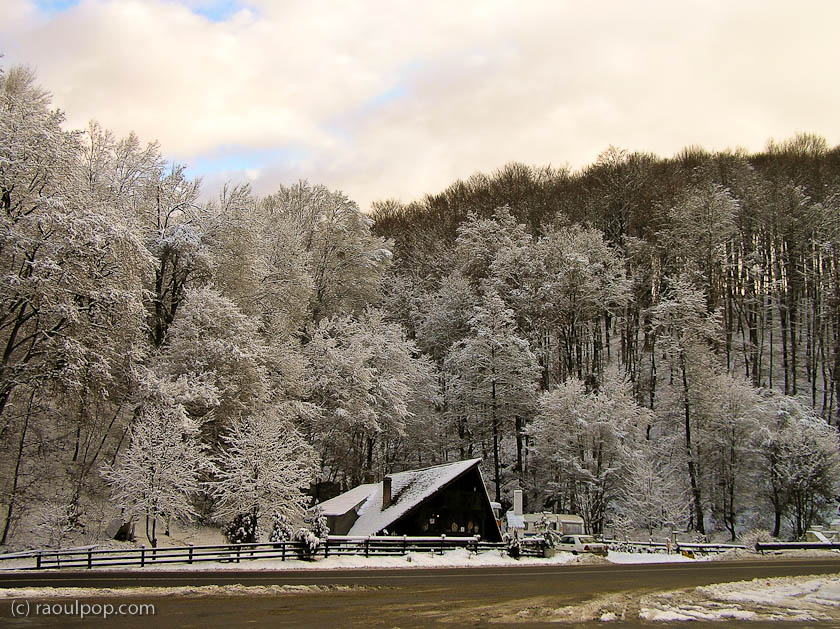
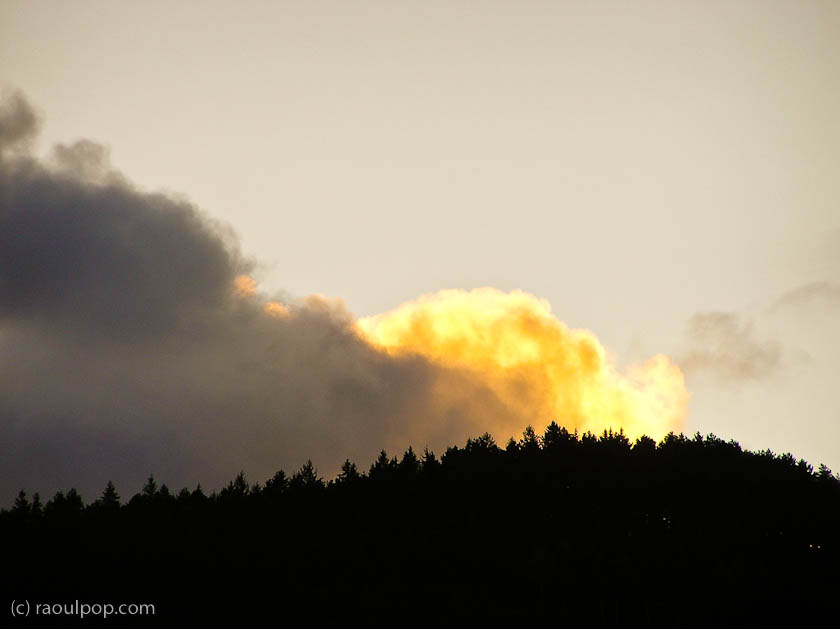
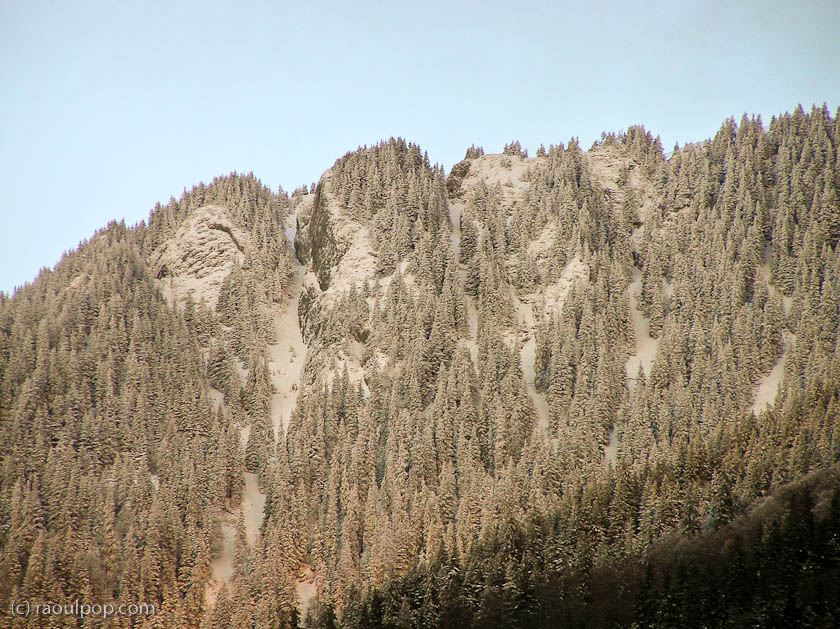
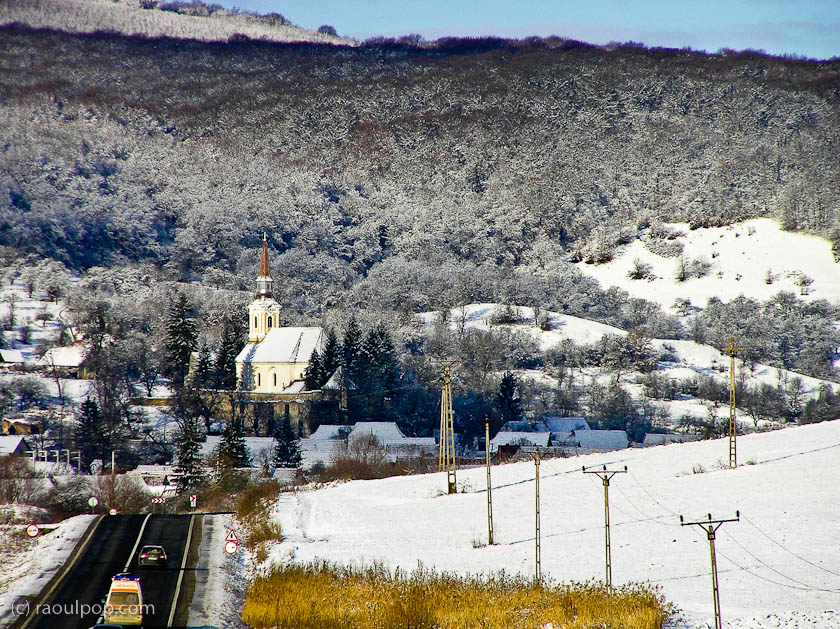
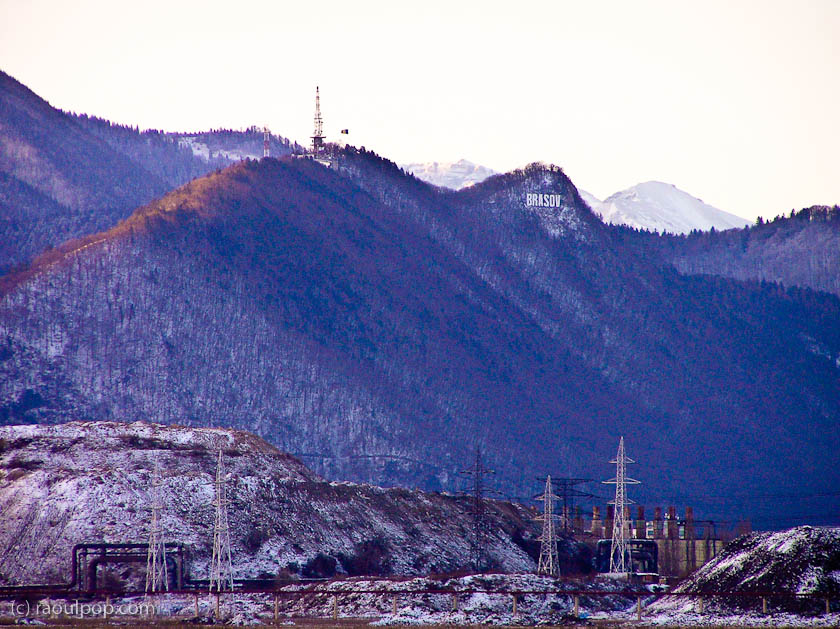
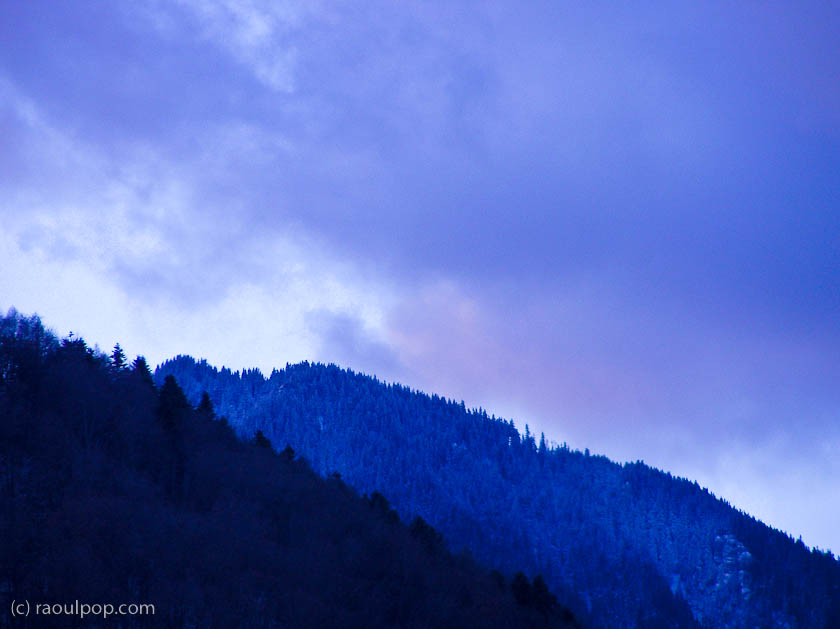
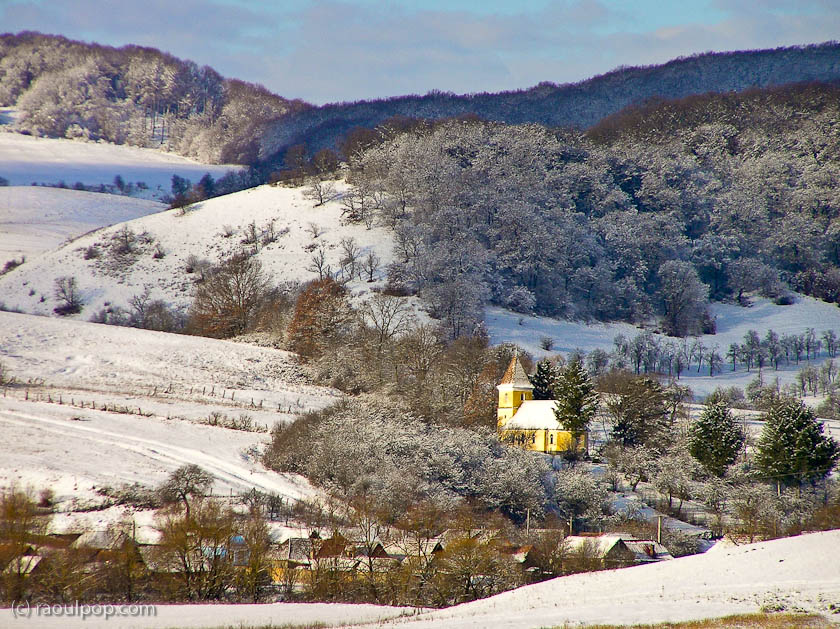
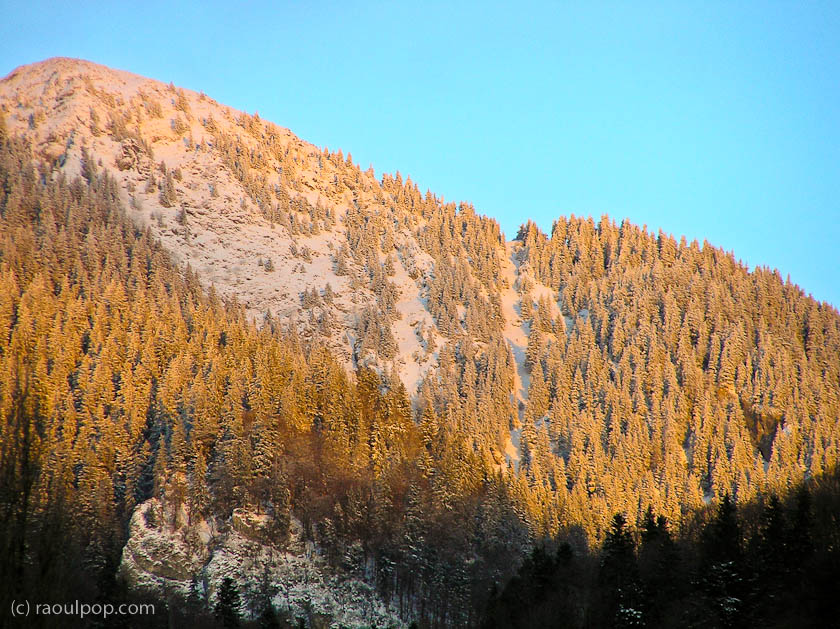
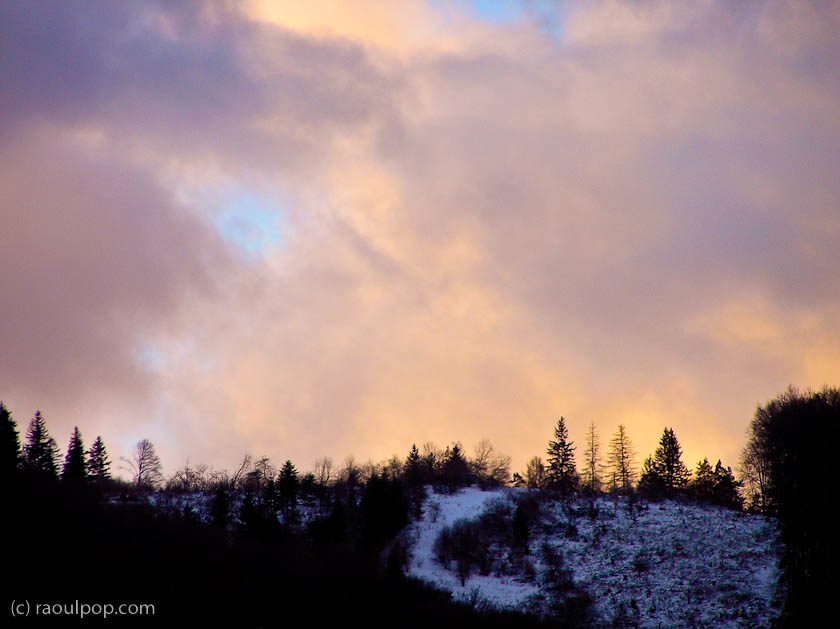
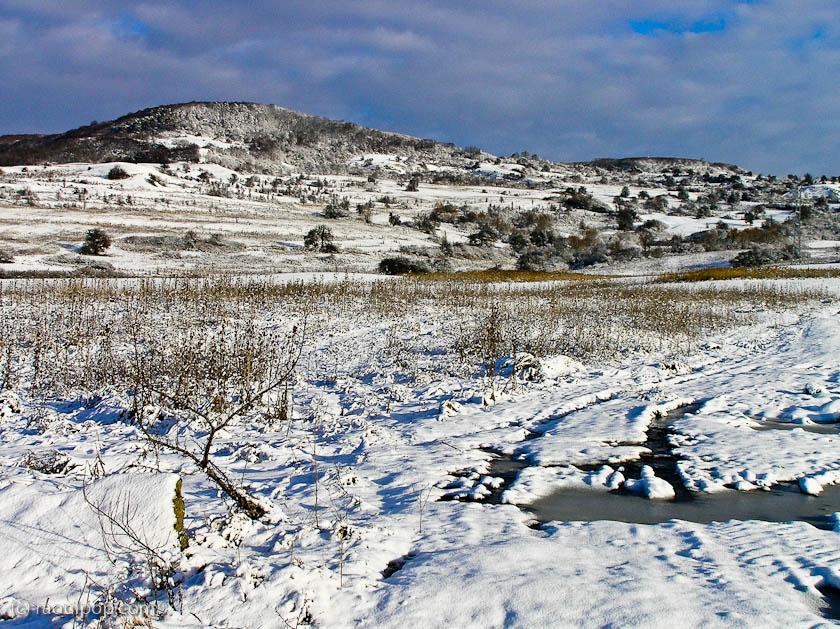
We left as a recent snowfall was melting and the weather had turned dreary, and we came back through fresh snow and clear, sunny skies. As we crossed the Carpathian mountains, we found ourselves in a winter wonderland. Trees and mountain slopes as far as the eye could see were decked in pure white snow, lit up by the most gorgeous morning hues of orange and purple light. I took photos, and also recorded a driving video. I hope you’ll enjoy them, they’re posted below.
If you plan to travel on A2 (Autostrada Soarelui), the Romanian highway between Bucharest and Constanta (which is still unfinished and only goes to Cernavoda,) be aware of two things. First, they’ve started charging 10 RON for the use of the highway, so it’s become a sort of a turnpike, although it’s the only highway in the region, so that’s not right, and two, it’s full of potholes. During our drive from Cernavoda to Bucharest, during the night, we not only had to deal with black ice, but with over 40 potholes, each over 20 cm in diameter and 5-10 cm deep. If we had been traveling at the posted speed limit of 130 km/h (81 mph), our suspension would have blown up long before we reached Bucharest. Instead, we drover 80-100 km/h, weaving in-between potholes while trying to guess which portions of the road had black ice. And yet the people who administer the road have the gall to charge money and ruin our car at the same time.

Still, we weren’t going to let a thing like that spoil our trip. The weather was truly beautiful on our return, and the snow made everything look gorgeous, particularly once we approached the Carpathian Mountains. We got close to them at daybreak, and by the time we were crossing them, the golden-pink hues of the dawn light made each snow-covered peak look magnificent. The mountain forests were glorious. Branches everywhere were laden with snow, and the crisp mountain air made each roadside stop memorable. You’ll see what I mean if you watch the video, which is about 10 minutes in length.
Standard
The Toy Train
Video Log

The toy train

Updated 11/02/2018: This video now has over 25,000,000 views. Thank you!

My wife gave me this great little train set as a Christmas present a couple of years ago. I thought it’d be fun to film it in action one day, and when I edited the video, I looked for the right kind of music for some time. The end result was worth it though, and it sets the mood for the upcoming holiday season. Enjoy!

You can watch the video here or on YouTube. The soundtrack for the video is called “Choo Choo Train” by Daffy Dave.

Standard
A Guide To A Good Life, Places

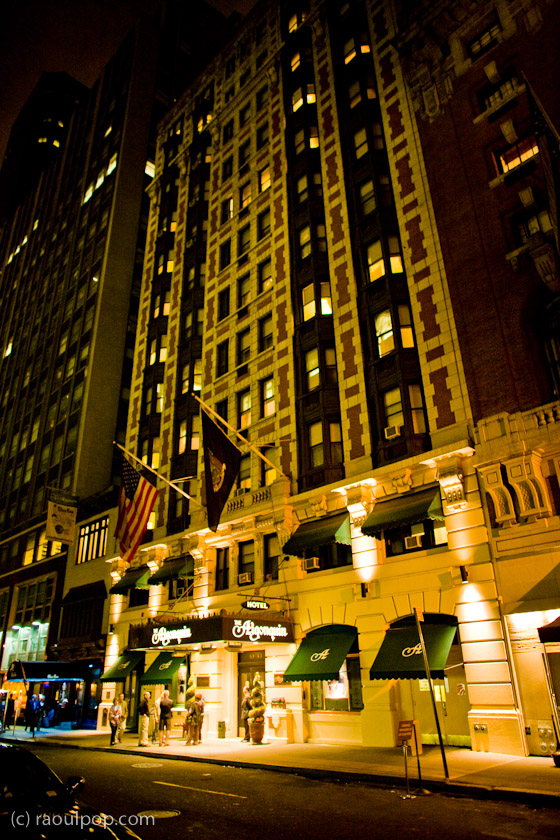
The Algonquin Hotel in Manhattan

Hotel Algonquin

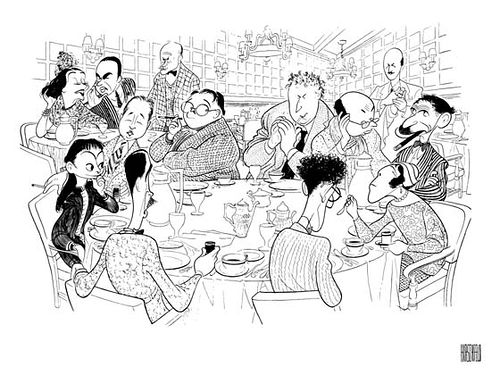
The Algonquin will soon host its 90th anniversary of the Algonquin Round Table, and they’re holding a Commemorative Symposium of Wit and Wisdom on November 17th, from 7-9 pm. Tickets cost $100 each. Should be a lot of fun.

algonquin-round-table

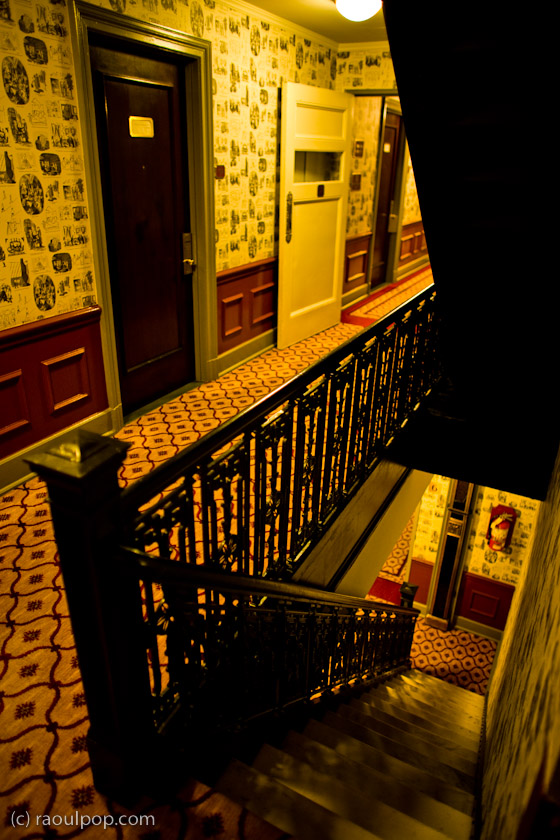
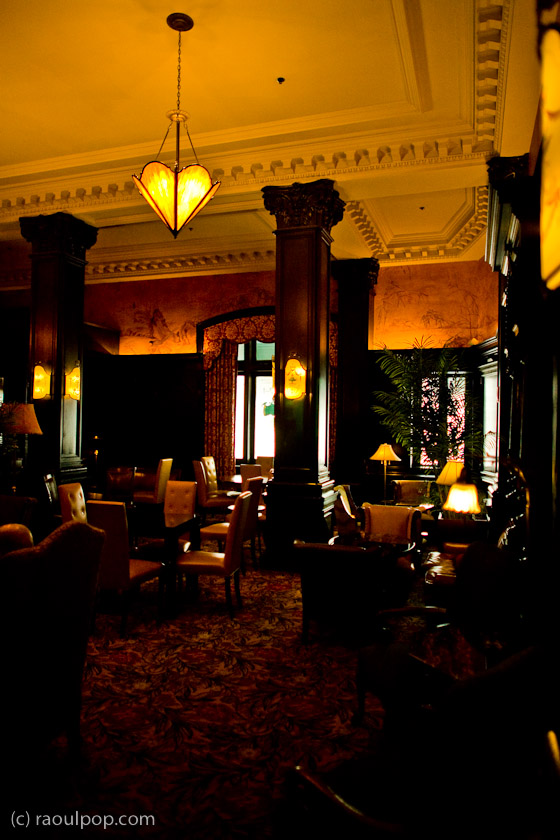
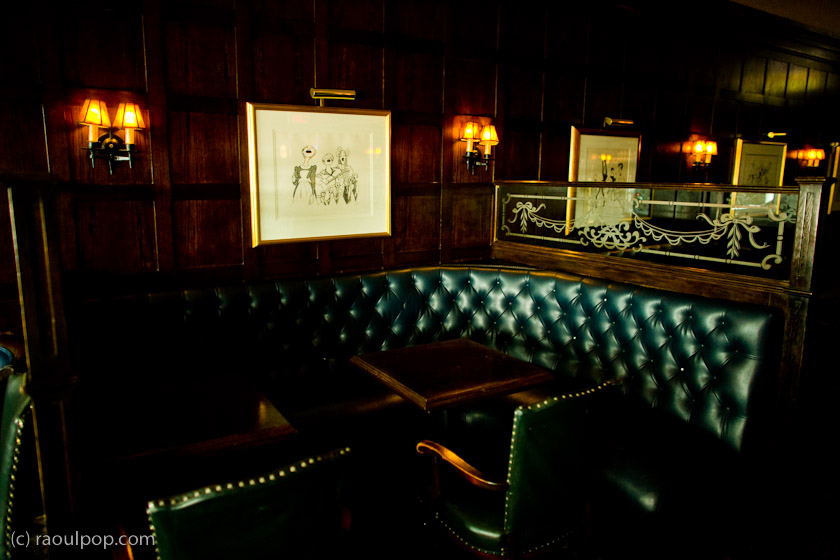
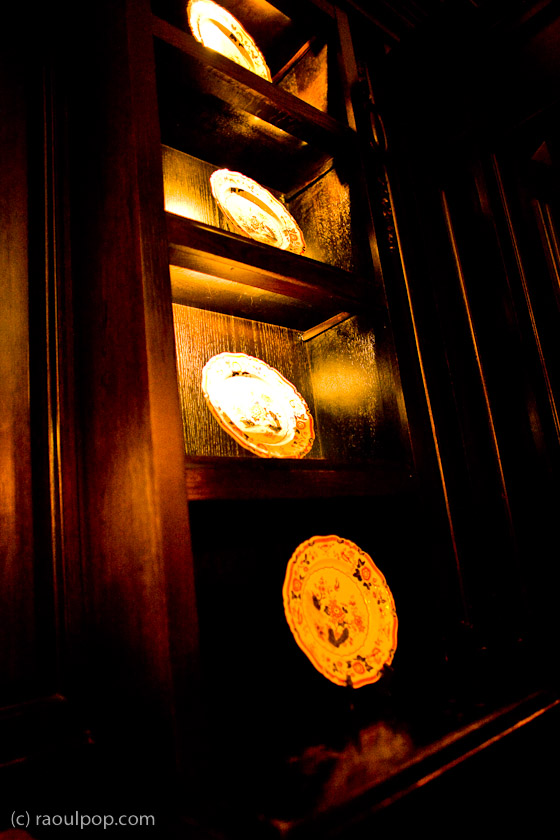
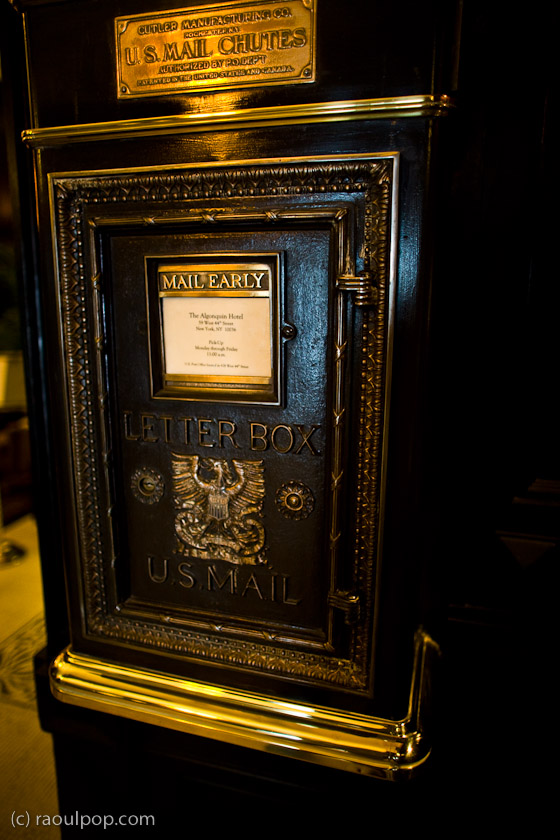
We stayed at the Algonquin Hotel in 2007, during our weekend trip to Manhattan, and we highly recommend it. The location is wonderful, very near to Times Square, yet on a relatively quiet side street without many street lights, which means you can get a good night’s rest. The beds are comfy, and the decor is tasteful. The setting is, of course, historic, and that’s worth quite a bit in our book.

manhattan-algonquin-hotel-4

algonquin-hotel-20

algonquin-hotel-14

algonquin-hotel-26

algonquin-hotel-4

Standard
A Guide To A Good Life

American habits

Slow down. That’s a phrase not often heard in the US. At least not among the people I know. But it’s a notion that’s slowly starting to make more sense.

Americans love to think big and spend big. They want progress on every front, no matter what the cost. In the 20th century, that sort of thinking worked well. It carried us through to the 21st century, where, however reluctantly, I think we’ve got to change the way we operate.

There’s a newspaper article I’ve been saving since June of 2007. It’s about people who overextended themselves in order to keep up with the Joneses, and were paying the price. It’s called “Breaking free of suburbia’s stranglehold“. Even before the real estate bubble burst, sensible people were finding out they couldn’t sustain their lifestyle and stay sane, so they downsized. Each found their own impetus, but they were acting on it. That was smart. I wonder how many people had to downsize the hard way since last year…

How about a more pallatable reference, one for the ADD crowd? There’s a Daft Punk video called “Harder, Better, Faster, Stronger“. The lesson to be drawn from it is found at the end of the video, but to get it, you have to watch it from the start. I’ll summarize it for you here. Don’t be fooled by glitter and glamour. There’s a price to pay for everything.

Paying for it isn’t a new notion. It’s been around for ages. Take “pay the piper“, for example. You look at almost any language, and the idea of everything having a price can be found embodied in certain evocative phrases.

Let’s look at a few more concrete examples:

  • You want a bigger house? There will be a cost for that, as seen above.
  • You want the house of your choice AND the job of your choice? You might have to do some really nasty commuting, and now that gas costs a lot more, you’ll not only pay with your time, but with your wallet as well.
  • You persist in wanting to drive an SUV? There’s a price to pay for that too, and it’s not just in gas.
  • You want a house that looks like a mansion, but you don’t want to think about how things get built? That’s okay, you’ll get a plywood box with fake brick cladding that will look like a mansion and will only last you 20-30 years at most (not to mention that your HVAC bills will go through the roof, literally).
  • You want your meat, particularly your pork? There’s a big cost for that, and it’s measured in incredible amounts of environmental damage and in chronic and deadly health problems for the people who work on the pig farms.
  • You want to keep your computers and lights on all the time at work? You want to keep the temperature at 65 degrees Fahrenheit all the time? Do you want to keep all of your employees on site instead of letting them work from home? As a company, you’ll see increased costs because of your wasteful habits.

These are all hard lessons to learn. It seems the only way to get people and companies to learn to act responsibly is to increase costs. When your actions have a direct and immediate impact on your bottom line, you tend to change your ways in order to stop the bleeding.

It’s a shame it has to be that way, and perhaps at some point in the future, the new way of thinking will be more ingrained in people’s minds, and they’ll think about slowing down, conservation, sustainability and efficiency on a daily basis. Perhaps they’ll realize having a more meaningful life is more important than having a busy life filled with material nothingness.

I’m grateful that at least some are already seeing things the right way. I myself have already started to cut out unnecessary expenses and time commitments, and will continue to do so. I have several more important changes still planned.

If you’d like to do the same, one place to start is a book entitled “Take Back Your Time: Fighting Overwork and Time Poverty in America“. It’ll get you thinking along the right lines, but it’ll be up to you afterwards to make the needed changes in your life.

Standard
A Guide To A Good Life

My favorite pair of casual shoes

–> Updated: these shoes turned out to be terribly put together. The sole came apart from the shoe less than a year after I got them. I asked LL Bean to replace them, which they did. They sent me a new version of the shoes whose soles also came apart from the shoes about a year after I got that pair. So while they were comfortable to wear, their durability was terrible. Caveat emptor. 

I’ve been wearing a new pair of Keen shoes for the past few weeks, and I love them. If they haven’t got the showroom look in my photos, it’s because they haven’t been sitting in the closet.

I spotted them at L.L.Bean and couldn’t resist the design. They looked so comfortable and cool, up there on the shelf, that I had to try them on and get them. Indeed they are comfortable, even for extended walks, and they’re a lot of fun to wear.

One thing I should mention, if you care about that sort of thing: this particular design will make your feet seem smaller. I took a photo of one of my formal shoes next to one of my Keen shoes, just to show you the difference. Believe it or not, the formal shoes are slightly tight on my toes (length-wise, not width-wise). The Keen shoe looks smaller, yet my feet have no problems fitting in there.

While women may love having their feet look smaller, I understand that some men may not go for that sort of thing… Apparently foot size is associated with a certain other size in our vernacular. Personally, I’ve gotten over that, because I like these shoes a lot. Just thought I’d put that out there in case any of the women reading this are thinking about getting them for their significant others.

Standard