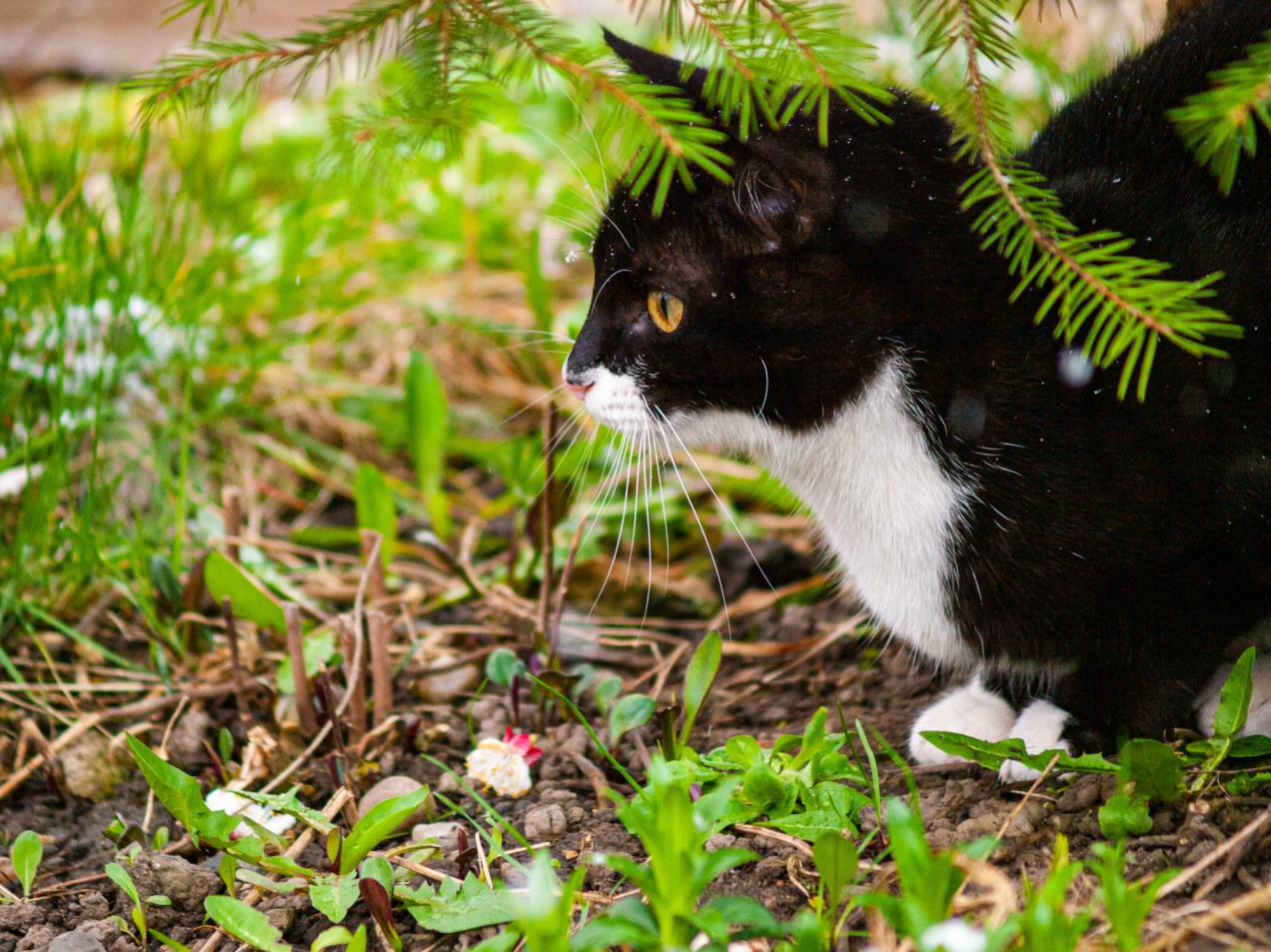
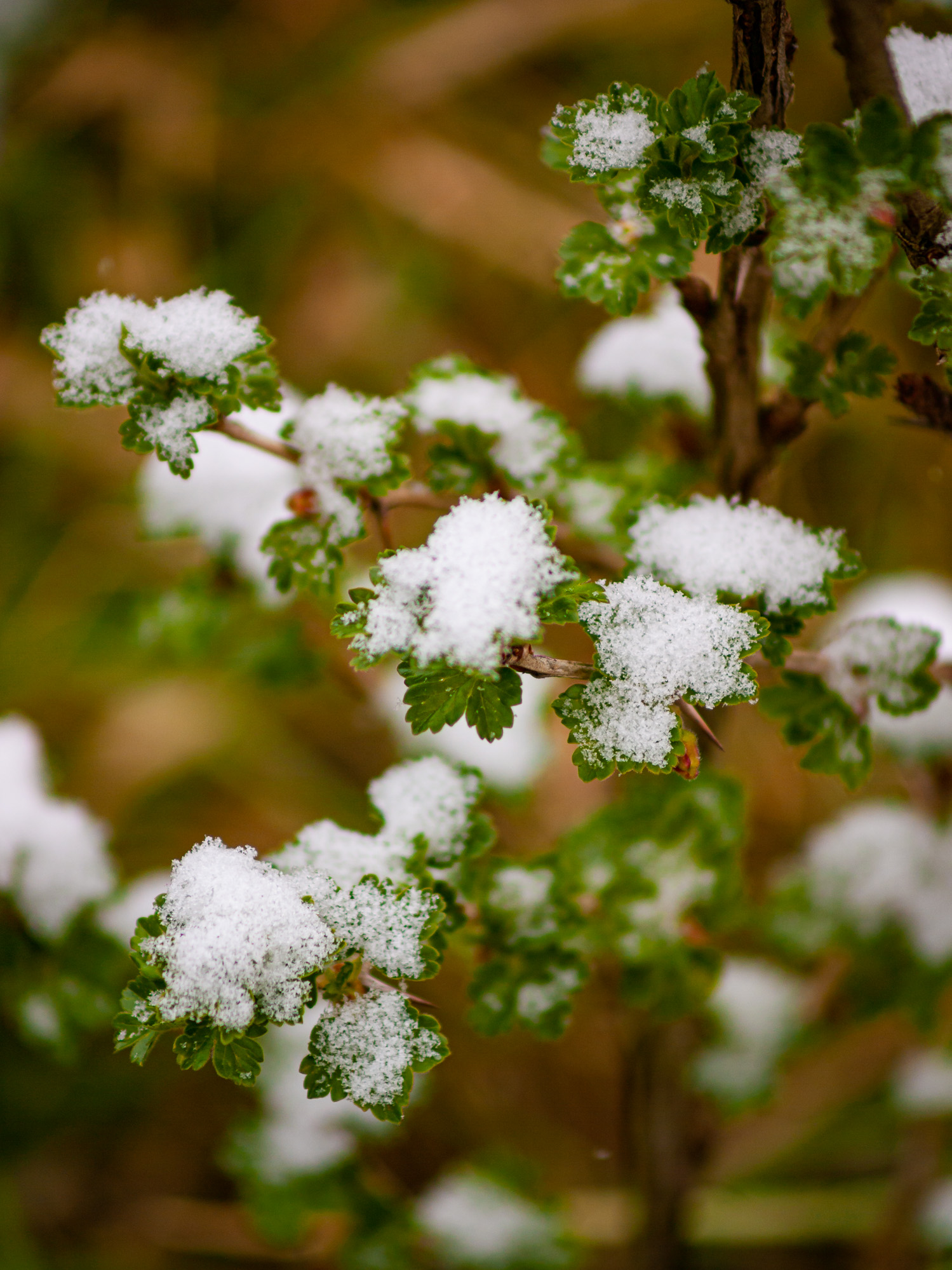
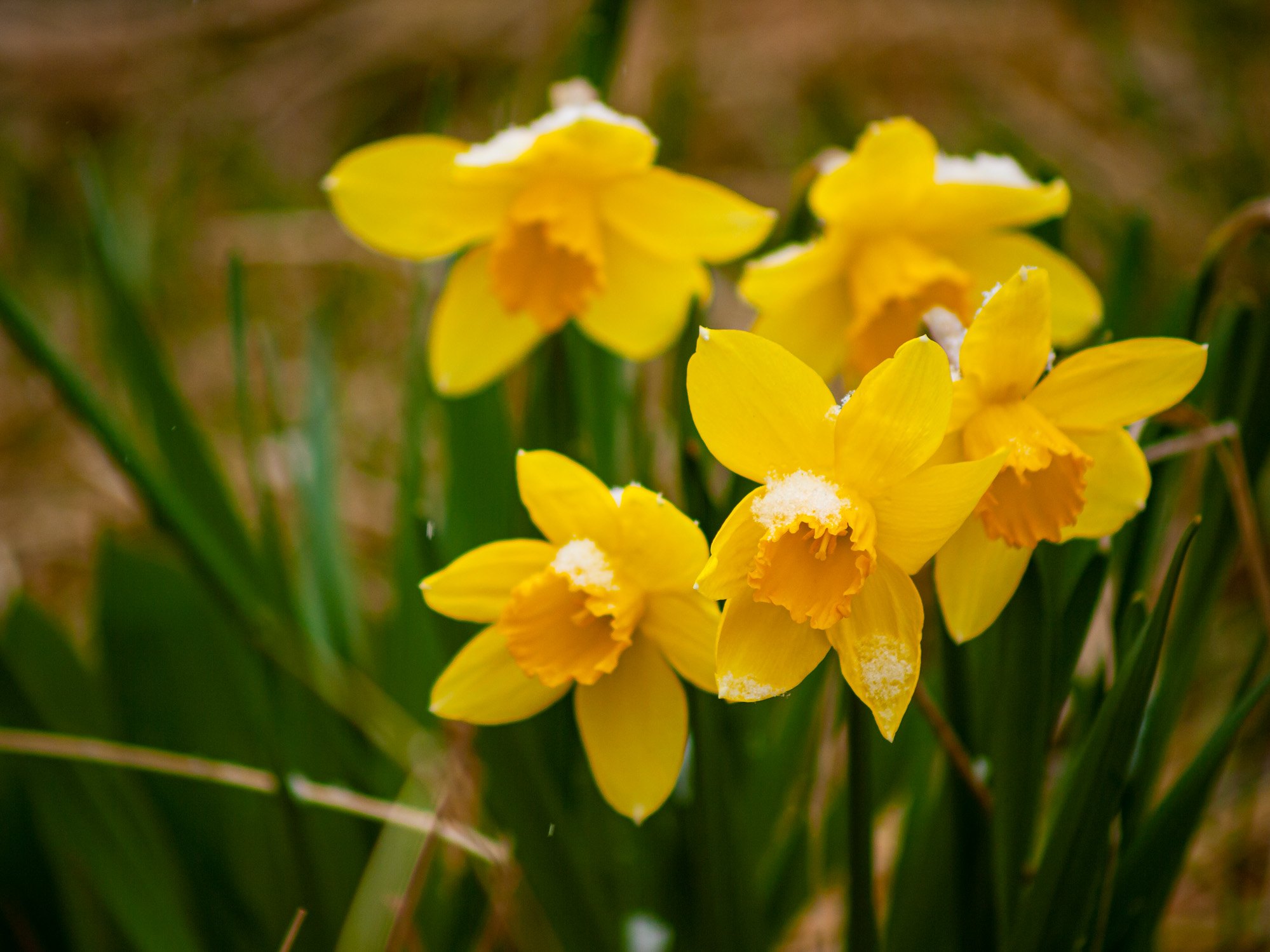
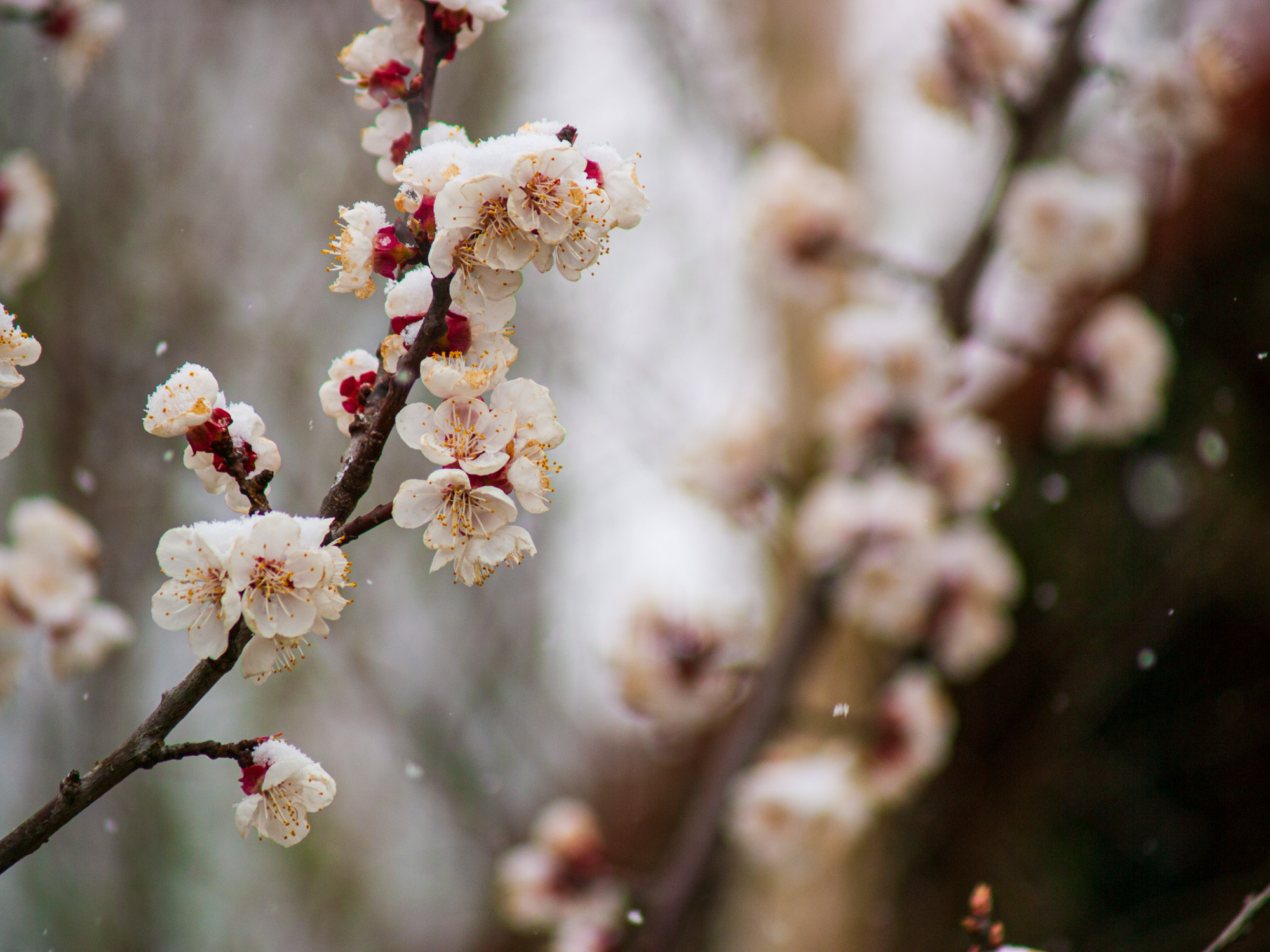
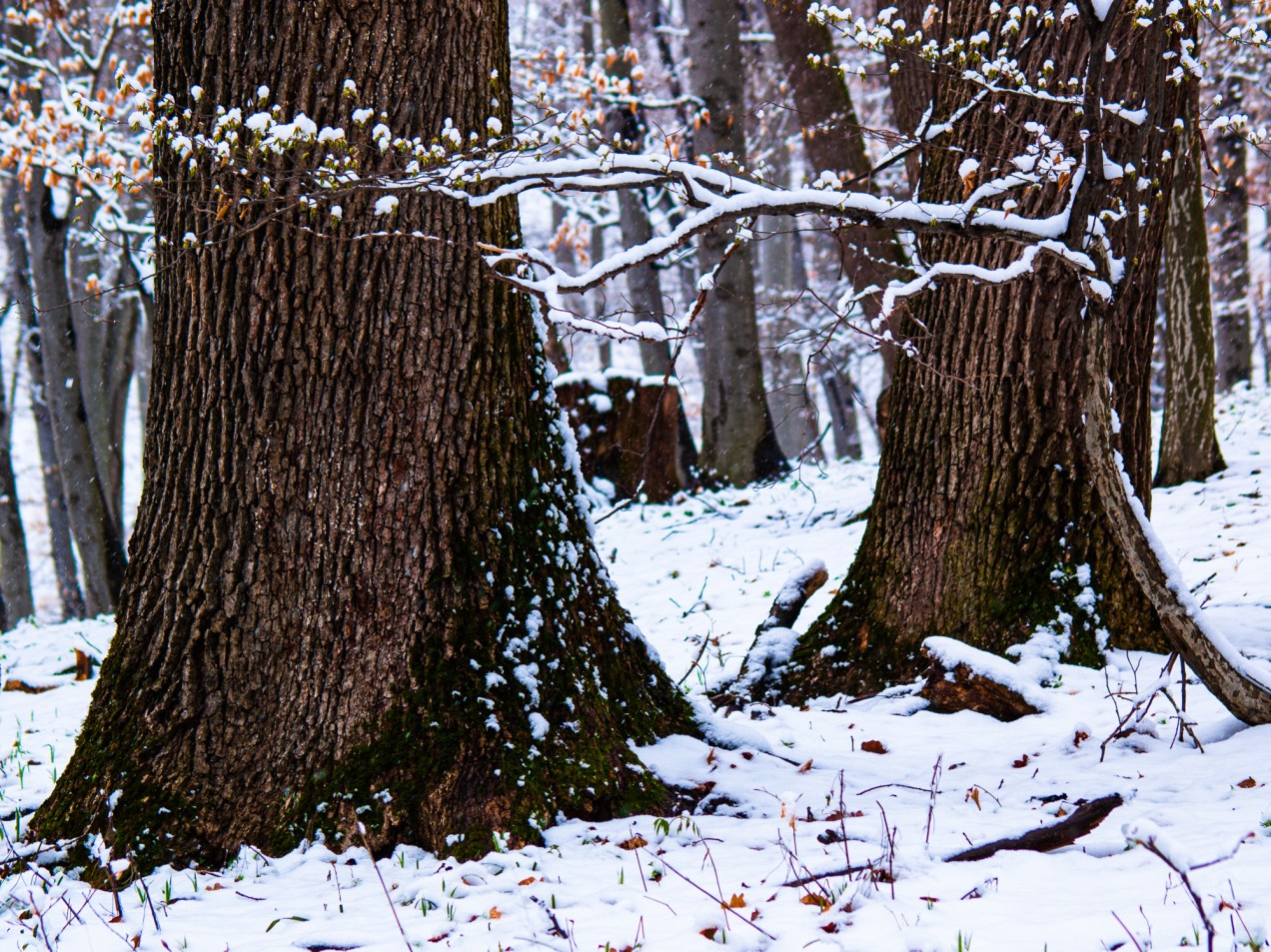
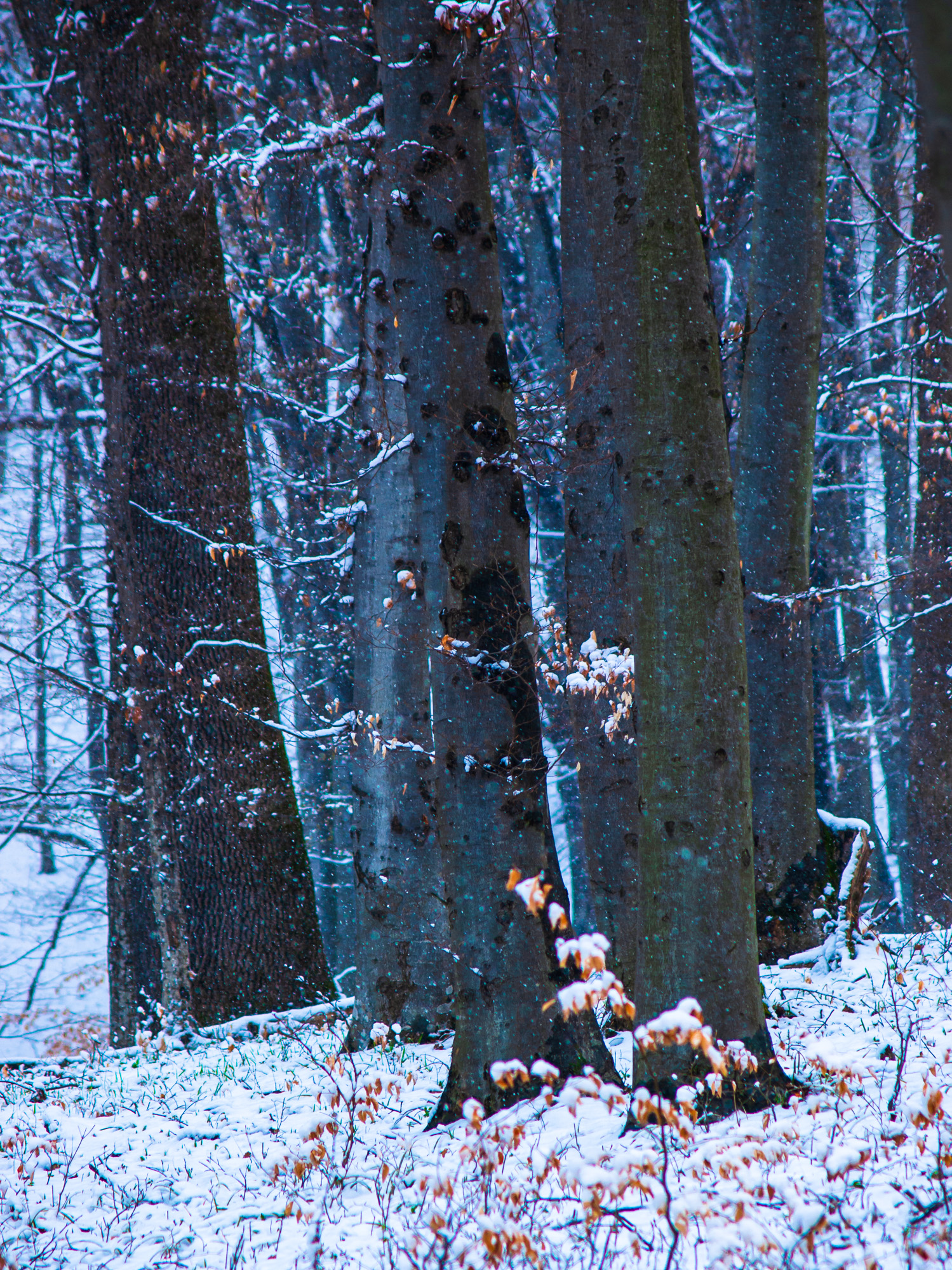
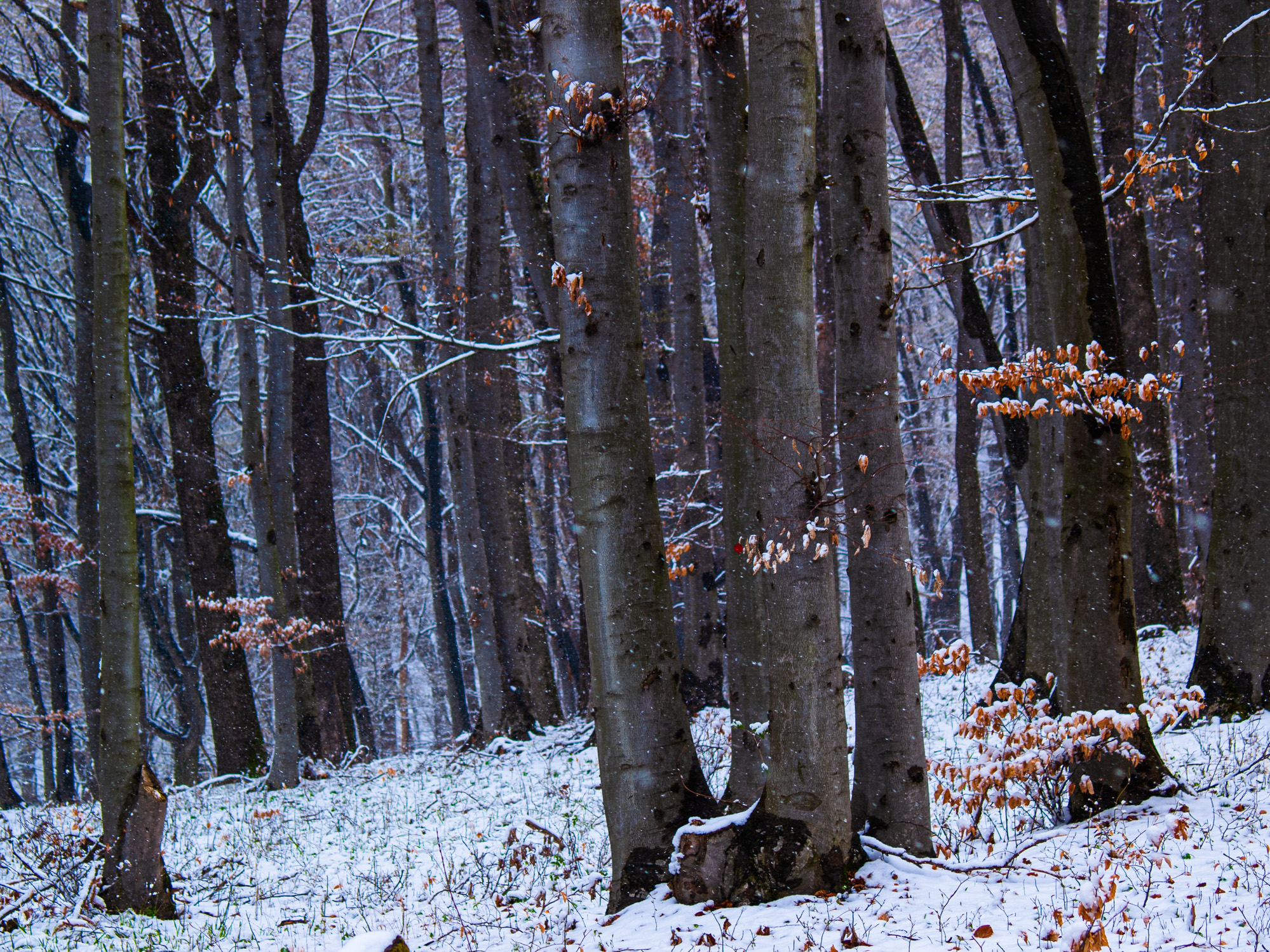
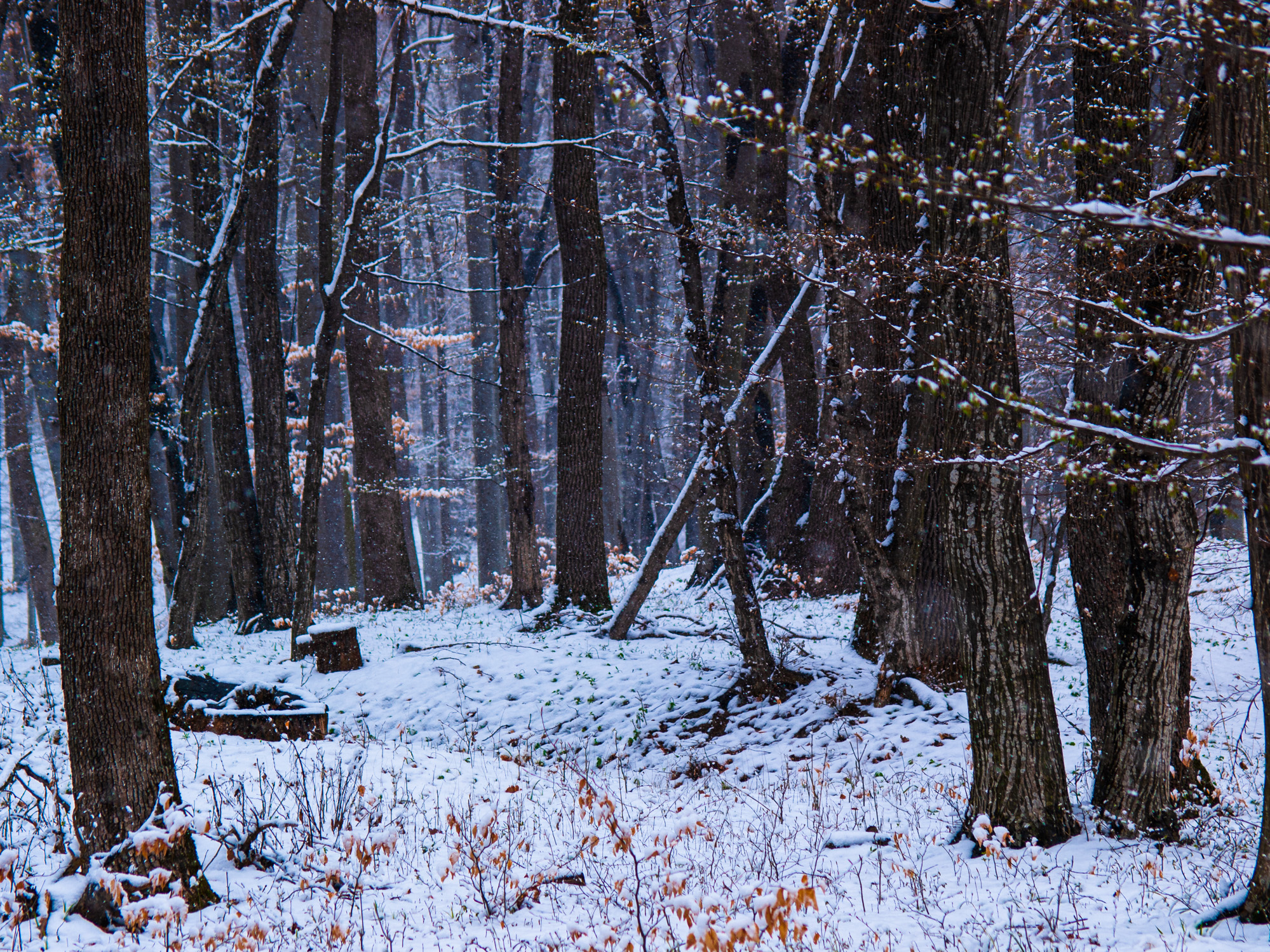
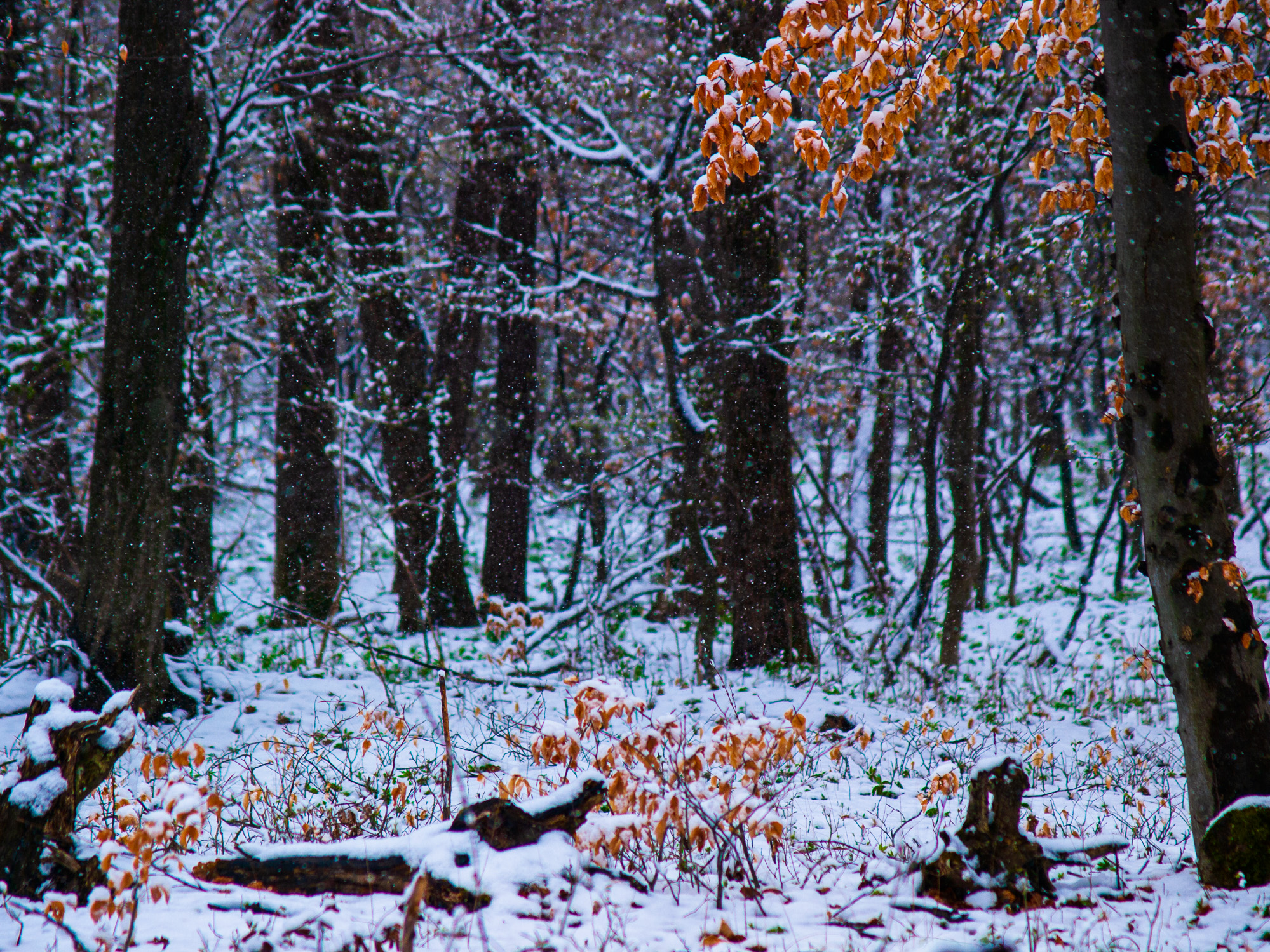
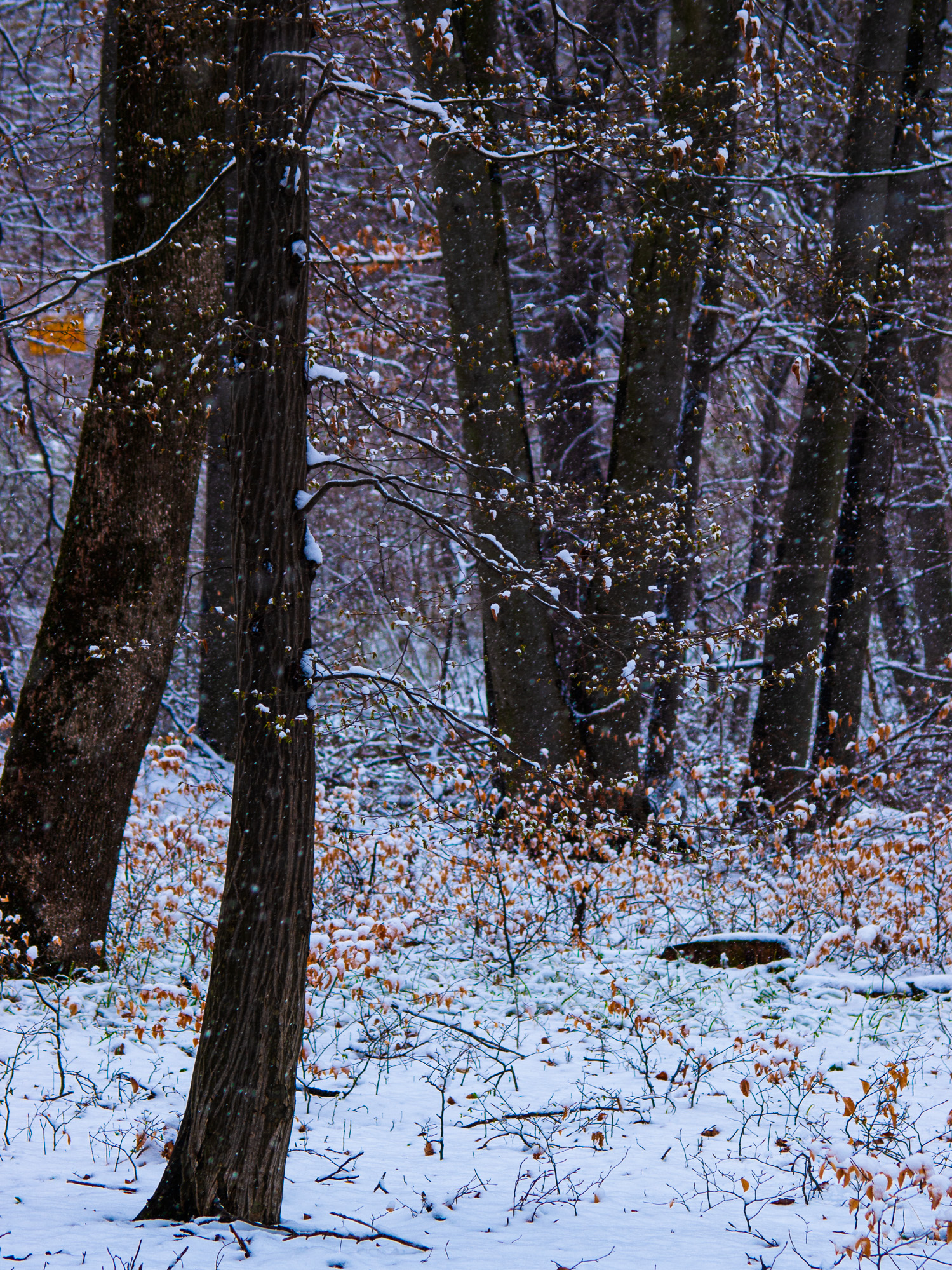
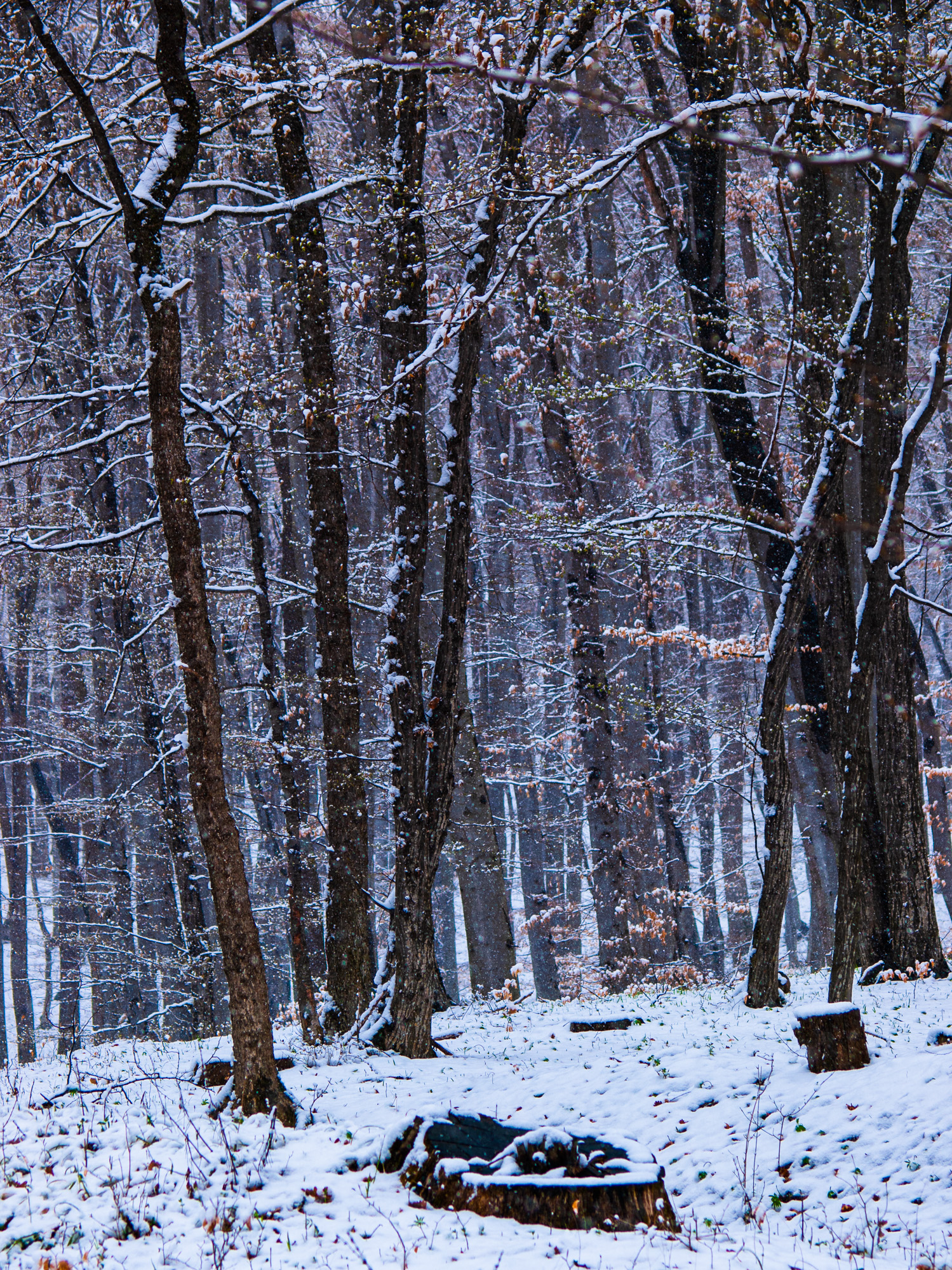
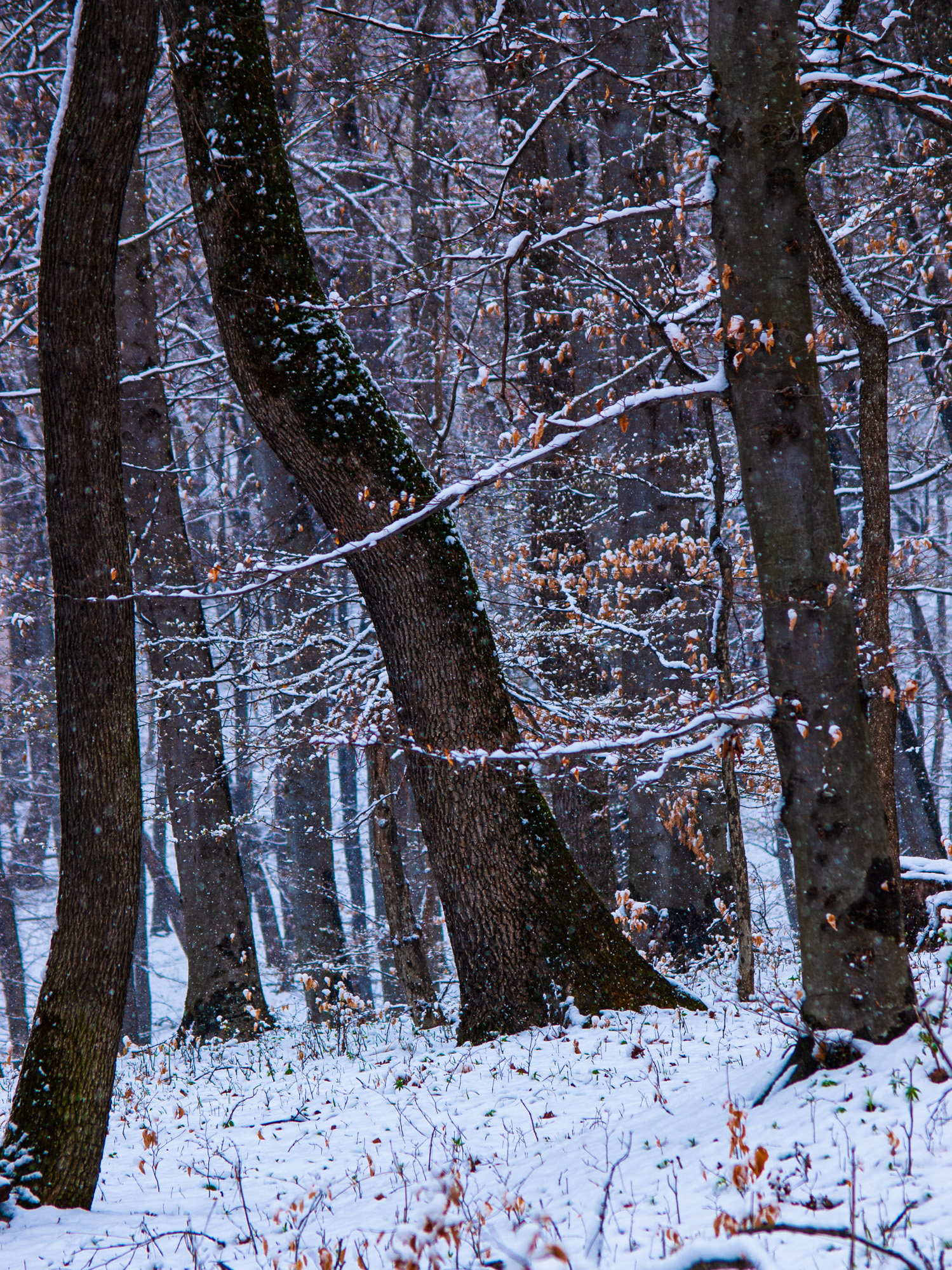
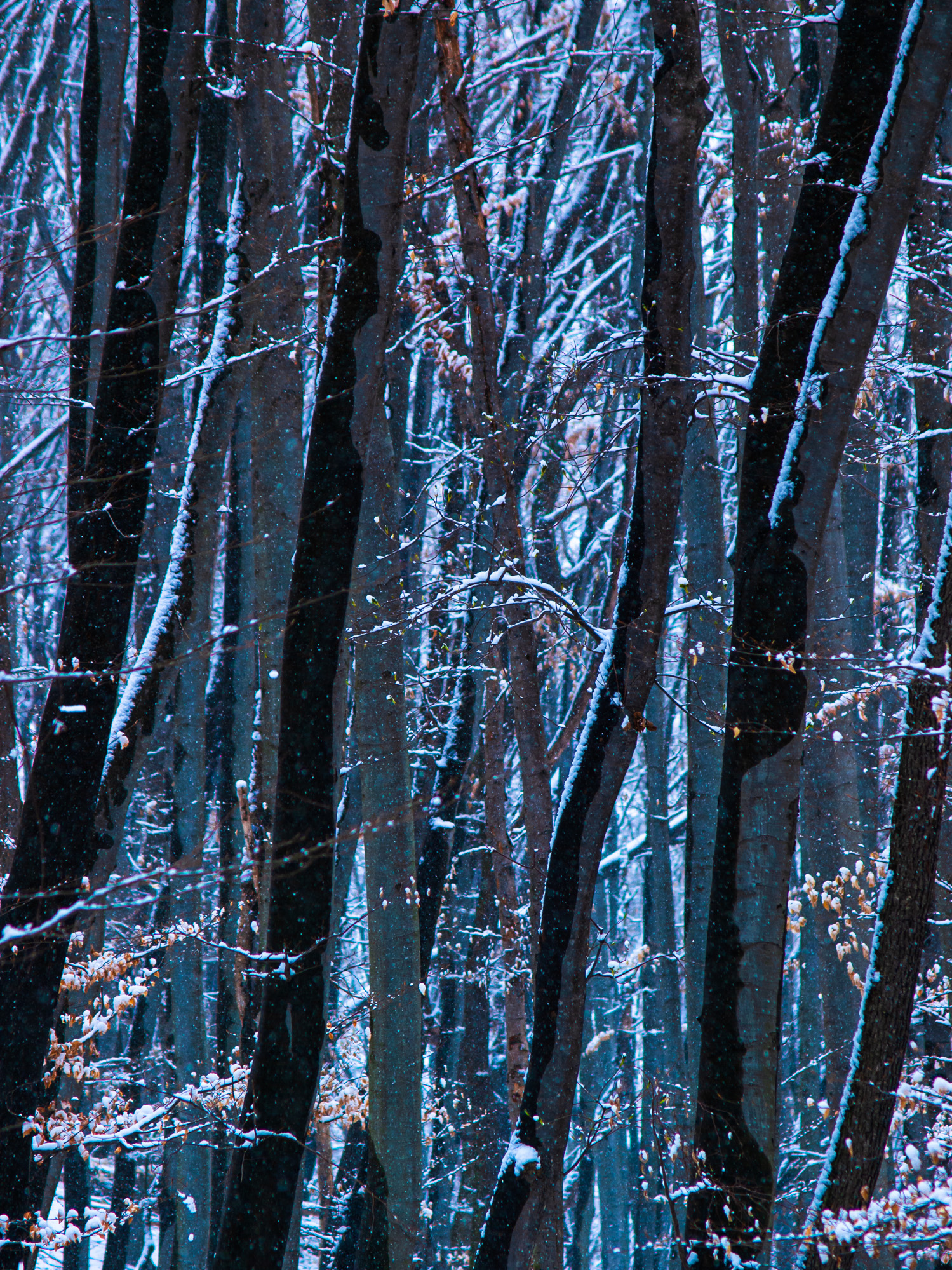
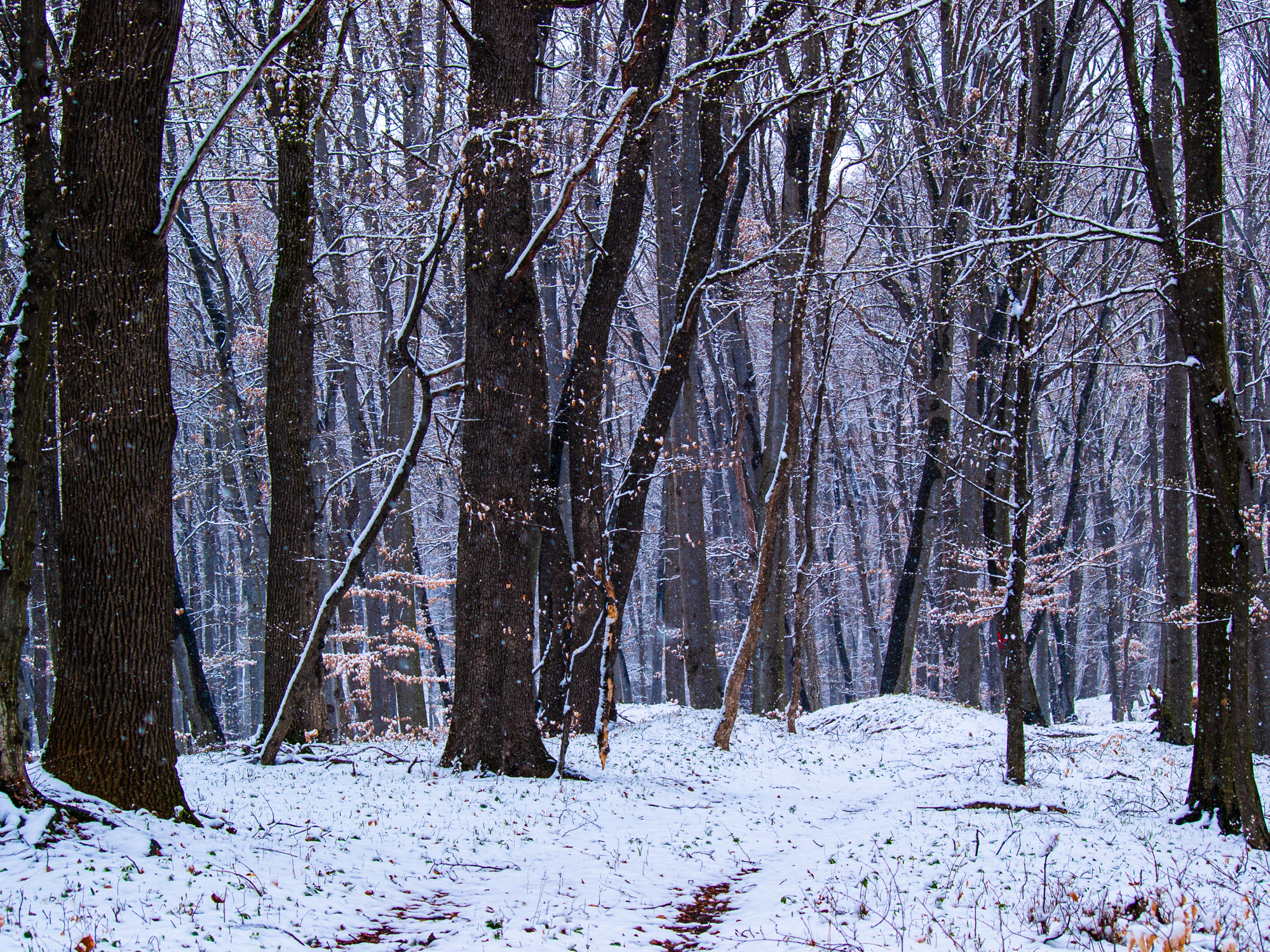
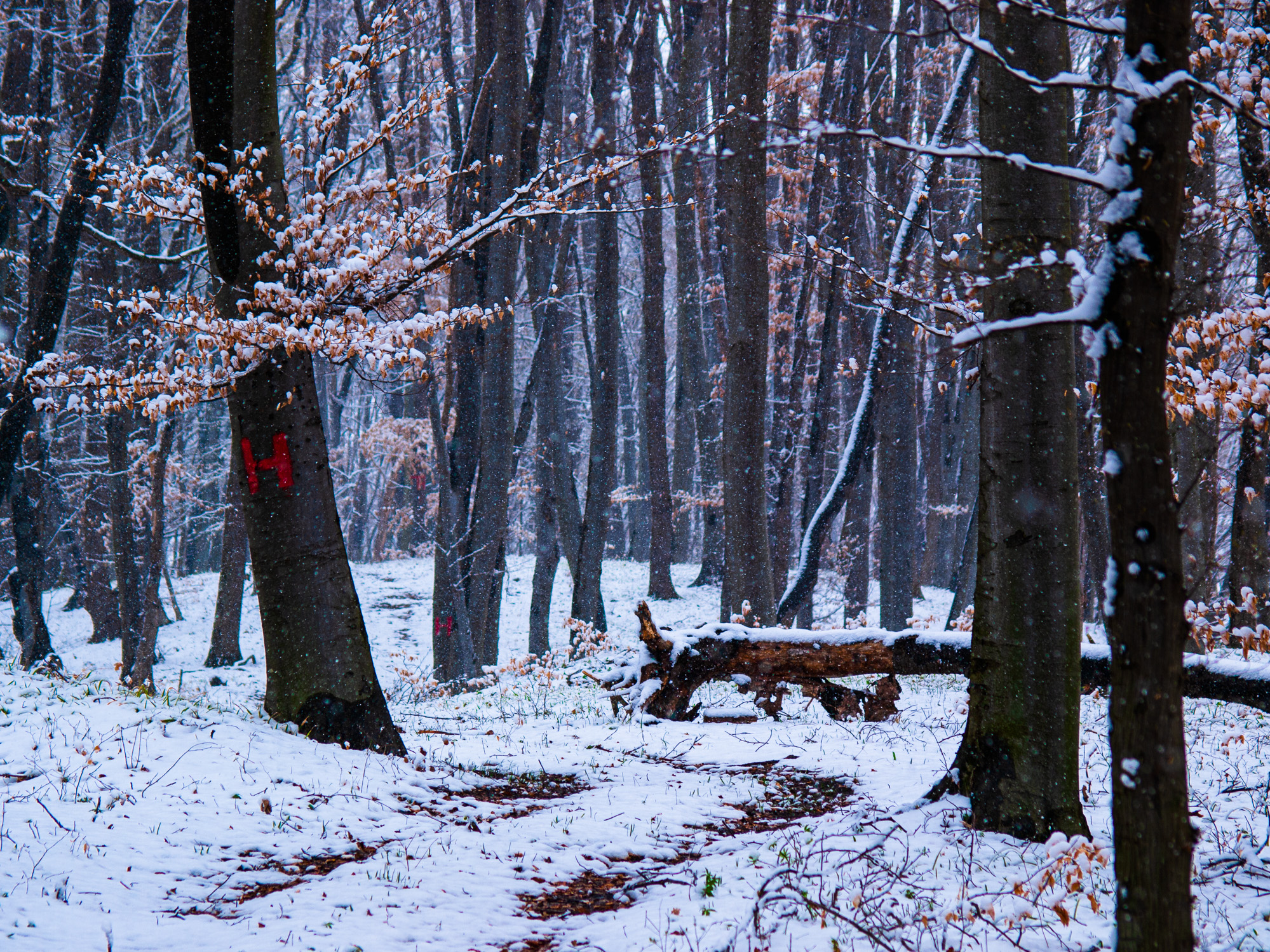
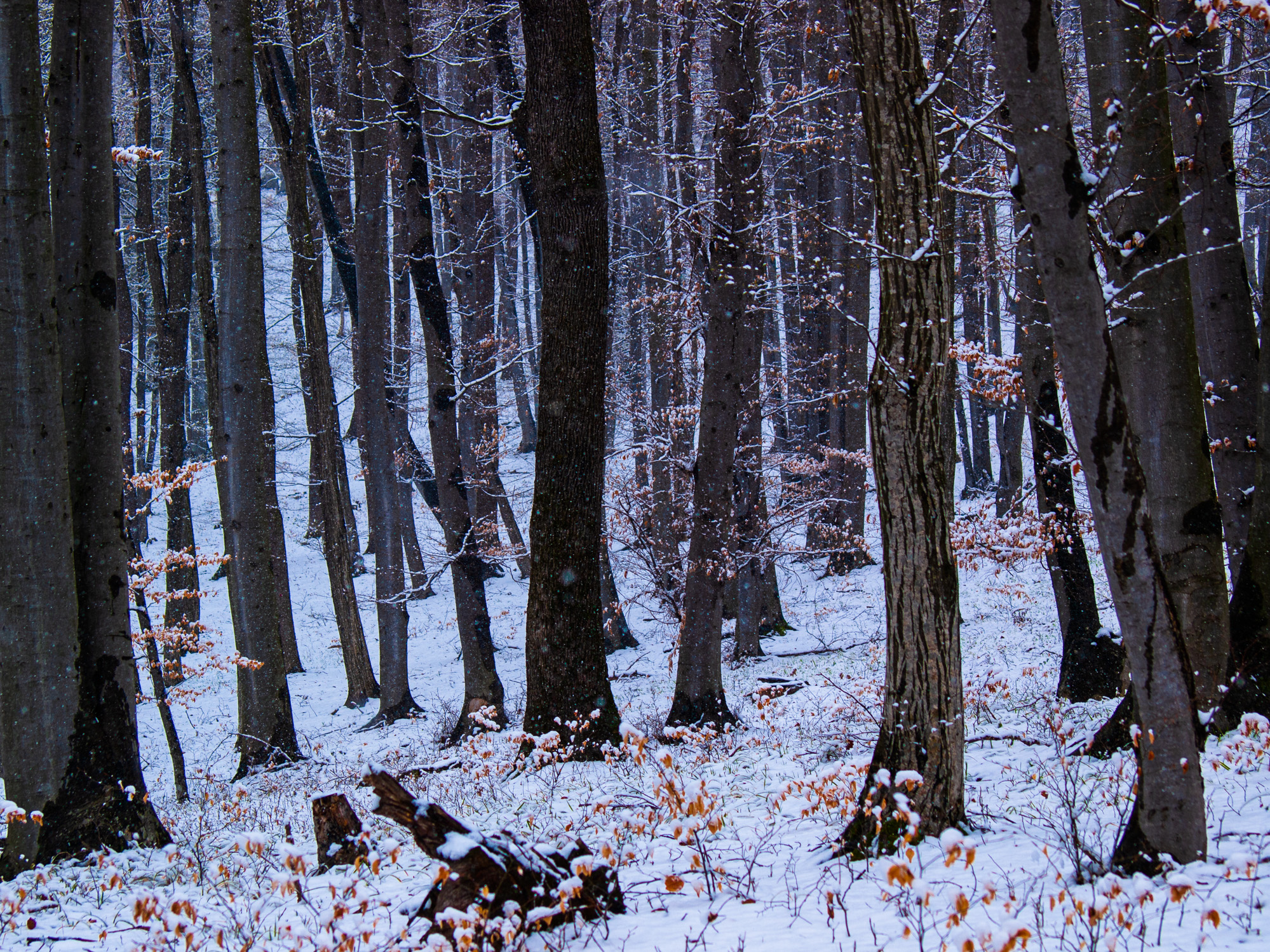
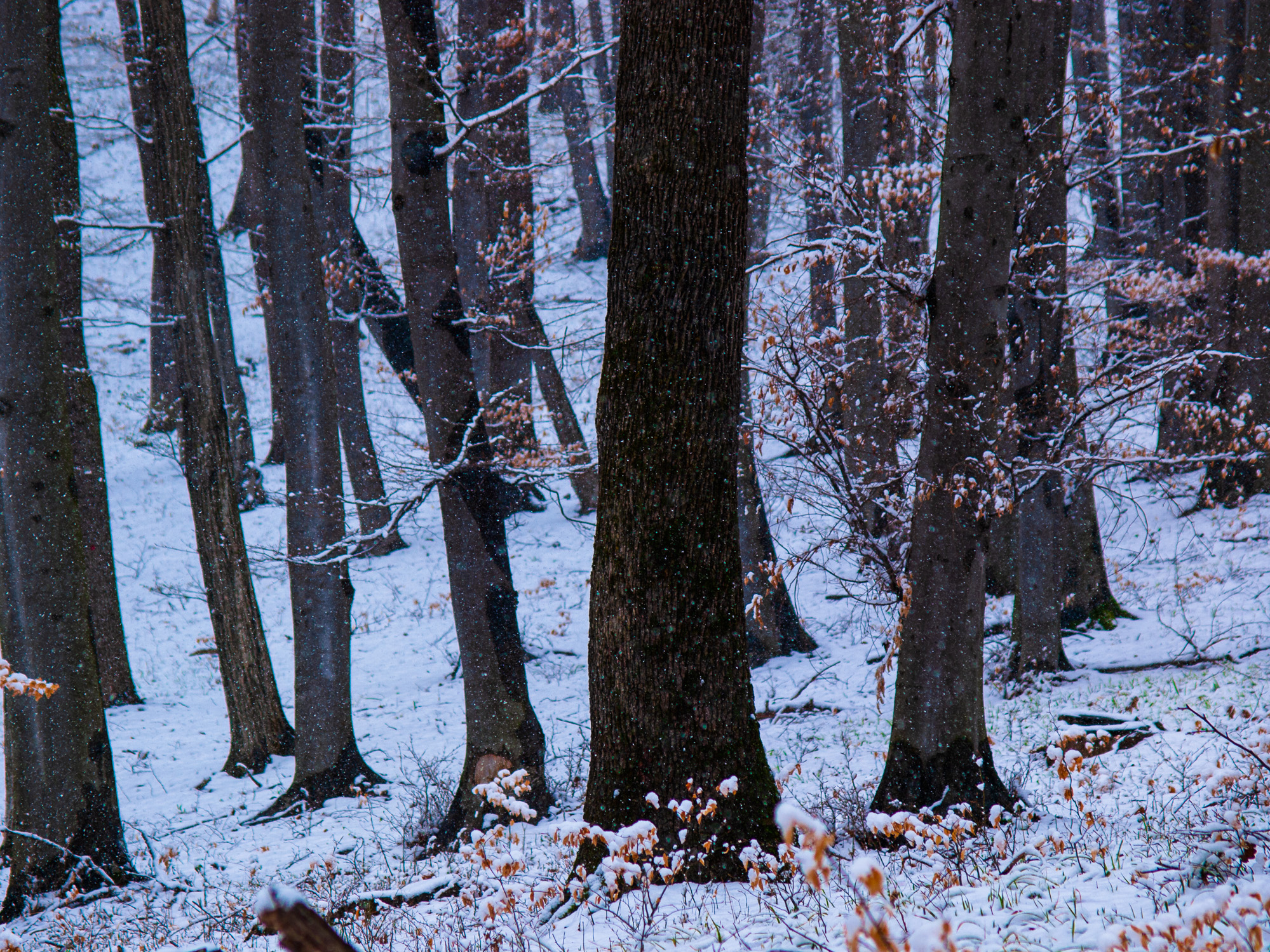
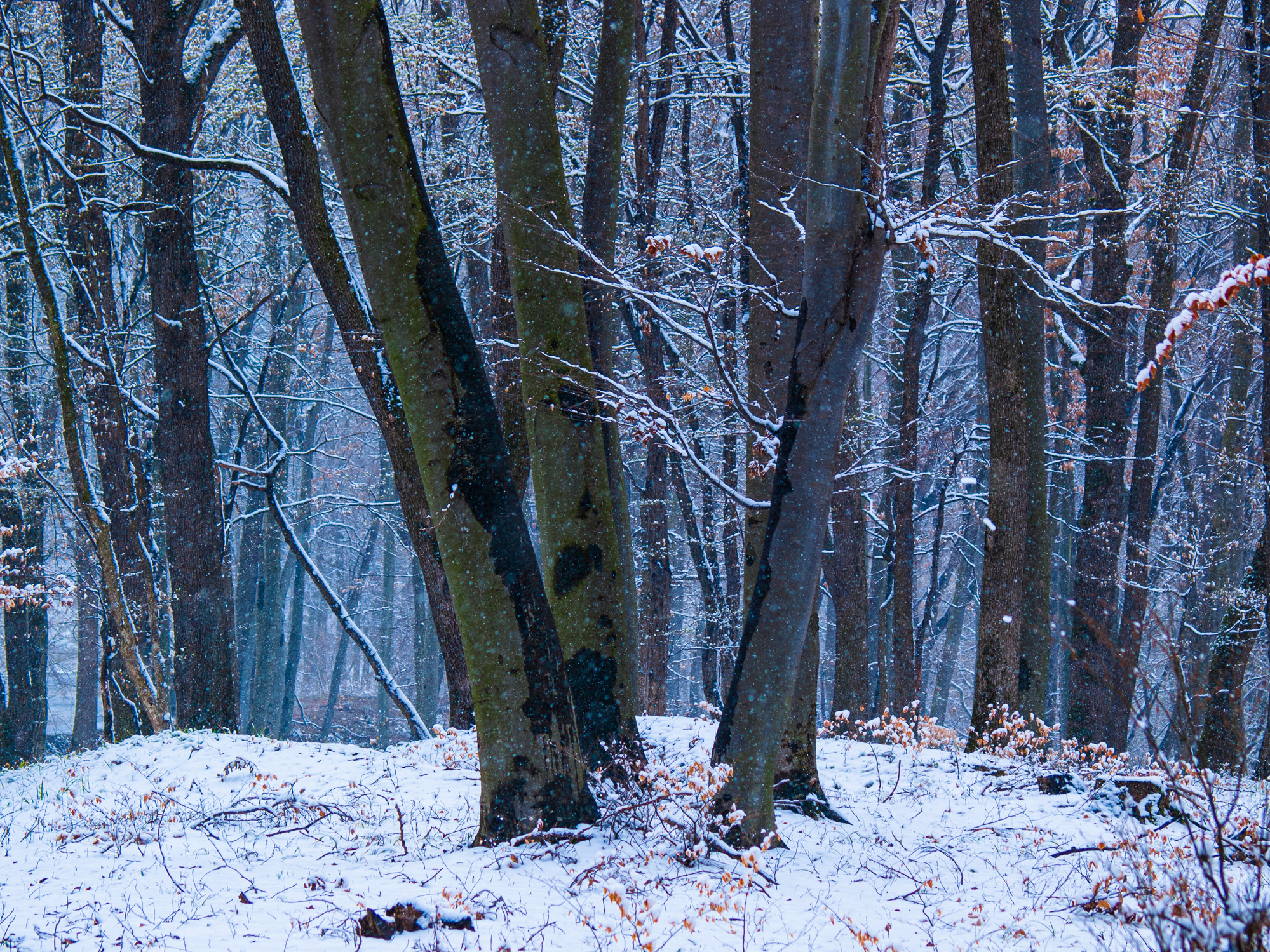
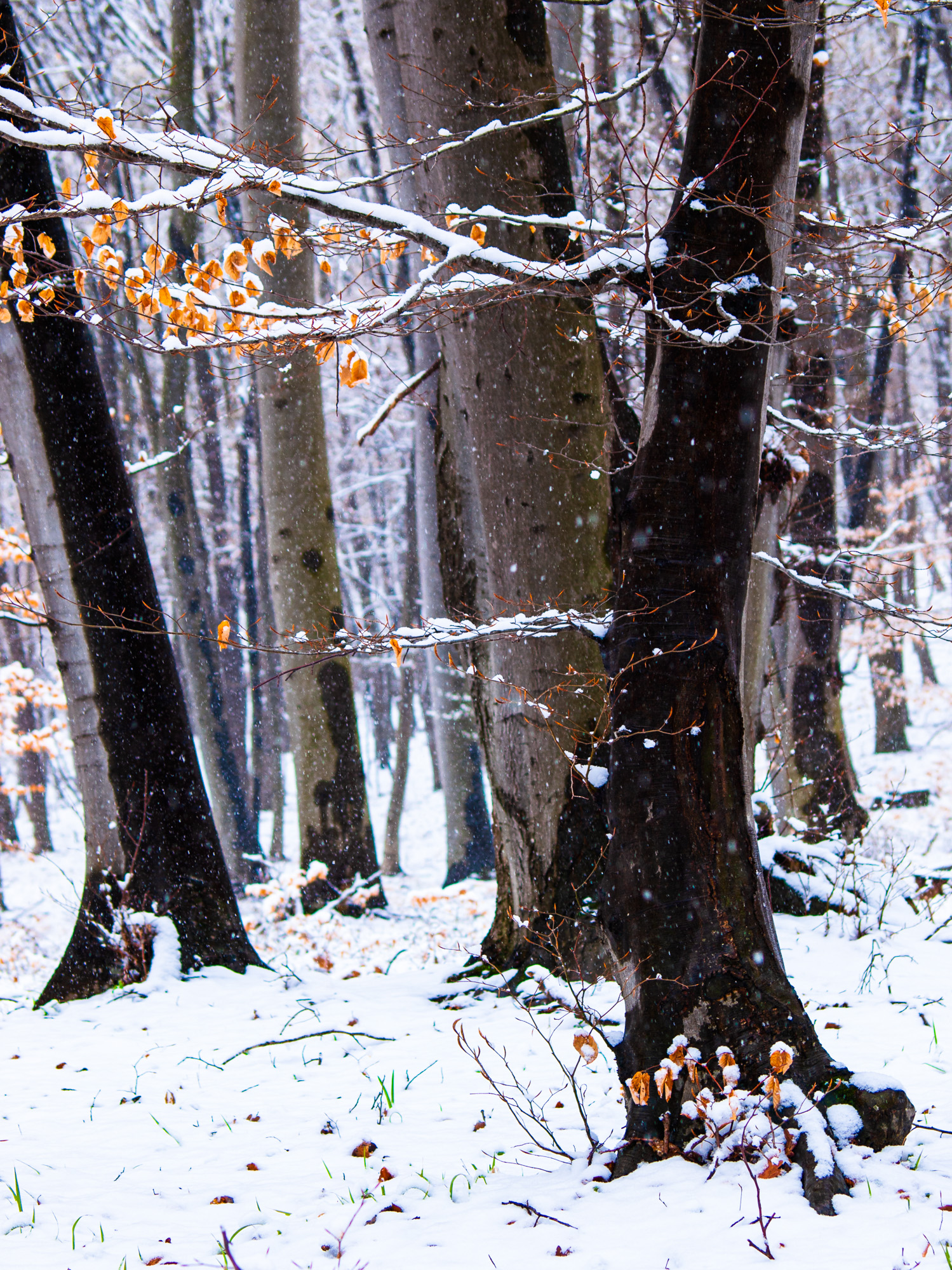
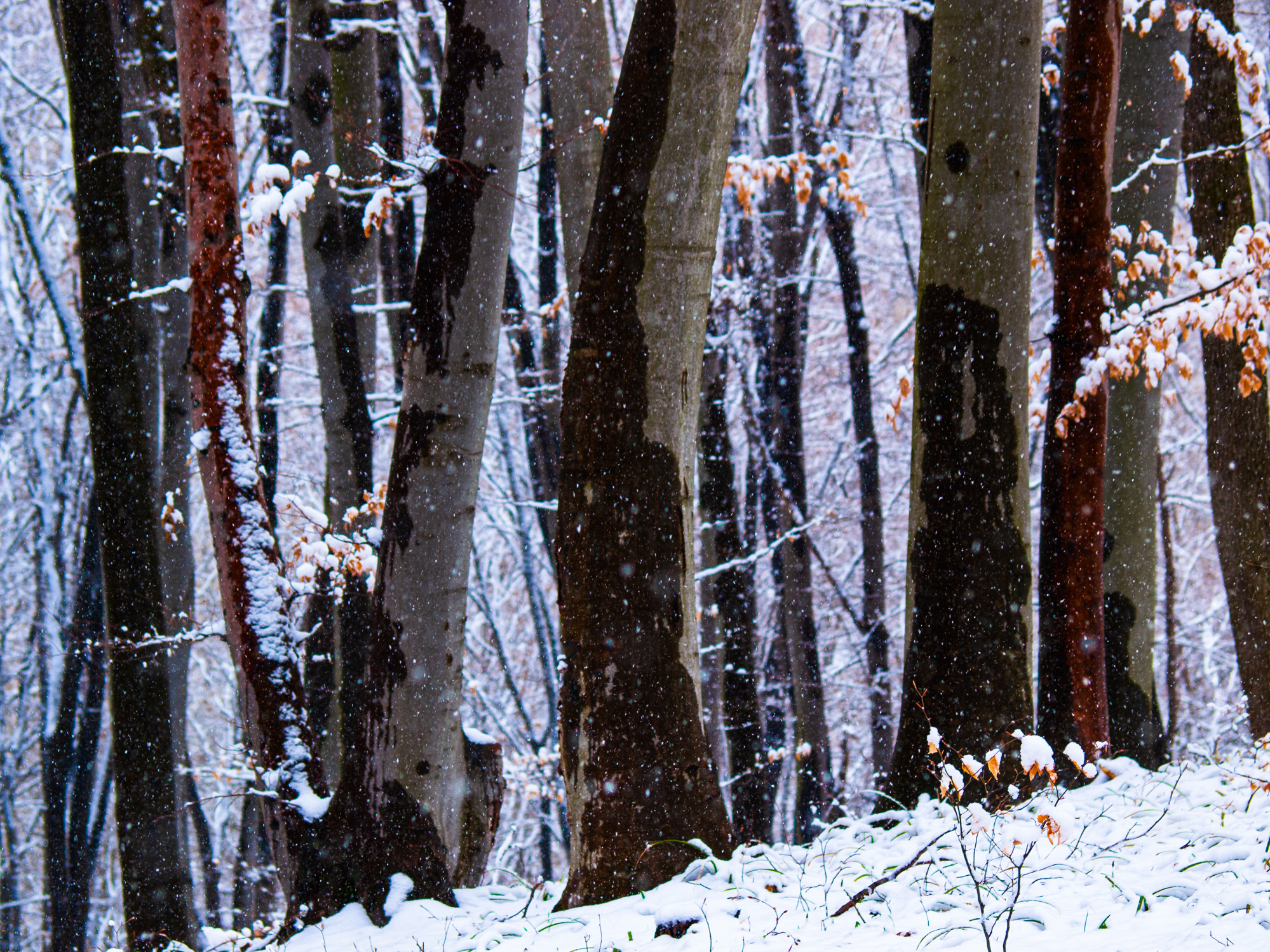
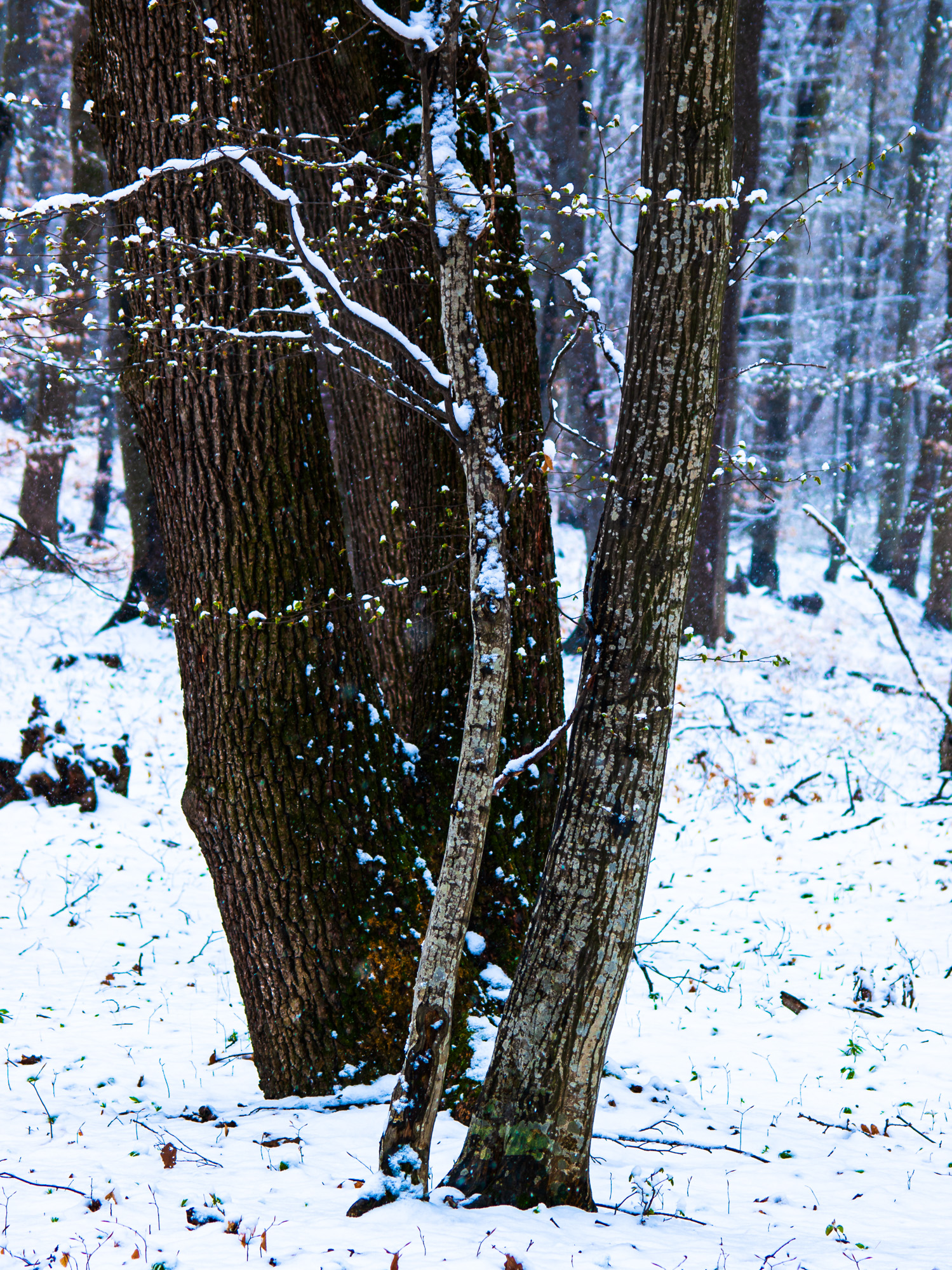
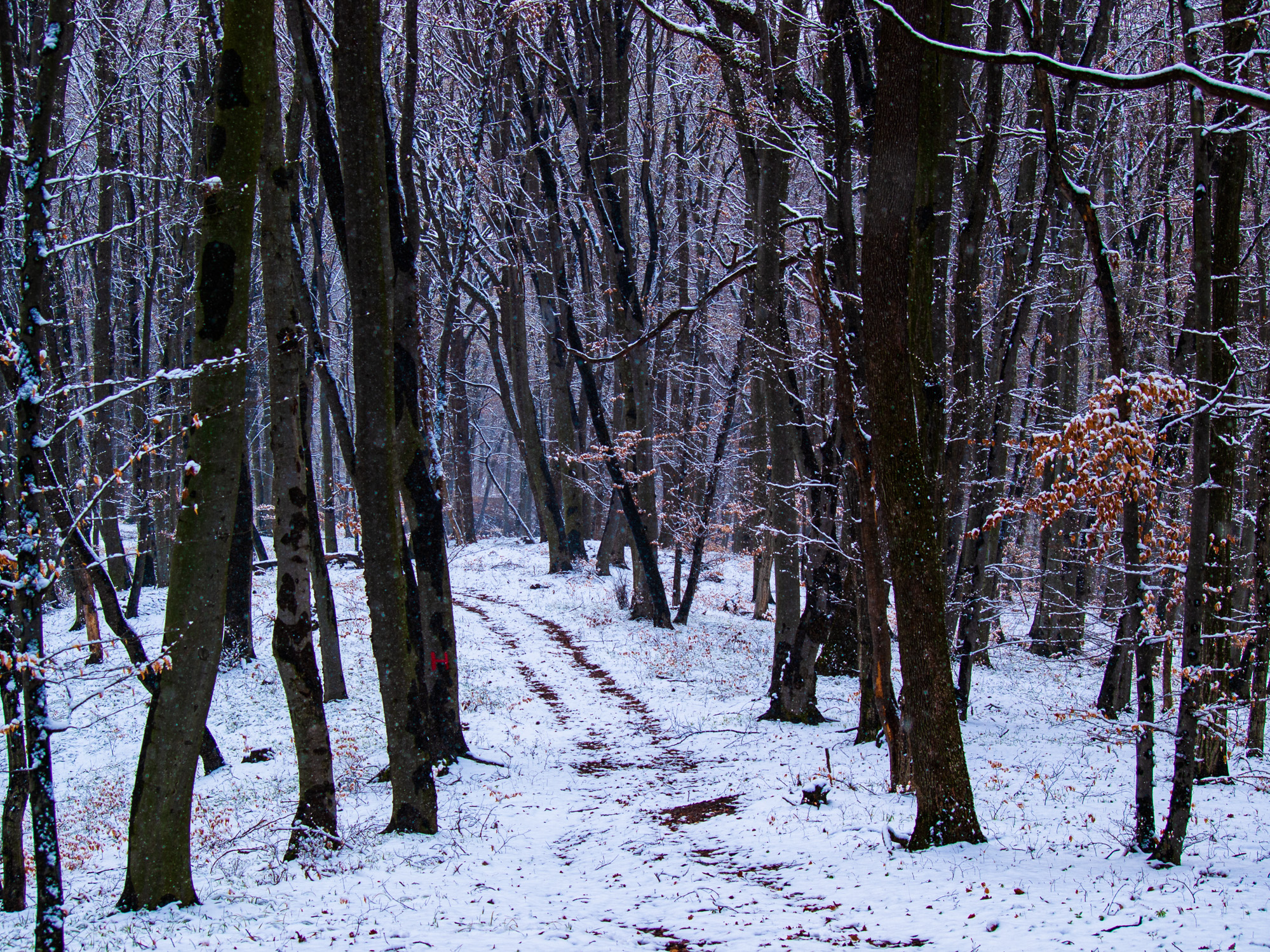
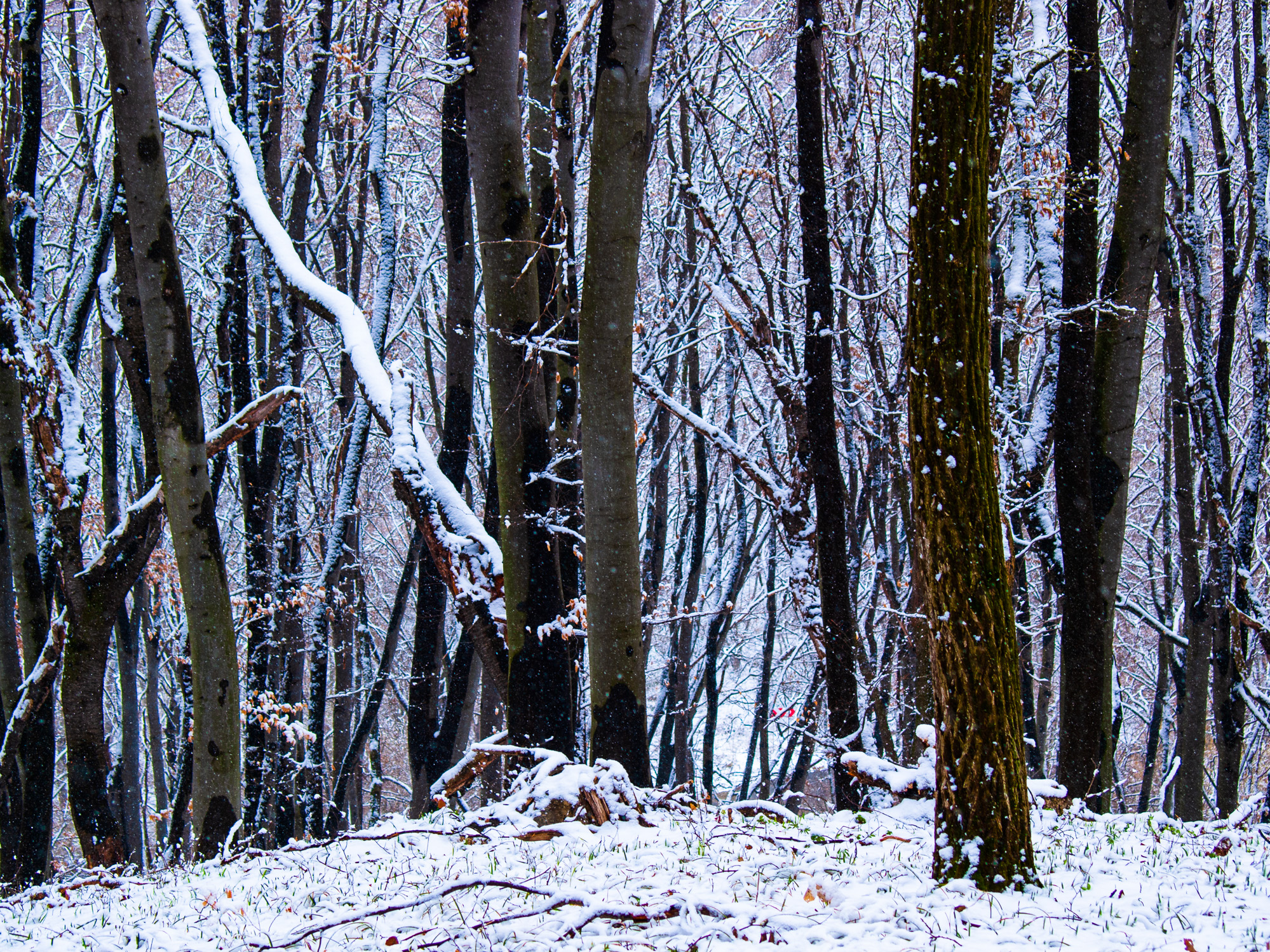
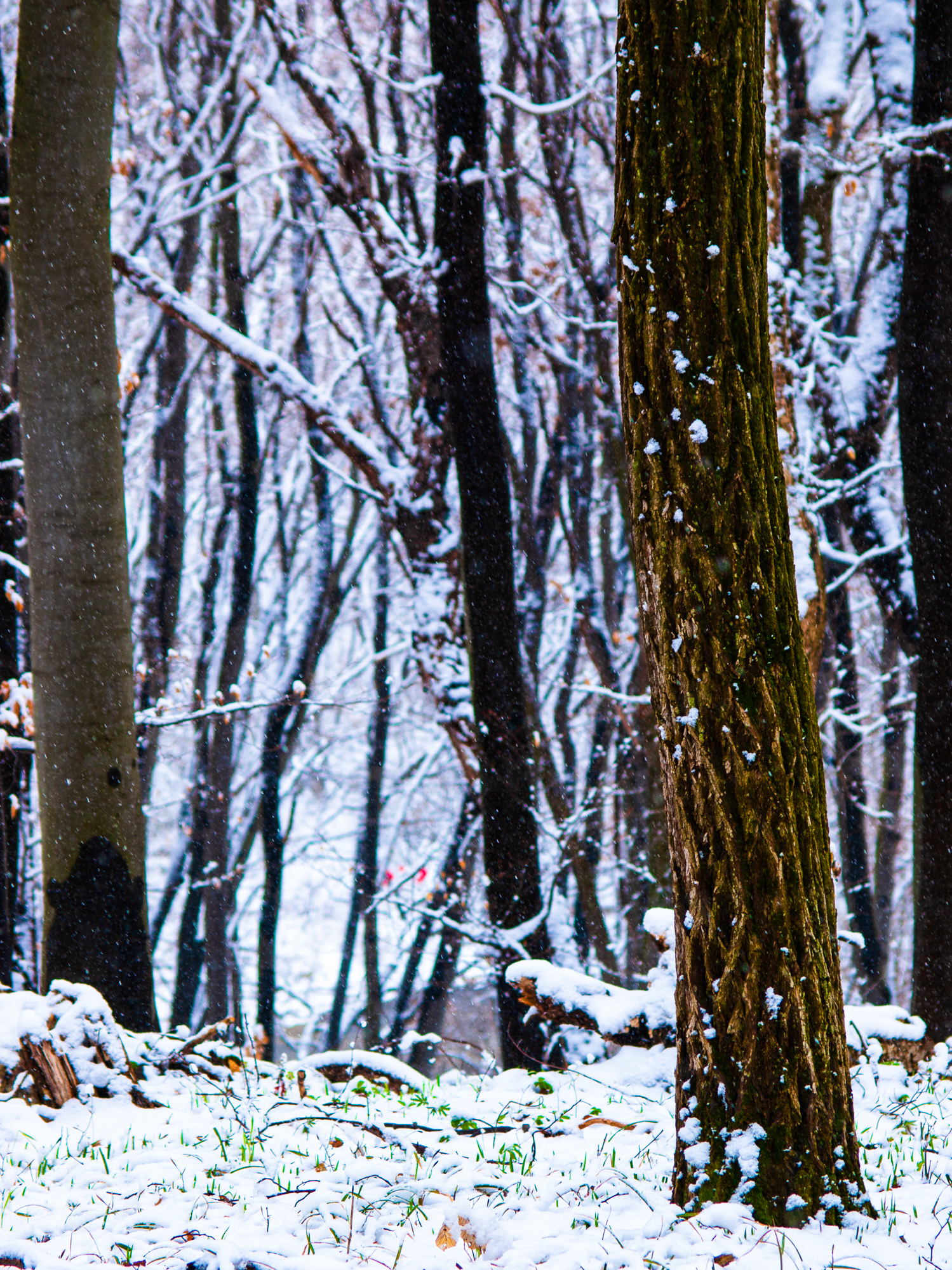
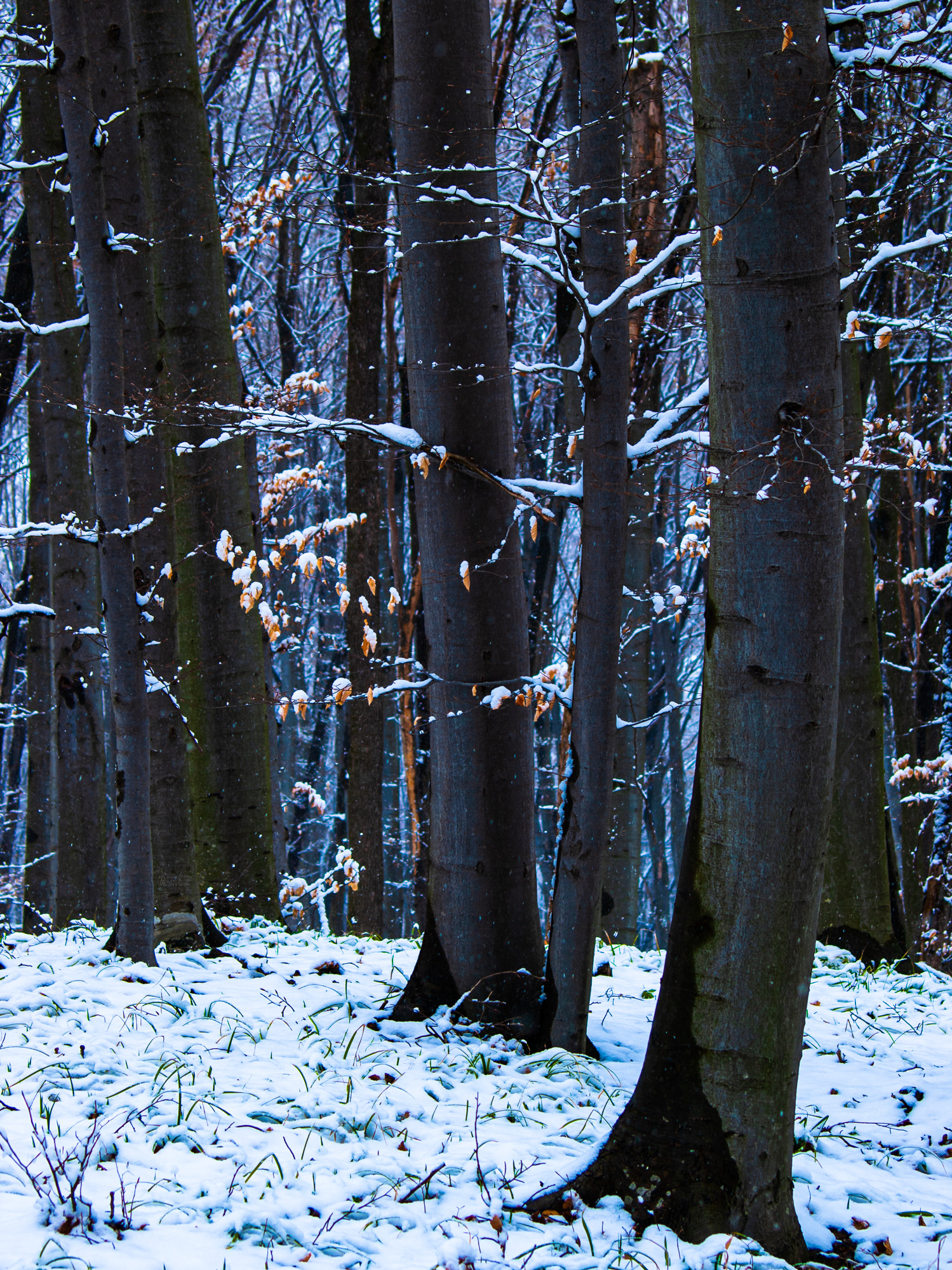
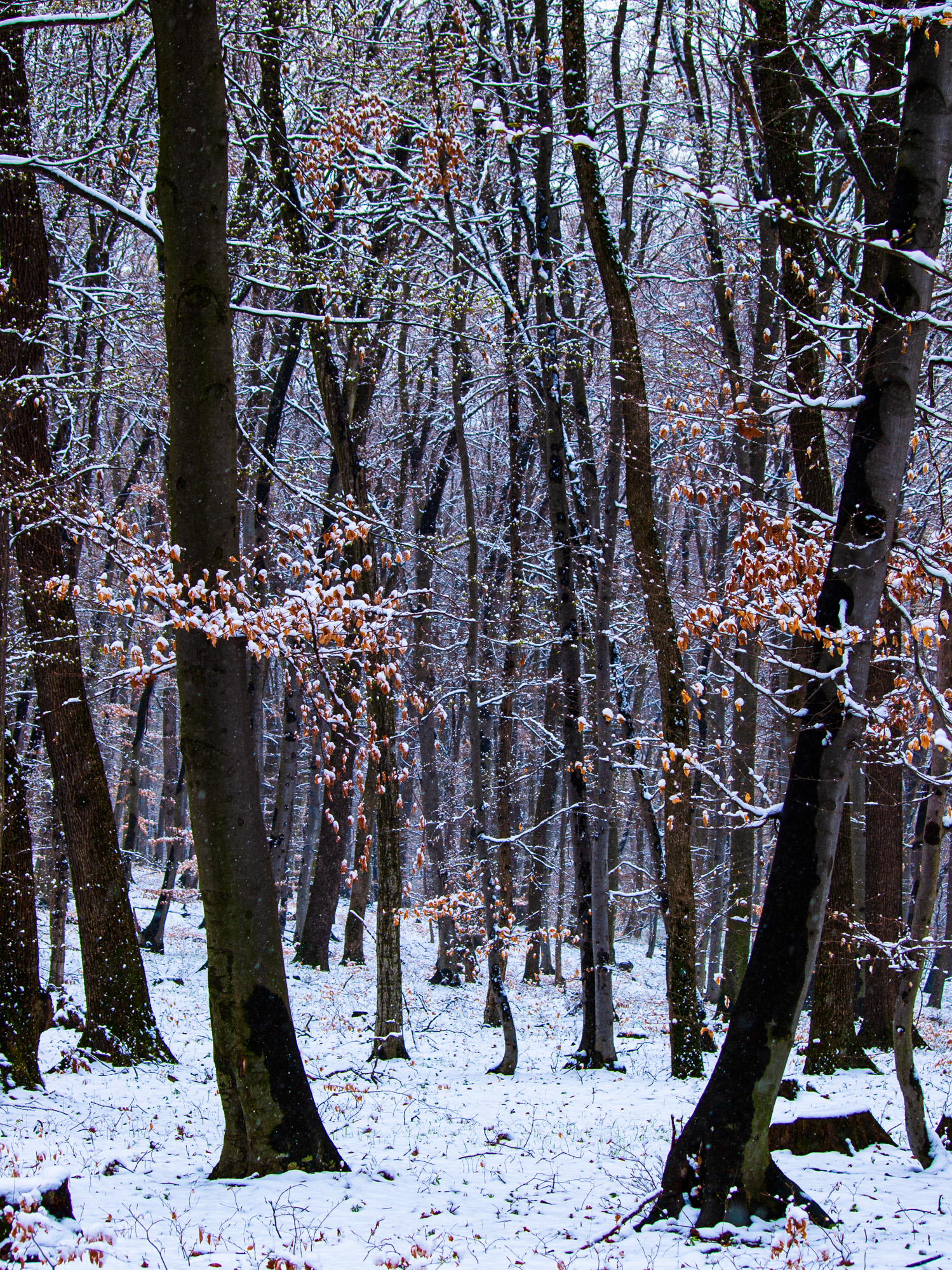
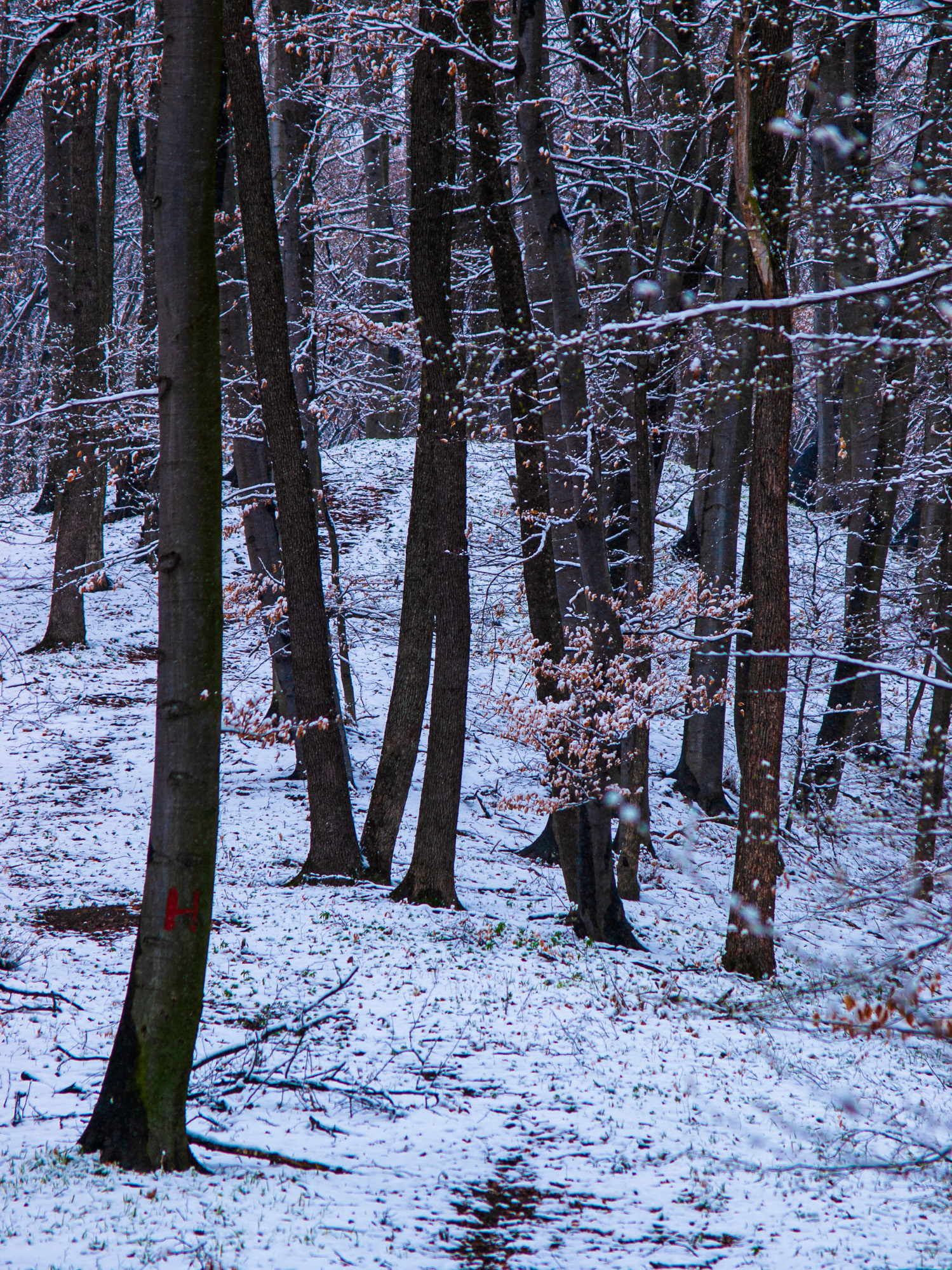
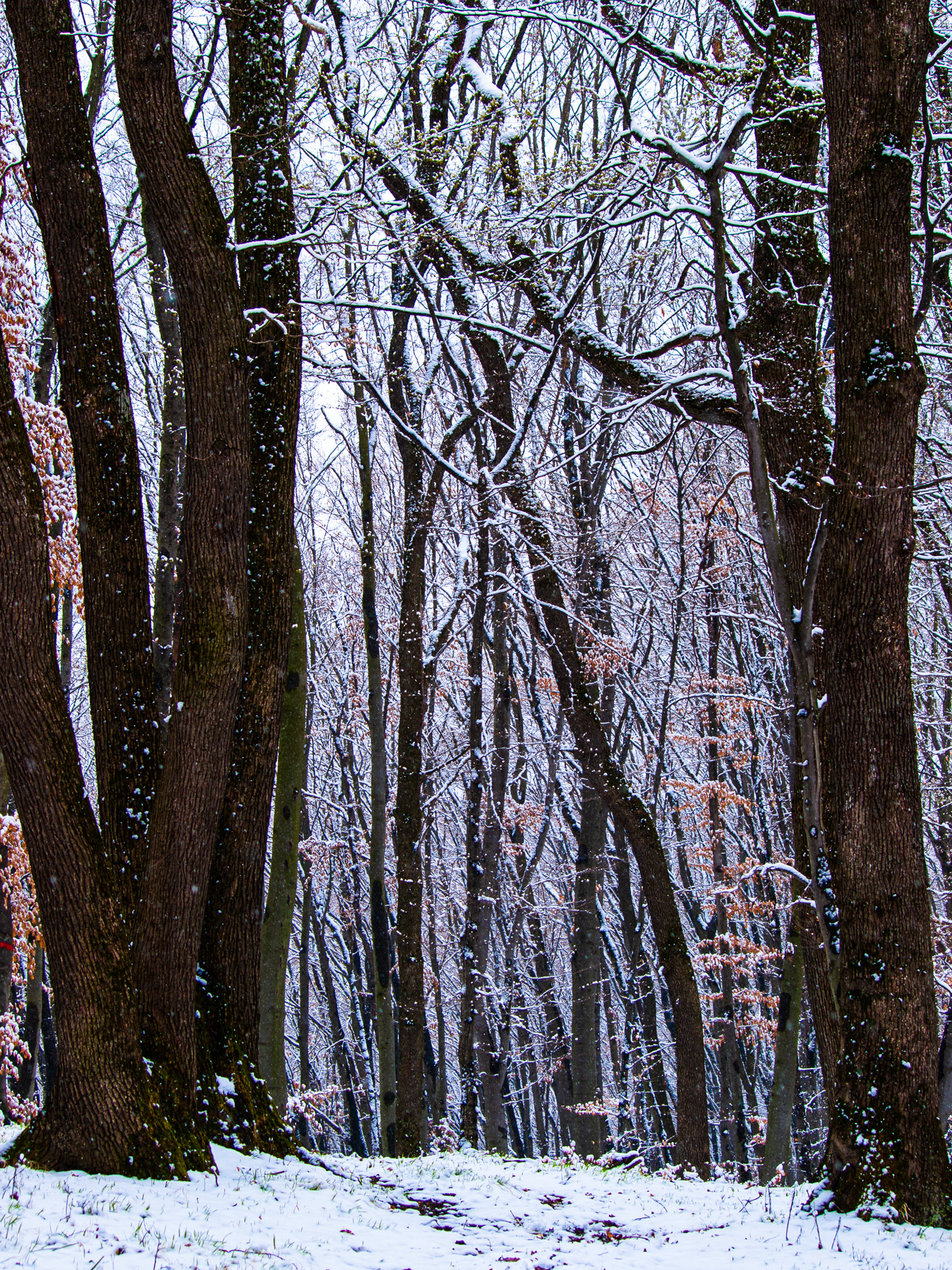
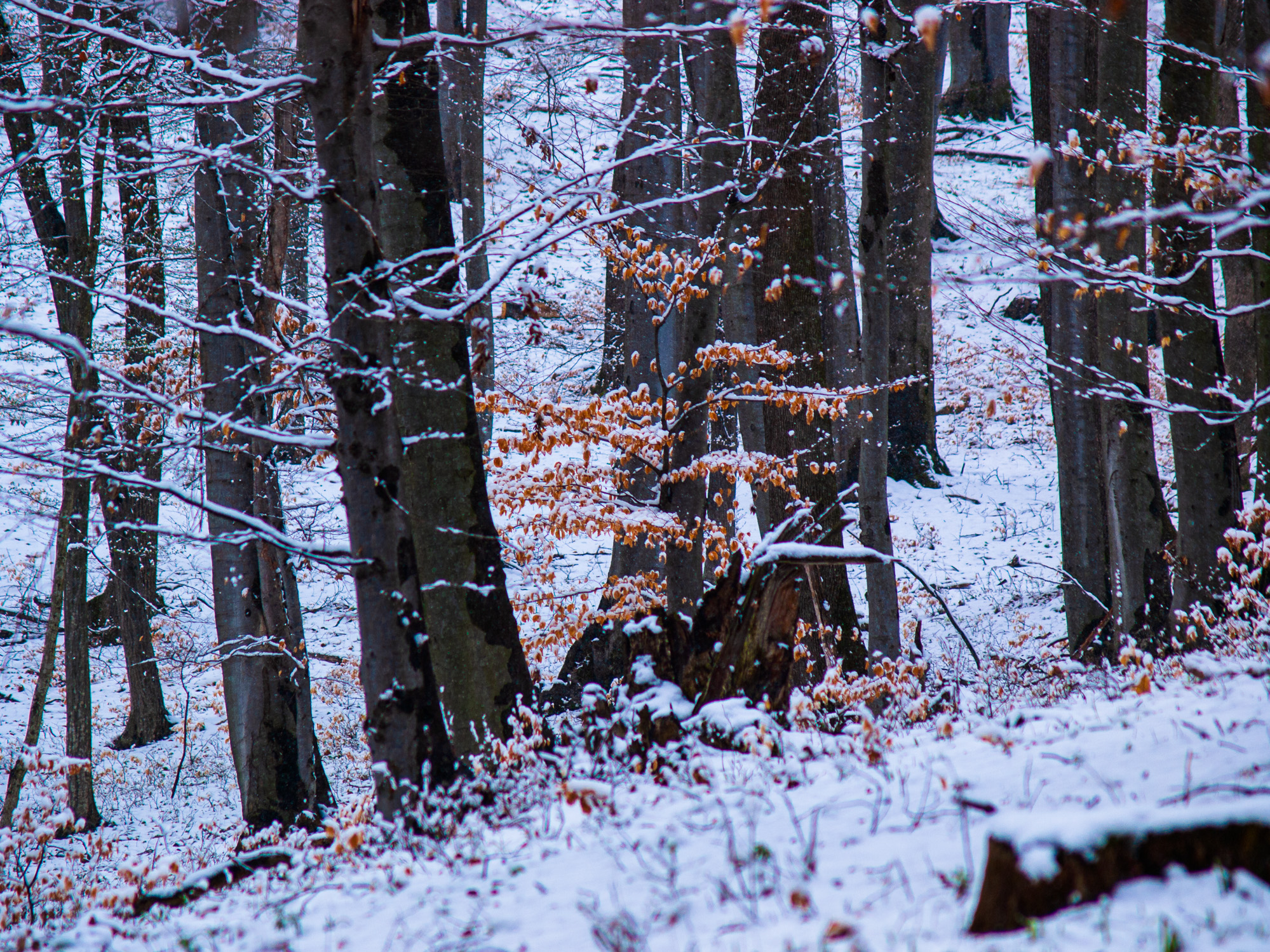
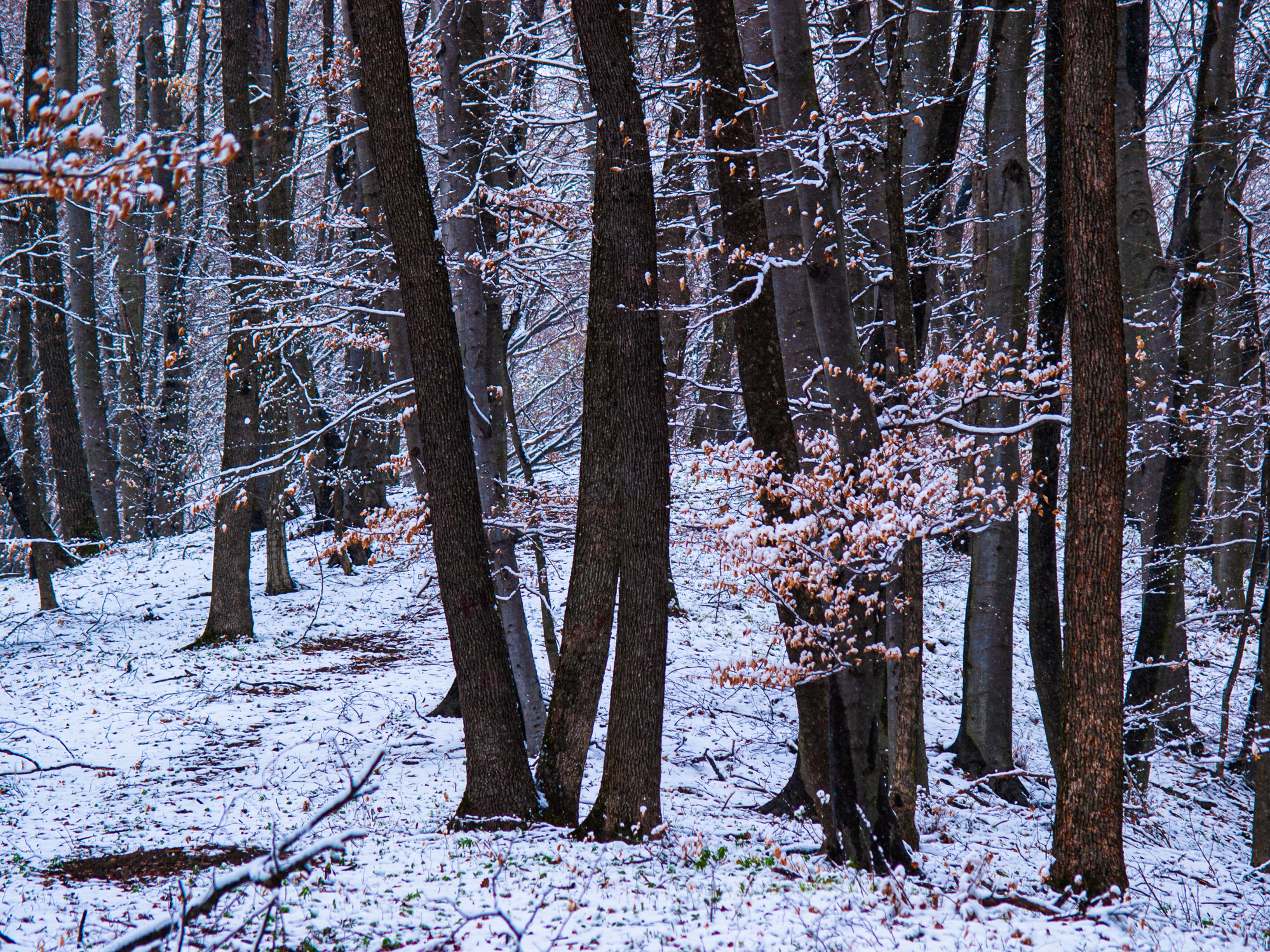
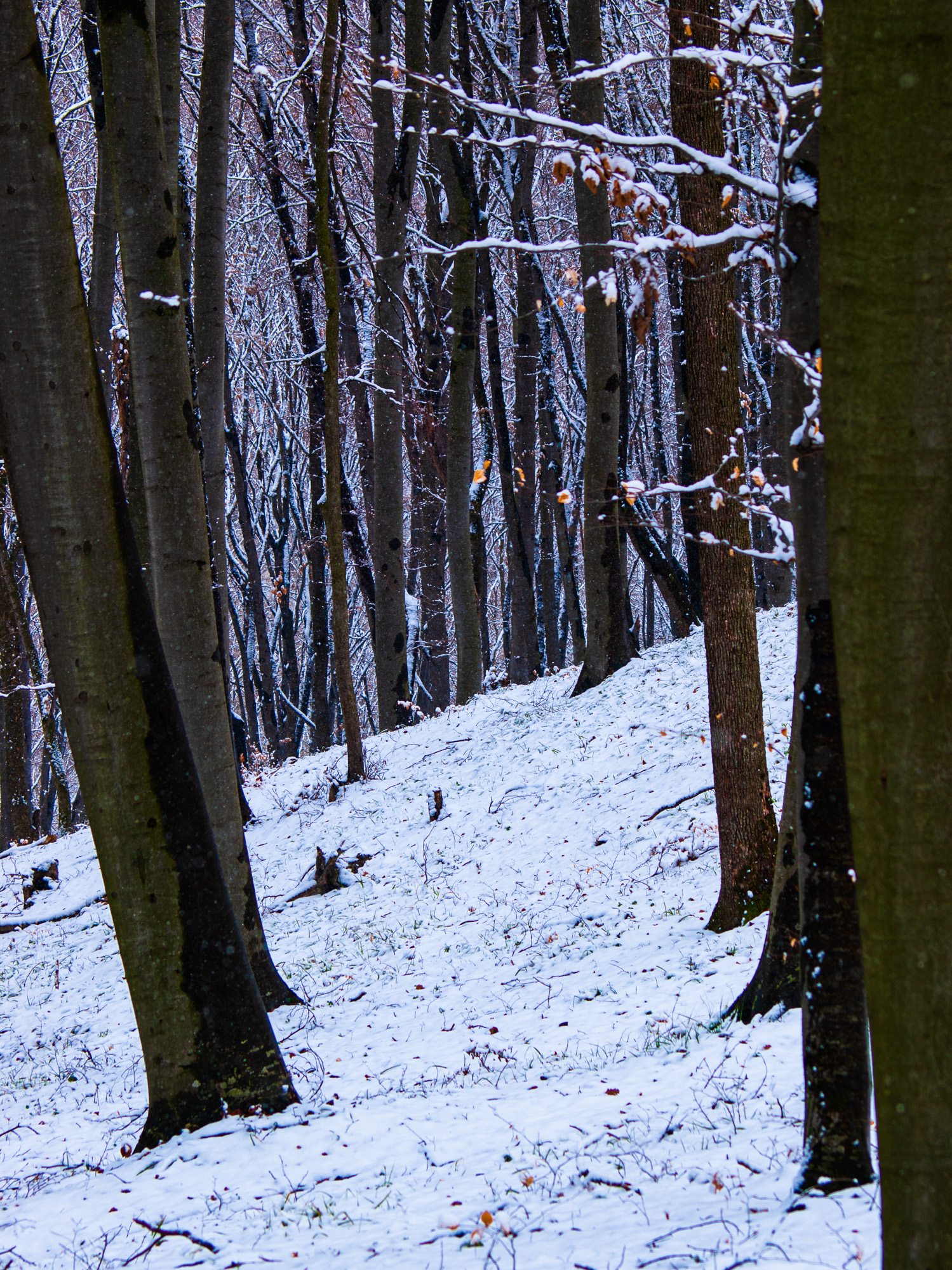
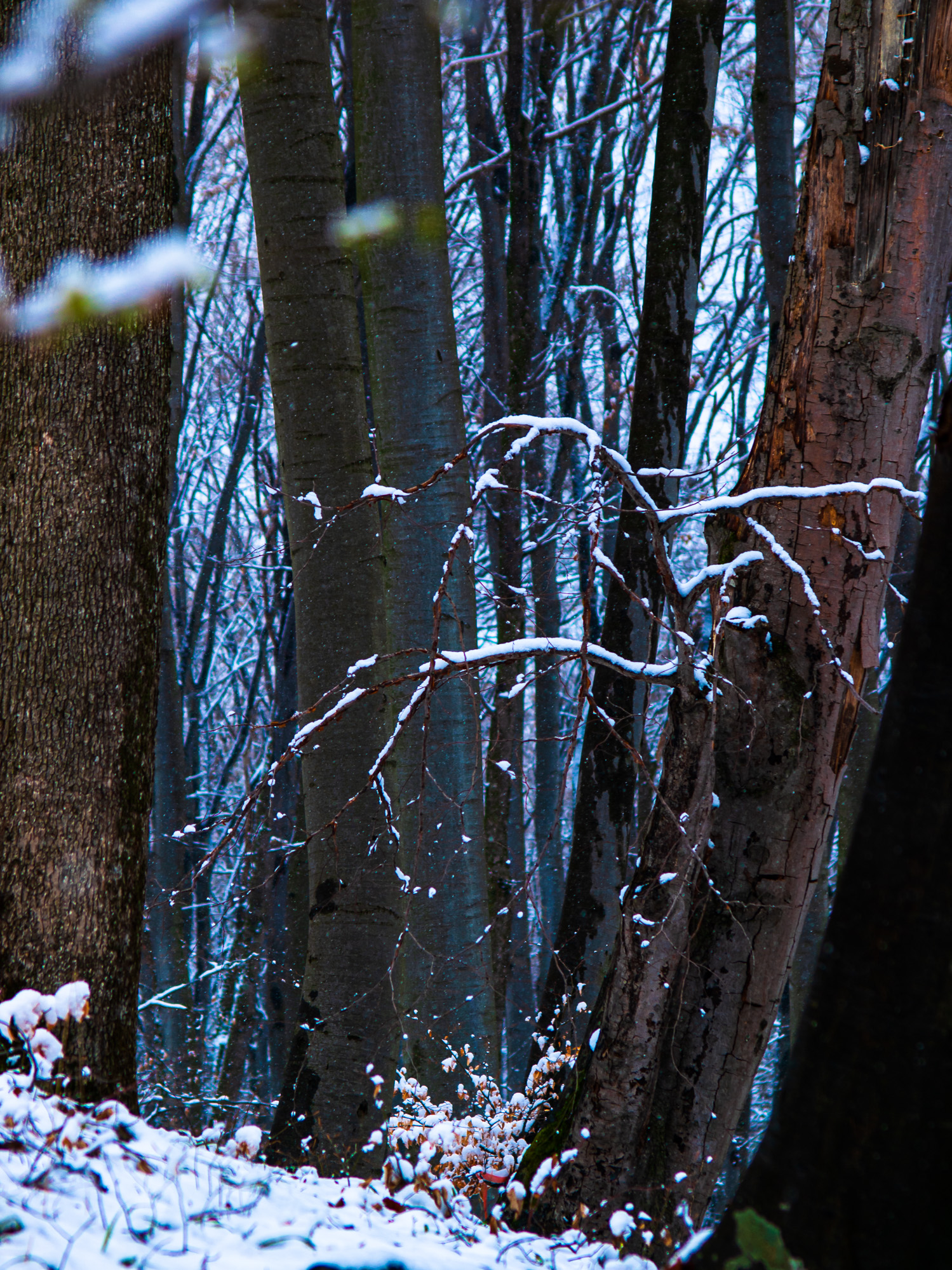
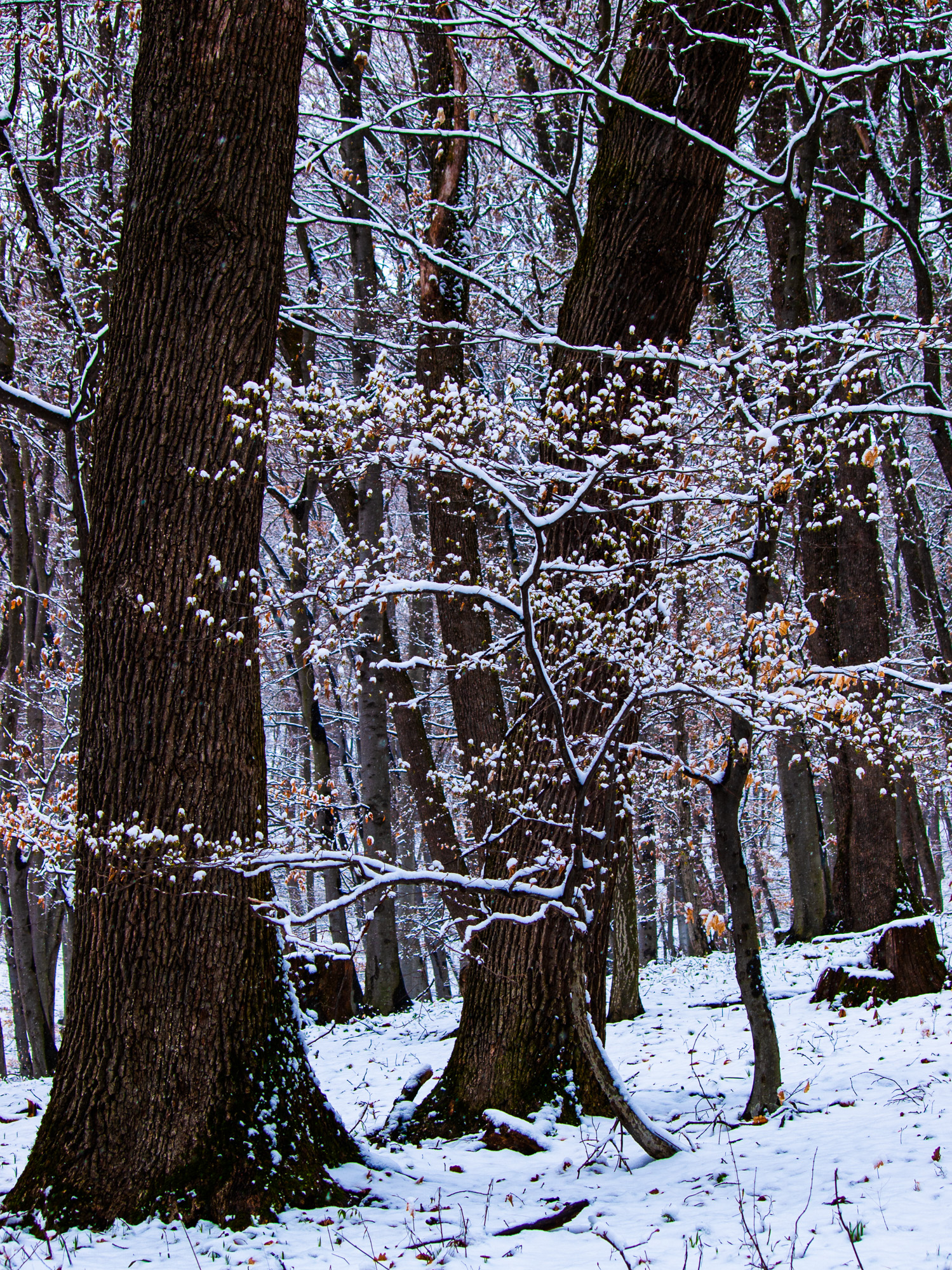
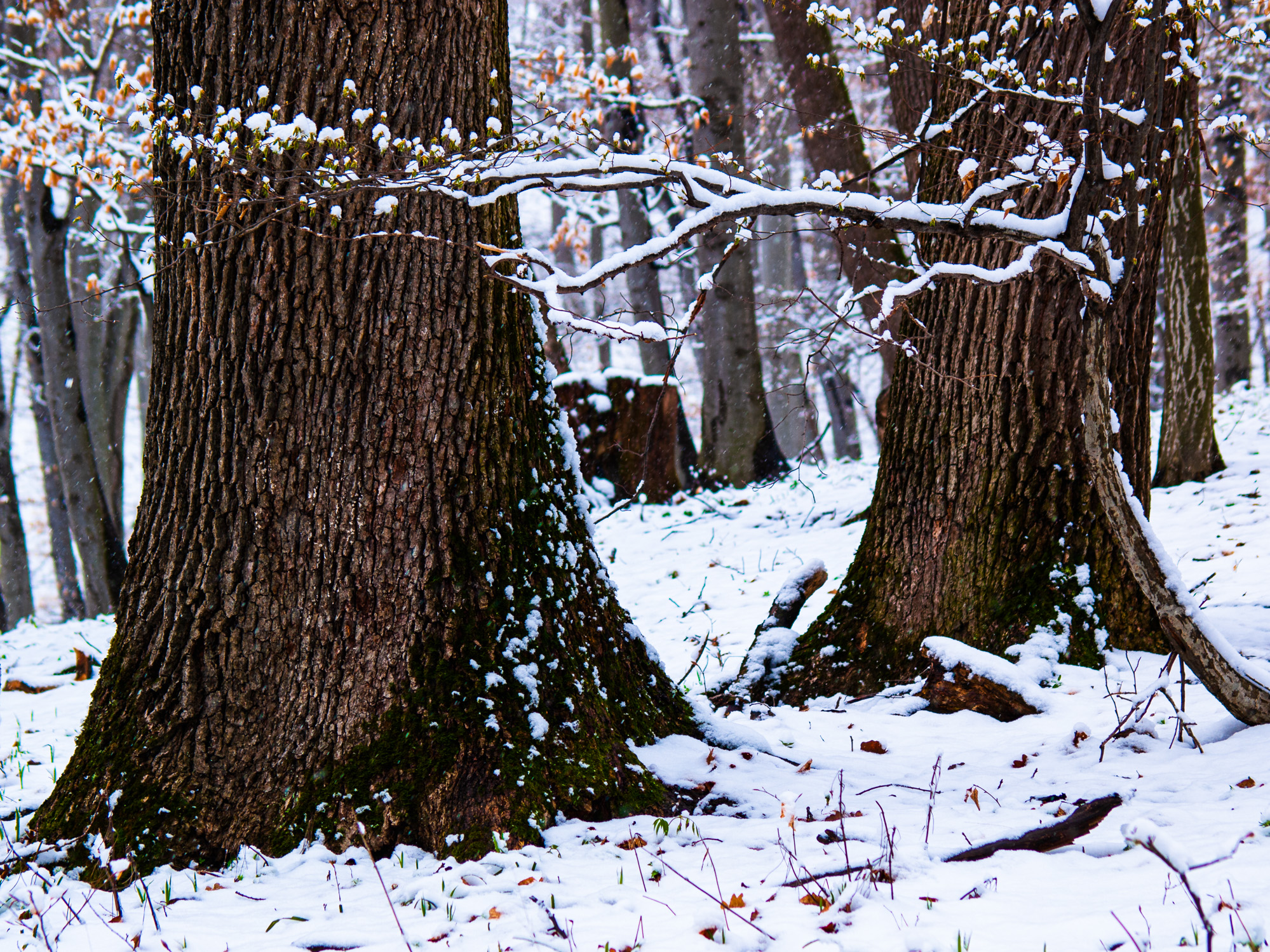
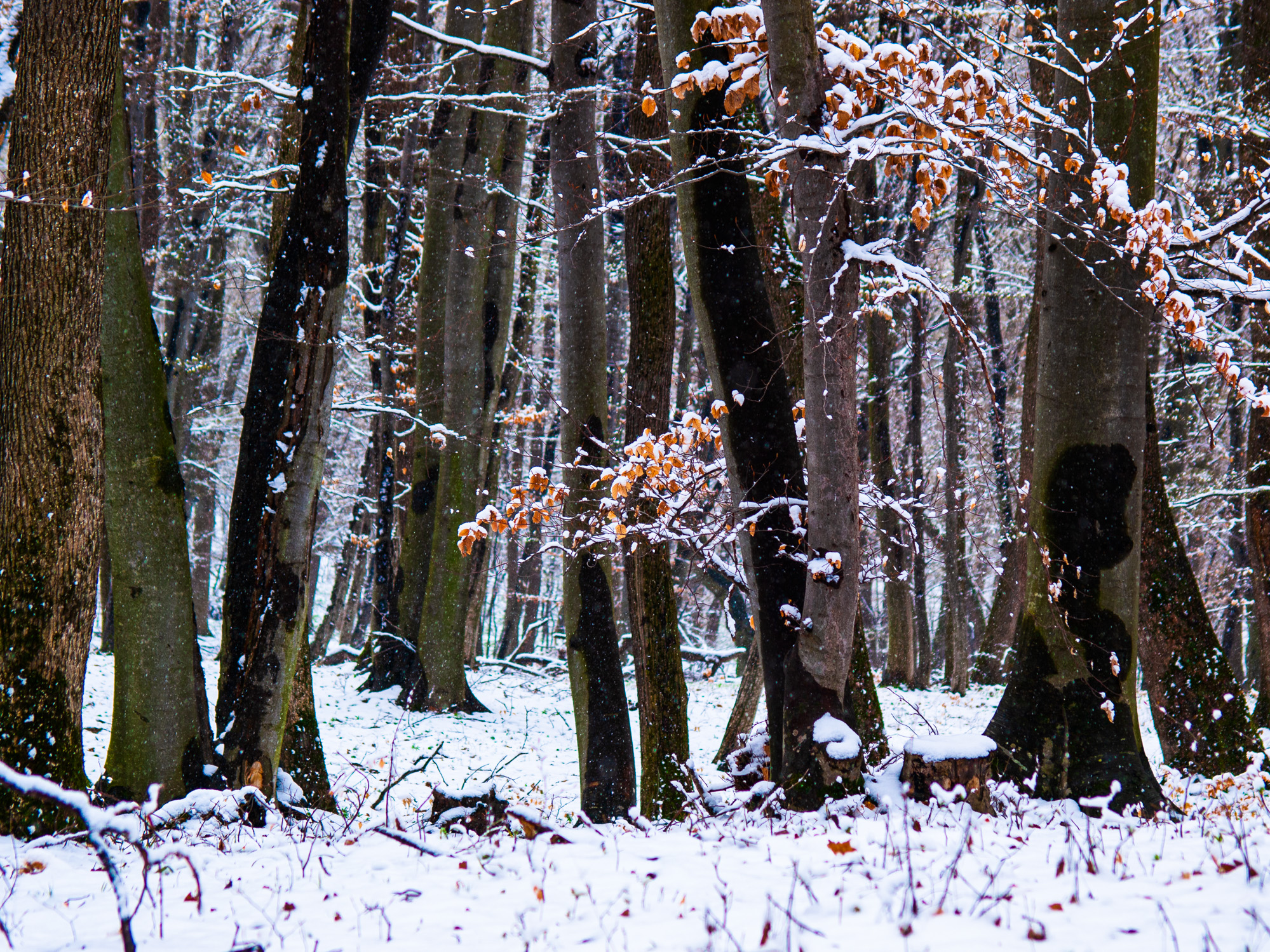
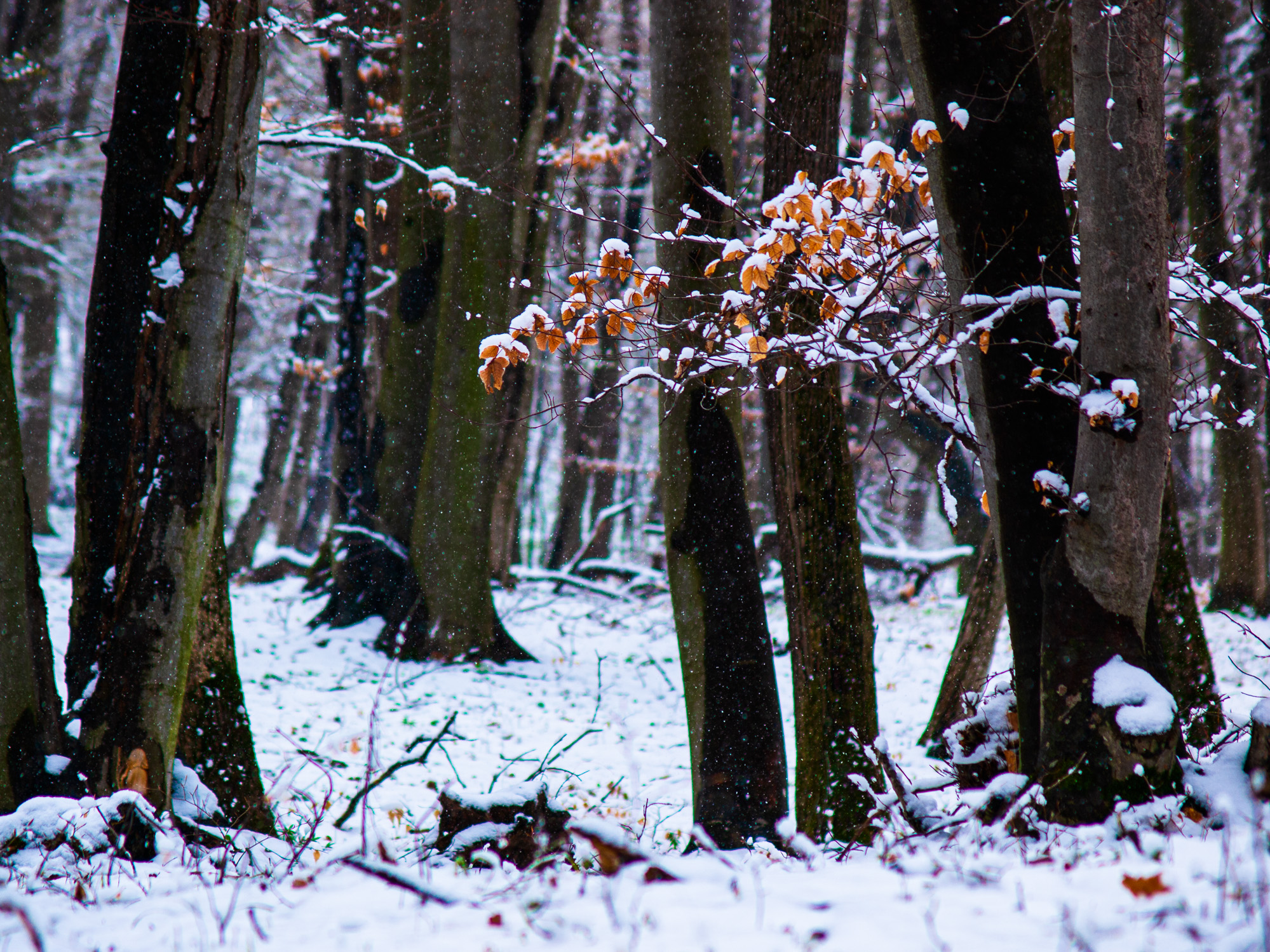
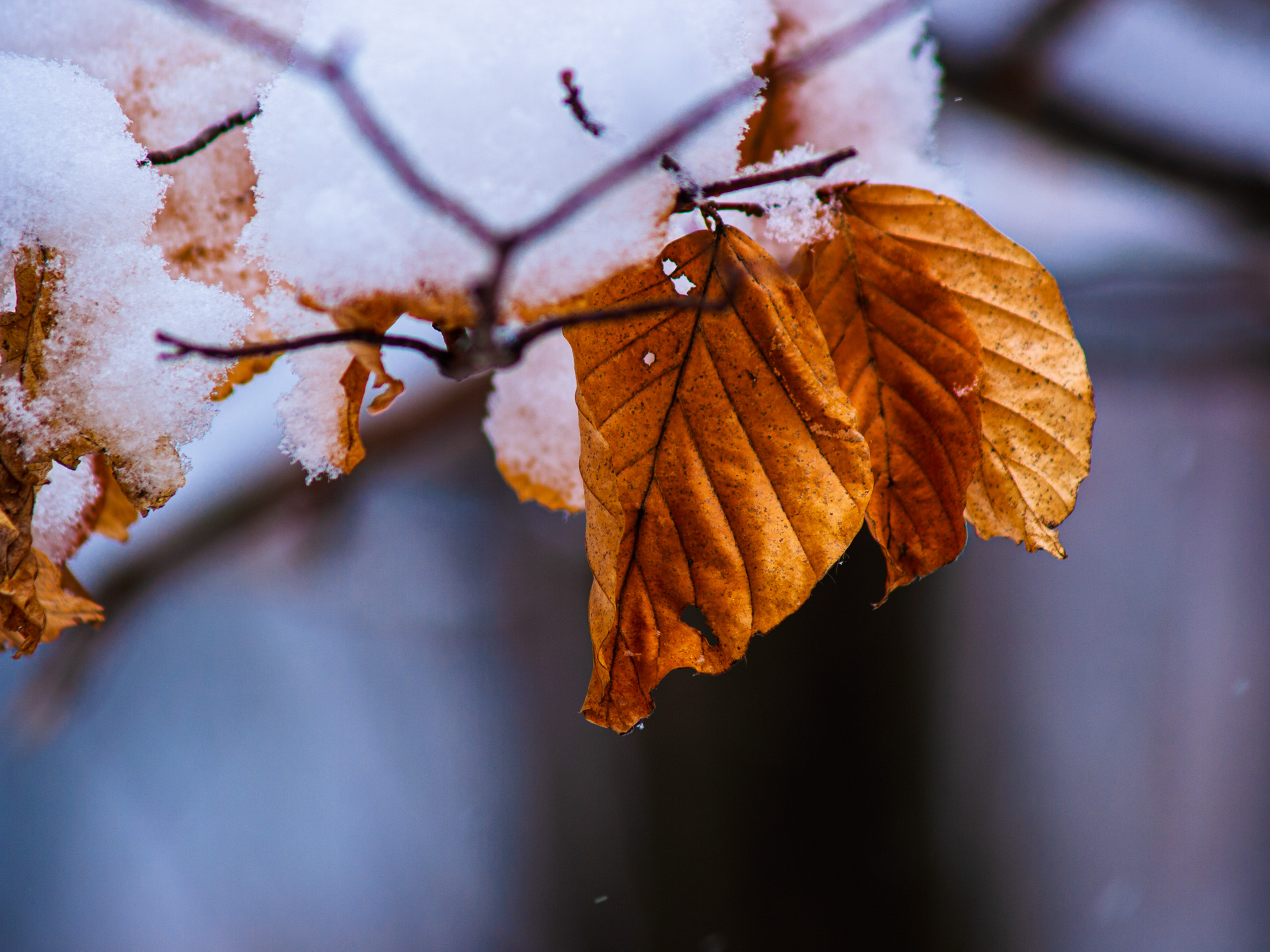
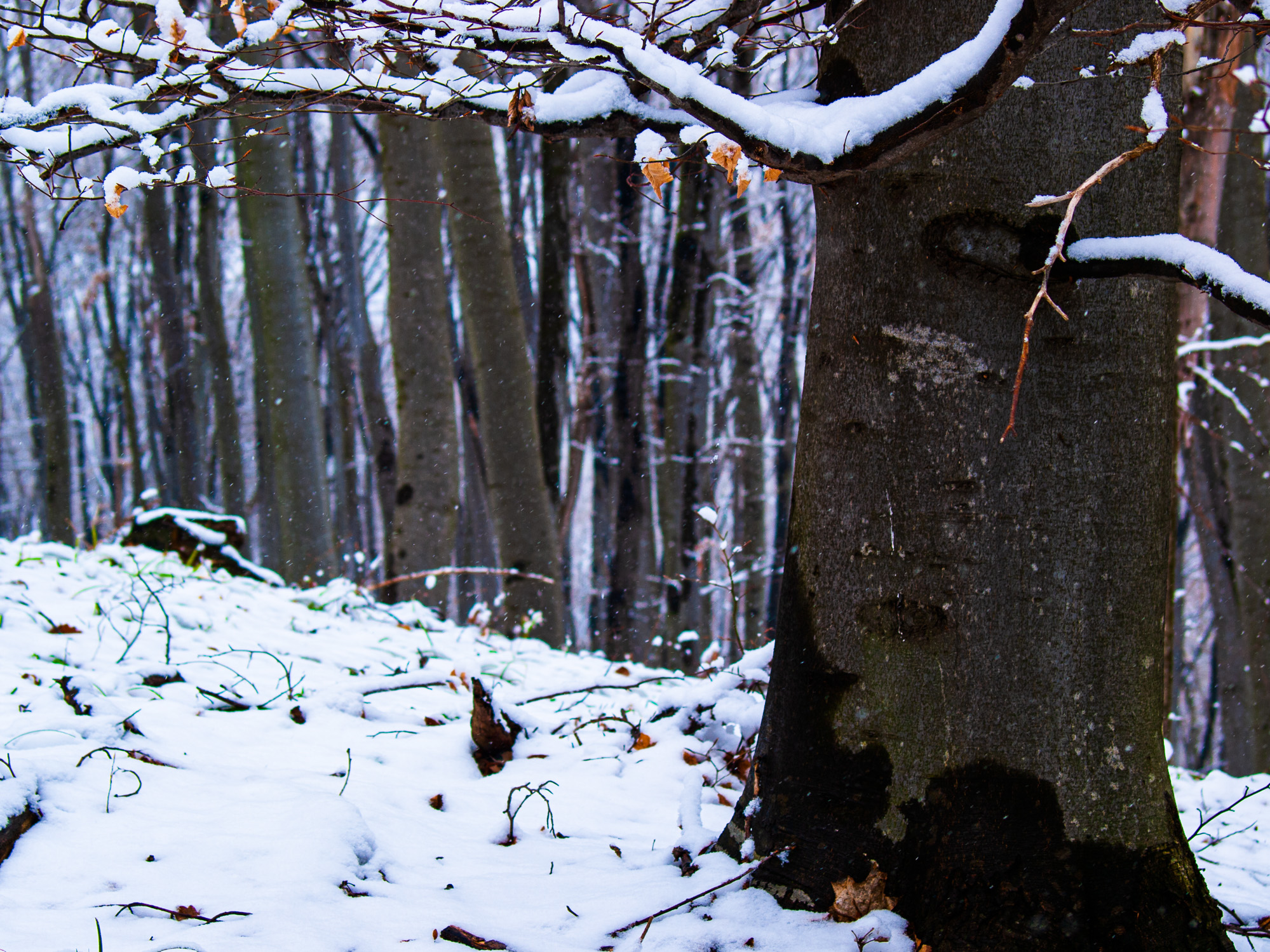
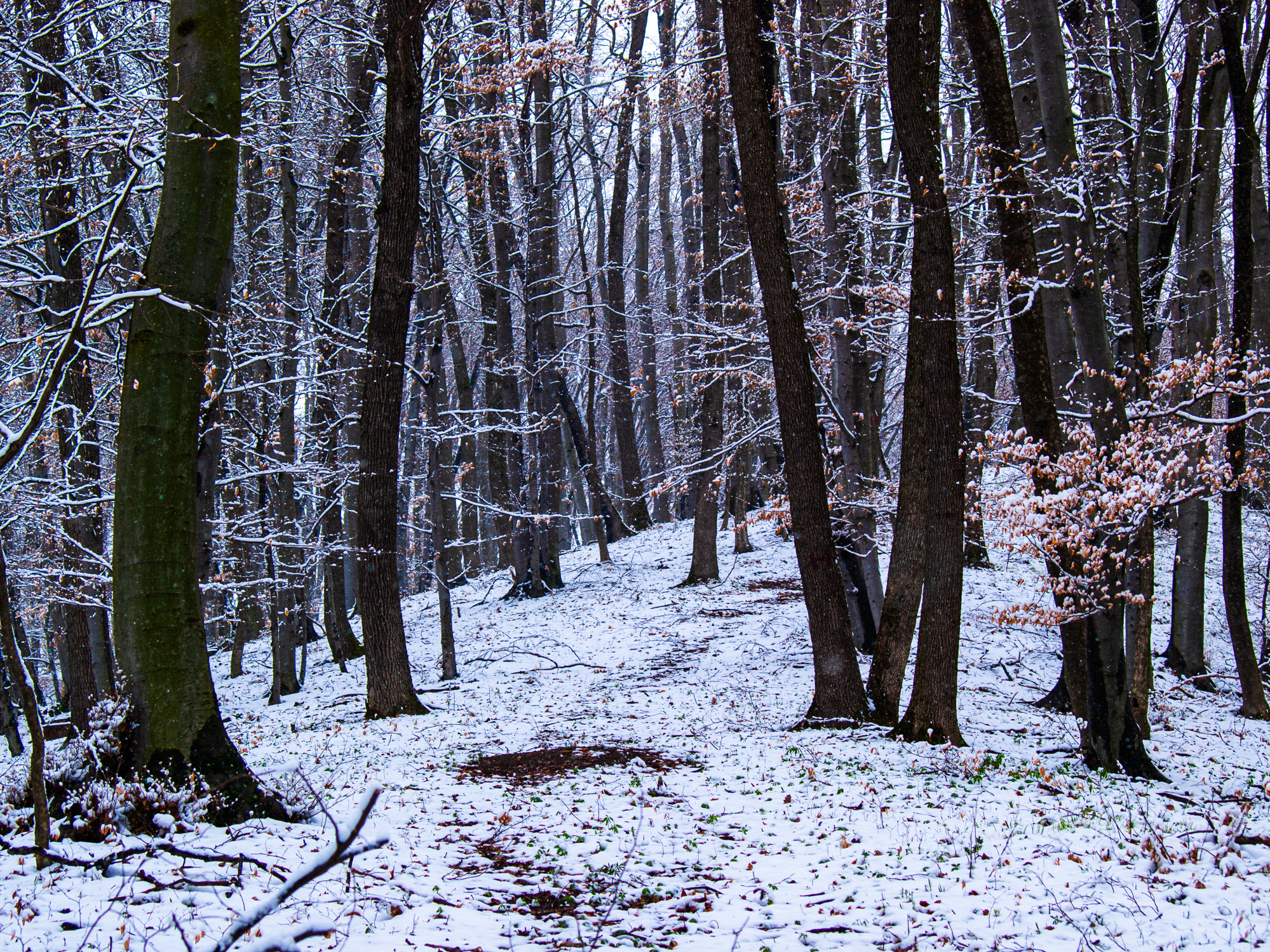
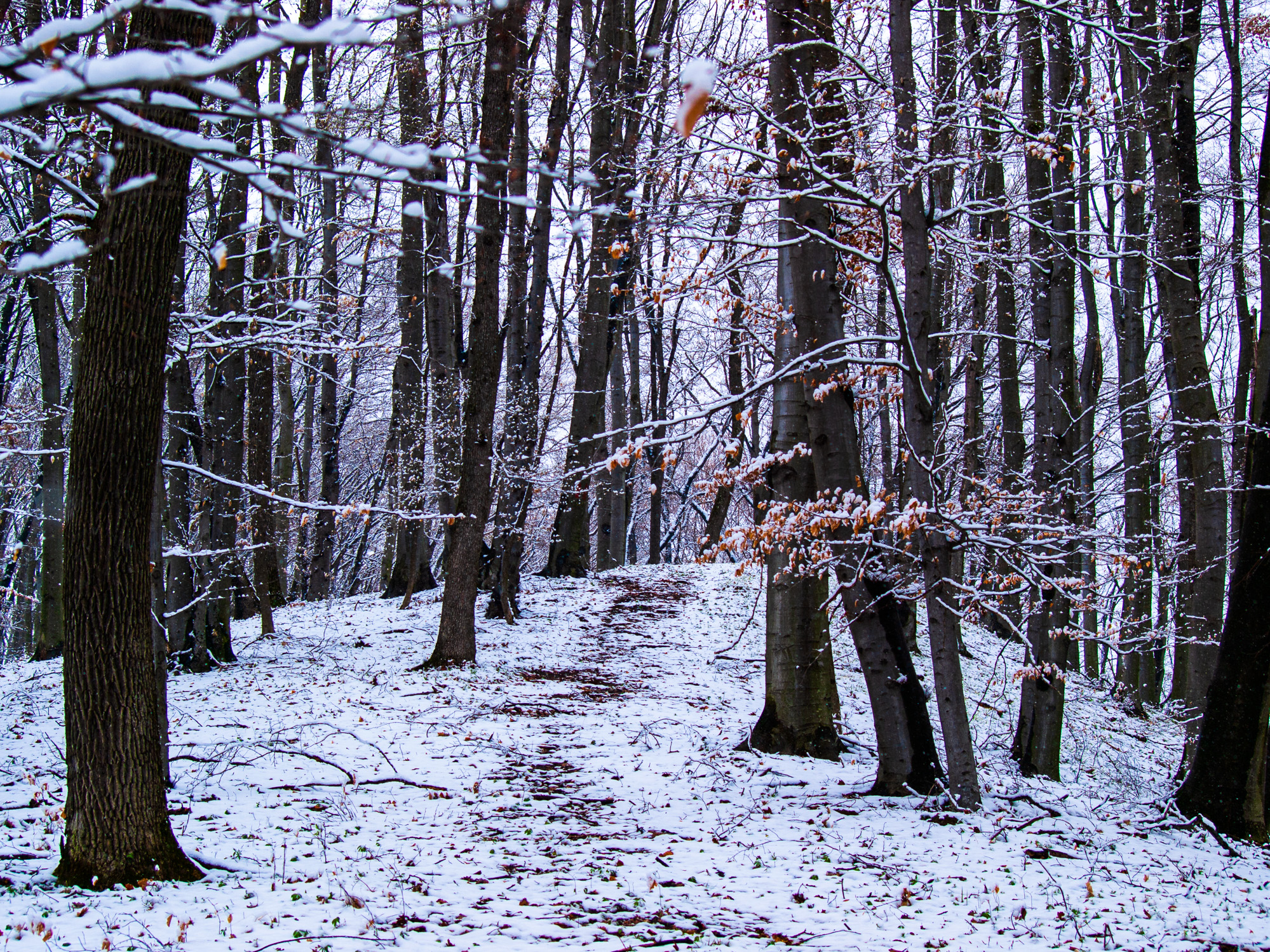
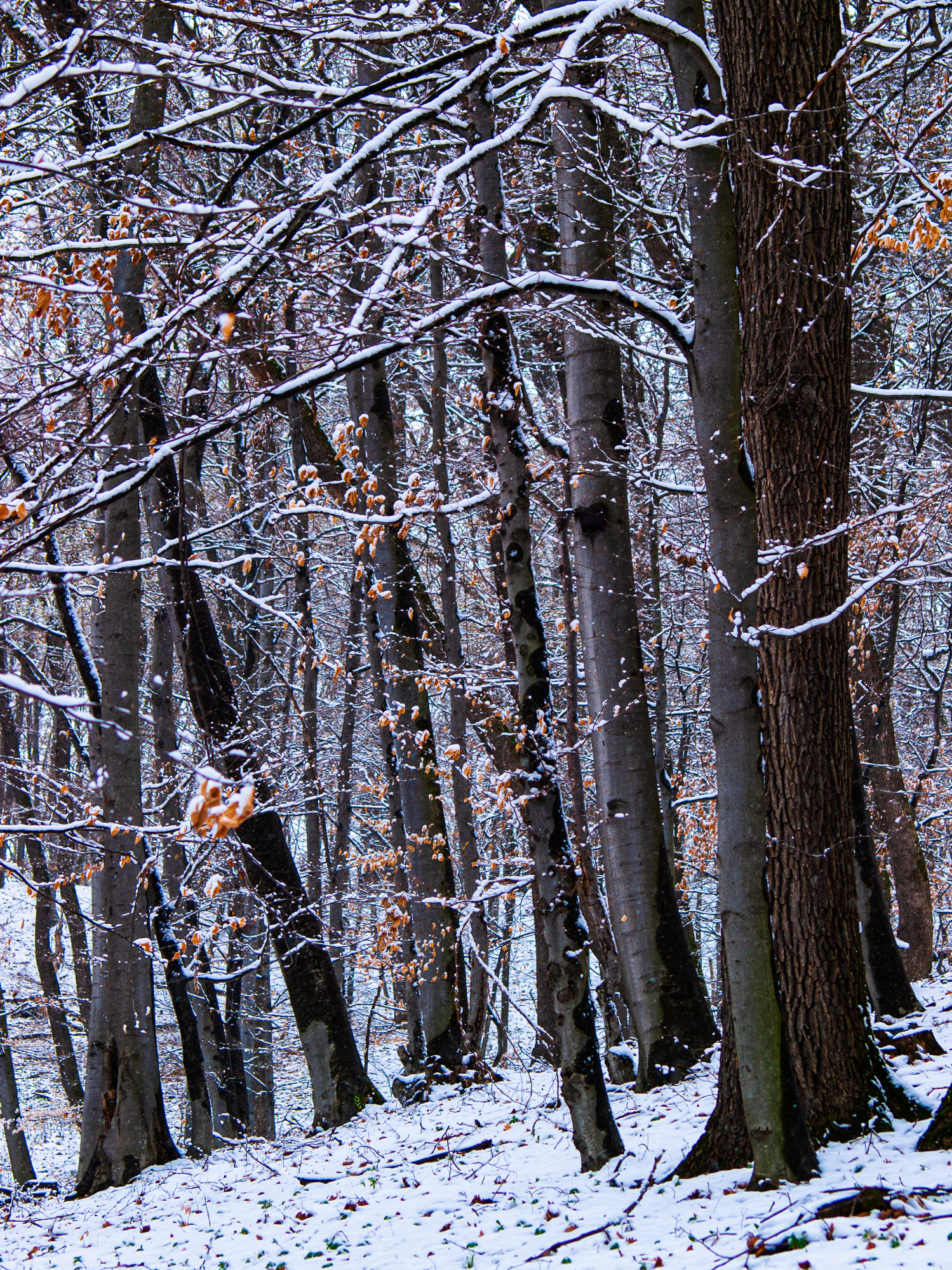
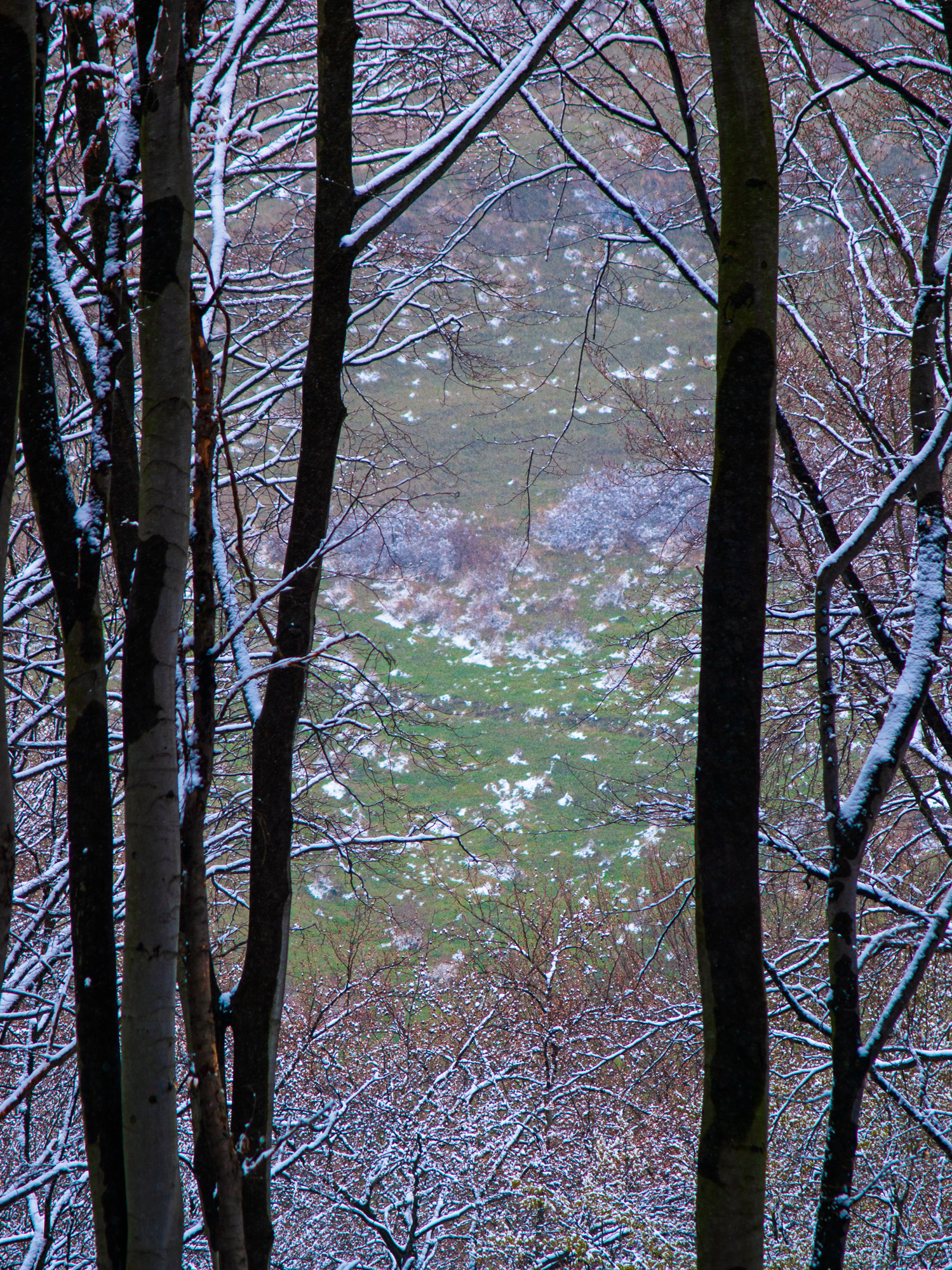
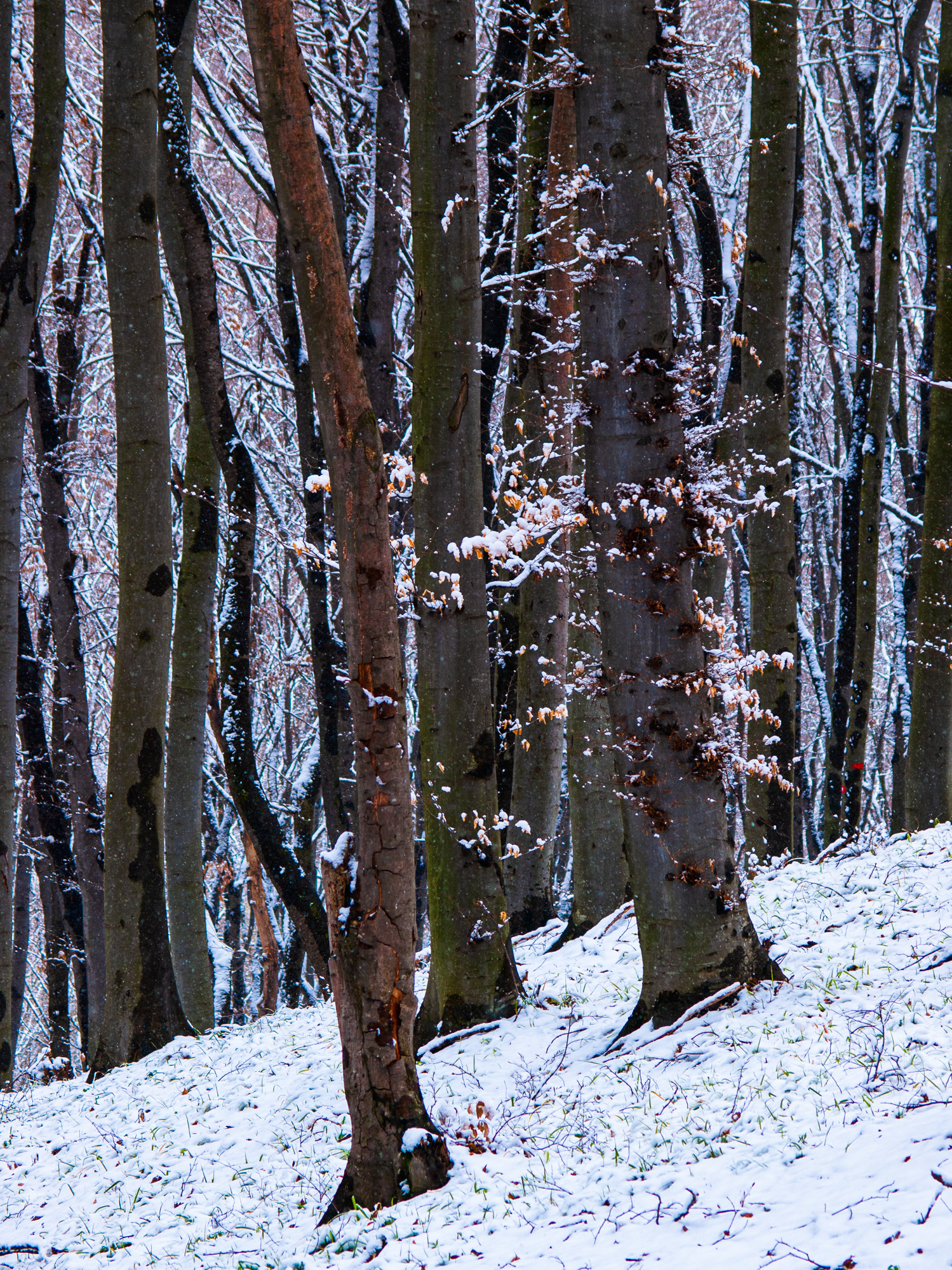
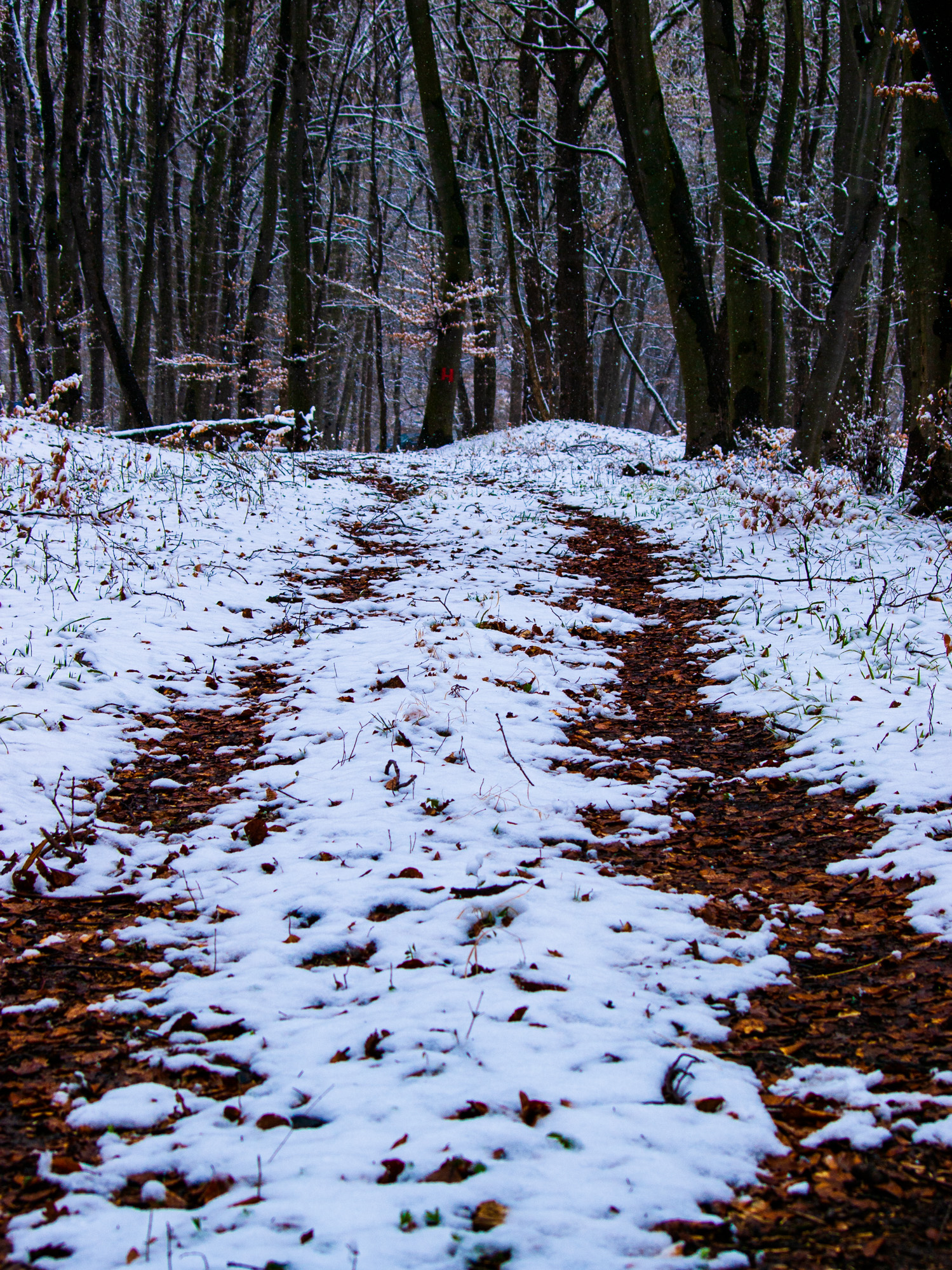
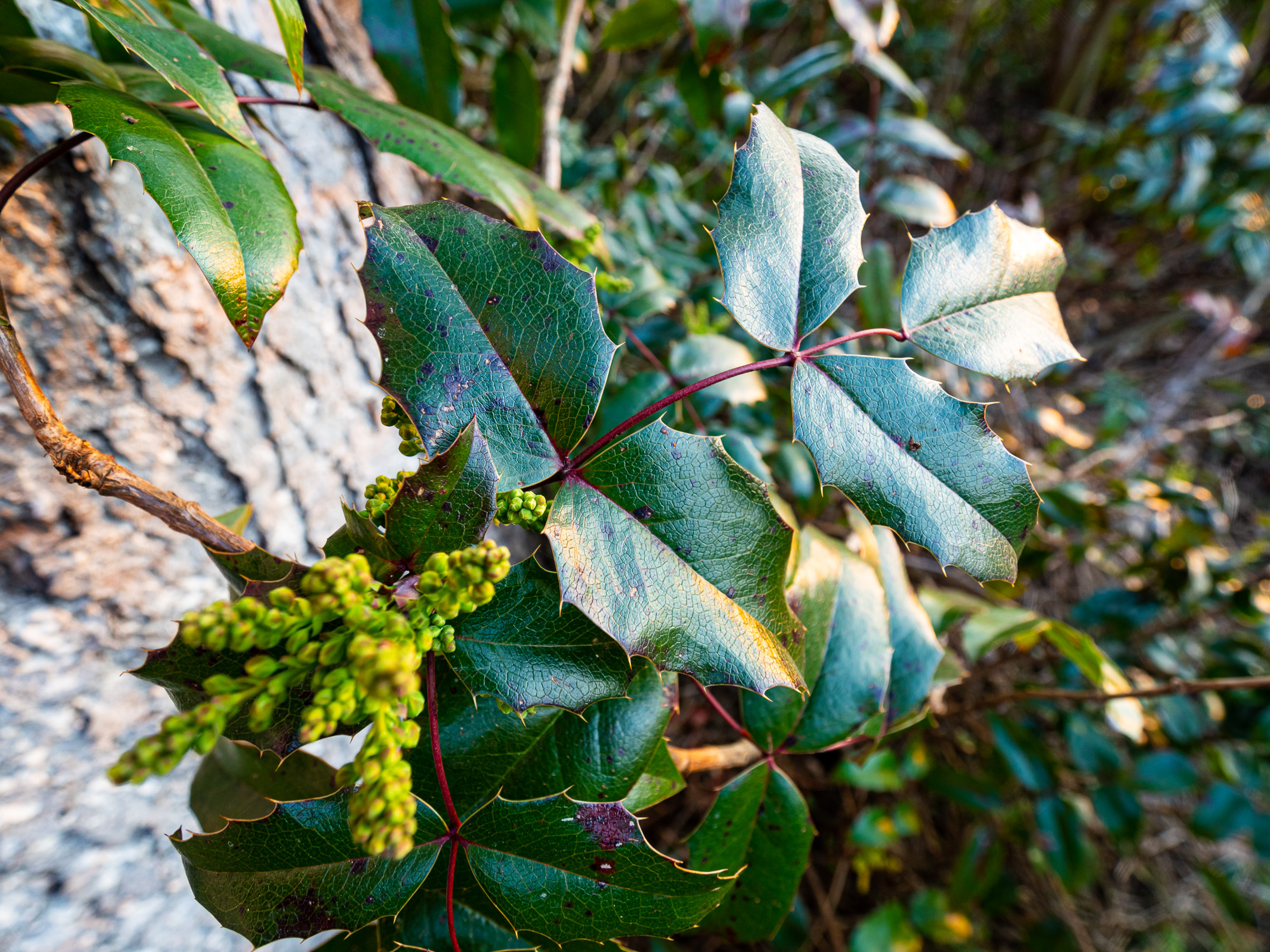
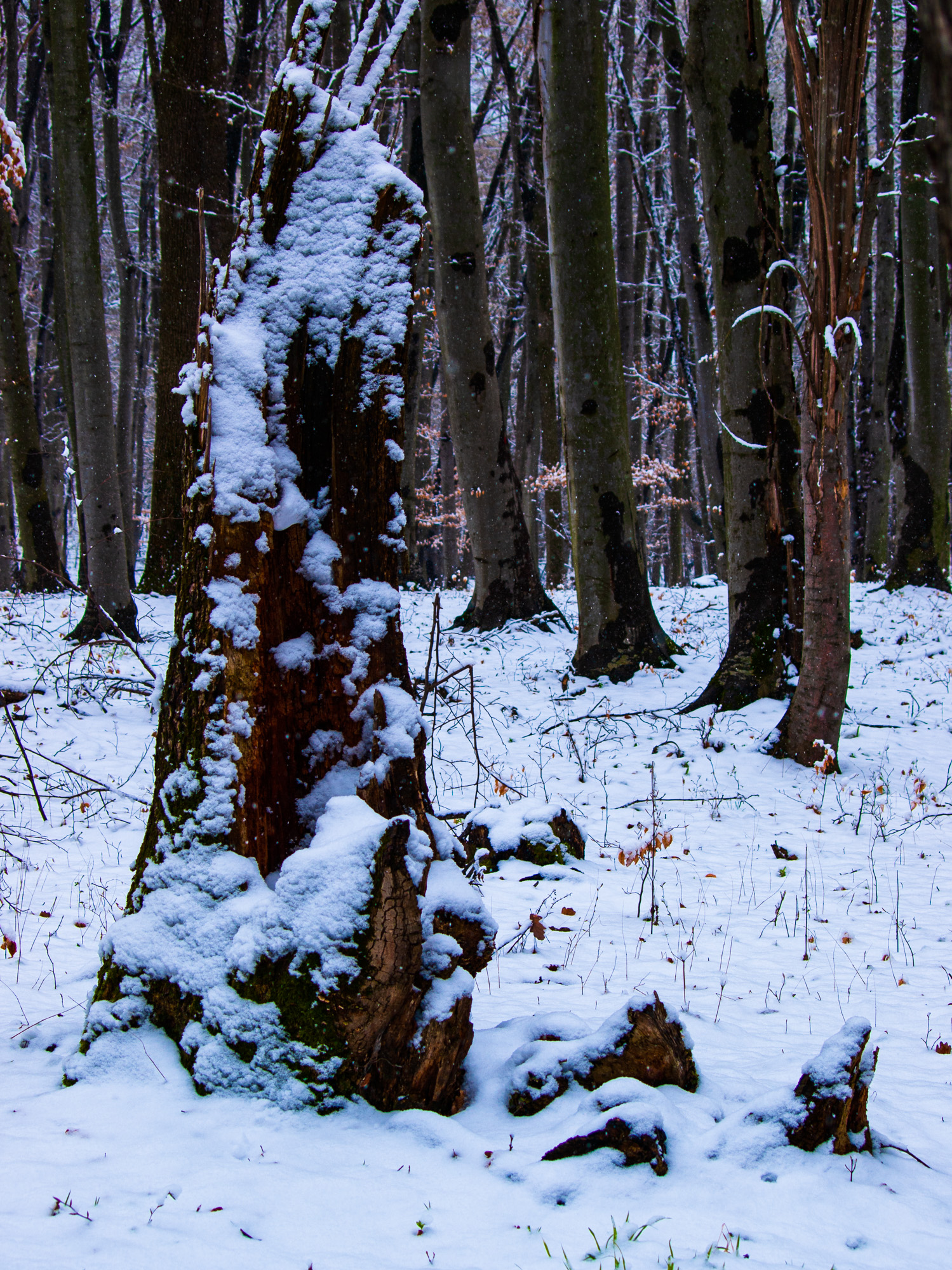
We were treated to a second spring snowfall a few days ago. I love snowfalls in the spring. A cold wave can be unwelcome after spring has set in, but you know it’s not going to last, and if a snowfall is in the works, then it’s going to be a fun day: a short celebration of winter buffered by warm fronts at either ends, with lovely snowflakes to boot.
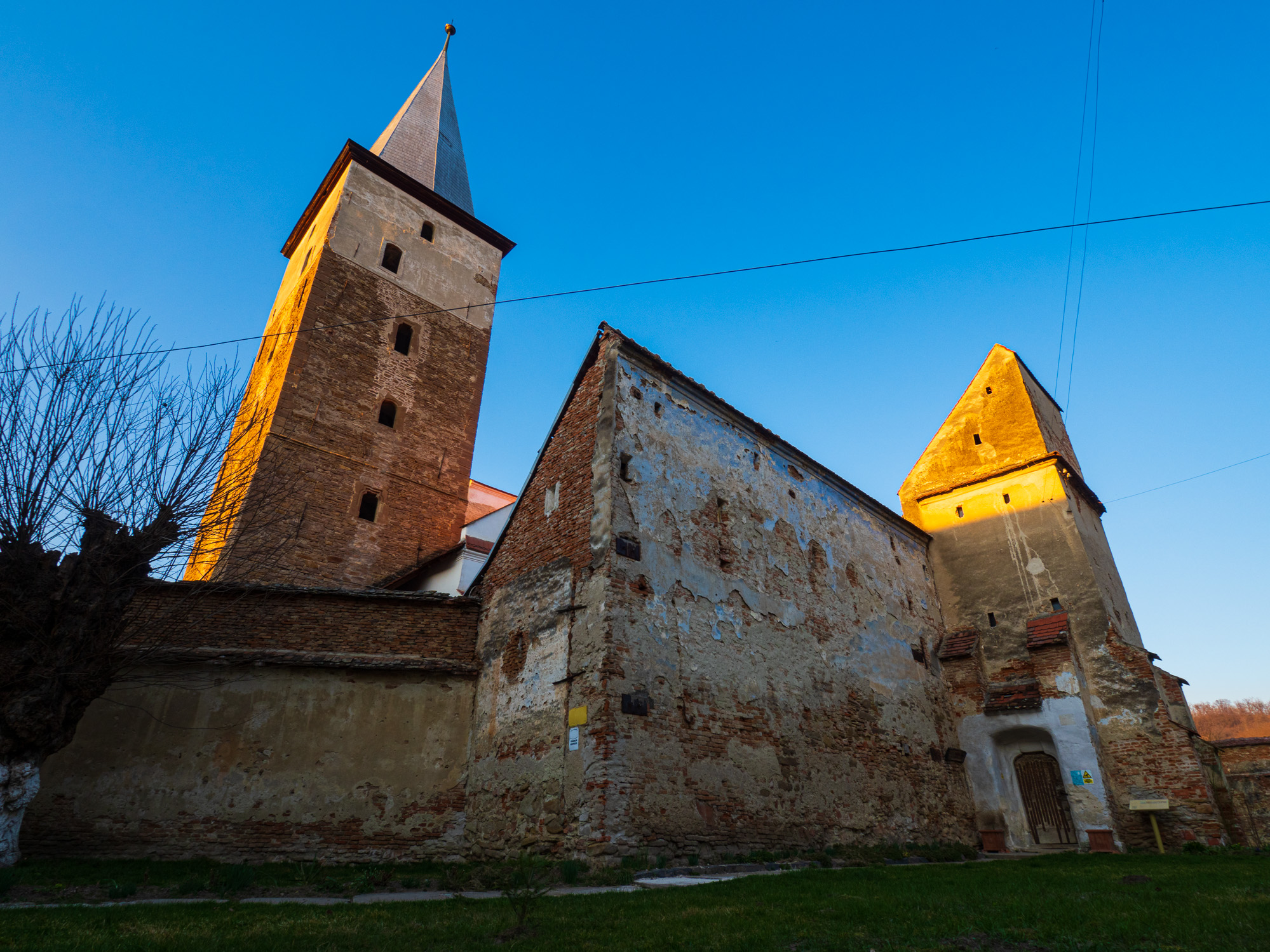
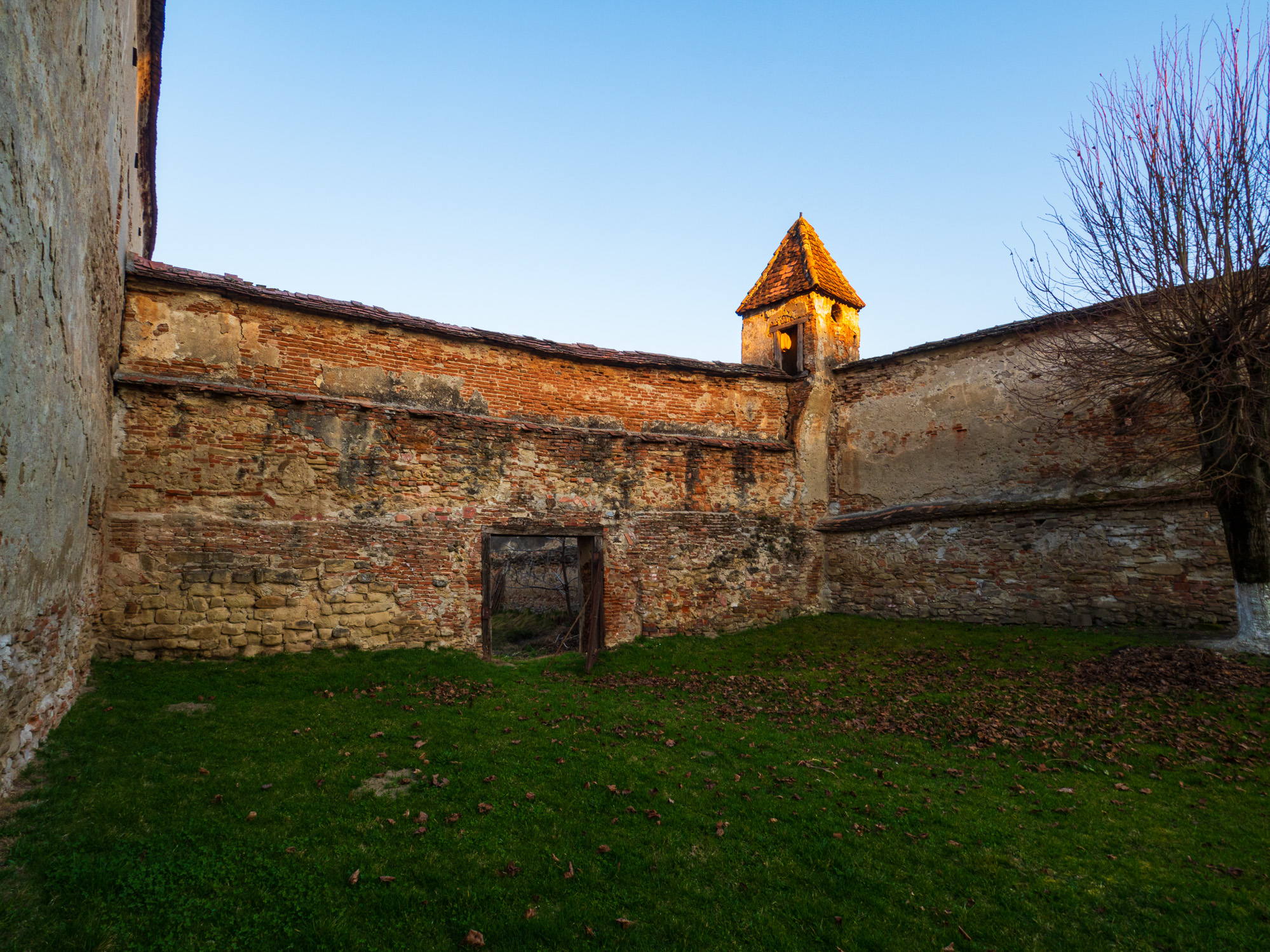
The first one happened right at the spring end of February, on the 27th to be exact, and I had so much fun taking photos of it at home and in a forest near Magarei (Pelisor), that I wished there might be a second one this spring. Come the 31st of March, there it was, practically begging to be enjoyed and photographed, so I was off to do just that. I stopped at one of our favorite hiking spots in that same forest and spent a bit of time taking in the scenery and photographing it to my heart’s content. I was, of course, on my way to do a bit of work at one of the monuments in the care of our NGO, the Saxon Pfarrhaus and Kirchenburg in Magarei. It’s seldom that I go out just to hike or just to shoot photos; I’m typically on my way to, or on my way back from, my various projects.
I also shot a little video, which I present to you here. It’s quite likely that most of you are staying at home during these new and weird times of ours, so I hope you enjoy the video and the photos! I have the good fortune of being able to travel through the beautiful countryside of Transylvania almost every day, as I go to work on our projects. Please understand I’m not rubbing this in your face, it just is what it is. This is where we chose to live and work and being in and around nature is one of those benefits, while people who choose to live and work in large cities reap other benefits (which may or may not be enjoyed or even wanted just now as they #stayhome till they’re sick of it).
Amidst all of the scary news reports and shelter-in-place rules everywhere, there are good things going on, caused by the very same situation. I thought I’d list several of them here:
We’ve all slowed down or stopped our activities and are spending more time at home, with our families. The frenetic pace of the world, chugging on all of the time for no apparent reason, has slowed down quite a bit. We now have time, time that we didn’t have before, to be with ourselves, to sit and ponder, to read a good book, to wake up and look around, to assess our lives, to think about our goals and projects. We have time to connect with those we love, even if it is only through video chats, but it’s more than we had before.
The world is a much quieter, more orderly place. Have you noticed how much quieter it is when you go outside? The chaotic movements of throngs of people, crowding our field of view, the constant din of the world pounding in our ears, is no more. Isn’t it lovely? All of the hustle and bustle and sirens and traffic and noise have now disappeared. The idiots who’d rev up their cars and turn their subwoofers up are now indoors, and good riddance to them. They’re keeping quiet and if they’re not, I encourage you all to call the police on them. Now we can actually hear the chirping of the birds in our cities. We can hear the breeze blowing through the trees and by our houses. We can take the time to see it caress the fresh blades of grass that are just coming up. We can actually take the time to smell the flowers.
Pollution and carbon emission levels are down everywhere. A tiny little virus has accomplished what decades of talks between high-level world leaders couldn’t accomplish. The planet has a chance for a proper spring, with fresh, clean air and water. This is a massive accomplishment.
Cities are cleaner. Not only are some of them actively scrubbing and disinfecting their streets, but they’re cleaner because all of the people who would be mindlessly littering them are now shut in. Each city’s street cleaning crews now have a chance to see the results of their work from one day to the next, instead of seeing idiots throwing garbage on the streets right next to them, as they’re cleaning.
The hygiene and public behavior parts of the new social distancing rules are a godsend. More people are finally washing their hands (and hopefully showering more often too). Knobs and handles in public places are finally getting disinfected. People are finally keeping their distance in stores and markets, instead of breathing down your neck in a queue. People are finally covering their mouths when they sneeze or cough. For years and years, I’ve gotten mean looks and veiled threats from people when I’ve told them to keep their distance from me, that I wasn’t comfortable having them so close to me. Now it’s finally happening by itself. For years and years, I was disgusted with the men who went to the bathroom and didn’t wash their hands, and then expected to shake hands with me. No more hand shaking now!
Telecommuting is now a must, whereas before it was regarded as a nice perk. I’ve been advocating for telecommuting for a long time (since 2006). I’m glad to see that companies are now making telecommuting arrangements wherever possible.
Travel has come to a screeching halt and thank goodness for that. Mindless, idiotic travel had become the norm all over the world. It had gotten so bad that it was normal for young people to fly from one corner to another of the various continents on weekend booze and drug trips, or for sexual miscreants to take “sex trips” to certain countries. And then of course we had the throngs of people, wave after wave after wave, who’d hit the major tourist hot spots in an endless assault on historic monuments, crowding out everyone including themselves. This was wrong. Travel is a good thing, a very good thing, but only when done mindfully, politely, considerately, taking in the sights, taking the time for reflection, taking the time to learn about the cultures you’re visiting, slowly proceeding from one place to the next, being careful not to intrude, not to litter, not to abuse. I truly hope that in the future, when travel bans are lifted, some sort of rules are put into place to ensure people never travel idiotically.
Governments all over the world have hopefully come to realize that they must put most (almost all) of their transactions with people online. In other words, as a tax-paying citizen of a country, you should be able to conduct most of your business with the government of that country (be it national, county or local) via the internet, instead of being forced to go to some office and waste your time in a queue. This crisis should speed things along in that direction.
Clearly there are costs for all of this free time that most of us have gotten. Let’s hope that they are mostly temporary, and that they won’t be too much of a burden for us all to bear. It’s easy to let thoughts of “what might tomorrow bring” get you down, but it’s vitally important that during this time, this unusual respite from the daily grind, that we take the time to breathe, literally and figuratively.
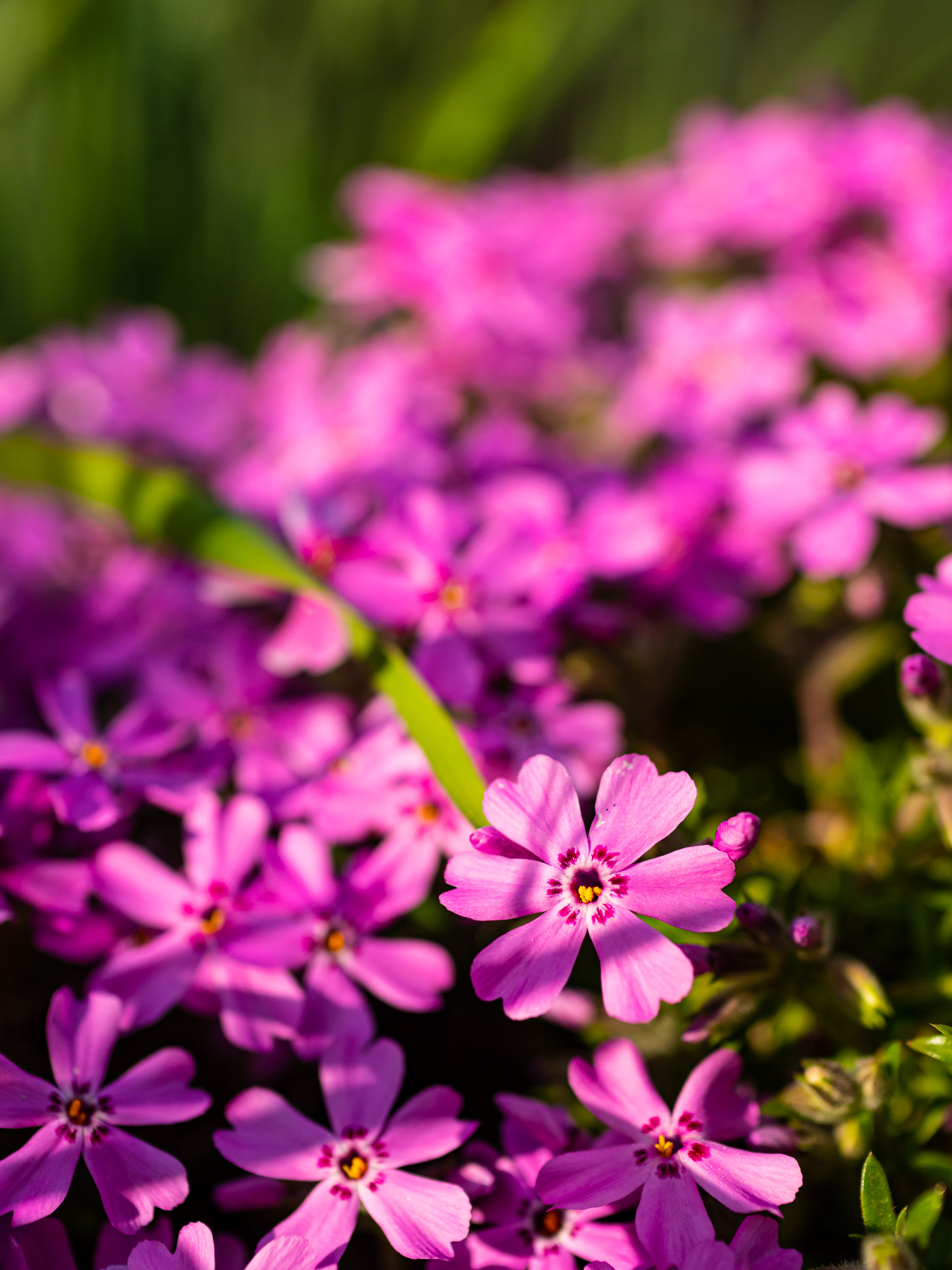
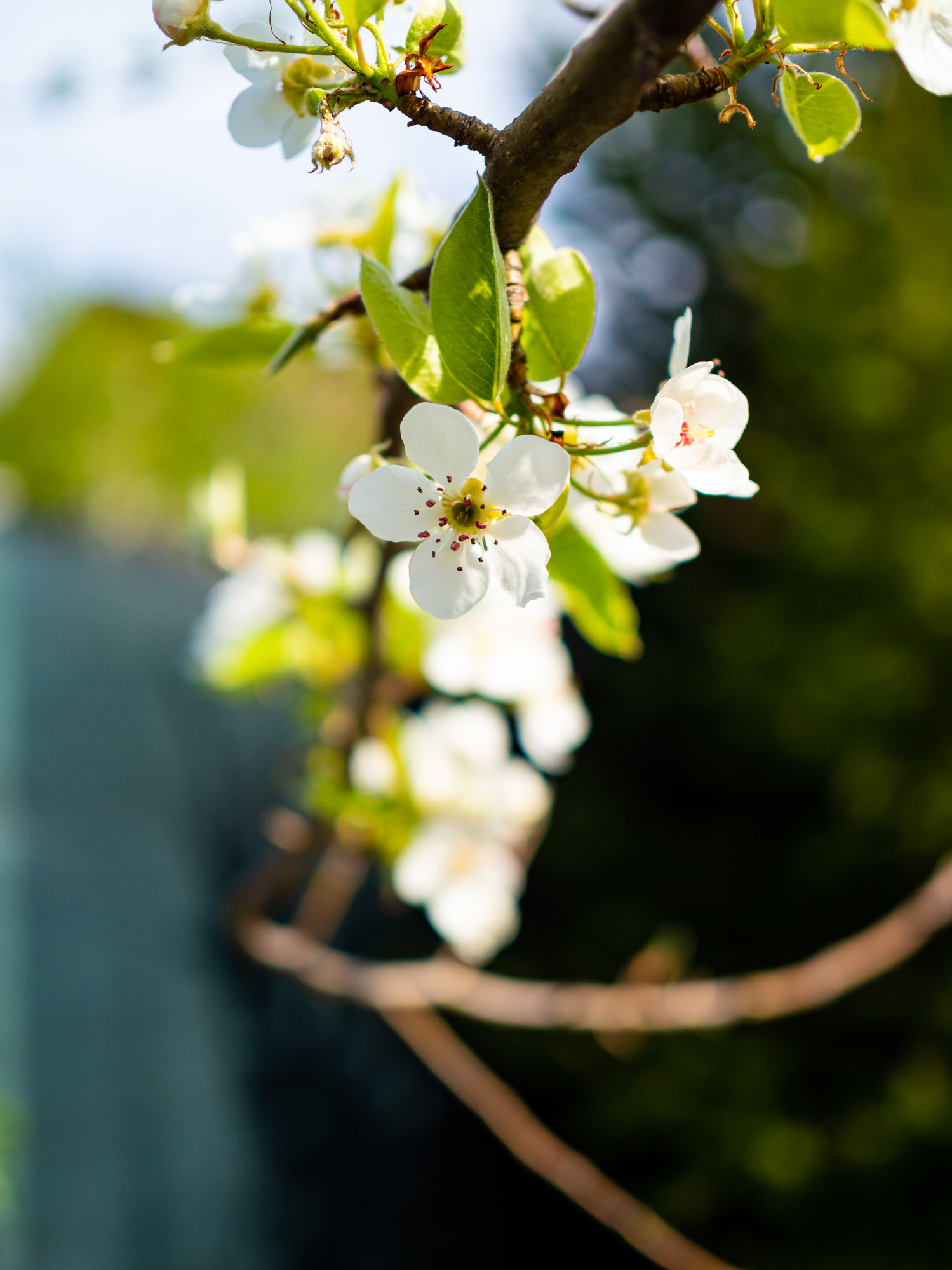
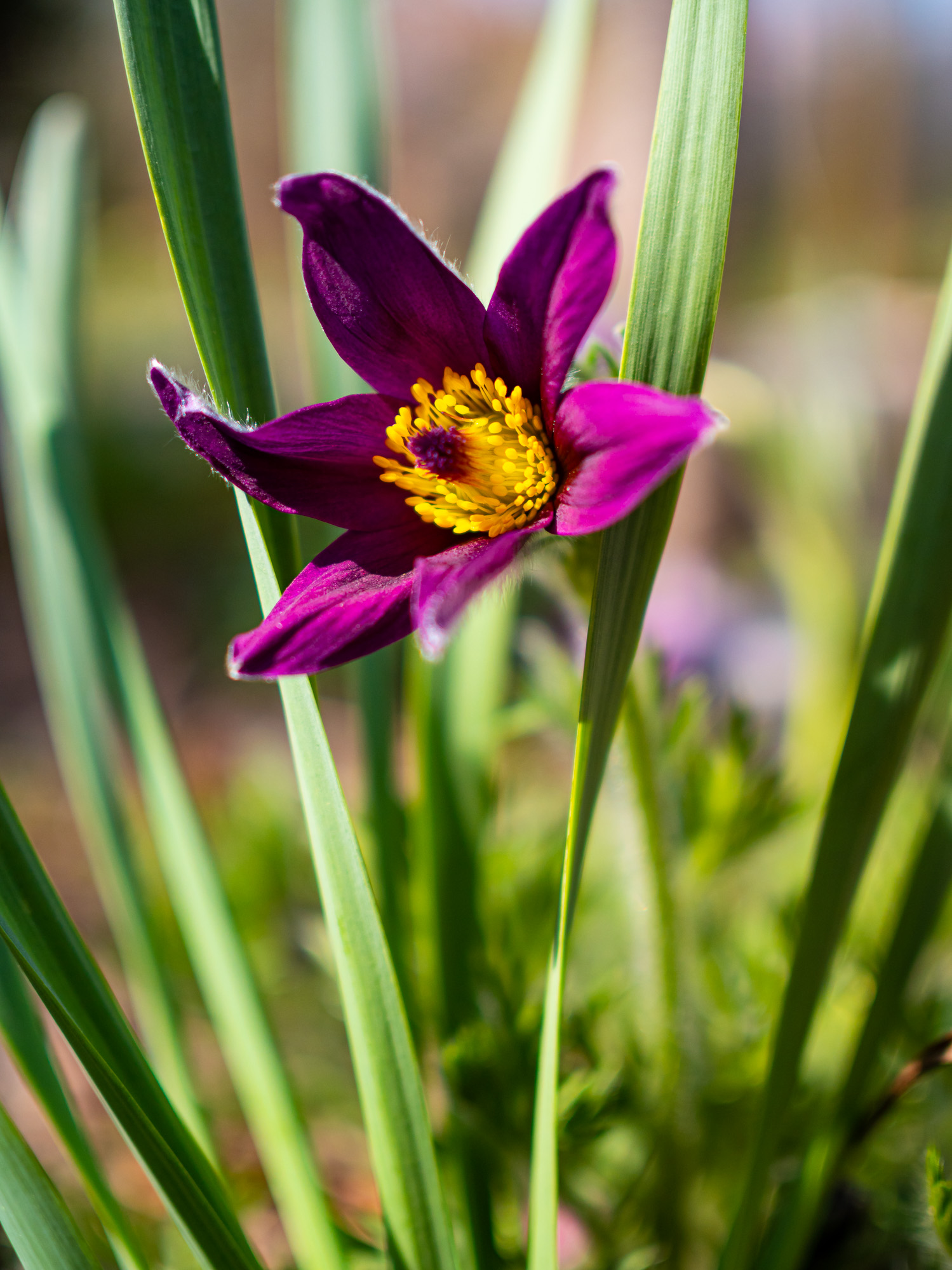
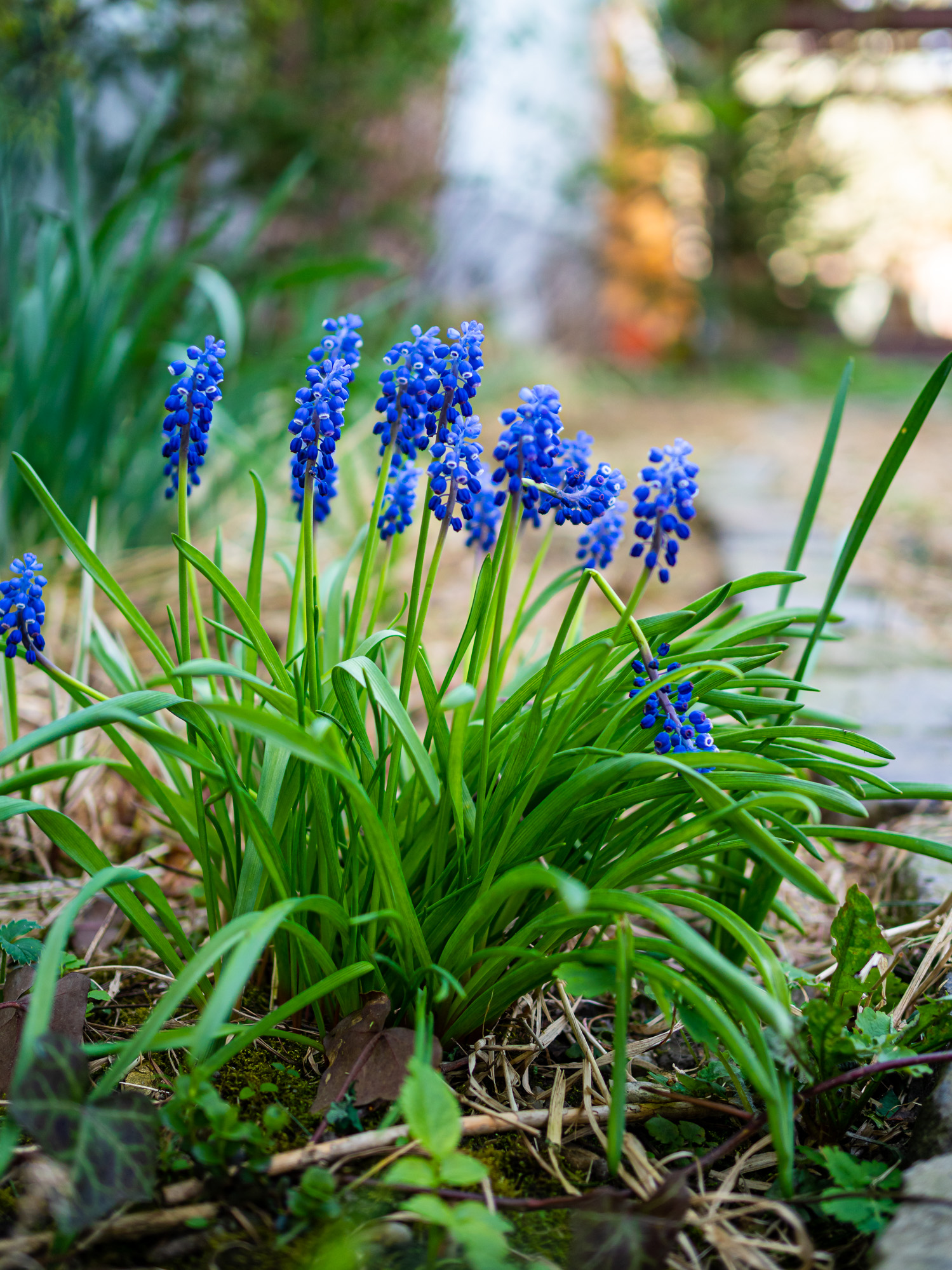
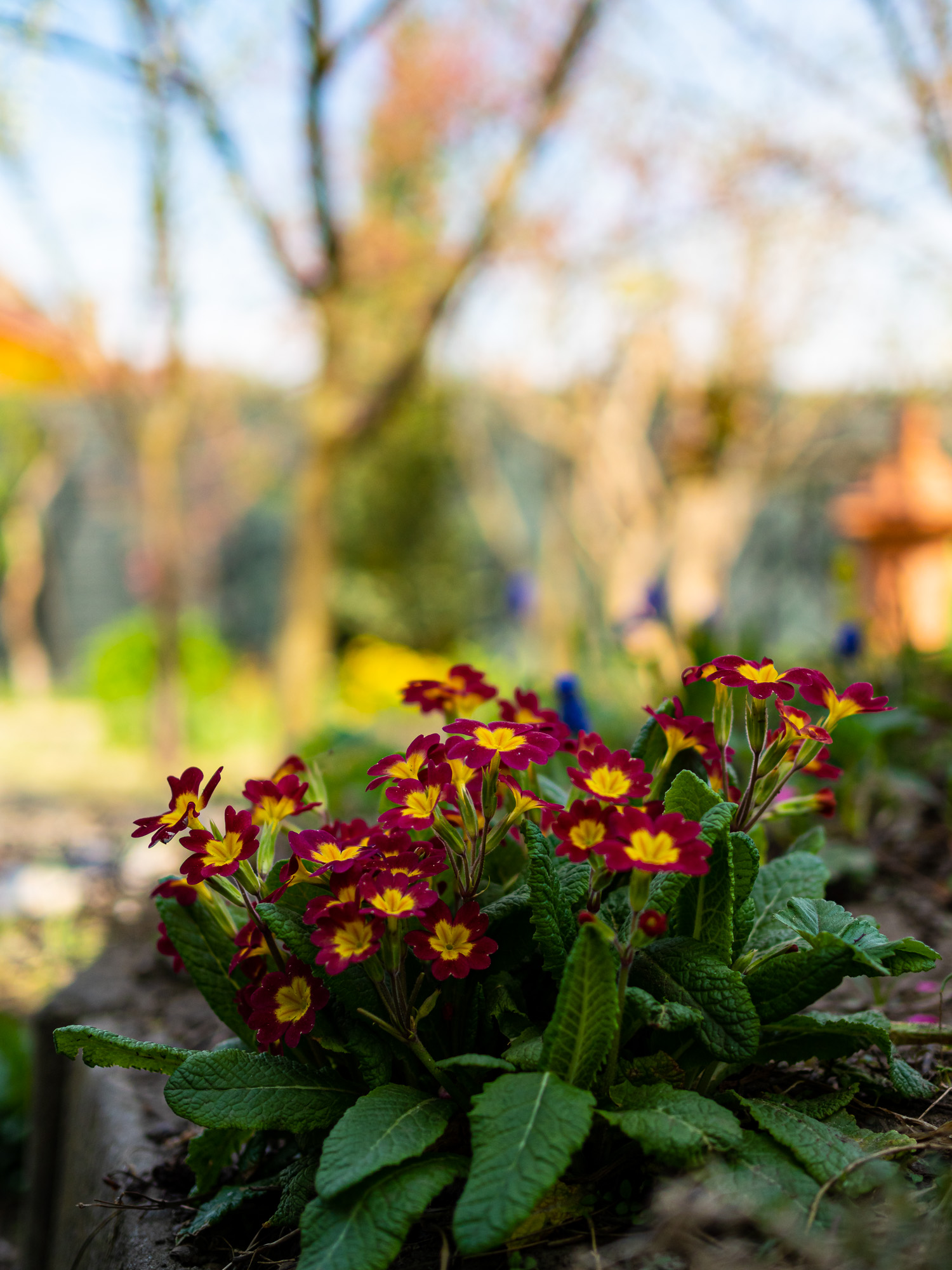
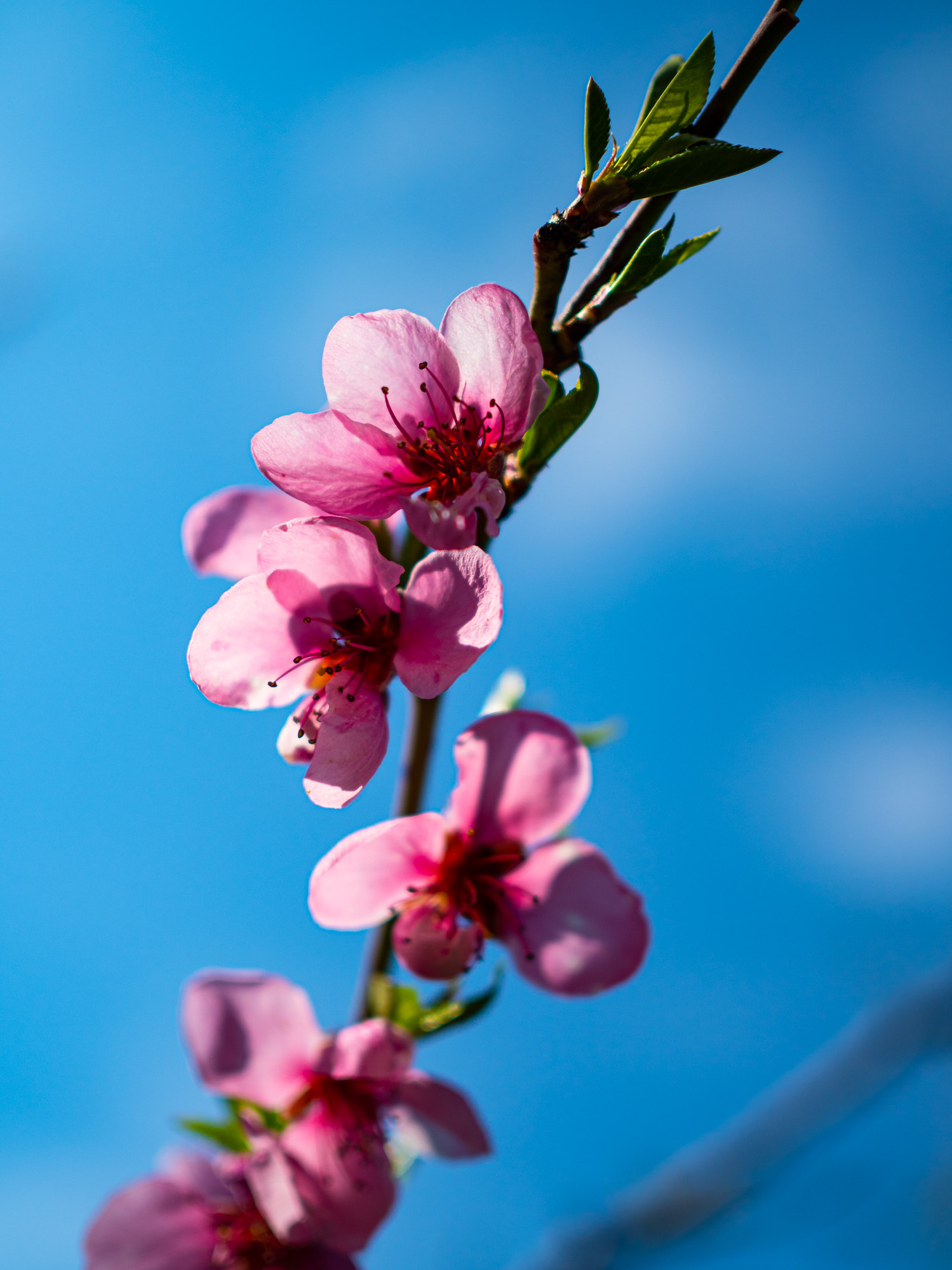
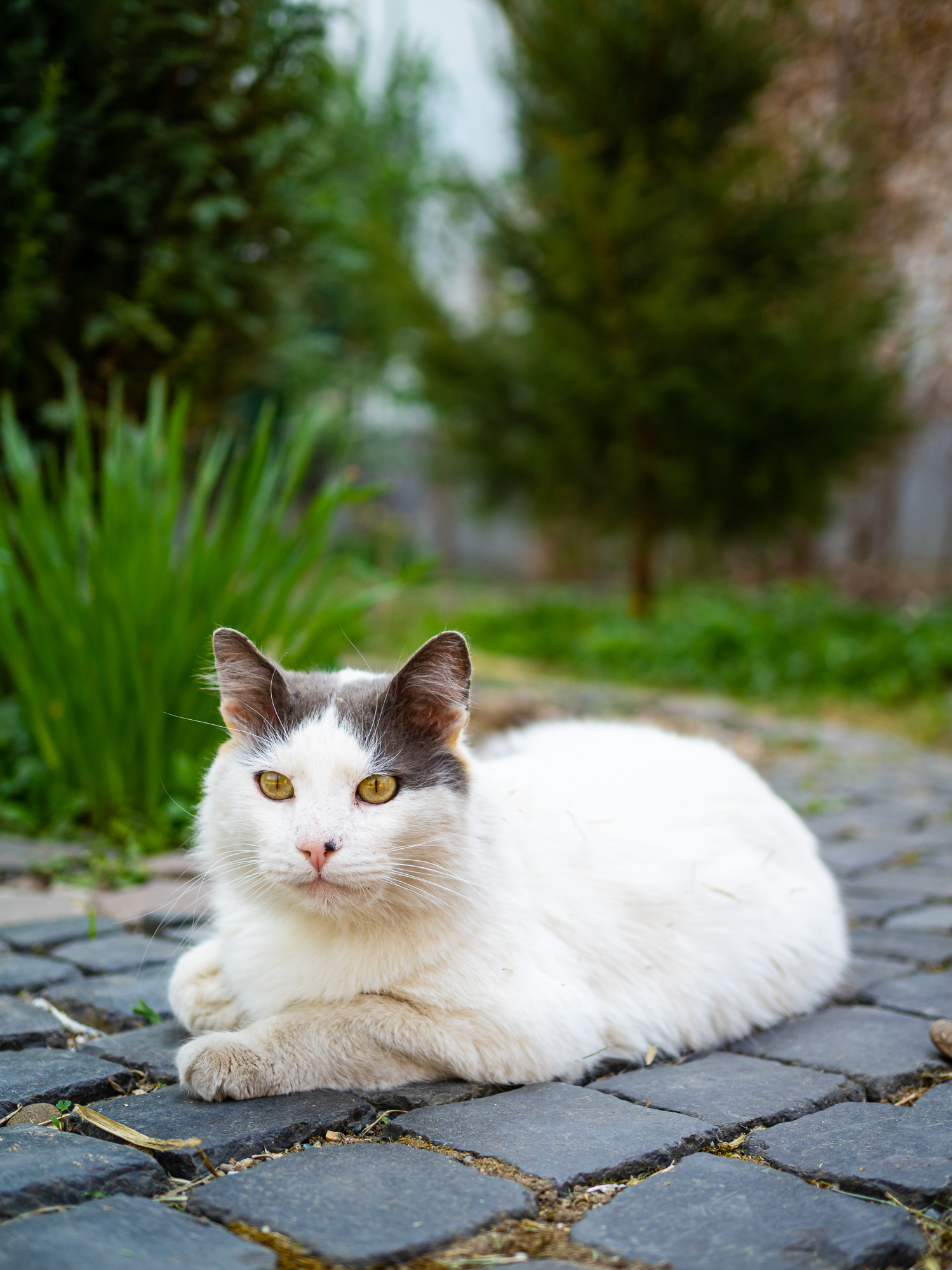
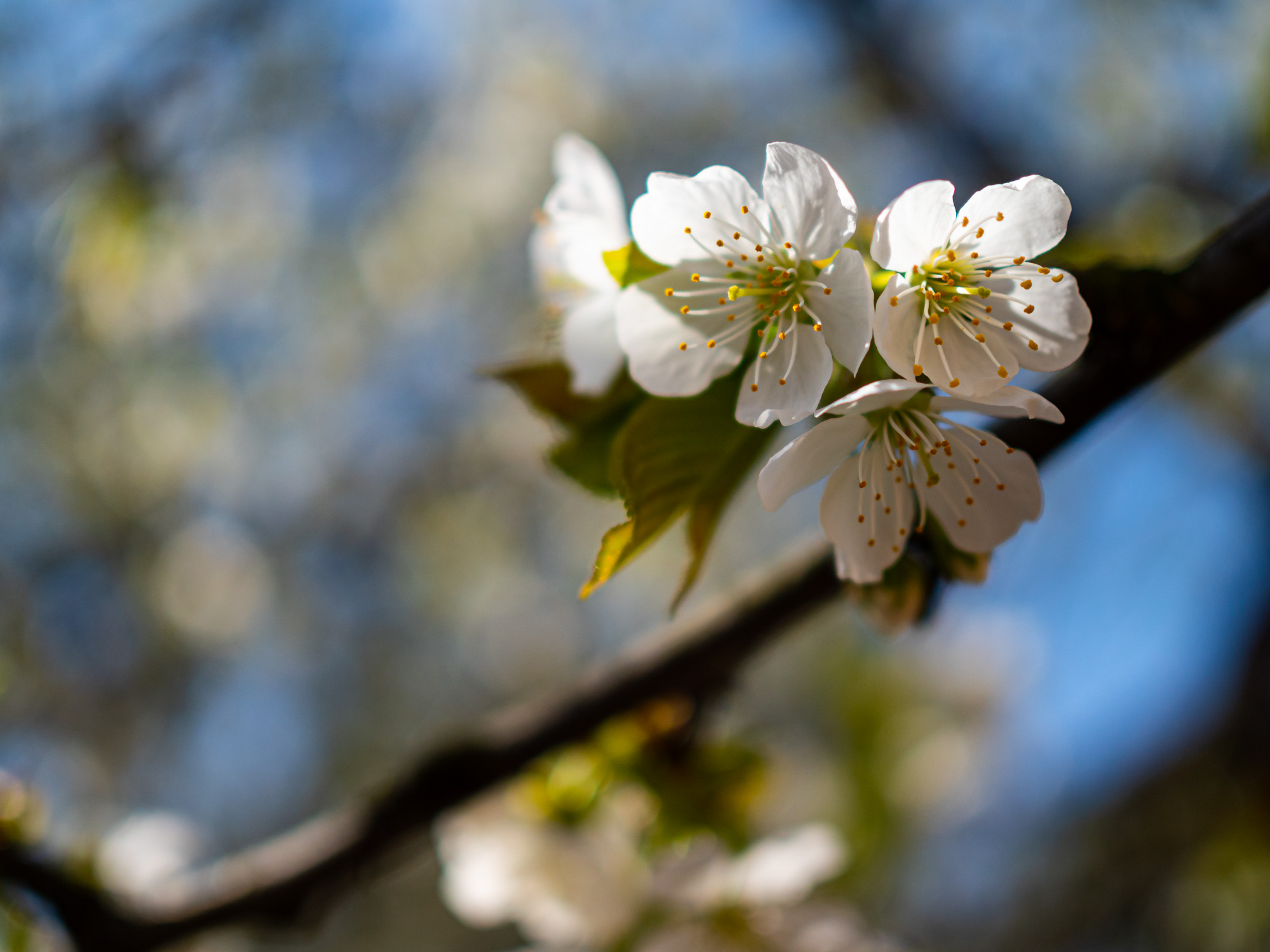
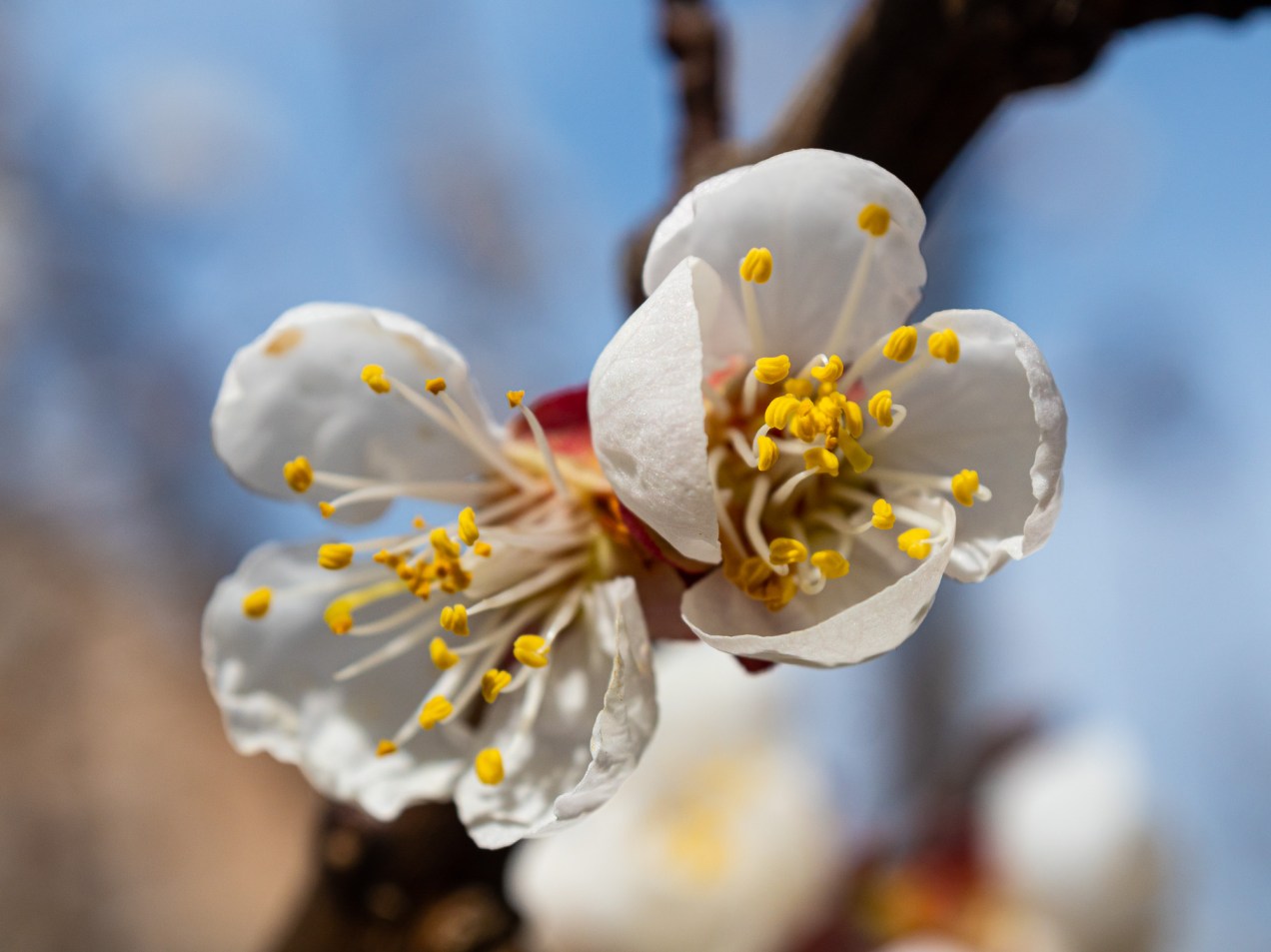
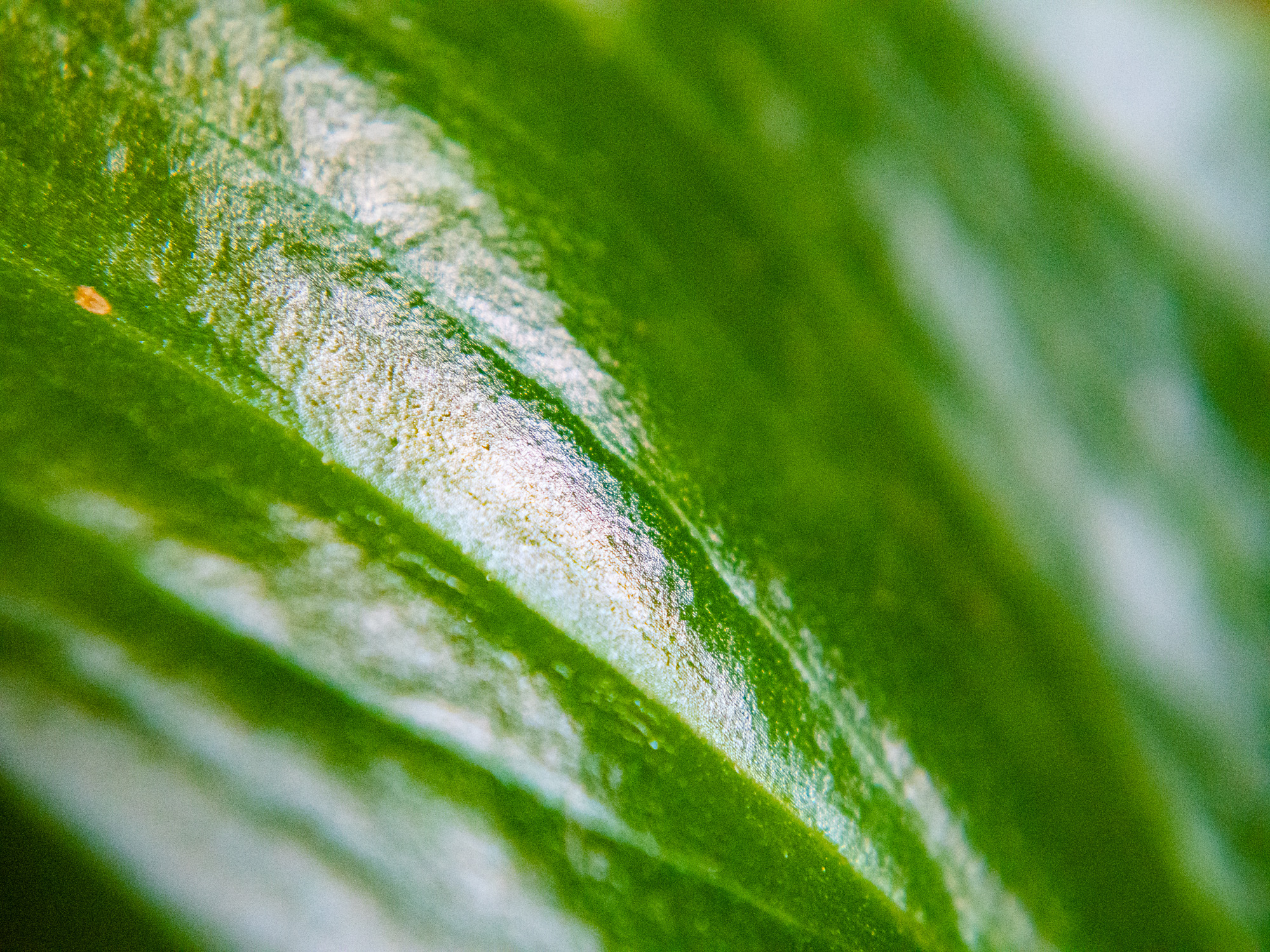
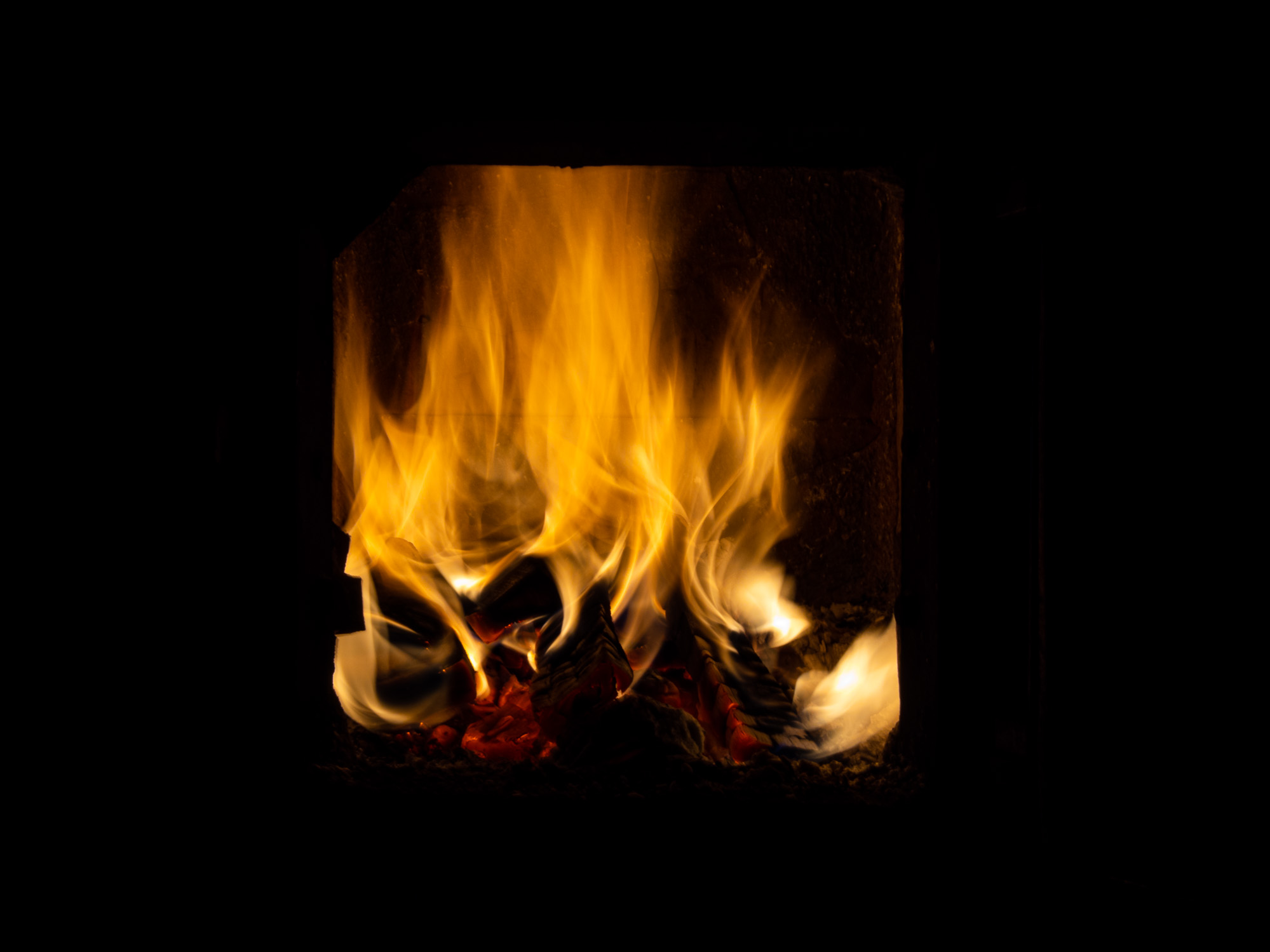
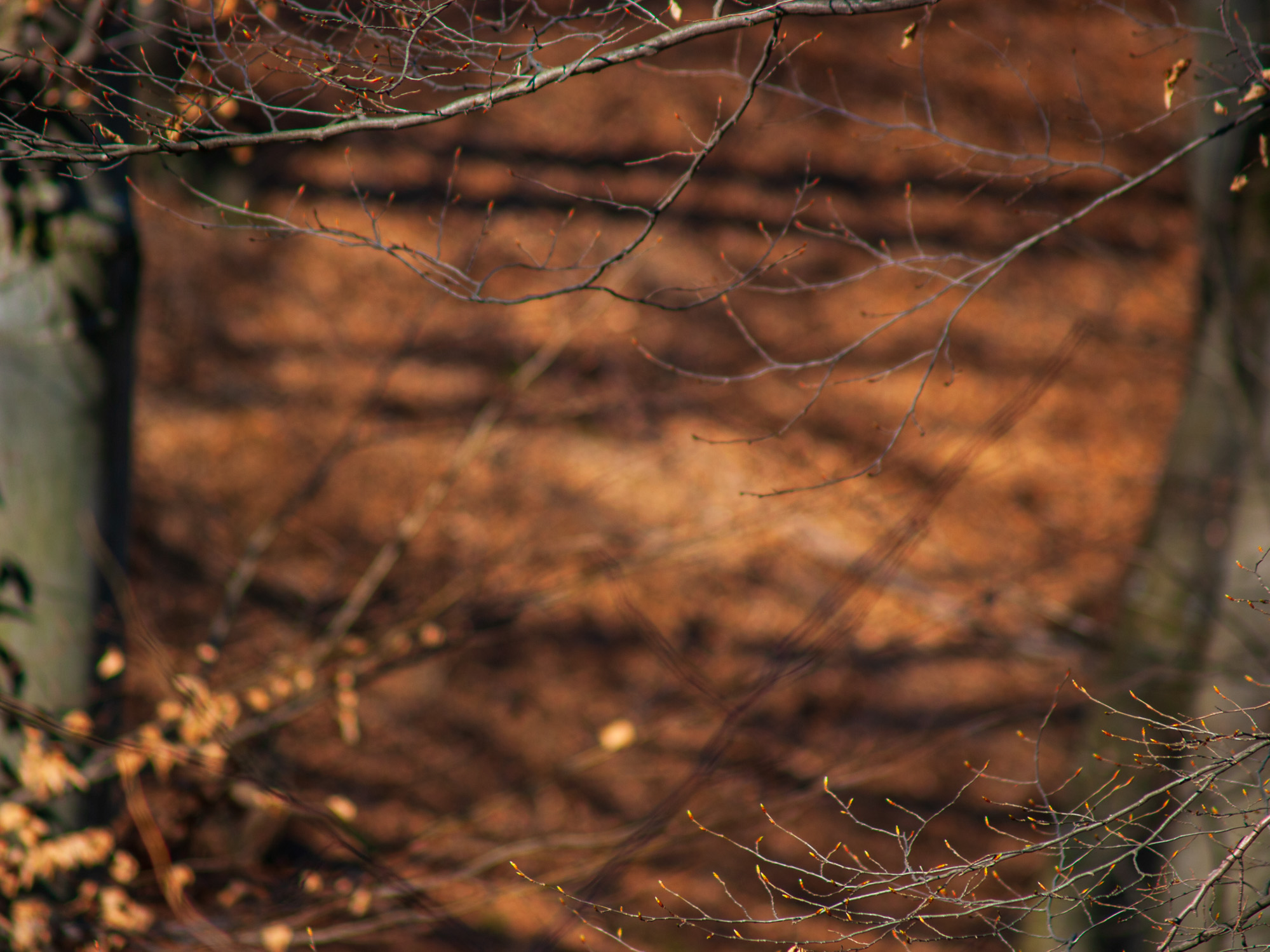
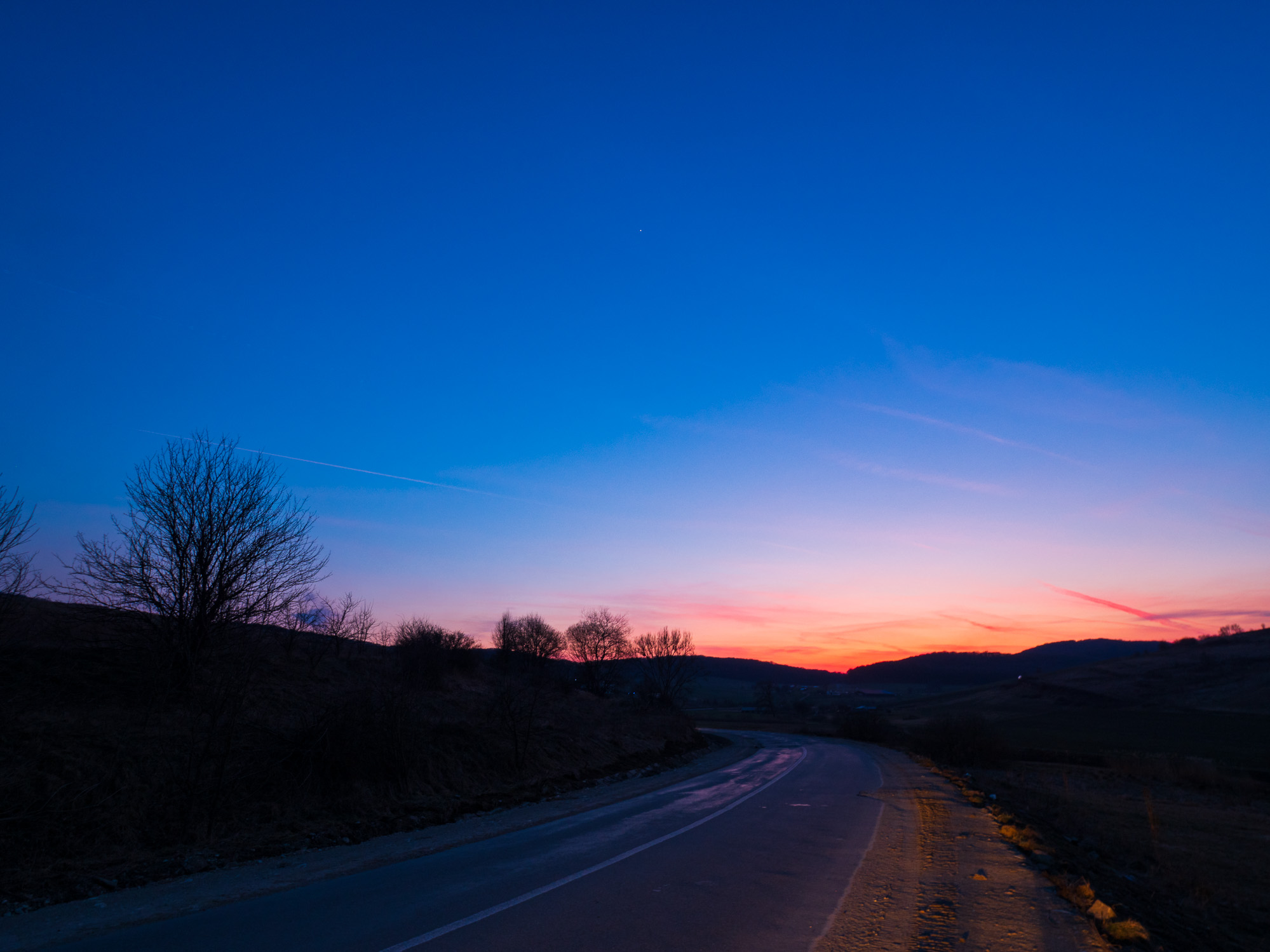
No particular theme for this set of images. Let’s just call it #phototherapy. We’re all stuck indoors, so we need it. Btw, I’ve been posting frequent images to my social media accounts lately, for the same reason. Enjoy!
I thought it’d be interesting to share with you what I’ve done since then. What camera and lenses did I buy and why? Don’t worry, I won’t keep you in suspense. My gear page is a clear list of what I’m using these days. I thought I’d also take you into my photo catalog, so you can see exactly what cameras and lenses I’ve been using.
A tally of the photos taken with various cameras
That partial list of cameras you see above is only part of the picture. There are over 92 cameras and scanners listed in my catalog, but that screenshot is important because you can see that most of the action is happening with Olympus cameras: there’s the E-3, E-330, E-500, E-510, E-P1, E-P2, E-P3, E-P5, and the E-PL1.
When we look at lists of the cameras used in each of the years since 2018, the picture becomes even clearer.
Cameras used in 2018
Cameras used in 2019
Cameras used in 2020
When you look at 2020, you’ll see a new camera: an Olympus PEN-F. I bought it this year, less than a month ago, and it is now my main camera. Not that it should come as a surprise, because you can clearly see that PEN cameras have been my main cameras during these past couple of years.
Olympus PEN-F
My new secondary camera is the Olympus E-3, a flagship camera launched in 2007. That’s right, it’s a 13-year old camera, but it’s so good! It’s designed so well, and it feels so comfortable to hold and use. The images are wonderful as well: clear, sharp, colorful. It’s also splashproof and dustproof. I couldn’t ask for more.
Olympus EVOLT E-3
I used to worry about megapixels, but not anymore. I have no complaints about the 10 megapixel images from the E-3, and the 20 megapixel images from the PEN-F are a wonderful luxury. When I need a lot of resolution, I can always stick my PEN-F on a tripod, put it in High Res mode and get 80 megapixel images!
If you’re still worrying about resolution, please realize that 10 megapixel images are more than plenty for A4 prints (that’s roughly 8×10 prints). Even 8 megapixel images print just fine on A4 sheets, which is more than the size you’d need for a book of photographs. As for online uses, even a 2 megapixel image will do great. You don’t need a lot of megapixels! The extra resolution is nice, but it complicates storage and processing needs and it’s simply too much for most uses.
Back in 2018, when I wrote my article, I may have concluded that the best full-frame camera was the Sony A7RIII, but I also concluded in the video guide, that the best camera for me is the camera that fits my needs best. And when I sat down to think about the cameras I’d enjoyed using and taking with me (that’s the important part, the willingness to carry the camera along so I can take photos with it), I had to conclude that I enjoyed using Olympus cameras, and that I really liked the PEN line of cameras.
Using the PEN E-P2 back in 2010 was a photographic revelation. It was a new way of taking photos for me. It was such a joy to hold that camera, to frame an image in the viewfinder and to press the shutter button. The images were so good for such a tiny camera. To this day I regret not switching over right there and then, but I was so invested in Canon gear at the time.
Olympus PEN E-P2
So the natural thing for me to do, once I admitted this to myself, was to begin purchasing PEN cameras and MFT lenses. I had a couple of concerns as detailed below, so I proceeded slowly:
One way I love using my cameras is to shoot wide-open, to get proper separation between my subject and the background, and this was a concern as I began purchasing Micro Four Thirds gear: would I be able to get a shallow depth of field from cameras known for their high depth of field? The answer turned out to be a resounding yes, and it was the 45mm f1.8 lens that made me go “wow”.
Another way I love using my cameras is in low light, particularly at dusk. With previous Olympus cameras that I’d reviewed, I knew I couldn’t go above ISO 800. I wanted to see if things improved with the newer PEN cameras. When I reviewed the PEN E-P2 in 2010, I went to ISO 1600 and 3200 and the results were usable, but not ideal. I also knew I hadn’t really tested the E-P2 fairly, because the widest lens I’d used on it was f3.5 at its max (it was the kit 14-42mm f3.5-5.6 lens), while for my other cameras, I had f1.4 lenses which obviously helped them gather much more light and perform much better in low light. Also, what had improved a lot over the years was the ability of software like Lightroom and Olympus Workspace (formerly known as Olympus Viewer) to apply good noise reduction to high-ISO images.
Incidentally, even with the aid of f1.4 lenses, I was thoroughly disappointed with the high-ISO performance of my Canon 7D over the years, to the point where I took to reusing my old Canon 5D in low light, so I wouldn’t end up muttering curses under my breath when I developed the images.
So once I bought the E-P2 in 2018, I took photos with it in low light once again, this time with proper wide-open lenses like the 17mm f/1.8 and the 45mm f/1.8 and I was thoroughly surprised at how well the camera performed. Here are a couple of samples.
These were developed in Adobe Lightroom, but I will say this: Olympus Workspace is much, much better at reducing noise in high-ISO images from Olympus cameras than Lightroom. If you’re disappointed with how your final images look after you put them through Lightroom, put those same images through Olympus Workspace and you’ll be surprised at the results. I know I was! Granted, it is slower to work with and it doesn’t offer all of the file management, presets and collections options that make it so convenient to use Lightroom, but it has no competition when it comes to getting the best image quality from your developed photos.
Seeing how well the E-P2 performed with proper lenses, I went ahead and purchased the E-P3 and the E-P5. I was also lucky to find an E-P1 in very good condition, so I bought that as well.
Olympus PEN E-P3
Olympus PEN E-P5
Olympus PEN E-P1
As I used them, I saw that things got better with each model, from the E-P1 to the E-P2, from E-P2 to the E-P3, and from the E-P3 to the E-P5, in terms of high-ISO noise management and many other things, to the point where photos taken in dim indoor lighting turn out like this:
I have absolutely no complaints about images like these, so naturally my concerns about the performance of Olympus cameras in low light went up in smoke, so to speak.
Once these two concerns — shallow depth of field and low light performance — were nullified, I could truly begin to use my PEN cameras as my primary cameras, and I began purchasing more lenses. I now have nine MFT lenses and two converters (macro and ultra-wide), covering a focal range of 9-300mm (equivalent to 18-600mm in 35mm format), so my needs are pretty well met. More importantly, I’ve proven to myself that I can use PEN cameras professionally, and that I can use Olympus cameras full-time for my photographic needs, which is what I’ve done since 2018.
I have had a soft spot for Olympus cameras for some time. My first proper digital camera was the Olympus C3000Z, which I used from 2004-2007.
Olympus Camedia C3000Z
The C770UZ was next, and I used it from 2005-2010.
Olympus Camedia C770UZ
I then got the PEN E-PL1, which I used from 2012-2018 as my primary travel camera and as my backup camera at home. I got it from Costco as a kit with the 14-42mm and 40-150mm lenses, and loved taking it along on trips, because it was so tiny and light and with those two lenses, I was covering a focal range of 14-150mm (equivalent to 28-300mm in 35mm terms).
Olympus PEN E-PL1
From 2018 onward, I’ve used my various PEN cameras as my primary cameras, with my PEN E-P5 racking up the most shots at over 65K. Now of course the PEN-F is my primary camera and I’m very happy. When I sit at my desk, I keep it there in front of me and I admire its design as I work on my various projects. I love it!
I’d like you to look around and take a mental poll of all the famous photographers you know. Off the top of your head, how did you find out about them?
Chances are you found videos they made, where they talked about some aspect of photography or some other thing, and showed you some of their photographs, or at the very least, had links in the video description or on-screen to their portfolios or websites. What likely didn’t happen is you didn’t see one of their photographs in a publication somewhere, then you looked them up online, found their website, read their bio and looked at their portfolio.
When you step back and look at this whole cockamamie situation, and by that I mean that you get a bit of historical perspective on it, you begin to see how bonkers things have become. You can blame it on social media, you can blame it on the newer generations who grow up mugging for the camera almost every moment of the day, whining about this and that, publishing private thoughts out on the internet for anyone to see (whereas those things were confined to the privacy of their journals in years past), you can blame it on a loosening of the underpinnings of society as a whole… I don’t know what to blame it on, and yet I see how ridiculous things have become for those of us who are passionate about photography.
It used to be that if you got your photos published, you were an established photographer. People got to know you through your photographs and that was enough. Maybe they met you at an art gallery or at a seminar, but by and large, your contact with the public was limited. If you were really famous, there might be the odd TV interview with you that could be seen here or there, but mostly, there were your photographs, that could be enjoyed in magazines, books, prints and maybe postcards, and that was enough, and it was right, because it should be about the photographs.
Nowadays, getting your photos published means absolutely nothing in the eyes of the “public”. As a matter of fact, good luck trying to sell a book of your photographs, even if you’re a good photographer. No, what matters today is whether you (who are typically behind the camera), stick a camera in your face and you mug at it as often as possible, gesticulating and yelling about some thing related to photography, trying to look cool while begging people to subscribe to your video channel and to like your videos and to give you money on Patreon.
I find the whole situation repulsive. It’s not only because you’re forced to make videos about your photography, and you’re forced to brag, directly or indirectly, about your photography, and you’re forced to beg for likes and shares and other crap online currency — but also because so many of the “photographers” that are well known today aren’t really good at photography. What they’re good at is running their mouth off in front of the camera, often as close as possible to the lens, so they’re right in your face as you watch the video, with cameras behind them or in their hands, because they have to appear to be photographers. More often than not, they’re ridiculously young, too young to be expert photographers, yet they have no problem posing as experts and selling the “public” courses on photography or presets or some other shit product that copies what everyone else is doing. These ninnies have no problems modifying the integrity of their images to make them more pallatable to the “public”, to the point where replacing entire skies has become common place. Sure, let’s “add a moon”, “add some stars here and there”, let’s “add some more trees”, let’s “take out this building and add a lawn instead”, let’s “take out these people because they’re ruining the composition”, let’s “replace this whole sunset with another one” because why not, software makes it easy, let’s smooth out this woman’s skin to the point where it looks artificial, let’s take out all the wrinkles, change the color of her eyes, maker her thinner, never mind that it barely looks like her anymore, etc. This is no longer photography. Go ahead, look up the definition of “photography” in the dictionary! Whatever happened to proper composition, to taking the time to set up an important shot, to waiting to press the shutter button until the moment is just right? Whatever happened to capturing the image in-camera, as it is presented to the lens, honestly, realistically, but artistically?
It’s so ridiculous that a photographer would need to spend more time in front of the camera, making videos, instead of making photographs, just to keep up with these times, because that’s what’s expected of him or her. You’re not even safe out in nature, where you go to be by yourself, to eliminate everything but your focus on photography. You’re expected to bring back how-to videos and vlogs and making-of videos and jeebus… this crap just goes on and on, doesn’t it? It’s no longer about the photographs! It’s no longer about the art, about capturing that fleeting moment that moves you, it’s about mugging for the camera! It’d be pretty safe to call this new generation of video-photographers “muggers”, in the real sense of the word, because they’re stealing the focus from what matters, from the photographs, and they’re keeping it instead on their mugs, while they blather on and on, throwing a link here and there to some course or a set of presets for you to buy.