I took these photos a few weeks ago in our garden and didn’t get a chance to post them until now. The sour cherry trees were full of flowers, the lilac trees were sprouting leaves, the ladybugs had started to come out, the dandelions were in bloom (I love dandelions), the strawberries and tulips were blossoming as well, and a few more flowers whose names I don’t know were looking quite pretty. Enjoy!
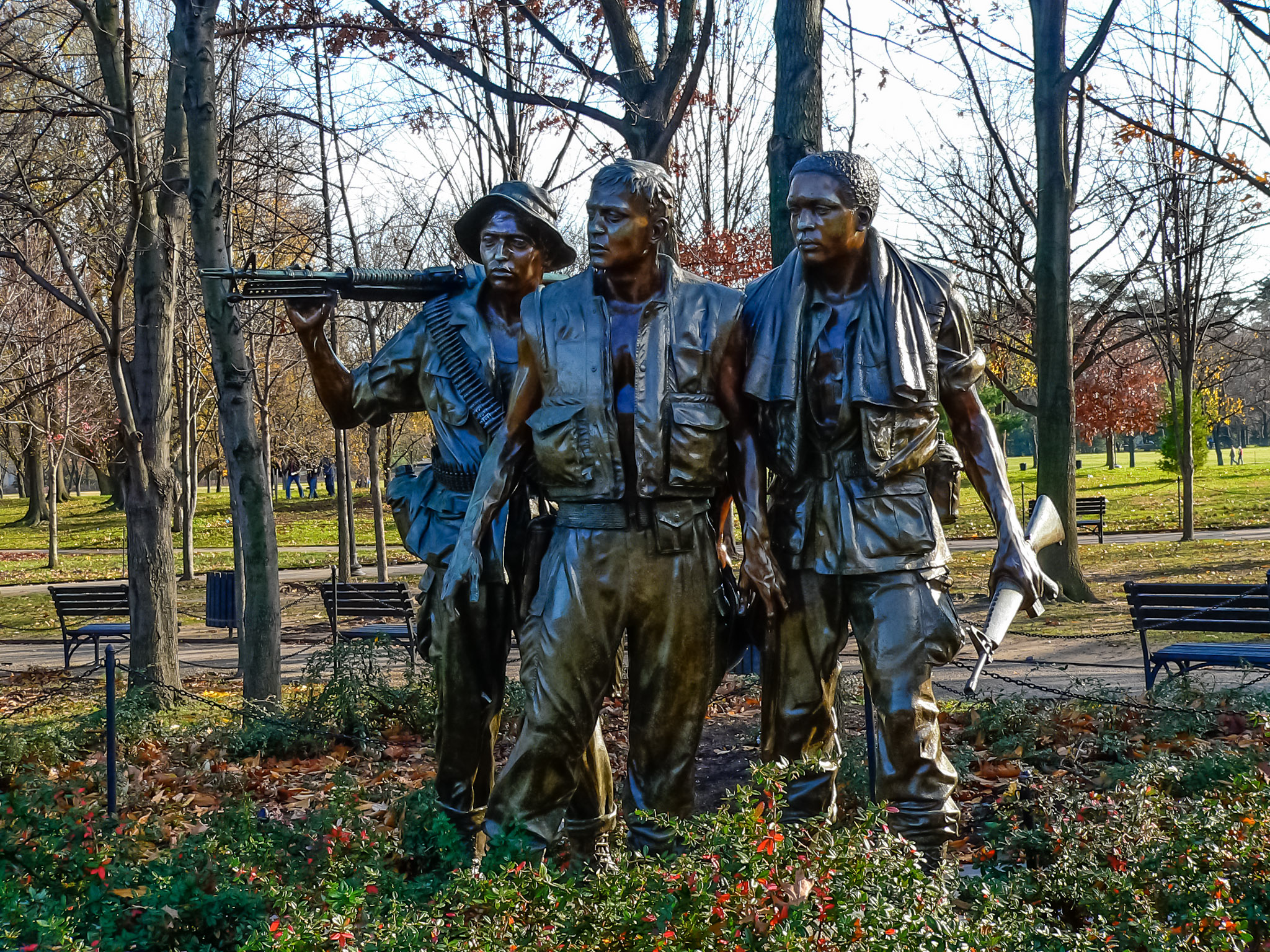
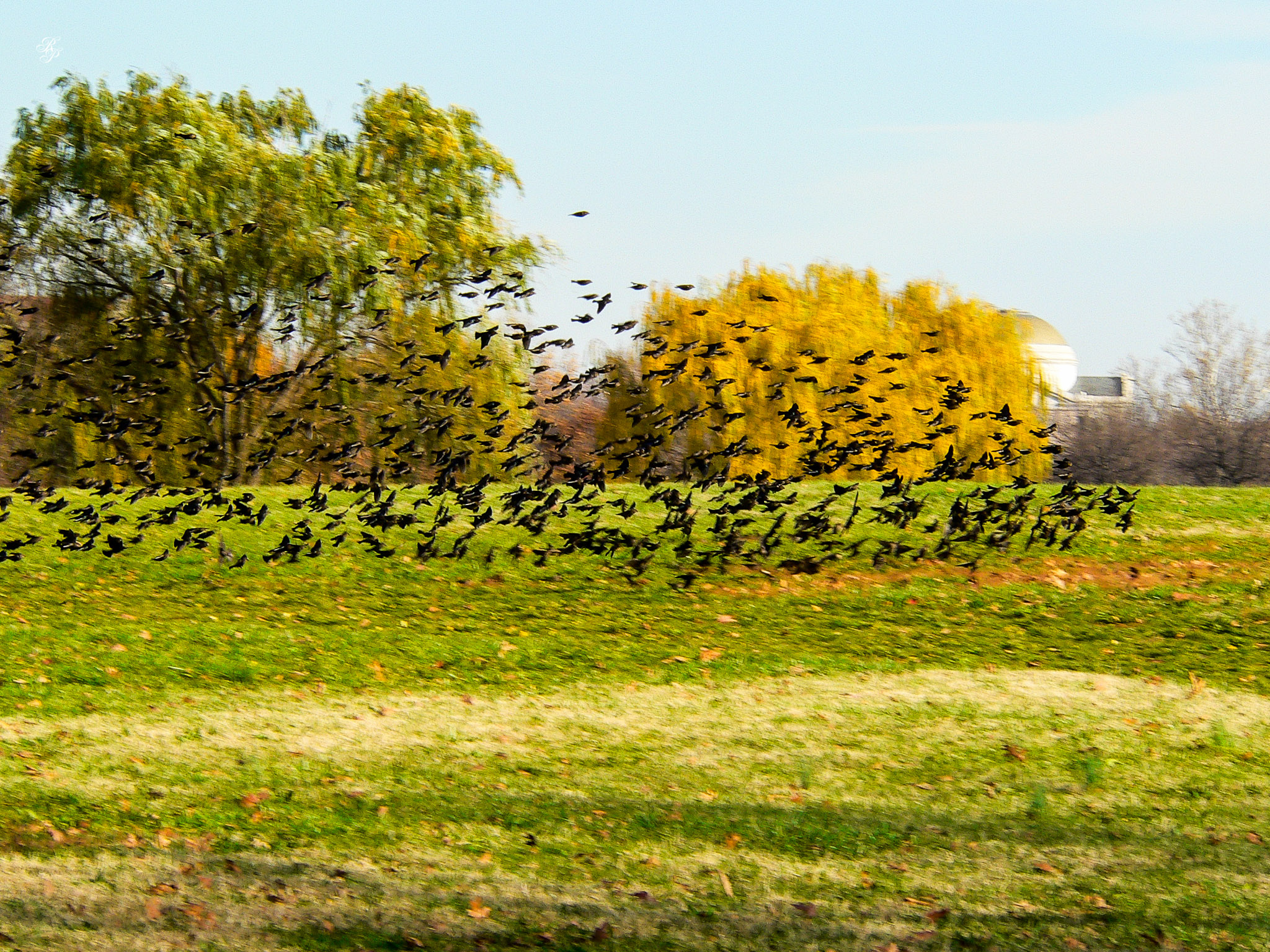
Here are photos taken at the Vietnam Memorial in DC, back in 2006. War is war. The photos say it all. Just have a look at the faces of the people who were visiting it at the time, and at the huge flock of crows flying around the grounds.
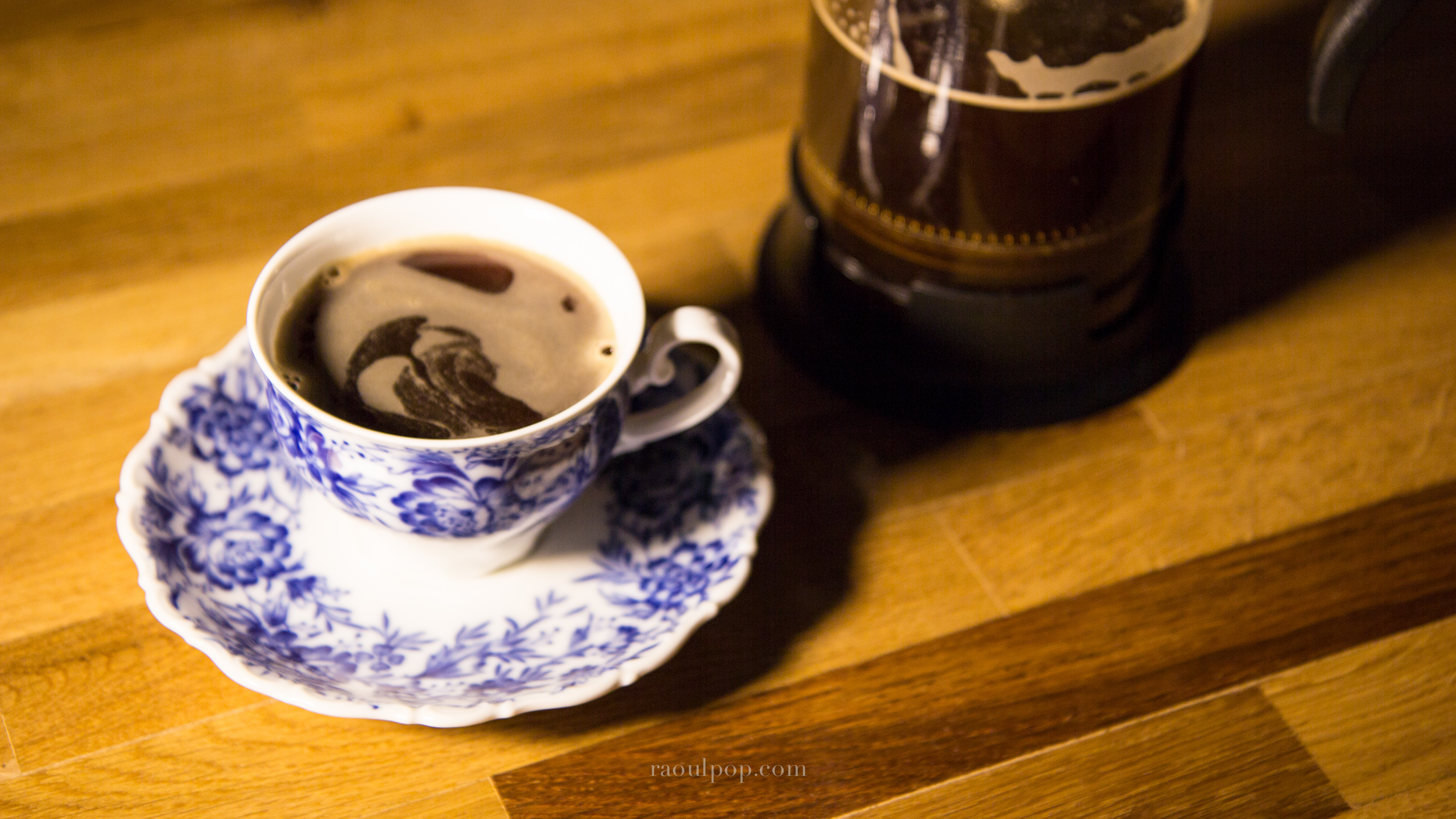
With the warmer spring weather, I tried something different when making my coffee one day: I decided to brew it using the sun’s heat. I was hoping for a different, milder taste and I was right!
The basic coffee-making equation doesn’t change: use your favorite coffee, use as much or as little of it as you prefer — but instead of putting it in the coffee machine, put it in a glass pitcher and add cold, filtered water. Then, cover the pitcher to stop insects or dust from getting into it and set it on the window sill or somewhere outside, in direct sunlight.
Monitor it periodically. Once it gets hot to the touch, the coffee’s done. You can leave it out a little longer if you want a stronger coffee, or leave it less if you don’t. I live in a temperate climate and in moderately warm spring weather (18-25° Celsius), my coffee was ready in 1½ – 2 hours. If you live in a warm climate, it should be ready even faster, maybe even in 30 minutes or so.
The taste of sun-brewed coffee is unique: it’s mild with no bitter aftertaste and there’s a distinct caramel flavor to it.
A few pieces of advice:
Use alkaline water, it will make it taste even better
Use a French Press, it’ll make it much easier to pour the coffee out of the pitcher once it’s ready
Use regular filter-ground coffee even though you’re using a French Press… it doesn’t make sense at first, but know that the water temperature in the sun will only be about 40-50° Celsius as compared to 90-100° Celsius with boiling water. This means you’ll need a finer grind in order to get more flavor out of the coffee.
It was touch and go for a while this year, wasn’t it? We weren’t sure when Old Man Winter would go and Spring would finally be here to stay. I think we’re pretty safe now that the first blossoms are starting to come in.
Our apricot tree is in full bloom. The sweet cherry tree is also starting to blossom. No sign yet on the sour cherry trees. And of course the spring flowers are out, as you’ll see in the photos from our garden.
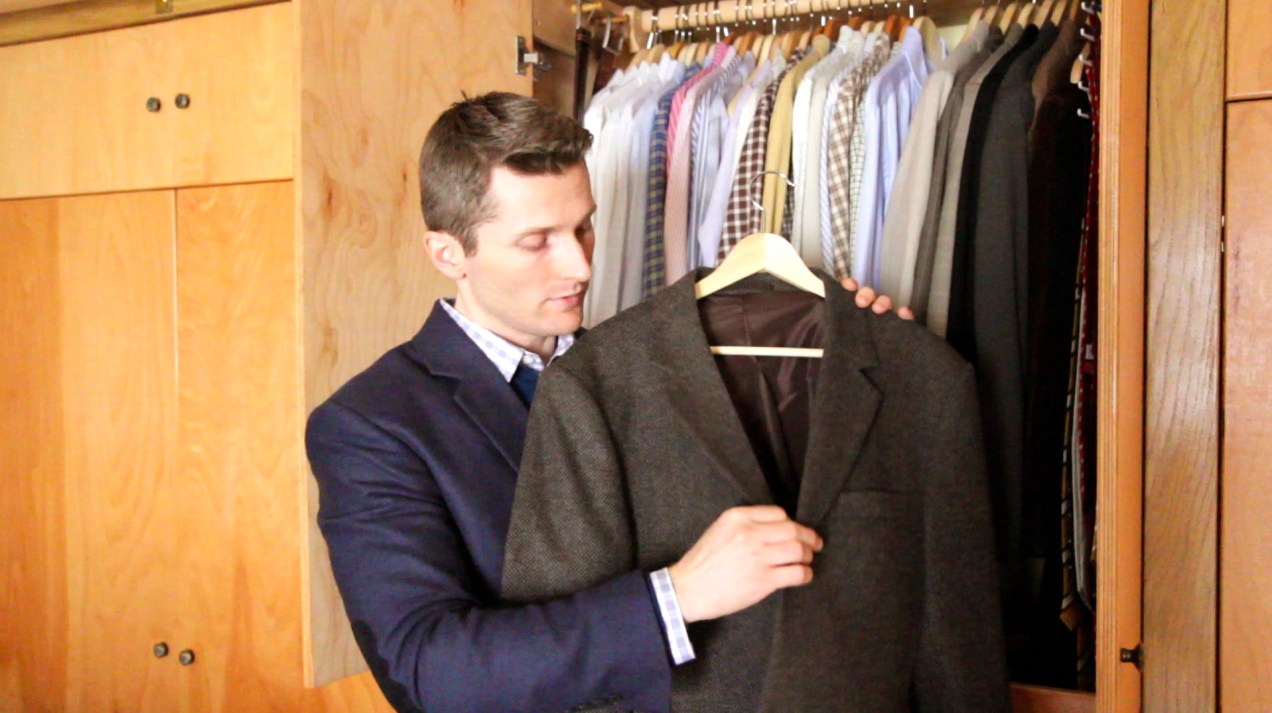
In this video, which is part of The Elegant Gentleman series, I talk about the following topics:
The importance of a proper fit (also known as a cut) for your clothes, which only a good tailor can do. It matters because it not only makes you look good, but it allows for fluctuations in body weight and/or mass. A great suit will hide these changes in your body to a certain point, beyond which it will either start to show them or you’ll start feeling uncomfortable in the clothes, signaling that alterations or a new suit are in order. A poorly cut suit will generally not accommodate fluctuations in body weight, showing them right away, in unflattering ways. This ties into my second point, which is…
The differences between bespoke (custom-made) suits and store-bought suits, one of those differences being a proper fit (discussed above). Bespoke suits fit better, naturally, since they’re made for your body from the start. Store-bought suits will feel like they’re off-the-rack 95% of the time and in my case, 100% of the time. Because my body is of an athletic build, whenever I go to the store to try on a suit, either the coat or the pants won’t fit me and in either case, any alterations that would have to be made are so significant that the suit would no longer look good.
The importance of finding good materials cannot be overstated, since they are the stuff from which suits are made. They cannot be an afterthought. I suggest you go to fabric warehouses in your area (it may take some effort to find them) and pick out materials that you like. Educate yourself on the fibers used in the materials, then on the texture, the colors, the patterns and then you’ll be properly equipped to shop for fabrics. (Or you can find an honest and knowledgeable salesman who’s willing to explain that to you.)
The price of a good suit isn’t set in stone and will vary widely, first based on where you live (larger, more famous cities bring up the price) and second based on what your tailor decides to charge. For example, where I live, in a small town in Southern Transilvania, I can get a good bespoke three-piece suit for about $175 – 250, and that includes the price of the fabrics, buttons and zippers, too. I hear that prices back in the US are somewhere in the area of $750 – 1,500 and there again they’ll vary based on the city and tailor shop.
The one important characteristic that will make a suit much more expensive and rightfully so is whether it is sewn or glued together. You probably cringe when you hear “glued together” but it isn’t as bad as all that. This is also referred to as canvassed vs. fused. Suits have been glued together for decades. Basically, the outer and middle layers of the suit are pressed together with a hot iron and a special coating on the middle layer makes it stick to the outer layer. The lining is usually canvassed (or floating) on all suits. This allows the tailor to shape the suit much easier once it’s been cut, rather than sew it all together to give it its shape, which is laborious, requiring much more skill and time and therefore rendering the suit more expensive. There are actually three levels of quality: there is a fully floating canvassed jacket, a half canvassed jacket (where only the lapels and upper construction around the chest is fused) and a fully fused jacket. My suits are half canvassed, simply because my tailor doesn’t know and isn’t interested in working on fully floating canvassed jackets.










 Raoul Pop