Places

Taxidermy at the American Museum of Natural History, NYC

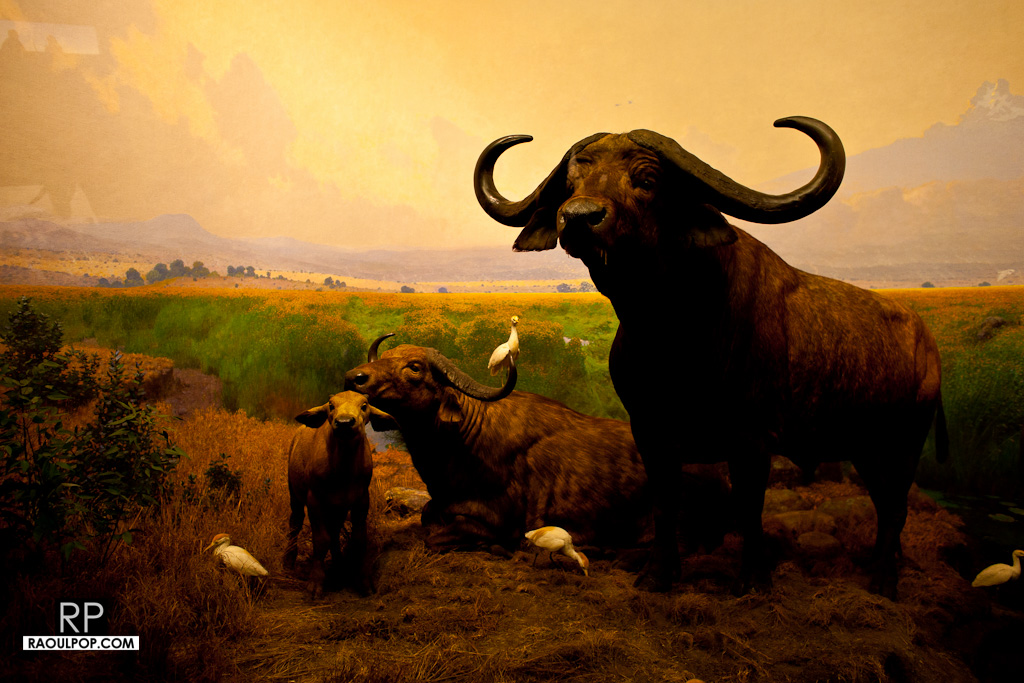
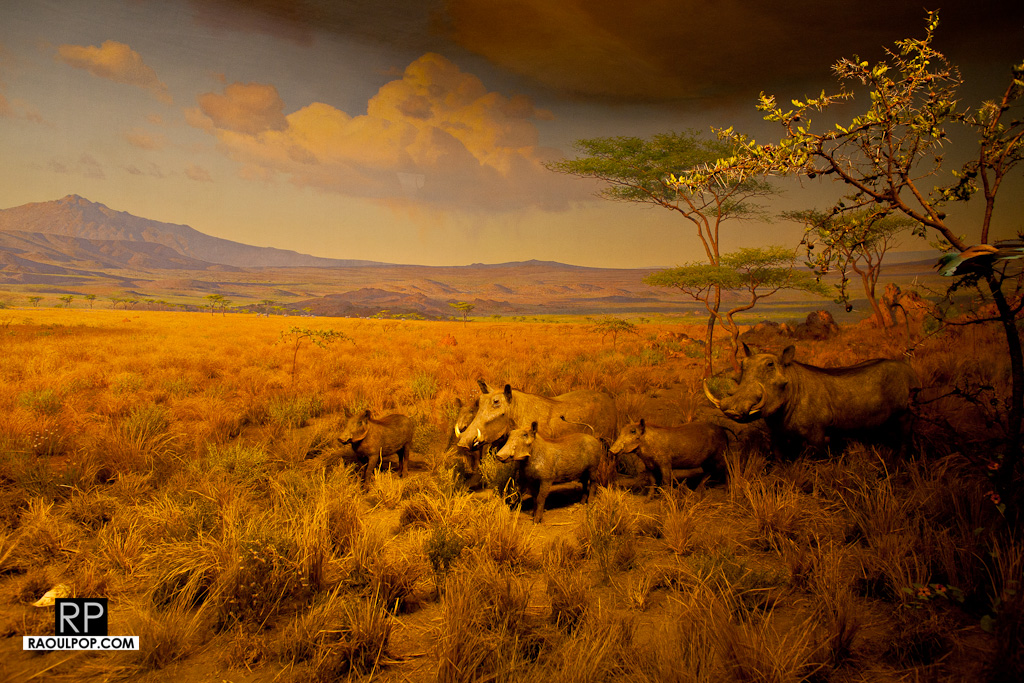
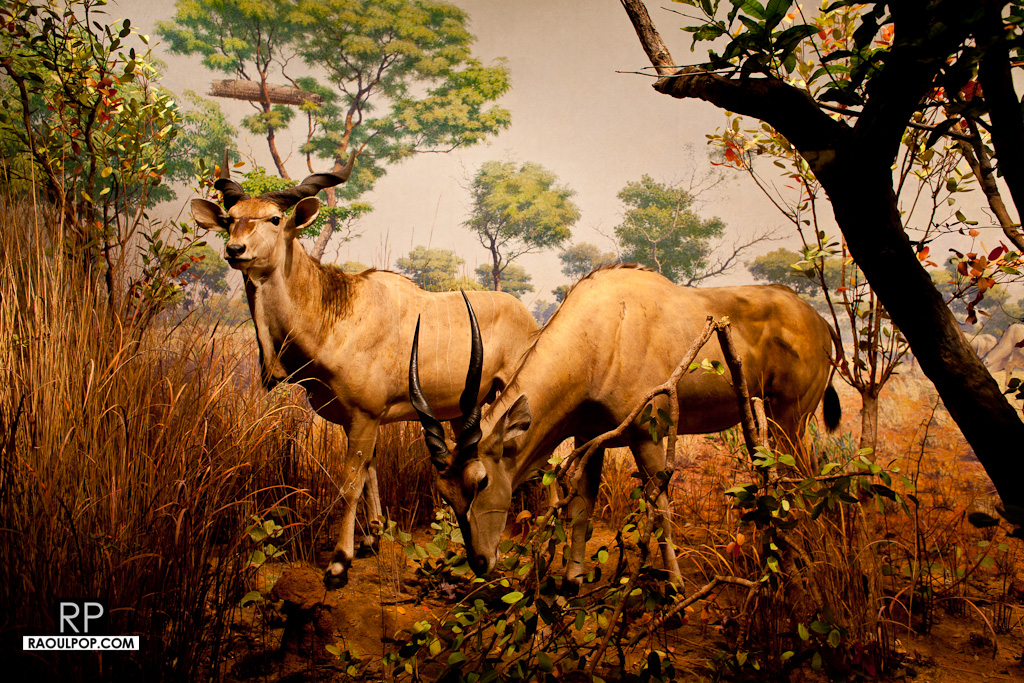
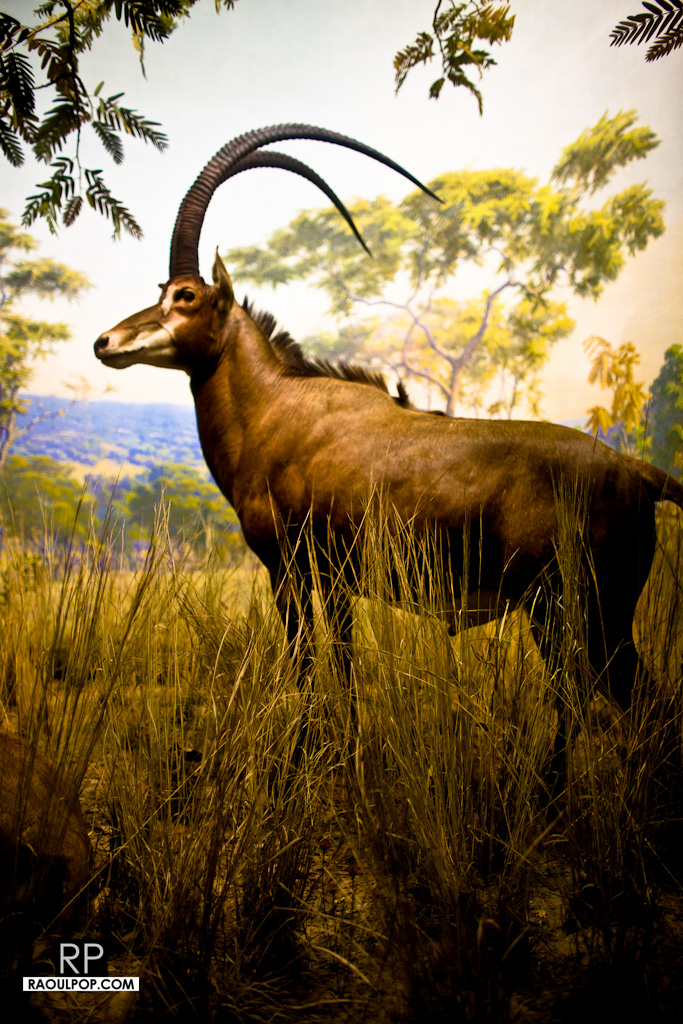
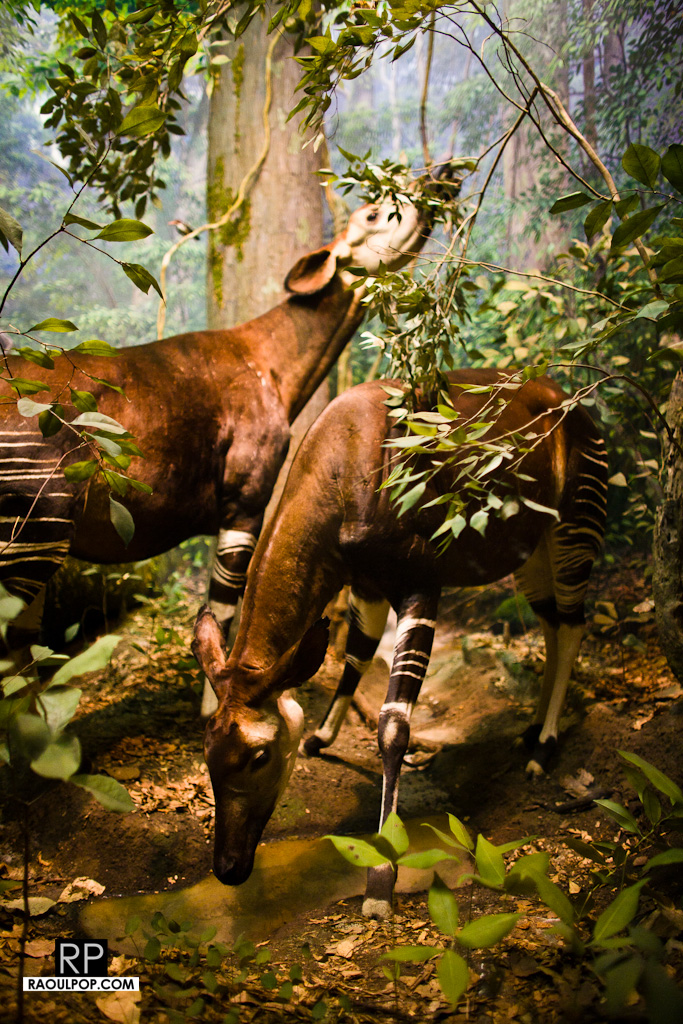
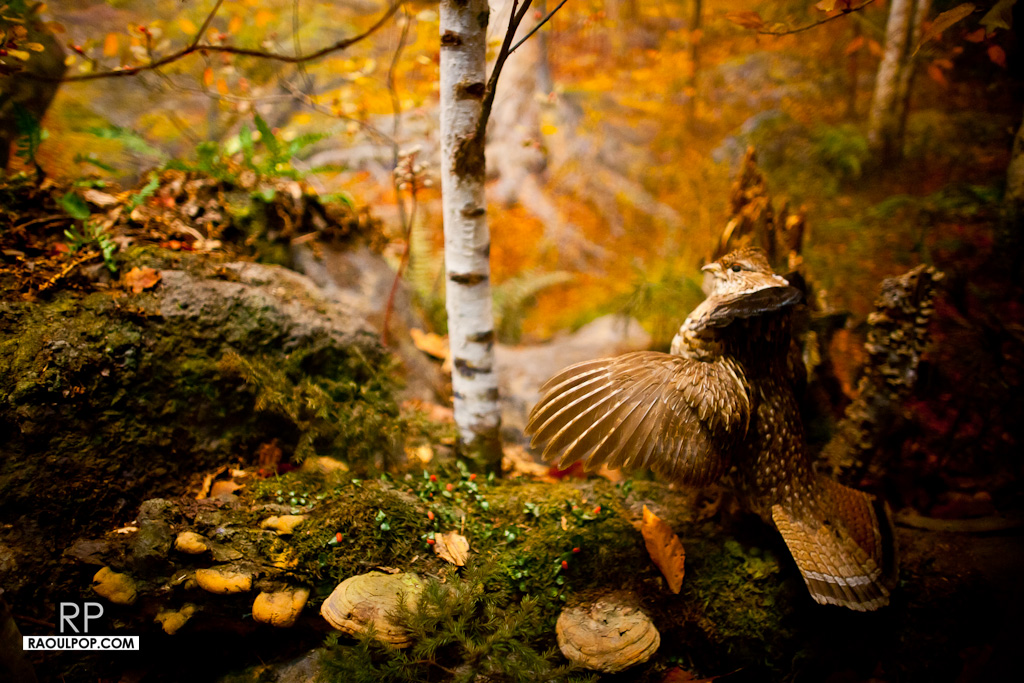
One of the most impressive exhibits at the American Museum of Natural History in NYC are the stuffed animals. The technical term is taxidermy, and if done right, it’s art. The pity is that it’s going extinct.
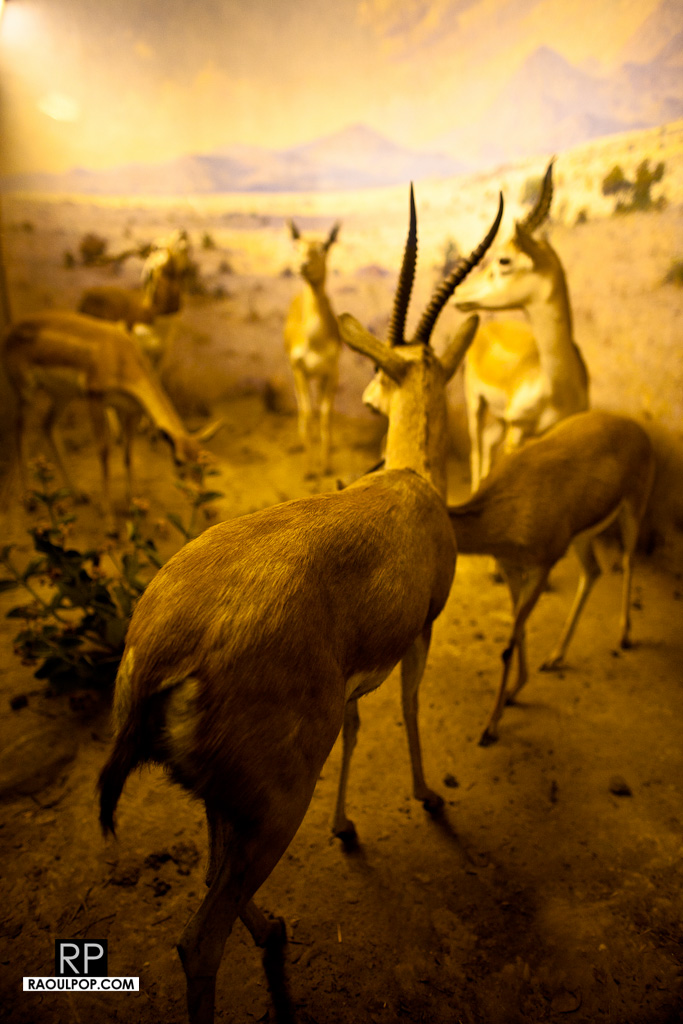
Of all the taxidermists listed on the AMNH website, only two are potentially living, and none of them work there anymore.

The last full-time taxidermist at the Smithsonian retired this year, which is a nice way of saying he was let go because there wasn’t work for him anymore. Did I mention his father and his grandfather were also taxidermists and also worked for the Smithsonian?
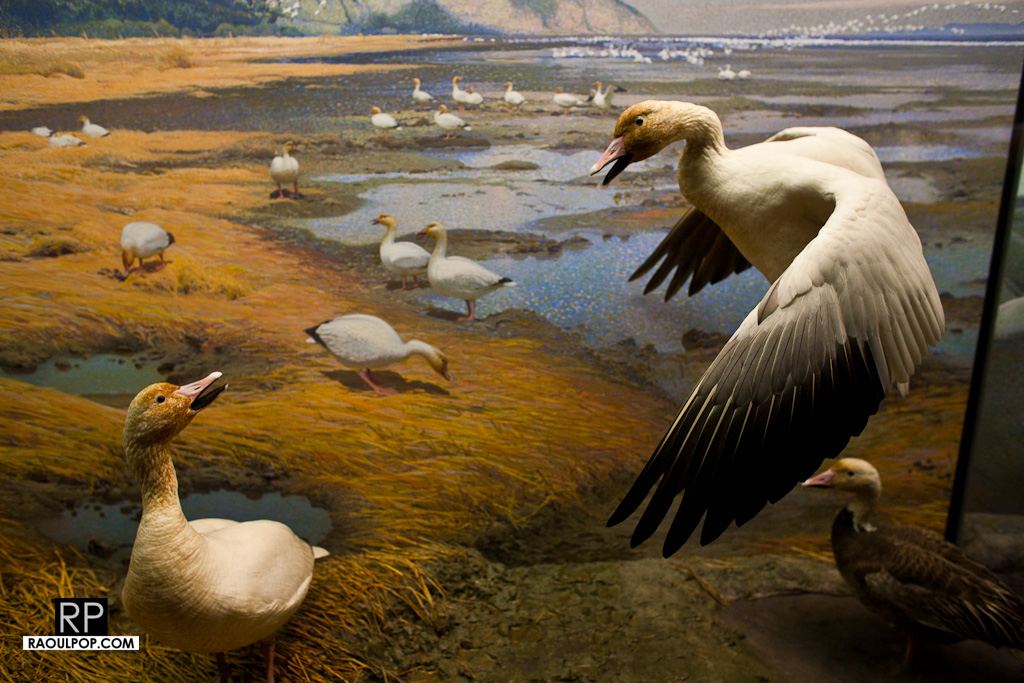
Perhaps most telling is that all of the taxidermists in the US can be listed on a single web page at Taxidermy Net. Now this is just a guess, but I bet most of them stick to fish and birds — you know, the kind of schmaltz you stick over the fireplace after you catch “the big one” — and they aren’t up to par with museum standards.
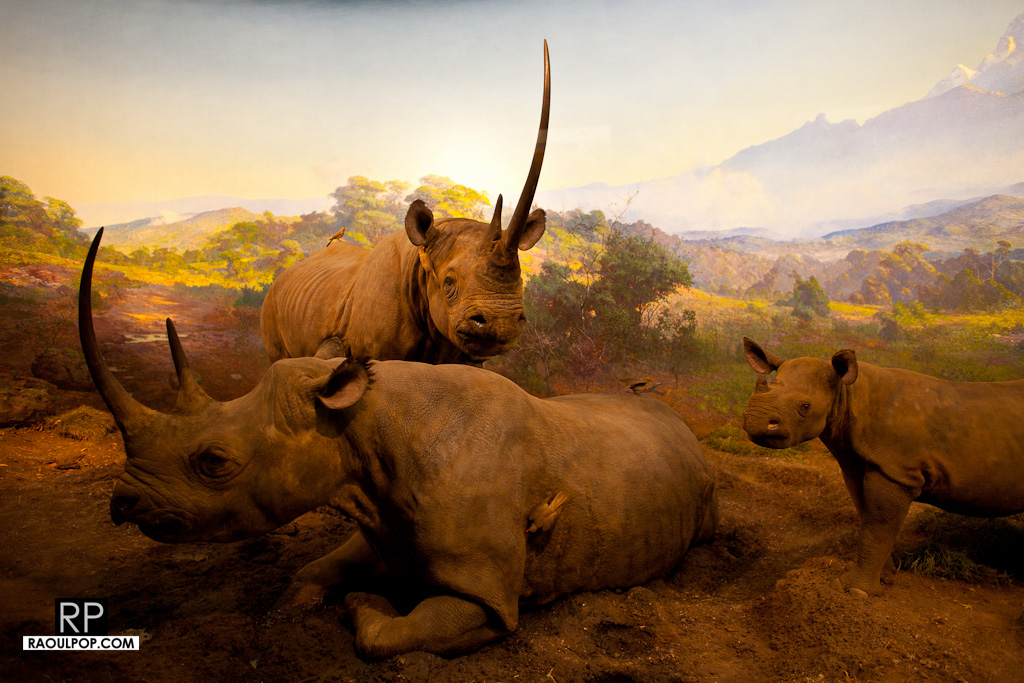
I suppose in the future, we’ll be dazzled with 3D computer renditions of animals when we go to museums. We’ll be able to pet them (or rather the air or the screen where they’re rendered), and they’ll react, but it’ll be a sad substitute. There’s nothing like seeing an animal in the flesh (in the skin, anyway). It stops you dead in your tracks to see the eyes, the texture of the skin or fur, the paws, the claws, the sheer brutality and mass of a beast that could tear you apart if it were alive. No computer will ever be able to replicate that.
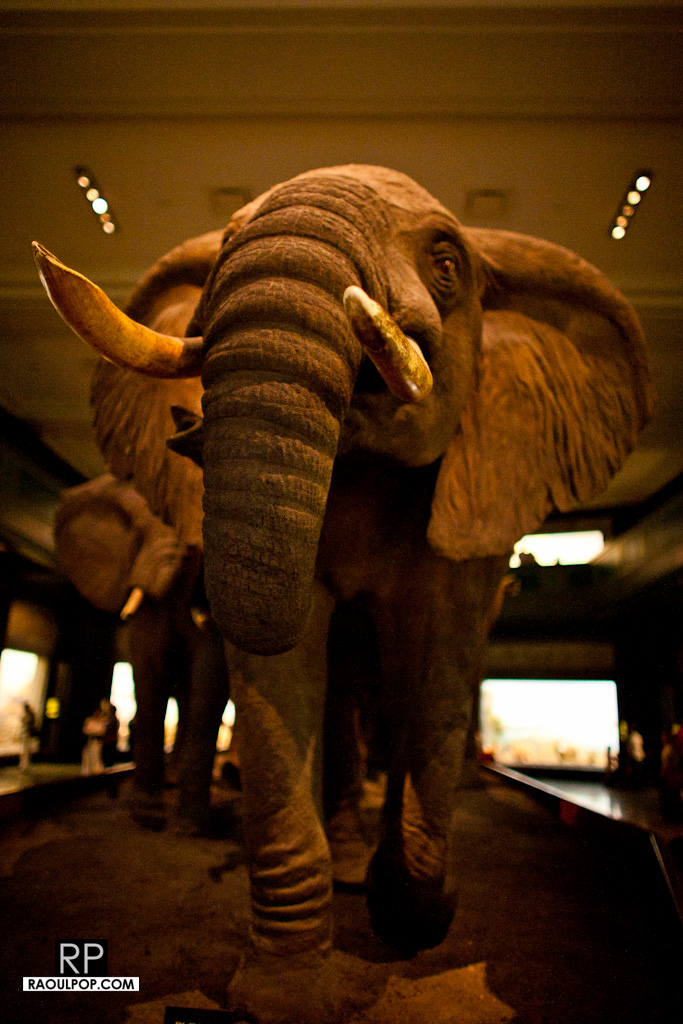
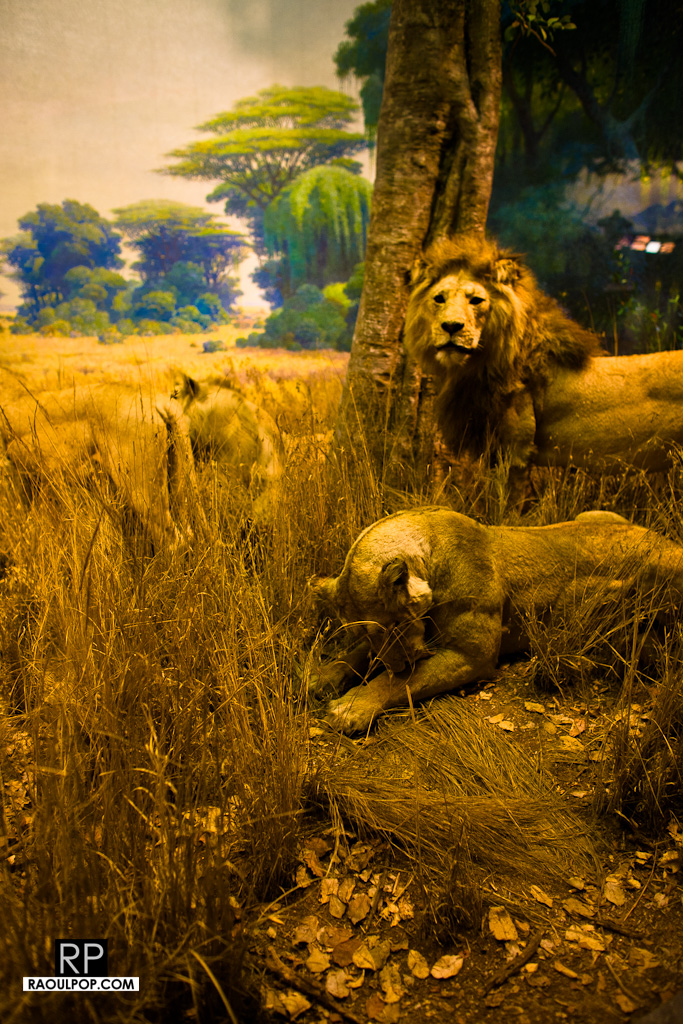
Take your kids to see real taxidermy while it’s still around. It may not be around for their kids.
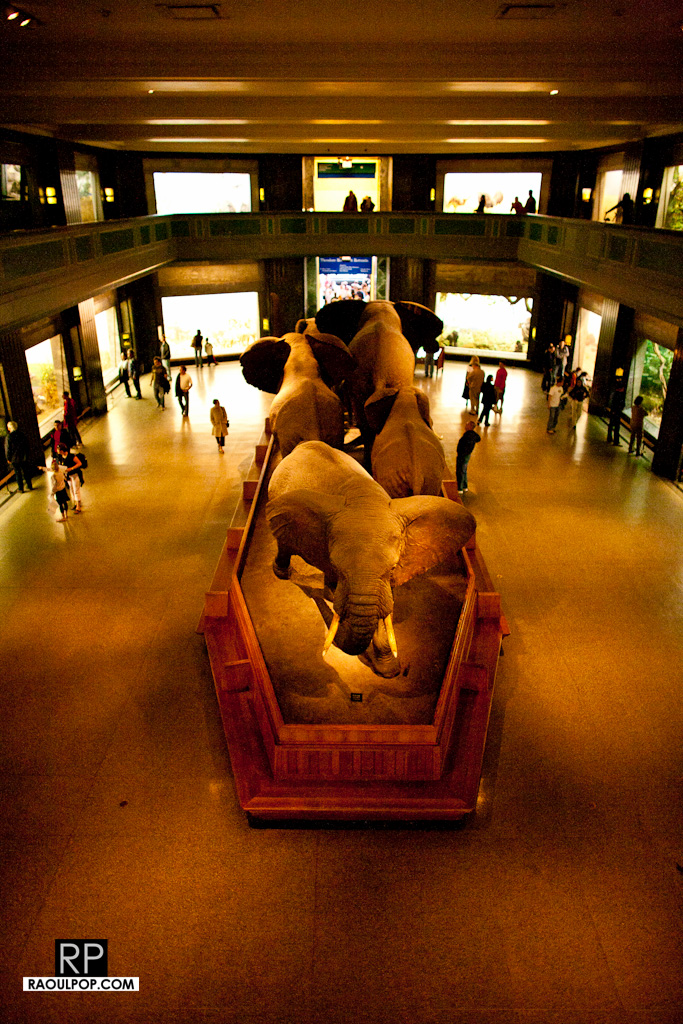
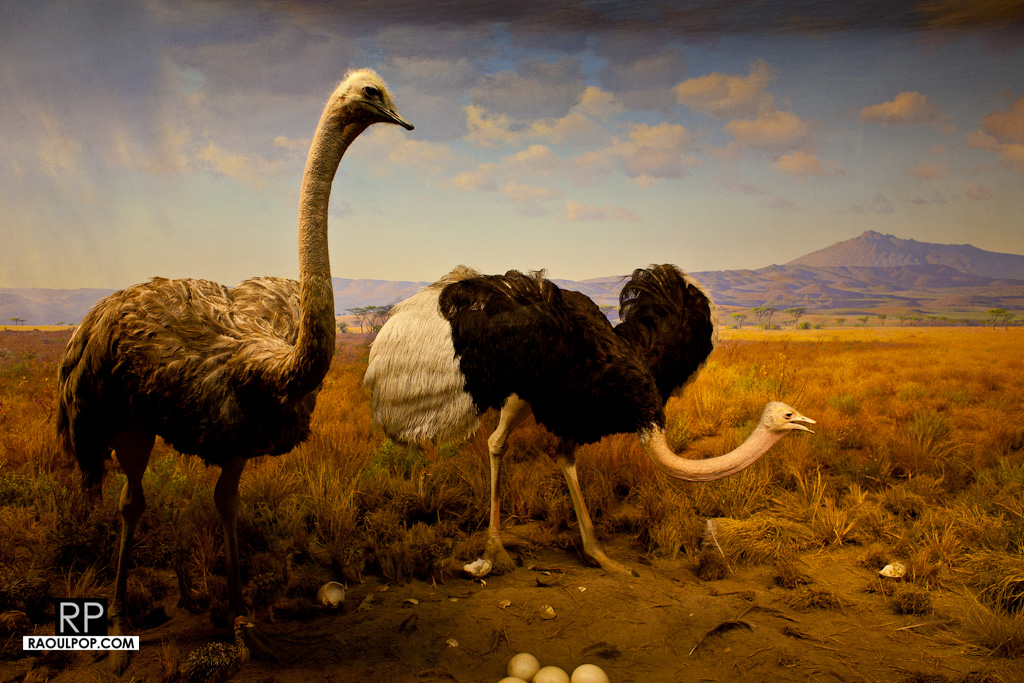
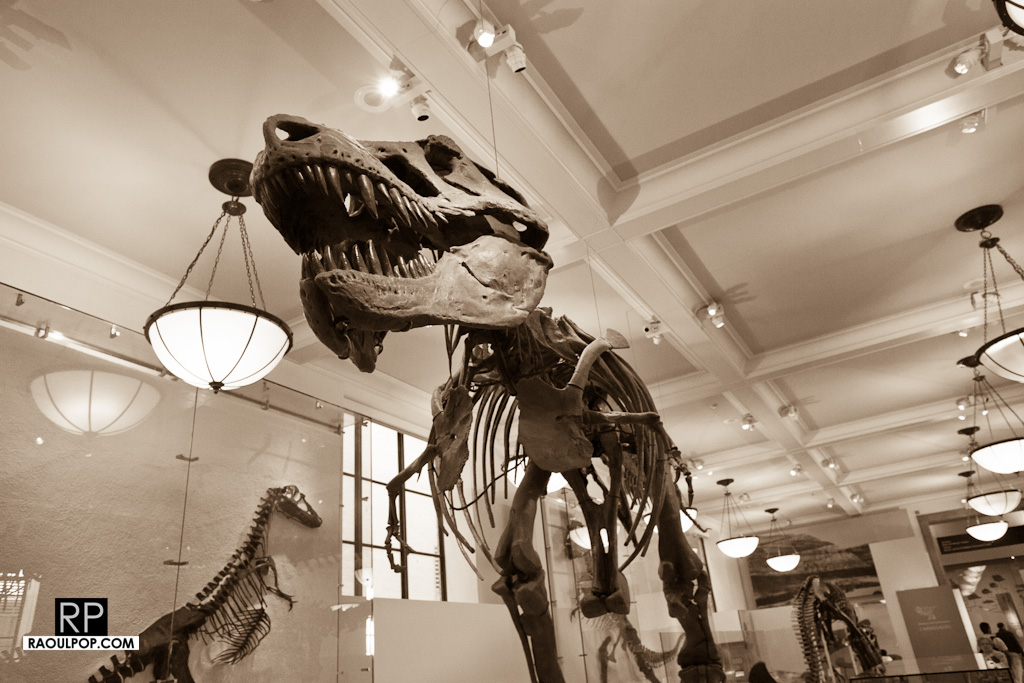
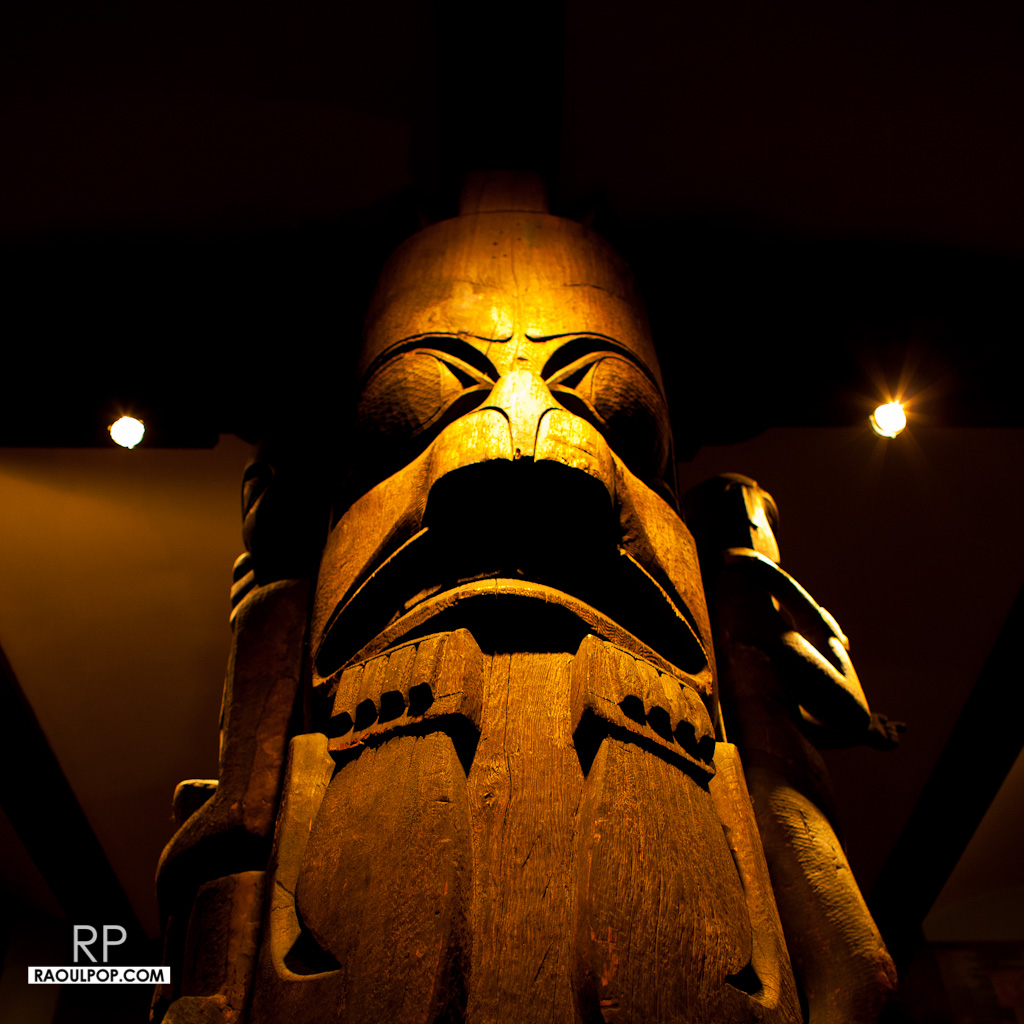
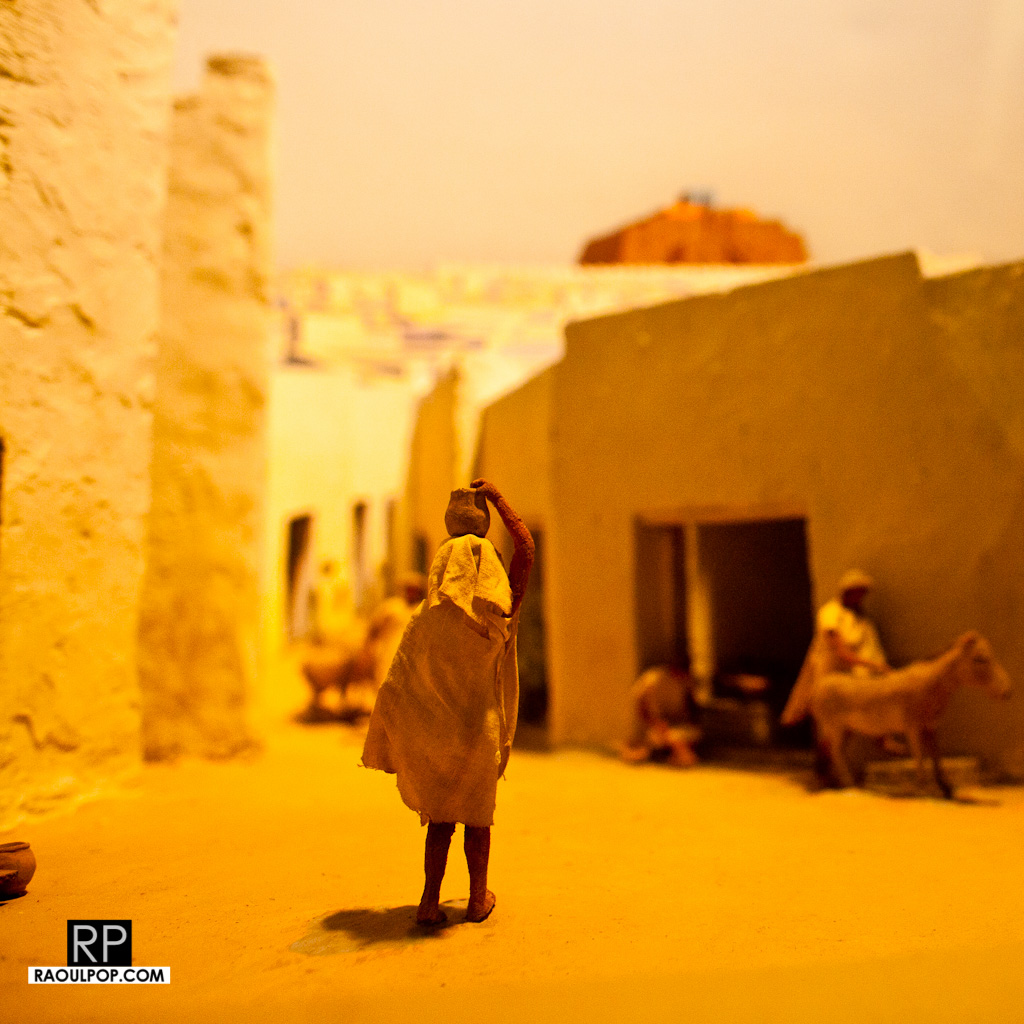
These last few photos aren’t examples of taxidermy, but they’re neat things to see at the AMNH.
Standard
Thoughts

The kittens at play

❗ Free kitten alert! ❗

We’re getting ready to say goodbye to our kittens. We’re going to give them away for adoption in the next week or two. If you’re in Romania and you’d like one, let us know. Otherwise, we’ll take them to a pet store in Sibiu or Tg. Mures, where eager children will surely squeal in delight and tug at their parents’ sleeves, wanting one.

We have four little tomcats and two kitties: two black males with white socks, two grey-brown striped males with white socks, one brown-beige striped kitten and one beige-orange striped kitten. They’ve been lovingly cared for since birth by our two cats, Mitzi and Trixie, who’ve shared responsibilities in grooming and feeding them. They have already visited the vet, have their health cards, have been treated for internal and external parasites, are weaned, eating solid food, and they’re ready to be welcomed into someone’s family.

Here are photos and a couple of videos of them. The first video shows them playing inside, and the other shows them playing and suckling outside, in our yard.

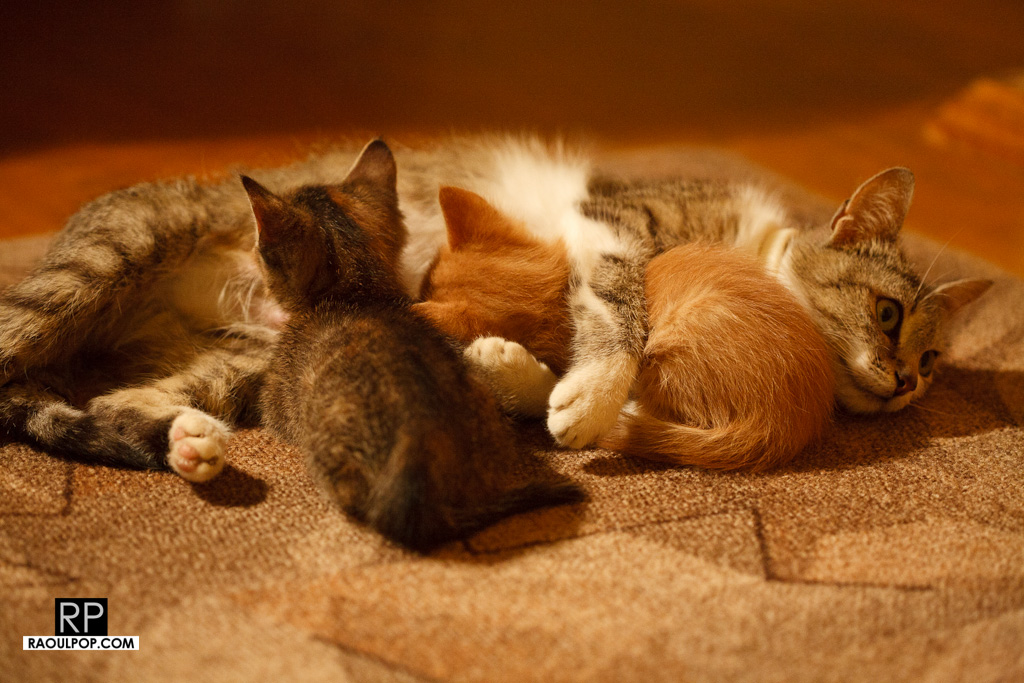
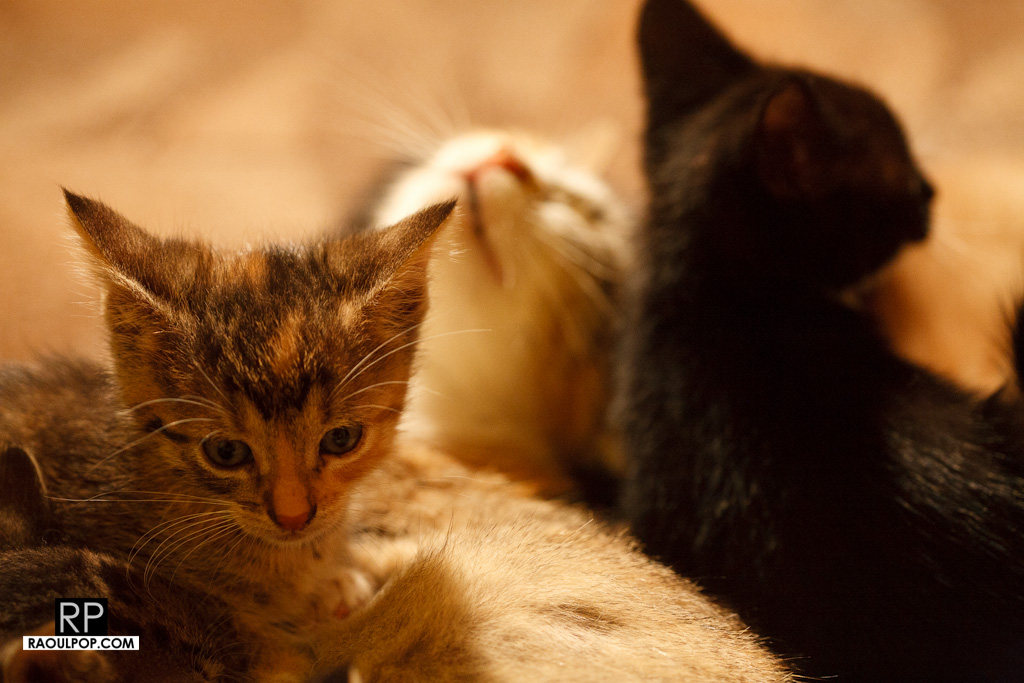
The photos were taken while they were playing and suckling inside one evening.

This last photo shows the two striped tomcats sleeping next to each other.

Just so there’s no confusion, let me make it clear that they’re free. If you want one, as long as you can come and pick it up, it’s yours.

Standard
Thoughts

Follow the PCB and Mercury trail in our oceans

Marine biologist Stephen Palumbi gave a talk at TED about the massive problem with pollutants in our oceans, and the disease and death this causes everywhere in the world, throughout the food chain, including us.

Keep in mind what he says, then read this article, where the problem of toxins found in whales is shown in grim detail. Quoting from the article:

“The researchers found mercury as high as 16 parts per million in the whales. Fish high in mercury such as shark and swordfish — the types health experts warn children and pregnant women to avoid — typically have levels of about 1 part per million.”

“Ultimately, he said, the contaminants could jeopardize seafood, a primary source of animal protein for 1 billion people. ‘You could make a fairly tight argument to say that it is the single greatest health threat that has ever faced the human species. I suspect this will shorten lives, if it turns out that this is what’s going on,’ he said.”

“‘The biggest surprise was chromium,’ Payne said. ‘That’s an absolute shocker. Nobody was even looking for it.'”

“He said another surprise was the high concentrations of aluminum, which is used in packaging, cooking pots and water treatment. Its effects are unknown. The consequences of the metals could be horrific for both whale and man, he said.”

“‘I don’t see any future for whale species except extinction,’ Payne said. ‘This is not on anybody’s radar, no government’s radar anywhere, and I think it should be.'”

Guess who is the largest manufacturer of PCBs in the world? Monsanto.

Is the US government doing anything about this? No. They’re too busy blocking the press from seeing and reporting on the oil spill in the Gulf of Mexico.

Standard
Thoughts

Our newborn kittens

Our two cats, Trixie and Mitzi, gave birth to three kittens each — Trixie on May 16th, and Mitzi on May 20th. They each gave birth to two tomcats and one kitten, all of them adorable. They’ve been growing nicely and are starting to cause mischief, as six kittens put together will usually do.

I filmed this short video when they were about two weeks old, on June 2nd. They’d all opened their eyes by then, but were still unsure on their feet. You’ll be able to see each of them more clearly now than in the birth video posted previously.

Enjoy!

Standard
Thoughts

That lovely sense of wonder

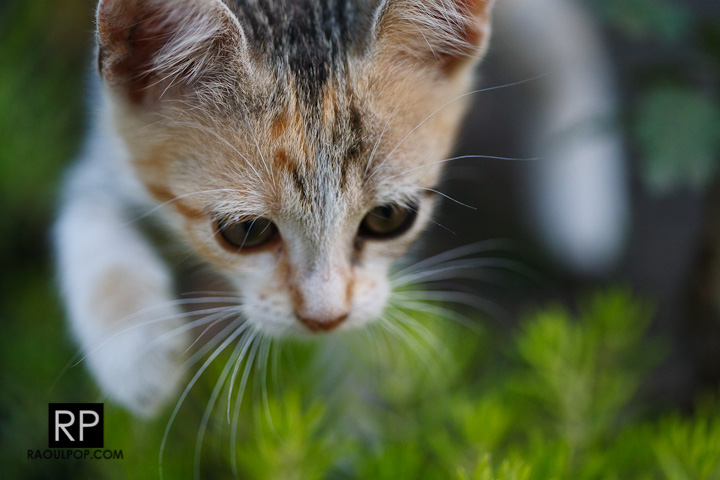
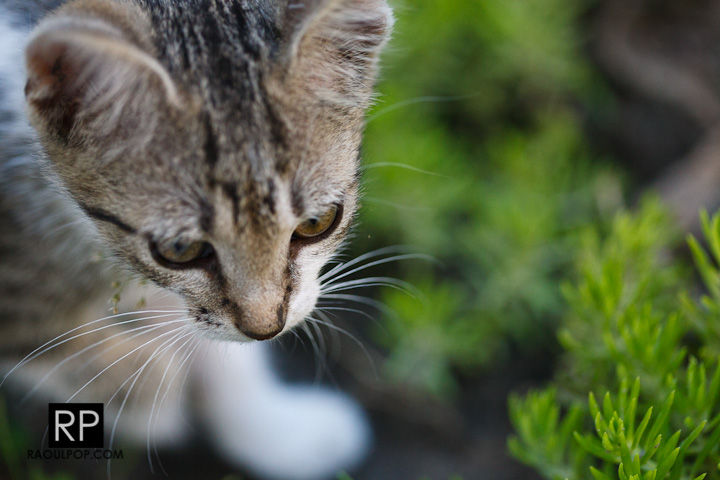
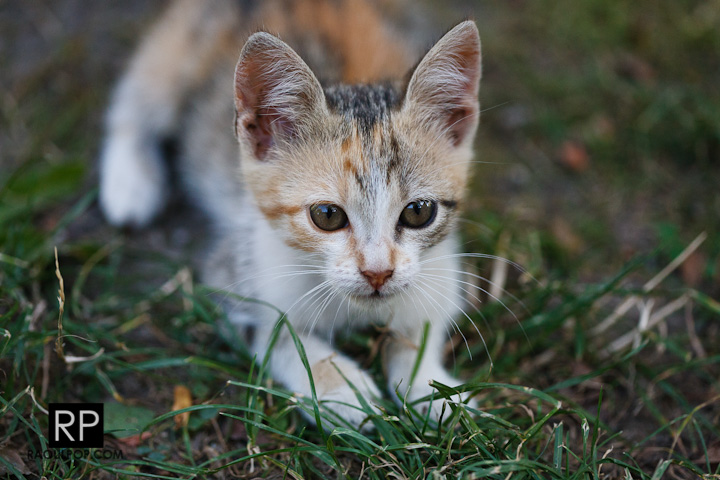
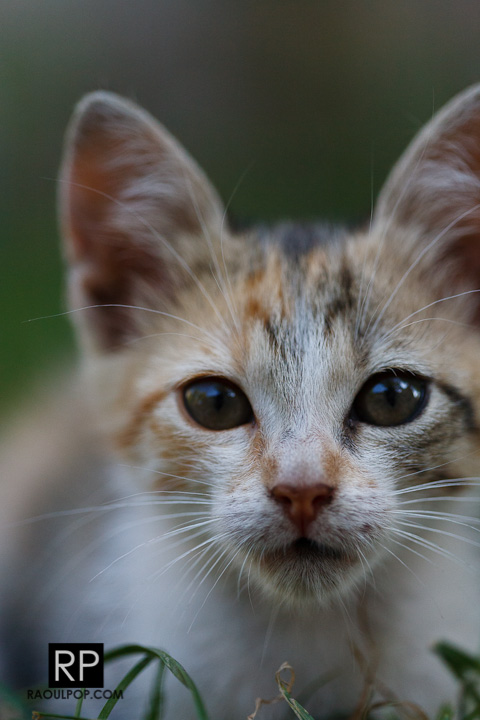
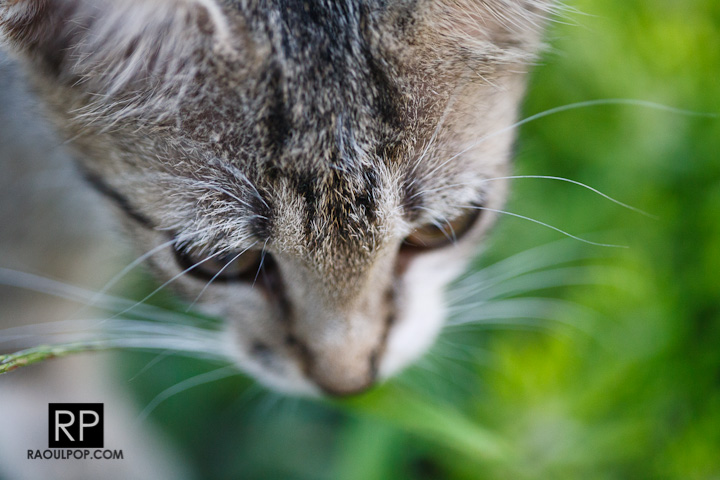
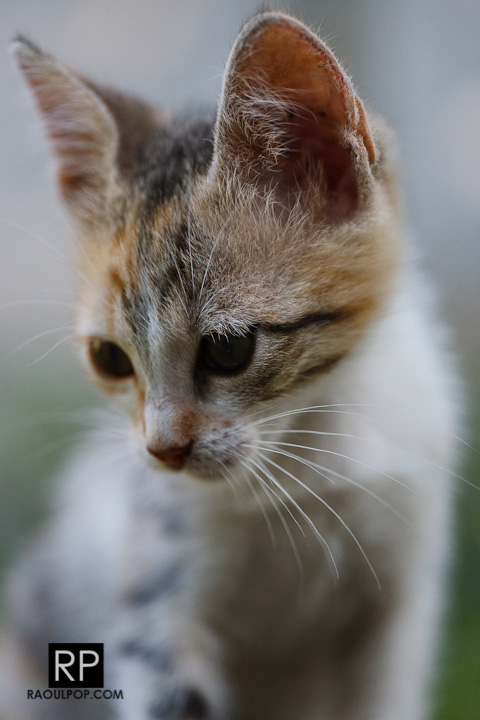
A kitten’s curiosity is such an endearing quality. They manage to look so adorable while exploring their surroundings, with their tiny, slender bodies, big heads and large ears. They’re so focused on what they’re doing, so concentrated on observing an insect, or why a leaf rustles when they paw it, that you can’t help loving them.

Standard