Places

The fortified church in Biertan

The village of Biertan has one of the most renowned fortified churches in Transilvania, Romania. Built between 1493 and 1522, over the site of a previous church, it is contained within two concentric fortified walls, with seven towers and two bastions.
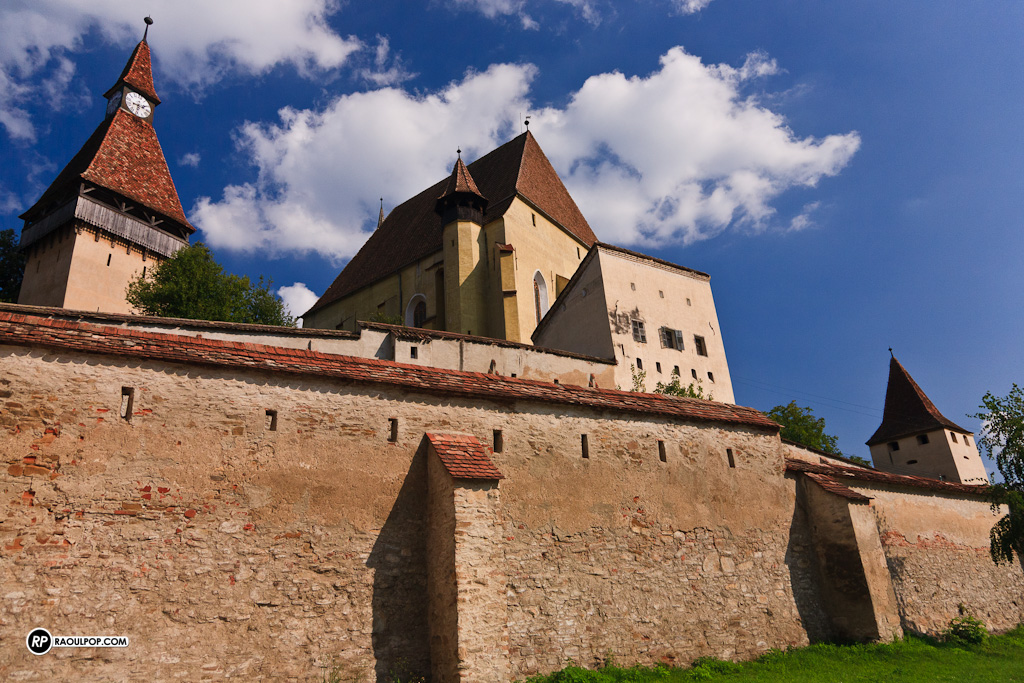
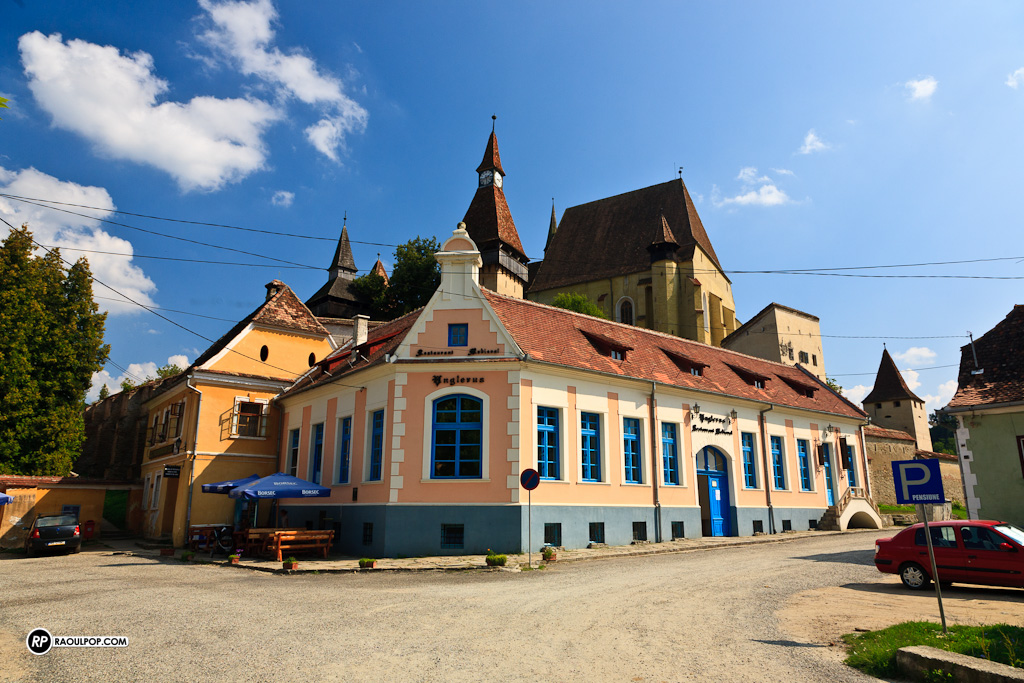
The village itself has maintained its medieval character: the two roads that lead into it are the same they’ve always been; most of the houses, particularly in the village center, still have the same architecture, and you’ll be hardpressed to find but a few modern buildings there.

You get to it by driving through gentle rolling hills and crop fields. Forgotten by time (and by modern real estate development), it’s as if you’re going back through time.
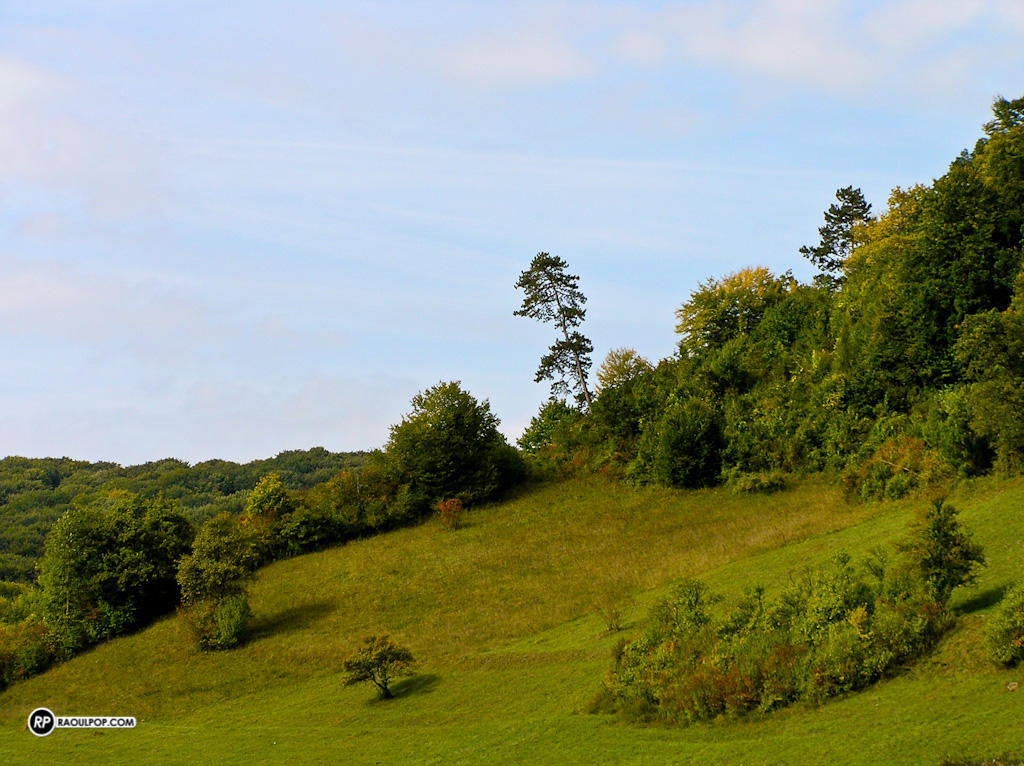
The fortified church stands in the geographical center of the village, right next to the spacious, riverstone-paved village square.
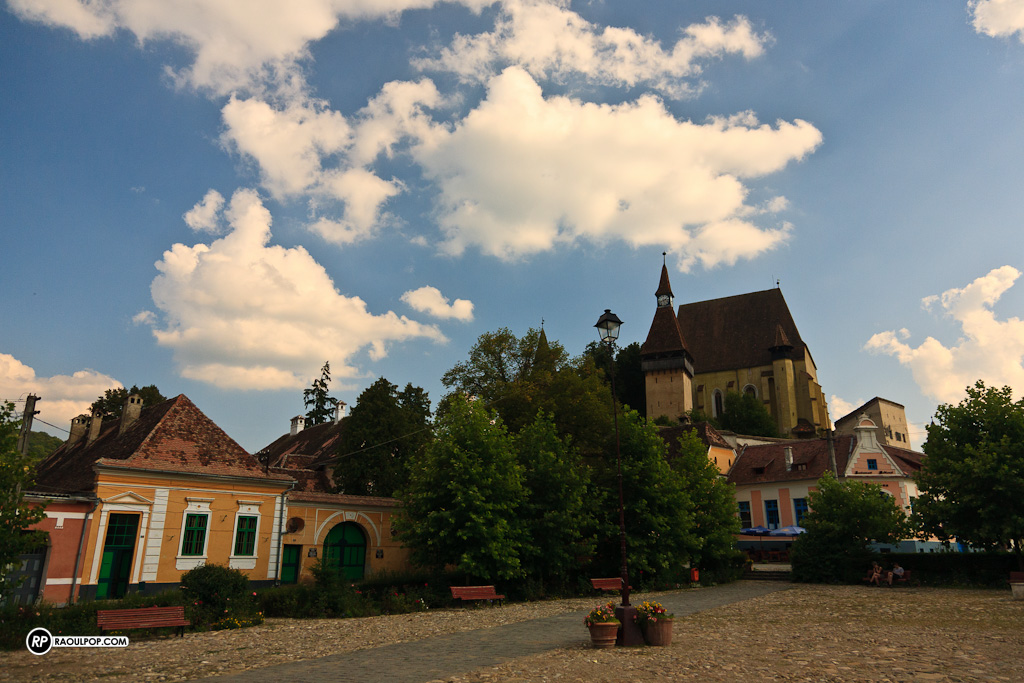
It’s a good idea to take a walk around the outer fortified wall before going in, to get a sense of the place and its layout.
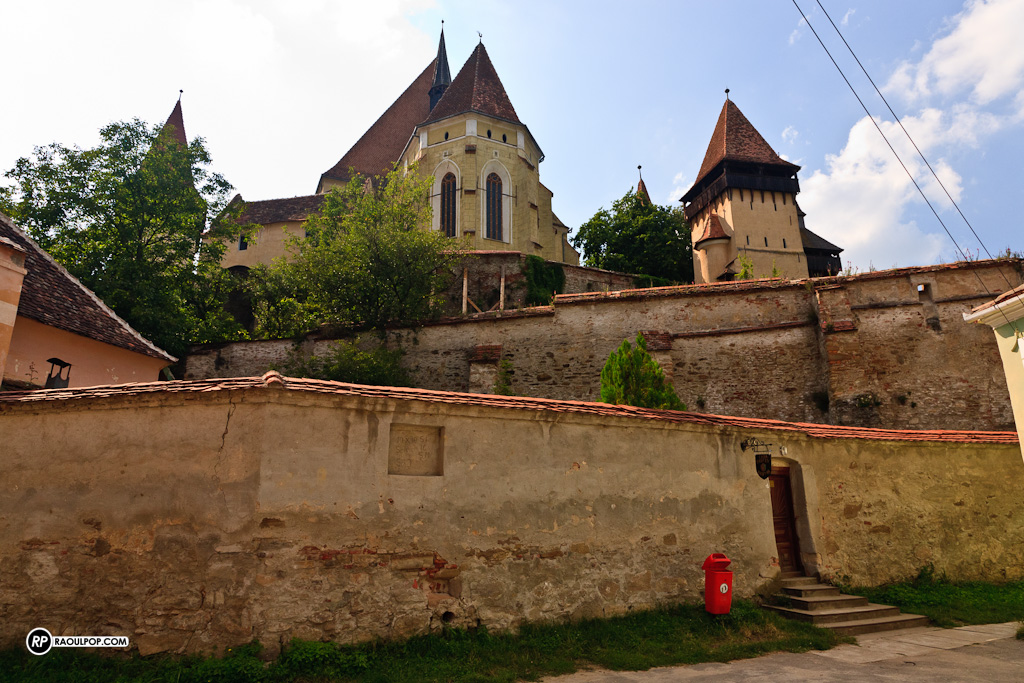
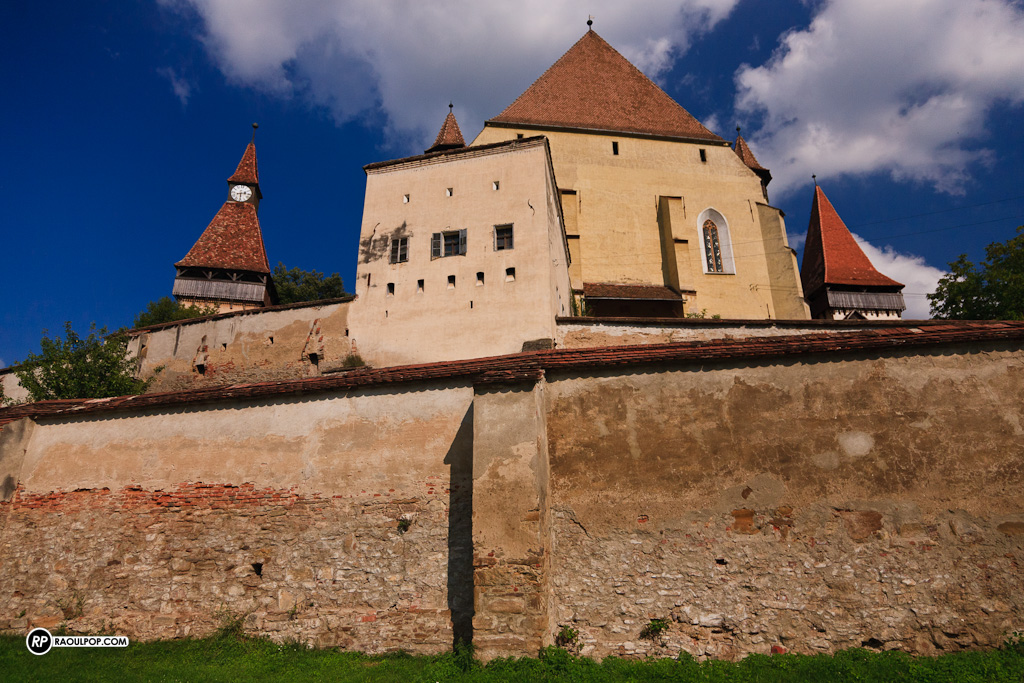
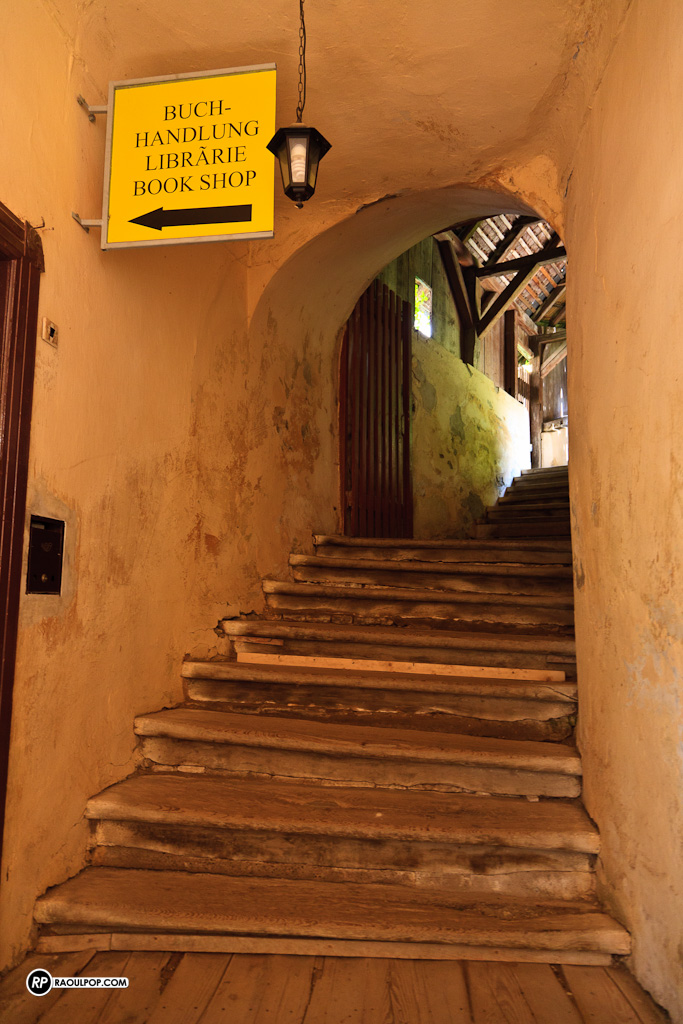
The current entrance into the fortified walls is through an arched passageway with a long row of steps up the hill, which leads inside the inner courtyard.
Continue reading

Standard
Places

The Franciscan Church in Medias

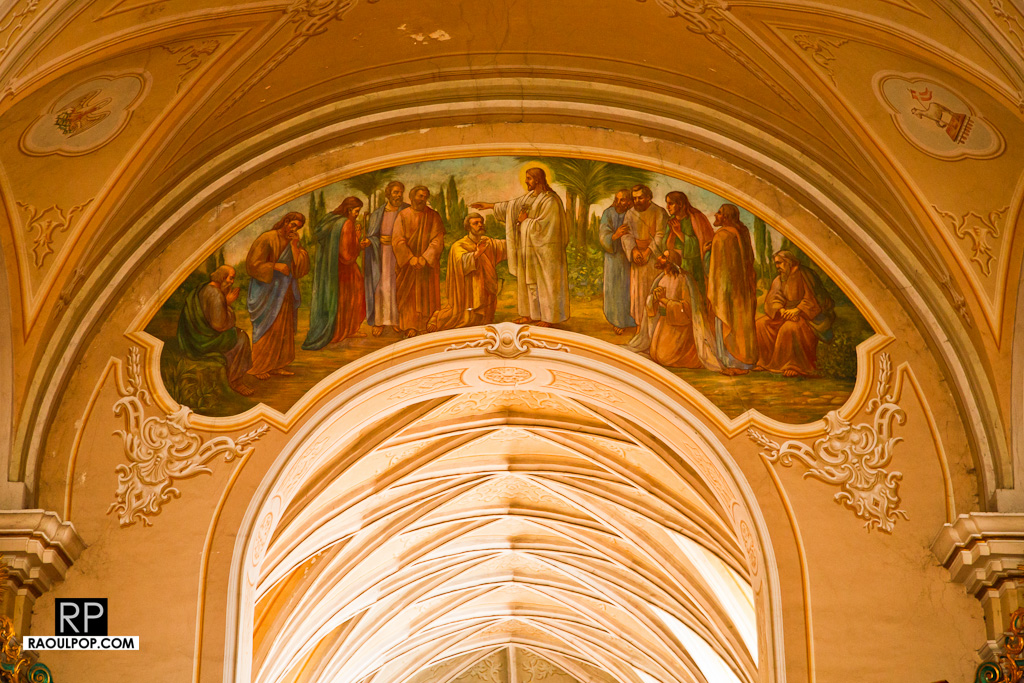
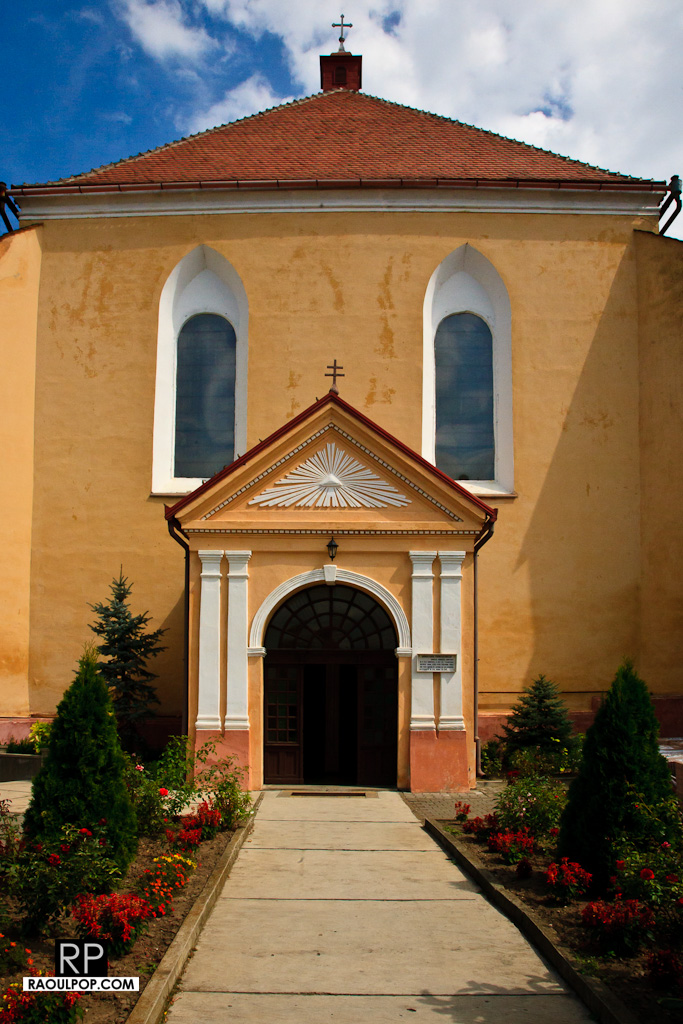
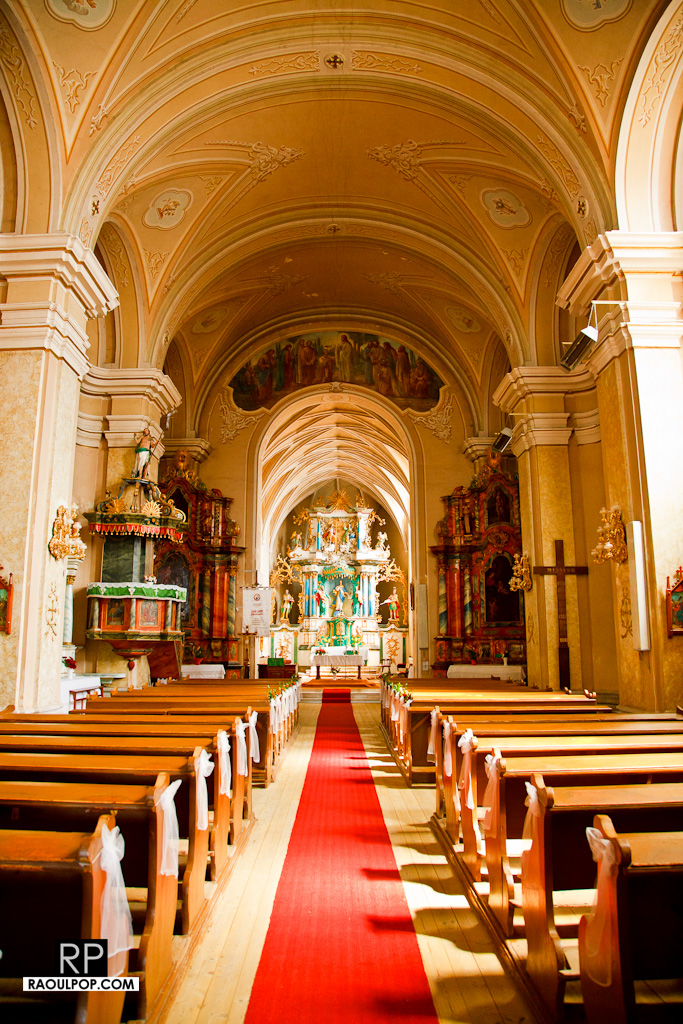
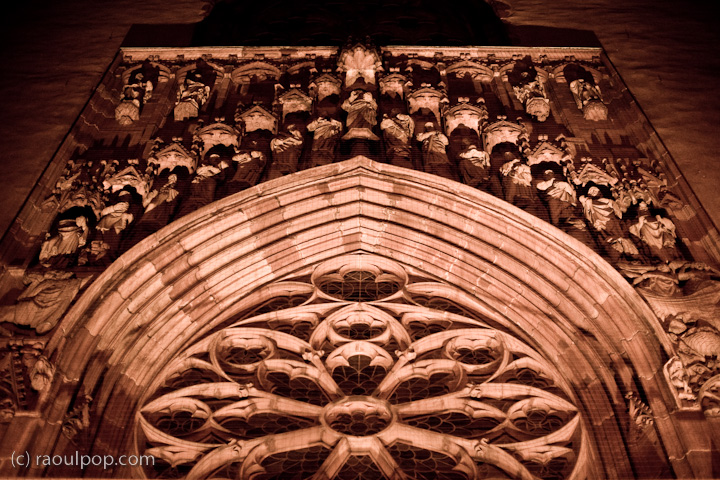
According to monastic records, construction of the Franciscan compound in Medias, Romania, began in 1444. The compound includes a monastery, the church (which you can see in the photos shown here) and various annexes. In 1556, after the formerly-Catholic townspeople joined the Reformation, the monks were run out of town, and the buildings were used for various lowly purposes, such as stables, etc.

On a side note, I’m not a Catholic, but it seems to me that using a church as a stable just shouldn’t be done, no matter what its denomination may be.

In 1721, the buildings and the site were returned to the Franciscan order, and monks were invited back into the city, although by now the buildings were run-down and in desperate need of serious renovations. The church, originally of Gothic architecture, gained Baroque stylings on the inside, and the other buildings were re-built as needed.

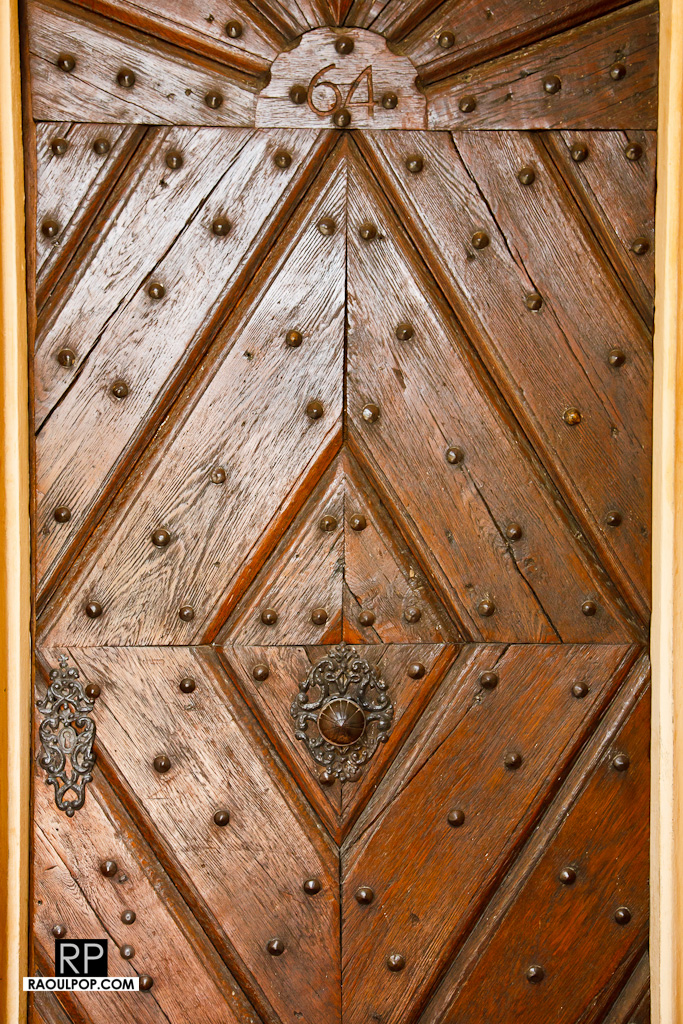
The church doors were built in 1764, according to the numbers carved unto them.

Nowadays, part of the monastery’s compound is being used by the Medias Municipal Museum, and in the last few years, a Hungarian school has been built on the monastery’s land. The school is scheduled to go into use this fall. There’s more information on the monastery’s history (in Romanian).

Standard
Places

The John Douglass Brown House in Alexandria

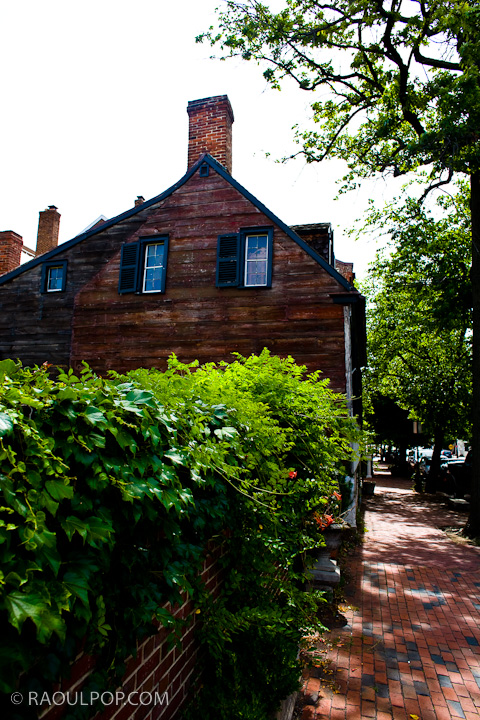
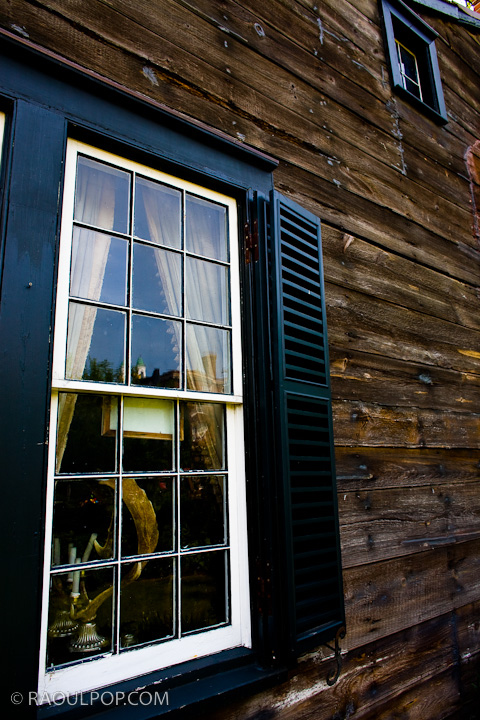
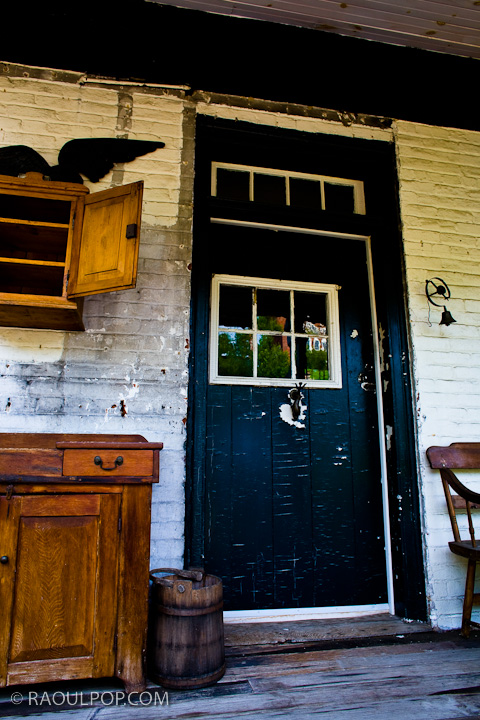
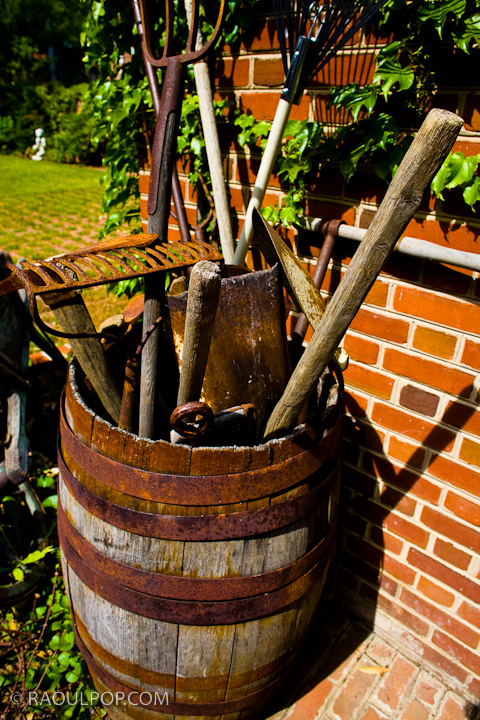
The John Douglass Brown House stands apart from the rest of the houses you see in Alexandria because of the choice of its building material: wood. (Most of the houses in that part of the town are brick.) The simple, rustic architecture talks of an early, more modest beginning as a farmhouse, not a townhome for a wealthy trader, like the rest of the places around it.

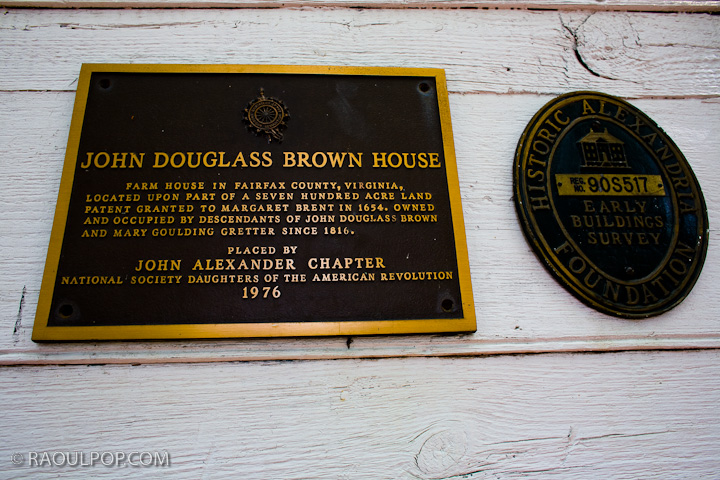
Built in the 1700s, the house was owned and occupied by the descendants of the John Douglass Brown and Mary Goulding Gretter from 1816 until the 1970s-80s. When we visited it (it’s not open to the public), not knowing anything about it, we realized something was different nonetheless, and began to look at its exterior more closely.

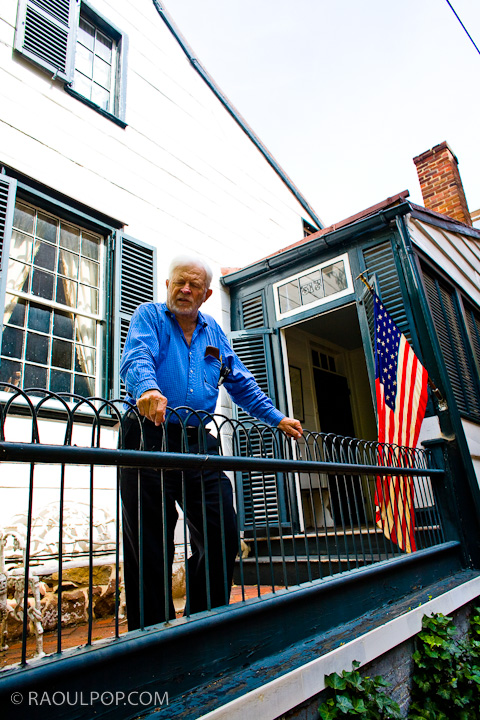
The neighbors came out, and we talked to them. They graciously offered to introduce us to its current owner, Mr. Charles J. Reeder, who couldn’t have been nicer. We got to talking, and asked if we could come inside the interior courtyard to photograph it. He allowed us in.

Continue reading

Standard
Places

A night in Frankfurt

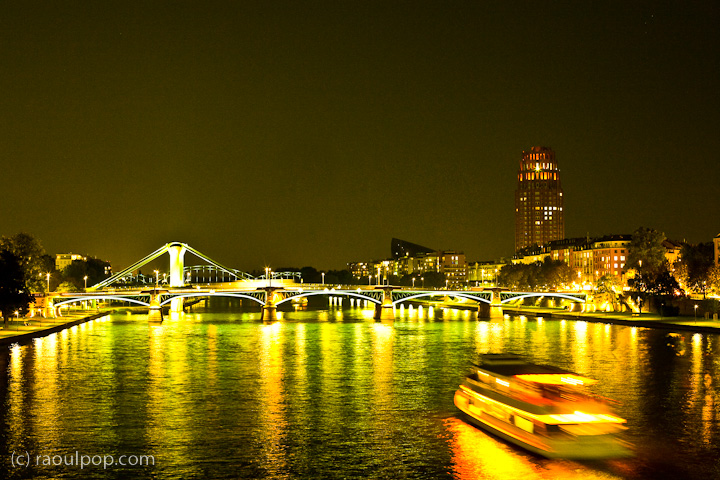
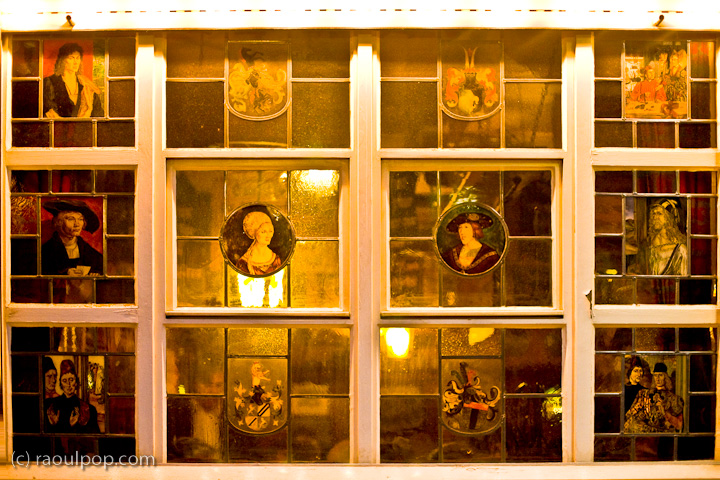
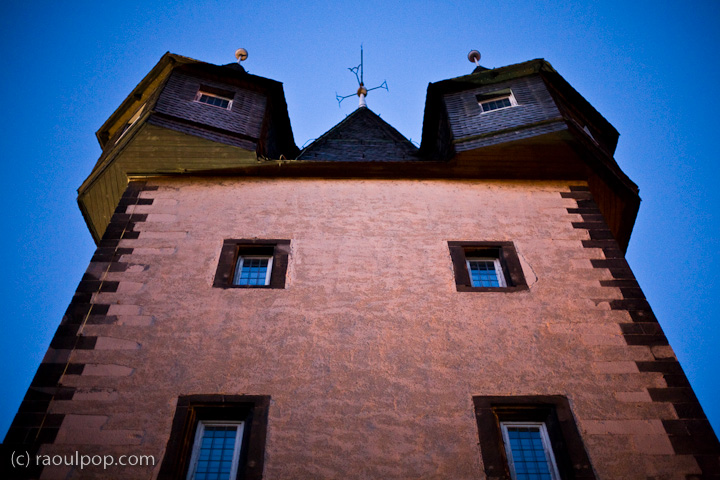
Back in September of 2008, we were stranded in Frankfurt because of negligence on the part of United Airlines, who did not properly coordinate the transfer of passengers from a connecting Lufthansa flight. The whole ordeal is a nasty mess I’d rather forget. One bright spot in that whole filthy experience is that we got to spend a beautiful evening in Frankfurt, and I took the photos you see below.

This slideshow requires JavaScript.

It was a case of making lemonade out of the lemons we’d been dealt. We had to find a hotel, which we did, by ourselves, and it was a really nice one too, a Holiday Inn about 7 minutes from the airport. After a nice, hot shower to wash off the nastiness we’d just experienced, we headed downtown, where we were treated to some very beautiful architecture and gorgeous river vistas.

We had dinner and walked for a few hours on the shore of the Main River, cris-crossing from one side to the other via the many bridges that span it. I took photos with my 50mm f/1.4 lens, which works great at night due to its large aperture.

Sometime between 11 pm and midnight, we got back to the hotel and had a wonderful night’s rest. Those beds were the most comfortable beds we’ve ever slept in. I don’t know what brand they were, and what they used in the mattresses and the comforters, but we’d have loved to sleep a few more nights on them. My wife still raves about them.

In the morning, breakfast awaited, after which we prepared ourselves mentally for some more nastiness from United (we weren’t let down) and the long flight back to the US.

There are more photos from Frankfurt in my photo catalog. And you’ll also see some photos from Munich in there.

Standard
Places

Las Vegas: A Night On The Strip

A video from our recent trip to Las Vegas. It’s a tour of the Las Vegas Strip at night, featuring most of the famous hotels and casinos, plus impromptu shows by the dancing fountains at the Belaggio and the volcano at the Mirage.

There’s an upcoming video dedicated to Bellagio’s dancing fountains, where huge artesian fountains spit water into the air from hundreds of jets, all of it synchronized to music. I thought they were amazing. I also have a day tour of the Strip, which is an interesting contrast to all of the lights and colors you see at night, and I’ll edit that in the near future.

The video you see here is a 3-day editing effort. It takes a bit to assemble all the sequences, and there’s a fair bit of software motion-stabilization to steady the shots.

Enjoy!

Standard