Places

The Baltimore Aquarium

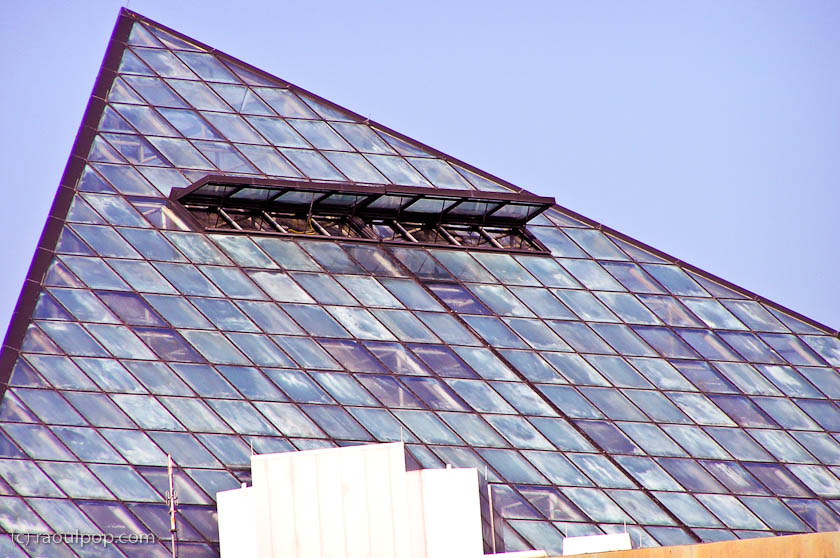
Mauve little squares

baltimore-inner-harbor-159-2

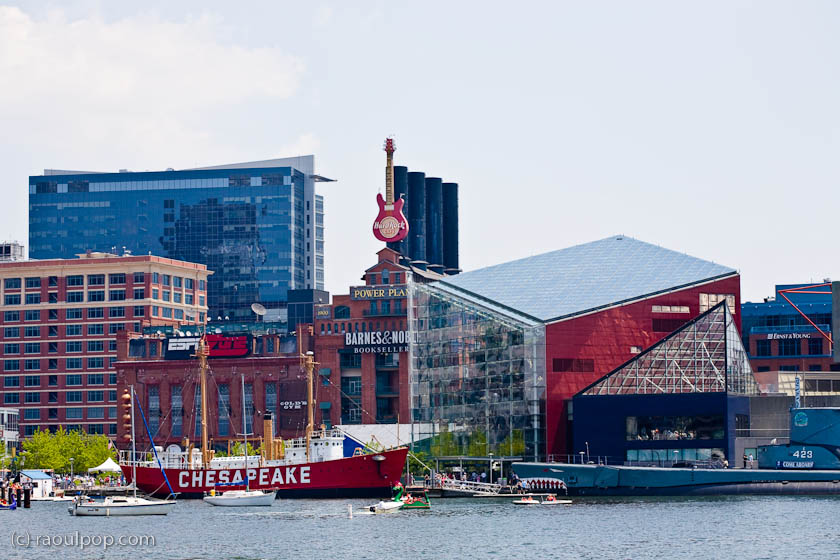
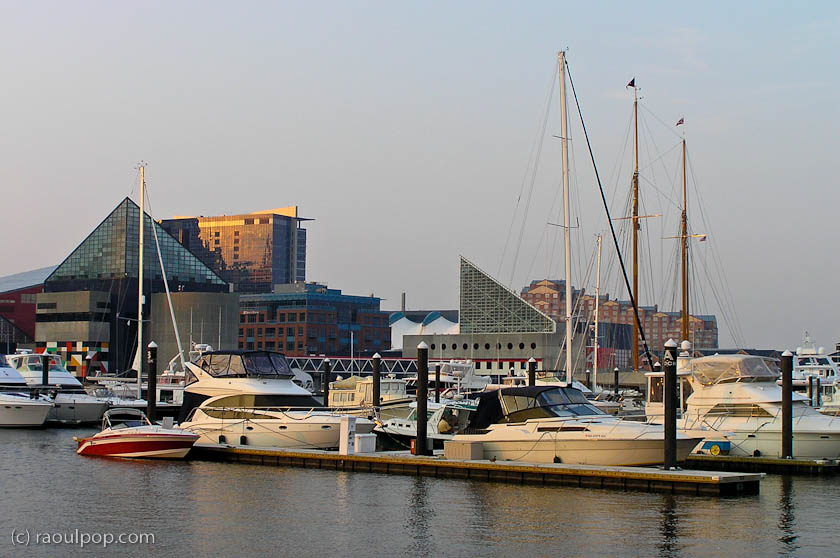
The Baltimore Aquarium is located in Baltimore’s Inner Harbor, right on the water, on a promontory that looks as if it was man-made for the specific purpose of accentuating the Aquarium. It was built in 1981, during Baltimore’s urban renewal period, when the city made a concerted effort to rebuild its waterfront. Their efforts certainly paid off nicely in time, as anyone who’s visited the waterfront lately will attest.

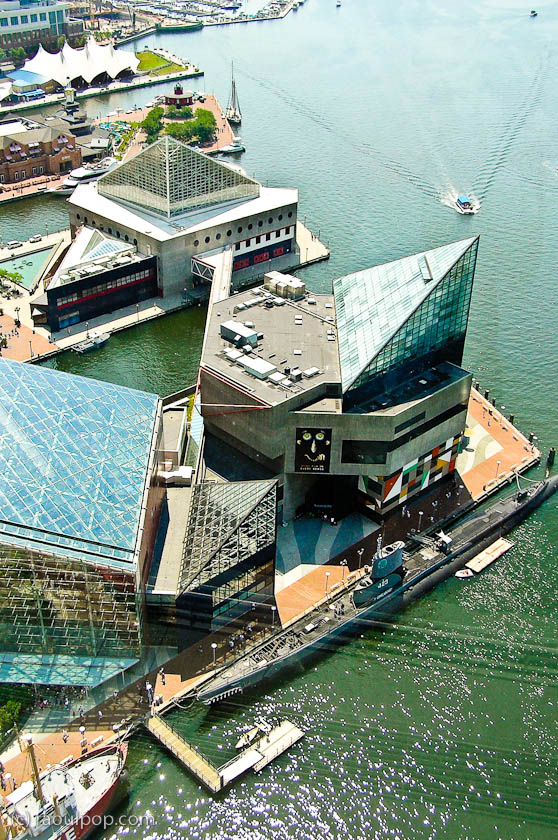
Aerial view of the Baltimore Aquarium

baltimore-inner-harbor-102-2

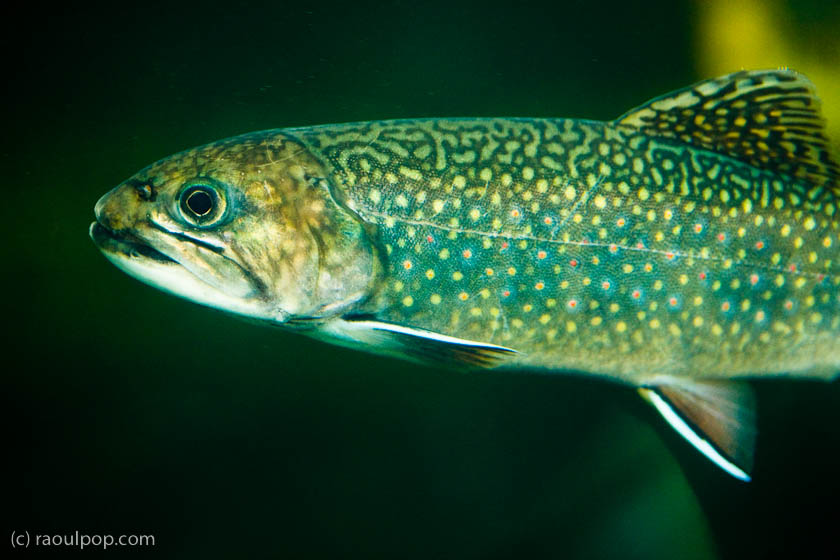
In spite of my less than lukewarm review of the Aquarium’s Dolphin Show, the Aquarium itself is a great place to visit. The location and the modern design ideas, which can be seen both on the outside and the inside, plus the many species of fish and other marine life that are inside, and the dramatic ways in which they are showcased, make it a must-see destination. Others agree. The Aquarium is considered one of the best in the United States, if not the world. It is also the largest tourist attraction in the State of Maryland.

Its official name is the National Aquarium in Baltimore, but I call it the Baltimore Aquarium, so as not to confuse it with the National Aquarium in DC (which, by the way, has been operated by the Baltimore Aquarium since 2003).

baltimore-aquarium-2

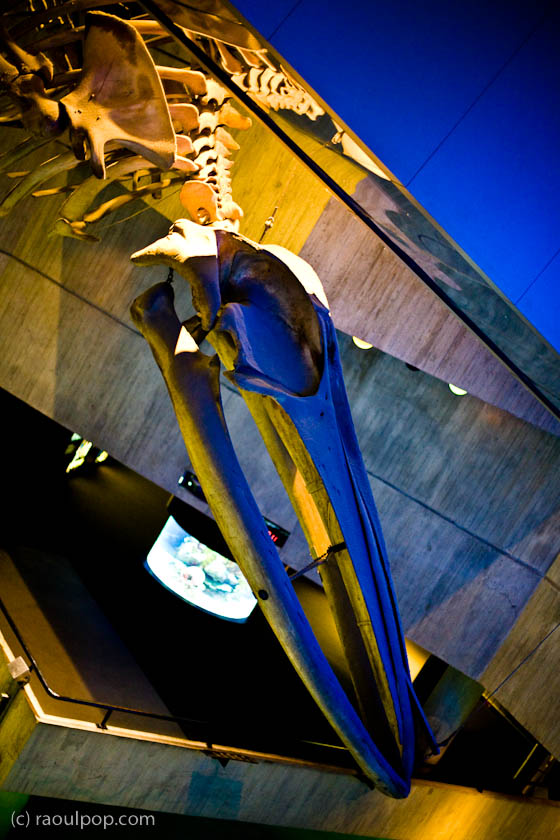
Whale of a story

Hey, mac, come here

baltimore-aquarium-34

baltimore-aquarium-45

The nosejob

baltimore-aquarium-67

baltimore-aquarium-80

baltimore-aquarium-96

baltimore-aquarium-107

baltimore-aquarium-110

The neocons are at it again

baltimore-aquarium-129

baltimore-aquarium-137

baltimore-aquarium-144

baltimore-aquarium-168

Another point of interest at Baltimore’s Inner Harbor is the Seven Foot Knoll Lighthouse. Also not to be missed is a walk through Baltimore’s downtown area, which is full of all sorts of interesting architecture. You can see more photos from the Baltimore Aquarium and from Baltimore in my photo catalog.

baltimore-inner-harbor-177-2

Standard
Places

New town center, Baia Mare, Romania

We began our recent trip through Bucovina in the city of Baia Mare, the capital of the province of Maramures in Romania. A few interesting tidbits about the city:

  • It has a Mediterranean-like climate, which means it can support chestnut trees — a rarity given that it’s located in the northern part of Romania, which in itself is quite a ways north from the Mediterranean Sea.
  • Population is about 150,000 people
  • The region is rich in gold and silver
  • It was one of the few known shtetls in Romania, along with Radauti and Gura Humorului. (Shtetls are, or rather were, pre-WWII, small towns with large Jewish populations from Central and Eastern Europe.)
  • The new town center was built in the 70s and 80s and features modern architecture

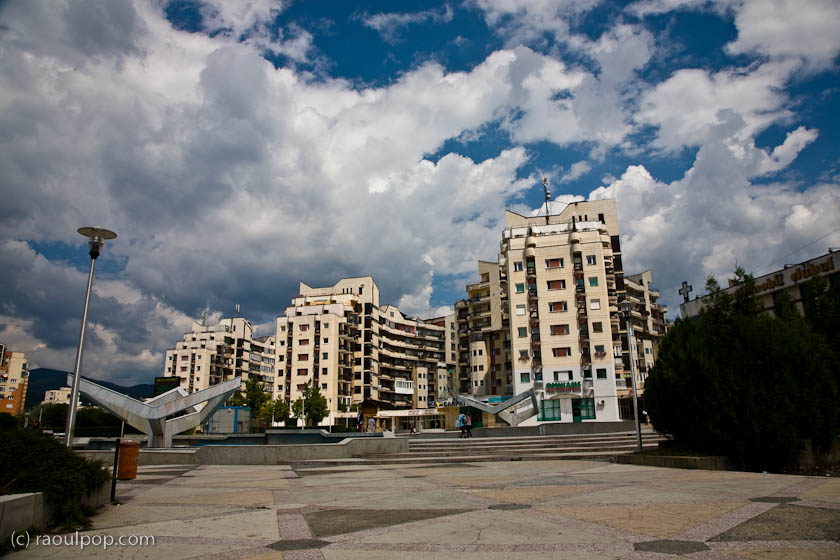
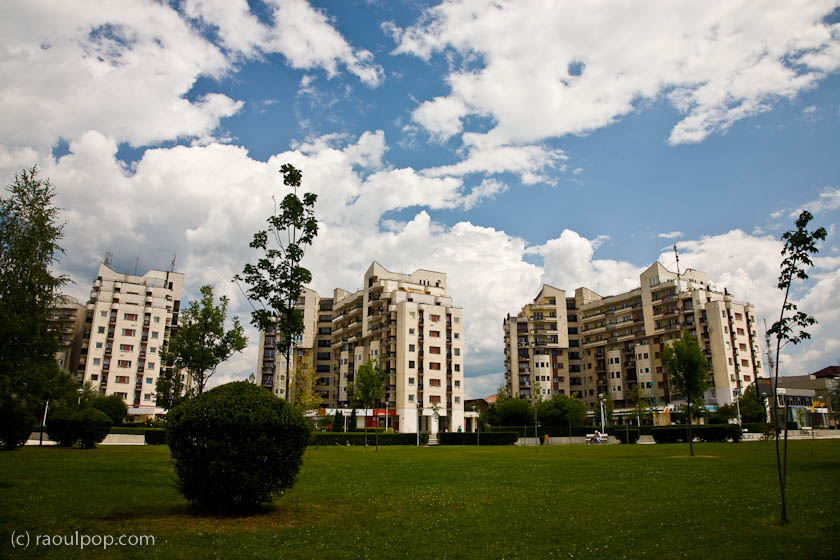
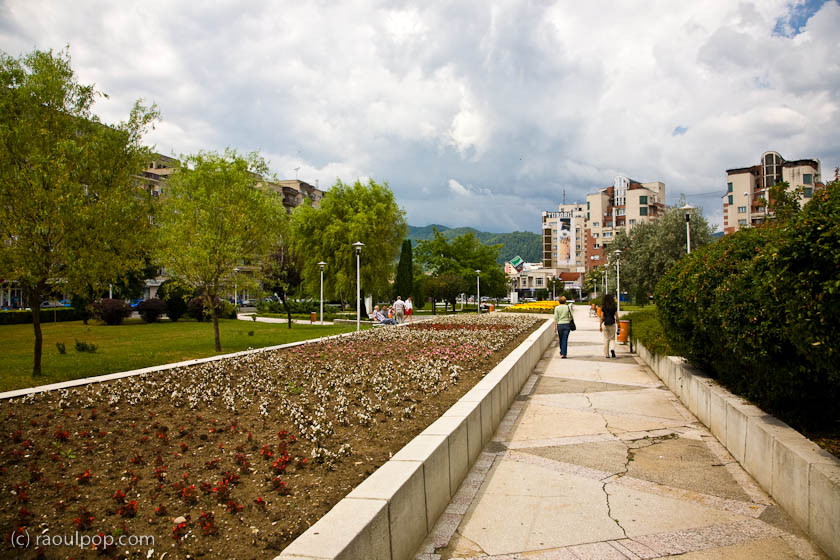
We visited the very same new town center. The architecture is certainly modern, but is unfortunately not maintained. Almost all of the buildings show cracks, some of the exteriors have begun to peel off, some windows are broken, there’s graffiti on most of them, and all are covered in a nice, thick layer of muck. I guess some of that can’t be helped after 40 years, but still, some efforts ought to be put forth by the city to maintain the architecture, right?

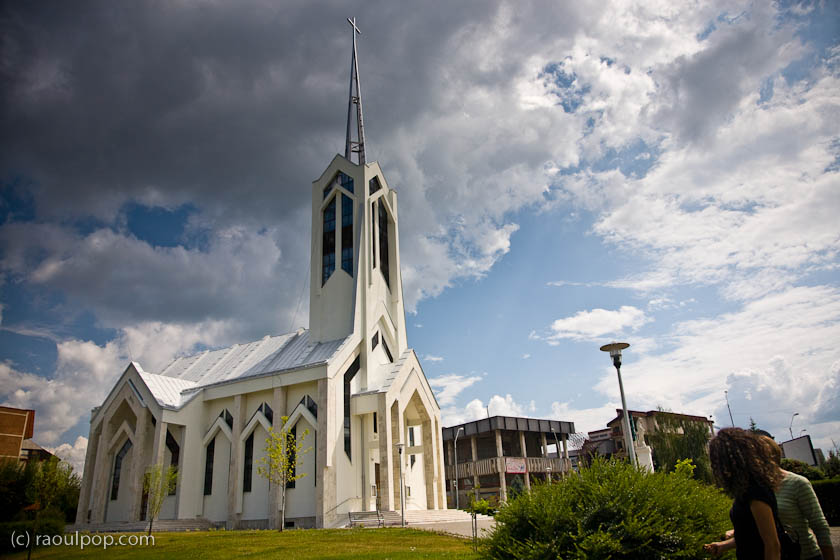
baia-mare-maramures-37

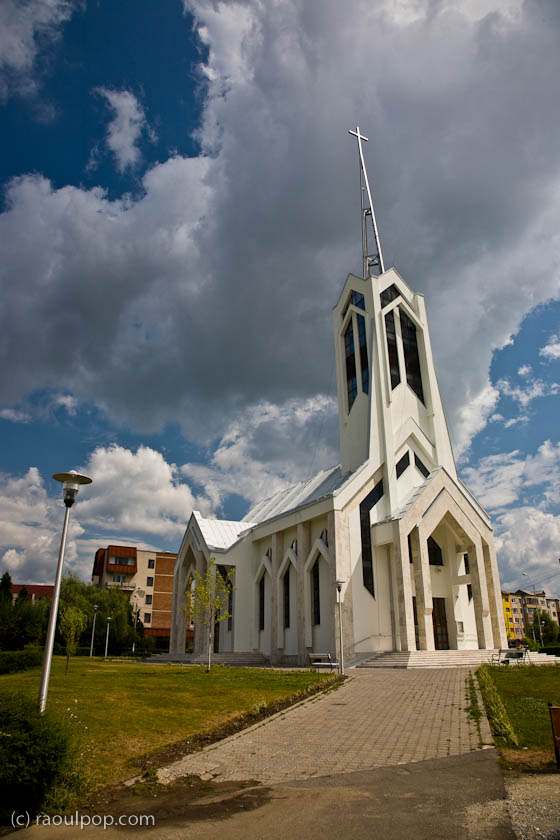
The image of the church above is a fairly good representation of the state of downtown Baia Mare and of Romanian cities in general. At first sight, it looks nice, but as you get closer, you begin to see glaring problems such as the state of the sidewalk (potholes among a mixture of pavement, mud, asphalt and stones), poor landscaping, poorly maintained buildings, etc. If you were to look closer, you’d see problems with the building as well. To some extent, this can be blamed on the past Communist regime, where the emphasis was placed on quantity, not quality. The construction issues have only become evident in recent years, as layers have started to come off apartment buildings and public buildings alike, peeling like onion skins, revealing the crumbling masonry work beneath.

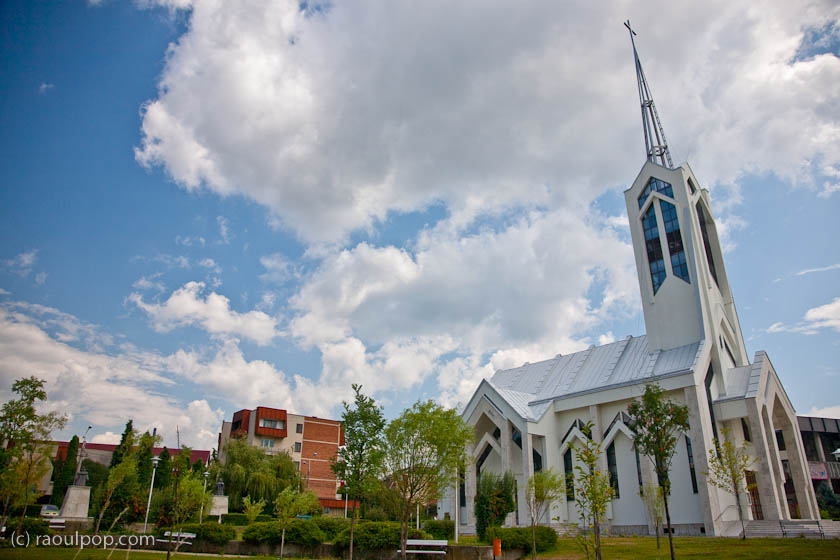
This next photograph shows the building defects a little better.

baia-mare-maramures-5

The buildings look much nicer from nice from afar, don’t they?

baia-mare-maramures-9

baia-mare-maramures-24

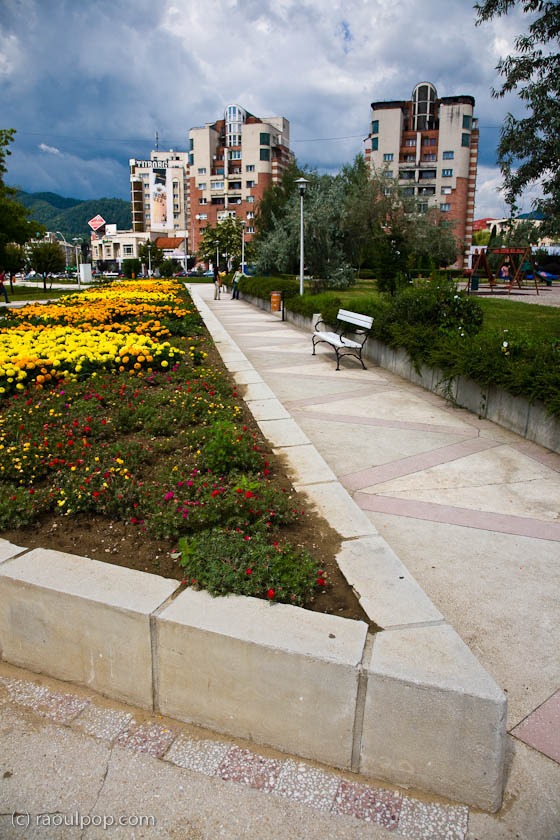
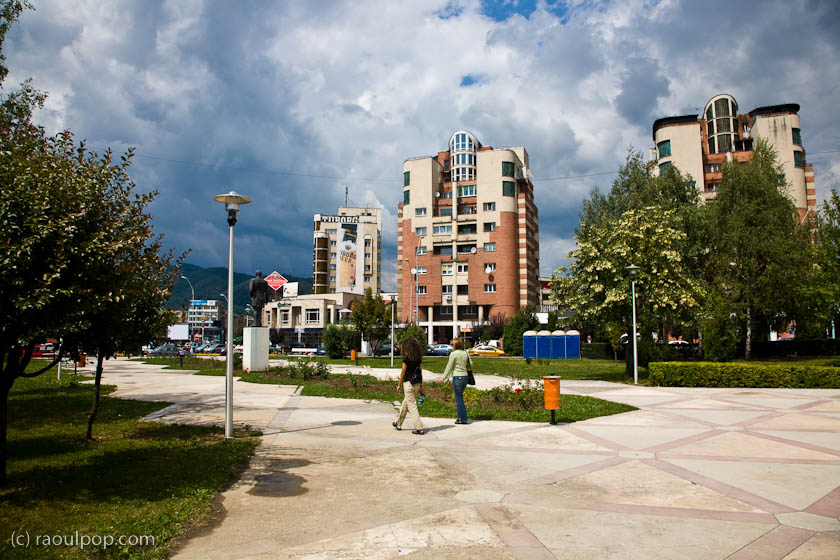
I took most of the photos from a park in the new town center, as you can see for yourself if you look at the surroundings. All in all, in terms of planning, it’s good. The idea of a central park in a new downtown, and the allowance for plentiful vegetation among apartments and shops and hotels is great. But a great idea must also be executed in appropriate fashion in order for it to be fully appreciated. In this new town center, like in most town centers built during Communist times, proper execution just isn’t there.

Look, don’t think I’m bashing Baia Mare. It’s a wonderful city, and there are many cities in worse shape in Romania. All I’m saying is things could be a lot better than they are. The predecessors could have done a better job building the city, and their successors could be doing a better job maintaining and beautifying it.

baia-mare-maramures-33

baia-mare-maramures-21

baia-mare-maramures-20

baia-mare-maramures-19

baia-mare-maramures-16

baia-mare-maramures-10

baia-mare-maramures-27

baia-mare-maramures-1

Standard
Events

120th Anniversary of the Eiffel Tower

Eiffel Tower under construction, 1878

Built between 1887 and 1889 by French engineer Gustave Eiffel, the tower has since become the most recognizable landmark (and the most visited) in the world. For its size, the tower is amazingly light — its mass is less than the mass of the air contained in a cylinder of the same size. For its time, the system for joining the metal girders together was truly innovative, and was inspired by the design ideas of a Romanian engineer named Gheorghe Panculescu.
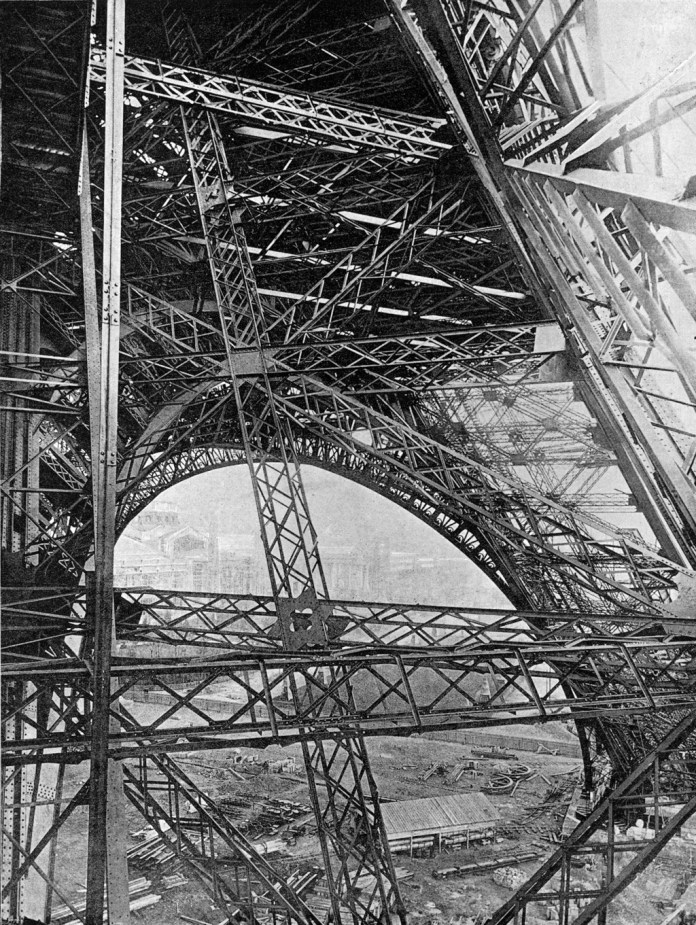
Eiffel Tower Girders, 1889

The shape of the tower was dictated purely by mathematics, and the primary design goal was wind resistance. Eiffel and the other engineers wanted to make sure it could withstand strong winds, being at the time the tallest building in the world. Being a very tall building, made almost entirely of metal, it’s also a very large lightning rod, which attracts amazing lightning bolts, as you can see in this photo from 1902.
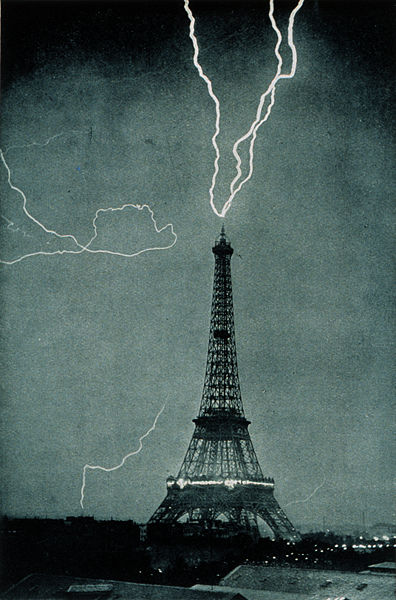
Lightning striking the Eiffel Tower, 1902

Also interesting is the use of the tower as a radio antenna. Over time, antennas were mounted to the tower, or the tower itself was used as a large antenna for radio communications. In 1910, the first cosmic rays were observed with the aid of the tower by Father Theodore Wulf. Nowadays, 9 radio and TV stations broadcast content with the aid of the tower.

This year, the French celebrated the tower’s 120th anniversary on Bastille Day. A concert by Johnny Hallyday was held at night, while fireworks blazed forth from the tower. It was an amazing lightshow, captured fittingly by Alta Media Productions and Toys Prophet, two Vimeo users. You can see their videos below. Taken from different vantage points, one focuses on the Paris nightscape and the tower lightshow, while the other captures the interaction of people with the evening’s events.

http://vimeo.com/5621455
Eiffel Tower on Fire from Alta Media Productions on Vimeo.

-SPEED OF LIGHT- ….. ESSAI N°5.1 from toys prophet on Vimeo.

I haven’t yet visited the Eiffel Tower, and I look forward to doing it someday. It’s a structure unlike any other. When you think of it in the context of architectural design, it fits into no category. Its design is pure engineering, with no allowances for the niceties of normal architecture. Sure, it’s been adapted for human use over time, and you can even eat there now, but these are all add-ons, insignificant to the initial design goals. It didn’t fit within the times when it was made, in spite of some of the Victorial wrought iron work it faintly resembles, and it still doesn’t fit within any normal design constraints today, even in post-modernist times. And yet it has become a symbol of architectural design, of Paris, and of French culture, odd as it may be. If nothing else, Gustave Eiffel had serious guts to undertake such a work and to withstand all of the criticism leveled at him during and after the construction of the tower. He was right all along.

Eiffel Tower by briandeadly on Flickr.

Eiffel Tower by briandeadly on Flickr

Historic photos of the Eiffel Tower used here are public domain, obtained courtesy of Wikimedia Commons.

Standard
Places

Munich's New City Hall VI

I'm using "new" in a relative sense here, since it's several centuries old. The fantastic city hall tower contains the famous Rathaus-Glockenspiel. We see it here from below, looking up toward the top.

I'm using "new" in a relative sense here, since it's several centuries old. The fantastic city hall tower contains the famous Rathaus-Glockenspiel. We see it here from below, looking up toward the top.

Standard
Places

Arch

Arch

The arch is a common architectural element at Histria. They seemed to love using bricks in conjunction with field stone, layering them on top of each other in interesting ways. 

Photo taken among the ruins of Histria, the oldest documented city on Romanian territory. Histria is located on the shore of Lake Sinoe, a salt-water lake with a direct link to the Black Sea, near Constanta, in the region of Dobrogea.

Standard