Places

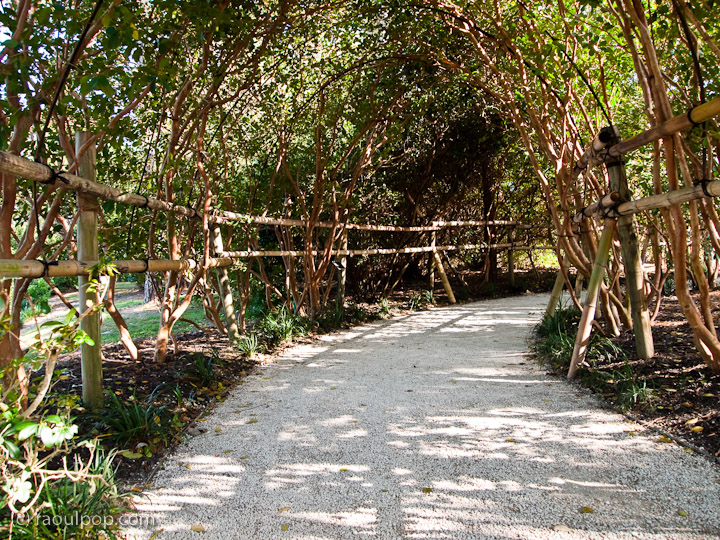
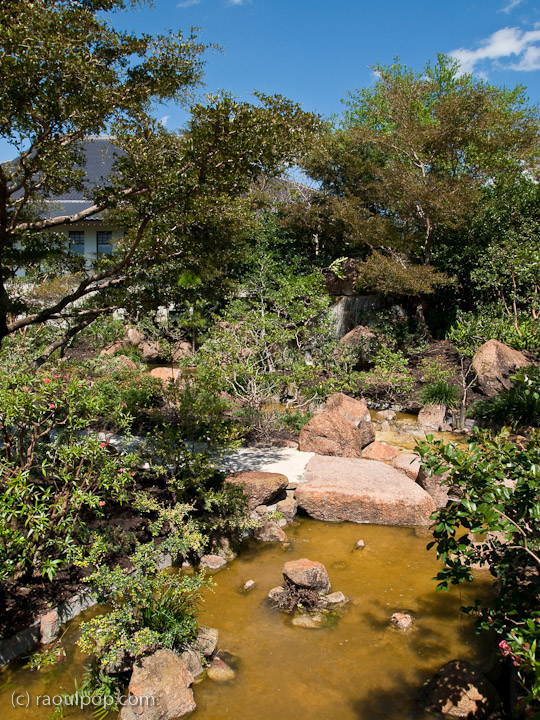
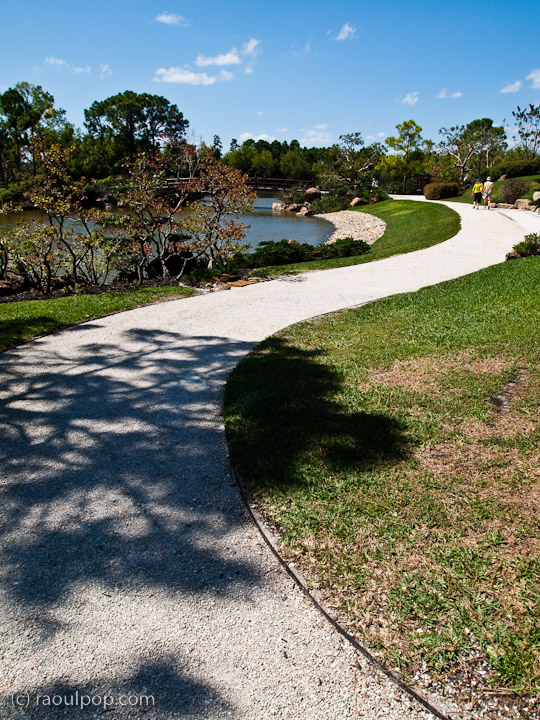
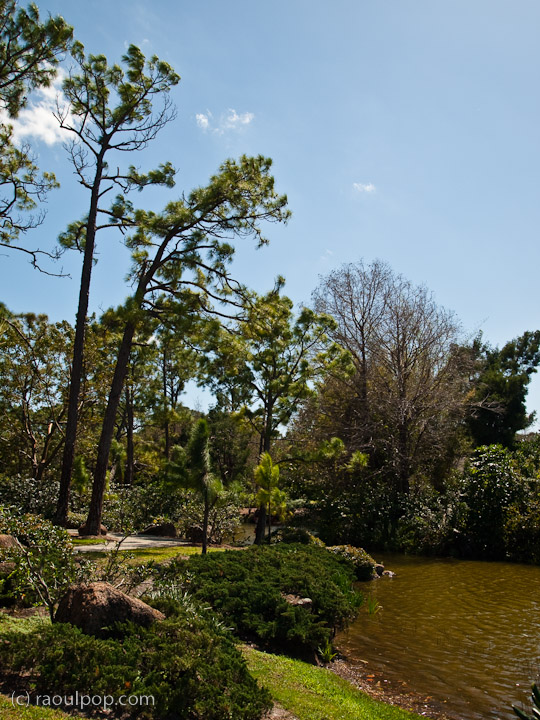
Morikami Museum and Japanese Gardens

This slideshow requires JavaScript.

The Morikami Museum in Delray Beach, Florida, celebrates the hard work and dedication of Japanese immigrants who came to the region in the early 1900s in order to farm the land, and encourages the study of Japanese culture and customs.
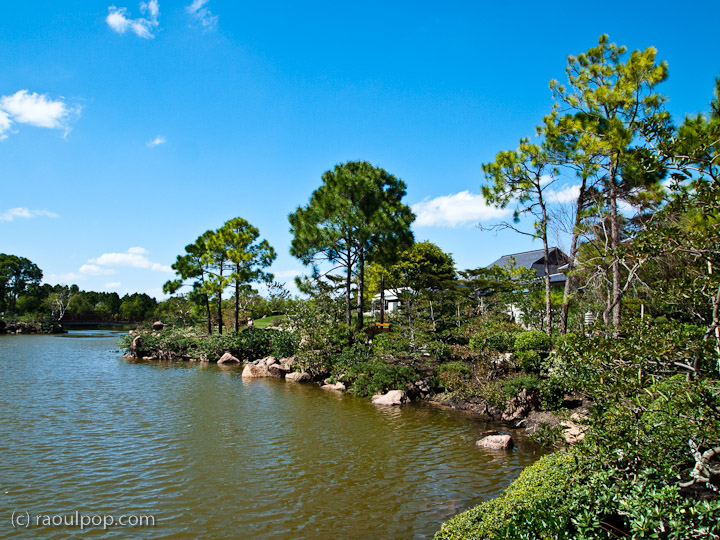
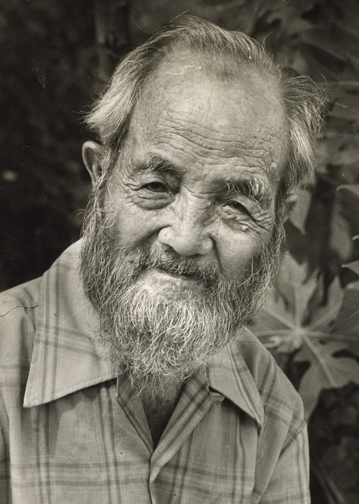
The museum opened its doors in 1977, after the land where it exists was bequeathed to Palm Beach County by the only remaining Japanese farmer in the area, Mr. George Morikami. It was given under the condition that it be turned into a park, in remembrance of the original Japanese colony, named Yamato.
We visited the museum on a sunny spring day in March and witnessed a formal Japanese tea ceremony, which I filmed and wrote about earlier.

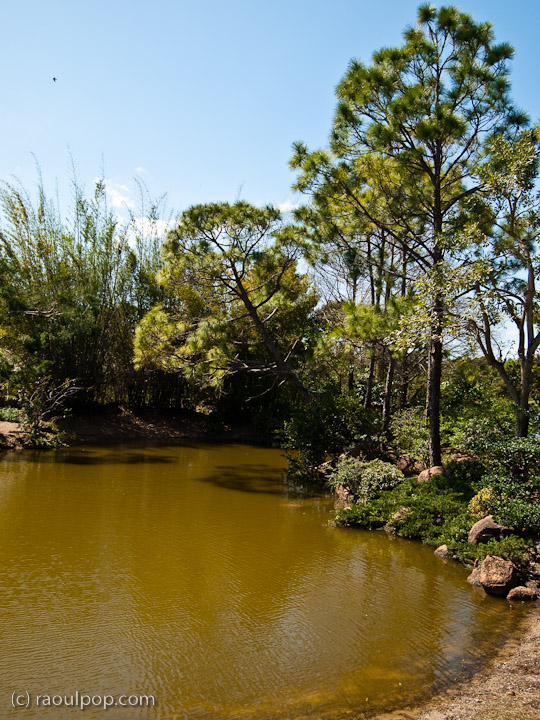
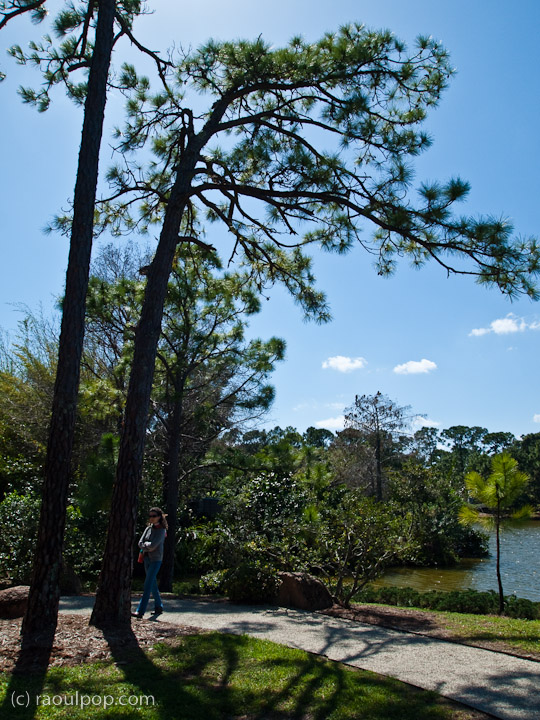
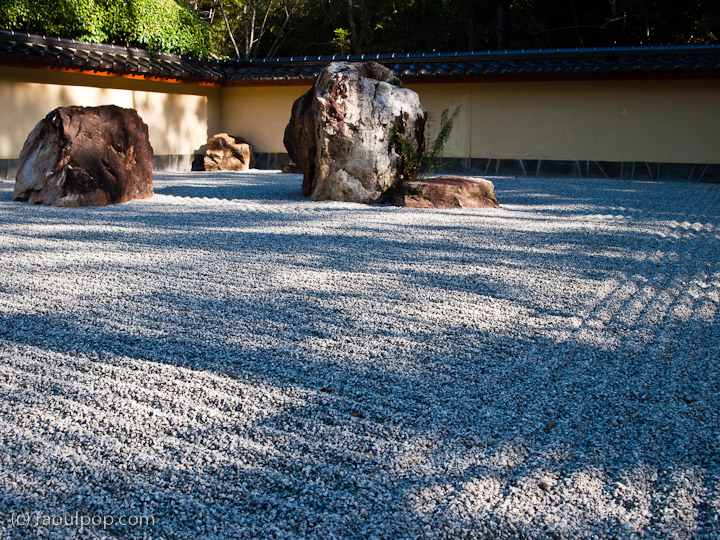
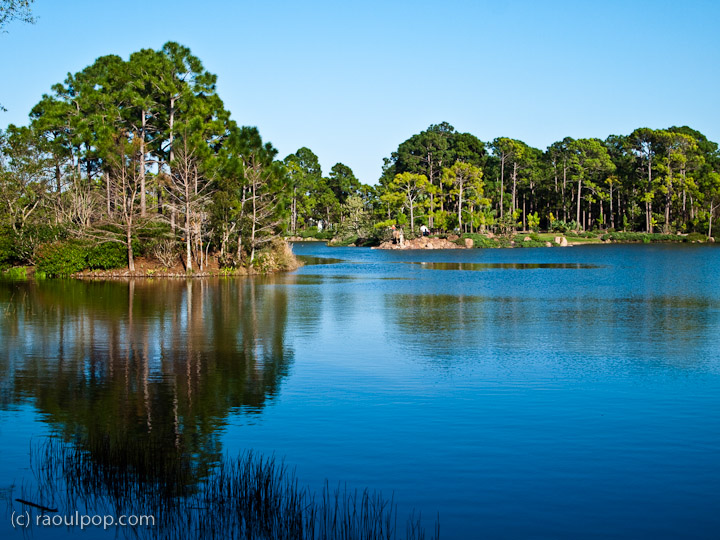
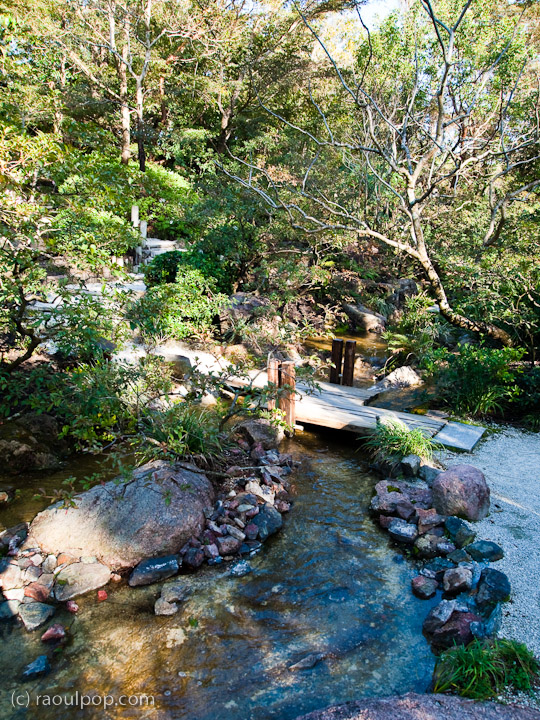
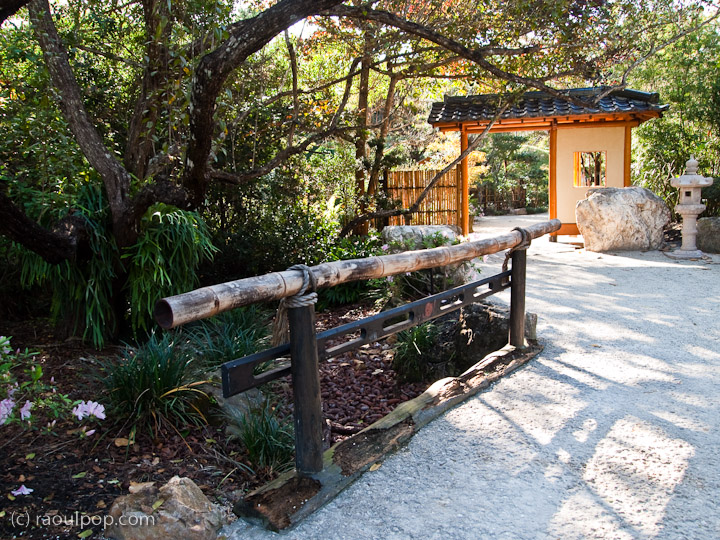
Then we walked on the park grounds, among the many themed Japanese gardens, each of which represented different historic design philosophies in Japanese culture. I filmed the park as well, and you can see that video below.

The park is lovely. The carefully manicured landscapes exert a calming influence on the visitor. Time somehow passes more slowly there. It’s a pity the park only opens at 10 am and closes at 5 pm. It must be beautiful to walk on the park grounds in the early morning hours, with fog lifting off its lakes and ponds and the songs of birds filling the cool morning air, echoing all around.
The Yamato Colony was an attempt to create a community of Japanese farmers in what is now Boca Raton. With encouragement from Florida authorities, young Japanese men were recruited to farm in the colony. Because of difficulties such as disease, discrimination from white farmers in the area and crop blights, the colony never grew very large, and gradually declined until it was finally dispersed during World War II.

The company who originally owned the land was the Model Land Company, created by Henry Flagler to hold title to the land granted to his Florida East Coast Railway by the State of Florida. The company encouraged the settlement of its land, particularly by recent immigants, to gain money from the sale of the land and to increase business for the railroad. In 1903, Jo Sakai, a Japanese man who had just graduated from New York University, purchased 1,000 acres (4 km²) from the company and recruited young men from his hometown of Miyazu, Japan, to settle there.

The settlers grew pineapples, which were shipped on Flagler’s railway line. Pineapple blight destroyed the crop in 1908. Afterward, the colony could no longer compete with cheaper pineapples from Cuba, so many of the settlers returned to Japan or moved elsewhere in the United States. The remnants of the colony were dispossessed after the entry of the United States into World War II, when their land was taken to create an Army Air Corps training base (now the site of Florida Atlantic University and the Boca Raton Airport).

The only member of the Yamato Colony to stay in the area was George Morikami, who continued to farm until the 1970s, when he donated his farmland to Palm Beach County to preserve it as a park, and to honor the memory of the Yamato Colony. The road on which the Museum was built is now appropriately called Yamato Road, and Delray Beach has also become a Sister City with Miyazu, in honor of George Morikami and the Yamato Colony.

Source for background info: Wikipedia, Morikami Museum.
All of the photos and videos presented here were taken with the Olympus PEN E-P2 Mirrorless Camera. This article uses the brand new slideshow feature from WordPress.
Standard
Places

Photos from Beach Drive

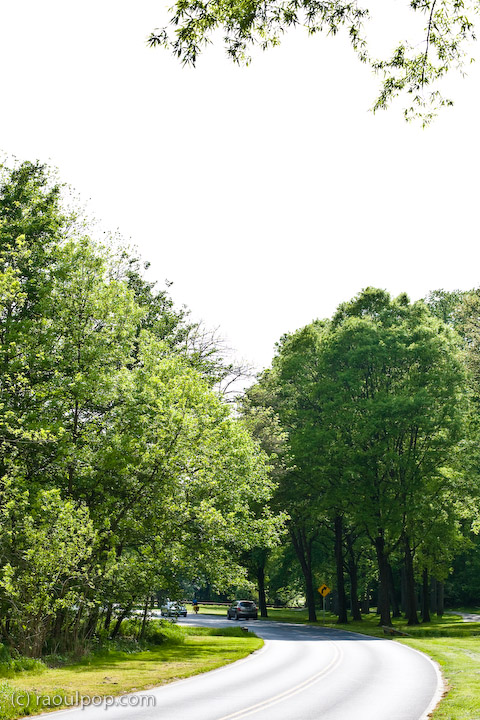
Beach Drive is a picturesque road that winds its way through Rock Creek Park in Washington, DC and the surrounding suburbs. Although called by different names along its various portions, it starts at the base of the Lincoln Monument as Rock Creek Parkway, NW, and ends somewhere in Rockville, MD, possibly at the end of Dewey Rd. I’ll let you trace it from end to end — it’s fun to follow it on Google Maps — just remember, the road should be inside the wooded areas at all times, and houses shouldn’t line it on both sides.
Certain portions of it are closed during weekends so that cyclists and pedestrians can take walks alongside it without the danger of cars. Road closure details are listed on the NPS – Rock Creek Park website.

Rock Creek Park and Beach Drive are truly one of the places to see in DC. The regular roads can get so clogged at times, and it can become so inhuman to sit in traffic and stare at buildings and cars on either side, that Beach Drive provides a welcome respite from the city.

Literally surrounded on each side by tall trees and bushy vegetation, it’s easy to forget one is in the middle of DC. It’s just beautiful. The only time the road’s proximity to nearby development is seen is during winter, when the houses and the roads are revealed to be only a few hundred feet away or less on certain portions of the road.

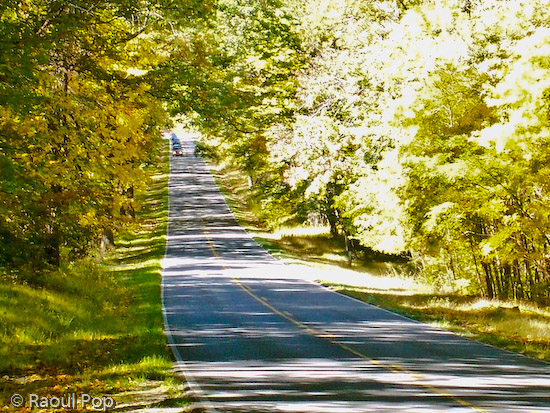
Understandably so, my wife and I go there often, and we also take photos. Here are a few taken on a recent trip. Click on each to enlarge it, then click again to view at full size (currently 720 pixels wide).

Standard
Places

Cabin John Regional Park

This summer, Ligia and I visited Cabin John Regional Park here in Potomac, MD. It’s a lesser known park, and it doesn’t really get as many visitors as it deserves, but it’s a pretty beautiful place. To discover that beauty, you need to get off the beaten path, as is the case with many things in life.

We did get off the beaten path when we visited it, so much so that we got lost, and getting back onto the path was an adventure in itself. At least we got some good photos out of it.

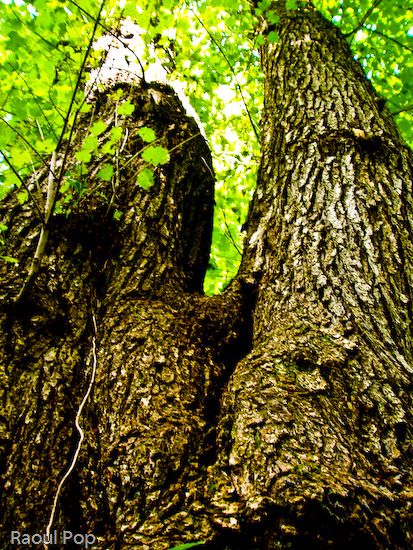
This tree almost looks like someone with their legs in the air.

Looks like legs

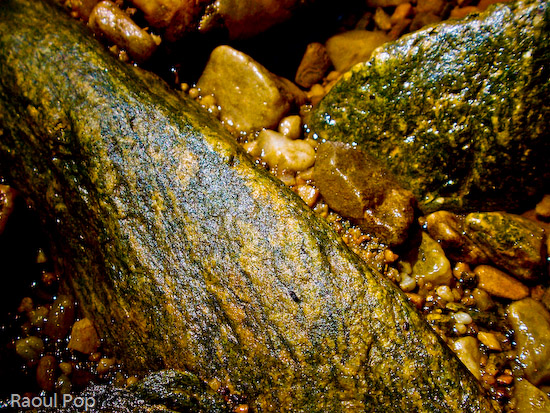
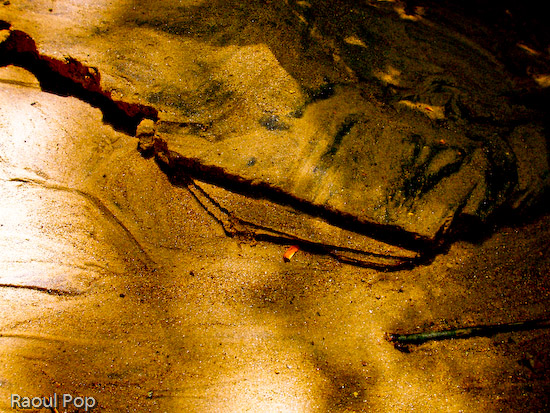
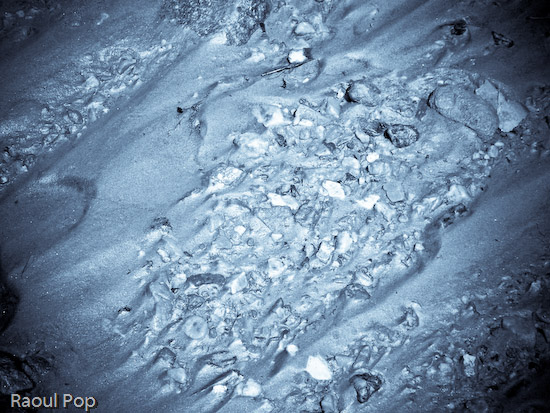
There was a nice little brook running through the forest, and some of its riverbed was exposed. Not only did we find beautiful pebbles, but we also found some great sand patterns.

Wet

Abstract sand patterns

Brook bed imprint

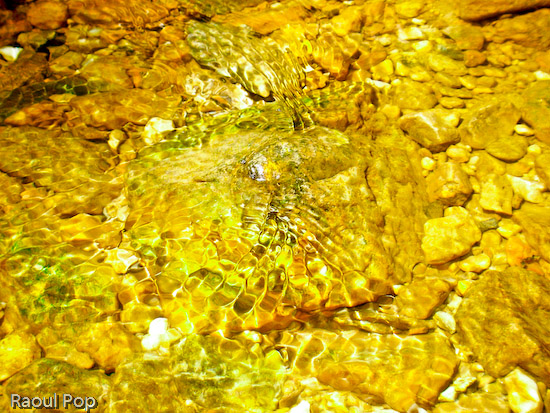
The light reflected beautifully off the water’s surface.

Water patterns

Leaves trapped among pebbles

Beautiful reflection

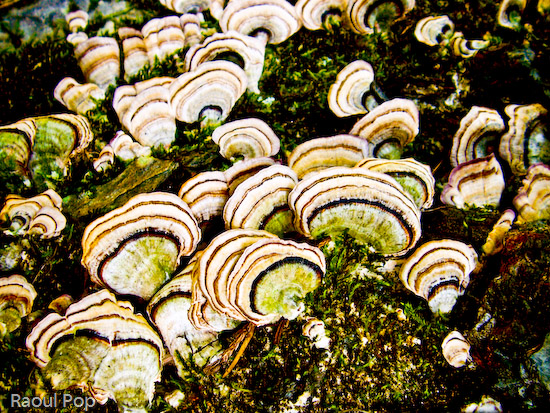
Lichen grew abundantly on a fallen tree trunk.

Lichen growing on tree bark

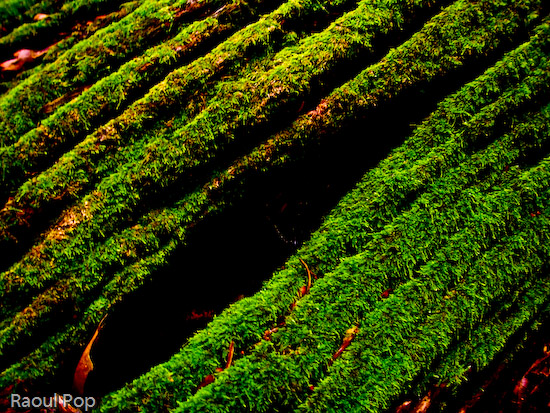
We also found thick moss, colored a deep green, growing on another fallen tree trunk.

Thick moss growing on tree bark

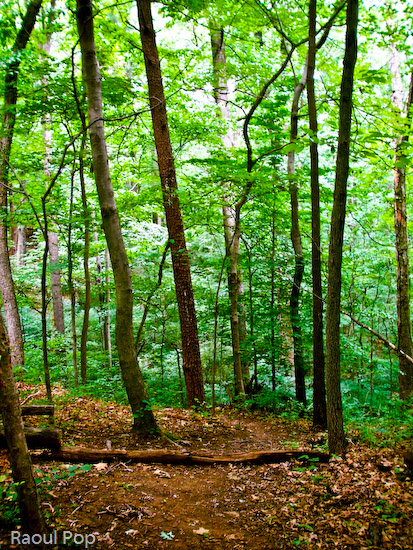
After almost two hours of wandering the forest, we were relieved to find the path once more.

Forest path

Standard
Places

Fantastic fall foliage

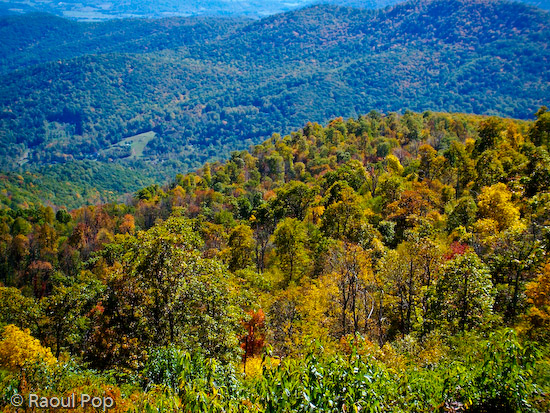
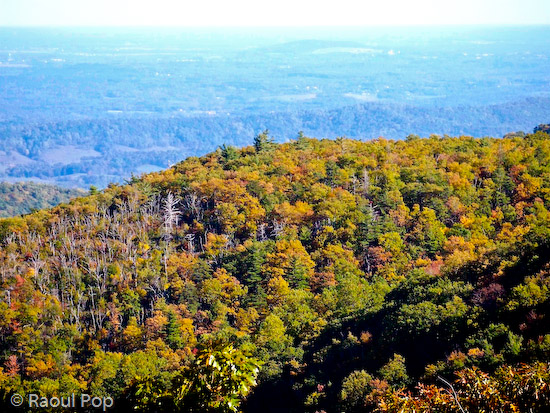
If you live in a place where you don’t get to experience the wonder of nature called fall foliage, then you’ll probably enjoy the photos I took on two trips to Shenandoah National Park and its most prominent and well-known feature, Skyline Drive.

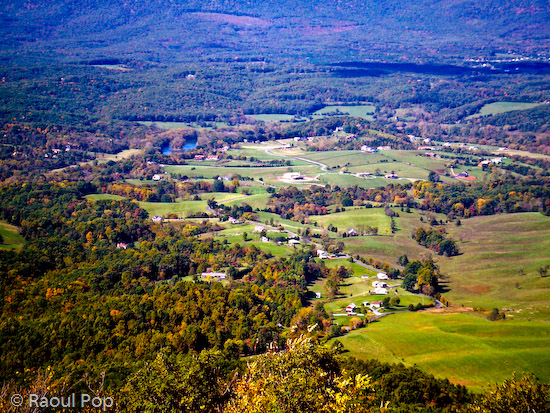
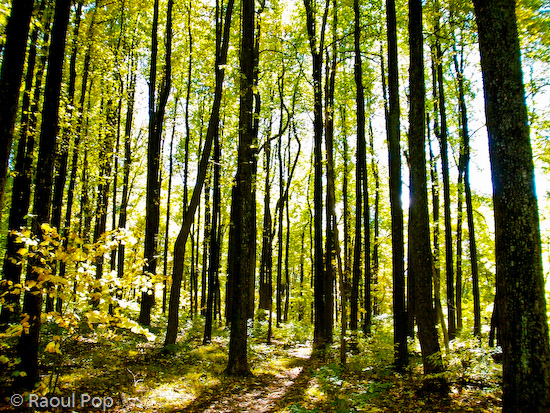
I wrote about our September trip to Shenandoah a few weeks ago. Ligia and I took a trip in October as well, and that’s when I got some pretty cool photos of the changing leaves. I think it’s pretty hard not to get good photos from Skyline Drive. The landscapes are just amazing. The road hugs the very mountain peaks, and you get to peer down into the valleys of Virginia and toward the peaks of the neighboring mountains. The overlooks are plenty and offer tons of scenic opportunities, although sometimes I wished I could just stop the car in the middle of the road to take photos.

It’s a gorgeous place! I’d like to take a week’s camping trip out there with a quality dSLR, batteries, lots of CF cards, and a good tripod, to see what photos I’d get. And maybe a good book to read in the quiet evenings, by the campfire.

Skyline Drive is shown below.

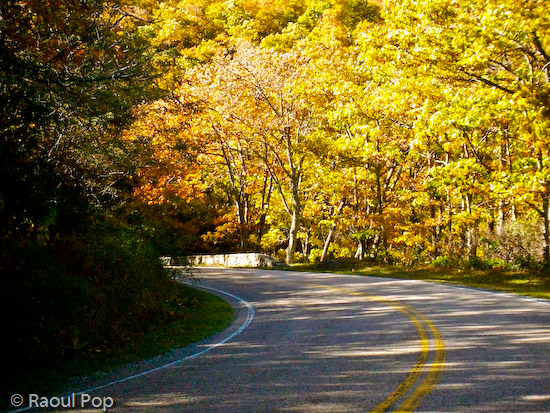
Skyline Drive

The road to color

What’s wonderful is that one can see little villages and houses in the valleys below the mountains. I took these photos from various overlook points on Skyline Drive, and as you can see, the valleys below are quite picturesque.

Little villages

Patches of green

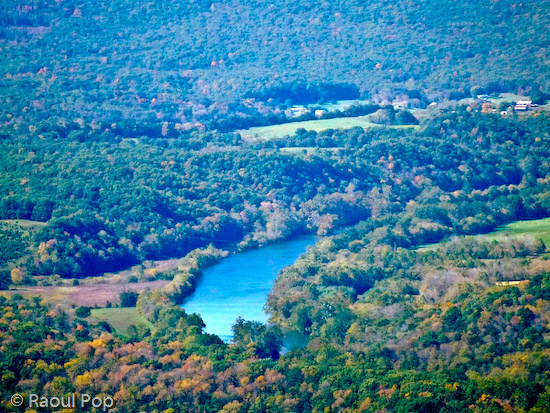
Taking advantage of the wonderful zoom on my Kodak v610 point and shoot, I was able to get fairly close to the lake in this photo, even though it was quite far away.

Lake of color

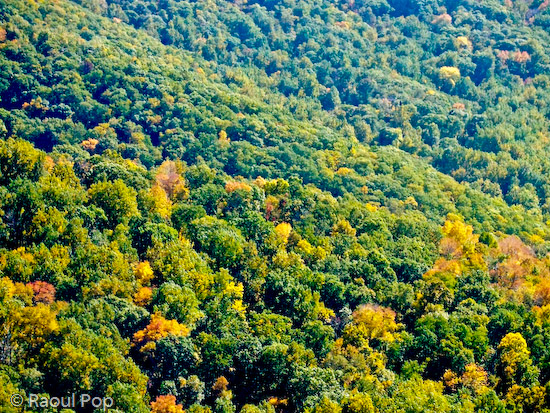
Some of the slopes were just getting some autumn colors in them.

The colors of fall

Autumn starts

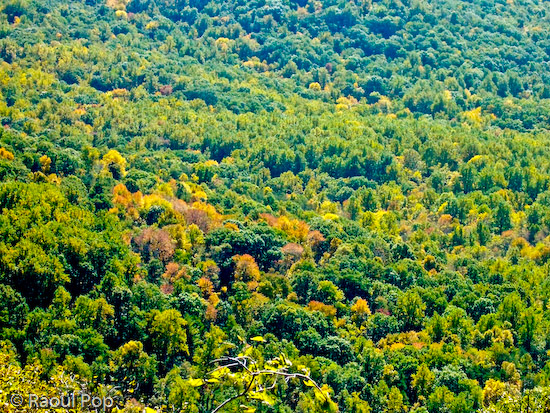
Some slopes were already fully colored, and they were quite a beautiful sight.

The colors of fall

Descent into the valley below

Shenandoah Valley

Barrage of color

A short walk through the forest yielded even more beauty.

Parallel lives

Trees on a mountain peak

A glimpse of the autumn sky

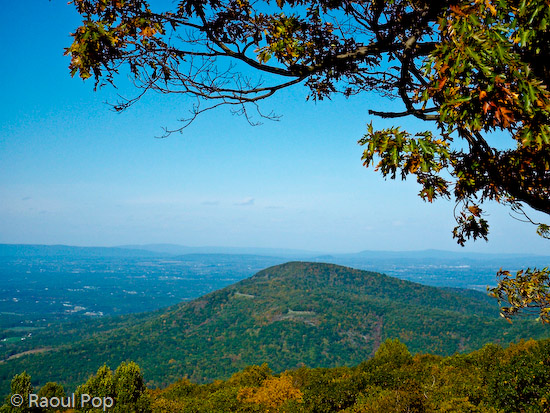
One of the other impressive sights was that of the lone peaks arising from the valleys adjacent to the mountain ridge. I found them quite unusual. In shape, they resembled hills, but they were as tall as the mountains we were standing on.

Peppered with gold

Overlook on Skyline Drive

And with that I close. The Shenandoah valleys and mountains are quite beautiful, and I invite you to visit them if you get the chance.

Incidentally, the Shenandoah Valley is part of the story in “The Howards of Virginia” (1940), a movie about a colonial family that played a part in the American Revolution. The title role there was played by Cary Grant.

Standard
Places

A trip to the C&O Canal Park

Back at the start of September, Ligia and I visited the C&O Canal Park, on the Maryland side. It was a rainy day, so we didn’t stay for long, but I did manage to take quite a few photos. I thought I’d share them with you. Enjoy!

Here’s Part 2.

Standard